The Mortise & Tenon Podcast
82 episodes — Page 1 of 2
82 – Tools for Engagement: Reclaiming Craft in an Age of Technology
81 – Coperthwaite on “Wealth, Riches, Treasure”
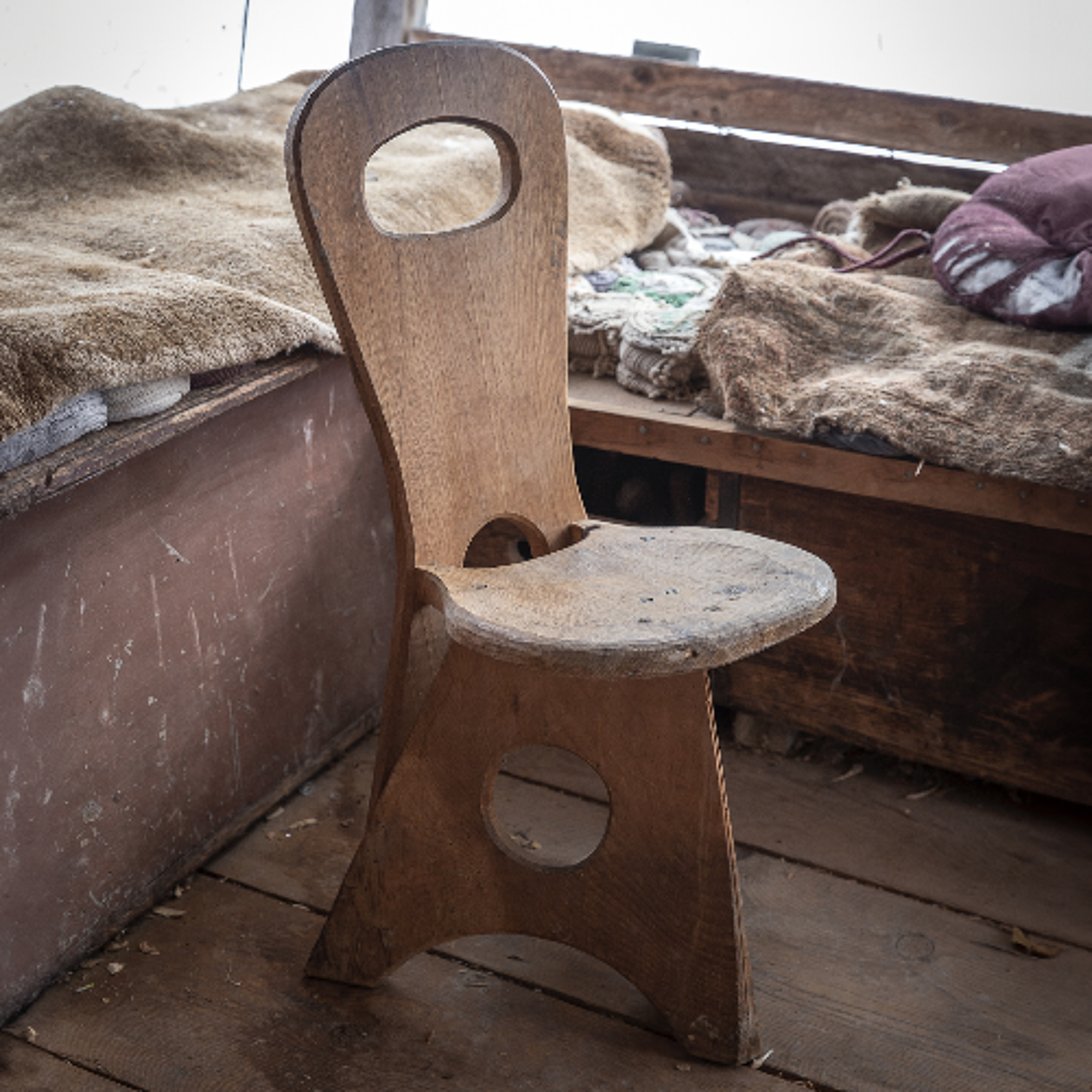
In this new episode, the guys work their way through Bill’s chapter on the true meaning of “wealth.” Rather than think of wealth merely in terms of monetary accumulation, Bill suggests we think of real enrichment as sharing things that benefit others, such as teaching skills, telling stories, or sharing a meal. In such times, no one goes without so that others can gain – all are better off for having participated. That is true wealth. Joshua and Mike highlight such topics as keeping your possessions to an amount you can personally manage and care for, building your own home over years, and designing “democratic chairs” anyone could build with a little effort. This is, as you’ve surely come to expect, a lofty and “enriching” discussion. Bill’s book is always worth engaging, and this chapter is no exception.
80 – Coperthwaite on Nonviolence: A Gentle Revolution
In this episode, Joshua and Mike interact with Bill Coperthwaite’s vision for how handcraft might better reflect a compassionate view of the world. Rather than seeking to dominate or impose our wills on our world, we would do better to “cultivate a reverence for all things” – to work with the nature of our materials, instead of against it. And what if the design could somehow reflect our values? What does the design of our homes “say” about what we value? What chair designs might make woodworking accessible to everyone? How is the notion of “living by ideals” in need of recovery? Listen in on this episode to see what the guys have to say about Bill’s chapter.
79 – Coperthwaite on Education/Nurture
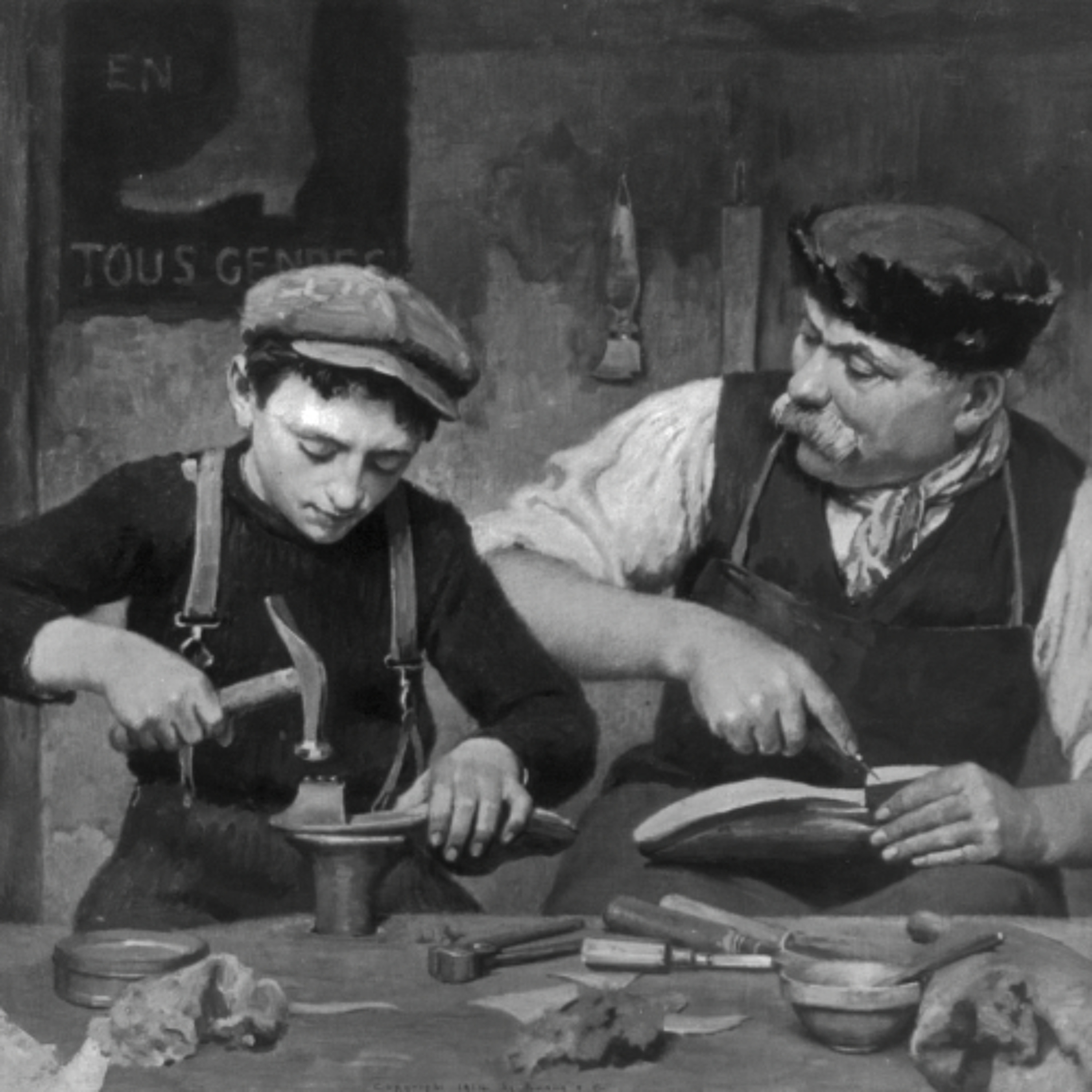
In this episode, the guys tackle Bill Coperthwaite’s discussions about education – the kind that stifles us, and the kind that is conducive to a fulfilling life of engagement. Bill, as he is won’t to do, seeks to breaks down barriers and facilitate cooperation in his vision for a “handmade life.” Joshua and Mike appreciated so much in his take even if he seems to overreach at times. As a counter, the guys agreed that mentorship is important and that sometimes we don’t have the oomph to follow through on hard things. In times such as those, our souls need a spanking. Cultivating self-discipline is an important part of education. Listen in on Joshua and Mike interacting with Bill’s musings.
78 – Coperthwaite on “Work/Bread Labor”
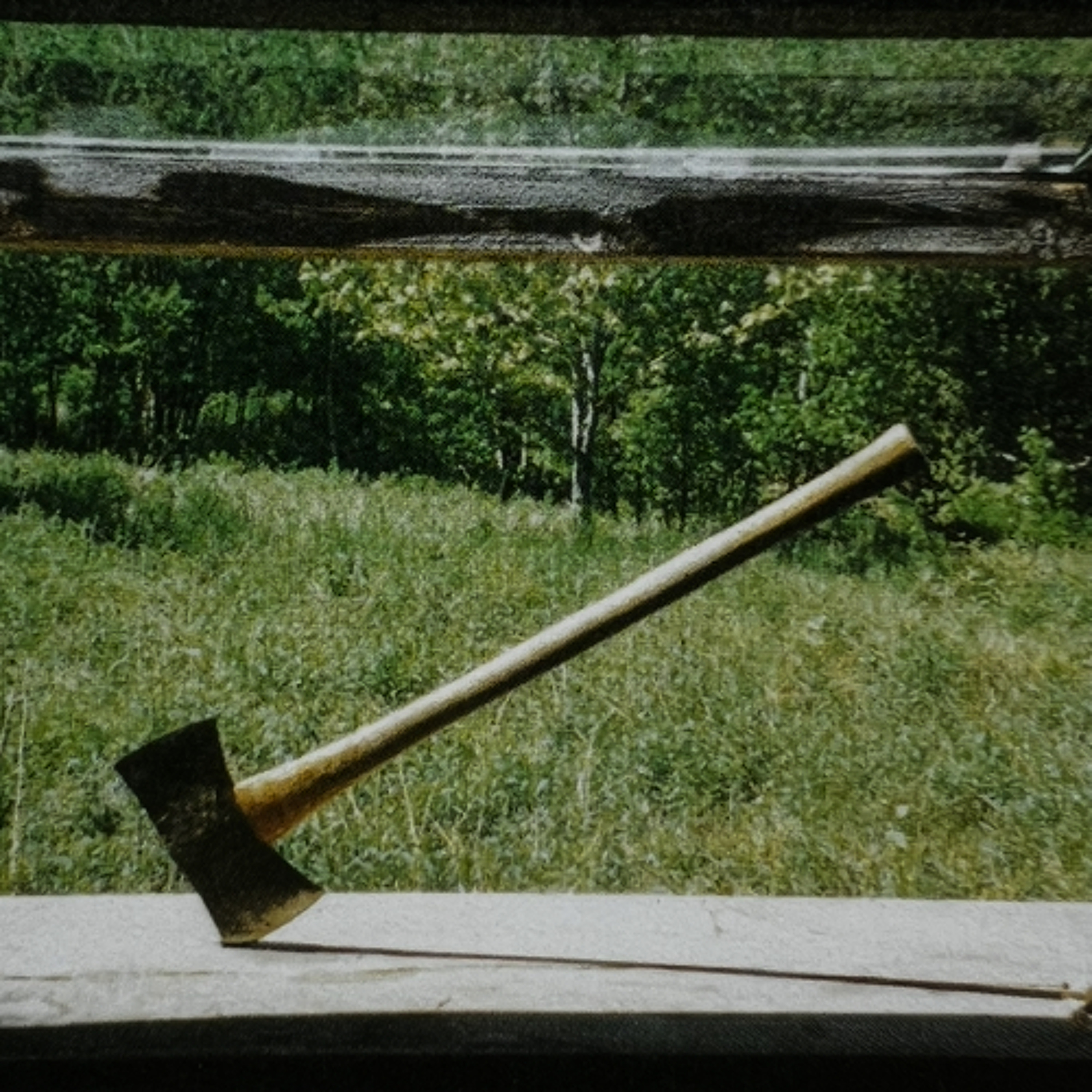
In this episode, the guys discuss Bill Coperthwaite’s chapter on labor: the goodness of it, the exploitation of it, and some of his ideas about how it can be improved. This is an idealistic vision that Joshua and Mike both resonate with and critique. Prepare to have your hackles raised. No matter where you’re coming from, you are sure to be offended by at least a few things in this episode.

77 – Coperthwaite Chapter 2: “Beauty”
In this episode, Joshua and Mike tackle Bill Coperthwaite’s discussion of beauty. The focus of this chapter is relatively narrow, zeroing in on the intangible aspects of beauty such as the production context: Who made this? Under what circumstances was it made? Etc. Coperthwaite argues that the process of deepening your knowledge of a thing enriches your sense of its beauty (or ugliness, as the case may be). When we fill our lives with things that are truly beautiful instead of only superficially so, the stuff we use on a daily basis becomes that much more meaningful. So meaningful, that we might even find ourselves apologizing to a broken teacup.

76 – Coperthwaite Chapter 1 Part 2
In this episode, Joshua and Mike pick up their discussion of Bill Coperthwaite’s first chapter in A Handmade Life. The discussion meanders through questions of the value of expertise, being an apprentice who is preparing to one day be a master, and blending the best of human cultures.

75 – Coperthwaite, Chapter One: “Society by Design / Design by Society”
In this episode, Joshua and Mike tackle the first chapter in Bill Coperthwaite’s A Handmade Life: “Society by Design / Design by Society.” This chapter is worked through section by section, explaining and interacting with Bill’s relentless call to deliberately reorient our lives toward the best and most beautiful ends. This “democratic” call is for everyone to participate in self-reflection and purposeful action. The guys made it through the first half of the chapter, which ends with an intriguing critique of electric can openers, of which Bill said he “can’t think of anything more ridiculous.” This is technology criticism in action.
74 – A Handmade Life by Bill Coperthwaite
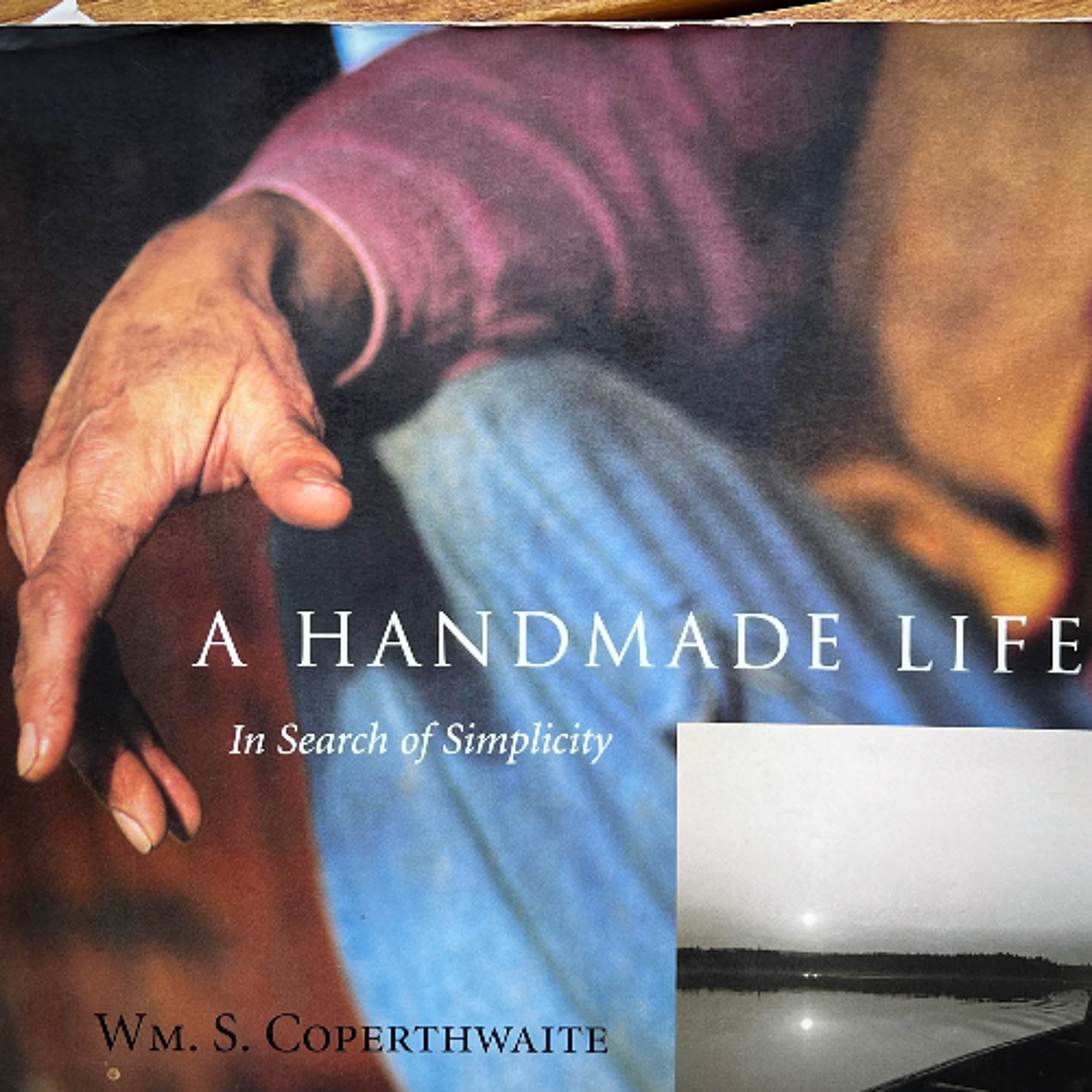
In this podcast episode, Joshua and Mike begin a new book discussion series. This time, the guys tackle Bill Coperthwaite’s inspirational work A Handmade Life: In Search of Simplicity. As is evidenced by the way Coperthwaite’s name continually resurfaces at M&T, this book has proven to be deeply foundational in the thought and vision of this publication. Just as they did with their podcast series on David Pye’s The Nature and Art of Workmanship, Joshua and Mike will be working through this book, chapter-by-chapter, summarizing his ideas and offering their own reflections (and occasional pushback) along the way. Bill Coperthwaite was a true visionary, but one who was firmly grounded in living out what he believed. The book is not to be overlooked or easily dismissed. Join the guys as they crack into this rich work.
73 – The Tenth Anniversary Issue
In this episode, the guys discuss their upcoming special publication: The Tenth Anniversary Issue. They’ve poured out untold energy and creative reflection to make this the most compelling title they’ve ever released. This issue features: Joshua A. Klein, Michael Updegraff, the Yale Furniture Study, Steve Latta, Sally Bernstein and Joel Moskowitz, George Sawyer, Anne Briggs, Glenn Adamson, Kenneth Schwarz, Wendell Berry, and Jögge Sundqvist. This one will be talked about for years ahead. Available by pre-order only. Order yours before April 27, 2025.
72 – Working at Scale
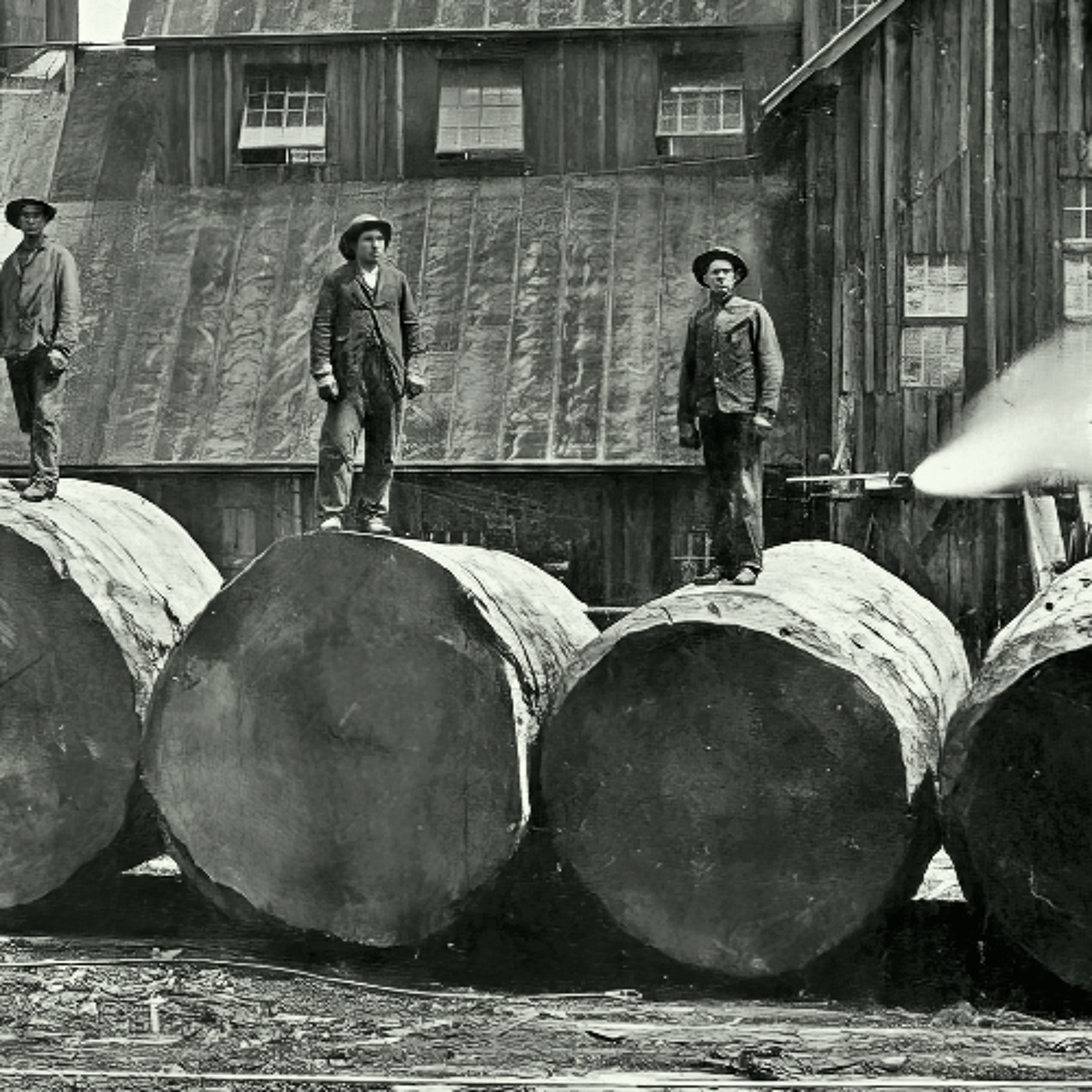
In this episode, Joshua and Mike explore the pros and cons of working at a larger scale than furniture making. Whether you’re constructing something as immense as a barn or simply working in batches, trying your hand at a project that will take you more than a few days’ work will expand your capacities. Inspired by Joshua’s upcoming article in Issue Eighteen all about how he’s handplaning all the floorboards for his house, this episode was recorded to inspire you to roll your sleeves up for the long haul. There’s a lot of good work out there that needs to be done – too much to stand around just thinking about it.
71 – Finding Balance
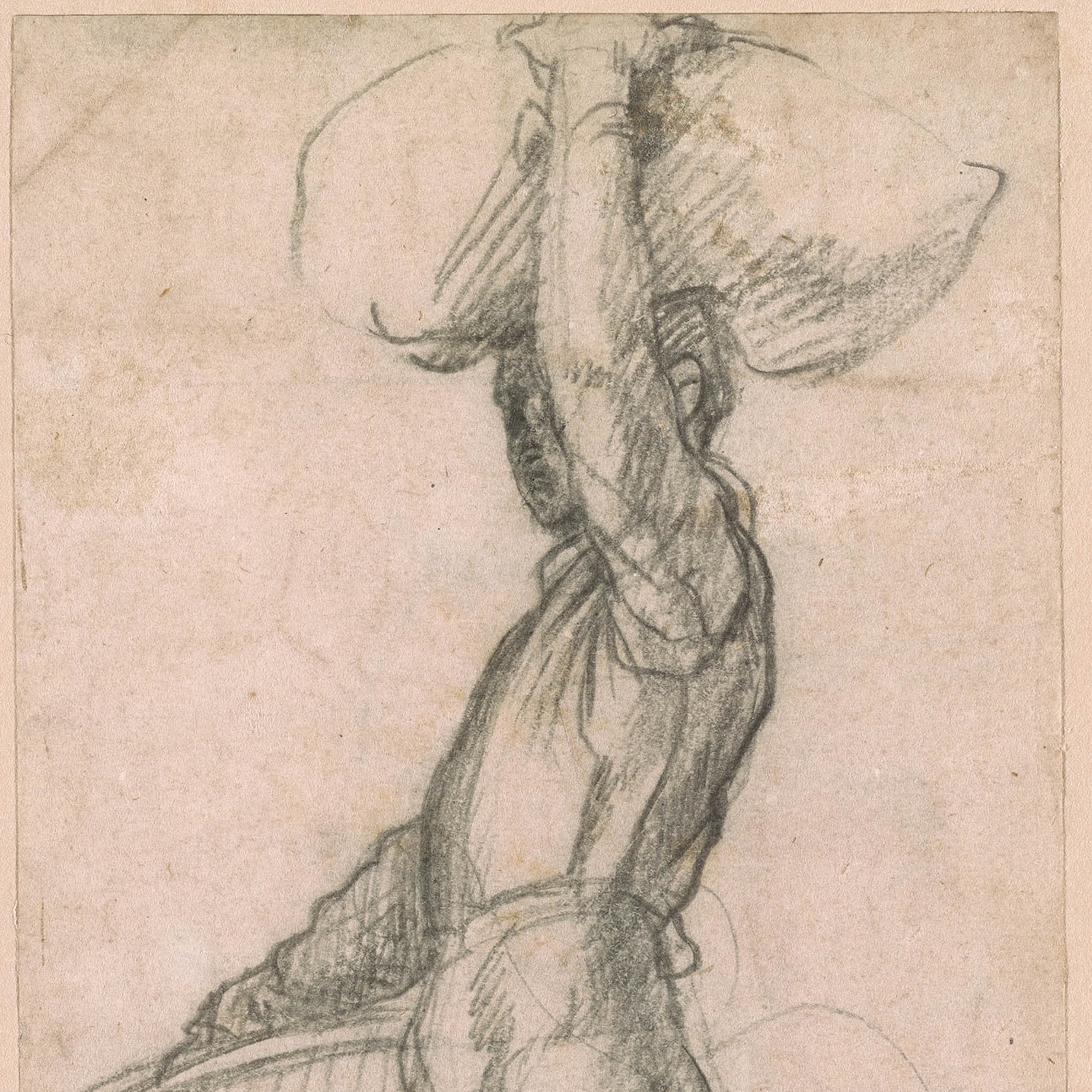
Do you believe it’s healthier to work with your mind or is it better to work with your hands? We hope you said, “Neither.” Why the dichotomy? In this episode, Joshua and Mike argue that getting stuck in one mode or the other to the exclusion of all else undermines a person’s overall health. We are more than brains, and we are more than bodies. Because of this basic reality, seeking to restore balance after a time of intense work is essential to be able to carry on to the next stage of life.
70 – “Making Hay”
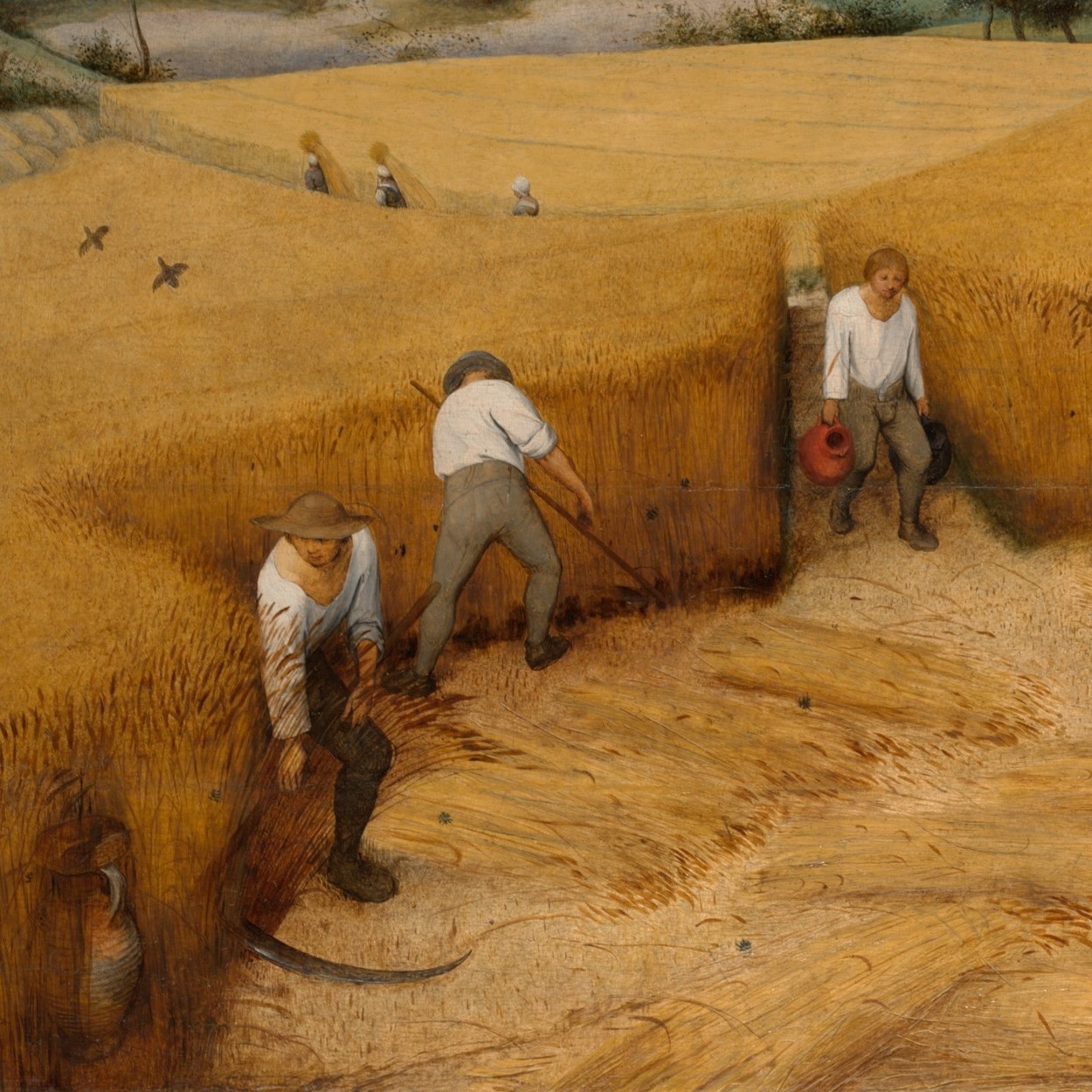
In this new episode of the podcast, Joshua and Mike talk about the proverbial practice of making hay while the sun is shining – as soon as the days start to get longer in the Maine spring, it’s time to get to work. They discuss the “House by Hand” 1821 Cape house restoration project and all the progress that has been made since the start of the year, with the goal of getting the Klein family moved into a somewhat completed building by winter. But how “finished” is finished enough? And what does the previous history of this house teach us about the iterative process of living in a structure while working on it? Drawing from Nevan Carling’s upcoming Issue Seventeen article, the guys make the argument that an old house is an indispensable article of material culture, and that preserving and living in it is a way of conversing with, and learning from, the past.

69 – “Backwoods Chairmakers with Andy Glenn”
In this new episode, the guys talk with woodworker and author Andy Glenn, whose new book Backwoods Chairmakers: In Search of the Appalachian Chairmaker was published by Lost Art Press. If you’re interested in handmade and vernacular furniture, this new title should be on the top of your list. Glenn covers, not only the nuts-and-bolts discussions about building these chairs, but also an intimate glimpse into the lives of these makers still actively selling chairs today.
68 – “In Defense of Maintenance”
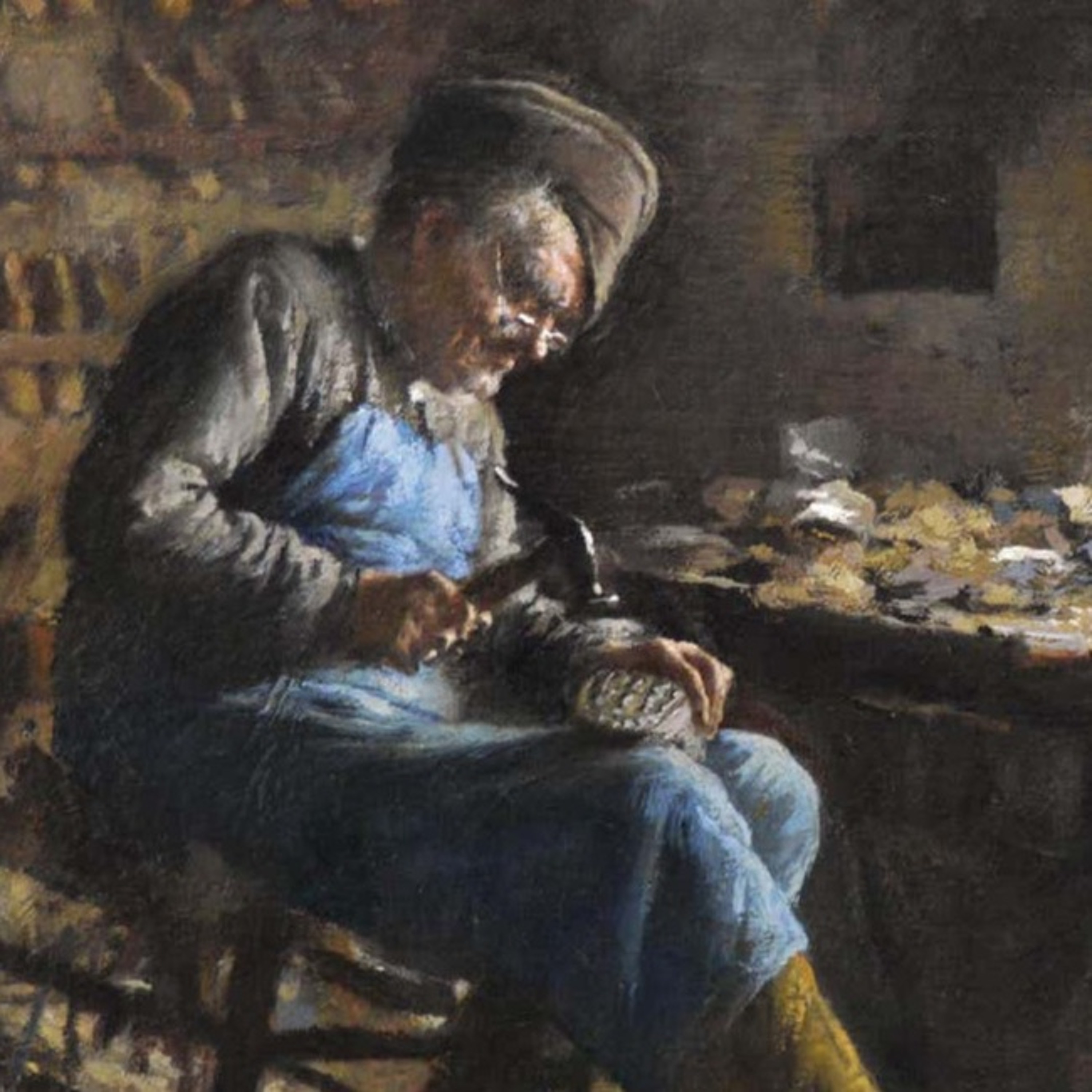
Not everything in life needs to be “set it and forget it.” There are all sorts of things that we would do well to tend to – to care for – to pay attention to. In this episode, Joshua and Mike discuss the value of maintaining the stuff of our lives. Rather than consider it a burden that ought to be overcome, the guys argue that there is something inherently valuable in the practice of tending. Whether it’s seasonally adjusting shifting doors, maintaining old wooden windows, or repairing your own vehicles, the act of maintenance is an act of participation, rather than consumption. This podcast conversation is a call to challenge yourself to undertake things you’ve never done before, because in so doing, you may find that the more you faithfully pay attention to, the more you will grow – not to mention, the more you might learn to appreciate and enjoy the mundane details of life.
67 – Reviving the Mechanical Arts
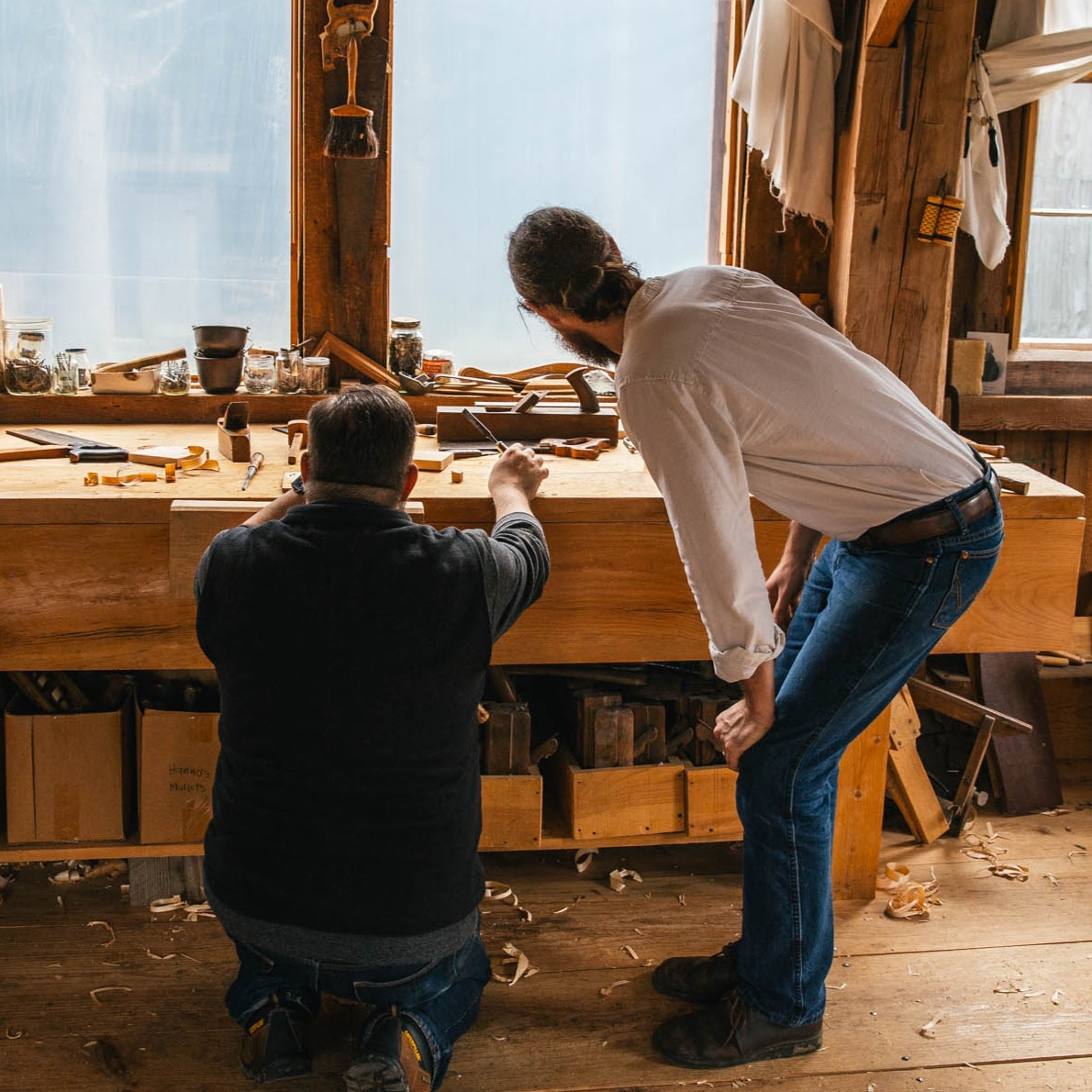
John Ruskin once said, “Fine art is that in which the hand, the head, and the heart of man go together.” In this episode, Joshua and Mike discuss the brand-new “Mechanical Arts Program” that they’ve launched in partnership with Greystone Theological Institute. Inspired by 12th-century theologian Hugh of Saint Victor, their aim is to help thoughtful learners reintegrate the work of the head with the work of the hands. The guys take this episode to discuss the first class held in their Maine woodshop this October.
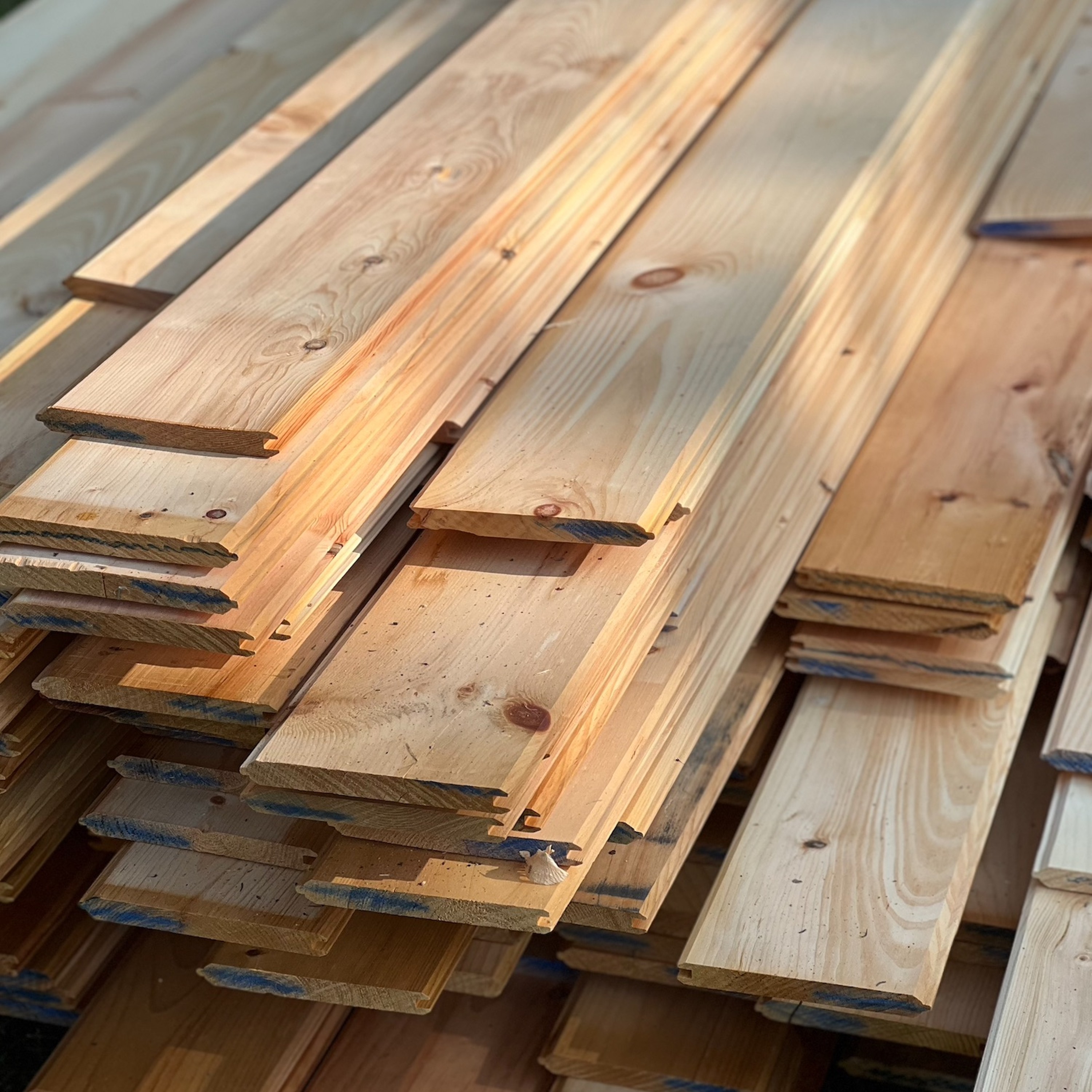
66 – Road Trip for Lumber
This episode was recorded on the road back in September, and in it Joshua, Mike, and Eden explain the various ways they’ve sourced lumber in rural Maine. As a from-the-hip recording, this conversation traverses quite a varied terrain – from the house project status to purchasing lumber in unconventional ways to the damage solar farms have done to the state of Maine. Buckle up – this one’s taking you places you never thought you’d go.
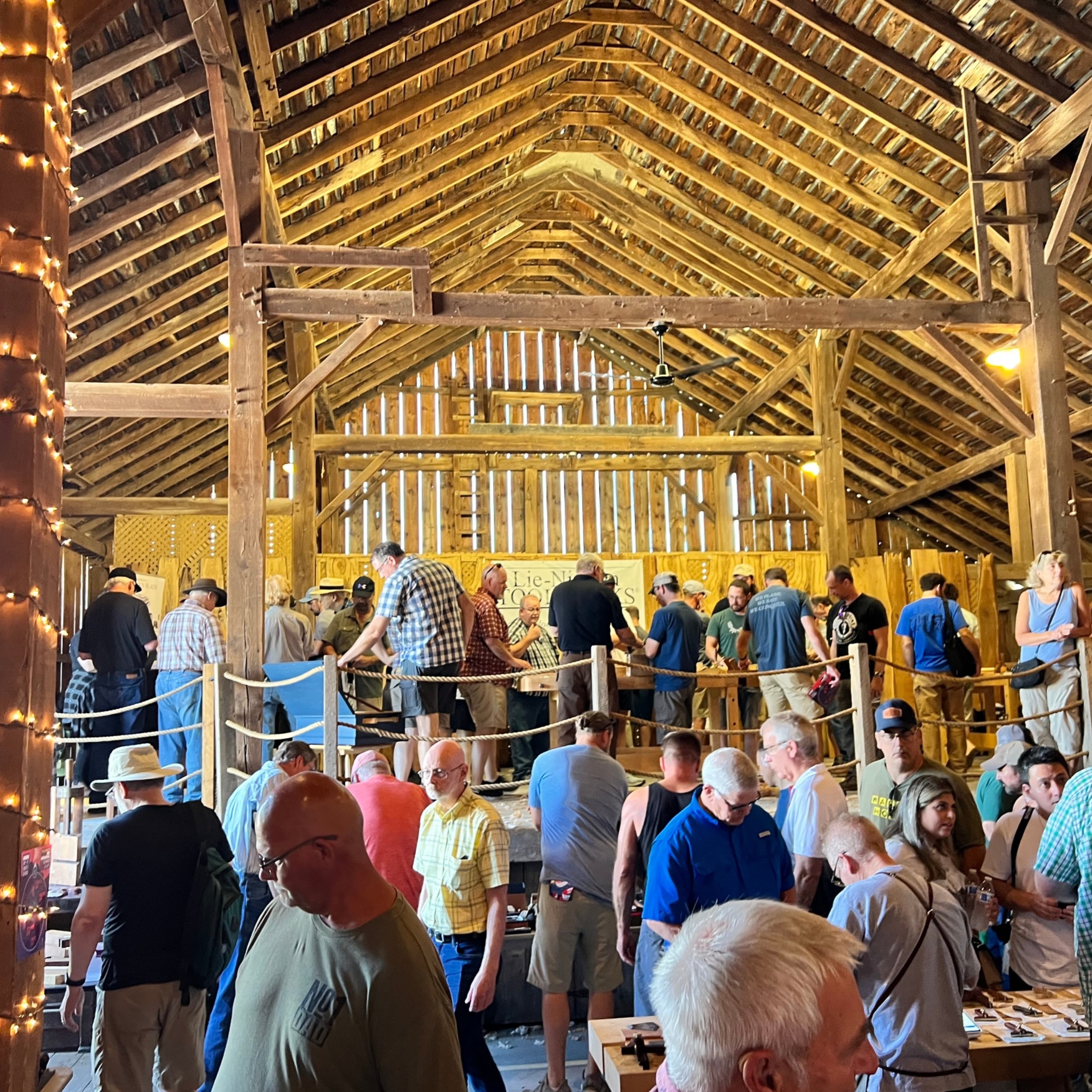
65 – “Handworks 2023”
In this episode, Joshua and Mike reflect on their time at Handworks, quite possibly the single most significant hand-tool woodworking event in the world. Part travelogue, part update, part rumination, this episode traverses a range of topics. If you weren’t there, you really missed out.
64 – “Fruitful Seasons of Work”
Our metaphors matter. When we are in the throes of a busy schedule, our culture encourages us to “crank it out” in order that we might emulate the hard worker who remains steadfast “like a machine”. We are encouraged to “recharge” with enough sleep and “fuel up” with caloric intake only so that we can be all the more efficient the next day. The problem with this metaphor is obvious: We are, in fact, not machines. Embodied creaturely life is organic, not mechanical. In this episode, Joshua and Mike remind us that our work should be aiming for “fruitfulness”, not efficiency, because all good work has latent within it the seeds of further fruit.
63 – A Critique of David Pye
In this final episode of their tour through David Pye’s The Nature and Art of Workmanship, Joshua and Mike bring up several of their critiques of Pye’s thought. As helpful and insightful as he was, the guys both are left feeling like something was missing. See how this book comes up short of a full-orbed, holistic discussion of workmanship and it’s enduring value in a technological age.

62 – “The Aesthetic Importance of Workmanship, and its Future” Pye Ch 11
Joshua and Mike have finally arrived at the final chapter of David Pye’s The Nature and Art of Workmanship, and it has been quite a ride. What did Pye see as the future of craftsmanship from his vantage point in 1968? Was he right? Is his assessment still valid in 2023? Listen in to this final installment to find out.
61 – “Critique of ‘On the Nature of Gothic’” Pye Ch 10
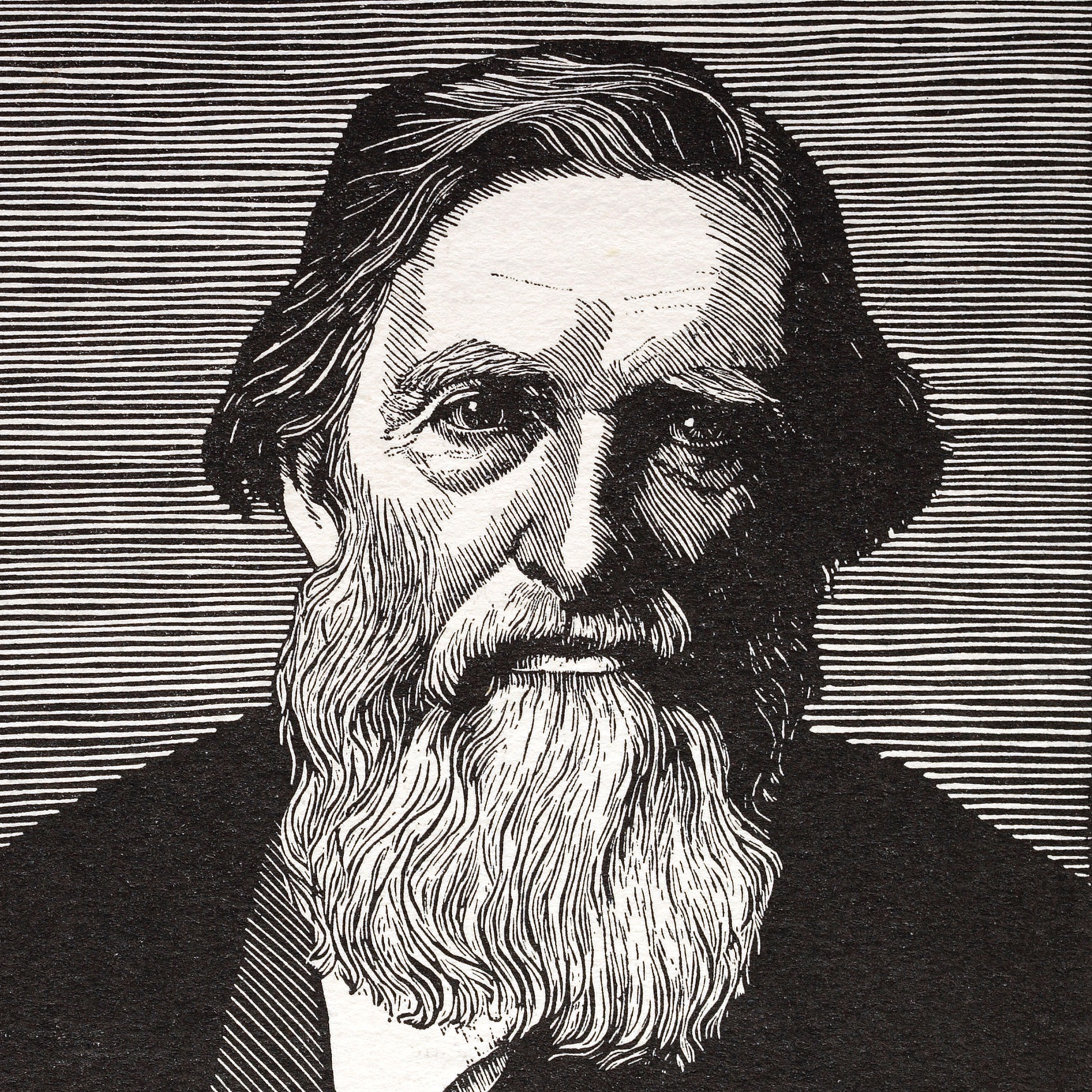
“Handmade” does not mean “shoddy.” This latest episode of the David Pye mini-series tackles chapter 10 of The Nature and Art of Workmanship in which Pye takes John Ruskin to task for his sloppy reasoning about workmanship. Pye’s motivation in writing his book was to critique the “illegitimate extensions” of Ruskin’s ideas about art and pleasure in work. He believed that a more precise analysis would clear up this muddy thinking so that the crafts could be recovered and dignified once again.
60 – “Equivocality” Pye Ch 9
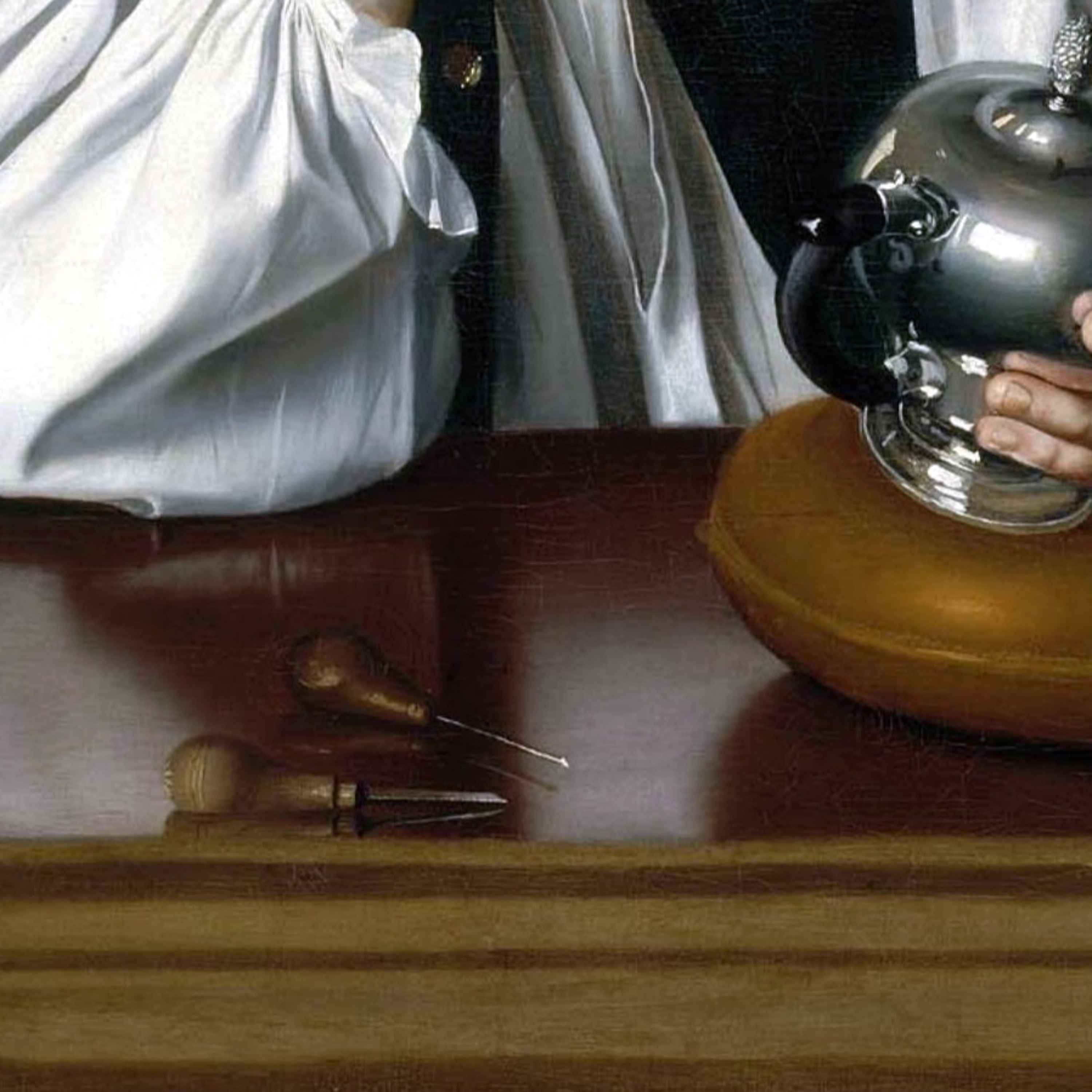
OK… that’s an ambiguous title. But, be assured that the guys recorded this episode to make it all come clear. In this next installment, Joshua and Mike expound Chapter 9 of David Pye’s The Nature and Art of Workmanship. This chapter is the culmination of his argument about why surface qualities are so important. Get ready to dive into the weeds – no aspect of craftwork is too small to consider carefully.
59 – “Durability” Pye Ch 8
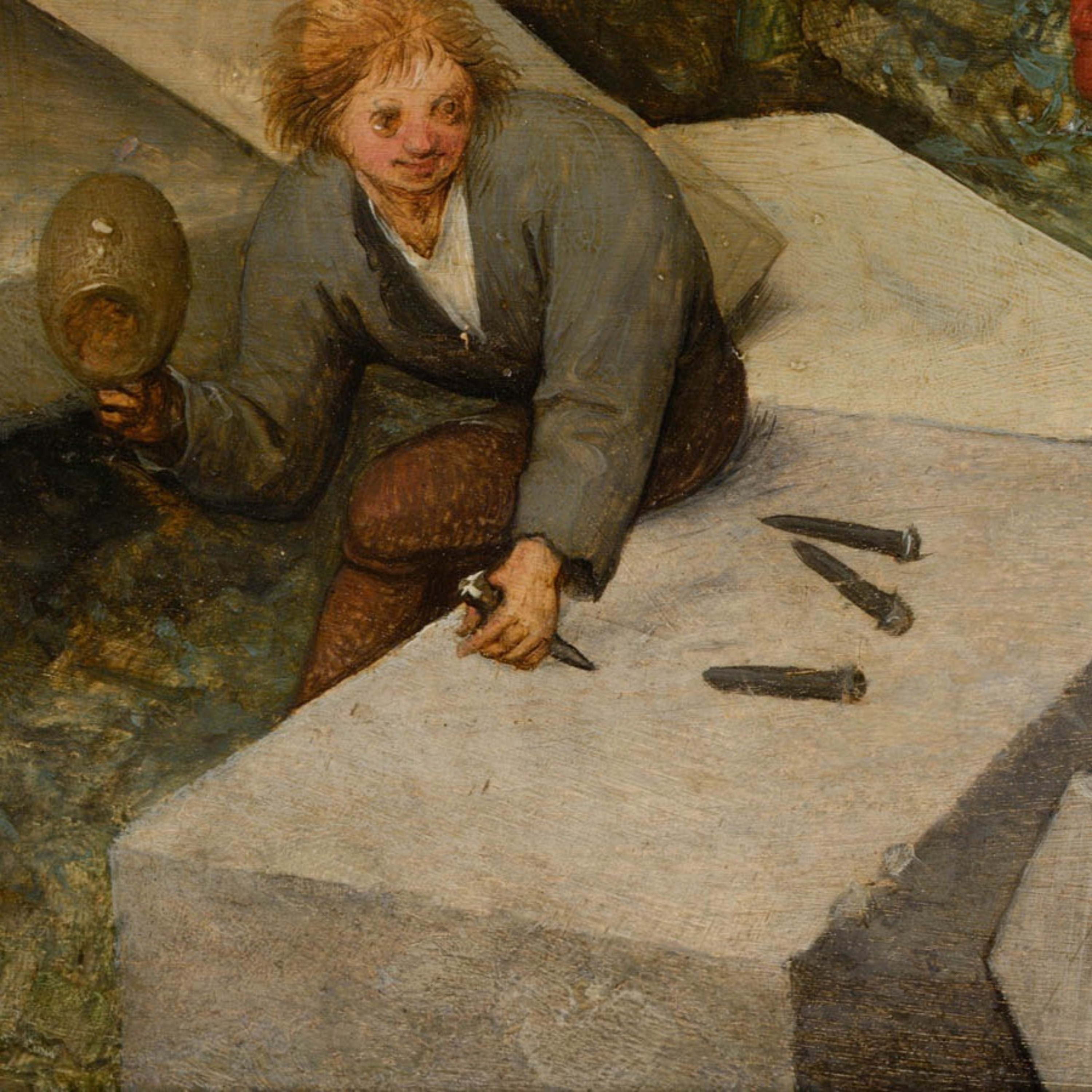
Another installment of the “Nature and Art of Workmanship” podcast series. Chapter eight deals with the subject of “durability.” Does precision mean durability in all circumstances? Who’s “to blame” when a product fails: the designer or the craftsman? All these questions and more are addressed in this episode.
58 – “Diversity” Pye Ch 7
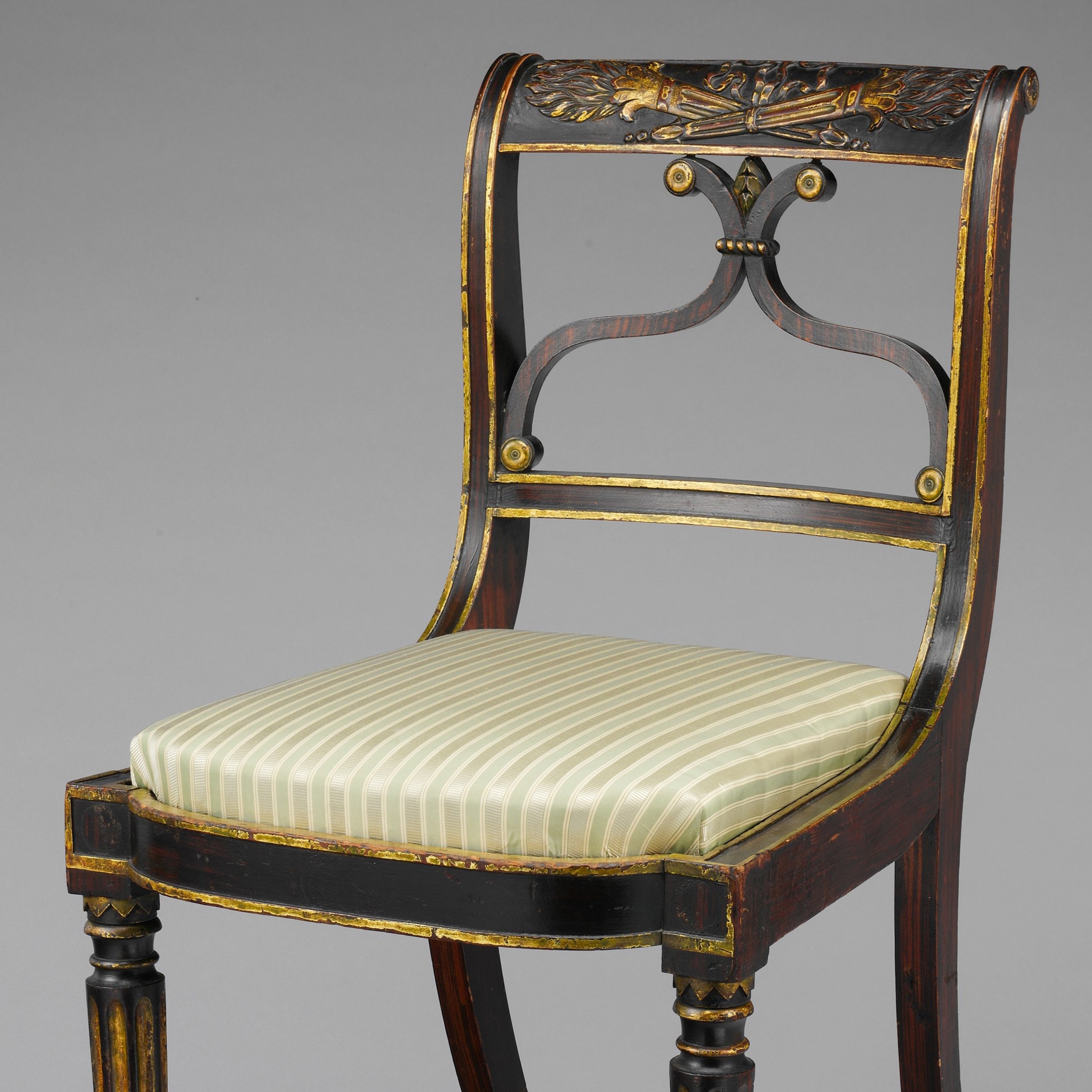
In this episode, Joshua and Mike pick up where they left off with David’s Pye classic discussion about the value of craftsmanship in a mechanized age: The Nature and Art of Workmanship. This chapter explains that diversity is essential in design and that the artisan’s handwork “picks up where design leaves off” to give us that lively tactile quality that we appreciate at the close proximity of daily use.
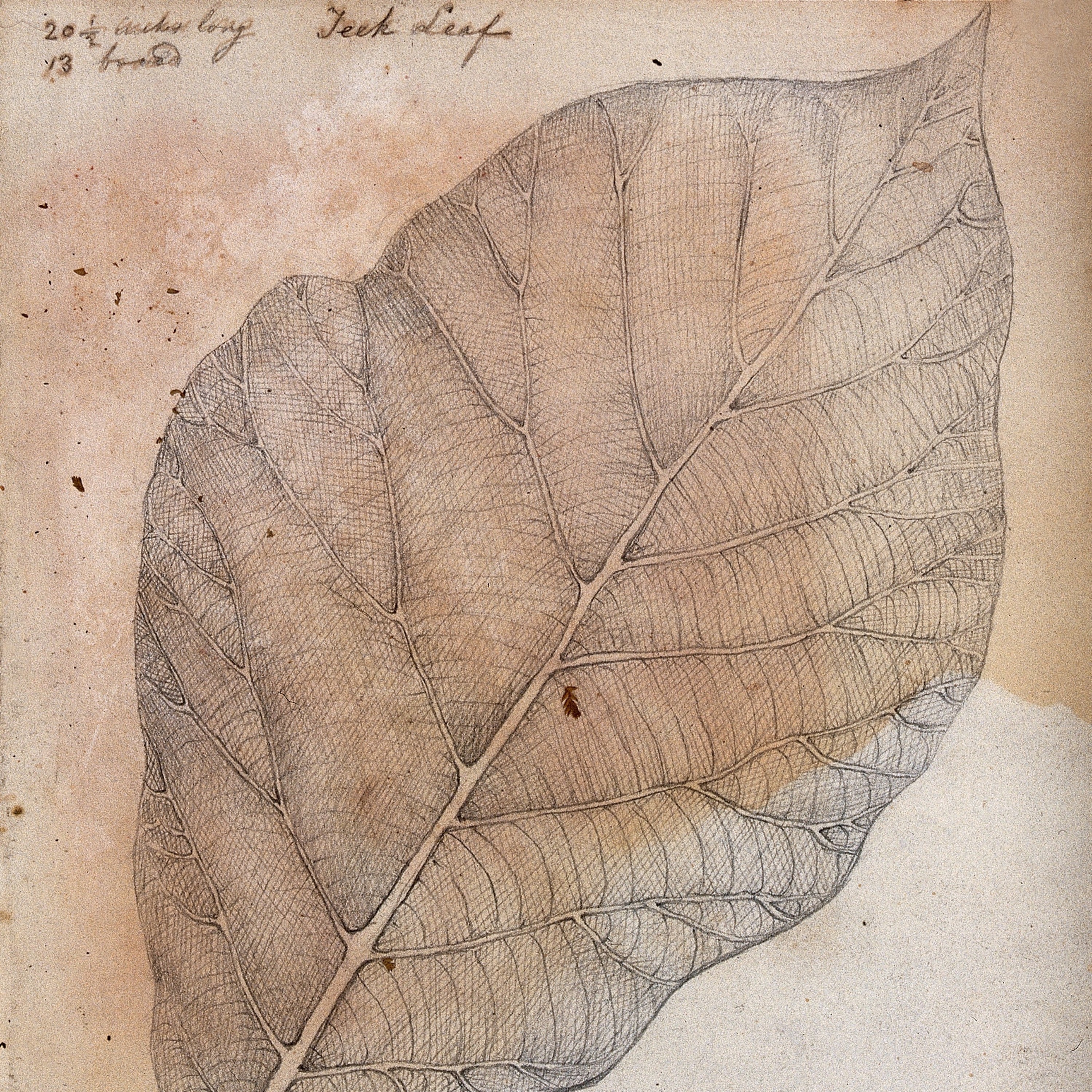
57 – “The Natural Order Reflected in the Work of Man” Pye Ch 6
Another installment in the Nature and Art of Workmanship series. This time Joshua and Mike walk through chapter six which compares human creativity to the natural world. Regulated work was coveted in ancient cultures because they were surrounded by nature. In our industrial culture, however, we need the liveliness and idiosyncrasy of handwork.
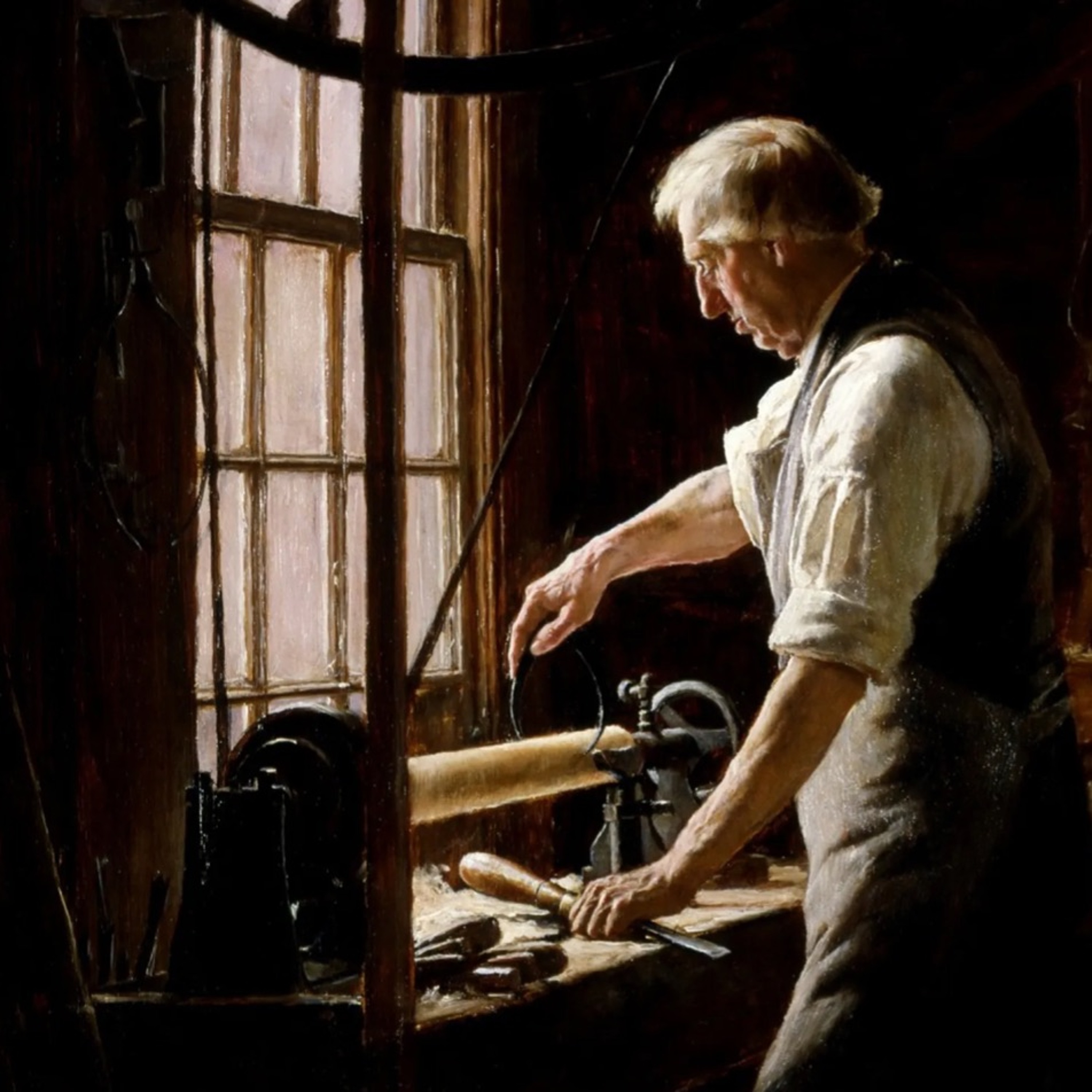
56 – “The Designer’s Power to Communicate His Intentions” Pye Ch 5
Another installment in the Nature and Art of Workmanship series. This time Joshua and Mike discuss the fifth chapter which shows the limits of design. Much of the success is left to the workman.
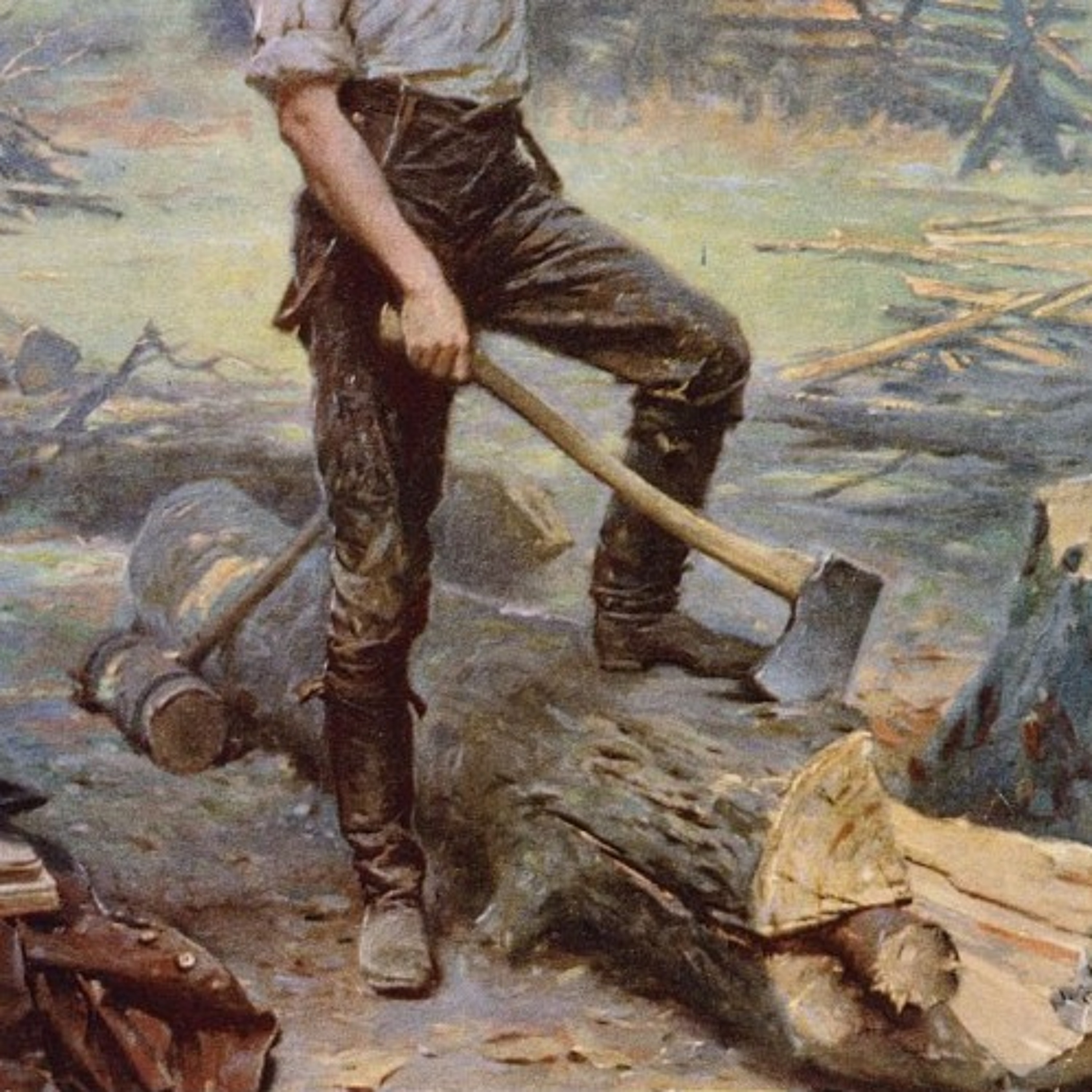
55 – “Quality in Workmanship” Pye Ch 4
In this episode, the guys dive right into the heart of Pye’s vision in this book: identifying and appreciating various qualities of workmanship. This is the longest and most detailed chapter in the book but skimming past it guarantees you’ll miss his point.
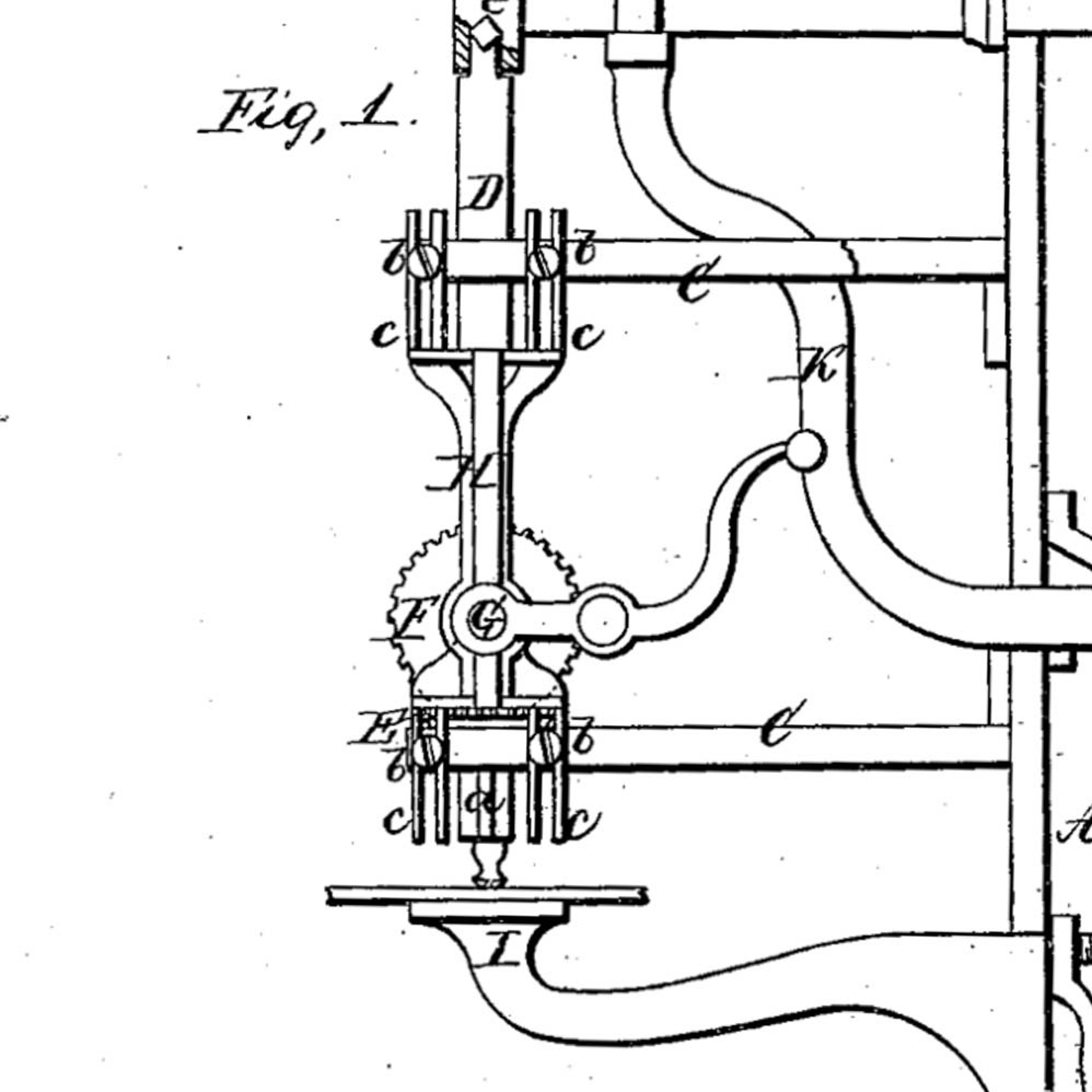
54 – “Is Anything Done By Hand?” Pye Ch 3
Another installation of Joshua and Mike’s discussion on David Pye’s book The Nature and Art of Workmanship. This time, the guys dive into the thorny question of what “handmade” actually even means. Is it even a worthwhile concept to use?
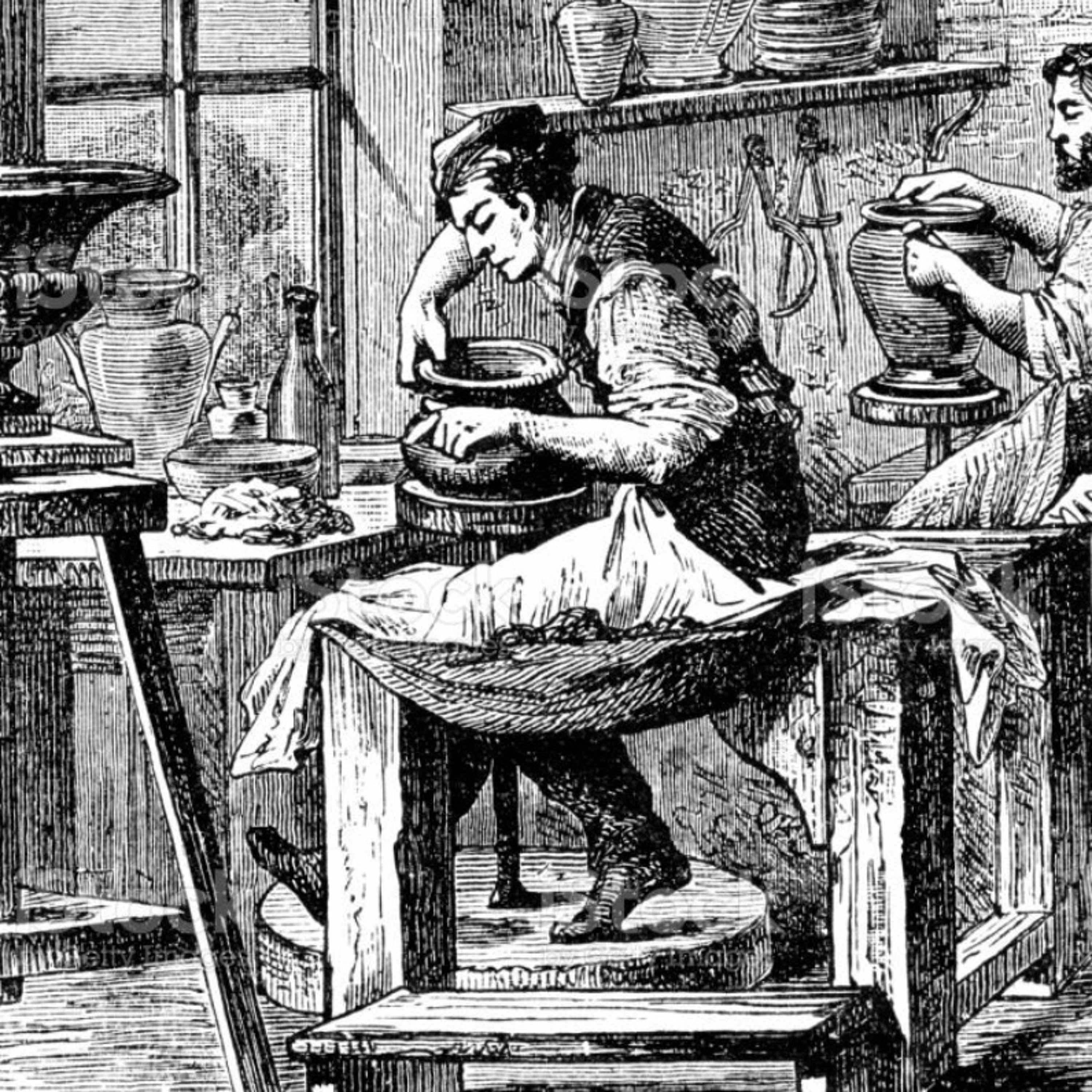
53 – "The Workmanship of Risk and the Workmanship of Certainty" Pye Ch 2
The third installment of Joshua and Mike’s walkthrough of David Pye’s The Nature and Art of Workmanship. This time they look at chapter 2 in which Pye lays out his fundamental (and famous) distinction between workmanship of risk and workmanship of certainty. It might not mean what you think…

52 – “Design Proposes. Workmanship Disposes.” Pye Chapter 1
In this latest episode, the guys explain the setup to David Pye’s discussion about the value of workmanship. Pye explains that it would be a mistake to give too much credit to the design when the quality of the finished object is greatly determined by the artisan’s touch. Pye asserts some bold things in this chapter: “Good material is a myth” and “a street full of parked cars is jejune.” Listen to Joshua and Mike discuss this foundational chapter.
51 – Unpacking David Pye’s “Nature and Art of Workmanship” - Part 1
In this episode, Joshua and Mike kick off a mini-series chapter-by-chapter walkthrough of David Pye’s classic book The Nature and Art of Workmanship. Lots of craftspeople have heard of Pye, but few today understand (or have ever even read) his illuminating book. In this episode, the guys discuss the introduction which charts the course to dispelling myths and misunderstandings. Craft matters. And because of this, Pye invites us to engage in it thoughtfully.
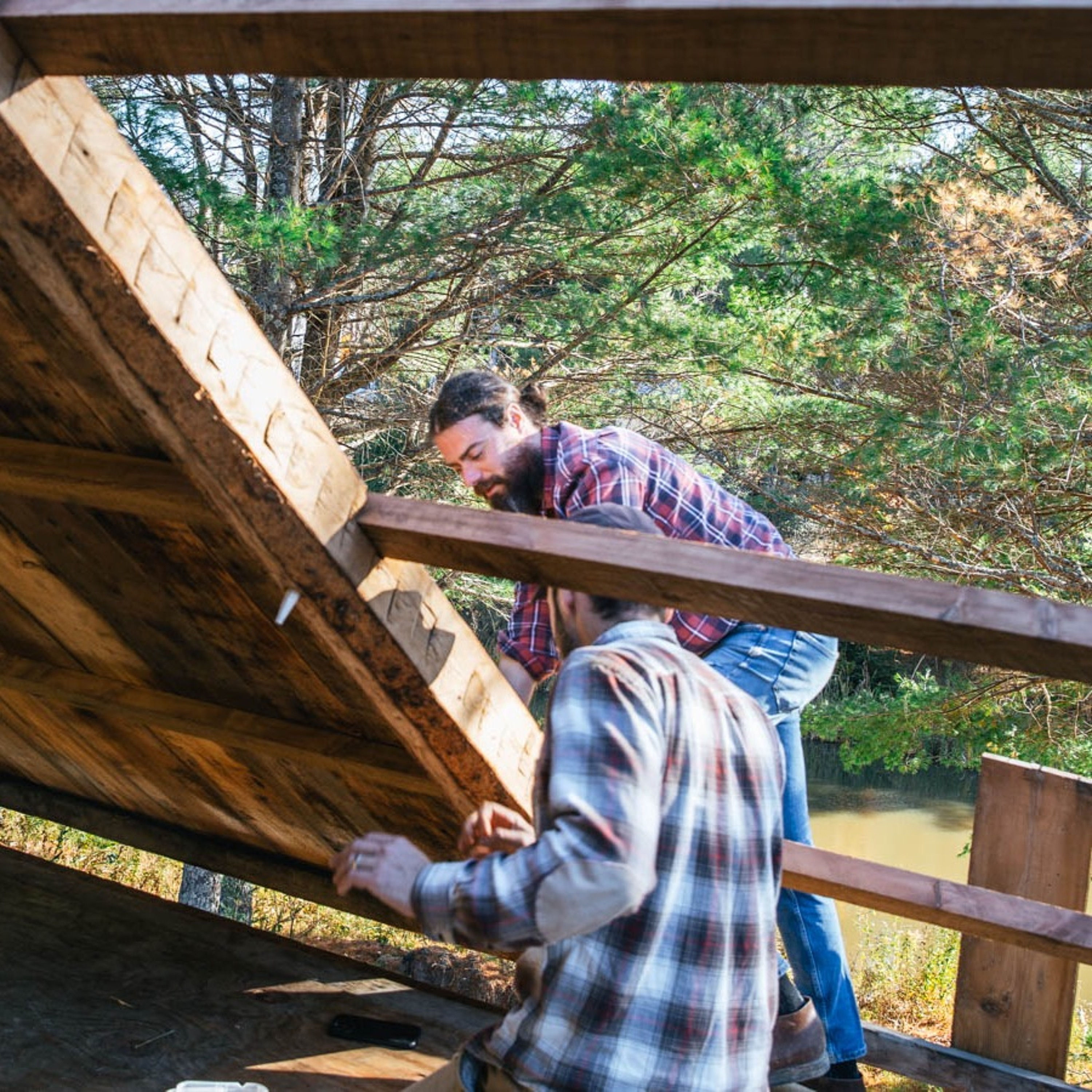
50 – Reflections & Resolutions
If any of M&T’s work is worth pausing to reflect on at the close of the year, this year’s would be a prime candidate. Not only has the House By Hand project occupied the bulk of Joshua and Mike’s time in 2022, but M&T also published a new book (Worked: A Bench Guide to Hand-Tool Efficiency), ran several Apprenticeship terms, hosted a Summit gathering, and more. Before blindly setting out on the next 12 months of hurried activity, Joshua and Mike take this episode to recap this season of work in order to resolve to make the most of the next steps.
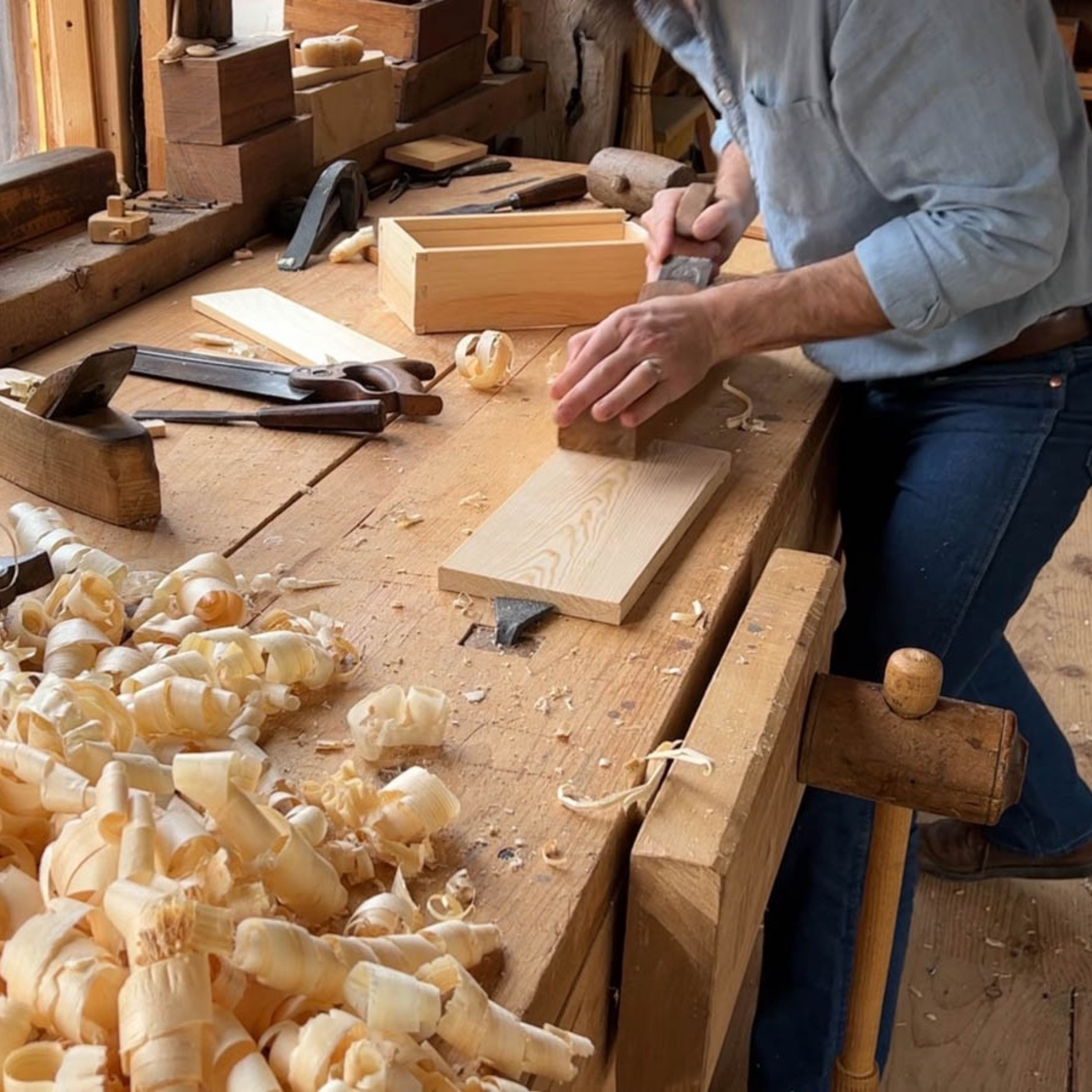
49 – Tools, Jigs, & Meaning(s)
Clear distinctions reveal new things about the world. And in a handcraft context, thinking clearly about what exactly a “tool” is or a “machine” or a “jig” enables woodworkers to maximize their shop satisfaction and efficiency. Some folks seem to think that theory and practice are intrinsically antithetical to each other, but Joshua and Mike have found clear-headedness to be tremendously helpful in the workshop. Think along with the guys as they tackle some thorny questions.

48 – Raise the Roof
In this episode, the guys give an update on the House By Hand project (http://housebyhand.com) – the granite foundation was constructed, the sill system is in place, the ell is raised and sheathing is underway, and things are getting buttoned up for winter. Joshua and Mike discuss the ins and outs of repairing old timbers with both structural and aesthetic considerations. There’s a fine line between “patina” and crud, and a major element of the art of restoration is knowing and respecting the difference.
47 – The Apprentices’ Summit
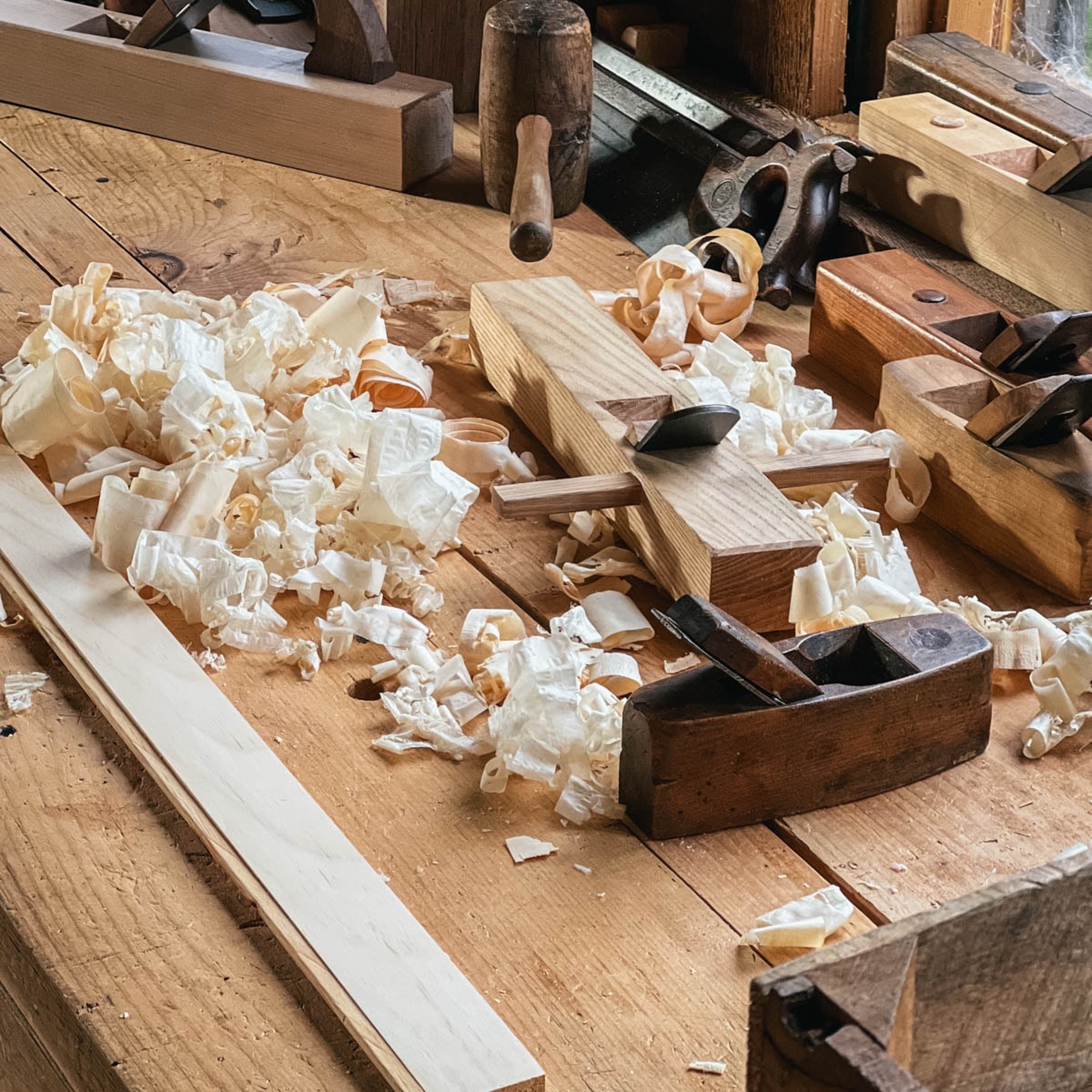
This episode was recorded on the heels of the first annual Apprenticeship Program Summit gathering. Alumni from the first four terms were invited to the M&T headquarters to share ideas, feast, and make shavings together. In this episode, Joshua and Mike reflect on the weekend-long happenings: the antiques examinations, the woods walk, the house timber restoration, and even the campfire songs. Countless memories were made over this weekend, and the convivial nature of craft was at the heart of it all.
46 – Thinking Outside the Shop
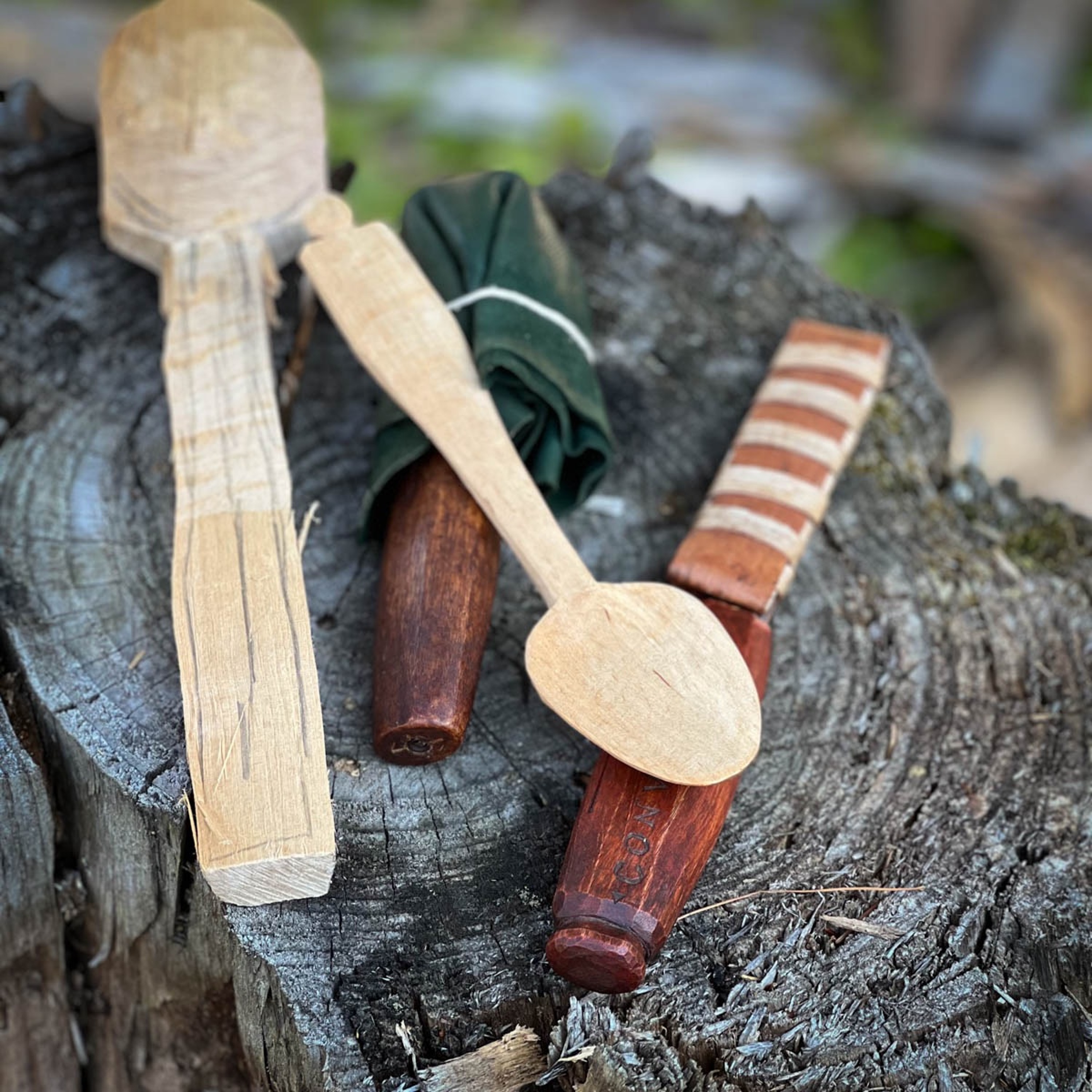
In this new episode of the podcast, Joshua and Mike take up the topic of portable woodworking. They argue that even though modern woodworkers tend to feel safe “within the box” of their workshops, we would all do well to get out a little. Try taking up carving around the campfire or make a simple tool tote to bring around the yard for home repairs. In their conversation, Joshua and Mike discuss how putting yourself in new work scenarios invites learning new ways to work effectively. The “way they did it” in the past was never uniform, nor does it need to be in the present.
45 – Just the FAQs
The pre-industrial emphasis of M&T never fails to generate puzzlement and questions in an age driven by technology, jigs, and devices. And as Joshua and Mike continue to interact with students and readers, they find they get the same sorts of questions over and over. This recurrence illustrates the gap between the conventional approach to woodworking and the one they spend their energies promoting. In this episode, Joshua and Mike tackle these common questions to try to fill out the bigger picture of what hand-tool work can look like in the 21st century.
44 – Aristotle on How We Learn New Skills
In this episode, Joshua and Mike talk about how it is that we learn new skills. They contend that we have to get over a reductive and mechanical way of looking at human life and action. We are not machines and we don’t learn new skills by “downloading” information. Instead, we practice. Through sustained work, we begin to embody these new skills in a way that make it look easy – because, in a sense, it actually becomes easy. In this episode, Joshua and Mike bring together several things that rarely appear in the same conversation: downhill skiing, hand skills in relation to intellectual comprehension, Aristotelian ethics, ancient Hebrew cosmology, parenting, and installing a kitchen sink, for starters.
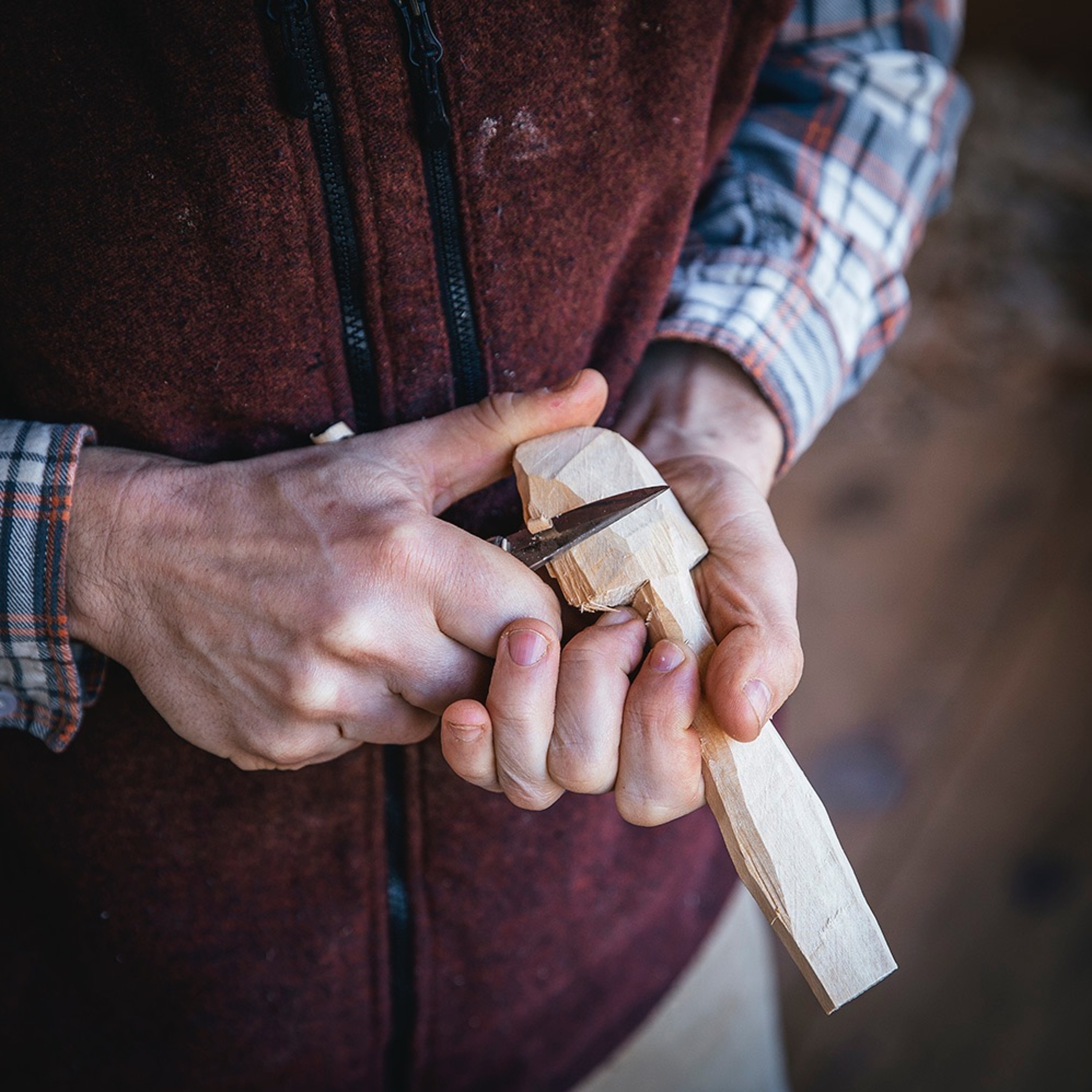
43 – Skill as a Safety Net
Power tools are dangerous. This should not be a controversial statement, but somehow the observation always incites vigorous debate. In this podcast episode, Joshua and Mike discuss Mike’s article in Issue Twelve titled “Risk & Reward: Skill as a Safety Net,” in which he tackles this delicate issue. Rather than falling back on tired clichés, Mike seeks to reframe the discussion in a way that can deal honestly with the injury statistics and enable makers to make tooling choices personally catered to their objectives. If you are operating on the assumption that true woodworkers really ought to power up, you really ought to hear Mike out… before it’s too late.
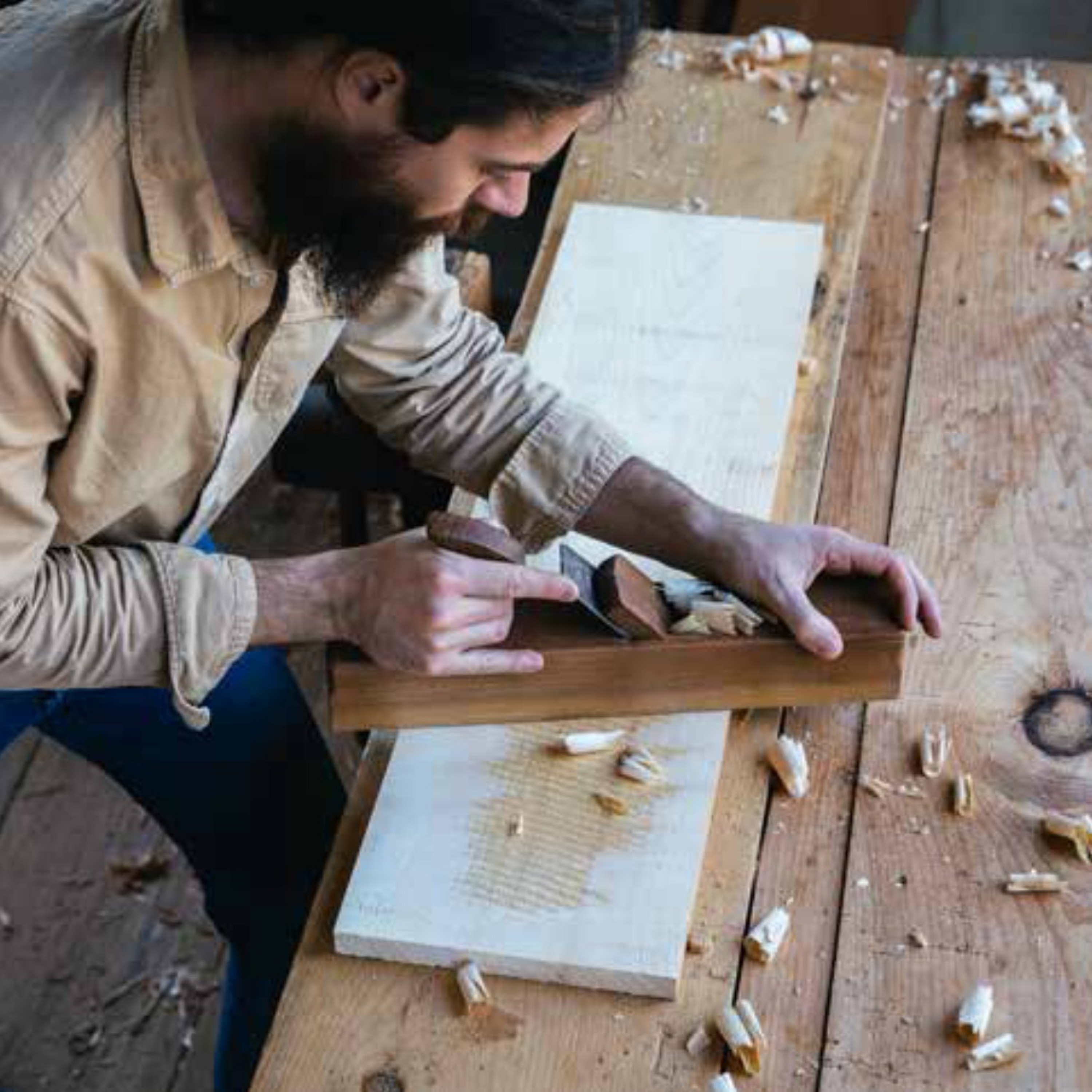
42 – Is Hand-tool-only Woodworking Actually Viable?
Many woodworkers get into hand tools because they are drawn in by the joinery: dovetails, mortises and tenons, etc. As they continue building pieces in their shops, some begin to wonder if it’s possible to “cut the cord” even further. What would it be like to build from scratch without any machinery whatsoever? How would one start with rough boards and end with a beautiful drop-leaf table without ever firing up the dust collector? In this latest episode, Joshua and Mike discuss these questions in light of Joshua’s forthcoming book, Worked: A Bench Guide to Hand-Tool Efficiency. Joshua makes the argument that “engineer” woodworkers and “monastic” hand-tool-only woodworkers operate on the same strange assumption: that hand tools are supposed to produce machine-like results. Joshua and Mike discuss another way.
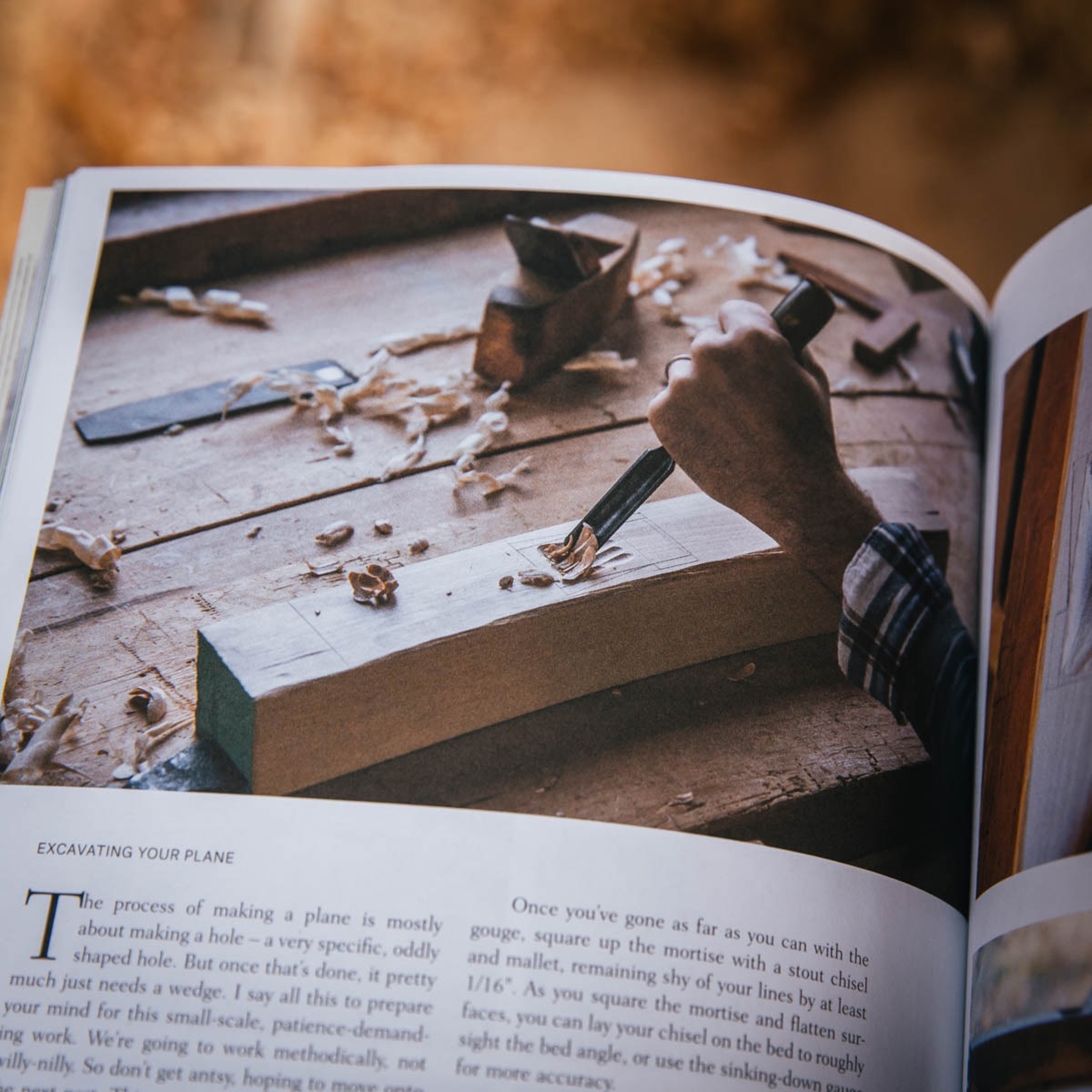
41 – Making Wooden Planes
41 – Making Wooden Planes by Mortise & Tenon Magazine
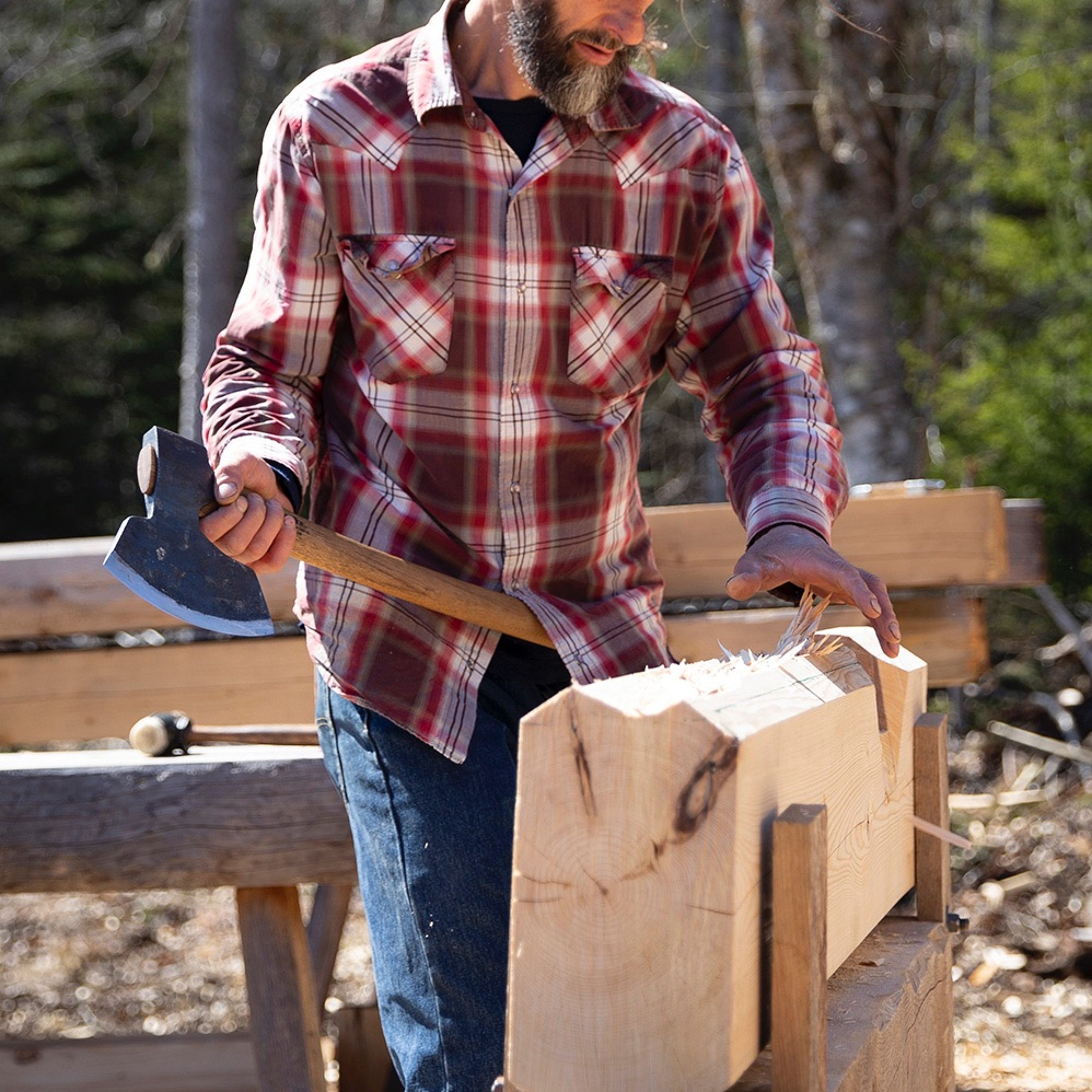
40 – Defining “Craftsmanship”
In this latest podcast episode, Joshua and Mike tackle a particularly thorny question head on: What is “craftsmanship,” exactly? While woodworkers of all kinds share a mutual appreciation for craftsmanship, surprisingly, there have been different ideas of what it even means. Is “craftsmanship” the same thing as “making” or is there something more to it? Can woodworking skill be reduced to the ability to repeat precise hand motions? Joshua and Mike argue that there’s more to it than that. Throughout the course of the discussion, they explain that the aim of technology is to displace skill for the sake of ease and precision. While technical developments provide real, tangible blessings in so many areas of life, Joshua and Mike contend that it is worth pondering how the “technologizing” of our craft can diminish its splendor.
39 - This Old House
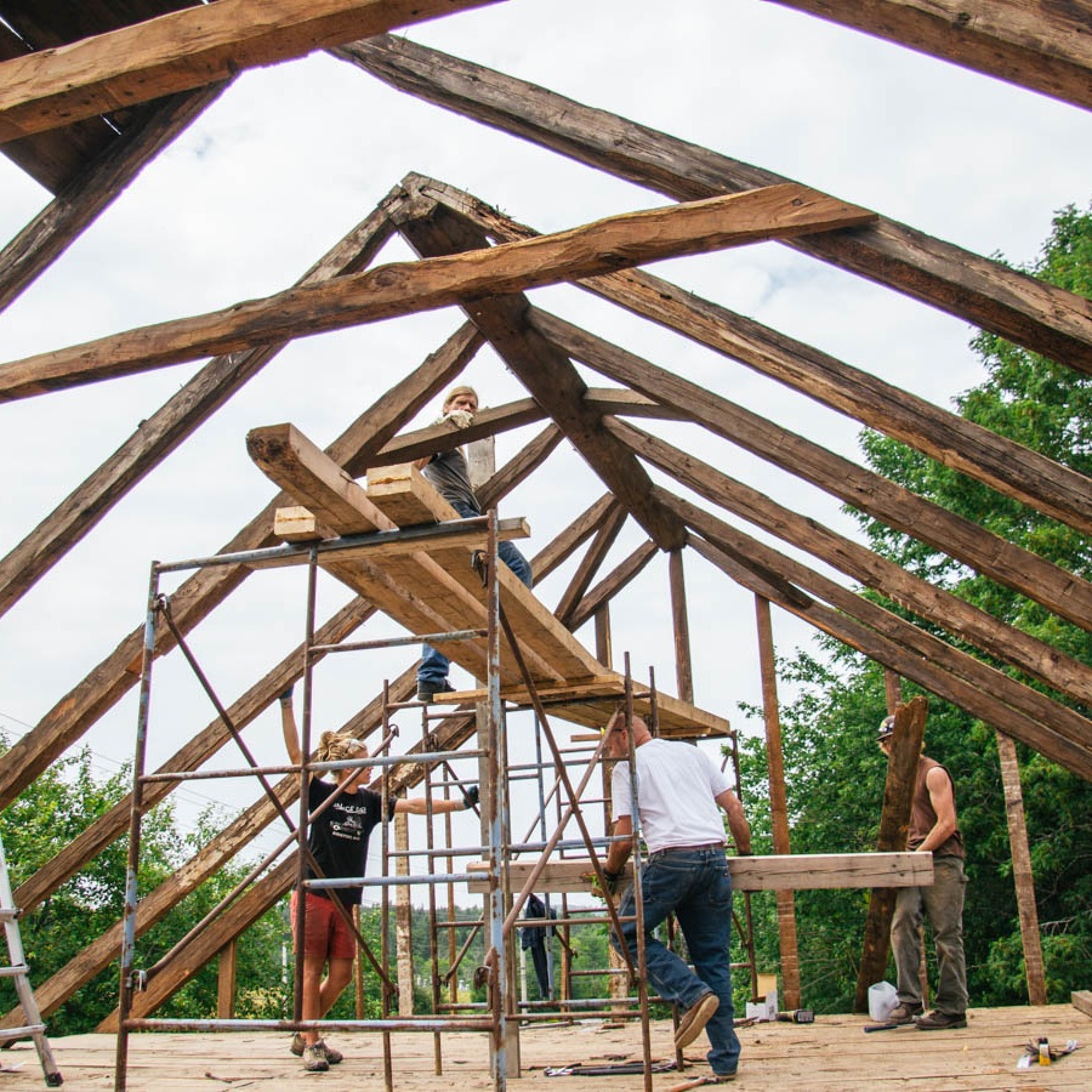
In this episode, Joshua and Mike don their proverbial tool belts and discuss a restoration project that will occupy the bulk of their focus in 2022 – reconstructing an 1810 New England Cape house. Starting at the beginning, before Mortise & Tenon Magazine even existed, they recount the perilous task of deconstructing the building, raccoon droppings and all. They lay out a plan for restoring and modifying the old frame to meet the needs of a modern family, while maintaining the integrity and history so palpable in this old house.
38 – To the Ends of the Earth
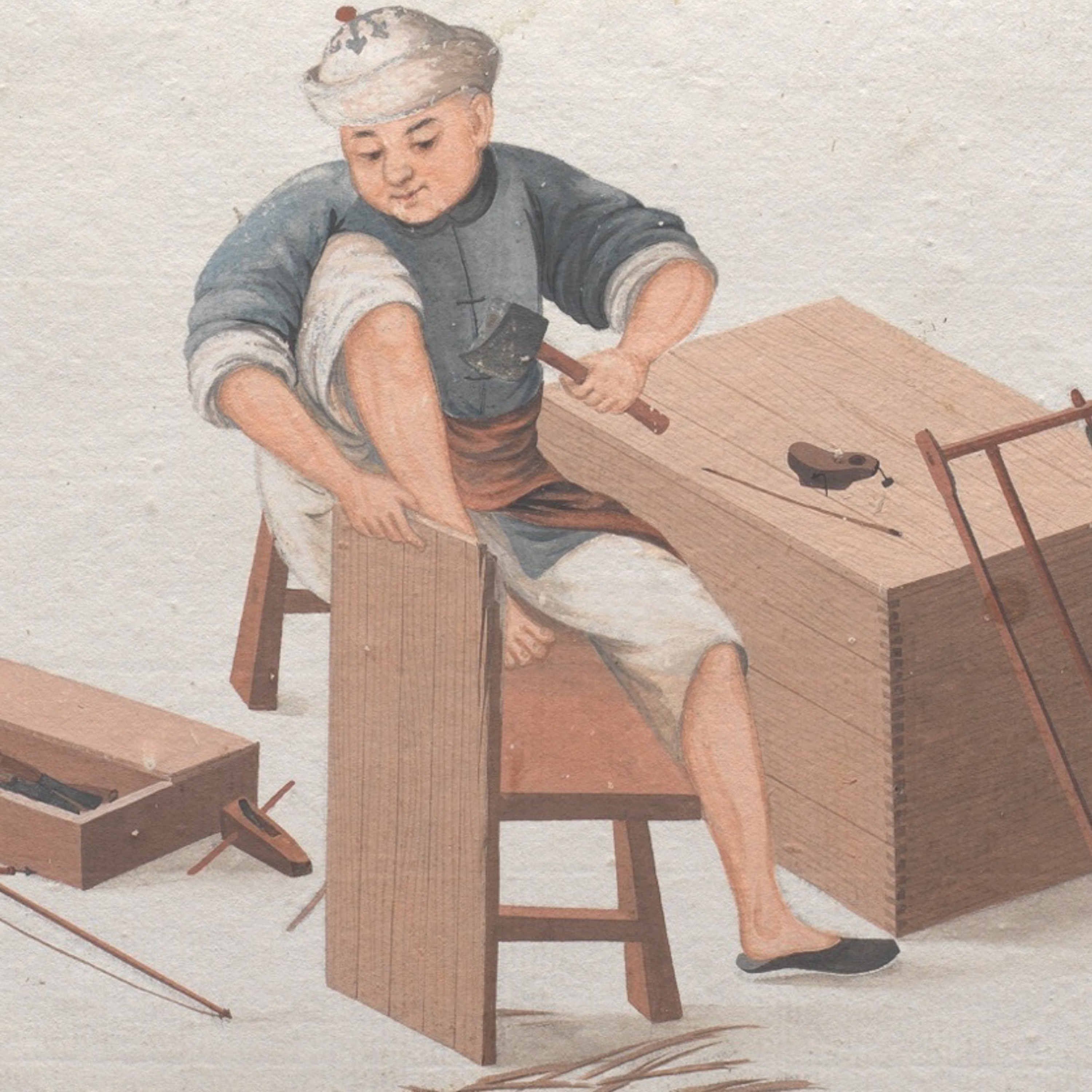
In this episode of the M&T Podcast, Joshua and Mike take a big-picture, global look at pre-industrial handcraft. This was not a region-specific or time-bound set of practices or traditions but was much more diverse and variegated than we can possibly imagine. Try to picture the breadth of creative work done by human hands before the homogenizing effects of the Industrial Revolution came into play, and you’ll begin to get the picture. Starting from their recent efforts to source an obscure Spanish chairmaking tool, they discuss the fascinating pursuit of studying handcraft heritages around the world, and how we can learn more about ourselves in the process.
37 – Freehand Honing
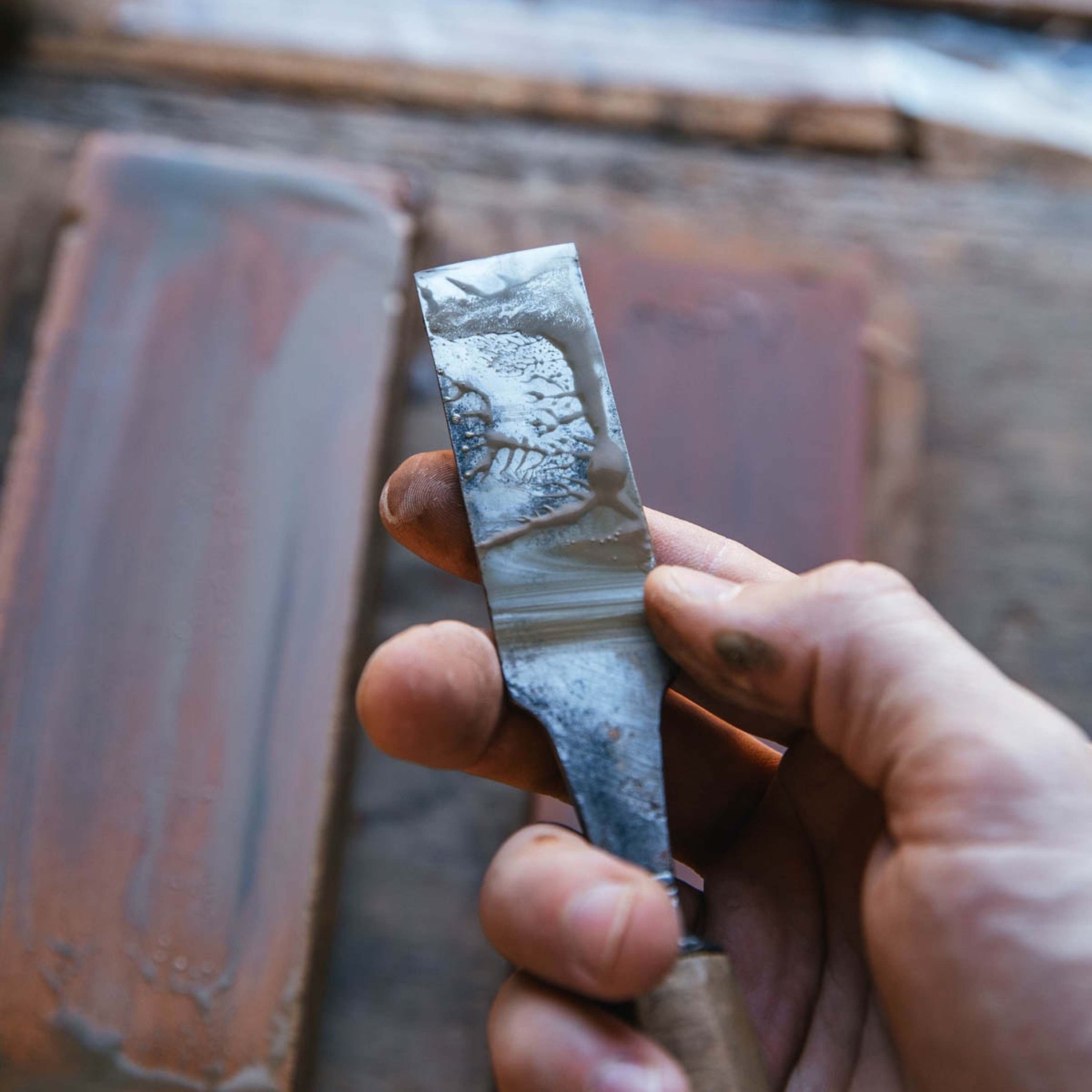
In this episode, Joshua and Mike dive into that spirited and controversial arena known and feared by all hand-tool woodworkers… Sharpening. Looking at historic references and new practices alike, they make their case for developing the skill of freehand honing – the method they teach their students in the M&T Apprenticeship Program. This method frees you from a reliance on expensive jigs and stones, and allows for fast, repeatable, and reliable results.

36 – Woodworking in the Metaverse
Welp… in this episode, Joshua and Mike lay their cards on the table. In case you still wondered about their thoughts on digitally meditated existence, they put it all out there, warning not only of the social implications but also of the implications for handcraft. They ponder whether we can outsource our craft and still feel a sense of ownership of the creative process? They also ask, “How can we utilize digital technologies to make real connections and grow in the craft instead of simply consuming others’ experiences?” Gather ’round, you whippersnappers, and hear how it was in the good old days in which humans were grateful to live in the “universe.”

35 – Craft as a Bottomless Pursuit
In this new episode, Joshua and Mike talk about how there’s no hope of ever coming to the end of this rabbit hole. As it turns out, handcraft is a bottomless pursuit. There are so many skills, so many trades involved in the making of furniture. And, for the relentlessly curious, there is a lifetime ahead of exploration. No matter what your career, what your interest, there is so much to celebrate in the world.
34 – Chairs, Controversies, & Issue Eleven
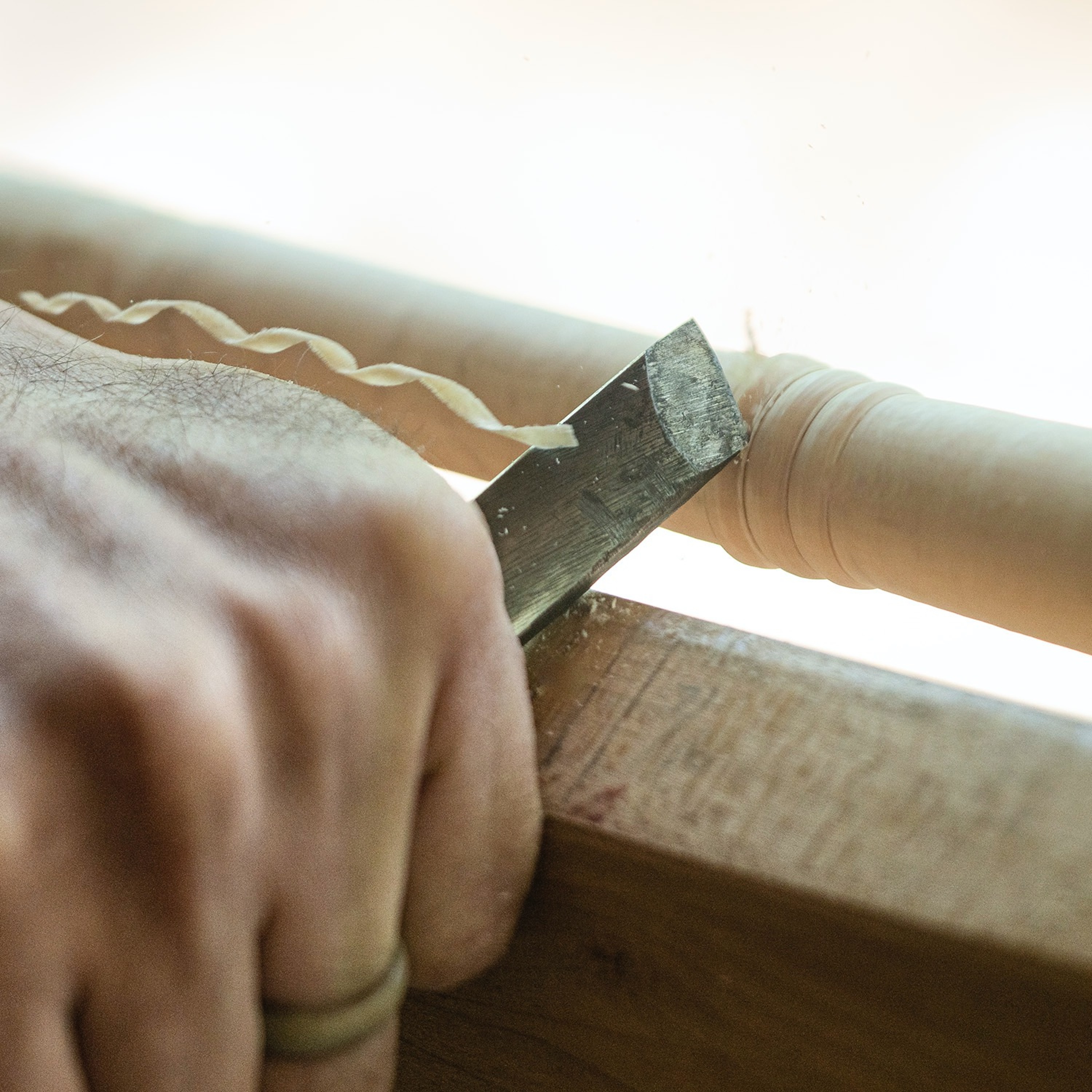
You might have to take a seat for this one; chairmaking, as it turns out, is quite a controversial thing. The recent issue of M&T (#11) features several authors holding up different takes on this ancient craft. How does an artisan work efficiently to be able to compete in the chair market? How does the use of a lathe open a can of worms that has led some to an industrial mentality? What does 20th-century management theory have to do with the way we pick up tools in our own shops today? All these questions and more are explored in this episode.
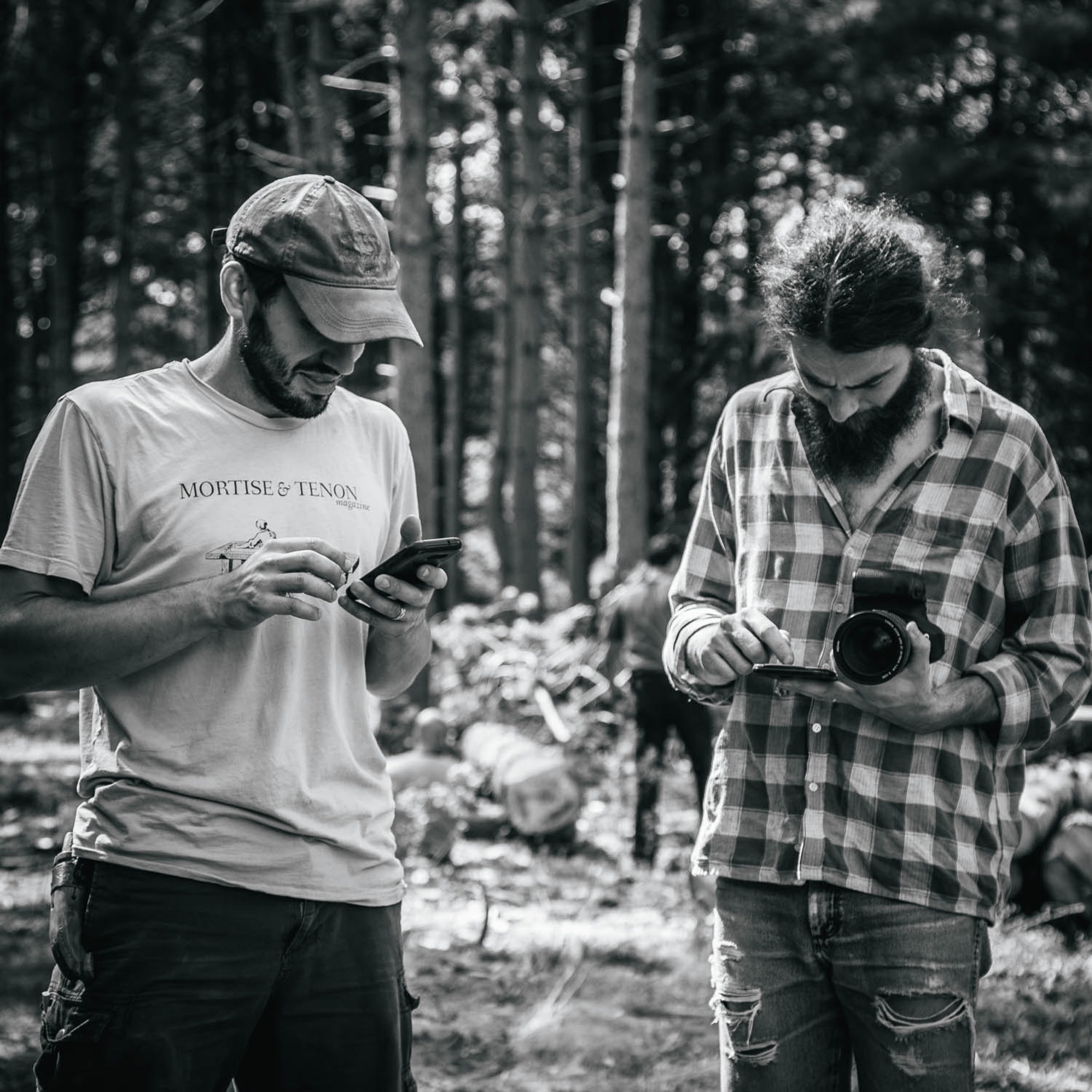
33 – Armageddon Life Skills
In this (occasionally tongue-in-cheek) episode of the podcast, Mike and Joshua talk about the great “Sedgwick Mobile Internet Crisis of 2021,” and how dependence on technology and infrastructure can become crippling when those rickety structures are knocked away. They discuss the concept of “resilience,” how broadening a “good,” broad skillset is more valuable than being “great” at just one thing, and how hand tools like the axe have value far beyond use in a zombie apocalypse.