the morning shakeout podcast
281 episodes — Page 6 of 6
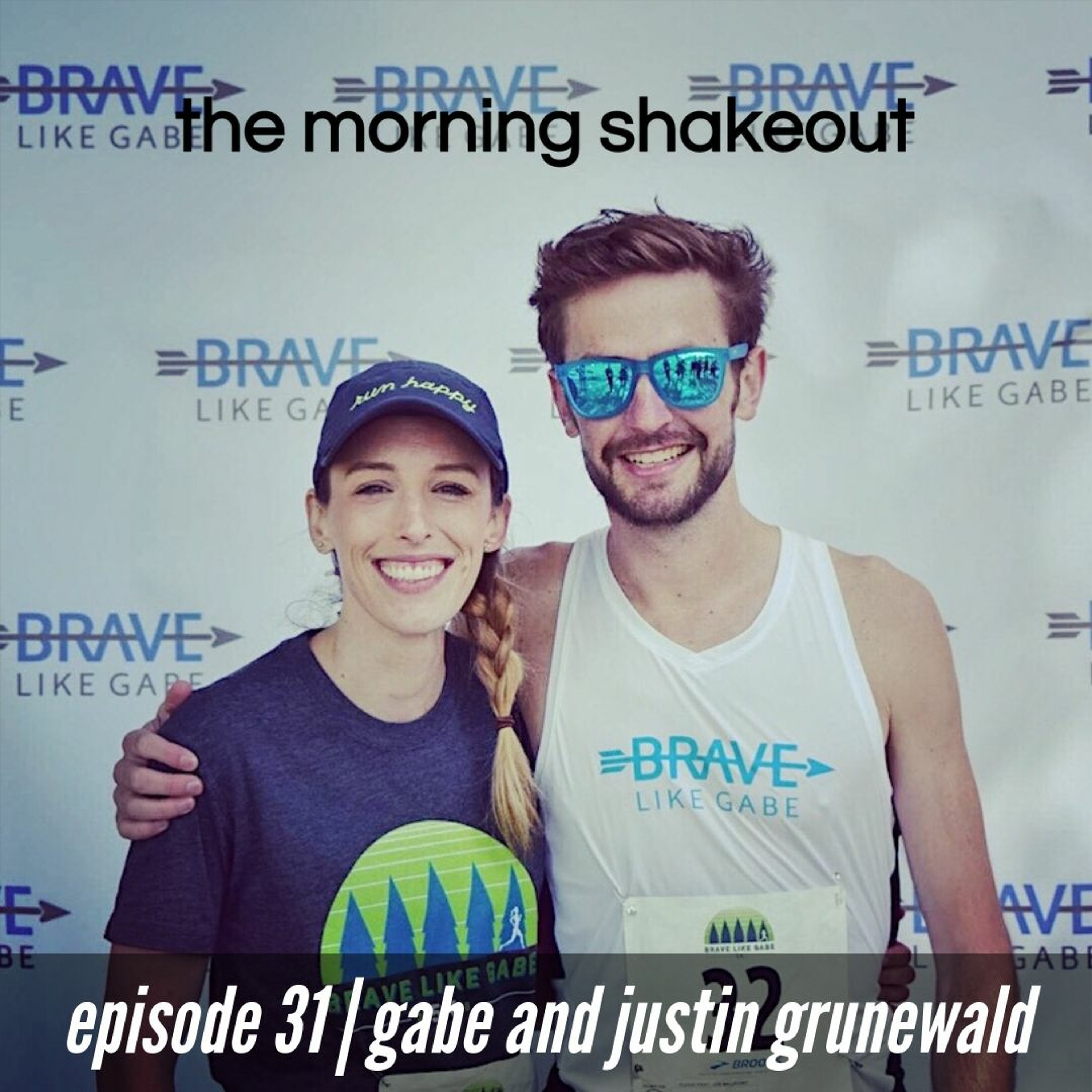
Episode 31 | Gabe and Justin Grunewald
"I grew up with faith and I do think that my life has a purpose—and maybe it's not what I thought it was going to be, but I think that it does help me at some junctures with this disease. This isn't how I would have chosen my life to turn out at all but maybe this is my way of fulfilling my life's purpose and trying to raise awareness for these rare diseases that really do actually need it. I would never have raised my hand to do this, but someone has to."I’m super excited to have one of running’s most impressive power couples joining me on the podcast this week: Gabe and Justin Grunewald.Gabe is one of the top middle-distance runners in the United States. She has run 4:01 for 1500m and was fourth at the Olympic Trials in that event in 2012. In 2014, she won a national title in the 3000m and has been competing at the top of the sport for close to 10 years now. But beyond all that, she’s got an incredible story, one that involves a near decade-long battle with adenoid cystic carcinoma, a rare, incurable form of cancer that’s returned four times since she was first diagnosed in 2009. She’s had multiple surgeries, chemotherapy and immunotherapy treatments, and just has generally been on a crazy rollercoaster ride with the disease since the age of 22.Justin, her husband, is a super solid runner in his own right. He’s qualified for the Olympic Trials in the marathon and is now a budding ultrarunner, who I’ve been fortunate to coach since last fall. By day, or night rather, he’s a doctor, working long shifts in the hospital, and has a very intimate understanding of the seriousness of his wife's condition.It was a real treat to sit down with these two recently to talk about all kinds of stuff, from how they met as student-athletes at the University of Minnesota to Justin’s foray into trail and ultrarunning and what Gabe thinks about it; we got into Gabe’s health situation, what she’s been through over the past two years, how her relationship with running has evolved in that time, and the competitive goals she still has for herself; we talked about her role as a cancer advocate, starting the Brave Like Gabe Foundation, and coaching celebrity Chip Gaines for his first marathon, to what it’s like for Justin, as an MD, to be so close to the situation on both a personal and professional level. We talked about the power of positivity and living life to the fullest, what Gabe and Justin hope people take away from her story, and so, so much more.Music and editing for this episode of the morning shakeout podcast by John Summerford at BaresRecords.comComplete show notes here: https://www.themorningshakeout.com/podcast-episode-31-with-gabe-and-justin-grunewald/Sign up here to get the morning shakeout email newsletter delivered to your inbox every Tuesday morning: www.themorningshakeout.com/subscribe/Support the morning shakeout on Patreon: www.patreon.com/themorningshakeout Hosted on Acast. See acast.com/privacy for more information.
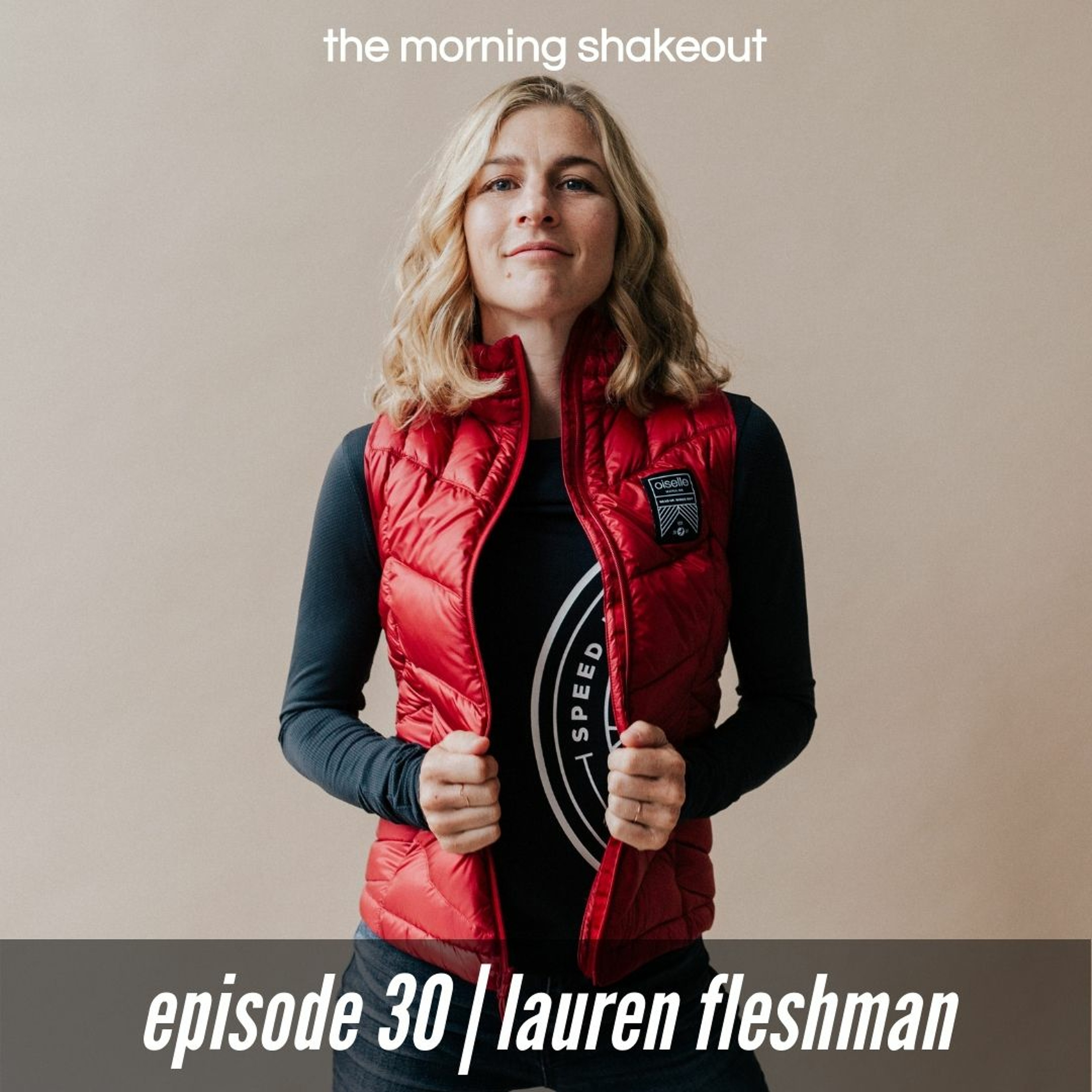
Episode 30 | Lauren Fleshman
"I'm not trying to build some empire where I need to be liked by as many people as possible. I just want to be myself and be myself publicly—until I don't anymore, then I'll just shut down all my social media accounts."Stoked to welcome Lauren Fleshman to the podcast this week! Fleshman, who turns 37 on Wednesday, is a retired professional athlete who still maintains sponsorships with Oiselle and a number of other brands. She's won two national titles, has represented the United States in numerous international competitions, and, in 2011, placed seventh in the 5,000m at the world championships in South Korea. These days, Fleshman wears a lot of hats: mom to two young children, wife to professional triathlete Jesse Thomas, co-founder of Picky Bars along with Thomas and professional marathoner Stephanie Bruce, coach of Little Wing, a small group of elite female runners based in Bend, Oregon, practicing writer, and one of running's most outspoken advocates on a variety of topics and issues.We talked about a lot of different things over the course of this 60-ish minute conversation: coaching, how the various coaches she worked with throughout her own athletic career have influenced her current perspective and philosophy, and what can be done to create more opportunities for coaches, especially females; Picky Bars, and how she and husband Jesse Thomas don’t let the business consume every moment of their lives; her recent recommitment to leaving the sport better than she found it and using her platform to spur meaningful change even though she's no longer competing; her current relationship with running and what she misses most about being a professional athlete; what's changed in the sport since she turned pro in 2003 and whether or not she's worried about the sport's future; the advice she'd give 21-year-old Lauren upon graduating college; writing, when it came into her life, and what her process looks like; and much, much more.Music and editing for this episode of the morning shakeout podcast by John Summerford at BaresRecords.comComplete show notes here: https://www.themorningshakeout.com/podcast-episode-30-with-lauren-fleshman/Sign up here to get the morning shakeout email newsletter delivered to your inbox every Tuesday morning: www.themorningshakeout.com/subscribe/Support the morning shakeout on Patreon: www.patreon.com/themorningshakeout Hosted on Acast. See acast.com/privacy for more information.
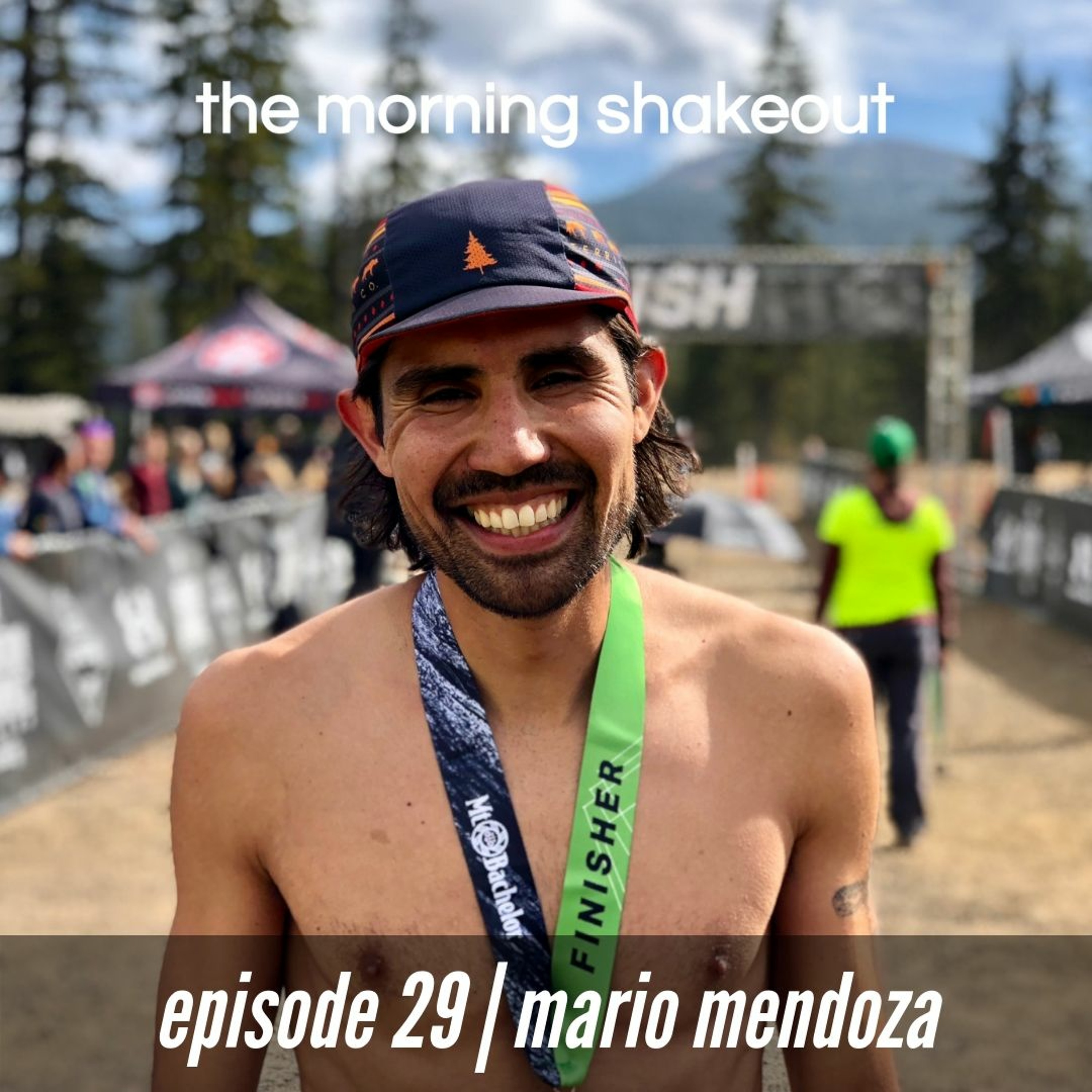
Episode 29 | Mario Mendoza
"To me that's faith. To me that's faith in running. So I think runners understand faith because a lot of times we don't really see something and it might even take years, but then it's like 'Whoa! Where did that come from?' But it was actually because you stuck with it—something in you believed."Really excited to have Mario Mendoza join me on the podcast this week! Mendoza, a 32-year-old from Bend, Oregon, is a five-time national trail running champion, three-time USATF Trail Runner of the Year, and has represented the United States six times in international competition. He's placed in the top-10 at the last two IAU Trail World Championships, finishing sixth in 2018 and ninth in 2017. We recorded this episode the day before his last race—a third-place finish at the Under Armour Mountain Running Series 50K at Mt. Bachelor this past Saturday—and two days before the birth of his son, Jair Giovanni Mendoza.We covered a lot of ground over the course of this hour-long episode: the message he'll give his newborn son upon entering the world, what it was like growing up in a Mexican family on an avocado ranch in Cambria, California and how that experience has shaped his perspective on life and running, his work as a pastor and what faith means to him, how he got into running and the various ways his career has progressed and evolved over the years, why he's constantly reminding himself not to get caught up in outcomes when it comes to racing, why representing the United States at global championships is so important to him, and a whole lot more.Music and editing for this episode of the morning shakeout podcast by John Summerford at BaresRecords.comComplete show notes here: https://www.themorningshakeout.com/podcast-episode-29-with-mario-mendoza/Sign up here to get the morning shakeout email newsletter delivered to your inbox every Tuesday morning: www.themorningshakeout.com/subscribe/Support the morning shakeout on Patreon: www.patreon.com/themorningshakeout Hosted on Acast. See acast.com/privacy for more information.

Episode 28 | Sarah Sellers
"My goal isn't to garner more media attention or to shock the world or to even top Boston. My goal is to keep the love of the sport, to stay healthy, and to continue chipping away at times because ultimately I think [that] kind of like Des Linden has shown the world, if you are able to stay healthy and train consistently for a long period of time, that's where you get really good."Stoked to have Sarah Sellers on the podcast this week! The 27-year-old Sellers, who works as a nurse anesthetist in Arizona, was the surprise second-place finisher at April's Boston Marathon, running a personal-best of 2:44:04 in cold, windy, wet conditions. Sellers, who took home $75,000 for her efforts, didn't realize she was the runner-up until after she crossed the finish line.In this conversation, we talked a bit about what's changed for her since Boston while looking ahead to her next big race, the New York City Marathon on November 4. We also discussed whether or not she's felt an added layer of pressure after her breakthrough performance at Boston, how she's learned to move on from bad races, where her mental toughness comes from, injuries and the changes she's made to her training and lifestyle in order to stay healthy, defining herself as more than just a "runner," balancing training at a high level with working a demanding hospital job, the importance of the support system she surrounds herself with, and a lot more.Music and editing for this episode of the morning shakeout podcast by John Summerford at BaresRecords.comComplete show notes here: https://www.themorningshakeout.com/podcast-episode-28-with-sarah-sellers/Sign up here to get the morning shakeout email newsletter delivered to your inbox every Tuesday morning: www.themorningshakeout.com/subscribe/Support the morning shakeout on Patreon: www.patreon.com/themorningshakeout Hosted on Acast. See acast.com/privacy for more information.
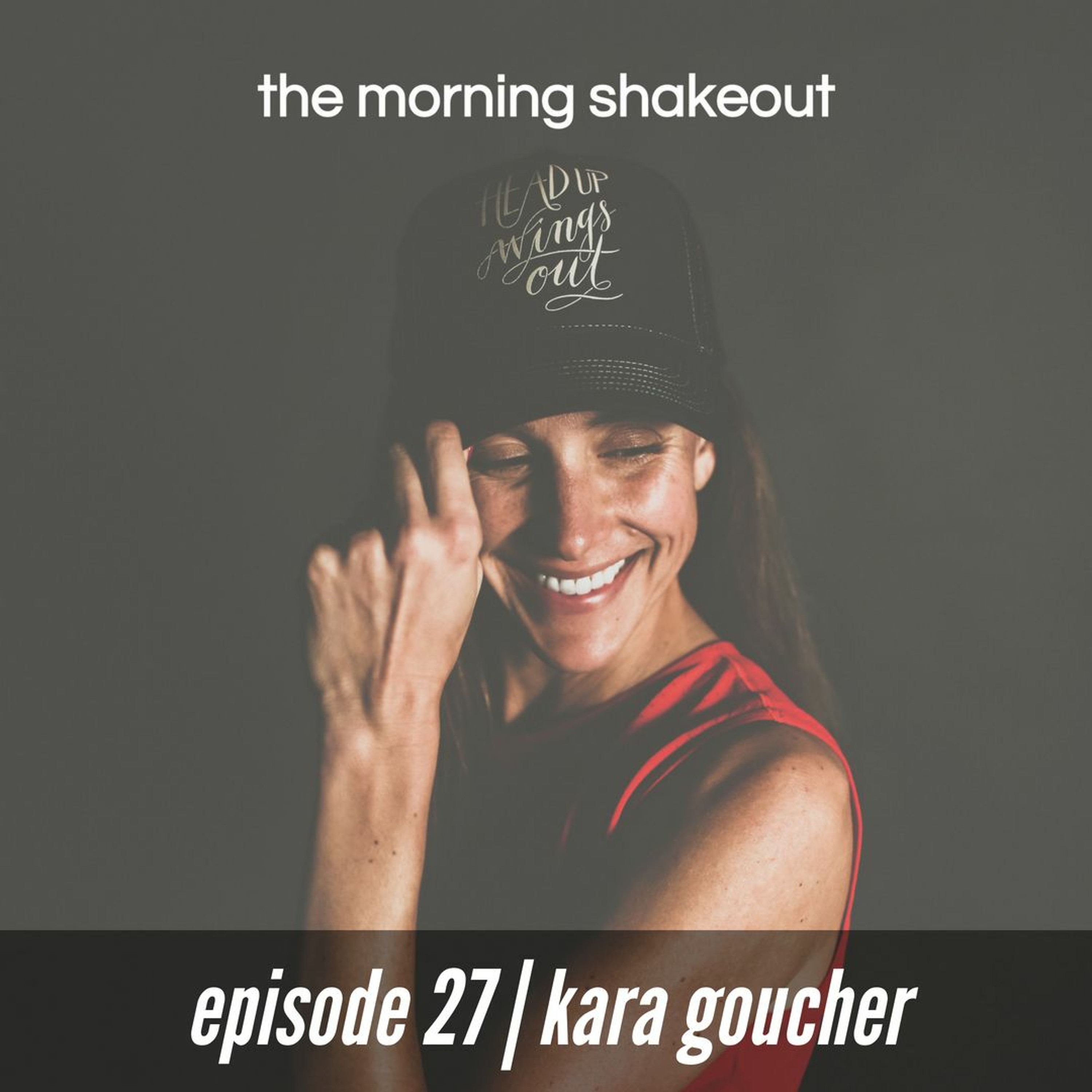
Episode 27 | Kara Goucher
"When you have things that are out of your control, that are weighing on you and really causing you angst on a daily basis, your running is not going to be what you want it to be. It can be a great escape, it can be a place you go to find calmness and peace in your heart and your mind, but you're not going to perform at all what you're capable of performing."Thrilled to welcome Kara Goucher to the podcast this week! Goucher, who recently turned 40, hardly needs any introduction: She's a two-time U.S. Olympian, world championships silver medalist in the 10,000m, sub-2:25 marathoner, and has finished on the podium at both the New York City and Boston marathons. Beyond her competitive accomplishments, Goucher serves as a role model to runners worldwide, particularly women and young women, who are inspired by her example.We talked about a number of different topics over the course of 40 minutes, including how she's dealt with racing anxiety throughout her career, the impetus behind her new book, Strong, what life's been like for her since speaking up as a whistleblower in the Nike Oregon Project investigation three years ago, how she navigated the disappointment of finishing fourth at the 2016 U.S. Olympic Trials Marathon, what's keeping her competitive fire fueled at the age of 40, the effect training with other world-class women like Shalane Flanagan, Jenny Simpson, and Emma Coburn has had on her career, the appeal of ultrarunning, what's exciting her about the sport right now, and a lot more.Music and editing for this episode of the morning shakeout podcast by John Isaac at BaresRecords.comComplete show notes here: https://www.themorningshakeout.com/podcast-episode-27-with-kara-goucher/Sign up here to get the morning shakeout email newsletter delivered to your inbox every Tuesday morning: www.themorningshakeout.com/subscribe/Support the morning shakeout on Patreon: www.patreon.com/themorningshakeout Hosted on Acast. See acast.com/privacy for more information.
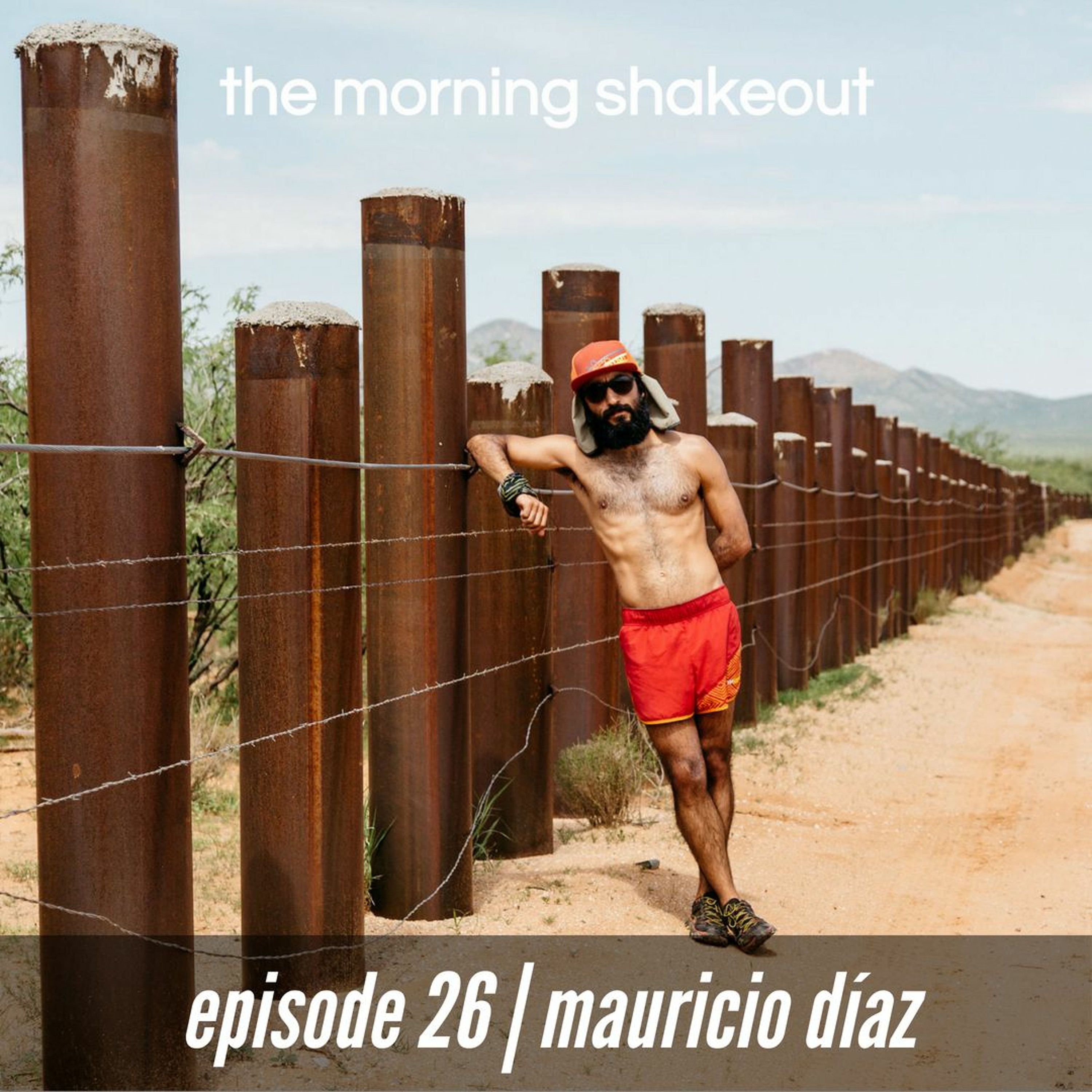
Episode 26 | Mauricio Díaz
"And then at that same point, I was running and I found out that running was just the best vehicle and the best way and medium to know a place—and eventually, also [to] get to know yourself."Really enjoyed sitting down with Mauricio Díaz this week for a conversation that had nothing to do with training, racing, or current issues that exist within the sport. Instead, we talked about running as it relates to adventure and exploration while serving as a cultural common denominator around the world.Díaz is the VP of marketing for Aire Libre, a company out of Mexico City he accidentally co-founded with a couple of his friends that creates immersive weeklong running experiences that are partly athletic, but mostly cultural, extremely educational, and undoubtedly transformative.In this episode, we talked about the importance of culture and storytelling, and how those two elements are at the center of everything Aire Libre does, from the content they create to the experiences they cultivate. Díaz describes the group's initial adventure—56 miles through the Sonoran Desert in northwestern Mexico—along with some of the other culturally focused and socially conscious follow-ups he's led, such as running along the Arizona-Mexico border to explore the land of the Tohono O’odham nation, and many other stories that I think will pique your interest and may even get you to view running through a slightly different lens.Music and editing for this episode of the morning shakeout podcast by John Isaac at BaresRecords.comComplete show notes here: https://www.themorningshakeout.com/podcast-episode-26-with-mauricio-diaz/Sign up here to get the morning shakeout email newsletter delivered to your inbox every Tuesday morning: www.themorningshakeout.com/subscribe/Support the morning shakeout on Patreon: www.patreon.com/themorningshakeout Hosted on Acast. See acast.com/privacy for more information.
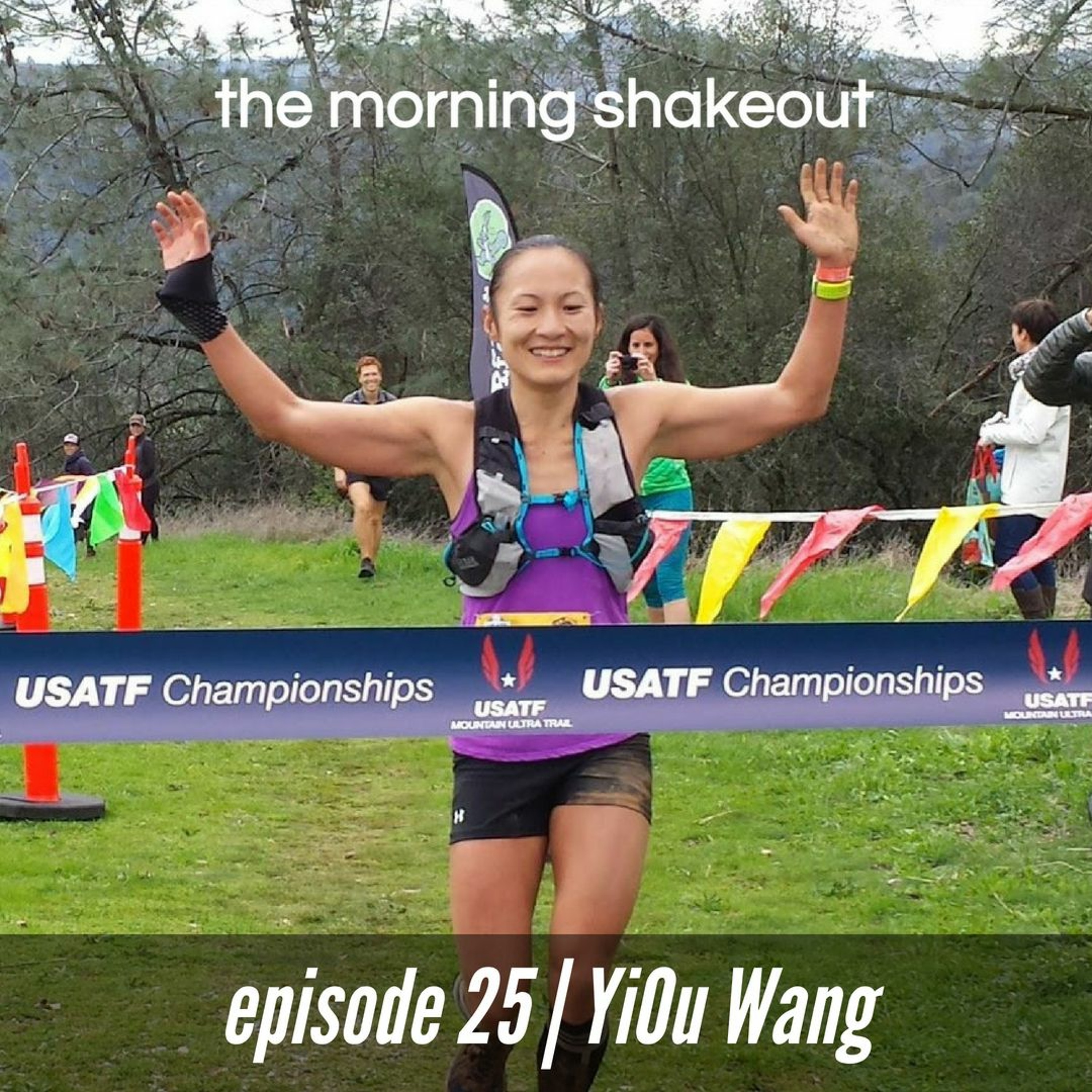
Episode 25 | YiOu Wang
"I think that if you maintain good relationships with people, if you act in a way that is helpful to others, that is kind, that is giving, and you just hold yourself to a high standard, then opportunities will appear before you—and [when they do], just say yes."Super excited to welcome YiOu Wang to the podcast this week! YiOu is the reigning U.S. 50K trail champion, two-time winner of the Lake Sonoma 50, and an Olympic Trials Marathon qualifier with a personal best of 2:38:46, in addition to being an Under Armour and Camlebak-sponsored athlete. Full disclosure: I coach YiOu—we've been working together for the past 2-1/2 years—and this episode marks the first time I've interviewed one of my own athletes for the podcast.We covered a lot of ground in this 90-minute conversation, including YiOu's recent year-long trip around the world—she and her husband were working as teachers—where she visited (and ran in!) numerous countries, experienced many different cultures, and stuck to a training schedule despite being in a new place every few days. We also talked about immigrating to the U.S. as a young child, "almost failing P.E. because I couldn't run the mile," what inspired her to take up running in college, chopping nearly an hour off of her marathon personal best over the course of seven years, transitioning to (and training for) trail and ultra running, where her competitiveness comes from, and much, much more.Music and editing for this episode of the morning shakeout podcast by John Isaac at BaresRecords.comComplete show notes here: https://www.themorningshakeout.com/podcast-episode-25-with-yiou-wang/Sign up here to get the morning shakeout email newsletter delivered to your inbox every Tuesday morning: www.themorningshakeout.com/subscribe/Support the morning shakeout on Patreon: www.patreon.com/themorningshakeout Hosted on Acast. See acast.com/privacy for more information.
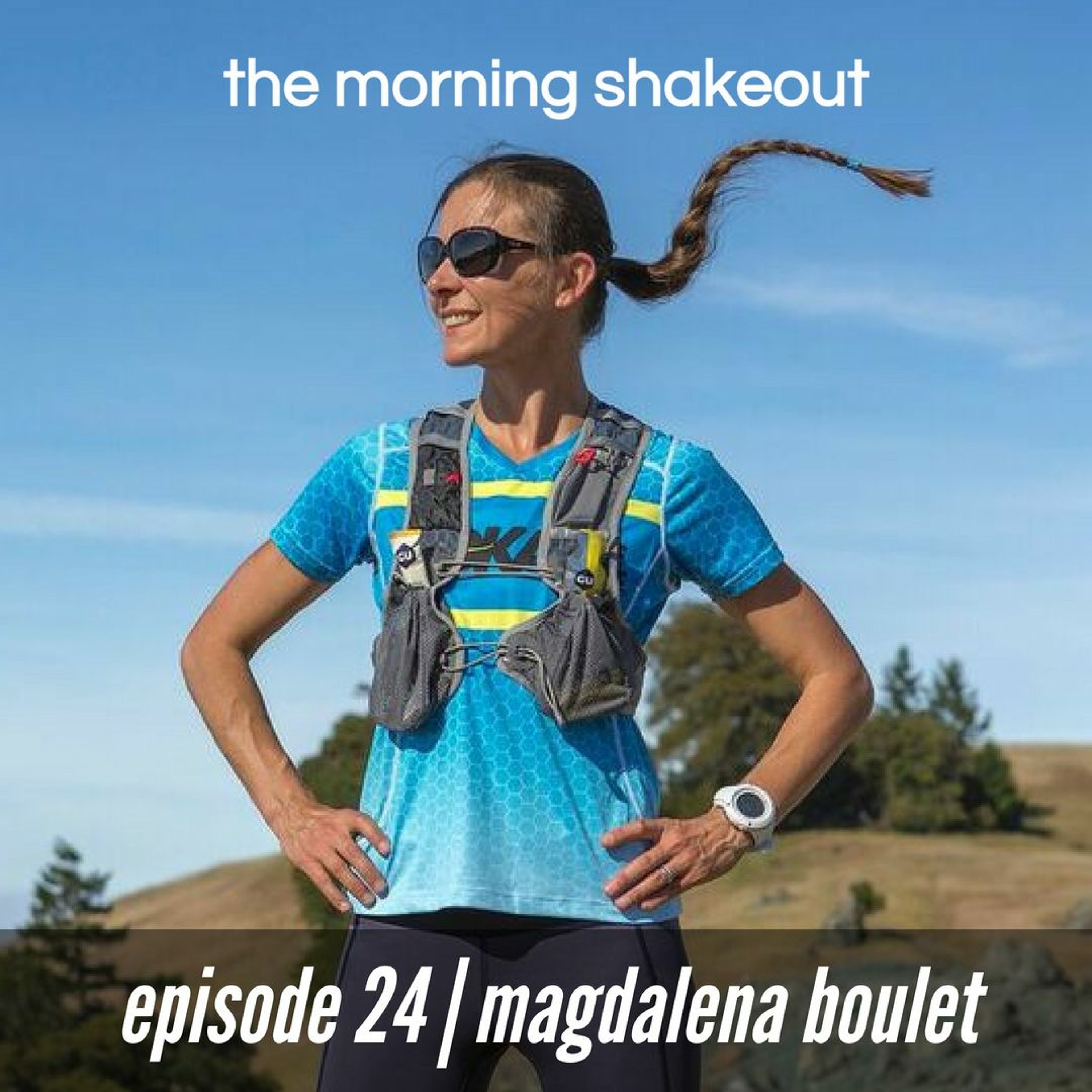
Episode 24 | Magdalena Boulet
"My first run ever, I remember just having the feeling of so much joy. I said, "Wow, how come I've never experienced this before in the pool? This is so cool." And it was more about just the fact that I had this feeling of being competitive that never really clicked in swimming." And the rest, as they say, is history. It's a huge honor to have Magdalena Boulet as my guest on the podcast this week. Magda is one of the most incredible athletes—and human beings—that I've ever had the fortune of getting to know. The 44-year-old Boulet, who grew up in Poland and moved to Germany before immigrating to the United States as a teenager, made the 2008 U.S. Olympic team in the marathon (and owns a personal best of 2:26:22 for the distance), has qualified for numerous national teams, and, over the last five years, has established herself as a top international ultramarathon runner, winning the prestigious Western States Endurance Run in 2015 and, most recently, the grueling Marathon des Sables, a six-day, 250-ish kilometer stage race through the Sahara Desert.Boulet, who works at GU Energy Labs in Berkeley, California as the VP of Innovation, Research, and Development, has called the Bay Area home for over two decades. She's married to former elite miler, Richie Boulet, and the couple has a young son, Owen.We covered a lot of ground in the course of this hour-long conversation and I felt like we barely scratched the surface of Magda's story, what she's accomplished at various distances and disciplines throughout her competitive career, and how she's able to juggle competing at an elite level with being a wife, mom, and executive, amognst other things, so we'll just have to schedule a Round 2 for another time.But, there's plenty we did talk about, including:— Her beginnings at GU Energy Labs in 1998 and how that relationship has evolved over the years as an athlete and employee.— Growing up as a swimmer in Poland, moving to Germany for a brief period of time, and eventually immigrating to Long Beach, California, where she was exposed to running in her late teens.— Getting herself noticed as a junior college runner by tripling at the state meet and how that eventually led to her to Cal and coach Tony Sandoval.— Transitioning to Cal and falling in love with Berkeley, California and the surrounding area. "I was sold within an hour," she told me.— Her relationship with her husband, Richie, how he inspired her to continue running competitively after college, and why he's been a voice of reason for her through the years.— Coach Jack Daniels, whom she worked with for many years after college, and the influence he had on her overall development as an athlete.— The disappointment of not making the Olympic team in 2004, the decision to have child a few months later, and what fueled her motivation leading up to the 2008 Trials.— How a nasty plantar fasciitis injury in October of 2007 had her contemplating retirement a little over six months out from the 2008 Olympic Trials.— The blow-by-blow of 2008 U.S. Olympic Trials Marathon in Boston, where she led a majority of the race and eventually finished second to Deena Kastor to make the Olympic team.— When (and why) she developed an itch for ultrarunning—and the steps she took to scratch it.— The unpredictability of racing an ultra versus the relative predictability of racing a marathon.— What still excites her from a competitive standpoint, and what's exciting her about running in general right now.— And much more.This episode of the morning shakeout podcast was edited by John Isaac at BaresRecords.com.Complete show notes here: https://www.themorningshakeout.com/podcast-episode-24-with-magdalena-boulet/Sign up here to get the morning shakeout email newsletter delivered to your inbox every Tuesday morning: www.themorningshakeout.com/subscribe/Support the morning shakeout on Patreon: www.patreon.com/themorningshakeout Hosted on Acast. See acast.com/privacy for more information.
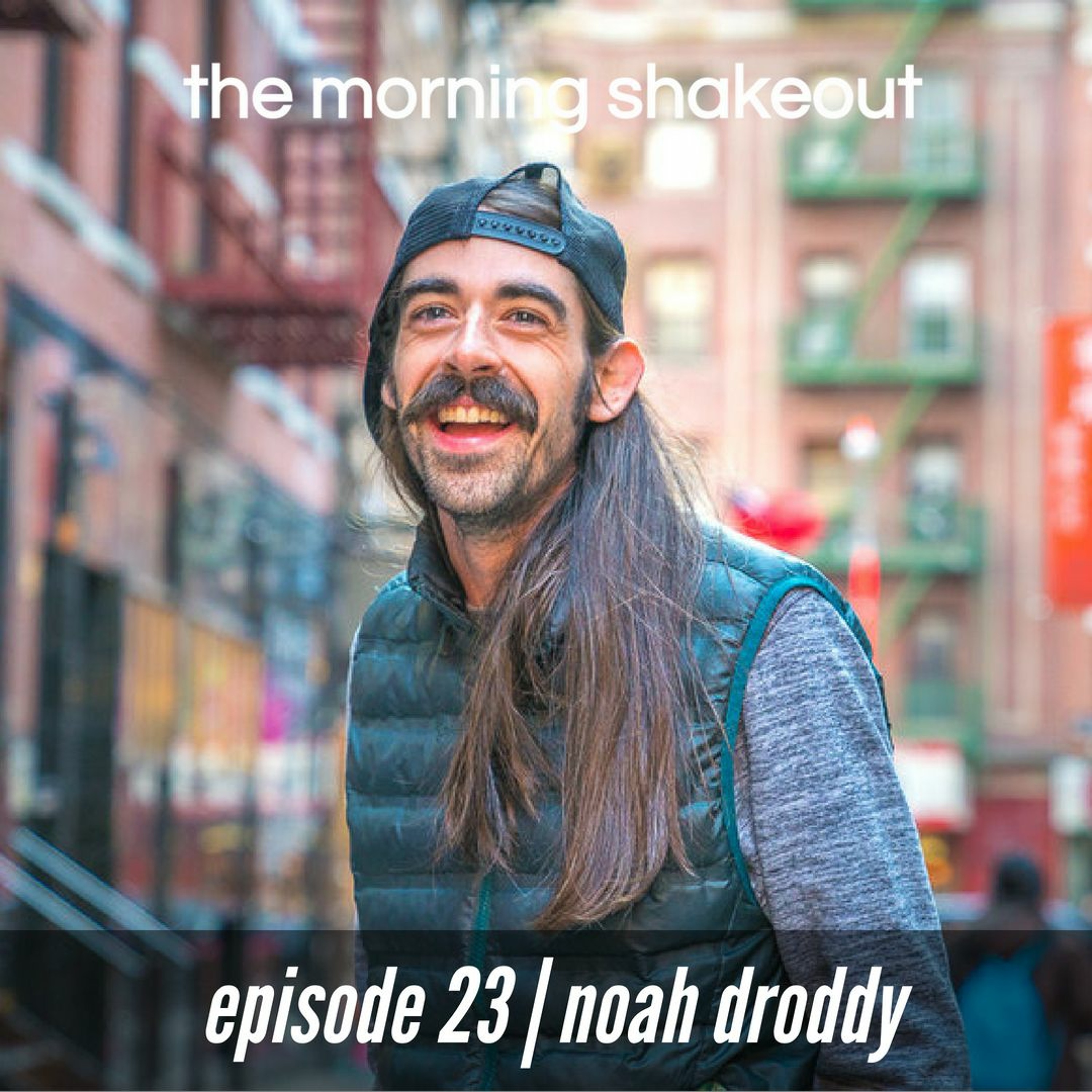
Episode 23 | Noah Droddy
"I have faith in myself that on my best day if someone is not having their best day, I might be able to get 'em. And that's enough to allow me to show up to a start line with some confidence and rest assured that I'm going to give my best and put my best effort out there. And if that puts me in last place, so be it, but I definitely show up feeling and knowing that on my best day I can compete with these guys."Stoked to welcome Noah Droddy to the podcast this week! The 27-year-old resident of Boulder, Colo., is among running's rising stars and one of the sport's most interesting, likable, and relatable personalities. Since finishing last in the 10,000m final at the 2016 U.S. Olympic Trials, where he received a swell of media attention for his unique looks and everyman persona, Droddy has established himself as a solid competitor on the roads, finishing second at the 2016 U.S. 10-mile championships, breaking 62 minutes at last year's New York City Marathon, and debuting in 2:16:26 at last fall's Chicago Marathon. Earlier this year, he "put some demons to rest" on the track, running a personal best of 28:07 for 10,000m at Stanford's Payton Jordan Invitational.In this conversation—a follow-up of sorts to an interview we did 15 months ago—Droddy and I talked about a wide range of topics, including:— What he learned from his first marathon last fall and how he’ll apply those lessons to his next marathon buildup.— The importance of taking breaks from training throughout the year and why that’s not a hard thing for him to do. “I don’t cool down [after my last race of the season],” he told me. “I go home, I shower, and it’s over. The last step of the race is the last step that I’m really thinking about.”— What a typical week of training looks like for him right now.— How things have changed for him in the last year since signing a contract with Saucony.— The importance of staying involved in his local running community and connecting with other runners.— Training with the Roots Running Project and how that’s been a major contributor to his development as an athlete in the past few years.— His relationship with his coach Richey Hansen and how it's evolved—along with his training—since he moved to Boulder in 2015.— Being naive about the marathon and why that excites him at this point of his career.— How he keeps himself in check when he’s racing against a bunch of guys with personal bests faster than his own.— Hiking the John Muir Trail for six weeks after college and what was so transformative about that experience.— The importance of balancing out his running with other interests and what he does to occupy his time when he’s not training and racing.— Life after competitive running and what he’s doing to set himself up for the future.— Working closely with his sponsors and giving the brands that support him a return on their investment. “We just need to redefine our roles and just think about ourselves as more than just athletes,” Droddy says. “And really the whole sport would benefit from that.”— His signature facial hair and the method behind his mustachioed madness. “I try to pull it out for important occasions,” he explained to me.— The coverage of running in the media, why it’s suffering, and what can be done to make it more exciting and appealing to fans. — What’s exciting him in the sport of running right now.— A lot more.This episode of the morning shakeout podcast was edited by John Isaac at BaresRecords.com.Complete show notes here: https://www.themorningshakeout.com/podcast-episode-23-with-noah-droddy/Sign up here to get the morning shakeout email newsletter delivered to your inbox every Tuesday morning: www.themorningshakeout.com/subscribe/Support the morning shakeout on Patreon: www.patreon.com/themorningshakeout Hosted on Acast. See acast.com/privacy for more information.
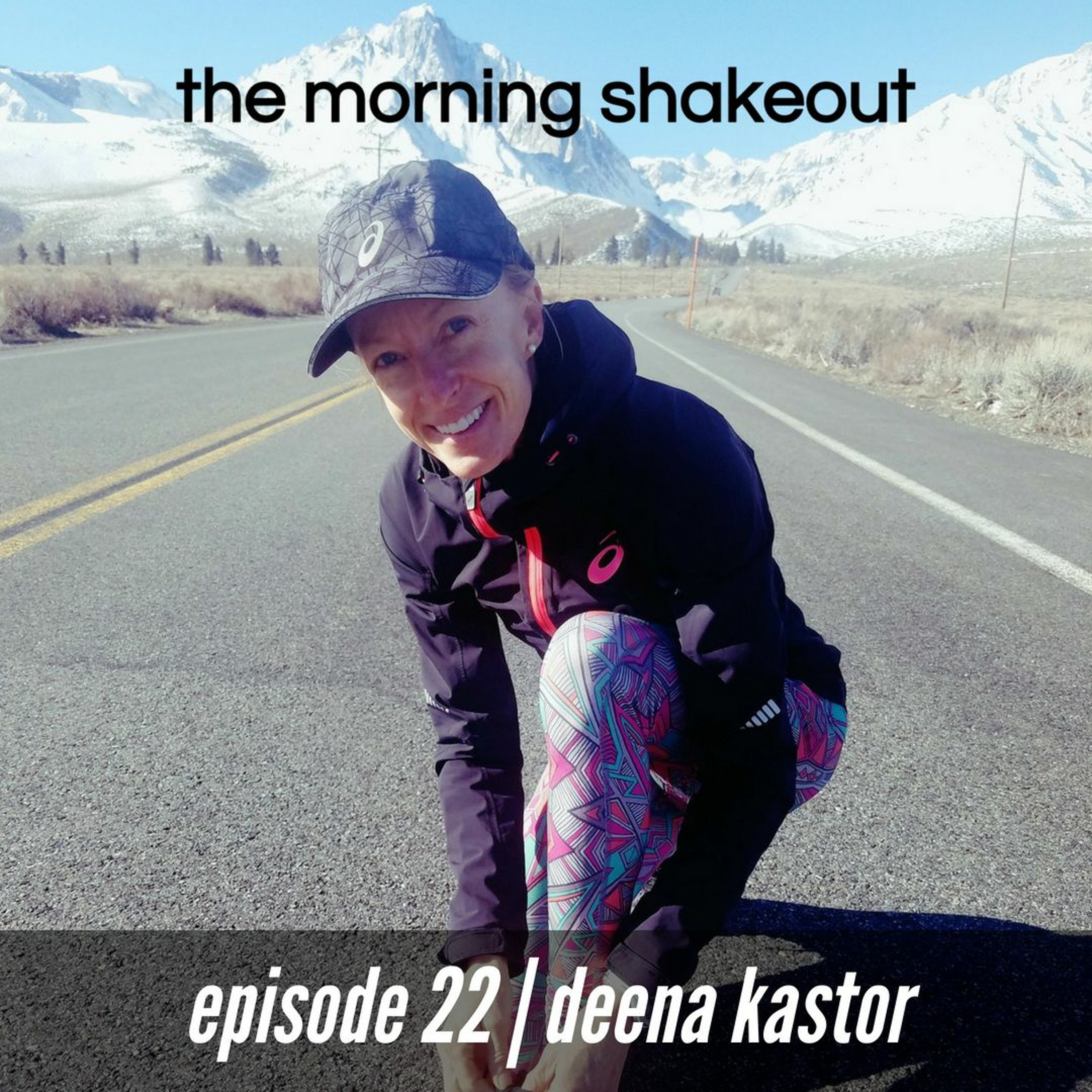
Episode 22 | Deena Kastor
"I really believe that running is such a great way to challenge us and to add that difficulty to our life in a very controlled way so that we can deal with challenge and adversity. And I love that. I love getting to the crux of a workout. I go out hard in races and workouts because I want to suffer early on so I can find ways to get through it. And to me it’s always been a game—just this playful pursuit of seeing how badly I can hurt and then what tools I can learn to get through it…When I can handle these challenges in running continuously, then when something shows up in life, I feel like it’s a breeze to get through it." Honored to welcome Deena Kastor to the podcast this week. The 45-year-old, who lives in Mammoth Lakes, California with her husband (and coach) Andrew and daughter Piper, is an Olympic bronze medalist in the marathon, multi-time national champion at various distances, and holds numerous American records, including the still-standing women’s marathon mark of 2:19:36. She also holds multiple Masters world and American records from 5K to the marathon.Kastor, who published her first book, Let Your Mind Run, in April, recently sat down with me to discuss a wide range of topics, including:— Living and training in Mammoth Lakes, California, a place she’s called home since 2000.— The launch of the Mammoth Track Club 18 years ago and how it’s evolved since then.— What keeps her going and brings her excitement at the age of 45.— Writing her memoir, Let Your Mind Run, and what that experience was like.— The importance of surrounding yourself with a great team, both in running and in life.— Training under coach Joe Vigil after graduating from Arkansas in 1996 and how he helped shape her life philosophy: “If you have it, share it.”— Using disappointment as a means to fuel the next big breakthrough.— How training for and racing cross-country “feeds her soul” and helps her become a better racer on the track and on the roads.— Transitioning to the marathon as a means to get stronger for the 10K. “I wouldn’t even call myself a marathoner [at the time],” she admitted to me. “I was a 10K racer using the marathon to strengthen myself for the track.”— The buildup to the 2004 Olympic Games and what it felt like to bring home an Olympic medal.— Breaking 2:20 in the marathon to set a still-standing American record in 2006 and who she thinks might be able to break it. “I don’t believe the record is mine to own,” she told me.— Dropping out of the Boston Marathon in April due to hypothermia and where she was when she learned that Des Linden had won the race.— What’s exciting her in running right now.— And a whole lot more.This was a fun conversation and gives a good glimpse into how one of America's greatest distance runners thinks about and approaches her craft. Listen in, learn, and be inspired by one of the most accomplished athletes of our generation. This episode of the morning shakeout podcast was edited by John Isaac at BaresRecords.com.Complete show notes here: https://www.themorningshakeout.com/podcast-episode-22-with-deena-kastor/Sign up here to get the morning shakeout email newsletter delivered to your inbox every Tuesday morning: www.themorningshakeout.com/subscribe/Support the morning shakeout on Patreon: www.patreon.com/themorningshakeout Hosted on Acast. See acast.com/privacy for more information.
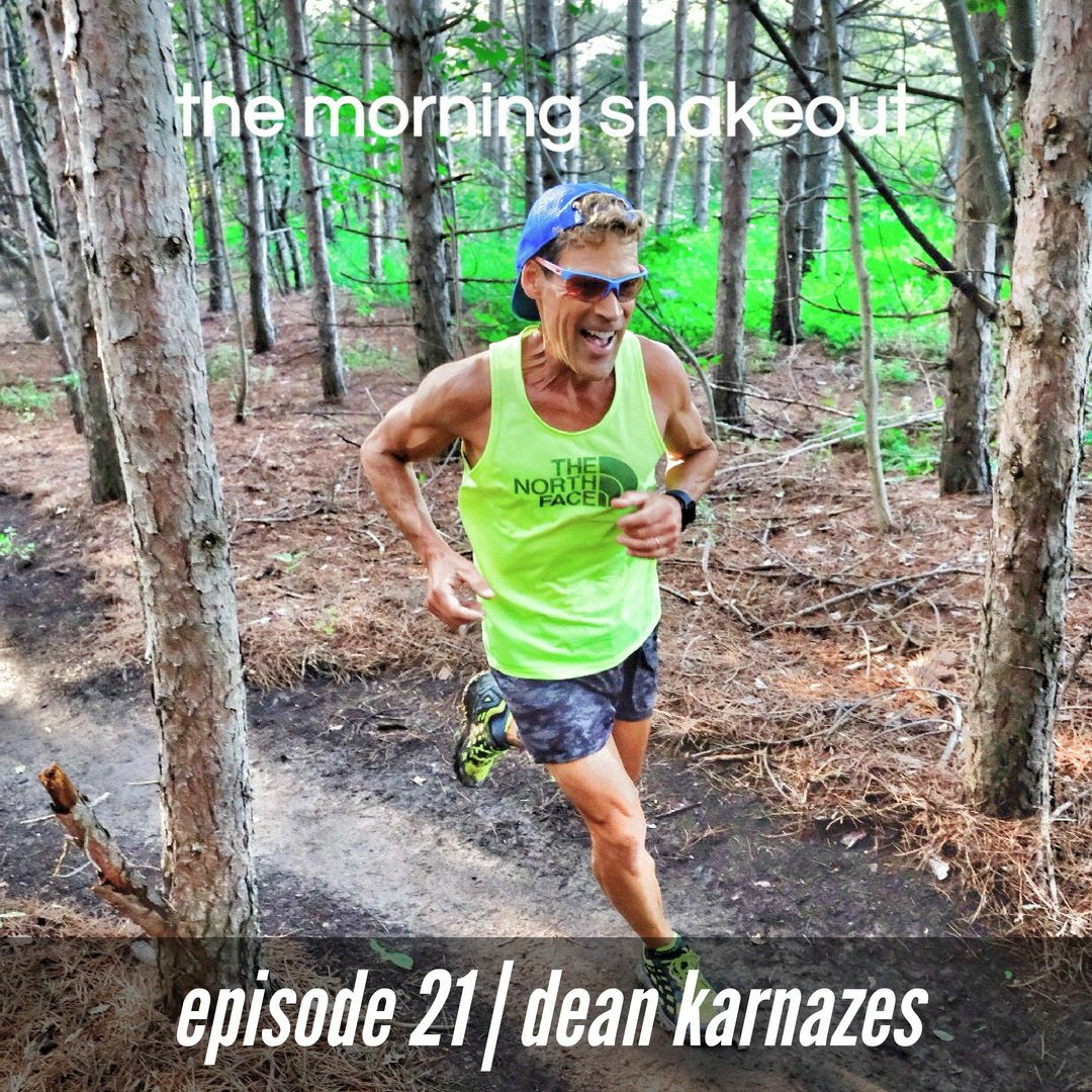
Episode 21 | Dean Karnazes
"And I thought, "My god, I'll never get to that level." And if someone at that level can't make a go of it in the sport, and you want to make a go of it in the sport, you're going to have to do a lot more than win races, or just race. You're going to have to figure out other revenue streams to make a go of it, especially if you want to commit your life to this, which I really did."It was a treat to have Dean Karnazes join me on the podcast this week. The 55-year-old Bay Area resident remains one of the most recognizable figures in ultrarunning—if not all of running in general—for his accomplishments on and off the race course, which include multiple sub-24 hour Western States finishes, 10 Badwater finishes (including a win in 2004), 50 marathons in 50 states in 50 days, cross-country runs, a 350-mile run on no sleep, and countless more.Karnazes' achievements have inspired many, and angered some, but the breadth of Karnazes' impact on the sport, and peoples' lives, is inarguable. He's authored four books, including the international best-seller Ultramarathon Man, which helped bring widespread notoriety to the sport of ultrarunning and led Time magazine to name him one of 100 most influential people in the world. Karnazes, who has sponsorship endorsements with The North Face and other brands, has also done a lot of work for charity, including Karno Kids, which has helped provide financial support for organizations and programs focused on improving health and wellness for children.We covered a wide range of topics in this episode, including:— His recent experience at the Western States Endurance Run, where he finished in just over 27 hours.— How Western States as an event has evolved since he last ran the race 10 years ago.— The current competitive landscape of ultrarunning and how it's impacting the sport.— His role in the sport of ultrarunning and how its evolved over the past couple decades.— His 22-year relationship with The North Face and helping launch The Endurance Challenge Series 11 years ago.— Advice he'd give other athletes looking to make a living in the sport.— The biggest lessons he's learned as an athlete and how he's applied them to other areas of his life. "I take a 360-degree approach in everything I do," Karnazes told me. "Training, strength-training, diet, of course, sleep, of course, interpersonal relationships—all of these things make you the best animal you can be—so I've really focused on all of those things as I've gotten older."— His approach to training and how it's changed over the years.— The benefits of hiring a coach for his 50 marathons in 50 states and 50 days endeavor in 2006.— Tips for running strong after the age of 50.— What brings him the most fulfillment—and what keeps him going after two-plus decades in the sport.— How he thinks about pain and why he considers it the definition of fun.— What can be done to knock down some of the barriers of entry into ultrarunning.— The importance of his family's support over the years and the advice he'd give to other ultrarunners whose families might not understand their commitment and passion for the sport.— A whole lot more.This episode of the morning shakeout podcast was edited by John Isaac at BaresRecords.com.Complete show notes here: https://www.themorningshakeout.com/podcast-episode-21-with-dean-karnazes/Sign up here to get the morning shakeout email newsletter delivered to your inbox every Tuesday morning: www.themorningshakeout.com/subscribe/Support the morning shakeout on Patreon: www.patreon.com/themorningshakeout Hosted on Acast. See acast.com/privacy for more information.
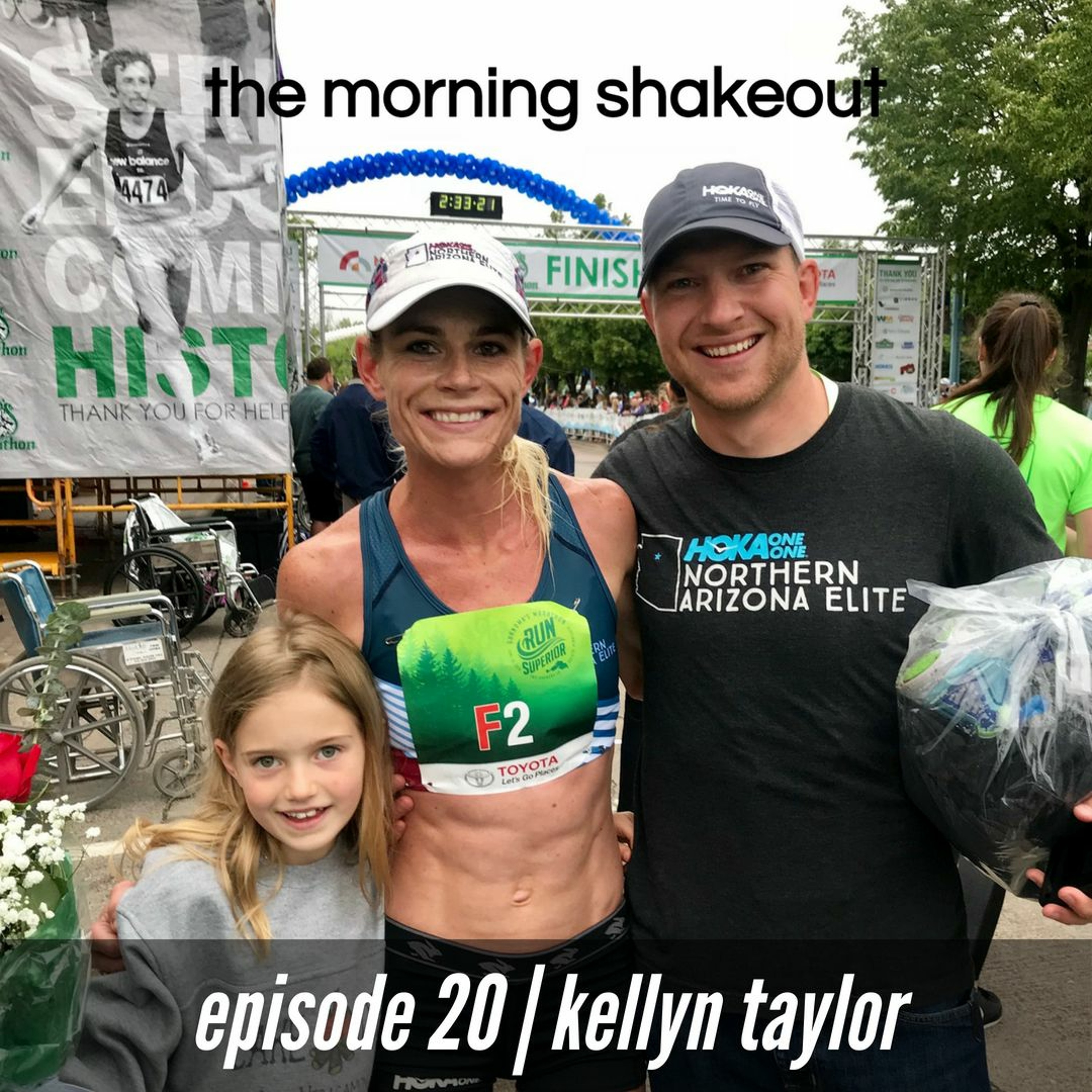
Episode 20 | Kellyn Taylor
"I’ve never been a person to think that just because someone has a better PR than me that they’re going to beat me. I think that it’s important to have belief in yourself and your capabilities. You have to believe that you’re going to do something great before it actually happens."Thrilled to have Kellyn Taylor join me on the podcast this week. The 31-year-old mom, who trains in Flagstaff, Ariz., as a member of coach Ben Rosario’s HOKA Northern Arizona Elite squad, ran a 2:24 at Grandma’s Marathon on June 16. It was a four-minute personal best, two-minute course record, and the seventh-fastest marathon ever run by an American woman.Taylor’s breakthrough came just 61 days after being forced to drop out of April’s Boston Marathon with hypothermia, an experience she described as a disappointment and a blown opportunity. The Wichita State alum, who finished sixth in the marathon and fourth in the 10,000m at the 2016 U.S. Olympic Trials, was eighth at last fall’s New York City Marathon (2:29:56). She’s run personal bests in both the mile—4:33.4 indoors at Boston University in January—and marathon this year, and describes herself as a “jack of all trades.”Competitive running isn’t Taylor’s only pursuit, however; last fall, she successfully completed her coursework and training to be a firefighter, a topic we got into over the course of our conversation. “It’s something that I can just see myself just doing and being happy with for the duration of my working life,” she explained to me. “For me, one of my biggest goals in life is to never have a job that I don’t love. I’m 31 years old, almost 32, and so far, so good. If I can have that carry on for the next 30-35 years, I think that would be a special thing.”We covered quite a bit of ground in this episode, including:— Her breakthrough performance at Grandma’s Marathon.— What her husband said to her after she broke the tape.— How much time she takes off after a marathon.— Where she now sees herself on the map of U.S. women’s marathoning.— How she was feeling heading into the Boston Marathon (where she eventually dropped out due to hypothermia).— Her thoughts on why many of the elite women struggled so much at Boston this year.— When (and why) she decided to run Grandma’s Marathon.— What her training looked like in the two months between Boston and Grandma’s.— Where her self-confidence comes from and how she uses it to her advantage.— Reflections on the 2016 U.S. Olympic Trials Marathon, where she finished sixth, and what she would do differently if she were in that situation again.— How she’s a different runner now versus when she joined NAZ Elite 4-1/2 years ago.— The importance of a longterm coach-athlete relationship and training in a group environment.— The appeal of firefighting and how she’s been able to juggle that with her training as an elite-level athlete. “I think that I can do it all, don’t get me wrong,” she told me.— Her aversion to foam rolling and strength-training. “I have like five foam rollers,” she admitted to me. “I don’t use them. I don’t know why I keep buying them, but I have them.”— The lessons she wants her daughter to take away from her athletic pursuits.— A whole lot more.I really enjoyed this conversation with Kellyn and letting her share some of the secrets behind her recent success. If you’re looking for some insight on setting yourself up for a breakthrough or learning how to bounce back from a bad race, this episode is for you.This episode of the morning shakeout podcast was edited by John Isaac at BaresRecords.com.Complete show notes here: https://www.themorningshakeout.com/podcast-episode-20-with-kellyn-taylor/Sign up here to get the morning shakeout email newsletter delivered to your inbox every Tuesday morning: www.themorningshakeout.com/subscribe/Support the morning shakeout on Patreon: www.patreon.com/themorningshakeout Hosted on Acast. See acast.com/privacy for more information.
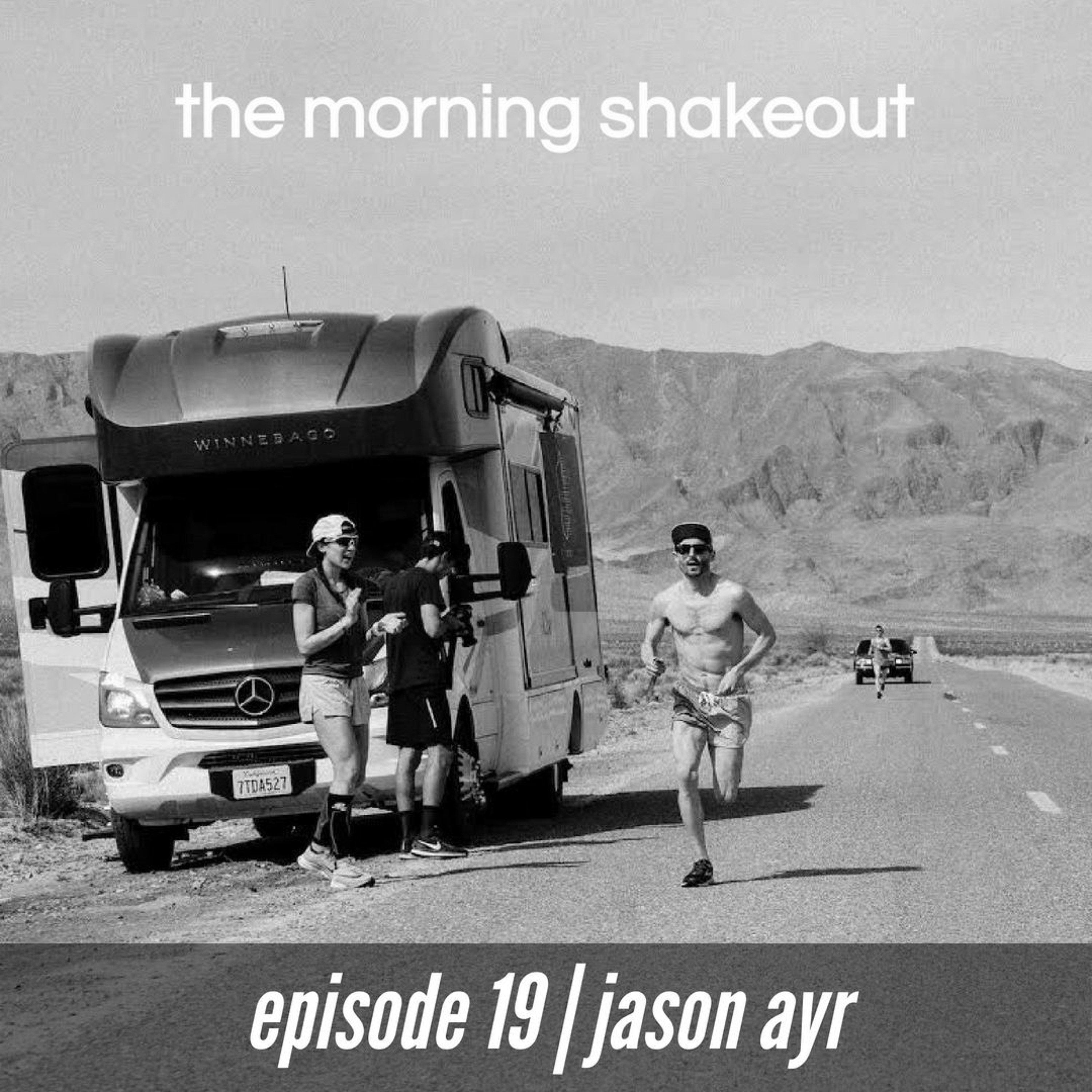
Episode 19 | Jason Ayr
"I see it more as the type of runner, athlete, or individual who is looking for that experience and something that might change you a little bit. And that doesn't necessarily mean it can't be super competitive as well. For me, what racing the Sun Chasers in Death Valley taught me is that those experiences can be happening at the same time—it could be the rawest form of competition but at the same time be this moment of self-discovery. And so all of them being bundled up into that same thing just labeled 'experience' and I think that's the type of athlete, runner, or individual that is going to seek those things out—and I think there's definitely an interest there."Really excited to welcome Jason Ayr to the podcast this week. Ayr, who works as the controller at Tracksmith, finished 22nd at this year's Boston Marathon, running 2:29:53. The 30-year-old Ayr also captained Tracksmith's team to a second-place finish at The Speed Project 4.0—a 340-mile unsanctioned relay race running from Los Angeles to Las Vegas that's primary source of information, promotion, and documentation is through Instagram—a couple weeks prior, running dozens of hard miles in just under 36 hours.We covered all things TSP in this episode, including:— When he first became aware of The Speed Project and when Tracksmith decided to enter a team.— Whether or not he had hesitations about taking part in TSP 4.0. "If I had known how difficult it was going to be, there's no way I would have done it two weeks before a goal race," he admitted to me.— The 40 teams that made up The Speed Project: Who were they? And where did they come from?— The vibe amongst all the teams before, during, and after the event.— The logistics of navigating 340 miles through the desert with no real rules to follow.— How his team's race strategy evolved throughout the event.— The group dynamic after two days together under the hot sun, in close quarters, and on little sleep.— Preparing for TSP 4.0 while also training for the 2018 Boston Marathon.— The close battle that developed with a French team called the Sun Chasers.— When he cracked in the final hours and his teammates wouldn't allow him to run any more miles.— How the experience changed him.— Where underground, exhibition-style events like TSP fit into the overall running landscape in the coming years.— A whole bunch more.This conversation with Jason was a fun one and satisfied some of my curiosities about The Speed Project, which is the type of event I think we’re going to see a lot more of popping up in the coming years—events that go against the grain of the traditional running race, challenge established norms, and generate a fresh excitement that is equal parts competitive and experiential.This episode of the morning shakeout podcast was edited by John Isaac at BaresRecords.com.Complete show notes here: https://www.themorningshakeout.com/podcast-episode-19-with-jason-ayr/Sign up here to get the morning shakeout email newsletter delivered to your inbox every Tuesday morning: www.themorningshakeout.com/subscribe/Support the morning shakeout on Patreon: www.patreon.com/themorningshakeout Hosted on Acast. See acast.com/privacy for more information.
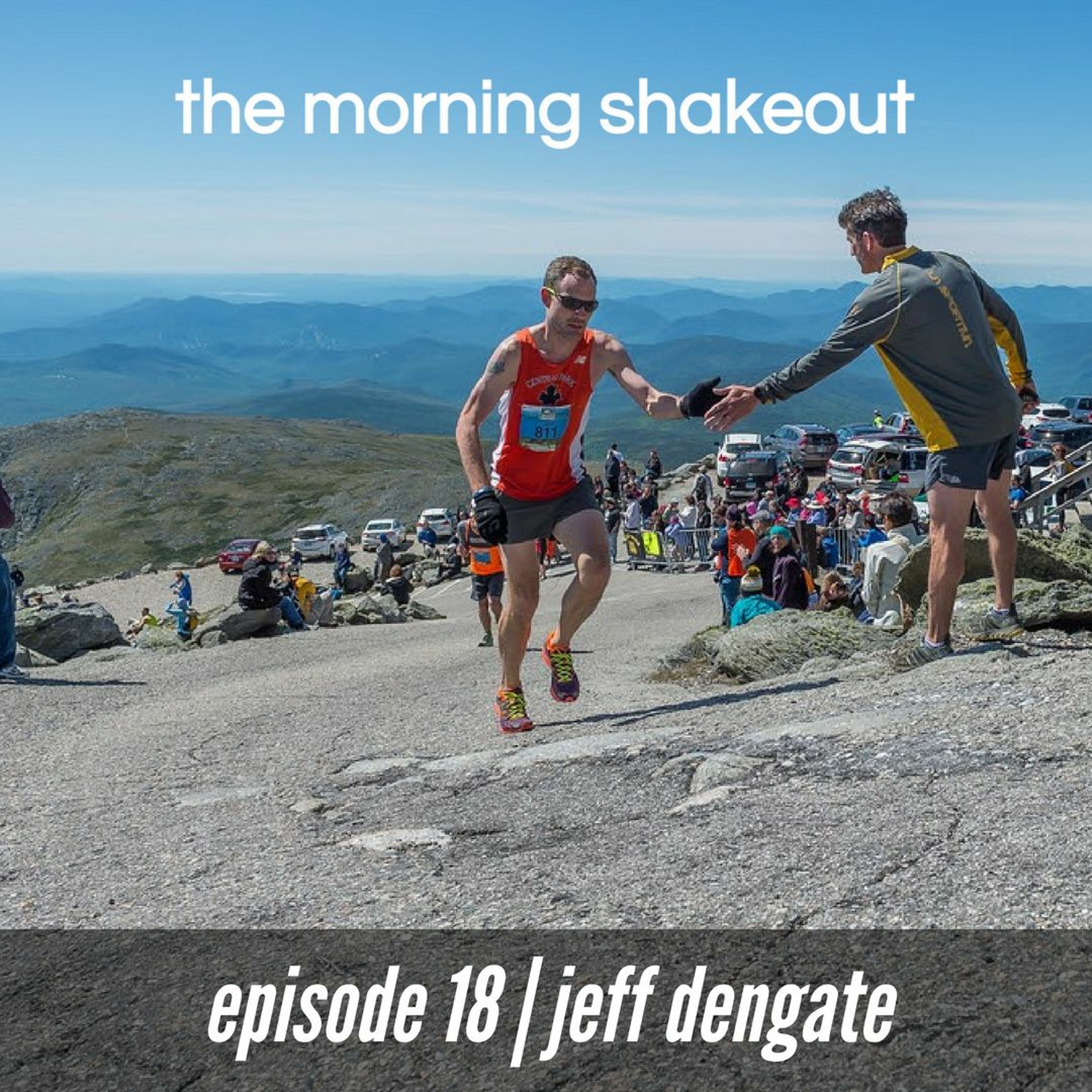
Episode 18 | Jeff Dengate
"What is a runner? To define it today, that's a question we have to ask. There are a lot of people out there who say, 'I'm not a runner' but they probably run 3 or 4 days a week, they might run 25 miles a week, but they also might do other things. The day of that loneliness of the long-distance runner, the guy in short shorts out there pounding the miles and training for a marathon—while we saw that popularity of the standard distances and that traditional kind of runner grow, it's plateaued, and even receding—if you look at races, they're struggling to hit the numbers that they want and need. But then you have all these events, there are all sorts of non-traditional things...there are these events that are happening, and they're challenging, and they're every bit running."Excited to welcome Runner's World "Runner-in-Chief" Jeff Dengate to the podcast. Dengate, who is on his third tour of duty at RW after recently wrapping up a second stint at Men's Journal, took over for Betty Wong-Ortiz in March and has been charged with leading the brand under its new owner, Hearst.Dengate, who got his start in media as a senior editor for NBA.com before leaving to be the web editor at Runner's World in 2007, is best known for his coverage of shoes and gear at both RW and Men's Journal (where he worked from 2014-2016, and again from August of last year until this past March).A runner for the past three decades—he ran his first 5K race while training for karate as a kid—Dengate has a current penchant for off-road races and low-key events. "It's a place for me, personally, where I like to spend my race entry fees," he told me.In this conversation, we talk about his new role at Runner's World, what brought him back to the brand for the third time, how its content focus has evolved in the short time he's had the reigns, and a lot more, including:— His favorite running shoe of all-time and what makes a good running shoe.— Runner's World's new look and feel—both in print and online—and the early feedback he's received on the changes it's undergone.— Why print magazines are still important in today's digitally-focused media landscape. "The commitment to a magazine is definitely here," Dengate told me.— The staffing changes that have taken place at RW in recent months and the importance of having consistent contributors producing content for the brand.— Which media brands outside the running space influence and inspire him.— How Mountain, Ultra, and Trail running fit into RW's coverage plans.— His thoughts on the importance of competitive running in the overall landscape of the sport.— The biggest challenge he faces as Runner-in-Chief and what success for Runner's World looks like in his eyes.— What's exciting him in running right now.— How he got into writing and media and his advice for anyone who wants to break into the industry.I really enjoyed this conversation with Jeff and it was great to hear firsthand what's going on at the sport's largest and most recognizable endemic media brand. If you've bought one of the last two issues of the magazine, or visited runnersworld.com in recent months, I think you'll be interested in what he has to say.This episode of the morning shakeout podcast was edited by John Isaac at BaresRecords.com.Complete show notes here: https://www.themorningshakeout.com/podcast-episode-18-with-jeff-dengate/Sign up here to get the morning shakeout email newsletter delivered to your inbox every Tuesday morning: www.themorningshakeout.com/subscribe/Support the morning shakeout on Patreon: www.patreon.com/themorningshakeout Hosted on Acast. See acast.com/privacy for more information.
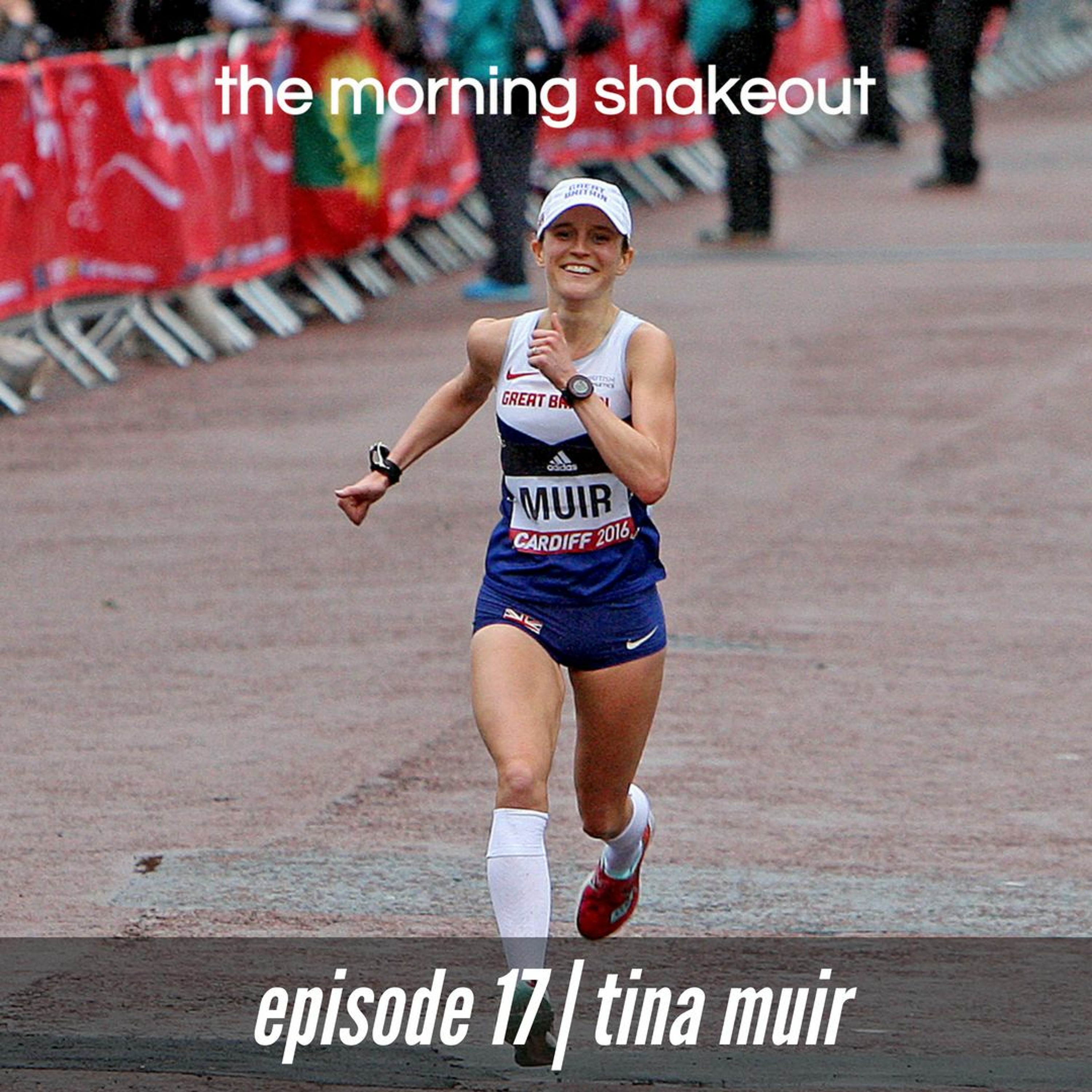
Episode 17 | Tina Muir
"[Putting pressure on myself] is one thing that I found that I did a lot of and I think most runners tend to feel this huge expectation of having to perform. Whereas now, having a daughter, I can say to myself: "You know what? At the end of the day, if I don't run well today, she's not going to care whatsoever. If I run a world record, she doesn't really care; to her, me crossing the finish line is the same whether I run 2:20 in a marathon or 3:50." So I think it's just kind of keeping that reminder that I run because I enjoy it, not because I need to do it to get the reward, or the satisfaction of people complimenting me."It's a pleasure to welcome Tina Muir to the podcast. Muir, a 2:36 marathoner who represented Great Britain at the world half-marathon championships in 2016, gained notoriety last year after announcing that she was going to put her running career on hold after a 9-year battle with amenorrhea. Her story was picked up by Runner's World, ESPNW, and even People magazine, and sparked a conversation—and heightened awareness—around the condition, especially amongst female athletes. In the time since her story broke, Muir has launched a business, Running For Real, and given birth to a baby girl named Bailey. The 29-year-old is eyeing a return to competitive running in the near future.In this episode, we cover a lot of ground, including:— Getting back into running after giving birth to her daughter in January and what she's struggled with since becoming a new mom.— Her decision to "break up" with running last year and the attention it received in the media.— Why she "felt a bit lost" as it related to her running goals after representing Great Britain at the 2016 Half Marathon World Championships.— Reflections on her 9-year battle with amenorrhea and why it's long been a taboo topic amongst female athletes.— Her advice for women who find themselves in a similar situation.— How she felt about her identity—and body image—after she made the decision to stop running.— What she'll do differently as she gets back into training—and her competitive goals for the future.— Dealing with pressure—both external and self-induced—as an athlete and how she's learned to develop a better perspective in that regard.— The decision to start sharing her training on Strava when she got back into running earlier this year.— The disconnect that exists between elite runners and many middle and back-of-the-packers, and what can be done to close the gap.— How her own Running For Real podcast has evolved over the past few years and what she looks for in a potential guest.— A whole lot more.This was a great conversation that touched on a wide range of topics from personal to professional and then some. I appreciate Tina's openness in sharing her experiences with others and I think you'll enjoy the honest insights she provides on her various triumphs, struggles, and the sport of running in general.This episode of the morning shakeout podcast was edited by John Isaac at BaresRecords.com.Complete show notes here: https://www.themorningshakeout.com/podcast-episode-17-with-tina-muir/Sign up here to get the morning shakeout email newsletter delivered to your inbox every Tuesday morning: www.themorningshakeout.com/subscribe/Support the morning shakeout on Patreon: www.patreon.com/themorningshakeout Hosted on Acast. See acast.com/privacy for more information.
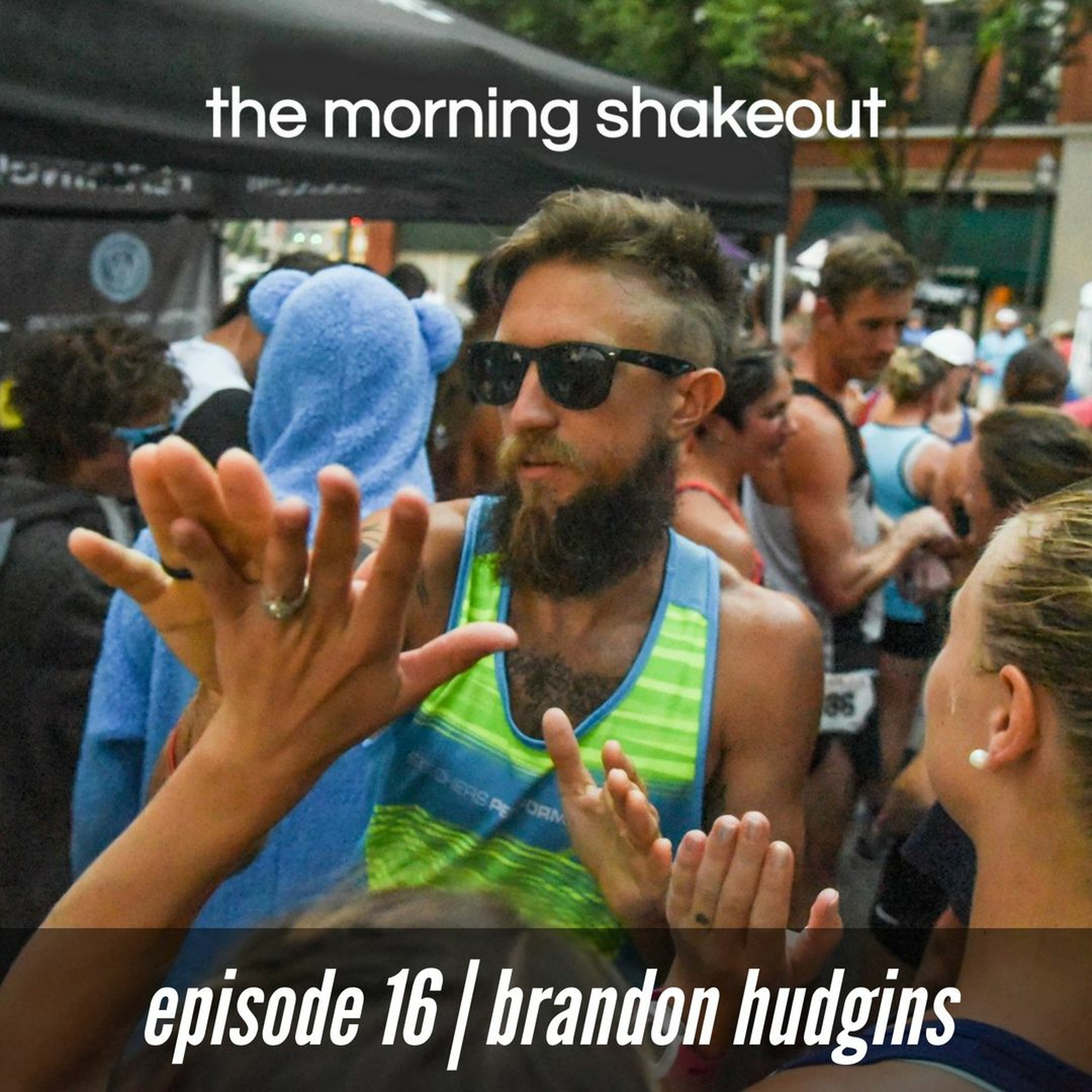
Episode 16 | Brandon Hudgins
"I don't wanna just be someone who qualified for the Olympic Trials once and made a semifinal or whatever. I want to be someone who's name is in contention for teams. And that's my goal these last three years and I'm going to be doing everything I can to get there. But I want to be known as someone who basically made running cool again."Stoked to welcome sub-4:00 miler Brandon Hudgins to the podcast! Not only is Brandon fast—he's also an Olympic Trials qualifier in the 1,500m—but he's got one of the most inspiring, and untold, stories in professional running today, and I'm excited to share it with all of you.While competing collegiately at Winthrop in 2008, Hudgins was diagnosed with Vasculitis, specifically granulomatosis with polyangiitis, a rare autoimmune disease that attacks blood vessels in various organs throughout the body, causing debilitating inflammation that requires treatment with chemotherapy and high doses of corticosteroids. Currently in remission—he's had three serious relapses in the past 10 years, the last one in 2016—the now 31-year-old Hudgins, who still receives immunotherapy treatments every six months, is rebuilding momentum with the next Olympic Trials fast approaching two years from now. "I don't know how long my legs are going to last or what my health situation is going to be so I don't want to say I'm making Plan Bs because I hate making Plan Bs," Hudgins told me. "That's just not the type of person I am and it drives people in my family, and my girlfriend, absolutely bonkers—but [I've been] setting things up outside of running, and for my future, getting involved with the [Vasculitis] foundation more and all of that so if this running thing doesn't work out I'm not completely left naked standing in the street with a pair of running shorts on with no real skills."In this episode we dive into Hudgins' story and how he got into running, learn what vasculitis is and how he’s adapted to living with it, speculate on what he thinks he could have run if he weren't dealing with the disease, talk about how he's worked through periods of anxiety and depression related to his illness, discuss who is exciting him in running today (hint: she was a previous guest on this podcast) and what's upsetting him about the sport, and much, much more.This episode of the morning shakeout podcast was edited by John Isaac at BaresRecords.com.Complete show notes here: https://www.themorningshakeout.com/podcast-episode-16-with-brandon-hudgins/Sign up here to get the morning shakeout email newsletter delivered to your inbox every Tuesday morning: www.themorningshakeout.com/subscribe/Support the morning shakeout on Patreon: www.patreon.com/themorningshakeout Hosted on Acast. See acast.com/privacy for more information.
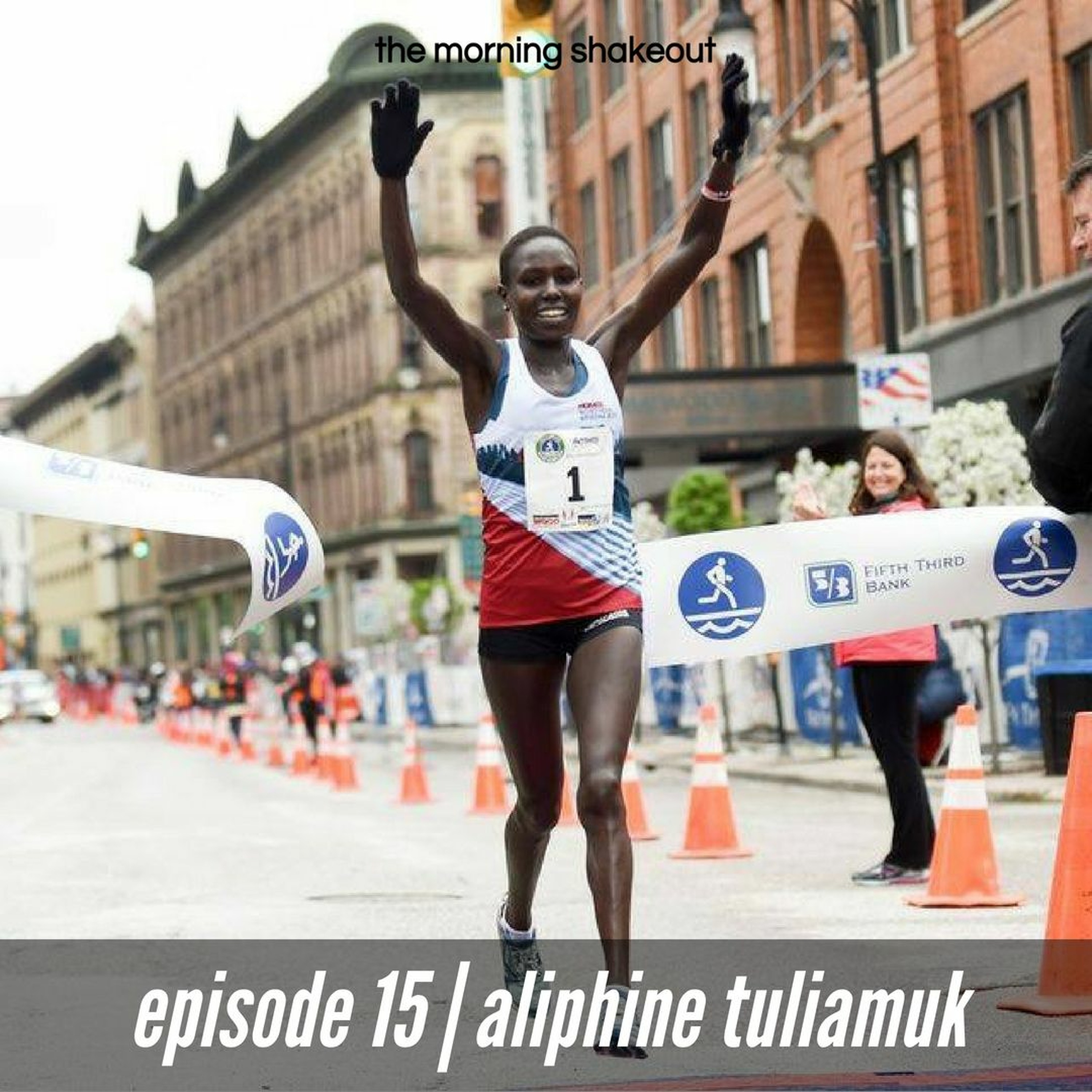
Episode 15 | Aliphine Tuliamuk
“When I’m dealing with pressure from racing and stuff, I just tell myself, 'This is an opportunity of a lifetime.' When I was growing up, or I started running, I never thought that I would be the person that I am today. I never thought that I would be living in America, that I would be an independent woman doing my own thing. I have an opportunity that not a lot of people have—like not even my role models when I was in Kenya, they don’t have the opportunities that I have here. And so when I have that pressure, I just tell myself that I am in a better place and I don’t want to complain because this is not going to last forever and so I try to just enjoy the process.” All she does is win, win, win, no matter what. Super excited to welcome nine-time U.S. national champion Aliphine Tuliamuk to the podcast. Tuliamuk went wire-to-wire to win the U.S. half-marathon championship in Pittsburgh on May 6 and followed that up less than a week later with her third-straight U.S. 25K title in Grand Rapids on May 12. The 29-year-old Tuliamuk, a native of Kenya who became a U.S. citizen in 2016, lives in Flagstaff, Arizona and trains with coach Ben Rosario’s HOKA Northern Arizona Elite squad. She’s a graduate of Wichita State University, where she was 14-time All-American and earned a degree in public health.“Without running, I would never have these opportunities,” Tuliamuk told me. “I have met some really, really incredible people in my life. And things have changed for me through running. It’s just amazing and running has changed so much for me. I think I get that drive from there. The things I’m able to do for my family—to be able to help my siblings pay their tuition—and if I wasn’t running, if I wasn’t here in America, I wouldn’t be able to do that. So I get that drive just because I am in a position where I can do things, and if I stop being self-motivated, then I’m not going to be able to do anything. And I feel like I still have so much in me. And people see me and they’re like, “Wow, you’re so accomplished.” But when I think about it, I just feel like I haven’t done much. I feel like I haven’t hit the jackpot that I need to. And so I still have to have self-drive in order to get to that point.”In this episode, we dive into Tuliamuk’s story and what it was like to grow up in a small village in Kenya with 31 siblings. We also discuss her origins in running, her earliest recollections of racing and competition, and what led her to attend college in the U.S. Finally, we talk about what it was like assimilating to life in a new country, the differences she sees between Kenyan runners and American runners, why she’s excited to train alongside Stephanie Bruce and Kellyn Taylor in the lead-up to the 2020 Olympic Trials Marathon, how she deals with pressure in competitive situations, the importance of national championship races to her as a new U.S. citizen, where she hopes to invest her time and energy when her running career is over, and much, much more.This episode of the morning shakeout podcast was edited by John Isaac at BaresRecords.com.Complete show notes here: https://www.themorningshakeout.com/podcast-episode-15-with-aliphine-tuliamuk/Sign up here to get the morning shakeout email newsletter delivered to your inbox every Tuesday morning: www.themorningshakeout.com/subscribe/Support the morning shakeout on Patreon: www.patreon.com/themorningshakeout Hosted on Acast. See acast.com/privacy for more information.
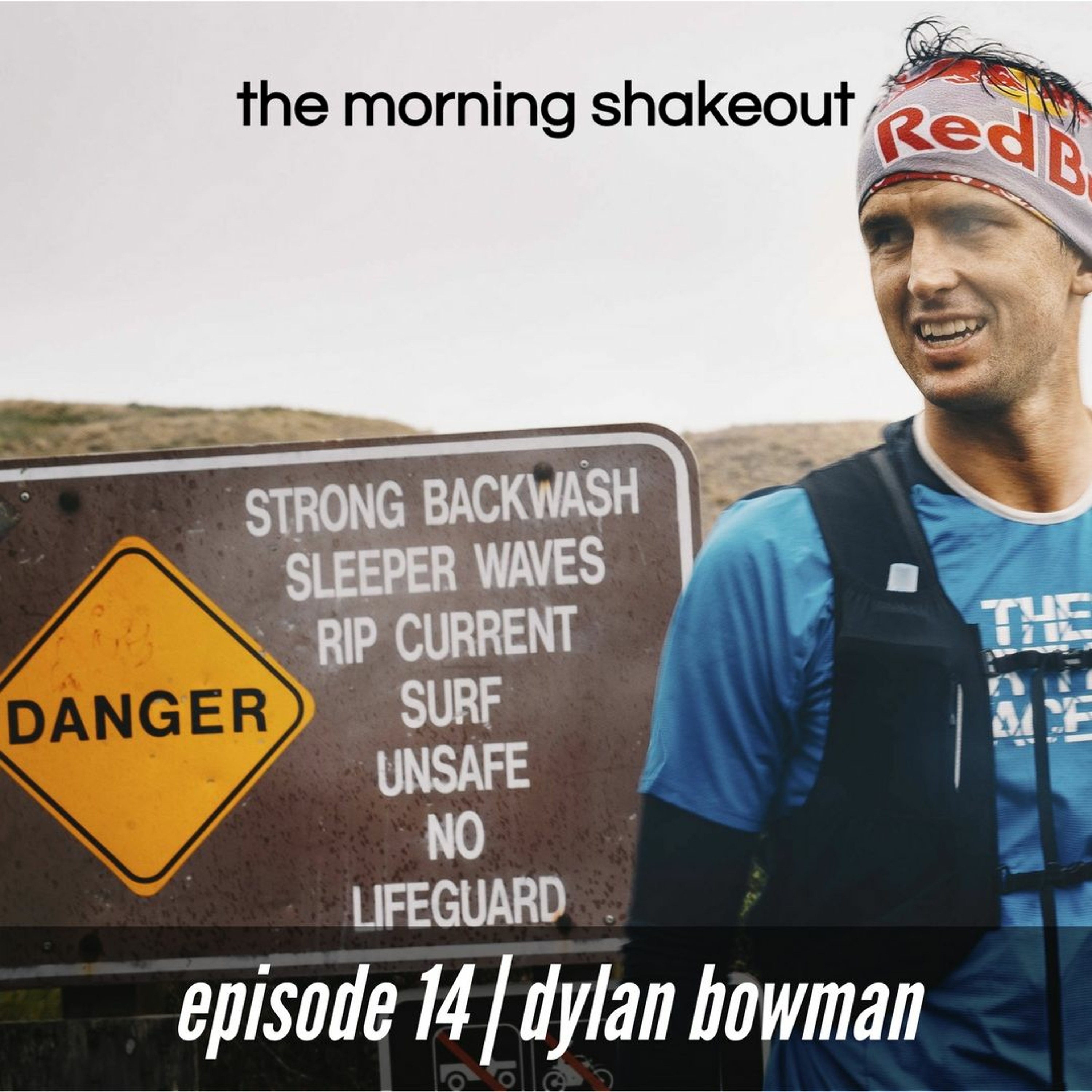
Episode 14 | Dylan Bowman
“For a lot of these races, at least for me, the key limiting factor to success is oftentimes how excited I am to bury myself. And I’ve just found that when I emphasize the rest, and lean on my experience, that I can get as fit as I’m gonna get in six, eight weeks of training and there’s really no need for me to continue to bang my head against the wall for 12 or 16 weeks, even for the most important races. And I think that’s something a lot of people have to learn for themselves and I’m really happy that I have, because yeah, it is very easy to jump at all these cool opportunities that we have in the sport now.” Pumped to welcome professional ultrarunner Dylan Bowman to the podcast. I caught up with the “perpetuator of stoke” just a few days after his most recent victory at the Ultra-Trail Mt. Fuji. The 32-year-old Bowman, who passed leader Pau Capell of Spain with a little over 3 miles to go in the 105-mile race, takes us through his win and explains why it was the best race he’s ever run. Bowman, who also won the Tarawera 100K in New Zealand earlier this year, talks about his season so far, what he’s still got left on his 2018 schedule, and how he’s been able to compete at a high level—and continue improving—for the past nine years. “As somebody who is a veteran of the sport, it is incredibly important to emphasize longevity, at least for me,” Bowman explained. "I’m the type of athlete who would love to be in the sport, competing, until I’m 40 or potentially beyond. I started in ultrarunning when I was 23 years old, and luckily I wasn’t a runner prior to that, so I still feel like I have a lot of tread left on my tires because I didn’t run a ton as a kid or into my teenage and college years. But again, I always have really enjoyed resting, and I think it’s just so important." In this episode we also discuss how he approaches a close contest at the end of an ultra-distance race, his recent FKT (Fastest Known Time) for Northern California’s 55-mile Lost Coast Trail, the consistency of his training volume—and the importance of rest and recovery after big races—the past few years, and how his relationship with coach Jason Koop has evolved since they began working together in 2013. We also talk about why he’d like to eventually get back to the Western States Endurance Run (where he finished third in 2014 but DNF’d in 2015), how the sport of ultrarunning has grown and evolved in recent years, the impact living and training in Marin County, California has had on his career, why he doesn’t think doping is rampant in ultrarunning, and a whole lot more.This episode of the morning shakeout podcast was edited by John Isaac at BaresRecords.com.Complete show notes here: https://www.themorningshakeout.com/podcast-episode-14-dylan-bowman/Sign up here to get the morning shakeout email newsletter delivered to your inbox every Tuesday morning: www.themorningshakeout.com/subscribe/Support the morning shakeout on Patreon: www.patreon.com/themorningshakeout Hosted on Acast. See acast.com/privacy for more information.
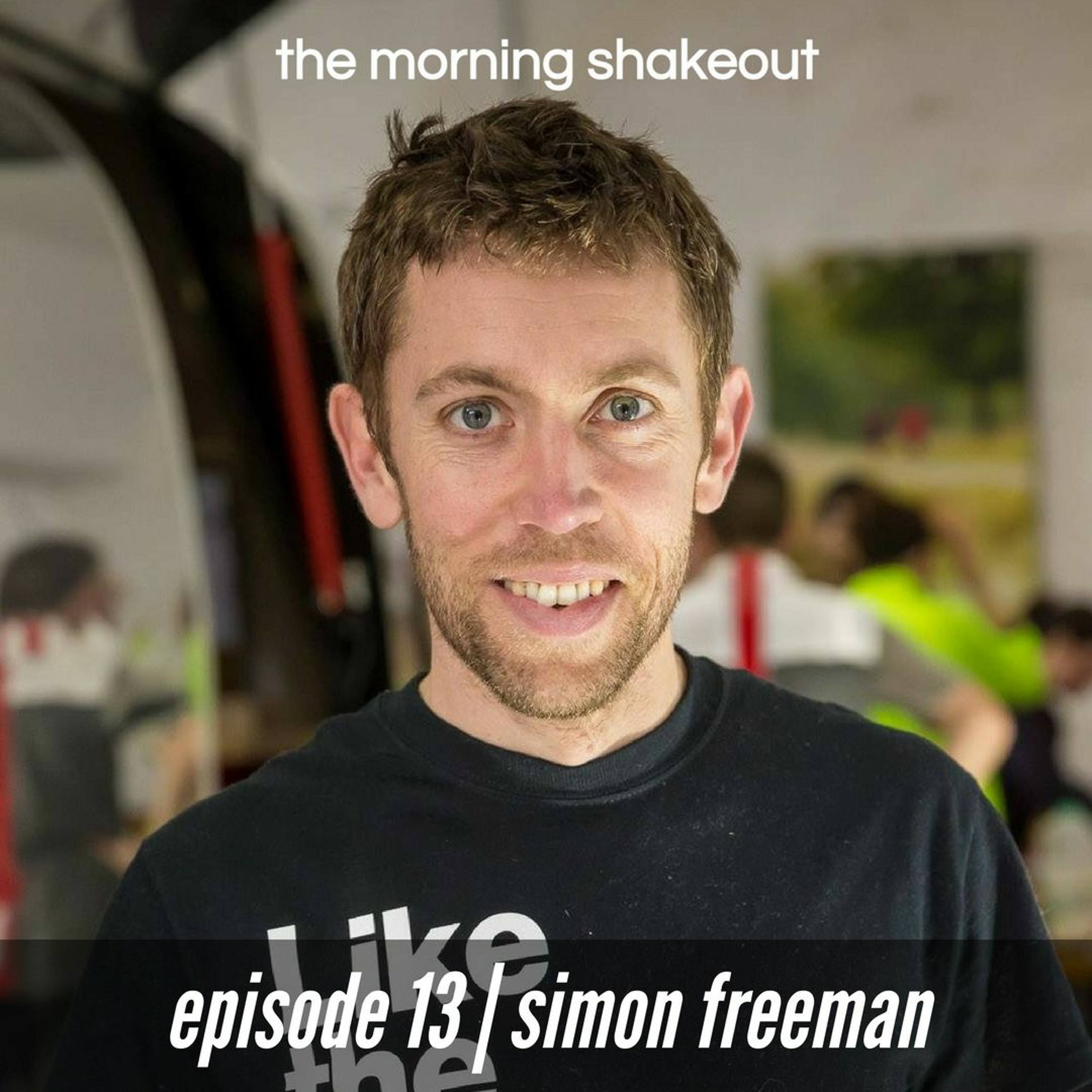
Episode 13 | Simon Freeman
"I think a degree of paranoia is a good thing—again, whether it's running or business, it keeps you on your toes. Julie and I literally couldn't work out why this magazine that we were imagining didn't exist. Because we didn't think that we could possibly have come up with something that no one else had thought of, so we just assumed that the reason it didn't exist is that people had sort of tried it and figured out that it would never work, and we were going to find out ourselves that it wasn't going to work. The reality is that there's been quite a few moments when we thought 'this is utter madness'...but the last 4 to 5 issues we've hit a sort of form and it feels like it's gaining momentum so the hard work is starting to pay off."Thrilled to welcome Simon Freeman to the podcast this week. He is the co-founder and editor of Like the Wind, a quarterly UK-based running magazine that ships to 32 countries worldwide. LTW, which just published its 15th issue, explores why we run—not how we run—through modern design, stunning photography and illustrations, and diverse storytelling that celebrates the spirit of running: road, trail, track, or wherever interesting things are happening in the sport.Freeman, who launched Like the Wind in 2014 along with his wife Julie, also runs the Freestak, a digital marketing and communications agency that helps brands in running, cycling, triathlon and outdoors connect with their target audiences.In this episode we dive into the origins of the magazine and why he and Julie decided to launch a print publication in the digital age. We also discuss how it gets decided what stories and artwork end up in the magazine, how LTW continues to sustain itself for the foreseeable future, and the current state of the running media landscape in general. Finally, we talk about how the marketing skills he uses at Freestak have influenced the magazine's growth, what's exciting him in running right now, and much, much more.This episode of the morning shakeout podcast was edited by John Isaac at BaresRecords.com.Complete show notes here: https://www.themorningshakeout.com/podcast-episode-13-simon-freeman/Sign up here to get the morning shakeout email newsletter delivered to your inbox every Tuesday morning: www.themorningshakeout.com/subscribe/Support the morning shakeout on Patreon: www.patreon.com/themorningshakeout Hosted on Acast. See acast.com/privacy for more information.
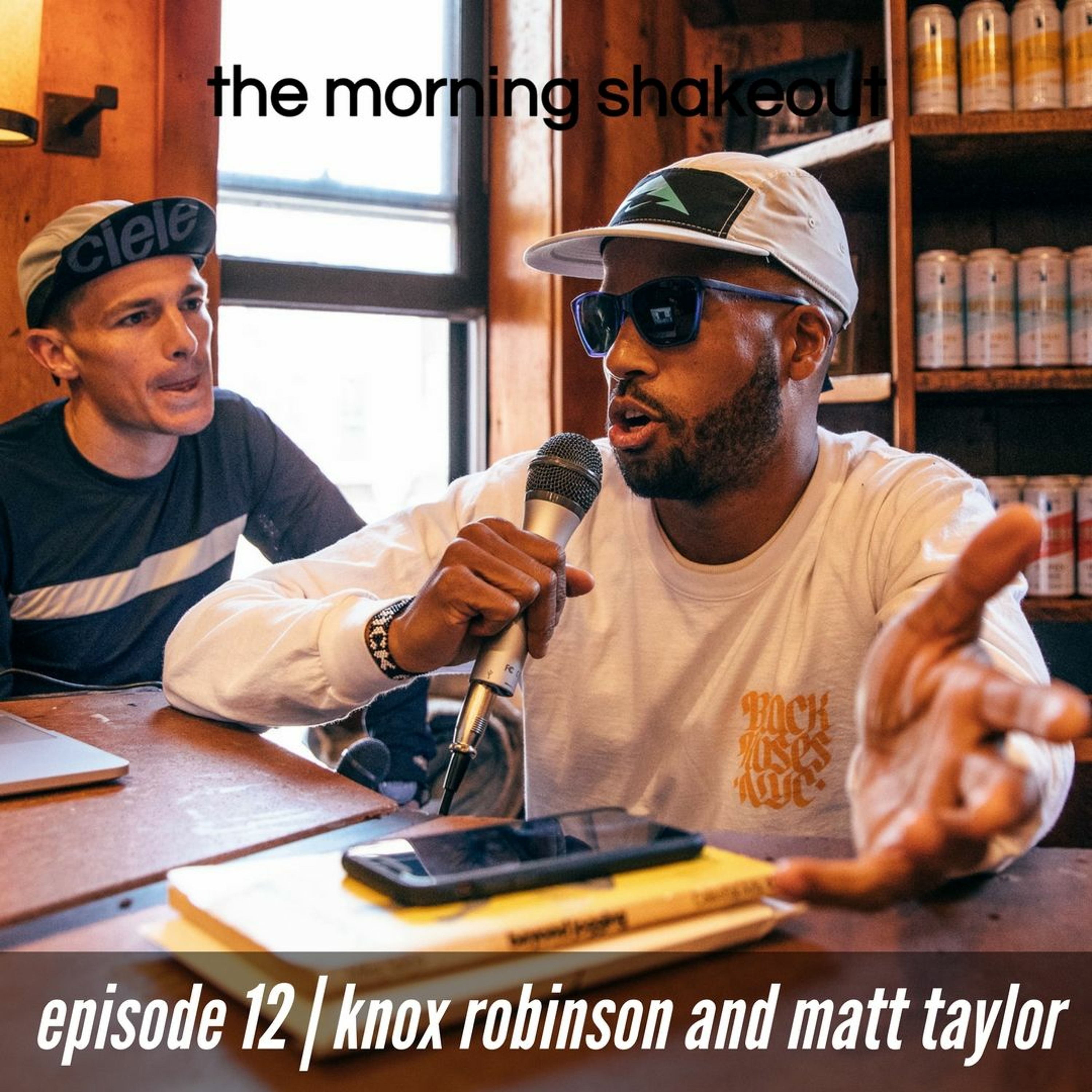
Episode 12 | Knox Robinson and Matt Taylor
Super excited to welcome New York City-based runner, writer, and coach Knox Robinson, along with Tracksmith co-founder and CEO, Matt Taylor, to the podcast. This episode was recorded a few days before the 2018 Boston Marathon at Tracksmith’s Trackhouse. We covered a wide range of topics in these two separate conversations, which I’m releasing as one episode, centered around the idea of running culture—what it is, how it’s evolving, and what the future of running looks like from a competitive and a cultural standpoint.Robinson and I also talked about what he does as the leader of Black Roses NYC running collective, what he learned on a recent trip to Ethiopia and Kenya, where he spent time training with Mo Farah, Abdi Abdirahman, Eliud Kipchoge, and others, how he’s been able to run personal bests in his early 40s despite already having over 20 marathons under his belt, and a lot more.“So there’s this guy named Wild West who can keep up with Kipchoge,” Robinson told me. “That’s all he knows. So they go out on this 40K run and leave the cars going. Kirui steps off at a certain point, Geoffrey [Kamworor], who was training for his world half victory, he stops at 30K, and Wild West just keeps up with Kipchoge for 40K. This is the route Kipchoge ran a month before Monza and when we were in Kenya, with Wild West, a minute faster than he ran a year ago getting ready for Monza.”Taylor and I discussed the impetus behind launching Tracksmith, how the brand continues to support the sport of running and its culture as both continue to evolve, what’s going on in the running space right now that’s exciting him personally, where he sees things going in the next several years, and a other related topics.“I think a lot of people like Knox and myself and you are likeminded in the sense that the sport has been damaging itself for a very long time,” Taylor told me. “And I think that’s why some of these things are starting to pop up, and I think a lot of the attraction to them is coming from that. And Speed Project, what was really unique about it, and yes, I’m a traditionalist and I grew up in this sport and in its most traditional forms, but what was really unique about it is that at its heart it was a race from Point A to Point B. Our team battled with a team from France for 80 miles through the desert. We were trading off the lead probably 40 times in those 80 miles. And so yes, it wasn’t a normal track meet or road race but it was a race and I think that competitive spirit is something that is the glue that binds the sport we all relate to and I think that’s the thing that, you know, that doesn’t go away: people either want to be competitive or they don’t.”We had some audio issues and background noise in this episode that John Isaac, my audio engineer, cleaned up as best he could. Given that, I’m releasing full text transcripts of both conversations, linked below.This episode of the morning shakeout podcast was edited by John Isaac at BaresRecords.com.Complete show notes here: https://www.themorningshakeout.com/podcast-episode-12-knox-robinson-matt-taylor/Full text transcript of Knox Robinson interview: https://www.themorningshakeout.com/interview-knox-robinson-black-roses-nyc/Full text transcript of Matt Taylor interview: https://www.themorningshakeout.com/interview-matt-taylor-tracksmith/Sign up here to get the morning shakeout email newsletter delivered to your inbox every Tuesday morning: www.themorningshakeout.com/subscribe/Support the morning shakeout on Patreon: www.patreon.com/themorningshakeout Hosted on Acast. See acast.com/privacy for more information.
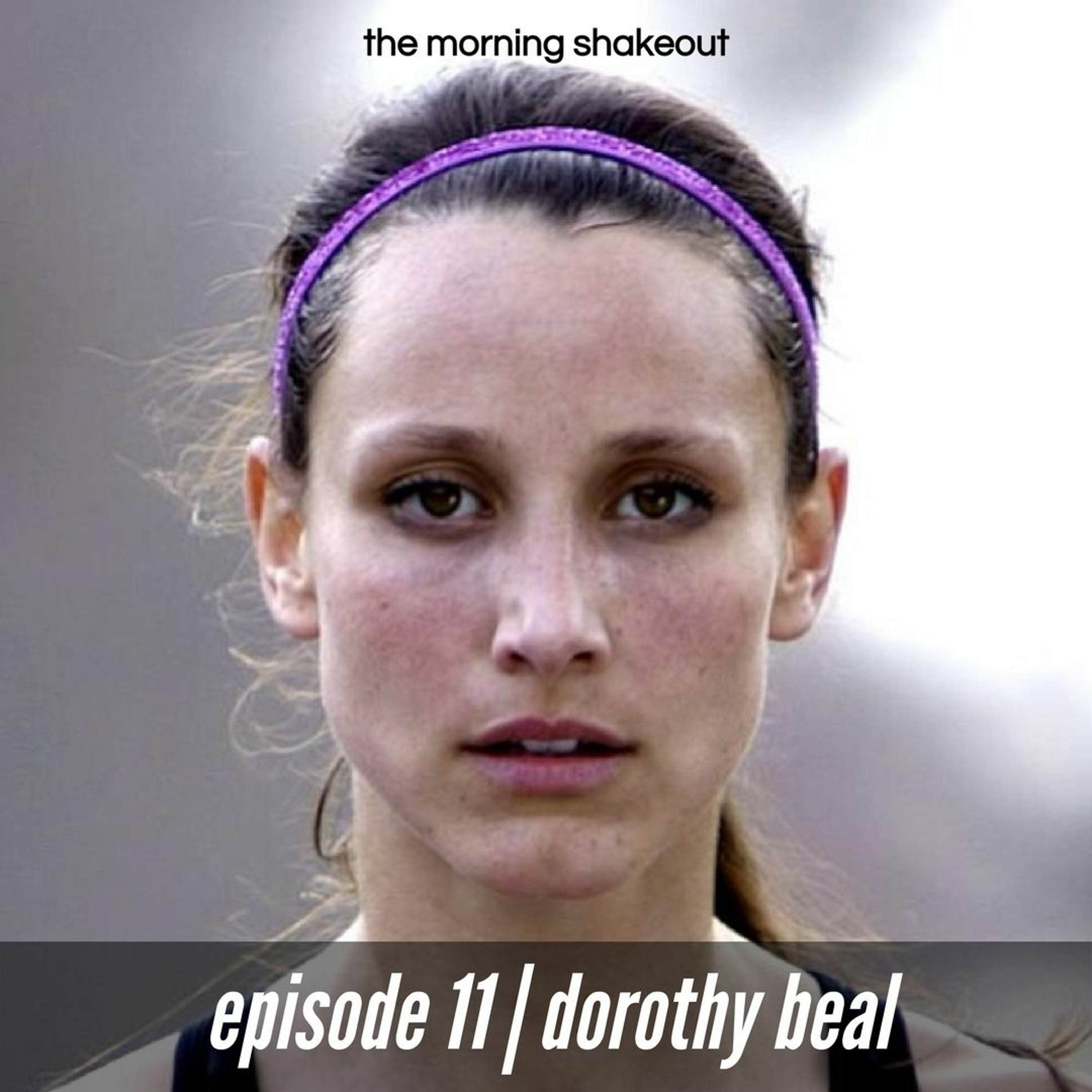
Episode 11 | Dorothy Beal
"I'm a normal person. I think I'm an example that, even though I'm not an elite athlete at all, that you can still love this sport, and be just as dedicated, and just as much of a running nerd as an elite athlete. It might sound silly to some, and it might sound offensive to some that are elites, but when I think of someone like Molly Huddle or Shalane Flanagan, I don't think that they are any more in love with the sport of running that I am—they just come at it from a very different angle than I do. And I don't think one is necessarily better than the other. I think that the sport of running needs all types of people."Super excited to welcome Dorothy Beal to the podcast this week. Dorothy is not an elite athlete but she's a runner who is making an impact—and a living—through the sport by sharing her stories with tens of thousands of runners via social media and the internet, by partnering with various brands in the space, and speaking at events around the country. The 35-time marathoner and mom of three has over 115,000 combined followers on Instagram, including almost 65K on her personal account (which is more than many of the sport's top athletes, save a handful), and has appeared on two magazine covers in recent years. In 2009 she launched the blog, Mile-Posts, which she started as a way to keep in touch with friends after she stopped working as a tech rep and product line manager in the running industry, and eventually gained a widespread following that led to recognition by a number of different media outlets as a "must-read" in the health and fitness space.Through her writing and the content she posts to her various social channels, Beal shares the challenges and triumphs she experiences as a runner, as a mom, and as a woman. In 2016 she created #irunthisbody and #ihavearunnersbody, two virtual movements that celebrate positive body image and encourage inclusiveness amongst runners of all shapes and sizes. "Any person that runs has a runner's body," Beal explained to me. "I want everyone to feel welcome in the running community. And I think the world would be a better, happier place if everybody ran and so I think the first step in my eyes is to encourage people to embrace who they are and to not fall into the same traps that I fell into of thinking that you're worth as a runner is defined by either your times and how much you weigh."In this episode, Beal and I discuss why she got into running, how her blog came to be and eventually evolved into a business, why elites are an important part of the running community, and what's exciting her about the competitive side of the sport today. We also talk about the impact of her work and why she thinks it's resonated with so many runners, the goals that she still has for herself—including qualifying for the Boston Marathon again—why she was hesitant to join Strava but how it's ultimately helped inspire her own training, her advice for professional runners who are trying to increase their presence on social media, and so much more."I do not have some sort of god-given talent when it comes to running," Beal admitted to me. "I don't have more motivation than anybody else. I am an average person who decided to use the sport of running to change my life in a positive way. And anyone can do that. A lot of people have the opportunity to change their life through running and it's just whether they take advantage of that opportunity or not."This episode of the morning shakeout podcast was edited by John Isaac at BaresRecords.com.Complete show notes here: https://www.themorningshakeout.com/podcast-episode-11-dorothy-beal/Sign up here to get the morning shakeout email newsletter delivered to your inbox every Tuesday morning: www.themorningshakeout.com/subscribe/Support the morning shakeout on Patreon: www.patreon.com/themorningshakeout Hosted on Acast. See acast.com/privacy for more information.
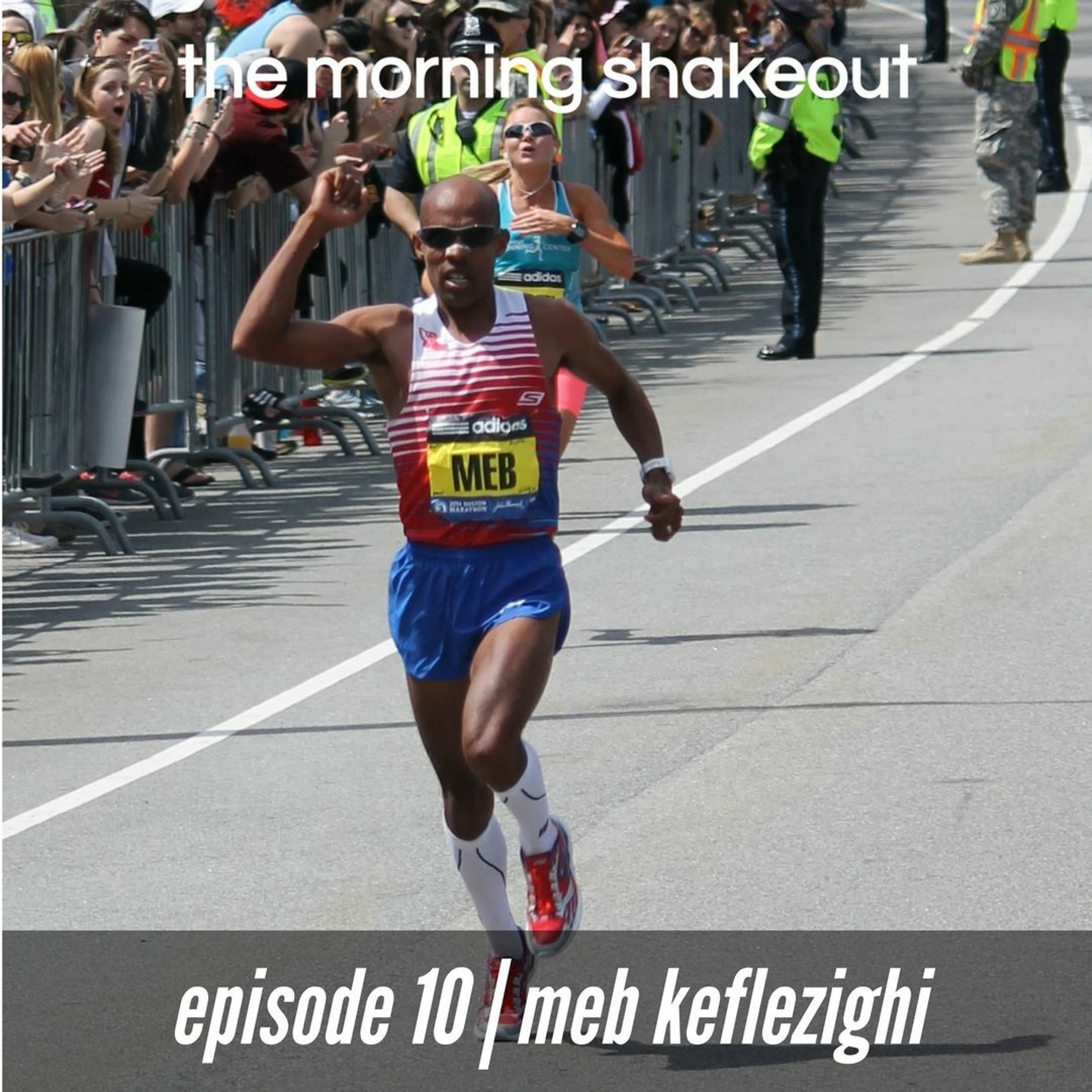
Episode 10 | Meb Keflezighi
"Nothing changes. We do learn from our mistakes but as a person, hopefully, my teammates from high school or college would still say the same thing [about me]. And that’s my goal. The demands on my time change, and we evolve, and have learning experiences, but the person I am hopefully hasn’t changed."It's an honor and a pleasure to welcome Meb Keflezighi to the podcast. The recently retired 42-year-old is the only runner in history to capture an Olympic medal and win both the Boston and New York City marathons. He joined me last week from his home in San Diego to talk about his career, the various triumphs and disappointments he experienced along the way, and just how hard it was for him to keep going after making his fourth Olympic team in 2016 at the age of 40."I was burned out, not physically but mentally. I was done," Keflezighi admitted to me. "Those three marathons, to this day—and maybe New York was a little closer to satisfaction—but the three of them did not go the way I planned them, the way I trained. And I worked very, very hard for all three of them."We also discuss his role models in life—and why he takes the responsibility of that role so seriously himself—to his relationship with longtime coach and mentor Bob Larsen, the support of his family, sponsors, and fans throughout the years, as well as how he'll continue to make a living for himself, inspire others, and promote the sport of distance running even though he hung up his racing flats after finishing 11th at last fall's New York City Marathon.In the course of this conversation we cover training, racing, and injuries, including how he considered retiring after suffering a pelvic stress fracture at the 2008 Olympic Trials Marathon, what he learned from that experience about listening to his body—"One day off, or two days off, or a week off could have changed my life," he told me, "maybe become an Olympian again, or maybe another medal, but I didn’t listen to my body,"—and how he was able to bounce back to post some of the top performances of his career from his mid-30s into the early 40s.Keflezighi also provides advice for older runners who want to continue competing at a high level, makes a case for why younger runners should wait until they're older to race marathons, and explains why he's so meticulous and deliberate in everything that he does, whether it's preparing for a race, fulfilling a sponsor obligation, or giving a speech.“People think you just run and run and run," he explains. "I wish it was just that simple. … I think you’ve got to do the small things that make a big difference and sometimes you question those, but you just have to go out there and get the best out of yourself every day and that’s what I did.”Finally, we talk about the upcoming Boston Marathon, which he'll be running as an honorary member of the MR8 Foundation, who and what is exciting him about the sport of running today—"The women’s Trials is going to be crazy in 2020!”—the legacy he hopes to leave on the sport, and much, much more.“I just want to be a positive example, a doer, someone who does things versus talking about it and never accomplishing anything," explains Meb. "I hope to be a complete person. I try to live by my name: Maintain Excellent Balance, and I hope to do that for the rest of my life. I try to do that every day of my life and not just when the camera’s on."This episode of the morning shakeout podcast was edited by John Isaac at BaresRecords.com.Complete show notes here: https://www.themorningshakeout.com/podcast-episode-10-meb-keflezighi/Sign up here to get the morning shakeout email newsletter delivered to your inbox every Tuesday morning: www.themorningshakeout.com/subscribe/Support the morning shakeout on Patreon: www.patreon.com/themorningshakeout Hosted on Acast. See acast.com/privacy for more information.
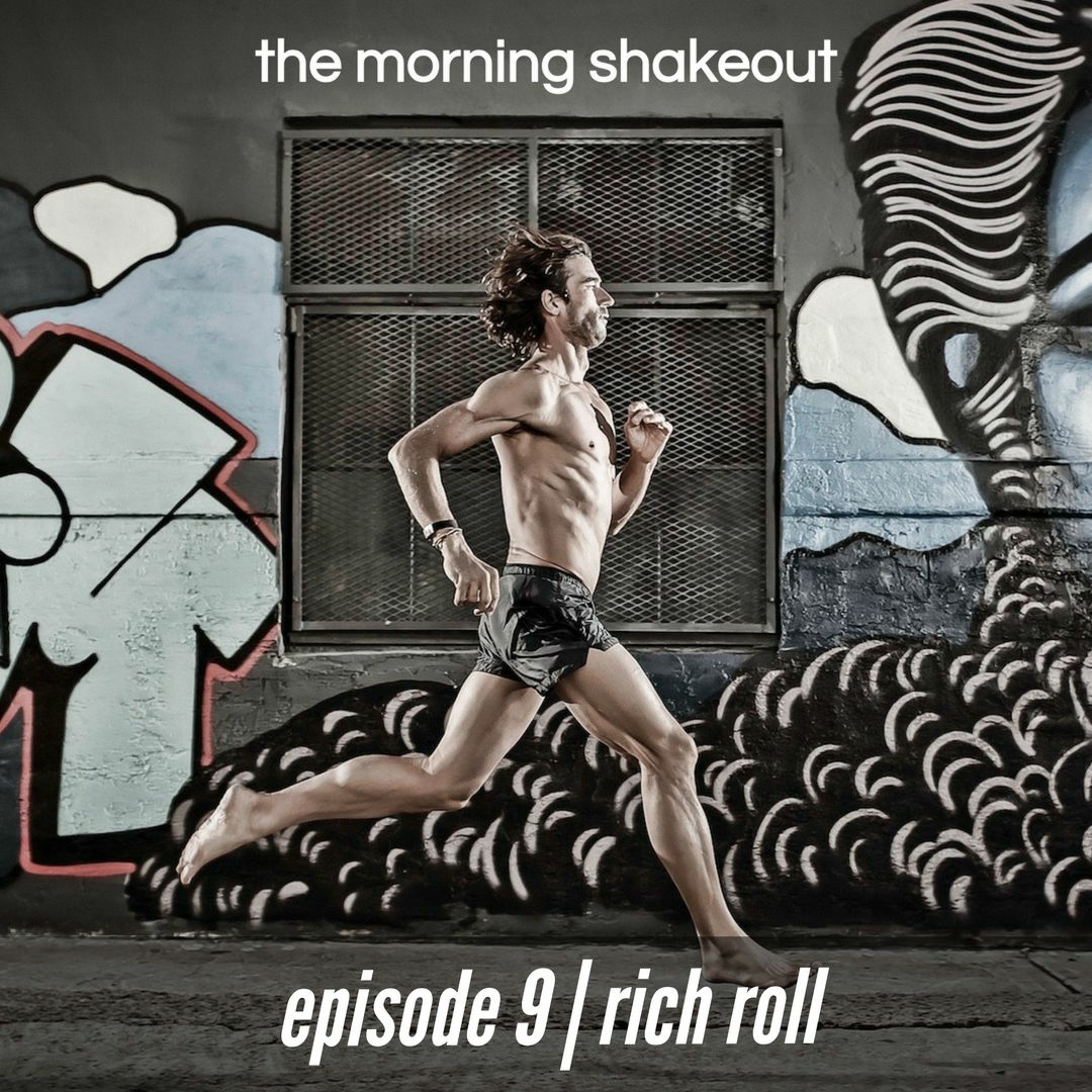
Episode 9 | Rich Roll
"When I was 31, that was when I was in rehab. I had a career in the dark belly of alcoholism and at 31 I got sober in a treatment center in Oregon for 100 days, so I think if I had to characterize myself at 31, I was very confused. I was really unsure about who I was and what I wanted to do with myself. I was a pretty broken individual at that point of my life. And up to that point I thought I had been making good decisions but essentially my best thinking had me in this mental institution, for a lack of a better phrase. So I don't think that I had very much clarity on myself or what made me function and what led me to that dark place. The last 20 years have been about trying to answer that question for myself and also trying to learn from tools that were first introduced me during that experience and build on them and compound them to progressively continue to grow, not just emotionally, but mentally, physically, intellectually, and spiritually."Incredibly honored to welcome Rich Roll to the podcast. The 51-year-old is a husband, father, and champion ultra-endurance athlete, in addition to being a best-selling author, sought-after speaker, and host of a top-ranked podcast. But life hasn't always been so grand. At 31 years old, Rich found himself committed to a treatment center in Oregon, battling an alcohol addiction that had consumed his life.After achieving sobriety in his early 30s, Rich's addictive personality led him down a path of workaholism and 80-hour weeks as a lawyer, an unhealthy lifestyle fueled by fast food that ultimately proved to be unsustainable. It all came to a head when one night when, while walking up the stairs, he became out of breath and feared something was seriously wrong with his health. The next day he embarked on a weeklong juice cleanse that led him to adopt a plant-based lifestyle, a way of living he still practices and advocates for today through writing, speaking and the podcast that bares his name. Not long after radically changing his diet, Rich—a former collegiate swimmer at Stanford—started running and swimming again. He eventually found his way into ultra-endurance sports, where he established himself as a top competitor, finishing the Epic 5—five Iron-distance triathlons in less than a week—in 2010 and placing as a top finisher at the Ultraman World Championships in Hawaii multiple times. In this episode, we talk through the various chapters of Rich's story, digging into his journey to becoming a plant-powered ultra endurance athlete and wellness advocate, and understanding why he is so open and honest about sharing his experiences. We discuss his best-selling memoir Finding Ultra, which has been recently updated and will soon be available at booksellers everywhere, as well as The Plantpower Way and The Plantpower Way: Italia, two books chock full of plant-based recipes and lifestyle guidance that he tag-teamed on with his wife, Julie Piatt. Finally, we also dig into his relationship with racing and how it's evolved through the years, discuss the effect his writing, speaking, and podcasting has had on other people, learn more about the three things he tries to practice on a daily basis, and much, much more. "All of this is an act of service," Rich told me during our conversation. "It's my profession and I need to make a living and all that kind of stuff, but ultimately what really drives me and what's behind all of this is trying to be of service both in the world of recovery and outside the world of recovery with respect to the world at large." This episode of the morning shakeout podcast was edited by John Isaac at BaresRecords.com.Complete show notes here: https://www.themorningshakeout.com/podcast-episode-9-rich-roll/Sign up here to get the morning shakeout email newsletter delivered to your inbox every Tuesday morning: www.themorningshakeout.com/subscribe/Support the morning shakeout on Patreon: www.patreon.com/themorningshakeout Hosted on Acast. See acast.com/privacy for more information.
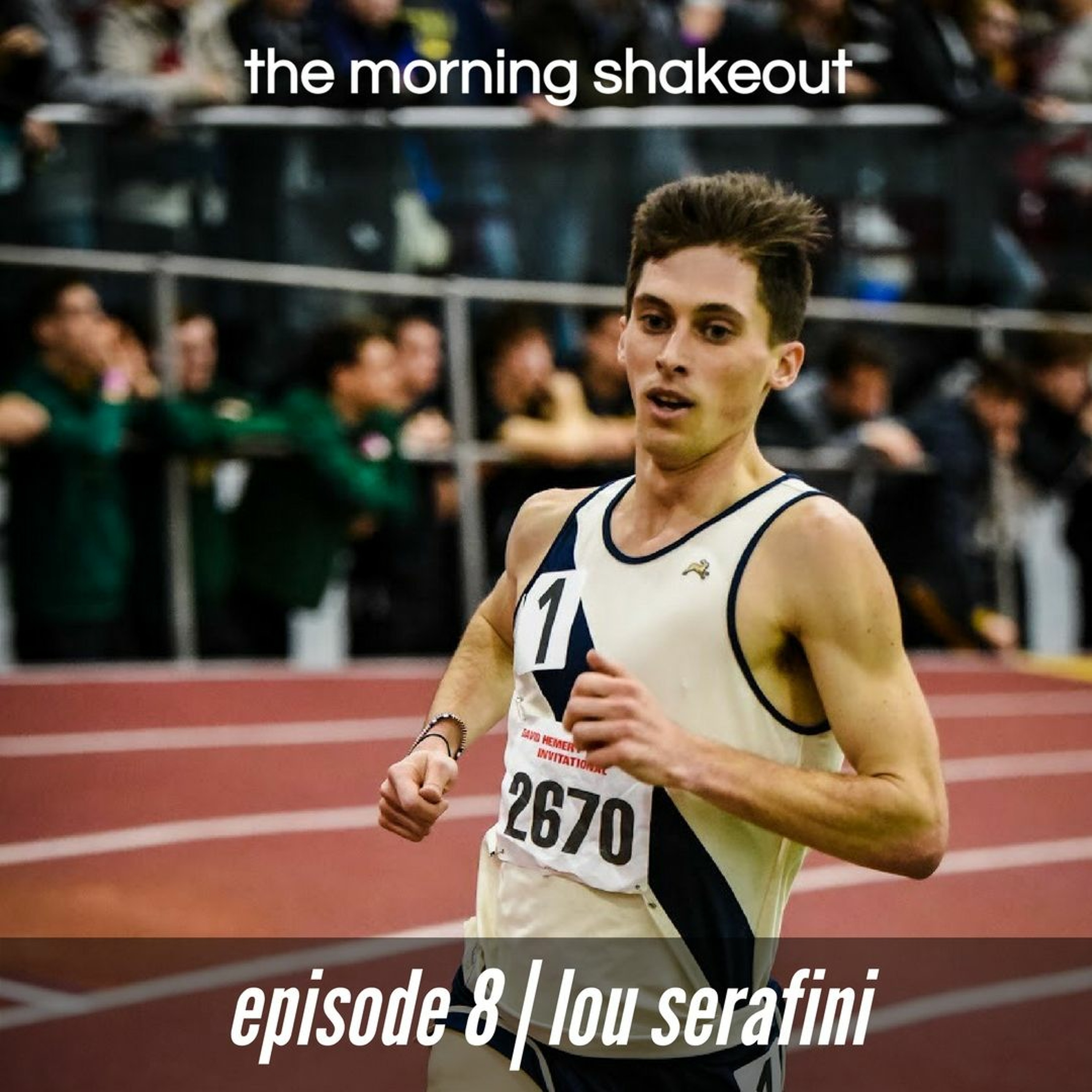
Episode 8 | Lou Serafini
“Running is all relative, you know? Everyone has their own goals and is trying to accomplish their own thing, whether it’s to break 4 in the mile, or to qualify for Boston, or just to simply finish their first marathon. Those runners gave me more support than I’ve ever gotten in my life. Having 30 people show up to a random hill workout on a Wednesday night and ask me about my training and what I’m training for and what I’m doing, and having that many random people interested, definitely got me motivated to train hard. And then hearing about their successes, and having people come to me and say that they PR’d in the 5K by two minutes or something like that, or that they were training for their first marathon, really inspired me to kind of take it to the next level.”Super excited to welcome Lou Serafini to the podcast. Two weekends ago, Serafini became the 514th American to break 4 minutes in the mile, running 3:59.33 at the Boston University Last Chance meet. The self-described blue-collar runner works full-time as the community manager at Boston-based Tracksmith and has established himself as one of the most recognizable figures on the local scene. The 26-year-old Serafini isn’t just known for his wheels, however; he has an infectious enthusiasm for the sport and has demonstrated an uncanny knack for connecting with runners of all levels. In this episode we discuss his most recent breakthrough and why he decided to get back on the track this past winter after pursuing the marathon for a few years post collegiately. We also get into the reasons why his relationship with running soured toward the end of his college career, what helped rekindle it, and how adopting a more relaxed approach toward training and racing has helped take his performances to the next level. “I think it’s really frustrating for a lot of people when they feel like they’re doing all that they can and they’re not seeing the times come down,” Serafini told me. “As runners, we’ve all been there, where you hit that plateau, and it’s frustrating, and you don’t know why. And for me, this indoor season, it’s been about kind of taking a step back from all of that and just having a really relaxed attitude toward everything, and just having fun with it.”We also talk about experimenting with high-mileage training, being coached by Randy Thomas after coaching himself to a marathon personal best of 2:17, the competitive running scene in Boston, which Serafini and friends half-jokingly call “The New Flagstaff,” how he got into running, dropping out of the 2016 Olympic Trials Marathon, the importance of connecting with and being more relatable to the average runner, and much, much more.This episode of the morning shakeout podcast was edited by John Isaac at BaresRecords.com.Complete show notes: https://www.themorningshakeout.com/podcast-episode-8-lou-serafini/Sign up here to get the morning shakeout email newsletter delivered to your inbox every Tuesday morning: https://www.themorningshakeout.com/subscribe/Support the morning shakeout on Patreon: https://www.patreon.com/themorningshakeout Hosted on Acast. See acast.com/privacy for more information.
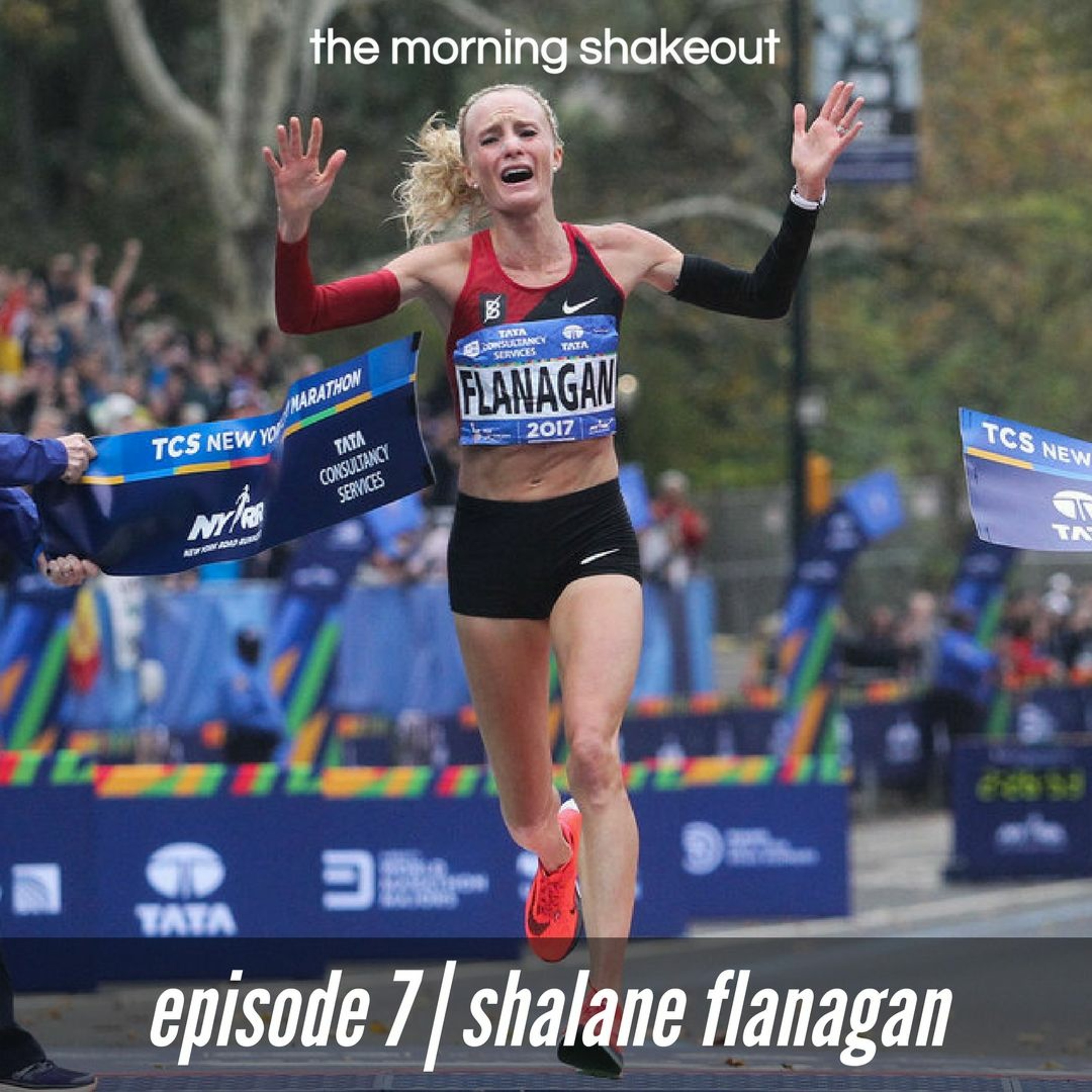
Episode 7 | Shalane Flanagan
“It’s addicting to have a great performance. You always want another one. That’s why I considered stopping after New York because it was like, ‘How can I top this?’ And then only thing that can top this or be on the same level, is winning in Boston because of what the people and the city mean to me. There’s just as much fire but I definitely feel at peace, which is actually a good thing. I feel very calm and calculated with my approach and I feel very confident that I know how to get the most out of myself now.”Absolutely thrilled to welcome four-time Olympian and reigning New York City Marathon champion Shalane Flanagan to the podcast. She joined me last week from her altitude training base in Woodland Park, Colorado and we covered a wide range of subjects, from her preparation for April’s Boston Marathon, which has included training with Olympic triathlon gold medalist turned aspiring marathoner Gwen Jorgensen (“This woman is a beast,” Flanagan said of Jorgensen. “She is all-in and wants to be really great.”), to how coach Jerry Schumacher has modified recent marathon buildups for herself and teammate Amy Cragg, what’s different for her going into Boston this time around after winning last fall in New York, as well as why—and how—she convinced her coach to bring more women into the Bowerman Track Club training group a few years ago. “It feels good to look around in our training environment and be like, ‘Man, there’s a lot of badass women here,’” the 36-year-old Flanagan told me. “We’ve got just so much talent and hard work. I take so much confidence [from them] and I get the swagger when they perform well. It makes me feel so good. There are times they perform well and it feels way better than anything I’ve personally achieved. No matter what, whoever’s competing, I get this sense of fulfillment, and it keeps me motivated to keep going.”Flanagan and I also talked in depth about her New York City win, including what she was thinking and experiencing during the final few miles of the race, why breaking the tape in Central Park was so validating for her, as well as the different ways in which the historic victory has changed her life. “I wasn’t going to earn the title of New York City Marathon champion ten years later,” Flanagan recounted. “I was going to earn it and own it in that moment and it could never be taken away. I just felt so validated that I kept pursuing the dream because it seemed really dark and dismal at times. And I think that was a huge component of my celebration that I finally freaking did it.”We got into how she’s approaching the remainder of her career, what’s helped her to stay relatively injury free and allowed her to perform at a high level for so long, the importance of relating to other runners, and how she navigates those moments when it’s hard to muster the motivation to get out the door and train. “I think it’s important to show that not every day is a picnic,” she admitted, “but of course I went for a run and I got it done and at various moments I was just chanting “Boston!” to myself because that’s the only reason while I’m out there doing it, because I want to have a chance on April 16. And so, it’s worth it, but for sure, there’s days where you’re just like, ‘Why am I doing this?’”Finally, we discussed how running gave her confidence as a young girl and fueled her competitiveness, what’s exciting her right now in the world of professional running, and why getting injured before Boston last year was a blessing in disguise. This episode of the morning shakeout podcast was edited by John Isaac at BaresRecords.com.Complete show notes: http://www.themorningshakeout.com/podcast-episode-7-shalane-flanagan/Sign up here to get the morning shakeout email newsletter delivered to your inbox every Tuesday morning: themorningshakeout.com/subscribe/Support the morning shakeout on Patreon: www.patreon.com/themorningshakeout Hosted on Acast. See acast.com/privacy for more information.
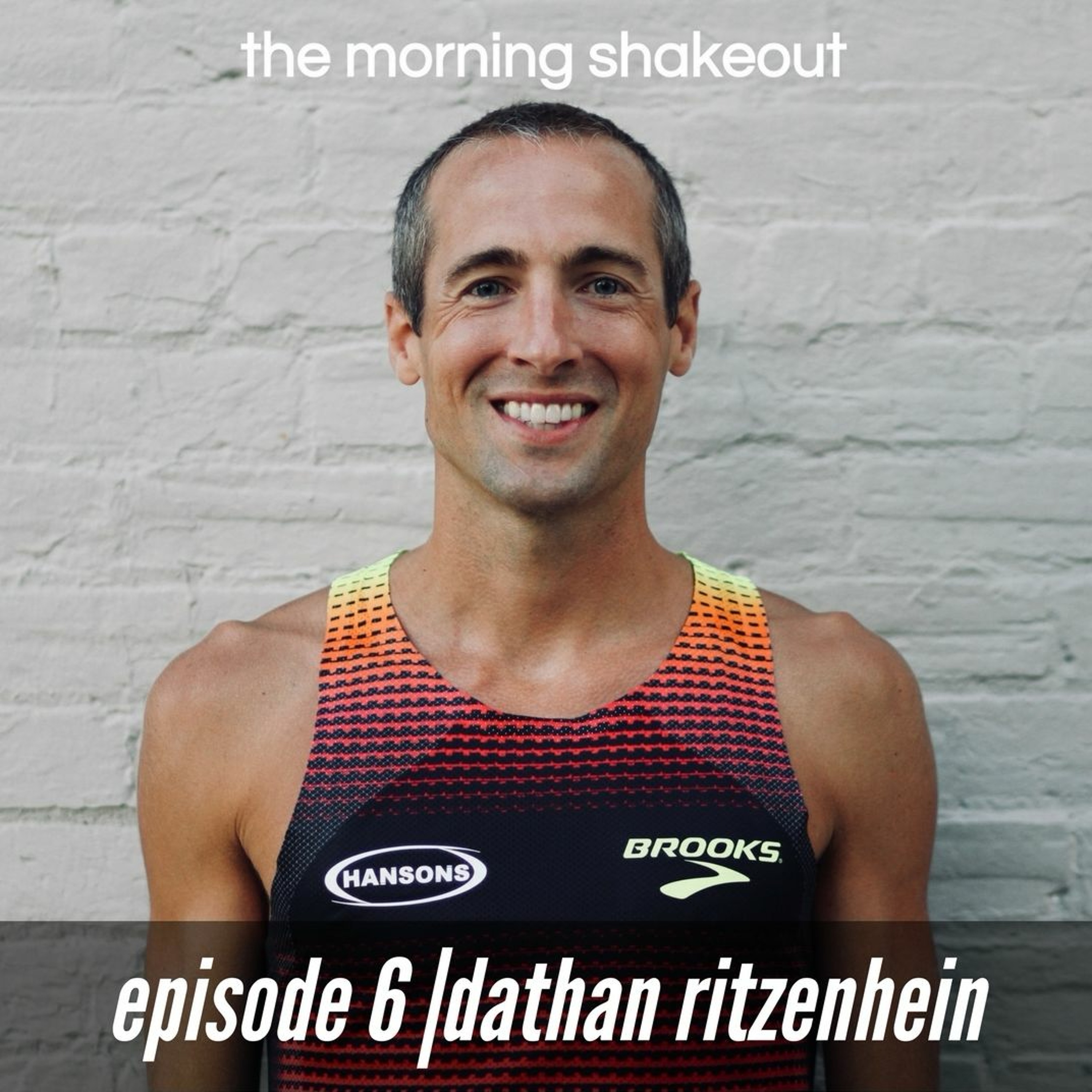
Episode 6 | Dathan Ritzenhein
“I’m happy with what I did on the track, what I did at shorter distances. I’m good with that. I’m good with who I am, with where I’ve been, all of those things, mistakes I’ve made along the way—I’m OK with that. In the marathon though, I just know that my back is against the wall and I feel like I still have something to prove to myself still. These last two marathons aren’t going to define what I’ve done—the rest of my career, I’m happy with that, I can put that in my back pocket—but I want to make that fourth Olympic team.”Three-time Olympian and former American 5,000m American record holder Dathan Ritzenhein comes on the podcast to discuss a wide range of topics, including the upcoming Boston Marathon, training with the Hansons-Brooks Distance Project, the changes he’s made to his training in order to stay healthy at 35 years of age, and why he’s still competing despite dozens of injuries over the years, including 15 stress fractures, three surgeries, a ruptured plantar fascia, and myriad other issues. “I’ve been doing this twice a day since I was 13 or 14, and so not that it’s all I know, but it’s what I know,” he told me. “I have plans post-running but I still genuinely enjoy training and I think that’s one thing a lot of people get sick of—they get sick of training. They like the lifestyle, they like running, they like going to races, and I love all those things too, but I like the challenge and I like the way I feel when I train. It’s just a passion—if you don’t have it, it won’t matter and when it’s gone, I’ll probably know pretty quick. But I still have it, I still have goals, and when you have goals and you enjoy what you’re doing, it’s not a job. It’s not hard.”Also in this conversation, Ritzenhein and I discuss the arc of his career, including training hard from a young age and how that may have contributed to his many injuries over the years, what he would change as a young athlete knowing what he knows now, the deepest he’s ever dug in a race, and the importance of having a solid support system when he’s training hard. “The ability is there and I know it,” Ritzenhein says. “A lot of the time I feel as good as ever…and I’m not going to be making the same mistakes I made in 2016 and think that I can do it on my own. I have to have this team to help me get there. And that’s part of the reason [I signed with Hansons-Brooks] and why I’m so focused on [Boston] right now.Finally, we also cover the memorable summer of 2009 when he finished sixth at world championships in the 10,000m, broke the American record in the 5,000m, and ran 60-flat to finish third in the world half-marathon championships, the complexities of training for and racing the marathon, what he’s learned coaching other athletes, and a heck of a lot more. This episode of the morning shakeout podcast was edited by John Isaac at BaresRecords.com.Complete show notes here: http://www.themorningshakeout.com/podcast-episode-6-dathan-ritzenhein/Sign up here to get the morning shakeout email newsletter delivered to your inbox every Tuesday morning: themorningshakeout.com/subscribe/Support the morning shakeout on Patreon: www.patreon.com/themorningshakeout Hosted on Acast. See acast.com/privacy for more information.
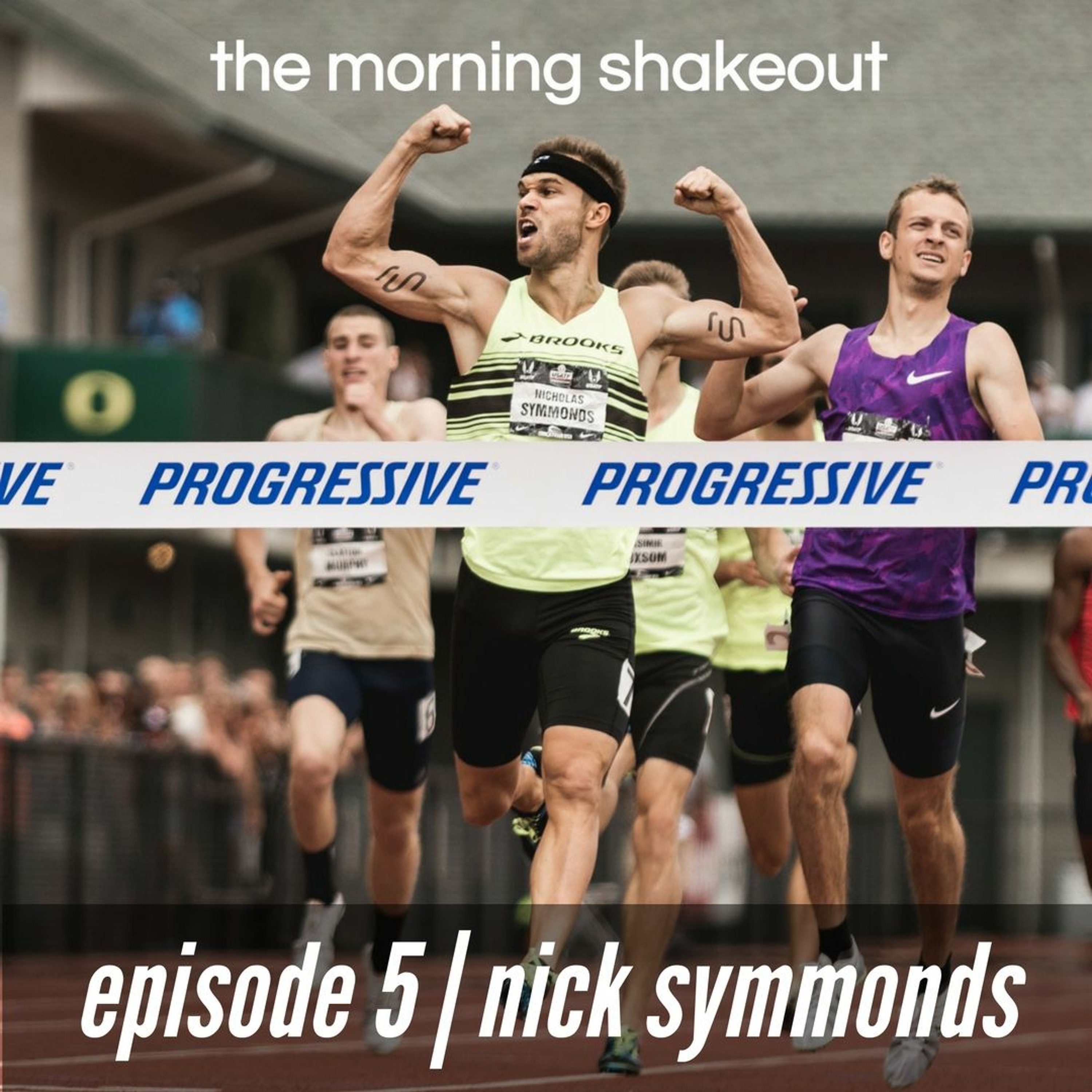
Episode 5 | Nick Symmonds
"I'm a gamer. And anyone who trained with me in my 12-year [professional] career would laugh when I say that I'm really bad in workouts. Because they used to say, 'I would kick your ass every single Tuesday, Thursday, and Saturday, but I can't beat you in a race.' And it's true. I was really lazy in workouts but when it came time to race, especially if something mattered, I just could take it to that next level. Some sports psychologists would argue that that was my secret weapon—that I only dug deep maybe four or five times a season. I could give you a 90-percent effort, maybe even a 95-percent effort, but I really only dug deep the few times that it actually mattered, and that saved me both mentally and physically, and allowed me to have a much longer career."Two-time Olympian, six-time national champion, and 2013 world championships 800m silver medalist Nick Symmonds comes on the podcast for a candid conversation covering a wide range of topics. We discuss his retirement from track and field, his recent foray into marathon training and racing, and the similarities and differences that exist between the two pursuits. We also talk about entrepreneurship, the origin and mission of his company, Run Gum, reflect on his progression from decent college runner to world-class athlete, and dive into how he has dealt with pressure and overcoming nerves throughout his career."The one commonality was that on both the 800m start line and on the marathon start line, the thought is, 'this is gonna hurt really bad.' And they do, in different ways, but they both really really hurt and there's no way around that," explains Symmonds. "But there's another aspect on the 800m start line that was, 'this matters.' That was extremely important for my career, my family. There's sometimes potentially hundreds of thousands of dollars on the line. It matters—it's really important that you have a good showing. In the marathon, I was just doing it for myself. I wasn't doing it for sponsors or for money or for anybody else. I wanted to go prove to myself that I could run 26.2 miles. So it was a lot less pressure and pressure equals nerves in those kinds of situations. It was just fun."Also in this episode, Symmonds and I get into the sponsorship and marketing side of the sport, we attempt to unpack the antiquated ways of governing bodies, and talk about who—and what—is exciting him in running these days. Additionally, we look back at his relationship with coaches Frank Gagliano, Mark Rowland, and Danny Mackey, what he learned from each of them, how he'd like to be remembered as both an athlete and a person, and much, much more.This episode of the morning shakeout podcast was edited by John Isaac at BaresRecords.com.Complete show notes here: http://themorningshakeout.com/podcast-episode-5-nick-symmonds/Sign up here to get the morning shakeout email newsletter delivered directly to your inbox every Tuesday morning: http://themorningshakeout.com/subscribe/Support the morning shakeout on Patreon: https://www.patreon.com/themorningshakeout Hosted on Acast. See acast.com/privacy for more information.
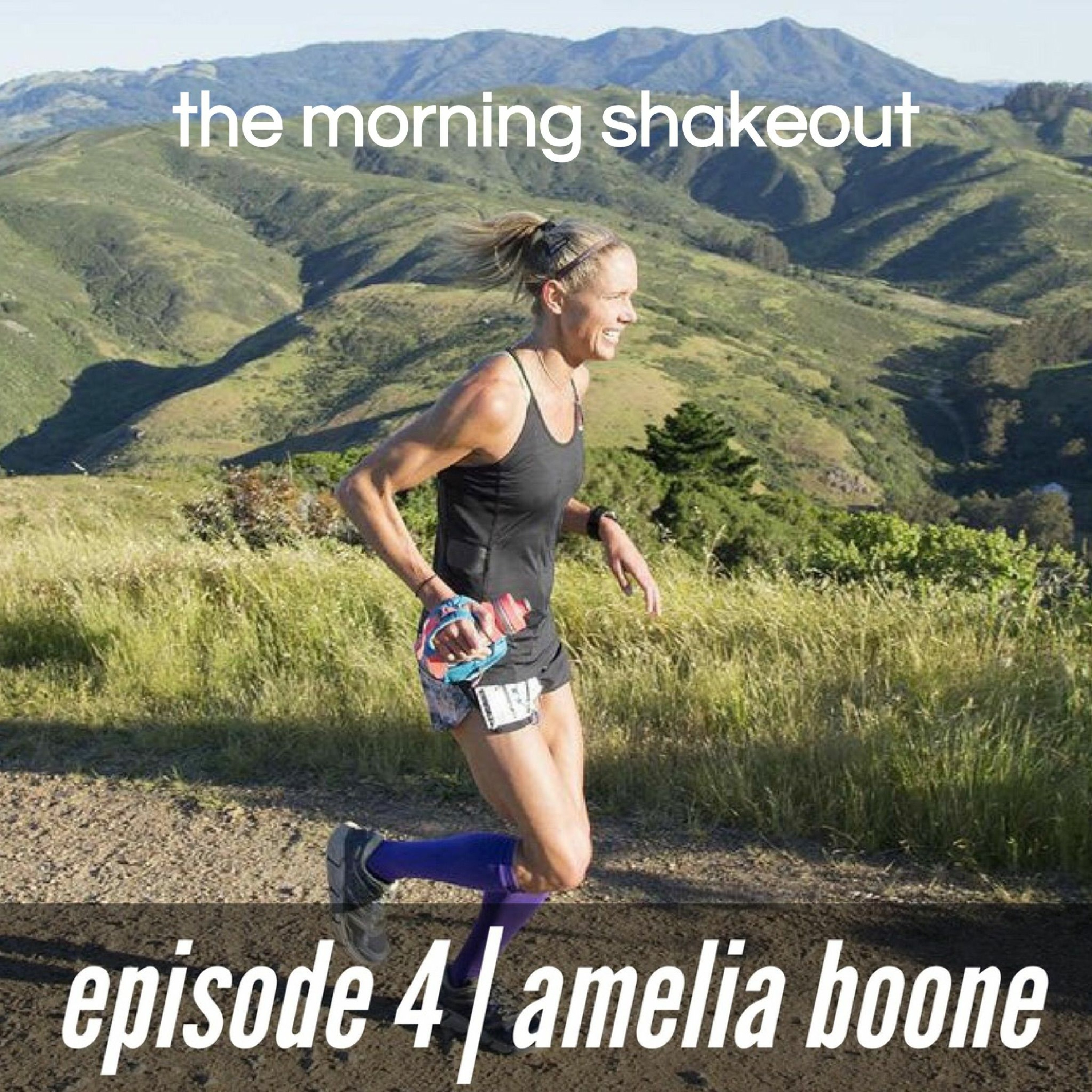
Episode 4 | Amelia Boone
“You are so much more than just your race results. When I think about people that I know in the obstacle racing world, in the ultra world, I don’t remember where they finished in races. It doesn’t really matter to me. It’s being involved and engaged in the community [that matters most].”From late 2011 through the early part of 2016, there was virtually no stopping Amelia Boone. She tore up the obstacle-racing scene, winning the Spartan Race World Championship in 2013 and the World’s Toughest Mudder, a.k.a. “the most extreme, insane, imposing, pulse-pounding, heart-stopping 24-hour obstacle course challenge on the planet,” three times—one of those triumphs just eight weeks after knee surgery. In 2015, she started experimenting on obstacle-free trails, finishing third in her first ultramarathon at the Georgia Death Race. The following year, she finished second at the Sean O’Brien 100K, qualifying for the Western States 100. If an event involved some combination of dirt and prolonged suffering, Boone seemed to excel at it.But her streak of podium finishes soon snapped. Literally. Not long after punching her Golden Ticket to Western States, Boone suffered a stress fracture of her femur, forcing her to forfeit her place on the start line in Squaw. But that was far from the end of it. A few months later, Boone was injured again, this time with a stress fracture in her sacrum. After starting the year on such a high note, Boone felt like she was in a hole with no clear way out. “The process of acceptance was really hard and that feeling of kind of losing your identity,” the 34-year-old Boone recently told me. “And I think anyone who’s been sidelined with anything for a really long time, you start to really feel that. And I remember just being really angry at first. When I saw people running down the road, I wanted to throw things at them because I was so jealous.”In this episode of the morning shakeout podcast, Boone and I cover a wide range of topics, ranging from how she got her start in obstacle racing and ultrarunning, to how she’s dealt with injuries and setback, both physically and psychologically, and how she juggles her day job working full-time as an attorney for Apple with training and racing at a high level. We also talk about her affinity for Pop Tarts and professional wrestling (“If I could go back and do it all over again, I would have been a professional wrestler,” she says half-jokingly), the value of strength training and rest days for ultrarunners, and the challenges of being a sponsored endurance athlete. Oh yeah, and we discuss her return to ultramarathon racing at this weekend’s Sean O’Brien 100K, where she’ll be a part of a deep women’s field—and much, much more.“What I’ve kind of realized beyond all this is yes, I signed up for Sean O’Brien to hopefully get a Golden Ticket to go back to Western States but as I get closer, the more and more I realize that if that happens, great; but you know what, the day to day, and the training, and everything that I’ve put into it, I’m just happy to be out there and racing,” says Boone. “So for me, this entire training block, and coming back to Sean O’Brien, is having trust and faith again in my body and just the ability to be out there and do that, because at points I was just throwing my hands up in the air and being like, ‘Maybe I’m just not meant for this, you know?’”This episode of the morning shakeout podcast was edited by John Isaac at BaresRecords.com.Complete show notes here: http://themorningshakeout.com/podcast-episode-4-amelia-boone/Sign up here to get the morning shakeout email newsletter delivered directly to your inbox every Tuesday morning: themorningshakeout.com/subscribe/Support the morning shakeout on Patreon: https://www.patreon.com/themorningshakeout Hosted on Acast. See acast.com/privacy for more information.

Episode 3 | Des Linden
“I’m comfortable saying I’m a marathoner and everything feeds into the next marathon and making sure that’s great. So if that means being a little out of shape for some summer racing or some off-season racing, that’s OK. I think you kind of check your ego when it comes to that stuff and know that it’s playing into the bigger picture.”Two-time Olympian Des Linden comes on the podcast and discusses a wide range of topics including her pre-run coffee habits, how she pulled herself out of a slump last fall, what it’s like to live with a triathlete, how she’s approaching this year’s Boston Marathon, and the importance of being open and honest about her journey as an athlete.“For me personally, it’s sharing the entire experience. I didn’t have to tell people that I was in a slump this fall or unmotivated or just didn’t want to get out the door. But I think it’s valuable and I think everyone goes through that—the person who’s finishing last and the pros too—it’s pretty universal and I think there’s a lot of experiences like that,” Linden told me. “There’s those days where you don’t want to go out and run and there’s those days where you just feel great and you share the entire experience and I think it will connect with more people. I think it’s just talking about all of it because it is just a very universal sport—good days, bad days, injuries, the whole thing—and so the more you can share with people, the more they’ll realize beyond the pace, everything is pretty similar. It’s right foot, left foot, right foot, left foot, repeat, and that’s all the way across the board, so there’s gotta be some things we can connect on. It’s just finding the ones that resonate.”Also in this episode, the 34-year-old native of Chula Vista, Calif., talks about training under Keith and Kevin Hanson as a member of the Hansons-Brooks Distance Project for the past 12 years, the state of competitive running in the U.S., the distant appeal of ultrarunning, how she views her job as a professional athlete, what she’d like to accomplish before she’s done competing, the toughest athlete she’s ever raced against, and so much more. This episode of the morning shakeout podcast was edited by John Isaac at BaresRecords.com.Complete show notes here: http://themorningshakeout.com/podcast-episode-3-des-linden/Sign up here to get the morning shakeout email newsletter delivered directly to your inbox every Tuesday morning: http://themorningshakeout.com/subscribe/Support the morning shakeout on Patreon: https://www.patreon.com/themorningshakeout Hosted on Acast. See acast.com/privacy for more information.
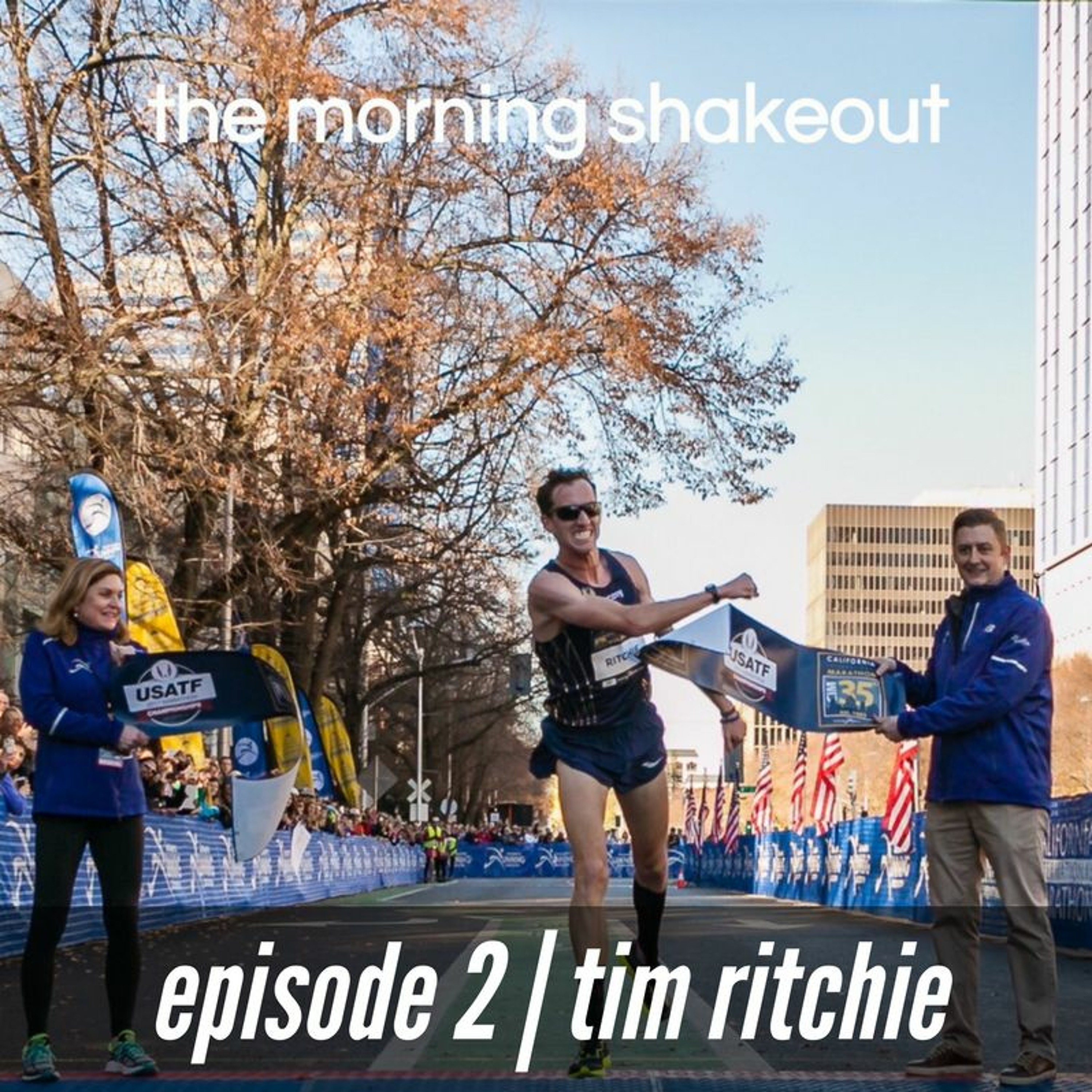
Episode 2 | Tim Ritchie
“I just tried to be the best I could be in the situation I was in—and as that expanded and grew, and as the competition expanded and grew, so did my goals.”Newly minted U.S. marathon champion Tim Ritchie comes on the podcast to discuss growing up in Worcester, Massachusetts, how he went from being an average high school runner to winning a national title as a professional, the importance of developing athleticism as a runner, and what he’s learned from coaching both collegiate and age-group athletes in recent years. In this episode, the 30-year-old resident of New Haven, Connecticut also explains why he stinks at social media, the changes he made to his training and nutrition that helped him finish the final 10K of CIM stronger than his previous two marathons, what he’s been up to since his big win, and much, much more. We covered a lot of ground in this conversation and I hope you enjoy listening to it as much as I did taking part in it.This episode of the morning shakeout podcast was edited by John Isaac at BaresRecords.com.Complete show notes here: http://themorningshakeout.com/podcast-episode-2-tim-ritchie/Sign up here to get the morning shakeout email newsletter delivered directly to your inbox every Tuesday morning: http://themorningshakeout.com/subscribe/Support the morning shakeout on Patreon: https://www.patreon.com/themorningshakeout Hosted on Acast. See acast.com/privacy for more information.
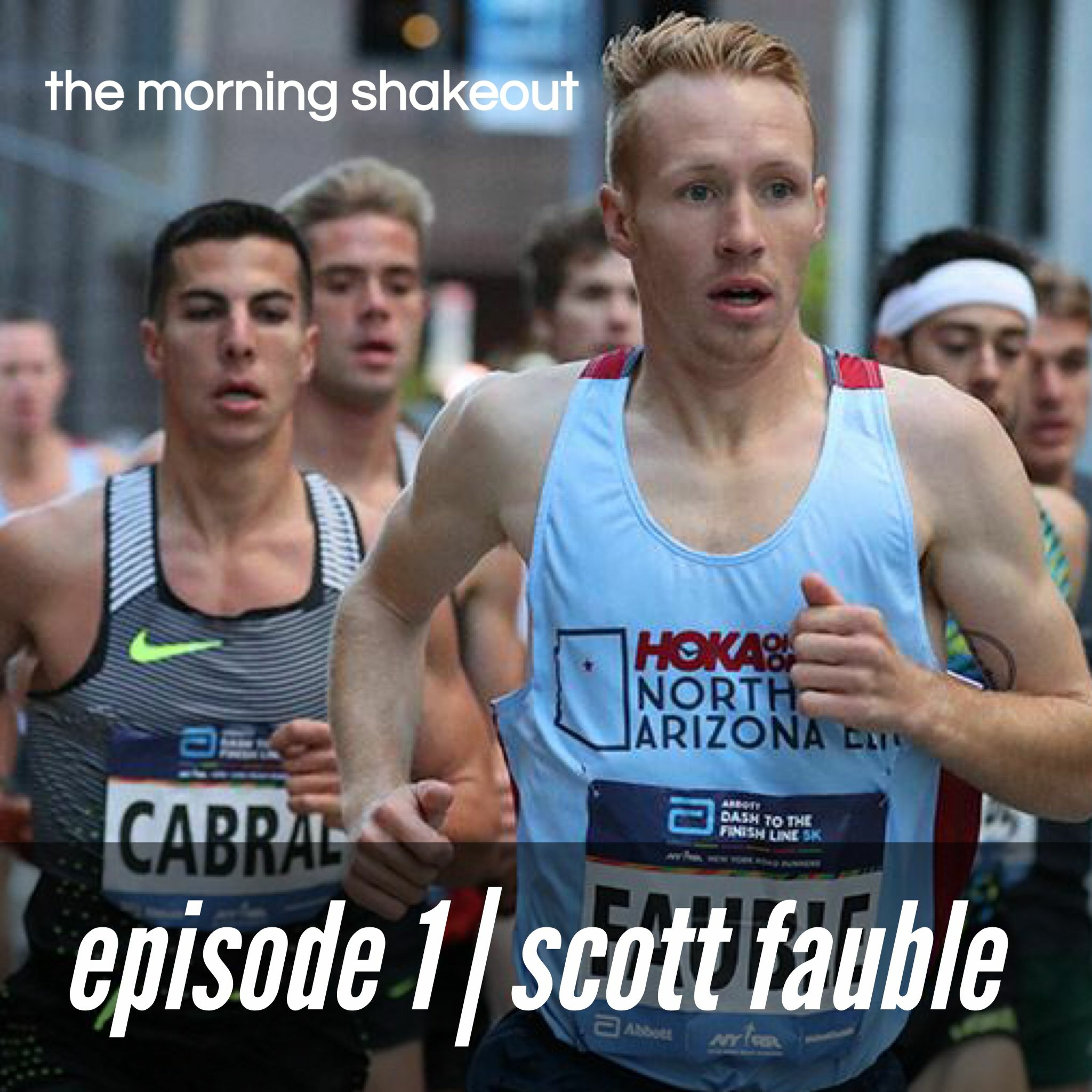
Episode 1 | Scott Fauble
“That understanding—that you have to create your own value—is something that was weird to me at first, because I thought that I had value, but I didn’t. I was a 28:40 [10K] guy out of college, and had been All-American a few times, but there’s like 40 guys who do that every single year, so why would anyone take an extra interest in me? So that would be my advice to anyone who is trying to be a professional runner: really sit down and really think about where your niche is, and look at people who have created their own niches...because there are only so many spots on an Olympic team or a world team or a podium, you know?”Burrito connoisseur and 2:12 marathoner Scott Fauble comes on the podcast to discuss the movement he's trying to create around his favorite food (1:20), the business of being a professional runner (9:00), the launch of a new project he's calling "Off Course,” (25:45), training for, racing, and recovering from his first marathon (39:35), and so much more.This episode of the morning shakeout podcast was edited by John Isaac at BaresRecords.com.Complete show notes here: http://themorningshakeout.com/podcast-episode-1-scott-fauble/Sign up here to get the morning shakeout email newsletter delivered directly to your inbox every Tuesday morning: http://themorningshakeout.com/subscribe/Support the morning shakeout on Patreon: https://www.patreon.com/themorningshakeout Hosted on Acast. See acast.com/privacy for more information.