
The Morning Edition
209 episodes — Page 5 of 5

Trump and the Caribbean boat strikes: Did a war crime occur?
The video is, according to those who have seen it, horrific to watch. Two sailors cling to the debris of a blown-up boat in the Caribbean, when they’re killed by a US military strike. This occurred after the first strike on their boat failed to kill everybody on board. It has sparked outrage, and led to accusations – by Democrat and Republican lawmakers alike – that the US Secretary of Defense, Pete Hegseth, has presided over a military mission that may have been marked by war crimes. Today, Andrew Bell, an expert on law and ethics in military operations, and a senior research scholar at the Center for International Security and Conflict at Stanford University, on why Donald Trump has ordered multiple boat strikes in the Caribbean, which have killed at least 80 people. And whether this could splinter the MAGA movement.Subscribe to The Age & SMH: https://subscribe.smh.com.au/See omnystudio.com/listener for privacy information.
The sex offenders being protected under secretive orders
Our mastheads have discovered that a number of sex offenders have committed crimes - in our communities - after serving their time in prison. And here’s the thing. They committed these crimes while under a “supervision order”. This little known order, issued by a court, is meant to keep a “ring fence” around these known offenders, to keep tabs on them and monitor their movement. But it has also served to keep crimes by these violent predators largely hidden, due to a veil of secrecy created by legislation that protects them. Today, senior reporter Chris Vedelago, on the failure of these secrecy laws. And the vexed issue of whether the anonymity protection of known sex offenders should be removed.Subscribe to The Age & SMH: https://subscribe.smh.com.au/See omnystudio.com/listener for privacy information.

What happens when social media goes ‘dark’ for Australian teens
Parents across the country have been wringing their hands for months about how the social media ban will work – and more so, if it will work. So, what exactly does the ban cover? And how will it be enforced? Today, reporter Bronte Gossling on the main methods children plan on using, to circumvent what the federal government has called a “world-leading” ban. And why most Australian parents say they won’t enforce it.Subscribe to The Age & SMH: https://subscribe.smh.com.au/See omnystudio.com/listener for privacy information.
Blood on the ground: What’s happening in Sudan
When American author Anne Applebaum travelled to the frontlines of the Sudanese civil war this year, she gave herself a stern remit. Bear witness to, and report on, a lawless world that - since the United States has pulled most of its aid - is now run by warring militias, clans and families. Crucially, she would keep emotion out of it.But then she met with people who were so thankful for the meagre aid the United States was still providing, that she felt “ashamed”.Today, Anne Applebaum, a staff writer at The Atlantic, on how Sudan’s civil war shows what the end of the liberal order looks like.Subscribe to The Age & SMH: https://subscribe.smh.com.au/See omnystudio.com/listener for privacy information.
$100k flights, uncomfortable truth about PM's wedding, and the fight over social media
This week the Prime Minister Anthony Albanese was on his honeymoon after his low-key Lodge wedding last weekend, while Senate estimates rolled on in Canberra, uncovering some interesting secrets. Notable was the head-scratching amount that Communications Minister Anika Wells spent on flights to New York, made public ahead of the mammoth social media ban coming into effect. Chief political correspondent Paul Sakkal and federal political correspondent Natassia Chrysanthos join host Jacqueline Maley for this week's Inside Politics.Subscribe to The Age & SMH: https://subscribe.smh.com.au/See omnystudio.com/listener for privacy information.
Kate McClymont on the fake accountant, the solicitor, and the stolen millions
When Mark Leishman and his wife Kathy first sought out the help of George Dimitriou, they were suffering with cash-flow problems at Mark’s business. By the time their working relationship with Dimitriou finished - and after they discovered he was only pretending to be an accountant - their Newcastle home was repossessed, and they lost, they say, $4 million. Today, chief investigative reporter Kate McClymont on George Dimitriou, a serial conman and high-school drop-out who conned vulnerable people out of millions of dollars with the help of, allegedly, a bank loans manager, and a series of lawyers.Subscribe to The Age & SMH: https://subscribe.smh.com.au/See omnystudio.com/listener for privacy information.
Will ‘gentle density’ help fix our housing stupidity?
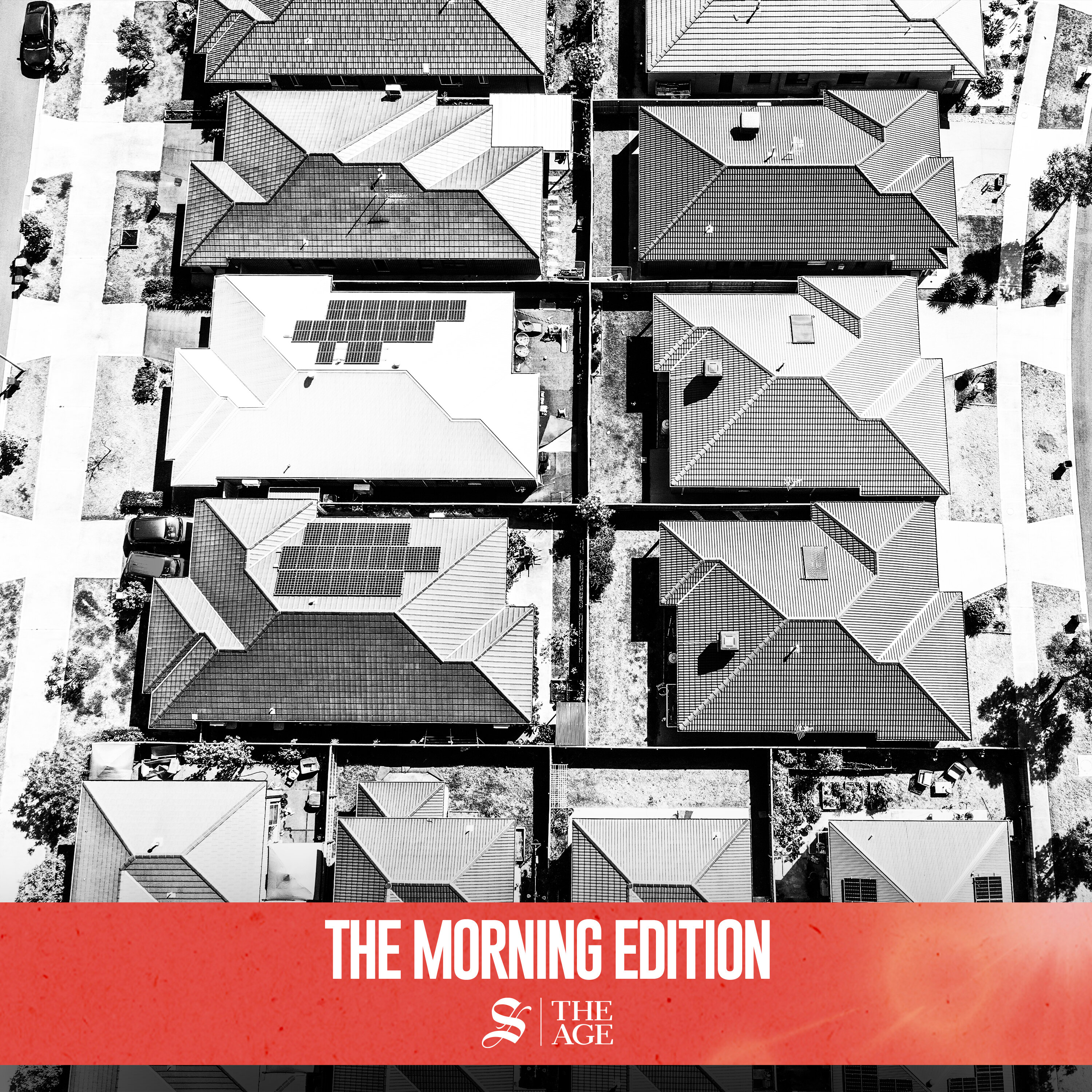
New figures out on Monday show that the median house values in Sydney, Canberra and Brisbane have become, well, kind of insane. They’re the kind of figures that make people who’ve been desperately saving to break into the housing market tear at their hair by the roots.But new research shows that allowing Australians to subdivide their properties could mean a million new homes being delivered in the nation’s five largest capital cities.Today, senior economics correspondent Shane Wright, on whether this solution, which has eased price pressures in New Zealand, could be accepted here.Subscribe to The Age & SMH: https://subscribe.smh.com.au/See omnystudio.com/listener for privacy information.

Why shark attacks in Australia are increasing
It really was the stuff of nightmares. A Swiss tourist, who was swimming with dolphins off the NSW coast, was suddenly mauled by a three-metre bull shark. The 25-year-old died from her injuries, despite her heroic boyfriend, an exchange student also from Switzerland, fighting off the shark and carrying her to shore. Today, environment and climate reporter Caitlin Fitzsimmons, on why the number of people killed by sharks in Australia is rising.Subscribe to The Age & SMH: https://subscribe.smh.com.au/See omnystudio.com/listener for privacy information.
How real is the rise of One Nation?
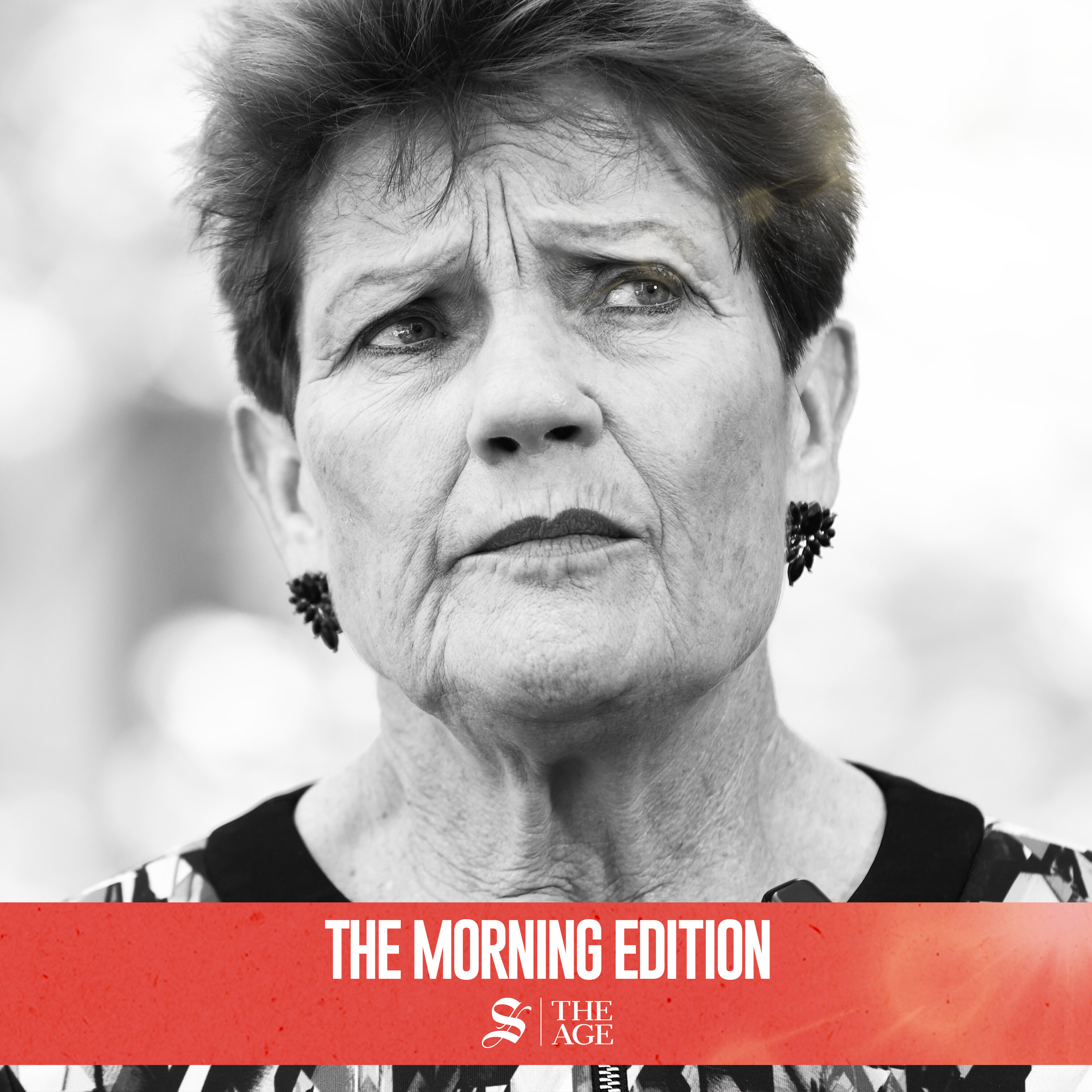
When Pauline Hanson marched into the Senate last week wearing a burqa, it felt, for a moment, like we were back in the 1990s. Those were the sorts of stunts – and anti-immigration rhetoric – that the former fish and chip shop owner from Ipswich used to pull when she first swept into power. But, with a high-profile member of parliament on the verge of defecting to her party, and polling placing support for One Nation at its highest level since 1998, it appears that we are witnessing the second coming of One Nation. Today, columnist and former associate editor of The Age, Shaun Carney, on what a rise in support for One Nation says about Australia.Subscribe to The Age & SMH: https://subscribe.smh.com.au/See omnystudio.com/listener for privacy information.