
The Live Drop
78 episodes — Page 1 of 2
Michael Sellers' Moscow Memories
Stephen Long Drops Into 1949 Albania
Jack Beaumont on Memory and the French DGSE
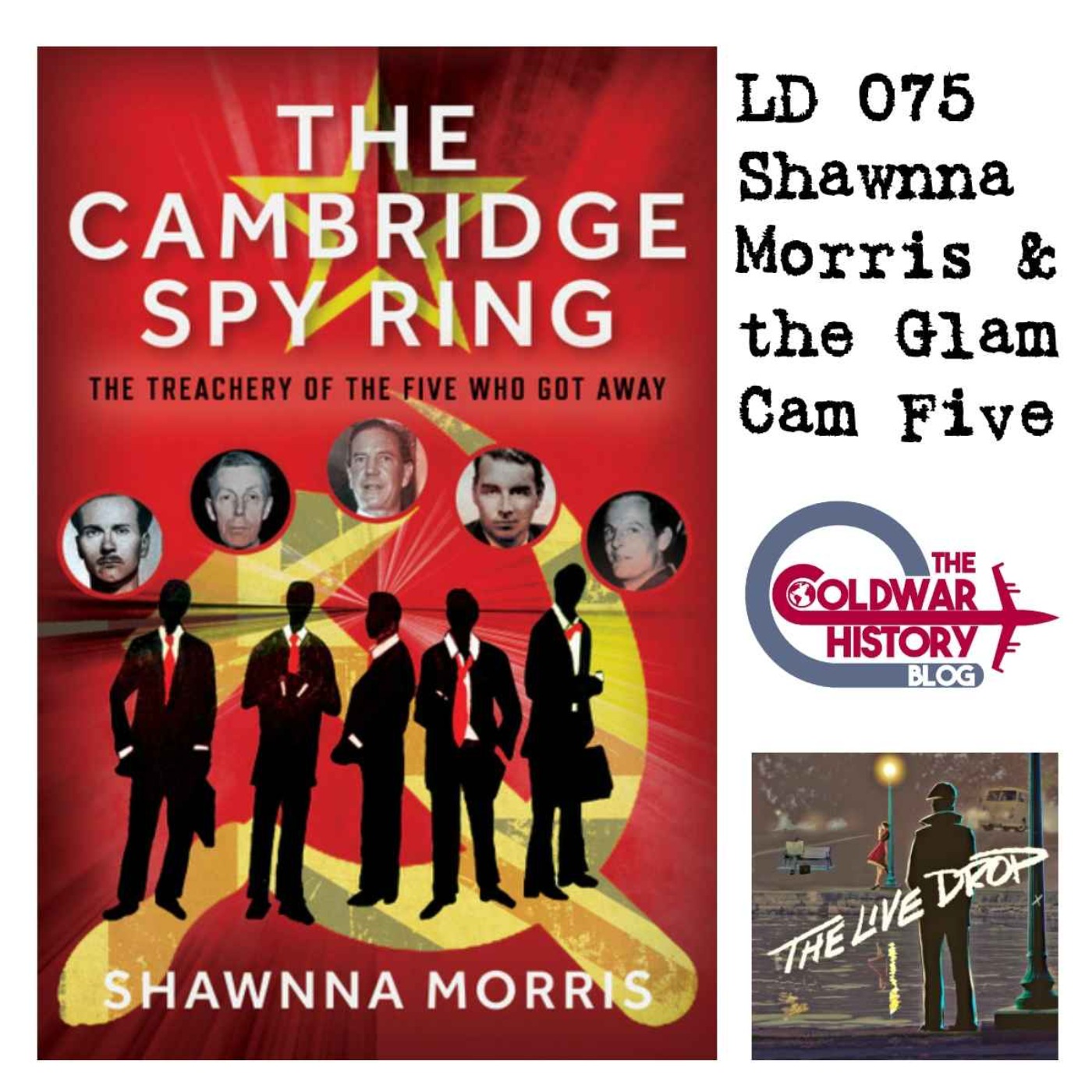
Ep 75Shawnna Morris and the Glamorous Cambridge Five
In this interview, I had the pleasure of speaking with a Cold War expert--Shawnna Morris--about her fascinating book on the Cambridge Five spy ring. We talked about how her book has been received both in the UK and the US, and she shared some insights into the cultural attitudes around this famous espionage group. Shauna guided me through the recruitment storyline, explaining how Philby, McLean, Burgess, Blunt, and Cairncross became Soviet spies, and the social dynamics that let them operate undetected for so long. We explored the complicated personalities of each member—especially Philby’s evolution from idealist to, uhm, sociopath, and the betrayals that marked their personal lives. We also discussed how the legacy of the Cambridge Five continues to influence not just intelligence services, but also the way the story is told in books, films, and archives over time. Shauna reflected on the moral ambiguity at the heart of their actions and how new information continues to shift the narrative. Finally, she shared her excitement about her next project: a book focusing on extraordinary women in Cold War history. Websites:https://coldwarhistoryblog.com/https://coldwarbookreviews.wordpress.com/https://shawnnamorris.com/Here are her socials:https://www.facebook.com/CambridgeSpyRing/https://www.facebook.com/coldwarhistoryblog/https://www.facebook.com/ShawnnaMorrisAuthor/https://www.instagram.com/thecambridgespyring/https://www.instagram.com/coldwarhistoryblog/https://www.instagram.com/shawnnamorrisauthor/https://x.com/CambridgeSpiesThe book is available at Pen and Sword https://www.penandswordbooks.com/9781036108687/the-cambridge-spy-ring/and all major online retailers like Amazon, Barnes and Noble, etc.References:Films about the Cambridge Five across the decades...Philby, Burgess, and MacLean (1977)Blunt (1983) An Englishman Abroad (1987)A Spy Among Friends (2022) Hosted on Acast. See acast.com/privacy for more information.
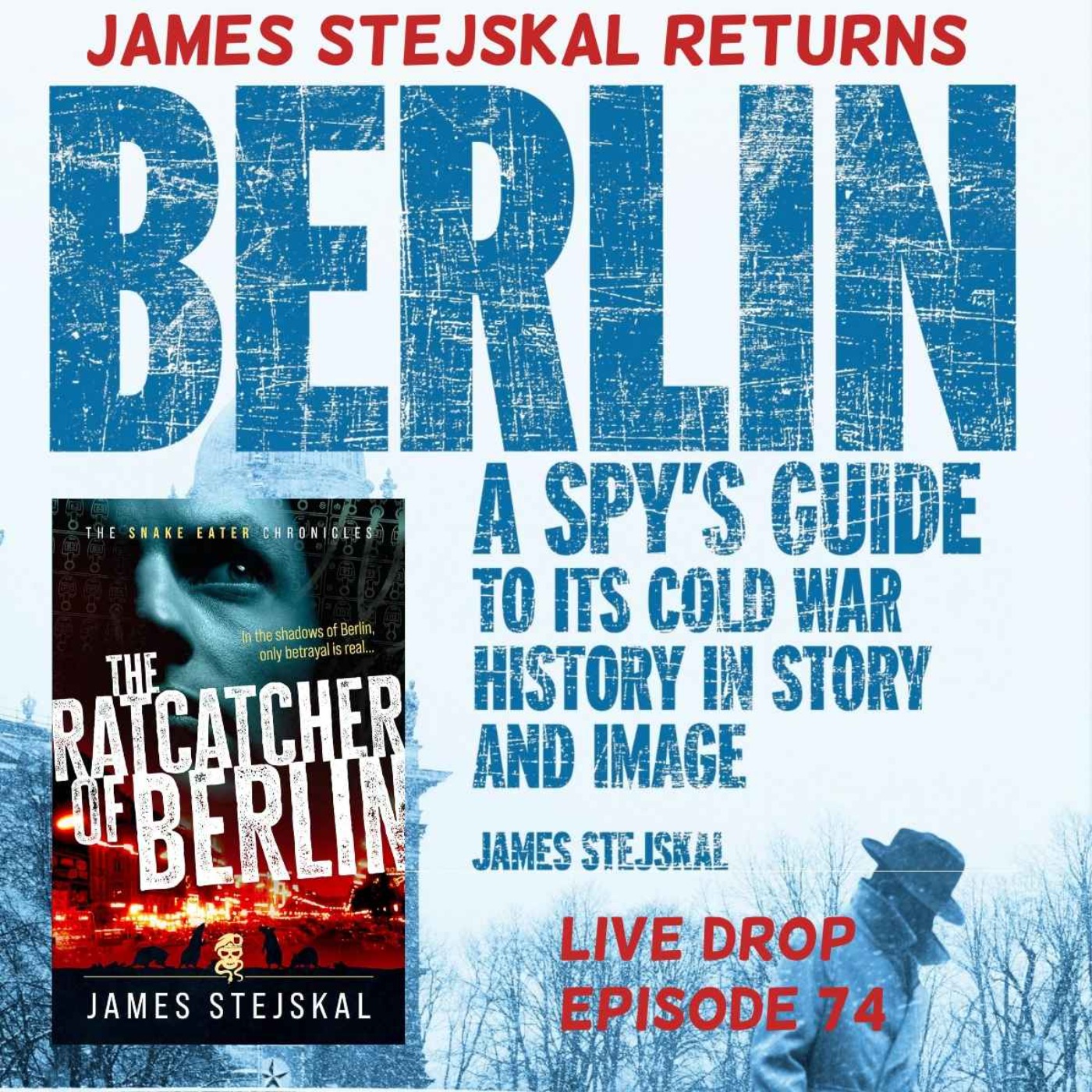
Ep 74James Stejskal: Author, Soldier, Snake-eater, Spy
This episode of The Live Drop, I talk with James Stejskal — a former U.S. Army Special Forces operator from Detachment “A” in Cold War Berlin who later worked in intelligence before turning to history and fiction. He’s the author of Special Forces Berlin and the Snake Eater Chronicles, and his latest books — The Ratcatcher and The Berlin Spy Guide — bring that same mix of lived experience and deep research. We dig into The Ratcatcher, a Berlin spy novel that fuses counterintelligence, crime, and military thriller — following the murder of a CI officer and the hunt for a U.S. traitor--the premise of which comes from a real case buried deep in the Stasi files. James talks about class and culture inside Cold War espionage — Ivy League analysts versus scrappy gumshoe operators — and what it really took to recruit sources behind the Wall. We also get into his research adventures in the archives, Berlin’s Cold War landmarks including a McDonalds, and how today’s Russia mirrors old Soviet tactics through imperial nostalgia and opportunism abroad.James StejskalBerlin Spy GuideRatcatcher of Berlin Hosted on Acast. See acast.com/privacy for more information.
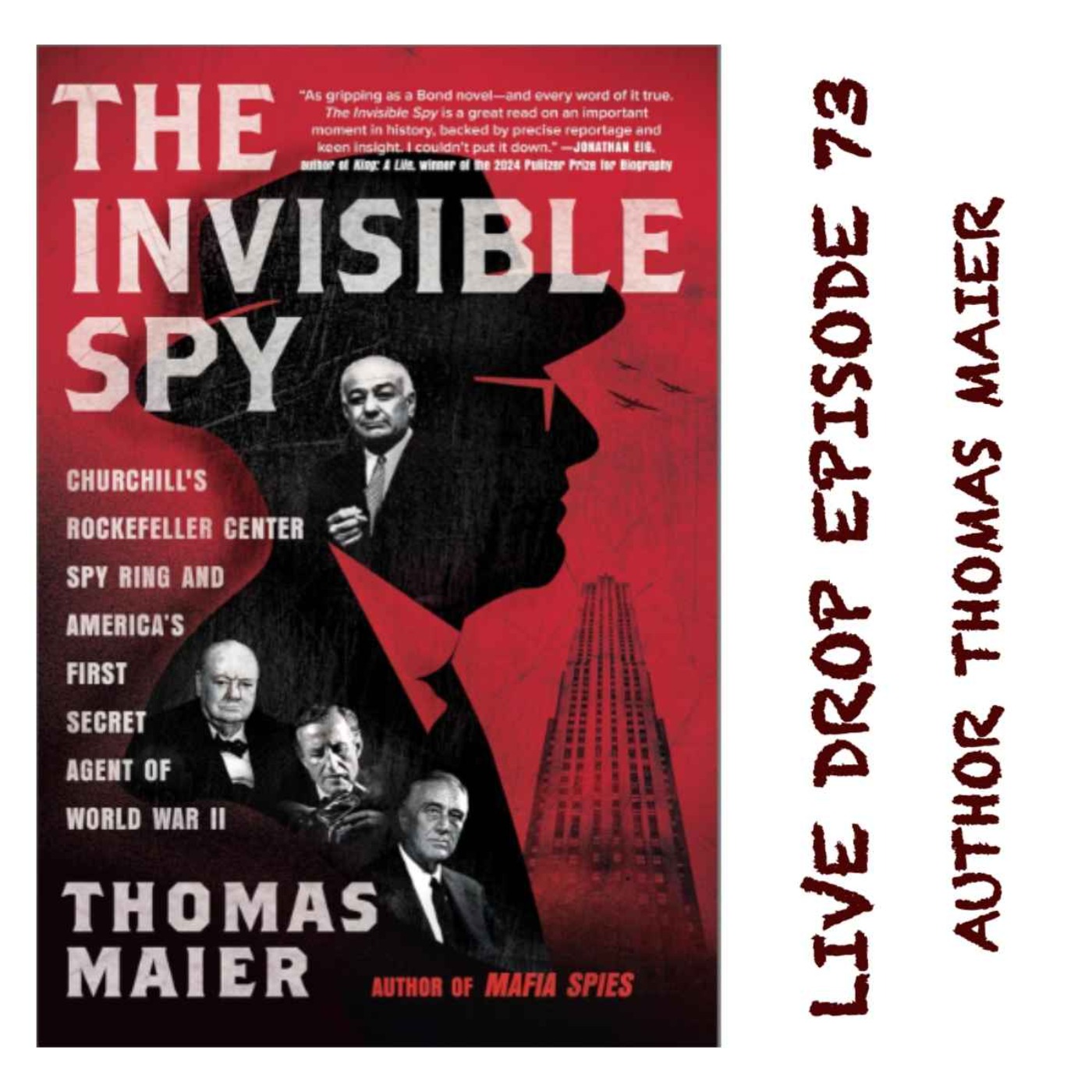
Ep 73Thomas Maier Reveals the Invisible Spy
Episode 73 – The Invisible Spy: Ernest Cuneo and the Secret Machinations of American PowerThis episode visits the untold life of Ernest Cuneo—a professional football player turned journalist, turned presidential fixer, turned invisible architect of wartime espionage. Before the CIA existed, Cuneo was already moving between the White House, British intelligence at Rockefeller Center, and the most powerful media outlets in the country. He leaked, spun, and buried stories. He brokered quiet alliances. He coordinated sabotage, propaganda, and double agents—then slipped back into obscurity.Thomas Maier returns to The Live Drop to talk about his riveting new biography, The Invisible Spy, and the life of the man who helped shape the American intelligence apparatus from the shadows. We follow Cuneo from gridiron glory to Roosevelt’s secret inner circle, through the propaganda wars of WWII and into the paranoia of the Cold War. Along the way, we explore the cost of silence, the lure of anonymity, and how one man’s life reflected—and manipulated—the American century.Wall Street Journal Review, Edward Kosnerhttps://www.youtube.com/watch?v=RAtLXsh4sEghttp://www.thomasmaierbooks.com/The Invisible Spy: Churchill's Rockefeller Center Spy Ring and America’s First Secret Agent of World War II My Substack: Propaganda Lessons from WWII, Mark Valley Hosted on Acast. See acast.com/privacy for more information.
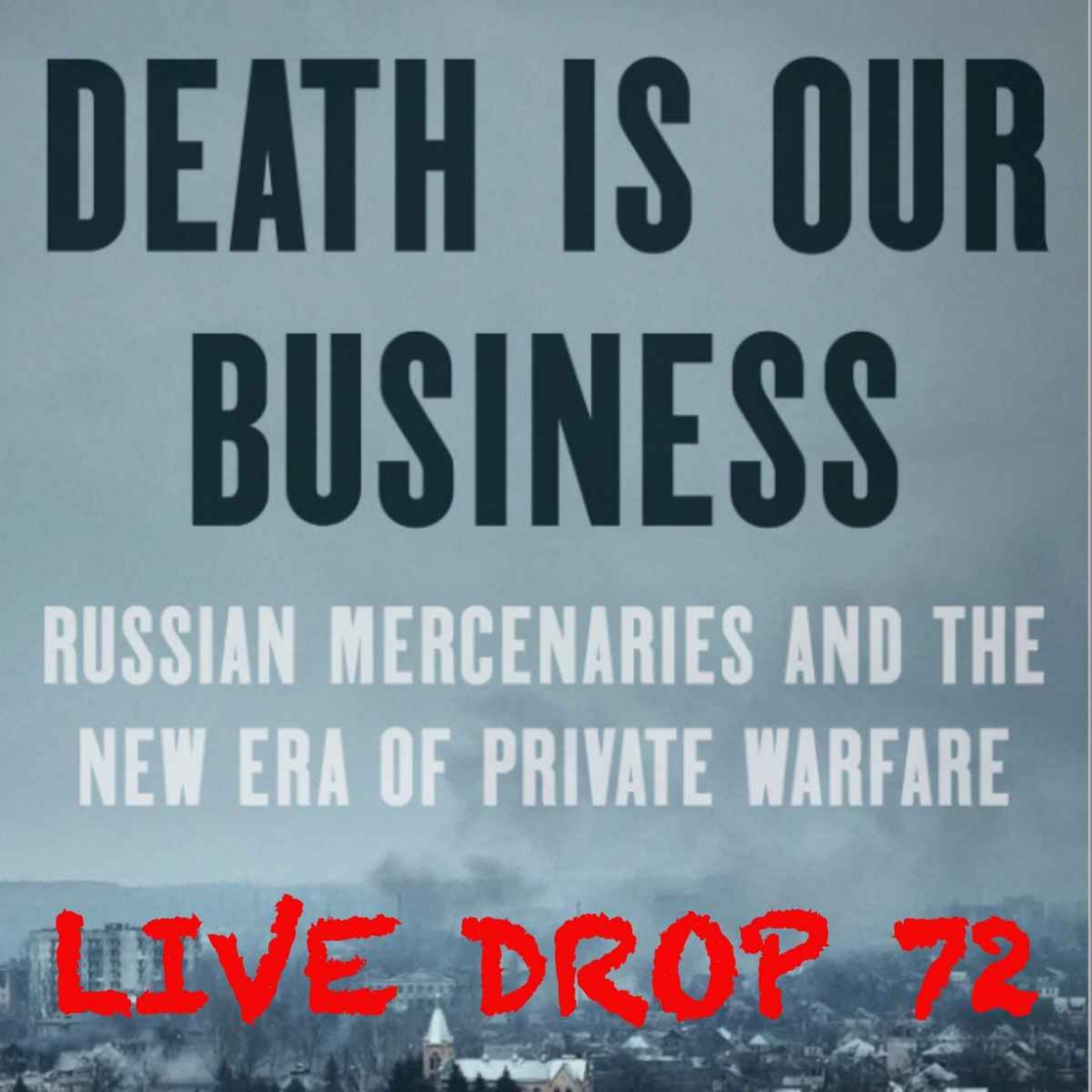
Ep 72John Lechner Unveils The Wagner Group
Author John Lechner talks about his powerful new book, Death Is Our Business, a definitive investigation into Russia’s notorious private military company, the Wagner Group. With firsthand accounts, OSINT research, and a historian’s depth, Lechner traces Wagner’s evolution from covert operators in Ukraine to global players in Syria, Africa, and beyond.The book opens with “Soldiers,” detailing Wagner’s early operations in Eastern Ukraine. The group’s early adoption of hybrid warfare tactics positioned Wagner as a deniable but essential extension of Russian force projection. Lechner highlights Wagner recruits—ex-soldiers, nationalists, and opportunists drawn to war by a mix of belief, desperation, and the promise of belonging.In “Oil Men,” Lechner shifts focus to Wagner’s economic logic. From Syrian gas fields to African gold mines, Wagner leveraged military victories into lucrative contracts. The group effectively bankrolled itself through resource extraction deals, revealing how war and profit became indistinguishable in modern mercenary operations.“Diplomats” explores Wagner’s expansion into the political sphere, particularly in fragile African states. Wagner’s combination of intimidation, diplomacy, and military threat reveals a new kind of state actor: both official and deniable.In “Mercenaries,”The chapter compares Wagner to other modern paramilitary forces and underscores the absence of clear international frameworks for accountability. Wagner’s involvement in human rights abuses and alleged war crimes raise urgent legal and ethical questions about the future of privatized warfare.“Liberators” looks at Wagner’s self-image. The group often justified its operations in Africa and the Middle East as counter-terrorism or anti-insurgency efforts. But beneath the liberation narrative, Lechner uncovers a darker story of extrajudicial killings, systemic abuse, and economic exploitation.In “Heroes,” we get a rare look inside Wagner’s culture. Through interviews and leaked materials, Lechner reveals the motivations behind joining Wagner: nationalism, anti-Western sentiment, pay, and the desire for camaraderie. The chapter explores Wagner’s internal mythmaking—how it crafts a heroic, loyalist identity for its fighters.“Traitors” Lechner chronicles the chaos, the confrontation with Moscow, and the fallout—including Prigozhin’s mysterious death in a plane crash. The group’s fate now remains in flux, with its remnants either disbanded or absorbed into Russia’s formal military apparatus.In the Conclusion, Lechner reflects on what Wagner means for the future. Private military companies are no longer niche actors—they are shaping the modern battlefield.Death is Our Business, John LechnerMy Substack: The Rise, Fall and Legacy of a Transactional Army Hosted on Acast. See acast.com/privacy for more information.
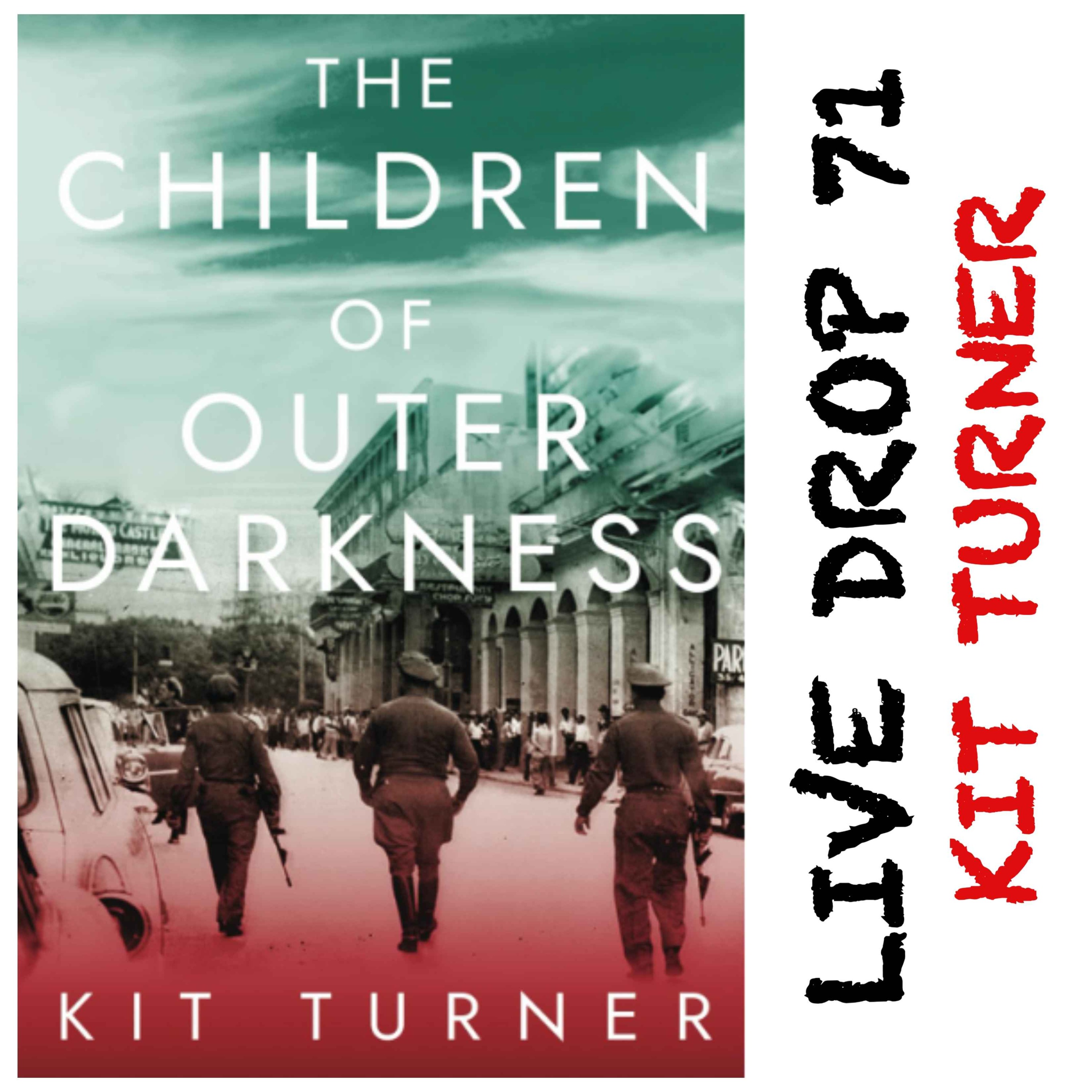
Ep 71Kit Turner & A Ragtag Group of Rebels Hit The Shores of Revolutionary Cuba
🎙️ The Live Drop – Episode 71: Kit Turner on the Cuban Revolution, Espionage, and Historical FictionIn this episode, I speak with former intelligence officer and historical fiction author Kit Turner, whose latest novel Children of Outer Darkness dives deep into the origins of the Cuban Revolution. What begins as a conversation about Kit’s book quickly turns into a gripping exploration of insurgency, propaganda, and the murky world of mid-century espionage.Kit shares how his background in counterinsurgency informed his portrayal of Cuba’s revolutionary figures, from Fidel Castro and Che Guevara to lesser-known but pivotal characters like Celia Sánchez and Vilma Espín. We discuss the revolution’s unlikely beginnings—a leaky yacht and a ragtag group of rebels—and the shadowy support from the CIA, GRU, and KGB during the Cold War chess match in the Caribbean.We also explore the blend of fact and fiction in Kit’s work, including his stylistic influences from Graham Greene, Eric Ambler, and John Buchan, and why historical fiction can sometimes reveal deeper truths than memoirs—especially when you're still under a CIA publication review.📚 Children of Outer Darkness is available via Warpath Press and anywhere books are sold. Illustrated with rare photos, it brings the revolution to life in a way that’s both vivid and unexpected.🔗 Learn more at kitturnerauthor.comCheck out my Substack piece based on this interview: What the Cuban Revolution Can Teach Democrats.More at https://markvalley.substack.com/📚 Books and Authors ReferencedOur Man in Havana by Graham GreeneA classic British spy novel set in pre-revolutionary Cuba. A strong influence on Kit Turner’s writing style and subject matter.The 39 Steps by John BuchanA foundational spy thriller featuring fast-paced action and a civilian protagonist pulled into global intrigue. Turner admired its momentum and structure.A Coffin for Dimitrios by Eric AmblerOne of the novels that helped shape the modern espionage thriller genre. Ambler’s morally ambiguous characters and realistic spycraft inspired Turner’s tone.In the Midst of Wars by Edward LansdaleA memoir by the legendary CIA operative involved in post-WWII counterinsurgency operations, especially in the Philippines and Vietnam. Turner cited this work while discussing how insurgencies are won or lost with people, not just weapons. Hosted on Acast. See acast.com/privacy for more information.
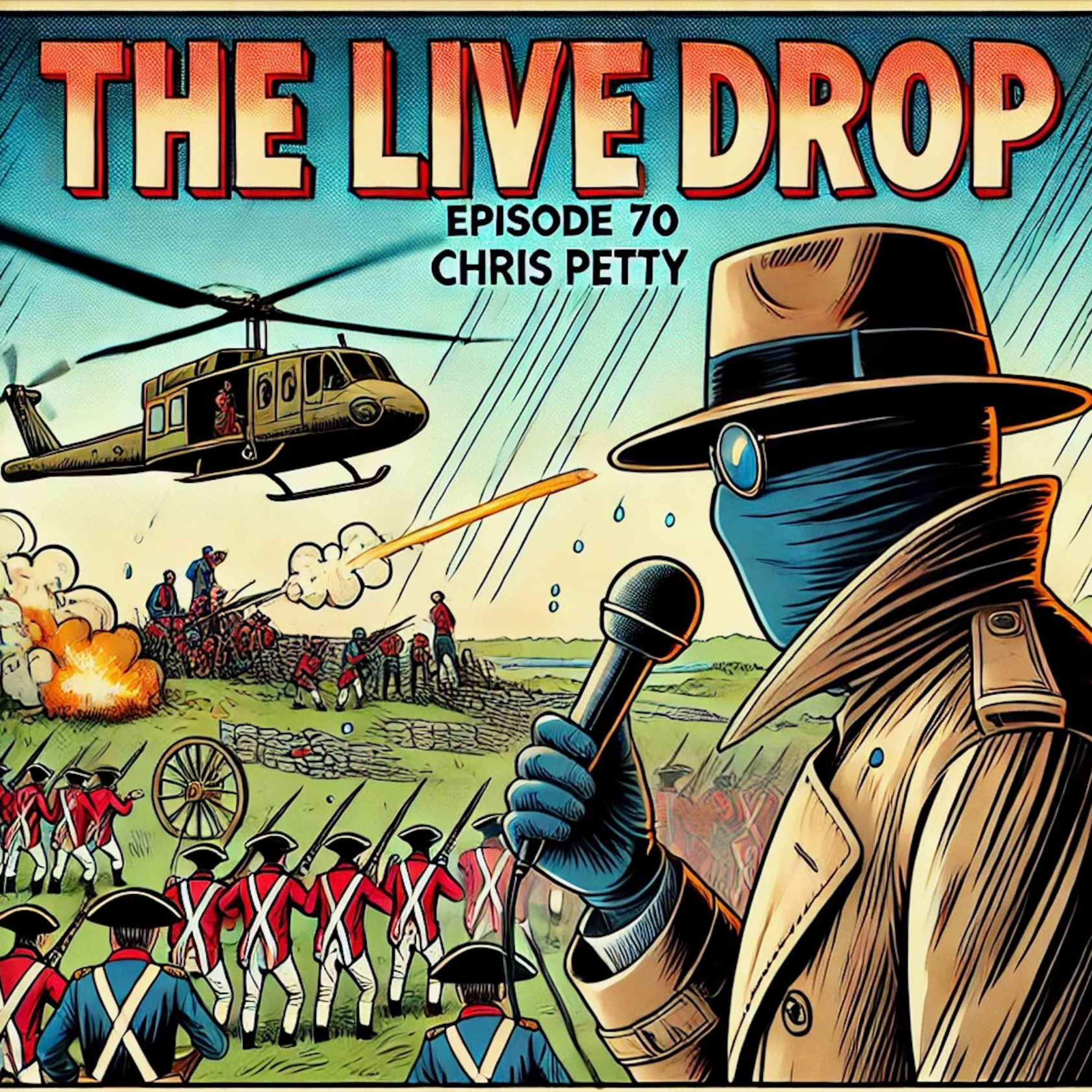
Ep 70Digesting Military History with Chris Petty
My guest is a West Point classmate of mine, Chris Petty, a retired Brigadier General. He created the book and online resource Battle Digest to fill the gap in military history education, offering concise lessons from historic battles. A former Rugby player, he emphasizes how studying history builds battlefield awareness and strategic thinking. Each digest follows a clear structure, covering strategic context, maneuvers, tactical actions, and lessons learned, making evident the principles of warfare. In this episode we discuss pivotal battles like Lexington and Concord, Yorktown, and the Alamo to show how intelligence, deception, and leadership shape outcomes. He points to examples like Washington’s Yorktown feint and the intelligence victory at Midway to stress the critical role of foresight. Reflecting on modern warfare, he emphasizes the importance of drones, intelligence, and learning from missteps in Iraq and Afghanistan. Petty argues that understanding history helps commanders recognize patterns and apply key principles like unity of command. I share a legendary Chris Petty anecdote, whose service and work combine his passion for military excellence with a drive to make military history current and accessible. 12 Battles Every American Should Know, Chris PettyBATTLEDIGEST.COM Hosted on Acast. See acast.com/privacy for more information.
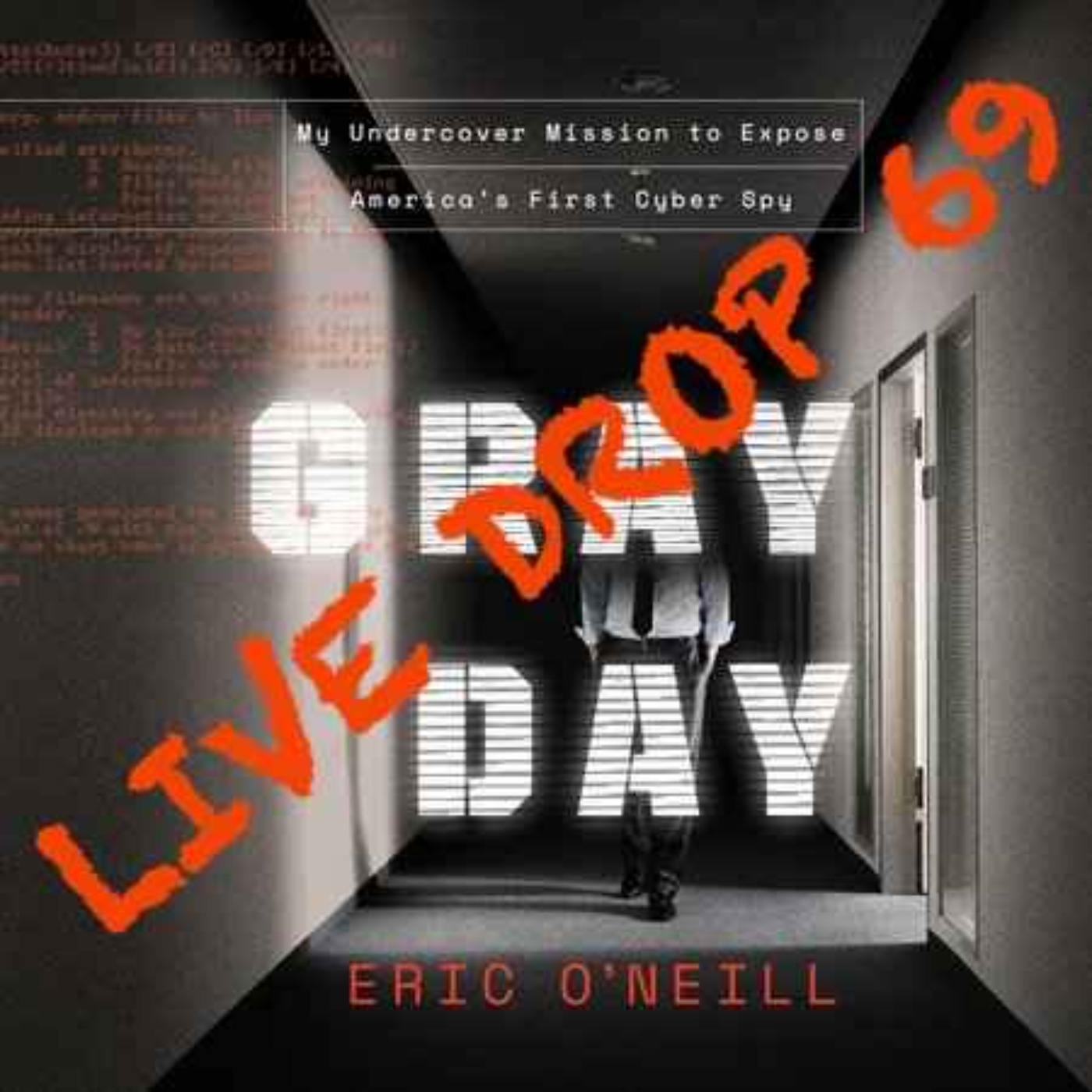
Ep 69Spycatcher Eric O'Neill Plies his Trade on Cybercrime
Eric O'Neill is a leading cybersecurity expert, former FBI operative, attorney, and founder of The Georgetown Group and NeXasure AI — which works with organizations to protect themselves against cybercriminals—whose activity on the dark web constitutes the world’s third largest economy. Eric began his career in the FBI as a “ghost” — an undercover field operative tasked to surveil foreign and domestic spies and terrorists. In 2001, he brought down the nation’s first cyberspy: Robert Hanssen, a 25-year veteran of the FBI and a notorious Russian mole. This story is featured in the critically-acclaimed movie, Breach, and Eric’s book, Gray Day…In this conversation we talk about how "there are no hackers, only spies" and how the crisis of cybercrime has been influenced by the best espionage attacks. We discuss some things you can do right not to protect yourself from cyber threats, some of what's happening on the dark web and how companies like Crowdstrike and Zscaler deploy defenses against cyberattacks. And lastly how cyber mirrors analog operations using trusted insiders and even deploys a familiar sounding tactic called 'honeytraps."Currently, Eric is currently working on his new book, The Invisible Threat: Secrets from a Spyhunter in an AI World (HarperCollins, 2025) coming out next year. Resources and Links: Gray Day, Eric O'NeillThe Invisible Threat, Eric O'Neill (advanced information)EricOneill.netThe Georgetown Grouphttps://x.com/eoneillLive Drop 69 Hosted on Acast. See acast.com/privacy for more information.
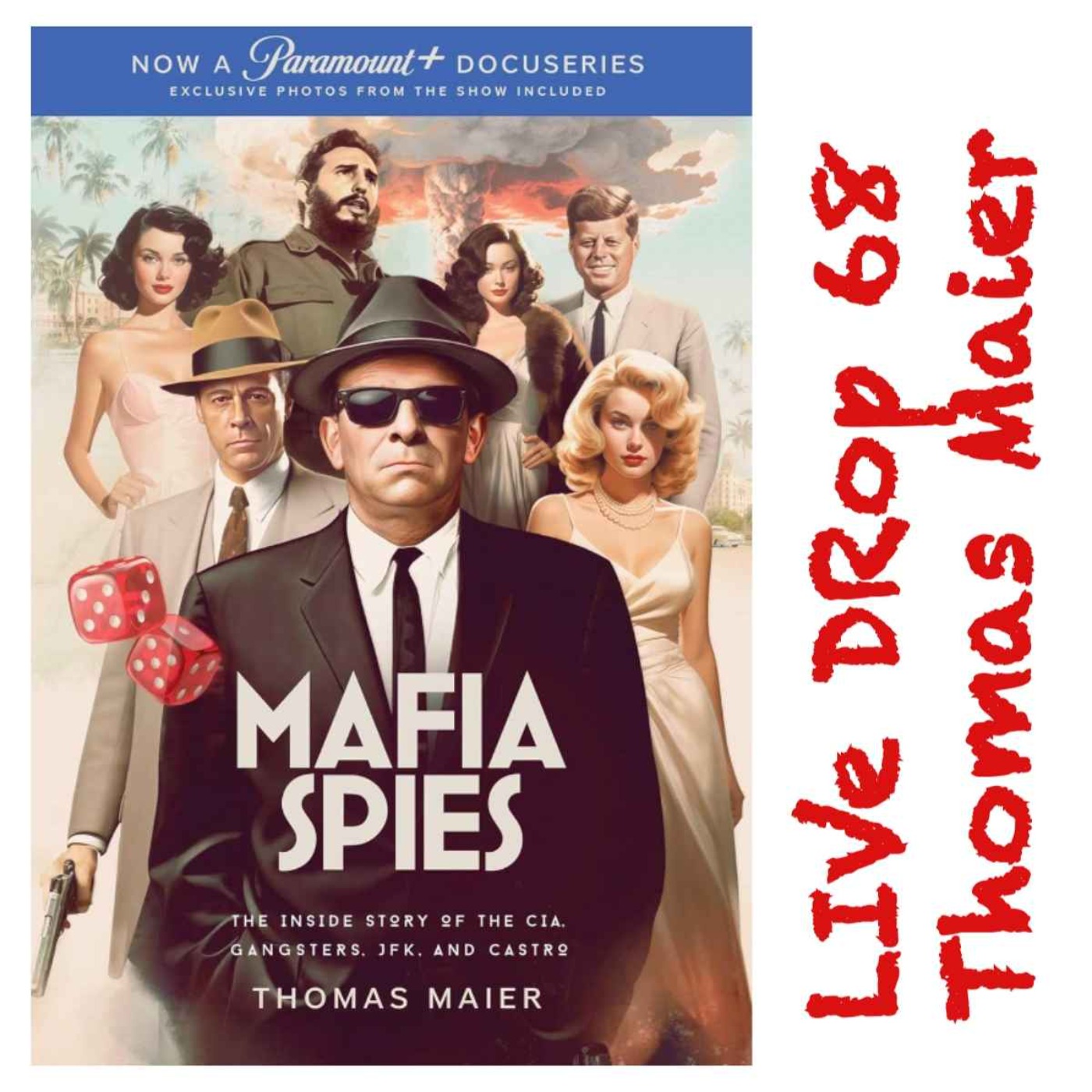
Ep 68Mafia Spies from Page to Screen with Thomas Maier
From bestselling author and the producer of the hit cable series Masters of Sex, Thomas Maier, comes a true story of espionage and mobsters, based on the never-before-released JFK Files.In this episode Mark talks with author and journalist Thomas Maier about his book Mafia Spies--A fact based look at a sensational event in intelligence history when the CIA approached the mafia to assist in the assassination attempts on Cuba's dictator Fidel Castro. In the early 1960s, two top gangsters, Johnny Roselli and Sam Giancana, were hired by the CIA to kill Cuba's Communist leader, Fidel Castro, only to wind up murdered themselves amidst Congressional hearings and a national debate about the JFK assassination.Mafia Spies revolves around the outlaw friendship of these two mob buddies and their fascinating world of CIA spies, fellow Mafioso in Chicago, Cuban exile commandos in Miami, beautiful Hollywood women, famous entertainers like Frank Sinatra's Rat Pack in Las Vegas, Castro's own spies in Havana and his double agents hidden in Florida, J. Edgar Hoover's FBI snooping, and the Kennedy administration's "Get Castro" obsession in Washington.Thomas Maier is among the first to take full advantage of the National Archives' 2017-18 release of the long-withheld JFK files, many of which deal with the CIA's top secret anti-Castro operation in Florida and Cuba.Also we talk about Maier's first foray into fiction, with his new crime novel, Montauk to Manhattan, Thomas MaierFind more of Thomas Maier's work here ==> http://www.thomasmaierbooks.com/Mafia Spies - BookMafia Spies Official Trailer ==> AIRS JULY 16TH, 2024 ON PARAMOUNT PLUSSummary paraphrased from promotional materials. Live Drop 68 Thomas Maier Hosted on Acast. See acast.com/privacy for more information.
Ep 67The Fenian Raids and a Friendly Border Threat Analysis with Phil Gurski
Phil Gurski, an author and renowned Canadian intelligence professional. Phil worked as an analyst at the Communications Security Establishment (CSE), Canada's equivalent of the NSA, and as a senior strategic analyst at the Canadian Security Intelligence Service (CSIS). He contributes to the Ottawa Citizen and has published six books on counter-terrorism, including his recent work, The Peaceable Kingdom: A History of Terrorism in Canada from Confederation to the Present.I interviewed Phil in an actual face to face Live Drop in the town of Russell, Ontario, where he talked about his forthcoming book on the Fenian Raids of the mid-19th century. The first terrorism threat Canada faced came from across the border from disgruntled Irish Nationalists after the American Civil War. In this wide-ranging discussion, we delve into a primer on the ramshackle but spirited Fenian Raids and explore the history of Canada, immigration along the border, Five Eyes intelligence sharing, modern terrorism threats, and the challenges facing the Canadian intelligence community at large. Turns out Canada doesn't have a CIA equivalent, nor a foreign intelligence collection mandate... only for direct threats to their national security.Phil Gurski is the CEO of Borealis Threat and Risk Consulting. You can find him on X at @borealissaves, and on his blog and website borealisthreatandrisk.comLive Drop Episode 67 Hosted on Acast. See acast.com/privacy for more information.
Ep 66Trevor Aaronson Takes The Sting Out of Law Enforcement
Trevor Aaronson is an award winning investigative journalist and contributing writer to The Intercept. His podcast ALPHABET BOYS and the subject of his other works focuses on the use of informants in Law Enforcement. We discuss the use of sting operations and how the informant has evolved into a more proactive role over the last few decades. Season 2 of Alphabet Boys centers around a singular motivated informant who somehow ends up working for the FBI, DEA and, he claims, the CIA. Live Drop 66 Hosted on Acast. See acast.com/privacy for more information.
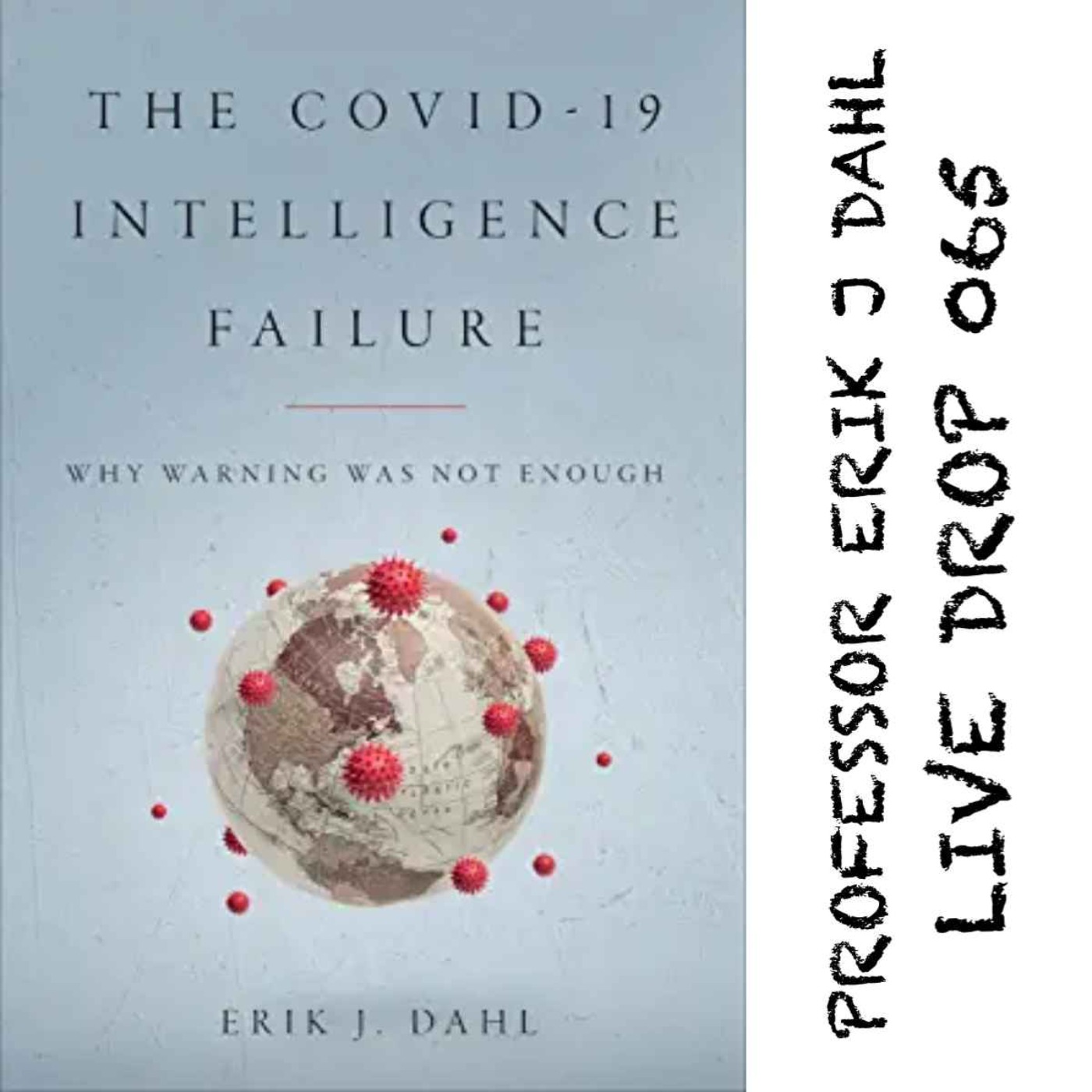
Ep 65Professor Erik Dahl Offers a Prescription for Pandemic Intelligence
Professor Dahl asserts that the pandemic was a global failure of intelligence, including not only the traditional intelligence agencies that should have been able to do better, but perhaps even more importantly, a failure of the complex system of medical and public health surveillance that is designed to anticipate threats just like this one. He specifically cites a lack of warning and failure of receptivity.Secondly, although the US and the rest of the world have taken some useful steps to improve our intelligence and warning about disease threats, we are still vulnerable to what experts say could be an even worse pandemic next time. We still have a 'Domaine Awareness Gap.'Third, the lessons from the pandemic can and must be used to help us avoid other types of threats and challenges in the future, whether from climate change, natural disasters or man-made catastrophes.Among his other recommendations we discuss how the NCMI, National Center for Medical Intelligence, can be enhanced as a central body to combine efforts of traditional intelligence agencies and information from the medical and public health sectors.Professor Erik J Dahl, Naval Postgraduate School, Monterey, CAThe Covid-19 Intelligence Failure: Why Warning Was Not Enough, Erik J DahlIntelligence and Surprise Attack: Failure and Success from Pearl Harbor to 9/11 and Beyond, Erik J DahlNational Center for Medical Intelligence (NCMI)If you've enjoyed this ad-free episode of The Live Drop, please consider a donation of any amount right here ---> https://www.paypal.me/thelivedrop Hosted on Acast. See acast.com/privacy for more information.
Ep 64Syndicating the Experience of Brittany Butler
Brittany Butler is a former CIA targeting officer with first-hand knowledge in the recruitment and handling of spies, and dismantling of terrorist networks abroad. A staunch advocate Middle Eastern women's rights, Brittany has worked to protect the rights of disenfranchised Afghan women and girls, and works within her local community to resettle Afghan refugees. The first in a series, THE SYNDICATE SPY combines facts with fiction, of how female intelligence officers utilize both intellect and skills to see beyond religious and cultural barriers in order to bring peace to this war-torn region. Find Brittany on Socials: brittanycbutler.com @formerspylPlease consider donating your time or efforts to Lutheran Services who are assisting Afghan refugees across the country.And, Women For Afghan Women – Providing a safe environment for internally displaced women and families in Afghanistan.City of Refugees by Susan Hartman - Chronicles the lives of refugees in an upstate New York city and their impact on the community.Intellipedia - yeah, it really exists...If you've enjoyed this ad-free episode of The Live Drop, please consider a donation of any amount right here ---> https://www.paypal.me/thelivedrop Hosted on Acast. See acast.com/privacy for more information.

Ep 63Alma Katsu is Creating a Novel Spy Franchise
Alma Katsu is an accomplished writer and intelligence professional with an extensive career spanning over 35 years. She has held senior analyst positions at various federal agencies, providing policy advice to military and government officials on national security issues. Additionally, she has worked as a senior technology policy analyst for the RAND Corporation and operates as an independent consultant and technology futurist, providing expert guidance to clients in both government and private industry.In addition to her contributions to the fields of intelligence and technology, Katsu is also a celebrated author of historical fiction horror and short stories. Her spy novels RED WIDOW and RED LONDON , have garnered praise from intelligence professionals for their well crafted plot lines and engaging characters. Katsu draws inspiration for her characters from her extensive professional background, creating complex and believable personas that reflect the nuances of real-life intelligence operatives.My conversation with Katsu delves into various topics, including artificial intelligence, her writing process, and what sets her books apart from others in the genre. Her unique perspective as an intelligence professional provides valuable insights into the intersection of technology and national security, making her work both entertaining and intellectually stimulating. For those interested in exploring Katsu's work in greater detail, she hosts a podcast called Damned History, which provides historical context for her stories.More information about Katsu and her writing can be found at almakatsubooks.com.If you've enjoyed this ad-free episode of The Live Drop, please consider a donation of any amount right here ---> https://www.paypal.me/thelivedrop Hosted on Acast. See acast.com/privacy for more information.
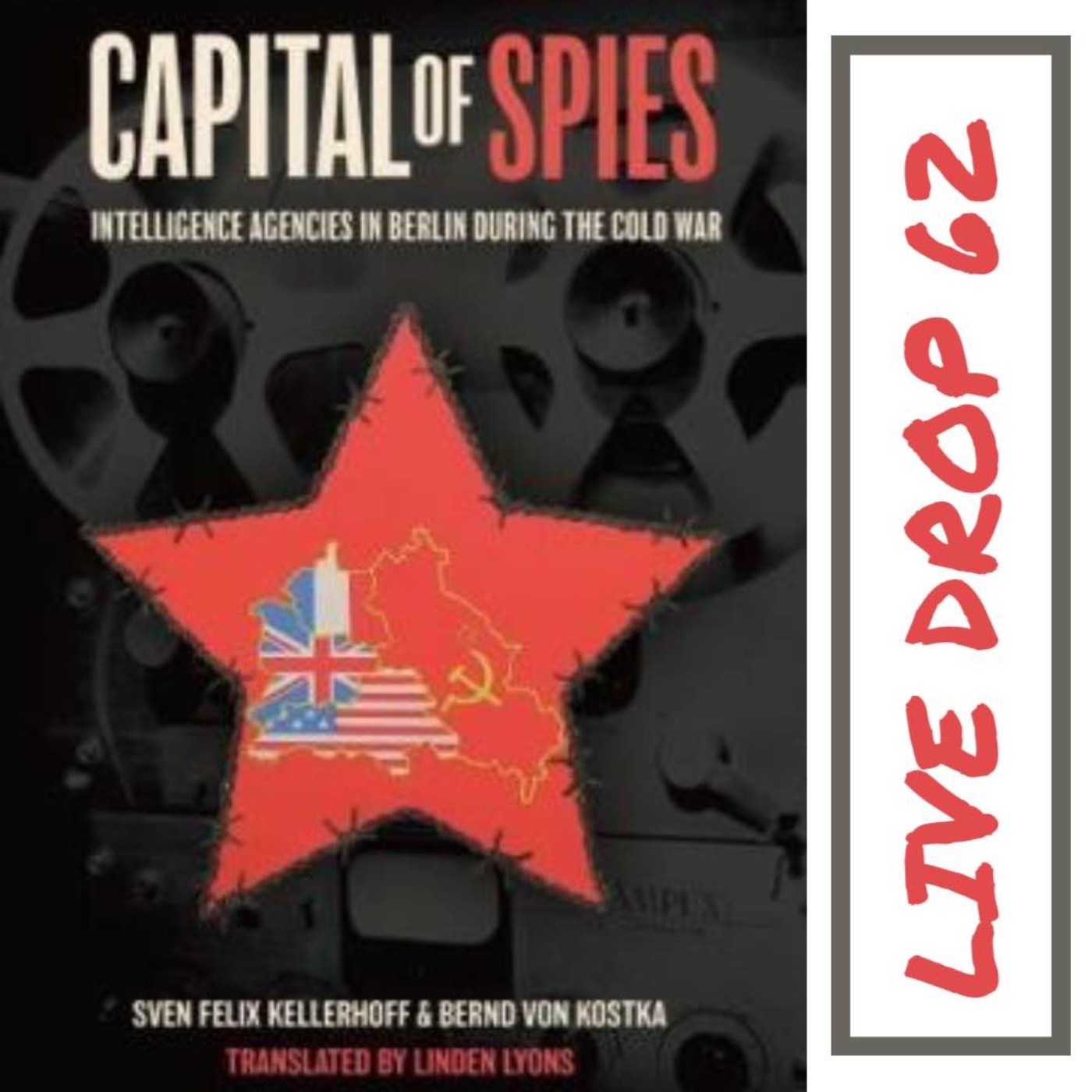
Ep 62Berlin Author Bernd von Kostka Duels in the Dark with Cold War History
Bernd von Koska is the curator of the Allied Museum in Berlin and co-author of Capital of Spies. For almost half a century, From summer 1945 until 1990, NATO and the Warsaw Pact fought an ongoing duel in the dark. Espionage was part of everyday life in both East and West Berlin with spies of numerous nationalities and loyalties. In this conversation Bernd describes the highlights of his book and intelligence activities in Berlin: the success, failures, famous and the infamous to include: the Crash of the YAK28P, The Spy Tunnel, The Meister and James Hall, James Carney, a visit from Marcus Wolf, Benno Ohnes shooting, Dean Reed, Rosenholtz Files and the Berlin Airlift. Capital of Spies (co-authored with Sven Felix Kellerhoff) is a great starter reference to the important intelligence events in Cold War Berlin. Bernd is a Berliner and no stranger to the spy world. Aside from his work at the museum, he’s recently helped produce British drama Spy City on AMC with author William Boyd. Enjoyed this ad-fee episode? Please consider a one time contribution to keep us operational --> https://www.paypal.me/thelivedrop Hosted on Acast. See acast.com/privacy for more information.
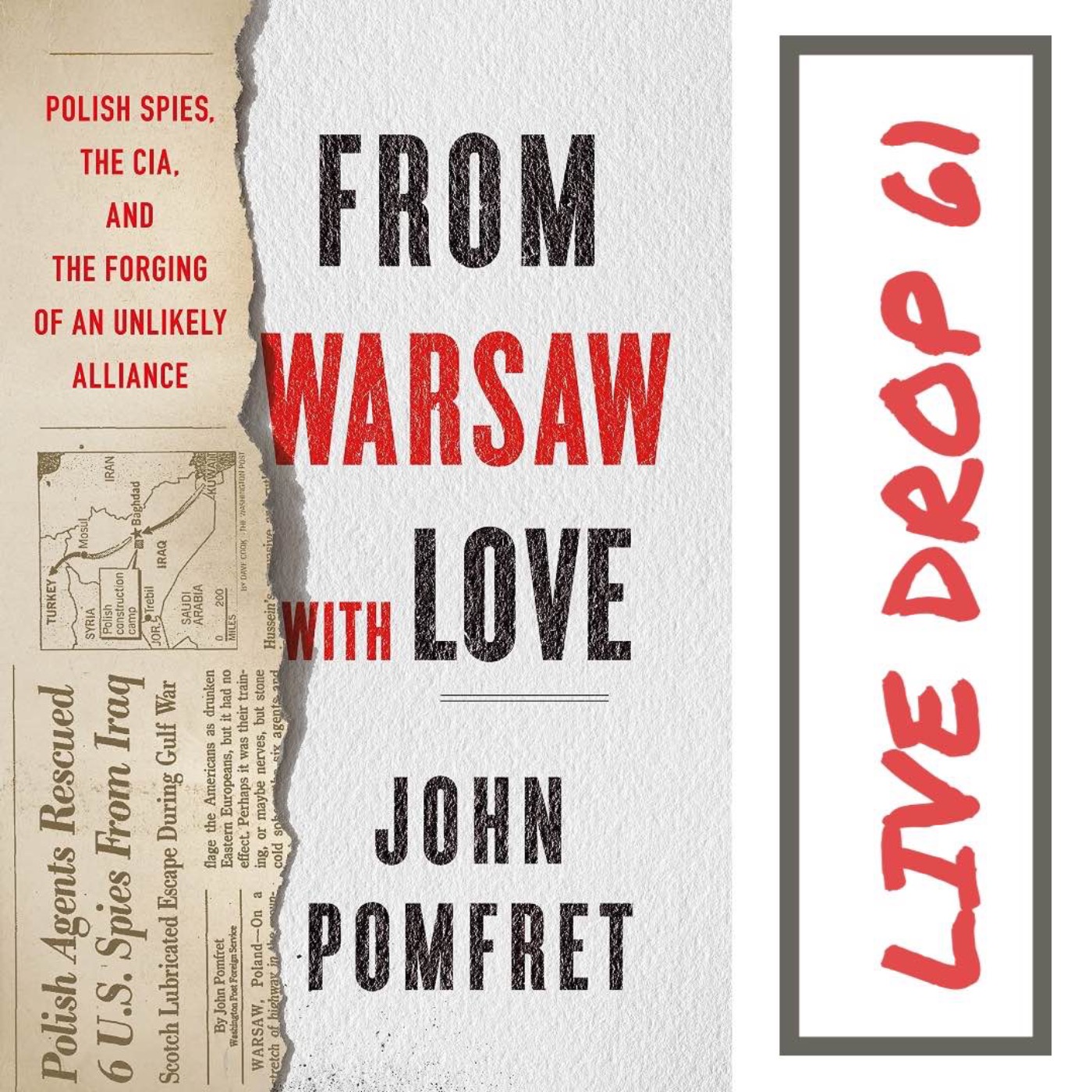
Ep 61John Pomfret and Polish American Intelligence Cooperation
John Pomfret is the author of From Warsaw With Love: Polish Spies, The CIA and the Forging of a Unlikely AllianceThis book starts out in Los Angeles with a particularly effective Polish spy who’d penetrated the aerospace industry. Along with a history of U.S. and Polish collaboration dating back to the Colonial period, Pomfret identifies the threads of eventual cooperation between the intelligence organizations. I'm interested about how Poland gained entry into NATO in 1996 along with Czech Republic, Slovakia and Hungary. John’s book covers a little-known clandestine operation undertaken by the Poles to get Americans out of Baghdad. He reveals Poland's deft diplomatic maneuvering involving the U.S., Germany, and the Soviets that led to their entry into the alliance.The results of this initiative can be seen in the Ukraine today. Had the Poles not actively sought membership in NATO decades ago, we may be looking at an entirely different landscape in Eastern Europe. More about the author at: https://www.johnpomfret.comEnjoyed this ad-fee episode? Please consider a one time contribution to keep us operational --> https://www.paypal.me/thelivedrop Hosted on Acast. See acast.com/privacy for more information.

Ep 60Author Rebecca Donner Enters Hostile Archives to Find Anti-Nazi Spy Mildred Harnack.
Rebecca Donner is the author of All the Frequent Troubles of Our Days. Mildred Harnack was twenty-six when she enrolled in a PhD program in Germany and witnessed the meteoric rise of the Nazi party. In 1932, she began holding secret meetings in her apartment—a small band of political activists that by 1940 had grown into the largest underground resistance group in Berlin the Rote Kapella. She recruited Germans into the resistance, helped Jews escape, plotted acts of sabotage, and wrote leaflets that denounced Hitler..When war broke out Mildred became a spy, sending top-secret intelligence to the Allies. On the eve of her escape, she was ambushed by the. On February 16, 1943, she was strapped to a guillotine and beheaded. Mildred Harnack was the only American in the leadership of the German resistance. In this episode, Rebecca Donner tells the story of her great-great aunt Mildred.Find out more about the author here --> https://www.rebeccadonner.comIf you enjoyed this ad-fee episode, please consider one time donation of any amount ---> https://www.paypal.me/thelivedrop Hosted on Acast. See acast.com/privacy for more information.
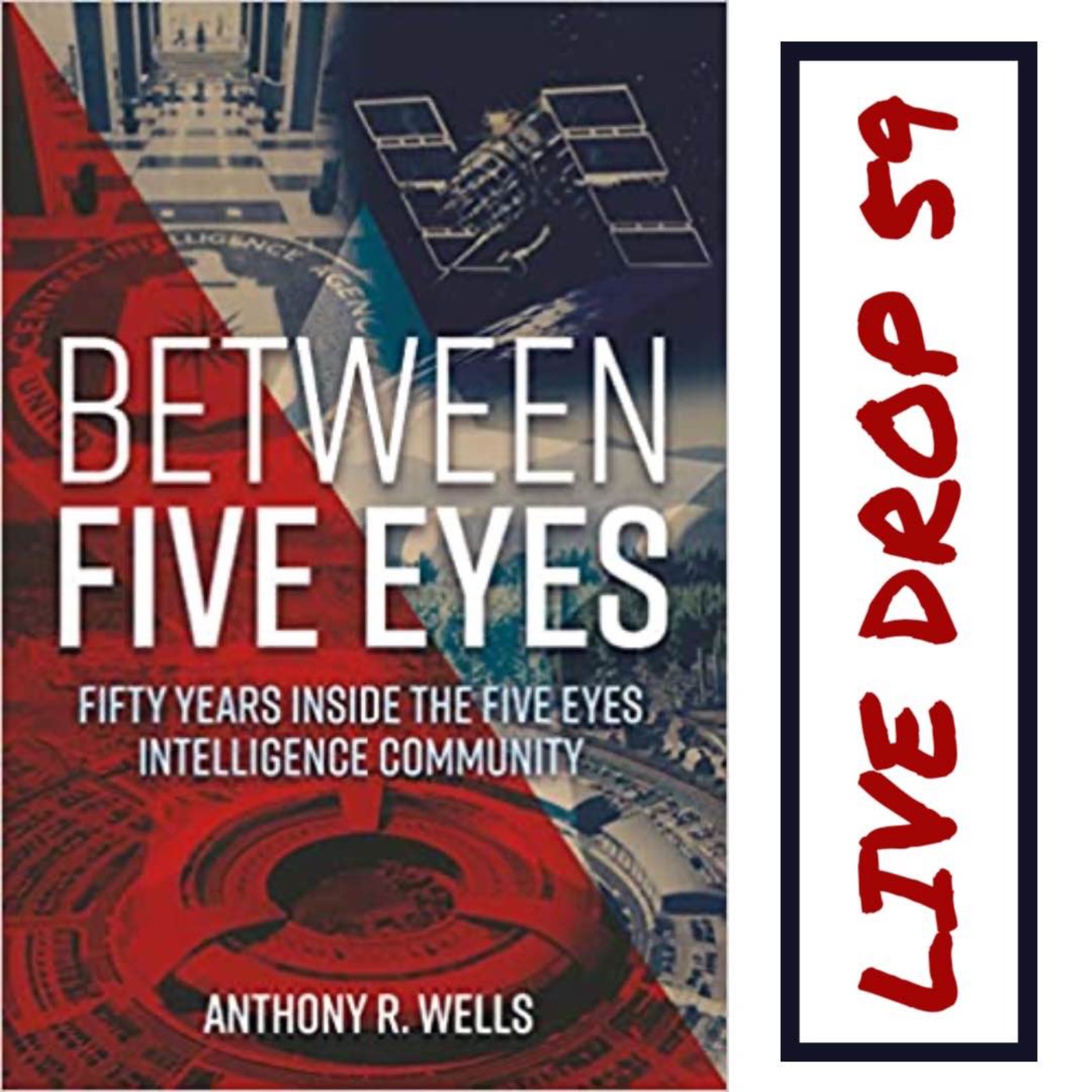
Ep 59Taking a Hard Look at the Five Eyes Agreement with Dr. Anthony Wells
It's not often you get to meet your heroes. As an Operations Research major in college, I Idolized the Bletchley Park giants. Dr. Anthony Wells was trained by these greats like his mentor the cryptoanalyst Sir Harry Hinsley. Fifty years of working in the British intelligence community leaves Dr. Wells with plenty to talk about -- and quite a lot to be kept secret as well. We discuss his book BETWEEN FIVE EYES - Fifty Years Inside the Five Eyes Intelligence Community which reads like a historical witness of key events, and remains a lasting contribution to the institutional knowledge of the intelligence field. Anthony has another book to look out for --> Crossroads in Time: Philby and Angleton, The Story of Treachery. The first dedicated work to explore their treasonous relationship.From the author's Amazon page:Dr. Wells is the only living person to have worked for British Intelligence as a British citizen and U.S. Intelligence as an American citizen. He has worked in C4ISRT, counter terrorism, as well as asymmetric and irregular warfare. Dr. Wells has led programs in the U.S National Intelligence Community to mitigate the effects of terrorist and adversary attacks on personnel, infrastructure, political systems, and communities. He was trained in the 1960s by the most distinguished exponents of deception and other clandestine operations from the World War Two period. His mentors included Professor Sir Harry Hinsley, the Bletchley Park code breaker and operations specialist. Dr. Wells is a foremost expert in the science and art of modern Information and Deception Operations, in both the offensive and defensive modes. Dr. Wells while in the Royal Navy served in Washington DC with the US Navy and Intelligence Community, and at sea in the Third Fleet, US Pacific Fleet. He became Head of Special Programs in one of the lead British Intelligence Directorates and as a US citizen was the Technical Director of Fleet Battle Experiments Alpha and Bravo in the Pacific Fleet. He is a recognized expert on threats, strategy, and tactics in the INDOPACOM area of operations.Dr. Wells is the third Chairman of the Board of the USS Liberty Alliance. He succeeded the late Admiral Thomas Moorer, former Chairman of the Joint Chiefs of Staff and Chief of Naval Operations, and the late Rear Admiral Clarence “Mark” Hill, distinguished battle group commander and naval aviator. He was made an honorary crew member of the USS Liberty by surviving crew members. USS Liberty is the most highly decorated warship in the history of the US Navy for a single action. He is an acknowledged expert on the Middle East, and the 1967 June War.Enjoyed this ad-fee episode? Please consider a one time contribution to keep us operational --> https://www.paypal.me/thelivedrop Hosted on Acast. See acast.com/privacy for more information.
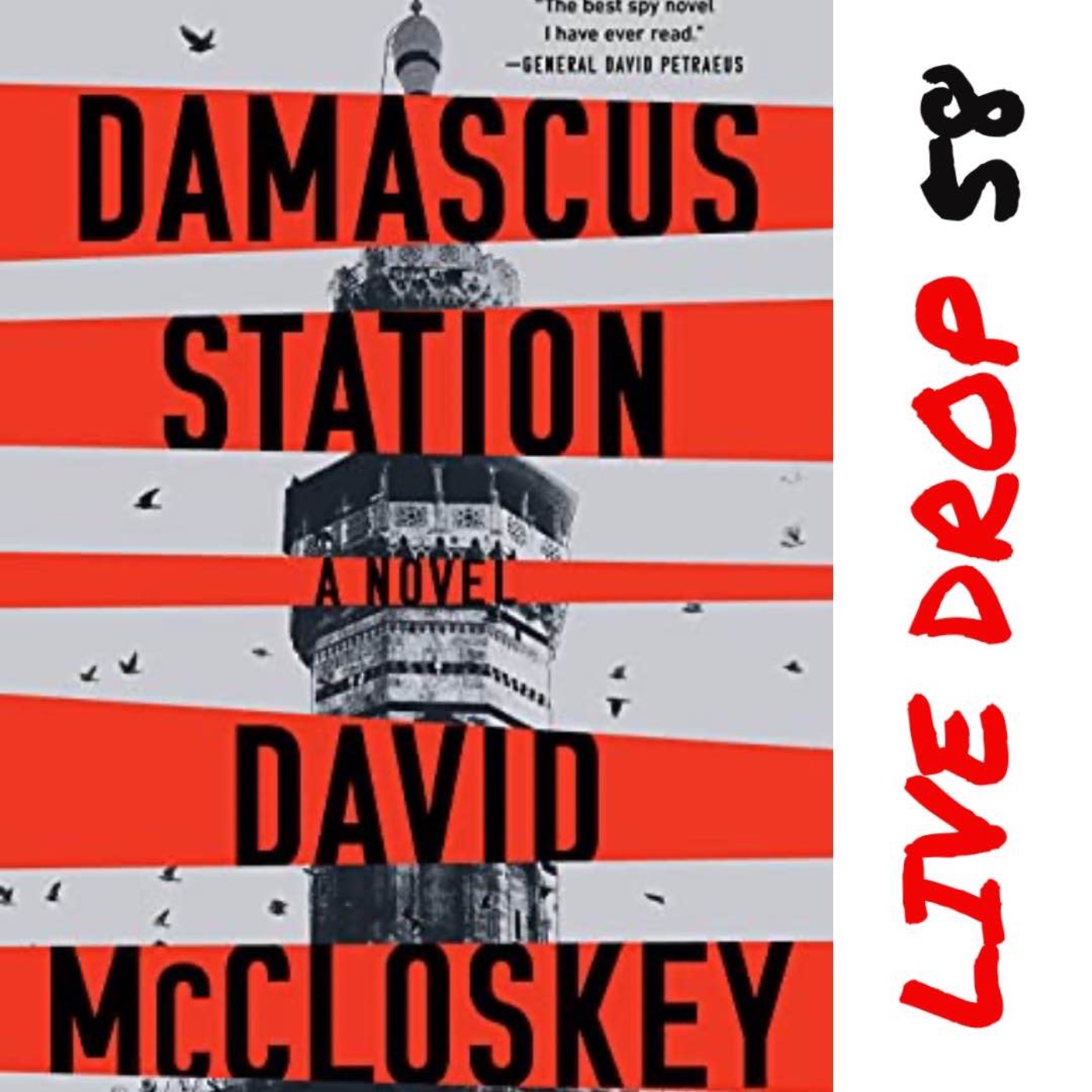
Ep 58McCloskey Deconstructs Damascus Station
Though this episode was recorded in November of 2021, David's recollections and impressions of the Syrian Conflict are eerily similar to what's happening in Ukraine right now. A former CIA analyst, he's now a spy novelist to keep your eye on. David McCloskey reveals part of his process and some unique elements of craft that he brought to this auspicious first novel. Episode 58From a CBS article by Kate Gibson, here are some links to help Ukranians:Convoy of Hope. The disaster relief group says it's partnering with a local Polish organization to provide meals to refugees entering Poland, as well as to deliver food, water and other basics across the region. Donate here.International Committee of the Red Cross. The Swiss-based organization is supporting the work of the Ukrainian Red Cross in helping those impacted by the war. Donate to the ICRC.International Medical Corps. The first responders' organization has teams inside Ukraine and in the surrounding regions to offer medical and mental health services. Link to contribute.Kyiv Independent. The English-language news site has launched a GoFundMe campaign asking for support.UNICEF. The global group devoted to safeguarding children is working to provide humanitarian supplies to families without safe water or electricity due to the conflict. Contributions can be made here.Voices of Children. The Ukraine-based charitable foundation has been offering psychological counseling, including art therapy, for children affected by war in the country's east since 2015, according to its site. The group is currently helping children and families across Ukraine, including helping with evacuations. Hosted on Acast. See acast.com/privacy for more information.
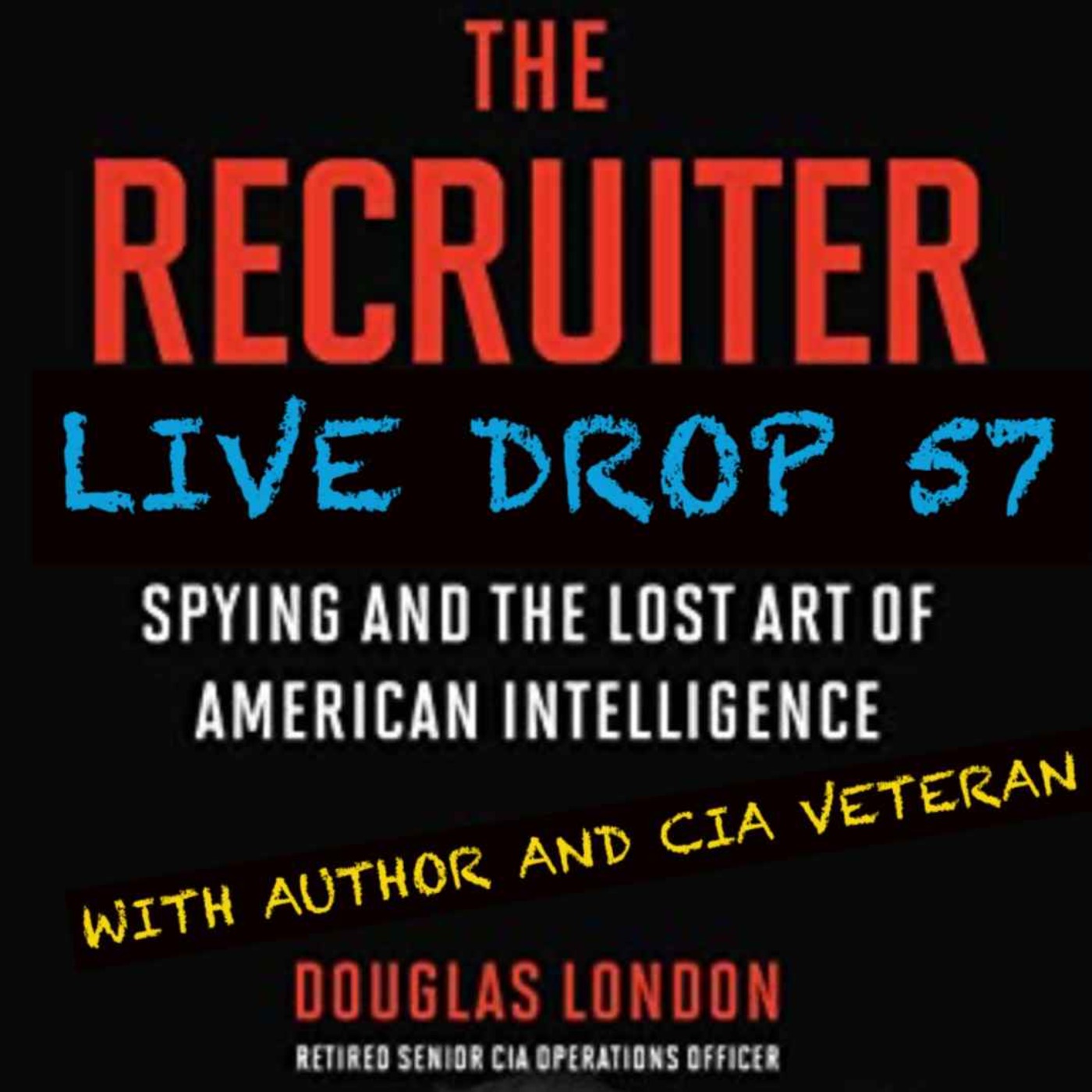
Ep 57Spending Time on Target with Author Douglas London
Author of The Recruiter: Spying and the Lost Art of American Espionage, Doug London was happy to get right into his book's revelations and talk about his process. With 34 years of experience in the CIA, this memoir is rich with the authentic personal encounters of a case officer. Doug walks me through some of the many things going through a case officer’s mind during all stages of Spot, Assess, Develop, and ultimately Terminate—sounds more violent than it is.Doug has a profound appreciation of those who’ve put their trust in him, and claims it’s an unethical job that has to be done with ethics. He continues to shares his thoughts on intelligence, espionage and current events at justsecurity.org.Twitter: @douglaslondon5From Hatchet Books: This revealing memoir from a 34-year veteran of the CIA who worked as a case officer and recruiter of foreign agents before and after 9/11 provides an invaluable perspective on the state of modern spy craft, how the CIA has developed, and how it must continue to evolve.If you've ever wondered what it's like to be a modern-day spy, Douglas London is here to explain. London’s overseas work involved spotting and identifying targets, building relationships over weeks or months, and then pitching them to work for the CIA—all the while maintaining various identities, a day job, and a very real wife and kids at home.The Recruiter: Spying and the Lost Art of American Intelligence captures the best stories from London's life as a spy, his insights into the challenges and failures of intelligence work, and the complicated relationships he developed with agents and colleagues. In the end, London presents a highly readable insider’s tale about the state of espionage, a warning about the decline of American intelligence since 9/11 and Iraq, and what can be done to recover. ---------------------------------------------------If you've enjoyed this ad-free episode, please consider a one time donation of any amount right here ---> https://www.paypal.me/thelivedrop Special Thanks to Tomio Toyama for your generous Paypal contribution !! Hosted on Acast. See acast.com/privacy for more information.
Ep 56A Spymaster and a Gentleman, Jack Devine Dispels CIA Myth and Dispenses his Truth
Jack Devine's career at the CIA spanned from the late 1960s to the early 1990s, including the fall of President Salvador Allende in Chile in 1973, the Iran–Contra affair in the mid-1980s, and the fight to push the Soviets out of Afghanistan in the late 1980s. Devine would go on to run the Counter Narcotics Center in the 1990s, and helped oversee capture Pablo Escobar in 1993. In this interview we talk about his initial impressions of Santiago in 1971, the vast difference between liberalism and communism, and he clarifies the extent and limitations of US involvement in both of Pinochet's coup attempts. In his book Spymasters Prism Jack suggests we need a new Moscow Rules and what they might look like. This is a wonderful discussion with an experienced spymaster himself who's knowledge of intelligence history drives vivid and prescient insights from the past into the future. Jack dispels some persistently inaccurate mythology, and also clarifies why code phrases need not be improvised. Jack Devine - The Arkin GroupEnjoyed this ad-fee episode? Please consider a one time contribution to keep us operational --> https://www.paypal.me/thelivedrop Hosted on Acast. See acast.com/privacy for more information.
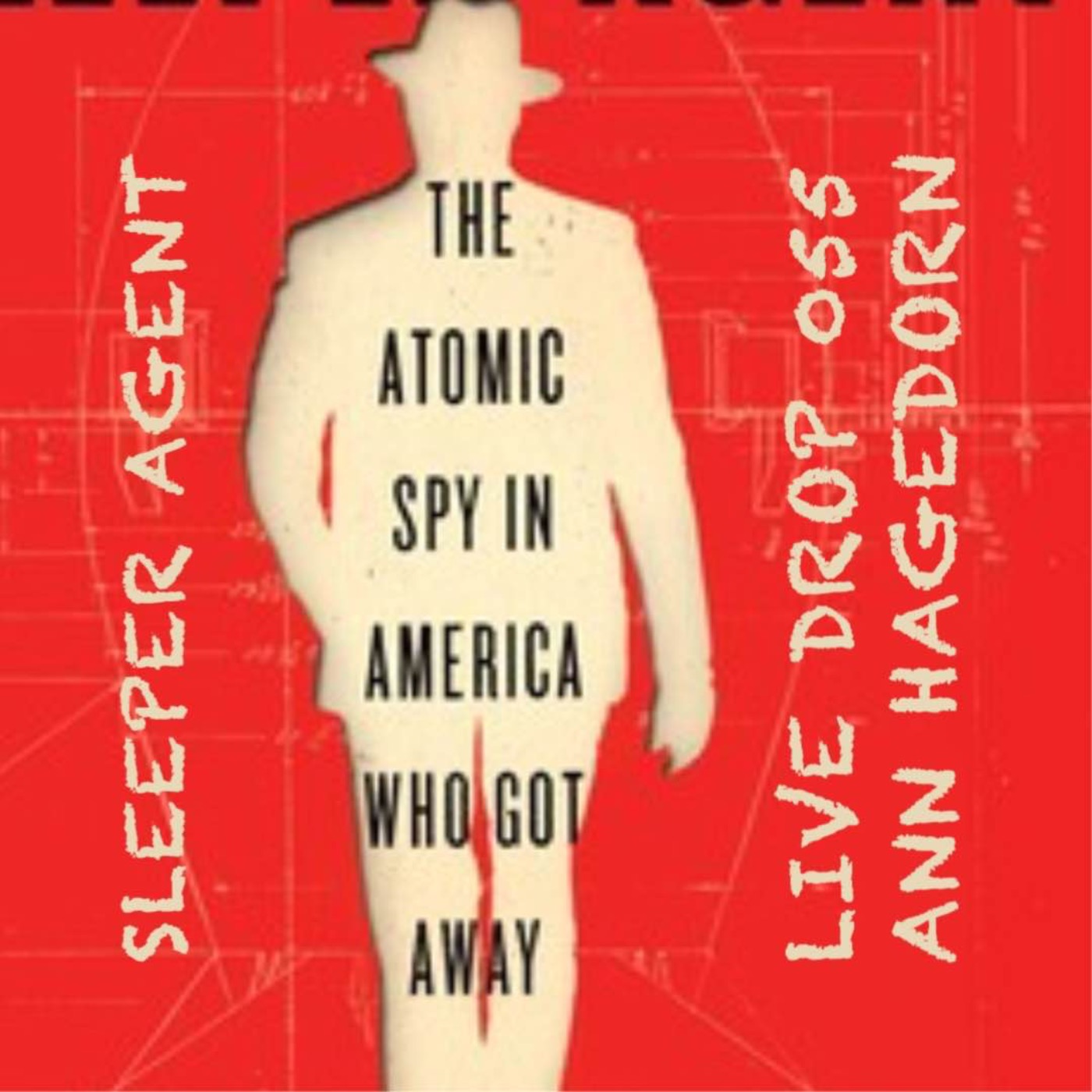
Ep 55George Koval Discussion: The Atomic Spy Who Got Away
Ann Hagedorn discusses her new book SLEEPER AGENT – about the little known Soviet-trained atomic spy who got away.George Koval was born to Russian immigrant parents and raised in Sioux City, Iowa. At the age of 17, he emigrated back to Russia in 1932 where, after university studies, he was discovered and trained by the GRU. He returned to the US, registered for the draft and used his scientific background to secure an assignment at a Uranium and Plutonium production site at Oak Ridge, Ohio. There he had full access to all facilities and passed along information to Moscow via an electronics shop in Manhattan. He escaped back to Russia with out a scratch. It was only years later that the FBI finally identified him. By then it was too late. He might have faded into obscurity had he not tried to collect social security from the US Embassy in Moscow. And writer Alexander Solzhenietsen may have inadvertently outed him in his book THE FIRST CIRCLE, published in 1968. Ann and I spoke about her research and narrative technique, but mostly we just tried to figure out the motive, process, and timeline of the elusive George Koval. ANNHAGEDORN.COMIf you've enjoyed this episode and would like to hear more, please consider signing up as a contributing patron and join the community for exclusive commentary, transcripts and other content. A $10 a month donation will really keep us going ---> https://www.patreon.com/thelivedrop Alternatively, if you would like to keep us operational you could offer a one time donation of any amount right here ---> https://www.paypal.me/thelivedropThank you for listening and your support,Mark Valleycreator/host Hosted on Acast. See acast.com/privacy for more information.
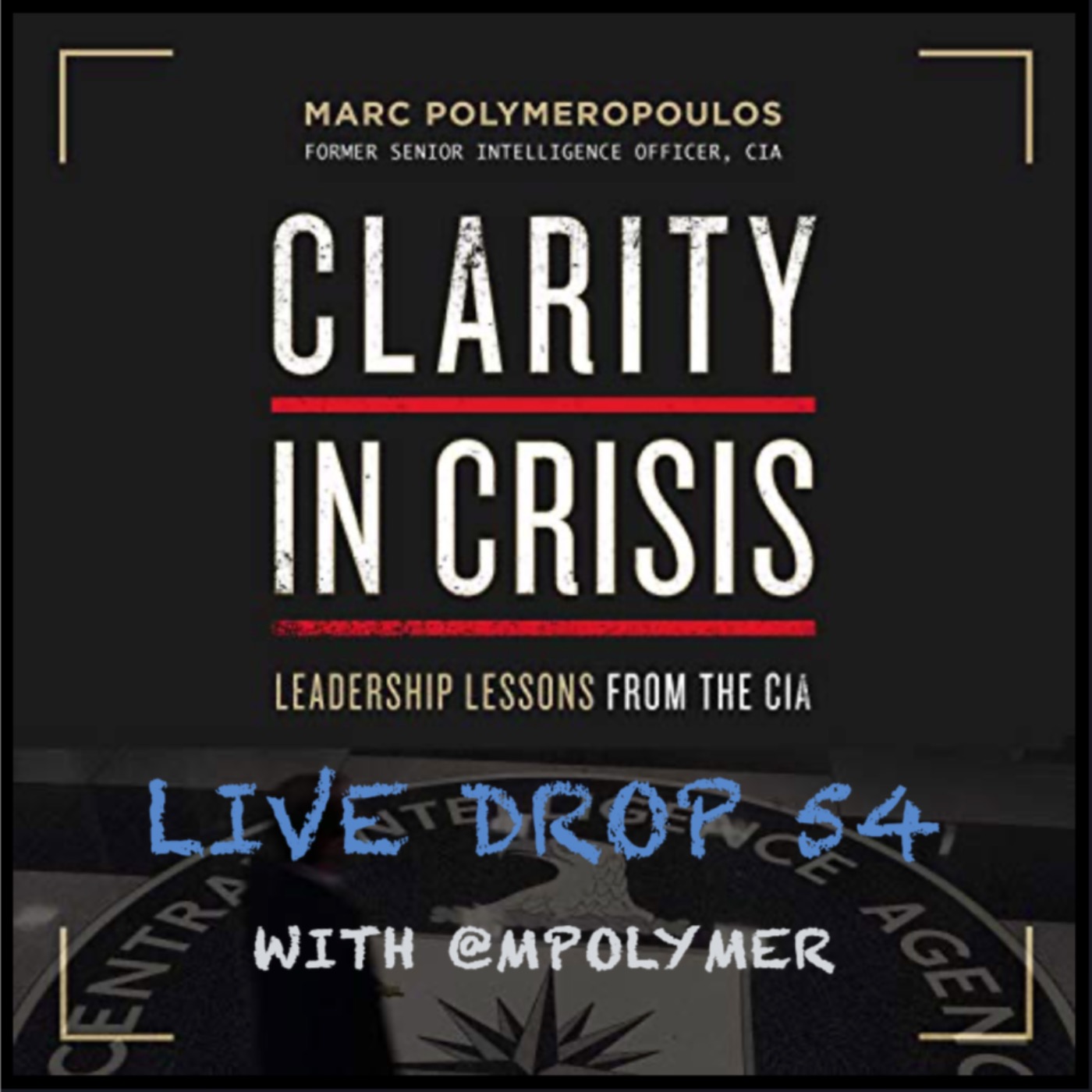
Ep 54Former CIA Senior Intelligence Officer Marc Polymeropoulos Offers Clarity In Crisis
Marc Polymeropoulos has had to live with the consequences of decisions made under the most high-stress circumstances you can imagine as a senior intelligence officer in the CIA, retiring from his 26 years of service as one of the CIA’s most decorated field officers.In his book Clarity in Crisis, Marc shares how true leaders need to lead in and through times of crisis and thrive under conditions of ambiguity, rather than message their way out or duck from hard decisions. Far from mere theory, Marc outlines the unique and specific mindset and strategies he himself practiced and honed throughout his remarkable career.In this interview Marc starts with an explanation of an operational act: the Mad Minute, before we discuss some of the chapters of his unconventional and insightful book of hard earned leadership principles. There is a steady theme of humility in his advice and anecdotes. Marc shares examples to highlight some of his principles which include: giving recognition to less visible but no less important team members; maintain composure through authenticity; and his focus on constantly developing others with early opportunity. His advice is ambitious, effective and proven in some of the most dangerous regions of the past two decades.In 2017 Marc experienced a traumatic brain injury in Moscow from a directed energy attack. He discusses the doubts he had to negotiate, his treatment, art therapy, and advice to others who may be similarly afflicted.We wrap up with a timely discussion of Havana Syndrome. What is it? Who is likely responsible? What are the initial symptoms that tell you to 'Get off the X.' Marc decisively negotiates the Dirty Dozen questions with aplomb. Results? He's definitely tip-of-the-spear material. Sound-Off - Working to ensure anonymous, consistent quality mental health care for veterans.https://www.gq.com/story/cia-investigation-and-russian-microwave-attacksTwitter @MpolymerIf you've enjoyed this episode and would like to hear more, please consider signing up as a contributing patron and join the community for exclusive commentary, transcripts and other content. A $10 a month donation will really keep us going ---> https://www.patreon.com/thelivedrop Alternatively, if you would like to keep us operational you could offer a one time donation of any amount right here ---> https://www.paypal.me/thelivedropShouts out to our first three Patreoners! Live Drop welcomes new operatives to the network: STANLEY, NEWFANG, and KIWICAT.Thank you for listening and your support,Mark Valleycreator/host Hosted on Acast. See acast.com/privacy for more information.
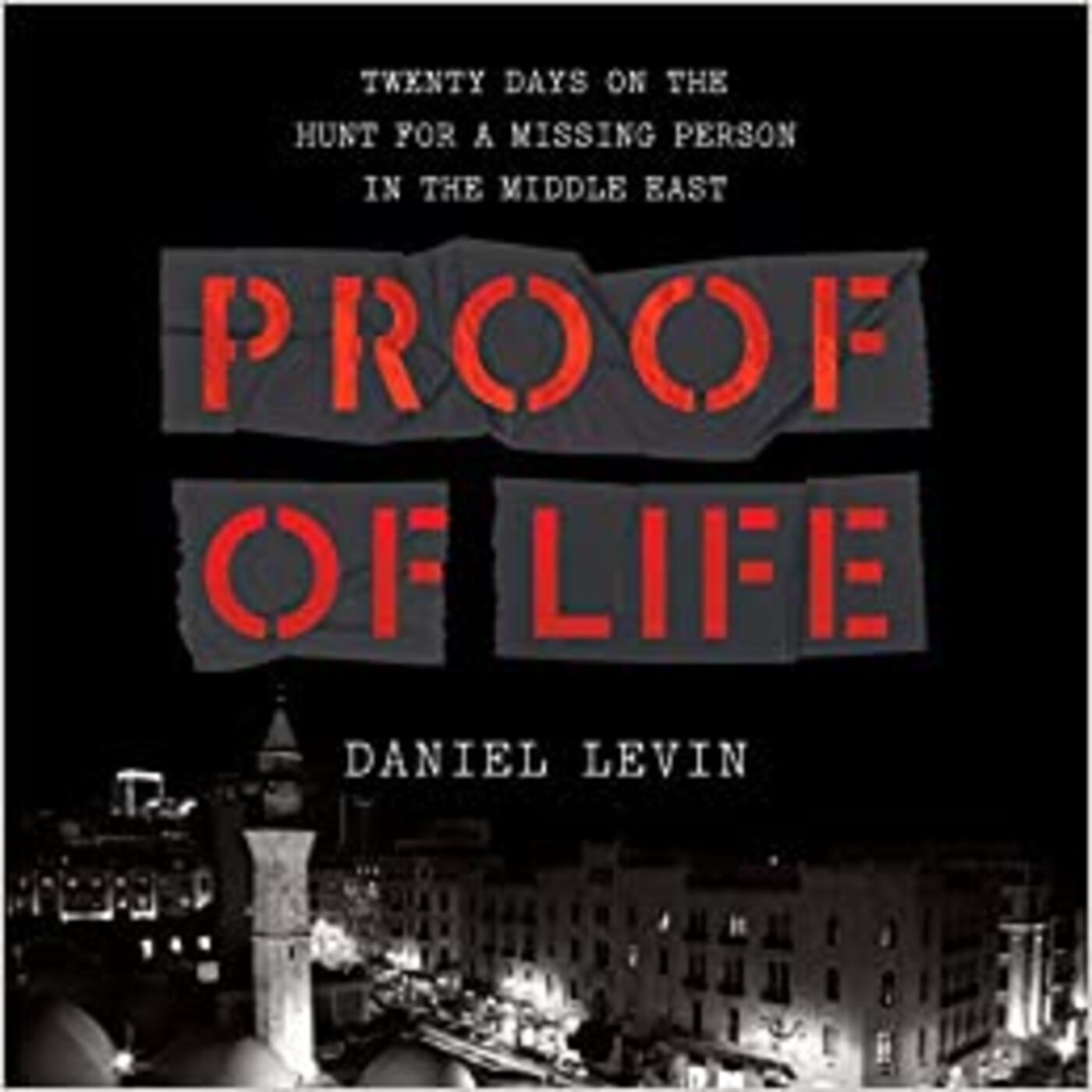
Ep 53Daniel Levin Negotiates Hostage Release and Mediates Armed Conflict in the Middle East
In his new book Proof of Life, American author Daniel Levin dives into the Syrian shadows - an underground industry of war where everything is for sale: arms, drugs, even people. In this thriller/memoir he draws on his perceptions and experience as a a lawyer turned armed conflict negotiator who, for the past twenty years, has worked with governments and development institutions worldwide. After a fairly worldly upbringing, he served in the Israeli Special Forces, studied law, taught in Arabic, and now uses his extensive Middle Eastern contacts and cultural understanding for diplomatic and mediation efforts as well. In this interview, I showed up for the story of a Syrian hostage negotiation, and stayed for the wide-ranging discussion of the importance of historical context in any conflict resolution and the potential institutional reforms that must also take that into consideration. We talked about the government/ruling situation in Afganistan, Lebanon, and Isreal - and the author’s uncanny sense of smell. More about Daniel Levin ---> https://www.daniellevinauthor.comResources mentioned:Lichtenstein Foundation for State GovernanceEmpire of the Summer Moon, S. C. GwynneNothing but A Circus, Daniel Levin The Martyr Made Podcast - Origins of ZionI hope you've enjoyed listening to this episode. I could use your help to make more...I like to keep the track clean of ads, and sales pitches. As such, meeting costs and finding time to produce this podcast is a challenge, so any support is appreciated. If you would like to help make Season Three operational, please consider a one time donation of any amount right here ---> https://www.paypal.me/thelivedropOr alternatively, join The Live Drop Patreon community for exclusive commentary and content starting with a $5 monthly donation ---> https://www.patreon.com/thelivedropAs always, please rate and review the show on iTunes. Your input is appreciated. Thank you for listening and your support,Mark ValleyCreator/Hostthelivedrop.com Hosted on Acast. See acast.com/privacy for more information.
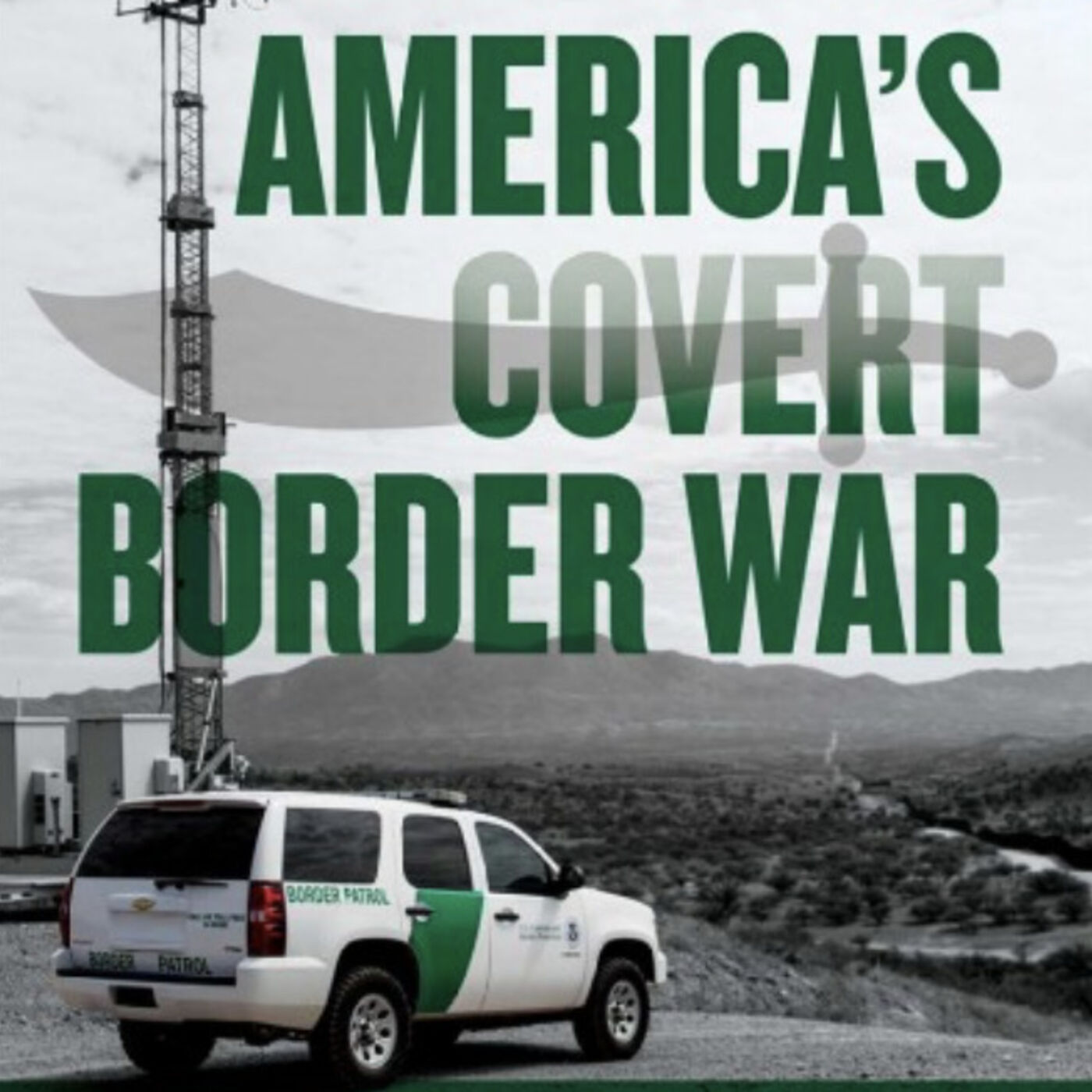
Ep 52Todd Bensman Surveys the Southern Border and the Convoluted Path of Human Trafficking
Back in April 2021, Todd Bensman talked with me about the nexus between immigration and national security in his book America’s Covert Border War: the Untold Story of the Nation’s Battle to Prevent Jihadist Infiltration. Todd is an award-winning journalist who transitioned to a career as a national security intelligence professional for the Texas Department of Public Safety and then returned to writing and publishing. We talk about the threat of muslim extremists crossing and the varied and circuitous international routes they may take - how some, like some Haitians now, can cross from Panama through the storied Darien Gap and across Mexico to seek asylum after crossing into the U.S. Todd currently serves as the Texas-based Senior National Security Fellow for the Center for Immigration Studies (CIS), a Washington, D.C. immigration policy institute. While we talk around the politics of the border, his book is a story of the ambitious and intrigue-laden covert American counterterrorism programs built after 9/11 from the U.S. border to the tip of South America. Todd raises the question: have we become a victim of our own counterterrorism success?Recorded earlier this year, on April 16th, 2021More on the author and recent articles can be found at:ToddBensman.com Todd Bensmen - Center for Immigration Studies (CIS)Twitter @BensmanToddAbid Ali Khan Indicted and Sanctionedhttps://www.justice.gov/opa/pr/pakistani-national-indicted-and-sanctioned-human-smuggling-conspiracy**Edited by Pete TurnerI hope you've enjoyed listening to this episode. I could use your help to make more...I like to keep the track clean of ads, and sales pitches. As such, meeting costs and finding time to produce this podcast is a challenge, so any support is appreciated. If you would like to help make Season Three operational, please consider a one time donation of any amount right here ---> https://www.paypal.me/thelivedropOr alternatively, join The Live Drop Patreon community for exclusive commentary and content starting with a $5 monthly donation ---> https://www.patreon.com/thelivedropAs always, please rate and review the show on iTunes. Your input is appreciated. Thank you for listening and your support,Mark ValleyCreator/Hostthelivedrop.com Hosted on Acast. See acast.com/privacy for more information.
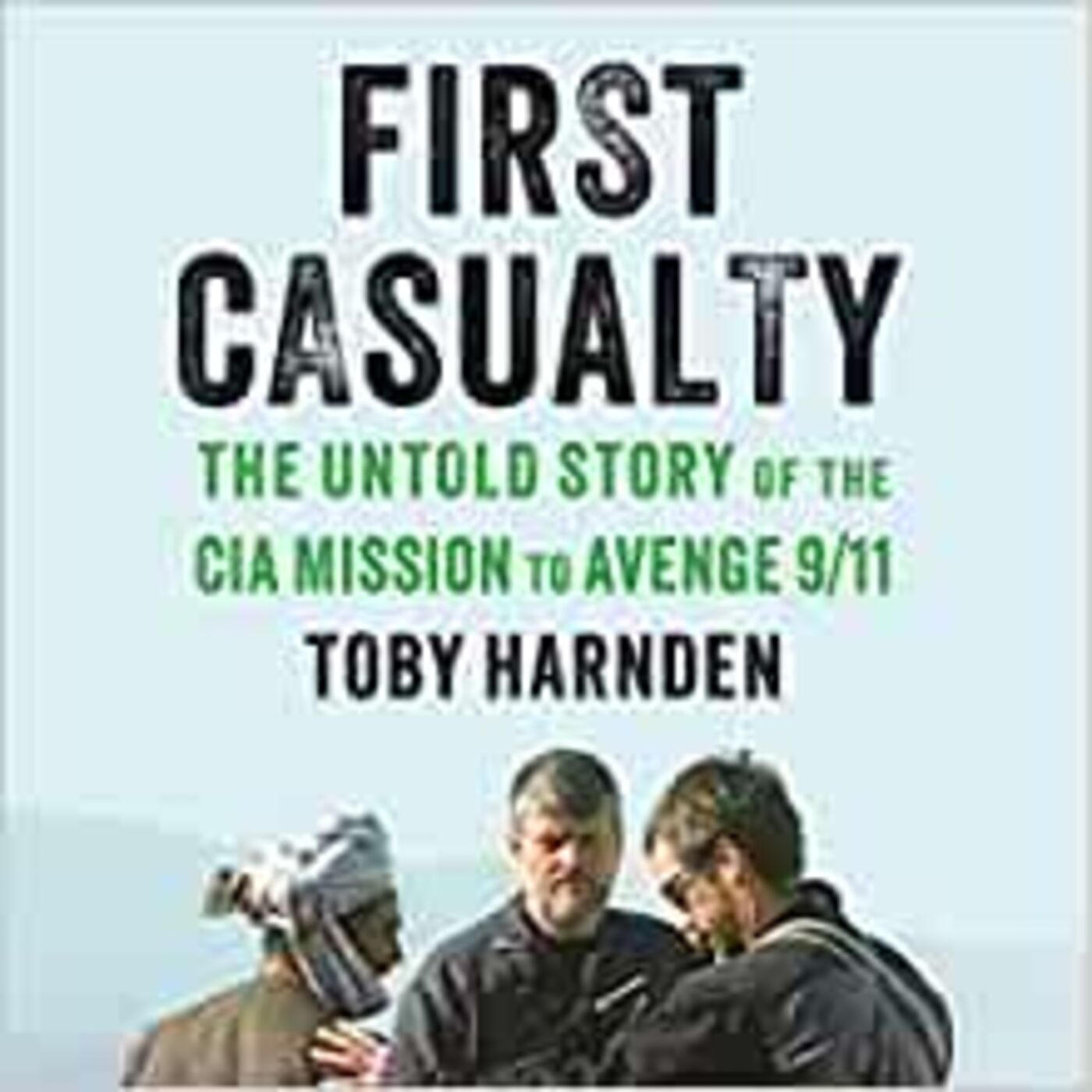
Ep 51Toby Harnden Guides Us Back Into Afghanistan With CIA's Team Alpha, ODA 595, and the Northern Alliance with his new book: FIRST CASUALTY
Toby Harnden is an awarded journalist, foreign correspondent and former bureau chief of the Sunday Times. His most recent book is First Casualty: The untold story of he CIA mission to avenge 911. After numerous interviews with key players and having visited Afganistan several times over the last decades, Toby documents the unconventional success story of CIA’s Team Alpha from their insertion into the Darya Suf Valley, coordination with Special Forces ODA 595, link-up and cooperation with Northern Alliance commander Abdul Rashid Dostum - leading to the fall of the Taliban at the end of 2001. Toby brings his well-informed insights about some of these initial players: Including David Tyson, JR Seeger, Alex Hernandez and their ride on horseback North with Dostum to Mazar I Sharif, along with the first casualty, Johnny Michael Spann and the events at the Qala-I Jangi fort complex. We discuss the complexity and the accomplishment of how those few intrepid officers and operators transcended traditions, tribes, allegiances and history in an operation that holds clues to the future of Afghan resistance to the Taliban. More about the author at: Tobyharnden.comI hope you've enjoyed listening to this episode. I could use your help to make more...I like to keep the track clean of ads, and sales pitches. As such, meeting costs and finding time to produce this podcast is a challenge, so any support is appreciated. If you would like to help make Season Three operational, please consider a one time donation of any amount right here ---> https://www.paypal.me/thelivedropOr alternatively, join The Live Drop Patreon community for exclusive commentary and content starting with a $5 monthly donation ---> https://www.patreon.com/thelivedropAs always, please rate and review the show on iTunes. Your input is appreciated. Thank you for listening and your support,Mark ValleyCreator/Hostthelivedrop.com Hosted on Acast. See acast.com/privacy for more information.
Ep 50A Moscow Station Conversation with John Sipher who Shares the Secret to a Good Spy Story
The Live Drop's 50th Episode - John Sipher - CIA & Spycraft Entertainmentfrom Spycraftentertainment.comJohn retired in 2014 after a 28-year career in the Central Intelligence Agency’s National Clandestine Service. At the time of his retirement, he was a member of the CIA’s Senior Intelligence Service, the leadership team that guides CIA activities globally. John served multiple overseas tours as Chief of Station and Deputy Chief of Station in Europe, Asia, and high-threat environments. He has significant experience working with foreign and domestic partners to solve national security challenges. John also served as a lead instructor in the CIA’s clandestine training school, and was a regular lecturer at the CIA’s leadership development program. He is the recipient of the Distinguished Career Intelligence Medal.John is a sought-after foreign policy and intelligence expert. John speaks regularly on foreign policy and intelligence issues. His articles have been published in the New York Times, The Atlantic, Politico, Foreign Affairs, Newsweek, Slate, Lawfare, The Cipher Brief and Just Security, among others. He regularly appears on the PBS NewsHour, CNN, MSNBC, BBC and other outlets. Twitter: @john_sipherIn this episode John starts off with a discussion of his article Murdering Reality: The Spurious Spies of Spy Fiction, and some of the mistakes writers and filmmakers are prone to make. After a thorough discussion of the history of Soviet intelligence into the rise of Vladimir Putin, John shares some of his experience and perceptions of Russia during his service with CIA. Unwilling to go quietly into consulting, Sipher reveals why he decided to take his expertise and storied career into the entertainment business. The Live Drop Podcast is fortunate to have had John as a guest for such a fun and far ranging discussion. References to links, and works are below:Putin's People by Catherine BeltonThe Gerasimov Doctrine by Molly McKewEuropean Values - Prague Think Tank Seventeen Moments of Spring (1973)Enjoyed this ad-fee episode? Please consider a one time contribution to keep us operational --> https://www.paypal.me/thelivedropAs always, please rate and review the show on iTunes. Your input is appreciated. Thank you for listening and your support,Mark ValleyCreator/Host Hosted on Acast. See acast.com/privacy for more information.

Ep 49Author and former refugee, Kao Kalia Yang Reveals the Life, Loss, and Hmong Legacy of the Secret War in Laos
Live Drop guest Kao Kalia Yang is a celebrated Hmong-American writer. She holds degrees from Carleton College and Columbia University. Yang is the author of The Latehomecomer: A Hmong Family Memoir winner of the 2009 Minnesota Book Awards in Creative Nonfiction/Memoir and Readers’ Choice, a finalist for the PEN USA Award in Creative Nonfiction, and the Asian Literary Award in Nonfiction. Her second book, The Song Poet won the 2016 Minnesota Book Award in Creative Nonfiction Memoir, was a finalist for the National Book Critics Circle Award, the Chautauqua Prize, a PEN USA Award in Nonfiction, and the Dayton’s Literary Peace Prize.Yang’s debut children’s book, A Map Into the World is a American Library Association Notable Book of the Year, a Charlotte Zolotow Honor Book, winner of the Northstar Best Illustrator Award, and winner of the 2020 Minnesota Book Award in Children’s Literature. Her co-edited collection titled What God is Honored Here?: Writings on Miscarriage and Infant Loss By and For Indigenous Women and Women of Color is a groundbreaking work that centers the poetry and prose of women whose voices have been neglected and silenced on the topic despite the fact that they experience these losses disproportionately. Her most recent Children's book: The Most Beautiful Thing was just published on October 6th, 2020. Kalia is also a teacher and public speaker.I wanted to talk to Kalia about the legacy of the Secret War in Laos - how it is remembered in the Hmong diaspora. A civil war fought alongside Vietnam's in the shadows by the CIA, with Hmong fighters against communist insurgents. I ended up having an enlightening cultural conversation with a poet in real time about birth, life, suffering, loss, death and grief in Hmong tradition and in current-day America. Her next book Somewhere in the Unknown World – a collective memoir about the lives of refugees - is available for pre-order and comes out on November 8th, 2020. You can find out more about Kalia and her work at kaokaliayang.comEpisode 49If you've enjoyed this episode and would like to hear more, please consider signing up as a contributing patron and join the community for exclusive commentary, and content. A $10 a month donation will really keep us going - https://www.patreon.com/thelivedropAlternatively, if you would like to help make Season Three operational you could offer a one time donation of any amount right here ---> https://www.paypal.me/thelivedropThank you for listening and your support,Mark ValleyCrea Hosted on Acast. See acast.com/privacy for more information.
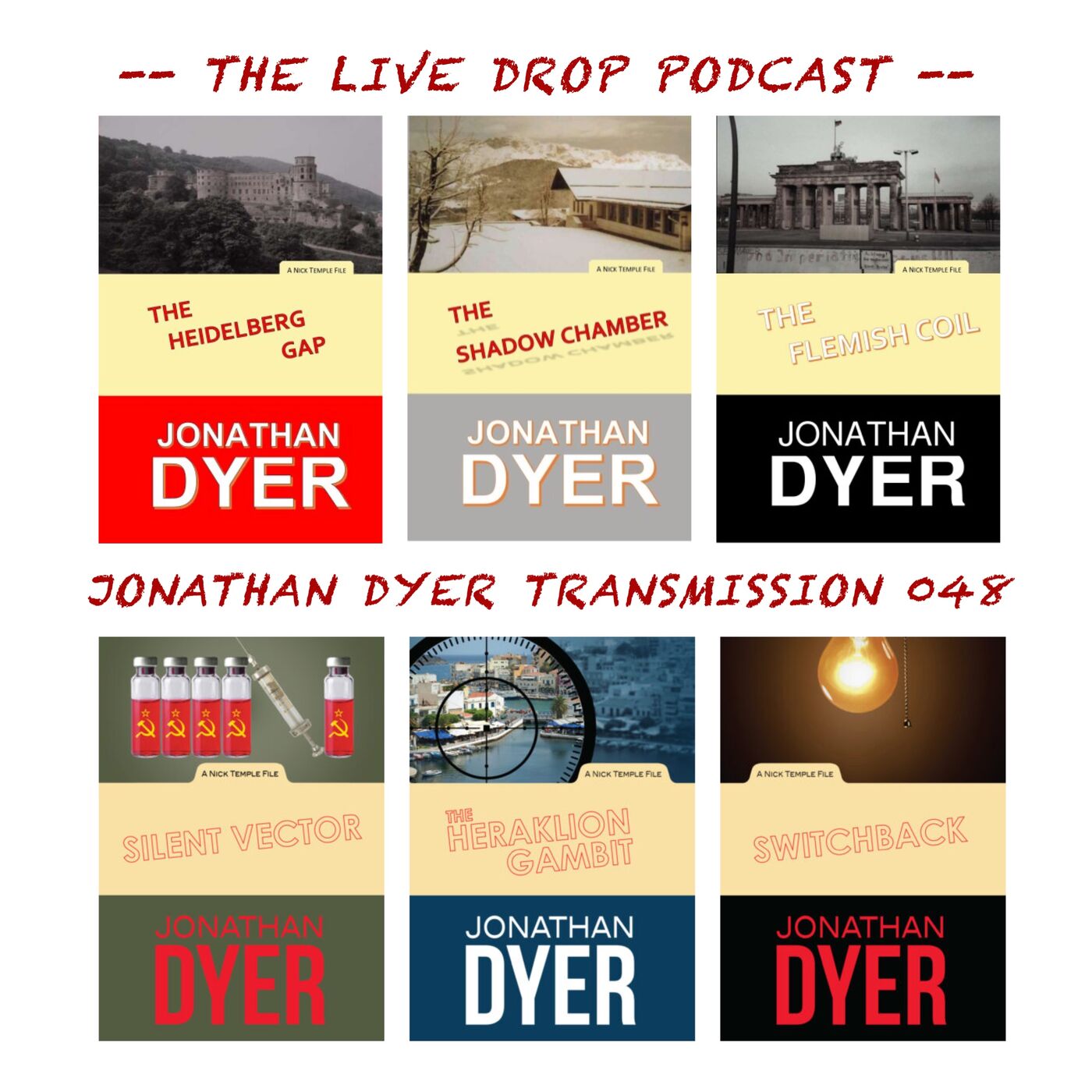
Ep 48Author Jonathan Dyer Switches Back to his Time on Teufelsberg as an Army Intercept Operator with Field Station Berlin
Jonathan Dyer spent three years during the Cold War living and working in Berlin as a Russian Linguist for the Army's Intelligence and Security Command at Field Station Berlin. From 1983 through 1986, Dyer worked at the NSA’s intercept site on Teufelsberg in what was at the time West Berlin. He was a SIGINT intercept operator and transcriber - his job was to keep tabs on the USSR’s military activities in the Group of Soviet Forces Germany. The Nick Temple FilesHis experiences in Berlin serve as the background for his Cold War thrillers, the Nick Temple Files, and his 21st century thriller, The Holy Lance. Dyer's eclectic body of work includes a post-modern existential novella, Judging Paradise, and a coming-of-age novel, Let Me Explain, that draws heavily on his adolescent years at a New England prep school.You can follow Jonathan on Twitter @JPDyer, and his website below contains links to find his books and posts about Cold War Berlin and Espionage Writing.JonathanDyerAuthor.comthelivedrop.comEpisode 48If you've enjoyed this episode and would like to hear more, please consider signing up as a contributing patron and join the community for exclusive commentary, and content. A $10 a month donation will really keep us going ---> https://www.patreon.com/thelivedropAlternatively, if you would like to help make Season Three operational you could offer a one time donation of any amount right here ---> https://www.paypal.me/thelivedropThank you for listening and your support,Mark ValleyCreator/Host Hosted on Acast. See acast.com/privacy for more information.
Ep 47International Security Risk Specialist Mike Croll Starts a New Conversation about Safety, Security and Risk
Mike Croll has been around a crisis or two - some violent and some peaceful - starting with the fall of the Berlin Wall. He's worked for the Halo Trust in Cambodia, and with the British Foreign Office, European Union, United Nations and more recently, Facebook. He's an old friend of your host Mark Valley and they share a few laughs as Mike offers some thoughts about Security from ancient times to the present and into the future. And there's a bonus guest around 48:52 who drops in - Mike's son, Ben Croll, shares his experience as 17 year-old young American in the times of the Black Lives Matter Movement and Covid-19, and his hopes for the future. Episode 47Books by Mike Croll:History of LandminesLandmines in War and PeaceResources:The Halo Trusthttp://www.death-clock.orgLinkedIn.com/in/mike-crollEnjoyed this ad-fee episode? Please consider a one time contribution to keep us operational --> https://www.paypal.me/thelivedropThank you for listening and your support,Mark ValleyCreator/Host Hosted on Acast. See acast.com/privacy for more information.
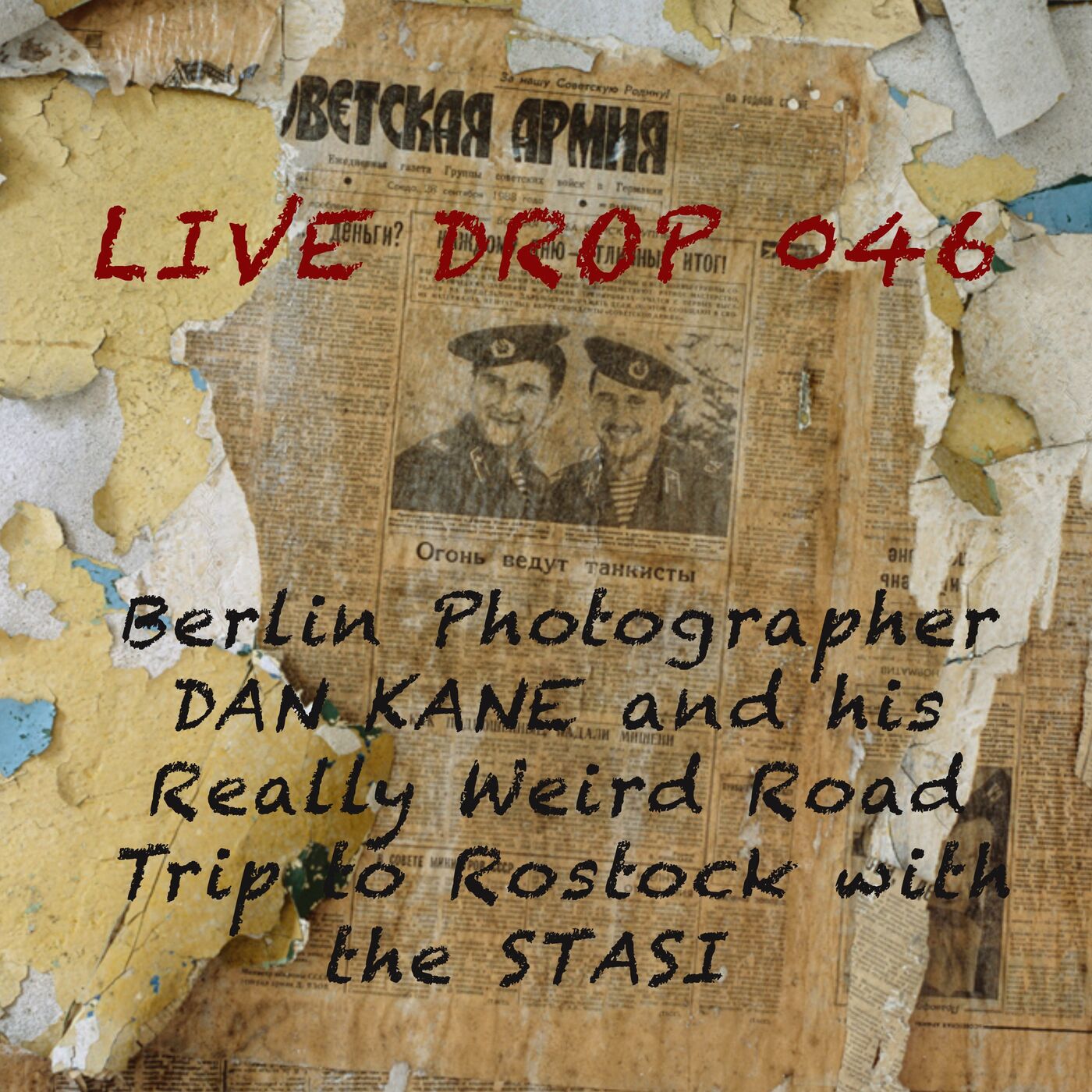
Ep 46Berlin Photographer Dan Kane and That Time the Stasi Made it Weird on the Way to Rostock
American photographer Dan Kane has a vivid memory. He got to Berlin in 1983 and experienced some of the major events like the Nicholson shooting of 1985, the LaBelle bombing in 1986, the Wall coming down in 1989 - and he has some stories to share.Dan was a civilian, fluent in German, and an ex-pat with a variety of jobs in the American sector. He taught English, narrated ads for AFN Berlin (88FM,) and taught photography for the US Army – worth noting that his students were involved in surveillance operations with Detachment A, USMLM, and others. We postulate about one fairly relentless recruitment approach by the Stasi on a road trip to Rostock, East Germany, and Dan shares the realities of living in the spy capital of Europe in the mid 80s. This conversation was recorded in 2018 in Dan’s apartment in NeuKölln, and unfortunately, the audio sounds like listening in on a real Live Drop - with the ashtray bugged on a coffee table. Dan's made Berlin his home and studio to an extensive body of work. His exhibits, links and publications can be found at: Dan-Kane.com Episode image is from Dan's 'Kulisse' collection of photographs (scenery and nudes) from a former Soviet Military Hospital at Beelitz, Heilstätten.The 1962 spy novel Dan read and summarized to his Stasi driver/captor: FAIL-SAFE, by Eugene Burdick and Harvey WheelerComments, suggestions or questions? [email protected] this ad-fee episode? Please consider a one time contribution to keep us operational --> https://www.paypal.me/thelivedropThank you for listening and your support,Mark ValleyCreator/Host Hosted on Acast. See acast.com/privacy for more information.
Ep 45Unraveling the Portland Spy Ring with Dead Doubles author Trevor Barnes
Author Trevor Barnes talks about his new book Dead Doubles – about the Portland spy Ring – their Portland, not our Portland. In the late 50s Soviet illegal Gordon Lonsdale (Konan Molody) ran a group of spies who managed to penetrate a British research facility at the Portland Naval Base, and communicate effectively to Moscow. The compromised intelligence ranged from sonar to biological technologies. A famous counter-intelligence investigation led by MI-5 was an example of early cooperation between CIA, FBI and MI-5, along with revealing the depths of the Soviet Illegals program in Britain, some of whom were likely never identified. Trevor Barnes is an intelligence historian who shares the varied connections of this case to much more at the time. Dead Doubles, by Trevor BarnesSpy Catcher, by Peter WrightA Pack of Lies, by Hugh Whitemore (NYT Review by Frank Rich)Episode 45If you've enjoyed this episode and would like to hear more, please consider signing up as a contributing patron and join the community for exclusive commentary, and content. A $10 a month donation will really keep us going ---> https://www.patreon.com/thelivedropAlternatively, if you would like to help make Season Three operational you could offer a one time donation of any amount right here ---> https://www.paypal.me/thelivedropThank you for listening and your support,Mark ValleyCreator/[email protected] Hosted on Acast. See acast.com/privacy for more information.

Ep 44Global Health Supply Chain is Having a Moment - A Covid Conversation with Expert Maeve Magner
In this episode we gather some expert intelligence about global health supply chains, and how they are adapting to the demands and limitations of the Covid-19 pandemic. My guest Maeve Magner is an industry renowned global health supply chain advisor who’s clients include: Foundation for New Diagnostics, Bill and Melinda Gates Foundation, The Global Fund, and the GAVI Vaccine Alliance. Maeve informs from Ireland about the fundamentals of supply chain management from manufacturing, forecasting, and distribution of testing kits, vaccines and production of PPE across the world. From her almost thirty years of experience Maeve offers us a prognosis for how the pandemic could likely play out. The good news is that there have already been some remarkable innovations and initiatives that are helping bring this crisis under control - some of which are:WIA – Optimization of buildings using internet of things and now being leveraged to manage the return to officeParsyl – Risk Management via Smart Temp Monitors & Data driven insurance products Clinic 365 – Patient engagement platform, scaled up during covid as GPs went to virtual appointments.Zenysis – Interoperability Platform, scaled up virtual control rooms for governments in covid response.Wingcopter – Drone delivery company from vaccines in Vanuatu to insulin in Ireland For those interested in Supply Chain Management:Association for Supply Chain Management Council of Supply Chain Management ProfessionalUniversity of MichiganRelated Resources:GAVI - The Latest on the Covid-19 Vaccine RaceFIND - Rapid Diagnostic Tests for Covid-19EU eyes COVID-19 vaccines, shuns WHO-led allianceLive Drop Episode 044If you've enjoyed this episode and would like to hear more, please consider signing up as a contributing patron and join the community for exclusive commentary, and content. A $10 a month donation will really keep us going ---> https://www.patreon.com/thelivedropAlternatively, if you would like to help make Season Three operational you could offer a one time donation of any amount right here ---> https://www.paypal.me/thelivedropThank you for listening and your support,Mark ValleyCreator/Host Hosted on Acast. See acast.com/privacy for more information.
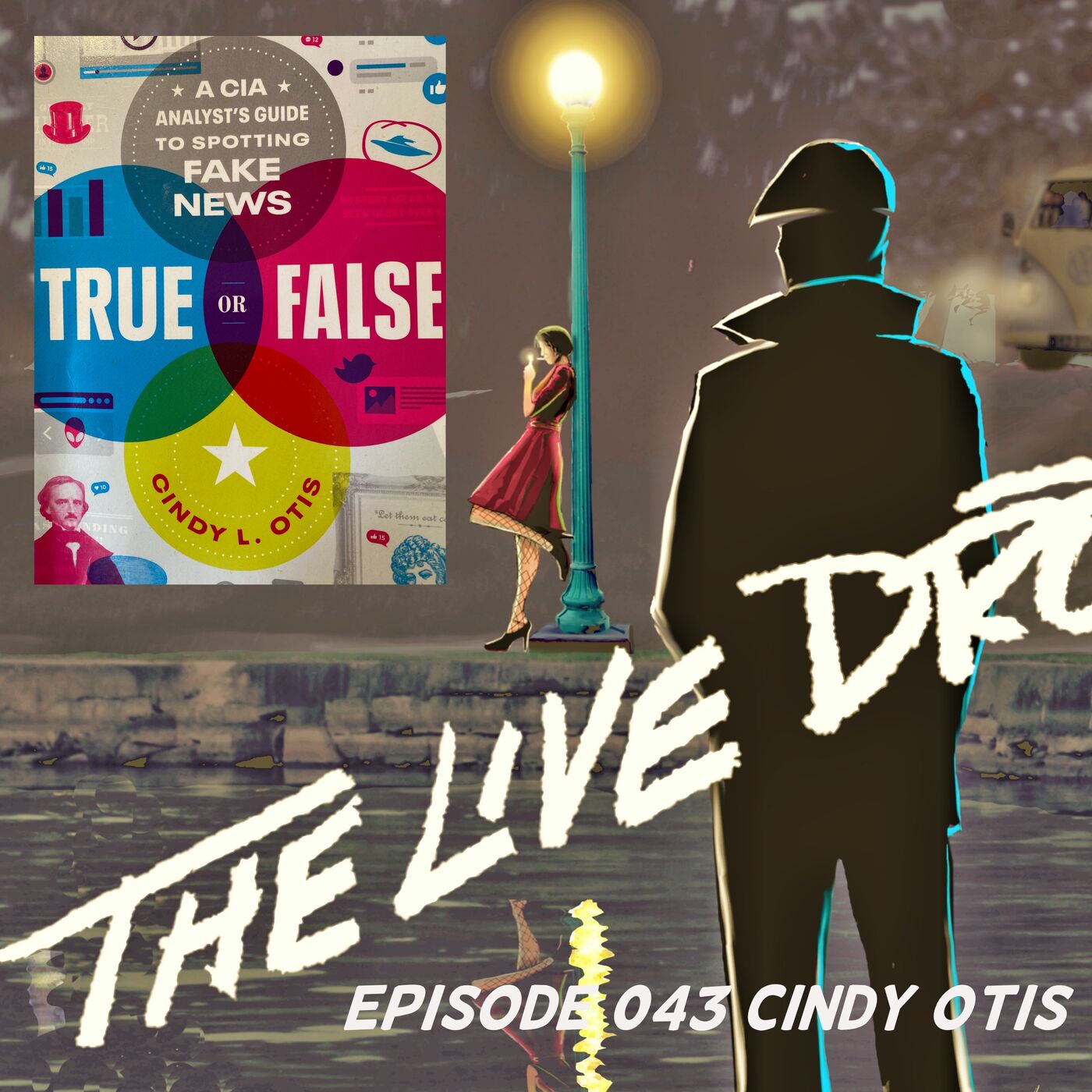
Ep 43Former CIA Analyst Cindy Otis Reveals How to Spot Fake News in a Crowded Feed
"Fake news" is a term you’ve probably heard a lot in the last few years, but it’s not a new phenomenon. From the ancient Egyptians to the French Revolution to Jack the Ripper and the founding fathers, fake news has been around as long as human civilization. But that doesn’t mean that we should just give up on the idea of finding the truth.In True or False, former CIA analyst Cindy Otis will take readers young and old through the history and impact of misinformation over the centuries, sharing stories from the past and insights that readers today can gain from them. Then, she shares lessons learned in over a decade working for the CIA, including actionable tips on how to spot fake news, how to make sense of the information we receive each day, and, perhaps most importantly, how to understand and see past our own information biases, so that we can think critically about important issues and put events happening around us into context.Find more information about the author at cindyotis.comOrder True or False, by Cindy Otis releases on July 28, 2020#1 new release in teen and young adult modern historySites mentioned:Snopes.comPoynter InstitutePolitifact.comFactcheck.orgHoaxslayer.comBotcheck.meEpisode 43If you've enjoyed this episode and would like to hear more, please consider signing up as a contributing patron and join the community for exclusive commentary, and content. A $10 a month donation will really keep us going - https://www.patreon.com/thelivedropAlternatively, if you would like to help make Season Three operational you could offer a one time donation of any amount right here ---> https://www.paypal.me/thelivedropThank you for listening and your support,Mark ValleyCreator/Host Hosted on Acast. See acast.com/privacy for more information.
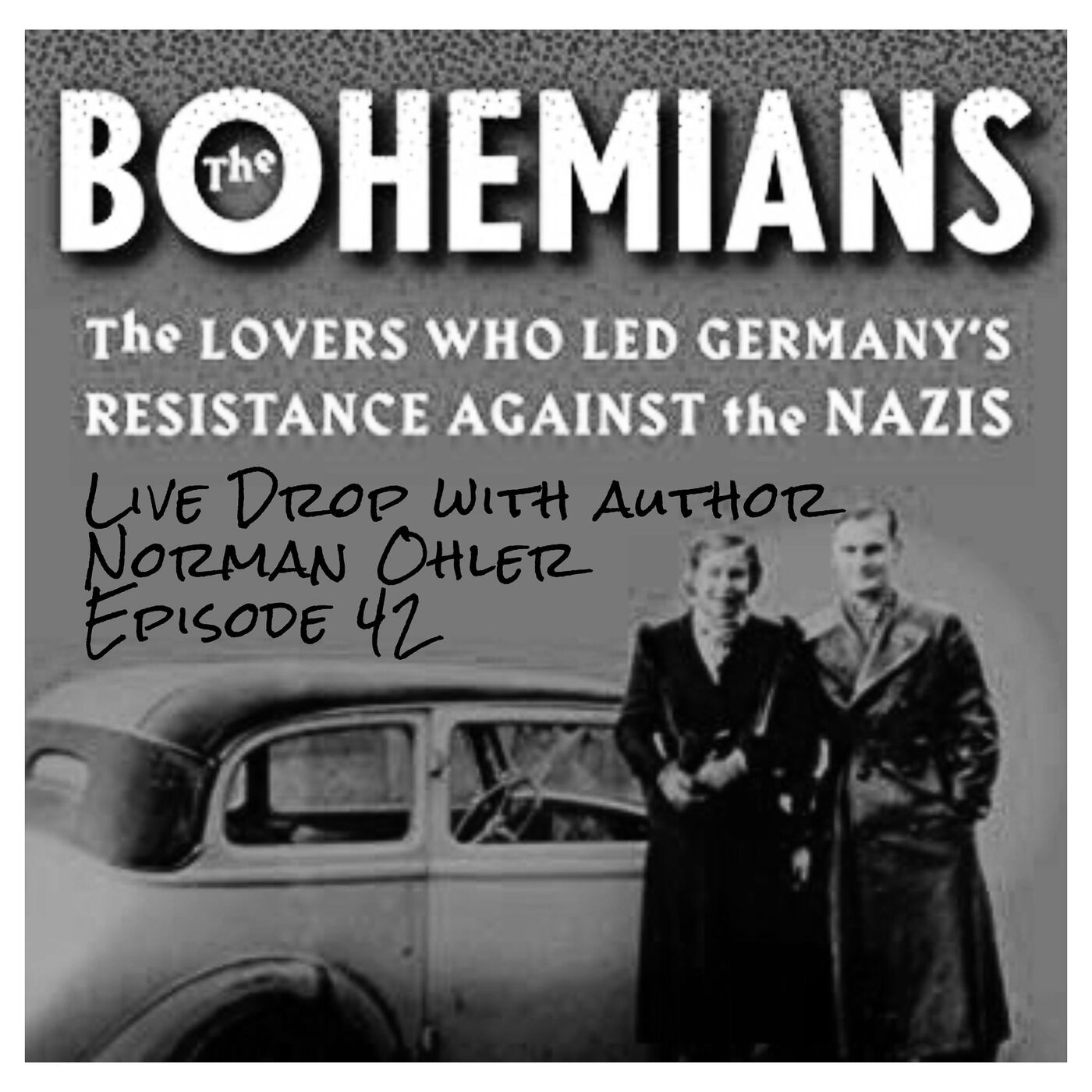
Ep 42Norman Ohler’s The Bohemians Reveals a Spy Ring the Nazis Didn’t Want us to Remember
Lovers Harro and Libertas Schulze-Boysen formed an unconventional and enigmatic network of artists and intellectuals to resist the Nazis in the 1930s and 40s Berlin. As an officer of the Luftwaffe and Nazi film worker Harro and Libertas sought to operate in plain site, and combine friendship with opportunities for espionage. This gripping spy tale asks the question of how much we are willing to risk to challenge the status quo and change society. Norman spoke to me from Berlin about his research and the Nazi’s unsuccessful attempt to erase all memory of Harro and Liberta’s spy ring. Look for us to talk about the unique authentication and flow of information within this ad hoc intelligence network that was never compromised from within. Find out more about the author at: NormandOhler.comThe Bohemians by Norman OhlerBlitzed: Drugs in the Third Reich by Norman OhlerLive Drop Episode 042If you've enjoyed this episode and would like to hear more, please consider signing up as a contributing patron and join the community for exclusive commentary, and content. A $10 a month donation will really keep us going ---> https://www.patreon.com/thelivedropAlternatively, if you would like to help make Season Three operational you could offer a one time donation of any amount right here ---> https://www.paypal.me/thelivedropThank you for listening and your support,Mark ValleyCreator/Host Hosted on Acast. See acast.com/privacy for more information.
Ep 41A Profile of Life in Beirut and Lebanon's History of Unrest with Middle East Historian Emily Whalen
Emily Whalen is a historian of U.S. foreign policy and the Middle East. She is a doctoral candidate in History at the University of Texas - Austin, and an Earnest May pre-doctoral fellow at the Belfer Center for Science and International Affairs at the Harvard Kennedy School. Soon to be Dr. Whalen essentially offers a thorough country profile starting literally with ancient history to the present unrest in Lebanon. We discuss how the political system represents the various ethnic and sectarian groups and their identities in modern day Lebanon, along with an explanation of the rise and resiliency of Hezbollah. With Covid-19 pressuring an economic disaster, Lebanese are at a crisis point. In this episode we hear from someone who’s lived in Beirut, and made the troubled and fascinating country her life’s work. So far. This was recorded just before the Black Lives Matter movement, and the Civil strife in the streets of Beirut only weeks early reflects a surprising similarity. Out of political and social division has risen a popular consensus for the need for reforms. You can find Emily Whalen on Twitter @eiwhalen and more information at emilyingridwhalen.comLive Drop Episode 041Links to resources mentioned:The Impossible Solution, Yassin al-Haj SalehAugustus Richard NortonThe Belfer CenterThe Good Spy, Kai BirdAgents of Innocence, David IgnatiusBeirut Rules, Fred BurtonThe Daily Star LebanonIf you've enjoyed this episode and would like to hear more, please consider signing up as a contributing patron and join the community for exclusive commentary, and content. A $10 a month donation will really keep us going ---> https://www.patreon.com/thelivedropAlternatively, if you would like to help make Season Three operational you could offer a one time donation of any amount right here ---> https://www.paypal.me/thelivedropThank you for listening and your support,Mark ValleyCreator/Host Hosted on Acast. See acast.com/privacy for more information.
Author Jessica Pearce Rotondi Searches the Secret War in Laos for Answers to a Family Mystery
The Secret War in Laos was sponsored by Americans, fought by Laotians, Thais, Vietnamese, American advisors and pilots while almost entirely eclipsed by the war in Vietnam. Jessica Pearce Rotondi’s book What We Inherit – is a poignant memoir of a family’s loss and search for answers over generations to find Jack Pearce whose AC130 gunship was shot down over Laos in 1972. Decades later Jack's niece Jessica picked up the search where her mother and grandfather had left off. Her quest led her to Vientiane, to revisit the Secret War in Laos in which the CIA aided Laotian fighters against the North Vietnamese seeking to secure their supply lines along the Ho Chi Min Trail. Jessica’s memoir, published last month is ten years in the making, and started with finding a closet of classified documents her mother had assembled. Jessica talks about the Secret War, the legacy of loss, cost of war on a family, the nature of grief, and the healing powers of storytelling. What We Inherit, Jessica Pearce RotondiPublished by Olivia Smith at unnamedpress.com – Untold stories, uncharted territory, undiscovered writers. Check them out.Jessica is on twitter and Instagram @jessicarotondi and there’s further information on her website jessicapearcerotondi.com Opening music is from "Lao Phene" a piece of Lao classical music. Performed here by Musiciens du Palais Royal, Luang Prabang. Please consider donating to the HALO TRUSTwhose work is focused in Savannaket Province, Laos, where 70 per cent of the population lives below the poverty line. Most families are almost entirely dependent on growing rice, but unexploded bombs make cultivating rice potentially life threatening. Since 2012, they have destroyed over 50,000 explosives and taught communities how to recognize and report dangerous items, so families no longer need to choose between taking risks or going hungry.Live Drop Episode 040If you've enjoyed this episode and would like to hear more please consider signing up as a contributing patron and join the community for exclusive commentary and content. A $5 a month donation will really keep us going - https://www.patreon.com/thelivedropAlternatively, if you would like to help make Season 3 operational you could make a one time donation of any amount right here ---> https://www.paypal.me/thelivedropThank you for listening and your support,The Live Drop Team Hosted on Acast. See acast.com/privacy for more information.
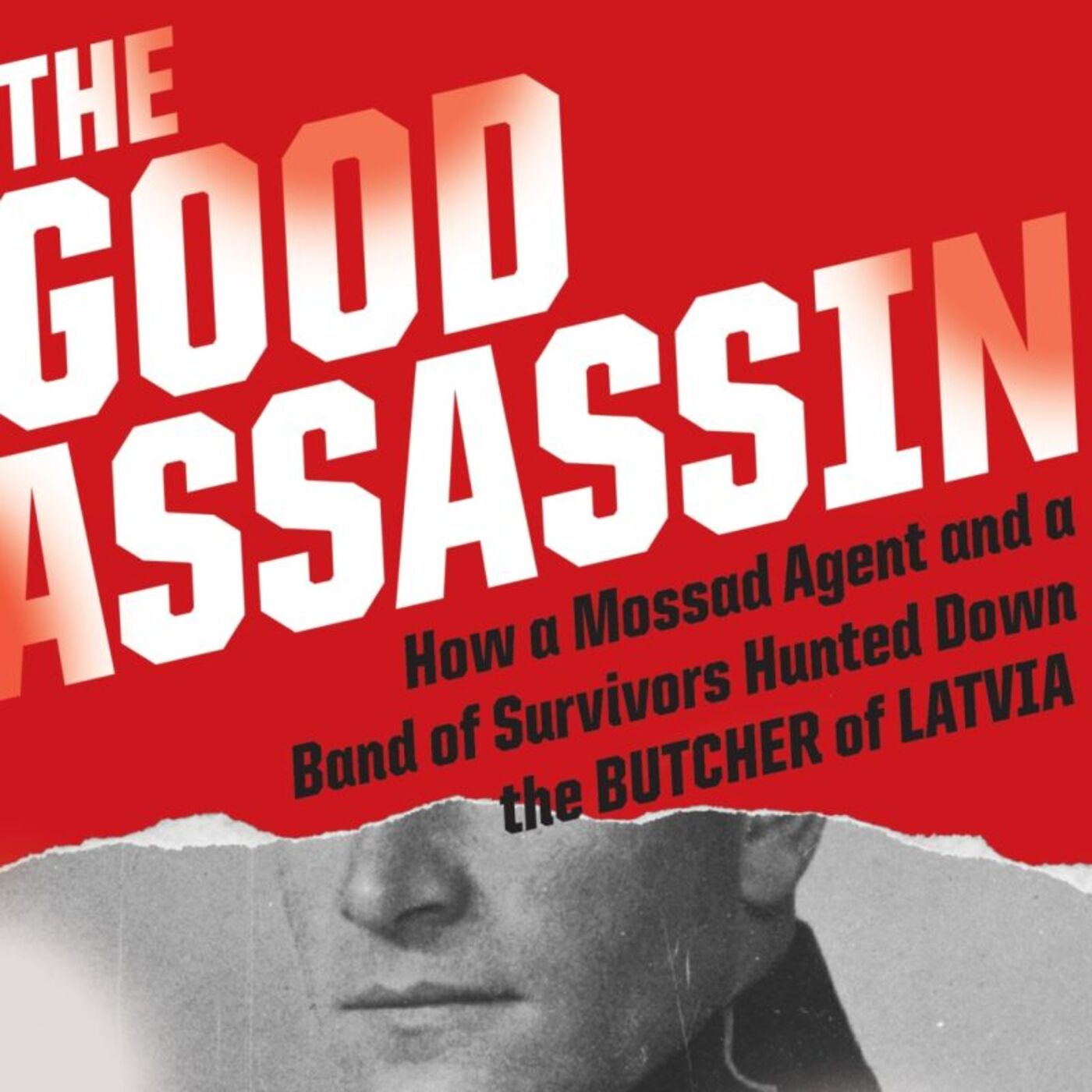
Ep 39Mossad Sends In The Good Assassin to Catch The Butcher of Latvia with Author Stephan Talty
Latvian Aviator Hubert Cukurs was a popular figure before WWII, but the Charles Lindbergh of Latvia would soon become the Butcher of Latvia responsible for the murder of some 30,000 Latvian Jews. Somehow, he dodged the Nuremberg trials, and fleed to South America after war’s end. In 1965, with the improbable German war crimes statute of limitations about to expire, the Mossad mobilized their own ace and master spy - Jacob “Mio” Meidad, a brilliant agent who’d already helped kidnap Adolf Eichmann three years prior. Citing his thorough research, author Stephan Talty describes this incredible operation in which Meidad traveled to Brazil in disguise to befriend Cukurs, gain his trust, and bring the nazi collaborator to justice. STEPHAN TALTY is the best-selling author of The Black Hand, Agent Garbo, and A Captain’s Duty. His books have been made into two films, the Oscar-winning Captain Phillips and Only the Brave. He’s written for many publications, including the New York Times Magazine, GQ, and Playboy. He lives outside New York City. Talty’s book The Good Assassin is available now. Episode 039The Good Assassin, Stephan TaltyRise and Kill First, Ronen BergmanHaaretz Review of The Good AssassinSTEPHANTALTY.COMIf you've enjoyed this episode and would like to hear more, please consider signing up as a contributing patron and join the community for exclusive commentary, and content. A $10 a month donation will really keep us going ---> https://www.patreon.com/thelivedropAlternatively, if you would like to help make Season Three operational you could offer a one time donation of any amount right here ---> https://www.paypal.me/thelivedropThank you for listening and your support,Mark ValleyCreator/Host Hosted on Acast. See acast.com/privacy for more information.
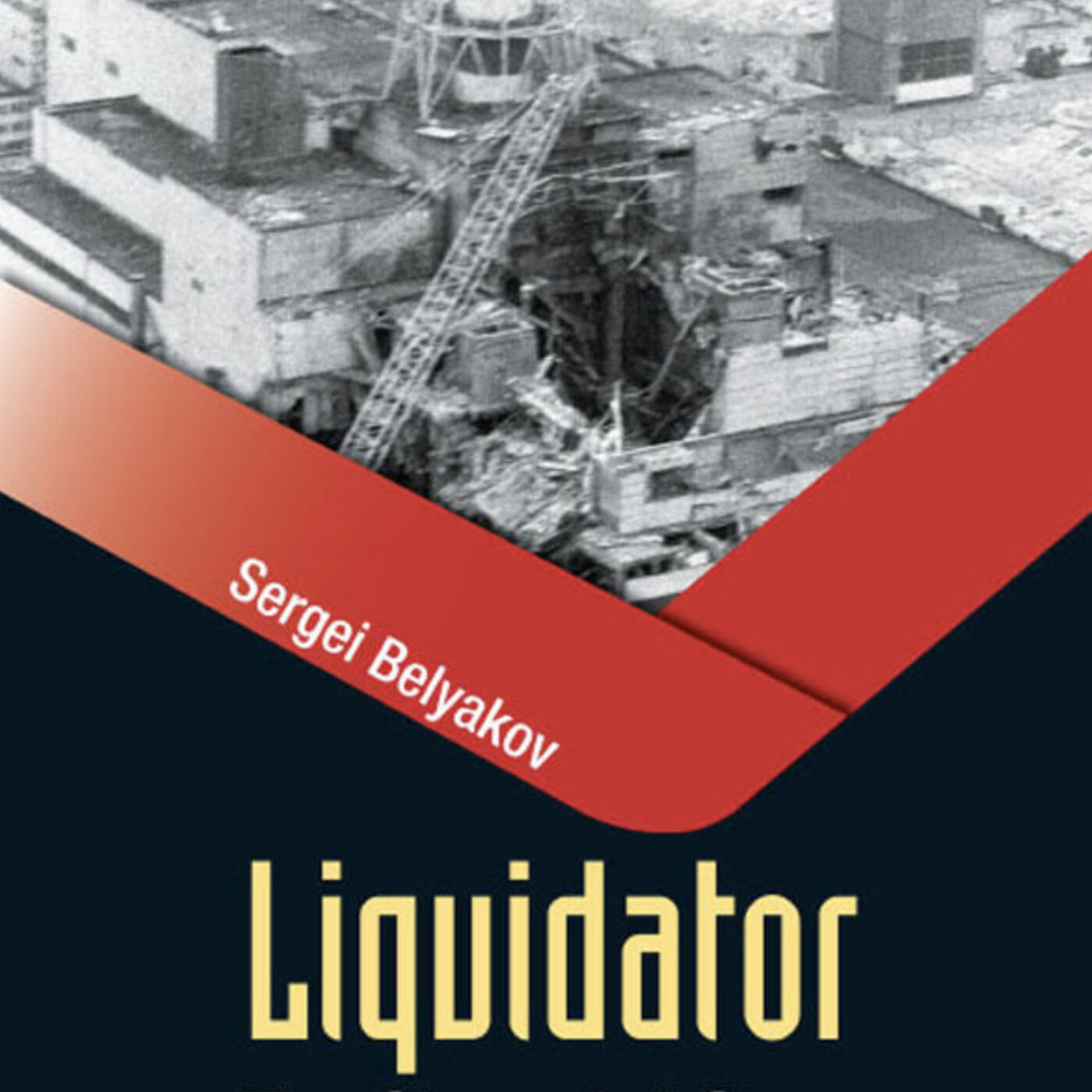
Ep 38Chernobyl Nuclear Disaster Veteran Dr. Sergei Belyakov Liquidates an Unseen Enemy
This episode isn’t so much about espionage or intelligence collection as it is an example of how understanding how what you don’t know can help shape your reality. How do you take precautions against an unseen and undefined threat - in this episode - to public health. After getting his Phd in Chemistry, Sergei was called to duty by his reserve military unit for the clean-up at the Chernobyl nuclear reactor site in 1986. As a ‘nuclear jumper’ he was in charge of 28 soldiers tasked with the dangerous duty of removing debris from the roof of the remaining structures. His 2011 book The Liquidator is a poignant memoir and scientific appraisal of these events. Sergei discusses the vigilance and awareness necessary to manage an individual and public health threat: radiation or viral. Sergei now runs his own nano-technology business based in Singapore which faces its unique challenges to contain the pandemic. With his 30 years in the chemical-pharma industry Sergei offers his recommendations. Episode 038WNYC Public Radio InterviewLiquidators of Chernobyl - YoutubeLiquidator: The Chernobyl Story, Sergei BelyakovSergei Belyakov Biography:Sergei A. BELYAKOV received his Ph.D. in organic/polymer chemistry (1984, USSR). After moving to the USA in 1992, he worked as a post-doctoral fellow with Prof. Alan R. Katritzky (University of Florida).In 1998 Sergei moved to the pharmaceutical industry, joining Guilford Pharmaceuticals, a spin-off of Johns Hopkins University, where he developed novel drugs for CNS/metabolic diseases (collaboration with Amgen). In 2005-2006, with MGI Pharma, he led the team of scientists, which developed second generation (SG) Dacogen®, a promising anti-cancer drug.From 2009, Sergei worked at AMRI Singapore, a CRO with expertise in the pre-clinical research, where he held a position of Assistant Director. He successfully guided multiple research teams totaling over 50 researchers in the areas of CNS, HIV and cancer diseases, collaborating with a range of the world-class pharma/biotech companies (Merck, GSK, Takeda, Sanofi etc.). In 2016, Sergei has started a new scientific research company, Theracross Technologies, co-establishing another start-up, Wintershine Health and Skincare, in 2018. Both companies focus on the development of novel delivery nano-systems for biomedicine, food industry, and personal care.Sergei is an author and co-author of over 60 scientific papers and presentations, and of over 20 patents/patent applications, located in the areas of organic and medicinal chemistry and material science.Sergei is a veteran-liquidator of Chernobyl NPP accident (1986); his accounts are gathered in his book “Liquidator: The Chernobyl Story”. He is the author of science fiction novels, and an avid basketball player and coach.If you've enjoyed this episode and would like to hear more, please consider signing up as a contributing patron and join the community for exclusive commentary, and content. A $10 a month donation will really keep us going ---> https://www.patreon.com/thelivedropAlternatively, if you would like to help make Season Three operational you could offer a one time donation of any amount right here ---> https://www.paypal.me/thelivedropThank you for listening and your support,Mark ValleyCreator/Host Hosted on Acast. See acast.com/privacy for more information.
Ep 37Dissecting the Anatomy of a Spy For Intent and Motivation with Author Michael Smith
Focusing on the motivations, The Anatomy of a Spy by Michael Smith tells the story of why spies spy, presenting a wealth of spy stories—some previously unknown and some famous—from the very human angle of the agents themselves. He breaks them into categories that go beyond the widely shared MICE - Money, Ideology, Compromise/Coercion, Ego. We discuss some classic examples from his book: Operation Diamond where the Mossad used sex and coercion on pilots to fly a MIG-29 out of Iraq in the early 60s; Gabriele Gast - who was caught up in a Stasi Romeo-operation; Polish spy Ryszard Kukliński was a patriot who shared the Warsaw Pact operational plans. We touch on the intentions and needs of spies like: Oleg Penkovsky, Aldrich Ames, Stephen Hanssen, and Ronald Pelton - what was the nugget they were after?Michael shares some of his experience working for the BBC Monitoring Service - listening in on Cold War transmissions across Poland and East Germany. We also discuss the similarities to journalism with both terminology (stringer, fireman, source) and tradecraft from his experience as an award-winning journalist for the BBC, the Daily Telegraph and the Sunday Times. Smith is the author of a number of books, including The Secrets of Station X, Killer Elite and Foley: The Spy Who Saved 10,000 Jews, and MI6: The Real James Bonds. He is a visiting fellow at Kellogg College, Oxford.Look for the debut of the #dozendecions that Michael makes in under a minute that reveal if his true nature is that of a spy, handler, or analyst. I’m thinking he’s secret agent material. Episode 037More on the author at michaelsmithauthor.comResources Cited:An Alternative Framework for Agent Recruitment: From MICE to RASCLS, Randy BurkettRyszard KuklińskiKuklinski Documents on Martial Law in PolandIf you've enjoyed this episode and would like to hear more, please consider signing up as a contributing patron and join the community for exclusive commentary, and content. A $10 a month donation will really keep us going ---> https://www.patreon.com/thelivedropAlternatively, if you would like to help make Season Three operational you could offer a one time donation of any amount right here ---> https://www.paypal.me/thelivedropThank you for listening and your support,Mark ValleyCreator/Host Hosted on Acast. See acast.com/privacy for more information.

Ep 36Special Forces Author James Stejskal Stays Behind in Berlin with an Unconventional Unit
Author James Stejskal talks about his secret Berlin unit during the Cold War. Their mission, should hostilities have commenced, was to wreak havoc behind enemy lines and buy time for vastly outnumbered NATO forces to conduct a breakout from the city. In reality it was an ambitious and extremely dangerous mission, even suicidal. Highly trained and fluent in German, each man was allocated a specific war-time persona. They were skilled in clandestine operations, sabotage, and intelligence tradecraft and able to act as independent operators, blending into the local population and working unseen in a city awash with spies looking for information on their every move. Special Forces Berlin was a one of a kind unit with no parallel. It left a legacy of a new soldier: expert in irregular and unconventional warfare, one that was sought after for missions such as the attempted rescue of American hostages from Tehran in 1979. With the US government officially acknowledging their existence in 2014, their incredible story can now be told. Episode 036Special Forces Berlin, Clandestine Cold War Operations of the US Army’s Elite 1956-1990, by James Stejskalhttps://www.detachment-a.org/James on Cold War ConversationsAuthor’s Facebook Page Live Drop theme performed on electric cello by Danica Pinner danicapinner.comIf you've enjoyed this episode and would like to hear more, please consider signing up as a contributing patron and join the community for exclusive commentary, and content. A $10 a month donation will really keep us going ---> https://www.patreon.com/thelivedropAlternatively, if you would like to help make Season Three operational you could offer a one time donation of any amount right here ---> https://www.paypal.me/thelivedropThank you for listening and your support,Mark ValleyCreator/Host Hosted on Acast. See acast.com/privacy for more information.
Ep 35Federal Investigator Fred Burton Presents the Beirut Rules And The Hunt for Hezbollah
Fred Burton, one of the world's foremost authorities on security and terrorism, tells the harrowing story of the hunt for William Buckley - CIA station chief abducted by Hezbollah in Beirut on March 16th, 1984. Mr. Burton was deputy chief of counterterrorism at the Diplomatic Security Service, where he was in charge of preventing and investigating attacks against diplomatic personnel and facilities. During his 14-year career, Mr. Burton was involved in many other high-profile investigations including: the search for and arrest of Ramzi Yousef, mastermind of the first World Trade Center bombing; the assassination of Israeli Prime Minister Yitzhak Rabin; the killing of Rabbi Meir Kahane and al Qaeda's New York City bombing plots before 9/11; and the deaths of U.S. Ambassador to Pakistan Arnold Raphel and Pakistani President Muhammad Zia-ul-Haq.Mr. Burton is the author of four books, including the best-selling memoir, GHOST: Confessions of a Counterterrorism Agent , in which he tells the story of his role in the fight against the burgeoning terrorist threat in the 1980s and beyond. His second book, Chasing Shadows: A Special Agent's Lifelong Hunt to Bring a Cold War Assassin to Justice), follows his 35-year quest to solve the case of an Israeli diplomat assassinated in Mr. Burton's childhood neighborhood. Under Fire: The Untold Story of the Attack in Benghazi, is a New York Times best-seller and provides the first detailed account of the infamous assault in Libya in September, 2012. Beirut Rules is his fourth book.Fred currently oversees Stratfor's analysis of global security developments and consults with clients on security-related issues affecting their business assets or personal safety. Beirut Rules: The Murder of a CIA Station Chief and Hezbollah's War Against America Daniel Pearl FoundationOther works mentioned: Agents of Innocence by David IgnatiusThe Good Spy by Kai BirdNo Shadows in the Desert by Sam KatzRise and Kill First by Ronen BergmanIf you've enjoyed this episode and would like to hear more, please consider signing up as a contributing patron and join the community for exclusive commentary, and content. A $10 a month donation will really keep us going ---> https://www.patreon.com/thelivedropAlternatively, if you would like to help make Season Three operational you could offer a one time donation of any amount right here ---> https://www.paypal.me/thelivedropThank you for listening and your support,Mark ValleyCreator/Host Hosted on Acast. See acast.com/privacy for more information.
Ep 34US Marine and Special Agent Cody Perron Reveals the Diplomatic Security Service
Special Agents of the Diplomatic Security Service (DSS) have been on the front lines of securing diplomacy for over a century. From the Fall of Saigon to the U.S. embassy bombings in east Africa, and the Iranian Hostage Crisis to the attack on the U.S. consulate in Benghazi, special agents of the DSS have relentlessly put their lives on the line to protect their fellow diplomats around the globe. Agents Unknown reveals the story of Cody Perron, a former Special Agent of the DSS, and his journey through the Middle East and Southeast Asia, negotiating international fugitive returns, interviewing ISIS hostages, and protecting the highest level U.S. government officials in some of the most volatile places in the world. Raw and unfiltered, Perron offers the perspective of a ground level agent revealing the unconventional duties and accomplishments as one of many “agents unknown.” Cody also offers his experience as a US Marine posted at the US Embassy in Moscow during the 911 attacks and Vladmir Putin’s rise to power. Episode 034Agents Unknown: True Stories of Life as a Special Agent in the Diplomatic Security Service by Cody Perron On camera interview with KUSI San DiegoFor more information on the author go to codyperron.comIf you've enjoyed this episode and would like to hear more, please consider signing up as a contributing patron and join the community for exclusive commentary, and content. A $10 a month donation will really keep us going ---> https://www.patreon.com/thelivedropAlternatively, if you would like to help make Season Three operational you could offer a one time donation of any amount right here ---> https://www.paypal.me/thelivedropThank you for listening and your support,Mark ValleyCreator/Host Hosted on Acast. See acast.com/privacy for more information.
Ep 33Shoulder Surfing in Hong Kong with Security Consultant Ilya Umanskiy
Ilya is an asset protection practitioner and sought after security specialist. After immigrating to the US from Moscow, he graduated and later taught at the John Jay College of Criminal Justice in New York. He spent his formative professional years at Prudential Financial HQ in Newark, NJ, under the tutelage of Paul DeMatteis. He then went on to Kroll Security for eleven years - starting in New York and then moving to Hong Kong. Ilya now consults and coaches under his own brand - Sphere State - and closely collaborates with a team of practitioners at Current Consulting, based in Hong Kong and mainland China. Ilya is helping clients protect people, information, reputation, and environments. He has worked for governments, corporations, and high net-worth individuals.I wanted to talk to someone about corporate security and the spycraft and counter-espionage that goes into other than governmental operations – what I got was something I hadn’t expected - a nuanced discussion of the theory and application of security in our lives with terms like: digital pause, shoulder surfing, video analytics and my favorite fundamental aspiration. Ilya and I talked a bit about the psychology and history of security then veered into current events and ways to process the diluge of information available today. This was recorded in mid march of 2020 just as the world was becoming aware of the surge of Coronavirus cases. Two weeks later it already seems like the before-times, but this episode is a look into future challenges in the security industry. Resources mentioned: Talking to Strangers by Malcom GladwellThinking Fast and Slow by Daniel KahnemanThe Gift of Fear by Gavin deBeckerThe Benefits of Traveling Grey, by Scott Stewart, StratforMisfit, by Ilya Umanskiy in MediumIf you've enjoyed this episode and would like to hear more, please consider signing up as a contributing patron and join the community for exclusive commentary, and content. A $5 a month donation will really keep us going - https://www.patreon.com/thelivedropAlternatively, if you would like to help make Season 3 operational you could make a one time donation of any amount right here ---> https://www.paypal.me/thelivedropThank you for listening and your support,Live Drop Team Hosted on Acast. See acast.com/privacy for more information.
Ep 32Air America Pilot Neil Hansen Drops Some Hard Rice on the CIA's Secret War in Laos
My guest Neil Graham Hansen began his aviation career as a pilot for Teamster boss Jimmy Hoffa. He then spent more than a decade in Southeast Asia as a captain for Air America - the CIA's airline that operated during the Vietnam era and the 'Secret War' in Laos. Upon returning to the States, unable to let go of the thrills of high stakes flying, his career trajectory veered off course into a Federal prison for smuggling narcotics - where he began his redemption as an advocate for his fallen Air America colleagues.Neil talks with me about the history Air America (the world’s most shot-at airline) that could go anywhere anytime, especially where military wasn’t allowed. He talks about his relationship to the customer - the CIA, and he clarifies the daring, diverse, and patriotic culture of Air America pilots and crew. Look for him to explain terms like: sticky brick, blackpearl, hard rice, the customer, and five-dollar turns.Neil has recently written a great book FLIGHT with co-writer Luann Grosscup – An Air America Pilots story of Adventure Descent and Redemption.This historical aviation narrative incorporates the pathos of a war zone, humor, and candid insight. Neil pulls the reader directly into the cockpit, onto dirt mountaintop landing strips, into the raunchy brothels of Laos, alongside his first toddling steps into Buddhism, aboard the plane he flew out of Cambodia hours before it fell to the Khmer Rouge, down the road of self-destruction and beside him as he regains a foothold on the path to integrity.Neil's tireless in telling the story of Air America’s heroes. His appearances are currently subject to confirmation, but look for his presentation at: AIRVENTURE in Oshkosh, WI Other links and resources mentioned:Air America Historical Social ClubFlight Facebook PageAir America, by Christopher RobbinsExperimental Aviation AssociationVeteran’s Channel Flying Men Flying MachinesEpisode 032 Hello Listener, If you've enjoyed this episode and would like to hear more, please consider signing up as a contributing patron and join the community for exclusive commentary, and content. A $10 a month donation will really keep us going ---> https://www.patreon.com/thelivedropAlternatively, if you would like to help make Season Three operational you could offer a one time donation of any amount right here ---> https://www.paypal.me/thelivedropThank you for listening and your support,Mark ValleyCreator/Host Hosted on Acast. See acast.com/privacy for more information.
Ep 31Former CIA & FBI Tracy Walder Shares an Unexpected Journey from Sorority Girl to Spy to Spyhunter to Educator
Tracy Walder, ex-USC sorority girl joined the CIA at age 22, hunted down the most dangerous terrorists, then joined the FBI to uproot domestic spies and wrote a fantastic book about it - The Unexpected Spy. “I’d show up in countries where armies of terrorists wanted to kill Westerners. I’d wear red lipstick, curl my hair and stand firmly on the rock of my convictions.” Tracy talks about her select experience in the early drone program at CIA during the Bush administration's push into war with Iraq. Seemingly at the vanguard of the agency’s critical missions, Tracy went on to hunt dealers and suppliers of WMDs across Europe and Africa, before joining the FBI to complete a counterintelligence operation and convict a pair of spies in Los Angeles, CA. What she always wanted to be was a teacher, and now is on the board of directors of the non-profit girlsecurity.org which seeks to increase representation of women in national security by building a pipeline for girls and young women through learning, training, and mentoring support focusing on building a future workforce of women national security decision makers. Episode 031More episodes at thelivedrop.comIf you've enjoyed this episode and would like to hear more, please consider signing up as a contributing patron and join the community for exclusive commentary, and content. A $10 a month donation will really keep us going ---> https://www.patreon.com/thelivedropAlternatively, if you would like to help make Season Three operational you could offer a one time donation of any amount right here ---> https://www.paypal.me/thelivedropThank you for listening and your support,Mark ValleyCreator/Host Hosted on Acast. See acast.com/privacy for more information.
Ep 30Stephen Vogel Digs Into Cold War Berlin and Taps Into British Spy George Blake
Author and journalist Stephen Vogel’s written a definitive and engaging book about the Cold War’s most audacious espionage operation – Betrayal in Berlin - about a clandestine tunnel as long as the Empire State Building into the Soviet sector of Berlin in the mid 50s. The operation collected years of telephone and wire communications from the Soviet forces long after it was revealed to have been compromised in 1956 by British spy George Blake. We refer to the film The Innocent, a 1992 John Schlesinger movie starring Anthony Hopkins as a brash CIA chief based on a larger than life Bill Harvey. The film was historical fiction but essentially re-enacted the tunnel operation capturing the mood and textures of the time. It was also your host's first acting job. The son of a CIA officer, Stephen Vogel shares his connection the subject matter, the time and the place. For more information on the author check out Stevevogelsite.comTransmission 030If you've enjoyed this episode and would like to hear more, please consider signing up as a contributing patron and join the community for exclusive commentary, and content. A $10 a month donation will really keep us going ---> https://www.patreon.com/thelivedropAlternatively, if you would like to help make Season Three operational you could offer a one time donation of any amount right here ---> https://www.paypal.me/thelivedropThank you for listening and your support,Mark ValleyCreator/Host Hosted on Acast. See acast.com/privacy for more information.

Ep 29Canadian Author and Journalist Joyce Wayne Rolls Up the Soviets and Local Members of the Cold War’s Ottawa Spy Ring
Joyce Wayne has written a historical novel called The Last Night of the World about a Soviet female operative, a key player in the Gouzenko Affair. When Igor Gouzenko defected from the GRU to the RCMP in September of 1945 the west would see for the first time the extent of Soviet espionage activity in North America. His 200 pages of documents would reveal a covert ring of dozens of operatives working for Soviet military attaché and GRU Rezident Nicholai Zolotkin in the capital city. In this interview Joyce lays out the setting of wartime Ottawa, the unassuming spy city just north of the American border. Aside from diplomatic and government centers, a target of intelligence collection was an hour and a half north of Ottawa at the atomic facility called Chalk River, which is still in use today as an active research facility.Joyce’s fiction has the haunting credibility of a first-hand account. Her father was a member of Zolotkin’s ring and managed to avoid detection and prosecution throughout his life. He left the communist party in 1947, disillusioned with Stalin’s brutality. She explains the attraction of Communism in the 1930s and 40s and how this period, and the Gouzenko Affair, is not talked about much in Canada. TRANSMISSION 029More about the author at Joycewayne.comHer book The Last Night of the World is available on Amazon.Other works cited in this interview:How the Cold War Began, by Amy KnightThe Fall of a Titan, by Igor GouzenkoThe Spy Who Changed the World: Klaus Fuchs, Physicist and Soviet Double Agent by Mike RossiterThe Sound of Neutrons - Deep River Players - Chalk River, OntarioSpybrary Episode with Joyce WayneJoyce Wayne on SpycastLive Drop theme on electric cello by Danica Pinner danicapinner.comMore available at show notes on thelivedrop.comHello Listener, If you've enjoyed this episode and would like to hear more, please consider signing up as a contributing patron and join the community for exclusive commentary, and content. A $10 a month donation will really keep us going ---> https://www.patreon.com/thelivedropAlternatively, if you would like to help make Season Three operational you could offer a one time donation of any amount right here ---> https://www.paypal.me/thelivedropThank you for listening and your support,Mark ValleyCreator/Host Hosted on Acast. See acast.com/privacy for more information.