The Little Red Podcast
105 episodes — Page 2 of 3
The Great Reconciler and the End of Chinese History
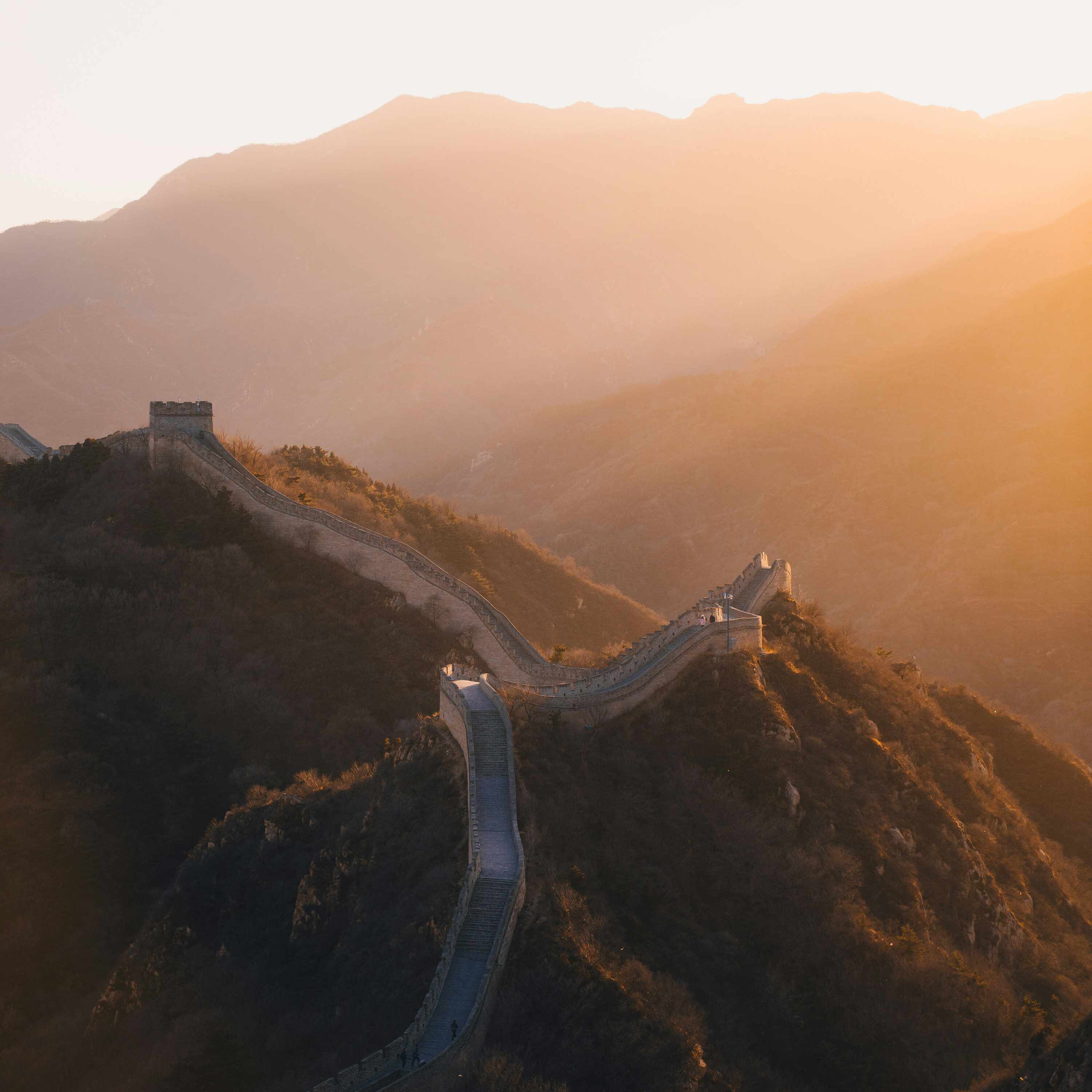
Become an instant expert on the new historical resolution issued by China's Communist Party for all your cocktail season smalltalk needs. It's only the third such move in the party's century-long history, and the first in forty years. This resolution introduces a new slogan: Xi Jinping's Two Establishments, signalling the Chairman of Everything's elevation to helmsman status. In this episode, Louisa and Graeme turn to two authorities on party history for elucidation: Patricia Thornton of the University of Oxford and Geremie Barmé, editor of China Heritage and the founding director of the Australian Centre on China in the World. Image: Great Wall of China at sunset, c/- Usukhbayar Gankhuyag on Unsplash.See omnystudio.com/listener for privacy information.

The CCP Goes Outback? The Century of Humiliation in Australia
China’s Communist Party’s rewriting of history doesn’t stop at their own borders, but has even reached as far as Wandiligong, a town of 453 people four hours north of Melbourne. It’s home to a memorial bridge to Chinese goldminers built with the assistance of the Australia China Friendship Society. The information panels use racist language for the Chinese such as “chinks and chows to be ridiculed and baited”, illustrating one example of how the CCP is exporting the notion of a century of humiliation to other countries. In this episode we ask whether various attempts to rewrite Chinese Australian history represent a coordinated campaign and to what end. Louisa and Graeme are joined by Karen Schamberger, vice President of the Young Historical Society, historian Louise Edwards from the University of New South Wales and Paul Macgregor, former curator at the Chinese Museum of Melbourne. Photo credit: Louisa LimSee omnystudio.com/listener for privacy information.
The Endless Purge: Reassessing June 4 1989
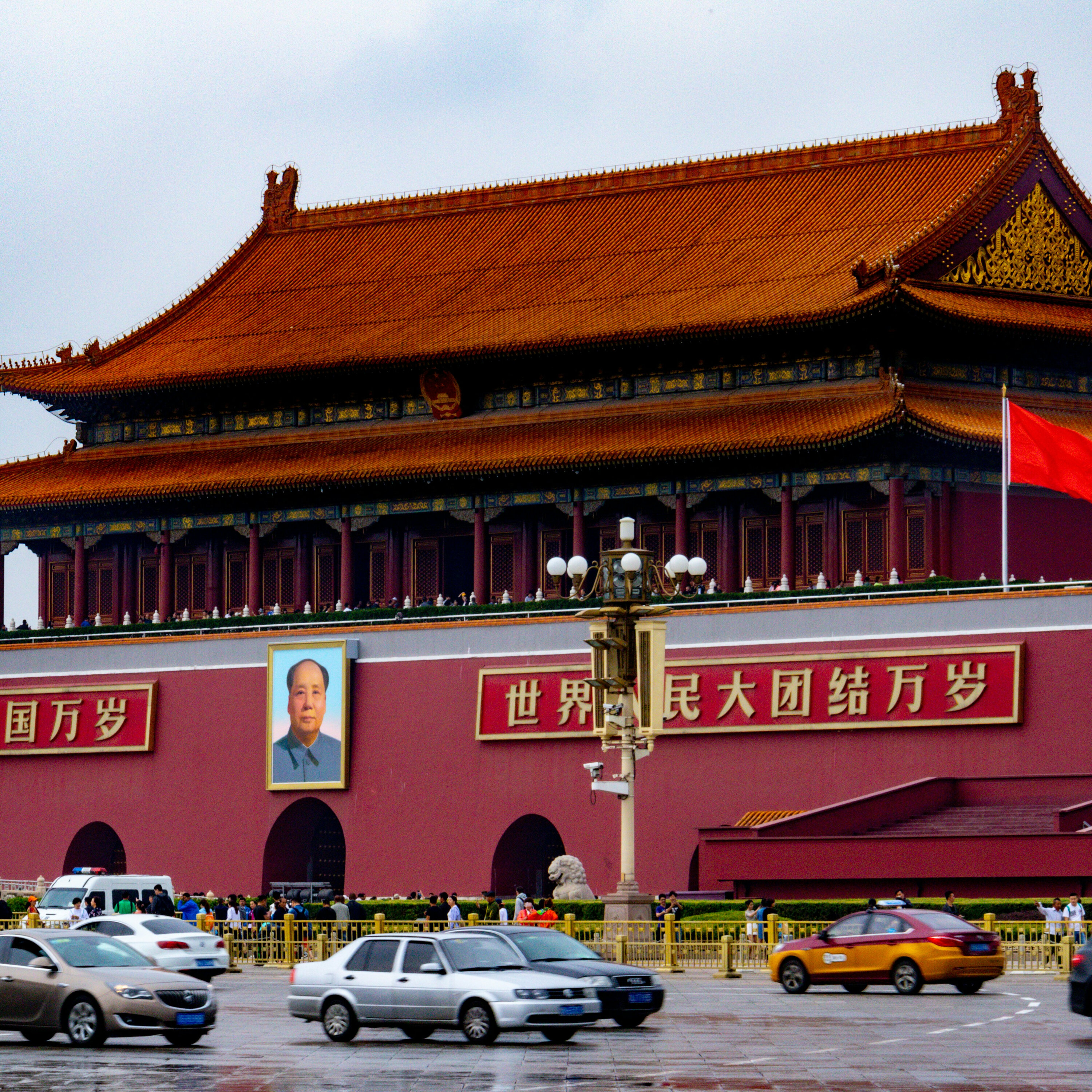
The purge that followed the killings by PLA soldiers in and around Tiananmen Square three decades ago has continued into the present, even permeating Western academia. A host of new sources, including leaked diaries by Chinese leaders, have emerged in recent years, but few Western scholars appear willing to break the taboo surrounding June 4. The jailing this month of nine Hong Kongers, for as much as ten months, for taking part in a banned Tiananmen vigil indicates how the purge is spreading to Hong Kong, where police raided the Tiananmen Massacre museum, confiscating exhibits as evidence. Against that backdrop, Louisa speaks to Simon Fraser University's Jeremy Brown, whose recent book June Fourth: The Tiananmen Protests and the Beijing Massacre reframes the events of 1989, shifting the focus from elites and students to ordinary people. This is a recording of a live conversation that was hosted by Harvard University’s Fairbank Centre for Chinese Studies. Image: Tiananmen Square, c/- Nick Fewings on Unsplash. See omnystudio.com/listener for privacy information.
Lone Wolves or Xi Wolves? The Evolution of China’s Nationalistic Diplomats
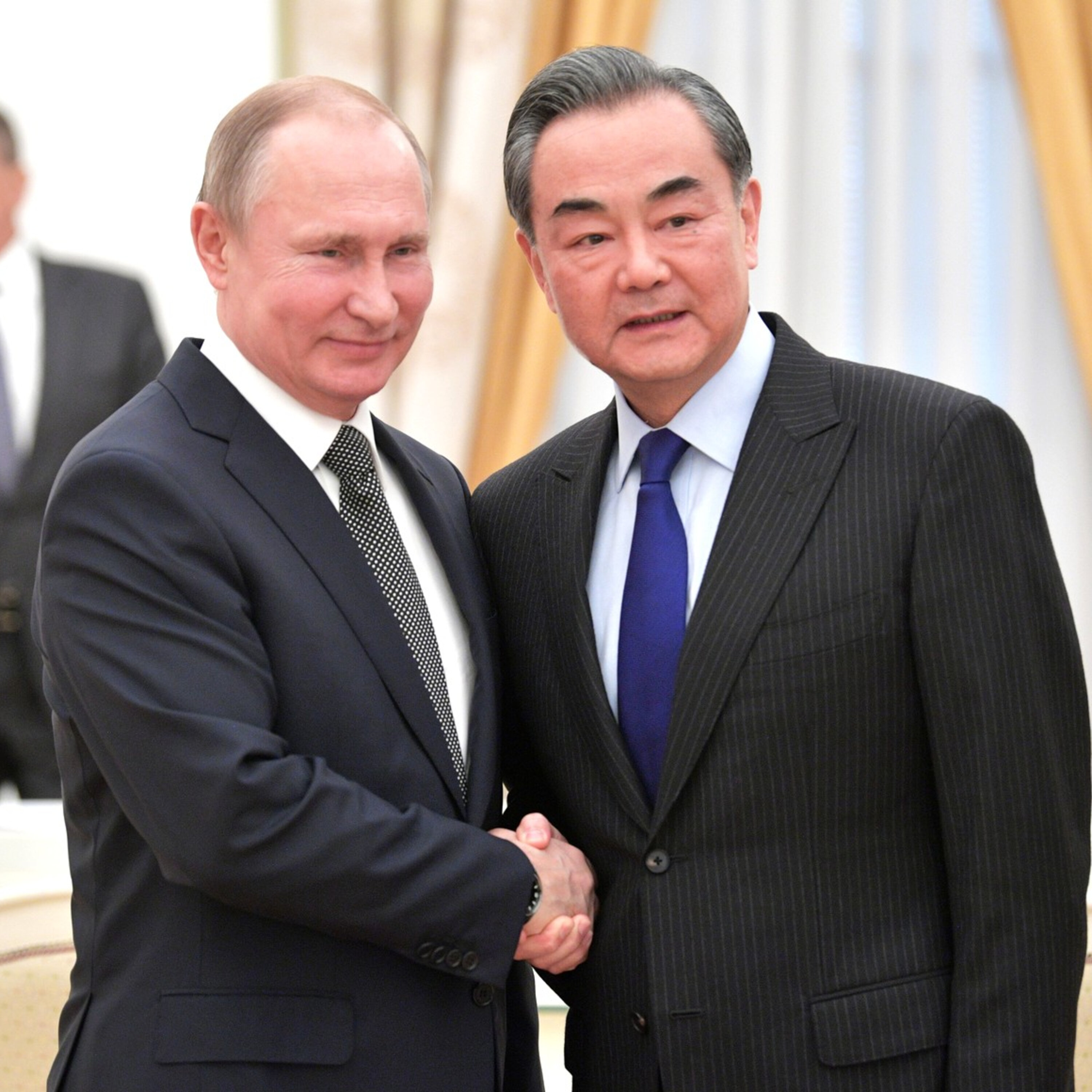
Nationalism in China seems to have taken a feral turn, with Chinese netizens viciously turning on Olympic athletes, celebrities and even the über-nationalist Global Times for letting down the motherland. This month we’re talking about the evolution of Chinese nationalism and the factors driving the emergence of a new cadre of aggressive diplomats known as wolf warriors. Louisa and Graeme are joined by Bloomberg journalist Peter Martin, who's just written China’s Civilian Army: The Making of Wolf Warrior Diplomacy and Cornell University’s Jessica Chen Weiss, who’s also the China editor at the Washington Post and has written a book called Powerful Patriots: Nationalist Protest in China’s Foreign Relations. Image: Vladimir Putin with Wang Yi, website of the President of the Russian Federation, Creative Commons Attribution 4.0 LicenseSee omnystudio.com/listener for privacy information.

The Little Red Podcast Turns Five: Agony Aunt Edition
For our fifth anniversary, we’ve thrown the floor open to our audience. This month we’re doing an Agony Aunt edition for China nerds. We've gathered your burning China questions and then hunted down the world’s leading experts in search of answers. From support for the government to statistical elasticity, from clothing habits to tea-drinking titillations right at the very top, we are parrying listener questions. In search of answers, Louisa and Graeme are joined by Arunabh Ghosh and Anthony Saich from Harvard University, Antonia Finnane from the University of Melbourne, and Lawrence Zhang from Hong Kong University of Science and Technology. Image: Image of older women sitting outside with masks on, c/- Peijia Li on Unsplash.See omnystudio.com/listener for privacy information.
Jack be nimble: the Party-State Vs. the Tech Titans
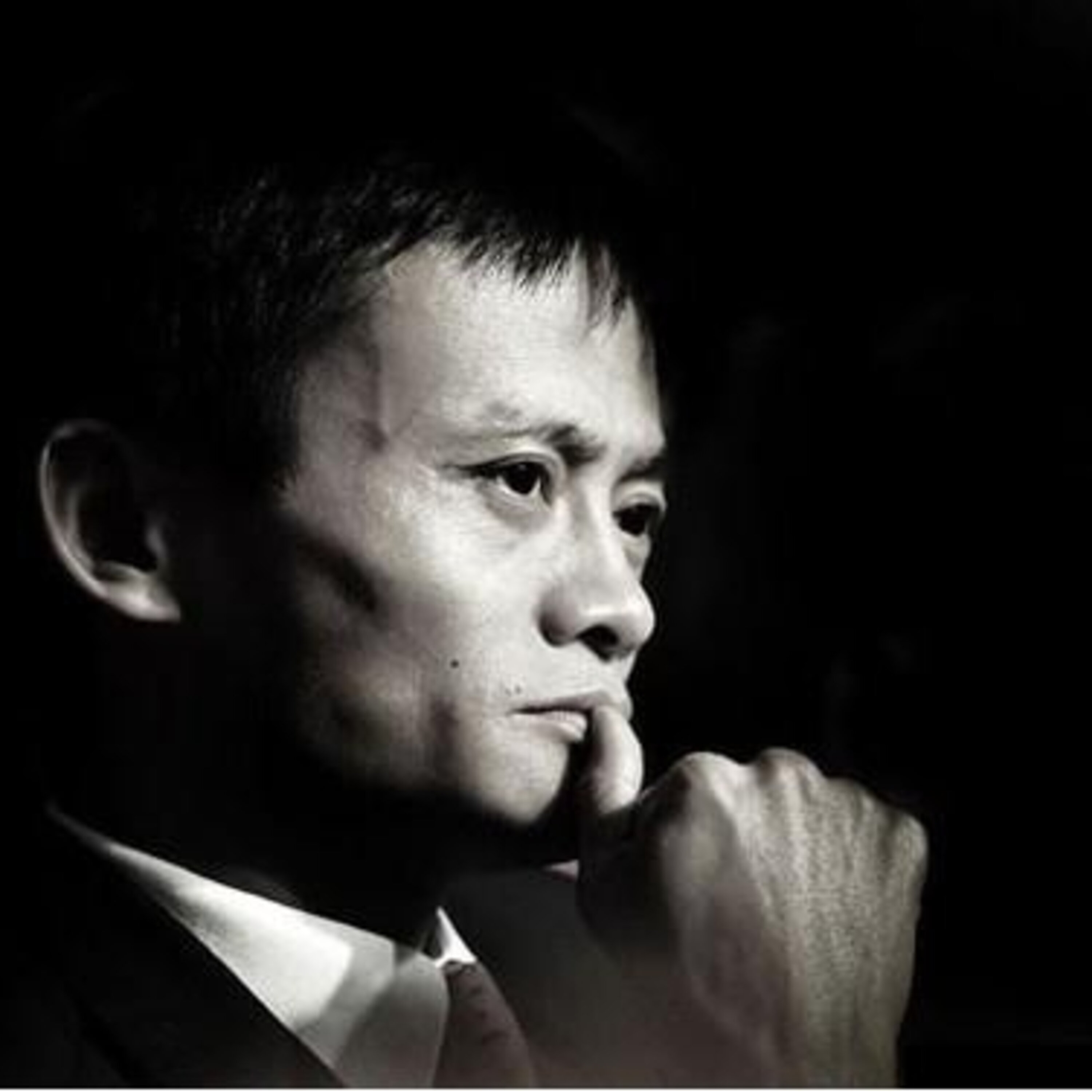
China’s once untouchable tech billionaires suddenly find themselves in the unfamiliar position of being roughed up the state. Just at the time when the Party needs its homegrown tech firms to sell Xi Jinping’s new ‘lovable’ image of China, previously toothless regulators are issuing billion dollar fines and ordering companies to restructure—or else. To ask whether the state’s cozy relationships with companies like Alibaba and TenCent are on the rocks, we’re joined by Hong Kong University’s Angela Zhang, University of Leiden’s Rogier Creemers and John Lee from the Mercator Institute of Chinese Studies. This episode was recorded live as part of the ANU’s Digital Politics in the Asia Pacific seminar series. Image: Jack Ma c/- ピロシキ, flickr, October 10, 2011.See omnystudio.com/listener for privacy information.

Let's get this party started: China's global propaganda push
For a Party chosen by history, the CCP spends a lot of money targeting foreign media outlets and governments. In this episode, a panel of researchers discusses why China—or any autocracy—cares what the world thinks of it, and how it tries to shape its global image. We ask whether the CCP’s media outreach and lobbying operations bear fruit, or are readily seen through as clumsy propaganda. This week, Graeme is joined by Louisa and the Little Red Podcast’s researcher Julia Bergin, discuss a survey on China’s global media outreach that they've just conducted for the International Federation of Journalists, as well as political scientist Erin Baggott Carter from the University of South California, and Alex Dukalskis from University College Dublin who has just written a book called Making the World Safe for Dictatorship. Image: Night view of earth from space with lights, c/- Aashish Yadav on Unsplash.See omnystudio.com/listener for privacy information.
Out of their league? China’s online gaming conundrum
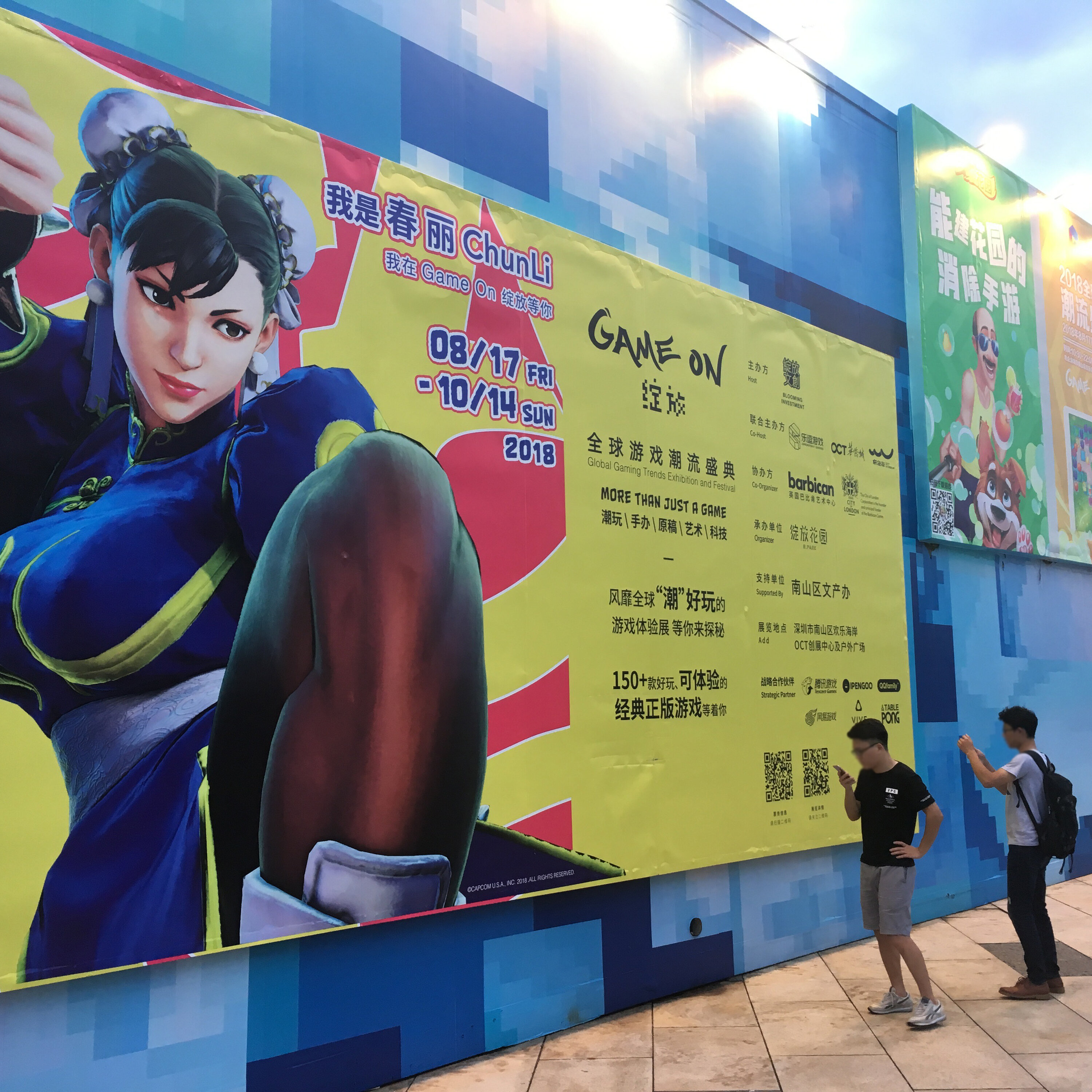
China is home to 661 million online gamers, easily the world’s biggest market. Cities like Shanghai now boast some of the world’s most talented game developers. Yet the Chinese government has long been uncomfortable with online games, fretting about Internet addiction and young people wasting their energies on ‘spiritual opium’, leaving their schoolbooks for seedy Internet cafes. To explore how China is coping with the tension between molding productive citizens and cashing in on a hugely lucrative gaming industry, Louisa and Graeme are joined by game developer Allison Yang Jing, who writes about Chinese video games, Hugh Davies from RMIT, a video game curator, and Pace College’s Marcella Szablewicz, author of Mapping Digital Game Culture in China. Image: Game On, Hugh DaviesSee omnystudio.com/listener for privacy information.

Remaking Hong Kong: Keep the Fishbowl, Change the Fish
China is now remoulding Hong Kong at speed. Forty-seven Democratic politicians and activists have been arrested on national security charges for participating in last year’s primary polls, and only people Beijing deems ‘patriots’ allowed to run for office. One prominent pro-Beijing figure has even warned that the electoral reforms risk ‘killing the patient’. With the legislature muzzled, the authorities are turning their attention to the media, the arts and the education sector. This month we're joined by a high-profile political exile, former Democratic party legislator Ted Hui, who's the first Hong Kong politician to flee to Australia, and former Democratic party chairperson, Emily Lau, who’s still in Hong Kong. Image c/- Flickr, Studio Incendo_DSC5956, 3 March 2021See omnystudio.com/listener for privacy information.
Tibet: Colonialism with Chinese Characteristics?
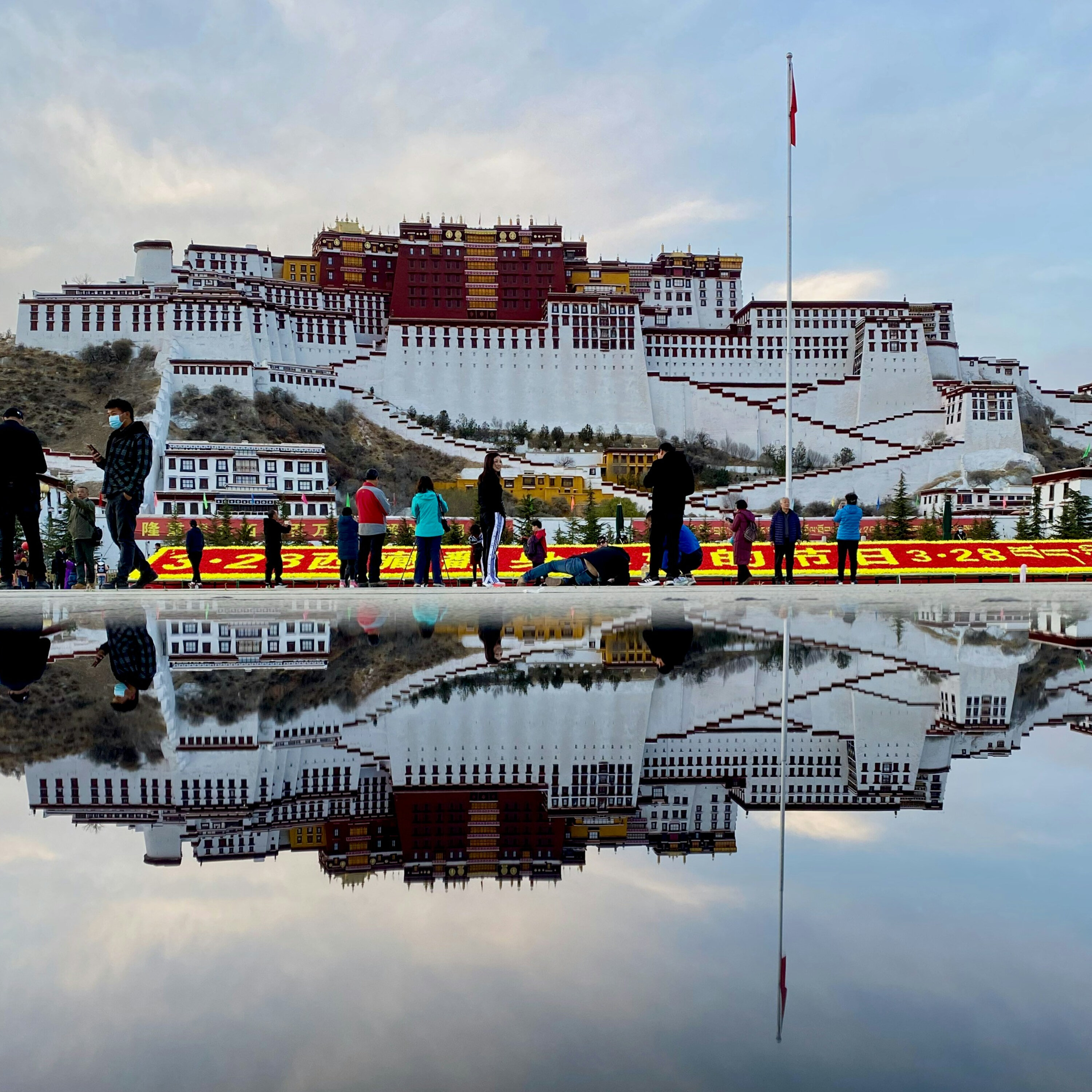
With the world’s attention focused on industrial-scale oppression in Xinjiang, developments in Tibet are passing beneath the radar. But activists are warning of a full-spectrum assault on the Tibetan way of life, as Tibetan language teaching is outlawed and urbanisation campaigns relocate nomads from their ancestral pastures. The CCP has underlined its determination to choose the next Dalai Lama, and Tibetans were recently urged by their Party Secretary to ‘reduce religious consumption’ to build a ‘new modern socialist Tibet’. To hear about the sophisticated ‘rolling repression’ that characterises Chinese rule in Tibet, Louisa and Graeme are joined by Barbara Demick, author of Eat the Buddha: Life and Death in a Tibetan Town, Benno Weiner, Associate Professor of History at Carnegie Mellon University who has just published The Chinese Revolution on Tibetan Frontier and Tendor Dorjee, a Senior Researcher at the Tibet Action Institute. Image: Polata Palace in Tibet with a mirrored reflection on water, c/- Gang Hao on Unsplash.See omnystudio.com/listener for privacy information.
Fandom Untamed: The Business of Boys’ Love
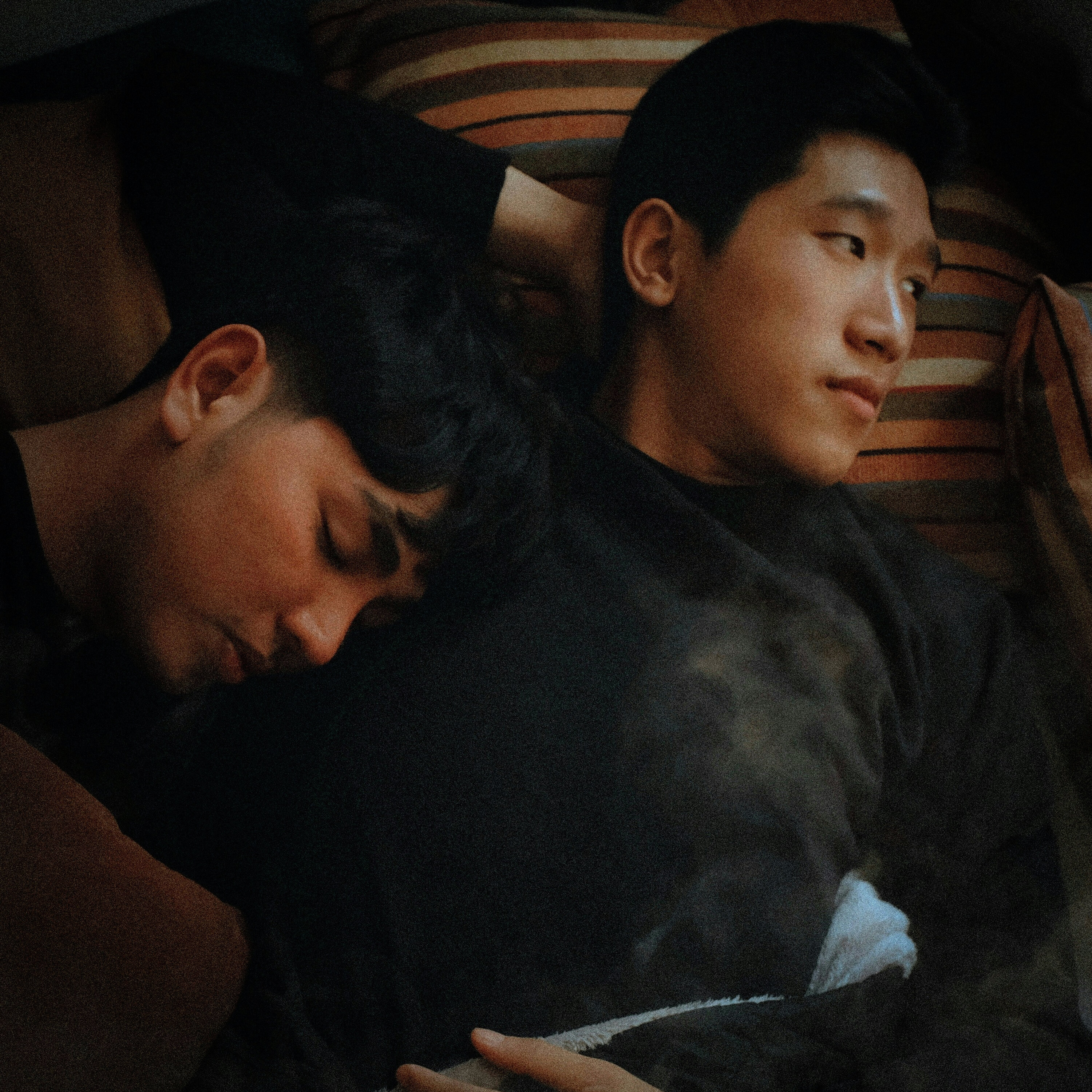
This month we’re delving into boys’ love or BL fiction. From niche online novels to TV shows such as the Netflix fantasy epic The Untamed, their storylines revolve around male relationships with a tinge of sexual tension. But there’s a quirk. It’s not gay fiction; the stories are often written by women for women. This genre is incredibly popular in China, making BL fans an intimidating political and economic force, creating and destroying celebrities and the brands they endorse. To unravel the drama behind BL drama, Louisa and Graeme are joined by Hong Kong University’s Angie Baecker and boys’ love author Huanxiang Zhenghuanzhe 幻想症患者.See omnystudio.com/listener for privacy information.
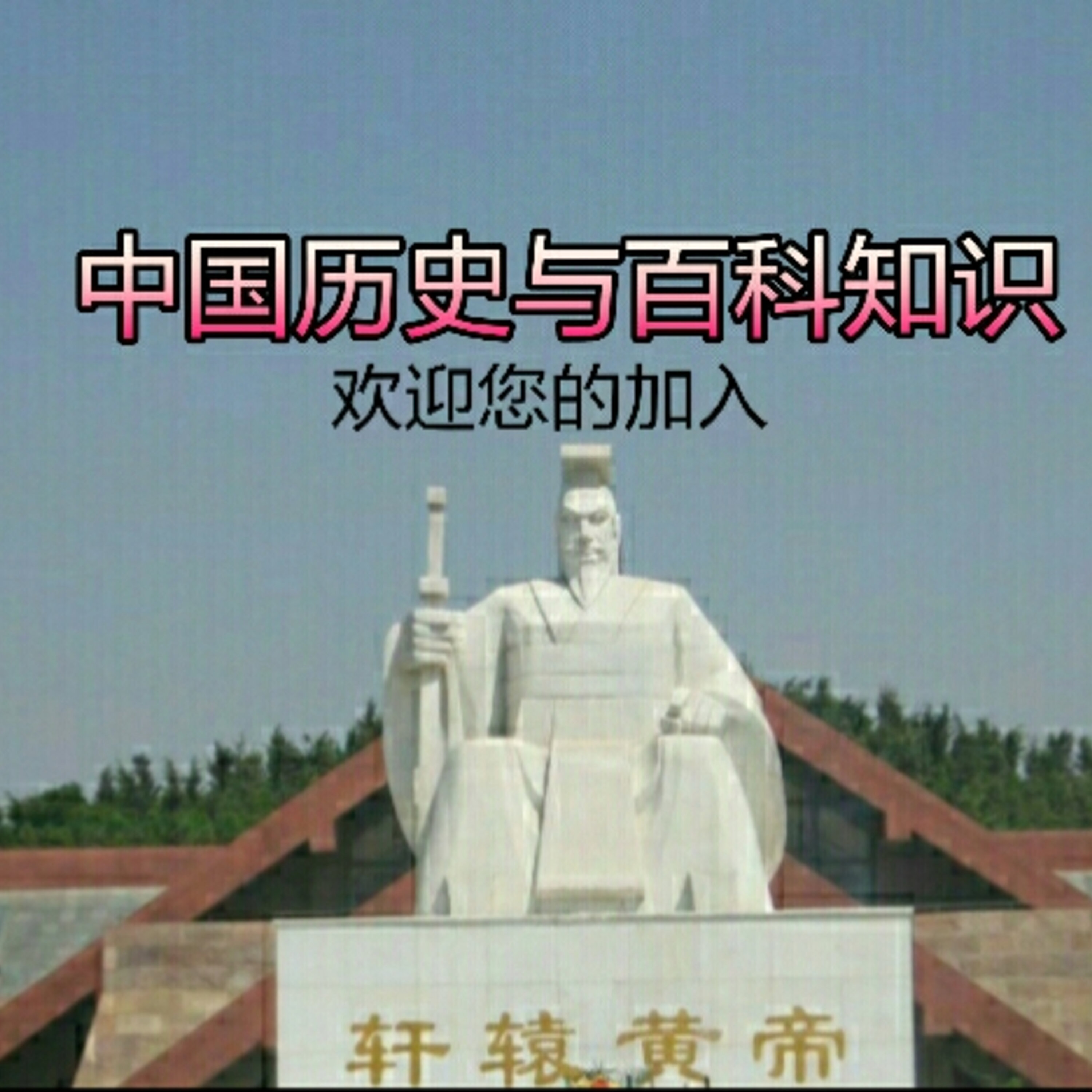
Inventing China: The Pick and Mix Approach
China's five thousand years of history has become a fact, repeated ad nauseum by the state-run media and Chinese textbooks alike, but could it be a national myth? In his recently published book, The Invention of China, Bill Hayton argues that “China” was cooked up by a small group of intellectuals who brought notions of sovereignty, citizenry and borders back from Europe just over 100 years ago, using a 'pick-and-mix' approach to history to invent their own past. But how does this interpretation sit against China's long historiographical tradition? In this episode, Hayton, a former BBC journalist now with the Asia program at Chatham House, tests his claims with Esther Klein, a senior lecturer in Chinese intellectual history at the Australian National University. Image: Yellow Emperor, Xinzheng. Wikimedia Commons 2017See omnystudio.com/listener for privacy information.
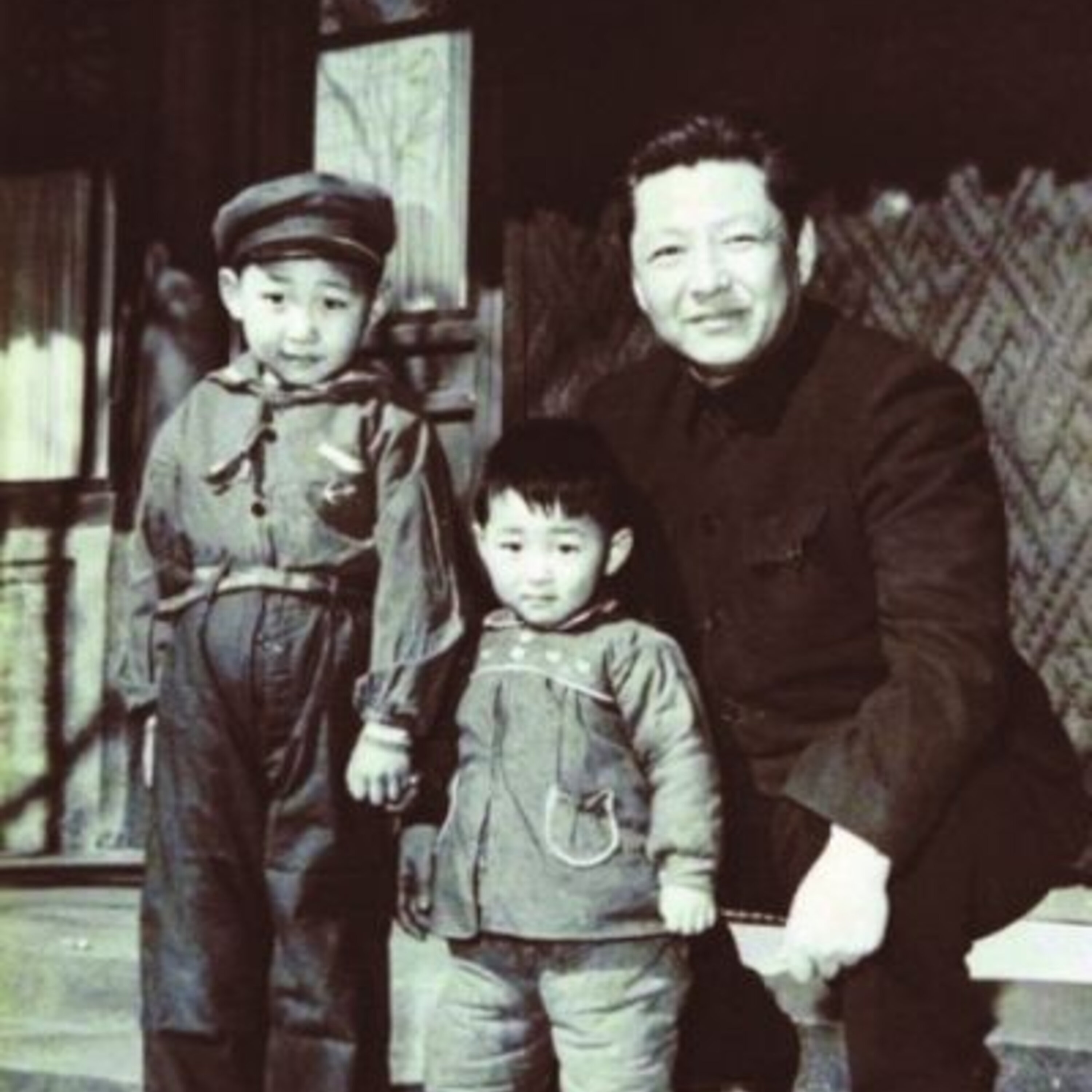
Xi Dada and Daddy: Power, the Party and the President
A quick glance at the headlines suggest that only one man seems to count in today’s China – the Chairman of Everything, as he’s been dubbed - Communist party leader President Xi Jinping. He’s helmed China’s reemergence as a world power through his aggressive foreign policy, while consolidating power at home. In this episode, we delve into his own princeling past, looking at his relationship with his father, former Vice Premier Xi Zhongxun, and how his family background has influenced his political philosophy. To discuss how Xi’s revolutionary past is shaping China’s future, we’re joined by the Chinawatchers' Chinawatchers, Frederick Teiwes from the University of Sydney and Joseph Torigian from American University in Washington DC. Image: Xi Jinping, Xi Yuanping and Xi Zhongxun in 1958, Wikipedia CommonsSee omnystudio.com/listener for privacy information.
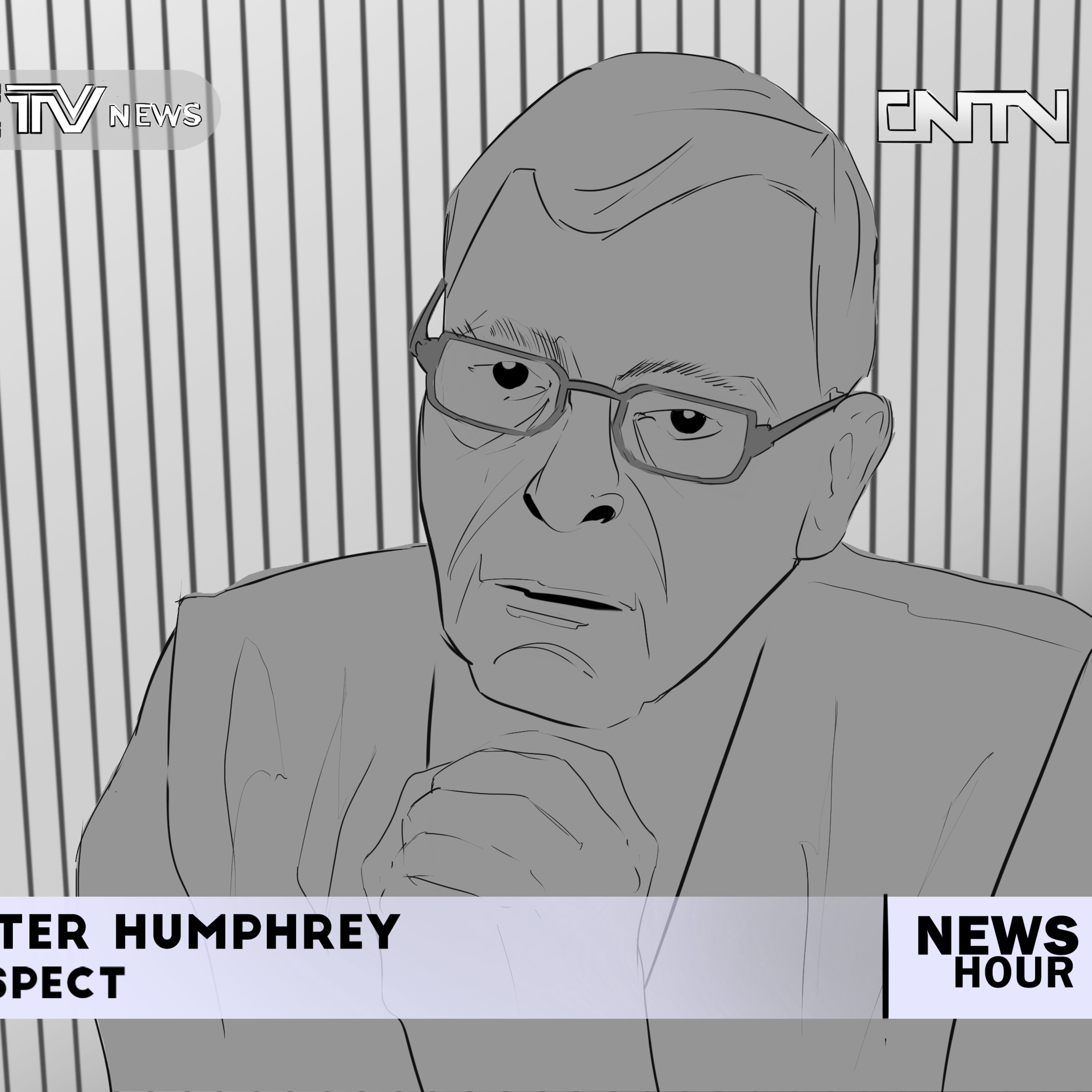
See the difference? CGTN in the dock
Last year China's international state-run broadcaster, CGTN, spent millions opening a state-of-the-art London headquarters. Just one year on, it may already be scrambling for an exit strategy. CGTN may even lose its licence in the United Kingdom after the British regulator found it breached the broadcasting code. This episode we interview two people who have brought complaints against CGTN after it broadcast their forced confessions: Peter Dahlin from Safeguard Defenders and private investigator Peter Humphrey. Along with Sarah Cook of Freedom House, they join Louisa and Graeme to discuss whether China's global media ambitions are being stopped in their tracks. Image: Peter Humphrey's TV appearance, c/- Alexey Garmash, Safeguard DefendersSee omnystudio.com/listener for privacy information.
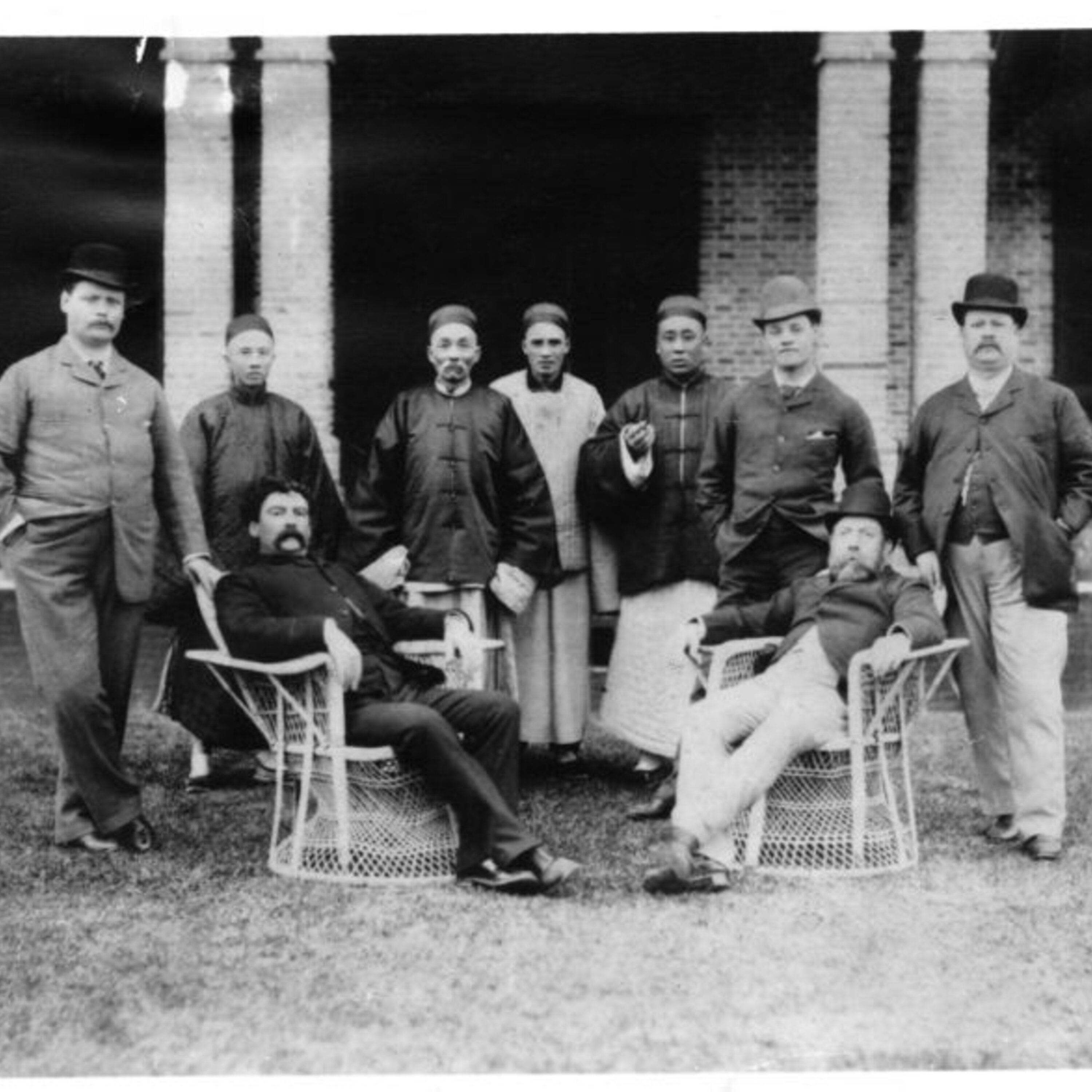
The New Compradors? Hong Kong's Taipans Face a New Era
Even before they had seen its contents, Hong Kong's family-run firms - including two non-Chinese business empires that have shaped Hong Kong - were lining up to pledge support to the New National Security legislation. Even in 2020, Hong Kong remains an oligopoly with a handful of wealthy conglomerates controlling vast swathes of Hong Kong's economy. But these family-run firms no longer have the luxury of remaining silent about Chinese politics. To look at two of these commercial dynasties and their role in creating Hong Kong as Asia's global city, Louisa and Graeme are joined by Robert Bickers who has written China Bound: A History of John Swire & Sons and Its World, and Jonathan Kaufman, former Wall Street Journal correspondent who examines the Sassoons and the Kadoories in the Last Kings of Shanghai: the Rival Jewish Dynasties that Helped Create Modern China. Photo credit: Wikiswire.com, B&S Shanghai Staff 1883. Licensed under the Creative Commons Attribution Noncommercial Share Alike 3.0 License.See omnystudio.com/listener for privacy information.

Trump's F*** China Moment: An Attitude, Not a Strategy
China-US ties are in a tailspin, spiralling ever deeper into an abyss. Just one short month has seen US sanctions on senior Chinese officials for atrocities against the Uyghurs, Hong Kong’s special status for trade and diplomacy revoked, and consulates closed in Houston and Chengdu respectively. There's even been talk of a travel ban on China's 92m Communist party members and their families. Is armed conflict really a possibility, and if so when? Louisa and Graeme are joined by Gady Epstein and Stanford University’s Oriana Skyler Mastro to discuss the strategy behind the belligerence and the timeline for war. Photo credit: Flickr. USS San Antonio alongside USS Carter Hall. (U.S. Navy photo by Mass Communication Specialist 2nd Class Corbin J. Shea/Released) 130321-N-SB587-349See omnystudio.com/listener for privacy information.
Hong Kong No More: The National Security Law and the Dual State
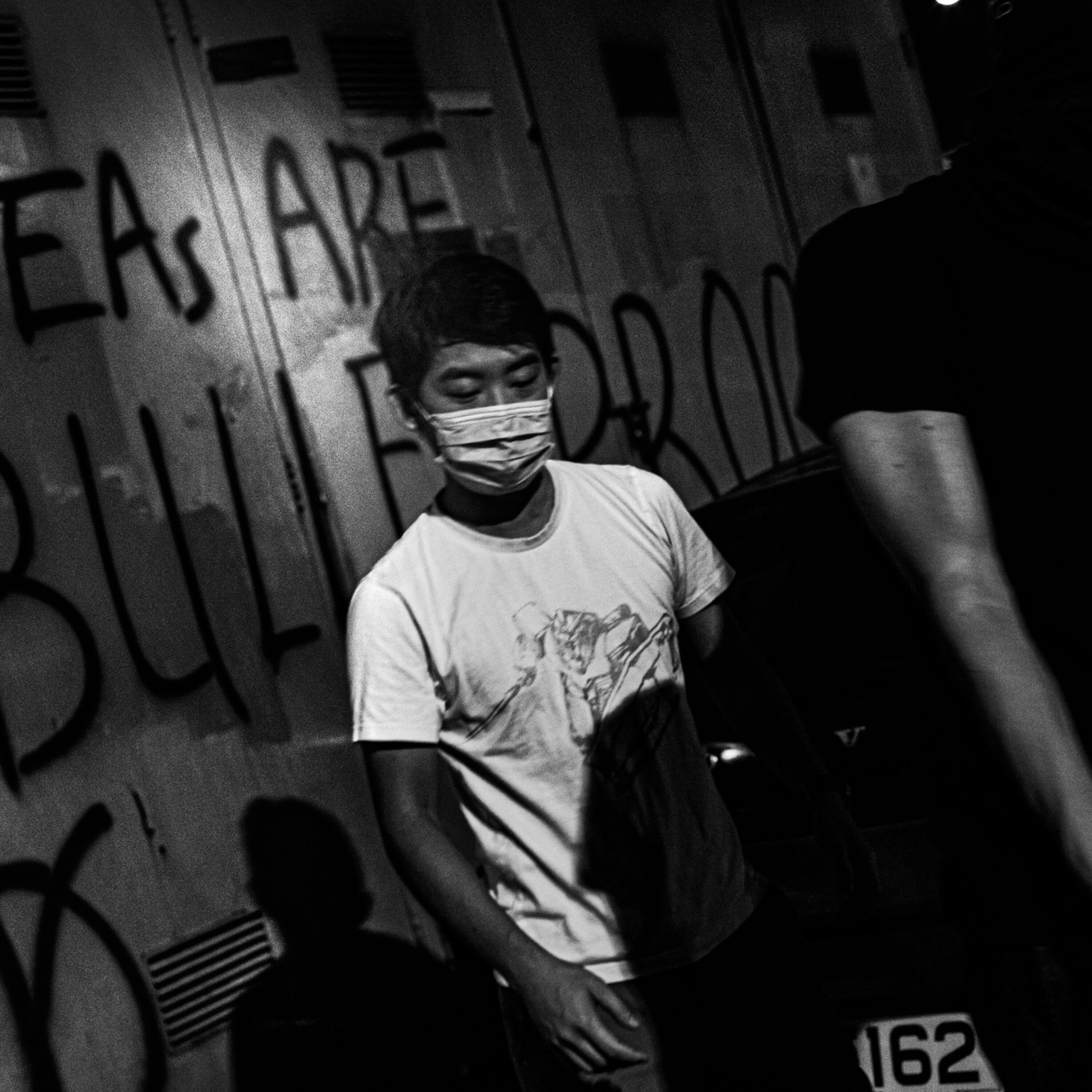
On June 30, Hong Kong will be subject to a new National Security Law. No one, not even Hong Kong’s Chief Executive, knows what will be in the bill, but details are slowly coming into focus. For critics, the legislation will create a ‘dual state’ that will undermine Hong Kong’s legal system and allow Beijing to target its opponents at will. For proponents, the bill will only affect a handful of people, and bring stability after a year of unrest. To ask whether the law spells the end of Hong Kong’s autonomy, Louisa and Graeme are joined by NYU legal expert Alvin Cheung, Lingnan University’s Ho Lok-sang and digital activist Glacier Kwong. Photo credit: Jonathan van Smit, Hong Kong Protests 2019, FlickrSee omnystudio.com/listener for privacy information.

Hong Kong: Anything We Say Could Be A Crime
For the first time since 1989 Hong Kongers are banned from holding their annual June Fourth vigil in Victoria Park. Despite this provocation, Hong Kong establishment figures—from vice chancellors to movie stars to religious figures—have been lining up to pledge their loyalty to China and their support for the proposed National Security Law that will be enacted in Beijing, bypassing the local legislature. Only one newspaper in Hong Kong opposes it: the popular Apple Daily. Today we speak to its chairman and founder, Jimmy Lai-Chee-ying to discuss the impact of that decision. Lai has already been called a traitor and accused of ‘subversion’ by China’s Global Times newspaper, even though this crime is not yet on the statute books in Hong Kong. Image: Hong Kong skyline at night, c/- Sergio Capuzzimati on Unsplash.See omnystudio.com/listener for privacy information.
Inside Job: How China is Changing Global Governance
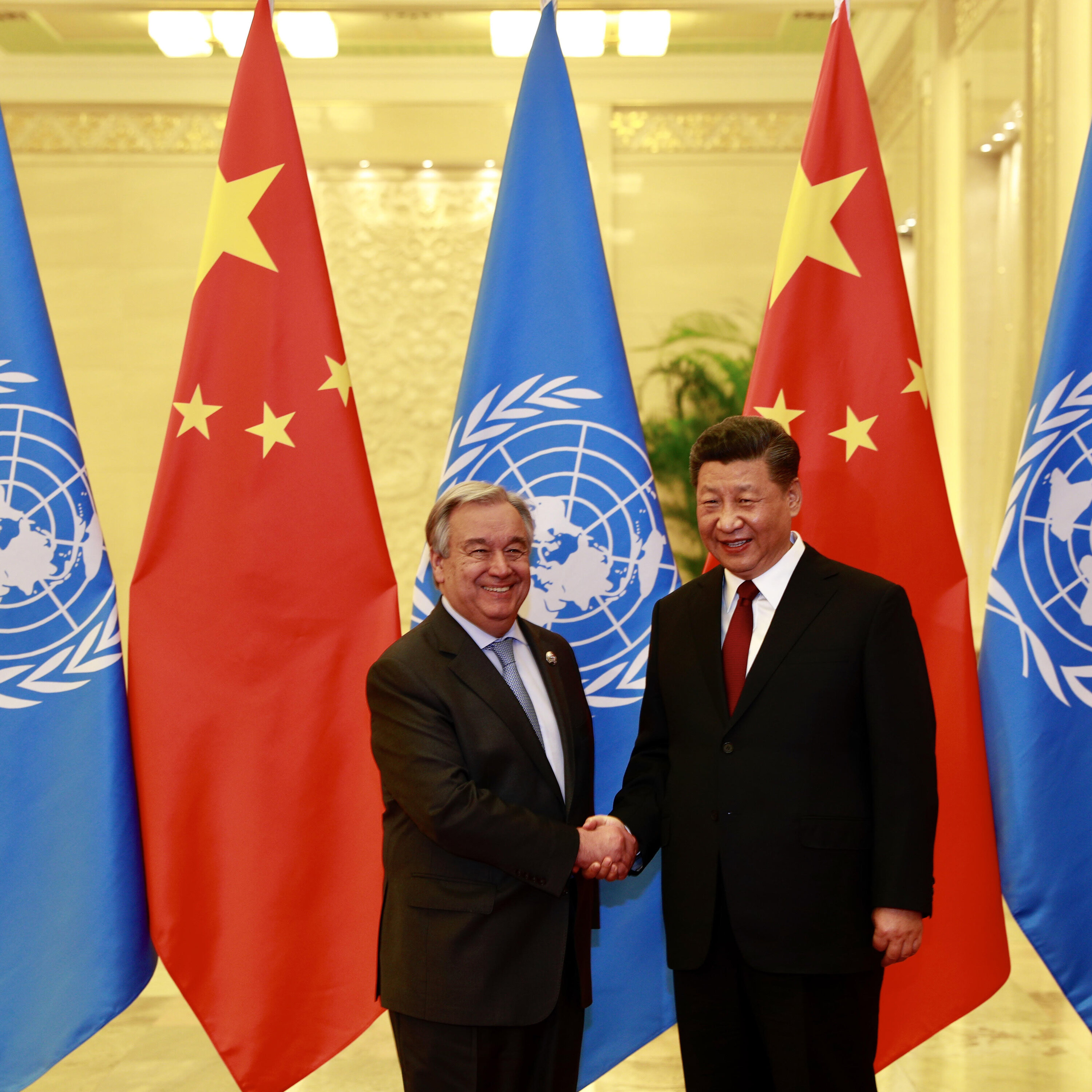
The byzantine rules and procedures of multilateral institutions form the backdrop for China's global power play, following President Xi Jinping's 2018 call for China to “lead the reform of the global governance system with the concepts of fairness and justice.” As the US pulls back from its global obligations, there's increasing evidence that China is simply changing the rules inside these global bodies. In this episode, we explore whether China is influencing three international organizations: the U.N. Human Rights Council, the World Trade Organization, and the World Health Organization. To ask whether Xi’s vision of a new global order is being realized, Louisa and Graeme are joined by Sophie Richardson, the China director at Human Rights Watch, trade expert Weihuan Zhou from the University of NSW’s law school, and freelance journalist Hinnerk Feldwisch-Drentrup who is the co-founder of MedWatch. Credit: UN Photo / Yun ZhaoCaption: Secretary-General Meets with President of China. Secretary-General António Guterres (left) meets with Xi Jinping, President of the People's Republic of China, in Great Hall of the People during the 2nd Belt and Road Forum in Beijing, China.26 April 2019See omnystudio.com/listener for privacy information.

Killing Me Softly: the Power Pandemic
China's Covid diplomacy dispatching facemasks and respirators overseas is being hailed as the ultimate soft power play. But is this really soft power? To answer this question, we're joined by the man who coined the term, Joseph Nye, the former dean of Harvard Kennedy School of Government as well as Bates Gill, professor in the Department of Security Studies at Macquarie University, and Natasha Kassam, a research fellow in the Diplomacy and Public Opinion Program at the Lowy Institute. Image credit: "AMCHAM Cares Co-Vid 19" by United States Embassy Kuala Lumpur is licensed under CC PDM 1.0See omnystudio.com/listener for privacy information.

Viral Disruption; The Pandemic That's Rewriting the Global Order
COVID-19 isn't just destroying economies, it's also reshaping the global order. In less than a month, the novel coronavirus has moved from being China's Chernobyl to being an advertisement for China’s brand of governance. As Western governments, in particular the US, fail to grapple with this enormous public health challenge, China is presenting itself as the world’s saviour. Beijing's multipronged approach includes using facemask diplomacy donating medical equipment to the West, while its diplomats try to sow doubt about whether the outbreak began in Wuhan. To discuss the geopolitics of COVID-19 against the backdrop of deteriorating US-China relations, we’re joined by Ian Bremmer, president and founder of the political risk consulting firm Eurasia Group and G-ZERO Media, and host of the podcast “GZERO World with Ian Bremmer”, as well as Bill Bishop, the founder of the Sinocism China newsletter, and Simon Rabinovitch, the Economist’s Shanghai-based correspondent. Photo credit: “Corona Virus” by danielfoster437 is licensed under CC BY-NC-SA 2.0See omnystudio.com/listener for privacy information.
"Round Up All Those That Should Be Rounded Up": State Violence in China
The “people's war” on COVID-19 has brought enforcers in hazmat suits onto the streets of Wuhan, where they're bundling ordinary citizens into vans, giving Han Chinese urbanites a taste of the kind of state violence that is normally reserved for dissidents and troublesome ethnic groups. In this episode, we discuss the changing nature of state violence in China, and how it manifests in the re-education camps of Xinjiang, on the streets of Hong Kong and on demolition sites across rural China. Is President Xi Jinping's China becoming a thug state? To address this question, we're joined by Lynette Ong, associate professor of Political Science at the University of Toronto, and Michael Clarke, associate professor at the National Security College of the Australian National University.See omnystudio.com/listener for privacy information.

High Noon for Xi Jinping: The President Vs The Virus
The coronavirus that has infected 70,000 people is being compared to China's Chernobyl in its political and economic fallout, but just how much of an inflection point will it be? This crisis is threatening the previously unchallenged authority of President Xi Jinping. It could reshape domestic policy imperatives and embed techno-authoritarian tendencies at local levels. It also has ramifications far beyond China's borders, potentially accelerating Beijing's economic decoupling with the outside world. To discuss what happens when a leader obsessed with control faces an uncontrollable foe, Louisa and Graeme are joined by Orville Schell, the Arthur Ross Director of the Centre for US China Relations at the Asia Society, Shaun Roache the chief Asia-Pacific economist at Standard & Poors, and from Wuhan by the New York Times’ Chris Buckley. Image: COVID-19 virus close-up, c/- Viktor Forgacs on Unsplash.See omnystudio.com/listener for privacy information.

Seedy Business: The Future of China's Industrial Espionage
Judging by the news headlines China is ramping up its industrial espionage efforts: secret payments to high-profile scientists, massive hacks of foreign universities and clumsy attempts to steal trade secrets the old-fashioned way. Intelligence agencies in the US and Australia have both issued dire warnings about the existential dangers posed by this sort of activity, but how much of a risk does China's espionage even pose? And should the FBI be devoting huge resources to protecting multinational corporations when they can be acquired by Chinese interests through mergers and acquisitions? In this show, Graeme and Louisa talk to Mara Hvistendahl, the author of the newly released book The Scientist and the Spy, as well as Yun Jiang, a former Australian civil servant and now co-editor of the Neican China newsletter about the future of Chinese economic espionage. Image Credit: rabesphoto, FlickrSee omnystudio.com/listener for privacy information.
Freedom is Restraint: How Core Socialist Values are Changing Language and Remoulding Humans
In the Xi Jinping era, China is quietly embedding core socialist values into every aspect of life, including the judicial system. When core socialist values were introduced in 2013, they sounded like one more slogan in the pantheon of forgettable party dogmas, but now they're gaining teeth. In this episode we examine how core socialist values are recoding language, legitimising CCP rule and could even pose a threat to Western civilisation. To explore what these values mean and how they are reshaping the way China is governed, Louisa and Graeme are joined by Delia Lin of the University of Melbourne.See omnystudio.com/listener for privacy information.

Ten Years Becomes Four as Life Imitates Art in Hong Kong
When the Hong Kong film Ten Years (Sap nin) came out in 2015, it was pulled from cinemas after Chinese state-run media described it as a 'virus of the mind'. Once seen as dystopian with its scenes of mass protest and police brutality, it now looks prophetic in a world where 88% of the Hong Kong population has been exposed to teargas. In this episode, we explore post-election, post-dystopian Hong Kong, and whether it's already too late for Beijing to reassert its control over an 'independence movement that cannot say its name'. This month Louisa Lim hosted a live recording after a screening of Ten Years with a panel consisting of Monash University anthropologist Kevin Carrico, Melbourne University's Victor Yim who studies Hong Kong's pan-democratic movement and Eric Lai, Vice Convenor of the Civil Human Rights Front.See omnystudio.com/listener for privacy information.

Power Projection: China’s Hollywood Dream
With cinema takings in the United States at a 22-year low, Hollywood moguls are looking to an unlikely saviour: China. With box office revenues growing at 9 percent, Hollywood is scrambling to find the formula for movies that make the cut of China’s 34 approved films and appeal to Chinese audiences. For every surprise hit, like The Meg and Warcraft, there are flops like The Great Wall. Like many an autocrat before him, Xi Jinping is enamoured of the silver screen, elevating film above radio and television in his 2018 overhaul of the propaganda apparatus. To discuss the special place of film in China’s global soft power push, back in March Louisa and Graeme were joined by City University of New York’s Ying Zhu and Variety Magazine’s Beijing bureau chief Rebecca Davis.See omnystudio.com/listener for privacy information.

Hong Kong Burning: The Rise of a Nation
As China's leaders gathered in Beijing to survey troops, fireworks and their latest missiles, a different scene was unfolding in Hong Kong. Police shot an 18-year old protestor in the chest and unleashed a staggering 1400 rounds of tear gas on the population. The protests originally targeted the extradition bill and then grew into democratic protests, but now protestors increasingly identify as a Hong Kong nation. What does this mean and how does it affect the endgame? Graeme and Louisa hear voices from the streets including the Civil Human Rights Front's Wong Yik-mo, activist Johnson Yeung Ching-yin and Brian Fong from the Education University of Hong Kong. Image: Hong Kong protesters on the streets of the city from above, c/- Joseph Chan on Unsplash.See omnystudio.com/listener for privacy information.
Big Bad China? The New Cold War
On the 70th anniversary of the founding of the People's Republic of China, has CCP Chairman Xi Jinping overreached? He's facing blowback everywhere from Hong Kong to Xinjiang amid an escalating trade war with the US. Even his signature infrastructure project, the Belt and Road Initiative, has run into trouble. Is the world entering a new cold war? We ask former Obama administration Asia advisor Charles Edel, now with the University of Sydney, and the Lowy Institute's Richard MacGregor, who is the author of Xi Jinping: The Backlash.See omnystudio.com/listener for privacy information.
Should I stay or should I go now? Inside the Solomons’ Big Switch
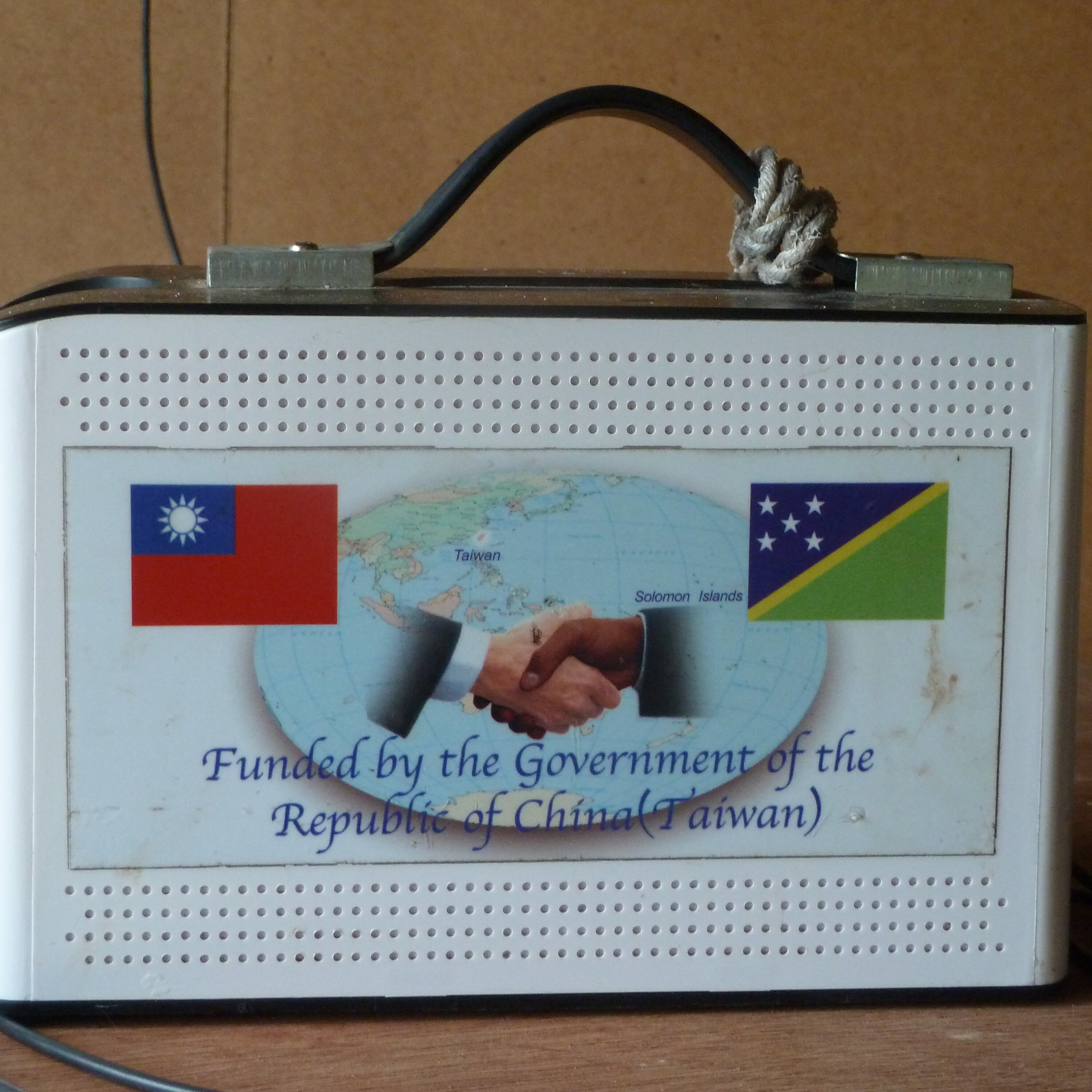
The South Pacific nation of the Solomon Islands may be on the verge of switching diplomatic allegiance from Taiwan to China, which would leave only sixteen nations recognising Taiwan. When Manasseh Sogavare was appointed prime minister of the Solomons for the fourth time in April, he vowed to review the country’s relations with Taiwan, even though he has been a longtime supporter of the Republic of China. In this episode, Graeme speaks to all the major players in the Solomon Islands, including the Prime Minister, to investigate the reasons behind the switch. He found the background to the switch was far murkier and more complicated than has been previously reported. Photo credit: Terence Wood. Solar panel batteries, given to every Solomon Islands MP See omnystudio.com/listener for privacy information.
Be Water: Hong Kong vs China, with Denise Ho, Badiucao and Clive Hamilton
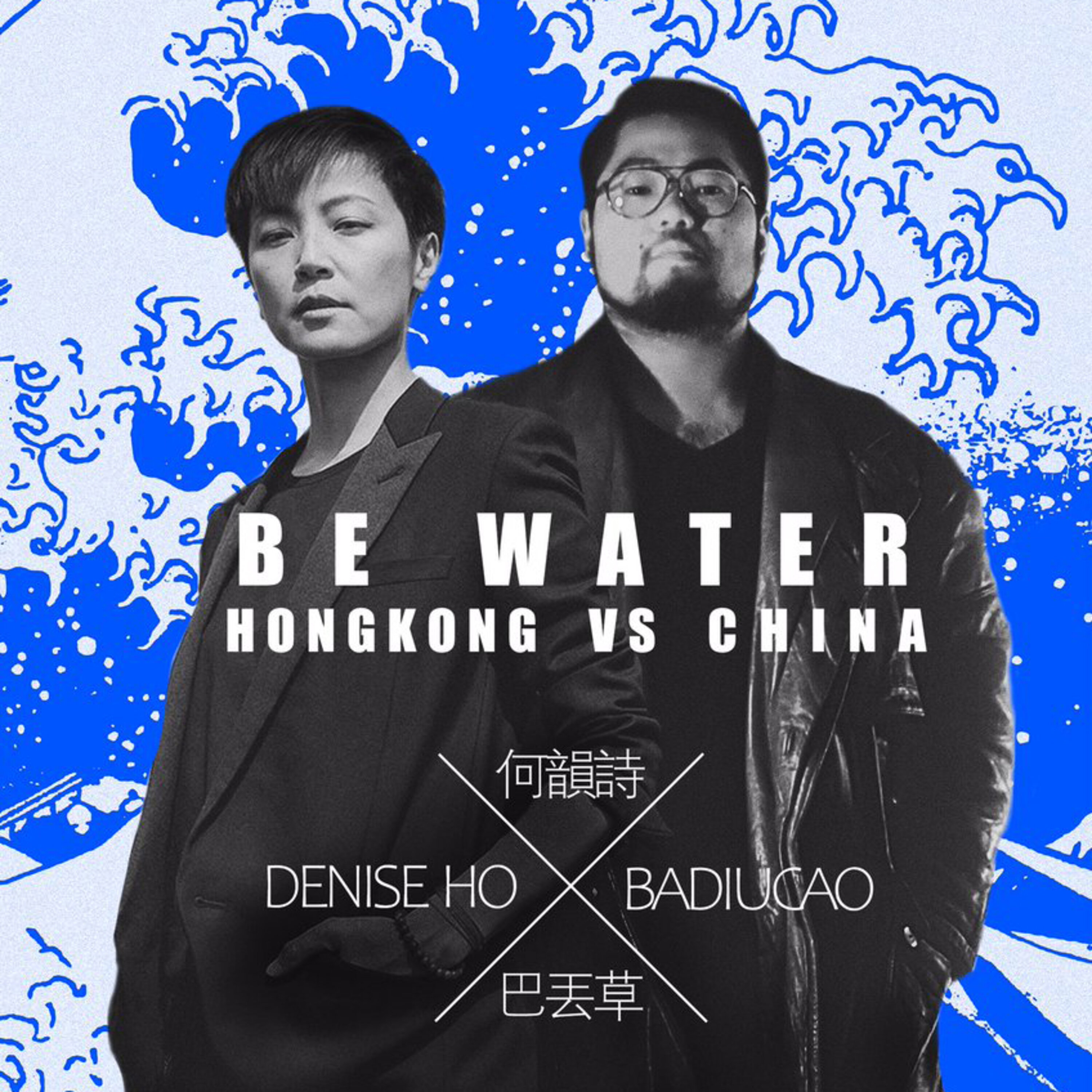
As the news broke that Hong Kong’s Chief Executive Carrie Lam had withdrawn the extradition bill that had sparked three months of unrest in Hong Kong, Little Red Podcast co-host Louisa Lim was moderating the event 'Be Water: Hong Kong vs China'. This panel event, featuring Hong Kong popstar and activist Denise Ho, Chinese artist Badiucao and author Clive Hamilton, was a discussion about resistance and art in Hong Kong, but also included this breaking news. An edited version of the event comprises this episode.See omnystudio.com/listener for privacy information.
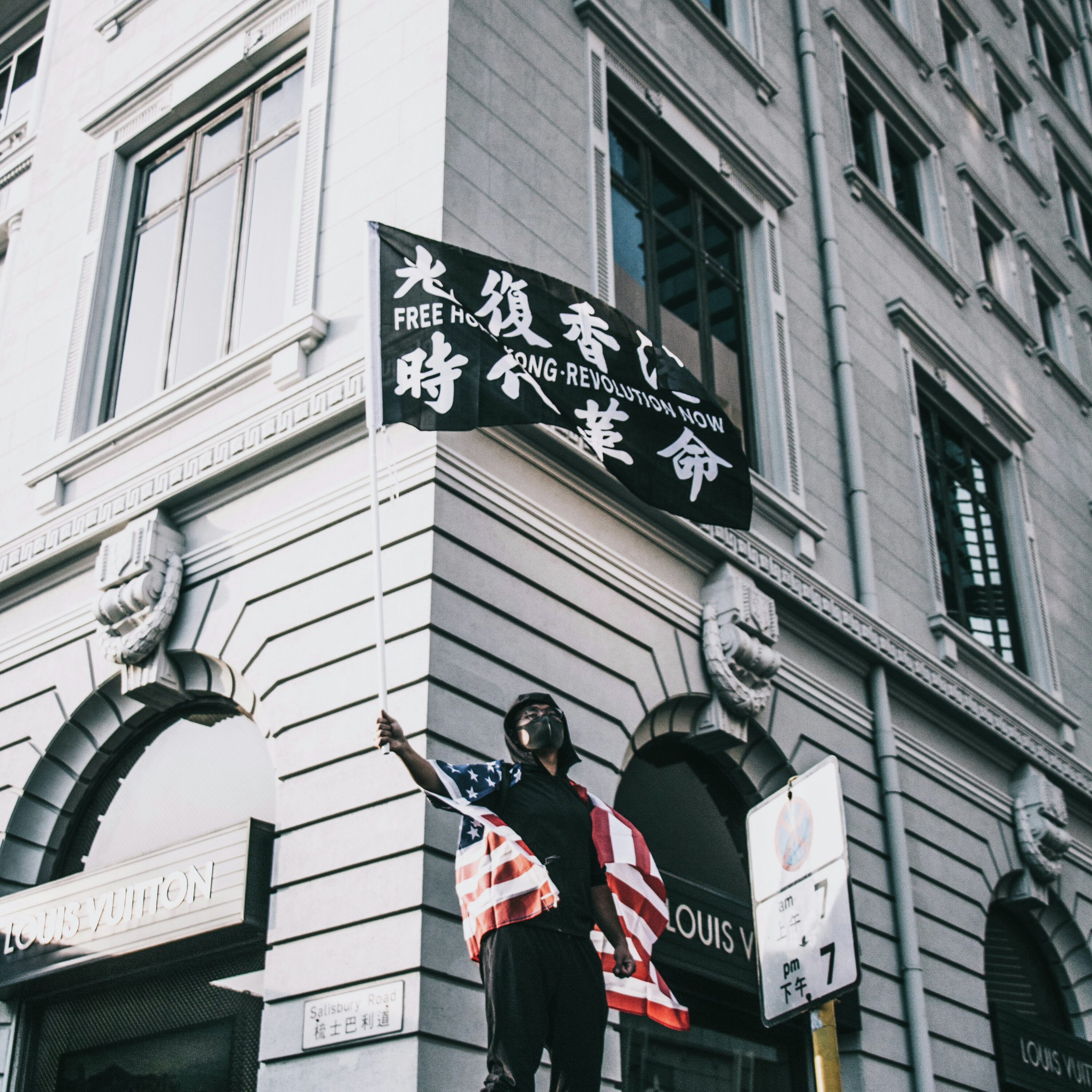
Desperate Hong Kong: The Movement Behind The Mask
As Hong Kong enters its eleventh week of turmoil, we hear voices on the ground. From 15-year olds who can hardly remember how many times they have been teargassed to thirty-somethings ready to serve prison sentences, the consensus is that Hong Kong is playing out its endgame. We also travel across the political divide, to hear from attendees at a pro-police rally who feel their voices aren't being heard. Last weekend saw 1.7m protestors taking to the streets without any violence. So who are the protestors, and what will they accept? Research by a team led by political scientist Samson Yeung of Lingnan University, which has surveyed 8000 protestors, indicates any compromise may be hard to strike, given a high degree of support for radical action within the movement.See omnystudio.com/listener for privacy information.
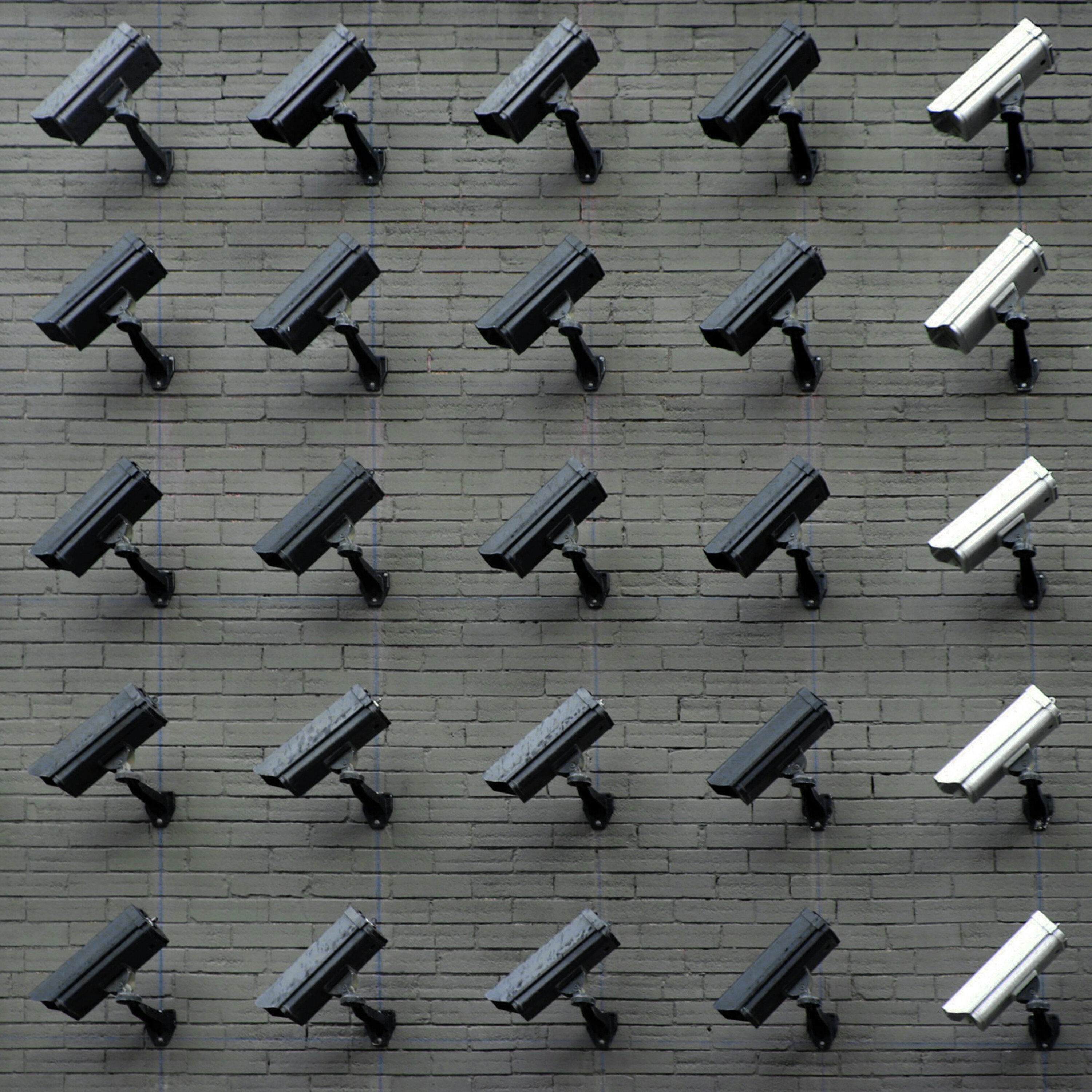
Chose Your Own Dystopia Part Two: Cashing in on Social Credit
By 2020, less than half a year from now, a social credit scheme will cover people and companies across China, “allowing the trustworthy to roam everywhere under heaven while making it hard for the discredited to take a single step.” It’s long been assumed the Chinese state would take the lead, but favored companies will doubtless profit from a database that will house every citizen’s tax records, criminal history, traffic offenses, family background and marriage details. There are signs these companies are likely to export a surveillance-for-profit regime to other regimes keen to keep a close eye on their people. To ask whether China’s future looks like Lei Feng, Black Mirror or Dave Egger’s The Circle, Louisa and Graeme are joined by Gladys Pak Lei Chong and David Kurt Herold of Hong Kong Baptist University.See omnystudio.com/listener for privacy information.
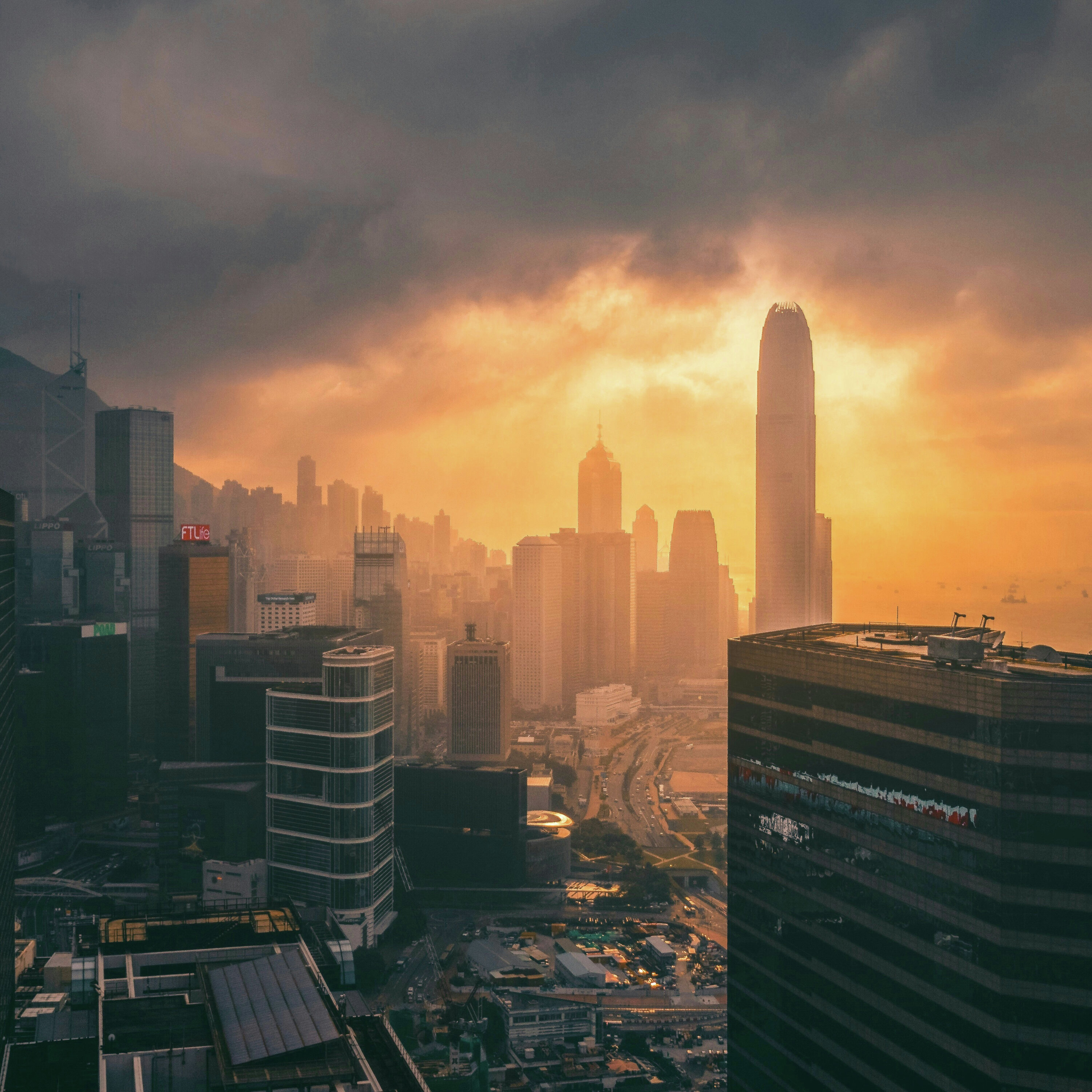
Hong Kong’s Dirty Little Secret: Is One Country Two Systems Dead?
Our third Hong Kong emergency episode comes in the wake of the storming of the territory's Legislative Council on the 22nd anniversary of its return to mainland China. Louisa reports from the floor of the Legco chamber as it is occupied and vandalized by hundreds of demonstrators, all risking hefty jail terms. With Hong Kong’s Chief Executive Carrie Lam still refusing to scrap the extradition bill which inspired millions of Hong Kongers to take to the streets, the territory could be set for further waves of radical action and repression. Protestors at the scene, as well as activists Johnson Yeung and Kong Tsunggan, legislator Eddie Chu Hoi-dick, and former Chief Secretary of Hong Kong Anson Chan join us to ask what the endgame for Hong Kong might be.See omnystudio.com/listener for privacy information.
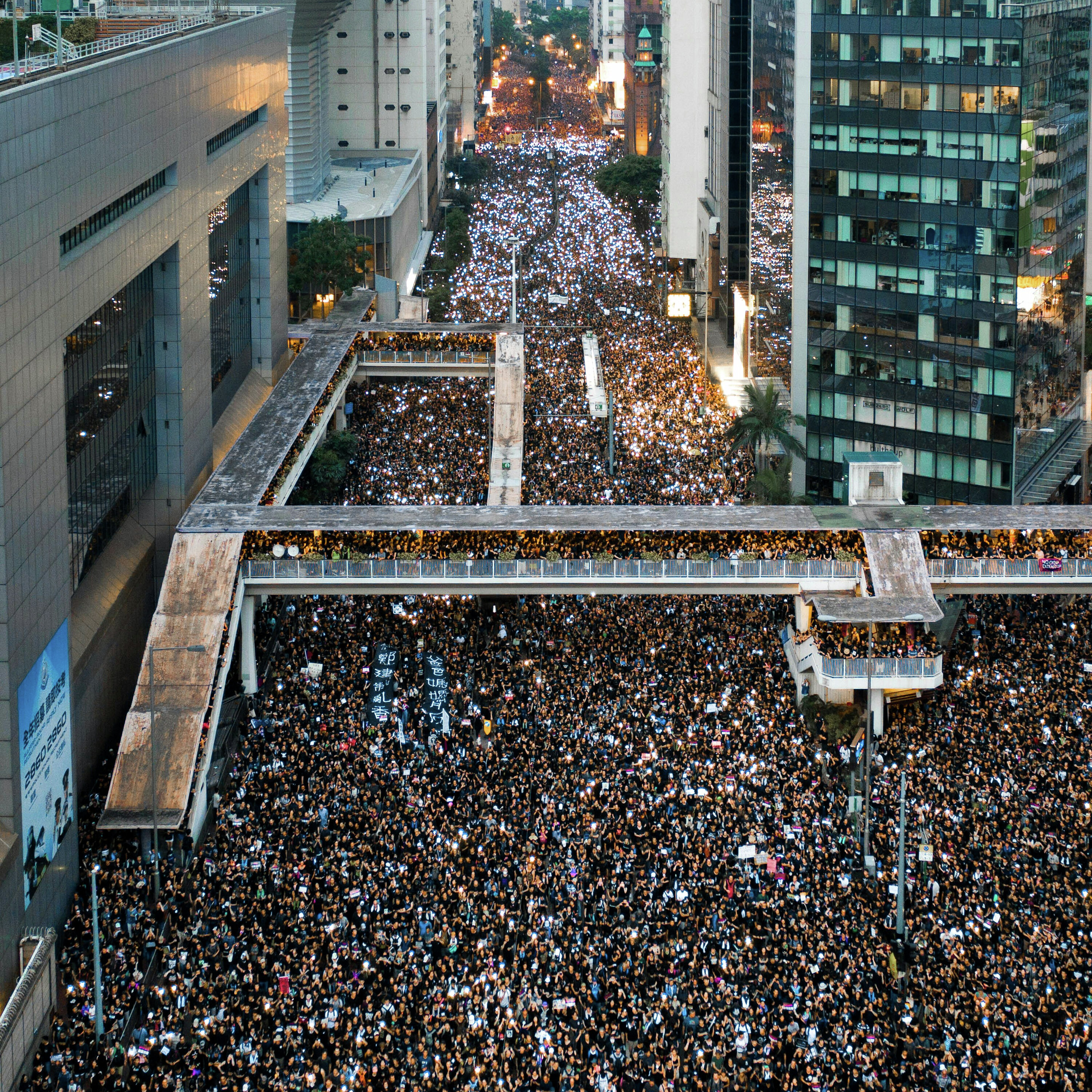
Sing Hallelujah: The Miracle of Hong Kong’s March
We’re bringing you a second emergency podcast from Hong Kong, which has seen more record protests over the weekend. According to organisers, two million people—nearly one-third of Hong Kong residents—marched on Sunday, despite the Hong Kong government’s promise to shelve its unpopular extradition bill. With public faith in its institutions shattered and a pattern of popular mobilization and radical action in train, we’ll be asking if Hong Kong is now governable at all. Louisa reports from the protest frontlines, and we’ll be hearing calls for more democracy from Civic Party legislator Alvin Yeung and Cardinal Joseph Zen, the 87-year-old cardinal of the Catholic Church.See omnystudio.com/listener for privacy information.
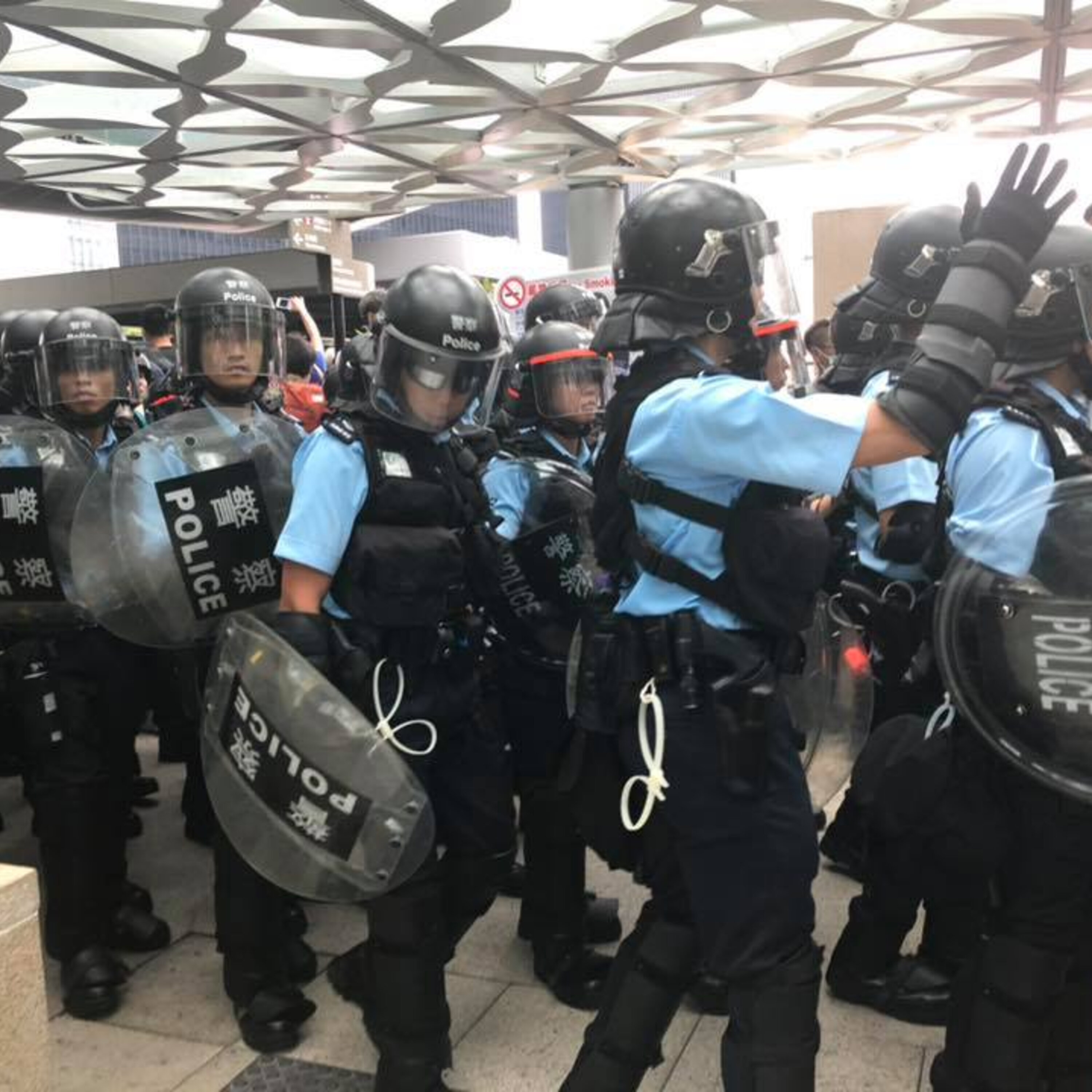
Hong Kong's Darkest Hour
We bring you an emergency podcast from Hong Kong, one day after extraordinary police violence saw 79 people injured by baton charges, rubber bullets and over 150 rounds of tear gas. This dark turn comes only a few days after one million Hong Kongers—one in seven residents—took to the streets to protest proposed legal amendments that would allow citizens to be extradited to mainland China. Louisa reports from the protest frontlines and talks to Antony Dapiran, author of City of Protest: A Recent History of Dissent in Hong Kong as well as Jeffrey Ngo, chief researcher of the political group Demosisto. Photo credit: Louisa Lim 2019See omnystudio.com/listener for privacy information.
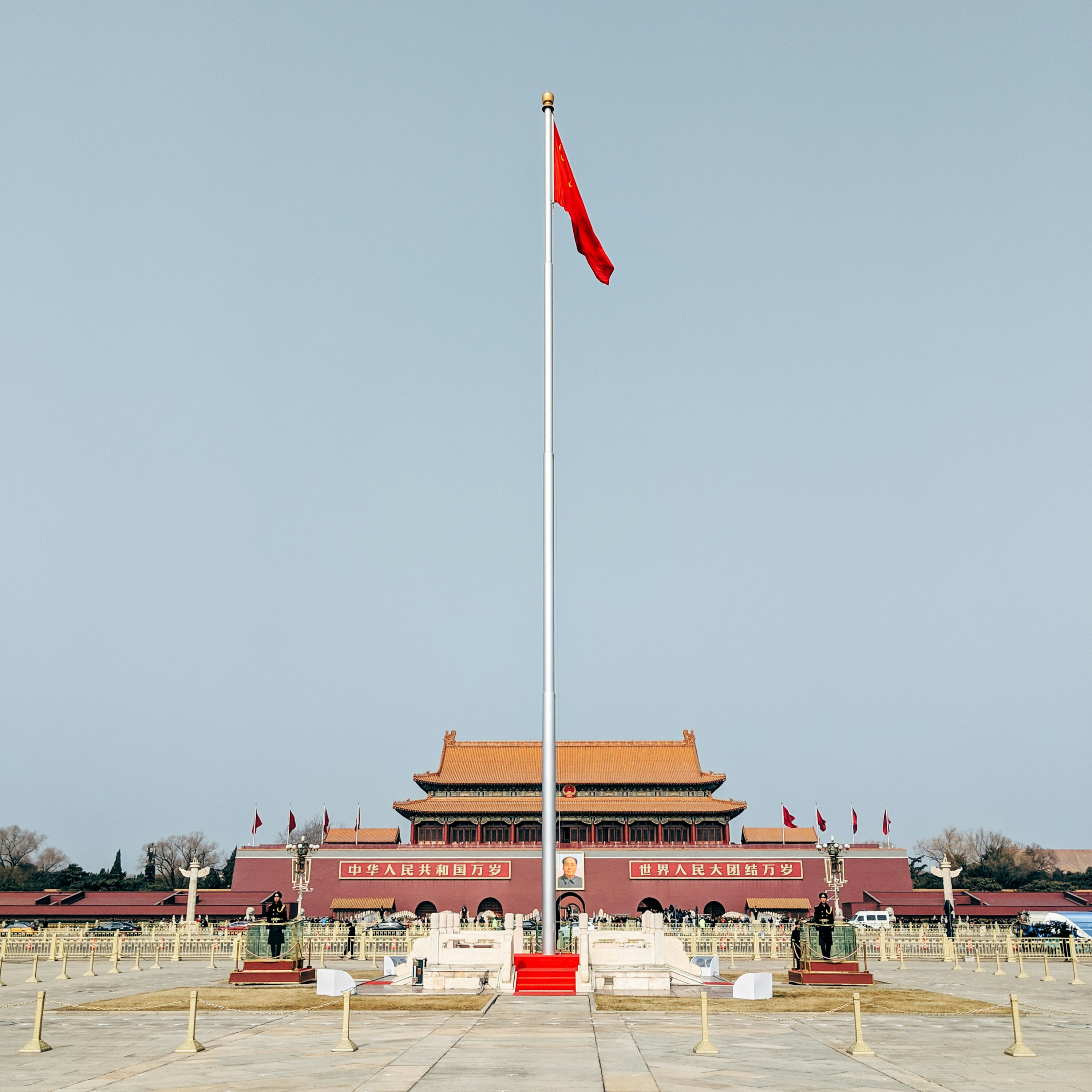
Tiananmen's Final Secret
Tuesday June 4 marks the 30th anniversary of the deadly crackdown ordered by Deng Xiaoping, which killed hundreds – maybe thousands – of people in Beijing and Chengdu. While the campaign to erase all memory of the event continues, explosive new information has emerged in the lead up to the anniversary. It reveals new details about resistance to the crackdown among the military and how the Communist Party managed the aftermath of Tiananmen. Former student leaders Wang Dan and Zhou Fengsuo as well as the publisher of The Last Secret, Bao Pu and Joseph Torigian of American University join us in this episode to discuss these revelations and what life is like in exile for the student leaders. Image: Chinese flag raised in front of Tiananmen, c/- Markus Winkler on Unsplash.See omnystudio.com/listener for privacy information.
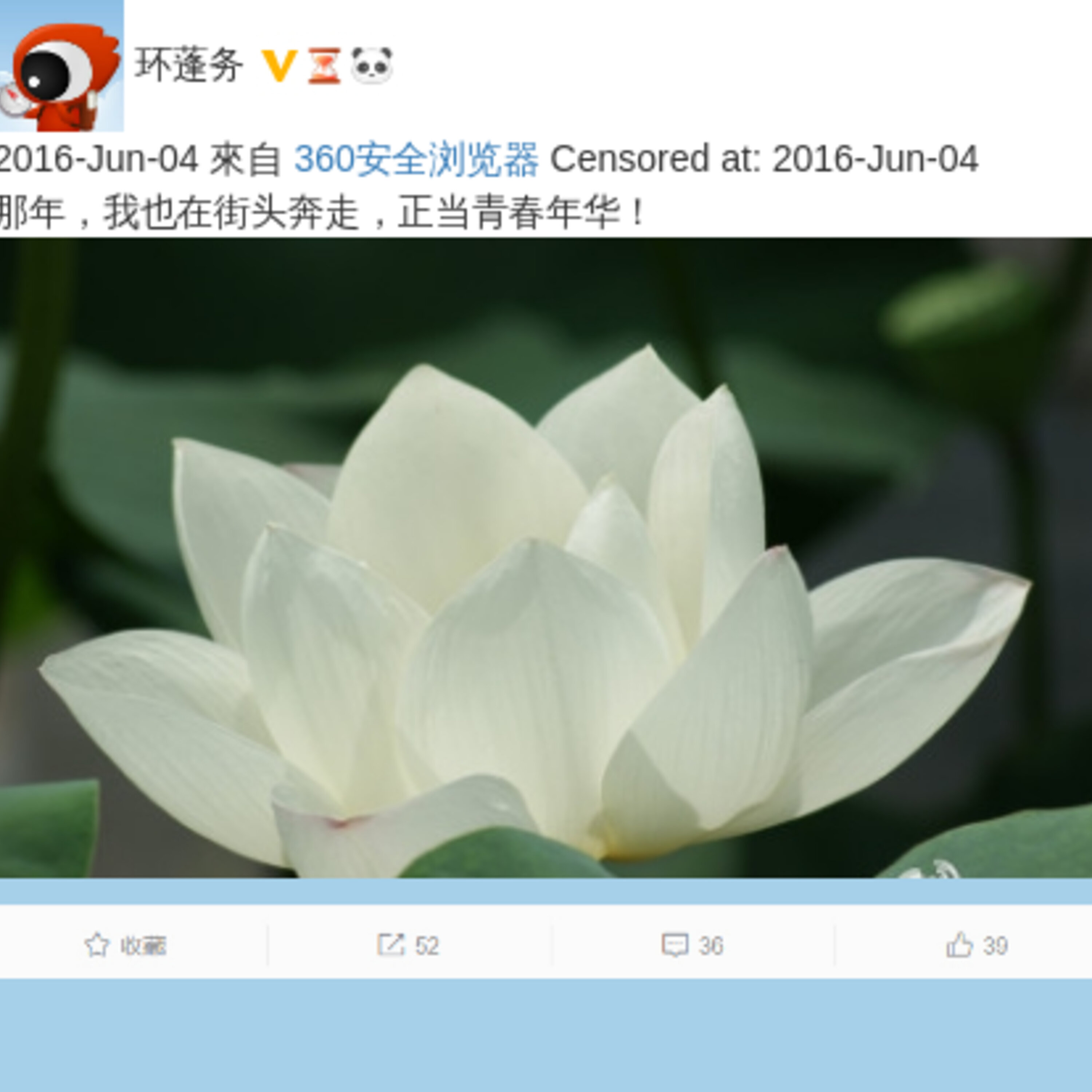
Choose your own Dystopia Part One: Social Media and Surveillance Capitalism
With Chinese citizens’ lives increasingly coded into data streams, the question of who owns this data and how it gets used is largely up to private companies. They control massive volumes of personal information and are tasked by Xi Jinping with everything from astroturfing public opinion to monitoring one-to-one chat in real time. As these companies expand beyond China’s borders, their operations and relationship with the Chinese state bear further scrutiny. To shed light on how China’s tech giants do the Party’s work, Louisa and Graeme are joined by Fu Kingwa from Hong Kong University, Masashi Crete-Nishihata from the University of Toronto’s Citizen Lab and Blake Miller of London School of Economics and Political Science, formerly of Dartmouth College. Photo credit: Weiboscope 2016See omnystudio.com/listener for privacy information.
Resignation Syndrome? Democracy and Jail in Post-Umbrella Hong Kong
Hate mail, death threats and shadowy surveillance are facts of life for Hong Kong’s pro-democracy activists, five years after the Umbrella movement brought a million people onto the streets calling for greater democracy. Since then, 48 legal cases have been brought against 32 different activists, often on colonial-era public order offences. Louisa and Graeme are joined by two leaders of the Umbrella Movement to talk about jail, democracy and political repression. They are Chan Kinman, one of the co-founders of Occupy Central, who faces a verdict in his trial with eight others on 8 April, and Nathan Law, the disqualified lawmaker from the Demosisto Party, who is also one of Hong Kong’s first political prisoners. Photo credit: AFP/JIJISee omnystudio.com/listener for privacy information.
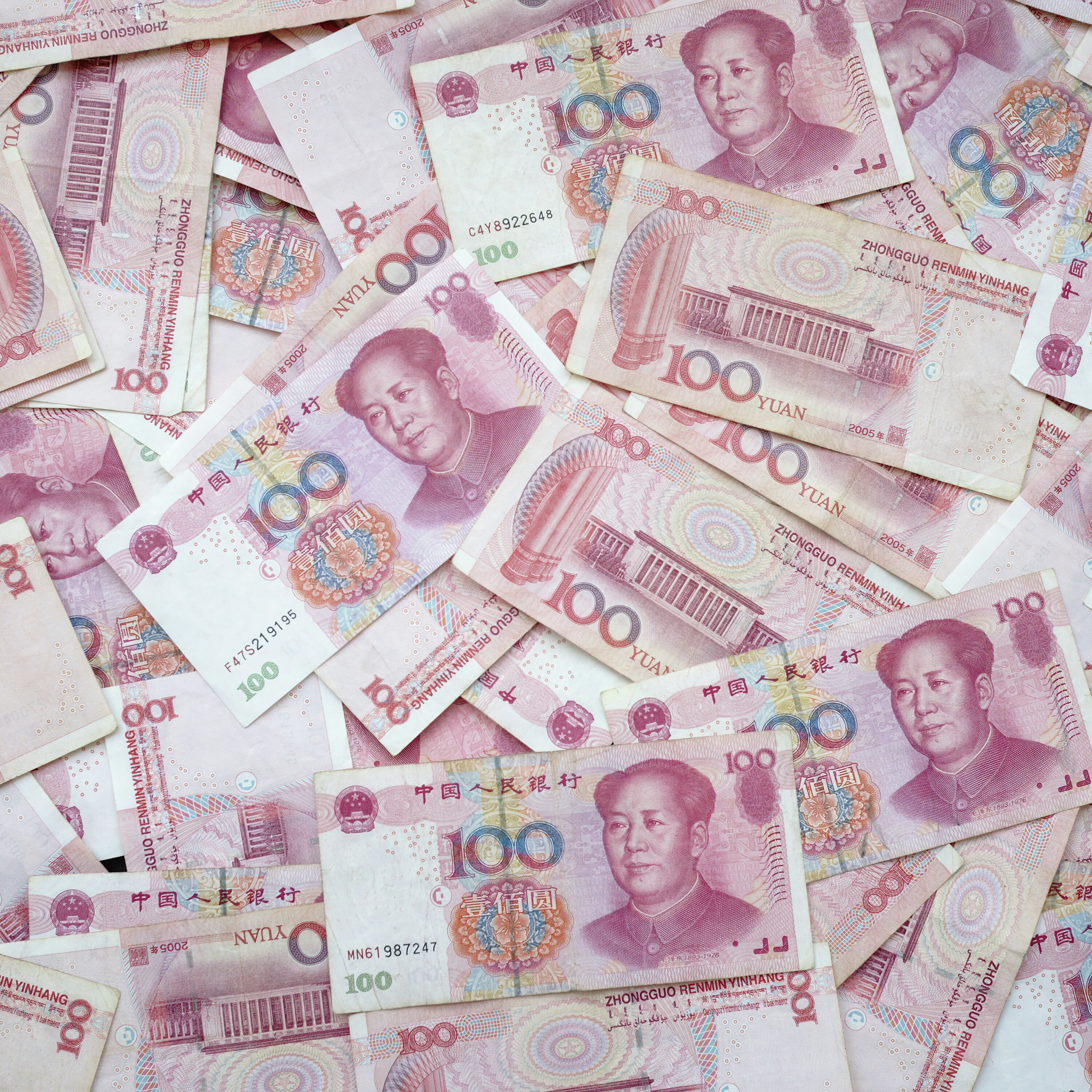
Leveraged to the Limit: Power Shifts in Xi Jinping's China
The Chairman of Everything Xi Jinping has emerged from the annual parliamentary meetings facing a rough year ahead. China's economy is growing at its slowest in nearly three decades, amid a massive trade war and spiralling local debt, with rumblings of discontent from delegates about everything from the Belt and Road Initiative to Made in China 2025. Louisa and Graeme are joined by Andrew Collier of Orient Capital Research and Ryan Manuel of Hong Kong University, who argue that both political and economic decentralisation is underway, laying Xi vulnerable to forces beyond his control. Photo credit: Hindustan TimesSee omnystudio.com/listener for privacy information.

Step Up or Be Overrun: China’s Challenge for the Pacific
The Pacific is seeing a flurry of diplomatic activity: Australia is ‘stepping up’, New Zealand has ordered a ‘Pacific reset’ and even Great Britain is reopening missions in its former Pacific colonies. The reason for their sudden interest is simple: China. If Beijing comes good on $4 billion in aid pledges, it could overtake Canberra as the largest donor to the Pacific. Often missed in this new Great Game are the concerns of Pacific Islanders, looking to make the best of this fresh interest in their blue Pacific. To discuss the Pacific’s China challenge, Graeme and Louisa are joined by Vanuatu’s Foreign Minister Ralph Regenvanu, Secretary-General of the Pacific Islands Forum Dame Meg Taylor, as well as Pacific academics Patrick Matbob and Transform Aquora and former Chinese diplomat, Denghua Zhang. Photo Credit: Shaun Gessler 2016See omnystudio.com/listener for privacy information.

Hotpot Wars: Tensions bubble in the battle for China’s Culinary Soul
China has been engulfed by a controversy that strikes at the very heart of the nation—forget the South China Sea, rampant human rights abuses, even a looming economic crash. Last month food critic Chua Lam, otherwise known as the Food God, called for the end to the PRC’s most beloved dining craze: hot pot. The backlash has been immense, with enraged Weibo users calling for Chua Lam’s abolition. To discuss whether hotpot is indeed an uncultured blight on China’s rich culinary landscape, cookbook author extraordinaire Fuchsia Dunlop joins Louisa and Graeme. Also there's a chance to win a Little Red Podcast mug in our first ever competition. Snap a pic of the dish you'd like to disappear and send it to us on Twitter or Facebook to be a contender. Image: Spicy hot pot, c/ Peijia Li on Unsplash.See omnystudio.com/listener for privacy information.
#XiToo: Chinese Feminism and The Party’s Hyper-Masculine Reboot
China is becoming a more unequal place for women, in 2018 slipping for a fifth consecutive year in the World Economic Forum's Gender Gap index. Chairman Mao may have proclaimed that women can hold up half the sky, but the Communist party under Xi Jinping holds a far narrower view of female roles, cracking down on feminist activists and backing traditional values. The impact is economic too, with research showing that being born female in China has a bigger impact on your earnings than any other variable, including family wealth. This month, Louisa and Graeme are joined by two experts on the origins of China's gender divide, Leta Hong Fincher, who's just published a book called Betraying Big Brother and economist Jane Golley from the Australian National University.See omnystudio.com/listener for privacy information.

Keeping the Faith? Xi's Deal with the Holy See
The Vatican and China have signed a deeply controversial agreement on the appointment of bishops, ending the cold war that has frozen ties since 1950. That deep freeze led to schisms between the official and underground churches, with some clergy persecuted for decades and the church refusing to recognise Beijing's handpicked bishops. But the new agreement has divided the faithful yet again, with some fearing Catholicism is facing calamity as President Xi Jinping tightens control over religion. To explore what’s behind this sudden rapprochement and what it could mean for China’s 12 million Catholics, Louisa and Graeme are joined by Jeremy Clarke, a former Catholic priest who has researched China's historical relations with the Holy See. Image: Front view of Saint Peter's Basilica at the Vatican, c/- Fabio Fistarol on Unsplash.See omnystudio.com/listener for privacy information.
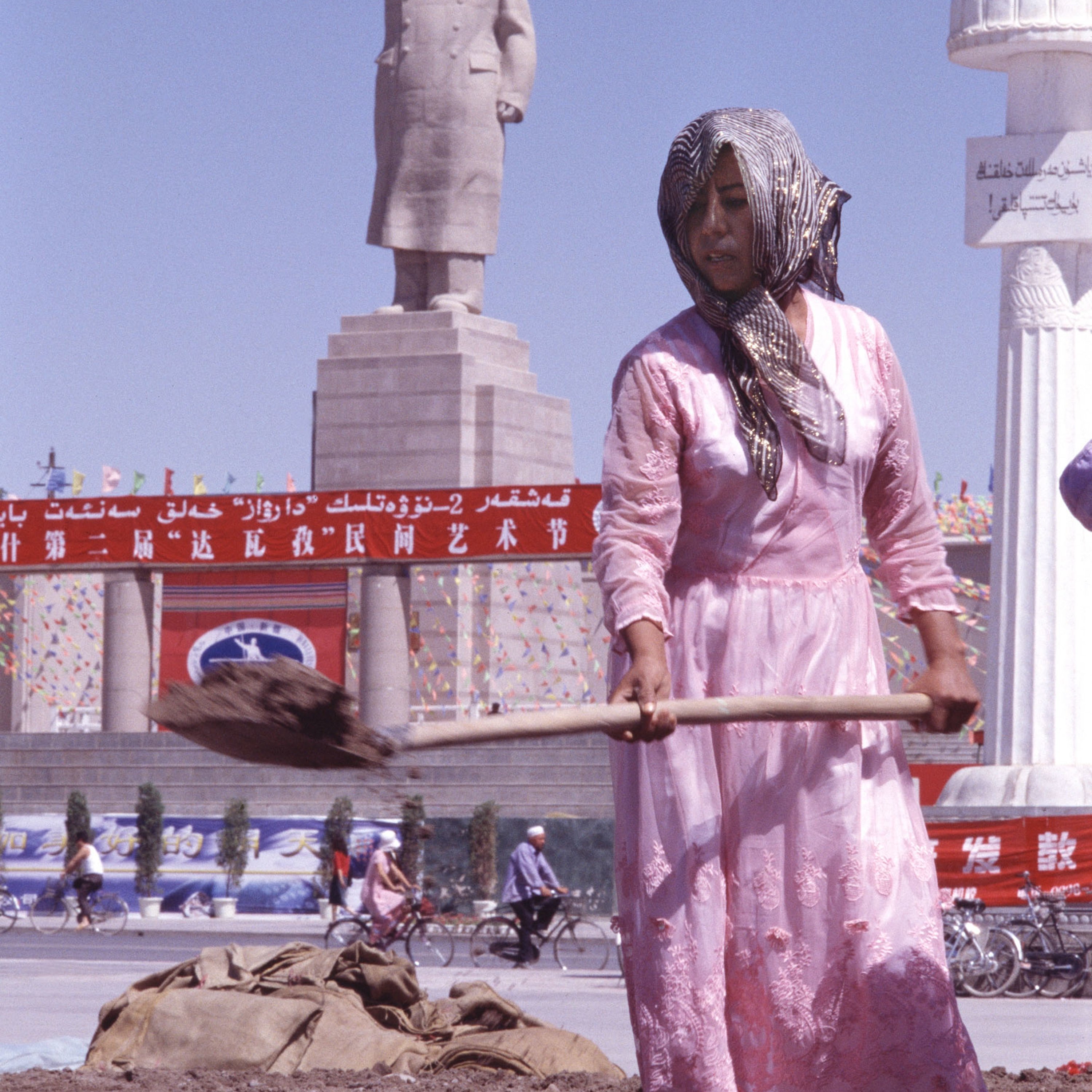
Xi Jinping’s War on Uighurs. Part 3: The Endgame
"Domestically I don't think the Uighur culture will survive." China now acknowledges the existence of mass indoctrination camps in Xinjiang - which it calls 'vocational training centres' - after months of denial. Its latest propaganda campaign showcases Uighurs inside the camps thanking the Party for teaching them skills and saving them from Islamic extremism. In this episode, Louisa and Graeme are joined by Nury Turkel, chairman of the Uyghur Human Rights Project, and James Leibold of La Trobe University to explore the reasons behind the Communist Party’s about-face. The traditional Uighur way of life now faces an existential threat inside Chinese borders, both through standardisation campaigns and the despatch of a million (largely Han Chinese) citizens into Uighur homes. Photo credit: Kashgar People's Square (c) Tom Cliff 2002See omnystudio.com/listener for privacy information.
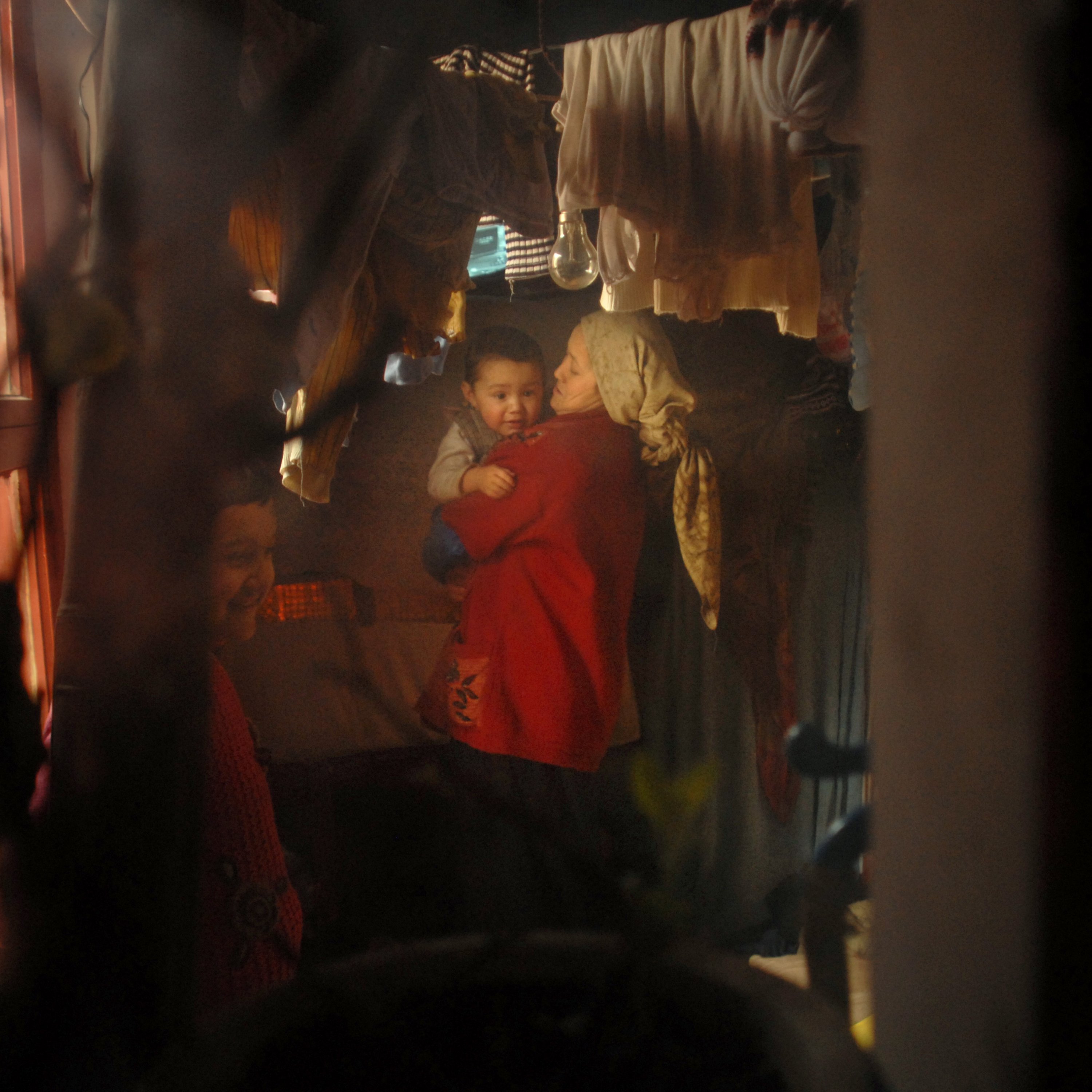
Xi Jinping’s War on Uighurs. Part 2: The New Frontier
The language used by the Chinese state in Xinjiang pathologises Islam, seeing it as an "ideological virus" which needs eradication by transformation through education. In recent days, China has publicly justified the mass internment of Uighurs as necessary in its struggle against the "three evils" of terrorism, separatism and religious extremism. In part 1, Louisa and Graeme heard testimony from Australian Uighurs describing how Uighur communities are being destroyed by mass detentions. In part 2, they explore the Chinese Communist party's historical relationship with its New Frontier with Sydney University’s David Brophy and the Australian National University’s Tom Cliff. Photo credit: Tom Cliff 2002 (tomcliff.com)See omnystudio.com/listener for privacy information.
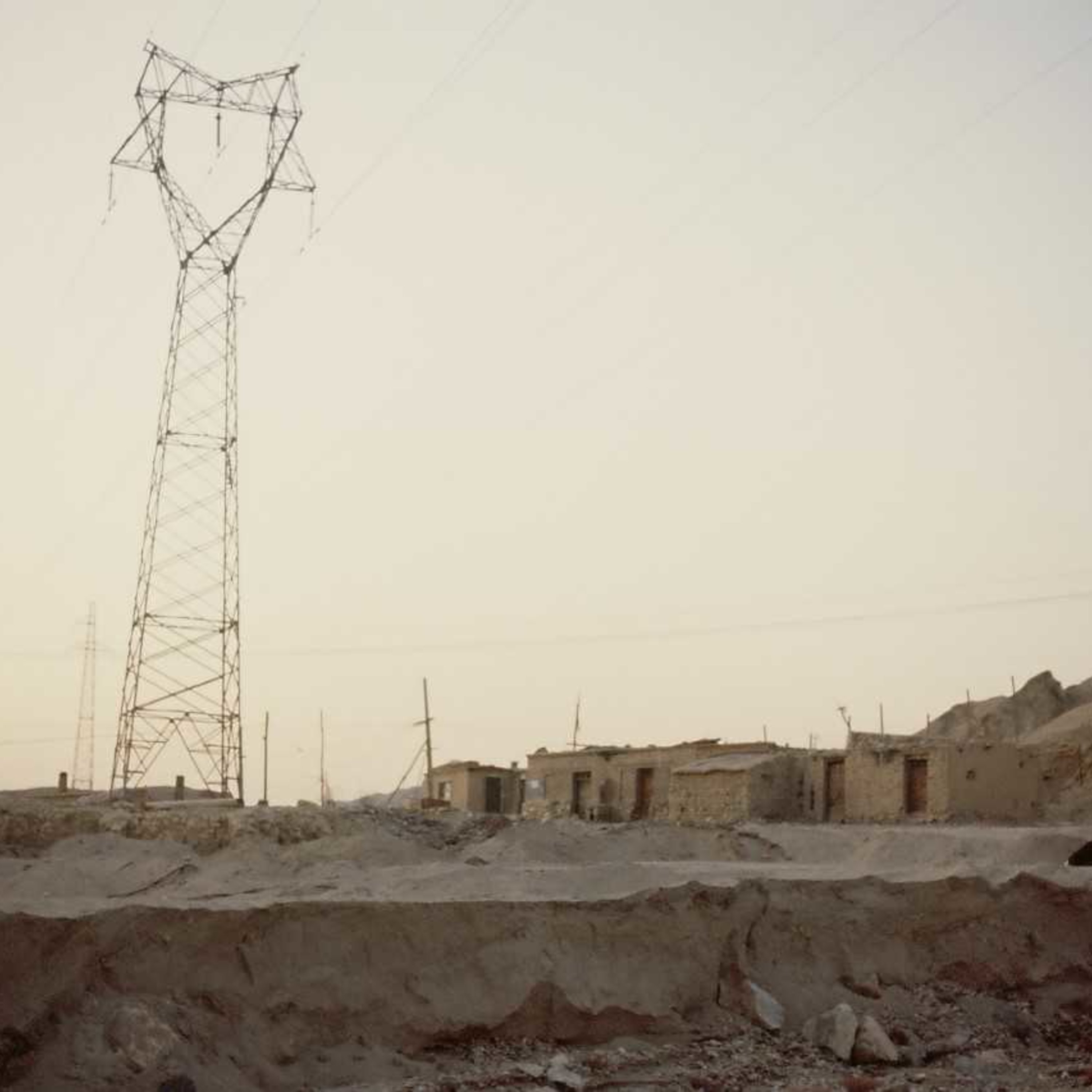
Xi Jinping’s War on the Uighurs. Part 1: The Witnesses
‘We seem to be normal, but we are not.’ A United Nations human rights panel says it has credible reports that more than a million Uighurs are being held in reeducation camps in the northwestern Chinese province of Xinjiang. As evidence emerges of massive human rights violations from satellite photos, procurement bids and state-run news reports, the voices that have not yet been heard are those of Uighurs themselves. In this episode, Louisa and Graeme hear how the close-knit Uighur community in the Australian city of Adelaide have become long-distance witnesses to an unfolding human rights catastrophe that has torn their families apart. One brought his motherless children to the interview; others brought lists of missing friends and relatives. As they wrestle with anxiety and guilt, they're now starting to raise awareness of their plight. Photo Credit: Tom CliffSee omnystudio.com/listener for privacy information.

Stranger than Fiction: China’s Espionage Industrial Complex
“Use your spies for every kind of business.” This 2500 year-old stratagem from Sun Zi's Art of War still informs Beijing’s modern day approach towards intelligence gathering. Today China’s espionage industrial complex appears to be taking spying mainstream by blurring the boundaries between spying, interference and influence projection. To explore the shadowy realm of Chinese spycraft, Louisa and Graeme are joined by two top-notch journalists-turned-spy-novelists who have written extensively about Beijing’s army of spooks. Adam Brookes, former China correspondent for the BBC and Chris Uhlmann, chief political correspondent for Channel Nine in Australia unpick how Beijing is redefining espionage for the cyber age. Pic: Sam GeallSee omnystudio.com/listener for privacy information.

The Han-Opticon: Social Credit and AI in the Surveillance State
China today is Black Mirror through the Looking Glass. A national video surveillance network is promised in just two years, while new technologies are being rolled out at speed on the frontier of China’s surveillance regime, in Xinjiang, ranging from iris scans to phone surveillance apps. Simultaneously the Chinese state is building a nationwide social credit system, to be launched in 2020, which provides incentives for citizens to participate in their own surveillance. To unpack China’s dystopian present, Louisa and Graeme are joined by Elsa Kania from the Center for a New American Security, Lotus Ruan from the University of Toronto’s Citizen Lab, and Samantha Hoffman from the Mercator Institute for China Studies in Berlin. All three guests have recently written reports for the Australian Strategic Policy Institute, links below Elsa Kania: https://www.aspi.org.au/report/technological-entanglement Lotus Ruan: https://www.aspi.org.au/report/big-data-china-and-battle-privacy Samantha Hoffman: https://www.aspi.org.au/report/social-creditSee omnystudio.com/listener for privacy information.
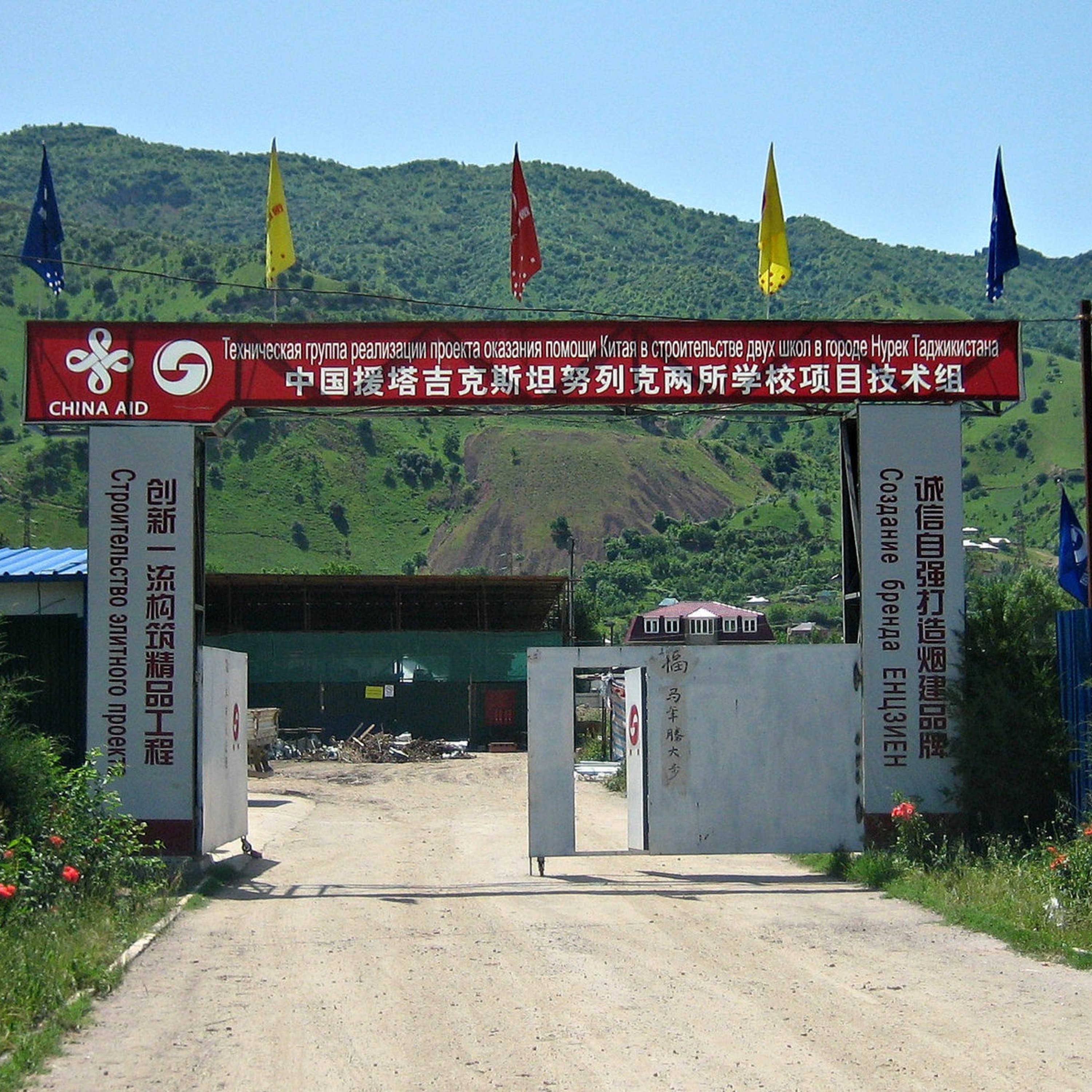
Ep 26Come Dance with Xi: Who Can Resist the Belt and Road's Embrace?
There’s no escaping China’s Belt and Road Initiative. It’s been written into China’s constitution, and more than 70 countries from Pakistan to Papua New Guinea have signed up. But what is it? A modern-era Marshall Plan, a geopolitical bid for China to build a new international power bloc, a new model for Chinese colonialism, or an all-encompassing bumper sticker for Chinese-brokered development projects? To unpack the motivations behind Xi Jinping’s highest profile foreign policy initiative, Louisa and Graeme are joined by Peter Cai of the Lowy Institute and Dirk van der Kley from the Australian National University. And a warning: this episode contains some truly awful music. Photo credit: Dirk van der KleySee omnystudio.com/listener for privacy information.