The John Batchelor Show
3,174 episodes — Page 59 of 64
S8 Ep 642S8 Ep642: 8. China’s Strategic Post-Conflict Energy Strategy. Guest: Steve Yates. Steve Yates examines Beijing’s efforts to maintain privileged energy access in a post-conflict Iran. China is pursuing nuclear and solar alternatives while using stockpiles to mitigat
8. China’s Strategic Post-Conflict Energy Strategy. Guest: Steve Yates. Steve Yates examines Beijing’s efforts to maintain privileged energy access in a post-conflict Iran. China is pursuing nuclear and solar alternatives while using stockpiles to mitigate its vulnerability to global supply chain disruptions.,, (8)1793
S8 Ep 642S8 Ep642: 7. Postponed Diplomacy and China’s Strategic Dependency. Guest: Steve Yates. Steve Yates discusses the delay of the Trump-Xi summit due to China’s support for Iran. He highlights China’s critical dependency on energy imports and export markets, which rema
7. Postponed Diplomacy and China’s Strategic Dependency. Guest: Steve Yates. Steve Yates discusses the delay of the Trump-Xisummit due to China’s support for Iran. He highlights China’s critical dependency on energy imports and export markets, which remain major points of US leverage.,, (7)1903
S8 Ep 642S8 Ep642: 6. Global Fertilizer Crisis and Food Security. Guest: Michael Bernstam. Michael Bernstam warns of a massive shortage in nitrogen fertilizers due to the conflict in the Middle East. This crisis threatens global food security and will likely cause significa
6. Global Fertilizer Crisis and Food Security. Guest: Michael Bernstam. Michael Bernstam warns of a massive shortage in nitrogen fertilizers due to the conflict in the Middle East. This crisis threatens global food security and will likely cause significant price increases for agricultural commodities.,, (6)1914

S8 Ep 642S8 Ep642: 5. Russia’s Economic Bonus from Iran Conflict. Guest: Michael Bernstam. Michael Bernstam explains how skyrocketing oil prices have rescued Russia’s economy, doubling weekly revenues. While Europe faces severe diesel shortages and high costs, Moscow benefi
5. Russia’s Economic Bonus from Iran Conflict. Guest: Michael Bernstam. Michael Bernstam explains how skyrocketing oil prices have rescued Russia’s economy, doubling weekly revenues. While Europefaces severe diesel shortages and high costs, Moscow benefits from increased prices and reduced discounts to Asian buyers.,, (5)1880 SERFDOM
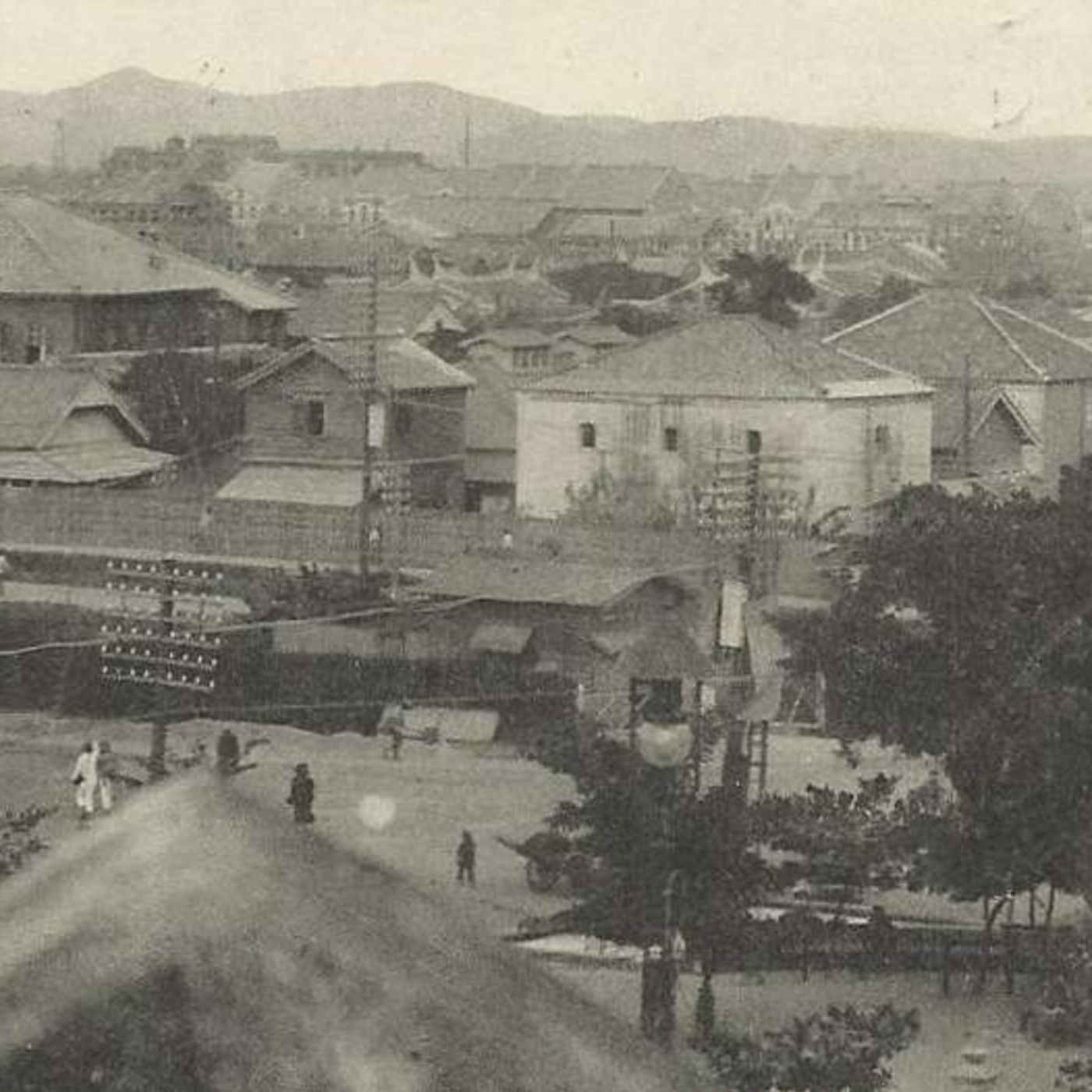
S8 Ep 642S8 Ep642: 4. Taiwan’s Strategic Pivot to Nuclear Energy. Guest: Jack Burnham. Jack Burnham analyzes Taiwan’s decision to restart its nuclear power plants to ensure energy security. Facing vulnerabilities in LNG supplies from the Middle East, Taiwan seeks a stable,
4. Taiwan’s Strategic Pivot to Nuclear Energy. Guest: Jack Burnham. Jack Burnham analyzes Taiwan’s decision to restart its nuclear power plants to ensure energy security. Facing vulnerabilities in LNG supplies from the Middle East, Taiwan seeks a stable, domestic baseload power for critical manufacturing.,, (4)1925 TAIPEI
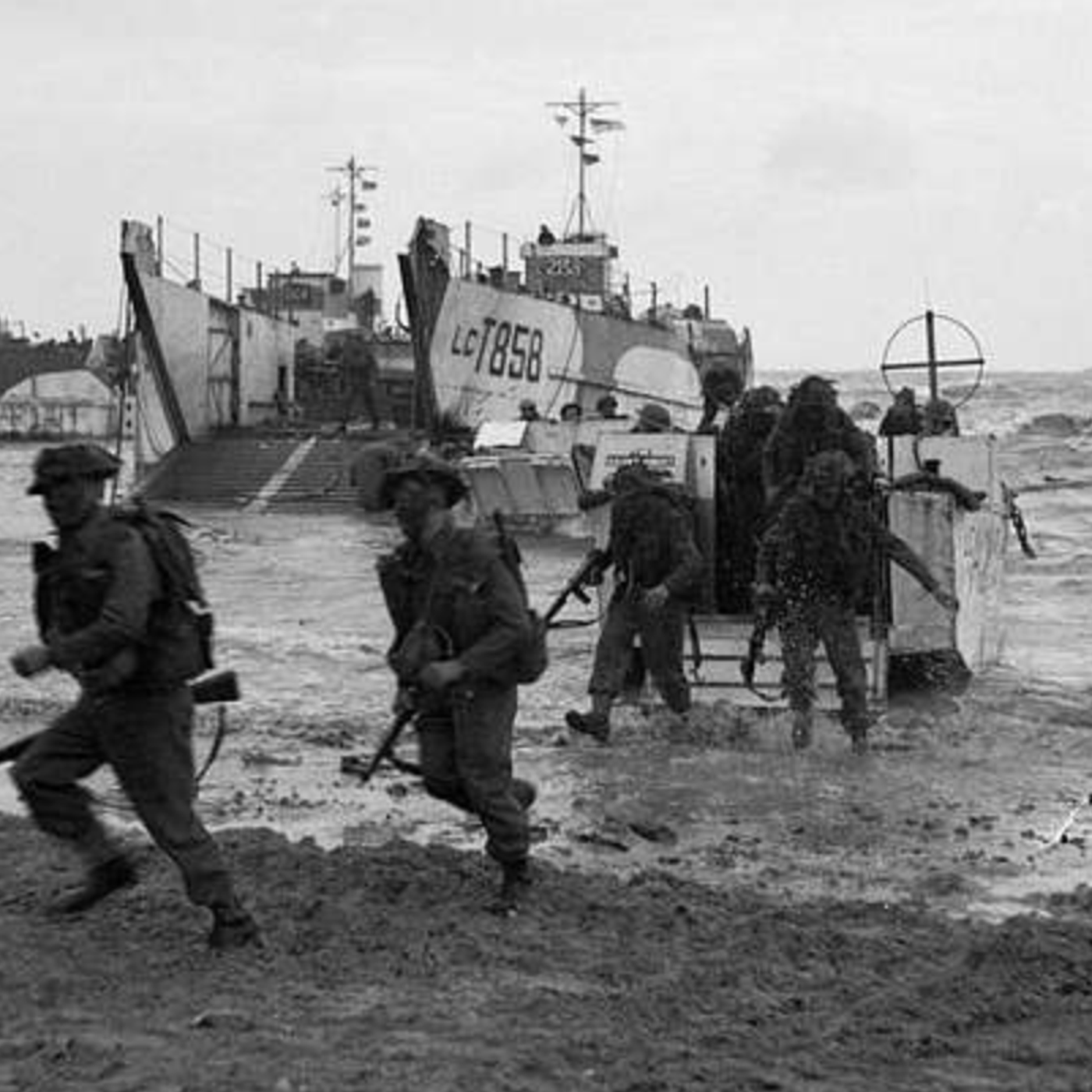
S8 Ep 642S8 Ep642: 3. The Return of Conventional Amphibious Warfare. Guest: Grant Newsham. Grant Newsham explains the deployment of Marine Expeditionary Units to the Persian Gulf. He argues this move validates traditional amphibious capabilities over recent "force design" s
3. The Return of Conventional Amphibious Warfare. Guest: Grant Newsham. Grant Newsham explains the deployment of Marine Expeditionary Units to the Persian Gulf. He argues this move validates traditional amphibious capabilities over recent "force design" strategies that focused solely on small, island-based missile teams.,, (3)1944 SWORD BEACH?
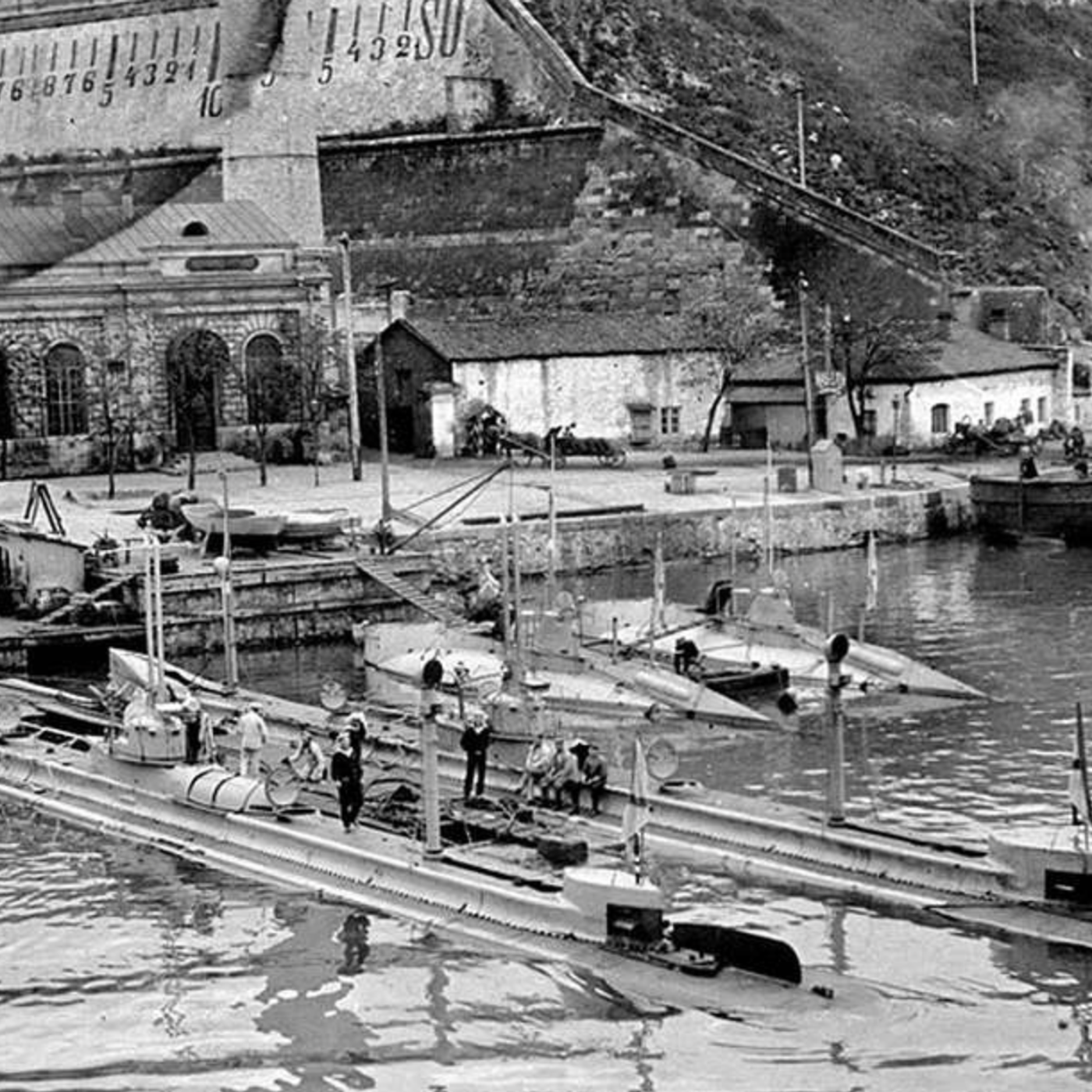
S8 Ep 642S8 Ep642: 2. China’s Drive for Undersea Maritime Hegemony. Guest: Rick Fisher. Rick Fisher discusses China’s long-term project to map the ocean floor for submarine warfare. He warns that China’s expanding fleet and undersea sensor networks aim to achieve naval pari
2. China’s Drive for Undersea Maritime Hegemony. Guest: Rick Fisher. Rick Fisher discusses China’s long-term project to map the ocean floor for submarine warfare. He warns that China’s expanding fleet and undersea sensor networks aim to achieve naval parity with the United States.,, (2)1907 RUSSIAN EMPIRE

S8 Ep 642S8 Ep642: 1. USS Gerald R. Ford’s Successes and Innovations. Guest: Rebecca Grant. Rebecca Grant highlights the carrier’s successful combat mission and technical advances like the electromagnetic launch system and high-capacity elevators. She notes these innovation
1. USS Gerald R. Ford’s Successes and Innovations. Guest: Rebecca Grant. Rebecca Grant highlights the carrier’s successful combat mission and technical advances like the electromagnetic launch system and high-capacity elevators. She notes these innovations significantly increase strike power compared to older Nimitz-class aircraft carrier ships.,, (1)1945 PACIFIC
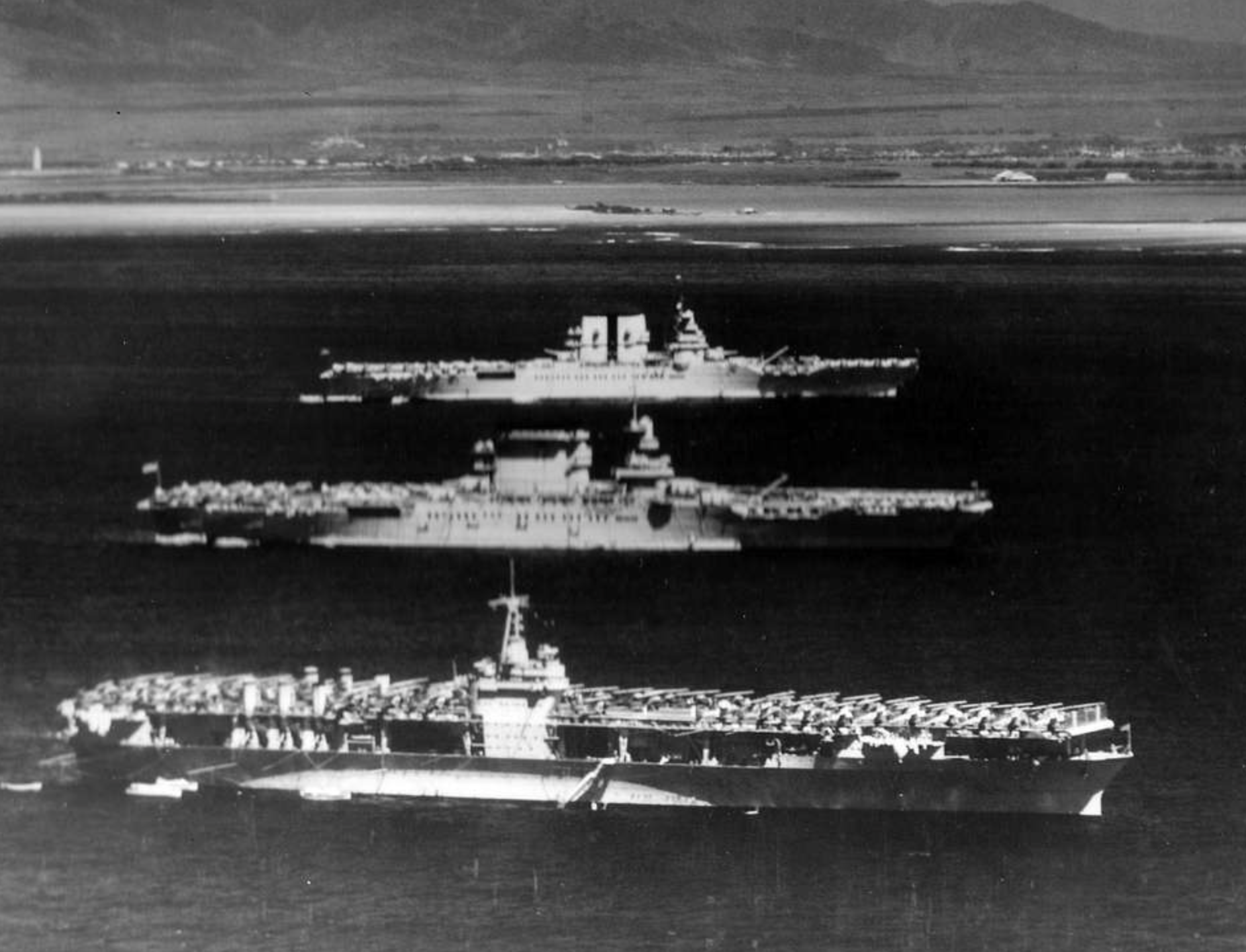
S8 Ep 641S8 Ep641: PREVIEW FOR LATER. Guest Rebecca Grant discusses the USS Gerald R. Ford’s combat success, highlighting its advanced electromagnetic launch system, increased weapon elevator capacity, and strategic deck configuration which significantly enhances the carrie
PREVIEW FOR LATER. Guest Rebecca Grant discusses the USS Gerald R. Ford’s combat success, highlighting its advanced electromagnetic launch system, increased weapon elevator capacity, and strategic deck configuration which significantly enhances the carrier’s strike power. (1)APRIL 1936 OFF HONOLULU: RANGER, LEXINGTON, SARATOGA.
S8 Ep 641S8 Ep641: PREVIEW FOR LATER. Guest Steve Yates explores China’s strategic planning for post-conflict Iran. Beijing prioritizes maintaining privileged, discounted access to energy resources while working to minimize United States influence and potential sanctions in
PREVIEW FOR LATER. Guest Steve Yates explores China’s strategic planning for post-conflict Iran. Beijing prioritizes maintaining privileged, discounted access to energy resources while working to minimize United States influence and potential sanctions in the region. (2)1903
S8 Ep 641S8 Ep641: PREVIEW FOR LATER. Guest Bob Zimmerman details the 2029 flyby of asteroid Apophis. He examines international and private missions, including student-led landers and orbital tugs, designed to study the massive object during its close approach. (3)
PREVIEW FOR LATER. Guest Bob Zimmerman details the 2029 flyby of asteroid Apophis. He examines international and private missions, including student-led landers and orbital tugs, designed to study the massive object during its close approach. (3)1953

S8 Ep 640S8 Ep640: PREVIEW FOR LATER TODAY: Bruce Bechtol explains how North Korean engineers, led by Mong Lo, built underground tunnels at Natanz and Isfahan to help Iran conceal its growing nuclear program and its strategic missile arsenal. (1)
PREVIEW FOR LATER TODAY: Bruce Bechtol explains how North Korean engineers, led by Mong Lo, built underground tunnels at Natanz and Isfahan to help Iran conceal its growing nuclear program and its strategic missile arsenal. (1)1688 PERSIAN GULF
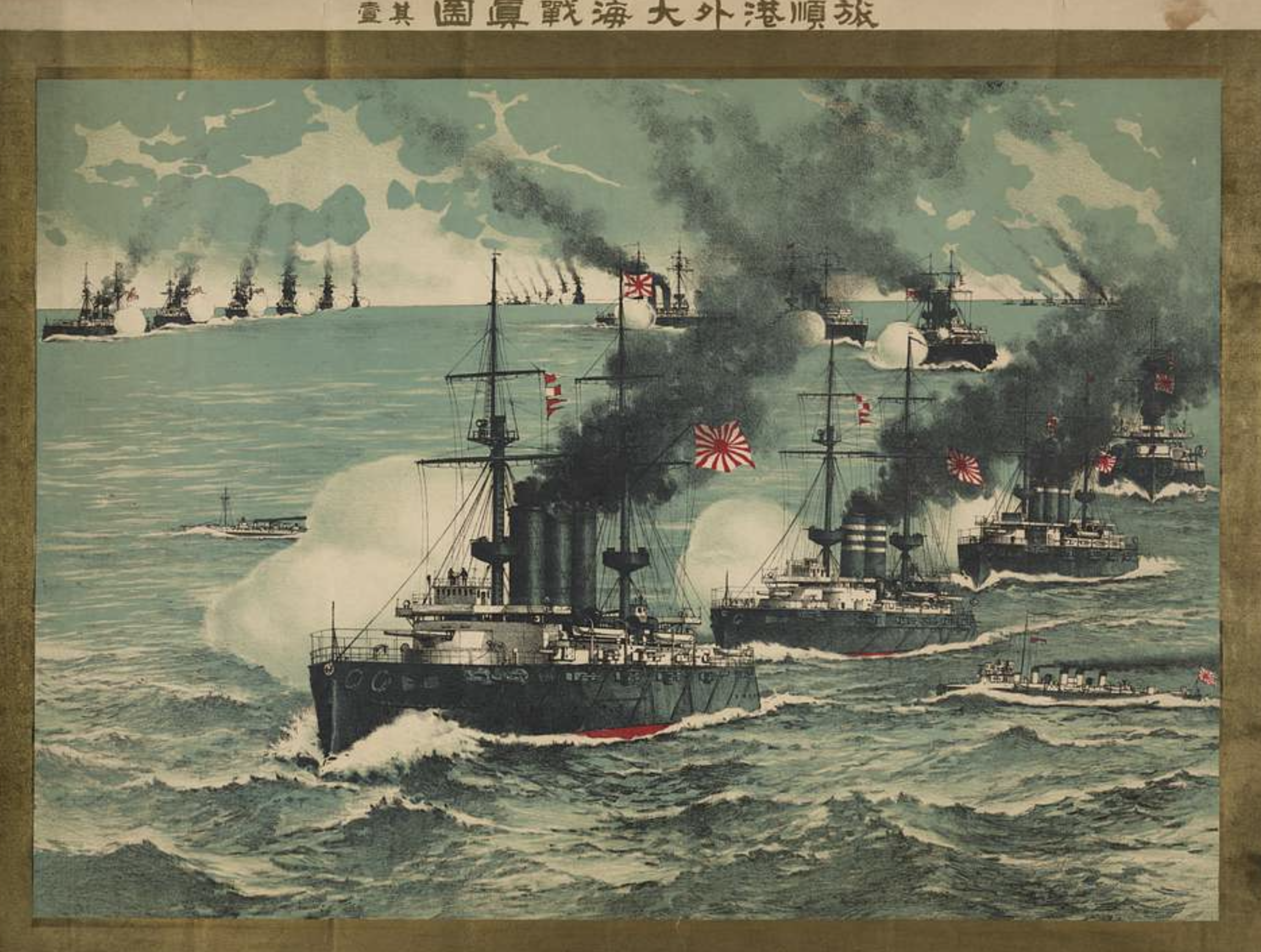
S8 Ep 640S8 Ep640: PREVIEW FOR LATER TODAY: Rick Fisher details China’s mapping of the South China Sea floor to deploy undersea sensors and sonar networks designed to track and target American submarines with land-based supercomputers and anti-submarine aircraft. (2)
PREVIEW FOR LATER TODAY: Rick Fisher details China’s mapping of the South China Sea floor to deploy undersea sensors and sonar networks designed to track and target American submarines with land-based supercomputers and anti-submarine aircraft. (2)1904 IMPERIAL JAPANESE FLEET
S8 Ep 639S8 Ep639: PREVIEW FOR LATER: This audio transcript details a growing energy crisis impacting rural Franceand urban Germany, characterized by rapidly rising costs and dwindling supplies. Reports from the Frenchcountryside highlight that diesel fuel, which is essenti
PREVIEW FOR LATER: This audio transcript details a growing energy crisis impacting rural Franceand urban Germany, characterized by rapidly rising costs and dwindling supplies. Reports from the Frenchcountryside highlight that diesel fuel, which is essential for agricultural machinery and local transport, has reached an staggering eight dollars per gallon. These financial burdens are compounded by physical shortages, with local filling stations increasingly unable to provide diesel or premium gasoline to consumers. The situation is described as an energy war, reflecting the severity of the price spikes compared to lower rates typically seen in the United States. Ultimately, the source illustrates a precarious economic environment where essential fuel types are becoming both unaffordable and physically unavailable. (1)1916 TEXAS
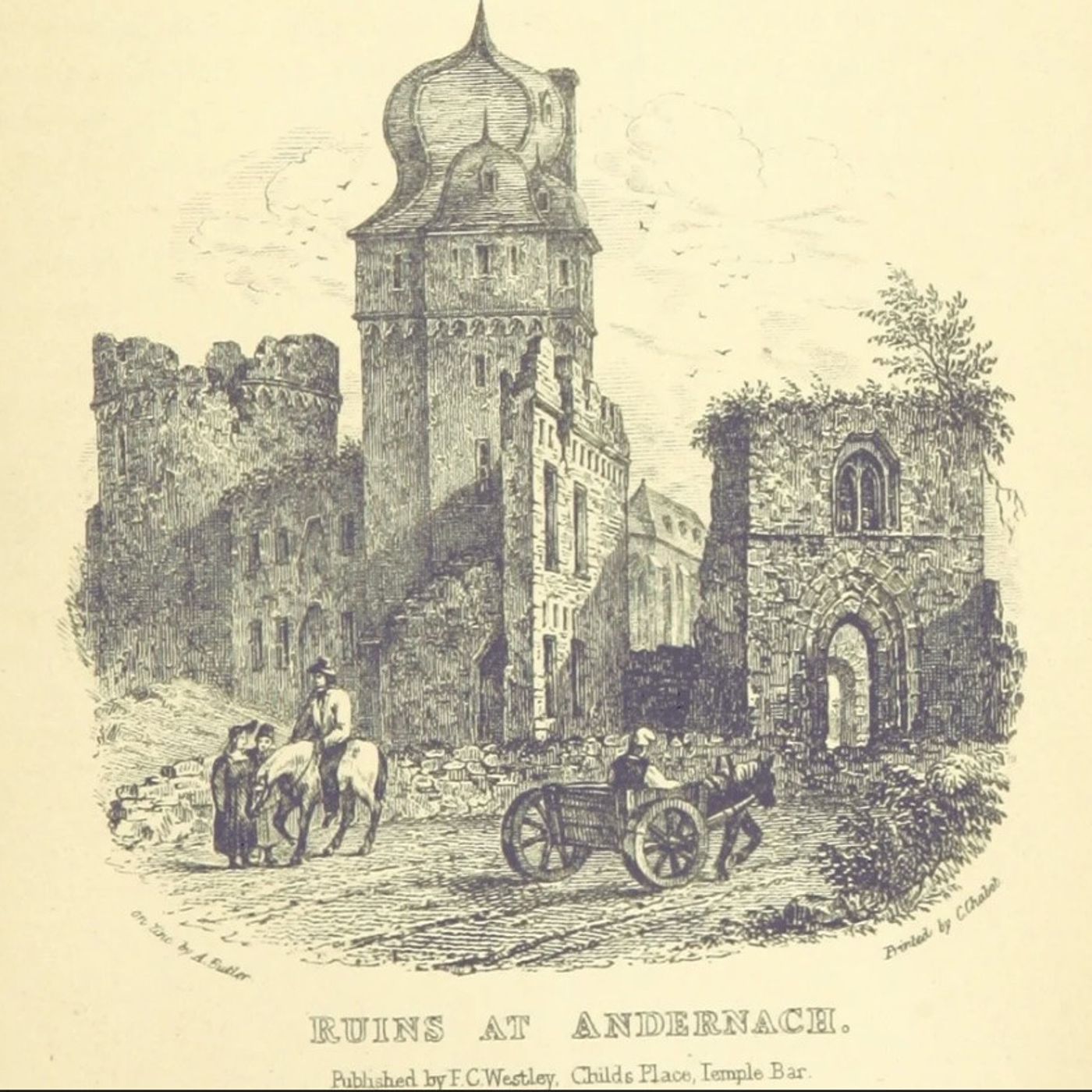
S8 Ep 636S8 Ep636: LIVE STREAMING THE MAKING OF THE JOHN BATCHELOR SHOW 3-24-2026. 1839 RHINELAND-PALATINATE
LIVE STREAMING THE MAKING OF THE JOHN BATCHELOR SHOW 3-24-2026.1839 RHINELAND-PALATINATEThe provided transcript captures a conversation between John Batchelor and Thaddius McCotter regarding the geopolitical crisis surrounding the Strait of Hormuz and potential conflict with Iran. The participants analyze the economic impact of the strait's closure, noting its ripple effects on global oil prices, fertilizer supplies, and overall food security. They evaluate the strategy of the Trump administration, debating whether the President’s inconsistent rhetoric points to a lack of clear contingency planning. The discussion explores four primary options for the U.S. involvement: diplomatic talk, military escalation, maintaining the status quo, or a total withdrawal. McCotter expresses skepticism toward a transactional approach, arguing that the Iranian regime's core ideology makes a lasting settlement difficult. Ultimately, the dialogue reflects on historical parallels like Vietnam and Afghanistan, questioning if the current path will lead to a strategic victory or another protracted international failure. (1)
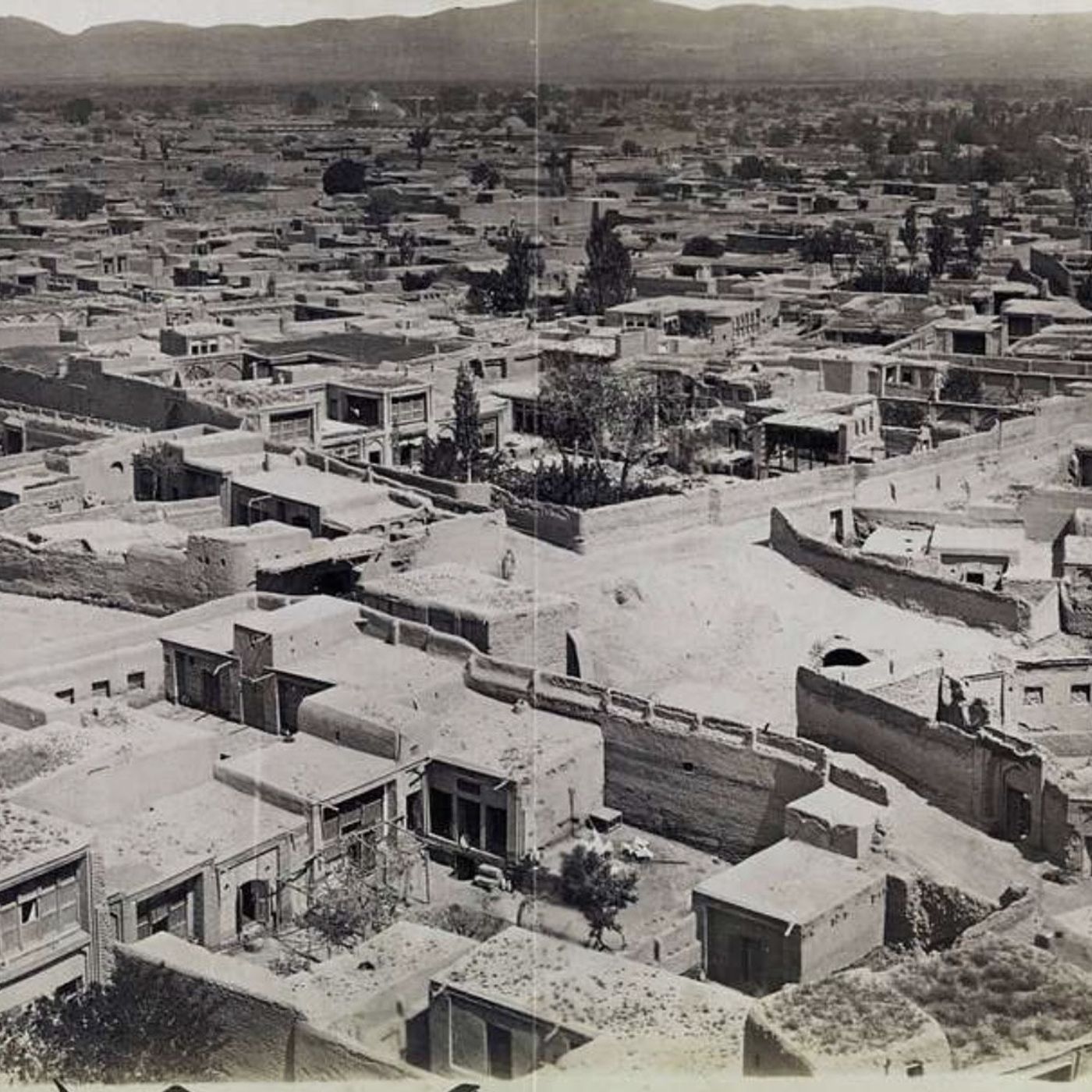
S8 Ep 638S8 Ep638: SHOW SCHEDULE THE JOHN BATCHELOR SHOW 3-24-2026. 1890 TEHRAN
SHOW SCHEDULE THE JOHN BATCHELOR SHOW 3-24-2026.1890 TEHRAN1. The Economic Impact of the Strait of Hormuz Closure Guest: Elizabeth Peak Elizabeth Peak discusses the Strait of Hormuz closure, which has trapped 3,400 ships and disrupted global energy and food supplies. Federal Reserve Chairman Jerome Powell remains skeptical of 1970s-style stagflation despite rising oil prices. Peak argues that international naval action or a total blockade could resolve the Iranian-led maritime crisis. (1)2. Airport Chaos and the DHS Funding Crisis Guest: Elizabeth Peak Elizabeth Peak addresses the DHS funding dispute causing massive airport security delays. Democrats are reportedly withholding funding for TSA and FEMA to resist the Trump administration’s ICE agenda. This political "show" has led to four-hour wait times at JFK, frustrating travelers and harming government employees. (2)3. Trump’s "Armageddon Taco Shuffle" and European Energy Guest: Judy Dempsey Judy Dempsey analyzes President Trump’s "Armageddon taco shuffle" regarding Iranian negotiations. Berlin and Brussels face soaring energy bills and diesel prices as Middle Eastern tensions threaten LNG and fertilizer supplies. Concerns also mount over Iran's long-range missile capabilities, which now potentially range as far as major European capitals. (3)4. German Populism and the Hungarian Election Guest: Judy Dempsey Judy Dempsey examines the AfD’s success in Germany's Palatinate election, signaling a shift away from the ruling SPD. Populist gains are driven by migration concerns and economic frustrations. Additionally, Hungary’s upcoming election pits Viktor Orbán against Peter Magyar, with Russia reportedly attempting to intervene to protect its regional interests. (4)5. China’s Slowing GDP and Economic Transformation Guest: Joseph Sternberg Joseph Sternberg discusses China’s record-low GDP growth target of 4.5 to 5%. The CCP struggles to transition from a real estate-dependent model toward domestic consumption. Slowing credit growth and an oversaturated EV market further complicate Beijing’s efforts to maintain economic stability without relinquishing political control. (5)6. Keir Starmer’s Leadership During Global Tension Guest: Joseph Sternberg Joseph Sternberg critiques Keir Starmer’s "reactive" leadership during global tensions. Iranian missiles now threaten British bases in Cyprus and potentially range to London. Starmer’s perceived indecisiveness and focus on internal Labour Party politics leave Britain poorly prepared for the economic shocks of rising petrol and energy costs. (6)7. The U.S. Strategy for the Strait of Hormuz Guest: Jonathan Schanzer Jonathan Schanzer evaluates Trump’s strategy of "maximum flexibility" toward Iran. While 3,400 ships remain trapped in the Gulf, the U.S. prepares Marines for deployment to liberate the Strait. Schanzer notes that while Iran uses cheap drone swarms, Ukrainian experts are advising regional allies on how to counter them. (7)8. Israel’s Security Zone in Southern Lebanon Guest: Jonathan Schanzer Jonathan Schanzer details Israel’s creation of a security zone in southern Lebanon to remove Hezbollah threats. The IDF is striking bridges over the Litani River to cut off supply lines. Schanzer notes that the IRGC remains entrenched in Lebanon, prompting debates about a generational opportunity for normalization. (8)9. Asymmetric Warfare and the Midterm Election Dilemma Guest: Gregory Copley Gregory Copley discusses Iran’s asymmetric warfare and the closure of the Strait of Hormuz. He suggests President Trump faces a choice between strategic victory in Iran and domestic political stability ahead of midterms. Copley notes Iran's missile reserves are declining but they continue receiving resupplies from China via overland routes. (9)10. Planning for Regime Change in Tehran Guest: Gregory Copley Gregory Copley criticizes Washington’s lack of a long-term strategic plan for Iran. The Trump administration now weighs regime change versus tactical military operations like seizing Kharg Island. Copley suggests a provisional government under Crown Prince Reza Pahlavi could be established in occupied litorals to encourage Iranian military defections. (10)11. European Energy Realism and the Ukraine Conflict Guest: Gregory Copley Gregory Copley analyzes the shift in European politics toward pragmatism regarding Russian energy. High energy costs are forcing a rejection of "farcical" climate change ideologies in favor of nuclear and fossil fuels. Additionally, support for Ukraine is waning as nations prioritize economic survival and access to Central Asian markets. (11)12. King Charles III’s Diplomatic Mission to Washington Guest: Gregory Copley Gregory Copley discusses King Charles III’s upcoming April visit to the U.S. to address a joint session of Congress. The visit aims to harmonize U.S.-UK relations amid tensions between Trump and the Starmer government. Meanwhile, Prime Minister Starmer faces internal leadership challenges within

S8 Ep 637S8 Ep637: 16. Colombia’s Presidential Election and Security Crisis Guest: Mary Anastasia O'Grady Mary Anastasia O'Grady reports on Colombia’s upcoming election to replace the hard-left Gustavo Petro. Candidate Paloma Valencia, backed by Alvaro Uribe, faces a divide
16. Colombia’s Presidential Election and Security Crisis Guest: Mary Anastasia O'Grady Mary Anastasia O'Grady reports on Colombia’s upcoming election to replace the hard-left Gustavo Petro. Candidate Paloma Valencia, backed by Alvaro Uribe, faces a divided right-wing vote against Abelardo de la Espriella. The campaign centers on law and order as illegal armed groups threaten 70% of the country's municipalities. (16)1911 BOGOTA

S8 Ep 636S8 Ep636: 15. The Billionaire Wealth Tax and Medi-Cal Expansion Guest: Veronique de Rugy Veronique de Rugy critiques a proposed billionaire wealth tax in California designed to fund Medi-Cal. She argues the tax is based on flawed inequality metrics and will likely
15. The Billionaire Wealth Tax and Medi-Cal Expansion Guest: Veronique de Rugy Veronique de Rugy critiques a proposed billionaire wealth tax in California designed to fund Medi-Cal. She argues the tax is based on flawed inequality metrics and will likely fail to raise projected revenues as billionaires flee the state. Medi-Cal expansion to undocumented residents has already doubled expected costs. (15)1936
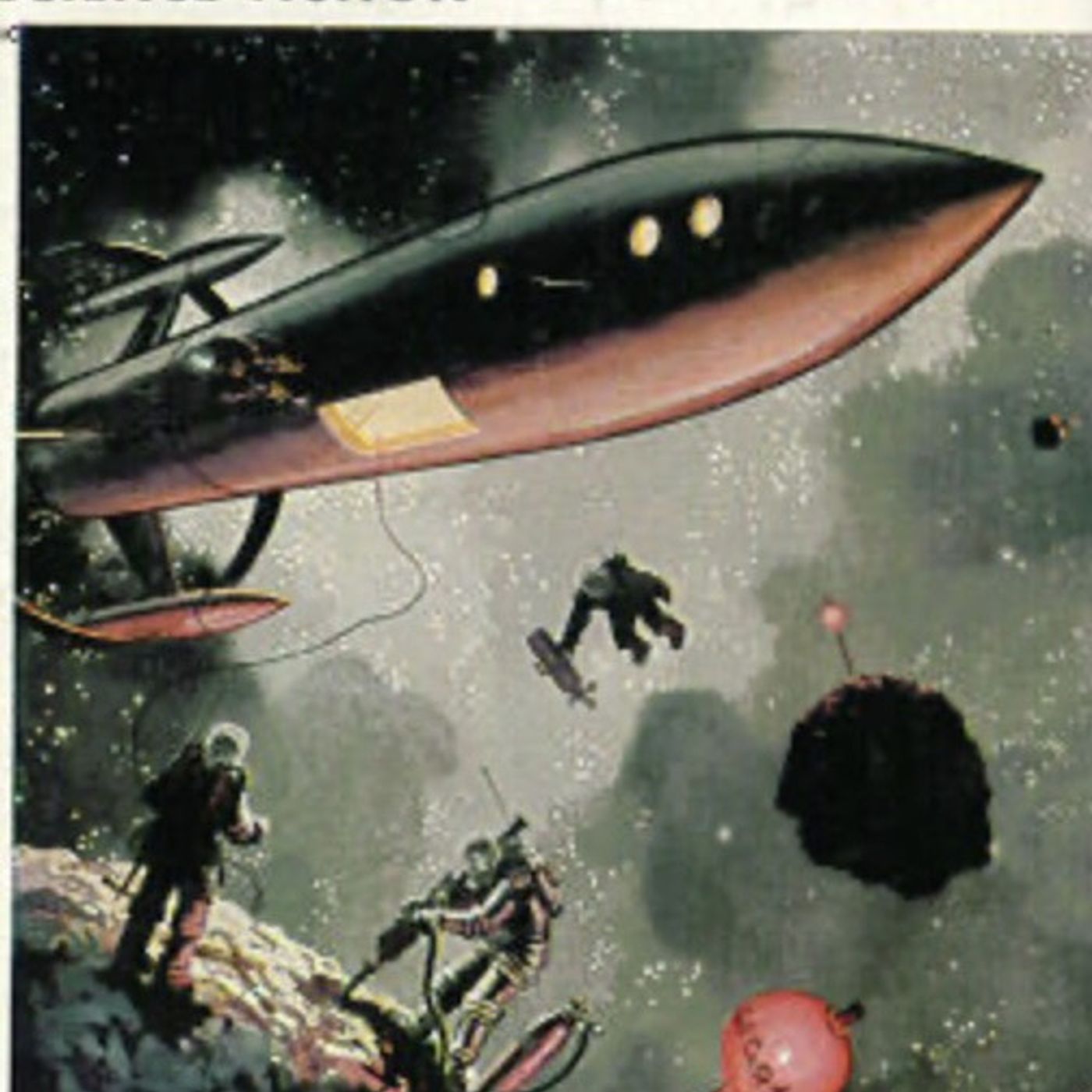
S8 Ep 636S8 Ep636: 14. Future Technologies in Planetary Defense Guest: Rahil Makadia Rahil Makadia discusses future planetary defense, including ESA’s Hera mission and NASA’s NEO Surveyor. While kinetic impactors are proven, other methods like "gravity tractors" require dec
14. Future Technologies in Planetary Defense Guest: Rahil Makadia Rahil Makadia discusses future planetary defense, including ESA’s Hera missionand NASA’s NEO Surveyor. While kinetic impactors are proven, other methods like "gravity tractors" require decades of lead time. Makadia emphasizes the need for continuous tracking of near-Earth objects to prevent surprise impacts over the next century. (14)MAY 1952

S8 Ep 636S8 Ep636: 13. The Success of NASA’s DART Mission Guest: Rahil Makadia Rahil Makadia explains the success of NASA’s DART mission, which impacted the asteroid Dimorphos to test planetary defense. This kinetic impact altered the asteroid's orbit by 30 minutes. Makadia
13. The Success of NASA’s DART Mission Guest: Rahil Makadia Rahil Makadia explains the success of NASA’s DART mission, which impacted the asteroid Dimorphos to test planetary defense. This kinetic impact altered the asteroid's orbit by 30 minutes. Makadia notes that most asteroids are "rubble piles," and the impact's effectiveness is boosted by material kicked off the surface. (13)MAY 1953
S8 Ep 636S8 Ep636: 12. King Charles III’s Diplomatic Mission to Washington Guest: Gregory Copley Gregory Copley discusses King Charles III’s upcoming April visit to the U.S. to address a joint session of Congress. The visit aims to harmonize U.S.-UK relations amid tensions
12. King Charles III’s Diplomatic Mission to Washington Guest: Gregory Copley Gregory Copley discusses King Charles III’s upcoming April visit to the U.S. to address a joint session of Congress. The visit aims to harmonize U.S.-UK relations amid tensions between Trump and the Starmer government. Meanwhile, Prime Minister Starmer faces internal leadership challenges within a troubled and incoherent Labour Party. (12)1892
S8 Ep 636S8 Ep636: 11. European Energy Realism and the Ukraine Conflict Guest: Gregory Copley Gregory Copley analyzes the shift in European politics toward pragmatism regarding Russian energy. High energy costs are forcing a rejection of "farcical" climate change ideologies
11. European Energy Realism and the Ukraine Conflict Guest: Gregory Copley Gregory Copley analyzes the shift in European politics toward pragmatism regarding Russianenergy. High energy costs are forcing a rejection of "farcical" climate change ideologies in favor of nuclear and fossil fuels. Additionally, support for Ukraine is waning as nations prioritize economic survival and access to Central Asian markets. (11)1870

S8 Ep 636S8 Ep636: 10. Planning for Regime Change in Tehran Guest: Gregory Copley Gregory Copley criticizes Washington’s lack of a long-term strategic plan for Iran. The Trump administration now weighs regime change versus tactical military operations like seizing Kharg Isl
10. Planning for Regime Change in Tehran Guest: Gregory CopleyGregory Copley criticizes Washington’s lack of a long-term strategic plan for Iran. The Trump administration now weighs regime change versus tactical military operations like seizing Kharg Island. Copley suggests a provisional government under Crown Prince Reza Pahlavi could be established in occupied litorals to encourage Iranian military defections. (10)1855
S8 Ep 636S8 Ep636: 9. Asymmetric Warfare and the Midterm Election Dilemma Guest: Gregory Copley Gregory Copley discusses Iran’s asymmetric warfare and the closure of the Strait of Hormuz. He suggests President Trump faces a choice between strategic victory in Iran and domes
9. Asymmetric Warfare and the Midterm Election Dilemma Guest: Gregory Copley Gregory Copley discusses Iran’s asymmetric warfareand the closure of the Strait of Hormuz. He suggests President Trump faces a choice between strategic victory in Iran and domestic political stability ahead of midterms. Copley notes Iran's missile reserves are declining but they continue receiving resupplies from China via overland routes. (9)1787
S8 Ep 636S8 Ep636: 8. Israel’s Security Zone in Southern Lebanon Guest: Jonathan Schanzer Jonathan Schanzer details Israel’s creation of a security zone in southern Lebanon to remove Hezbollah threats. The IDF is striking bridges over the Litani River to cut off supply line
8. Israel’s Security Zone in Southern Lebanon Guest: Jonathan SchanzerJonathan Schanzer details Israel’s creation of a security zone in southern Lebanon to remove Hezbollah threats. The IDF is striking bridges over the Litani River to cut off supply lines. Schanzer notes that the IRGC remains entrenched in Lebanon, prompting debates about a generational opportunity for normalization. (8)1720
S8 Ep 636S8 Ep636: 7. The U.S. Strategy for the Strait of Hormuz Guest: Jonathan Schanzer Jonathan Schanzer evaluates Trump’s strategy of "maximum flexibility" toward Iran. While 3,400 ships remain trapped in the Gulf, the U.S. prepares Marines for deployment to liberate th
7. The U.S. Strategy for the Strait of Hormuz Guest: Jonathan SchanzerJonathan Schanzer evaluates Trump’s strategy of "maximum flexibility"toward Iran. While 3,400 ships remain trapped in the Gulf, the U.S. prepares Marines for deployment to liberate the Strait. Schanzer notes that while Iran uses cheap drone swarms, Ukrainianexperts are advising regional allies on how to counter them. (7)
S8 Ep 636S8 Ep636: 6. Keir Starmer’s Leadership During Global Tension Guest: Joseph Sternberg Joseph Sternberg critiques Keir Starmer’s "reactive" leadership during global tensions. Iranian missiles now threaten British bases in Cyprus and potentially range to London. Starm
6. Keir Starmer’s Leadership During Global Tension Guest: Joseph Sternberg Joseph Sternberg critiques Keir Starmer’s "reactive" leadershipduring global tensions. Iranian missiles now threaten British bases in Cyprusand potentially range to London. Starmer’s perceived indecisiveness and focus on internal Labour Party politics leave Britain poorly prepared for the economic shocks of rising petrol and energy costs. (6)1700
S8 Ep 636S8 Ep636: 5. China’s Slowing GDP and Economic Transformation Guest: Joseph Sternberg Joseph Sternberg discusses China’s record-low GDP growth target of 4.5 to 5%. The CCP struggles to transition from a real estate-dependent model toward domestic consumption. Slowin
5. China’s Slowing GDP and Economic Transformation Guest: Joseph Sternberg Joseph Sternberg discusses China’s record-low GDP growth target of 4.5 to 5%. The CCP struggles to transition from a real estate-dependent model toward domestic consumption. Slowing credit growth and an oversaturated EV market further complicate Beijing’s efforts to maintain economic stability without relinquishing political control. (5)1688
S8 Ep 636S8 Ep636: 4. German Populism and the Hungarian Election Guest: Judy Dempsey Judy Dempsey examines the AfD’s success in Germany's Palatinate election, signaling a shift away from the ruling SPD. Populist gains are driven by migration concerns and economic frustratio
4. German Populism and the Hungarian Election Guest: Judy Dempsey Judy Dempsey examines the AfD’s success in Germany's Palatinate election, signaling a shift away from the ruling SPD. Populist gains are driven by migration concerns and economic frustrations. Additionally, Hungary’s upcoming election pits Viktor Orbán against Peter Magyar, with Russiareportedly attempting to intervene to protect its regional interests. (4)1688
S8 Ep 636S8 Ep636: 3. Trump’s "Armageddon Taco Shuffle" and European Energy Guest: Judy Dempsey Judy Dempsey analyzes President Trump’s "Armageddon taco shuffle" regarding Iranian negotiations. Berlin and Brussels face soaring energy bills and diesel prices as Middle Easter
3. Trump’s "Armageddon Taco Shuffle" and European Energy Guest: Judy Dempsey Judy Dempsey analyzes President Trump’s "Armageddon taco shuffle" regarding Iranian negotiations. Berlin and Brussels face soaring energy bills and diesel prices as Middle Eastern tensions threaten LNG and fertilizer supplies. Concerns also mount over Iran's long-range missile capabilities, which now potentially range as far as major European capitals. (3)1680
S8 Ep 636S8 Ep636: 2. Airport Chaos and the DHS Funding Crisis Guest: Elizabeth Peak Elizabeth Peak addresses the DHS funding dispute causing massive airport security delays. Democrats are reportedly withholding funding for TSA and FEMA to resist the Trump administration’s
2. Airport Chaos and the DHS Funding Crisis Guest: Elizabeth Peak Elizabeth Peak addresses the DHS funding dispute causing massive airport security delays. Democrats are reportedly withholding funding for TSA and FEMAto resist the Trump administration’s ICE agenda. This political "show" has led to four-hour wait times at JFK, frustrating travelers and harming government employees. (2)1648
S8 Ep 636S8 Ep636: 1. The Economic Impact of the Strait of Hormuz Closure Guest: Elizabeth Peak Elizabeth Peak discusses the Strait of Hormuz closure, which has trapped 3,400 ships and disrupted global energy and food supplies. Federal Reserve Chairman Jerome Powell remains
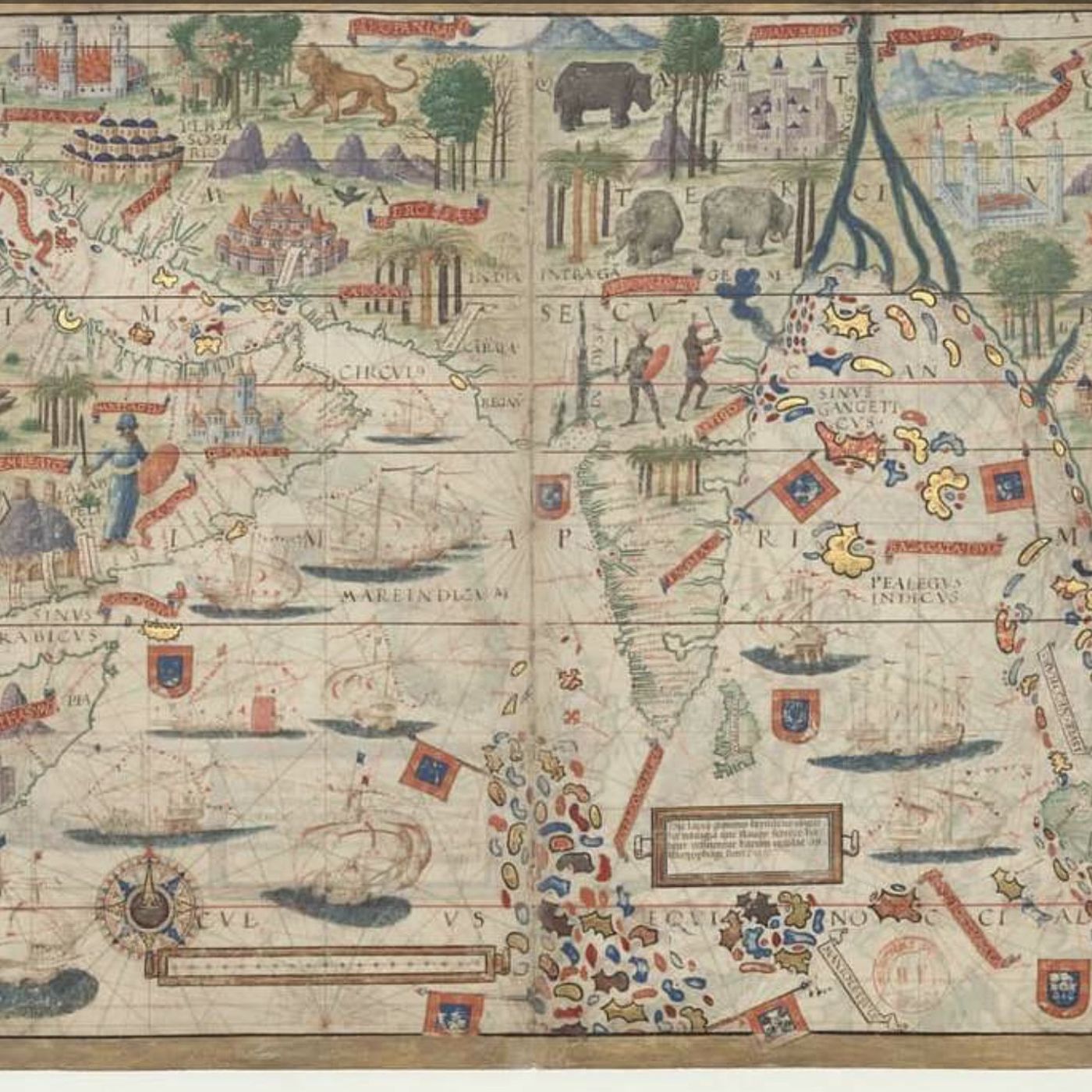
1. The Economic Impact of the Strait of Hormuz Closure Guest: Elizabeth Peak Elizabeth Peak discusses the Strait of Hormuz closure, which has trapped 3,400 ships and disrupted global energy and food supplies. Federal ReserveChairman Jerome Powell remains skeptical of 1970s-style stagflationdespite rising oil prices. Peak argues that international naval action or a total blockade could resolve the Iranian-led maritime crisis. (1)1519 INDIAN OCEAN BASIN

S8 Ep 635S8 Ep635: PREVIEW FOR LATER TODAY. King Charles III travels to Washington in late April to address a joint session of Congress. He seeks to use strategic diplomacy to mitigate growing tensions between Donald Trump and Kier Starmer. (1)
PREVIEW FOR LATER TODAY. King Charles III travels to Washington in late April to address a joint session of Congress. He seeks to use strategic diplomacy to mitigate growing tensions between Donald Trump and Kier Starmer. (1)1680 CHARLES II

S8 Ep 634S8 Ep634: GUEST: Joseph Sternberg PREVIEW FOR LATER TODAY. Guest Joseph Sternberg explores China’s electric vehicle market crisis. He details how overproduction and aggressive policies led to domestic price deflation, pressuring manufacturers to export surplus vehi
GUEST: Joseph Sternberg PREVIEW FOR LATER TODAY. Guest Joseph Sternberg explores China’s electric vehicle market crisis. He details how overproduction and aggressive policies led to domestic price deflation, pressuring manufacturers to export surplus vehicles to reluctant global markets. (3)1793
S8 Ep 634S8 Ep634: GUEST: Liz Peek PREVIEW FOR LATER TODAY. Guest Liz Peek analyzes Great Britain’s energy crisis and reliance on inadequate renewables. She explains how avoiding North Sea oil and high taxes on energy companies drive up prices for citizens. (2)
GUEST: Liz Peek PREVIEW FOR LATER TODAY. Guest Liz Peekanalyzes Great Britain’s energy crisis and reliance on inadequate renewables. She explains how avoiding North Sea oil and high taxes on energy companies drive up prices for citizens. (2)1903 Beaumont, Texas
S8 Ep 634S8 Ep634: GUEST: Rahil Makadia PREVIEW FOR LATER TODAY. Guest Rahil Makadia discusses planetary defense and the quest to identify threatening asteroids. He highlights new telescopes and the success of the DART mission in preparing Earth for future deflection effort
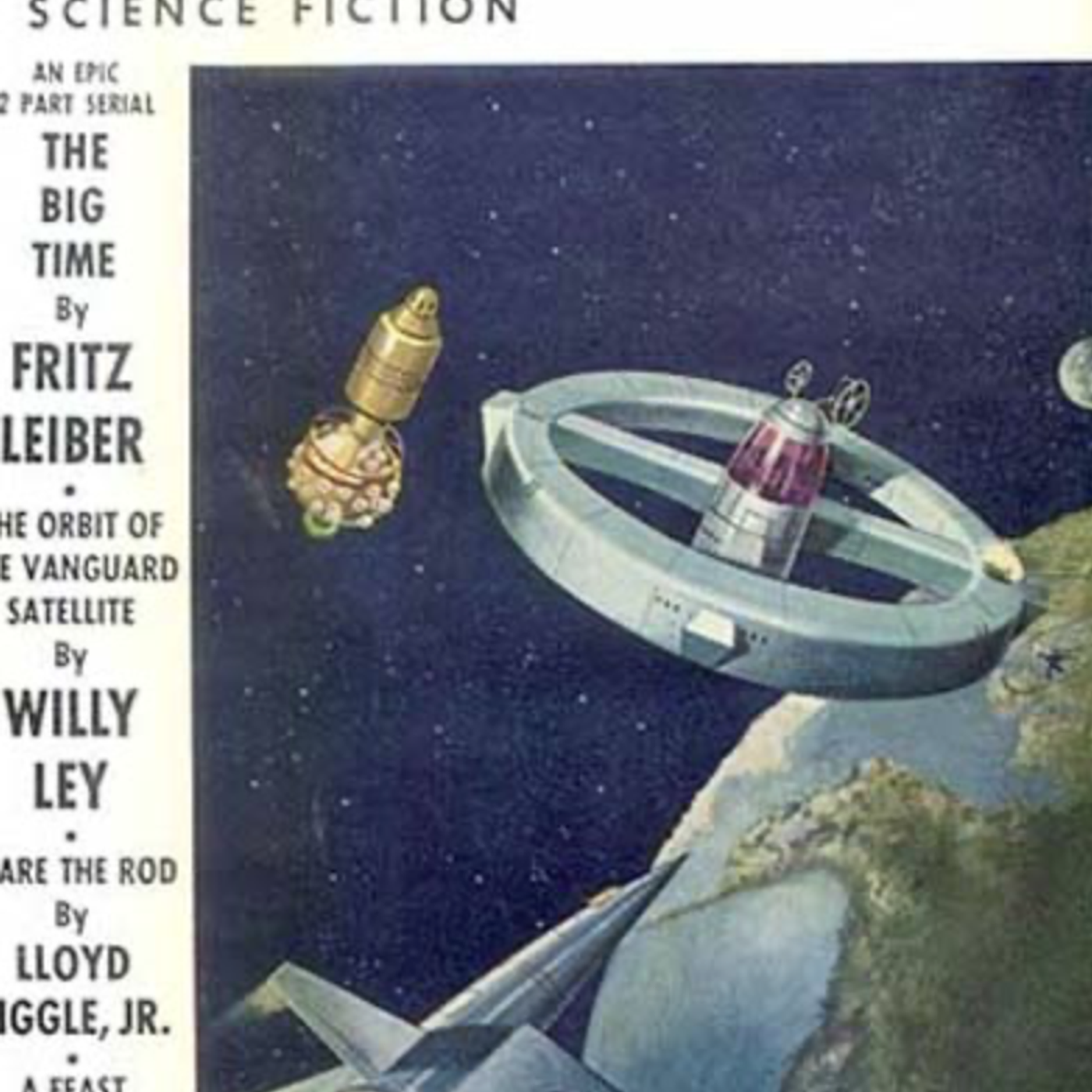
GUEST: Rahil Makadia PREVIEW FOR LATER TODAY. Guest Rahil Makadia discusses planetary defense and the quest to identify threatening asteroids. He highlights new telescopes and the success of the DART mission in preparing Earth for future deflection efforts. (1)March 1958
S8 Ep 633S8 Ep633: THE MAKING OF THE JOHN BATCHELOR SHOW, 3-23-26 1916 This transcript from The MAKING OF THE JOHN BATCHELOR SHOW features a discussion with experts Bill Roggio, Hussein Haqqani, and Jonathan Sayeh regarding the escalating conflict between the United States
THE MAKING OF THE JOHN BATCHELOR SHOW, 3-23-261916This transcript from The MAKING OF THE JOHN BATCHELOR SHOW features a discussion with experts Bill Roggio, Hussein Haqqani, and Jonathan Sayeh regarding the escalating conflict between the United States, Israel, and Iran. The participants analyze the "fog of war" characterized by President Trump’s unpredictable social media diplomacy and the resulting volatility in global financial markets and maritime trade. A significant portion of the dialogue focuses on the strategic challenges of asymmetric warfare and the potential for a humanitarian crisis if Iranian energy infrastructure is targeted. Additionally, the speakers examine the internal social climate in Tehran, noting how civilians are coping with the psychological strain of aerial bombardments. The conversation ultimately emphasizes the lack of a clear political mission and the difficulties of achieving regime change without a well-coordinated domestic uprising. (1)

S8 Ep 632S8 Ep632: SHOW SCHEDULE THE JOHN BATCHELOR SHOW, MONDAY 3-23-2026 1572 HORMUZ CASTLE BUILT IN 1507 BY PORTUGESE MERCHANTS.
SHOW SCHEDULE THE JOHN BATCHELOR SHOW, MONDAY 3-23-2026. 1572 HORMUZ CASTLE BUILT IN 1507 BY PORTUGESE MERCHANTS.1. Husain Haqqani and Bill Roggio Haqqani and Roggio analyze President Trump’s claims regarding Iranian talks and potential strikes on energy infrastructure. They highlight a lack of policy clarity and the risks associated with ground troop deployment or amphibious assaults. (1)2. Husain Haqqani and Bill Roggio Haqqani describes the surprising resolve of Gulf States while noting Europe’s refusal to join the US war effort. Roggio expresses concern over the lack of post-war planning and the survival of the regime. (2)3. David Daoud and Bill Roggio Daoud and Roggio discuss Israel’s offensive against Hezbollah in Lebanon. Daoud notes the Lebanese government's inaction and the IRGC’s advisory presence within Beirut's command structures, predicting a new security buffer zone will be established. (3)4. David Daoud and Bill Roggio Daoud evaluates the threat from Hezbollah’s drone swarms, which penetrate Israeli defenses. He notes the Lebanon campaign may continue independently of any ceasefire negotiated with Iran because the conflicts are on separate strategic tracks. (4)5. Malcolm Hoenlein and Thaddius Marter Hoenlein and Marter discuss the war's impact on Israeli tourism and missile strikes near the Dimona nuclear facility. Hoenlein emphasizes Iran's goal of controlling the Strait of Hormuz to dominate global energy markets. (5)6. Malcolm Hoenlein and Thaddius Marter Discussion covers Iranian strikes on Jordan and the rise of anti-Semitic attacks in Europe. Hoenlein reports that Gulf nations are privately urging Israel to finish the job and eliminate the Iranian regime. (6)7. Ernesto Araujo and Alejandro Peña Esclusa Guests discuss potential transitions in Cuba and Venezuela, highlighting Marco Rubio’s role. Peña Esclusa details the departure of Cuban operatives from Venezuela as Maduro’s grip on power weakens following his capture. (7)8. Ernesto Araujo and Alejandro Peña Esclusa Araujo analyzes the Brazilian presidential race, noting Lula’s alignment with totalitarians in Iran. Flavio Bolsonaro campaigns on a Western alliance against organized crime and regional terror networks instead of domestic economic issues. (8)9. Jonathan Sayeh and Bill Roggio Sayeh and Roggio report that the Iranian regime is embedding military launchers in residential neighborhoods. Sayeh stresses that Iranians want the regime removed and view the current intervention as a necessary humanitarian effort. (9)10. Jonathan Sayeh and Bill Roggio Sayeh and Roggio discuss the diverse ethnic composition of Iran and the celebratory mood following regime officials’ deaths. Sayeh anticipates uprisings once major bombing campaigns transition to localized waves of protest. (10)11. Edmund Fitton-Brown and Bill Roggio Fitton-Brown and Roggio dismiss Pakistan as a mediator, arguing US and Iranian positions are light years apart. Fitton-Brown warns the Strait of Hormuz remains a flashpoint if the regime survives the war. (11)12. Edmund Fitton-Brown and Bill Roggio The guests explore European support for the US following Iran’s domestic crackdown. Fitton-Brown argues that Iranian missile strikes on Diego Garcia have driven Western allies together against potential nuclear and ballistic missile threats. (12)13. John Hardy and Bill Roggio Hardy discusses Russia’s rejected offer to trade support for Iran for a cessation of aid to Ukraine. He analyzes the failing Russian spring offensive and Ukraine’s deployment of drone experts to the Gulf. (13)14. Ahmad Sharawi and Bill Roggio Sharawi reports on Syrian forces' hostility toward Hezbollah and the imposition of Sharia law. He highlights Jordan’s vulnerability to Iranian strikes aimed at regional destabilization through its "ring of fire" strategy. (14)15. Gordon Chang and Charles Ortell Ortell describes economic paralysis caused by 3,400 ships trapped in the Persian Gulf. Chang reports that Trump-Xi summits have been postponed as deglobalization processes accelerate and China’s economic hand weakens. (15)16. Gordon Chang and Mark Simon Simon updates Jimmy Lai’s deteriorating health in prison, advocating for humanitarian parole. He argues Beijing gains nothing from his incarceration, as Lai has become the world's most significant human rights martyr. (16)They highlight a lack of policy clarity and the risks associated with ground troop deployment or amphibious assaults. (1)2. Husain Haqqani and Bill Roggio Haqqani describes the surprising resolve of Gulf States while noting Europe’s refusal to join the US war effort. Roggio expresses concern over the lack of post-war planning and the survival of the regime. (2)3. David Daoud and Bill Roggio Daoud and Roggio discuss Israel’s offensive against Hezbollah in Lebanon. Daoud notes the Lebanese government's inaction and the IRGC’s advisory presence within Beirut's command structures, predicting a new security buffer zone will be established. (3)4. David D
S8 Ep 631S8 Ep631: 16. Gordon Chang and Mark Simon Simon updates Jimmy Lai’s deteriorating health in prison, advocating for humanitarian parole. He argues Beijing gains nothing from his incarceration, as Lai has become the world's most significant human rights martyr. (16
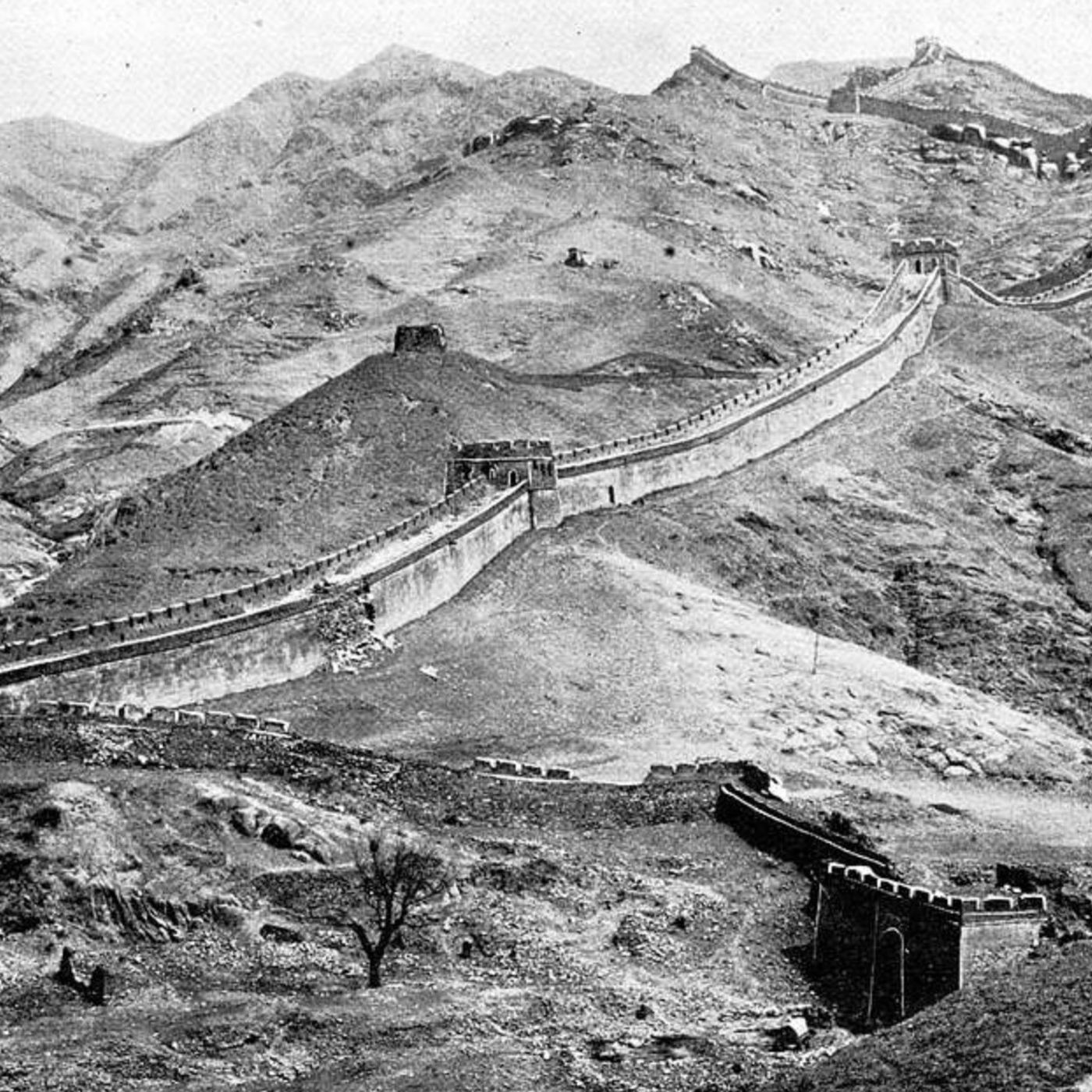
16. Gordon Chang and Mark SimonSimon updates Jimmy Lai’s deteriorating health in prison, advocating for humanitarian parole. He argues Beijinggains nothing from his incarceration, as Lai has become the world's most significant human rights martyr. (16)1906
S8 Ep 631S8 Ep631: 15. Gordon Chang and Charles Ortell Ortell describes economic paralysis caused by 3,400 ships trapped in the Persian Gulf. Chang reports that Trump-Xi summits have been postponed as deglobalization processes accelerate and China’s economic hand weakens. (
15. Gordon Chang and Charles OrtellOrtell describes economic paralysis caused by 3,400 ships trapped in the Persian Gulf. Chang reports that Trump-Xi summits have been postponed as deglobalization processes accelerate and China’s economic hand weakens. (15)1688
S8 Ep 631S8 Ep631: 14. Ahmad Sharawi and Bill Roggio Sharawi reports on Syrian forces' hostility toward Hezbollah and the imposition of Sharia law. He highlights Jordan’s vulnerability to Iranian strikes aimed at regional destabilization through its "ring of fire" strategy.
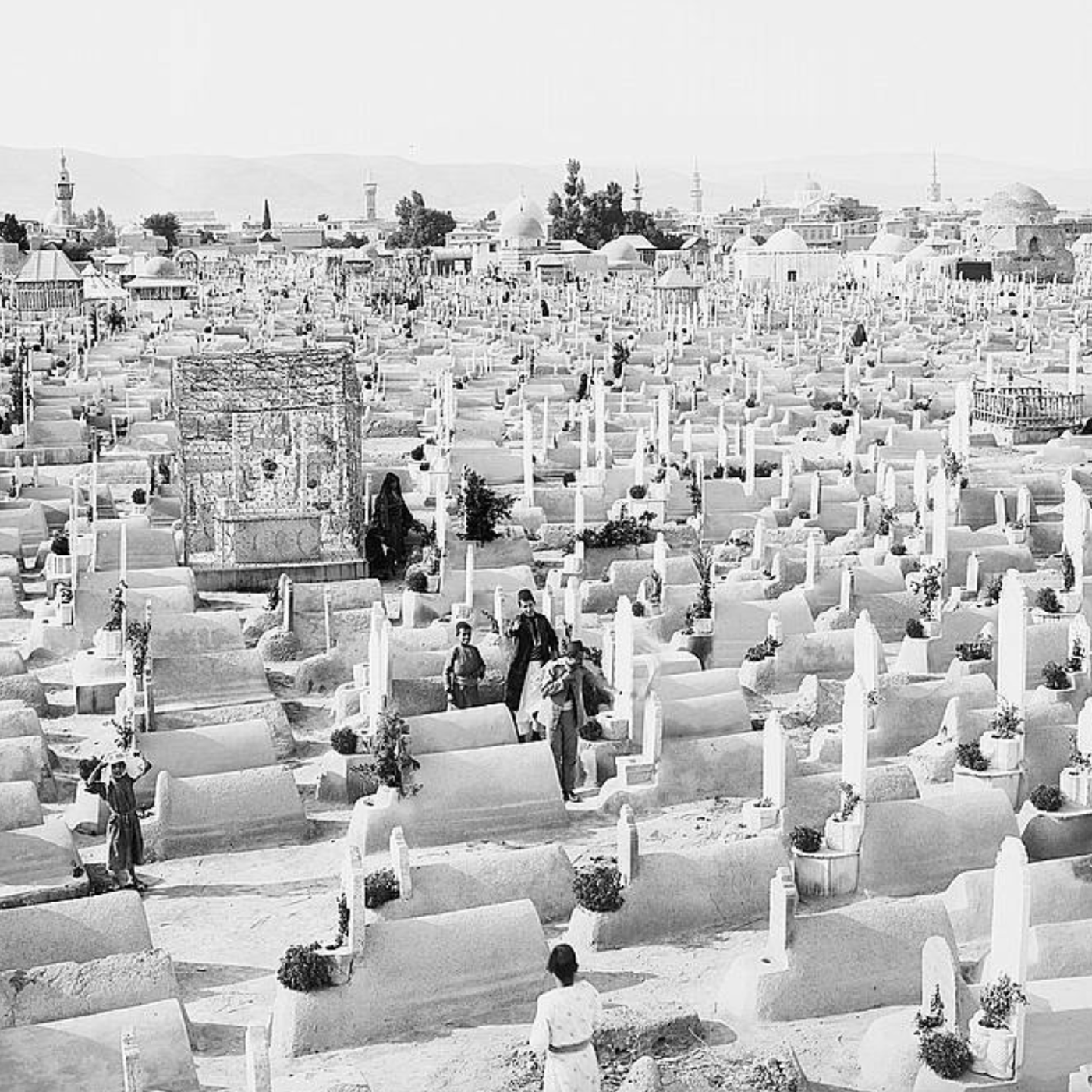
14. Ahmad Sharawi and Bill RoggioSharawi reports on Syrian forces' hostility toward Hezbollah and the imposition of Sharia law. He highlights Jordan’s vulnerability to Iranian strikes aimed at regional destabilization through its "ring of fire" strategy. (14)1898 syria
S8 Ep 631S8 Ep631: 13. John Hardy and Bill Roggio Hardy discusses Russia’s rejected offer to trade support for Iran for a cessation of aid to Ukraine. He analyzes the failing Russian spring offensive and Ukraine’s deployment of drone experts to the Gulf. (13)
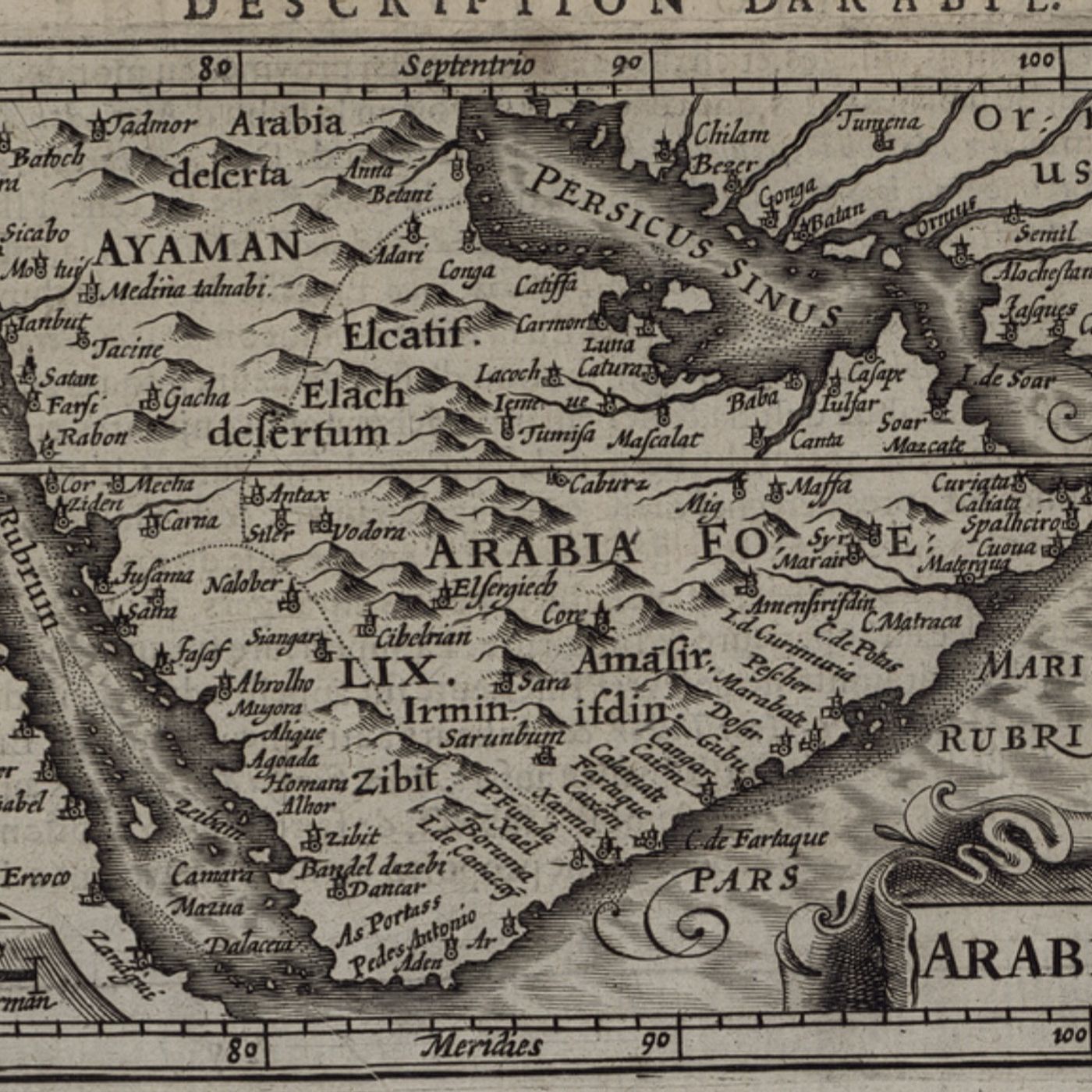
13. John Hardy and Bill Roggio Hardy discusses Russia’s rejected offer to trade support for Iran for a cessation of aid to Ukraine. He analyzes the failing Russian spring offensive and Ukraine’s deployment of drone experts to the Gulf. (13)1616
S8 Ep 630S8 Ep630: 12. Edmund Fitton-Brown and Bill Roggio outline growing European support for U.S. actions. They highlight Iran’s self-destructive missile strike on Diego Garcia and predict the regime’s collapse due to internal instability and incompetence,,. (12)
12. Edmund Fitton-Brown and Bill Roggio outline growing Europeansupport for U.S. actions. They highlight Iran’s self-destructive missile strike on Diego Garcia and predict the regime’s collapse due to internal instability and incompetence,,. (12)1700 in Latin
S8 Ep 630S8 Ep630: 11. Edmund Fitton-Brown and Bill Roggio critique Pakistan’s mediation role. They discuss the strategic impasse regarding the Strait of Hormuz and the likelihood that the U.S. and Iran remain far from any agreement,,. (11)
11. Edmund Fitton-Brown and Bill Roggio critique Pakistan’s mediation role. They discuss the strategic impasse regarding the Strait of Hormuz and the likelihood that the U.S. and Iran remain far from any agreement,,. (11)1720
S8 Ep 630S8 Ep630: 10. Jonatyn Sayeh and Bill Roggioexamine Iran’s ethnic landscape and prospects for regime collapse. Sayeh argues that while local actors might occupy territory, a unified national uprising is more likely than total Balkanization,,. (10)
10. Jonatyn Sayeh and Bill Roggioexamine Iran’s ethnic landscape and prospects for regime collapse. Sayeh argues that while local actors might occupy territory, a unified national uprising is more likely than total Balkanization,,. (10)1787

S8 Ep 630S8 Ep630: 9. Jonatyn Sayeh and Bill Roggiodiscuss the plight of Iranian civilians during the bombardment. Sayeh emphasizes that Iranians prioritize regime change over a ceasefire, despite the regime using civilian infrastructure for protection,,,. (9)
9. Jonatyn Sayeh and Bill Roggiodiscuss the plight of Iranian civilians during the bombardment. Sayeh emphasizes that Iranians prioritize regime change over a ceasefire, despite the regime using civilian infrastructure for protection,,,. (9)17071

S8 Ep 630S8 Ep630: 8. Ernesto Araújo and Alejandro Peña Esclusa evaluate South America’s shifting political landscape. They highlight the upcoming Brazilian election between Lula and Flavio Bolsonaro as pivotal for the continent’s stance against totalitarian regimes,,,. (8)
8. Ernesto Araújo and Alejandro Peña Esclusa evaluate South America’s shifting political landscape. They highlight the upcoming Brazilian election between Lula and Flavio Bolsonaro as pivotal for the continent’s stance against totalitarian regimes,,,. (8)

S8 Ep 630S8 Ep630: 7. Ernesto Araújo and Alejandro Peña Esclusa discuss potential democratic transitions in Cuba and Venezuela. They analyze Marco Rubio’s diplomatic role and the impact of the Maduro regime’s weakening on regional leftist stability,,,. (7)
7. Ernesto Araújo and Alejandro Peña Esclusa discuss potential democratic transitions in Cuba and Venezuela. They analyze Marco Rubio’s diplomatic role and the impact of the Maduro regime’s weakening on regional leftist stability,,,. (7)1916
S8 Ep 630S8 Ep630: 6. Malcolm Hoenlein and Thaddeus McCotter examine Jordan’s vulnerability and European security threats. They note that despite public caution, Gulf states are privately urging Israel to eliminate the Iranian regime’s regional threat,,,. (6)
6. Malcolm Hoenlein and Thaddeus McCotter examine Jordan’s vulnerability and European security threats. They note that despite public caution, Gulf states are privately urging Israel to eliminate the Iranian regime’s regional threat,,,. (6)1855
S8 Ep 630S8 Ep630: 5. Malcolm Hoenlein and Thaddeus McCotter explore the war’s impact on Israeli civilian life. They highlight Iranian missile strikes near the Dimona reactor and the targeting of vital infrastructure, such as fuel refineries,,,. (5)
5. Malcolm Hoenlein and Thaddeus McCotter explore the war’s impact on Israeli civilian life. They highlight Iranian missile strikes near the Dimona reactor and the targeting of vital infrastructure, such as fuel refineries,,,. (5)1688