The Joe Walker Podcast
136 episodes — Page 2 of 3
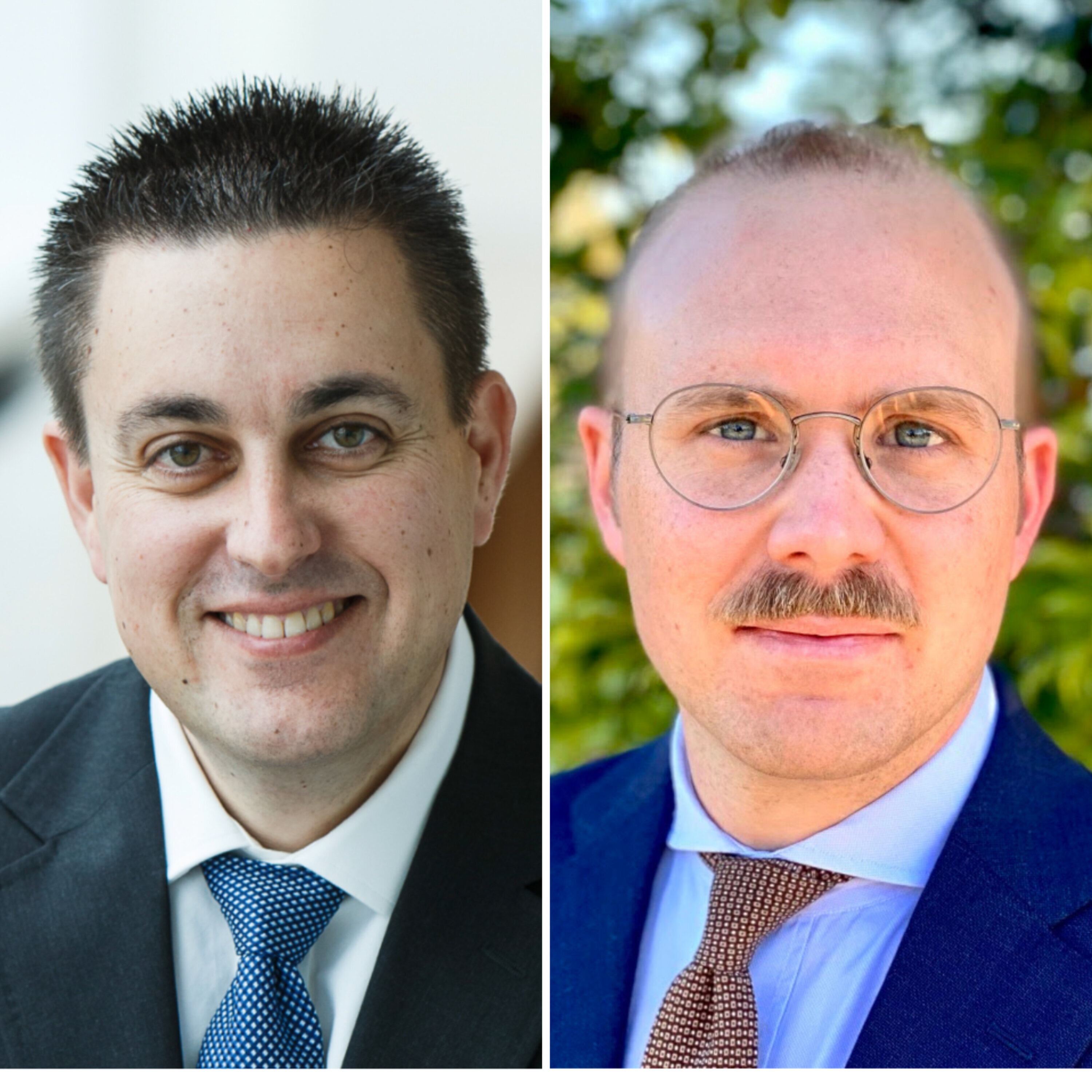
S5 Ep 137The Race That Stopped The Nation — Richard Holden & Steven Hamilton
Richard Holden is Professor of Economics at UNSW. Steven Hamilton is an Assistant Professor of Economics at The George Washington University. Full transcript available at: josephnoelwalker.com/holden-hamiltonSee omnystudio.com/listener for privacy information.
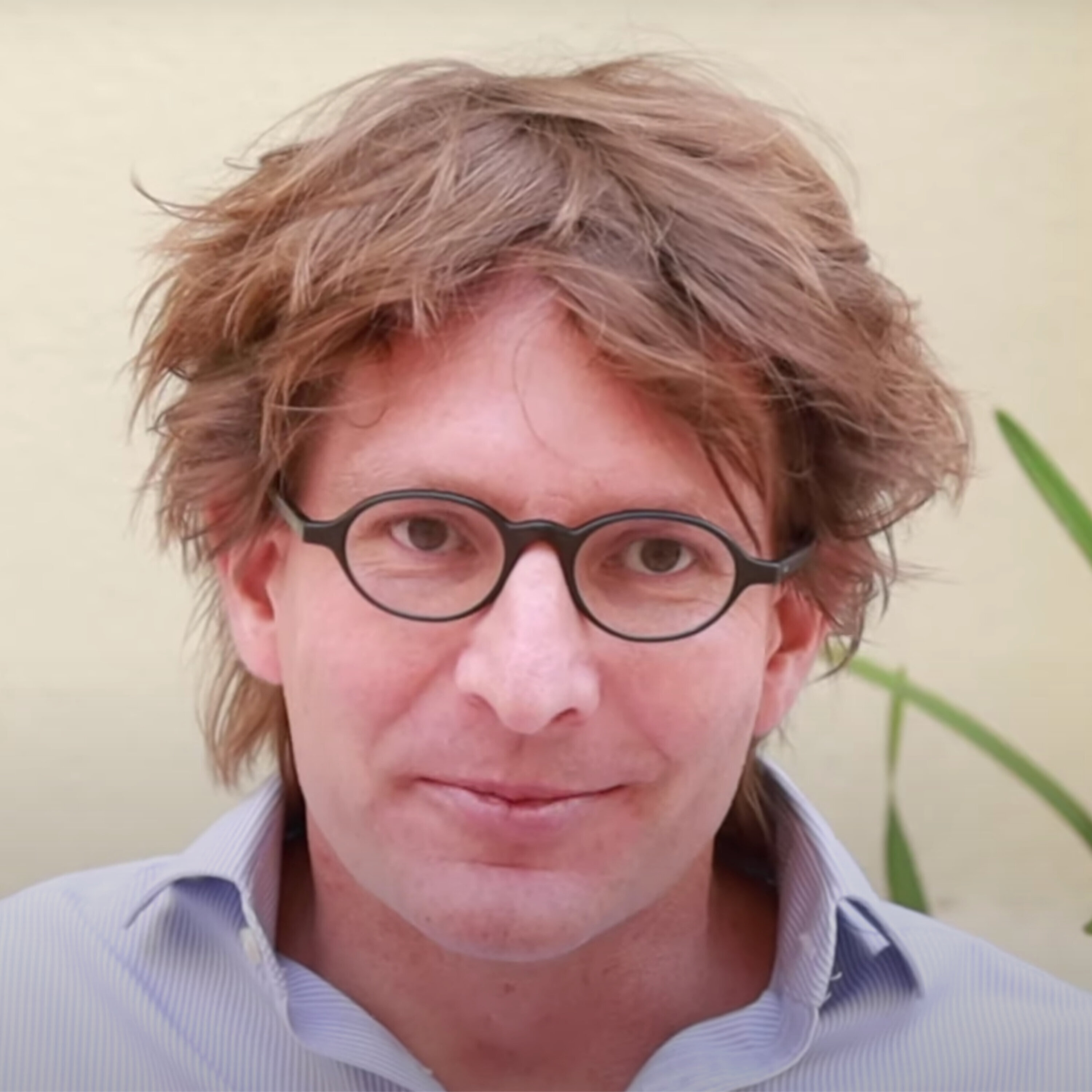
S5 Ep 136Ergodicity — Ole Peters
Ole Peters is a physicist and a Fellow at the London Mathematical Laboratory. Show notes available at: josephnoelwalker.com/136-ergodicitySee omnystudio.com/listener for privacy information.
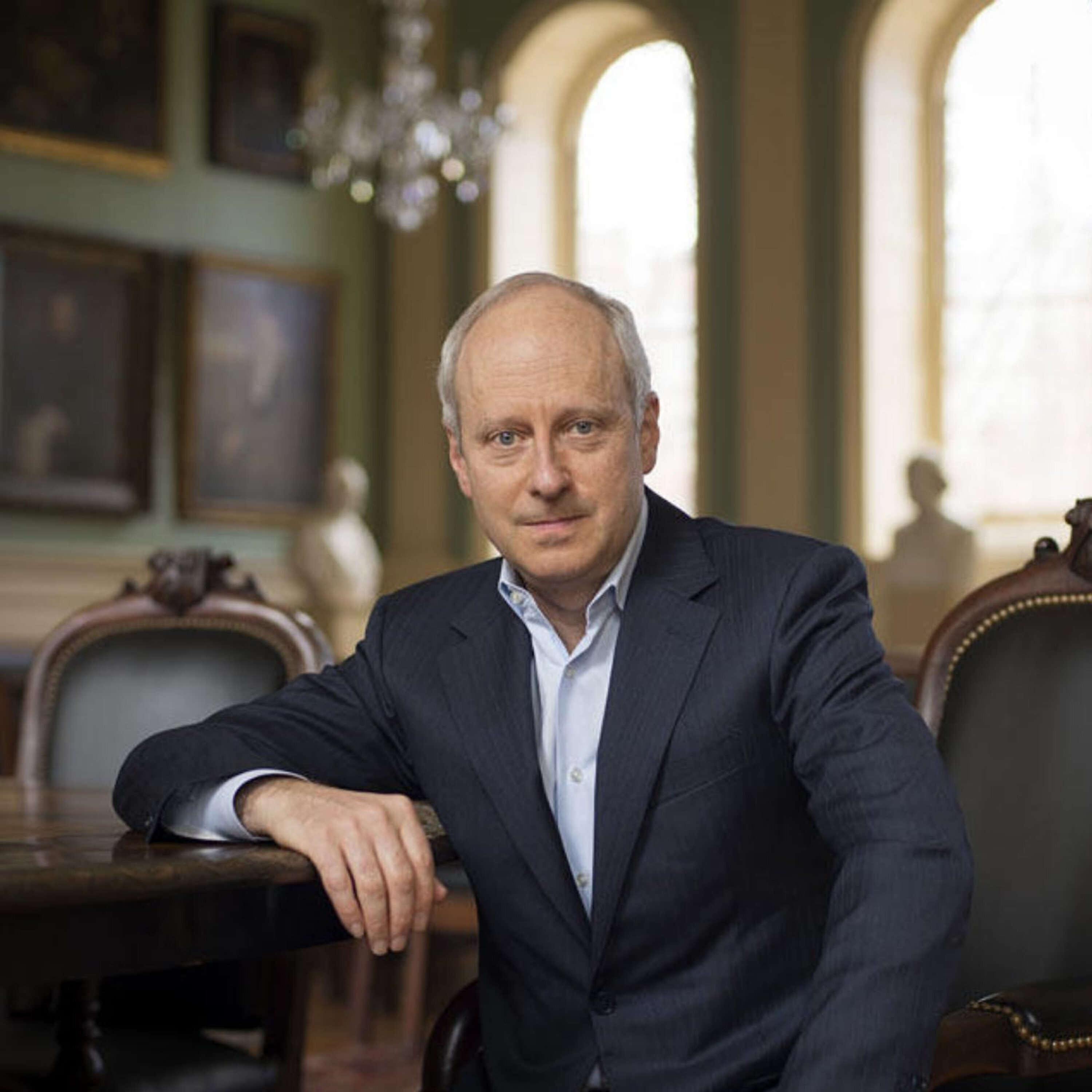
S5 Ep 135The Tyranny Of Merit — Michael Sandel
Michael Sandel teaches political philosophy at Harvard University, where he is the Anne T. and Robert M. Bass Professor of Government Theory. His course “Justice” is the first Harvard course to be made freely available online and on television and has been viewed by tens of millions of people around the world.Full transcript available at: josephnoelwalker.com/michael-sandelSee omnystudio.com/listener for privacy information.
S5 Ep 134The Spectre Of Havoc — Graham Allison
Graham Allison is an American political scientist and the Douglas Dillon Professor of Government Harvard University.Full transcript available at: josephnoelwalker.com/graham-allisonSee omnystudio.com/listener for privacy information.
S5 Ep 133A General Theory Of Catastrophe — Niall Ferguson
Niall Ferguson is one of the world's most renowned historians. He is the Milbank Family Senior Fellow at the Hoover Institution, Stanford University, and a senior faculty fellow of the Belfer Center for Science and International Affairs at Harvard. He is the author of sixteen books, including most recently Doom: The Politics of Catastrophe.Full transcript available at: josephnoelwalker.com/niall-fergusonSee omnystudio.com/listener for privacy information.
S5 Ep 132Policy In An Age Of Politics — John Hewson
John Hewson is a former Australian politician and was leader of the Liberal Party from 1990 to 1994.Full transcript available at: josephnoelwalker.com/john-hewsonSee omnystudio.com/listener for privacy information.
S5 Ep 131A Practical Guide To Coping With Uncertainty — John Kay
John Kay is one of Britain's leading economists.See omnystudio.com/listener for privacy information.

S5 Ep 130Is Science Reaching Its Limits? — John Horgan
John Horgan is a science journalist and Director of the Center for Science Writings at the Stevens Institute of Technology, Hoboken, New Jersey. He was senior writer at Scientific American from 1986-1997 and is the author of the bestselling book The End of Science.Full transcript available at: josephnoelwalker.com/horganSee omnystudio.com/listener for privacy information.
S5 Ep 129Marvellous Melbourne And Australia's Darkest Depression — Graeme Davison
Graeme Davison is Australia's most eminent urban historian.Full transcript available at: josephnoelwalker.com/graeme-davisonSee omnystudio.com/listener for privacy information.
S5 Ep 128A Forgotten Genius — Cheryl Misak
Cheryl Misak is a Canadian philosopher and the author of Frank Ramsey: A Sheer Excess of Powers.Full transcript available at: josephnoelwalker.com/misakSee omnystudio.com/listener for privacy information.
S5 Ep 127Progress And Planet — Malcolm Turnbull
Malcolm Turnbull was the 29th Prime Minister of Australia.Full transcript available at: josephnoelwalker.com/malcolm-turnbullSee omnystudio.com/listener for privacy information.
S5 Ep 126The Craft Of Comedy And The Art Of A Lasting Partnership — Andy Lee
Andy Lee is one half of iconic Australian comedy duo Hamish & Andy.Full transcript available at: josephnoelwalker.com/andy-leeSee omnystudio.com/listener for privacy information.
S5 Ep 125The Reign Of Keynes, Part II — Lord Robert Skidelsky
Robert Skidelsky, FBA is a British economic historian. He is the author of a three-volume award-winning biography of British economist John Maynard Keynes.Full transcript available at: josephnoelwalker.com/skidelskySee omnystudio.com/listener for privacy information.
S5 Ep 124Recollections Of A Wild Man In The Wings — Noam Chomsky
Noam Chomsky is the father of modern linguistics and one of the most cited scholars in modern history. He is also one of the most influential public intellectuals in the world, having written more than 150 books.Full transcript available at: josephnoelwalker.com/chomskySee omnystudio.com/listener for privacy information.
S5 Ep 123There Is Such A Thing As Society — Sir Paul Collier
Sir Paul Collier is a British development economist. He is currently a professor of economics at the University of Oxford and was the Director of the Development Research Group at the World Bank between 1998 and 2003. Paul has authored numerous books, including The Bottom Billion, The Plundered Planet, and The Future of Capitalism. His latest book, co-authored with John Kay, is Greed is Dead: Politics After Individualism.See omnystudio.com/listener for privacy information.
S5 Ep 122The Reign Of Keynes, Part I — Zach Carter
Zach Carter is a senior reporter at The Huffington Post and the author of the New York Times bestseller The Price of Peace: Money, Democracy and the Life of John Maynard Keynes.Full transcript available at: josephnoelwalker.com/zach-carterSee omnystudio.com/listener for privacy information.
S5 Ep 121The Doyen Of Behavioural Genetics On Untangling Nature And Nurture — Robert Plomin
Robert Plomin is one of the world's leading behavioural geneticists. He is currently MRC Research Professor in Behavioural Genetics at the Institute of Psychiatry, Psychology and Neuroscience at King’s College London.See omnystudio.com/listener for privacy information.
S5 Ep 120The Republic Is In Peril — Jack A. Goldstone
Jack A. Goldstone is an American sociologist and is widely regarded as one of the world's leading experts on the subject of revolutions.Full transcript available at: josephnoelwalker.com/jack-goldstoneSee omnystudio.com/listener for privacy information.
S5 Ep 119Hard-Earned Lessons From A Maverick Who Made It — Mark Cuban
Mark Cuban is an American billionaire investor, entrepreneur and TV personality.Full transcript available at: josephnoelwalker.com/mark-cubanSee omnystudio.com/listener for privacy information.
S5 Ep 118The Wisdom Of Frank Wilczek
Frank Wilczek won the Nobel Prize in Physics in 2004 and is considered one of the world’s most eminent theoretical physicists.Full transcript available at: josephnoelwalker.com/frank-wilczekSee omnystudio.com/listener for privacy information.
S5 Ep 117The Moral Causes And Consequences Of Economic Growth — Benjamin M. Friedman
Benjamin M. Friedman is widely recognised as one of the world's leading macroeconomists. He is currently the William Joseph Maier Professor of Political Economy at Harvard University.Read the full transcript at: josephnoelwalker.com/ben-friedmanSee omnystudio.com/listener for privacy information.
S5 Ep 116The Indiana Jones Of Anthropology On The Origins Of Western Psychology — Joe Henrich
Joe Henrich is Professor and Chair of Human Evolutionary Biology at Harvard University. He is the author of The Secret of Our Success and The Weirdest People in the World.See omnystudio.com/listener for privacy information.
S5 Ep 115Deaths Of Despair And The Future Of Capitalism — Angus Deaton
Sir Angus Deaton is a Nobel Prize-winning economist and coauthor of Deaths of Despair and the Future of Capitalism.Read the full transcript at: josephnoelwalker.com/deatonSee omnystudio.com/listener for privacy information.
S4 Ep 114On Ayn Rand, Cooperation, And Successful Societies - David Sloan Wilson
David Sloan Wilson is an evolutionary biologist.Read the full transcript at: https://josephnoelwalker.com/atlashuggedSee omnystudio.com/listener for privacy information.
S4 Ep 113What I Learned In 2020 - John Hempton
John Hempton is co-founder and Chief Investment Officer at Bronte Capital.Show notesSelected links Follow John: Blog | Twitter 'Approaches to Studying Policy Representation', paper by David Broockman 'Indebted Demand', paper by Atif Mian, Ludwig Straub and Amir Sufi Topics discussed Lessons from past market cycles. 4:51 Astarra-Trio. 10:43 Retail investors: Welcome to the party. 24:14 When John met Jim (Simons). 28:13 Can you predict market tops? 33:00 Are there any good reasons for believing this time really is different? 40:37 The Dunning-Kruger effect is everywhere. 52:18 A behavioural model of the coronavirus. 55:45 The illusion of the political centre. 1:10:19 How inequality may be distorting monetary policy, and vice versa. 1:23:00 SPAC attack. 1:26:03 The puzzle of Middleby. 1:31:15 Bull masturbating. 1:33:01 2020: a year of puzzles. 1:42:30 See omnystudio.com/listener for privacy information.

S4 Ep 112Rational Minds Part 5: Heuristics Make Us Smart - Gerd Gigerenzer
Gerd Gigerenzer is a German psychologist and director emeritus of the Center for Adaptive Behavior and Cognition at the Max Planck Institute for Human Development.See omnystudio.com/listener for privacy information.
S4 Ep 111Rational Minds Part 4: The Blind Leading The Blind - David Hirshleifer
David Hirshleifer is a professor of finance and currently holds the Merage chair in Business Growth at the University of California.See omnystudio.com/listener for privacy information.
S4 Ep 110Rational Minds Part 3: Rethinking Bubbles - Vernon Smith
Vernon Smith won the Nobel Prize in Economic Sciences in 2002. This is his second appearance on the show.See omnystudio.com/listener for privacy information.

S4 Ep 109Rational Minds Part 2: The Myth Of Tulip Mania - Anne Goldgar
Anne Goldgar is an historian and holds the Van Hunnick Chair in European History at the University of Southern California Dornsife.Show notesSelected links Follow Anne: Website | Twitter Tulipmania: Money, Honor, and Knowledge in the Dutch Golden, by Anne Goldgar See omnystudio.com/listener for privacy information.
S4 Ep 108Rational Minds Part 1: A Nation Of Gamblers - Ed Glaeser
Ed Glaeser is the Fred and Eleanor Glimp Professor of Economics at Harvard University.Show notesSelected links Follow Ed: Website 'A Nation Of Gamblers: Real Estate Speculation And American History', 2013 Ely Lecture by Ed Glaeser One Hundred Years Of Land Values In Chicago, by Homer Hoyt The Land Boomers, by Michael Cannon '25 years of housing trends' report by Aussie Home Loans Topics discussed A potted history of real estate speculation in the United States. 8:51 How would Ed describe the Great Convulsion of the 2000s to an alien observer? 13:40 Why is real estate well-suited to being a speculative asset? 16:04 If speculators aren't crazy, what are they? 17:00 Was the Great Convulsion primarily driven by credit availability? 20:44 What would a good Bayesian have thought in response to the 2000s housing market in the US? 22:23 Radical uncertainty and its implications for rationality in the context of housing markets. 24:06 Are extrapolative beliefs rational? 26:22 Are housing bubbles irrational? 29:51 See omnystudio.com/listener for privacy information.

S4 Ep 107The Roaring Twenties And The Birth Of Consumer Credit - Martha Olney
Martha Olney is an economist and Teaching Professor in Berkeley's Economics Department.Show notesSelected links Follow Martha: Website | Twitter Buy Now, Pay Later: Advertising, Credit, and Consumer Durables in the 1920s, by Martha Olney Did Monetary Forces Cause the Great Depression, by Peter Temin Advertising the American Dream: Making Way for Modernity, 1920 – 1940, by Roland Marchand Traitor to his Class: The Privileged Life and Radical Presidency of Franklin Delano Roosevelt, by H. W. Brands 'The Consequences of Mortgage Credit Expansion: Evidence from the U.S. Mortgage Default Crisis', paper by Atif Mian and Amir Sufi Topics discussed How did Martha become interested in the history of consumer credit? 3:28 The birth of consumer credit. 6:54 How consumer credit companies and advertisers midwifed a change in cultural attitudes regarding borrowing. 16:41 What is the relationship between the increase in inequality and the rise in consumer credit during the 1920s? 31:34 Political elites in the Great Depression versus the Great Recession. 47:35 How did studying the 1920s prepare Martha for the Great Recession? 54:58 If private debt is capitalism's Achilles Heel, what should we do about it? 57:54 See omnystudio.com/listener for privacy information.
S4 Ep 105Despair And Indignation Among The American White Working Class - Arlie Hochschild
Arlie Hochschild is one of the most influential sociologists of the 20th and 21st centuries.Show notesSelected links Follow Arlie: Website Strangers In Their Own Land, by Arlie Hochschild Power, Politics, and People, by C. Wright Mills 'Ayn Rand and Modern Politics', article by David Sloan Wilson Deaths of Despair and the Future of Capitalism, by Anne Case & Angus Deaton Topics discussed Arlie's childhood spread across the world. 5:08 How did C. Wright Mills influence Arlie? 8:34 Was sociology an easy career decision for Arlie? 11:20 When did Arlie decide she needed to write Strangers In Their Own Land? 12:54 Why is the Tea Party strongest in the southern states? 16:47 Why does the Tea Party love the atheist Ayn Rand? 25:14 What are 'deep stories'? 34:55 Taking the right's needs seriously. 42:07 Trump's power as an orator. 55:04 If the liberal elite failed to understand the white working class, how did a real estate magnate from Manhattan grock them so quickly? 1:03:10 Trump won 10.1 million more votes in 2020 than in 2016. What does that say about America today? 1:04:57 How can we learn to be more empathetic? 1:06:45 See omnystudio.com/listener for privacy information.
S4 Ep 108Back To The Future - Tyler Cowen
Tyler Cowen is an economist and public intellectual par excellence.Show notesSelected links •Follow Tyler: Website | Twitter | Podcast | Blog •Stubborn Attachments, by Tyler Cowen •Ideal Code, Real World, by Brad Hooker •Utilitarianism and Co-operation, by Donald Regan •Peter Thiel interview, Conversations with Tyler •The Great Stagnation, by Tyler Cowen •The Moral Consequences of Economic Growth, by Benjamin Friedman •Fully Growth, by Dietrich Vollrath •'The Nobel Prize Isn't What It Used To Be', Bloomberg article by Tyler Cowen •'Demographia International Housing Affordability Survey: 2020' •Superintelligence, by Nick Bostrom •A Tract on Monetary Reform, by John Maynard Keynes •Indian Currency and Finance, by John Maynard Keynes •Individualism and Economic Order, by Friedrich Hayek •The Rise and Fall of American Growth, by Robert GordonTopics discussed •If God is dead, life is absurd and there are no rules, why shouldn't we just commit suicide? •Why should we care about the distant future? •Does rule utilitarianism collapse into act utilitarianism? •How can we make decisions at all without succumbing to moral paralysis and total uncertainty? •Why isn't the epistemic critique fatal to consequentialism? •Why didn't Tyler donate the proceeds of Stubborn Attachments to an effective charity? •What is the Great Stagnation? •Why was 1973 the breakpoint in western productivity growth? •Is the Great Stagnation overdetermined? •What metric would Tyler look at to determine whether the Great Stagnation had ended? •When did Tyler first become cognisant of the...See omnystudio.com/listener for privacy information.
S4 Ep 107A Labor Intellectual's Plan To Rebraid Our Frayed Social Fabric - Andrew Leigh
Dr Andrew Leigh MP is an economist and Federal Labor parliamentarian.Show notesSelected links •Follow Andrew: Website | Twitter •Reconnected, by Andrew Leigh and Nick Terrell •Democracy in America, Alexis de Tocqueville •Bowling Alone, by Robert Putnam •Disconnected, by Andrew LeighTopics discussed •What has Andrew's experience of the pandemic been like? 7:54 •Andrew's vision for Australian society. 9:40 •What was it like to work under Robert Putnam? 12:27 •What are some of the big lessons Andrew learned from Putnam? 15:00 •What is Andrew's research system? 17:43 •What is 'social capital'? 18:12 •What is the story of the decline of social capital in Australia? 19:24 •Pushing back on the idea of social capital. 21:17 •Andrew's favourite examples of social entrepreneurship in Australia. 29:00 •Has the net effect of the digital world been to connect or disconnect us? 31:38 •Why are some organisations better at building social capital than others? 35:07 •How does Andrew think about religion? 36:40 •How can we increase social capital by using systems or design thinking? 41:37 •What impactful community organisation is no one building? 44:05See omnystudio.com/listener for privacy information.
S4 Ep 106Frauds And Visionaries - Bethany McLean
Bethany McLean is an investigative journalist and contributing editor for Vanity Fair.Show notesSelected links •Follow Bethany: Website | Twitter •The Smartest Guys in the Room, by Bethany McLean and Peter Elkind •'Is Enron Overpriced?', Bethany's March 5, 2001, article for Fortune •'What Caused Enron?: A Capsule Social and Economic History of the 1990's', article by John Coffee •Bad Blood, by John Carreyrou •The Seven Signs of Ethical Collapse, by Marriane Jennings •Spy The Lie, by Philip Houston, Michael Floyd and Don Tennant •Saudi America, by Bethany McLean •The Undoing Project, by Michael LewisTopics discussed •How did Bethany become a journalist? 4:13 •How did Enron come to be Enron? 6:30 •How did Bethany see through Enron when most others were beguiled by it? 8:33 •What was the reaction to Bethany's original article expressing skepticism about Enron? 11:35 •Why was Enron an example of 'legal fraud'? 13:34 •How to spot the "dogs" dressed up as "ducks". 16:20 •What were the ultimate causes of Enron's collapse? 19:43 •How did so many smart people at Enron become so corrupted? 30:06 •Bethany's book recommendations. 32:42 •The fine line between frauds and visionaries. 34:56 •Self-deception. 41:56 •If Elizabeth Holmes succeeded, would the end have justified her means? 45:23 •Elon Musk. 46:54 •The truth about fracking. 55:14 •How does Bethany stay organised as a journalist? 57:17 •How does Bethany put questions to her sources? 58:36 •Balancing accuracy with narrative flair. 59:35 •Which factors help Bethany decide which facts to include in a story and which to omit from it? 1:05:40 •How to construct an effective narrative. 1:11:46 •What business model could scale up investigative journalism? 1:17:54 •How does democracy survive the eroding of journalism's traditional business model? 1:24:04See omnystudio.com/listener for privacy information.
S4 Ep 105The Rise And Fall Of Monetary Policy - Ian Macfarlane
Ian Macfarlane was Governor of the Reserve Bank of Australia from 1996 to 2006.Show notesSelected links •Follow Ian: Website •The Deficit Myth, by Stephanie Kelton •Macroeconomics, by William Mitchell, L. Randall Ray and Martin Watts •'Indebted Demand', paper by Atif Mian, Ludwig Straub and Amir SufiTopics discussed •Monetary policy. 4:44 •Modern Monetary Theory. 42:07 •Secular Stagnation and Indebted Demand. 1:11:10See omnystudio.com/listener for privacy information.
S4 Ep 104An Ode To The Uncorrelated Thinker - Eric Weinstein
EEric Weinstein is a mathematician and the Managing Director of Thiel Capital.Show notesSelected links •Follow Eric: Website | Twitter •The Three Languages of Politics, by Arnold Kling •'Opinions and Social Pressure', paper by Solomon AschSee omnystudio.com/listener for privacy information.
S4 Ep 103Housing Bubble Week Epilogue: Not All Bubbles Are Created Equal - Vernon Smith
Vernon Smith won the Nobel Prize in Economic Sciences in 2002. Show notes Selected links •Follow Vernon: Website •Rethinking Housing Bubbles, by Vernon Smith and Steven Gjerstad •'Debt Deflation: Theory and Evidence', address by Mervyn King •'Is the 2007 US Sub-Prime Financial Crisis So Different? An International •Historical Comparison', paper by Rogoff and Reinhart •'Global Household Leverage, House Prices, and Consumption', FRBSF Economic Letter by Reuven Glick and Kevin Lansing •'Dealing With Household Debt', chapter by the IMF •'The great mortgaging: housing finance, crises and business cycles', paper by Jorda, Schularick and Taylor •'Leveraged bubbles', paper by Jorda, Schularick and Taylor •'Housing and the Economy', 2019 speech by Guy Debelle •'Bubbles, Crashes, and Endogenous Expectations in Experimental Spot Asset Markets', paper by Vernon Smith, Gerry Suchanek and Arlington Williams •A Life of Experimental Economics, Volume I, by Vernon Smith •The example scenario of pessimists and optimists buying 100 identical houses is from House of Debt, by Amir Sufi and Atif Mian •'The Leverage Cycle', paper by John Geanakoplos •'Boys Will Be Boys: Gender, Overconfidence, and Common Stock Investment', paper by Brad Barber and Terry Odean •The Wisdom of Crowds, by James Surowiecki •'The Clinton Housing Bubble', WSJ article by Vernon Smith •''We're heartbroken': home in same family for 93 years passes in', 2018 The Daily Telegraph article •'Why are we so worried about household debt?', See omnystudio.com/listener for privacy information.
S4 Ep 102The Meaning Of Human Existence, And The Search For Alien Life - Avi Loeb
Avi Loeb is Chair of Harvard's Astronomy Department.Show notesSelected links •Follow Avi: Website •The Myth Of Sisyphus, by Albert Camus •The Structure of Scientific Revolutions, by Thomas Kuhn •'The End of Spacetime', public lecture by Nima Arkani-Hamed •Rendezvouz With Rama, by Arthur C. Clarke •'Glowing Auras and "Black Money": The Pentagon's Mysterious U.F.O. Program', NYT article (16/12/17) •'2 Navy Airmen and an Object That "Accelerated Like Nothing I've Ever Seen", NYT article (16/12/17)Topics discussed •Avi's childhood growing up on a farm in Israel, and journey into academia. 5:16 •Avi's romance with philosophy, Satre, and Camus. 10:11 •When in their careers should scientists court risk? 15:24 •Albert Camus and The Myth Of Sisyphus. 21:10 •How does alien intelligence change the meaning of human existence? 24:50 •If there was no other intelligent life in the universe, would that make a god more likely? 34:51 •How far off is technology for 3D printing of...humans? 40:49 •What are the a priori odds of other intelligent life in the universe -- and how do we calculate them? 42:49 •Why is it so quiet out there? 47:25 •Space archaeology. 52:33 •Is space-time a doomed concept? 1:04:14 •How do we verify what happens beyond the event horizon of a black hole? 1:12:08 •The multiverse: bullshit or not? 1:17:25 •What could spacefaring aliens teach us about physics? 1:30:00 •'Oumuamua -- a possible interstellar spacecraft lurking in our solar system. 1:31:45 •The Pentagon UFO releases. 1:43:47 •Hostile aliens. 1:46:00 •The advantages of generalism. 1:54:43 •The meaning of life (42). 2:01:21See omnystudio.com/listener for privacy information.
S4 Ep 101Of Viruses And Vaccines - Peter Doherty
Peter Doherty is an immunologist and winner of the 1996 Nobel Prize in Medicine.Show notesSelected links •Follow Peter: Website | Twitter •'I'm 79, I won the Nobel Prize and I don't give a s---', AFR profile of Peter Doherty •Pandemics: What Everyone Needs To Know, by Peter Doherty •The (in)famous Imperial College paperTopics discussed •Has Peter always not given a shit? 7:32 •Peter's odd high school experience. 9:00 •How the media report on science. 12:30 •What is the difference between a virus and a bacterium? 15:08 •How does a new coronavirus come into existence? 17:47 •What is Peter's area of expertise and what does he know about pandemics? 22:57 •What has the coronavirus pandemic taught us about the usefulness of epidemiological models? 25:20 •The politicization of lockdowns. 35:57 •The origins of America and Australia's cultural differences. 47:33 •Social media and political polarisation. 57:05 •In weathering the pandemic relatively well, was Australia lucky or were the epidemiological models too pessimistic? 59:56 •Can we just lockdown the vulnerable segment of the population, rather than the whole population? 1:03:52 •Is Peter optimistic about keeping a lid on the virus until a vaccine arrives? 1:08:25 •What do governments need to learn from the pandemic to be better prepared for the next one? 1:16:00See omnystudio.com/listener for privacy information.
S4 Ep 100The Housing Supply Myth - Cameron Murray & Ian Mulheirn
Cameron Murray is a Research Fellow at the University of Sydney's Henry Halloran Trust. Ian Mulheirn is Executive Director and Chief Economist at the Tony Blair Institute.Show notesSelected links •Follow Cameron Murray: Website | Twitter •Follow Ian Mulheirn: Website | Twitter •Tackling the UK housing crisis: is supply the answer?', 2019 report by Ian Mulheirn •'Innovative Approaches to Reducing the Costs of Home Ownership', 2003 report by Joye and Caplin •'The Australian Housing Supply Myth', 2019 paper by Cameron Murray •'The Geographic Determinants of Housing Supply', paper by Albert SaizTopics discussed •Why isn't a lack of supply the primary cause of high house prices? 14:40 •The role of interest rates. 18:46 •The tangled web of causality behind house prices. 36:42 •Narratives in housing markets: are they exogenous shocks or post hoc rationalisations? 41:40 •Where did the housing supply narrative come from? 46:41 •How would the UK government prop up its housing market if fundamentals deteriorated? 1:04:52 •Arguments in support of the housing supply myth. 1:05:48 •What makes for an intellectually defensible forecast of house prices? 1:29:17See omnystudio.com/listener for privacy information.
S4 Ep 99Inside Humanity's Infinite Improbability Drive - Matt Ridley
Matt Ridley is an author, journalist, biologist, and businessman. His books have sold over a million copies.Show notesSelected links •Follow Matt Ridley: Website | Twitter •How Innovation Works, by Matt Ridley •The Origins of Virtue, by Matt Ridley •Zero to One, by Peter Thiel •Born Standing Up, by Steve Martin •The Innovator's Dilemma, by Clayton Christensen •'The Use of Knowledge in Society', essay by Friedrich Hayek •Bad Blood, by John Carreyrou •The Great Stagnation, by Tyler Cowen •The Rise and Fall of American Growth, by Robert GordonTopics discussed •When did Matt first come to understand the disturbing notion of selfish gene theory? 8:55 •How did Matt, a biologist, become so interested in innovation? 16:20 •The infinite improbability drive. 20:30 •What's the difference between innovation and invention? 24:05 •What do most people (wrongly) believe about how innovation works? 25:48 •Why innovation relies on collaboration. 33:53 •Innovation is the child of freedom. But what amount or types of freedom are sufficient to underpin innovation? 40:35 •Why does innovation thrive in fragmented political systems? 46:39 •Does unfettered economic freedom tend irresistibly towards monopolies? 50:37 •Antitrust enforcement: have we been doing enough? 1:02:44 •The relationship between uncertainty and innovation. 1:05:58 •Frauds and visionaries. 1:14:20 •Uncertainty and economics. 1:15:26 •Are we in the midst of a Great Stagnation? 1:26:40 •Can we escape stagnation? 1:40:30See omnystudio.com/listener for privacy information.
S4 Ep 98Radical Uncertainty - Mervyn King
Mervyn King was Governor of the Bank of England from 2003 to 2013.Show notesSelected links •Follow Mervyn King: Website •Radical Uncertainty, by Mervyn King and John Kay •The General Theory of Employment, Interest, and Money, by John Maynard Keynes •'Debt deflation: Theory and evidence', paper by Mervyn King •The End of Alchemy, by Mervyn King •Recollections of a Bleeding Heart, by Don Watson •The Poverty of Historicism, by Karl Popper •Obliquity, by John Kay •'Truth and Probability', essay by Frank Ramsey •Frank Ramsey: A Sheer Excess of Powers, by Cheryl MisakTopics discussed •Why did Mervyn choose to study economics at Cambridge? 11:06 •Keynes' General Theory. 17:41 •Debt-deflation. 23:58 •When Mervyn met Ben. 29:20 •Was Mervyn caught off guard by the Global Financial Crisis? 31:40 •Does stability lead to instability? 38:18 •The stability heuristic. 41:43 •What is radical uncertainty? 49:54 •How technology creates radical uncertainty. 1:04:57 •Why has the economics profession overlooked radical uncertainty -- and when did this blindspot begin? 1:13:10 •Narratives. 1:25:18 •What does it mean to be rational? 1:31:21 •Speculative bubbles. 1:40:25See omnystudio.com/listener for privacy information.
S4 Ep 97The Doyen Of Economics Podcasting On Death, Lockdown, And The Art Of Socratic Dialogue - Russ Roberts
Russ Roberts is an economist and the host of EconTalk.Show notesSelected links •Follow Russ Roberts: Website | Twitter •EconTalk •Macroeconomic Patterns and Stories, by Ed Leamer •Fooled By Randomness, by Nassim Taleb •Systemic Risk of Pandemic Via Novel Pathogens -- Coronavirus', paper by Joe Norman, Yaneer Bar-Yam, and Nassim Taleb •'To philosophize is to learn how to die', essay by Montaigne •How Adam Smith Can Change Your Life, by Russ RobertsTopics discussed •When and how did EconTalk begin? 8:55 •Has interviewing over 750 people made Russ a better or more effective person? 13:59 •How to really understand an idea. 32:00 •What has Russ learned from Nassim Taleb? 35:43 •The Precautionary Principle. 42:03 •The lockdown dilemma. 48:38 •The Precautionary Principle again. 1:11:52 •Is Russ afraid of death? 1:18:49 •What has Russ done to improve his craft as an interviewer? 1:27:18 •Where was Russ born and what did his parents do? 1:48:21 •Why did Russ study economics? 1:49:52 •Narrative economics. 1:51:13 •Who are the most important economists for non-economists to know? 1:57:12 •How does Russ think about what he does? 2:02:31 •Vipassana meditation. 2:06:26 •When would Russ recommend economics as an undergraduate degree? 2:17:18 •Adam Smith's distinction between being loved and being lovely. 2:21:14See omnystudio.com/listener for privacy information.
S4 Ep 96The Life and Times of a Thoroughly liberal Prime Minister - Malcolm Turnbull
Malcolm Turnbull was Australia's 29th Prime Minister.Show notesSelected links •Follow Malcolm Turnbull: Website | Twitter •A Bigger Picture, by Malcolm Turnbull •Malcolm's speech at the 2010 Deakin Lectures •Malcolm's speech at the 2010 BZE Stationary Energy Plan launch •'Condolence on the Death of Robert Hughes', 2012 speech by Malcolm Turnbull •Malcolm's 2015 speech challenging Tony Abbott's leadership •The Fiery Chariot, by Lucille Iremonger •Reflections on the Revolution in France, by Edmund Burke •The Case for Conservatism, by Quintin Hogg •The Reluctant Republic, by Malcolm Turnbull •Fighting For the Republic, by Malcolm Turnbull •Constitutional Advancement in a Frozen Continent: Essays in honour of George Winterton •'An Alternative Republic Proposal', Anne Twomey's 2015 article in the ALJ •Skin in the Game, by Nassim Taleb •Antifragile, by Nassim TalebTopics discussed •Which of Malcolm's speeches is he most proud of? 9:52 •Malcolm's childhood. 12:51 •Burkean Conservatism. 20:20 •How do governments know when they're reforming too quickly or too slowly? 26:11 •Resolving the core tension in the Australian Republican Movement. 42:59 •Same-sex marriage. 48:48 •The Minority Rule. 52:19 •Is the Liberal Party philosophically tenable? 59:35 •How does Malcolm assess prospective tech investments? 1:04:24 •Malcolm's intellectual shift on China. 1:07:19 •Malcolm's struggle with depression and suicidal thoughts. 1:11:42 •Antifragility. 1:15:48See omnystudio.com/listener for privacy information.
S4 Ep 95How To Put The Economy Into A Coma - Chris Edmond & Steve Hamilton
Chris Edmond and Steve Hamilton are Australian economists.Show notesSelected links •Follow Chris Edmond: Website | Twitter •Follow Steve Hamilton: Website | Twitter •'A Rush Back to 'Normal' Would Be the Blunder of the Century', WIRED's interview of Larry Summers •'Impact of non-pharmaceutical interventions to reduce COVID-19 mortality and healthcare demand', Imperial College London paper by Neil Ferguson et al •'How the recession we have to have can be sharp but short', The Australian Financial Review article by Steve Hamilton and Stan Veuger •'Coronavirus: payroll subsidy will save the economy', The Australian article by Chris Edmond and Bruce PrestonTopics discussed •What happens to an economy when non-essential workers are told to stay home? 9:22 •The false choice between health and economic outcomes. 20:53 •How long do lockdowns need to last? 36:39 •Are Australia's lockdowns hard enough? 43:46 •What does pandemic-appropriate fiscal stimulus look like? 46:29 •Is this the end of surplus fetishism? 59:45 •JobKeeper. 1:06:44 •Will Australia see further rounds of stimulus? 1:19:21 •Is the financial economy healthy? 1:22:33 •Which one piece of advice would Steve and Chris give to the Australian Government? 1:26:26See omnystudio.com/listener for privacy information.
S4 Ep 94The Price Of Uncertainty - Chris Joye
EChris Joye is Founder and Co-Chief Investments Officer at Coolabah Capital Investments. He is also a Contributing Editor with The...See omnystudio.com/listener for privacy information.
S4 Ep 93How An Italian Town Conquered Coronavirus - Andrea Crisanti
Andrea Crisanti is a Professor of Microbiology at the University of Padua. He is part of the research team that eradicated coronavirus in Vo, a town in northern Italy.Show notesSelected links •Follow Andrea: Website •Johns Hopkins University's coronavirus dashboard •Data on testing by country •Marc Lipsitch's 18 March STAT articleTopics discussed •The Italian crisis. 8:22 •Why has Lombardy become an epicentre of coronavirus? 9:50 •How does the situation in Veneto compare to that in Lombardy? 11:06 •How did Andrea become involved in the Vo experiment? 11:51 •What is the process for identifying infection people in Veneto? 17:20 •What is the R0 for asymptomatic people? 20:25 •What is the strategy employed at Vo? 24:32 •Is there still time for Australia and the US to implement the strategy used at Vo? 25:21 •Does the Vo strategy need to be implemented in full in order to be successful? 28:05 •Why have some Asian countries been better at controlling the virus than Western countries? 28:47 •Is the Vo strategy scalable? 29:43 •How should we think about the prospects of future waves of the virus? 30:34See omnystudio.com/listener for privacy information.
S4 Ep 92A (New) Darwinian Left - Peter Singer (Live in Melbourne)
Peter Singer is the world's most influential living philosopher.See omnystudio.com/listener for privacy information.
S4 Ep 91In The Foothills Of A Pandemic - Yaneer Bar-Yam
Yaneer Bar-Yam is a physicist and the founding president of the New England Complex Systems Institute.Show notesSelected links •Follow Yaneer: Website | Twitter •Endcoronavirus.org •Dynamics of Complex Systems, by Yaneer Bar-Yam •Making Things Work, by Yaneer Bar-Yam •'Coronavirus Disease (COVID-19)', research by Max Roser and Hannah Ritchie •Powers of Ten YouTube video •'An Introduction to Complex Systems Science and Its Applications', 2019 paper by Alexander Siegenfeld and Yaneer Bar-Yam •'The Architecture of Complexity', 1962 paper by Herbert Simon •'Science and Complexity', 1948 paper by Warren Weaver •'More is Different', 1972 paper by Phil Anderson •Scale, by Geoffrey West •Johns Hopkins University coronavirus interactive map •'Systemic Risk of Pandemic via Novel Pathogens -- Coronavirus: Note', January 2020 note by Nassim Taleb, Yaneer Bar-Yam, and Joe Norman •The Square And The Tower, by Niall Ferguson •'Long-range interaction and evolutionary stability in a predator-prey system', 2006 paper by Erik Rauch and Yaneer Bar-Yam •'Transition to Extinction', 2016 article by Yaneer Bar-Yam •'Nonpharmaceutical Interventions Implemented by US Cities During the 1918-1919 Influenza Pandemic', 2007 paper by Howard Markel et al •'Strategies for mitigating an influenza pandemic', 2006 paper by Neil Ferguson et al •Join the fellowship of the doers: [email protected] discussed •Yaneer's background and parents. 11:39 •Powers of Ten. 12:06 •Highlights from Yaneer's time as an MIT student. 15:29 •The role of chance in our lives. 21:28 •What is "complexity"? 25:42 •Complex systems. 30:23 •Emergence. 37:06 •Phase transitions. 44:26 •Self-organization. 49:48 •Universality. 55:12 •Applying complex systems science to the Arab Spring. 1:03:13 •Taking stock of the coronavirus epidemic. 1:12:47 •What is the current best estimate for th...See omnystudio.com/listener for privacy information.