The Interview
1,975 episodes — Page 4 of 40
Jamie Dimon, head of US bank JP Morgan Chase: I am worried about the global economy
I am worried about the global economySimon Jack, BBC Business Editor speaks to global financial titan Jamie Dimon. He’s the Chief Executive and Chairman of JP Morgan Chase, America’s largest bank, and one of the biggest banks in the world. He oversees more than $4 trillion of assets, and has the ear of world leaders.He believes we are living in a time of uncertainty, and is concerned about the impact on the global economy. The risk of a serious fall in the US stock market within the next two years is being underestimated, he claims, adding he is far more worried about this than others. But he still puts his faith in the American economy, saying it is the best in the world. And while he says the United States is now a “less reliable” international partner, it is thanks to the actions of President Trump that other NATO members have stepped up their spending on defence. Such investment he believes is essential, in a world more dangerous since the Russian invasion of Ukraine.Jamie Dimon has been at the helm of JP Morgan Chase for nearly twenty years. Now he has been tipped as a potential US Treasury Secretary, something he says is not on the cards.Thank you to the Big Boss Interview team for their help in making this programme. The Interview brings you conversations with people shaping our world, from all over the world. The best interviews from the BBC. You can listen on the BBC World Service, Mondays and Wednesdays at 0700 GMT. Or you can listen to The Interview as a podcast, out twice a week on BBC Sounds or wherever you get your podcasts.Presenter: Simon Jack Producers: Oliver Smith, Lucy Sheppard Editor: Justine LangGet in touch with us on email [email protected] and use the hashtag #TheInterviewBBC on social media.
Malala Yousafzai, global education campaigner: I did not know who I was
I was 15 years old and I did not know who I wasMadina Maishanu speaks to Malala Yousafzai, the global education activist, about the public life that has defined her, and her search for her own identity. In a deeply personal interview, Malala Yousafzai reveals the legacy of her teenage years - as the spirited girl who took on the Taliban and nearly lost her life, then the Nobel Prize-winning advocate for girls everywhere to go to school. People think they know you, she says, but I did not know who I was. Now, aged 28, she reveals the lasting impact on her mental health and how she’s been helped by therapy and by friendship, putting the loneliness of her teens behind her.For Malala Yousafzai, the mission of her life remains ensuring every girl has the right to go to school, a goal that has driven her since she was a child growing up in Pakistan’s Swat Valley. Critical of the ruling Taliban, she survived an assassination attempt at their hands before fleeing to England to continue her education, ultimately at Oxford University. Thank you to Madina Maishanu and Yousef Eldin for their help in making this programme. The Interview brings you conversations with people shaping our world, from all over the world. The best interviews from the BBC. You can listen on the BBC World Service, Mondays and Wednesdays at 0700 GMT. Or you can listen to The Interview as a podcast, out twice a week on BBC Sounds or wherever you get your podcasts.Presenter: Madina Maishanu Producers: Yousef Eldin, Lucy Sheppard and Farhana Haider Editor: Justine LangGet in touch with us on email [email protected] and use the hashtag #TheInterviewBBC on social media(Image: Malala Yousafzai Photo by Gareth Cattermole/Getty Images for IMDb)
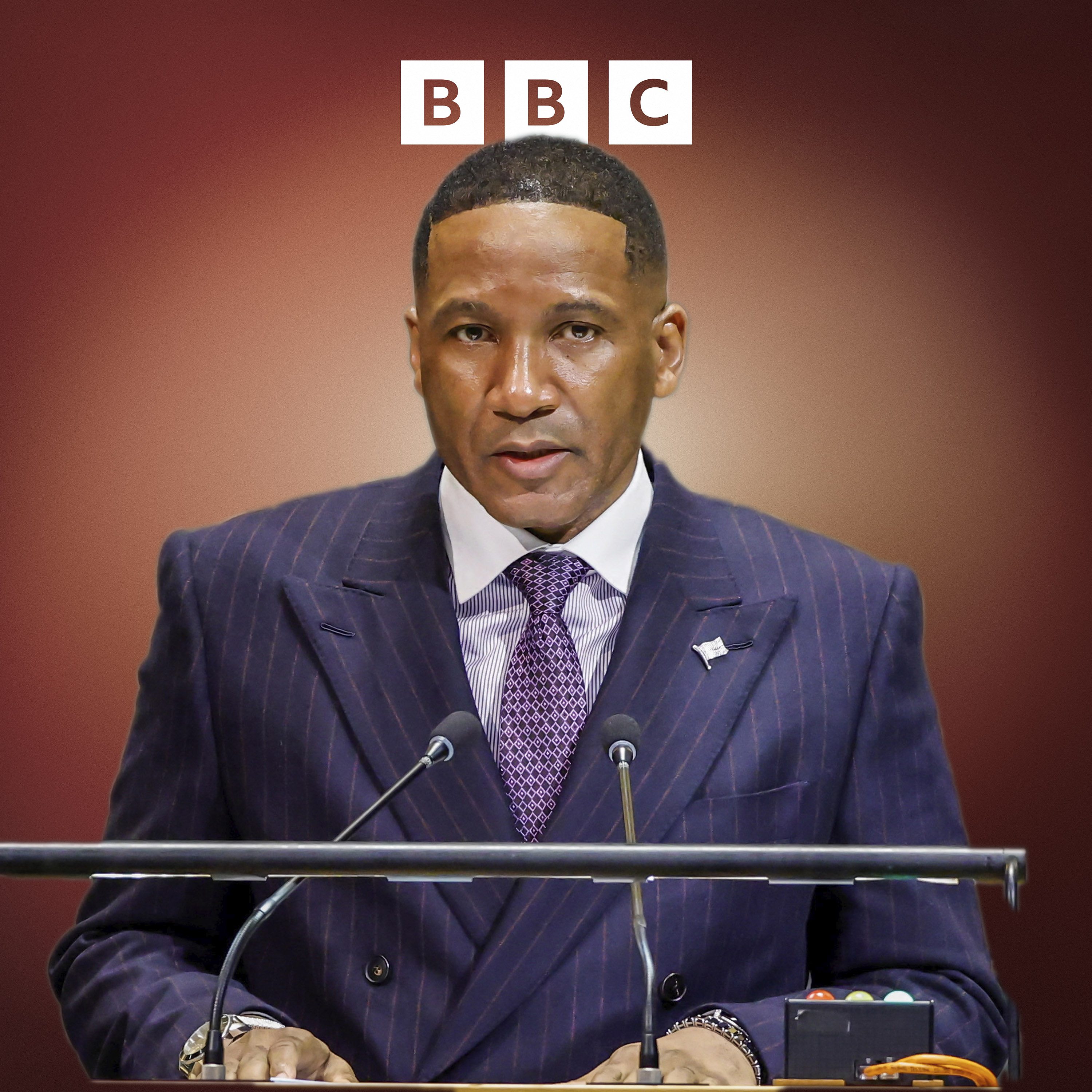
Duma Boko, President of Botswana: The world will listen to Africa
The world will have to listen to AfricaWaihiga Mwaura speaks to Botswana’s President Duma Boko about his plans to reinvigorate the economy, taking greater control of the country’s diamond reserves, but also diversifying its mining and other sectors. Currently facing hefty tariffs from the US, he claims to be close to securing a tariff-free deal for Botswana’s diamonds at least. But President Boko also has a vision of a reinvigorated Africa, a continent that works together to become a formidable economic force, where its own people reap the benefits of its rich resources. Africa, he says, is rising. Duma Boko, a human rights lawyer who was educated at Harvard, helped to create the party he leads, the Umbrella for Democratic Change. His victory in the 2024 presidential election, at his third attempt, finally ousted the Botswana Democratic Party from power after almost 60 years. Thank you to Waihiga Mwaura, Kasra Karimi and Priscilla Ng’ethe Koinange for their help in making this programme. The Interview brings you conversations with people shaping our world, from all over the world. The best interviews from the BBC. You can listen on the BBC World Service, Mondays and Wednesdays at 0700 GMT. Or you can listen to The Interview as a podcast, out twice a week on BBC Sounds or wherever you get your podcasts.Presenter: Waihiga Mwaura Producer(s): Lucy Sheppard, Kasra Karimi and Priscilla Ng’ethe Koinange Editor: Justine LangGet in touch with us on email [email protected] and use the hashtag #TheInterviewBBC on social media.(Image: Botswana's President Duma Gideon Boko addresses the 80th United Nations General Assembly at U.N. headquarters in New York, U.S, Credit: Eduardo Muñoz/Reuters)
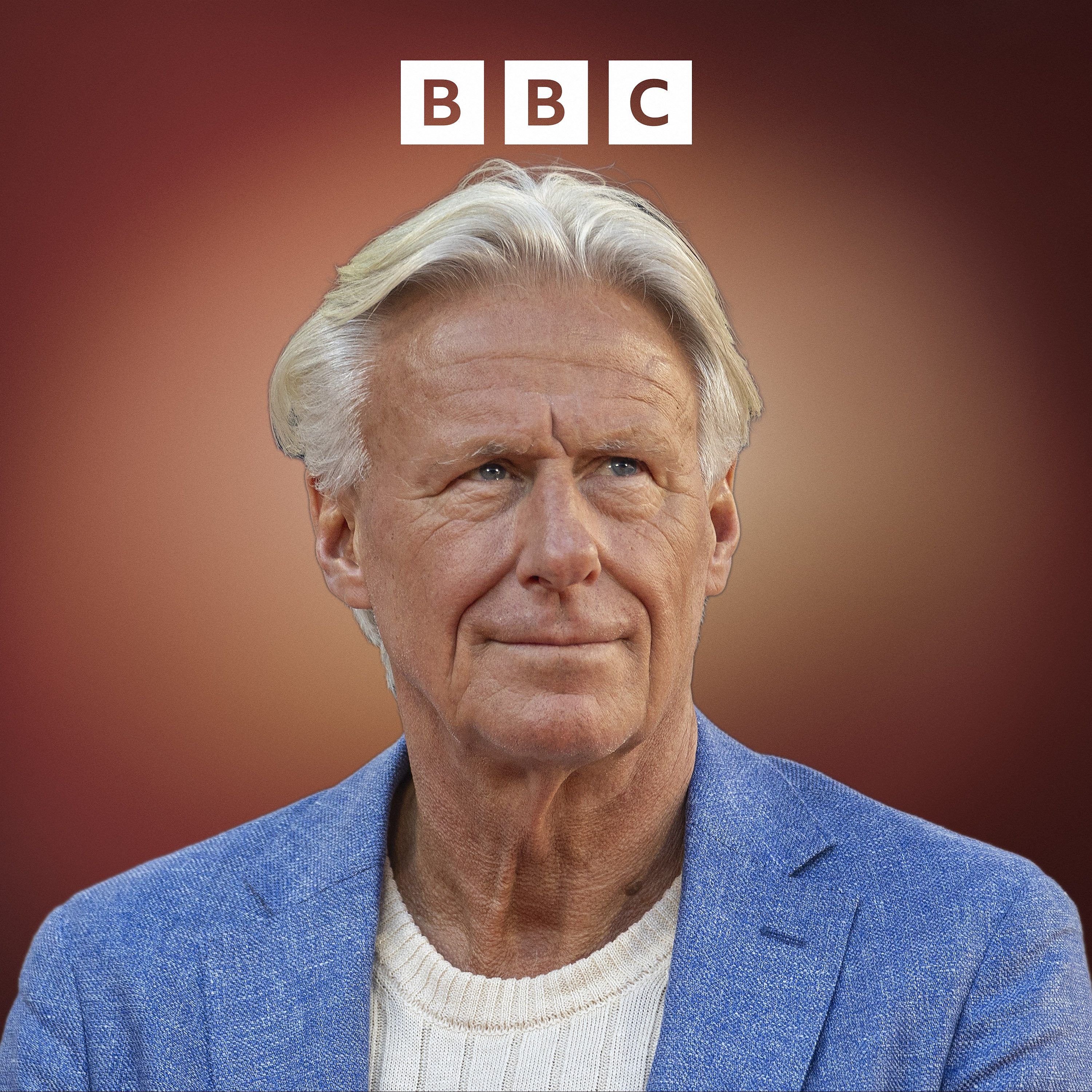
Bjorn Borg, tennis champion: I’ve always been a private person
Born in 1956 in the Swedish capital, Borg’s lifelong association with tennis began when his father won a full-size racket at a local table tennis tournament, which he gave to the young Borg.By the age of 14, he had joined the professional tennis circuit, and just a few years later, had won the Italian Open at 17 and the French Open at just 18. Having risen to international prominence in 1975 when he helped Sweden win its first David Cup, Borg became a household name in the years that followed for his distinctive playing style that helped him win Wimbledon five times in a row.At the peak of his playing career, his on-court rivalry with the American John McEnroe became the stuff of legend, with the pair’s 1980 Wimbledon final considered by many to be one of the greatest matches ever played. This was later immortalised in a 2017 movie.After unexpectedly retiring in 1983, Borg struggled with life after tennis, battling alcohol and drug abuse. He subsequently returned to the sport in the early 1990s for a couple of years before hanging up his professional tennis racket for good.He tells Tim Muffett about his journey to the very top of the sport, the challenges of stepping away, and his recent battle with prostate cancer.The Interview brings you conversations with people shaping our world, from all over the world. The best interviews from the BBC. You can listen on the BBC World Service, Mondays and Wednesdays at 0700 GMT. Or you can listen to The Interview as a podcast, out twice a week on BBC Sounds or wherever you get your podcasts.Presenter: Tim Muffett Producers: Ben Cooper, Nadia Dahabiyeh and Nick Smith Editor: Justine LangGet in touch with us on email [email protected] and use the hashtag #TheInterviewBBC on social media.(Image: Björn Borg of Sweden prepares to present the trophies on Court Philippe-Chatrie, Credit: Tim Clayton/Getty Images)
Chris Wright, US Energy Secretary: The problem with climate alarmism
Justin Rowlatt speaks to US Energy Secretary Chris Wright about his belief that the threat from climate change is exaggerated. It is a view shared by the American President, Donald Trump, and one that has seen subsidies to the renewable energy industry, worth billions of dollars, cut by the US administration. Secretary Wright is highly critical of the transition to sustainable power, describing it as unsuccessful and costly, and instead believes the solution to emissions lies in nuclear fusion. He has drawn the wrath of the international scientific community with his controversial challenge to climate orthodoxy, including his claims that there have been no increases in extreme weather events across the globe. Chris Wright was nominated by President Trump as his Energy Secretary in November 2024 after a career in the energy industry and is an outspoken opponent of global efforts to combat the impact of greenhouse gas emissions. The US President has described climate change “as the greatest con job ever perpetrated on the world.” The Interview brings you conversations with people shaping our world, from all over the world. The best interviews from the BBC. You can listen on the BBC World Service, Mondays and Wednesdays at 0700 GMT. Or you can listen to The Interview as a podcast, out twice a week on BBC Sounds or wherever you get your podcasts. Presenter: Justin Rowlatt Producer: James Bryant, Miho Tanaka and Lucy Sheppard Editor: Justine LangGet in touch with us on email [email protected] and use the hashtag #TheInterviewBBC on social media.(Photo: Chris Wright. Credit: Will Oliver/EPA/Shutterstock)
Hassan Sheikh Mohamud, President of Somalia : Somalia has a serious security challenge
Somalia has a serious security challengePaul Njie speaks to Hassan Sheikh Mohamud, President of Somalia, about ongoing efforts to achieve security and stability in his country. While he says much progress has been made in tackling terror, he acknowledges that the insurgent groups al-Qaeda and, in particular, al-Shabab still pose a serious challenge. However, he refutes the American charge that Somalia is a safe haven for terrorists - a charge that has led to a US travel ban for Somali nationals. He also stands firm in the face of pressure to allow the secession of Somaliland, the self-declared republic in the north of Somalia. The country’s unity, he says, is sacrosanct. Long-running tensions with neighbouring Ethiopia are downplayed, and instead he gives his support to working together in both countries’ interests. President Mohamud first came to power in 2012, at the head of an internationally backed Government that brought a degree of stability to a country riven by civil war for decades. Re-elected for a second time in 2022, he is now attempting to change the country’s constitution to allow direct voting for all citizens rather than through clan elders. He believes this is necessary to continue Somalia’s journey to democracy. Thank you to Paul Njie, Hassan Lali and Gladys Kigo for their help in making this programme. The Interview brings you conversations with people shaping our world, from all over the world. The best interviews from the BBC. You can listen on the BBC World Service, Mondays and Wednesdays at 0700 GMT. Or you can listen to The Interview as a podcast, out twice a week on BBC Sounds or wherever you get your podcasts.Presenter: Paul Njie Producers: Hassan Lali and Lucy Sheppard Editor: Justine LangGet in touch with us on email [email protected] and use the hashtag #TheInterviewBBC on social media.(Image: Somali President Hassan Sheikh Mohamud poses for a photo in his office. Credit: Ed Ram/Getty Images)
Amina Mohammed, UN Deputy Secretary-General: Peace as a word is losing its value
‘Peace seems to be a word, a five-letter word, that is losing its value.’Waihiga Mwaura speaks to Amina Mohammed, UN Deputy Secretary-General, in a broad-ranging interview about the the UN at 80, and the state of the world today. The UN is currently hosting its annual General Assembly at its headquarters in New York. Leaders, senior politicians and diplomats from all over the world are meeting there to discuss and resolve a variety of the planet’s most pressing issues.This is the General Assembly’s 80th such gathering since the United Nations was formed. This year’s theme is ‘Better together’, and sees a renewed urgency on delivering the UN’s Sustainable Development Goals: 17 interconnected global goals, first adopted by all UN member states in 2015, covering areas including ending poverty, improving health and education, and tackling climate change.Before becoming the UN’s 5th Deputy Secretary-General, a role Ms. Mohammed took up in 2017, the Nigerian-British diplomat and politician previously served as Nigeria’s Minister for the Environment.In this interview, she also reflects on the ‘price’ of war and how it diverts vital global attention and resources away from international development, as well as discussing the need for the UN’s Security Council to be more accountable amid growing calls to increase its size to include more member states.The Interview brings you conversations with people shaping our world, from all over the world. The best interviews from the BBC. You can listen on the BBC World Service, Mondays and Wednesdays at 0700 GMT. Or you can listen to The Interview as a podcast, out twice a week on BBC Sounds or wherever you get your podcasts.Presenter: Waihiga Mwaura Producers: Ben Cooper, Priscilla Ng’ethe and Lucy Sheppard Editor: Justine LangGet in touch with us on email [email protected] and use the hashtag #TheInterviewBBC on social media.(Image: Amina Mohammed, UN Deputy Secretary-General Credit: Lev Radin/Pacific Press/LightRocket via Getty Images)
Luiz Inácio Lula da Silva, Brazilian President: I have no relationship with President Trump
Ione Wells speaks to Luiz Inácio Lula da Silva, the President of Brazil in an exclusive, wide-ranging interview.He sets out his anger not only at the hefty trade tariffs imposed on his country by President Trump, but also at the lack of communication or negotiation from the US administration. Now, he says, he has no relationship with the American president.President Lula da Silva does not want to celebrate the recent guilty verdict and lengthy sentence handed down to his predecessor Jair Bolsanaro for plotting a coup against him. But while he hopes Mr Bolsanaro continues to defend himself, for now, he says, he is guilty. The President also attacks what he views as the outdated and unrepresentative nature of the United Nations, and claims the conflict in Ukraine would not have happened if the UN was more effective. He describes the war in Gaza as genocide. President Lula da Silva has been in office since 2023, and also led Brazil between 2003 and 2011. He’s been a figurehead of the left in the country for many decades, having risen through the trade union movement into politics.Thank you to Ione Wells and Jessica Cruz for their help in making this programme. The Interview brings you conversations with people shaping our world, from all over the world. The best interviews from the BBC. You can listen on the BBC World Service, Mondays and Wednesdays at 0700 GMT. Or you can listen to The Interview as a podcast, out twice a week on BBC Sounds or wherever you get your podcasts.Presenter: Ione Wells Producer(s): Ben Cooper, Jessica Cruz and Lucy Sheppard Editor: Justine LangGet in touch with us on email [email protected] and use the hashtag #TheInterviewBBC on social media.(Image: Brazilian President, Luiz Inácio Lula da Silva. Credit: Andre Borges/EPA/Shutterstock)
Moazzam Malik, Chief Executive of Save the Children UK: Working on the ground in Gaza
Jamie Coomarasamy speaks to Moazzam Malik, Chief Executive of Save the Children UK, about operating on the ground in Gaza.They’re one of a number of non-governmental organisations, or NGOs, operating in the Gaza strip amid a backdrop of the ongoing war between Israel and Hamas.On 22 August, the Integrated Food Security Phase Classification (IPC), declared that half a million people – around a quarter of Gaza’s population – are suffering from famine. The report was labelled an "outright lie" by Israel, which has denied there is starvation in the territory. You’re going to hear about Save the Children’s work on the ground, the conditions their staff are operating under, how they lobby politicians, and the implications of the situation in Gaza on future international cooperation.The Interview brings you conversations with people shaping our world, from all over the world. The best interviews from the BBC. You can listen on the BBC World Service, Mondays and Wednesdays at 0700 GMT. Or you can listen to The Interview as a podcast, out twice a week on BBC Sounds or wherever you get your podcasts.Presenter: Jamie Coomarasamy Producers: Tom Gillett and Adele Armstrong Editor: Nick HollandGet in touch with us on email [email protected] and use the hashtag #TheInterviewBBC on social media.(Photo: Moazzam Malik. Credit: Feisal Omar/Reuters)
Stevie Wonder, musician: Songs stay with you forever
Stevie Wonder was born in 1950 in the industrial city of Saginaw, Michigan, USA. Even from a young age, he displayed a great love of music - first with a church choir, and then teaching himself how to play a range of instruments, including the harmonica, piano and drums, all before the age of 10. He was just 11 years old when he was discovered and signed by the legendary Motown record label - and the rest is history.Across a career that’s spanned seven decades, he has sold over 100 million records worldwide, won numerous awards - including multiple Grammys, a Golden Globe and even an Oscar, and received the US Presidential Medal of Freedom too.Over the years, Stevie has also used his platform to campaign on social issues close to his heart. He’s long-advocated for greater rights for disabled people around the world, and he successfully spearheaded a movement to create a national holiday in the US to recognise the birthday of the civil rights activist Dr. Martin Luther King Jr. He was also a vocal critic of apartheid in South Africa and called for the release of Nelson Mandela.In this wide-ranging interview, Stevie discusses his journey to stardom, where he gets his creative spark, and speaking out against injustice.Thank you to the Sidetracked team for their help in making this programme. The Interview brings you conversations with people shaping our world, from all over the world. The best interviews from the BBC. You can listen on the BBC World Service, Mondays and Wednesdays at 0700 GMT. Or you can listen to The Interview as a podcast, out twice a week on BBC Sounds or wherever you get your podcasts.Presenter: Annie Macmanus Producers: Ben Cooper and Gráinne Morrison Editor: Justine LangGet in touch with us on email [email protected] and use the hashtag #TheInterviewBBC on social media.(Image: Stevie Wonder Credit: Savion Washington/Getty Images)
Mike Pence, former US Vice President: US will soon get deserving government
‘I'm very confident that someday soon we're going to have government as good as our people again’Paddy O’Connell speaks to former US Vice President Mike Pence about President Trump’s second term in office. Pence, whose political career began a quarter of a century ago, first rose to international prominence when he was selected by Donald Trump to be his running mate for the 2016 US Presidential election.When the insurgent billionaire shocked the world by defeating Hillary Clinton, Pence found himself at the centre of an administration beset by multiple controversies from the very beginning, including having to navigate impeachment proceedings against his boss.The pair, however, weren’t always aligned in their worldviews, and the relationship became increasingly frayed behind closed doors. Formal ties were severed when Pence resisted efforts by Trump to overturn his election defeat to Joe Biden in 2020.After leaving the post of Vice-President, Pence remained active in politics in the years that followed, eventually running for the Republican nomination for the 2024 Presidential election. This was, of course, won by his old boss - but Pence refused to endorse him the second time around.Despite the turbulent four years in office, he remains proud of what he and Trump achieved in that time. However, he can now speak more freely about his former boss, who is back in the White House for a second term.His experience at the very top of American politics also gives him unique insight into events both at home and abroad. In this wide-ranging interview, he discusses many pressing issues including vaccine scepticism, global tariffs and the Russian invasion of Ukraine.Thank you to the Newsnight team for their help in making this programme. The Interview brings you conversations with people shaping our world, from all over the world. The best interviews from the BBC. You can listen on the BBC World Service, Mondays and Wednesdays at 0700 GMT. Or you can listen to The Interview as a podcast, out twice a week on BBC Sounds or wherever you get your podcasts.Presenter: Paddy O’Connell Producers: Ben Cooper, Samuel Kerr, Pascale Puthod and Liz Rawlings Editor: Justine LangGet in touch with us on email [email protected] and use the hashtag #TheInterviewBBC on social media.(Image: Mike Pence. Credit: John Lamparski/Getty Images)
Sheku Kanneh-Mason, cellist: Obsession is a driver
John Wilson speaks to British cellist Sheku Kanneh-Mason about his obsession with music, adjusting to fame and how he’s faced racist abuse.While still a student, he performed to an audience of more than one billion people at the wedding of Prince Harry and Meghan Markle, instantly becoming one of the most recognisable classical performers in the world. Now, still just 26 years old, he explains the unique joy of performing with his family. Kanneh-Mason is one of seven siblings, all are talented musicians and regularly play together.Of Antiguan decent, he was the first black person to win BBC Young Musician of the Year. He’s also used his profile to join calls for dropping ‘Rule, Britannia!’ from the Last Night of the Proms, explaining how difficult it is for someone whose ancestors were enslaved to hear imperial songs sung with such determination. Thank you to the This Cultural Life team for helping to make this programme. The Interview brings you conversations with people shaping our world, from all over the world. The best interviews from the BBC. You can listen on the BBC World Service, Mondays and Wednesdays at 0700 GMT. Or you can listen to The Interview as a podcast, out twice a week on BBC Sounds or wherever you get your podcasts.Presenter: John Wilson Producers: Alex Loftus, Ben Cooper and Edwina Pittman Editor: Nick HollandGet in touch with us on email [email protected] and use the hashtag #TheInterviewBBC on social media.(Image: Sheku Kanneh-Mason. Photo by Ian West - WPA Pool/Getty Images)
Francis Fukuyama, political economist: America’s Putin-esque direction
Paddy O’Connell speaks to Professor Francis Fukuyama about the threats to liberal democracies around the world. The American political economist and international relations scholar, who is currently a senior fellow at Stanford University, has written widely on issues about development and international politics. He is best-known for his 1992 book ‘The End of History and the Last Man’. He argued that the end of the Cold War, marked by the fall of the Berlin Wall and the dissolution of the Soviet Union, represented the end point of mankind’s ideological evolution, and the universalisation of Western liberal democracy as the final form of human government.But three decades on, Western liberal democracy appears to be struggling to adapt to the many challenges of the 21st century. Amid geopolitical instability, its future does not appear as universal as Fukuyama once proposed, even in the US. The Interview brings you conversations with people shaping our world, from all over the world. The best interviews from the BBC. You can listen on the BBC World Service, Mondays and Wednesdays at 0700 GMT. Or you can listen to The Interview as a podcast, out twice a week on BBC Sounds or wherever you get your podcasts.Presenter: Paddy O’Connell Producer: Ben Cooper Editor: Nick HollandGet in touch with us on email [email protected] and use the hashtag #TheInterviewBBC on social media.(Image: Professor Francis Fukuyama. Photo by Thomas Trutschel/Photothek via Getty Images)
Ellen Johnson Sirleaf, former president of Liberia: How to rebuild a country
Rahul Tandon speaks to Ellen Johnson Sirleaf, Liberia’s former president and first woman to be elected to lead an African country. Born in 1938 in what she describes as a prosperous and ‘unusual family’, Ellen Johnson Sirleaf was guided by a deep commitment to education, which she pursued despite financial hardship and the demands of motherhood. Her outspoken criticism of the Liberian government led to her being persecuted and exiled, as the country descended into two civil wars that killed over 250,000 people. She was elected president of Liberia in 2005, when she set about repairing the country’s shattered economy and social fabric, drawing from her successful careers at the World Bank and United Nations. Her efforts led to her being awarded the Nobel Peace Prize in 2011.Thank you to the Business Daily team for their help in making this programme. The Interview brings you conversations with people shaping our world, from all over the world. The best interviews from the BBC. You can listen on the BBC World Service, Mondays and Wednesdays at 0700 GMT. Or you can listen to The Interview as a podcast, out twice a week on BBC Sounds or wherever you get your podcasts.Presenter: Rahul Tandon Producers: Adriana Urbano & Amber Mehmood Editor: Nick HollandGet in touch with us on email [email protected] and use the hashtag #TheInterviewBBC on social media.(Image: Ellen Johnson Sirleaf. Photo by NICHOLAS KAMM/AFP via Getty Images)
Pete Townshend, musician: Farewell tour doesn’t mean the end
John Wilson speaks to Pete Townshend, songwriter and guitarist of British rock band The Who about the band’s farewell tour of the US.Through his powerful stage presence and pioneering use of technology, Townshend transformed The Who from a hobby wedding band to one of the biggest and loudest outfits of the 1960s and 1970s. His artistic approach created tension with singer Roger Daltrey, the band’s only other surviving member. Sixty years after first coming together, the pair completed their farewell tour of Italy earlier this year and are currently saying goodbye to America.Townshend says he is proud of his influence, even if his rock and roll generation put his parents out of work, who were both musicians in more traditional wartime dance bands. He also reveals the inspiration behind his infamous smashing of guitars may have just been one big misunderstanding. The Interview brings you conversations with people shaping our world, from all over the world. The best interviews from the BBC. You can listen on the BBC World Service, Mondays and Wednesdays at 0700 GMT. Or you can listen to The Interview as a podcast, out twice a week on BBC Sounds or wherever you get your podcasts.Presenter: John Wilson Producer: Alex Loftus and Edwina Pitman Editor: Nick Holland Thank you to the This Cultural Life team for helping to make this programme.Get in touch with us on email [email protected] and use the hashtag #TheInterviewBBC on social media.(Image: Pete Townshend. Photo by Kevin Mazur/Getty Images for Desert Trip)
Gustavo Dudamel, conductor: Music has the power to unite
Music has the power to uniteMark Savage speaks to Venezuelan conductor Gustavo Dudamel about his life and career. Born in the city of Barquisimeto, he’s famous for conducting orchestras all over the world, as well as film credits that include conducting the opening and end titles for Star Wars: the Force Awakens.With a unique ability to communicate joy and his passion for music to mass audiences, Dudamel has become a rare pop culture icon from the world of classical music - affording him mainstream appeal. He’s currently in London, performing concerts alongside the band Coldplay.In this interview, he talks about El Sistema - Venezuela’s unique programme which has helped train thousands of musicians, the highlights of his time as musical director of the LA Philharmonic, and taking over the helm of the New York Philharmonic.Thank you to the Culture team for their help in making this programme. The Interview brings you conversations with people shaping our world, from all over the world. The best interviews from the BBC. You can listen on the BBC World Service, Mondays and Wednesdays at 0700 GMT. Or you can listen to The Interview as a podcast, out twice a week on BBC Sounds or wherever you get your podcasts.Presenter: Mark Savage Producers: Bob Howard and Roxanne Panthaki Editor: Nick HollandGet in touch with us on email [email protected] and use the hashtag #TheInterviewBBC on social media.(Image: Conductor Gustavo Dudamel performs onstage during weekend 2, day 2 of the Coachella Valley Music and Arts Festival Photo by Scott Dudelson/Getty Images for Coachella)
Eliot Higgins, founder of Bellingcat : Algorithms don’t drive the truth
Algorithms don’t drive the truthAmol Rajan speaks to Eliot Higgins, founder of the open-source investigative organisation Bellingcat, as the world grapples with the growing threat posed by misinformation and conspiracy theories being deliberately spread online. Founded in 2014, Bellingcat is an independent investigative collective of researchers, investigators and citizen journalists from around the world.The organisation uses open-source research methods, which involve analysing publicly-available data that can be accessed and used without any special permissions or restrictions.It has investigated a variety of subjects of public interest, including the shooting down of flight MH17 over eastern Ukraine to police violence in Colombia and the illegal wildlife trade in the UAE. Higgins argues that the need for organisations like Bellingcat has never been more important, as conspiracy theories flood the internet and some people avoid mainstream news outlets altogether. He believes this is partly down to a lack of trust in institutions, which is subsequently leading to a crisis in democracies all over the world.Thank you to the Radical with Amol Rajan team for their help in making this programme. The Interview brings you conversations with people shaping our world, from all over the world. The best interviews from the BBC. You can listen on the BBC World Service, Mondays and Wednesdays at 0700 GMT. Or you can listen to The Interview as a podcast, out twice a week on BBC Sounds or wherever you get your podcasts.Presenter: Amol Rajan Producers: Ben Cooper, Lewis Vickers and Izzy Rowley Editor: Nick HollandGet in touch with us on email [email protected] and use the hashtag #TheInterviewBBC on social media.(Image: Eliot Higgins. Photo by Pierre Crom/Getty Images)
Giuseppe Lavazza, CEO of Lavazza: Coffee is a big responsibility
Coffee is a big responsibilityJulia Caesar speaks to Giuseppe Lavazza, chairman of coffee giant Lavazza, about the multiple challenges facing the industry today. Many people around the world say they can’t function without their morning cup of coffee. In fact, global coffee consumption has been steadily rising with around two billion cups of coffee consumed every day. This growth is driven by rising demand in emerging markets like China and India, as well as the popularity of specialty and cold coffee beverages.However, the industry itself is facing major challenges, including an increase in the cost of raw materials due to changing weather patterns, growing concerns over geopolitical instability impacting shipping routes, and economic uncertainty due to tariffs.The coffee market, which was valued at approximately $495.5 billion in 2023, is a far cry from when Lavazza coffee was first established nearly a century ago in Turin, Italy. The Interview brings you conversations with people shaping our world, from all over the world. The best interviews from the BBC. You can listen on the BBC World Service, Mondays and Wednesdays at 0700 GMT. Or you can listen to The Interview as a podcast, out twice a week on BBC Sounds or wherever you get your podcasts.Presenter: Julia Caesar Producers: Lucy Sheppard and Ben Cooper Editor: Nick HollandGet in touch with us on email [email protected] and use the hashtag #TheInterviewBBC on social media.(Image: Giuseppe Lavazza. Credit: Jaimi Joy/Bloomberg via Getty Images)
Captain Jim Lovell, Apollo 13 commander: We were going to survive
Captain Jim Lovell, commander of the doomed Apollo 13 space mission to the Moon. Jim, who died this month at the age of 97, tells how he helped guide his stricken craft safely back to Earth after it suffered a near catastrophic explosion in an interview first broadcast in April 2020 on the BBC series 13 Minutes to the Moon. He talks to Kevin Fong about the doomed Nasa mission, from the shocking moment of the explosion to the enormous relief of splashdown. Lovell shares the story of the lunar landmark he named in honour of his wife. And he reflects on survival, the global impact of Apollo 13, and what it meant to finally come back to Earth.(Image: Jim Lovell, Credit: Nasa)
Ajay Banga, President of the World Bank: The world must focus on creating jobs
World must focus on creating jobsRahul Tandon speaks to Ajay Banga, President of the World Bank.Born in India in 1959, Mr. Banga’s career in business began in the early-1980s, when he started out as a management trainee with the food multinational Nestlé. He then made the move into finance over a decade later, when he joined the Citigroup bank. He quickly rose through the ranks to become the Chief Executive of the bank’s Asia-Pacific business, before then moving onto Mastercard, where he eventually became CEO.During this time, Mr. Banga, who became a US citizen in 2007, also advised a number of senior US politicians - including President Barack Obama and later, Vice-President Kamala Harris. It was Harris’ boss, President Joe Biden, who subsequently nominated him to lead the World Bank in 2023.The World Bank is a group of international organisations, such as the International Development Association and the International Finance Corporation, that provide grants and loans to low and middle-income countries for the purpose of economic development. As some of these countries are considered to be too high-risk by the international financial markets, the World Bank is an important source of financial support.Since the middle of the last century, the group has navigated multiple global political and economic challenges, adapting along the way to ensure that that financial support continues. Going forward, Mr. Banga believes there’s an overriding priority for sustainable development - jobs. The Interview brings you conversations with people shaping our world, from all over the world. The best interviews from the BBC. You can listen on the BBC World Service, Mondays and Wednesdays at 0700 GMT. Or you can listen to The Interview as a podcast, out twice a week on BBC Sounds or wherever you get your podcasts.Presenter: Rahul Tandon Producers: Ben Cooper & Niamh McDermott Editors: Nick Holland & Damon Rose Get in touch with us on email [email protected] and use the hashtag #TheInterviewBBC on social media.
Pieter Engelbrecht, CEO of Shoprite: We have a purpose to help people survive
We have a purpose to help people surviveJewel Kiriungi speaks to Pieter Engelbrecht, CEO of Shoprite, South Africa’s largest supermarket chain, who is trying to keep prices low despite economic challenges across the continent. Shoprite employs 163,000 people, more than any other in the country’s private sector. Engelbrecht stresses the importance of keeping food affordable, with a quarter of South African children not receiving enough protein. He explains that food security in the country is the worst it has been in 10 years, with insufficient ports and railroads making it difficult for the country to join the global supply chain. Shoprite is trying to expand throughout Africa, but Engelbrecht says this is difficult due to corruption, high inflation and devaluing currencies. Despite continued success in South Africa, the chain has closed its operations in Nigeria and Kenya. Thank you to the World Business Report team for helping to make this programme. The Interview brings you conversations with people shaping our world, from all over the world. The best interviews from the BBC. You can listen on the BBC World Service, Mondays and Wednesdays at 0700 GMT. Or you can listen to The Interview as a podcast, out twice a week on BBC Sounds or wherever you get your podcasts.Presenter: Jewel Kiriungi Producer: Bob Howard Editor: Nick HollandGet in touch with us on email [email protected] and use the hashtag #TheInterviewBBC on social media.(Image: Pieter Engelbrecht, Credit: Getty Images/Bloomberg)
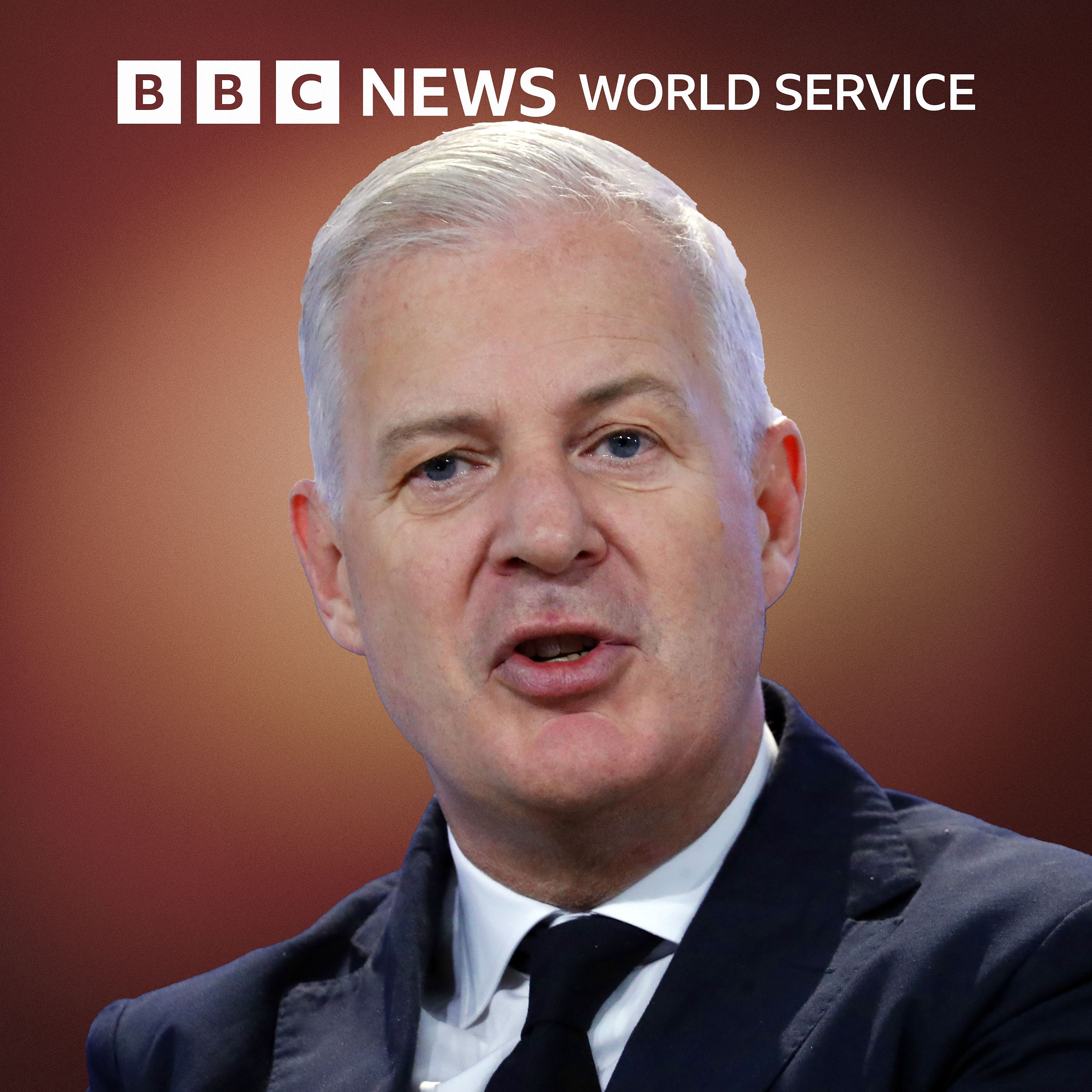
John Denton, Secretary-General of the ICC: Uncertainty is harming business
Suranjana Tewari speaks to John Denton, Secretary-General of the International Chamber of Commerce (ICC), about the impact of global tariffs. Based in Paris, the ICC represents 45 million businesses, large and small, from across 170 different countries. These businesses were amongst the first to feel the effects of Trump’s tariffs, which have been implemented for various reasons by the US President. Mr. Denton believes that the uncertainty is hurting businesses who worry about making a decision today, only for the rules to be changed tomorrow. Mr. Denton also reveals how new markets are forming away from the US and its tariffs, with South East Asia transitioning from an export-based economy to one of consumption. And despite all the chaos, he points out the World Trade Organisation, and other economic architecture, has actually continued to function. He praises those who have not issued retaliatory tariffs. The Interview brings you conversations with people shaping our world, from all over the world. The best interviews from the BBC. You can listen on the BBC World Service, Mondays and Wednesdays at 0700 GMT. Or you can listen to The Interview as a podcast, out twice a week on BBC Sounds or wherever you get your podcasts.Presenter: Suranjana Tewari Producers: Ben Cooper and Olivia Lace-Evans Editor: Nick HollandGet in touch with us on email [email protected] and use the hashtag #TheInterviewBBC on social media.(Image: John Denton. Credit: John Lamparski/Getty Images North America)
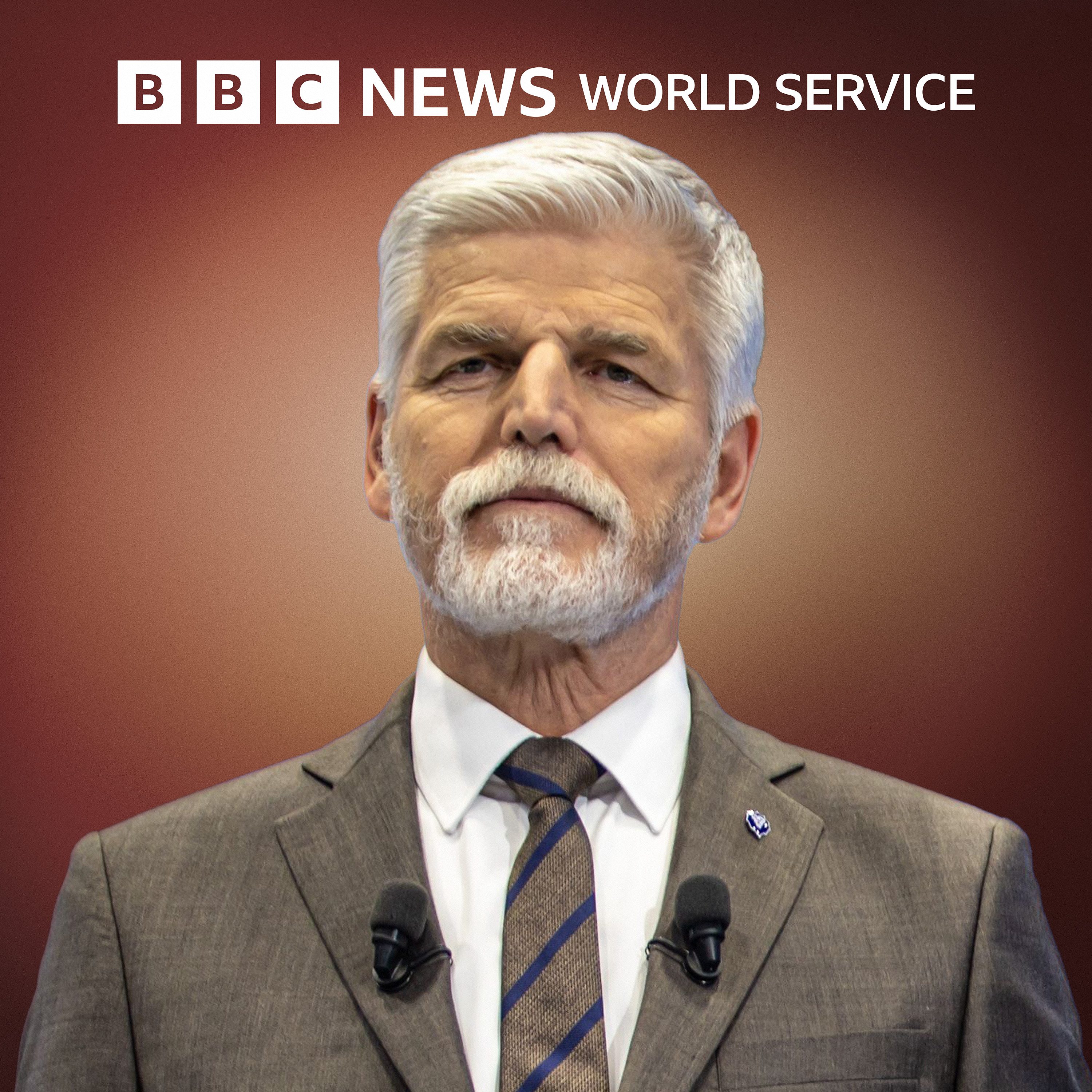
Petr Pavel, Czech President: Russia cannot stand economic pressure
Maria Jevstafjeva speaks to Czech President, Petr Pavel about ending the war between Ukraine and Russia. Mr. Pavel was elected to the role in 2023, having retired from a military career that began with serving in the military of communist Czechoslovakia during the Cold War in the 1980s and ended three decades later after chairing Nato’s Military Committee.The first military officer from the former Eastern Bloc to hold the post, he oversaw the Alliance's responses to a number of crises - including the fallout from Russia’s 2014 annexation of the Crimean peninsula in Ukraine.As Russia’s war on Ukraine continues into its third year, Western leaders are renewing efforts to bring an end to the bloodshed and implement a ceasefire. Mr. Pavel, who was elected on a platform of closer ties with the EU and Nato, believes the only way to do this is by getting Putin to the negotiating table - even if that means allowing Russia to occupy parts of Ukraine, but without recognising Moscow’s claim to them.The Interview brings you conversations with people shaping our world, from all over the world. The best interviews from the BBC. You can listen on the BBC World Service, Mondays and Wednesdays at 0700 GMT. Or you can listen to The Interview as a podcast, out twice a week on BBC Sounds, or wherever you get your podcasts.Presenter: Maria Jevstafjeva Producers: Ben Cooper and Tatiana Preobrazhenskaya Editor: Nick HollandGet in touch with us on email [email protected] and use the hashtag #TheInterviewBBC on social media.(Image: Petr Pavel. Credit: Martin Divíšek/EPA-EFE/REX/Shutterstock)
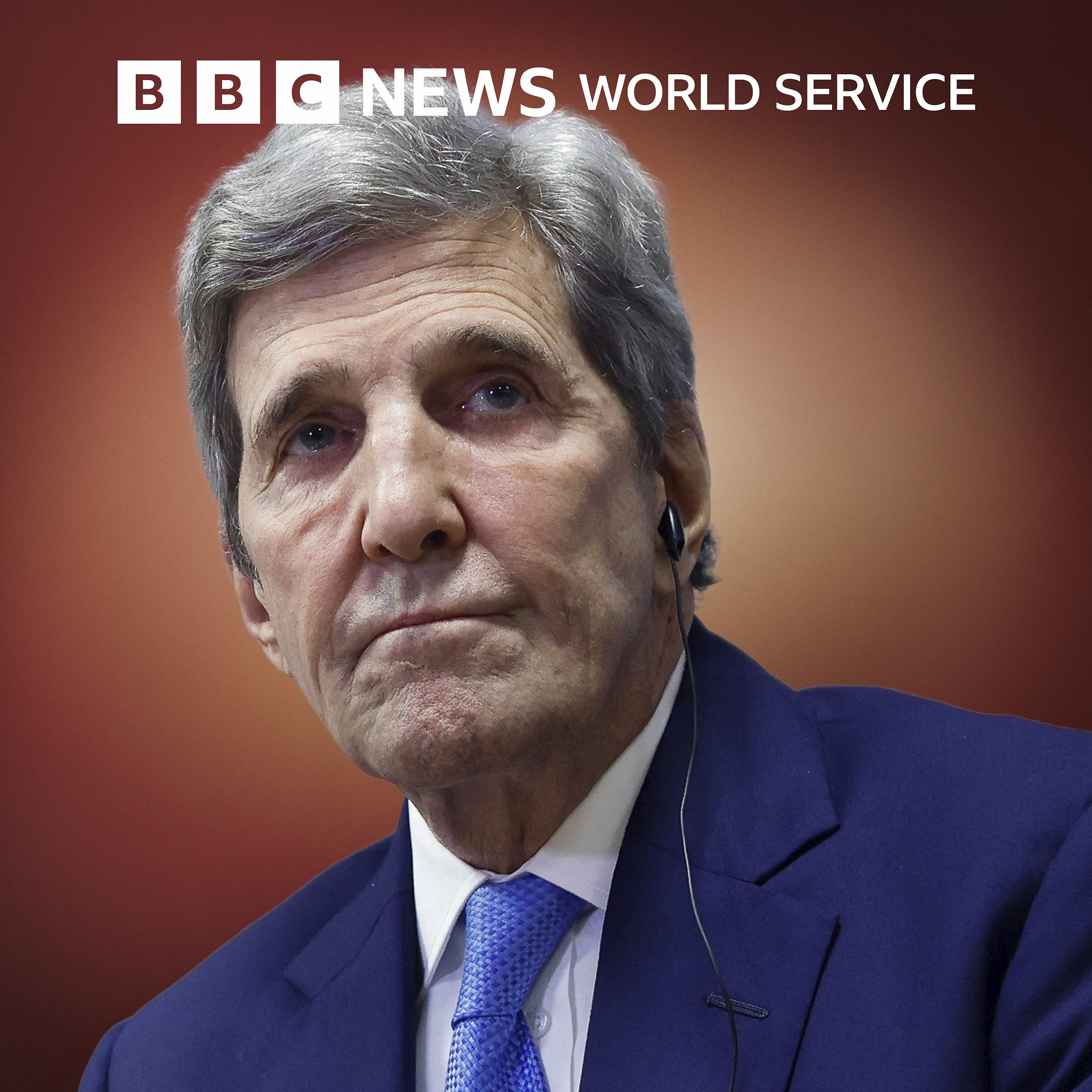
John Kerry, Former US Secretary of State: We face a special challenge in America
We face a special challenge in America.James Naughtie speaks to veteran US politician John Kerry about the state of American politics and his long career at the top of global affairs.As well as standing for president himself as the Democratic candidate in 2004, he served as Secretary of State in the Obama administration and as Joe Biden’s climate envoy. Secretary Kerry was at the centre of some of the most significant global crises in recent history from Iraq to Iran and Syria. He still believes one of America’s greatest foreign policy mistakes was invading Iraq in 2003 without first seeking formal approval from the US Congress.He is forthright in his views on America today, saying he has never seen anything like what the country is living through. He describes politics as defined by greed and insensitivity, and guided by the lowest aspirations. For his Democratic party to return to power once more, he challenges them to face and address the issues the American people care about, including immigration. Thank you to the Politically team for its help in making this programme. The Interview brings you conversations with people shaping our world, from all over the world. The best interviews from the BBC. You can listen on the BBC World Service, Mondays and Wednesdays at 0700 GMT. Or you can listen to The Interview as a podcast, out twice a week on BBC Sounds, Apple, Spotify or wherever you get your podcasts.Presenter: James Naughtie Producers: Lucy Sheppard, Giles Edwards Editor: Nick HollandGet in touch with us on email [email protected] and use the hashtag #TheInterviewBBC on social media.(Image: John Kerry. Credit: Reuters)
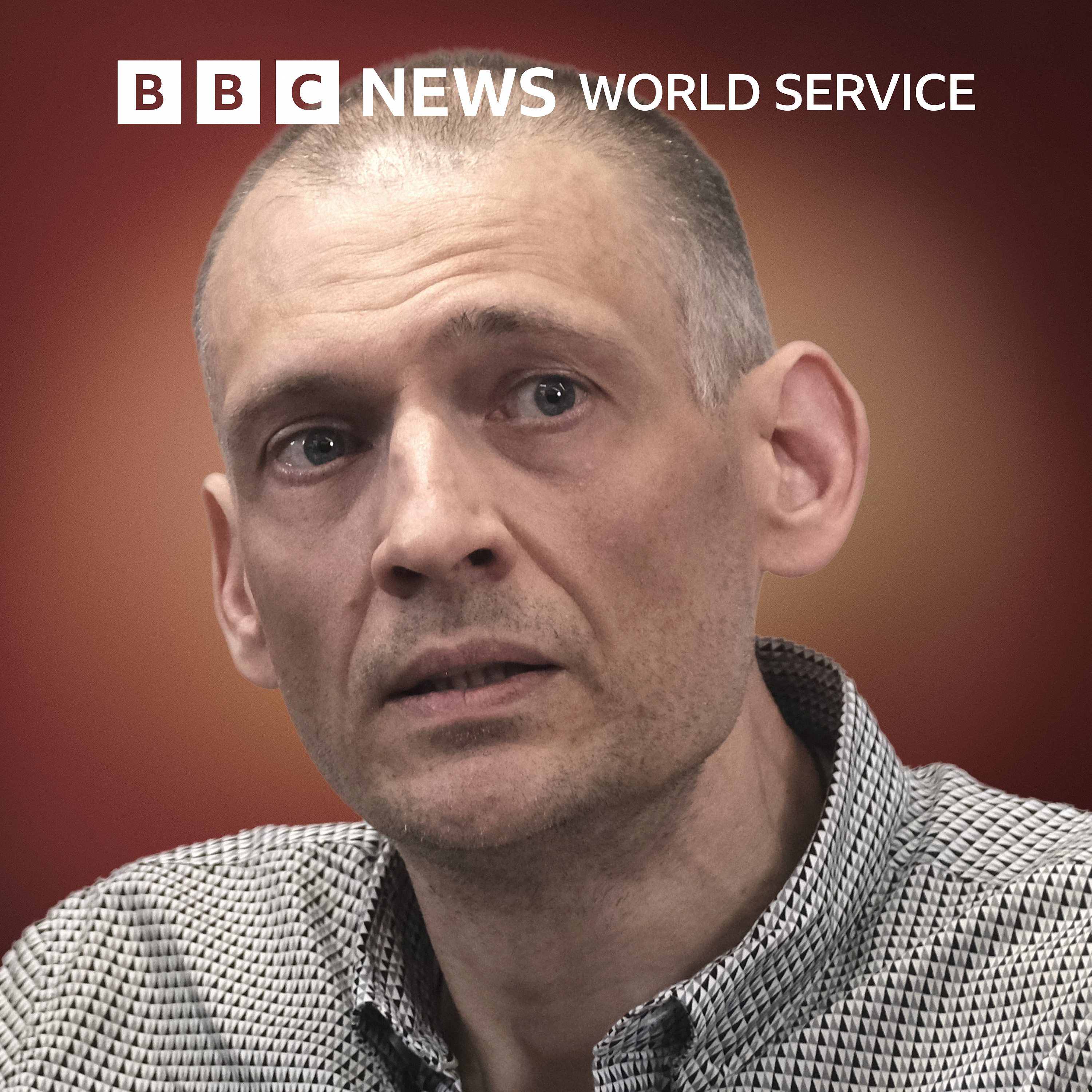
Sergei Tikhanovsky, Belarussian opposition activist: Belarus will be free
Sarah Rainsford speaks to Belarussian opposition activist Sergei Tikhanovsky about his imprisonment after challenging the country’s authoritarian leader, President Lukashenko. He spent five years of solitary confinement in a high security prison in Belarus before being unexpectedly released this year, following a meeting between Lukashenko and an American special envoy.Tikhanovsky had planned to run against the Belarussian leader in the 2020 presidential election, but was detained before the vote.A year later, he was sentenced to serve 18 years in prison, convicted on charges of organising mass protests against President Lukashenko. His trial was condemned as a sham by international observers.Tikhanovsky’s wife, Svetlana, stood in for him in the 2020 election. But the day after Lukashenko claimed a disputed victory, she fled to Lithuania with her children fearing for her safety. In her absence, she was convicted by a Belarussian court on charges including high-treason and conspiracy to seize power. Tikhanovsky is now reunited with his family in Lithuania, where he is living in enforced exile following his release from prison.Thank you to Sarah Rainsford, Davide Ghiglione and Franceso Tosto for their help in making this programme. The Interview brings you conversations with people shaping our world, from all over the world. The best interviews from the BBC. You can listen on the BBC World Service, Mondays and Wednesdays at 0700 GMT. Or you can listen to The Interview as a podcast, out twice a week on BBC Sounds, or wherever you get your podcasts.Presenter: Sarah Rainsford Producers: Lucy Sheppard, Ben Cooper and Arsenii Sokolov Editor: Damon RoseGet in touch with us on email [email protected] and use the hashtag #TheInterviewBBC on social media.(Image: Sergei Tikhanovsky. Credit: Valda Kalnina/EPA-EFE/Shutterstock)
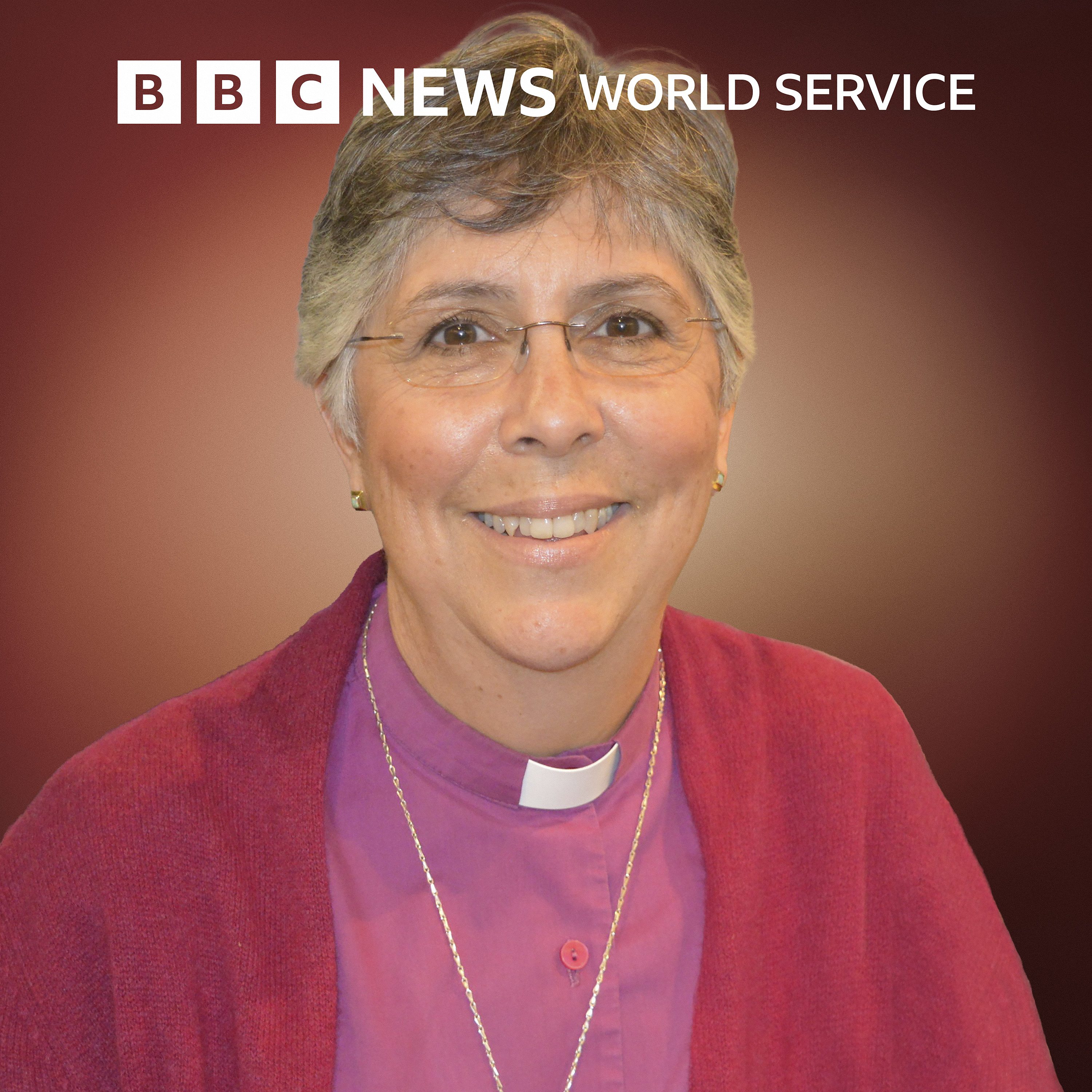
Guli Francis-Dehqani, Church of England Bishop: We were outsiders
Bishop Guli is currently the Bishop of Chelmsford, a city in England, but it is also being reported that she’s one of the leading candidates to become the next Archbishop of Canterbury - the most senior bishop in the Church of England.Although she is keen not to add to any media speculation, if selected, Bishop Guli would be a remarkable choice. Not only would she be the first woman to hold the position in the Church’s long history, but she would also become the first person of Middle Eastern heritage to hold the position too.Born in Iran, her family came to the UK as refugees after her brother was murdered in the wake of the Iranian Revolution. Edward Stourton, presenter of BBC Radio 4’s Sunday programme, speaks to Bishop Guli Francis-Dehqani about her Persian identity and her faith. The Interview brings you conversations with people shaping our world, from all over the world. The best interviews from the BBC. You can listen on the BBC World Service, Mondays and Wednesdays at 0700 GMT. Or you can listen to The Interview as a podcast, out twice a week on BBC Sounds, or wherever you get your podcasts.Presenter: Edward Stourton Producers: Ben Cooper, Katy Davis and Lucy Sheppard Editor: Damon RoseGet in touch with us on email [email protected] and use the hashtag #TheInterviewBBC on social media.(Image: Bishop Guli Francis-Dehqani. Credit: BBC Radio 4/PA)
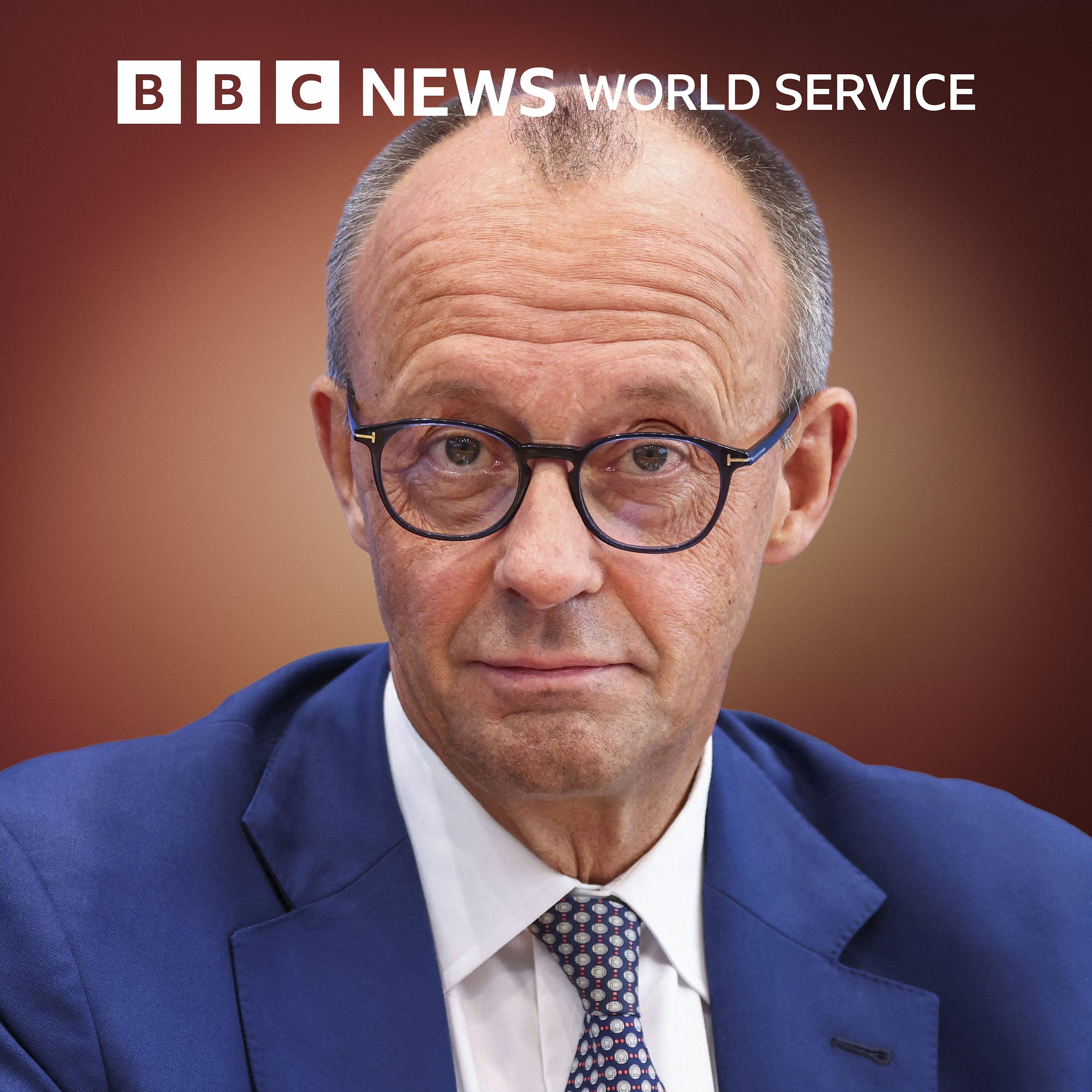
Friedrich Merz, German Chancellor: Europe was free-riding on US
Europe was free-riding on USNick Robinson speaks to Friedrich Merz, the new German Chancellor, about the future of Europe’s defence amid the growing threat posed by Russia. Merz, the leader of the centre-right Christian Democrat party, was elected as Chancellor earlier this year at the second attempt, following chaotic scenes in the German Bundestag that saw him lose the first parliamentary vote. He’s been in the UK to sign the first-ever friendship treaty between the two countries - it’s a wide-ranging agreement covering everything from migration to energy, and business to defence. Unlike his predecessors who, in the shadow of World War Two, were keen to reassure the world that German military strength was not a priority, Chancellor Merz has decided to invest heavily in defence.He says that a strong army is now essential, thanks to the grave threat Russia poses to European peace and stability - and that Germany must be able to protect itself, and not rely on America.Chancellor Merz also talks about his good relations with US President Donald Trump and the rise of the far right AFD (Alternative für Deutschland) party in his country, which is now the official opposition.Thank you to the Today programme team for their help in making this programme. The Interview brings you conversations with people shaping our world, from all over the world. The best interviews from the BBC. You can listen on the BBC World Service, Mondays and Wednesdays at 0700 GMT. Or you can listen to The Interview as a podcast, out twice a week on BBC Sounds, or wherever you get your podcasts. Presenter: Nick Robinson Producers: Lucy Sheppard, Ben Cooper and Kirsty McKenzie Sound: Dave O’Neill Editor: Nick HollandGet in touch with us on email [email protected] and use the hashtag #TheInterviewBBC on social media.(Image: Friedrich Merz. Credit: Reuters)
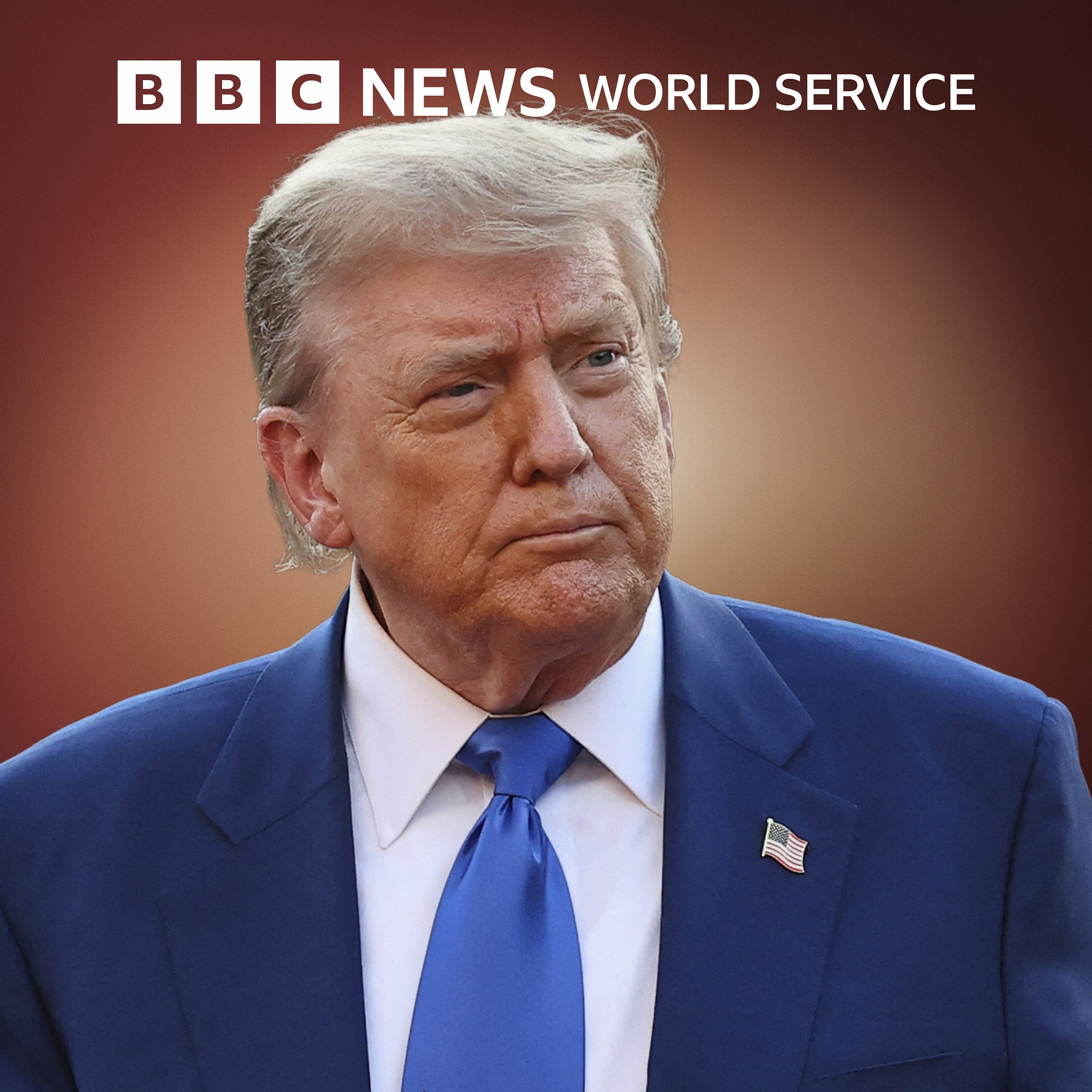
Donald Trump, US President: I’m disappointed with Putin
“I'm just disappointed in him, but I'm not done with him”The BBC’s Chief North America Correspondent, Gary O’Donoghue, speaks to US President Donald Trump in a wide-ranging telephone interview from the Oval Office. The call with the president came just hours after he announced plans to send weapons to Ukraine and warned of severe tariffs on Russia if there was no ceasefire deal within 50 days. Mr. Trump, who celebrated his 79th birthday last month, was inaugurated for a second term in the White House at the start of this year. It’s safe to say that the 47th president of the United States has wasted little time in picking up where he left off four years earlier, upending the status quo both at home and abroad.In the conversation, he reflects on the failed attempt on his life at an election campaign rally last July in Butler, Pennsylvania. He also discusses the ongoing war in Ukraine, US immigration policy, and hopes for his legacy.Thank you to Gary O’Donoghue and Iona Hampson for their help in making this programme. The Interview brings you conversations with people shaping our world, from all over the world. The best interviews from the BBC. You can listen on the BBC World Service, Mondays and Wednesdays at 0700 GMT. Or you can listen to The Interview as a podcast, out twice a week on BBC Sounds, or wherever you get your podcasts.Presenter: Gary O’Donoghue Producers: Iona Hampson and Ben Cooper Sound: Dave O’Neill Editor: Nick HollandGet in touch with us on email [email protected] and use the hashtag #TheInterviewBBC on social media.(Image: President Trump. Credit: Reuters)
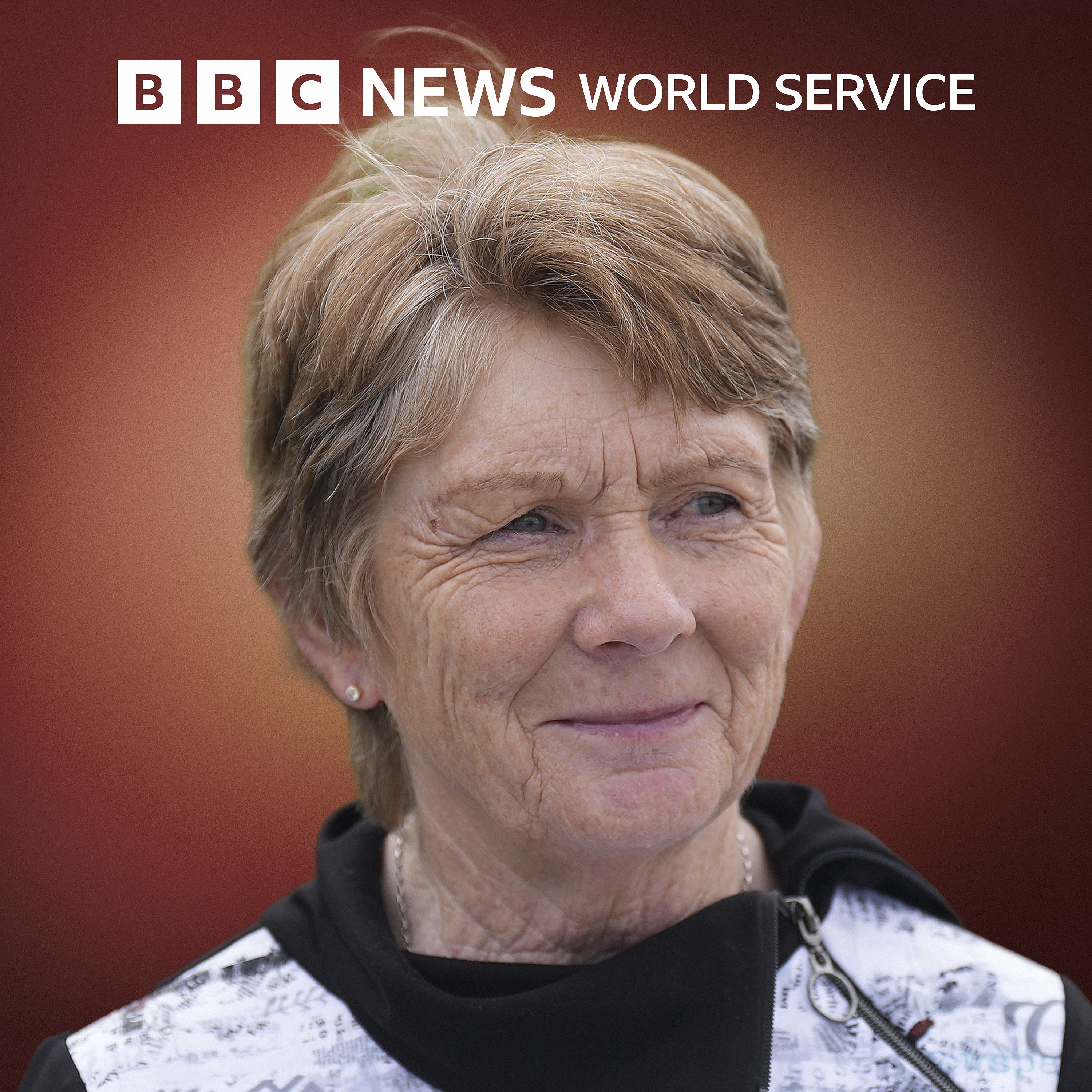
Catherine Corless, Irish historian: I’m going to be a voice for these children
I’m going to be a voice for these childrenChris Page, the BBC’s Ireland correspondent speaks to the Irish historian Catherine Corless, who has changed history in her own country.When she began to research a long-closed mother and baby home near where she lived, she encountered local resistance. But her dogged investigation led to the discovery that hundreds of babies and young children were buried in mass, unmarked graves inside a disused sewage tank at the site in Tuam, Ireland.Her work led to the discovery of the scandal of Ireland’s historical mother and baby institutions, which housed unmarried mothers and their babies at a time when they were ostracized by Irish society and often their families too. An inquiry launched by the Irish government into the network of homes concluded about nine thousand children died in the eighteen homes investigated.The revelation led to apologies from the Catholic Church in Ireland, the Irish Government, the council which owned the home in Tuam and the religious order which ran the home. The order has also contributed millions of dollars to a compensation scheme, and to the excavation now underway in Tuam.Thank you to Chris Page and Chrissie McGlinchey from the BBC’s Ireland bureau for their help in making this programme. The Interview brings you conversations with people shaping our world, from all over the world. The best interviews from the BBC. You can listen on the BBC World Service on Mondays, Wednesdays and Fridays at 0800 GMT. Or you can listen to The Interview as a podcast, out three times a week on BBC Sounds or wherever you get your podcasts.Presenter: Chris Page Producers: Lucy Sheppard and Chrissie McGlinchey Editor: Nick HollandGet in touch with us on email [email protected] and use the hashtag #TheInterviewBBC on social media.(Image: Catherine Corless. Credit: PA)
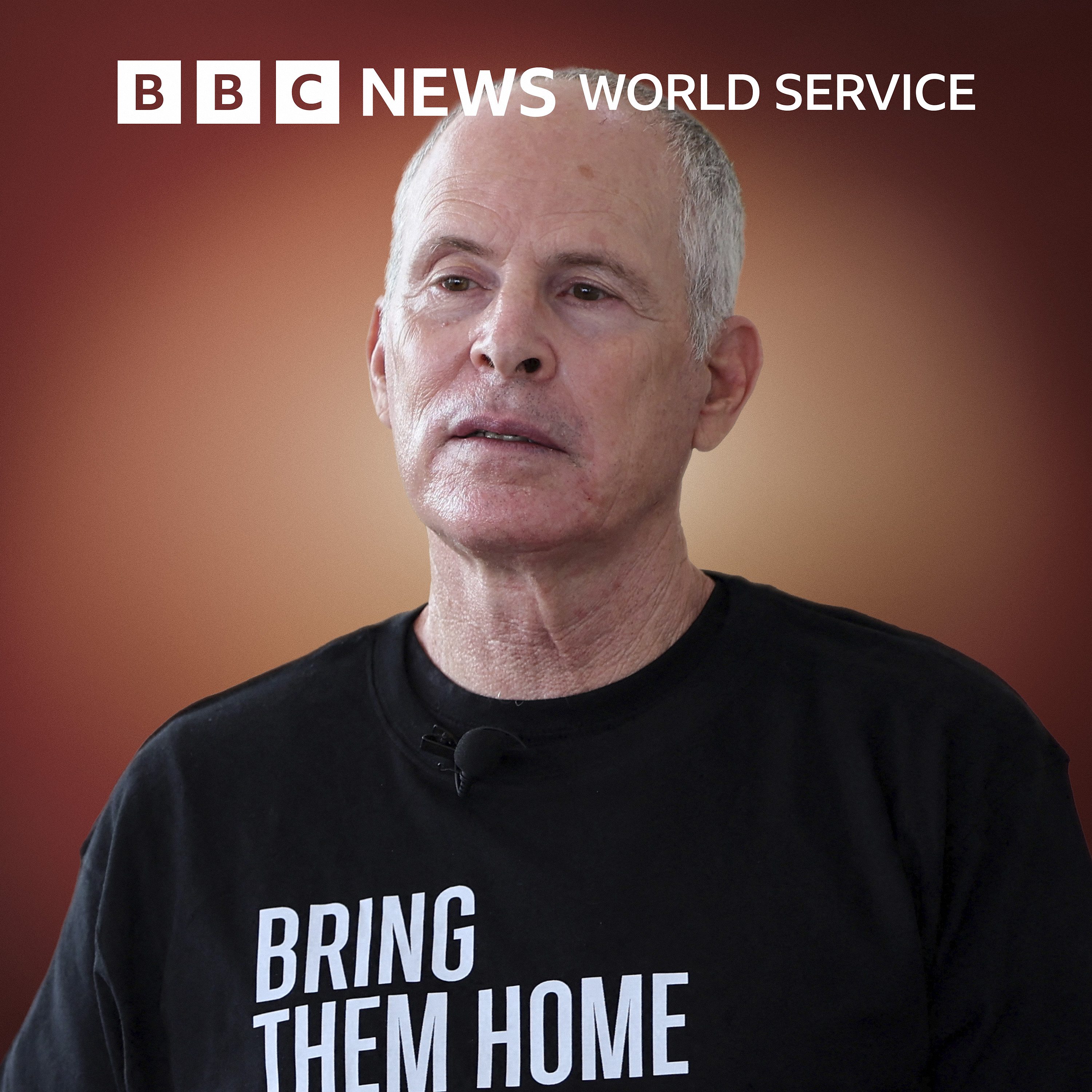
Keith Siegel, freed Israeli hostage: I pray for peace
I pray for peace. Nick Beake speaks to released Israeli hostage Keith Siegel about his experience of captivity in Gaza, of the suffering he says he witnessed at the hands of Hamas and the moment he was released. Mr. Siegel, an American-Israeli, was captured by Hamas fighters in the October 2023 attack that marked the start of the conflict in Gaza. He was one of 251 hostages taken that day, in an assault that killed around 1,200 other people who were mainly civilians. Mr Siegel was released in February after nearly 500 days. His mother passed away while he was still in captivity. You’re going to hear his accounts about his time as a hostage. Some listeners may find his descriptions disturbing. He talks about desperate living conditions in Gaza, as well as extreme levels of violence to which he says he and other hostages were subjected. Hamas has said it doesn't abuse anyone in captivity. Mr. Siegel is calling for all 50 remaining hostages to be freed - up to 20 of them are still believed to be alive. Talks on a ceasefire proposal that would include a hostage release deal are ongoing between Israel and Hamas. The Israeli military launched a campaign in Gaza in response to Hamas's 7 October 2023 attacks. More than 57,000 people have been killed in Gaza since then, according to the territory's Hamas-run health ministry. The Interview brings you conversations with people shaping our world, from all over the world. The best interviews from the BBC. You can listen on the BBC World Service, Mondays and Wednesdays at 0700 GMT. Or you can listen to The Interview as a podcast, out twice a week on BBC Sounds, or wherever you get your podcasts. Presenter: Nick Beake Producers: Ben Cooper, Kyla Herrmannsen, Katie Law and Lucy Sheppard Editor: Nick Holland Get in touch with us on email [email protected] use the hashtag #TheInterviewBBC on social media.(Image: Keith Siegel. Credit: Jack Guez/Getty)
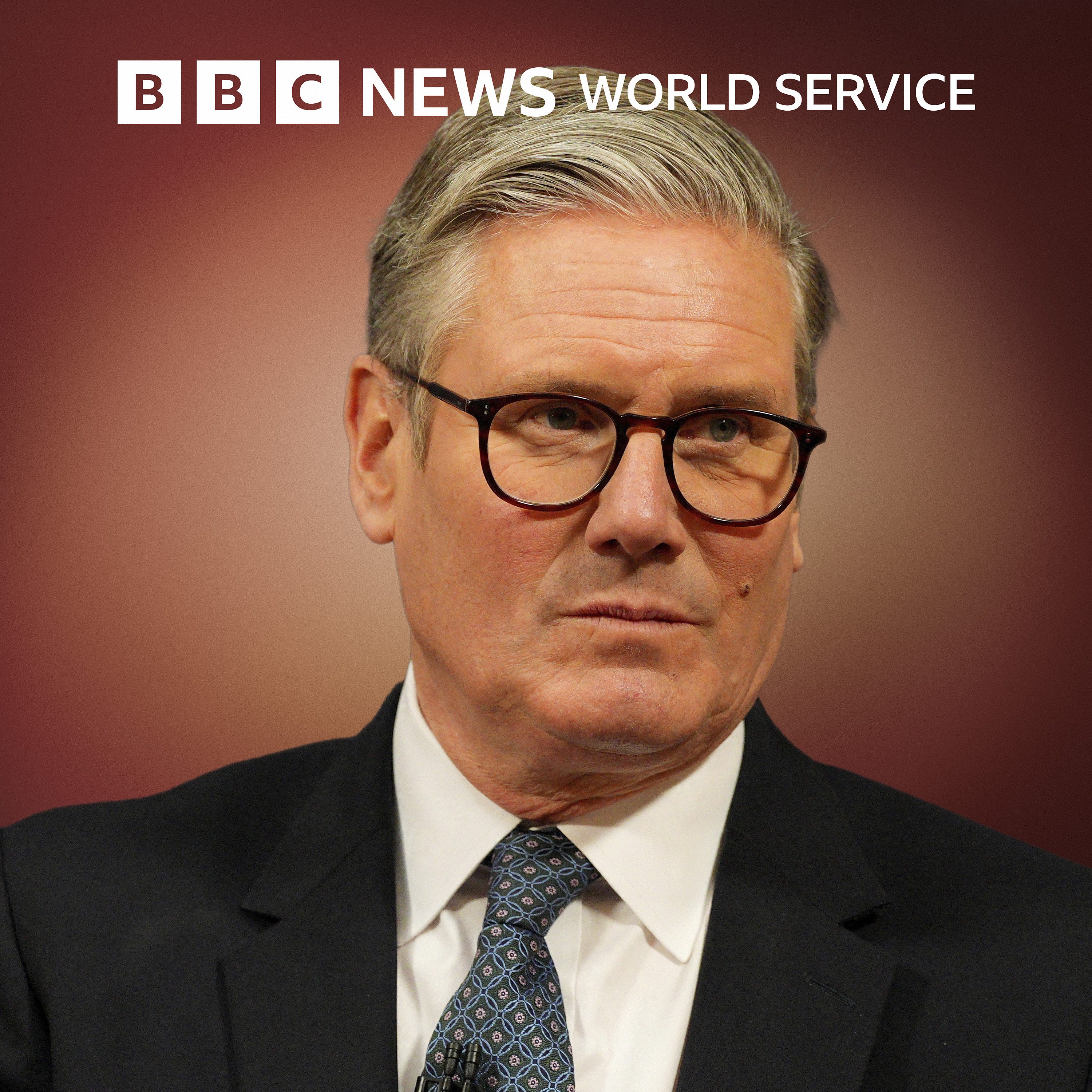
Sir Keir Starmer, UK Prime Minister: The UK needs strong international relationships
The UK needs strong international relationships Nick Robinson, presenter of the BBC Today programme and Political Thinking podcast, speaks to Sir Keir Starmer, UK Prime Minister, about the importance of maintaining strong international relationships.In an interview recorded to mark Sir Keir’s first year in office, he defends the time he’s spent developing alliances with other world leaders. His critics claim he’s neglected domestic politics, and point to a series of policy u-turns. But Sir Keir tells Nick Robinson that building these relationships is essential to protect the UK’s national interest, particularly in a time of global conflict and instability.Challenged over his domestic performance, he concedes he has changed position on some policy decisions but describes himself as a pragmatist who takes a common sense view in the light of changing circumstances.In this conversation, Sir Keir also reflects on the impact on his family of his role as prime minister, and how he likes to relax by playing football.Sir Keir Starmer was elected in 2024 on a substantial majority, returning the Labour party to power after fourteen years. Twelve months on, his party’s approval rating has gone down in the polls as it has run into a series of political difficulties. Thank you to the Political Thinking team for helping to produce this programme. The Interview brings you conversations with people shaping our world, from all over the world. The best interviews from the BBC. You can listen on the BBC World Service, Mondays and Wednesdays at 0700 GMT. Or you can listen to The Interview as a podcast, out twice a week on BBC Sounds, or wherever you get your podcasts.Presenter: Nick Robinson Producers: Daniel Kraemer and Lucy Sheppard Editor: Nick HollandGet in touch with us on email [email protected] and use the hashtag #TheInterviewBBC on social media.(Image: Keir Starmer. Credit: Reuters)
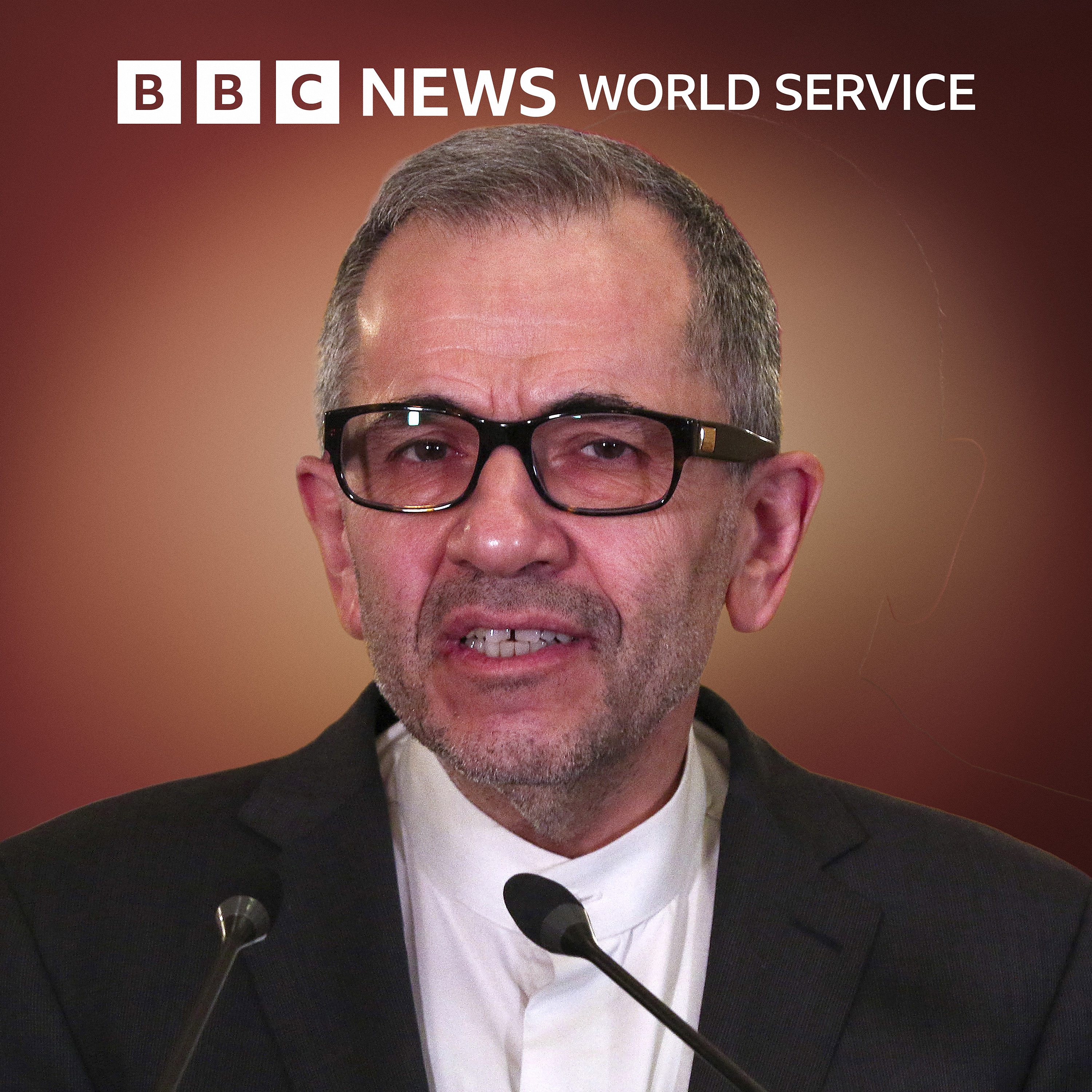
Majid Takht-Ravanchi, Iran’s Deputy Foreign Minister: Regime change is a futile exercise
Lyse Doucet speaks to Majid Takht-Ravanchi, Iran’s Deputy Foreign Minister, about the future of Iran’s nuclear programme and its government. The interview took place in the country’s capital Tehran after Iran’s twelve-day war with Israel. Both sides fired missiles into each other’s territories, with hundreds killed as military sites were destroyed and civilian infrastructure badly damaged.Israel first attacked Iran on 13 June, claiming Iran was close to building a nuclear weapon. The conflict ended when the United States bombed three of Iran’s nuclear sites.It is worth remembering, before any of the aggression started, talks about the future of Iran’s nuclear programme were ongoing with the US. But they were overshadowed by a report from the International Atomic Energy Agency declaring Iran was in breach of its nuclear obligations and questioned why Iran was enriching uranium to such high levels.For now, there’s a ceasefire between Israel and Iran. Majid Takht-Ravanchi explains why he thinks it will hold and what it will take for diplomacy with the United States to resume in good faith. The Interview brings you conversations with people shaping our world, from all over the world. The best interviews from the BBC. You can listen on the BBC World Service, Mondays and Wednesdays at 0700 GMT. Or you can listen to The Interview as a podcast, out twice a week on BBC Sounds, or wherever you get your podcasts.Presenter: Lyse Doucet Producers: Charlotte Scarr and Ben Cooper Sound: Dave O’Neill Editor: Nick HollandGet in touch with us on email [email protected] and use the hashtag #TheInterviewBBC on social media.(Image: Majid Takht-Ravanchi. Credit: Safin Hamid/AFP via Getty Images)
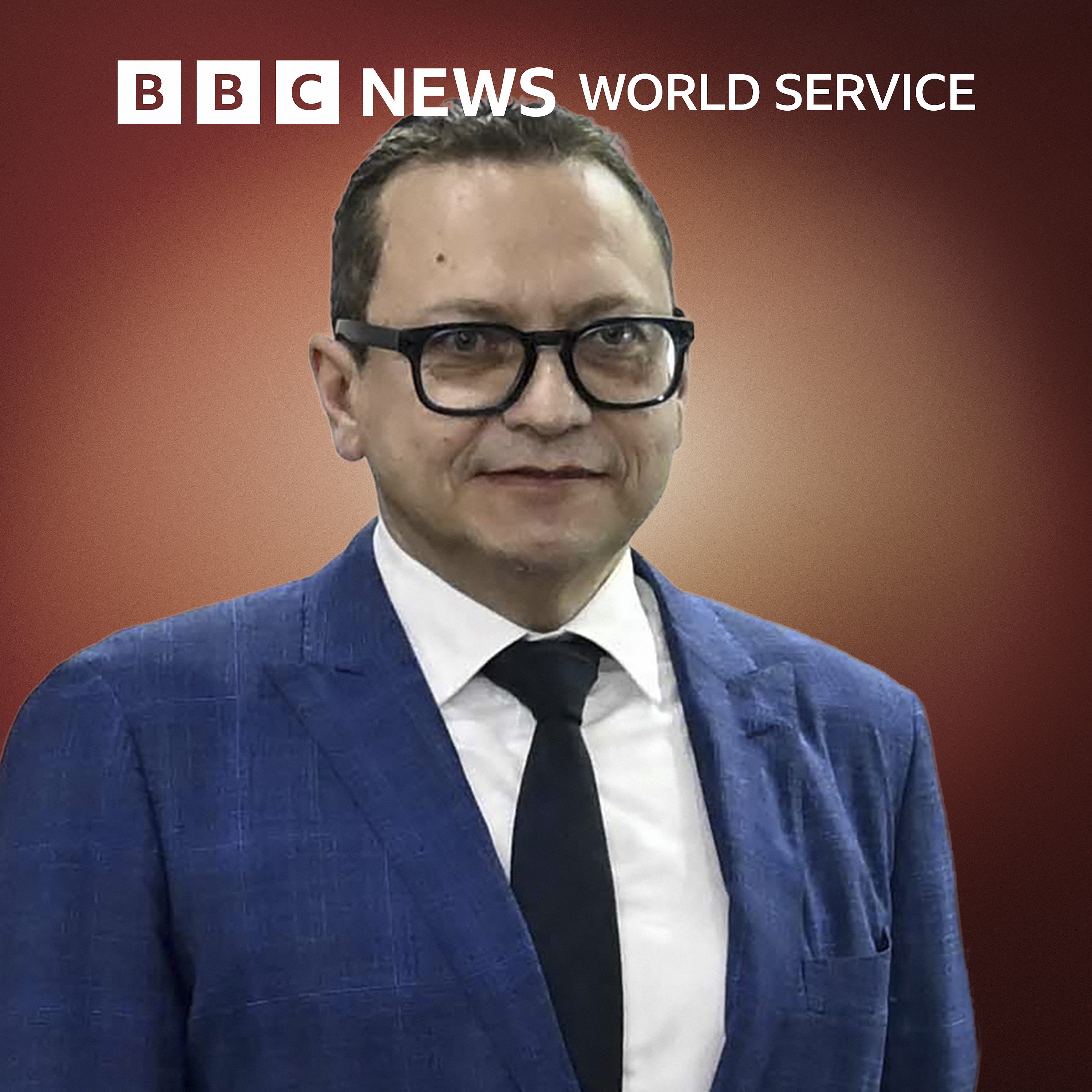
Philippe Kehren, CEO of multinational Solvay: Reducing reliance on China’s rare earth metals
Jonathan Josephs speaks to Philippe Kehren, CEO of chemical multinational company Solvay. His firm sits at the forefront of Europe’s efforts to diversify its supply of rare earth metals. These elements are essential to much of modern technology, from mobile phones to medical equipment, car batteries and renewable energy.Currently their supply is heavily dependent on China, which mines around 70% of all rare earth metals, and refines around 90%. Solvay aims to play a significant role in reducing this dependence, by increasing European capacity to mine and refine these materials. However, Mr Kehren says the European Union needs to play its part by introducing incentives for customers to buy from European suppliers rather than their cheaper Chinese competitors. The Interview brings you conversations with people shaping our world, from all over the world. The best interviews from the BBC. You can listen on the BBC World Service, Mondays and Wednesdays at 0700 GMT. Or you can listen to The Interview as a podcast, out twice a week on BBC Sounds, or wherever you get your podcasts.Presenter: Jonathan Josephs Producer: Lucy Sheppard Editor: Nick HollandGet in touch with us on email [email protected] and use the hashtag #TheInterviewBBC on social media.(Image: Philippe Kehren. Credit: Dirk Waem/Belga Mag/AFP via Getty Images)
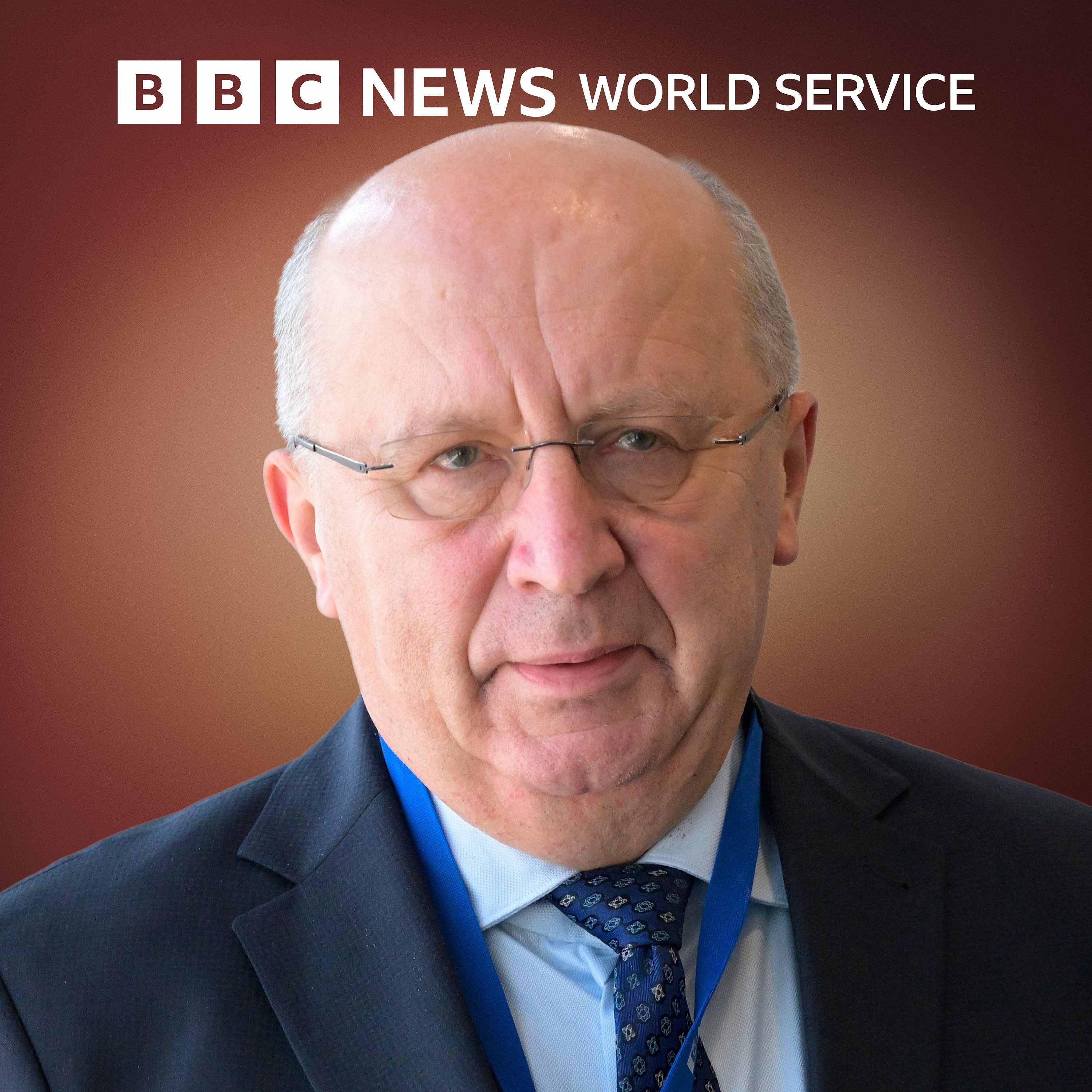
Andrius Kubilius, EU Commissioner for Defence and Space: A new era of defence readiness
James Copnall, presenter of BBC Newsday, speaks to Andrius Kubilius, EU Commissioner for Defence and Space, about the need for Europe to be able to defend itself.In an interview recorded before the Nato summit on 24/25 June 2025, Mr Kubilius, a former Prime Minister of Lithuania, says peace in Europe cannot be taken for granted and that Europe can no longer rely on American military backing. Therefore, defence readiness must be a priority, meaning increased spending commitments from Nato members, and a unified, quick and clear approach across Europe to building defence capabilities. This, he believes, is the only way to deter the threat of further Russian aggression.But some Nato member states may struggle to meet the proposed increased spending target of 3.5% of GDP on defence. A few still haven’t met the current goal of 2%, set more than a decade ago. However, other European nations are already boosting spending to 5% including countries living in close proximity to Russia, such as Poland, Estonia and Lithuania. Overall, Europe still only accounts for 30% of Nato's total military spending, a figure that has prompted US President Trump to demand a much greater contribution from European members. The Interview brings you conversations with people shaping our world, from all over the world. The best interviews from the BBC. You can listen on the BBC World Service, Mondays and Wednesdays at 0700 GMT. Or you can listen to The Interview as a podcast, out twice a week on BBC Sounds, or wherever you get your podcasts.Presenter: James Copnall Producers: Lucy Sheppard, Ben Cooper and Owen Clegg Editor: Nick HollandGet in touch with us on email [email protected] and use the hashtag #TheInterviewBBC on social media.(Image: Andrius Kubilius. Credit: John Thys/EPA-EFE/REX/Shutterstock)
Martina Navratilova, tennis champion: Women are judged by a different metric to men
“Women are still judged by a different metric than men”Amol Rajan speaks to Martina Navratilova, one of the greatest-ever tennis players, about her life and career. The story of her rise to the top of the game is as remarkable as the number of tournaments she managed to win.Born behind the Iron Curtain in Czechoslovakia in 1956, she was 11-years-old when she watched Soviet tanks roll in to the country as Moscow sought to reassert control and quash political reform.Navratilova, who played in her first tennis tournament when she was eight, rose to both national and international prominence in the years that followed.But in 1975, following the Czech government’s efforts to control her tennis career, she defected. Aged 18, Navratilova sought asylum in the United States, where she later became an American citizen. During the late 1970s and 1980s she dominated the international tennis circuit, and by the time she retired, she had won 59 major singles and doubles titles.But throughout her life, Navratilova has generated headlines on the front pages of newspapers, as well as the back. She came out as being gay in 1981, a rare thing for high-profile athletes to do at the time, and quickly became a prominent figure in the gay rights movement. More recently, however, she has found herself at odds with some groups due to her views on transgender athletes.She has also battled cancer on two separate occasions.Thank you to the Amol Rajan Interviews team for their help in making this programme. The Interview brings you conversations with people shaping our world, from all over the world. The best interviews from the BBC. You can listen on the BBC World Service, Mondays and Wednesdays at 0700 GMT. Or you can listen to The Interview as a podcast, out twice a week on BBC Sounds, or wherever you get your podcasts.Presenter: Amol Rajan Producers: Ben Cooper, Joel Mapp Sound: Dave O’Neill Editor: Nick HollandGet in touch with us on email [email protected] and use the hashtag #TheInterviewBBC on social media.(Image: Martina Navratilova. Credit: Roy Rochlin/Getty Images)
Muhammad Yunus: We dream of creating a new Bangladesh
Rajini Vaidyanathan, BBC News presenter and correspondent, speaks to Muhammad Yunus, interim leader of Bangladesh.The 84-year-old is perhaps one of the world’s best-known Bangladeshis. Described as the banker to the world’s poor, he gained international recognition as a Nobel prize-winning economist, who founded the Grameen microfinance bank, which delivered small loans to economically deprived people.It was a model applauded by many and is one which now operates across more than 100 countries worldwide. But it’s also a model which was criticised by his political rival - Bangladesh’s former Prime Minister Sheikh Hasina, who accused Mr Yunus of sucking blood from the poor. Her government made a series of allegations against him, including embezzlement, all of which he denies.And it was the overthrow of Sheikh Hasina’s government last August that saw Muhammad Yunus thrust into the political spotlight.Student-led protests saw thousands take to the streets in an uprising against her Awami league government, which was accused of election rigging, human rights abuses and jailing critics.When Ms Hasina fled to neighbouring India, student leaders picked Muhammad Yunus to unite a divided nation. As well as promising to stamp out corruption, he’s also faced the challenges of managing a refugee crisis on his doorstep and navigating cuts to foreign aid.So, after nearly a year in the job, how is he faring? The Interview brings you conversations with people shaping our world, from all over the world. The best interviews from the BBC. You can listen on the BBC World Service, Mondays and Wednesdays at 0700 GMT. Or you can listen to The Interview as a podcast, out twice a week on BBC Sounds, or wherever you get your podcasts.Presenter: Rajini Vaidyanathan Producers: Ben Cooper and Junaid Ahmed Editor: Nick HollandGet in touch with us on email [email protected] and use the hashtag #TheInterviewBBC on social media.(Image: Muhammad Yunus. Credit: Reuters/Yves Herman)
Yoshua Bengio: AI’s risks must be acknowledged
James Copnall, presenter of the BBC’s Newsday, speaks to Yoshua Bengio, the world-renowned computer scientist often described as one of the godfathers of artificial intelligence, or AI.Bengio is a professor at the University of Montreal in Canada, founder of the Quebec Artificial Intelligence Institute - and recipient of an A.M. Turing Award, “the Nobel Prize of Computing”. AI allows computers to operate in a way that can seem human, by using programmes that learn vast amounts of data and follow complex instructions. Big tech firms and governments have invested billions of dollars in the development of artificial intelligence, thanks to its potential to increase efficiency, cut costs and support innovation.Bengio believes there are risks in AI models that attempt to mimic human behaviour with all its flaws. For example, recent experiments have shown how some AI models are developing the capacity to deceive and even blackmail humans, in a quest for their self-preservation. Instead, he says AI must be safe, scientific and working to understand humans without copying them. The Interview brings you conversations with people shaping our world, from all over the world. The best interviews from the BBC. You can listen on the BBC World Service, Mondays and Wednesdays at 0700 GMT. Or you can listen to The Interview as a podcast, out twice a week on BBC Sounds, Apple, Spotify or wherever you get your podcasts.Presenter: James Copnall Producers: Lucy Sheppard, Ben Cooper Editor: Nick HollandGet in touch with us on email [email protected] and use the hashtag #TheInterviewBBC on social media.(Image: Yoshua Bengio. Credit: Craig Barritt/Getty)
Mike Huckabee, US Ambassador to Israel: ‘Hamas isn't interested in ending the war’
James Coomarasamy, presenter of the BBC’s Newshour and The World Tonight, speaks to Mike Huckabee, US Ambassador to Israel. Confirmed in the post two months ago, Mr Huckabee is the former Republican Governor of Arkansas and two-time Republican presidential nominee.He’s an Evangelical Christian, who has backed the presence of Jewish settlements in the Palestinian territories, which are considered illegal under international law - although Israel rejects this.Some opposition politicians in the US have been critical of his appointment and previous statements he’s made about the ongoing war in Gaza.One Democratic senator said Huckabee was "woefully unfit" for the role and accused him of engaging in "brazen denial of the existence of the Palestinian people". But during questioning by a US Senate committee, Huckabee played down some of his past statements, saying he would "carry out the president's priorities", not his, and denied backing the expulsion of Palestinians.He takes up the role amid growing international calls for a ceasefire in Gaza and pressure for more humanitarian aid to reach the territory. Despite a number of proposals put forward by the international community, there does not yet appear to be a realistic prospect of an end to the conflict. The Interview brings you conversations with people shaping our world, from all over the world. The best interviews from the BBC. You can listen on the BBC World Service, Mondays and Wednesdays at 0700 GMT. Or you can listen to The Interview as a podcast, out twice a week on BBC Sounds, or wherever you get your podcasts.Presenter: James Coomarasamy Producer: Ben Cooper Editor: Nick HollandGet in touch with us on email [email protected] and use the hashtag #TheInterviewBBC on social media.(Image: Mike Huckabee. Credit: John Taggart/Bloomberg/Getty Images)
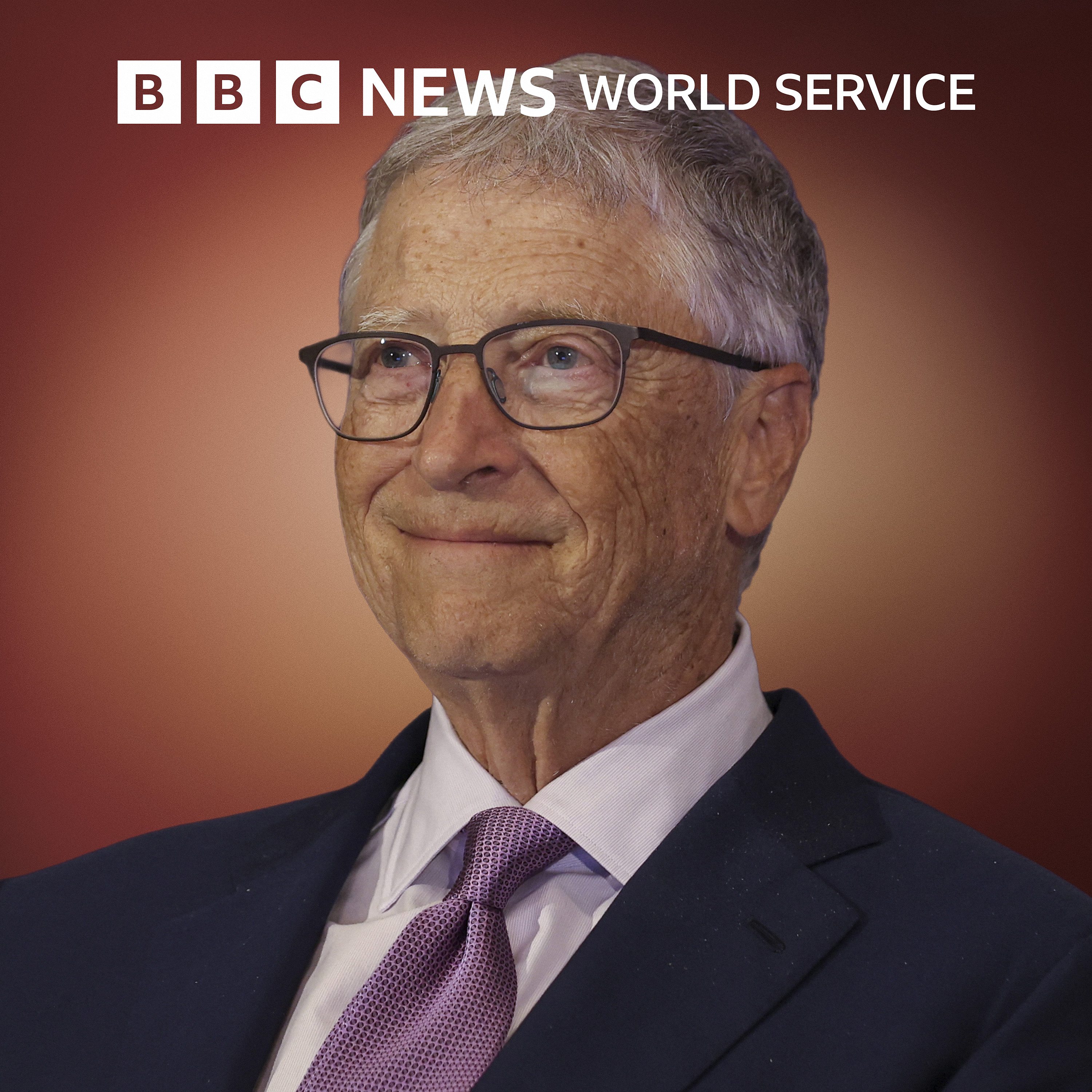
Bill Gates: The importance of aid and philanthropy
Waihiga Mwaura, presenter of the BBC’s Focus on Africa programme, speaks to Microsoft co-founder and global philanthropist, Bill Gates.Mr. Gates, who is 69 years old, announced last month that he plans to give away 99% of his vast fortune over the next 20 years, predominately through his Gates Foundation. The foundation has already given over 100 billion dollars since being established 25 years ago.He built his vast personal wealth through the software giant Microsoft, which he co-founded back in 1975. Mr. Gates has gradually stepped back from the company in recent decades, first resigning as its chief executive in 2000 and then later as its chairman in 2014.This has allowed him to turn his attention to global philanthropy, with a particular focus on health initiatives in lower-income countries. But Mr. Gates fears this work could be at risk as wealthier countries cut back on their own international aid commitments. The Interview brings you conversations with people shaping our world, from all over the world. The best interviews from the BBC. You can listen on the BBC World Service, Mondays and Wednesdays at 0700 GMT. Or you can listen to The Interview as a podcast, out twice a week on BBC Sounds, or wherever you get your podcasts.Presenter: Waihiga Mwaura Producer: Ben Cooper Editor: Nick HollandGet in touch with us on email [email protected] and use the hashtag #TheInterviewBBC on social media.(Image: Bill Gates. Credit: Reuters)
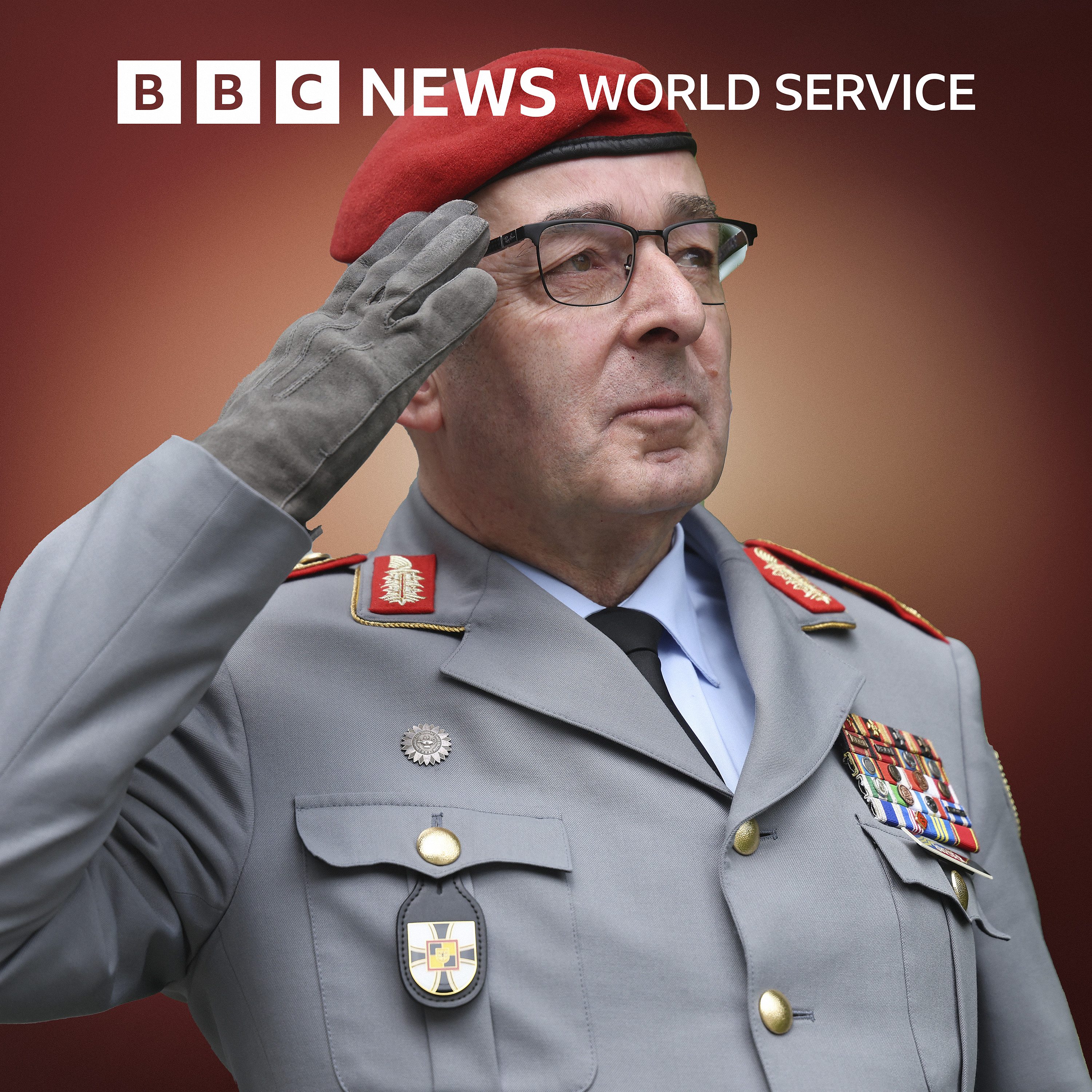
Carsten Breuer, the German chief of defence: Nato faces "very serious threat" from Russia
Frank Gardner, BBC Security Correspondent, speaks to Carsten Breuer, the German chief of defence.General Carsten Breuer gives his assessment of the threat that Russia poses to the Western alliance Nato. He says that Russia is building up its forces to an "enormous extent" and says that members of the alliance need to prepare for a possible attack from Russia within the next four years, according to assessments from defence analysts. He cites recent attacks on undersea cables in the Baltic Sea, and unidentified drones spotted over German power stations and other infrastructure, as possible evidence that Russia is continuously looking for weaknesses in the defence capabilities of Western countries. Russia has denied involvement in these incidents. General Breuer argues that Nato members should build up their militaries, and that European nations should consider security a baseline for prosperity and development. The Interview brings you conversations with people shaping our world, from all over the world. The best interviews from the BBC. You can listen on the BBC World Service, Mondays and Wednesdays at 0700 GMT. Or you can listen to The Interview as a podcast, out twice a week on BBC Sounds, or wherever you get your podcasts.Presenter: Frank Gardner Producers: Viv Jones Editor: Nick Holland Get in touch with us on email [email protected] and use the hashtag #TheInterviewBBC on social media.(Image: General Carsten Breuer. Credit: Sean Gallup/Getty Images)
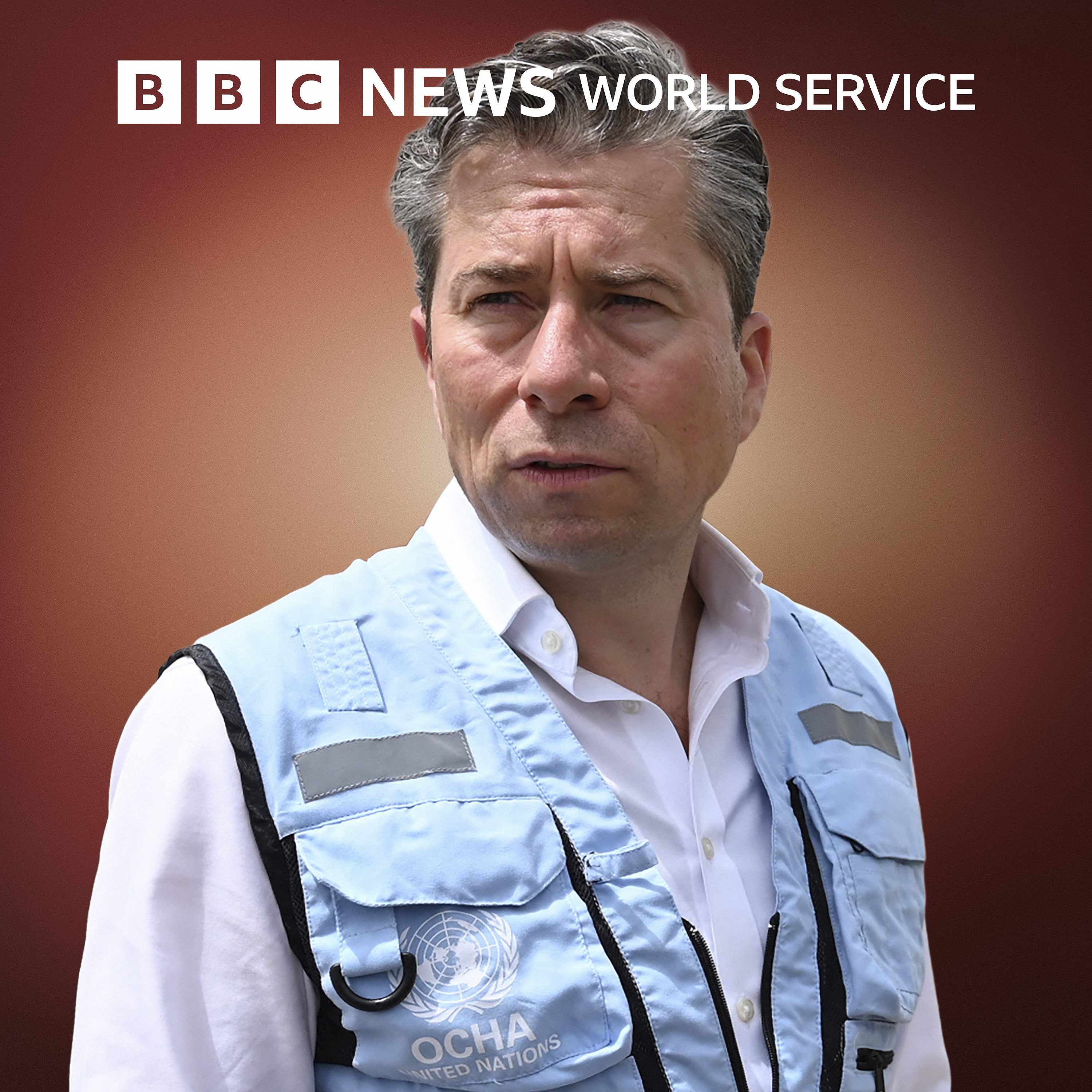
Tom Fletcher, UN Humanitarian Chief: Is the world doing enough to get aid into Gaza?
Tom Fletcher, Chief of Humanitarian Affairs for the United Nations, tells Fergal Keane, the BBC’s special correspondent, that Israel is subjecting Gaza to enforced starvation. Gaza faced an aid blockade of nearly three months - now, limited supplies of food, medicine and fuel are being allowed into the territory. But Israel argues Hamas is stealing food aid.Mr Fletcher has drawn criticism himself for some of the claims he has made about the impact of the blockade, which were retracted by the UN. Now, he says he regrets his choice of words. Israel’s military campaign began in October 2023 following a cross-border attack by Hamas which killed around 1,200 people, and saw 251 taken hostage. More than 54,000 people have been killed in Gaza since the war began, according to the Hamas-run health ministryThe Interview brings you conversations with people shaping our world, from all over the world. The best interviews from the BBC. You can listen on the BBC World Service, Mondays and Wednesdays at 0700 GMT. Or you can listen to The Interview as a podcast, out twice a week on BBC Sounds, or wherever you get your podcasts.Presenter: Fergal Keane Producer: Lucy Sheppard and Vivien Jones Editor: Nick HollandGet in touch with us on email [email protected] and use the hashtag #TheInterviewBBC on social media.
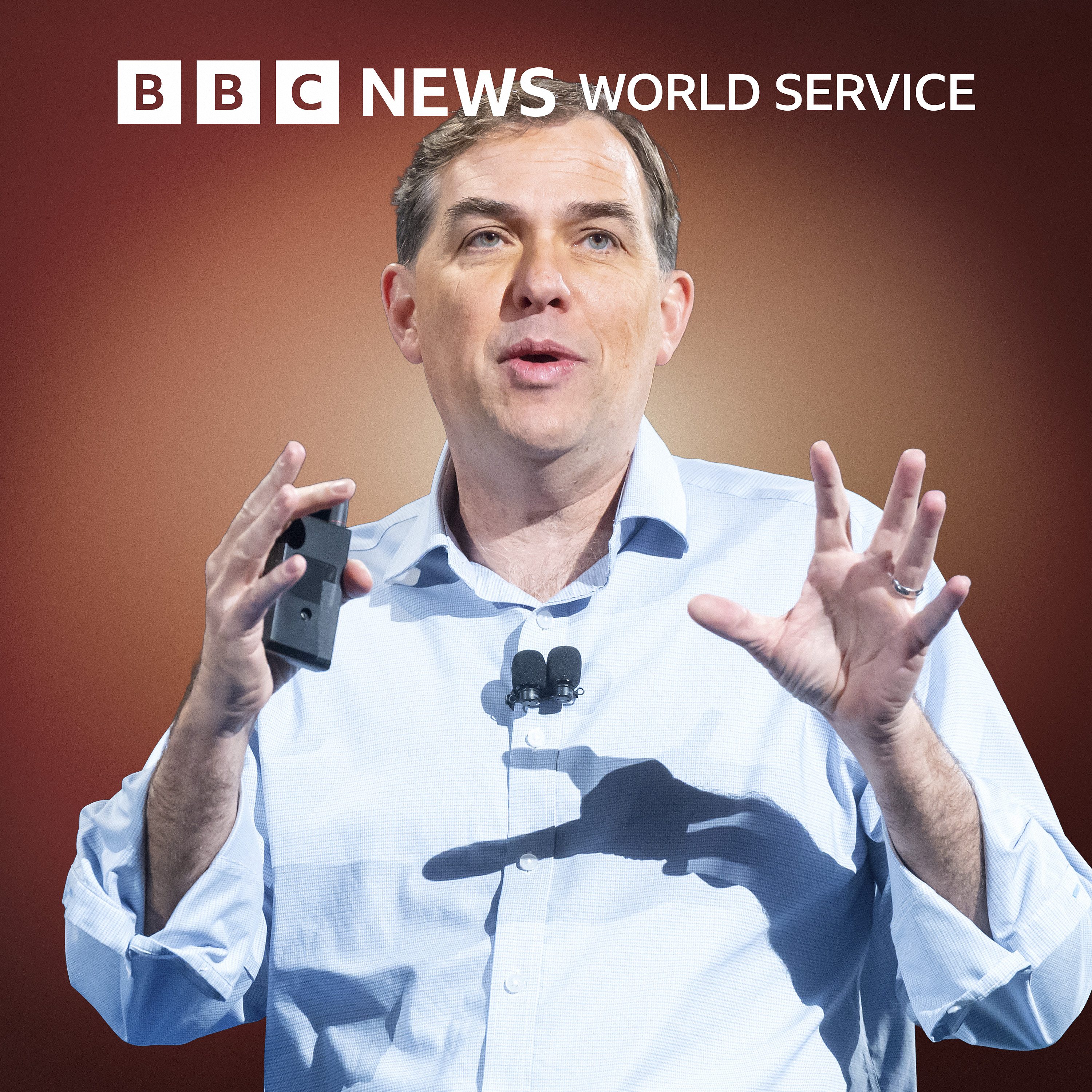
Matt Garman, CEO of Amazon Web Services - what is the future of big tech?
Simon Jack, the BBC’s business editor, speaks to Matt Garman, chief executive of Amazon Web Services - part of the retail giant Amazon, and the world’s largest cloud computing company.Mr Garman started his career at AWS as an intern, and has risen to oversee a global network of huge data centres, providing IT resources for businesses worldwide. In this conversation, he shares his vision for the future of big tech through cloud computing and artificial intelligence, and the potential for economic growth and opportunity he believes they hold.He also sets out his support for the role for nuclear technology in powering the data centres at that sit at the heart of big tech - and the risks of over-regulation, dismissing claims that the industry is uncompetitive and dominated by huge corporations such as his. The Interview brings you conversations with people shaping our world, from all over the world. The best interviews from the BBC. You can listen on the BBC World Service, Mondays and Wednesdays at 0700 GMT. Or you can listen to The Interview as a podcast, out twice a week on BBC Sounds, or wherever you get your podcasts.Presenter: Simon Jack Producers: Lucy Sheppard, Viv Jones Editor: Richard Fenton-SmithGet in touch with us on email [email protected] and use the hashtag #TheInterviewBBC on social media.

Surviving Syria’s sectarian violence
Tim Franks speaks to a British-Syrian Alawite who came under attack, along with her family, during the sectarian violence on Syria’s coast in March.The Alawite sect is an offshoot of Shia Islam and its followers make up around 10 per cent of Syria's population, which is majority Sunni.The recent violence came after fighters loyal to the country's overthrown former president, Bashar al-Assad, who is an Alawite himself, led deadly raids on the new government’s security forces.Those attacks resurrected deep-seated anger over Assad’s repressive dictatorship, with Alawite civilians seen by some as complicit in the crimes of his regime - and as part of the insurgency that followed his fall.The new Sunni Islamist-led government had called for support from various military units and militia groups to respond to the attacks on its security forces – which then escalated into a wave of sectarian anger aimed at Alawite civilians.Human rights groups estimate that around 900 civilians, mainly Alawites, were killed by pro-government forces across Syria's coastal region in early March.The Interview brings you conversations with people shaping our world, from all over the world. The best interviews from the BBC. You can listen on the BBC World Service, Mondays and Wednesdays at 0700 GMT. Or you can listen to The Interview as a podcast, out twice a week on BBC Sounds, or wherever you get your podcasts.Presenter: Tim Franks Producer: Ben Cooper Editor: Richard Fenton-Smith

Dovilė Šakalienė, Defence Minister of Lithuania: Uncertain times for Europe
BBC Defence Correspondent Jonathan Beale speaks to Dovilė Šakalienė, Lithuania’s Defence Minister.The Baltic nation, along with its neighbours Latvia and Estonia, share a border with Russia, and have nervously watched the invasion of Ukraine, fearing they could be next.All three countries have had turbulent relationships with their much larger neighbour, Russia. They were annexed by the Soviet Union during the Second World War, and were subject to decades of rule from Moscow up until the end of the Cold War.In 2004, Lithuania joined both the European Union and Nato, and just over a decade later, adopted the Euro as its currency. But despite looking westwards, the country has always kept one eye on developments over its eastern border in Russia.Russia’s annexation of the Ukrainian region of Crimea in 2014 set off alarm bells in the Lithuanian capital Vilnius, and when the full-scale invasion of Ukraine by Russia began in 2022, Lithuania and its neighbours began fearing and preparing for the worst..Presenter: Jonathan Beale Producer: Ben Cooper Editor: Richard Fenton-Smith
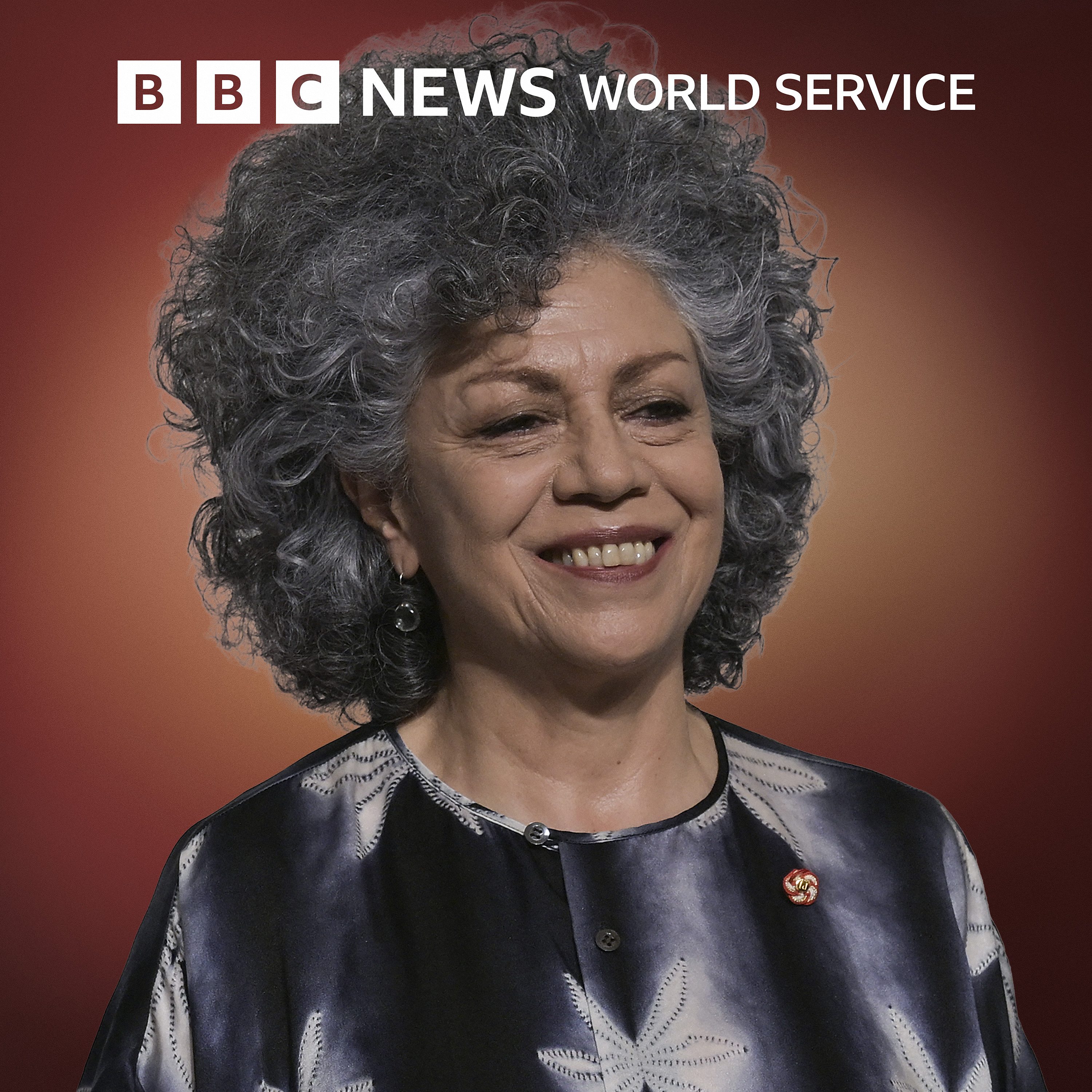
Doris Salcedo, Colombian artist - giving voice to victims of violence
In an interview from the BBC’s This Cultural Life, presenter John Wilson speaks to the Colombian artist Doris Salcedo. Her work is a response to the devastation of war, and tells the stories of its victims - tales of loss, trauma and survival. She is recognised as one of the most important living artists, and her powerful sculptures and installations have been shown across the world.A childhood growing up amid the political violence of Colombia led to career dedicated to giving voice to the victims of conflict, visiting concentration camps, mass graves and abandoned villages. She says she wants to place herself where there is nothing left but loss. The Interview brings you conversations with people shaping our world, from all over the world. The best interviews from the BBC. You can listen on the BBC World Service, Mondays and Wednesdays at 0700 GMT. Or you can listen to The Interview as a podcast, out twice a week on BBC Sounds, or wherever you get your podcasts.Presenter: John Wilson Producers: Lucy Sheppard, Ben Cooper Editor: Richard Fenton-SmithGet in touch with us on email [email protected] and use the hashtag #TheInterviewBBC on social media.
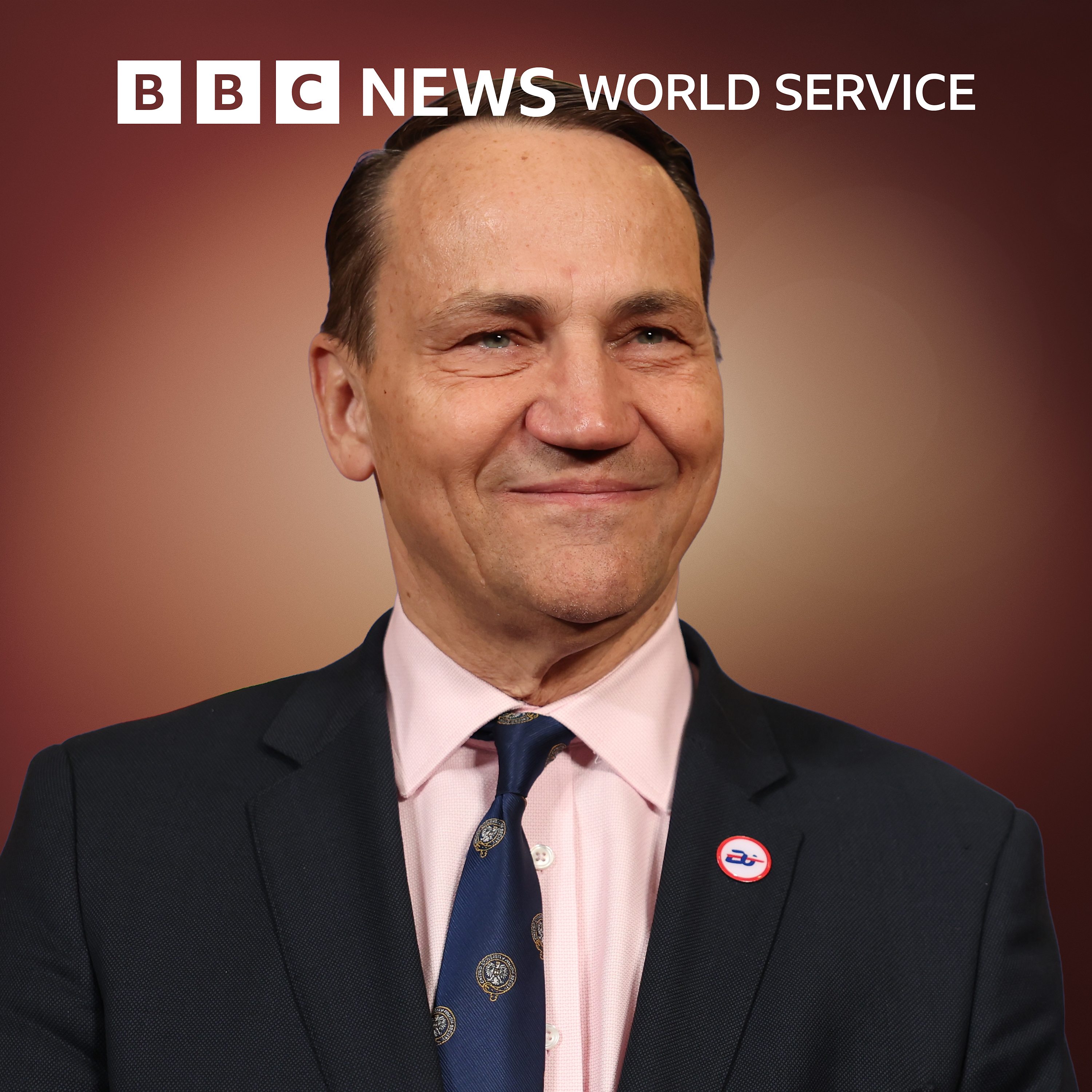
Radosław Sikorski, Foreign Minister of Poland: Dealing with the growing threat from Russia
Kasia Madera speaks to Radosław Sikorski, the Foreign Minister of Poland.As a key, long-term ally to Ukraine, Poland has played a pivotal role in supporting its neighbour following the full-scale invasion by Russia in 2022.Mr Sikorski talks about the growing threat Poland, as well as Europe, faces from Russia, and follows his country’s decision to close the Russian consulate in Krakow.The move was made in response to a shopping centre fire in Warsaw last year, that Poland blames on Moscow. The Kremlin has dismissed the accusation as completely without foundation - it accuses Poland of hostility, and describes relations between the countries as deplorable.Mr Sikorski also gives his take on the prospect of a lasting ceasefire in Ukraine, the involvement of the US President Donald Trump, and the future of NATO.The Interview brings you conversations with people shaping our world, from all over the world. The best interviews from the BBC. You can listen on the BBC World Service, Mondays and Wednesdays at 0700 GMT. Or you can listen to The Interview as a podcast, out twice a week on BBC Sounds, or wherever you get your podcasts.Presenter: Kasia Madera Producers: Lucy Sheppard, Ben Cooper Editor: Emma RipponGet in touch with us on email [email protected] and use the hashtag #TheInterviewBBC on social media.
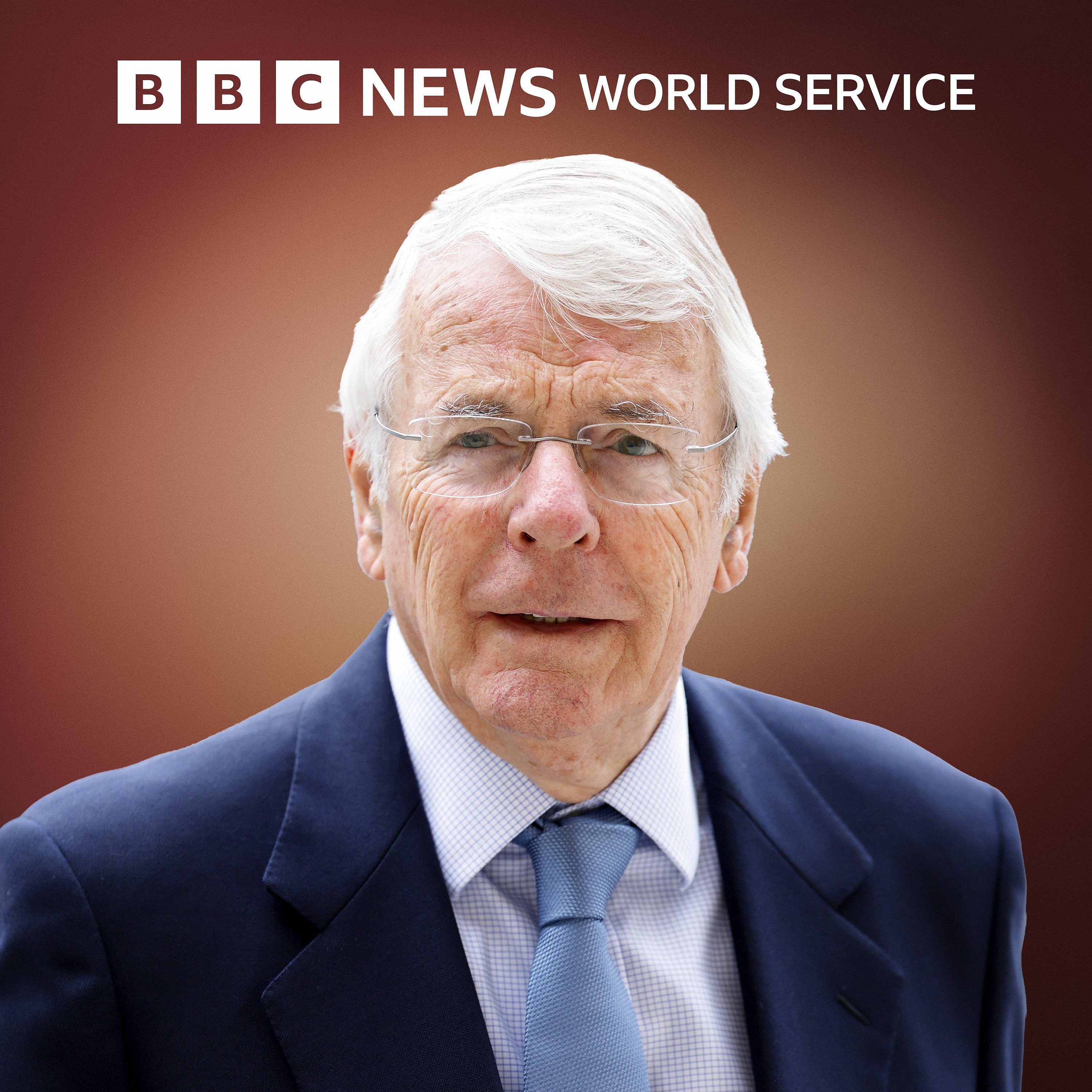
Sir John Major, former UK Prime Minister - are the lessons of WW2 being forgotten?
Nick Robinson speaks to Sir John Major, former Prime Minister of the United Kingdom.It’s 80 years since VE day marked the end of WW2 in Europe - and Sir John reflects on the lessons that should be remembered from the conflict. He is the last British Prime Minister who was alive during the Second World War. Sir John warns democracy should not be taken for granted, and is in retreat in some parts of the world - where tyranny is instead taking its place. He sets out his belief in fighting for the freedom of Ukraine, in a stronger Nato, and in a united Europe able to defend itself.The former prime minister also looks back at previous Victory in Europe days, and the moving ceremonies, moments and people that have stayed with him.The Interview brings you conversations with people shaping our world, from all over the world. The best interviews from the BBC. You can listen on the BBC World Service, Mondays and Wednesdays at 0700 GMT. Or you can listen to The Interview as a podcast, out twice a week on BBC Sounds, or wherever you get your podcasts.Presenter: Nick Robinson Producers: Ben Cooper, Lucy Sheppard Editor: Max DevesonGet in touch with us on email [email protected] and use the hashtag #TheInterviewBBC on social media.
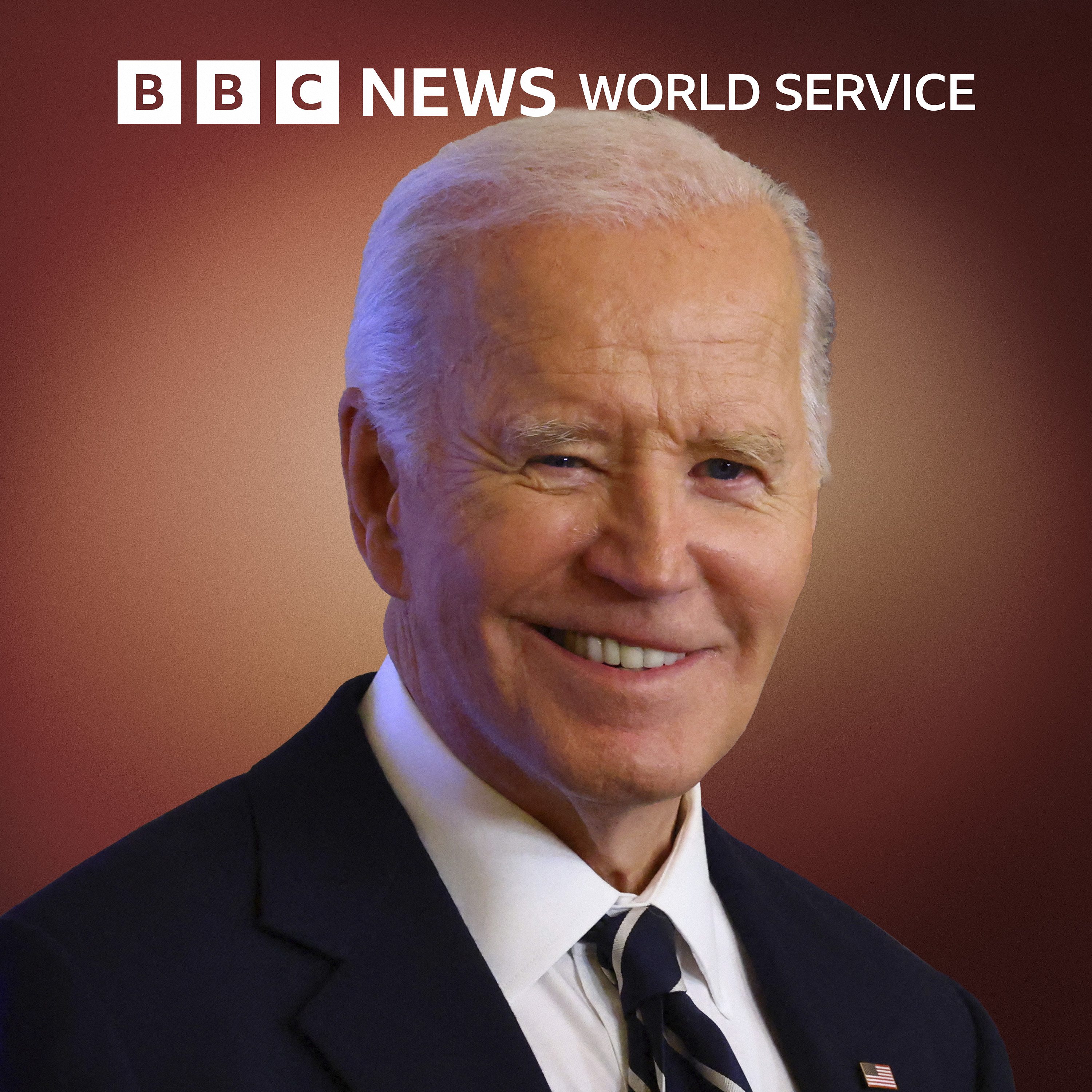
Joe Biden: Can the world still rely on America?
Nick Robinson, presenter of BBC Radio 4’s Today programme and the Political Thinking podcast, speaks to former US President, Joe Biden. The pair met in Biden’s home state of Delaware, in a hotel where he had launched his political career more than half a century ago.In his first interview since leaving the White House, Biden talks about democracy under threat, Ukraine and the future of NATO, and America’s place in the world - all at a time when we commemorate the 80th anniversary of VE, or Victory in Europe, Day. Biden himself was just a few years old at the end of the Second World War.He’ll also give his opinion on how his successor, President Trump, is faring so far in his second term. The Interview brings you conversations with people shaping our world, from all over the world. The best interviews from the BBC. You can listen on the BBC World Service, Mondays and Wednesdays at 0700 GMT. Or you can listen to The Interview as a podcast, out twice a week on BBC Sounds, or wherever you get your podcasts.Presenter: Nick Robinson Producers: Ben Cooper, Katie Solleveld Editor: Max DevesonGet in touch with us on email [email protected] and use the hashtag #TheInterviewBBC on social media.
Tidjane Thiam, Ivory Coast opposition leader - can he run for president?
Catherine Byaruhanga, presenter and correspondent for the BBC News Channel, speaks to Tidjane Thiam, the main opposition leader in the Ivory Coast. Mr Thiam is a former CEO of Credit Suisse, with a lengthy and successful career in the financial sector abroad. Now, he wishes to stand for the Ivory Coast presidency - but his candidacy has been blocked by an Ivorian court. It has ruled he cannot run as he was not an Ivorian citizen when he registered on the electoral roll. Tidjane Thiam says the decision is politically motivated, a claim firmly rejected by the government of the Ivory Coast. But he is defending his right to run.Despite years of civil war since the turn of the century, Ivory Coast has a high level of income compared to its neighbours. But Mr Thiam believes more can be done to attract investment and to boost business - and that he has the financial expertise and contacts to make it happen.The Interview brings you conversations with people shaping our world, from all over the world. The best interviews from the BBC. You can listen on the BBC World Service, Mondays and Wednesdays at 0700 GMT. Or you can listen to The Interview as a podcast, out twice a week on BBC Sounds, or wherever you get your podcasts.Presenter: Catherine Byaruhanga Producers: Lucy Sheppard, Madeleine Drury Editor: Max DevesonGet in touch with us on email [email protected] and use the hashtag #TheInterviewBBC on social media.
Prince Harry: Is his safety at risk?
Nada Tawfik, North America correspondent, speaks to Prince Harry about reconciliation with the royal family after his loss in court over his security arrangements in the UK The Prince stepped down from his duties as a working royal in 2020 and moved to the United States with his wife, Meghan. After his tax-payer funded protection was downgraded, he said it was too dangerous to bring his family back to the UK without adequate police protection and took the government to court.The Interview brings you conversations with people shaping our world, from all over the world. The best interviews from the BBC. You can listen on the BBC World Service, Mondays and Wednesdays at 0700 GMT. Or you can listen to The Interview as a podcast, out twice a week on BBC Sounds, or wherever you get your podcasts.Presenter: Nada Tawfik Producers: Lucy Sheppard, Madeleine Drury Editor: Max DevesonGet in touch with us on email [email protected] and use the hashtag #TheInterviewBBC on social media.