The Gravity Well with Jenny Yeremiy
90 episodes — Page 1 of 2
Little Town, Big Data in Olds, Alberta
CBC's Eagle Andersen Questions Updated Info Related to Proposed Wonder Valley AI Project
Participatory Democracy at Work in Alberta
Matilda Wants ABE to Flow Free
Canada is Stronger with a United Alberta
Faith Leaders of Alberta Oppose!
Friday, May 29: Alberta's First Province-Wide Day of Action
Foraging for Foreign Interference
The Love Boat on the Strait of Hormuz
Follow the Data... an Update from Mikayla
Combat Coal Calamity in Alberta!
Water & Energy LIVE in YYC
LaRose Vs. His Majesty the King
Is Gerrymandering Coming to Alberta?
Public Education is Under Attack!
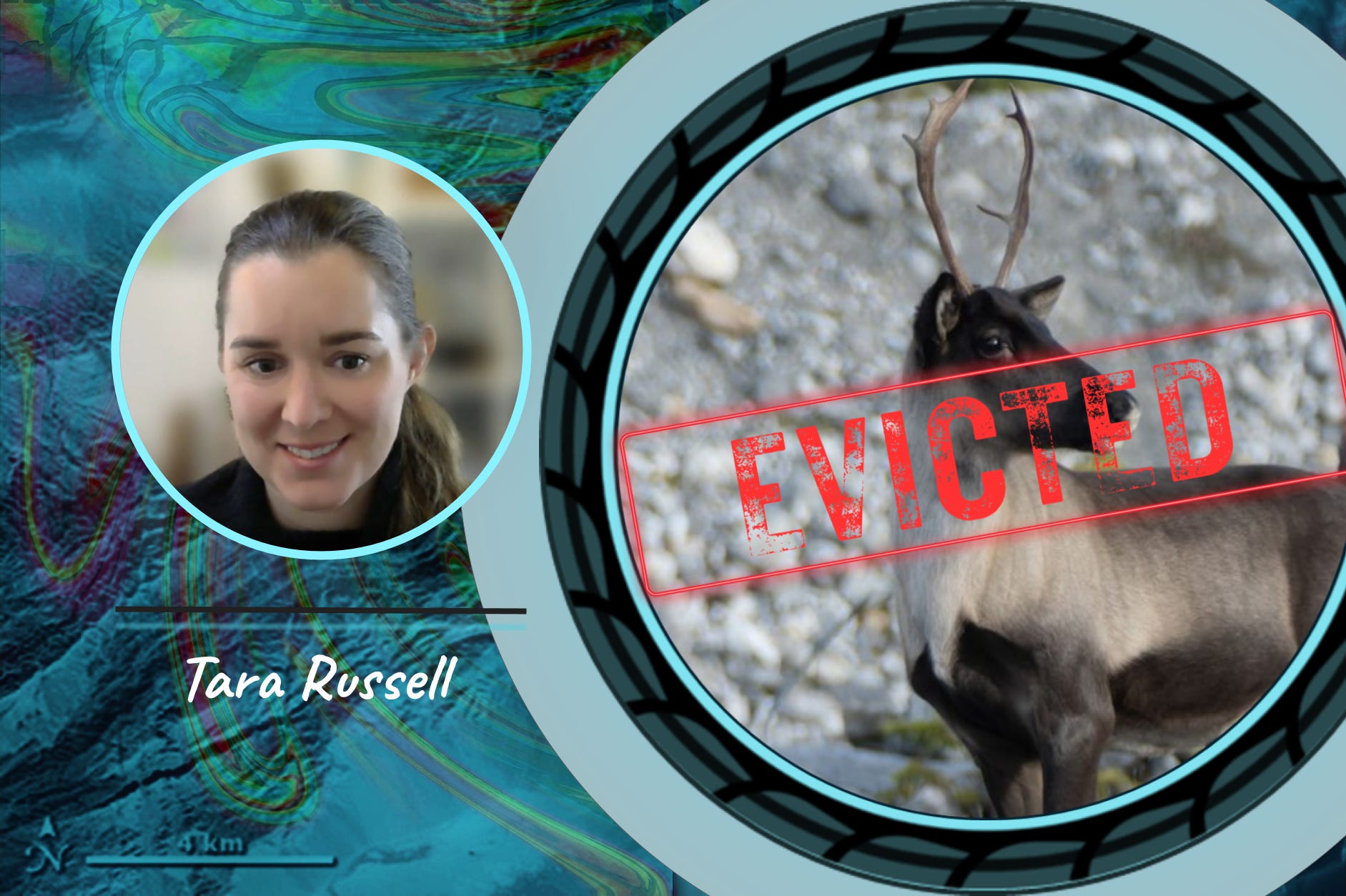
S3 Ep 13Take Action! Stop the Caribou Eviction
This episode examines Alberta’s draft South Athabasca sub-regional land use plan and its implications for woodland caribou, water, biodiversity, Indigenous rights, and long-term regional sustainability. Program director Tara Russell of the Canadian Parks and Wilderness Society (CPAWS) Northern Alberta explains that sub-regional plans were originally conceived to manage competing industrial and recreational uses on public lands in ways that would recover endangered and threatened caribou populations by meeting well-established habitat thresholds, including at least 65% undisturbed habitat and sufficient mature forest within each range. She notes that all 15 woodland caribou populations in northern Alberta are threatened and that most home ranges now have over 90% disturbance, leaving less than 5% undisturbed habitat.TAKE ACTION BY APRIL 9, 2026! Use the Public Engagement Guide | 2026 Created by CPAWS Northern Alberta, Alberta Wilderness Association, The Alberta Chapter of the Wildlife Society and Nature Alberta to stop the eviction of caribou TODAY!Tara describes how the new South Athabasca plan overrides the earlier Cold Lake sub-regional plan and the unreleased Wandering River plan, despite years of multi-stakeholder work that had produced precedent-setting approaches such as clear habitat targets and timelines. Their analysis, captured in a public engagement guide produced with several conservation organizations, concludes that the draft plan removes caribou recovery as an explicit objective, fails to commit to restoring critical habitat to the 65% undisturbed threshold required under the federal Species at Risk Act, and provides no transparent assessment of how its measures will affect caribou or other species at risk.The discussion highlights that the sub-region is already heavily impacted by forestry, in situ oil sands, conventional oil and gas, roads, seismic lines, and recreation, yet the plan is structured around an explicit goal of doubling oil and gas development without robust mechanisms to reduce cumulative disturbance or address water use and contamination, including tailings. Proposed improvements—such as limiting primary roads, adjusting riparian buffers, setting road-density and disturbance parameters, and restoring “unproductive” infrastructure—are undermined by broad exemptions for in situ project areas and existing operations, vague definitions, lack of incentives or enforcement, and thresholds that are not tied to ecological needs.In forestry, the plan introduces long-term harvest deferrals in high-value caribou habitat, which Russell views as a positive step, but these apply only to logging and not to other industrial activities, and the harvest schedule appears to keep disturbance above what caribou can tolerate for at least the first 40 years, with no clear explanation of how habitat targets will be met. Access management and recreation provisions similarly lack ecological grounding and enforcement: road-density targets are not linked to caribou needs, in situ project areas are exempt from access rules, and off-highway vehicle restrictions are limited to a single area despite broader impacts on wildlife and waterways.The plan’s proposed conservation area within the Cold Lake Air Weapons Range, envisioned as Indigenous-led, is welcomed in principle but criticized as it would still allow renewal and potential expansion of oil and gas activities and appears to be managed under rules similar to adjacent “go zones,” with no clear prioritization of species at risk. Russell stresses the need for meaningful Indigenous leadership across all nations whose territories overlap the sub-region and for conservation designations that genuinely safeguard caribou and boreal ecosystems.Economically, Tara explains that a strategy centered on short-term industrial expansion at the cost of species loss, degraded forests, and damaged waterways cannot support long-term regional prosperity and may contravene federal Species at Risk Act obligations, especially after Alberta’s Section 11 conservation agreement with Canada expired in October without its commitments being met. Tara and I warn that continuing on this path risks ecological collapse, threatens downstream watersheds including the Northwest Territories, and accelerates climate and biodiversity crises, particularly if oil production and associated water contamination are doubled.The episode concludes by framing the South Athabasca plan as one of up to 11 sub-regional plans expected under the current provincial mandate, cautioning that if similar approaches are replicated across Alberta, the result could be the expedited loss of woodland caribou (and trout species, I must add) and widespread degradation of boreal ecosystems. Tara and I emphasize the importance of public participation in the ongoing consultation (closing April 9) and encourage use of the engagement guide developed by CPAWS and partners to push for land-use planning that genuinely centers
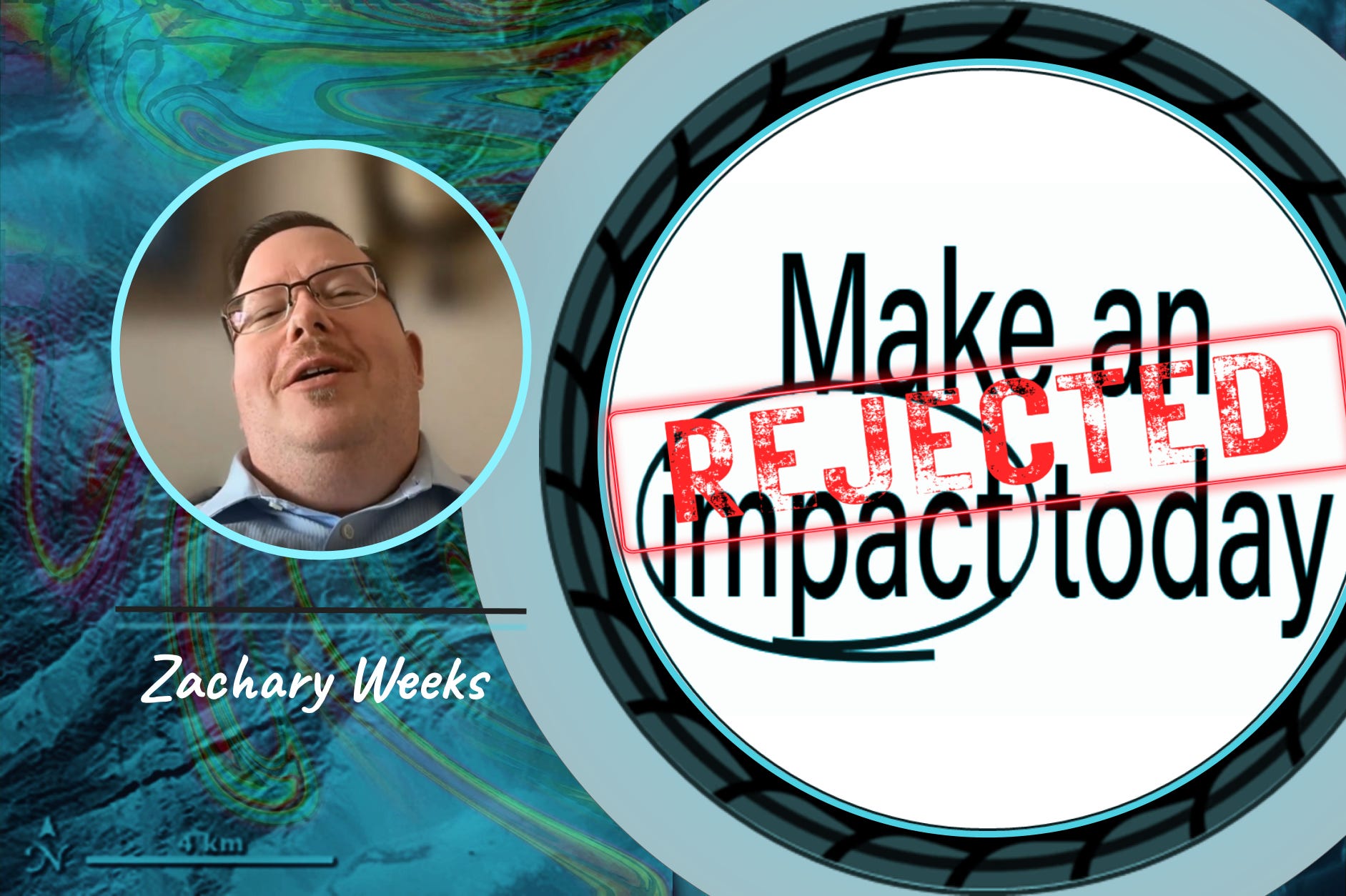
S3 Ep 13What Comes Next? Accessibility Rejected
This episode features disability advocate Zachary Weeks, who was born with cerebral palsy in Edmonton and has long worked as a spokesperson on accessibility and social justice issues, consulting on major public developments and challenging ableism and discrimination. Zachary describes his unexpected path into advocacy, shifting from training as a funeral director to volunteering with a nonprofit after facing exclusion from the funeral industry, where his potential as an advocate was recognized. The conversation centers on Alberta’s lack of provincial accessibility legislation—making it one of only two provinces without such a law—and the development of a comprehensive Accessibility Act led by MLA Marie Renaud in collaboration with people with disabilities, lawyers, nonprofits, and business groups, including the Alberta Chambers of Commerce. He explains that the proposed act aimed to embed accessibility across employment, housing, transportation, justice, healthcare, the built environment, and digital services, including accessible websites and government communications. Zach criticizes the UCP government for striking down the bill over objections to the definition of disability and concerns about “overreach” by a committee of people with lived experience, despite extensive consultations and cross-sector support.The discussion then turns to income support reforms, contrasting the long-standing Assured Income for the Severely Handicapped (AISH) with the new Alberta Disability Assistance Program (ADAP). Weeks warns that thousands of recipients will be moved from AISH to ADAP under an assumption that many can work, despite the difficulty of qualifying for AISH and the reality that most recipients are unable to work. He highlights that ADAP will reduce monthly income from $1,940 to $1,740 after a temporary $200 transition top-up and will lower the amount people can earn before clawbacks from about $1,100 under AISH to $700, after an initial proposal as low as $300–$350. Zack argues that these changes, combined with clawbacks of the $200 federal Canada Disability Benefit, effectively balance the provincial budget on the backs of people with disabilities and undermine their ability to secure and maintain employment, especially in the absence of robust accessibility measures.The conversation also addresses broader systemic issues, including inadequate consultation with the disability community—where government “town halls” lacked even basic accessibility features like captioning—and a political climate that increasingly targets disabled people, seniors, and immigrants. Weeks and I connect these policy choices to early childhood cuts such as reduced Program Unit Funding (PUF) funding, framing them as part of a “race to the bottom” that harms current and future generations. We further explore the complexities of Medical Assistance in Dying (MAID), with Weeks emphasizing personal autonomy, the need for strong safeguards, and the ethical tension created when people facing chronic pain and poverty are simultaneously stripped of supports and confronted with rising costs and housing insecurity.Throughout, Zachary stresses that everyone is “temporarily able-bodied” and that disability cuts across all identities, making accessibility and income security issues that should matter to all Albertans. He calls for cross-community solidarity—across faith groups, LGBTQ+ communities, Indigenous peoples, and others—and encourages listeners to share knowledge, build alliances, and support efforts to secure meaningful accessibility legislation in Alberta. You can find Zachary at ZacharyWeeks.ca, his social media links are all there!Mark your calendar, Calgary! Markham Hislop is coming to town on Friday, April 24th, JOIN US from 6 to 8 pm at the Montgomery Community Association. As explained in this preview episode on Energi.Media, he and I will have a dual podcast discussion about the energy transition and water restoration needs in Alberta. The event is LIVE on Eventbrite, please get your tickets. If you are a member of the Recall Nicolaides team, please reach out to me directly if you’d like to attend. You are wanted there and AB Resistance has provided me with a small token of their appreciation for all the work you did. I just met with a handful of Recall leads and the exhaustion is real. Please reach out to anyone you know who was heavily involved in recall efforts and give them an extra word of thanks, they deserve it.Forever Canadian UpdatesI had the privilege of meeting Thomas Lukaszuk in Calgary Tuesday afternoon. Thomas is planning to commit another spring and summer to the “Unity Bus” to raise awareness and to get-out-the-vote for the October 19, 2026 referendum on separation and other heinous objectives. He will be hitting every town and city across the province. Thomas explained it is not a coincidence that the separatist petition announced they have their numbers this week as it is expected the petition signature collect
S3 Ep 11Energy Market Volatility
Seb Kennedy, an energy journalist turned market analyst, has transitioned from covering renewables to focusing on natural gas and LNG, launching Energy Flux to provide insights into these markets.This discussion highlights the volatility in the LNG market, exacerbated by geopolitical events such as Russia’s invasion of Ukraine and the US attacks on Iran leading to the closure of the Strait of Hormuz, he shows the significant supply disruptions to oil gas and global commodities, including fertilizers and other non-energy goods, which could lead to broader economic consequences.The conversation further explores the challenges and opportunities for LNG investment in North America, particularly in Canada, where the potential for windfall profits is weighed against the risks of long-term market volatility and technical issues at existing facilities. Seb emphasizes the importance of reducing reliance on natural gas by investing in renewable energy and infrastructure to enhance energy security and resilience. The conversation concludes with a call for strategic investments to mitigate exposure to commodity cycles and support a transition to more sustainable energy sources.For more insights, Seb can be followed through the Energy Flux newsletter, LinkedIn, Bluesky and other digital platforms.Updates from meI am Jenny, broadcasting from Calgary, Alberta. I’m a geophysicist turned oil and gas liability expert turned podcast host and public activist. I’m here to create a better story for Alberta than one of pollution and populism by breaking through the propaganda machine. Please remember to like and subscribe to The Gravity Well, your doing so helps boost the voices and views of these stellar people and important issues.Recall updatesMark your calendar, Calgary-Bow! Markham Hislop is coming to town on Friday, April 24th. He and I will have a dual podcast discussion about the energy transition and the phase 2 project for Recall Nicolaides campaign. I will create and share an Eventbrite for this event ASAP! I am working with the other recall leads to collaborate on this as well as some water focused friends. Remember to go to OperationTotalRecall.ca to support the recall campaigns still underway.Forever Canadian on Charlie AngusMy Meidas Canada—Thomas Lukaszuk interview is out. It’s called ALBERTANS FIGHT MAGA & DEFEND CANADA. The best part, in my humble opinion, is around 19 mins in where Thomas explains the absolute impossibility of Alberta independence: physically, economically, and practically. Yes Thomas, our only market would be the USA and we would be absorbed by them instantaneously.Sign up for their newsletter to get involved at forever-canadian.ca!Water Not CoalBecome a canvasser with the WaterNotCoal.ca campaign which is underway. I am working on a couple Water Not Coal podcast conversations and am very much enjoying meeting the people who are going out of their way to sign at my home.The Coalition for Responsible Energy (C4RE)I have been working with a group called the coalition for responsible energy, you can find us by searching cleanupyourmess.ca… The Rural Municipalities Association conference is underway in Edmonton right now. There is a lot of media coverage on oil and gas site clean up happening from Real Talk with Ryan Jespersen to Markham Hislop to The New York Times.C4RE members are planning a few town halls in Provost, Calgary-Northwest and in Airdrie. Stay tuned for the dates and details!Common Purpose, Collective ActionPublic Interest Alberta: Common Purpose, Collective Action Conference in Edmonton, May 8-9.MARK YOUR CALENDAR: May 29th Alberta Day of Action!The goal is to have 1,000,000 Albertans on the street that day. This effort is being led by the Alberta Federation of Labour, please go to: Fight Back Now! - Alberta Federation of Labour, subscribe to spread the word and organize. It’s gonna be quite something! Get full access to The Gravity Well with Jenny Yeremiy at www.thegravitywell.net/subscribe
S3 Ep 10Native Calgarian Podcast on Treaties
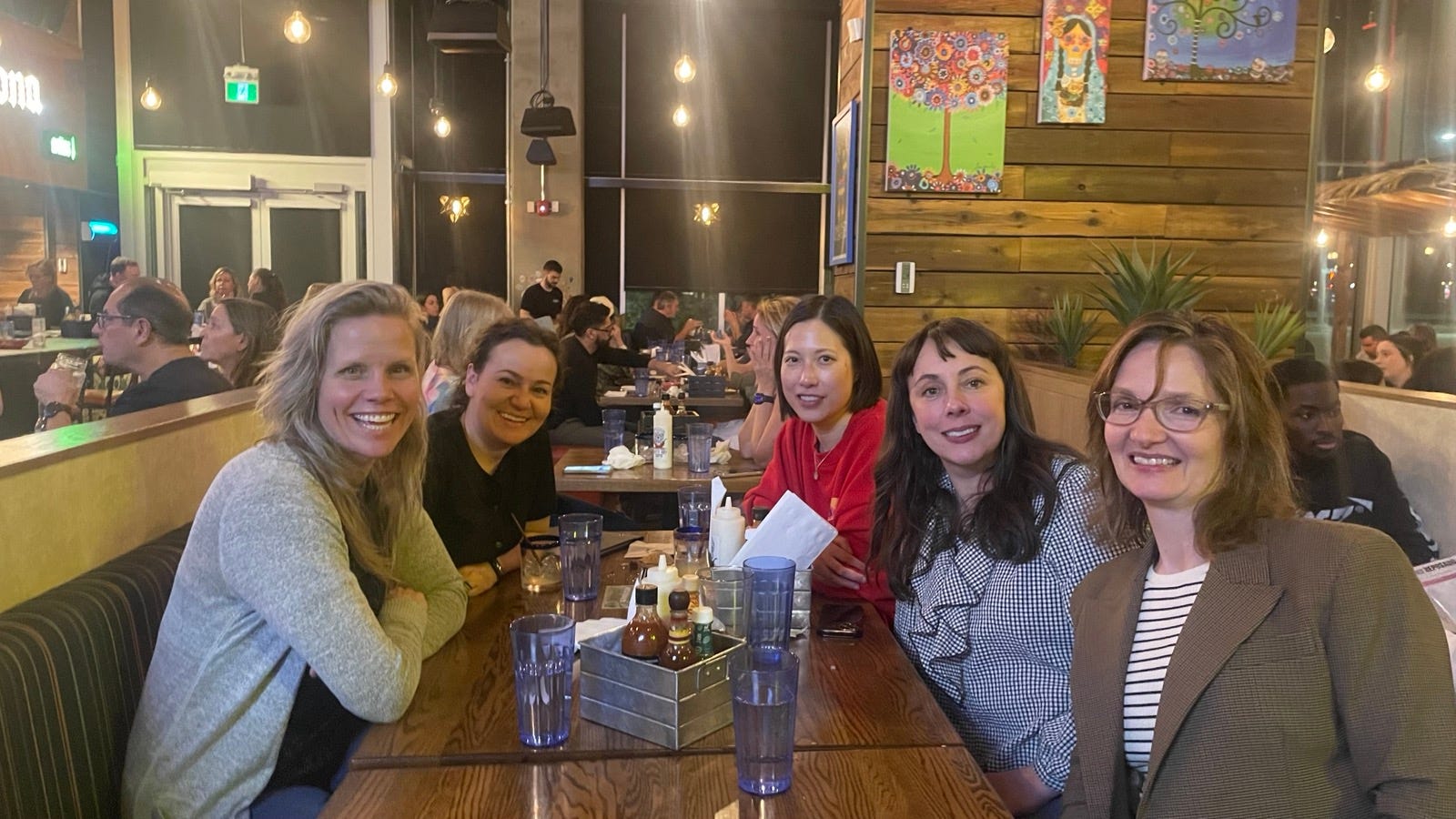
Michelle Robinson (Red Thunderwoman) of Native Calgarian Podcast joins me on The Gravity Well to discuss the meaning of treaties and the opportunity for all Albertans to embrace their meaning to repair them. The Treaty 6, 7, and 8 Chiefs are leading the country and the world in upholding international agreements. Alberta is home to leadership of many forms, those who aim to uphold the treaties are operating in the best interests of everyone, Indigenous and settler people alike. Michelle reminds us the treaties were signed with the crown, not the Canadian government. They are the highest level of authority on the land, above Canadian laws. Much more to learn and discover while we seek to uphold the agreements of our ancestors. A area of education and growth for me, I am excited to explore more. Get full access to The Gravity Well with Jenny Yeremiy at www.thegravitywell.net/subscribe
S3 Ep 9Reclaim Alberta from AI Data Centers
Updates from me:Good afternoon, I am Jenny Yeremiy, I’m broadcasting from Calgary, Alberta. I’m a geophysicist turned oil and gas liability expert turned podcast host and public activist. Defined by Mark Dorin: a person who stands up for citizen and indigenous rights and public safety then damn right I’m an activist. I’m here to create a better story for Alberta than one of pollution and populism by breaking through propaganda. We would not be living in this tumultuous time without it. Please remember to like and subscribe to The Gravity Well, your doing so helps boost the voices and views of these stellar people and important issues.Recall updatesThere are 4 recalls of interest rounding down: Recall Mickey in Calgary Cross; Recall Jackie in Fort Saskatchewan-Vegreville; Recall Justin Wright in Cypress-Medicine Hat; Recall Wiebe in Grande Prairie-Wapiti. Thank you again to everyone who stood up against this unconstitutional government!Recall Nicolaides is working on some data analysis for you, look to our socials for them! That’s @RecallNicolaides Shout out to all my recall Nico-laides, thanks Aimee for pointing this pun out! To get involved in phase two of the recall efforts, subscribe to Recall Nicolaides for now.PLEASE go to OperationTotalRecall.ca to support the final 4 campaigns. Also, BOOST their social media posts!The Gravity Well updatesLast week, you got a glimpse into my Calgary Citizens on Climate Change group, as Bob Sandford presented to us in it. Check out the episode titled Reclaiming Alberta from Water Bankruptcy. And I had a fabulous conversation with Wesam Cooley of Calgary Peoples’ Assembly, please check it out. We discuss the illegal and unconstitutional war against Iran in Reclaim the Middle East from US-Israel Domination. This illegal aggression is changing the global economic system dramatically . New limits are being exposed, fertilizer travels from that area and has been choked off. This will impact producers in North America. Wow! I am chatting with Seb Kennedy of Energy Flux on Monday about the changes to the oil and gas volumes before and after February 28th. That is going to be great.I also just concluded a joint podcast with Michelle Robinson of Native Calgarian Podcast. I hope to share it with you on Tuesday next week.Forever Canadian & Charlie Angus’ Meidas CanadaPhase two of the forever-canadian.ca is underway. Thomas Lukaszuk—former MLA, Minister and Deputy Minister for Edmonton-Castle Downs from 2001-2015, where I grew up—is now focused on re-activating, educating, and ultimately voting down Smith’s 9 referendum questions. Thomas and I had a stellar conversation on Meidas Canada, I am looking forward to watching it myself. Hoping it might be out tomorrow: Sunday, March 15.I am supporting the leader of the Calgary Forever Canadian volunteer effort, Janel’s been an organizing mentor, I am super grateful for her leadership. Sign up for the newsletter to get involved at forever-canadian.ca! I’m excited to see how this project grows!Water Not CoalBecome a canvasser with the WaterNotCoal.ca petition is underway. I have been bringing it around with me and now have a permanent signing location in Cougar Ridge, you can find it on WaterNotCoal.ca I am very much enjoying meeting the people who are going out of their way to sign, I met a wonderful couple from Drumheller on Thursday night. A shout out to Andrew and Jody, it was such a pleasure to meet you!The Coalition for Responsible Energy (C4RE)I have been working with a group called the coalition for responsible energy, you can find us by searching cleanupyourmess.ca. Mark Dorin has been increasing awareness in a big way lately. Firstly, Avi Lewis came to meet with Mark about the Reclamation Boom that Alberta is being held back from. Thank you to Avi for taking the time to understand the risks and opportunities for Albertans and Canadians in this space.In addition, Mark is making landowners aware of their right to address messes on their lands. Check out his conversation with Markham Hislop on Energi Media from yesterday.Common Purpose, Collective ActionI am co-presenting an Alberta Participatory Water Democracy (PWD) project with Colin Smith. It is directly related to Robert Sandford’s address to my Calgary Citizens on Climate Change (4C) group last week. Which I will get to in just a moment.Charlie Angus is a keynote speaker, and I am thrilled to be co-hosting a plenary, at the Public Interest Alberta: Common Purpose, Collective Action Conference in Edmonton, May 8-9.MARK YOUR CALENDAR: May 29th Alberta Day of Action!The goal is to have 1,000,000 Albertans on the street that day. This effort is being led by the Alberta Federation of Labour, please go to: Fight Back Now! - Alberta Federation of Labour, subscribe to spread the word and organize. It’s gonna be quite something!Jody MacPherson – AI Data CentersJody MacPherson, a journalist with a background in the oil and gas industry, is currently engaged in investigative reporting o
Reclaiming the Middle East from US/Israel Domination
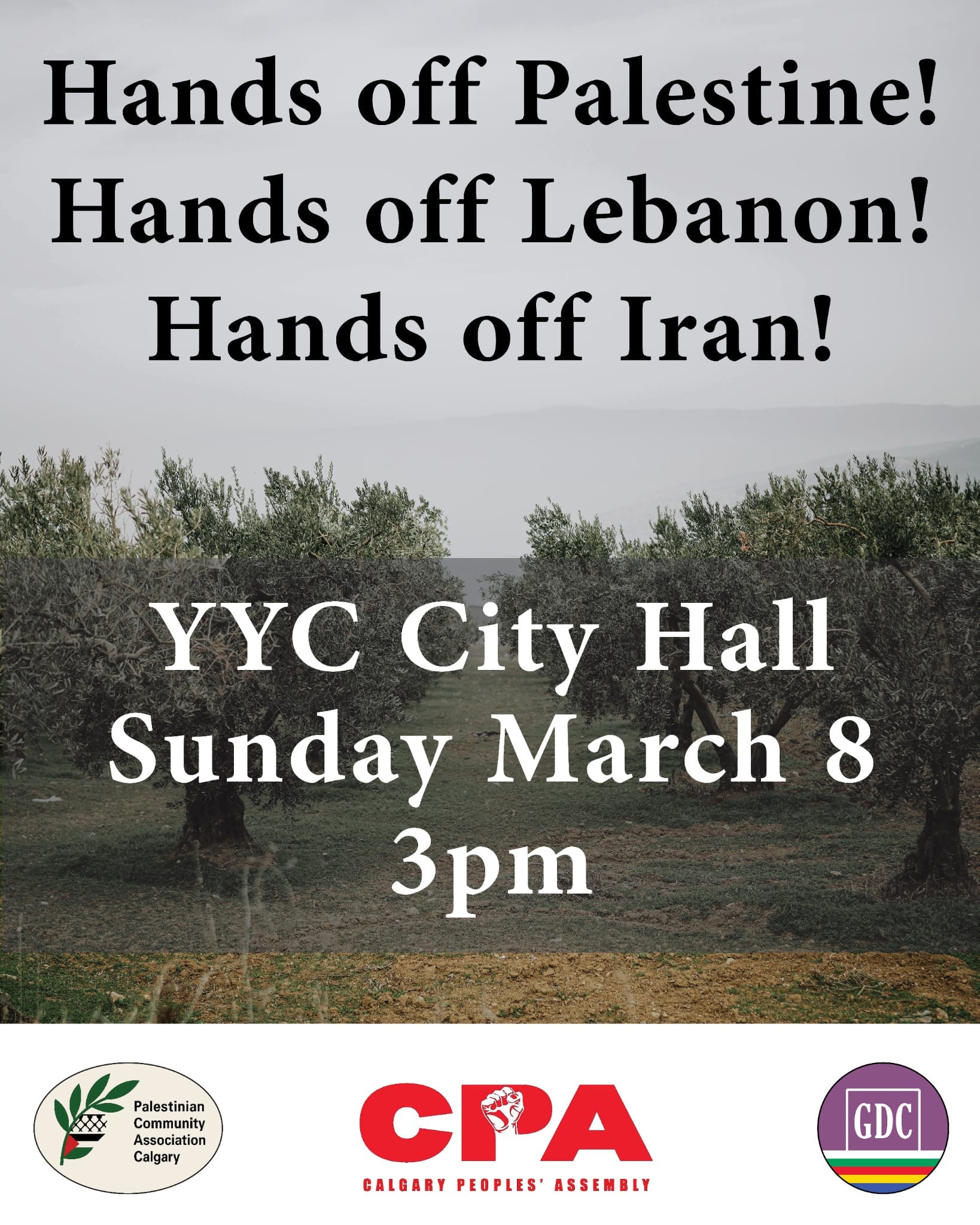
Wesam Cooley rejoins The Gravity Well (see Season 1, Episode 20 and Season 2, Episode 7) podcast to delve into the complexities of Middle Eastern geopolitics, including the ongoing conflicts involving Iran, Israel, and the United States, and the broader implications for global stability. The discussion also touched on the role of media in shaping public perception and the strategic responses of nations like Iran in the face of external pressures.Note: some audio issues occur when Wesam shares important information around the University of Calgary student protests. Here’s what Wesam was hoping to share: “The broader progressive movement in Alberta has allies in the anti-imperialist struggle and it’s important that we work together as allies. The movement against the genocide in Gaza is the best example of a mass movement in a critical historical moment that could have been so much more impactful, even on politics in Alberta, if it had received full support across the progressive spectrum.The Calgary Palestine movement has been battling police and state repression and defending protest rights that will affect the civil liberties of all of us. The most important of these battles relates to the police/provincial scandal around the crackdown on the University of Calgary encampment. You’ll remember that in May 2024 a group of students established an encampment at the U of C protesting the University’s complicity in the genocide, and the Calgary Police came in with tear gas and batons and violently dispersed them, putting several people in hospital. That police action was so controversial that it got referred to an ASIRT investigation, but the whole thing ended up getting covered up and ASIRT in the end declined to investigate. A later FOIP request revealed that a conversation had taken place between then-Calgary Police Chief Mark Neufeld and Safety Minister Mike Ellis where Ellis assured Neufeld that there would be no substantive investigation by ASIRT into the issue. We have it on record that Ellis and Neufeld essentially decided the result of ASIRT’s investigation before any investigation had even taken place. This was reported by Jeremy Appel at the time.In other words, we uncovered smoking gun evidence that the Smith government directly participated in an outright cover-up of what was likely the worst case of police misconduct and violence against peaceful protesters in Calgary’s history. If that had received any real attention from progressives in this province, it might have dealt a serious blow to Smith and her cronies. (Who knows, it might have been enough to even take down her government? Neufeld himself ended up resigning, for reasons that weren’t stated publicly but were most likely related to this, since the Police Commission used his resignation as an excuse to not look into this issue any further.)So when I say you have allies in the anti-imperialist movement that you aren’t utilizing, I’m not saying it in some general or sentimental way. I mean what might have been the best opportunity progressives may ever get to actually take down the Smith government is slipping through their fingers because most (white) progressives in this province still see Palestine as an “alien” issue and aren’t willing to stand with us. And they do that not only to Palestine’s detriment, but to their own as well. We’re still here, still fighting the same fight you are, and this issue is still out there if anyone wants to pick it up and help us try to blow the Smith government wide open with it.But it will require progressives to actually ally with the Palestine movement. And it seems to me that there are some “progressives” in this country who would rather see us all become Yankees than take a stand in support of Palestine.”The podcast encourages listeners to engage with these issues critically and to participate in actions that support peace and justice, both locally and globally. Here are some ways to take action: Actions for PeacePalestine, Lebanon, and Iran Rally Sunday, March 8, 3 pm at Calgary City Hall.Withdraw Canadian troops from region assisting US/Israeli aggression on IranWrite your federal representatives here: https://actionnetwork.org/letters/withdraw-canadian-soldiers-assisting-us-aggression-on-iran.Daily Phone PledgeCall your MP before March 11, 2026 to confirm they are voting “Yes” to Bill C-233 to close loopholes for weapons to Israel. Use: https://armsembargonow.ca/phonepledge/ as your guide.Tell Carney: Oppose Illegal Attacks on IranJoin Canadians for Justice and Peace in the Middle East (CJPME) in emailing Prime Minister Carney and Foreign Minister Anand to demand that they retract their support for illegal US-Israeli attacks on Iran and impose sanctions on Israel. Go to: https://www.cjpme.org/carney_iran.Recall updatesThe recall campaigns are down to 6: Nate Glubish in Strathcona-Sherwood Park; Recall Mickey in Calgary Cross; Recall Jackie in Fort Saskatchewan-Vegreville; Recall Justin Wright in Cypr
Reclaiming Alberta from Global Water Bankruptcy
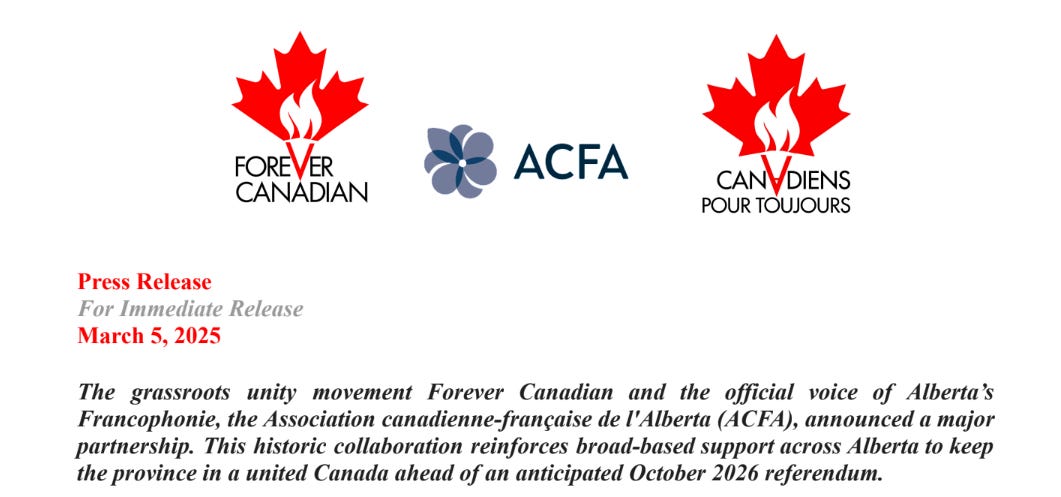
After I provide updates (see below) on the growing grassroots movement in Alberta, this episode features a discussion led by Robert Sandford, a senior government relations liaison for the United Nations University Institute for Water, Environment and Health, focusing on the global water crisis and its implications for Alberta. The speaker highlights the concept of “Global Water Bankruptcy,” a term used to describe the unsustainable overuse of water resources, which is becoming a critical issue even in water-rich regions like Canada. The report co-authored by Bob and released by the UN emphasizes the need for Alberta to acknowledge its water management failures and to protect its natural water-generating capital to avoid severe consequences.The discussion also touches on the broader implications of climate change, with references to recent scientific findings predicting accelerated global warming and its potential impacts on water resources and weather patterns. Bob criticizes the current Alberta government’s policies, which are seen as neglecting environmental concerns in favor of industrial growth, and calls for a shift in focus towards sustainable water management and democratic engagement.Additionally, the conversation explores the interconnectedness of water security with food security and economic stability, stressing the importance of collaborative efforts to address these challenges. Bob advocates for a reframing of the sustainability narrative, arguing that the term has been diluted and misused, and emphasizes the need for honest acknowledgment of environmental realities to drive meaningful change.Bob concludes with a call to action for Alberta to lead by example in addressing water and climate issues, suggesting that this could also serve as a catalyst for broader democratic renewal in the region.Updates from me:Good afternoon, I am Jenny Yeremiy, I’m broadcasting from Calgary, Alberta. I’m a geophysicist turned oil and gas liability expert turned podcast host and public activist. I’m here to create a better story for Alberta than one of pollution and populism by breaking through propaganda. We would not be living in this tumultuous time without it. Please remember to like and subscribe to The Gravity Well, your doing so helps boost the voices and views of these important issues.Recall updatesOK, first let me update you on the recalls. The recalls are down to 6: Recall Fir in Calgary-Peigan; Recall Peter Singh in Calgary-East; our Healthcare Minister and MLA for Red Deer North, Recall Lagrange are complete;Nate Glubish in Strathcona-Sherwood Park; Recall Mickey in Calgary Cross; Recall Jackie in Fort Sask-Vegreville; Recall Justin Wright in Cypress-Medicine Hat; Recall Wiebe in Grande Prairie-Wapiti; and saving the best for last Recall Danielle Smith in Brooks-Medicine Hat). Remember to tell your Brooks-Medicine Hat friends to call: 587-448-8911. It’s truly a 9-11 situation here in Alberta as our government now looks to mount more than $100 billion in debt.PLEASE go to OperationTotalRecall.ca to support the final 6 campaigns. It’s getting harder with the aggression from the separatist agenda. Lots of women are leading these efforts. I am so grateful to everyone who took the leap with me. Our community is 30,000 people strong, and growing! You can check out my interview with Radio Canada about the recall outcomes in the substack post which will accompany this episode.Podcast updatesI had a fabulous conversation with Mary Stuart of Desmog, please check it out. Desmog is a global news organization focused on cutting through the climate misinformation machine. Desmog’s founder, Geoff Dembicki, is an Albertan and the author of The Petroleum Papers, which is being made into a series, btw. The book outlines the climate misinformation machine centered out of Alberta since the mid-90s using organizations like the Canadian Taxpayer Federation, founded by none other than Jason Kenney. When you consider his influence on our province please understand that he started in 1995 not 2019.Remember, I have the pleasure of speaking with Charlie Angus on Meidas Canada. Please check out the few episodes I’ve done with him already, the latest being one on Danielle Smith’s address to the nation, titled: RECLAIM ALBERTA - DANIELLE SMITH IS LOSING IT.We speak about Danielle Smith’s addresses and the many grassroots movement in Alberta! Like… Forever Canadian.Forever CanadianPhase two of Forever Canadian is about to be start with a new partner the Association canadienne-française de l’Alberta (ACFA). Thomas Lucaszuk and the Forever-Canadian.ca campaign team are now focused on activating, educating, and ultimately voting down Smith’s nine referendum questions. I am supporting the leader of the Calgary effort, Janel’s been an organizing mentor to me. Sign up for their newsletter to get involved! Water Not CoalBecome a canvasser with the WaterNotCoal.ca petition is underway. I have been bringing it around with me and now have a
Desmog Alberta Report
In this episode of The Gravity Well podcast with Jenny Yeremiy, Mary Stuart of Desmog Canada joins me to break down Premier Danielle Smith's addresses to the province from May 2025 and February 2026. DeSmog is a global organization working to clear PR pollution blocking climate action, including in Canada. Get your updates on grassroots movements in Alberta, focused on environmental activism and social justice. I update you on recall petitions against separatist movements against unjust government actions, such as the use of the notwithstanding clause by the justice minister, MLA for Calgary-Cross, Mickey Amery. Visit recallmickey.ca to upend him. Have your friends in Brooks-Medicine Hat text or call 587-448-8911 to remove Danielle Smith from her seat. Go to OperationTotalRecall.ca to support a recall campaign near you. Join waternotcoal.ca to gather signatures to stop coal mining in the Eastern Slopes. Or, if you aren’t a part of the Forever-Canada.ca already, join it to learn how to ensure the Alberta Government’s referendum is met with an informed Alberta public.Take ActionUse this post to write to the Canadian Pension Plan Investment Board ([email protected]), let them know you oppose funding genocide and ecocide (via fossil fuel expansion). Get full access to The Gravity Well with Jenny Yeremiy at www.thegravitywell.net/subscribe
Reclaiming Forest Management
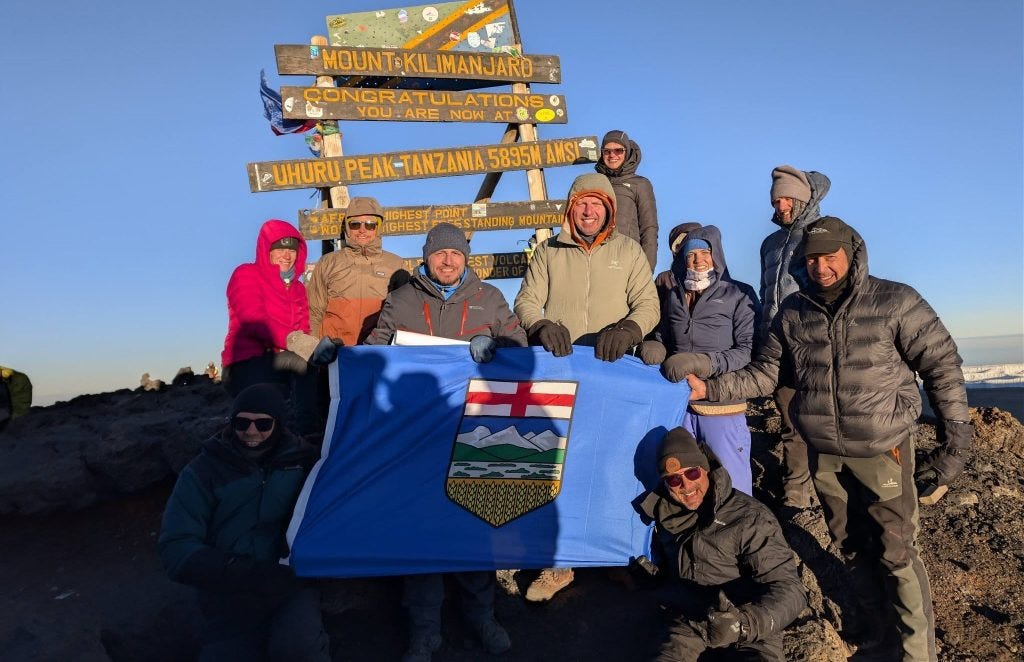
In this episode of The Gravity Well with Jenny Yeremiy, I give the week’s highlights in Alberta politics before sharing my in-person interview with Dr. Younes Alila of the Department of Forestry and Environment at the University of British Columbia. I remind you to sign your recall petition, you can find your Member of the Legislative Assembly at operationtotalrecall.ca. The episode also highlights the importance of public education, the teachers’ strike, and the role of teachers in political engagement. I emphasizes the need for collective action against government policies and the significance of using scientific evidence and indigenous knowledge in decision-making. The podcast is available on YouTube and other streaming platforms, I encourage you to like and subscribe to spread awareness of the valuable work being done in Alberta and beyond. Younes’s interview starts at ~24:30.The Gravity Well UpdatesI had three stellar conversations recently. First, with Mikayla Resists who’s been attending and sharing separatist signing locations and events to call out the misleading and treason. Andy Sytsema walked us through what Project 2025 is and what it would mean for Alberta if we were to fall to the USA. And Grande Prairie teacher, and former chair for the Alberta Teachers’ Association’s central bargaining committee, Peter MacKay on what teachers have done and continue to do to reclaim Public Education in Alberta. Please listen to those conversations.What we do in the resistance matters, it’s already making a difference. As Peter MacKay reminded me, the teacher’s strike prevented an early election in the 2025. The polls were suggesting Smith’s Government of Alberta was set to gain even higher popular support last fall. Those polls did not factor in the overwhelming public support for the teacher’s strike. They tried hard to villainize teachers but failed. Well done teachers. It is the time to be political, and you have rose to the occasion! Remember, Alberta needs a better story than one of treason and tyrants. I am proud to share the people, places, and plans to Reclaim Alberta. Join your nearest OperationTotalRecall.ca team or join The Gravity Well community.Minister Nicolaides Lashes out at City NewsCalgary-Bow MLA, Demetrios Nicolaides is upset with himself over his decision to fly the Alberta flag on Mount Kilamanjaro.As Tania Vanderland asks in this the City News article which set Nicolaides off, “It is curious to see him use this platform to raise the Alberta flag,” she says. “And it is also curious that he chose to do that as well on this Mount Kilimanjaro trip, which is a different issue that he was trying to raise awareness around.”The recall petition for Nicolaides failed to reach the required benchmark of 16,500 signatures by nearly 10,000. It was the first of 26 launched against members of the legislature in the final months of 2025. Twenty-four are against members of Smith’s caucus, including herself. Two are against members of the Alberta NDP.However, Vanderland says the failed recall bid wasn’t a total loss, as it led to political engagement.As for the flag, she wants to know why Nicolaides chose the one he did and feels, given he is a provincial minister, it is an appropriate question.“Why didn’t he raise a Canadian flag?” she asks. “Or was it necessary at all to use that platform and that moment to raise a flag? You know, I understand the trip was about his sister.””I appreciate Tania’s curiosity but Nicolaides feels quite differently. A letter (photo below) from his office explains he will make no further statements on the matter with CityNews. That they need to remove the story and apologize. Oh my! It’s important to note that recent changes made to family violence legislation in Alberta have increased the likelihood for more violent behavior by cutting the family violence death review committee. Remember, Minister Nicolaides and MLA Angela Pitt pay no mind to the more than 8,700 Albertans who formally expressed their objection to them as representatives of their constituencies. Many recalls are wrapping up this weekend, do your best to give them a final boost at OperationTotalRecall.ca.Take ActionAlberta is Canada, Canada is Alberta RallyAttend your local rally for Alberta in Canada tomorrow, Saturday, February 21. I will be in Lethbridge on Sunday to sign the People’s Petition against Neudorf as he faked his own recall campaign.Let’s bombard the CPPIB meetingI will be at the BMO Center on Monday, Feb 23rd at 6 pm. The Edmonton event is on Wednesday, February 25. The link to register for either is here: https://www.cppinvestments.com/public-meetings/.There’s a better story to be told by you for Alberta and Canada. Get full access to The Gravity Well with Jenny Yeremiy at www.thegravitywell.net/subscribe
Reclaiming Public Education
In this episode of The Gravity Well, I focus on the crisis in public education with guest Peter McKay, the former chair of the central bargaining committee for the Alberta Teachers’ Association and a Grand Prairie Middle School teacher and advocate. The conversation highlights the systematic underfunding of public education in Alberta, which has led to larger class sizes and insufficient resources for disabilities and immigrant students. The podcast also addressed the Alberta government's use of the notwithstanding clause to bypass negotiations with teachers, which has led to a lack of enforceable class size and composition conditions. The episode concluded with a call for teachers to become or remain politically active and engaged, emphasizing the need for grassroots efforts to address the challenges facing public education and other public services.The teachers’ strike has changed the direction of the political conversation in Alberta and Canada, let’s keep the conversation going. A fabulous conversation you won’t want to miss! Get full access to The Gravity Well with Jenny Yeremiy at www.thegravitywell.net/subscribe
Reclaiming Alberta Report with Andy Sytsema
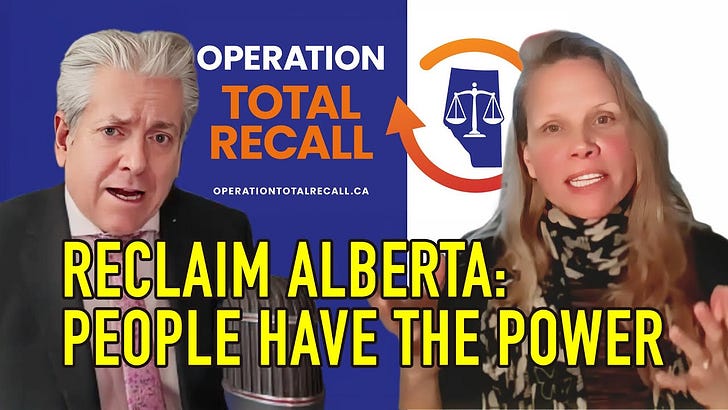
This episode begins with highlights from my collaboration with Charlie Angus / The Resistance in the “Reclaim Alberta” feature. In the latest episode: Charlie and Jenny address concerns about foreign interference and misinformation by the fossil fuel industry. Charlie highlights the importance of grassroots efforts to pushback against the impact of deregulation on the oil and gas industry. It is evident the resistance is growing.Andy Sytsema of Taking Alberta Forward, an online presence and community Andy built to pushback against “Take Back Alberta" misinformation. Andy shares a background in the oil and gas industry who calls for transparency and integrity in government and advocates for universal public healthcare, education, social services, and the environment. He researches and writes online often about issues that matter to Albertans, in this episode he shares information around Project 25: its connection to Christian nationalism and executive overreach in Alberta’s politics. The podcast also covers various recall campaigns in Alberta, encouraging public participation and highlighting the importance of democracy activism. The conversation concludes with a call to action for a rally celebrating Alberta and Canada, emphasizing unity and community engagement on February 21, from 10 am to noon. I will be at the rally at Calgary City Hall.This weeks’ actionUse this EcoJustice letter writing tool to send an email to your MLA calling for a public inquiry into the $130 billion oil and gas liabilities not dealt with. Demand a public inquiry to keep Alberta’s Polluter Pays principle alive. Add: “No More Pipelines” until the liabilities are funded.Expect a canned reply from your MLA like I received from Demetrios Nicolaides: Dear Ms. Yeremiy,Thank you for taking the time to write and share your concerns regarding Alberta’s Mature Asset Strategy and the management of historic oil and gas liabilities. I appreciate your perspective on this important issue.Managing inactive oil and gas wells is a challenge faced by energy-producing regions worldwide, and Alberta is committed to addressing it responsibly. Our government’s approach is guided by the polluter-pays principle, ensuring that companies—not taxpayers—are responsible for cleaning up their sites.Since introducing the Liability Management Framework in 2020, Alberta has made progress. The number of inactive wells has decreased by nearly 20%, from 97,000 to 78,000 as of December 2024. Industry is also meeting and exceeding annual closure spending requirements, investing hundreds of millions of dollars into cleanup efforts. For example, in 2023, companies spent $769 million on closure work—10% above the required amount.The Mature Asset Strategy builds on this progress. It was developed after consultations with municipalities, landowners, and industry to ensure a balanced approach. Key recommendations include:* Preventing insolvent operators from continuing operations* Ensuring municipal taxes and landowner leases are paid* Accelerating the closure of non-commercial wellsites* Supporting the polluter-pays principle without relying on public fundsOur goal is to protect taxpayers, uphold environmental standards, and maintain Alberta’s reputation as a responsible energy producer while supporting economic growth and good-paying jobs.Thank you again for sharing your views. Your input is valued as we continue working to ensure Alberta’s energy sector remains strong and accountable.Regards,Demetrios NicolaidesMLA, Calgary-BowHow should I respond? Get full access to The Gravity Well with Jenny Yeremiy at www.thegravitywell.net/subscribe
Reclaiming Alberta Report with Mikayla Resists
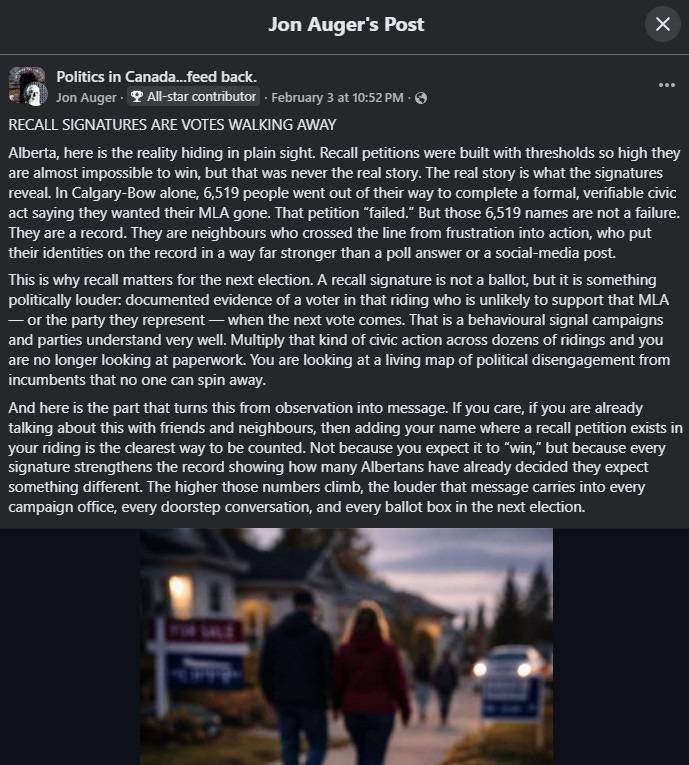
This episode of The Gravity Well with Jenny Yeremiy features Mikayla, the founder of the Alberta Civic Integrity Project, who discusses her involvement in resisting fascist forces in Alberta. Mikayla shares her experiences on the picket lines and her efforts to hold the government accountable through rallies and recalls. The conversation highlights the challenges faced by Recall campaigns in Alberta, emphasizing the high thresholds required for success and the importance of civic engagement.The podcast also addresses the separatist movement in Alberta, with Mikayla detailing her interactions with separatists and the misinformation surrounding the movement (example: treaty misinformation countered by Sturgeon Lake Cree Nation courtesy of Jody MacPherson. The discussion underscores the need for dialogue and the importance of standing united against divisive forcesA Fabulous Note on Recall CampaignsCheck out this fabulous post by Jon Auger on the Canadian Politics… Feed Back Facebook page:RECALL SIGNATURES ARE VOTES WALKING AWAY“Alberta, here is the reality hiding in plain sight. Recall petitions were built with thresholds so high they are almost impossible to win, but that was never the real story. The real story is what the signatures reveal. In Calgary-Bow alone, 6,519 people went out of their way to complete a formal, verifiable civic act saying they wanted their MLA gone. That petition “failed.” But those 6,519 names are not a failure. They are a record. They are neighbours who crossed the line from frustration into action, who put their identities on the record in a way far stronger than a poll answer or a social-media post. This is why recall matters for the next election. A recall signature is not a ballot, but it is something politically louder: documented evidence of a voter in that riding who is unlikely to support that MLA — or the party they represent — when the next vote comes. That is a behavioural signal campaigns and parties understand very well. Multiply that kind of civic action across dozens of ridings and you are no longer looking at paperwork. You are looking at a living map of political disengagement from incumbents that no one can spin away. And here is the part that turns this from observation into message. If you care, if you are already talking about this with friends and neighbours, then adding your name where a recall petition exists in your riding is the clearest way to be counted. Not because you expect it to “win,” but because every signature strengthens the record showing how many Albertans have already decided they expect something different. The higher those numbers climb, the louder that message carries into every campaign office, every doorstep conversation, and every ballot box in the next election.”This weeks’ effortsI am dedicating The Gravity Well podcast to the recall and other citizens’ led efforts to uphold democratic rights and institutions, creating a better story for Alberta than one of traitors and tyrants. I’ve hosted two livestreams so far: solo and with Mikayla Resists. Next week, I am hosting the former Chair of the Alberta Teachers’ Association’s bargaining committee, Peter MacKay: Wednesday, Feb 11 at 4:30 pm MT/ 6:30 pm ET.This week, I am supporting the: Recall Sawhney, Recall Fir, Recall Red Deer, and Recall Mickey campaigns. I will share these activities for you on my social media. If you are a doorknocker and up for supporting the Recall Peter Singh campaign with me on Saturday, Feb 14 from 12-3 pm, please let me [email protected] and [email protected] know. Thank you to Lindsay and Tobi for joining me there last weekend! Like Doras’ exploring! I had a great visit with Henry in Calgary-NorthWest and Chelsea in Calgary-Peigan this week. Healthy and spicy conversation both. They feel the revolution is upon us, too!Next, I am SUPER proud to be a part of the Charlie Angus / The Resistance community. Charlie is hosting me on Meidas Canada as a regular contributor. If you haven’t watched them already, I was on in December, the episode is titled: THE BATTLE FOR ALBERTA - RECALL MOMENTUM GROWS !!! And released yesterday with its new name the first report titled: RECLAIM ALBERTA - THE FIGHT BACK AGAINST MAGA.There's a better story to be told for Alberta and Canada. I am excited to share the people, places, and plans to Reclaim Alberta. Join your nearest OperationTotalRecall.ca team. Put up your Canada flags to stand with Treaty 6, 7, & 8 Chiefs and First Nations. Join the fun!Your Action for this Week: Write your MLATo the MLA for Calgary-Bow and Education Minister, Demetrios Nicolaides,I, Jenny Yeremiy, a Canadian born citizen, and an Albertan, stand with First Nations.They are protecting ALL proud Canadians in Alberta, and the safety and security of ALL Canadians.I respect and will defend Treaty 6, Treaty 7 and Treaty 8, alongside First Nations Chiefs and people with millions of non-First Nations people who also respect these Treaties.Reconci
The Reclaiming Alberta Report
In this the first episode of third season of The Gravity Well, Jenny provides updates on her activism in Alberta, including her work on recall campaigns and efforts to address provincial concerns. She shares her background as a geophysicist and liability expert, highlighting her transition from the oil and gas industry to focus on restoration efforts in Alberta, British Columbia, and Saskatchewan. Jenny discusses her passion for environmental restoration and her wanting to be working within the fossil fuel industry to achieve these goals.The podcast also covers various recall campaigns across Alberta, with Jenny expressing gratitude for the contributions of numerous volunteers and canvassers. She highlights the importance of community involvement and encourages participation in citizen assemblies to address public issues such as public school funding, coal mining, and public health.Jenny addresses the challenges faced by teachers in Alberta, including the impact of the Back to School Act, which restricted teachers’ rights to strike, negotiate, and work in safe conditions. She emphasizes the need for public engagement and action to address these issues.The podcast concludes with a call to action for listeners to get involved in recall campaigns through operationtotalrecall.ca to uphold democratic values. And to focus on water through the Eastern Slope Watershed Protection Assemblies to begin with to safeguard and reclaim public interests in Alberta and beyond. Here’s that great action you can take, feel free to edit and send to any UCP Caucus & Alberta MLA you see fit!Write to Assistant-Minister of Multiculturalism & MLA for Calgary-North, Hon. Muhammad Yaseen via: [email protected] Dear Hon. Muhammad Yaseen–Assistant Minister of Multiculturalism and MLA for Calgary-North,I am writing to you as an (add if applicable: Calgary-North constituent or) Albertan who is genuinely frightened.I am watching what is happening in the United States, studying the steps that brought them to their current reality, and increasingly recognizing those same steps being taken here in Alberta. What we are witnessing south of the border is not sudden—it is the outcome of years of political decisions made when party loyalty was placed above the common good.I wrote to you or your leader asking that you protect minority groups—specifically trans youth—who already face disproportionately high rates of suicide, discrimination, and violence. I asked you not to support legislation that would strip them of their rights. I asked, directly, who the next target of the Notwithstanding Clause would be if it was used so readily against a vulnerable minority.You did not respond. Instead, you voted in favour of using the Notwithstanding Clause against teachers in Bill 2: the Back to School Act (Oct 27, 2025), which imposed terms on striking teachers: ordered them back to work into unsafe conditions without arbitration. Then on December 10, 2025, you voted in favour of that legislation I wrote you about — the Protecting Alberta’s Children Statutes Amendment Act (Bill 9, on Dec 10, 2025) — which invoked the notwithstanding clause to shield multiple anti-trans laws from Charter challenge.This is not an abstract concern. It is recognizing a pattern.We are watching law enforcement in the United States become increasingly militarized and brutalized against civilians. Alberta itself has a troubling history of law enforcement struggling under strained services and a lack of preventative support. Yet you voted in support of creating an additional provincial police force rather than strengthening support and accountability within our existing systems — through legislation such as the Public Safety and Emergency Services Statutes Amendment Act (Bill 4, 2025) and prior clauses enabling an independent provincial police service.We are witnessing the murder of protesters, the abduction of children, and the detention and deportation of legal citizens in the United States. And yet, when separatists in Alberta openly praised joining the United States as a “51st state” and called for legislative changes to allow an otherwise unconstitutional separatist petition to proceed, you voted in favour of Bill 14: Justice Statutes Amendment Act (2025), which amended the Citizen Initiative Act and the provincial referendum framework to remove the safeguards that had prevented such petitions from moving forward.At each of these moments, through your privileged position of power, you have voted in ways that bring Alberta closer to the political conditions we are watching unfold in the United States—and further from the safety, freedom, and democratic stability we cherish in Canada.You cannot undo the votes you have already cast.But you can still show Albertans that you are unwilling to let the UCP lead this province further down that path. Demonstrate your lack of support for separation and the above by stepping aside from the UCP caucus and party. You can use your vo
The Future of Water in Southern Alberta
This episode about the future, is the last of the 2025 mini-series on Water in Southern Alberta. It features experts J. Bruce Smedley, a 50-year engineer, and Kennedy Halverson, a conservation expert with the Alberta Wilderness Association. We discuss topics such as irrigation, resource extraction, and water security. The conversation highlights the over-allocation of water resources, the need for comprehensive water management, and the importance of biodiversity conservation. The podcast advocates for a dedicated water preservation agency to address these challenges and emphasizes the role of public pressure in driving much-needed change. A wonderful conversation!Introduction of Kennedy Halvorson and a Re-Introduction of J. Bruce SmedleyWelcome to The Gravity Well Podcast with me Jenny Yeremiy. I host The Gravity Well to celebrate and share the stories of people looking to empower others with the knowledge and skills required to reestablish stability in our communities. My mission is to work through heavy issues in conversation and process in order to lighten the load. I acknowledge that I live on the traditional territories of Treaty 7 and Metis districts 5 and 6. The treaties and self-governance agreements established by indigenous peoples were created to honour the laws of the land maintained balance with nature and give back to uphold reciprocal relationships. This knowledge and intention are what guide The Gravity Well conversations. I ask for genuine dialogue, real hearts, and openness to different perspectives. This is your invitation to find common ground with me. Positions taken by participants either individually or collectively do not necessarily represent those of The Gravity Well. This podcast is dedicated to the natural world, our children, nieces, nephews, grandchildren, and all future generations. The Gravity Well is on YouTube and streaming wherever you get your podcasts. If you like what you see in here, remember to like and subscribe.Good afternoon, Bob. Thank you so much for being here again with me. How are you doing today?Bob:I’m doing okay. Fine, have a cold.Jenny:Try to get around that. Yeah. Thank you so much, Bob. Good afternoon everyone. I’m rejoined here with Bob for what is potentially our last water in Southern Alberta podcast, potentially of the well likely of the year, and potentially there may be more in the new year. Let’s see. We’re hoping to potentially have a conversation with Bob Sanford, but we’re going to bring in some of his thoughts into this conversation from Cop 30. Stay tuned for any of those details. This is episode 12 in this mini series. On this episode is on the future of water in Southern Alberta. We’ll be chatting with Bruce Smedley, who participated last year in episodes 18 and 22, and Bob and I are thrilled to welcome Kennedy Halverson of the Alberta Wilderness Association as well. We’ll get to them in a moment. Reminding folks, we have covered irrigation, resource extraction, the Water Act and licence transfer system, water modelling watershed and lake stewardship, dry land irrigated and ranch farming insurance. And then after a summer break, we returned to meet with Dr. Brad Sta Fox to learn about land use limits. Dr. David Sauchyn on climate change, Dr. David Swan and Jason Unger on water security, and Dr. Judy Stewart and Cheryl Bradley about Aquatic and health. Sorry, aquatic and riparian health. It’s been quite a learning experience. I’m so appreciative of you, Bob, for your leadership through this. This wouldn’t have been possible without you, and I’m super grateful for all the work you’ve done and for everyone that you have brought forward. And for all I’ve learned, this has just been remarkable.Bob:Well, back at you, Jenny, for all your organizational skills. Speak to this is totally disorganized on most days.Jenny:Yes, you’re very humble. You have done so much work in this and you have kept us all on track to do this. Like I said, this has been an incredible experience and I’m just so grateful for it. Okay, let’s welcome first Bruce Smedley back to the studio. Thank you so much, Bruce for being here again with us.J. Bruce:Well welcome to be here. I do appreciate it and I appreciate the work you’ve done so far in the podcast to date and I urge people to watch them. There’s a lot of information there.Jenny:Thank you, Bruce. Bruce has a master’s in, excuse me, and bachelor’s in chemical engineering. He studied in both British Columbia and Alberta. He has over 50 years of industry, government and global bank experience, which is a trifecta. It’s quite incredible in both the public and private sectors. Bob and I know Bruce from the 4C group, so that’s our Calgary Citizens on Climate Change group. We meet Thursday mornings to help each other learn and attempt different strategies to help inform people about these critically important issues and how to move ideas forward together. He also last year during episode 22, which I do encourage you to watch

The Myth of Carbon Capture and Storage
This episode features Professor Mark Jacobson of Stanford University, who has focused his career on understanding air pollution and climate problems and developing renewable energy solutions. Jacobson criticizes carbon capture technology, arguing it increases CO2 emissions and air pollution, and is primarily used to justify continued fossil fuel development. He advocates for a transition to 100% renewable energy, which could reduce world energy demand by 54% and eliminate a significant number of air pollution-related deaths.Jacobson highlights the inefficiency and high costs of carbon capture compared to renewable energy solutions, which offer greater health, environmental, and economic benefits. He also addresses concerns about the mining required for renewable technologies, noting that it is significantly less than that for fossil fuels. The transition to renewables is feasible and beneficial, particularly in resource-rich countries like Canada. Jenny adds that ecological services need to be restored to genuinely reduce carbon emissions and address water and land contamination and degradation, with renewable and battery technology deployment. Want this, fellow Canadian, as the alternative is clearly a lie.Introduction to Stanford University Professor Mark JacobsonJenny (00:05):Welcome to The Gravity Well Podcast with me, Jenny Yeremiy. I host The Gravity Well to celebrate and share the stories of people looking to empower others with the knowledge and skills required to reestablish stability in our communities. My mission is to work through heavy issues in conversation and process in order to lighten the load. I acknowledge that I live on the traditional territories of Treaty 7 and Metis districts 5 and 6. The treaties and self-governance agreements established by indigenous peoples are created to honour the laws of the land, maintain balance with nature, and give back to uphold reciprocal relationships. This knowledge and intention are what guide The Gravity Well conversations. I ask for genuine dialogue, real hearts, and openness to different perspectives. This is your invitation to find common ground with me. Positions taken by participants either individually or collectively do not necessarily represent those of The Gravity Well. This podcast is dedicated to the natural world, our children, nieces, nephews, grandchildren, and all future generations. The Gravity Well is on YouTube and streaming wherever you get your podcasts. If you like what you see and hear, remember to like and subscribe.Good afternoon, everyone. Today’s interview is very meaningful to me. I’ve mentioned on several occasions now that I worked as a geophysicist and liability expert in the oil and gas industry in Alberta for over 20 years. I worked in the office next to the individual who is credited with the birth of the Pathways Alliance. The Pathways Alliance is a project intended to offer mitigation for CO2 emissions to justify future fossil fuel development in Canada. It’s the biggest project of its kind in terms of concept and justifies things like LNG and Oil Sands development plans. On that note, I am thrilled to be having a discussion with Professor Mark Jacobson today of Stanford University. Welcome to the stage, Mark.Mark (02:12):Hi, Jenny. Thanks for having me on.Jenny (02:14):Yeah, thank you so much. As I was saying off stage, I have to go through an extensive introduction of Mark, bear with me, Mark as I do so. Mark Jacobson has been a professor at Stanford University since 1994. His research has crossed two fields, atmospheric science and energy. Mark’s career has focused on better understanding air pollution and climate problems, and developing large scale clean renewable energy solutions to them. He’s developed and applied three computer models: atmosphere, biosphere and ocean, and has used their simulations to understand air pollution, weather, climate, and renewable energy systems. He’s developed roadmap maps to transitions in countries, states, and cities towards a hundred percent clean renewable energy. Mark has also published 191 peer reviewed journals and articles. He’s given over 800 talks. He founded and has directed the Atmospheric Energy Program at Stanford. He’s published seven books. Four of those are related to atmospheric work, and the last three are related to his energy work. And based on all of this, Mark is ranked as number six in terms of publication since 1980. Wow. Thank you so much, Mark, for taking the time to be with me today.Mark (03:32):Yeah, thanks for having me on.Jenny (03:34):Yeah, if you don’t mind, actually, I didn’t mention off stage, but I’d love to hear a little bit of what brought you into this work. What’s been your journey to this? A lot of people will say it’s just a love of nature or whatever. What brought you into the climate field? Can you say?Mark (03:50):Well, when I was a kid, when I was playing tennis, I travelled to Los Angeles and San Diego, and especially in San Diego,

Aquatic and Riparian Health
The Water in Southern Alberta podcast miniseries covers topics such as irrigation, resource extraction, water security, and climate change, featuring experts like Dr. Brad Stelfox and Dr. David Swann. The series seeks feedback to provide summaries and recommendations for legislative change.This episode features Cheryl Bradley, Judy Stewart, and David Barrett who bring diverse expertise in environmental management, law, and aquatic health. Cheryl Bradley has been involved in water management planning in southern Alberta for decades, focusing on river conservation. Judy Stewart, a retired lawyer and poet, emphasizes the importance of water management in municipal planning. David Barrett, a researcher at the University of Calgary, studies aquatic ecosystems and advocates for water protection.The podcast discusses complex water management issues, including the impact of irrigation on river health, the role of municipalities in land use planning, and the need for comprehensive data collection to monitor water quality and flow. Concerns are raised about recent amendments to the Water Act, which may increase director discretion and affect water conservation efforts.Introductions to Cheryl Bradley and Dr. Judy Stewart, and a Re-introduction of David BarrettWelcome to The Gravity Well Podcast with me, Jenny Yeremiy. I host the gravity well to celebrate and share the stories of people looking to empower others with the knowledge and skills required to reestablish stability in our communities. My mission is to work through heavy issues in conversation and process in order to lighten the load. I acknowledge that I live on the traditional territories of Treaty 7 and Metis districts 5 and 6. The treaties and self-governance agreements established by indigenous peoples who are created to honour the laws of the land, maintain balance with nature, and give back to uphold reciprocal relationships. This knowledge and intention are what guide the Gravity Well conversations. I ask for genuine dialogue, real hearts, and openness to different perspectives. This is your invitation to find common ground with me. Positions taken by participants either individually or collectively do not necessarily represent those of the gravity well. This podcast is dedicated to the natural world, our children, nieces, nephews, grandchildren, and all future generations. The Gravity Well is on YouTube and streaming wherever you get your podcasts. If you like what you see and hear, remember to like and subscribe.Good afternoon, Bob. How are you today?Bob:Pretty good. And you, Jenny?Jenny:I’m well, thank you. Yes, I’m excited. This just keeps getting better. We’ve been through the first half of this In May, we did seven episodes. We spoke about irrigation, the history of irrigation, resource extraction, the water act and licence transfer system, water modelling, watershed and lake stewardship, dry land, irrigated, ranch, land, farming and insurance. And then we returned just this month to talk with Dr. Brad Stel Fox. We spoke about land use limits, Dr. David Soin. We discussed coping with climate change. Yesterday we met with David Swan and Jason Unger to talk about water security. Encourage everyone to listen to each of those podcasts. We are looking for feedback and input for all that we want to do with this work. At the end of the day, we want to provide a summary, a written summary, and some recommendations to people that are focused in these areas and have the power to potentially make enact change in legislation. Was that a good summary of what we’re up to, Bob?Bob:That’s great, Jenny.Jenny:Wonderful. Okay. Just a reminder to everyone, please like and subscribe to The Gravity Well so that the time and effort that people put into this is worthwhile. It does matter you paying intention and engaging and sharing this with your community. Thank you for that. Alright, let’s get going here today. I am super excited to invite first off, Cheryl Bradley to the stage. Thank you so much for being with us, Cheryl.Cheryl:Thank you very much for having me. Jenny and Bob, this is a very important topic in southern Alberta.Jenny:Thank you. Cheryl has represented environmental interest in numerous water and watershed management planning processes in southern Alberta for four decades. She has also engaged in regulatory processes regarding water allocation decisions. She began her career as a professional biologist studying cottonwood forests along the rivers in southern Alberta, and has facilitated the development and strategy for their conservation. Cheryl lives in Lethbridge now, and I’m proud to say I had your husband on the show last year to speak about water and restoration in Alberta. It’s just such a pleasure to meet you both and to have the opportunity to speak with you. Thank you for being here.Cheryl:Thank you.Jenny:Can you offer a little bit more of your background? What brought you into this work before we bring the others through?Cheryl:It’s a love of

Water Security in Southern Alberta
This is episode 10 of a miniseries on Water in Southern Alberta with co-host Bob Morrison, discussing topics such as water security, irrigation history, resource extraction impacts, and climate change. Guests include Dr. David Swann, a retired medical doctor and former politician and founder of the Fish Creek Watershed Association (FCWA), who emphasizes the importance of water quality and quantity, and Jason Unger, executive director of the Environmental Law Centre, who discusses legal frameworks and environmental accountability. The conversation highlights challenges in water management, including the need for better monitoring, compliance, and public engagement to ensure sustainable water use and protect aquatic ecosystems. This conversation underscores the urgency of addressing water issues in the face of climate change and the importance of community involvement in water policy decisions.Reintroductions to Dr. David Swann and Jason UngerJenny (00:00:05):Welcome to The Gravity Well Podcast with me Jenny Yeremiy. I host The Gravity Well to celebrate and share the stories of people looking to empower others with the knowledge and skills required to reestablish stability in our communities. My mission is to work through heavy issues in conversation and process in order to lighten the load. I acknowledge that I live on the traditional territories of Treaty 7 and Metis districts 5 and 6. The treaties and self-governance agreements established by indigenous peoples are created to honour the laws of the land, maintain balance with nature, and give back to uphold reciprocal relationships. This knowledge and intention are what guide The Gravity Well conversations. I ask for genuine dialogue, real hearts and openness to different perspectives. And this is your invitation to find common ground with me. Positions taken by participants either individually or collectively do not necessarily represent those of The Gravity Well. This podcast is dedicated to the natural world, our children, nieces, nephews, grandchildren, and all future generations. The Gravity Well is on YouTube and streaming wherever you get your podcasts. If you like what you see and hear, remember to like and subscribe.Hello Bob, how are you doing today?Bob:Pretty good. How are you, Jenny?Jenny:Good, thank you. We were always trying to get through so much. I forgot to just slow down and say hello. Yes, thank you so much. This has been a great start to the second half of the water, sorry, water in Southern Alberta’s miniseries. How do you think it’s going? Bob, are you pleased so far?Bob:We’ve learned even more than we didn’t know, and we’re starting to get down to the tough questions about water security. What about the aquatic environment and what does the future hold? I’m looking forward to thisJenny:Very much so. Yes, and we have some incredible people who’ve already participated and I’m super excited about hearing from the people we have today and ongoing super good turnout and great dialogue so far. We went through the history of irrigation, the impacts of resource extraction on water, the water act and licence transfer system, the water cycle and modelling watershed and lake stewardship, dry land, irrigated and ranch, land farming and the impacts of climate change on water with respect to insurance. That was the first half of the program. We then met with Brad Stelfox to speak about land use limits and Dr. Dave Sauchyn to discuss how we cope with Climate Change in Southern Alberta. I encourage everyone to listen to each of those and this one of course. I’m going to start with Dr. David Swann to welcome Dr. David Swann back to the studio. Hi David, how are you today?David:All good, thanks Jenny. Great to be with you.Jenny:Great. Firstly, Dr. David Swann is a friend and collaborator of, and Bob and me. David is a retired medical doctor who focused on preventative medicine and he became a politician. He was the leader of the Alberta Liberal Party and the leader of the opposition in Alberta legislature from December, 2008 until September, 2011. He returned as an interim leader of the Alberta Liberal Party on February 1st, 2015. That’s very specific and resigned, sorry, led the party through the 2015 provincial election and actually David is the last liberal elected official in the Alberta legislature, that’s something to think of. It’s very interesting. And he was also a guest on the show with Brad Stel Fox and Dr. Norm Campbell to discuss the harms of coal mining as well. Well, thank you so much for being here, David. Any other things you’d like to add in terms of your introduction today, please?David:Well, as a public health officer, I was certainly very concerned about water quality, water quantity in the context of this podcast, and part of our responsibility, of course was to monitor water quality as far as potable water was concerned and enforce regulations when we found any risks to the water supply that people were drinking. As a politician

Coping with Climate Change in Southern Alberta
Episode 9 of a podcast mini-series focused on Water and Southern Alberta, co-host Bob Morrison joins Jenny to discuss topics such as irrigation history, resource extraction impacts, water legislation, and climate change effects on insurance. The series features experts like Dr. David Sauchyn, who studies climate and hydrology in Canada’s Western interior, contributing to future climate and water supply scenarios. Dr. Sauchyn has served as an expert witness on climate change in Canadian legislative bodies.This conversation highlights the incremental nature of global climate change, emphasizing regional climate phenomena over global statistics. Southern Alberta faces unique challenges, with drought identified as a significant risk due to its creeping nature and potential for long-term impacts. The discussion underscores the importance of local adaptation within regulatory frameworks, with provincial governments playing a key role in water allocation.This episode also addresses the need for transformational adaptation strategies, focusing on reducing water demand and enhancing soil and land water retention. The conversation concludes with reflections on the emotional response to climate issues and the challenge of reducing consumption to mitigate climate impacts.Introduction to Dr. David Sauchyn and his Climate WorkJenny (00:00:06):Welcome to the Gravity Well Podcast with me, Jenny Ami. I host the gravity well to celebrate and share the stories of people looking to empower others with the knowledge and skills required to reestablish stability in our communities. My mission is to work through heavy issues in conversation and process in order to lighten the load. I acknowledge that I live on the traditional territories of Treaty seven and Metis districts five and six. The treaties and self-governance agreements established by indigenous peoples were created to honour the laws of the land, maintain balance with nature, and give back to uphold reciprocal relationships. This knowledge and intention are what guide the Gravity Well conversations. I ask for genuine dialogue, real hearts, and openness to different perspectives. This is your invitation to find common ground with me. Positions taken by participants either individually or collectively do not necessarily represent those of the gravity well. This podcast is dedicated to the natural world, our children, nieces, nephews, grandchildren, and all future generations. The gravity well is on YouTube and streaming wherever you get your podcasts. If you like what you see and hear, remember to like and subscribe.Good afternoon, Bob. Thank you so much for joining me again. Just a reminder for everyone. This is Bob Morrison. He’s my co-host through the Water and Southern Alberta mini series that we’ve been working on. Bob has been hard at work over the last few months, regrouping us for the second half of this series. We started this series off learning about The History of Irrigation from Professor Shannon Stunden Bower and Jordan Christianson. We talked about The Impacts of Resource Extraction on water from David Mayhood, Dr. Younis Alila, and David Unger. We talked about The Water Act and Licence Transfer System with Professor Arlene Kwasniak and Davin Macintosh. We discussed The Water Cycle and Modelling with Dr. Tricia Stadnyk of the U of C. We discussed Watershed and Lake Stewardship with Mike Murray, Susan Ellis and Tim Romanow. And then we discussed Dryland, Irrigated, and Ranchland Farming with Dwight Popowich, Julian Vandenberg and John Smith, and Markham Hislop met with me and Derek Connick to talk about The Impacts of Climate Change on Insurance.Then on Monday we met with Brad Stelfox to talk about The Impacts of Land Use on Water. And today we are thrilled to welcome Dr. David Sauchyn to the studio. David is a professor of Geography and Environmental Studies at the University of Regina. His research focuses on climate and hydrology of the past millennia in Canada’s Western interior and how this knowledge can inform future climate and water supply scenarios. He’s been involved in various roles at the Prairie Adaptation Research Collaborative over the past 25 years, including a director since 2017. Dr. Soin has been invited as an expert witness on climate change in the Canadian Senate and House of Commons, and at forums hosted by provincial premiers and environmental ministers. Welcome to the studio, David. It’s a pleasure to have you here.David:Thanks for having me. Hi, Jenny. Hi, Bob.Jenny:Yes. We’d love for you to just start and offer your background. How did you come into this work and how your focus came to be, what it is today, please. Thank you.David:How I came into studying climate and climate change? Well, I grew up east in Edmonton and I actually don’t remember a whole lot about living at Edmonton because when I wasn’t in school, my father took us hunting and fishing in the foothills and in the summertime we spent a lot of it on our grandparents’ fa

Land Use Impacts and Limits in Southern Alberta
Bob Morrison is welcomed back to discuss the second half of the series on Water in Southern Alberta. The series began with discussions on irrigation history, resource extraction impacts, and water management, featuring experts like Professor Shannon Stunden Bower, David Mayhood, and Dr. Trisha Stadnik. This episode features Dr. Brad Stelfox, a scientist and thought leader, who groundbreaking work has influenced land management across Alberta and beyond, ensuring a balance between development and ecological integrity. Brad was also a guest on The Gravity Well podcast, Season 2, Episode 2 where we discussed The Harms of Coal Mining in Southern, Alberta.Brad highlights the challenges of linking social, economic, and environmental models, emphasizing the need to understand trade-offs and prioritize sustainable land use. He discussed the degradation of natural capital in Alberta, particularly in the eastern lowlands and the foothills, due to excessive land use and the failure to account for environmental liabilities. The conversation also touched on the importance of the Eastern Slopes for water quality and quantity, advocating for careful land use management to preserve these critical areas.The podcast concluded with a call for a shift in economic models to prioritize natural capital to ensure a sustainable future for Alberta’s landscapes.Re-Introductions to Dr. Brad Stelfox and the Water in Southern Alberta PodcastJenny (00:00:05):Welcome to the Gravity Well Podcast with me, Jenny Ami. I host the gravity well to celebrate and share the stories of people looking to empower others with the knowledge and skills required to reestablish stability in our communities. My mission is to work through heavy issues in conversation and process in order to lighten the load. I acknowledge that I live on the traditional territories of Treaty seven and Metis districts five and six. The treaties and self-governance agreements established by indigenous peoples are created to honour the laws of the land, maintain balance with nature, and give back to uphold reciprocal relationships. This knowledge and intention are what guide the Gravity Well conversations. I ask for genuine dialogue, real hearts, and openness to different perspectives. This is your invitation to find common ground with me. Positions taken by participants either individually or collectively do not necessarily represent those of the gravity well. This podcast is dedicated to the natural world, our children, nieces, nephews, grandchildren, and all future generations. The Gravity Well is on YouTube and streaming wherever you get your podcasts. If you like what you see and hear, remember to like and subscribe.Good morning folks. I am very pleased to be welcoming back Bob Morrison to the studio. Bob has been working hard over the last few months to generate the second half of our series water in Southern Alberta. Much gratitude to you, Bob. Without you, this second half would not be happening. First of all, thank you for that.Bob:You’re welcome.Jenny:Yeah, I’m just going to quickly, we’ll run through where we’re at. We started this series in May of this year. We started with Professor Shannon Stunden Bower and special areas expert Jordan Christiansen. They discussed the history of irrigation with us. Then we discussed the impacts of resource extraction on water with limnologist, David Mayhood, Dr. Younes Alila, who’s a forestry expert and engineer and environmental law expert, expert Dave Unger. We learned about the Water Act and the water licence transfer system from Professor Arlene Kwasniak, a law professor, and Davin McIntosh, who’s a water transfer expert. We discussed the water cycle and modelling with Dr. Trisha Stadnik of the University of Calgary. We engaged with Watershed and Lake Stewardship current and former leaders, Mike Murray, Susan Ellis and Tim Romanow. We listened to Dryland, Irrigated, and Ranch land farmers, Dwight Popowich, Julian Vandenberg, and John Smith about the changes they’re seeing on the farming landscape.And then finally, I was joined by Markham Hislop to have a conversation with Derek Connick about the impacts of climate change or water on insurance. We have come a long way, and now we’re in the second half where we’re helping to help unwind all of what we learned and take it forward. I’m very pleased to, and I recommend you please have a look at those seven episodes as we dive into these next ones. Now I’m pleased to invite to the stage Dr. Brad Stelfox, who I’ll lead with. Brad has for more than 35 years, Brad has been a driving force in reshaping how Albertans and the world understand cumulative effects of land use. A scientist, educator, and thought leader, Dr. Stelfox, has dedicated his career to helping policy makers, industry leaders, and communities make informed decisions about environmental sustainability. His groundbreaking work has influenced land management across Alberta and beyond ensuring a balance between development a

What Does Bill 40 & the Not Withstanding Clause Mean for Professionals in Alberta?
The Gravity Well Podcast, hosted by Jenny Yeremiy, delves into the implications of legislative changes in Alberta, specifically Bill 40, which affects professional governance. The episode features a discussion with Zac Trolley, a professional engineer and member of The Professional Association of Engineers and Geoscientists of Alberta (APEGA), about how the bill shifts authority from professional bodies to political entities, impacting engineers, geoscientists, and 21 other professions. Key concerns include the potential for political discretion, specifically the Minister of Advanced Education, and MLA for Calgary-Fish Creek, Myles McDougall (formerly Rajan Sawhney after Demetrios Nicolaides) to override professional standards, the inability of associations to act as bargaining agents (aka the teachers & staff), and the threat to public safety and professional integrity. The conversation highlights the importance of solidarity among professional organizations and the need for collective action to protect constitutional rights and maintain professional standards. The episode calls for awareness and action against these legislative changes, emphasizing the broader implications for all working-class individuals in Alberta.JennyWelcome to the Gravity Well Podcast with me, Jenny Yeremiy. I host The Gravity Well to celebrate and share the stories of people looking to empower others with the knowledge and skills required to reestablish stability in our communities. My mission is to work through heavy issues in conversation and process in order to lighten the load. I acknowledge that I live on the traditional territories of Treaty seven and Metis districts five and six. The treaties and self-governance agreements established by indigenous peoples are created to honour the laws of the land, maintain balance with nature, and give back to uphold reciprocal relationships. This knowledge and intention are what guide the Gravity Well conversations. I ask for genuine dialogue, real hearts, and openness to different perspectives. This is your invitation to find common ground with me. Positions taken by participants either individually or collectively do not necessarily represent those of the gravity well. This podcast is dedicated to the natural world, our children, nieces, nephews, grandchildren, and all future generations. The Gravity Well is on YouTube and streaming wherever you get your podcasts. If you like what you see and hear, remember to like and subscribe.Jenny:Good morning, Zac. Sorry, a little bit fumbly there. It’s been a while since. How are you doing today?Zac:I’m doing pretty good. All things considered.Jenny:Awesome. Thank you so much for being with me. Welcome back to The Gravity. Well everyone, I’m done with the Calgary Environmental Roundtable (CERT) efforts that I did over the municipal election, and glad to be just slipping in one podcast in between the Water podcast series that’s going to come up here. But we needed to talk about something that is very relevant in the news right now and very much related to something you have been helping me understand over the last few months here around APEGA and what’s been happening to our delegated authority. I’m really glad to be walking through that with you today, Zac. Let me just give a little bit of background on Zac. Zac is a professional engineer. He’s a father and a space enthusiast. He has a diploma from SAIT and dual degrees in engineering and professional ethics from Lakehead University. He’s worked across industries and has worked on the shop floor in coal mines, oil, sand sites, and even more on movie sets. What a tremendous range you have in your background, Zac.Zac:I’ve been, I like to say I’ve taken a long way around in my experience. I’ve done a lot of things, worn a lot of hats.Jenny:Yeah, I think you and I are very similar this way. I think this is why we work together so well. Thank you for that. Okay, today Zac and I are going to unpack the legislative changes that were made with Bill 40 beginning in March of this year with respect to professional governance in Alberta. His analysis is that it’s apparent that these changes transfer authority from professionals to politicians. Zac will be outlining the impacts of these changes to our professional body. Both Zac and I are members of the Association of Professionals for Engineers and Geoscientists for Alberta, APEGA for short. We want to compare this to what’s happening right now with teachers and the notwithstanding clause. There are two main concerns we want to cover. Firstly, Bill 40 allows for political discretion to override professional obligations, and secondly, it bans our association from acting on our behalf as a bargaining agent. This ultimately impacts our ability to uphold and defend public safety standards as APEGA members. And in the case of teachers, it means their ability to defend quality public education.Lastly, we’re going to touch on the importance of being in solidarity wi

S2 Ep 15The Impacts of Climate Change (Water) on Insurance
In episode 7 of the podcast mini-series on "Water in Southern Alberta", Jenny is joined by Markham Hislop, an energy journalist, and Derek Connick, a commercial insurance broker, to discuss the impacts of climate change on insurance. The conversation highlights the increasing frequency and severity of climate events, which are challenging traditional insurance models and affecting premiums. The discussion covers various types of insurance, including homeowner and commercial insurance, and the difficulties in obtaining coverage for flood and hail damage. The podcast also explores the role of government in backstopping insurance when private companies limit coverage due to high risks. The episode emphasizes the need for proactive measures in insurance and the importance of treating water as a valuable resource amidst growing environmental challenges. The Gravity Well Podcast is available on YouTube and streaming platforms, inviting listeners to engage with the content and provide feedback.Markham Hislop and Derek Connick IntroductionsJenny (00:00:05):The Gravity Well with Jenny Yeremiy is a reader-supported publication. To receive new posts and support my work, consider becoming a free or paid subscriber.Welcome to The Gravity Well Podcast. I am your host, Jenny Yeremiy. Here you break down heavy ideas with me to understand their complexities and connections. Our mission is to work through dilemmas together in conversation and process. I acknowledge that I live on the traditional territory of Treaty seven and Metis districts five and six. The treaties and self-governance agreements established by indigenous peoples were created to honour the laws of the land maintained balance with nature by giving back and uphold reciprocal relationships. This knowledge and intention are what guide the Gravity well conversation. I ask for genuine dialogue, real hearts and openness to different perspectives. This is your invitation to find common ground with me.This podcast is dedicated to the natural world, our children, nieces, nephews, grandchildren, and all future generations. The gravity well is on YouTube and streaming wherever you get your podcasts. Join [email protected]. Good afternoon everyone. I am thrilled to have Markham Hislop and Derek Knick here with me Today. We are doing episode 15 of the graph season two in the Gravity. Well, we’re speaking about the impacts of climate change on insurance and we have Derek, who is a commercial insurance broker that will help us understand this. I’m thrilled to have Markham with me today. Markham and I met during the run up to the election. I was introduced to him on Twitter from my friend Amy, and I think you are my second official interview Markham. Thank you so much. And we spoke through, it was your series that you did the three-part series on oil and gas liabilities.We spoke about that at length and we’ve been working together ever since. Both Markham and I had an inkling in early 2024 that we needed to do a lot of collaborating work with those people that really want to generate genuine outcomes in the province and in the country. Markham started the energy circle and I started this podcast and we’ve been working together closely ever since. I’m thrilled with the work you’re doing. Markham, thank you so much for your dedication to this subject to talk about the things that people don’t want to talk about. And this is one of those, this conversation is one of those. So just to back up a moment, go ahead.Markham:Right back at you, Jenny. I mean, you’re doing yeoman’s work and you’ve turned this idea for a podcast into something that’s really positive and so [clap] for you.Jenny:Thank you. Thank you Markham. Definitely. It’s funny to think about doing this work and feel like you’re just another podcast and then as you get feedback, it does really feel like there is value here and there definitely is. Thank you for appreciating that. We’re still working in this Water in Southern Alberta series. This is I think our seventh conversation in it. We went through with the history of irrigation, we walked through some of the impacts of activity on water: resource extraction, the water laws and licencing, and modelling practices. We walked through stewardship. We spoke with the watershed councils and some farmers, which was incredible. And actually it’s really interesting that insurance fell in stewardship because quite frankly, I can’t think of something better to steward to than insurance actuaries, let’s say. And so then in September, we’re going to reconvene with all of this knowledge and we’re aiming to start in mid-September, finished with the future.In that we’ve already identified that we have a gap in covering the laws of nature and rights of rivers. And that’s something actually that’s come up in your room. Markham with Scott Jensen has brought up the rights of rivers. That’s an area to explore. On the backs of that, please become a subscriber of the Gravity. Well en

S2 Ep 14Farming Dryland, Irrigated and Ranchland
In episode 6 of Water in Southern Alberta, Jenny and Bob Morrison are joined by three guests: Dwight Popowich, Julian Vandenberg, and John Smith, who represent different farming sectors—dryland, irrigated, and rangeland farming. The discussion highlights the challenges faced by farmers, including water shortages, drought conditions, and the impact of climate change on water resources. The guests share their experiences with water management, the economic pressures of farming, and the mental health challenges within the agricultural community. They emphasize the importance of community support, policy advocacy, and technological advancements in sustaining farming operations. The conversation underscores the interconnectedness of water, agriculture, and community well-being, advocating for greater awareness and support for rural farmers.Introductions to Dwight Popowich, Julian Vandenberg, and John SmithJenny (00:04):Welcome to The Gravity Well Podcast. I am your host, Jenny Ami. Here you break down heavy ideas with me to understand their complexities and connections. Our mission is to work through dilemmas together in conversation and process. I acknowledge that I live on the traditional territory of Treaty 7 and Metis districts 5 and 6. The treaties and self-governance agreements established by indigenous peoples were created to honour the laws of the land, maintain balance with nature by giving back and uphold reciprocal relationships. This knowledge and intention are what guide The Gravity Well conversation. I ask for genuine dialogue, real hearts, and openness to different perspectives. This is your invitation to find common ground with me.This podcast is dedicated to the natural world, our children, nieces, nephews, grandchildren, and all future generations. The gravity well is on YouTube and streaming wherever you get your podcasts. Join us at thegravitywell.net. Welcome, I’m really excited to have Bob join me with three other guests today, which I’ll get into in a second. This is still in the first half of season two if you’re a subscriber. This is episode 14 of season two, and it’s also episode six of Bob Morrison and I’s Water and Southern Alberta Podcast miniseries. This episode is going to cover dryland, irrigated and rangeland farming. We have three guests today. Dwight Popowich is a dryland farmer in two hills in the Red Deer Basin and is the chair of the Polluter Pay Federation, of which I am a part. Dwight has been on the show before talking about liabilities last year. Julian is an irrigation farmer in the Enchant region in Bow Basin and is a city firefighter.That’s how…my husband actually introduced Julian to me, a few or actually 2023. And he said, you need to learn about rural Alberta and you need to learn about farming. And I was saying to Julian, that’s what I’ve been doing ever since, basically. Yeah, he was right. And then lastly, John is a rancher. John Smith, excuse me, is a rancher in the MD of Ranch Lands and Willow Creek. He straddles both and is the fellow defender of clean water. John and I have met at many protests against the coal mining proposals in Eastern slopes. I’m really pleased to have all of you guys here. Why are we doing this? Just quickly for your background, we want to first of all give the general population some knowledge. I’m very ignorant in farming and farming practices. I am very excited to learn here, help people that work in water.There’s a lot of conversations that happen in silos. We’re trying to break those silos down. And then lastly, concerned citizens. Like myself, who’s concerned about it, we were talking earlier about water shortages that we saw last year, for example. We know there’s more drought happening in southern Alberta. The Milk River Irrigation District is shut down for the year, for example. There’s a lot of things happening in water that are impacting your work, and we’re excited to hear about it. That’s in the area of stewardship. We also had some conversations around irrigation history and then also the environment. A few conversations in there, and then in the fall we’re going to reconvene and talk about the future. Where are we headed in Alberta with water and how can we help people do more to get involved? Okay, I’m going to stop there and do some introductions again. Bob, please go ahead and introduce yourself to this group and then we’ll go around with everyone. Thanks.Bob:Okay. My name is Bob Morrison. I’m a retired planner. Most of my career was in water management and transportation, and since retirement I’ve been involved in municipal issues here in Calgary, and I’m really looking forward to this podcast because we’ve been talking about policies and law and how people manage water on a basin scale, but I’m far more interested in learning what does water really mean at a local level right in the field when somebody is trying to make a living farming. I’m very fascinated by the conversation we’re going to have and really intereste

S2 Ep 13Watershed and Lake Stewardship
In this episode, Jenny and Bob are joined by Mike Murray, Susan Ellis, and Tim Romanow, who are experts in watershed stewardship. The discussion centers on the importance of public investment in water decision-making and the challenges faced in managing, protecting, and restoring water resources. The guests share insights from their respective organizations, highlighting the need for collaboration, education, and data-driven approaches to address water concerns. They emphasize the significance of building trust among stakeholders and the role of watershed management plans in guiding sustainable practices. The conversation also touches on the unique challenges of transboundary water management and the importance of building relationships with indigenous communities. The episode underscores the critical need for informed and inclusive dialogue to ensure the health of water systems for future generations.Introductions to Mike Murray, Susan Ellis, and Tim RomanowJenny:Welcome to The Gravity Well Podcast. I am your host, Jenny Ami. Here you break down heavy ideas with me to understand their complexities and connections. Our mission is to work through dilemmas together in conversation and process. I acknowledge that I live on the traditional territory of Treaty 7 and Metis districts 5 and 6. The treaties and self-governance agreements established by indigenous peoples were created to honour the laws of the land, maintain balance with nature by giving back and uphold reciprocal relationships. This knowledge and intention are what guide The Gravity Well conversation. I ask for genuine dialogue, real hearts, and openness to different perspectives. This is your invitation to find common ground with me.This podcast is dedicated to the natural world, our children, nieces, nephews, grandchildren, and all future generations. The gravity well is on YouTube and streaming wherever you get your podcasts. Join us at thegravitywell.net.Okay, thank you. I’m very excited to have some very familiar faces here today. I’ll get into introductions in a second, but we are in the first half of season two if you’re a subscriber. This is season 2, episode 13. It’s also episode 5 of a “Water in Southern Alberta” course that Bob Morrison and myself have been leading. Today we have three guests with us. We have Mike Murray, who is the executive director of the Bow River Basin Council. Susan Ellis, who is a social scientist. She’s in a group that we call the Concerned Calgarians on Climate Change with Bob Morrison and myself. We get to work with Susan regularly, which is wonderful. And then Tim Romano, who is also the executive director at the Milk River Watershed Council, thank you all very much for being here.Why are we talking about Water and Southern Alberta? This series is dedicated to the general public. We want people involved in water such as yourselves to be able to feel empowered by the public in these water concerns. As I am a concerned citizen, that’s the third concerned citizen who feels empowered to get involved and get engaged in water decision making. We’ve talked about the history of irrigation. We then went into some conversations around the environment, had some conversations around the impacts of resource extraction around water laws and licensing and around the water cycle. That was our last conversation with Tricia Stadnyk and now we’re doing stewardships. Today we’re meeting with the three of you to talk about your work in both Lake and watershed stewardship. I’m going to stop there. I’m going to let everybody do a little bit of introductions and then we’ll get into some questions specifically for this group. And I will mention we’re going to do some future conversations in the fall. If you guys like this experience, we’d welcome you back and perhaps maybe Shannon Frank might be able to join us. Then we hope to have Shannon Frank in this conversation from the Old Man Watershed Council as well. Okay, that’s enough for me. Mike, you’re next on my screen. If you would start by introducing yourself, please.Mike:Well, hello, Mike Murray. I’m the executive director for the Bow River Basin Council. I had a background in ecology and did some work in that area, and then 22 years ago I thought I’d just take a look at this Bow River Basin Council and see what it’s like and work there for a little while. And 22 years later, I’m still there because just of the people that work there, the energy, the fact that we learn something new every day and just the culture of helping each other be right and to work on these challenges together has kept me here all this time.Jenny:Wonderful. Yes, and I have the opportunity to meet with Mike regularly as I’m on the Stewardship Coordinating Council with them. I’m still learning my way and really grateful to Mike’s expertise, it’s great. Susan, you’re next, please. Hi everyone.Susan:Pleasure to be here. I’m here because mostly because of my background with the Pigeon Lake Watershed Association an

S2 Ep 12The Water Cycle and Modelling
In episode 4 of the Water in Southern Alberta series, Dr. Trisha Stadnyk, a hydrologic modelling expert, discusses the intricacies of water modelling and its implications for future water availability and quality. The conversation highlights the challenges of integrating various models, such as climate, hydrology, and water resource management, to address local and global water issues. Dr. Stadnyk emphasizes the importance of adaptive risk-based management over traditional standards-based approaches, advocating for a shift towards resilience in water policy: a water first philosophy. The discussion also touches on the need for improved data collection and monitoring, particularly for groundwater and small streams, to enhance model accuracy and inform decision-making. The episode concludes with a call to action for individuals to become more aware of their water usage and for policymakers to prioritize water conservation and sustainable management practices. The podcast invites listeners to engage with these pressing issues and consider the broader implications of water management on future generations.Introductions to Dr. Tricia StadnykWelcome to The Gravity Well Podcast. I am your host, Jenny Yeremiy. Here you break down heavy ideas with me to understand their complexities and connections. Our mission is to work through dilemmas together in conversation and process. I acknowledge that I live on the traditional territory of Treaty seven and Metis districts five and six. The treaties and self-governance agreements established by indigenous peoples were created to honour the laws of the land, maintain balance with nature by giving back and uphold reciprocal relationships. This knowledge and intention are what guide The Gravity Well conversation. I ask for genuine dialogue, real hearts, and openness to different perspectives. This is your invitation to find common ground with me.Jenny:This podcast is dedicated to the natural world, our children, nieces, nephews, grandchildren, and all future generations. The Gravity Well is on YouTube and streaming wherever you get your podcasts. Join [email protected]. Good morning everyone. It’s a sunny day in Calgary. It is lovely to have Dr. Trisha Stadnyk with us today to talk about the water cycle as well as some modelling. This is in the context of conversations we’ve been holding around Water in Southern Alberta. This is also, if you follow the show, episode 12 of season two, but it’s episode four of this series, this miniseries on water that Bob Morrison has been co-hosting with me. Why are we talking about water? Again, just that’s for the general public. We want people who are involved in water to feel empowered to have conversations about the future of water and where we’re headed. And also concerned citizens like myself, geoscientists, that are now very focused on water in our province.We’ve had a few conversations so far, as I mentioned, the first was on the history of irrigation with Shannon Stunden Bower and Jordan Christianson. Then we’ve had a couple conversations so far on the environment. First on the impacts of resource extraction and then on the water laws and licence system. That’s where we’re at. And today, as I said, we’re going to talk about water modelling and the future of water availability and quality and quantity. And then after that we’re going to go into some stewardship conversations. And then in the fall we’re going to reconvene with some conversations around the future. I know Tricia, you just had a wonderful conversation with the Council of Canadians and in it you mentioned some recommendations which I’d love for you to touch on here, but obviously we want to potentially get deeper in the fall. Okay. I’m going to stop there and let Bob reintroduce himself for us and a little bit for this conversation and then we’ll get into it with you.Bob:Okay. My name is Bob Morrison and I’m a retired planner. My career was mainly in water management and since retirement I’ve been involved in municipal issues here in Calgary. And for this podcast I’m particularly interested in where water modelling can take us for the future because it is one of those key tools that’s going to help us understand and predict where we’re going in terms of our water use, our water management, and our water protection. Thanks, Jenny.Jenny:Wonderful. Okay, Trish, I have you down as a professor at the University of Calgary in Civil Engineering, with a crossover in the Geography department within the Faculty of Arts. This interesting Social Science dynamic of water, as well, which I’m excited to hear about. You combine engineering, environmental and earth and planetary sciences with social sciences to understand large scale continental water resource supply. Yeah, please tell us a little bit more about your background before we get into this. Trish, thank you.Tricia:Yeah, for sure. Thank you very much for having me. First of all, it’s my pleasure to be here and something tha

S2 Ep 11The Water Act and Licence Transfer System
This is Episode 3 of the Water in Southern Alberta miniseries, the discussion centers on the legal system and water market in Southern Alberta. The podcast features guests Arlene Kwasniak, a law professor, and Davin MacIntosh, a water rights facilitator, who explore the intricacies of water law and transfers. The conversation highlights the historical and current frameworks governing water rights, the challenges of the “first in time, first in right” principle, and the complexities of water transfers. The episode also addresses the need for reforms in water management to ensure sustainability, equity, and adaptation to climate change. Listeners are encouraged to engage with ongoing consultations on water availability and management in Alberta.Introductions to Arlene Kwasniak and Davin MacIntoshJenny:Welcome to The Gravity Well Podcast. I am your host, Jenny Yeremiy. Here you break down heavy ideas with me to understand their complexities and connections. Our mission is to work through dilemmas together in conversation and process. I acknowledge that I live on the traditional territory of Treaty 7 and Metis districts 5 and 6. The treaties and self-governance agreements established by indigenous peoples were created to honour the laws of the land, maintain balance with nature by giving back and uphold reciprocal relationships. This knowledge and intention are what guide The Gravity Well conversation. I ask for genuine dialogue, real hearts, and openness to different perspectives. This is your invitation to find common ground with me.This podcast is dedicated to the natural world, our children, nieces, nephews, grandchildren, and all future generations. The gravity well is on YouTube and streaming wherever you get your podcasts. Join [email protected]. Welcome everyone. Very glad to have, of course, Bob Morrison, my co-host in this water series that we’ve been doing. This is our third episode now, but we are in the midst of season two. This is episode 11 for anybody who follows the show. We are talking about the legal system and the water market today. We have two guests with us, Arlene Kwazniak, who’s a Professor Emeritus of Law with the University of Calgary law faculty and Davin MacIntosh, who practiced planning and municipal law for several years before facilitating water transfers. Really excited to dive into these two areas of water for us. Why are we talking about Water in Southern Alberta? This is a series of podcasts that is for the general public, for people involved in water. We want to empower those that are working in water and concerned citizens who wish to take positive action towards water security in the future. We’ve had two conversations so far. We did a history of irrigation with Shannon Stunden Bower and Jordan Christianson, and we’ve done one conversation in the environment, which is what this conversation sits within. And that one was on the impacts of resource extraction with David Mayhood, Jason Unger, and Younes Alila.Both of those are available on my website, thegravitywell.net, and after these conversations, we’ll move into stewardship. That’s going to be in the next couple of weeks, reducing our impact. And then in the future conversations will happen in the fall. We might be looking to the two of you to return for some clarification questions then if this all goes accordingly. Thank you so much for being here. Let’s just do a quick round of proper introductions if you would. Bob, can we start with you please?Bob:My name’s Bob Morrison and I’m a retired planner. Originally we worked in water management and transportation planning. Since retirement, I’ve been involved in municipal issues and my main concern is getting people to understand water and how important it is in their lives. Thanks, Jenny.Jenny:Thank you, Bob. Arlene, you’re next, please.Arlene:Yeah, I am Arlene, Kwasniak, as you said, professor Emeritus of law, faculty of law. I’m also an adjunct with Environmental design and senior Research fellow of the Canadian Institute of Resources Law and I’ve been involved with water law for several years, I guess, since taking water law from David Percy back in 1979 or so. And I think he really got my interest going and it’s been kept on since then and I’ve been publishing and doing what I can to help sustainable water use and aquatic ecosystem protection.Jenny:Thank you so much for your work, Arlene. Really excited to hear more about it. Davin, please introduce yourself.Davin:Sure. Davin MacIntosh. I’m the owner of Water Transfer Alberta. I guess my interest in the space started when I was doing my undergrad law degree and people like Arlene and Nigel Bankes at University of Calgary inspired me to learn more about the area. I went on to have a career as a planning and municipal development lawyer with a couple of Alberta’s biggest firms where many of my clients were developers or municipalities and had questions about the evolving framework for water rights in the province. An

S2 Ep 10The Impacts of Resource Extraction
This episodes is the second conversation of a podcast mini-series on Water in Southern Alberta focused on The Impacts of Resource Extraction. Co-host Bob Morrison and I are joined by experts Dave Mayhood, an aquatic ecologist; Dr. Younes Alila, a professor specializing in forest hydrology; and Jason Unger, executive director at the Environmental Law Centre. Key topics include the ecological effects of gravel extraction, the hydrological impacts of clear-cut logging, the pollutive and destructive uses of freshwater in oil and gas development, and the legal frameworks surrounding water management. The conversation highlights the need for regulatory innovation, cumulative effects analysis, and the importance of federal intervention in environmental protection. The podcast encourages listeners to find common ground and engage in meaningful discussions about the future of water and resource management.Introductions to David Mayhood, Jason Unger, and Dr. Younes AlilaJenny:Welcome to The Gravity Well Podcast. I am Jenny Yeremiy. I host the Gravity well to celebrate and share the stories of people looking to empower others with knowledge and skills required to reestablish stability in our communities and ecosystems. Our mission is to work through heavy issues in conversation and process in order to lighten the load. I acknowledge that I live on the traditional territories of Treaty 7 and Metis districts 5 and 6. The treaties and self-governance agreements established by indigenous peoples were created to honour the laws of the land, maintain balance with nature by giving back and uphold reciprocal relationships. This knowledge and intention are what guide The Gravity Well conversations I ask for genuine dialogue, real hearts, and openness to different perspectives. This is your invitation to find common ground with me. This podcast is dedicated to the natural world, our children, nieces, nephews, grandchildren, and all future generations.The Gravity Well is on YouTube and streaming wherever you get your podcasts. If you like what you see and hear, remember to like and subscribe. Welcome everyone. I’m very glad to have a number of people with us today, which I’ll get into in a minute. For anybody following along with the gravity, well, we’re still in the first half of season two if you’re a subscriber. This is episode 10 in season two, but for today’s purposes, this is episode two in a mini podcast series that I’m hosting with Bob Morrison. This one is on the impacts of resource extraction on water in Southern Alberta, and we have three guests with us here today. First, Dave Mayhood. He holds a master’s of limnology. He’s an aquatic ecologist. Bob Morrison and I have been collaborating with a woman by the name of Susan Ellis who’s been telling us you need to have a limnologist in this conversation.Welcome Dave, and now I see why we would potentially need you in several conversations. I hope you have a good experience today and are ready to do that again. And to that end, we also are welcomed by Dr. Younes Alila. Younes is a professor in the Department of Forest Resource Management at UBC, that’s the University of British Columbia, and he’s here to speak on the impacts of clear-cut logging and other resource extraction activities. I should say the same for Dave. Dave’s going to focus on gravel for us and some other water transfer type situations in Alberta, and then we’re also joined by Jason Unger. Jason is an executive director at the Environmental Law Centre here in Alberta. He’ll speak to law and policy around these various issues and not necessarily on the impact side, but we’ll contribute where he can there.Welcome everyone. Like I said, we hope to have you participate in more of these. Why are we talking about Water in Southern Alberta? Just to back up a bit, this series of podcasts is for the general public. First and foremost, we want people involved in water to also feel empowered to discuss the future of water, as well as, concerned citizens. I am certainly a concerned citizen. I am a geophysicist by background, I worked in the fossil fuel industry for 22 years. My first half was almost strictly on the development side, and then I got exposed to liabilities in 2013, and you can’t go back. Once you take the toothpaste out of the tube, you don’t stop seeing it. That’s where I came into this, became really concerned about water and I’m really glad that Bob has helped prepare an outline for me to host some conversations focused on it.We had our first conversation a couple weeks ago with Shannon Stunden Bower and Jordan Christianson. We spoke about The History of Irrigation in Alberta and how that leads to where we are today. It was an excellent conversation and it’ll air on Friday, May 30th. This conversation is the first of the environmental conversation, again, impacts on water. I’m really excited about that. Then we’re going to have some conversations around stewardship, reducing our impact on the water and

S2 Ep 9The History of Irrigation in Southern Alberta
This episode is the first of a mini-series called “Water in Southern Alberta” co-host Bob Morrison. This conversations Bob and guests discuss irrigation, environmental stewardship, and future challenges. Co-Host Bob Morrison is a retired planner with expertise in water management. Shannon Stunden Bower rejoins us (Season 1, Episode 18), an associate professor of history specializing in environmental history, and Jordan Christiansen, former chairperson of the Special Areas Board are our guests. The conversation delves into the historical and current challenges of irrigation, the role of government agencies like the Prairie Farm Rehabilitation Administration (PFRA), and the socio-economic impacts on rural communities. You receive highlights like the importance of defining public interest and efficiency in agricultural practices, considering indigenous perspectives, and balancing economic and environmental needs. The discussion underscores the need for collaborative efforts and thoughtful use of state resources to achieve sustainable development.Introductions to Bob Morrison, Jordan Christianson, and Shannon Stunden BowerJenny (00:00):Welcome to the Gravity Well Podcast. I am Jenny Ami. I host the Gravity well to celebrate and share the stories of people looking to empower others with the knowledge and skills required to reestablish stability in our communities and ecosystems. Our mission is to work through heavy issues in conversation and process in order to lighten the load. I acknowledge that I live on the traditional territories of Treaty seven, and in Metis districts five and six, the treaties in self-governance agreements established by indigenous peoples were created to honour the laws of the land, maintain balance with nature by giving back and uphold reciprocal relationships. This knowledge and intention are what guide the Gravity Well conversations. I ask for genuine dialogue, real hearts, and openness to different perspectives. This is your invitation to find common ground with me. This podcast is dedicated to the natural world, our children, nieces, nephews, grandchildren, and all future generations.The Gravity Well is on YouTube and streaming wherever you get your podcasts. If you like what you see and hear, remember to like and subscribe.Thank you all for being here. I’m very pleased to announce that I’ve got a co-host for the next series of conversations that I’m hosting on The Gravity. Well, we are talking about water in Southern Alberta over the next hopefully seven or eight weeks. Why are we talking about this? We’re hoping to reach out to the general public. We want to help people that are involved in water management, have people understand the work that you do. That’s what we have for two guests with us today, and as well as an introduction of the series of conversations. We want to cover irrigation, the environment, stewardship, and the future. Just to remind you both, it’s very nice to see you again, Shannon.I’m a geophysicist by background. Jordan and I worked in the oil and gas industry for 22 years, and I’ve been looking out at it from the outside now for three. And water has become a central concern of mine. The way we use water with respect to resource development, the concerns around continuing that in some regards, and then also just looking at limits and where we need to start thinking differently in Southern Alberta. That’s my introduction. Bob, if you wouldn’t mind taking a little bit of time telling people a bit about yourself and what brought you to this conversation with me. Thank you.Bob:Sure. I’m Bob Morrison and I’m a planner now retired by profession and I’ve worked in transportation, water management, and since my retirement in municipal issues here in Calgary. And I’m still very interested in water, even though that’s in my past career because it’s becoming increasingly important for Southern Alberta and the rest of the world. There is a need out there for serious education about where we are, how we got there, and where we need to be going in the future because we can take many directions towards the future. And those have to be made with a lot of understanding, again about what our situation is and how we can make it better. The important thing for me is how to keep the things that are good and then deal with those things that maybe do not work so well. Thanks, Jenny, back to you.Jenny:Excellent, thank you. Again, this conversation is focused on irrigation. Really pleased to have Shannon back. Shannon has a, well you can get into it for us, but has just recently written a book all about the history of agriculture, and if anybody has been following the show, Shannon was a part of our conversation last year in episode 18. We spoke about drought in the prairies and the history of that issue over the last hundred years or more. And Jordan is from the Special Areas, he’ll be introducing himself shortly. And we also reached out to a few other people that we would’ve liked

S2 Ep 8East Slopes' Protection and Restoration
Season 2, Episode 8 features a discussion with Mike Judd, Allan Garbutt, and Colin Smith, who are long-time advocates for the region’s ecological preservation. The conversation highlights the detrimental impacts of industrial activities such as logging, oil and gas extraction, and coal mining on the Eastern Slopes, emphasizing the urgent need for legislative protection and sustainable land management practices. The speakers advocate for comprehensive wilderness protection, public hearings, and coalition-building among environmental groups to address these challenges. They stress the importance of enforcing existing environmental laws and engaging in strategic, community-led efforts to safeguard water resources and biodiversity for future generations. The podcast underscores the critical role of public awareness and political action in achieving meaningful environmental change.Introductions to Mike Judd and Allan Garbutt, Plus Colin Smith ReturnsJenny (00:00:04):Welcome to The Gravity Well Podcast. I am your host, Jenny Yeremiy. Here you break down heavy ideas with me to understand their complexities and connections. Our mission is to work through dilemmas together in conversation and process. I acknowledge that I live on the traditional Territory of Treaty 7 and Metis districts 5 and 6. The treaties and self-governance agreements established by indigenous peoples were created to honour the laws of the land, maintain balance with nature by giving back and uphold reciprocal relationships. This knowledge and intention are what guide The Gravity Well conversation. I ask for genuine dialogue, real hearts, and openness to different perspectives. This is your invitation to find common ground with me.This podcast is dedicated to the natural world, our children, nieces, nephews, grandchildren, and all future generations. The gravity well is on YouTube and streaming wherever you get your podcasts. Join us thegravitywell.net. Okay, we are down in the Crowsnest Pass. No, we are in Beaver Mines just south of the Crowsnest Pass. I’ll let you explain it in a minute here. We’re at Mike Judd’s place here with Allan Garbutt and Colin Smith. Colin and I came down from Calgary, very excited for this conversation for two longstanding fighters for the Eastern Slopes. Thank you for all the work you guys have done. Why are we here? We’re here to talk about protection and restoration of the Eastern Slopes, the place where we live. Let’s start with some introductions. I think you know enough about me, but I’ll just a little for you just in case.I’m a geophysicist. I worked in development. We were just talking offline about frac development and stuff, and I was involved in all of that and ignorant for a long time. And then became aware in about 2014 when oil prices fell out is when I first started to pay attention to liability. The impact we were having, the sites that we were leaving a bunch of water, trying to get rid of it and realizing this was a growing issue and not being maintained or not being looked after at the same pace that’s required. Anyway, that’s my background and how I came into this knowledge and awareness of this issue. Yeah. Why don’t you start? Please, Mike, can you introduce yourself and give us a bit of your background?Mike:Yeah. Well, my name is Mike Judd. I live here on the Eastern Slopes just west of Pincher Creek, near Little Hamlin, the Beaver Mines. And I live on the land that my mom and dad bought in 1946. It’s mostly forested land with the little bits of open meadow and has a wonderful elk range, and it’s a grizzly bear. I have a grizzly bear den on my land and another one that I know of close by. This is a very important landscape. If you get up on the hills here and look around, you can see the entire front of the Rocky Mountains and the beauty of it. And also what you’re bound to become aware of is the kind of industrial intrusions that are starting to happen on it.Jenny:Right? Yes. Thank you so much. I appreciate that. And you are the head of Timber?Allan:Timberwolf.Mike:Yeah, I am. I wouldn’t call myself the head, but I’m one of the members of Timberwolf Wilderness Society and what our society is about is trying to get protection for the Eastern Slopes in the form of legislation and to get beyond land use plans and other policies that are not working for us.Jenny:And I’d be remiss not to ask you to give us a little bit of info about how you protected the castle. We’re in the Castle Watershed right now, is that right?Mike:That’s correct. We’re in the Castle Watershed, and I would say that over the course of four decades starting in the 1970s, a group of us started talking about getting protection for The Castle and have been added until 2013, I think it is, when it was officially designated as a wildland park and provincial park. I think it’s something that Albertans should be really proud of the fact that we finally managed to acknowledge that wilderness is important and that we are going to have a

S2 Ep 7Calgary Peoples' Assembly
This episode features Wesam Cooley, a long-time activist for Palestine, discussing the ongoing genocide in Gaza and the broader implications for Canada amidst the 2025 election. Wesam shares his experiences with legal challenges and protests in Calgary, highlighting the systemic repression faced by Pro-Palestinian activists. The conversation also touches on the geopolitical dynamics involving the United States, China, and the Middle East, emphasizing the need for grassroots democratic movements and solidarity across various social justice causes. The episode underscores the importance of continued activism and community organizing to address global and local injustices.Re-Introduction to Wesam and the Pro-Palestinian Leadership in CalgaryJenny (00:05):Welcome to the Gravity Well Podcast. I am your host, Jenny Yeremiy. Here you break down heavy ideas with me to understand their complexities and connections. Our mission is to work through dilemmas together in conversation and process us. I acknowledge that I live on the traditional territory of Treaty 7 and Metis districts 5 and 6. The treaties and self-governance agreements established by indigenous peoples were created to honour the laws of the land and maintain balance with nature by giving back and uphold reciprocal relationships. This knowledge and intention are what guide The Gravity Well conversation. I ask for genuine dialogue, real hearts, and openness to different perspectives. This is your invitation to find common ground with me.This podcast is dedicated to the natural world, our children, nieces, nephews, grandchildren, and all future generations. The gravity well is on YouTube and streaming wherever you get your podcasts. Join us thegravitywall.net. Lovely to have you back, Wesam. Wesam joined me last June. We spoke with two others, Beau Shaw and Walaa Katoue, about the ongoing, now we can call it genocide in Gaza and the struggles and the leadership that you guys have both experienced and displayed in this. We’re going to expand on what’s been the story since then, and we’re going to talk about, we’re in the midst of the 2025 election, and Canada is on the line. It’s been clear that we have Canada’s at stake. There’s been suggestion of Canada being annexed by the United States, and so Palestine is still on the ballot as well.We have not settled the genocide and ended or had a ceasefire, let’s say, in that area. And if anybody knows what’s at stake, it’s Wesam because he has been on the front lines in Calgary and has experienced some issues in terms of coming up against the law. I’m sure you could say it better than me. I’m going to stop there, and if you can just give everybody a reintroduction of yourself we saw and just outline where you’re at, just a highlight of how you see this conversation, what you’re bringing to it today. Thank you.Wesam:Sure. First, I’ll just say thanks so much for having me back on Jenny. It’s really important the mainstream media doesn’t talk about these issues the way that they need to be talked about, we rely on platforms like this really to get the word out to people. My name’s Wesam, I’ve been an activist on Palestine and other issues for about 15 years. I have a background in law. My training is in law. I’m a solicitor, foreign trained solicitor, most specialized in criminal defense, extradition defense, and sort of human rights related fields. And since the genocide in Gaza began in late 2023, I’ve been involved here in Calgary with organizing the regular protests against the genocide. And as you say, we’ve had quite a few run-ins with the oppressive state, which does not want us taking that kind of action to prevent Canada’s role in the genocide.I was arrested first in November of 2023 for chanting the line from the river to the sea. Palestine will be free, which is a long standing chant that has been chanted for decades. But I was arrested for that very quickly. The charges were dropped. It was understood that it was ridiculous. Was arrested again in April of last year for leading protests that marched through the streets of Calgary. And then I was arrested a third time in September of last year after the police went to town on us, and a few other people issued about 12 tickets against folks for protest and arrested me and a couple other people. Yeah, we’ve had a rough time in Calgary and resonates with, like you said, some of what we’re seeing in the broader national and international situation. I’m sure we’ll get to that. But yeah, that’s a bit about me and where I come from here.Jenny:Thank you so much, Wesam. Yes. And that protest, there was video footage of it, which by the way, anybody who’s on Facebook or Instagram, apparently you need to download any live footage in the next 60 days, or it’ll be wiped from the internet. Yes, it is very important to take note of those gaps if you have them. But yeah, to me, this is all an example of the hypocrisy of the situation in terms of people being able to stand

S2 Ep 6Smart Voting Canada
In this episode, I discuss the 2025 Canadian election with JB, founder of Smart Voting Canada. JB explains the concept of strategic voting to prevent vote splitting among progressive parties, which can inadvertently lead to conservative victories. He shares insights on the development and accuracy of Smart Voting Canada’s predictive model, which uses demographic data and AI to recommend the best candidate to support in each riding. The conversation also touches on the importance of youth voter turnout, the impact of regional polling, and the broader goal of electoral reform in Canada. JD emphasizes the need for a fair voting system that truly represents all Canadians and encourages civic engagement and informed voting.The Gravity Well Podcast, hosted by Jenny Yeremiy, delves into complex issues to foster understanding and improve the world.Introductions to JB Burrows and Smart Voting Canada, a strategic voting toolAlex:Welcome to The Gravity Well Podcast with Alex and Jenny here. You break down heavy ideas with us to understand their complexities and connections. Our mission is to work through your dilemmas with you in conversation and process making our world a better place for all.Jenny:We acknowledge that we live on the traditional territories of treaties, 4, 6, 7, 8, and 10. The ancestral homelands, the diverse First Nations, Inuit, and Metis. Peoples whose ancestors have walked this land since time immemorial and whose histories, languages, and cultures continue to influence our vibrant communities. We pay respect to indigenous people through our ethical relationship building efforts. Our community agreement asks for genuine conversations, real hearts, open minds, and different perspectives in conflict. Let’s rely on our six W system and live participant feedback. What matters most is finding common ground.Alex:We dedicate this podcast to our children, nieces, nephews, grandchildren, and all future generations. The gravity well is on YouTube and streaming wherever you get your podcasts. Join [email protected]:Welcome. I’m here Live with JB Burrows. Thank you JB for being here, especially on a holiday day. Didn’t think about that when I got so excited to invite Smart Voting Canada here to discuss the election, the 2025 Canadian election. Thank you very much forJB:Thanks. Thanks for having me. I’m very excited to be here.Jenny:Great. Yeah, so just to set the stage, I just want a funny story. I went to the Liberal rally in Calgary here, cut the line. It was a huge lineup. I was really surprised and impressed to see how many progressive people were out in Calgary at the stampede grounds to meet Prime Minister Carney and these lovely ladies standing behind us. We asked them, do you mind if we hop in? And one said she was working and we got talking. A friend of mine, Claire Kraatz, who’s been on the show before as a guest, and I were just discussing, she lives in a riding that has two strong candidates, two strong progressive candidates, I should say. Full disclosure, I am a progressive. I am someone who’s looking to help us move. Well, let’s be clear. We’re in an economic war, at least with the United States right now.Our country is on the line. It’s been made very clear that our country is on the line and we have evidence that our conservative party is aligned with that vision of, and I know it hasn’t been set outright, but there is alignment between those parties. There’s evidence I can speak to from oil and gas executives talking about their connections with Washington, et cetera. There are lots of reasons to be concerned that the Conservative Party of Canada is aligned with the direction of the US and potentially trying to annex Canada. To me, that’s on the line. I’m a geophysicist by background, became a liability expert in the oil and gas industry and want us to follow the laws of the land. And Canada is my home. Obviously, I’m a very proud Albertan. And the last thing I will say is I split the vote. Well, I don’t necessarily know if I did that, but I ran in the 2023 election as what I thought it was for a progressive party in Alberta, and I’ll try to be specific. The riding I ran in went conservative by 147 votes, and I got 777 votes, so my votes could have swayed the election on the day that people voted. So anyway, that’s my backstory and why I’m really excited to be talking to smart voting in Canada. So JB, would you mind taking a moment just to introduce yourself? Tell us about how you started Smart Voting Canada, and then a bit about it itself. ThankJB:You. Yeah, so “Hi” everyone. My name’s JB. I founded Smart Voting Canada just before the recent Ontario election that we just had. I live in Ontario, sorry, Albertans, but yet another Ontario talking to Alberta about what’s right and wrong, but I started it just before the Ontario election, but this has been an idea that I had since the 2018 Ontario election. I was a poll worker at the time, and I remember counting the votes in my deep,

S2 Ep 5Beau Shaw for Calgary Center
In this episode, I welcome back Beau Shaw, an advocate for human rights and a candidate for MP in Calgary Centre with Canada’s New Democrats. Beau discusses his involvement in Palestine solidarity movements, his political aspirations, and his commitment to addressing issues like trade wars, healthcare, and environmental protection. He highlights the importance of civic participation and the need for political will to enforce existing laws for environmental and social justice. The conversation also touches on the challenges of running a grassroots campaign and the significance of supporting candidates who prioritize human rights and community well-being.The Gravity Well Podcast, hosted by Jenny Yeremiy, delves into complex issues to foster understanding and improve the world.Re-Intro to Beau Shaw and His Candidacy for the Federal NDPAlex:Welcome to the Gravity Well Podcast with Alex and Jenny here. You break down heavy ideas with us to understand their complexities and connections. Our mission is to work through your dilemmas with you in conversation and process making our world a better place for all.Jenny:We acknowledge that we live on the traditional territories of treaties, 4, 6, 7, 8, and 10. The ancestral homelands of diverse First Nations, Inuit, and Metis. Peoples whose ancestors have walked this land since time immemorial and whose histories, languages, and cultures continue to influence our vibrant communities. We pay respect to indigenous people through our ethical relationship building efforts. Our community agreement asks for genuine conversations, real hearts, open minds, and different perspectives in conflict. Let’s rely on our six W system and live participant feedback. What matters most is finding common ground.Alex:We dedicate this podcast to our children, nieces, nephews, grandchildren, and all future generations. The gravity well is on YouTube and streaming wherever you get your podcasts. Join [email protected]:Welcome back to the show, Beau Shaw. So if anybody remembers, Beau was with us back in, geez, I want to say it was like May or June of last year, episode 20 of our show. You can check that out. We had a very good conversation around standing up for human rights in the world. Beau has been very active in the Justice for Palestine movement from a Jewish perspective, if I will. But I’ll let you introduce yourself properly and explain why we’re chatting today. First, please.Beau:Yeah, yeah. Thanks for having me, Jenny. I was also here for the year end wrap up, just sayingJenny:Thank you, vo. Oh my goodness. I’m so sorry.Beau:Yeah, of course. I’ve been involved in Palestine solidarity movements from a Jewish perspective. I think one thing that’s really important to me is that both Jewish safety and Palestinian safety rely on taking the air out of conversations that are about identity rather than human rights, right? Human rights are universal and everyone deserves the right to life. Safety and security under the UN conventions and also our domestic laws and international laws and all that fun stuff. A little bit about myself, of course, I’m running to become the next MP in Calgary Centre with Canada’s New Democrats. I’m running in the 2025 general election. I am originally from Thomson, Manitoba, but I moved to Calgary in about 2017. Been a lifelong volunteer with veterans, disabled folks, human rights organizations across Canada. And I’m also a labour organizer with my local union chapter. I co-chair two grassroots organizations, and I’ve been organizing and participating in protest movements in Calgary for the last five years.Jenny:If I can just summarize to say, this is a person that has genuine interest for your community. You dedicate your time in three ways on the labour side, the human rights side, and now on a political front. Wow, thank you very much for stepping up to Run Bow. I know how much work it is and how difficult it is in a place like Calgary to be running for a party that is not conservative. Thank you for stepping forward and taking on the task. What led you to run? Can you give a little bit of colour? Obviously your work has led you to this. Any other reasons that you didn’t cover?Beau:Yeah, I mean, just as a constituent, I live in Calgary Centre. I’ve lived here for I think the longest amount of time since I’ve moved to Calgary. I’m running obviously because I’m tired of complacency from our government regardless of party. Honestly, I am not seeing a lot of return on investment for our current elected officials. I’m really disappointed in their response to public outcry, especially with regard to Palestinian human rights, and of course the antisemitism that’s been taking place here in Canada as well. I’m tired of seeing folks ripped off by grocery conglomerates and elites. I know Canadians aren’t getting their fair share because there’s more than enough tax base for every single person in this country to live and age in place with dignity. And it’s beyond

S2 Ep 4Polluting Canadian Education
In this episode of The Gravity Well you hear discussion about the pervasive issue of misinformation in classrooms, particularly concerning climate change and the fossil fuel industry. Guests Anne Keary, Claire Kraatz, and Tylene Appel of For Our Kids share their insights and experiences, highlighting the extensive involvement of oil and gas companies in educational materials and curriculum development. They emphasize the need for accurate climate education and the detrimental effects of industry-sponsored content on students’ understanding and mental health. The episode also explores actions that parents, teachers, and communities can take to combat this misinformation and advocate for better climate education.The Gravity Well Podcast, hosted by Jenny Yeremiy, delves into complex issues to foster understanding and improve the world.Introductions to Anne Keary, Claire Kraatz, and Tylene Appel of For Our KidsJenny (0:00):Welcome to The Gravity Well Podcast with Jenny Yeremiy. Here you break down heavy ideas with me to understand their complexities and connections. Our mission is to work through your dilemmas with you in conversation and process making our world a better place for all.We acknowledge that we live on the traditional territories of treaties, 4, 6, 7, 8, and 10. The ancestral homelands of diverse First Nations, Inuit, and Metis. Peoples whose ancestors have walked this land since time immemorial and whose histories, languages, and cultures continue to influence our vibrant communities. We pay respect to indigenous people through our ethical relationship building efforts. Our community agreement asks for genuine conversations, real hearts, open minds, and different perspectives in conflict. Let’s rely on our six W system and live participant feedback. What matters most is finding common ground.Alex:We dedicate this podcast to our children, nieces, nephews, grandchildren, and all future generations. The gravity well is on YouTube and streaming wherever you get your podcasts. Join [email protected]:Welcome, I’m thrilled to have Anne Keary, Tylene Appel and Claire Kraatz in the studio Today we are talking about a really important issue that Claire and I have been talking about for a very long time and very nice to meet Anne Keary who has just drafted a report for us to walk through today. That’s what’s the heart of this is about misinformation in our classrooms. We had a conversation on the show last fall with a group on misinformation in the media. This is a really important issue to me. The reason why I think it is, is because if the public believes that we’ve got this and then it’s fed through our school systems, through our media, then the government will follow what the people want. If we’re fed information that isn’t accurate, then it’s very easy for the government to keep cycling. This false narrative, if you will, freeing us from this misinformation is going to help us move forward in a big way. I’m really glad to be talking about this again. I’m going to stop there and let everybody do a little bit of introductions please. Anne, if you wouldn’t mind going first. Thank you.Anne:Sure. Thanks so much, Jenny, for having me on the show. I’m really happy to be here to talk about this report and this really important issue. My name is Anne Keary, her pronouns and I am based here in Toronto. I’m an independent researcher, actually I have a PhD in history. I’m a mother of two kids and I am very involved and very concerned about climate change and involved in climate action here in Toronto. I’m a member of For Our Kids, which is the nationwide group of parents, caregivers, people advocating on the climate crisis. And I’m involved here in Toronto with a number of different climate groups. I came to this report concerned about what was being said about the fossil fuel industry or what was not being said and joined Jen Chestnut, my co-author, and got into this and it has been quite the eyeopener. Thanks again for having me. Looking forward to the discussion.Jenny:Thank you so much for being here, Anne. I am looking forward to getting into this. Claire, please introduce yourself again. I just want to make sure everybody remembers Claire was on the show last year. We talked about this report being underway. Anyway, go ahead please.Claire:Thanks Jenny, and thanks for this opportunity. I’m Claire Kraatz and I am one of two co-founders of For Our Kids Alberta, and I am a former teacher. A number of years ago I started looking at some of the organizations in Alberta that were delivering environmental and climate education. Many of them also deliver energy education. And at first when I was looking through things I thought, well, this looks great. And then I just started to look a little bit deeper. I started to look at who was sponsoring some of these workshops and conferences that teachers and students are attending and being invited to. And I also just noticed that many of the sessions were not nece

S2 Ep 3Chris Spearman Has Questions for the Premier
In this episode of The Gravity Well podcast, you hear about coal mining’s impact on Southern Alberta with guest Chris Spearman, former Mayor of Lethbridge. Spearman highlights the risks of coal mining, including selenium contamination and water scarcity, which threaten the region’s agricultural industry and water supply. Despite widespread public opposition and scientific evidence against coal mining, the Alberta government continues to support it, raising concerns about economic and environmental sustainability. The episode underscores the need for public engagement and government accountability in protecting your water, an essential resource.Hosted by Jenny Yeremiy, The Gravity Well delves into complex issues to foster understanding and improve the world.Introduction to Chris SpearmanAlex:Welcome to The Gravity Well Podcast with Alex and Jenny here. Here, you break down heavy ideas with us to understand their complexities and connections. Our mission is to work through your dilemmas with you in conversation and process making our world a better place for all.Jenny:We acknowledge that we live on the traditional territories of treaties, 4, 6, 7, 8, and 10. The ancestral homelands of diverse First Nations, Inuit, and Metis. Peoples whose ancestors have walked this land since time immemorial and whose histories, languages, and cultures continue to influence our vibrant communities. We pay respect to indigenous people through our ethical relationship building efforts. Our community agreement asks for genuine conversations, real hearts, open minds, and different perspectives in conflict. Let’s rely on our six W system and live participant feedback. What matters most is finding common ground.Alex:We dedicate this podcast to our children, nieces, nephews, grandchildren, and all future generations. The gravity well is on YouTube and streaming wherever you get your podcasts. Join us at thegravitywell.net.Jenny:Hello, good afternoon, Chris. Thank you for being here, Chris. I’ve had the opportunity to meet Chris many times now in our battle against coal, coal exploration in the eastern slopes. Chris, I first met in Fort McLeod. We were both speaking, well, you were speaking primarily about water for food, and I’ll let you get into it, you can explain a bit about water for food and your background for everyone. I know that you were the former mayor of Lethbridge, somebody representing a big population in Alberta. Obviously Lethbridge is right in the fray of this problem. I’ll let you get into that. Today we’re just going to walk through, Chris has crafted nine questions for the premier that we’re going to walk through today. And I’m glad that the way that Chris has done this and it frames all of the issues from those nine perspectives. I’m going to stop talking for a second. If you wouldn’t mind introducing yourself first, Chris, and then we’ll take off from there.Chris:Okay. My name is Chris Spearman. I first came to Southern Alberta in 1981. I’ve worked for one of the food processing industries in the industrial park in Lethbridge since 1981. And early on I recognized that food processors needed to have an advocate group and an umbrella group. And they helped form the Industrial Association of Southern Alberta, which was to promote economic conditions to support and encourage more investment of industries and specifically food processors in southern Alberta. And then later on we got together and decided that we needed to have an independent organization in the city of Lethbridge to promote economic development. We were one of the founding members and I was on the executive of economic development, Lethbridge, whose primary purpose was to encourage private investment and support the agricultural industry. Every time you attract a new agricultural processor, it generates tens of thousands of acres of new farming opportunity.When I was mayor, we continued that. I continued supporting economic development and one of the things that we did was we attracted the Cavendish Foods potato processing plant, a 450 million investment in the city, again, generating additional income. But going back to maybe 30 years ago, the sugar beet industry was struggling and we needed a replacement. And we actually advised that if we could grow sugar beets here, we could probably grow potatoes here. Potatoes is a better option from a market point of view. The sugar beet and sugar market all over the world is subject to corruption, price fixing all kinds of issues, which make it uneconomical to grow sugar beets, and it always struggled here, but potatoes are a value added product. They’re a consumer product much more so everybody eats potatoes, everybody eats french fries. Adapting our industry to potatoes instead of sugar beets was a big success.There are many other forms of food processing. Richardson’s has a massive canola plant called Richardson Oil Seeds. There’s Pepsi, Frito Lay producing potato chips in Tabor and in Lethbridge, McCain’s

S2 Ep 2The Harms of Coal Mining
In this episode of The Gravity Well podcast, you hear about the environmental and health impacts of coal mining with Dr. David Swan, Dr. Norm Campbell, and Dr. Brad Stelfox. The conversation highlights the significant health risks, including selenium toxicity, increased cancer rates, and respiratory issues, lifestyle degradation as well as the environmental damage caused by coal mining. The guests emphasize the need for a comprehensive (cumulative) assessment of energy and land use, prioritizing renewable sources and reducing overall consumption. They ask you to demand stronger political action to protect Alberta’s natural resources and ensure a sustainable future.Introductions to Brad, David, and NormAlex:Welcome to The Gravity Well Podcast with Alex and Jenny. Here you break down heavy ideas with us to understand their complexities and connections. Our mission is to work through your dilemmas with you in conversation and process making our world a better place for all.Jenny:We acknowledge that we live on the traditional territories of treaties, 4, 6, 7, 8, and 10. The ancestral homelands of diverse First Nations, Inuit, and Metis. Peoples whose ancestors have walked this land since time immemorial and whose histories, languages, and cultures continue to influence our vibrant communities. We pay respect to indigenous people through our ethical relationship building efforts. Our community agreement asks for genuine conversations, real hearts, open minds, and different perspectives in conflict. Let’s rely on our six W system and live participant feedback. What matters most is finding common ground.Alex:We dedicate this podcast to our children, nieces, nephews, grandchildren, and all future generations. The gravity well is on YouTube and streaming wherever you get your podcasts. Join us at thegravitywell.net.Jenny:Welcome. I am thrilled to have Dr. David Swann, Dr. Norm Campbell and Dr. Brad Stelfox here today to talk about coal mining; the harms of coal mining, both on our health and on the environment. I’m excited to know David Swann quite well. We have an opportunity almost every week to meet, we discuss as a group of, I was just saying we should change our name to Concerned Canadians on Climate Change. We meet weekly basically as a therapy session first and foremost, but then work through the things that we’re trying to help inform, educate, or take action in our community. I’m grateful for all that I’ve learned from you, David, and I appreciate you helping me co-host today. I’m going to go ahead and let you guys introduce yourselves, Norm and Brad. I’ve had the opportunity to meet with Norm through CAPE, the Canadian Association of Physicians for the Environment.We were in a meeting recently trying to work through this coal mining issue and also just trying to take action together in the environmental space, which is great. And I had the opportunity to hear Brad back in, geez, I want to say it was the summer of last year, down in Brag Creek talking about cumulative impacts on the landscape, which was really valuable to see and hear, to witness a large group of people learn how tremendous this problem is. I’m going to stop there and let you guys introduce yourselves properly. Norm, if you wouldn’t mind going first. Thank you.Norm:Sure. I’m Norm Campbell. I’m a retired professor of medicine from the University of Calgary. Relevant to this podcast, I drafted a report for the Alberta Medical Association on the adverse health effects of coal mining. Most of my work in my career was developing coalitions of health and scientific organizations around public health issues to create unified fronts. I’m a very keen outdoors person, love the Alpine in particular, and when I retired, one of my projects was to develop a coalition of Alberta Health professional organizations to address environmental health threats that are really important to the world and all life forms going forward. Thank you, I’ll end there.Jenny:Thank you Norm, so much for your work. I really appreciate it. Brad, you’re next please.Brad:Thanks Jenny, and good to learn a lot about Norm right away. My name is Brad Stelfox, like Norm I’m retired, a career wildlife ecologist that many decades ago started focusing on the issue of commutative effects of land use and looking how multiple overlapping land uses create not only benefits but they create liability. So that’s been my focus, been largely retired for several years, but got involved with a variety of stakeholder groups along the east Slopes Alberta that were very concerned about a broad variety of negative consequences of coal mining in our headwaters. So yeah, that’s the background I bring to this conversation.Jenny:Thank you, Brad. David, you’re next please.David:Yes, 20 years in medical practice, including public health and environmental issues, were very much to the fore in public health and 15 years in politics in the provincial government and the opposition related to a lot of the contenti

S2 Ep 1Piikani Environmental Activists
To kick off Season 2 of The Gravity Well podcast, I am joined by Edna Ann Fairbrother (Little Moustache), (Wynonna) Inez Smith, and Nicole (Weasel Woman) Johnston of the Mountain Valley Child Society. They explain the more than a decades long fight against the expropriation of mineral resources (gravel and coal) and water from the Piikani Nation, in southern Alberta. Nicole, Edna, and Inez discuss the impacts of coal mining on their communities, highlighting the lack of proper consultation and the environmental and cultural consequences. They stress the importance of preserving water, biodiversity, and future generations, advocating for informed decision-making and community involvement. The episode underscores the need for collaboration and continued efforts to protect the land and its inhabitants.Edna, Inez, and Nicole IntroductionsAlex:Welcome to The Gravity Well Podcast with Alex and Jenny. Here you break down heavy ideas with us to understand their complexities and connections. Our mission is to work through your dilemmas with you in conversation and process making our world a better place for all.Jenny :We acknowledge that we live on the traditional territories of treaties, 4, 6, 7, 8, and 10. The ancestral homelands of diverse First Nations, Inuit, and Metis. Peoples whose ancestors have walked this land since time immemorial and whose histories, languages, and cultures continue to influence our vibrant communities. We pay respect to indigenous people through our ethical relationship building efforts. Our community agreement asks for genuine conversations, real hearts, open minds, and different perspectives in conflict. Let’s rely on our six W system and live participant feedback. What matters most is finding common ground.Alex :We dedicate this podcast to our children, nieces, nephews, grandchildren, and all future generations. The gravity well is on YouTube and streaming wherever you get your podcasts. Join us at thegravitywell.net.Jenny:Welcome, welcome. Happy New Year, if I can say that in February. I’m grateful to have the Mountain Child Valley Society with me today. I’ll let everybody do a proper introduction in a second here. This is our first episode of the year. We’ve been busy since November. These ladies especially have been in the courtroom, on the streets, helping organise our communities in southern Alberta with respect to coal and water safety, quality and security. It’s been a lot happening that’s been thrown at us. We’re going to take some time to dissect what it is, what the problem is, what we’ve been dealing with, and then we’ll get into some ideas around what comes next, what we’re doing together from this work. I’m just going to quickly introduce myself. I’m Jenny Yeremiy, I am a geophysicist by background and I worked in the oil and gas industry for 22 years.Jenny:I started in development, I was drilling oil and gas wells and then started looking at liability: the cleanup of oil and gas sites. In 2020 I was really proud to have the opportunity to work with the money that was injected into the industry to address the abandonment and reclamation work in the province. As it turns out, I was a lobbyist for indigenous led closure work in the province. I’m really proud to say that in fact in all three provinces, that was something I was advocating for. With that understanding, here I am doing this podcast trying to make sure that people understand the issues that we have on the landscape and who are the faces of the battles that we’re having to try and make sure that we preserve our water and our biodiversity and our communities. I’m going to stop there. Nicole, you’re first on my screen. If you wouldn’t mind introducing yourself please and we’ll go from there.Nicole:Okay. Hello, my name is Weasel Woman. My English name is Nicole Johnston. I am from the Peigan Reserve, the Peigan Nation located east of Pincher Creek. I am indigenous advocate. I do some work. Started doing work up here in Calgary regarding issues that dealt with the indigenous people here in the city. And I started doing that work all on my own, whereas if I saw something regarding our issues, I went directly to the main source to have it dealt with. That’s the kind of work I started doing on my own plus the school part of it. Seeing what was happening back home and the work that I did, I just put it together and started moving forward to inform as many people as we can about this issue because not a lot of people I knew knew about it. I knew we had to get the word out there and I started helping in that way with events we put up and the walks we had across Pincher Creek for McLeod, Lethbridge, and just info sessions. That’s what I’m doing now and still having, I got a lot of focus on three big issues right now. My plate’s full.Jenny:Yes, ours all are, absolutely. Thank you for all the work you do, Nicole, and we’ll get into that a bit more. Edna, do you mind going next? Please.Edna:Good afternoon and Happy New Year,