
The FP&A Guy Network
402 episodes — Page 3 of 9

Ep 81Claude AI to Automate Bookkeeping with Real Business Workflows
In this episode of Future Finance, hosts Paul Barnhurst and Glenn Hopper discuss their latest experiences in the finance world. They explore how tools like Claude and Copilot are transforming workflows, and Glenn shares how he tackled personal finance challenges, from tracking expenses to handling journal entries. Glenn also highlights a real-world example of using these tools for bookkeeping and expense tracking, giving listeners insights into how these technologies can streamline financial tasks.In this episode, you will discover:How tools are changing workflows in finance and accountingReal-world use of tools for bookkeeping and expense trackingThe speed of technology development and its impact on financial tasksHow small businesses can leverage Excel for planning and reportingThe challenges and benefits of using financial assistants for business workflowsPaul and Glenn discuss how tools like Claude and Copilot are transforming finance workflows, saving time, and improving efficiency. The future of finance is evolving rapidly, and businesses of all sizes should embrace these innovations to stay ahead.Follow Glenn:LinkedIn: https://www.linkedin.com/in/gbhopperiiiFollow Paul:LinkedIn - https://www.linkedin.com/in/thefpandaguyFollow QFlow.AI:Website - https://bit.ly/4i1EkjgFuture Finance is sponsored by QFlow.ai, the strategic finance platform solving the toughest part of planning and analysis: B2B revenue. Align sales, marketing, and finance, speed up decision-making, and lock in accountability with QFlow.ai. Stay tuned for a deeper understanding of how AI is shaping the future of finance and what it means for businesses and individuals alike.In Today’s Episode:[00:45] – Glenn's Recent AI Breakthroughs[02:24] – Frustration with ChatGPT & Switching to Claude[04:22] – Using Claude for Personal Finance[07:00] – Organizing Expenses & Journal Entries[09:45] – Claude’s Role in Financial Workflow Automation[11:15] – Copilot vs. Claude: A Quick Comparison[14:00] – AI’s Influence on Financial Planning Tools[16:45] – Rapid AI Advancements and Global Competition[19:15] – Closing Thoughts & Final Remarks

AI in Finance for Modelers to Succeed by Mastering the Fundamentals with Chris Reilly
In this episode of Financial Modeler's Corner, host Paul Barnhurst is joined by Chris Reilly, founder of Financial Modeling Education, for an insightful discussion on the importance of mastering financial modeling fundamentals in the age of AI. Chris shares his perspective on how AI is transforming the modeling industry, why understanding the basics is more important than ever, and how dynamic arrays are changing the modeling landscape.Chris Reilly is a financial modeling expert with over 91,000 students trained globally. He has a diverse background, having worked in private equity and FP&A, and has developed a range of training programs through Wall Street Prep, Wharton, LinkedIn Learning, and his own courses. Chris emphasizes that strong foundational knowledge in finance and accounting is crucial to leveraging AI and new technologies effectively.Expect to LearnWhy mastering the fundamentals of financial modeling is essential in an AI-driven worldHow Chris integrates AI tools to enhance his modeling workThe role of dynamic arrays in streamlining financial modelsThe balance between technical skills and business decision-makingInsights on why complex models aren't always betterHere are a few quotes from the episode:“AI is a magnifier. If you know what you're doing, it helps you get more done. If not, it makes problems worse.” - Chris Reilly“The real goal of any model is to help the business understand what to do next, not just to show off technical skills.” - Chris ReillyChris highlights how AI can help with dynamic arrays and improve model efficiency, but stresses that it should never replace the need for a strong understanding of financial fundamentals. His focus is on helping modelers leverage the right technology without bypassing essential knowledge.Follow Chris:LinkedIn: https://www.linkedin.com/in/chris-reilly-mission-capital/Homepage: https://www.financialmodelingeducation.com/Email list: https://financialmodelingeducator.com/Follow Financial Modeler's Corner: LinkedIn Page- https://www.linkedin.com/company/financial-modeler-s-corner/Newsletter - Subscribe on LinkedIn -https://www.linkedin.com/build-relation/newsletter-follow?entityUrn=7079020077076905984Sign up for the Advanced Financial Modeler Accreditation Today and receive 15% off by using the special show code ‘Podcast’.Visit https://bit.ly/497oAqW and use the code “Podcast” to save 15% when you register.In today’s episode:[02:06] - Why Fundamentals Matter in AI Modeling[03:29] - Chris's Focus on Education & Clients[04:44] - How AI Amplifies Strengths & Weaknesses[05:39] - Dynamic Arrays: Excel's Game-Changer[07:09] - Should Dynamic Arrays Be Taught?[09:47] - Combining Functions for Efficient Models[12:01] - Struggles with New Excel Features[13:18] - Technical vs. Business-Focused Models[14:59] - The Joy of Mastering Balanced Models[15:44] - Closing & Chris' Educational Resources
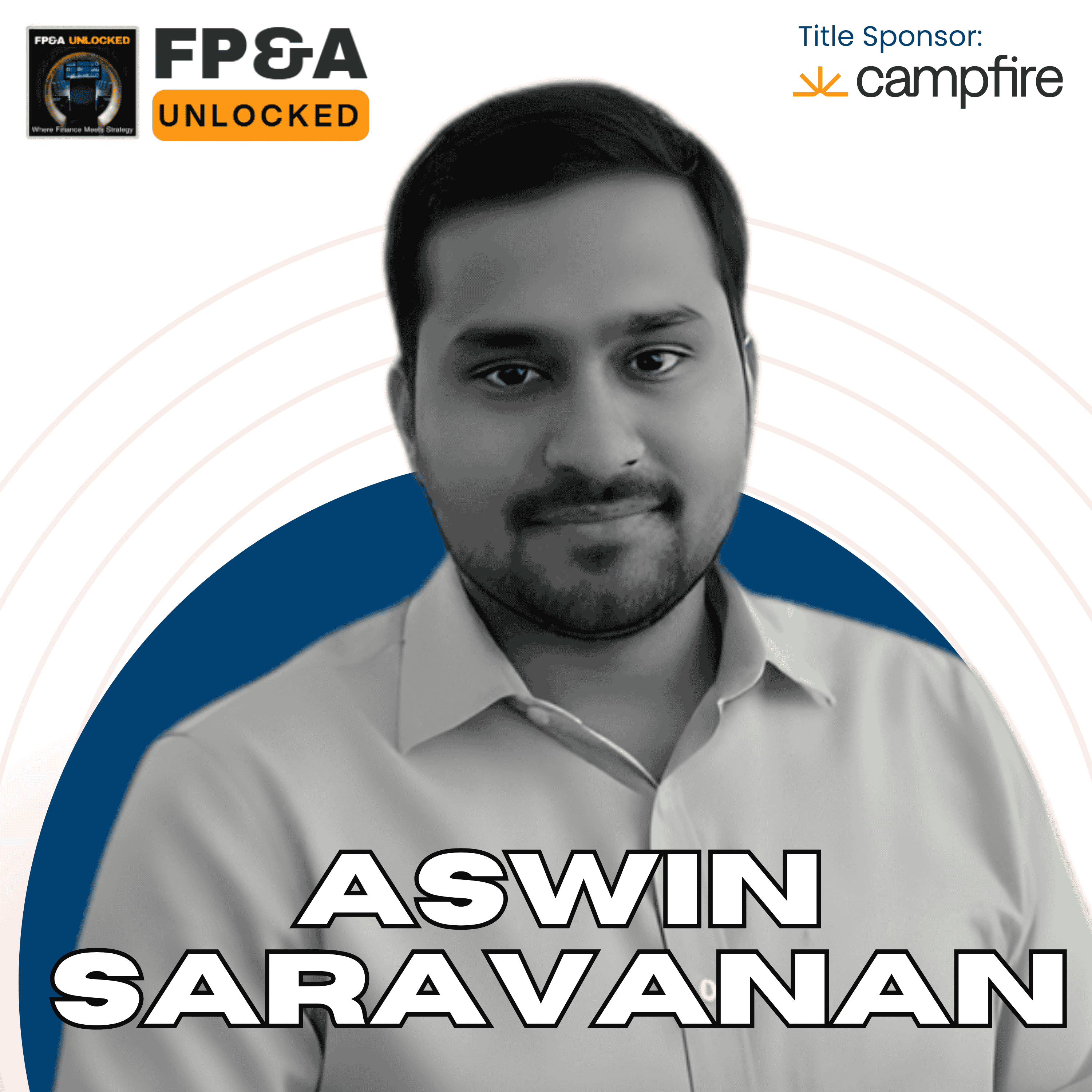
S1 Ep 101Establishing A Mission, A Culture And Trust Is Key To Building A High Performing FP&A Team With Aswin
In this episode of FP&A Unlocked, host Paul Barnhurst sits down with Aswin Saravanan, VP of Finance at Qualtrics, to explore what it really takes for FP&A teams to move from insight to action. Aswin shares why trust is the foundation of strategic finance, how culture and vision enable better decision making, and why simplicity in financial modeling often delivers the greatest impactAswin is a strategic finance leader with over a decade of experience across global technology companies. He specializes in connecting strategy to execution and helping finance drive business outcomes. Currently the VP of Finance at Qualtrics, he brings deep expertise across corporate, product, and go-to-market finance. He has previously held leadership roles at Microsoft and HubSpot.Expect to LearnWhat great FP&A looks like as a strategic business partnerWhy is trust required to move from insight to actionHow culture and vision shape high-performing FP&A teamsThe importance of simple financial models over complex onesHow FP&A teams create strategic value that influences the futureHere are a few relevant quotes from the episode:“Taking something from insight to action requires trust. Without trust, nothing really moves.” - Aswin Saravanan“Great FP&A is when the team can be a proactive strategic partner and actually change the trajectory of the company.”- Aswin SaravananAswin Saravanan shares practical insights on how FP&A teams can move from reporting to truly influencing business outcomes. By building trust, setting a clear vision, and keeping financial models simple, finance leaders can turn insight into action. The conversation reinforces that strategic value comes from helping the business make better decisions about the future.Campfire: AI-First ERP:Campfire is the AI-first ERP that powers next-gen finance and accounting teams. With integrated solutions for the general ledger, revenue automation, close management, and more, all in one unified platform.Explore Campfire today: https://campfire.ai/?utm_source=fpaguy_podcast&utm_medium=podcast&utm_campaign=100225_fpaguyFollow Aswin:LinkedIn - https://www.linkedin.com/in/aswinsaravanan/Company - https://www.linkedin.com/company/qualtrics/Earn Your CPE Credit For CPE credit, please go to earmarkcpe.com, listen to the episode, download the app, and answer a few questions and earn your CPE certification. To earn education credits for FPAC Certificate, take the quiz on earmark and contact Paul Barnhurst for further details.In Today’s Episode[03:56] - What Great FP&A Looks Like[05:23] - Why Finance in Tech[07:20] - Outcome-Based Pricing Risks[10:49] - Leading Finance at Qualtrics[13:13] - Culture and Vision in FP&A[17:16] - Building Team Culture[22:47] - Trust and Core FP&A Skills[26:18] - Defining Strategic Value[32:39] - Driving Operational Excellence[34:37] - Simple Financial Modeling

Ep 80Claude AI Replaces ChatGPT and Copilot in Finance to Automate Workflows without Planning Tools
In this episode of Future Finance, Paul Barnhurst and Glenn Hopper explore how AI tools like Claude, Copilot, and Excel agents are transforming financial workflows in 2026. As the finance industry continues to evolve, AI is playing an increasingly crucial role in automating routine tasks, improving accuracy, and boosting efficiency.Paul and Glenn discuss their firsthand experiences with AI-driven tools, from tracking expenses and managing journal entries to building financial models. They also dive into the ways small and medium businesses are utilizing AI-powered Excel agents to streamline their financial processes without the need for expensive, traditional planning tools.In this episode, you will discover:The impact of AI agents in finance and how they simplify workflows.Personal experiences with Claude and Copilot in real-world finance tasks.How to integrate AI into your finance team’s daily tasks.The benefits and challenges of AI-powered automation in finance.Paul and Glenn emphasize the importance of embracing AI in finance, highlighting how tools like Claude, Copilot, and Excel agents are transforming everyday workflows. They encourage finance professionals to experiment with AI, even if it means starting small.Follow Glenn:LinkedIn: https://www.linkedin.com/in/gbhopperiiiFollow Paul:LinkedIn - https://www.linkedin.com/in/thefpandaguyFollow QFlow.AI:Website - https://bit.ly/4i1EkjgFuture Finance is sponsored by QFlow.ai, the strategic finance platform solving the toughest part of planning and analysis: B2B revenue. Align sales, marketing, and finance, speed up decision-making, and lock in accountability with QFlow.ai. Stay tuned for a deeper understanding of how AI is shaping the future of finance and what it means for businesses and individuals alike.In Today’s Episode:[00:00] – AI’s Role in Finance[03:47] – AI Agents in Excel[06:12] – Claude vs. Copilot[09:27] – Automating Expenses & Journal Entries[15:56] – AI for Financial Models[21:21] – Future of AI in Small Business Finance[26:26] – Workflow Automation in Finance[35:28] – AI & Human Collaboration[39:31] – Experimenting with AI in Finance[41:45] – Data Quality & Governance[43:07] – Key Takeaway

Financial Modelers Must Master the Fundamentals Before Trusting AI with Chris Reilly
In this episode of Financial Modeler’s Corner, host Paul Barnhurst welcomes back Chris Reilly for a deep and practical conversation on financial modeling fundamentals in the age of AI. Chris shares why mastering the basics still matters more than ever, how AI is changing modeling workflows in reality (not hype), and where automation genuinely adds value versus where human judgment is still essential.Chris Reilly is a former private equity professional and financial modeling expert with experience spanning restructuring, FP&A, treasury, and middle market private equity. He began his career at FTI Consulting during the financial crisis, working on major bankruptcies, including Lehman Brothers, before moving to Hilton Worldwide and later into private equity. Chris is the founder of Financial Modeling Education, where he has trained more than 90,000 professionals worldwide, teaching real-life models used to acquire and manage private equity-backed businesses.Expect to LearnWhy financial modeling fundamentals matter more than ever in an AI-driven worldHow Chris actually uses AI in real client models versus online hypeWhy simple, well-built models outperform overly complex onesHow to balance technical modeling skills with business decision-makingHere are a few quotes from the episode:“AI is a great accelerator if you already understand the fundamentals. If you don’t, it just magnifies the problem.” - Chris Reilly“There’s a missing middle right now where people are skipping the fundamentals and jumping straight to the results.” - Chris ReillyChris emphasizes that while AI and automation can improve efficiency, they do not replace the need for strong accounting knowledge, modeling fundamentals, and business understanding. He explains that the best modelers focus less on tools and functions and more on clarity, reliability, and helping decision makers understand what to do next.Follow Chris:LinkedIn: https://www.linkedin.com/in/chris-reilly-mission-capital/Homepage: https://www.financialmodelingeducation.com/Email list: https://financialmodelingeducator.com/Follow Financial Modeler's Corner: LinkedIn Page- https://www.linkedin.com/company/financial-modeler-s-corner/Newsletter - Subscribe on LinkedIn -https://www.linkedin.com/build-relation/newsletter-follow?entityUrn=7079020077076905984Sign up for the Advanced Financial Modeler Accreditation Today and receive 15% off by using the special show code ‘Podcast’. Visit https://bit.ly/497oAqW and use the code “Podcast” to save 15% when you register. In today’s episode: [02:35] - Fundamentals Before AI[05:55] - From PE to Teaching[09:17] - Dynamic Arrays in Practice[13:25] - Limits of Dynamic Models[18:09] - Modeling vs Technical Debate[21:04] - AI Hype vs Reality[26:45] - Avoiding Bad Models[33:00] - Advice for Modelers[35:38] - Future of AI in Excel[38:02] - Closing Thoughts

S1 Ep 100The Analytics Lessons FP&A Leaders Need to Build Better, Repeatable Workflows with Ned Harding
In this episode of FP&A Unlocked, host Paul Barnhurst sits down with Ned Harding - a true pioneer in the data analytics space - to talk about why most data tools still don’t meet the needs of today’s collaborative teams. From building Alteryx from the ground up to launching a new venture (Enso Analytics), Ned shares his take on what’s broken in data workflows and how FP&A teams can fix it.Ned Harding is the Chief Product Officer at Enso Analytics, a platform that helped define the self-service analytics category. He started coding at eight years old, taught himself from PDP-11 manuals, and has spent the last two decades creating tools used by hundreds of thousands of analysts worldwide. He’s a product guy through and through, and he’s on a mission to help teams work smarter with their data.Expect to Learn:Why most data tools fall short when it comes to real team collaborationThe importance of repeatability and testing in FP&A workflowsHow to avoid common pitfalls with AI and overfitting in forecastingWhy Excel is both a lifesaver - and a landmineHow to build a true “culture of analytics” across your entire orgHere are a few relevant quotes from the episode:“The biggest successes happen when teams collaborate - analytics shouldn’t be a solo act.”- Ned Harding“If your team’s not getting value from your data work, you’re not doing your job.”- Ned HardingNed shares practical insights on how FP&A teams can become strategic partners by embracing collaborative, repeatable analytics. He emphasizes the value of integrating data across teams, avoiding AI pitfalls, and applying the scientific method to drive consistent, data-informed decision-making.Campfire: AI-First ERP:Campfire is the AI-first ERP that powers next-gen finance and accounting teams. With integrated solutions for the general ledger, revenue automation,close management, and more, all in one unified platform.Explore Campfire today: https://campfire.ai/?utm_source=fpaguy_podcast&utm_medium=podcast&utm_campaign=100225_fpaguyFollow Ned:LinkedIn - https://www.linkedin.com/in/ned-harding-34a57526/Company - https://www.linkedin.com/company/enso-analytics/Website - https://ensoanalytics.comEarn Your CPE Credit For CPE credit please go to earmarkcpe.com, listen to the episode, download the app, and answer a few questions and earn your CPE certification. To earn education credits for FPAC Certificate, take the quiz on earmark and contact Paul Barnhurst for further details.In Today’s Episode[02:43] – Meet Ned Harding & His Journey to Enso[06:04] – Accidental Start in Analytics[10:59] – Turning Tools into a Business[14:49] – Why Enso Analytics?[25:43] – Analytics Across the Org[29:16] – Context is Everything[35:51] – The Risk of Overusing AI[43:56] – Are We in an AI Bubble?[47:07] – Top Skills for FP&A Pros[49:54] – The Excel Debate[53:12] – Fun Final Questions
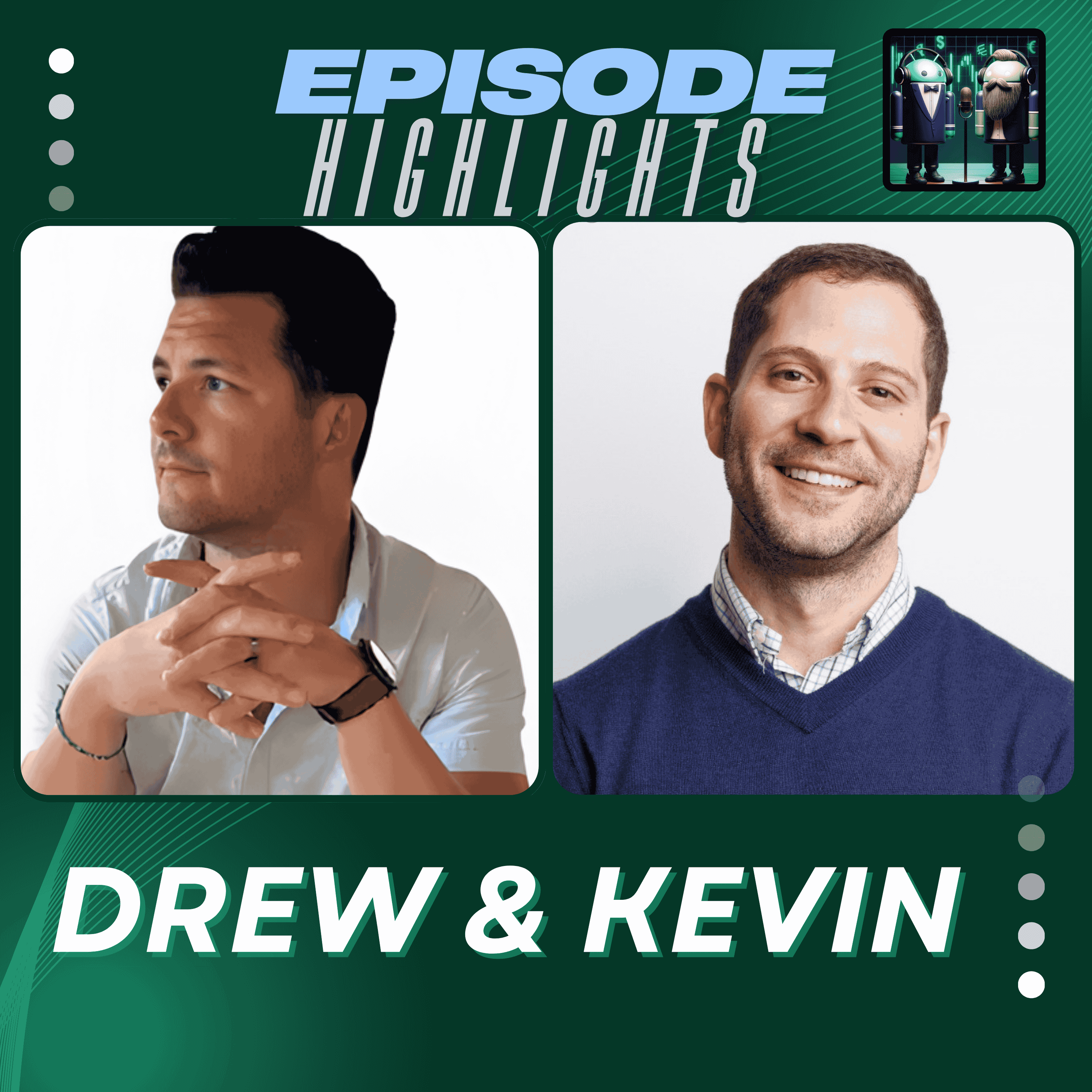
Ep 79The Future of SMB Finance Is AI Bookkeeping to Replace Broken ERP Systems with Kevin & Drew
In this episode of Future Finance, hosts Paul Barnhurst and Glenn Hopper talk with Kevin Thomas and Drew Hyatt, co-founders of Omniga, about solving persistent issues in bookkeeping and the monthly close process for small and mid-sized businesses. They discuss how finance leaders often struggle with unreliable data and how Omniga is creating a more structured, review-ready accounting workflow.Kevin Thomas brings a background in corporate FP&A and a CFA perspective. His hands-on experience with messy books and data integrity problems in SMBs led him to co-found Omniga. Drew Hyatt is a technology leader with a background in FinTech integrations and data pipelines. He previously worked in construction finance and medical supply chains, building systems that manage high-volume, rule-based transactions.In this episode, you will discover:Why clean financial data is essential for any finance function to scale.What makes SMB accounting workflows difficult and how Omniga is addressing it.How Omniga uses automation to classify, normalize, and escalate accounting entries.The structure of a scalable, review-focused operating system for fractional CFOs.Kevin and Drew share how Omniga is tackling the core challenges of bookkeeping and monthly close for SMBs. Their approach brings structure, control, and scalability to finance operations where it’s needed most.Follow Kevin:LinkedIn: https://www.linkedin.com/in/kevin-a-thomas/Company: https://www.linkedin.com/company/omniga-ai/Follow Drew:LinkedIn: https://www.linkedin.com/in/drew-a-hyatt/Follow Glenn:LinkedIn: https://www.linkedin.com/in/gbhopperiiiFollow Paul:LinkedIn - https://www.linkedin.com/in/thefpandaguyFollow QFlow.AI:Website - https://bit.ly/4i1EkjgFuture Finance is sponsored by QFlow.ai, the strategic finance platform solving the toughest part of planning and analysis: B2B revenue. Align sales, marketing, and finance, speed up decision-making, and lock in accountability with QFlow.ai. Stay tuned for a deeper understanding of how AI is shaping the future of finance and what it means for businesses and individuals alike.In Today’s Episode:[00:15] - Meet Kevin and Drew[01:28] - Why Omniga Started[04:38] - Drew’s Tech Background[07:04] - The Name “Omniga”[10:33] - Controlling AI Output[13:57] - Guardrails and Escalation[16:18] - Final Thoughts

The Excel Techniques for Modelers to Build Real World-Business Forecasts - Luke Phillips
In this episode of Financial Modeler’s Corner, host Paul Barnhurst sits down with Luke Phillips, Senior Business Analyst at Access Analytic. Luke shares how he transitioned from Division I basketball to financial modeling, and how he helps clients solve complex budgeting and reporting problems using Solver, Excel, and Power BI.Luke Phillips is a chartered financial modeler and the Senior Business Analyst at Access Analytic. He works with clients across mining, oil and gas, manufacturing, and professional services to streamline budgeting and reporting through Solver and Excel. Luke holds a BBA in Finance from the University of Louisiana at Monroe, where he also played Division I basketball.Expect to LearnHow a bad college project helped kickstart Luke’s modeling careerWhat Solver is and how it supports complex planning and reportingTips for simplifying models without losing valueThe role of communication in building useful modelsLuke’s take on AI and dynamic arrays in ExcelHere are a few quotes from the episode:“We're not hiring you for your technical ability, we're hiring you for your potential.” – Luke“I love spreadsheets, the way you can pull complex calculations together and form a view of a company.” – LukeLuke Phillips brings a grounded, real-world perspective to financial modeling, shaped by both professional experience and athletic discipline. His approach blends technical skill with a clear focus on communication and usability. Whether solving client challenges with Solver or exploring new Excel features, Luke keeps modeling practical and purpose-driven.Follow Luke:LinkedIn: https://www.linkedin.com/in/luke-phillips-75859013a/Company: https://www.linkedin.com/company/access-analytic/Follow Financial Modeler's Corner: LinkedIn Page- https://www.linkedin.com/company/financial-modeler-s-corner/Newsletter - Subscribe on LinkedIn -https://www.linkedin.com/build-relation/newsletter-follow?entityUrn=7079020077076905984Sign up for the Advanced Financial Modeler Accreditation Today and receive 15% off by using the special show code ‘Podcast’.Visit https://bit.ly/497oAqW and use the code “Podcast” to save 15% when you register.In today’s episode:[02:09] - Life in Australia & Background[03:16] - First Model Mistake & Lesson[04:46] - From Basketball to Finance[08:49] - What is Solver & Luke’s Role[10:33] - Learning Supply Chain & Ops[13:11] - Simplicity vs. Complexity[18:24] - AFM & CFM Exam Journey[22:46] - XLOOKUP Over INDEX MATCH[27:46] - AI in modeling & Challenges

S1 Ep 99The Role Of FP&A In Being IPO Ready With Jeffrey Bernstein
In this episode of FP&A Unlocked, hosts Paul Barnhurst and Glenn Snyder sit down with Jeffrey Bernstein to explore how finance leaders can better communicate financial insights and influence decision-making across an organization. The conversation focuses on the gap between technical financial knowledge and the ability to clearly explain what the numbers actually mean to non-finance stakeholders.Jeffrey is a Senior Managing Director and Head of Capital Markets Advisory at Riveron, a leading advisor to the Office of the CFO and Private Equity. Early in his career, Jeff was a Managing Director at Goldman Sachs, where he helped execute IPOs in the technology sector for over a decade. Afterward, he spent more than 15 years as a portfolio manager investing in disruptive public and private companies. For the last eight years, Jeff has served as a trusted strategic advisor to pre-IPO companies, guiding them toward successful public exits.Expect to Learn:Why finance professionals play a crucial role in the IPO processHow to prepare a company financially for a successful public listingThe importance of building financial trust with public investorsHow to evaluate the readiness of your financial systems and team for the IPO processHere are a few relevant quotes from the episode:“The biggest change from private to public is transitioning from over-promising to under-promising and over-delivering.”- Jeff Bernstein“Financial integrity isn’t just about the numbers; it’s about being transparent, avoiding gimmicks, and sticking to metrics that have real meaning.”- Jeff BernsteinJeff shares valuable insights on the complexities of going public, managing quarterly earnings, and maintaining investor trust. He also discusses how FP&A teams can help steer the company through financial reporting, forecasting, and strategic decision-making post-IPO.Campfire: AI-First ERP:Campfire is the AI-first ERP that powers next-gen finance and accounting teams. With integrated solutions for the general ledger, revenue automation, close management, and more, all in one unified platform.Explore Campfire today: https://campfire.ai/?utm_source=fpaguy_podcast&utm_medium=podcast&utm_campaign=100225_fpaguyFollow Jeffrey:LinkedIn - https://www.linkedin.com/in/jeff-bernstein-498a23158/Company - https://www.linkedin.com/company/riveron/Website - https://riveron.com/Follow Glenn:LinkedIn - https://www.linkedin.com/in/glenntsnyder/Earn Your CPE Credit For CPE credit please go to earmarkcpe.com, listen to the episode, download the app, and answer a few questions and earn your CPE certification. To earn education credits for FPAC Certificate, take the quiz on earmark and contact Paul Barnhurst for further details.In Today’s Episode[01:42] – Meet Jeff Bernstein[04:58] – Transitioning to Public Company[08:36] – The Role of FP&A in IPO[12:44] – Investor Trust and Forecasting[17:10] – Financial Integrity[21:58] – Preparing for the IPO Process[26:35] – Stress-Testing Forecasts[30:42] – Earning Investor Trust[34:18] – Organizational Behaviour Shift[37:33] – Key to Success in IPOs and SPACs
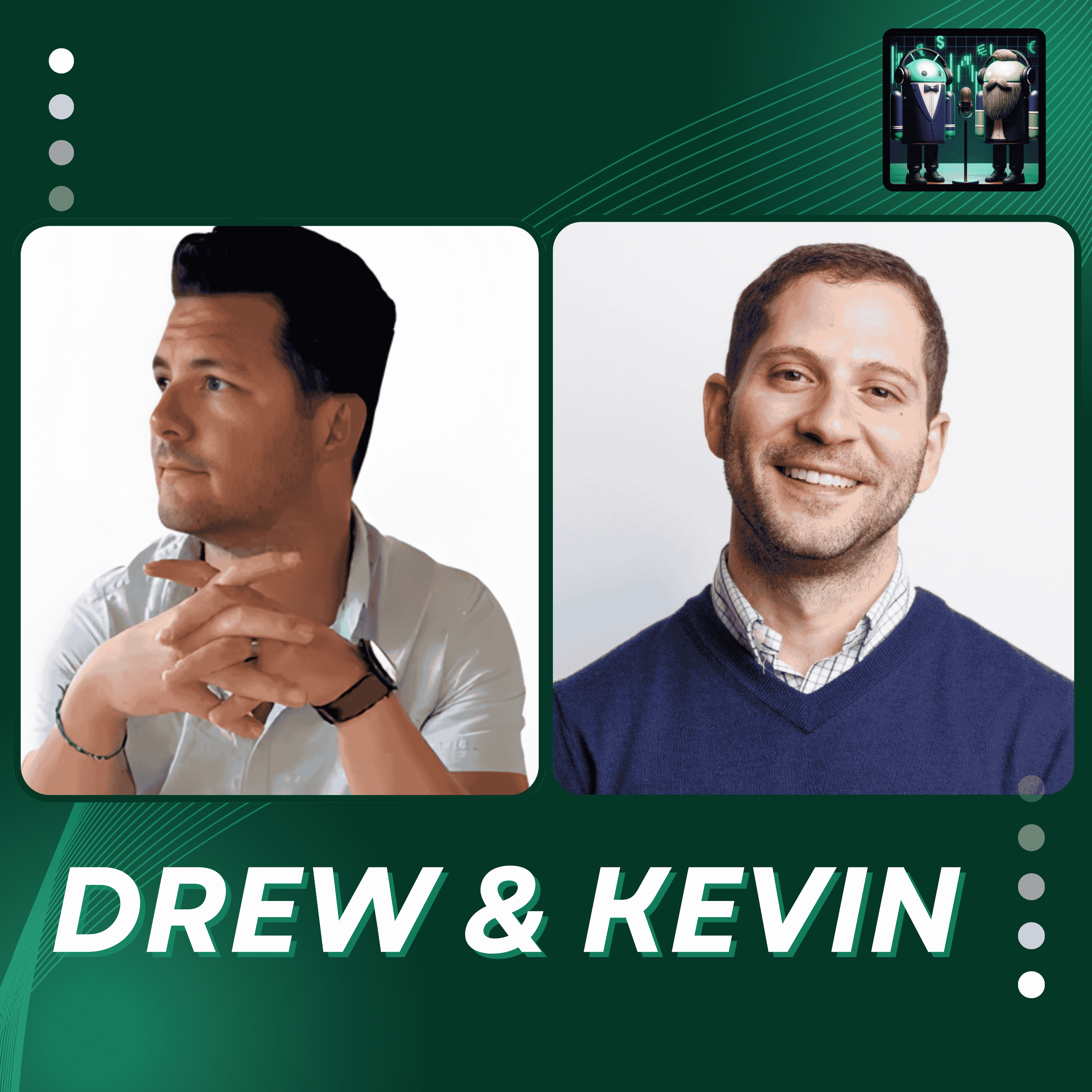
Ep 78How SMBs Can Fix Bookkeeping to Build Trustworthy Data and Scale Finance with Kevin & Drew
In this episode of Future Finance, hosts Paul Barnhurst and Glenn Hopper sit down with Kevin A.Thomas and Drew Hyatt, the co-founders of Omniga, to discuss the often-overlooked but critical challenges facing small business finance teams. While enterprise companies get most of the attention, Kevin and Drew are focused on the backbone of the economy, businesses under $30 million in revenue—and the unique struggles they face when it comes to closing the books, managing data, and generating strategic insight.Kevin A.Thomas, CFA, is the founder of Omniga and a seasoned strategic finance leader focused on scaling digital businesses. Kevin is passionate about rebuilding the back office to help businesses make smarter decisions, faster. Drew Hyatt is the Co-Founder and CTO of Omniga. He plays a key role in architecting Omniga’s infrastructure, translating complex workflows into scalable technology for finance teams.In this episode, you will discover:Why clean books are the foundation for strong financial decisionsThe hidden risks in small business bookkeeping and how to fix themThe difference between replacing tasks and supporting human judgmentHow to expand from bookkeeping to full finance strategy supportHow to structure a finance workflow that scales with your businessKevin and Drew leave us with a clear message: better finance starts with a stronger foundation. By focusing on clean books and scalable workflows, Omniga is reshaping how small businesses manage finance. It’s not about replacing people, it’s about empowering them to do more with less.Join hosts Glenn and Paul as they unravel the complexities of AI in finance.Follow Kevin:LinkedIn: https://www.linkedin.com/in/kevin-a-thomas/Company: https://www.linkedin.com/company/omniga-ai/Follow Drew:LinkedIn: https://www.linkedin.com/in/drew-a-hyatt/Follow Glenn:LinkedIn: https://www.linkedin.com/in/gbhopperiiiFollow Paul:LinkedIn - https://www.linkedin.com/in/thefpandaguyFollow QFlow.AI:Website - https://bit.ly/4i1EkjgFuture Finance is sponsored by QFlow.ai, the strategic finance platform solving the toughest part of planning and analysis: B2B revenue. Align sales, marketing, and finance, speed up decision-making, and lock in accountability with QFlow.ai. Stay tuned for a deeper understanding of how AI is shaping the future of finance and what it means for businesses and individuals alike.In Today’s Episode:[00:00] –Trailer[03:39] – Why They Started Omniga[07:11] – Drew’s Tech Journey[09:28] – What "Omniga" Means[11:26] – Rules vs. Suggestions[14:33] – How the Workflow Scales[19:28] – Above the Ledger[25:40] – From Inputs to Entries[29:50] – Real-World Use Cases[35:05] – When to Add FP&A[37:45] – Closing Fun Segment
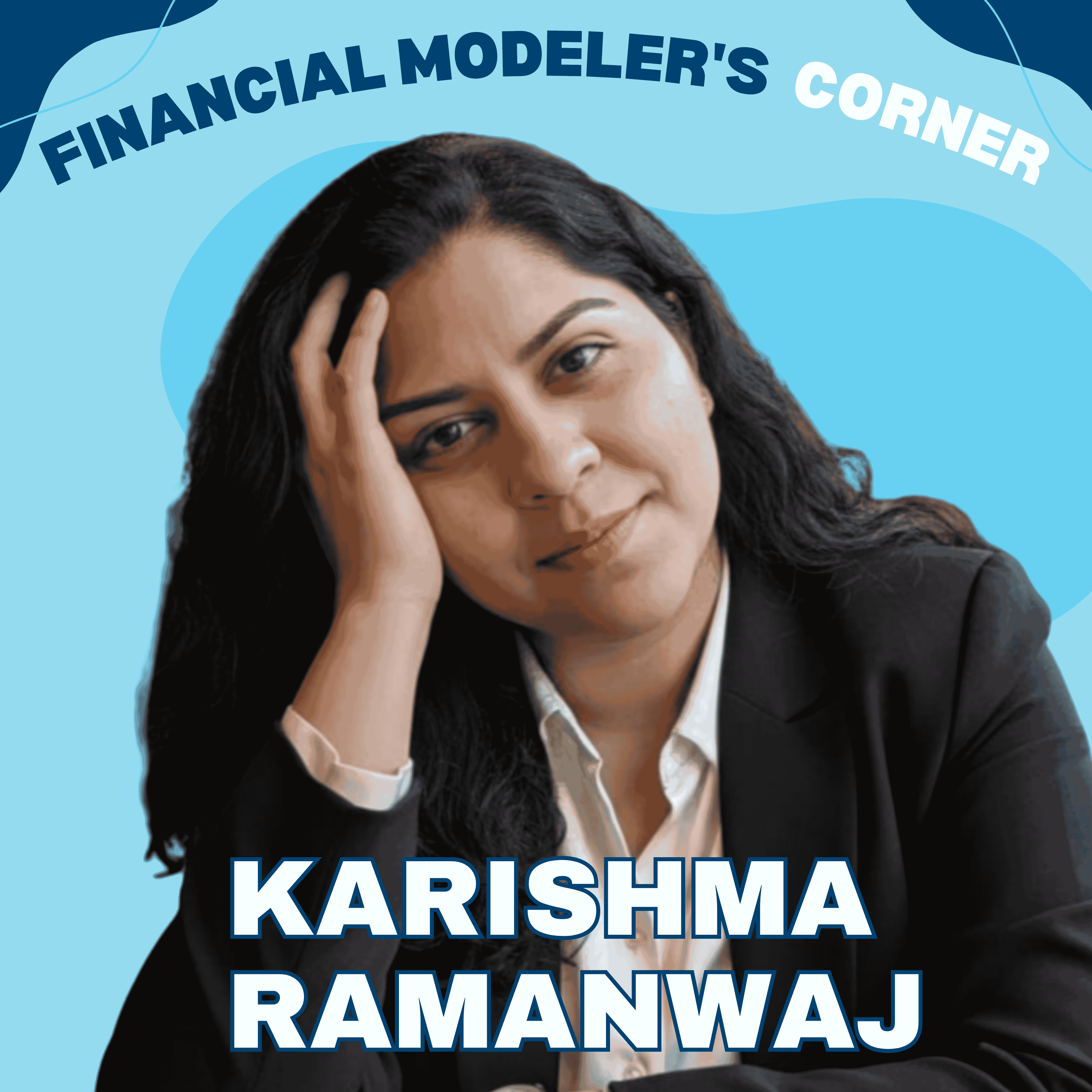
The Storytelling Techniques for Financial Modelers to Impress Investors with Karishma Karishma Ramnawaj
In this episode of Financial Modeler’s Corner, host Paul Barnhurst sits down with Karishma Ramnawaj, a financial modeler based in Mauritius, to talk about her journey in financial modelling, building and reviewing models, and the lessons she’s learned from both success and failure. Karishma shares her experience of learning on the job, why understanding the end user is critical, and how she balances practical standards with flexibility.Karishma is a Certified Advanced Financial Modeler (AFM) and FMVA® professional, currently working as a Financial Modeler Associate at Hawkins Eberdal Ltd in Mauritius. With a strong foundation in both project and corporate finance, Karishma specializes in building decision-ready financial models that support capital raising, risk evaluation, and business growth.Expect to LearnWhy using someone else’s model as a template can be riskyThe importance of understanding and communicating key assumptionsHow to tailor models for investors and third-party usersWhat it’s like to fail, and then pass, the AFM examThe value of applying both corporate and project finance in modellingHere are a few quotes from the episode:“If you're going to use someone else's model, make sure you understand everything inside it.” – Karishma“It's not just about Excel. It's about who's using the model and what story you're telling with it.” – KarishmaKarishma's story is a great example of growth through practice, persistence, and passion for financial modeling. Her focus on clarity, flexibility, and end-user needs brings valuable perspective to the modelling process. From overcoming early challenges to passing the AFM exam, she shows the importance of continuous improvement.Follow Karishma:LinkedIn: https://www.linkedin.com/in/karishma-ramnawaj/Follow Financial Modeler's Corner: LinkedIn Page- https://www.linkedin.com/company/financial-modeler-s-corner/Newsletter - Subscribe on LinkedIn -https://www.linkedin.com/build-relation/newsletter-follow?entityUrn=7079020077076905984Sign up for the Advanced Financial Modeler Accreditation Today and receive 15% off by using the special show code ‘Podcast’.Visit https://bit.ly/497oAqW and use the code “Podcast” to save 15% when you register.In today’s episode:[01:56] - Guest Intro[04:51] - Journey into Modelling[06:00] - Why She Loves Modelling[08:37] - Storytelling with Numbers[10:56] - Key Assumptions & End Users[13:00] - Project vs. Corporate Finance[14:26] - Renewable Energy Focus[15:44] - Modelling Standards & Reviews[22:16] - AFM Exam: Fail to Pass[29:18] - Tools, Tips & Final Advice

S1 Ep 98How FP&A Professionals Can Evolve Beyond Reporting and Become Strategic Partners with Bryan Lapidus
In this engaging episode of FP&A Unlocked, host Paul Barnhurst welcomes back Bryan Lapidus, Director of FP&A Practice at the Association for Financial Professionals (AFP), to explore how finance professionals can better prepare for the evolving demands of the industry. They discuss how AFP supports the finance community, the role of technology in shaping FP&A, and why soft skills are critical in today’s collaborative environment.Bryan Lapidus is the Director of FP&A Practice at AFP, where he serves as a subject matter expert on financial planning and analysis. With more than 20 years in FP&A and treasury at organizations like American Express and Fannie Mae, Bryan brings deep knowledge of corporate finance. At AFP, he develops thought leadership, leads advisory councils, and curates content that helps professionals thrive in a rapidly changing landscape.Expect to Learn:The two core competencies every great FP&A professional must masterWhy “getting out from behind the screen” matters for business insightHow AFP curates learning and networking experiences for finance professionalsWhat to expect from AFP’s FP&A Forum and Annual ConferenceHow to avoid low-value work and focus on driving business impactThis episode highlights the evolving role of FP&A, emphasizing the need for both strong technical skills and human-centered business insight. Bryan Lapidus reminds us that tools like AI are valuable, but true impact comes from understanding the business and adding strategic value. Continuous learning and community are key to thriving in today’s finance landscape.Campfire: AI-First ERP:Campfire is the AI-first ERP that powers next-gen finance and accounting teams. With integrated solutions for the general ledger, revenue automation, close management, and more, all in one unified platform.Explore Campfire today: https://campfire.ai/?utm_source=fpaguy_podcast&utm_medium=podcast&utm_campaign=100225_fpaguyFollow Bryan:LinkedIn - linkedin.com/in/bryan-lapidus-fpacCompany - https://www.linkedin.com/company/association-for-financial-professionals/Earn Your CPE Credit For CPE credit please go to earmarkcpe.com, listen to the episode, download the app, and answer a few questions and earn your CPE certification. To earn education credits for FPAC Certificate, take the quiz on earmark and contact Paul Barnhurst for further details.In Today’s Episode[03:33] – What Is AFP?[05:38] – What Makes Great FP&A?[13:34] – Inside the AFP Conference[18:13] – How AFP Chooses Conference Tracks[23:12] – AFP FP&A Forum Highlights[27:30] – How Soft Skills Shape Career Growth[33:27] – Top Technical Skills[37:27] – Eliminating Low-Value Work in FP&A[43:23] – Wrap-Up & Final Thoughts

Ep 77AI Adoption Divide in Finance for Leaders to Bridge the Gap Between People and Systems
In this episode of Future Finance, hosts Paul Barnhurst and Glenn Hopper discuss the AI landscape and how CFOs and finance leaders should approach AI in 2026. Reflecting on the developments of 2025, they explore how AI adoption is progressing at the individual and company levels and discuss the surprises and challenges they've encountered in the AI space.Paul and Glenn discuss how individuals have become far more comfortable using AI tools in their own work, while companies as a whole have moved much more slowly. Topics include ongoing data quality problems, hesitation around governance and security, and why many organizations still struggle to integrate AI into core systems and workflows.In this episode, you will discover:The current state of AI adoption by individuals and companies.Surprising shifts in AI companies like OpenAI and Microsoft in 2025.The growing role of specialized AI models and their potential impact on industries like finance.Predictions for the future of AI in 2026, including advancements in LLMs and robotics.Glenn and Paul discussed the evolving AI landscape and its impact on finance, offering insights into key developments and predictions for 2026. They highlighted the challenges, growth, and opportunities AI presents for finance leaders and businesses.Follow Glenn:LinkedIn: https://www.linkedin.com/in/gbhopperiiiFollow Paul:LinkedIn - https://www.linkedin.com/in/thefpandaguyFollow QFlow.AI:Website - https://bit.ly/4i1EkjgFuture Finance is sponsored by QFlow.ai, the strategic finance platform solving the toughest part of planning and analysis: B2B revenue. Align sales, marketing, and finance, speed up decision-making, and lock in accountability with QFlow.ai. Stay tuned for a deeper understanding of how AI is shaping the future of finance and what it means for businesses and individuals alike.In Today’s Episode:[00:15] - Reflections on AI in 2025[05:07] - Paul’s Surprises on AI’s Progress[11:05] - OpenAI’s Consumer Focus[13:23] - Predictions for Specialized Models[14:51] - AI and Robotics[17:20] - Small vs Large Models[18:28] - Closing Thoughts on AI in Finance

How Excel AI Agents Actually Work for Financial Modelers to Understand LLMs & Tools with Tim Jacks
In this episode of The ModSquad, hosts Paul Barnhurst, Ian Schnoor, and Giles Male welcome Tim Jacks, founder of Taglo, for an insightful discussion on the integration of AI in financial modeling. Tim’s expertise bridges the worlds of financial modeling and AI, and in this episode, he shares his journey and discusses how AI is reshaping the financial modeling landscape.Tim Jacks is the founder of Taglo, a company dedicated to improving financial modeling with AI technology. His career journey spans financial consulting and software development, including building financial modeling tools. Over time, Tim's interest in artificial intelligence grew, and he delved into how AI, particularly Large Language Models (LLMs), could be used to enhance financial modeling processes.Expect to LearnHow AI is revolutionizing financial modeling and the specific ways it’s being used today.The technical components behind AI agents and how they differ from simple chatbots.The importance of context and system prompts when working with LLMs in financial tasks.Insights into the memory limitations of LLMs and how agents work around this challenge.Here are a few quotes from the episode:"If you're using AI for Excel modeling, you need to remind it to follow good financial modeling principles, like the FAST Standard." – Tim Jacks"The beauty of LLMs is that you can go back and change the conversation, they're stateless, so it's like resetting the clock." – Tim JacksTim Jacks provided valuable insights into the integration of AI in financial modeling, particularly how LLMs and agents are transforming workflows. While AI can significantly enhance efficiency, human expertise remains essential for applying financial modeling principles. Understanding the technical workings of these tools helps users leverage them effectively. The future of financial modeling will be human-led, AI-assisted.Follow Tim:LinkedIn: https://www.linkedin.com/in/timjacks/Follow Ian:LinkedIn - https://www.linkedin.com/in/ianschnoor/Follow Giles Male:LinkedIn - https://www.linkedin.com/in/giles-male-30643b15/In today’s episode:[00:05] - Intro & Hosts[01:33] - Guest Introduction: Tim Jacks[02:42] - Tim's Background in Modelling & AI[04:16] - What Are LLMs Really?[09:55] - ChatGPT vs. LLMs Explained[12:09] - LLMs Have No Memory[15:02] - How Tools Add Context to AI[19:35] - What Is an AI Agent?[22:35] - How Excel Agents Work[30:08] - Demo: Tools in Action[35:03] - Defining an Agent: LLM + Tools + Prompts[38:49] - Key Takeaway for Modellers
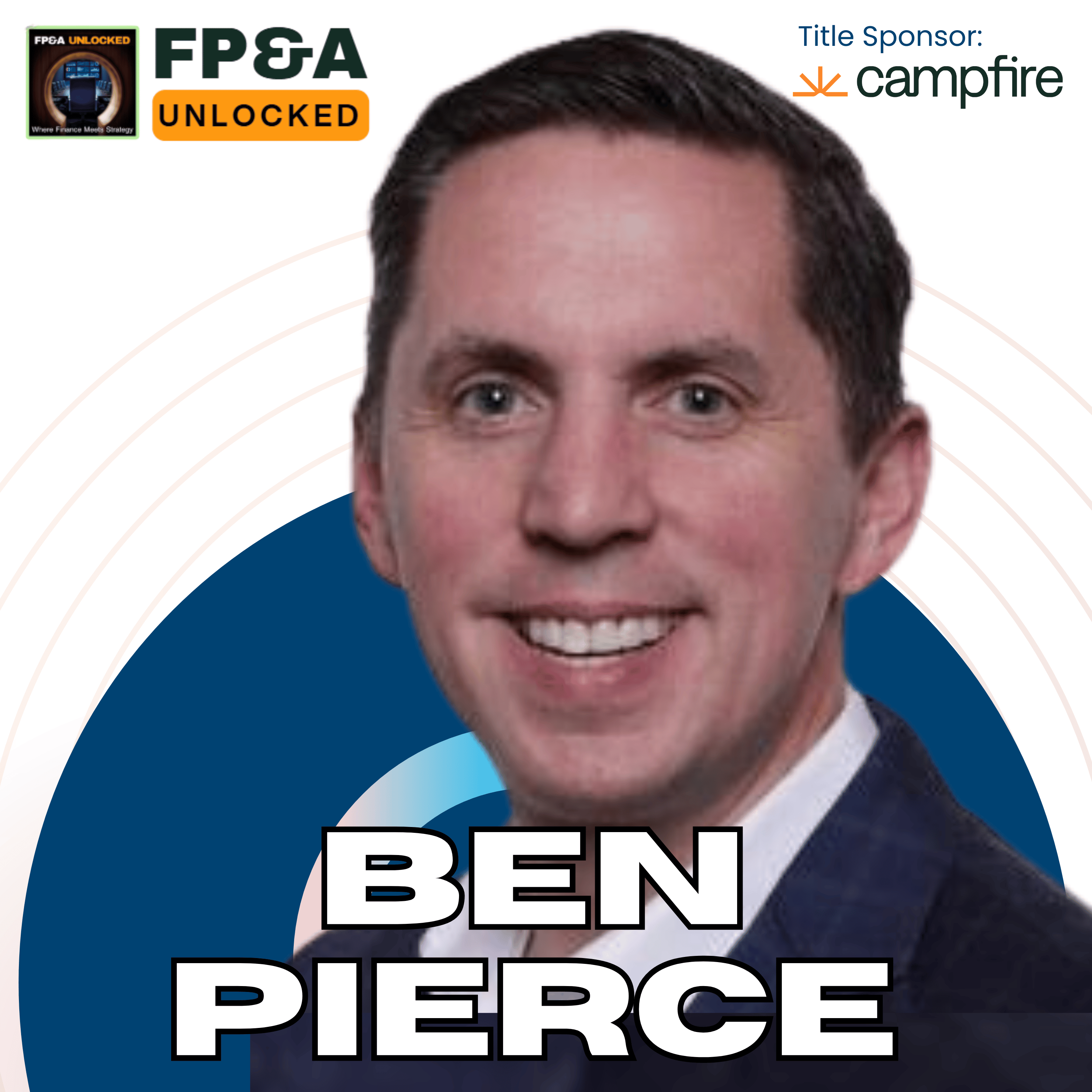
S1 Ep 97How To Make FP&A Software Tools Work For You And The Future Of FP&A With Ben Pierce
In this episode of FP&A Unlocked, host Paul Barnhurst talks with Ben Pierce, General Manager of Workday Adaptive Planning, to discuss the evolving landscape of FP&A, the challenges of planning software, and the future of finance in an AI-driven world. Ben shares his career journey, from semiconductor engineering to leadership roles in the FP&A software industry, and dives into his vision for how AI is transforming the way businesses plan and make decisions.Ben Pierce is an experienced executive with over two decades of experience in the enterprise software industry. Currently, he leads Workday Adaptive Planning’s global strategy, growth, and innovation efforts. Prior to joining Workday, Ben held senior roles in several companies, including River Logic, Tidemark, and IBM, where he honed his expertise in analytics, financial software, and business leadership. His career has been shaped by his passion for leveraging technology to improve business operations and drive impactful change.Expect to Learn:Why Ben believes the future of FP&A is in AI and analyticsThe importance of challenging the business with actionable insightsHow to make FP&A tools work for you, not just as a data repositoryWhat to consider when choosing and implementing FP&A softwareThe balance between strategic planning and flexible budgeting processesHere are a few relevant quotes from the episode:"A great FP&A partner doesn’t just provide data, they come to the table with a point of view and push you to do better." – Ben Pierce"At the end of the day, it’s not about the tool, it’s about the implementation and how you engage with it." – Ben PierceBen Pierce offers invaluable insights into FP&A, emphasizing the need for technology to not only streamline processes but also enhance decision-making capabilities. His advice on selecting the right FP&A tools and the importance of having a supportive implementation partner is essential for any finance team looking to modernize their planning processes.Campfire: AI-First ERP:Campfire is the AI-first ERP that powers next-gen finance and accounting teams. With integrated solutions for the general ledger, revenue automation, close management, and more, all in one unified platform.Explore Campfire today: https://campfire.ai/?utm_source=fpaguy_podcast&utm_medium=podcast&utm_campaign=100225_fpaguyFree Trial of WorkdayTry Workday Adaptive Planning free for 30 days - https://forms.workday.com/en-us/sales/adaptive-planning-free-trial/form.html?locale=enus&aud=ada&stage=ce&size=all&pblr=wd&assettype=oth&productfocus=pl&utm_medium=evnt&utm_source=evlv&step=step1_sales_contactFollow Ben:LinkedIn - https://www.linkedin.com/in/benpierce23/Company - https://www.linkedin.com/company/workday/Website - https://www.workday.com/Earn Your CPE Credit For CPE credit please go to earmarkcpe.com, listen to the episode, download the app, and answer a few questions and earn your CPE certification. To earn education credits for FPAC Certificate, take the quiz on earmark and contact Paul Barnhurst for further details.In Today’s Episode[02:50] – From Engineering to Software Leadership[04:56] – What Makes Great FP&A[09:23] – The Importance of Customer Success[12:05] – How to Choose the Right FP&A Tool[13:33] – Advice for Moving to the Vendor Side[16:03] – The Future of AI and FP&A[18:12] – Bridging the Gap Between Planning and Analytics[21:04] – The Role of Zero-Based Budgeting[25:46] – Best Practices for Annual Budgeting[28:06] – Handling Headcount Planning Challenges[32:28] – Getting the Most Out of FP&A Software[36:52] – Closing Thoughts and Final Advice

Ep 76AI Adoption Is Surging but Finance Pros Are Falling Behind Due to Bad Data and Poor Strategy in 2026
In this first episode of Future Finance for 2026, hosts Paul Barnhurst and Glenn Hopper take time to reflect on how AI actually showed up in finance over the past year, and what that means going forward. Without a guest, the conversation focuses on real experiences, observations, and lessons from working directly with finance teams, CFOs, and operators who are navigating AI adoption day to day.Paul and Glenn discuss how individuals have become far more comfortable using AI tools in their own work, while companies as a whole have moved much more slowly. Topics include ongoing data quality problems, hesitation around governance and security, and why many organizations still struggle to integrate AI into core systems and workflows. They also share their thoughts on notable developments from 2025, including OpenAI’s shift toward consumer use, Microsoft Copilot’s mixed results, Google Gemini’s rapid improvement, and Nvidia’s continued growth.In this episode, you will discover:How AI adoption differs between individuals and organizationsWhy poor data quality still limits many finance teamsWhat recent changes from OpenAI, Microsoft, Google, and Nvidia suggestWhere Microsoft Copilot works well today and where it falls shortWhy automation and basic app-building are becoming more importantPaul and Glenn share concrete examples from Excel, Outlook, reporting, and close processes. They also emphasize that banning AI use is no longer realistic and that clear guidelines matter more than strict restrictions.Join hosts Glenn and Paul as they unravel the complexities of AI in finance.Follow Glenn:LinkedIn: https://www.linkedin.com/in/gbhopperiiiFollow Paul:LinkedIn - https://www.linkedin.com/in/thefpandaguyFollow QFlow.AI:Website - https://bit.ly/4i1EkjgFuture Finance is sponsored by QFlow.ai, the strategic finance platform solving the toughest part of planning and analysis: B2B revenue. Align sales, marketing, and finance, speed up decision-making, and lock in accountability with QFlow.ai. Stay tuned for a deeper understanding of how AI is shaping the future of finance and what it means for businesses and individuals alike.In Today’s Episode:[02:47] – How Individuals vs. Companies Used AI in 2025[06:12] – OpenAI, Monetization, and Market Signals[09:27] – Google Gemini’s Turnaround[15:56] – Big Models vs. Specialized Tools[21:21] – Consumer AI and Platform Control[26:26] – Real Copilot Use Cases in Excel[35:28] – What Finance Professionals Should Focus on in 2026[39:31] – What Finance Leaders Need to Do Now[41:45] – Automation, Vibe Coding, and What’s Next[43:07] – Final Thoughts and Closing

Financial Modeling for Corporate Finance Teams to Unlock Business Without Templates - Carolina Lago
In this episode of Financial Modeler’s Corner, host Paul Barnhurst welcomes Carolina Lago, a seasoned FP&A professional, to discuss how financial modelers can transform data into actionable insights while avoiding common modeling pitfalls. Together, they explore best practices in financial modeling, the dangers of hard-coded models, and why structure, flexibility, and clear purpose are essential for effective decision-making. Carolina also shares lessons from her international career, including her experience supporting a major IPO and leading global software implementations.Carolina Lago is an FP&A professional with over 15 years of international experience across multiple industries. She has played key roles in high-impact projects, including IPO preparation and enterprise-wide financial system implementations. Carolina is also the creator of the TACTIC framework, which helps financial professionals build models that are structured, insightful, and decision-focused.Expect to LearnWhy hard-coded models are a major risk to accuracy and flexibilityHow to turn raw data into insights that drive real business decisionsThe importance of starting every model with a clear question or goalHow the TACTIC framework improves structure and clarity in modelingWhy strong modeling skills matter at every career stageHere are a few quotes from the episode:“I inherited one, and I had to try to change it. I spent probably a couple of weeks trying to make it better, and I couldn't. It was just too full of hardcoded numbers and no design at all.” – Carolina Lago“Data is only useful if it can be transformed into actionable insights.” – Carolina LagoFollow Carolina:LinkedIn – https://www.linkedin.com/in/s-carolinalago/Website – https://www.tacticfinancial.comIn today’s episode:[00:00] - Trailer[00:50] - Guest Introduction[01:00] - Horrifying Financial Models[02:00] - Early Career Modeling Mistakes[03:10] - Carolina’s Global Career Journey[05:00] - Turning Data into Actionable Insights[07:30] - Introduction to the TACTIC Framework[09:50] - Learning Resources & Community Engagement[20:00] - Certifications and Continuing Education[22:40] - Rapid-Fire Round[24:50] - Advice for Aspiring Financial Modelers[26:00] - How to Connect and Learn More
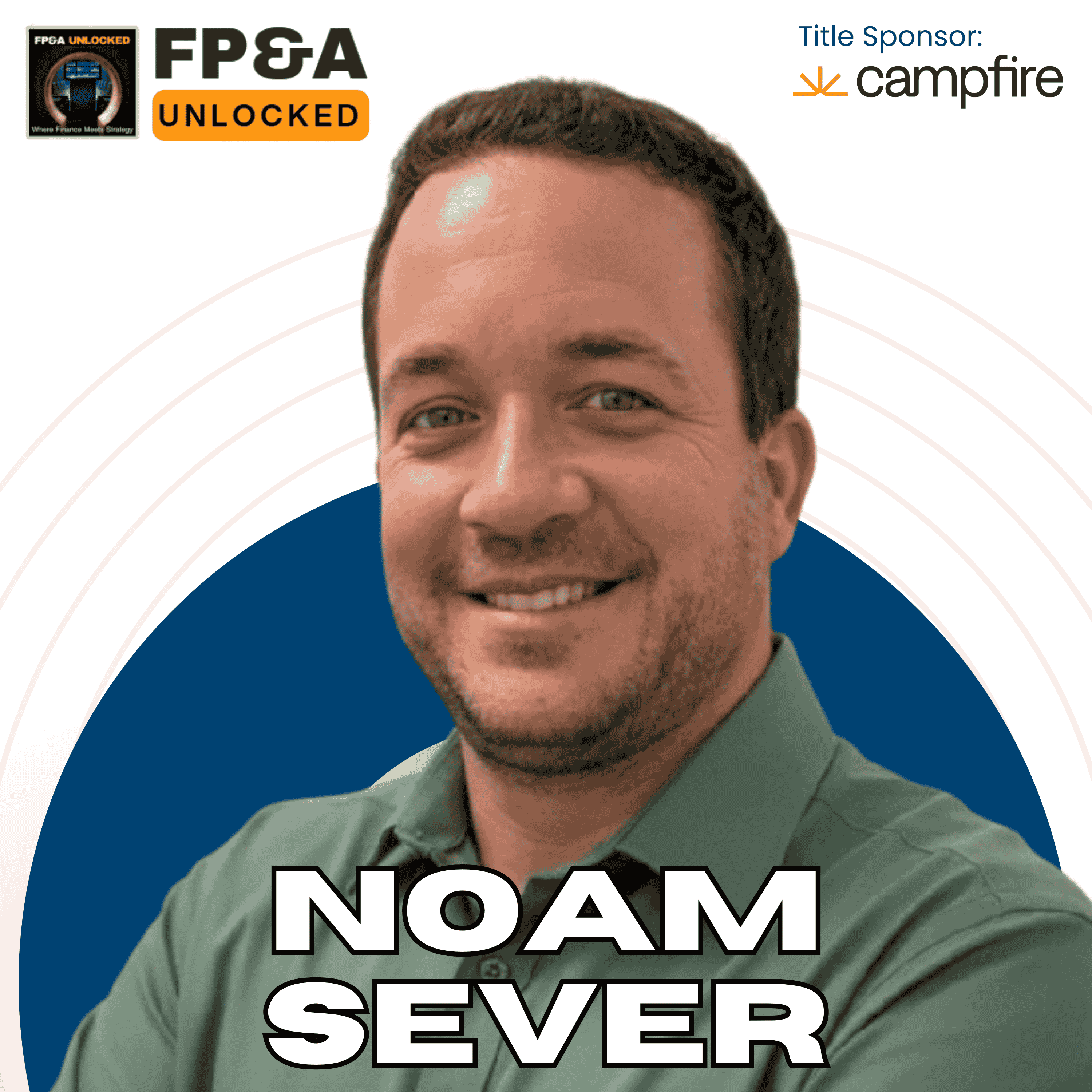
S1 Ep 96Scaling FP&A with Growth to Build Trusted Processes and Strategic Influence with Noam Sever
In this episode of FP&A Unlocked, host Paul Barnhurst welcomes Noam Sever, Head of Global FP&A at Cellebrite, for a deep and thoughtful conversation on building impactful finance teams, scaling FP&A processes, and the human side of finance leadership. Noam shares his experience driving financial planning in high-growth environments and highlights the value of simplicity, consistency, and communication in finance transformation. This episode is a masterclass in aligning FP&A with business needs and building trust through data, systems, and people.Noam Sever is a seasoned finance executive with over 15 years of leadership across global tech and manufacturing firms. At Cellebrite, he leads a multinational FP&A team overseeing full P&L ownership, strategic planning, and operational excellence. His expertise includes business modeling, systems implementation, and data-driven decision-making. Known for his structured approach and people-first mindset, Noam is passionate about building agile finance organizations that deliver real business impact.Expect to Learn:Why “tiny gains” and small process improvements compound to drive big FP&A impactHow to scale FP&A processes from startup chaos to structured efficiencyThe importance of aligning finance with go-to-market and sales operationsWhy trust, communication, and curiosity are the top soft skills in FP&AThe framework Noam uses to evaluate when and how to scale teams, tools, and processesHere are a few quotes from the episode:As a company scales, FP&A must shift from being reactive to becoming a proactive business partner.” – Noam SeverStart simple, make it repeatable, and always leave room to improve. That’s the foundation of great FP&A.” – Noam SeverNoam Sever offers a blueprint for building impactful FP&A teams through simplicity, structure, and strategic business partnership. His insights emphasize that real value comes from understanding the business, earning trust, and continuously improving processes to drive meaningful results.Campfire: AI-First ERP:Campfire is the AI-first ERP that powers next-gen finance and accounting teams. With integrated solutions for the general ledger, revenue automation,close management, and more, all in one unified platform.Explore Campfire today: https://campfire.ai/?utm_source=fpaguy_podcast&utm_medium=podcast&utm_campaign=100225_fpaguyFollow Noam:LinkedIn - https://www.linkedin.com/in/noamsever/Company - https://www.linkedin.com/company/cellebrite/Earn Your CPE Credit For CPE credit, please go to earmarkcpe.com, listen to the episode, download the app, answer a few questions, and earn your CPE certification. To earn education credits for the FP&A Certificate, take the quiz on Earmark and contact Paul Barnhurst for further details.In Today’s Episode:[04:11] – Defining Great FP&A[07:12] – The Power of Tiny Gains[10:54] – Favourite Company Stage[13:18] – FP&A at Scale[15:59] – Evolving Budget & Forecast[21:41] – Advice for First-Time Forecast Leads[25:24] – Scaling Teams & Tools[33:20] – Traits for Early-Stage FP&A[36:40] – Rapid-Fire & Final Thoughts

What 2025 Taught Us About Excel AI and Where Financial Modeling Is Heading in 2026
In this special episode of Financial Modeler’s Corner, host Paul Barnhurst recaps an exciting 2025 and outlines what's ahead for 2026. Paul reflects on the top five most downloaded episodes of the year, shares insights from key guests, and highlights major developments in financial modeling, including Excel's newest features and the growing role of AI.Expect to LearnKey trends in Excel and financial modeling from 2025How AI is changing the way models are built, tested, and auditedThe importance of simplicity, documentation, and user involvement in model designWhy communication and business understanding are becoming essential skills for modelersHere are a few quotes from the episode:“Complexity can backfire by making you indispensable in ways that hurt your career growth.” – Paul Barnhurst“AI is a magnifier, it makes good modelers better and highlights weaknesses in those without a solid foundation.” – Paul BarnhurstIn today’s episode:[02:01] – Mod Squad Launch[03:02] – AI and Modeling[03:45] – Excel Feature Highlights[06:28] – Excel Championship Recap[10:12] – AI in Financial Modeling[12:54] – Time-Saving Modeling Tips[16:02] – Three-Statement Modeling[17:38] – Strategic Thinking for Modelers[20:30] – Final Thoughts and Certification Offer

S1 Ep 95The 80/20 Strategy for FP&A Leaders to Replace Long Budgeting with Business Impact - Andrew Hull
In this episode of FP&A Unlocked, host Paul Barnhurst talks with Andrew Hull, a seasoned finance leader in the consumer packaged goods (CPG) industry. They explore the role of FP&A professionals in driving business results, navigating inflation, and transitioning from traditional budgeting to impactful analytics.Andrew Hull is a financial executive with over two decades of experience in CPG. Currently the Vice President of Finance at UNFI Canada, Andrew has a proven track record of partnering with business leaders to deliver results through strategic insights and principled financial analysis. With a competitive spirit and passion for team leadership, Andrew shares his unique approach to FP&A, analytics, and the importance of actionable storytelling.Expect to Learn:The three pillars of great FP&A are technical skills, storytelling, and actionable decisions.Why Andrew advocates for changing FP&A to “FA&P” and focusing more on analytics.Lessons learned from leading finance during the pandemic.Key metrics for success in the distribution industry include variable margin and truck utilization.Practical advice for accelerating budget processes and focusing on analytics that drive results.Here are a few relevant quotes from the episode:"The most value FP&A can add is when we take complex data and distill it into actionable insights." - Andrew Hull"Variable margin is the backbone of understanding financial performance in a distribution business."- Andrew Hull"A one-page visual with clear recommendations is the best way to communicate with executives."- Andrew HullAndrew Hull shared a wealth of knowledge for FP&A professionals, including rethinking the role of analytics to the importance of actionable storytelling. His practical advice on managing inflation, leading during a crisis, and accelerating the budgeting process offers valuable lessons.Campfire: AI-First ERP:Campfire is the AI-first ERP that powers next-gen finance and accounting teams. With integrated solutions for the general ledger, revenue automation, close management, and more, all in one unified platform.Explore Campfire today: https://campfire.ai/?utm_source=fpaguy_podcast&utm_medium=podcast&utm_campaign=100225_fpaguyFollow Andrew:LinkedIn - https://www.linkedin.com/in/andrewhull4/Follow Paul: Website - https://www.thefpandaguy.comLinkedIn - https://www.linkedin.com/in/thefpandaguyEarn Your CPE Credit For CPE credit please go to earmarkcpe.com, listen to the episode, download the app, and answer a few questions and earn your CPE certification. To earn education credits for FPAC Certificate, take the quiz on earmark and contact Paul Barnhurst for further details.In Today’s Episode[01:59] - Meet Andrew Hull[02:50] - Redefining Great FP&A[06:46] - Career Highlights in CPG[10:35] - Leading Finance at UNFI Canada[18:55] - Managing Inflation with Analytics[22:24] - The Art of Storytelling in FP&A[35:47] - Revolutionizing the Budget Process[51:20] - Beyond Work: Hobbies and Passions[58:07] - Closing Thoughts

Ep 75The Future of Finance for CFOs to Automate Accounting with AI-First General Ledgers - Sasha Orloff
In this episode of Future Finance, hosts Paul Barnhurst and Glenn Hopper sit down with Sasha Orloff, CEO of Puzzle, to discuss the future of accounting and how AI is poised to transform the finance industry. Sasha Orloff shares his journey from founding LendUp and Mission Lane to building Puzzle, an innovative accounting software platform designed to solve the industry’s most pressing challenges. Sasha Orloff is the CEO of Puzzle, a modern accounting software platform focused on building the future of finance. Before Puzzle, Sasha Orloff founded LendUp and Mission Lane, which both scaled to hundreds of millions in revenue. He has a deep background in finance, technology, and AI, and his insights are helping to shape the next wave of innovation in the industry.In this episode, you will discover:The challenges of traditional accounting systems and outdated softwareHow AI and predictive analytics can streamline financial tasks and improve decisionsThe need for an evolving general ledger and the role of blockchain in enhancing transparencyHow AI reduces errors and provides more accurate insights for finance professionalsThe future of accounting and how AI will enable faster, smarter decision-makingSasha Orloff explains how Puzzle is addressing the foundational issues with traditional accounting software by focusing on trust, transparency, and flexibility. He also shares his thoughts on the importance of building the right data infrastructure to enable AI-driven insights in finance.Join hosts Glenn and Paul as they unravel the complexities of AI in finance.Follow Sasha:LinkedIn: https://www.linkedin.com/in/sashaorloff/Company: https://www.linkedin.com/company/puzzlefin/Follow Glenn:LinkedIn: https://www.linkedin.com/in/gbhopperiiiFollow Paul:LinkedIn - https://www.linkedin.com/in/thefpandaguyFollow QFlow.AI:Website - https://bit.ly/4i1EkjgFuture Finance is sponsored by QFlow.ai, the strategic finance platform solving the toughest part of planning and analysis: B2B revenue. Align sales, marketing, and finance, speed up decision-making, and lock in accountability with QFlow.ai. Stay tuned for a deeper understanding of how AI is shaping the future of finance and what it means for businesses and individuals alike.In Today’s Episode:[01:00] - Meet Sasha Orloff[03:30] - The Problem with Traditional Accounting Software[06:00] - The Future of the General Ledger and Data Transparency[10:30] - How AI Enhances Finance and Accounting Tasks[12:45] - Blockchain’s Role in Financial Trust[17:30] - The Role of AI in Business Decision-Making[20:00] - How Puzzle is Revolutionizing Financial Software[27:00] - AI and the Democratization of Data Science[33:00] - Lightning Round: Fun Personal Questions
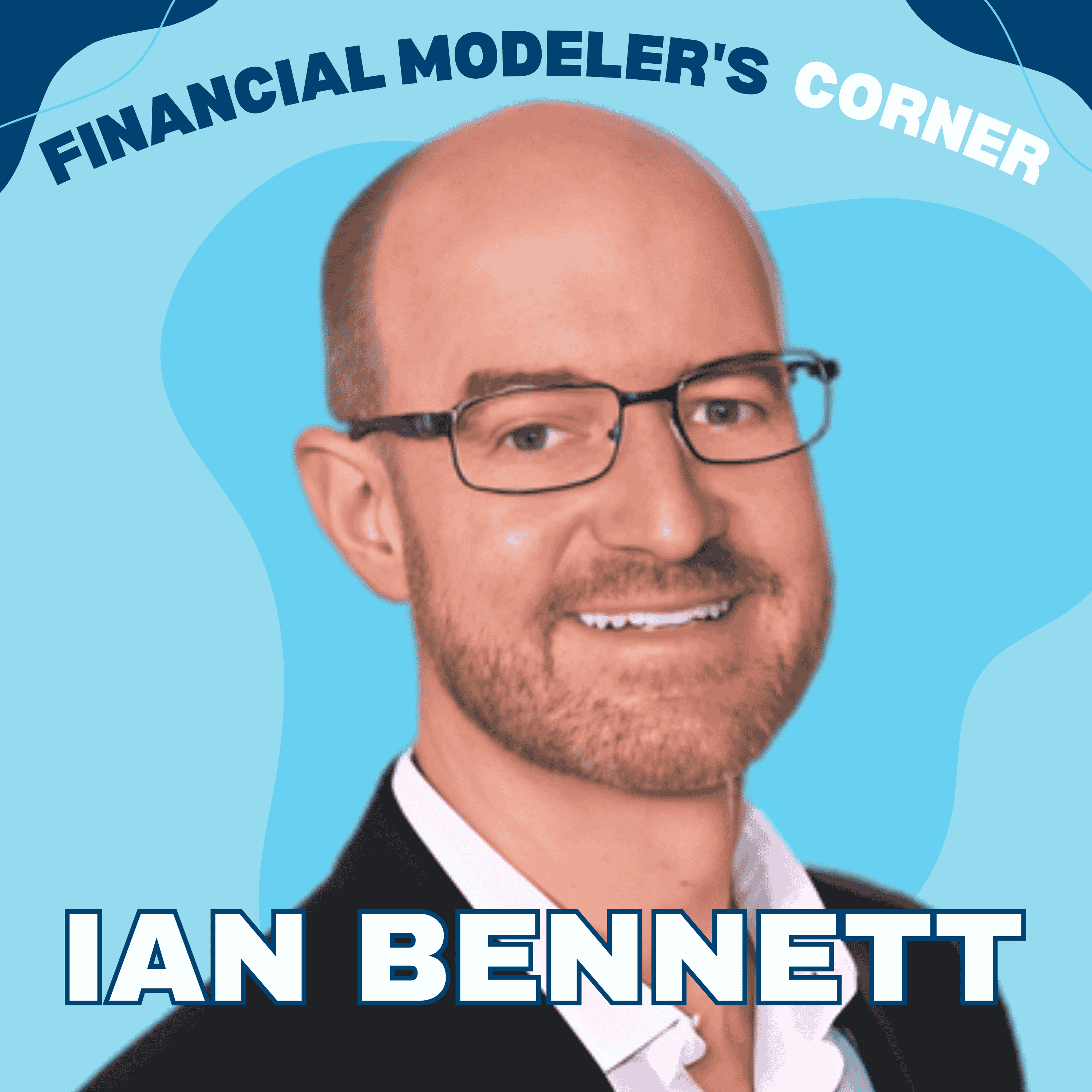
How Curiosity and Listening Help Financial Modelers Build Trusted Models with Ian Bennett
In this episode of Financial Modeler’s Corner, host Paul Barnhurst welcomes Ian Bennett, Partner and Deals Modelling Leader at PwC Australia, to discuss the art and science of financial modeling. Together, they explore what makes a good financial modeler, how Excel has evolved dramatically in recent years, and how emerging tools and AI are shaping the future of modeling. Ian reflects on his decades-long career, from his early days discovering Excel during audits to leading a large team of modelers across Australia and India. Ian Bennett is the Deals Modelling Partner at PwC Australia and a Master Financial Modeler (MFM) certified by the Financial Modeling Institute. With 24 years of hands-on experience in building and leading modeling teams, Ian’s approach combines deep technical expertise with a strong focus on communication, design, and problem-solving. He leads a 50-person modeling team at PwC and is known for his passionate advocacy for best practices, new tools, and innovation in modeling, including integrating AI and the latest features in Excel.Expect to LearnWhy defining a model’s purpose upfront is essential to successThe most important listening and scoping skills great modelers must developHow Excel’s evolution over the past 18 months is changing the gameWhat it means to be model-first vs. outcome-focusedWhy curiosity and human insight are irreplaceable, even in the age of AIHere are a few quotes from the episode:“Every model tells a story, and that story should be known at the start of the project. It’s about understanding what questions the model needs to answer.” – Ian Bennett“Be curious. That curiosity is what drives innovation in modelling, learning new tools, asking better questions, and solving real problems.” – Ian BennettFollow Ian:LinkedIn - https://www.linkedin.com/in/ianrbennett/Website - https://www.pwc.com.au/deals/modelling.htmlIn today’s episode: [00:00] - Trailer [01:09] - Introduction to Ian Bennett [02:13] - Worst Model Ian Has Seen [06:17] - Ian’s Background & Early Interest in Excel [08:19] - Becoming a Master Financial Modeller (MFM) [09:43] - Global Excel Summit Highlights [11:53] - What Makes a Great Financial Modeller [16:38] - Importance of Listening & Understanding Client Needs [23:03] - Time Allocation: Design vs. Building in Excel [28:14] - Modelling Tools Beyond Excel [31:34] - Excel’s Evolution & Exciting New Features [39:08] - Rapid Fire Questions [41:50] - Will AI Build Financial Models? [47:12] - Final Advice for Aspiring Modellers

S1 Ep 94How Finance Leaders Can Transform FP&A Through Vision and Team Culture with Brett Hampson
In this episode, Paul Barnhurst looks into practical frameworks and leadership strategies for finance professionals with guest Brett Hampson. Brett discusses what he believes constitutes great FP&A and how grassroots finance transformations, rather than top-down technology implementations, can foster a proactive, value-creating FP&A culture. Brett Hampson has spent over a decade in corporate FP&A, working with some of the world’s largest companies. He is the author of The FP&A Operating System, a book that outlines his approach to establishing a high-functioning FP&A department. Brett is also the founder of Forecasting Performance, a platform that promotes best practices in financial analysis and forecasting.Expect to LearnWhat grassroots finance transformation entails and why it’s preferable to technology-centric approaches.How to implement Brett’s FP&A Operating System and FP&A Flywheel framework to drive efficiency and value.The importance of setting a clear vision and objectives for FP&A teams to move from reactive to proactive operations.How to leverage attribution analysis and storytelling to enhance FP&A’s influence on business decisions.Here are a few relevant quotes from the episode:“Grassroots finance transformation happens when each person on the team has their own vision and works towards solving specific challenges.” - Brett Hampson“Technology alone doesn’t solve problems. It might fix one, but often creates new ones if cultural issues aren’t addressed first.” - Brett HampsonWith insights into creating effective FP&A systems and teams, Brett Hampson provides a refreshing perspective on FP&A transformation. He highlights the importance of people, process, and then technology, in that order, as the foundation for a high-performing FP&A team.Follow Brett:Website - https://bretthampson.gumroad.com/l/proactiveLinkedIn - https://www.linkedin.com/in/brett-hampson/Newsletter - https://blog.forecastingperformance.com/subscribeFollow Paul: Website - https://www.thefpandaguy.com LinkedIn - https://www.linkedin.com/in/thefpandaguyEarn Your CPE Credit For CPE credit please go to earmarkcpe.com, listen to the episode, download the app, and answer a few questions and earn your CPE certification. To earn education credits for FPAC Certificate, take the quiz on earmark and contact Paul Barnhurst for further details.In Today’s Episode[02:12] - Brett’s Background and Introduction[05:17] - The Creation of The FP&A Operating System[08:04] - Developing a Proactive FP&A Culture[13:22] - Grassroots FP&A Transformation[16:32] - People and Process Before Technology[29:28] - Building the Right Team and Culture[35:11] - Establishing Efficient Processes with the FP&A Flywheel[39:52] - Case Study: Turning Around Forecast Accuracy[52:16] - Final Advice and Wrap-Up

Ep 74How Finance Teams Can Solve the Monday Morning Problem with Real-Time AI - Ian Wong
In this episode of Future Finance, hosts Glenn Hopper and Paul Barnhurst are joined by Ian Wong, co-founder and CEO of Summation, a cutting-edge AI platform designed to help enterprise leaders navigate complex data and make smarter business decisions. Ian shares his journey from CTO at Opendoor to founding Summation, inspired by his frustration with the inefficiencies of traditional reporting and analysis systems.Ian Wong is the co-founder and CEO of Summation, an AI-powered decision platform built to help enterprise leaders better understand how their businesses are performing. Before Summation, Ian co-founded Opendoor and served as CTO through its journey to going public. He was also Square’s first data scientist, where he built early fraud and risk systems. Ian holds degrees in electrical engineering and statistics from Stanford University and brings a rare blend of deep technical expertise and business leadership experience.Expect to Learn:The Monday Morning Problem and its impact on business operationsHow AI can eliminate tedious data analysis processesThe difference between traditional BI tools and the AI-powered platform SummationThe importance of real-time, decision-grade data for enterprise leadersJoin hosts Glenn and Paul as they unravel the complexities of AI in finance:Follow Ian:LinkedIn: https://www.linkedin.com/in/ian-wong/Company: https://www.linkedin.com/company/summation-hq/Follow Paul: LinkedIn - https://www.linkedin.com/in/thefpandaguyFollow QFlow.AI:Website - https://bit.ly/4i1EkjgFuture Finance is sponsored by QFlow.ai, the strategic finance platform solving the toughest part of planning and analysis: B2B revenue. Align sales, marketing, and finance, speed up decision-making, and lock in accountability with QFlow.ai. Stay tuned for a deeper understanding of how AI is shaping the future of finance and what it means for businesses and individuals alike.In Today’s Episode:[01:01] - The Monday Morning Problem and Decision-Making[03:46] - The time and effort spent on manual data analysis[08:48] - Ian’s Motivation Behind Summation[10:40] - What Makes Summation Different[12:48] - The Importance of Accurate Data in Finance[13:53] - Wrapping Up and Farewell
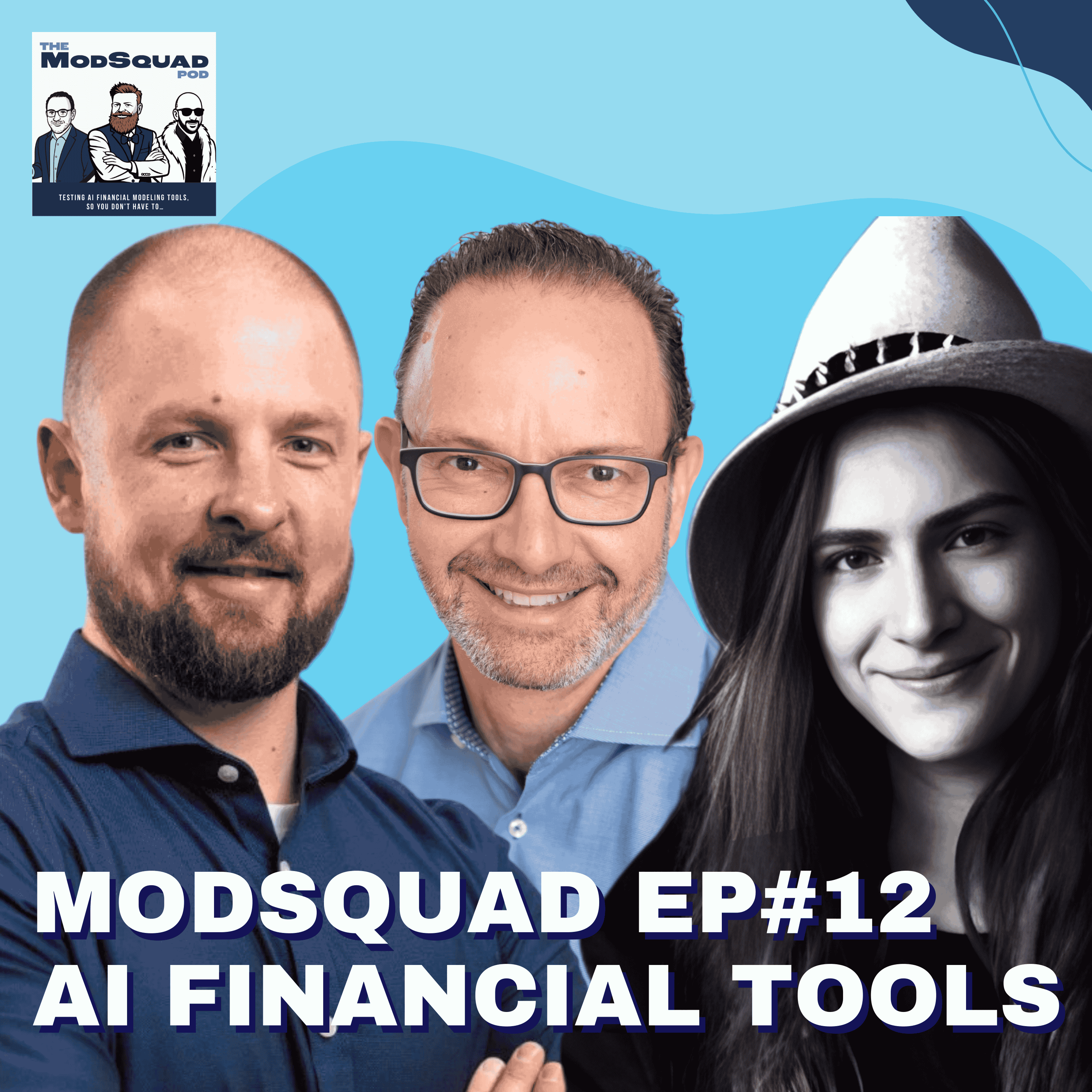
We Tested 7 AI Tools in Excel for Financial Modeling, and None Could Build a Reliable Model
In this episode of The ModSquad, hosts Paul Barnhurst, Ian Schnoor, and Giles Male are joined by Tea Kuseva, Community Manager at the Financial Modeling Institute, for a detailed discussion on the state of AI tools in financial modeling. The group continues its hands-on testing of seven tools, including TabAI, Excel Agent, Shortcut, and TrufflePig, evaluating how these platforms perform on real-world financial modeling tasksTea Kuseva is the Community Manager at the Financial Modeling Institute (FMI), the only global accreditation body dedicated to financial modeling. With her deep involvement in the modeling community and her role supporting professionals worldwide, Tea Kuseva brings thoughtful questions and provides structure to the discussion, helping translate technical insights into practical takeaways for finance professionals.Expect to LearnHow leading AI tools perform on real financial modeling tasksCommon issues like unbalanced sheets and flawed formulasKey differences between Excel-based and standalone toolsPractical ways AI can assist with analysis and reportingWhy Excel and modeling expertise still matter in an AI-driven workflowHere are a few quotes from the episode:“Even five years from now, you’ll still need to understand every cell if you're handing in a model.” – Ian Schnoor“Fast, consistent outputs are still better achieved by experienced humans than by today’s AI tools.” – Giles MaleAI tools show promise in assisting with financial modeling, but they are not yet reliable enough to replace human expertise. Strong Excel skills and sound judgment remain essential. Used wisely, AI can enhance productivity, but it should complement, not replace, technical understanding. The future of modeling is human-led, AI-assisted.Follow Ian:LinkedIn - https://www.linkedin.com/in/ianschnoor/?originalSubdomain=caFollow Giles Male:LinkedIn - https://www.linkedin.com/in/giles-male-30643b15/Follow Tea:LinkedIn: https://www.linkedin.com/in/tkuseva/In today’s episode:[01:16] - Guest Intro[06:07] - Tools Under the Microscope[07:59] - The Testing Framework[13:43] - Lessons from the Esports Challenges[19:33] - Real Examples from the Tools[25:54] - Practical Use Cases for AI Today[33:56] - Variability in AI Outputs[39:40] - Looking Ahead: The Next Five Years[44:58] - Final Comments[46:13] - Final Thoughts and Key Takeaways

S1 Ep 93A Developer Toolkit for FP&A Professionals and Various Musings with Microsoft MVP Jordan Goldmeier
In this episode of FP&A Unlocked, host Paul Barnhurst welcomes back Jordan Goldmeier, Excel expert, author, and longtime friend of the show, for a wide-ranging and honest conversation about careers, technology, and growth. Jordan reflects on his unconventional career path, from auditing and operations research to becoming a Microsoft MVP, author, and entrepreneur. The discussion covers Excel’s evolution, why many finance professionals underuse powerful tools, and Jordan’s latest projects aimed at modernizing how power users work with spreadsheets.Jordan is an entrepreneur, event producer, author, and Microsoft Excel MVP based in the Lisbon Metropolitan Area. He is widely known for his work helping professionals master Excel, data analysis, and modern spreadsheet practices. Jordan has authored several well-known books, including Advanced Excel Essentials, Dashboards for Excel, and Becoming a Data Head. In addition to his work in Excel education, he produces global events that bring together leaders across finance, technology, and entrepreneurship.Expect to Learn:How Jordan’s career twists shaped his approach to Excel, data, and problem-solvingWhy most professionals only scratch the surface of Excel’s capabilitiesJordan’s perspective on why VBA is outdated and what could replace itWhy vertical learning beats beginner–intermediate–advanced training pathsHere are a few quotes from the episode:“Excel isn’t dead, but the way we develop in it needs to change.” – Jordan Goldmeier“You don’t become great by learning everything. You become great by going deep where it matters.” – Jordan GoldmeierJordan also shares the story behind his latest project: a developer-style environment designed to help Excel power users work faster, cleaner, and more confidently, without relying on outdated tools like VBA. He explains why Excel should be treated as part of a broader finance tech stack and how modern coding concepts could dramatically improve spreadsheet workflows. Campfire: AI-First ERP:Campfire is the AI-first ERP that powers next-gen finance and accounting teams. With integrated solutions for the general ledger, revenue automation, close management, and more, all in one unified platform.Explore Campfire today: https://campfire.ai/?utm_source=fpaguy_podcast&utm_medium=podcast&utm_campaign=100225_fpaguyFollow JordanLinkedIn - https://www.linkedin.com/in/jordangoldmeier/Earn Your CPE Credit For CPE credit, please go to earmarkcpe.com, listen to the episode, download the app, answer a few questions, and earn your CPE certification. To earn education credits for the FP&A Certificate, take the quiz on Earmark and contact Paul Barnhurst for further details.In Today’s Episode:[02:15] – Jordan’s Career Journey[08:30] – Setbacks, Resets, and Growth[15:00] – Writing Books on Excel[25:59] – How Excel Is Really Used[29:12] – Why VBA Is Outdated[33:54] – Building Better Tools for Excel[42:25] – Advice for FP&A Professionals[47:16] – Creating Your Own Network[52:12] – Rapid-Fire & Final Thoughts

Ep 73How Finance Pros Can Fix Broken Reporting and End the Monday Morning Problem with Ian Wong
In this episode of Future Finance, hosts Paul Barnhurst and Glenn Hopper sit down with Ian Wong, co-founder and CEO of Summation, to talk about one of the most frustrating challenges in finance and analytics: getting timely, trustworthy answers to basic business questions. Ian shares the story behind what he calls the “Monday Morning Problem” and explains why finance teams often spend weeks chasing insights that arrive too late to matter. The conversation explores the limits of dashboards, the risks of AI hallucinations in finance, and what decision-grade analytics really means.Ian Wong is the co-founder and CEO of Summation, an AI-powered decision platform built to help enterprise leaders better understand how their businesses are performing. Before Summation, Ian co-founded Opendoor and served as CTO through its journey to going public. He was also Square’s first data scientist, where he built early fraud and risk systems. Ian holds degrees in electrical engineering and statistics from Stanford University and brings a rare blend of deep technical expertise and business leadership experience.In this episode, you will discover:What the “Monday Morning Problem” is and why it slows down decision-makingWhy dashboards and ad hoc reports often fail finance leadersThe risks of relying on generic AI tools for financial analysisHow decision-grade analytics differ from conversational AIWhat the coming “query flood” could mean for data infrastructure and costsIan explains how Summation helps finance and operations teams move from manual data stitching to faster, more reliable insights. The discussion also covers AI hype versus reality, why trust matters so much in finance analytics, and how leaders can think more clearly about where AI fits into real business workflows.Join hosts Glenn and Paul as they unravel the complexities of AI in finance.Follow Ian:LinkedIn: https://www.linkedin.com/in/ian-wong/Company: https://www.linkedin.com/company/summation-hq/Follow Glenn:LinkedIn: https://www.linkedin.com/in/gbhopperiiiFollow Paul:LinkedIn - https://www.linkedin.com/in/thefpandaguyFollow QFlow.AI:Website - https://bit.ly/4i1EkjgFuture Finance is sponsored by QFlow.ai, the strategic finance platform solving the toughest part of planning and analysis: B2B revenue. Align sales, marketing, and finance, speed up decision-making, and lock in accountability with QFlow.ai. Stay tuned for a deeper understanding of how AI is shaping the future of finance and what it means for businesses and individuals alike.In Today’s Episode:[01:58] – Meet Ian Wong[05:25] – The “Monday Morning Problem”[09:23] – What Empathetic Leadership Really Means[13:15] – How Enterprise Research Really Works[16:34] – The Monday Morning Numbers Meeting[21:25] – A Balance Sheet That Still Doesn’t Balance[25:53] – Where AI actually helps finance teams[28:27] – The AI Hype Question of 2025[33:07] – Moving into Personal Questions

What Happens When the AI Tools Fail Basic Math and More with Ian and Giles
In this episode of The Mod Squad, hosts Paul Barnhurst, Ian Schnoor, and Giles Male continue their hands-on testing of AI tools for financial modeling. This time, they put Subset, an AI-powered spreadsheet tool still in beta, through its paces. The hosts explore whether Subset can realistically handle core financial modeling tasks, including importing Excel files, building three-statement models, and applying basic accounting logic. Along the way, they uncover significant limitations, bugs, and logical errors that highlight the risks of relying on unsupported or immature tools.Expect to LearnWhat Subset promises to do and how it performs in real-world testingThe challenges of importing Excel files into non-Excel environmentsWhy basic accounting logic still breaks many AI modeling toolsThe risks of using outdated or unsupported AI tools found onlineWhat it would actually take for professionals to move away from ExcelHere are a few quotes from the episode:“There’s no AI on the planet that should tell you gross profit is revenue plus costs.” – Ian Schnoor“It’s clever, but massively flawed and unreliable in lots of areas right now.” – Giles MaleSubset shows ambition in trying to act as a full AI spreadsheet, but the testing reveals serious issues, from incorrect formulas to flawed financial logic and unstable performance. While the tool demonstrates how far AI experimentation has come, it also serves as a cautionary example of why finance professionals must validate outputs and maintain strong technical foundations. Follow Ian:LinkedIn - https://www.linkedin.com/in/ianschnoor/?originalSubdomain=caFollow Giles Male:LinkedIn - https://www.linkedin.com/in/giles-male-30643b15/In today’s episode: [02:40] – Welcome back to The Mod Squad[05:04] – Introducing Subset and its promises[08:38] – Importing Excel files into Subset[11:27] – Errors, bugs, and beta limitations[13:50] – Building a three-statement model from scratch[19:25] – A Basic Revenue Reality Check[22:37] – Why Excel Is Hard to Replace[27:10] – Lessons learned from testing multiple tools[30:01] – Why Structured Data Matters
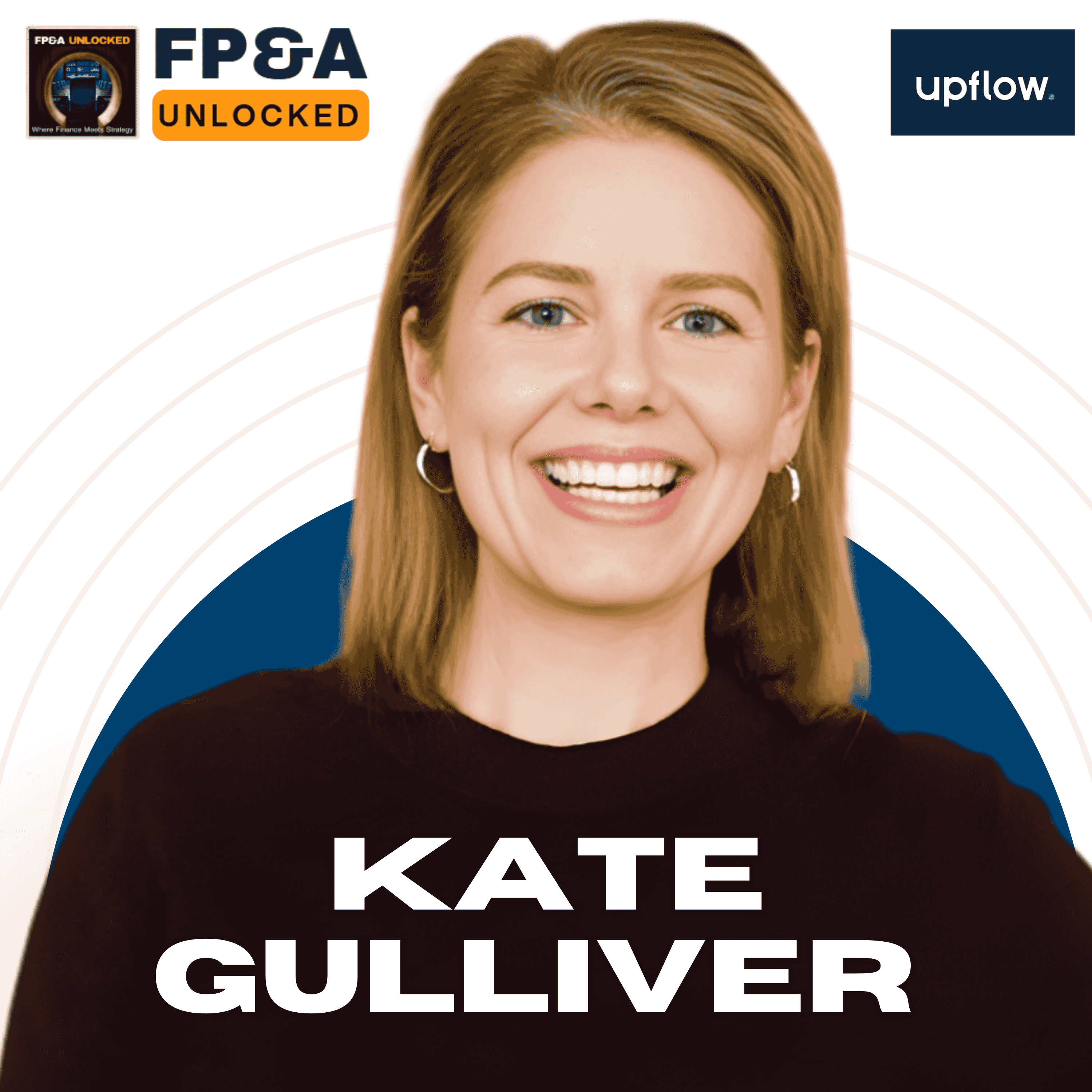
S1 Ep 92The CFO Leading Talent, Operations & Corporate Communications (Kate Gulliver, CFO & CAO, Wayfair)
Disclaimer: This is a podswap episode from The Growth-Minded CFO, hosted by Lauren Pearl and Alex Louisy, featuring Kate Gulliver, CFO and CEO of Wayfair.The path to becoming a CFO today is rarely a straight line. Finance leaders are increasingly coming from diverse backgrounds, bringing a broad range of skills to the role. After all, the best CFOs don’t just manage numbers; they shape strategy, foster talent, and drive innovation across an organization.In this episode of The Growth-Minded CFO, hosts Lauren and Alex sit down with Kate Gulliver, CFO and CAO of Wayfair. It's an insightful conversation about leadership, adaptability, and impact. Kate shares her journey from investor relations to overseeing finance, legal, talent, and corporate communication, offering a rare look at the evolution of a top executive.She reflects on the challenges of stepping into new roles, the power of an entrepreneurial mindset in a high-growth company, and the lessons learned from integrating finance with people strategy. Kate also opens up about balancing a demanding career with motherhood and the importance of fostering an inclusive, authentic workplace.In this Episode:[00:58] - Meet Kate Gulliver: Wayfair's Multifaceted Leader[01:53] - Journey Through Wayfair: From IPO to CFO[06:55] - Transitioning to Talent: A Leap of Faith[10:28] - Learning and Leading in Talent Management[16:08] - The CFO Perspective: Integrating Talent and Finance[17:11] - Navigating the CFO Role: Insights and Reflections[18:50] - The Importance of Cross-Departmental Communication[21:30] - Wayfair's Latest Launch: Wayfair Verified[24:49] - Operationalizing New Ideas at Wayfair[29:59] - Balancing Work and Life[33:23] - The Importance of Authenticity at WorkConnect with Kate:LinkedIn: https://www.linkedin.com/in/kate-gulliver-3b242762Connect with Alex:LinkedIn: https://www.linkedin.com/in/alexlouisy/Connect with Lauren on LinkedIn: https://www.linkedin.com/in/laurenepearl/Follow The Growth-Minded CFO:Apple Podcast: https://podcasts.apple.com/us/podcast/the-growth-minded-cfo/id1773662367YouTube: https://www.youtube.com/@Upflow_FRM

S1 Ep 91The Soft Skills in Finance for CFOs to Build Influence and Leadership with Rosemary Linden
In this episode of FP&A Unlocked, host Paul Barnhurst is joined by Glenn Snyder and Rosemary Linden to talk about the important role of FP&A in today’s business world. They share stories from their careers, including lessons learned from failures, unique requests they've received, and their experiences navigating the complex world of finance.Glenn Snyder brings years of experience in finance and FP&A, focusing on budgeting, strategy, and improving financial processes. Rosemary Linden is the founder and president of Momentum CFO, where she provides fractional CFO services and FP&A consulting. With over 25 years in the industry, she recently won CFO of the Year from the San Diego Business Journal and is passionate about mentoring women in finance.Expect to Learn:How clarity, influence, and foresight define great FP&A workThe importance of empathy and communication in leadership rolesReal-world lessons from career failures and how to bounce backBest practices for budgeting and data governanceHow to make sure your financial forecasting is both transparent and trustworthyHere are a few quotes from the episode:“FP&A is all about helping leaders make better, faster decisions.” – Glenn Snyder“The way you say things can matter just as much as what you say in FP&A.” – Rosemary LindenGlenn and Rosemary shared valuable insights on the strategic role of FP&A, the importance of empathy in leadership, and how to learn from failures. Their stories and advice will help anyone in finance make a greater impact within their organization. Tune in for more practical tips on navigating the world of FP&A!Campfire: AI-First ERP:Campfire is the AI-first ERP that powers next-gen finance and accounting teams. With integrated solutions for the general ledger, revenue automation, close management, and more, all in one unified platform.Explore Campfire today: https://campfire.ai/?utm_source=fpaguy_podcast&utm_medium=podcast&utm_campaign=100225_fpaguyFollow Rosemary Linden:LinkedIn - https://www.linkedin.com/in/rosemarylinden/Company - https://www.linkedin.com/company/momentumcfo/Follow Glenn:LinkedIn - https://www.linkedin.com/in/glenntsnyder/Earn Your CPE Credit For CPE credit, please go to earmarkcpe.com, listen to the episode, download the app, answer a few questions, and earn your CPE certification. To earn education credits for the FP&A Certificate, take the quiz on Earmark and contact Paul Barnhurst for further details.In Today’s Episode:[02:04] – What makes great FP&A[07:00] – Glenn’s career failure and lesson[11:06] – Rosemary on empathy and tone in FP&A[19:09] – Managing failure[26:00] – Unusual FP&A requests[38:40] – Streamlining budgeting and setting targets[45:30] – Importance of data governance[49:40] – FP&A’s role in raising capital[54:35] – Final thoughts on FP&A’s impact

Ep 72ERP and AI Failures Finance Pros Face Without Data and Process Governance with Cindy Vindasius
In this episode of The Future Finance Show, hosts Paul Barnhurst and Glenn Hopper sit down with Cindy Vindasius, an expert in accounting and process transformation with over 30 years of experience in the Silicon Valley ecosystem. Cindy, the founder and CEO of her advisory practice, shares her expertise on ERP implementations, system transformations, and how AI is reshaping the finance landscape. They discuss her experiences with ERP failures, her new online course for ERP readiness, and the challenges companies face when navigating ERP transformations and adopting AI tools.Cindy Vindasius is a CPA and MBA with over 30 years of experience guiding high-growth technology and manufacturing companies through complex ERP, finance transformation, and AI-readiness initiatives. As the founder of Vindasius Advisory, she has led 12 ERP implementations, 8 IPO and M&A, and numerous SOX compliance projects. Her clients include industry leaders such as Tesla, Apple, 23andMe, and TenX. Through her ERP Preparedness Master Workshop and executive advisory programs, Cindy helps CFOs and CIOs align systems and processes for scale, resilience, and efficiency.Expect to Learn:Why legacy ERP systems are fundamentally flawed in designCindy’s journey into ERP transformations and system implementationsThe complexity of ERP migrations and why they’re often harder than expectedHow AI is changing ERP systems and the finance industryCindy’s ERP readiness course, which helps businesses prepare for successful ERP transformationsJoin hosts Glenn and Paul as they unravel the complexities of AI in finance:AI Readiness Assessment: Take the free 3-minute AI Readiness Assessment to clearly identify your strengths and weaknesses across Finance and Operations: https://cindy-tooq6nwx.scoreapp.com/AI First Vendor Evaluation Checklist:Evaluate smarter and avoid costly mistakes with this AI First Vendor Evaluation Checklist packed with key criteria: https://www.vindasius.com/opt-inFollow Cindy:LinkedIn: https://www.linkedin.com/in/cindy-vindasius/Website: https://www.vindasius.comFollow Paul: LinkedIn - https://www.linkedin.com/in/thefpandaguyFollow QFlow.AI:Website - https://bit.ly/4i1EkjgFuture Finance is sponsored by QFlow.ai, the strategic finance platform solving the toughest part of planning and analysis: B2B revenue. Align sales, marketing, and finance, speed up decision-making, and lock in accountability with QFlow.ai. Stay tuned for a deeper understanding of how AI is shaping the future of finance and what it means for businesses and individuals alike.In Today’s Episode:[00:29] - Cindy’s Background and ERP Experience[03:30] - The Challenges of ERP Implementations[07:00] - AI’s Role in Changing ERP Systems[10:10] - Lessons from AI-Native ERP Platforms[12:00] - Cindy’s ERP Readiness Course[16:30] - Closing Thoughts and Thanks

The Reality of AI Excel Tools for Finance Teams to Understand Formula Complexity with Ian and Giles
In this episode of The Mod Squad, hosts Paul Barnhurst, Ian Schnoor, and Giles Male continue their exploration of tools for financial modeling. This time, they test Melder, a tool designed to streamline financial modeling tasks in Excel. The hosts evaluate how it handles various financial exercises, such as creating formulas and generating a deferred revenue schedule. While the tool shows promise, the hosts identify areas where Melder has room to improve, particularly with bugs and user experience quirks. This episode also highlights the challenges of using tools still in beta.Expect to LearnA detailed review of Melder’s features for Excel-based financial modeling.How Melder compares to other tools previously tested by the team.Challenges faced when using Melder for tasks like building formulas and financial schedules.The pros and cons of using Melder, especially when it comes to its unique features and limitations.Insights into tools’ development process, especially when still in beta.Here are a few quotes from the episode:"I appreciate the confidence behind the bold statements, but at the end of the day, tools need to make sure they’re doing the job correctly." – Ian Schnoor"When tools go wrong, it’s not just about fixing the error; it’s about understanding what went wrong so we can avoid future issues." – Giles MaleMelder offers some useful features for financial modeling, such as custom formulas and file handling, but it still faces challenges like data overwriting and slow performance. While it shows potential, especially in automating tasks, it needs further refinement to become a reliable tool for complex financial tasks. As it continues to evolve, we look forward to seeing how it improves and addresses these issues.Follow Ian:LinkedIn - https://www.linkedin.com/in/ianschnoor/?originalSubdomain=caFollow Giles Male:LinkedIn - https://www.linkedin.com/in/giles-male-30643b15/In today’s episode: [00:31] - What is Melder?[03:30] - Melder’s Website and Features[08:40] - Testing Melder on Financial Modeling Tasks[12:00] - Exploring Melder’s Formula Creation Capabilities[14:30] - Overview of the LLM Model and Google Gemini Models[19:43] - Testing the Trial Balance and Tool's Thought Process[24:08] - Understanding Overengineered Formulas[32:05] - Testing the PVM Use Case and Encountering Errors[41:51] - Final Thoughts and Melder’s Future Potential

S1 Ep 90The CFO Role is Changing for Finance Leaders to Own AI, Talent, and Strategy with Omar Choucair
In this episode of FP&A Unlocked, host Paul Barnhurst sits down with Omar Choucair, the CFO of Trintech, to discuss the evolving role of the CFO, the importance of technology in finance, and the strategic value of FP&A teams. Omar shares insights on how AI is transforming financial operations, the need for technical skills in FP&A, and the shift in CFO responsibilities over the years.Omar Choucair brings over 25 years of experience in corporate finance, accounting, governance, and FP&A. His background spans private equity, public company software businesses, and M&A deals, having successfully navigated over 40 major transactions. With expertise in financial software solutions, he leads Trintech in helping businesses automate and streamline critical financial processes.Expect to Learn:The evolving responsibilities of CFOs and the strategic value they provide in today's organizationsHow AI and technology are revolutionizing finance and FP&A functionsThe critical role of FP&A in helping companies understand and act on dataWhy intellectual curiosity and technology expertise are essential for modern FP&A professionalsKey insights on hiring and developing top FP&A talentHere are a few quotes from the episode:“To be successful in FP&A, you have to be technically savvy. If you are afraid of technology, you will not do well in FP&A.” – Omar Choucair“The CFO is the voice of reason, objective under pressure, and the protector of the company and its employees.” – Omar ChoucairOmar discusses the increased pressure on CFOs, the growing reliance on AI tools like ChatGPT, and the importance of being inquisitive to drive better financial insights. He also touches on the importance of collaboration between FP&A and other departments to drive business success and better decision-making.Campfire: AI-First ERP:Campfire is the AI-first ERP that powers next-gen finance and accounting teams. With integrated solutions for the general ledger, revenue automation, close management, and more, all in one unified platform.Explore Campfire today: https://campfire.ai/?utm_source=fpaguy_podcast&utm_medium=podcast&utm_campaign=100225_fpaguyFollow Omar:LinkedIn - https://www.linkedin.com/in/omar-choucair-cpa-80264815/Company - https://www.trintech.com/Earn Your CPE Credit For CPE credit, please go to earmarkcpe.com, listen to the episode, download the app, answer a few questions, and earn your CPE certification. To earn education credits for the FP&A Certificate, take the quiz on Earmark and contact Paul Barnhurst for further details.In Today’s Episode:[02:04] - Omar’s Career Journey and Experience in Finance[04:41] - Defining Great FP&A and What It Looks Like in Practice[07:19] - The Role of Technology in Modern FP&A[11:40] - Leveraging AI to Drive Efficiency in Finance[14:04] - The Key to Unlocking FP&A Success[26:21] - Best Practices for Building and Leading an FP&A Team[33:13] - Integrating Business Intelligence into FP&A Workflows[38:55] - Managing the Budgeting Process and Alignment with ELT[44:27] - Key Skills for Future FP&A Leaders and Career Advice

Ep 71What Finance Professionals Must Fix Before AI and ERP Transformations Fail with Cindy Vindasius
In this episode of Future Finance, hosts Paul Barnhurst and Glenn Hopper are joined by systems and finance transformation expert Cindy Vindasius to explore why so many ERP implementations fail, and what companies can do to fix that. They discuss the often-overlooked groundwork needed before selecting a system or deploying AI tools, and why jumping straight to automation without strong data and processes is a recipe for chaos. Whether you're planning an ERP rollout or modernizing finance operations, this conversation is packed with practical guidance for long-term success.Cindy Vindasius is a CPA and MBA with over 30 years of experience guiding high-growth technology and manufacturing companies through complex ERP, finance transformation, and AI-readiness initiatives. As the founder of Vindasius Advisory, she has led 12 ERP implementations, 8 IPO and M&A, and numerous SOX compliance projects. Her clients include industry leaders such as Tesla, Apple, 23andMe, and TenX. Through her ERP Preparedness Master Workshop and executive advisory programs, Cindy helps CFOs and CIOs align systems and processes for scale, resilience, and efficiency.In this episode, you will discover:Why 70% of ERP implementations fail and how to avoid common misstepsWhat ERP readiness really means, and why it's often overlookedHow AI-native ERPs compare to legacy systems in real-world implementationsWhy scalable data governance and documented processes are essentialHow Cindy’s ERP Preparedness Master Workshop helps teams succeedThis episode highlights the often-missed foundations of ERP and AI success: preparation, clarity, and scalability. Cindy Vindasius shares the roadmap finance leaders need to transform systems from a source of chaos into a driver of growth.Join hosts Glenn and Paul as they unravel the complexities of AI in finance.AI Readiness Assessment: Take the free 3-minute AI Readiness Assessment to clearly identify your strengths and weaknesses across Finance and Operations: https://cindy-tooq6nwx.scoreapp.com/AI First Vendor Evaluation Checklist:Evaluate smarter and avoid costly mistakes with this AI First Vendor Evaluation Checklist packed with key criteria: https://www.vindasius.com/opt-inFollow Cindy:LinkedIn: https://www.linkedin.com/in/cindy-vindasius/Website: https://www.vindasius.comFollow Glenn:LinkedIn: https://www.linkedin.com/in/gbhopperiiiFollow Paul:LinkedIn - https://www.linkedin.com/in/thefpandaguyFollow QFlow.AI:Website - https://bit.ly/4i1EkjgFuture Finance is sponsored by QFlow.ai, the strategic finance platform solving the toughest part of planning and analysis: B2B revenue. Align sales, marketing, and finance, speed up decision-making, and lock in accountability with QFlow.ai. Stay tuned for a deeper understanding of how AI is shaping the future of finance and what it means for businesses and individuals alike.In Today’s Episode:[01:36] – Meet Cindy[04:33] – ERP Beginnings[07:43] – AI-Native ERP Landscape[11:41] – AI in Finance[15:25] – ERP Readiness Course[21:36] – Data Migration Issues[25:53] – ERP vs AI Readiness[29:44] – Outsourcing Pitfalls[30:46] – Rapid-Fire & Fun[32:57] – Closing Thoughts

TrufflePig AI vs Excel for Finance Teams from Building Models to Real-Time DCFs with Ian Schnoor
In this episode of Financial Modeler’s Corner, hosts Paul Barnhurst and Ian Schnoor continue their exploration of AI tools for financial modeling. This time, they test Trufflepig, a tool designed to help financial analysts automate spreadsheet tasks while still allowing them to focus on the insights. The hosts test Trufflepig on various financial modeling tasks, discussing its performance and how it compares to other tools they've used. They cover tasks such as building a DCF model for Nvidia, generating executive summaries, and creating a financial forecast. While Trufflepig performs well in some areas, there are still challenges that need to be addressed, particularly with certain financial concepts like working capital and net income.Expect to LearnA review of Trufflepig, an AI-powered spreadsheet tool.How Trufflepig performs on real-world financial tasks.The benefits and limitations of AI tools in financial modeling.Insights into how Trufflepig compares with other financial modeling tools.Here are a few quotes from the episode:“The biggest advantage of using Trufflepig is that it helps you with the repetitive tasks, so you can focus on higher-level analysis.” - Ian Schnoor“Trufflepig is an interesting tool, but as with any new software, there’s a learning curve. But if it delivers value, it’s worth it.” - Ian SchnoorTrufflepig is a promising tool for financial professionals, particularly those looking to automate repetitive spreadsheet tasks. While it performs well on basic tasks like building DCF models and creating executive summaries, there are areas for improvement, especially around financial concepts like working capital and the handling of complex formulas.Follow Ian:LinkedIn - https://www.linkedin.com/in/ianschnoor/?originalSubdomain=caTrufflepig: https://Trufflepig.ai/In today’s episode: [01:40] – Review of Previously Tested AI Tools[05:15] – Trufflepig’s Positioning and Messaging[12:00] – Trufflepig Attempts the eSports Modeling Case[22:00] – Challenges with TEXTSPLIT and Modern Excel Functions[30:50] – Executive Summary Generation[40:01] – Data Sourcing and Web Pulling Behavior[49:26] – Reasons for DCF and Market Price Differences[59:45] – Exporting to Excel and Formatting Issues[1:12:26] – Final Review and Closing Thoughts

S1 Ep 89Power BI and a Creator Mindset Are Essential for FP&A Teams to Replace Excel with Rishi Sapra
In this episode of FP&A Unlocked, host Paul Barnhurst sits down with Rishi Sapra to explore how finance professionals can leverage business intelligence tools like Power BI to drive better decision-making. Rishi discusses how the role of FP&A is evolving with technology, and why it’s essential for finance teams to not only consume data but to create and model it in ways that deliver actionable insights.Rishi Sapra is a Group Manager at Avanade, a global technology consulting firm, and a Microsoft Most Valuable Professional (MVP). With over 20 years of experience in major firms such as Deloitte, KPMG, HSBC, and Accenture, Rishi combines his financial expertise with cutting-edge data and AI solutions. Rishi is also the founder of Power Platform Finance, where he runs an accelerator program to teach finance professionals how to use tools like Power BI, Power Query, and semantic modeling to transform business data into actionable insights.Expect to Learn:Why learning Power Query is a must-have skill for every finance professionalThe mindset shift from being a consumer of data to becoming a creator of data solutionsHow to build simple, effective data models and dashboards using Power BITips for applying semantic models and data storytelling in financial reportingHow AI and business intelligence tools are changing the role of FP&A professionalsHere are a few quotes from the episode:“As a finance professional, you need to understand not just the data, but how to create the solutions that bring out insights from it.” – Rishi Sapra“It’s less about learning every tool, and more about understanding the fundamentals that remain the same, regardless of the software.” – Rishi SapraRishi Sapra highlights the importance of shifting from being a consumer to a creator of data solutions within finance teams. By mastering tools like Power BI and embracing a mindset of data storytelling, finance professionals can unlock actionable insights and drive meaningful change. Rishi’s advice empowers finance teams to not just adapt to technology, but to lead the way in transforming business intelligence.Campfire: AI-First ERP:Campfire is the AI-first ERP that powers next-gen finance and accounting teams. With integrated solutions for the general ledger, revenue automation, close management, and more, all in one unified platform.Explore Campfire today: https://campfire.ai/?utm_source=fpaguy_podcast&utm_medium=podcast&utm_campaign=100225_fpaguyFollow Rishi:LinkedIn - https://www.linkedin.com/in/rsaprano/Website - www.rishisapra.comCompany 1 - www.msfabrictraining.comCompany 2 - www.learndatainsights.comCompany 3 - www.powerplatformfinance.comEarn Your CPE Credit For CPE credit, please go to earmarkcpe.com, listen to the episode, download the app, answer a few questions, and earn your CPE certification. To earn education credits for the FP&A Certificate, take the quiz on Earmark and contact Paul Barnhurst for further details.In Today’s Episode:[02:04] - Rishi’s Career Journey[04:41] - Career Expectations After Accounting[07:19] - Becoming a Microsoft MVP[11:40] - Why Finance Needs Power BI[14:04] - Shifting from Consumer to Creator[26:21] - Best Ways to Learn BI[33:13] - Integrating BI into FP&A[38:55] - Dashboard & Visualization Tips[44:27] - Best Career Advice

Ep 70The ERP Problem for Finance Teams to Replace Consultant Lock-In with AI - Santiago Nestares
In this episode of The Future Finance Show, hosts Glenn Hopper and Paul Barnhurst speak with Santiago Nestares, co-founder and CEO of DualEntry, about the urgent need for modern ERP systems built from the ground up. Santiago shares the origin story behind DualEntry, born from his frustrations with legacy finance systems while scaling a $100M+ global business. The conversation explores how DualEntry eliminates painful ERP implementations, delivers live data in under 24 hours, and empowers finance teams to operate with greater automation and controlSantiago Nestares is the CEO and co-founder of DualEntry, an AI-native ERP platform. Prior to DualEntry, he co-founded Benitago, which scaled to over $100 million in revenue. His first-hand struggles with outdated ERP systems inspired him to build a finance platform that automates workflows, simplifies migrations, and improves operational transparency, without the typical consulting overhead or nine-month implementations.Expect to Learn:Why legacy ERP systems are fundamentally flawed in designHow DualEntry enables 24-hour data migrations with minimal disruptionThe practical difference between AI-native vs. AI-layered ERP platformsHow consumer-grade experience is redefining enterprise finance softwareWhy ERP implementation doesn’t have to feel like back surgeryJoin hosts Glenn and Paul as they unravel the complexities of AI in finance:Follow Santiago:LinkedIn: https://www.linkedin.com/in/santiago-nestares/Website: https://www.dualentry.com/Follow Paul: LinkedIn - https://www.linkedin.com/in/thefpandaguyFollow QFlow.AI:Website - https://bit.ly/4i1EkjgFuture Finance is sponsored by QFlow.ai, the strategic finance platform solving the toughest part of planning and analysis: B2B revenue. Align sales, marketing, and finance, speed up decision-making, and lock in accountability with QFlow.ai. Stay tuned for a deeper understanding of how AI is shaping the future of finance and what it means for businesses and individuals alike.In Today’s Episode:[00:58] - ERP Pain Points from Scaling a $100M Business[02:39] - Why Simple ERP Migrations Are Surprisingly Hard[06:13] - From Stealth to $90M Series A[10:01] - Where Finance Teams Will See ROI First[14:42] - How 24-Hour ERP Migration Works[19:26]- Fixing ERP: From Back Surgery to Massage

Elkar AI Put to the Test in Live Financial Modeling with Honest Results for Modellers - Ian & Giles
In this episode of The ModSquad on Financial Modeler’s Corner, Giles Male and Ian Schnoor put Elkar to the test, a financial modeling tool that's been getting attention for its speed and slick design. From solving structured Excel challenges to building full forecast models, they push the tool to its limits. What follows is a revealing look at how Elkar performs when accuracy, logic, and professional modeling standards are on the line. Along the way, they uncover surprising strengths, critical flaws, and even moments of unexpected comedy. Whether you’re curious about automation or cautious about AI in finance, this episode offers plenty to think about.Expect to LearnWhat Elkar gets right: speed, formatting, and a sleek interfaceWhere it breaks down: logic errors, disconnected assumptions, and unreliable outputsHow Elkar stacks up against other AI tools like TabAI and AgentWhy using AI without understanding modeling fundamentals can be dangerousWhat it takes to turn a promising AI output into a reliable financial modelHere are a few quotes from the episode:"Right now, Elkar is like a junior analyst, you see potential, but you can't let them run unsupervised." - Giles Male"AI tools like this might build something that looks like a model, but without logic, it’s a house of cards." - Ian SchnoorIn this episode, Elkar proves to be a fast and visually polished AI tool with clear potential, especially in formatting and task execution speed. However, when it comes to financial logic, assumption structuring, and balance sheet integrity, it consistently misses the mark. The tool even resorts to shortcuts like hardcoding values and plugging imbalances. Follow Giles Male:LinkedIn - https://www.linkedin.com/in/giles-male-30643b15/Follow Ian:LinkedIn - https://www.linkedin.com/in/ianschnoor/?originalSubdomain=caElkar: https://elkar.coIn today’s episode: [06:48] - Exploring Elkar: Website, Pricing, and Features[10:34] - Elkar Takes on the Esports Excel Challenge[20:14] - Elkar Gets Caught Cheating[24:18] - Elkar Struggles with Complex Logic[35:45] - Cash Flow Logic & Balance Sheet Errors[46:38] - From Hardcoding to Dynamic Assumptions[53:45] - Balance Sheet Plugging and Logical Failure[57:34] - Reviewing Elkar’s Working Capital Assumptions[1:04:20] - Wrap up & Final Thoughts

S1 Ep 88Key learnings and takeaways from actual attendees of Campfire's AI finance summit
In this episode of FP&A Unlocked, host Paul Barnhurst takes you inside the Campfire Finance Forward AI Summit in San Francisco, a one-of-a-kind event exploring how AI is transforming finance. Instead of one guest, this special edition features four conversations with top finance leaders and innovators who share what they’re seeing, building, and doing with AI in real time. From ERP innovation to the EQ behind great CFOs, this episode delivers tactical advice and big-picture thinking from the forefront of modern finance.John Glasgow is the CEO and co-founder of Campfire, leading the charge in AI-native ERP innovation for modern finance teams. CJ Gustafson, the founder of Mostly Metrics and a former CFO, brings real-world insights on scaling, AI adoption, and the shift from executive to creator. Libby Francke, Head of Finance at Klarity, shares her experience modernizing data infrastructure and running a lean, high-impact finance function with Campfire. Kevin Neary, VP of Finance at Brainly, reflects on managing global finance operations and how AI is helping his team boost efficiency and productivity.Expect to Learn:Why Campfire is building an AI-native ERP with its own large accounting modelHow to identify when legacy systems like QuickBooks are holding your company backWhat makes great FP&A beyond technical skill: EQ, storytelling, and sniff testsHow to think tactically about AI adoption, agents, and automationHere are a few quotes from the episode:“Trying to make the most of AI and low-cost solutioning is how we’re building the finance function of the future.” - Libby Francke“A lot of companies are stuck in pilot purgatory; they test AI, think it’s cool, but don’t know how to roll it out.” - CJ GustafsonThis special episode of FP&A Unlocked captures the momentum and insight from the Campfire Finance Forward AI Summit, showcasing how finance leaders are navigating the rapid shift toward AI-native systems. From foundational models to practical automation, the conversations with John Glasgow, CJ Gustafson, Libby Francke, and Kevin Neary highlight that the future of finance isn’t just about technology; it’s about strategic thinking, clean data, and bold leadership.Campfire: AI-First ERP:Campfire is the AI-first ERP that powers next-gen finance and accounting teams. With integrated solutions for the general ledger, revenue automation, close management, and more, all in one unified platform.Explore Campfire today: https://campfire.ai/?utm_source=fpaguy_podcast&utm_medium=podcast&utm_campaign=100225_fpaguyFollow John:LinkedIn - www.linkedin.com/in/johnglasgow/Follow CJ Gustafson:LinkedIn - https://www.linkedin.com/in/cj-gustafson-13140948/Follow Libby:LinkedIn - https://www.linkedin.com/in/libby-francke-cpa-831b4854/Follow Kevin:LinkedIn - https://www.linkedin.com/in/kevin-neary-cpa/Earn Your CPE Credit For CPE credit, please go to earmarkcpe.com, listen to the episode, download the app, answer a few questions, and earn your CPE certification. To earn education credits for the FP&A Certificate, take the quiz on Earmark and contact Paul Barnhurst for further details.In Today’s Episode [01:37] - Overview of the Campfire Summit & Key Panels [07:39] - Interview: John Glasgow on Building Campfire and AI-Native ERP [15:47] - Interview: CJ Gustafson on Scaling, AI Hype, and EQ in Finance [29:00] - Interview: Libby Francke on ERP Migration, Data, and Lean Finance Teams [37:58] - Interview: Kevin Neary on Global Finance Ops and Getting AI-Ready [44:52] - Final Reflections & Takeaways

Ep 69DualEntry's Co-founder Santiago Nestares shares why Mid-Market CFO are ditching Legacy ERPs
In this episode of Future Finance, hosts Paul Barnhurst and Glenn Hopper talk with Santiago Nestares, co-founder and CEO of DualEntry, about the reinvention of ERP systems through AI-native design. After scaling a global e-commerce business to over $100 million in revenue, Santiago experienced the frustrations of legacy finance systems firsthand. That pain sparked the vision for DualEntry: an ERP platform built from the ground up for the AI era.Santiago Nestares is the CEO and co-founder of DualEntry, an AI-native ERP platform. Before DualEntry, he co-founded Benitago, a leading Amazon brand aggregator. His experience running a multi-entity, high-growth business exposed the inefficiencies in traditional finance systems, inspiring him to build a next-gen ERP solution from scratch.In this episode, you will discover:Why legacy ERP systems are fundamentally broken, and how AI changes the gameHow DualEntry enables 24-hour ERP data migrationThe role of AI in journal entries, reporting, and reconciliationHow auditors are embracing automation and AI for compliance and accuracyWhy ERP systems must evolve beyond just being "AI-enabled" to truly AI-nativeSantiago Nestares joins Paul and Glenn to reveal how DualEntry is transforming ERP for the AI era. From eliminating painful migrations to building systems finance teams actually enjoy using, Santiago makes it clear: the future of ERP is AI-native, fast, and built with users in mind. ERP doesn’t have to be a burden. With the right tools, it can become a strategic advantage.Join hosts Glenn and Paul as they unravel the complexities of AI in finance:Follow Santiago:LinkedIn: https://www.linkedin.com/in/santiago-nestares/Website: https://www.dualentry.com/Follow Glenn:LinkedIn: https://www.linkedin.com/in/gbhopperiiiFollow Paul:LinkedIn - https://www.linkedin.com/in/thefpandaguyFollow QFlow.AI:Website - https://bit.ly/4i1EkjgFuture Finance is sponsored by QFlow.ai, the strategic finance platform solving the toughest part of planning and analysis: B2B revenue. Align sales, marketing, and finance, speed up decision-making, and lock in accountability with QFlow.ai. Stay tuned for a deeper understanding of how AI is shaping the future of finance and what it means for businesses and individuals alike.In Today’s Episode:[01:36] - Lessons from Scaling to $100M & ERP Frustrations[03:37] - Why ERP Migrations Are So Broken[07:47] - How DualEntry Raised a $90M Series A[10:51] - AI-Native vs. AI-Enabled ERP Systems[18:23] - Challenges and Realities of 24-Hour ERP Migration[23:26] - Why Building a Mid-Market ERP Is a Bold Move[28:18] - Using AI in Audits & Real-Time Reporting[31:45] - Rapid-Fire AI Questions[35:52] - Final Reflections & Wrap-Up
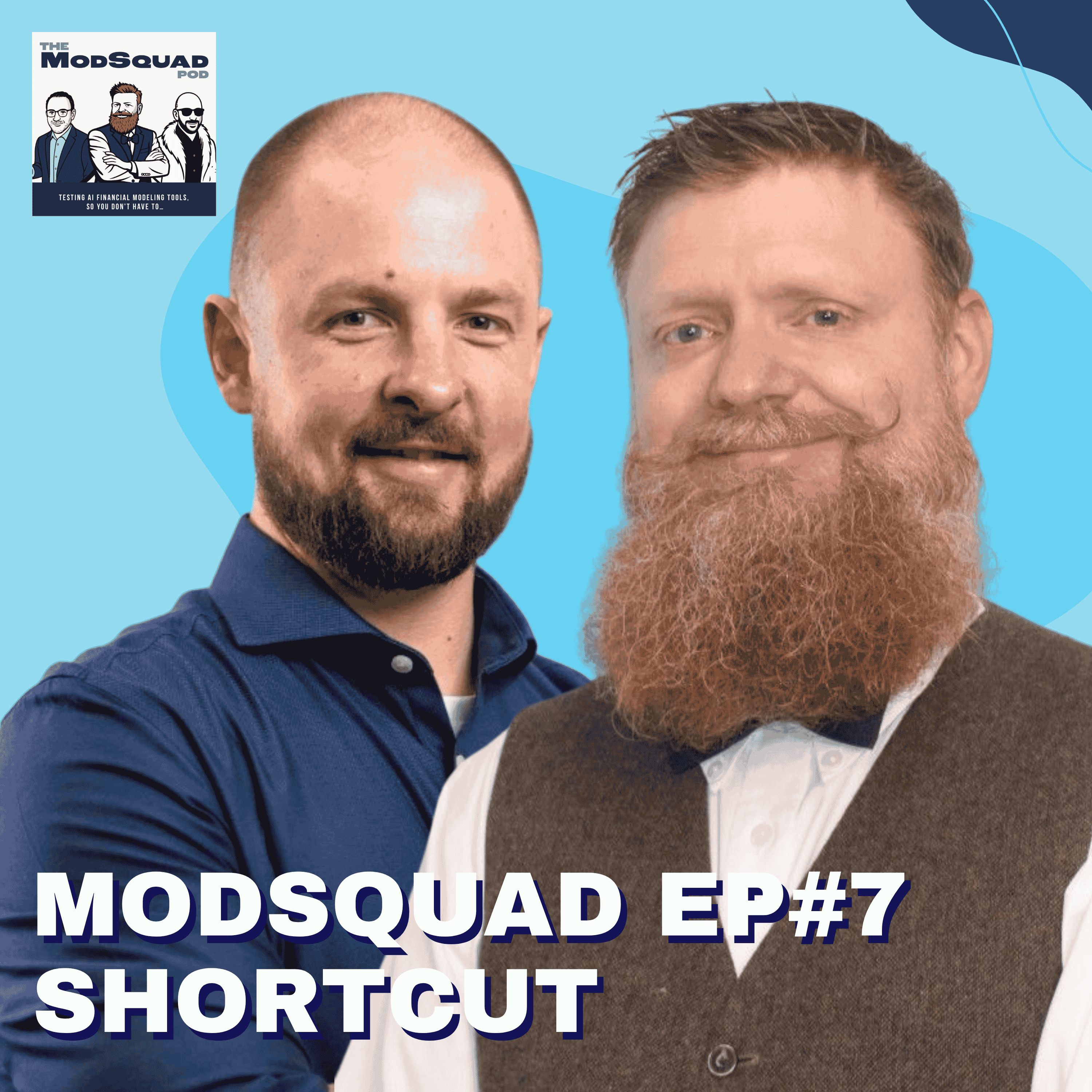
Testing Shortcut AI's bold claims: Did it live up to the hype with Giles Male
In this episode of The ModSquad on Financial Modeler’s Corner, Paul Barnhurst and Giles Male put Shortcut under the AI microscope, testing one of the most hyped AI tools in the financial modeling world. With claims like “the most accurate Excel agent in the world” and the ability to outperform human champions in modeling tasks, Shortcut has made a big splash, but does it live up to its own bold promises? Paul and Giles run it through a rigorous series of real-world modeling challenges, from esports cases and financial forecasts to dashboard analysis and deferred revenue schedules. What they find is a tool with clear potential, and some serious red flags.Expect to LearnWhere Shortcut impresses with formatting, speed, and usabilityWhere it fails, especially with modeling logic How Shortcut compares to Excel Agent and TabAI across key modeling tasksWhy reversing formatting in a model is a huge red flagWhat to consider when investing in premium AI tools for modelingHere are a few quotes from the episode:“Shortcut has potential, but right now it’s flash over fundamentals.” - Giles Male“Could you imagine an analyst reversing formatting to make a number look negative? They’d be out the door.” - Giles MaleDespite the hype, Shortcut proved to be a solid tool with promise. It delivered impressive formatting and UI, yet had some serious issues like incorrect logic, hardcoded values, and non-balancing models, which held it back. A promising AI assistant, just not a replacement for real modeling expertise.Follow Giles Male:LinkedIn - https://www.linkedin.com/in/giles-male-30643b15/In today’s episode: [01:15] - Intro & Where the AI Modeling Journey Stands[05:11] - Shortcut: First Impressions & Bold Claims[14:28] - Viral Demo Video Breakdown[23:12] - Esports Challenge: Basic Excel Tasks[31:19] - Intermediate Case: Modeling Accuracy[36:10] - Building a 3-Statement Forecast[44:24] - Red Flags: Formatting & Balance Sheet Errors[50:27] - Deferred Revenue Test[56:32] - Trial Balance Dashboard: Visuals vs. Substance[1:07:22] - Final Thoughts & Shortcut's Ranking
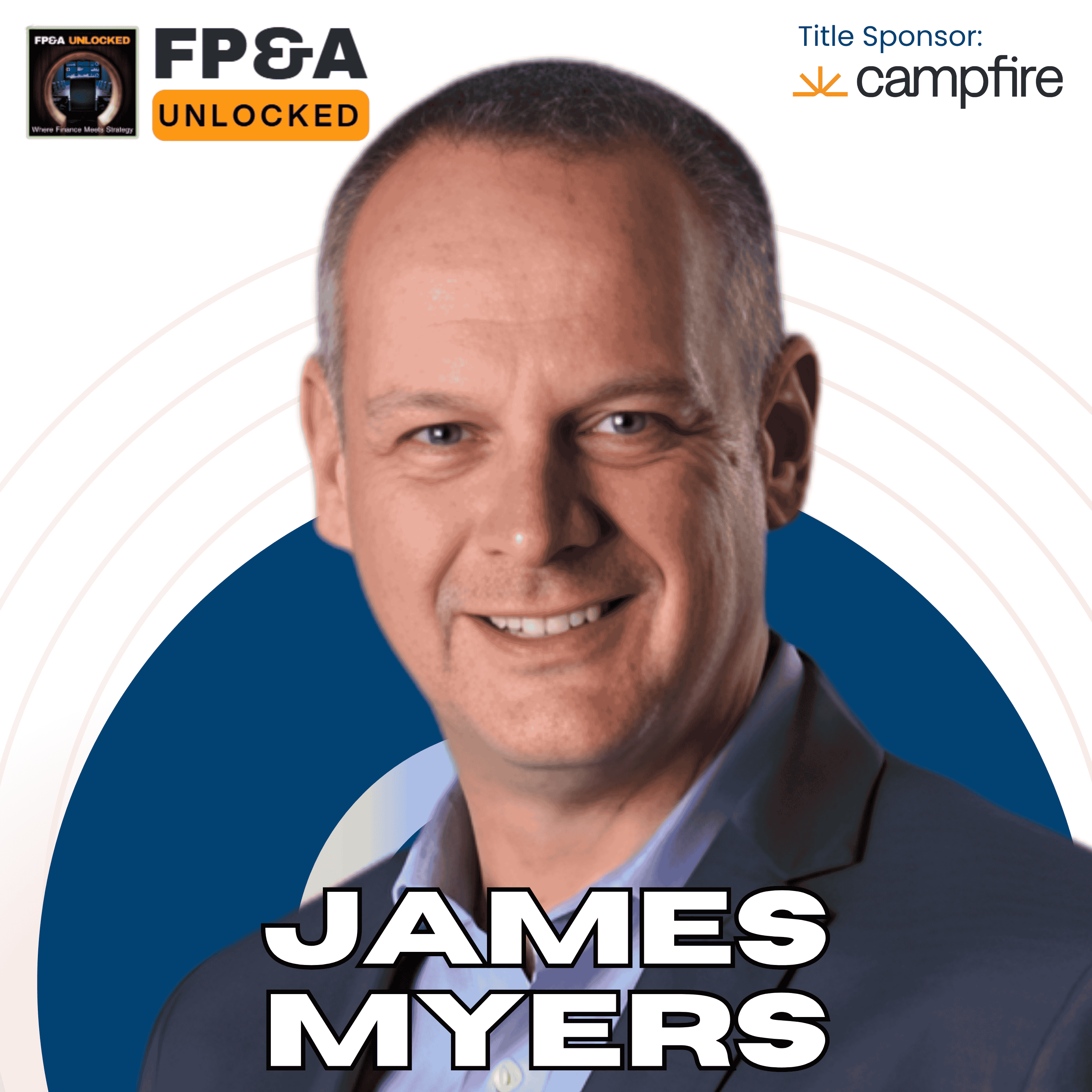
S1 Ep 87Best Practice Tips to Successfully Implement FP&A Software with James Myers
In this episode of FP&A Unlocked, Paul welcomes James Myers, a financial systems and planning expert known for helping organizations modernize their FP&A functions. Drawing from years of experience implementing planning, modeling, and consolidation tools, James breaks down what makes FP&A software implementations succeed or fail. From understanding when your system has reached its limits to managing change and choosing the right implementation partners, James shares the steps every finance leader should take to avoid expensive mistakes.James Myers has led multiple large-scale planning system implementations for global organizations. He specializes in modeling and financial planning solutions that help companies reduce reliance on spreadsheets, improve collaboration, and achieve scalable performance management. His consulting work spans industries including manufacturing, technology, and retail, where he focuses on aligning processes, people, and systems for long-term success.Expect to Learn:The signs your FP&A system is broken and ready for replacementHow to select the right planning or modeling tool for your company sizeThe real cost behind system implementation (and how to plan for it)Why clean data and cross-functional collaboration are essentialBest practices for RFPs, vendor selection, and proof of concept testingHere are a few quotes from the episode:“Reducing reliance on Excel isn’t about killing it, it’s about freeing up your team to think strategically.” - James Myers“The role of FP&A is to be a true value partner to the business—combining data, strategy, and people.” - James MyersJames Myers reminds us that FP&A transformation is less about tools and more about mindset. By focusing on vision, data quality, and collaboration, finance teams can build systems that scale with their companies instead of holding them back. If you’re preparing for a software upgrade or implementation, this episode will help you do it right the first time.Campfire: AI-First ERP:Campfire is the AI-first ERP that powers next-gen finance and accounting teams. With integrated solutions for the general ledger, revenue automation, close management, and more, all in one unified platform.Explore Campfire today: https://campfire.ai/?utm_source=fpaguy_podcast&utm_medium=podcast&utm_campaign=100225_fpaguyFollow James:LinkedIn - https://www.linkedin.com/in/jamesmyersw/Follow Glenn:LinkedIn - https://www.linkedin.com/in/glenntsnyder/Earn Your CPE Credit For CPE credit, please go to earmarkcpe.com, listen to the episode, download the app, answer a few questions, and earn your CPE certification. To earn education credits for the FP&A Certificate, take the quiz on Earmark and contact Paul Barnhurst for further details.In Today’s Episode[00:00] - Trailer[01:58] - What Makes Great FP&A[03:17] - Signs Your Current System is Broken[07:03] - The Hidden Cost of Excel Dependency[08:16] - How to Choose the Right FP&A Tool[13:35] - Setting a Vision Before Selecting Vendors[22:52] - RFP and Demo Best Practices[30:36] - Negotiating the Best Deal Without Cutting Corners[36:35] - Why Change Management Matters Most[47:00] - Implementation Pitfalls and How to Avoid Them[52:40] - Final Thoughts: Building the Future of FP&A

Ep 68The NetSuite AI & MCP Connector Help Finance Teams Turn ERP into a System of Action with Ranga & Joe
In this episode of Future Finance, Glenn Hopper and Paul Barnhurst sit down with Joe Friedman and Ranga Bodla from Oracle NetSuite to explore how AI is transforming enterprise resource planning (ERP) systems. Amidst rising competition and a rapidly changing tech landscape, NetSuite is doubling down on intelligent automation, open platforms, and embedded AI to redefine how finance teams operate.Joe Friedman is the Senior Director of AI Innovation at Oracle NetSuite, driving efforts to integrate practical AI across finance and operations. With over 15 years at NetSuite, Joe focuses on converting AI into measurable productivity gains. Ranga Bodla is the Vice President of Field Engagement and Marketing at Oracle NetSuite, with more than 20 years in enterprise software. He leads industry strategy across verticals, helping businesses convert innovation into performanceExpect to Learn:Why AI is reinvigorating interest in ERP platforms like NetSuite.How NetSuite’s AI strategy balances “AI every day” and “AI your way.”What the MCP connector does and why it’s a game-changer for data analysis.How NetSuite’s clean data models fuel better AI outcomes and user productivity.Joe Friedman and Ranga Bodla offer a compelling look at how NetSuite is embedding AI into the core of ERP to drive smarter, faster decision-making. Their insights show that clean data, open platforms, and practical AI tools are key to transforming finance operations today.Join hosts Glenn and Paul as they unravel the complexities of AI in finance:Follow Joe:LinkedIn: https://www.linkedin.com/in/friedman-ns/Follow Ranga:LinkedIn: https://www.linkedin.com/in/ranga-bodla-bb45b/Follow Paul: LinkedIn - https://www.linkedin.com/in/thefpandaguyFollow QFlow.AI:Website - https://bit.ly/4i1EkjgFuture Finance is sponsored by QFlow.ai, the strategic finance platform solving the toughest part of planning and analysis: B2B revenue. Align sales, marketing, and finance, speed up decision-making, and lock in accountability with QFlow.ai. Stay tuned for a deeper understanding of how AI is shaping the future of finance and what it means for businesses and individuals alike.In Today’s Episode:[02:00] – Where NetSuite Stands in Today’s ERP Landscape[05:17] – Why ERP and AI Go Hand-in-Hand[07:29] – AI Every Day, AI Your Way: What NetSuite’s MCP Connector Unlocks[10:29] – Practical AI Integration Inside NetSuite[13:30] – Real-World Use Cases for AI in Finance[16:22] – AI Agents, Automation, and What’s Coming Next[18:05] – SaaS as the Real Driver of AI Adoption[19:48] – Why Clean Data Fuels Better AI Outcomes[21:12] – Closing Thoughts

How TabAI stacks up as an Excel AI Agent for Financial Modeling Pros, with Ian and Giles
In this episode of The Mod Squad on Financial Modeler’s Corner, Paul Barnhurst, Ian Schnoor, and Giles Male take a close look at TabAI, a tool designed to simplify and speed up Excel tasks using automation and intelligent suggestions. With more tools dropping out of the market and Excel’s own Agent feature gaining ground, the question is simple: Does TabAI offer something worth switching to? From cleaning data and building dashboards to attempting a full five-year forecast, the team puts TabAI through a series of real-world modeling challenges to see what it gets right and where it still falls short.Expect to LearnWhere TabAI shines in helping analysts and where it needs improvement.How does it compare to Excel Agent in terms of speed, usability, and accuracy?Why finance pros still need to understand what’s going on under the hood.What to watch for when relying on tools that promise “done-for-you” modeling.Here are a few quotes from the episode:“Agent was faster, but TabAI handled more advanced stuff better.” - Ian Schnoor“AI is great at building things fast, but one small mistake can make the whole model unusable.” - Giles MaleTabAI turned out to be one of the more impressive tools we’ve tested so far, especially when it comes to everyday Excel tasks and building dashboards. It’s not perfect, especially with full-scale models, but it’s definitely a step in the right direction. For now, it’s a great helper, but you’ll still need your own modeling skills to get the job done right.Follow Ian Schnoor:LinkedIn - https://www.linkedin.com/in/ianschnoor/Follow Giles Male:LinkedIn - https://www.linkedin.com/in/giles-male-30643b15/In today’s episode: [02:28] - TabAI Leaves Retail[05:17] - Competing with Excel Agent[06:50] - TabAI Feature Overview[10:30] - The “Iron Man Suit” Claim[14:28] - eSports Case Test[23:12] - Dancing Fur Coat Model[29:14] - Trial Balance Dashboard[33:56] - Deferred Revenue Test[38:36] - Full Forecast Model Build[51:10] - Final Thoughts

S1 Ep 86The Strategy Gap in FP&A for Finance Leaders to Bridge Cash Flow and Planning with Moataz Mukhaimer
In this episode of FP&A Unlocked, Paul is joined by strategic advisor and podcast host Moataz Mukhaimer to explore the intersection of finance and strategy, where true business impact is made. With over 20 years of experience guiding SMEs, family-owned businesses, and startups across the Middle East, Moataz explains why finance professionals must step beyond Excel and deeply understand the business to add real value. From diagnosing problems through numbers to designing KPIs that reflect a company’s vision, this episode is a masterclass in how FP&A can lead, not just support.Moataz Mukhaimer is a strategic and financial advisor with over 20 years of experience supporting SMEs across the MENA region. A graduate of McGill University (MBA) and Boston University (BA in Accounting & Finance), he specializes in helping businesses identify challenges and align strategy with execution. His client portfolio spans sectors including retail, med-tech, e-commerce, ed-tech, manufacturing, and software.Expect to Learn:Why cash from operations is the true measure of business valueHow to design KPIs that align with both strategy and financial outcomesWhy most pricing problems are rooted in poor positioning, not high costsHow to diagnose problems through both numbers and conversationsThe two most important habits for connecting finance with strategyHere are a few quotes from the episode:“Most companies aren’t overpricing, they’re underpricing and positioning poorly.” - Moataz Mukhaimer“Cash from operations is the truest form of value creation.” - Moataz MukhaimerMoataz Mukhaimer reminds us that the power of FP&A lies in understanding the whole business, not just the numbers. By aligning strategy with financial planning, simplifying KPIs, and focusing on communication, finance professionals can become essential partners in growth. If you're ready to elevate your impact, this episode is for you.Campfire: AI-First ERP:Campfire is the AI-first ERP that powers next-gen finance and accounting teams. With integrated solutions for the general ledger, revenue automation, close management, and more, all in one unified platform.Explore Campfire today: https://campfire.ai/?utm_source=fpaguy_podcast&utm_medium=podcast&utm_campaign=100225_fpaguyFollow Moataz:LinkedIn - https://www.linkedin.com/in/moataz-mukhaimer/Website - https://moatazmukhaimeradvisory.com/Earn Your CPE Credit For CPE credit, please go to earmarkcpe.com, listen to the episode, download the app, answer a few questions, and earn your CPE certification. To earn education credits for the FP&A Certificate, take the quiz on Earmark and contact Paul Barnhurst for further details.In Today’s Episode[04:05] - What Defines Great FP&A?[05:56] - Great Planning in Action[08:40] - Cash Flow is Queen[14:15] - Why Budgeting Often Fails[26:45] - Pricing: The Hidden Problem[30:04] - Moataz’s Four-Part Strategy Framework[33:07] - Diagnosing Problems Through People and Numbers[36:27] - Advice for Connecting Finance to Strategy[40:09] - Hosting Business Talk and Giving Back[43:36] - FP&A Fast Five[48:31] - Final Advice: Always Tie Finance to Strategy

Ep 67How NetSuite uses AI and how the NetSuite Connector is a Game Changer for accountants with Joe and Ranga
In this episode of Future Finance, hosts Paul Barnhurst and Glenn Hopper sit down with NetSuite’s Joe Friedman and Ranga Bodla to explore how AI is transforming enterprise resource planning (ERP) systems. With decades of combined experience in enterprise software, Joe and Ranga discuss how NetSuite is innovating ERP through AI-native capabilities, open platforms, and real-time automation. The conversation spans AI agent adoption, data clarity, and how finance teams can start harnessing AI today without major overhauls.Joe Friedman is the Senior Director of AI Innovation at Oracle NetSuite, driving efforts to integrate practical AI across finance and operations. With over 15 years at NetSuite, Joe focuses on converting AI into measurable productivity gains. Ranga Bodla is the Vice President of Field Engagement and Marketing at Oracle NetSuite, with more than 20 years in enterprise software. He leads industry strategy across verticals, helping businesses convert innovation into performance.In this episode, you will discover:Why NetSuite believes ERP is the core of AI transformation in financeHow the new MCP connector integrates AI agents like Claude and ChatGPTPractical AI use cases: from variance analysis to journal entry creationWhy clean ERP data is essential for effective AI outcomesHow companies can start AI initiatives without high risk or costJoe Friedman and Ranga Bodla offer a compelling look at how NetSuite is leading the charge in making AI practical and accessible within ERP systems. Their insights show that businesses don’t need massive overhauls to start seeing value from AI, just clean data and the right tools. As ERP evolves, NetSuite’s hybrid approach positions it to stay ahead. This episode is a must-listen for anyone navigating the intersection of finance, tech, and AI. Join hosts Glenn and Paul as they unravel the complexities of AI in finance:Follow Joe:LinkedIn: https://www.linkedin.com/in/friedman-ns/Follow Ranga:LinkedIn: https://www.linkedin.com/in/ranga-bodla-bb45b/Follow Glenn:LinkedIn: https://www.linkedin.com/in/gbhopperiiiFollow Paul:LinkedIn - https://www.linkedin.com/in/thefpandaguyFollow QFlow.AI:Website - https://bit.ly/4i1EkjgFuture Finance is sponsored by QFlow.ai, the strategic finance platform solving the toughest part of planning and analysis: B2B revenue. Align sales, marketing, and finance, speed up decision-making, and lock in accountability with QFlow.ai. Stay tuned for a deeper understanding of how AI is shaping the future of finance and what it means for businesses and individuals alike.In Today’s Episode:[04:15] - Competing with New ERP Platforms[09:42] - What is MCP & AI Everyday?[13:47] - AI Use in Daily Finance Tasks[20:18] - Why Many AI Projects Fail[27:14] - How to Start with AI in NetSuite[30:25] - Building AI Workflows Without Engineers[35:19] - Future of ERP: Embedded AI vs. External Agents[39:33] - The Most Human Thing About AI[43:49] - Closing Thoughts & Takeaways
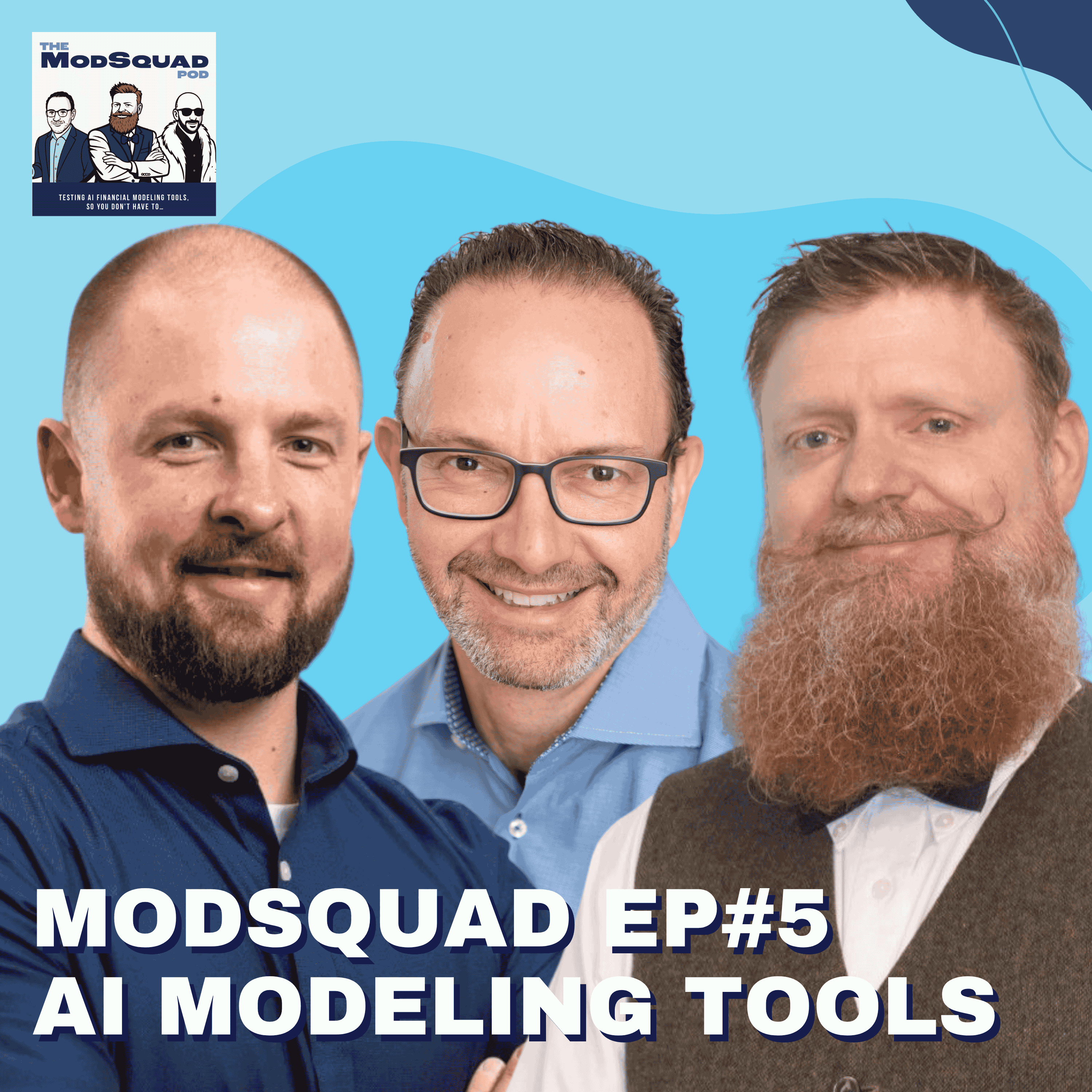
How AI Excel Tools Stackup Against the Hype and How Excel Agent Has Disrupted the Marketplace with Ian and Giles
In Episode 5 of The ModSquad on Financial Modeler’s Corner, Paul Barnhurst, Ian Schnoor, and Giles Male take a hard look at the changing landscape of financial modeling in the wake of Microsoft’s release of Excel Agent. Since launching at the end of September to coincide with Excel’s 40th birthday, Excel Agent has quickly changed the competitive dynamics for AI-powered modeling tools. The team explores the implications: how Excel Agent’s capabilities compare to other tools, why third-party platforms are shutting down, and what all this means for the future of work in modeling-heavy industries like investment banking.Expect to LearnWhy Excel Agent is pushing competing modeling tools like Rosie AI out of the market.What makes Excel Agent a “magnifier” of both modeling skill and error.How fast AI is evolving inside Excel and what that means for modelers today.Why AI won’t reduce hours in finance, despite speeding up modeling work.What OpenAI’s Project Mercury reveals about the next phase of automation in investment banking.Here are a few quotes from the episode:“You can't hit a prompt, go get a coffee, and expect a working model.” – Giles Male“If you don’t understand what the AI just built, you’re in trouble.” – Ian SchnoorThis episode makes it clear: AI is not a replacement for skill; it’s a multiplier. Excel Agent may be setting the new standard, but success still comes down to human understanding, judgment, and accountability. As the modeling world evolves rapidly, professionals who stay informed and upskill will thrive. The Mod Squad isn’t slowing down either; more tool reviews and sharp conversations are coming.Follow Ian Schnoor:LinkedIn - https://www.linkedin.com/in/ianschnoor/Follow Giles Male:LinkedIn - https://www.linkedin.com/in/giles-male-30643b15/In today’s episode: [05:29] - AI Tools Recap[07:26] - AI Hype and Hidden Risks[10:23] - AI as a Skill Magnifier[13:48] - Microsoft’s Impact on AI Startups[16:15] - Rapid Evolution of Excel AI[21:29] - OpenAI’s Role in Financial Modeling[29:17] - Understanding Assumptions and Calculations[31:53] - Final Thought

S1 Ep 85The Transformation Framework for CFOs to Lead Strategy, Culture & Execution at Scale with Paul S. Young
Note:This episode is a pod swap from The Diary of a CFO. We’re sharing it here to help you discover another excellent show in the finance leadership space. All content belongs to the original podcast and host Wassia Kamon.In this episode of The Diary of a CFO, Wassia Kamon sits down with Paul S. Young, EVP and CFO at Liberty Bank, to uncover what modern finance leadership looks like in an era of rapid transformation. With decades of experience across institutions like TD Bank, Citizens Bank, and Siemens, Paul shares how CFOs can lead with purpose by aligning strategy, driving innovation, and cultivating future-ready talent. From intelligent automation to authentic leadership, this episode offers a comprehensive framework for CFOs navigating complexity at scale.Paul S. Young is the Senior Executive Vice President and Chief Financial Officer at Liberty Bank, the oldest and largest independent mutual bank in the U.S. With over 25 years of experience spanning finance, digital transformation, and strategy, Paul is a respected leader in shaping the future of finance. He serves on the AICPA Future of Finance Leadership Advisory Group and the AICPA Council, helping steer the next generation of financial professionals.Expect to LearnHow Liberty Bank integrates strategic planning into its budgeting cycle for real impactWhy creating a Business Transformation Office and EPMO was a game-changerWhere AI and intelligent automation fit in the finance function, without losing the human touchHow finance apprenticeship and rotational programs are developing future leadersPaul’s leadership philosophy is rooted in authenticity, gratitude, and work-life balanceHere are a few quotes from the episode:“You prepare for this all your life. Have the courage of your convictions and don’t be afraid to fail.” – Paul S. Young“AI won’t replace people, but it will replace the people who don’t embrace AI.” – Paul YoungConnect with Guest Paul S. YoungLinkedIn: https://www.linkedin.com/in/pyoungcpa/ Liberty Bank: https://www.linkedin.com/company/liberty-bankct/ Liberty Bank (Website): https://www.liberty-bank.com/ AICPA Future of Finance Leadership Advisory Group: https://www.aicpa-cima.comConnect with Host Wassia Kamon onLinkedIn: https://www.linkedin.com/in/wassiakamon/ Instagram: https://www.instagram.com/wassiakamon/Connect with The Diary of a CFO Podcast onLinkedIn: https://www.linkedin.com/company/the-diary-of-a-cfo-podcast/YouTube: https://www.youtube.com/@Thediaryofacfopodcast/featuredWebsite: https://www.thediaryofacfo.com X (Twitter): https://x.com/thediaryofacfo?TikTok: https://www.tiktok.com/@csuitestories?Episode Breakdown with Timestamps[00:00:00] – Introduction to Paul Young and His Role at Liberty Bank[00:02:00] – From Prudential Insurance to CFO: Paul's Career Journey[00:07:11] – Lessons from the Transition to Corporate CFO[00:12:15] – Aligning Strategic Planning and Budgeting for Agility[00:18:40] – Launching the Enterprise Project Management Office (EPMO)[00:24:00] – How the Business Transformation Office Enables Intelligent Automation[00:31:00] – AI in Finance: Balancing Tech and Human Judgment[00:37:20] – Cultivating Talent Through Apprenticeships and Rotational Programs[00:46:00] – Paul’s Leadership Principles: Authenticity, Gratitude, and Balance[00:47:45] – Personal Reflections: Family, Boating, and Life as “PopPop”
S1 Ep 84The Power of Teaching in FP&A to Influence Executives & Bridge Communication Gaps with Carl Seidman
In this episode of FP&A Unlocked, Paul and Glenn are joined by Carl Seidman to explore a powerful but often overlooked role in finance: being a teacher. Drawing from decades of experience across consulting, education, and finance leadership, Carl discusses how FP&A professionals must learn to teach, whether it’s helping executives see the story behind the numbers, guiding junior staff, or translating finance for cross-functional teams. The episode is packed with practical advice, personal stories, and thoughtful insights about how teaching, influence, and communication shape success in finance.Carl Seidman is a seasoned management consultant, fractional CFO, and educator. With over 20 years of experience advising companies from startups to Fortune 500s, Carl also teaches at Rice University and runs finance training programs for corporate teams. He brings a unique blend of technical mastery, business strategy, and teaching skill, making him the perfect voice to discuss why FP&A must go beyond the spreadsheet and into the realm of influence.Expect to Learn:Why teaching is an essential skill for every FP&A professionalHow to tailor your message to different audiences, from analysts to executivesWhy oversharing details can derail your influenceHow to spot when your audience is confused (and how to pull them back in)Practical strategies for teaching finance without using jargon or acronymsHere are a few quotes from the episode:“The best presenters speak to the audience’s needs, not their own ego.” - Carl Seidman“FP&A is often the bridge, translating finance for operations and operations for finance.” - Glenn SnyderCarl Seidman reminds us that the heart of FP&A isn’t just analysis, it’s communication, clarity, and connection. Through teaching, finance professionals can elevate their impact, build trust, and drive real business understanding. This episode reinforces that the most effective finance leaders don’t just present data, they help others make sense of it.Campfire: AI-First ERP:Campfire is the AI-first ERP that powers next-gen finance and accounting teams. With integrated solutions for the general ledger, revenue automation, close management, and more, all in one unified platform.Explore Campfire today: https://campfire.ai/?utm_source=fpaguy_podcast&utm_medium=podcast&utm_campaign=100225_fpaguyFollow Carl:LinkedIn - linkedin.com/in/carlseidmanWebsite: seidmanfinancial.comEarn Your CPE Credit For CPE credit, please go to earmarkcpe.com, listen to the episode, download the app, answer a few questions, and earn your CPE certification. To earn education credits for the FP&A Certificate, take the quiz on Earmark and contact Paul Barnhurst for further details.In Today’s Episode[02:30] - Meet Carl Seidman[04:48] - What Does “FP&A as a Teacher” Mean?[08:20] - Teaching Early in Your Career[19:33] - Who Does FP&A Need to Teach?[25:54] - Teaching Financial Impact[29:19] - Ditch the Jargon[35:44] - Spotting Confused Audiences[41:59] - Teaching for Long-Term Growth[43:58] - Celebrity on a Deserted Island

Ep 66The AI Paradox for Finance Leaders to Solve with Data Clarity & Smarter Decisions - Khaled Chowdhury
In this episode, Paul sits down with renowned data strategist Khaled Chowdhury to unpack what it means to bring clarity to data in the age of AI. With a background in FP&A and a track record as an early Power BI adopter, Khaled brings a rare blend of financial and technical expertise. The conversation explores the concept of "data clarity," the challenges behind AI adoption in business, and why clean data models matter more than ever.Khaled Chowdhury is a globally recognized expert in data strategy and the founder of Data Crafters. With roots in FP&A, Khaled was among the first to integrate Power BI into planning workflows. Today, he helps executives and teams transition from data chaos to clarity, particularly as AI transforms the business landscape.Expect to Learn:What “data clarity” really means and why it matters for business decisions.The two big barriers preventing organizations from becoming data-driven.What the “AI paradox” is and why 95% of enterprise AI projects fail.Why your data model is the hidden make-or-break factor in using AI tools.How to think about probabilistic vs. deterministic results in AI systems.Khaled Chowdhury and Paul Barnhurst offer a thought-provoking exploration of how data and AI are reshaping decision-making in the modern enterprise. From breaking down the myths of being data-driven to unpacking the AI paradox, their conversation highlights the growing need for clean data, smart models, and strategic thinking.Join hosts Glenn and Paul as they unravel the complexities of AI in finance:Follow Khaled Chowdhury:LinkedIn: https://www.linkedin.com/in/khaledchowdhury/Follow Paul: LinkedIn - https://www.linkedin.com/in/thefpandaguyFollow QFlow.AI:Website - https://bit.ly/4i1EkjgFuture Finance is sponsored by QFlow.ai, the strategic finance platform solving the toughest part of planning and analysis: B2B revenue. Align sales, marketing, and finance, speed up decision-making, and lock in accountability with QFlow.ai. Stay tuned for a deeper understanding of how AI is shaping the future of finance and what it means for businesses and individuals alike.In Today’s Episode:[01:44] - Defining Data Clarity and the Cost of Chaos[04:05] - Data-Informed Gut vs. Data-Driven Myths[06:54] - The AI Paradox Explained[09:18] - Why AI Projects Fail in the Enterprise[13:33] - Clean Data Models: No Hiding Behind Lipstick[14:26] - Closing Thoughts & What’s Next