
The Entrepreneur’s Bookshelf
41 episodes
Ep 38Day Trading Attention: Modern Marketing in the Social Media World
Gary serves us a guide to modern advertising, emphasising the importance of "day trading attention" by capturing underpriced attention on social media. It highlights how social media has evolved, focusing on interest-based algorithms rather than solely relying on social graphs. The Gary introduces the PAC (Platforms and Culture) and SOC (Strategic Organic Content) frameworks, providing a blueprint for creating relevant and effective content. It suggests that businesses should experiment, analyse consumer behavior through post-creative strategies, and adapt their approach based on insights gained. Gary urges brands to test different forms of media and engage with the audience. Various content examples and platform strategies are provided, promoting a shift from traditional advertising to a more dynamic, consumer-centric approach.

Ep 37Social Media Strategy: Jab, Jab, Jab, Right Hook
Gary Vaynerchuk's "Jab, Jab, Jab, Right Hook" provides a guide to effective social media marketing. The book stresses the importance of creating platform-native content that offers value and builds relationships with customers through "jabs," which are subtle engagements, before delivering "right hooks," or direct calls to action. It examines successful and unsuccessful examples of social media storytelling across platforms like Facebook, Twitter, Pinterest, Instagram, Tumblr, Google+, Vine and Snapchat, emphasizing consistency, authenticity, and understanding audience behavior. Vaynerchuk argues that marketers must invest time and effort to master the nuances of each platform, adapt to changes, and prioritize providing value to consumers. Ultimately, the book champions a strategy centered on high-quality micro-content, community management, and continuous effort to make meaningful connections with consumers. It also looks ahead to how brands can become their own media companies by creating longer-form content.
Ep 36Building a StoryBrand: Clarify Your Message
"Building a StoryBrand" by Donald Miller is a book focused on helping businesses refine their messaging. It emphasises clarity so that companies can effectively capture and retain customer attention. The book's premise revolves around constructing a brand narrative. The goal is to enhance customer engagement through better storytelling.
Ep 35The Psychology of Persuasion: Influence and Compliance
"The Psychology of Persuasion" explores the science behind why people comply with requests, examining automatic responses and triggers. The book investigates various influence techniques, such as reciprocity, commitment, social proof, liking, authority, and scarcity, providing real-world examples and research findings. It details how these principles can be exploited and offers strategies for recognizing and resisting manipulative tactics. The text further examines how psychological reactance and the desire for consistency impact decision-making. Ultimately, it emphasises the importance of mindful decision-making in an information-saturated world, advocating for recognising manipulative practices and protecting against exploitation.
Ep 34Shoe Dog
Phil Knight's memoir, Shoe Dog, recounts his journey from a young athlete with a "Crazy Idea" to the founder of Nike. The text offers snippets showcasing key moments, including his travels in Asia securing the Tiger shoe deal, early struggles building the company, navigating business challenges, and ultimately taking Nike public. Personal reflections on his relationships with key figures like Bill Bowerman and Jeff Johnson are interwoven with the business narrative. The excerpts reveal Knight's entrepreneurial spirit, his persistent drive, and the evolution of Nike from a small mail-order operation to a global brand. The overall tone reflects Knight's determination and unwavering belief in his vision, despite numerous obstacles.
Ep 33Measure What Matters: How Google, Bono, and the Gates Foundation Rock OKRs
John Doerr's Measure What Matters advocates for Objectives and Key Results (OKRs) as a goal-setting system, highlighting its successful implementation across various companies like Google and Intel. The book uses case studies to illustrate how OKRs drive focus, alignment, and commitment, improving performance and fostering a culture of continuous improvement. It contrasts OKRs with traditional annual performance reviews, promoting continuous feedback and conversations instead. Furthermore, it emphasises the importance of a strong company culture supporting OKRs for long-term success. The book ultimately argues that OKRs are a powerful tool for achieving ambitious goals and transforming organisations.
Ep 32Zero to One: Notes on Startups, or How to Build the Future
Peter Thiel's Zero to One examines how to build innovative companies, drawing on his experiences at PayPal, Palantir, and as an investor. The book argues that true progress comes from creating new things (0 to 1) rather than merely copying existing models (1 to n), emphasising technology, monopoly as a positive force for innovation, and the importance of strong planning over reliance on chance or competition. Thiel contrasts indefinite, process-oriented approaches with definite, future-focused strategies, highlighting the crucial roles of strong founding teams, proprietary technology, and effective distribution. Ultimately, the book advocates for a contrarian, long-term vision focused on building sustainable monopolies.Want to still read the book? Get it here!Grab our book brief here—it’s your quick, no-fluff guide to the book’s main ideas, broken down into simple, actionable insights you can start using in your business today!
Ep 31The Innovator's Dilemma
This excerpt from Clayton Christensen's The Innovator's Dilemma examines why well-managed companies fail when confronted by disruptive technological change. Christensen argues that successful companies, focused on satisfying their most profitable customers, often miss opportunities in emerging markets.He introduces the concepts of sustaining and disruptive technologies, showing how established firms excel at sustaining innovations but struggle with disruptive ones due to resource allocation processes and value network constraints. The book uses case studies from various industries, including disk drives, excavators, and steel, to illustrate how good management practices can paradoxically lead to failure. Finally, Christensen offers a framework for managing disruptive innovation, emphasising the importance of creating independent organisations to pursue new market opportunities.Get the Book HEREGrab our book brief here—it’s your quick, no-fluff guide to the book’s main ideas, broken down into simple, actionable insights you can start using in your business today!
Ep 30Mindset: The New Psychology of Success
This excerpt from Carol S. Dweck's Mindset: The New Psychology of Success explores the impact of fixed vs. growth mindsets on achievement and well-being. A fixed mindset, believing abilities are innate and unchangeable, leads to a fear of failure and hinders growth, while a growth mindset, emphasising the development of abilities through effort, fosters resilience and success. The text uses numerous examples from various fields—sports, business, relationships—to illustrate how these mindsets shape individuals' thoughts, actions, and outcomes. Dweck examines the effects of praise on mindset, highlighting the importance of praising effort over innate talent. Finally, the excerpt offers strategies for cultivating a growth mindset in oneself and others.Want to still read the book? Get it here! Grab our book brief here—it’s your quick, no-fluff guide to the book’s main ideas, broken down into simple, actionable insights you can start using in your business today!
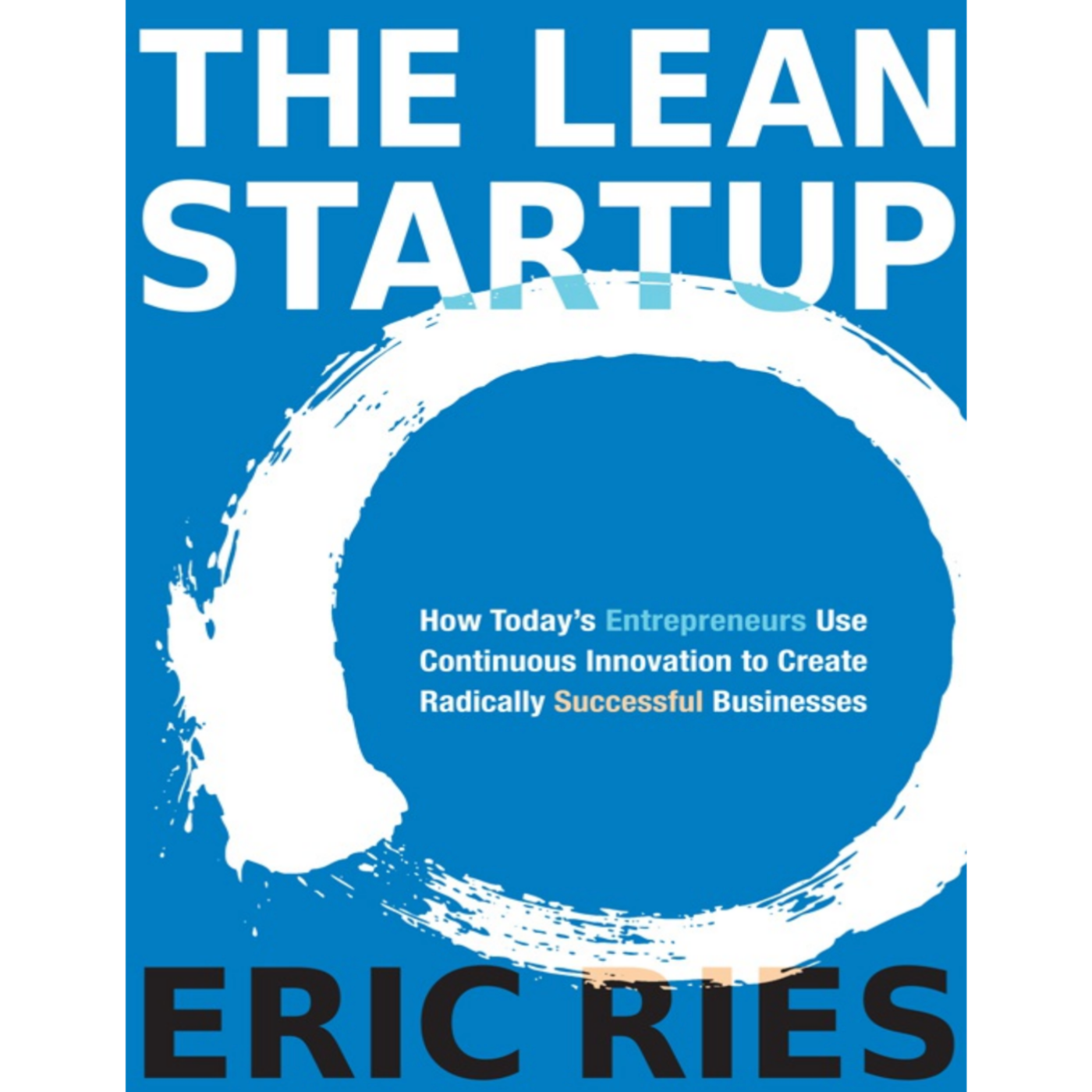
S1 Ep 29The Lean Startup: How to Build a Successful Business
Eric Ries's The Lean Startup provides a methodology for entrepreneurs to build successful businesses by focusing on validated learning, rapid iteration, and minimum viable products (MVPs). The book emphasises a Build-Measure-Learn feedback loop to accelerate product development and adaptation, advocating for frequent experimentation over extensive planning in uncertain environments. Ries argues that entrepreneurship is a management discipline, requiring innovation accounting to track progress and make data-driven decisions about whether to pivot or persevere. The text includes numerous case studies illustrating these principles across diverse industries and company sizes, highlighting the importance of understanding customer needs and adapting strategies accordingly.Still want to read it? Get the book here! Check out our free briefing document for the book!
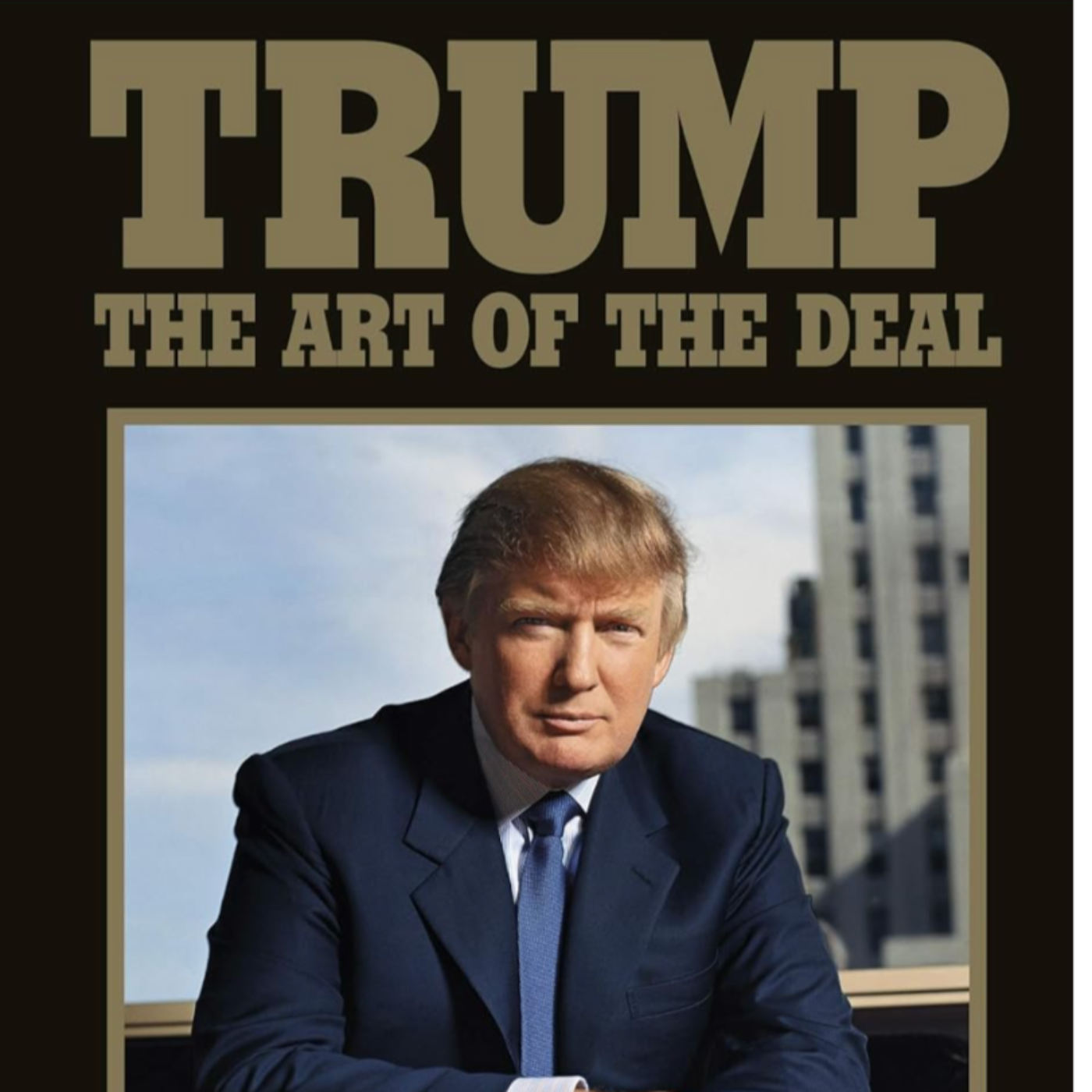
Ep 28Trump: The Art of the Deal
SummaryThe provided text is an excerpt from Donald Trump's autobiography, The Art of the Deal. It showcases excerpts from various reviews praising the book's engaging style and insightful account of Trump's business philosophy. A significant portion details a day in Trump's life, highlighting his fast-paced, deal-making activities and interactions with various business associates and media personalities. The excerpt also explores Trump's business strategies, emphasizing "thinking big," risk management, leveraging opportunities, and the importance of delivering results. Finally, it examines Trump's upbringing and the influence of his father on his business acumen.Feel like you might read this one? Get the book here!

Ep 27Think Like a Billionaire: Trump's Guide to Success
SummaryDonald Trump's Think Like a Billionaire offers advice on success, real estate, and life. The book shares anecdotes from Trump's life and career, emphasising his business philosophy. Key themes include strategic decision-making, location selection, and effective negotiation. Trump also discusses personal aspects like choosing a good broker, finding loyal friends, and maintaining work-life balance. Ultimately, the book aims to impart Trump's mindset and strategies for achieving financial success.Get the book here!

Ep 26Think Big and Kick Ass
SummaryThis text excerpt is from Donald Trump's book, Think BIG and Kick Ass in Business and Life, co-authored with Bill Zanker, founder of The Learning Annex. The book promotes a "Think BIG" philosophy, advocating for ambitious goal-setting, unwavering persistence, and a willingness to take risks. It features anecdotes from Trump and Zanker's business careers, emphasizing the importance of positive thinking, handling pressure, and learning from mistakes. The book also includes advice on various aspects of life, such as relationships and hiring practices, all framed within the context of achieving significant success. Finally, it offers a self-assessment quiz to gauge readers' "big thinking" aptitude.
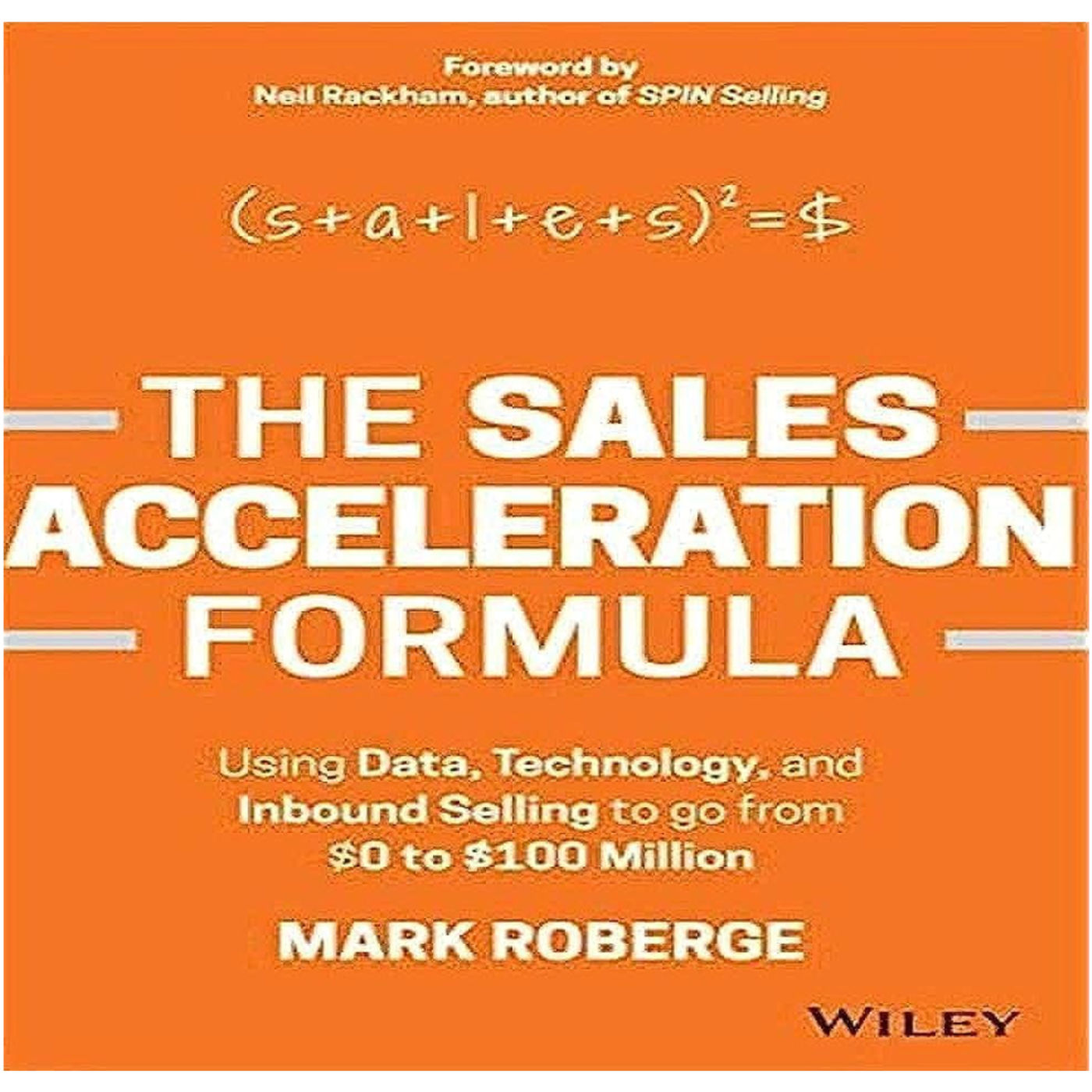
Ep 25The Sales Acceleration Formula
SummaryThis book, "The Sales Acceleration Formula," details a data-driven approach to building and managing a high-performing sales organization. The author outlines four key formulae: sales hiring, training, management, and demand generation, emphasizing predictable processes and metrics. The book also covers sales coaching techniques, focusing on individualized skill development, and strategies for motivating teams through compensation and contests. Furthermore, it explores the importance of modernizing sales strategies, incorporating inbound marketing and leveraging technology to improve efficiency and customer engagement. Finally, it advocates for a culture of experimentation and continual improvement.Get the book here!
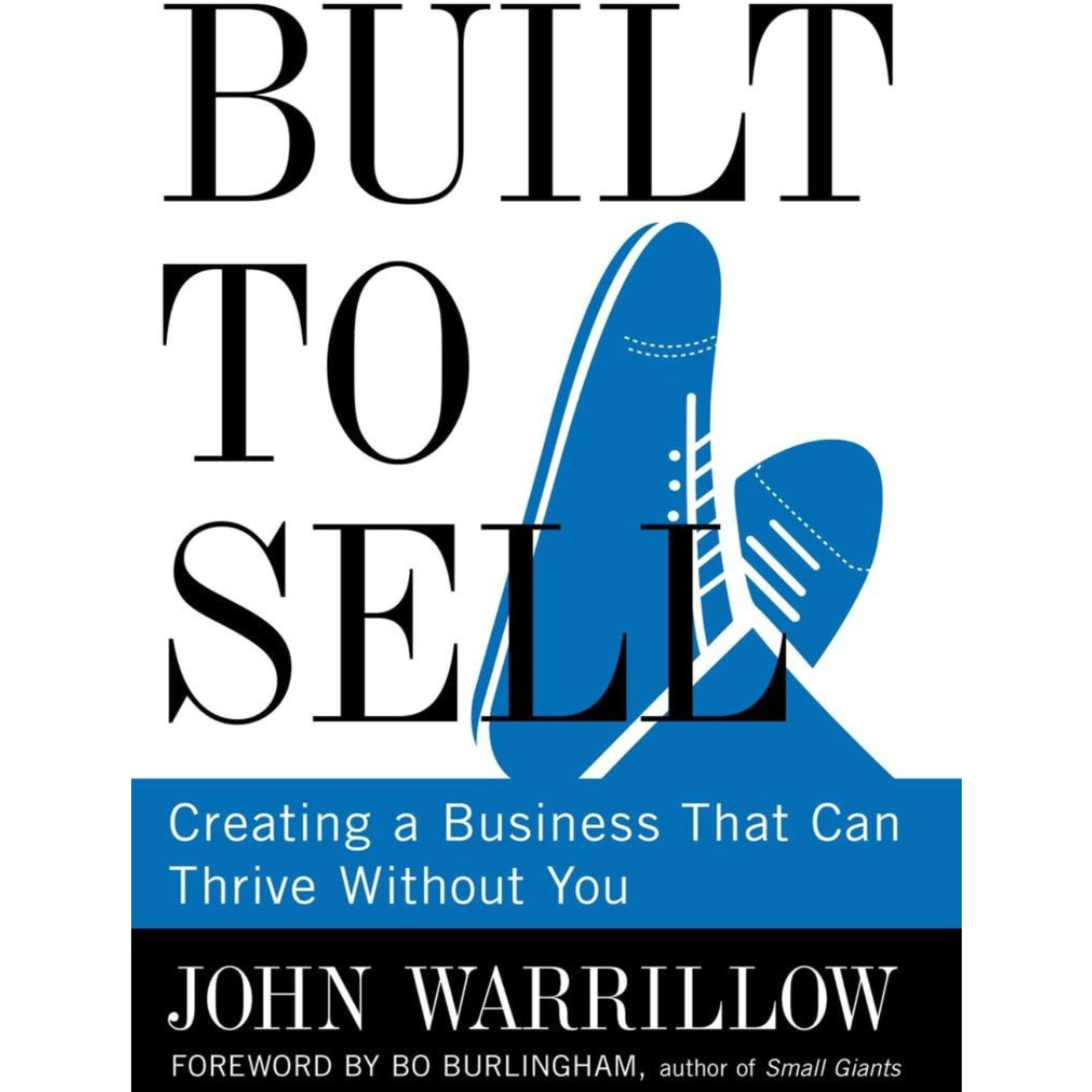
Ep 24Built to Sell: Creating a Thriving Business
SummaryJohn Warrillow's Built to Sell is a business guide using a fictional narrative to illustrate how to create a sellable company. The book emphasizes specialization, creating a repeatable process, and building a strong management team independent of the owner. Numerous endorsements from other business leaders and entrepreneurs highlight the book's practical advice and value for business owners aiming for a successful exit. The text provides excerpts from the book, including key steps and strategies, illustrating the process of transforming a chaotic business into a valuable asset. Finally, the book includes a summary of key tips, recommended reading, and online resources for building a sellable company.Get the book here!
Ep 23The E-Myth Revisited
SummaryMichael Gerber's The E-Myth Revisited examines why most small businesses fail and offers a solution. The book argues that many business owners are primarily technicians, not entrepreneurs or managers, leading to unsustainable growth. Gerber introduces the concept of a Turn-Key Revolution, suggesting that creating a business system—a franchise prototype—is essential for long-term success. This system requires innovation, quantification, and orchestration to thrive. The book uses anecdotes and examples to illustrate the importance of strategic planning and building a robust business model that works independently of the owner.Get the book here! https://amzn.to/3OjYhEq
Ep 21Total Money Makeover: A Proven Plan for Financial Fitness
SummaryThis text is an excerpt from Dave Ramsey's The Total Money Makeover, a self-help book promoting a plan for financial fitness. The book refutes common financial myths, arguing against debt and for disciplined saving and investing. Ramsey's plan emphasizes a step-by-step approach ("Baby Steps") focusing on building an emergency fund, eliminating debt, and then investing. The book uses numerous anecdotes and statistics to support its claims and motivate readers. It also addresses the psychological and emotional aspects of personal finance, encouraging readers to confront denial and make behavioral changes. Finally, the excerpt includes worksheets and tools to help readers implement Ramsey's plan.Get the book here!
Ep 22The Art of Public Speaking
SummaryThis text is a collection of excerpts from Dale Carnegie's The Art of Public Speaking, focusing on improving speaking skills. Key areas covered include building confidence, mastering vocal techniques (emphasis, pace, pitch, and inflection), developing effective delivery (gestures, pauses, and tempo), and structuring persuasive speeches (exposition, description, narration, argument, and suggestion). The excerpts also explore the importance of preparation, memory, and understanding audience engagement. Finally, Carnegie emphasises the role of sincerity, enthusiasm, and conviction in powerful public speaking.Get the book here!
S1 Ep 20How to Get Rich - Felix Dennis
SummaryThis text is an excerpt from Felix Dennis's memoir, "How to Get Rich," offering his unconventional approach to accumulating wealth. Dennis recounts his entrepreneurial journey, highlighting his successes and failures in the publishing industry. He emphasises the importance of seizing opportunities, overcoming fear of failure, and cultivating self-belief. The book provides practical advice on securing capital, managing finances, navigating negotiations, and building a successful business. Finally, Dennis reflects on the costs and consequences of wealth acquisition, including personal sacrifices and the complexities of managing both personal and business affairs.Get the book here!
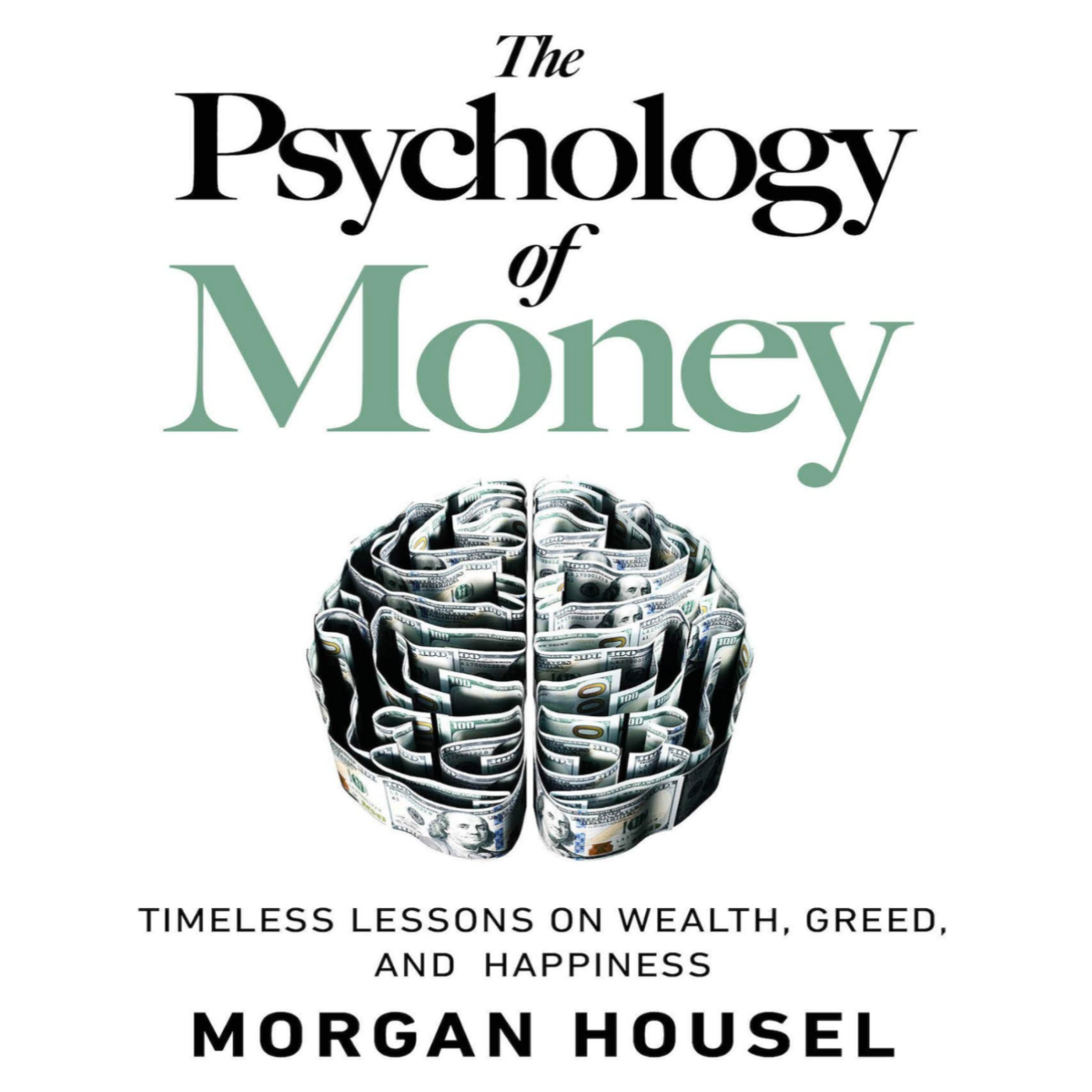
S1 Ep 19The Psychology of Money
SummaryThis book excerpt explores the psychology of money, arguing that behavioural skills and personal experiences are more impactful on financial success than formal education or intelligence. It uses anecdotes of contrasting individuals—a janitor who became a philanthropist versus a financially educated executive who lost everything—to illustrate the significant role of luck and risk. The author emphasises the importance of emotional intelligence and a long-term perspective, highlighting how personal narratives shape financial decisions and the need for a margin of safety in planning. Finally, it examines how cultural shifts and societal expectations influence consumer behavour and debt accumulation, demonstrating the complexities of financial success beyond merely technical knowledge.Get the book here!
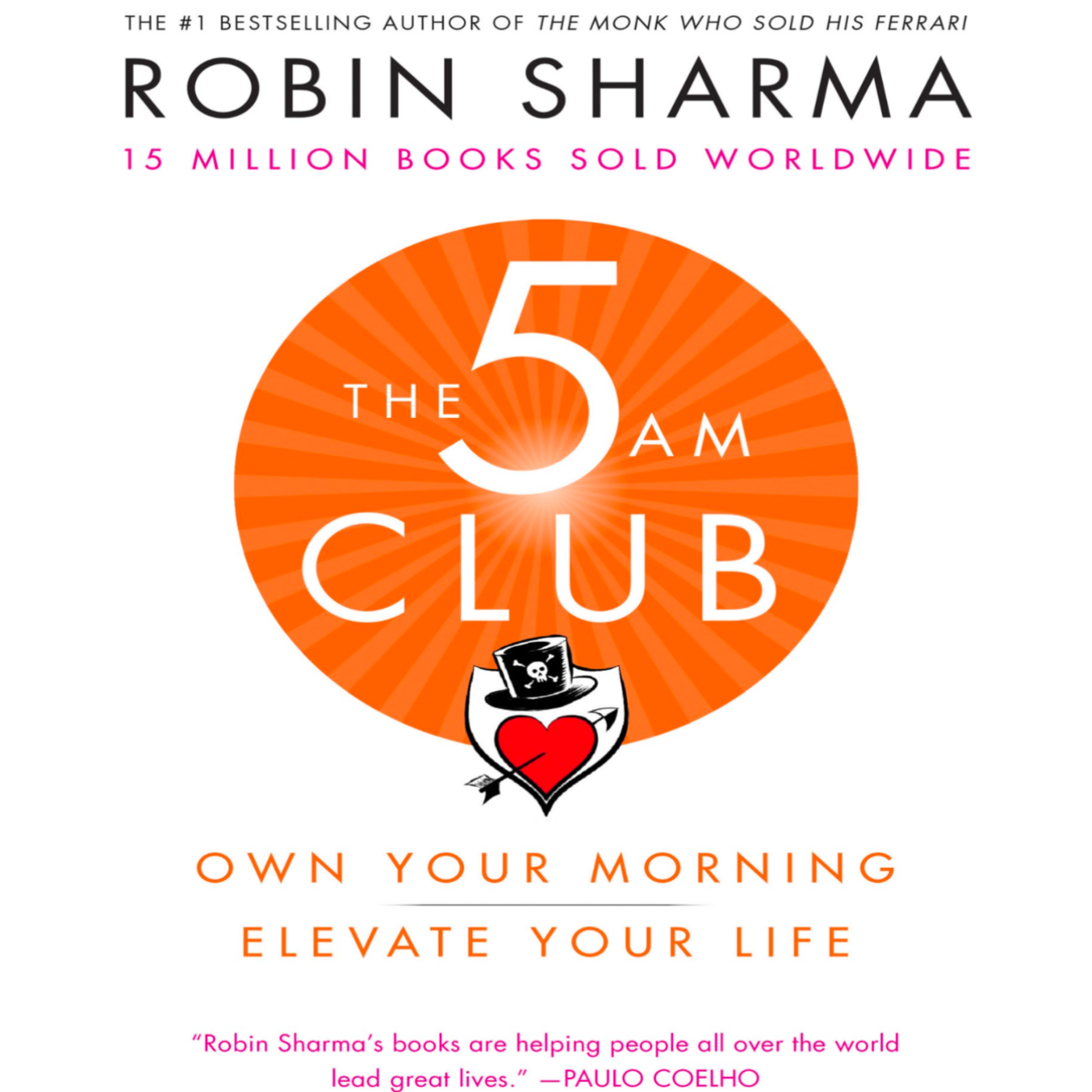
S1 Ep 18The 5 AM Club: A Framework for Greatness
SummaryThe provided text is an excerpt from Robin Sharma's The 5 AM Club, focusing on a transformative seminar led by "The Spellbinder." The narrative follows an entrepreneur and an artist who attend the seminar and subsequently embark on a journey with a billionaire, Mr. Riley, a disciple of The Spellbinder. Throughout their journey, they receive mentorship, focusing on the importance of a structured morning routine (The 5 AM Club), personal development (Mindset, Heartset, Healthset, and Soulset), and the application of various productivity techniques. The story explores themes of self-improvement, overcoming challenges, and achieving legendary status. The excerpt concludes with the couple's engagement and a reinforced commitment to the 5 AM Club methodology.Get the book here!
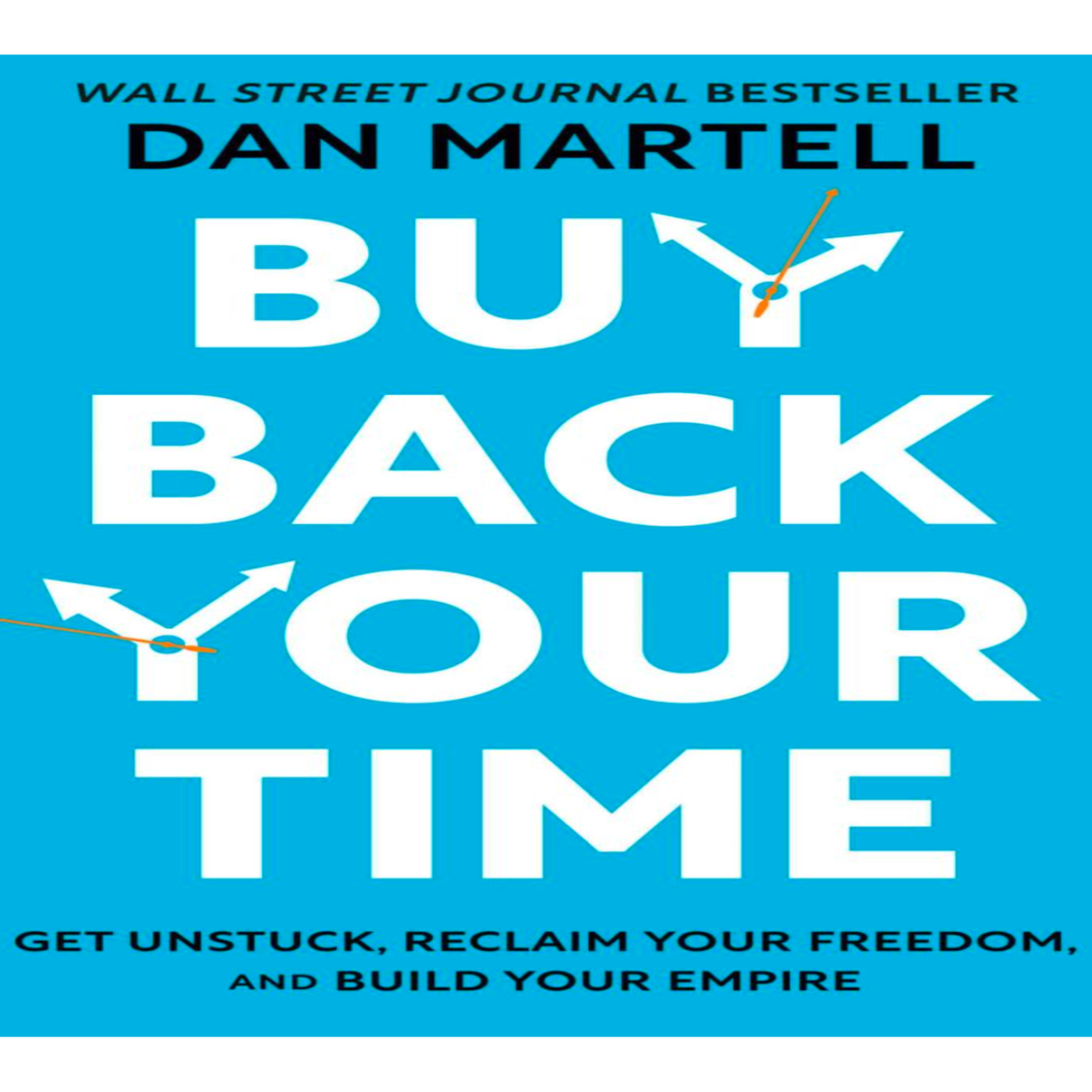
S1 Ep 17Buy Back Your Time: Reclaim Your Freedom and Build Your Empire
SummaryThis text is an excerpt from a self-help book for entrepreneurs focused on reclaiming time and energy. The author details his personal journey from troubled youth to successful businessman, emphasizing the importance of efficient systems and delegation. He introduces the "Buyback Principle," a method for identifying and outsourcing low-value tasks to focus on high-impact work. The book provides strategies for improving time management, hiring effectively, building strong teams, and cultivating a fulfilling personal life alongside a thriving business. It offers practical frameworks like the DRIP Matrix, the Replacement Ladder, and Playbooks to help entrepreneurs achieve greater productivity and a better work-life balance.
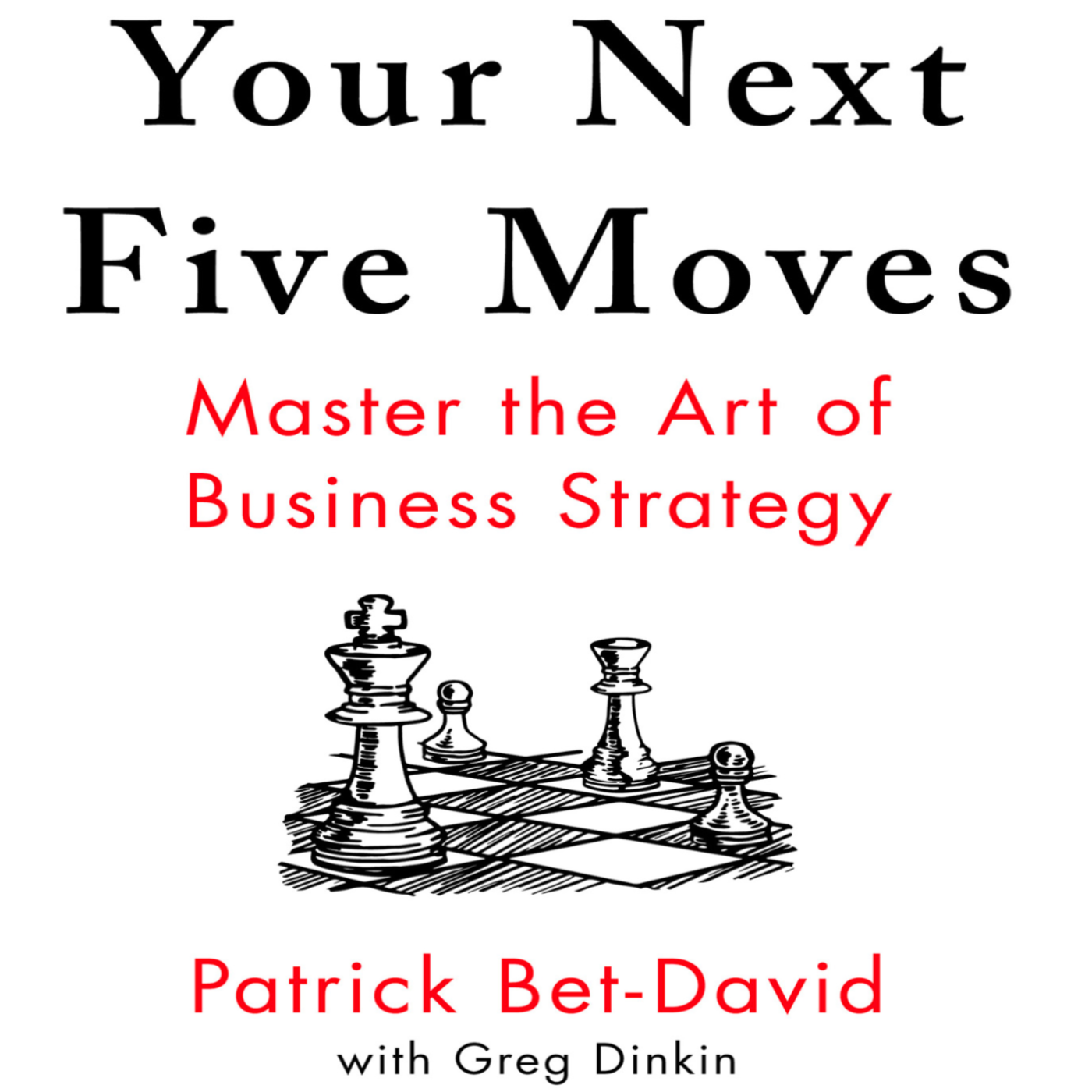
S1 Ep 16Your Next Five Moves Master the Art of Business Strategy
This excerpt from Patrick Bet-David's Your Next Five Moves presents a business strategy framework emphasising proactive, multi-step planning. Bet-David uses personal anecdotes and examples from various fields, including chess and sports, to illustrate the importance of self-awareness, strategic thinking, and contingency planning. The book explores building a strong company culture, attracting and retaining top talent, effective decision-making processes, and navigating challenges. It also stresses the significance of understanding one's own motivations and those of others to achieve long-term success. Ultimately, the text promotes a proactive, data-driven approach to business strategy, urging readers to think several moves ahead to achieve sustainable growth and dominance.Want to read the book? get here here!
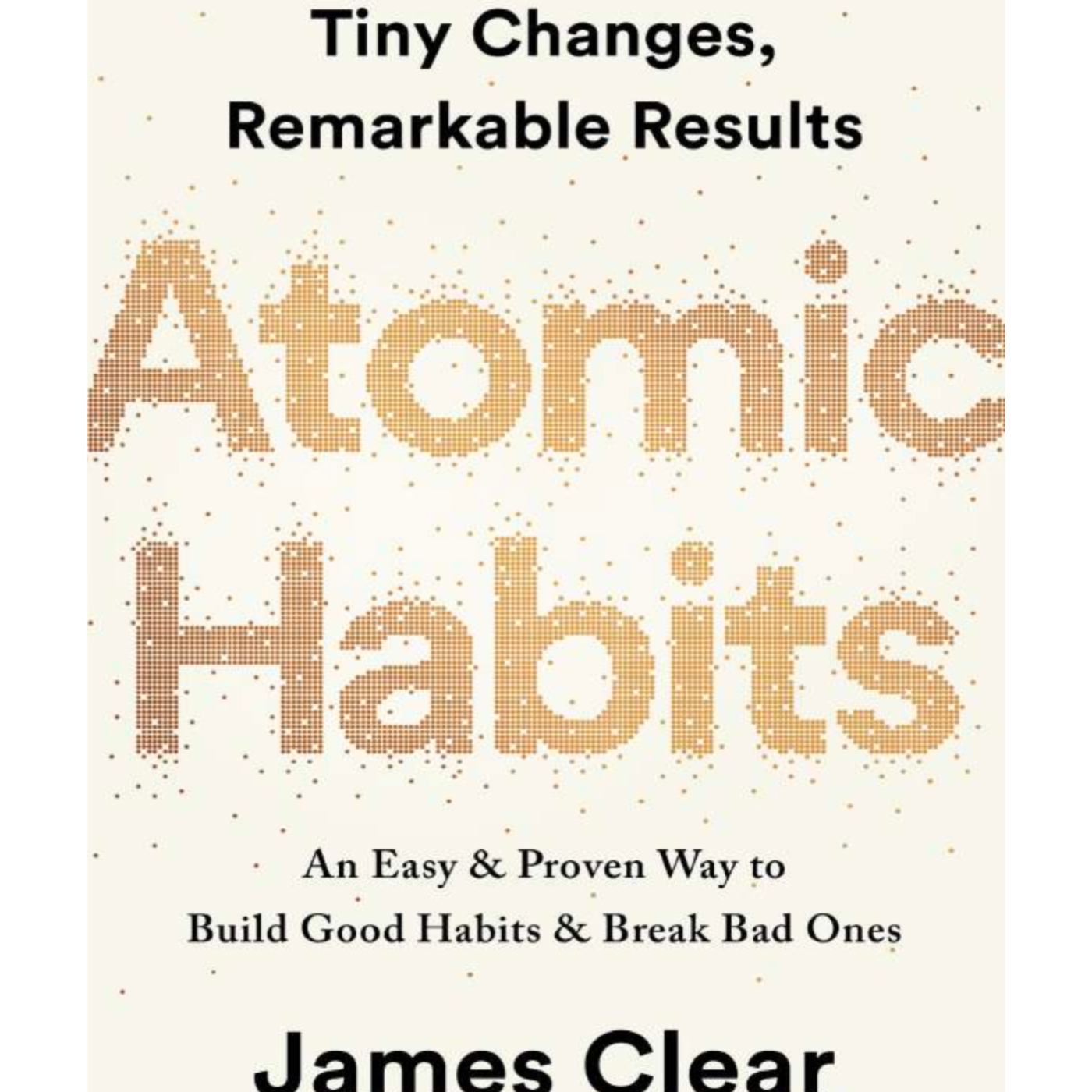
S1 Ep 15Atomic Habits
The first text offers a self-help guide on building better habits, drawing on various scientific disciplines to provide actionable advice for lasting personal change. It emphasises the compounding effect of small, consistent improvements over time, framing habit formation as a process of reinforcing desired identities. The second text presents a very different perspective, alleging a global conspiracy orchestrated by a secret society to control humanity through manipulation and misinformation, focusing on the Covid-19 pandemic as a key component of their agenda and exploring the purported methods behind their control.Want to read the booK? Get it here!
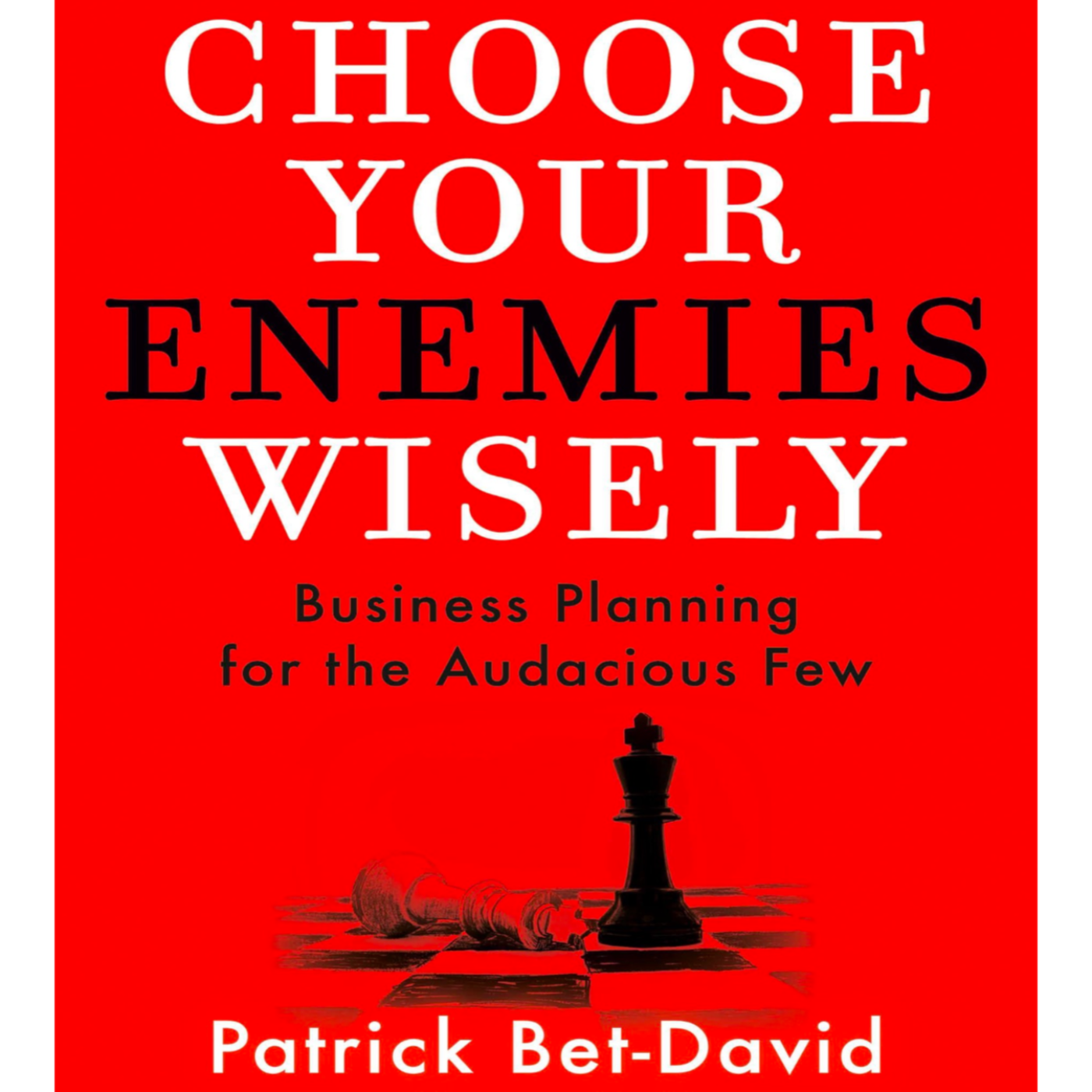
S1 Ep 14Choose Your Enemies Wisely - Patrick Bet-David
This excerpt from Choose Your Enemies Wisely provides a business planning framework emphasising the integration of emotion and logic. The authors, Bet-David and Dinkin, argue that identifying and focusing on the right "enemies" – be they competitors, personal challenges, or societal issues – fuels the relentless drive necessary for success. The book outlines twelve "building blocks" for a comprehensive business plan, each incorporating both emotional and logical components. Personal anecdotes and examples illustrate the importance of long-term vision, skill development, cultural alignment, and strategic planning to overcome adversity and achieve ambitious goals. The authors stress the crucial role of a strong leader in inspiring and guiding their teams.Buy the book HERE
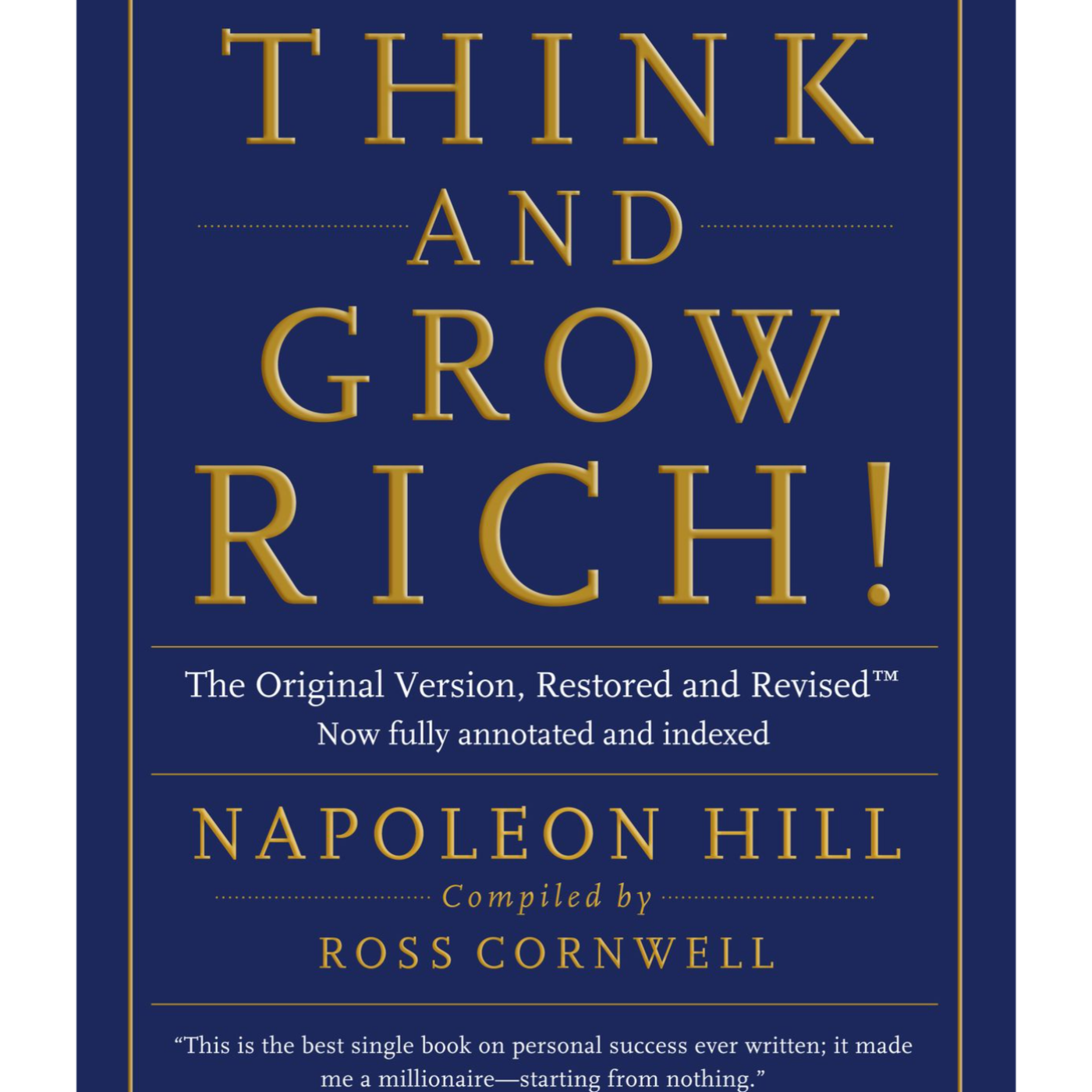
Think And Grow Rich
SummaryThe source is an excerpt from the book Think and Grow Rich by Napoleon Hill, which presents a philosophy for achieving success and wealth. The book analyzes the principles of success, focusing on the importance of desire, faith, auto-suggestion, and a "Master Mind" alliance. Hill argues that achieving riches requires a determined mindset, a burning desire, and a clear plan of action. He also explores the detrimental effects of fear and outlines strategies for overcoming these fears, emphasizing the role of decision and self-reliance. Hill draws upon examples of successful individuals like Henry Ford, Thomas Edison, and Andrew Carnegie to illustrate his points. The book also addresses the significance of organized capital and the importance of adapting to changing economic realities.Get the book here!
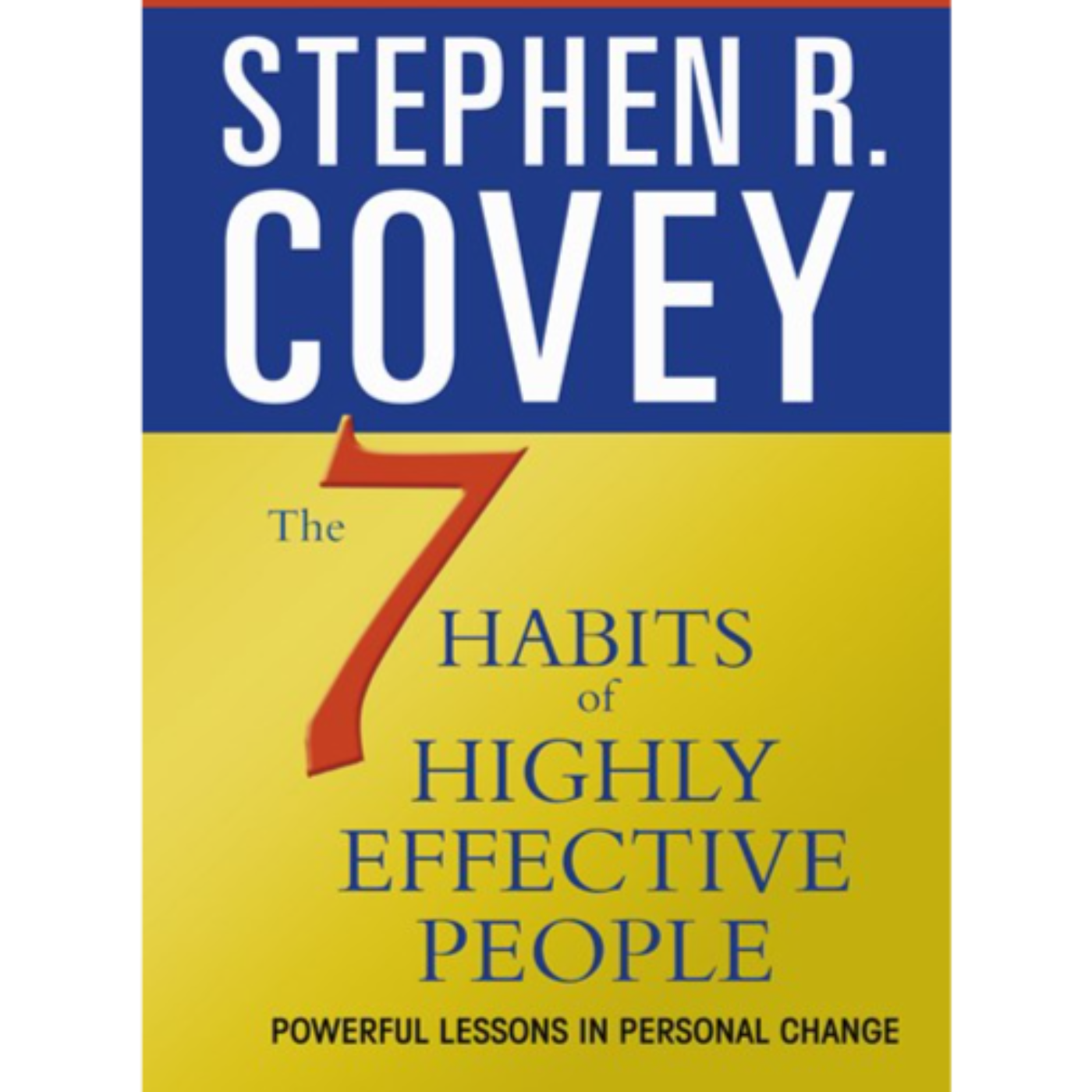
The Seven Habits of Highly Effective People
SummaryGet the book here! The source is an excerpt from Stephen Covey's The Seven Habits of Highly Effective People and its main focus is outlining the seven habits Covey believes are crucial for personal and interpersonal effectiveness. The text explores topics such as developing personal leadership, setting priorities, managing time effectively, improving communication skills, fostering win-win situations, and practicing synergy, all within the framework of a principle-centered paradigm. The excerpt argues that these habits can lead individuals to a more fulfilling and successful life by empowering them to act proactively, focus on their goals, and build strong relationships.
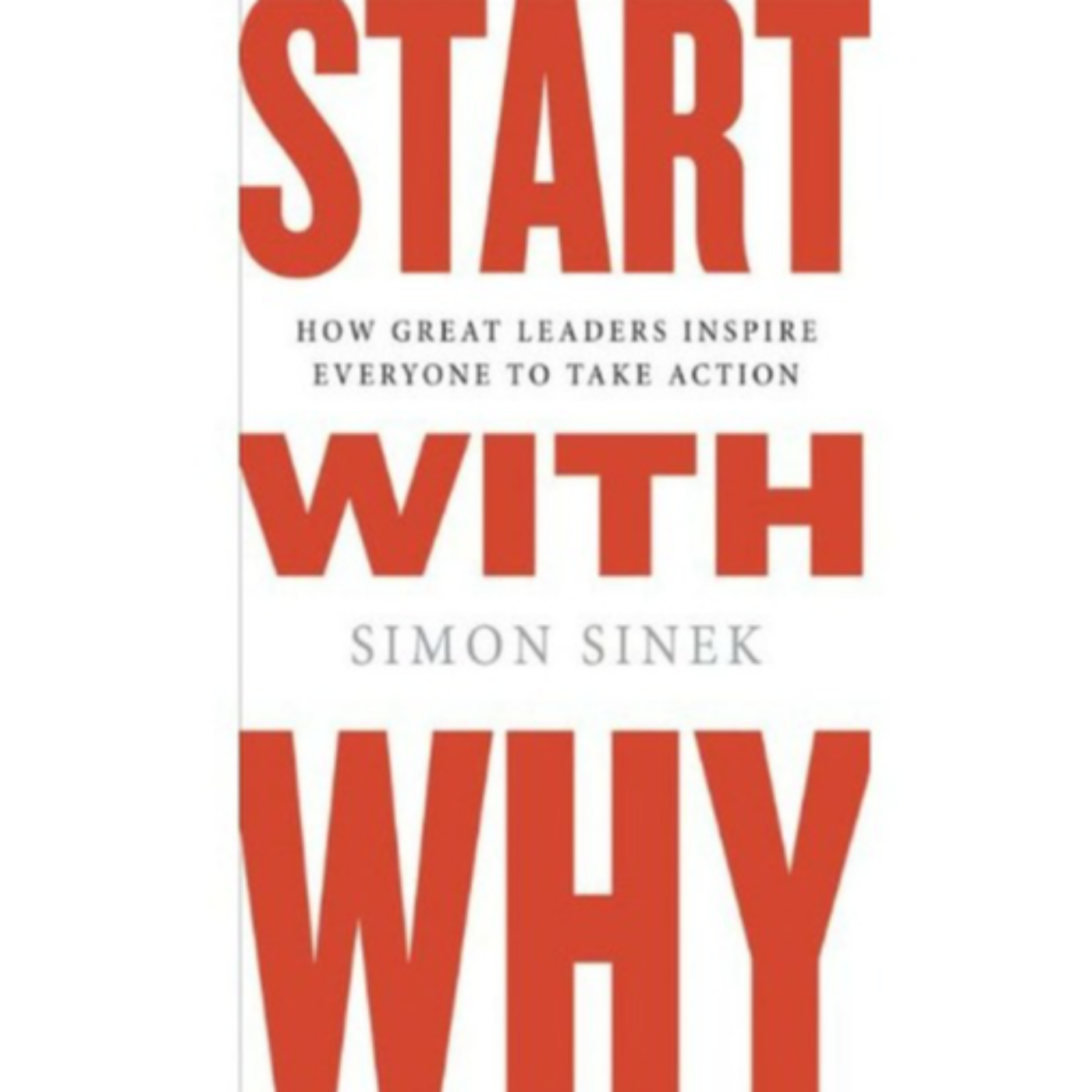
Simon Sinek- Start With Why
SummaryGet the book here! Simon Sinek's book, Start With Why, outlines a framework for inspiring people to take action. Sinek argues that great leaders and organisations communicate from the inside out, starting with their WHY, a cause or belief that drives their actions. This WHY should be the foundation of everything they do, including their products, services, and marketing. Sinek also explores how companies can build trust through authenticity and consistency, demonstrating that their actions align with their WHY. He argues that trust is essential for building loyal relationships with customers and employees. Sinek provides many examples of companies that have successfully used his framework, including Apple, Southwest Airlines, and Harley-Davidson, and highlights how companies that have lost sight of their WHY often struggle to maintain success.
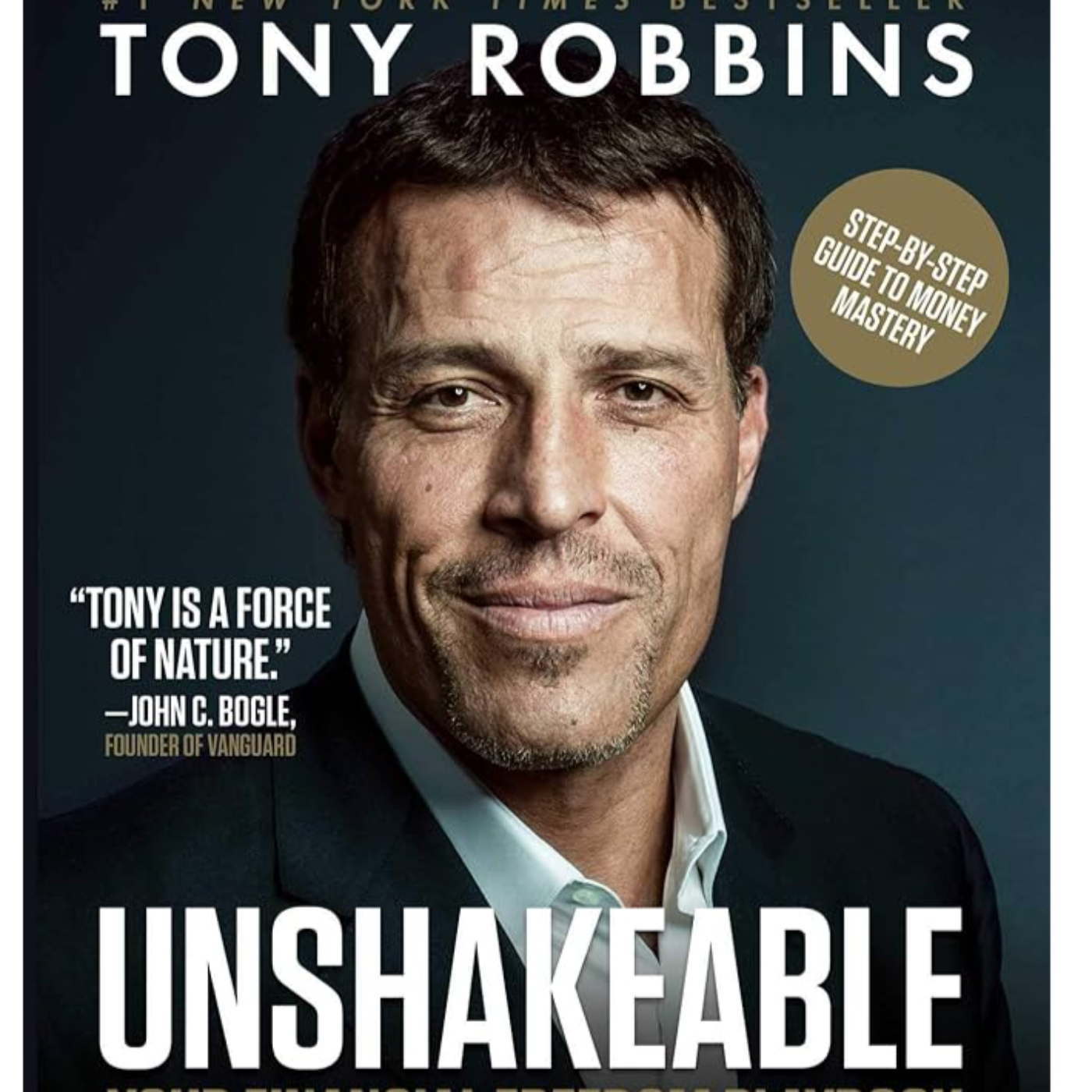
Unshakeable - Your Financial Freedom Playbook
SummaryGet the book here! The excerpt from Tony Robbins' book, Unshakeable: Your Financial Freedom Playbook, offers a comprehensive guide to achieving financial stability and security through investment strategies. The book emphasizes the importance of long-term investing in the stock market, prioritizing diversification, and minimizing fees. It stresses the need to control what one can control, rather than trying to time the market, and encourages readers to invest strategically, focusing on risk management and tax efficiency. Robbins also discusses the importance of emotional wealth, highlighting the interconnectedness of mental and financial well-being, and advocates for the use of gratitude and mindfulness to achieve a more fulfilling life.
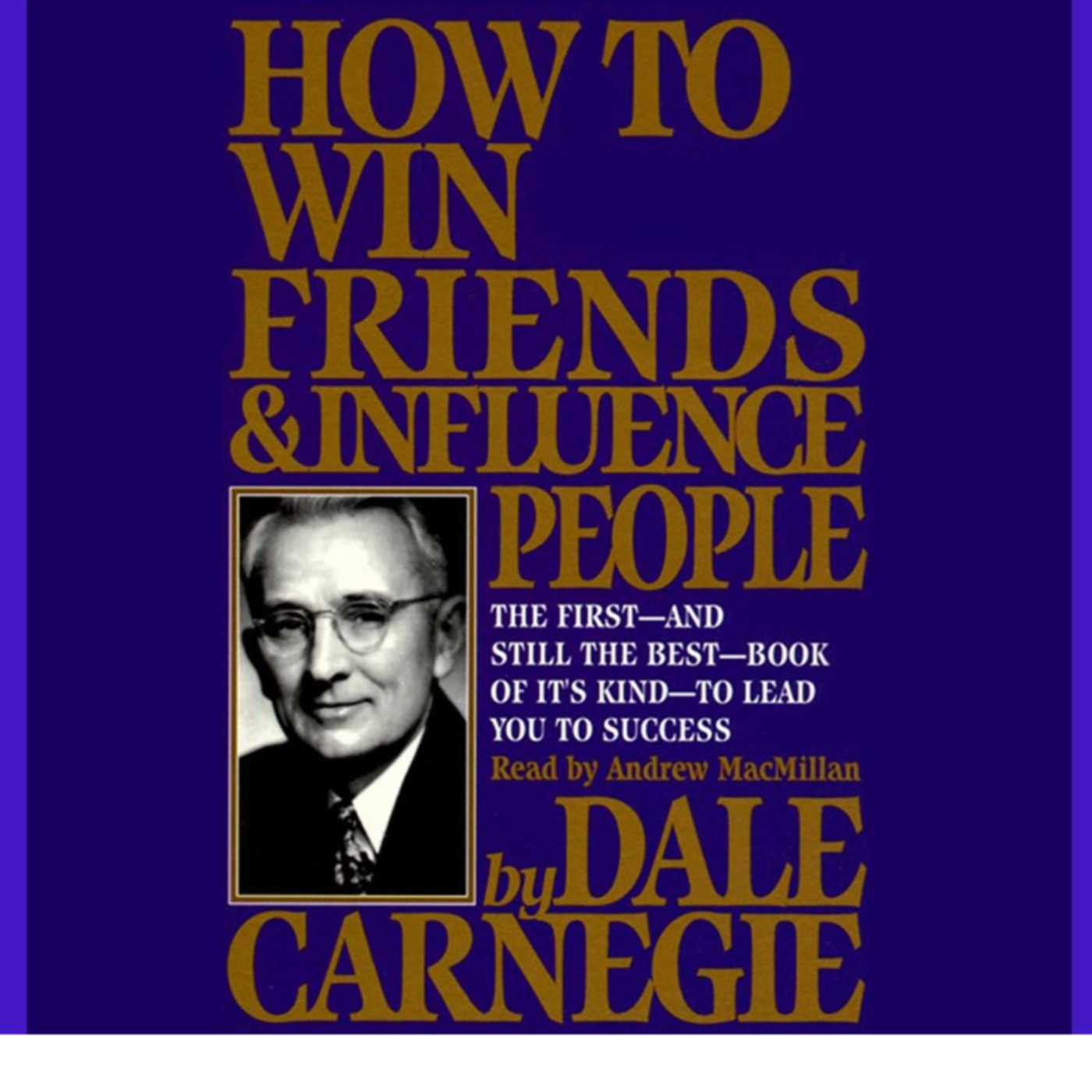
S1 Ep 9How to Win Friends and Influence People
SummaryGet the book here! The sources provide an overview of how to win friends and influence people. It discusses the importance of understanding the principles of human behavior, how to form meaningful connections, and the power of positive communication. The sources also cover topics such as the importance of showing genuine interest in others, focusing on the positive aspects of people, and avoiding criticism. The text highlights the benefits of building strong relationships, which can contribute to both personal and professional success.
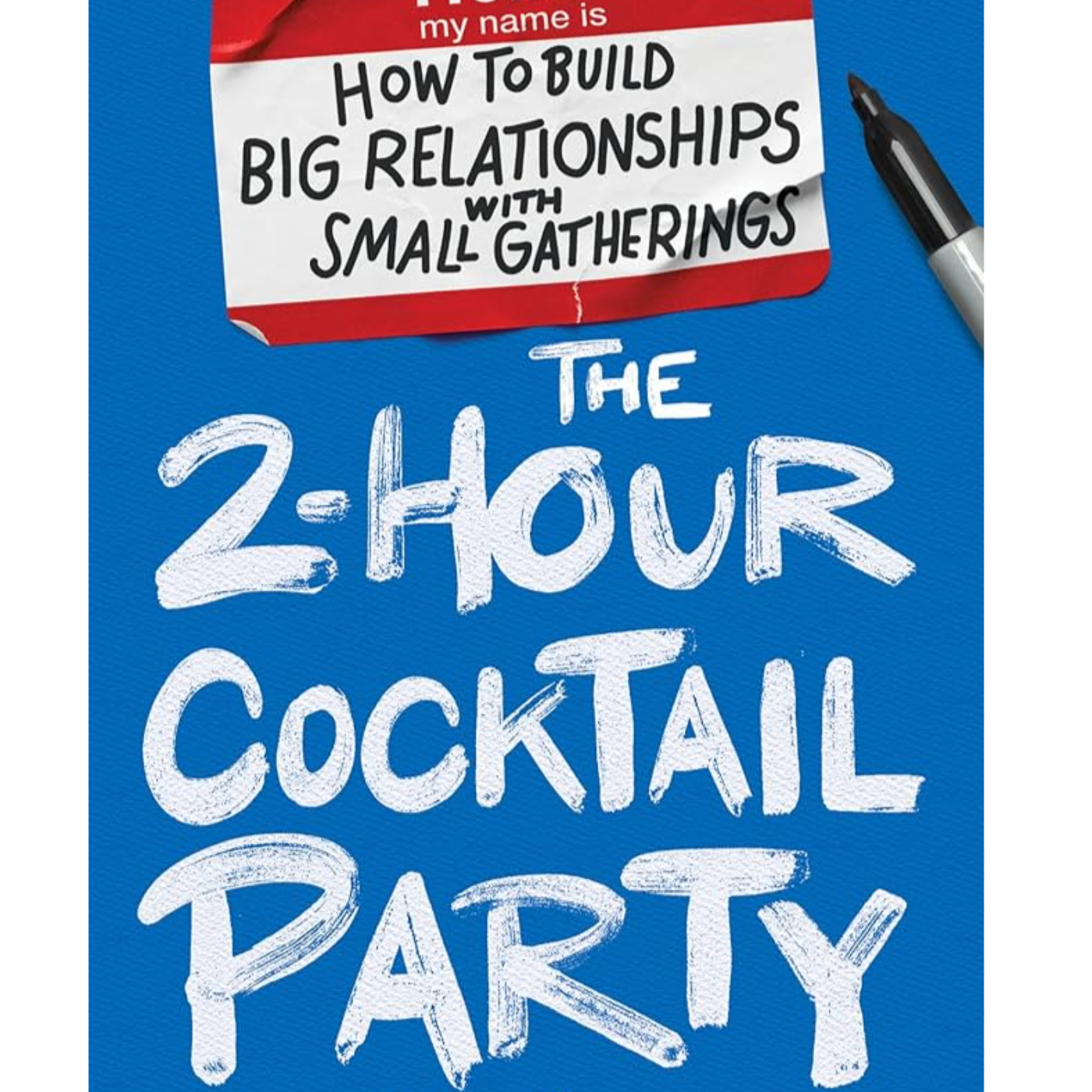
The 2 Hour Cocktail Party - Nick Gray
SummaryAudio book here! - https://amzn.to/3AqdY9OThis document presents a detailed guide to hosting successful cocktail parties, focusing on building relationships and creating meaningful connections. The author, Nick Gray, shares his experiences and insights, offering practical advice and strategies for choosing the right day and time, selecting a suitable venue, crafting a guest list, and employing the crucial element of name tags to facilitate introductions and memorable encounters. The book provides a step-by-step framework for creating a welcoming and engaging atmosphere, making the process of hosting less daunting and more enjoyable for both the host and attendees.
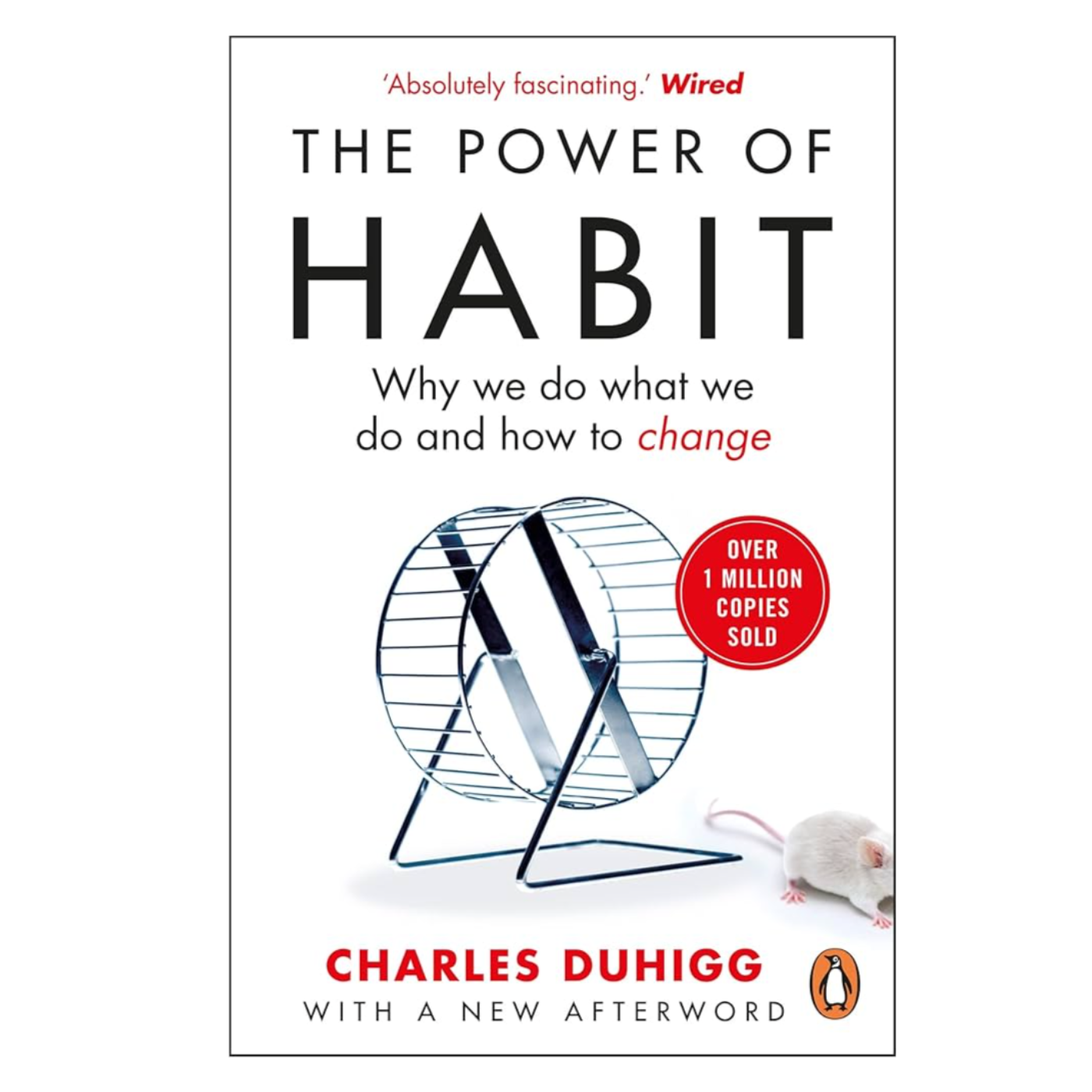
The Power of Habit - Charles Duhigg
SummaryGet the book here! - https://amzn.to/3C7kdQdThe source, The Power of Habit by Charles Duhigg, explores the science behind habit formation and the impact of habits on individuals, organisations, and society. The text investigates the neurological habit loop, which involves a cue that triggers a routine leading to a reward, emphasising the importance of understanding and altering these patterns to improve personal well-being and organisational success. Through various case studies, the author demonstrates how individuals can change their habits by identifying the cue, experimenting with rewards, and creating new routines, while organisations can implement keystone habits that trigger positive changes throughout the entire system. Finally, the text examines how social habits shape movements and communities, highlighting the power of strong and weak ties in influencing collective action and driving societal change.

Compliance Is Not a Dirty Word
SummaryThe source is a book excerpt that discusses the benefits of implementing ESG principles, such as environmental sustainability, social responsibility, and good governance, in business operations. It highlights how ESG can enhance a business’s competitiveness by attracting and retaining talent, improving operational efficiency, managing risks, strengthening brand reputation, and improving access to capital. The excerpt also includes several case studies that showcase how businesses have successfully implemented ESG practices to achieve positive results. It stresses the importance of a holistic approach to community engagement and emphasizes the need for a strong code of conduct and ethics within organizations.Download the book using the link belowhttps://www.complianceesg.com/book
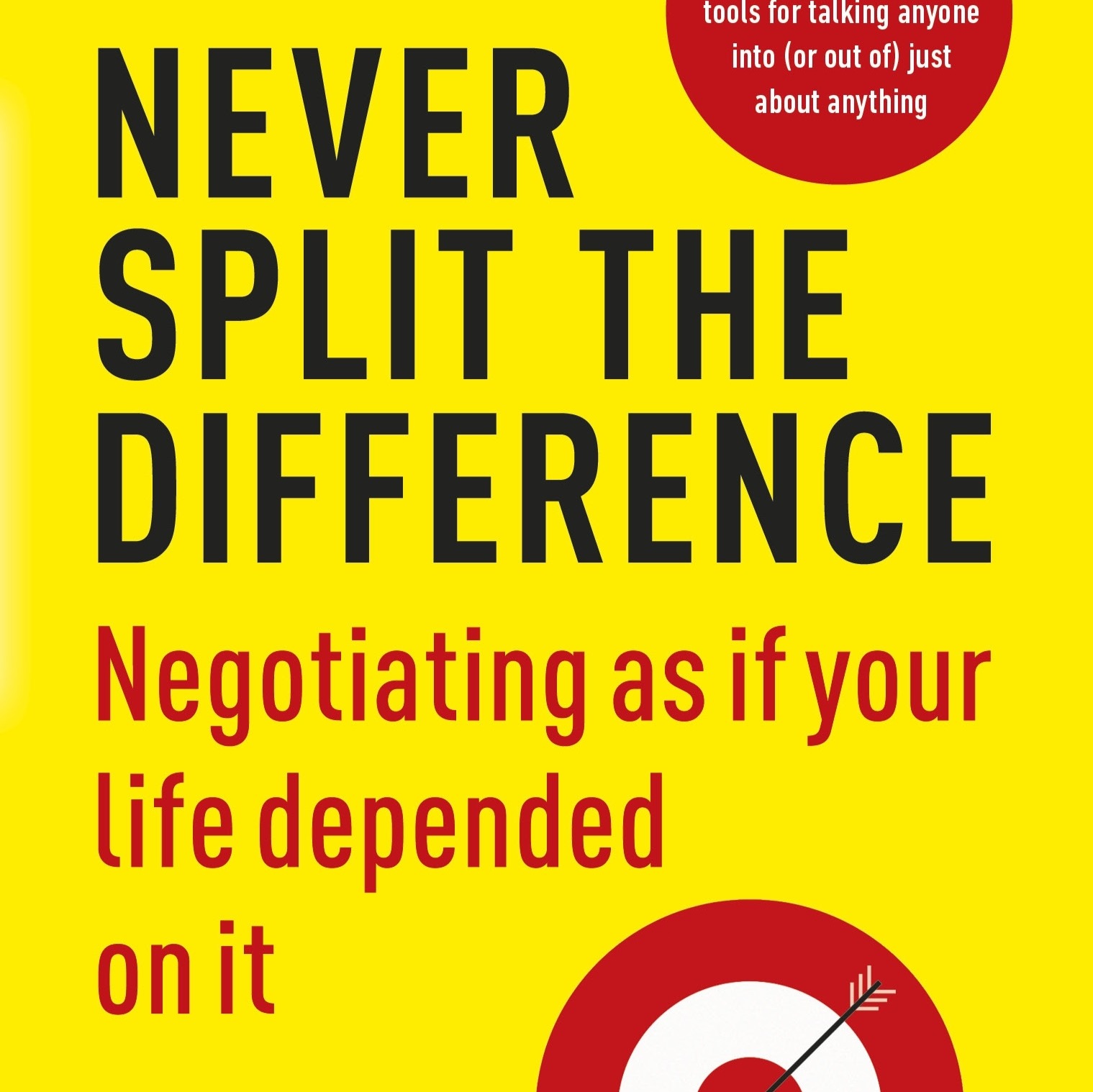
S1 Ep 8Never Split the Difference
Summary Get the book here! Never Split the Difference is a negotiation guide based on the author's experiences as an FBI hostage negotiator. The book describes a series of techniques to gain the upper hand in negotiations, including active listening, empathy, and calibrated questions. The author argues that the most effective way to negotiate is to focus on understanding the other person's perspective and motivations by using tools like mirroring and labeling. He also stresses the importance of saying "no" and avoiding the temptation to compromise, as well as understanding the hidden "black swan" information that can often change the course of negotiations. The author provides examples of successful negotiations using these techniques in various settings, from business deals to hostage situations, and emphasizes the importance of preparation, persistence, and emotional intelligence when negotiating.
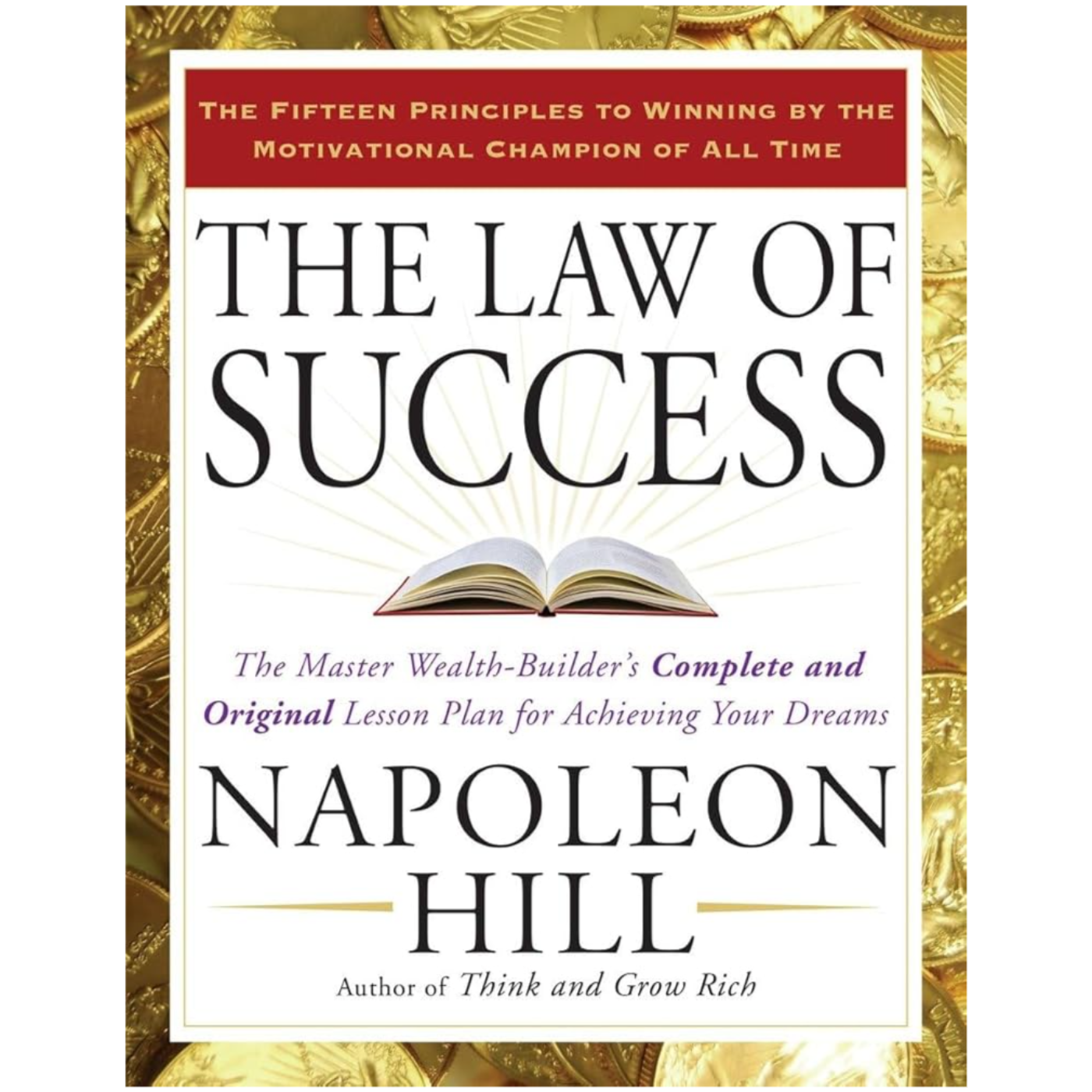
S1 Ep 7The Law of Success - Napoleon Hill
Summary Get the book here!Napoleon Hill's "Law of Success" course, a self-help program based on Hill's analysis of the lives of over one hundred successful people. The book outlines fifteen laws that Hill claims are crucial for achieving success, including developing a definite chief aim, building self-confidence, harnessing imagination, practicing initiative and leadership, mastering self-control, understanding accurate thinking, and forming a master mind alliance. Hill also explores the destructive power of fear, greed, revenge, egotism, suspicion, jealousy, and intolerance, emphasizing the importance of self-control and the use of positive auto-suggestion to overcome these obstacles. The text encourages readers to learn from their mistakes, to embrace the law of increasing returns by offering valuable service to others, and to develop an attractive personality by being agreeable and genuinely interested in those they encounter.
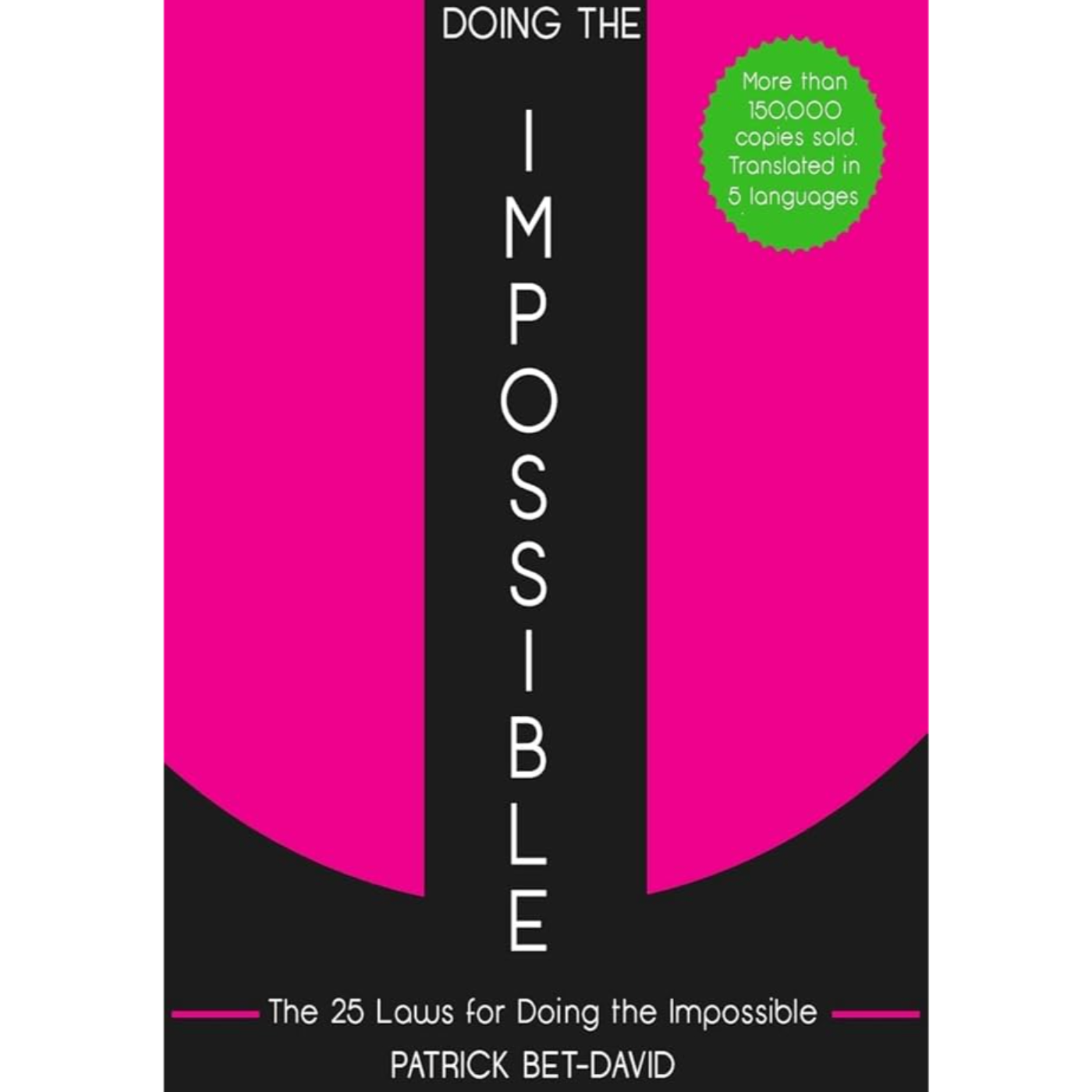
S1 Ep 6Doing the Impossible
This is an excerpt from Patrick Bet-David's book "Doing the Impossible," which provides a framework for individuals seeking to achieve their goals and overcome perceived limitations. Bet-David outlines a series of "laws" that encourage personal growth through self-reflection, identifying one's purpose, building a supportive network, and prioritizing continuous learning. He stresses the importance of challenging one's thinking, developing a strong work ethic, and embracing challenges as opportunities for growth. Throughout the excerpt, he draws inspiration from historical figures and real-world examples to illustrate his principles and emphasize the power of perseverance, courage, and belief in oneself.Get the book here - https://amzn.to/3C4O7of
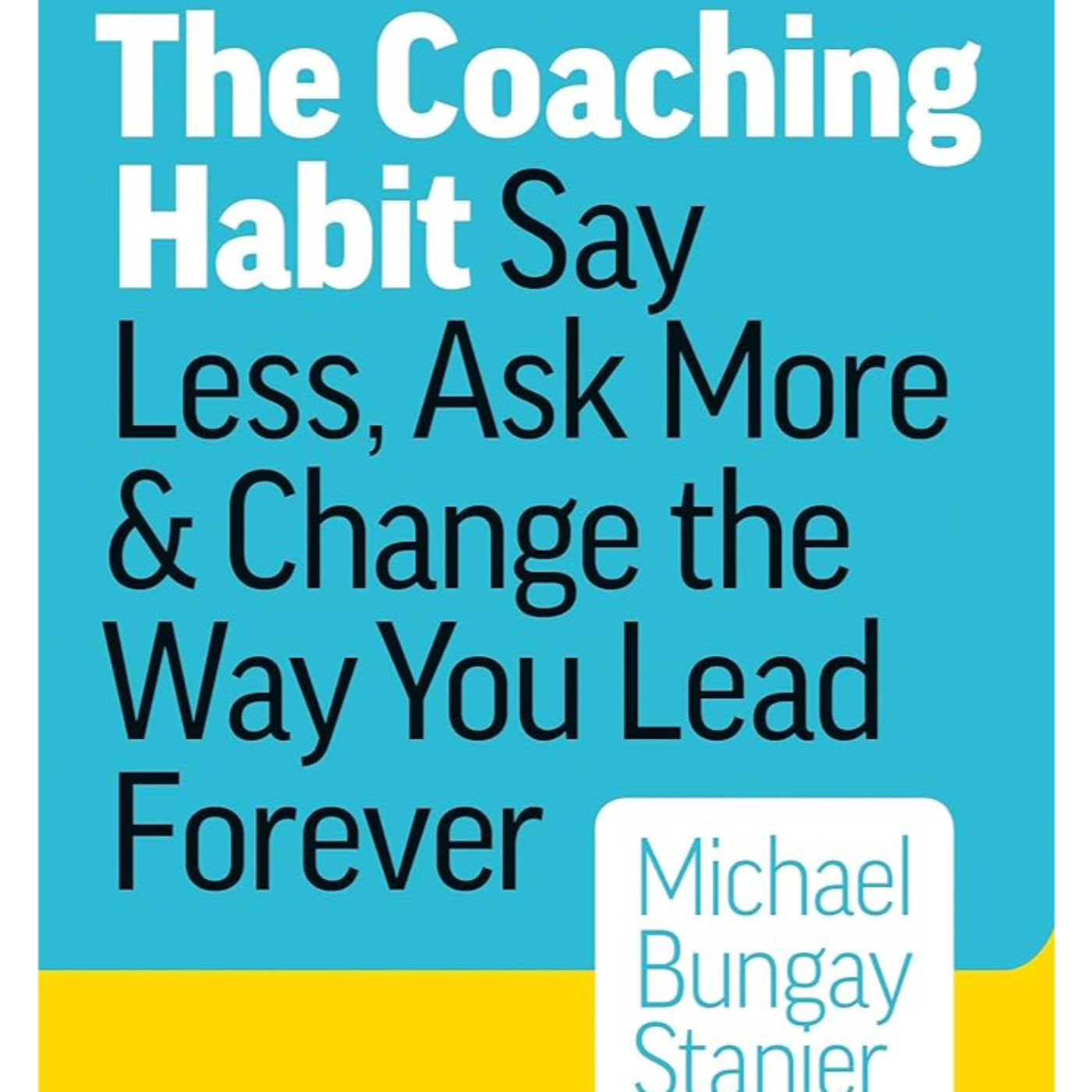
S1 Ep 5The Coaching Habit- Say Less, Ask More & Change the Way You Lead Forever
The book "The Coaching Habit" by Michael Bungay Stanier is a guide for managers and leaders on how to improve their coaching skills by asking more questions and giving less advice. The book features seven essential questions designed to encourage deeper thinking and self-sufficiency in those being coached. The author argues that coaching is a habit that can be learned through deliberate practice and by understanding the science behind building new habits. Stanier also discusses the importance of active listening and acknowledging the answers of those you are coaching to create a more engaging and impactful learning experience.Get the book here - https://amzn.to/40gfgP7
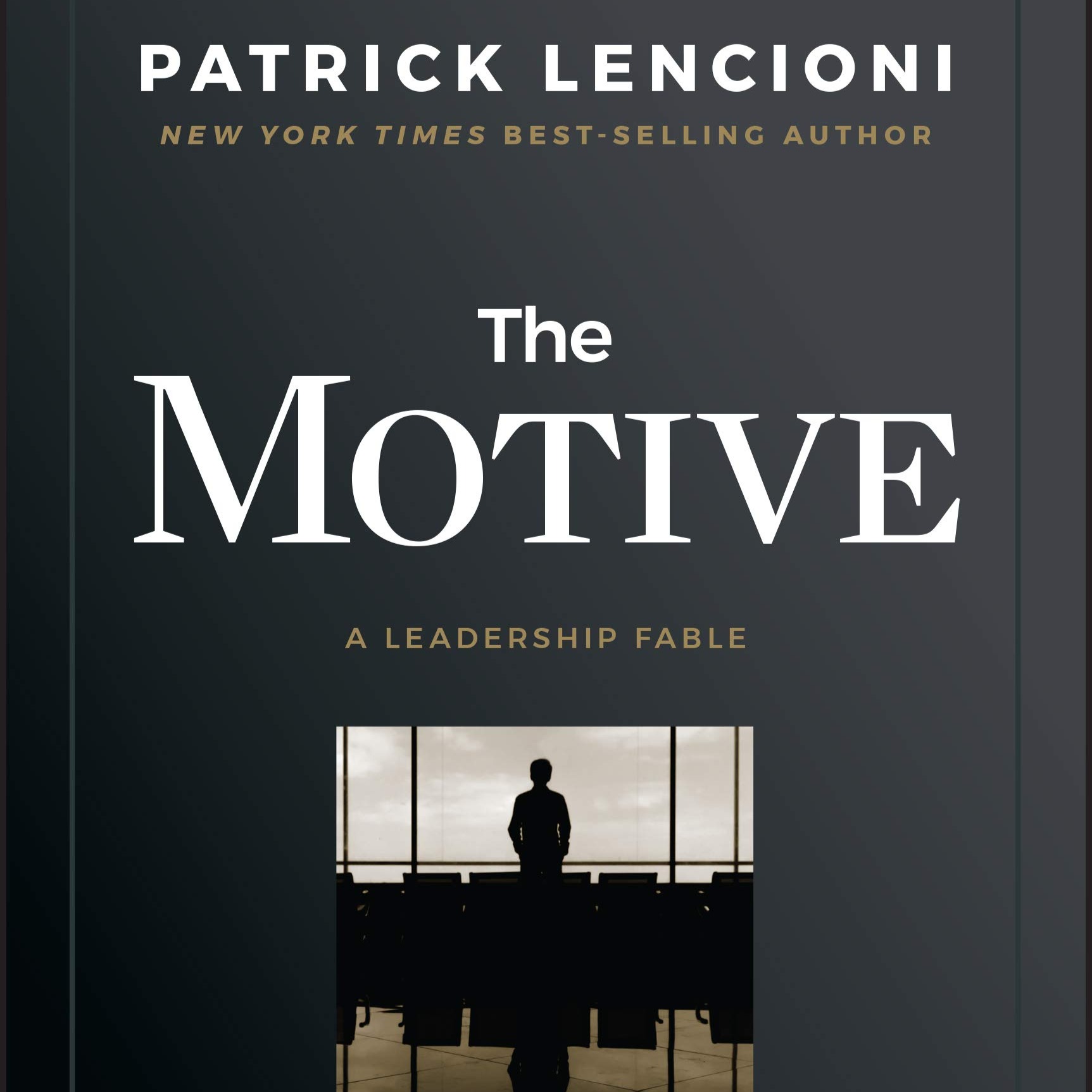
S1 Ep 4The Motive
This book, The Motive, by Patrick Lencioni, is about the motivations behind leadership. The author argues that many people pursue leadership roles for the wrong reasons, seeking rewards like status and power. This focus on personal gain can lead to ineffective leadership, as individuals may prioritise their own interests over the needs of those they lead. The book uses a fictional story about a struggling CEO named Shay Davis to illustrate the challenges and pitfalls of leadership. Shay seeks help from a consulting firm that works with his competitor, highlighting his desperation to improve his company's performance. The narrative also introduces Liam Alcott, a successful CEO whom Shay views as a rival, adding a layer of interpersonal conflict to the story. Through this fable, the author aims to explore the complexities of leadership motivations and the importance of leading for the right reasons.Get the book here - https://amzn.to/3YCscO2
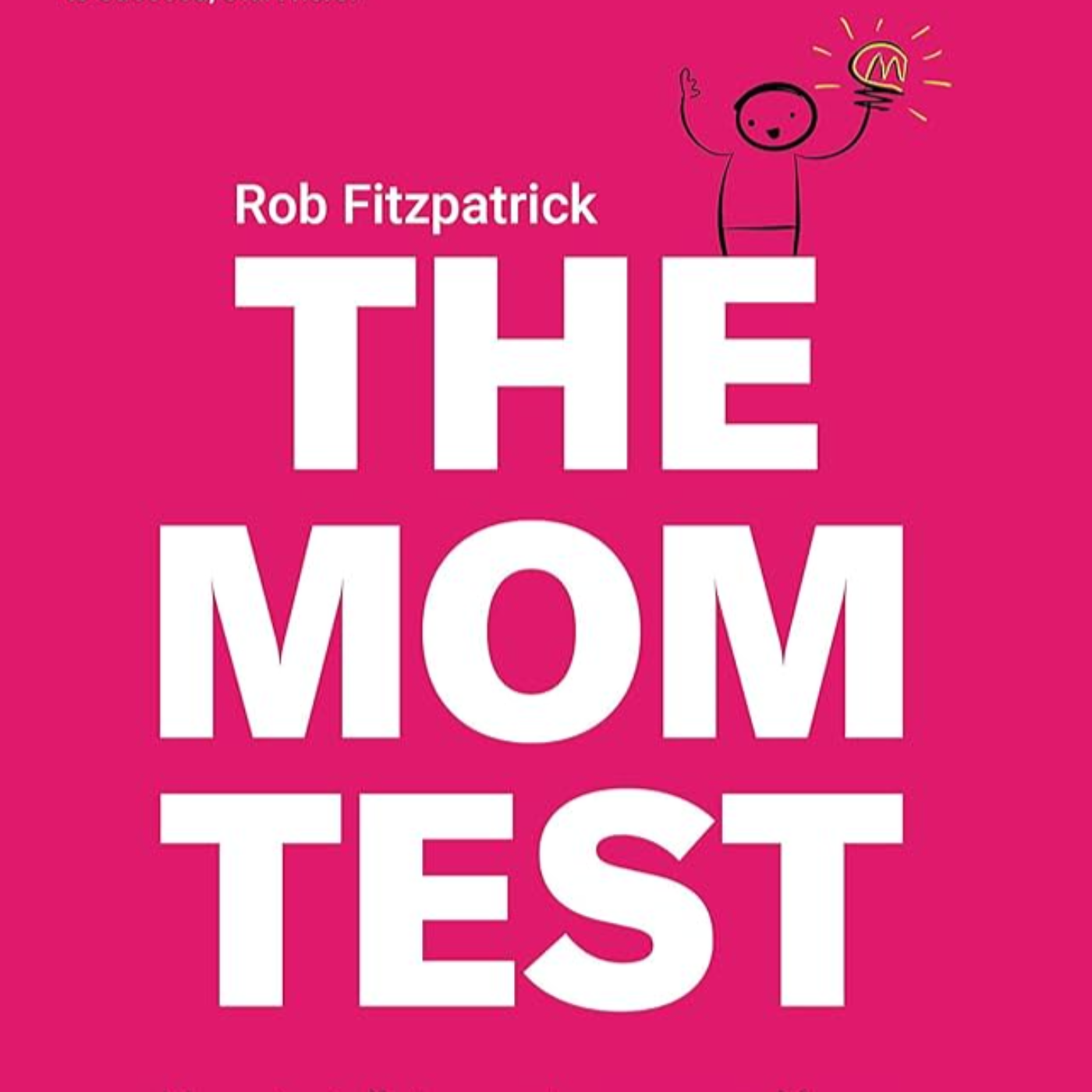
S1 Ep 3The Mom Test
Get the book here - https://amzn.to/3YGdrd9This book, "The Mom Test," aims to help individuals, particularly entrepreneurs, have more effective conversations with potential customers to gain valuable insights for their businesses. The book argues that traditional methods of customer feedback often lead to biased or misleading information. The core of the book is the "Mom Test," a set of rules for asking better questions that encourage people to share truthful and insightful information about their experiences, needs, and problems. The book cautions against seeking approval or pitching ideas too early, as it can skew the feedback received. Instead, it emphasises focusing on the customer's past experiences and current behaviours to uncover their genuine needs and challenges. The book also provides practical advice on how to identify and avoid common pitfalls like compliments, generic claims, and feature requests that can cloud judgment. Through real-life examples and actionable strategies, the book equips readers with the skills to gather meaningful customer data and make informed decisions about their business.
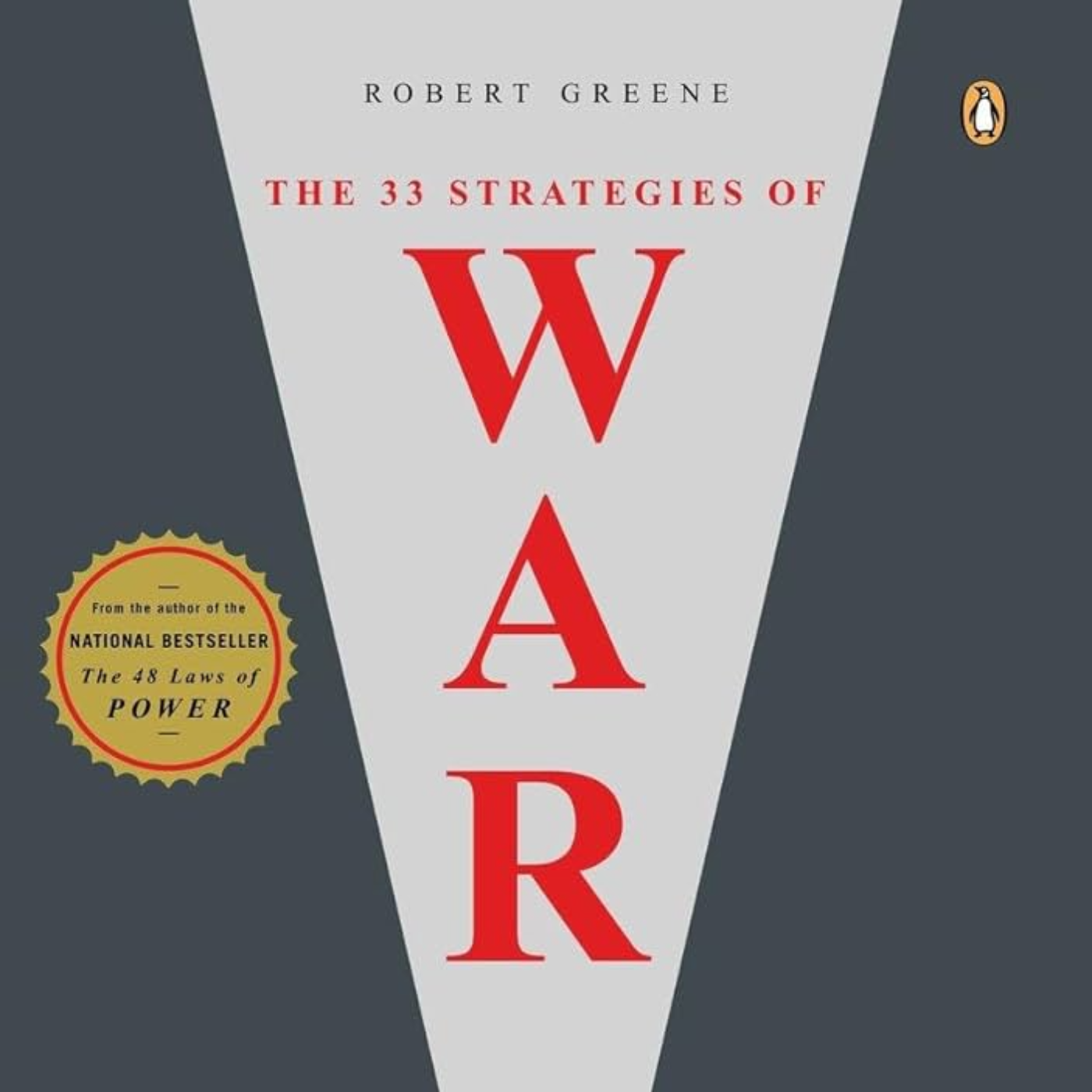
S1 Ep 2The 33 Strategies of War
“The 33 Strategies of War" by Robert Greene Get the book here - https://amzn.to/4eUTBjUThis book is a comprehensive guide to the strategies and principles of warfare, with the goal of providing readers with practical knowledge that can be applied to conflicts in their daily lives.The book distills timeless wisdom from historical military figures and strategists, including Sun-tzu, Miyamoto Musashi, Carl von Clausewitz, and Napoleon Bonaparte.The author emphasises that the book's strategies are not meant to be followed rigidly, but rather to serve as tools for critical thinking and adaptability in the face of challenges.The book is structured around 33 distinct strategies, each designed to address a specific problem that readers might encounter.These problems include:Leading an unmotivated team.Managing conflicts on multiple fronts.Overcoming the gap between plans and reality.Navigating difficult situationsThe book is divided into five sections:Self-directed warfare focuses on preparing the mind and spirit for conflict.Organisational warfare examines how to build and inspire a team.Defensive warfare explores strategies for protection and resilience.Offensive warfare covers techniques for taking the initiative and achieving victory.Unconventional (dirty) warfare presents strategies for operating outside the norms of traditional conflict.The author uses historical examples and anecdotes to illustrate the application of the strategies.15 The book emphasises the importance of understanding the perspectives of others, including your adversaries, as a key to developing effective strategies.6 The author also argues that the most successful strategies often involve deception and manipulation, rather than direct confrontation.

S1 Ep 1The Link Between Craziness and Success in America
The author, John Gartner, argues that the American character, marked by high energy, ambition, and risk-taking, is rooted in a high prevalence of hypomania within the population. He suggests that America's history as a nation of immigrants, drawn by opportunities and fueled by a restless spirit, has created a gene pool enriched with hypomanic tendencies. This temperament, while often associated with success, also comes with downsides such as impulsivity and poor judgment, illustrating a complex relationship between "craziness" and achievement.