
The Ear
57 episodes — Page 1 of 2
Who Should Teach the Core? A Graduate Workers Union’s Clash with Columbia and its Impact on University Curriculum
Two Schools, One Schedule: The Columbia-Juilliard Exchange
A Small Click, A World of Access: Spectator Editorial Board on Columbia’s data breach
A Stroll Through Shifting Shops: How Small Businesses in Morningside Heights Have Changed
A Collector, a Cartoonist, and a Figure on ‘the Timeline’: The Life and Legacy of Adam Elkhadem
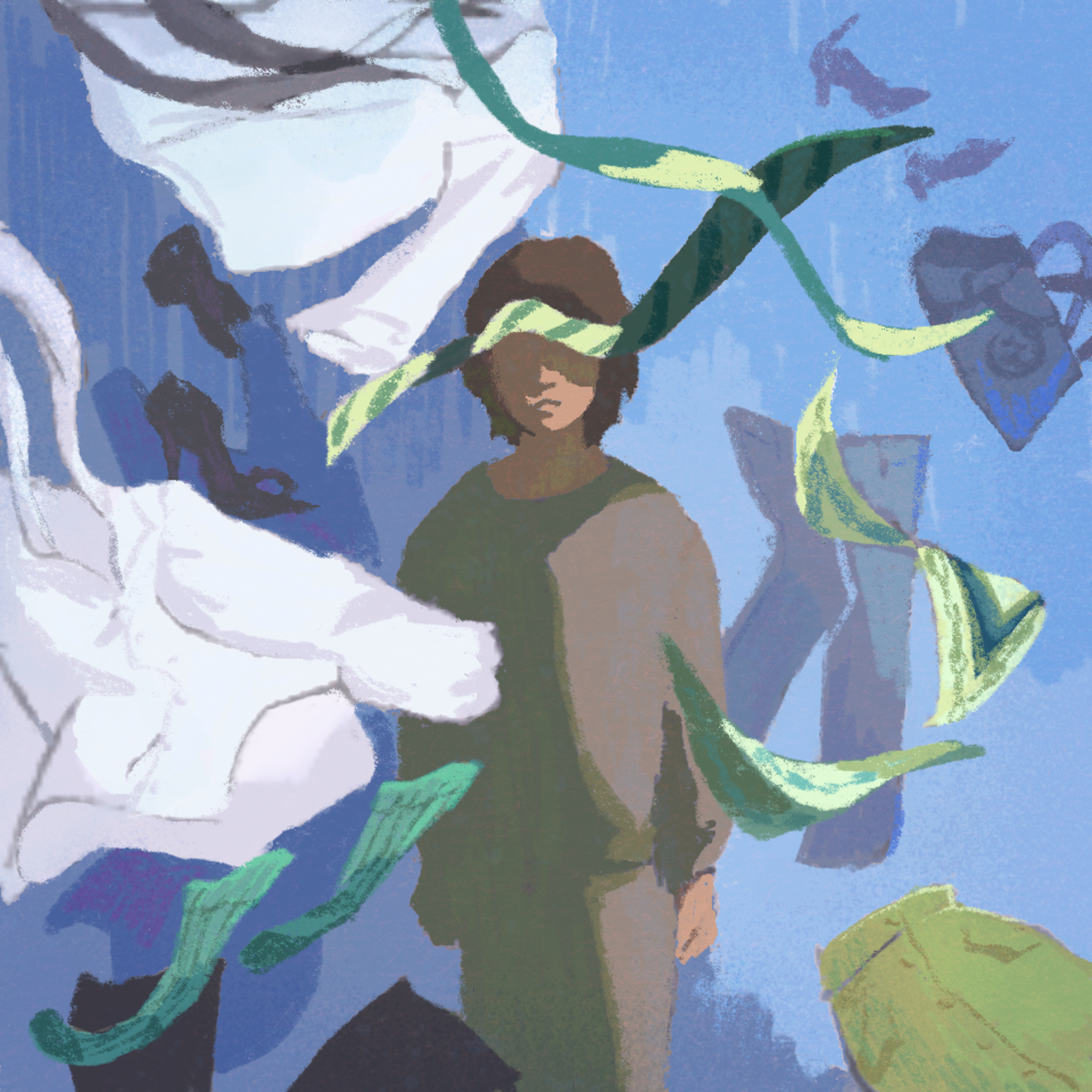
Dressing the Part: Professional Style on Columbia’s Campus
On Columbia’s and Barnard’s campuses, what clothes you wear make up more than just an outfit—they become a language. In this episode of Pod-Tone 292, reporter Sharanya Maulik explores how students navigate professional fashion while balancing cultural identity, industry expectations, and pressures tied to gender and race. Featuring conversations with students across disciplines and Anne Higonnet, the Barbara Novak professor of art history, this episode unpacks the archives, influence, and complexity behind looking “professional” at an Ivy League institution.
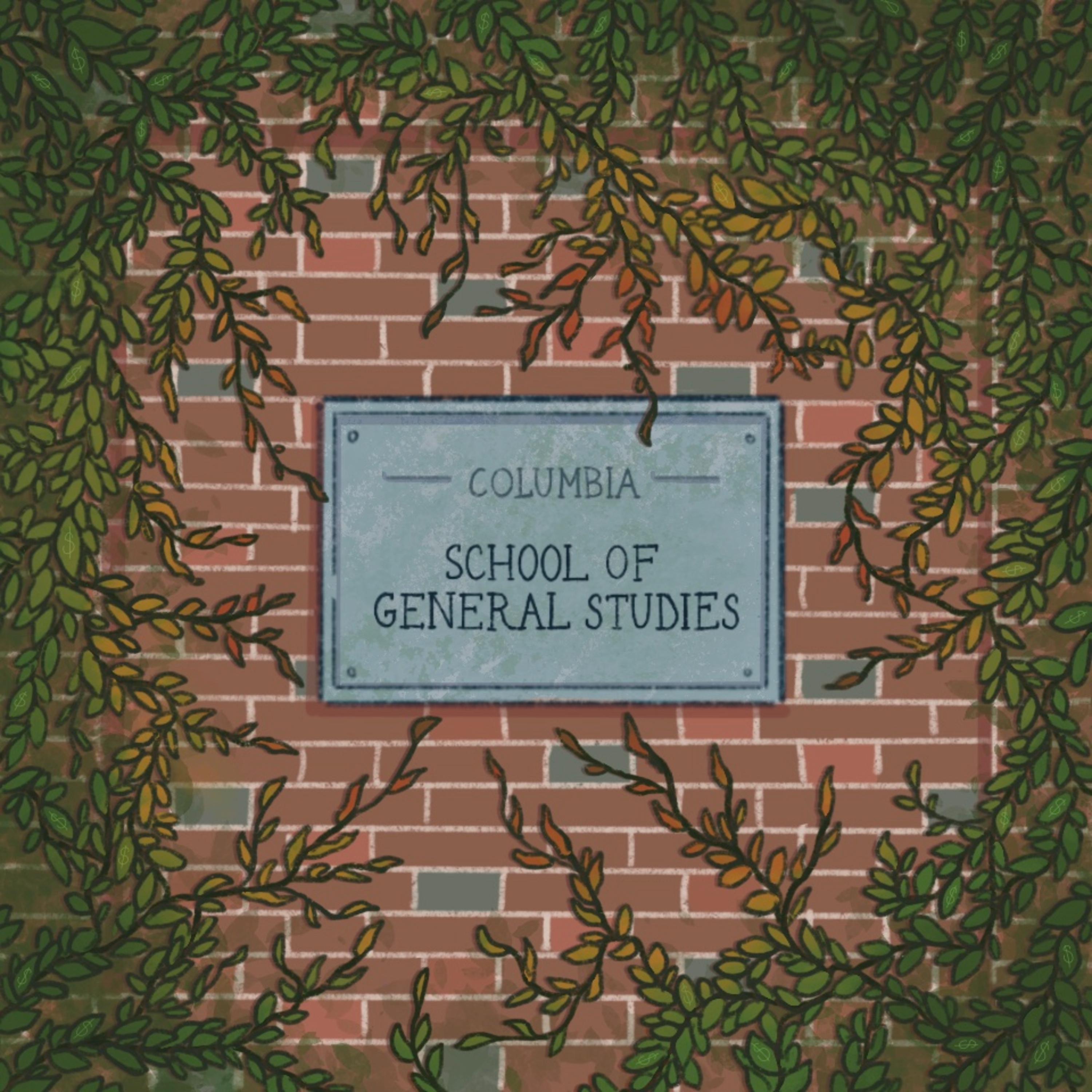
The General Studies Gap: What $30 Million Means for the School Designed for Nontraditional Students
The School of General Studies doesn’t provide full financial aid, has no dedicated housing for its student body, and recently received a $30 million investment from the University. In this episode of The Ear, Alexander Miles dives into the relationship between General Studies and the rest of the University, raising questions about financial transparency and equality.Credits• Edited by Melina Nath and Namya Manghnani• Engineered by Eesha Ramanathan• Original Music by Matthew Lucia• Music from Solid Ground by Roie Shpigler• Illustration by Zoe Villalobos
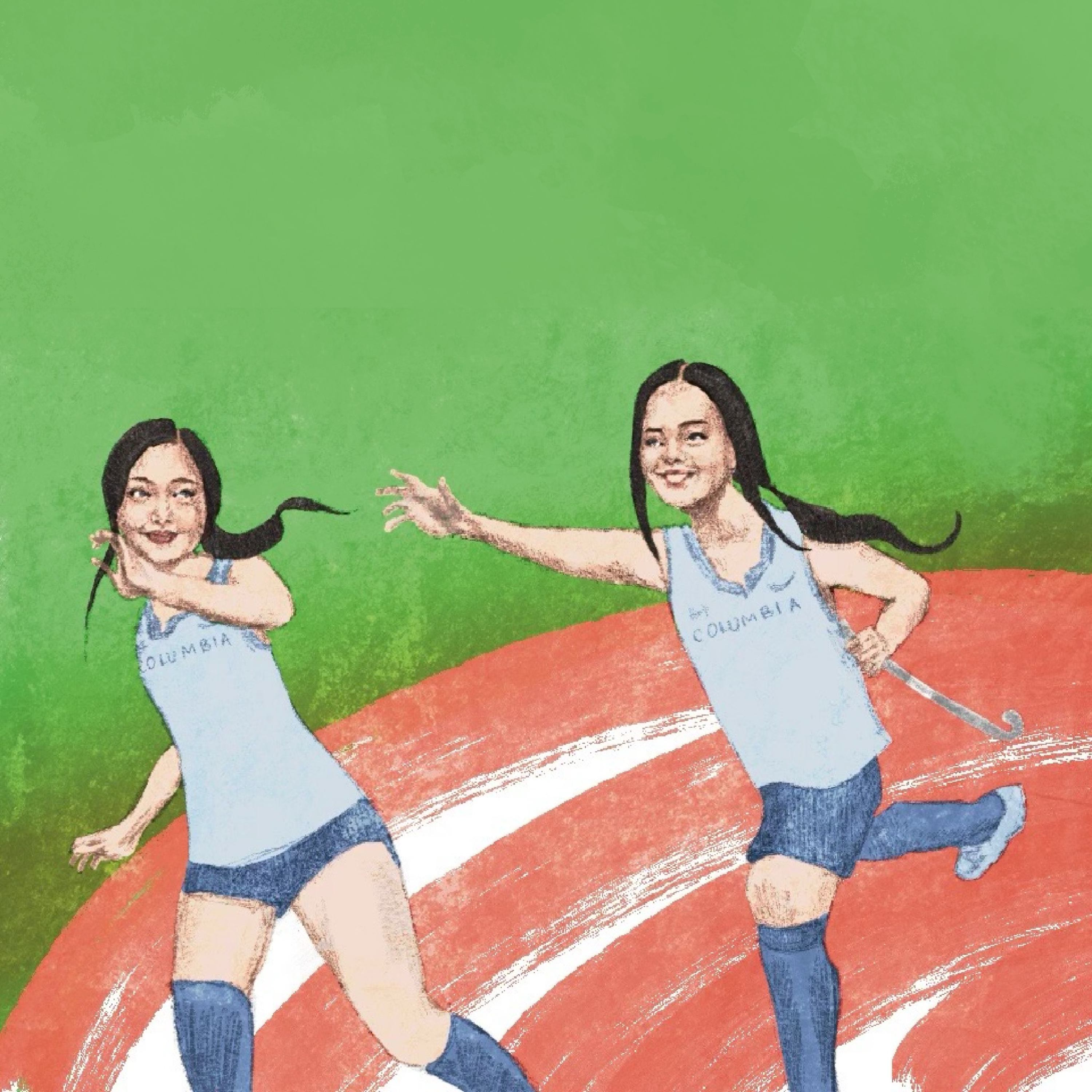
Twin telepathy: How field hockey players Kate and Ashley Kim embrace sisterhood on the pitch
On this episode of A Look at the Lions, Spectator sits down with twin sister sophomore forwards Kate and Ashley Kim, who make up one of three sister duos on the Columbia field hockey team this season. From pushing one another through training to sharing tips in Korean at practice, the Kim sisters have used their sisterly bond to bring each other to new heights on the pitch.Credits• Edited by Melina Nath, Eesha Ramanathan• Produced by Emily Michaelsen• Music by Matthew Lucia• Illustration by Mila Petolani
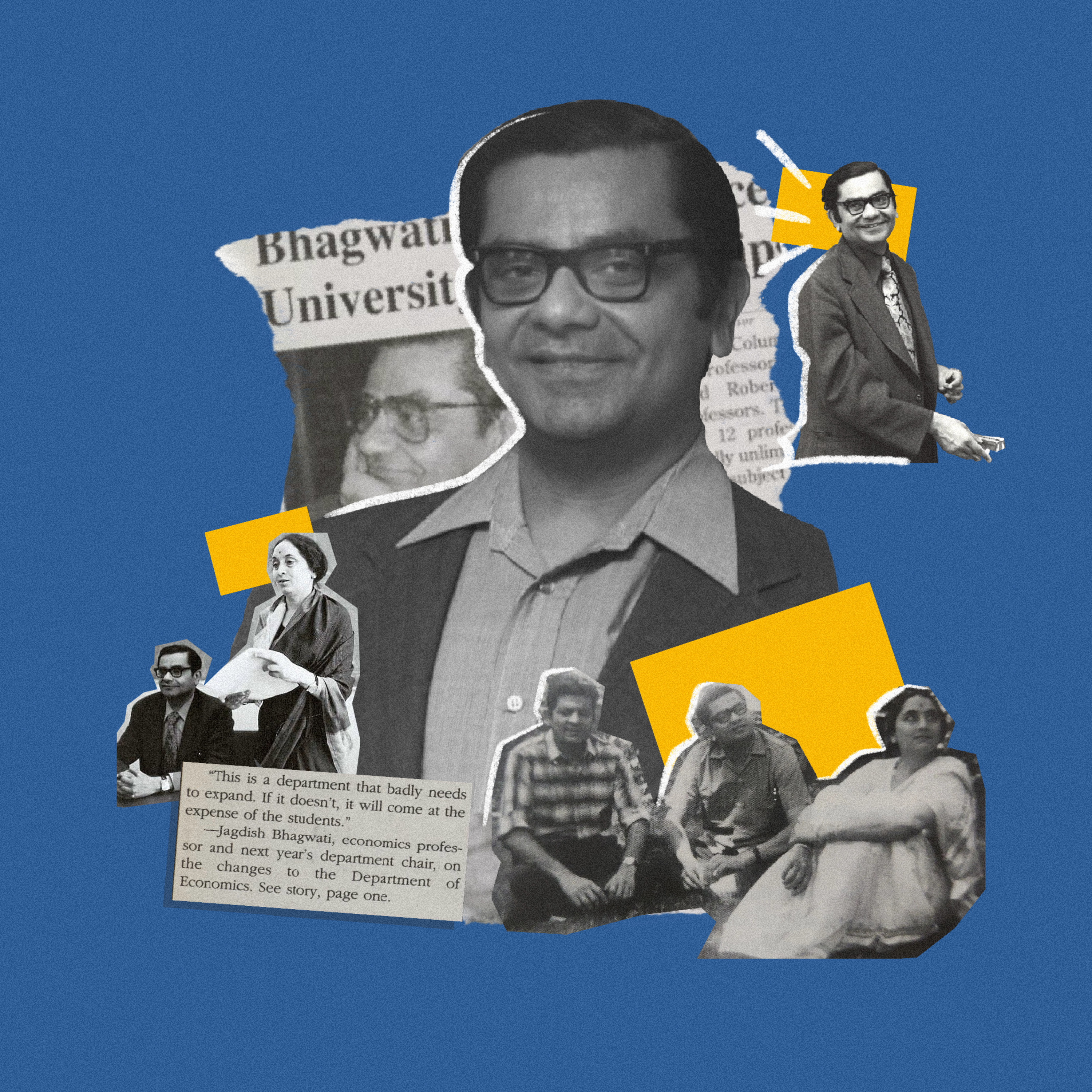
Jagdish Bhagwati: The Columbia economist who helped shape India and the world
In this edition of Pod-Tone 292, audio reporter Shanthi Ashok explores the influential career, life, and legacy of University Professor Emeritus Jagdish Bhagwati. Through interviews with Bhagwati’s former peers, students, and colleagues, this episode dives deeper into his character and impact.Credits• Edited by Eesha Ramanathan and Melina Nath • Produced by Shanthi Ashok • Illustration by Saumya Chaudhry
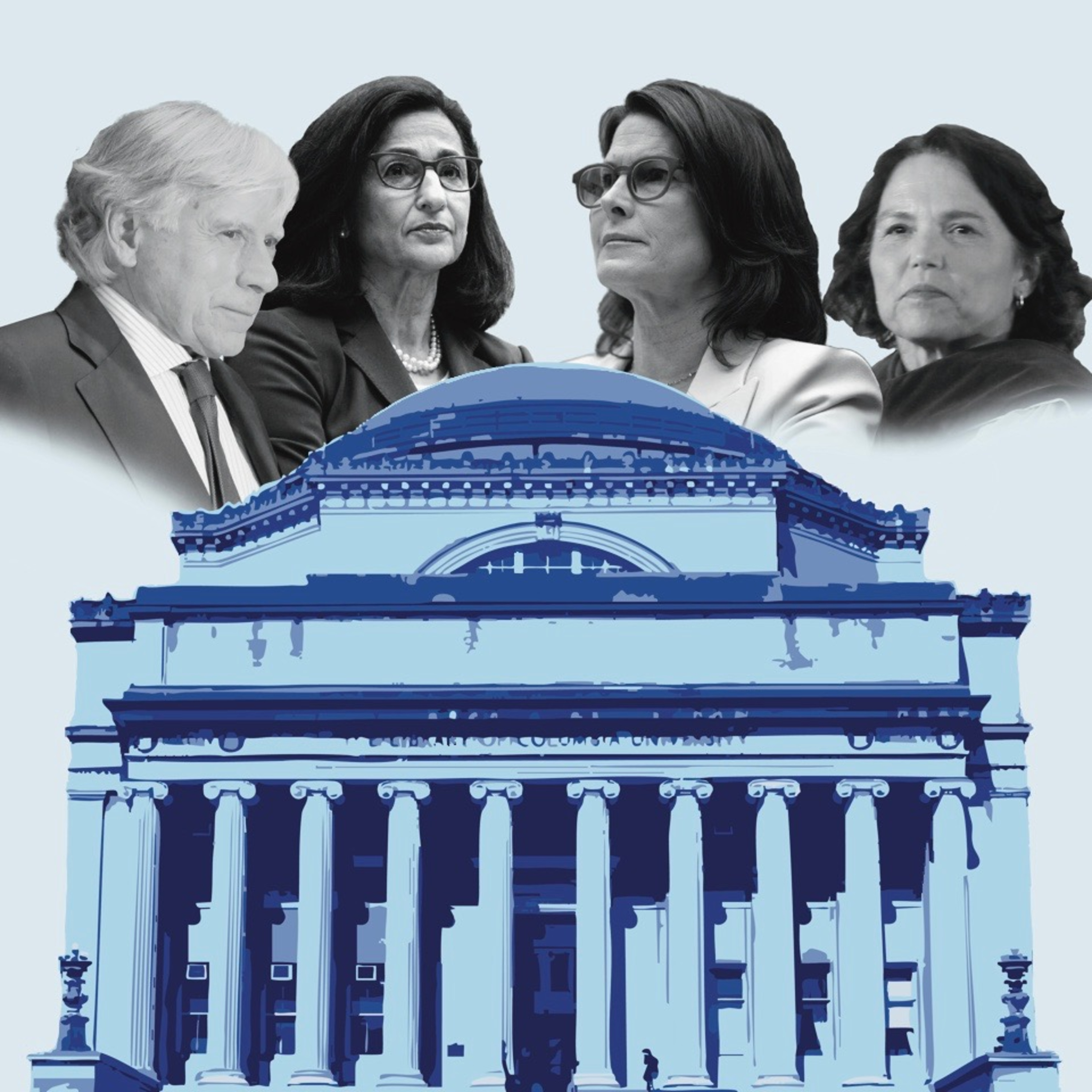
In search of effective leadership: Spectator Editorial Board on Columbia’s next president
As the search for Columbia’s 21st president continues without student representation, four members of Spectator’s editorial board sit for a discussion of what they’re looking for in Columbia’s next chief executive. Moderator Achilles Frangos, Spectator’s editorial page editor, leads a roundtable discussion in search of the ideal candidate.The Spectator editorial board is independent of Spectator’s news coverage and coverage by other Opinion columnists and writers. Spectator’s corporate board, including the editor in chief and managing editor, are not members of the editorial board.Credits• Edited by Luisa Sukkar• Sound Engineering by Eesha Ramanathan• Original music by • Illustration by Ramona DelyserFollow us on Instagram @SpectatorPodcasts and check out our other episodes!
From Morningside Heights to Wall Street: An exploration of Columbia’s finance clubs
Trump vs. Columbia: What the University’s Concession Means Now
In this edition of The Ear, reporter Shanthi Ashok explores the nuances and repercussions of Columbia’s concession to President Donald Trump’s administration through interviews with three Columbia professors. Credits• Edited by Nicole Sandrik-Arzadi, Melina Nath, and Luisa Sukkar• Produced by Shanthi Ashok • Illustration by Sally Li Weitzner Follow us on Instagram @SpectatorPodcasts and check out our other episodes!
Performing post-gate closures: Columbia’s Postcrypt Coffeehouse
Many Columbia and New York City musicians find solace, joy, and support through Postcrypt Coffeehouse, an intimate musical venue in the basement of St. Paul’s Chapel. Listen as these musicians and organizers of this space share how they found this community and what its future holds as campus restrictions continue.Credits• Edited by Melina Nath and Luisa Sukkar• Produced by Namya Manghnani and Eesha Ramanathan• Music by James Krivchenia, Adrianne Lenker, Buck Meek (Performed by Maraki Tamrat); Paul Stookey, Mary Travers, Peter Yarrow (Performed by Maraki Tamrat); Kayte Grace, Matthew Lucia, Gabriela McBride, Federico Stock• Sound effects by newagesoup, calebowenw, and Garuda1982 • Illustration by Mila PetrolaniFollow us on Instagram @SpectatorPodcasts and check out our other episodes!
The Keepers: Who Holds Our History?
Welcome to “The Keepers: Who Holds Our History?”—an episode of The Ear exploring the critical and often overlooked role that archivists play in shaping historical memory. In this episode, reporters Ellie Carver-Horner and Shay Stulman interview Olivia Newsome, Barnard’s records coordination and processing archivist and coordinator at the Lesbian Herstory Archives. Join us as we delve into the ethical challenges that influence how history is established, examine who controls the past, and question who gets to tell the stories that define us.Credits• Edited by Sophia Cordoba and Lara-Nour Walton• Produced by Eesha Ramanathan• Music by Murat Gulcelik, Matthew Lucia, and Eva Scholz-Carlson• Illustration by Ruth WeaverFollow us on Instagram @SpectatorPodcasts and check out our other episodes!
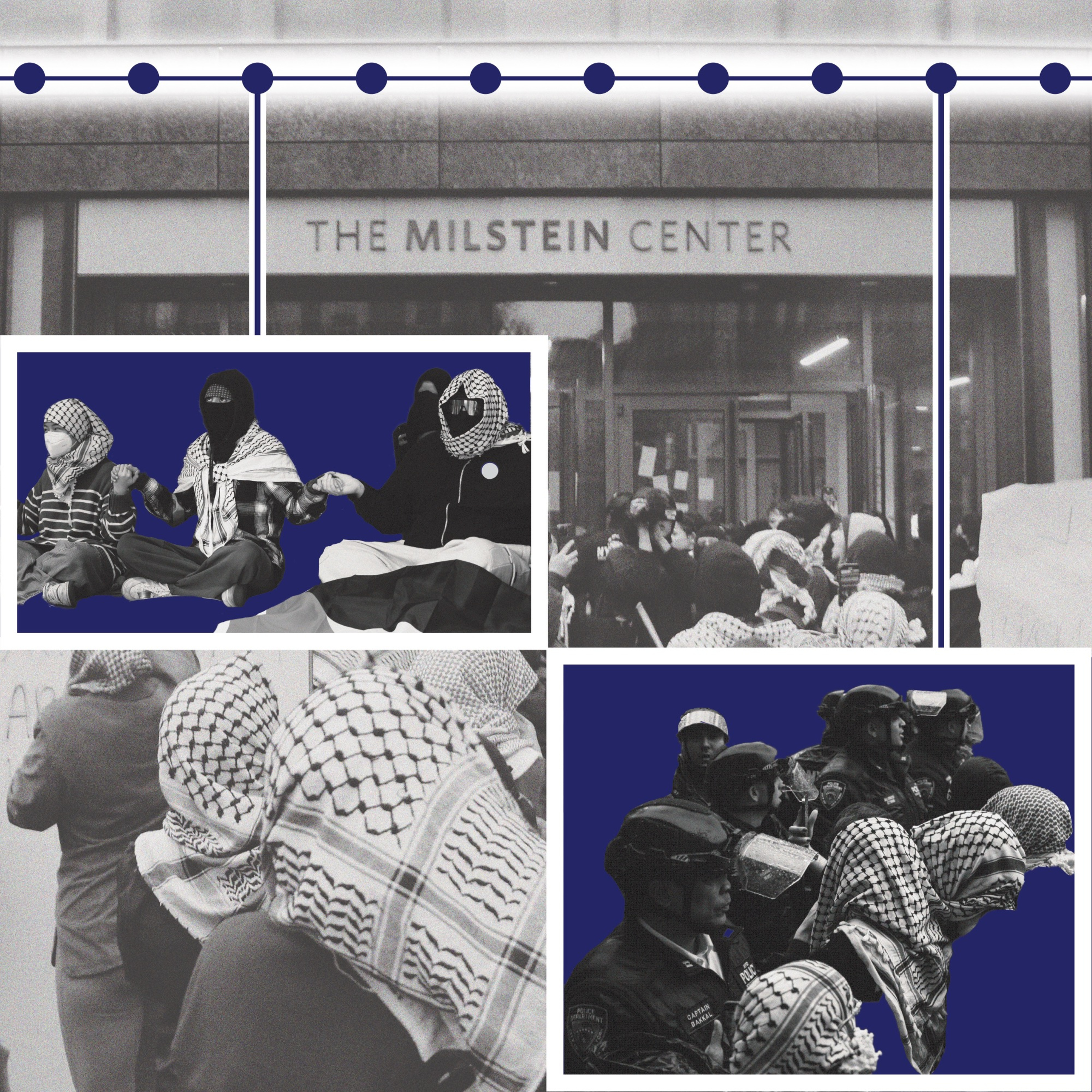
Arrests at Barnard: An account of the Milstein sit-in and the nine arrests that followed
On March 5, pro-Palestinian protestors occupied the Milstein Center for Teaching and Learning at Barnard, condemning the reported expulsion of three students. Over the span of five hours, Barnard’s campus transformed from a place where students were speeding to class to the site of an active bomb threat, with nine protesters at a sit-in arrested by NYPD. Join reporters Luisa Sukkar, Melina Nath, and Nicole Sandrik-Arzadi in the on-the-ground sounds from these events. Credits: Produced by Eesha Ramanathan• Music by Eva Scholz-Carlson• Illustration by Ramona Delyser Follow us on Instagram @SpectatorPodcasts and check out our other episodes!
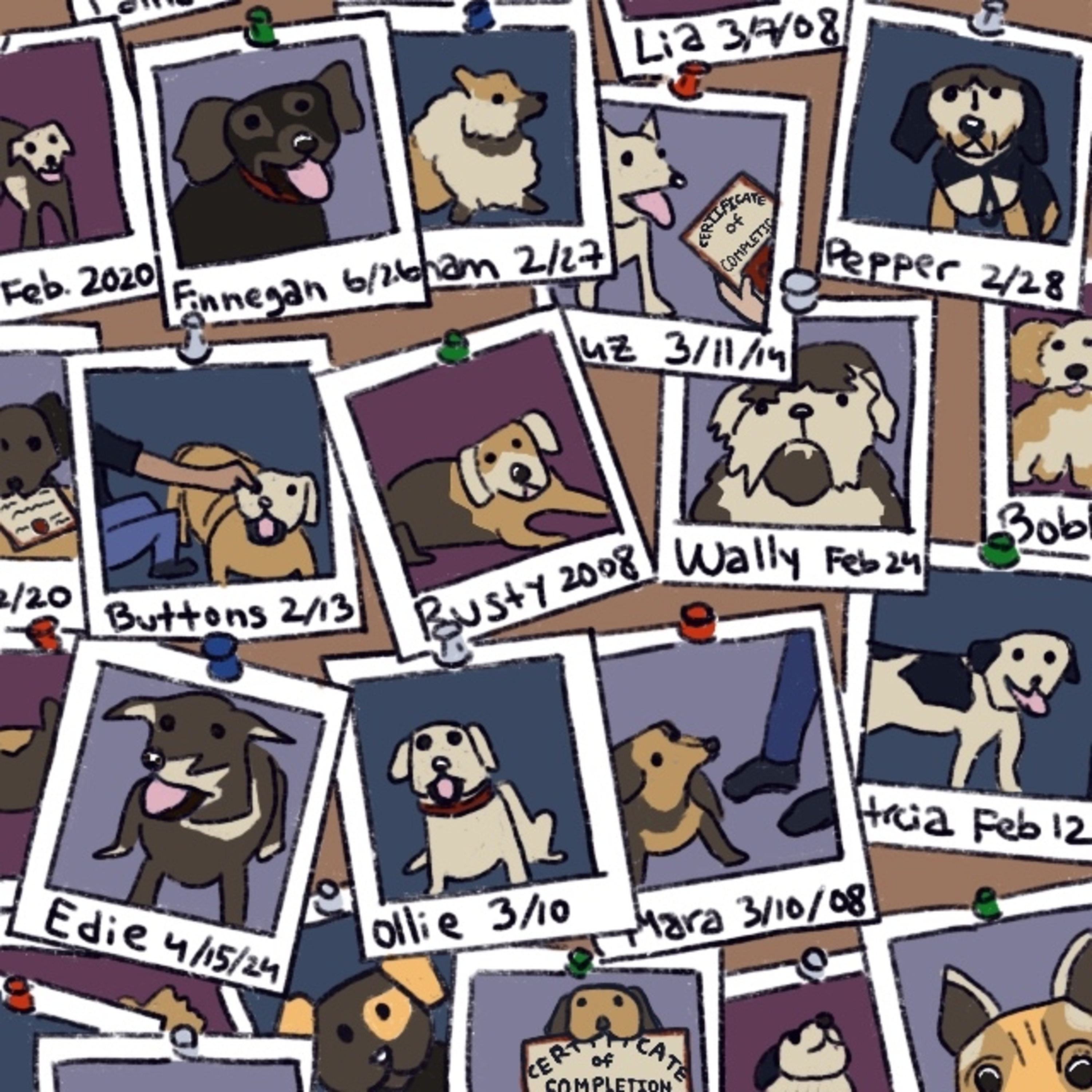
Thinking twice about a dog’s thoughts: Barnard’s Dog Cognition Lab
Humans and dogs have an undoubtedly strong connection. However, how well do humans really know their canine counterparts? In this episode of The Ear, Melina Nath explores the work of Barnard’s Dog Cognition Lab, the first lab of its kind in the country, to answer questions about how dogs truly see the world.Credits Edited by Sophia Cordoba, Lara-Nour Walton Produced by Melina Nath with assistance from Eleanor Moseley and Eesha Ramanathan Music by Eva Scholz-Carlson and Matthew Lucia Illustration by Eva Vu SternFollow us on Instagram @SpectatorPodcasts and check out our other episodes!

From Hamilton Hall to Hind’s: Inside the Occupation
After 12 days of occupying South Lawn, pro-Palestinian protesters escalated their operations by occupying a building on April 30. Tune in to listen to reporters Lara-Nour Walton and Sophia Cordoba chronicle Hamilton Hall’s historic transformation to Hind’s Hall and the violent police crackdown that followed. Credits • Edited by Sophia Cordoba • Produced by Sophia Cordoba • Music by Eva-Scholz-Carlson • Illustration by Kelsea Petersen Follow us on Instagram @SpectatorPodcasts and check out our other episodes!
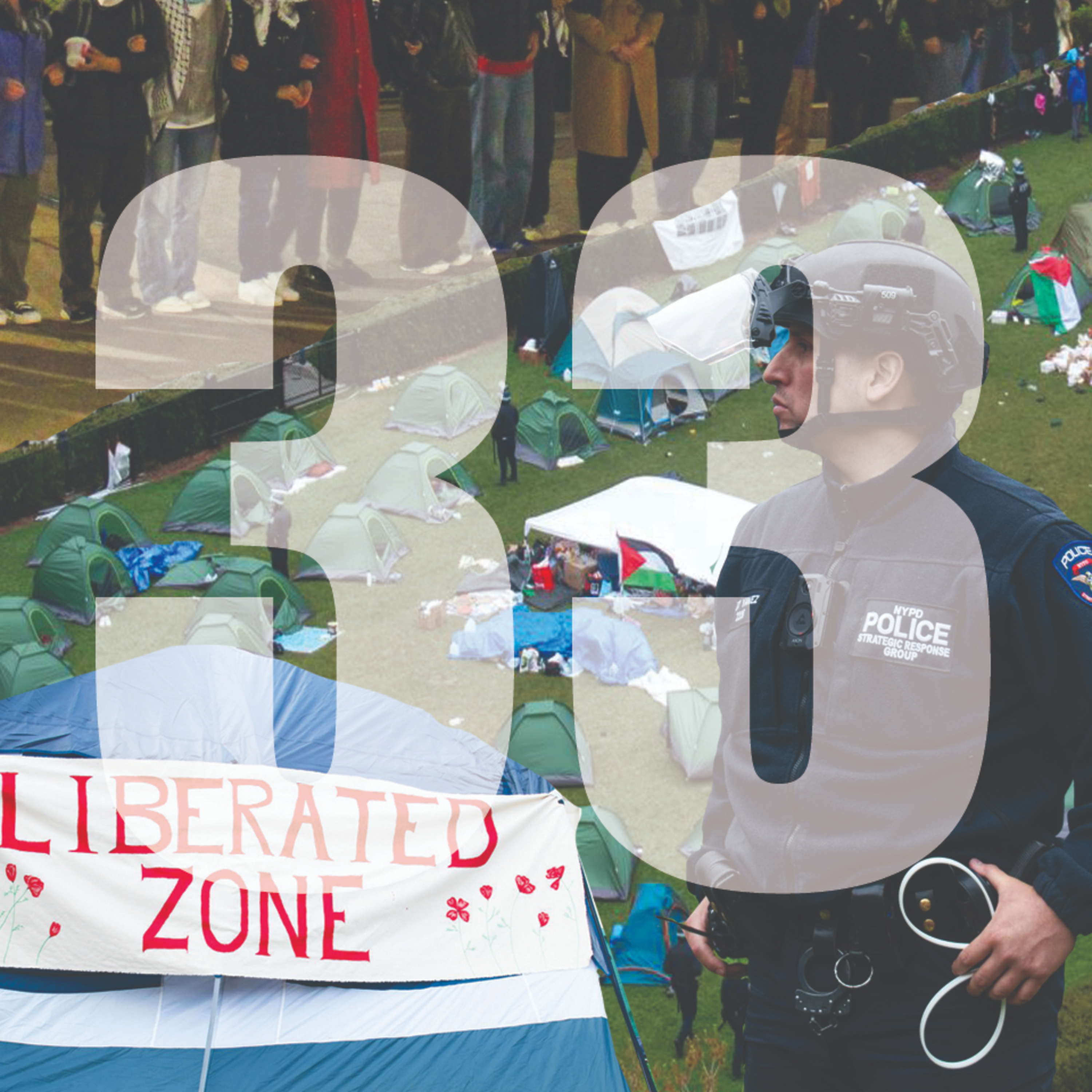
33 Hours in the ‘Liberated Zone’
On April 17, over 100 Columbia students erected an encampment labeled the “Liberated Zone” to demand complete University divestment from Israel. They remained for 33 hours until University President Minouche Shafik authorized the New York Police Department to sweep the encampment, resulting in their arrests. Join reporters Lara-Nour Walton and Sophia Cordoba in living the sounds of the first “Gaza Solidarity Encampment.” Credits • Edited by Sophia Cordoba • Produced by Sophia Cordoba • Music by Eva Scholz-Carlson • Illustration by Kelsea Petersen Follow us on Instagram @SpectatorPodcasts and check out our other episodes!
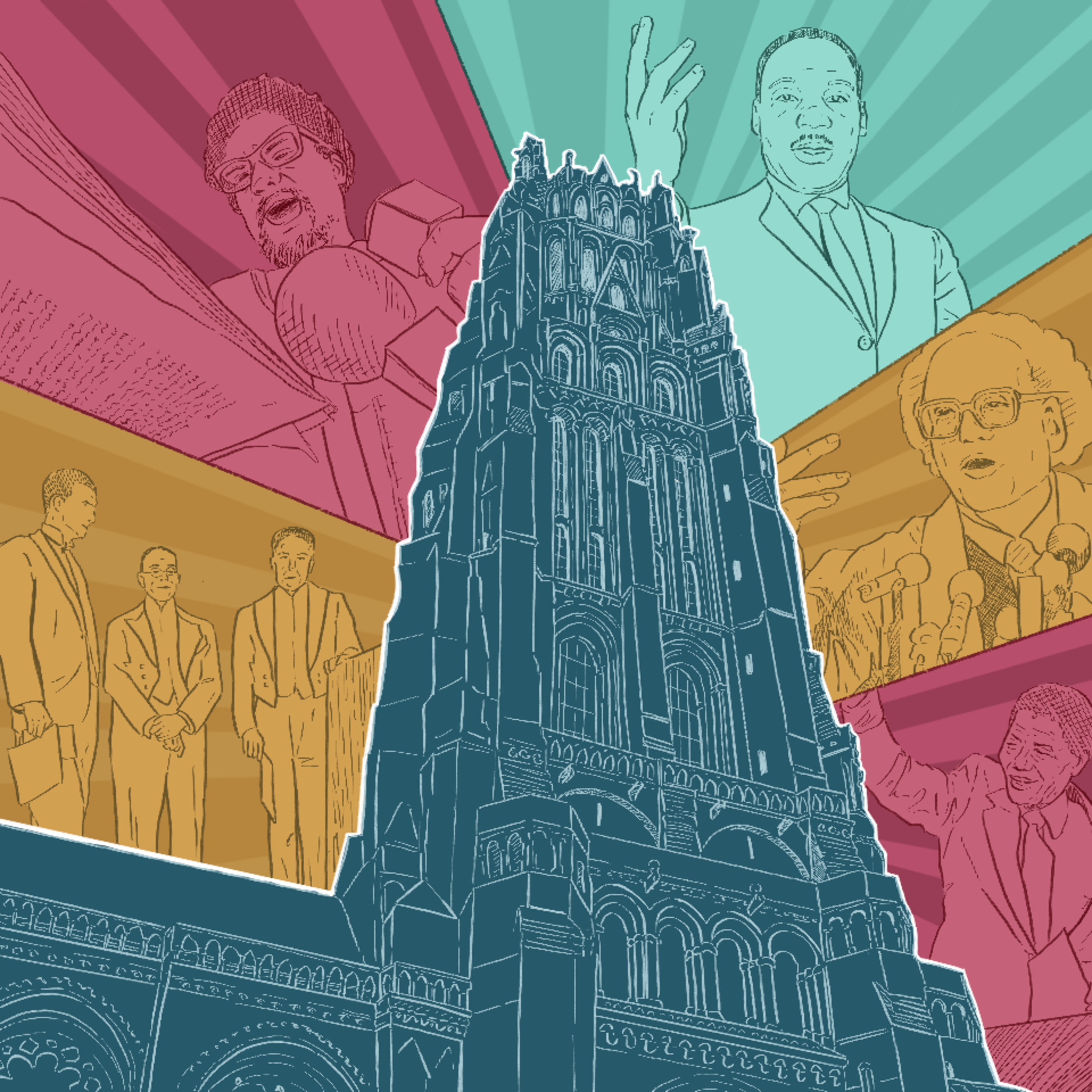
Riverside Church and the Road to Racial Justice
Founded in 1930, Riverside Church in the City of New York strives to be interdenominational, interracial, and international. While many in the Columbia community have seen Riverside Church, few are aware of its rich history—hosting the likes of Martin Luther King Jr. and Mandela. In this episode of The Ear, Sophia Cordoba unpacks the history behind Riverside’s prominence in the struggle for racial justice. Credits: • Edited by Lara-Nour Walton • Produced by Sophia Cordoba • Music by Eva Scholz-Carlson and Matthew Schwizter • Illustration by Macy Sinreich • Voice Acting by Ted Schmiedeler Follow us on Instagram @SpectatorPodcasts and check out our other episodes!
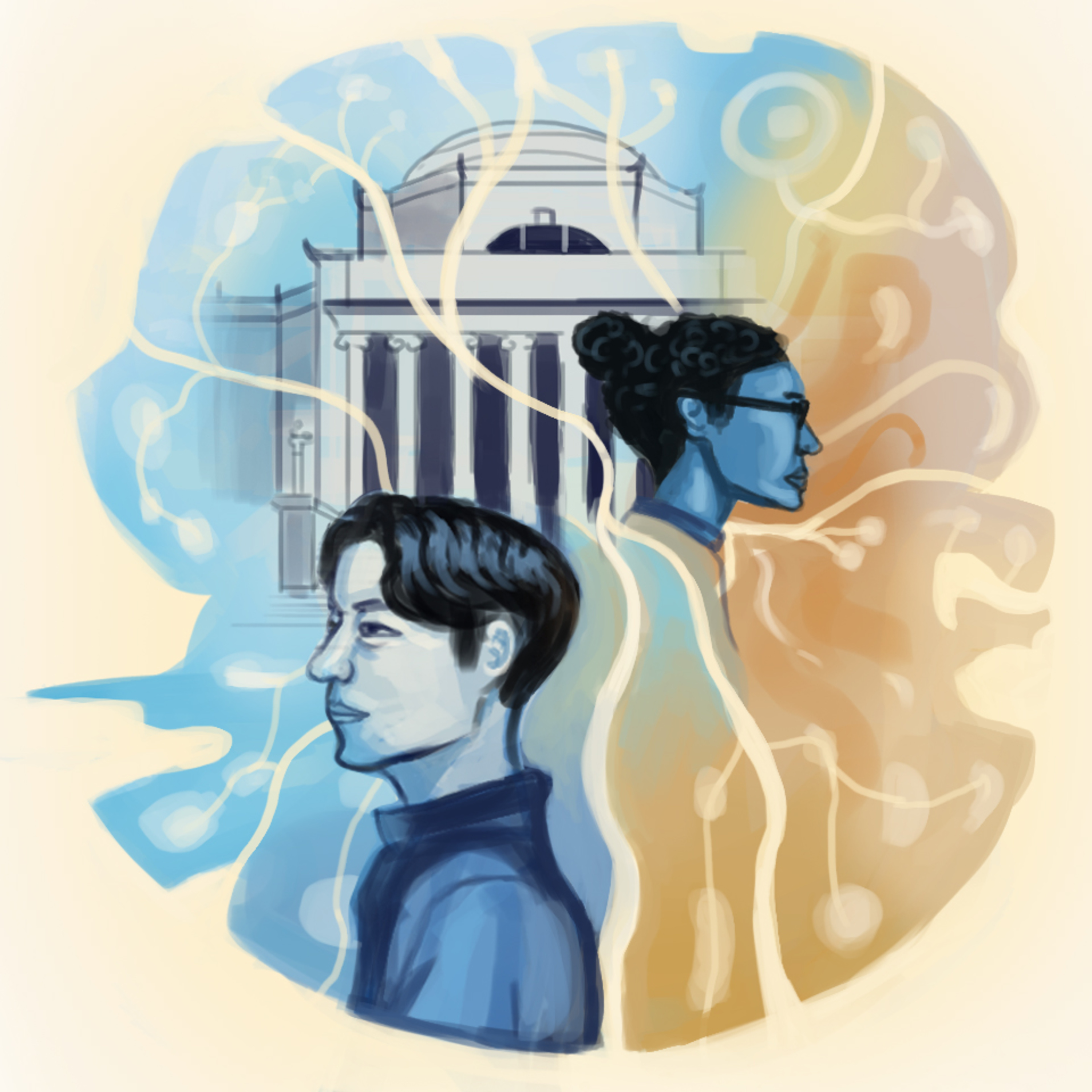
Neurodivergent community and support at Columbia
The idea of neurodiversity intentionally moves away from a “correct” method of thinking, so how might this present itself at Columbia, where students are selected based on “intellectual” capabilities? Students who are neurodivergent are a diverse population that should not be generalized. A shift from preconceived standards of how academic and social settings “should” be approached might allow populations at Columbia to recognize more diverse perspectives contributed by neurodivergent students. In this episode, reporter Luisa Sukkar speaks with students who identify as neurodivergent, representatives from Columbia offices for accommodations, psychological care professionals, and researchers in the field of neurodiversity. Credits: • Edited by Claire Schnatterbeck and Sophia Cordoba • Produced by Claire Schnatterbeck • Music by Sofia Schuster with additional music by Obi Okoli • Illustration by Jonas Ma Follow us on Instagram @SpectatorPodcasts and check out our other episodes!
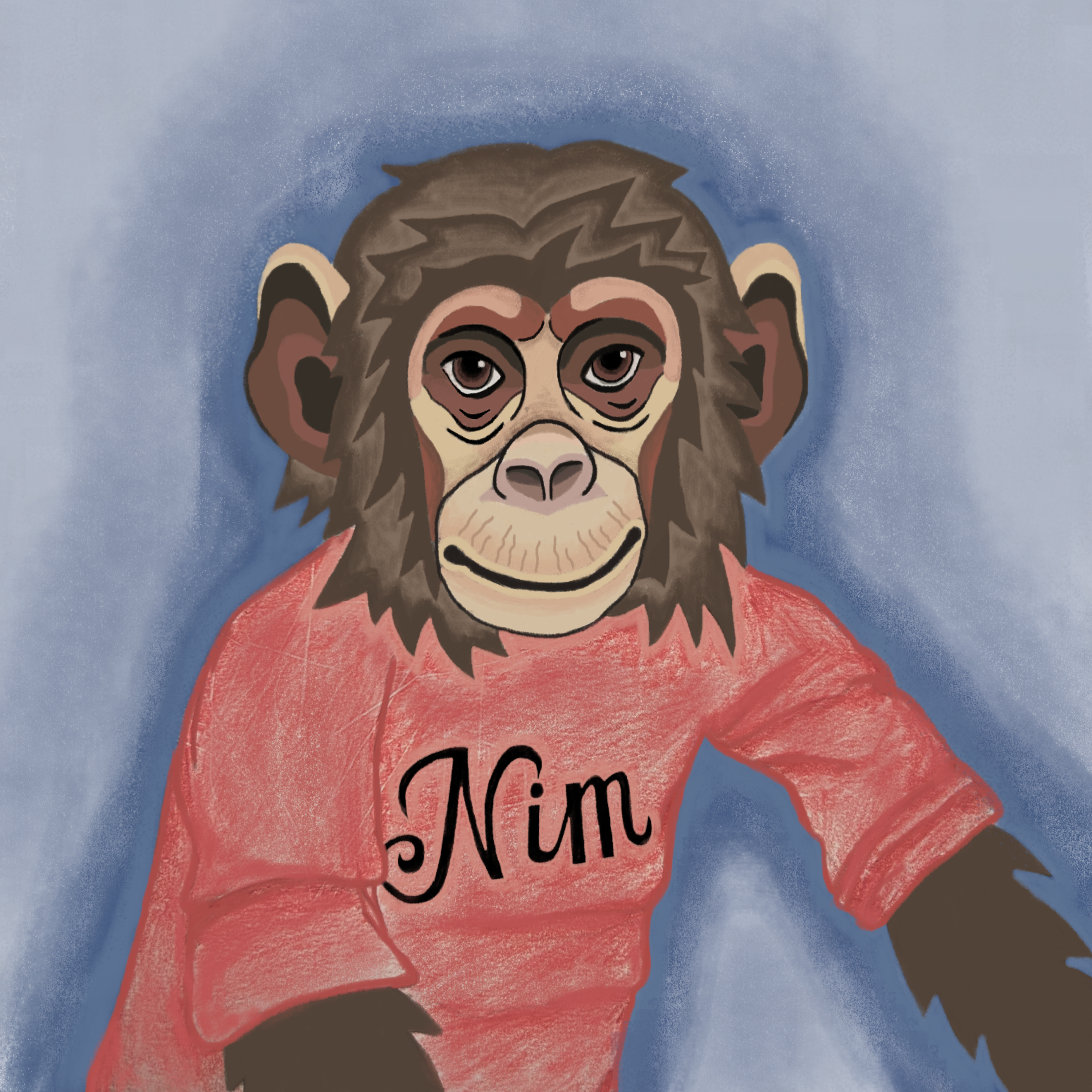
Nim Chimpsky and Columbia’s Fraught History with Animal Experimentation
In this archival episode of The Ear, reporter Alicia Theologides Rodriguez commemorates the 50th anniversary of a controversial Columbia study that explored whether chimps possess the cognitive capacity to learn sign language. While the Nim project ultimately failed to prove its hypothesis, it revealed much more about the ethical precarity of anthropomorphizing animals in experimental settings. By contrasting Nim’s fate with that of other animals in Columbia’s care, this episode explores the unique privileges and perils that Nim encountered because of the way he was humanized. Credits: • Edited by Claire Schnatterbeck and Sophia Cordoba • Produced by Julia Hay • Music by Christina Li • Illustration by Lizzie Melashvili • Voice Acting by Claire Schnatterbeck, Jorge Hernandez, Vasily Tselioudis, Donovan Barcelona, and August Phillips Follow us on Instagram @SpectatorPodcasts and check out our other episodes!
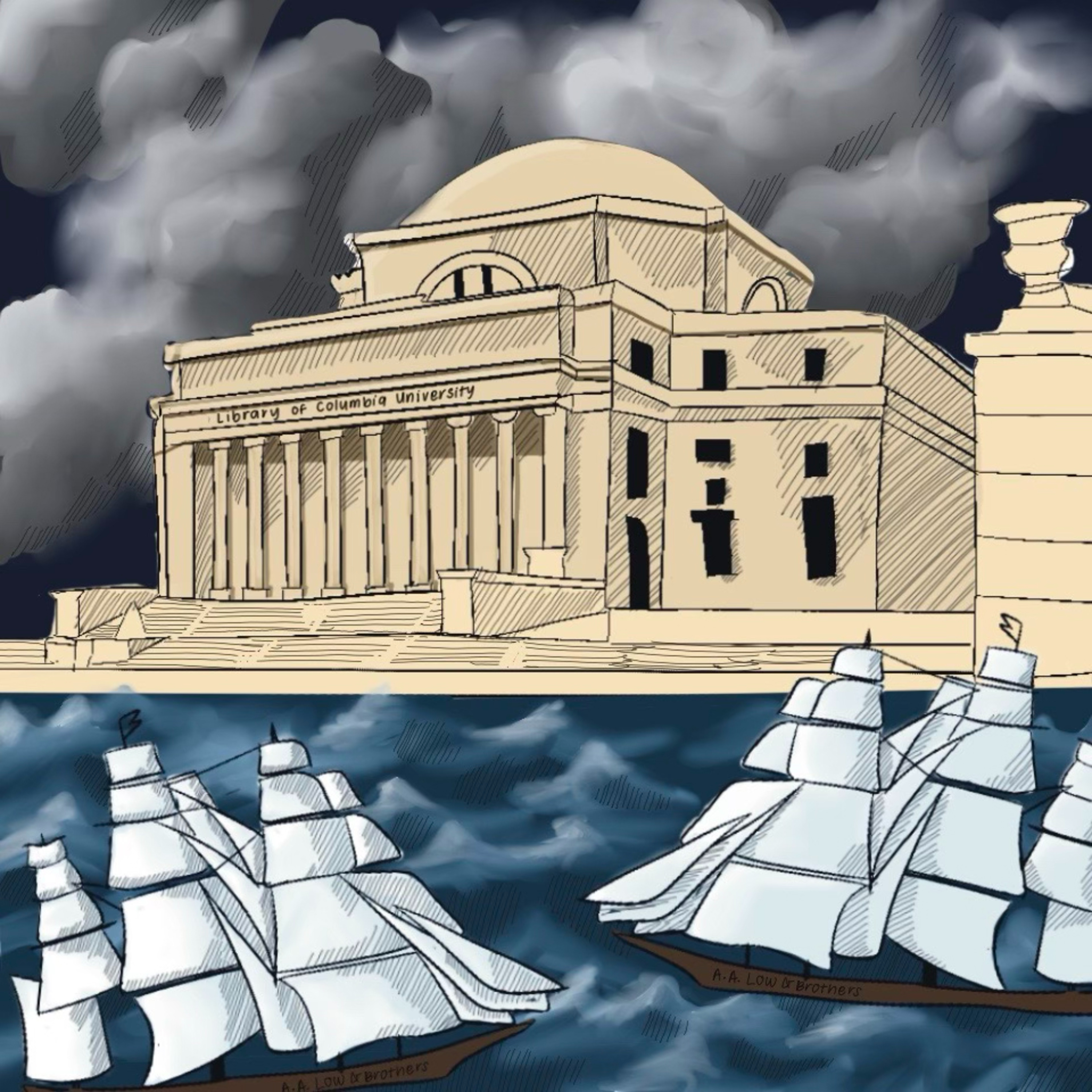
From Canton to Columbia: Low’s Legacy with Opium
In this episode of The Ear, reporter Shay Stulman explores the link between Columbia and the opium trade. She explores the profound impact this historical association has had on shaping esteemed American institutions. How do we reckon with the violent histories of philanthropic families? How did the opium trade shape prestigious American institutions? Tune into this episode to reflect on the implications of Columbia’s connection to this complicated history. Credits • Edited by Claire Schnatterbeck, Sophia Cordoba • Produced by Claire Schnatterbeck, Sophia Cordoba • Music by Christina Li • Illustration by Connor Sund • Voice Acting by Ciro Salcedo Follow us on Instagram @SpectatorPodcasts and check out our other episodes!
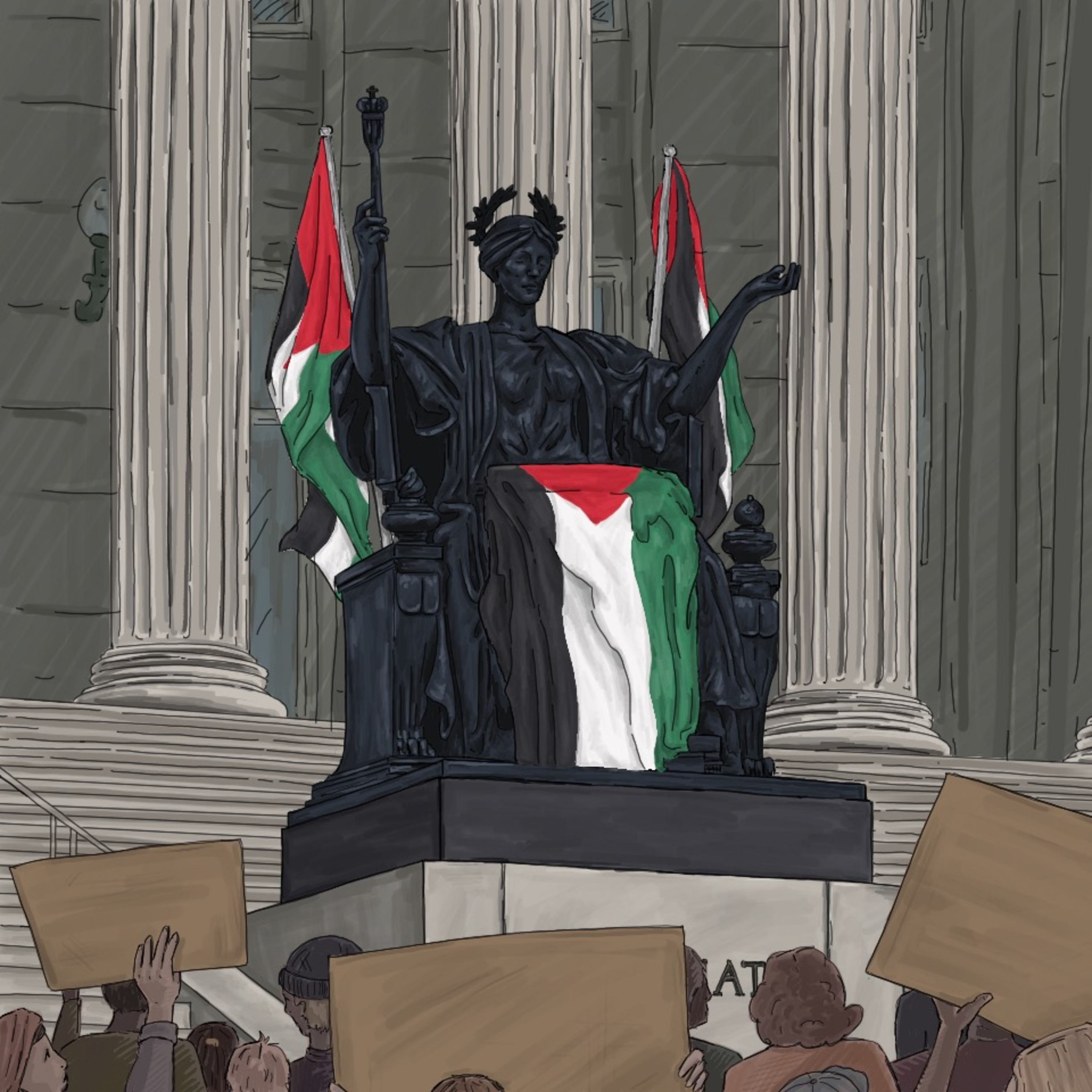
Columbia’s ‘activist Ivy’ legacy amid pro-Palestinian campus resistance
Columbia boasts a student body that is known for being politically engaged. How did the institution earn the label? And does it still deserve the title today? In this episode of The Ear, reporters Nicole Sandrik-Arzadi and Lara-Nour Walton explore these questions and more. Credits: • Edited by Sophia Cordoba, Claire Schnatterbeck • Produced by Claire Schnatterbeck • Music by Murat Gulcelik • Illustration by Macy Sinreich Follow us on Instagram @SpectatorPodcasts and check out our other episodes!
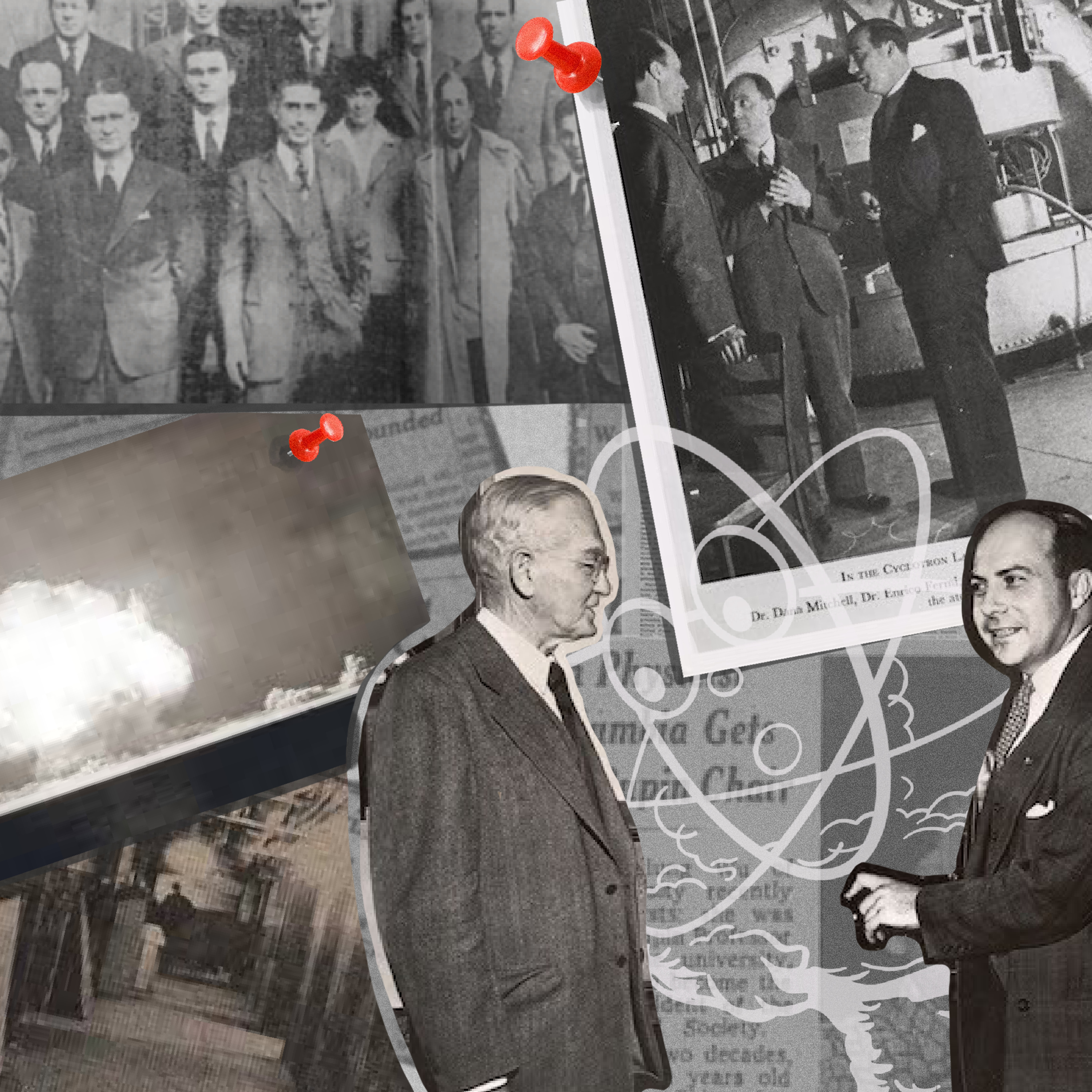
The Cradle of the Bomb: Columbia University and the Origins of the Manhattan Project
In this episode of The Ear, Ellie Carver-Horner and Charlotte Fay explore the complicated history of the atomic bomb, a controversial scientific creation that began at Columbia University in the basement of Pupin Hall. What role did Columbia play in the intricacies of nuclear discovery? How did those making these discoveries justify their role in mass destruction, and how does Columbia reckon with that violence in 2023? Learn alongside Ellie and Charlotte as they engage with Columbia’s complex history of innovation, a story of conflicting moralities, and the foundations for a piece of science that altered the course of human history. Credits • Edited by Claire Schnatterbeck • Produced by Julia Hay • Music by Murat Gulcelik • Illustration by Saumya Chaudhry Follow us on Instagram @SpectatorPodcasts and check out our other episodes!

Life Behind Language: How Heritage Impacts Language Learning
With over 150 countries represented at Columbia, it is no surprise that the University must meet a vast array of language needs. For children of immigrants, learning their native language can mean a greater cultural connection. In this episode, reporter Sophia Cordoba speaks with professors and students alike to understand what it means to live and learn as a heritage speaker. Credits: • Edited by Claire Schnatterbeck • Produced by Julia Hay • Music by Obi Okoli • Illustration by Cassie Wang Follow us on Instagram @SpectatorPodcasts and check out our other episodes!
Mapping Rurality: Defining Columbia’s ‘Rural Student’
Welcome back to The Ear, Spectator’s podcast dedicated to documenting, excavating, and investigating Columbia’s past and present. In this episode, Claire Burke and Claire Schnatterbeck investigate what makes a rural student. How do Columbia and Barnard define “rural”? Does the quintessential “rural student” actually exist? Schnatterbeck and Burke use their own rural backgrounds as a starting point and begin to explore what it means to be a rural student at an elite institution. Credits: • Script Edited by Sophia Cordoba and Caelan Bailey • Produced by Claire Schatterbeck • Music by Eva Scholz-Carlson • Illustration by Julian Michaud Follow us on Instagram @SpectatorPodcasts and check out our other episodes!
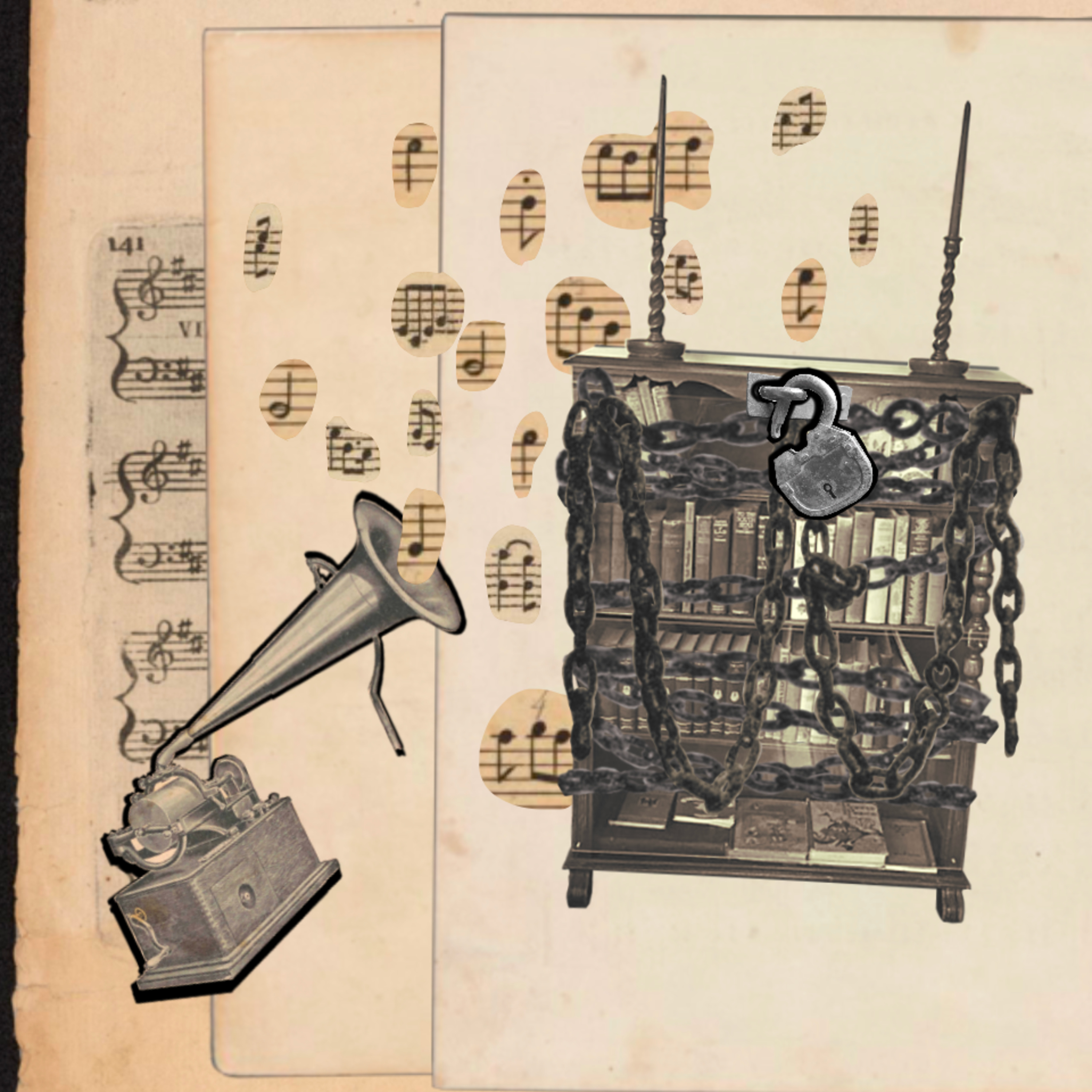
Voices in the Archive: The Repatriation of Columbia's Indigenous Audio Recordings
In this episode of The Ear, Ellie Carver-Horner discusses the extensive archive of Indigenous audio recordings housed in the Columbia University Center for Ethnomusicology and the efforts the University is making to repatriate them. What is audio repatriation, and what does it look like to return something that isn’t physically tangible? Who owns these recordings, and why does their existence matter? Listen to explore the importance of being able to connect with the voices of one’s ancestors. Credits: • Script edited by Claire Schnatterbeck • Audio produced by Julia Hay • Music by Murat Gulcelik Aakin Kuukin by Nicole Balsirow • Illustration by Follow us on Instagram @SpectatorPodcasts and check out our other episodes!
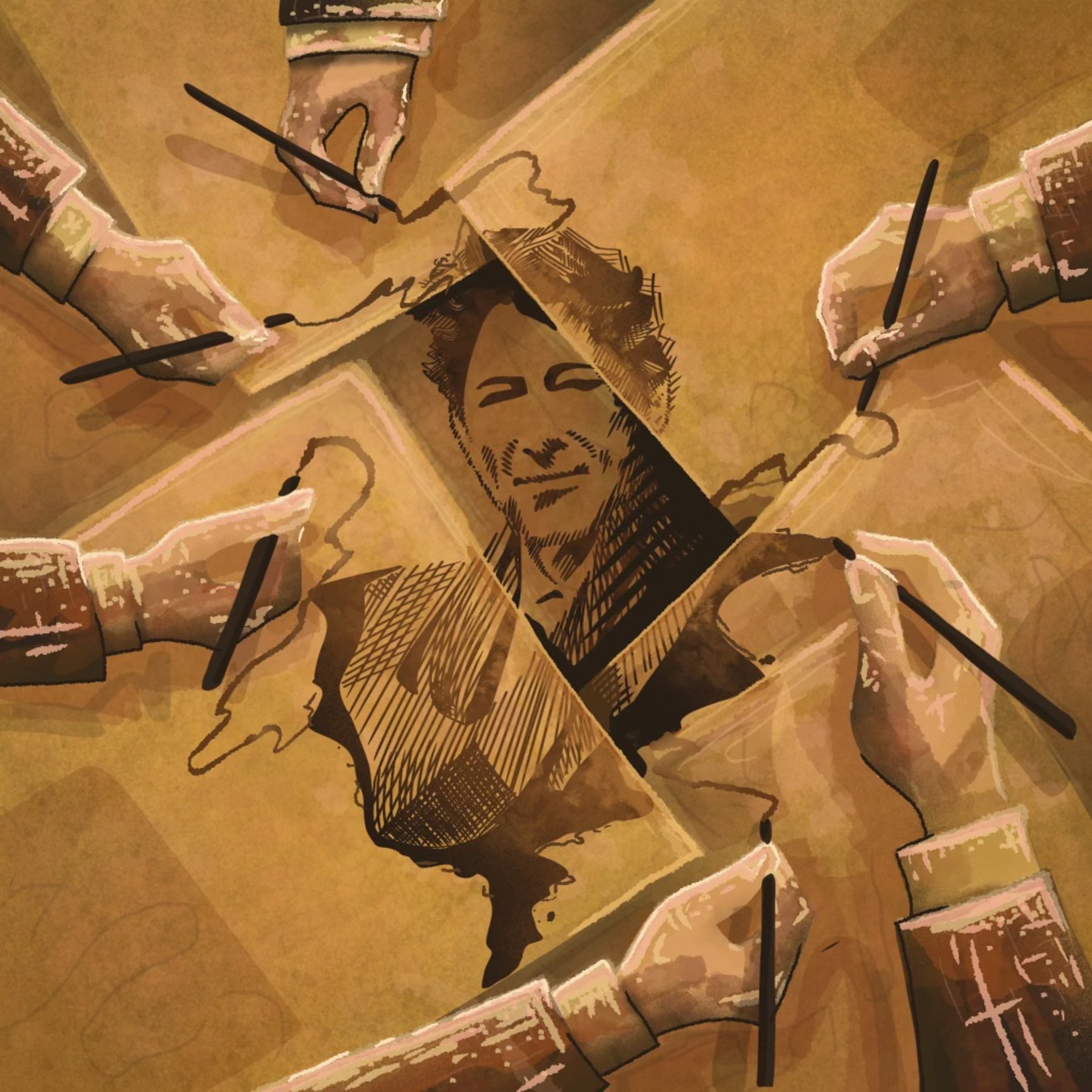
Searching for Said: Edward Said’s Legacy Beyond ‘Orientalism’
Twenty years after the death of Edward W. Said, a Columbia professor, renowned intellectual, and outspoken advocate of Palestine,reporter Lily Glaser seeks to understand his life, legacy, and impact on campus. In this episode of The Ear, Glaser rifles through his personal papers, speaking with former students, listening to exiled authors, and attending lectures. Credits: • Script edited by Claire Schnatterbeck • Audio produced by Matthew Schwitzer • Music The Ear Theme Stave - Obi Okoli State of the World - MakaihBeats Symphony No. 5 in C Minor, Op. 67 - West-Eastern Divan Orchestra Stave (Short) - Obi Okoli Dream Big - Audiobinger • Illustration by Gabe de la Cruz • Voice Acting by Matthew SchwitzerFollow us on Instagram @SpectatorPodcasts and check out our other episodes!
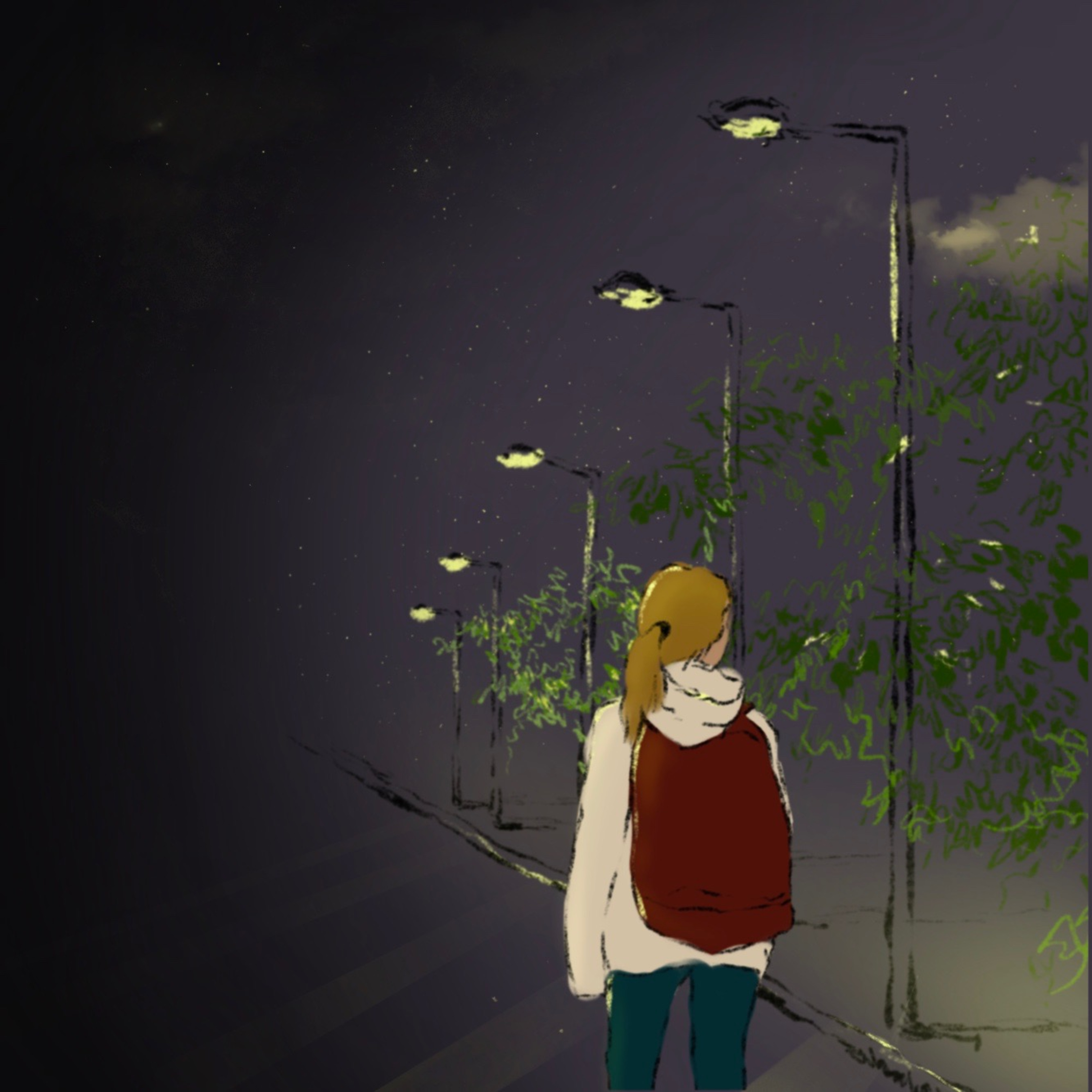
Perception vs. Reality: Student Crime Fears in NYC
In this episode of The Ear, reporter Alicia Theologides Rodriguez speaks with Columbia students from many backgrounds to better understand how fear impacts the way that they navigate New York. This episode explores the underlying reasons for different students’ fears in an attempt to understand why there are discrepancies between the fears of students and New York Crime trends. Credits: • Script edited by Natalie Goldberg, Avery Reed, Claire Schnatterbeck, Abby Thayananthan • Audio produced by Matthew Schwitzer • Music State of the World - Makaih Beats The Ear Theme Dream Big - Audiobinger • Illustration by Cindy JinFollow us on Instagram @SpectatorPodcasts and check out our other episodes!
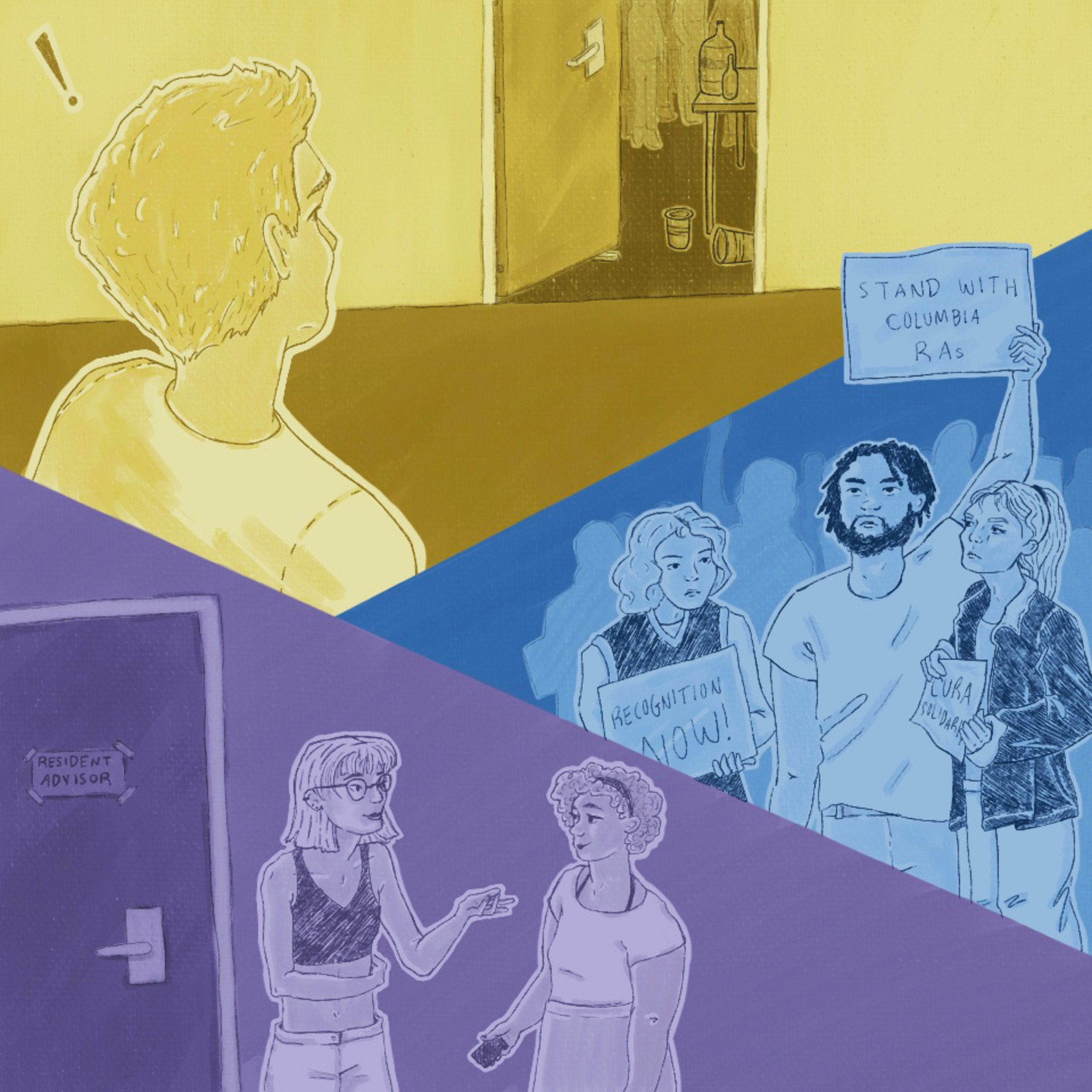
RAs at Columbia: The Trials and Triumphs
EFrom connections to horror stories, and from perks to unionizing. Resident Advisors, otherwise known as as RAs, navigate a complex role in a residential community. They are students like any other, and yet they are also responsible for ensuring the well-being of their peers, and even policing them when necessary. The complexities of the role are complicated even further by financial considerations, time commitment, and so much more. In this Ear episode, reporter Abby Thayananthan speaks with current and former RAs to discuss the job as well as the unionizing, a hot topic on campus right now. Credits: • Produced by Matthew Schwitzer • Music by "State of the World" - Makaih Beats "The Ear Theme" "Dream Big" - Audiobinger • Illustration by Macy Sinreich Follow us on Instagram @SpectatorPodcasts and check out our other episodes!

“Every Corner of the Globe”: Is Columbia Limiting International Students to America?
Since the early 1950s, Columbia admissions has rapidly expanded its international student population, which currently totals 36.2 percent of the student body. But have the rest of Columbia’s academic expectations adapted to this change? Should international students be expected to have in-depth knowledge of Western culture? In this episode of The Ear, reporter Kelly Warner explores these questions and how expectations of cultural assimilation affects international students. This episode was produced by Matthew Schwitzer, the theme song is by Coleman Hughes and the illustration is by Natalie Tak.

Organizing for Iran at Columbia and beyond
In this episode, reporter Adrien Wheaton-Schopp investigates the issues surrounding Iran’s recent wave of uprisings. In speaking with both Columbia students and protesters in New York City, he finds that themes of civic responsibility and compassion are repeatedly evoked as motivating factors for the relentless activism. Whether it’s demanding accountability from their University or the administration, Iranian Americans everywhere are looking to have their voices heard and offer solidarity to the protestors on the ground. This episode was produced by Matthew Schwitzer and the introduction was composed by Matthew Lucia.
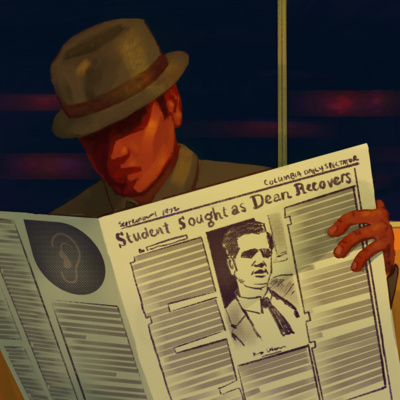
Extreme Activism: ‘What We Did to be Seen’
Welcome back to The Ear, Spectator’s podcast dedicated to documenting, excavating, and investigating Columbia’s past and present. In this week’s episode, reporter Cyra Paladini speaks with members of the Purple Gang, an unintentional activist group that came into its own in the wake of an attempted murder of Dean Henry Coleman in the 1970s. This episode was produced by Matthew Schwitzer with additional music by Obinna Okoli, Matthew Lucia, and Eva Scholz-Carlson.

Contemporary Curriculum: Changing the way we learn Black history
Welcome back to The Ear, Spectator’s podcast dedicated to documenting, excavating, and investigating Columbia’s past and present. How can we look beyond the syllabus to change the way we educate about Black history? In this episode, reporters Natalie Goldberg, Claire Schnatterbeck, and Avery Reed explore the history and importance of contemporary curriculum at Columbia Teachers College and its impact on modern conversations about teaching Black history. This episode was produced by Matthew Schwitzer with music by Obi Okoli.

Lust, Love, and Literature: The Columbia Murder that Launched the Beats
Welcome back to The Ear, Spectator’s podcast dedicated to documenting, excavating, and investigating Columbia’s past and present. In this week’s episode, reporter Andrew Kirdahy recounts the early formation of the Beat Generation on Columbia’s campus, detailing the murder in Riverside Park that shaped the trajectory of the Beats’ lives and literary careers. This episode was produced by Chase Cutarelli with music by Matthew Lucia and Obi Okoli.

Disorientation: Navigating the Pandemic as an International Student
COVID-19 has totally changed students’ experience with higher education, and the difficulties faced by international students are especially challenging. Under global COVID-19 restrictions, international students are especially vulnerable to institutional decisions. Failing to receive financial support and assistance transitioning to life on campus from Barnard and Columbia, international students at our institution have had their lives derailed. What are their difficulties? Are they sufficiently supported? Today’s story unveils their journeys and their evolving relationships with the University throughout the pandemic. Credits • Reported by Siqi Qin • Produced by Sam Hyman • Music by Sam Hyman • Script edited by Sam Hyman, Claire Schnatterbeck, and Natalie Goldberg • Illustration by Taylor Yingshi

Some Food for Thought: The History of Dining on Campus
In this Ear episode, reporter Alan Chen outlines the history of Columbia’s dining halls. From the origins of the JJ’s Place pub to the bygone Wien Dining Hall, on-campus dining has changed over time. But how has the dining experience evolved? And how have the changes to Columbia Dining corresponded with the student body’s calls for change? Listen to find out! Credits • Reported by Alan Chen • Script Edited by Sam Hyman and Claire Schnatterbeck • Produced by Matthew Schwitzer • Music by Jazz at Mladost Club • Illustration by Noelle Hunter

Is It Frat Flu, Carman Cough or COVID-19?: Balancing a Pandemic with Student Health Needs
Columbia Health adamantly encourages students to reach out for care or guidance, however, students are struggling to get the medical help they need from the University. While finding the time to prioritize your personal health is difficult on top of a packed schedule, some students have found that navigating the bureaucracy of Barnard and Columbia health care services makes it all the more worse. In this episode of The Ear, journalists Avery Reed and Claire Schnatterbeck talk to Columbia and Barnard students about their experiences with the discrepancy between the messaging of health care services and the reality on campus. Editor's note: This episode does not intend to dissuade Columbia and Barnard students from making use of campus health services. Should a student have any non-life-threatening medical conditions, the following resources are available: Columbia students can schedule same-day appointments or speak with a provider about urgent medical concerns 24/7 by calling 212-854-7426. Similarly, Barnard students can call 212-854-2091 Monday through Friday between 9:00 am and 5:00 pm; for Barnard students who find themselves seeking pressing or urgent medical advice after those hours, they may utilize the Clinician On-Call Service by calling 855-622-1903. For serious health emergencies, students should immediately call 911. Credits: •Reported by Avery Reed and Claire Schnatterbeck •Production by Joshua Siracusa •Script edited by Sam Hyman •Music by Matthew Lucia and Obi Okoli •Illustration by Noelle Hunter •Voice Acting by Maria Levit
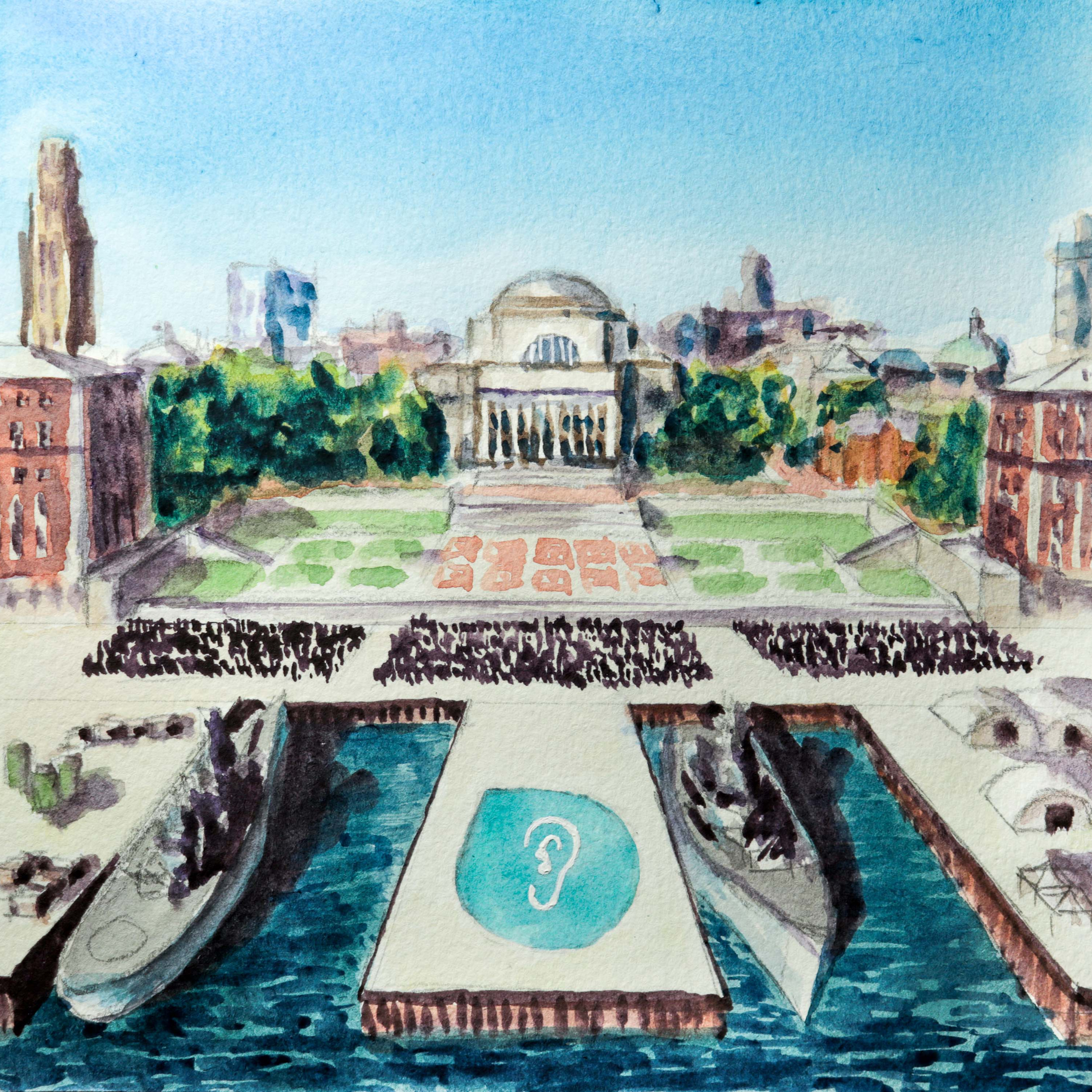
S5 Ep 5When the Navy Came to Campus: Columbia’s Navy ROTC Debate
Content warning: This episode discusses issues of sexual abuse and assault. Welcome back to The Ear, Spectator’s podcast dedicated to documenting, excavating, and investigating Columbia’s past and present. In this week’s episode, reporter Annie Cheng traces the history of Columbia’s Navy ROTC program—from its establishment post-World War II to its discontinuation after the 1968 Vietnam War protests—and the contentious debate over the program’s return in 2011. What does the history of the Navy ROTC reveal about Columbia’s relationship with the military? And how does the debate over the Navy ROTC reflect a larger debate over Columbia’s institutional identity? Listen to find out! Credits: • Reported by Annie Cheng • Produced by Patrick Simpson • Music from Matthew Lucia, Sam Hyman, and "Palm in Mirror" by Disparation • Script edited by Sam Hyman and Cole Cahill • Sound effects provided via Freesound and Soundjay

S5 Ep 4Understanding Rural Education Inequity
Welcome back to The Ear, Spectator’s podcast dedicated to documenting, excavating, and investigating Columbia’s past and present. In this week’s episode, reporter Natalie Goldberg investigates affirmative action initiatives specific to rural students. When financial strain, inadequate infrastructure, and cultural expectations discourage rural students from attending higher education institutions, how do they overcome these barriers? Is affirmative action really the best course of action for alleviating rural education inequality? Columbia students from rural areas and a rural education researcher from Teachers College weigh in on the idea of rural affirmative action. ~ Credits: • Reported by Natalie Goldberg • Produced by Joshua Siracusa • Voice Actors: Sam Hyman and Joshua Siracusa ~ Music: • "Frosty Jack's Supernova" - Doctor Turtle • "Sandstone" - Ketsa • "Tumbleweeds" - Ketsa • "A Kind Face" - Crowander" ~ Sound effects provided via freesound.org.

S5 Ep 3Columbia’s Composers: Keeping Composure in Quarantine
Welcome back to The Ear! In this episode written for the Eye's Arts and Entertainment issue, reporter Matthew Lucia interviews the composers from Columbia’s fall 2020 advanced composition seminar to talk about their pieces, their writing process, and their mental health during the pandemic, and reflects on his own experience in the seminar as well.

S5 Ep 2Jazz: Universal Language or Community Divider?
EWelcome back to The Ear, Spectator’s podcast dedicated to documenting, excavating, and investigating Columbia’s past and present. In this week’s episode, reporters Noah Sheidlower and Sam Hyman capture the voices and issues surrounding jazz at Columbia. How has the community’s perception and involvement in jazz progressed over the years? What are the concerns about the lack of racial and gender diversity in our jazz program? Considering how Harlem is rife with musical history and significance, how has Columbia threatened or connected with the neighborhood’s iconic jazz scene? Listen to find out! Credits: “Jazzy Ear Intro” featuring Dylan Delgiudice and Jonathan Block • “Composition 40B” - Dylan DelGiudice • “As They Really Are” - Dylan Delgiudice • “If I Can’t Jazz It’s Not My Revolution" - Quantum Jazz • “Tulip” - Sam Hyman • “The Pearls” - Jelly Roll Morton • “Wolverine Blues” - Jelly Roll Morton • “Piano” - Josh Kapilian • “Body and Soul” - Dylan Delgiudice • “Passing Field” - Quantum Jazz • Production and Sound Design by Sam Hyman • Script Edited by Claudia Gohn • Illustration by Noelle Hunter

S5 Ep 1Science and Skulls: Measuring Columbia’s Eugenicist Past
Content warning: This episode discusses Columbia’s history with eugenics, sterilization, and the Nazi Party. Welcome back to The Ear, Spectator’s podcast dedicated to documenting, detailing, and excavating Columbia’s past and present. In this week’s episode, reporters Miles Stephenson and Matthew Lucia investigate Columbia’s historical involvement in the study and promotion of eugenics in the early 20th century. What were the varied consequences of Columbia’s advancement of the racist pseudoscience of eugenics? How did pro-eugenics faculty members influence world affairs? Has Columbia since acknowledged its historical ties with eugenics? Listen to find out. Credits: Voice Acting by Sam Hyman, John Lucia, Randal Stephenson, Tamara Stephenson, and Caroline SanPietro Music by Matthew Lucia Production and Sound Design by Sam Hyman Script Edited by Claudia Gohn and Sam Hyman

S4 Ep 6The Many Lives of Greek Life
Content Warning: This episode of The Ear discusses sexual violence and rape. Welcome back to The Ear, The Eye’s podcast dedicated to documenting, detailing, and excavating Columbia’s history! In this week’s episode, reporter Teresa Lawlor examines Students for a Reformed Fraternity System, a student movement at Columbia in 1988 that tried to make the University’s all-male fraternities go coed. This past summer, national anti-racist protests sparked a University-wide debate on the future of Greek life and prompted disaffiliations from sororities. Why did SFARFS not achieve its goal? What can the successes and failures of those students, over 30 years ago, tell us about what is happening today? Listen to find out. Credits: Sarah M. Phillips Op-Ed Voice Actor: Grace Holleman Gulbis/Kamber/Sheehy Op-Ed Voice Actor: Emma Specht Gorsuch/Behringer Op-Ed Voice Actor: Matthew Lucia Illustration: Isai Soto Music (in order of appearance): “The Spring” - Chad Crouch “Neo-Noir 1” - Matthew Lucia “The Bluff Trail” - Chad Crouch “The Light Filtering Canopy” - Chad Crouch “Harmony” - Alan Pilijak “By the Pound” - Chad Crouch “Post-Minimal 1” - Matthew Lucia

S4 Ep 5Fall Break Debate, 50 Years Later
Welcome back to The Ear, The Eye’s podcast dedicated to documenting, detailing, and excavating Columbia’s history! In this week’s episode, reporter Claudia Gohn dives into the history of Columbia’s fall break and why it coincides with Election Day each year. The Ear dives into the proposal by student senators in 1970 to create a 10-day election break and the unique circumstances that informed their debate. This episode looks at the factors that influenced the University’s decision in 1970 and then asks: What does the current 4-day election break mean for Columbia students today? Listen to find out. Credits: William J. McGill Voice Actor: Sam Hyman Illustration: Jules Michaud Music (in order of appearance): “Window Shopping” - Podington Bear “Cirrostratus” - Chad Crouch “Many Hands” - Podington Bear “Encounter” - Podington Bear “GPiano” - Podington Bear “Black Is the Color” - Podington Bear
S4 Ep 4Chiseling the City
Welcome back to The Ear, The Eye’s podcast dedicated to documenting, detailing, and excavating Columbia’s history! In this week’s episode, reporter Briani Netzahuatl delves into the relationship between Columbia University and the surrounding neighborhoods of Morningside Heights and West Harlem by examining three key moments: the University’s move uptown to its current location in 1897, the proposed construction of the Morningside Park gymnasium in 1968, and the expansion into Manhattanville in the 2000s. How can these events help us understand the effects of Columbia on the physical landscape we see today? Why is this history particularly relevant during the COVID-19 pandemic? Listen in to find out. Credits: McGeorge Bundy Voice Actor: Cole Cahill Mark Rudd Voice Actor: Paul Hanna Illustration: Natalie Tak Music (in order of appearance): “Five Card Shuffle” — Kevin MacLeod “Elipsis” — Chad Crouch “Flotsam” — Parallel Park “Moonrise” — Chad Crouch “Organisms” — Chad Crouch “Rice” — Chad Crouch “Nature Shuffle” — Ketsa “Periwinkle” — Chad Crouch “Frost” — Chad Crouch “Speaker Joy” — Blue Dot Sessions

S4 Ep 3Two Murders, 47 Years Apart
Welcome back to The Ear, The Eye’s podcast dedicated to documenting, detailing, and excavating Columbia’s history! In this week’s episode, The Ear delves into the murder of Columbia Law professor Wolfgang Friedmann in 1972 and Columbia’s complicated Public Safety response. Reporter Cole Cahill sheds light on the role that students play in shaping these policing decisions and considers how this chapter of Columbia’s history can inform our community’s continued reaction to a strikingly similar tragedy—the death of Barnard first-year Tessa Majors this past fall. Credits: McGill Voice Actor: Adam Dornblum Illustration: Robert Hunter Music (in order of appearance): “Running on Empty”—Chad Crouch/Podington Bear “Pulsars”—Chad Crouch/Podington Bear

S4 Ep 2The Continued Crisis
Welcome back to The Ear, The Eye’s podcast dedicated to documenting, detailing, and excavating Columbia’s history! In this week’s episode, reporters Teresa Lawlor and Sam Hyman examine three health crises from Columbia’s history—the 1832 cholera epidemic, the 1918 influenza, and the outbreak of polio on Columbia’s football team in the fall of 1951—in order to better understand how we as a community have navigated issues of public health prior to the coronavirus pandemic. How can these three events—different in scale, symptoms, mortality, and solution—help us make sense of the global pandemic that has so dramatically reshaped our lives this spring? Listen in to find out. Credits: Columbia Trustees Report Voice Actor: Paul Hanna William H. McCastline Voice Actor: Paul Hanna Virginia Gildersleeve Voice Actor: Sabrina Hyman New York Times Photo Caption Voice Actor: Matt Lawlor Columbia Daily Spectator Voice Actor: Ben Lawlor Illustration: Robert Hunter Music (in order of appearance): “Bagatelle Op. 119”—Ludwig van Beethoven, performed by Circus Marcus “Lyric Pieces Op. 12 No. 2”—Edvard Grieg, performed by Circus Marcus “Phase 2”—Xylo-Ziko “Csm”—Podington Bear “Steps”—Podington Bear “Dry Air”—Podington Bear “La Tapa Improvisada”—Circus Marcus “Piano Sonata Op. 28”—Ludwig van Beethoven, performed by Karine Gilanyan “Starling”—Podington Bear “Pulsars”—Podington Bear

S4 Ep 1The Woman at the Center of the Photograph
Welcome back to The Ear, The Eye’s podcast dedicated to documenting, detailing, and excavating Columbia’s history! In this week’s episode, Mabel Ping-Hua Lee—a brilliant and determined leader—defies easy categorization. Reporter Victoria Li traces Lee’s life from Barnard student to first Chinese-American woman to receive a Columbia Ph.D. to suffragette to director of the First Chinese Baptist Church in Chinatown, where she spent over 40 years of her life before passing away in 1966. What inspired this fascinating and enigmatic woman, from Morningside Heights to the Church on Pell Street? Listen in to find out. Credits: Hu Shih Voice Actor: Simon Xu Dean Christina Kuan Tsu Voice Actor: Susan Li Illustration: Liza Evseeva Music (in order of appearance): “Peacock”—Podington Bear “Pianoman Sofa”—Lobo Loco “Dark Matter”—Podington Bear “The 49th Street Galleria”—Chris Zabriskie “Prelude No. 23”—Chris Zabriskie
Women Bard from Entry
Welcome back to The Ear, The Eye’s podcast dedicated to documenting, detailing, and excavating Columbia’s history! Our new season kicks off with a story about the historical relationship between Bard College and Columbia. The Hudson Valley college’s historical association with the University was one site of undergraduate coeducational debate decades before Columbia College opened its doors to women. This episode explores the legacy of that affiliation, tracing it through the Barnard-Columbia negotiations that preceded coeducation at Columbia College. Music Credits “Dark Matter” -Podington Bear “Scandal In A Flat” -Benny Carter and his Orchestra Sensitive -Podington Bear “Down Along The Volga” -Podington Bear “Pretty Build” -Podington Bear “Strikes Again!” -Podington Bear “Gentle Heart” -Podington Bear “Operatives” -Podington Bear “Halter Top” -Podington Bear “Storm Clouds” -Podington Bear “Call Now” -Podington Bear Women Bard from Entry Act I: St. Stephen’s Comes to Columbia Act II: Bard Leaves Columbia Act III: Coeducation at Columbia