The Drug Science Podcast
163 episodes — Page 3 of 4
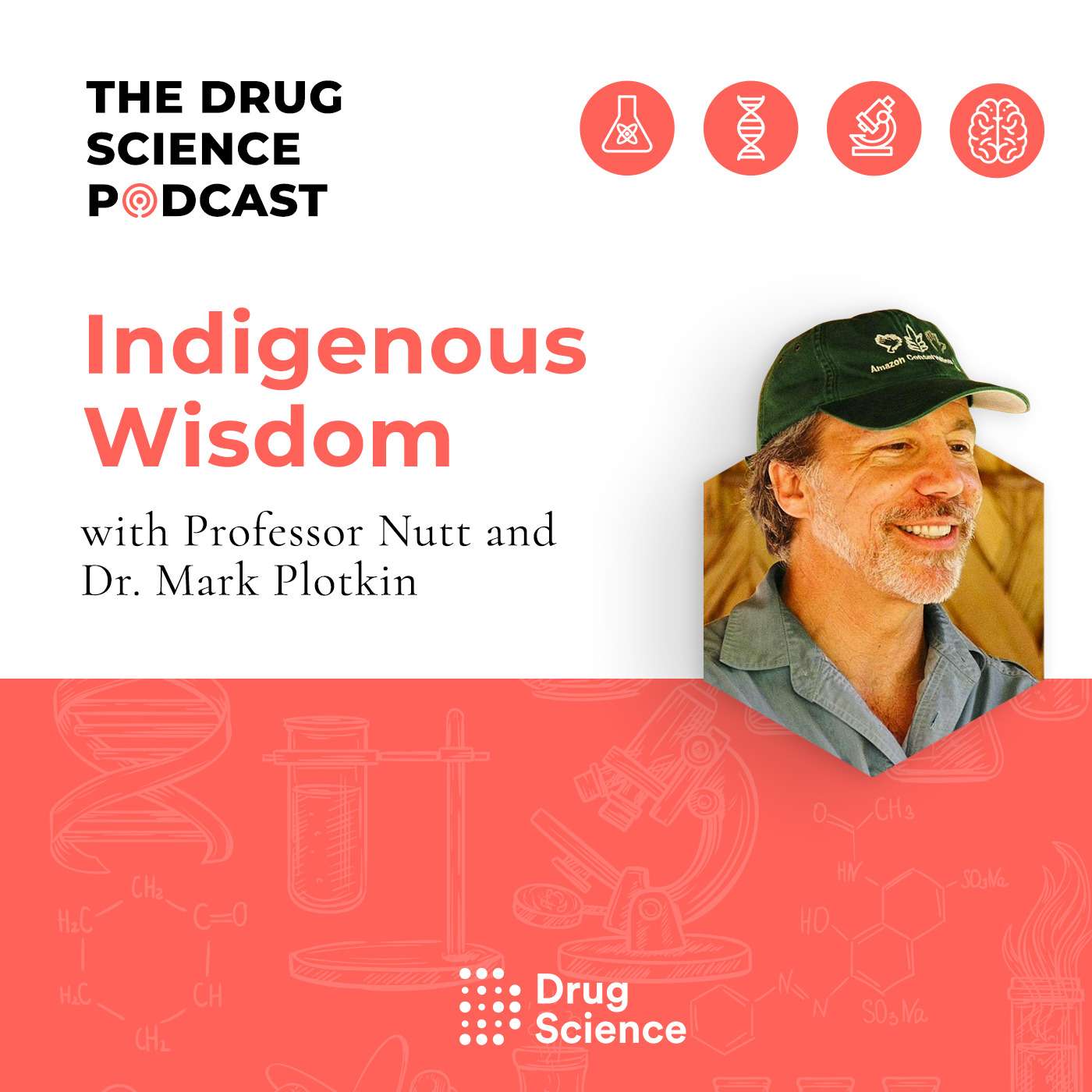
Ep 6363. Indigenous Wisdom with Mark Plotkin
This week’s episode features yet another great speaker at the ESPD55 conference Mark Plotkin, an ethnobotanist, advocate for tropical forest conservation and the host of Plants of the Gods podcast. Following research at Harvard under Richard Evans Schultes and years of working in a close relationship with the native communities of Amazonia, Mark with his books, podcasts and talks educates the public about the wondrous world of plants, their history, medicinal and cultural significance. Accordingly, he advocates for saving tropical forests as entities inseparable from their indigenous cultures. His group Amazon Conservation Team focuses on helping the communities to survive within the modern world rather than subordinate to it. Tune in to the episode to find out how we can help these communities grow but also how wine, magic mushrooms and other substances might have influenced our own culture.The Plants of the GodsKary MullisThujone ESPD55Dennis McKennaStoned Ape HypothesisDrunken monkey hypothesisThe Ethnobotany of Wine as Medicine in the Ancient Mediterranean WorldRichard Evans SchultesScopolamineErik the redThe Shamans and Apprentices ProgramTales of a Shaman’s ApprenticeTimothy LearyAmazon Conservation Team Ethnographic mappingPeyoteAyahuascaMescalineRichard SpruceAlfred Russel WallaceDMTCocaCocaineCannabisKratomIbogaine ★ Support this podcast ★
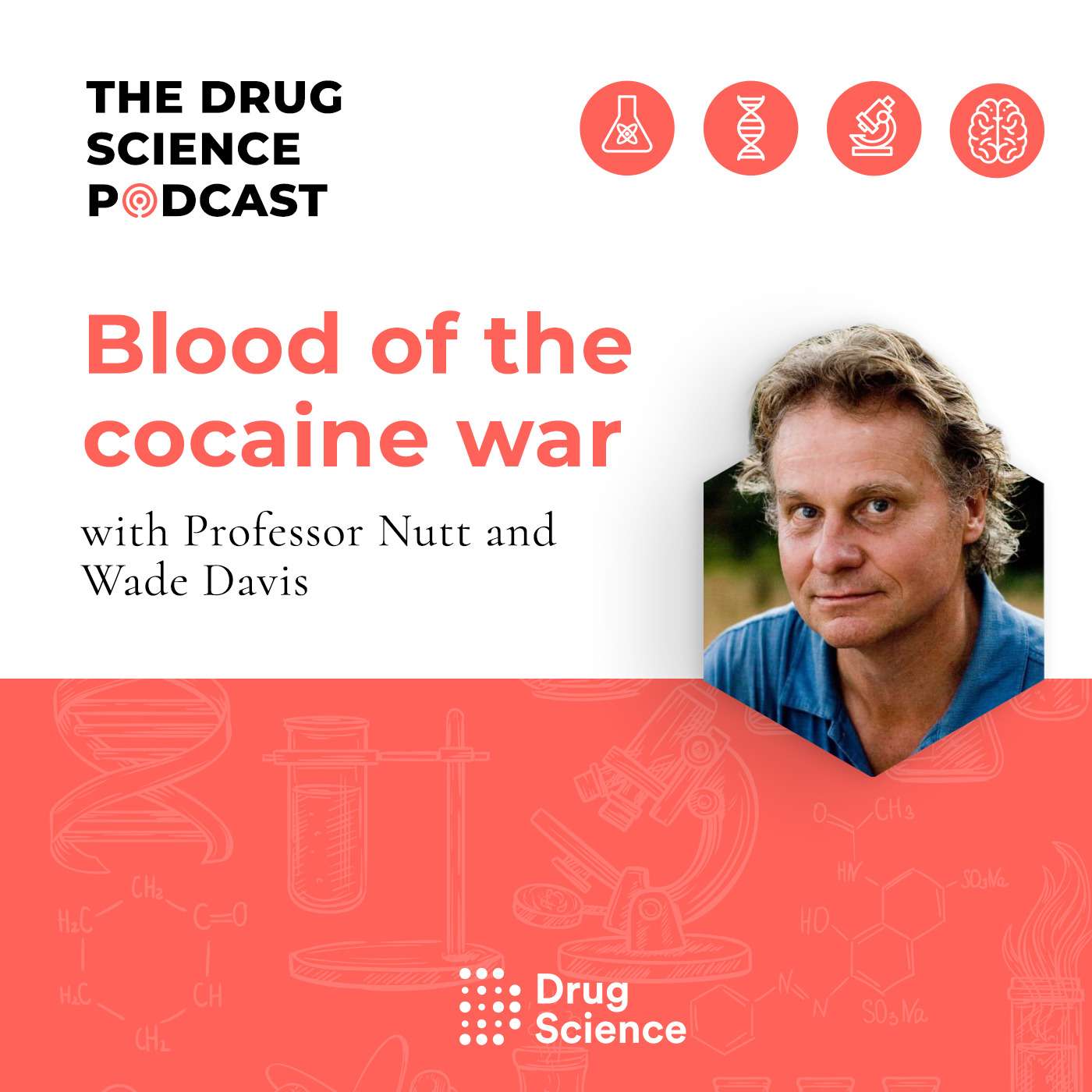
Ep 6262. Blood of the cocaine war with Wade Davis
Wade Davis is a Canadian cultural anthropologist, ethnobotanist, author, and photographer. Davis came to prominence with his 1985 best-selling book The Serpent and the Rainbow about the ‘zombies of Haiti’. He is professor of anthropology and the BC Leadership Chair in Cultures and Ecosystems at Risk at the University of British Columbia.Davis has published articles in Journal of Ethnopharmacology, Outside, National Geographic, Fortune, and Condé Nast Traveler. He is an Explorer-in-Residence at the National Geographic Society and had produced 18 documentary films. His work has largely focused on worldwide indigenous cultures, and has taken him to, among others, East Africa, Borneo, Nepal, Peru and Tibet.As a honorary citizen of Colombia, Wade Davis educates about the true culture of a country known mostly for its drug cartels and cocaine scandals. Listen to this week’s episode to find out about Colombia and its sacred plant - Coca, a stimulant milder than tea and with more nutritional benefits than all the plants we know of. ESPD55.comLeaves of GrassGold Museum, BogotáKogi peopleMorphineOpiumOpioidsHow Coffee Fuelled RevolutionsCaffeinePenny universityDEA Drug SchedulingHallucinogensTimothy LearyManuel SantosCocaineCoca leavesCoca wine (Vin Mariani)Dennis McKenna Albert HoffmanPeyoteRichard Evans ShultesAlkaloidVolstead actAndrew Weil ★ Support this podcast ★
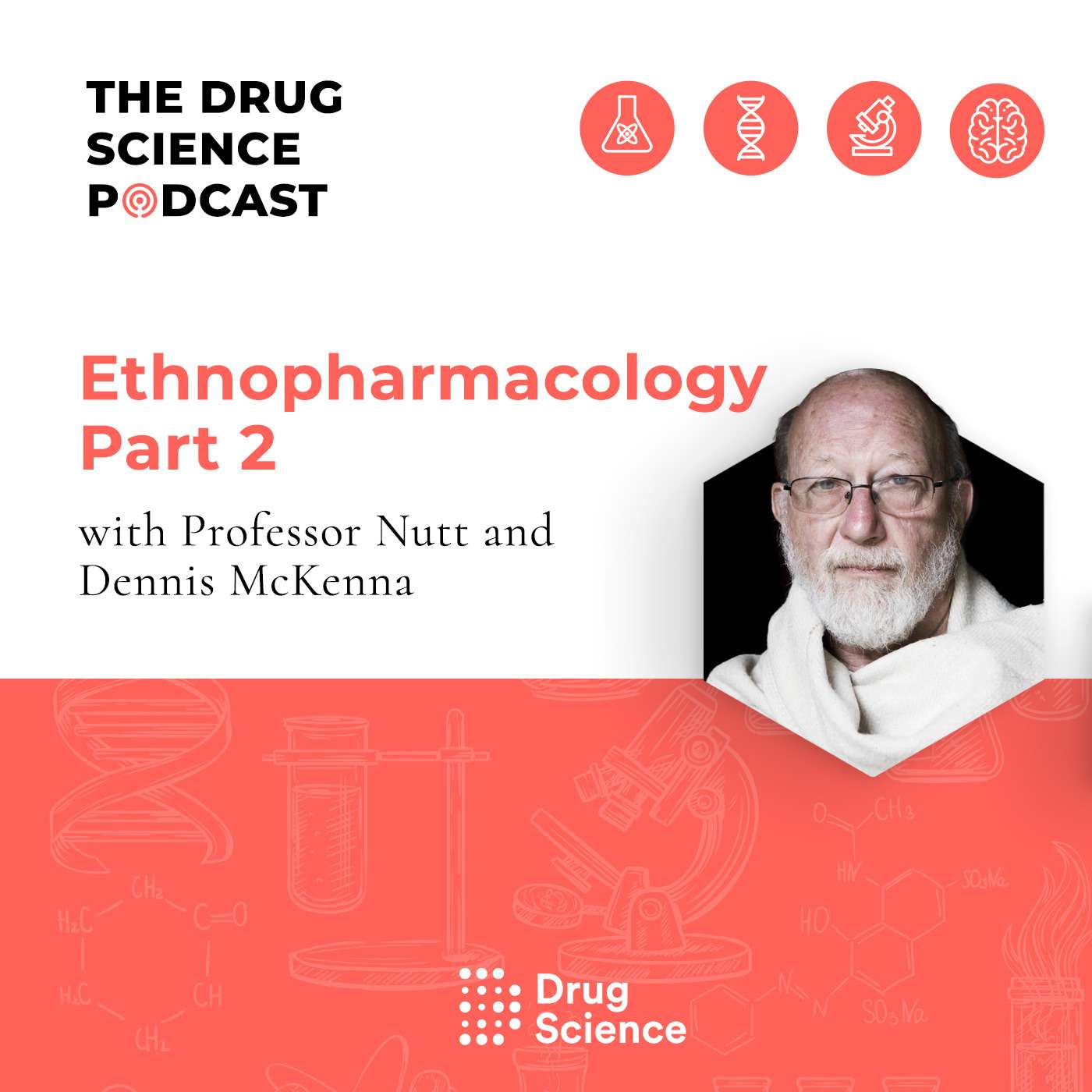
Ep 6161. Ethnopharmacology Part 2 with Dr Dennis McKenna
Dennis Jon McKenna is an American ethnopharmacologist, research pharmacognosist, lecturer and author. He received his doctorate in botanical sciences from the University of British Columbia and completed post-doctoral research fellowships in the National Institute of Mental Health and in the Department of Neurology at Stanford University School of Medicine. His research has included the pharmacology, botany, and chemistry of ayahuasca and oo-koo-hé, the subjects of his master's thesis. He has also conducted extensive fieldwork in the Peruvian, Colombian, and Brazilian Amazon. Having authored numerous scientific articles and books, McKenna’s work led to the development of natural products for Aveda Corporation as well as greater awareness of natural products and medicines. Additionally, together with his brother Terence McKenna and Jeremy Bigwood, he developed a technique for cultivating psilocybin mushrooms, and published what they had learned in a book Psilocybin - Magic Mushroom Grower’s Guide.With that immense experience and knowledge of psychedelics, Dennis McKenna is a founding board member and the director of ethnopharmacology at the Heffter Research Institute, A non-profit which investigates the potential medicinal uses of these substances.Tune in to this week’s episode to find out about the true significance of ethnopharmacology and a conference organised by Dennis that you’ll be able to stream online very soon!ETHNOPHARMACOLOGIC SEARCH FOR PSYCHOACTIVE DRUGSDennis McKennaESPD 50National Institute of Mental HealthAlexander ShulginAndrew WeilEthnopharmacologic Search for Psychoactive DrugsEthnopharmacologyCocaCody SwiftCOMPASS psilocybin trialPsilocybinESPD 55“Sea DMT” Tryptamine in Sea SpongesNew York Times DMT toad article How to Change your Mind by Michael PollanNational Institutes of Health (NIH)Poison arrow frogsBufoteninSerotonin receptorsAyahuascaAutoradiographyLSDSalvinorinKappa opioid receptorICCERS - The International Centre for Ethnobotanical Education, Research, and ServiceIbogaAyahuasca tourismMckenna’s missionDMT: The Spirit Molecule (documentary)ESPD55.comPsilocybin Pulse DosingMicrodosingOregon Drug DecriminalizationSet and settingSerotoninDopamineDefault mode networkRobin Carhart-Harris5-HT2a receptor ★ Support this podcast ★
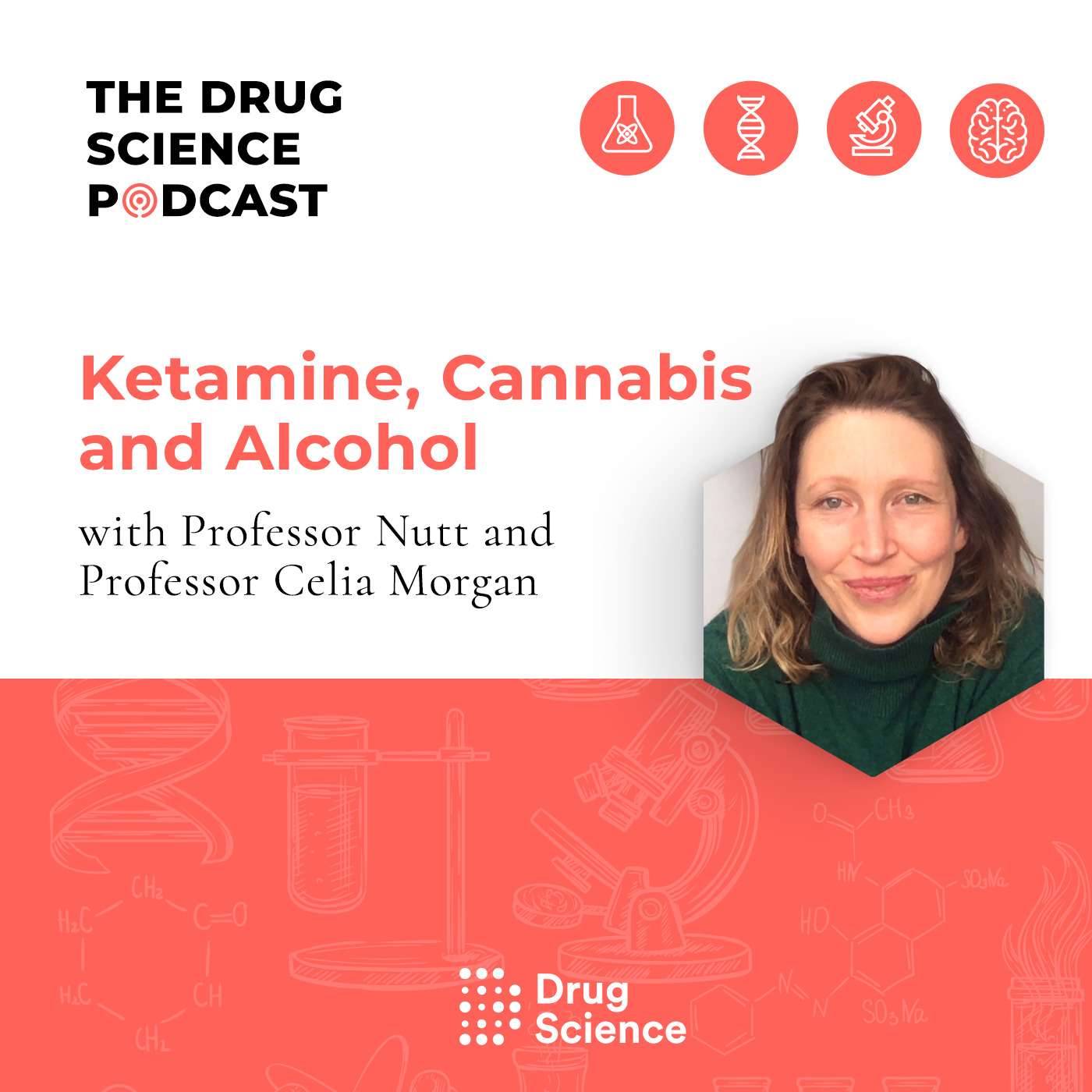
Ep 6060. Ketamine, Cannabis and Alcohol with Prof Celia Morgan
This week we’re talking about ketamine with Professor Celia Morgan, a Professor of Psychopharmacology at the University of Exeter and the academic lead for Exeter Translational Addiction Partnership (ETAP) and Ketamine for Reduction of Alcoholic Relapse (KARE). Professor Morgan is interested in the effects of drugs and alcohol on the brain and behaviour. Her research focuses on examining both the benefits and side effects of recreational drugs on cognition, mental health and neurobiology. Through behavioural, neuroimaging studies and clinical trials, she has investigated the potentially therapeutic sides of controlled substances in clinical trials aimed at the treatment of addiction and in particularly looking at drugs such as ketamine and MDMA in combination with psychological therapies. Tune into this week's episode to find out all about ketamine and how cycling around squats in North London can be part of scientific research... ★ Support this podcast ★
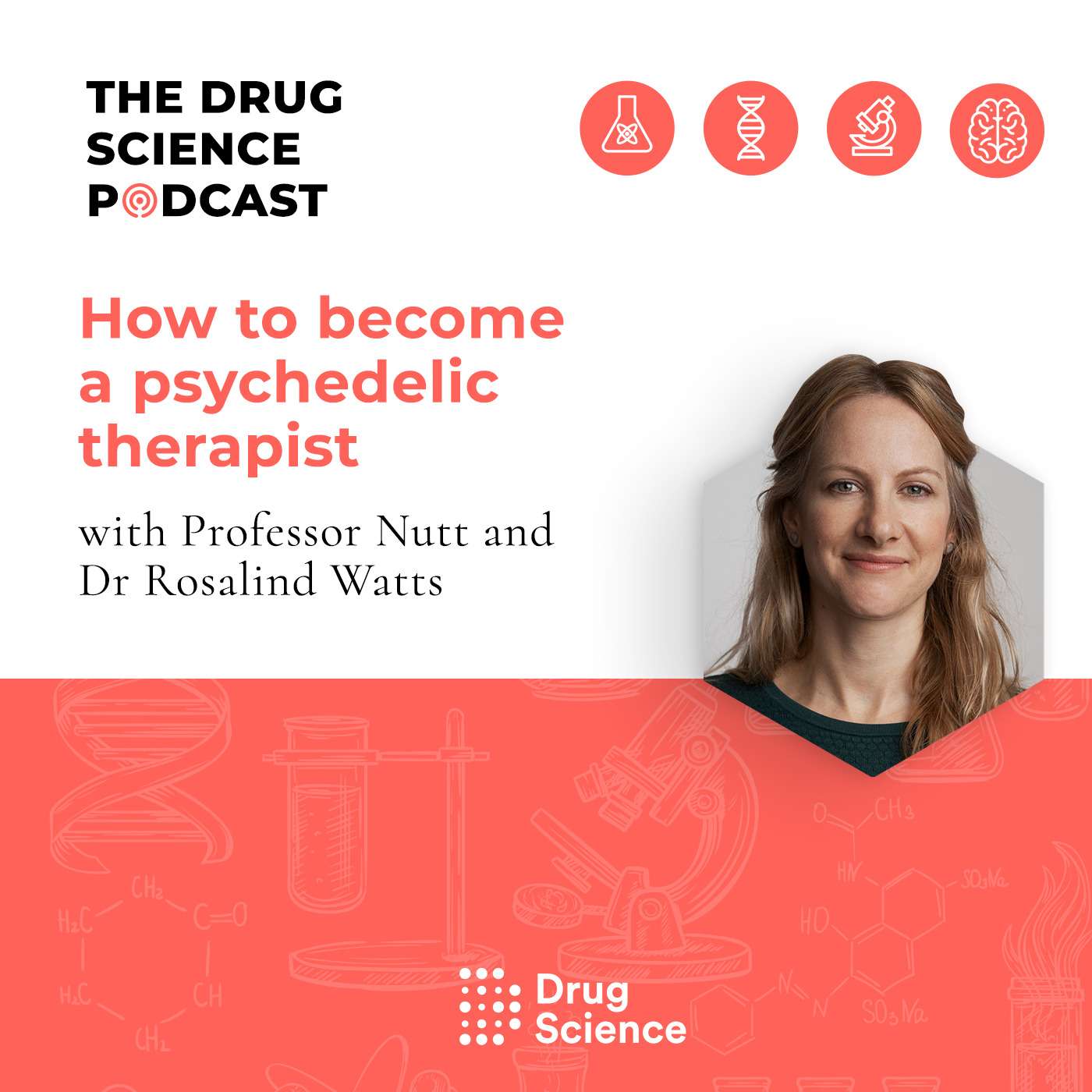
Ep 5959. How to become a psychedelic therapist with Dr Rosalind Watts
Dr Watts is a clinical psychologist, a mother, and a nature lover. Her work as the Clinical Lead for Imperial College London’s psilocybin trial, and subsequent role as the Clinical Director at Synthesis Institute, have made her one of the most prominent voices and minds in the field of psychedelic research. Dr Watts builds tools and structures to foster connectedness after psychedelic experiences, finding inspiration for their design from nature. The most recent of which is the integration community she’s created - ACER Integration. While working in clinical practice Rosalind has developed a psychedelic therapy model she coined ACE, which stands for, ‘Accept, Connect, Embody’. Based on Acceptance and Commitment Therapy (ACT) and the ‘Psychological Flexibility Model’, she mapped the journey that individuals under the influence of a psychedelic go through when they dive into their experience, extract the meaningful lessons to heal, and then integrate and embody them afterwards. Her qualitative research, exploring the perspectives of participants in several psychedelic research studies, gave rise to her interest in the common theme of ‘connectedness to Self, others, and the world’ as an essential aspect of psychedelic treatment. With that patient-centred attitude, she gives insightful talks focusing on the patients’ perspective on the psychedelic journey as a part of the healing process.Listen to the podcast to learn about the beauty and the nuances of psychedelic experience and healing.Join Dr Watts for the inaugural launch of ACER Integration here -> https://dandelion.earth/events/622233b3025fc50011891f2e Learn more about ACER Integration -> https://www.drrosalindwatts.com/ Cognitive behavioural therapy (CBT)Psychedelic therapyForensic psychologyThe Portman ClinicPsychoanalysisPsychedelic use and recidivismAyahuascaMichael PollanRobin Carhart-HarrisMDMAMendel KaelenKintsugiPsilocybinBad tripWilliam A. Richards (Bill)Abraham MaslowCarl JungAcceptance and Commitment therapy (ACT)Dialectical behaviour therapyPsychological flexibilitySynthesis InstituteIsland (Huxley novel)Journal of Humanistic Psychology ★ Support this podcast ★
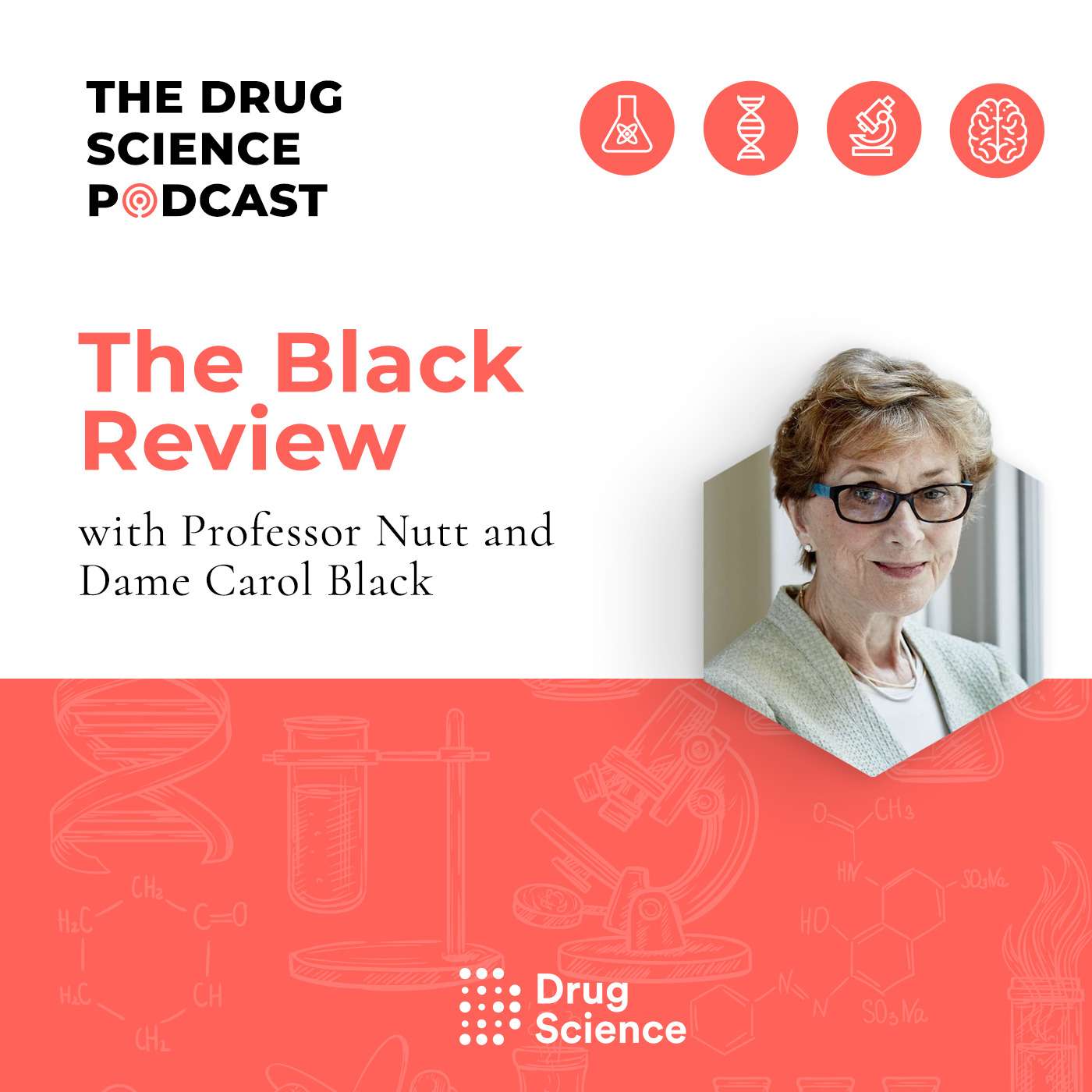
Ep 5858. The Black Review with Dame Carol Black
Professor Dame Carol Black studied history at Bristol University, then worked as a schoolteacher, however, in 1965 Black enrolled as a mature student to study medicine which she graduated from at the age of 30.During her career, she’s been an advisor for the government on issues such as the relationship between work and health. She’d issue reports regarding sick leaves due to physical and mental health, including drug addictions.In 2019 Professor Dame Carol Black was appointed to lead a major 2-part review that looked into the relationship between drugs and violence but also treatment, recovery and prevention of drug addictions.Listen to this week’s episode to hear the perspective of a dedicated physician but also a government advisor on the approach to both treatment and social implications of drug addictions. Cicely SaundersSclerodermaRoyal College of PhysiciansNewnham CollegeReview of drugs: phase two reportMethadoneIndividual placement and supportSajid JavidMatt HancockNational Treatment Agency of Substance Misuse (NTA) ★ Support this podcast ★
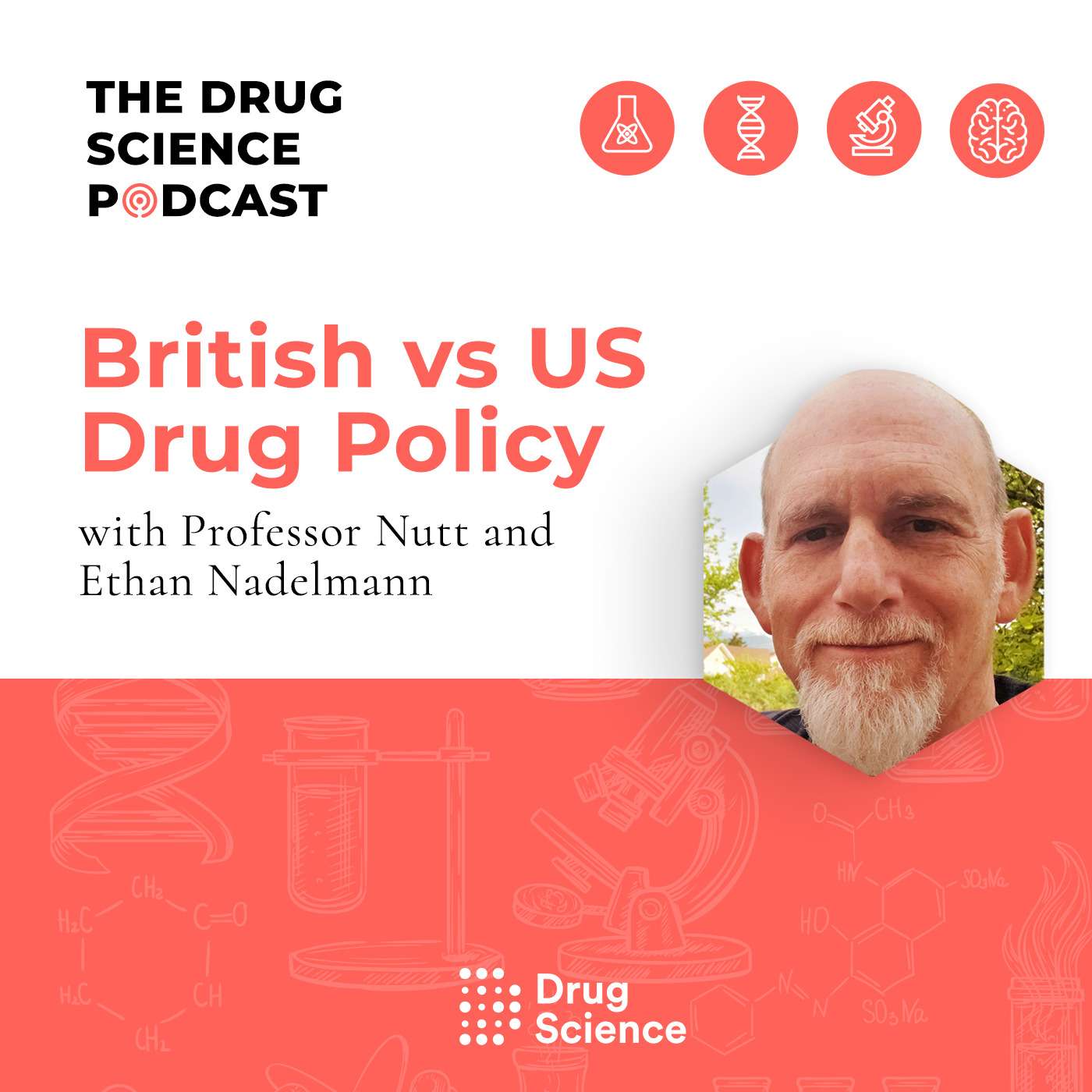
Ep 5757. British vs US Drug Policy with Ethan Nadelmann
Ethan Nadelmann studied at Harvard University and London School of Economics and was a lecturer at Princeton University. While at Princeton, Nadelmann’s work focused on drug policy, attracting considerable attention with his articles in Science, Foreign Affairs, National Review and many others. He also formed the Princeton Working Group on the Future of Drug Use and Alternatives to Drug Prohibition. In mid-90s Nadelmann founded the Lindesmith Center, a drug policy institute that six years later became the Drug Policy Alliance, a group for drug policies "grounded in science, compassion, health and human rights.” As the Executive Director of the organisation, Nadelmann advocates for the application of harm reduction principles to minimize the public health effects of the War on Drugs. In 2021 he launched Psychoactive, a podcast on drug policy, drug use, and drugs research featuring Nadelmann interviewing leading figures in current debates on drugs such as head of the US National Institute of Drug Abuse Nora Volkow, authors Michael Pollan and Andrew Weil. What’s the future of drug policies? Will tobacco become the next substance politicians will go to war against? Be sure to tune in to find out! McGill University Cannabis Hash Magic Mushrooms (Psilocybin) Cops Across Borders DEA Andrew Weil Alexander “Sasha” Shulgin Lester Grinspoon Harry Levine Jeffrey Fagan Tobacco (Nicotine) Kenneth Warner Sylvia Law Arnold Trebach National Organization for the Reform of Marijuana Laws Kevin Zeese War on Drugs George Soros Foreign Policy magazine Open Society Foundations Lindesmith center Alfred Lindesmith Drug Policy Alliance International Harm Reduction Development Program (IHRD) Ballot initiative Brompton cocktail The Heroin Solution by Arnold S. Trebach Misuse of Drugs Act 1971 Marjorie “Mo” Mowlam Keith Hellawell Heroin-assisted treatment Partnership for a Drug-Free America Jesse Jackson Charles Rangel Chuck Schumer The Beckley Foundation Fentanyl Tobacco Harm Reduction Smoking Cessation and Psilocybin ★ Support this podcast ★
Ep 5656. Microdosing Psychedelics with Dr James Fadiman
James Fadiman is a true man of many talents. Wikipedia calls him an ‘American writer’, but actually, he’s worked in multiple fields, from psychology, through to IT and, finally, to psychedelic research.He studied Psychology at Harvard University and obtained a PhD from Stanford University. As a graduate student at Stanford, Fadiman was Stewart Brand's LSD guide on Brand's first LSD trip, at Myron Stolaroff's International Foundation for Advanced Study in Menlo Park, California.He was also part of the team in the psychedelics in problem-solving experiment at the International Foundation for Advanced Study, which was abruptly halted in 1966 together with all the remarkable psychedelic research that was happening in the US. Additionally, Fadiman worked at Stanford's Augmentation Research Center, a division that did research on networked computing. What did the technological research group need a psychologist in their team for? How are psychedelics and technological advances interconnected? And finally, what happens when you give psychedelics to a group of scientists? Listen to this week’s episode to find out! Richard Alpert (Baba Ram Dass)PsilocybinTimothy LearyAldous HuxleyInternational Foundation for Advanced StudyMyron StolaroffLSDBrandeis UniversityWillis HarmanPTSDSet and settingMescaline Doug EngelbartThe Mother of All DemosNixon’s War on drugsAbraham MaslowMicrodosingmicrodosingpsychedelics.com FDADouble-blind studiesLupus ★ Support this podcast ★
Ep 5555. The Right to Try with Spencer Hawkswell
If you were told you had months, weeks or even days left to live...would you care what the law said about consuming psychoactive substances? This week’s episode features Spencer Hawkswell the CEO of TheraPsil - a non-profit coalition dedicated to helping Canadians in medical need access legal, psilocybin-assisted psychotherapy to treat end-of-life distress. Spencer believes that responsible drug policy requires effective organization and leadership and is dedicated to bringing together the experts and advocates, to facilitate change that results in increased access to compassionate care, harm reduction, and treatment options for those in need.Tune in to this week’s episode to hear how the Land of Maple Leaf implements its patient-centred approach in healthcare. What happened in the UK? Are there lessons to be learnt from Canada? PsilocybinCannabisTrigeminal neuralgia Patty HajduJean-Yves DuclosHealth CanadaFentanyl Clonazepam Section 56 Exemption Roland R. GriffithsMathew W. JohnsonRobin Carhart-HarrisAnthony P. BossisKetamineHolotropic breathworkCluster headacheADHDAcid (LSD)Medical assistance in dyingLetter to Minister DuclosRe: Proposed Regulations for Medical Access to Psilocybin ★ Support this podcast ★
Ep 5454. Ketamine with Paul Glue
This week’s episode features Paul Glue, professor of Psychiatry at the Dunedin School of Medicine, University of Otago, New Zealand.With a vast experience in both academia and pharmaceutical industry, Paul Glue's research focuses on clinical and basic science to investigate the pharmacology of drug treatments in psychiatry and the disease mechanisms of neurological and psychiatric disorders. He is also interested in psychopharmacology and the development of novel therapeutics for affective disorders. One of these novel substances that have dominated his career is ketamine for treatment-resistant depression. Tune in to this episode to listen to a fascinating conversation between two great scientists about, well… Drug Science.KetamineIbogaineNational Institute on Alcohol Abuse and AlcoholismMicrodialysisElectroconvulsive therapy (ECT)NMDA glutamate receptorOverexcitement and disinhibition Dynamic Neurotransmitter Interactions in Alcohol Withdrawal by Paul Glue and David Nutt Methamphetamine John KrystalTreatment-resistant depressionKetamine Assisted PsychotherapyMontgomery-Asberg Depression Rating ScaleDouglas PharmaceuticalsPlasma brain derived neurotrophic factor (BDNF) and response to ketamine in treatment-resistant depressionMechanisms of ketamine action as an antidepressant - P Zanos, T D GouldFood and Drug Administration (FDA)Medicines and Healthcare products Regulatory AgencyGood manufacturing practice (GMP)Paroxetine QT interval The Anti-Addiction Drug Ibogaine and the Heart: A Delicate RelationNoribogaineProzacPsychedelics Promote Structural and Functional Neural Plasticity - Ly et al.Serotonin 2a receptor ★ Support this podcast ★
Ep 5353. Moral Panic with Cory Doctorow
Cory Doctorow is a Canadian-British citizen of Eastern European Jewish descent and, frankly, it is no less difficult to grasp his vast interests and points of expertise than his family roots. After attending four universities without obtaining a degree, Cory’s career started with co-founding free software P2P company called OpenCola and selling it to the Open Text Corporation after four years. Later Doctorow relocated to London and worked as European Affairs Coordinator for the Electronic Frontier Foundation helping to establish the Open Rights Group, before leaving the EFF to pursue both fiction and non-fiction writing full-time. He is also an activist in favour of liberalising copyright laws and a proponent of the Creative Commons organization, using some of their licences for his books. Some common themes of his work include digital rights management, file sharing, and post-scarcity economics. Academically, he was named the 2006–2007 Canadian Fulbright Chair for Public Diplomacy at the USC Center on Public Diplomacy, and in 2009, Doctorow became the first Independent Studies Scholar in Virtual Residence at the University of Waterloo in Ontario. Doctorow is also a Visiting Professor at the Open University in the United Kingdom. In 2012 he was awarded an honorary doctorate from The Open University. If you want to find out how data surveillance, AI, and monopolization can be connected to drug policy, be sure to tune in to this episode! Blog: www.pluralistic.net Books: www.craphound.com/shop Podcast: www.craphound.com/podcast Newsletter: https://mail.flarn.com/mailman/listinfo/plura-list/Medium: https://doctorow.medium.com/RSS: https://pluralistic.net/feed/Twitter: https://twitter.com/doctorow Drugs without the hot air: Making Sense of Legal and Illegal Drugs - without the hot air “Nutsack”Harm reductionSelective enforcementElectronic frontier foundationAssociation for Computing MachineryStatement on principles for the development and deployment of equitable, private, and secure remote test administration systems.Bruce AlexanderDanah BoydNetwork effectSwitching Costs ★ Support this podcast ★
Ep 5252. Drug Laws with Niamh Eastwood
Niamh Eastwood is the executive director of Release, the national centre offering legal services for drug users. She started at Release as a legal advisor. Now, having worked in drug policy for the last fifteen years she’s co-authored many of Release’s advice booklets and drug policy related papers including ’The Colour of Injustice: 'Race', Drugs and Law Enforcement in England and Wales’. One of the aspects of drug laws she’s most passionate about is how disproportionately they affect the most vulnerable in society. Accordingly, she’s advocating for drug policy reform in the UK by giving talks and lectures, contributing to drug policy journals and publications as well as drafting many of Release's briefings for parliamentarians and policy makers. Release The Numbers in Black and White: Ethnic Disparities in the Policing and Prosecution of Drug Offences in England and Wales MDMA (Ecstasy) Cannabis Drug harms in the UK: a multicriteria decision analysis Heroin Police told not to use smell of cannabis in stop and search amid racism allegations Amber Marks Drug Detection Dogs and the Growth of Olfactory Surveillance: Beyond the Rule of Law? Cocaine Psychedelics Drug Action Against Drugs Release’s playing cards ★ Support this podcast ★
Ep 5151. Music and Psychedelics with Mendel Kaelen
In this week’s episode we'll meet Dr Mendel Kaelen, CEO of Wavepaths, a London-based company researching and developing methods for music-assisted psychotherapy. Prior to Wavepaths, Dr Kaelen worked as a PhD student and post-doctoral neuroscientist at Imperial College London with a special focus of the role of music in psychedelic therapy. Combining his passion to both music and neuroscience he advocates for the therapeutic use of music in talks and publications that has been featured in Nature News, San Francisco Chronicles, Vice Motherboard, Rolling Stone, TEDx and others. Tune in to this week’s episode to gain some insight on how music actually affects our brains and hence ourselves. KetaminePsychedelicsOut of body experience Magic mushroomsRobin Carhart-HarrisBeckley FoundationAmanda FeildingAyahuascaLSDPeyoteHelen BonnyInsight (psychology)Peak experienceParahippocampusVisual cortexBrocas area (inferior frontal gyrus)Planum temporaleTimbreDefault mode networkThe entropic brainHyper-connectivity in the brain under specific drugsPrecuneus Serotonin 2a receptorPyramidal neuronsPredictive codingWavepathsMichael Pollan Brian EnoGrateful DeadAcid TestBuchla synthesizers ★ Support this podcast ★
Ep 5050. Labour Party with Dan Carden MP
Dan Carden is a British Labour Party politician serving as the MP for Liverpool Walton since 2017. A self-proclaimed “proud Scouser”, Carden highlights his close relationship with Liverpool’s working class and recalls his father being the shop steward during the Liverpool dockers’ dispute. From his early years he cared deeply for his community, standing on picket lines as a young boy and then going into politics. He studied International Relations at the London School of Economics where he also took the position of Chair of the University Labour Club. In his 20s however, while clearly being on a path to a brilliant career in politics, Carden developed a drinking problem. Now, he talks openly about this difficult experience as it brought into light the gaps in support for alcohol users in the UK. Carden therefore, advocates for changes in the logistics behind treating alcohol addiction as well as for ending the stigma affecting its sufferers. In this week’s episode Dan Carden and Professor, David Nutt will be discussing how we can change the way we deal with problematic alcohol use for the better.Why is alcohol consumption so normalised despite being far more dangerous than multiple illegal drugs? Why don’t we talk more openly about the harms from alcohol?Tune in to the episode to find out!'Choose to live': Dan Carden's emotional speech about alcohol addictionUniteLiverpool dockers’ disputeBinge drinkingInsight (psychiatry) ★ Support this podcast ★
Ep 4949. Medical Cannabis in the UK with Professor Mike Barnes
bonusProfessor Mike Barnes is a consultant neurologist and an expert cannabis physician. He dedicated his career to the development of neurological rehabilitation as well as medical cannabis awareness and education. After holding multiple senior NHS management positions, chairing Neurological Rehabilitation in the UK and years of clinical practice, professor Barnes brings his expertise to educate clinicians and patients about the benefits of medicinal cannabis and CBD wellness. He also is an advocate for a sensible and robust approach to medical cannabis prescribing and industry growth in the UK. In his recent discussion paper entitled “Ten Recommendations for Government” he explores what Government can do to address what is currently a great missed opportunity for the country to secure the economic and patient benefits of a new approach to medical cannabis and CBD well-being products. Professor Nutt and professor Barnes will be talking about medical cannabis. Should our future doctors obtain proper education on how to use botanical medicines? Should we change the way we think about drugs and treatments?Tune into this week’s episode to find out!Interested in learning more about Project Twenty21? Find out more about the project hereHow to prescribe medical cannabis?Learn more about medical cannabis Download medical cannabis resourcesProfessor David Nutt, live in London Ten Recommendations for Government - Discussion Paper - UK Medical Cannabis and CBD MarketCannabisMultiple sclerosisHypobaric oxygen therapyNeurological rehabilitationWorld Federation for NeuroRehabilitationBotoxSpasticityMotor neurone diseaseCannabidiol (CBD)Tetrahydrocannabinol (THC)GW pharmaceuticalsSativexMedicines and Healthcare products Regulatory Agency (MHRA)PCDH19 EpilepsySchedule 1 drugsMedical Cannabis Clinicians SocietyMaple Tree ConsultantsSubarachnoid hemorrhage ★ Support this podcast ★
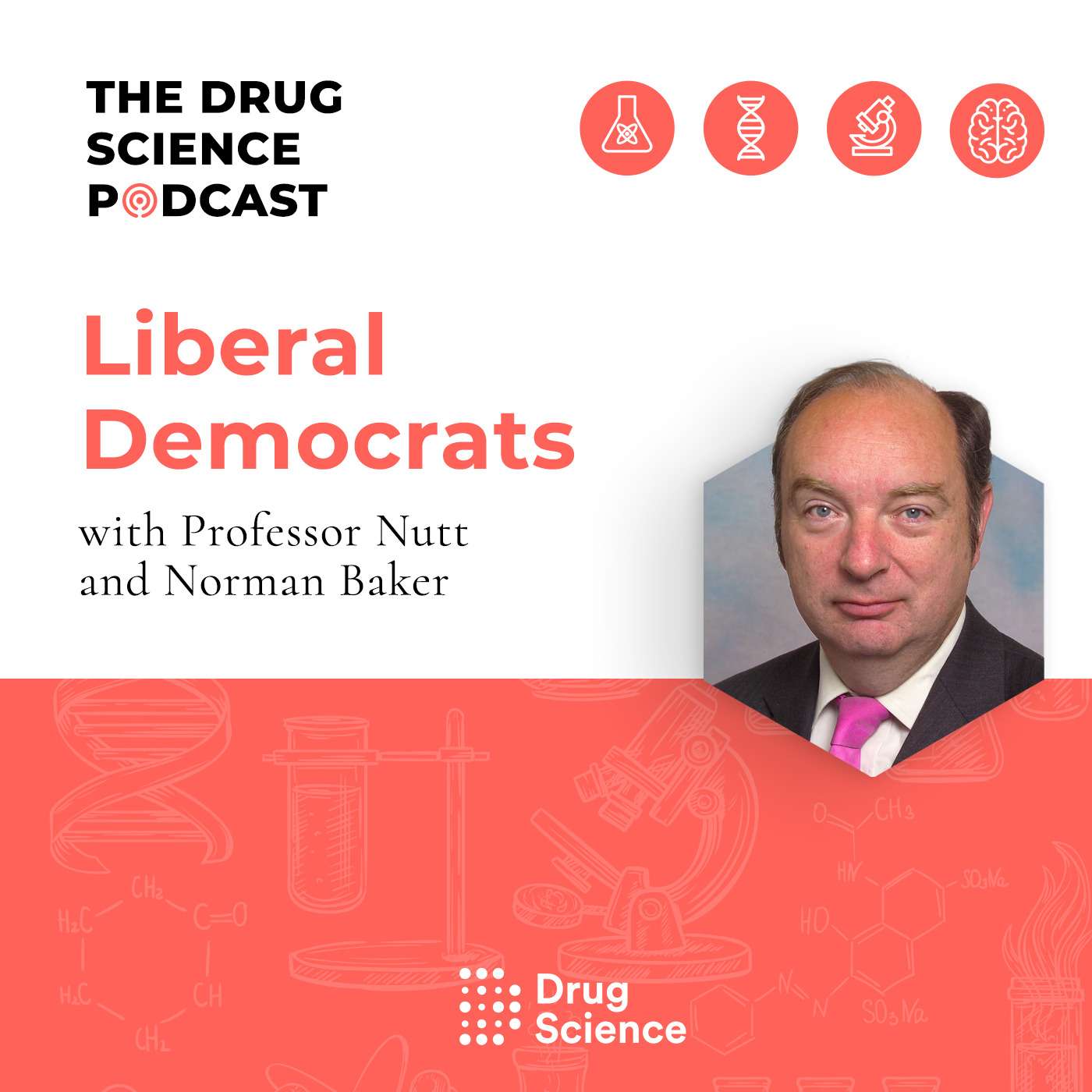
Ep 4848. Liberal Democrats with Norman Baker
Norman Baker, described by our host, professor Nutt, as “the first and last truly honest politician” is a Liberal Democrat and former MP for Lewes in East Sussex. Following three years as Parliamentary Under-Secretary of State in the Department of Transport he was promoted to Minister of State at the Home Office in 2013. However, rejection of many of his progressive suggestions including ones on drug policy e.g. legal use of medical cannabis for pain relief in cancer and multiple sclerosis patients, lead to his resignation from this position in 2014. Now, he advises the campaign for better transport in the UK and makes his voice heard by having authored multiple books including his autobiography “Against the Grain”. Tune in to this week’s episode to learn more about his interesting insights to UK politics and especially to UK’s drug policies.Professor David Nutt, live in London Against the grainDrug decriminalization in PortugalDrug consumption rooms in DenmarkSafe injection facilitiesCannabis Home officeJeremy HuntSpAD - Special adviserNick Timothy and Fiona HillGreen industrial revolutionDavid Kelly… And What Do You Do?Misuse of Drugs Act 1971 ★ Support this podcast ★
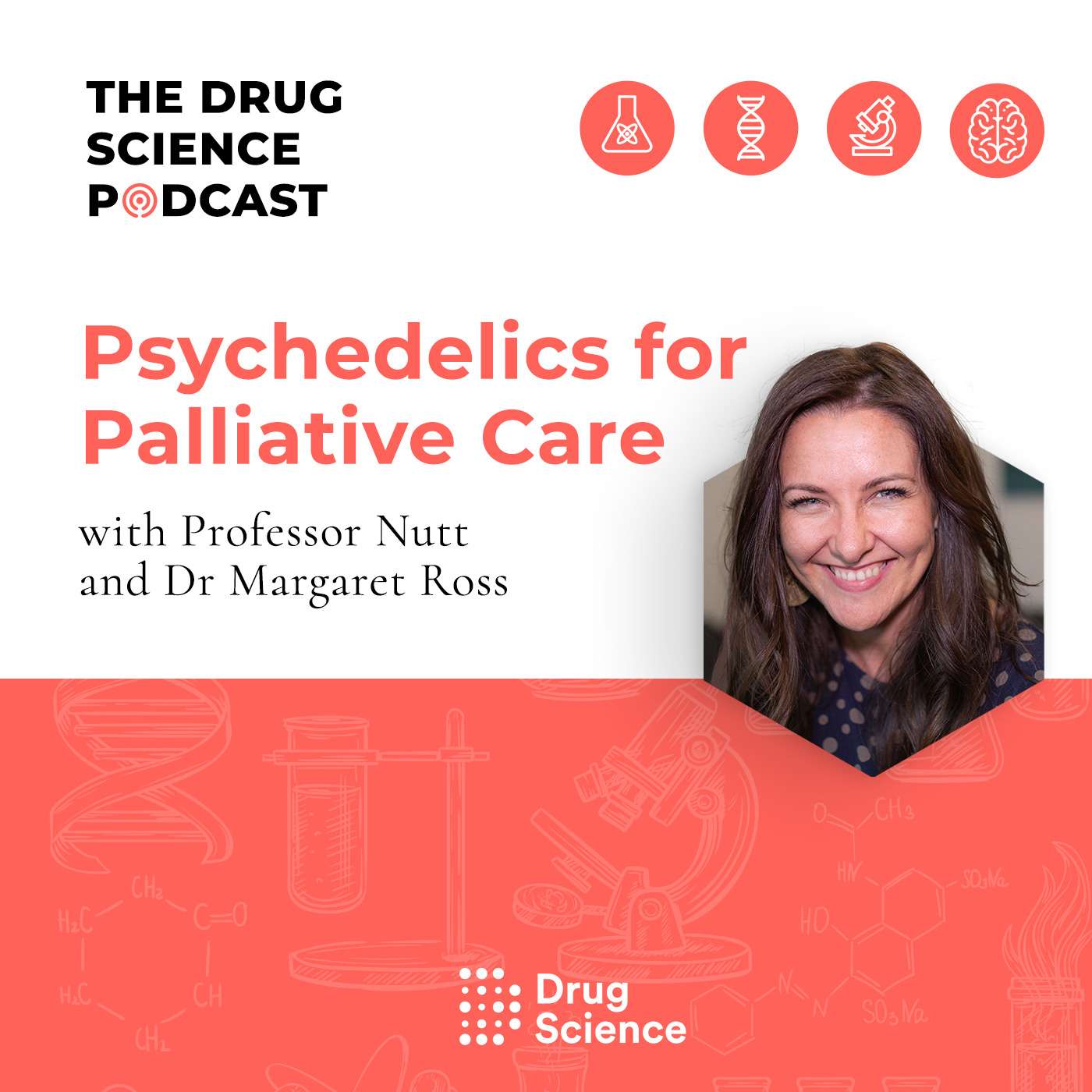
Ep 4747. Psychedelics for Palliative Care with Dr Margaret Ross
Dr Margaret Ross is a Senior Clinical Psychologist and Psychotherapist from Melbourne, Australia and the Chief Principal Investigator for Australia’s first psilocybin assisted psychotherapy study. Throughout her career, her main focus has been youth mental health and more recently cancer and palliative care. Following working as a research psychologist and clinical trial coordinator for The University of Melbourne and Orygen Youth Health, Margaret decided to move into researching alternatives for her oncology patients who were terrified of dying and experiencing existential distress in the face of their diagnosis. After seeing the compelling results of US-based research into the use of psilocybin assisted therapy for patients with existential distress in the face of terminal cancer, she decided to set on a fight so that similar treatments would soon become an option within Australia. Have a listen to this week’s episode in which professor Nutt and Dr Ross talk about the land of Golden Wattle - a DMT-rich plant - fighting for its Drug policies being based on Science.Recent Australian TGA Independent Expert Panel on MDMA and psilocybin consultation PsilocybinRandomized controlled trial (RCT)Open label doseTrial of Psilocybin versus Escitalopram for DepressionDrug Scheduling in the UKStandard for the Uniform Scheduling of Medicines and Poisons (Australia)National Health and Medical Research Council (NHMRC) EntheogensGolden WattleDMTDr Ben Sessa KetamineTherapeutic Goods Administration (TGA)PitjantjatjaraLSD ★ Support this podcast ★
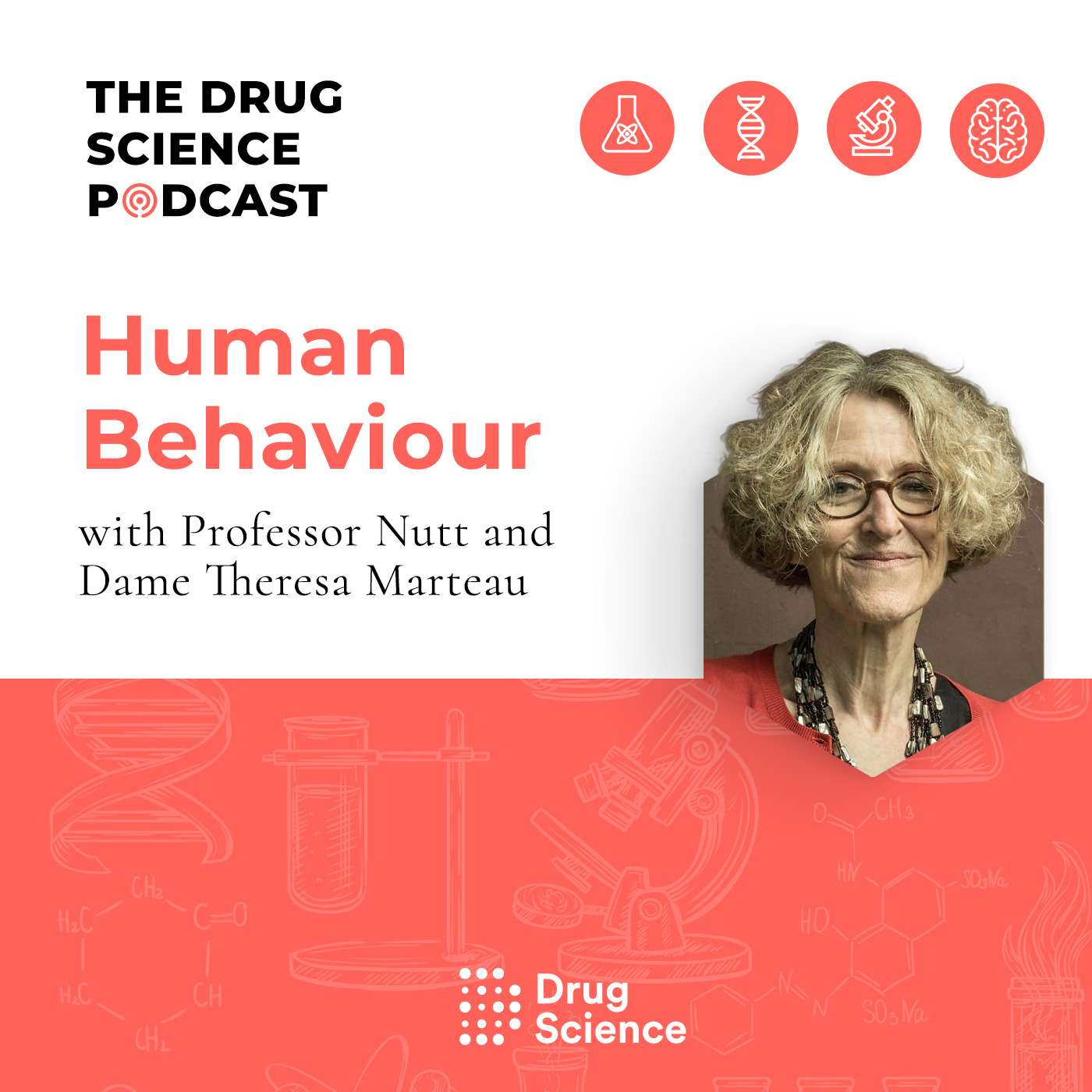
Ep 4646. Human Behaviour with Dame Theresa Marteau
Theresa Marteau is a British health psychologist, professor, and director of the Behaviour and Health Research Unit at the University of Cambridge. Her initial research concerned communicating risk information and found out that people usually don’t change their behaviours despite receiving any form of information about preventable diseases like type 2 diabetes or certain types of cancer. Hence, she decided to redirect her focus on the non-conscious rather than conscious processes that could improve people’s health behaviours e.g. reducing glass size to reduce alcohol consumption. Through that research, she’s demonstrated that it is the change in government policies or population-level interventions - putting nudge theory into practice - that present a potential for the improvement in our population’s health. For these notable findings and contributions she was appointed Dame Commander of the Order of the British Empire in the 2017 Queen's Birthday Honours List. Nudge theory Social psychology Milgram experiment Obedience to Authority: An Experimental View by Stanley Milgram Spatial, temporal, and demographic patterns in prevalence of smoking tobacco use and attributable disease burden in 204 countries and territories, 1990–2019: a systematic analysis from the Global Burden of Disease Study 2019 Impact of bottle size on in-home consumption of wine: feasibility and acceptability randomised cross-over study Shopper lab Impact of minimum unit pricing on alcohol purchases in Scotland and Wales: controlled interrupted time series analyses ★ Support this podcast ★
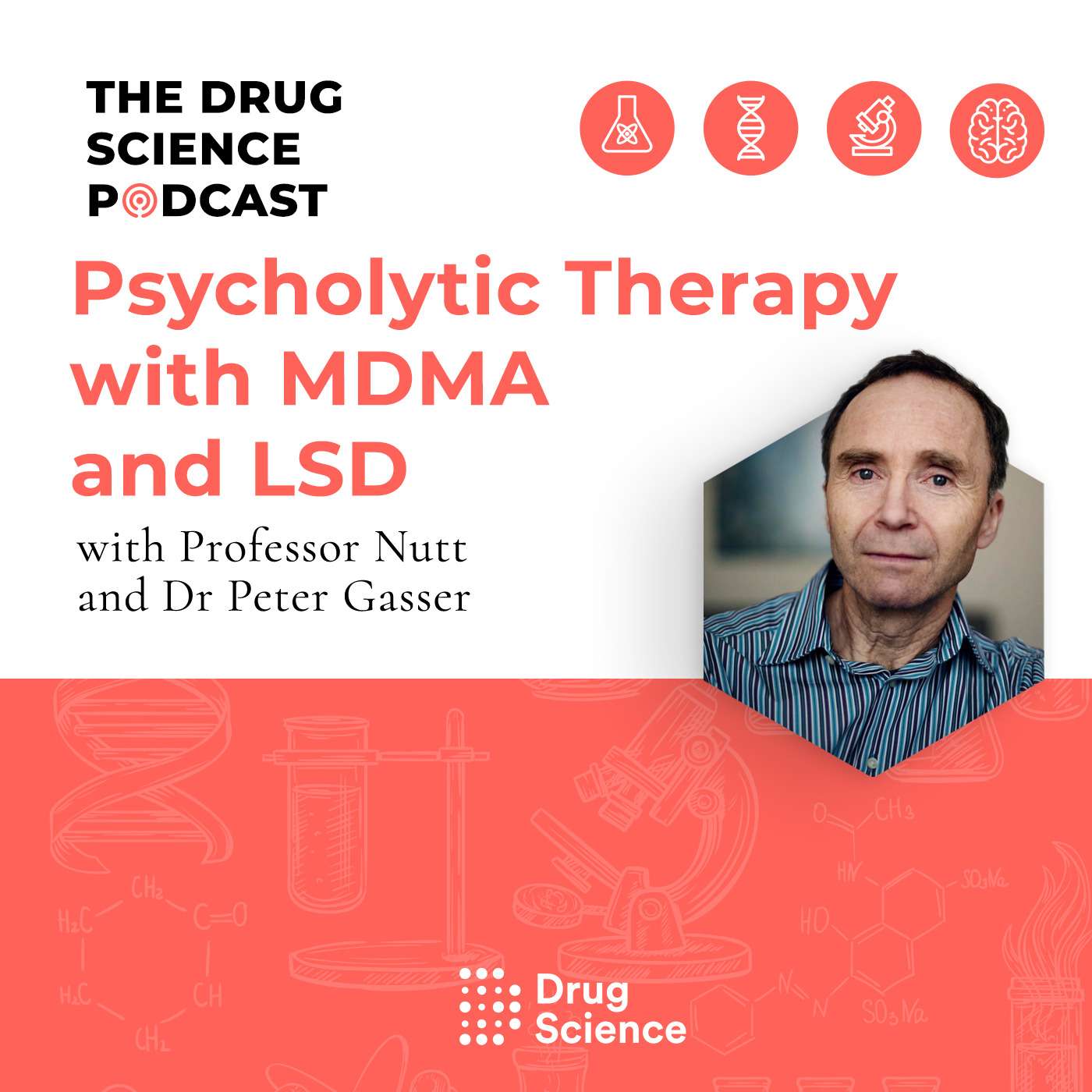
Ep 4545. Psycholytic therapy with MDMA and LSD with Dr Peter Gasser
Today’s episode features Dr Peter Gasser, the president of the Swiss Medical Society for Psycholytic Therapy. Professor Nutt and Dr Gasser talk about the rather unusual and innovative attitude to psychedelic research in Switzerland. How can Britain learn from the Swiss? What are the drug policies in the Albert Hofmann’s - the discoverer of LSD - country? Dr Peter Gasser is a Swiss psychiatrist and psychotherapist and the President of the Swiss Medical Society for Psycholytic Therapy since 1997. After LSD was criminalized worldwide he was the first person to conduct research on psychedelic-assisted psychotherapy. Additionally, he holds a permission for and provides treatment using MDMA and LSD. MDMALSDSwiss Medical Society for Psycholytic TherapyInternational Symposium on the Occasion of the 100th Birthday of Albert HofmannAlbert Hofmann PsilocybinPost-traumatic stress disorderMAPS - Multidisciplinary Association for Psychedelic StudiesWar on drugs - US political campaign The Psychedelic Renaissance Pilot study on LSD-Assisted Psychotherapy for Anxiety Associated With Life-threatening DiseasesEnd of life anxiety Obsessive-compulsive disorderCluster headachePsycholytic therapy with MDMA and LSD in Switzerland - MAPS article ★ Support this podcast ★
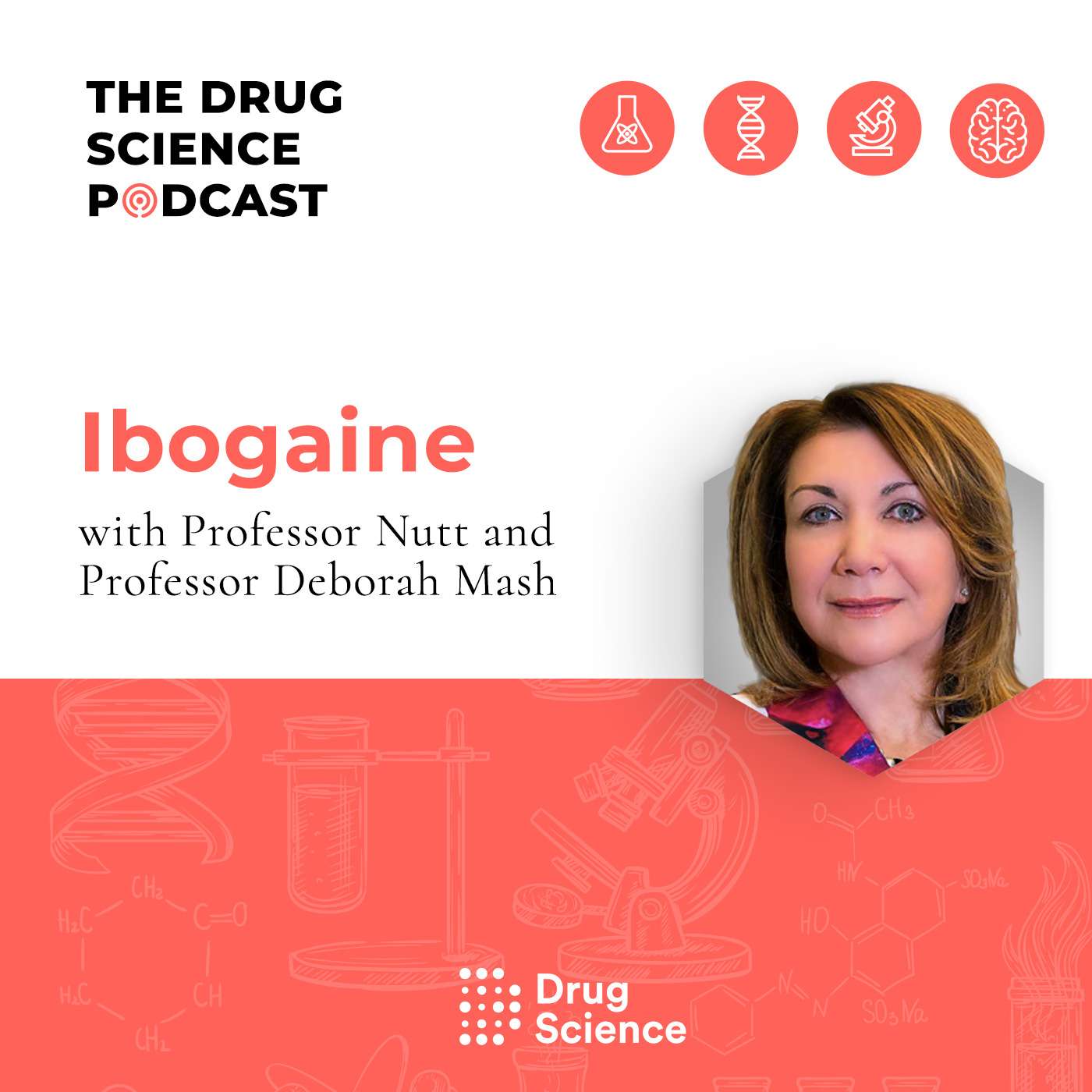
Ep 4444. Ibogaine with Professor Deborah Mash
This week on the Drug Science podcast, Professor Deborah Mash tells us about Ibogaine. A hallucinogenic compound derived from the roots of a West African shrub, sometimes used as a treatment for heroin or cocaine addiction.Professor Mash found herself trying to reverse the damage that cocaine had caused on the streets of Miami, Florida. To explore new and novel therapies, she took a flight to Amsterdam to examine whether a West African shrub could be cure to cocaine and heroin dependency. Since that fateful trip, she’s been at the forefront of Ibogaine and Noribogaine research in the US. Now, she’s bringing that research to the UK for a landmark Ibogaine study in Manchester, England. Could Ibogaine be one of the most clinically significant advances in addiction medicine of the 21st century? Deborah Mash is one of the world's foremost experts on the hallucinogenic drug ibogaine. She is the CEO and Founder of DemeRx Inc., a clinical-stage drug development company advancing ibogaine and its active metabolite noribogaine for the treatment of opioid use disorder. DemeRx has partnered with ATAI Life Sciences -- a global biotech platform with a special focus on psychedelic medicine -- to develop ibogaine for those suffering from opioid use disorder. Building on the extensive human data available around ibogaine, DemeRx and ATAI will submit Clinical Trial Applications for a Phase II study in opioid-dependent patients. This joint venture will also develop screening procedures, dosing guidelines, and best practices for opioid withdrawal management to ensure patient safety.Enrol to the MAC Ibogaine Clinical trial DemeRxMiami’s drug war Brain Endowment BankNational Institute on Drug Abuse (NIDA)CocaethyleneDrug Free America Howard LotsofNoribogaineRick Doblin Cerebellar Toxicity Buprenorphine U.S. Food and Drug Administration (FDA)PsilocybinMAC ManchesterAlexander Shulgin Allopregnanolone (Brexanolone) ★ Support this podcast ★
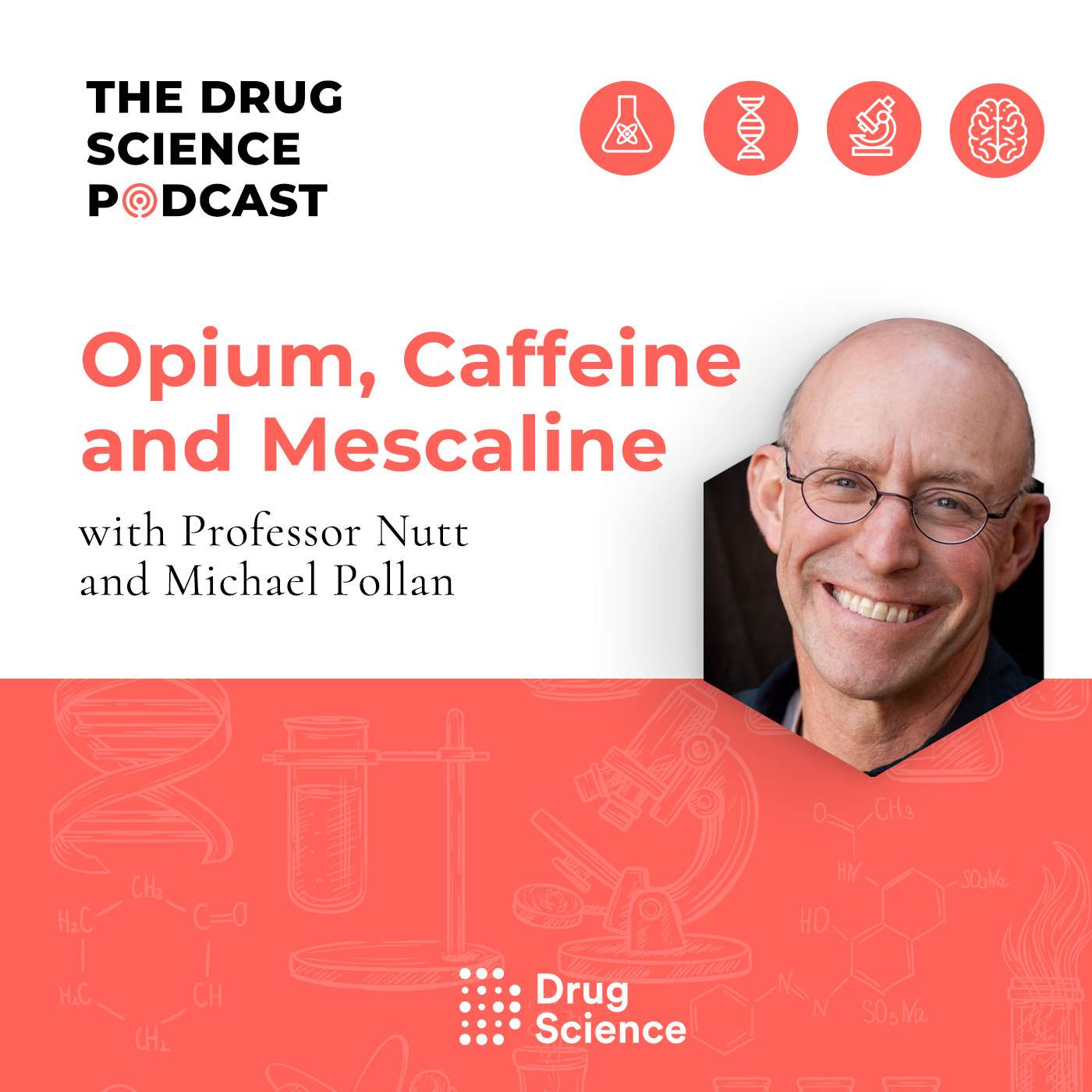
Ep 4343. Opium, Caffeine and Mescaline with Michael Pollan
EIn this episode of the Drug Science Podcast, world-renowned author Michael Pollan and Prof David Nutt discuss gardening.Of course, this being the Drug Science podcast, there’s no mention of sunflowers or strawberries. Instead, these two icons of psychopharmacology discuss the cultivation and everything else you might want to know about psychoactive plants with a particular focus on Opium, Caffeine and Mescaline.Michael Pollan, a contributing writer to The New York Times Magazine since 1987, Professor of Journalism at UC Berkeley’s Graduate School of Journalism and Director of the Knight Program in Science and Environmental Journalism, is one of the nation’s most influential writers and scientific and environmental investigative journalists. His many award-winning, best-selling books include: The Botany of Desire; The Omnivore’s Dilemma; In Defense of Food; and, most recently, How to Change Your Mind.Who is Michael Pollan? Michael Pollan, a contributing writer to The New York Times Magazine since 1987, Professor of Journalism at UC Berkeley’s Graduate School of Journalism and Director of the Knight Program in Science and Environmental Journalism, is one of the nation’s most influential writers and scientific and environmental investigative journalists. His many award-winning, best-selling books include: The Botany of Desire; The Omnivore’s Dilemma; In Defense of Food; and, most recently, How to Change Your Mind.Michael Pollan’s latest book -> This is your mind on plantsHow to change your mind Opium Caffeine MescalineJim HogshirePapaver SomniferumHarper’s magazineJohn ‘Rick’ MacArthurPurdue Pharma OxycontinBentley compounds Bees and CaffeineRoland Griffiths Caffeine researchThe enlightenment coffeehouses VoltaireDenis DiderotHonoré de BalzacRoland GriffithsPeyote Aldous Huxley The Doors of Perception American Indian Religious Freedom Act of 1978San PedroMuscimolIbotenic Acid ★ Support this podcast ★
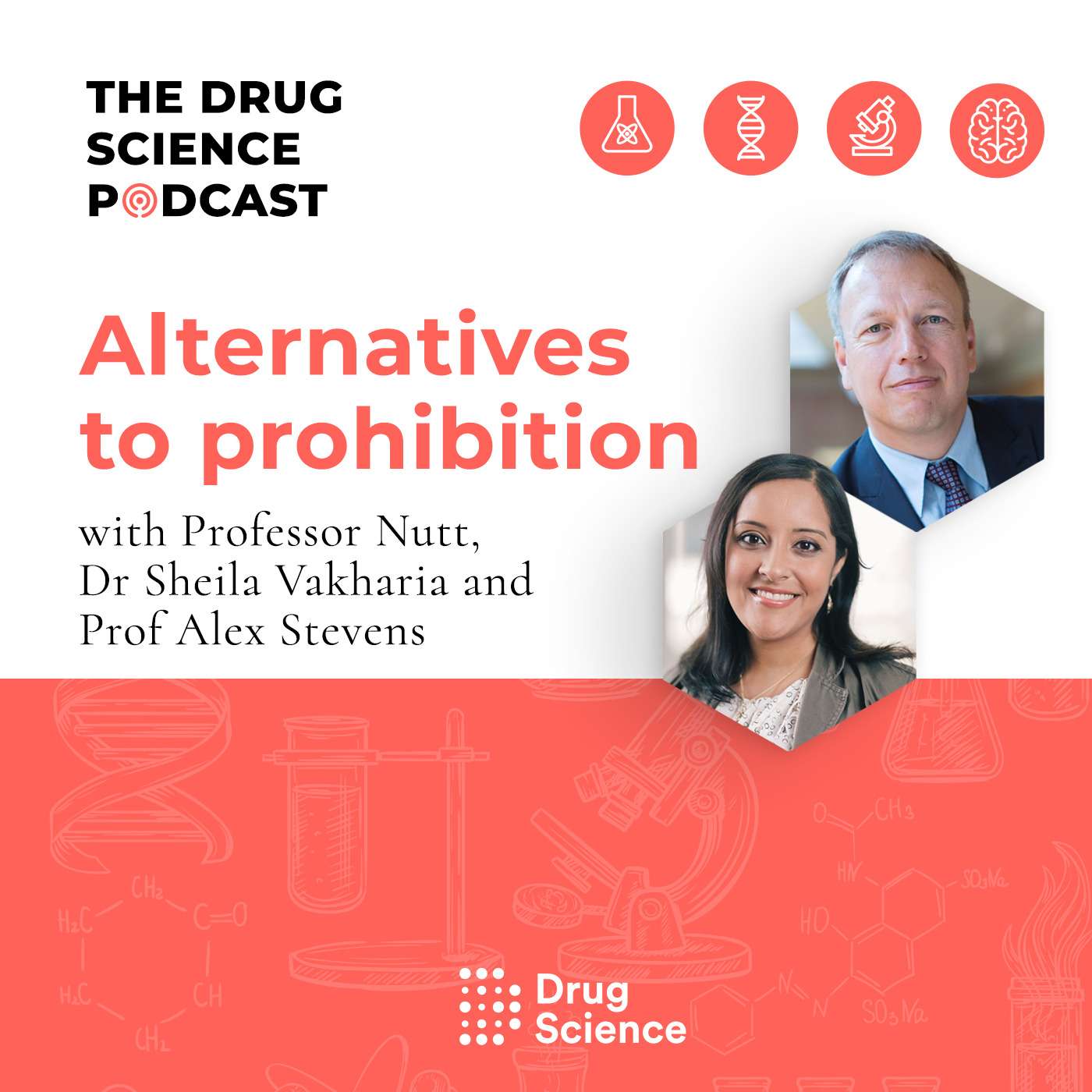
Ep 4242. Alternatives to Prohibition with Sheila Vakharia and Alex Stevens
This week’s episode features Doctor Sheila Vakharia and Professor Alex Stevens, together with Professor Nutt they will be talking about decriminalization and drug policies in the US and the UK. Has both countries’ drug policies arisen from colonialism and social class hierarchy? What are the consequences of the policies that can be witnessed today? Are there any reasons for drug criminalisation? Sheila P Vakharia, PhD is Deputy Director of the Department of Research and Academic Engagement for the Drug Policy Alliance, a US organisation advocating for decriminalisation of drug use. Prior to joining DPA, Dr. Vakharia was an Assistant Professor of Social Work at Long Island University, and had also worked as a clinical social worker in both abstinence-only and harm reduction settings. Her research interests include harm reduction therapy, drug policy reform, drug user stigma, overdose prevention, and social work education. She is currently on the Board of Directors of HAMS Harm Reduction Network and Filter magazine. She has written op-eds for the Philadelphia Inquirer on the overdose crisis and NY Daily News on drug-induced homicide laws and stimulants. Professor Alex Stevens has worked on issues of drugs, crime and health in the voluntary sector, as an academic researcher and as an adviser to the UK government. He has published extensively on these issues, with a focus on the sociology of drugs and crime, on risk behaviours by young people, on the use of evidence in policy and on quasi-compulsory drug treatment. His published works include a book on ‘Drugs, Crime and Public Health‘, studies of decriminalisation of drugs in Portugal, of the right to use drugs, on gangs and on the ethnography of policy making.Professor Stevens’ interest in drugs and crime dates back to his time working with UK charity Prisoners Abroad, which provides advice and information to British prisoners held in foreign prisons, and as European project manager and coordinator of the European Network of Drug and HIV/AIDS Services in Prison for Cranstoun Drugs Services. Drug Policy AllianceWar on drugsCannabisHarm reductionDecriminalization in OregonCrack house statute legal definition An article about what this statute actually means HIV crisis in the 1980sOpium WarsPharmacy Act 1868OpioidsDoctor shoppingHeroinMetamphetamineFentanylMethadoneBuprenorphineUprooting the Drug War ★ Support this podcast ★
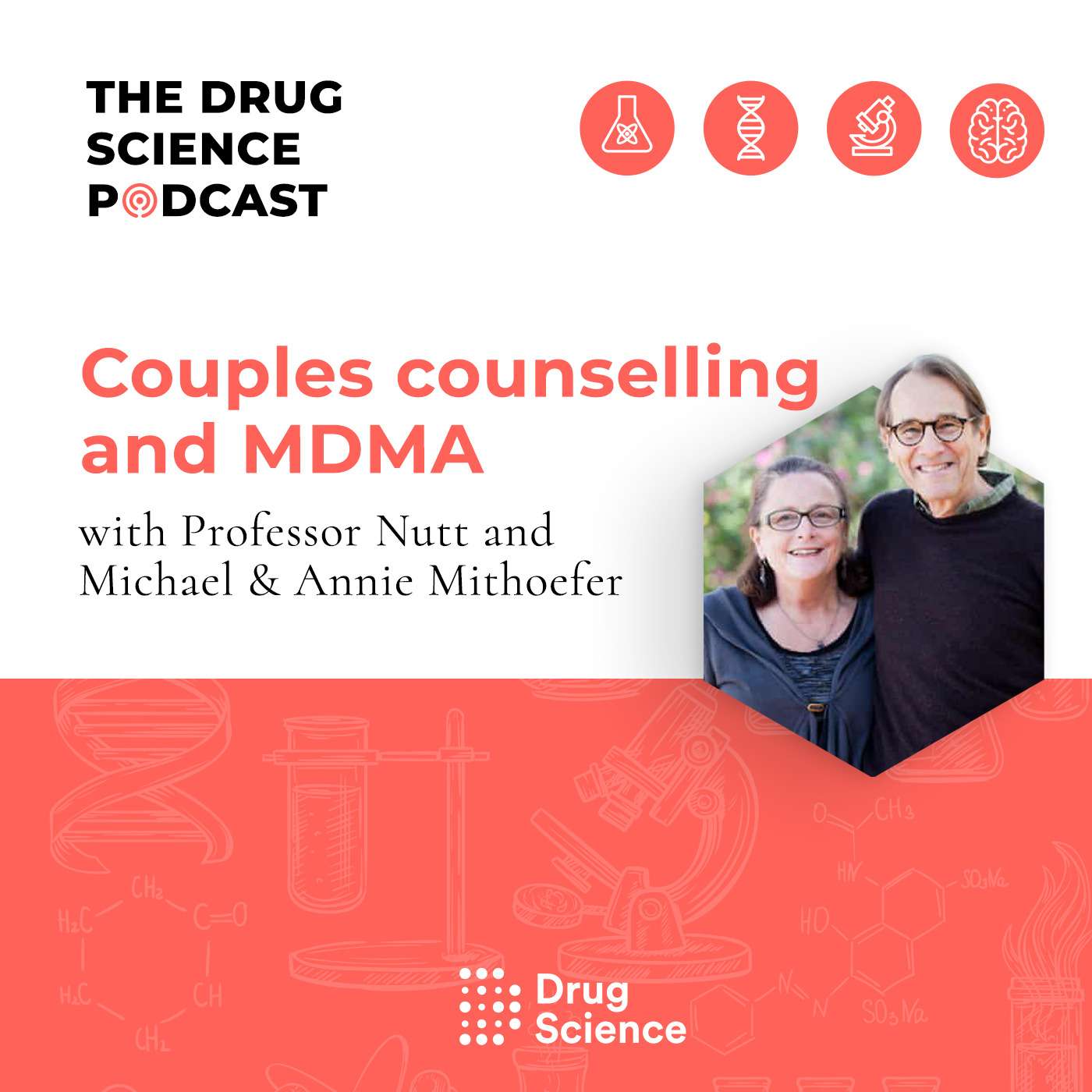
Ep 4141. Couples counselling and MDMA with Annie and Michael Mithoefer
Michael Mithoefer, MD is a Clinical Investigator and acting Medical Director of MAPS Public Benefit Corporation. Together with his wife Annie, they completed the first phase 2 clinical trial of MDMA-assisted psychotherapy for PTSD in 2009 and a subsequent study of MDMA-assisted psychotherapy for PTSD in military veterans, firefighters and police officers. They are now supervising therapists in the ongoing MAPS Phase 3 trials of MDMA-assisted Psychotheapy for PTSD, leading training in MDMA- assisted psychotherapy for therapists interested in working on clinical trials, and providing FDA-approved MDMA sessions for research therapists. Michael is Clinical Assistant Professor of Psychiatry at the Medical University of South Carolina, is a Grof certified Holotropic Breathwork Practitioner, has been a Certified Internal Family Systems Therapist, and has been board certified in Psychiatry, Emergency Medicine and Internal Medicine. Annie is a registered nurse as well as a Grof-certified Holotropic Breathwork Practitioner, is trained in Hakomi Therapy, and has 25 years experience working with trauma patients, with an emphasis on experiential approaches to therapy. Tune in to this episode to find out about their pioneer work with MDMA and their most recent research! MDMA-assisted psychotherapyMDMAPsychedelicsStanislav GrofBreathworkEMDRNeurofeedbackFrancine ShapiroFDARick DoblinMAPSIRB DEACAPS-5 - Clinician Administered PTSD ScaleExposure therapyCognitive-behavioral conjoint therapyCandice MonsonAmygdalaRelax beliefs under psychedelics (REBUS)PTSDEMA - European Medicines AgencyPsilocybinAyahuasca ★ Support this podcast ★
Ep 4040. Recovery from the SAS with Ollie Ollerton
Today’s episode features Ollie Ollerton, a former UK Special Forces soldier and directing staff (DS) of Channel 4’s SAS: Who Dares Wins. Mr Ollerton has always been involved in the social cause, serving in the army as well as supporting multiple charities. Thanks to the publicity from SAS: Who Dares Wins he has been, among others, raising awareness of the mental health of soldiers. By the means of supporting Heroic Hearts charity he also advocates for the use of psychedelics such as ayahuasca for the treatment of PTSD which often affects his serving colleagues. Ollie also authored multiple books in which he tells the story of his career and mental journey of overcoming PTSD himself. Upon Ollie’s return to the UK in 2014 after 13 years overseas he started developing a concept to allow his training and experience to benefit others. BREAK-POINT provides leadership and development courses to the public and corporate sector also supporting veterans suffering the effects of Post-Traumatic Stress Disorder, PTSD.Ollie is a trained PRISM practitioner, a character assessment tool based on neuroscience that assists him and his team to provide the most engaging and rewarding corporate events focusing on mindset, teamwork and leadership. Along with another member of the SAS team, Ollie and Foxy have launched an app called the BATTLE READY 360 programme that focuses on mindset, nutrition and exercise. Ollie’s second book BATTLE READY launched in April 2020 straight into The Times Best Seller Top Ten, following the amazing success of BREAK-POINT in May 2019 which was a Times Number One Best Seller.Heroic Hearts retreat for veterans Heroic heartsOllie Instagram United Kingdom Special ForcesSAS: Who Dares WinsBattleboxPTSDAyahuascaBreak point ★ Support this podcast ★
Ep 3939. Underground Psychotherapy with Friederike Meckel Fischer
Friederike Meckel is a German psychotherapist who also trained as a medical doctor. Her career involved multiple techniques in psychotherapy including Holotropic Breathwork, hypnotherapy and family constellation work. Most notably however, regarding the subject of our podcasts, by the means of setting a private underground practice in Zurich, Switzerland she developed her own way of psychotherapy using psychoactive substances. In this week’s episode, she describes the very innovative approaches to her work focusing on patient’s deeper understanding of themselves. Make sure to listen in if you want to find out more!Underground MDMA-, LSD- and 2-CB-assisted individual and group psychotherapy in Zurich: Outcomes, implications and commentary - Article by Friederike Meckel Fischer and Ben SessaDepth psychology Holotropic breathworkHypnotherapySystemic therapyTranspersonal therapyBehaviour therapyFamily constellationsMDMALSDPsilocybin2C-BDMTDr Joe DispenzaMindfulnessTherapy with Substance: Psycholytic Psychotherapy in the Twenty-First Century - book by Friederike Meckel FischerStanislav GrofPeter Gasser ★ Support this podcast ★
Ep 3838. Drug Markets with Julia Buxton
Julia Buxton is British Academy Global Professor. Her research focuses on illicit drug markets and the impact of counter narcotics policies on development, gender equality and security. In her career she’s led projects and worked with multiple universities around the world including the Central European University in Budapest. Outside of Europe, she has geographical expertise on Latin America and is a specialist on Venezuela. Now, back in England, she’s working on The Global Drug Survey project, inquiring about the drug policy preferences of drug users themselves. With this innovative approach she’s joining the conversation on drugs on the political scene in the UK. Tune into this week’s episode to find out about how drug policies that are older than the Internet, Thatcherism and HIV treatment contribute to inequalities arising between different countries and genders. Shownotes:OpioidsCannabisOpen Society FoundationsJonathan SorosUN Sustainable Development GoalsViktor OrbanPopulismSyrian refugee crisis in HungaryNativismThe Impact of Global Drug Policy on Women: Shifting the Needle - book by Julia Buxton Advisory Council on the Misuse of Drugs (ACMD)Ingrid WalkerJudith AldridgeDarknet“Do Darknet Drug Markets Make the Bad Guys Less Bad?” Aldridge Asks Keir StarmerNicola SturgeonHeroin CocaineGreenwich biosciences ★ Support this podcast ★
Ep 3737. MAPS with Rick Doblin
Richard ‘Rick’ Doblin is the founder and director of Multidisciplinary Association for Psychedelic Studies (MAPS) - a non-profit research organisation established in 1986. Somewhere between getting an undergraduate degree in psychology and a doctorate in public policy, Rick, having had discovered psychedelics, began his fight against unjustified criminalisation of psychedelic drugs. Rick’s main goal has been making MDMA a FDA-approved medicine, tune in to this week’s episode to find out about his progress!MAPS latest MDMA study in Nature MedicineDrug Science live podcast recording with Professor David Nutt! Multidisciplinary Association for Psychedelic Studies (MAPS)MDMACuban Missile Crisis, Vietnam War Carl JungLSDMescalineJohn Lilly Programming & Metaprogramming in the Human Biocomputer: Theory & ExperimentsRealms of the Human Unconscious: Observations from LSD Research by Stanislav GrofIsolation tankStanislav GrofPrimal therapyNew Genesis: Shaping a global spirituality by Robert MullerLaura HuxleyIsland by Aldous HuxleyDMTPsilocybinPost-traumatic stress disorder (PTSD)AyahuascaSpinal tapDissociative identity disorder ★ Support this podcast ★
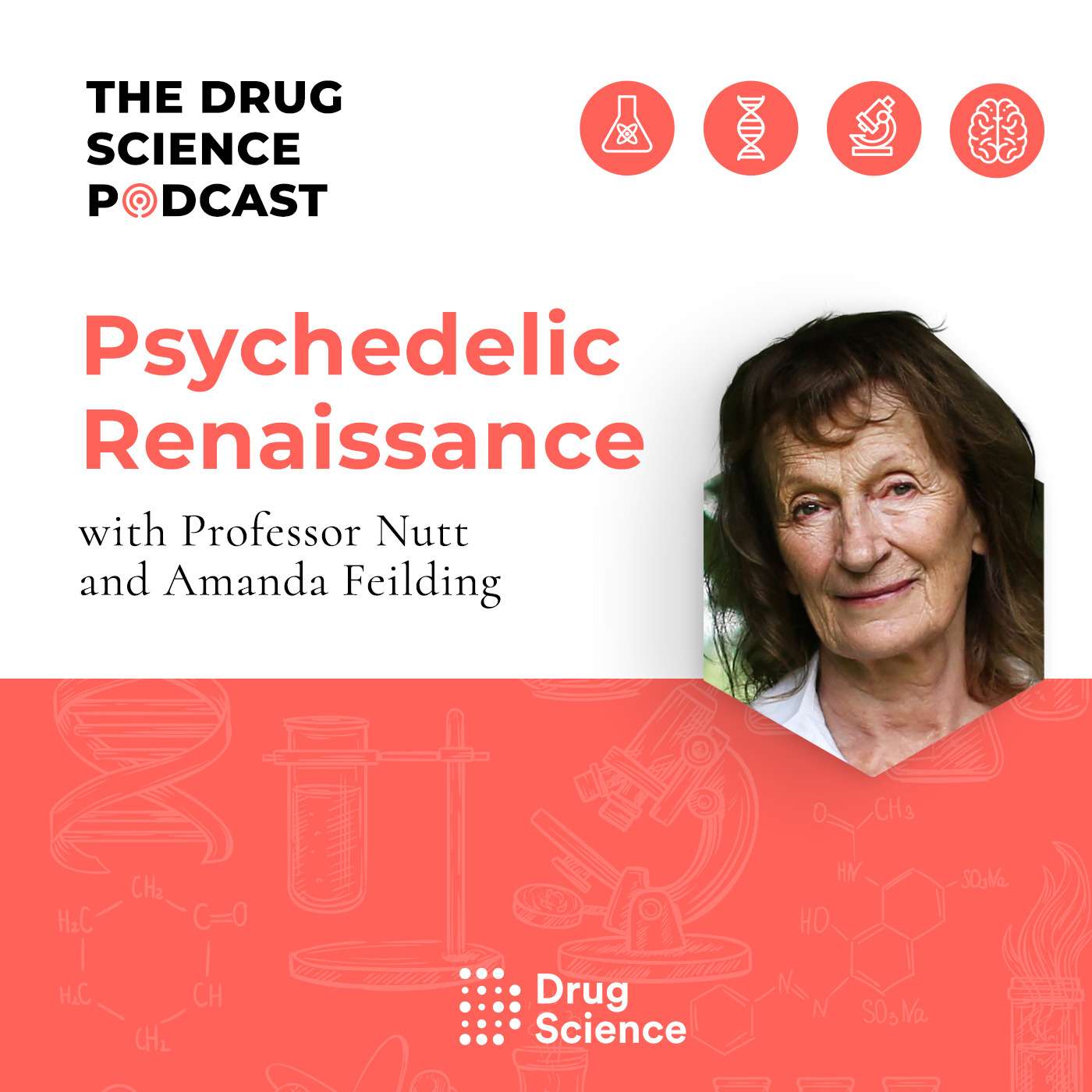
Ep 3636. Psychedelic Renaissance with Amanda Feilding
Together with Professor David Nutt they will be talking about the beauty behind psychoactive substances as well as the, equally interesting, stories from Lady Feilding’s life journey. Drug Science live podcast recording with Professor David Nutt! If you want to find out how to travel to Ceylon for 25 pounds do have a listen! Amanda Feilding is the Founder and Executive Director of the Beckley Foundation, and is widely recognised as a leading force behind the current Psychedelic Renaissance. By establishing key Research Programmes at some of the world’s most prestigious institutions (including Imperial College London, Maastricht University, Sant Pau in Barcelona, IDOR and UFRN in Brazil), she has propelled the field forward over the last 20+ years, conducting landmark studies, such as the world’s first psilocybin for treatment-resistant depression study (on which Compass Pathways based their business), the world’s first LSD, MDMA and DMT brain imaging studies, plus the initiation and collaboration with Johns Hopkins on the first study using psilocybin-assisted psychotherapy to overcome nicotine addiction. She has also co-authored over 80 research papers.Since its inception in 1998, the Beckley Foundation has been at the forefront of exploratory research into psychedelics and cannabis, and evidence-based global drug policies. Through a series of pivotal international seminars at the House of Lords (starting in 2000) with leading figures from around the world in different fields, from science to politics, plus over 60 much-cited books, reports and papers, and numerous meetings with thought-leaders, academics, and policy-makers at the UN and governments around the world, Amanda has ensured that the Beckley Foundation has been at the forefront of global drug policy reform, particularly in the field of cannabis and the psychedelics. Through her work with the Beckley Foundation, Amanda is bridging the gap between science and policy, creating a positive feedback loop, with the aim of building and harnessing our knowledge of the benefits of currently prohibited compounds to optimise human health, wellbeing and potential. Drug Science live podcast recording with Professor David Nutt! CannabisLSDTimothy LearyBart HughesPsychedelic Microdosing LSD’s impact on brain interconnectivity Beckley FoundationMdmaJoseph “Joey” MellenAlbert HofmannSir Colin BlakemorePsilocybinThe Beckley/Imperial Psychedelic Research Programme The effects of psilocybin and MDMA on between-network resting state functional connectivity in healthy volunteersAlexander “Sasha” ShulginAyahuascaDefault mode networkBrain-derived neurotrophic factor (BDNF)Neuroplasticity ★ Support this podcast ★
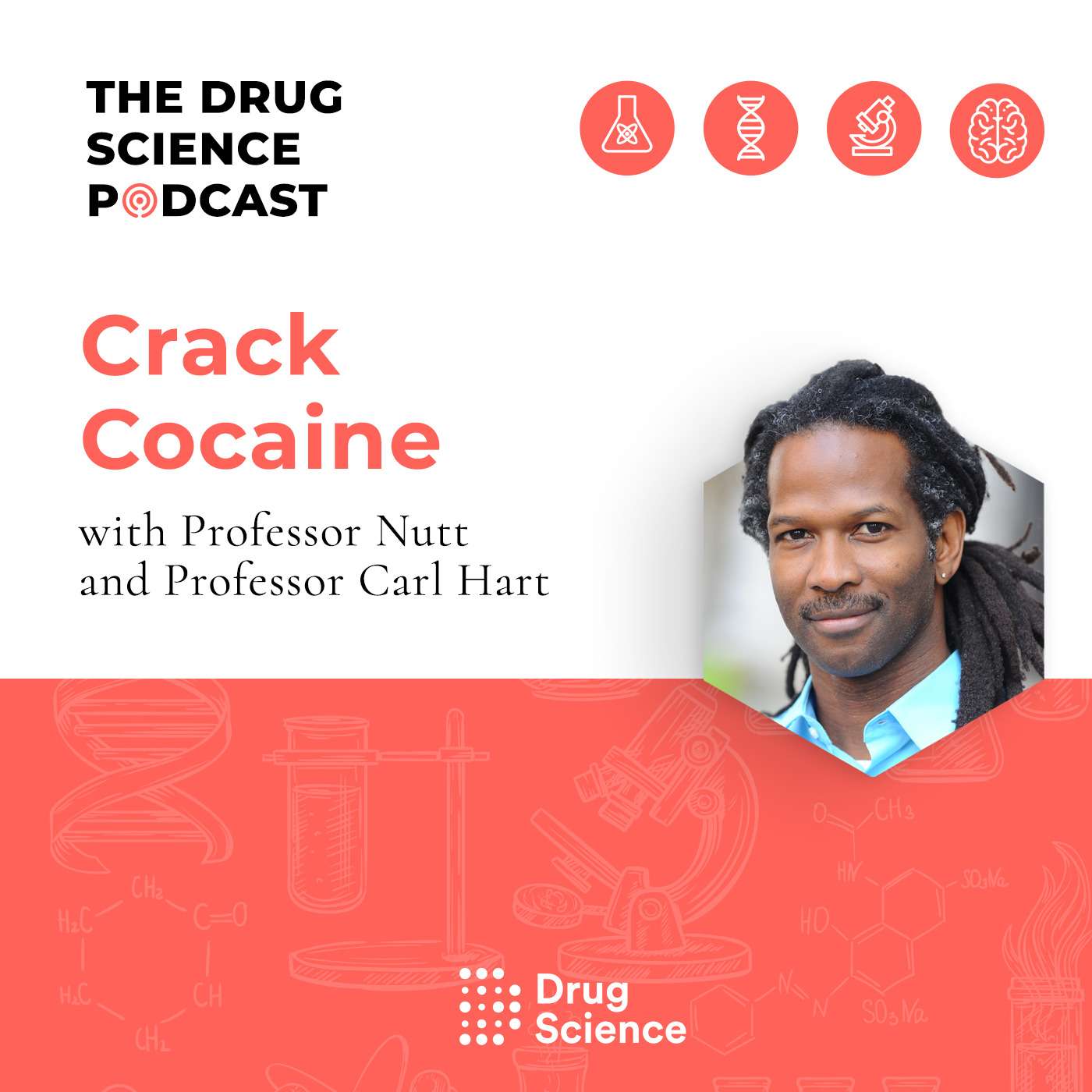
Ep 3535. Crack Cocaine with Professor Carl Hart
EThis week’s episode features Carl Hart, professor of neuroscience and psychology at Columbia University in New York. Professor Nutt and Professor Hart discuss drug addiction and its political context in the US. Are drug policies racist? Were they made to help or to harm? What does the declaration of independence has to do with drug criminalization? Coming from an impoverished area in Miami, Florida professor Hart used to believe drugs are the reason for problems he observed in his neighbourhood and hence gained specific interest for addictions in his scientific career. Now, however he is debunking drug addiction himself and acknowledging structural injustices both in drug policies as well as the jurisdictional system in the US as a whole. Besides being featured in the movie “The House I Live In” on the War on Drugs campaign, he’s given talks for TEDMED, Talks@Google, The Reason Foundation, The Nobel Conference and many others. Professor Hart has also authored books in which he criticizes the criminalization of drugs and advocates the positive effect of recreational drug use. In this week’s episode we’re going to find out about his most recent one - “Drug use for grownups - chasing liberty in the land of fear.” Shownotes:Cocaine self-administration study in ratsNicotine self-administration in rats study The dopamine theory of addiction review DopamineSerotoninNorepinephrine Julis Axelrod NicotineExtinction burstHigh Price - book by professor Carl HartHouse I live in Crack cocaineEcstasyDrug use for grown-ups: chasing liberty in the land of fear - book by professor Carl HartOregon drug decriminalization PeyoteOpioidsPsychedelicsMarihuana/ CannabisMap of US states which legalised the use of marihuana ★ Support this podcast ★
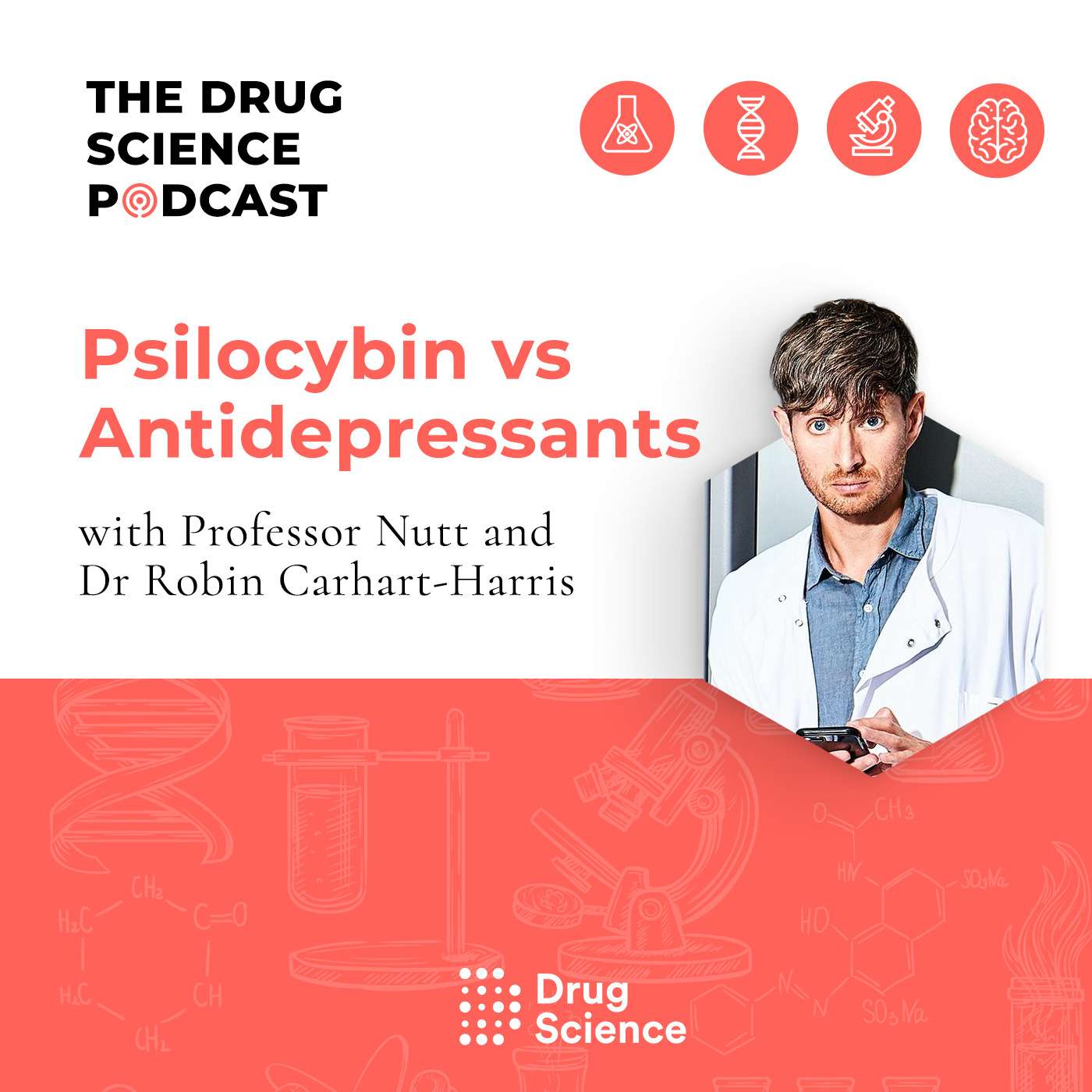
Ep 3434. Psilocybin vs Antidepressants with Dr Robin Carhart-Harris
Robin Heads the Psychedelic Research Group within the Centre for Psychiatry at Imperial College London, where he has designed several functional brain imaging studies with psilocybin, LSD, MDMA and DMT, plus a clinical trial of psilocybin for treatment resistant depression. He has over 50 published papers in peer-reviewed scientific journals; two of which were ranked in the top 100 most impactful academic articles of 2016. Robin’s research has featured in major national and international media and he has given a popular TEDx talk.Does MDMA impact sleep?What does the brain look like under the influence of LSD?How do psychedelics change the quality of brain activity? Can psilocybin be used to treat depression? Psilocybin vs Escitalopram for Major Depressive Disorder Stanislav Grof LSD PsychotherapyRobin’s first paper – Waves of the Unconscious Amanda FeildingRobin’s PhD Drugs live – Channel 4Psilocybin LSD MDMADMTPsychedelic resting states The entropic brainHomological scaffolds of brain functional networksThe Stoned Ape theory DMT Neural Correlates of the DMT experience Psilocybin for Treatment-Resistant Depression Serotonin and brain function: a tale of two receptors ★ Support this podcast ★
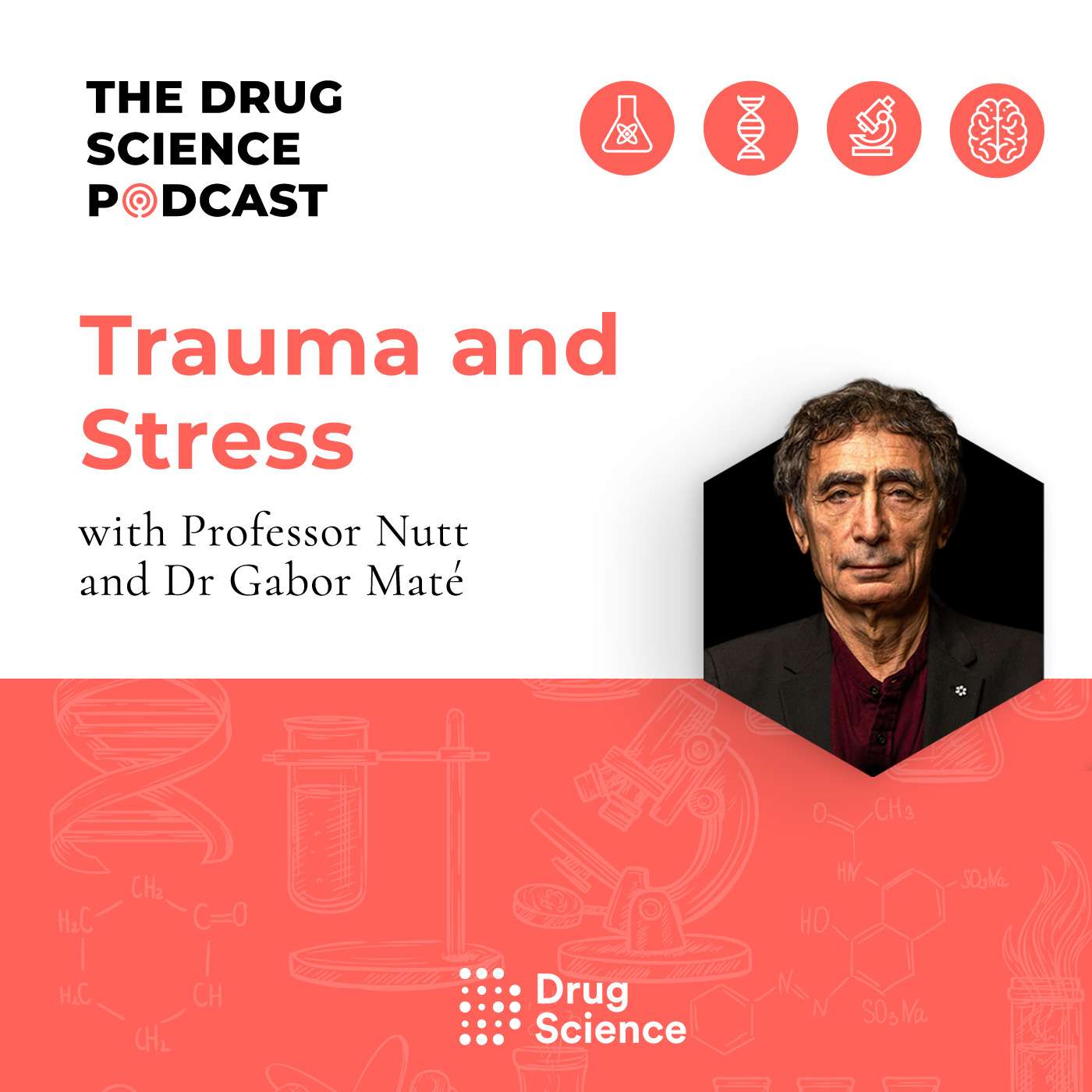
Ep 3333. Trauma and Stress with Dr Gabor Maté
This week’s episode features Dr Gabor Maté, a Hungarian-Canadian physician who’s main interests include childhood development and trauma, and their impact on lifelong physical and mental health. Professor Nutt and Dr Maté talk about the inseparable nature of our body and mind. How do they affect each other? How can psychedelics offer therapeutic potential to both mental and physical conditions? Dr Gabor Maté was born in Hungary and emigrated to Canada as a young child. Following years of clinical practice, now retired, he travels around the world to speak about how life experiences shape our physical and mental health. In his books including the most recent “In the Realm of Hungry Ghosts: Close Encounters with Addiction” he explores the relationship between “early adversity” i.e. stress, childhood neglect or abuse and susceptibility to addictions, autoimmune diseases, cancer and many others. He is also widely recognised for his perspectives on attention deficit hyperactivity disorder. Additionally, after being a part of an Ayahuasca retreat program Dr Gabor Maté advocates the therapeutic potential of this and other psychedelic substances in the treatment of a variety of mental and physical conditions. Gabor Mate’s website In the Realm of Hungry Ghost The six realms of Buddhist cosmology Vancouver harm reduction program Ayahuasca Psilocybin Psilocybin and depression: Psilocybin for treatment-resistant depression: fMRI-measured brain mechanisms by Robin Carhart-Harris et al., 2017 Ayahuasca retreat with Dr. Gabor Maté and Richard Condon Scleroderma patient article:Ayahuasca Let Me Walk Again United Nation’s Convention on Psychotropic Substances, 1971 When the Body Says No: The Cost of Hidden Stress Stress and the risk of multiple sclerosis Childhood Trauma in Multiple Sclerosis Psychedelics for psychological and existential distress in palliative and cancer care Become a Drug Science Community member ★ Support this podcast ★
Ep 3232. Drug Consumption Rooms with Peter Krykant
Peter Krykant previously used intravenous drugs whilst living homeless in Birmingham. His lived experience has shown him the benefits of drug consumption rooms; to prevent the spread of bloodborne diseases and protect people who use drugs from accidental overdose.Seven weeks ago, Peter set up the first UK drug consumption room which attracted the attention of the BBC and the local police force. Scotland's Lord Advocate and the Chief Constable of Police Scotland has made it clear that such activities violate national law. However, the local police force has not intervened with Peter’s operation. Peter is advocating to expand these services to multiple localities with the inclusion of trained medical professionals at each site. This intervention offers a unique insight to gather observational data on UK intravenous drug use. It could be the stepping stone needed to tackle the increasing number of UK drug-related deaths. Peter Krykant twitter Birmingham rough sleepers’ team Methadone Diazepam Drug Death summit 27th Feb Scotland 2020 Copenhagen Drug Consumption Room Naloxone CrowdFunder page Site 2 – Gazebo Scotland's Lord Advocate and the Chief Constable of Police ScotlandHeroin assisted-treatment Methadone programmesRonnie CowanAlison ThewlissChangeGrowLiveSafe Consumption GlasgowBecome a Drug Science Community Member: https://www.donate.drugscience.org.uk/Twitter: @ProfDavidNutt @Drug_ScienceA Fascinate Productions podcast for Drug Science ★ Support this podcast ★
Ep 3131. The Philosophy of Psychedelics with Dr. Peter Hughes
After discovering that there was very little literature review regarding the impact of psychedelics on the philosophy of the mind, philosopher Peter Sjöstedt-Hughes started to research how these drugs have impacted western philosophy. On this episode of the podcast, Peter examines the cultural history of the philosophy of psychedelics and how they’ve shaped philosophers’ perceptions of consciousness and reality. Dr Peter Sjöstedt-H is an Anglo-Scandinavian philosopher of mind who specializes in the thought of Whitehead, Nietzsche, and Spinoza, and in fields pertaining to panpsychism and altered states of mind. Following his degree in Continental Philosophy at the University of Warwick, he became a Philosophy lecturer in London for six years and after which he pursued his PhD (on ‘Pansentient Monism’, examined by Galen Strawson and Joel Krueger) at the University of Exeter – where he is now a research fellow and associate lecturer. Peter is the author of Noumenautics, the TEDx Talker on ‘psychedelics and consciousness‘. Are altered states of consciousness mere hallucinations or indicative of fundamental truths of reality? William James Philosophy of psychedelics conference Exploring Frameworks for Exceptional ExperienceHumphry DavyNitrous OxideArthur Heffter Thomas De Quincey Outsight project Epiphonemalism René DescartesPsychedelics heightened appreciation of nature Eliminative materialismDavid Luke podcastAndrew Gallimore - Alien Information TheoryCarl Hart – psychedelic exceptionalism Albert Hoffman Bertrand Russell - Mysticism and logicBecome a Drug Science Community Member: https://www.donate.drugscience.org.uk/Twitter: @ProfDavidNutt @Drug_ScienceA Fascinate Productions podcast for Drug Science ★ Support this podcast ★
Ep 3030. Getting High Without Drugs with Dr. David Luke
Psychologist Dr David Luke, is a Senior Lecturer studying states of transpersonal consciousness. It is well known that psychedelic drugs can induce altered states of consciousness but is this approach too heavy handed to derive benefit from a transpersonal experience? Activities such as yoga, meditation and sensory deprivation can induce this altered state of consciousness but how can we apply what we have learnt from psychedelic neuropsychopharmacology to evaluate these non-drug induced states? Can religious or spiritual experiences influence an individual’s perception of reality? Dr David Luke is Senior Lecturer in Psychology at the University of Greenwich. His research focuses on transpersonal experiences, anomalous phenomena and altered states of consciousness, especially via psychedelics, having published more than 100 academic papers in this area, including ten books, most recently Psychedelic Mysteries of the Feminine (2019). When he is not running clinical drug trials with LSD, doing DMT field experiments or observing apparent weather control with Mexican shamans he directs the Ecology, Cosmos and Consciousness salon and is a co-founder and director and the current chair of Breaking Convention: International Conference on Psychedelic Consciousness.William James James Fadiman Stanislav GrofAnechoic chamberHolotropic Breathwork Carbogen Inhalation TherapySynesthesiaBreaking Convention Extinction Rebellion Global Drug Survey AphantasiaBecome a Drug Science Community Member: https://www.donate.drugscience.org.uk/Twitter: @ProfDavidNutt @Drug_ScienceA Fascinate Productions podcast for Drug Science ★ Support this podcast ★
Ep 2929. International Drug Policy with Steve Rolles
In 1971, the war on drugs went international when the UN Convention on Psychotropic Substances was signed into international law. This Convention broadened the scope of previous UN drug legislation, facilitating the prohibition of almost any drug imaginable at the time. However, in the past 50 years, various countries across the world have been rejecting this narrative and even the UN itself has agreed that the war on drugs has been a failure. Drugs are here to stay and it was foolish to think that they could be removed from society. An influential cog in this new approach to drug policy are a group called - Transform. Transform take a pragmatic and evidence-based approach to drug policy. Lobbying for harm reduction and alternatives to prohibition. Steve Rolles is Senior Policy Analyst for Transform Drug Policy Foundation, a UK based think tank and charity focused on drug policy and law reform. Lead author on a range of Transform publications including 2009’s ‘After the War on Drugs: Blueprint for Regulation’, Steve has been a regular contributor to the public debate on drug policy and law for over 15 years; in the media, at UK and international events, and at various UN and Government forums around the world. Steve was recently an adviser for the Uruguayan Government in developing their new cannabis regulation model, and was also lead drafter and technical coordinator for the recent ‘Taking control: Pathways to Drug Polices that Work’ report from the Global Commission on Drug Policy. Previously Steve worked for Oxfam and the Medical Research Council, having studied for his Geography BSc at Bristol University and Development Studies MSc at Manchester University.Transform Danny Kushlick Mexico Unido Contra DelincuenciaPortugal decriminalisation Cannabis legalisation in Canada Cannabis legalisation in Uruguay Altered States report William Hague advocating for cannabis reform Global Commission on Drug Policy Lib Dem cannabis report UN common position on drugs UN task team report on the past 10 years of drug policy Latin America cocaine warLuxembourg cannabis reformBecome a Drug Science Community Member: https://www.donate.drugscience.org.uk/Twitter: @ProfDavidNutt @Drug_ScienceA Fascinate Productions podcast for Drug Science ★ Support this podcast ★
Ep 2828. Drug Gangs in the UK with Mobeen Azhar
Mobeen Azhar has been a journalist for 17 years investigating the societal harms related to the ‘war on drugs’. Upon returning to his hometown of Huddersfield, Mobeen started to uncover grizzly story behind the roadside execution of Yassar Yaqub. Described in court as a 28-year-old office clerk, Yassar Yaqub was shot dead by police on an M62 slip road on a cold and wet January evening in 2017. Celebrated by his family as a loving son and beloved father, his death lead to protests on the streets of West Yorkshire and in the wake of the Black Lives Matter movement a ‘Justice 4 Yassar’ campaign was born. But with rumours of drug empires, money laundering and high-performance cars, just days into his reporting of the case, Mobeen realises that there is a much bigger story in town. With violence on the streets and a town that is terrified to talk, Mobeen attempts to find out where the truth really lies in a journey that forces him to face some ugly truths about his community and hometown. Hometown Justice for Yassar Neil WoodsBecome a Drug Science Community Member: https://www.donate.drugscience.org.uk/Twitter: @ProfDavidNutt @Drug_ScienceA Fascinate Productions podcast for Drug Science ★ Support this podcast ★
Ep 2727. Pharmacology of Drugs with Dr David Nichols
A special treat this week as the two titans of psychopharmacology discuss the medicinal chemistry of psychedelics. Dr Nichols is the Founding President of the Heffter Research Institute, an organisation designed to promote research of the highest scientific quality with psychedelics in order to contribute to a greater understanding of the mind leading to the improvement of the human condition, and to alleviate suffering.Professor Nutt and Dr Nichols answer some burning questions of psychedelic science such as: What will come to market first, LSD, Psilocybin or MDMA? Could microdosing be dangerous? Is there such a thing as DMT tolerance? David E. Nichols, is currently an Adjunct Professor in the Eshelman School of Pharmacy at the University of North Carolina, Chapel Hill, NC. He is a Distinguished Professor Emeritus at the Purdue University College of Pharmacy, and was the Robert C. and Charlotte P. Anderson Chair in Pharmacology, where he carried out teaching and research for 38 years prior to his retirement in 2012. A major focus of his research was on substances known as hallucinogens, known more popularly as psychedelics. Widely published in the scientific literature and internationally recognized for his research on centrally active drugs, he has studied all of the major classes of psychedelic agents, including LSD and other lysergic acid derivatives, psilocybin and the tryptamines, and phenethylamines related to mescaline. Among scientists, he is recognized as one of the foremost international experts on the medicinal chemistry of psychedelics.Shulgin Mescaline MDMA LSD Psilocybin Entactogen vs Empathogen Drugs Enforcement Agency Salvia Heffter Research Institute Arthur Heffter Psilocybin for depression trial Psilocybin for OCD Yale study Psilocybin-assisted Group Therapy for Demoralization in Long-term AIDS SurvivorsN,N-dimethyltryptamine and the pineal gland: Separating fact from mythA Model for the Application of Target-Controlled Intravenous Infusion for a Prolonged Immersive DMT Psychedelic ExperienceFen-phen Weightloss drug Synthesis and Biological Evaluation of Tryptamines Found in Hallucinogenic Mushrooms: Norbaeocystin, Baeocystin, Norpsilocin, and AeruginascinBecome a Drug Science Community Member: https://www.donate.drugscience.org.uk/Twitter: @ProfDavidNutt @Drug_ScienceA Fascinate Productions podcast for Drug Science ★ Support this podcast ★
Ep 2626. Synthetic Opioids with Bryce Pardo
The US opioid crisis is a result of a fractured and fragmented healthcare service. Federal and state policy created a system whereby doctors were rewarded for prescribing highly addictive substances. This epidemic was compounded when the same federal and state government suddenly restrained these prescriptions, forcing people into the black market. Now underground drug dealers control this oversaturated demand, from Mexican smugglers to Chinese clandestine chemists…the harms of opiates are rising every day. Bryce Pardo is an associate policy researcher at the RAND Corporation. His work focuses on drug policy with a particular interest in the areas of cannabis regulation, opioid control, and new psychoactive substance markets. Recently, he has provided Congressional testimony about his research on illicit supply of fentanyl to several subcommittees within the U.S. House of Representatives. Prior to joining RAND, he served five years as a legislative and policy analyst at the Inter-American Drug Abuse Control Commission (CICAD) within the Organization of American States (OAS) where he worked directly with policymakers and practitioners. He has independently consulted with multi-lateral institutions, including the Pan-American Health Organization (PAHO) and the United Nations Office on Drugs and Crime (UNODC). Pardo also served as lead analyst with BOTEC Analysis Corporation to support the Government of Jamaica in drafting medical cannabis regulations. The Future of Fentanyl and Other Synthetic OpioidsRAND Corporation RAND Drug Policy Research Centre Heroin Oxycodone Oxycontin 2010 additive added to prescription opiates so they couldn’t be crushed or snorted Golden triangle Fentanyl BuprenorphineMethadone Vivitrol Heroin Assisted Treatment Supervised consumption facility Isotonitazene CarfentanilBecome a Drug Science Community Member: https://www.donate.drugscience.org.uk/Twitter: @ProfDavidNutt @Drug_ScienceA Fascinate Productions podcast for Drug Science ★ Support this podcast ★
Ep 2525. Psychedelics for Addiction with Professor Matt Johnson
Tobacco and alcohol are the largest sources of preventable death in the world. Our current treatments are only 15% effective at best. However, psilocybin-assisted therapy has achieved an astonishing 80% success rate in clinical trials. Professor Matthew Johnson is paving the way for this new an innovative treatment to address one of the most damaging social burdens of modern society, drug addiction. It is important to note that Professor Johnson’s research is not looking at casual habitual smokers, but instead, long-term, treatment resistant tobacco users. Matthew W. Johnson, Ph.D., Professor at Johns Hopkins, has worked with psychedelics since 2004. He published psychedelic safety guidelines in 2008, the first psychedelic treatment of tobacco addiction in 2014, and with colleagues published the largest study of psilocybin in cancer distress in 2016. His 2018 psilocybin review recommended Schedule IV upon medical approval. He is Principal Investigator on upcoming psilocybin studies treating opioid addiction and PTSD, and LSD research treating chronic pain. Matt and the Johns Hopkins Psychedelic Research Unit are examining the long-term behavioural changes resulting from a single psilocybin session and cognitive behavioural therapy. Johns Hopkins Psychedelic Research Unit Professor Matthew Johnson Smoking cessation study Smoking cessation research Roland Griffiths Episode Healthy normals research Smoking cessation behaviours three months following acute insular damage from stroke IbogaineBreathwork for treating PTSD Twitter - @Drug_Researcher Become a Drug Science Community Member: https://www.donate.drugscience.org.uk/Twitter: @ProfDavidNutt @Drug_ScienceA Fascinate Productions podcast for Drug Science ★ Support this podcast ★
Ep 2424. The War on Drugs with Johann Hari
EThis week, Professor Nutt speaks to journalist Johann Hari @johannhari101 about the ‘war on drugs’. It is now widely accepted that the ‘war on drugs’ has failed, with many people believing it can never succeed. Despite this, politicians from around the world continue to follow this mantra as an effective strategy to reduce drug-related harms. The reason why… politics. Currently, it is politically damaging to support the legalisation of drugs because public discourse has been led to believe that legalisation will cause anarchy and chaos. Contrarily, what we have now is a complete lack of control. Legally regulating the supply of drugs is the only way to bring order to this chaos. Johann Hari is the author of two New York Times best-selling books. His first, ‘Chasing the Scream: the First and Last Days of the War on Drugs’, is currently being adapted into a major Hollywood film by Oscar-winning director Lee Daniels, and into a non-fiction documentary series. His first TED talk, ‘Everything You Think You Know About Addiction is Wrong’, has been viewed more than 40 million times across all platforms. He has written over the past decade for some of the world’s leading newspapers and magazines, including the New York Times, the Los Angeles Times, the Guardian, the Spectator, Le Monde Diplomatique, the Melbourne Age, and Politico. He is a regular panellist on HBO’s Realtime With Bill Maher.Chasing the Scream Lost ConnectionsProfessor Nutt fired Portugal decriminalisation Bud OsbornSafe injection facilities Philip Owen – coffin Billie Holiday Strange Fruit Ruth DreifussNeil Woods episode Swiss experiment Crispin Blunt episode Harry Anslinger Become a Drug Science Community Member: https://www.donate.drugscience.org.uk/Twitter: @ProfDavidNutt @Drug_ScienceA Fascinate Productions podcast for Drug Science ★ Support this podcast ★
Ep 2323. Neuropsychopharmacology with Joss Stone
EThe tables have been turned in this one-off special of the Drug Science podcast. In this episode, Professor David Nutt is interviewed by renowned singer-songwriter – Joss Stone. Professor Nutt is the Chair of the Drug Science Scientific Committee and currently the Edmund J Safra Professor of Neuropsychopharmacology and Head of the Neuropsychopharmacology Unit at Imperial College London. Professor Nutt has steered the psychedelic renaissance toward legitimate research in the UK enabling the next generation of researchers to expand our understanding of these substances. In this week’s episode, Professor Nutt is interviewed by singer-songwriter Joss Stone. Joss became a friend of the show after appearing in our first season of the podcast to talk about Medical Cannabis. Now she’s back to ask the Professor some burning questions about cannabis, psychedelics, SSRI’s, Adderall, addiction and pain. A Cuppa Happy podcastUnited Patients Alliance Medical cannabis slides CannabisPrescribed CBD could help people quit cannabisTwenty21NICE guidelineHarry AnslingerMedical Psychedelics Working Group Become a Drug Science Community Member: https://www.donate.drugscience.org.uk/Twitter: @ProfDavidNutt @Drug_ScienceA Fascinate Productions podcast for Drug Science ★ Support this podcast ★
Ep 2222. Medical Psychedelics Working Group Q&A with Professor Jo Neill
On July 14th 2020, the UK’s leading independent scientific body on drugs has launched the Drug Science Medical Psychedelics Working Group. Building off the success of the Medical Cannabis Working Group, the Medical Psychedelics Working Group is a consortium of Drug Science experts, leading academics, researchers and policy specialists, supported by industry partners. The group’s aim is to create a rational and enlightened approach to psychedelic research and clinical treatment. The group will explore innovation within the psychedelic space with a specific focus on how psychedelics can be integrated into primary and secondary healthcare. Evidence-based science, sharing data, and strong partnerships are keys to success for the psychedelic community. The purpose of this group is to break down the barriers of 50 years of medical censorship by creating a rational and enlightened approach to psychedelic research and clinical treatment, ensuring the UK is a world leader in psychedelic medicine.Jo Neill is Professor of Psychopharmacology at the University of Manchester (Division of Pharmacy & Optometry). She is Chair of the Medical Psychedelics Working Group for Drug Science and a committee member, a scientific advisor for Heroic Hearts UK and the Conservative Drug Policy Reform Group. She is co-founder of b-neuro, a University based Contract Research Organisation developing new treatments for mental illness through animal models. Jo is past President of the British Association for Psychopharmacology (President 2016-2018). She served on the Research Excellence Framework panel for Unit of Assessment 3 (Allied Health Professions, Dentistry, Nursing and Pharmacy) in 2014. Jo is working with Policy at Manchester to educate the public about the urgent need for drug law reform and suspension of Schedule 1 restrictions to enable research into the medicinal properties of currently illegal drugs. Medical Psychedelics Working Group B-Neuro Neil Woods episode Psilocybin for depression episode Veterans and psychedelics part 1 Veterans and psychedelics part 2Veterans and psychedelics part 3Psilocybin slides MDMA slides Judith Aldridge Fiona Measham James Morgan DMT episode Neil Woods MP letter Denver decriminalisation Oakland decriminalisation Psilocybin in The Telegraph Magic Medicine Film US Expanded Access Programme From Shock to Awe Anorexia trial at Imperial College Become a Drug Science Community Member: https://www.donate.drugscience.org.uk/Twitter: @ProfDavidNutt @Drug_ScienceA Fascinate Productions podcast for Drug Science ★ Support this podcast ★
Ep 2121. Drugs and consciousness with Professor Roland Griffiths
In this episode of the Drug Science podcast, Professor Nutt is joined by an old friend who he has known for 35 years. Professor Roland Griffiths is a researcher who has examined a wide range of psychotropic substances through the years. He has studied, the abuse potential of a number of different substances; caffeine dependence and withdrawal, and the relative prices people are willing to pay for access to common street drugs. Roland Griffiths, is a Professor in the Departments of Psychiatry and Neurosciences at the Johns Hopkins University School of Medicine, and founding Director of the Johns Hopkins Center on Psychedelic and Consciousness Research. His principal research focus in both clinical and preclinical laboratories has been on the behavioral and subjective effects of mood-altering drugs. He has conducted extensive research with sedative-hypnotics, caffeine, and novel mood-altering drugs. In 1999 he initiated a research program investigating the effects of the classic psychedelic psilocybin that includes studies in healthy volunteers, in beginning and long-term meditators, and in religious leaders. Therapeutic studies with psilocybin include treatment of psychological distress in cancer patients, treatment of cigarette smoking cessation, and psilocybin treatment of major depression. Other studies have examined the effects of salvinorin A, dextromethorphan, and ketamine which produce altered states of consciousness having some similarities to psilocybin. Drug interaction studies and brain imaging studies (fMRI and PET) are examining pharmacological and neural mechanisms of action. The Hopkins laboratory has also conducted a series of internet survey studies characterizing various psychedelic experiences including those associated with acute and enduring adverse effects, mystical-type effects, entity and God-encounter experiences, and alleged positive changes in mental health, including decreases in depression and anxiety, decreases in substance abuse, and reductions in death anxiety. Caffeine Psilocybin Benzodiazepines Psilocybin occasioning mystical-type experiences+14 month follow up Johns Hopkins Center for Psychedelic & Consciousness ResearchJournal of Psychopharmacology William James Religious Experience Psilocybin for religious clergy Matt Johnson tobacco addiction study Become a Drug Science Community Member: https://www.donate.drugscience.org.uk/Twitter: @ProfDavidNutt @Drug_ScienceA Fascinate Productions podcast for Drug Science ★ Support this podcast ★
Ep 2020. Sex and drugs with Dr. Alex Dymock & Dr. Leah Moyle
EIn this episode of the Drug Science podcast, Professor David Nutt is joined by two pharmacosexuality experts to discuss chemsex, drug fuelled sex parties and sexual psychonauts. From the peak sexual experience to sober sex, our relationship with sex and drugs is complicated but intrinsically personal. Find out who chooses to mix sex and drugs, the risks associated with doing so, and what pleasure this provides people who combine the two.Dr Alex Dymock (@alexdymock) is Lecturer in Law at Goldsmiths, University of London. Her research is concerned with the regulation of sexuality, sexual subcultures, pornography, criminal law, and the history of drugs and drug policy. She co-led the Wellcome Trust funded Pharmacosexuality project (@pharmacosex) from 2018-2019, which examined the relationship between drug use and sexuality.Dr Leah Moyle (@leah_moyle) is Lecturer in Criminology at Royal Holloway, University of London. Leah’s research focuses primarily on understanding illicit drug markets, cultures of drug use, and ‘non-commercial’ supply. She co-led the Wellcome Trust funded Pharmacosexuality project (@pharmacosex) from 2018-2019, which examined the relationship between drug use and sexuality. Project websiteArticle for Wellcome Trust with Dr Ben MechenGBH/GBLMDMAAlcoholVice documentary on chemsexBlueLightShulgin – MDMA for relationship workErowidStephen Port caseACMD call for reclassification of GHBReynhard Sinaga casePoppersTesto-junkieVylessi Become a Drug Science Community Member: https://www.donate.drugscience.org.uk/Twitter: @ProfDavidNutt @Drug_ScienceA Fascinate Productions podcast for Drug Science ★ Support this podcast ★
Ep 1919. DMT with Chris Timmermann and Chloe Sakal
DMT is a drug that’s relatively novel in western neuropsychopharmacology. Not much research has been done on this substance to date and many intoxicants are unable to recount their psychedelic experience. For the first time, this substance is being studied in an fMRI and EEG to elucidate why and how this drug elucidates vivid dreams and near-death experiences. Chris Timmerman recently completed his PhD in neuropsychopharmacology at Imperial College London, investigating the effects of psychedelic drugs in the human brain with Robin Carhart-Harris and David Nutt. He is developing his research with a focus on the effects of psychedelics in consciousness and brain connectivity. Chris recently lead a study involving the effects of DMT in the human brain and experience, while also understanding its potential use for mental health conditions. Having gained a BSc in neuroscience, Dr Chloe Sakal went on to study medicine and gain membership with the Royal College of Psychiatrist. She has a keen interest in the psychopharmacology and the potential for the therapeutic use of psychedelic drugs in treating a wide range of psychiatric disorders. She is a study doctor for the UKs first MDMA-assisted psychotherapy trial looking at the safety and tolerability of its use in the treatment of alcoholism. She is an assistant-therapist on a phase two study looking at the treatment of psilocybin-assisted therapy for the treatment of depression. Alongside this, Chloe was a study participant in Chris Timmerman’s DMT research. DMT Brain imaging study (Coming soon) DMTAugusto PinochetMDMA alcoholismRick Strassman LSD brain imaging studies Life After Life – Raymond Moody5-MeO-DMTPsychiachixBecome a Drug Science Community Member: https://www.donate.drugscience.org.uk/Twitter: @ProfDavidNutt @Drug_ScienceA Fascinate Productions podcast for Drug Science ★ Support this podcast ★
Ep 1818. Conservative Drug Policy Reform with Crispin Blunt MP
Crispin was elected MP for Reigate in 1997 having formerly served as an army officer. In Parliament, Crispin has served in the Shadow Cabinet with briefs including trade and energy and security and counter-terrorism. He has served as both Minister for Prisons and as Chairman of the Foreign Affairs Committee. He is currently the co-Chair of the All-Party Parliamentary Group on Drug Policy Reform. In January 2019, Crispin set up and launched the Conservative Drug Policy Reform Group (CDPRG) whose objective is to promote evidence-based drug policy reform on the centre right. He is currently the Group’s unremunerated Chair and Chief Executive Officer.Crispin takes a conservative look at the lack of regulation in the drugs market, questioning why the UK fails to tackle criminal gangs through prohibition, how the UK economy is damaged by turning a blind eye to the billions made in the cannabis industry and what can be done to win this war. Furthermore, Crispin Blunt and Professor Nutt discuss the racist beginnings of the ‘War on Drugs’ and how those sentiments have continued until present day. The killing of George Floyd antithesis’s the need to challenge this racist war through the Black Lives Matter movement. ---------------------------------***Free Drug Science event***Medical Psychedelic Working Group Event <<< register here <<<***From the best & brightest minds working in psychedelics***---------------------------------Jeff Smith Good Cop Bad War Drug Wars TransformCDPRGCDPRG report on the cannabis market Mike Barton PSA 2016 Become a Drug Science Community Member: https://www.donate.drugscience.org.uk/Twitter: @ProfDavidNutt @Drug_ScienceA Fascinate Productions podcast for Drug Science ★ Support this podcast ★
Ep 1717. Veterans & Psychedelics part 3 – From Shock to Awe with Mitch Schultz
From an early age, Mitch Schultz's curiosity of the unknown universe forged his path in storytelling. His work as a transmedia producer, UX designer, and educator explores the inherent connections among consciousness, nature, culture, and the evolving human mythology.The Documentary ‘From Shock to Awe’ asks, “how do we heal our deepest wounds?”. This film offers an intimate and raw look at the transformational journey of two combat veterans suffering from severe trauma as they abandon pharmaceuticals to seek relief through the mind-expanding world of psychedelics. Recent scientific research coupled with a psychedelic renaissance reveals that these substances can be used to heal PTSD (Post-Traumatic Stress Disorder) for individuals and their families. Beyond the personal stories, From Shock to Awe also raises fundamental questions about war, the pharmaceutical industry, and the US legal system.---------------------------------***Free Drug Science event***Medical Psychedelic Working Group Event <<< register here <<<***From the best & brightest minds working in psychedelics***---------------------------------Rick Strassman DMT: The Spirit MoleculeFrom Shock to AweFlorida Church using AyahuascaGonzales v. O Centro Espírita Beneficente União do VegetalAyahuasca/DMTWhat is PTSD?Become a Drug Science Community Member: https://www.donate.drugscience.org.uk/Twitter: @ProfDavidNutt @Drug_ScienceA Fascinate Productions podcast for Drug Science ★ Support this podcast ★
Ep 1616. Veterans & Psychedelics part 2 – Ayahuasca for PTSD with Dr. Kate Pate & Nathan Pohl
War continues to hurt people long after the fighting has stopped. Veterans suffering from post-traumatic stress often self-medicate with alcohol or they are prescribed a cocktail of anti-depressants and opioids. This story is far too common for Nathan Pohl, A US veteran who served 2000 days of deployment in multiple combat zones. Nathan was not given the support he needed when he returned home, but luckily, he was introduced to the healing power of plant-based medicines before it was too late. Dr. Kate Pate is a neurophysiologist from a military family and has always been passionate about finding ways to help military service members and veterans. This passion, coupled with her interest in plant-based medicines and her journey to find ways to heal from her own traumas, led her to cross paths with Heroic Hearts Project. Kate joined HHP as the Director of Research in early 2019 and has been working closely with the team to investigate the ways in which ayahuasca can benefit veterans suffering from PTSD and other mental health issues, and how changes in the gut microbiome following ayahuasca consumption may be correlated with long-term behavioural changes. Dr. Pate has been conducting research for nearly 15 years in a variety of different areas.---------------------------------***Free Drug Science event***Medical Psychedelic Working Group Event <<< register here<<<***From the best & brightest minds working in psychedelics***---------------------------------Heroic HeartsAyahuascaEntheogenPsychedelic integrationMAPS MDMA trialsKetamine ClinicsDr Christopher LowryColorado DecriminalisationBecome a Drug Science Community Member: https://www.donate.drugscience.org.uk/Twitter: @ProfDavidNutt @Drug_ScienceA Fascinate Productions podcast for Drug Science ★ Support this podcast ★
Ep 1515. Veterans & Psychedelics part 1 – Heroic Hearts Foundation with Jesse Gould & Keith Abraham
This episode of the Drug Science podcast offers a unique insight into the personal accounts of veterans Jesse Gould and Keith Abrahams. From the Afghan war zone to the Peruvian Jungle, these two have dedicated themselves to helping support their fellow brothers and sisters in arms.After being deployed in Afghanistan three times, Jesse Gould founded the Heroic Hearts Project in 2017 to spearhead the acceptance and use of ayahuasca therapy as a means of addressing the current mental health crisis among veterans. This project offers veterans who are interested in pursuing psychedelic treatment options, a chance to treat their PTSD.Keith Abraham served 9 years as a member of The Parachute Regiment, fighting in Iraq and Afghanistan. Throughout the latter years of his military service and during this time working for an investment bank, Keith began experiencing severe symptoms of anxiety and depression. After exhausting the majority of services and options offered by the NHS and military charities without much success, Keith realised a new approach was needed.---------------------------------***Free Drug Science event***Medical Psychedelic Working Group Event <<< register here<<<***From the best & brightest minds working in psychedelics***---------------------------------Heroic HeartsHeroic Hearts UKAyahuascaPsilocybinIquitos PeruPTSDDepressionVeterans Affairs recommendations for treating PTSDPsilocybin retreats in the NetherlandsJohns Hopkins Psychedelic ResearchCrispin BluntOllie OllertonBecome a Drug Science Community Member: https://www.donate.drugscience.org.uk/Twitter: @ProfDavidNutt @Drug_ScienceA Fascinate Productions podcast for Drug Science ★ Support this podcast ★
Ep 1414. Mescaline with Mike Jay
Mescaline is one of the lesser used psychedelics of the 21st century, however, its use may be older than any other psychedelic drug we know of. In this episode of the Drug Science podcast, Mike Jay recounts the definitive history of mescaline, exploring its mind-altering effects across cultures, from ancient America to western modernity. Mike Jay is a writer and curator who has written widely on the history of drugs. He is the author of High Society: mind-altering drugs in history and culture, which accompanied the exhibition he curated at Welcome Collection in London on 2010, and most recently of Mescaline: a global history of the first psychedelic. Professor Nutt and Mike Jay also discuss: The stigmatisation of people who use drugsThe lexicology of the word ‘drug’The cultural revolution of the 1960s Mescaline tourism High Society Mescaline Wellcome Collection exhibition Mike Jay Humphry DavyPsychoactive Substances Act 2016AyahuascaPeyote ceremonies Ghost Dance Wounded Knee San Pedro ancient art Alexander Shulgin A Different MedicineFrom Shock to Awe Become a Drug Science Community Member: https://www.donate.drugscience.org.uk/Twitter: @ProfDavidNutt @Drug_ScienceA Fascinate Productions podcast for Drug Science ★ Support this podcast ★