The Dork-O-Motive Podcast
79 episodes — Page 1 of 2
The Studebaker XH-9350: The Largest Piston Airplane Engine That Never Flew
Oil Burners: The Improbably Awesome History of Cummins At The Indy 500
AMC vs The World: How Two 1979 AMC Spirits Won Class At The 24 hours of The 'Ring
The Decade That Tried To Kill Nitro Drag Racing: The 1970s
Sunken Hemi: The Chrysler Concept Car At The Bottom of the Atlantic Ocean
Slicks: The Sticky History of the World's Fastest Racing Tires
Ep 69Glorious Failure: Mickey Thompson's Wild 1967 Wynn's Spitfire Indy 500 Car
f there is a story in American motorsports history more compelling than Micke Thompson versus the Indianapolis Motor Speedway, I am not sure what it is. The man conquered everything in his path over the course of a titanic career, except Indy. His ideas were wild, his concepts extreme, his timelines always stretched. In 1967 he would unveil a car so far out there that the media went crazy, the tech inspectors didn't know where to start, and engineers the country over scratched their heads. Front engine, front wheel drive, four wheel steering, and a driver seated basically between the rear tires, it was incredible. It was also powered by a custom made 3-valve small block Chevy. It was also doomed to fail. This is the story of the 1967 Wynn's Spitfire of Mickey Thompson.
Ep 68War Boost: An Introductory Lesson In WWII Aircraft Engine Supercharging
There's nothing like upping the horsepower of an engine with boost. Multiple methods of supercharging exist today and have been brought to an incredible level of efficiency. While these methods were not invented in WWII, their use was vastly studied, tweaked, and tested to their limits back then. This video is the next in a series about the history of centrifugal superchargers and their use on piston engines. Consider this your 101 level course in WWII supercharging. Here we go over the various methods and systems used on aircraft from the USA, Germany, and Great Britain. Which countries did it best? Which country made a mistake in their method? Who ruled the horsepower roost and why? It was a war of horsepower and boost was a huge factor in making more of it than the other guys
Ep 67Powerama 1955: When GM Ruled The Earth They Put On The Greatest Horsepower Show of All Time
In 1955 General Motors decided to put on a show, not just any show, a gathering of vehicles, horsepower, and entertainment the likes of which the world had never seen before and never saw again. Powerama was a one million square foot fantasyland of every off-highway division of General Motors on display. Dubbed the "World's Fair of Power" it had locomotives, bulldozers, elephants, aircraft, tanks, a submarine, pleasure craft, a shrimp boat, the Motorama dream cars, an 85-ton cannon known as Atomic Annie, and more and more and more. In this history we investigate the genesis of the event, the execution of the event, and the machines that made it one of the most unique gatherings in the gearhead history of Earth. Seriously, this is wild.
Ep 66The Birth of American Muscle: The Story of The Liberty V-12 Engine
This is the story of an engine. Not just any engine, but the engine that created the idea of "American Muscle". It was the lightest, most powerful airplane engine in the world during WWI and it was designed by two guys in a hotel room during a five day marathon in Washington D.C.in 1917. Making 450hp and being produced by multiple American car companies, this engine was a master class in simplicity, integration of existing ideas, and mass production. While it can't really be said that it solved the war for the allies, what it did do was to introduce the idea of an America that stood as a colossus of industry among its peers in the world. The Liberty V-12 has an awesome story and the engine itself is worthy of your admiration.
Ep 65The History of Hydrazine In Drag Racing: The Liquid Boogey Man Explored
This is the in-depth history of Hydrazine in the sport of Drag Racing. It is one of the most mythic, misunderstood, and undocumented stories of the sport's past. In this video we'll explore the origins of hydrazine, how it found its way into cars, how it enhances nitromethane and all of its associated dangers. Hydrazine was by far the most dangerous chemical ever handled regularly by drag racers and perhaps the most destructive as well. In this exploration, we bust myths, dive deep into the players who ran "The H" successfully, and document the cars, people, and events that were effected by it most. Using loads of period books, magazines, interviews, and history, the story is told in depth. Enjoy!
Ep 64A History Of Nitromethane The Greatest Race Fuel On Earth: Part 1 - 1872-1960
Nitromethane is the world's most powerful racing fuel but it's history and how it came to be may actually be more fascinating than its chemistry. Nitromethane was first made in a laboratory in Germany back in 1872 and as you'll find out, it's history goes far beyond the race track. In this multiple part series we'll explore the origins of nitromethane, why is it a miraculous chemical compound, how it found its way into race cars, its major uses around the world, and it's history that ranges from awesome to terrifying. We'll explore the myths, confirm some, disprove others, and take you inside this truly unique substance. Where did it come from? How is it used? Why does it work in engines? Who banned it? Who failed it ban it and why it scared people very badly in 1958. It's all here! A history of nitromethane...part one!
Ep 63War Wagon: The Story of The WWI Liberty Truck
While the Liberty V-12 airplane engine of WWI is widely celebrated, there was another Liberty machine that has been all but forgotten. The WWI Liberty truck was designed and manufactured in great haste for an American Army that had all but forgotten to modernize itself before The Great War began. After chasing Pancho Villa around Mexico with a rag-tag fleet of hundreds of different vehicles in 1916 and early 1917, the US Army finally realized the need for standardized vehicles. An incredible national effort of engineering and manufacturing was put out to produce an order of more than 40,000 trucks in 1917 and 1918. But did it come too late? Could the nation answer the call? That's the crux of this story. The story of the WWI Liberty Truck is about the can-do spirit of a country wholly unprepared for war, the chutzpah of it's leadership in industry, and the idea that when the entire might of a country is thrown behind an effort, magic can happen. The lingering question though. Was it worth it?
Ep 62500mph Failure: The Incredible Wingfoot Express 2 and A History of Rocket Cars 1928-1965
This is the story of Walter Arfons' incredible Wingfoot Express 2 rocket land speed car. It's also a history of some pretty incredible rocket powered cars from the 1920s through the 1960s. Machines that raced on dirt tracks, performed at fairs, and even ran at the Indianapolis 500. The story of the creation of the Wingfoot Express 2 is one of perseverance, dedication, mechanical skill, and pure guts. It was a giant rolling science experiment designed to not only break the world's land speed record, but also break the sound barrier. To say that this thing was a glorious failure would be an amazing understatement. Imagine building the first ever JATO rocket powered land speed car from scratch at your home shop, having it break 500mph on the salt flats and still being labeled a failure? Rough, but we're here to tell you why.
Ep 61Coventry Climax: The Forklift Company That Dominated F1 - A History
This is the story of a company that is one of the most incredible in auto racing history. An operation known for making small engines for fire pumps, for manufacturing forklifts, and for creating marine diesel engines would become the most dominating F1 engine builder of the late 1950s and early 1960s. How did this happen? Why did this happen? Who MADE this happen? All those questions are answered here. You'll learn about the genesis of the company's racing program, the successful projects, the failed projects, the triumphs, and the brilliance of the people behind them all. Many people think Coventry Climax was an engine. In fact it was many engines and much, much success. A British company that was driven by passion, sometimes hidden passion, came to dominated the likes of Ferrari and all the others at their peak. This is truly a tale for the gearhead ages.
Ep 60Fastest Car In The World: The 1906 Stanley Steamer Rocket - A Canoe Bodied Record Smasher
This is the story of the fastest car in the world in 1906. The first car to exceed 120mph and a machine that destroyed the most decorated field of automotive competition ever assembled to that point in history...and it ran on steam. The accomplishments of this short lived racing marvel are huge in the history of the automobile. The speed record it set stood as the outright automotive land speed record for four years. I t held the steam powered speed record for 103 years. Yes, 103 years. This is a historical exploration of the history of the Stanley Brothers, their car company, their adventures with steam, and ultimately their conquering of the world's land speed record with a car that used a body and frame made by a canoe company. A story of early automotive history, Yankee ingenuity, and plain guts, there are elements of tragedy and triumph you will never see coming.
Ep 59The Novi V8: A History of the Indy 500s Star-Crossed Horsepower Monster
The famed Novi V8 is one of the most storied engine in American motorsports history and also one of the most star-crossed. Massively power, innovative in its design and capable of making noise like no other engine in the history of the Speedway, it never won a race. But why? How does the most powerful engine for a two decade span not win...anything? This is a complete history of the Novi both in its developent and in competition. The people that made it, the technology that advanced it, and the issues that sunk it. If you have wondered where this engine came from, how much power it made and what its guts looked like, you'll know now. Built in incredibly limited number, they were gloriously and awesomely lauded by Indy 500 fans, no matter their record on the track.
Ep 58Party Crashers: How Five Stock Bodied Cars On Nitro Changed Drag Racing Forever
This is a story about how five cars with no proper competition class, all running on nitro, crashed the party at the 1965 NHRA US Nationals and changed drag racing forever. This is the story of early funny cars, their search for acceptance, the resistance they had to battle, and how creative owners and builders got in making sure they got the attention and press they deserved. These cars were rebellious as much as they were unique. This is their story.
Ep 57The Engine That Refused To Die: An Offenhauser History
The Offenhauser four cylinder engine is one of the most incredible power plants in the history of American motorsports. It's basic design was conceived as a boat engine in the 1920s, making about 125hp. By the time it was all said and done, Offy engines raced into the 1980s and were making 10 times the power they were at first. The story of the Offy is so amazing because of the cast of characters involved in its creation, the fact that it survived so many attacks, direct and otherwise, on it from bankruptcies, to world wars, to racing rules and more, it survived and thrived. This is the history of the Offenhauser, from its origins to its heights of success in American racing and how this small engine crafted by brilliant minds and hands dominated competition in a way that we'll never see in racing again.
Ep 56Designed to Dominate: The Ford DOHC V8 Story - An Indy 500 Legend
Ford's foray into the Indy 500 in the 1960s is a motorsports story for the ages. In 1963 the company used a pushrod engine derived from their successful 260ci small block V8. After nearly winning the race with that effort, engineers were turned loose to build the ultimate version of the engine. What they designed was dual overhead camshaft, 255ci V8 that made peak power at 8,000 RPM, was tested to within an inch of its life, and arrived at the Indianapolis Motor Speedway ready to win. While 1964 didn't go Ford's way, the engine would win 7 Indy 500 races, countless USAC events, and spur the development of a horsepower war that lasted into the 1970s with turbochargers and ever increasing speeds. This is an in-depth exploration, starting in 1962 of the development of this awesome engine.
Ep 55Blown Into Obscurity: The False Start of Centrifugal Superchargers in Drag Racing
Today, centrifugal superchargers play a huge roll in the sport of drag racing. They are capable of making huge power efficiently and the technology built into them is of the highest orders of strength and precision. This is a far cry from the early 1960s when four guys, thousands of miles apart thought that drag racing needed a new boost option for the masses. The Dahms brothers in Connecticut came out with their Eliminator centrifugal supercharger and in California Ran Stuber and Bob Chernow created the Stubercharger. Beautifully constructed and seemingly functional they both failed to capture any sales or a market who wanted them. Perhaps a total of two were ever built. And then they disappeared. Why? How? What happened? In this first of several installments on the history of centrifugal superchargers, we look into the curious case of two designs just a couple of decades ahead of their own time.
Ep 54The 313mph Backyard Hot Rod: The Story of Art Arfons' 2,500hp Anteater
The history of land speed racing is marked by some of the most innovative, interesting, and oddball vehicles ever made. One of them belonged to Art Arfons and was known as The Anteater. Using a turbocharged and supercharged 1,710ci Allison aircraft engine, it was Arfons' first dedicated Bonneville car. It ran more than 300mph and was actually used to try and set a speed record at Daytona International Speedway as well. This is the story of a unique car that was full of cool ideas, went more than 300mph and mixed it up with the most advanced and high budget efforts of the day for a fraction of the cost. A true 313mph backyard hot rod.
Ep 53Masters of Disaster: The Men Who Invented and Perfected Oil Well Firefighting
This is the story of three men. Three men who through their own bravery, creative approach, and lifelong obsessions, created the industry of oil well fire fighting. Tex Thornton, Myron Kinley, and Red Adair all built up each other's knowledge and success to make scads of money while risking their lives on a daily basis to put out burning oil and gas wells, cap blown out wells, and otherwise battle the most intense and wild forces Mother Nature has to offer. You'll learn about the major triumphs in their careers, how they came to find themselves in this wild line of work, and why they all fell so deeply in love with it. These guys traveled the globe to places that are remote in 2025 but were beyond exotic more than 75 years ago. It's all true but it's still unbelievable.
Ep 52The Man Who Made Garlits: Setto Postoian and Drag Racing's First Top Fuel Rivalry
He's a man who have likely never heard of, Serop "Setto" Postoian, an early top fuel master who helped to make Don Garlits. Postoian was among the earliest stars in a young sport. Motivated, fearless, and every bit the match for the man who would eventually become known as the greatest drag racer of all time. The rivalry between Garlits and Postoian in the early days of top fuel drag racing was contested across the nation. They were among the earliest match racing stars and battled from California to Maine, from Tacoma to Tampa, Florida. It was a relentless fight waged between 1957 and 1960. This is the story of the man who made Don Garlits. The man who pushed Garlits to be better, to be faster, to be more relentless than he ever knew he could be and who forced him to a lay a foundation that would build into drag racing immortality. You've likely never heard his name...until now.
Ep 51Ludicrous Speed: The Racing and Land Speed Record Tractors of the 1930s
This is a look back, 90+ years back into the history of speed to check out the exploits and impact of the amazing racing tractors created by the Allis-Chalmers company in the 1930s that literally changed the world by racing and chasing land speed records. These were the first tractors with rubber inflatable tires and that changed the farming game as well as entertained millions of fans over the course of five years in the 1930s. They raced, they crashed, and they performed as well as many available cars at the time. From the road trips they took to the records they set at Bonnville, these Allis-Chalmers Model U tractors were amazing. Here's their story.
Ep 50Harnessing Hell: A History Of Top Fuel Clutch Technology 1950-1970
This is the story of how early drag racers developed the clutch technology that has ultimately lead to the engineering wonders in today's 11,000hp top fuel dragsters and nitro funny cars. It is the story of experimentation, of failure, of accidents, and of success. The development of the multi-disc, centrifugally controlled clutch was incremental in all areas. From the materials, the design, and finally the manufacture of these pieces, everyone had their own ideas on how to approach the issue. It was one major revelation by racers. The idea that a slipping clutch as far more efficient than slipping tires that allowed performances to sky rocket while the danger level of the sport did the exact same thing. If you love the history of early drag racing, especially the mechanical side of it, you'll enjoy this deep dive into the clutches that almost stopped the sport and then those that saved it.
Ep 49War For The Woods: The Incredible Effort To Save New England's Forests After The Hurricane of 1938
When the Hurricane of 1938 struck New England, it was a disaster of proportions unknown to the region at that point. No storm in modern history had wrought more destruction or devastation than that one. Beyond the cities and towns, past the population centers, there was another looming nightmare...the forests. Nearly 1,000 square miles of New England Pine Forest were blown down, placing nearly 2 billion board feet in logs and lumber in jeopardy of not only waste but of becoming a massive fire hazard. No salvage logging operation on the planet before or since has been as large or as robust as that of the New England Timber Salvage Administration of 1938. In this video we tell the story of the hurricane, the aftermath, the plan, and the execution of this most audaciously bold plan. Somehow a Hurricane helped restore the forests, prepare the country for WWII, and in a plot twist has had a very pleasant after-effect on modern life in New England. The story of this amazing and massive collaborative effort has been largely forgotten until now. If you love American history, you'll love this tale of grit, gumption, and communities rising up to take on a problem the likes of which the world had never tried to tackle before.

Ep 48The Malcontent: Scotty Fenn's Self-Destruction In Drag Racing
There are few stories in the history of drag racing that can compare to that of Alfred Gordon Fenn, known as Scotty. He was a visionary and created the first commercial dragster chassis business in the world circa 1958, but his life story goes far, far beyond that. For the first time ever, learn the back story, learn the success story, his precipitous fall in the sport, and how he managed to continue his career for years after people thought that he had disappeared. One of the sports most off the wall, acerbic, and out-spoken characters, it was Scotty's mouth that no only sunk his business, but dead stopped a career that was on track to be one of the most influential in drag racing history.

Ep 47The Buffum V8: America's Long Ago Forgotten First V8 Powered Production Car
He was a man with dozens of patents to his name, the designer of the first four cylinder car in America, the first eight cylinder car, and the first V-8 production car, but have you ever heard of him? The answer is no. H.H. Buffum was a genius engineer of the late 1800s and early 1900s. He made a fortune making equipment for the shoe manufacturing industry and then turned his attention to cars. Take this fascinating ride back into the history of American cars, to the earliest days of the industry when anyone with some money, a machine shop, and a dream could be a car manufacturer. This fast moving history talks patents, inventions, breakthroughs, theft, horsepower, and more. Where did the first V8 come from? How about a small town in Massachusetts. No kidding.
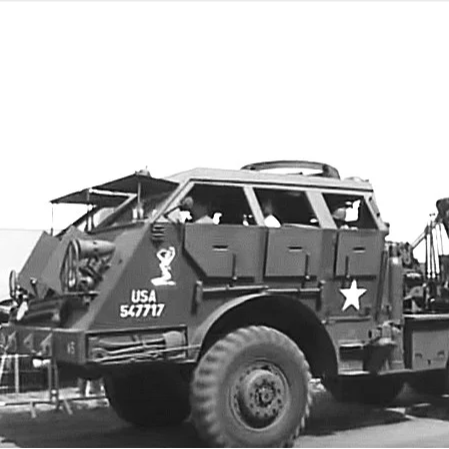
Ep 46Battling Beast of Burden: The Story Of The Massive M26 Dragon Wagon Truck of WWII
This is the in-depth history of what I believe to be the greatest heavy duty truck of the second world war. The M26 tank retriever was a machine designed with armor, with an engine of 1,090ci, with brute strength, and above all, with loads of practical engineering built in. The truck out-performed every other rig in this role worldwide and was just beyond cool. With nearly 1,400 produced between 1942 and 1945, many still exist today in the hands of collectors and more. Learn the fascinating story of the small forgotten company that designed it, the massive company that built it, and the fascinating engine company that powered it. Mechanical history rules!
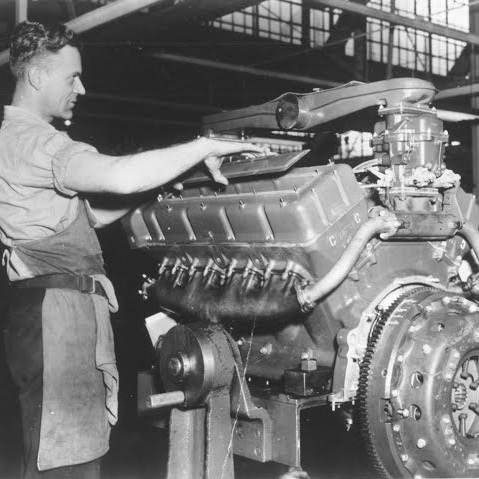
Ep 45War Hemi: The Story of Ford's 1,100ci Aluminum WWII GAA V8
It's a stunning thing to realize that Ford mass-produced an 1,100ci, dual overhead camshaft, alunimum block, flat plane crank V8 in the 1940s. Sill the largest mass produced V8 engine ever, it was just what Uncle Sam needed to power Sherman tanks. But how did it come about? In this video we not only look at the awesome specs and mechanical feats that this engine is known for, we also look into its murky and wild history. A history intertwined with international governments, shifty deal makers, and perhaps a little big of industrial espionage mixed in. Far more than just an engine, the GAA is a fascinating piece of American mechanical history which in some ways is still unrivaled more than 80 years later.
Ep 44Drag Racing's Mad Scientist: The Beautiful Mind Of Sneaky Pete Robinson
This is the story of one of the greatest minds in the history of the sport of drag racing. Lew Russell Robinson known more widely as "Sneaky Pete" Robinson was an innovator without equal in the 1960s. He approached the sport as a trained engineer from Georgia Tech and took that education to speeds and performance unknown for his time. He was the type of guy they write rules to slow down, to save from themselves and to prevent lesser talented people from trying to venture down avenues they have no business entering. Robinson's 10 year run in the sport both in top gas and top fuel place him among the greatest not just of his generation, but of any generation. His use of simplicity and light weight made him the Colin Chapman of drag racing. His unique and off-the-wall ideas, rooted in aerospace engineering are the stuff of legend and don't seem real until you actually see them. Understand that had Pete Robinson not lost his life in a 1971 crash he would have gone one to likely be an incredible drag racing crew chief, innovator in open wheel racing, and the high performance aftermarket. This is the story of drag racing's mad scientist, "Sneaky Pete" Robinson.
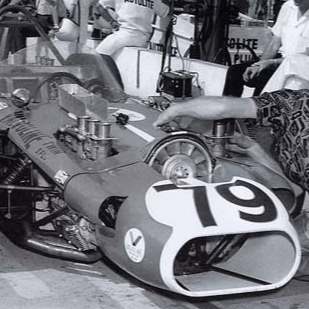
Ep 43Two Engines and No Chance: Al Stein's Twin Engine Porsche Indy Car Was Homebuilt Perfection
The Indy 500 has long been recognized as one of the most amazing hot beds of racing innovation in history. The 1966 race saw a car that may well stand as one of the most unique, inventive, and downright odd of the era. The Stein-Valvoline Special was a twin Porsche engined, four wheel drive, California garage built machine from the mind of a former midget racing champion and his friends. The story of this car, its driver, and their attempt to qualify at the insanely jam packed 1966 Indy 500 is one every hardcore racing fan should know.
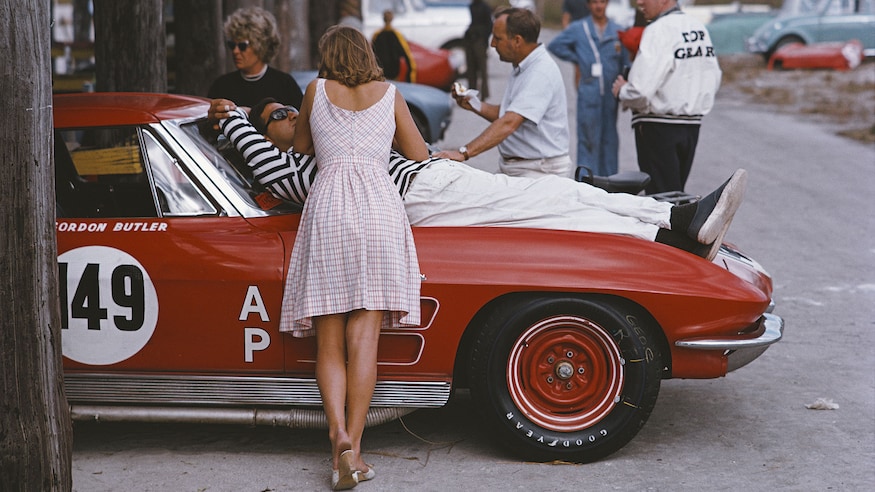
Ep 424.3 The Greatest Race You've Never Heard Of: A History of Bahamas Speed Week 1954-1966
Every winter for 13 years between 1954 and 1966 the greatest sports cars as well as the greatest sports car drivers in the world would gather in the Bahamas for what may well have been the coolest racing event in history. 10 days of partying, racing, hanging out on the beach, and enjoying life with some of the world's greatest stars is just as awesome as you think it is. Racers like Stirling Moss, AJ Foyt, Mario Andretti, Phil Hill, Masten Gregory, Roger Penske, Carrol Shelby and others showed up year in and year out to battle for the money and glory in the world's coolest cars. The first ever 427 Cobra race car debuted at this event, Duntov brought the Gran Sport Corvettes, Ferrari, Porsche, and on and on it goes. The history is interesting, led by a tyrant named Red Crise the event was his idea and with a unique combo of an iron fist on one side and a velvet gloved Baronet's hand on the other, he made magic. This is the fantastic story of Bahamas Speed Week.
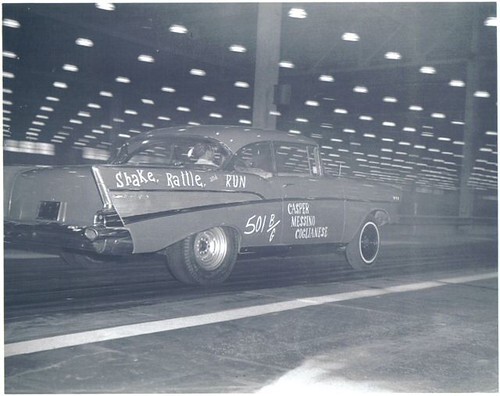
Ep 414.2 The Wild History Of INDOOR Drag Racing In Chicago During The 1960s!
During three winters in the 1960s, hot rodders in Chicago had the unique opportunity to do something no one has been able to do before or since. They went drag racing indoors. The didn't just do it once or twice, they did it weekly. How? Where? Why? Who put it together? The story actually begins in the 1930s and the indoor drag strip followed go kart racing, midget car racing, even a road course indoors! The promoter, a man named Bill Schade is a story in and unto himself. This is a story of the city of Chicago, a brilliant promoter, and a hot rodding culture starved for action in the winter. Enjoy!
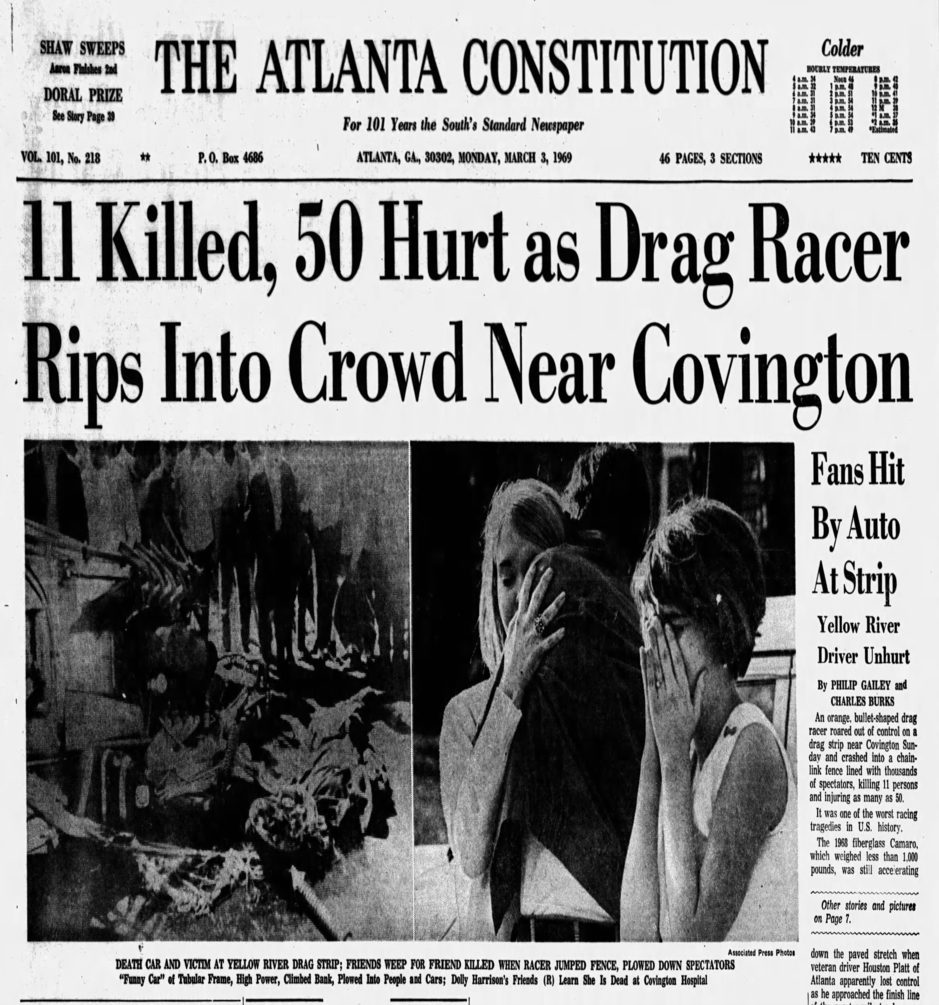
Ep 404.1 Drag Racing's Darkest Day: The 1969 Yellow River Drag Strip Disaster
In early March of 1969, the single worst disaster in the history of American motorsports took place at a small, virtually unknown drag strip in rural Georgia. Yellow River Drag Strip was the scene of horror as a funny car flew off the racing surface and into the unprotected crowd. A dozen people died and scores were injured. In this episode of the Dork-O-Motive podcast, we tell the story in every way possible. The history of the track, the history of the poeple involved, the immediate aftermath of the incident, how it changed motorsports in America, and so much more. This is a bleak day for racing and one that carried with it very, very significant consequences.
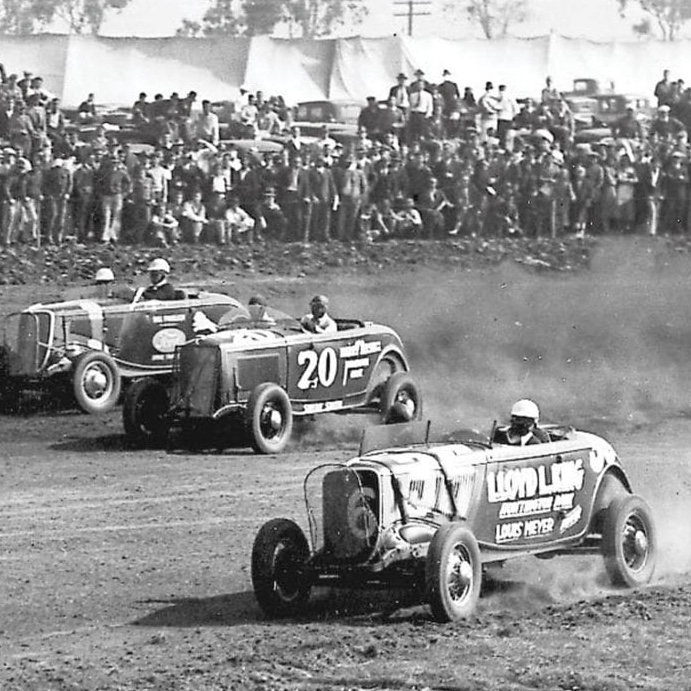
Ep 393.7 Origin Story: How Stock Car Racing Was Born In Los Angeles Circa 1934!
You think you know, but you have no idea. Stock car racing in the United States was born in the south, but not the south you are think of. On this episode of the Dork-O-Motive podcast, host Brian Lohnes tells the story of the first true stock car race as we know it in America, the 1934 Mines Field Gilmore Cup race. The greatest stars of racing were gathered to compete against one another in "stock" automobiles. There was cheating, there was a wild promoter, and there was more star power in one place than the racing world had ever seen. Learn the full story of how this race changed American motorsports and understand how deadly, daring, and downright dangerous auto racing was in this era. Loads of research, period materials, and information was gathered for this exhaustive look at a race that truly changed the world.
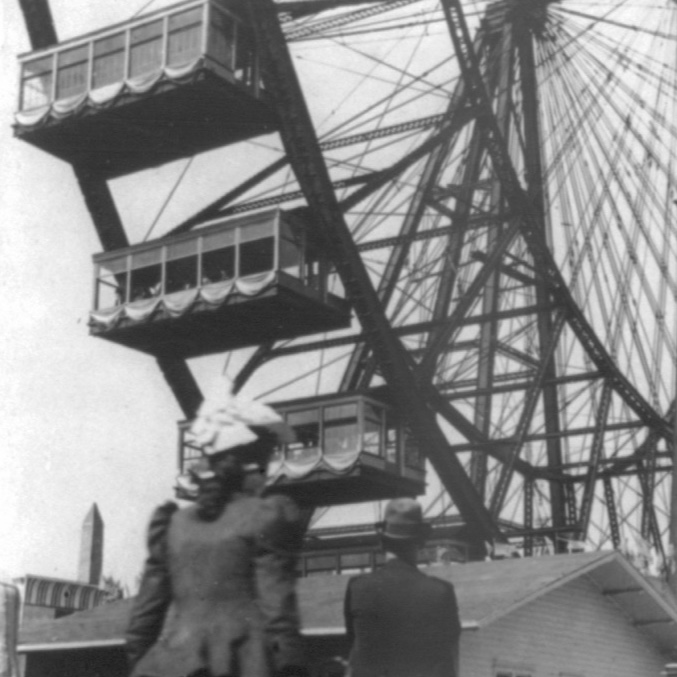
Ep 383.6: Consumed: The First Ferris Wheel and How It Ruined The Life Of George Washington Ferris
What if I told you that the first Ferris wheel, built in 1893 was 265ft tall, powered by a 1,000hp steam engine, and carried 2,160 people at the same time! George Washington Gale Ferris is the man who engineered this marvel and the man who's name is synonymous with this ever-present attraction at fairs and amusement parks. What if I told you that the machine simultaneously made Ferris a world-wide celebrity while destroying his life. This is a story with so many twists and turns you'll hardly believe it. It is a fascinating look at the way engineering and the American spirit converged in the late 1800s to help the fledgling country arrive on the world stage and how anyone, even someone as smart as Ferris can become obsessed to the point of destruction in their personal and professional pursuits. Did Ferris steal the idea? Where did it come from, anyway? How was it HIM that got the glory? All those questions and the amazing size of the machine are all covered here!
Ep 373.5: Cold War Crushers: The Awesome History of The Air Force Heavy Press Program
The US Air Force Heavy Press program, executed between 1950 and 1957 is one of the most incredible industrial achievements in history. After identifying a huge technology gap at the end of WWII, the government worked with private industry to create the world's most extensive network of heavy press capability. The machines are insane, the work they do is even cooler, and the effort it took to create them is off the charts. One of the most successful industrial programs ever, 8 of the 10 heavy presses of the 1950s are still working today, making parts for everything from cars to stealth aircraft. Here's the story told the Dork-O-Motive way!
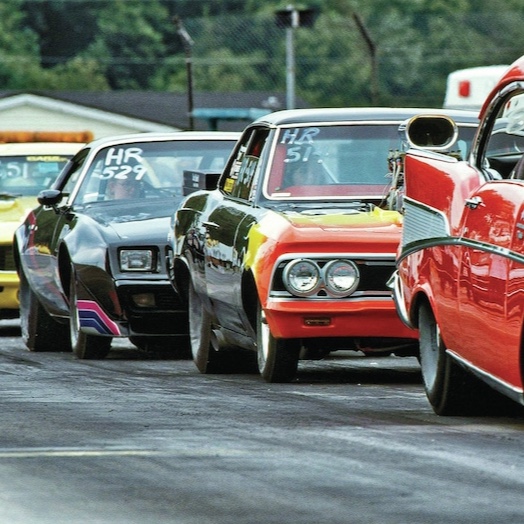
Ep 363.4: Fastest - An Oral History of the 1992 Hot Rod Magazine Fastest Street Car Shootout
In 1992 Hot Rod Magazine gathered a collection of the fastest street cars in America for a showdown in Memphis, Tennessee. The reverberations of this event are still being felt today as it helped to rocket the movement of "fast street cars" into the hot rodding stratosphere. This is the story of that event, as told be the editors, racers, and fans that were there. Some of the guests on this show remember the race fondly, some with regret, and some, frankly, with their teeth gritted together, even 30 years later. It is a story about an event that changed the course of drag racing, changed the course of lives, and ultimately created things like Drag Week, Sick Week, Rocky Mountain Race Week, and the entire genre of Drag-n-Drive competition.
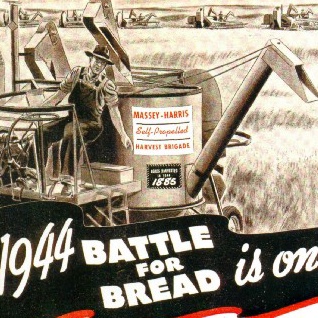
S3 Ep 33.3: Beating Hitler With Combines - The Epic Story of The 1944 Harvest Brigade
This is a wonderful story from the home front of WWII. The gumption of the American farmer, the strength of industry, and the inventive nature of government to solve a big problem. That issue? The largest wheat crop in the history of the United States was coming in and there wasn't enough men or machines to properly harvest it. The answer? The Massey-Harris Harvest Brigade. This armada of 500 brand new combines swept from Texas to the Dakotas, nearly into Canada harvesting while a second team worked the fields of California and the Pacific Northwest. The relentless work and coordination resulted in a population of allied countries that were fed and armies that marched on full stomachs. A perhaps long forgotten story of horsepower, work power, and patriotism, enjoy this telling of a tale that should make your heart swell.

Ep 353.2 Small Blocks vs The World: The Wild Story of The 1971 Questor Grand Prix
Imagine a racing event where 30 of the best drivers came from all corners of the world to clash at the nicest race track ever built. Imagine that half of them would be driving F1 cars and the other half would be driving small block V8 powered open wheeled machines with way less tech but more horsepower. Imagine it were 1971. This was the premise behind the Questor Grand Prix, a race held at Ontario Motor Speedway with a massive prize fund and more importantly bragging rights on the line. Who won and how it all went down is only half the story. There's all kinds of cool sub plots here and if you love racing history, you'll totally dig this deep dive into one of the coolest and weirdest one off races in history.
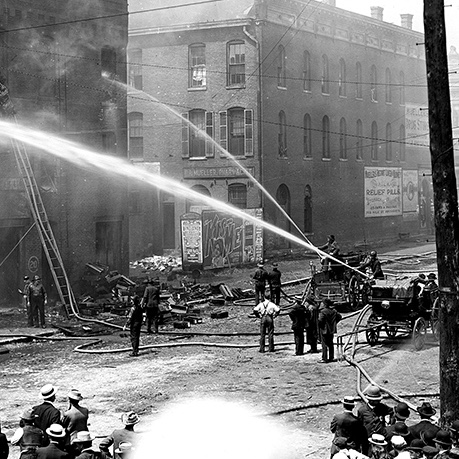
Ep 343.1: Unstable - The Deadly and Explosive History of Headlights
The automotive headlight is not exactly the most exciting part of a car, right? Wrong. Back in the early 1900s not only were headlights new and exciting, they were explosive and deadly. This incredible look back at the early history of headlights is likely a topic you've never heard about or thought about before. Because no suitable electric bulb for cars had been invented yet, brave entrepreneurs looked for a solution and found one in the form of acetylene gas. This cheap to produce and highly flammable gas burned bright enough to shame all other available light sources. There were problems, though. Like the fact that the Prest-O-Lite company had 15 plants explode between 1907 and 1917. This episode of the Dork-O-Motive podcast looks back at these wild years, the technology behind it, how fortunes were made, buildings were leveled, and lives were lost. All to simply see a little bit better in the dark.
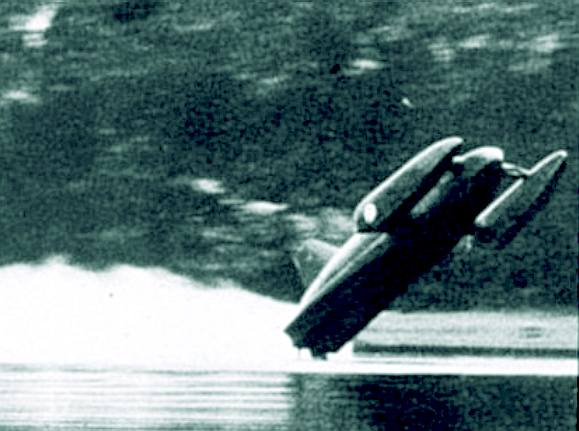
2.5: Rip Tide: The Incredible and Dark History of The World‘s Water Speed Record
The world's water speed record has been held by only 9 people since 1928. It has an 85% death rate in attempts and the current record has stood since 1978 with each successive attempt to unseat it resulting in the death of the driver. This long form look back at the history of the water speed record is a blow by blow account of an activity that has captivated and killed many people over the years. The people and machines who have shot across bodies of water from Argentina to Italy to Australia are each unique in their own way but their vision was the same. To defy the laws of physics and end up on the right side of the game. To our knowledge this is the most in-depth look back at the history of the record using research materials, newspapers, period audio, and personal interviews with the subjects at hand. An amazing tale that once dominated the headlines of the 20th century and has now all but dropped off into obscurity.
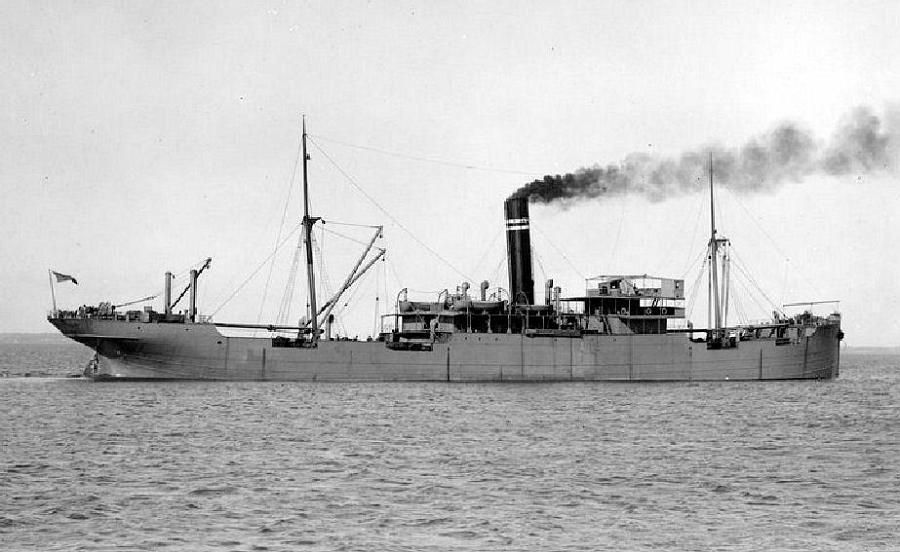
Ep 322.4: 1,000 Ton Sucker Punch - The Wild Story Of WWI Q-Ships
Imagine a single weapon of war with such vicious tactics that it nearly defeated an entire country. Such was the case with Germany's fleet of U-boats during WWI. As the U-boats sunk hundreds of ships per month, Britain was in danger of running short on food, war materials, and basic necessities of life. The mighty British Navy had no answer for these silent killers of the seas. And then someone had an idea. By creating a shadow Navy of secretly armed merchant ships, Britain created their first line of submarine defense and it was brilliant. They were called Q-ships and from the outside they looked like fishing trawlers, sailing ships, and simple tramp steamers, but they were manned by experienced gunnery crews and had powerful secrets hiding in plain sight. Starting in 1915 when U-Boat captains surfaced to attack an unsuspecting merchant ship, they were at risk of they themselves becoming the victims of these awesome new weapons. On this episode of the Dork-o-Motive podcast we examine the incredible history, bravery, and innovation that these oddball fighting ships brought to WWI and how they were a legit threat to U-boats and frustrated German commanders on the high seas. Wild history you never knew!
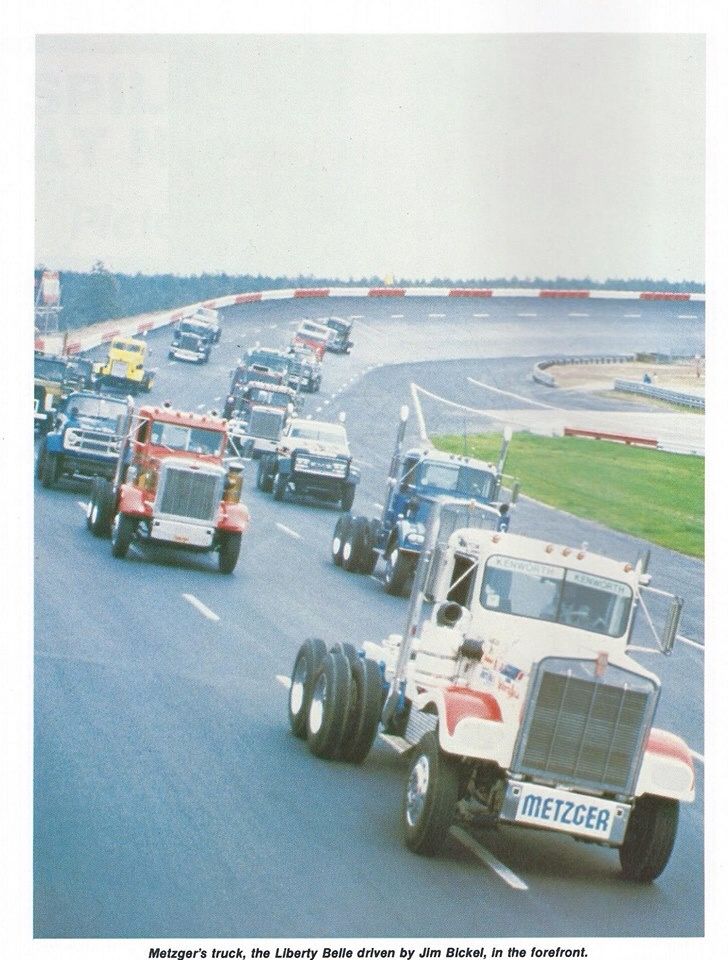
Ep 312.3: Too Fat To Fly: The Crazy Story Of How Super Speedway Big Rig Racing Was Born!
In 1979 a promoter from Tennessee put on the first ever big rig super speedway race and it caused a national panic. The government, the trucking industry, the Teamsters, tire companies, and sponsors all tried to stop the event from happening. Only, they failed and it did happen. Predictions of the race being a "public suicide" or a "bloody spectacle" filled the nations newspapers. Truckers protesting the 55mph national speed limit and fuel shortages across the country were angry at the gross consumption of these 1,000hp diesel race trucks. It was crazy, it was bedlam, and it was the birth of a racing series that would run for nearly 20 years after its chaotic launch at Atlanta International Raceway in June of 1979. Through vintage audio, interviews with Charlie Baker the winningest driver in the history of the series, Bobby Doerrer the announcer for the first several races, and a myriad of newspaper clippings from sources all over the country, we tell you the story of how a promoter used a tsunami of bad news and dire outlooks to propel his event into the history books of American racing. 14,5000lb trucks with 1,000hp on the high banks of Atlanta and the Indy of the West, Ontario Motor Speedway. It's so crazy that if we didn't have the proof you wouldn't believe the story!
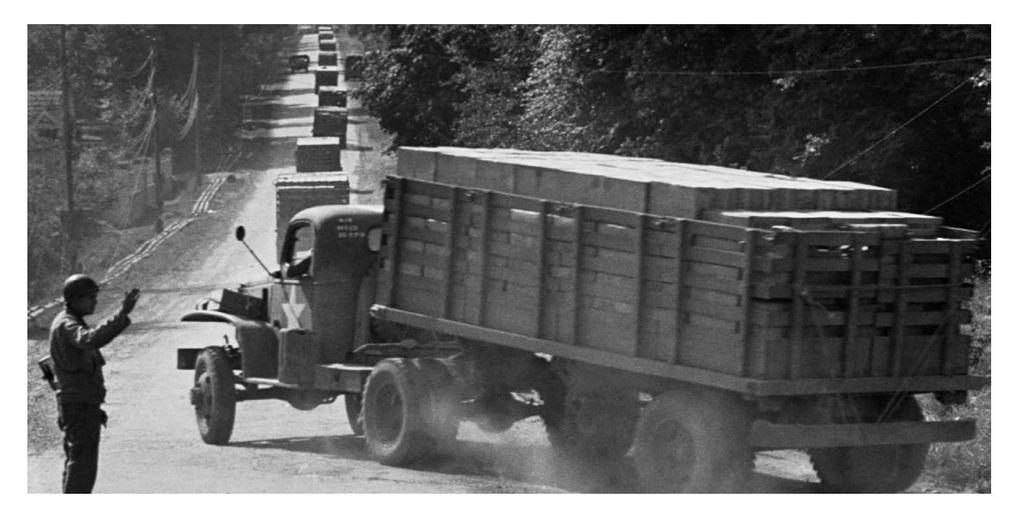
S2 Ep 22:2 - Truckin' Amazing: The Story of WWII's Red Ball Express
In July of 1944 the Allies had a problem. Having landed successfully in France and established a beachhead, they had been stalled for weeks. Thankfully a fortuitous victory over the Germans opened up the line and Allied troops roared across France, chasing the Nazis back to where they came from. This presented another problem. With ports mangled, railroads destroyed, and all their stuff sitting on the beach war planners had to think fast to supply, feed, and fuel the armies fighting on the front lines. Their answer was one of the greatest single logistical feats in the history of war. They created the Red Ball Express and supplied multiple armies with more than 6,000 trucks working 24-hours a day on a closed loop highway system. On this episode we tell the story of the Red Ball Express. How and why it was done, how it worked, how much stuff it managed to serve up, and why it was so key to the Allied successes in France during 1944. It is something that no other nation on Earth could have done at the time, but America did. This is an awesome story. Truckin' awesome if we may say so ourselves.
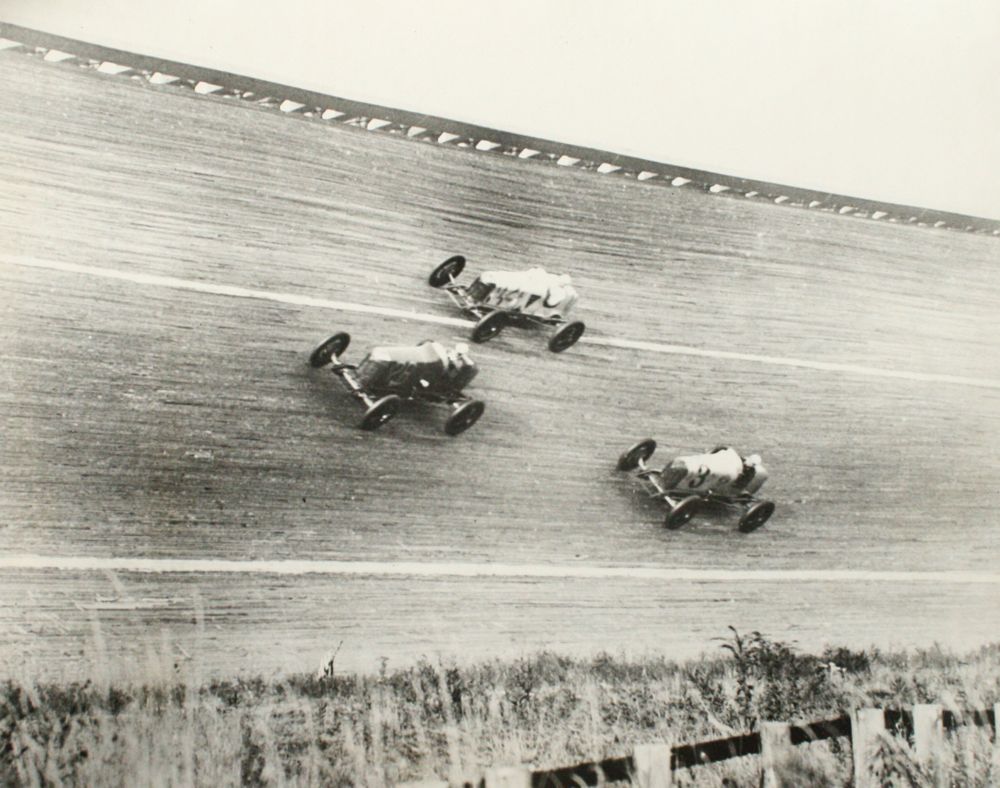
Ep 302.1: Suicidal Speed and Splinters - A History Of Board Track Racing In America
For a span of about 25 years in America, the fastest racing venues in the country were not made of asphalt, concrete, or brick, but rather wooden boards. These tracks, which ranged from less than a half mile to two miles in length were quick and cheap to construct and drew fans by the tens of thousands. They also birthed the first generation of hero American race drivers that the country had ever seen. Unfortunately, it killed the drivers about as fast as it made them legendary. Even worse, with banking angles that sometimes approached 50-degrees or more, the tracks killed spectators as well when cars and motorcycles would fly into the stands. The Motordromes were then called "Murderdromes" by the newspapers of the day. From coast to coast, the tracks sprang up and the speeds grew and grew. The performances from drivers and motorcyclists are still nearly beyond belief today! This show tells the story of why the tracks were built, how the tracks were built, who built them, and why this bizarre racing supernova flashed so semingly fas t across the American racing landscape. This is this a story of suicidal speed and splinters. The story of American board track racing.
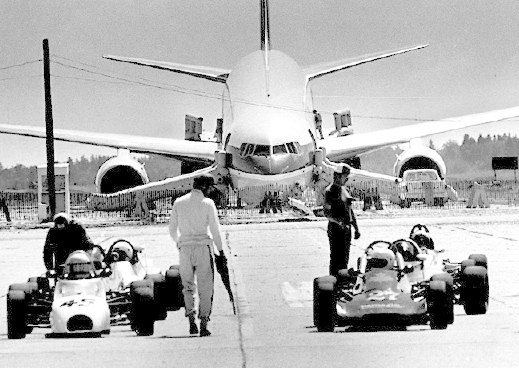
Ep 291.28 Out Of Gas At 41,000ft: The Unbelievable Story Of The Gimli Glider
On July 23, 1983 a Canada Air 767 with 61 passengers and eight crew aboard ran out of fuel while flying over a remote area of Ontario, Canada at 41,000ft. The pilot and co-pilot were able to take the airplane and glide to to a harrowing but safe landing on a drag strip in Gimli, Manitoba, Canada. The outcome was less a miracle and more an amazing example of expert pilot work from Captain Robert Pearson and co-pilot Maurice Quintal. But how did this happen? How did a modern airliner run out of gas halfway through a flight? How did this impossible scenario come to pass? A series of coincidental mistakes culminating with some bad math set the wheels in motion to produce the scenario that was and will forever be known as The Gimli Glider. This is the story about how some small breaks in communication, a mis-calculated math problem, and dauntless skill all combined to create one of the most fascinating stories in the history of modern aviation. Think running out of gas in your car is annoying? Try it miles in the sky while trying to get hundreds of thousands of pounds safely to the ground!
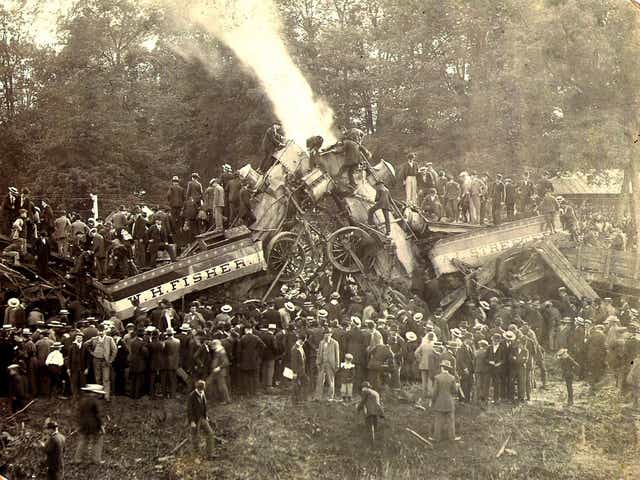
Ep 281.27: Twisted Steel and Sex Appeal: The Weird History of Staged Locomotive Wrecks 1896-1935
Between 1896 and 1935 a unique and bizarre series of spectator events occurred across America. Those events were the staged head-on collisions of steam locomotives done as profit making spectacles. Starting in earnest during September of 1896, there were hundreds of these wrecks completed with varying degrees of destruction, carnage, and human injury. You may have heard of the "Crash at Crush" before but you likely don't know that Crush, Texas was not the first time this had been done. The famed wreck at Crush launched the practice into the national spotlight and proved that the huge undertakings could be as profitable as they were destructive. In this podcast we examine the people, the places, and the things that lead to this very American activity becoming so popular and why it died a quiet death as a profit making enterprise in the middle 1930s. We tell the story of the times, the trains, and the consequences of taking tons of steam driven steel and iron and pitting it all against good sense and physics to make a dollar. This is truly an odd tale of profit and performance art.