The Conspiracy Podcast
55 episodes — Page 2 of 2
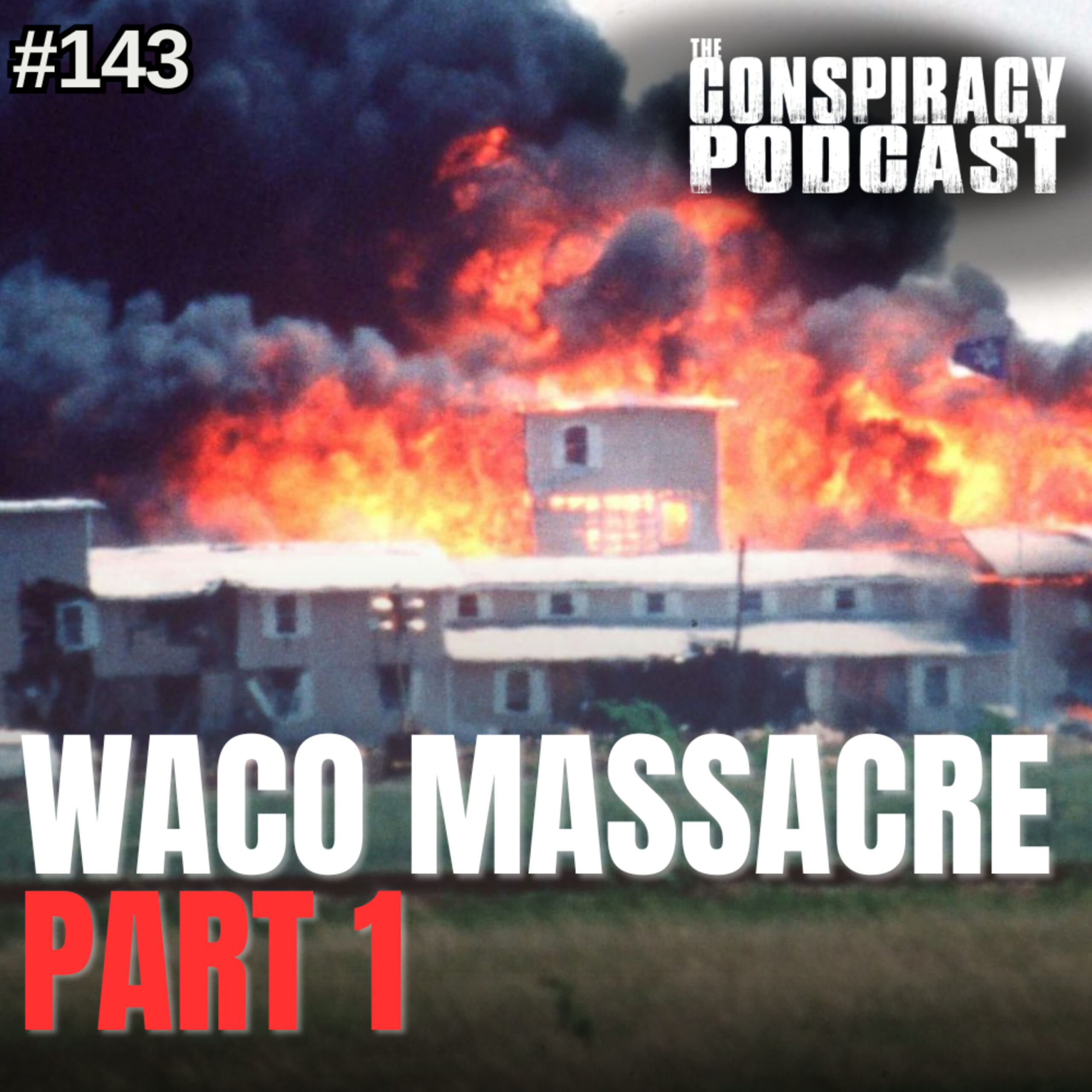
WACO: Massacre Part One – EP 143
http://www.patreon.com/theconspiracypodcast In 1993, on a patch of quiet Texas land outside Waco, a man who called himself the final prophet of God was preparing for the end of the world. Before the fire. Before the tanks. Before the siege became a symbol. David Koresh — born Vernon Wayne Howell — rose from obscurity to lead a small apocalyptic sect known as the Branch Davidians. Charismatic, intense, and obsessed with the Book of Revelation, Koresh convinced his followers that he alone could unlock the Seven Seals and usher in the final days. Inside the Mount Carmel compound, he claimed divine authority — not just spiritually, but personally. He took “spiritual wives.” Married couples were separated. Teenage girls were reassigned to him under the belief they were helping fulfill prophecy. Former members would later allege sexual relationships with underage girls, all justified through scripture. Parents inside the group believed they were obeying God. Meanwhile, federal agents were watching. An ATF investigation into alleged illegal weapons modifications was building. An undercover agent infiltrated the compound. A newspaper exposé titled “The Sinful Messiah” hit the stands. And on February 28, 1993, 76 federal agents rolled toward Mount Carmel in cattle trailers, expecting to serve a warrant. Within minutes, gunfire erupted. Four ATF agents would be dead. Six Davidians would die that morning. And what was meant to be a single-day operation would spiral into something far larger. In Part One, we lay the groundwork — the rise of Koresh, the psychology inside the compound, the warnings that were ignored, and the raid that changed everything. The siege has only just begun.
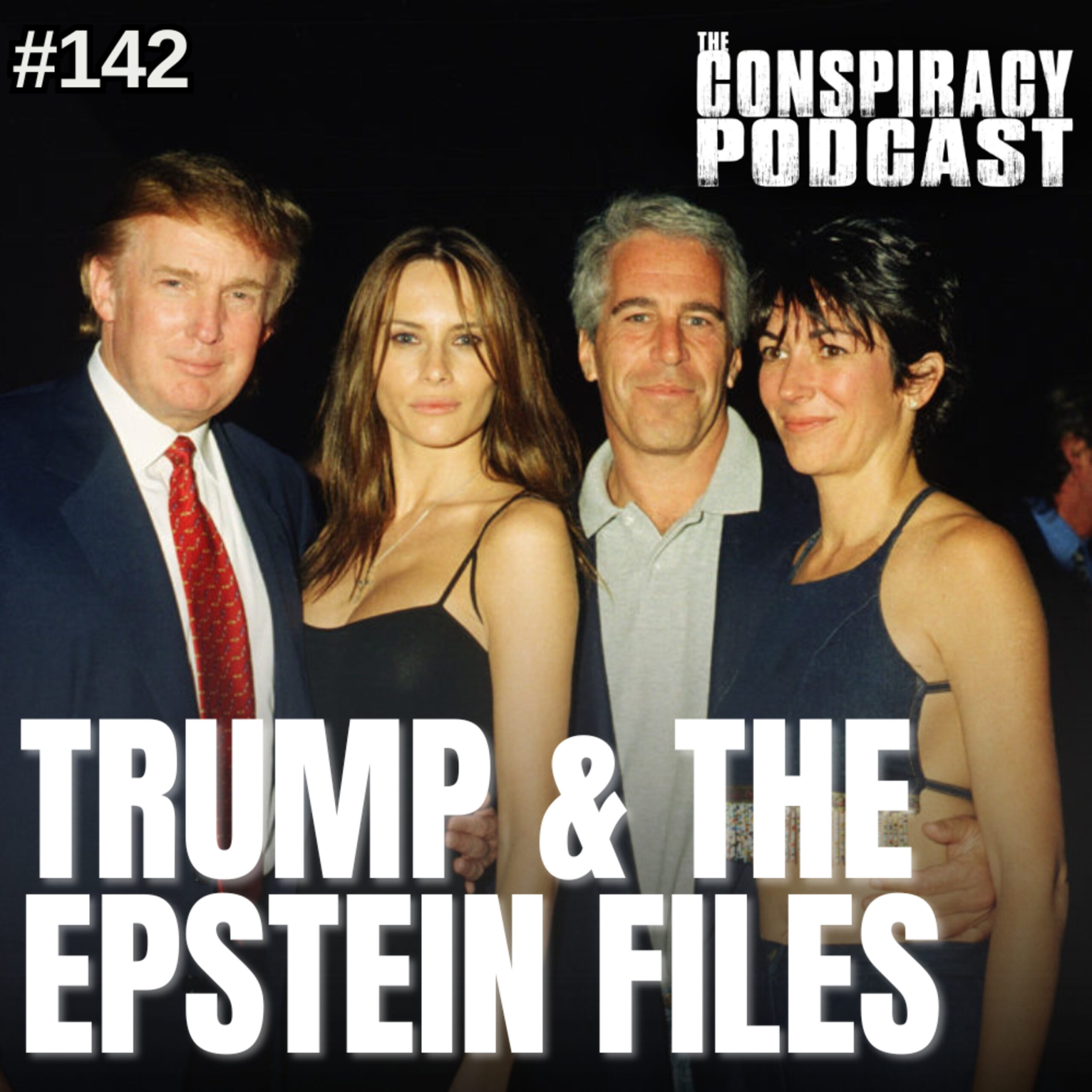
Trump & The Epstein Files – EP 142
http://www.patreon.com/theconspiracypodcast What are the facts involved with Trump and Epstein. How much did he know him? we break down the documented connections between President Donald Trump and Jeffrey Epstein — from the first social overlap in the late 1980s to the flight logs, depositions, lawsuits, and DOJ file releases that followed. We start at the beginning: The Palm Beach party circuit.The 1992 Mar-a-Lago footage. The 2002 “terrific guy” quote. The 1990s flights on Epstein’s plane. The Mar-a-Lago recruitment overlap involving Virginia Giuffre. The mid-2000s falling out.The 2016 civil lawsuit naming both Trump and Epstein. The Maxwell trial. The prosecutor email about eight flights.And what actually appears in the so-called “Epstein files.” No clickbait. No partisan spin. No dramatic music pretending we uncovered something that isn’t in the record. We separate: What’s documented What’s alleged What’s denied What’s unproven And what’s never been charged Because in a story this big, proximity gets confused with proof — and rumors spread faster than facts.
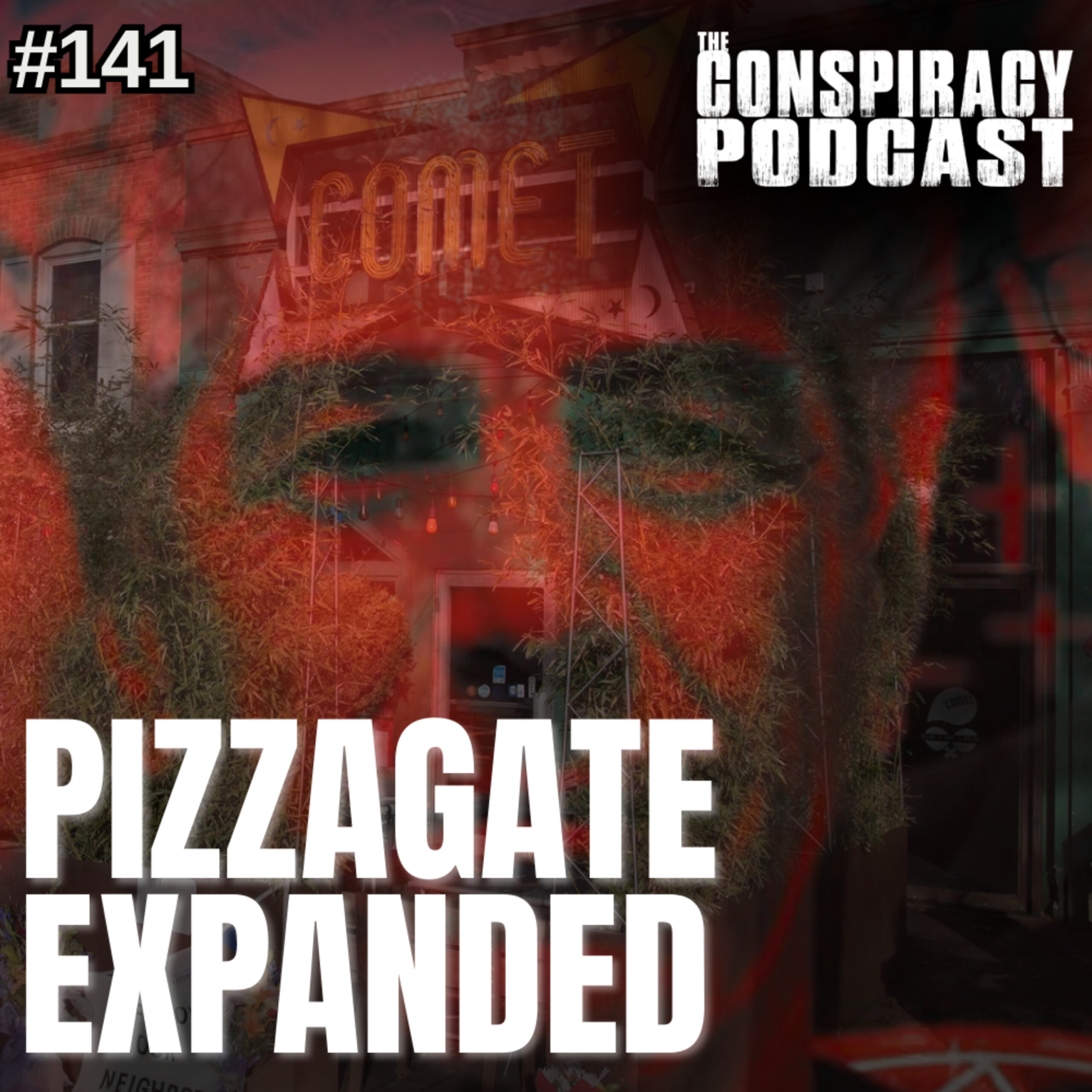
PizzaGate Expanded – EP 141
http://www.patreon.com/theconspiracypodcast With the recent release of more than three million files tied to the Epstein case, one strange word keeps appearing again and again: pizza. In this episode, the boys dig into the documents themselves and pull out over 50 of the most unusual, confusing, and eyebrow-raising references to the term scattered throughout emails, messages, and notes connected to the investigation. Rather than relying on internet rumors or second-hand summaries, Sean, Jorge, and Eric walk through the actual language found in the files and examine the context behind each reference. Some mentions seem harmless, others feel oddly worded, and a few have fueled years of speculation online. The boys sort through what’s real, what’s been misinterpreted, and what still raises questions after all these years. Is it just coincidence, coded language, or something else entirely? This episode is a deep dive into the language of the files themselves—no wild tangents, just a close look at what’s actually written and why it continues to capture people’s attention. Whether you’re familiar with the Pizzagate controversy or hearing about it for the first time, this expanded breakdown offers a clearer, more grounded look at one of the strangest details to emerge from the Epstein document releases. What Is Pizzagate? Pizzagate is a conspiracy theory that emerged in late 2016, alleging that coded language found in leaked emails from political figures was being used to conceal a child trafficking operation. The theory centered on Comet Ping Pong, a pizza restaurant in Washington, D.C., and quickly spread across social media platforms, forums, and alternative news sites. The theory originated after thousands of emails from John Podesta, chairman of Hillary Clinton’s 2016 presidential campaign, were published by WikiLeaks. Internet users on platforms like 4chan and Reddit began analyzing the emails and claimed to find unusual references to food items like “pizza,” “pasta,” and “cheese” that they interpreted as code words. These interpretations were never verified by any law enforcement investigation, and mainstream media organizations described the theory as debunked. Despite being widely discredited, Pizzagate became one of the most viral conspiracy theories of the modern internet era and is often cited as an early precursor to the QAnon movement. The Origins: Podesta Emails and WikiLeaks In October 2016, WikiLeaks released tens of thousands of emails from John Podesta’s personal Gmail account. Among the thousands of routine political communications, certain emails contained casual references to food and social gatherings that online investigators found suspicious. One frequently cited email discussed a “pizza related map” on a handkerchief. Another mentioned a dinner party where attendees would be “ichilling the pasta.” Proponents of the theory argued these references were too unusual to be taken at face value and must represent something more sinister. Skeptics pointed out that the emails, when read in full context, appeared to be ordinary correspondence about meals and social events. Linguistic experts noted that reading hidden meanings into everyday language is a common feature of conspiracy thinking, where ambiguous statements are interpreted to fit a predetermined conclusion. Comet Ping Pong and the D.C. Connection The theory soon focused on Comet Ping Pong, a family friendly pizza restaurant in the Northwest neighborhood of Washington, D.C. The restaurant’s owner, James Alefantis, had been mentioned in some of the Podesta emails and had connections to Democratic political circles. Online investigators began combing through Alefantis’s social media accounts and the restaurant’s promotional materials, finding images and references they considered suspicious. The restaurant received a flood of threatening messages, negative reviews, and harassment from people who believed the theory. On December 4, 2016, a man named Edgar Maddison Welch drove from North Carolina to Comet Ping Pong armed with an AR 15 rifle, a revolver, and a folding knife. He entered the restaurant and fired his rifle while searching for evidence of a hidden trafficking operation. He found nothing. No one was injured, and Welch was arrested and later sentenced to four years in prison. Law Enforcement Investigations The Washington, D.C. Metropolitan Police investigated the claims and found no evidence to support the theory. The FBI also looked into the allegations. Both agencies concluded that the conspiracy theory was without merit. Multiple fact checking organizations, including Snopes, PolitiFact, and the New York Times, investigated the claims in detail and found no credible evidence connecting the restaurant, its owner, or the Podesta emails to any criminal activity involving children. The Epstein Files and Renewed Interest When previously sealed co
The Epstein Files – EP 140
http://www.patreon.com/theconspiracypodcast The latest release of the Epstein files, millions of pages of emails, flight logs, photos, and interview notes were made public by the Justice Department—and suddenly the same questions everyone has had for years are back in the spotlight. Who really knew Epstein? How close were some of the most powerful people in the world to him? And what, if anything, is actually proven in these documents? In this episode, the boys walk through the biggest names and the strangest revelations from the new files. Emails show Elon Musk discussing party plans with Epstein. Bill Clinton’s flights and photos resurface, reminding everyone just how closely their paths once crossed. Donald Trump’s past social ties appear again in the records, while testimony suggests he never stayed at Epstein’s home. And across the Atlantic, Epstein connections continue to haunt members of the royal and political elite. But the real story might be in the emails themselves—bizarre, crude, and sometimes disturbing messages that reveal how Epstein talked, thought, and operated behind the scenes. This episode breaks down the Epstein files, the biggest names mentioned, and what the documents actually say—separating facts from internet mythology in one of the most talked-about scandals in modern history.
The OKC Bombing Compilation
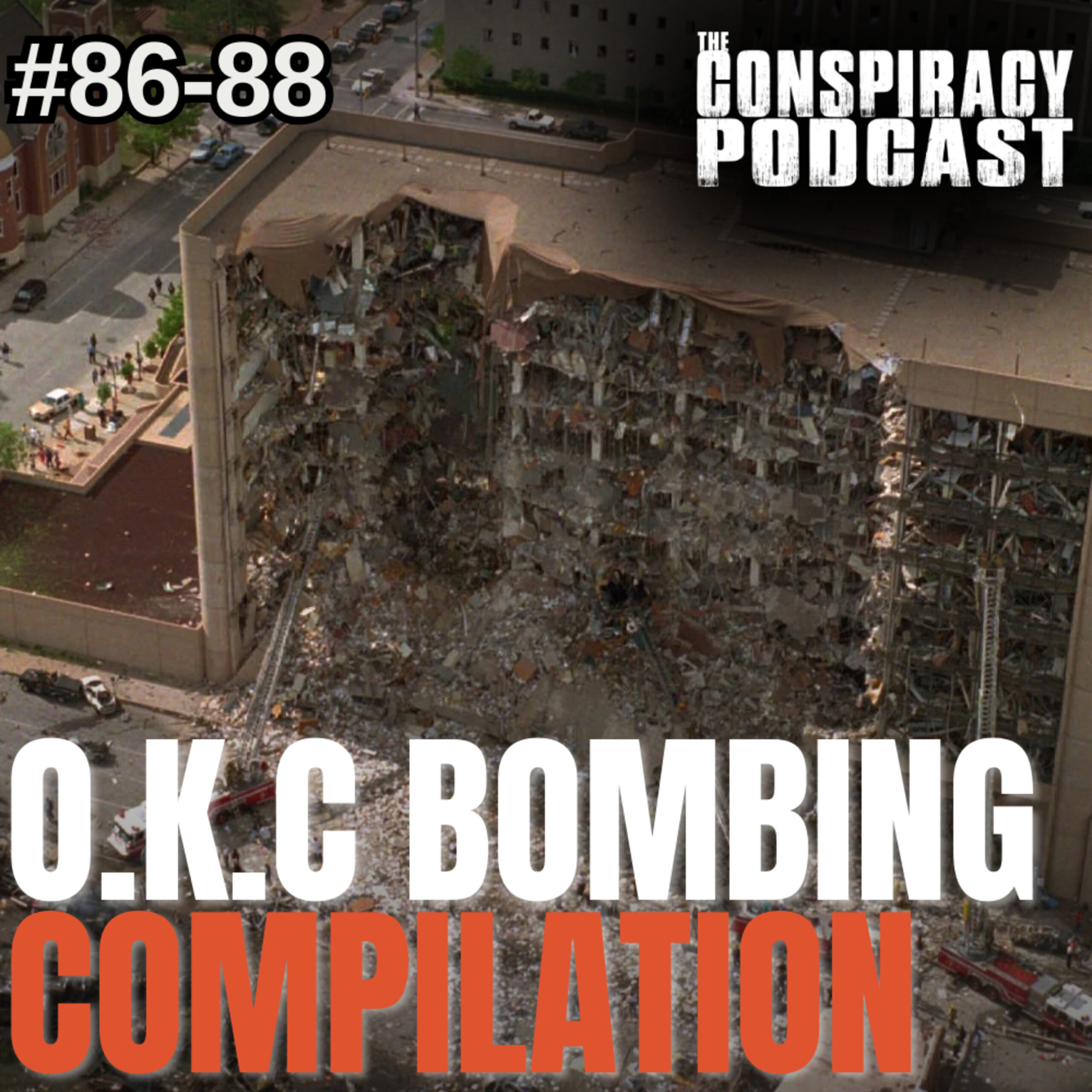
Originally recorded in 3 parts, The OKC Bombing. www.patreon.com/theconspiracypodcast On April 19, 1995, at 9:02 a.m., a massive truck bomb detonated outside the Alfred P. Murrah Federal Building in Oklahoma City, killing 168 people—including 19 children—and injuring hundreds more. The explosion destroyed nearly half the building and left the nation stunned, marking one of the deadliest acts of domestic terrorism in American history. This episode presents a comprehensive, start-to-finish examination of the Oklahoma City bombing. It begins with a detailed reconstruction of the events leading up to the attack and the moments immediately following the blast, including the chaos, devastation, and extraordinary rescue efforts carried out by first responders and volunteers. The scale of the destruction and the human cost of the tragedy are laid out in stark detail. The episode then turns to the official investigation and prosecution of Timothy McVeigh. It explores how McVeigh was identified, arrested during a routine traffic stop just 90 minutes after the bombing, and ultimately convicted. Key evidence, witness testimony, and the broader ideological motivations behind the attack are examined, along with the role of anti-government extremism in the 1990s. From there, the discussion expands beyond the official narrative to explore the questions and controversies that have lingered for decades. The episode investigates claims of additional accomplices, unresolved inconsistencies, and the circumstances surrounding the death of Oklahoma City police officer Sergeant Terry Yeakey—a decorated hero of the rescue effort whose death was officially ruled a suicide, but remains a focal point of ongoing speculation. The episode concludes by examining how conspiracy theories surrounding the bombing developed, why they persist, and how tragedy, distrust, and unanswered questions continue to shape public perception nearly thirty years later.