
The China History Podcast
464 episodes — Page 7 of 10
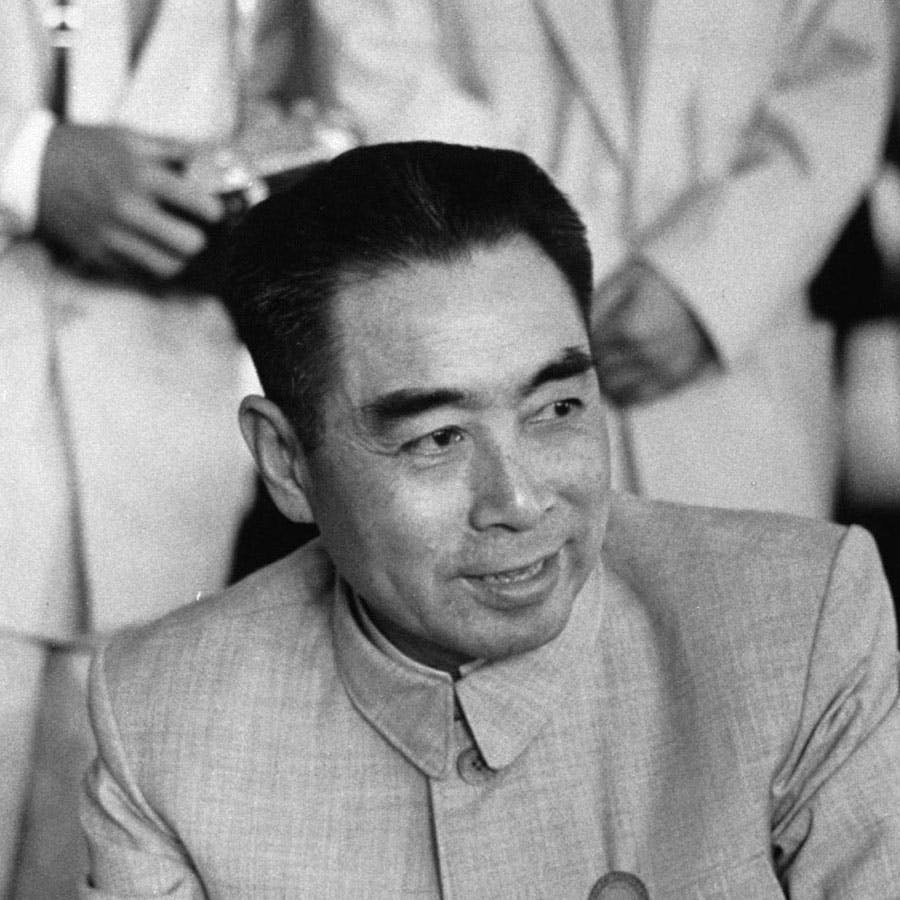
Ep. 166 | Zhou Enlai (Part 6)
More Zhou Enlai again. This time we look at the second half of the 1950s. Zhou was as busy as ever, setting up the government, handling foreign relations, and dealing with Chairman Mao. This episode will see Zhou during the Gao Gang Affair, Hundred Flowers, Anti-Rightist, San Fan and Wu Fan Campaigns, Land Reform, rapid agricultural collectivization, and the disastrous Great Leap Forward. Learn more about your ad choices. Visit megaphone.fm/adchoices
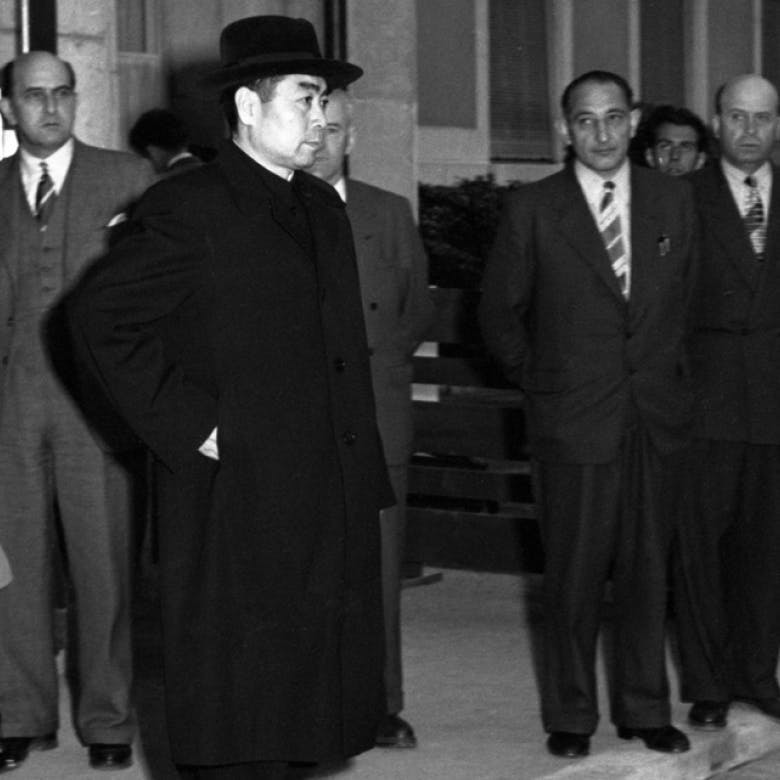
Ep. 165 | Zhou Enlai (Part 5)
Welcome back to Part 5 of our Zhou Enlai series. Today, the focus is on the Korean War and the Geneva Conference. Zhou already enjoyed some degree of international respect from those he had come to know during his Shanghai and Chongqing years. By 1954 he had established himself as a respected tour de force on the world stage and earned begrudging admiration from those who refused to recognize the country for which he was head of state. Learn more about your ad choices. Visit megaphone.fm/adchoices

Ep. 164 | Zhou Enlai (Part 4)
In this Part 4 episode of the CHP Zhou Enlai series Laszlo re-tells the always amusing story of when the Americans came around Yan'an to kick the tires of the CCP and see what they were all about. This time Zhou again proves his loyalty and devotion to Mao and as always to China. He gets a real workout as far as developing his role as the Communists (and later China's) chief diplomat. Learn more about your ad choices. Visit megaphone.fm/adchoices
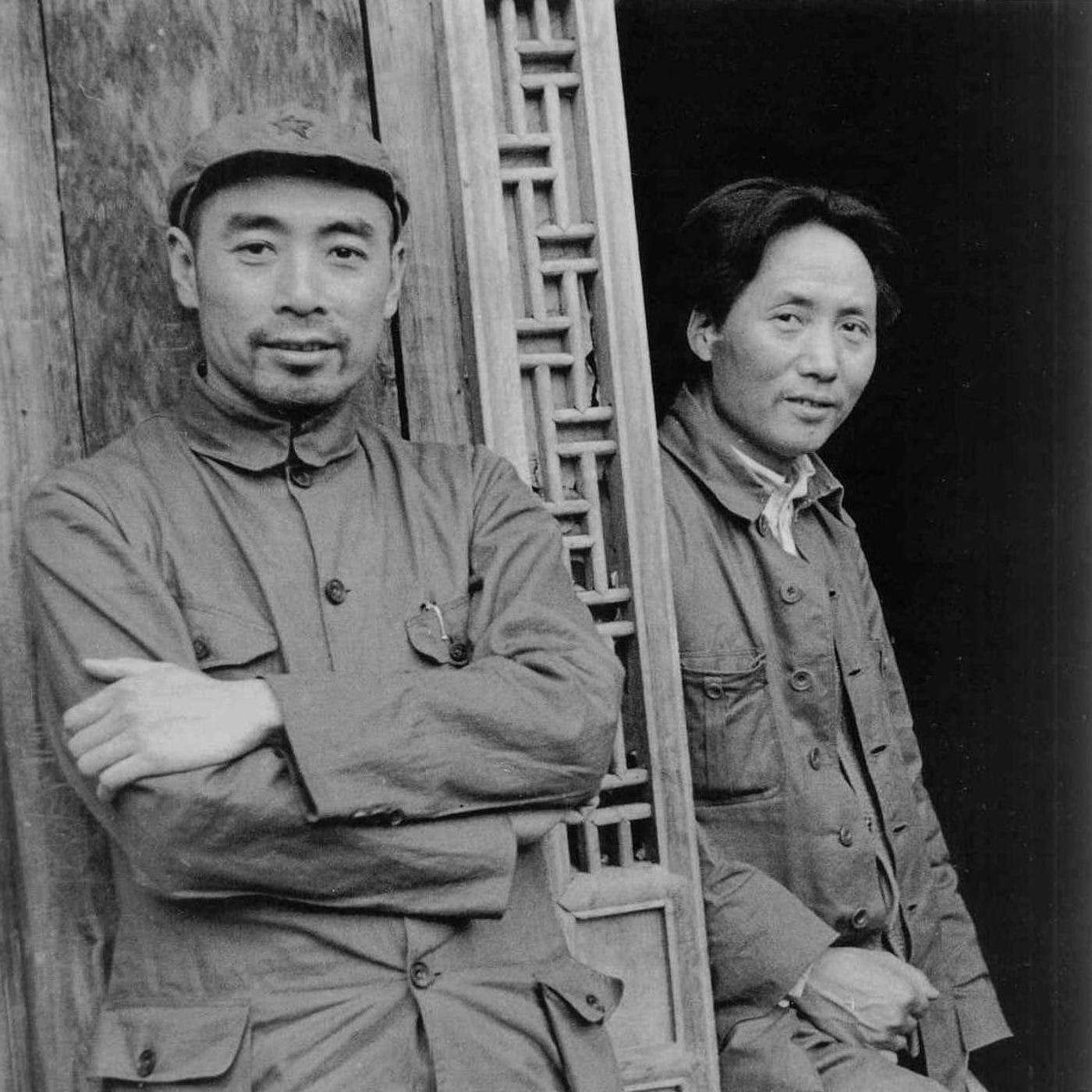
Ep. 163 | Zhou Enlai (Part 3)
In this Part 3 episode, the story of Zhou Enlai is taken all the way up to the 1943 Yan'an Rectification Campaign. We'll look at the Zunyi Conference, the Long March, the Xian Incident, and finally the ill-fated Second United Front. At every historic moment, Zhou Enlai was there, playing a lead role. Learn more about your ad choices. Visit megaphone.fm/adchoices
Ep. 162 | Zhou Enlai (Part 2)
In this second part of what's shaping up to be a long series, Laszlo picks up at the Zhongshan Gunboat Incident and follows the life of Zhou Enlai through the challenging years of 1926-1934. Support this podcast at — https://redcircle.com/the-china-history-podcast/donations Advertising Inquiries: https://redcircle.com/brands Learn more about your ad choices. Visit megaphone.fm/adchoices
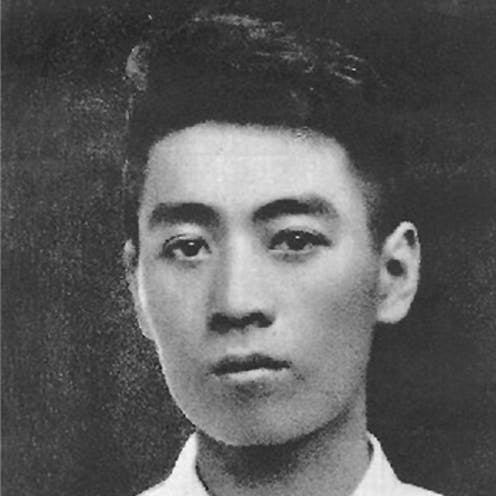
Ep. 161 | Zhou Enlai (Part 1)
In today's Part 1 episode Laszlo explores the early life of Zhou Enlai, growing up in a traditional scholar-officials family that had seen better days. Zhou gets passed from relative to relative. But each step of the way there were mentors and breaks that he was able to make the most of. We can see through his early years and into his teens how Zhou was perfectly trained and tested for the larger job that lay ahead. Learn more about your ad choices. Visit megaphone.fm/adchoices

Ep. 160 | Jack Jones and the FAU China Convoy 1945-1951
Jack Jones' story is told today in this little snapshot of a little-known organization that operated in 1940's China known as The Friends Ambulance Unit later renamed the Friends Service Unit. It was a Quaker funded charity that operated ambulances, providing urgent medical care and other charitable services during wartime. Learn more about your ad choices. Visit megaphone.fm/adchoices

Ep. 159 | Chinese American Stars and Entertainers of Old Hollywood
In this episode, Laszlo focuses on the history of Chinese Americans in the early years of Hollywood. The period will focus on the 1920s to the 1950s. During those years Asian Americans had a rough time in Hollywood trying to break away from stereotypical roles. This episode takes a closer look at the lives of Anna May Wong and Jadin Wong as a window into these times. Support this podcast at — https://redcircle.com/the-china-history-podcast/donations Advertising Inquiries: https://redcircle.com/brands Learn more about your ad choices. Visit megaphone.fm/adchoices

Ep. 158B | The Rise and Fall of the Qin (Part 3)
In this final Part 3 episode we finally get around to Qin Shihuang and the dynasty he founded. He didn't reign a long time but the First Qin Emperor's impact on all the dynasties that followed was very long lasting. Learn more about your ad choices. Visit megaphone.fm/adchoices

Ep. 158 | The Rise and Fall of the Qin (Part 2)
In this Part 2 of a 3 part series, we'll look at Duke Xiao's secret weapon: Shang Yang. Shang Yang introduced Legalism to the Qin ruler and all kinds of reforms that took the Qin to the next level. We'll also explore the rulers who all benefited from Shang Yang's political reforms. We'll also look at King Zhaoxiang and his great military advisor Fan Ju. Nobody was laughing at the Qin anymore. By the 3rd century BC, they were becoming the most powerful state in Eastern Zhou China.
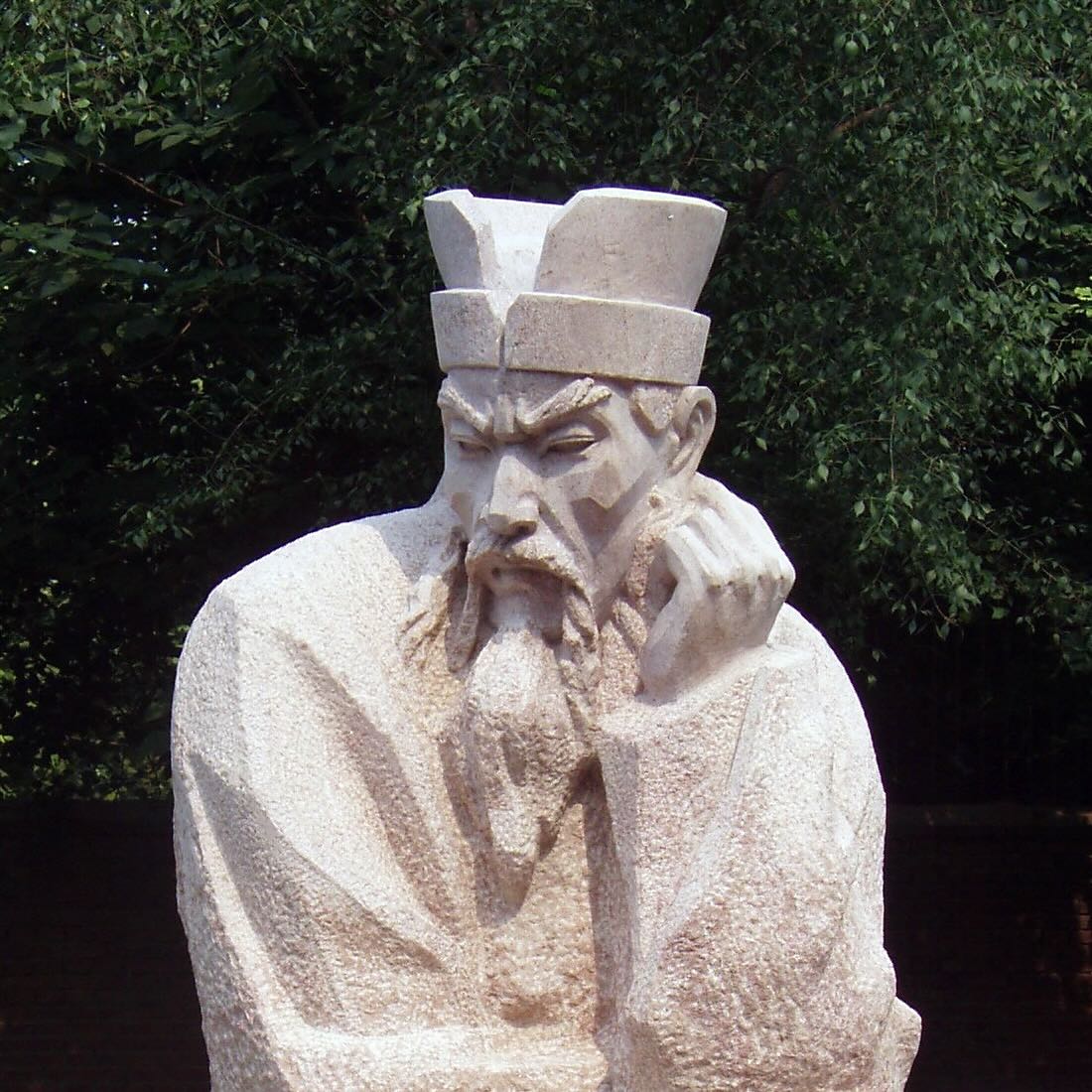
Ep. 157 | The Rise and Fall of the Qin (Part 1)
In this first of three episodes, Laszlo offers up a nice easy overview of Qin Shihuang and the Qin State. In Part 1 we'll look at the ancient beginnings of the Qin and how they caught a few lucky breaks, establishing themselves around Gansu and Shaanxi province, after coming to the aid of the Zhou kings. Learn more about your ad choices. Visit megaphone.fm/adchoices

Ep. 156 | Joseph Needham (Part 2)
In this Part 2 episode, Laszlo continues his intro of Joseph Needham in 1943 right after Needham returned from his perilous adventure to the northwest of China to visit the sights of Dunhuang. We'll conclude the life of Joseph Needham in this episode. He truly was, as Simon Winchester called him, "The Man Who Loved China." Learn more about your ad choices. Visit megaphone.fm/adchoices
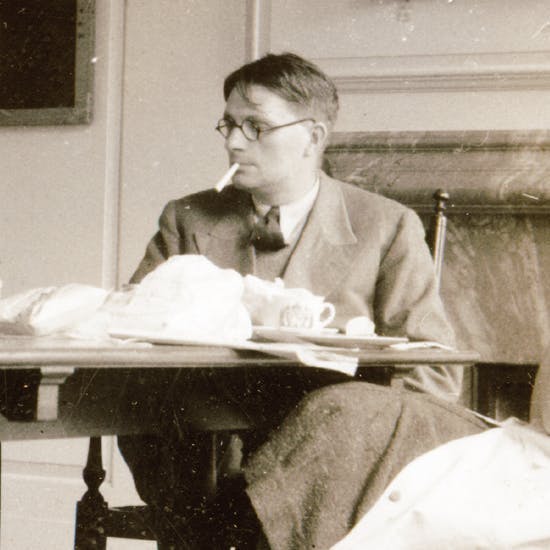
Ep. 155 | Joseph Needham (Part 1)
In this long-awaited topic, Laszlo introduces "The Man Who Loved China", Dr. Joseph Needham. A true friend of China for most of his adult life, Needham's contribution was the epic work "Science and Civilization in China". Today this massive undertaking is spread out over 24 volumes, 17 of which were written in Needham's own lifetime. In this Part 1 episode, we only go up to 1943 and the end of Needham's first expedition in China. Learn more about your ad choices. Visit megaphone.fm/adchoices

Ep. 154 | The Secret Nüshu Script
In this shorter than usual episode, Laszlo introduces a little piece of culture taken from the southern portion of Hunan Province. Generations of illiterate women from a single county on the Hunan-Guangxi border, denied education, created their own writing script. Men never learned it and so it was used by these women to communicate with each other and to record their secret thoughts and inspirations. Learn more about your ad choices. Visit megaphone.fm/adchoices

Ep. 153 | The History of Opium in China
In this episode, Laszlo examines remarks made by distinguished UCLA Professor of Public Policy Mark Kleiman who had commented on Britain's participation in the Opium War. Opium's history in China began centuries before, at least during the Tang and maybe as far back as the Eastern Jin. The focus of this episode is on opium's history in China prior to the Opium War. Learn more about your ad choices. Visit megaphone.fm/adchoices
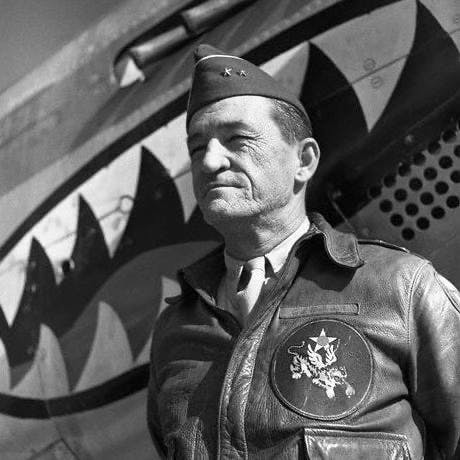
Ep. 152 | The Flying Tigers (Part 2)
Laszlo finishes off the CHP overview of the story of the AVG in World War II. In this episode, the battle commences on December 20, 1941. From that point forward until the organization was disbanded on July 4, 1942, the Flying Tigers wrote their name into the history books. Learn more about your ad choices. Visit megaphone.fm/adchoices

Ep. 151 | The Flying Tigers (Part 1)
In this Part 1 episode, Laszlo provides all the setup and background for the magnificent story of the American Volunteer Group, known more popularly as The Flying Tigers. Theirs was only an eight-month-long story but their success at a time when all seemed hopeless provided an inspiration to many and showed Japan was not invincible. For a list of the terms used in this episode, please visit the CHP website at teacup.media and go to the episode page. Learn more about your ad choices. Visit megaphone.fm/adchoices
Ep. 150 | The History of the Hakka People
In this milestone 150th CHP episode, Laszlo shines a light on the Hakka people and where they fit in Chinese history. There are no shortages of authoritative sources that all disagree as to their origins and when the Hakka's migrated from where to where. For a list of the terms used in this episode, please visit the CHP website at teacup.media and go to the episode page. Learn more about your ad choices. Visit megaphone.fm/adchoices
Ep. 140-21 | History of Tea Recap
That's going to be it for this series, first produced in late 2014 and listened to millions of times on this CHP feed, via the Tea History Podcast feed, and since 2018, fleet-wide on Cathay Pacific Airways. I hope you enjoyed this survey of Chinese tea history. Since this work was first produced seven years ago I've had the great pleasure to meet so many of you and to enjoy tea together. The series ends here with a brief recap of what was discussed. My deepest thanks to all of you for listening. Learn more about your ad choices. Visit megaphone.fm/adchoices
Ep. 140-20 | Famous Teas of China Part 2
Our survey of the Famous Teas of China continues with a tour of more tea-producing provinces. Teas such as Dancong, Tieguanyin, Jinjunmei, and Da Hong Pao are introduced. Various teas from Guangdong, Guangxi, Guizhou, Jiangsu, Jiangxi, Sichuan, Hubei, and Hunan are also mentioned. All of them are conveniently obtainable from your favorite online tea purveyor and local tea shop. Learn more about your ad choices. Visit megaphone.fm/adchoices

Ep. 140-19 | Famous Teas of China Part 1
To wind down this History of Tea series let's go from province to province and look at a variety of famous teas such as Longjing, Gunpowder, Huangshan Maofeng, Lu'an Guapian, Xinyang Maojian, Taiping Houkui and a few others. All of the teas to be introduced here, all began their brilliant careers as tribute teas sent annually to the emperor. You too can savor these teas fit for an emperor by purchasing them online at any number of online (and offline) tea sellers. There are thousands of different teas in the world. In this episode and in Part 20, we'll look at a few of them. Learn more about your ad choices. Visit megaphone.fm/adchoices
Ep. 140-18 | Pu-Erh Tea
In this episode, we focus on the category of tea that is most admired by many tea experts the world over. Pu-Erh tea was introduced sometime during the Ming Dynasty and in time, became the oft-called "King of Teas" for its rich and unique flavor, wholly unlike any other tea produced in China. Here we will look at the story of Pu-Erh tea and why it is considered to be so special among countless tea experts. For a good source of Pu-Erh teas, try my friend at https://www.banateacompany.com/ Learn more about your ad choices. Visit megaphone.fm/adchoices
Ep. 140-17 | The Tea Secret Gets Out
Processing tea leaves was never an intuitive process. That's one reason it took so long for others to figure out how to do it. But as it was with silk, once you saw how it was done, it wasn't a terribly difficult process to master and even improve upon. In this Part 17 episode, we see how Robert Fortune gathered the tea seeds, plants, tools, and experts and got them to the Indian highlands. There, a British dream team of botanists and horticulturalists take over the job begun by Robert Fortune. Their hard work helped to launch the tea industry in India. We also look at James Taylor's efforts to plant tea in Ceylon and how his business-savvy partner in this venture brought tea to the world. This partner was Thomas J. Lipton, the one who brought us the ubiquitous Lipton Tea. What a character he was! Learn more about your ad choices. Visit megaphone.fm/adchoices
Ep. 140-16 | The Tea Breakthrough
The hero who assured Robert Fortune's success was Dr. Nathanial Bagshaw Ward. His life and work is introduced this time. Ward's invention of the terrarium was the one thing that ensured Fortune's hard work in China wouldn't be wasted. We see how Fortune went into China, scored plants and tea seeds from Zhejiang, Anhui, and Fujian, and transported everything safely to India. Learn more about your ad choices. Visit megaphone.fm/adchoices
Ep. 140-15 | A Fortune for the East India Company
The mid 19th Century brought another sea change to the tea industry. Demand continued to grow all over Europe and North America. China's tea industry, which depended mainly on countless artisanal tea growers rather than a few large-scale producers, creates bottlenecks and unreliability in the tea supply chain. The demand had become more than China's exporters could handle. This was also due in part to the well-known political and social disasters happening in China during the second half of the 19th century. The British East India Company begins to put serious consideration into growing tea in India to cut the Chinese out. We also meet Charles Bruce, the Father of India's Tea Industry. We also encounter the botanist, horticulturist, and man of adventure Robert Fortune. We close the episode with the exploits of Fortune's first China trip and his discovery that green and black teas both come from the exact same species of plant, Camellia sinensis. The famous Guangcai porcelain 光彩 of Guangzhou (Canton) is also briefly explained. Learn more about your ad choices. Visit megaphone.fm/adchoices
Ep. 140-14 | Tea and Opium
Midway through the Qing Dynasty trouble is brewing, along with the tens of millions of pounds of tea annually exported to Britain. The Qianlong Emperor rebuffs Britain's envoy and puts a major damper on the prospects of China trade. Britain finds the perfect commodity to trade for tea, Patna Opium from India. This ultimately leads to conflict culminating in the Opium Wars. Why this war is misnamed is also explained. This was the age of the China Clipper ships and imperialism at its worst. New black teas are also discussed, including Lapsang Souchong and the one black tea that local Chinese didn't turn their nose up at: Keemun 祁门茶. Learn more about your ad choices. Visit megaphone.fm/adchoices
Ep. 140-13 | Don't Tax My Tea
The tea trade transforms into an entire industry and becomes the most important traded commodity of the British East India Company. Twining's emerges onto the scene along with coffeehouse culture where tea was also to be had. Over in the American colonies, the Yanks embrace tea as much as the Brits. Milk and sugar with tea become all the rage. And when the Her Majesty's government starts hitting up the American colonists with the Indemnity Acts of 1767, the Townshend Acts in 1770, and finally, the Tea Act of 1773, it leads to the Bostin Tea Party and an eventual "parting of ways" between the colonists and their British masters. Learn more about your ad choices. Visit megaphone.fm/adchoices
Ep. 140-12 | Tea-mania Takes Europe By Storm
As tea did everywhere it was introduced to, Europeans were no less enthusiastic than anyone else. It started off with the royals and aristocrats. But once prices came down and the haves and have-nots both got to enjoy it, the demand will become insatiable. The Russian tea caravans are also explored in this episode. Though their tea culture was different from the ways of the Europeans, Russian people loved their tea no less. During the Qing Dynasty, tea just kept getting better. We look at the tea-loving Qianlong Emperor and his contributions to tea culture. We close the episode with the story of John Dodd and Li Chunsheng, the fathers of Taiwan's tea industry. Learn more about your ad choices. Visit megaphone.fm/adchoices

Ep. 140-11 | Europeans Discover Tea
During the late 16th century, the Jesuit Fathers become the first Europeans to drink tea. Soon afterward the Portuguese and Dutch traders start poking their noses around China and Japan. They too learn of this amazing beverage and see excellent prospects in their home markets. By the early 17th century The Dutch and British East India Companies are engaging in tea commerce. Though the Chinese at first wouldn't be caught dead drinking black tea, this too is discovered by the European traders and the rest is history. Learn more about your ad choices. Visit megaphone.fm/adchoices
Ep. 140-10 | Yixing Teaware and the Gongfu Tea Ceremony
More Ming Dynasty tea history this time. Innovations from China's tea artisans further improved the taste and experience of tea. The famous "zisha" 紫砂 clay teapots and tea ware from Yixing 宜兴 are introduced as well as their role in the Gongfu Tea Ceremony. As the second half of the Ming Dynasty starts to wind down in the late 16th-early 17th century, the Europeans will soon be knocking on China's door. They too will discover the goodness and greatness of tea with historic consequences. Learn more about your ad choices. Visit megaphone.fm/adchoices
Ep. 140-9 | The Ming Dynasty Tea Revolution
Tea's epic story continues on the heels of the advances made in tea production and tea culture during the Song. After surviving the Mongol Yuan Dynasty, Camellia sinensis experiences a sea change of improvements beginning with Ming Dynasty founding emperor, Zhu Yuanzhang. Now tea starts to become more familiar to us after this Hongwu Emperor demands that all future tribute teas must be sent in loose-leaf form. With the introduction of loose-leaf tea came greater demands for tea-ware. The history of the kilns of Jingdezhen 景德镇 is introduced, along with their calling card: Blue and White porcelain, China's first global brand. Other innovations such as teas scented with flowers and the "Tea Manual" of Zhu Quan 朱权 are also discussed. Learn more about your ad choices. Visit megaphone.fm/adchoices
Ep. 140-8 | Ladies and Gentlemen, Oolong Tea
The loving embrace of tea given by those of the Buddhist faith continues on into the Song Dynasty. Some Chan Buddhist master came up with the term "Tea and Chan Buddhism are one taste" 茶禪一味. There's also more about sad Emperor Huizong, the birth of white tea, and Japan's great Buddhist monk Myōan Eisai. We'll end this eighth installment of the history of tea with an intro to Wulong (Oolong) Tea and the emergence of the Wuyi Mountains 武夷山 in northern Fujian province as a tea powerhouse. Learn more about your ad choices. Visit megaphone.fm/adchoices
Ep. 140-7 | Tea During the Song Dynasty
The once bitter brew sharing a Chinese character with the one used for a bitter vegetable is now long a thing of the past. Starting around a thousand or more years ago, royals, officials, scholars, and common people are now enjoying tea. The literati of the day (and there were quite a few) write poems and paint paintings, inspired by this beverage that has taken China by storm. We also look at one of the greatest royal patrons of tea in Chinese history, the Northern Song Dynasty Emperor Huizong 宋徽宗 who reigned from 1100-1126 AD. Learn more about your ad choices. Visit megaphone.fm/adchoices
Ep. 140-6 | Camellia sinensis, Superstar
In the post-Lu Yu world, tea starts to take off like a rocket. It will take a little longer for tea to get the needed traction in Japan but during the Tang, Japanese get to see it and appreciate it up close. We'll also look at one of the early "Tea Persons", the poet and recluse Lu Tong, as well as one of his most famous tea poems, "Seven Bowls of Tea". Now that tea had caught on in society, people needed the various tea accouterment. This is where teaware starts to evolve and we'll look at Yue ware and Xing ware, two of the earliest styles of teacups. Learn more about your ad choices. Visit megaphone.fm/adchoices
Ep. 140-5 | The Classic of Tea
We looked at Lu Yu last time and all that he did to popularize the merits of tea in the Tang Dynasty. This time, we give a once-over to his masterpiece, The Cha Jing 茶经 or Classic of Tea. The national popularity of tea in China really catches fire after Lu Yu shows everyone how to enjoy it and enjoy life at the same time. As far as the popularity and necessity of tea in the life of people acquainted with the beverage, it's never the same after this. Learn more about your ad choices. Visit megaphone.fm/adchoices
Ep. 140-4 | The Sage of Tea
Thank you for your patience. In this fourth installment of the history of tea, we finally make it to the immortal Tea Saint. Lu Yu 陆羽. What Elvis was to rock n' roll, Lu Yu was to the popularity of tea in Chinese society. Here we'll look at his interesting life and his work, "The Classic of Tea" 茶经. From here on out, tea 茶 is no longer tú 荼, and neither is it bitter. Learn more about your ad choices. Visit megaphone.fm/adchoices
Ep. 140-3 | Tea Hits the Big Time
After centuries of trial and error, tea starts to transform from a bitter medicinal brew into something worthy of presenting to the emperor as tribute. Tea's development during the 326 years of the Sui and Tang dynasties (581-907 AD) is introduced this time. Not only do the people of China embrace tea. Those people who surrounded China to the north and to the west also took a quick liking to this drink. The important role tea played in Tibet and other border regions is also discussed, as well as the fabled trade route known as the ancient Tea-Horse Road 茶马古道. The Tea Saint, Lu Yu will be saved for the next episode. Be sure to come back again. Learn more about your ad choices. Visit megaphone.fm/adchoices
Ep. 140-2 | Tea, A bitter brew in Bronze Age China
Tea might not have tasted so great in Shen Nong's time and for a thousand years thereafter. But progress was being made and tea's evolution starts to make some headway in China's Bronze Age that began around 2000 BC. But tea remained one bitter brew during these earliest centuries. It remained a work in progress but showed tremendous promise (as we'll see in future episodes) Learn more about your ad choices. Visit megaphone.fm/adchoices
Ep. 140-1 | Tea's Ancient Beginnings
In this first episode, we'll explore tea's humble beginnings in the Ba 巴国 and Shu 蜀国 States in today's Sichuan province. We'll also look at the mythical story of the discovery of tea by the Divine Farmer, Shen Nong. We have a long way to go as far as tea's history is concerned. The teas we love and enjoy today, a few millennia ago in Shen Nong's time, also, still had a long way to go. Over the next twenty episodes, we'll look at the history of Chinese tea and as it transforms into a beverage that many of us couldn't do without. Learn more about your ad choices. Visit megaphone.fm/adchoices

Ep. 139 | Sir Edmund Backhouse (Part 3)
In this episode, we will conclude our CHP overview of the life of Sir Edmund Backhouse, 2nd Baronet. In this 3rd part of the series, we'll look at the last couple of decades of Backhouse's life. Backhouse remains in Beijing amidst all the turmoil going on during the Japanese invasion and the lead-up to WWII. In his final years, Backhouse will write a memoir that will engrave his name forever in the footnotes of Chinese history. Learn more about your ad choices. Visit megaphone.fm/adchoices

Ep. 138 | Sir Edmund Backhouse (Part 2)
Fast on the heels of Part 1 of this CHP overview of the life of the Sinologist Sir Edmund Backhouse, we present Part 2 in this episode. We'll look at the years 1911 to 1924, the years that Backhouse committed a litany of frauds and established himself in London and Beijing as someone not to be trusted. Learn more about your ad choices. Visit megaphone.fm/adchoices

Ep. 137 | Sir Edmund Backhouse (Part 1)
In this episode, we will begin a 3-part series covering the life of Sir Edmund Trelawny Backhouse, 2nd Baronet. He lived from 1873 to 1944, spending more than half his life in Beijing. Backhouse is best known for the various frauds he committed over the period of his life. In his last year of life, he was urged by Dr. Reinhard Hoeppli to commit the fantastical stories of his life to paper. Learn more about your ad choices. Visit megaphone.fm/adchoices
Ep. 136 | Wong Chin Foo
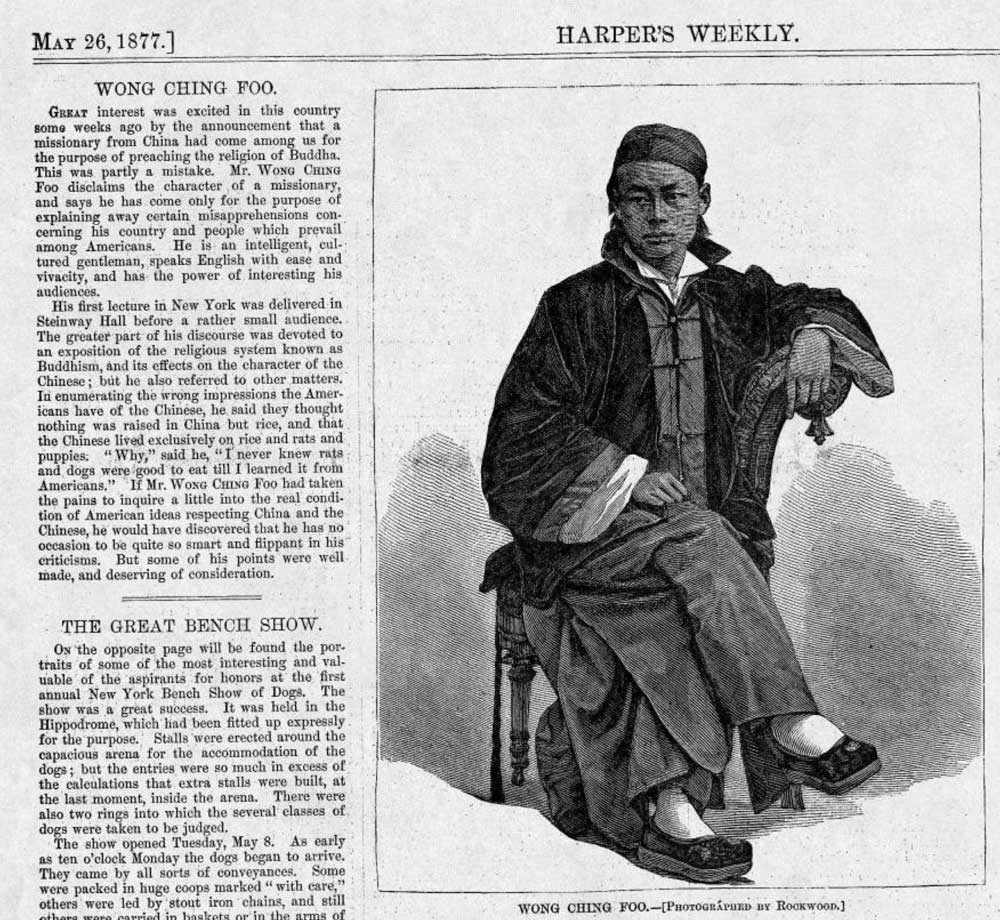
I thought it wouldn't be a bad idea in 2021 to resurrect this old episode from mid-2014 that tells the story of Wong Chin Foo (王清福). His spirit is alive and well in many of today's Chinese-Americans who are standing up to anti-Asian sentiment across the country. Like Wing Chin Foo did in the 1870s and 80's, Chinese-American community leaders and citizens are not standing idly by and are fighting back. Wong Chin Foo's story is a good one to listen to. One of my favorite episodes. Learn more about your ad choices. Visit megaphone.fm/adchoices

Ep. 135 | The Song Emperor Huizong (Part 4)
In this final installment of the history of the life and times of the emperor Huizong, we look at the series of events that followed the Jürchens' Seige of Kaifeng in 1126-1127. What followed was the Jingkang Incident, which for centuries made the Chinese bow their heads in shame. The entire Song imperial family was captured and sent north to live out the rest of their lives in the harsh lands far beyond The Great Wall. Learn more about your ad choices. Visit megaphone.fm/adchoices
Ep. 134 | The Song Emperor Huizong (Part 3)
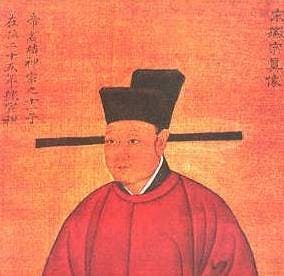
We continue in this episode examining the second decade of Huizong's reign. The good times lasted about twenty years but all good things can't go on forever. By 1120 Huizong is going to begin to see the handwriting on the wall. The years we look at today will the years Huizong later on most regrets. Learn more about your ad choices. Visit megaphone.fm/adchoices
Ep. 133 | The Song Emperor Huizong (Part 2)
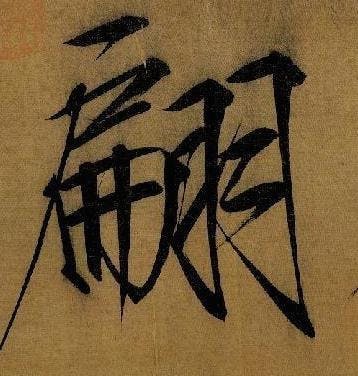
This time in Part 2 of our series we look at Huizong as he attempts to assemble his team and deal with bitter factional strife that was rampant since the Wang Anshi New Reforms. We also look at Huizong the great patron of the arts. Learn more about your ad choices. Visit megaphone.fm/adchoices
Ep. 132 | The Song Emperor Huizong (Part 1)
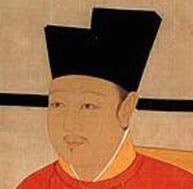
We're going to begin a new series that will look at political, social, and cultural life in the late Northern Song. The second the last emperor Huizong will serve as our vehicle to examine this period in the late 11th and early 12th century China. University of Washington professor Dr. Patricia Buckley Ebrey has recently published a book entitled Emperor Huizong. I'm going to use this as one of the main sources. Learn more about your ad choices. Visit megaphone.fm/adchoices
Ep. 131 | Morris Two-Gun Cohen (Part 2)
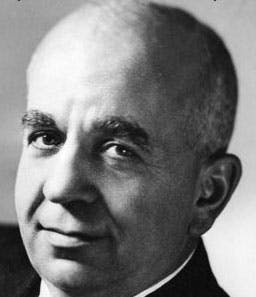
We're going to finish off the last 45 years of Morris Two-Gun Cohen's life in this extra-long episode. With Sun Yat-sen now gone, Morris Cohen worked hard to reinvent himself and remain relevant in the world of Chinese business and politics. Morris will hit some highs and lows in this episode as he tried to leverage his past association with Sun and his obvious loyalty to the KMT into an ongoing and lucrative career. As you'll see in this episode, the road was hardly a smooth one. Learn more about your ad choices. Visit megaphone.fm/adchoices
Ep. 130 | Morris Two-Gun Cohen (Part 1)
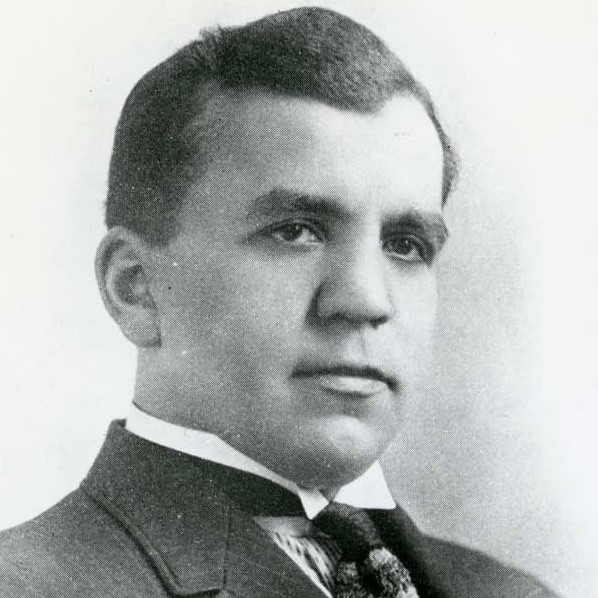
Today I wanted to introduce a sort of lovable rogue who haunted the hotel lobbies of Shanghai, Guangzhou, Hong Kong, London, and Edmonton. Today's subject was by no means a historic figure. In fact, I don't think you can even call him a bit player. Nonetheless, Morris Abraham Cohen had a China story that deserves a telling. Today's episode will look at his early life, how he ended up in Canada, and how he got hooked up with the local Chinese Canadians. Learn more about your ad choices. Visit megaphone.fm/adchoices
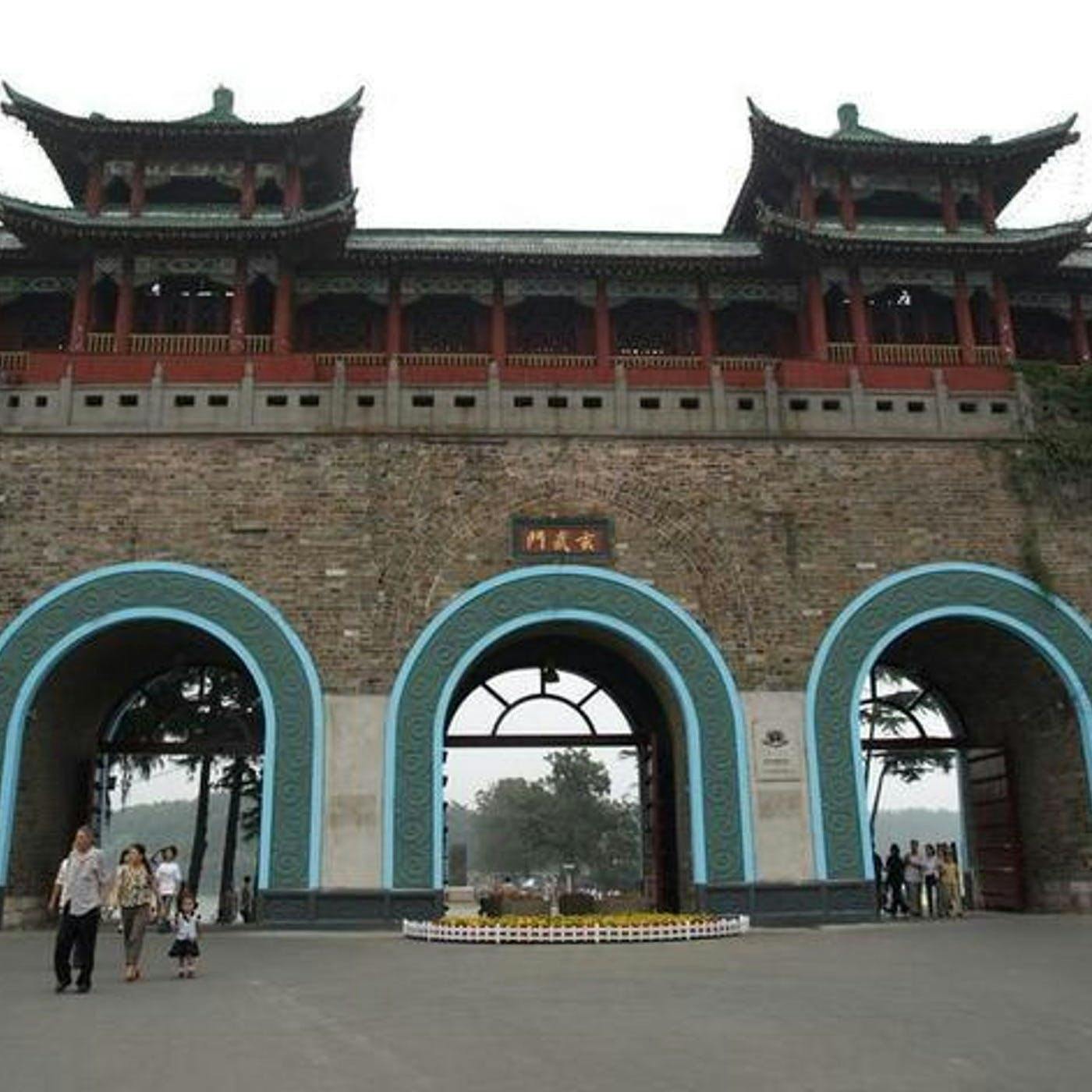
Ep. 129 | The Incident at Xuanwu Gate
In this episode, we revisit the founding of the Tang Dynasty and focus on the events leading up to, during, and right after the Incident at Xuanwu Gate. This slice of historic theater took place on July 2, 626. It resulted in the victory of Li Shimin over his two brothers. Not long afterward Li Shimin was promoted by his father to the emperorship and reigned as Tang Taizong. Learn more about your ad choices. Visit megaphone.fm/adchoices