The Broadside
158 episodes — Page 2 of 4
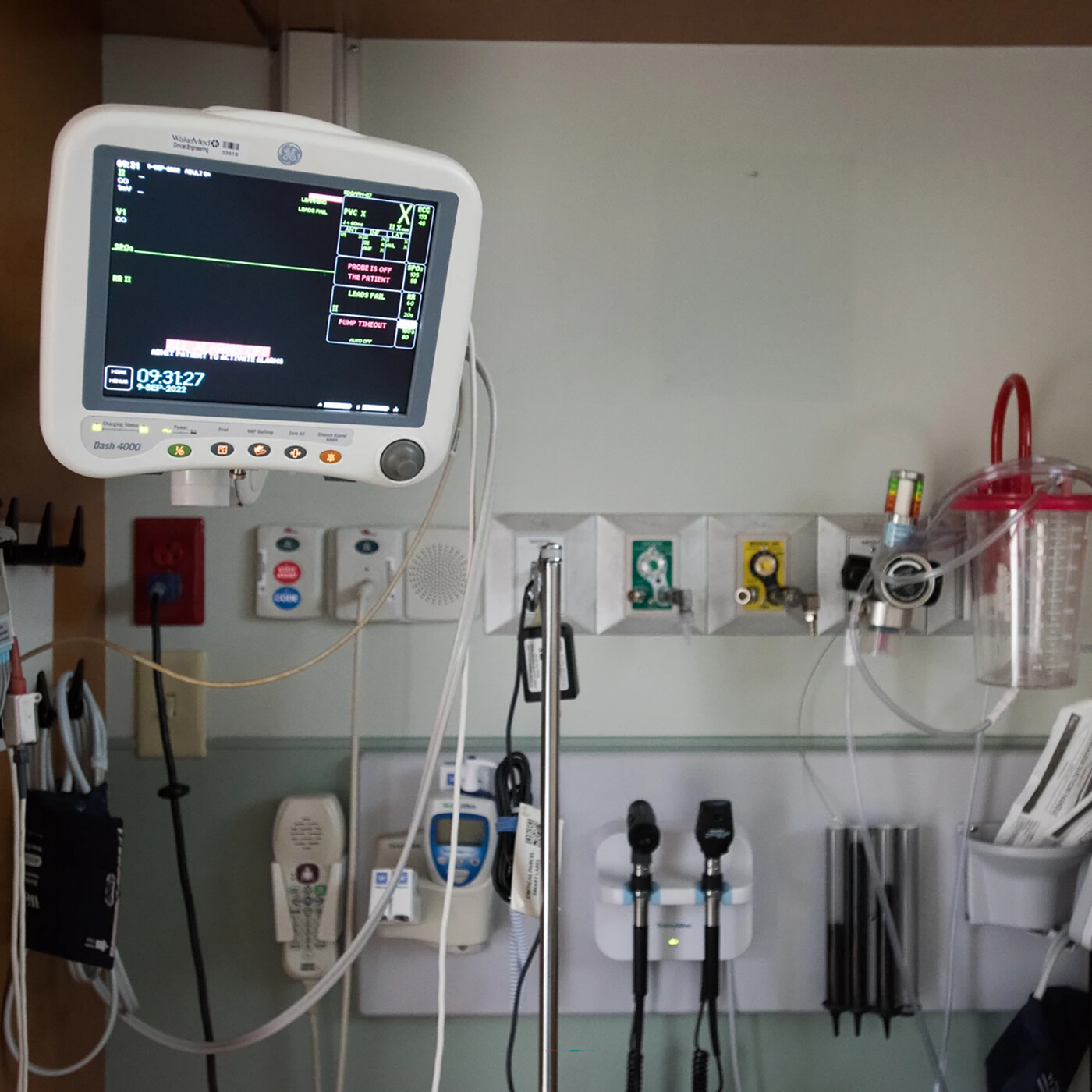
A healthcare storm is coming
When the sprawling federal tax and spending law known as the Big Beautiful Bill was signed into law in July, a countdown began. That’s because the bill included major changes and cuts to Medicaid funding that are set to go into effect in just a little over a year. Now, dozens of state legislatures across the country are trying to navigate the early political and health policy fallout. And in North Carolina, all eyes are on one vulnerable group: rural healthcare providers.Featuring: Nick de la Canal, host and reporter for WFAE in Charlotte, NCDonny Lambeth, North Carolina State RepresentativeLinks:Check out Nick's reporting on Medicaid expansion’s uncertainty here.Listen to a recent episode of the WUNC Politics Podcast that digs even deeper into Medicaid policy.See Privacy Policy at https://art19.com/privacy and California Privacy Notice at https://art19.com/privacy#do-not-sell-my-info.
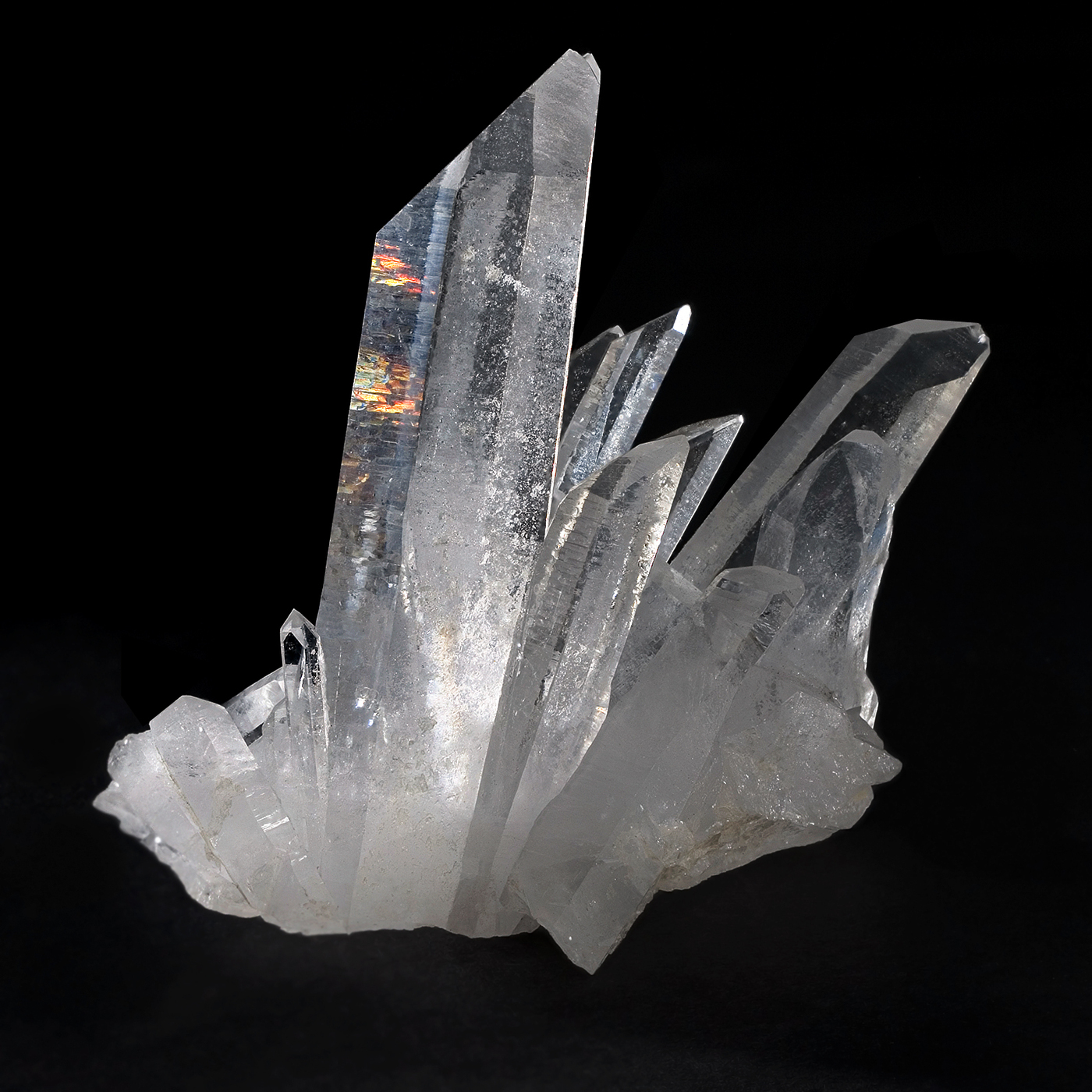
The rock that runs the world
The tiny mountain town of Spruce Pine, North Carolina is the site of the single biggest source of ultra high purity quartz in the world. It’s a vital component in the manufacturing process of semiconductors for computers and solar panels. In fact, the mine in Spruce Pine is quite possibly the most important mineral extraction site on the planet. Because we don’t have a backup.Featuring: Alan Schabilion, owner of Emerald Village in Spruce Pine, NCEd Conway, author of Material World: The Six Raw Minerals That Shape Modern CivilizationLinks:You can find a transcript of the episode here.The Broadside is made possible by contributions from listeners like you. Support WUNC-North Carolina Public Radio and this podcast by making a donation.See Privacy Policy at https://art19.com/privacy and California Privacy Notice at https://art19.com/privacy#do-not-sell-my-info.
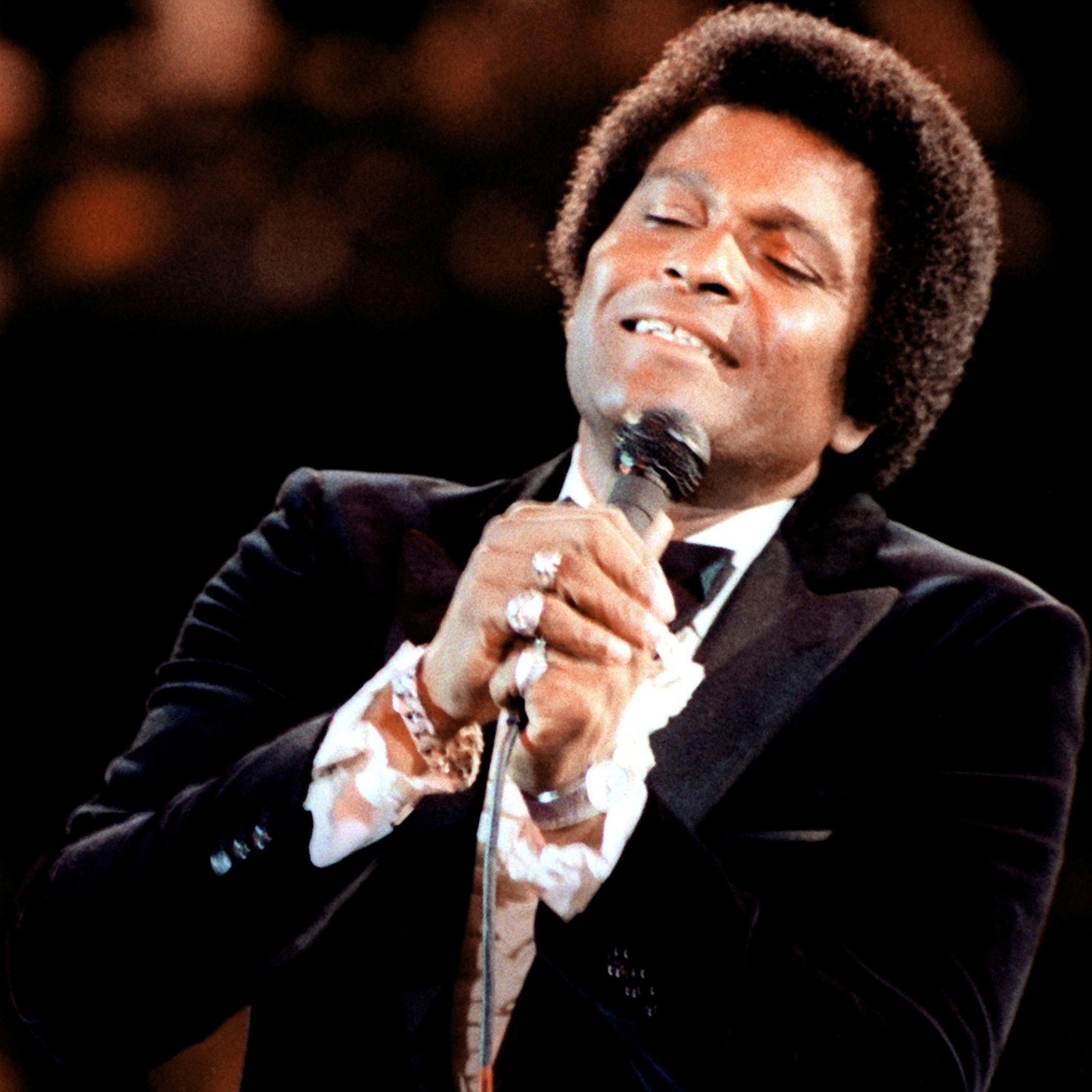
Bonus episode: Who gets to play country music in America?
Last week, we dropped an episode that was a collaboration with Nashville Public Radio (WPLN) and music journalist Jewly Hight. You should really check it out. It’s all about a Black fiddle and banjo music revival, with deep roots in North Carolina, that’s sweeping the US. While that movement is largely occurring in folk music spaces, it also includes a handful of Black country music artists. In this special bonus episode of The Broadside, we extend the story by asking how country music became so white. And we find out who’s trying to change that.Featuring:Jewly Hight, senior music writer at Nashville Public Radio - WPLNRissi Palmer, musicianAmanda Marie Martinez, assistant professor of American Studies at UNC-Chapel HillLinks:You can find a transcript of the episode here.The Broadside is made possible by contributions from listeners like you. Support WUNC-North Carolina Public Radio and this podcast by making a donation.See Privacy Policy at https://art19.com/privacy and California Privacy Notice at https://art19.com/privacy#do-not-sell-my-info.
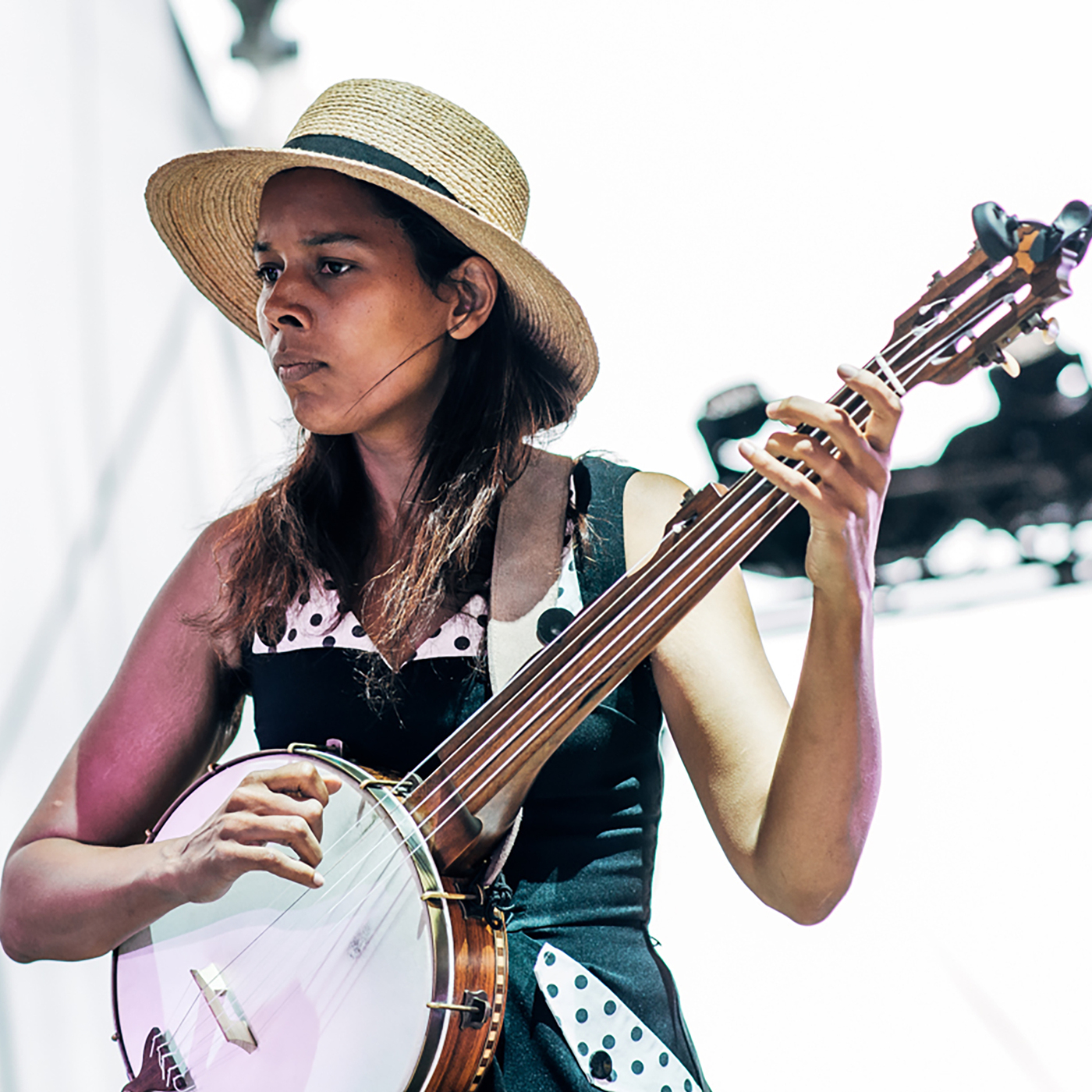
Who gets to play the banjo in America?
This past spring, Durham, North Carolina hosted a sprawling roots music festival called Biscuits and Banjos. For the thousands of attendees, it had some similarities to a lot of folk music events around the country. But one major thing set it apart. Nearly every featured performer was Black.The event is just one part of a Black folk music revival sweeping the country that's rescuing lost traditions and challenging stereotypes that for generations have influenced things like who gets to play the banjo in America.This episode is part of a collaboration between WUNC-North Carolina Public Radio and WPLN-Nashville Public Radio.Featuring:Jewly Hight, senior music writer at Nashville Public Radio - WPLNRhiannon Giddens, musician and member of Carolina Chocolate DropsDom Flemons, musician and member of Carolina Chocolate DropsBrandi Waller-Pace, musician and scholarKaia Kater, musician and member of New DangerfieldLinks:You can find a transcript of the episode here.The Broadside is made possible by contributions from listeners like you. Support WUNC-North Carolina Public Radio and this podcast by making a donation.See Privacy Policy at https://art19.com/privacy and California Privacy Notice at https://art19.com/privacy#do-not-sell-my-info.
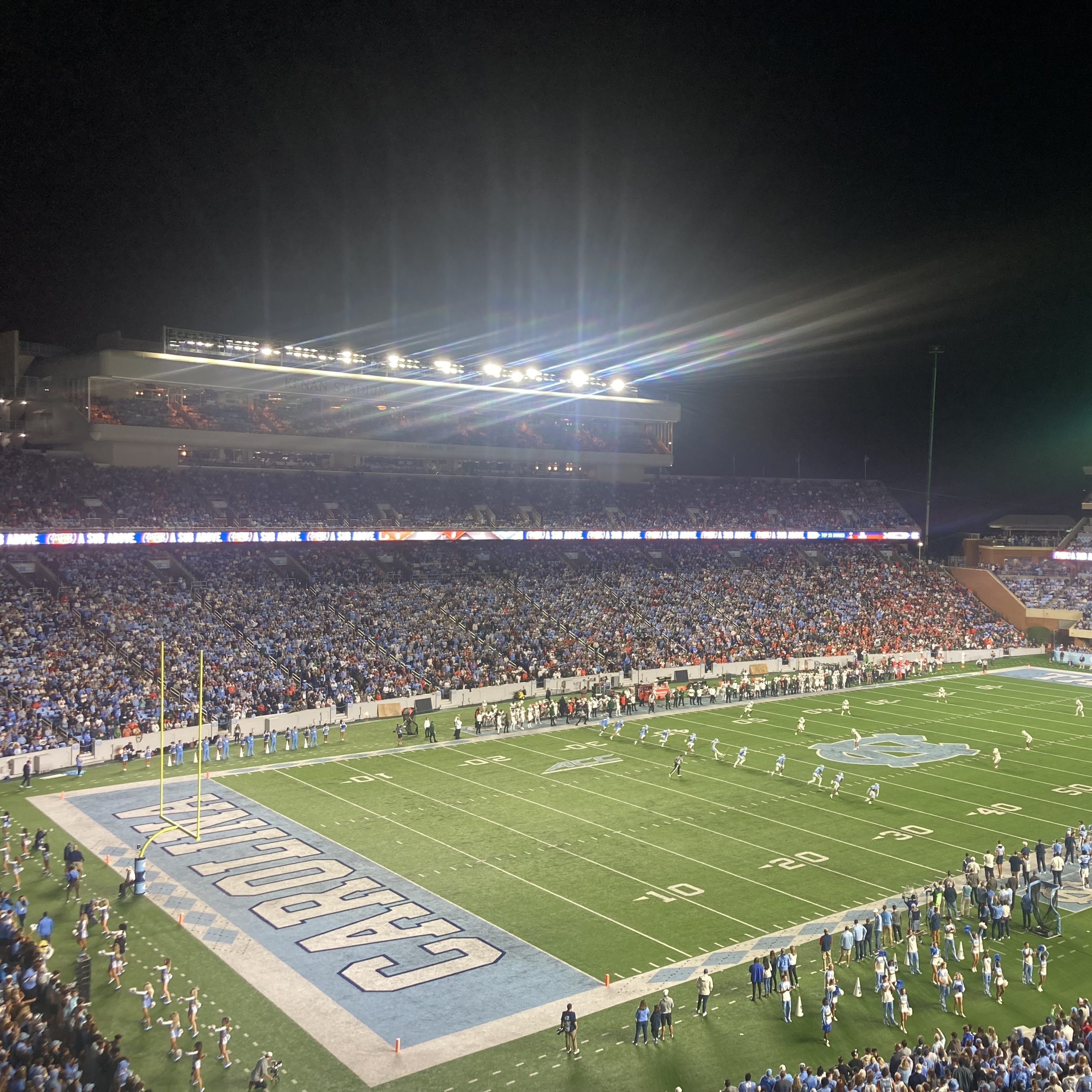
The Belichick effect and the money-sucking machine of college football
College football has become a money-sucking machine, with schools spending every dollar possible to keep up in an athletics arms race. The University of North Carolina at Chapel Hill entered the fray this year in spectacular fashion, betting big on legendary NFL coach Bill Belichick in the hopes that he’ll elevate the school’s football program. But why are universities, especially those with academic and research clout, pouring all of this money into athletics in the first place? Featuring: Scott Dochterman, national college football reporter for The Athletic Matt Hartman, higher education reporter for The Assembly Links: Check out Scott’s reporting on money in college athletics.Read Matt’s work on UNC-Chapel Hill's big bet on Bill Belichick.You can find a transcript of the episode here.The Broadside is made possible by contributions from listeners like you. Support WUNC-North Carolina Public Radio and this podcast by making a donation.See Privacy Policy at https://art19.com/privacy and California Privacy Notice at https://art19.com/privacy#do-not-sell-my-info.
Pride, Prejudice and North Carolina
This year, Jane Austen fans around the world are celebrating the English author's 250th birthday. Surprisingly, one prominent event took place in North Carolina. The annual weeklong symposium, called the Jane Austen Summer Program, is a cross between an academic conference and summer camp, with lectures and embroidery workshops. It even has a Regency ball with a suggested dress code, so we put on our finest gown and traveled to New Bern, NC to find out why Austen's work is still as relevant as ever.Featuring:Inger Brodey, professor at UNC-Chapel Hill and co-founder of the Jane Austen Summer ProgramAmy Patterson, co-owner of Jane Austen BooksSamiha Bala, student at UNC-Chapel HillLinks:You can find a transcript of the episode here.The Broadside is made possible by contributions from listeners like you. Support WUNC-North Carolina Public Radio and this podcast by making a donation.See Privacy Policy at https://art19.com/privacy and California Privacy Notice at https://art19.com/privacy#do-not-sell-my-info.
The innocence experiment
For nearly 20 years, the North Carolina Innocence Inquiry Commission has helped incarcerated people who have evidence of their innocence walk free. But despite over a dozen headline-grabbing success stories, this independent state agency remains incredibly rare in the American legal system. In fact, there's no other neutral government-run agency like it in the entire country. And this bold experiment could soon come to an end.Featuring:Michael Hewlett, criminal justice reporter for The AssemblyWill Michaels, reporter and host for WUNC-North Carolina Public RadioLinks:Check out reporting about the North Carolina Innocence Inquiry Commission by Will at WUNC and Michael at The Assembly.You can find a transcript of the episode here.The Broadside is made possible by contributions from listeners like you. Support WUNC-North Carolina Public Radio and this podcast by making a donation.See Privacy Policy at https://art19.com/privacy and California Privacy Notice at https://art19.com/privacy#do-not-sell-my-info.
The race to save the Cherokee language
Indigenous languages are declining around the world at an alarming rate. Some studies estimate that one language dies out every two weeks. And the United States is no different. Of the 197 living indigenous languages spoken in this country, 193 are endangered. But one, in particular, has experienced a shocking downturn. Cherokee, once the most well-documented and commonly spoken Native American language in North America, is in serious danger of becoming extinct.Featuring:Brooks Bennett, documentary filmmaker and director of A Sacred ThreadGil “Doyi” Jackson, Cherokee language instructorDr. Courtney Lewis, associate professor at Duke UniversityTessa Dahlmann, teaching assistant at Duke UniversityJack “Tsegi” Cooper, Cherokee language instructor at Western Carolina UniversityLinks:Check out the PBS North Carolina documentary film A Sacred Thread here.Learn more about Duke University's Research for Indigenous Studies & Engagement in the United States (RISE-US) program here.You can find a transcript of the episode here.The Broadside is made possible by contributions from listeners like you. Support WUNC-North Carolina Public Radio and this podcast by making a donation.See Privacy Policy at https://art19.com/privacy and California Privacy Notice at https://art19.com/privacy#do-not-sell-my-info.
The Southern town that sparked a BMX revival
Greenville, NC is an unlikely hotspot for an extreme sport like BMX freestyle. Tucked away in eastern North Carolina, it's surrounded by farmland and doesn’t even crack a list of the top ten biggest cities in the state. But at one point, it was home to more professional freestyle bike riders than anywhere else on the planet. Led by Dave Mirra, one of the greatest BMX athletes of all-time, this group of pros fostered a community that would change the world of action sports forever.Warning: This episode contains a descriptions of suicide. Please listen with care, and if you or someone you know may be considering suicide, contact the Suicide & Crisis Lifeline by dialing 9-8-8 on your phone. Featuring: Steve Nowak, former pro BMX riderMike Laird, former pro BMX rider and owner of ECCMetal and lairdframeAustin Hardee, former pro BMX rider and owner of AUS10designsDylan Potter, creator of Jaycee JamsLinks:You can find a transcript of the episode here.The Broadside is made possible by contributions from listeners like you. Support WUNC-North Carolina Public Radio and this podcast by making a donation.See Privacy Policy at https://art19.com/privacy and California Privacy Notice at https://art19.com/privacy#do-not-sell-my-info.
How beach music taught Southerners to 'dance sexy'
A type of music known as beach music has been baked into the culture of the Carolina coast for generations, along with a specific type of dancing that goes with it: shag. But how did these smooth, soulful sounds become tied to the sandy shores of North and South Carolina? The answer is a little more complicated and transgressive than you might expect.This episode originally published on July 25, 2024.Featuring:John Hook, radio DJ and beach music historianCurtis Platt, founder of Softtoe Entertainment & Dance Production and the annual Beach Urban Dance ClassicLinks:You can find a transcript of the episode here.The Broadside is made possible by contributions from listeners like you. Support WUNC-North Carolina Public Radio and this podcast by making a donation.See Privacy Policy at https://art19.com/privacy and California Privacy Notice at https://art19.com/privacy#do-not-sell-my-info.
Where the Devil is in the dirt
Embedded within a North Carolina forest is something eerie – an empty, desolate circle where absolutely nothing grows. It’s known as the Devil’s Tramping Ground, where legend has it the Devil himself walks around the circle plotting his evil deeds against the world. The spot has attracted brave campers, paranormal investigators, and curious people passing through for centuries. So, what’s really going on here? Featuring: Cliff Bumgardner, producer and director with PBS North CarolinaBrad Thompson, regional agronomist for the North Carolina Department of Agriculture and Consumer ServicesLinks:Watch Cliff's documentary about the Devil's Tramping Ground for PBS NC here.You can find a transcript of the episode here.The Broadside is made possible by contributions from listeners like you. Support WUNC-North Carolina Public Radio and this podcast by making a donation.See Privacy Policy at https://art19.com/privacy and California Privacy Notice at https://art19.com/privacy#do-not-sell-my-info.
Changing the narrative on Native nations
In her Pulitzer prize-winning book on Native people in North America, historian Kathleen DuVal challenges the way non-native people often regard Native America. From the bustling cities that covered the continent a thousand years ago, to the strong connection Indigenous people maintain to their homelands today, the story of Native nations is so much more than isolated moments like the Lost Colony and the Trail of Tears.Featuring: Kathleen DuVal, Pulitzer prize-winning author of “Native Nations: A Millennium in North America”Links:You can find a transcript of the episode here.The Broadside is made possible by contributions from listeners like you. Support WUNC-North Carolina Public Radio and this podcast by making a donation.See Privacy Policy at https://art19.com/privacy and California Privacy Notice at https://art19.com/privacy#do-not-sell-my-info.
The mill and the man who changed the world
The turn of the 20th century was defined by earth-shattering advances in technology. Inventors were like rock stars. But for every household name like Alexander Graham Bell or the Wright Brothers, there were countless innovators whose contributions have been lost to time, including a brilliant engineer from North Carolina named Stuart Cramer. Like a genius Forrest Gump, Cramer showed up everywhere. And from air conditioning to fashion, his work continues to shape our world.Featuring: Brad Campbell, writer for Our State MagazineLinks:Check out Brad Campbell’s article on Stuart Cramer for the series Hidden History.You can find a transcript of the episode here.The Broadside is made possible by contributions from listeners like you. Support WUNC-North Carolina Public Radio and this podcast by making a donation.See Privacy Policy at https://art19.com/privacy and California Privacy Notice at https://art19.com/privacy#do-not-sell-my-info.
The other Declaration of Independence
July 4th, 1776 is arguably the most important date in American history. That's when citizens of the colonies declared total independence from Great Britain for the very first time. But what if it wasn’t the first? This week, we travel down the rabbit hole of North Carolina’s Mecklenburg Declaration of Independence and entertain a couple of shocking possibilities: either someone’s lying — or we may need to rethink everything we know about American independence.This episode originally published on July 4, 2024.Featuring:Dave Fleming, author of “Who's Your Founding Father?: One Man’s Epic Quest to Uncover the First, True Declaration of Independence”Jim Ambuske, historian and co-head of R2 Studios at the Roy Rosenzweig Center for History and New Media at George Mason University.Links:You can find a transcript of the episode here.The Broadside is made possible by contributions from listeners like you. Support WUNC-North Carolina Public Radio and this podcast by making a donation.See Privacy Policy at https://art19.com/privacy and California Privacy Notice at https://art19.com/privacy#do-not-sell-my-info.
Appalachia’s crypto boom and bust
Enticed by cheap energy and friendly zoning laws, crypto mining operations poured into Appalachia. But in many places, like Murphy, North Carolina, these intrusive facilities quickly wore out their welcome. Now, communities across the region are trying to pull the plug on crypto, while grappling with a new challenge that presents many of the same problems: AI data centers.Featuring: Jane Sartwell, reporter for Carolina Public PressCyndie Roberson, former resident of Cherokee County, NCColin Campbell, Capitol Bureau Chief for WUNC-North Carolina Public RadioDina Temple-Raston, managing editor and host of the Click Here podcastLinks: Listen to Click Here’s episode Crypto in Kentucky: The next extraction.Read Jane’s recent reporting for Carolina Public Press.Check out Colin’s coverage of Cherokee County from 2024.You can find a transcript of the episode here.The Broadside is made possible by contributions from listeners like you. Support WUNC-North Carolina Public Radio and this podcast by making a donation.See Privacy Policy at https://art19.com/privacy and California Privacy Notice at https://art19.com/privacy#do-not-sell-my-info.
A return to Midway Plantation
Juneteenth commemorates the emancipation of enslaved people at the end of the Civil War. For many Black Americans, it’s a day of remembrance for their ancestors who fought and died for freedom. And while that can be a spiritual experience, the physical connection to a final resting place is often obstructed by poor record keeping and the neglect of burial sites. It’s a struggle that author Sade Green documented in a recent personal essay for TIME Magazine.Featuring: Sade Green, writerLinks: Read Sade’s story for TIME Magazine here.You can find a transcript of the episode here.The Broadside is made possible by contributions from listeners like you. Support WUNC-North Carolina Public Radio and this podcast by making a donation.See Privacy Policy at https://art19.com/privacy and California Privacy Notice at https://art19.com/privacy#do-not-sell-my-info.
America's favorite bloodthirsty plant
The Venus flytrap is one of the most recognizable plants on the planet. Its strange and unique adaptations have made it a cultural icon and a favorite of plant collectors. But increasingly, there are worries about the health of its wild population. That's because the exotic plant only grows in a single place on the planet: a sliver of dirt in a small corner of the Carolinas.Featuring:Michael Kunz, Director of Conservation Programs at the North Carolina Botanical GardenSara Heise Graybeal, freelance journalist and folkloristSgt. Matt Criscoe, NC Wildlife Commission's Law Enforcement DivisionLinks: Read Sara's article about the cultural impact of the Venus flytrap at The Assembly.Check out North Carolina's Venus flytrap license plate.You can find a transcript of the episode here.The Broadside is made possible by contributions from listeners like you. Support WUNC-North Carolina Public Radio and this podcast by making a donation.See Privacy Policy at https://art19.com/privacy and California Privacy Notice at https://art19.com/privacy#do-not-sell-my-info.
The hunt for a million dollar fish
Marlin fishing helps fuel a billion-dollar recreational saltwater fishing industry. Much of it is situated on the North Carolina coast, which also happens to be the site of one of the oldest and most celebrated fishing competitions in the world – the Big Rock Blue Marlin Tournament. It’s an event filled with high stakes drama, and it continues to grow. But are there enough blue marlin in the ocean for the good times to keep rolling on?Featuring:Ashley Bleau, owner of the SensationNeal Conoley, author and former head of the North Carolina Aquarium SocietyDr. John Graves, marine biologist and former professor at the Virginia Institute of Marine ScienceAaron Barr, first mate of the Never EnoughLinks:The Big Rock Blue Marlin Tournament starts on June 6th in Morehead City, NCYou can find a transcript of the episode here.The Broadside is made possible by contributions from listeners like you. Support WUNC-North Carolina Public Radio and this podcast by making a donation.See Privacy Policy at https://art19.com/privacy and California Privacy Notice at https://art19.com/privacy#do-not-sell-my-info.
Can we save the red wolf (again)?
Red wolves were declared extinct in the wild in 1980. A captive breeding program reintroduced the animal less than a decade later, but it's had mixed results. With fewer than 30 animals left in the wild, all located in an isolated corner of North Carolina, humans are once again attempting to bring the red wolf back from the brink of extinction.This episode originally published on July 11, 2024. We're revisiting it because of ongoing successes in the captive red wolf breeding programs.Featuring:Dr. Tara Harrison, Assistant Professor at NC State’s College of Veterinary MedicineSean Hubbard, NC State University’s Canine Conversation CrewAdam Wagner, climate change and environment reporter at the Raleigh News & ObserverLinks:Check out Adam’s reporting on red wolves for the News & Observer.You can find a transcript of the episode here.The Broadside is made possible by contributions from listeners like you. Support WUNC-North Carolina Public Radio and this podcast by making a donation.See Privacy Policy at https://art19.com/privacy and California Privacy Notice at https://art19.com/privacy#do-not-sell-my-info.
Pokémon is more than just a card game
The Pokémon universe includes wildly popular anime shows, films, video games, and plushies. But Pokémon’s competitive trading card game has a culture all its own. The competition is global. The business associated with it is lucrative and secretive. And both run through an unexpected place: North Carolina.Featuring: Storms Reback, freelance journalist and contributor for The AssemblyBrian Gordon, Technology & Innovation reporter for The News & ObserverLinks: Read Storms' feature about Pokémon culture in North Carolina at The Assembly here.Check out Brian’s reporting on Millennium Print Group here.You can find a transcript of the episode here.The Broadside is made possible by contributions from listeners like you. Support WUNC-North Carolina Public Radio and this podcast by making a donation.See Privacy Policy at https://art19.com/privacy and California Privacy Notice at https://art19.com/privacy#do-not-sell-my-info.
The fight for free speech at public universities
For much of the past two years, the debate over campus free speech has been front and center in America. While protests and punishments at private universities have grabbed most of the headlines, public schools have been grappling with the issue as well. That includes the country’s oldest public university: the University of North Carolina at Chapel Hill. And unlike the Ivy League, what’s happening there could have much broader and lasting first amendment implications. Featuring: Gaby Del Valle, policy reporter at The VergeBrianna Atkinson, higher education reporter at WUNCReem Subei, attorney with Muslim AdvocatesBill Link, historianLinks: You can find a transcript of the episode here.The Broadside is made possible by contributions from listeners like you. Support WUNC-North Carolina Public Radio and this podcast by making a donation.See Privacy Policy at https://art19.com/privacy and California Privacy Notice at https://art19.com/privacy#do-not-sell-my-info.
The mystery of the Big Hole
Tucked away in rural Chatham County, North Carolina there’s a giant concrete cube with a satellite dish on top of it. Built decades ago, the strange, windowless building is only the tip of an iceberg; below it is a massive bunker designed to withstand a nuclear holocaust. That secure site has become part of local lore and spawned countless conspiracy theories. It may have even inspired the Netflix show Stranger Things. But what’s really going on down there?Featuring: Jay Price, Military and Veterans Affairs reporter at WUNC and The American Homefront ProjectDrew Lasater, Chatham County residentBobby White, former civilian AT&T employee at the Project Office site in Chatham CountyLinks: You can find a transcript of the episode here.The Broadside is made possible by contributions from listeners like you. Support WUNC-North Carolina Public Radio and this podcast by making a donation.See Privacy Policy at https://art19.com/privacy and California Privacy Notice at https://art19.com/privacy#do-not-sell-my-info.
The Kingdom of the Happy Land
In the late 1800s, dozens of utopian communities with radical beliefs and unusual forms of self-government sprung up throughout the United States. And perhaps the most remarkable one of them all, a group of free Black people who were led by a king and a queen, was nestled in the Blue Ridge Mountains.Featuring: Dolen Perkins-Valdez, author of Happy LandFitz Brundage, historian and author of A Socialist Utopia in the New SouthLinks: You can find a transcript of the episode here.The Broadside is made possible by contributions from listeners like you. Support WUNC-North Carolina Public Radio and this podcast by making a donation.See Privacy Policy at https://art19.com/privacy and California Privacy Notice at https://art19.com/privacy#do-not-sell-my-info.
What exactly is a Southern home?
Last year, over half of all new homes in the US were built in the South. And if you drive through the suburban sprawl of growing Southern cities like Raleigh, North Carolina, you can see them. Sometimes it's the same home. Over and over and over again. In many locales, mass production and cookie-cutter design have made it feel like you could be anywhere. So, how can we reclaim our sense of place, and what exactly is a Southern home?Featuring: Jeremy Markovich, writer of the North Carolina Rabbit HoleFrank Harmon, architectLinks: Look at photos of Frank Harmon's gorgeous home in Raleigh, NCCheck out Jeremy's article Why Don't Southern Homes Have Basements?You can find a transcript of the episode here.The Broadside is made possible by contributions from listeners like you. Support WUNC-North Carolina Public Radio and this podcast by making a donation.See Privacy Policy at https://art19.com/privacy and California Privacy Notice at https://art19.com/privacy#do-not-sell-my-info.
Why cola became king (Revisited)
The South is the birthplace of all the big cola brands. Since the first Coca-Cola was poured in Atlanta in 1886, it's become an American icon. For many of us, these drinks are part of key childhood memories. But whether we're loyal to Coke, Pepsi, or something else, we don't drink as much soda as we used to. So why do we care so much about these brands and does soda even matter in this new beverage age?Featuring: Ralph Ashworth, owner of Ashworth Drugs in Cary, NCSabrina Bengel, managing partner of The Birthplace of Pepsi-Cola in New Bern, NCJerry Avery, Pepsi fan, collector and hobby historianDr. Psyche Williams-Forson, professor and department chair in American Studies at the University of MarylandRina Raphael, journalist and author of The Gospel of WellnessSpecial thanks to Jordan Blackwell at the University of Maryland College Park for technical assistance.Links: You can find a transcript of the episode here.The Broadside is made possible by contributions from listeners like you. Support WUNC-North Carolina Public Radio and this podcast by making a donation.See Privacy Policy at https://art19.com/privacy and California Privacy Notice at https://art19.com/privacy#do-not-sell-my-info.
The wild world of Civil War reenactment
There are dozens of major Civil War reenactments across the United States each year. They're incredible spectacles filled with cannons, muskets and marching orders. But the most interesting part of it all might just be the people who put on the show. We visited the 160th Anniversary of the Battle of Bentonville in rural eastern North Carolina to find out who these soldiers are and why reenactment culture continues to captivate and mystify Americans.Featuring:Charlie Shelton-Ormond, producer at The BroadsideLinks:You can find a transcript of the episode here.See Privacy Policy at https://art19.com/privacy and California Privacy Notice at https://art19.com/privacy#do-not-sell-my-info.
Everyone hates the DMV
For years, the North Carolina Department of Motor Vehicles has been plagued by long wait times and poor service. It’s a major problem in one of America’s fastest-growing states. And in the age of DOGE and government efficiency, it's generating talk of some dramatic solutions.Featuring: Bradley George, reporter at WUNC Larry Higgs, transportation and commuting reporter at NJ.com and the Star-Ledger Senator Michael Lazarra, representing the NC Senate's 6th District Richard Stradling, transportation reporter for The News & Observer Links: You can find a transcript of the episode here.The Broadside is made possible by contributions from listeners like you. Support WUNC-North Carolina Public Radio and this podcast by making a donation.Sign up for WUNC's new Politics Newsletter here.See Privacy Policy at https://art19.com/privacy and California Privacy Notice at https://art19.com/privacy#do-not-sell-my-info.
The modern Graveyard of the Atlantic
The waters surrounding North Carolina’s Outer Banks are so treacherous that they’re known as the Graveyard of the Atlantic. They’ve claimed everything from Blackbeard’s pirate ship to German U-boats. And that dark legacy continues today. Oregon Inlet, a narrow gap near Roanoke Island, is one of the deadliest waterways in the United States. But it’s also an economic lifeline for a small industrial fishing community who must traverse it.Featuring: Emily Cataneo, reporter for The Assembly Molly Trivelpeice, education curator at The Graveyard of the Atlantic Museum Links: Check out Emily's story on Oregon Inlet here. You can find a transcript of the episode here. The Broadside is made possible by contributions from listeners like you. Support WUNC-North Carolina Public Radio and this podcast by making a donation.Sign up for WUNC's new Politics Newsletter here.See Privacy Policy at https://art19.com/privacy and California Privacy Notice at https://art19.com/privacy#do-not-sell-my-info.
Quarterback of the rising sun
If you want to understand America, going to a college football game is a great place to start. In a lot of ways, the culture and history of the sport is a mirror held up to the country itself. But some folks -- especially Asian Americans -- haven’t seen themselves in that reflection until recently. Or so we thought. Because an incredible discovery in North Carolina is rewriting history and changing what we thought was possible in sports.Featuring: Shehan Jeyarajah, national college football writer for CBS Sports Tim Peeler, North Carolina State University sports historian Links: Read Tim's article about trailblazing Asian American quarterback Teisaku Sugishita here. You can find a transcript of this episode here. The Broadside is made possible by contributions from listeners like you. Support WUNC-North Carolina Public Radio and this podcast by making a donation.Sign up for WUNC's new Politics Newsletter here.See Privacy Policy at https://art19.com/privacy and California Privacy Notice at https://art19.com/privacy#do-not-sell-my-info.
Public schools’ big enrollment problem
Nearly every public school district in North Carolina has fewer students than before the pandemic: part of a larger trend happening across the country. Facing empty classrooms and dwindling dollars, many public school leaders are trying to figure out where all the kids went and what declining public school enrollment could mean for the communities they serve.Featuring: Liz Schlemmer, education reporter for WUNC Alec MacGillis, reporter for ProPublica Links: Check out Liz Schlemmer’s reporting on the enrollment decline here. Read Alec MacGillis’ reporting on school closures here. You can find a transcript of this episode here. The Broadside is made possible by contributions from listeners like you. Support WUNC-North Carolina Public Radio and this podcast by making a donation.Sign up for WUNC's new Politics Newsletter here.See Privacy Policy at https://art19.com/privacy and California Privacy Notice at https://art19.com/privacy#do-not-sell-my-info.
The fight over fluoride
For decades, public health advocates have touted the dental health benefits of fluoride. But skepticism, conspiracy theories, and outright fear of fluoridated water have been around for just about as long. And they’re only gaining steam. In the midst of this heated debate, new scientific studies in North Carolina are combating health misinformation and trying to separate fact from fiction in the hope that they just might cool the conversation.Featuring: Sara Israelsen-Hartley, freelance journalistLinks: Check out Sara’s reporting for The Assembly on fluoride here. You can find a transcript of this episode here. The Broadside is made possible by contributions from listeners like you. Support WUNC-North Carolina Public Radio and this podcast by making a donation.Sign up for WUNC's new Politics Newsletter here.See Privacy Policy at https://art19.com/privacy and California Privacy Notice at https://art19.com/privacy#do-not-sell-my-info.
The road to rebuilding after Helene
Hurricane Helene wiped out hundreds of roadways in western North Carolina. Now engineers are working to fill the holes the storm left behind. But how do you rebuild a road that’s meant to last in a climate that’s changing quicker than we can keep up?Featuring: Nathan Moneyham, Division Construction Engineer for North Carolina Department of Transportation, Division 13 Matt Lauffer, State Hydraulics Engineer for North Carolina Department of Transportation Lauren Sommer, climate correspondent for NPR Jared Bowden, Associate Director for North Carolina State Climate Office Links: NOAA’s Atlas 14 database The RaInDROP tool developed by Jared Bowden You can find a transcript of this episode here. The Broadside is made possible by contributions from listeners like you. Support WUNC-North Carolina Public Radio and this podcast by making a donation.Sign up for WUNC's new Politics Newsletter here.See Privacy Policy at https://art19.com/privacy and California Privacy Notice at https://art19.com/privacy#do-not-sell-my-info.
Hell froze over: Southern hockey is thriving
In the 1990s, professional ice hockey was primed for growth. But the NHL had one major problem: geography. In order to expand its footprint, the sport had to move into unlikely warm weather locations with few existing fans. The league eventually expanded to the Sun Belt with mixed early results. But in North Carolina and other Southern states, the NHL has found success with a radical long-term strategy. They've helped build the next generation of hockey fans almost completely from scratch.Featuring: Ibraheem Khalifa, hockey fan Cory Lavalette, freelance Carolina Hurricanes beat reporter and senior editor at North State Journal Shane Willis, Director of Youth Hockey & Community Outreach for the Carolina Hurricanes Joe Ovies, co-host of the Ovies & Giglio sports podcast Special thanks goes out to the Orange County Sportsplex and Coach Kevin Kamenski of the Carolina Thunder Hockey Club in Hillsborough, NC.Thanks also to WUNC's Josh Sullivan and Mitchell Northam.Links: You can find a transcript of the episode here.The Broadside is made possible by contributions from listeners like you. Support WUNC-North Carolina Public Radio and this podcast by making a donation.Sign up for WUNC's new Politics Newsletter here.See Privacy Policy at https://art19.com/privacy and California Privacy Notice at https://art19.com/privacy#do-not-sell-my-info.
The hunt for a long-lost musical masterpiece (Revisited)
To celebrate Black History Month, we're revisiting one of our favorite episodes from last year.Perhaps more than any other artform, the 20th century was shaped by jazz. And piano player and composer Mary Lou Williams was there at nearly every turn. In recent years, historians have documented and dissected her career and its big impact on American music. But the final chapter of her life—spent teaching at Duke University—was shrouded in mystery. Until now.Special thanks to Chris Pattishall for writing and performing the score for this episode.Featuring: Anthony Kelley, Professor of the Practice of Music at Duke University Verena Mösenbichler-Bryant, Chair of the Music Department at Duke University Tammy Kernodle, Distinguished Professor in the Department of Music at Miami University Chris Pattishall, Grammy-nominated piano player and composer Links: Watch the Duke Wind Symphony perform Mary Lou Williams’ “History” here. You can find a transcript of the episode here. Donate: The Broadside is made possible by contributions from listeners like you. Support WUNC-North Carolina Public Radio and this podcast by making a donation here.Sign up for WUNC's new Politics Newsletter here.See Privacy Policy at https://art19.com/privacy and California Privacy Notice at https://art19.com/privacy#do-not-sell-my-info.
Who gets to be Native in America
North Carolina’s Lumbee Tribe have been pursuing full federal recognition for over 130 years. A campaign promise kept by Donald Trump has given them hope. But it’s also renewed centuries-old questions about who gets to be Native in America.Featuring: Sarah Nagem, editor of the Border Belt Independent John Lowery, Lumbee Tribal Chairman Carrie Lowry Schuettpelz, author of The Indian Card: Who Gets to Be Native in America Links: Check out more reporting from Sarah Nagem and the staff of the Border Belt Independent here. You can find a transcript of this episode here. Special thanks this week goes out to WUNC’s Will Michaels for providing us audio from his interview with John Lowery. Donate: The Broadside is made possible by contributions from listeners like you. Support WUNC-North Carolina Public Radio and this podcast by making a donation here.Sign up for WUNC's new Politics Newsletter here.See Privacy Policy at https://art19.com/privacy and California Privacy Notice at https://art19.com/privacy#do-not-sell-my-info.
Election season is over… right?
Election Day was nearly three months ago. Since then, every race in the country has been called and certified. Except for one. A single election for a seat on the North Carolina Supreme Court remains in limbo, and its outcome might have huge ramifications for American democracy.Featuring: Rusty Jacobs, Voting and Election Integrity reporter for WUNC Frank Bruni, contributing writer for The New York Times and author of “The Age of Grievance” Links: Check out more of Rusty Jacobs’ reporting here. Read Frank Bruni’s article for The New York Times here. You can find a transcript of this episode here. Donate: The Broadside is made possible by contributions from listeners like you. Support WUNC-North Carolina Public Radio and this podcast by making a donation here.Sign up for WUNC's new Politics Newsletter here.See Privacy Policy at https://art19.com/privacy and California Privacy Notice at https://art19.com/privacy#do-not-sell-my-info.
How North Carolina became Japan's favorite state
North Carolina has been cultivating a special relationship with Japan for more than four decades… and the rewards for the American economy are only accelerating. This week, we find out how tax incentives, BBQ, and Bojangles helped make the Tar Heel State the epicenter of Japanese investment in the US.Featuring: Teruhiro "Terry" Kawabe, President and CEO of Morinaga America David Robinson, Honorary Consul of Japan to North Carolina Andy Steinhauer, General Manager at Health & Nutrition North America plant in Raleigh, NC Brian Gordon, Business & Technology reporter at The News & Observer Links: Read Brian Gordon's continuing coverage of Japanese investment in North Carolina at The News & Observer here. You can find a transcript of this episode here. Donate: The Broadside is made possible by contributions from listeners like you. Support WUNC-North Carolina Public Radio and this podcast by making a donation here.Sign up for WUNC's new Politics Newsletter here.See Privacy Policy at https://art19.com/privacy and California Privacy Notice at https://art19.com/privacy#do-not-sell-my-info.
Segregation academies and a forgotten migration
Throughout the South, state legislatures are adopting and expanding school voucher programs designed to allow parents to use public funds to pay for private school tuition. But this modern day push for school choice is connected to a dark past that recalls America’s long and sometimes forgotten history of resisting integration in the classroom.Featuring: Jennifer Berry Hawes, reporter with ProPublica Crystal Sanders, author of “A Forgotten Migration: Black Southerners, Segregation Scholarships, and the Debt Owed to Public HBCUs” Links: Read Jennifer Berry Hawes reporting on segregation academies and school vouchers here. You can find a transcript of this episode here. Donate: The Broadside is made possible by contributions from listeners like you. Support WUNC-North Carolina Public Radio and this podcast by making a donation here.Sign up for WUNC's new Politics Newsletter here.See Privacy Policy at https://art19.com/privacy and California Privacy Notice at https://art19.com/privacy#do-not-sell-my-info.
The gambling gold rush is here
In 2018, the US Supreme Court ruled that states could legalize sports gambling. Since then, 38 states have taken the plunge, including our home state of North Carolina. The payoff has been lucrative. But it also has a human toll.Featuring: Jason deBruyn, Supervising Editor for Digital News at WUNC Jason Quick, Senior Writer at The Athletic Links: Check out Jason Quick's incredible reporting about gambling addiction. You can find a transcript of this episode here. If you or a loved one need help with problem gambling you can find it at the National Problem Gambling Helpline. That number is 1-800-GAMBLER. There are also state programs across the country like the North Carolina Problem Gambling Helpline which is 1-877-718-5543.Donate: The Broadside is made possible by contributions from listeners like you. Support WUNC-North Carolina Public Radio and this podcast by making a donation here.Sign up for WUNC's new Politics Newsletter here.See Privacy Policy at https://art19.com/privacy and California Privacy Notice at https://art19.com/privacy#do-not-sell-my-info.
That time we almost destroyed the world
On a chilly evening in 1961, a B-52 crashed in rural eastern North Carolina near the town of Goldsboro. Any plane crash is bad, but this one was particularly dangerous because onboard that bomber were two nuclear weapons. The event was perhaps the closest the United States has ever come to accidentally detonating a nuclear bomb—and kicking off a nuclear war.Featuring: Jay Price, Military and Veterans Affairs reporter at WUNC and The American Homefront Project Stephen Schwartz, independent nuclear weapons expert and author of “Atomic Audit: The Costs and Consequences of U.S. Nuclear Weapons Since 1940” Links: Read Jay's article from 2018 marking the 50th anniversary of the Goldsboro nuclear accident. View photos of the Mars Bluff Crater left behind by the nuclear accident in Florence, South Carolina. Donate: The Broadside is made possible by contributions from listeners like you. Support WUNC-North Carolina Public Radio and this podcast by making a donation here.Sign up for WUNC's new Politics Newsletter here.See Privacy Policy at https://art19.com/privacy and California Privacy Notice at https://art19.com/privacy#do-not-sell-my-info.
The ballad and the flood
This week, we visit the small town of Marshall in western North Carolina, a region ravaged by Hurricane Helene earlier this year.But this story isn’t about the storm or climate change or the walls of water that rushed through the Black Mountains in September. It’s about what happened after. How people create systems to help each other. And how the best aspects of humanity can shine in the wake of a disaster.This episode comes to us from Outside/In. Produced by our friends at New Hampshire Public Radio, it’s a podcast where curiosity and the natural world collide. Credits: Outside/In host: Nate Hegyi Reported, written, produced, and mixed by Justine Paradis Edited by Taylor Quimby The Outside/In team also includes Felix Poon, Marina Henke, and Kate Dario. NHPR’s Director of Podcasts is Rebecca Lavoie Special thanks to the folks at Poder Emma and Collaborativa La Milpa in Asheville. Thanks also to Rural Organizing and Resilience (ROAR). Donate: The Broadside is made possible by contributions from listeners like you. Support WUNC-North Carolina Public Radio and this podcast by making a donation here.Sign up for WUNC's new Politics Newsletter here.See Privacy Policy at https://art19.com/privacy and California Privacy Notice at https://art19.com/privacy#do-not-sell-my-info.
Deck your halls with Rauch balls
In this special holiday episode, we meet the Jewish man from Gastonia, North Carolina who became the world's largest manufacturer of Christmas ornaments and used his power to make his home more tolerant of all religions.This episode comes to us from Jeremy Markovich. Jeremy is the creator of a newsletter and podcast called the North Carolina Rabbit Hole, where he explores the strange and quirky corners of his home state. You can find all of his incredible work at ncrabbithole.com.This story was adapted from: "The Unlikely Ornament King of Gastonia" which appeared in Our State's December 2016 issue.Music in this episode: "Dad, Get Up" by Peter Lamb and the Wolves (Raleigh) Additional Music: Blue Dot Sessions, U.S. Marine Band Special Thanks: The Rauch Family, Jack Betts, Don Walser, Kimberly Simpson, Alexis Castanos, and Todd Dulaney.Donate: The Broadside is made possible by contributions from listeners like you. Support WUNC-North Carolina Public Radio and this podcast by making a donation here.Sign up for WUNC's new Politics Newsletter here.See Privacy Policy at https://art19.com/privacy and California Privacy Notice at https://art19.com/privacy#do-not-sell-my-info.
Tony Hawk and the skateboard rabbit hole
On a rainy day in 1979, a photograph was taken of a young girl skateboarding down a street in Fayetteville, North Carolina. 45 years later, that photo went viral with a little help from the most famous skater who ever lived: Tony Hawk. This week, we find out who the mystery girl in the picture was and why the snapshot was so ahead of its time. Featuring: Jeremy Markovich, writer of the North Carolina Rabbit Hole Tony Hawk, skateboarder Shaunda Shane, skateboarder Links: Check out Jeremy's article about tracking down Shaunda Shane. View photographs of Shaunda skateboarding from the Fayetteville Observer. You can find a transcript of this episode here. Donate: The Broadside is made possible by contributions from listeners like you. Support WUNC-North Carolina Public Radio and this podcast by making a donation here.Sign up for WUNC's new Politics Newsletter here.See Privacy Policy at https://art19.com/privacy and California Privacy Notice at https://art19.com/privacy#do-not-sell-my-info.
Can we save Christmas (trees)?
From the White House to your living room, North Carolina’s iconic Fraser fir is the most popular Christmas tree in America. But this holiday season, something is threatening to wipe it out — and the $250 million dollar industry associated with it. Special thanks this week goes out to Kate Sheppard of The Assembly.Featuring: Steve Riley, contributor at The AssemblyLinks: Check out Steve's article about the race to save America's favorite Christmas tree here. You can find a transcript of this episode here. Donate: The Broadside is made possible by contributions from listeners like you. Support WUNC-North Carolina Public Radio and this podcast by making a donation here.Sign up for WUNC's new Politics Newsletter here.See Privacy Policy at https://art19.com/privacy and California Privacy Notice at https://art19.com/privacy#do-not-sell-my-info.
The mystery of the Brown Mountain lights
For more than a century, people near Brown Mountain have witnessed unusual displays of shimmering and sometimes even exploding lights. A skeptical scientist has spent years trying to solve the mystery.This week, we’re heading to the mountains of western North Carolina for an episode produced by Atlas Obscura in partnership with Visit North Carolina.Donate: The Broadside is made possible by contributions from listeners like you. Support WUNC-North Carolina Public Radio and this podcast by making a donation here.Sign up for WUNC's new Politics Newsletter here.See Privacy Policy at https://art19.com/privacy and California Privacy Notice at https://art19.com/privacy#do-not-sell-my-info.
Storytelling's surprising digital age revival
Trading stories is an ancient and deeply human experience. But today, most of the stories we consume come to us through a digital screen. So it might surprise you to find out that we're in the midst of a revival of the old school style of storytelling. Turns out, sitting in a crowded room with other people, sharing funny and tragic and unbelievable stories live and in person has never been bigger. Thank you to Nancy Reeder of the North Carolina Storytelling Guild for reaching out and pitching this show idea.And special thanks also goes out to linguist and former Broadside guest Brody McCurdy for providing us with audio from the Voices of Chatham project, an ongoing oral history and documentary recording the history, culture, and language of Chatham County. Voices of Chatham was created in collaboration between NC State’s Language & Life Project and the Chatham County Historical Association. Featuring: Ellen Bland, organizer of Mill Town Yarns in Chatham County, NC Willa Brigham, professional storyteller Alan Hoal, founder and chair of the Old North State Storytelling Festival in Cary, NC Jeff Polish, founder and executive director of The Monti in Durham, NC Links: You can find a transcript of this episode here.Donate: The Broadside is made possible by contributions from listeners like you. Support WUNC-North Carolina Public Radio and this podcast by making a donation here.Sign up for WUNC's new Politics Newsletter here.See Privacy Policy at https://art19.com/privacy and California Privacy Notice at https://art19.com/privacy#do-not-sell-my-info.
The world's biggest video game is from North Carolina
Fortnite was an unlikely hit from an unlikely place: North Carolina-based Epic Games. Innovative game design and smart leveraging of social media and live streaming catapulted it into becoming one of the world's biggest video games. And today, Fortnite is a bona fide cultural phenomenon. But can the memes and viral dance moves go on forever?Featuring: Brian Gordon, Technology & Innovation reporter for The News & Observer Jamal Michel, video game and culture critic Links: Check out Brian’s multi-part series on Epic Games and Fortnite. Read Jamal’s recent piece in The New York Times about the history of female characters in video games. You can find a transcript of this episode here. Donate: The Broadside is made possible by contributions from listeners like you. Support WUNC-North Carolina Public Radio and this podcast by making a donation here.Sign up for WUNC's new Politics Newsletter here.See Privacy Policy at https://art19.com/privacy and California Privacy Notice at https://art19.com/privacy#do-not-sell-my-info.
A Day in the Life: The artist
This week we're launching a new kind of episode where we spend an ordinary day in the life of someone doing something extraordinary. Join us as we tag along with renowned North Carolina-based muralist Dare Coulter while she works to bring a very big and very public artistic vision to life.Featuring: Dare Coulter, professional artist and muralistLinks: View Anisa and Charlie’s horse drawings here. You can find a transcript of this episode here. Check out more of Dare's artwork on her Instagram and Facebook. Donate: The Broadside is made possible by contributions from listeners like you. Support WUNC-North Carolina Public Radio and this podcast by making a donation here.Sign up for WUNC's new Politics Newsletter here.See Privacy Policy at https://art19.com/privacy and California Privacy Notice at https://art19.com/privacy#do-not-sell-my-info.
The weirdest and wildest political stories
It’s Election Week in America–and if you’re like us, you’re probably a little burned out with politics. So we’re offering up something different. This week, we ask three veteran political reporters a single question: what’s the most bizarre story you've ever covered?Featuring: Barry Yeoman, freelance writer and contributor at The Assembly Jim Morrill, former politics reporter at the Charlotte Observer Dawn Vaughan, Capitol Bureau Chief at The News & Observer Special thanks this week goes out to WUNC’s Colin Campbell and Kate Sheppard of The Assembly.Links: Read about the 1996 "political campaign" of Jolene Strickland at The Assembly here. Check out Dawn's story about Diet Sun Drop soda at The News & Observer here. You can find a transcript of this episode here. Donate: The Broadside is made possible by contributions from listeners like you. Support WUNC-North Carolina Public Radio and this podcast by making a donation here.Sign up for WUNC's new Politics Newsletter here.See Privacy Policy at https://art19.com/privacy and California Privacy Notice at https://art19.com/privacy#do-not-sell-my-info.
Why it's so hard to find a good couch
Known as the "Furniture Capital of the World," North Carolina is famous for its high-quality furniture. And for over a century, it's been the heartbeat of the American furniture industry. But in recent decades, that business has changed dramatically, decimating the workforce and leaving average American consumers with two less-than-ideal options: high-end luxury products or cheap and mostly disposable mass-produced stuff.Featuring: Zaki Khalifa, former owner of Zaki Oriental Rugs in High Point, NC Tammy Nagum, President and CEO of the High Point Market Authority Federico Contigiani, President of Hickory Chair Matt Hartman, reporter at The Assembly Thanks to the team at the High Point Market Authority for their help during Market week, especially Ben Muller. Special thanks also this week to NC State Libraries' Special Collections Research Center.Links: Check out Matt’s reporting on the evolution of North Carolina furniture. You can find a transcript of this episode here. Donate: The Broadside is made possible by contributions from listeners like you. Support WUNC-North Carolina Public Radio and this podcast by making a donation here.Sign up for WUNC's new Politics Newsletter here.See Privacy Policy at https://art19.com/privacy and California Privacy Notice at https://art19.com/privacy#do-not-sell-my-info.