The Better Movement Podcast
25 episodes
Adam Young on Motor Learning in Golf
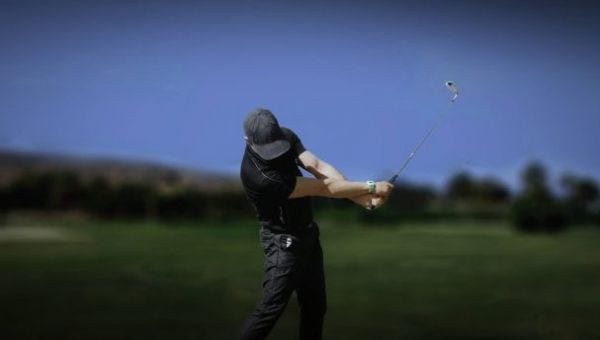
My guest on this episode is Adam Young, a golf instructor and author of the excellent book The Practice Manual. We discussed Adam’s personal journey in developing a unique task-oriented teaching style. He explained how his early experiences with textbook-based instruction led to physical injuries and frustration, prompting him to explore alternative methods. We also discussed a variety of topics related to motor learning, including the effects of internal versus external attention, the complexity of biomechanics, why deliberately making mistakes can be helpful, and the psychological and cultural factors inhibiting the exploration of new movement patterns. Even if you're not interested in golf, I think you will find Adam's ideas highly relevant to any movement-based practice, in the context of either rehab or performance. Links Adam’s website Adam’s book: The Practice Manual Follow Adam on Twitter Related PostsFocus of Attention in GolfLearning From MistakesThe Feel of Good Movement This is a public episode. If you'd like to discuss this with other subscribers or get access to bonus episodes, visit toddhargrove.substack.com/subscribe

Greg Lehman on Cognitive Functional Therapy
My guest for this podcast is Greg Lehman. Greg is a physical therapist, chiropractor, and researcher. Our main subject was a new study that found very positive results for Cognitive Functional Therapy (CFT). I thought Greg would be a good guy to ask about the strengths and weaknesses of the study, and how to interpret its meaning in light of the broader literature.Greg is a popular writer and teacher whose main interest is reconciling pain science with biomechanics. Part of his approach involves looking at many different kinds of therapies that seem to work, and then asking: what do all these different methods have in common? It’s a good question that generates insight. One of Greg’s strengths is a broad knowledge of the relevant research. Therefore, he always supports his arguments with specific citations, and he also has a good context to interpret the meaning of a news study. For example, if a new study comes out showing that therapy X works or doesn't work, he can probably think of other studies with different results.Another great thing about Greg is that he is always willing to challenge his own biases. So if a study comes out validating his ideas, he will be the first one to stand up and point out its limitations.In this podcast we talked about the strengths and weaknesses of the new CFT study, and how to put it in the context of the larger literature. We also talked about broader issues related to being aware of your own biases, cherry picking evidence, and using double standards to interpret studies.Links Greg Lehman’s websiteGreg on TwitterMy previous podcast with GregInformation on the study and Cognitive Functional TherapyA previous post on Pain Reprocessing Therapy, which I compared to CFT This is a public episode. If you'd like to discuss this with other subscribers or get access to bonus episodes, visit toddhargrove.substack.com/subscribe
Movement Lesson: Walking on the Sit Bones
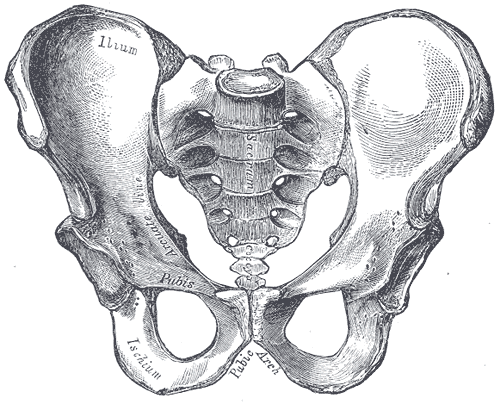
Today’s podcast is a 15-minute movement lesson you can do in a chair. It's a novel way to get the pelvis and spine moving, and bring some awareness to how they coordinate to keep you comfortable and balanced. It involves walking the sit bones over the base of your chair as if they were feet. Maybe the best alternative to getting up and going for a walk. This is a public episode. If you'd like to discuss this with other subscribers or get access to bonus episodes, visit toddhargrove.substack.com/subscribe

Leigh Egger on Coordination Training for Sport
Leigh Egger is a physiotherapist and trainer working as head of performance at Feyenoord Rotterdam, a Dutch professional soccer club. I first became interested in Leigh’s work because he had extensive knowledge about applying the ideas of Frans Bosch to athletic training and injury prevention. Bosch is the author of two fascinating books on movement (one of which I reviewed here.) His ideas are notoriously original, controversial, and somewhat confusing. Leigh has worked with Bosch closely and has significant experience putting his ideas to practical use. I first met at Lee at a Bosch seminar in Los Angeles that he was helping to teach. Here’s a video of some highlights (with a brief cameo by yours truly.) If you watch the video you will see some interesting and unusual exercises. In this podcast, Leigh provides some simple explanations of the logic behind these and other exercises as a way to improve athletic performance and prevent injury. We talked about motor learning, passive versus active attractors, control of the pelvis and spine in single leg stance, the hip lock position, the proper use of the ankle during running, and many other topics.LinksSpeed Power Play, a consulting company run by Leigh and John PryorSpeed Power Play on InstagramLeigh’s Twitter page This is a public episode. If you'd like to discuss this with other subscribers or get access to bonus episodes, visit toddhargrove.substack.com/subscribe

Tom Jesson on Sciatica
My guest for today’s podcast is Tom Jesson. Tom is a physiotherapist and author of a two excellent books related to nerve root pain: Sciatica: The Clinician’s Guide and Cauda Equina: The MSK Clinician’s Guide. He also writes a newsletter on nerve root pain here. I highly recommend Tom’s writing because it is well-researched, easy to read, and respects the complexity of the subject matter. In this interview we talked about about sciatica including: the difference between referred pain, radicular pain and radiculopathy; the anatomy of the nerve root; the different ways the nerve root can become irritated; disc herniations and whether size and type matters; how discs heal over time; and how to prevent and treat sciatica. Highly recommended if you want to know more about this complex subject. This is a public episode. If you'd like to discuss this with other subscribers or get access to bonus episodes, visit toddhargrove.substack.com/subscribe

Mark Miller on Predictive Processing
If you are interested in predictive processing, you should definitely listen to this podcast. It’s an interview with Mark Miller, a philosopher and cognitive scientist who studied under John Vervaeke and did his PhD with Andy Clark. I've read a bunch of Mark’s papers on using predictive processing to understand psychopathology, well-being, addiction, substance abuse, social media use, and playful behavior. These papers are filled with interesting insights about perception and action (along with some difficult technical materials that I won’t pretend to fully understand.) In this interview, Mark did a great job of minimizing the technical stuff and maximizing the interesting insights, of which there were many. We talked about pain, play, meditation, therapy, horror movies, roller coasters, and many other things. This was a super fun conversation and I highly recommend it. To learn more about Mark and his work, you can visit his webpage here, find him on Twitter here, and check out his Contemplative Science Podcast here. This is a public episode. If you'd like to discuss this with other subscribers or get access to bonus episodes, visit toddhargrove.substack.com/subscribe

Movement Lesson on Variable Sitting Posture
The podcast today features a 15-minute Feldenkrais-style movement lesson that you can do while sitting in a chair. It's a progression from a couple other sitting lessons which you can find here and here. (You can do the lessons in any order by the way.)Each lesson is about expanding you're sitting “vocabulary”, by which I mean all the different configurations of the pelvis, spine and ribs that can keep you in a balanced and comfortable position. Let me know what you think in the comments. This is a public episode. If you'd like to discuss this with other subscribers or get access to bonus episodes, visit toddhargrove.substack.com/subscribe
Christopher Johnson on Sport and Injury
Christopher Johnson is a physical therapist, performance coach, international speaker, published researcher, and elite triathlete.I consider Chris to be a world-class source of information about the connection between movement and pain, especially in the context of endurance running. He knows all the research, has years of experience working with runners, and competes at the highest level. Chris lives here in Seattle, so I’ve had many chances to get together with Chris and geek out about all things related to sports, movement and pain. This podcast is a recorded version of one of those geek-out sessions. We decided to make it a joint interview where we both ask and answer questions. (As it turned out, I think I had a more questions for him.) In any event, it was an informal conversation that touched on a wide variety of topics including:* Chris's background as a multi-sport athlete in skateboarding and tennis.* differences in how we grew up playing many sports versus the modern environment where kids are forced to specialize. * our personal experiences recovering from overuse and traumatic injuries.* common injuries for runners, especially bone stress injuries and tendinopathies.* raising kids to be healthy movers.* how Chris deals with the mental stress of triathlons, including his absurd claim that 5Ks are harder than Iron Mans. * our most recent projects and interests.LinksChris’ webpageChris’ new project collecting the best running drills: Top Shelf Resource SuiteChris on YouTubeChris on FacebookChris on Instagram This is a public episode. If you'd like to discuss this with other subscribers or get access to bonus episodes, visit toddhargrove.substack.com/subscribe
John Kiely on Robust Running
My guest on the podcast today is John Kiely. John is a senior lecturer at the University of Central Lancashire, Institute for Coaching and Performance.I've been reading John’s research for several years now and his papers are always very interesting and fun. He's written on a wide variety of subjects like running, coordination, periodization and the science of smooth movement. You can find links to some of my favorite papers below. What I really like about John’s writing is that he relates specific data points to big ideas, like complex systems, evolution, or stress/adaptation. And the perspective is very broad, so he makes interesting connections between seemingly unrelated topics. In his paper on smoothness, he refers to the Supreme Court free-speech debates about pornography. In his article about periodization, he writes about Henry Ford's theories of efficient car production in factories. When John agreed to do this podcast, I was excited to talk about a whole bunch of topics, but we focused on one: how to be a coordinated and robust runner. In John's view, running performance and injury is far more about coordination then we might imagine. We talked about:* the neural hierarchies governing coordination, ranging from the “smart” motor cortex to the “dumb” reflexes* what neural “degeneracy” means and how it’s different from redundancy.* the role of variability in performance and injury prevention* how fatigue and aging affect variability and coordination* why I strained my hamstring in my soccer game last week and what that has to do with coordination* how to train fast versus slow reflexes* the role of perturbation in training coordination* John’s opinions on the work of Frans Bosch We could have gone on for much longer, and I have many more questions, so I plan to ask John for more time in the near future. Links John’s research John on TwitterSome great papers by John that I recommend: * Smoothness: an Unexplored Window into Coordinated Running Proficiency* My post about the smoothness paper* Periodization Theory: Confronting an Inconvenient Truth* The Robust Running Ape: Unraveling the Deep Underpinnings of Coordinated Human Running Proficiency This is a public episode. If you'd like to discuss this with other subscribers or get access to bonus episodes, visit toddhargrove.substack.com/subscribe
How to Relax Your Shoulders While Sitting
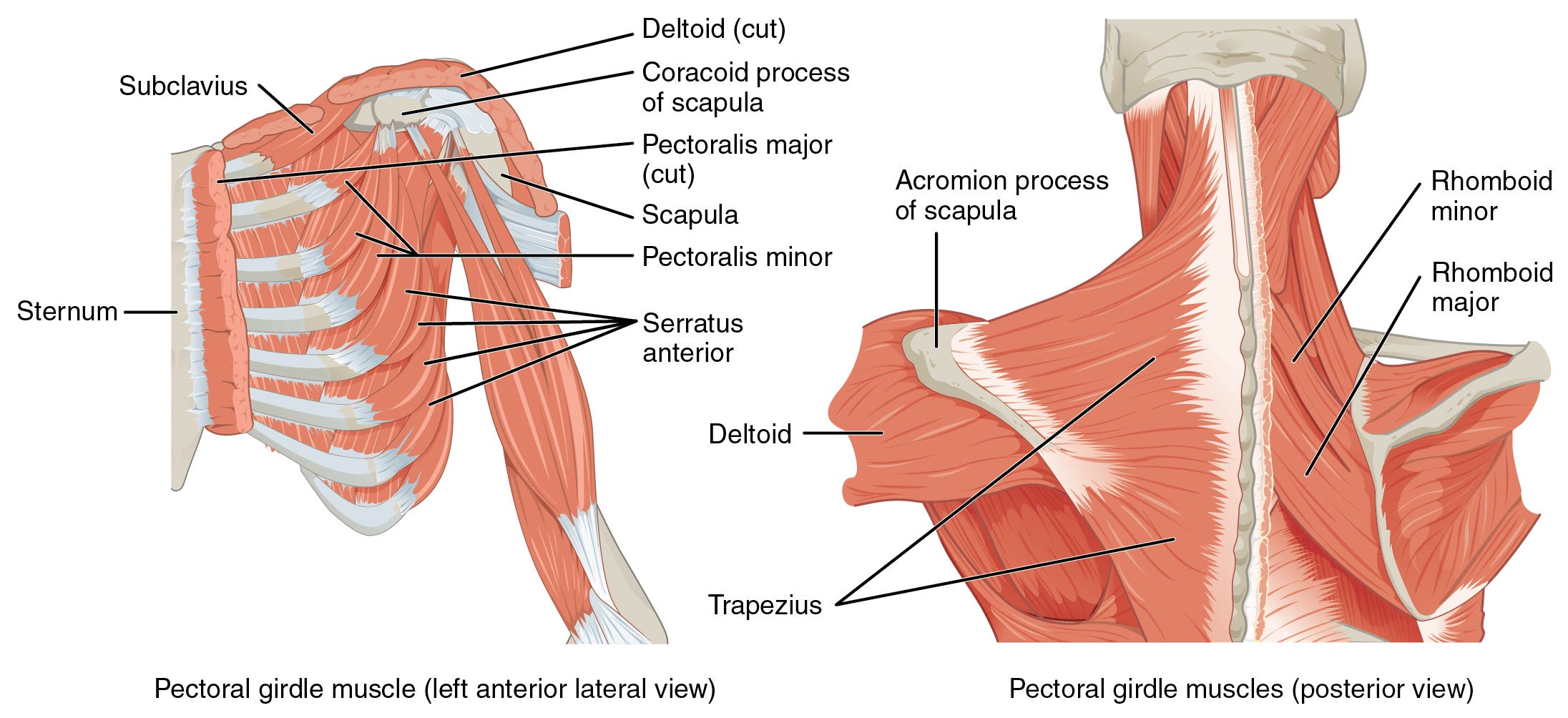
For this week’s episode of the podcast I have a 15-minute movement lesson you can do while sitting in a chair. The goal is to release unnecessary tension in the shoulders and neck. Based on the Feldenkrais Method.If you are enjoying these movement lessons, stay tuned for a coming announcement about a new series of online classes starting in January. This is a public episode. If you'd like to discuss this with other subscribers or get access to bonus episodes, visit toddhargrove.substack.com/subscribe

Joletta Belton on Chronic Pain From the Patient Perspective
Joletta Belton writes and speaks about her experience with chronic pain, so that clinicians and researchers can understand the patient perspective. I’ve heard her speak several times at pain conferences in San Diego and Oslo, and each time she had one of the most informative and engaging presentations. Joletta is co-chair of IASP’s Global Alliance of Partners for Pain Advocacy, which integrates the patient perspective into the study, research, and treatment of pain. She is also the first Patient and Public Partnerships Editor at the Journal of Orthopaedic and Sports Physical Therapy.In this podcast, Joletta tells her story about how she went from being an athletic firefighter to a disabled patient within just a year, after what seemed like a minor injury in her hip. She also explains how she eventually recovered, and how her sense of identity and meaning were profoundly impacted during her journey. We talked about her injury and subsequent surgery, the pain of losing her job and sense of identity, her experience in the medical and worker’s comp system, and how some deep realizations helped with her healing process. We also talked about the value of stories and personal narrative to patients, how clinicians can help patients create those stories, and what researchers can learn from Joletta’s experience. Highly recommended for clinicians, patients and anyone impacted by chronic pain.Links Joletta’s website and blog Joletta on TwitterThe Global Alliance of Partners for Pain Advocacy This is a public episode. If you'd like to discuss this with other subscribers or get access to bonus episodes, visit toddhargrove.substack.com/subscribe
Rob Gray on How We Learn to Move
Rob Gray is an expert on motor learning, especially as applied to sports.I’ve been following his research for years, as well as his excellent Perception & Action Podcast, which is one of the best sources of online information about skill acquisition for sports. Rob is an associate professor and undergraduate program chair in human systems engineering in the Polytechnic School at Arizona State University.Just last week he released an excellent new book summarizing his ideas: How We Learn to Move: A Revolution in the Way We Coach & Practice Sports Skills. It’s a practical and highly readable summary of complex research. Highly recommended. I had great time taking to Rob about his book and about all things motor learning, including variability, attractors, self-organization, Bernstein, and ecological psychology. We also discussed: * why baseball players can help elbow problems by landing on sand* how occlusion glasses can help soccer players keep their eyes up* the problem with using cones to train soccer players* my golf game* why Albert Pujols struck out on three straight pitches facing an underhanded pitcherFor related topics, check out my podcast with Nick Winkleman.LinksRob’s new bookRob on TwitterRob’s podcastRob’s research This is a public episode. If you'd like to discuss this with other subscribers or get access to bonus episodes, visit toddhargrove.substack.com/subscribe

Tasha Stanton on Pain and Illusion
Dr. Tasha Stanton is a physiotherapist and a clinical scientist. After completing her PhD at the University of Sydney, she did post-doctoral work under the mentorship of professor Lorimer Moseley. She now leads her own research group as a senior research fellow at the University of South Australia Adelaide, studying perception, multisensory integration, cortical body representation, and pain.I've been following Tasha's work for at least seven years, especially her studies where she uses perceptual illusions to modulate the perception in pain. These are very fun studies with cool effects that really get you thinking. In one of them, people with knee pain get a knee massage while viewing their knee through a device that makes it look like its being stretched. This reduces pain. In another study, people with stiff backs listen to the sound of a creaky door when their back is being pushed on. We talked about these studies and used them as a base to jump off into all sorts of discussions about perception, reality, and other body mind issues. It was a very fun conversation!Links Tasha’s websiteTasha on TwitterList of published research This is a public episode. If you'd like to discuss this with other subscribers or get access to bonus episodes, visit toddhargrove.substack.com/subscribe

Kieran O'Sullivan on Pain and Client Education
In this episode I talked with Kieran O’Sullivan, a senior lecturer at the University of Limerick in Ireland, about his back pain research and his experience as a physical therapist helping people in chronic pain. I have been following Kieran’s research and writing for many years, and I've always been struck by its relevance and clarity. He does a great job simplifying many different threads of complex research into an approach that is evidence-based, common sense and actionable. He also has a talent for translating back-and-forth between language that is appropriate for researchers, clinicians, and patients. We talked about: * simple versus complex pains and how to tell the difference* risk factors for transition from acute to chronic pain * whether patient education about pain can help prevent the transition* how NOT to deliver pain science education * sitting and lifting at work and their connection to chronic pain Recommended!LinksList of Kieran’s research publicationsKieran on TwitterPain-Ed This is a public episode. If you'd like to discuss this with other subscribers or get access to bonus episodes, visit toddhargrove.substack.com/subscribe

Movement Lesson #2 on Sitting Posture
Here’s the second of a series of lessons to help you sit with more comfort. The first focused on flexion/extension movements, this one is more about side bending. You don’t have to do the lessons in order, but they go well together. Let me know what you think in the comments. This is a public episode. If you'd like to discuss this with other subscribers or get access to bonus episodes, visit toddhargrove.substack.com/subscribe

Nick Winkelman on Language and Movement
Today's episode features an interview with Nick Winkleman, the author of the excellent book The Language of Coaching, which gets my highest recommendation for books on the science and practice of developing movement skill. It’s really a great book, and if you like this blog you would like the book, no question. Nick is currently head of athletic performance & science for the Irish Rugby Football Union and was previously director of education and training at EXOS, where he worked with some of the Best athletes in the world, including college football players getting ready for the NFL combine. Nick also completed a PhD with a focus on motor skill learning. In this podcast we talked about deep connections between language and movement, the difference between implicit and explicit knowledge, how to cue someone to run, squad or jump, differences in culture between sports and dance, and many other topics.LinksNick’s book, which you should buy right now.Nick’s website The Language of Coaching Nick on TwitterDynamic Alignment Through Imagery by Eric Franklin This is a public episode. If you'd like to discuss this with other subscribers or get access to bonus episodes, visit toddhargrove.substack.com/subscribe

Movement Lesson on Sitting Posture
For today’s podcast I am providing a ten minute Feldenkrais-style movement lesson. The goal is to explore different ways to sit with comfort in a chair, mostly though variable flexing and extending of the spine. Enjoy and let me know what you think. (Credit to Umberto Salvagnin for cat pic.) This is a public episode. If you'd like to discuss this with other subscribers or get access to bonus episodes, visit toddhargrove.substack.com/subscribe

Bronnie Lennox Thompson on Fibromyalgia and Living Well With Chronic Pain
My guest this week is Bronnie Lennox Thompson. Bronnie is an expert on chronic pain and has fibromyalgia. She holds a PhD, has published research, and is a senior lecturer at the University of Otago in New Zealand. She's also an occupational therapist and teaches courses about helping people with chronic pain. I've been reading Bronnie’s excellent blog Health Skills for many years, as well as her contributions to debates about pain on Facebook (where demonstrates the patience of a saint.) I've met her in person a few times at the San Diego Pain Conference. My impression is that she radiates intelligence, wisdom and kindness. In this podcast we talked about the symptoms of fibromyalgia, controversies over diagnosis, and its pathophysiology. We talked about treatments, and how to live well with fibromyalgia or other chronic pain conditions. If you have chronic pain or you know some someone who does, or if you treat people in chronic pain, I highly recommend listening to what Bronnie has to say. Listen onApple PodcastsSpotifyGoogle PodcastsLinksBronnie’s academic websiteList of Bronnie’s researchBronnie’s blog Health Skills This is a public episode. If you'd like to discuss this with other subscribers or get access to bonus episodes, visit toddhargrove.substack.com/subscribe
Ebonie Rio on Tendon Pain
Ebonie Rio talks about her research on tendon pain: how they adapt to stress, how they can degenerate, why they hurt, and how to make them feel better. This is a public episode. If you'd like to discuss this with other subscribers or get access to bonus episodes, visit toddhargrove.substack.com/subscribe
Israel Halperin on the Science of Training for Mixed Martial Arts
Sports scientist Israel Halperin has traveled the world competing in and coaching elite level kickboxing and MMA. In this podcast we talk about why athletes perform better when they can choose their exercises, the complexity of assessing fatigue, the use of RPE to guide training intensity, internal versus external cues, and the replication crisis in sports science. This is a public episode. If you'd like to discuss this with other subscribers or get access to bonus episodes, visit toddhargrove.substack.com/subscribe
Paul Ingraham on Neuroinflammation and Medically Unexplained Symptoms
Paul Ingraham, author of the amazing website PainScience.com, discuses his career writing evidence-based articles and e-books about musculoskeletal pain, including: his involvement in the skeptic community; his work as an editor at the Science Based Medicine blog; his own experience with chronic pain; his recent studies into neuroinflammation and its potential role in medically unexplained symptoms. This is a public episode. If you'd like to discuss this with other subscribers or get access to bonus episodes, visit toddhargrove.substack.com/subscribe
James Steele on Low Back Pain and Low Back Extensor Strength
Welcome to the fourth episode of the Better Movement podcast. My guest is James Steele. James is an Associate Professor of Sport and Exercise Science at Solent University, and the principal investigator at the ukactive Research Institute. He's also a member of the team of experts helping the UK revise its official guidelines for physical activity.James has published extensive research on exercise, especially strength training, and the connection between low back pain and low back extensor strength. He's also written about a subject I find especially interesting - an evolutionary perspective on exercise and low back pain, including discussions of how the low back and pelvis evolved in humans, and the kinds of physical activities engaged in by hunter-gatherer communities.In this podcast we talk about all those subjects, as well as the prevalence of low back pain in hunter-gatherer populations, whether low back pain is a diseases of civilization, why humans have weak backs and strong hips, James' interest in high-intensity resistance training, and many other subjects.Listen hereApple PodcastsSpotifyGoogle Podcasts This is a public episode. If you'd like to discuss this with other subscribers or get access to bonus episodes, visit toddhargrove.substack.com/subscribe

Dr. Melissa Farmer on Pain and Emotional Learning
Welcome to the third episode of the Better Movement Podcast, featuring Dr. Melissa Farmer. Melissa has a doctorate in Clinical Psychology from McGill University, and did postdoctoral research in pain neuroscience at Northwestern University. She spent several years working at the lab of Dr. Vania Apkarian, where she helped produce a fascinating line of research about the brain’s role in chronic pain. I discussed this research in a previous blog post here, and the basic gist is this: there are differences between the brains of people with and without chronic pain, and these can be observed on MRI. Some of these differences involve increased activity in areas related to emotional learning, and these may play a causal role in the transition between acute and chronic pain. In this podcast, we discuss this line of research as well as: * the limits of MRIs in detecting what someone is actually thinking or feeling * whether MRIs can find a neural “signature” for pain * the connection between chronic pain and emotional learning* the value of mindfulness and cognitive behavioral therapy in treating chronic pain* Melissa’s most recent project with Aivo Health, an app for helping people with chronic pain. Listen onApple PodcastsSpotifyGoogle PodcastsFor more information about Melissa, you can visit her website Visceral Mind, see the new product she is working on, or visit her page on Twitter. This is a public episode. If you'd like to discuss this with other subscribers or get access to bonus episodes, visit toddhargrove.substack.com/subscribe

Stephan Guyenet on The Neuroscience of Weight Gain
Welcome to the second episode of the Better Movement Podcast. I’m very excited that my good friend Stephan Guyenet agreed to be a guest. Stephan is a neuroscientist who studies obesity, especially the role of the brain in regulating body fat. He’s also an expert in the diets and health of non-industrial populations such as hunter-gatherers.Stephan received a PhD in neuroscience from the University of Virginia, and did a post doctoral fellowship at the University of Washington, where he did original research that has received more than 3,000 citations. He's the author of an excellent book called The Hungry Brain, which was positively reviewed in the New York Times. Stephan is also the author of the amazing Whole Health Source blog, a senior fellow at Give Well, a reviewer at Examine.com, and the founder and director of Red Pen Reviews, a website that provides free reviews of popular nutrition books to assess their scientific credibility. Stephan lives here in Seattle so we get to chat over beers from time to time.In this podcast we talk about the diets of hunter-gatherers, the true cause of the obesity epidemic (no, it's not sugar), how to get your kids to eat broccoli, my severe addiction to dark chocolate, and the role of the brain in weight regulation.Listen at Apple PodcastsListen at SpotifyListen at Google Podcasts This is a public episode. If you'd like to discuss this with other subscribers or get access to bonus episodes, visit toddhargrove.substack.com/subscribe
Greg Lehman on Why Exercise Helps With Pain
Welcome to the first episode of the Better Movement Podcast. The subject matter will be more expansive than the blog. It will be centered around the main topics discussed in the blog (pain, motor control, and play) but move into new areas like nutrition, sport science, evolution/biology, and science in general. The plan is to have a new show every two weeks, and most shows will be interviews with experts. My first guest is Greg Lehman, a researcher and clinician who helps people with musculoskeletal pain.Most of my readers will know from his excellent blog, his lively Twitter feed, and his very popular course called Reconciling Biomechanics With Pain Science, which I highly recommend. Greg’s main expertise is evaluating the research about connections between pain and “dysfunctional” posture or movement. He makes a strong case that mainstream opinions and practices related to these issues are inconsistent with the evidence. We had a lively talk that covered many different topics, including: * the real reasons exercise helps with pain * whether pain treatment requires a diagnosis* what actually happens when your back “goes out”* Greg’s own recent terrifying experiences with pain* the need to be humble about the limits of our knowledge * what kinds of research Greg would do if he had infinite time and moneyEven if you are familiar with Greg’s work I think you will find some new insights here. Hope you enjoy it and let me know what you think. This is a public episode. If you'd like to discuss this with other subscribers or get access to bonus episodes, visit toddhargrove.substack.com/subscribe