
The Adrenaline Zone
Sandra Magnus and James "Sandy" Winnefeld
Show overview
The Adrenaline Zone has been publishing since 2022, and across the 4 years since has built a catalogue of 71 episodes, alongside 1 trailer or bonus episode. That works out to roughly 50 hours of audio in total. Releases follow a monthly cadence, with the show now in its 7th season.
Episodes typically run thirty-five to sixty minutes — most land between 38 min and 45 min — and the run-time is fairly consistent across the catalogue. None of the episodes are flagged explicit by the publisher. It is catalogued as a EN-language Education show.
There hasn’t been a new episode in the last ninety days; the most recent episode landed 7 months ago. The busiest year was 2022, with 28 episodes published. Published by Sandra Magnus and James "Sandy" Winnefeld.
From the publisher
Most people spend their lives avoiding risk. A select few attack it. They dive head first into the zone where physical, intellectual, reputational, and financial risks fuel their actions, test their resolve, and fulfill their dreams. Every week The Adrenaline Zone podcast explores the action-packed lives of people who seek out challenges most wouldn’t consider. Buckle up and hold on as we interview these deep divers, high fliers, and fast drivers to find out how it feels to live life in The Adrenaline Zone.
Latest Episodes
View all 71 episodes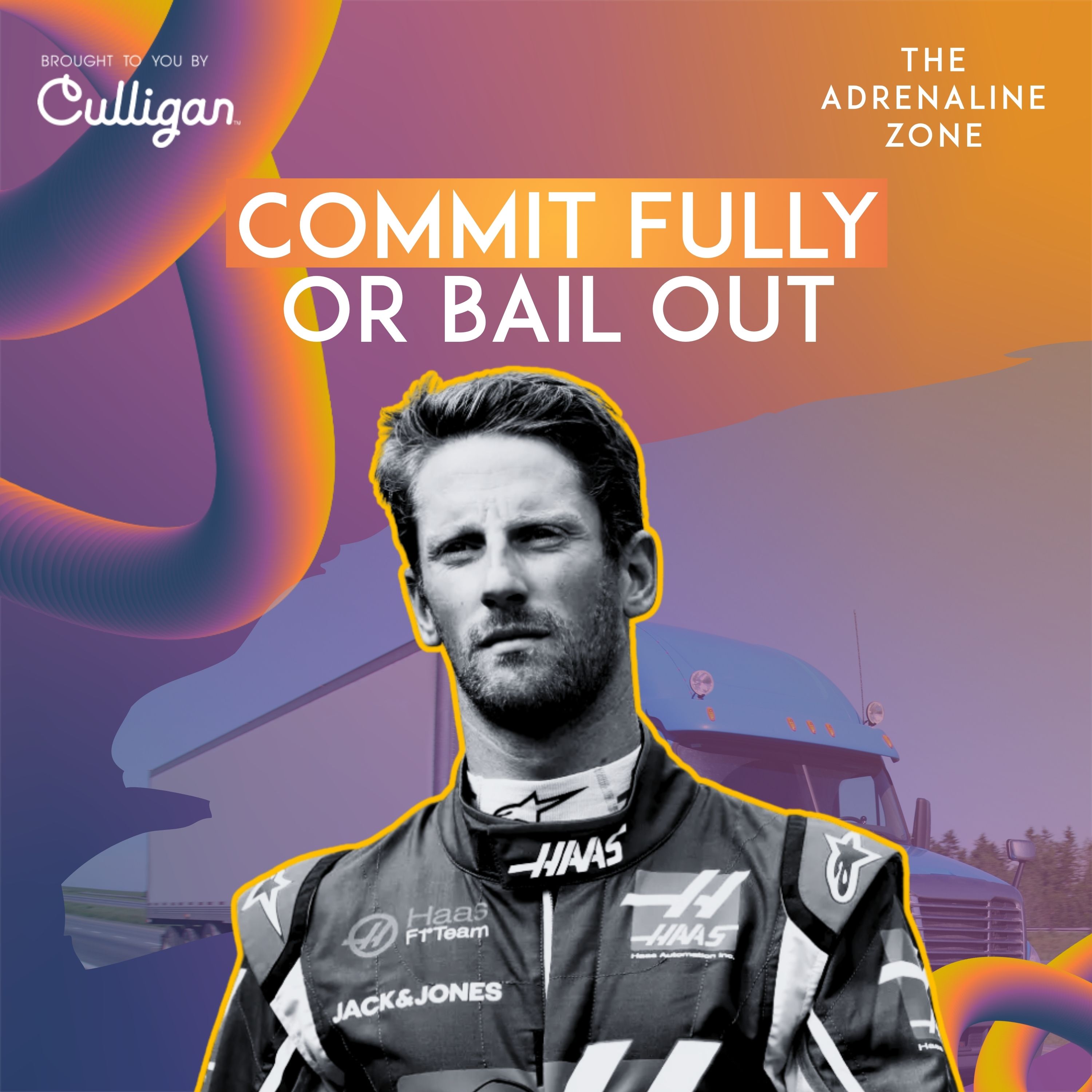
S7 Ep 10From Go-Karts to Grand Prix: The Calculated Risks of Racing with Romain Grosjean
Most people see a race car driver and think "adrenaline junkie." But for Romain Grosjean, a decade in Formula One, several years in IndyCar, and a fiery crash in Bahrain that nearly took his life, the sport is anything but reckless. From growing up near Geneva karting every Wednesday afternoon to competing in the Monaco Grand Prix and the Indy 500, Grosjean shares how racing at the highest levels is about precision, instinct, and the survival drive that kicks in when everything goes wrong.🎯 INSTINCT OVER INSTRUMENTS [04:37]: "I have a really good butt sensor... I did my private pilot license and the instructor was like, have you flown an aircraft before? I said no, but it feels like a race car. It moves around and I know what to do." Before the data catches up, it's the body that tells a driver what the car is doing - a skill that separates the elite from the rest.🎯 SURVIVAL INSTINCT [21:57]: "What's going through your head is that you don't want to die and you want to survive, and you have to find a solution. You never know if you have a survival instinct until you discover that you have one." Trapped in a burning car wedged under a guardrail in Bahrain, Grosjean pulled himself out in 28 seconds - and was planning his next race from the hospital bed.🎯 COMMITMENT ON THE EDGE [23:52]: "I don't think I give him more inch. What I think is that I think more about making a move. But once I've committed to a move, that hasn't changed. There is nothing worse than going halfway through something. Either you commit, either you back out, but in between is never good." Experience teaches a driver to think longer before acting - but never to act with less conviction.CHAPTERS:00:00 - Romain Grosjean Joins The Adrenaline Zone01:47 - From Swiss Go-Karts to Formula Racing03:20 - Learning Curve Through the Racing Ranks04:37 - The Butt Sensor: Instinct Over Instruments06:08 - Physical Training for F1 vs IndyCar07:13 - Key Differences Between F1 and IndyCar08:51 - Technology Inside a Formula One Car10:53 - How Car Safety Has Evolved Over Decades12:25 - The Culture of a Winning Racing Team14:02 - In-Race Communication and Strategy17:21 - The Art of the Pit Stop18:04 - Pre-Race Strategy in F1 vs IndyCar19:28 - AI and Real-Time Race Simulations21:45 - The Bahrain Crash and Survival23:52 - How Risk Perception Changes with Experience24:15 - Endurance Racing and the Rolex 24 at Daytona27:15 - Simulators and Setting Up the Car28:54 - Car vs Driver: Who Really Wins Races?31:19 - What the Public Gets Wrong About Drivers32:23 - What's Next for Romain Grosjean🔗 CONNECT WITH ROMAIN GROSJEAN:• Instagram: https://www.instagram.com/groaboromaingrosjean/• Website: https://www.romaingrosjean.com/#FormulaOne #IndyCar #RomainGrosjean #Bahrain #RacingLife #Motorsport #F1 #Indy500 #AdrenalineZone
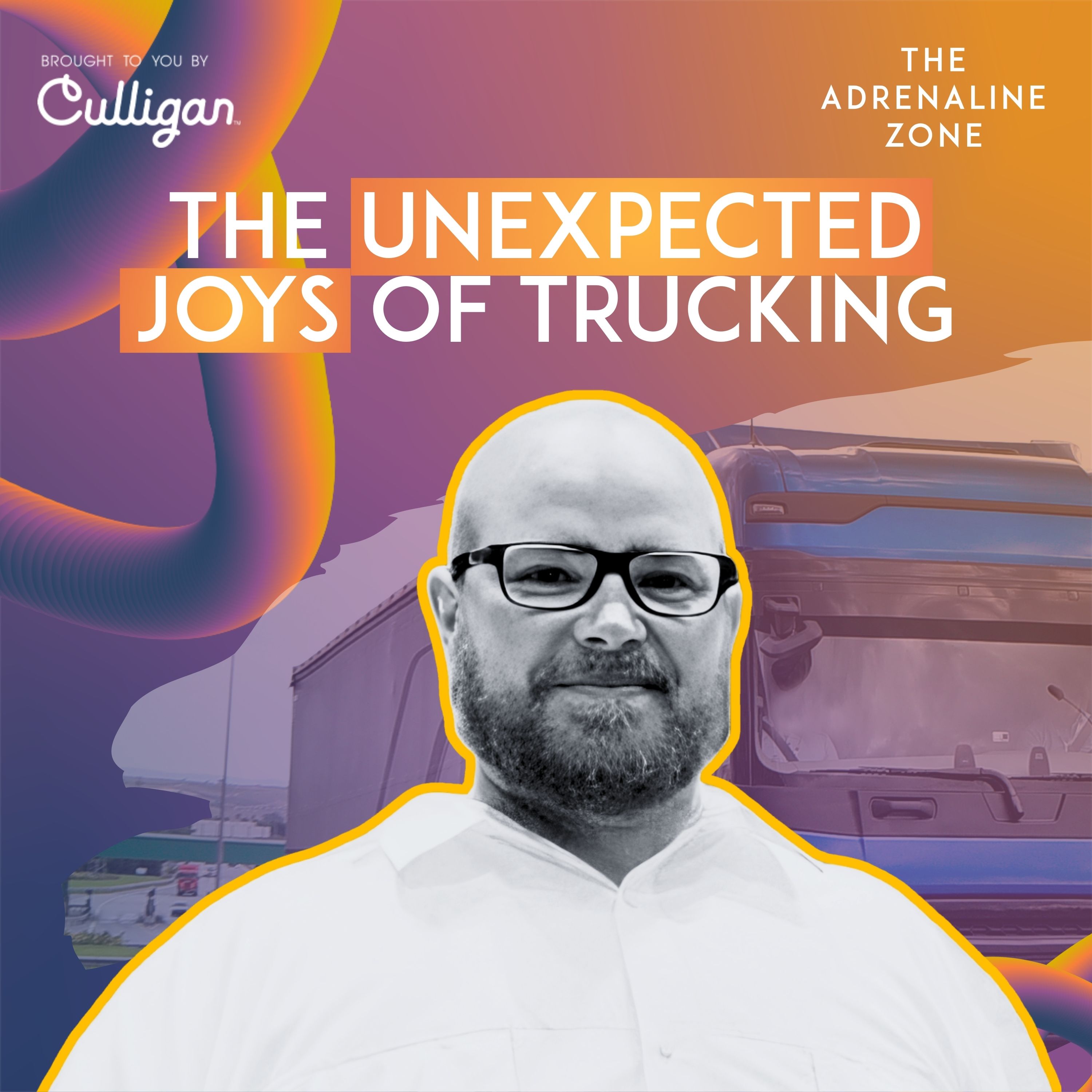
S7 Ep 9The 80,000 Lbs. Backbone of the American Economy with Joshua Hogue
People see trucks on the highway every day, relying on them for every item in their homes. As a professional driver, Joshua Hogue knows the rhythms of the highway system, playing a crucial role in getting products of all descriptions to where they need to be.Most ‘four-wheel drivers’ treat these powerful machines like blocks of metal, cutting them off or ignoring blind spots. Seeing these dangers from his cab seat, Joshua has a uniquely thorough understanding of what would help keep people safe, as he shares the truth about life on the open road.🎯 GROWTH STORY [02:21]:"The love of the open road, just being out there, being able to see things and getting pretty much paid to sightsee."The job offers a unique way to see the country. Hear the story of Joshua’s childhood dream.🎯 PRACTICAL FACT [12:11]:"Roughly, I would say 99.9% of the freight is hauled because even if it's shipped on rail on a train, it still has to be loaded into a truck and taken to a warehouse."Trucks move every product in a store, making them the heart of the national supply chain.🎯 CRITICAL REVEAL [24:59]:"I've seen people in cars reading books, playing on their phone, eating a bowl of cereal with no hands on the steering wheel."People forget semi-trucks need more space to stop. Joshua reminds everyone of the danger of distracted drivers on the highway.CHAPTERS:00:00 - Joshua Hogue Shares Trucking Reality02:49 - Learning to Get Your CDL04:04 - Powering Custom Truck Cabs07:48 - Tracking Big Rig GPS Routes10:49 - Hauling Animals and Cargo Types13:12 - Living in a Class 8 Sleeper Cab15:03 - Setting Drive Time Safety Rules20:57 - Installing Mountain Road Snow Chains23:55 - Avoid Road Risks from Bad Habits28:25 - Preventing Cargo Theft and Hijackings34:19 - Testing Future Automated Truck Tech🔗 CONNECT WITH HOGAN TRANSPORTATION:• Website: https://hogan1.com/#TruckingIndustry #RoadSafety #TruckDriverLife

S7 Ep 8Inside the Real Emergency Room with Dr Cedric Dark
Trauma doctors work in a world of high stakes and sudden moves, and they must be ready for any crisis. While many physicians may focus only on the patient in front of them, Dr. Cedric Dark sees the emergency room as a canary in a coal mine, alerting those working there to how national problems affect individual lives.Dr. Dark has turned his hospital experience into a plan for better health policy, and he now fights for lives outside the operating room. He uses concrete data to advocate for gun safety while also helping young doctors avoid the trap of massive student debt. With Sandy and Sandra, he discusses the hard truths of modern medicine and offers potential solutions to what is broken in the current system.⚠️ THE SUDDEN LOSS [17:13]:"Having to inform a parent that their child is gone, whether that child is an actual kid or even if it's a 30 year old, that's the hardest part of the job, quite frankly."This moment shows the heavy emotional load doctors carry when they cannot save a life.🎯 THE SAFETY PLAN [27:04]:"We are not anti-gun, we are anti-bullet holes."“So first of all, let me give all credit to Dr. Esther Choo for that statement. She tweeted out one day and the rest of our group kind of rallied around that and she allowed me to steal that for all eternity to use.”Dr. Dark shows how to fix the injury epidemic without losing constitutional rights.”🛠️ THE DEBT PLAN [42:11]:“One thing I would definitely encourage every single person that's going into medical school is to go to wherever the money is… With the way student loans have gone lately, it's been one of those things that you just don't want hanging over your head."Young doctors can reach financial freedom faster by choosing schools that offer the best scholarships.CHAPTERS:00:00 - Why Emergency Medicine Is the Highest-Pressure Specialty01:12 - Why ER Doctors Enter the Gun Violence Debate02:09 - Choosing Emergency Medicine Over Surgery06:09 - Training for Worst-Case Scenarios Under Extreme Uncertainty12:18 - How Residency Builds Confidence Through Graduated Responsibility17:04 - Coping With Trauma, Death, and Burnout in the ER24:20 - Evidence-Based Gun Policies That Actually Save Lives33:28 - Freestanding ERs and Access to Emergency Care38:21 - Why US Healthcare Costs More and What Needs to Change41:54 - Career Advice for Future Emergency Physicians🔗 CONNECT WITH DR. CEDRIC DARK:• Website: https://cedricdark.com/• Book: https://cedricdark.com/under-the-gun/#EmergencyMedicine #GunPolicy #HealthCosts
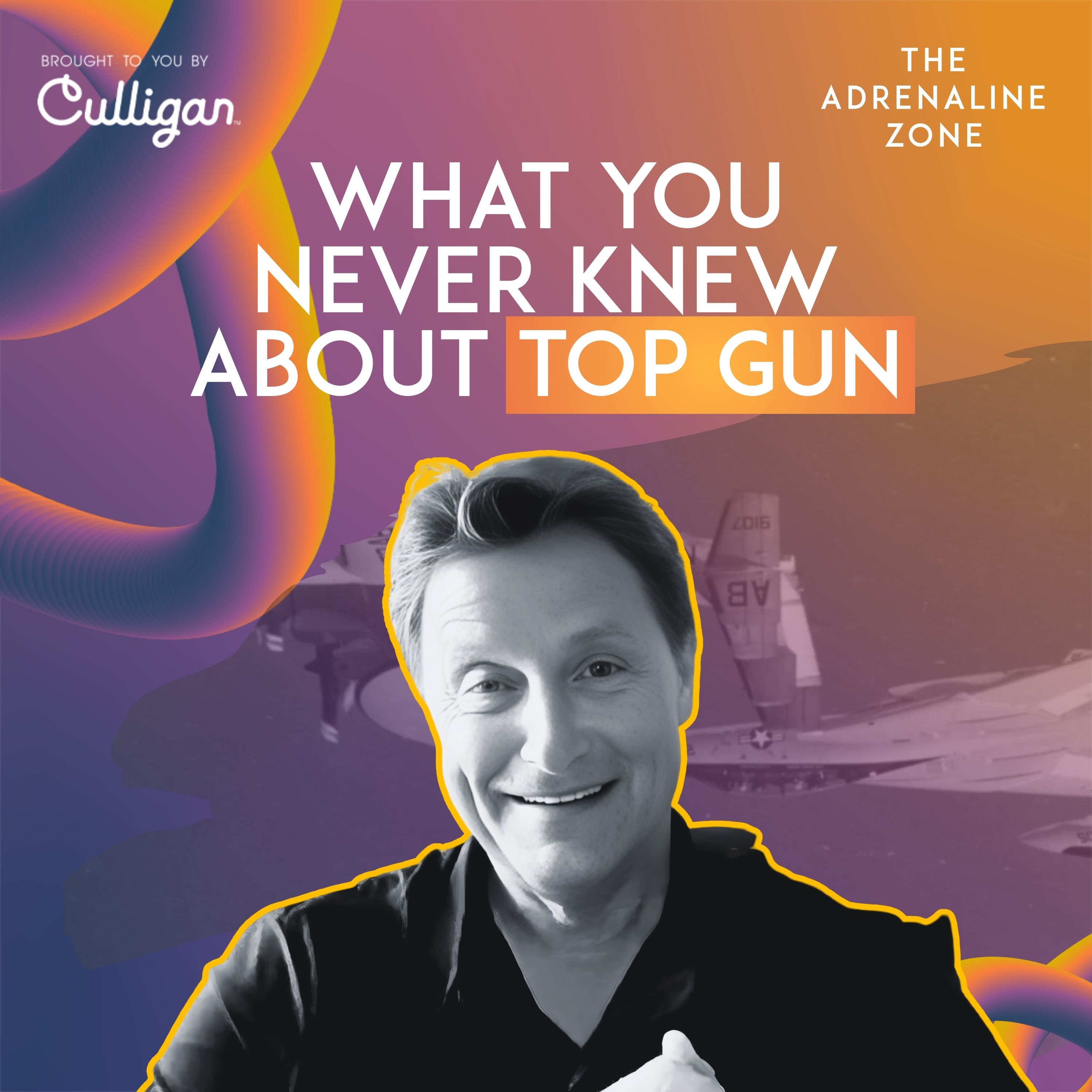
S7 Ep 7Inside The Cockpit With A Real TOPGUN Legend with Gregory "Hollywood" Dishart
The iconic aviator shades and beach volleyball scenes from 1986 defined a generation, but the real Navy Fighter Weapons School operated on a different frequency. Former TOPGUN instructor Gregory "Hollywood" Dishart joins Sandy and Sandra to dismantle the theatrical myths and expose the grueling reality of building the world's best pilots. He details how the school transformed individual aviators into force multipliers who could elevate entire squadrons through brutal honesty and tactical precision.The transition from a cocky fighter pilot to a humble teacher requires a complete psychological shift. Therefore, understanding the "murder board" vetting process and the ruthless objectivity of the debrief room provides a definitive blueprint for high-performance leadership. Hollywood explains why the most dangerous thing in a cockpit isn't a missile, but an unchecked ego, and how the Navy systematized the pursuit of perfection.🎯 KEY EPISODE TAKEAWAYS:⚔️ RUTHLESS STANDARD [16:52]:"It was the hardest audience you'll ever give a lecture to... They expect you to be that good because the students and the program require you to be that good."Discover the intense pressure of the "murder board," where instructors face grueling interrogations to prove they are worthy of teaching the elite.📝 THE PROFESSIONAL'S CREED [24:05]:"Be humble, but don't have your hat in your hand. Be receptive to criticism, show up early, be professional."Learn the specific mindset shift that allows high performers to separate their personal identity from their performance during a critique.👑 LEGACY OF LEADERSHIP [53:14]:"If you recognize the value of instruction and advancing the product and the level of professionalism, you're kind of called to do it, no matter what line of work you end up in."Hollywood explains why true leadership isn't about flying the jet yourself, but accepting the responsibility to elevate the next generation of performers.CHAPTERS:00:00 – Stepping Into TOPGUN’s High-Pressure World02:38 – The Path Into Naval Aviation and Early Inspiration04:52 – Inside a Multi-Generational Family of Military Aviators08:19 – How Hollywood Got His Call Sign10:47 – What TOPGUN Really Is and How Its Culture Evolved12:43 – How Pilots Are Selected to Join the TOPGUN Staff16:13 – Surviving the Murder Board and Mastering Debrief Culture18:27 – High Standards, Brotherhood, and the Real TOPGUN Mindset24:54 – Building Instructors: The Art of Debriefing and Humility27:38 – How Tactics Evolve and the Air Force Exchange Breakthrough33:23 – Behind the Scenes of Filming the First Top Gun Movie41:34 – Top Gun’s Cultural Impact and Motivating a New Generation44:01 – Hollywood’s Take on Top Gun: Maverick47:42 – Applying TOPGUN Leadership to a Career at Delta Airlines🔗 CONNECT WITH GREGORY "HOLLYWOOD" DISHART:LinkedIn: https://www.linkedin.com/in/greg-dishart-69220a2b/#TopGun #NavalAviation #HighPerformanceTeams

S7 Ep 6Surviving The Fourth Intelligence Revolution with Dr. Anthony Vinci
Most people think of espionage as something out of a spy movie, targeting only governments and high-level officials. This is no longer true. The nature of intelligence has changed, and foreign powers are now actively targeting everyday Americans to collect data and shape opinions. This new battlefield exists on our phones, in our social media feeds, and even in our genetic code.Former CIA case officer and author Dr. Anthony Vinci explains this "Fourth Intelligence Revolution." He details how countries like China have built the most extensive surveillance systems in history and are working to export that model globally. This fight is not just for governments anymore; it's a challenge every citizen must understand to protect themselves and their families.Don't miss the key moments in this episode where Anthony Vinci shows you how to think like a spy to defend against these modern threats.🎯 KEY EPISODE TAKEAWAYS:👁️ EXPORTING DYSTOPIA [11:39]:"My belief is that China wishes to extend that surveillance dystopia to the rest of the world, including to America...They're stealing information about Americans, and ultimately they want to use that...to try to influence us and maybe even control us over time."Learn how foreign surveillance models are being used to target you right now.🛡️ THE INTELLIGENCE TRIAD [19:12]:"You could think like a case officer...They're just a little bit security conscious...Another thing that you can do is think like an analyst...And an analyst triangulates information...The third thing...is think like a science and technology officer...Could this thing be used against me?"Get three actionable frameworks from the CIA playbook to immediately improve your personal security.⚡ THE CITIZEN AGENT [39:49]:"That's what I mean by democratizing. We all need to start to think of ourselves as part of the intelligence...ecosystem...where we're...targets...but also where we can learn to think like and become civilian intelligence officers."Discover the mindset shift that turns you from a target into your own best defense.CHAPTERS:00:00 - AI Surveillance Eliminating Privacy01:38 - Anthony Vinci’s Path Into Intelligence03:11 - What a Case Officer Actually Does05:37 - Geospatial Intelligence Explained07:49 - Modernizing Intelligence with Artificial Intelligence10:23 - China as the Primary Global Surveillance Threat15:12 - AI Unlocking Data and Removing Anonymity17:40 - How Individuals Can Protect Themselves Online22:27 - China Collecting Global Genetic Data27:23 - Economic Espionage and the Power Shift31:15 - Building a National Economic Defense Strategy35:34 - Strengthening U.S. Information Warfare Capabilities38:02 - Democratizing Intelligence for Society42:42 - Vinci’s New AI Venture for Predictive Insights47:51 - Final Call to Awareness and Public Engagement🔗 CONNECT WITH ANTHONY VINCI:•Website: https://www.anthonyvinci.com/• The Fourth Intelligence Revolution: https://www.amazon.com/dp/1250370906?#Intelligence #CIA #NationalSecurity
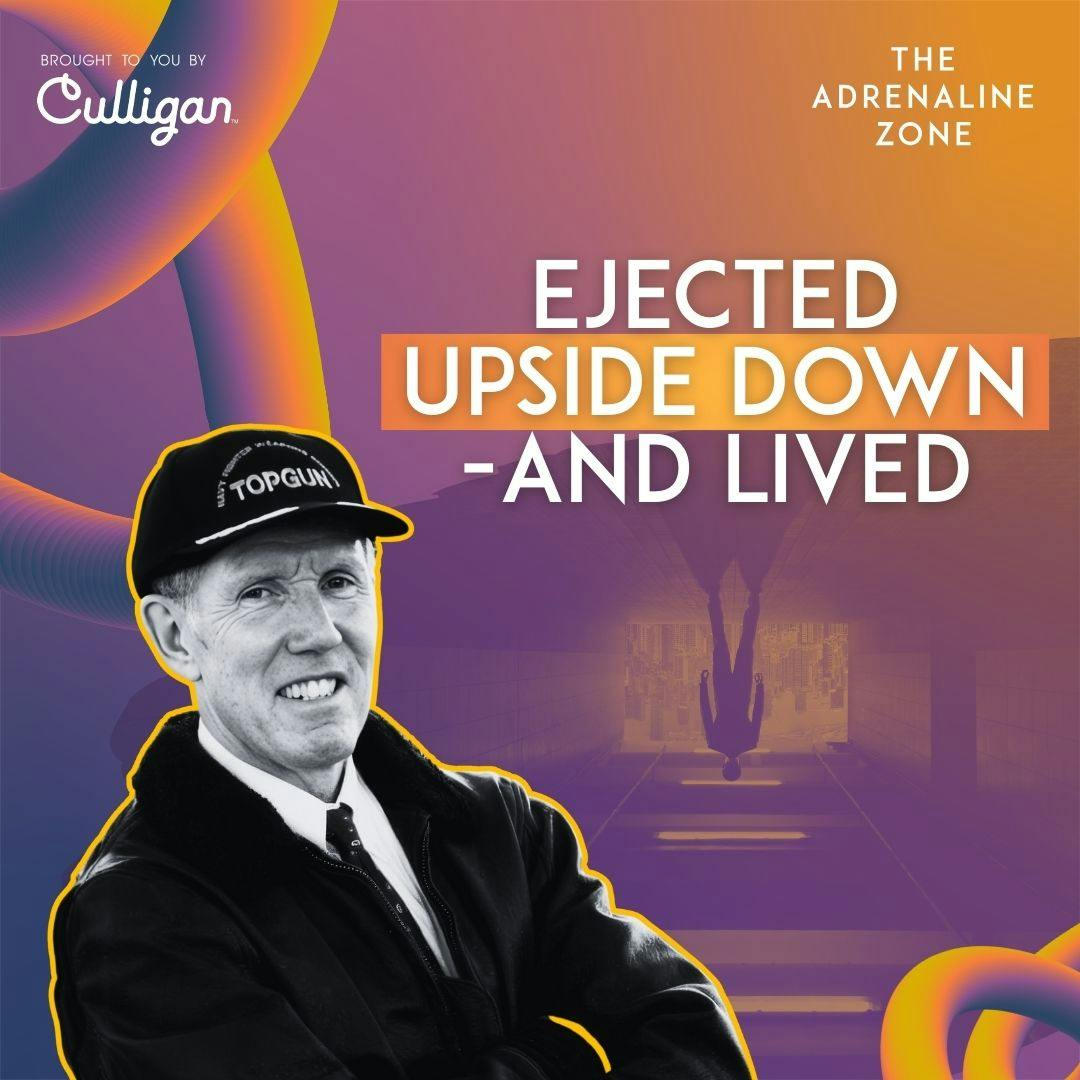
S7 Ep 5Air Combat Lessons From Navy Ace Bill Driscoll
How do you become a flying ace when outnumbered and shot down on fire? Decorated Naval Flight Officer Bill Driscoll shares his incredible Vietnam combat story here today revealing the intense preparation, critical pilot/RIO bond, and mindset needed under unimaginable pressure - going well beyond dogfight myths.Driscoll details the stark realities of combat, from joining the Navy unable to swim to later ejecting over enemy waters, or facing nearly 30 MiGs with only three wingmen, noting that such pressure demanded absolute readiness and mental fortitude. His journey from recruit to 5-kill ace and TOPGUN instructor reveals powerful lessons: the immense preparation required for combat, the vital trust built through accountability, and leadership principles centered on care and continuous improvement – all applicable far beyond the cockpit. These insights ultimately reshaped fighter tactics and still inspire leaders today.🎯 KEY EPISODE TAKEAWAYS:⚔️ DUEL WITH AN ACE [16:30]:"A typical jet dogfight usually lasts about 15, 20 seconds. This one lasted almost two minutes. And for the first, say, minute and 50 seconds, we couldn't shake him. It was like he was tied on a string behind us."Experience the intensity of a life or death dogfight against a highly skilled enemy ace, requiring every ounce of skill and teamwork to survive and prevail. This fight resulted in Bill and Randy Cunningham's fifth MiG kill.🤯 UPSIDE DOWN & ON FIRE [23:16]:"Now I'm 6'2", 185... but I'm squished against the top of the canopy and I can't get to the handle... Now we're upside down, fire in the cockpit, smoke, can't read the gauges in this inverted spin... with the two top tips of my fingers on the top of the handle, I yanked it and bam, it fired."Hear the harrowing moments of ejecting from a crippled F-4 Phantom over enemy territory. Survival depended on training and sheer will.🔑 ACCOUNTABILITY CODE [39:30]:"The way we build trust at TOPGUN is we hold ourselves mercilessly accountable."Learn the simple yet powerful debriefing framework that drove massive improvements in naval aviation and builds trust through radical accountability. Applicable to any team seeking peak performance.CHAPTERS:00:00 - Combat Training vs. Reality 02:13 - Joining the Vietnam War 02:46 - Overcoming Naval Aviator Training Hurdles 04:27 - Flying and Fighting in the F-4 Phantom 07:46 - First MiG Kill 09:08 - Escaping Enemy Territory at Low Altitude 11:38 - Triple MiG Kill Dogfight Breakdown 16:42 - Outmaneuvering an Enemy Ace 18:59 - Communication Under Extreme Pressure 20:12 - What It Feels Like to Be Hit in Combat 24:09 - Sea Ejection and Rescue Story 26:27 - Survival and Recovery at Sea 30:27 - Mindset That Creates an Ace 33:03 - How TOPGUN Transformed Fighter Tactics 36:28 - The TOPGUN Culture of Excellence 37:15 - Applying Fighter Pilot Lessons to Business 41:45 - Building Trust and Leadership in Teams 42:49 - The Future of Fighter Aviation 🔗 CONNECT WITH BILL DRISCOLL:Website: https://www.willydriscoll.com/Speaking Engagements: <a href="https://www.willydriscoll.com/blank-1" rel="noopener noreferrer"...

S7 Ep 4The Unexpected Challenges of Being An Opera Star With J'Nai Bridges
Ever wonder what it takes to stand on the world's most prestigious stages, captivating audiences with your voice? J'Nai Bridges unveils the intense athletic discipline, linguistic mastery, and emotional depth required to thrive in the demanding world of opera. From navigating the pressures of performing to championing diversity in classical music, J'Nai shares the pivotal moments and transformative roles that have shaped her extraordinary career.J'Nai's story will challenge your perceptions about opera and inspire you to pursue your own passions with steadfast dedication.🎯 BIGGEST TAKEAWAY: [0:10:06]:"When you feel like you've seen yourself, it just clicks into your mind...oh wow, this is possible for me too."A powerful reminder that representation matters and seeing others who look like you achieving great things can ignite your own potential.💡 INSIDER SECRET [0:15:43]:"Reviewing the film which is, like, ugh, always so difficult. It's, like, hard to hear myself. But it's a necessity. "Just like elite athletes, J'Nai emphasizes the importance of self-critique and analysis to continuously refine her performance. Don't miss this segment to learn how she identifies areas for improvement and maintains a competitive edge.🔑 BREAKTHROUGH MOMENT [0:22:10]:"The recent role that I sang... allowed me to just... tap into a very vulnerable place."Hear J'Nai reveal how delving into vulnerable roles can profoundly impact artistry, bringing new depth to every performance. 📈 SUCCESS BLUEPRINT [0:27:37]:"When people hear their stories and feel seen, they come out."J'Nai shares her vision for the future of opera, highlighting the importance of new and diverse stories that resonate with modern audiences. Learn how she uses her platform to promote inclusivity and attract younger generations to this timeless art form.CHAPTERS:00:00 - The Ultimatum That Launched an Opera Career00:25 - Breaking Barriers: Representation and Diversity in Opera01:07 - The Athletic Discipline Behind Opera Performance02:04 - From Choir to Conservatory: Finding a Voice in Classical Music05:01 - Sacrifices and Challenges of an Opera Career09:01 - The Power of Role Models and Mentorship12:07 - Preparing for Major Roles and High-Stakes Performances18:43 - Balancing Artistic Interpretation with Tradition24:40 - Winning a Grammy and Performing on Opera’s Biggest Stages27:24 - Expanding Opera for New Audiences and Genres30:14 - The Evolution of Opera: Costumes, Creativity, and Modern Productions32:12 - The Risks and Realities of Life as an Opera Singer35:45 - Advice for Aspiring Opera Singers37:52 - Where to Watch and Listen to J’Nai Bridges’ Performances🔗 CONNECT WITH J'NAI:Website: https://jnaibridges.com/YouTube: https://www.youtube.com/@jnaibridges4246#OperaSinger #JNAIBridges #Inspiration
S7 Ep 3Fighting Fire from 300 Feet with Diego Calderoni
Discover the intense focus and critical decisions aerial firefighting pilots make while battling wildfires as Diego Calderoni of 10 Tanker reveals the challenges and rewards of flying the largest firefighting aircraft in the world.Most pilots dream of a comfortable airline career, but Diego found his calling diving into the heart of blazing infernos - but the role is not without its perils. Imagine battling turbulent skies, unpredictable winds, and mountainous terrain - treacherous conditions requiring constant vigilance and precise execution - where he has to make drop decisions on the fly with limited data. Learn how Diego and his fellow pilots navigate these dangers, often without advanced technology, relying on experience and gut instinct to protect lives and property.🎯 BIGGEST TAKEAWAY [0:46:55]:"There's an intense focus that happens on fires...Those mission-based jobs kind of, in my mind, make you more present than you can ever be."Diego underscores the unparalleled concentration demanded by firefighting, emphasizing how it demands complete presence and engagement like few other professions.🔑 BREAKTHROUGH MOMENT [0:17:08]:"It’s starting to feel like it's year-round internationally... our winter is South America's summer, and many countries are contracting tankers."He reveals that the profession isn't limited to typical summer months. The demand now extends internationally, marking it a year-round commitment.💡 EXPERT INSIGHT [0:24:09]:"The most dangerous environment is mountainous terrain and strong winds."With years of experience under his belt, Diego pinpoints the most treacherous conditions pilots face. Understanding this is essential for effective wildfire management and keeping pilots safe.📈 SUCCESS BLUEPRINT [0:34:56]:"We put retardant between that house and fire...at the most perfect time. Three or four seconds later, the house just would have been engulfed in flames."Diego recounts a story where a home was saved in the nick of time, showing how split-second decisions and precise execution are the key to saving communities from total devastation.CHAPTERS:00:00 - Inside the Life of an Aerial Firefighting Pilot02:28 - The Unconventional Path to Fire Aviation06:06 - The Aircraft Used in Wildland Firefighting08:40 - How the DC10 Transformed Firefighting12:10 - Specialized Training & Precision Drops14:35 - The Logistics of Firefighting Missions17:03 - Year-Round Firefighting20:19 - How Firefighting Aircraft Coordinate in the Sky24:10 - The Most Dangerous Flying Conditions26:59 - Flying Low & Using Smoke to Read the Wind31:25 - The Growing Challenge of Aging Aircraft & Engine Shortages32:40 - High-Stakes Missions & Saving Lives36:44 - The Crew & Coordination Behind Every Drop40:41 - The Future of Aerial Firefighting44:28 - How to Become a Firefighting Pilot46:38 - The Mental Focus That Drives the Mission🔗 CONNECT WITH DIEGO:• 10 Tanker: https://www.10tanker.com/#AerialFirefighting #Wildfires #PilotLife

S7 Ep 2Iditarod Strategies: What It REALLY Takes to Win with Dallas Seavey
Discover the exhilarating world of ultra-long distance sled racing as six-time Iditarod champion Dallas Seavey reveals what it means to push the limits of human and animal endurance. It's not just physical strength that matters; it's the unbreakable bond he has with his dogs.Dallas emphasizes precognition, needing to know how situations today will affect his team in days, and recalls a near-fatal experience knee-deep in freezing water. Despite the danger, his insights on dog-centric strategies redefine leadership and teamwork revealing an approach not just about winning, but about fostering trust, respect, and a shared commitment to overcoming any obstacle the unforgiving Alaskan wilderness throws their way.🎯 BIGGEST TAKEAWAY [0:24:06]:"We wanted to rebuild everything from the point of view of the dog. What is the experience the dog sees? Let's solve the dog's problem. Not my problem."Dallas highlights the importance of understanding the needs of your team, in this case the dogs, and prioritizing their well being over your own ego.😨 DANGEROUS ASSUMPTION [0:44:26]:"It definitely resonates in the Iditarod that the more safe we feel because we have two way communication, the less prepared we become."Challenging the notion of relying on technology, Dallas emphasizes the importance of self-reliance in the face of unpredictable challenges.💀 FROZEN FEAR [0:49:26]:"I tried to cut the boots off, but they were too frozen. I cut through all the laces, but everything was frozen together. That was probably the only time that I'm doing the math in my head and it's like, 'It's not looking good to make it out of here.'"Dallas recounts a harrowing near-death experience, highlighting the brutal realities and extreme conditions faced during these races in an unforgiving environment, as well as the mental fortitude required to survive.CHAPTERS:00:00 - The History and Meaning of the Iditarod02:04 - How Dallas Seavey Became a Champion Musher05:34 - Training and Preparing Dogs for Extreme Racing11:42 - What Drives Mushers to Take on the Iditarod14:32 - The 7-Month Iditarod Training Process18:08 - Endurance, Sleep Deprivation, and Mental Toughness22:09 - Strategic Decisions That Win the Iditarod26:08 - Roles of Lead, Swing, and Wheel Dogs Explained34:04 - Feeding Elite Sled Dogs for Peak Performance36:41 - Preparing for Extreme Weather and Trail Challenges40:24 - Navigation, Rescue, and Survival on the Trail45:40 - Dallas’ Most Harrowing Near-Death Experience51:17 - Lessons from Winning 6 Iditarods55:02 - How Dallas’ Approach Evolved Over His Career58:10 - The Future of Mushing and How to Grow the Sport01:00:21 - Training the Next Generation of Mushers🔗 CONNECT WITH DALLAS SEAVEY:X: https://x.com/dallasseavey?lang=enInstagram: https://www.instagram.com/dallasseaveyracing/?hl=enAK SLED DOG TOURS: https://sleddogtours.com/
S7 Ep 1Soaring into the Eye of the Storm with Lieutenant Commander Christopher Wood
Are you ready to confront nature's raw power head-on? Imagine piloting an aircraft directly into the eye of a hurricane, where the fate of coastal communities hangs in the balance. In this episode, Sandra and Sandy go deep inside the Adrenaline Zone to meet a member of the elite National Oceanic & Atmospheric Administration (NOAA) Corps who have the huge responsibility of gathering data in the most extreme weather conditions on the planet.Lieutenant Commander Christopher Wood, a seasoned hurricane hunter, unveils the intense reality of flying a P3 Orion through the heart of these cyclonic behemoths. He shares how they collect crucial, real-time data used in forecasting models, and the rigorous training and cutting-edge technology that keeps him and his crew safe as they gather data that saves lives. 🎯 BIGGEST TAKEAWAY [14:50]:"The reality that we all come to terms with when we put on the uniform and we go fly these planes is that we have a job to do...everybody who is on the ground is depending on our data to be able to make the right decisions to keep themselves safe and keep their property safe."Today’s episode unpacks the dedication of these pilots who knowingly fly into danger for the greater good. But can they keep up with the challenges of their aging fleet? And what's the future look like with new drone tech? You'll have to dive into the chapter markers below to find out!⚠️ FEAR FACTOR [19:59]:"Anybody who's gone through a car wash and it's just like pounding on your windshield knows what it's like to fly into this. You can't see anything but water. If you want the full experience, just do the car wash while you're on an old wooden roller coaster."Get ready to hear about how these pilots navigate in conditions where you can't see anything, and learn about the hidden dangers lurking inside the eye of the storm.✨ DREAM JOB [37:26]:"Go to college, major in something that you're excited about, and take some science classes alongside of that...Leadership opportunities, of course, are always great. We're looking for people who can interface well with the community."Chris breaks down the path to becoming a hurricane hunter, emphasizing the importance of STEM skills and leadership. Turns out you can get paid to fly through hurricanes!CHAPTERS:00:00 - The Mission of the NOAA Hurricane Hunters01:06 - The Cutting-Edge Tech That Sees Inside Hurricanes03:10 - Getting Into This High-Risk Career07:22 - How the Crew Works Together09:40 - Why NOAA’s Planes Have Muppet Names11:00 - Safety Protocols for Extreme Weather Flights14:20 - What Happens When a Hurricane Targets Your Base?17:26 - Navigating in Zero Visibility and Turbulence19:47 - The Stunning Moment of Entering a Hurricane’s Eye21:14 - Other Extreme Weather Missions22:29 - The Most Intense Hurricane Flight Ever26:08 - How New Tech Is Changing Hurricane Forecasting28:12 - The Most Crucial Data for Storm Predictions30:00 - How Doppler Radar Works Inside a Storm32:40 - NOAA’s New Aircraft and the Future of Hurricane Hunting35:05 - The Biggest Misconception About Flying Into Hurricanes36:26 - How to Become a Hurricane Hunter🔗 CONNECT WITH LCDR CHRISTOPHER WOOD:• NOAA website: https://www.noaa.gov/• NOAA Corps: https://www.omao.noaa.gov/noaa-corps• Hurricane Research Division: https://www.aoml.noaa.gov/hurricane-research-division/#HurricaneHunter #NOAACorps #ClimateData
Uncovering A Life Undercover with Joe Pistone
Imagine having to constantly look over your shoulder while living a lie, taking on a false persona and immersing yourself deeply to penetrate a high-risk underworld group without slipping up. Listen in today and discover how former FBI agent Joe Pistone, under the alias Donnie Brasco, successfully infiltrated the Bonanno crime family, and lived to tell the tale. This episode dives deep into the world of undercover operations, risk management, and the psychological challenges of living a double life, highlighting along the way the fact that relying on your gut and preparation might be the only thing that keeps you alive.🎯 BIGGEST TAKEAWAY [34:02]:"If I found them and the other gangsters were with me, it would have been a tough decision because I think Bruno would have had to get killed because I wasn't going to get killed for a gangster."Learn how Joseph Pistone navigated the dangerous world of the Mafia when he was tasked with killing another member of the Bonanno crime family.🎯 KEY EPISODE TAKEAWAYS:✨ DESIRE [12:51]:"So I went to school, learned about diamonds, precious gems, and then you have to back that up if you're a jewel thief. You got to know how to pick locks, you got to know about alarm systems, and you have to know about safes. So I was taught that by our people."Pistone's dedication to mastering his cover identity, even acquiring specialized skills like lock-picking and gemology, showcases the commitment needed for successful infiltration.⚡ PRACTICAL TAKEAWAY [17:01]:"A lot of young undercovers, actually they watch too much television. They think, oh, the guy's a bad guy, so you got to sit there and drink all night. You have to be yourself. That's basically one of the main stays of undercover. Do not change anything about your personality. Be who you are."This advice underscores the importance of authenticity in undercover work, debunking the Hollywood myth of constant partying and emphasizing the need to remain true to oneself.⚠️ FEAR [18:01]:"You just don't do it. You don't do it. My family lived across the country, actually. You have your own apartment. When you're in a deep cover situation, the only identification you have is your fake identification."This moment highlights the isolating reality of deep undercover work and the constant fear of being discovered.CHAPTERS:00:00 - Joe Pistone: From FBI Agent to Donnie Brasco01:12 - High-Stakes Risk and Mafia Infiltration02:09 - Early Steps into Law Enforcement04:12 - How Street Life Shaped Undercover Skills06:11 - Gambling and the Evolution of FBI Undercover Operations08:45 - Creating the FBI Undercover Program10:41 - Training to Infiltrate Crime Families16:22 - Mafia Rules and Deep Cover Challenges18:01 - Sacrifices of Deep Undercover Work20:09 - Managing Risk in Dangerous Missions23:27 - Maintaining Cover Under Intense Pressure26:25 - Daily Life in the Mafia World30:43 - Humor and Humanity Among Criminals32:01 - The End of the Donnie Brasco Operation35:17 - Life After the Undercover Operation39:30 - Behind the Scenes of Donnie Brasco the Film41:19 - How Hollywood and Mafia Life IntersectBOOKS BY JOE PISTONE: https://www.amazon.com/Books-Joseph-D-Pistone/s?rh=n%3A283155%2Cp_27%3AJoseph%2BD.%2BPistone#DonnieBrasco #UndercoverLife #Mafia
Fighting Fentanyl with Mike Sena
The Adrenaline Zone shines a spotlight today on the deadly fentanyl crisis in the US as Sandy and Sandra interview Mike Sena, Director of Northern California's High Intensity Drug Trafficking Area (HIDTA). Mike reveals the grim realities of the epidemic and the complex battle to combat it, offering a unique perspective from his undercover background and current role. He also highlights the power of a multi-pronged strategy to save lives in this fierce battle against fentanyl poisoning.🎯 BIGGEST TAKEAWAY [0:48:07]:"The one thing, the great success story that I am seeing is that the spark of hope in communities, the community groups getting together and saying, “No more.”"🎯 KEY EPISODE TAKEAWAYS:⚠️ THE XYLAZINE THREAT [0:35:56]"With a xylazine overdose, the naloxone will not work. And so there is a good likelihood that if we see a huge increase in mixtures of xylazine and fentanyl, all those reversals that we've had, those thousands and hundreds of thousands of people that have been saved because of naloxone, they'll become useless."This changes everything about the opioid crisis because it reveals a terrifying new dimension where our primary life-saving tool, Narcan, could become ineffective, potentially leading to a surge in overdose deaths.⚡COMMUNICATION [0:45:25]"I think our biggest issue is having that common communications platform. And I have spent the last two years working on a platform that I hope will mitigate some of these issues we've got. But right now our big gap is that - a unified platform."This is crucial because it highlights a critical weakness in our national response to crises – the lack of a unified communication system – and proposes a solution that could significantly improve coordination and save lives, echoing the need for similar systems in combating drug trafficking.✨ HOPE IN COLLABORATION [0:48:45]"So the success that I'm seeing every day is that level of collaboration, seeing the seizures that are happening and more importantly, seeing people get the treatment they need and seeing, in many cases, courts helping people get the treatment they need as well."This is a game-changer because it demonstrates that a unified, multi-agency approach, involving law enforcement, public health, and community organizations, is proving effective in combating the crisis and offering a path towards recovery.CHAPTERS:00:00 - The Deadly Toll of Fentanyl01:13 - Multidimensional Solutions to the Drug Crisis02:08 - Mike Sena's Unique Career Path07:29 - Challenges of Undercover Narcotics Work10:03 - Turning Drug Dealers into Success Stories16:10 - America’s Greatest Drug Threat20:06 - Coordinating Intelligence Across Agencies23:23 - Community Efforts in Combating Overdoses27:32 - Tackling Cartel-Driven Drug Distribution30:26 - Drug Trafficking Beyond the Border34:19 - Tracing Money in the Drug Trade35:13 - The Rise of Xylazine and Emerging Threats39:46 - Enhancing Interdiction Efforts and Intelligence Sharing47:00 - Stories of Success in Combating the Crisis49:13 - The Importance of Unified Community ActionResources Mentioned: HIDTA: https://www.hidtaprogram.org/ SAFE Project: https://safeproject.us/ Connect with Mike Sena:Mike Sena: https://www.linkedin.com/in/mike-sena-8548292b/ #FentanylCrisis #DrugTrafficking #HIDTA
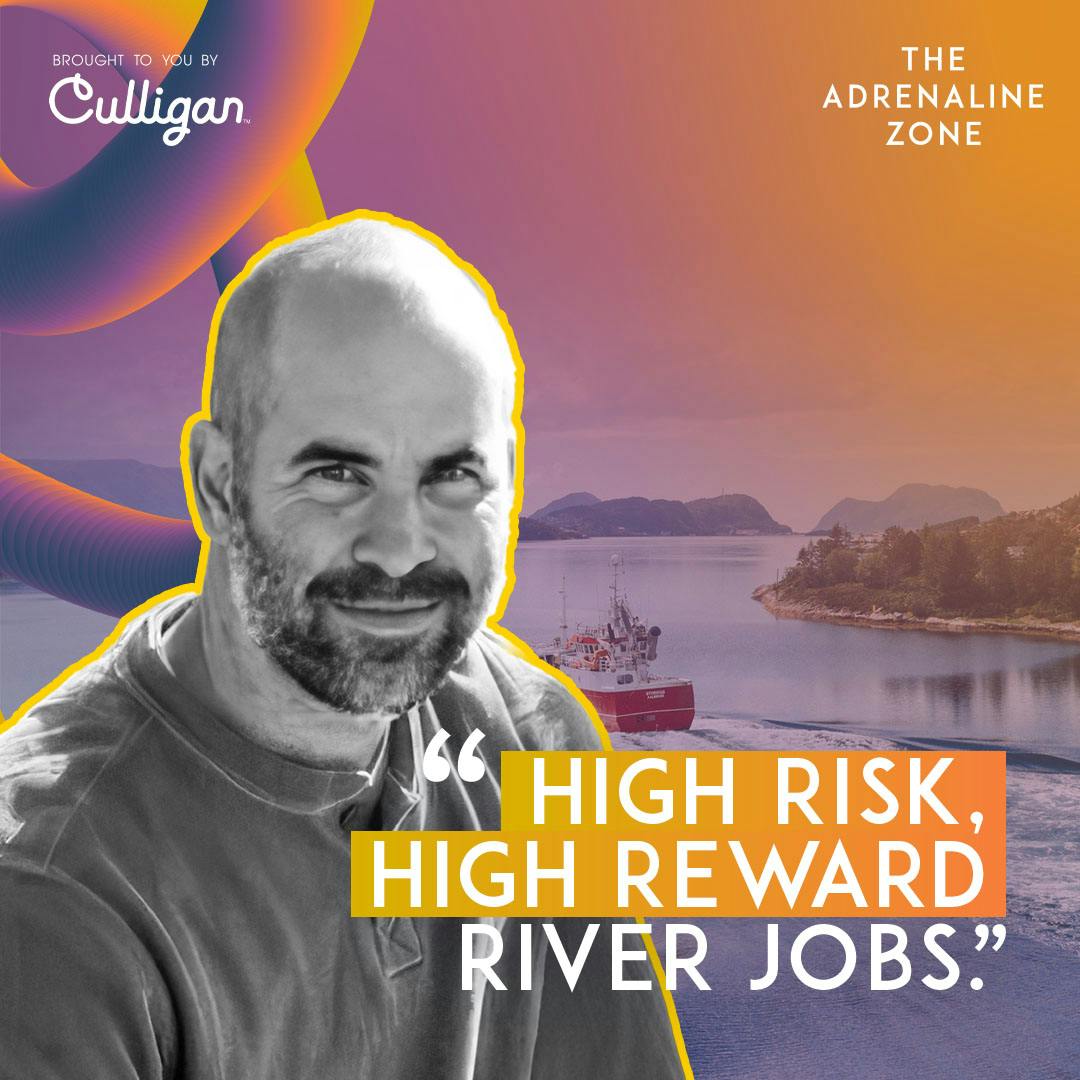
S6 Ep 8Working The Mighty Mississippi with Captain Doicus Langley Jr.
“Both engines died instantly, the hit was so hard. I immediately just kind of lay down on my bed because I knew how bad the impact was going to be. It threw my bed all the way across the room, dresser laid over, refrigerators downstairs on the floor - it was a hard impact.”Captain Doicus Langley Jr. joins Sandy and Sandra on the podcast today to share details of this perilous moment and so much more as he recounts his journey from a water-loving childhood to becoming a seasoned push boat Captain on the Mississippi River. Along the way, he discusses the contrasting experiences of working on rivers versus open water and the unique challenges of river navigation. Reflecting on the evolving technology in tugboat operations, Captain Langley describes the logistics of moving cargo from Minnesota to New Orleans as well as the immense horsepower required for steering and speed. After highlighting the competitive nature of the maritime industry and the collaborative spirit among river captains, this very special guest draws the episode to a conclusion with some valuable advice for aspiring captains, underscoring the dedication needed for a successful career in river navigation.Episode Highlights: Captain Langley Jr.’s upbringing and early love of being on the water His perspective on working on rivers vs. open water Becoming a Captain The evolution of tug operation over the years Tugs and barges The competitive side of the industry Moving a load from Minnesota to New Orleans A tug’s horsepower, steering, and speed Navigating the Mississippi’s hazards Running aground The Captain’s worst incident His crew and its work dynamic His relationship with other Captains Advice for aspiring tug or push boat Captains Key Takeaways:"Not only does a good cook cook good food, they can be the person who kind of holds everything together because they're down there in the center of the whole boat.""Typically, people that start in the river industry stay there.”"Within a five year period, you can be sitting in the wheelhouse running a boat, maybe not as a captain, but as a pilot.""The southbound vessel proposes the place and manner of passing, while the northbound vessel has more control.""You have to, at some point in your career, be able to dedicate yourself to the boat while you're on the boat."“It can be great. I mean, it really is like a family away from home. It can also be as bad as you can imagine like a squabbling family at home, you know, like, you're having issues. So it can go both directions.”“There's definitely a huge need for people out on the river for merchant mariners in general.”Keep the adrenaline rush going at:Homepage: theadrenalinezone.comInstagram: https://www.instagram.com/theadrenalinezone/X: https://twitter.com/AdrenalinezonepTikTok: https://www.tiktok.com/@theadrenalinezone Captain Doicus Langley Jr.’s LinkedIn: https://www.linkedin.com/in/doicus-r-langley-Jr.-24b25b95/
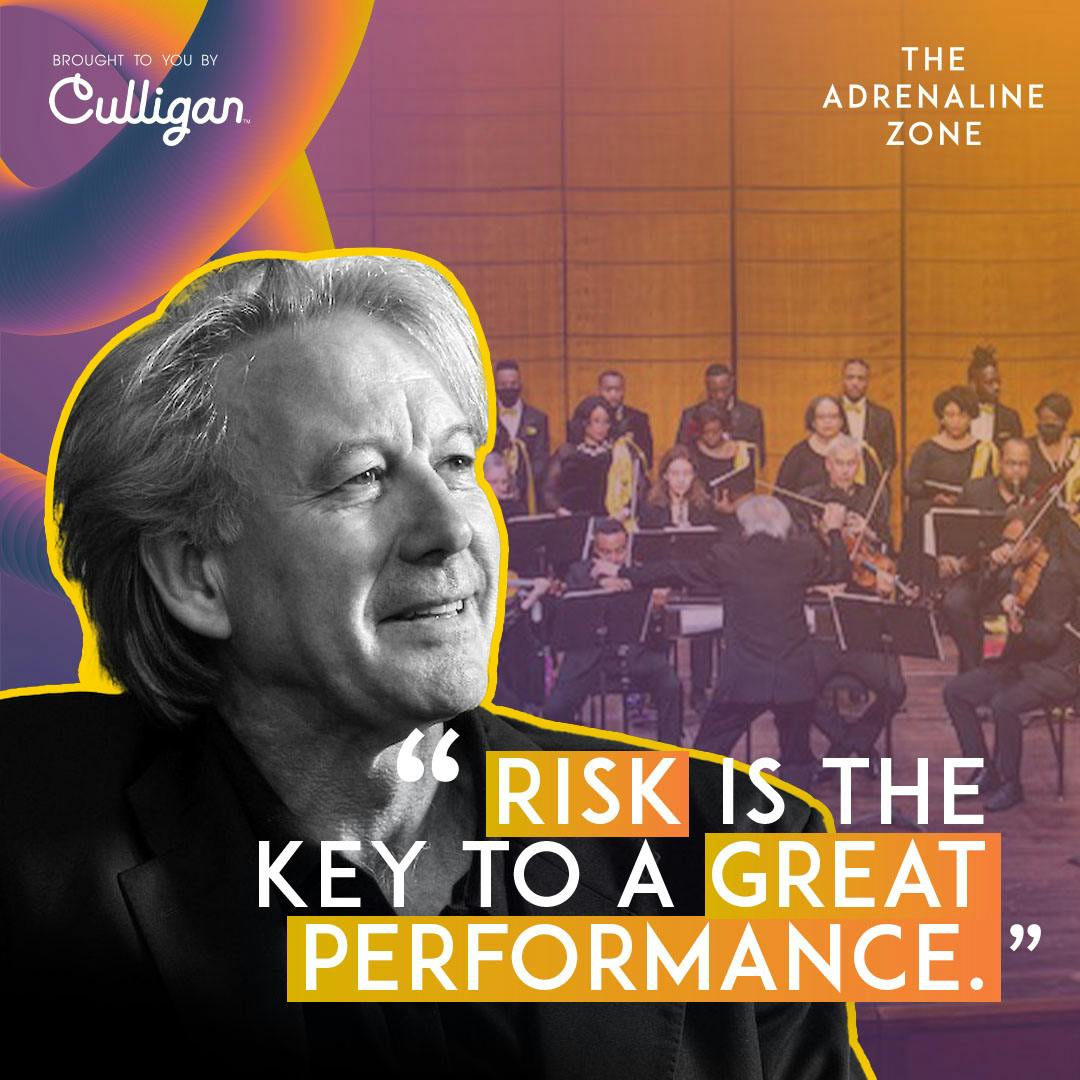
S6 Ep 7Risk Equals Musical Magic with Ángel Gil-Ordóñez
Spotlight tight, hometown faces fill the hall – a mix of pride and pressure. Baton raised, you begin to lead the revered National Orchestra through a score that explodes into a whirlwind of notes demanding perfect harmony. Suddenly, a discordant note cuts through. The soloist, a celebrated artist in his own right, takes an unscheduled detour into a different Mozart concerto! Stunned, the orchestra looks up as one, eyes filled with bewilderment and fear trained squarely on you - a silent question hanging in the air: What do we do?Welcome to the exhilarating world of contemporary music conducting as maestro Ángel Gil-Ordóñez joins Sandra and Sandy for a thoroughly enlightening episode. Co-founder of Washington D.C.'s PostClassical Ensemble, Ángel and his journey from Madrid to international acclaim shed light on the artistry and complexities of wielding the baton. Together with our hosts, he discusses some surprising parallels between engineering and music, the emotional rollercoaster of leading an orchestra, and his innovative methods for captivating new audiences with classical music. By exploring the significance of audience energy and the magic of spontaneity, this episode offers a captivating look at the conductor's life, including its various trials and triumphs. Tune in for an inspiring exploration of exactly how Ángel Gil-Ordóñez draws upon creativity and passion to bring music to vivid life.Episode Highlights:0:00 Start0:33 Introduction1:52 Where Ángel found his passion for music5:48 Overlapping themes between engineering and music6:38 The path to becoming a professional musician and conductor11:57 The instruments Ángel plays12:55 Composing music16:04 Becoming a conductor18:16 The role of the conductor22:48 The impact of a conductor’s style24:30 The process of bringing a piece of music to life31:00 Composers whose work Ángel enjoys conducting32:45 Finding humor in the music34:27 Risks found in conducting35:55 How Ángel’s approach to music has matured38:19 His scariest performances41:42 PostClassical EnsembleKey Takeaways:"Every time music happens, it’s different. It only exists the moment that it happens.""If you play an instrument, you are a musician. I express my musicianship through conducting.""Sound is not music. Sound under specific circumstances can become music.""To me, the process is the most fascinating part about conducting.""The conductor's role is to create tension through sound and bring it back to silence.""The audience plays a crucial role in the performance. Their energy is there.""Leave the opportunity for surprise. This is what makes the music exciting."Keep the adrenaline rush going at:Homepage: theadrenalinezone.comInstagram: https://www.instagram.com/theadrenalinezone/X: https://twitter.com/AdrenalinezonepTikTok: https://www.tiktok.com/@theadrenalinezoneÁngel Gil-Ordóñez: https://www.gilordonez.com/
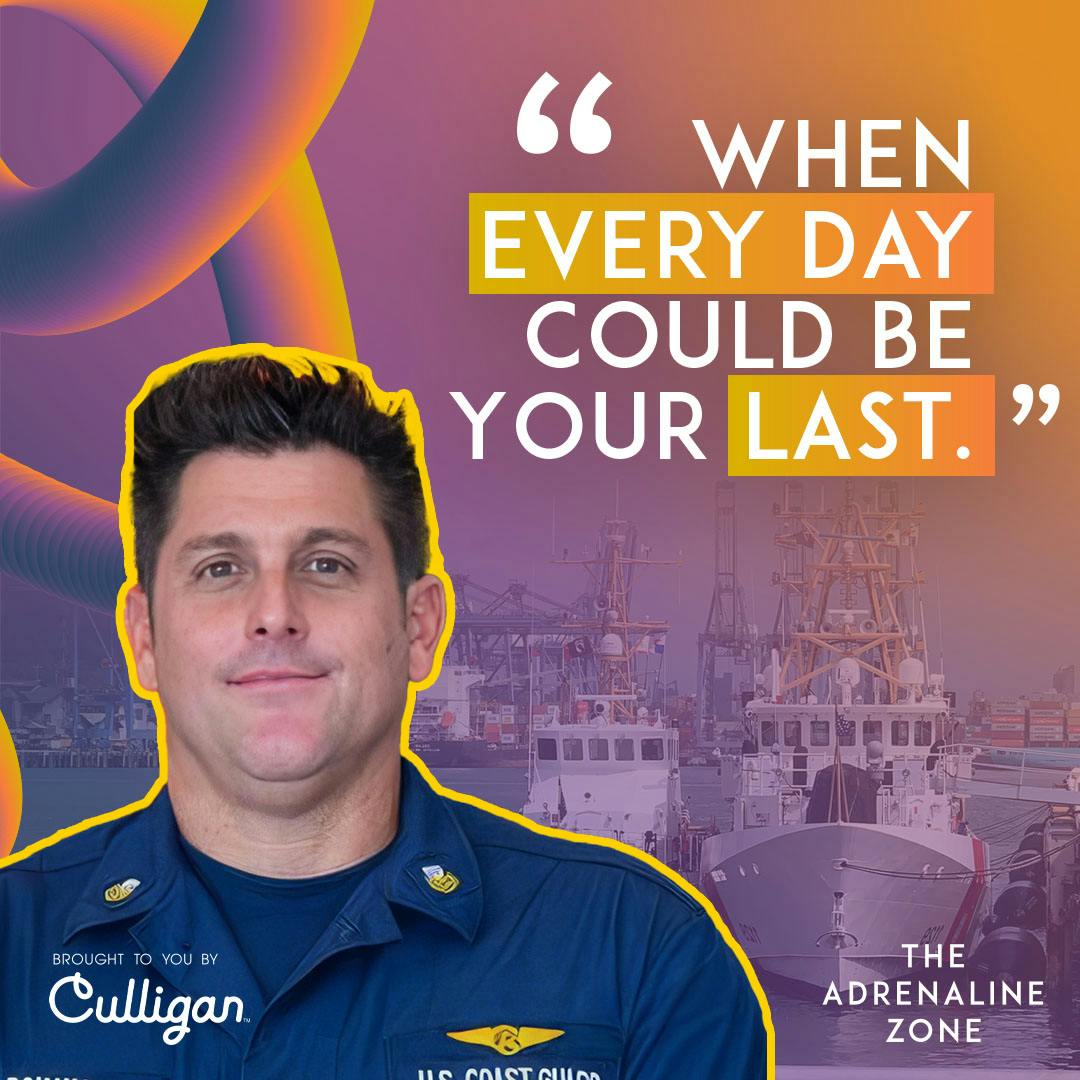
S6 Ep 6So Others May Live with Mike Romano
While it’s true that everyone has rough days at work, few people have ones where they find themselves dropped into the middle of a fishing boat mutiny, tasked with getting the bleeding Captain to safety. Today’s guest is one of those precious few - and, in fact, that day wasn’t even close to his most difficult assignment!20-year U.S. Coast Guard veteran and Aviation Survival Technician (AST)/elite Rescue Swimmer, Mike Romano, joins Sandra and Sandy today to share his incredible journey from collegiate athlete to Search and Rescue specialist where he routinely performs daring rescues in the most perilous conditions. Highlighting the resilience, responsibility, and rigorous training required for his role, Mike discusses the intense physical and mental demands of his training, the crucial teamwork and communication needed during missions, and the importance of adapting to unpredictable situations. Mike's firsthand accounts of high-stakes rescues, specialized equipment, and valuable advice for aspiring ASTs underscore the bravery and dedication of Coast Guard rescue swimmers, and will undoubtedly leave listeners both amazed and inspired by their unwavering commitment to saving lives.Episode Highlights: Mike’s journey to rescue swimming Rescue swimmer training Mike’s team and its structure Planning ahead and improvising Transporting rescuees in the helicopter CRM and ORM training Mike’s medical training His law enforcement role The equipment and technology he uses Some of Mike’s more perilous experiences The feeling after a successful mission Contact with rescuees after the mission Dealing with the unpredictability of the job Mike’s career rescue stats His advice for those considering entering the field Key Takeaways:"Don't have a backup plan. Have this be your one and only goal. Work hard. Just know as physically exhausted as you think you are, you can do more.""Coast Guard rescue swimmers are some of the most elite yet unsung heroes in our military.""They physically drain you as much as possible to make you try to think and just have that mental toughness.""When we get on scene, a lot of times it's very different. You’ve kind of got to be very flexible and roll with all the punches.""You just kind of put yourself in the mindset of 'so others may live' and stick with that motto.""The pridefulness of it, the, like, 'Hey, I did a great thing.' It's an incredible feeling to pull somebody out of their most difficult situation."Keep the adrenaline rush going at:Homepage: theadrenalinezone.comInstagram: https://www.instagram.com/theadrenalinezone/X: https://twitter.com/AdrenalinezonepTikTok: https://www.tiktok.com/@theadrenalinezoneMike’s LinkedIn: https://www.linkedin.com/in/mrromano/

S6 Ep 5Keeping the Pedal to the Metal with Bud Moeller
“Braking at 180 something, I literally saw the left front wheel twist off with the entire suspension assembly; twist off, take a bounce and go flying a hundred yards. At that point, I've got three wheels, no front brakes, and again, pretty much riding a missile. I just was able to get the car turned at about 45 degrees, and that at least kept it from being head on.”Welcome to Bud Moeller’s thrilling world of vintage Formula One racing as he joins Sandra and Sandy to share his journey from an adventurous upbringing abroad to a career in chemical engineering and consulting, and a passion for racing and flying. Today, Bud delves into the intricacies of vintage F1 racing, discussing the challenges of maintaining these classic cars and the importance of safety and precision in high-speed competitions. His experiences highlight the camaraderie among racers, the balancing act between fearlessness and risk management, and the significant impact of his engineering knowledge on his racing performance. To top it all off, Bud's parallel passion for flying adds yet another layer of excitement to his extraordinary life, rendering this episode a must-listen for racing enthusiasts and adrenaline seekers alike.Episode Highlights: The start of Bud’s interest in racing and flying His adventurous upbringing Bud’s attraction to muscle cars Going into chemical engineering Vintage F1 Racing His favorite cars How vintage races work Vintage race car maintenance Front and rear brake calibration Bud’s support team Women in the sport Race preparation Balancing fearlessness with risk management Crashes and how they affect Bud’s approach to racing How his engineering knowledge impacts his racing ability Comparing IndyCar and F1 Bud’s flying career Key Takeaways:"The camaraderie in our sport between us as participants is good because we want to have respect and good friendship with our competitors.""When you're going into a corner, wheel to wheel, and the machines are very expensive, you don't want to wreck your friend’s or your own.""Growing up overseas and having exposure to different cultures opens your world up quite a bit.""Vintage racing involves driving cars that were interesting, exciting, and performed well back in the day.""In vintage F1 racing, we're cornering at four G's. Modern F1 cars will touch on five.""With vintage cars, we can't upgrade to more modern materials. We have to fabricate every suspension component.""The mental side of racing is absolutely huge. Visualization helps you prepare and improve your performance.""Understanding the dynamics and mechanics of the car makes you a better driver and helps in communicating with the crew.""In Formula One, every team must design their own unique car. In IndyCar, all cars are identical.""If you're going to let every little thing make you slow down, then you're not made for the sport."Keep the adrenaline rush going at:Homepage: theadrenalinezone.comInstagram: https://www.instagram.com/theadrenalinezone/X: https://twitter.com/AdrenalinezonepTikTok: https://www.tiktok.com/@theadrenalinezoneBud Moeller: https://www.facebook.com/OfficialBudMoellerFanPage/
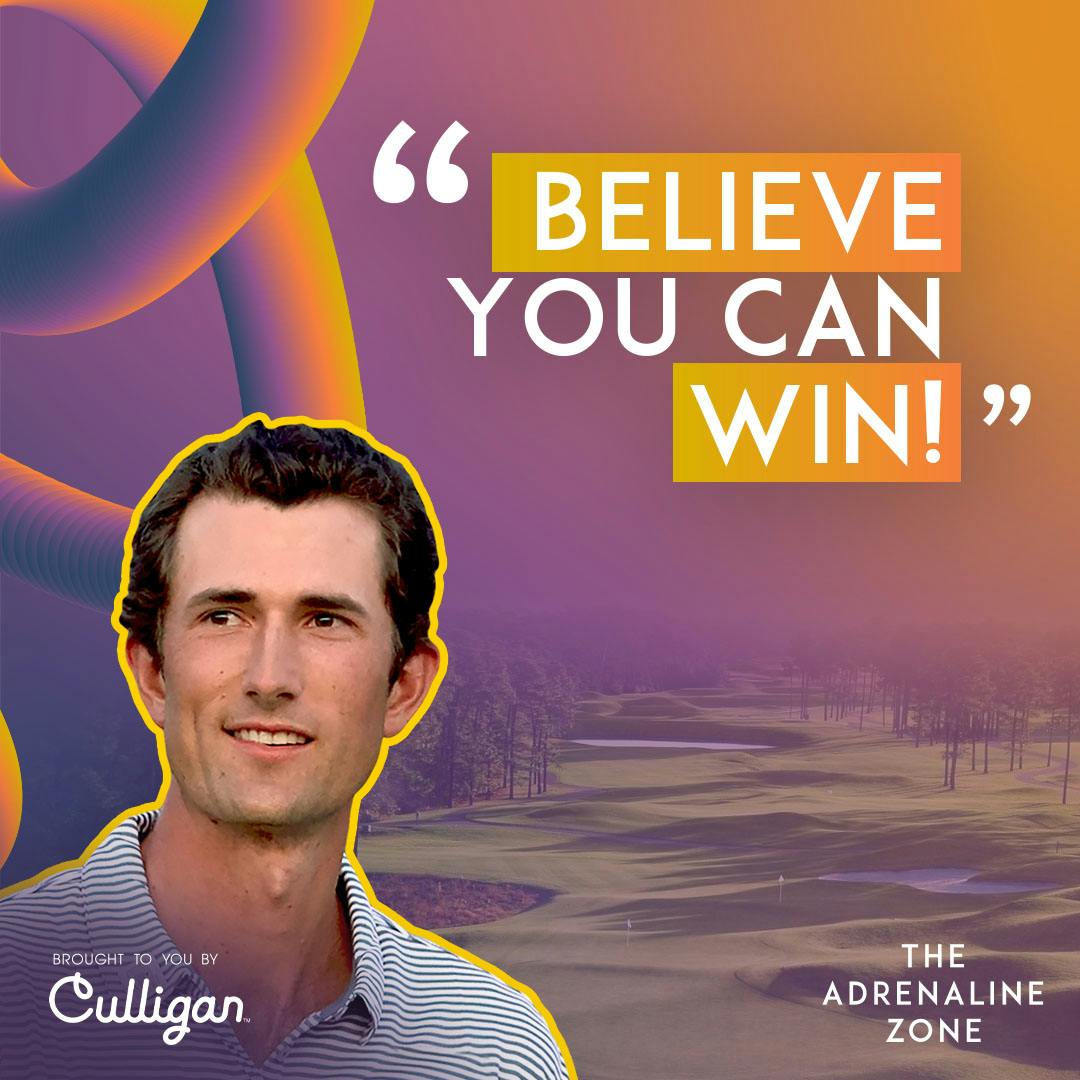
S6 Ep 4Mastering The Masters with Stewart Hagestad
Stepping up to the first tee, you are enveloped by an electric yet serene atmosphere. The soft grass under your feet and the crisp sound of your golf club making contact with the ball resonate deeply, as meticulously manicured fairways stretch out before you. Surrounded by vibrant azaleas and the deep green backdrop of one of golf's greatest stages, you sense the soft whispers and excited cheers of spectators; their anticipation fuelling your drive. In this moment, at this tournament, you’re not just participating, you’re living a dream - an amateur golfer pushing your limits amidst the majesty and tradition of The Masters at Augusta National. Stewart Hagestad, the investment banker and outstanding amateur golfer who has been fortunate enough to live out this dream three times already in his life, joins Sandra and Sandy on the podcast this week. Together, they explore Stewart's early beginnings in golf, his experiences at Augusta National, and how he juggles a demanding career in investment banking with his passion for golf. The episode highlights the critical strategies for managing risk and maintaining mental focus which are essential in high-level amateur golf. Our talented guest also discusses the psychological benefits of golf, sharing tips on managing anxiety through mindfulness and the supportive role of relationships in pursuing excellence. As you will quickly learn, Stewart Hagestad’s insights shared here today not only shed light on the complexities of competitive golf but also drive home the discipline and passion needed to excel both on and off the green.Episode Highlights: Stewart’s golf journey Competing with yourself and others The difference between amateur and professional golfers Bobby Jones Staying proficient at golf while working full time Stewart’s golfing style Golf course elements that affect difficulty levels What makes Augusta special for Stewart Preparing to play Augusta Risk calculations in golf The greens at Augusta Stewart’s most interesting holes at Augusta How amateurs get invited to major tournaments Lessons learned from playing the Masters Dealing with adrenaline at the 2024 Masters Stewart’s most intimidating 2024 Masters’ moment Performing in front of a large crowd The shots he’s most proud of from the 2024 Masters Advice for handling a ‘Masters-like’ environment Key Takeaways:"You are given a really unique opportunity. You've earned the right to be there. Go and try to do something special.""The Masters is beyond the experience even of many pro golfers.""Golf is almost therapeutic. There's a gravitational force that brings you back.""Augusta National is the pinnacle. It's everything: the music, the green jacket ceremony, Jim Nance's silky voice.""If you drive it great at Augusta, that's really helpful. It's a second shot golf course.""At Augusta, the ability to switch speeds and adjust to the course is crucial.""Of anything in the world you could be doing, there's literally nothing else you'd rather be doing than that.""Go in there and try to do something great. The golf ball doesn't know who you are. Play to win."Keep the adrenaline rush going at:Homepage: theadrenalinezone.comInstagram: https://www.instagram.com/theadrenalinezone/X: https://twitter.com/AdrenalinezonepTikTok: https://www.tiktok.com/@theadrenalinezoneStewart on X: <a...
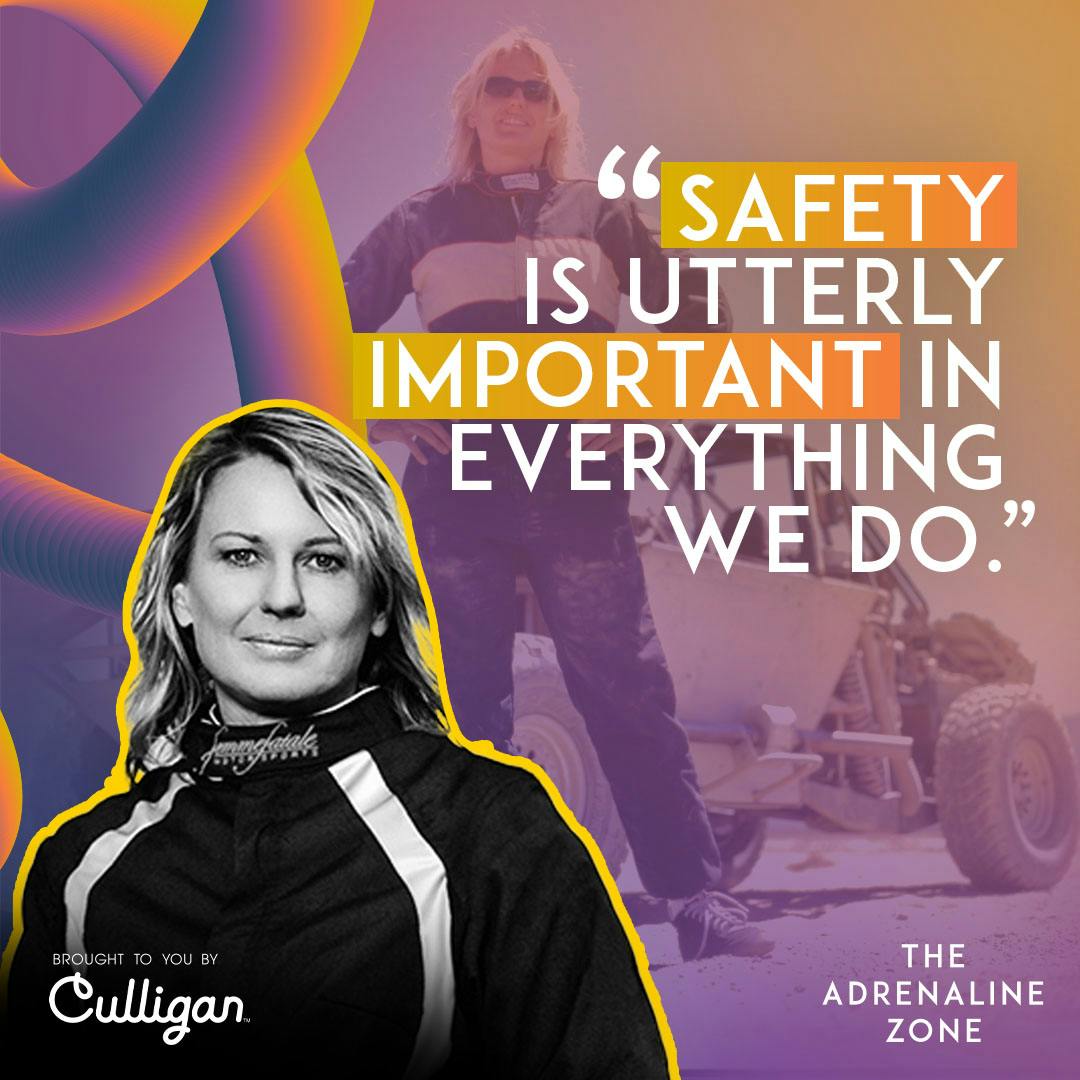
S6 Ep 3Trailblazer On Fire with Kathy Jarvis
The thunderous growl of the engine as the car accelerates is quickly followed by the acrid scent of burning rubber with tires screeching against the pavement. The world spins into a blur as the car flips through the air, glass shattering and metal crunching in a symphony of destruction. With adrenaline pumping and every sense heightened to the extreme through each flip and turn, intricate precision and extensive training take over, as today’s guest once again turns what seems like chaos into a meticulously orchestrated performance.This week, Sandy and Sandra are beyond excited to welcome Kathy Jarvis, a veteran stunt professional and “all around thrill seeker” with over 90 credits in films, TV shows, and commercials to the podcast to share details of her inspiring journey from a sports enthusiast in Breckenridge, CO, to a trailblazer in the stunt industry. Delving into the physical prowess and meticulous attention to detail required in this high-risk profession, Kathy goes on to highlight the evolving role of women in stunts, the increasing use of CGI, and the paramount importance of safety and mental preparedness. She also shares tales from her experiences outside the stunt world in ski racing, pro truck racing in the Baja 1000, and running a youth ski program. This woman is truly blazing trails wherever she goes - tune in today and find yourself equal parts amazed and inspired by her story!Episode Highlights: Kathy’s road to the world of stunts Learning on the job Stunt performer skills and traits Some of the stunts Kathy has performed ‘Specifically tailored’ stunt people The stunt coordinator role and what led her to it Offering suggestions to improve scenes The process of preparing for stunts Kathy’s most complex stunts Managing safety Sequencing stunts Accident and injury precautions CGI’s impact on stunt work Actors doing their own stunts Kathy’s ski racing career Her vehicle racing career Kathy’s work with inner engineering Key Takeaways:"Attention to detail is one of the skills or traits that make someone well suited to be a stunt performer.""To be a very good double, you really have to just watch your actor and become that person."“In stunts, it’s all about making it happen on ‘action’, with the equipment and props given to you.”"We want to ensure that we create some really beautiful action that just makes it seamless with the story.""The CGI has always enhanced stunts so that we could use the same three blocks and make it look like different cities.""Safety is utterly important in everything we do.""Inner engineering yourself is crucial so that you are never the problem in your life.""Learning to appreciate yourself and others can be more gratifying than any stunt."Keep the adrenaline rush going at:Homepage: theadrenalinezone.comInstagram: https://www.instagram.com/theadrenalinezone/Twitter: https://twitter.com/AdrenalinezonepTikTok: https://www.tiktok.com/@theadrenalinezoneKathy’s LinkedIn: https://www.linkedin.com/in/kathy-jarvis-66632bb/
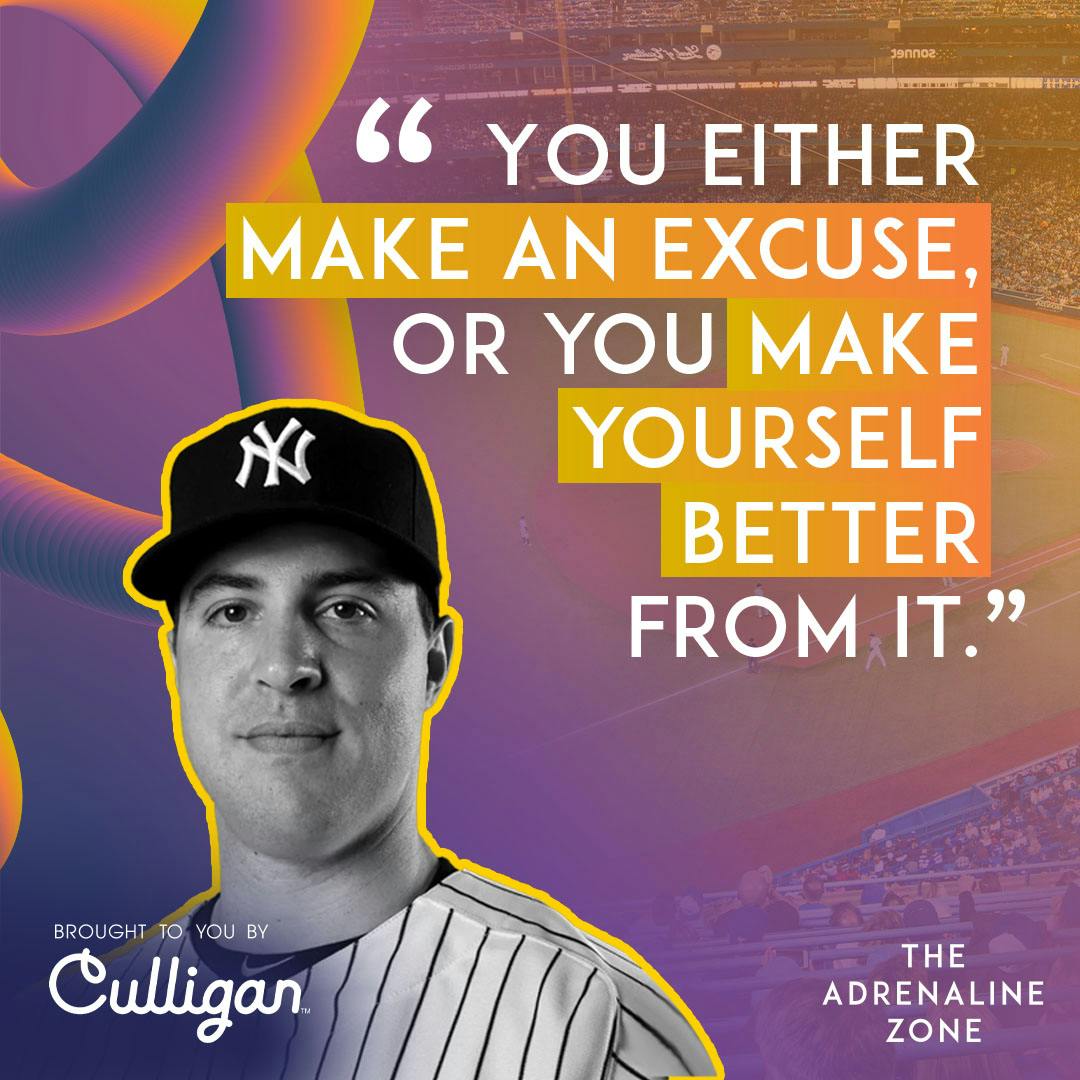
S6 Ep 2Going Deep with Mark Teixeira
The roar of the crowd fills your ears as the electric atmosphere of World Series Game 2 Yankee Stadium crackles all around you. Stepping up to the plate, the ever dangerous Pedro Martinez stares you down from the mound just before rocketing the ball towards you. The tension is palpable as you make the split-second decision to swing with all your might, the crack of the bat echoing through the stadium as the ball soars to right-center. Time seems to stand still as it clears the fence for a home run. Rounding the bases, heart pounding, you think to yourself, "Wow, I just hit a home run in the World Series!"Mark Teixeira, celebrated Georgia Tech alumnus, MLB legend, and the man who actually lived that dream scenario, joins Sandy and Sandra on today's thrilling episode of The Adrenaline Zone. Teixeira unpacks his journey from a backyard wiffle ball player in Maryland to a professional powerhouse, covering his early baseball inspirations, pivotal career decisions, and rise from high school prospect to first-round draft pick. They explore his affiliation with Georgia Tech, his refusal to sign with the Red Sox, and key moments in his professional path. Listeners gain an unparalleled view into major league sports as they discuss Mark’s minor league experiences, cherished major league moments, Gold Glove Awards, and the challenges of playing different positions. Mark also shares insights on becoming a switch hitter, the impact of technology on the game, the pressures of playing for the Yankees, and offers advice for aspiring professional baseball players.Episode Highlights: Mark’s start in baseball Playing at Georgia Tech and getting drafted His time in the minors Cherished moments from his time in the majors Winning 5 Gold Glove Awards Playing first base vs third base Starting a new position in the majors The toughest pitchers Mark faced Becoming a switch hitter The process of hitting in the majors How data, technology, and analytics are impacting the game The pressure of playing for the Yankees Dealing with injuries Visitors’ locker rooms Georgia Tech and its impact on his life Mark’s current work with Georgia Tech and his thoughts on NCAA’s NIL policy His advice for aspiring professional baseball players Quotes:"I feel like everything that happens to you in life, you either make an excuse, you make it a crutch, or you make yourself better from it.""When you face guys in the majors, you're not just facing pitchers, you're facing experience and intelligence.”"Develop a love for the game, because if you don't, you're not going to practice enough or play enough to build your skills. If you have the talent and passion, everything else will follow.""If you want to learn how to hit a baseball, go outside with a little skinny yellow bat when you're three or four years old and have your dad or your friends throw you wiffle balls in the wind.""I learned the business of baseball at 18 years old, and I learned to not take it personally.”"From a team perspective, bar none, winning the World Series with the 2009 Yankees is my most cherished memory.”Keep the adrenaline rush going at:Homepage: theadrenalinezone.comInstagram: https://www.instagram.com/theadrenalinezone/Twitter: https://twitter.com/AdrenalinezonepTikTok: https://www.tiktok.com/@theadrenalinezoneMark on X: https://x.com/teixeiramark25?lang=en
Brent Hall’s Hydroplane Heroics
Strapped into the cockpit of a roaring hydroplane, racing along at 200 mph mere inches above the churning water, you feel every bump and current as you navigate tight turns and avoid competitors, all while managing an intricate ballet of high-velocity precision and raw power. This is hydroplane racing at its most elite level, a sensory overload where strategy, skill, and bravery meet the unrelenting challenge of the water's surface - and a place where today’s guest feels right at home.Welcome to the 6th season of The Adrenaline Zone where Sandra and Sandy kick things off with Brent Hall, a remarkable hydroplane racer and cancer survivor set to make history as the first African American in the H1 Unlimited ranks. Brent shares his journey from childhood fascination to navigating high-speed hazards, offering insights into the intricate mechanics of hydroplane racing, safety advancements, and the strategic teamwork required. He also recounts some harrowing racing experiences he has survived which highlight the importance of thorough preparation and adherence to safety measures. Addressing some equally scary moments away from the water, Brent opens up about his battle with cancer and how this challenge continues to fuel his drive to break barriers and pursue his dreams. Join Sandra and Sandy as they return here today to get your adrenaline pumping once more with Brent’s inspiring conversation about overcoming challenges, building community, and finding "the zone" on and off the water.Episode Highlights: Brent’s early years Getting started in racing Being a “new old rookie” Training for racing Brent’s favorite aspects of racing H1 boats The evolution of H1 boat technology and design H1 boat maintenance and race prep H1 Unlimited’s guidelines Brent’s crew The physical demands of racing The racing ‘zone’ The hazards of racing Brent’s battle with cancer His brother’s cancer battle and Obliteride Harold Mills and being a role model Brent’s son Women H1 drivers What’s next for Brent Quotes:"I haven't been upside down, but I have done a barrel roll.”"I looked down, the whole left side of the boat was gone... and that's at about 100 miles an hour.""If the boat's bouncing back and forth…you're scrubbing off speed."“If we were upside down for even upwards of an hour, we would be able to breathe underwater.”“You don't just go out and say, “I'm going to go, you know, win a boat race now.” Matter of fact, if you think that way, you're kind of disrespecting how much time it takes to get to that kind of success.”“Your heart's beating so fast, and those races don't last very long, so any tip or advantage that you can get in communicating with your team is critical.”“When I found out that I had cancer, that was numbing…we had done all the scans and found out that I had stage four kidney cancer.”“Harold Mills…he took it 90% of the way. I'm going to take it the extra ten, and we're going to celebrate it together. I think the world of him.”Keep the adrenaline rush going at:Homepage: theadrenalinezone.comInstagram: https://www.instagram.com/theadrenalinezone/Twitter: https://twitter.com/AdrenalinezonepTikTok: https://www.tiktok.com/@theadrenalinezoneBrent Hall Racing: https://www.brenthallracing.com/Obliteride: https://www.obliteride.org/