
Tell Me What It's Like
48 episodes
Building Community Wherever You Go: Kandi Hart on What She's Learned as a Military Spouse
Diagnosed with Asperger's at 65: Charles Grimes on Finally Understanding Himself
Coming Back to the Game: A Quad Amputee Soccer Coach on Reclaiming His Confidence
Inside Fertility Medicine: Dr. Yemi Famuyiwa on Birth, Loss, and the Science of Having Babies
From Blogger to Influencer to Done: Chelsea Coulston on the Creator Economy
The Reality of Reality TV: The Psychologist Who Decides Who Gets on the Show
Understanding Dementia: Lisa Skinner on Alzheimer’s and Caregiving
Finding her Birth Mother at 51: Julie Melanson on Adoption and Identity
Switching Sides: James Porfido on Becoming a Defense Attorney After Prosecuting
Earth Day Special | Trash Wolf: Leader of the Anti-Litter Pack (Re-Release)
Dying Well: JoAnne Chitwood on 40 Years of Hospice Nursing
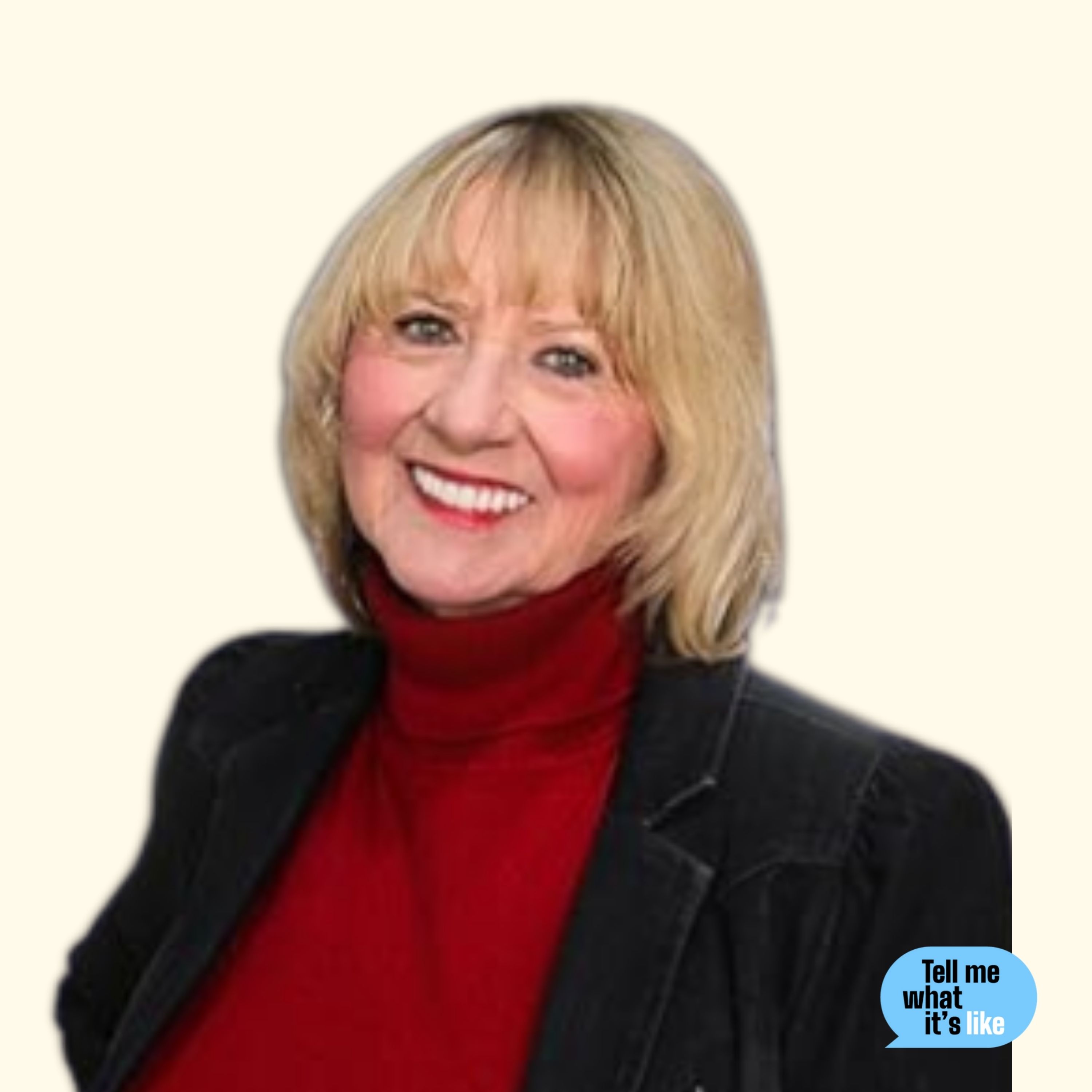
S2 Ep 34Dating Again After 30 Years: Victoria Vaughn on the Frogs She’s Kissed
After 30 years of marriage, Victoria Vaughn found herself newly single in her 50s — and back in a dating world that looked nothing like the one she left. She landed many dates, but many of them weren’t what she expected.She calls those dates “frogs.” But through those experiences, she gained a much clearer understanding of what she wanted, what actually matters in a partner, and why finding the right person often starts with being true to yourself."Don’t try to put a square peg into a round hole … don’t settle."Hear Victoria talk about:What it’s like to date again after 30 years off the marketWhy dating later in life comes with more complexity and more clarityThe unexpected realities of finances, baggage, and honesty in datingWhy you might be a “frog” to someone else — and what that meansHow she recognized her “prince” and what made him differentThe lessons she wishes she knew before she started dating againHer husband’s Parkinson’s diagnosis and why she supports the Michael J. Fox FoundationMentioned in this episode:Oh the Frogs I’ve Kissed Before I Finally Found My Prince - Victoria’s book on dating againThe Michael J. Fox FoundationSupport This Show:Follow Tell Me What It’s Like in your favorite podcast appLeave a rating & review — it helps others find the showShare the episode and tag @RaineMediaCo on social media

S2 Ep 33Becoming a Toy Photographer: Mitch Wu on Turning Play into a Creative Career
Mitch Wu thought he knew exactly what his creative career would look like. But after years in product design, a difficult job, and the loss of his brother, he realized how far he’d drifted from the kind of work he actually wanted to be doing. Then one afternoon he and his nephew went to the park with a couple of action figures and from the first photograph he knew he'd found what he was meant to do. In this episode, Mitch shares what it’s like to build miniature worlds, develop a creative niche that didn’t really exist, and turn play into a profession."Then I took the photo and I looked at what I got on the camera and it's like, my God, this is, it was like clear as day that that's what I was going to do for my next career."Hear Mitch talk about:His journey from illustration to product design to wedding photography—and how he realized he’d gotten off his creative pathThe moment in a park with his nephew that instantly shifted his career directionWhat toy photography actually is, and why it’s rooted in storytelling and world-buildingHow he built a career in a niche that barely existed at the timeThe difference between being a “commodity” creative and owning a specialized nicheWhy continual learning and experimentation keep his work evolvingMentioned in this episode:Larger Than Life (documentary) – See Mitch at work and get a behind-the-scenes look at his toy photography processNew York Toy Fair – The largest toy industry convention in North America, where Mitch exhibited his work and connected with major brandsDisney+ Marvel documentary series – A series featuring toy creators, including Mitch and his workMitch Wu’s toy photography work – See examples of his work for major toy companies, including Mattel’s Ever After High, one of Mitch’s first major clientsSupport This Show:Follow Tell Me What It’s Like in your favorite podcast appLeave a rating & review — it helps others find the showShare the episode and tag @RaineMediaCo on social media

S2 Ep 32Understanding Medicare: Toni King on Navigating a Complex System
Toni King was at a Medicare workshop when she realized how easy it is for someone to misunderstand the system—and how difficult it can be to fix those misunderstandings once they happen.She’s spent years helping people navigate Medicare, a process shaped by rules, timelines, and decisions that aren’t always intuitive. She shares what it’s like to guide people through it, how the system works, and why it can be so challenging to understand from the outside."The whole thing is all about rules."Hear Toni talk about:How she got started helping people navigate MedicareWhy the system can be difficult for people to understandThe structure of Medicare and how the different parts fit togetherThe role of private insurance within MedicareWhat people need to think about as they approach enrollmentMentioned in this episode:Learn more about Toni KingMedicareSocial SecurityMedicare Advantage (Part C)Prescription Drug Plans (Part D)Support This Show:Follow Tell Me What It’s Like in your favorite podcast appLeave a rating & review — it helps others find the showShare the episode and tag @RaineMediaCo on social media

S2 Ep 31How Cities Are Designed: Creating Walkable Places with Jahnavi Kirtane
Cities don’t just develop over time — they’re shaped by decisions about transportation, where we build, and what gets prioritized.Urban planner Jahnavi Kirtane explains how those decisions come together, why so many places in the U.S. are built around cars, and how walkability affects independence, access, and everyday life in ways most people don’t realize."Walking is really good for you, both your physical health and your social health and emotional health."Hear Jahnavi talk about:The difference between growing up in a car-dependent suburb and navigating New York CityWhat “walkability” actually means and how it shows up in daily lifeWhy many U.S. communities are designed around carsThe kinds of decisions that shape how cities functionHow design influences independence, access, and connectionMentioned in this episode:Walkable City by Jeff SpeckSpeck Dempsey, the planning and design firm where Jahnavi worksJeff Speck's TED talk, The Walkable CitySupport This Show:Follow Tell Me What It’s Like in your favorite podcast appLeave a rating & review — it helps others find the showShare the episode and tag @RaineMediaCo on social media
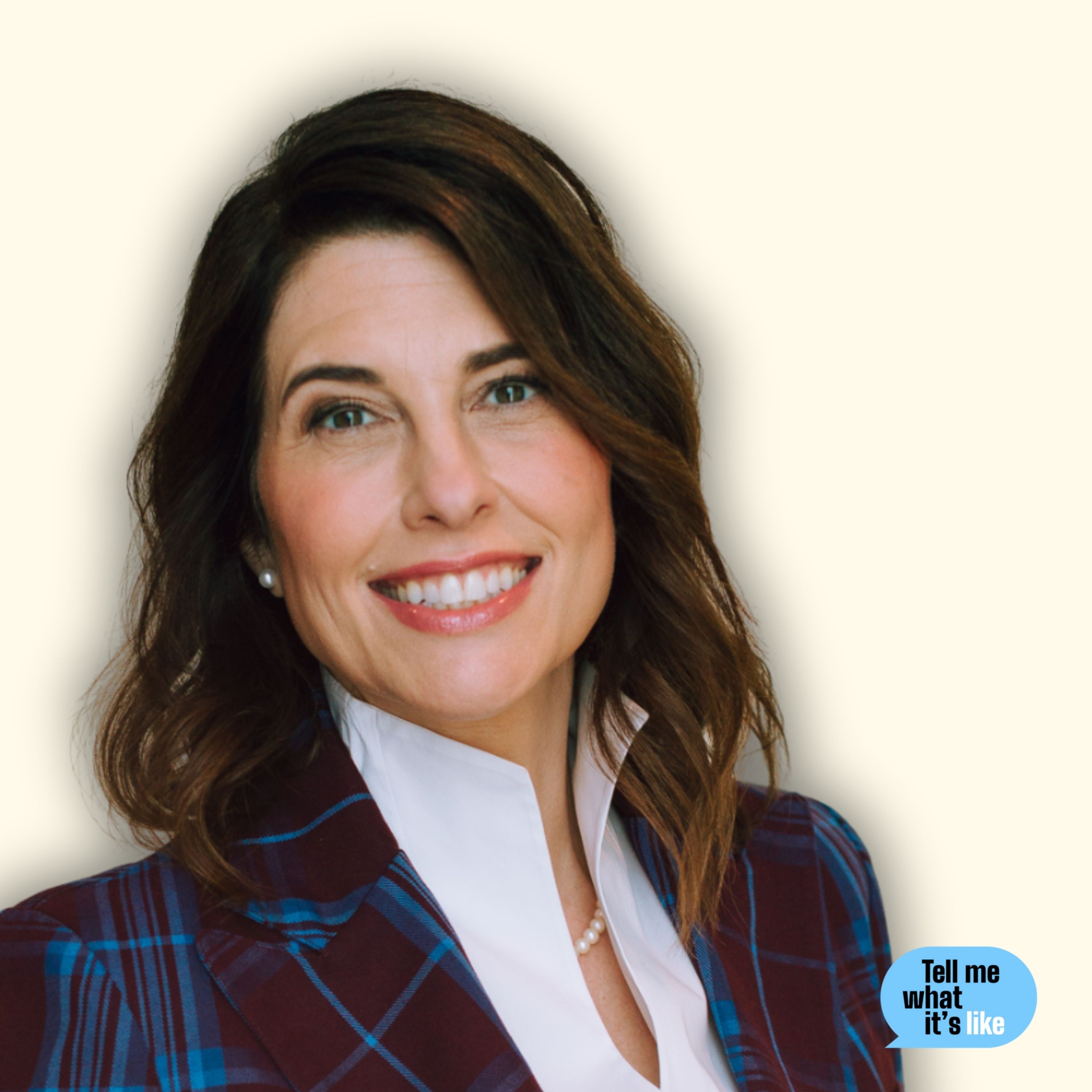
S2 Ep 30Scaling Social Impact: Suzanne Smith on Helping Organizations Create Change
Suzanne Smith has spent her career working with nonprofits and has witnessed a reality many people outside the field don’t see: solving big social problems requires more than passion and good intentions. It requires organizations strong enough to grow and build long-term sustainability.In this episode, Suzanne shares what it’s like to work in the social impact world, and what she’s learned from working with organizations trying to turn big ideas for change into lasting results and stronger communities."One of the things I saw was the fact that the issues were scaling, but the organizations were not scaling along with them."Hear Suzanne talk about:Growing up in a family that talked about social issues at the dinner tableHer early career working in lobbying and the nonprofit sectorWhy many nonprofits struggle to scale their impactThe intersection of nonprofit, business, and government in creating changeWhy she believes social change work is a calling, not just a jobMentioned in this episode:Social Impact ArchitectsSuzanne Smith’s Substack blog, Social TrendspotterSupport This Show:Follow Tell Me What It’s Like in your favorite podcast appLeave a rating & review — it helps others find the showShare the episode and tag @RaineMediaCo on social media

S2 Ep 2922 Days in a Buddhist Monastery: Clarity That Comes From Silence
When Laurie Jacobson was 43, she found herself in a deeply unhappy marriage and increasingly isolated and depressed. After years of trying conventional therapies and self-help approaches without relief, she made a decision that felt radical at the time: she signed up for a silent retreat at a Buddhist monastery she’d discovered through a pamphlet in a coffee shop. Over the next 22 days of meditation and silence, Laurie experienced a profound shift in perspective that helped her see her life differently, and ultimately gave her the clarity she needed to make a difficult life decision."Don't be afraid to step outside your comfort zone, because sometimes it takes stepping outside your comfort zone to find a better place."Hear Laurie talk about:What daily life was like during a silent meditation retreatWhy she decided to go to a Buddhist monastery after trying many other forms of helpThe surprising mental clarity that can come from long periods of silence and meditationHow the experience changed the way she saw her marriage and gave her the strength to leave itThe lessons she carried forward about openness, desire, and letting goMentioned in this episode:Theravada BuddhismLaurie's book, Unexpected Awakening: 22 Days at a Buddhist Monastery Freed Me from AbuseSupport This Show:Follow Tell Me What It’s Like in your favorite podcast appLeave a rating & review — it helps others find the showShare the episode and tag @RaineMediaCo on social media
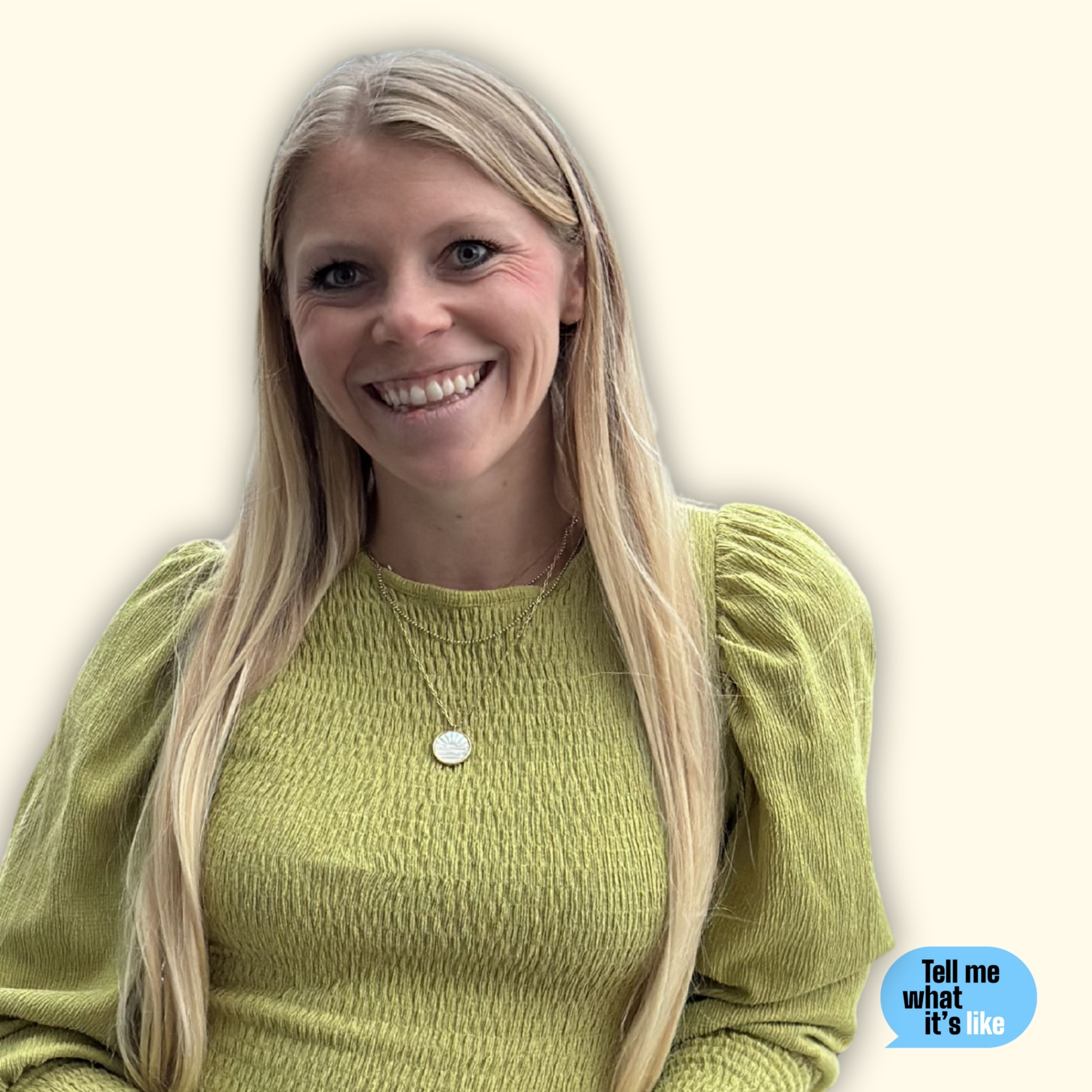
S2 Ep 28Parenting Tween Girls: Christina King on the Teenage Brain
As a teenager, Christina King looked like she was doing everything right — she had good grades, played sports, took advanced classes. But when her mom paused during an argument and asked, “Are you happy?” it changed the course of her life. Today, Christina is a therapist specializing in tween and teen girls, and she shares what’s really happening in the teenage brain, why emotional ups and downs are often developmentally normal, and how parents can stay connected during one of the most intense seasons of growing up."I say with teens that sometimes it's like all gas, no brakes."Note: This episode is for informational purposes only and is not a substitute for professional medical or mental health advice. It includes discussion of teen mental health, including self-harm, in the context of helping parents understand and respond. Hear Christina talk about:The question that led her to therapy as a teenWhat "all gas, no brakes" means for the adolescent brainWhy emotional volatility can be a healthy signTween girl friendship dynamics and indirect aggressionSocial media, comparison culture, and feeling left outThe difference between venting mode and problem-solving modeWhy parents should depersonalize their teen's emotionsMentioned in this episode:Christina King Family TherapyFind Christina on InstagramInside Out 2 (when discussing adolescent emotions)Support This Show:Follow Tell Me What It’s Like in your favorite podcast appLeave a rating & review — it helps others find the showShare the episode and tag @RaineMediaCo on social media

S2 Ep 27Unexpected Pregnancy at 21: Finding a Safety Net with Kristen Mardis
Kristen Mardis was 21 years old, fresh out of college, and had just been accepted into graduate school when she found out she was pregnant. With no financial safety net and no health insurance, she had to quickly figure out how she would care for a baby while still pursuing her dream of becoming a speech pathologist. In this episode, Kristen shares what it was like to navigate Medicaid, SNAP benefits, and childcare assistance — and how those programs gave her the foundation she needed to build the life she has today.“None of that would have happened without those programs.”Hear Kristen talk about:Finding out she was pregnant just weeks after being accepted into graduate schoolHow Medicaid and SNAP helped her access prenatal care and feed her babyNavigating childcare assistance so she could finish her master’s degreeThe stigma around government assistance — and the dignity everyone deservesHow her experience shaped the way she now serves families in her work as a speech pathologistMentioned in this episode:SNAP (Supplemental Nutrition Assistance Program)MedicaidChildcare assistance programsSupport This Show:Follow Tell Me What It’s Like in your favorite podcast appLeave a rating & review — it helps others find the showShare the episode and tag @RaineMediaCo on social media

S2 Ep 26Behind the Scenes of News and Life: Carol Lin on Reporting History
Carol Lin spent her career inside newsrooms built for breaking news. She covered some of the most difficult moments in recent history, including being the first person to report the attacks on September 11. In this conversation, she reflects on her career in journalism and the behind-the-scenes moments that shaped her life. She also discusses what it was like to revisit those experiences while writing her memoir."And then I hear the music, the breaking news animation comes up and we are live."Hear Carol talk about:What it’s like inside a newsroom built for breaking newsThe moment she realized she was going live on September 11 without a scriptHow anchors rely on producers, reporters, and unseen teams during national crisesThe emotional discipline required to deliver information in uncertain momentsThe intersection of her career with major personal turning pointsWhy writing her memoir required revisiting both professional and private painWhat she hopes readers — and her daughter — take away from her storyMentioned in this episode:The first moments reporting 9/11 (viewer discretion advised)Carol Lin’s memoir, When News BreaksSupport This Show:Follow Tell Me What It’s Like in your favorite podcast appLeave a rating & review — it helps others find the showShare the episode and tag @RaineMediaCo on social media

Season 2 Trailer: Tell Me What It’s Like
trailerWhat’s it like to spend weeks inside a monastery in complete silence?What’s it like to find out you’re pregnant with no idea how you’re going to support yourself?And what’s it like to be the first person to tell the world a plane has just hit the World Trade Center?Season two of Tell Me What It’s Like gives you a window into someone else’s world - the moments that challenge us, scare us, and shape who we become.Join host Stacy Raine as she uncovers what each experience was like, and the lessons learned along the way.Coming in Season 2:Breaking historic news and facing profound lossA silent retreat inside a monastery, and what happens when the outside world falls awayNavigating unexpected pregnancy without a safety netHelping nonprofits do meaningful work in complex systemsMaking sense of Medicare and aging in a system few people truly understandSupporting girls in their tween and teen yearsFinding connection, confidence, and love again later in lifeSeason two of Tell Me What It’s Like is coming soon.Support This Show:Follow Tell Me What It’s Like in your favorite podcast appLeave a rating & review — it helps others find the showShare the episode and tag @RaineMediaCo on social media

What’s Your Favorite Holiday Tradition? Season 1 Guests Share
bonusAs the year comes to a close, guests from Season 1 of Tell Me What It’s Like share the holiday traditions that matter most to them. From longtime family rituals to traditions shaped by loss, life season, culture, and even wildlife, this bonus episode reflects on how traditions evolve and how new ones are created along the way.Season 1 Guests Featured in this Episode:Keri NelsonMorton BarlazAlexis BrozBill HoranRich "Big Daddy" SalgadoCarol HoenigLinda StraderSarah TeresinskiMentioned in this episode:Midwinter DayFeast of the Seven FishesCardinali Bakery, Carle Place, NYSupport This Show:Follow Tell Me What It’s Like in your favorite podcast appLeave a rating & review — it helps others find the showShare the episode and tag @RaineMediaCo on social media
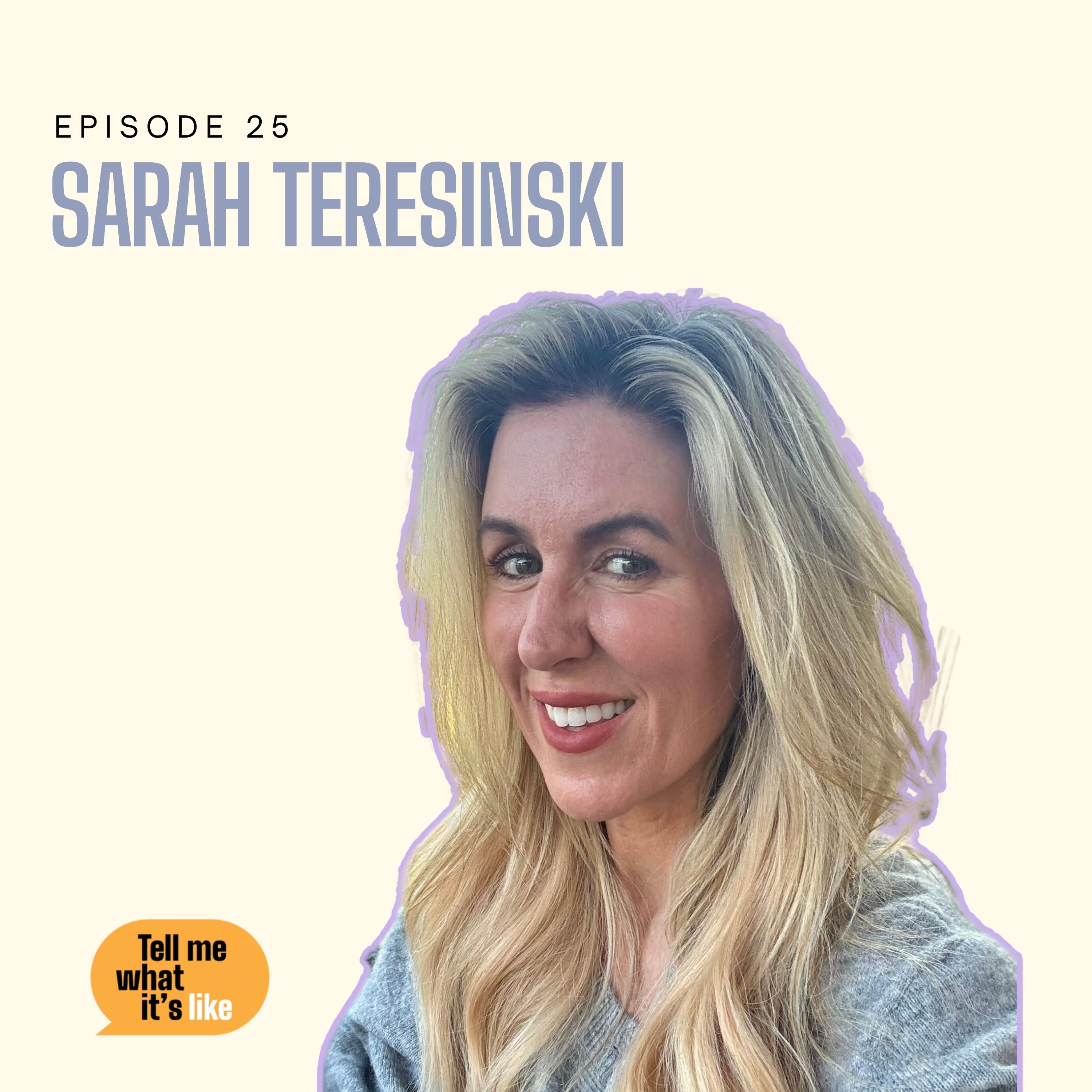
Ep 25Sustainable Style: Sarah Teresinski on Upcycling for Stylish Home Decor
When Sarah Teresinski was a single mom, she couldn’t afford the beautiful little dresses she saw in stores for her daughter. So she decided to teach herself how to sew. That simple decision sparked a movement — and eventually, Redeux Style, where Sarah transforms old, unused items into something new and beautiful. Today, she helps people see the potential in what they already have or what they might find at the thrift stores — proving that sustainable can be stylish too. “If everyone who follows me did just one upcycle a year, we could keep 60,000 pounds of waste out of landfills — that’s 5,600 garbage trucks saved.”Hear Sarah talk about:How teaching herself to sew turned into a full-time creative businessWhat it was like to face criticism early on — and why it fueled her missionThe difference between fast fashion, fast furniture, and true sustainable styleHer viral ceiling fan upcycle that caught the attention of The Drew Barrymore Show and Architectural DigestHow small, beautiful changes can make a big impact — for your home and the planetMentioned in this episode:Find Sarah on TikTok, Instagram, and FacebookSee Sarah's appearance on The Drew Barrymore ShowUnited Nations Fashion & Lifestyle NetworkSarah's placemat upcycleSarah's fan blade upcycleFire starter upcycle15 ways to use silica packetsOrganizing a pantry on a budgetSarah's friend Dan the Organizer ManSupport This Show:Follow Tell Me What It’s Like in your favorite podcast appLeave a rating & review — it helps others find the showShare the episode and tag @RaineMediaCo on social media

Ep 24The Woman Who Changed Chess: Susan Polgar on Becoming a Grandmaster
Susan Polgar’s father believed geniuses weren’t born, they were made. So when his three-year-old daughter found an old chess set in their Budapest apartment, he saw an opportunity to prove it. Susan quickly learned the game, but soon realized the real challenge: convincing the world that girls could play just as well as boys - which she did by becoming the first woman to earn the Grandmaster title under the same standards as men. In this episode, she shares how she rewrote the gender norms of chess, overcame deeply rooted sexism, and helped redefine what young girls believe they can achieve."You need to set a goal. And in this case, you need to set the highest goal possible. So even if we fall short somewhat, we still get further than if we set a lower goal."Hear Susan talk about:How, at six, she decided to specialize in chess (and not math)The sexism she faced as a young girl rising in a male-dominated fieldWhy her grandmother's words shaped her sense of perseveranceWhat came after winning world championshipsThe lessons chess teaches about focus, decision-making, and resilienceMentioned in this episode:Rebel Queen: The Cold War, Misogyny, and the Making of a Grandmaster by Susan PolgarThe Susan Polgar Foundation - scholarships, training, and outreach for young chess playersIntroduction: Learn Chess in 30 Minutes (first instructional video for beginners)Support This Show:Follow Tell Me What It’s Like in your favorite podcast appLeave a rating & review — it helps others find the showShare the episode and tag @RaineMediaCo on social media
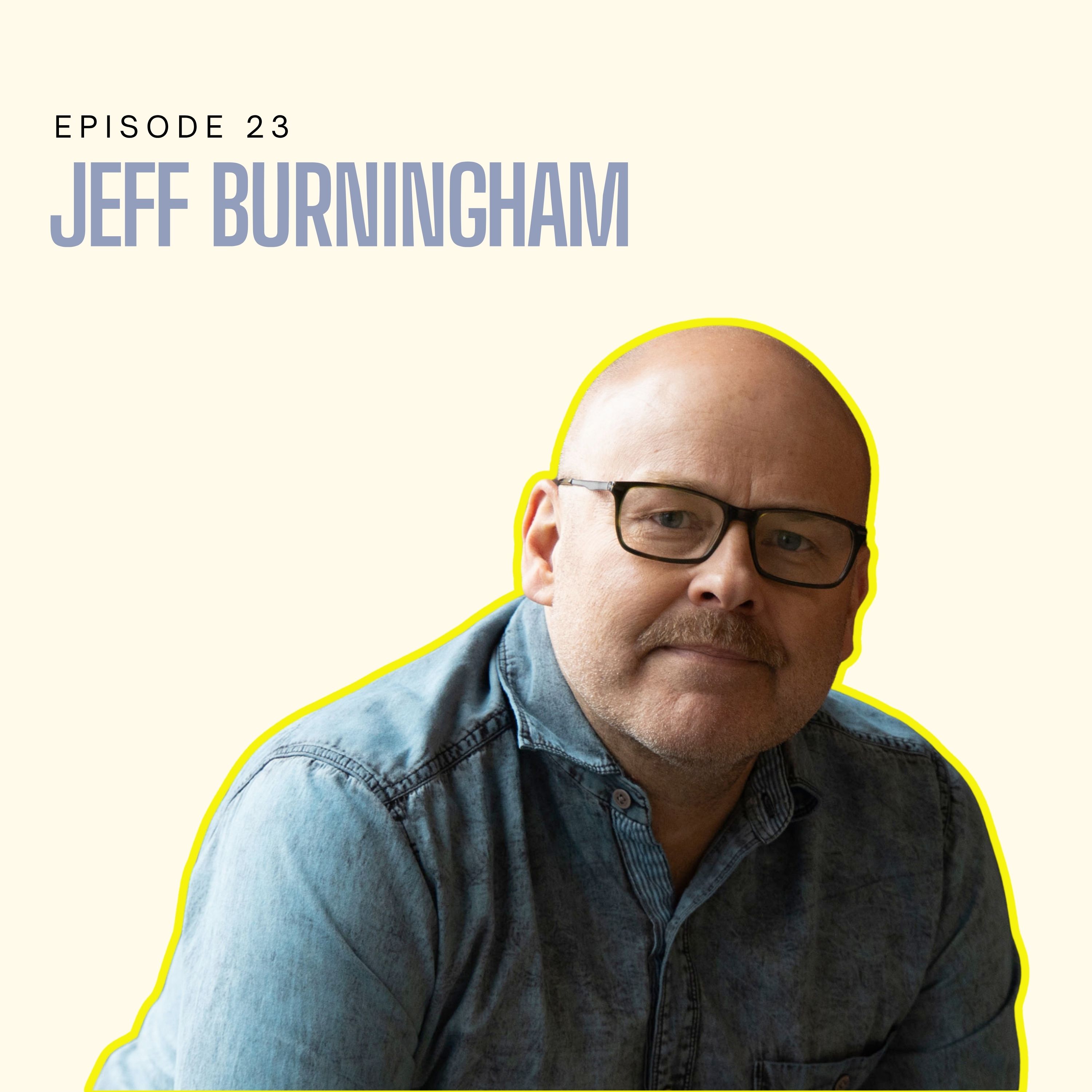
Ep 23Becoming Wise in the Age of AI: Jeff Burningham on What It Means to Be Human
After decades of chasing success as a tech entrepreneur, venture capitalist, and even a candidate for Utah governor, Jeff Burningham found himself questioning what it all meant.When the governor’s race ended in 2020, Jeff finally had space to pause—and that pause changed everything. It led him to write The Last Book Written by a Human, a deeply personal reflection on consciousness, connection, and wisdom in an age increasingly defined by artificial intelligence.“As our machines become smarter, we have to become wiser.”Hear Jeff talk about:What it was like to step back from chasing success and re-evaluate what mattersWhy he believes AI is a mirror showing us who we areThe four stages he sees as part of every human and technological evolution: disruption, reflection, transformation, and evolutionWhy slowing down might be the most human thing we can doMentioned in this episode:The Last Book Written by a Human by Jeff BurninghamRead more about JeffThe Power of Now by Eckhart Tolle Support This Show:Follow Tell Me What It’s Like in your favorite podcast appLeave a rating & review — it helps others find the showShare the episode and tag @RaineMediaCo on social media
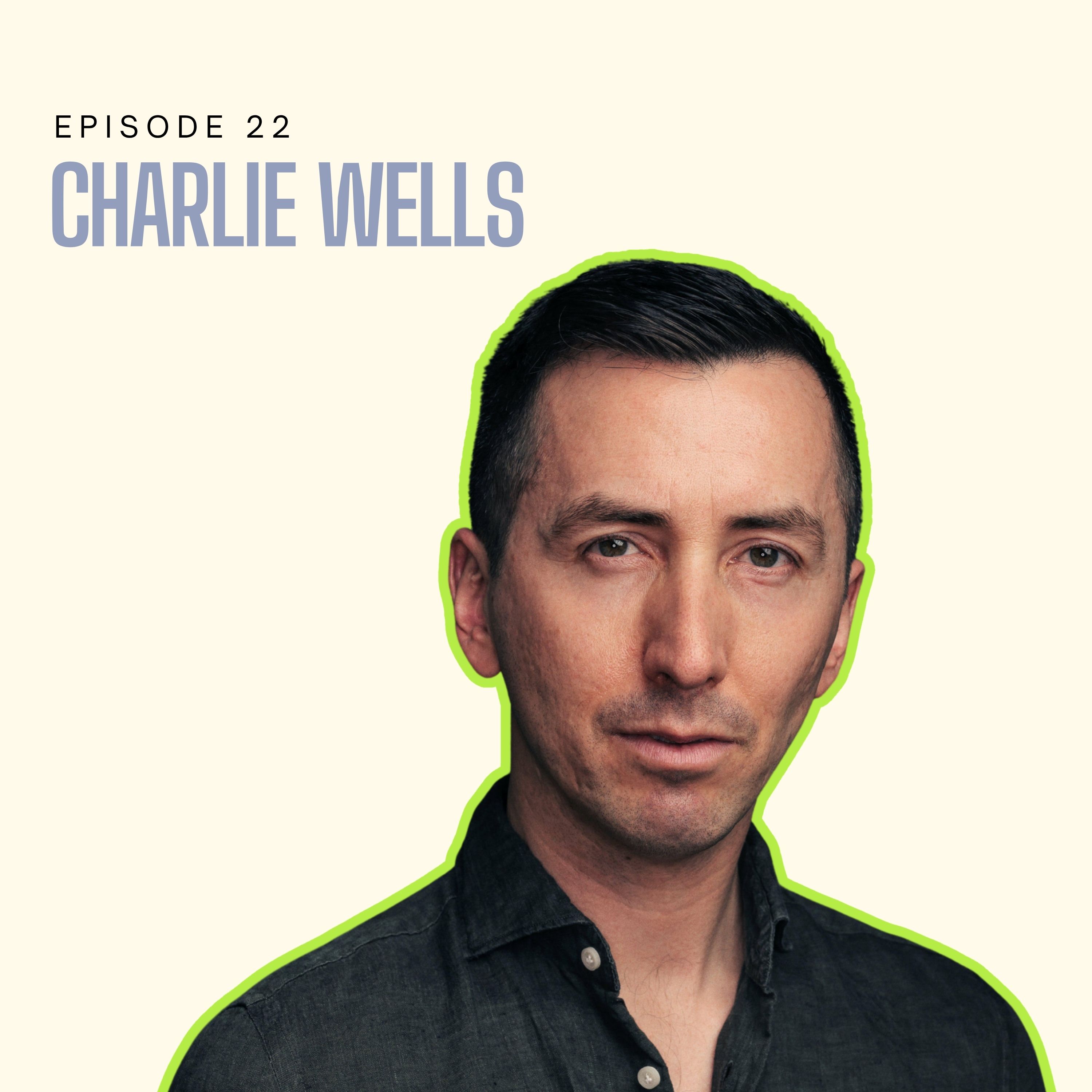
Ep 22Growing Up Millennial: Charlie Wells on What Shaped a Generation
Journalist Charlie Wells is a Millennial — and by now, something of an expert on the Millennial generation, too. In his debut book, What Happened to Millennials: In Defense of a Generation, he shares the stories of five people whose lives reveal what it’s really been like to grow up Millennial — through the early optimism, the crises that shaped us, and all the change we’ve weathered along the way."We're adults and we've overcome a lot of obstacles as this group of people. It's okay to celebrate that."Hear Charlie talk about:Why he wanted to explore what it’s really been like to grow up as a MillennialHow he chose the five people whose lives he shares in the bookHow major moments like 9/11 and the rise of the internet shaped Millennial identityThe nostalgia objects — from Tamagotchis to AIM screen names — that connect us across dividesWhy he feels proud of Millennials, and what he hopes we carry forward into the next chapter of adulthoodMentioned in this episode:What Happened to Millennials: In Defense of a Generation by Charlie WellsCharlie Wells on Instagram and X (Twitter)Support this show:Follow Tell Me What It’s Like in your favorite podcast appLeave a rating and reviewShare on social media and tag @rainemediaco
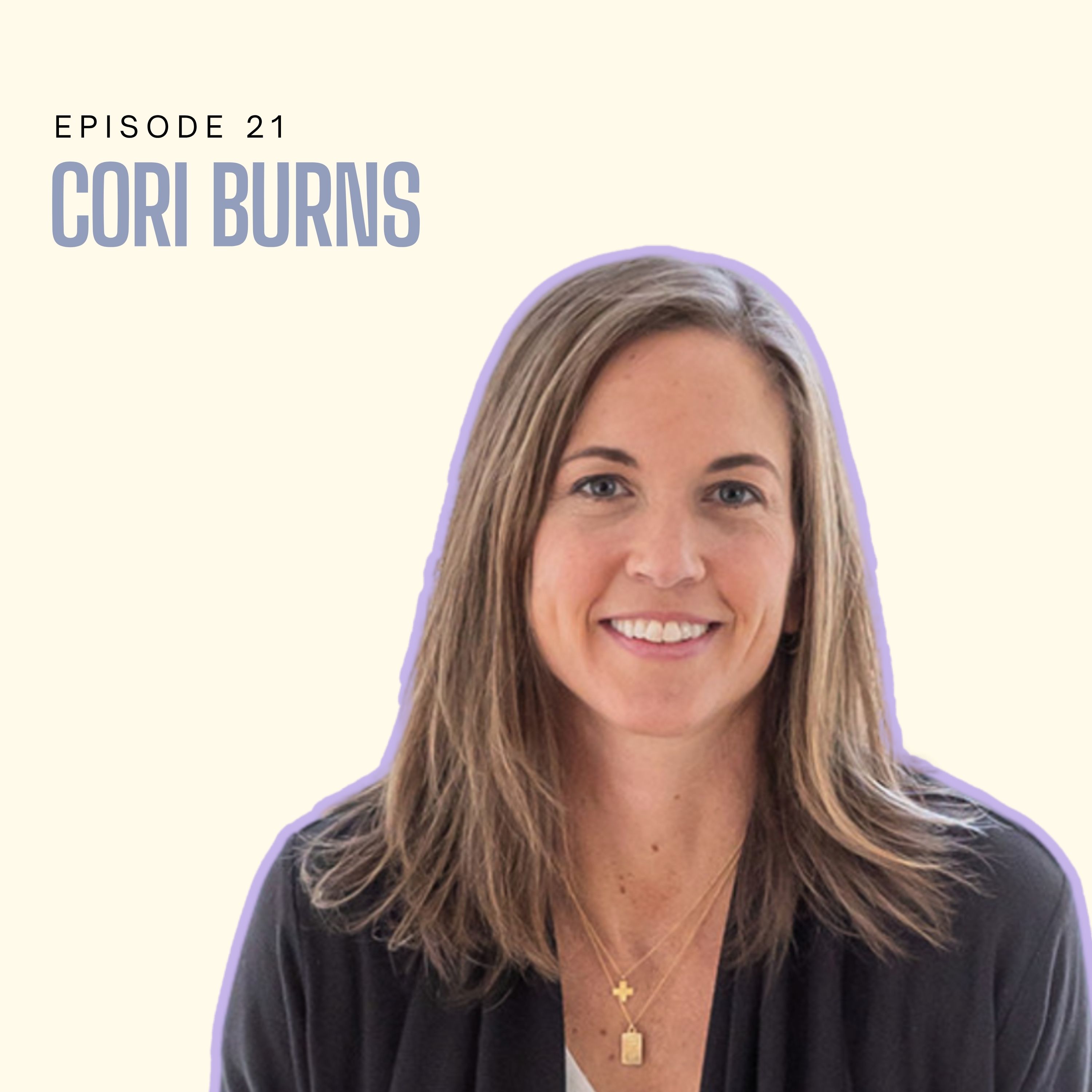
Ep 21Creating a Walking Shoe for Women: Cori Burns on Filling the Fitness Shoe Gap
Cori Burns had always loved running, but eventually pregnancy pushed her to walking for exercise. She found she loved it, but quickly realized there weren't any shoes made for women who walked for fitness. So, she set out to create them herself.In 2023 she launched Raesyn, a technical shoe company making shoes “for women who walk to sweat.” Cori shares how she spotted a gap in the shoe industry, what went into designing a shoe for women who walk for exercise, and the determination it took to turn her idea into Raesyn.“I wanted something that made me feel effortless in my motion forward. It’s a different movement than running – it’s constant ground contact. So I thought to myself, there's truly a gap in the market."Hear Cori talk about:What makes walking for exercise different from runningWhen she noticed there was a need for walking shoesWhat she looked for in the ideal women’s walking shoeThe process to get from prototype to a shoe ready for marketMentioned in this episode:Raesyn Shoes — Cori’s footwear brandGirls Who Walk Baltimore, the walking group Cori mentionedCori’s walking workouts and SubstackSupport this show:Follow Tell Me What It’s Like in your favorite podcast appLeave a rating and reviewShare on social media and tag @rainemediaco
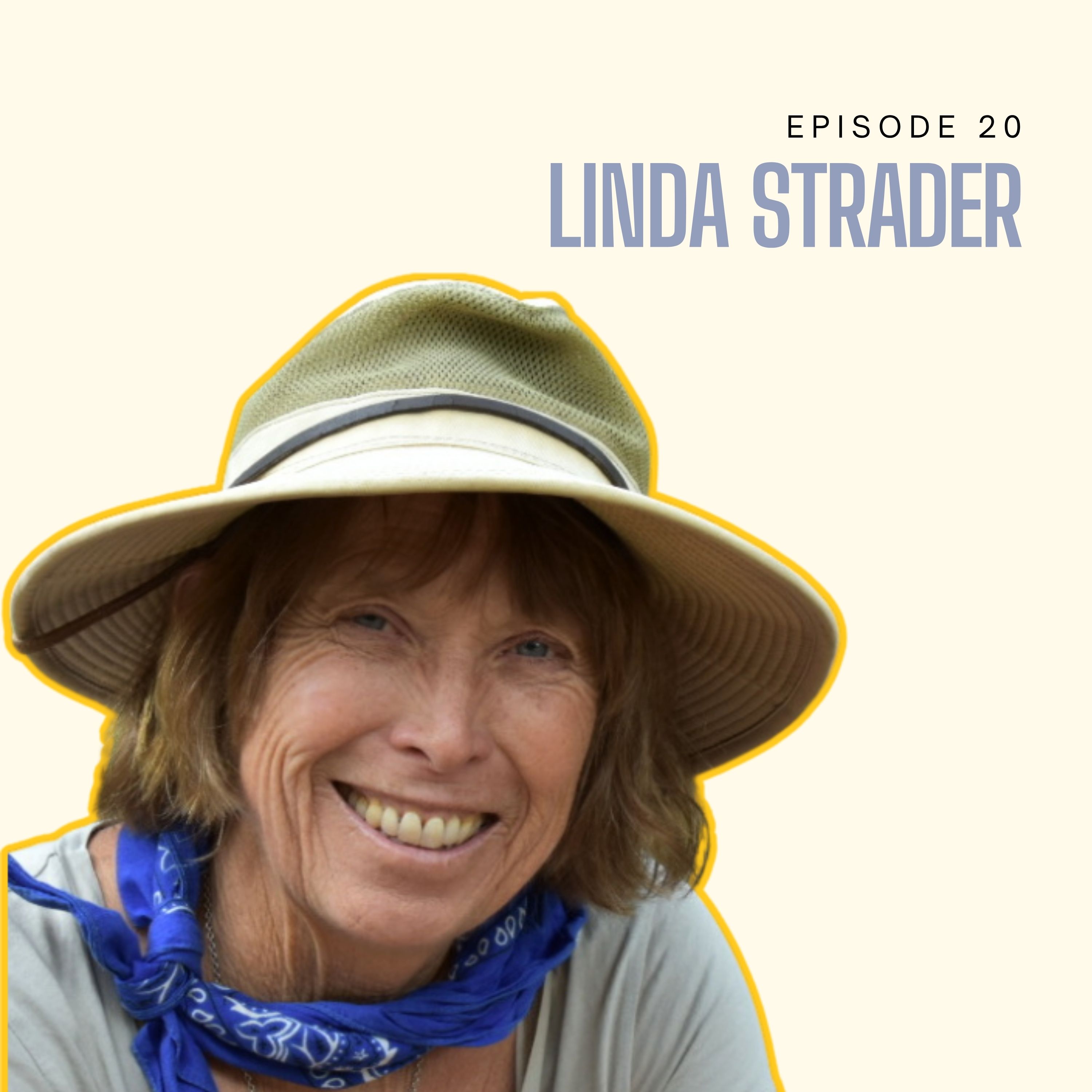
Ep 20Fighting Forest Fires: Linda Strader on Breaking Barriers in the U.S. Forest Service
When Linda Strader joined a US Forest Service fire crew in the 1970s, she didn’t know how rare it was for women to do that kind of work - she just wanted an interesting job. But she quickly realized she was stepping into a world that didn’t necessarily welcome her. In this episode, Linda shares what it was like to be one of the first women on a fire crew, the discrimination she faced, and why she loved the work enough to keep coming back for seven seasons."I wasn't trying to prove anything to them. I just wanted to be accepted as part of the crew. And working twice as hard, I had hoped, would mean that they would accept me."Hear Linda talk about:What a fire crew actually does beyond just battling flamesHow she got the job with no idea women weren’t “allowed”The hostility she faced from many coworkers and supervisorsThe physical and emotional toll of working to prove herself again and againWhy she loved the job regardless of the hardshipsMentioned in this episode:Learn more about Linda's work on her websiteLinda's memoir, Summers of Fire: A Memoir of Adventure, Love and Courage by Linda StraderU.S. Forest ServiceBureau of Land Management (BLM)Read more information about the Federal Women’s ProgramLearn more about the Catalina HotshotsSupport this show:Follow in your favorite podcast appLeave a rating and reviewShare on social and tag @rainemediaco
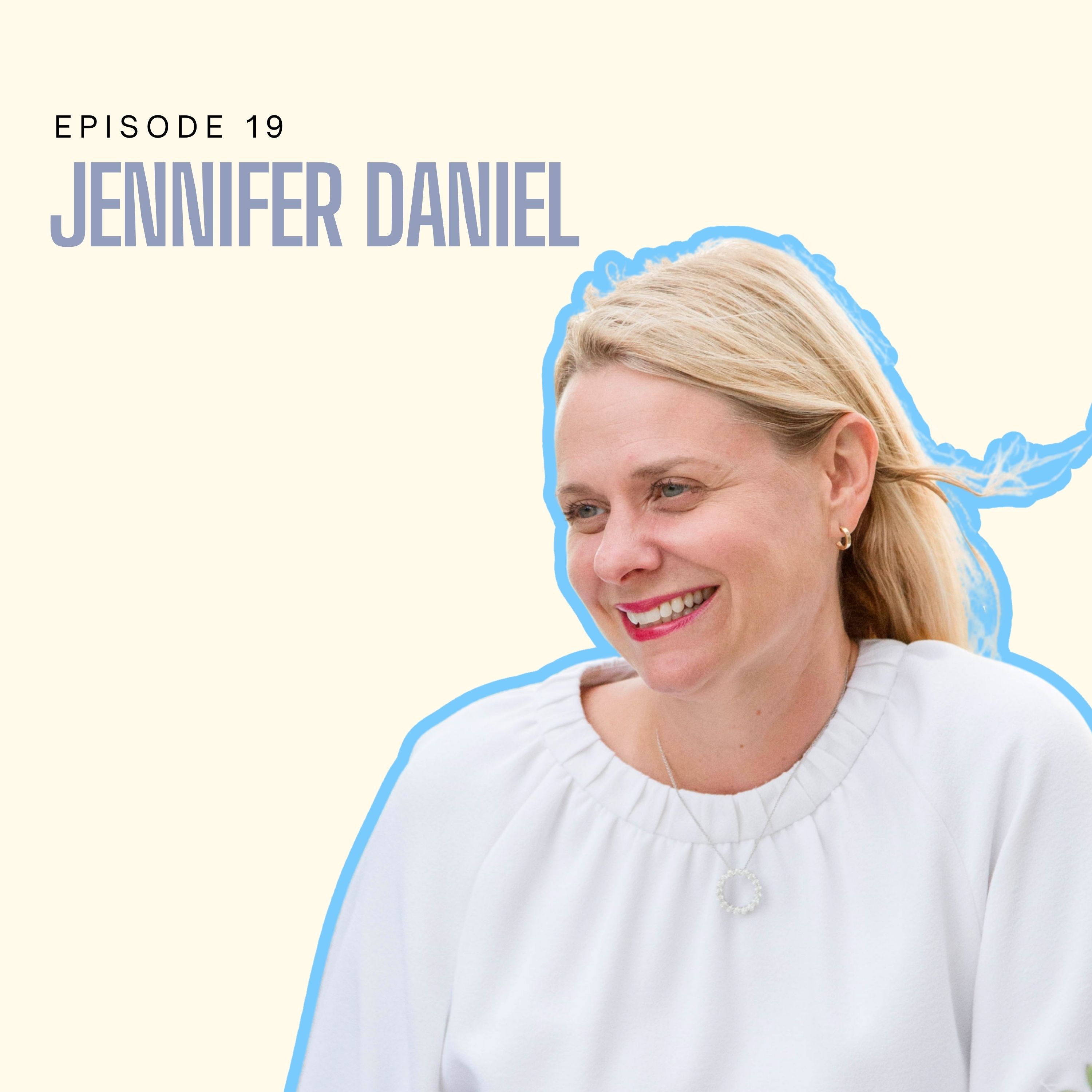
Ep 19Teaching Modern Manners: Jennifer Daniel on Etiquette and Kindness
When Jennifer Daniel landed her first job after college, she quickly realized she didn’t quite know how to navigate the world of business meetings with confidence. That led her to the Protocol School of Washington and, eventually, to founding her own etiquette business, Polished Peyton Etiquette Essentials. For nearly 25 years, she’s been teaching children, young professionals, and executives the skills they need to succeed - with etiquette as a foundation for confidence and kindness."Etiquette seems like such an awful snobby word. And maybe long, long, long ago it was. I do not think it is now.”Hear Jennifer talk about:How she found her way from a resort job to opening her own etiquette and protocol schoolThe difference between etiquette and protocol, and why both matter in business and social lifeWhy young professionals often struggle with communication in the age of smartphonesHow etiquette classes can build confidence and relational skills, not just table mannersWhy kindness is the most important rule of allMentioned in this episode:Polished Peyton Etiquette EssentialsThe Protocol School of WashingtonSupport this pod:Follow in your favorite podcast appLeave a rating and review in your appShare on social media and tag @rainemediaco
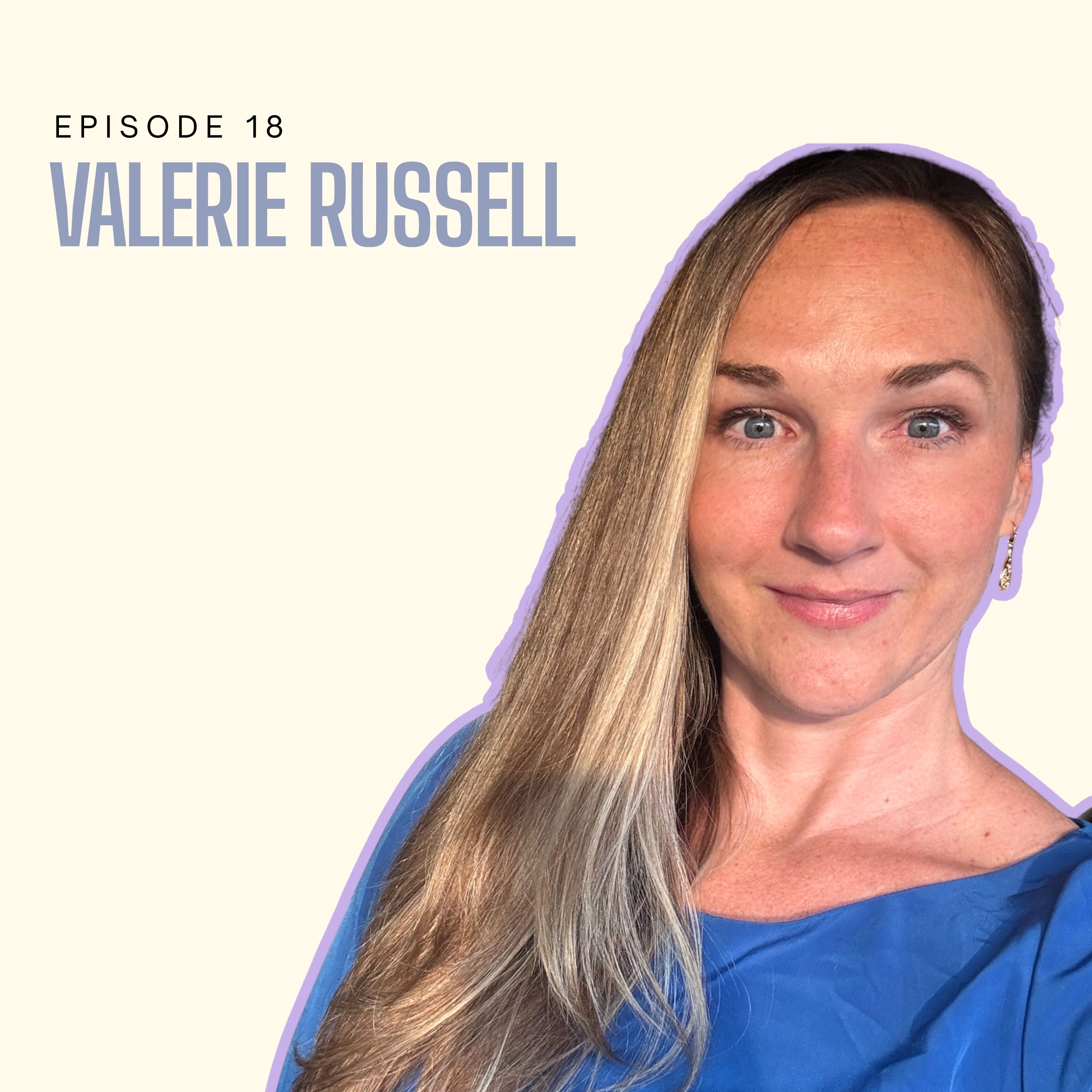
Ep 18Leaving It All Behind: Valerie Russell on Starting a Business Abroad
Valerie Russell spent a decade in criminal justice. She worked as a corrections officer, a narcotics investigator, even on the 9/11 Human Recovery Project. But one day, she realized she wanted something entirely different. She sold everything, moved to Guatemala with just a backpack, and built a thriving travel agency from scratch."I got rid of everything that I owned, basically sold it all on a weekend, my pajamas through Facebook marketplace. And I packed up and came just with a backpack."Hear Valerie talk about:The book that inspired her to walk away from law enforcement to start a new life abroadWhat it was like to arrive in Guatemala alone, not knowing anyoneHow she grew Due South Travels into a successful business without advertisingWhy she feels like she lives in paradiseThe importance of resilience, community, and creativity in building a life abroadMentioned in this episode:Due South Travels, Valerie's travel agency in GuatemalaThe 4-Hour Workweek by Tim Ferriss, the book that inspired herSupport this show:Follow in your favorite podcast appLeave a rating and reviewShare on social media and tag @rainemediaco
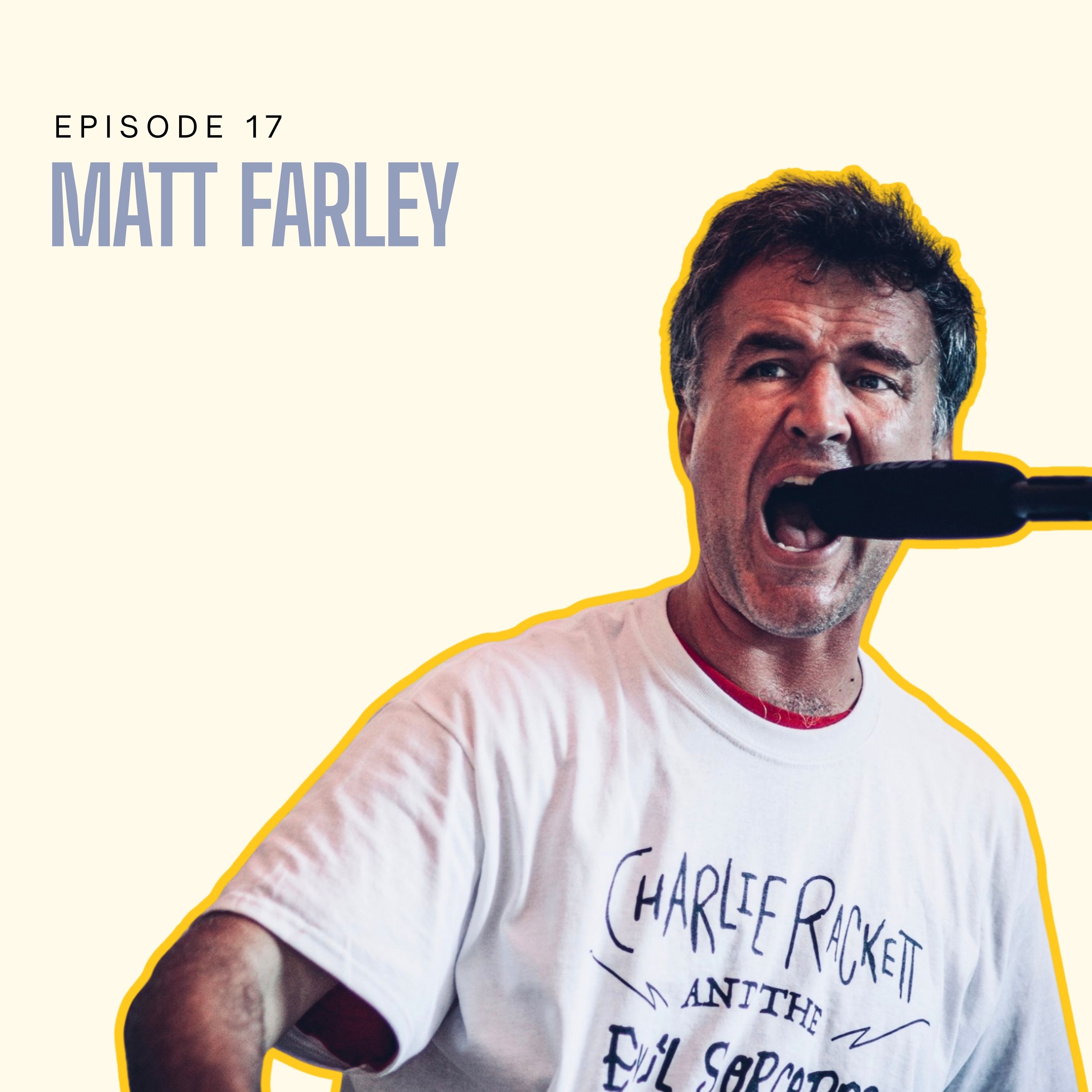
Ep 17Singing About Poop: Matt Farley on Creativity and 26,000 Songs
Matt Farley has created over 26,000 songs ... many of them about poop. But behind the absurd humor is a thoughtful approach to creativity, productivity, and making things without fear.In this episode of Tell Me What It’s Like, Matt shares how he embraced the ridiculous, built an empire of searchable songs, and let go of perfectionism — all while homeschooling, making movies, and continuing to make music."We as creative people are not good judges of our work. And that's wonderful. So I think it frees us up."Hear Matt Talk About:Why he shares his music (even when it feels humiliating)How he uses song titles and streaming platforms to get discoveredWhy embracing imperfect work led to his most popular songsThe Motern Method: his creative productivity system explainedHow he balances homeschooling, filmmaking, and songwritingHow making movies with friends helps him stay creative and connectedMentioned in This Episode:The Odd Man Who Sings About Poop, Puke, and Pee on Spotify – one of Matt's many musical personasAll About Highlighters, surely Matt's next big hitThe Hungry Food Band in case you need a song about mac & cheeseDropped My Phone in the Toilet, by The Very Nice Interesting Singer ManThe Guy Who Sings About Cities and Towns, and sometimes just the zip codeMatt's list of Matt's Most Popular SongsThe Motern Method – Matt’s book on creativityEvil Puddle, Matt's latest filmFind Matt Farley online at Motern Media
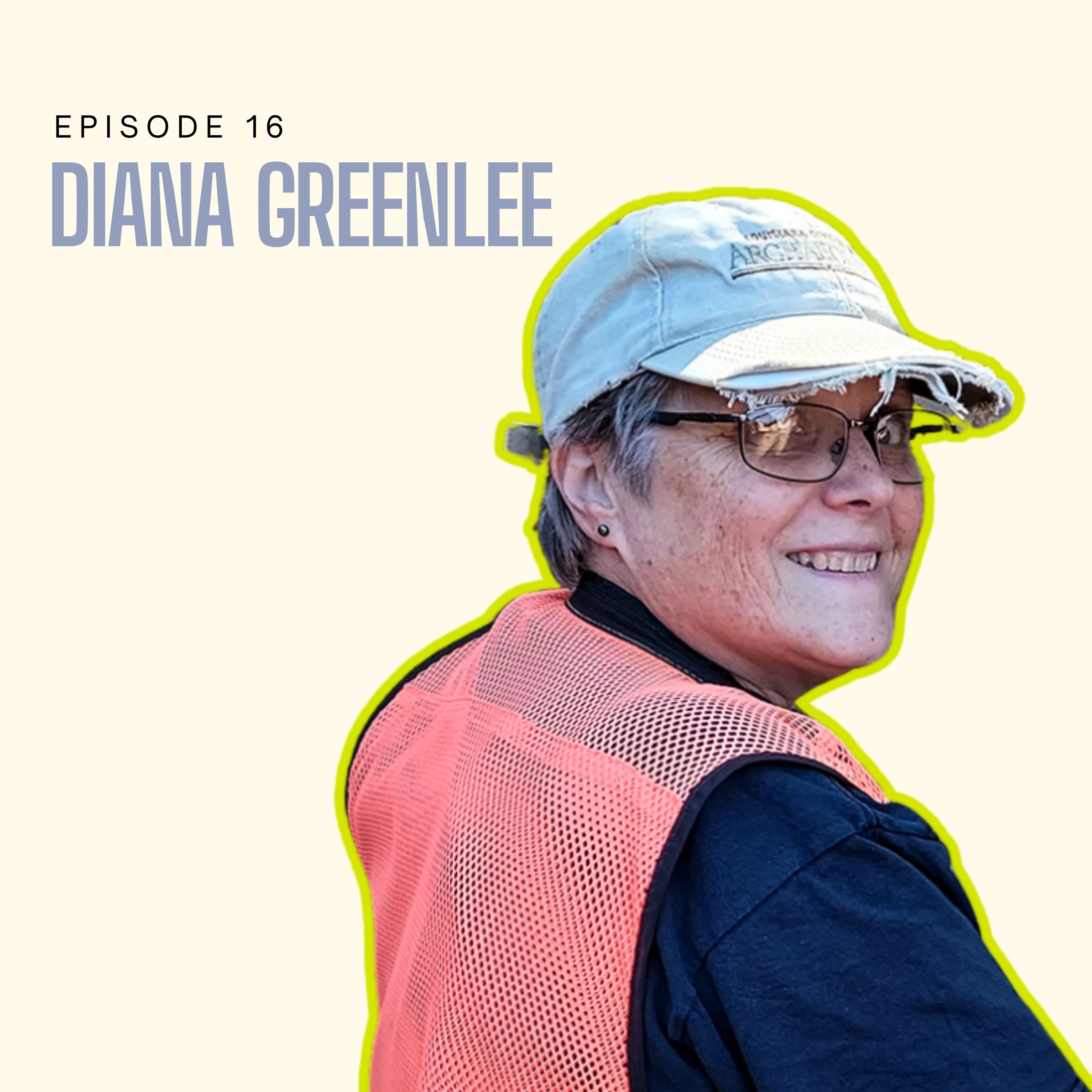
Ep 16Diana Greenlee: Uncovering the Story of Poverty Point
More than 3,000 years ago, a Native American community in what is now Northeast Louisiana built monumental earthworks - such as mounds, ridges, and a vast plaza - at Poverty Point, now a UNESCO World Heritage Site. For nearly two decades, Dr. Diana Greenlee, station archaeologist at Poverty Point, has worked to uncover what life was like for the people who lived there so many years ago."Every time I do some work there I think, this is the first time in over 3,000 years that somebody has touched this. That's a pretty cool feeling."Hear Diana talk about:How the massive earthworks at Poverty Point were constructedEvidence of art, craftsmanship, and daily life at the siteWhat we know about the mounds and ridges built by the people who lived thereHow modern tools like ground-penetrating radar reveal insights without excavationThe moment she discovered a previously undocumented moundMentioned in this episode:Read more about Dr. Diana GreenleePoverty Point World Heritage SiteUNESCO World Heritage listing for Poverty PointUniversity of Louisiana at MonroeSupport this show:Follow in your favorite podcast appLeave a rating and reviewShare on social media and tag @rainemediaco
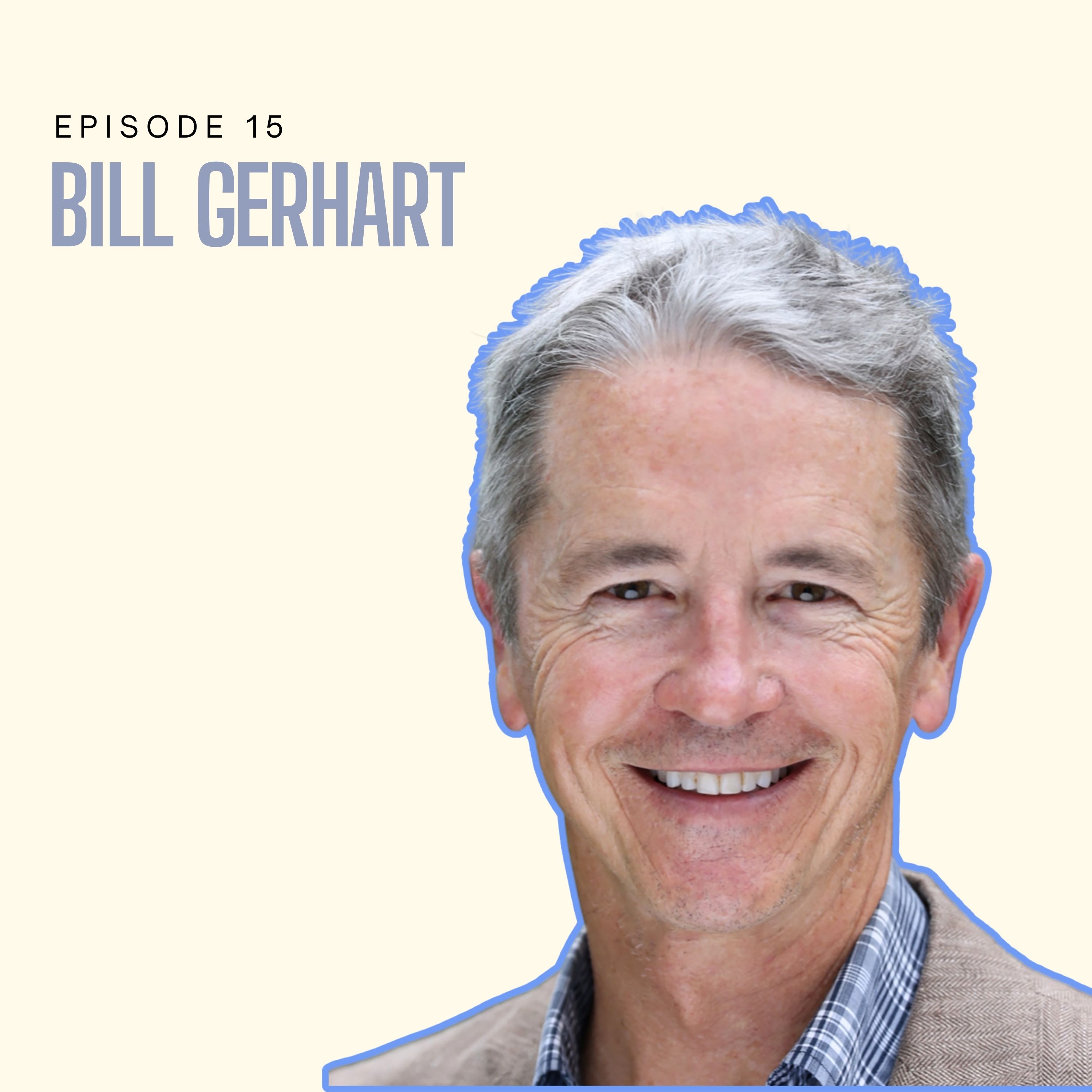
Ep 15Bill Gerhart: Loss and Action in the Opioid Crisis, Part 2
In Part 1, Bill Gerhart shared his son Connor’s story and discussed the dangers of fentanyl. In Part 2, Bill shares more about the fentanyl crisis, why he feels prosecuting those who sell it is necessary, and what he’s doing to raise awareness. He also reflects on his belief that there’s opportunity in every event, and how he moves forward with that perspective. "I'm a big believer that there's opportunity in every negative event and even horrible, tragic events like this, where you have a child pass away early in life. And I'm not sure if I've found the opportunity yet, but one of the clear opportunities is to cherish life, cherish your friends, your family."Hear Bill talk about:Giving away Narcan at Connor’s memorial service so others might be savedWhy awareness and access to treatment matter more than everThe role of cartels, supply chains, and prosecution in the fentanyl epidemicHis hopes for developing a new, non-opioid addiction treatmentHow this tragedy has made him appreciate his friends and family even moreMentioned in this episode and references:If someone you care about is battling opioid addiction, find resources hereLearn more about Naloxone (Narcan), the reversal drug Bill and his family gave out at Connor's Celebration of Life Read more about the crisis and the DEA's "One Pill Can Kill" awareness campaignThis week's music is by Ievgen Poltavskyi from Pixabay.

Ep 14Bill Gerhart: Loss and Action in the Opioid Crisis, Part 1
In 2023, nearly 80,000 Americans died from opioid overdoses. Bill Gerhart's son Connor was one of those people. In this first part of a two-part conversation, Bill shares who Connor was, from his childhood and football days to his career as a civil engineer, and how a series of surgeries and pain prescriptions led to an opioid addiction that few around him knew about. He also reflects on when he realized what was happening with Connor, and why awareness is so important. "He had a successful career, didn't miss much at work, he was highly functioning. He was around family - none of us really knew that he had this issue." Hear Bill talk about:Connor’s childhood, football years, and what made him “every dad’s dream”The challenges of college and how he found his way forwardRebuilding confidence after setbacks and starting a successful careerThe injuries and surgeries that introduced opioids into his lifeHow his family discovered his addiction, and what Bill has since learned about awareness and preventionMentioned in this episode and references:See Bill's tribute to his son Conner at Connor's Celebration of LifeIf someone you love is battling opioid addiction, find resources hereRead more about Suboxone, a medication used to treat opioid addictionLearn more about Naloxone (Narcan), an opioid overdose reversal drugFind out more about Fentanyl test strips, a tool to detect fentanyl in recreational drugsClosing music by Ievgen Poltavskyi from Pixabay.
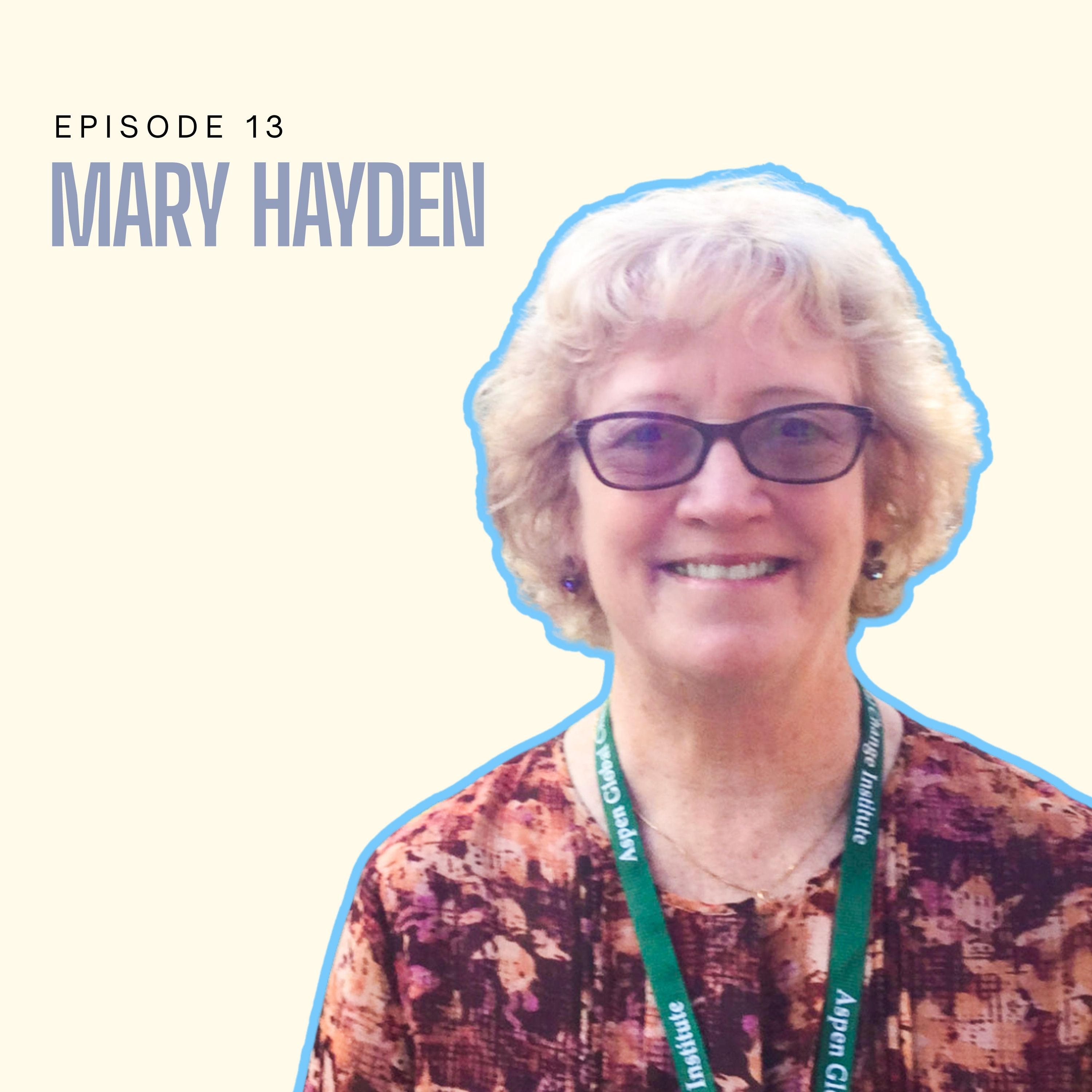
Ep 13Mary Hayden: Studying the Human Side of Mosquito Risk
Dr. Mary Hayden recently traveled to Colombia to answer a question about mosquitoes that was actually about us humans. Specifically, she wanted to know how human behavior shapes the risk of mosquito-borne diseases like dengue, Zika, and yellow fever. From unregulated areas with limited water access to neighborhoods in the U.S., she’s found that our daily habits, infrastructure, and even trust in information can either reduce or increase that risk. We tell people all the time, 'Dump standing water in your yard,' but oftentimes people are too busy, or they don't think about it, or they forget about it, or their kids put a toy out there and they didn't realize the toy was out there. Hear Mary talk about:How her interest in climate led to a focus on human behavior and disease transmissionWhat she observed in Colombian communities where water access is scarce and mosquitoes thriveHow perception of risk and trust in messengers impact public health effortsPractical ways you can protect yourself from mosquitoes and ticksWhy some prevention strategies are simple, yet are still so hard to make stickMentioned in this episode:More about Dr. Mary HaydenBTI (Bacillus thuringiensis israelensis) – Bacteria used to kill mosquito larvae in standing waterEngineers Without Borders – Organization developing low-cost solutions for clean water and storage safetyPermethrin – Insecticide applied to clothing to repel mosquitoes and ticksBug repellents like Picaridin, DEET, and the plant-based Oil of Lemon Eucalyptus Support this pod:Follow in your favorite podcast appLeave a rating and reviewShare on social media and tag @rainemediaco

Ep 12Brandon Phillips: From Childhood Cancer to Supporting Families Through Polo
At 14, Brandon Phillips was a healthy kid with a passion for sports. Then one day he noticed his leg was swollen. Within 24 hours, he was diagnosed with non-Hodgkin’s lymphoma, and the outlook wasn't positive. In this episode, Brandon shares what it was like to face a life-threatening diagnosis, fight through months of brutal chemotherapy, and go on to become a professional polo player, as well as a devoted advocate for families battling childhood cancer."Pressure’s nothing until you’re sitting in a room waiting for doctors to come in to tell you are you gonna live or not.”Hear Brandon talk about:The moment he realized something was wrong with his legHis swift cancer diagnosis and grueling treatmentHow mental strength and his athlete’s mindset helped him beat the oddsWhy he didn’t want to talk about cancer for yearsFounding Polo for Life to support families with a child fighting cancerMentioned in this episode:Polo for Life – Brandon’s nonprofit supporting families affected by childhood cancerKids Cancer Foundation – Florida-based nonprofit supporting children and families fighting cancer, and one of Polo for Life’s beneficiary organizationsPediatric Oncology Support Team (POST) – Services and counseling for families of children with cancer in South Florida, and one of Polo for Life’s beneficiary organizationsMiami Cancer Institute – One of Polo for Life’s partner hospitals and beneficiary organizationsSupport this pod:Follow in your favorite podcast appLeave a rating and reviewShare on social media and tag @rainemediaco

Ep 11When Characters Talk Back: Carol Hoenig on Writing Fiction That Comes to Life
Carol Hoenig published her first novel in 2005. Years later, while driving home from work, one of her characters suddenly returned, insisting to Carol that her story wasn’t finished. That unexpected moment sparked a new novel about the character's story. In this episode, Carol reflects on her creative process, the career pivots that shaped her path, and the moments when fictional characters come to life. I was leaving work and I'm driving home. I'm on Sunrise Highway, and Grace, a character from my first novel, Without Grace, said to me "They don't know why I really left." Hear Carol talk about: • The day her character, Grace, let her know there was more to the story • Starting her business the same day she lost her job at Borders • How her characters speak to her and sometimes surprise her • The creative process behind Without Grace and Before She Was a Finley • Why honoring the craft of writing mattersMentioned in this episode:Without Grace by Carol HoenigBefore She Was a Finley by Carol HoenigHer episode of My Hometown on 90.3 WHPCLearn more about Carol on her websiteWatch Carol's podcast, Wildflowers Podcast: Books, Booze and Banter, on YouTubeSupport this podcast:Follow in your favorite podcast appLeave a rating and reviewShare with a friend and on social media and tag @rainemediaco

Ep 10Rich "Big Daddy" Salgado: Building a Network by Showing Up for Others
Insurance agent Rich Salgado has spent decades building a reputation as the guy who knows how to help – whether you're an NFL player, a TV producer, or just someone he met at a business event. Known to nearly everyone as “Big Daddy,” Rich shares how he's built a powerful network rooted in generosity, trust, and simply showing up for people."You never know someone you meet might be the one that takes you outta digging ditches."Hear Rich talk about:How losing his early business partner pushed him to rely on his networkHow he became the insurance agent to many in the NFLWhy networking is a give-and-take, not just an askThe role networking played in his unexpected jump to TVWhat it means to “keep it real” and make others feel at easeMentioned in this episode:Big Daddy Insures, Rich's insurance companyConnect with Rich on Instagram @bigdaddyinsures Support this show:Follow in your favorite podcast appLeave a rating and reviewShare on social and tag @rainemediaco

Ep 9Bill Horan: Talking About Success for 37 Years
Bill Horan has spent nearly four decades interviewing people about one elusive idea: success. On his radio show Secrets of Success, he’s spoken with thousands of guests, from authors and business owners to everyday people, about the idea of success. In this episode, Bill shares some of the most memorable stories, the themes that have stuck with him, and how hosting this show has shaped his own understanding of what success really means." I think we have a false image that these people never fail. They do. They overcome failure, somehow they get through it." Hear Bill talk about:How a guest appearance turned into a 37-year radio careerWhy success doesn’t always look glamorous, and that’s okayThe role of mindset and gratitude in personal growthWhat he’s learned from reading 2,000+ books on successWhy self-awareness might be the real key to a meaningful lifeMentioned in this episode:The Success Principles by Jack Canfield – Bill’s top-recommended book on successChicken Soup for the Soul – Bill interviewed co-author Jack Canfield early in his careerWHPC in Garden City, where Secrets of Success airsBill's show, Secrets of Success – Bill’s radio show on WHPC, running for 37 years and countingSupport this podcast:Follow Tell Me What It’s Like in your favorite podcast appLeave a rating and review to help more people find the showShare this episode with a friend and tag @rainemediaco
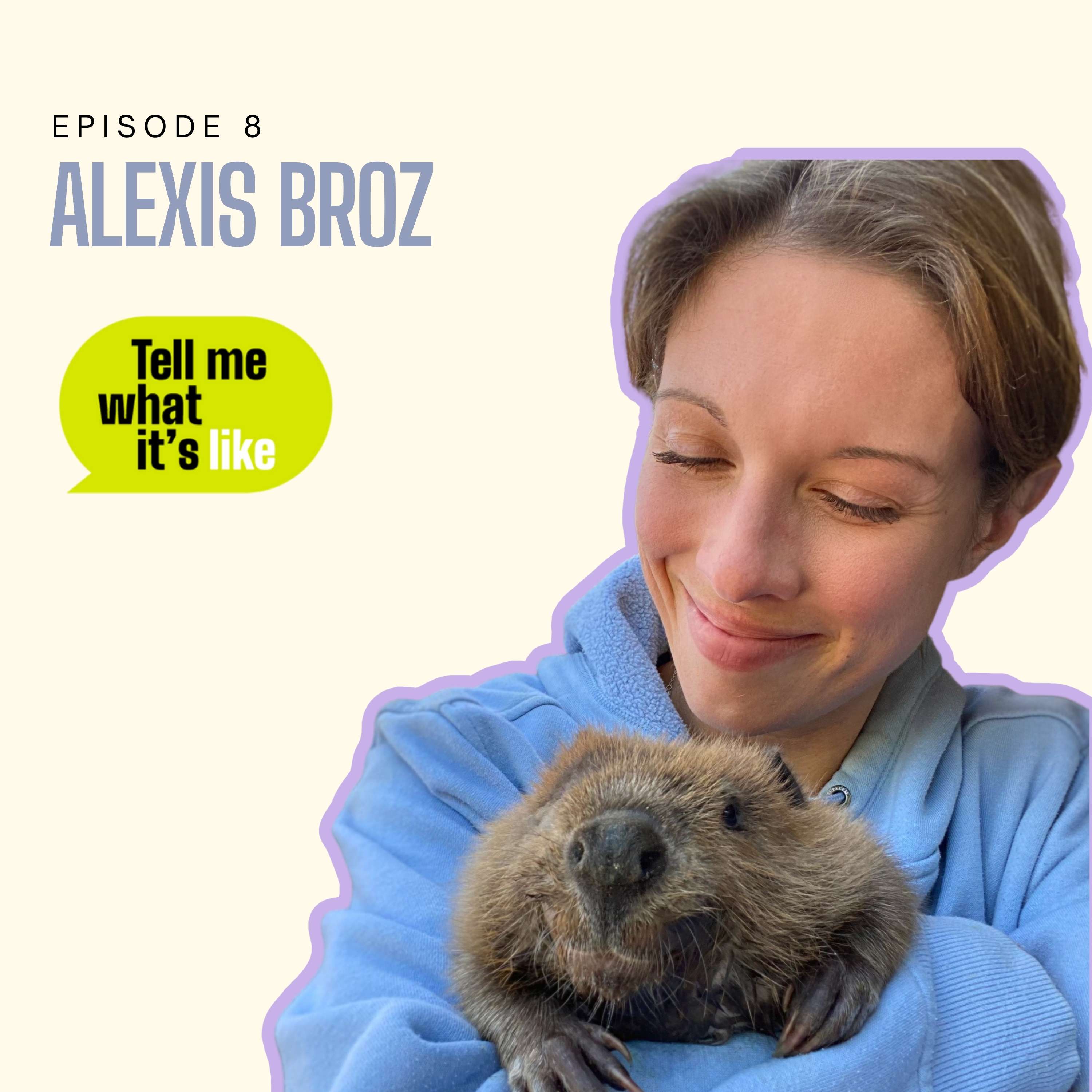
Ep 8Saving Wild Animals: Alexis Broz on Rehabilitation, Rescue Missions, and a Beaver Named Bo
Alexis Broz didn’t grow up thinking she’d become a wildlife rehabilitator. But when a baby squirrel slid across a restaurant patio toward a petrified customer, Alexis scooped it up and didn’t look back. That moment set her on a path of rescuing, raising, and returning animals to the wild. From squirrels and pigeons to otters and beavers, Alexis has rehabilitated and released hundreds of animals in New York. In this episode, she shares how she became a wildlife rehabilitator, what it’s like to care for wild animals around the clock, and how a beaver named Bo became the Branch Manager of her nonprofit, Wild for Life, Inc.(This episode was recorded in spring 2025.)“People always call me and they say, ‘Somebody do something, somebody come get this [animal]. Somebody come help.’ And I always want to say, ‘You are somebody. You're capable.’”Hear Alexis talk about:How rescuing one baby squirrel at work changed her lifeWhat it takes to legally rehabilitate wildlife in New YorkHow her bathtub was key to caring for an orphaned beaverHer day to day caring for multiple animals Why she believes beavers are misunderstood environmental superheroesMentioned in this episode:Wild for Life, Inc. Alexis’s wildlife rescue nonprofitNorth Country Wild Care, her local volunteer rehabber network where she is a board memberAnimal Help Now app Alexis mentions to find wildlife rehabbers near youThe Janet L. Swanson Wildlife Hospital at Cornell, her veterinary partner and resourceFollow Alexis on TikTok and Instagram @WildlifeAlexisSupport this pod:Follow in your favorite podcast appLeave a rating and reviewShare the episode and tag @rainemediacoMore at TellMeWhatItsLike.com
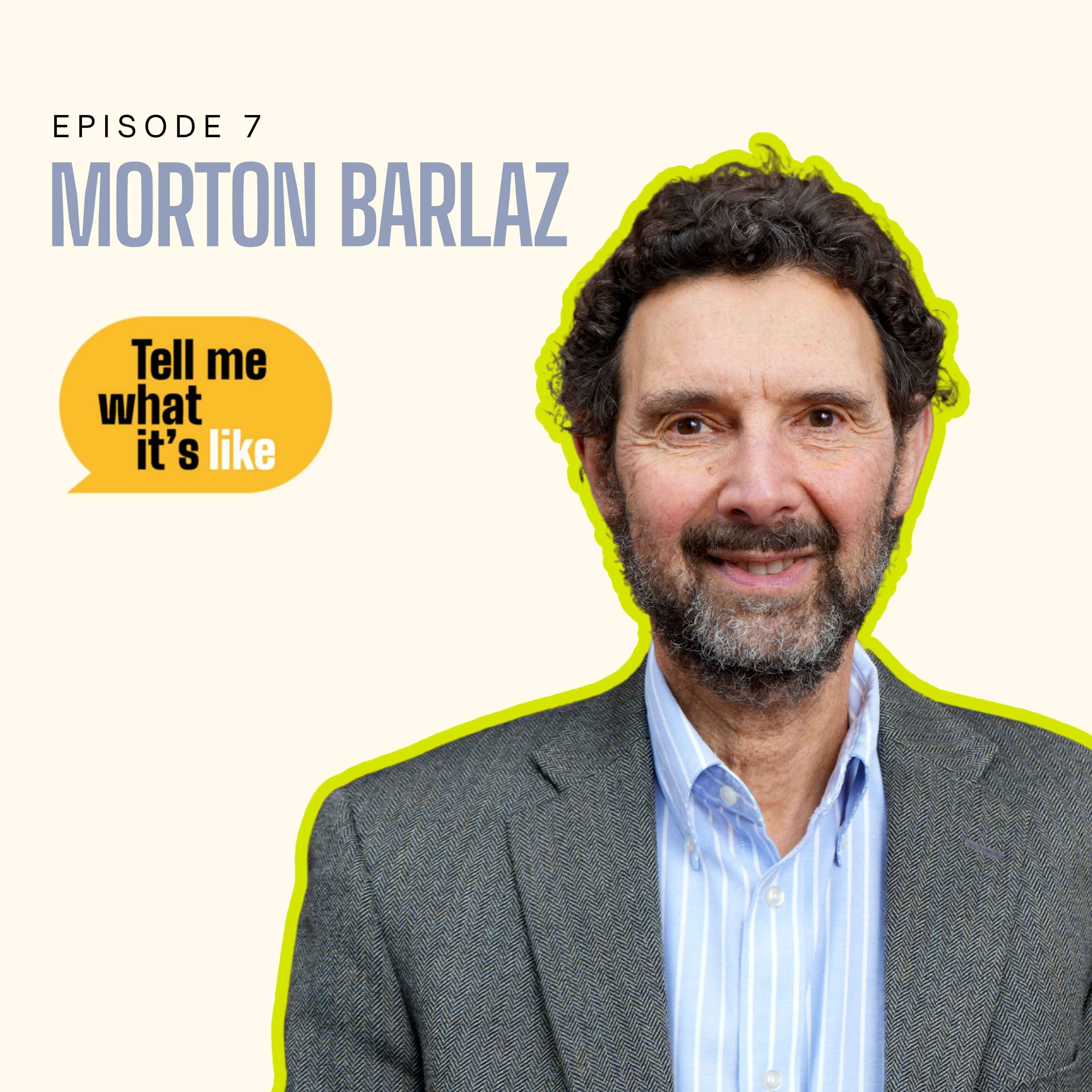
Ep 7What Really Happens to Our Trash: Dr. Morton Barlaz on 40 Years of Studying Landfills
While in graduate school in the early 1980s, Dr. Morton Barlaz was offered a project studying how municipal waste decomposes. He wasn’t sure it was what he wanted to do, but it sounded interesting so he said yes. Forty-two years later, he’s a leading expert on how landfills work and why their management matters. In this episode, he explains what happens to the things we throw away, what biodegrades (and what doesn’t), and how landfills have changed over time.“Landfills are a piece of our public infrastructure, just like wastewater treatment.” Hear Dr. Barlaz talk about:What it’s like to study landfills for over 40 years Why he doesn't like calling landfills "dumps"How methane is created and why collecting it matters The myths around what does or doesn't biodegrade The realities of post-closure landfill maintenance References for this episode:Dr. Morton Barlaz, Distinguished University Professor Emeritus, NC State UniversityEPA landfill regulations on post-closure careHow to compost at home (and help reduce methane emissions)Support this podcast:Follow in your favorite podcast appLeave a rating and reviewShare the episode and tag @rainemediacoMore at TellMeWhatItsLike.com

Ep 6Running 7 Marathons on 7 Continents: Becca Pizzi on Grit, Endurance, and Making History
When Becca Pizzi got dozens of messages from friends about an extreme endurance race – seven marathons on seven continents in seven days – she knew she had to run it. In 2016, she became the first American woman to complete the World Marathon Challenge, winning with a total time of 27 hours, 26 minutes, and an average marathon time of just under four hours. Then in 2018, she did it again. Hear what it took to win it and what the miles have taught her in this episode.“If my dreams don’t scare my parents, they’re not big enough.”Hear Becca talk about:What it’s like to run 7 marathons on 7 continents in 7 daysHow her 8-year-old daughter helped her trainBecoming a race director after running the challenge twiceHer advice to people just starting out on their running journeyMentioned in this episode and references:The World Marathon ChallengeTB12 (Tom Brady’s fitness company), where Becca was a Peak PerformerThe Becca Pizzi FoundationThe Becca Pizzi 5K in Belmont, MABecca's Feat on Feet, her children’s book published in 2020Support this podcast:Follow in your favorite podcast appLeave a rating and reviewShare the episode and tag @rainemediacoMore at TellMeWhatItsLike.com

Ep 5Saundra Pelletier: Bringing a New Birth Control to Market
Saundra Pelletier has spent her career focused on women’s health, from Big Pharma to nonprofit work around the globe. Then she got the opportunity to lead a startup bringing a new kind of birth control to market: a non-hormonal gel designed to give women more control. In this episode, she shares what it’s like to fight for FDA approval, push for insurance coverage, and rethink what birth control can look like when women are the ones making the decisions.Note: This episode includes discussion of reproductive health and birth control in an educational context. It is not intended as medical advice. Please consult your healthcare provider for personal recommendations.“We made an appeal to the FDA that this drug was so safe. The ingredients were food grade. That all of these women were suffering... Why won’t they approve this safe drug?” Hear Saundra talk about:The road to launching Phexxi, a non-hormonal birth control gelWhy young women embraced the product in ways she didn’t expectHer fight with insurers and the FDA for access and approvalThe cancer diagnosis that made her mission even more personalHow she found her voice as a leader in a male-dominated industryMentioned in this episode:Phexxi, the first FDA-approved non-hormonal birth control gelSolosec, a one-dose treatment for BV and trichomoniasisWomanCare Global, a nonprofit focused on reproductive health access in low-resource settingsJournal of Sexual Medicine study, reporting increased sexual satisfaction with PhexxiSupport this new show:Follow in your favorite podcast appLeave a rating and review in your appShare on social media and tag @rainemediaco

Ep 4Inventing from Home: April Mitchell on Turning Everyday Problems into Products That Sell
April Mitchell realized one day that she actually knew the answer to the problem she was having when her kids left their towels on the floor ... she just had to invent it. Since then, she’s created dozens of products, from housewares to toys and games, and learned a lot along the way. In this episode, she shares what it’s like to have a spark of inspiration, go through the invention process, and co-create with her kids to bring her creations to life."I was just a mom trying to solve a problem and realized just how many people could benefit from the product."Hear April talk about:Her journey from her first invention to licensing dozens of productsHow she researches, prototypes, and pitches her ideasThe role of trade shows and LinkedIn in finding licensing partnersCreating with her kids and how they test and shape her ideasCo-designing the Clueless board gameMentioned in this episode and references:The book One Simple Idea by Stephen KeyFind April on LinkedIn See the tabletop game design course she co-designed with Ed GartinSupport this new show:Follow in your favorite podcast appLeave a rating and review in your appShare on social media and tag @rainemediaco
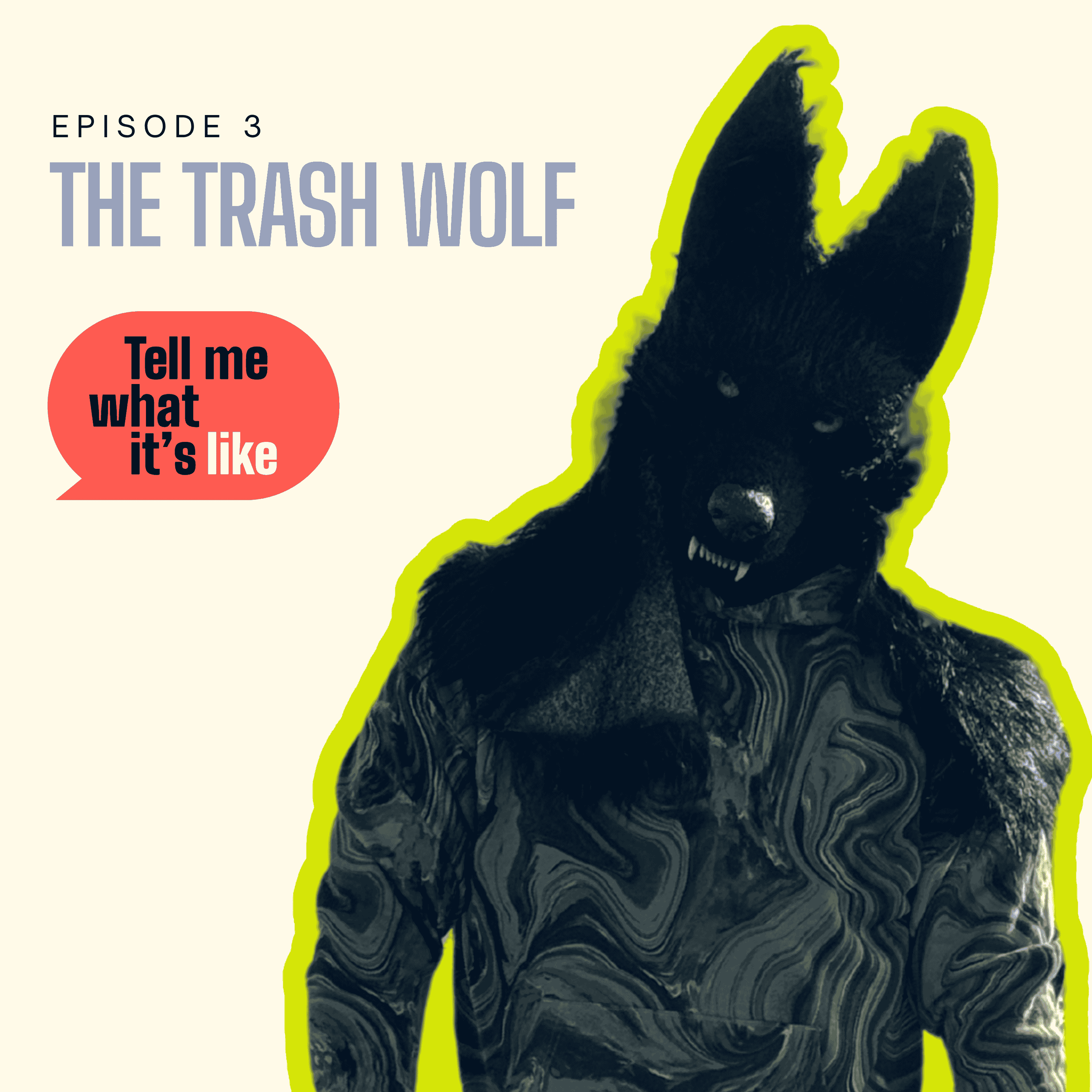
Ep 3Trash Wolf: Becoming Leader of the Anti-Litter Pack
If you want to bring attention to litter, what do you do? For one man in Florida, the answer was to ... put on a wolf suit. In 2022, Trash Wolf began prowling the streets picking up litter and quietly building a movement.In this episode, he shares what inspired the wolf, what it’s like to collect literal tons of trash, and why his mission is really about awareness, community, and taking that first step.“The number one lesson is just go for it. Whatever you're wanting to do, just do it. Go for it."Hear Trash Wolf talk about:How Trash Wolf came to life, and what finally pushed him to put on the maskThe importance of clean neighborhoodsHow cleaning up trash teaches him about the worldWhat you can do to make a difference where you liveMentioned in this episode:Follow Trash Wolf on Instagram: @therealtrashwolfTrash Wolf's latest appearance on the news: Trash Wolf on the prowl to inspire clean citiesSupport this new show:Follow in your favorite podcast appLeave a rating and review in your appShare on social media and tag @rainemediaco
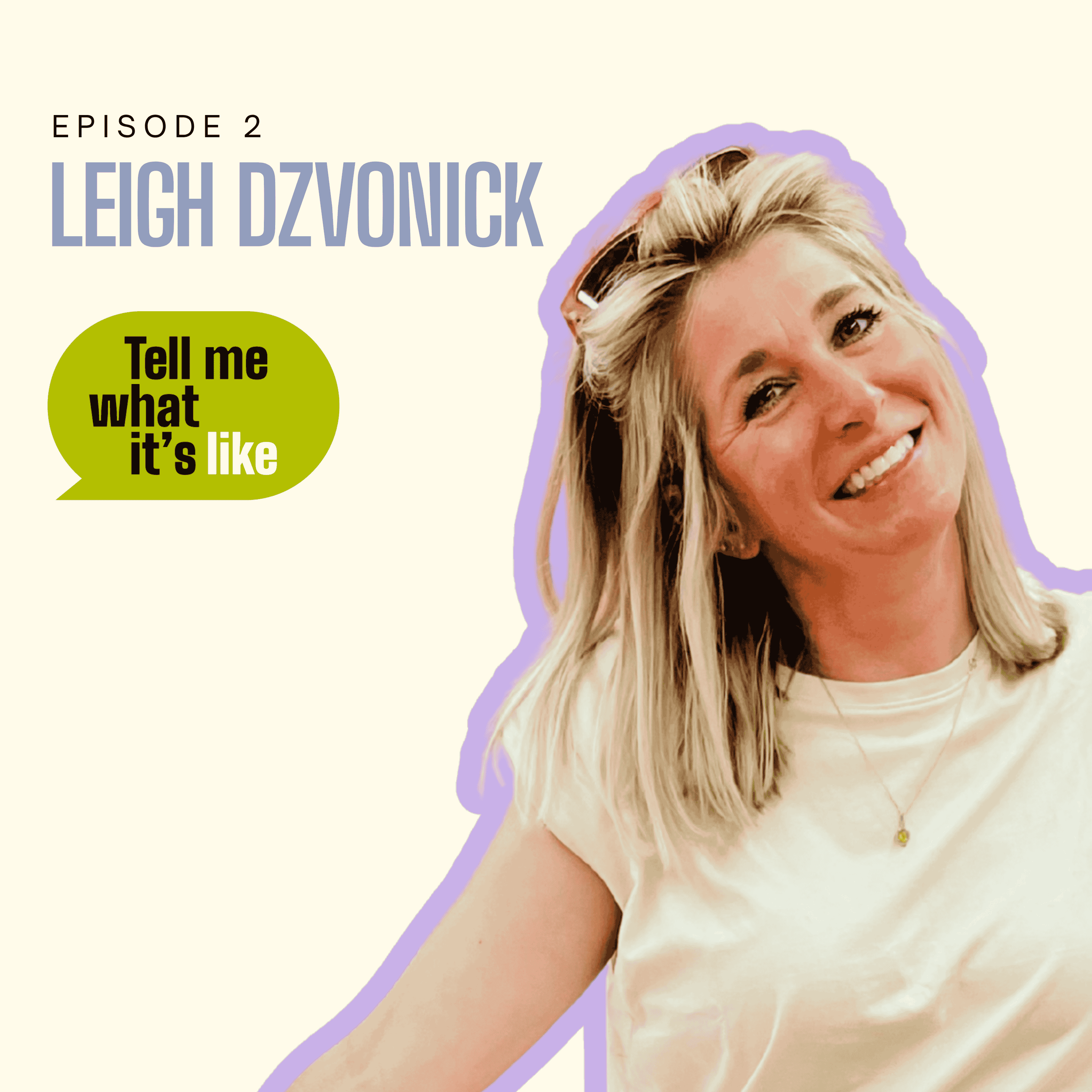
Ep 2Leigh Dzvonick: Living Through Guillain-Barré Syndrome
Military spouse and mom Leigh Dzvonick was busy raising young kids when she started to feel off. After three ER visits and a misdiagnosis of anxiety, she was finally told she had Guillain-Barré Syndrome, a rare neurological disorder that left her unable to walk.In this episode, Leigh shares the confusion of misdiagnosis, the shock of sudden paralysis, and the determination it took to reclaim her health.Disclaimer: This episode is for informational purposes only and is not intended as medical advice. Always consult with a qualified healthcare provider regarding your health.“You know your body better than anybody. And it sounds very generic, but you have to appreciate being able to do physical activity—because not everybody has that blessing.” Hear Leigh talk about:Her early symptoms of Guillain-Barré and why it’s often misdiagnosedHow fast the illness can progress and why timely treatment is crucialThe physical exhaustion and the road to recoveryThe emotional toll of being hospitalized with young kids at homeHow Leigh regained her strength and perspective through persistenceMentioned in this episode:National Institute of Neurological Disorders and Stroke: Guillain-Barré SyndromeThe Mayo Clinic: Guillain-Barre SyndromeSupport this new show:Follow in your favorite podcast appLeave a rating and review in your appShare on social media and tag @rainemediaco
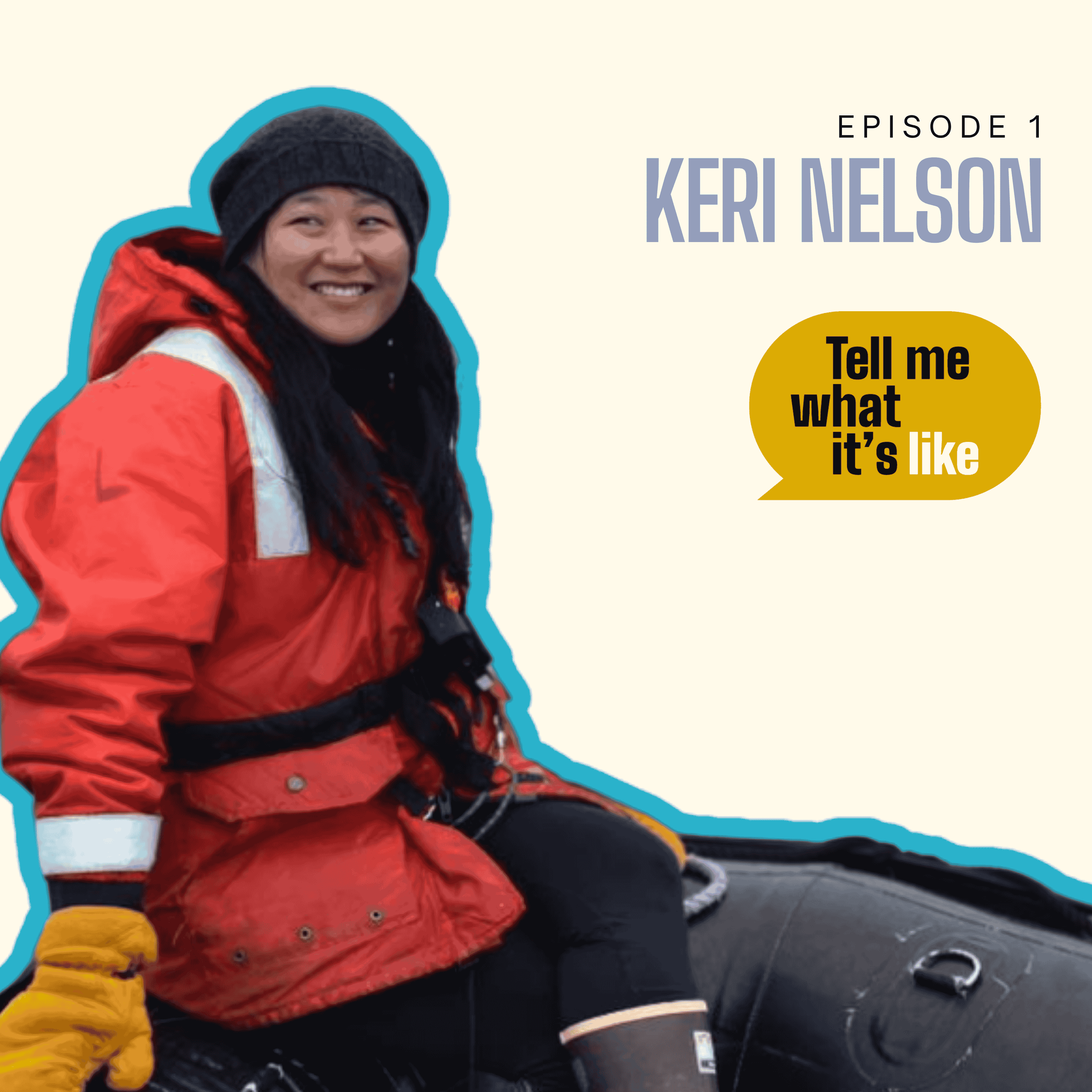
Ep 1Keri Nelson: Life and Work in Antarctica
After a career first as a journalist and then as a traveling nurse, Keri Nelson chased an even grander adventure and secured a job in Antarctica. Seventeen seasons later, she’s done a lot of different jobs at various research stations, she's experienced both summers and winters on the continent, and even helped with scientific research. In this episode, Keri shares what it’s really like to live at the bottom of the world, giving insights into the routines, the landscape, the excursions, and the vibrant community that keeps beckoning her back. (Note: This episode was recorded earlier in the year, near the end of the Antarctic summer season.)"I guess just kind of knowing my speck of what I am in this universe is something that Antarctic has taught me, among many, many other things."Hear Keri talk about:What daily life can be like on different Antarctic research basesThe difference between summer and winter seasons on the continentWhat the community on Antarctic bases can be likeWhat life in Antarctica has taught herWhat it means to transition between life on and off the iceMentioned in this episode:2013 documentary Keri is featured in: Antarctica: A Year on IceArticles about Keri Nelson’s Antarctic experiences:What it’s really like to live in Antarctica How we met: ‘He played footsie with me under a coffee table in Antarctica’What It's Really Like to Live (and Fall in Love) on AntarcticaThe Roamers Trail: Keri NelsonFind more from Keri: Listen to her podcast: Antarctica Did That for MeSocial Media: @simplyantarcticaSupport this new show:Follow in your favorite podcast appLeave a rating and review in your appShare on social media and tag @rainemediaco
Tell Me What It's Like trailer
trailerWhat’s it like to set a world record? To invent a new product? To survive an extremely rare illness?Tell Me What It’s Like is a show about those experiences and the people who lived them. Host Stacy Raine sits down with individuals who’ve faced uncommon, life-altering challenges to learn how it happened, why it mattered, and what it was really like.🔔 Subscribe now so you don’t miss the episodes.🌐 tellmewhatitslike.com📸 @rainemediaco🎧 A Raine Media Production