
TED Talks Society and Culture
167 episodes — Page 2 of 4

3 secrets of resilient people | Lucy Hone
Everyone experiences loss, but how do you cope with the tough moments that follow? Resilience researcher Lucy Hone shares three hard-won strategies for developing the capacity to brave adversity, overcome struggle and face whatever may come head-on with fortitude and grace.
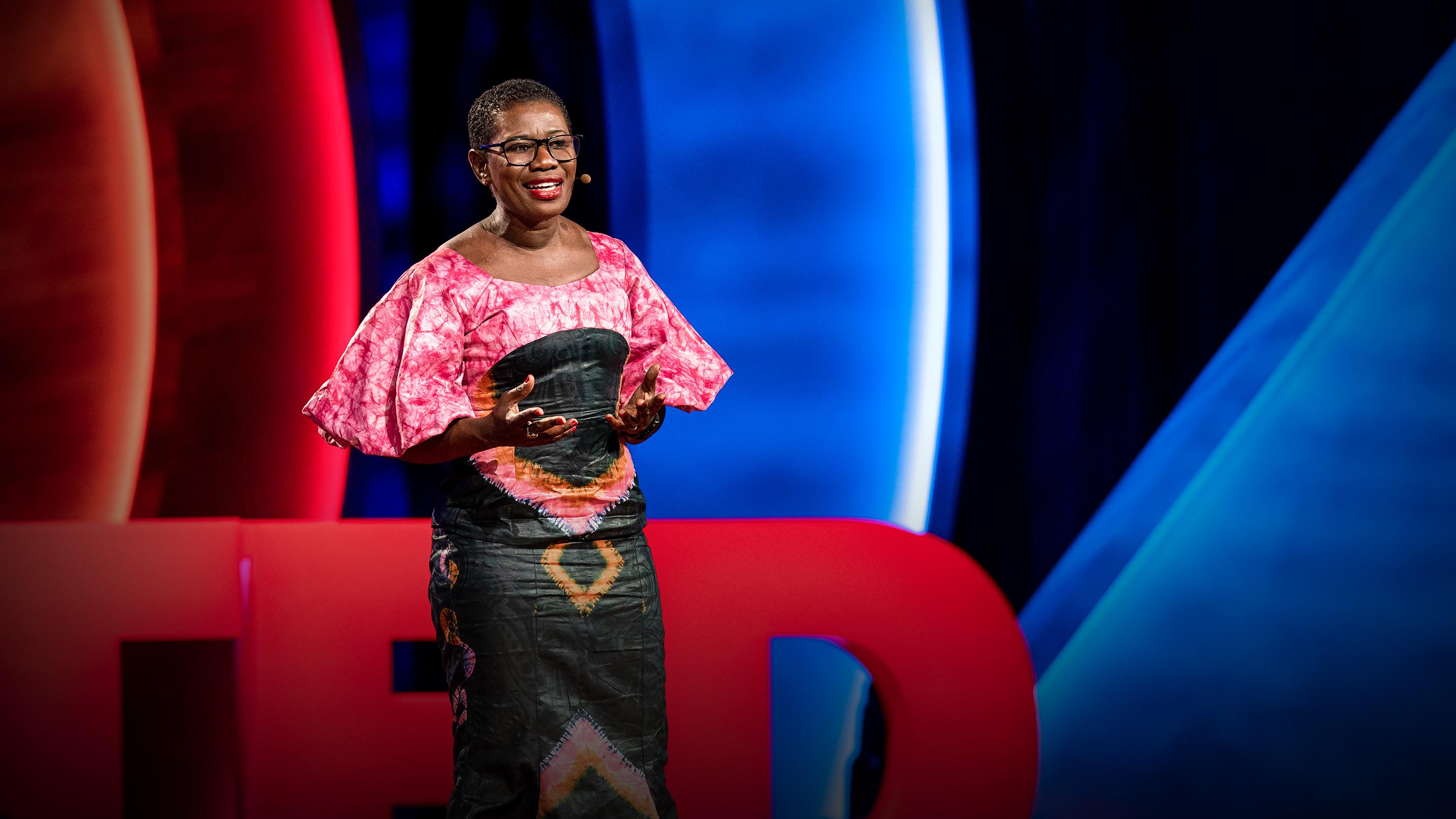
How to turn your dissatisfaction into action | Yvonne Aki-Sawyerr
After the devastating rebel invasion of Freetown in 1999 and the Ebola epidemic in 2014, Yvonne Aki-Sawyerr, mayor of the city, refused to be paralyzed by her frustration with the status quo. Instead, she used her anger as a catalyst for action. In this inspiring talk, she shares how she transformed her city by taking the risks necessary to bring about dramatic change -- and shows how you can find power in your dissatisfaction.
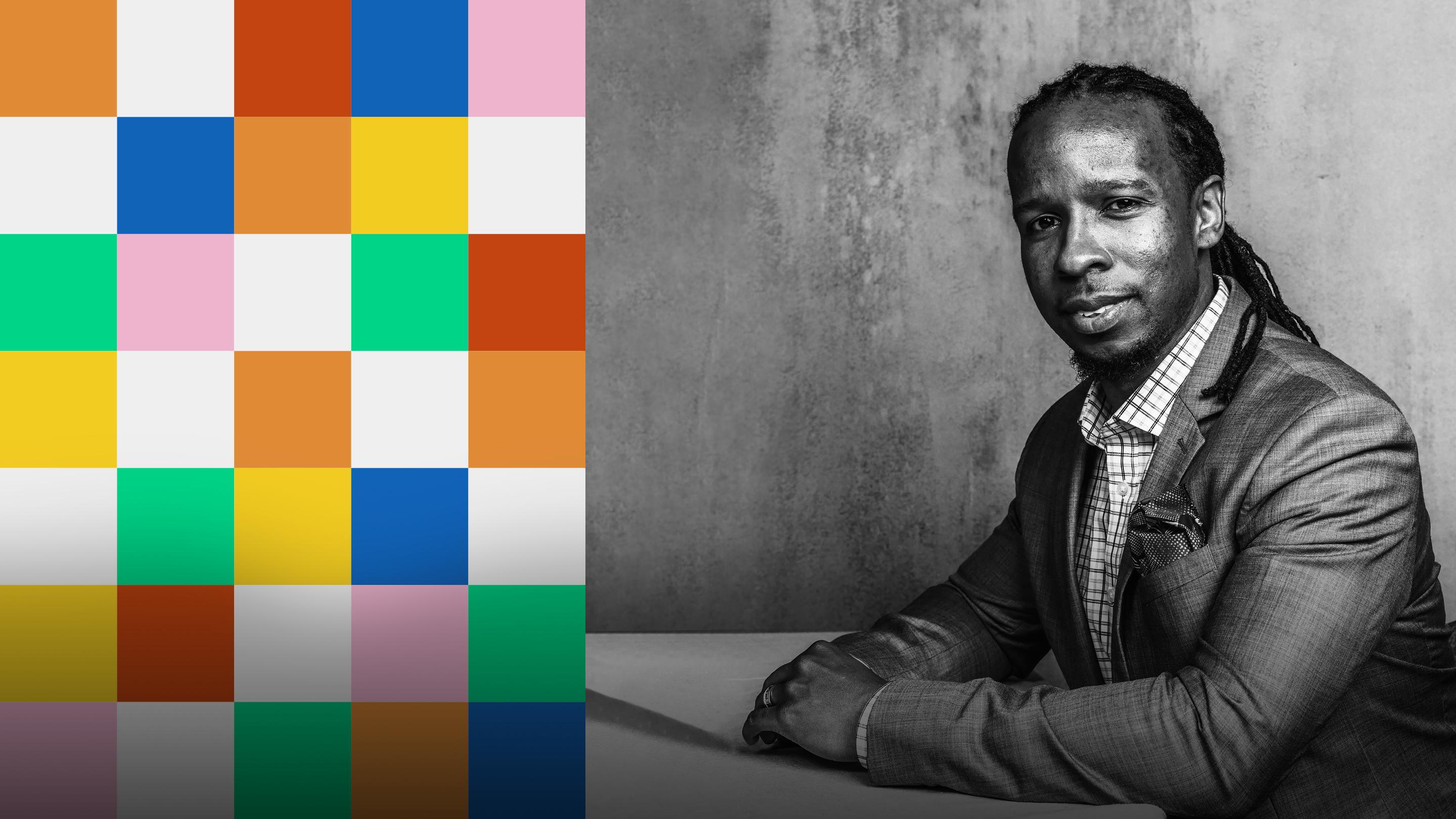
The difference between being "not racist" and antiracist | Ibram X. Kendi
There is no such thing as being "not racist," says author and historian Ibram X. Kendi. In this vital conversation, he defines the transformative concept of antiracism to help us more clearly recognize, take responsibility for and reject prejudices in our public policies, workplaces and personal beliefs. Learn how you can actively use this awareness to uproot injustice and inequality in the world -- and replace it with love. (This virtual interview, hosted by TED's current affairs curator Whitney Pennington Rodgers and speaker development curator Cloe Shasha, was recorded June 9, 2020.)
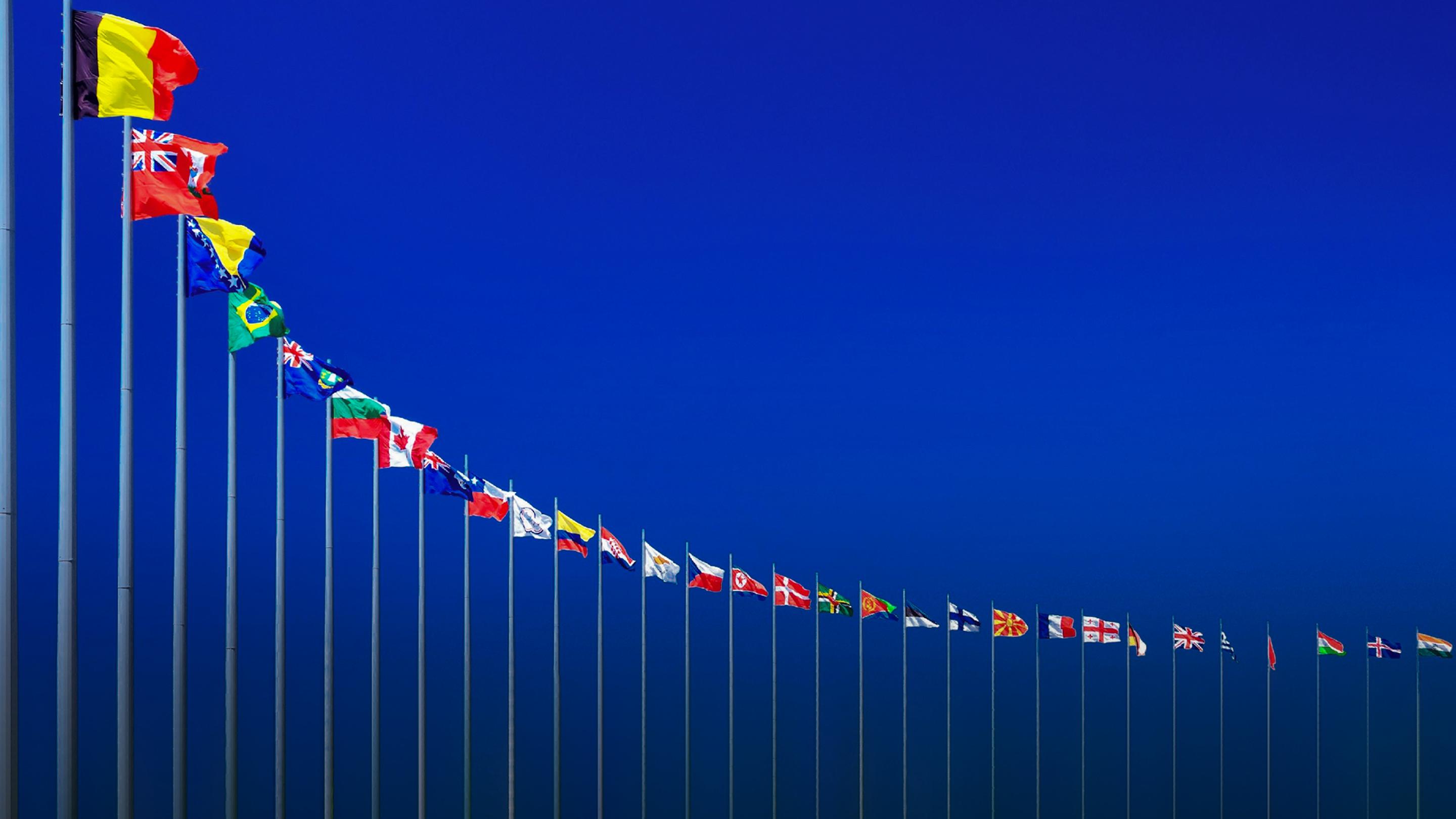
How flags unite (and divide) us | Michael Green
Flags are one of the simplest yet most powerful pieces of design ever conceived. They can make us swell with pride, burn with hatred -- and even inspire people to die or kill in their name, says vexillologist Michael Green. Take a brief walk through history as Green explores the symbolic fervor behind flags that unify and divide, inviting us to imagine a future where we can come together under one collective identity: humanity.

How to channel your presence and energy into ending injustice | Rashad Robinson
The presence and visibility of a movement can often lead us to believe that progress is inevitable. But building power and changing the system requires more than conversations and retweets, says Rashad Robinson, the president of Color Of Change. To create material change in the racist systems that enable and perpetuate violence against Black communities, Robinson shares how we can translate the energy of global protests into specific demands, actions and laws -- and hold those in power accountable to them. "This is the time for white allies to stand up in new ways, to do the type of allyship that truly dismantles structures, not just provides charity," Robinson says. "You can't sing our songs, use our hashtags and march in our marches if you are on the other end supporting the structures that put us in harm's way, that literally kill us." (This video, excerpted from a panel featuring Dr. Phillip Atiba Goff, Dr. Bernice King and Anthony D. Romero, was recorded June 3, 2020. Watch the full discussion at go.ted.com/endingracism)

The bill has come due for the US's history of racism | Dr. Phillip Atiba Solomon
The bill has come due for the unpaid debts the United States owes its Black residents, says Dr. Phillip Atiba Solomon, CEO of the Center for Policing Equity (CPE). But we're not going to get to where we need to go just by reforming law enforcement. In addition to the work that CPE is known for -- working with police departments to use their own data to improve relationships with the communities they serve -- Solomon and his team are encouraging cities to take money from police budgets and instead invest it directly in public resources for the community. (This video, excerpted from a panel featuring Rashad Robinson, Dr. Bernice King and Anthony D. Romero, was recorded June 3, 2020. Watch the full discussion at go.ted.com/endingracism)
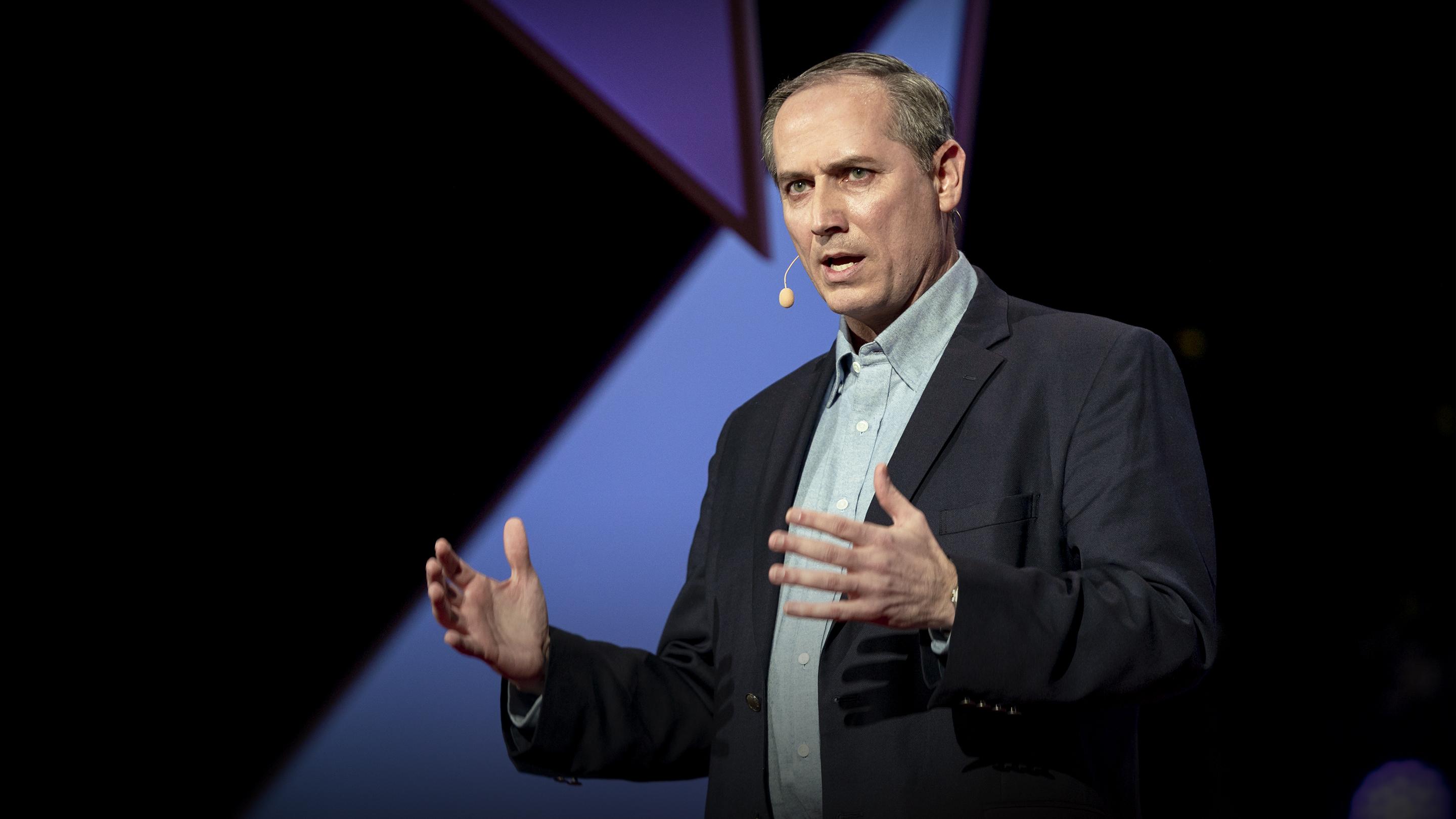
How the US can address the tragedy of veteran suicide | Charles P. Smith
Veterans in the United States take their own lives at an alarming rate. Suggesting new ways to prioritize mental health in the military, veterans advocate Charles P. Smith offers a data-driven plan to help prevent suicide and ensure service members get proper care before, during and after active duty.
The language of being human | Poet Ali
You speak far more languages than you realize, says Poet Ali. In a profound talk, he reveals how the idea of "language" goes far beyond a lexicon of words, communicating universal experiences like love, laughter and loneliness -- and serving as a portal to cultures, feelings and thoughts that unite us all.
The injustice of "policing for profit" -- and how to end it | Dick M. Carpenter II
Many countries have an active, centuries-old law that allows government agencies to take your things -- your house, your car, your business -- without ever convicting you of a crime. Law researcher Dick M. Carpenter II exposes how this practice of civil forfeiture threatens your rights and creates a huge monetary incentive for law enforcement to pocket your possessions -- and he lays out a path to end "policing for profit" once and for all.
Racism has a cost for everyone | Heather C. McGhee
Racism makes our economy worse -- and not just in ways that harm people of color, says public policy expert Heather C. McGhee. From her research and travels across the US, McGhee shares startling insights into how racism fuels bad policymaking and drains our economic potential -- and offers a crucial rethink on what we can do to create a more prosperous nation for all. "Our fates are linked," she says. "It costs us so much to remain divided."
In uncertain times, think like a mother | Yifat Susskind
There's a simple and powerful way to confront the world's most pressing crises, says women's rights activist Yifat Susskind: think like a mother. As she puts it: "When you think like a mother, you prioritize the needs of the many, not the whims of the few." Follow along as she shares moving stories of people around the world who embody this mindset -- and shows how it can also help you see beyond suffering and act to build a better world.
Without farmers, you'd be hungry, naked and sober | Eric Sannerud
Farmers keep us fed and our economies stable, but in the US they're retiring faster than they're being replaced. Take a crash course in agricultural policy with Eric Sannerud to see why this problem can't be solved by simply buying from your local farmer's market -- and learn how you can use your vote to create a better future for farmers.
Why it's so hard to talk about the N-word | Elizabeth Stordeur Pryor
Historian Elizabeth Stordeur Pryor leads a thoughtful and history-backed examination of one of the most divisive words in the English language: the N-word. Drawing from personal experience, she explains how reflecting on our points of encounter with the word can help promote productive discussions and, ultimately, create a framework that reshapes education around the complicated history of racism in the US.
The gender-fluid history of the Philippines | France Villarta
In much of the world, gender is viewed as binary: man or woman, each assigned characteristics and traits designated by biological sex. But that's not the case everywhere, says France Villarta. In a talk that's part cultural love letter, part history lesson, he details the legacy of gender fluidity and inclusivity in his native Philippines -- and emphasizes the universal beauty of all people, regardless of society's labels.
How women are revolutionizing Rwanda | Agnes Binagwaho
In 1996, Agnes Binagwaho returned home to Rwanda in the aftermath of its genocide. She considered leaving amid the overwhelming devastation, but women in her community motivated her to stay and help rebuild -- and she's glad she did. In an inspiring talk, Binagwaho reflects on her work as Rwanda's former Minister of Health and discusses her new women's education initiative for the country, which strives to create one of the greatest levels of gender equality worldwide.
3 ways to uproot a culture of corruption | Wanjira Mathai
Corruption is a constant threat in Kenya, says social entrepreneur Wanjira Mathai -- and to stop it there (or anywhere else), we need to intervene early. Following the legacy of her mother, political activist and Nobel Prize recipient Wangari Maathai, Mathai shares three strategies to uproot a culture of corruption by teaching children and young people about leadership, purpose and integrity.

For the love of fangirls | Yve Blake
When you think of fangirls, what comes to mind: large swaths of fandom (usually for a boyband) whose feelings culminate in tears and joyful screams? Perhaps you grimace or roll your eyes at the thought. In this fun, lively talk, playwright Yve Blake asks us to reevaluate our reaction to the misunderstood passion and power of fangirls, emphasizing why we should all embrace our own unbridled enthusiasm.
The real story of Rosa Parks -- and why we need to confront myths about Black history | David Ikard
Black history taught in US schools is often watered-down, riddled with inaccuracies and stripped of its context and rich, full-bodied historical figures. Equipped with the real story of Rosa Parks, professor David Ikard highlights how making the realities of race more benign and digestible harms us all -- and emphasizes the power and importance of historical accuracy.

How the magic of kindness helped me survive the Holocaust | Werner Reich
Holocaust survivor Werner Reich recounts his harrowing adolescence as a prisoner transported between concentration camps -- and shares how a small, kind act can inspire a lifetime of compassion. "If you ever know somebody who needs help, if you know somebody who is scared, be kind to them," he says. "If you do it at the right time, it will enter their heart, and it will be with them wherever they go, forever."
Why can't we talk about periods? | Jen Gunter
"It shouldn't be an act of feminism to know how your body works," says gynecologist and author Jen Gunter. In this revelatory talk, she explains how menstrual shame silences and represses -- and leads to the spread of harmful misinformation and the mismanagement of pain. Declaring the era of the menstrual taboos over, she delivers a clear, much-needed lesson on the once-mysterious mechanics of the uterus.
How guest worker visas could transform the US immigration system | David J. Bier
The United States can create a more humane immigration system; in fact, it's been done before, says policy analyst David J. Bier. Pointing to the historical success of the US guest worker program, which allows foreign workers to legally enter and work in the country, Bier shows why expanding the program to Central Americans could alleviate the border crisis and provide new opportunities for immigrants.
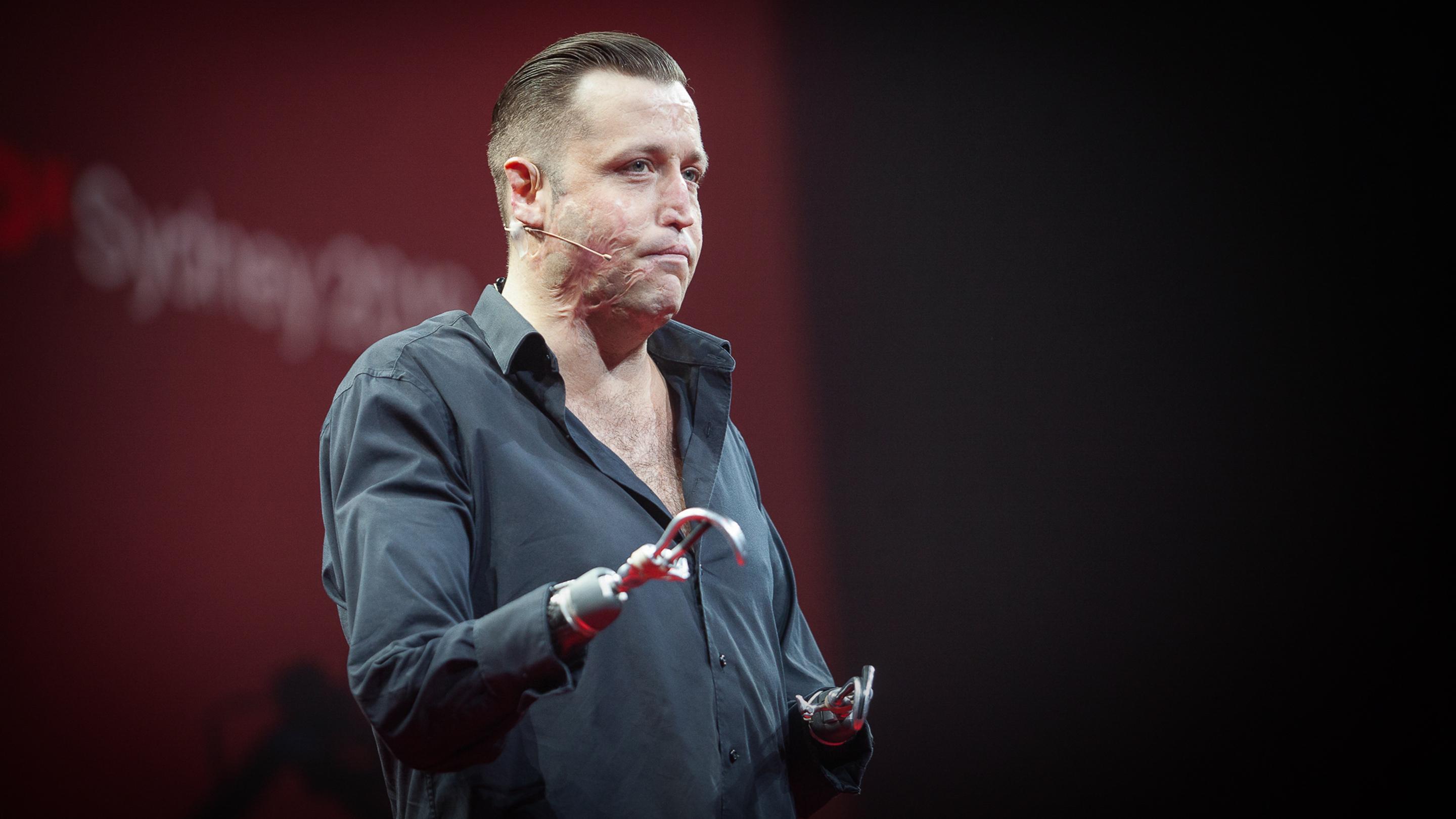
The perks of being a pirate | Tom Nash
In this deeply charming and humorous talk, DJ and self-professed pirate Tom Nash meditates on how facing adversity due to disability invited patience, ambition and pragmatism into his life in enlightening, unexpected ways. "We all have unique weaknesses," he says. "If we're honest about what they are, we can learn how to best take advantage of them."
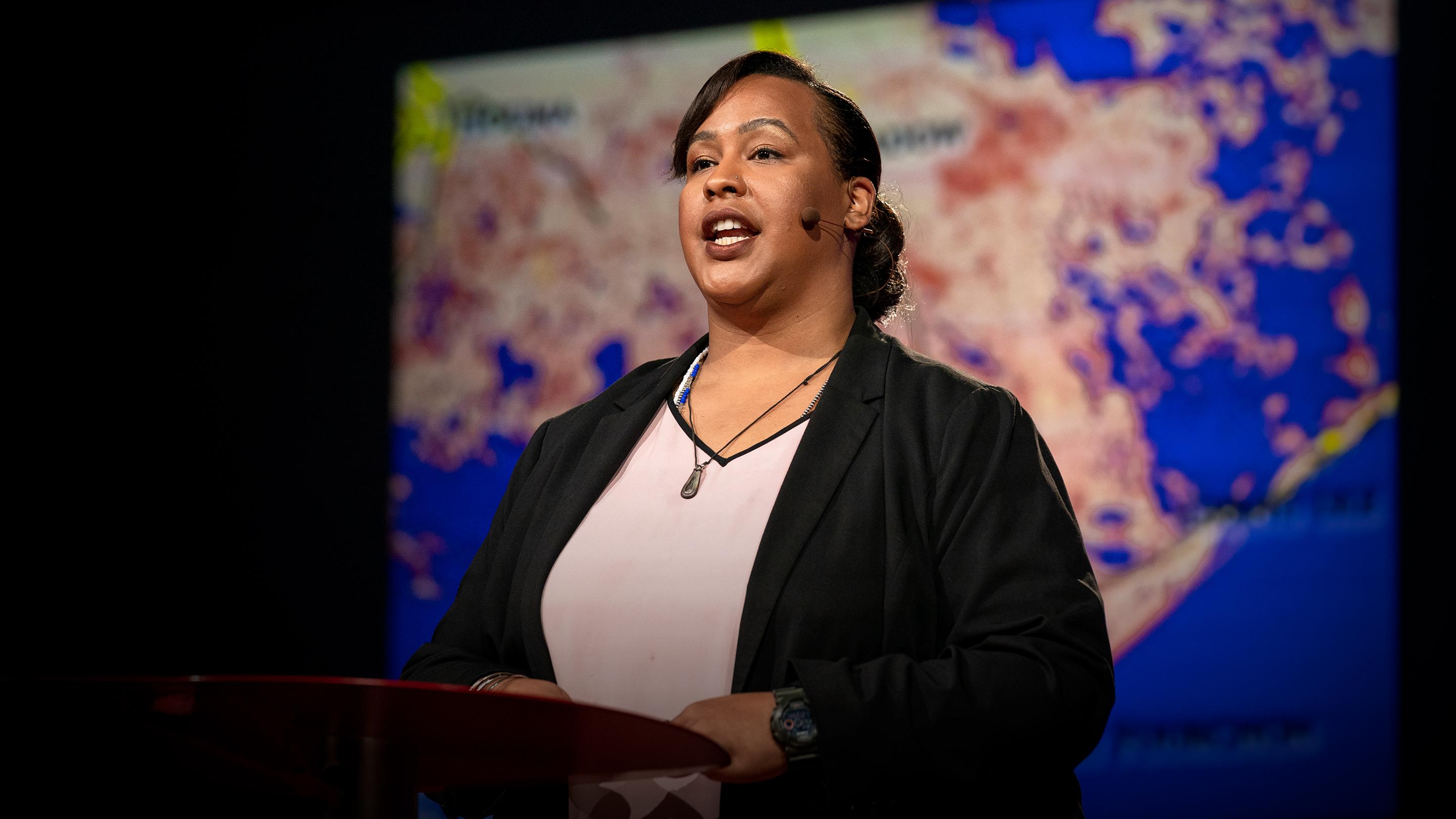
Climate change will displace millions. Here's how we prepare | Colette Pichon Battle
Scientists predict climate change will displace more than 180 million people by 2100 -- a crisis of "climate migration" the world isn't ready for, says disaster recovery lawyer and Louisiana native Colette Pichon Battle. In this passionate, lyrical talk, she urges us to radically restructure the economic and social systems that are driving climate migration -- and caused it in the first place -- and shares how we can cultivate collective resilience, better prepare before disaster strikes and advance human rights for all.

The beautiful balance between courage and fear | Cara E. Yar Khan
After being diagnosed with a rare genetic condition that deteriorates muscle, Cara E. Yar Khan was told she'd have to limit her career ambitions and dial down her dreams. She ignored that advice and instead continued to pursue her biggest ambitions. In this powerful, moving talk, she shares her philosophy for working on the projects that matter to her most -- while letting courage and fear coexist. Watch for heart-stopping, vertigo-inducing footage of a trip that shows her living her theory to the full.
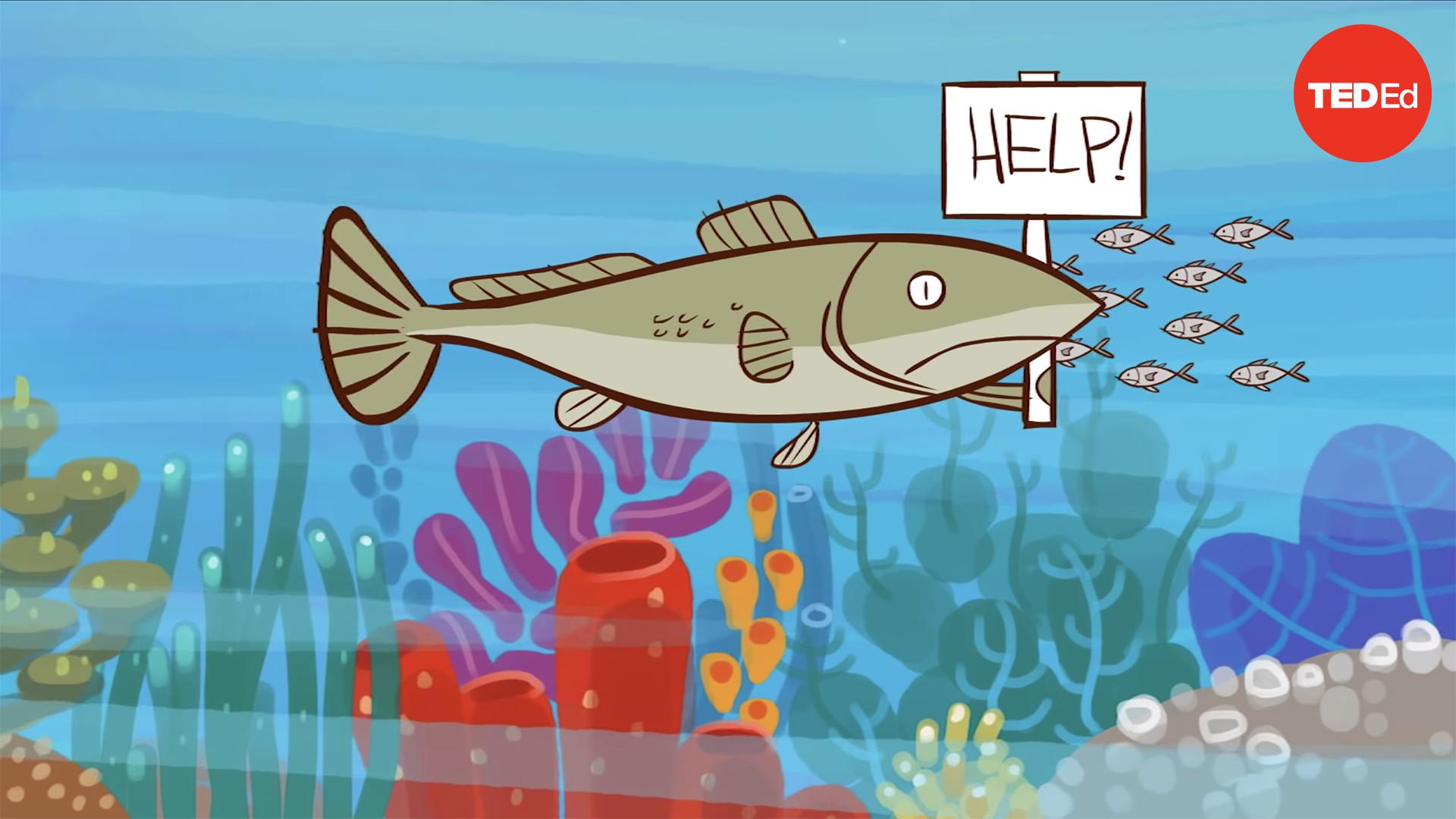
Will the ocean ever run out of fish? | Ayana Elizabeth Johnson and Jennifer Jacquet
When most people think of fishing, we imagine relaxing in a boat and patiently reeling in the day's catch. But modern industrial fishing -- the kind that stocks our grocery shelves -- looks more like warfare. Ayana Elizabeth Johnson and Jennifer Jacquet explain overfishing and its effects on ecosystems, food security, jobs, economies, and coastal cultures. [Directed by Anton Bogaty, narrated by Pen-Pen Chen].
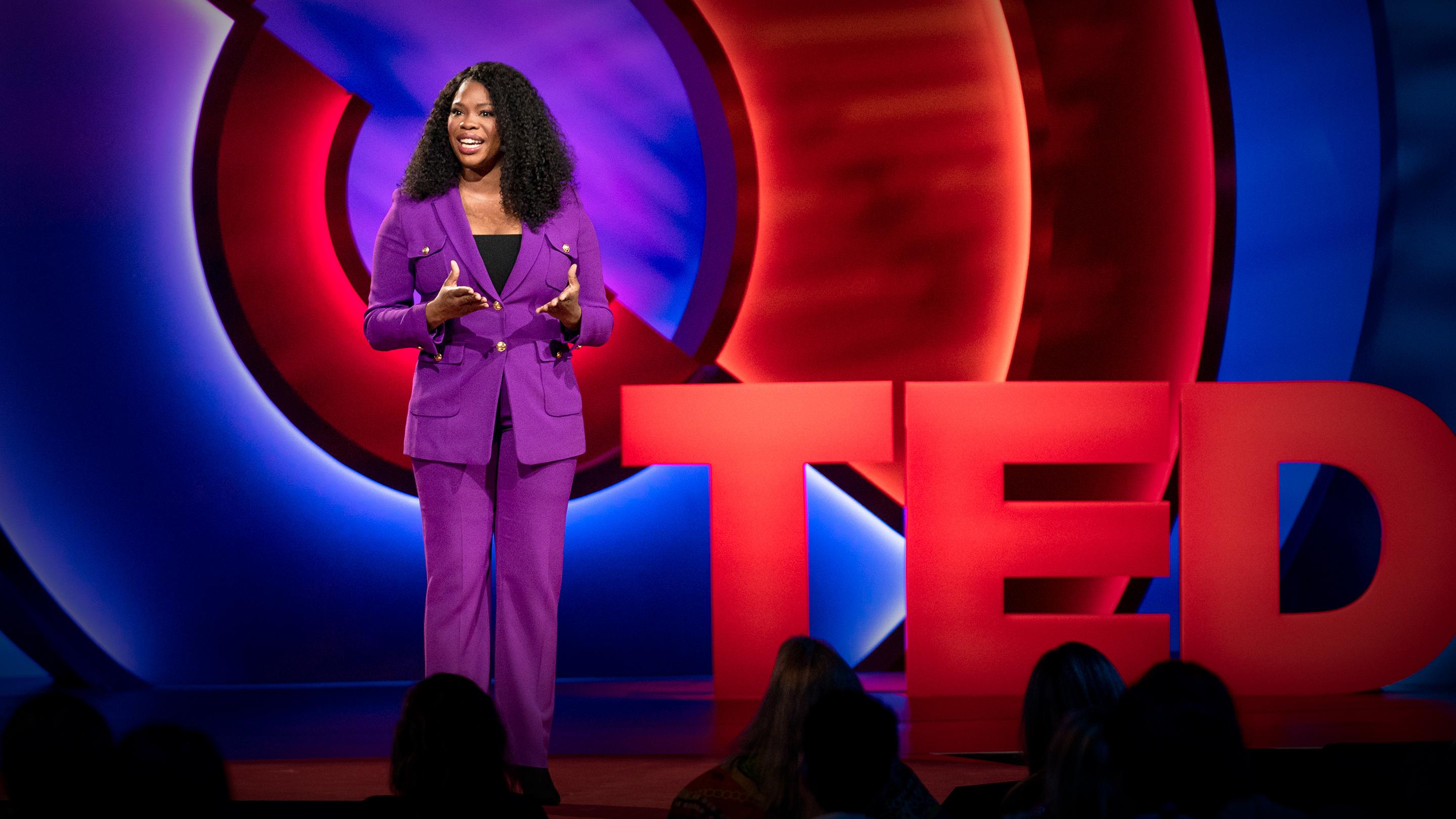
What we're getting wrong in the fight to end hunger | Jasmine Crowe
In a world that's wasting more food than ever before, why do one in nine people still go to bed hungry each night? Social entrepreneur Jasmine Crowe calls for a radical transformation to our fight to end global hunger -- challenging us to rethink our routine approaches to addressing food insecurity and sharing how we can use technology to gather unused food and deliver it directly to people in need.
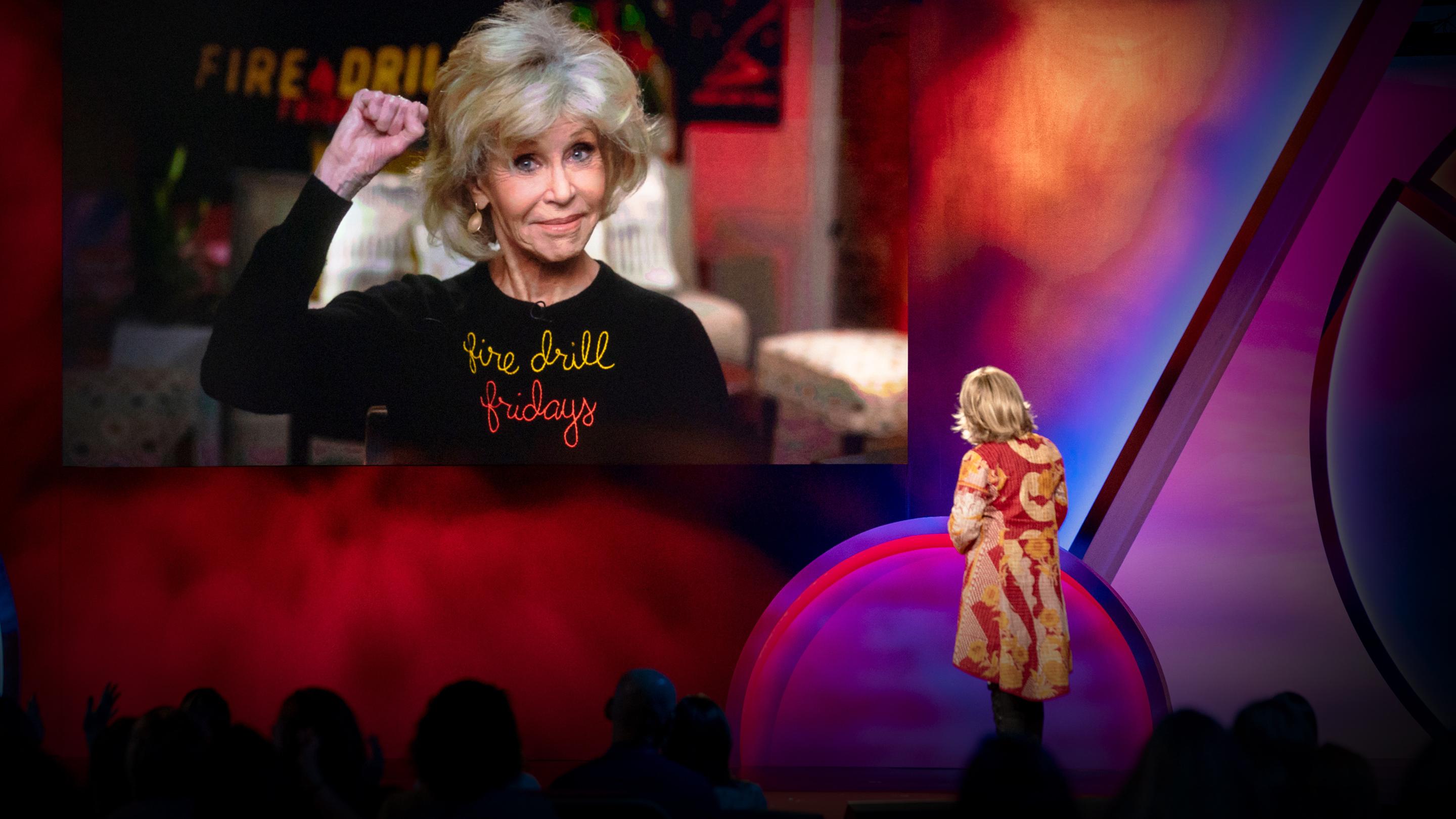
Why I protest for climate justice | Jane Fonda
At age 81, actor and activist Jane Fonda is putting herself on the line for the planet -- literally. In a video interview with TEDWomen curator Pat Mitchell, Fonda speaks about getting arrested multiple times during Fire Drill Fridays, the weekly climate demonstrations she leads in Washington, DC -- and discusses why civil disobedience is becoming a new normal in the age of climate change.
The profound power of an authentic apology | Eve Ensler
Genuine apology goes beyond remorse, says legendary playwright Eve Ensler. In this frank, wrenching talk, she shares how she transformed her own experience of abuse into wisdom on what wrongdoers can do and say to truly repent -- and offers a four-step roadmap to help begin the process. (This talk contains mature content.)
7 beliefs that can silence women -- and how to unlearn them | Deepa Narayan
In India (and many other countries), girls and women still find themselves silenced by traditional rules of politeness and restraint, says social scientist Deepa Narayan. In this frank talk, she identifies seven deeply entrenched norms that reinforce inequality -- and calls on men to help usher in change.
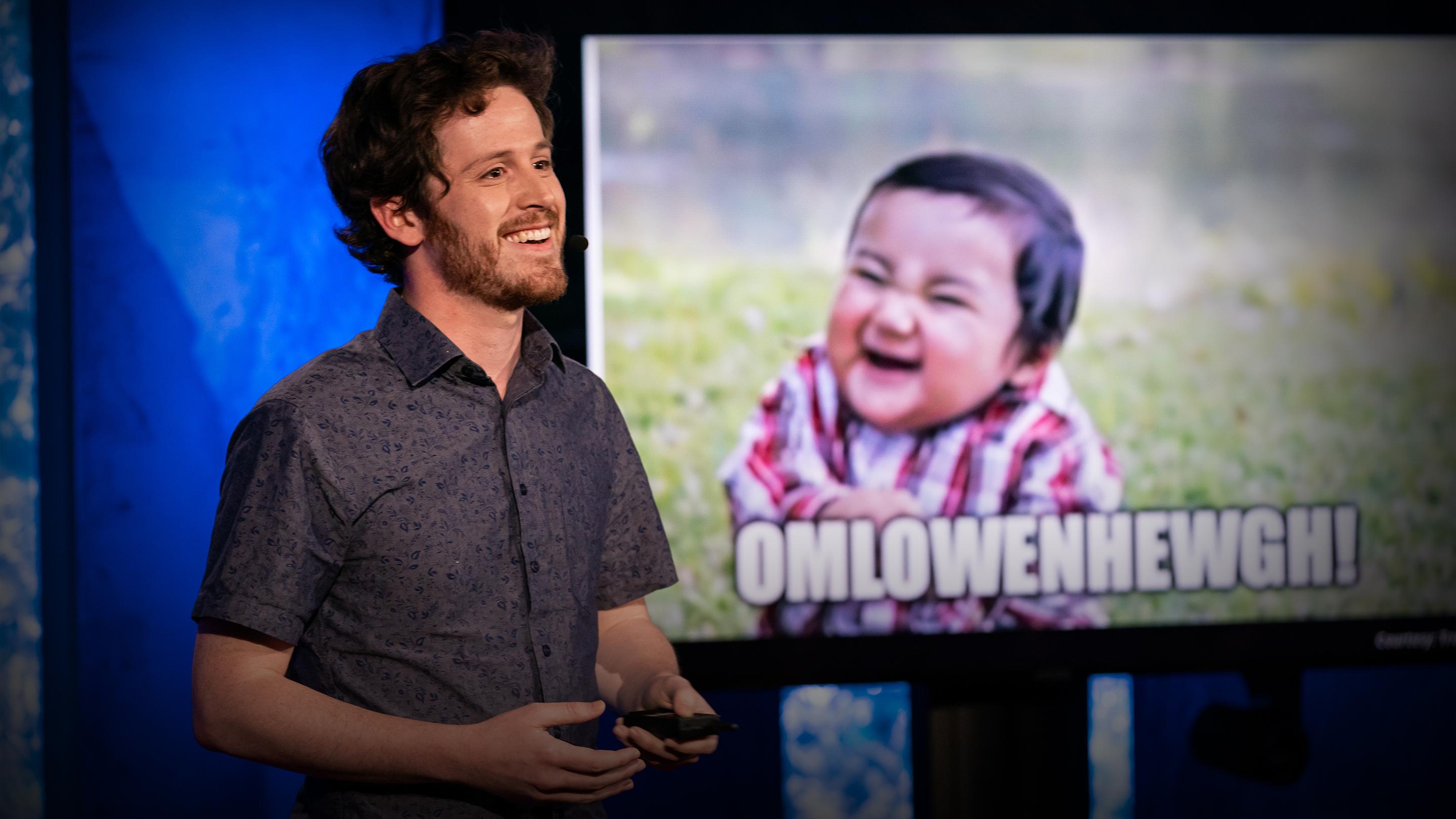
How to save a language from extinction | Daniel Bögre Udell
As many as 3,000 languages could disappear within the next 80 years, all but silencing entire cultures. In this quick talk, language activist Daniel Bögre Udell shows how people around the world are finding new ways to revive ancestral languages and rebuild their traditions -- and encourages us all to investigate the tongues of our ancestors. "Reclaiming your language and embracing your culture is a powerful way to be yourself," he says.
3 questions we should ask about nuclear weapons | Emma Belcher
There are more than 10,000 nuclear weapons in existence today, each one capable of causing immense destruction. Why don't we talk about this threat as much as some other major issues? In this practical talk, nuclear security expert Emma Belcher shares three questions you can ask your elected officials to gain a better understanding of nuclear weapons and the measures we need to stay safe.
How can we support the emotional well-being of teachers? | Sydney Jensen
Teachers emotionally support our kids -- but who's supporting our teachers? In this eye-opening talk, educator Sydney Jensen explores how teachers are at risk of "secondary trauma" -- the idea that they absorb the emotional weight of their students' experiences -- and shows how schools can get creative in supporting everyone's mental health and wellness.
How India's local recyclers could solve plastic pollution | Mani Vajipey
India has one of the world's highest rates of plastic recycling, thanks largely to an extensive network of informal recyclers known as "kabadiwalas." Entrepreneur Mani Vajipey discusses his work to organize their massive efforts into a collection system that could put India on the path to ending plastic pollution -- and show the rest of the world how to do it, too.

What open water swimming taught me about resilience | Bhakti Sharma
Dive into the deep with open water swimmer Bhakti Sharma, as she shares what she learned about resilience during her personal journey from the scorching heat of Rajasthan, India to the bone-chilling waters of her record-breaking swim in Antarctica and her courageous crossing of the English Channel. "In the middle of the ocean, there is nowhere to hide," Sharma says.

After billions of years of monotony, the universe is waking up | David Deutsch
Theoretical physicist David Deutsch delivers a mind-bending meditation on the "great monotony" -- the idea that nothing novel has appeared in the universe for billions of years -- and shows how humanity's capacity to create explanatory knowledge could be the thing that bucks this trend. "Humans are not playthings of cosmic forces," he says. "We are users of cosmic forces."
A personal plea for humanity at the US-Mexico border | Juan Enriquez
In this powerful, personal talk, author and academic Juan Enriquez shares stories from inside the immigration crisis at the US-Mexico border, bringing this often-abstract debate back down to earth -- and showing what you can do every day to create a sense of belonging for immigrants. "This isn't about kids and borders," he says. "It's about us. This is about who we are, who we the people are, as a nation and as individuals."
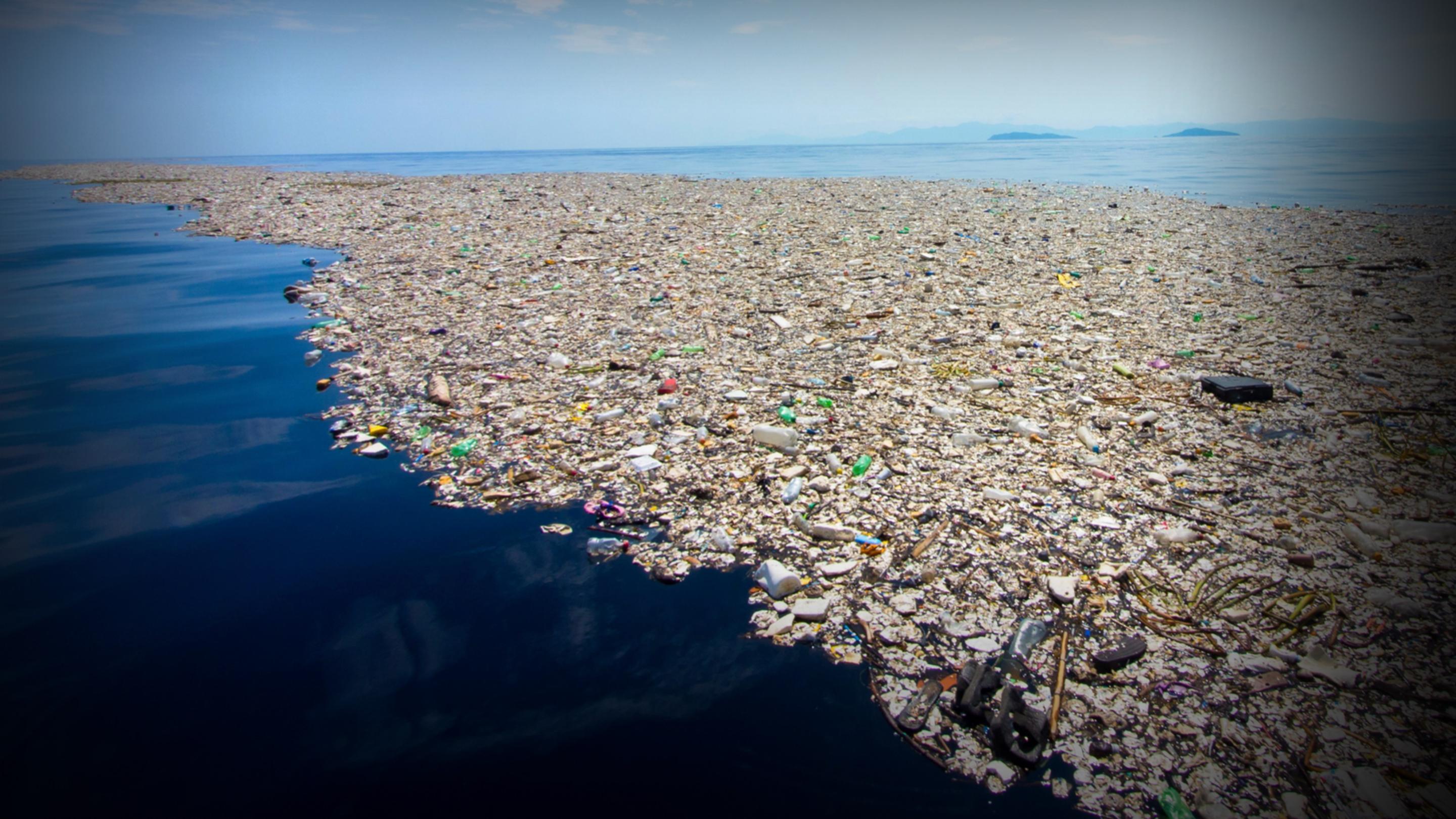
A radical plan to end plastic waste | Andrew Forrest
Plastic is an incredible substance for the economy -- and the worst substance possible for the environment, says entrepreneur Andrew Forrest. In a conversation meant to spark debate, Forrest and head of TED Chris Anderson discuss an ambitious plan to get the world's biggest companies to fund an environmental revolution -- and transition industry towards getting all of its plastic from recycled materials, not from fossil fuels.
This ancient rock is changing our theory on the origin of life | Tara Djokic
Exactly when and where did life on Earth begin? Scientists have long thought that it emerged three billion years ago in the ocean -- until astrobiologist Tara Djokic and her team made an unexpected discovery in the western Australian desert. Learn how an ancient rock found near a hot volcanic pool is shifting our understanding of the origin-of-life puzzle.
Why language is humanity's greatest invention | David Peterson
Civilization rests upon the existence of language, says language creator David Peterson. In a talk that's equal parts passionate and hilarious, he shows how studying, preserving and inventing new languages helps us understand our collective humanity -- and gives a quick lesson on High Valyrian, one of two languages he created for "Game of Thrones" (along with Dothraki). "Language is not merely a tool," he says. "It is our legacy, it's our way of conveying what it means to be human."
Why you should shop at your local farmers market | Mohammad Modarres
The average farmer in America makes less than 15 cents of every dollar on a product that you purchase at a store. They feed our communities, but farmers often cannot afford the very foods they grow. In this actionable talk, social entrepreneur Mohammad Modarres shows how to put your purchasing power into action to save local agriculture from collapse and transform the food industry from the bottom up.
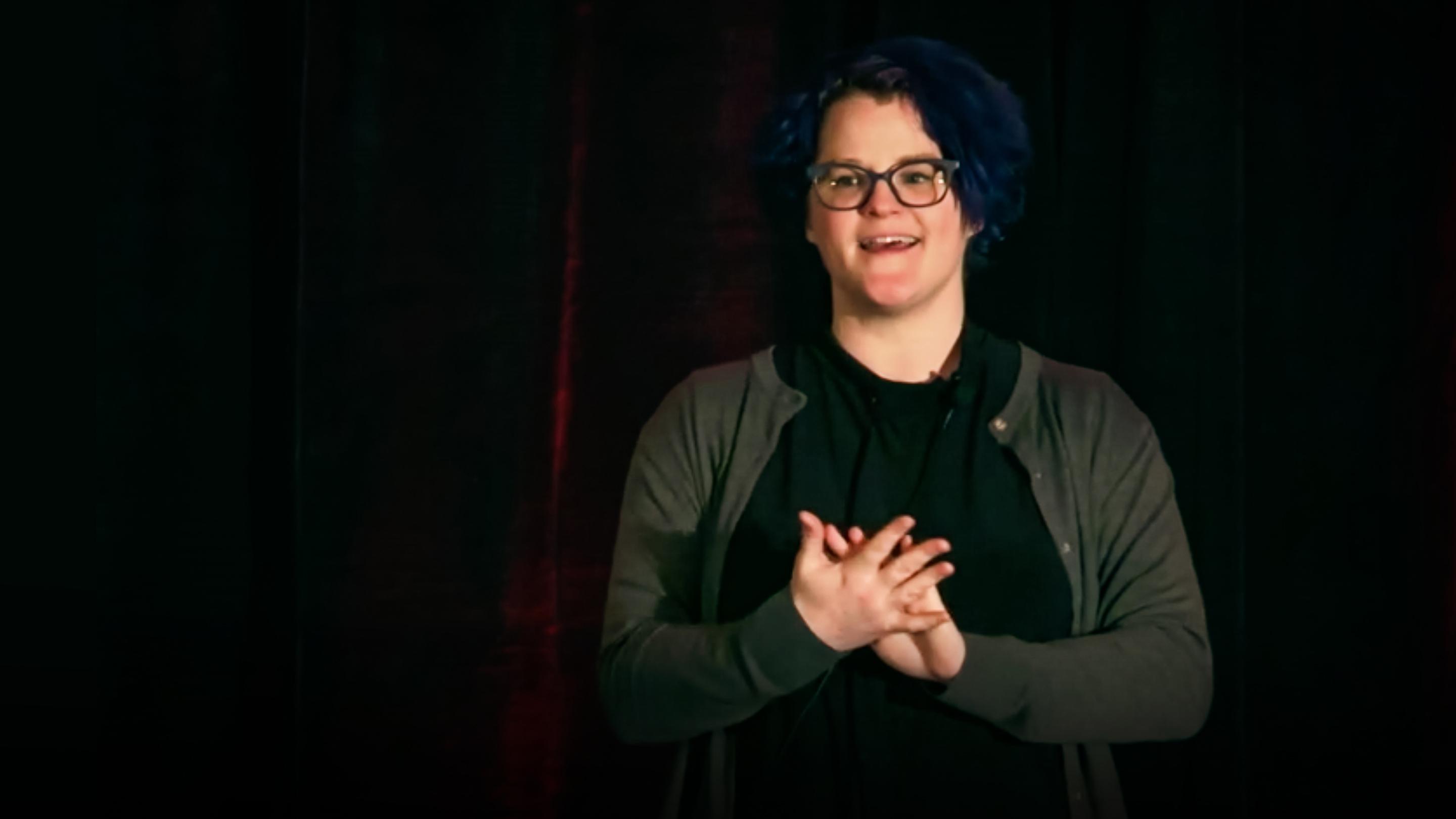
How couples can sustain a strong sexual connection for a lifetime | Emily Nagoski
As a sex educator, Emily Nagoski is often asked: How do couples sustain a strong sexual connection over the long term? In this funny, insightful talk, she shares her answer -- drawing on (somewhat surprising) research to reveal why some couples stop having sex while others keep up a connection for a lifetime.
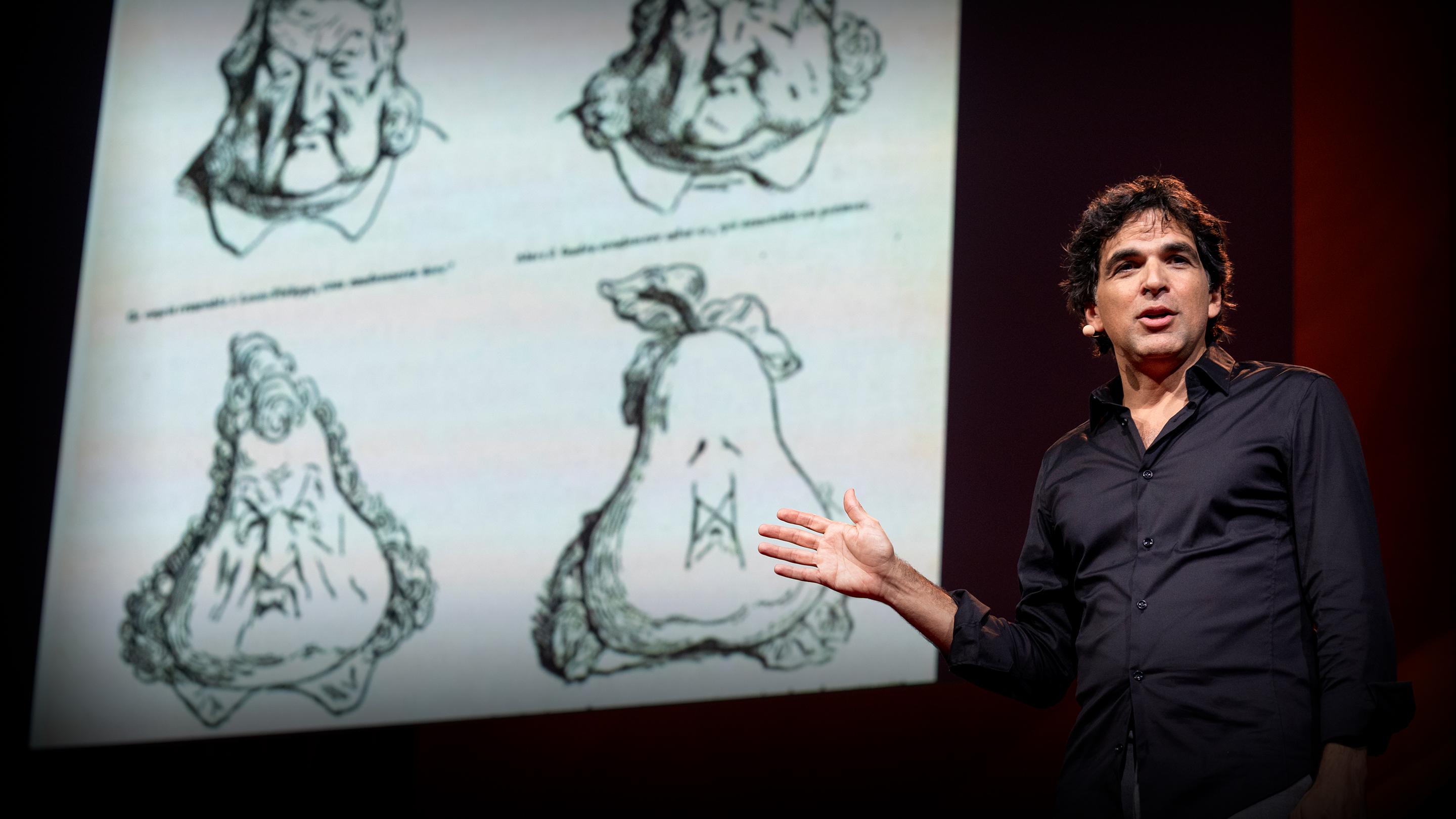
A free world needs satire | Patrick Chappatte
We need humor like we need the air we breathe, says editorial cartoonist Patrick Chappatte. In a talk illustrated with highlights from a career spent skewering everything from dictators and ideologues to selfies and social media mobs, Chappatte makes a resounding, often hilarious case for the necessity of satire. "Political cartoons were born with democracy, and they are challenged when freedom is," he says.
Inside the bizarre world of internet trolls and propagandists | Andrew Marantz
Journalist Andrew Marantz spent three years embedded in the world of internet trolls and social media propagandists, seeking out the people who are propelling fringe talking points into the heart of conversation online and trying to understand how they're making their ideas spread. Go down the rabbit hole of online propaganda and misinformation -- and learn how we can start to make the internet less toxic.
What ping-pong taught me about life | Pico Iyer
Growing up in England, Pico Iyer was taught that the point of a game was to win. Now, some 50 years later, he's realized that competition can be "more like an act of love." In this charming, subtly profound talk, he explores what regular games of ping-pong in his neighborhood in Japan have revealed about the riddle of winning -- and shows why not knowing who's won can feel like the ultimate victory.
The power to think ahead in a reckless age | Bina Venkataraman
In a forward-looking talk, author Bina Venkataraman answers a pivotal question of our time: How can we secure our future and do right by future generations? She parses the mistakes we make when imagining the future of our lives, businesses and communities, revealing how we can reclaim our innate foresight. What emerges is a surprising case for hope -- and a path to becoming the "good ancestors" we long to be.
How we're honoring people overlooked by history | Amy Padnani
Since its founding in 1851, the "New York Times" has published thousands of obituaries -- for heads of state, famous celebrities, even the inventor of the sock puppet. But only a small percentage of them chronicle the lives of women and people of color. In this insightful talk, "Times" editor Amy Padnani shares the story behind "Overlooked," the project she's leading to recognize people from history whose deaths were ignored -- and refocus society's lens on who is considered important.

The next big thing is coming from the Bronx, again | Jon Gray
"The hood is good," says Jon Gray of the Bronx, New York-based creative collective Ghetto Gastro. Working at the intersection of food, design and art, Gray and his team honor the soul and history of their community while applying their unbridled creativity and expansive imagination to unexpected, otherworldly collaborations. Learn more about how they're creating and investing in their home borough -- bringing the Bronx to the world and vice versa.
What almost dying taught me about living | Suleika Jaouad
"The hardest part of my cancer experience began once the cancer was gone," says author Suleika Jaouad. In this fierce, funny, wisdom-packed talk, she challenges us to think beyond the divide between "sick" and "well," asking: How do you begin again and find meaning after life is interrupted?
Why we get mad -- and why it's healthy | Ryan Martin
Anger researcher Ryan Martin draws from a career studying what makes people mad to explain some of the cognitive processes behind anger -- and why a healthy dose of it can actually be useful. "Your anger exists in you ... because it offered your ancestors, both human and nonhuman, an evolutionary advantage," he says. "[It's] a powerful and healthy force in your life."
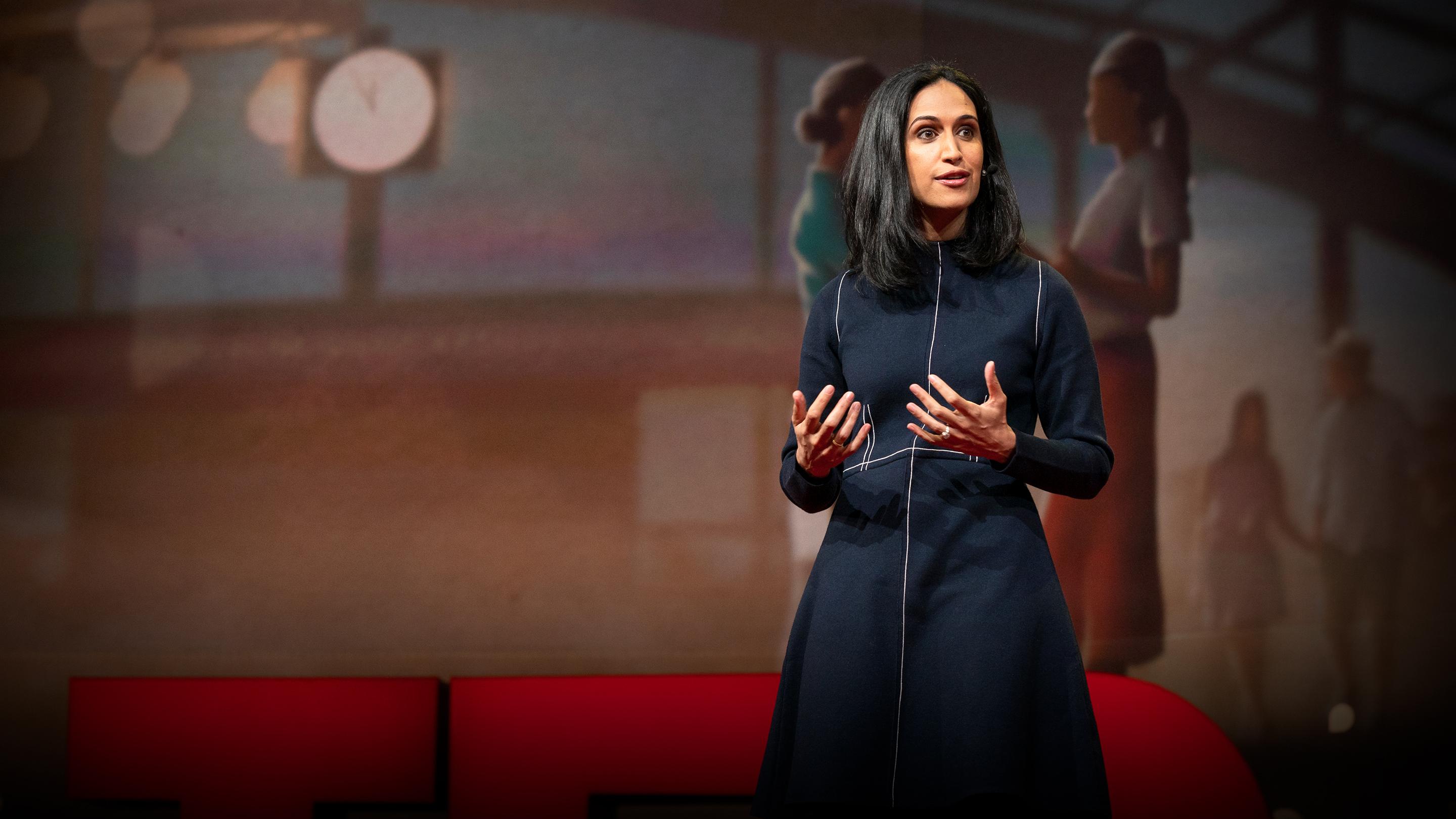
3 steps to turn everyday get-togethers into transformative gatherings | Priya Parker
Why do some gatherings take off and others don't? Author Priya Parker shares three easy steps to turn your parties, dinners, meetings and holidays into meaningful, transformative gatherings.