
TED Talks Art
141 episodes — Page 2 of 3

A swarm of mini drones makes ... magic! | Marco Tempest
Leading a swarm of small, buzzing flying machines, techno-magician Marco Tempest orchestrates a "cyber illusion" that will have you asking yourself: Was that science or magic?
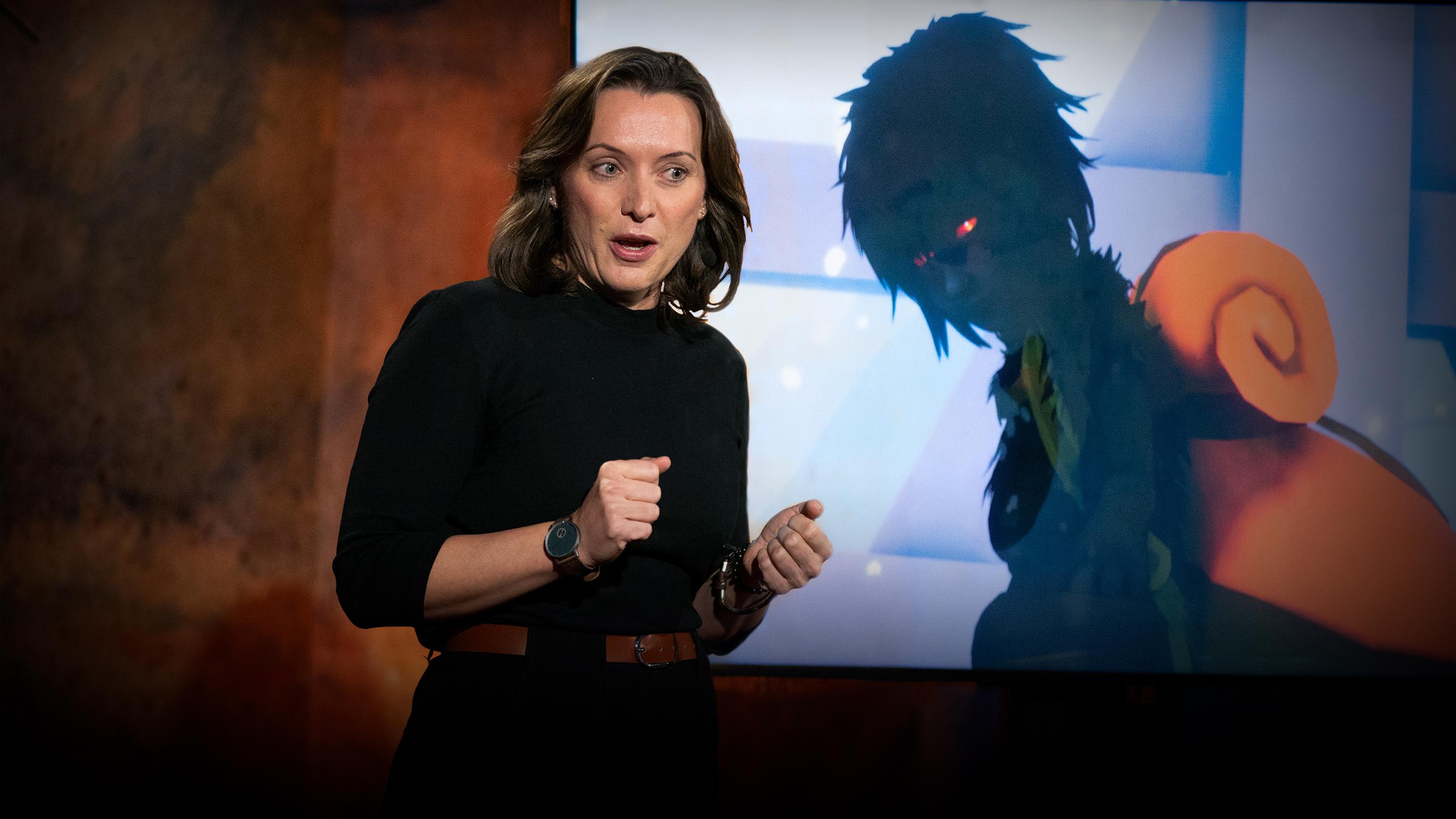
A video game that helps us understand loneliness | Cornelia Geppert
Step into artist Cornelia Geppert's visually stunning video game "Sea of Solitude," which explores how battling the "monsters" of loneliness and self-doubt can help us better grapple with the complexity and struggles of mental health.
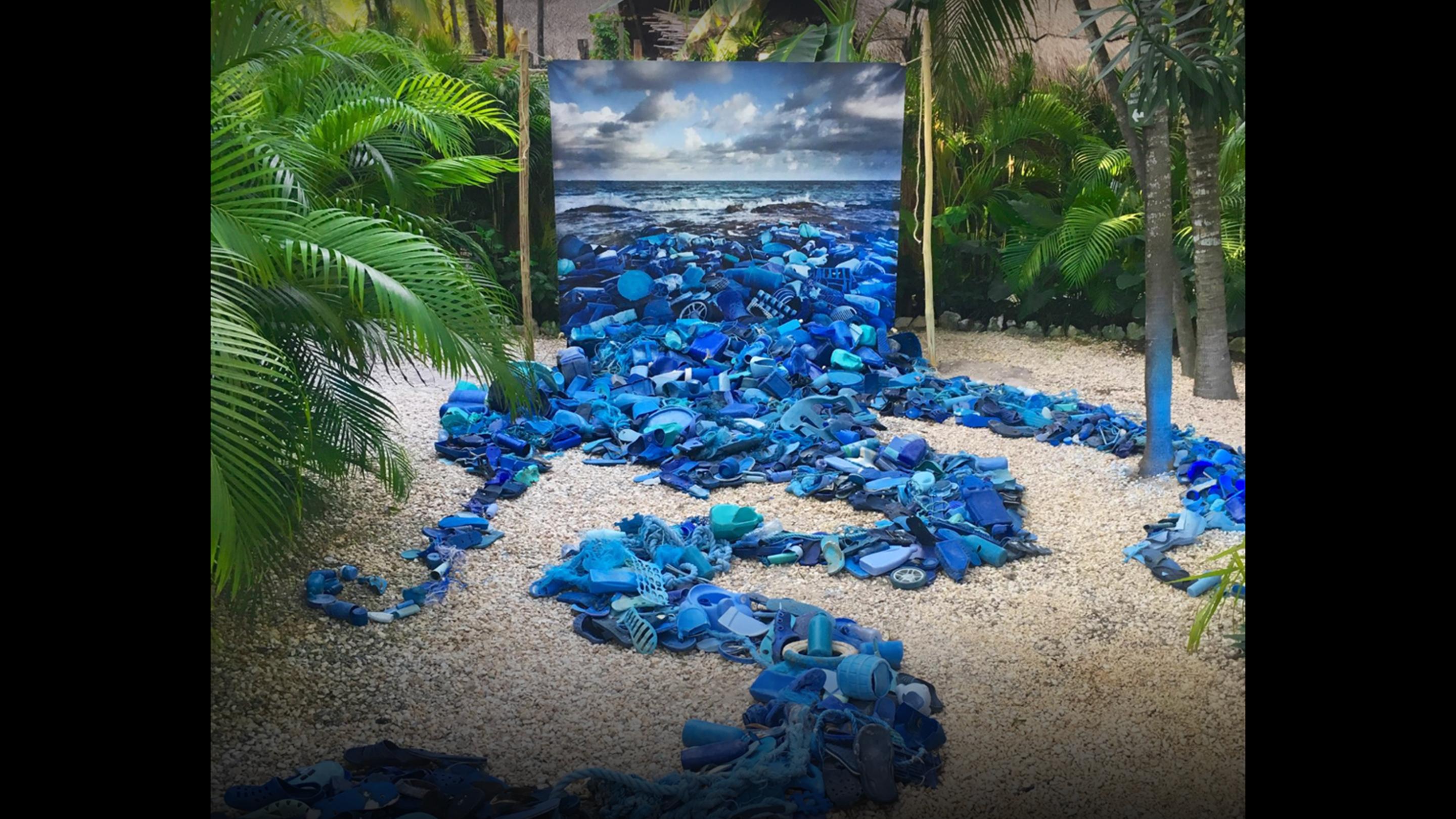
How I use art to tackle plastic pollution in our oceans | Alejandro Durán
Alejandro Durán uses art to spotlight the ongoing destruction of our oceans' ecosystems. In this breathtaking talk, he shows how he meticulously organizes and reuses plastic waste from around the world that washes up on the Caribbean coast of Mexico -- everything from water bottles to prosthetic legs -- to create vivid, environmental artworks that may leave you mesmerized and shocked.
Why I draw with robots | Sougwen Chung
What happens when humans and robots make art together? In this awe-inspiring talk, artist Sougwen Chung shows how she "taught" her artistic style to a machine -- and shares the results of their collaboration after making an unexpected discovery: robots make mistakes, too. "Part of the beauty of human and machine systems is their inherent, shared fallibility," she says.
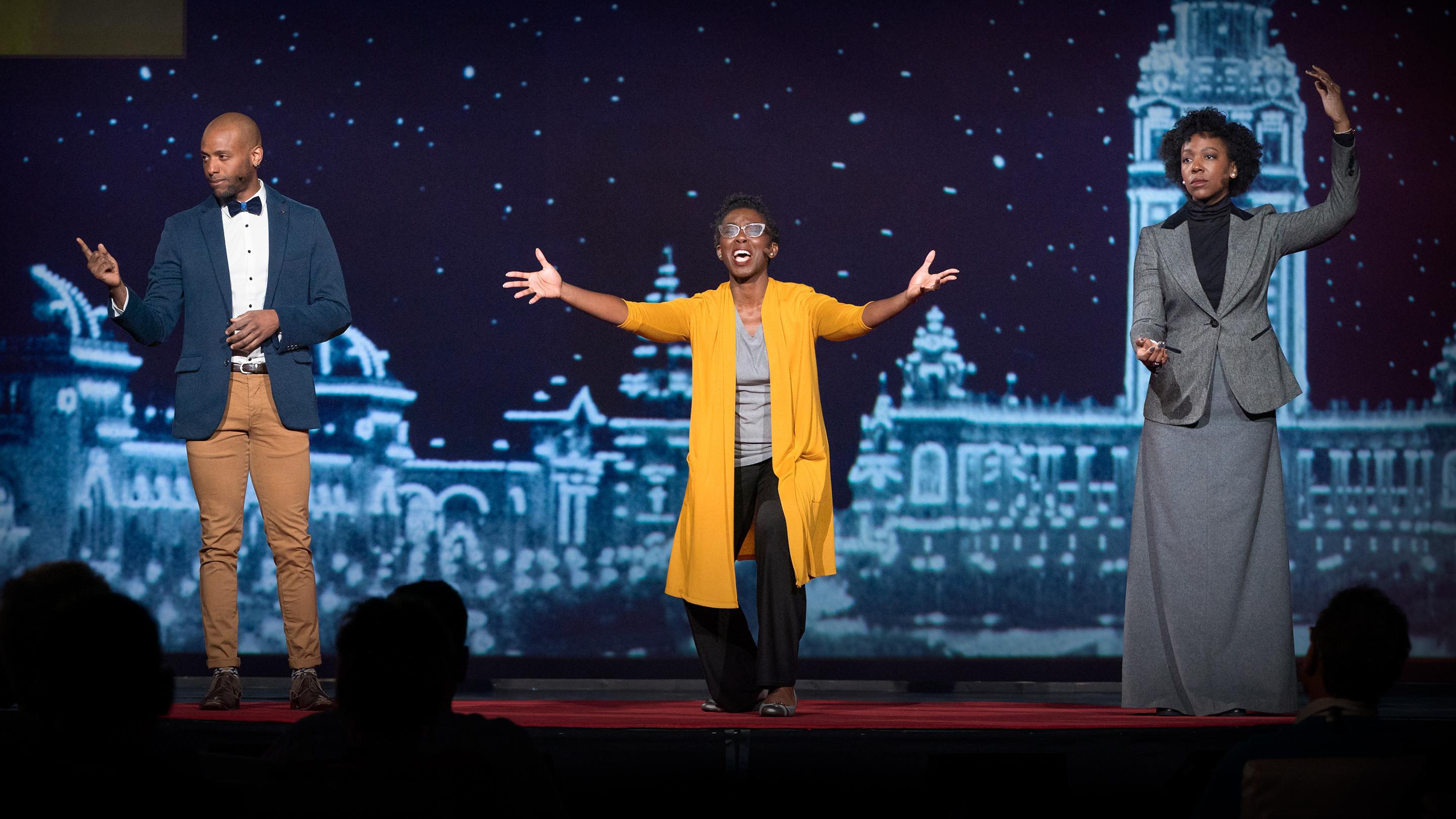
A historical musical that examines Black identity in the 1901 World's Fair | Amma Y. Ghartey-Tagoe Kootin
In this lively talk and performance, artist and TED Fellow Amma Y. Ghartey-Tagoe Kootin offers a sneak peek of her forthcoming musical "At Buffalo." Drawing on archival material from the 1901 Pan-American Exhibition, a world's fair held in Buffalo, New York, the show examines conflicting representations of Black identity exhibited at the fair -- highlighting unsettlingly familiar parallels between American society at the turn of the century and today, and asking: Are we all still part of the show?

Urban architecture inspired by mountains, clouds and volcanoes | Ma Yansong
Taking inspiration from nature, architect Ma Yansong designs breathtaking buildings that break free from the boxy symmetry of so many modern cities. His exuberant and graceful work -- from a pair of curvy skyscrapers that "dance" with each other to an opera house that looks like a snow-capped mountain -- shows us the beauty of architecture that defies norms.
Why we need more (real) science in fiction | Alexis Gambis
Filmmaker, biologist and TED Fellow Alexis Gambis makes films grounded in fact, straddling the genres of experimental, documentary and fiction. Showing clips of his work, Gambis demonstrates how storytelling helps explain important scientific advancements and social issues -- and how it can be a lens on our own humanity. "We need more real science in fictional movies, to create more eclectic, more inclusive, more poetic portrayals of science and scientists in the world," he says.
How we experience awe -- and why it matters | Beau Lotto and Cirque du Soleil
Neuroscientist Beau Lotto conducted an ambitious study with Cirque du Soleil on the emotion of awe and its psychological and behavioral benefits. In this talk and live performance, he shares some of their findings -- and stands back as Cirque du Soleil dancers create their own awe-inducing spectacle.
The pride and power of representation in film | Jon M. Chu
On the heels of the breakout success of his film "Crazy Rich Asians," director Jon M. Chu reflects on what drives him to create -- and makes a resounding case for the power of connection and on-screen representation.
Fashion that celebrates all body types -- boldly and unapologetically | Becca McCharen-Tran
Fashion designers have the power to change culture -- and Becca McCharen-Tran is using her platform to expand the industry's narrow definition of beauty. Sharing highlights of her work, McCharen-Tran discusses the inspiration behind her norm-shattering designs and shows how she's celebrating beauty in all forms. "I want the consumer to know that it's not your body that needs to change -- it's the clothes," she says.
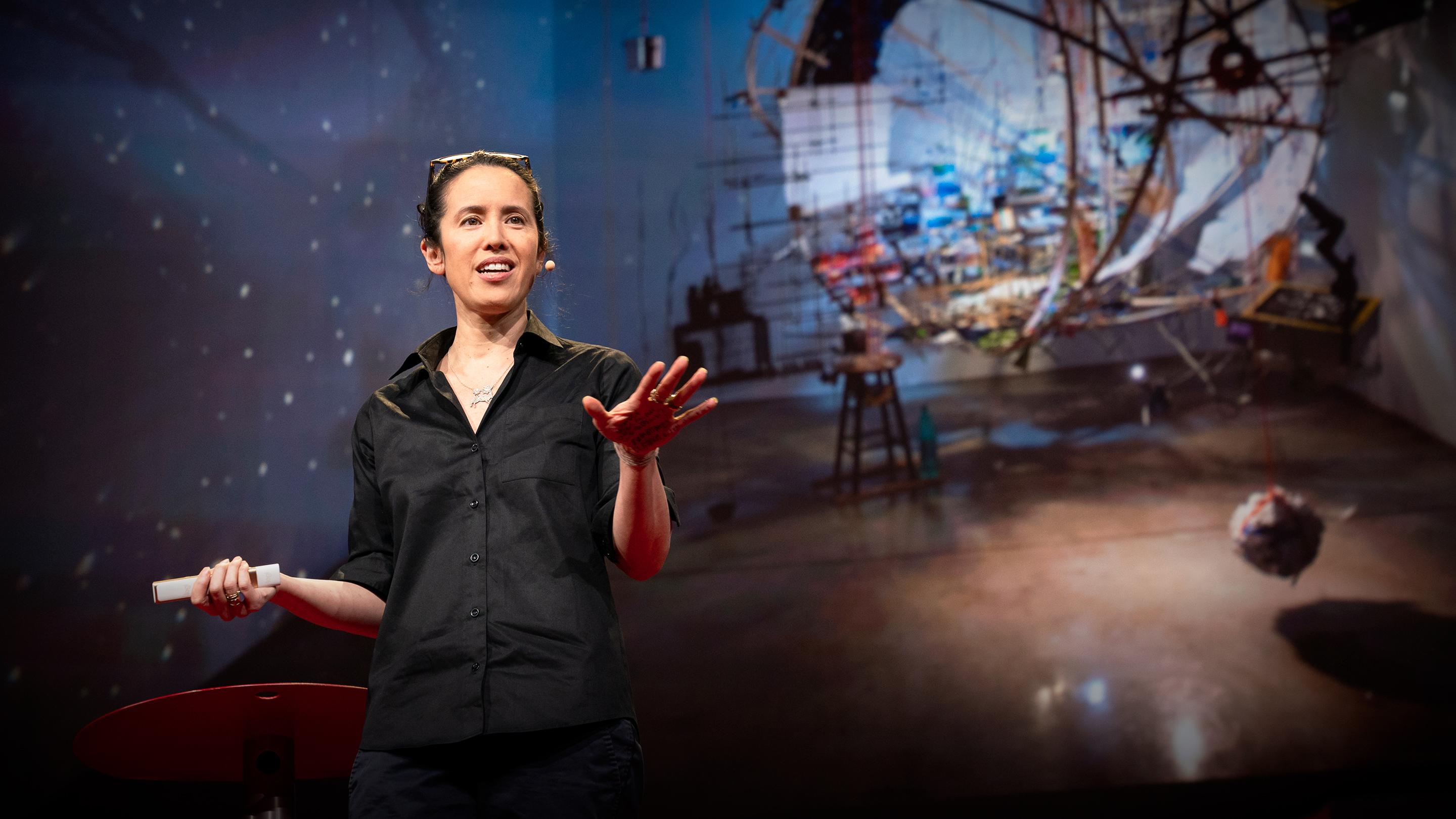
How we experience time and memory through art | Sarah Sze
Artist Sarah Sze takes us on a kaleidoscopic journey through her work: immersive installations as tall as buildings, splashed across walls, orbiting through galleries -- blurring the lines between time, memory and space. Explore how we give meaning to objects in this beautiful tour of Sze's experiential, multimedia art.
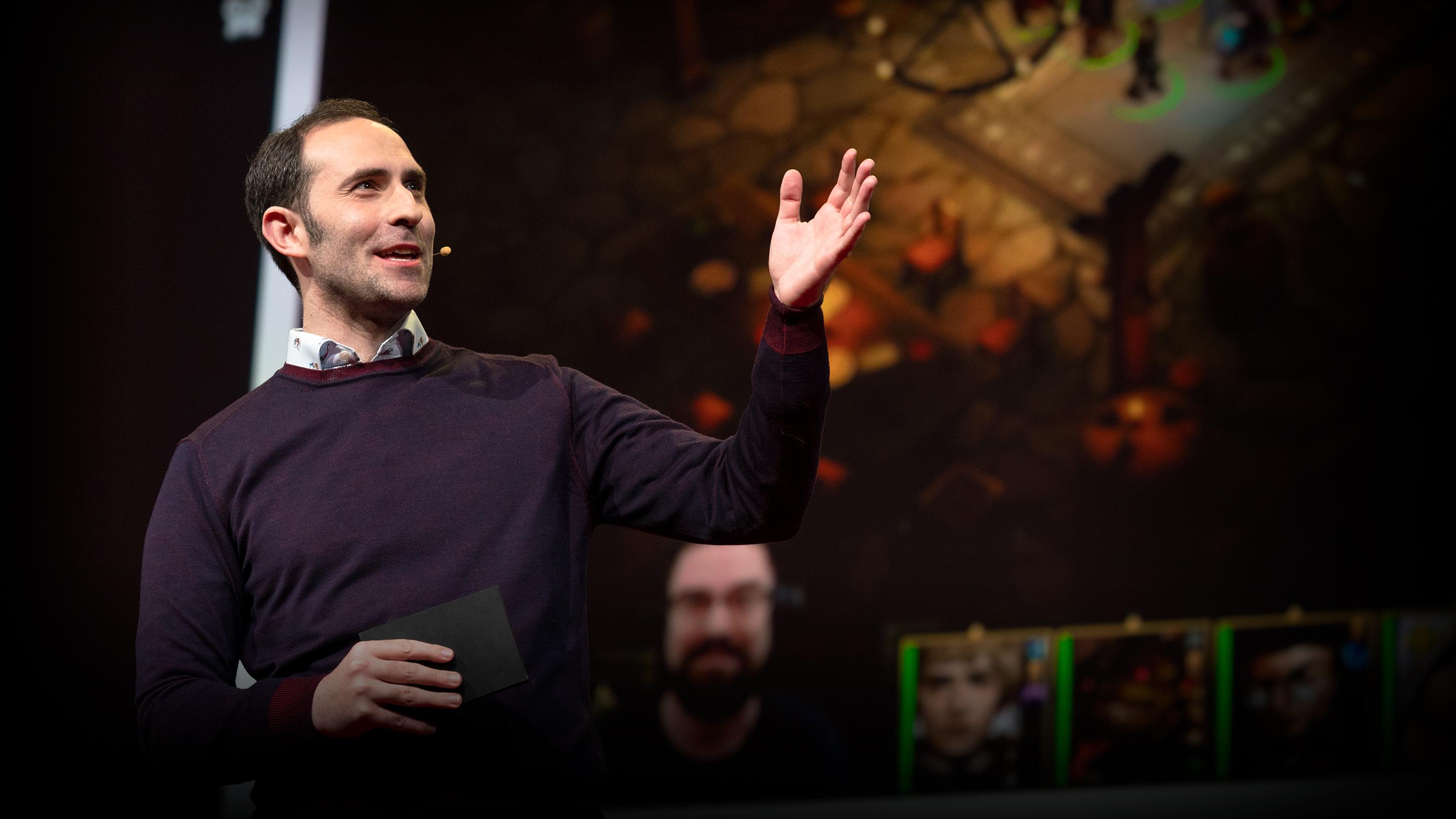
What streaming means for the future of entertainment | Emmett Shear
In a talk and demo, Twitch cofounder Emmett Shear shares his vision for the future of interactive entertainment -- and explains how video game streaming is helping people build communities online. "I am excited for a world where our entertainment could connect us instead of isolating us -- a world where we can bond with each other over our shared interests and create real, strong communities," Shear says.
"Stumbling towards intimacy": An improvised TED Talk | Anthony Veneziale
In a hilarious, completely improvised talk, improv master Anthony Veneziale takes to the TED stage for a truly one-of-a-kind performance. Armed with an audience-suggested topic ("stumbling towards intimacy") and a deck of slides he's never seen before, Veneziale crafts a meditation on the intersection of love, language and ... avocados?
Can we choose to fall out of love? | Dessa
What's the best way to get over heartbreak? Rapper and writer Dessa came up with an unconventional approach after a chance viewing of Helen Fisher's TED Talk about the brains of the lovestruck. In a wryly funny talk, she describes how she worked with a neuroscientist to try to get her brain to fall out of love with her ex -- and shares wisdom about romance that she gained along the way.
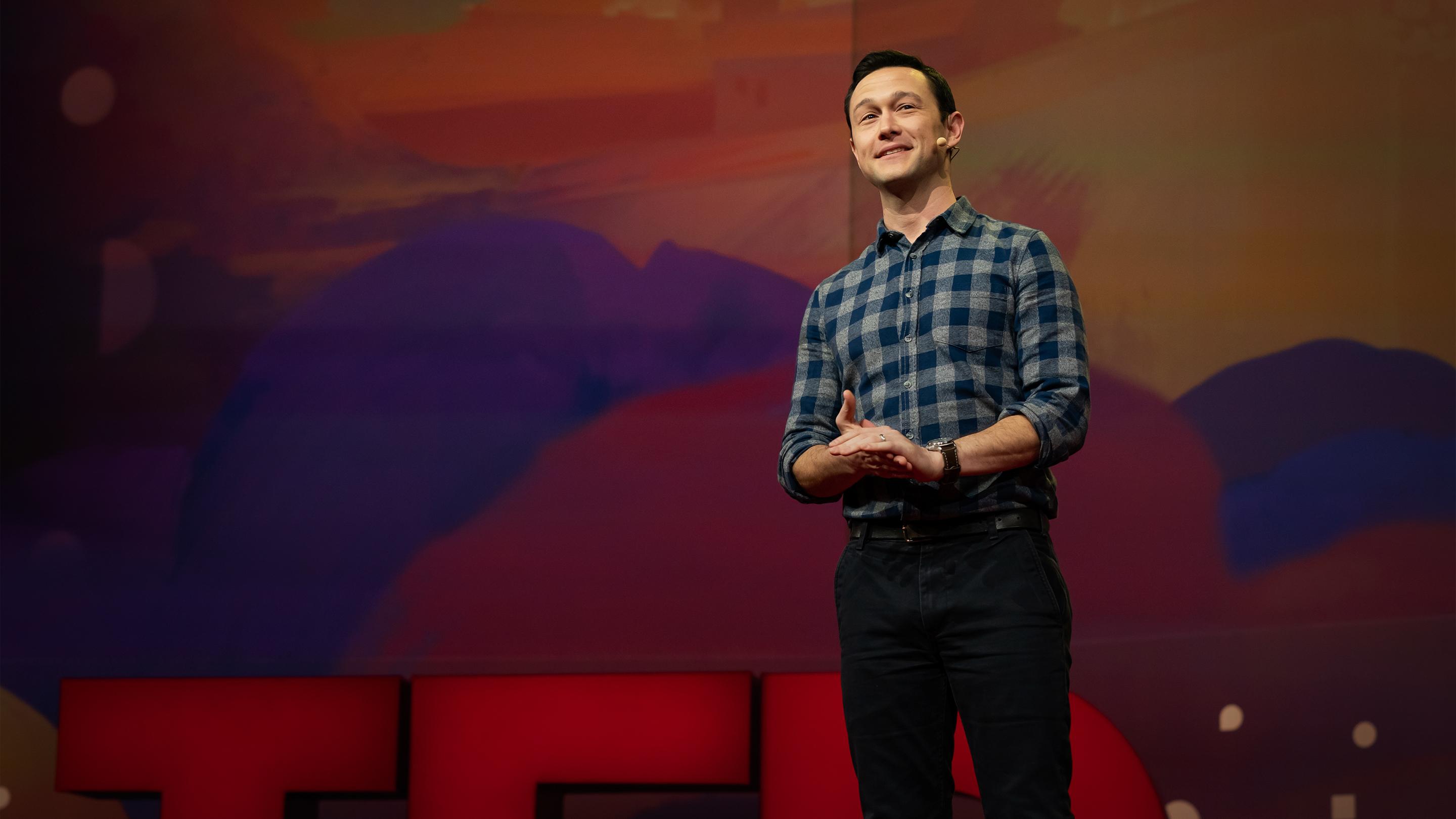
How craving attention makes you less creative | Joseph Gordon-Levitt
Joseph Gordon-Levitt has gotten more than his fair share of attention from his acting career. But as social media exploded over the past decade, he got addicted like the rest of us -- trying to gain followers and likes only to be left feeling inadequate and less creative. In a refreshingly honest talk, he explores how the attention-driven model of big tech companies impacts our creativity -- and shares a more powerful feeling than getting attention: paying attention.
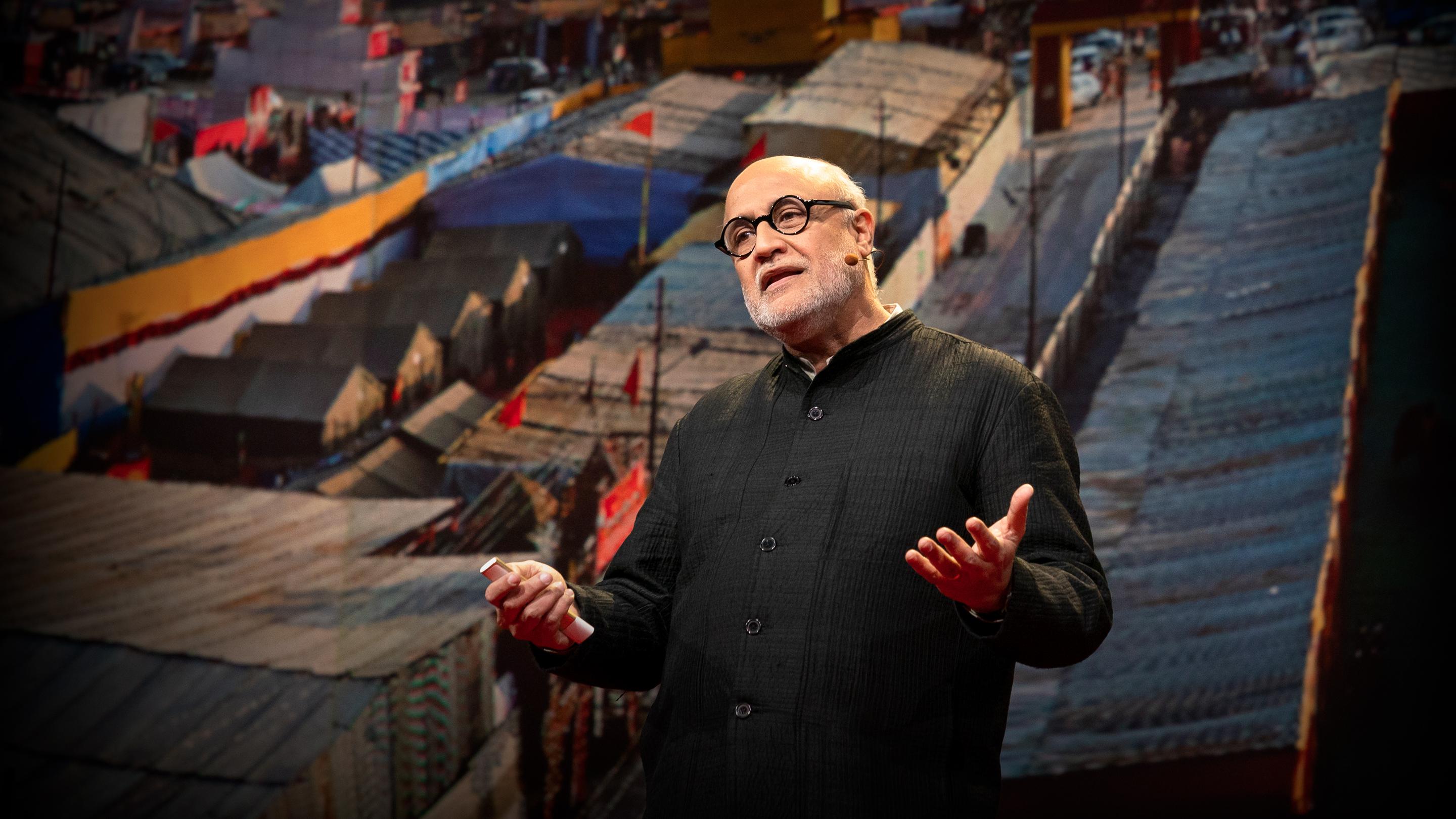
The architectural wonder of impermanent cities | Rahul Mehrotra
Every 12 years, a megacity springs up in India for the Kumbh Mela religious festival -- what's built in ten weeks is completely disassembled in one. What can we learn from this fully functioning, temporary settlement? In a visionary talk, urban designer Rahul Mehrotra explores the benefits of building impermanent cities that can travel, adapt or even disappear, leaving the lightest possible footprint on the planet.
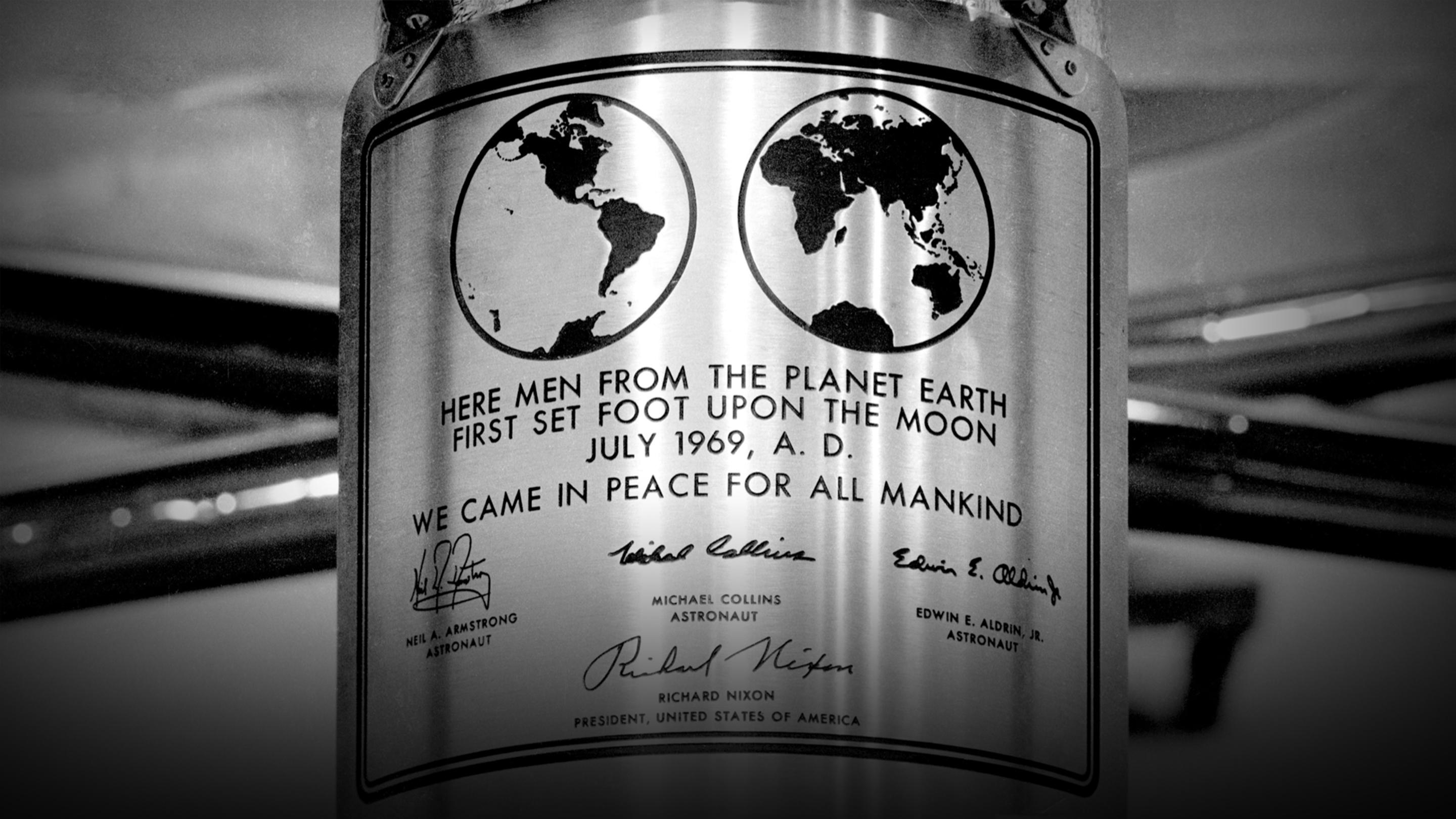
How a typeface helped launch Apollo | Douglas Thomas
When humanity first landed on the moon in 1969, the typeface Futura was right there with them. In this fascinating history of typography, designer Douglas Thomas shares Futura's role in launching the Apollo 11 spacecraft -- and how it became one of the most used fonts in the world.
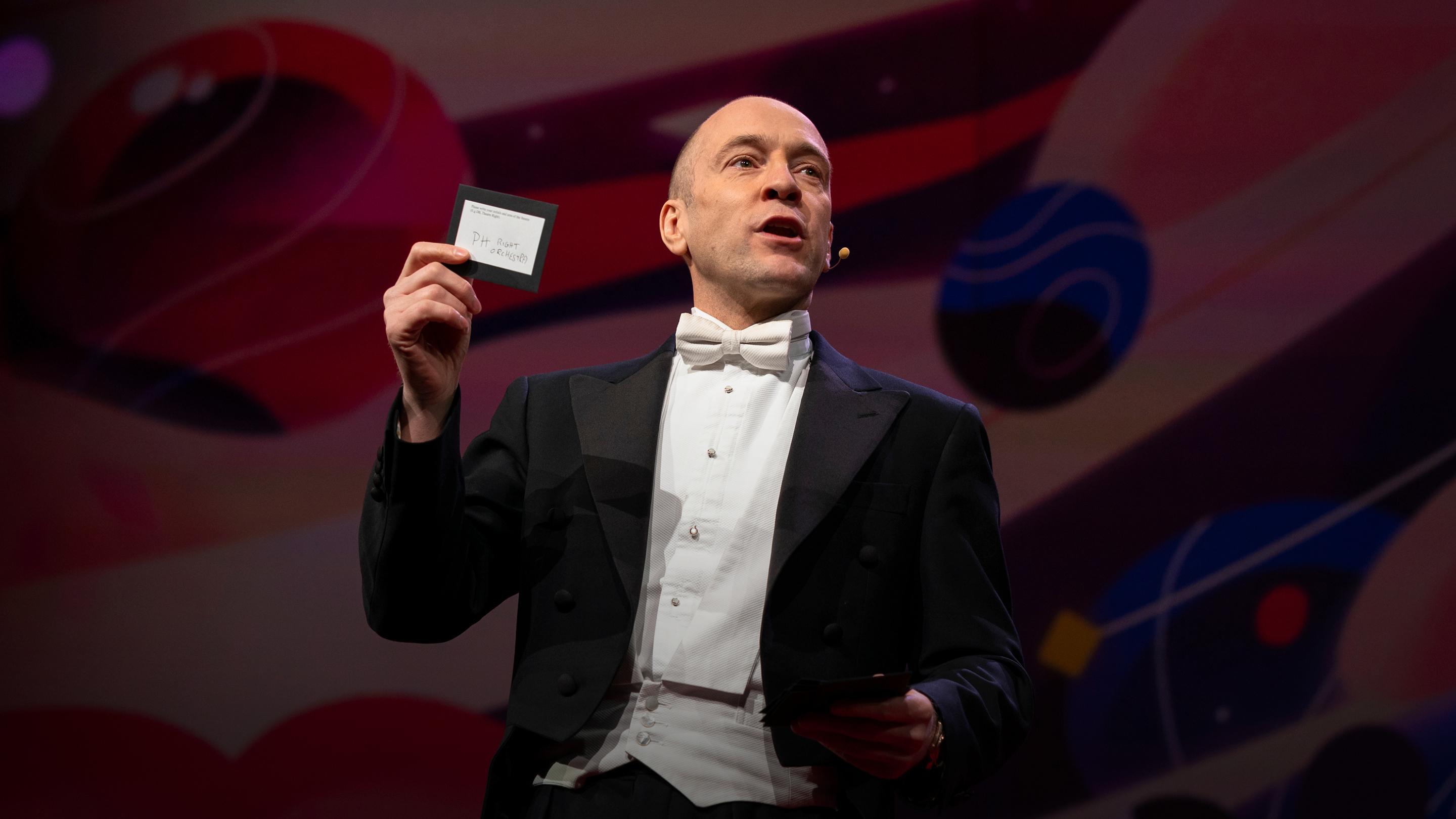
Mentalism, mind reading and the art of getting inside your head | Derren Brown
"Magic is a great analogy for how we edit reality and form a story -- and then mistake that story for the truth," says psychological illusionist Derren Brown. In a clever talk wrapped around a dazzling mind-reading performance, Brown explores the seductive appeal of finding simple answers to life's complex and subtle questions.
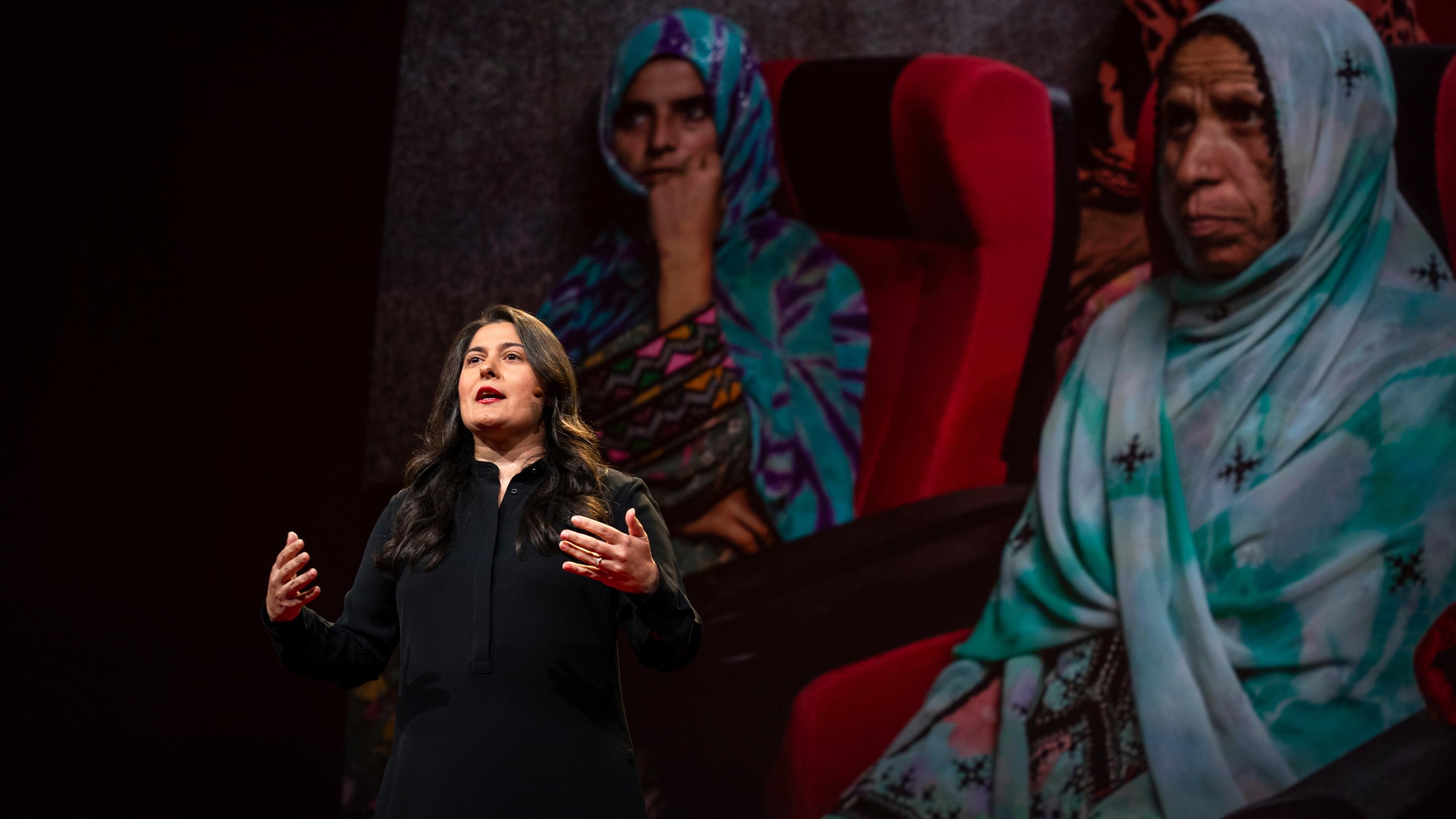
How film transforms the way we see the world | Sharmeen Obaid-Chinoy
Film has the power to change the way we think about ourselves and our culture. Documentarian and TED Fellow Sharmeen Obaid-Chinoy uses it to fight violence against women, turning her camera on the tradition of honor killings in Pakistan. In a stirring talk, she shares how she took her Oscar-winning film on the road in a mobile cinema, visiting small towns and villages across Pakistan -- and shifting the dynamics between women, men and society, one screening at a time.
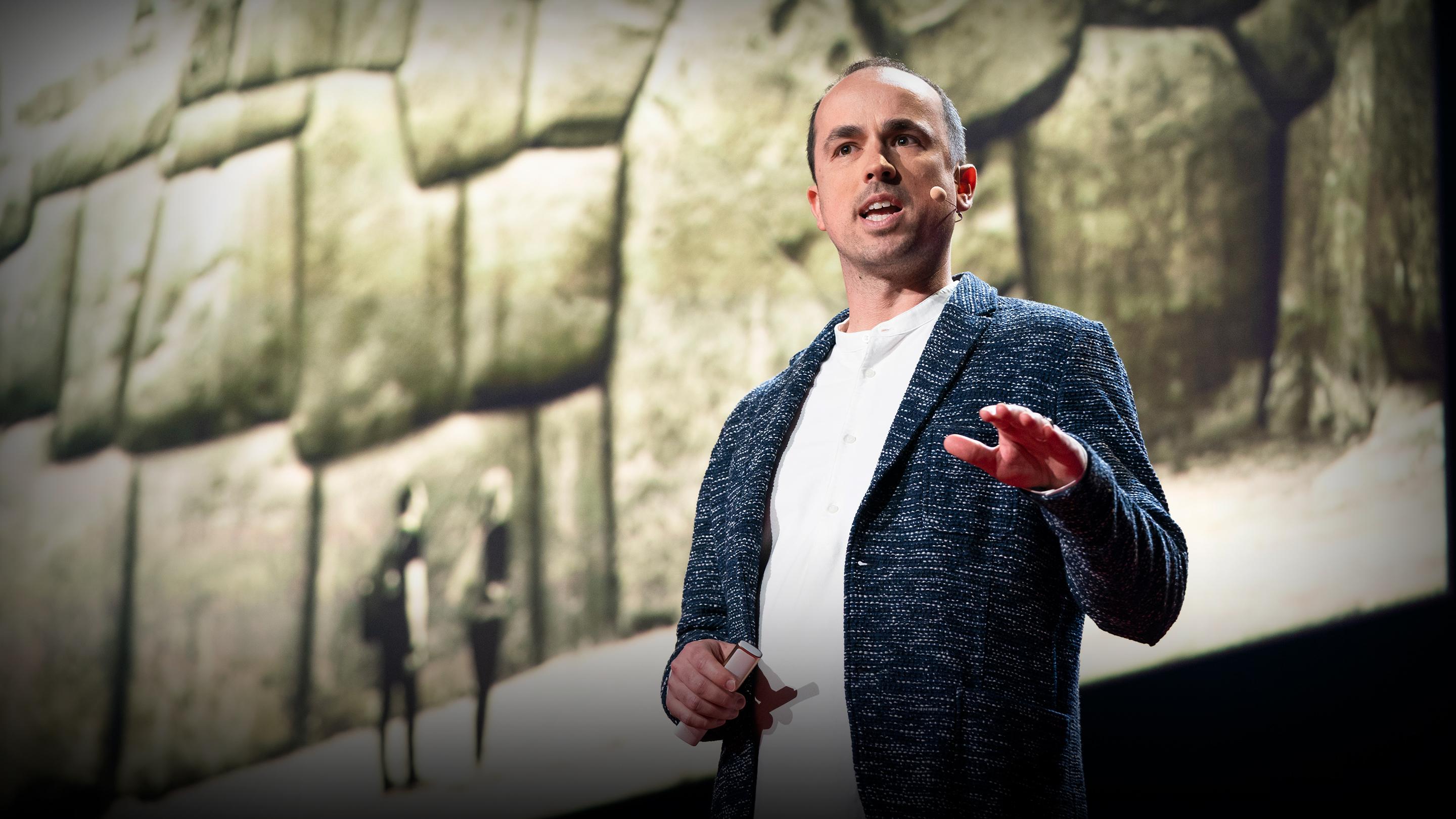
Architectural secrets of the world's ancient wonders | Brandon Clifford
How did ancient civilizations move massive stones to build Stonehenge, the Pyramids and the Easter Island statues? In this quick, delightful talk, TED Fellow Brandon Clifford reveals some architectural secrets of the past and shows how we can use these ingenious techniques to build today. "In an era where we design buildings to last 30, maybe 60 years, I would love to learn how to create something that could entertain for an eternity," he says.
"A Bird Made of Birds" | Sarah Kay
"The universe has already written the poem you were planning on writing," says Sarah Kay, quoting her friend, poet Kaveh Akbar. Performing "A Bird Made of Birds," she shares how and where she finds poetry.
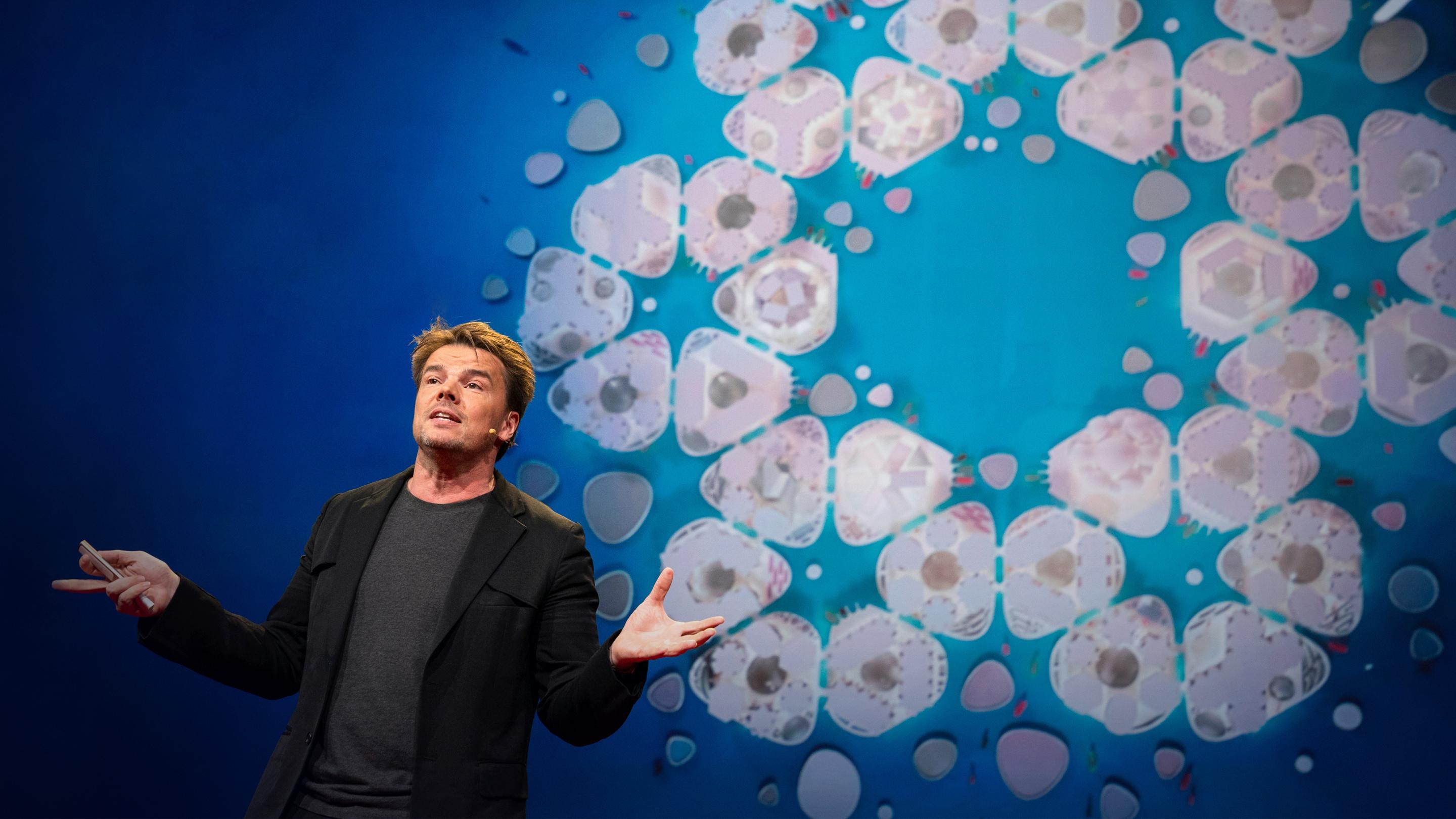
Floating cities, the LEGO House and other architectural forms of the future | Bjarke Ingels
Design gives form to the future, says architect Bjarke Ingels. In this worldwide tour of his team's projects, journey to a waste-to-energy power plant (that doubles as an alpine ski slope) and the LEGO Home of the Brick in Denmark -- and catch a glimpse of cutting-edge flood resilience infrastructure in New York City as well as an ambitious plan to create floating, sustainable cities that are adapted to climate change.
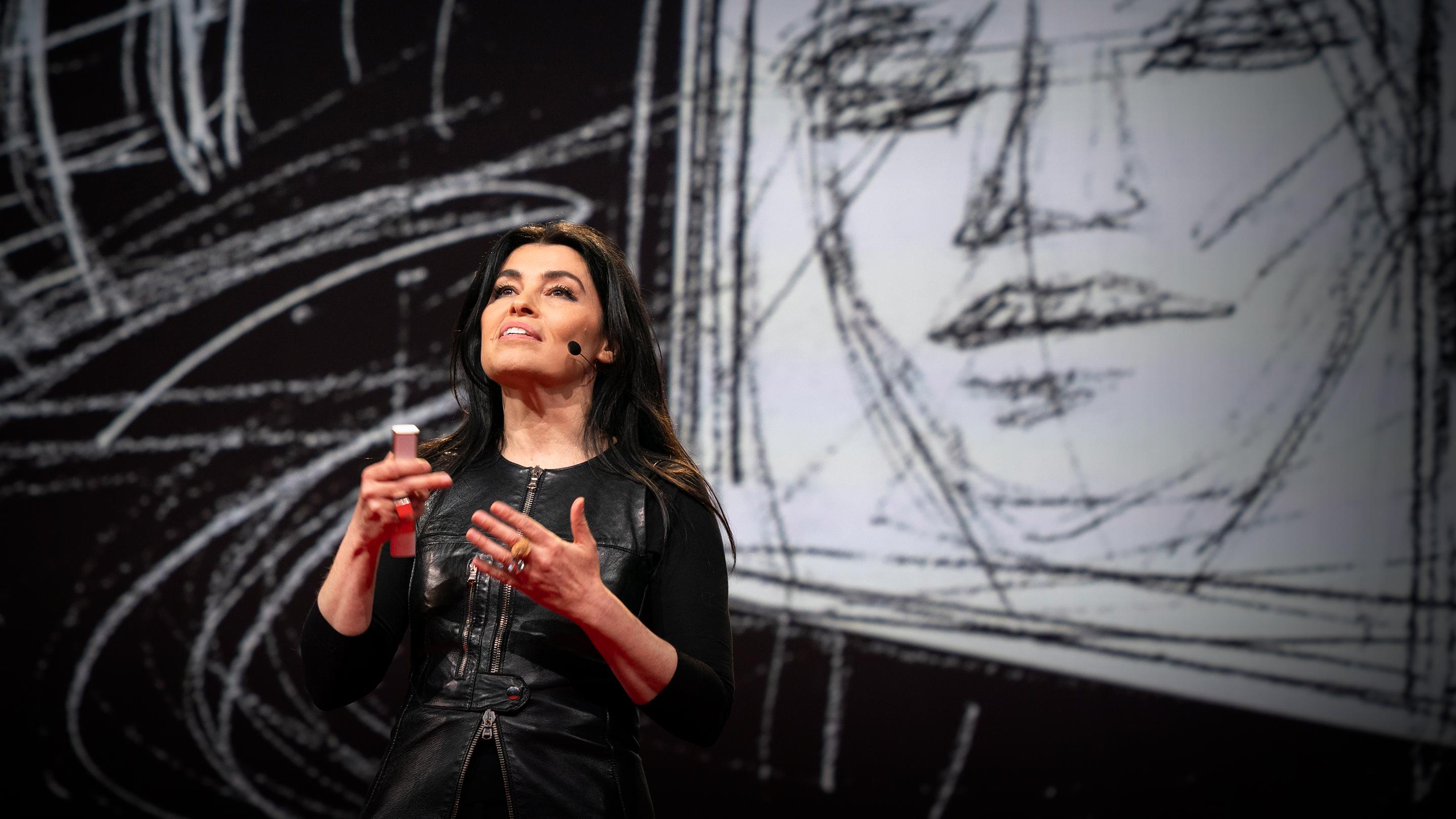
Mind-blowing stage sculptures that fuse music and technology | Es Devlin
It starts with a sketch. Then it evolves into a larger-than-life visual masterpiece, a celebration of human connection. Follow along as legendary artist and designer Es Devlin takes us on a visual tour of her work -- including iconic stage sculptures she's created for Beyoncé, Adele, Kanye West, U2 and more -- and previews her design for the upcoming World Expo 2020 in Dubai.
Three ideas. Three contradictions. Or not. | Hannah Gadsby
Hannah Gadsby's groundbreaking special "Nanette" broke comedy. In a talk about truth and purpose, she shares three ideas and three contradictions. Or not.
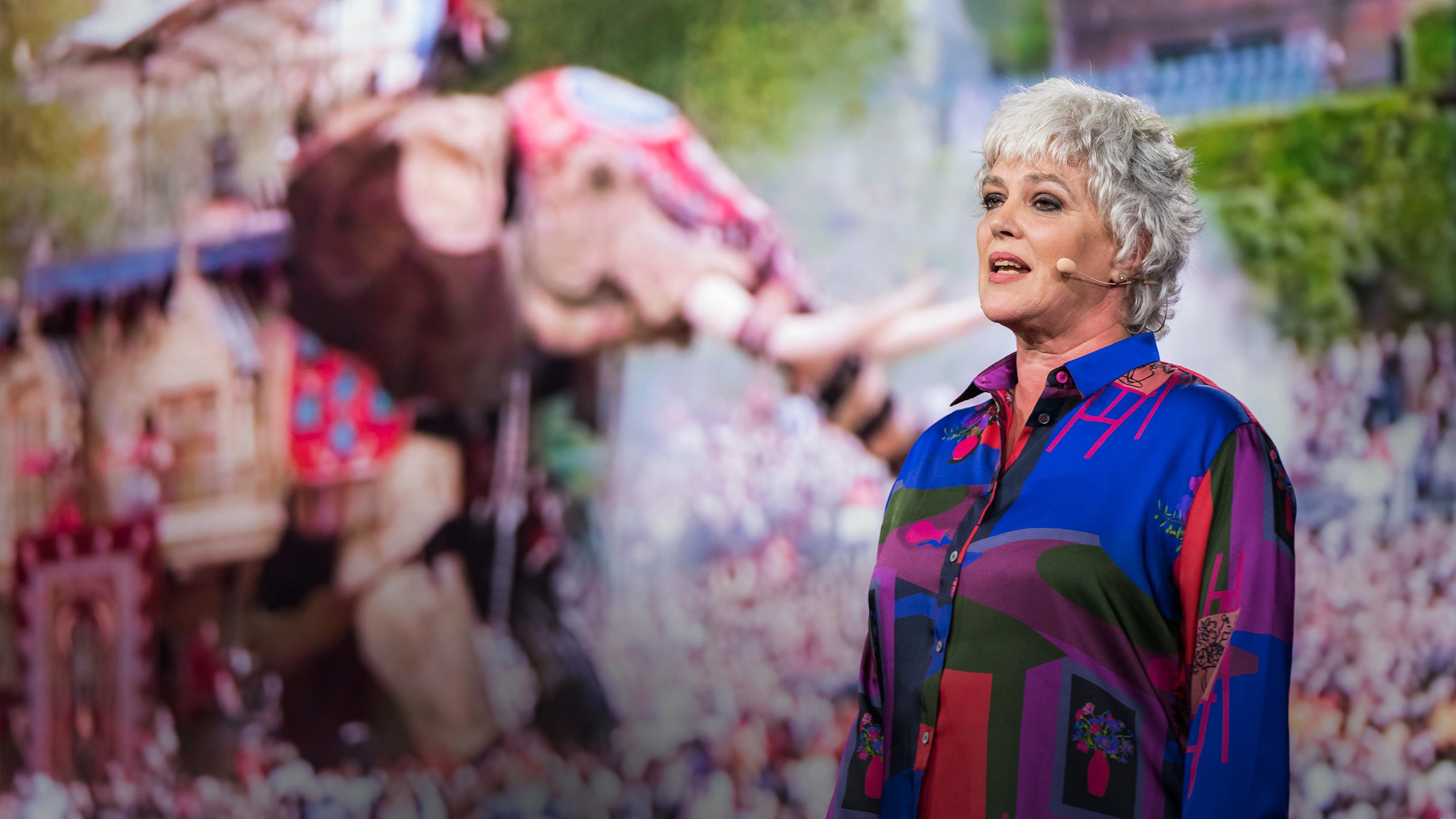
Public art that turns cities into playgrounds of the imagination | Helen Marriage
Visual artist Helen Marriage stages astonishing, large-scale public art events that expand the boundaries of what's possible. In this visual tour of her work, she tells the story of three cities she transformed into playgrounds of the imagination -- picture London with a giant mechanical elephant marching through it -- and shows what happens when people stop to marvel and experience a moment together.
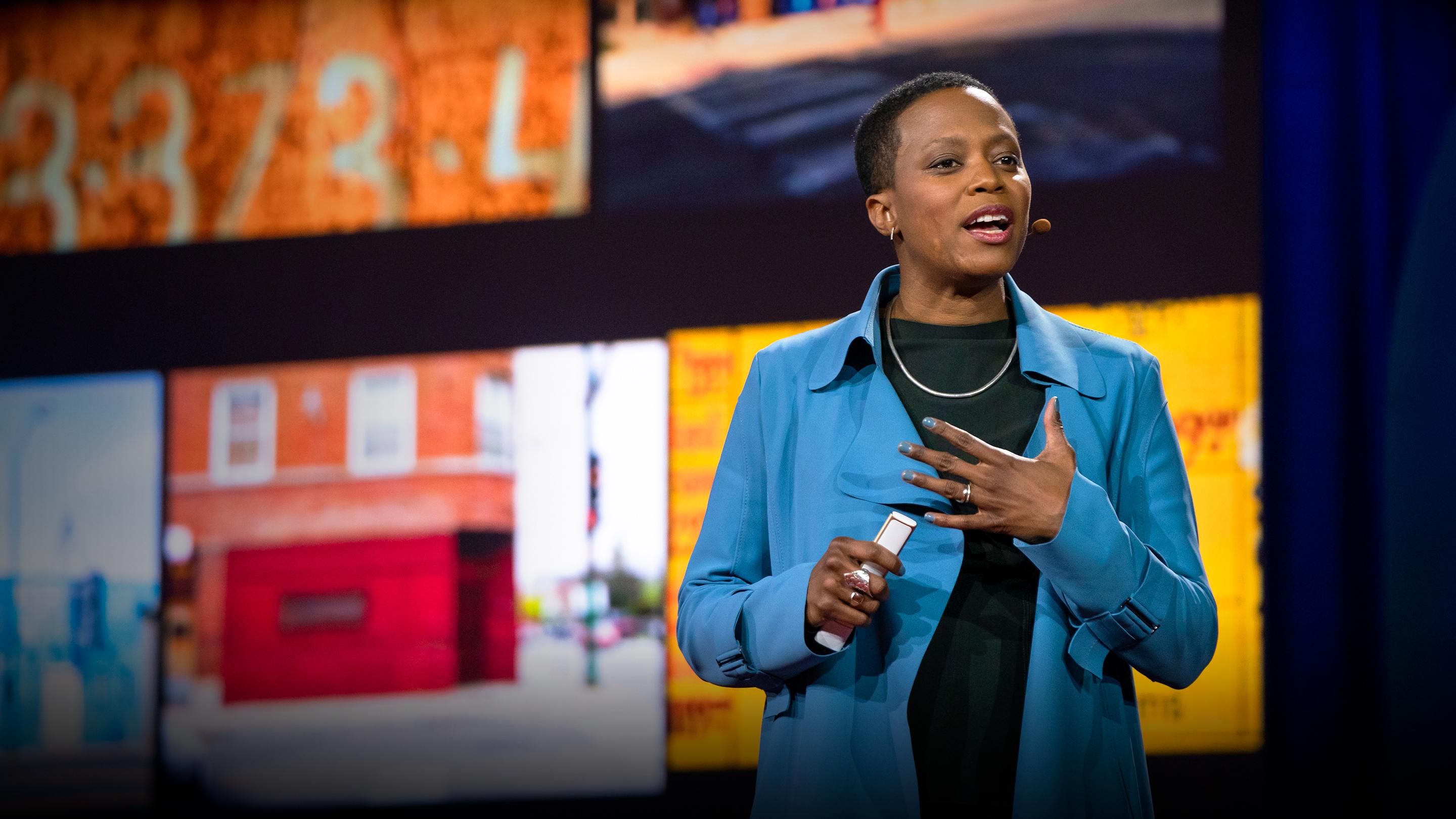
Why I turned Chicago's abandoned homes into art | Amanda Williams
Amanda Williams shares her lifelong fascination with the complexity of color: from her experiences with race and redlining to her discovery of color theory to her work as a visual artist. Journey with Williams to Chicago's South Side and explore "Color(ed) Theory," a two-year art project in which she painted soon-to-be-demolished houses bold, monochromatic colors infused with local meaning -- catalyzing conversations and making the hidden visible.
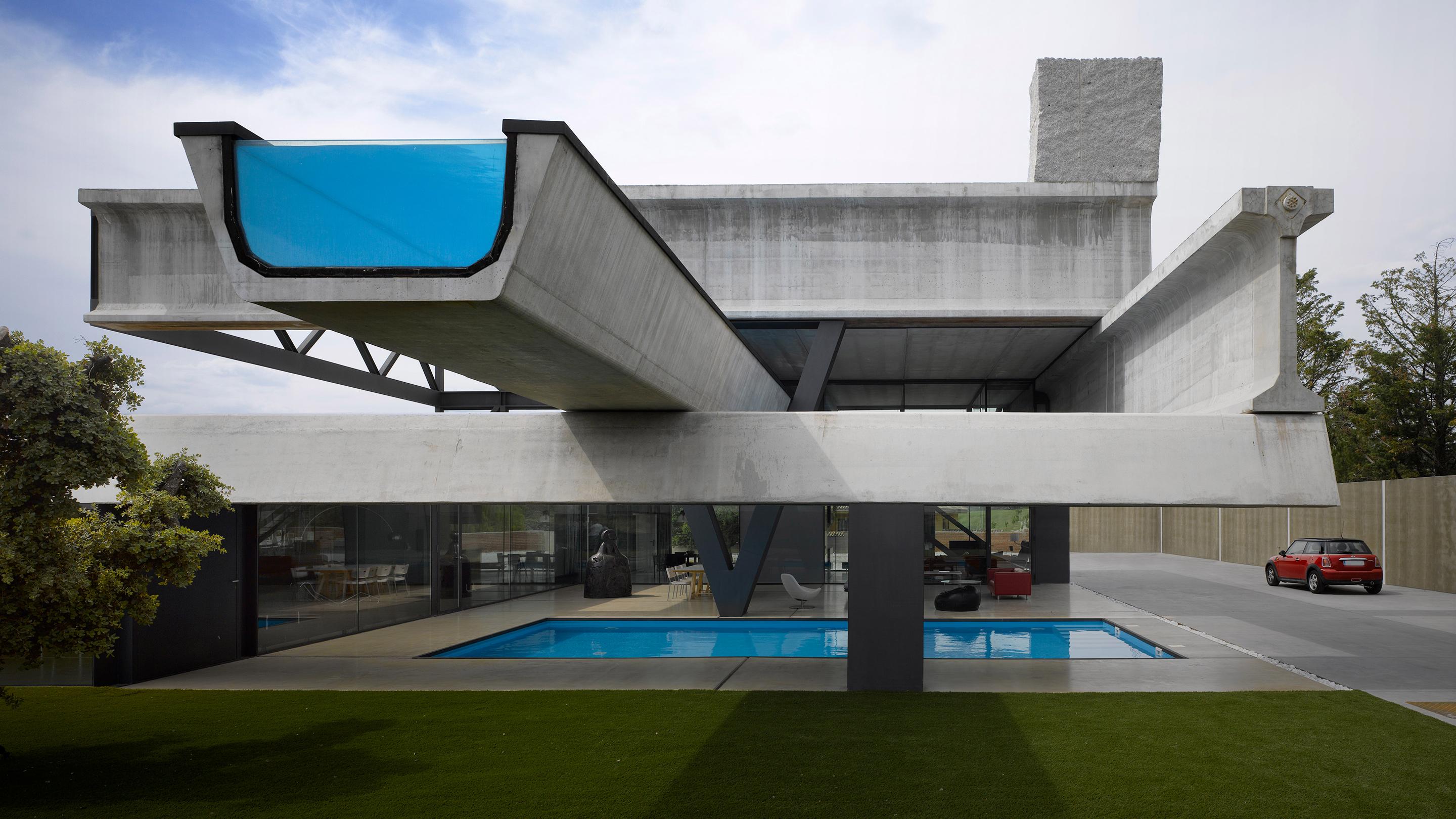
Stunning buildings made from raw, imperfect materials | Débora Mesa Molina
What would it take to reimagine the limits of architecture? Débora Mesa Molina offers some answers in this breathtaking, visual tour of her work, showing how structures can be made with overlooked materials and unconventional methods -- or even extracted from the guts of the earth. "The world around us is an infinite source of inspiration if we are curious enough to see beneath the surface of things," she says.
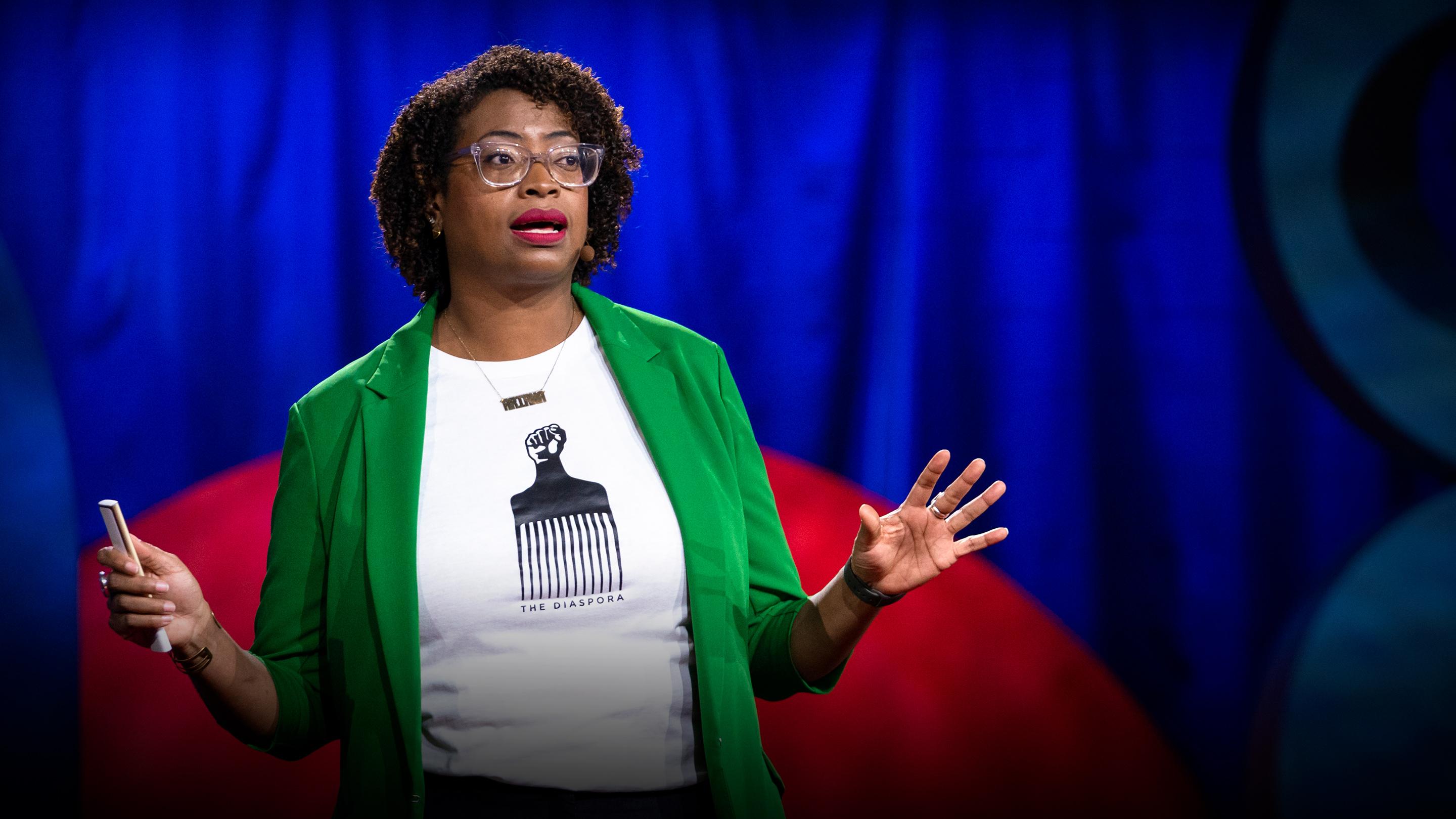
Museums should honor the everyday, not just the extraordinary | Ariana Curtis
Who deserves to be in a museum? For too long, the answer has been "the extraordinary" -- those aspirational historymakers who inspire us with their successes. But those stories are limiting, says museum curator Ariana Curtis. In a visionary talk, she imagines how museums can more accurately represent history by honoring the lives of people both extraordinary and everyday, prominent and hidden -- and amplify diverse perspectives that should have always been included.
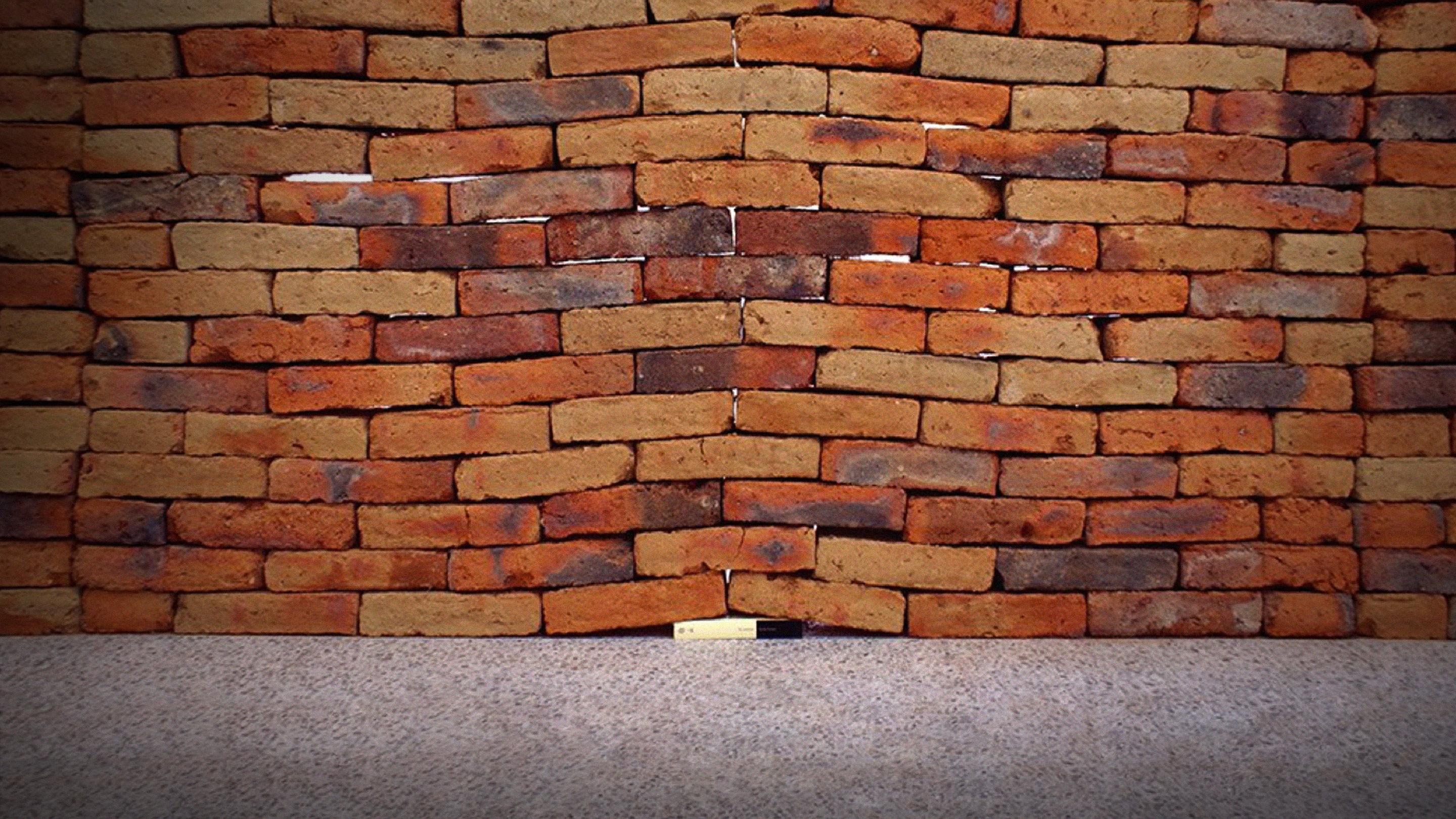
A lesson on looking | Amy Herman
Are you looking closely? Visual educator Amy Herman explains how to use art to enhance your powers of perception and find connections where they may not be apparent. Learn the techniques Herman uses to train Navy SEALs, doctors and crime scene investigators to convert observable details into actionable knowledge with this insightful talk.
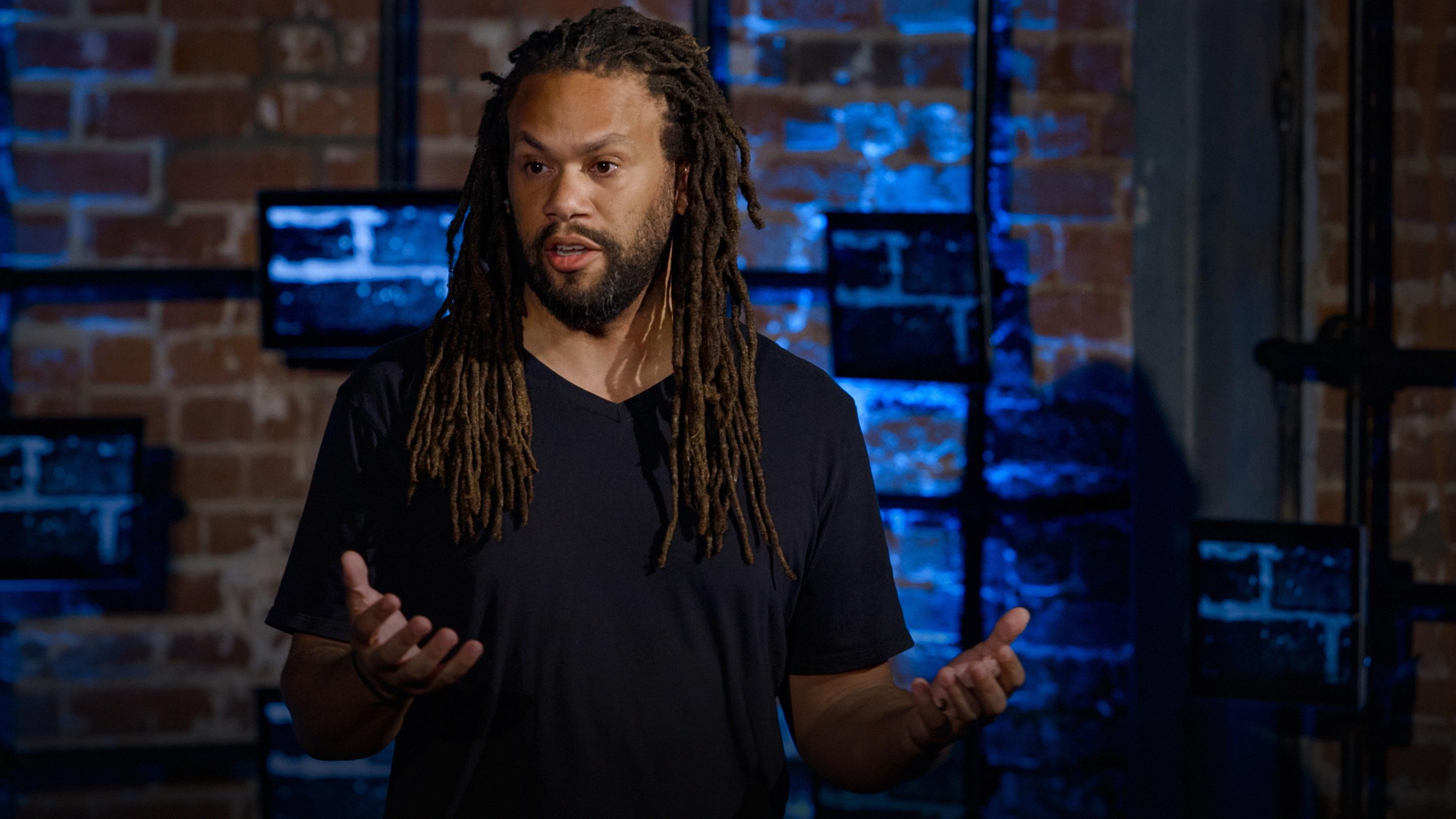
How I accidentally changed the way movies get made | Franklin Leonard
How does Hollywood choose what stories get told on-screen? Too often, it's groupthink informed by a narrow set of ideas about what sells at the box office. As a producer, Franklin Leonard saw too many great screenplays never get made because they didn't fit the mold. So he started the Black List, an anonymous email that shared his favorite screenplays and asked: Why aren't we making these movies? Learn the origin story of some of your favorite films with this fascinating insider view of the movie business.
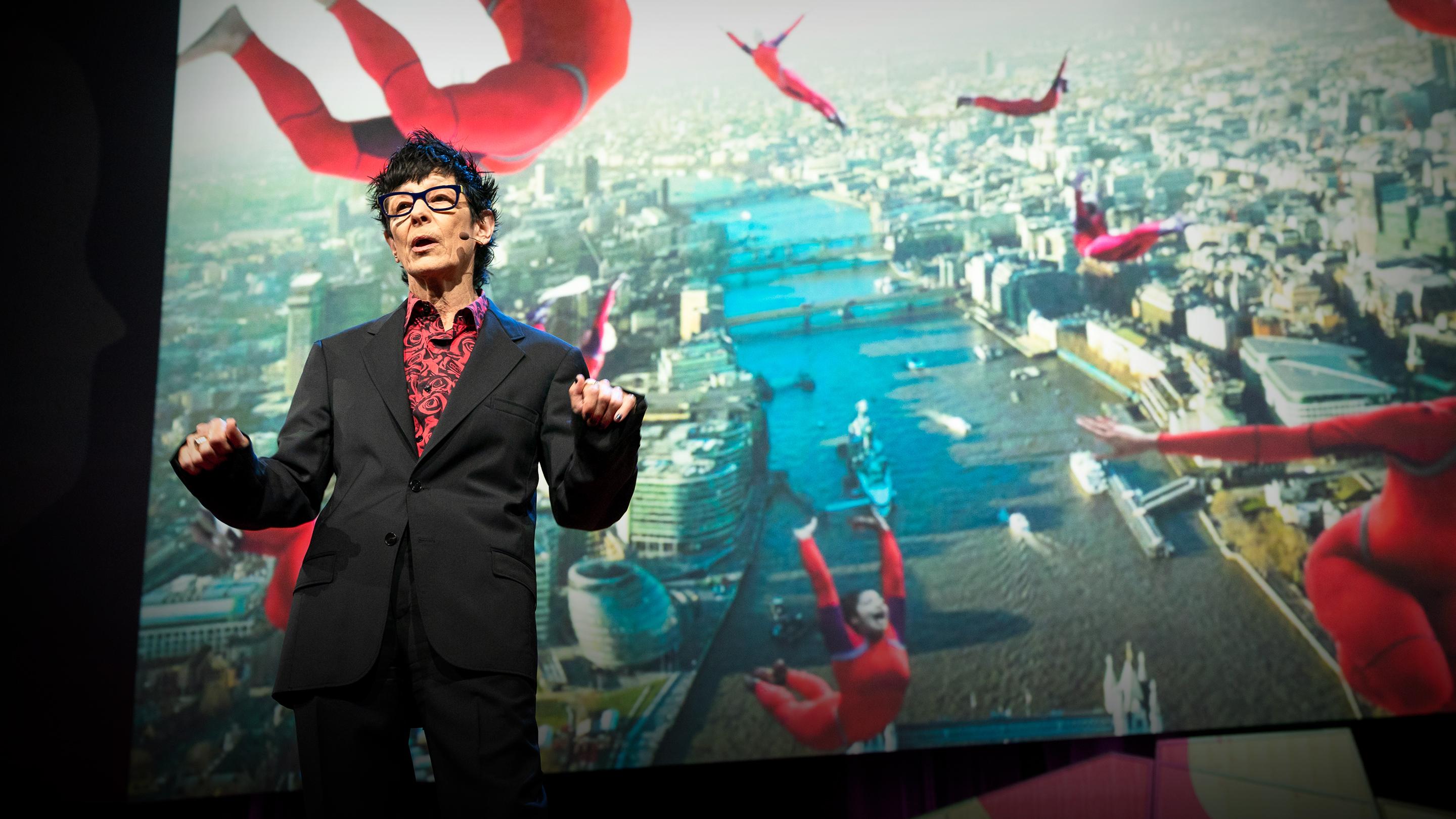
My quest to defy gravity and fly | Elizabeth Streb
Over the course of her fearless career, extreme action specialist Elizabeth Streb has pushed the limits of the human body. She's jumped through broken glass, toppled from great heights and built gizmos to provide a boost along the way. Backed by footage of her work, Streb reflects on her lifelong quest to defy gravity and fly the only way a human can -- by mastering the landing.
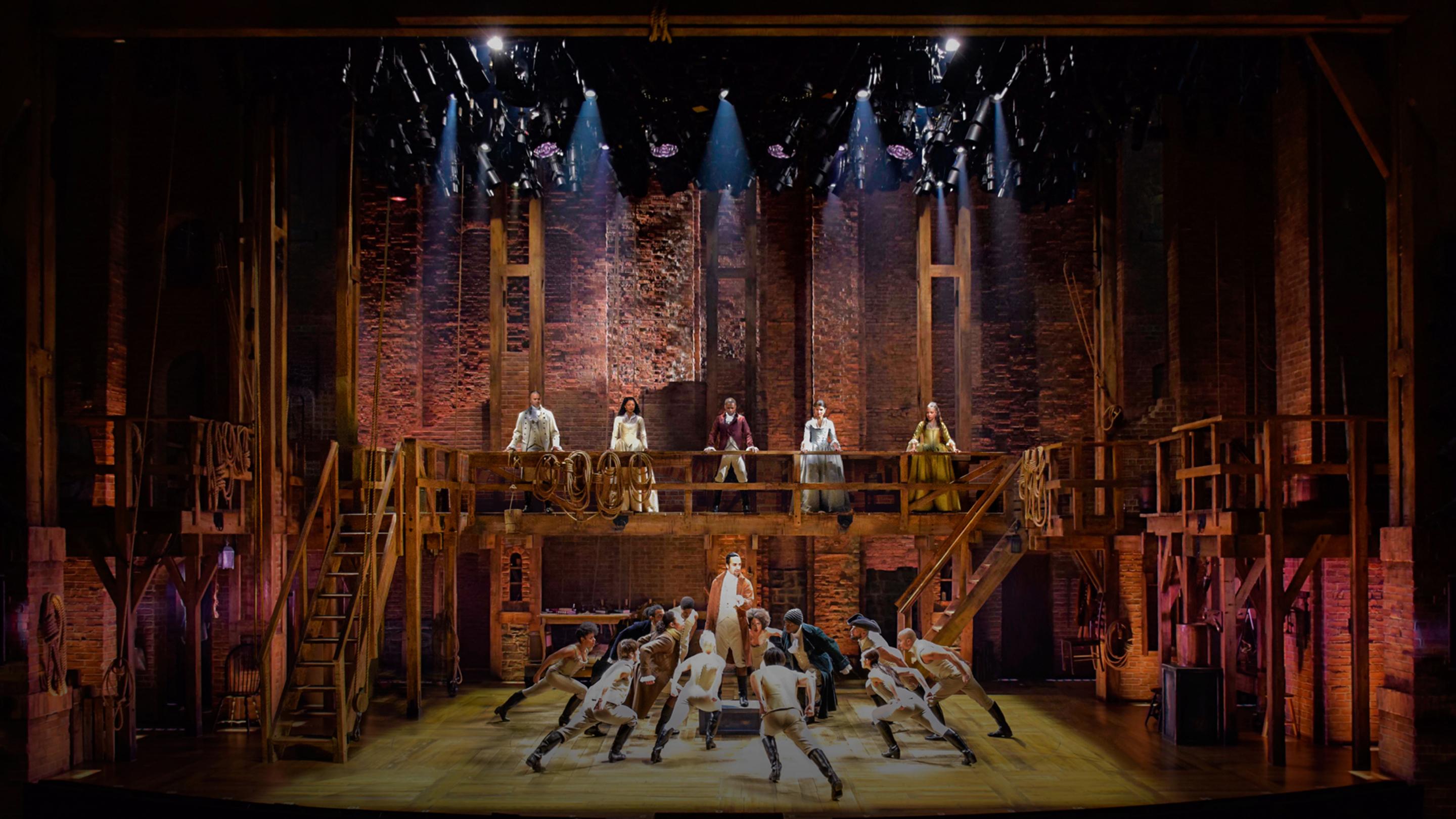
3 ways to create a space that moves you, from a Broadway set designer | David Korins
You don't have to work on Broadway to design a set, says creative director David Korins -- you can be the set designer of any space in your life. Sharing insights from his work on hits like "Hamilton" and "Dear Evan Hansen," Korins offers a three-step process to start creating the world you want to live in.
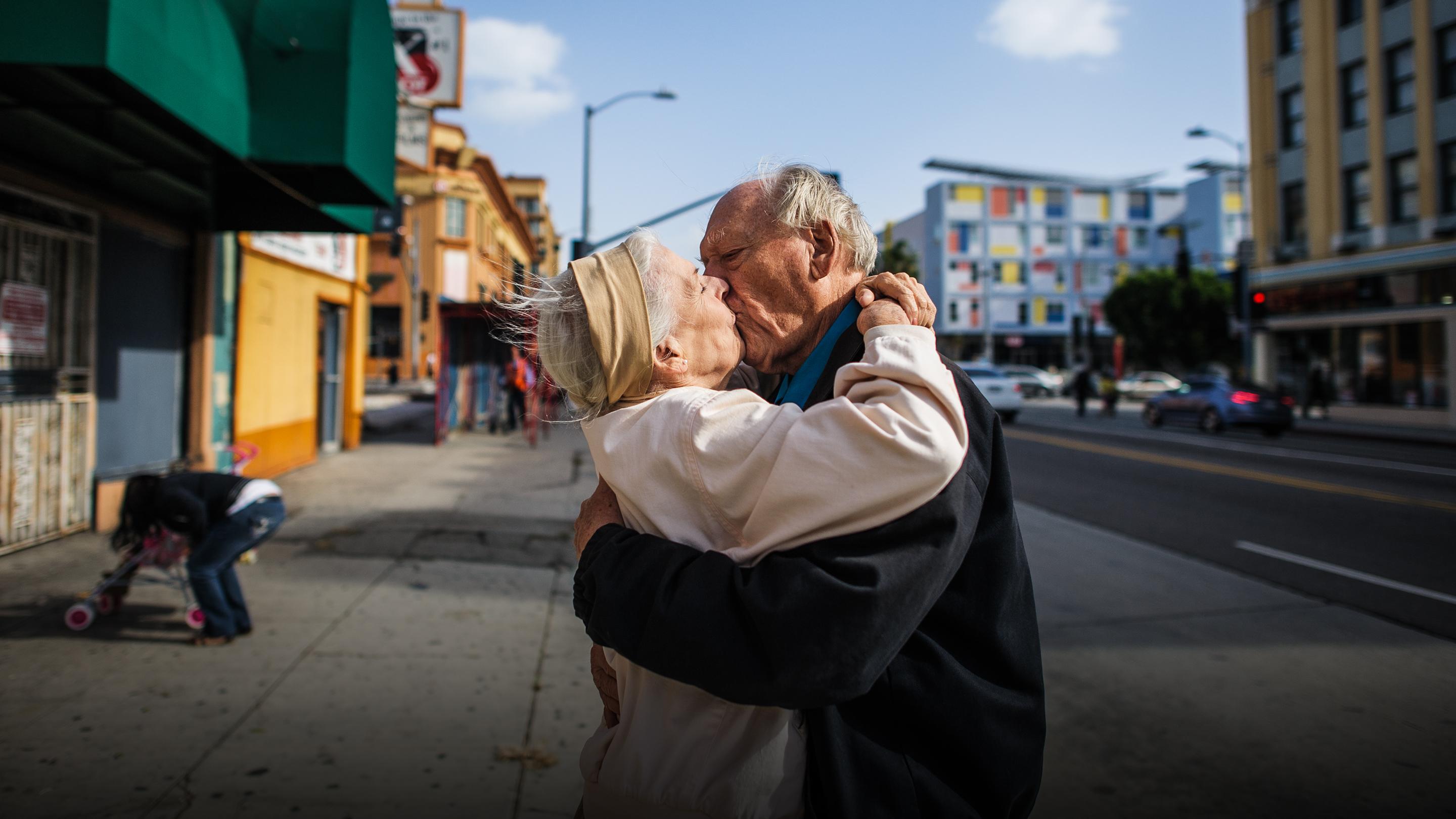
Intimate photos of a senior love triangle | Isadora Kosofsky
Photographer and TED Fellow Isadora Kosofsky is a chronicler of love, loss and loneliness. In this searching talk, she shares photos from her four years documenting the lives of a senior citizen love triangle -- and reveals what they can teach us about the universal search for identity and belonging.
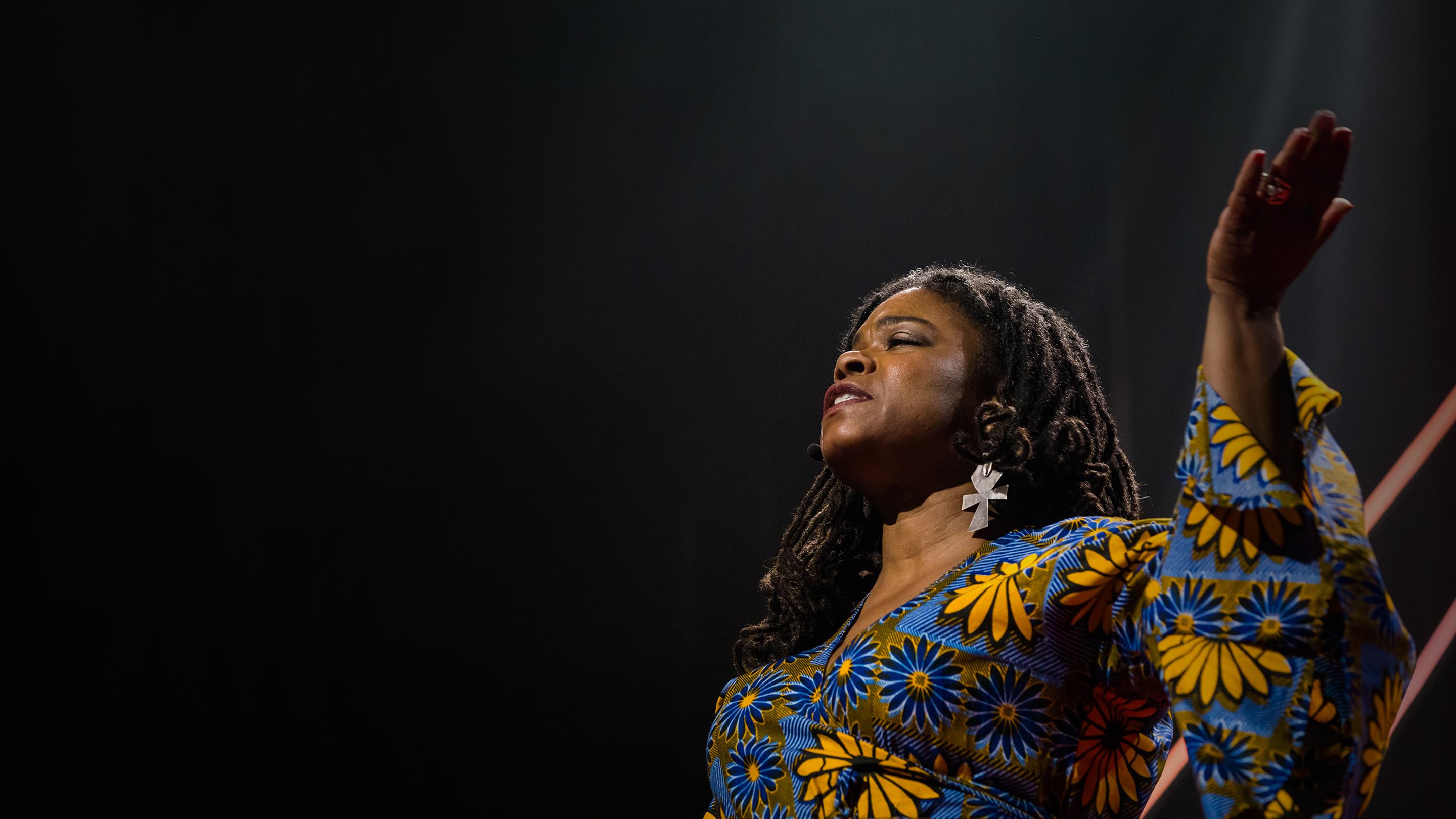
"Chasms" | Asali DeVan Ecclesiastes
Writer and activist Asali DeVan Ecclesiastes lights up the stage with a powerful poem about hope, truth and the space between who we are and who we want to be.
How to build a thriving music scene in your city | Elizabeth Cawein
How does a city become known as a "music city"? Publicist Elizabeth Cawein explains how thriving music scenes make cities healthier and happier and shares ideas for bolstering your local music scene -- and showing off your city's talent to the world.
"Wild Women" | Sunni Patterson
With lightning on her tongue, Sunni Patterson performs her powerful poem, "Wild Women," accompanied by the entrancing moves of dancer Chanice Holmes.

Why art thrives at Burning Man | Nora Atkinson
Craft curator Nora Atkinson takes us on a trip to Nevada's Black Rock Desert to see the beautifully designed and participatory art of Burning Man, revealing how she discovered there what's often missing from museums: curiosity and engagement. "What is art for in our contemporary world if not this?" she asks.
How art can shape America's conversation about freedom | Dread Scott
In this quick talk, visual artist Dread Scott tells the story of one of his most transgressive art installations, which drew national attention for its controversial use of the American flag and led to a landmark First Amendment case in the US Supreme Court.
"Interpassion" / "Ba$$in" | Yelle
Yelle and GrandMarnier bring their danceable electropop hits to the TED stage in an energizing performance of two songs, "Interpassion" and "Ba$$in."
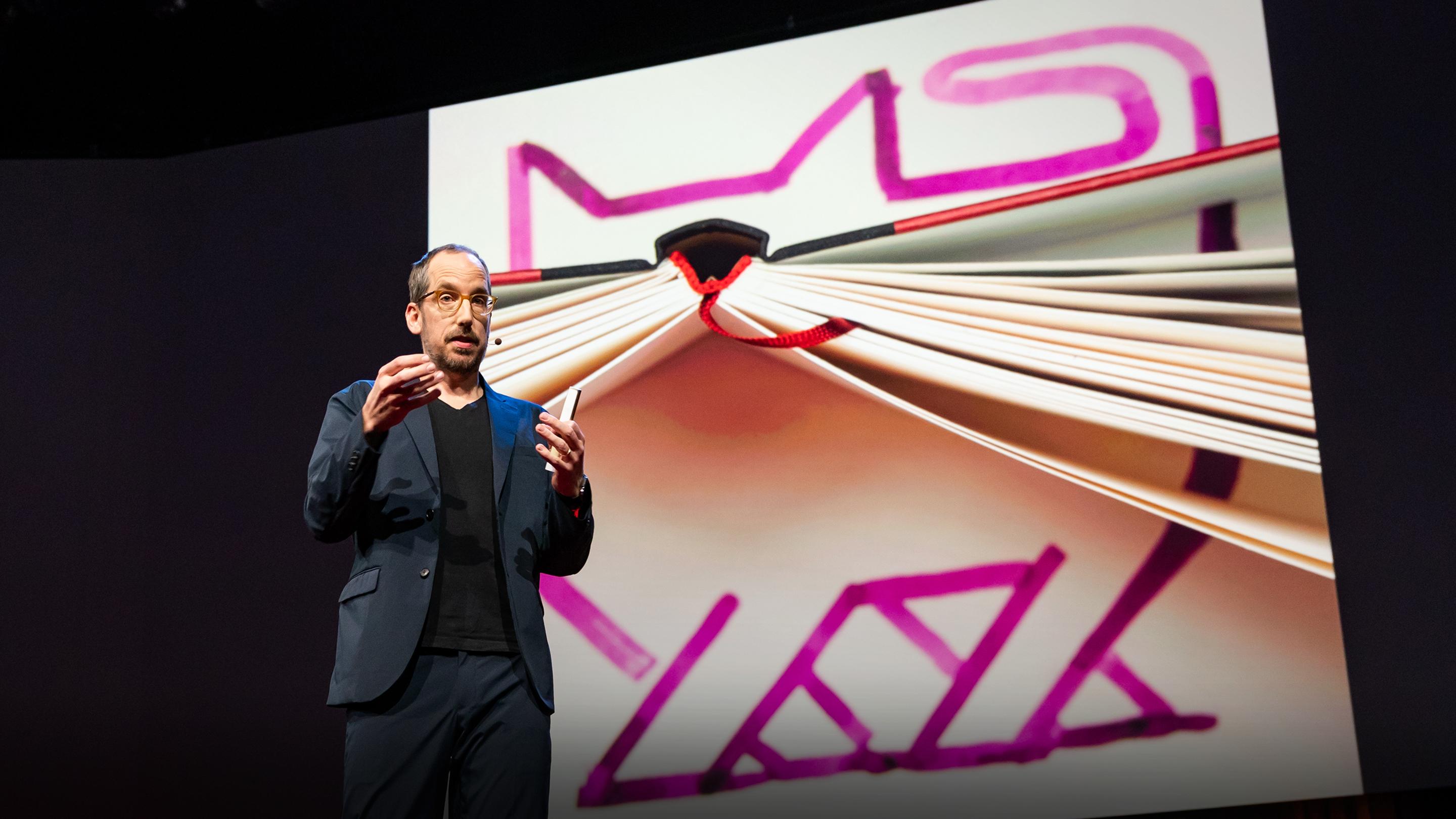
You are fluent in this language (and don't even know it) | Christoph Niemann
Without realizing it, we're fluent in the language of pictures, says illustrator Christoph Niemann. In a charming talk packed with witty, whimsical drawings, Niemann takes us on a hilarious visual tour that shows how artists tap into our emotions and minds -- all without words.
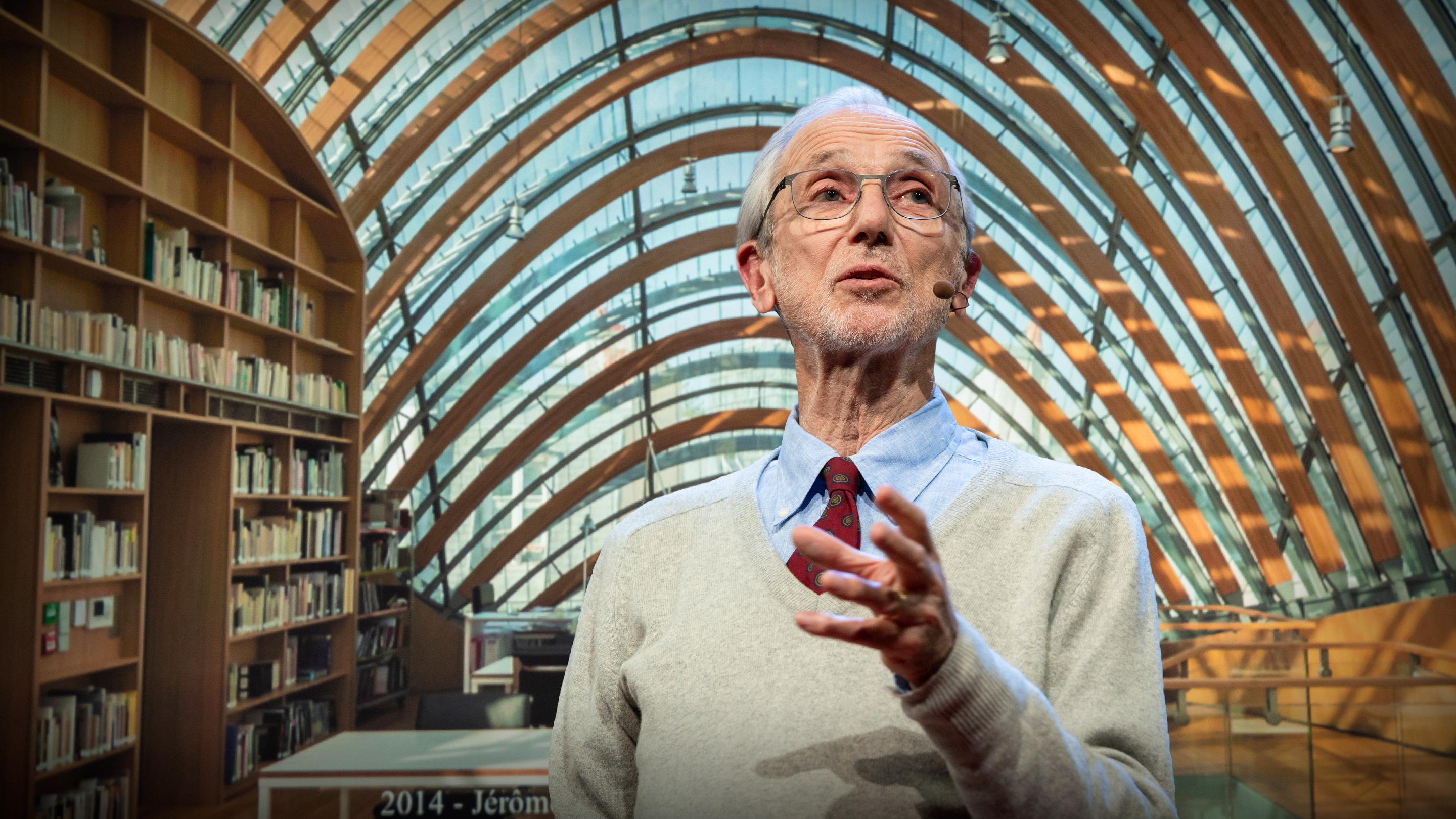
The genius behind some of the world's most famous buildings | Renzo Piano
Legendary architect Renzo Piano -- the mind behind such indelible buildings as The Shard in London, the Centre Pompidou in Paris and the new Whitney Museum of Art in New York City -- takes us on a stunning tour through his life's work. With the aid of gorgeous imagery, Piano makes an eloquent case for architecture as the answer to our dreams, aspirations and desire for beauty. "Universal beauty is one of the few things that can change the world," he says. "This beauty will save the world. One person at a time, but it will do it."
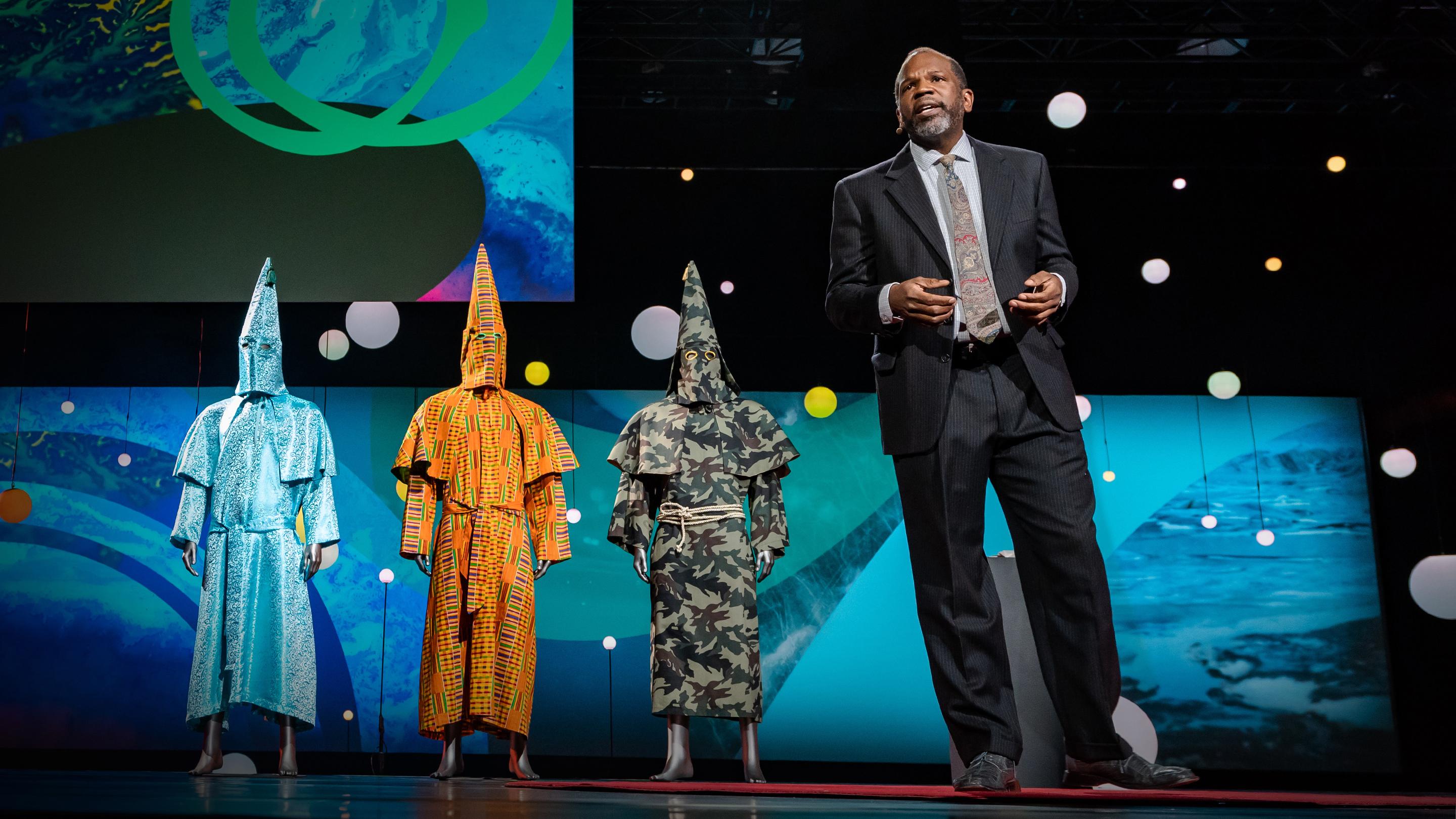
The symbols of systemic racism -- and how to take away their power | Paul Rucker
Multidisciplinary artist and TED Fellow Paul Rucker is unstitching the legacy of systemic racism in the United States. A collector of artifacts connected to the history of slavery -- from branding irons and shackles to postcards depicting lynchings -- Rucker couldn't find an undamaged Ku Klux Klan robe for his collection, so he began making his own. The result: striking garments in non-traditional fabrics like kente cloth, camouflage and silk that confront the normalization of systemic racism in the US. "If we as a people collectively look at these objects and realize that they are part of our history, we can find a way to where they have no more power over us," Rucker says. (This talk contains graphic images.)
Why theater is essential to democracy | Oskar Eustis
Truth comes from the collision of different ideas, and theater plays an essential role in showing us that truth, says legendary artistic director Oskar Eustis. In this powerful talk, Eustis outlines his plan to reach (and listen to) people in places across the US where the theater, like many other institutions, has turned its back -- like the deindustrialized Rust Belt. "Our job is to try to hold up a vision to America that shows not only who all of us are individually, but that welds us back into the commonality that we need to be," Eustis says. "That's what the theater is supposed to do."
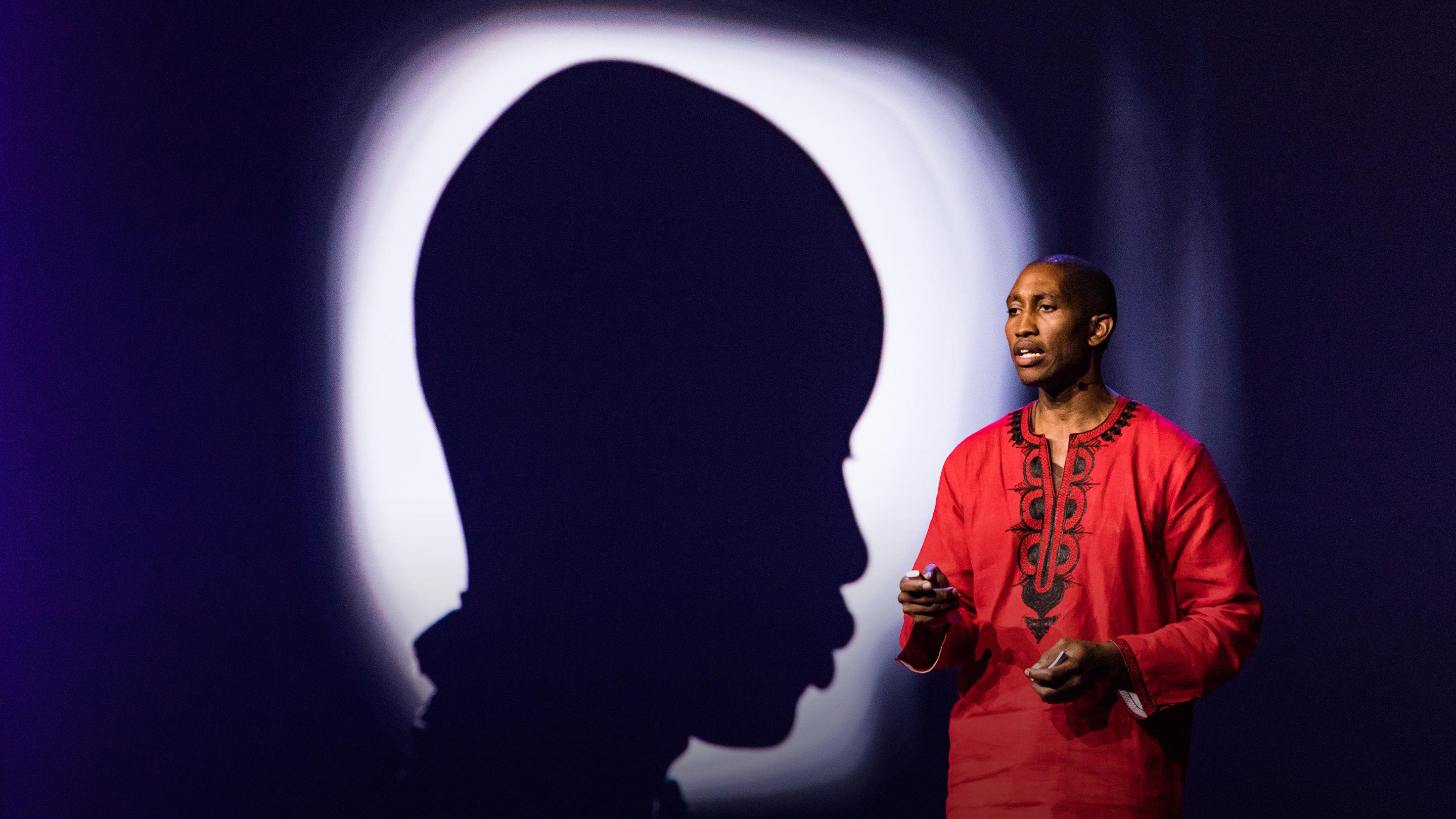
Visions of Africa's future, from African filmmakers | Dayo Ogunyemi
By expanding boundaries, exploring possibilities and conveying truth, films have helped change Africa's reality (even before "Black Panther"). Dayo Ogunyemi invites us to imagine Africa's future through the lens of inspiring filmmakers from across the continent, showing us how they can inspire Africa to make a hundred-year leap.
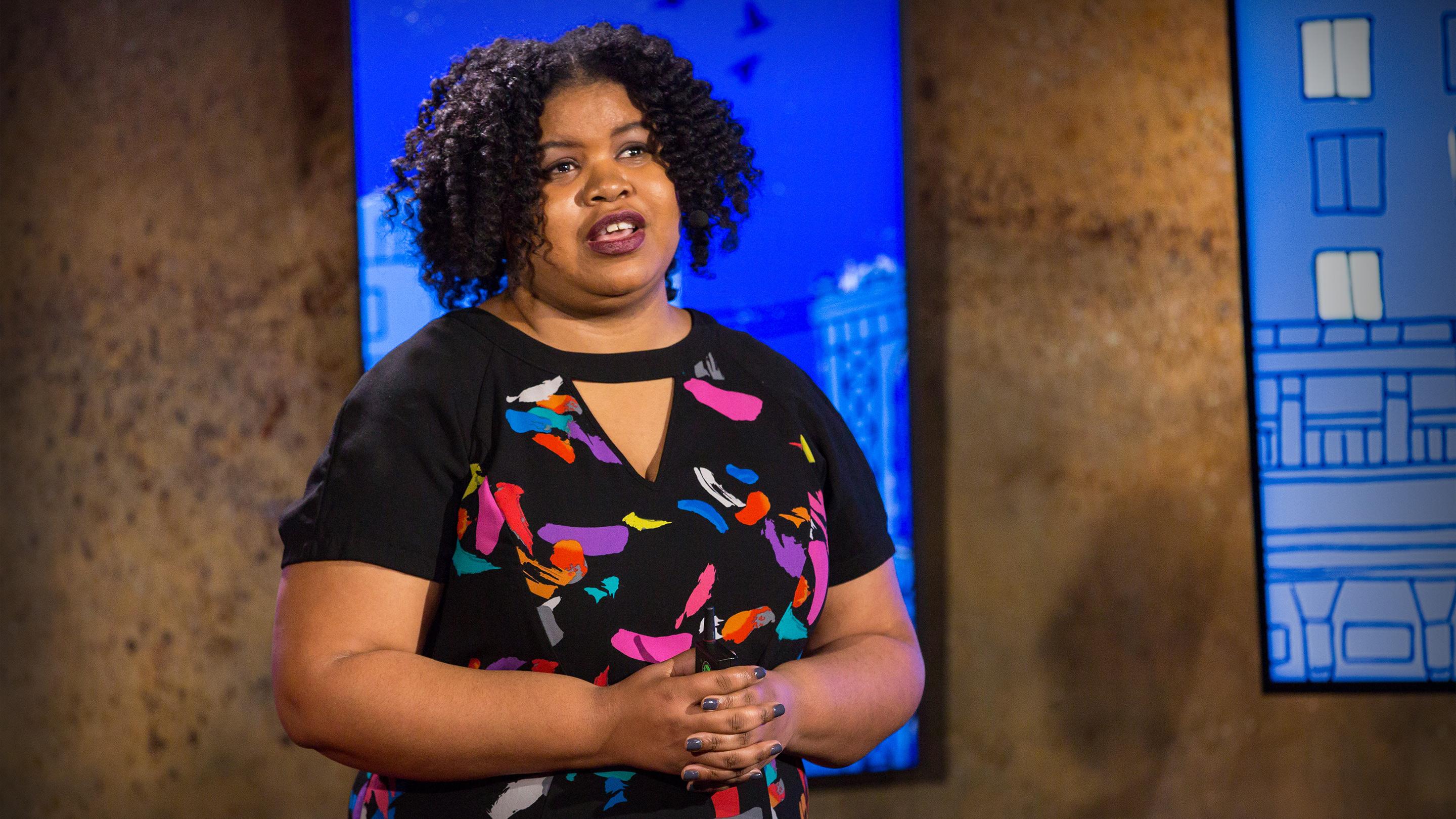
How the arts help homeless youth heal and build | Malika Whitley
Malika Whitley is the founder of ChopArt, an organization for homeless teens focused on mentorship, dignity and opportunity through the arts. In this moving, personal talk, she shares her story of homelessness and finding her voice through arts -- and her mission to provide a creative outlet for others who have been pushed to the margins of society.
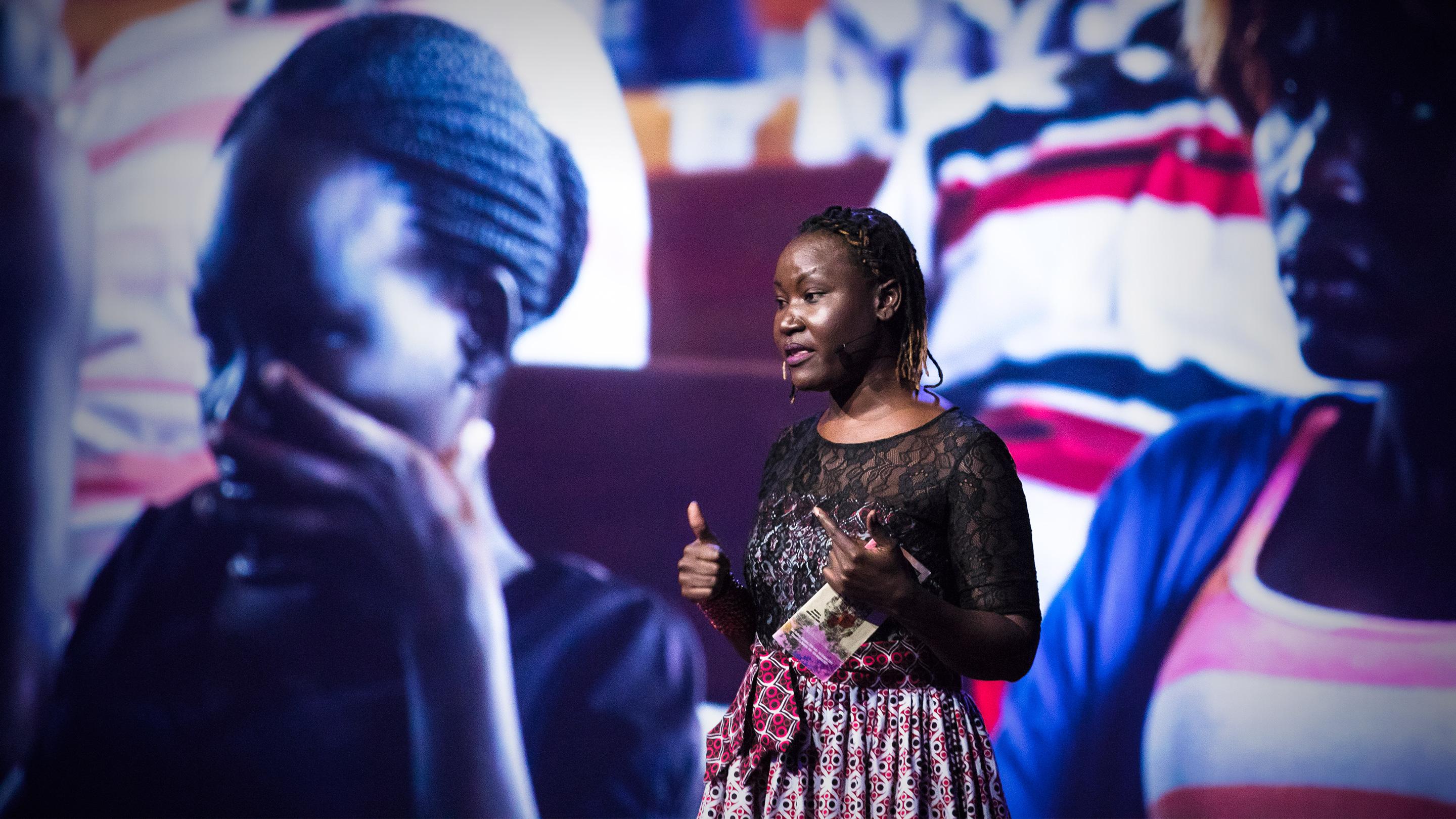
How I use art to bridge misunderstanding | Adong Judith
Director and playwright Adong Judith creates provocative art that sparks dialogue on issues from LGBTQ rights to war crimes. In this quick but powerful talk, the TED Fellow details her work -- including the play "Silent Voices," which brought victims of the Northern Ugandan war against Joseph Kony's rebel group together with political, religious and cultural leaders for transformative talks. "Listening to one another will not magically solve all problems," Judith says. "But it will give a chance to create avenues to start to work together to solve many of humanity's problems."

Why must artists be poor? | Hadi Eldebek
The arts bring meaning to our lives and spirit to our culture -- so why do we expect artists to struggle to make a living? Hadi Eldebek is working to create a society where artists are valued through an online platform that matches artists with grants and funding opportunities -- so they can focus on their craft instead of their side hustle.
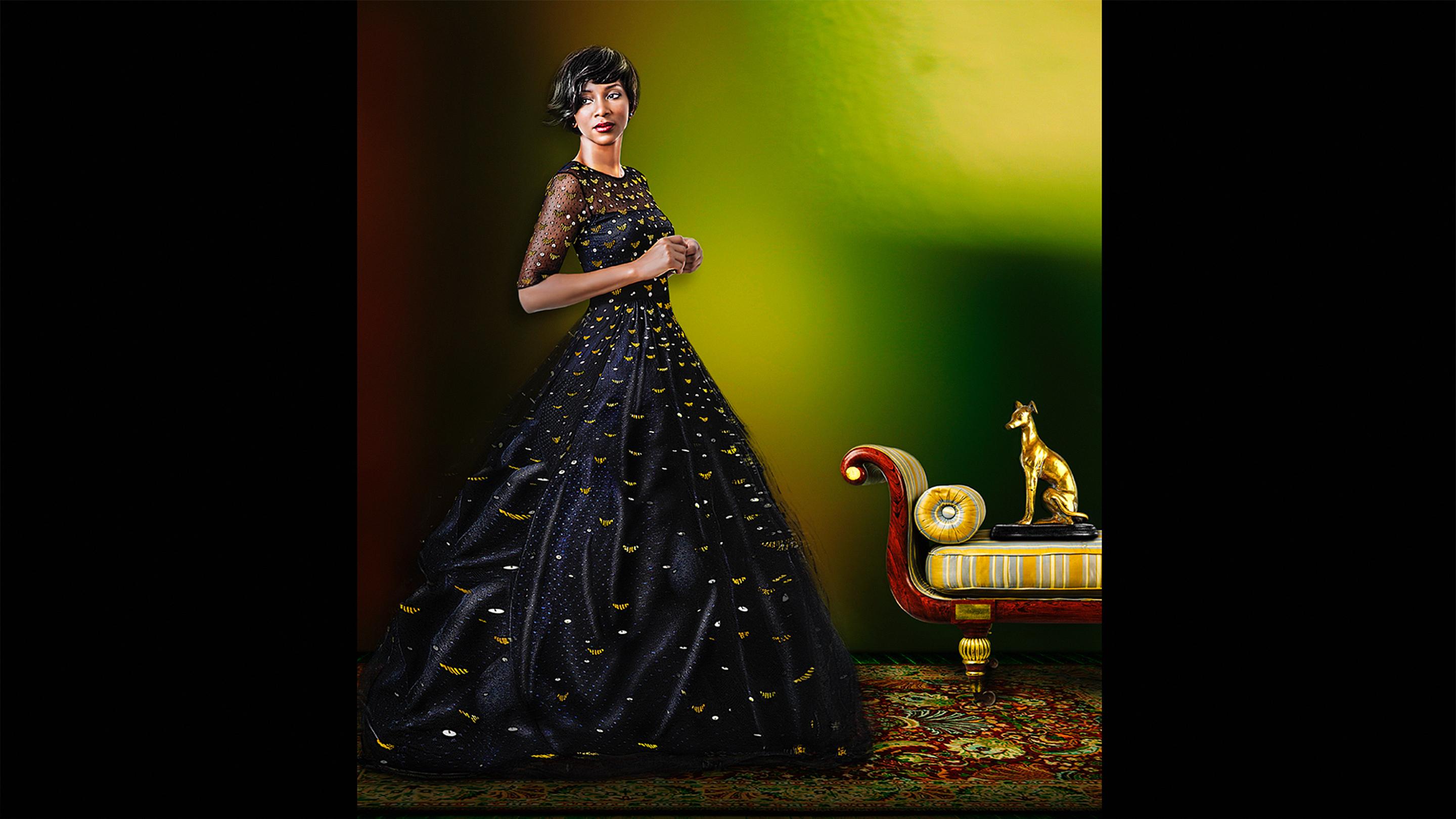
The radical beauty of Africa, in portraits | Iké Udé
Throughout his colorful career and bodies of work, Iké Udé has found creative ways to reject the negative portrayal of Africans rampant in Western media. In this tour of his work, he shares evocative portraits that blend clothing, props and poses from many cultures at once into sharp takes on the varied, complex beauty of Africa.
How fashion helps us express who we are -- and what we stand for | Kaustav Dey
No one thinks twice about a woman wearing blue jeans in New York City -- but when Nobel laureate Malala wears them, it's a political act. Around the globe, individuality can be a crime, and clothing can be a form of protest. In a talk about the power of what we wear, Kaustav Dey examines how fashion gives us a nonverbal language of dissent and encourages us to embrace our authentic selves.
What soccer can teach us about freedom | Marc Bamuthi Joseph
"Soccer is the only thing on this planet that we can all agree to do together," says theater maker and TED Fellow Marc Bamuthi Joseph. Through his performances and an engagement initiative called "Moving and Passing," Joseph combines music, dance and soccer to reveal accessible, joyful connections between the arts and sports. Learn more about how he's using the beautiful game to foster community and highlight issues facing immigrants.