TechCentral
210 episodes — Page 5 of 5

TCS+ | AI is more than hype: Workday execs unpack real human impact
Forget the hype, embrace the revolution! In this episode of TCS+, TechCentral speaks with Workday South Africa country manager Kiv Moodley and manager of solutions consulting Jannie Malan to dissect the critical intersection of artificial intelligence and human potential. Malan oversees the solution consulting team, engaging with prospects and clients to understand their challenges and demonstrate how Workday’s technology can enable them to achieve their vision. Both Moodley and Malan, who coincidentally joined Workday on the very day its South African office launched in 2018, brought seven years of frontline experience to the discussion, proving that AI isn't just a buzzword – it's already shaping our world. TCS+ host Jaydev Chiba sat down with the two men to discuss the topic of “Human by design: real-world AI, real human impact”. Experts note that AI, like other technologies, might be overestimated in the short term but underestimated in the long term. Overcoming initial apprehension requires understanding what AI is, and understanding helps reveal its potential to allow humans to be more productive and efficient. AI is not a silver bullet; its value is realised when it’s embedded, understood and utilised effectively. The conversation highlighted several use cases, both personal and within business. Examples ranged from leveraging tools like Grok, ChatGPT and Gemini for productivity, and even a 10-year-old programming Alexa to tell a puppy it’s mealtime. Another use case included using AI for creating a training curriculum and visuals. Moodley and Malan noted that AI is already embedded in daily life through GPS, search and recommendations. For businesses, a key trend is using AI to improve employee productivity by automating repetitive and mundane tasks, giving people more time for higher-value work. Industries show different levels of adoption, from logistics using AI for warehouse safety, to healthcare for diagnosis and treatment development, and insurance for fraud detection and client profiling. This shift shows value emerging as industries figure out where AI provides maximum benefit. A significant portion of the discussion focused on the critical need for ethical and responsible AI use. With organisations facing pressure to adopt AI, establishing AI governance is foundational. This involves potentially creating AI governance roles, executive sponsorship, governance committees and risk matrices to manage data privacy, bias and transparency. The Workday executives stressed the importance of AI functioning within a larger technology framework, requiring organisations to address data quality, security and accessibility. Critically, the concept of keeping the human in the loop was emphasised, ensuring humans make final decisions based on AI-surfaced insights. Workday itself champions transparency, providing fact sheets or model cards to explain its AI models and how data is leveraged and bias mitigated. TechCentral

AI is more than hype: Workday execs unpack real human impact
Forget the hype, embrace the revolution! In this episode of TCS+, TechCentral speaks with Workday South Africa country manager Kiv Moodley and manager of solutions consulting Jannie Malan to dissect the critical intersection of artificial intelligence and human potential. Malan oversees the solution consulting team, engaging with prospects and clients to understand their challenges and demonstrate how Workday’s technology can enable them to achieve their vision. Both Moodley and Malan, who coincidentally joined Workday on the very day its South African office launched in 2018, brought seven years of frontline experience to the discussion, proving that AI isn't just a buzzword – it's already shaping our world. TCS+ host Jaydev Chiba sat down with the two men to discuss the topic of “Human by design: real-world AI, real human impact”. Experts note that AI, like other technologies, might be overestimated in the short term but underestimated in the long term. Overcoming initial apprehension requires understanding what AI is, and understanding helps reveal its potential to allow humans to be more productive and efficient. AI is not a silver bullet; its value is realised when it’s embedded, understood and utilised effectively. The conversation highlighted several use cases, both personal and within business. Examples ranged from leveraging tools like Grok, ChatGPT and Gemini for productivity, and even a 10-year-old programming Alexa to tell a puppy it’s mealtime. Another use case included using AI for creating a training curriculum and visuals. Moodley and Malan noted that AI is already embedded in daily life through GPS, search and recommendations. For businesses, a key trend is using AI to improve employee productivity by automating repetitive and mundane tasks, giving people more time for higher-value work. Industries show different levels of adoption, from logistics using AI for warehouse safety, to healthcare for diagnosis and treatment development, and insurance for fraud detection and client profiling. This shift shows value emerging as industries figure out where AI provides maximum benefit. A significant portion of the discussion focused on the critical need for ethical and responsible AI use. With organisations facing pressure to adopt AI, establishing AI governance is foundational. This involves potentially creating AI governance roles, executive sponsorship, governance committees and risk matrices to manage data privacy, bias and transparency. The Workday executives stressed the importance of AI functioning within a larger technology framework, requiring organisations to address data quality, security and accessibility. Critically, the concept of keeping the human in the loop was emphasised, ensuring humans make final decisions based on AI-surfaced insights. Workday itself champions transparency, providing fact sheets or model cards to explain its AI models and how data is leveraged and bias mitigated.
TCS | Sentiv, and the story behind the buyout of Altron Nexus
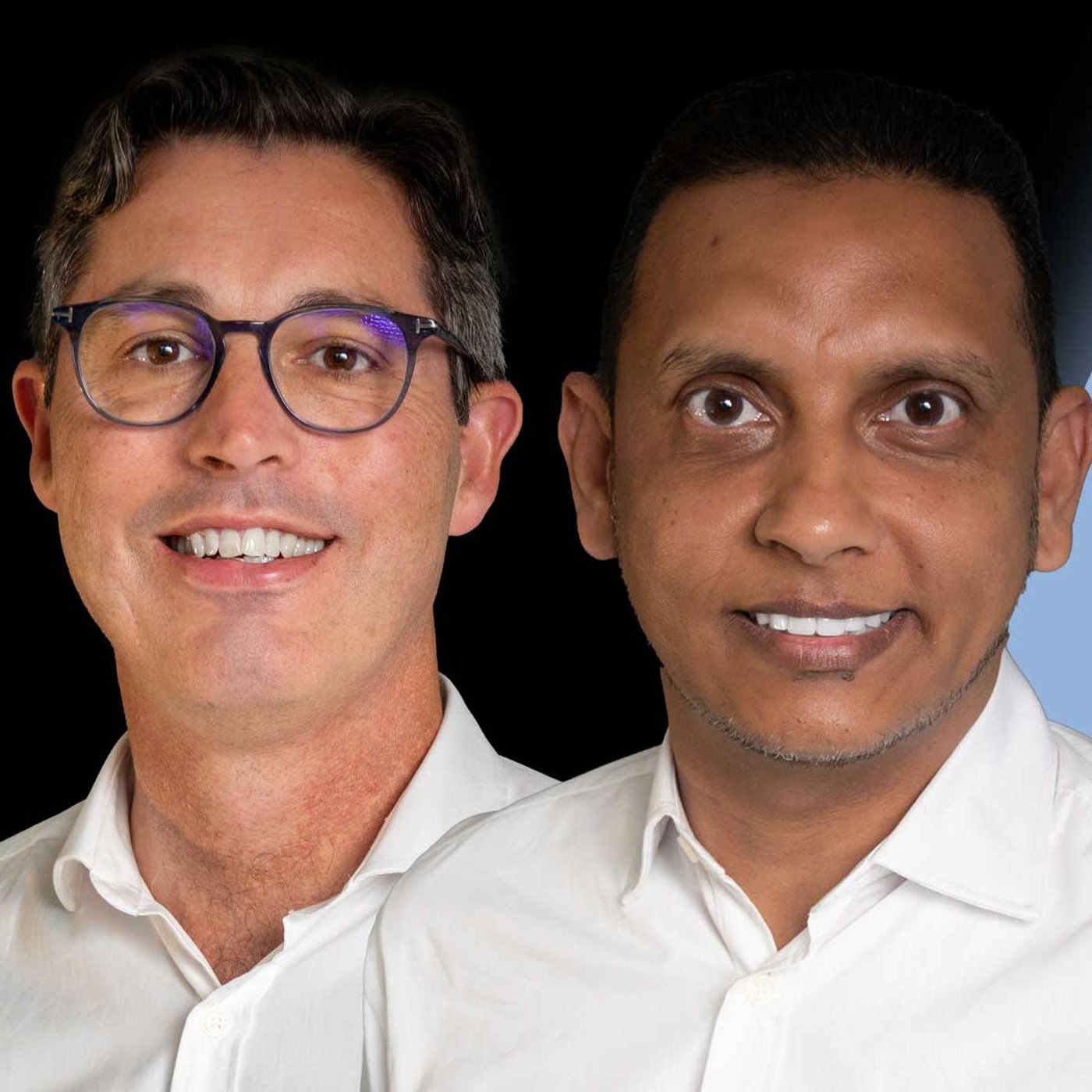
Altron Group announced last week that it was selling its Altron Nexus business in a management buyout led by Nexus MD Louis du Toit and BriteGaze founder and technology entrepreneur Reshaad Sha. Sha and Du Toit are our guests in this episode of the TechCentral Show, where they tell TechCentral editor Duncan McLeod about the acquisition and their plans for the business. As part of the acquisition – which is still subject to the fulfilment of certain conditions, which should be concluded by the end of June – Altron Nexus will be rebranded as Sentiv, a portmanteau of “sentient” and “intuitive”. Sha will serve as Sentiv’s executive chairman while Du Toit will be CEO. “Together they will steer Sentiv’s transformation into a future-orientated technology partner offering intelligent, context-aware, mission-critical communications and industrial internet-of-things solutions,” according to a statement from the acquiring parties. In this episode of the TechCentral Show, Du Toit and Sha explore: • How the deal came about; • The assets and businesses housed in Altron Nexus; and • The plan to turn the loss-making business around. Don’t miss a great conversation! TechCentral
Sentiv, and the story behind the buyout of Altron Nexus
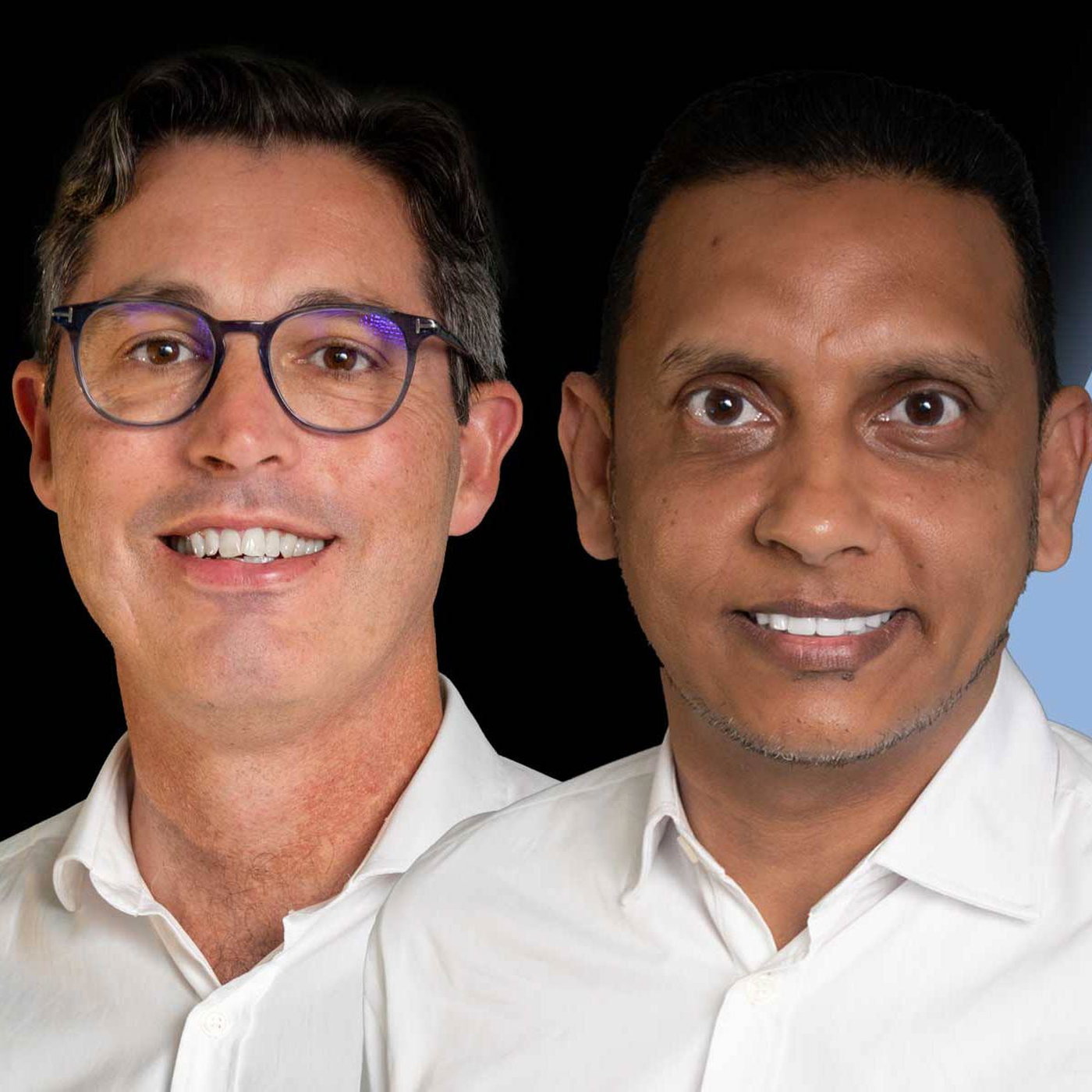
Altron Group announced last week that it was selling its Altron Nexus businesses in a management buyout led by Nexus MD Louis du Toit and BriteGaze founder and technology entrepreneur Reshaad Sha. Sha and Du Toit are our guests in this episode of the TechCentral Show, where they tell TechCentral editor Duncan McLeod about the acquisition and their growth plans for the business. As part of the acquisition – which is still subject to the fulfilment of certain conditions, which should be concluded by the end of June – Altron Nexus will be rebranded as Sentiv, a portmanteau of “sentient” and “intuitive”. Sha will serve as Sentiv’s executive chairman while Du Toit will be CEO. “Together they will steer Sentiv’s transformation into a future-orientated technology partner offering intelligent, context-aware, mission-critical communications and industrial internet-of-things solutions,” according to a statement from the acquiring parties. In this episode of the TechCentral Show, Du Toit and Sha tell McLeod about: • How the deal came about; • The assets and businesses housed in Altron Nexus; and • The plan to turn the business around. Don’t miss a great conversation!

TCS | Signal restored: Unpacking the Blue Label and Cell C turnaround
TechCentral’s guests in this episode of the TechCentral Show believe Blue Label Telecoms and its affiliate (and soon to be subsidiary) Cell C present a compelling investment case. Philip Short, global portfolio manager at Flagship Asset Management – which counts Blue label as its sole South African investment – and Dylan Bradfield, portfolio manager at Sharenet, tell TechCentral editor Duncan McLeod that they believe the turnaround taking place at Cell C is real, and will have a meaningful impact on Blue Label shares. Blue shares, which have already rallied strongly – which have more than doubled in the past six months – could still have plenty of room to run, according to Short. In this episode of the TechCentral Show, Short and Bradfield unpack: • Blue Label’s announcement earlier this month that it is considering a JSE listing for Cell C; • Why Cell C’s restructured operating model and strategy makes sense, and why that’s good news for Blue Label shareholders; • The role of Cell C CEO Jorge Mendes in the turnaround – and what the opportunity is for the mobile operator with its new “asset-light” model of running its network – management of its radio access network has effectively been outsourced to partners (and competitors) MTN and Vodacom; • Which operators would be most vulnerable to a resurgent Cell C; • The importance of Cell C’s strategy around mobile virtual network operators and the significance of its relationship with Capitec; • The move by Blue Label to sell Comm Equipment Company to Cell C – good move or not? • Whether Cell C can compete with Telkom, Vodacom and MTN in the business market, something Mendes has signalled his desire to do; • What the listing of Cell C could look like, what management’s focus should be before the listing and what kind of valuation the business could attract; and • How much more value could be unlocked for Blue Label shareholders. Don’t miss a fascinating discussion! TechCentral

Signal restored: Unpacking the Blue Label and Cell C turnaround
TechCentral’s guests in this episode of the TechCentral Show believe Blue Label Telecoms and its affiliate (and soon to be subsidiary) Cell C present a compelling investment case. Philip Short, global portfolio manager at Flagship Asset Management – which counts Blue label as its sole South African investment – and Dylan Bradfield, portfolio manager at Sharenet, tell TechCentral editor Duncan McLeod that they believe the turnaround taking place at Cell C is real, and will have a meaningful impact on Blue Label shares. Blue shares, which have already rallied strongly – which have more than doubled in the past six months – could still have plenty of room to run, according to Short. In this episode of the TechCentral Show, Short and Bradfield unpack: • Blue Label’s announcement earlier this month that it is considering a JSE listing for Cell C; • Why Cell C’s restructured operating model and strategy makes sense, and why that’s good news for Blue Label shareholders; • The role of Cell C CEO Jorge Mendes in the turnaround – and what the opportunity is for the mobile operator with its new “asset-light” model of running its network – management of its radio access network has effectively been outsourced to partners (and competitors) MTN and Vodacom; • Which operators would be most vulnerable to a resurgent Cell C; • The importance of Cell C’s strategy around mobile virtual network operators and the significance of its relationship with Capitec; • The move by Blue Label to sell Comm Equipment Company to Cell C – good move or not? • Whether Cell C can compete with Telkom, Vodacom and MTN in the business market, something Mendes has signalled his desire to do; • What the listing of Cell C could look like, what management’s focus should be before the listing and what kind of valuation the business could attract; and • How much more value could be unlocked for Blue Label shareholders. Don’t miss a fascinating discussion!