Sweet Medicine
The Humanities for Social Healing
Studio Styles
Show overview
Sweet Medicine has published 21 episodes during 2024. That works out to roughly 10 hours of audio in total. Releases follow a several-times-a-week cadence.
Episodes typically run twenty to thirty-five minutes — most land between 24 min and 41 min — though episode length varies meaningfully from one episode to the next. None of the episodes are flagged explicit by the publisher. It is catalogued as a EN-language Education show.
The catalogue appears to be on hiatus or wound down — the most recent episode landed 1.8 years ago, with no new episodes in over a year. Published by Studio Styles.
From the publisher
How have Nigerians been taught to think about how to be in the world? Sweet Medicine is a project about the reclamation of the humanities in a post-SAP Nigeria because the humanities are the necessary foundation for genuine and ethical technical and societal development.Website: sweetmedicine.me / studiostyles.orgNewsletter: sweetmedicinelap.substack.comThe podcast was funded through an Open Society Foundations Ideas Workshop Fellowship. Hosted on Acast. See acast.com/privacy for more information.
Latest Episodes
View all 21 episodes
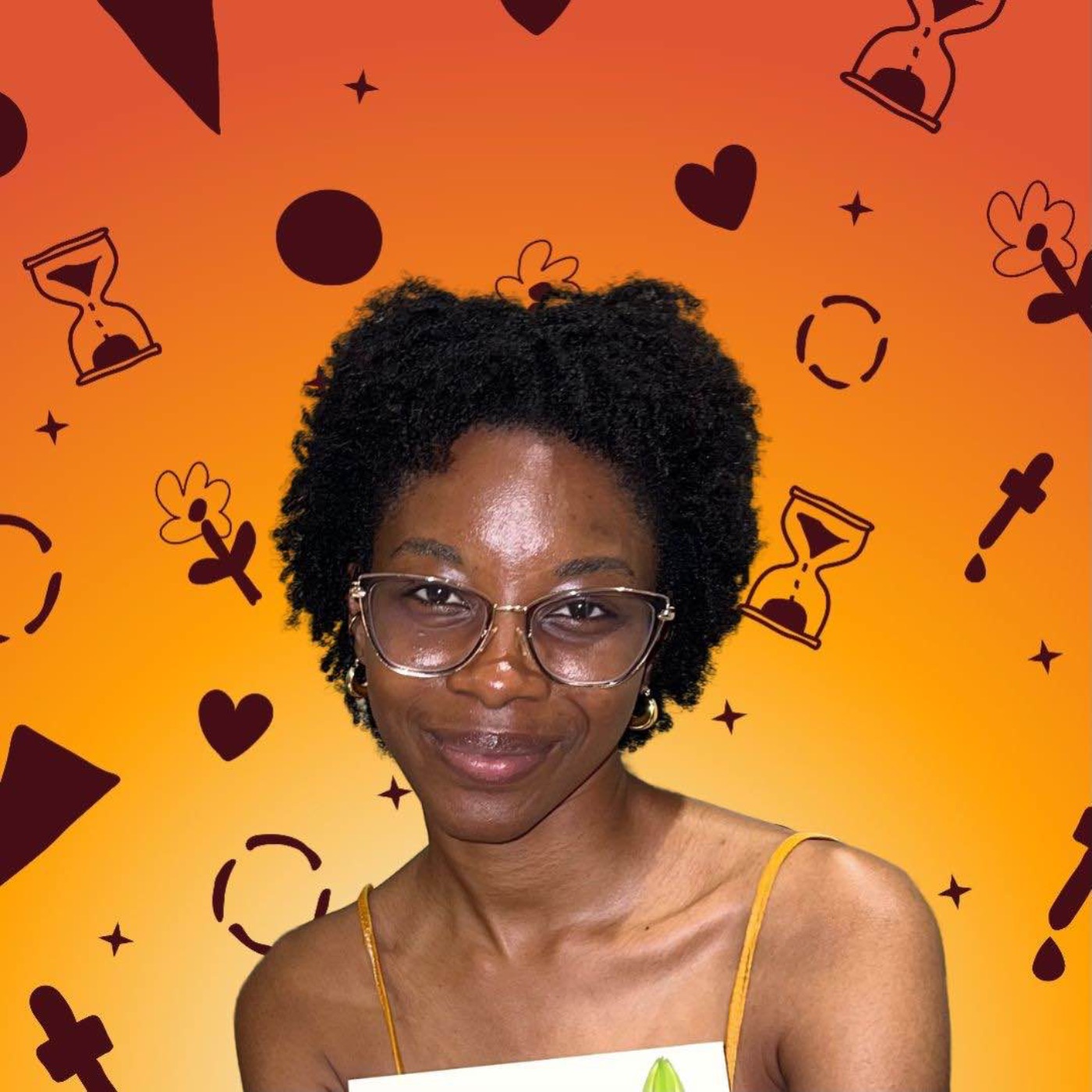
S1 Ep 21“We can give the world beauty, band for band" - Oluwakemi Agbato
For my final guest episode, I’m with the researcher and designer Oluwakemi Agbato who lives by the question: “How can we make good things to live with?” And explores that question through her research and design studio, Studio GB and her jewellery brand RENIKEJI. This conversation was full of passion on both sides for how history continues to live with us in the objects around us.🍲04:41 James Baldwin on Suffering and Achieving One’s Own Authority15:06 The Rich History of Nigerian Silk19:34 The 1960 Nigeria Exhibition 22:16 “It becomes real, you’re the one pursuing knowledge, knowledge is not pursuing you.”🍲Website: sweetmedicine.me Newsletter: studiostyles.substack.com.Instagram: @ss.studiostylesSupport Sweet Medicine: https://flutterwave.com/donate/olt4tbjytsjr Hosted on Acast. See acast.com/privacy for more information.
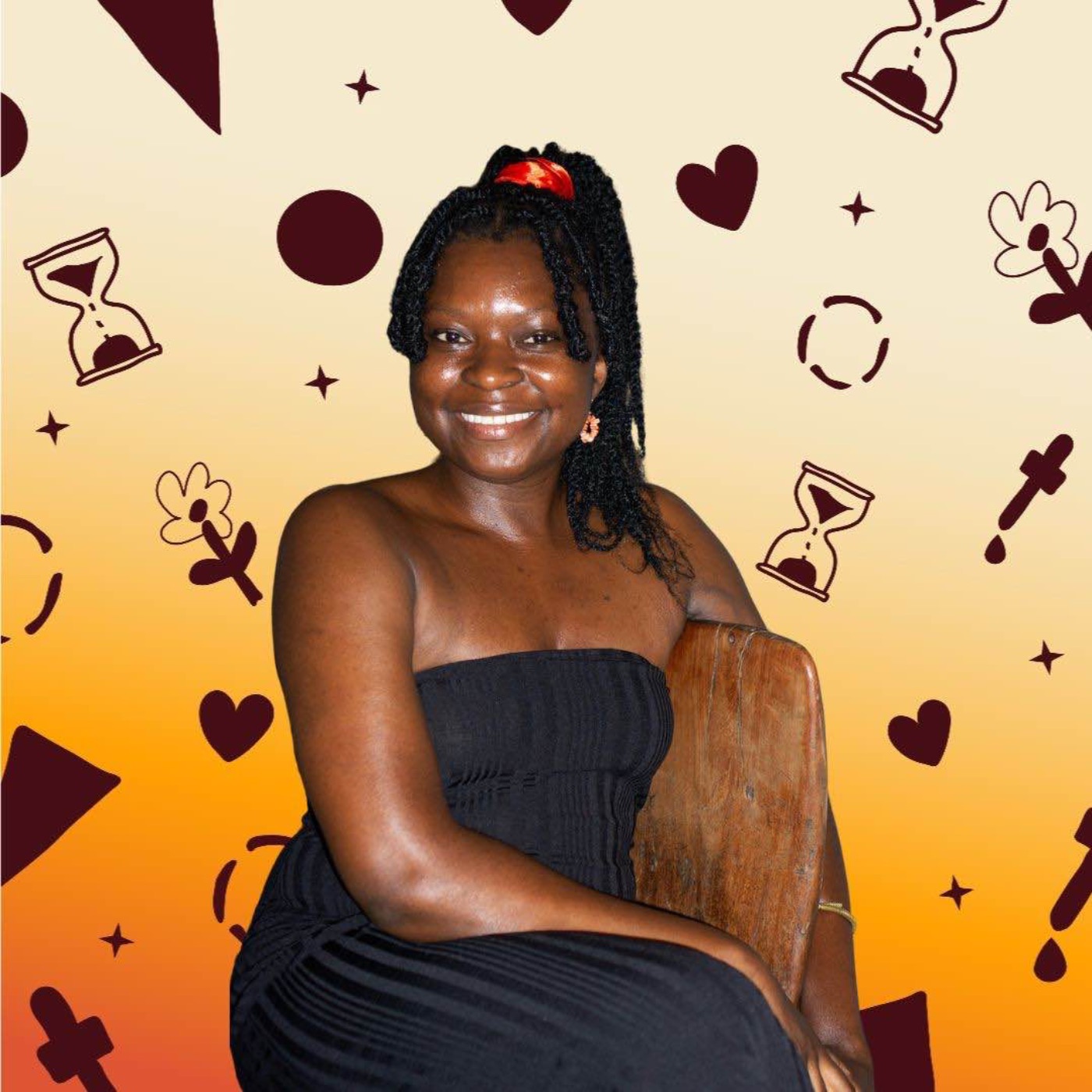
S1 Ep 20"It's not if I can, it's how I can." - Mobolaji Otuyelu
Today’s conversation is with Mobolaji Otuyelu, the founder of two startups—a kitchenware company AGBO ILÉ and Ọjà Wellness Foods, a beverage company. As an entrepreneur focused on black innovation and social change, Mobolaji is also deeply involved with the Federation of Informal Workers’ Organisations of Nigeria (FIWON), where she collaborates on member-led initiatives to provide tangible support like health insurance, mortgage opportunities, and pension schemes for informal workers. In this conversation we discuss the ties between economic development and healing—the two need each other—, the gift of now and the power of the contemporary.🍲04:02 FIWON: A Model for Informal Workers08:48 Resourcefulness in Nigerian Entrepreneurship16:15 Healing Through Money and Economic Capital25:34 The Gift of Now/Culture is Dynamic🍲Mentioned in the episode:https://www.mondragon-corporation.com/en/🍲Website: sweetmedicine.me Newsletter: studiostyles.substack.com.Instagram: @ss.studiostylesSupport Sweet Medicine: https://flutterwave.com/donate/olt4tbjytsjr⁕Consider joining or supporting Kwanda <https://kwanda.co/>From the founder of Kwanda, Jermaine Craig: "I'm focused on making the world a more generous place. I'm interested in the potential of the collective, not the individual. I want to get future philanthropists started earlier by gathering as 'Micro Philanthropists'. A blocker to generosity is a lack of transparency and trust, so I'm building Kwanda. This platform brings diasporans together to pool capital and fund local-led projects in Africa. The platform is financially transparent and allows members to decide how funds are spent." Hosted on Acast. See acast.com/privacy for more information.
S1 Ep 19Chapter 6: Why Take Ownership? What Are Our Bodies Good For?
I've spent the past seven weeks discussing why social healing, why the humanities when people are starving, what do we do with History, what are Nigerian nervous conditions, what kind of society is Nigeria and why was Nigeria made in the first place. I set up these questions to give a sense of what the problem is, and how the centuries before now led us here.With all this information, how can we work towards these resilient, compassionate and responsible futures? My suggestions: take ownership and pay attention to our bodies.This episode includes an excerpt from this talk, What Kids Can't Do: Youth, Historical Agency, and Authority, by Abosede George (Associate Professor of History, Barnard College and Columbia University) at Wolf Humanities Center's 2020-21 Forum on Choice, March 17, 2021. 🍲03:21 Is agency all that matters? Abosede George on foregrounding other dimensions of being human10:04 Connection comes with risk of loss and failure, connect anyway12:47 My body’s my buddy / Body go tell you18:24 Denying our self-sovereignty🍲Website: sweetmedicine.me Newsletter: studiostyles.substack.com.Instagram: @ss.studiostylesSupport Sweet Medicine: https://flutterwave.com/donate/olt4tbjytsjr Hosted on Acast. See acast.com/privacy for more information.

S1 Ep 18"How do we practice landscape democracy?"- Tobiloba Akibo
In this episode, Tobiloba and I talked about transformative environmental justice in Nigeria, Lekki as prime example of land dispossession in Lagos in the name of capitalist modernism, the challenges that come up in translating and applying current popular Western frameworks of social justice in Nigeria, and why we need more Nigerians, individuals and institutions alike, to fund social research. 🍲01:19 Lekki, Lekki, Lekki07:29 Wetin concern me concern government property?11:56 ‘We were only four in my Landscape Architecture class.’20:54 Landscape for the people by the people29:49 Elsewheres: Transformative environmental justice practices in Nigeria🍲Mentioned:Dispossess: Evictions for ‘Development' (Immaculata for Heinrich Böll Foundation, 2021)Lagos Urban Development Initiative (LUDI) hFactorFabulous UrbanFolu Oyefeso🍲Website: sweetmedicine.me Newsletter: studiostyles.substack.com.Instagram: @ss.studiostylesSupport Sweet Medicine: https://flutterwave.com/donate/olt4tbjytsjr Hosted on Acast. See acast.com/privacy for more information.
S1 Ep 17"Conflict always leaves people transformed." - Gbope Onigbanjo
In this episode, I speak with Gbope Onigbanjo, a researcher and consultant working in the fields of international affairs, peace studies, and political economy with a geographical focus on Africa. Our conversation centred around Nigeria’s role as Big Brother in West Africa and how that has bred skepticism among other states in the Economic Community of West African States (ECOWAS). This is a unique episode in this project in that it zooms out a bit from the individual and communities of individuals to look at Nigeria’s relationship with its mates: other countries in West Africa.🍲01:32 Exploring Liberal Peace-Keeping03:50 ‘Healing’ as Peace and Security05:59 Understanding Peace in African Contexts12:25 ECOWAS and Nigeria23:18 Elite-based/State Peace vs Local Peace27:30 Russian flag in Kano?🍲Website: sweetmedicine.me Newsletter: studiostyles.substack.com.Instagram: @ss.studiostylesSupport Sweet Medicine: https://flutterwave.com/donate/olt4tbjytsjr Hosted on Acast. See acast.com/privacy for more information.

S1 Ep 16Chapter 5: Why Nigeria in the first place? (Guns and Spirits)
This episode is six years in the making. Many of us know the Berlin Conference of 1884, otherwise known as the scramble for Africa which was where European leaders decided how to share Africa like moi moi among themselves. But a lesser-known but equally important conference was the 1890 Brussels conference that King Leopold II organised as an anti-slavery conference. The agreements made at the conference were enshrined into an act titled: The Convention Relative to the Slave Trade and Importation into Africa of Firearms, Ammunition, and Spiritous Liquors.This episode is about firearms, ammunition and spirits–what these objects that were so central to the slave trade can tell us about why Nigeria was made. It follows the line from the Transatlantic slave trade to the Scramble for Africa, down to the Prohibition in the US, to the Iva Valley massacre in Enugu and general police brutality in colonial Nigeria. And it takes the ‘social life of things’ route to get from point A to point Z. 🍲01:28 The lesser-known 1880s B* conference 03:39 ‘Firearms, Ammunition, and Spiritous Liquors‘08:50 Negotiating power and identity/Local Agency vs. Colonial Control15:11 The Iva Valley Massacre🍲Website: sweetmedicine.me Newsletter: studiostyles.substack.com.Instagram: @ss.studiostylesSupport Sweet Medicine: https://flutterwave.com/donate/olt4tbjytsjr Hosted on Acast. See acast.com/privacy for more information.
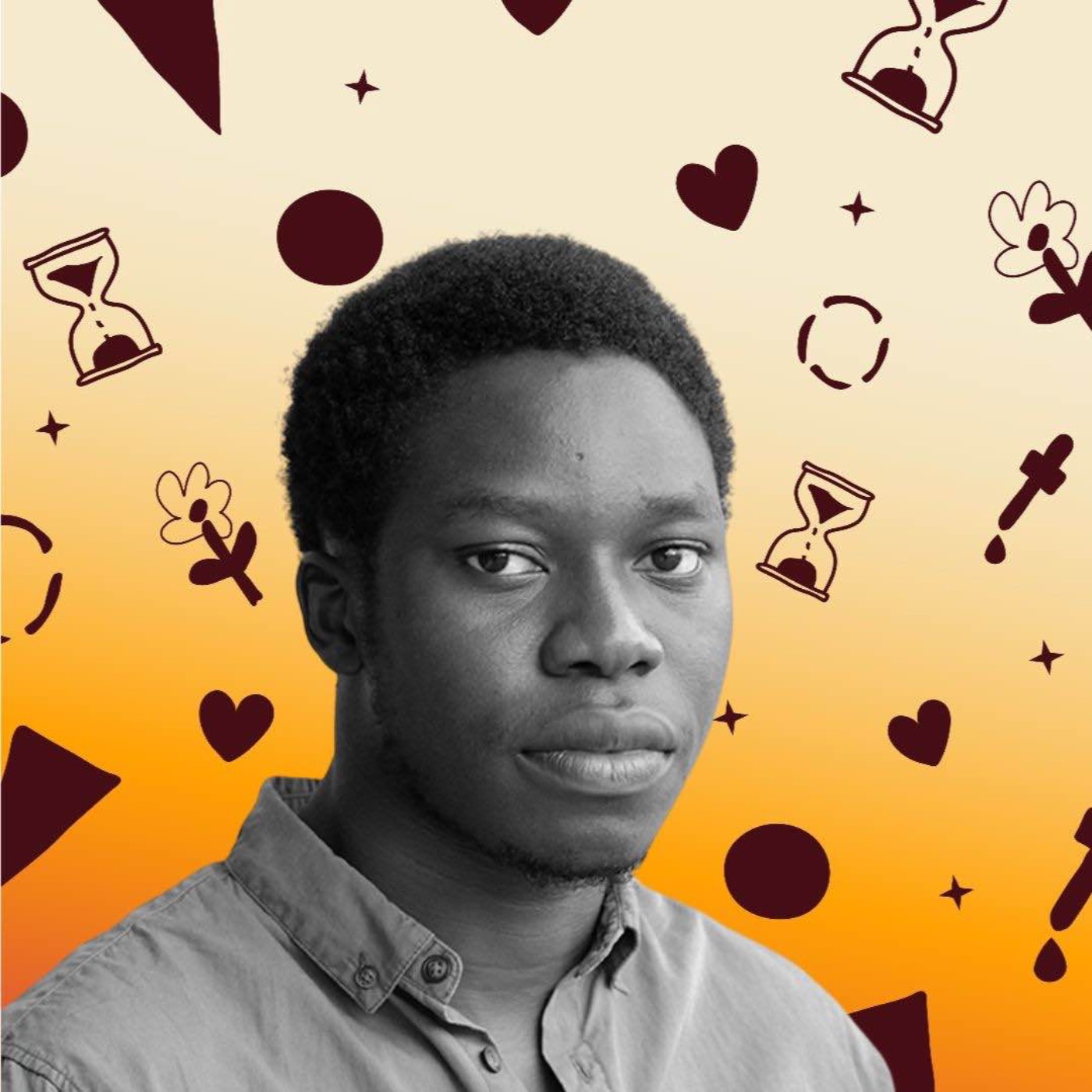
S1 Ep 15"I think that art should live and die." - Obayomi Anthony
In this episode, I speak with Obayomi Anthony, an award-winning documentary filmmaker, photographer, and visual artist. Our conversation began with a discussion about his background and journey to becoming an artist, with a focus on the project that put him in the limelight: Bonafide Squatters. Then we went on to talk about his recent research project on Nigeria’s colonial origins where he went into the archives at the Lagos Museum to ask what motivated the Nigeria-creation project. I believe with him that art is a space for conversations, and that art should live and die. Art should live and art should die. 🍲01:07 Living with Graphic Designers, Becoming an Artist09:39 Becoming a Documentary Photographer13:17 Bonafide Squatters: Addressing Student Housing Issues20:15 Art is a Space, not a Thing, a Space where Souls Connect30:06 Cognitive Dissonance in Nigeria35:12 Technology for what?43:20 The birds that left home; seeing Nigeria from top to bottom🍲Website: sweetmedicine.me Newsletter: studiostyles.substack.com.Instagram: @ss.studiostylesSupport Sweet Medicine: https://flutterwave.com/donate/olt4tbjytsjr Hosted on Acast. See acast.com/privacy for more information.
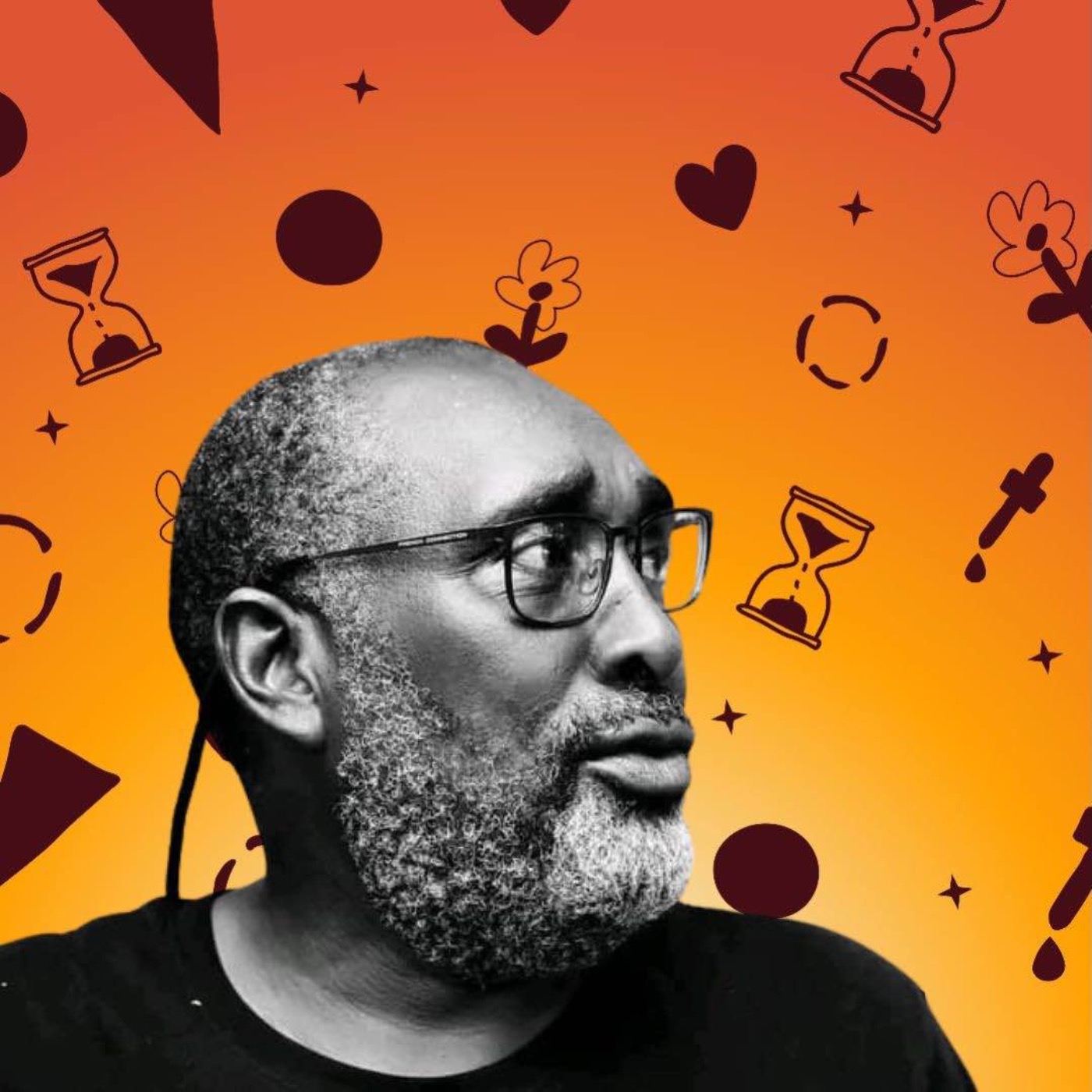
S1 Ep 14“There are no small roles, only small actors.” - Israel Meriomame Wekpe
In this episode, I speak with Mr Israel Meriomame Wekpe, an all-round theatre practitioner. He is a lecturer in Theatre Arts at the University of Benin and directed a play I was a part of in secondary school in memory of the 60 students that died in the 2005 Sosoliso plane crash. This was a conversation about the challenges of teaching in Nigerian universities today, the art and spirituality of theatre, theatre as a reflection of society, the role of play in education and stories from his past as a student, including a stint as Maggi Cook of the Year in 1995 as a 300-level student.🍲Chapters03:36 Meeting Mr Israel/in memory of the 60 Angels05:56 Challenges in Nigerian Higher Education12:30 The Art & Spirituality of Theater20:16 The Role of Theater in Society22:06 Personal Tragedy and Its Influence25:05 Socialization and Responsibility in Nigeria🍲Website: sweetmedicine.me Newsletter: studiostyles.substack.com.Instagram: @ss.studiostylesSupport Sweet Medicine: https://flutterwave.com/donate/olt4tbjytsjr Hosted on Acast. See acast.com/privacy for more information.
S1 Ep 13Chapter 4: Nigeria, the family
This episode is best summarised with the following quote from an essay by adrienne maree brown in YES! Magazine:"The way I think of it now is in the framework of the imagination battle: there is a war going on for the future—it is cultural, ideological, economic, and spiritual. And, as in any war, there is a front line, a place where the action is urgent, where the battle will be won or lost. The world, the values of the world, are shaped by the choices each of us makes. Which means my thinking, my actions, my relationships, and my life create a front line for the possibilities of the entire species. Each one of us is an individual practice ground for what the whole can or cannot do, will or will not do.”🍲03:48 Denzy’s ad06:29 The Role of Individual Responsibility in Social Healing12:06 Cynicism and Hope in Nigeria16:22 Individual Practice Ground For the Whole🍲Website: sweetmedicine.me Newsletter: studiostyles.substack.com.Instagram: @ss.studiostylesSupport Sweet Medicine: https://flutterwave.com/donate/olt4tbjytsjr Hosted on Acast. See acast.com/privacy for more information.
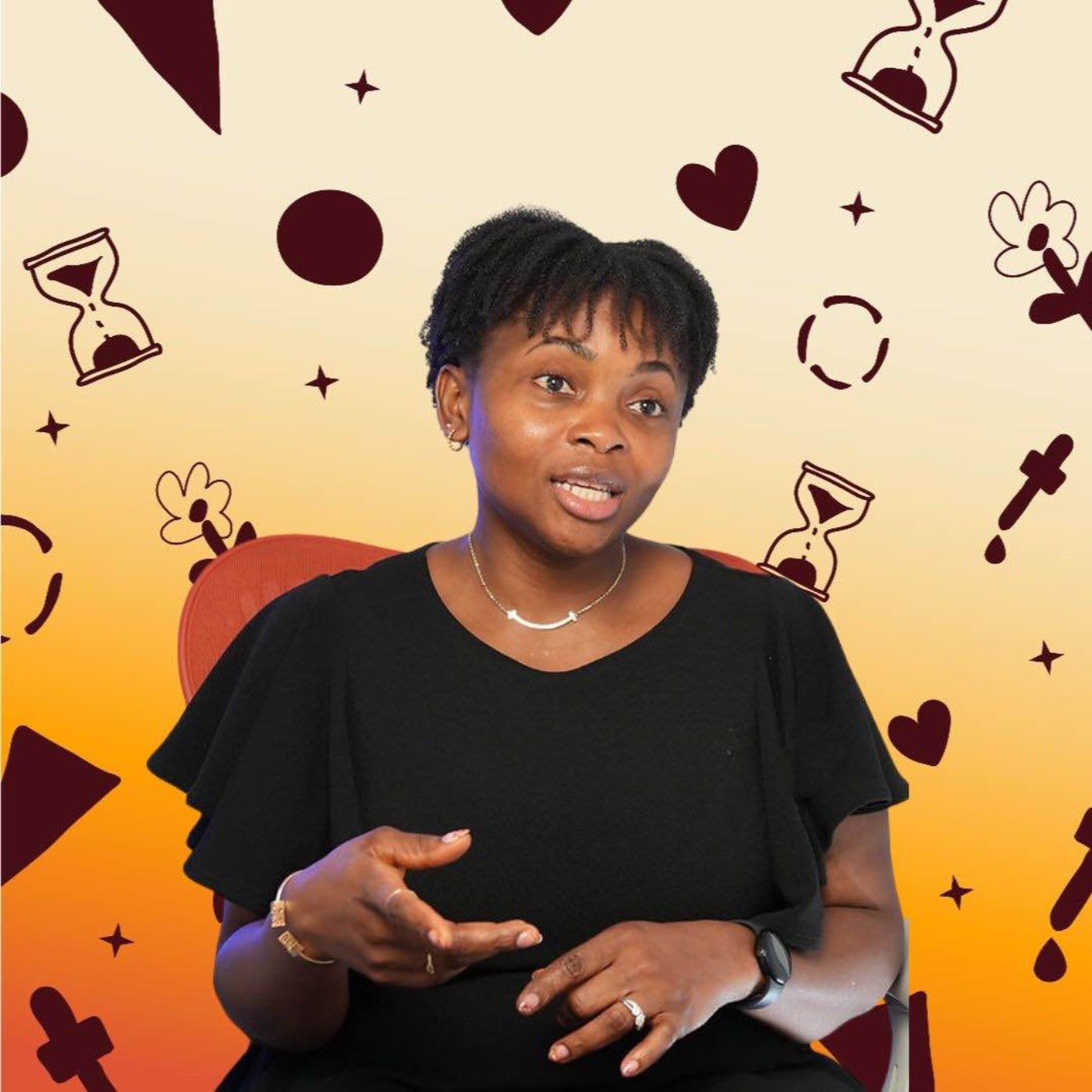
S1 Ep 12“You owe other people a duty of care.” - Gbemi Adekoya
In this episode, I speak with psychotherapist Gbemi Adekoya (@gbemisoke on X) to explore the complexities of trauma, healing, and personal responsibility in interpersonal relationships. I consider this essential Sweet Medicine listening because all social change begins with the individual and this is the one episode in this project that focuses exclusively on the individual. We discussed Nigeria as a metaphorical abusive parent, the necessity of acknowledging one's feelings and experiences as part of the healing process, the vitality of hope and agency, and what unconditional positive regard looks like in Gbemi’s psychotherapy practice.🍲02:54 Nigeria as an Abusive Parent06:03 Hope and Agency in Healing12:00 The Role of Unconditional Positive Regard15:04 Navigating Personal Responsibility and Accountability17:57 The Dilemma of Victimhood and Perpetration23:46 Tools for Emotional Intelligence and Healthy Relationships🍲Website: sweetmedicine.me Newsletter: studiostyles.substack.com.Instagram: @ss.studiostylesSupport Sweet Medicine: https://flutterwave.com/donate/olt4tbjytsjr Hosted on Acast. See acast.com/privacy for more information.
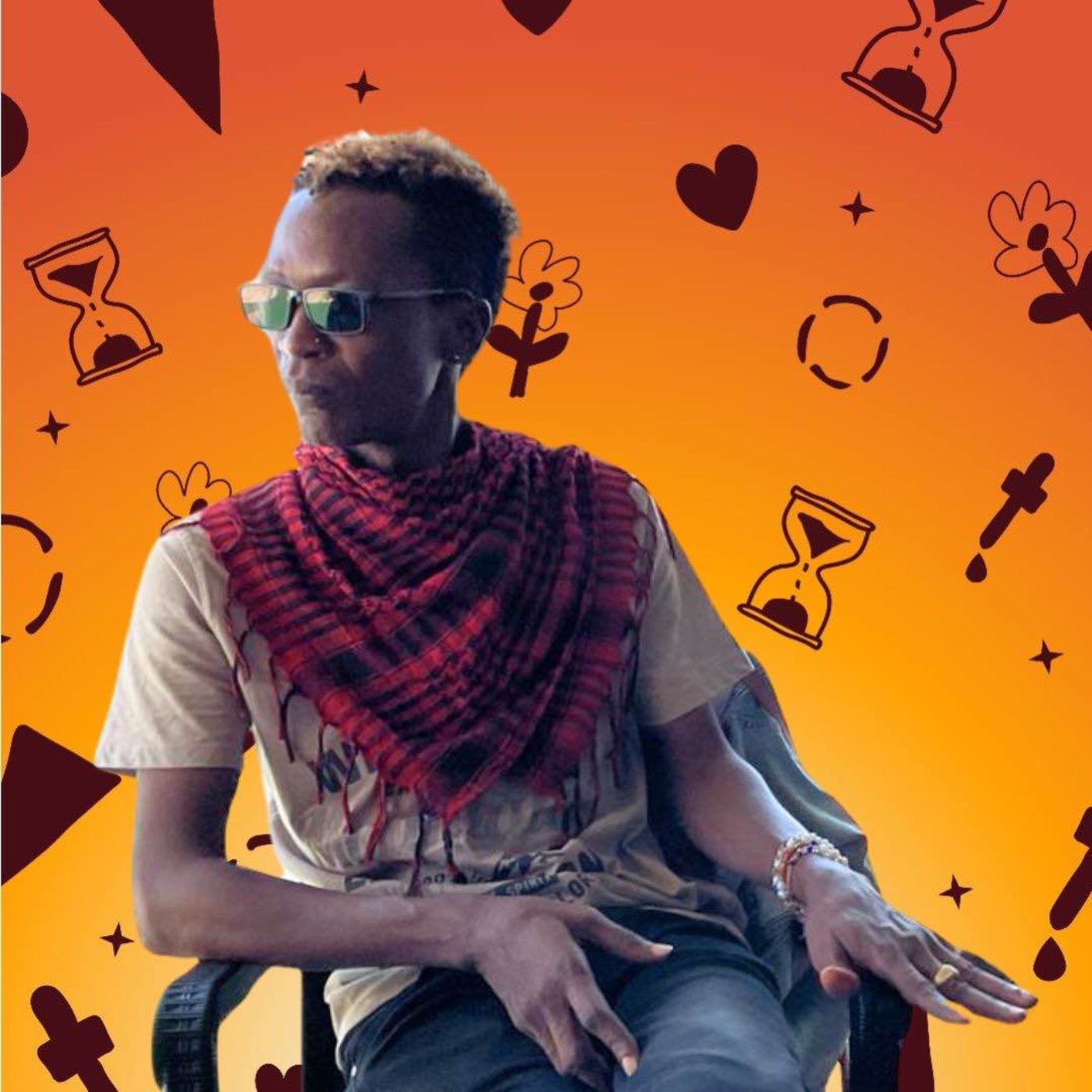
S1 Ep 11"Memory will break your heart, memory will also heal you." - Didi Cheeka
Didi Cheeka is a filmmaker, archivist and critic. In this profound conversation, we explored shared values as the glue for true belonging, Nigerians’ collective trauma, engaging history and archival studies with a psychoanalytic lens, one problem with the concept of ‘post-colonialism’, and much more. There’s a place where he says: “Each tear that is shed, that could have been avoided, is an accusation.” The spirit of apathy hates to see this one coming.🍲04:57 How he came to memory work08:02 Taught to forget, to be numb, to fear difference, to avoid our internal truths12:48 Values19:18 Is dialogue enough?21:19 Belonging and Community, how Nigerian Marxists coped after the fall of the Berlin Wall 27:52 Post-Colonialism vs. Post-Nationalism34:57 The Healing Power of Archives 🍲Website: sweetmedicine.me Newsletter: studiostyles.substack.com.Instagram: @ss.studiostylesSupport Sweet Medicine: https://flutterwave.com/donate/olt4tbjytsjr Hosted on Acast. See acast.com/privacy for more information.
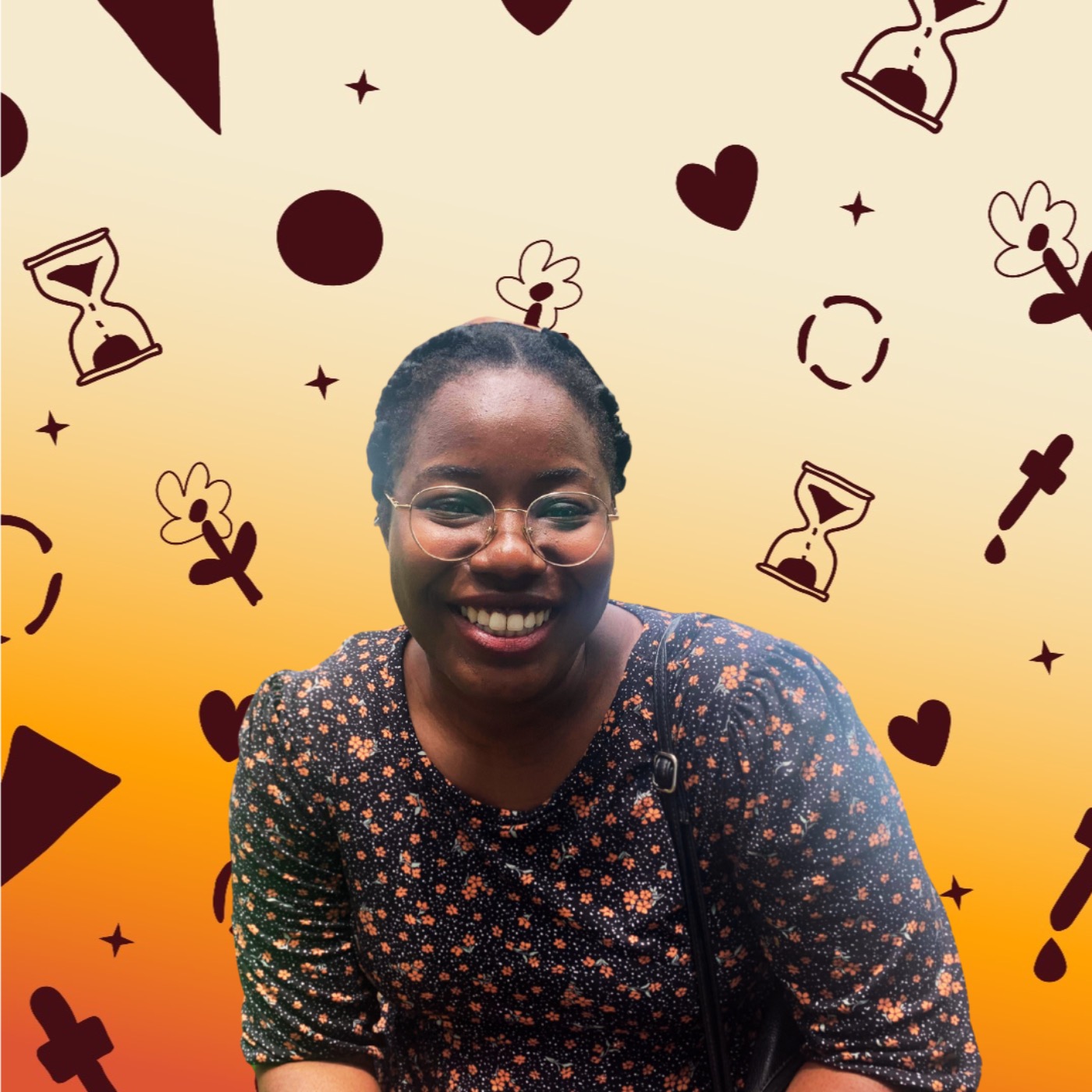
S1 Ep 10“Resilience is when people have the tools to change.” - Aaliyah O. Ibrahim
In this episode, I spoke with Aaliyah O. Ibrahim, a multidisciplinary artist and international development practitioner about the complexity of Nigerian identity, resilience as a practice of change and unity and freedom as practices of difference. Anchoring our conversation was Professor Bedour Alagraa’s concept of ‘The Interminable Catastrophe’. 🍲01:19 Exploring the Interminable Catastrophe09:57 The Otherways, the Otherwise12:36 Making History and Self-Awareness16:46 ‘I’m not a healer as much as I am sensitive and I want to be well.’18:57 Interruption 22:56 Land, Indigeneity, Language and other claims to Nigerianness 34:49 Resilience and Change38:51 ‘Our intellectual class is getting too comfortable with its nervousness.’43:38 Afrobeats to whose pockets?🍲Mentioned in the episode:How can Nigeria make Afrobeats pay? (Eniola Olatunji, African Business)'Afrobeats to the World' gets its biggest challenge (Joey Akpan, Afrobeats Intelligence)“Are you sure, sweetheart, that you want to be well? … Just so’s you’re sure, sweetheart, and ready to be healed, cause wholeness is no trifling matter. A lot of weight when you're well.” - Toni Cade Bambara, The Salt Eaters🍲“i don't pay attention to theworld ending.it has ended for memany timesand began again in the morning.” ― Nayyirah Waheed, Salt 🍲Website: sweetmedicine.me Newsletter: studiostyles.substack.com.Instagram: @ss.studiostylesSupport Sweet Medicine: https://flutterwave.com/donate/olt4tbjytsjr Hosted on Acast. See acast.com/privacy for more information.
S1 Ep 9Chapter 3: Nigerian Nervous Conditions
I can trace the kernel of this chapter to February last year when I was asked this question by The Republic for their First Draft series: “The bulk of your work (as a writer, researcher, and visual artist) explores how Africans are making a living. Why is this important to you?” And I replied: “It is important because life can be very hard and a lot of us get really tired. I’d like for us to be less tired, or at least for us to not have to work through exhaustion and onslaughts against our nervous systems. But we often have to work through all of those because we lack security, social protection, secure means of livelihoods, homes where we can relax, strong community structures, or on the individual level compassionate senses of self.” This episode is a reflection on alienation, catastrophe, random acts of violence, cognitive dissonance, self-denial, brain fag syndrome, and some of the -isms at the root of these Nigerian nervous conditions today. It includes the voices of the film archivist Didi Cheeka, the international development practitioner Aaliyah Ibrahim, the artist Obayomi Anthony, and the founder of Pax Herbals, Fr Anselm Adodo.🍲01:57 Tsitsi Dangarembga’s Nervous Conditions05:03 Historical Context & Brain Fag Syndrome07:55 Crisis of Meaning and Cognitive Dissonance11:19 Alienation in Nigerian Society15:09 Marx's Theory of Alienation19:51 Understanding Nigeria's Political and Economic System22:40 Catastrophe- Interminable and so, InterruptableWebsite: sweetmedicine.me Newsletter: studiostyles.substack.com.Instagram: @ss.studiostylesSupport Sweet Medicine: https://flutterwave.com/donate/olt4tbjytsjr Hosted on Acast. See acast.com/privacy for more information.
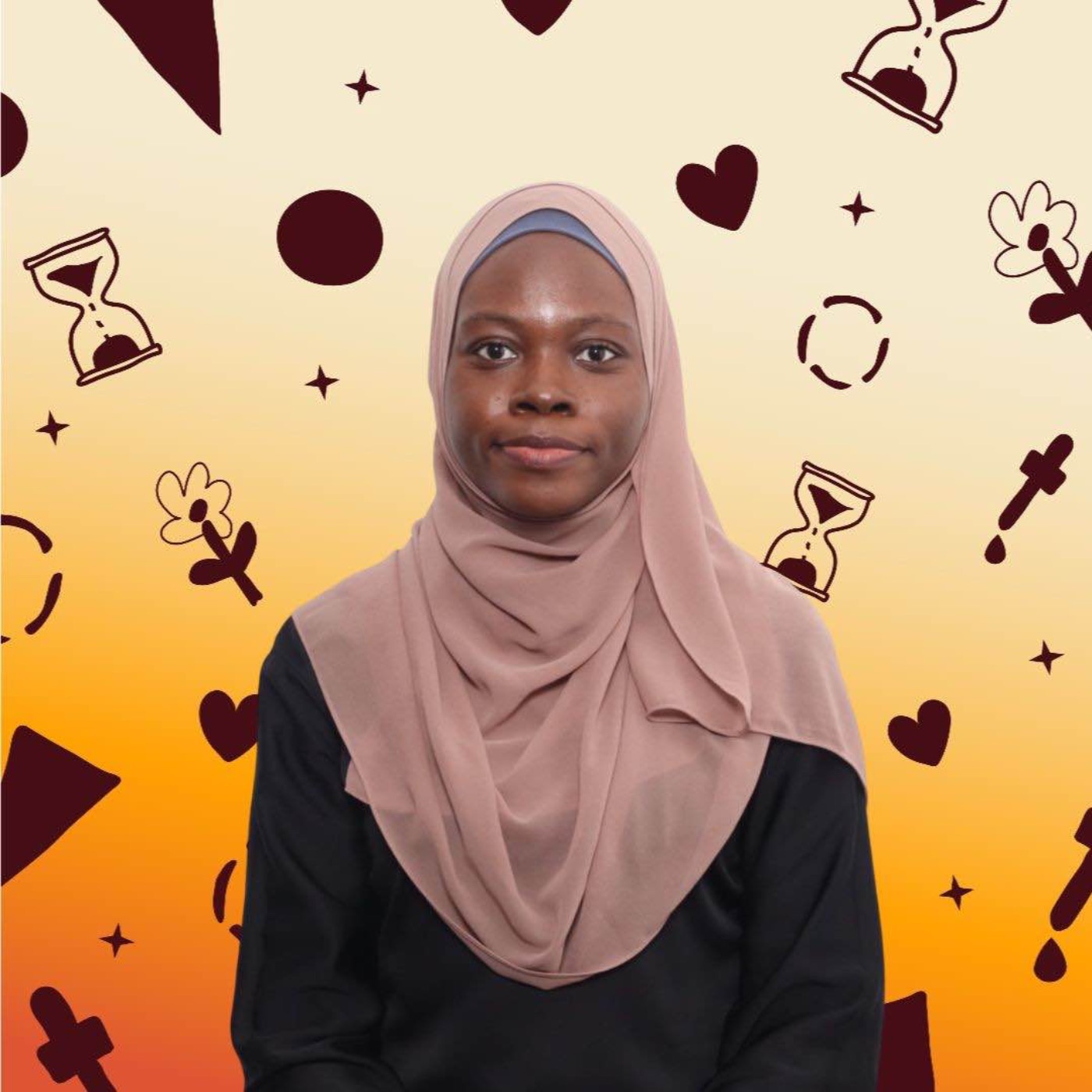
S1 Ep 8"Half of our problems will be solved by knowing what our problems are." - Adefolatomiwa Toye
Adefolatomiwa Toye is a PhD student researching how the architectures of Nigeria’s first universities reveal the politics of nation building in our early post-Independence era. This was a fun conversation on the optimistic spirit of the Nigerian ‘60s, ethnic and class divides in Nigeria, challenges faced in accessing educational resources, the disconnect between universities and their surrounding communities, and the need for honesty and historical consciousness in addressing societal issues.🍲01:54 How is your archival research going?05:30 The Role of Universities in Nation Building12:05 Post-Independence University Politics27:53 Reflections on Optimism and Disconnection32:30 Class Divide and Awareness in Nigeria🍲Website: sweetmedicine.me Newsletter: studiostyles.substack.com.Instagram: @ss.studiostylesSupport Sweet Medicine: https://flutterwave.com/donate/olt4tbjytsjr Hosted on Acast. See acast.com/privacy for more information.
S1 Ep 7"The Nigerian State is very temperamental." - Amarachi Iheke
Amarachi Iheke is a doctoral researcher at Kings College London writing a dissertation on Azanian (South African) resistance anthems. This Saturday, I bring you a really powerful conversation I had with her that lasted four hours and meandered through many issues from standards of beauty, to corporal punishment, gerontocracy in Nigeria, the civil war, class and the Nigerian spirit world. It was my first recorded conversation in the series and exemplifies what I set out to do with these researchers and practitioners: get them to apply their academic expertise to everyday issues in our everyday Nigerian lives. The casual violence, the emotional repression, the cycles of harm and irresponsibility on one hand and everyday remedial acts of courage, storytelling and curiousity on the other hand.03:04 Healing vs. Reconciliation05:58 The Legacy of the Nigerian-Biafra War12:00 Beauty Standards and the Burden of Appearance17:53 Cultural Expressions and Radical Empathy20:54 Courage and ‘Strength’ in Nigeria36:59 The Cycle of Bullying and Power Dynamics46:08 Biafra, the idea and symbol50:29 Spirituality and Collective ResponsibilityWebsite: sweetmedicine.me Newsletter: studiostyles.substack.com.Instagram: @ss.studiostylesSupport Sweet Medicine: https://flutterwave.com/donate/olt4tbjytsjr#socialhealing #Nigeria #genocide #Biafra #resistance #ptsd #decolonisation #Africanspirituality #reconciliation #radicalempathy #gerontocracy Hosted on Acast. See acast.com/privacy for more information.
S1 Ep 6Chapter 2: What do we do with History?
Often I hear young people say, “Thank God our generation is documenting now. Thank God we are only just starting to appreciate archives.” Unfortunately, we are not the first. As Mrs Kudirat Ayoola, the lead archivist at the National Film, Visual and Sound Archive (NFVSA) in Jos, said to me in an interview about the economics of running a public archive in Nigeria: “better soup, na money kill am.”In this episode, I propose we do four things with with History, the discipline:1: Accept that it is not the be all and end all, and that it will not prevent existential death. 2: Make it in our backyards.3: Be transparent with it.4: Fund It!___02:30 Exploring my Personal History and Education11:42 Accept that it is not the be-all and end-all16:44 Make It In Your Backyard18:45 Be Transparent With It21:06 Fund It!29:11 Conclusion___Website: sweetmedicine.me Newsletter: studiostyles.substack.com.Instagram: @ss.studiostylesSupport Sweet Medicine: https://flutterwave.com/donate/olt4tbjytsjr Hosted on Acast. See acast.com/privacy for more information.
S1 Ep 5July 6 text club: Rethinking fear, affirming life
This Sunday, I bring you a conversation I had with six people who joined the Studio Styles text club meeting on July 6, 2024. This was our third week of discussing Paolo Freire’s Pedagogy of the Oppressed.As with all our club meetings, the conversation moved from the text and into our everyday lives to explore how we can apply the ideas to action in our lives, what changes we’d like to see in the world and how we can contribute to making that change. We went on to discuss what fear is good for, feeling the fear and protesting anyway, #EndSARS and the question of whether Nigeria is a psychopathic entity not worth dialoguing with, the intelligence of plants and the potential of spirituality and plant medicine as transformative tools of change. It was from this conversation that I picked up the practice of using ‘life-affirming’ as a metric by which I now assess my actions and beliefs.People in the episode:Aaliyah Ibrahim, a writer and an international development practicionerGbope Onigbanjo, a consultant and researcher on international affairs, peace studies, and political economyChiamaka Dike, a journalistDede Israel, a writer and research analystAmanda Madumere, an ed-tech entrepreneur and arts administratorDeborah Iyalagha, a writer and nursing studentKeren Lasme, an artist and researcher and the only non-Nigerian (Ivoirian) on the call. 01:10 Exploring Paulo Freire's Pedagogy of the Oppressed06:35 Challenging Workplace Norms and Individual Freedom12:03 The Limits of Dialogue in Liberation14:58 Navigating Fear in Society18:46 Imagining a Safe World29:13 Life-Affirming Practices/What is the 'Human'34:08 Spirituality and Plant Medicine as Tools for Change#SweetMedicine #PauloFreire #socialhealing #Nigeria #fear #plant medicine #spiritualityWebsite: sweetmedicine.me Newsletter: studiostyles.substack.com.Instagram: @ss.studiostylesSupport Sweet Medicine: https://flutterwave.com/donate/olt4tbjytsjr Hosted on Acast. See acast.com/privacy for more information.

S1 Ep 4"My brother, drop the mask, come let's talk." - Fr Anselm Adodo
This Saturday, I bring you my conversation with Fr Anselm Adodo, the founder of Nigeria’s leading plant medicine research laboratory, Pax Herbals. Fr Anselm is a Benedictine priest at the Ewu monastery in Edo State and his work exeplifies a wide range of expertise spanning education, environmentalism, social work. Fr Adodo’s unwavering commitment is to inspire individuals and promote collaboration between academia and industry, paving the way for transformative advancements in healthcare.In this conversation, perhaps more than any other in this project, we kept returning to how one’s material conditions affect their ability to see the bigger picture and tap into the healing that comes from meaning-making and re-storying one’s life, a task that requires vulnerability and integrity. 00:00 Introduction to Sweet Medicine Podcast00:59 Father Anselm Adodo: A Journey of Healing and Discovery09:27 Education and the genius of the local14:40 How have Nigerians been taught to think?17:58 The Impact of Capitalism on Nigerian Society26:10 Social Innovation and Densu in Ayi Kwei Armah’s novel The Healers30:31 Case Studies of Integrated Living in Africa36:41 Thank you.Website: sweetmedicine.me Newsletter: studiostyles.substack.com.Instagram: @ss.studiostylesSupport Sweet Medicine: https://flutterwave.com/donate/olt4tbjytsjr Hosted on Acast. See acast.com/privacy for more information.
S1 Ep 3Chapter 1: Why the Humanities and Social Sciences when people are starving?
In 2020, Nigeria's president Muhammadu Buhari comforted kidnapped and released school boys in Kankara, Katsina State by telling them that "You children are very lucky. I hope you will be very careful your success in the future depends not on subjects like History and English but Technology." This derision for the humanities (and the idea that one can study only one or the other, and when faced with the choice, one must study only Technology) is a widely held sentiment in Nigeria by leaders and everyday citizens.In this episode, I make a case for why 'Humanities and Social Sciences' or 'Technology and Natural Sciences' is a false dilemma. Interdisciplinary education can provide a more holistic understanding of society and foster critical thinking and communication skills in individuals. The Humanities are critical for the well-being of a diverse, democratic and postcolonial society like ours because they help us define what 'better' means for us.___00:00 Introduction to Sweet Medicine Podcast05:20 Critique of Government Attitudes Towards Humanities10:52 Interdisciplinary Approaches to Education17:40 Personal Journey and Opportunities in Humanities21:31 The Broader Impact of Humanities and Social Sciences___Website: sweetmedicine.me Newsletter: studiostyles.substack.com.Instagram: @ss.studiostylesSupport Sweet Medicine: https://flutterwave.com/donate/olt4tbjytsjr Hosted on Acast. See acast.com/privacy for more information.
S1 Ep 2Intro to Guests
This episode brings snippets from the 14 conversations I had with guests working in the humanities and social sciences and oriented towards social healing in Nigeria. In these conversations, we discussed the ideas that animate their research, their career journeys and how they use their work to make tangible impact in their communities.Timestamps:00:00 Introduction to Sweet Medicine Podcast01:13 Personifying Nigeria: A Patient's Perspective04:57 Nigerians' Emotional Landscape: How have we been taught to think about how to be in the world?09:17 Innovation is responding to our reality, to the gift of now10:56 The Complex History of Nigerian Identity16:13 Understanding Harm and ResponsibilityGuest list (in order of appearance in the episode):Aaliyah Ibrahim, a writer and international development practitionerDidi Cheeka, a filmmaker, critic and archivistAmarachi Iheke, a PhD student researching radical re-imaginations of African selfhoods in South AfricaObayomi Anthony, an artist, photographer, filmmaker and National Geographic explorerIsrael Wekpe, a theatre director and lecturer at the University of BeninTobiloba Akibo, a landscape architect and researcher,Mobolaji Otuyelu, an entrepreneur and an organiser for the Federation of Informal Workers (FIWON)Fr Anselm Adodo, the founder of the Pax Herbals https://www.paxherbals.net/about-us/Gbope Onigbanjo, a researcher and consultant working in the fields of international affairs, peace studies, and political economy with an MA in Conflict Resolution in Divided SocietiesOluwakemi Agbato, a design writer, researcher and founder of RENIKEJI jewelry design practiceAdefolatomiwa Toye, an architect and PhD student researching the role of Nigeria’s first universities in the development of national identityGbemi Adekoya, a psychotherapistTakeawaysThe humanities and social sciences are crucial for social healing.Nigerians often live in a state of survival mode.Art can serve as a powerful medium for social change.Understanding historical context is essential for identity formation.Exemplary violence is a normalized part of Nigerian society.Innovation should respond to local ever-changing realities.Knowledge becomes real when it is personally relevant.Trauma can perpetuate cycles of harm within families and communities.People are complex and often face moral dilemmas.Healing requires a collective effort and understanding of our histories.Website: sweetmedicine.me Newsletter: studiostyles.substack.com.Support Sweet Medicine: https://flutterwave.com/donate/olt4tbjytsjr Hosted on Acast. See acast.com/privacy for more information.