STEM-Talk
199 episodes — Page 2 of 4
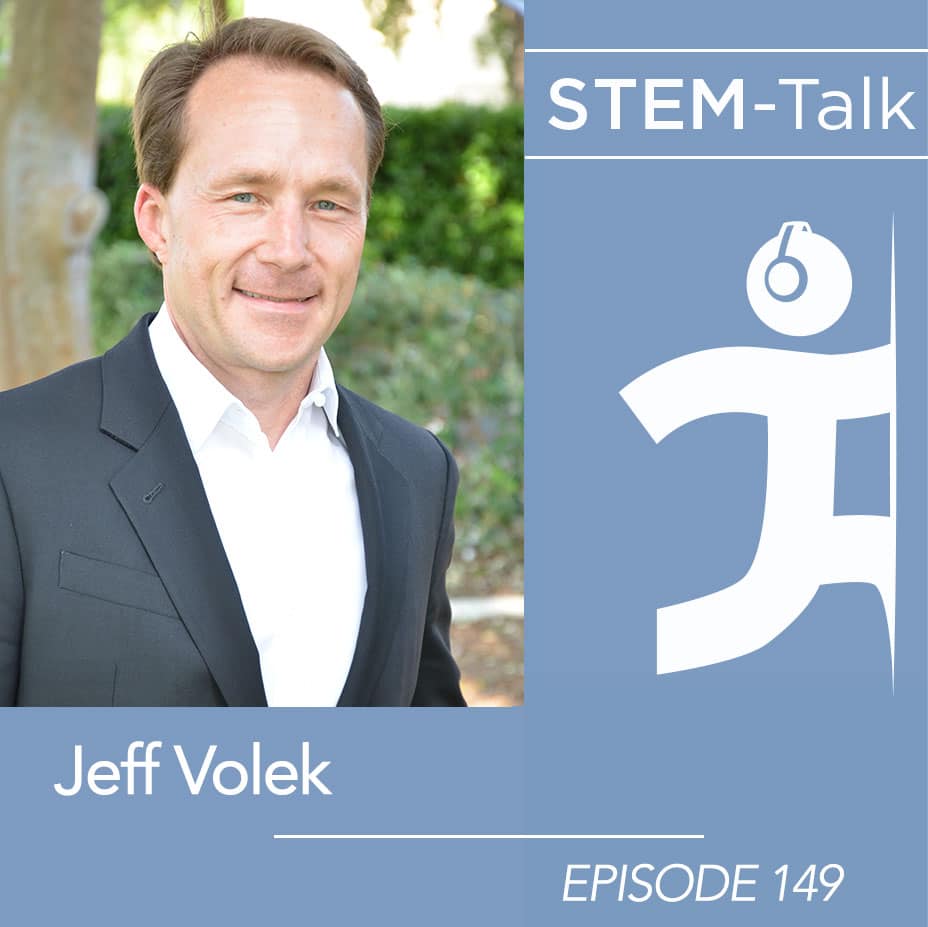
S8 Ep 149Episode 149: Jeff Volek discusses ketogenic diet to improve metabolic health and treat disease
Dr. Jeff Volek has been investigating how humans adapt to ketogenic—and carbohydrate-restricted diets for the past 30 years. Today, Jeff returns to STEM-Talk to discuss a growing accumulation of studies supporting a ketogenic diet as a way to improve metabolic health, as well as research confirming the relative safety of dietary fat. Jeff is a professor in the Department of Human Sciences at Ohio State University. He is known for his research on the clinical application of ketogenic diets in the management of insulin resistance and type-2 diabetes. His research particularly aims to understand individual variability, including how well-formulated ketogenic diets alter fatty acid composition, lipoprotein metabolism, gut microbiome and overall metabolic health. Jeff has performed several prospective diet studies that demonstrate that well-formulated ketogenic diets result in substantial improvements in (if not complete reversal of) metabolic syndrome and type-2 diabetes. In today’s episode, we talk to Jeff about: — How a well-formulated ketogenic diet results not only in weight loss, but also leads to substantial improvements in insulin resistance as well as improvements in a number of cardio-metabolic biomarkers associated with metabolic syndrome. — The remarkable progress that has been made in the science of low-carbohydrate nutrition in the past 30 years. — How Jeff’s research has expanded to look at a well-formulated ketogenic diet’s potential in the treatment of mental health, heart disease and cancer. — An initiative Jeff is conducting to address how the poor metabolic health of the nation is impacting our military troops and therefore poses a significant threat to the future of the military and our nation’s defense. — We also ask Jeff about his thoughts on the recent popularity of fasting and time-restricted eating. We then ask what his own daily dietary intake looks like. Show notes [00:02:48] Ken opens the interview welcoming Jeff back to STEM-Talk. Ken mentions that Jeff, who appeared on episode 43, has perhaps published more research on the ketogenic diet and its effects on humans than anyone. While most STEM-Talk listeners are familiar with Jeff’s research, Ken points out that many people might not know that Jeff was once an accomplished powerlifter, achieving impressive numbers for his body weight. Ken asks Jeff what his best lifts were, and if his background in powerlifting inspired him to study exercise physiology. [00:05:25] Dawn mentions there is a paradigm shift in terms of low-carb diets and the public perception regarding the relative safety of dietary fat. Americans have long been led to believe that saturated fats lead to obesity and heart disease. Dawn goes on to explain that in the last 20 years, there has been a steady accumulation of studies supporting carbohydrate restriction as well as the relative safety of dietary fat. Jeff addressed this in a paper in Science titled “Dietary Fat: From Foe to Friend?”, and also a paper in the Journal of the American College of Cardiology titled “Saturated Fats and Health: A Reassessment and Proposal for Food Based Recommendations” Dawn asks Jeff to talk about this research and what listeners should take from it. [00:08:37] Ken mentions that Jeff at one point in his life demonized fat, and was a strong advocate for low-fat diets. Ken asks what changed his mind on this issue. [00:10:04] Dawn mentions that when Jeff was interviewed back in 2017, he was in the early stages of launching Virta, a company that was founded in 2014 to address the type-2 diabetes epidemic that we’re seeing in the United States and across the world. Dawn asks Jeff to explain what type-2 diabetes is and how it’s different than type-1. [00:13:36] Ken explains that diabetes is a major cause of blindness, kidney failure, heart attacks, stroke and lower-limb amputation. In light of this, Ken asks Jeff if we know how many deaths can be annually attributed to diabetes. [00:14:54] Dawn explains that Virta’s website describes the company’s program as “blood sugar control without the drugs.” Virta works with diabetics to not only lower their blood sugar, but help them lose weight, eliminate their need for insulin and other medications, and restore their metabolic health. Dawn asks Jeff to give an overview of Virta and the progress being made in its endeavors. [00:17:57] Dawn mentions that Virta has had a number of recent papers and trials that have demonstrated some amazing results. With a paper in Nutrients last year that reported on the results of a two-year pilot study that highlighted the effectiveness and sustainability of Virta’s intervention in reversing a variety of metabolic conditions. Dawn goes on to explain that Virta was able to help 97 percent of its prediabetic patients in the two-year study to avoid type-2 diabetes. She asks Jeff, as the chief science officer of Virta, for his thoughts about the successful outcomes being seen by Virta’s tr

S8 Ep 148Episode 148: Ed Weiler on the Hubble and James Webb space telescopes, Mars rovers and NASA’s search for life
Our guest today is Dr. Ed Weiler, a retired NASA scientist who spent 20 years as the chief scientist for the Hubble Space Telescope, the forerunner of the James Webb. During his 33-year NASA career, Ed wore many hats, including Associate Administrator of the Science Mission Directorate; Center Director of NASA’s Goddard Space Flight Center, Associate Administrator for NASA’s Space Science Enterprise, chief of the Ultraviolet/Visible and Gravitational Astrophysics Division and director of the Astronomical Search for Origins Program. In today’s episode, we talk to Ed about: — NASA’s accomplishments in the past year, including the Perseverance mission, the success of the James Webb telescope, and the launch of Artemis-1. — Ed’s experience as the Chief Scientist for the Hubble Space Telescope during its early development. — Ed’s time as the director of NASA’s Astronomical Search for Origins program. — Ed’s role in the development of the New Horizons space craft and its mission to fly by and study Pluto and it’s moons. — Ed’s belief that in the next 20 to 50 years, we will be able to the prove the existence of other life in the universe. Show notes [00:02:59] Dawn opens the interview mentioning that she and Ed share a common experience of going through the selection process to become a NASA astronaut. [00:03:55] Dawn mentions that instead of becoming an astronaut, Ed joined NASA in 1978 as a scientist, serving in a variety of science leadership roles throughout his career, eventually retiring in 2011 after 33 years of service. Dawn asks Ed to talk about his various accomplishments at NASA. [00:05:57] Dawn asks Ed about his feelings toward the various accomplishments of NASA in recent years since his retirement, such as the Perseverance mission, the success of the James Webb telescope, and the launch of Artemis-1. [00:08:42] Ken asks Ed to discuss the recent images from the James Webb telescope, images that have captured the public’s imagination. [00:12:10] Dawn asks if it’s true that Ed decided to become an astronomer and go to work for NASA when he was only 13 years old. [00:15:36] Dawn mentions that we have had several guests on STEM-Talk that cite the Apollo missions as their inspiration for pursuing a career in science. Dawn points out that Ed was already in grad school when Neil Armstrong first stepped on the moon. Dawn asks Ed about watching the moon landing on the campus of Northwestern University. [00:16:48] Ken asks about Ed’s experience as the Chief Scientist for the Hubble Space Telescope during its early development. [00:25:01] Dawn points out that after graduating from Northwestern University, Ed joined the research staff at Princeton while also working at the Goddard Space Flight Center. In 1978, Ed became a staff scientist at NASA headquarters and Dawn asks how that position came about. [00:29:45] Dawn mentions that Ed was also the director of NASA’s Astronomical Search for Origins program and asks Ed to talk about that experience. [00:33:03] Ken mentions that in 1998, Ed became the Associate Administrator for Space Science for the first time. Ken goes on to mention when Ed was first approached about the position, he said “not in a million years.” Ken asks what eventually changed Ed’s mind. [00:37:10] Dawn asks Ed about his first stint as NASA’s Associate Administrator, where he oversaw several successful missions and set in motion an ambitious Mars exploration mission. [00:43:43] Dawn asks Ed to talk about the role he played in the development of the New Horizons craft and its mission to fly by and study Pluto and its moons. [00:45:46] Ken mentions that when Ed’s first tenure as Associate Administrator for the Science Mission Directorate ended in 2004, he took over the leadership of the Goddard Space Flight Center, which is one of the premier institutions for space and earth science missions. Ken asks Ed to talk about the work he did at the center. [00:50:06] Dawn mentions that Mike Griffin, our guest on STEM-Talk episodes 23 and 134, was the NASA Administrator in 2008, and asked Ed to return as Associate Administrator. Dawn asks why Ed was brought back again and what he was asked to accomplish. [00:56:47] Ken asks Ed about one of his priorities at NASA, which was RTGs (Radio-Isotope Thermo-Electric Generators). Ken asks Ed why this was a priority, and what that experience was like. [01:00:21] Dawn mentions that Ed was an early proponent of STEM education, and during his time as Associate Administrator at NASA, he required all project proposals to set aside one to three percent of their budget for STEM education. Dawn goes on to ask Ed about a letter he received from a Mexico City student in the early days of Hubble that made an impression on him. [01:06:38] Dawn mentions that Ed has been quoted as saying that in the next 20 to 50 years, we will be able to prove the existence of other life in the universe. She asks Ed why he’s so confident about that. [01:14:13
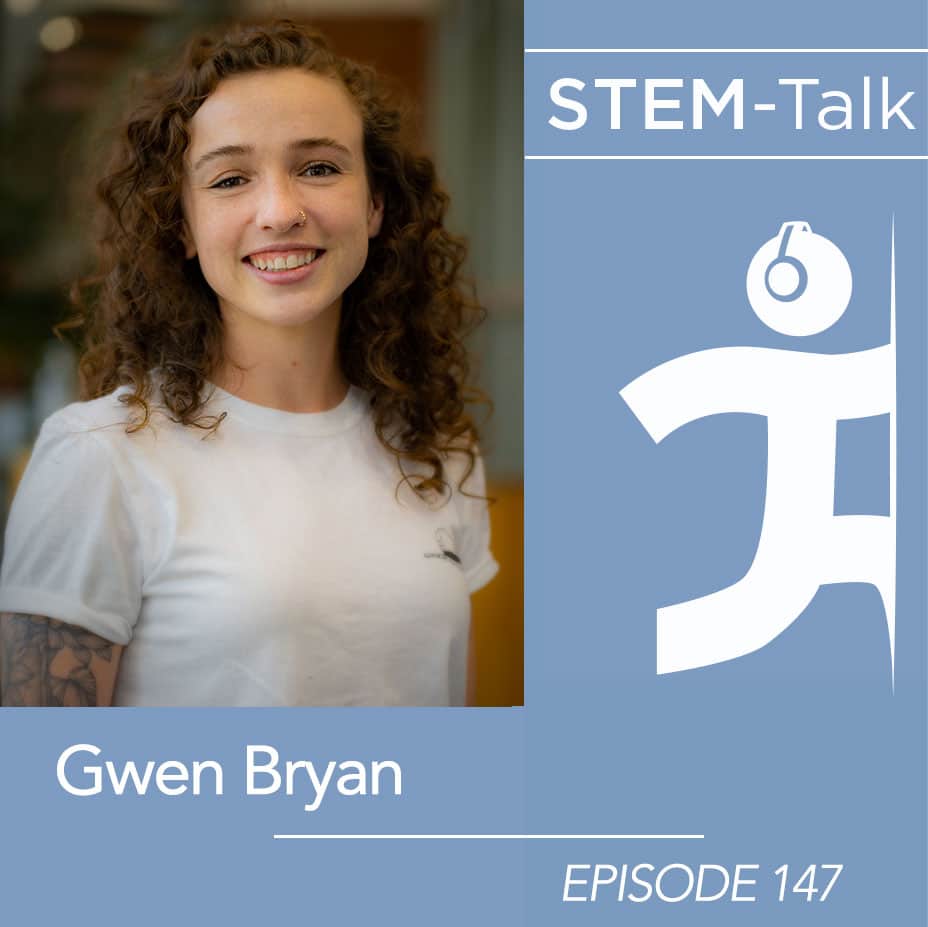
S8 Ep 147Episode 147: Gwen Bryan talks about advances in wearable robotic devices and exoskeletons
Today’s interview is with IHMC’s Dr. Gwen Bryan, a research scientist who investigates wearable robotic devices aimed at augmenting human performance in clinical, occupational, and military applications. She is particularly focused on maximizing the benefits of powered exoskeletons. At IHMC, Gwen leads the exoskeleton team, which is developing a novel augmentative device that continues IHMC’s research on mobility devices for people with spinal cord injury. The team also is researching a powered exoskeleton to aid government employees whose work involves nuclear site remediation. Gwen and her team’s effort, which utilizes a human-centered research approach, is uniquely situated to expand exoskeleton research and technology because of the expertise and collaboration that’s available among IHMC’s robotics and human-performance research groups. Gwen joined IHMC after completing her Ph.D. in the Stanford Biomechatronics Lab. Outside of work, Gwen enjoys soccer, weightlifting, painting and snowboarding. She also is a dog mom to two very adorable shelter dogs, Bandit and Oreo. Show notes: [00:02:32] Dawn asks Gwen what it was like growing up in Albuquerque, New Mexico. [00:03:02] Dawn mentions that it seems science was a part of Gwen’s life early on. Dawn goes on to mention that Gwen’s father was an engineer, and her mother was a nurse and asks how her parents having these backgrounds influenced her. [00:03:35] In addition to a science background, Gwen’s mother is also a clarinetist who instilled a love for the arts in Gwen. Dawn asks Gwen about her painting and how art benefits other aspects of her life. [00:04:17] Ken asks Gwen what she was like as a kid. [00:04:59] Ken asks Gwen to talk about a rafting trip she took with her cousin through the Grand Canyon. [00:06:27] Dawn asks Gwen how chocolate chip cookies factored into her third-grade science fair project. [00:08:04] Dawn mentions that fitness became a part of Gwen’s life following an injury she had as a senior in high school. Exercise, particularly weightlifting, helped alleviate her back pain. Dawn asks Gwen what her fitness journey taught her about her body, and ultimately, how that experience gave her insights into the work she does today. [00:09:16] Ken asks Gwen how she chose to go to the University of Texas in Austin. [00:10:38] Dawn mentions that Gwen transferred to the University of New Mexico for her undergraduate work. Dawn asks Gwen what motivated her to apply her interest in mechanical engineering into robotics. [00:11:28] Ken asks Gwen what was involved in her transfer from the University of Texas to New Mexico. [00:12:34] Ken asks Gwen what led her to the Stanford Biomechatronics Lab. [00:13:38] Ken asks Gwen to talk about her internship with the Sandia National Research Labs. [00:14:40] Dawn shifts to talk about Gwen’s current research focus on wearable robotics, particularly exoskeletons, mentioning that when the public hears this term most people generally think either insect exoskeletons or Ironman. Dawn asks Gwen to describe the exoskeletons she works on. [00:15:25] Dawn mentions that the potential uses of exoskeletons to help people with limited or no lower-limb mobility seems, in some respects, clear, but the application has been limited, and asks why that is. [00:16:40] Dawn asks what some other applications of exoskeletons are that are important to know about. [00:18:35] Ken mentions that during Gwen’s doctoral work at Stanford, she developed the first cable-driven exoskeleton to assist all the three leg joints — hips, knees, and ankles — and asks Gwen to talk about how that design was developed and what made it special in the exoskeleton field. [00:20:10] Ken explains that Gwen’s work also developed novel control systems for exoskeletons by using feedback from real-time physiological measurements of the user – coined human-in-the-loop optimization (HILO). Ken asks Gwen to talk about this strategy, and why it is an important innovation. [00:21:56] Ken asks Gwen to talk about what she learned about the impact of exoskeleton assistance on walking economy when assisting the hips, knees, or ankles individually versus simultaneously. [00:22:58] Dawn asks if the multi-joint strategy depends on the walking task, mentioning that it seems as though demands change for different joints when walking faster; or up and downhill; or carrying load. [00:23:49] Dawn explains that the laboratory emulator approach seems to have led to many fundamental findings. Dawn goes on to ask, however, about the limitations of assisting people in the real world in an approach that has users stuck on a treadmill and in the lab. [00:25:02] Dawn asks if exoskeletons are a ‘one-size fits all’ technology, or if they need to be customized to each individual. [00:26:08] Ken mentions that Gwen is involved in a couple of exoskeleton projects at IHMC, and asks first about the Eva project. [00:28:16] Dawn asks what other applications Eva, or exoskeletons in the same vein, mig
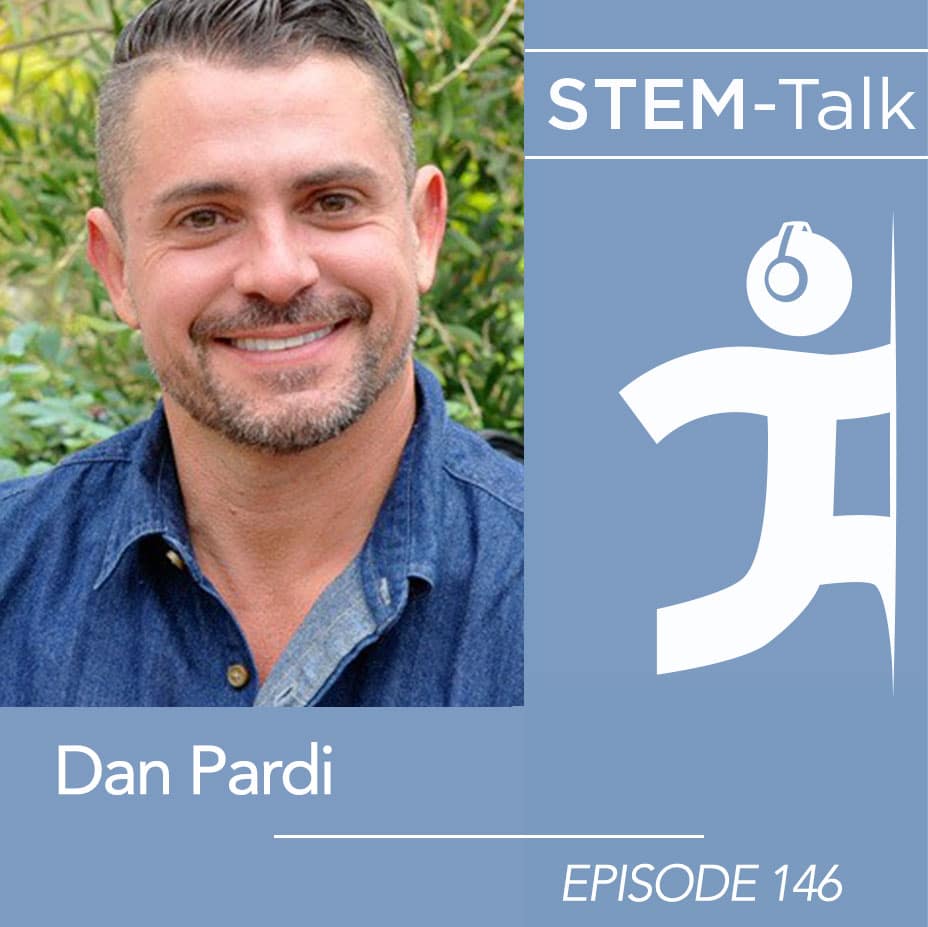
S7 Ep 146Episode 146: Dan Pardi talks about behaviors to improve healthspan
Our guest today is Dr. Dan Pardi, the CEO of humanOS.me, a digital health training application. Dan is well-known for his research into sleep and has collaborated with many high-performing organizations, from Silicon Valley venture capitalists to companies like Adobe, Salesforce, Workday, Pandora, Intuitive Surgical, and more. He also works with several branches of the U.S. Military to help elite warfighters maintain vigilant performance in both combat and non-combat conditions. Dan’s podcast, humanOS Radio, is the official podcast of the Sleep Research Society, the Canadian Sleep Society, and a content partner of the Buck Institute on Aging. Dan collaborated with more than 100 science professors around the globe to create his digital humanOS application. Dan has a Ph.D. in cognitive neuroscience from Leiden University in the Netherlands and Stanford University in the United States. He has a master’s degree in exercise physiology from Florida State University and currently lives in Austin, Texas, with his wife, two young boys, and their dog, Wally. Joining STEM-Talk host Dr. Ken Ford for today’s conversation with Dan is Dr. Marcas Bamman, a senior research scientist here at IHMC. Marcas was a STEM-Talk guest on episode 116. In today’s interview with Dan, we cover his early career in bioinformatics and how a trip to Moscow led to his doctoral research of sleep and treatments for narcolepsy. He also talks about the Loop Model to Adopt and Sustain Health Behaviors, a program he developed during his Ph.D. studies. The Loop Model became the core of his company, humanOS. Finally, Dan talks about the concepts of “actual health,” health-performance experts and a shift in what aging means, which he believes is important to improving the quality of life for all of us. Show notes: [00:03:19] Marcas starts the interview by asking Dan to talk about his years growing up in Northern California’s Marin County. [00:04:06] Ken asks Dan about building radio-controlled cars with his father. [00:05:11] Marcas explains that Dan’s father was a successful businessman who, after a successful career as a salesman for Remco selling kitchenware, started his own company in California that grew to 200 employees. Dan has been quoted as saying that one of the lessons he learned from his father was the value of relationships. Marcas asks how that lesson has affected Dan’s life. [00:06:29] Dan talks about his passion for basketball and how his time at the Cap Lavin camp influenced his early life. [00:08:15] Marcas mentions that Dan’s “science life” seems to have begun with a seventh-grade science-fair project that ended up landing him a job with Nike. Marcas asks Dan to talk about that story. [00:09:26] Ken mentions that Dan went to the University of San Francisco for his bachelor’s degree and then went to Florida State for his Masters in Exercise Physiology. Ken asks what led Dan to FSU. [00:10:26] Ken asks why Dan decided to pursue a career in cancer research, going to work at the Preventive Medicine Research Institute in Northern California after graduating. [00:12:04] Marcas commends Dan for being ahead of his time by leveraging the new technological development of the internet portal to empower life scientists while he was working with the Bioinformatics Biotech DoubleTwist, and asks what that experience was like. [00:13:41] Ken asks Dan how a trip to Moscow led Dan to pursue a Ph.D. at Leiden University and Stanford, after already working in the industry for 10 years. [00:15:17] Marcas explains that Dan’s Ph.D. research at the Zeitzer Circadian Biology Lab at Stanford University focused on gamma-hydroxybutyrate (GHB), sleep and ingestive behavior. Marcas asks what was most interesting about this research for Dan. [00:16:24] Marcas asks about a randomized controlled trial that Dan conducted to look into ecologically relevant amounts of sleep loss. This trial enrolled 50 participants and manipulated their next-day alertness by randomly assigning different levels of sleep. Dan talks about the findings of this study. [00:21:50] Marcas explains that while Dan was working on his Ph.D., he developed a behavior model called the Loop Model to Adopt and Sustain Health Behaviors. Marcas goes on to explain that Dan has presented this model at several healthcare conferences, such as Stanford Medicine X and Health 2.0, and asks Dan to explain what this model is and how it works. [00:24:53] Marcas mentions that Dan’s company, humanOS.me, is described as a digital health training application and asks what this means. [00:26:23] Ken mentions that simply giving people more information doesn’t drive changes in health-related behaviors, and asks how humanOS.me approaches things differently to address this problem. [00:29:03] Ken asks if Dan sees any downsides in tracking health markers. Ken mentions that STEM-Talk listeners often ask about the quality of data collected, but Ken goes on to say that there are also problems of becoming hyper-focused on thin
S7 Ep 145Episode 145: Ken answers questions about hypersonic flight, sentient AI, ketogenic vs Mediterranean diets, and more
It’s time for another Ask Me Anything episode where STEM-Talk cohost Dawn Kernagis asks Ken questions submitted by listeners. In this episode, Ken and Dawn weigh in on: — Whether AI is becoming sentient. — How women in midlife might protect their bodies from the negative effects of a slowing metabolism. — A Stanford study that compared a low-carbohydrate diet with a Mediterranean diet. — Whether fasting helps optimize cognitive performance. — The future of hypersonic technology. — And a lot more. If you have a question after listening to today’s episode or any episode of STEM-Talk, email your question to STEM-Talk Producer Randy Hammer at [email protected]. Show notes [00:02:45] Dawn begins the AMA with a question for Ken that was inspired by the Mark Mattson interview, episode 133. Mark talked about skipping breakfast and in his recent book, “The Intermittent Fasting Revolution,” Mark points out that bodybuilders often skip breakfast and do their weight training in a fasted state, which has the effect of optimizing both muscle building and cognitive performance. The listener mentions that they feel more cognitively sharp in a fasted state but as soon as they break their fast, they don’t feel as sharp. The listener asks Ken if this is normal. [00:04:35] A listener asks Ken about a recent news story in which a Russian robot broke a boy’s finger during a chess match. The listener goes on to state that several of their friends have jumped to the conclusion that this is proof robots are becoming sentient beings and asks Ken for his take is on this given Ken’s AI background. [00:06:02] A listener asks another AI question, this one regarding the Washington Post’s reporting on a Google engineer who was fired over claims he made while at the company that an AI chatbot he had been testing had become sentient. The engineer claimed in an interview with The Guardian that the chatbot, LaMDA, was afraid of being turned off, had read “Les Miserables” and that it had emotions. Google maintains that LaMDA is merely responding to prompts designed for it. The listener asks Ken what would be an appropriate test for gauging AI sentience and what other thoughts Ken has about this story. [00:08:32] A listener mentions that they have been following the ketogenic diet for 18 months and have lost 40 pounds. Recently they checked their liver enzymes GGT, AST, TSH and found they were elevated above “normal” and their Alpha fetoprotein marker was measured at 10.3. The listener asks Ken what he has learned about the ketogenic diet’s impact on the liver. [00:09:48] A listener asks about a recent paper regarding a Stanford study that compared low-carbohydrate diets with a Mediterranean diet. The listener mentions that in the Stanford study the diets had three similarities – no non-starchy vegetables, no added sugars and no refined grains. The key difference in the diets was that the low-carb diet avoided legumes, fruits, and whole grains while the Mediterranean diet included them. The study measured glucose control and cardiometabolic risk in people with prediabetes and type 2 diabetes. The study found that comparative outcomes did not support a sufficient benefit to justify people avoiding legumes, whole fruits, and whole grains to achieve the metabolic state of ketosis. The listener asks Ken for his thoughts on the study and in his answer, Ken mentions an interview Dr. Ben Scher did with one of the study’s authors, Dr. Lucia Aronica. [00:14:57] A listener mentions in their question that they found the Mike Griffin and Mark Lewis interviews both fascinating and worrying. The listener’s key concern is that China and Russia are ahead of the U.S. in terms of hypersonic capabilities. The listener goes on to mention that they recently saw “Top Gun Maverick” and asks if it is reasonable that someday we will see jets with human pilots that are capable of flying 10-to-20 times the speed of sound, as depicted in the film; or will these sorts of aircrafts need to be operated by AI or humanoids. [00:18:17] A listener sends a question that reads, “They say that 50 is the new 30, but after listening to STEM-Talk, I now know that I can expect my metabolism to fall off the “50-cliff” once I meet the chronological milestone of turning 50 years old.” The listener says it’s her understanding that hormonal changes related to midlife, especially for women, are key drivers of metabolic changes that lead to everything from brain fog to weight gain. The listener would like to know what she and other women can do to ward off the negative effects of aging and a slowing metabolism. [00:19:53] A listener mentions that in the Satchin Panda interview, Dr. Panda says that black coffee in the morning probably won’t break an overnight fast, but that coffee with cream will. The listener goes on to say that they listened to a Dave Asprey podcast in which he said drinking “Bulletproof Coffee” with two tablespoons of butter and two
S7 Ep 144Episode 144: Jason Fung on how fasting and a low-carb diet improve insulin resistance and metabolic health
Our guest today is Dr. Jason Fung, a Toronto-based nephrologist, and the best-selling author of “The Obesity Code,” “The Diabetes Code,” and “The Cancer Code.” Jason is best known for his success in combining a low-carb diet with intermittent fasting to help thousands of overweight patients reverse their type 2 diabetes, lose weight, and improve their metabolic health. Jason is the author of the blog “The Fasting Method” and the co-founder of the Intensive Dietary Management program, an initiative that provides low-carb dietary guidance and counseling on various fasting regimes. Jason is also the co-author with Jimmy Moore of “The Complete Guide to Fasting,” which looks at the history and culture of fasting and how it helps people improve their metabolic health. In today’s episode, Ken is joined by Visiting IHMC research scientist Dr. Tommy Wood and together, they and Jason discuss: How in the beginning of his practice, Jason prescribed insulin for type 2 diabetes patients. How a series of landmark studies starting in 2008 changed Jason’s mind about using glucose-lowering medication for type 2 diabetes. Jason’s realization that type 2 diabetes is largely a dietary disease and therefore requires a dietary solution rather than a pharmaceutical one. The origins of Jason’s Dietary Management program, which counsels overweight and obese patients to follow a low-carbohydrate, high-fat diet to reduce insulin. A critique of the “eat less, move more” strategy acclaimed by many obesity experts. Mark Mattson’s research into the powerful impact of intermittent fasting on metabolic health and a recent paper that questioned the effectiveness of time-restricted eating when compared to daily calorie restriction. Recent research and evidence that fasting during chemotherapy may reduce the side effects of the treatment. Show notes: [00:02:25] Tommy opens the interview mentioning that Jason was born and raised in Toronto and asks what drew Jason to science as a kid. [00:03:43] Tommy mentions the irony that Jason has written several best-selling books, yet Jason was not fond of English or writing when he was in school. [00:04:53] Ken mentions that after graduating from high school, Jason stayed close to home and attended the University of Toronto, entering into medical school just after turning 19 to study internal medicine, eventually specializing in nephrology. Ken asks Jason what intrigued him about becoming a kidney specialist. [00:06:36] Tommy asks Jason what led him to go to UCLA after medical school for his specialty training in kidney disease at Cedars-Sinai Medical Center. [00:07:37] Tommy mentions that Jason has been practicing clinical nephrology in Toronto since 2001, and that in those early years of his practice, Jason saw patients with type 2 diabetes and prescribed medications to keep their blood glucose low. When that didn’t work, he would prescribe insulin, which is the standard medical practice. Tommy asks what Jason observed during these early years of his practice. [00:09:28] Ken mentions that in 2008, two landmark studies were published, the ACCORD study and the ADVANCE study (a summary of ADVANCE). These studies were followed by two more studies, the ORIGIN and VADT studies, all four of which demonstrated that using blood glucose-lowering medication for type 2 diabetes didn’t necessarily have the expected benefits. Ken asks Jason to talk about how these studies were eye-opening for him and confirmed his own experience in treating patients. [00:16:27] Tommy explains that in 1972 Robert Atkins published the “Dr. Atkins’ Diet Revolution,” which shared his findings on the effectiveness of low-carb, high-fat dieting. Tommy goes on to mention that in the late 1990s, a string of Atkins-styled diet books surged in popularity, with most physicians being opposed due to the conventional wisdom that these high-fat diets would cause heart disease. As a result, several trials were launched in the early 2000s to prove this point. Tommy asks Jason to talk about how these trials revealed that the real story is more nuanced than people might think. [00:20:42] Ken mentions that even though Jason and countless other doctors were appalled at the notion that high-fat diets were being promoted as safe and effective, Jason and other physicians had virtually no nutritional training during their years in medical school. Ken asks if, in hindsight, Jason believes this is something that needs to change. [00:24:49] Tommy explains that Jason’s realization that type 2 diabetes was largely a dietary disease and therefore required a dietary solution rather than a pharmaceutical one led him, along with Megan Ramos, a medical researcher, to establish the intensive Dietary Management program in Scarborough, Ontario, in 2011. The object of this program is to counsel overweight and obese patients to follow a low-carbohydrate, high-fat diet to reduce insulin. Tommy asks about the results of this initiative. [00:28:56] Tommy points out that when
S7 Ep 143Episode 143: Ben Bikman on the roles of insulin and ketones in metabolic function
Today’s episode features the author of “Why We Get Sick,” Dr. Ben Bikman, a biomedical scientist at Brigham Young University. Ben is known for his research into the contrasting roles of insulin and ketones as key drivers of metabolic function. In “Why We Get Sick,” Ben takes a deep dive into insulin resistance and metabolic health. The book particularly focuses on the role that insulin resistance plays in many of today’s most common diseases: heart disease, diabetes, cancer, and Alzheimer’s. Ben and his colleagues at the Bikman Lab investigate the molecular mechanisms behind the increased risks of disease that accompany obesity and excess visceral fat. Much of the research at the Bikman Lab particularly focuses on the etiology of insulin resistance and how it disrupts mitochondrial function. In today’s interview, STEM-Talk cohosts Drs. Ken Ford and Dawn Kernagis talk to Ben about: How insulin resistance is tied to multiple chronic diseases. The relevance of ketones in mitochondrial function. How so many of our modern chronic diseases are self-inflicted and driven by insulin resistance. How many of the hallmarks of aging are a consequence of insulin resistance. The theory that the longest-lived people are likely the most insulin sensitive. The benefits that occur with carbohydrate reduction as a result of increasing insulin sensitivity. Ben’s thoughts about the degree of intermittent fasting needed to induce autophagy in humans. Show notes: [00:02:32] Dawn begins the interview asking Ben about his early life growing up in a small farm town in southern Alberta, Canada, as one of 13 children. [00:02:48] Dawn asks Ben what he was like as a kid and what made him stand out from his 12 brothers and sisters. [00:06:01] Dawn asks about Ben’s mother’s influence and how she wanted her sons to be Renaissance men. [00:08:29] Ken asks about Ben’s experience as a Church of Jesus Christ of Latter-Day Saints Missionary in Samara, Russia. [00:15:18] Dawn mentions that while Ben went into his undergrad majoring in exercise science, he wasn’t that interested in science at the time. It wasn’t until he began working on his master’s degree at BYU with Dr. Will Winder that he developed a true interest in science. [00:19:49] Dawn asks Ben how he ended up at East Carolina University for his Ph.D. in bioenergetics. [00:21:42] Ken mentions that Ben, after completing his Ph.D. moved to Singapore for his postdoc work at the Duke National University of Singapore. Ken asks how that came about. [00:25:49] Dawn mentions that Ben is well-known for his work on insulin resistance, stemming from his time at East Carolina when he realized that insulin resistance is tied to many different chronic diseases. Dawn asks what was Ben’s ah-ha moment that led him to focus his research on insulin resistance. [00:27:49] Dawn mentions that much of Ben’s work is focused on the role of elevated insulin in regulating obesity and diabetes, as well as the relevance of ketones in mitochondrial function. Dawn asks if it is correct that Ben has been on a sort of mission as a professor to teach a new generation of doctors and nurses how insulin resistance works, and why it is so relevant in terms of chronic disease. [00:29:56] Ken mentions that Ben began to take his message about insulin resistance beyond the classroom, appearing on podcasts and making YouTube videos, and also giving a speech to the student body at BYU, titled “The Plagues of Prosperity” making the case that the human race is currently eating itself into metabolic disarray. [00:32:31] Ben’s book “Why We Get Sick” points out that historicall, people got sic because of infectious diseases. In modern times, due to sanitation, vaccines, and antivirals, that is less of an issue. Today more people are afflicted by chronic illnesses, many of which are related to metabolism. Dawn explains that the overarching message of the book is that these diseases are, in part, self-inflicted, and partially driven by insulin resistance and hyperinsulinemia. Dawn goes on to say that while it is fairly well-known that insulin resistance plays a role in cancer, heart disease, and diabetes, many people may not know that it also contributes to neurological disorders, reproductive health, kidney disease, gastrointestinal disorders, and even reduced muscle mass, bone loss, and even hearing loss. [00:34:42] Ken explains that Ben has often pointed out that many of the hallmarks of aging are partially a consequence of insulin resistance. Ben has also pointed out in his book the theory that the longest-lived people are likely the most insulin sensitive. Ken asks Ben to elaborate on this. [00:41:36] Ken mentions that in Ben’s book, he explains that there are three primary causes of insulin resistance, the most obvious one being chronically elevated insulin levels. In addition to this, however, the second category is stress hormones including cortisol and epinephrine. The third cause is inflammation. Ken asks Ben to elaborate on th

S7 Ep 142Episode 142: Vyvyane Loh on weight management, ketogenic diet, and the treatment of metabolic diseases
Our interview today is with Dr. Vyvyane Loh, a board-certified physician in obesity and internal medicine. She is the founder and leader of Transform Alliance for Health, a Boston preventive-care practice that specializes in weight management and the treatment of chronic metabolic diseases such as diabetes, hypertension and dyslipidemia. She and her staff are known for helping people lose 50 pounds or more and getting their type-2 diabetic patients off their many medications. Vyvyane has spent her medical career developing expertise in immunology, metabolic syndrome, fat metabolism, clinical nutrition, and preventive medicine. In today’s interview, we discuss how abdominal, or visceral, fat is linked to a wide range of metabolic disorders. Vyvyane goes on to explain how there’s a clearcut association between obesity and decreased brain volume that rarely gets discussed. When her overweight patients complain about their behavior around food and how they consistently give in to snacks that patients know are bad for them, Vyvyane explains how the challenges they are facing is often a result of the brain struggling with decreased blood flow and the shrinkage of neurons. Vyvyane also shares how a patient asked Vyvyane if she knew anything about the Atkins diet, and although she didn’t, Vyvyane ended up doing the diet along with her patient. This led Vyvyane to start seriously researching whether a ketogenic diet could help people not only lose weight, but also reverse chronic disease. Toward the end of today’s interview, we explore Vyvyane’s interest in macrophages, which are specialized cells involved in the detection and destruction of bacteria and other harmful organisms. We also have a nice discussion about how Vyvyane took some time off from practicing medicine to enroll in the writing program at Warren Wilson College in North Carolina in 1999. She spent the next two years writing a novel, “Breaking the Tongue.” Set in Singapore during World War II, her book was nominated for the prestigious International IMPAC Award in fiction and was selected by the New York Public Library as one of its top 25 books of 2004. If you are interested in finding out more about Vyvyane, check out her website, vyvyanelohmd.com. Also, Vyvyane launched a podcast this week, which you also can find on her website. Episode one looks at “Metabolism: What It Is, And How It Affects Your Health.” If you enjoy today’s interview with Vyvyane and the many other interviews we’ve had on STEM-Talk discussing the treatment and prevention of chronic metabolic diseases, you may want to check out the upcoming virtual conference on Targeting Metabesity. Our cohost Dr. Ken Ford will be one of nearly 70 speakers, including many former guests on STEM-Talk, talking about the growing evidence that the major chronic diseases of the day share common metabolic roots and as a result may also share common solutions. To find out more about the conference, follow this link to the Targeting Metabestiy home page where you find a program guide and list of speakers. If you would like a free ticket to the conference, click on this link where you will find instructions on how to receive a code for complimentary admission that is being offered to STEM-Talk listeners. Ken will be moderating a session on emerging research related to endogenous and exogenous ketosis in health and disease as well as the role of ketones in mild traumatic brain injury and the prevention and treatment of cancer. If you have enjoyed the interviews we’ve had on STEM-Talk with Drs Steven Austad, Colin Champ, James Kirkland, John Newman, Brianna Stubbs, Jeff Volek and Morley Stone, who are all speaking at the conference as well, you should find the talks by the over 70 speakers quite interesting and beneficial. So, click here to request a free registration and we will make sure to send a you a code for a complimentary ticket. Show notes [00:04:45] Dawn mentions that, based on the interviews she’s listened to with Vyvyane, that writing and dance have been passions of hers since she was a child. Dawn then asks Vyvyane at what point did she become interested in science. [00:05:25] Dawn asks Vyvyane how she ended up in the states attending Boston University. [00:06:25] Ken asks why Vyvyane decided to double major in biology and classics. [00:08:14] Ken mentions that Vyvyane’s classics advisor has a connection to the town of Seaside, near where IHMC is located. [00:09:01] Dawn shifts topics to talk about Vyvyane’s research, and asks about TOFI, which stands for “Thin Outside, Fat Inside.” It refers to people who outwardly appear thin, but have a disproportionate amount of adipose tissue in their abdomen, as well as “normal weight obesity.” [00:10:58] Ken mentions that the TOFI phenomenon helps to highlight the relative lack of utility of BMI, which is just a function of the relationship between a person’s height and weight, meaning that people with TOFI will look fine in terms of BMI, and someone wh
S7 Ep 141Episode 141: Jeff Iliff on newly discovered system that clears waste from the brain
Our guest today is Dr. Jeffery Iliff, a professor of psychiatry and behavioral sciences in the Department of Neurology at the University of Washington. Much of Jeff’s research focuses on neurodegeneration and traumatic brain injury. He is the associate director of research at the VA Puget Sound Health Care System and a co-leader for research at the University of Washington’s Alzheimer’s Disease Research Center. In this episode, we talk about Jeff’s investigations into the glymphatic system, which is a newly discovered brain-wide network of perivascular spaces that facilitates the clearance of waste products from the brain during sleep. Jeff goes on to describe how he is exploring how the glymphatic system fails in the aging brain as well as in younger brains after traumatic brain injury. Jeff and Dawn also have a conversation about their collaboration on a research project that’s focused on how extreme stressors impact the glymphatic system. Together they are investigating a potential approach to optimizing glymphatic clearance for individuals with acute or chronic sleep deprivation. Show notes: [00:02:55] Dawn opens the interview asking Jeff where he grew up. [00:03:21] Dawn asks what Jeff what he was like as a kid. [00:04:01] Ken mentions that it wasn’t until Jeff was working as a lifeguard at a boy scout camp that he first became interested in science. Ken asks Jeff what it was about his lifeguard experience that triggered the interest. [00:05:06] Dawn asks what led Jeff to the University of Washington as an undergrad. [00:06:02] Ken mentions that Jeff originally intended on going into pre-med. Ken explains that Jeff changed his mind and asks about a suggestion from a girlfriend that caused Jeff to have a change of heart. [00:07:39] Dawn points out that in addition to working in the lab as an undergrad, Jeff also worked a 48-hour shift as an EMT over the weekends. Dawn asks Jeff why he kept such a busy schedule. [00:09:35] Ken asks what led Jeff to the Oregon Health & Science University for his Ph.D. [00:10:53] Dawn asks if it’s true that Jeff’s wife played a big role in his decision to travel across the country to New York for his post-doc at the University of Rochester. [00:13:06] Dawn mentions that after the second year of Jeff’s post-doc, he was promoted to a junior faculty position because he was part of the team that discovered a brain cleaning system known as the glymphatic system. The team published a paper in 2012 in science translational medicine that was the first of about ten papers that later became known as the “glymphatic papers.” After a follow-up paper in 2013, Science Magazine cited the discovery that the glymphatic system cleans the brain during sleep as one of the “Top 10 Breakthroughs of 2013.” Dawn asks what this experience was like for Jeff as a young post-doc and junior faculty member. [00:15:55] Dawn explains that the lymphatic system is a network of vessels extending throughout most of the body that transport excess fluid and waste from the interstitial spaces between cells to the blood. She goes on to explain that these vessels are notably not found in the brain leading to the question of how interstitial fluid is cleared in the brain. Jeff’s team discovered the glymphatic system, which serves the same function in the brain as the lymphatic system in the rest of the body. This discovery turned out to be a paradigm shift and led to numerous subsequent studies. Dawn asks Jeff how the initial 2012 study came about and how they identified a distinct clearing system in the brain that serves a lymphatic function. [00:19:59] Dawn mentions that after Jeff’s initial work in the glymphatic system, he went on to write what has become known as his sleep paper. Dawn goes on to say that for this study, Jeff used two-photon microscopy to visualize fluid moving in and out of the brain, and at some point, saw his tracer leaving the brain. Dawn asks Jeff what this experience was like. [00:23:55] Ken asks Jeff to explain the relationship between sleep cycles and the glymphatic system. [00:26:33] Jeff explains some of the differences in sleep between mice and humans. [00:28:35] Ken asks if the critical role of slow-wave sleep in glymphatic function and clearance explains the potential relationship between sleep deprivation and increased risk of neurodegenerative disease. [00:31:29] Ken asks about the impact of sleep deprivation of normal cognitive function. [00:32:43] Ken asks if there is any research on the glymphatic function of APOE4 carriers. [00:35:33] Ken asks about work done by Jeff’s postdoc mentor, Maiken Nedergaard, that suggests that glymphatic function can even be impacted by sleep that is outside the normal circadian rhythm, potentially explaining the increased risk of neurodegenerative disease in shift workers. [00:38:50] Dawn mentions that Jeff’s 2013 sleep paper became the predecessor for many subsequent neuro-imaging studies looking at glymphatic function in the human brain, l
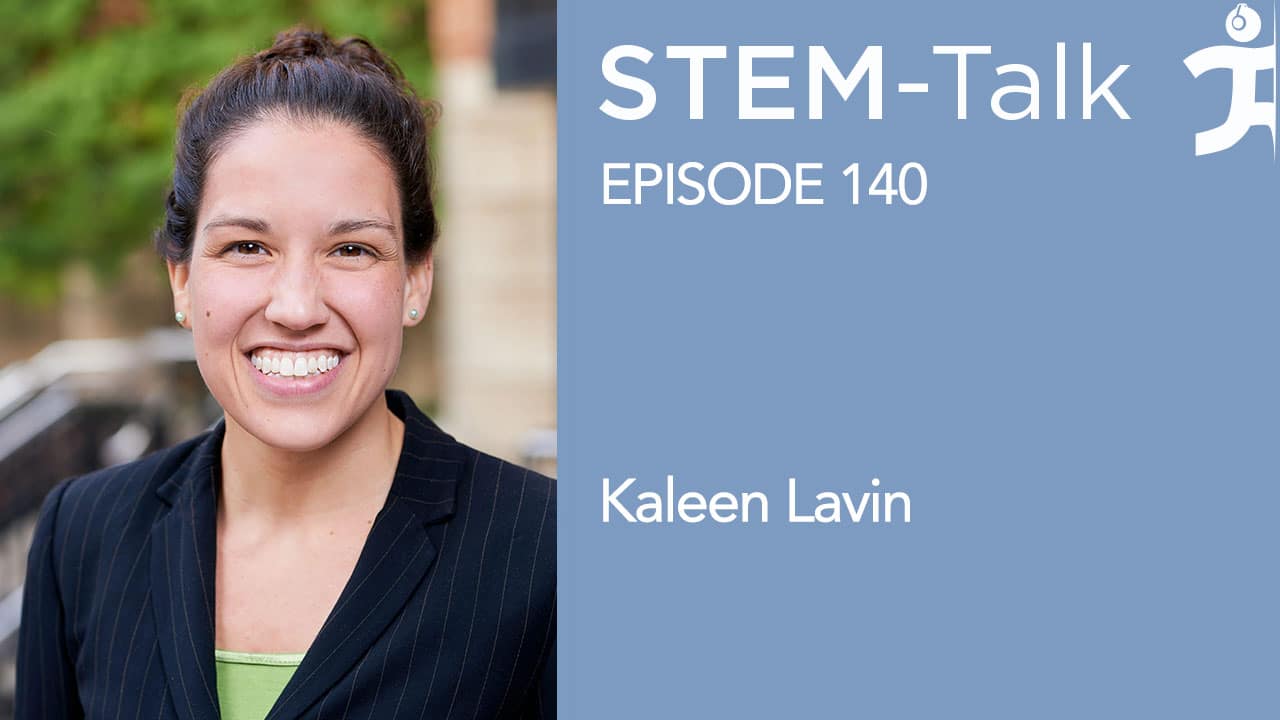
S7 Ep 140Episode 140: Kaleen Lavin on the benefits of exercise on Parkinson’s and “inflammaging”
Today we would like to introduce you to one of our newest colleagues here at IHMC, Dr. Kaleen Lavin, a research scientist who investigates the molecular mechanisms by which the body adapts and reacts to stressors such as exercise, training and aging. Kaleen came onboard at IHMC last year and is known for her use of computational biology techniques as a means to understand and improve human health, performance and resilience. She also is interested in the use of exercise as a countermeasure for a range of disease conditions, including neurodegenerative diseases such as Parkinson’s disease. Today we will talk to her about some of her most recent work that examined the molecular effects of exercise training in skeletal muscle and in people with Parkinson’s. We also talk to Kaleen about her recent paper that took a comprehensive look at the current literature surrounding the molecular and cellular processes underlying the molecular benefits that exercise induces in humans. The paper appeared earlier this year in Comprehensive Physiology and was titled, “State of Knowledge on Molecular Adaptations to Exercise in Humans.” Kaleen is a graduate of Georgetown University, where she earned a bachelor’s degree in biology. She also earned a master’s in sports nutrition and exercise science from Marywood University in Pennsylvania and a Ph.D. in human bioenergetics from Ball State University in Indiana. Show notes: [00:03:02] Dawn opens the interview mentioning that Kaleen grew up in Scranton, Pennsylvania, and asks Kaleen about her passion for music as a youth. [00:03:25] Ken asks Kaleen about her high school years and how she became a competitive swimmer. [00:04:26] Dawn mentions that Kaleen was an excellent student growing up, but that it wasn’t until her junior year of high school that she became interested in science. Dawn asks if it were a teacher who inspired Kaleen. [00:05:21] Dawn asks what led Kaleen to attend Georgetown University after graduating from high school. [00:05:57] Dawn asks if Kaleen knew she wanted to major in biology when she first arrived on campus at Georgetown. [00:06:45] Ken asks about Kaleen’s experience of becoming a part of the Howard Hughes Program at Georgetown, which led to her gaining experience working in lab. [00:08:47] Dawn mentions that Kaleen transitioned from competitive swimming to running during her undergraduate years, running a marathon and half marathon. Dawn asks if Kaleen’s father, who is an avid marathoner, gave her the incentive to start signing up for marathons. [00:13:19] Dawn asks Kaleen about a faculty advisor who noticed her passion for running and exercise and helped her decide what to pursue for her master’s degree. [00:15:23] Ken asks Kaleen what led her to pursue her master’s at Marywood University, a small Catholic University in Scranton. [00:16:56] Ken asks Kaleen what prompted her to pursue a Ph.D. in exercise science at Ball State University, which has one of the longest-standing human performance programs in the country. [00:17:57] Dawn mentions Kaleen’s experience with no-breath laps as part of her training when she was in high school on the swim team. Dawn asks Kaleen to explain what no-breath laps are. [00:19:00] Dawn asks Kaleen about a study she conducted for her master’s thesis at Marywood that examined the effects of controlled frequency breath swimming on pulmonary function. [00:22:13] Ken asks about how Kaleen’s time at Ball State set her up for her post-doc work at Center for Exercise Medicine at the University of Alabama at Birmingham. [00:24:31] Ken asks what it was about UAB that attracted Kaleen to do her post-doc work there. [00:26:08] Dawn asks about a study published in 2017 by a group at UAB led by Marcas Bamman where researchers took people with Parkinson’s disease and ran them through a high-intensity exercise program, finding that you could not only help people preserve some function but also restore some function. [00:28:52] Ken mentions that despite the awareness of Parkinson’s negative impact on motor function, there has been very little attention paid to its impact on skeletal muscle. Ken asks Kaleen to talk about her study that provided insights into the potential mechanistic roles of skeletal muscle. [00:31:33] Dawn mentions that the research Kaleen just discussed was published in a paper titled “Rehabilitative Impact of Exercise Training on Human Skeletal Muscle Transcriptional Programs in Parkinson’s Disease.” [00:31:51] Kaleen talks about her analysis of the dataset from the 2017 study at UAB that was led by Marcus Bamman. Kaleen explains how she was able to identify 706 genes that were differently expressed after rehabilitative training, and how this work strengthens our understanding of skeletal muscle as a communicative tissue in exercise, aging, and neurodegenerative disease. [00:33:38] Dawn asks Kaleen to elaborate on how she ended her paper talking about how future research is needed to determine the influence of exercise
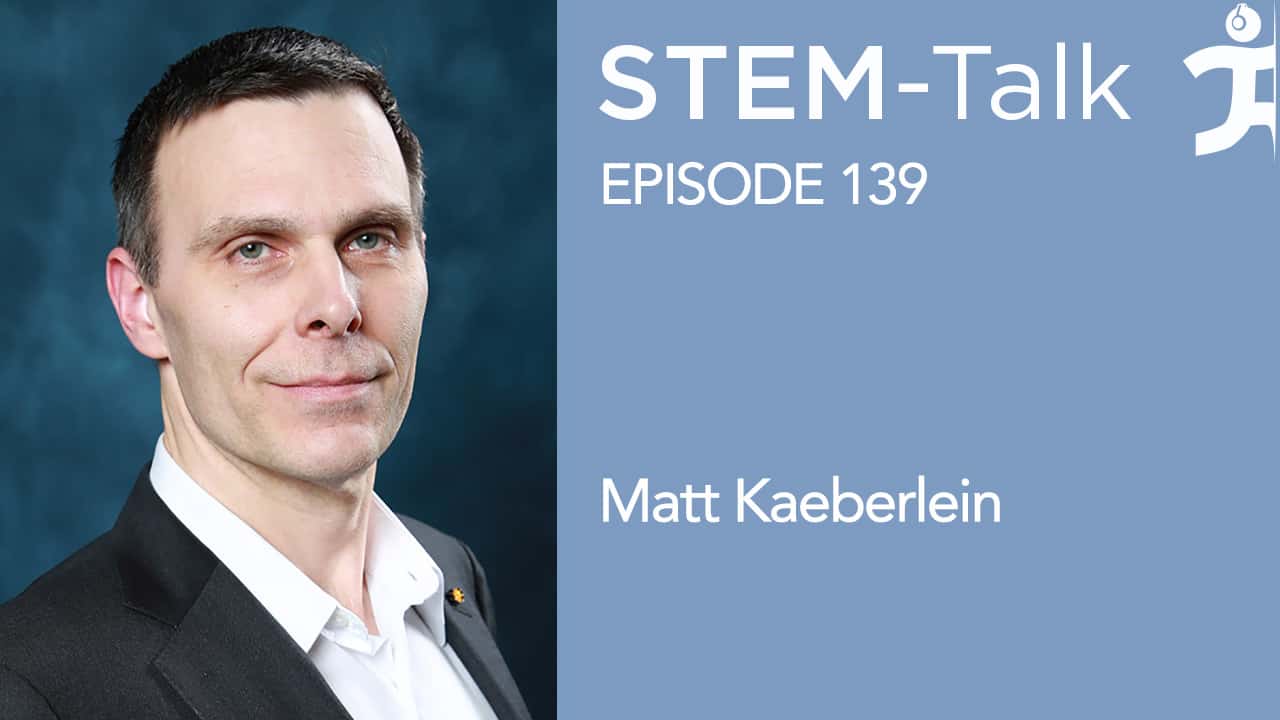
S7 Ep 139Episode 139: Matt Kaeberlein discusses healthspan, longevity, and rapamycin
In response to several requests from listeners, we have as our guest today, Dr. Matt Kaeberlein, a professor of pathology at the University of Washington. Matt is well-known for his investigations into the basic mechanisms of aging. Much of his research in this area is focused on identifying interventions that promote healthspan and lifespan. In today’s interview, we talk to Matt about the biology of aging and what he has learned about slowing the aging process. In 1999, Matt and his colleague Mitch McVey discovered that overexpression of the SIR2 gene is sufficient to extend lifespan in yeast. SIR stands for silent information regulator, and we have an interesting discussion about how Matt’s research and 1999 discovery have elevated SIR2 to the forefront of aging research. Also, some of Matt’s most recent and fascinating investigations have been into rapamycin, the only known pharmacological agent to extend lifespan. His research has shed new light on the role rapamycin plays in delaying age-related dysfunction in rodents, dogs, and humans. We also have a fun discussion with Matt about his research showing that rapamycin may have the potential to reduce the mortality of companion dogs. The paper that came out of this research landed Matt on the front page of the New York Times and received prominent play in the national and overseas media. Other topics we cover include: Matt’s attempts to uncover the molecular mechanism behind lifespan extension via calorie restriction. His research into mTOR, which is a protein in every cell, and how inhibiting mTOR has been shown to extend the lifespan of insects, rodents, and animals. Matt’s 2006 study that showed fasting extends lifespan in worms more than caloric restriction. And an article Matt published last year that summarized several of the most popular anti-aging diets, comparing them with classical caloric restriction. In addition to his work in his Kaeberlein Lab, Matt is the co-director of the Nathan Shock Center of Excellence in the Basic Biology of Aging and the founding director of the Healthy Aging and Longevity Research Institute at the University of Washington. He also is the founder and co-director of the Dog Aging Project. Show notes: [00:02:53] Dawn asks Matt and his youth and where he grew up. [00:03:06] Ken asks if it is true that Matt spent a good deal of his youth “up to no good.” [00:04:20] Dawn mentions that while Matt got decent grades in school, it wasn’t until he went to college that he became studious. Dawn asks Matt if it true that he had originally decided to skip college. [00:05:42] Dawn asks how Matt ended up in Bellingham at Western Washington. [00:06:41] Dawn asks how in the world, despite not liking high school and working a morning shift at UPS for two years after graduating, Matt decided to head off for college and major in biochemistry of all things. [00:08:01] Ken asks what led Matt to travel across the country to Boston and MIT’s biology program. [00:09:57] Ken asks why Matt decided to focus his research on the biology of aging. [00:11:57] Matt talks about what he did following his Ph.D. [00:13:15] Dawn asks Matt what kind of research he did at the University of Washington Department of Genome Sciences for his post-doc, and how this research related to aging. [00:15:10] Ken mentions that it was during Matt’s undergrad that he decided to focus on the question, “To what extent are the mechanisms of aging evolutionarily conserved?” Ken asks Matt what caused him to arrive at that for his central focus. [00:19:36] Dawn mentions that the discovery by Matt, and Mitch McVey, that overexpression of SIR2 (Silent Information Regulator) is sufficient to extend life span in yeast is credited with promoting SIR2 to the forefront of aging research. Dawn goes on to mention that SIR genes are determinants of life span in yeast mother cells. Dawn asks Matt to give a quick primer on the SIR genes and their functions. [00:20:55] Ken follows up asking about Matt’s 1999 paper that appeared in the journal Genes and Development. Matt talks about this paper and how he demonstrated that increasing the dosage of SIR2 extended lifespan. [00:23:42] Dawn mentions that after Matt arrived at the University of Washington, he began looking at yeast and C. elegans, to see if there were key aspects of aging that could be related to humans. This research led to Matt and his colleagues publishing a paper in 2008 demonstrating quantitative evidence for conserved longevity pathways between different eukaryotic species. Dawn asks Matt to talk about how today most people agree that there are key aspects of aging shared across all animals, even down to yeast. [00:27:27] Dawn asks about Matt’s lab and the work he does at the University of Washington as well as the work he does as the director of the Healthy Aging and Longevity Research Institute as well as the work he does as director of the Nathan Shock Center of Excellence in the Basic Biology of Aging Training Program.
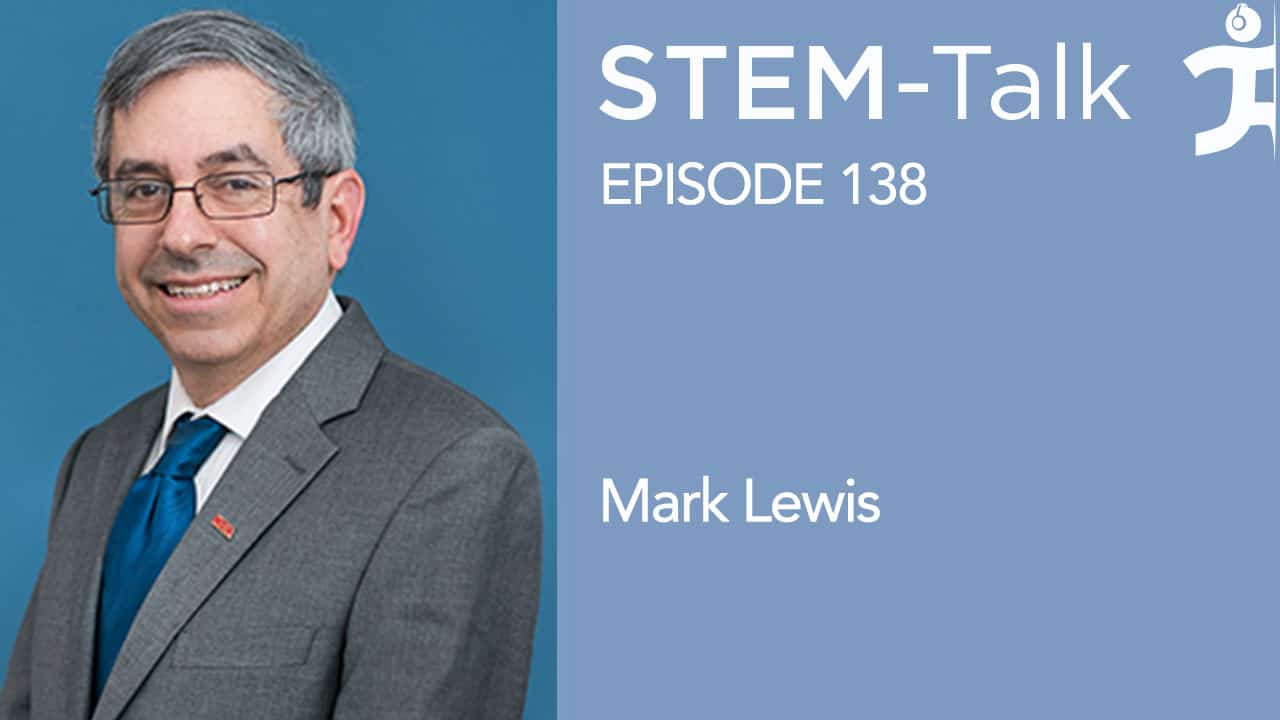
S7 Ep 138Episode 138: Mark Lewis discusses hypersonics and the importance of research in national defense
Today’s guest is Dr. Mark Lewis, executive director of NDIA’s Emerging Technologies Institute (NDIA ETI), a nonpartisan think tank focused on technologies that are critical to the future of national defense. ETI provides research and analyses to inform the development and integration of emerging technologies into the defense industrial base. We will discuss the Emerging Technologies Institute’s Vital Signs report, which is an evaluation of the readiness and health of the defense industrial base. Prior to his role at the Emerging Technologies Institute, Mark was the Director of Defense Research & Engineering in the Department of Defense, overseeing technology modernization for all military services and DoD Agencies, as well as the acting Deputy Under Secretary of Defense for Research & Engineering. In this role he was the Pentagon’s senior-most scientist, providing management oversight and leadership for DARPA, the Missile Defense Agency, the Defense Innovation Unit, the Space Development Agency, Federally Funded Research and Development Centers, and the DoD’s basic and applied research portfolio. At the Department of Defense, Mark worked closely with Mike Griffin, who appeared on episodes 23 and 134 of STEM-Talk. In today’s interview with Mark, we will again discuss hypersonics and other emerging technologies and modernization priorities that are critical to our national defense. Mark is also the former longest-serving and is perhaps best known for his work in hypersonics. In addition to these important defense-related roles, Mark is also a professor emeritus at the University of Maryland. He spent 25 years as a faculty member at Maryland, conducting basic and applied research in hypersonic aerodynamics, advanced propulsion, and space-vehicle design. Show notes: [00:03:27] Dawn opens the interview asking where Mark grew up and what he was like as a kid. [00:04:29] When Dawn asks Mark when he first became interested in science, Mark tells a funny story form his time as president of the American Institute of Aeronautics and Astronautics? [00:06:21] Ken asks Mark how he ended up at MIT after high school. [00:07:46] Mark talks about taking a job as an assistant professor of aerospace engineering at the University of Maryland after earning his Ph.D. in aeronautics and astronautics at MIT. [00:09:34] Dawn mentions that from 2002 to 2004, Mark was the director of the Space Vehicle Technology Institute. She asks Mark to give an overview of the Institute and the kind of work that goes on there. [00:12:45] Ken mentions that in 2004, Mark became Chief Scientist of the U.S. Air Force, going on to become the longest-serving Chief Scientist in Air Force history. Ken asks Mark to explain the role of the chief scientist, and what he focused on during his time in the position. [00:17:37] Dawn explains that in 2012, Mark became the director of the Science and Technology Policy Institute, which worked with the executive office of the President and other Executive Branch agencies. Mark talks about the kind of work the Science and Technology Policy Institute does. [00:20:23] Dawn mentions that during Mark’s 25 years as a faculty member at the University of Maryland, he conducted basic and applied research in a variety of fields, such as hypersonic aerodynamics, space vehicle design, and advanced propulsion. She point out that Mark, however, is best known for his work in hypersonics. She asks Mark what led him to focus on hypersonics. [00:22:46] Ken asks Mark to explain why he decided to work under Mike Griffin (episodes 23 and 134) in the Pentagon as the Director of Defense Research and Engineering, and what that experience was like. [00:28:19] Dawn mentions that during Mike Griffin’s time as Under Secretary of Defense for Research and Engineering, he made hypersonics the department’s number one priority. Dawn asks Mark to explain the importance of hypersonics in terms of our national defense. [00:33:38] Ken asks Mark when he thinks an air breathing hypersonic tactical round might be available on a production basis. [00:35:40] Ken mentions that Russia recently test-launched the RS-28 Sarmat, a liquid-fueled MIRV-equipped super-heavy intercontinental ballistic missile, sometimes referred to in the west as the “Satan II.” Mark gives his take on the RS-28. [00:39:44] Dawn explains that in 2008, when Mark was concluding his time as Chief Scientist of the Air Force, he launched a study that became known as the Day Without Space Study. This study concluded that we would have a very hard time fighting a war without our relatively vulnerable space assets. Dawn asks Mark to talk about the importance of space in our national defense. [00:43:03] Ken asks Mark about directed energy technology, and its importance in terms of our national defense and weapons capabilities. [00:45:02] Mark discusses his new role as the executive director of the National Defense Industrial Association’s Emerging Technologies Institute, which is a nonpar
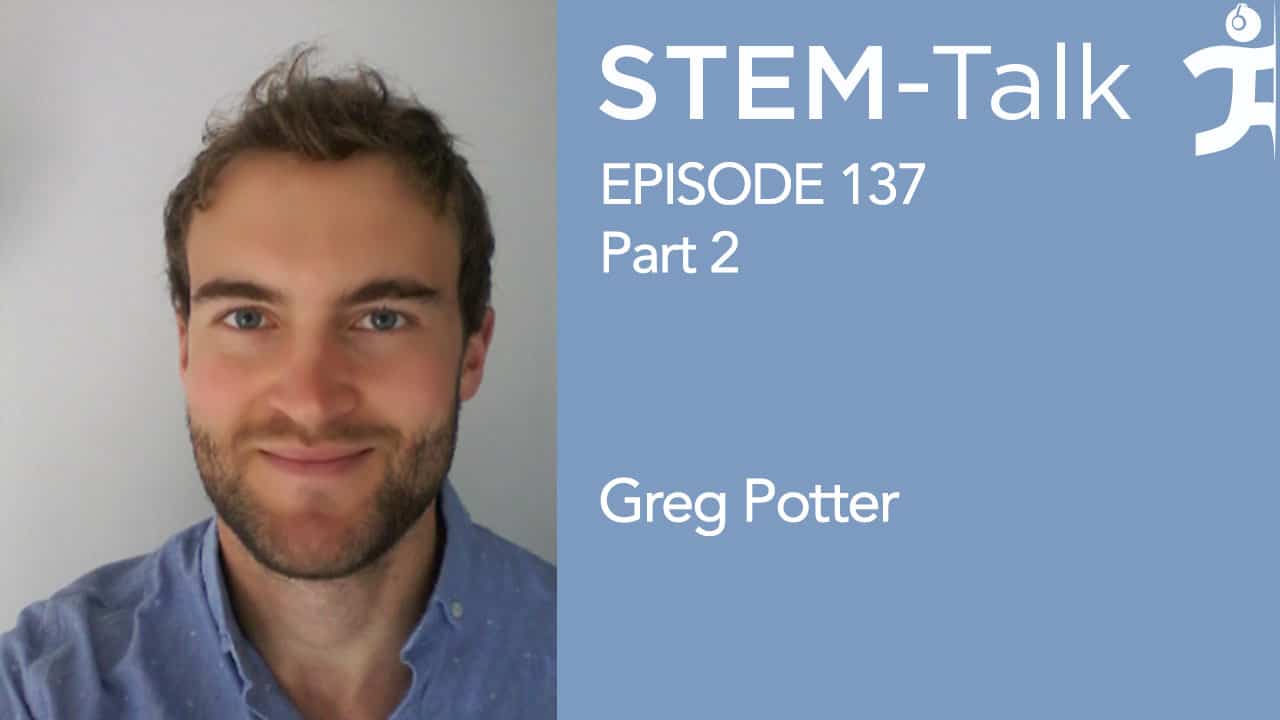
S7 Ep 137Episode 137: Greg Potter discusses lifestyle changes for better health and sounder sleep
Today we return with the second half of our two-part interview with Dr. Greg Potter, a British researcher who specializes in circadian biology, sleep, diet, and metabolism. In this second part of our interview, host Ken Ford and Greg continue their conversation about circadian biology and cover topics ranging from insomnia, sleep apnea, time-restricted eating, exercise, nutrition, and supplementation. In part one of our interview, episode 136, Ken talked to Greg about how he became interested in circadian biology and the importance of synchronizing our lifestyles to be in tune with our circadian rhythms. Greg also explains why he decided to specialize in sleep and what his research has taught him about the role and importance of melatonin, a hormone that helps control the body’s sleep cycle. Dawn Kernagis was traveling during our talk with Greg and couldn’t join Ken to co-host the interview. Greg gained attention in the U.S. and Europe for his research into the importance of biological rhythms and sleep and how they affect people’s lives. His work has been featured in the BBC World Service, the Washington Post, Reuters and other scientific journals and news outlets. In addition to being a science writer and sleep consultant, Greg also is an entrepreneur who co-founded Resilient Nutrition in 2020, a company that leverages science to produce foods and supplements geared toward helping people feel and perform better. Greg earned undergraduate and master’s degrees in exercise science from Loughborough University in England a Ph.D. from the University of Leeds. Show notes: [00:03:12] Ken opens part two of our interview with Greg by asking him about continuous positive airway pressure machines, known as CPAPs, that are used for sleep apnea and related disorders, and how these devices relate to circadian rhythms and quality of sleep. [00:05:47] Ken brings up chronotypes, the concept that some people are better suited to an earlier or later sleep schedule. Ken goes on to say that during our interview with Satchin Panda, he argued that chronotypes are largely a myth. Ken asks Greg how much he thinks chronotypes are the product of environment as opposed to evolutionary biology and genetics. [00:10:27] Ken asks what an example would be of an advanced chronotype. [00:11:54] Ken asks Greg about chrononutrition, which is the relationship between a person’s nutrition and their body clock. [00:20:46] Ken mentions that muscle protein synthesis comes up as a problem for people getting older who begin a fasting diet which is generally good for their health but prevents them from maintaining or gaining substantial muscle mass, as their protein demands are higher than they were in youth. Ken asks Greg his thoughts on a pulsatile approach to fasting and protein intake for this cohort. [00:23:39] Ken asks Greg about chronopharmacology, what it is and how it might tie into nutrition. [00:25:21] Ken asks Greg to explain his stance that we should re-engineer our lifestyles to better mimic certain aspects of our distant ancestors to protect ourselves from chronic diseases and revive the kinds of energy we had as children. Greg explains what aspects of our ancient ancestors we ought to emulate. [00:29:07] Ken mentions a paper Greg published on sleep and bodyweight, and asks Greg to expound on the relationship between sleep and weight regulation. [00:33:54] Ken asks if Greg thinks it is true that there is now an “epidemic” of sleep loss. [00:36:57] Greg gives a list of advice for people to optimize their sleep. [00:40:57] Ken mentions that many people enjoy a little wine or other drink before bed because they feel as if it helps them fall asleep. Ken asks Greg to talk about how this can damage a person’s sleep. [00:43:52] Ken asks when people should go to bed, and how much sleep is needed for a person on average, and how much variation there is in the quantity of sleep needed between people. [00:49:12] Ken asks Greg what people should consider when selecting sleep supplements. [00:52:39] Ken mentions that during the COVID-19 pandemic, Greg ventured into the world of entrepreneurship and launched a new company, Resilient Nutrition. Ken goes on to say that Greg has recently launched a new product called Switch On, which Greg has called the first supplement specifically formulated to mitigate some of the negative effects of lost sleep. Ken asks Greg to talk more about this. [00:57:45] Greg talks about the importance of unwinding at the end of the day and some strategies to aid in that, as well as the importance of having a healthy attitude towards sleep. [01:01:14] Ken ends the interview asking Greg if sexual activity prior to sleep influences the quality as well as the duration of sleep.    
S7 Ep 136Episode 136: Greg Potter talks about circadian biology and the importance of sleep
Today we have part one of a two-part interview with Dr. Greg Potter, a British researcher who specializes in circadian biology, sleep, diet, and metabolism. Greg gained attention in the U.S. and Europe for his research into the importance of biological rhythms and sleep and how they affect people’s lives. His work has been featured in the BBC World Service, the Washington Post, Reuters and other scientific journals and news outlets. In addition to being a science writer and sleep consultant, Greg also is an entrepreneur who co-founded Resilient Nutrition in 2020, a company that leverages science to produce foods and supplements geared toward helping people feel and perform better. Greg earned undergraduate and master’s degrees in exercise science from Loughborough University in England before heading off to the University of Leeds for his Ph.D. Ken Ford’s STEM-Talk co-host Dawn Kernagis is traveling and was not able to join him for today’s interview with Greg. In this first part of the interview, Ken talks to Greg about his youth and academic background and how he became interested in circadian biology. Greg also goes into detail about why he decided to specialize in sleep and what his research has taught him about the role and importance of melatonin, a hormone that helps control the body’s sleep cycle. Be on the lookout for part two of Ken’s interview with Greg, which covers a number of topics ranging from insomnia, sleep apnea, time-restricted eating, exercise, and nutrition. Show notes: [00:05:03] Ken opens the interview asking if it’s true that Greg’s curiosity and fascination with building things as a child led him to tell his uncle he wanted to be an engineer when he grew up. [00:06:22] Greg talks about how he and his older siblings lived on the campus of the school where their parents taught. [00:07:35] Ken asks Greg why he abandoned the idea of being an engineer and instead applied for an art scholarship to senior school. [00:08:28] Ken asks what kind of art Greg liked to make. [00:09:17} Ken asks how a rugby injury in Greg’s childhood sparked his initial interest in science. [00:10:33] Ken asks why Greg took a year off before attending university, and what he did during that time. [00:11:04] Greg talks about his first experience with research, which came during a physiological society studentship in his second year of university, where he worked under Dr. Johnathan Folland. [00:12:59] Ken asks about Greg’s experiences as an undergrad when he coached sprinters and worked as a personal trainer and massage therapist. [00:14:18] Ken mentions that Greg must have been a good coach because in addition to training sprinters, he also helped two men break the Atlantic Rowing World Record. [00:16:01] Ken mentions that Greg finished his undergraduate degree in exercise science at Loughborough around the same time as the 2012 London Olympic games. The Great Britain Olympic Team used Loughborough as its base. Greg talks about what a great experience that was for him as a recent graduate who had an interest in elite athletic performance. [00:16:42] Ken asks about Greg’s experience in between his undergraduate and graduate studies, where he took an internship in the sports science and sports medicine department of the Rugby Football Union. [00:17:36] Ken mentions that while at Loughborough pursing a master’s degree, Greg began to pay more attention to the role of biological rhythms and sleep in people’s lives. That prompted him to pursue a Ph.D. at the University of Leeds, researching circadian rhythms, sleep, nutrition, and metabolism. Ken asks why Greg developed an interest in these research topics and what led him to the University of Leeds. [00:19:58] Ken mentions that Greg has become best-known for his work on sleep, asking about a paper Greg published in Endocrine Reviews in 2016 on circadian rhythm and sleep disruption. Ken goes on to ask Greg to explain how circadian rhythms are generated by biological “clocks” and why it is disruptive to good health if we disrupt these rhythms. [00:28:36] Ken asks about the distinction between the body’s master clock and peripheral clocks, and what are some examples of these peripheral clocks and the roles they supposedly play. [00:32:15] Ken mentions that Greg has spoken about how humans once lived by two clocks, a biological one and an environmental one. Ken goes on to explain that these clocks were likely in sync for our ancestors, but that today people seem to have a third clock, which Greg has referred to as a social clock. Greg explains what this social clock is and why it has such a profound impact on humans. [00:37:03] Ken asks about the effects of shift work on people’s circadian rhythms, mentioning a paper Greg co-authored with Tommy Wood, a frequent guest on STEM-Talk. Ken also points out that Satchin Panda (STEM-Talk episode 79) has produced research on shift work. [00:40:04] Ken asks Greg what the current best practices are to optimize health and performance
S7 Ep 135Episode 135: Elaine Lee discusses human performance, resilience and healthspan
Our guest today is Dr. Elaine Choung-Hee Lee, an assistant professor in the Department of Kinesiology at the University of Connecticut. Much of Elaine’s research focuses on understanding the mechanisms of resilience and investigating ways to help humans improve their stress resistance, adaptation and healthspan. Elaine’s research is focused not only on understanding fundamental biology, but also on what can be done to manipulate our biology to optimize health and performance as well as preventing disease. At her UConn research center, called the EC Lee Laboratory, she and her colleagues use genomic and other technologies to ask questions about what makes high-performing athletes and warfighters so elite. In today’s interview, you’ll hear how an early passion for Marvel comics and superheroes helped nudge Elaine into a science career. You’ll also learn about some of her lab’s projects that range from improving warfighter resilience to studying the effects of exercise and supplementation on our immune functions. Show notes: [00:03:07] Dawn asks Elaine about when she became interested in superheroes. [00:04:02] Elaine shares who her favorite Marvel hero is. [00:05:20] Dawn asks Elaine what her favorite Marvel movie is. [00:05:42] Ken asks when Elaine first became interested in science. [00:06:50] Dawn mentions that Elaine had many obsessions growing up, including running and rowing, and goes on to mention that Elaine even became a rower at the University of Connecticut, asking what drew her to these sports. [00:09:09] Ken asks what Elaine’s experience on the rowing team was like. [00:11:43] Dawn mentions that Elaine graduated with her bachelors in nutritional sciences in 2002 and asks if that was her original intent when she first arrived at college. [00:13:38] Dawn asks Elaine to talk about her passion for research and how the focus of her work grew from her experiences as an athlete and coach. [00:16:14] Dawn comments that Elaine’s early experiences in genetics and nutritional sciences played a role in her career and asks what some of those early experiences were. [00:17:49] Dawn asks Elaine if it’s fair to say that she is not merely interested in biology, but in what people and researchers can do to manipulate biology in a way that can result in functional changes for broader populations. [00:19:13] Ken mentions that Elaine stayed at the University of Connecticut for her masters and doctorate degrees in kinesiology, asking why decided on that specialization. [00:21:34] Dawn mentions that Elaine went for a post-doc fellowship at the Mount Desert Island Biological Laboratory in Salisbury Cove, Maine, and asks how that opportunity came about. [00:23:59] Dawn mentions that during Elaine’s post-doc, she and Dr. Kevin Strange co-authored a paper in the journal of Federation of American Societies for Experimental Biology, titled “Osmosensitive gene expression in C elegans is regulated by conserved signaling mechanisms that control protein translation initiation.” Dawn goes on to mention that this paper was selected in 2012 by the Cellular and Molecular Physiology Section of the American Physiological Society as one of six finalists for its annual research recognition award. Dawn asks why this paper attracted such attention. [00:28:56] Ken mentions that Elaine was also selected as the Mount Desert Island Biological Laboratory’s “Outstanding Mentor of the Year” in 2012. [00:32:18] Dawn mentions that Elaine’s research over the years has focused on understanding the mechanisms of stress resiliency, and ways to improve stress resistance, adaptation and healthspan, asking how Elaine became interested in this angle of research. [00:34:00] Dawn asks Elaine to talk about her use of C elegans and why they are so useful for her research into stress and resilience. [00:38:21] Dawn mentions that Elaine’s work on the mechanisms of osmosensing and adaptation in response to osmotic stress and infection, asking her to give a brief explanation on what osmosensing is. [00:40:45] Ken asks how well the work in C elegans translates to human athletes. [00:43:33] Dawn asks about a study that looked at intracellular and surface heat shock protein 70 expression, as well as early apoptosis and heat tolerance of lymphocytes during 11 days of whole-body heat acclimation. [00:48:15] Dawn asks about a paper that Elaine and Ken Strange wrote in 2012 in the American Journal of Physiology-Cell Physiology which that demonstrated for the first time that inhibition of protein translation protects extant proteins from damage brought about by an environmental stressor, and further asks how this paper challenged some widely held views about chemical chaperones. [00:50:16] Ken asks about a paper Elaine worked on with Jeff Volek and Stephen Phinney, that looked at the metabolic characteristics of keto-adapted ultra-endurance runners. [00:54:22] Ken mentions that last year, Elaine was one of the lead authors of a study that looked at how endocrine response

S7 Ep 134Episode 134: Mike Griffin discusses America’s hypersonic arms race with Russia and China
Our guest today is Dr. Michael Griffin, the Pentagon’s former Undersecretary of Defense for Research and Engineering. During his two and a half years as undersecretary, Mike made hypersonic weapons and defense against them his number one priority. In today’s episode, Mike talks about the history of hypersonic technology; why he made it his number one priority at the Department of Defense; and why Russia’s and China’s growing hypersonic capability represents a serious threat to America’s national security. Our interview with Mike was conducted on March 23, one month following Russia’s invasion of Ukraine. The weekend prior to our interview with Mike, Russia reported that it used a hypersonic missile to strike a Ukrainian military facility. This is Mike’s second appearance on STEM-Talk. He was our guest on episode 23 back in 2016 when we talked to him about his tenure as NASA Administrator from April of 2005 to January of 2009. Mike holds numerous academic degrees, including a BS in physics from Johns Hopkins, five master’s degrees, and a Ph.D. in aerospace engineering from the University of Maryland. In addition to serving as NASA Administrator and Undersecretary of Defense for Research and Engineering, his long career has included numerous other academic and corporate positions. Show notes [00:04:33] Dawn welcomes Mike back to the podcast, mentioning that when Mike was last on STEM-Talk in 2016, he talked about space exploration and his tenure as NASA administrator. Dawn goes on to mention that since then, Mike served a two-and-a-half-year stint as the Pentagon’s first research and engineering undersecretary, a position Congress created in 2018. Mike talks briefly about his perspectives on hypersonics research and development in the U.S. as well as in China and Russia. [00:05:36] Ken asks Mike to give a brief definition of hypersonics, given that during his time as undersecretary, he made hypersonics his top priority. [00:09:59] Ken mentions that last weekend, Russia reportedly used hypersonic weapons in Ukraine. Ken asks if Mike has any thoughts as to why the Russians are using hypersonic weapons in Ukraine as opposed to other less expensive weapons that would have sufficed from a military perspective. Ken wonders whether the use of hypersonics was primarily for strategic messaging. [00:12:26] Ken asks Mike about his op-ed in Breaking Defense that he recently co-authored and was titled, “Rethinking the hypersonic debate for relevancy in the Pacific.” [00:15:17] Ken points out that many U.S. leaders view China as primarily a trading partner and a source of inexpensive goods rather than a power that regards the U.S. as an adversary. [00:16:49] Mike describes hypersonics in more detail and explains the implications for national security. [00:18:28] Dawn mentions that hypersonic technologies are often thought of as relatively new. Mike talks about how the first hypersonic systems were actually used during World War II by the Germans. [00:19:34] Ken explains that the aerodynamic heating that occurs at hypersonic speeds is very intense. As a result, the propulsion technology, airframe materials and thermal management involved in hypersonics is very demanding. Ken goes on to say that in the mid-1950s, this was an issue the Air Force had to overcome during its development of the Atlas Intercontinental Ballistic Missile. Ken asks Mike to discuss aerodynamic heating caused by hypersonic speeds and how it was handled with respect to the Atlas missile. [00:23:12] Ken asks about the challenges NASA faced in overcoming aerodynamic heating on the Command Module for the Apollo missions during reentry, which would reach speeds up to Mach 35. [00:23:49] Dawn explains that hypersonic weapon systems fall primarily into two classifications: air-breathing cruise missiles and hypersonic boost-glide systems. She asks Mike to give an overview of these two systems and asks if as a country we should invest in both. [00:30:01] Ken asks Mike whether a powered cruise missile or a hypersonic boost-glide system is more challenging to develop and deploy. [00:32:44] Ken explains that the United States has actively pursued the development of hypersonic weapons as a part of its conventional global strike program since the early 2000s. Ken adds that partly thanks to Mike’s efforts, the Pentagon and Congress have recently shown a renewed interest in the development and deployment of hypersonic systems, possibly due to the existence of operational Russian and Chinese hypersonic systems. Ken asks Mike when he thinks the U.S. might have operational hypersonic capability and what it might be like. [00:35:00] Ken asks Mike about the balance between developing hypersonic weapons and developing a new type of defense system to counter the Russian and Chinese threat. [00:40:41] Ken follows up by asking if the space development agency is adequately funded and staffed for the task of developing a detection and defense system for hypersonic weapons. [00:4
S7 Ep 133Episode 133: Mark Mattson talks about the benefits and science of intermittent fasting
Our guest today is Dr. Mark Mattson, who is affectionally known as the godfather of intermittent fasting. The National Institute of Health describes Mark as “one of the world’s top experts on the potential cognitive and physical health benefits of intermittent fasting.” He is considered a leader in the area of cellular and molecular mechanisms underlying neuronal plasticity and neurodegenerative disorders and has made major contributions to understanding the pathogenesis of Alzheimer’s disease, Parkinson’s disease, amyotrophic lateral sclerosis and stroke, and to their prevention and treatment. After spending nearly 30 years researching calorie restriction and intermittent fasting, Mark has written a book on the topic, “The Intermittent Fasting Revolution: The Science of Optimizing Health and Enhancing Performance.” Our interview with Mark came the day after MIT Press released his book. This is the second time Mark has appeared on STEM-Talk. When we interviewed him back in 2016, intermittent fasting didn’t register on Google’s list of top-10 searches related to diet and eating plans. By 2019, however, intermittent fasting was more widely searched on Google than any other diet. Today, intermittent fasting and the ketogenic diet jockey for Google’s top spot for diet searches. We talk to Mark in this interview about how, as the title of his book suggests, we are indeed in the midst of an intermittent fasting revolution. In today’s episode, Mark walks us through our evolutionary history and how it has sculpted our brains and bodies to function optimally in a fasted state. We talk about ways our overindulgent sedentary lifestyles have negatively impacted not only our waistlines, but also the size of our brains. After describing the various ways to go about intermittent fasting, Mark dives into the science behind fasting. This leads to a fascinating discussion about the metabolic switch that transitions a person from the utilization of glucose to the utilization of fat-derived ketones and how research is showing that this switch becomes an important factor in the treatment of not only cognitive disorders like Alzheimer’s, but also a range of other diseases and disorders like cancer, diabetes, inflammation, kidney, and heart disease. Mark is on the neuroscience faculty at Johns Hopkins University School of Medicine. He recently retired from the National Institute of Aging where he led its neuroscience laboratory for the past 20 years. Show notes: [00:04:16] Dawn opens the interview congratulating Mark on his new book and asks how long it took him to write it. [00:05:09] Dawn mentions that when Mark was last on STEM-Tall in 2016, intermittent fasting was just beginning to come to the public’s attention, and that today it is almost impossible to pass a grocery store checkout counter without seeing a rack of magazine covers touting intermittent fasting. Dawn asks Mark for his thoughts about what happened in the past decade to suddenly spark so much public interest in fasting. [00:08:20] Ken mentions the title of Mark’s new book, “The Intermittent Fasting Revolution: The Science of Optimizing Health and Enhancing Performance.” Ken asks Mark to expound on the idea that we are witnessing a revolution of interest in intermittent fasting. [00:10:39] Dawn explains that the first chapter of Mark’s book begins with an overview of how evolution sculpted humans and animals to function best in a fasted state. Mark, in this section of his book, makes the point that fasting is not a diet, but an eating pattern that puts a person into a fat-burning state. Dawn asks Mark to briefly walk through this evolutionary history. [00:13:06] Ken mentions that Yuval Noah Harari, author of, “Sapiens: A Grief History of Human Kind,” has said that ancient foragers were the most knowledgeable and skillful people in history. Ken asks Mark to weigh in on Harari’s point that the size of the average brain in Homo Sapiens has actually decreased since the age of hunters and gatherers. [00:17:10] Dawn asks Mark to talk about how our modern overindulgent sedentary lifestyles are having negative impacts on our brains. [00:18:20] Dawn mentions that fasting was relatively popular in the U.S. at the turn of the 20th Century and mentions Josh Turknett, who was recently on STEM-Talk, pointed out that Upton Sinclair actually wrote a book about fasting in 1911. Dawn mentions that Mark in his book also writes about Sinclair as well as Dr. Edward Dewey, who in 1900 wrote “The No-Breakfast Plan and the Fasting Cure.” Dawn asks why society turned its back on fasting when a century ago it was quite popular. [00:19:55] Ken asks Mark to explain how he first became interested in researching intermittent fasting in the 1990s. [00:22:10] Dawn explains that Alzheimer’s disease ultimately affects almost half of the population over the age of 85, and that diseases such as Alzheimer’s and Parkinson’s often start 15 years before serious symptoms are noticed. Dawn asks Mark to
S7 Ep 132Episode 132: Martin Kulldorff discusses vaccines, lockdowns, school closings and the global response to COVID-19
Our guest today describes the global response to COVID-19 as one of the biggest public-health fiascos in history. As you would expect, he gained quite a bit of notoriety for this contrarian view. Dr. Martin Kulldorff is an epidemiologist and biostatistician who has spent the past 30 years researching infectious diseases as well as the efficacy and safety of vaccines. He is internationally known for his statistical and epidemiological methods for the early detection and monitoring of infectious diseases. A former Harvard Medical School professor who today is the Senior Scientific Officer at the Brownstone Institute, Martin worked with the Centers for Disease Control on its current system for monitoring potential vaccine risks. Today, the U.S. and other countries around the world use Martin’s detection methods to monitor COVID-19. Martin made national headlines in October of 2020 when he and Dr. Jay Bhattacharya of Stanford and Dr. Sunetra Gupta of Oxford published the Great Barrington Declaration, a paper that questions school closings, lockdowns, travel restrictions and other governmental responses to the COVID-19 pandemic. The three authors recommended “focused protection” instead, a policy of protecting senior citizens and others who are most at risk of dying from COVID while allowing young people and others who face minimal risk of death to resume their normal lives. The three authors were immediately skewered for what critics called a radically dangerous approach for pandemic management. At STEM-Talk, however, we appreciate that a curious, open, and even skeptical mind is at the heart of the scientific method. Because of that, we have invited Martin to sit down with us to discuss the Great Barrington Declaration as well as his views about pandemics and the best ways to safeguard the public. We also review with Martin the age-adjusted mortality rates of states like Florida, New York and California which had quite different responses to COVID-19. Ironically, co-host Dawn Kernagis learned on the morning of our interview with Martin that she had contacted COVID. So, she has to skip today’s discussion. (Note to listeners: It was just a mild case and Dawn is already back on her feet.) But in today’s fascinating episode, Martin and host Ken Ford discuss: — The safety of vaccines, including the coronavirus vaccines. — Martin’s thoughts about the Pfizer BioNTech COVID-19 vaccine for children. — The Great Barrington Declaration and the concerns it raised about the physical, mental-health and economic impacts of the prevailing COVID-19 responses. — The effectiveness of natural immunity compared to vaccine-induced immunity. — Whether hospitals should be hiring caregivers with natural immunity rather than firing them. — Martin’s thoughts about Sweden, which was the only Western nation that did not impose lockdowns or close its schools and daycare centers in response to COVID-19. — What age-adjusted COVID mortality rates for the U.S. have to say about the different approaches states used in response to the pandemic. Show notes: [00:05:20] Ken opens the interview mentioning that Martin was born in Lund in 1962 in southern Sweden, but grew up in Umea, a university town in northeast Sweden. Ken asks what prompted Martin’s family to move to Umea when he was two years old. [00:05:47] Ken mentions as an aside that he once spent an enjoyable week at the University of Umea visiting Lars-Erick Janlert. Ken served as the external expert for a PhD dissertation. [00:07:00] Ken asks Martin what he was like as a child. [00:07:32] Ken asks what drew Martin to math, and if it came naturally to him. [00:08:15] Martin talks about his decision to attend Umea University and major in mathematical statistics. [00:09:09] Ken asks why Martin moved to the United States and to attend Cornell University as a Fullbright Fellow for his postgraduate studies, and why he decided to earn his Ph.D. in operations research. [00:10:39] Ken asks about the software Martin developed called SaTScan, which analyses spatial, temporal, and space-time data for the purposes of geographical and hospital-disease surveillance. [00:14:13] Ken asks why Martin returned to Sweden to be an assistant professor in statistics at Uppsala University after receiving his Ph.D. [00:15:26] Ken asks when and why Martin became primarily focused on diseases and epidemiology rather than other fields where statistics is applicable. [00:16:47] Ken mentions TreeScan, a data mining software package that Martin developed which looks for excess risk in a large number of individual cells in a database as well as in groups of closely related cells. Ken asks Martin to talk about how this software is used for disease surveillance and what some of its key features are. [00:18:09] Ken mentions that Martin is also the co-developer of the R-Sequential software program used for exact sequential analysis, with his key scientific contribution to it being the
S6 Ep 131Episode 131: Christopher Logothetis discusses advances in prostate cancer therapies
Our guest today is Dr. Christopher Logothetis, one of the nation’s foremost experts on prostate cancer. Chris has spent nearly five decades at MD Anderson in Houston developing therapies for prostate cancer as well as conducting research into the underlying biology of the disease. Aside from skin cancers, prostate cancer is the most common cancer among men, claiming a man’s life every 15 minutes in the United States, according to the Prostrate Cancer Foundation. Since the 1970s when Chris joined the staff at MD Andersen, which is the nation’s top-ranked hospital for cancer care, he has been dedicated to the treatment, research, and prevention of genitourinary cancers such bladder, kidney, testes and penis cancer. For the past 25 years, he has focused primarily on prostate cancer and the development of effective chemotherapy treatments. Today, Chris is the director of MD Anderson’s Genitourinary Cancer Center and the director of the Prostate Cancer Research Program. Show notes: [00:03:23] Dawn opens the interview mentioning that Chris went to medical school in Greece and asks if he grew up there as well. [00:03:43] Ken asks Chris when he first became interested in science. [00:04:09] Dawn asks if there were a particular teacher or class that prompted Chris’ decision to pursue medicine. [00:04:39] Dawn asks what led Chris to attend the University of Athens School of Medicine. [00:05:10] Dawn mentions that in the ‘60s and ‘70s, talking about cancer was almost taboo and asks Chris to talk about the stigma that surrounded cancer for quite some time. [00:05:57] Ken asks if Chris knew he wanted to specialize in cancers when he first started medical school in Athens or if that interest developed later. [00:07:06] Dawn mentions that Chris graduated from medical school in 1974 and then took off for Chicago where he had an internship at Cook County Hospital. Dawn asks about the experience, and if it were a culture shock to go from Athens, Greece to Chicago in the 1970s. [00:08:54] Dawn asks what took Chris to Texas and MD Anderson after his time in Chicago. [00:09:36] Dawn mentions that after Chris finished his fellowship, he joined the faculty at MD Anderson, and is now coming upon his 50th anniversary there. [00:09:51] Chris explains his view that we need to better understand the drivers of cancer and goes on to talk about what we currently know about these drivers. [00:12:06] Ken asks about the significance of the Human Genome Project on cancer research. [00:13:49] Dawn mentions that along with new technologies, there evolved a strategy of what is called co-clinical investigation where researchers study the mouse, but in parallel look at the difference and similarities with humans. She asks him about how that integrated data required a new language to bring it all together, which is now known as Prometheus. Dawn asks Chris to talk about Prometheus and how this has led to an accelerated understanding of cancer biology. [00:20:47] Dawn mentions that Chris has studied a range of genitourinary cancers throughout his career, such as germ cell tumors, bladder, and renal cancers, but that his interest in prostate cancer is a more recent development. Dawn asks what led to this specific interest. [00:23:12] Dawn explains that metastatic cancer was first cured in 1956 when methotrexate was used to treat a rare tumor called choriocarcinoma. She goes on to say that since then, chemotherapy drugs have been used to treat mixed germ-cell tumors and has led to dramatically improved survivorship among patients with metastatic germ-cell tumors. She also mentions that in 1982 Chris published a paper in the journal Cancer titled, “The growing teratoma syndrome,” at which time, tumor growth following chemotherapy for mixed germ-cell tumors had been considered a reliable indicator of a persistent active carcinoma, with the rule being that if the cancer didn’t respond to treatment that operations were futile. Dawn explains that in Chris’ 1982 paper, he demonstrated that you could alter a tumor with chemotherapy in such a way that surgery could now cure it where previously could not. Chris expounds on this paper and its significance. [00:27:21] Ken mentions that Chris had another paper where he described the spiral diagram of cancer progression, where the cancer sends a message to the host, which sends a message back in a cycle over time. Ken goes on to say that Chris’ conclusion was that this interaction between the cancer and the host eventually evolves into the patient’s body and becomes, in a sense, complicit in the cancer’s growth. Chris goes on to explain the spiral of cancer progression. [00:31:19] Dawn points out that in the spring of 2021, Chris published a paper in Clinical Cancer Researched titled “Radium-223 Treatment Increases Immune Checkpoint Expression in Extracellular Vesicles From the Metastatic Prostate Cancer Bone Microenvironment.”Dawn goes on to explain that Radium-223 is a radiopharmaceutical used to treat metastati
S6 Ep 130Episode 130: Josh Turknett talks about holistic approaches that help people end chronic migraines
Our guest today is Dr. Josh Turknett, the author of “The Migraine Miracle” and “Keto for Migraine,” two books that have helped thousands of people use a holistic approach to end their chronic migraines. Josh is often referred to as “public enemy number one to migraines” everywhere. He is a neurologist, musician, author, and entrepreneur. He has more than two decades of experience in the field of cognitive and behavioral neuroscience. Josh practices medicine in Atlanta at the Turknett Center for Neurology and Cognitive Enhancement. In today’s episode, we talk to Josh about his own history with migraines and how migraine is a common and complex neurological disorder that includes a genetic component. Josh earned a bachelor’s degree in cognitive neuroscience from Wesleyan University, an M.D. from Emory University, and completed his residency training at the University of Florida. In addition to his medical practice, Josh also is the founder of Brainjo, a company that creates educational resources that utilize a system of instruction based on the science of learning and neuroplasticity. He’s a musician who plays in the band The Georgia Jays and teaches people to play the clawhammer banjo, fingerstyle banjo, fiddle and ukulele. As if he didn’t have enough to do, Josh also is the president of Physicians for Ancestral Health and the chief medical officer for humanOS, which was recently acquired by Restore Hyper Wellness. Josh also is the host of the Intelligence Unshackled podcast, which explores the many ways that human potential is constrained and how people can go about optimizing it. Show notes: [00:03:22] Dawn opens the interview asking Josh about his mother’s struggles with migraines. [00:04:59] Dawn asks Josh how old he was when he first started having migraines. [00:06:15] Ken asks Josh how he first became interested in science. [00:08:24] Dawn asks Josh how he ended up in the Connecticut at Wesleyan University for his undergraduate degree. [00:09:35] Ken asks if Josh knew he wanted to major in neuroscience when he first arrived at Wesleyan or if that was a later decision. [00:10:49] Dawn asks if it is true that Josh’s girlfriend at the time played a role in his decision to move back to Atlanta to go to medical school at Emory after his undergrad. [00:11:55] Dawn asks what motivated Josh to attend the University of Florida for his residency after being a lifelong Gator-hater. [00:14:39] Ken mentions that despite all the hype around neuroscience when the field was emerging, the last major breakthrough in neurology was in the ‘90s with the discovery of triptan drugs for migraines. Ken asks if we have made any major neurological advances since then, and if not, why? [00:17:41] Ken asks Josh what he would suggest to today’s neurology residents and neuroscience graduate students who might want to avoid the recent failures of the modern approaches to treating neurological disease. [00:19:57] Dawn explains that a migraine is a complex neurological disorder affecting 15 to 20 percent of the population, with many subtypes including a genetic component. Dawn asks Josh what is currently understood about the genetic component of migraines. [00:21:28] Ken asks Josh at what point in his career did he decide to specialize in migraines. [00:23:17] Dawn asks Josh to explain to people who have not suffered from migraines what it feels like to experience a cascade of symptoms such as numbness, tingling, visual disturbances, nausea, vomiting, dizziness, fatigue, and blinding headaches. [00:25:15] Ken asks Josh what the difference is between cluster headaches and migraines. [00:26:49] Dawn mentions that people can start to feel the onset of a migraine 48 hours before the pain sets in, a phase called the prodrome. Josh explains what the prodrome is and what its symptoms are. [00:28:03] Dawn mentions the fact that the pain of a migraine is preceded by an aura, which is often a frightening but temporary neurological disturbance that sets off an alarm of an impending migraine headache. She asks Josh what is known about auras. [00:30:11] Ken asks if the auras experienced by migraine sufferers is similar to the experiences some people have preceding an epileptic seizure. [00:30:41] Ken asks if people bounce back immediately once the migraine is over, or if there is a recovery period involved. [00:31:53] Dawn switches to the topic of how diet and lifestyle can help people manage their migraines by asking Josh about how his interest in ancestral health, and the ancestral way of eating. [00:34:43] Ken asks Josh what discoveries led him to write his 2013 book, “The Migraine Miracle.” [00:38:12] Dawn mentions that the ketogenic diet has become extremely popular over the past few years. Dawn goes on to say that while the ketogenic diet has been largely understood to help people with weight loss, epileptic seizures, metabolic disorders, and many other health issues. Dawn asks Josh to talk about how when his book “Keto for Migraine” came ou
S6 Ep 129Episode 129: Morley Stone talks about biomimetics and human performance augmentation
Our guest today is Dr. Morley Stone, the former Chief Technology Officer for the Air Force Research Laboratory (AFRL) and former Senior Vice President for Research at Ohio State University, who is now IHMC’s Chief Strategic Partnership Officer. Morley is recognized as an international leader in biomimetics and human performance. In today’s interview, we talk to Morley about his time as AFRL’s chief technology officer as well as his stint as the chief scientist for the Air Force’s 711th Human Performance Wing, which is responsible for providing technical oversight of projects geared to optimize human performance for the nation’s air, space, and cyberspace forces. We also have a fascinating conversation with Morley about his early career and research into biomimetics, which is the study of using biological structures, materials and principles as models for the development of new materials, structures, and devices. In his new role at IHMC, Morley will become the institute’s point person for public- and private-sector partnerships. He also will work with IHMC’s scientists and research staff to help coordinate and implement the multitude of scientific projects the institute has in its pipeline. Show notes: [00:03:07] Dawn mentions that Morley grew up in a small steel producing town in Pennsylvania and asks him what he was like as a kid. [00:03:56] Ken asks Morley about his days as wrestler growing up and why he still today views wrestling as a special sport. [00:05:00] Dawn asks about Morley’s move to Dayton, Ohio, when he was 17. [00:05:36] Dawn asks how Morley decided upon Wright State as opposed to the University of Dayton. [00:05:57] Morley tells the story of how a girl in college pointed out an ad for an internship and how that helped him decide to become a biochemistry major. [00:06:43] Dawn asks what happened to the girl who pointed out the aforementioned ad. [00:08:28] Ken asks Morley to talk about the Air Force Research Lab (AFRL) and the role of the lab’s Materials and Manufacturing Directorate. [00:09:53] Dawn mentions that after earning his bachelor’s degree, Morley had a short stint as a materials research engineer at the directorate before heading off to Carnegie Mellon University to work on a Ph.D. in biochemistry. Dawn asks why Morley chose to attend Carnegie Mellon. [00:11:08] Dawn mentions that in the late ‘80s and early ‘90s, Morley had the good fortune to work with scientists who had the foresight to know that there was going to be a radical change in material science, which up until that point had been dominated by metals and ceramics. Morley talks about the most important lessons he learned from these colleagues and mentors. [00:12:41] Dawn asks about Morley’s time as a research biologist, and eventually principal research biologist, at the Materials and Manufacturing Directorate after his Ph.D. [00:14:41] Ken asks Morley to explain biomimetics and discuss the systems that Morley and his colleagues looked at during his time at the Materials and Manufacturing Directorate, ranging from infrared sensing to instances of biological camouflage. [00:18:01] Dawn mentions that the creation of nanoscale materials for advanced structures has led to a growing interest in the area of biomineralization, she goes on to say that during Morley’s time at the directorate, he especially researched the process of biomineralization and the assembly of nanostructured inorganic components into hierarchical structures, which led to the development of a variety of approaches that mimic the recognition and nucleation capabilities found in biomolecules for inorganic material synthesis. Morley discusses his 2002 paper in Nature Materials where he described the in vitro biosynthesis of silver nanoparticles using silver-binding peptides. [00:21:20] Dawn asks about Morley’s 2004 paper in Advanced Materials where he and his colleagues had taken a protein that was responsible for thermal sensing and incorporated it into an array. [00:23:21] Ken asks about the follow-up paper to Morley’s aforementioned 2004 paper, published in 2005 in the Journal of the American Chemical Society. It was titled “Polypeptide-Templated Synthesis of Hexagonal Silica Platelets.” [00:25:28] Dawn asks Morley about his time as program manager in DARPA’s Defense Science Office from 2003 to 2006. [00:27:30] Morley explains what the Heilmeier Catechism is. [00:28:51] Dawn asks about Morley’s time as senior scientist for Molecular Systems Biotechnology in the Human Effectiveness Directorate of the Air Force Research Laboratory. [00:31:25] Ken mentions that in a 2011 report that ran in The Armed Forces Journal, Morley laid a foundation for how the Department of Defense could play a leadership role in human performance augmentation as a way of developing the “quantified warrior” as he described it. Ken goes on to mention that he cited this paper in a 2014 article he co-authored with Clark Glymour for the Bulletin of Atomic Scientists titled “The Enhanced
S6 Ep 128Episode 128: Tommy Wood talks about high-fat diets and the metabolic flexibility of the human gut
In today’s episode, Dr. Tommy Wood returns for his fifth appearance on STEM-Talk. Tommy is a UK-trained physician and an assistant research professor of pediatrics at the University of Washington. He also is a visiting research scientist and a valued colleague of ours here at IHMC. Today’s interview focuses on a new paper that Tommy just had published by the American Society for Microbiology. It’s titled, “Reframing Nutritional Microbiota Studies To Reflect an Inherent Metabolic Flexibility of the Human Gut: A Narrative Review Focusing on High-Fat Diets.” We discuss the paper and follow up on some research Tommy has done since his last appearance on STEM-Talk, a two-part interview that took place a little more than a year ago. In that two-part interview, episodes 110 and 111, we touched on Tommy’s research into the importance of metabolic health and how only one in eight Americans is considered metabolically healthy. We also talk to Tommy about a new grant he just received to examine the effects of azithromycin on premature brain injury in a ferret model. As part of this grant, Tommy will be collaborating with his wife, Dr. Elizabeth Nance, who also is an assistant professor at the University of Washington and was our guest on episode 71 of STEM-Talk. Show notes: [00:03:15] Dawn opens the interview mentioning Tommy’s new paper published by the American Society for Microbiology titled “Reframing Nutritional Microbiota Studies to Reflect an Inherent Metabolic Flexibility of the Human Gut: A Narrative Review Focusing on High-Fat Diets.” Dawn mentions that in our last interview with Tommy, he talked about the importance of insulin sensitivity and metabolic health, yet as Tommy has pointed out, more than 80 percent of Americans have some kind of metabolic disease or dysfunction. Given that, Dawn asks Tommy to revisit key points regarding insulin resistance; the importance of metabolic health; and why so many Americans struggle with this issue. [00:06:18] Ken points out that the common view held in much of the nutritional-microbiota research is that high-fat diets are harmful to human health, at least in part through their modulation of the gut microbiota. Ken goes on to say that there are a number of studies that support the inherent flexibility of the human gut and our microbiota’s ability to adapt to a variety of food sources, suggesting a more nuanced picture than the commonly held view. Ken asks Tommy to give an overview of the gut microbiome and how research in the past decade has explored the effects of the gut microbiome on our metabolism, immune systems, our sleep, and our moods and cognition. [00:09:50] Dawn asks Tommy to explain the history of how fat, and high-fat diets, became public enemy number one in many circles, including gut microbiome research. [00:12:46] Ken mentions that there are many limitations when it comes to preclinical nutritional research, with many studies on the role of fat in the diet being based on animal models, particularly rat models, which presents several problems since the natural diet of a mouse is low in fat and high in carbohydrates. [00:15:50] Ken asks Tommy about the need for a more nuanced view of fat and our microbiota’s ability to adapt to different food sources. [00:17:33] Ken points out that while people might throw around the term “healthy gut microbiota,” the research into the gut microbiota is so new that we don’t yet know for sure what a healthy gut microbiota should look like. [00:21:22] Ken asks Tommy how we should go about reframing the debate about fat and high-fat diets to better reflect the overall evidence. [00:23:48] Dawn mentions that in the past decade, researchers have significantly improved our understanding of the gut microbiome. She asks about Tommy’s belief that there is a need to understand the gut microbiome in an evolutionary context as well. [00:25:18] Tommy gives an overview of the gut-barrier function and its role in health and disease. [00:25:31] Dawn asks Tommy to talk about the significance of the study by Duke University’s David Lawrence that Tommy cited in his aforementioned paper, which highlights how quickly and reliably the human gut microbiota adapts to dietary changes. [00:30:42] Dawn mentions that there is a lot of research supporting the therapeutic effects of a ketogenic diet on overall health in the context of epilepsy and multiple sclerosis. She asks if there is any such research that focuses on the gut. [00:34:01] Dawn asks about the assertion in Tommy’s aforementioned paper that while butyrate production may be reduced on a ketogenic diet, other molecules can potentially take butyrate’s place to maintain the gut barrier function, an assertion that challenges many assumptions about normal metabolic pathways in the gut. [00:36:21] Ken asks if there have been any studies that Tommy knows of that have assessed the effects of ketones, or a ketogenic diet, on the gut barrier function. [00:39:50] Dawn asks about the mouse models
S6 Ep 127Episode 127: From UFOs to fasting to the keto flu, Ken & Dawn answer questions
It’s time for another Ask Me Anything episode. In today’s show, Ken and Dawn tackle a wide range of listener questions about: — Protein intake on a ketogenic diet. — A new study on the efficacy and safety of MDMA-assisted therapy. — The Pentagon’s new report about UFOs. — Virta Health’s two-year pilot study that demonstrated people diagnosed with prediabetes had normalized their glucose through carbohydrate restriction. — The FDA’s controversial approval of the Biogen Alzheimer’s disease drug Aduhelm. — The deepest man-made pool and diving research facility that just opened in Dubai. — Strategies to deal with the so-called “keto flu.” — And a lot more. Enjoy. 00:02:49 A listener asks Ken about protein intake on a ketogenic diet. The listener says they have heard some experts say that protein intake should be fairly low on a ketogenic diet while other experts suggest protein needs might actually be higher than what is generally recommended. The listener, who is physically active and on a ketogenic diet but isn’t seeing much muscle growth, asks Ken what the research says about what proper levels of protein on a ketogenic diet. 00:05:05 A listener asks Ken about STEM-Talk’s interview with Gordon Lithgow, episode 120 of STEM-Talk, mentioning that Ken and Gordon referenced arginine AKG, a supplement often used by athletes and bodybuilders to improve their performance and reduce muscle fatigue. The listener asks if arginine AKG, or calcium AKG, or something else can help them recover from exercise as they get older. In his response, Ken discusses a 2017 meta-analysis by Robert Wolfe. Ken also mentions two essential amino acid blends, MAP Master Amino Acid Pattern. The other blend is called Mass Pro Synthagen. 00:12:09 A listener mentions in their question that there is a new study that just came out in Nature Medicine looking at the efficacy and safety of MDMA-assisted therapy for people diagnosed with severe PTSD. Nearly 70 percent of the participants who received MDMA therapy no longer qualified for a diagnosis of PTSD after two months of treatment. The listener asks Ken and Dawn if they have read this study and what their thoughts are. Ken in his response mentions two STEM-Talk episodes that touched on MDMA-assisted therapy, David Rabin in Episode 99 and Rachel Yehuda in episode 101. 00:14:37]A listener asks Ken what the justification for spending almost $3 billion on the Perseverance Mars mission is, going on to ask with all the needs here on Earth, how does NASA and Congress justify the billions that will be needed for a manned mission to Mars. 00:19:06 A listener asks how Dawn’s research on glymphatic function in extreme environments is going. 00:22:31 A listener asks Kens for his thoughts on the recent media coverage of the Pentagon’s new report on more 100 UFOs, or “unidentified aerial phenomena,” that the Pentagon cannot explain. 00:25:49 A listener mentions that Virta Health is wrapping up its data collection of a five-year trial that looks at nutritional ketosis as a treatment for type-2 diabetes and prediabetes. Virta recently published the results of its two-year pilot study that demonstrated people diagnosed with prediabetes had normalized their glucose in the blood through carbohydrate restriction. The listener asks Ken to comment on this two-year pilot study since Ken is affiliated with Virta. In his response, Ken mentions Amy McKenzie’s 2021 paper. 00:27:17 A listener asks Ken about the controversial FDA approval of the Biogen Alzheimer’s disease drug Aduhelm. Despite murky clinical trial results, the drug was fast-tracked, even though it will cost a person $56,000 annually. 00:30:57 A listener asks Dawn, given her diving background, about the deepest man-made pool and diving research facility that just opened in Dubai. 00:33:44 A listener asks Ken about a study that ran in JAMA that found that fasting for 12 hours or more led to minimal weight loss and significant muscle loss. The listener mentions that these results go against the research of some previous STEM-Talk guests like Satchin Panda, and asks Ken to weigh in on these results and the design of the study. In his response, Ken refers to several well-done studies and a 2019 paper by Tinsley, titled, “Time Rest Restricted Feeding Plus Resistance Training In Active Females, a Randomized Trial.” 00:37:21 A listener asks Ken about the new center for human performance that IHMC is looking to build in Pensacola. 00:38:07 A listener mentions a study that ran in PLOS Medicine which reported that men and women whose workout routines consistently included resistance exercise were less likely to become obese. The listener asks if, based on this, whether what we do in terms of exercise, particularly resistance training, is just as important as the foods we eat and the diets we follow. 00:40:28 A listener mentions Dawn’s research in neuroprotection in stressful environments and asks if Dawn is also
S6 Ep 126Episode 126: Christoffer Clemmensen discusses therapeutic strategies to correct obesity and its disorders
Our guest today is Dr. Christoffer Clemmensen, an associate professor and lead researcher at the University of Copenhagen’s Novo Nordisk Foundation Center for Basic Metabolic Research. Christoffer’s lab at the university explores pharmacological and therapeutic treatments for obesity and its related diseases and disorders. He and his colleagues focus on dissecting the neuroendocrine signals involved in coordinating appetite, food-motivated behavior, energy expenditure, glycemic control, and lipid metabolism. We have a fascinating discussion with Christoffer about his lab’s efforts to turn molecular and physiological insights into innovative therapeutic strategies that Christoffer hopes someday can reduce obesity and its associated metabolic disorders. Christoffer is a native of Denmark who earned his Ph.D. in Molecular Pharmacology from the University of Copenhagen in 2013. Joining Ken for today’s interview is IHMC colleague and senior research scientist Dr. Marcas Bamman, who was our guest on episode 116. Marcas is the founder and former director of the University of Alabama at Birmingham Center for Exercise Medicine. Marcas joined IHMC last year as a Senior Research Scientist. Show notes: [00:03:24] Marcas asks Christoffer about growing up in a small rural town in Denmark in the 1980s and ‘90s. [00:04:05] Christoffer’s talks about his days as an elite tennis player when he was a youth. [00:04:41] Ken asks Christoffer when he first became interested in science. [00:05:48] Marcas asks Christoffer what changed his mind about wanting to study computer science at university. [00:07:04] Christoffer explains how he decided to attend University of Copenhagen. [00:08:19] Marcas mentions that Christoffer’s original focus at university was on exercise biology, but that he became fascinated by the mechanisms of obesity and that interest took him in a new direction. Marcas asks how that shift in interest came about. [00:10:01] Marcas follows up on the previous question and asks if there were a particular instance that persuaded Christoffer to switch from focusing on exercise to focusing more on weight control and obesity. [00:10:40] Ken asks what led Christopher to pursue a Ph.D. in molecular pharmacology after attaining a bachelor’s degree in exercise biology and a master’s degree in human biology. [00:12:11] Marcas asks Christoffer why he went to Munich, Germany, as a postdoctoral fellow at the Helmholtz Diabetes Center after completing his post-doc at the University of Copenhagen. [00:14:00] After mentioning that Christoffer eventually became the group leader at Helmholtz, Ken asks Christoffer why he then transitioned back to the University of Copenhagen. [00:14:52] Marcas asks Christopher to talk about the big questions that get to the heart of his research. [00:16:20] Ken mentions that Christoffer is now an associate professor at the Nova Nordisk Foundation Center for Basic Metabolic Research at the University of Copenhagen, where he is the head of the Clemmensen Group. Ken goes on to mention that the Clemmensen Group’s website says the lab focuses on dissecting the neuroendocrine signals that coordinate appetite regulation, food-motivated behavior, energy expenditure, glycemic control, and lipid metabolism. Ken asks if Christoffer could give an overview of what all these research focuses entail. [00:18:17] Marcas mentions that obesity and its related diseases, such as type-2 diabetes and cardiovascular disease, have become serious problems affecting the world’s public health and global economy. Marcas goes on to say that Christoffer’s 2019 paper titled “Emerging hormonal-based combination pharmacotherapies for the treatment of metabolic diseases” makes the observation that the treatments we have been using to deal with this problem have not been able to effectively reverse the staggering rates of obesity we’re witnessing around the world. Marcas asks Christoffer to talk about this paper and how it underscored the need for better treatments of obesity. [00:19:48] In light of the need to target multiple signaling pathways to effectively treat obesity that Christoffer described in his 2019 paper, Ken asks Christoffer to explain the hormonal-based pharmacotherapies that he has been looking into as potential treatments for obesity. [00:21:58] Marcas asks Christoffer why an overwhelming majority of people who do manage to lose weight end up gaining the weight back, and what are the most effective therapies to help keep the pounds off once a person does lose weight. [00:23:56] Marcas mentions that Christoffer followed his 2019 paper with a review in PLOS Biology that looked at the evolutionary and environmental perspectives on human body weight. The paper asks the question, “Why are we not all obese?” Marcas, considering that poignant question, asks Christoffer why everyone isn’t prone to gaining weight in the same way. [00:26:44] Ken mentions that he has heavy doubts that our species experienced a recent biological ch
S6 Ep 125Episode 125: Gary Taubes addresses common arguments used against ketogenic diets
Today we have the second part of our interview with science and health journalist Gary Taubes. In the first part of our interview, episode 124, we talked to Gary about his new book “The Case For Keto: Rethinking Weight Control and the Science and Practice of Low-Carb/High-Fat Eating.” In today’s episode, we talk in detail about a growing body of research and evidence that demonstrates the health benefits and safety of ketogenic diets. We also address why there remains stubborn resistance to low-carb/high fat diets in some nutrition circles. Plus, Gary responds to common arguments used against the ketogenic diet, ranging from health and safety and climate change to claims that ketogenic diets don’t work for women. Gary turned to journalism back in the 1970s after receiving his master’s degree in aeronautical engineering from Stanford University. Today, he continues to practice journalism and is the founder and director of the Nutrition Science Initiative. Be sure to check out part one of our interview, as well as our 2016 interview with Gary which followed the release of his New York Times best-seller “The Case Against Sugar.” Show notes: 00:02:58 Ken starts part two of our interview with Gary by mentioning that there is now substantial evidence supporting the efficacy and safety of low-carb diets. Ken mentions more and more physicians are prescribing this way of eating to their patients and large numbers of people are having success losing weight and managing type-2 diabetes using ketogenic diets. In light of that information, Ken asks Gary for his thoughts on why the U.S. News and World Report annual diet ranking stubbornly continues to describe the ketogenic diet as a detrimental way to eat. 00:09:25 Ken asks Gary to respond to some of the common arguments against the ketogenic diet ranging from human health and safety to climate change. 00:12:50 Ken asks about the claim that people on a ketogenic diet might lose a lot of weight in the short term but gain that weight back in the long term. 00:13:56 Gary tackles the criticism that ketogenic diets do not work for women. 00:16:02 Ken asks Gary to address concerns about the supposed unsustainability of ketogenic diets, noting how it is possible some people might have difficulty maintaining the diet for long periods of time. 00:19:20 Ken supposes that perhaps some of the anxiety surrounding a low-carb/high-fat diet has to do with LDL cholesterol. Ken mentions that some people on the diet, often referred to as hyper-responders, experience elevated levels of LDL and are warned by their physicians that this increases risk for heart disease. Ken asks Gary what he thinks the road forward should be for hyper-responders and others who are anxious about their LDL levels. 00:28:55 Dawn mentions that in 2018, Lancet published a study that aimed to make sense of the increasingly crowded world of low-carb diets. The authors, a team from Harvard, studied more than 15,000 American adults (aged 45-64) from four different communities over a 25-year period using dietary questionnaires. Dawn goes on to explain how these questionnaires revealed that consumers of both extremely low-carb diets and extremely high-carb diets had higher death rates over the course of the study. The lead author of this study was quoted as saying, “Our findings add to the growing evidence that animal-based low-carbohydrate diets are associated with increased mortality and therefore should be discouraged in the long term.” The last line of the paper reads, “Alternatively, when restricting carbohydrate intake, replacement of carbohydrates with predominately plant-based fats and proteins could be considered as a long-term approach to promote healthy aging.” News outlets described this paper as “the most comprehensive study of carbohydrate intake done to date.” She asks Gary to respond to this study and its conclusions. 00:39:31 Dawn asks what Gary’s ideal study design would look like to examine the safety and efficacy of the ketogenic diet. 00:42:30 Considering the recent birth of initiatives like EAT-Lancet, Dawn asks Gary if he sees the diet-science world moving in a more positive direction. 00:45:36 Ken asks Gary to elaborate on his view that the tools and equipment we use in science often shape the way researchers perceive the phenomena they observe. 00:50:21 Dawn asks Gary what it’s like being married to someone who prefers a mostly vegetarian diet. 00:51:52 Dawn mentions that even more than nutrition science or public health in this country, Gary’s interest has always been understanding the difference between good science and bad science. Dawn asks when Gary will write a book on that topic. 00:53:35 Ken mentions how the media often promulgates the notion that “science proceeds by consensus,”and that if the majority of scientists agree on a topic it is societally decided to be true. He goes on to say that this, of course, is not how science works, and the increasing attempts to squash criticism of es
S6 Ep 124Episode 124: Gary Taubes makes a case for the ketogenic diet and its metabolic benefits
Today we have journalist Gary Taubes making a repeat appearance on STEM-Talk to discuss his new book, “The Case for Keto: Rethinking Weight Control and the Science and Practice of Low-Carb/High-Fat Eating.” Our interview with Gary in 2016, episode 37, followed the release of his book, “The Case Against Sugar,” which went on to become a New York Times best seller. “The Case for Keto” is Gary’s fourth book about diet and chronic disease. Gary made national headlines in 2002 when he wrote an article for the New York Times Magazine challenging the low-fat orthodoxy that had held sway in America since the 1970s. In the article, titled “What if It’s All Been a Big Fat Lie,” Gary wrote that perhaps Dr. Robert Atkins with his Atkins Diet was correct in suggesting that it’s not fat that makes us fat, but carbohydrates. Our conversation with Gary covered a lot of ground, and we have divided his interview into two parts. Today we talk to Gary about his reasons for writing the new book and how opinions on a low-carb and high-fat diet have changed over the past 20 years. In part two of our interview with Gary, we dig deeper into his efforts to set the record straight about the role of diet and weight control in preventing chronic diseases, as well as the role that diet plays in helping people improve their health spans. Gary turned to journalism back in the 1970s after receiving his master’s degree in aeronautical engineering from Stanford University. Today, he continues to practice journalism and is the founder and director of the Nutrition Science Initiative. Show notes: 00:03:43 Dawn welcomes Gary back to STEM-Talk and asks how things went for him as a writer during COVID-19 and the lockdowns. 00:04:24 Dawn gives some background on Gary’s new book The Case for Keto, which is his fourth book to follow and expand upon a 2002 article he wrote for the New Times Magazine titled, “What if It’s All Been a Big Fat Lie?” She asks Gary if he ever anticipated writing four books about the relationship between diet and chronic disease when the article came out 20 years ago. 00:06:09 Ken mentions that Gary’s New York Times Magazine article questioned the effectiveness of low-fat diets, which the government’s dietary guidelines had been recommending since the late 1970s. Ken adds that almost overnight Gary become public health enemy number one, and asks Gary if he expected so much pushback as a result of the article. 00:10:53 Dawn describes how the release of Michael Pollan’s book The Omnivore’s Dilemma, which draws on work by both Gary and Dr. Atkins, seemed to change consumers’ eating habits. Dawn then asks Gary if he remembers seeing or being surprised by the disappearance of pasta and bread from restaurants and grocery shelves. 00:14:41 Ken notes that in the blurb Michael Pollan wrote for the jacket of Gary’s 2007 book, Good Calories, Bad Calories, Michael said the book would change the way people think about eating. While Gary’s work did not end up changing national heart, health and diet guidelines, low-carb and ketogenic diets have become quite popular since then. Ken asks Gary what he thinks is driving this interest in keto. 00:19:41 Dawn describes Gary’s 2011 best seller Why We Get Fat as a condensed summary of the research contained in Good Calories, Bad Calories combined with new research on hormonal-based weight gain. She mentions Gary’s argument that the medical community and the federal government has misinterpreted scientific data on nutrition over the past several decades in developing a U.S. food policy that recommends a low-fat diet. Dawn notes there has recently been a steady accumulation of studies supporting carbohydrate restriction and the safety of saturated fat since Gary’s first two books came out. She asks Gary if this trend has been rewarding to watch. 00:22:47 Ken mentions that Gary’s new book, The Case for Keto, is an attempt to rectify decades-old misunderstandings people have had about the ketogenic diet, weight control, and health span. Gary explains why he chose to tackle the topic. 00:27:15 Dawn notes that although the medical community is beginning to see the benefits of a ketogenic diet, many doctors still promote the low-fat Mediterranean diet because they believe it is safer in the long term. Gary outlines the relative safety of the ketogenic diet compared to a Mediterranean. 00:34:02 Ken asks Gary for his thoughts on the cartoonish portrayals of ketogenic diets that describe them as being comprised of Crisco, butter, and bacon. 00:38:55 Dawn notes that there are many degrees of carbohydrate restriction that can be termed low-carb and asks Gary if there is a threshold that people should aim for in order to derive the metabolic benefits of a low-carb diet. She also asks whether a ketogenic diet provides additional benefits over a low-carb diet that simply limits carbohydrates. 0042:49 Gary ends part one of the interview by discussing the effects of burning fat for fuel rather than ca
S6 Ep 123Episode 123: Steve Chien talks about AI, Mars rovers, and the possibility of intelligent alien life
Episode 123 Steve Chien talks about AI, Mars rovers, and the possibility of intelligent alien life Today’s interview is with Dr. Steve Chien. Dr. Chien is JPL Fellow, Senior Research Scientist, and Technical Group Supervisor of the Artificial Intelligence Group and in the Mission Planning and Execution Section at the Jet Propulsion Laboratory, California Institute of Technology. In 2018, Steve and Ken were appointed to the National Security Commission on Artificial Intelligence, an independent commission tasked with providing the President and Congress a blueprint for advancing AI and associated technologies to address future national security and defense needs of the United States. The commission recently released a 756-page reportwhich found that the nation is unprepared to compete in a future enabled by AI and that the U.S. could soon be replaced as the world’s AI superpower. The report was two years in the making and offers strategies and recommendations to strengthen and protect the nation’s economy, technology base, and national security. In today’s podcast, we talk to Steve about the report and what he learned over the past two years serving on the commission. Steve heads up the Artificial Intelligence Group at JPL. JPL is the lead for deep space robotic exploration for NASA. For the past several years, he has worked on the Perseverance Rover mission, which landed on Mars back in February and used an automated ground-based scheduling system called Copilot that Steve and his JPL colleagues developed. Steve joined JPL more than 30 years ago and last year was named a JPL Fellow, an honor that recognizes people who have made extraordinary technical and institutional contributions to the Jet Propulsion Laboratory over an extended period. He is a graduate of the University of Illinois Urbana-Champaign where he earned a doctorate in computer science. Show notes: 00:04:09 Dawn opens the interview welcoming Steve to the show and asking about his background. Dawn mentions that Steve grew up in Urbana-Champaign, Illinois, where he enjoyed basketball, Dungeons and Dragons and attempting to reinvent Decision Theory. 00:05:33 Dawn asks how Steve ended up as a computer science major rather than an economics major. 00:07:01 Dawn asks Steve if it is true that he graduated from the University of Illinois with a bachelor’s degree in computer science at the age of 19. 00:07:41 Dawn asks Steve what he did after attaining his Ph.D. 00:09:18 Ken asks Steve to describe his interest in the search for life beyond earth. 00:11:0 Ken mentions that Pascal Lee, a planetary scientist from NASA Ames Research Center, recently discussed the search for intelligent life in our galaxy on STEM-Talk, episode 121. Ken explains that the discussion centered around the Drake Equation, which was developed to produce a probabilistic estimate of the number of active, communicative extraterrestrial civilizations in the Milky Way galaxy, with Pascal’s conclusion being that the solution to the Drake Equation is likely N = 1. Ken asks Steve about his thoughts on the likelihood of intelligent life in our galaxy. 00:14:23 Dawn mentions that the Perseverance rover is currently maneuvering across the surface of Mars. She asks Steve, as the head of the Artificial Intelligence Group at JPL, NASA’s lead for deep-space robotic exploration, if he could talk about the work he specifically did on the Perseverance rover including the rover’s scheduling system. 00:16:38 Ken mentions that the success of the Perseverance mission so far has rekindled discussions of sending humans to Mars. Ken asks what Steve’s thoughts are on Pascal Lee’s proposal to take a measured approach to sending humans to Mars and that we should first return to the Moon. 00:18:47 Dawn asks Steve about the purpose of the 756-page report by the National Security Commission on Artificial Intelligence that Ken and Steve worked on for more two years. 00:20:16 Dawn asks Steve for his thoughts on the case being made in the media that China is on the verge of replacing the U.S. as the world’s AI superpower. 00:22:13 Ken mentions that in 2016 the National Security Agency was hacked and some of the agency’s cyber tools and code were leaked for any nation, cybercriminal, or terrorist to use, with Russia exploiting some of these leaked cyberweapons to shut down Ukraine in 2017. Ken goes on to mention that he and Steve’s report explains that the limited use of AI-enabled attacks to date represents the tip of the iceberg, and he asks Steve to explain the risks we face in this new and developing AI-enabled world. 00:26:19 Dawn explains that the commission’s report details how AI will enable new levels performance and autonomy for weapon systems, which of course raises several ethical and strategic issues. When it comes to the use of lethal force, Dawn asks Steve how can we ensure that AI-enabled and autonomous weapons are used in safe, reliable, and appropriate ways. 00:28:27 Ken states that for decades, t
S6 Ep 122Episode 122: James Kirkland on targeting senescent cells to reverse age-related diseases
In today’s episode, we talk about zombie cells, a term used to describe senescent cells because of their refusal to die. Our guest on this topic is Dr. James Kirkland, a geriatrics specialist and researcher at the Mayo Clinic in Rochester, Minnesota, who is known for his research into the role that senescence and senescent cells have on age-related dysfunction and chronic disease. As senescent cells build up in the body, they promote cellular aging and a host of chronic conditions related to aging, such as dementia, cancer, atherosclerosis, diabetes and arthritis. In today’s interview, we focus on Jim’s 2015 study where he and his colleagues at Mayo were the first to report on the potential of senolytic drugs to selectively kill zombie senescent cells. Jim’s paper in Aging Cell has been hailed as a major breakthrough in aging research. Jim is the director of the Robert and Arlene Kogod Center of Aging at Mayo and the president of the American Federation for Aging Research. The goal of James’ lab and research is to develop methods to remove senescent cells to delay, prevent, alleviate or partially reverse age-related chronic diseases. Jim and his colleagues believe that doing this will help extend people’s health span, and, more important, prolong the period of life where people can live free of disabilities caused by chronic disease. Show notes: 00:03:20 Jim starts the interview talking about growing up in Canada. 00:03:31 Dawn asks him when he became interested in science. 00:04:05 Ken mentions that he understands that Jim had an interest in becoming a physician at a very early age, and given Jim’s previous comments, asks if it was Jim’s childhood observations of his grandparents’ aging that drove his interest in geriatrics. 00:04:39 Dawn asks how Jim ended up at the University of Toronto. 00:04:51 Dawn mentions that Jim received his medical degree in 1977 and completed his residency at Toronto General Hospital. Dawn goes on to ask why, after this, did Jim decide to go overseas to study at the University of Manchester. 00:05:37 Dawn mentions that after Jim’s experience in Manchester, he moved back across the Atlantic to work at the National Institutes of Health (NIH), where he mainly studied adipose tissue. 00:06:11 Dawn asks what role Jim’s research at NIH played in his Ph.D., which he earned from the University of Toronto in 1990. 00:07:19 Dawn mentions that in 2007 Jim became the director of the Kogod Center on Aging at the Mayo Clinic and asks how Jim ended up at that position. 00:07:54 Dawn asks Jim to clarify the difference between lifespan and healthspan. 00:09:26 Ken mentions that Jim’s research throughout his career has focused on cellular aging and senescent cells. Ken asks what initially triggered Jim’s interest in senescence. 00:11:42 Dawn mentions Jim’s 2015 paper in Aging Cell, where Jim and his colleagues at the Mayo Clinic were the first to report on the potential of senolytic drugs, which selectively kill senescent cells. Dawn goes on to ask Jim about his research leading up to this breakthrough paper. 00:14:47 Dawn asks Jim to talk about two senolytic compounds that he and his colleagues identified called dasatinid and quercetin, and what the significance of their discovery is. 00:17:20 Ken mentions the senolytic agent called fisetin, which is another agent showing benefit in rodent studies and is now being used in human clinical trials. Ken mentions that some authors have described fisetin as having roughly twice the senolytic potency as quercetin. Ken asks Jim to explain where fisetin fits into the senolytic landscape. 00:19:18 Dawn mentions that Jim began his aforementioned 2015 paper by writing about how the research shows that the healthspan of mice is enhanced by killing senescent cells using a transgenic suicide gene. Jim goes on in that paper describing how a series of experiments by he and his colleagues demonstrated the efficacy of senolytics to alleviate symptoms of frailty and extend health span. Dawn asks Jim to explain the process and results of these experiments. 00:22:13 Dawn mentions that not only did Jim’s findings support the idea that senescent cells could one day be used for treating cardiovascular disease and frailty, but also raised the possibility that these agents have the potential to target a multitude of disorders. Dawn asks Jim to explain this potential and why he believes that the clinical application of senolytic agents could be transformative. 00:24:31 Dawn explains that Jim followed up on his 2015 paper with a clinical trial involving a small group of diabetic kidney patients. This trial led to the publishing of “Senolytics Decrease Senescent Cells in Humans” in The Lancet. Jim explains how this study was designed. 00:27:38 Ken brings up Jim’s 2018 paper in Nature Medicine titled “Senolytics improve physical function and increase lifespan in old age.” Ken asks Jim to describe how he was able to demonstrate that with senolytic drugs he could delay the onset
S6 Ep 121Episode 121: Pascal Lee on the Mars mission and our search for alien life in the galaxy
It has been nearly a month since NASA’s Perseverance rover landed on Mars. So far, the rover hasn’t detected any signs of past life on the planet. But scientists have determined that several of the rocks on Mars are chemically similar to volcanic rocks on Earth. This, of course, has caused quite a bit of buzz. So, the double-secret-selection committee decided it was a perfect time to invite the chairman of the Mars Institute onto the show to get his take on the Perseverance and the Mars Mission so far. Actually, this is Dr. Pascal Lee’s second appearance on STEM-Talk. Pascal is a planetary scientist and director of the NASA Haughton-Mars Project at NASA Ames Research Center who was our guest in 2016 on episode 17. Back then we talked to Pascal about his annual visits to the High Arctic’s Devon Island, which is the Earth’s largest uninhabited land that has geological characteristics similar to what scientists believe we will find on Mars. Today we catch up with Pascal and his Haughton-Mars Project. We also talk to him about Perseverance and a host of other Mars-related topics. We ask Pascal if he thinks we’ll find signs of life on Mars, or if he believes we will ever find signs of alien life in our galaxy. We also get Pascal’s thoughts about future manned missions to Mars and whether humans will ever colonize the Red Planet. And after listening to today’s interview, be sure to check out Pascal’s artwork and his recent paintings of Mars. Show notes: 00:03:15 Dawn opens the interview welcoming Pascal back to STEM-Talk, mentioning that the last time he was on the podcast he was about to spend his 20th consecutive summer on Devon Island, the Earth’s largest uninhabited land with geological characteristics similar to what Pascal believes we will find on Mars. Dawn goes on to mention that due to COVID-19, last year’s trip to Devon Island was canceled and asks him about his disappointment. 00:05:11 Ken asks if Pascal is confident that he’ll return to Devon Island this coming summer. 00:05:36 Dawn mentions that it takes several stops and trips to reach Devon Island. She asks who makes those travel arrangements and how the journey plays out. 00:08:25 Ken asks about Pascal’s polar bear guard dog, Apollo, inquiring as the protocol when Apollo alerts the team about a nearby polar bear. 00:10:48 Dawn mentions the Webby Award-winning documentary filmed by a team at Google who came to visit Pascal on Devon Island in 2018 called “Mars on Earth: A Visit to Devon Island”. Dawn asks Pascal what he thought of the documentary. 00:12:20 Ken asks Pascal to elaborate on the space suit that he was planning to test on Devon Island last summer but couldn’t because the trip was canceled. 00:16:39 Dawn asks about the glove Pascal wants to test that may enable single-handed drone operation. 00:20:11 Dawn mentions that the atmosphere of Mars is around 60 times less dense than the Earth’s. She asks Pascal about the challenges of flying a drone on Mars. 00:22:15 Dawn asks Pascal to elaborate on his recommendation that scientists study the Inuit culture and history in relation to long-duration space travel. 00:26:01 Ken mentions NASA’s Perseverance rover, which landed on Mars in February and relates that Steve Jurczyk, the NASA acting administrator, described Perseverance’s landing on Mars as a pivotal moment for the United States and space exploration. Given that NASA has landed rovers on Mars before, Ken asks Pascal what makes this particular landing especially significant. 00:28:10 Dawn mentions that NASA recently released recordings of the Perseverance rover driving on the surface of Mars. Dawn goes on to ask what the particular significance is of the audios. 00:29:41 Dawn asks what NASA means when it describes Perseverance as a “robotic astrobiologist.” 00:32:36 Ken asks Pascal to discuss the Mars helicopter, Ingenuity, that made its flight to mars attached to the belly of Perseverance. Pascal describes some of the challenges NASA and its engineers face in attempting to produce powered flight on the surface of Mars. 00:41:06 Dawn mentions that Perseverance is just one of three Mars missions that are currently underway. She explains that The United Arab Emirates and China also have crafts that have reached Mars, with all three of these missions being launched in July of 2020. Dawn asks Pascal to explain what he knows about both of these missions. 00:43:56 Ken asks if Pascal knows what type of entry, decent, and landing method the Chinese mission is employing. 00:45:01 Ken asks Pascal to describe the leading theory regarding what happened to the water that may have once been on the surface of Mars. Pascal also explains his own theory on this topic. 00:51:15 Ken asks Pascal to describe how he would go about testing his theory regarding the water of ancient Mars if he were the NASA Administrator. 00:59:15 Dawn mentions Avi Loeb, who is a Harvard astrophysicist and author of the book, “Extraterrestrial: The First Sign of Intelligent Life Bey

S6 Ep 120Episode 120: Gordon Lithgow on alpha-ketoglutarate’s potential to affect healthspan and lifespan
Ever since Cell Metabolism published a study that found the naturally occurring metabolite alpha-ketoglutarate reduces inflammatory signaling as well as chronic inflammation, listeners have been asking Ken and Dawn for their take on the paper. Today, we have the author of the paper, Dr. Gordon Lithgow, as our guest on STEM-Talk. We talk with Gordon in-depth about his study and the potential of alpha-ketoglutarate to have positive effects on lifespan and healthspan. Gordon is a professor and vice president of Academic Affairs at the Buck Institute in Novato, California, where his research focuses on uncovering genes and small molecules that prolong lifespan through enhanced molecular stability. Today we cover Gordon’s research into alpha-ketoglutarate in the second part of a two-part interview. In part one, episode 119, we asked Gordon about his fascination with C elegans, a microscopic worm that Gordon and other geneticists study and often use for their research. He particularly covered two of his studies involving C elgans: one that looked at the role that protein homeostasis plays in aging; and another study that found vitamin D3 improves protein homeostasis and slows aging. A native of Scotland, Gordon researched the biology of aging at the University of Manchester in England before moving to the Buck Institute in 2000. Gordon is married to Dr. Julie Andersen, who was our guest on episodes 117 and 118 and who also is a researcher at the Buck Institute. Show notes: 00:03:20 Dawn opens part two of our interview with Gordon by mentioning his most recent paper on alpha-ketoglutarate, which has generated a lot of buzz. This study suggests there is a metabolite that one can buy in a health food store that may have a positive effect on lifespan as well as healthspan. Dawn goes on to mention that alpha-ketoglutarate (AKG), is a naturally occurring metabolite. She notes that previous studies on it have shown that blood plasma levels of AKG can drop up to 10-fold as we age. Dawn asks Gordon to explain what AKG is and how it is involved in so many of our fundamental physiological processes. 00:07:41 Ken mentions that in the study, Gordon fed the mice calcium AKG. Ken asks why Gordon chose calcium AKG as opposed to arginine AKG, which is a dietary supplement often used by athletes and bodybuilders to improve their performance and reduce muscle fatigue. 00:09:22 Dawn mentions that when Gordon’s paper came out in Cell Metabolism, Gordon was quoted as saying, “The nightmare scenario has always been life extension with no reduction in disability.” Dawn goes on to state that this study showed that the middle-aged mice who were treated got healthier over time, and that even the mice that died early saw improvements in their health. Dawn asks Gordon to elaborate on this apparent extension in healthspan. 00:12:41 Dawn asks Gordon about the significance of the finding in his study that calcium AKG reduced inflammatory signaling, as well as chronic inflammation, as it relates to degenerative aging. 00:14:57 Ken asks if Gordon’s study has been replicated in any other strains of mice. 00:18:54 Dawn mentions that Ponce De Leon Health, which is based in Florida, is marketing a formulation of calcium AKG under the brand name Rejuvant. She goes on to mention that Gordon and his colleagues at the Buck worked with Ponce De Leon Health to develop the product and that Gordon owns stock in the company. Dawn asks Gordon to give an overview of this partnership and address the concerns that some people may have about a potential conflict of interest. 00:21:17 Ken asks Gordon to explain how the dose of calcium AKG used in the mouse study compares to the dose recommended for humans via the commercial supplement, noting that the dose seems to be substantially and proportionally higher for mice. 00:22:03 Ken asks why Ponce De Leon Health is marketing different formulations of its product for men and women, and what the difference is between the two formulations. 00:24:53 Dawn asks with regard to the consistent positive longevity effects of AKG in C elegans and now mice, if these positive effects are translational to humans. 00:27:39 Ken mentions that there are several biomarkers for determining biological age, and goes on to mention that Ponce De Leon Health distributes a product called “True Age,” a test of biological age based on epigenetic markers. Ken asks if Gordon has any thoughts on this, and what biomarker does he use to evaluate biological age in his research and why. 00:31:09 Dawn mentions that an article published in the Mercury News in San Jose, Calif., interviewed a number of scientists who were very impressed by Gordon’s AKG study and its results. A handful of scientists, however, were quoted as saying that while “AKG is likely to be safe, it is possible there are side effects.” Dawn asks Gordon if he knows of any side effects of AKG that people need to be aware of. 00:32:37 Dawn mentions a paper published in Nature communication
S6 Ep 119Episode 119: Gordon Lithgow talks about the biology of aging and prolonging lifespan
Episode 119: Gordon Lithgow talks about the biology of aging and prolonging lifespan Our guest today is Dr. Gordon Lithgow, a professor and vice president of Academic Affairs at the Buck Institute in Novato, California. Gordon’s research focuses on uncovering genes and small molecules that prolong lifespan through enhanced molecular stability. Because our conversation with Gordon was so extensive and fascinating, we have split his interview into two parts. In today’s part one of the interview, we talk to Gordon about his background and early studies as well as his fascination with C elegans, a microscopic worm that Gordon and other geneticists study and often use for their research. We particularly talk in depth about two of Gordon’s studies involving C elgans: one that looked at the role that protein homeostasis plays in aging; and another study that found vitamin D3 improves protein homeostasis and slows aging. A native of Scotland, Gordon researched the biology of aging at the University of Manchester in England before moving to the Buck Institute in 2000. Gordon is married to Dr. Julie Andersen, who was our guest on episodes 117 and 118 and who also is a researcher at the Buck Institute. In part two of our interview with Gordon, we talk to him about a recent study of his that found the naturally occurring metabolite alpha-ketoglutarate reduces inflammatory signaling as well as chronic inflammation. The study has generated quite a bit of buzz because it suggests there’s a readily available metabolite that may have positive effects on lifespan and health span. As a result, Ken and Dawn have been getting numerous questions from listeners about alpha-ketoglutarate and Gordon’s recent study that ran in Cell Metabolism, which Gordon talks about in depth in part two. Show notes: 00:03:59 Dawn opens the interview asking Gordon about growing up in a steelwork town outside of Glasgow, Scotland. 00:04:22 Dawn asks Gordon what he was like as a kid. 00:05:07 Dawn asks Gordon how a young boy who had aspirations of becoming a professional rugby or soccer player suddenly becomes passionate about birdwatching. 00:07:07 Gordon talks about how he went to the University of Strathclyde after high school and how he was the first in his family to attend college. 00:07:48 Dawn asks Gordon why he shifted his academic interests from microbiology to genetic engineering. 00:09:05 Ken asks what led Gordon to attend the University of Glasgow for his doctorate after getting a degree in microbiology. 00:10:04 Ken asks why Gordon went to Switzerland after receiving his doctorate. 00:10:57 Ken asks what prompted Gordon to head to Boulder, Colorado, and why he became so interested in the biology of aging. 00:12:57 Dawn mentions that while Gordon was working in Tom Johnson’s lab during his post-doc, Gordon made what Tom referred to as an amazing discovery. Gordon had found that a single heat shock to worms increased their lifespan by 15 percent. Dawn asks Gordon to talk about this discovery as well as his paper that ran in PNAS. 00:15:46 Ken mentions that because of Gordon’s discovery, many people have developed an interest in sauna. 00:16:57 Dawn mentions that a number of years after discovering that heat shocking increased the lifespan of worms, Gordon followed up on that study and demonstrated that giving the worms repeated mild hormetic heat treatments increased their lifespan even more. Dawn goes on to ask if, since this follow-up study, Gordon has a better understanding of hormesis mechanisms at the cellular and molecular level and how that might relate to the prevention and treatment of different diseases. 00:18:02 Dawn mentions that Julie Anderson, Gordon’s wife, was interviewed for STEM-Talk episodes 117 and 118. Dawn goes on to say that when she asked Julie how she and Gordon met, Julie said, “I was having a transatlantic relationship with Gordon and we met because we’re nerds.” Dawn asks if Gordon would like to respond to this assertion that he’s a nerd, and whether it is true that he ended up at the Buck Institute on Julie’s coattails. 00:20:40 Dawn asks Gordon what are the main questions which have motivated his research. 00:23:07 Dawn mentions that in Gordon’s work he screens natural compounds like vitamins and minerals to determine if they have the potential to affect lifespan. Gordon does this by studying C elegans, tiny nematode worms that are found in rotting fruit and on the backs of snails. Dawn asks why Gordon and other geneticists are so found of using C elegans in their research. 00:25:54 Ken mentions that a lot of Gordon’s recent research with C elegans has looked at the role that protein homeostasis plays in aging. Ken asks Gordon to give an overview of the role that proteins play in determining lifespan. 00:29:07 Ken asks Gordon about his paper in Aging Cell which indicated that the accumulation of insoluble proteins with diverse functions could be a general feature of aging. The paper also showed that many hundr
S6 Ep 118Episode 118: Julie Andersen talks about urolithin-A’s potential to prevent and treat neurodegenerative diseases
Today we have part two of our conversation with Dr. Julie Andersen, a professor at the Buck Institute who is conducting fascinating research into the metabolite compound urolithin-A. Laboratory experiments have demonstrated urolithin-A’s ability to induce mitophagy, which is a selective recycling of mitochondria by autophagy, a process that cleans defective mitochondria and becomes less efficient during aging. Julie’s research has focused on the potential of urolithin-A to prevent and treat such diseases such as Alzheimer’s, Parkinson’s, Huntington’s and Lou Gehrig’s disease. In part one of our interview with Julie, she talked about her interest in aging and age-related diseases as well as her early studies into developing new therapeutics for neurodegeneration. Julie has been with the Buck Institute since 2000 and has published more than 170 papers. Show notes: 00:02:15 Dawn starts the second part of our interview asking Julie how the composition of bacteria in the gut affects brain function. 00:07:08 Ken asks Julie to explain what urolithin-A is, where it comes from, and why her lab and others are so interested in it. 00:10:49 Ken mentions that a study was recently published which showed that giving urolithin-A to older mice resulted in a 42 percent improvement in endurance while running compared to a control group of mice of the same age. Ken goes on to ask Julie what it is that makes urolithin-A so impactful. 00:12:43 Dawn mentions that it is known that production of urolithin-A seems to be dependent on the presence of certain gut microbes. She goes on to ask Julie what types of gut microbes are most important in the conversion of ellagic acid. 00:13:33 Ken asks if people vary in terms of how efficiently they convert ellagic acid into urolithin-A, and if so, how much variance is there. 00:14:43 Julie explains what she has learned about how to better analyze the gut microbiome composition from her studies with mice. 00:15:51 Ken asks if there is a test one can take to see if they are a urolithin-A producer. 00:16:19 Ken mentions the June 2019 paper by Chris Rinsch’s team in Nature Metabolismwhich showed a striking up-regulation of mitochondrial gene expression, including some induction of mitophagy genes in the skeletal muscle of older adults after 4 weeks of oral urolithin-A supplementation. He goes on to say that given the well-documented mitochondrial dysfunction in Parkinson’s disease, which seems to be ubiquitous, he asks what Julie’s thoughts are on the use of urolithin-A supplementation in Alzheimer’s or Parkinson’s 00:19:22 Dawn mentions that Julie wrote a paper titled “Senescence as an Amyloid Cascade: The Amyloid Senescence Hypothesis,” about the intersection of amyloid-beta oligomers and cellular senescence in Alzheimer’s disease, cautioning against completely rejecting the amyloid hypothesis. Dawn asks if the intersection of senescence with amyloid burden help to address the lack of correlation between amyloid burden and disease burden in both animal models and humans. 00:26:22 Dawn asks about the compound “C1” that Julie’s lab has demonstrated boosts autophagy and, as a result, shows promise in treating Alzheimer’s. 00:30:27 Dawn mentions Mitopure, which is a commercially available oral formulation of urolithin-A from a Swiss company called Amazentis. This product provides urolithin-A directly regardless of one’s diet or microbiome composition. Dawn goes on to ask if Julie has any thoughts on the benefits of this product. 00:32:23 Dawn asks if there is any evidence that urolithin-A taken orally can cross the blood-brain barrier to reach key target cells in the brain. 00:35:05 Dawn asks if the high concentration of peroxidation-sensitive lipids in the brain, which contribute to its sensitivity, is something that will eventually build regardless, or are there modifiable factors that can alter the susceptibility of lipid species in the brain to peroxidation. 00:36:06 Julie talks about the potential role of senolytics in the treatment of neurodegenerative disorders, and what the current barriers are to implementing them. 00:39:29 Dawn mentions that Julie has recently written about the senolytic effects of lithium. The results of this study suggested that lithium might be beneficial to COVID-19 patients. 00:31:21 Dawn asks Julie about the shift in the conversation about aging from lengthening lifespan, to increasing the quality of life, to achieve a relatively disease-free state for the longest time possible. 00:48:04 Dawn closes the interview asking Julie about using her down time during COVID to learn to play the mandolin and speak Spanish. Links: Learn more about IHMC STEM-Talk homepage Ken Ford bio Ken Ford Wikipedia page Dawn Kernagis bio
S6 Ep 117Episode 117: Julie Andersen talks about her research into aging and neurodegenerative diseases
Our guest today is Dr. Julie Andersen, who is best known for her research into aging and age-related diseases. A professor at the Buck Institute Buck Institute for Research on Aging, an independent biomedical research institute that researches ways to extend the healthy years of life, Julie and her colleagues at Buck have focused on understanding the underlying age-related processes driving neurodegenerative diseases in order to identify novel therapeutics. Because our conversation with Julie was so fascinating and long, we have divided it into two parts. In today’s part one of her interview, we talk to Julie about her youth and early career. We also talk to her about the potential of of rapamycin to protect brain cells and mitochondria in a mouse model of Parkinson’s disease as well as her thoughts about the Amyloid Cascade Hypothesis. In part two, which will go live in a few weeks, we have an in-depth conversation with Julie about her research into the neuroprotective properties of urolithin A. In terms of Julie’s background, she received her Ph.D. from UCLA and did her post-doc in the department of neurology at Harvard. In 2000 Julie joined the Buck Institute. Show notes: [00:03:33] Dawn opens the interview asking if it is true that Julie was a quiet kid who normally sat in the back of the classroom. [00:03:52] Dawn mentions that Julie was born in Montana but that she grew up in northern Idaho. Dawn asks what it was that brought Julie’s family to Idaho. [00:04:29] Dawn asks Julie what interests she had growing up. [00:05:05] Ken remarks on the fact that one of Julie’s favorite books is a biography of Clementine, Winston Churchill’s wife, and asks where Julie’s interest in Clementine came from. [00:05:46] Dawn mentions that for Julie’s undergraduate degree, she went to Washington State University, where her father was a professor. Dawn asks if Julie knew from the start that she was going to focus her undergraduate studies on plant physiology. [00:07:03] Ken asks Julie took her to UCLA for her Ph.D. [00:08:16] Dawn asks Julie what led to travel across the country to Boston for her post-doc. [00:09:26] Julie explains why she eventually returned to California after her Ph.D. [00:11:32] Dawn asks Julie to tell the story of how meeting someone she described as “a fellow nerd” at an aging conference eventually led her to taking a position at the Buck Institute. [00:14:34] Ken remarks that Julie must like working at the Buck, given she has remained there for the last 20 years. Julie describes what is it about the Buck Institute that makes it such a special place. [00:17:51] Dawn mentions that for the past 20 years, Julie and her lab at Buck have looked at a lot of different aspects of neurodegeneration, with a heavier concentration on autophagy in the past five years. Dawn goes on to mention that Julie has especially been investigating a natural bioactive known as urolithin A. Before diving into all of this work specifically, Dawn asks Julie, what drew her to the study of neurodegeneration to begin with. [00:19:55] Ken asks what prompted Julie’s current focus on autophagy. [00:24:11] Dawn explains that degradation of damaged mitochondria via lysosomal autophagy is a key cellular pathway in the maintenance of mitochondrial homeostasis. Disruption of this pathway contributes to the progressive cell loss that is associated with Parkinson’s disease. She goes on to mention that Julie published the results of a study in 2015that found rapamycin can protect brain cells and mitochondria in a mouse model of Parkinson’s disease. Julie explains the significance of this study and talks about the importance of rapamycin in the research of therapies for Parkinson’s disease. [00:30:44] Dawn asks Julie to explain the concept, and the significance of, transcription factor EB (TFEB), which is a protein that is encoded in humans by the TFEB gene, and is a master regulator of autophagy and lysosomal function. Julie explains how this has become a potential target for treating Parkinson’s and Alzheimer’s. [00:32:41:] Ken mentions that much of Julie’s work has focused on cellular senescence. Ken asks for Julie to describe the concept of senescence, as well as its impact on neurodegenerative diseases. [00:41:26] Ken mentions that exposure to the herbicide paraquat is associated with increased risk of idiopathic Parkinson’s disease. He goes on to mention that Julie published a study in 2017 that showed exposure to certain environmental toxins promotes accumulation of senescent cells in the aging brain. Julie talks about her finding that therapies targeting senescent cells may constitute a strategy for treatment of sporadic Parkinson’s disease. [00:46:47] Dawn ends part one of the interview by mentioning that Julie followed up her 2017 study with another study that examined whether one could screen known neurotoxicants for their ability to cause astrocytes, which are a mitotic-cell type in the brain important for maintaining neuronal hea
S5 Ep 116Episode 116: Marcas Bamman on the many benefits of exercise and strength training
Our guest today is Dr. Marcas Bamman, an internationally recognized researcher known for his scientific contributions to the biology of human skeletal muscle and medical rehabilitation. Marcas recently joined IHMC as a Senior Research Scientist. He is the founder and former director of the University of Alabama at Birmingham Center for Exercise Medicine. Marcas and the UAB center are recognized as world leaders in the biological mechanisms underlying exercise-induced adaptations and their clinical utility in disease prevention, treatment and rehabilitation. At IHMC, he will expand his research aimed at maximizing the performance and resilience of elite warfighters. One of Marcas’ first projects at IHMC is working with the institute’s Chief Science Officer Tim Broderick on a DARPA-sponsored program. This research is aimed at developing a revolutionary platform to enhance training and resilience of elite service members. Tim talked about the program, called the Peerless Operator Biologic Aptitude project, during his interview on episode 112 of STEM-Talk. In today’s interview, we talk to Marcas about the Peerless project as well as his earlier research into the many ways that exercise and strength training can induce a multitude of health benefits. Show notes: [00:03:11] Dawn opens the interview by asking Marcas where he grew up. [00:03:21] Dawn asks Marcas what sports he played given that he is now an exercise scientist. [00:03:45] Dawn mentions that in addition to being good at basketball and soccer in high school, that Marcas was also good in his chemistry and mathematics classes. [00:04:47] Dawn asks if it is true that Marcas was the sports editor of his high school newspaper. [00:05:25] Dawn asks Marcas why he decided to pursue science despite having a promising future as a sportswriter. [00:06:08] Ken asks if Marcas decided to attend Kansas State University after high school because it was the same school his father had attended. [00:06:59] Ken asks what led Marcus to the University of Alabama Birmingham for his master’s degree. [00:08:09] Dawn asks if it is true that Marcas met his wife Deanna in a fitness center. [00:09:00] Marcas explains the non-traditional rout he took to earning his doctorate at the University of Florida. [00:14:05] Dawn mentions that while Marcas was working at NASA, he worked on a study that had people go through 14 days of bedrest in an effort to mimic space flight. The resulting paper appeared in Medicine and Science in Sports and Exercise and was titled, “Resistance Exercise Prevents Plantar Flexor Deconditioning During Bed Rest.” Dawn asks about the study and its findings, as well as how Marcas was able to convince people to spend 14 days in bed. [00:19:47] Marcas explains how he ended up back at UAB following his dissertation. [00:20:32] Ken asks what Marcas’ overarching question was that drove his research when he began his career at UAB. [00:22:24] Dawn mentions that Marcas has played a major role nationally in the recognition and growth of exercise medicine. Dawn asks how Marcas first became interested in this concept of exercise as medicine. [00:24:06] Dawn asks Marcas to talk about his research that has shown that exercise can help prevent and delay health problems, and that different types of exercise can bring about different health benefits. [00:29:38] Dawn mentions that in 2011 Marcas established the University of Alabama Birmingham Center for Exercise Medicine (UCEM), which has become well known nationally as a leader in exercise medicine. Marcas gives an overview of how the center came about and the research that is conducted there. [00:34:23] Marcas gives an overview of a clinical trial he conducted in 2011 which showed that men and women in their 60’s and 70’s who underwent supervised weight training developed muscles that were as large and strong as those of the average, untrained 35- to 40-year-old. [00:37:34] Dawn asks if there is any evidence suggesting that male and female older adults need different types of exercise training for maximal health benefits. [00:40:06] Ken asks Marcas about his research into how a person’s genetic background determines their response to exercise, which helps explain why some individuals are more naturally suited to one type of exercise over another. [00:44:42] Marcas shares that while some people may not gain as much muscle from exercise as others, everyone responds in a positive way to exercise. [00:45:56] Dawn asks if Marcas thinks there will ever be a drug developed that will give people the same kind of benefits as exercise. [00:47:12] Ken mentions that there have been some drug trials that have shown an ability to increase muscle size in older adults. He goes on to mention that these changes have not translated into functional outcomes or patient benefits. He asks if there might be a sweet-spot for people who are limited in the amount of exercise they are able to do to maximize the benefits of minimal exercise with one of
S5 Ep 115Episode 115: Ken and Dawn answer listener questions about ketogenic diets, Viagra, methylene blue, fasting, Mars and more
It’s that time again for another Ask Me Anything episode. And we must say, listeners sent us a wealth of excellent questions for this round of Ask Me Anything. In today’s podcast, Ken and Dawn answer questions that range from blood-flow restriction to swimming induced pulmonary edema to intermittent fasting to methylene blue to low-carb diets, and much, much more. If you have questions you want to send to Ken and Dawn for an Ask Me Anything episode, email your question to STEM-Talk Producer Randy Hammer at [email protected]. Show notes: [00:02:24] In light of Ken’s former experience in wrestling, a listener asks about wrestlers who perform neck bridges to strengthen their neck. The listener wonders if Ken thinks neck exercises are important and, if so, what does he does in that regard. In his response, Ken mentions a neck-strengthening device, Iron Neck. [00:06:12] A listener asks Ken and Dawn about their morning routines and what scientific journals they read and if they could each give a few book recommendations. [00:08:16] A listener asks Dawn, in light of her accepting a position at the University of North Carolina, if she will continue working with IHMC and co-hosting STEM-Talk. [00:09:13] A listener asks if and how Dawn sees crossover between the research on humans in extreme environments that she did at IHMC, and the clinically oriented work she is doing now. [00:10:37] A listener mentions that they have recently started using blood-flow restriction training in their workouts thanks to STEM-Talk and have enjoyed the experience. The listener goes on to mention, however, that they are noticing they feel light headed when going for a run after a blood-flow restriction resistance workout. The listener asks Ken if he has any knowledge of this phenomenon, or other side effects of blood flow restriction exercise. [00:12:56] A listener mentions that they have just finished reading Denise Minger’s “Death by Food Pyramid” which explains that no nutrition-oriented classes are required for a Harvard medical degree, which is also true of about 70% of medical schools in the nation. The listener goes on to mention, from their own experience, that people are often told to consult their doctor when thinking about the potential benefits of new diets. Doctors and even nutritionists, however, generally prescribe the Mediterranean diet and do not seem to know much about low-carb diets. The listener asks Ken who one should consult when wanting to start a ketogenic diet. In his response, Ken mentions several resources, including the websites Virta Health and Diet Doctor; and the books “The Art and Science of Low Carbohydrate Living” as well as “The Art and Science of Low Carbohydrate Performance.” [00:15:22] A listener, who is a triathlete, asks Dawn for advice about performance in extreme environments, particularly in regards to swimming induced pulmonary edema. They also go on to ask about Dawn’s thoughts on Sildenafil, also known as Viagra. In her response, Dawn mentions a paper by Dr. Richard Moon of Duke University, “Swimming-Induced Pulmonary Edema: Pathophysiology and Risk Reduction with Sildenafil.” [00:20:08] A listener asks Ken a question about an article they read about a study out of the University of Glasgow that was published in Nature Scientific Reports. The listener highlights a quote from the press release announcing the publication of the article: “There is no magic diet, or magic food, for weight control. Instead, people have to find the best way to eat fewer calories. Low-carb diets have had a lot of hype from media and celebrities, but they are no better than high-carb diets. Their evidence is generally poor, and our earlier research found low-carb diets are associated with some vitamin deficiencies, with more diabetes, not less. We can’t stop people cutting carbohydrate, and it may suit some people at least in the short-term, but there should be a health warning.” The listener goes on to ask Ken if it is indeed true that contrary to the article, there is, in fact, a growing body of evidence in support of low carb diets. [00:22:55] A listener writes to Ken saying that they have read a lot about the 5:2 Diet, and the neuroprotective and longevity benefits it has in mice. They go on to ask Ken if there are any studies showing similar benefits in humans. Ken mentions that there are indeed studies in the works on intermittent fasting. He also recommends that for those listeners who are interested in intermittent fasting to check out three STEM-Talk episodes: Mark Mattson, episode 7; Steve Anton, episode 68; and Satchin Panda, episode 79. [00:26:22] Ken follows up with the previous question, mentioning that several listeners have asked about a recent study published in JAMA titled: “Effects of Time Restricted Eating on Weight Loss and Other Metabolic Parameters in Women and Men with Overweight and Obesity.” [00:28:52] A listener mentions that they have a friend who was just diagnosed with type-2
S5 Ep 114Episode 114: Lilianne Mujica-Parodi talks about how diet and ketones affect brain aging
Our guest today is Dr. Lilianne Mujica Parodi, the director of the Laboratory for Computational Neurodiagnostics at Stony Brook University. We will be talking to Lily about her paper in PNAS last year that revealed neurobiological changes associated with aging can be seen in a person’s late 40s, a much younger age than what was previously thought. She and her colleagues at Stony Brook also found that this process may be prevented or even reversed based on dietary changes that involve minimizing the consumption of simple carbohydrates. The study’s targeted experiments showed that the biomarker for brain aging could be reliably modulated with consumption of different fuel sources. The study showed that decreasing glucose and increasing ketones resulted in the stability of brain networks. Much of Lily’s work over the years has been focused on developing neuroimaging tools. In today’s interview, we talk to her about functional magnetic resonance imaging, also known as fMRI, which measures the small changes in blood flow that occur with brain activity. It may be used to examine the brain’s functional anatomy, evaluate the effects of stroke or other disease, and even guide brain treatment. Functional magnetic resonance imaging also can detect abnormalities within the brain that cannot be found with other imaging techniques. Show notes: [00:03:08] Dawn opens the interview asking Lily what she was like as a child. [00:04:20] Dawn mentions that Lily grew up in Maryland near the National Institute of Health. Lily talks about her experiences interning at the NIH in her senior year of high school. [00:09:41] Dawn asks what brought Lily to Georgetown University. [00:10:29] Ken asks about Lily’s experience at Georgetown University, where she majored in physics and philosophy. [00:15:16] Lily explains why she went to Columbia University after graduating from Georgetown. [00:19:14] Dawn asks about Lily’s research that led to her receiving the Brain and Behavior Research Foundation Young Investigator Award in 2000. [00:22:44] Dawn asks about Lily’s experience giving a lecture at the NIH while she was wrapping up her doctorate at Columbia. [00:27:00] Dawn asks what brought Lily to Stony Brook. [00:30:30] Ken asks Lily what attracted her to biomedical engineering. [00:32:58] Dawn mentions that much of Lily’s work at Stony Brook has been focused on developing neuroimaging tools. Dawn goes on to ask why neuroimaging has not provided the anticipated success for psychiatry and neurology that the electrocardiogram provided for cardiovascular medicine. [00:39:04] Ken mentions that Lily is the director of the Laboratory for Computational Neurodiagnostics. Lily gives an overview of the lab and the research conducted there. [00:44:00] Dawn mentions that Functional Magnetic Resonance Imaging, also known as fMRI, measures small changes in blood flow that occur with brain activity, and can be used to examine the brain’s functional anatomy, and evaluate various insults, diseases, and abnormalities, that cannot be found with other imagining techniques. Dawn asks Lily to explain the technology of fMRI and its various applications. [00:45:59] Ken asks about Lily’s 2016 paper published in the Frontiers of Neuroscience journal, that ran under the title, “Signal Fluctuation Sensitivity: An Improved Metric for Optimizing Detection of Resting-State fMRI Networks.” [00:49:36] Lily discusses her lab’s involvement in the development of a technology called “Near-Infrared Spectroscopy,” which is an attempt to replicate MRI-type imaging in an ambulatory environment such as an emergency room or a rural environment. [00:51:36] Dawn asks what led Lily to start researching diets and particularly the ketogenic diet. [00:56:59] Ken mentions that there are two key factors linked to age-based cognitive impairment, those being: insulin resistance and glucose hypometabolism. Lily explains how these two phenomena affect the brain. [00:59:33] Ken asks about Lily’s 2019 paper in PNAS, titled, “Diet Modulates Brain Network Stability, A Biomarker for Brain Aging, in Young Adults.” Lily explains how this study was conducted and what its results were. [01:05:53] Dawn mentions that there have been studies showing that ketones provide greater energy to cells than glucose, even when the fuels are calorically matched. Ketones also have been shown to benefit cardiovascular health. Dawn asks Lily to explain how her study and experiments provided the first evidence for equivalent benefits in the brain. [01:09:22] Ken asks about the better-known structural MRI measures of brain age, such as declining hippocampal size. [01:14:16] Ken asks what the response to Lily’s aforementioned paper has been. [01:16:31] Dawn asks Lily what her diet looks like. [01:17:04] Dawn follows up asking Lily about her exercise routine. [01:18:08] The interview ends with Dawn asking Lily how she spends her spare time.  
S5 Ep 113Episode 113: Peter Pirolli discusses information foraging, AI and the future of human interaction with technology
Today’s interview features Dr. Peter Pirolli, a colleague and senior research scientist here at IHMC since 2017. He previously was a fellow at the Palo Alto Research Center (PARC) and is known for his research into human information interaction. Peter’s work on information foraging theory led to his book “Information Foraging Theory: Adaptive Interaction with Information.” Peter received his doctorate in cognitive psychology from Carnegie Mellon University in 1985 and throughout his career his research has involved a mix of cognitive science, artificial intelligence, and human-computer interaction. His current interests include disruptive mobile-health technologies for precision behavioral medicine to support healthy behavior. Right now, Peter is working closely with IHMC’s Chief Science Officer Tim Broderick on a DARPA project that Tim discussed in his recent STEM-Talk interview, episode 112. Peter also talks about the project and the work that he, Tim and others at IHMC are doing to increase the biologic aptitude of elite warfighters. In today’s interview, Peter also discusses his role as the principal investigator of a project that the National Science Foundation recently awarded to IHMC. Peter and his colleagues will be working on improving epidemiological models that will be able to more accurately forecast the rate of infections and deaths related to COVID-19. Show notes: [00:02:42] Dawn opens the interview by quizzing Peter about how he took up surfing at the age of 40. [00:05:48] Ken mentions that Peter grew up in Canada, but that his father, who is Italian, decided to move the family to Italy when Peter was 8 years old. Peter discusses what that was like. [00:08:37] Dawn mentions that Peter liked to go camping and canoeing as a kid, and developed a love for astronomy. Dawn asks if it is true that Peter used to keep NASA scrapbooks. [00:10:52] Peter tells the story of the role his mother played in his decision to go to Trent University in Ontario. [00:12:45] Dawn asks why Peter decided to major in psychology and anthropology despite his childhood fascination with astronomy. [00:14:47] Dawn asks what attracted Peter to Pittsburg and Carnegie Mellon University for graduate school. [00:16:12] Ken mentions that at Carnegie Mellon, Peter had the opportunity to meet and work with Herb Simon and Alan Newell, who back in the 1950s were the early pioneers of artificial intelligence. They won the Turing Award in 1975 for their contributions to artificial intelligence and the psychology of human cognition. Ken goes on to mention that Simon also won the Nobel Prize in Economics in 1978. Ken asks how Peter, with a background in psychology and anthropology, got to work with these pioneers of the field of AI. [00:17:59] Ken mentions that one of his favorite works from Simon and Newell was their physical symbols concept and the papers that arose from that. [00:19:54] Ken mentions that Simon and Newell were interested in developing computational models that could mimic and simulate what the human mind was doing. In addition to AI, they also conducted research that looked at information processing, decision-making, problem-solving, organization theory and complex systems. Ken asks Peter how working with these pioneers influence his later research and career. [00:22:57] Ken asks Peter to elaborate on the concept that Simon introduced known as “satisficing.” It’s a concept credited with revolutionizing economics by introducing the idea of “bounded rationality” where people have limited time and resources with which to gather data to draw their conclusions, as opposed to the “rational man” concept which assumes that a person making a decision uses all conceivably relevant information to inform their decisions. [00:25:54] Dawn mentions that in Peter’s time at CMU, he became interested in building artificial intelligence systems to tutor people one on one. Peter elaborates on this work and explains how it led him to travel across the country to work in Berkeley, California. [00:28:42] Ken mentions that Peter is particularly well-known for developing the concept of “information foraging” with Stuart Card in the late 1990’s. The concept was inspired by animal behavior theories and how animals forage for food. [00:33:42] Dawn explains that Peter’s work on information foraging led him to write his book “Information Foraging Theory: Adaptive Interaction with Information.” Dawn goes on to ask Peter about the concept of “high information scent” and what the significance of that is. [00:36:35] Dawn asks Peter to give an overview of his book which is aimed at an interdisciplinary audience. [00:39:10] Ken asks about Peter’s concept of “cooperative information foraging.” [00:41:33] Dawn mentions that the emergence of smartphones as a ubiquitous device led Peter to become interested in the possibilities of using them to support behavioral change in people. Dawn asks Peter to discuss the research he is conducting on ways to use smartp
S5 Ep 112Episode 112: Tim Broderick discusses biotechnology and increasing the biological aptitude and careers of elite special forces
Our guest today is Dr. Tim Broderick, the chief science officer here at IHMC. Tim is a surgeon and biomedical scientist who joined IHMC last year. Tim has had a fascinating career as a researcher, surgeon and aquanaut. He is well-known as a pioneer in laparoscopic, robotic and telerobotic surgery. He also has led multiple ground, flight and undersea-based biomedical research projects. As a result, he is an honorary NASA flight surgeon and a NOAA undersea saturation diver. Tim spent four years as a DARPA program manager where he conceived and established five high-impact biotechnology projects that included revolutionary programs focused on precision diagnosis and treatment of military-relevant diseases and injuries. Over the years, he has developed a substantial portfolio of cutting-edge Department of Defense research. In today’s interview, Tim gives an overview of a fascinating project, called Peerless Operator Biologic Aptitude, which he and his colleagues at IHMC are currently working on. Show notes: [00:03:09] Dawn opens the interview asking Tim about growing up in in Cincinnati and going to Cincinnati Reds games in the 1970s with his family. [00:04:59] Ken asks if growing up in the Apollo era and witnessing the moon landing as a child influenced his interest in science and space. [00:06:16] Tim recounts a story about his father saving someone’s life at church when Tim was a child and how that had a profound impact on him. [00:07:13] Tim tells another story from his college days when he saved a man who nearly had his arm chopped off by a machete. [00:11:22] Dawn asks if it is true that as a teenager Tim would regularly dress up as Scooby-Doo. {00:13:39] Dawn asks if Tim always knew he wanted to be a doctor since he grew up in a family full of doctors. [00:15:21] Ken asks why Tim decided to attend Xavier University in Cincinnati. [00:16:41] Dawn mentions that she has rarely heard of someone heading off to college with the idea of double majoring in chemistry and computer science, and asks how that came about. [00:21:17] Dawn mentions that Tim graduated in four years and in 1986 decided to stay in town for medical school at the University of Cincinnati College of Medicine. Dawn asks what drew him there. [00:22:58] Ken asks if Tim knew he wanted to become a surgeon when he started med school. [00:26:37] Dawn asks what lead Tim to go to Richmond, Virginia, for his residency as a surgical resident at the Medical College of Virginia. [00:28:23] Dawn asks about how Tim’s interest in minimally invasive surgery during his residency, which led to him becoming the director of surgical research at VCU’s Minimally Invasive Surgery Center. [00:29:32] Ken mentions that while Tim was working at VCU he became a consulting surgeon for telemedicine and robotics for the NASA Medical Informatics Technology Applications Consortium. Ken asks what that work entailed. [00:32:32] Ken asks about Tim’s early work in laparoscopic robotic and telerobotic surgery. [00:38:00] Ken asks about how Tim’s experience in remote surgery for astronauts led him to become an aquanaut and a crew member for NASA’s NEEMO 9. [00:40:24] Dawn mentions that it was Tim’s support that was one of the reasons that Dawn had the chance to join NEEMO as a crew member. She goes on to mention that Tim logged time underwater as a NEEMO aquanaut when he returned to the project several years after NEEMO 9 for NEEMO 12. Tim describes what his research was focused on for that mission. [00:43:33] Dawn notes the similarities between an operational environment such as NEEMO, spaceflight and the operating room. Dawn asks if Tim’s experiences in the operating room crossed over into his work on the NEEMO mission. [00:45:08] Tim shares some of his favorite memories from his time underwater with NEEMO. [00:49:48] Dawn mentions that beginning in the year 2003, Tim spent seven years as a senior scientist and trauma portfolio manager for the US Army Medical Research and Material Command Telemedicine and Advanced Technology Research Center. Tim describes the work he did during this period. [00:50:49] Dawn asks about Tim’s time as a program manager for DARPA, specifically about his development of biocompatible nanoplatforms that enabled in vivo diagnostics. [00:55:55] Ken ask about Tim’s development of modular therapeutic nanotechnologies that permit flexible targeting of tissues for improved treatment of diseases such as antibiotic resistant bacterial infections and traumatic brain injury. [00:59:29] Dawn asks how Tim ended up becoming the chief science officer at the Wright State Research Institute after his work at DARPA. [01:00:17] Dawn mentions that what she likes most about Tim’s work is its focus on direct development of solutions for the end-user, similar to what is done at IHMC. Dawn asks how this type of work differs from basic science, and what drew Tim to this sort of research. [01:03:10] Ken mentions that prior to joining IHMC, Tim collaborated with IHMC on a projec
S5 Ep 111Episode 111: Tommy Wood talks about lifestyle approaches to improve health span and lifespan
Today we have the second of our two-part interview with Dr. Tommy Wood. Ken and Dawn talk to Tommy about his ongoing research into lifestyle approaches that can improve people’s health span, lifespan and physical performance. Tommy also talks about the physiological and metabolic responses to brain injury and how these injuries can have long-term effects on brain health. In part one of our interview, episode 110, Tommy shared his thoughts on the research he has done on the importance of metabolic health as a way to for people to protect themselves from COVID-19. Tommy also talked about his work on developing accessible methods to track human health and longevity and his research on ways to increase the resilience of developing brains. Tommy is a UK-trained physician who is also a colleague of ours here at IHMC. In addition to being a research assistant professor of pediatrics at the University of Washington in the division of neonatology, Tommy occasionally spends time at IHMC as a visiting research assistant. For a more detailed explanation of Tommy’s background, check out the introduction to part one of our interview, episode 110. We also recommend checking out Tommy’s earlier appearances on STEM-Talk, episodes 47 and 48. Show notes: [00:02:50] Dawn continues our interview with Tommy asking why some people refer to Alzheimer’s as type-3 diabetes. [00:05:00] Dawn refers to a chart that Tommy incorporated into his IHMC lecture in February of this year, which was part of a paper that showed how glucose responds with age. Dawn asks Tommy to walk listeners through what the chart details. [00:06:38] Dawn asks if Tommy agrees with Art De Vany, who in his most recent appearance on STEM-Talk, said that insulin resistance is associated with nearly every major disease that people worry about today. [00:07:38] Tommy talks about the mean amplitude of glycemic excursions and how this is the best predictor of cognitive functions. [00:09:31] Dawn asks about the waffle/fast-food study, and what the results of that paper mean for the effect of the modern American diet on health and cognitive ability. [00:11:00] Dawn asks about the effects of stress on memory and mood. [00:13:39] Dawn posits that we see many a public-service announcement about the dangers of smoking and alcohol consumption, and asks if the case could be made that we should also have public service announcements about the dangers of high blood sugar, as it is even more of a public-health issue than smoking and alcohol consumption. [00:15:42] Tommy transitions to talking about the importance of sleep in regards to brain health. [00:17:01] Ken mentions that in response to the common advice of getting eight hours of sleep, Tommy has made the point that perhaps more important than the number of hours is the quality of those hours of sleep. [00:20:15] Dawn asks Tommy about the use of Tylenol PM, or Ambien before bed for those people who have difficulty getting to, or staying, asleep. [00:22:07] Ken asks if it is true that muscle mass and body composition are exceptionally important in regards to brain robusticity. [00:24:43] Ken asks about Tommy’s favorite paper, “1,026 Experimental Treatments in Acute Stroke,” and why he loves this paper so much. [00:27:31] Tommy gives an overview of what happens as a result of an acute brain injury across the lifespan. [00:29:35] Tommy discusses Creatine, which is a compound derived from amino acids that has been shown to be effective in treating brain injuries. [00:32:56] Dawn asks Tommy what he has learned in terms of the overall therapeutic effects of ketones. [00:40:20] Dawn asks what would be one question that Tommy wishes health experts contemplated more often, in terms of health span, and what would be his answer to said question. [00:42:35] Dawn mentions that Tommy has done a lot of work helping individuals overcome chronic health conditions, and has thought about ways to scale these processes using digital means. Tommy gives advice to people seeking to develop scalable solutions designed to engineer sustained health. [00:45:33] Ken mentions that Tommy espouses an “ancestral” approach to supporting health, referring to the diet and lifestyle of our Paleolithic ancestors, and the influence that geography had on these factors for various populations of ancient people. Ken asks if there is reason to think that genetics influence the relative importance of animal foods and plant foods for brain health. [00:49:30] Dawn asks if the effects that animal husbandry has on climate change, which can contribute negatively on our health, outweigh the benefits that consuming animal products have for our health. [00:52:42] Dawn asks if there are any plant foods that support our brain health. [00:57:05] In regards to pro-longevity pharmaceuticals, which have not been very fruitful, Dawn asks if Tommy thinks that there are other factors regarding diet and lifestyle that can boost the healthspan more, and that people should be paying clos
S5 Ep 110Episode 110 : Tommy Wood talks about nourishing developing brains and the importance of metabolic health
Dr. Tommy Wood is a UK-trained physician who is making his third appearance on STEM-Talk. Earlier this year before the COVID-19 outbreak, Tommy gave a well-attended lecture at IHMC about the latest research on building and preserving brain health across people’s lifespans. The lecture was so popular we invited Tommy to join us for another STEM-Talk interview. Tommy is a research assistant professor of pediatrics in the University of Washington Division of Neonatology. He was our guest on episodes 47 and 48 of STEM-Talk. Tommy received his undergraduate degree in biochemistry from the University of Cambridge and a medical degree from the University of Oxford. In addition to working with newborn infants who have brain injuries, Tommy also develops performance optimization strategies for athletes such as Formula 1 racecar drivers and Olympians. As in our first STEM-Talk interview with Tommy, our conversation was so long and wide-ranging that we have divided it into two parts. In today’s episode, we talk to Tommy about the importance of metabolic health, especially as a way to protect ourselves from COVID-19. We touch on Tommy’s work at developing accessible methods to track human health and longevity, and also his research an assistant professor of pediatrics at the University of Washington where he studies ways to increase the resilience of developing brains. In part two of our interview, we talk to Tommy about his continuing research into lifestyle approaches to improve health span and lifespan and physical performance. We also have a fascinating discussion about the physiological and metabolic responses to brain injury and their long-term effects on brain health. Show notes: [00:05:15] Dawn asks about an article Tommy and a colleague recently wrote, in which Tommy points out that it is becoming increasingly clear that underlying conditions associated with suboptimal metabolic health appear to be associated with poor outcomes in patients with COVID-19. Considering the nature of these underlying conditions, such as obesity and hypertension, he argues that lifestyle-based approaches to protecting ourselves from COVID-19 are likely to be one of our best tools in addressing this ongoing pandemic as well as future pandemics. Tommy summarizes his key points from the article. [00:09:38] Dawn mentions that when Tommy was last interviewed on STEM-Talk, he had just become a senior fellow at the University of Washington and was in the process of moving permanently to the U.S. She goes on to mention that when she asked Tommy what brought him to the states, he said “a girl,” who he ended up marrying. The girl turned out to be Elizabeth Nance who was interviewed on episode 71 of STEM-Talk. Dawn asks how Elizabeth is doing. [00:10:51] Tommy gives an overview of his work as a research assistant professor of pediatrics at the University of Washington in the division of neonatology, where his focus is on ways to increase the resilience of developing brains and also ways to treat neonatal brain injuries. [00:12:45] Dawn explains that Tommy gives a disclaimer at the beginning of his talks that “many of my best ideas are stolen.” She asks what are his best sources for ideas. [00:14:42] Dawn mentions that when Elizabeth was on STEM-Talk, she mentioned that Tommy was constantly reading paper after paper, to the point that it is dizzying to look at Tommy’s computer screen. Tommy describes his research methods and how he goes about collecting material. [00:16:51] Ken mentions that Tommy’s current research interests include the physiological and metabolic responses to brain injury and their long-term effects on brain health. Ken asks about this as well as Tommy’s work to develop easily accessible methods to track human health, performance, and longevity. [00:18:59] Dawn asks why even as a neonatal neuroscientist, Tommy is still interested in working with football players, Formula 1 drivers, and Alzheimer’s patients. Dawn goes on to say that while most neuroscientists specialize in one of the populations, Tommy prefers to look at the brain from cradle to the grave. [00:21:44] Tommy explains how he uses Maslow’s Hierarchy of Needs to explain to people what their brain needs. [00:23:48] Dawn mentions that Tommy finds recent brain-age studies to be particularly fascinating because they are just now beginning to show how fetal/neonatal exposures effect adult aging. [00:26:01] Tommy explains the energy demands of the developing brain, and why it takes up 75% of an infant’s metabolic rate. [00:27:12] Dawn mentions that Tommy published a paper last year about the potential use of exogenous ketones for neonatal neuroprotection, which starts with the idea of ketones being essential for the newborn brains. [00:28:53] Ken notes that ketone bodies play a major role in the central nervous system during myelination, not only as a source of energy, but a source of carbon for lipid biosynthesis. Tommy explains the significance of this function of ket
S5 Ep 109Episode 109: Robb Wolf discusses whether eating meat is bad for you and the environment … and his new book “Sacred Cow”
Today’s guest is Robb Wolf, who is making his third appearance on STEM-Talk. He has a new book, which is being released today, the same day as our interview with Robb goes live. His new book, “Sacred Cow: Why Well Raised Meat Is Good For You and Good For The Planet,” takes a critical look at the assumptions and also the misinformation about meat and provides contrarian views that are science-based showing that meat and animal fat are essential for our bodies. Robb is a former research biochemist who is also the author of two other New York Times bestsellers, “The Paleo Solution” and “Wired to Eat.” Robb’s career includes a stint as a review editor of the Journal of Nutrition and Metabolism, a consulting role for the Naval Special Warfare Resiliency Program, and membership on the board of directors and advisors for Specialty Health, Inc. He also is on the board of the Chickasaw Nation’s Unconquered Life Initiative and works with a number of innovative startups with the focus on health and sustainability. In today’s interview, Robb talks about his move from Reno, Nevada, to the hill country of Texas, the science that supports the importance of meat and fat in a healthy diet, his transition to a ketogenic diet, and how improving our metabolic health is one of the most important things we can do to protect ourselves against COVID-19. [00:03:52] Ken opens the interview mentioning that Robb is making his third appearance on STEM-Talk. He was a guest on episode 27 of STEM-Talk, and also helped Ken co-host an interview with Allan Savory, episode 40. Ken then asks Robb about his move from Reno to the hill country of Texas. [00:05:57] Dawn mentions that Robb has started a new podcast since his last appearance on STEM-Talk. The new podcast is The Healthy Rebellion Radio, and replaces the Paleo Solution. Dawn explains that this new show follows a Q&A format, and features Robb and his wife, Nicki Violetti, answering listener questions. Dawn asks what prompted Robb and Nicki and to start this new podcast. [00:08:12] Dawn asks for an update on a project Robb discussed on episode 27 called the Reno Risk Assessment project, which was a program of diet and lifestyle changes that he and Nicki developed to improve health and performance of police and fire departments. [00:14:07] Dawn asks about the motivations and origins of Robb’s work with the Chickasaw Nation and its “Unconquered Life” project. [00:18:31] Dawn asks Robb about his comments that improving metabolic health is one of the most important things a person can do to protect themselves during the COVID-19 pandemic. [00:20:52] Dawn mentions that researchers at the University of North Carolina published a paper last year that showed only 12% of Americans have optimal metabolic health. The report pointed out that those with poor metabolic health included many people of normal weight. Dawn follows up by asking Robb if he also has found this to be true in his work with people. [00:24:09] Ken asks for Robb’s take on BMI, which can often be misleading. [00:25:21] Dawn asks if Robb’s personal diet has evolved since his previous appearance on STEM-Talk. [00:33:16] Ken mention’s that Robb’s new book, which is scheduled to come out the same day as this episode goes live, is titled, “Sacred Cow.” Ken goes on to say that Robb and his co-author, dietician Diana Rogers, look at the quandaries we face in raising and eating animals. The book particularly focuses on cows, which Robb describes as not only the largest of our farmed animals, but also the most maligned. Ken begins the discussion of the book by asking Rob why he decided to take on the vegans and the topic of eating animals. [00:38:22] Dawn asks Robb for his take on one of the two major arguments against the consumption of animal products: that eating foods such as beef and chicken and cheese are bad for our health, and what the true science is behind these two claims. [00:42:58] Dawn asks what happens when people replace meat and dense protein sources with plant-based alternatives like grains, legumes, peas, nuts and the like. [00:45:33] Robb discusses the White Oak Pastures Life Cycle Analysis on the beef they raise and how it compares to the Beyond Burger, in terms of net carbon emissions, and other environmental factors. [00:49:56] Dawn mentions that an international team led by Bradley Johnston, an epidemiologist at Dalhousie University, conducted a systematic review and meta-analysis and found very weak evidence that eating red meat is a health risk. Dawn goes on to mention that these authors received significant backlash for their scientific findings as well as attacks that were both personal and political and motivated more by emotional entrenched beliefs than by science. Dawn asks Robb for his opinion on the study as well as the backlash the authors received. [00:54:45] Ken mentions that the way the authors of this study have been savaged for publishing their findings reminds him of John Ioannidis, who wa
S5 Ep 108Episode 108: Ken and Dawn tackle questions ranging from AI to amino acids to methylene blue to ketosis to COVID-19
Because of the number of questions that keep pouring in, today we have another Ask Me Anything episode. We also have been receiving requests to do more of these shows, so we plan to record more frequent AMA episodes in the future. If you have questions for Ken and Dawn, email them to STEM-Talk producer Randy Hammer at [email protected]. In today’s episode we touch a little bit on COVID-19, but most questions revolve around diet and sleep and brain health. Ken also explains the meaning behind IHMC’s name and Dawn shares why she tweaked her vegetarian lifestyle to now include fish in her diet. Plus, Ken weighs in on the dangers of AI, real and imagined. It’s a fun, wide-ranging episode. Enjoy! Show notes: [00:02:28] Dawn opens the AMA with a listener question for Ken about his thoughts on social distancing. [00:03:19] A listener asks Dawn about the long-term pulmonary effects for survivors of COVID-19, and how this will impact divers. [00:04:49] Dawn reads a listener question for Ken about the U.S. relationship with China in regards to drug manufacturing: “During your interview with Katherine Eban, you made a comment about how current events related to COVID-19 truly highlight the fault in our dependency on Chinese manufacturing for our pharmaceuticals. That was just a few months ago…Where do you see our relationship with China heading with respect to drug manufacturing in the future?” {00:06:54] Ken talks about the need for each individual to take responsibility for the pharmaceuticals they ingest and recommends listening to Katherine’s Eban’s STEM-Talk interview and checking out her website, which has a wealth of information about generic drugs. [00:07:19] A listener asks Dawn about her shift from strict vegetarianism to occasionally adding fish into her diet. The listener wonders if this came about as a result of some of the discussions on STEM-Talk, or if her decision was inspired by something else? [00:09:07] A listener asks Ken if he uses branch chain amino acids, and if so how? [00:11:52] Ken talks about how combining essential amino-acid supplementation with mechanical loading via resistance training is a powerful strategy to combat the age-related loss of muscle function and mass that often leads to sarcopenia in the older population. [00:14:45] Dawn poses a listener’s question to Ken about why nutritionists seem to almost unanimously tolerate intermittent fasting or time-restricted eating, but oppose the ketogenic diet. The listener goes on to ask if there is any difference between getting into ketosis through diet versus fasting. [00:17:30] A listener asks Ken, who was an early adopter of a low-carb ketogenic diet, how his understanding of low-carb and healthy diets has changed as research has progressed. [00:19:25] A listener talks about how their adoption of time-restricted eating has led to late-night binge eating. The listener asks if it is true that skipping breakfast makes it harder to suppress ghrelin, sometimes referred to as “the hunger hormone.” The listener is curious about this because so many STEM-Talk guests talk about how they skip breakfast. [00:22:45] A listener asks Dawn: “In your podcast with Francisco Gonzalez-Lima, you talked about the potential role of methylene blue in protecting individuals exposed to environmental hypoxia. Do you know of any studies that have looked at this potential application of methylene blue?” [00:26:05] A listener asks Ken about adding legumes back into one’s diet after losing weight through the ketogenic diet, and if the weight will return if legumes are reintroduced. [00:29:20] A listener asks how Ken came up with the name “Institute for Human and Machine Cognition,” and what all the name entails? [00:30:51] A listener asks Dawn about the replication of extreme environments in a lab setting when studying human performance in various extreme environments. [00:34:56] A listener asks Ken: “There was some recent news coverage about how tanks are being driven by artificial intelligence and how machine guns are being equipped with facial recognition software…As I listened to the interview that Dawn did with you a while back, you said you didn’t agree with Elon Musk’s rather dark vision of rogue robots going around killing people…I’m curious if your thoughts about weaponized robots and the dangers of AI have changed over the past couple of years. And what do you see as the future?” [00:37:14] In responding to a listener’s question about the best ways to improve a person’s mental health, Ken recommends throwing away your TV, limiting your time on social media, taking walks in forests, get better sleep, have more sex, and listen to STEM-Talk. He goes on to expand on some of these ideas. [00:38:27] A listener asks if Ken has ever used the Ooler sleep device, and if so, what does he think of it? [00:39:32] Dawn answers a listener’s question about what her research into the brain’s lymphatic system in extreme environments is yielding. [00:41:54] A listener asks K
S5 Ep 107Episode 107: Francisco Gonzalez-Lima discusses methylene blue and near-infrared light as therapies for cognitive disorders
Today we have part two of our interview with Dr. Francisco Gonzalez-Lima, a behavioral neuroscientist at The University of Texas at Austin. Francisco and his colleagues at the Gonzalez-Lima Lab are recognized as world leaders for their research on the relationship between brain energy metabolism, memory and neurobehavioral disorders. Today’s interview focuses on two interventions Francisco has explored with the aim of protecting people against neurodegeneration: low-dose methylene blue and the application of near-infrared light. Part one of our interview, episode 106, touched on Francisco’s youth and training as well as his early research into Alzheimer’s disease and brain-metabolic mapping. Over the years, much of Francisco’s brain research has focused on transcranial lasers, memory enhancement, neuroprotection, neurocognitive disorders. Current research in the Gonzalez-Lima Lab focuses on the beneficial neurocognitive and emotional effects of noninvasive human brain stimulation in healthy, aging and mentally ill populations. This research primarily uses transcranial infrared laser stimulation and multimodal imaging. Show notes: Today we have part two of our interview with Dr. Francisco Gonzalez-Lima, a behavioral neuroscientist at The University of Texas at Austin. Francisco and his colleagues at the Gonzalez-Lima Lab are recognized as world leaders for their research on the relationship between brain energy metabolism, memory and neurobehavioral disorders. Today’s interview focuses on two interventions Francisco has explored with the aim of protecting people against neurodegeneration: low-dose methylene blue and the application of near-infrared light. Part one of our interview, episode 106, touched on Francisco’s youth and training as well as his early research into Alzheimer’s disease and brain-metabolic mapping. Over the years, much of Francisco’s brain research has focused on transcranial lasers, memory enhancement, neuroprotection, neurocognitive disorders. Current research in the Gonzalez-Lima Lab focuses on the beneficial neurocognitive and emotional effects of noninvasive human brain stimulation in healthy, aging and mentally ill populations. This research primarily uses transcranial infrared laser stimulation and multimodal imaging. [00:04:15] Ken begins part two of our interview mentioning he would like to talk about low-dose methylene blue and the application of near-infrared light. Ken explains that Both of these interventions act by a similar cellular mechanism that targets mitochondrial respiration via the electron transport chain. Ken asks Francisco to describe for listeners what the electron transport chain is and why it is important to the function of the mitochondria. [00:08:22] Dawn asks what the clinical signs and symptoms of unhealthy mitochondrial function are, and what are markers of good mitochondrial health. [00:11:41] Francisco gives an overview of the drug methylene blue, and its mechanism of action. [00:15:02] Ken asks about the origin and history of methylene blue. [00:17:19] Dawn asks about the potential use of methylene blue as treatment for traumatic brain injury. [00:21:10] Ken asks how methylene blue might stimulate neurogenesis. [00:22:42] Dawn mentions that acute brain injury such as stroke and traumatic brain injury involves the upregulation of multiple stress-related responses, she asks how the addition of a hermetic stressor such as methylene blue alters this process. She goes on to ask if there would be an optimal window of time to administer this drug relative to the injury for optimal recovery of function. [00:23:48] Ken asks if methylene blue could be used by an individual before they engage in something that is likely to lead to brain damage, such as boxing, sports, or military operations. [00:26:32] Ken asks about the future of methylene blue in the treatment and prevention of neurodegeneration. [00:29:37] Ken asks if compounding pharmacies are producing oral forms of methylene blue. [00:32:17] Francisco addresses the issue of oral versus intravenous administration of methylene blue, and if there is an optimal mode of administration for brain targeted therapy. [00:36:15] Dawn asks about the potential use of methylene blue to protect against radiation poisoning. [00:38:32] Francisco explains how the beneficial effects of transcranial lasers were discovered. [00:42:11] Ken mentions that transcranial absorption of photon energy up-regulates cortical cytochrome oxidase and enhances oxidative phosphorylation. Low level near-infrared light improves prefrontal cortex-related cognitive functions, such as sustained attention, extinction memory, working memory, and affective state. Ken asks Francisco to talk about the use of near infrared light as a targeted treatment for cognitive decline and neurodegenerative disorders. [00:45:37] Dawn mentions that Francisco’s work and that of others suggests that low-level laser therapy stimulates the production of mitochondrial matr
S5 Ep 106Episode 106: Francisco Gonzalez-Lima talks about brain metabolic mapping and Alzheimer’s
Our guest today is Dr. Francisco Gonzalez-Lima, a professor in the department of psychology, pharmacology and toxicology and the department of psychiatry at The University of Texas at Austin. He also is a professor at the university’s Institute for Neuroscience. We covered so much ground in our discussion with Francisco that we have split his interview into two parts. Today’s interview focuses on Francisco’s fascinating background as a youth and Cuban expatriate as well as his early research into Alzheimer’s Disease and brain metabolic mapping. The second part of our interview, which follows in a few weeks, covers two interventions Francisco has been exploring with the aim of protecting people against neurodegeneration: low-dose methylene blue and the application of near-infrared light. Francisco describes himself as a behavioral neuroscientist. He and his colleagues at the Gonzalez-Lima Lab are recognized as world leaders for their research on the relationship between brain energy metabolism, memory and neurobehavioral disorders. Although he has spent most of his academic career at the University of Texas, Francisco has been a visiting neuroscientist in Germany, England, Canada and Spain, and has delivered more than 120 lectures around the world about his brain research. He also has contributed work to more than 300 scientific publications. Over the years, Francisco’s brain research has focused on transcranial lasers, memory enhancement, neuroprotection and neurocognitive disorders. Current research in the Gonzalez-Lima laboratory focuses on the beneficial neurocognitive and emotional effects of noninvasive human brain stimulation in healthy, aging and mentally ill populations. This research primarily uses transcranial infrared laser stimulation and multimodal imaging. Show notes: [00:03:23] Dawn opens the interview mentioning that Francisco was born in Cuba where his father worked as a veterinarian. Dawn asks how Francisco’s family ended up leaving Cuba for Costa Rica when he was only ten years old. [00:04:25] Ken asks if it is true that Francisco got into a lot of fights as a child. [00:05:19] Francisco talks about his time as a child accompanying his veterinarian father to take care of cattle. [00:06:46] Dawn asks about Francisco’s time in college, two years of which he spent in Venezuela, and how he became known as an anti-communist student leader on campus. [00:08:18] Francisco tells the story of how he ended up going to school at Tulane University. [00:09:13] Dawn mentions that because Francisco’s father was a veterinarian, Francisco went to Tulane with the intent of working with animals. But after watching a professor dissect a human brain in class one day, Francisco changed his major. [00:10:17] Ken asks Francisco what lead him to decide to get a bachelor’s degree in biology and psychology. [00:11:49] Dawn asks about Francisco’s work with Nobel Prize winner Dr. Andrew Schalley during Francisco’s last summer at Tulane. [00:12:56] Francisco explains how he ended up of the University of Puerto Rico getting his doctorate in anatomy and neurobiology. [00:14:28] Dawn asks Francisco how learning about electrophysiology in his doctoral studies had an impact on him. [00:15:22] Francisco tells an interesting story of his doctoral dissertation. [00:16:21] Dawn asks about Francisco’s work with Dr. Walter Stiehl and the papers the two of them published in the European Journal of Pharmacology. [00:17:19] Dawn mentions that in 1981 Francisco met Henning Scheich, a German professor who had done a study involving the newly developed 2-deoxyglucose autoradiographic method. Francisco talks about why this neuroimaging approach to brain research fascinated him and led him to propose an ambitious collaborative research project with Dr. Scheich. [00:18:27] Dawn asks Francisco to talk about the work he did with Dr. Scheich to develop the human FDG (fluorodeoxyglucose) neuroimaging method, the first functional brain imaging technique to be used in humans. [00:19:58] Ken asks Francisco to explain the difference between functional studies and imaging studies. [00:21:18] Dawn asks about how Francisco met a group of Texas professors at a conference in Madrid, which lead him to join the new College of Medicine at Texas A&M. [00:22:35] Dawn mentions that in 1991, the University of Texas at Austin recruited Francisco to join its new Institute for Neuroscience and the Department of Psychology. [00:23:32] Dawn asks about the research Francisco and his colleagues are doing in the Gonzalez-Lima lab. [00:24:11] Ken asks what Francisco means when he describes himself as a behavioral neuroscientist. [00:25:13] Dawn asks about Francisco’s work on the neuroimaging effects of Pavlovian conditioning. [00:27:45] Dawn asks about the work Francisco did on habituation and sensitization. [00:29:57] Ken mentions that the brain is designed to handle large amounts of communication and computation. He asks if Francisco can elaborate on this conc
S5 Ep 105Episode 105: Art De Vany talks about healthspan, lifespan and healing the wounds of aging
Our guest today is Dr. Arthur De Vany, who we interviewed three years ago on episode 30 of STEM-Talk. Art, who is perhaps best known as one of the founders of the Paleo movement, is the author of “The New Evolution Diet: What Our Paleolithic Ancestors Can Teach Us About Weight Loss, Fitness and Aging.” Art is a professor emeritus of economics at the University of California, Irvine. In our first interview, we talked to Art about his early research into the economics of the movie business and how he created mathematical and statistical models to precisely describe the motion-picture market. In today’s interview, Art talks to us about the new book he’s working on that’s tentatively titled, “The Youthful Brain—A Revolutionary Program to protect the Brain, Extend Youthfulness and Prevent Alzheimer’s Disease.” The book is a continuation of Art’s ongoing study of the human body and brain and offers his strategies for preventing brain deterioration and maintaining a healthy, lean body. Show notes: [00:03:13] Dawn opens the interview mentioning that it has been three years since Art’s first appearance on the podcast. She asks Art what it is about the modern Western lifestyle that sends so many people to an early grave. [00:05:42] Dawn asks about Art’s discovery that the world’s healthiest, long-living individuals typically have low insulin. [00:07:44] Ken mentions that Art is working on a new book that will look at brain-body signaling and provide strategies for preventing brain deterioration and maintaining a healthy lean body. Art talks about how we originally planned to write about aging, but that most aging research is bull and that nobody really understands what it is. He explains that in his mind aging is basically a directed random walk into entropy. [00:10:11] Ken asks about one of Art’s key points, that Alzheimer’s disease and many other diseases of neural degeneration and cognitive decline are largely metabolic diseases compounded by loss of muscle mass and stem-cell exhaustion. [00:13:09] Dawn asks about the evolution of the human brain, and how the most recent additions to the brain are the most dependent on glucose metabolism. [00:14:22] Dawn mentions that synapses are essential to neuronal function, as they are the means by which neurons communicate signals. She asks Art to expand on the comment he made in his recent lecture at IHMC stating that “synapses are forever young but in ever need of support and protection.” [00:16:29] Ken asks about the lactate shuttle hypothesis, which is based on the observation that lactate is formed and utilized continuously in diverse cells under both anaerobic and aerobic conditions. [00:18:51] Dawn mentions the role of mitochondria, and how when they are not working the way they should that cells and tissues of our body become starved for energy, forcing us to rely on anaerobic metabolism. This results in a number of issues. She asks Art what we can do to maintain healthy mitochondria over our lifespan. [00:21:25] Art gives advice for reprograming the metabolism of the aging brain. [00:22:35] Ken asks about mTOR from an evolutionary perspective and why people have so many concerns regarding its role in cancer and degenerative disease. [00:24:35] Art explains his view of aging as the “failure of a renewal program,” and why aging is not programmed. [00:26:35] Dawn mentions that she has heard that Art eats just two meals a day, an early breakfast and dinner, to create a long interval between meals so his body can maintain low-insulin signaling. She asks how this brings on the defensive and repair pathways. [00:28:52] Ken asks about Art’s exercise routine and why he prefers fasted exercise. [00:30:46] Dawn asks about the importance of sleep, if Art still takes melatonin to help with his sleep, and what advice he has for people in terms of getting good sleep. [00:32:56] Dawn mentions that Art has commented that physically and genetically we are built to run fast and climb trees, but given the state of the modern world she asks what is the best way to stay physically fit if we are not allowed to regularly do those things that we evolved to do. [00:35:47] Ken asks for Art’s thoughts on why we have seen the loss of mass in the human brain, particularly in the hippocampus. [00:41:44] Ken asks about the role of oxytocin in preserving brain mass. [00:43:02] Dawn points out that Art is 82 years old. If aging is indeed a random walk into entropy, she asks Art what he considers a reasonable expectation is in terms of human lifespan. [00:43:50] Dawn mentions that Art has in the past said that he was 78 years old when he first started thinking about aging. Given that most people start having those thoughts in their 60s, she asks why it took him so long. [00:44:55] Ken closes the interview asking Art what advice he would give to his younger self. Links: Art De Vany Amazon page Learn more about IHMC STEM-Talk homepage Ken Ford bio Dawn Kernagis bio
S5 Ep 104Episode 104: Katherine Eban talks about the dangers associated with relying on generic drugs manufactured overseas
Today’s interview is with Katherine Eban, an investigative journalist who uncovered the widespread fraud that goes on overseas in the manufacturing of U.S. generic drugs. With the outbreak of the deadly coronavirus, which originated in China but is now spreading across the globe and United States, today’s interview is especially timely. Katherine’s recent book, “Bottle of Lies,” reveals that nearly 80 percent of the active ingredients of all brand-name and generic drugs as well as almost all of our antibiotics in the U.S. are made outside of the country, mostly in China and India. Today’s interview highlights the dangers Americans face in outsourcing the quality and safety of its brand-name and generic drugs to overseas manufacturers. Katherine is an investigative journalist who has written award-winning stories that range from pharmaceutical counterfeiting to gun trafficking to even coercive interrogations by the CIA. Her first book, “Dangerous Doses: A True Story of Cops, Counterfeiters and the Contamination of America’s Drug Supply,” was named one of the Best Books of 2005 by Kirkus Reviews. “Bottle of Lies: The Inside Story of the Generic Drug Boom” is a New York Times bestseller that came out in 2019 and was named one of the top 100 notable books of 2019 by the Times. Show notes: [00:03:16] Dawn opens the interview mentioning Katherine’s appearance on Peter Attia’s podcast. [00:04:30] Ken asks how Katherine how she ended up living just three subway stops from where she grew up in Brooklyn. [00:05:01] Katherine talks about how despite her talent and interest in writing, she at one point joined the circus in high school and considered going to clown school after she graduated. [00:06:02] Dawn asks how Katherine ended up in Rhode Island to attend Brown University instead of going to Florida to attend the Ringling Brothers Clown College. [00:06:47] Katherine talks about her time at Brown University editing the school’s literary magazine. [00:07:24] Ken Asks about Katherine’s time at Oxford University as a Rhodes scholar. [00:08:37] Dawn asks how Katherine, a woman who holds a Master’s degree in 17th Century English Epic Civil War Poetry, became a journalist. [00:10:23] Dawn asks about Katherine’s first big story, which also happened to be her first story. [00:11:49] Dawn asks Catherine long she worked at the New York Times. [00:13:07] Katherine explains how she came to write her first book, “Dangerous Doses: A True Story of Cops, Counterfeiters and the Contamination of America’s Drug Supply.” [00:14:56] Dawn mentions that after the publishing of “Dangerous Doses,” Katherine spent a decade investigating the generic-drug industry, an investigation sparked by a phone call from a colleague who asked for her help. [00:16:17] Ken asks about the difference between a generic and brand-name drug, and what is involved in the process of reverse-engineering a drug. [00:17:43] Dawn asks about the series of interviews Katherine conducted with patients sharing their experiences with generic drugs, which led to a story she wrote for “Self” magazine in 2009. [00:20:15] Ken mentions that in the “Self” magazine article, Katherine wrote about Dr. Kesselheim, an instructor at Harvard Medical school who reviewed data from 47 clinical studies. He found no evidence that patients on brand-name cardiovascular drugs had outcomes superior to those on generics. Given this study is now 10 years old, Ken asks if anyone has revisited this analysis. [00:21:25] Katherine tells the story of her anonymous informant that contacted her about a month after the “Self” magazine article, who went by the pseudonym “4 Dollar Refill.” [00:22:38] Dawn mentions that over the following five years, Katherine wrote a series of articles about generic-drug quality, which culminated in a 10,000-word article titled “Dirty Medicine” published in Fortune Magazine in 2013. [00:24:03] Dawn mentions that a reason that generic drugs account for 90% of the drugs in the U.S. is that generics are so much cheaper than brand names. She goes on to ask about how in “Bottle of Lies” Katherine explains why the low cost of manufacturing in India and China has created issues for the American consumer. [00:25:08] Dawn asks about the Carnegie Fellowship Katherine received in the midst of working on “Bottle of Lies.” [00:26:42] Ken asks Katherine how many interviews she had to do for her book. [00:27:11] Katherine talks about how the plan to help Africa during the AIDS epidemic laid the groundwork for some of the corruption she laid out in “Bottle of Lies.” [00:29:14] Katherine tells the story of Harry Lever, a cardiologist at the Cleveland Clinic, who started noticing his patients suffering from low platelet count after taking heparin, which raised his concerns, and led him to discover that heparin had been contaminated in China. [00:30:10] Ken asks what the average person can expect if they tell their pharmacist that they do not want the generic version of a drug that their do
S5 Ep 103Episode 103: Abe Morgentaler talks about men’s health, sex drive and the benefits of testosterone therapy
Today’s interview is with Dr. Abraham Morgentaler, an internationally known pioneer in men’s sexuality and the founder of the first comprehensive center in the U.S. specializing in men’s health. Abe’s research has upended longstanding concepts regarding testosterone therapy, prostrate cancer and male sexuality. He is particularly credited with research that has contradicted the established view that testosterone injections led to elevated risks for prostate cancer. In today’s interview, we talk to Abe about testosterone deficiency and its effects on men’s health and sex drive; the biological functions of testosterone; and Abe’s work treating metastatic prostrate cancer. Abe is the director of Men’s Health Boston and an associate clinical professor of Urology at Harvard Medical School. He is the author of “Why Men Fake It: The Totally Unexpected Truth About Men and Sex,” which was retitled “The Truth About Men and Sex” for the paperback edition. He also is the author of “Testosterone for Life: Recharge Your Vitality, Sex Drive, Muscle Mass and Overall Health.” Show notes [00:02:58] Dawn opens the interview mentioning that Abe grew up in Canada, asking him what his interests were as a kid other than hockey. [00:04:28] Dawn asks what Abe’s gap year between high school and college was like. [00:07:48] Abe explains that when he was born, his mother had some specific wishes for him. He failed at one but came through on the other. [00:08:17] While a sophomore in college trying to find his way, Abe ended up studying sex hormones in lizards. [00:16:32] Dawn explains that for a long time the greatest fear related to the use of testosterone therapy was that it would lead to prostate cancer. This was based on a 1941 paper by Charles Huggins from the University of Chicago, who wrote that his research found cancers were sensitive to hormonal manipulation. Dawn asks Abe to discuss how he started questioning this long-held dogma that high testosterone levels caused prostate cancer. [00:23:29] Dawn mentions that this story is a great example of why it is important in science to question things, particularly the status quo. [00:31:50] Abe talks about his 2006 paper, “Testosterone and Prostate Cancer, a Historical Myth,” which showed that the data contradicted the old belief that more testosterone would lead to more prostate growth. [00:40:10] Ken mentions that Abe followed up his previously mentioned paper with another one titled, “The Saturation Model and the Limits of Androgen-Dependent Growth.” [00:45:19] Abe talks about the exciting work he is doing helping men deal with metastatic prostate cancer. [00:51:32] Dawn explains how Abe uses the term “low T” to describe a condition that is otherwise known as hypogonadism or testosterone deficiency syndrome. Abe describes the many biological functions of testosterone. [00:53:27] Abe responds to the criticism that because testosterone levels decline with age, the process must be natural and, therefore, should not be treated. [00:55:42] Abe discusses a paper that came out in 2013 in the Journal of the American Medical Association that reported increased cardiovascular risk in men given testosterone replacement, and how the study’s statistical analysis was seriously flawed. [01:07:03] Ken mentions that in 2017, a trial by Budoff et al., published in JAMA, suggested that testosterone replacement therapy in men with low T led to more rapid progression of atherosclerotic plaques compared to placebo. [01:13:21] Ken asks why Abe thinks that testosterone replacement therapy can actually be protective in regards to cardiovascular disease. [01:14:19] Ken asks about the seemingly rapid drop in testosterone levels in men in the western world as reported by several papers including the Massachusetts Male Aging Study, as well as a large Finnish Study, and a 2017 meta-analysis. [01:17:37] Dawn mentions that while most people are aware of the term menopause, most are less familiar with the term andropause, coined as the male equivalent. [01:20:41] Abe explains why blood tests for low T can be deceiving, and alternative tests that produce more practical results. [01:25:55] Dawn asks about Men’s Health Boston, which Abe founded in 1999, which was the first comprehensive men’s health center in the United States. [01:29:18] Ken asks about the different modes and types of testosterone administration. [01:33:21] Ken asks about the fears of the aromatization of testosterone to estrogen with replacement therapy. [01:36:14] Ken asks if there are any studies looking into “super physiological” levels of testosterone, such as levels up to 2000. [01:39:22] Ken mentions that in Abe’s book “The Truth About Men and Sex,” Abe explains that his attempt was to pull back the curtain to reveal men as they truly are, the last chapter being titled, “Men Are People, Too.” [01:43:19] Dawn asks Abe what he likes to do in his spare time. [01:45:36] Dawn mentions that Abe was 18 when he entered Harvard as a freshman, and
S5 Ep 102Episode 102: Adam Konopka talks about metformin’s effects on healthspan and lifespan
Our guest today is Dr. Adam Konopka, an assistant professor in the Department of Kinesiology and Community Health at the University of Illinois Urbana Champaign, who believes that aging is the greatest risk factor for just about every single chronic disease that exists. Adam’s lab, called the Musculoskeletal Aging and Metabolism Lab, is focused on aging-related research. In addition to doing research that looks at different ways to delay the onset of age-related diseases and functional decline, Adam also has done a lot of research related to the interaction of exercise with metformin. Adam and his colleagues had a paper in Aging Cell that suggested metformin may blunt the health benefits of exercise in healthy older adults, a study that attracted a lot of attention and was highlighted in a story in The New York Times back in June. Show notes: [00:03:59] Dawn opens the interview mentioning that Adam’s lab is at the University of Illinois, and asks if he decided on Illinois because he grew up in a suburb outside of Chicago. [00:04:28] Dawn asks Adam how he ended up getting into competitive swimming. [00:05:13] Adam explains how his involvement in swimming increased his curiosity about physiology and ways to improve performance, a line of thought that contributed to his eventual majoring in exercise science. [00:05:49] Dawn asks Adam why he decided to minor in entrepreneurship. [00:06:18] Dawn asks Adam about the time when a professor doing research in pediatrics gave Adam the opportunity to volunteer for a study. [00:07:01] Ken mentions that while Adam was a student, he had the opportunity to work on a study which looked at an exercise program used by crew members aboard the International Space Station. Adam explains what his role in this study was. [00:08:05] Adam talks about his time spent at the Mayo Clinic as a postdoctoral research fellow, where he focused his time on looking at skeletal muscle mitochondrial function. [00:09:00] Dawn explains Adam’s notion that mitochondria contribute to obesity induced insulin resistance, a highly debated topic. Dawn goes on to mention Adam’s 2015 paper that looked at obese women who had defects in mitochondrial efficiency and hydrogen peroxide emissions. Adam explains how exercise effectively restored the mitochondrial physiology of these women to that of a leaner phenotype. [00:10:36] Adam discusses a metformin study he was a part of while at the Mayo Clinic, where he tested a hypothesis that had been previously shown in cell culture, to learn if those findings were translatable to humans. [00:11:51] Adam talks about the significance of his findings that metformin improved fasting and postprandial glycemia without inhibiting glucagon-stimulated glucose production. [00:12:59] Ken asks about the two and a half years Adam spent at Colorado State and the research that he conducted there. [00:13:32] Adam explains the mission of, and the research being done at, his lab, The Musculoskeletal Aging and Metabolism Lab, at the University of Illinois. [00:16:25] Ken asks Adam if he has looked into rapamycin and muscle, with respect to mTOR inhibition. [00:17:01] Dawn mentions that Adam took these earlier studies, as well as the research he did as a postdoc, and started asking questions related to the interaction of exercise with metformin. [00:17:30] Ken mentions how this research led to Adam’s paper earlier this year, which was highlighted in the New York Times, and which cast doubt on the idea that exercise and metformin, both of which have been looked at in the context of healthspan extension, work well together in conjunction. [00:19:24] Dawn asks if the negative effects of metformin documented in various studies are relatively modest and or negligible. [00:20:30] Ken asks Adam to speculate on some of his findings, particularly why a certain portion of individuals dosed with metformin are likely to be negative-responders, but at the same time others are positive-responders. Adam talks on this wide variability in the response to metformin. [00:23:12] Dawn asks about Adam’s follow-up research into exercise and metformin that he received a grant for. [00:25:20] Ken mentions it has been suggested that people space out the taking of metformin from the time a person exercises, given that the half-life of metformin is six hours. [00:27:03] Dawn asks if the widely reported health benefits of metformin are worth it possibly inhibiting beneficial mitochondrial adaptations to exercise in older adults. [00:28:38] Dawn asks for Adam to speculate on the mechanisms behind how metformin blunts the adaptive response to exercise. [00:30:48] Ken talks in regards to the NIH-funded trial into metformin called, “Targeting Aging with Metformin” or TAME. Ken asks about Adam’s paper in GeroScience titled, “Taming Expectations of Metformin as a Treatment to Extend Healthspan.” [00:32:57] Ken mentions that he would have liked to have seen rapamycin used instead of metformin in the TAME trial. [00:33:42
S5 Ep 101Episode 101: Rachel Yehuda talks about epigenetic inheritance, PTSD and the potential of MDMA therapies
Today we talk with Dr. Rachel Yehuda whose pioneering research on cortisol and brain function has revolutionized worldwide our understanding and treatment of post-traumatic stress disorder. Rachel is also well-known for her studies on the intergenerational transmission of trauma and PTSD. This novel research has shown that the children of traumatized parents are at risk of similar problems due to epigenetic changes that are transmitted from the parents to their offspring. She has worked with war veterans, Holocaust survivors and other victims of trauma to detail the biological roots of PTSD. She is a professor of psychiatry and neuroscience and the director of the Traumatic Stress Studies Division at the Mount Sinai School of Medicine in New York City. She also is the director of the Mental Health Patient Care Center at the James J. Peters VA Medical Center. Show notes: [00:02:31] Dawn begins the interview asking Rachel about her time as a child growing up in Cleveland. [00:03:17] After Ken mentions that Rachel’s father was a rabbi, Rachel explains how growing up in an observant Jewish household shaped her. [00:04:46] Rachel talks about a biology teacher who inspired her to go beyond her interests in philosophy and pursue science. [00:05:50] Dawn asks Rachel why it seems that so many scientists start out with an interest in philosophy. [00:07:16] Dawn asks Rachel why she decided to major in psychology at Touro University in New York. [00:08:16] Ken asks Rachel why she decided to attend the University of Massachusetts at Amherst after graduating from Touro University. [00:09:03] Rachel explains how she went into graduate school looking for a way to become both a psychologist and a scientist. [00:10:08] Dawn asks Rachel about something Rachel’s daughter observed about her: “You move to the beat of your own drum. You never do anything other than what the voice in your head tells you to do.” [00:11:12] Ken asks if it is true that Rachel’s first graduate advisor was not optimistic about Rachel making it through grad school. [00:12:33] Rachel tells the story of how she first met Bill Edell and walked up to him and said that she wanted to do clinical research. [00:14:38] Ken asks Rachel why she decided to do research on stress, particularly when stress wasn’t a major focus of research in the 1980s. [00:16:05] Dawn mentions that after graduating from UMass Amherst, Rachel did her postdoctoral work in biological psychiatry at Yale Medical School. Rachel met Dr. Earl Giller there, who became Rachel’s mentor and an early researcher in post-traumatic stress disorder. Rachel talks about how Dr. Giller had just completed a study on Vietnam veterans showing low cortisol levels. [00:18:40] Rachel talks about how for her post-doc at Yale she wanted to look into the biology of personality, but was told that it was a “dumb idea” for post-doc research. [00:22:06] Dawn asks about the paradox uncovered by Dr. Giller’s research into Vietnam veterans showing low cortisol levels when stress is supposed to be associated with elevated cortisol levels. Dawn goes on to ask how this finding led Rachel to interview Holocaust survivors in her hometown of Cleveland. [00:24:43] Rachel tells the story of when she talked to a group of Holocaust survivors, a woman came up to her and said: You know, Dr. Yehuda, we don’t have VA centers like your veterans do. [00:26:20] Ken asks about the program Rachel set up to help Holocaust survivors. [00:27:20] Dawn points out that in 2016 Rachel published the results of a study looking at the genes of 32 Jewish women and men. She and her colleagues at Mount Sinai studied Holocaust survivors who either had been interned in Nazi concentration camps during World War II or had witnessed or experienced torture. Rachel also looked at the genes of 22 children who were born to the Holocaust survivors after the war. Rachel discusses how the changes in the DNA of Holocaust survivors were in a way passed down to their offspring. [00:29:13] Rachel discusses the necessary caution we should take regarding our understanding of mechanisms and how effects get from one place to another, or from the experience of one generation into the biology of the next, because we simply don’t have sufficient human studies that can truly pinpoint what truly causes the effects we see. [00:32:06] Ken asks about Rachel’s realization that past effects could transform not only the narrative of a person’s life but also their physiology. [00:33:59] Dawn describes Rachel’s 2005 study with woman who were pregnant in the World Trade Center during 9/11, which showed, along with other studies, that children of traumatized parents are at risk of having similar problems as their parents due to changes occurring in the biology of the parents as a result of trauma exposure. Dawns asks about the process of epigenetic changes being transmitted to offspring, which has become known as “intergenerational transmission.” [00:36:27] Ken asks if cortisol is unif
S4 Ep 100Episode 100: Peter Attia gives an update on his views regarding longevity and health span
Today’s episode marks the 100th episode of STEM-Talk and the return of guest Peter Attia, who Ken and Dawn interviewed for episode one of STEM-Talk back in 2016. Peter is the founder of Attia Medical, a medical practice with offices in San Diego and New York City that focuses on the applied science of longevity. Peter emphasizes nutritional biochemistry, exercise physiology, sleep physiology, lipidology, pharmacology and four-system endocrinology to help people increase their lifespan and health span. Peter is the host of the podcast The Drive. He earned his M.D. from Stanford University and holds a B.S. in mechanical engineering and applied mathematics. Show notes: [00:04:44] Dawn opens the interview welcoming Peter back to the show. Dawn mentions that a lot has happened since she and Ken last interviewed Peter and points out that Peter is in the process of writing a book. [00:05:51] Ken asks Peter if it’s true that he does his best writing on long flights. [00:06:21] Dawn mentions that in 2014 Peter created Attia Medical, which is a practice with offices in San Diego and New York City, where he focuses on the applied science of longevity and optimal performance. Peter gives an overview of his practice and how he works to improve people’s healthspan and lifespan. [00:07:29] Ken asks Peter to explain the difference between a strategy and a tactic in the domain of optimization of performance and healthspan. [00:10:35] Dawn mentions that back on episode one of STEM-Talk that Peter talked about his eight drivers of longevity. Dawn asks Peter if his thinking over the past three years has changed in terms of the eight drivers. [00:12:30] Dawn asks what are some of the best lab tests in terms of longevity that people should request from their primary care physician. [00:14:25] Ken asks how Peter goes about determining optimal reference ranges to target in his patients, noting that the guidelines constituting normal are based on a sick overall population. [00:17:26] Dawn talks about how every year a new secret to longevity comes out with the force of hype behind it, but that rarely does the new so-called secret deliver. In contrast, she mentions how Peter encourages people to keep things simple and focus on nutrition, exercise and sleep. Peter explains how these three things can have the biggest impact on a person’s physical health. [00:19:35] Dawn explains that optimizing health span can be expensive, often costing upwards of $100,000 a year in tests and devices and off-label medications. She asks if Peter has any thoughts on if there is becoming a class divide in the world of healthspan and lifespan. [00:21:10] Ken explains that a primary inhibitor of BDNF is HDAC, and BHB is a powerful inhibitor of HDAC, which leads one to think that one of the mechanisms of exercise to increase BDNF is the elevation of BHB. [00:22:21] Ken mentions that the area under the curve for insulin is one of Peter’s favorite longevity markers, and asks him to talk about the concept of insulin area under the curve. In addition to blood tests and glucose monitoring, Ken asks Peter what would be the next item of greatest interest in terms of longevity markers. [00:24:28] Dawn mentions that Peter wears an Oura Ring to monitor his sleep, and a glucose monitor to measure his blood sugar in real time. Dawn asks Peter to talk about the benefits of continuous monitoring versus short-term use for the purpose of building future behavior. [00:25:54] Dawn asks if Peter uses any other wearables besides the ones she just mentioned. [00:27:45] Dawn points out that Peter traveled to Easter Island with some friends, including David Sabatini, a guest on episode 70 of STEM-Talk. Dawn asks Peter to talk about the trip which was set up to explore first-hand the place where a group of Canadian researchers first discovered rapamycin. [00:29:13] Ken mentions that Peter is on record saying, “For me personally nothing is more interesting than rapamycin.” Peter explains what he has been learning about rapamycin and why it is so fascinating. [00:31:49] Ken says that in one of Peter’s podcasts, Peter mentioned he had been taking 5 mg of rapamycin. Ken asks what it was that informed that choice. Ken also asks Peter how he has been tracking rapamycin’s effects, and if he has any thoughts for listeners considering rapamycin. [00:33:38] Dawn asks if we are any closer to being able to accurately measure biological signals, such as mTOR activity and autophagy, than we were three years ago. [00:36:28] Peter explains his thoughts on muscle loss and fasting, and the amino acids that are important in muscles affected during a fast. [00:38:44] Ken mentions that there are a lot of misconceptions about protein consumption, particularly in the context of ketogenic diets. He mentions Valter Longo’s opinion that a diet high in protein is as bad as smoking. Peter explains his thoughts on the role of protein in health and performance. [00:41:05] Ken makes the point that the strongest