
Statecraft
79 episodes — Page 2 of 2
What to Expect from DOGE
Happy New Year! I went on the American Compass podcast last month to talk to American Compass chief economist Oren Cass about government efficiency, state capacity, and what Trump’s Department of Government Efficiency (DOGE) is likely to tackle.We discuss:* Why is it so hard to fire federal employees?* Off-the-wall ways to save government money* The West Coast meets East Coast dynamic in DOGE* The secret to a successful blue ribbon commissionNotes: This interview was originally published here. When used the phrase “fired for cause,” when I should have said “fired for performance.” SMEQA stands for Subject Matter Expert Qualification Assessments. This is a public episode. If you would like to discuss this with other subscribers or get access to bonus episodes, visit www.statecraft.pub
What Can the Brits Teach Us About State Capacity?
Today, we talk to Jennifer Pahlka and Andrew Greenway about their new paper on state capacity. It’s called “The How We Need Now: A Capacity Agenda for 2025 and Beyond.”We discuss:What is “state capacity?”Why is there fresh interest in the topic in the UK?How did the model of a “government digital service” spread to the US?How do you fix unemployment insurance? This is a public episode. If you would like to discuss this with other subscribers or get access to bonus episodes, visit www.statecraft.pub

Did the Courts Just Nuke Environmental Review?
Today, we’re diving into everyone’s favorite Statecraft topic: administrative law! The two court cases we’re discussing could have huge ramifications for how we build things in America.We brought three of our favorite administrative law professors together: James Coleman is a professor at the University of Minnesota, Adam White is the Executive Director of the Gray Center for the Study of the Administrative State at George Mason University, and Nicholas Bagley is a professor at the University of Michigan and was Chief General Counsel to Michigan Governor Gretchen Whitmer.We discussed:* Why the National Environmental Policy Act is a problem* How a small White House office grew to wield power Congress never gave it* Why a seemingly simple environmental case has thrown environmental regulations into doubt* Why D.C. appellate lawyers don’t challenge laws they believe are wrong* The potential for reforming environmental review This is a public episode. If you would like to discuss this with other subscribers or get access to bonus episodes, visit www.statecraft.pub
How to Stage a Coup
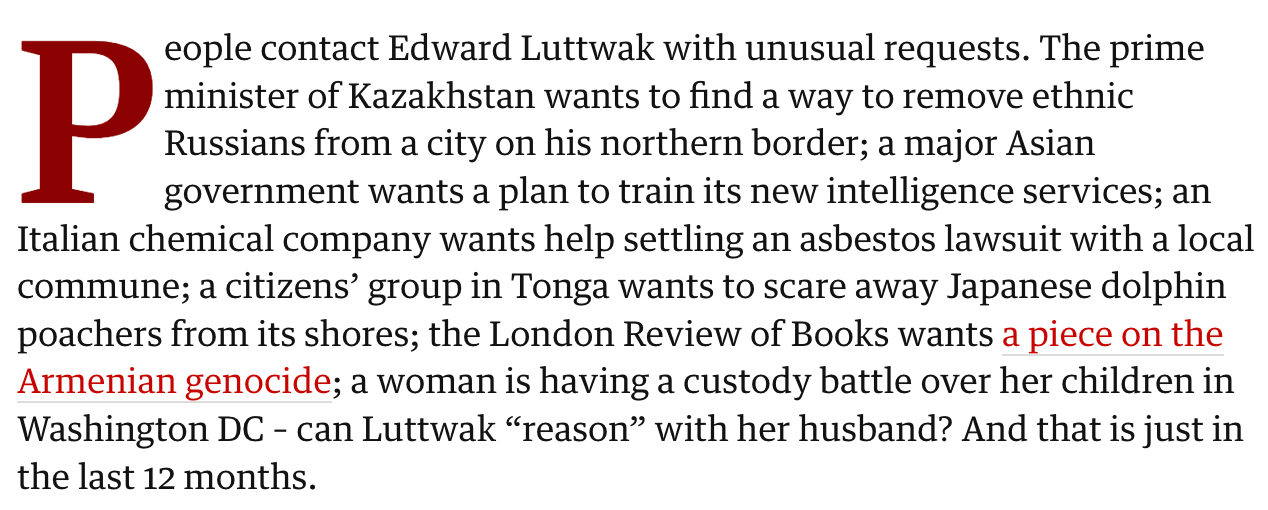
Today's interviewee has been my white whale for a while. Edward Luttwak was born in 1942, and since then he's lived a wilder life than anyone I know. From Chairman Mao's funeral to late nights drinking with Putin, Luttwak's seen it all.Timestamps:(00:00) Introduction(1:30) How to stage a coup in the 21st century(8:21) Why Luttwak is responsible for a global decline in coups(16:57) Iran’s real goals in the Middle East(27:30) Why the CIA can’t go undercover or recruit talent(41:11) Staffing Reagan’s presidential transition team(44:03) Why we need more waste at the Pentagon(57:31) How the war in Ukraine will end(1:03:47) China’s great military challenge(1:07:46) Snorkeling in French Polynesia(1:09:48) Working for a Kazakh dictatorFor the full transcript, visit www.statecraft.pub. This is a public episode. If you would like to discuss this with other subscribers or get access to bonus episodes, visit www.statecraft.pub
How Bureaucracy Is Breaking Government
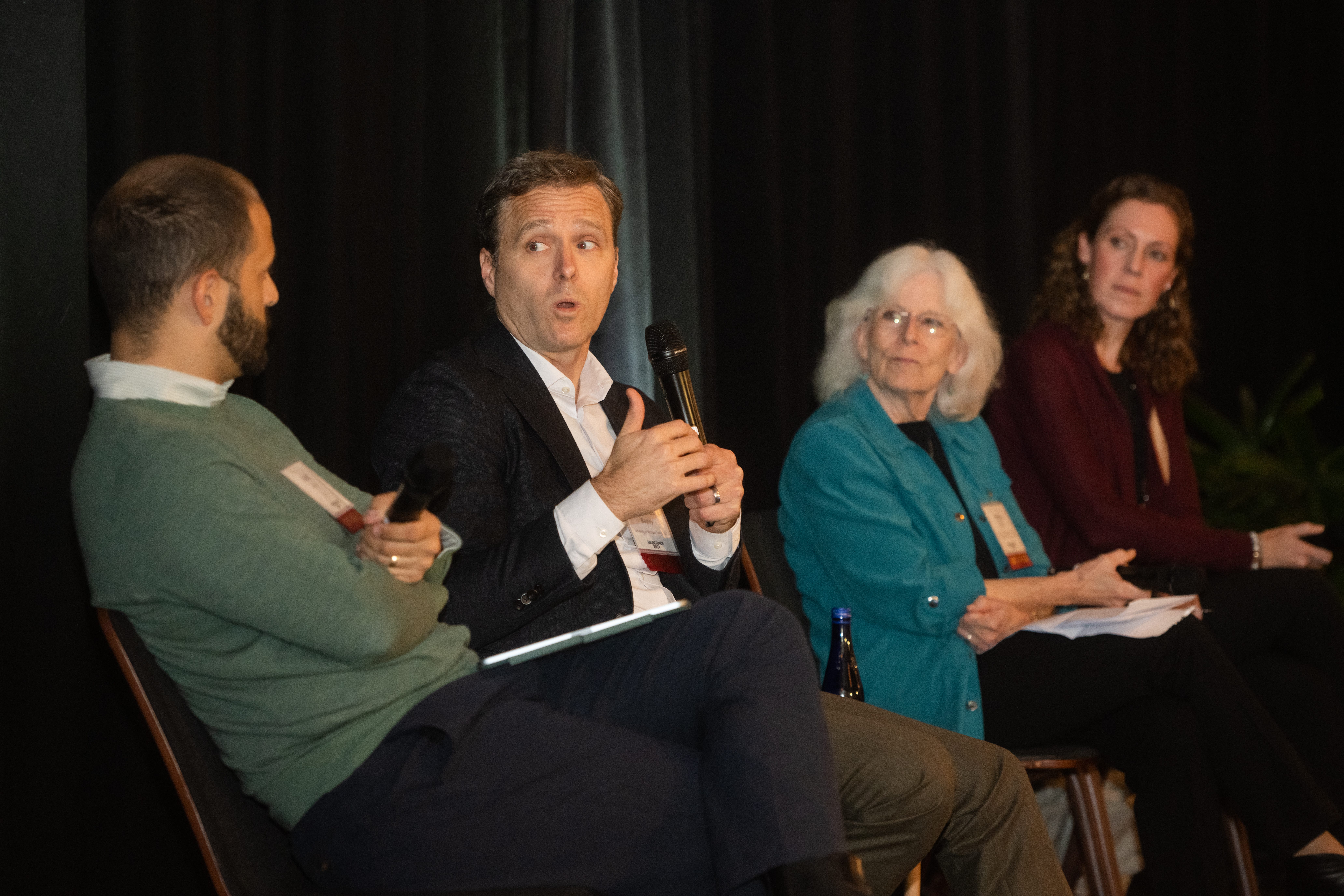
Brief intros: Nicholas Bagley was General Counsel to Governor Gretchen Whitmer. Kathy Stack served almost three decades at the Office of Management and Budget (OMB). Jenny Mattingley also served at the OMB, focusing on hiring reform and workforce efforts.Timestamps:(00:00) Introduction(04:42) “I think all three of you have something to say about the Paperwork Reduction Act.”(12:38) A one-way ratchet(22:16) How to get a new form approved(32:04) Why is there no natural constituency to improve this?(42:14) Inheriting judicial review from the Civil Rights era(59:13) What should be on the new administration’s agenda? This is a public episode. If you would like to discuss this with other subscribers or get access to bonus episodes, visit www.statecraft.pub

How to Build a Flying Ebola Hospital
I’ve been trying to get a conversation with today’s interviewee, Eric Van Gieson, PhD, since March. Van Gieson is a remarkable character, with a crazy CV: more than 25 years of experience in developing medical technology, and stints at multiple federal agencies including DARPA.A lot of people have spilled a lot of ink discussing what went wrong during COVID, but I think what Van Gieson lays out here is close to a comprehensive account of the reasons we blew it, and how not to blow it in the future.We discuss:* Why is the federal “pandemic preparedness” apparatus so sprawling?* Why haven’t we learned from COVID mistakes, or even run reviews on what went wrong?* How would you revamp the federal apparatus to be ready for the next pandemic?* We don’t test whether generic drugs can fight pathogens. Why not??* How did Van Gieson and colleagues ship a flying Ebola hospital in 6 weeks?* How can we make sure DARPA-developed biotech doesn’t end up in the hands of adversaries? This is a public episode. If you would like to discuss this with other subscribers or get access to bonus episodes, visit www.statecraft.pub
How to Produce a Kamikaze Drone
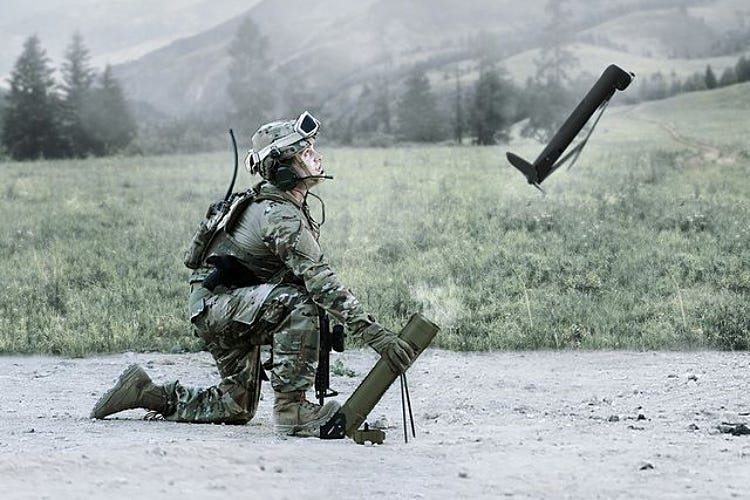
Today’s interviewee is Chris Anderson. Anderson’s a former DoD program manager who served in a unique organization called the US Army Asymmetric Warfare Group (AWG). Anderson is currently the Chief Operating Officer at Troika Solutions, a defense consulting firm based in Virginia. We discussed:The birth of the Asymmetric Warfare GroupWhy American troops in Afghanistan couldn’t strike Taliban operativesWhy the military avoids risky technology, even when it would save livesWhat we’ve learned about drones from UkraineThe difference between drone use in Ukraine and in the Indo-PacificYou can read the full interview transcript and find sources at www.statecraft.pub. This is a public episode. If you would like to discuss this with other subscribers or get access to bonus episodes, visit www.statecraft.pub

How to Rebuild the Arsenal of Democracy
I had the distinct pleasure of hosting Trae Stephens and Michael Kratsios on a panel in San Francisco in September on the topic of “Rebuilding the arsenal of democracy.” Trae Stephens is a general partner at Founders Fund and a Co-Founder of Anduril, a defense tech company that specializes in advanced autonomous systems.Michael Kratsios served as Chief Technology Officer of the United States in the Trump White House. He also served as acting undersecretary of defense, where he was responsible for research and engineering efforts at the Defense Department. These days, he’s managing director of Scale AI.We discussed:* What’s wrong with the defense industrial base?* How can we use tools like the Export-Import Bank to beat China?* Can cutting Chinese tech out of supply chains hurt American companies?* Will we see more tech talent in the next administration?You can subscribe to Statecraft at www.statecraft.pub. This is a public episode. If you would like to discuss this with other subscribers or get access to bonus episodes, visit www.statecraft.pub

Does Anyone in Government Care About Productivity Growth?
Today’s episode is an interview with a colleague of mine at the Institute for Progress. Ben Jones is an economist who focuses on the sources of economic growth in advanced economies, and he’s a Non-Resident Senior Fellow at IFP.We recorded this conversation at the second #EconTwitterIRL Conference last month in Lancaster, PA, which IFP hosted alongside the Economic Innovation Group). The other interview at that conference was excellent too: Cardiff Garcia interviewing Paul Krugman.Jones has served in more than one executive branch role, including as the Senior Economist for Macroeconomics for the White House Council of Economic Advisors (CEA), during the first Obama administration. But what we spent most of our time talking about here was a broader question: What role does federal spending on science play in productivity growth?Timestamps:(00:00) Introduction(2:03) Shadowing Larry Summers at Treasury(3:46) Do national leaders actually affect economic growth?(9:22) Whose job is it in the federal government to think about productivity?(14:12) What market failure is solved by public R&D funding?(19:45) What does the rise of team science mean for young scientists?(32:47) Should we be bearish about the entire scientific enterprise?(51:50) What levers can we pull to increase productivity growth?(43:53) Audience questions This is a public episode. If you would like to discuss this with other subscribers or get access to bonus episodes, visit www.statecraft.pub

How to Prep Hospitals for a Shooting War
Today, we spoke to Dr. Jeffrey Freeman, who directs the National Center for Disaster Medicine and Public Health (NCDMPH). Dr. Freeman leads a team that Congress has tasked with studying something called the National Disaster Medical System, which would coordinate how we treat casualties in the event of a hot war with a peer. Freeman worries that our on-paper system for distributing patients is likely to collapse once the shooting starts, if we don’t make serious reforms.Timestamps:* (00:00) Introduction* (00:18) Working with INDOPACOM* (3:55) 1,000 casualties, every day, for 100 days* (11:27) What private sector hospitals can expect* (23:43) Preparing for situations you can’t predict* (37:32) What happens when digital systems go down?* (44:19) What’s the potential scale of a conflict like this?You can read the full interview transcript at www.statecraft.pub. This is a public episode. If you would like to discuss this with other subscribers or get access to bonus episodes, visit www.statecraft.pub
How OIRA Works
A few months ago, I read a great essay by Sid Jha on the Chevron doctrine.Sid had also written to me, saying he’d love a Statecraft interview about OIRA, the Office of Regulatory Affairs. It's the division of the Office of Management and the Budget that reviews all major regulations from agencies.I thought this was a great idea, and I asked if he'd be interested in co-hosting an episode with me. Here’s the result: an interview with John D. Graham, who was the administrator of OIRA under George W. Bush. Timestamps:(00:00) Introduction(00:43) Where OIRA comes from(09:20) How cost-benefit analysis got better(12:59) How OIRA kills regulations(26:51) Which agencies hate OIRA most(34:31) Why command and control regulation persists(39:44) What regulations OIRA focuses on(46:10) John D. Graham vs. Dick Cheney(50:46) Graham and the English First movement This is a public episode. If you would like to discuss this with other subscribers or get access to bonus episodes, visit www.statecraft.pub

How to Build State Capacity
This week’s interview is a live recording of a panel I hosted three weeks ago at the Bottlenecks Conference in San Francisco, with Sam Hammond and Jen Pahlka. We discussed:(00:00) Introduction(00:39) Do the right and left disagree about state capacity?(7:50) Will AI make the whole state capacity debate obsolete?(11:05) What cues should today’s reformers take from the Progressive Era?(14:19) Should Trump use Schedule F?(20:18) Where is there bipartisan agreement on state capacity?(25:29) Why didn't COVID create more governance changes?Brief bios: Hammond is a Senior Economist at the Foundation for American Innovation where he focuses on AI policy. Pahlka is a Senior Fellow at the Niskanen Center and the Federation of American Scientists and the author of Recoding America. We’ve interviewed her before. This is a public episode. If you would like to discuss this with other subscribers or get access to bonus episodes, visit www.statecraft.pub

How to Make a World Cup Bid
Today’s interviewee, Jonathan Luff, was a British diplomat for more than a decade, and worked on the British bid for the 2018 World Cup in the Prime Minister’s office. Timestamps:[00:00] Introduction[00:21] How do you bid for the World Cup?[11:37] Was the UK too naive to win a bid?[20:52] Does British soft power still matter?[23:51] What are the bottlenecks to British economic growth?[31:37] Can Britain do strategic deterrence with limited resources?[36:25] How do British diplomats and American diplomats differ?[48:10] Was Cameron’s foreign policy all a mistake? This is a public episode. If you would like to discuss this with other subscribers or get access to bonus episodes, visit www.statecraft.pub

How to Fix Defense Procurement
Today's episode is about how the government procures military equipment. There’s a growing Washington consensus that we simply can’t buy the weapons we need, in the quantities we need, on the timelines we need.To better understand what’s going wrong, we talked to Dr. Arun Seraphin. Seraphin just finished serving as a commissioner on a 14-person “blue ribbon commission” to investigate reforms to the way Congress and the military coordinate to buy things. We got into:How to design a commission to matterWhy the Pentagon’s IT doesn’t workThe value of porkDirected energy weaponsIs the Asian pivot happening? This is a public episode. If you would like to discuss this with other subscribers or get access to bonus episodes, visit www.statecraft.pub

How to Build the British ARPA
Today’s interviewee, James Phillips, was formerly the science and tech adviser to Prime Minister Boris Johnson. An acclaimed systems neuroscientist, Phillips helped develop the UK’s rapid COVID testing and helped create the Advanced Research and Invention Agency (ARIA). We discussed:Dominic Cummings’ band of “weirdos and misfits”Red-teaming WestminsterWhy you should always be willing to resignThe problem with the British civil serviceProtecting ARIA from mission creepWhether the UK can end economic stagnation This is a public episode. If you would like to discuss this with other subscribers or get access to bonus episodes, visit www.statecraft.pub

How Statecraft Works
For the anniversary of the newsletter, I talk to Daniel Golliher of maximumnewyork.com about how Statecraft works, what we've learned, and the year ahead. This is a public episode. If you would like to discuss this with other subscribers or get access to bonus episodes, visit www.statecraft.pub
How to Modernize Congress
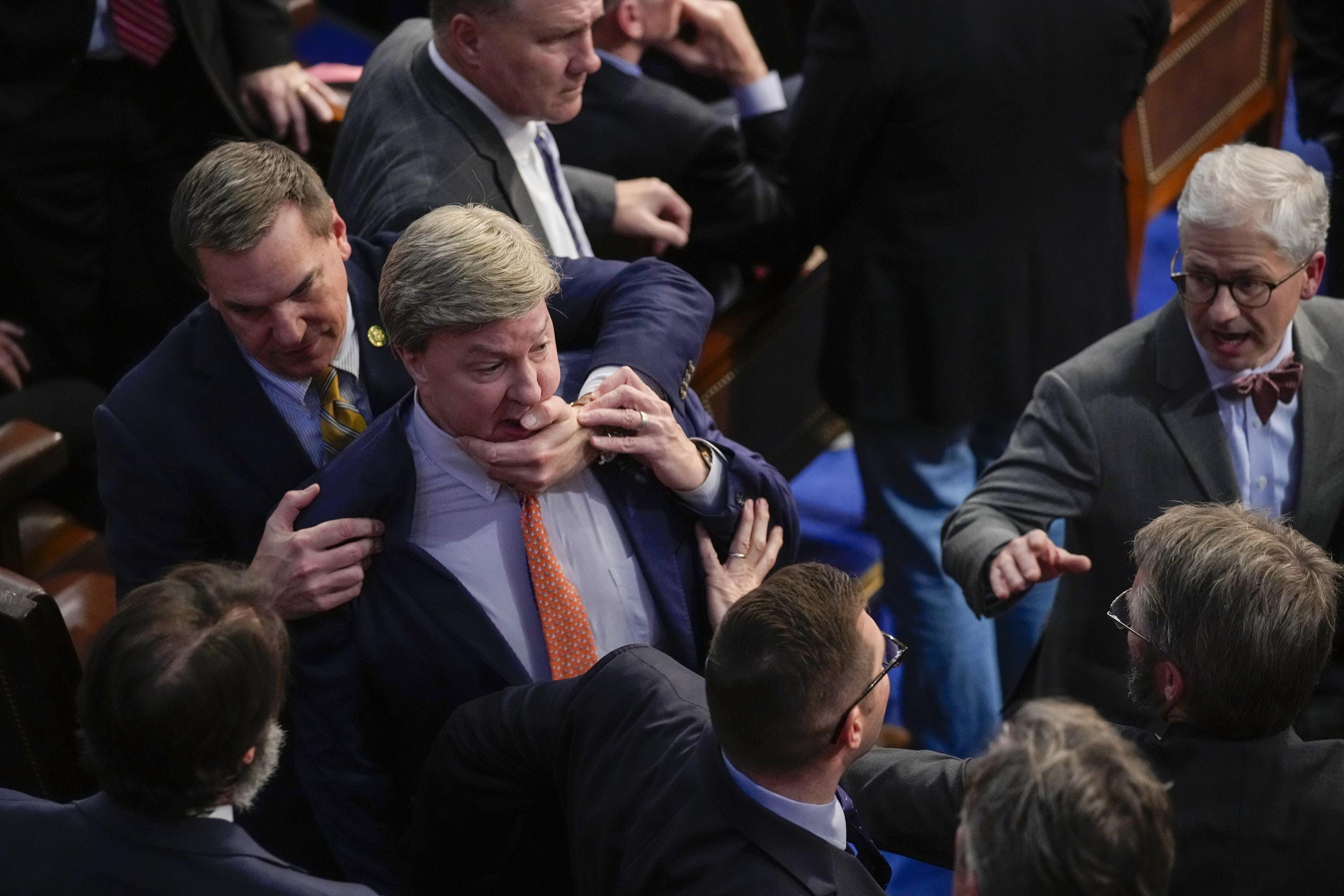
Today’s interviewee is Matt Lira, who has held a wide range of insider roles on the Hill and White House. Our topic: Why Congress is so technologically weak, and how that can change.We discussed:* Why is Congress so slow to adopt technologies that would significantly ease operations?* How did a Congressman unilaterally introduce live-streaming of Congressional hearings?* Would a Google Docs-style comment system for legislation ever work?* What would Davy Crockett’s social media presence be like? This is a public episode. If you would like to discuss this with other subscribers or get access to bonus episodes, visit www.statecraft.pub
How to Defend Presidential Authority
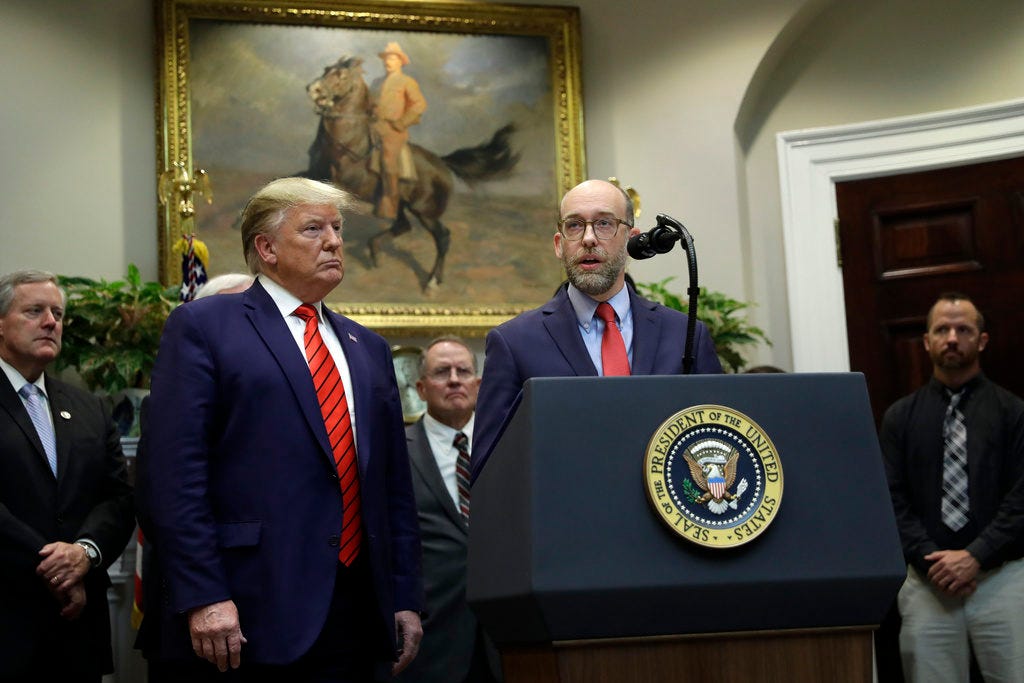
Russ Vought served as the director of President Trump’s Office of Management and the Budget (OMB). When the OMB under Vought withheld military aid from Ukraine, House Democrats initiated an investigation that ultimately led to Trump’s first impeachment.Vought now leads a think tank, the Center for Renewing America, and is reportedly building a “180-day playbook” for implementing a policy agenda for a second Trump term. On Monday, the Associated Press claimed “Vought is likely to be appointed to a high-ranking post in a second Trump administration.”Timestamps:[00:00] Introduction[00:18] How OMB works[06:53] The two approaches to running the executive branch[14:56] Why we have “an imperial Congress”[20:12] The Ukraine impeachment[33:21] Why there aren’t more conservatives in government This is a public episode. If you would like to discuss this with other subscribers or get access to bonus episodes, visit www.statecraft.pub

How to Report Inflation to the President
Today, I spoke to Ernie Tedeschi, former Chief Economist at the Council of Economic Advisers (These days he’s Director of Economics at The Budget Lab).Timestamps:[00:00]“Fighting the last war” in stimulus packages[00:23] What’s driving inflation[11:59] The tools CEA economists have[16:45] The tools CEA economists wish they had[33:50] Are high interest rates driving low consumer sentiment?[38:39] Why men are dropping out of the labor force This is a public episode. If you would like to discuss this with other subscribers or get access to bonus episodes, visit www.statecraft.pub
How to Invest Federal Funds Like a VC
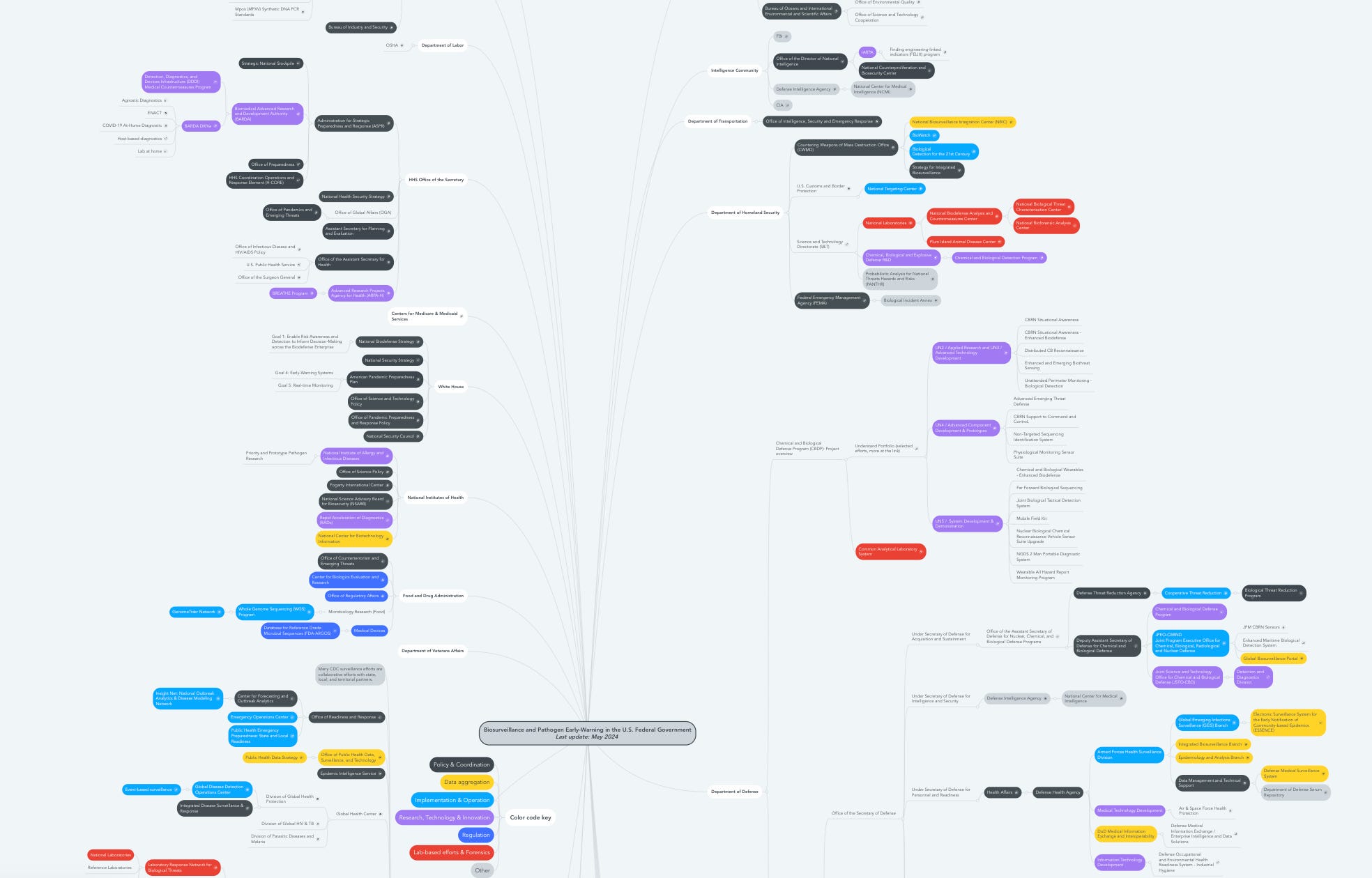
The Biomedical Advanced Research and Development Authority (BARDA) helped bring Moderna’s mRNA vaccine through clinical trials to market. BARDA’s Division of Research, Innovation, and Ventures (DRIVe) is its in-house biotech venture capital firm, charged with identifying and incubating technologies for U.S. biodefense and preparedness.Today's interviewee is Dr. Sandeep Patel, the Director of DRIVe from March 2020 to March 2024. Patel helped architect the program’s VC-inspired model and led the organization through its COVID response. We covered:(00:00) Introduction(00:20) How cost-effective is BARDA?(09:38) Venture-capitalism in government(26:14) Hiring talent(34:35) Question grab-bag This is a public episode. If you would like to discuss this with other subscribers or get access to bonus episodes, visit www.statecraft.pub

How to Calm Oil Markets
The Strategic Petroleum Reserve is the world’s largest emergency supply of crude oil. In huge underground salt caverns along the Gulf of Mexico, the American federal government can store up to 714 million barrels, more than what the country uses in one month. Historically, the SPR has been tapped at the discretion of the president when natural disasters or crises cause the price of oil for consumers to spike.But when Russia invaded Ukraine and oil prices went haywire, Arnab Datta and Skanda Amarnath proposed a novel idea: what if the SPR wasn’t just used as a stockpile of a commodity? If it used its ability to acquire oil strategically, could it support American industry and calm oil markets? Today, we talked to both of them.Timestamps:(00:00) Introduction(00:40) How do oil markets work?(02:25) How has the SPR been used historically?(07:42) Why oil investment kept dropping(16:53) Arnab and Skanda's big idea(20:55) Convincing the Biden administration(23:45) "Fixed-price forward contracts"(34:54) Isn't the SPR too small to shape oil markets?(42:10) The SPR pilot buy fails(51:09) A more aggressive approach(58:01) Keeping the political coalition together(01:02:26) The importance of elite media(01:09:43) Did the SPR "beat OPEC"?(01:12:52) Lessons for policy advocates This is a public episode. If you would like to discuss this with other subscribers or get access to bonus episodes, visit www.statecraft.pub
How to Hide the President’s Condition
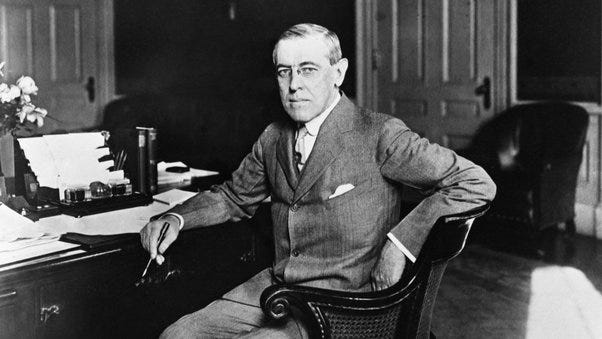
In 1919, President Woodrow Wilson suffered a major stroke. The president, a widower, was kept in solitude by his second wife and a tight ring of advisers. For months, senior executive branch and legislative officials could not see the president. The White House claimed the president would shortly return to full health, and that he suffered only from “nervous exhaustion.” His wife managed the flow of information to him, sharing certain memos and concealing others.We spoke to John Milton Cooper Jr., a historian who has been called "the world's greatest authority on Woodrow Wilson." Cooper is Professor Emeritus at the University of Wisconsin-Madison, and his Woodrow Wilson: A Biography was a Pulitzer Prize finalist.(00:00) Introduction(00:21) How did Wilson's stroke come about?(6:54) The stroke and its immediate coverup(14:08) Psychological changes in President Wilson(18:43) The media coverup(20:31) Wilson and Congress(23:53) Edith Wilson's role(32:04) The Vice President and constitutional questions(37:52) Wilson's advisers(41:38) The Democratic Party This is a public episode. If you would like to discuss this with other subscribers or get access to bonus episodes, visit www.statecraft.pub

How to Catch a Lab Leak
In April and May 1979, between 66 and 300 people died from anthrax in the Russian city of Sverdlovsk, now called Yekaterinburg. The Soviet authorities seized doctors’ records and quickly rolled out an explanation: the deaths were an accident caused by contaminated meat. But American intelligence agencies suspected a more nefarious explanation: the Soviets were secretly developing biological weapons.Last week, we interviewed Matthew Meselson about his key role in convincing Henry Kissinger and Richard Nixon to ban biological weapons research in the early 1970s. After the Sverdlovsk incident, Meselson was brought in by the CIA to help assess the potential explanations. For more than a decade, he led scientific investigations into the incident. In 1992, after the fall of the Soviet Union, the truth finally came out: the Sverdlovsk incident was a bioweapons lab leak, the most deadly confirmed lab leak in history.Meselson’s paper confirming the lab leak is an epidemiological classic. For the first time on Statecraft, we’ve doubled up on a guest: the 94-year-old Meselson is back for round two.[00:00] The CIA recruits Meselson[5:38] Attempts to travel to Sverdlovsk[9:11] Meselson travels to Moscow[14:15] An invitation to Sverdlovsk[25:27] On-the-ground investigation[34:25] Who knew what, and when did they know it?[40:16] Who is developing chemical weapons today?[45:34] How closely does the Sverdlovsk lab leak parallel incidents in Wuhan?[50:31] Why the Soviets couldn't find their own research facilities This is a public episode. If you would like to discuss this with other subscribers or get access to bonus episodes, visit www.statecraft.pub

How to Ban Biological Weapons
In 1969, President Nixon announced the end of all American offensive biological weapons programs, and renounced the first use of chemical weapons. But it wasn’t until several months later that Nixon confirmed that the U.S. would end all military research into toxins, which can be created either in nature or in the lab.Nixon chose to end that toxin research because of one man, our interviewee today. Dr. Matthew Meselson is well-known in biology for his Meselson-Stahl experiment, which demonstrated that DNA replicates semiconservatively, and has won myriad awards for his academic work. But his consulting work for federal agencies at several crucial moments in Cold War history may be Dr. Meselson’s greatest professional contribution.Dr. Meselson is 94 years old. He graciously agreed to a conversation with Statecraft about one of those moments. The first part of our conversation is published below.What You’ll Learn: How do you convince a president in one memo? How did Hungarian lunch ladies help lead to Nixon banning toxins for military use? Why did the Joint Chiefs of Staff want to develop anthrax? Why was Nixon reading Michael Crichton? This is a public episode. If you would like to discuss this with other subscribers or get access to bonus episodes, visit www.statecraft.pub
How to Present Decisions to POTUS
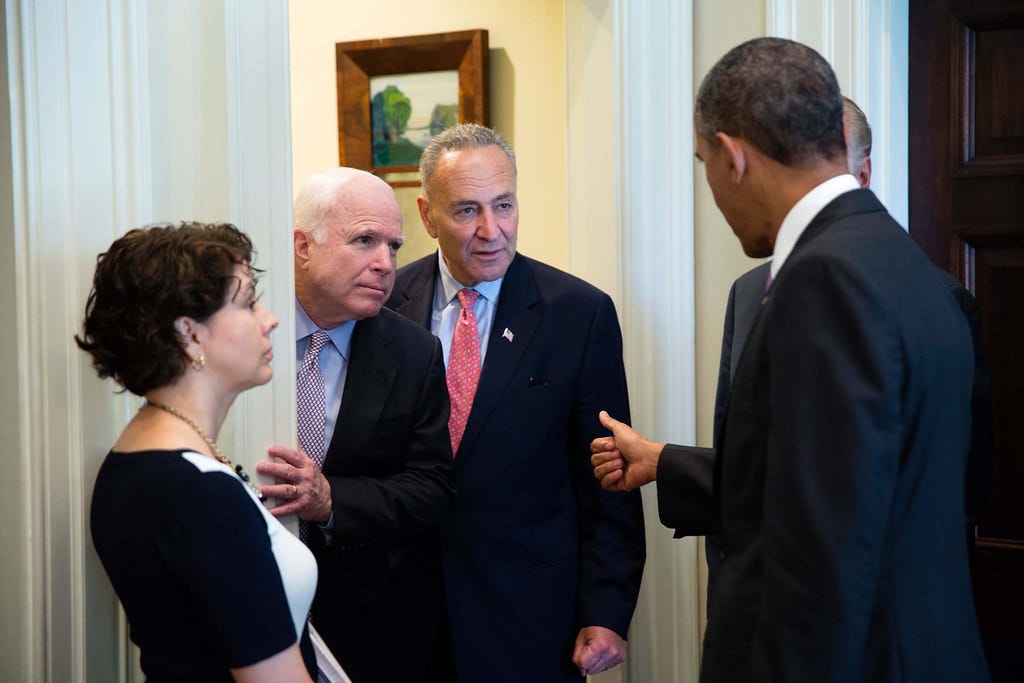
Most Americans have never heard of the Domestic Policy Council. What is it, and why does it matter? Today, we interviewed Cecilia Muñoz, former Director of the Domestic Policy Council under President Obama. We cover: Why did the Biden presidential transition differ sharply from the Obama transition? How do you stop bureaucrats from slow-walking policies they dislike? What decisions never make their way up to the president?Subscribe at www.statecraft.pub to get a new interview every week.Also, if you like Statecraft, give us a rating or subscribe. This is a public episode. If you would like to discuss this with other subscribers or get access to bonus episodes, visit www.statecraft.pub

How to Shape a Market
Today's interviewee, Professor Chris Snyder, is a Non-Resident Senior Fellow at the Institute for Progress (IFP). He teaches economics at Dartmouth College, where he specializes in industrial organization and microeconomic theory. He is also a research associate at the NBER, treasurer of the Industrial Organization Society, and a faculty director for the University of Chicago's Market Shaping Accelerator. Chris played a pivotal role in the advance market commitment, or “AMC,” for the pneumococcal vaccine, which saved close to a million lives. What you’ll learn:How did the U.S. and Russia end up in the same funding coalition? Why didn’t we design an AMC for malaria? How do you place a market value on future innovations? Why would cancer and Alzheimer’s be poor candidates for an AMC?Subscribe at www.statecraft.pub to get one new interview in your inbox each week. This is a public episode. If you would like to discuss this with other subscribers or get access to bonus episodes, visit www.statecraft.pub
How to Run a CIA Base in Afghanistan
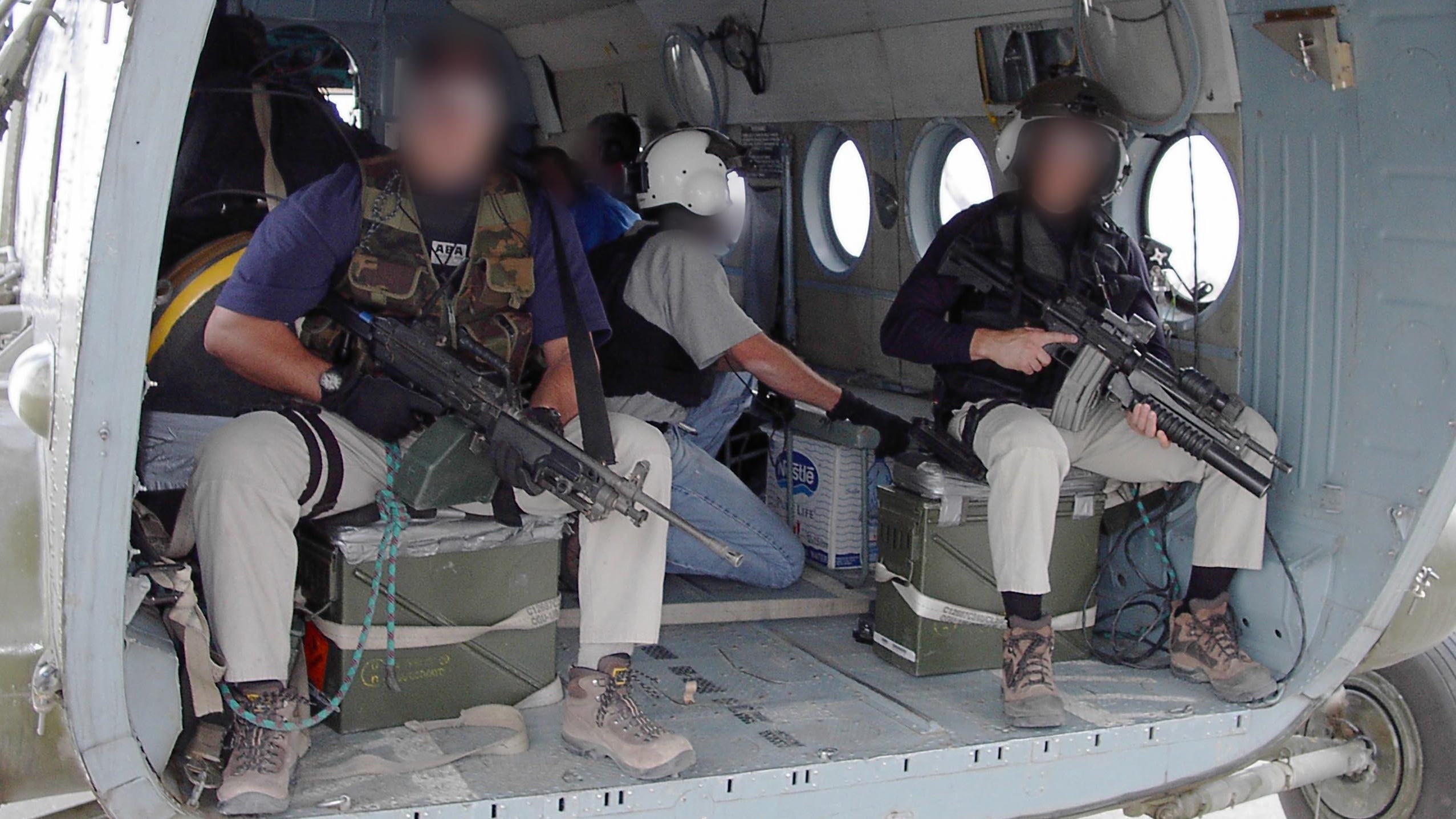
Today, we talked to Laura Thomas, a former Central Intelligence Agency (CIA) case officer and Chief of Base in Afghanistan. She has served over 17 years in national security and leadership roles. We discuss:00:00 How a CIA station operates8:46 What kind of intelligence failure was October 7th?24:39 Why did intelligence agencies predict Kabul would fall quickly to the Taliban?30: 09 The holes in how CIA teaches tradecraftRead the transcript at https://www.statecraft.pub/p/how-to-run-a-cia-base-in-afghanistan This is a public episode. If you would like to discuss this with other subscribers or get access to bonus episodes, visit www.statecraft.pub
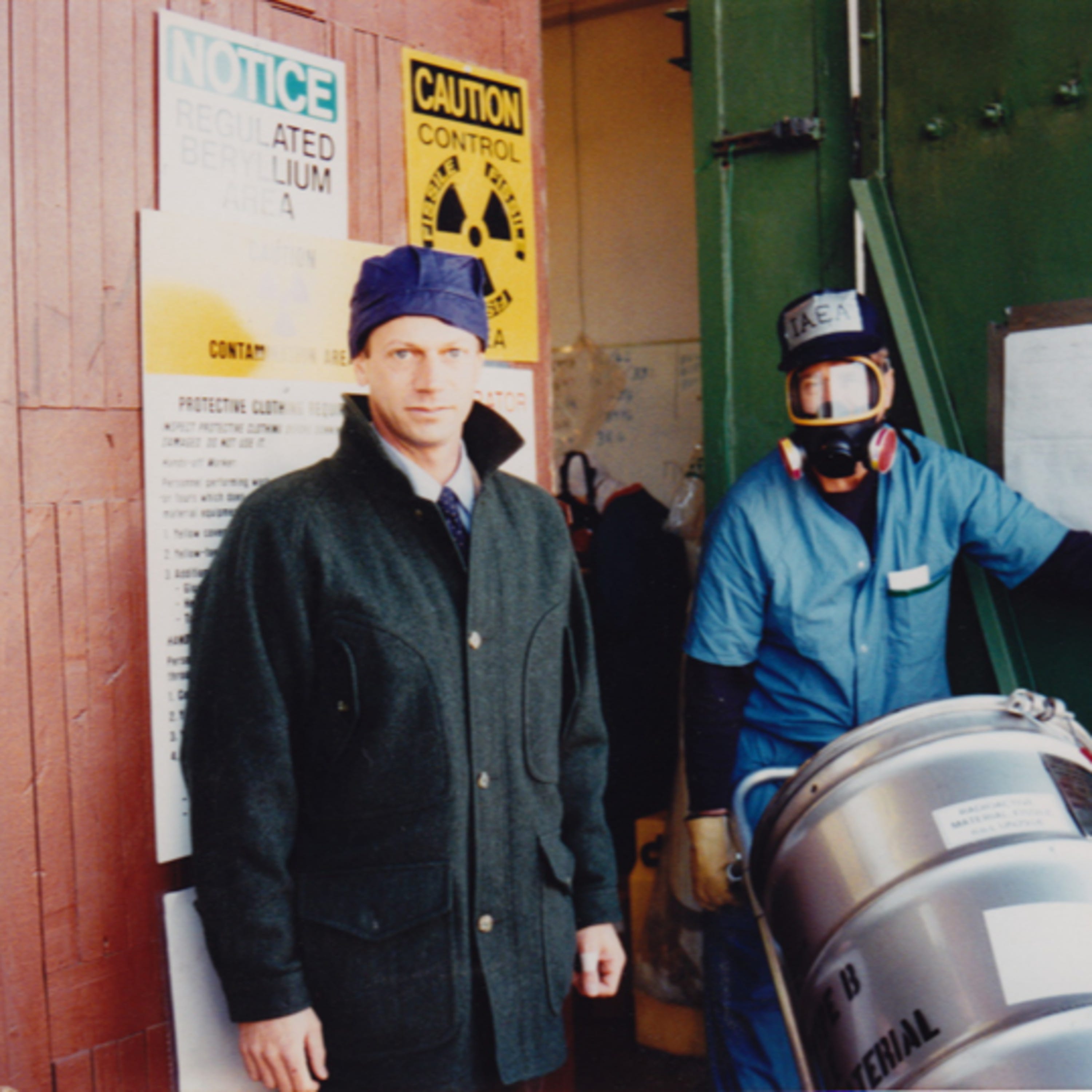
How to Secure Weapons-Grade Uranium
When the Soviet Union fell in 1991, hundreds of tons of nuclear materials were suddenly unsecured. The new, fragile Russian government had no ability or desire to claim facilities in formerly Soviet states, and it could no longer pay nuclear plant workers. Operatives from rogue states offered cash to purchase uranium and higher nuclear physicists. Today we talked to Andy Weber, one of the American operatives who helped lock down dangerous nuclear material from Kazakhstan to Georgia to Moldova.What You’ll Learn How did the US secure dangerous nuclear materials? Why didn’t the Department of Energy want the US to acquire them? Why shouldn’t you bring bourbon to Soviet functionaries? This is a public episode. If you would like to discuss this with other subscribers or get access to bonus episodes, visit www.statecraft.pub

How to Save Twenty Million Lives
Twenty years ago, the U.S. launched the largest, most successful global health initiative to ever address a single disease. The President’s Emergency Plan for AIDS Relief (PEPFAR) is credited with saving at least 20 million lives. New York Times columnist Nick Kristof recently called PEPFAR “the single best policy of any president in my lifetime.”By early 2002, HIV/AIDS was devastating sub-Saharan Africa. Josh Bolten, then-Deputy Chief of Staff for Policy, assembled a team to investigate how a U.S.-led fund could help stop the epidemic. The team included our guest today, Dr. Mark Dybul.Dybul later served as the U.S. Global AIDS Coordinator, leading PEPFAR from 2006 until the end of the Bush administration. Dybul was the Executive Director of the Global Fund to Fight AIDS, Tuberculosis, and Malaria from 2013-2017.(00:00) Introduction(14:49) Trials in the field(31:00) Political coverage(37:17) Fights within the U.S. government(43:22) The president steps in(51:39) Involving Congress This is a public episode. If you would like to discuss this with other subscribers or get access to bonus episodes, visit www.statecraft.pub