
Sporting Witness
678 episodes — Page 5 of 14

China's first golf champion
Shanshan Feng was the first Chinese golfer ever to win a major championship back in 2012 and she also became number one in the women's world golf rankings. She won bronze in the Olympics in Rio 2016. She speaks to Wayne Wright about her distinguished career. This is a Made in Manchester production for the BBC World Service.(Photo: Shanshan Feng. Credit: IMG China)
The bizarre twist in South Africa’s ultramarathon
At the 1999 Comrades ultramarathon, South Africa’s most gruelling road race, runner Nick Bester and his teammates notice something suspicious, as they run the 90km race from Pietermaritzburg to Durban.Nick speaks to Craig Boardman about his experience in the race including winning it in 1991. However, it was a bizarre twist in 1999s race that stands out for him.(Photo: Starting line at the 1999 Comrades ultramarathon in Pietermaritzburg. Credit: The Comrades Marathon Association)
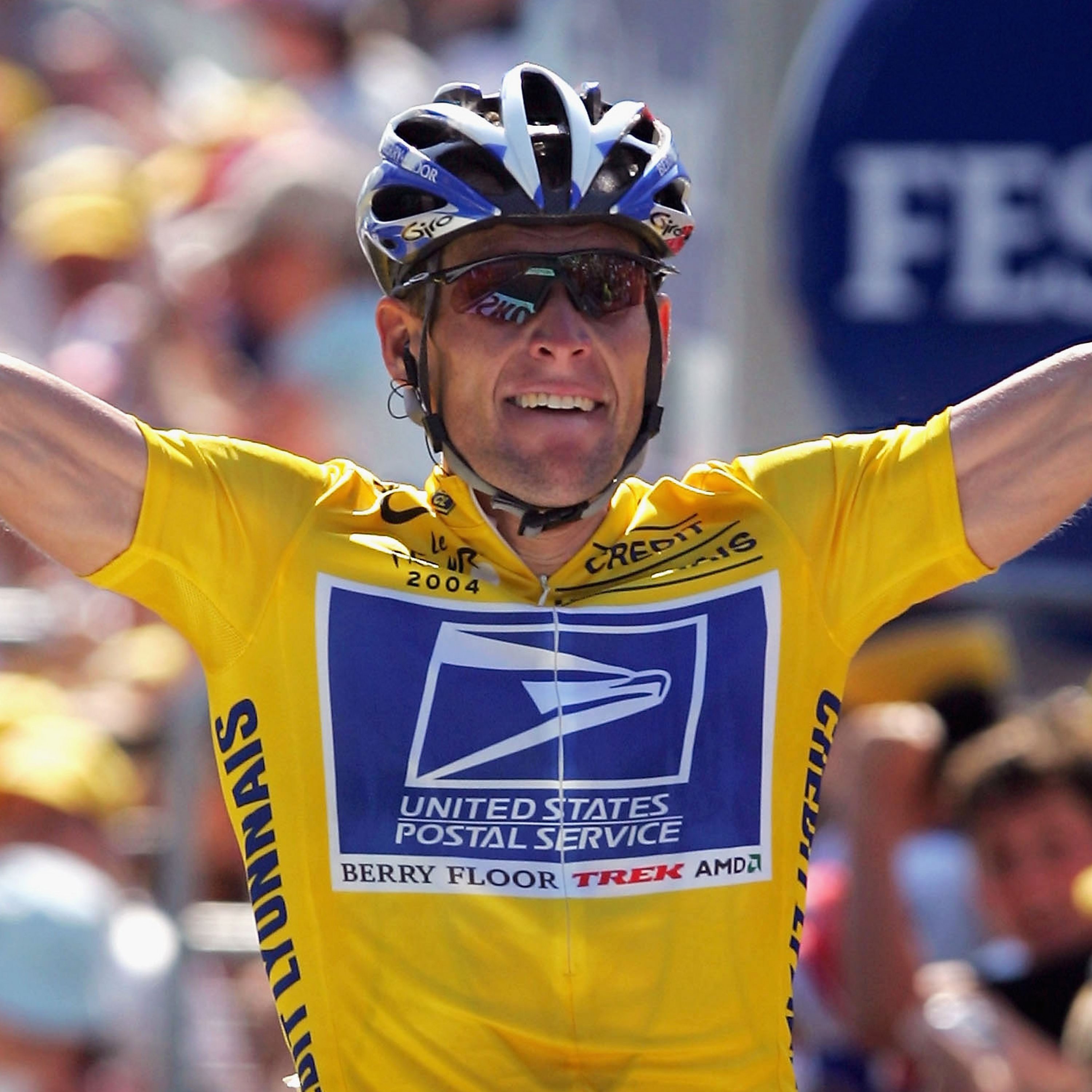
How I helped bring down Lance Armstrong
It has been 10 years since seven time Tour de France winner, Lance Armstrong, was given a lifetime ban from cycling for doping. Journalist David Walsh dedicated 12 years of his life trying to prove that Armstrong had cheated his way to victory. The Sunday Times reporter refused to believe Lance Armstrong when he said he didn’t take performance enhancing drugs.He has been telling his story to Matt Pintus.(Photo: Lance Armstrong winning the 2004 Tour de France. Credit: Getty Images)
Derartu Tulu: Africa's first black female Olympic champion
At the Barcelona Olympics in 1992, Derartu Tulu, from Ethiopia, became the first black African woman to win a gold medal.She speaks to Rachel Naylor about winning the 10,000 metres and beating South Africa's Elana Meyer.(Photo: Ethiopia's Derartu Tulu (L) and Elana Meyer of South Africa join hands in a victory lap after the women's 10,000m final at Barcelona Olympics in 1992. Credit: Getty Images)
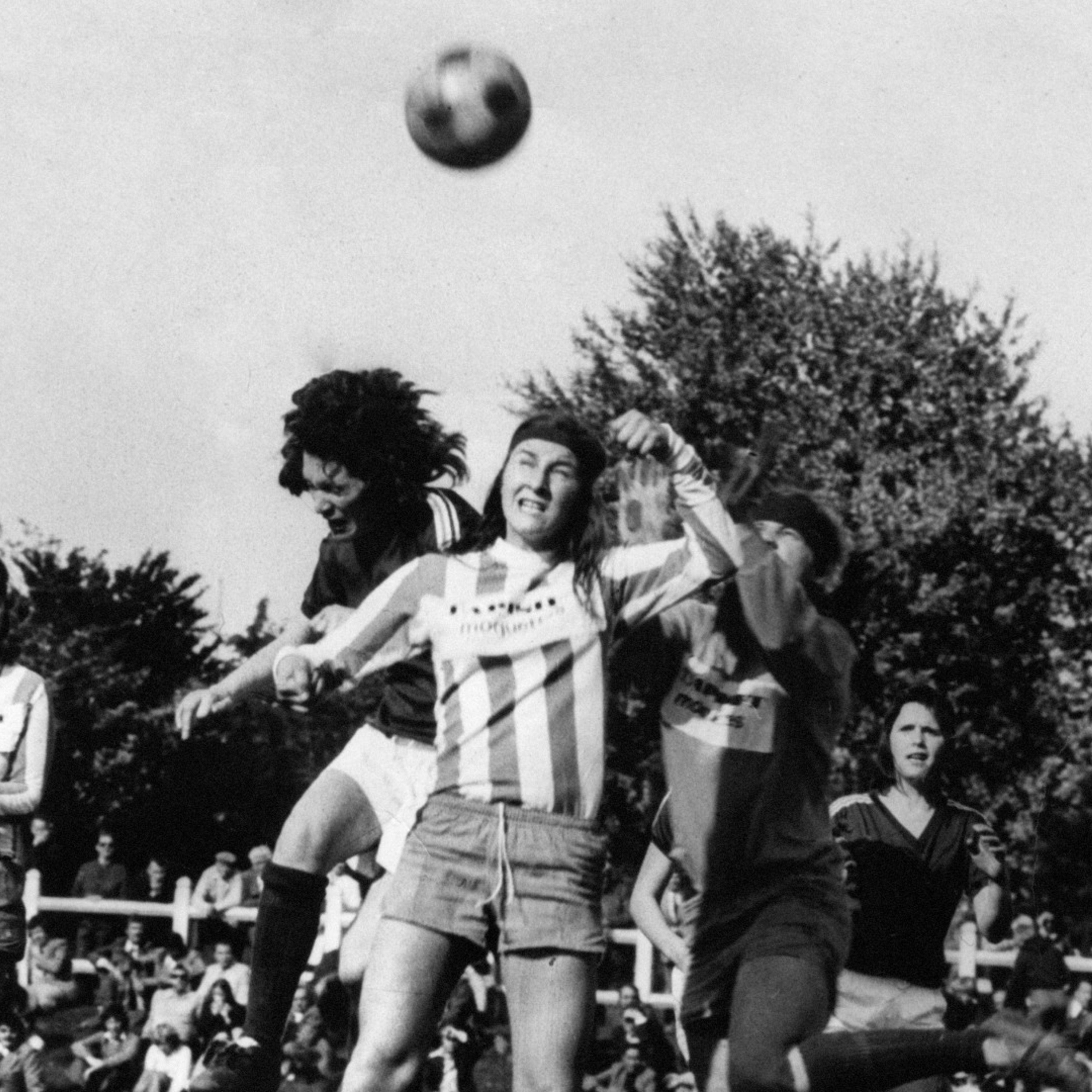
Rose Reilly
Rose Reilly played football for AC Milan as she was banned from playing professional football in her home nation of Scotland. She was the most successful female player in Serie A. Yet despite these achievements, after she criticised the Scottish Football Association, they banned her for life. In 1984, Rose represented the Italian national women's team. She speaks to Michael Rossi about her determination to play the game she loved.(Rose Reilly playing football for Reims in 1974. Getty Images)
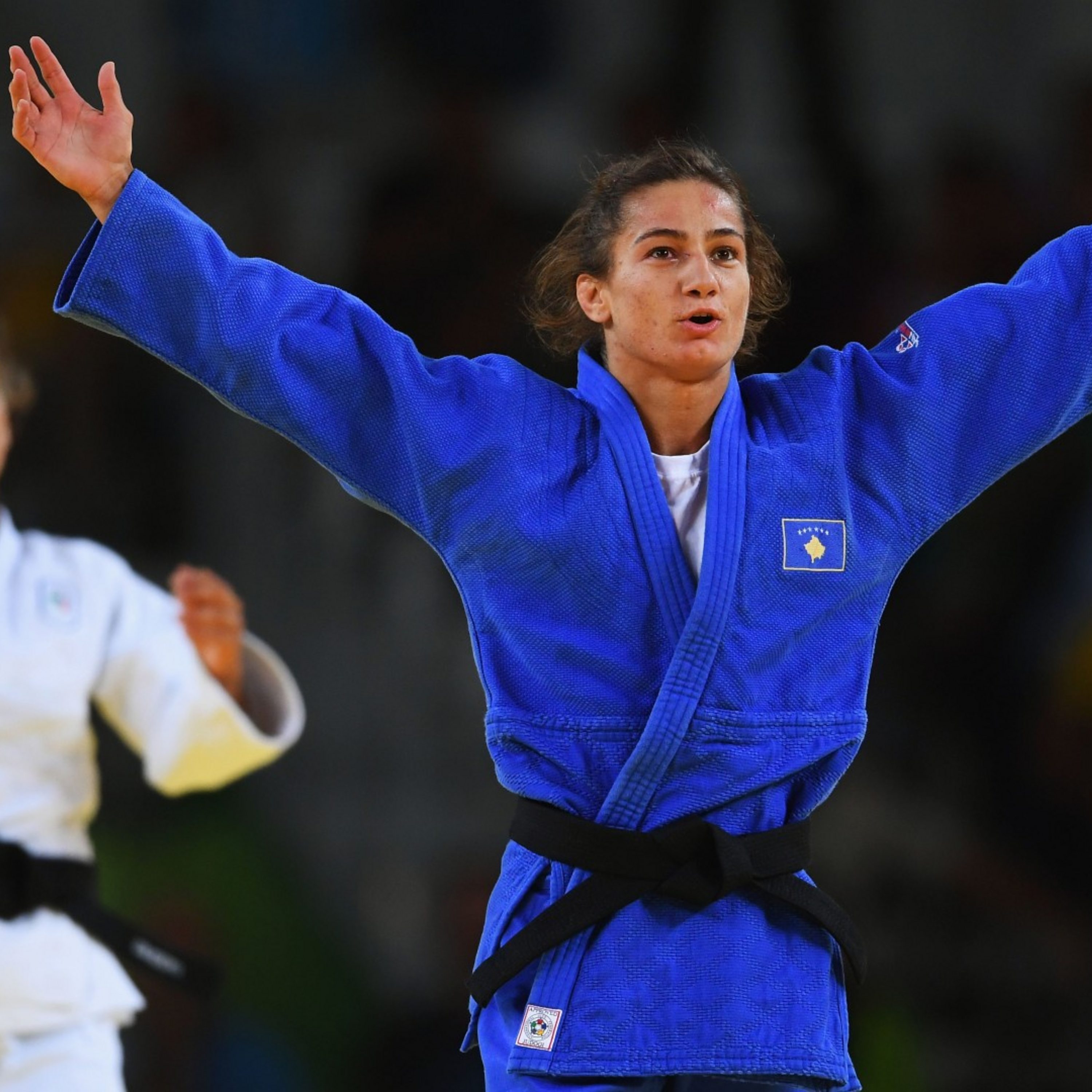
Kosovo’s first Olympic medal
At the Rio 2016 Olympics, judoka Majlinda Kelmendi competed to bring home the first medal for Kosovo since the small country gained independence. A two-time World Champion from a nation that had endured years of oppression and war, she had previously had to compete under the Albanian flag. The Olympics recognised Kosovo in 2014, and in 2016 she went on to win the gold medal. It was a moment of great symbolic importance for the young nation, whose statehood remained disputed on the international stage. (Majlinda Kelmendi of Kosovo celebrates winning the gold medal in Rio 2016. Getty Images)
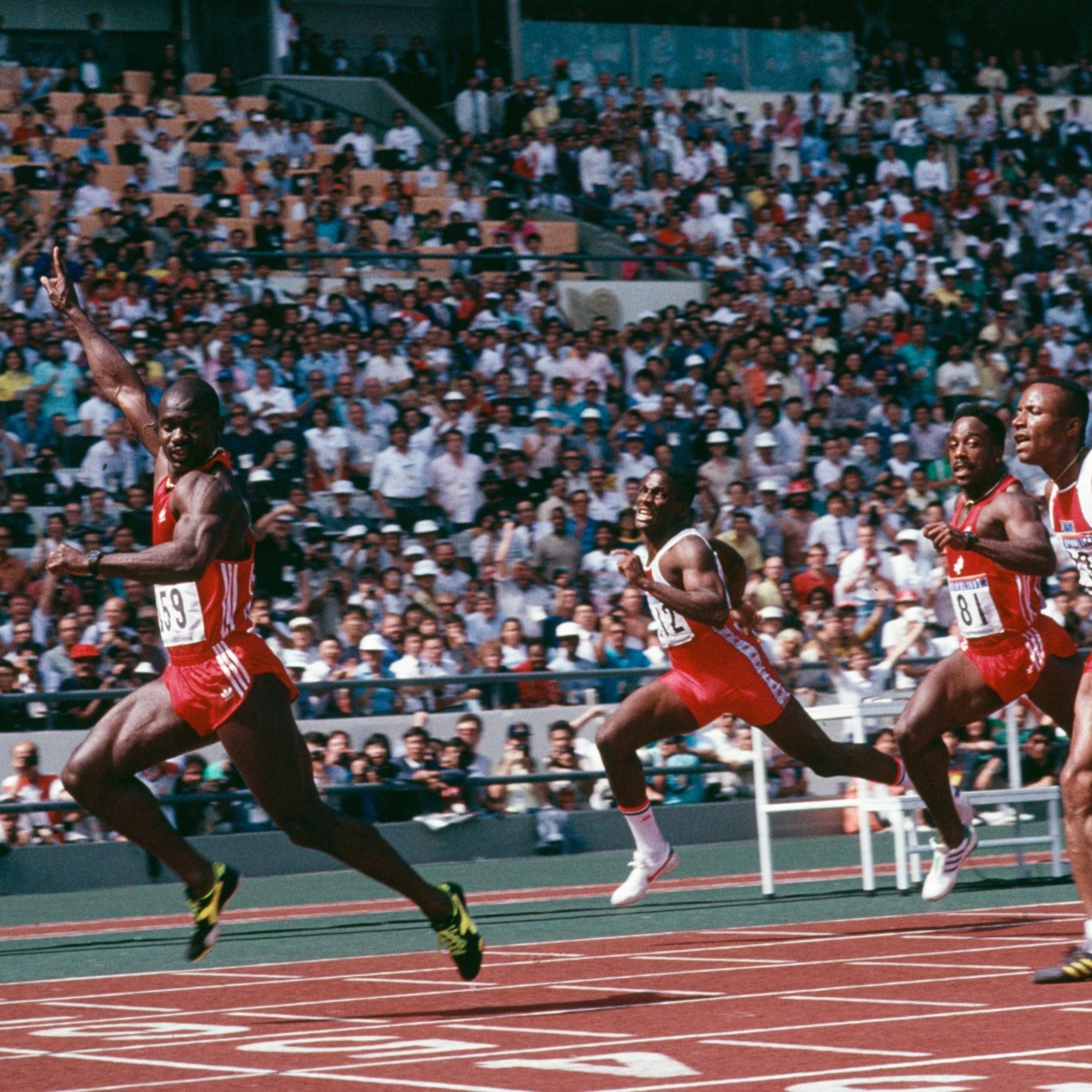
Ben Johnson
In 1988, the Canadian sprinter Ben Johnson was disqualified 48 hours after winning the Olympic 100 metre final and setting a new world record. It was one of the biggest doping scandals in the history of sport. Simon Watts introduces Ben Johnson interviews from the BBC archives.(Getty: Ben Johnson wins the 100 metres final at the Seoul Olympics)
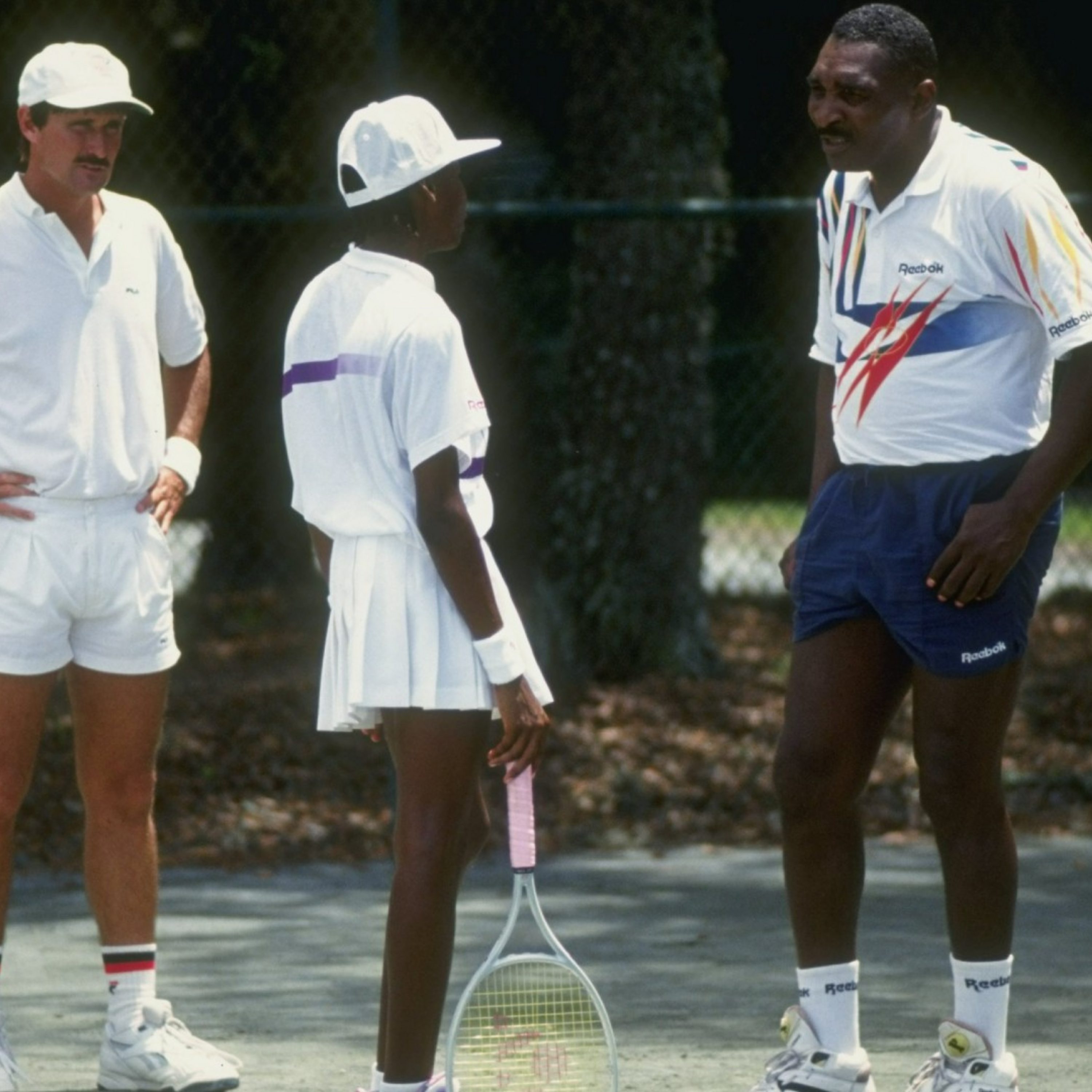
Coaching the world's best tennis players
Rick Macci was one of Serena and Venus Williams' first tennis coaches. He flew across America to see them play in Compton in Los Angeles when they were still children. He speaks to Uma Doraiswamy about the moment he knew they were going to be world number ones and dominate the sport.(Photo: Rick Macci with Venus Williams and her father Richard. Credit: Getty Images)
The most controversial three seconds in basketball history
It's 50 years since the Soviet Union and the USA battled out the 1972 Olympic men's basketball final. It ended up being one of the most controversial matches in history. The Americans thought they were champions, but the Soviets won it at the death in very unusual circumstances. The USA team have never accepted their silver medals. Ben Henderson spoke to Ivan Edeshko, who made the game-winning ‘golden pass’ for the USSR. (Photo from Bettmann via Getty Images: USSR players celebrate beating the USA in the 1972 Olympic men's basketball final)
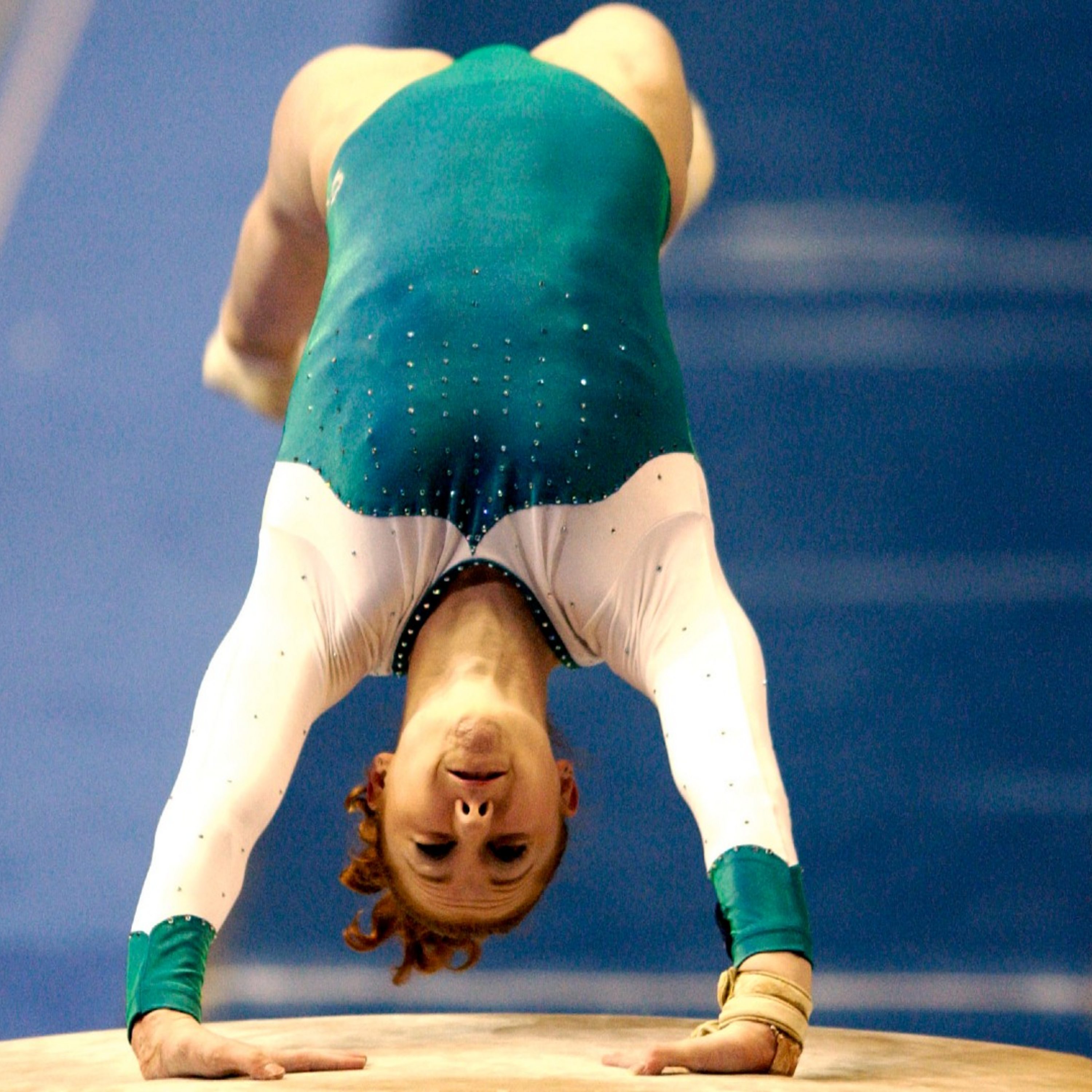
Sydney Olympics’ vault fault
At the Sydney Olympics in 2000, one mistake with a piece of gymnastics equipment changed the course of a final. It wasn't properly acknowledged at the time and even now, is one of the biggest Olympic mistakes that barely anyone has heard about. Australian former gymnast Allana Slater describes how she spotted the error.(Getty Images: Allana Slater competing on the vault)
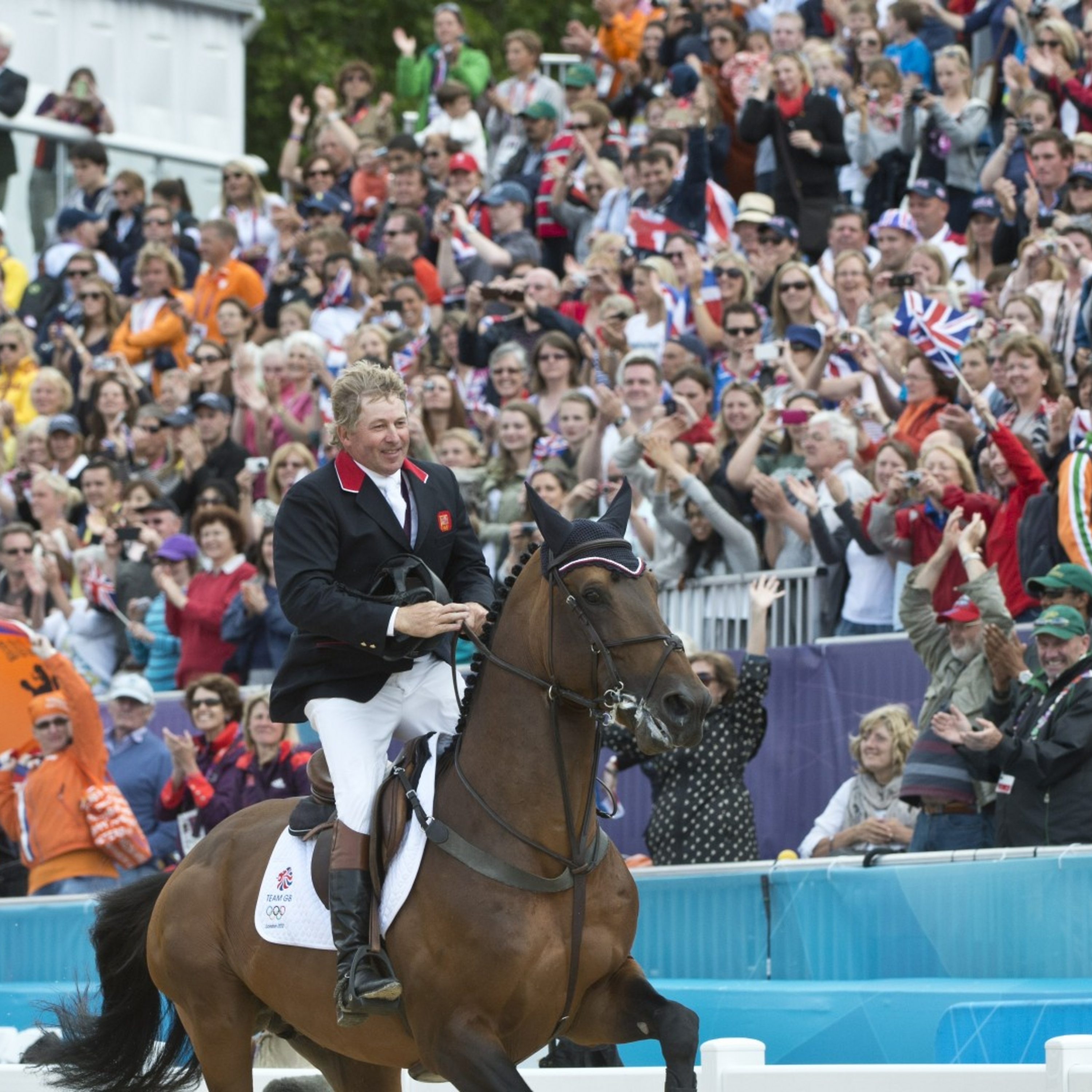
Nick Skelton's bid for gold
British showjumper Nick Skelton competed in six Olympic games in his quest to win a medal, even coming back from a career ending injury. Having started riding when he was three years old, Nick won many titles, and it was the lure of the Olympics that kept him competing.(Getty Images: Nick Skelton at the 2012 Olympics)
The first Women's Euros
Between 1982 and 1984, UEFA held the first European Competition for Women's Football. 16 teams battled it out across Europe.The final was between Sweden and England.Rachel Naylor speaks to the Swedish captain Anette Börjesson.(Photo: Anette Börjesson (left) shakes hands with England captain Carol Thomas before the second leg of the 1984 final in Luton. Credit: Empics/Peter Robinson)
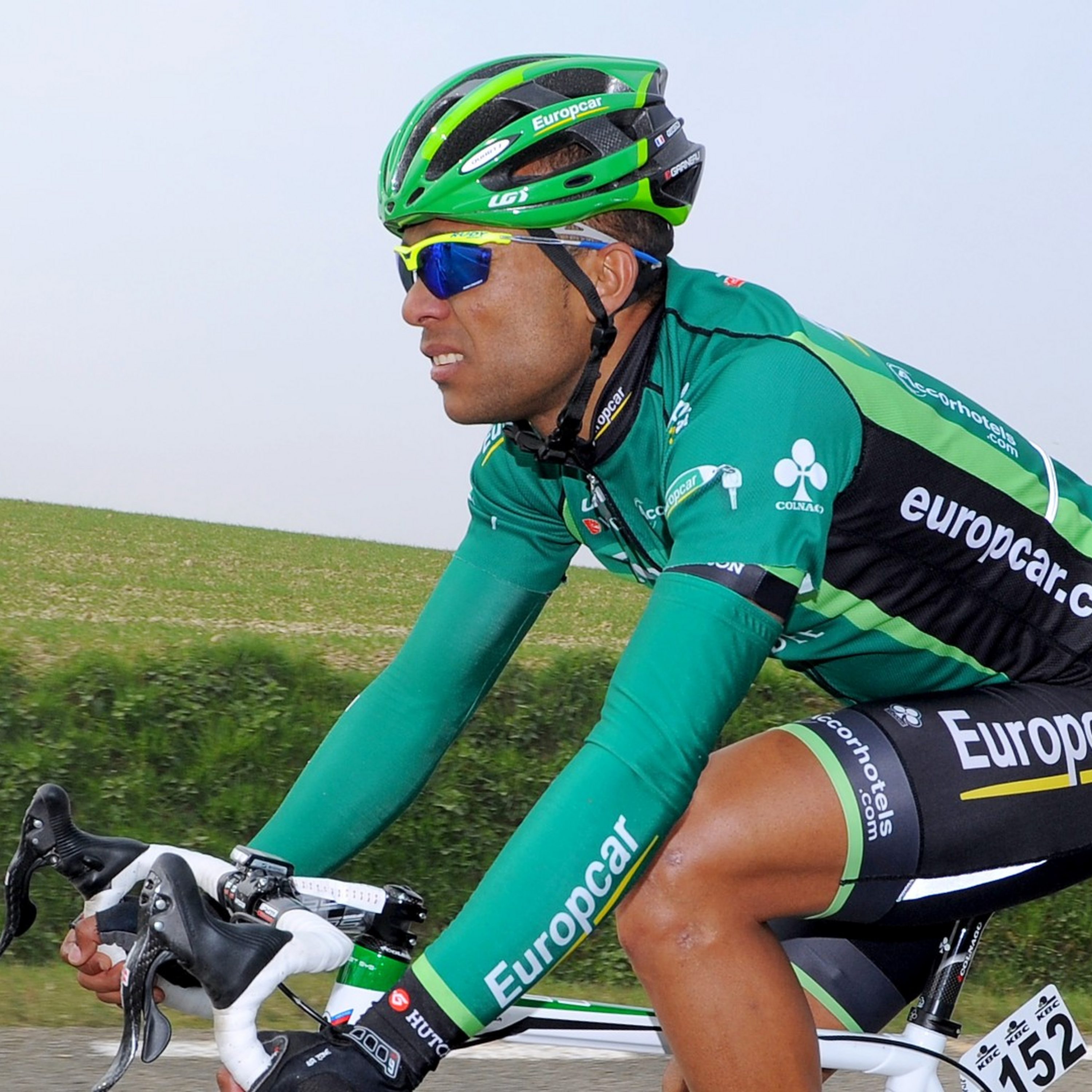
Yohann Gene - The Tour de France's first black cyclist
After 14 years training and riding in a variety of tours, cyclist Yohann Gene from Guadeloupe, finally earned approval from his coach and was selected to race in the 2011 Tour De France. He then made history by becoming the first black man to finish the brutal race.(Getty Images: Yohann Gene in the Tour de France)
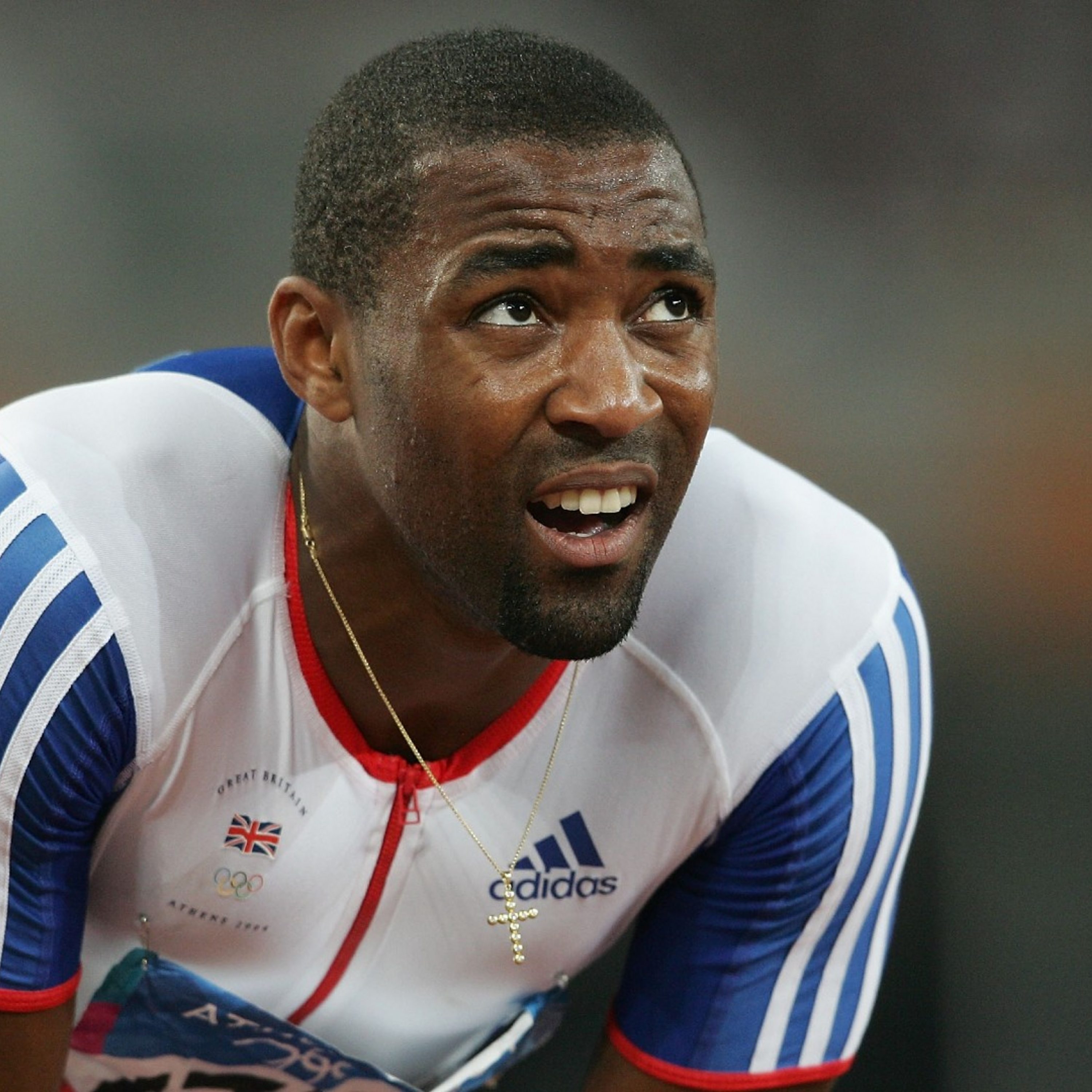
Britain's Golden Relay
Despite being hampered by injury in Athens 2004, Darren Campbell helps the British 4x100 metre relay team cause one of the greatest upsets in Olympic history.(Getty: Darren Campbell at the Athens 2004 Olympics)
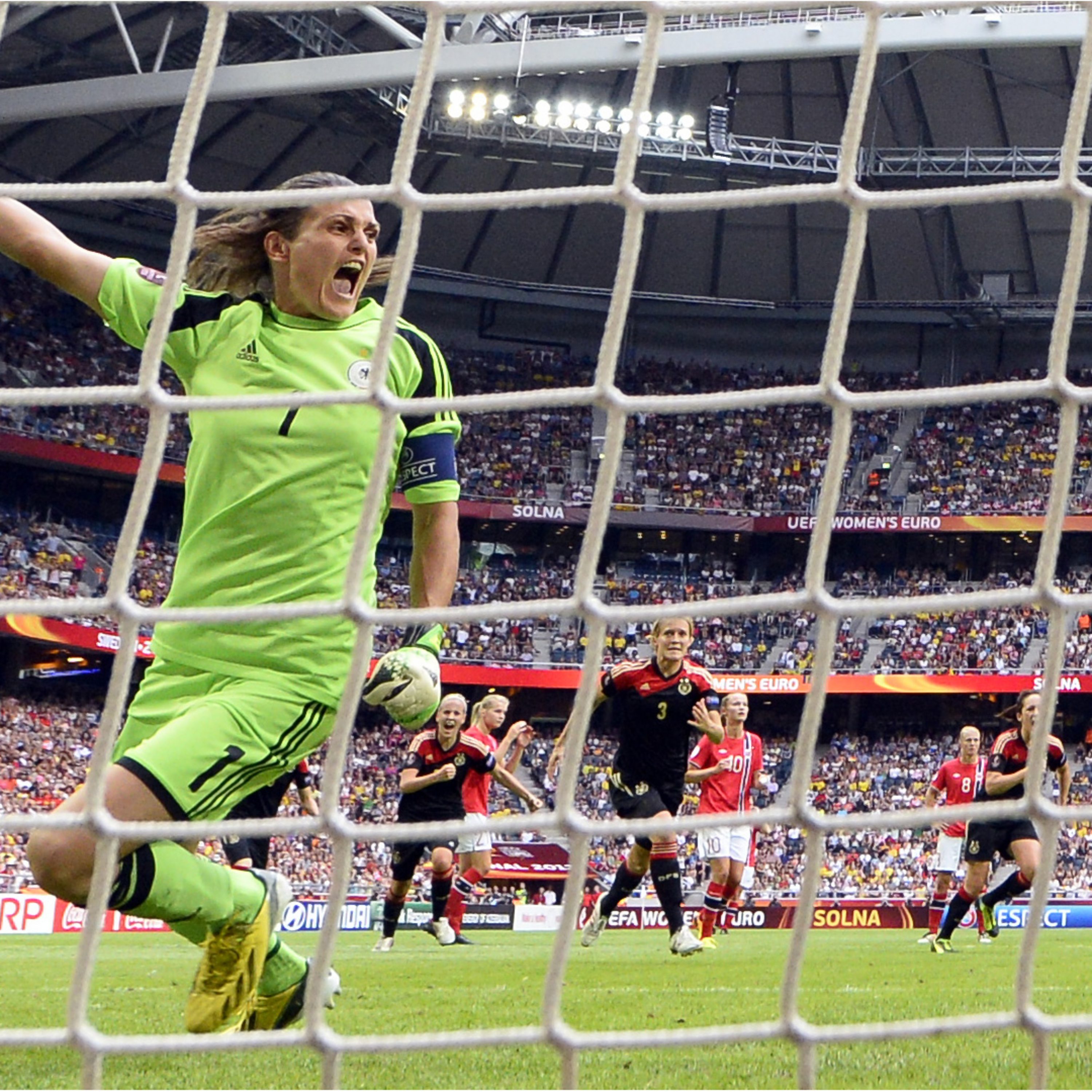
Nadine Angerer: Germany’s penalty-saving heroine
In July 2013, a record crowd of 41,000 people watched as Germany beat Norway in the women's European championship final in Sweden. The victory meant that Germany had won an unprecedented six European Championships in a row. Goalkeeper, Nadine Angerer, was Germany’s star player and captain for that tournament. She has been telling her story to Matt Pintus.(Photo: Nadine Angerer in action at the 2013 European Championships. Credit: Getty Images)
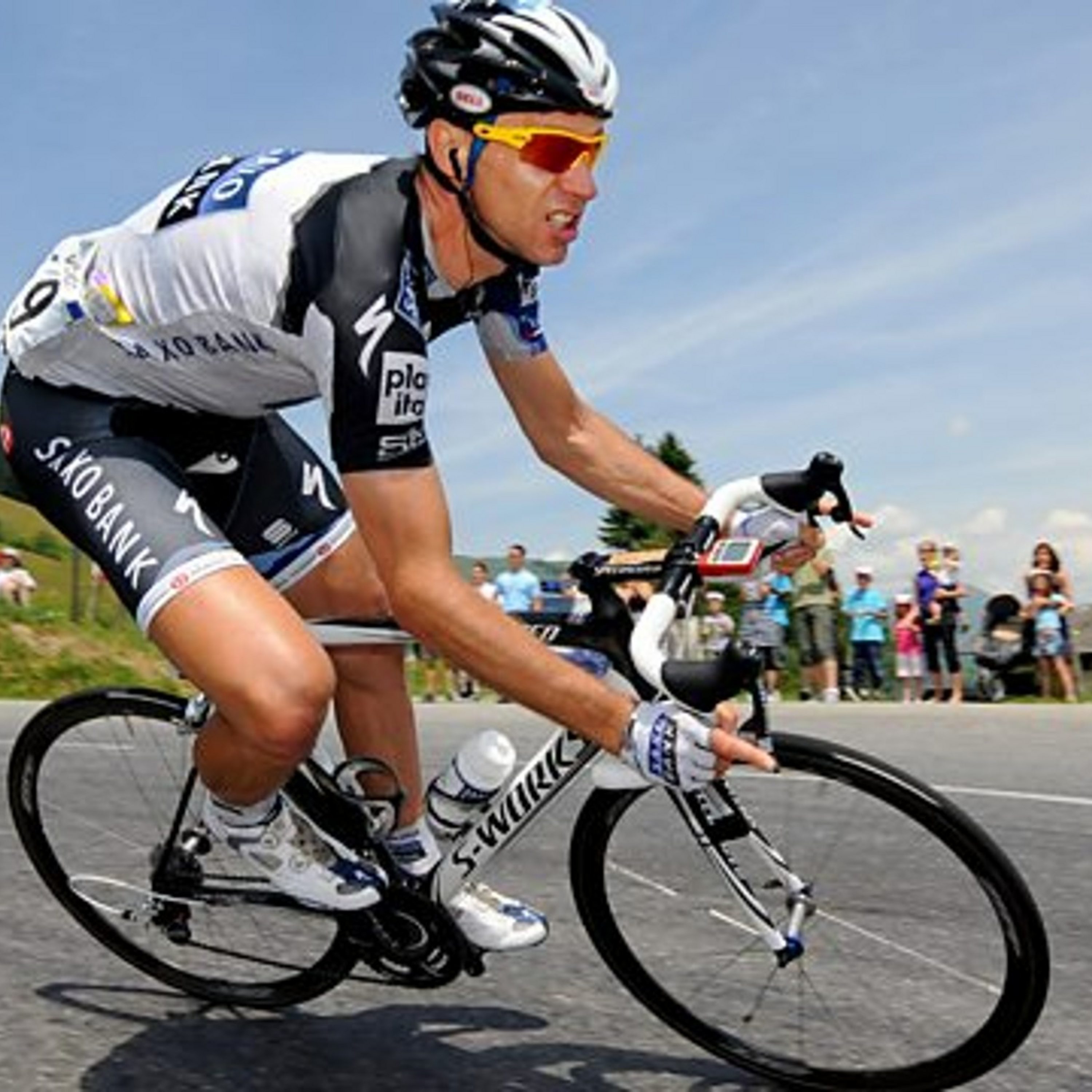
Jens Voigt: Riding the Tour De France on a child's bike
In July 2010, the German cyclist Jens Voigt crashed while descending a mountain in the Pyrenees during the Tour De France. With his bike destroyed and his team support cars a long way up the road, Voigt borrowed a child’s bike and rode the next 15 kilometres on it. He talks to Ashley Byrne.(Photo: Jens Voigt in action at the 2010 Tour De France. Credit: Getty Images)
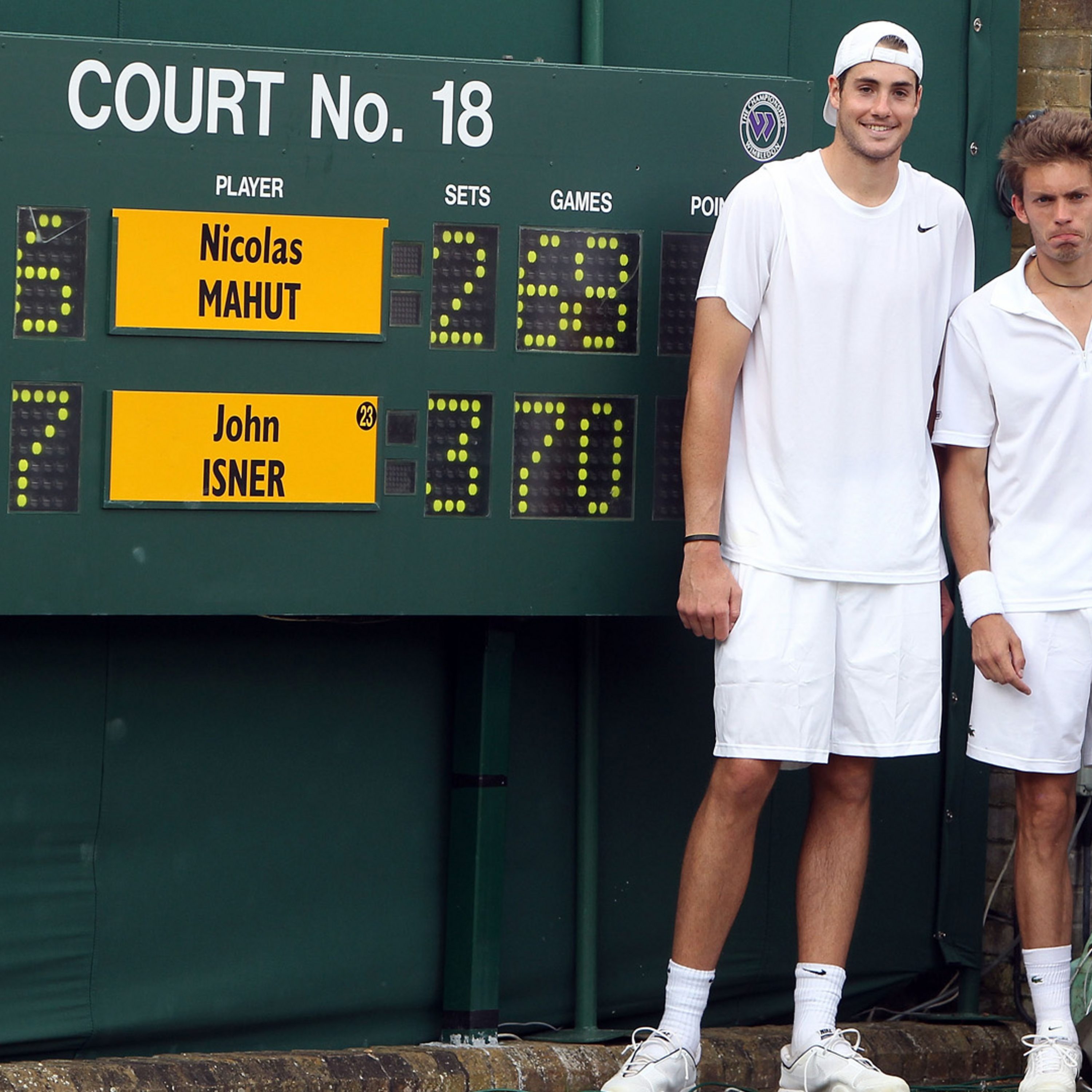
The longest tennis match of all time
The story of how a Wimbledon first round tie between John Isner and Nicolas Mahut in 2010 became the longest tennis match in history, stretching over three days. Matt Pintus has been speaking to the match umpire, Mohamed Lahyani.PHOTO: John Isner, Nicolas Mahut and Mohamed Lahyani (Getty Images).
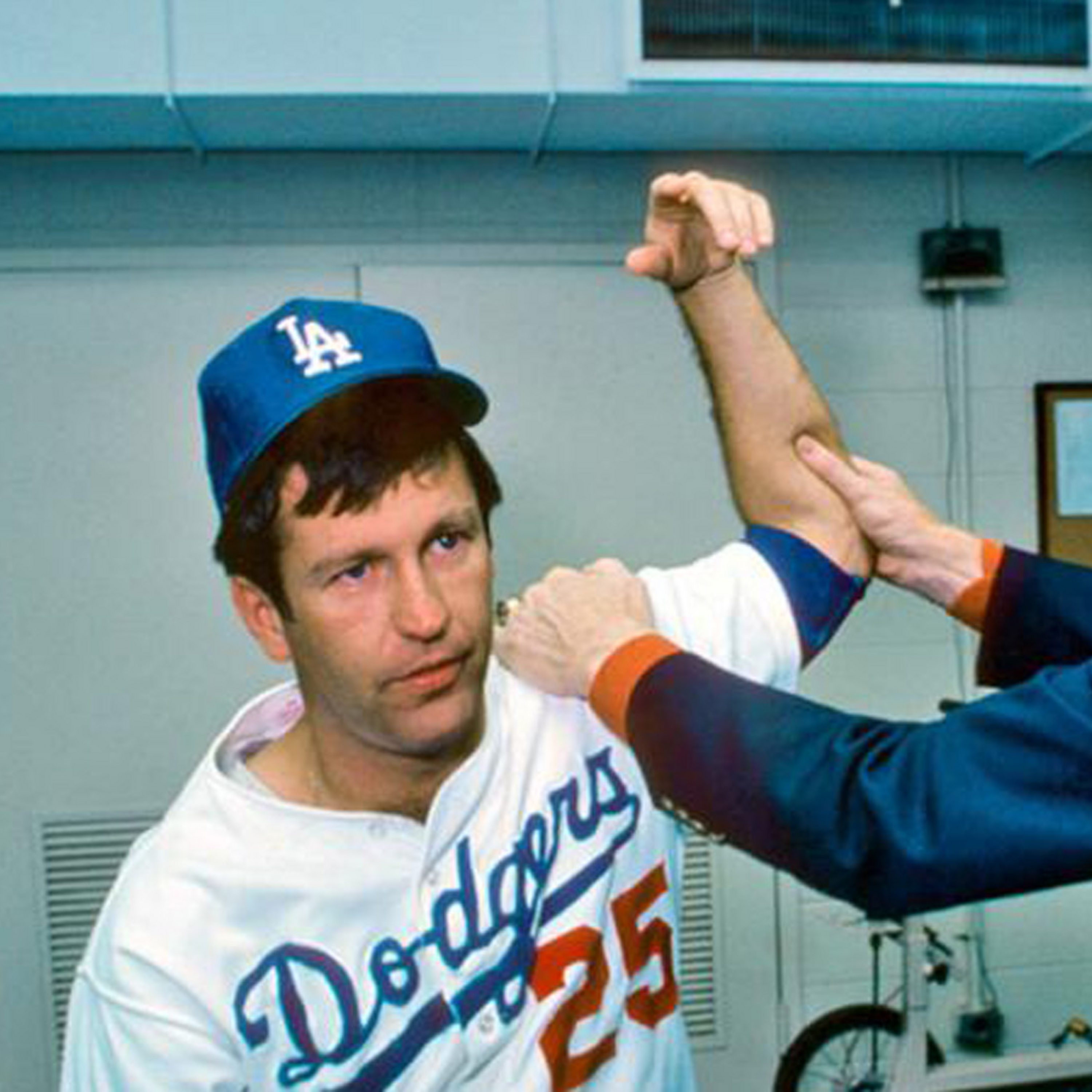
Baseball's bionic man
The story of baseball pitcher Tommy John's elbow injury in 1974 and the revolutionary surgery that was named after him. He became known as the Bionic Man.
Diving into the world's largest iceberg
In 2000, Jill Heinerth was already a renowned diver, known for her exploits mapping vast underground cave networks in Florida. Filming for a National Geographic documentary brought a new and unprecedented challenge; a vast iceberg known as B-15 had broken away from an ice shelf in Antarctica, providing a unique chance to explore its networks of underground caves. Braving sub zero temperatures and the treachery of constantly shifting ice, Jill became the first person to ever enter one of these caves - a historic milestone in diving. She tells her story to Emily Finch. PHOTO: The B-15 iceberg (Wolfgang Kaehler/LightRocket via Getty Images)
Protesting against the US National Anthem
In 1996 Mahmoud Abdul-Rauf was one of the most promising and talented basketball players in the NBA. That was before he stopped standing with his teammates when American flag was raised and the national anthem played at the start of each game. Uma Doraiswamy spoke to him and heard how his meteoric rise was cut short because of his principles.Photo: Mahmoud Abdul Rauf at a game in March 1996 (Getty Images)
The Miracle of Istanbul
In May 2005, Liverpool came from 3-0 down at half-time to beat AC Milan in the Champions League final, in what became known as “The Miracle of Istanbul”. Dietmar Hamann helped turn the game around for Liverpool when he was substituted on for the second half. Ben Henderson spoke to him about his memories from the night, and what happened at half-time to inspire one of the most famous comebacks in Champions League history.Thanks to BBC Radio Merseyside for commentary from the match.PHOTO: Liverpool captain Steven Gerrard raises the Champions League trophy (Getty Images)
Ryneldi Becenti - Native American basketball hero
It's 25 years since Ryneldi Becenti became the first Native American to play in the women's NBA when she made her debut for the Phoenix Mercury. Basketball is a big sport on Native American reservations and success made Becenti a hero in her community. In 2019, Lucy Burns spoke to Ryneldi Becenti about her career and her challenging family background. Photo: Ryneldi Becenti playing for Arizona State University (courtesy Arizona State University)
The footballer trapped in Syria
Olaniyi Gideon is a professional footballer, who had played in the UAE and had trials for clubs in the UK; his efforts to keep his dream alive found him playing for a Syrian club in 2011 when the country descended into civil war. He tells Bukky Fadipe about the fraught escape he was forced to pull off after the club he was playing for abandoned him and the other players who weren't Syrians. The programme is a Whistledown Production.PHOTO: Olaniyi Gideon, with the ball, in a team phot taken in Syria (personal collection)
Man City win their first Premier League
In May 2012, Manchester City won their first Premier League title with a nail-biting injury time victory in the last game of the season. In a goal that made football history, Argentine striker Sergio Agüero rocketed the ball past the QPR keeper in the 94th minute. Uma Doraiswamy talks to Manchester City defender Micah Richards about his memories of the match.PHOTO: Sergio Agüero lifting the Premier League trophy (Getty Images)
Jahangir Khan: The king of squash
In the 1980s, Pakistani squash player Jahangir Khan became a legend in his sport by going undefeated for five years. But, as Shumaila Jaffery discovers, to become unbeatable, Khan had to overcome childhood illness and family tragedy. This programme was first broadcast in 2015.(Photo: Jahingar Khan in action. Credit: Steve Line/SquashPics)
Cricket in North Korea
In 2008, a group of cricketers went on what is believed to be the first tour of North Korea. The Shanghai Cricket Club arranged at their own expense to play the first - and only - edition of the Pyongyang Cricket Friendship Cup. Although initially baffled by the sport, some of the North Korean players showed a surprising amount of talent. Jo McDermott talks to Jon Newton, the president of Shanghai cricket club - and the man who brought cucumber sandwiches to a pariah state. PHOTO: Action from the Pyongyang Cricket Friendship Cup (Courtesy of Jon Newton)
The Mozart of Table Tennis
Swedish table tennis player Jan-Ove Waldner is a living legend in his own country -- and in China. Known as the “Mozart of Table Tennis”, Jan won every major title in a sport traditionally dominated by the Chinese, including a career-defining win at the Olympic games in 1992 - where he became the first and only table-tennis gold medallist from a non-Asian country. At one point, Waldner was said to be more widely recognised in China than President Bill Clinton. He talks to Ashley Byrne about a career that spanned three decades. The programme is a Made-in-Manchester Production.PHOTO: Jan-Ove Waldner in action in 2004 (Getty Images)
Tanya Streeter
In 2002, free diver Tanya Streeter attempted to set a No Limits world record by diving down to 160m and resurfacing, all on a single breath. She would have to survive the pressures of the deep and hold her breath for 3 and a half minutes. It almost went wrong. Tanya Streeter spoke to Alex Last in 2015.PHOTO: Tanya Streeter on her record-breaking dive (Buzz Photo/Alamy Stock Photo)
The women cross-country skiers who fought to race
In March 1981, women were allowed to compete officially in the Vasaloppet race in Sweden - one of the world's most popular cross-country skiing events. Vasaloppet officials had previously suggested that women would not be strong enough to complete the course and extra toilet facilities might need to be built for them. Female skiers responded with a concerted campaign to get into the historic race, which included trying - unsuccessfully - to take part disguised as men. Maddy Savage talks to Swedish Olympian Meeri Bodelid, who posted the fastest women's time in the historic 1981 Vasaloppet race.(Photo: Meeri Bodelid competing in 1981, courtesy of the Vasaloppet Race)
Saving Fabrice Muamba
It's 10 years since one of the most dramatic moments in the history of Premiership football. Fans around the world held their breath when the Bolton midfielder Fabrice Muamba went into cardiac arrest and collapsed on the pitch. His heart stopped for 78 minutes. Uma Doraiswamy has been speaking to cardiologist Dr Andrew Deaner, who ran from the stands to help save Fabrice Muamba's life.PHOTO: The medical team treating Fabrice Muamba (Getty Images)
Kelly Gallagher
Kelly Gallagher, a visually-impaired skier from Northern Ireland, won Team GB's first Winter Paralympic gold at the 2014 games in Sochi. She talks to Nick Holland about her career in one of the most thrilling alpine sports, and her bond with her guide, Charlotte Evans.PHOTO: Kelly Gallagher competing at Sochi (Getty Images)
The first Winter Paralympic Games
The first Winter Paralympics were held in the Swedish town of Örnsköldsvik in 1976. Nearly two-hundred competitors came from 16 countries. Rachel Naylor speaks to two blind skiiing competitors with very different experiences - Finnish multi-gold medallist, Pertti Sankilampi, and Londoner Mike Brace, who learnt his sport shortly before the Games.PHOTO: Paralympic skier Larry Kuntz in the 1970s (Getty Images/Denver Post)
The Queen of Paralympic Snowboarding
Bibian Mentel-Spee became a national hero in the Netherlands after campaigning for snowboarding to become part of the Winter Paralympics and then winning Gold the first time the event was held, at Sochi in 2014. Mentel-Spee had switched to Paralympic sport after cancer forced her to have a leg amputated. She would win two more gold snowboarding medals at the next games in Pyeongchang in 2018, just weeks after another gruelling round of cancer treatment. Mentel-Spee died in 2021. Matthew Kenyon speaks to her husband, Edwin Spee, and to Canadian Paralympic snowboarder, Michelle Salt. PHOTO: Bibian Mentel-Spee in action in 2014 (Getty Images)
Dan Jansen - from tragedy to triumph
In February 1988, the American speedskater, Dan Jansen was told on the day of his Winter Olympic final that his sister had died of cancer. Stricken by grief, he then fell during his race. It took Dan Jansen another six years - and five more races - before he finally won gold and completed one of the most emotional laps-of-honour in Olympic history. He spoke to Simon Watts in 2014.PHOTO: Dan Jansen (Getty Images)
Morten Andersen: The NFL Hall of Fame kicker
Morten Andersen arrived in the US at the age of 17 knowing nothing about American football. He went on to become a record-breaking NFL kicker and was later inducted into the Hall of Fame. Alex Last speaks to Morten about his remarkable career and hears why the kicker is one of the most under-appreciated skill positions in American football. Photo: Kicker Morten Andersen of the New Orleans Saints kicks on a hold by Tommy Barnhardt, Oct 1991 (George Gojkovich/Getty Images)
Vonetta Flowers: The first black Winter Olympic champion
Vonetta Flowers became the first black athlete to win a Winter Olympic gold, when her US pair won the two-woman Bobsleigh event in 2002. Flowers started her career as a sprinter and long-jumper, but switched to bobsledding after failing to make the American summer Olympic team. She was a natural for the brake-woman role and formed a successful team with driver, Jill Bakken. Vonetta Flowers speaks to Iain Mackness. The programme is a Made-In-Manchester production.(Photo: Vonetta Flowers celebrating her Olympic victory in 2002. Credit: Getty Images)
India's Luge pioneer
Shiva Keshavan was the first Indian to compete in one of the most dangerous events at the Winter Olympics – the luge. At the 1998 games in Japan, the 16-year-old was the only athlete in the Indian team and had to lead himself out in the opening ceremony in Nagano. Shiva Keshavan took part in a further five Winter Olympics and is credited with boosting awareness of snow sports in India. In 2020, he spoke to Farhana Haider.(Photo: Shiva Keshavan in action in 2010. Credit: Getty Images)
Novak Djokovic: The road to success
Aged thirteen, Novak Djokovic appeared at coach Nikola Pilic's tennis academy near Munich. He would soon become Pilic's star pupil thanks to his incredible self-discipline and natural tennis brain. Twenty grand slams later, the Serbian star is still in touch with Nikola Pilic, and regards him as one of his mentors. Nikola Pilic speaks to Petra Zivic.PHOTO: Novak Djokovic in 2008, the year he won his first tennis major (Getty Images)
Skiing in Afghanistan
In 2011, the rugged mountains of Bamiyan province in central Afghanistan became the backdrop of something as unlikely as it was uplifting - an international ski scene. As Bamiyan was then relatively safe for tourists, a new travel agency, supported by a development NGO, started offering holidays to skiers seeking a unique adventure. A ski school was also set up for local villagers keen to learn, including Alishah Farhang, who went on to become one of Afghanistan's top skiers. However, as he tells Viv Jones, his hopes of competing in the Winter Olympics have been shattered by the return of the Taliban.PHOTO: Competitors take part in the start of the fourth Afghan Ski Challenge in February 2014 (Shefayee/AFP/Getty Images).
Yale women rowers protest
In 1976, the Yale women's rowing team stripped naked to demand equal treatment for women's sport. The protest attracted national attention in the USA and helped force universities to make the same funding and facilities available to women athletes as to men. Catherine Davies talks to two of the Yale protestors, Christine Ernst and Ginny Gilder.(Photo: The 1976 Yale women's rowing team in action. Credit: Getty Images).
Nigeria's Paralympic heroine
At the 2016 Paralympics in Rio, Nigerian shotputter, Lauritta Onye, became a social media sensation thanks to her cart-wheeling gold-medal celebration dance. Onye has dwarfism and has never grown beyond four foot one, or 125 centimetres. She suffered social stigma in Nigeria and at one point ended up selling DVDs on the street in order to survive. But a taster session of Paralympic sport would transform her life. She talks to Ian Williams . PHOTO: Lauritta Onye competing at the Rio Paralympics (Getty Images)
Bangladesh's football heroes
In 1971, the Bangladeshi football team made history at the height of the country's war of independence when they played a series of matches in India. The games were the first to be played under the flag of a nation that was still not officially recognised and helped raise money for Bangladesh's independence struggle. Farhana Haider talks to star striker Kazi Salahuddin, who was smuggled into India so he could take part in the matches. Photo:The Shadhin Bangla Football Dol "Free Bengal Football Team", 1971. Credit: Kazi Salahuddin.
The Tibetan football team
In 2001, a group of Tibetan exiles and a Danish ex-footballer teamed up to create the Tibetan national football team, in the face of many obstacles, including threats from China. Robert Nicholson talked to Michael Nybrandt and team captain Sonam Wangyal about their first ever game against Greenland. A Whistledown Production, first broadcast in 2017.PHOTO: The Tibetan team lining up for their match against Greenland (Getty Images)
The football wages revolution
In 1961, England’s top players threatened strike action in order to force the Football League to scrap its limit on wages of 20 pounds a week. Their victory was a turning point for the sport as it ushered in the modern era of football mega-salaries. In 2011, Lucy Williamson spoke to the late Jimmy Armfield, a former star defender for Blackpool and England captain.PHOTO: The late Jimmy Armfield in the early 1960s (Getty Images)
Zenyatta
In November 2009, Zenyatta became the first – and only – mare to win the Breeders Cup Classic, one of the most prestigious horse races in America. Undefeated in all but one of her races, Zenyatta became wildly popular with the public; she was as well-known for her dance moves in the paddock as she was for coming from behind to snatch victory at the last moment. Zenyatta’s jockey, Mike Smith, talks to Jonathan Holloway. The programme is a Made-In-Manchester Production.PHOTO: Zenyatta and Mike Smith in action in 2010 (Getty Images)
The woman who rowed the Atlantic
In December 1999, the American Tori Murden McClure became the first woman to row across the Atlantic Ocean single-handed. It was the culmination of a dream that had brought her close to death many times as she capsized again and again during a hurricane on a previous attempt. She was inspired to keep trying by working with the great boxer Muhammad Ali. Tori Murden McClure talks to Claire Bowes.Photo: Tori Murden McClure in the 'American Pearl' 1999 (courtesy of Sector Sport Watches and Tori Murden McClure)
Lebanon's match-fixing scandal
In 2011, the Lebanese national football team reached the final phase of World Cup qualification for the first time, sparking wild celebrations among the fans. But within months, the game in Lebanon was engulfed in a huge match-fixing scandal focusing on a suspicious-looking goal in a match against Qatar, as well as domestic fixtures. In 2013, 24 Lebanese players were found guilty in an investigation ordered by FIFA and the national side’s World Cup campaign fizzled out. Alex Eccleston reports. The programme is a Whistledown Production.PHOTO: The Lebanese team ahead of a World Cup qualifier in 2012 (Getty Images)
Zola Budd
At the 1984 Olympics in Los Angeles, South African-born Zola Budd collided with the home favourite, Mary Decker, in the final of the women’s 3,000 metres. Decker was left weeping on the ground, while Budd was booed by the crowd and had to leave the US with a police escort after receiving death threats. Simon Watts introduces the memories of Zola Budd as recorded in the BBC archives.PHOTO: Zola Budd, left, with Mary Decker in the 1984 Olympic final (Getty Images)
The Dumptruck: King of sumo
In the 1980s, a Hawaiian-born wrestler took the traditional world of Japanese sumo by storm. Known as the Dumptruck because of his huge size, he won legions of fans and paved the way for the internationalisation of the sport. The Dumptruck shares his love of Sumo - and Hawaiian hula music - with Will Yates. The programme is a Whistledown Production, first broadcast in 2014.Photo: The Dumptruck in his prime. (Credit: Getty Images).
Jackie Joyner-Kersee - Heptathlon Queen
In 1988, the American athlete, Jackie Joyner-Kersee, put in one of the greatest performances in the history of women’s athletics at the Seoul Olympics. She set a world record that still stands in the Heptathlon and won a second gold medal in the individual High Jump event. Jackie Joyner Kersee talks to Ashley Byrne.PHOTO: Jackie Joyner-Kersee at the 1988 Olympics (Getty Images)