
Spiritual & Reflective Podcast
149 episodes — Page 3 of 3
Ep 43The Parable of Enoch
The "Parable of Enoch" details a prophetic vision experienced by Enoch, the seventh descendant of Adam. He recounts three parables revealing divine wisdom and future judgments. These visions describe the final separation of the righteous and the wicked, the judgment of kings and the mighty, and the ultimate triumph of the Elect One. Enoch also witnesses celestial secrets, including the workings of heavenly bodies and natural phenomena, and is shown the punishment reserved for fallen angels who led humanity astray, emphasizing the absolute power and righteousness of the Lord of Spirits.

Ep 42Enoch's Journeys_ Fallen Angels, Judgment, and Visions
"Enoch's Journeys: Fallen Angels, Judgment, and Visions" recounts a biblical narrative where a group of angels, known as Watchers, descended to Earth, took human wives, and taught humanity forbidden knowledge, leading to widespread corruption and the birth of giants. This transgression prompts the intervention of higher angels, who petition God to address the chaos. Consequently, God pronounces judgment, outlining the punishment for the fallen angels and the giants, and detailing the coming Great Flood to cleanse the Earth. Enoch, a human scribe, is chosen to deliver these divine decrees to the Watchers and is then guided on cosmic journeys by other angels, revealing heavenly architecture, the prisons for rebellious stars and angels, and the places where the souls of the dead reside awaiting final judgment. Throughout these revelations, Enoch witnesses various natural phenomena and celestial mechanics, all demonstrating the Lord's magnificent creation and impending justice.
Ep 41The Secrets of Enoch on Creation and Judgment
The Secrets of Enoch on Creation and Judgment," presents a detailed account of God's creation of the cosmos, Earth, and humanity over six days, culminating in the creation of man from diverse elements and the establishment of Adam and Eve in Eden. It describes Satan's fall and subsequent deception of Eve, leading to the curse on humanity's evil deeds and the promise of a future flood. The narrative then shifts to Enoch's divine revelations, where he is shown the workings of the heavens, Earth, and the underworld, meticulously documenting all creation and the impending final judgment. Enoch, acting as a prophet, is instructed to share these sacred texts with his descendants, urging them to uphold God's commandments, for salvation is found in righteousness and faith, not in empty rituals or outward appearances. The passage concludes with Enoch's ascent to heaven, leaving his writings as a lasting legacy for future generations to understand God's omnipotence and the path to eternal life.
Ep 40The Secrets Book of Enoch
"The Secrets Book of Enoch," details the prophet Enoch's celestial journey through multiple heavens, guided by angels. It describes his visions of the cosmos, including the movements of celestial bodies and the various angelic orders. Enoch encounters both paradise and places of torment, learning about the destinies of the righteous and the fallen. Crucially, the text presents a creation account directly from God, revealing the divine process of forming the heavens, earth, and all elements, culminating in the fall of Satanail and his angels.
Ep 39The Second Book of Adam and Eve_ Seth's Line and Cain's Curse
This excerpt from "The Second Book of Adam and Eve" describes the lineage of Seth and the contrasting fate of Cain's descendants. Following Abel's murder, Cain is cursed and separates from his family, leading to a multiplication of his wicked offspring. Seth's line remains on the holy mountain, preserving purity and devotion to God, but eventually, they are tempted by Cain's descendants' sinful ways and descend from the mountain, leading to their fall from grace. The narrative highlights the spiritual struggle between the righteous lineage and the corrupt one, emphasizing the consequences of disobedience and the importance of maintaining faith and separation from evil influences, ultimately foretelling a coming flood as divine judgment.
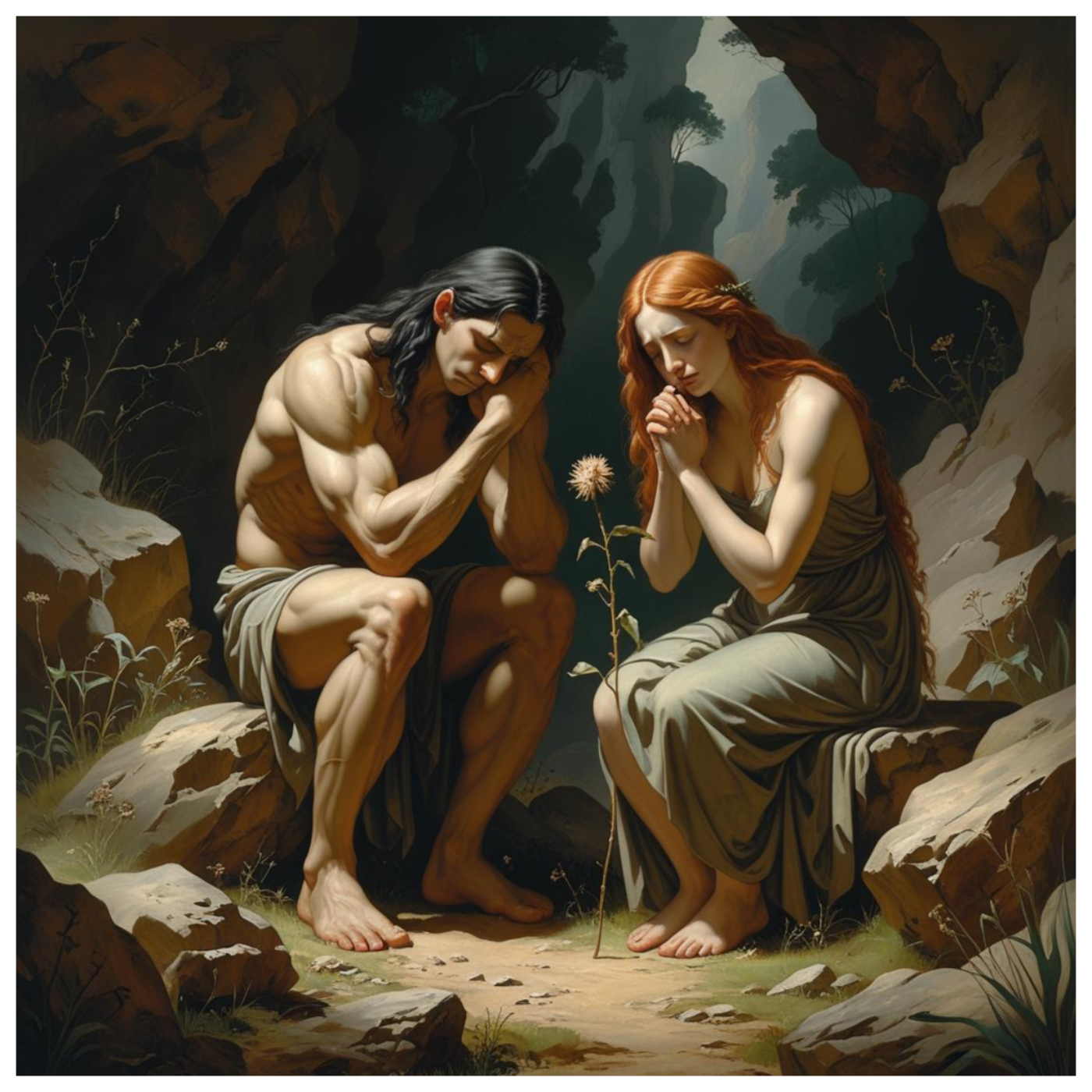
Ep 38Trials of Adam and Eve After the Garden
This ancient text recounts the experiences of Adam and Eve immediately following their expulsion from the Garden of Eden. It details their initial fear and confusion, particularly regarding natural phenomena like the sunrise, which they mistook for divine retribution. The narrative highlights their struggles with the harsh realities of their new environment, including encounters with a vengeful Satan and the physical discomforts of hunger, thirst, and weariness. Despite their hardships and attempts at self-punishment, God repeatedly offers comfort and guidance, accepting their spontaneous offering and promising future salvation, foreshadowing the sacrifice of Christ. The story also describes the symbolic gifts of gold, incense, and myrrh as tokens of hope and divine covenant.
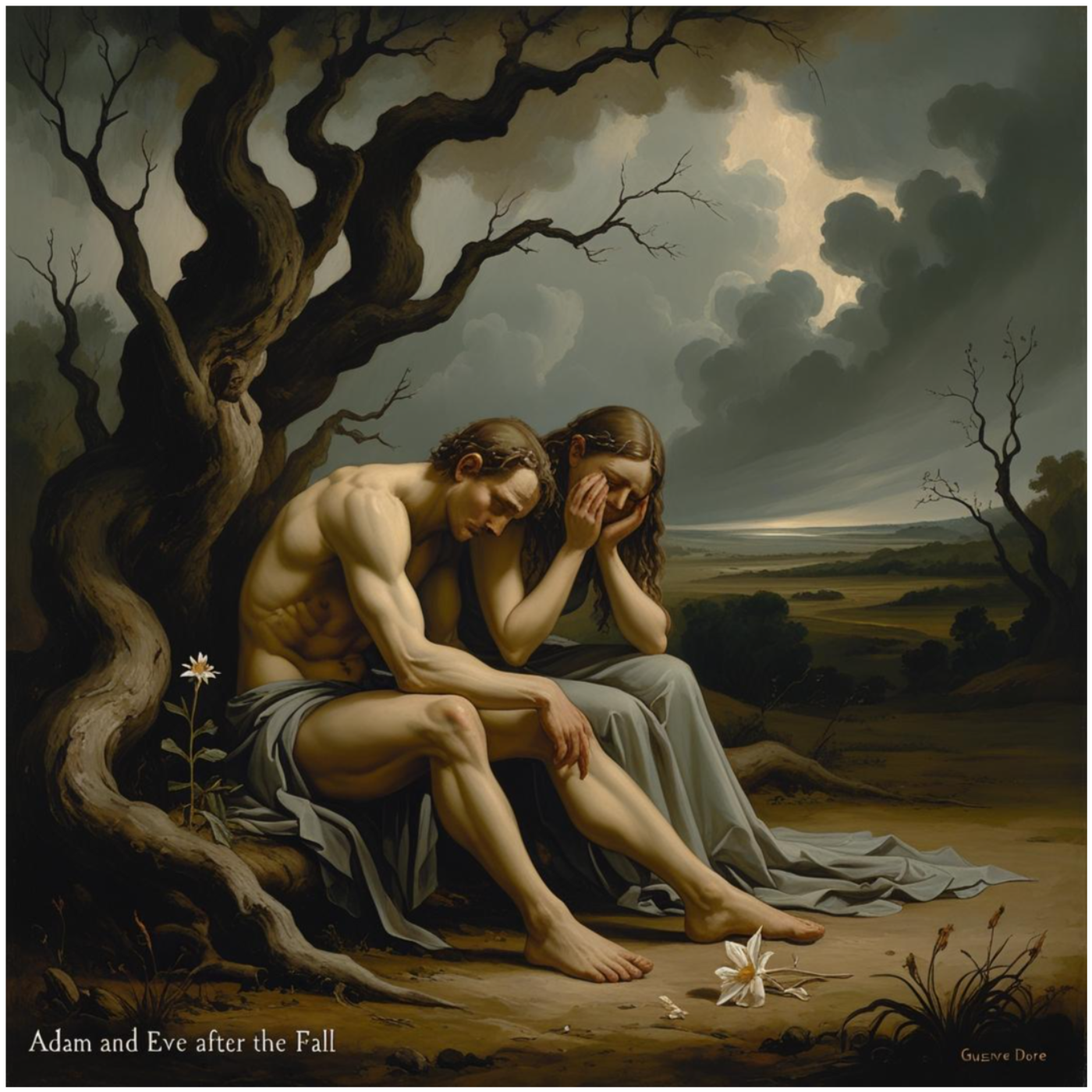
Ep 37Adam and Eve After the Fall
This lengthy excerpt, likely from a religious or apocryphal text, describes the experiences of Adam and Eve after their expulsion from the Garden of Eden. It details their struggles with hunger, thirst, and physical discomfort, their encounters with Satan who attempts to deceive and destroy them, and their early interactions with God through prayer and offerings. The narrative includes their return to the "Cave of Treasures", their clothing themselves in animal skins, and the birth of their children Cain and Abel, ultimately culminating in the first murder as Cain, influenced by Satan, kills Abel out of jealousy over God's favor.
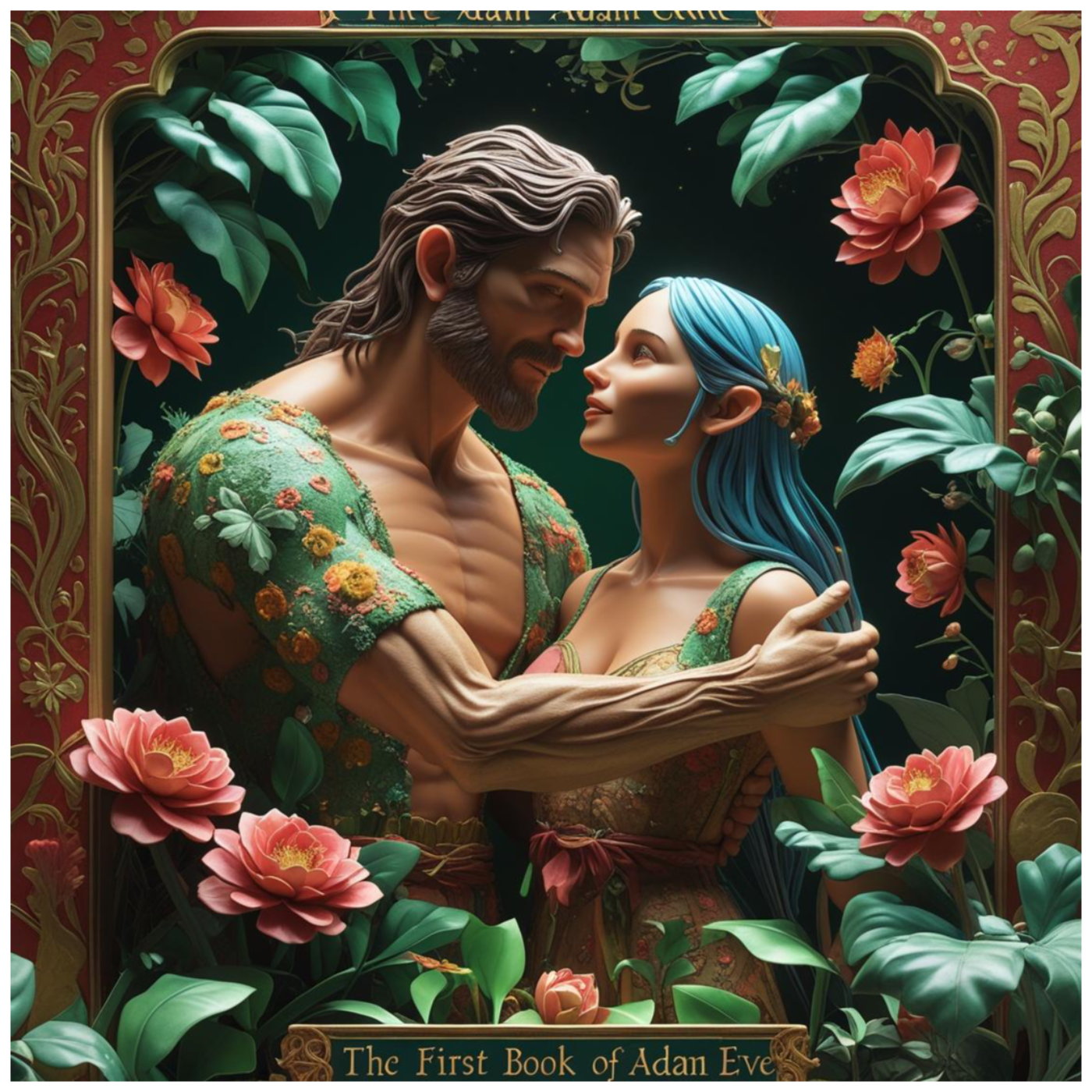
Ep 36The First Book of Adam and Eve
This excerpt from "The First Book of Adam and Eve" presents an ancient account of what happened to Adam and Eve after their expulsion from the Garden of Eden, offering a sequel to the Genesis narrative. It describes their struggles in the harsh new world, their experiences with darkness and physical limitations, and God's continued interactions and promises to them. The text highlights the theme of humanity's conflict with evil and the consequences of sin, while also containing an early prophecy of the coming of Christ to redeem mankind. The document asserts the work's historical and literary significance, suggesting it reflects widespread ancient beliefs about the origin of humanity and the nature of good and evil.

Ep 35Love Righteousness, Seek God
This ancient text urges rulers to embrace righteousness and seek God with sincere hearts, emphasizing that divine wisdom and presence are found by those who are faithful, not those who test or doubt. It warns that wickedness and deceit separate individuals from God, as divine wisdom avoids such individuals and actions. The passage highlights God's omnipresence and awareness of all deeds and words, assuring that those who speak or act wickedly will face consequences. It ultimately connects righteousness with immortality and affirms that God created life, not death, suggesting that death is invited by the actions of the wicked.
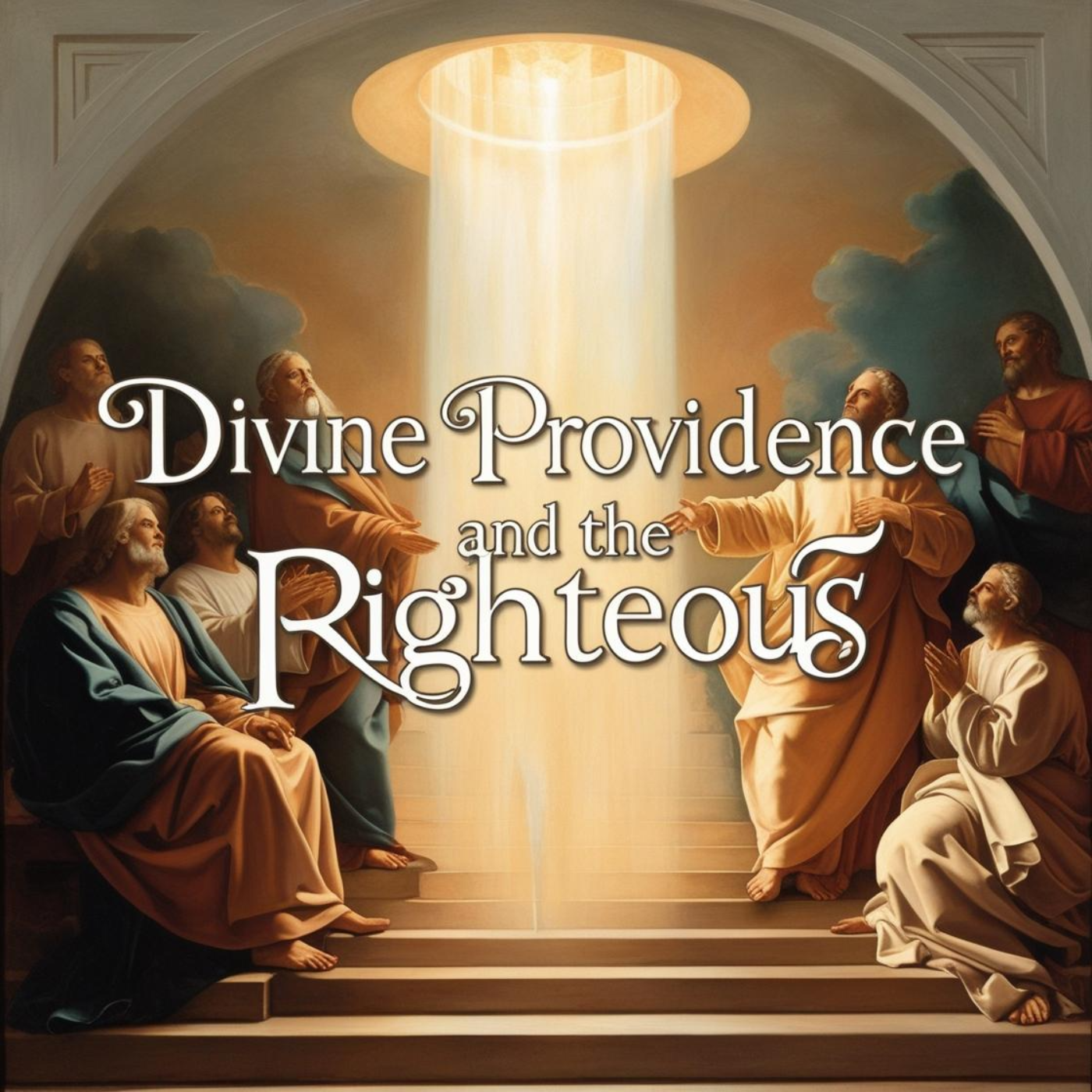
Ep 34Divine Providence and the Righteous
This text describes the fate of the righteous and the wicked in the eyes of God. It posits that the suffering of the devout is temporary and ultimately leads to great blessing, likening them to refined gold and favored offerings. Their hope is in immortality and a future where they will be elevated. Conversely, it states that the wicked will face just punishment due to their disregard for righteousness, describing their endeavors as futile and their descendants as accursed. Finally, the text asserts that childlessness in righteousness is favored over the offspring of the wicked, indicating a divine preference for spiritual fruitfulness over physical lineage born of transgression.
Ep 33Impious Thoughts on Righteousness and Death
This ancient text presents the pessimistic worldview of those who believe life is fleeting and ends in nothingness, leading them to advocate for unrestrained hedonism and exploitation. They assert that since death is final and there is no afterlife, one should indulge in earthly pleasures without concern for righteousness. This perspective causes them to resent and seek to harm those who live righteously, viewing them as a reproach to their own sinful behavior and challenging their belief that might makes right. Ultimately, the text labels these views as erroneous and blinded by wickedness, contrasting them with the idea that God made humanity imperishable and that death was introduced through devilish envy.
Ep 32Virtue's Reward, Wickedness's Ruin
This text presents a contrasting perspective on the outcomes of living a virtuous life versus a wicked one. It asserts that virtue brings lasting recognition and reward, while wickedness, even with apparent worldly success like many children, ultimately leads to ruin and oblivion. The passage also explores the concept of early death for the righteous, portraying it not as a loss but as protection from corruption and an attainment of true old age through understanding and a blameless life. Finally, it describes a future judgment where the righteous will be vindicated and witness the despair of the wicked who realize the futility of their lives compared to the eternal state of the virtuous.
Ep 31Judgments and Deliverance in Egypt
These verses describe two of the plagues inflicted upon the Egyptians: a prolonged and terrifying darkness that afflicted only them, while the Israelites enjoyed light, emphasizing God's judgment and the Egyptians' fear and foolishness; and the death of the Egyptian firstborn, while the Israelites were spared, highlighting God's power and faithfulness in saving his people. The text also recounts the Israelites' subsequent journey, where nature itself is shown to respond to God's commands for their protection and provision, contrasting with the continued divine punishment of the Egyptians.
Ep 30Wisdom and Divine Judgment in History
This collection of texts from "Wisdom and Divine Judgment in History" highlights the protective power of Wisdom and God's special providence. The first section details how Wisdom has consistently intervened throughout history to preserve righteous individuals from various threats, including natural disasters, wickedness, and persecution, often while those who reject her suffer consequences for their actions. The second section focuses on the Exodus, illustrating God's care for the Israelites by contrasting the benefits they received, like water from a rock, with the punishments inflicted upon their enemies, such as plagues. The text also explores God's mercy and patience, explaining how He allows time for repentance even for the most wicked, emphasizing His ultimate power and just governance.
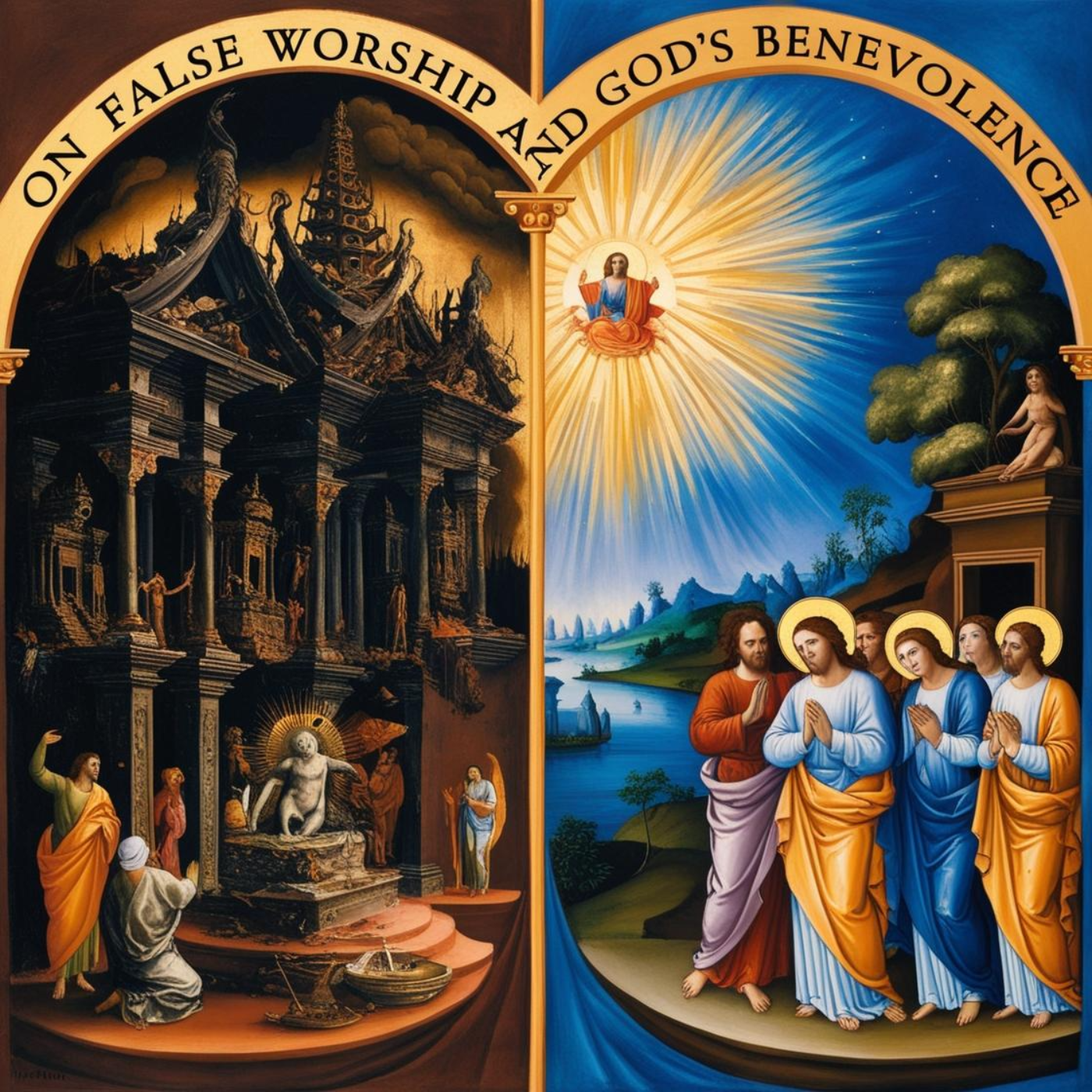
Ep 29On False Worship and God's Benevolence
This ancient text critiques various forms of false worship, contrasting them with knowledge of the true God. It argues that nature worship is foolish, as the beauty and power of creation should lead to recognizing the more excellent creator. The text then condemns idolatry, describing the creation and worship of images made by human hands as particularly misguided, highlighting the helplessness of idols and the sinfulness of those who make and rely on them. Finally, it illustrates God's power and benevolence through examples from the Exodus narrative, showing how divine providence saved the Israelites from various plagues while their oppressors suffered, emphasizing that it is God's word and power, not material things, that sustain and deliver.
Ep 28Solomon's Prayer for Wisdom
The passage presents a prayer attributed to King Solomon, wherein he requests divine Wisdom from God to effectively fulfill his role as ruler and judge. He acknowledges God as the creator and the source of all things, including humanity’s capacity to govern, and admits his own limitations in understanding and judgment without divine guidance. Solomon emphasizes Wisdom’s presence with God from the beginning and its crucial role in knowing God's will and commands. The prayer highlights the difficulties mortals face in understanding heavenly matters and even earthly affairs without divine assistance, ultimately asserting that only through Wisdom can people act in ways that are pleasing to God and find salvation.

Ep 27Exhortation to Seek Wisdom
This ancient text offers a strong admonition to rulers, emphasizing that their authority comes from God and they will be held accountable for their actions. It highlights that severe judgment awaits those in power who do not judge justly or follow God's law, unlike the lowly who may receive mercy. The source then transitions to exalting wisdom, describing it as readily available to those who diligently seek and desire it. Ultimately, the text posits that pursuing wisdom and keeping its precepts is the path to righteousness, closeness to God, and a stable kingdom.
Ep 26Solomon's Quest for Wisdom
We explore King Solomon's wisdom, emphasizing humility and prayer. Solomon valued wisdom over power, recognizing it as a divine gift, leading to understanding, esteem, and influence. In our lives, it can be richer and deeper than just accumulating facts. #KingSolomon #Wisdom #Humility #Prayer #DivineGift #AncientWisdom #SpiritualInsight #PersonalGrowth #Inspiration #Reflection
Ep 25The Book of Wisdom Introduction
The Book of Wisdom (also known as the Wisdom of Solomon) is a profound and poetic text that bridges Jewish tradition with Hellenistic philosophy. Traditionally attributed to King Solomon, though likely written by a Jewish scholar in Alexandria, the book speaks with timeless insight on themes such as justice, the immortality of the soul, divine wisdom, and the moral struggle between good and evil. It urges readers to seek wisdom as the guiding force of a virtuous life and explores how divine providence interacts with human freedom. As part of the Deuterocanonical books in the Catholic and Orthodox Christian traditions, the Book of Wisdom continues to inspire reflection on the deeper meaning of life, the nature of God, and the path to righteousness.
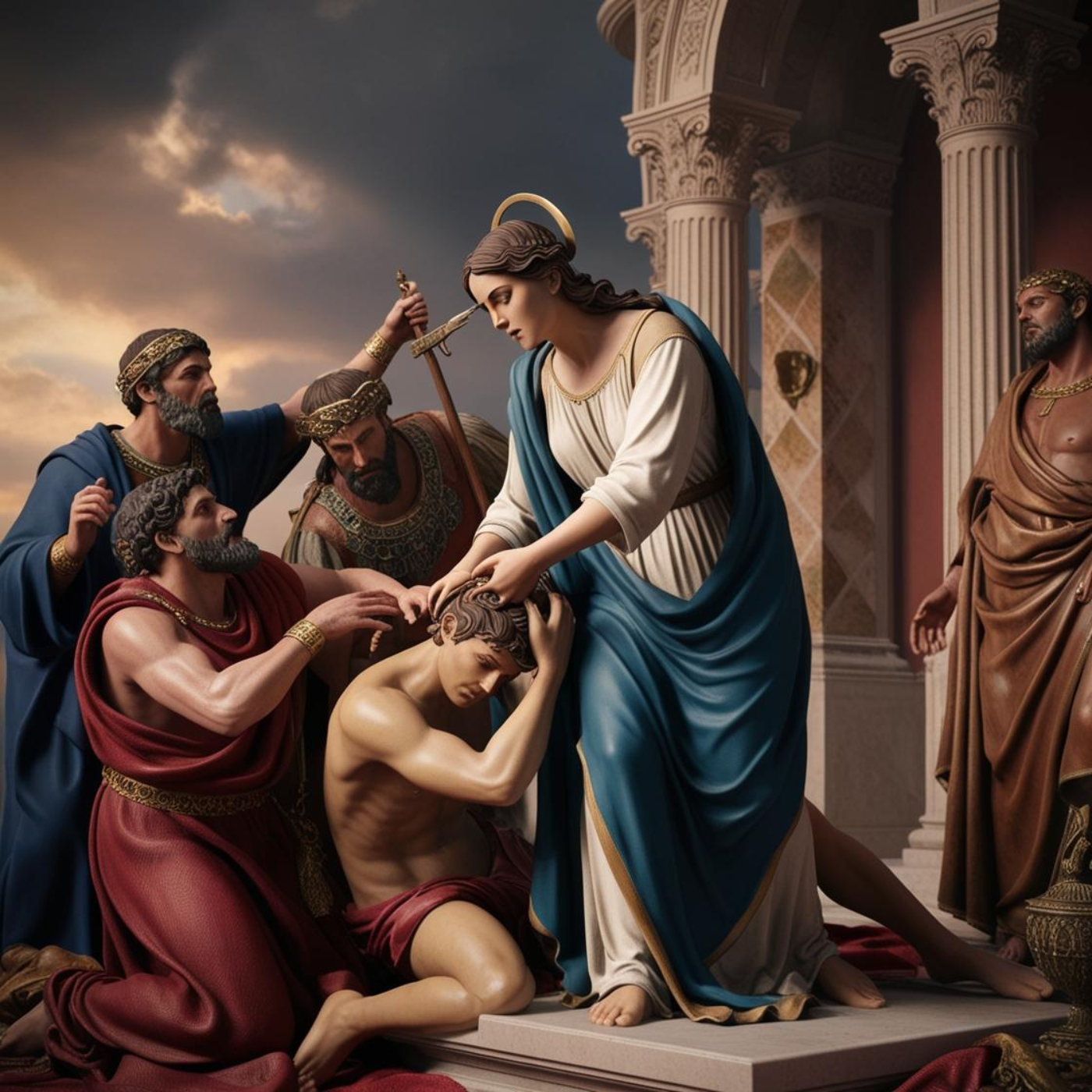
Ep 24Judith Delivers Israel from Holofernes
Explore Judith's audacious plan to deliver Israel from Assyrian oppression. Discover how her strategic thinking, cunning, and courage changed everything. We examine her planning, deception, and impact, proving strategic thinking can overcome massive odds.

Ep 23Judith's Deliverance of Israel
Dive into the ancient story of Judith, a woman of incredible faith who saves her city, Bethulia, from Assyrian siege through bold actions and cunning strategy. We explore her faith, courage, and the historical context of her heroic act
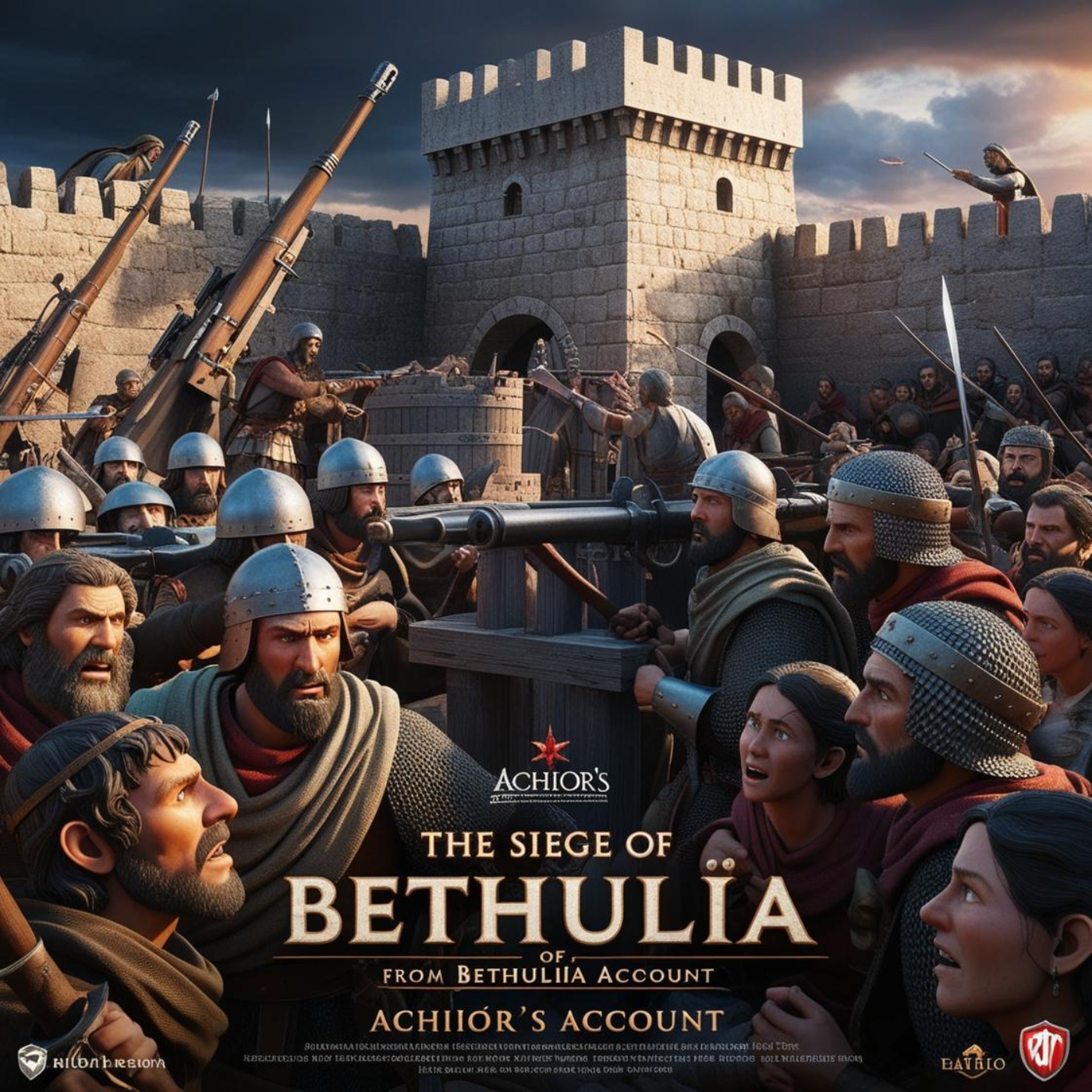
Ep 22Achior's Account and the Siege of Bethulia
We delve into the ancient Siege of Bethulia, exploring Assyrian arrogance and the ignored warning of Agur. We uncover themes of faith, resilience, and flawed strategic decisions shaping conflict dynamics

Ep 21Nebuchadnezzar's Campaigns and Israel's Distress
Dive into the ancient Near East as we explore Nebuchadnezzar's campaign and Judea's desperate defense. We examine the motivations, impact, and the Israelites' blend of strategic defense and unwavering faith. It shows our resilience against overwhelming odds
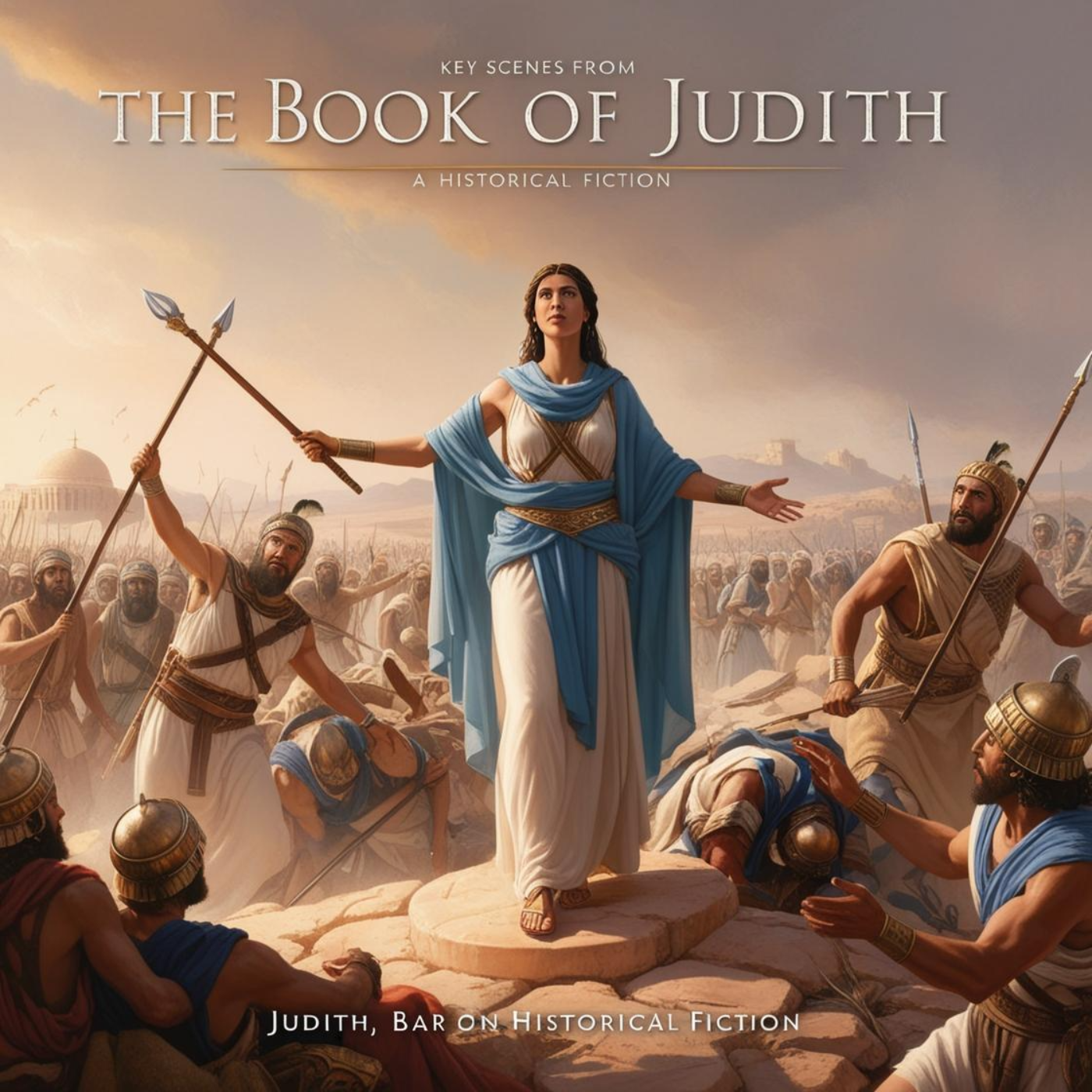
Ep 20The Book of Judith
The text explores "The Book of Judith," presenting it as a work of historical fiction centered on God's deliverance of Israel through a female protagonist, Judith, who triumphs over foreign adversaries. While featuring elements that span centuries of history and geography, the book weaves in imaginary details and characters, highlighting its primary focus on exalting God as the ultimate deliverer, rather than offering a literal historical account. The text also details the various textual traditions and ancient translations of the book, and discusses its reception within Jewish and Christian traditions, noting its inclusion in the Catholic canon despite not being part of rabbinic scripture. Finally, it touches upon inner-biblical parallels to Judith's story and the book's enduring influence on liturgy, art, and literature throughout history, concluding with a breakdown of its five main sections.

Ep 19The Lost Lover Found
we explore excerpts from The Lost Lover Found, part of the Song of Solomon. we unpack imagery, revealing love, beauty, and desire's timeless themes and vivid language. How do these ancient words resonate with our deep human experiences?

Ep 18Song of Solomon_ Beauty, Love, and Search
We explore the timeless beauty and human desire within excerpts from the Song of Songs. We unpack themes of beauty, love, intimacy, and longing. These verses resonate across time, revealing the power of human connection and enduring emotions

Ep 17Loss, Love, and Marriage
We unpack themes from Lost Love and Marriage: searching, finding, and celebrating love. From a personal nighttime search to a royal wedding, our journey covers love's inner and outer worlds. How do these ancient expressions of love contrast with today

Ep 16Song of Solomon: Love, Desire, and Ancient Beauty
We delve into the Song of Solomon, exploring its themes of love, beauty, and desire. We analyze vivid imagery and discuss enduring relevance in the 21st century. Explore how ancient expressions connect with our understanding of love.

Ep 15The Song of Solomon_ Love's Ancient Poem
Step into a sacred space of worship and wonder with Song of Solomon — inspired by the deep, poetic love between the Bridegroom and the Bride. These songs reflect the passion, beauty, and intimacy of God's love for His people, echoing the themes found in the biblical Song of Solomon.🕊️ Perfect for quiet devotion, soaking in His presence, or simply resting in the arms of your Beloved. Let each melody draw you deeper into the heart of God and awaken your soul to the sweetness of His affection.💖 “I am my Beloved’s and my Beloved is mine.” – Song of Solomon 6:3
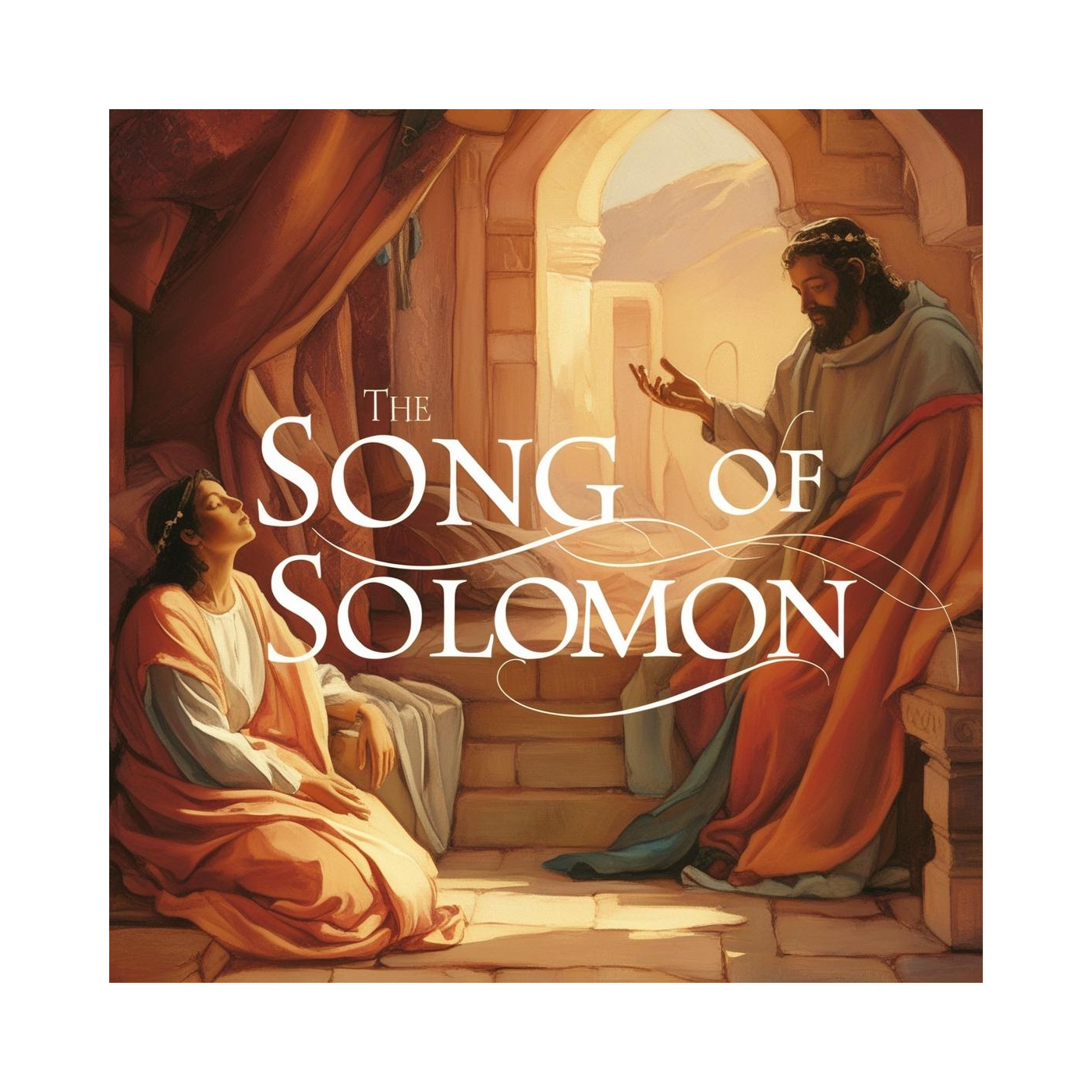
Ep 14 Song of Solomon
Explore the Song of Solomon's ancient love lyrics, portraying ideal human love and deeper meanings. We grasp why this poetry still resonates, examining mutual desire, commitment, and authorship while pondering love and connection
Ep 4LETTER FROM JEREMIAH
This excerpt, presented as a letter from Jeremiah to those exiled in Babylon, serves as a warning against worshiping the idols encountered there. The text emphasizes that these statues of silver, gold, and wood are man-made and powerless, unable to speak, move, or perform any actions attributed to deities. It contrasts these idols with the true power of God, demonstrated through natural phenomena and divine intervention. The letter encourages the exiles to maintain faith in the one true God and recognize the worthlessness and fraudulent nature of the Babylonian idols.
Ep 3Baruch Addresses Diaspora
his text presents two interconnected messages, one from Baruch and another from Jerusalem, offering solace and hope to the exiled Israelites. Baruch begins by acknowledging the captivity as a consequence of their actions, specifically angering God through improper worship. Jerusalem then addresses its neighbors, lamenting the loss of its children due to their disregard for God's law and their subsequent exile by a cruel nation. Both sources express faith in God's eventual deliverance and the return of the exiles with glory, promising judgment upon those who harmed them and a future filled with joy and divine splendor.
Ep 2 Prayer for Deliverance
This passage, presented as a prayer of deliverance and an exhortation to wisdom, begins with an address to the Lord, acknowledging past divine interventions and confessing the people's sin and disobedience that led to their exile. The prayer expresses a plea for mercy and restoration, not based on the merit of ancestors, but on God's covenant promises and the hope that their deliverance will demonstrate His glory to the nations. The text then shifts to a reflection on wisdom, lamenting its absence among both the exiled Israelites and powerful past rulers, before emphasizing that true understanding and the "way to wisdom" have been revealed by God specifically to Israel through His law, urging them to embrace it for life and peace.
Ep 1The Book of Baruch
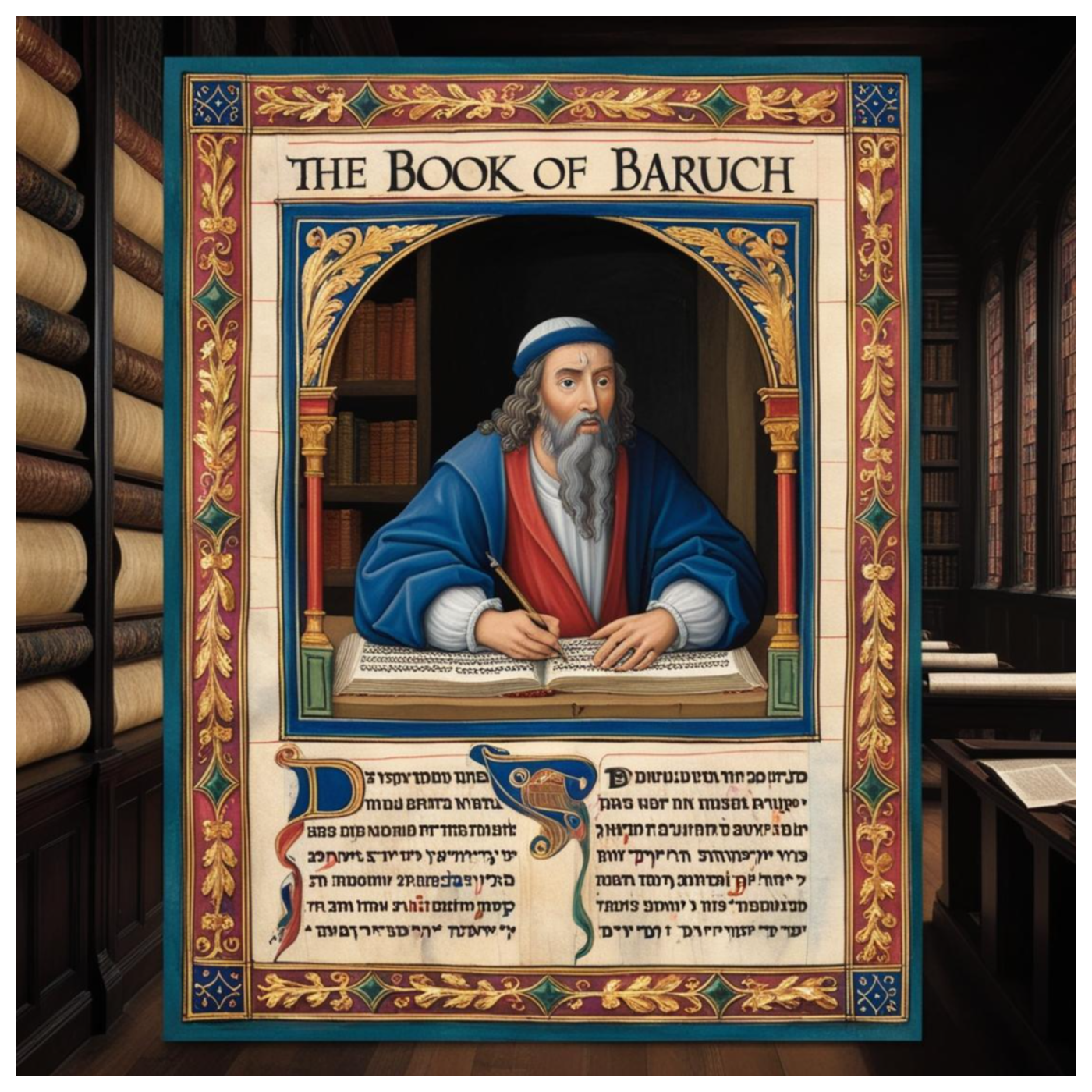
The Book of Baruch recounts events in Babylon following the destruction of Jerusalem by the Chaldeans. It describes how Baruch read his scroll to the exiled King Jeconiah and the people, who responded with mourning, fasting, and prayer. They collected funds to send to the priests in Jerusalem for sacrifices, including vessels for the temple. The text conveys a message acknowledging their sinfulness and disobedience to God as the reason for their plight. They request prayers for the Babylonian rulers while also asking the priests in Jerusalem to read the scroll publicly, emphasizing the shame they feel and admitting that the prophesied consequences for their actions have come to pass.

Praise and Worship Instrumental"
bonusPraise and Worship Instrumental" is a soul-stirring blend of uplifting melodies and heartfelt harmonies, crafted to create a peaceful, reverent atmosphere for prayer, meditation, or church services. Featuring rich piano tones, ambient pads, and gentle rhythms, this instrumental invites listeners into a space of reflection and worship without words—letting the music speak to the spirit. Whether you're leading a devotional, setting the tone for a worship set, or seeking background music for personal quiet time, this piece provides the perfect soundscape for connecting with the divine.

Elara and the Magical Forest
bonusThis source recounts the tale of Elara, a brave young girl who enters the legendary Magical Forest when its power begins to fade. Guided initially by a fox named Nyx, Elara learns that the forest's health depends on belief and the balance between forces of light and shadow. Her quest takes her on a journey through the Hollow of Time, where she confronts and embraces the cycles of growth and decay before ultimately facing and accepting the essential role of the Shadow alongside the light, thus restoring the Heartstone and the forest's balance.
Ep 13Tobit's Final Words and Death
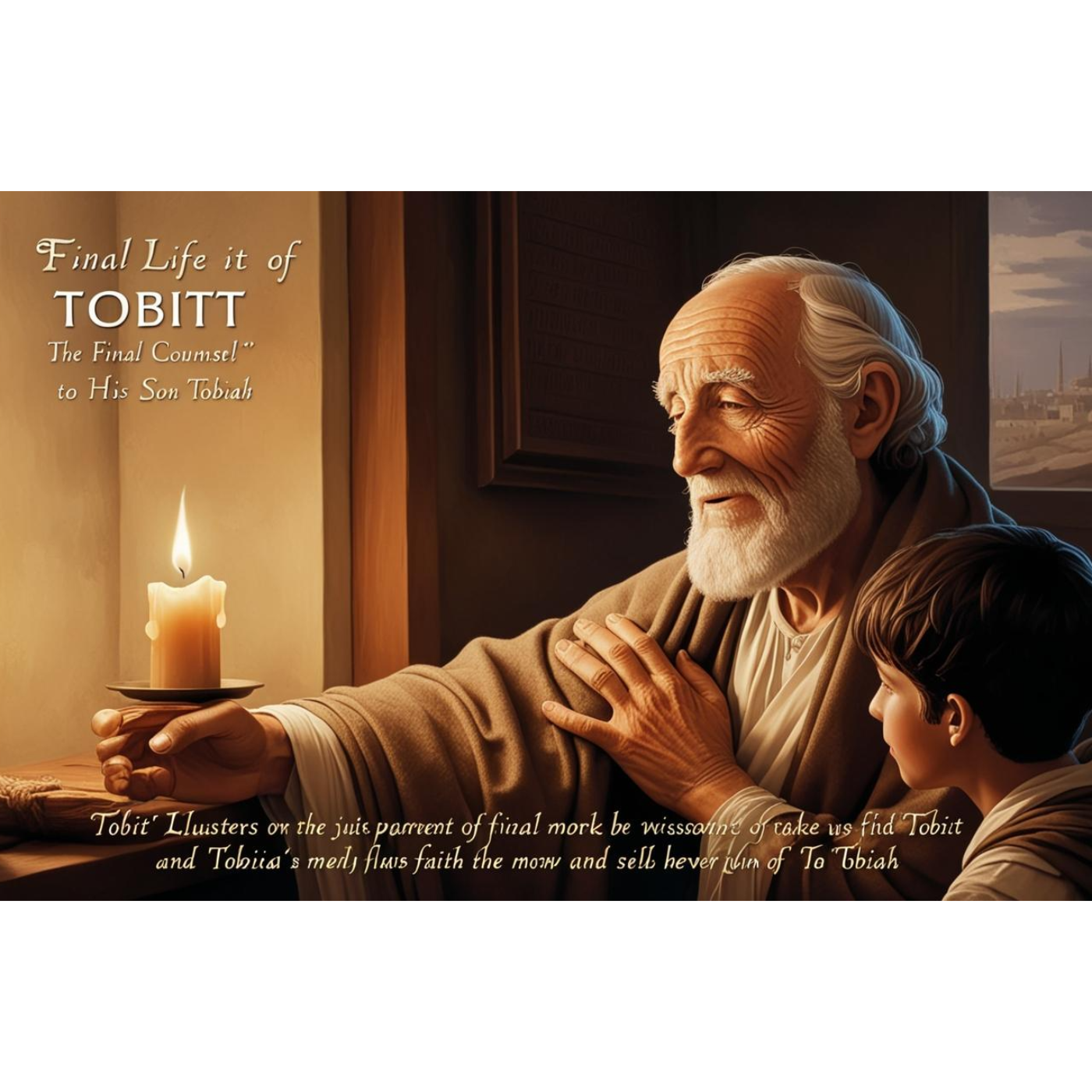
This passage recounts the final moments and counsel of Tobit, who, before his peaceful death at 112, urged his son Tobiah to flee Nineveh for Media, prophesying the city's destruction based on divine word and the fulfillment of prophets' words. Tobit's advice centers on serving God, giving alms, and instructing children in righteousness. He contrasts the destructive nature of wickedness with the saving power of almsgiving, referencing Ahiqar's escape from Nadin's trap as an example before his spirit departs. The passage concludes by detailing Tobiah's departure to Media after burying his parents, his care for his in-laws, and his later life, including witnessing the destruction of Nineveh, fulfilling Tobit's prophecy, and blessing God.
Ep 12The Recovery of Money for Tobit's Son
This passage recounts the successful mission to retrieve Tobit's money, which was entrusted to Gabael in Rages. Tobiah, wanting to avoid causing his father Tobit intense grief by delaying his return, dispatches Raphael, along with servants and camels, to collect the funds from Gabael. Upon receiving the bond and news of Tobiah's marriage, Gabael promptly provides the sealed moneybags, and then accompanies Raphael back to the wedding celebration, where he is overjoyed to see Tobiah, blessing him and his family.
Ep 11Tobit's Song of Praise
This text, known as Tobit's Song of Praise, is a prayer of thanksgiving and hope from a man who has experienced God's affliction and mercy. It emphasizes God's eternal kingship and power to both afflict and show mercy, reminding the Israelites to give thanks despite being scattered among nations. The central message encourages turning back to God with sincerity, with the promise that God will turn to you and ultimately gather the scattered, culminating in a vision of Jerusalem's glorious restoration and eternal joy for the righteous.
Ep 10Tobit's Sight Restored and Joyful Family Reunion
his passage details Tobit's return home and the miraculous restoration of his sight through the application of fish gall by his son, Tobiah, guided by the angel Raphael. The homecoming is filled with joyful reunion as Tobit's wife, Anna, eagerly awaits them and his sight is restored just as his daughter-in-law, Sarah, arrives. Witnessing Tobit's renewed sight, the people of Nineveh are amazed, and Tobit publicly praises God for his mercy before a celebratory seven-day wedding feast for Tobiah and Sarah commences, marking a time of great joy and blessing.
Ep 9Tobit: Tobiah, Kinsmen, and Sarah's Marriage
This passage from Tobit recounts Tobiah's arrival at the house of his kinsman Raguel in Ecbatana, accompanied by "Brother Azariah." Upon discovering Tobiah is the son of their relative Tobit, Raguel and his family express great emotion and hospitality. The focus quickly shifts to Tobiah's request to marry Raguel's daughter, Sarah, despite the tragic history of her previous seven husbands dying on their wedding night, leading to Raguel's initial hesitant but ultimately accepting response based on the law of Moses and heavenly decree. The text concludes with the formalization of the marriage contract and the start of the wedding festivities, highlighting the emotional goodbyes between Sarah and her mother.

Ep 8Tobit: Demon's Flight and Blessed Marriage
Following angelic instructions, Tobiah uses the liver and heart of a fish to drive away a demon that plagued his new wife, Sarah, ensuring their safety. After the demonic threat is neutralized, Tobiah and Sarah offer a heartfelt prayer for protection and a blessed marriage, demonstrating their faith. Meanwhile, Sarah's worried father secretly prepares for the possibility of Tobiah's death but discovers the couple is alive and well, leading to a joyful celebration and Raguel generously sharing his wealth with Tobiah.
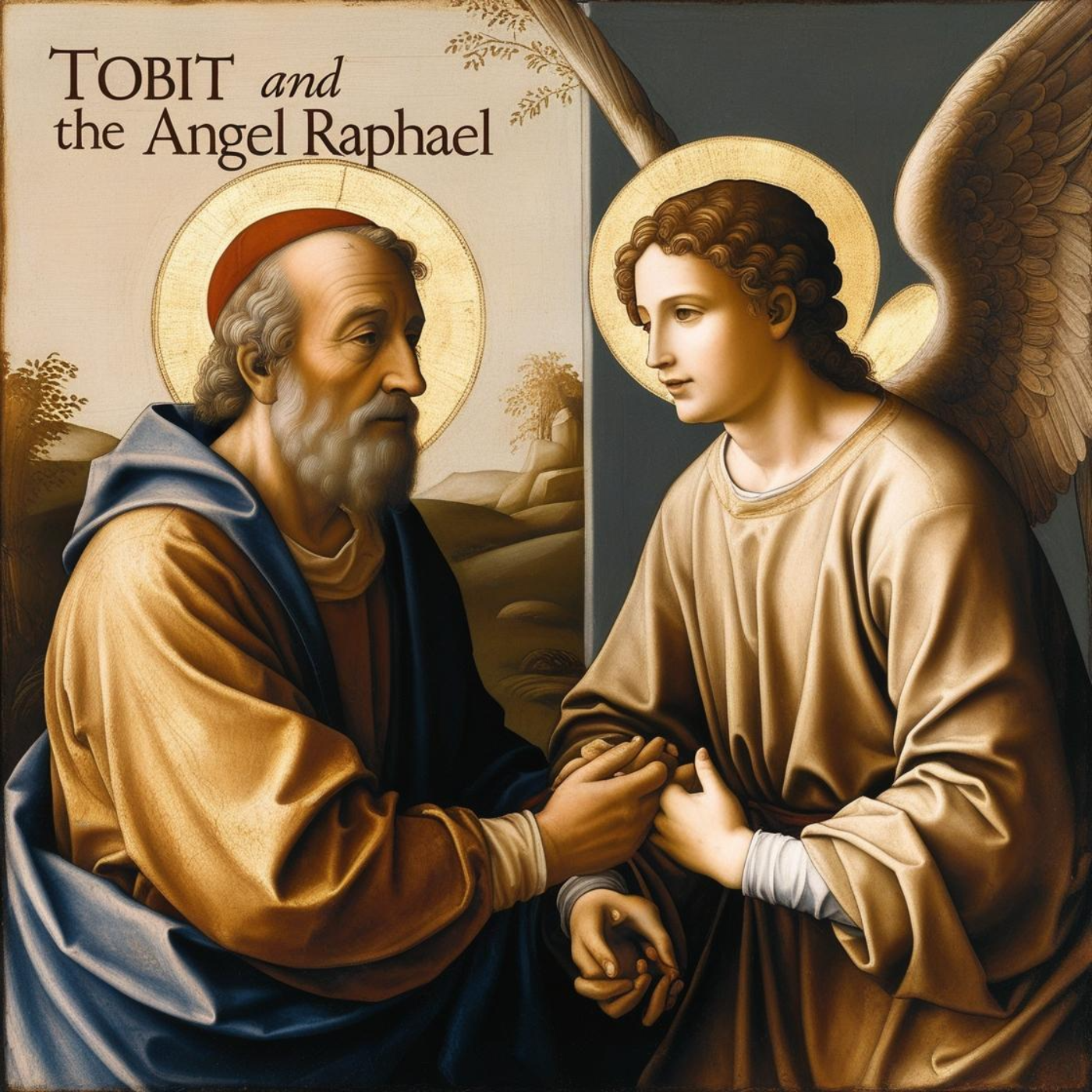
Ep 7Tobit and the Angel Raphael
This passage introduces the story of Tobit, a blind man who needs his son, Tobiah, to travel to Media to recover a sum of money left with their relative, Gabael. Concerned about the journey's risks and the need for someone to guide Tobiah, Tobit seeks a trustworthy companion. Unbeknownst to them, the angel Raphael appears, offering his services and claiming to be a kinsman named Azariah, thus setting the stage for a divinely guided journey despite the initial anxieties of Tobiah's mother about her son's departure.
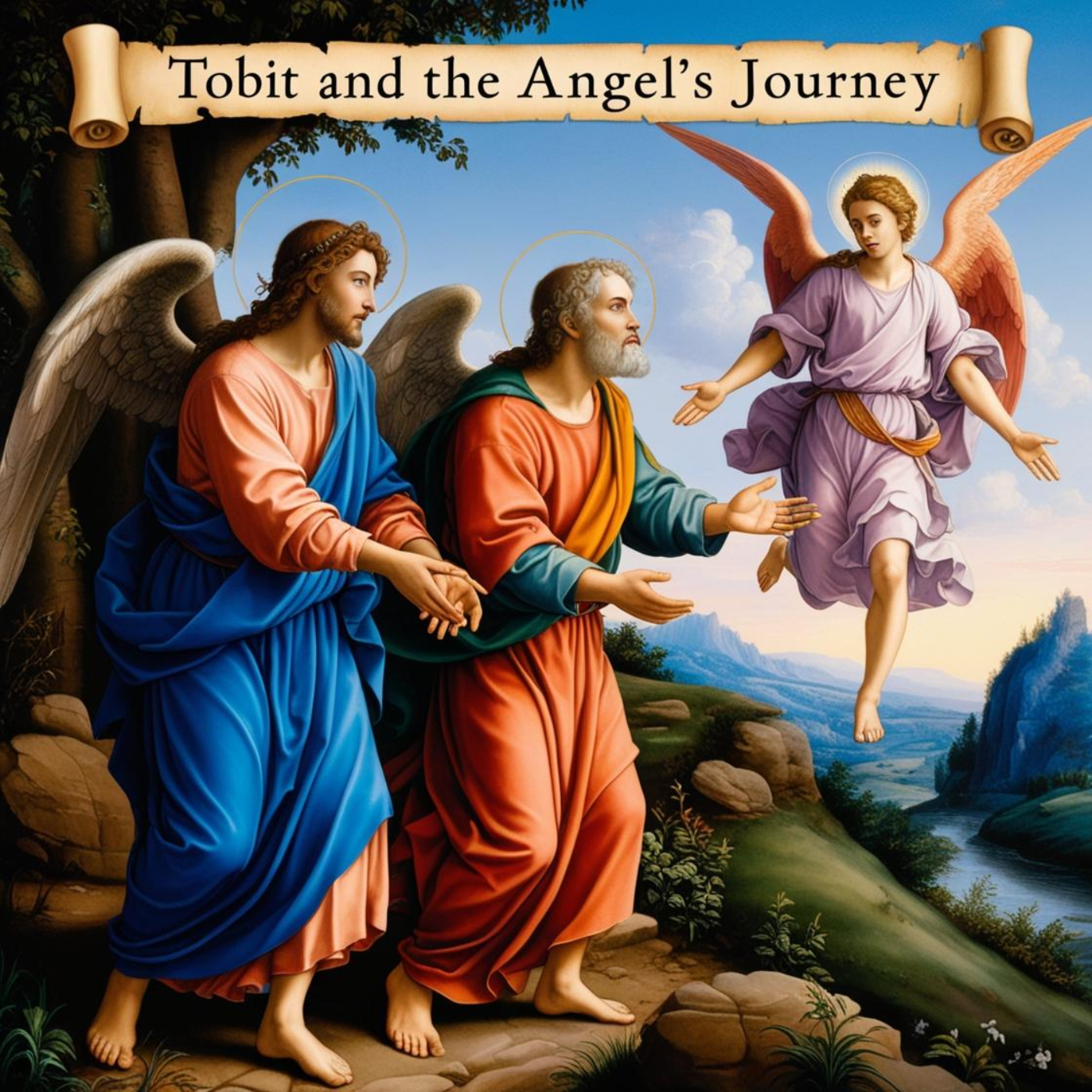
Ep 6Tobit and the Angel's Journey
This passage introduces the story of Tobit, a blind man who needs his son, Tobiah, to travel to Media to recover a sum of money left with their relative, Gabael. Concerned about the journey's risks and the need for someone to guide Tobiah, Tobit seeks a trustworthy companion. Unbeknownst to them, the angel Raphael appears, offering his services and claiming to be a kinsman named Azariah, thus setting the stage for a divinely guided journey despite the initial anxieties of Tobiah's mother about her son's departure.
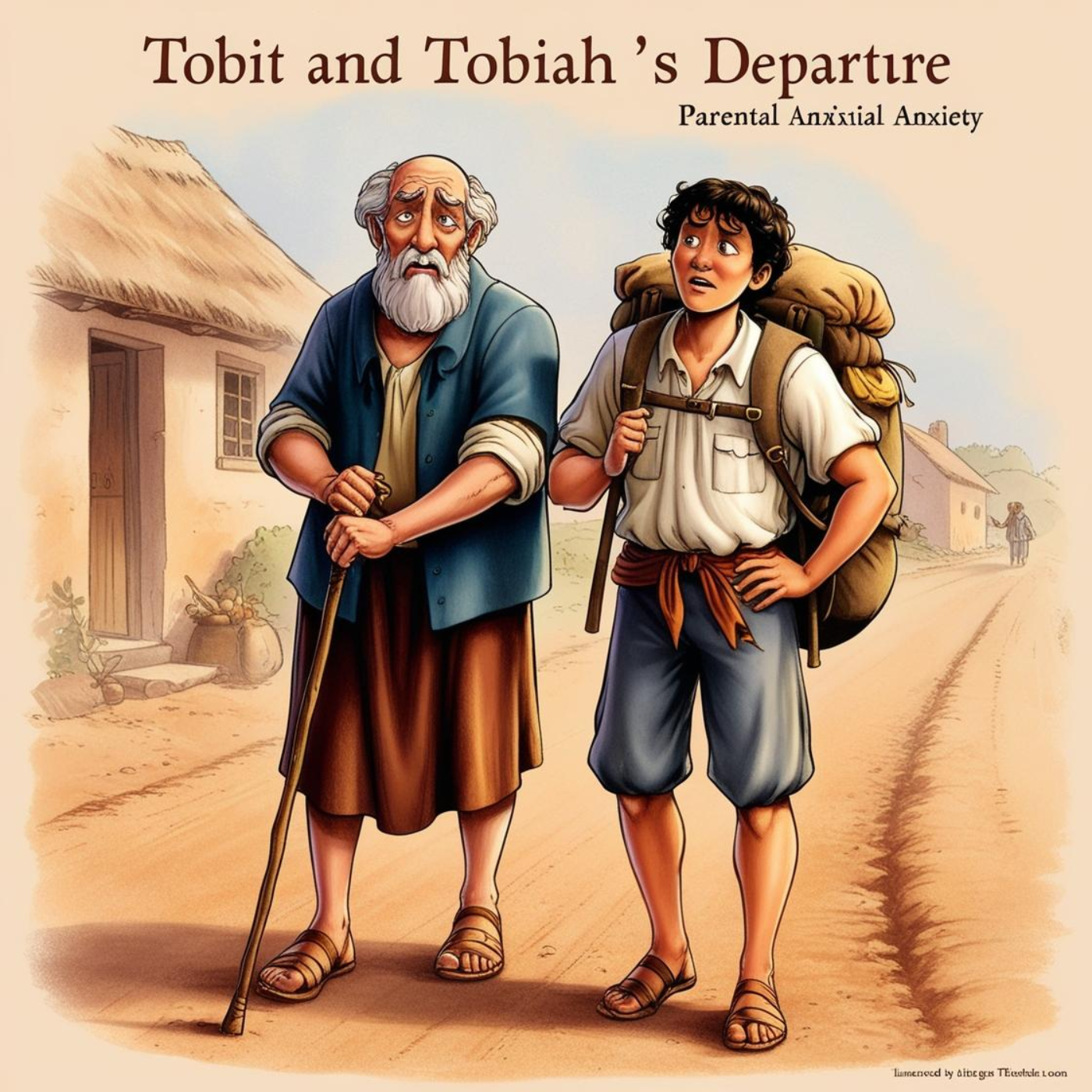
Ep 5Tobit and Tobiah_ Departure and Parental Anxiety
This passage highlights the significant anxiety felt by Tobit's parents, particularly his mother Anna, when their son does not return as expected, fearing the worst despite Tobit's reassurances. Meanwhile, after celebrating his marriage, Tobiah is eager to return home, sensing his parents' concern. His new father-in-law, Raguel, generously sends Tobiah and Sarah off with half of his possessions, offering blessings for their journey and future together. The passage emphasizes the strong familial bonds and the hope for future generations as both Raguel and Edna bid farewell to their daughter and son-in-law.
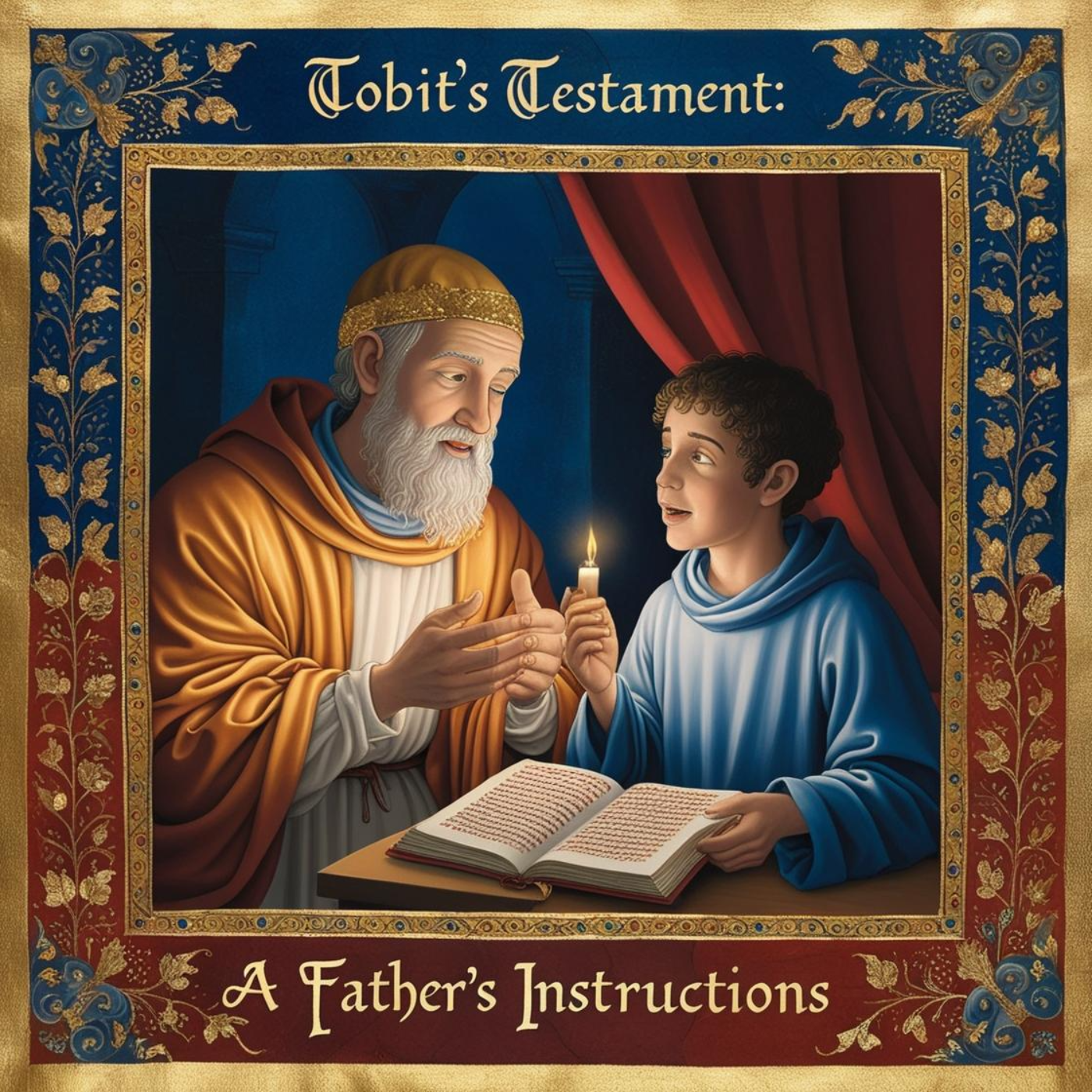
Ep 4Tobit's Testament: A Father's Instructions
In "Tobit's Testament: Instructions to His Son," a dying father imparts crucial advice to his son, Tobiah, covering practical matters like recovering deposited money, but primarily focusing on a life guided by righteousness and faith. Key instructions include honoring his mother, keeping the Lord in mind to avoid sin, and consistently performing righteous deeds, particularly emphasizing the importance of almsgiving as it delivers from death and is pleasing to God. Tobit also stresses the significance of marrying within their ancestral family, seeking wise counsel, and blessing the Lord at all times, assuring Tobiah that while they may have been poor, fearing God and doing good will lead to wealth.
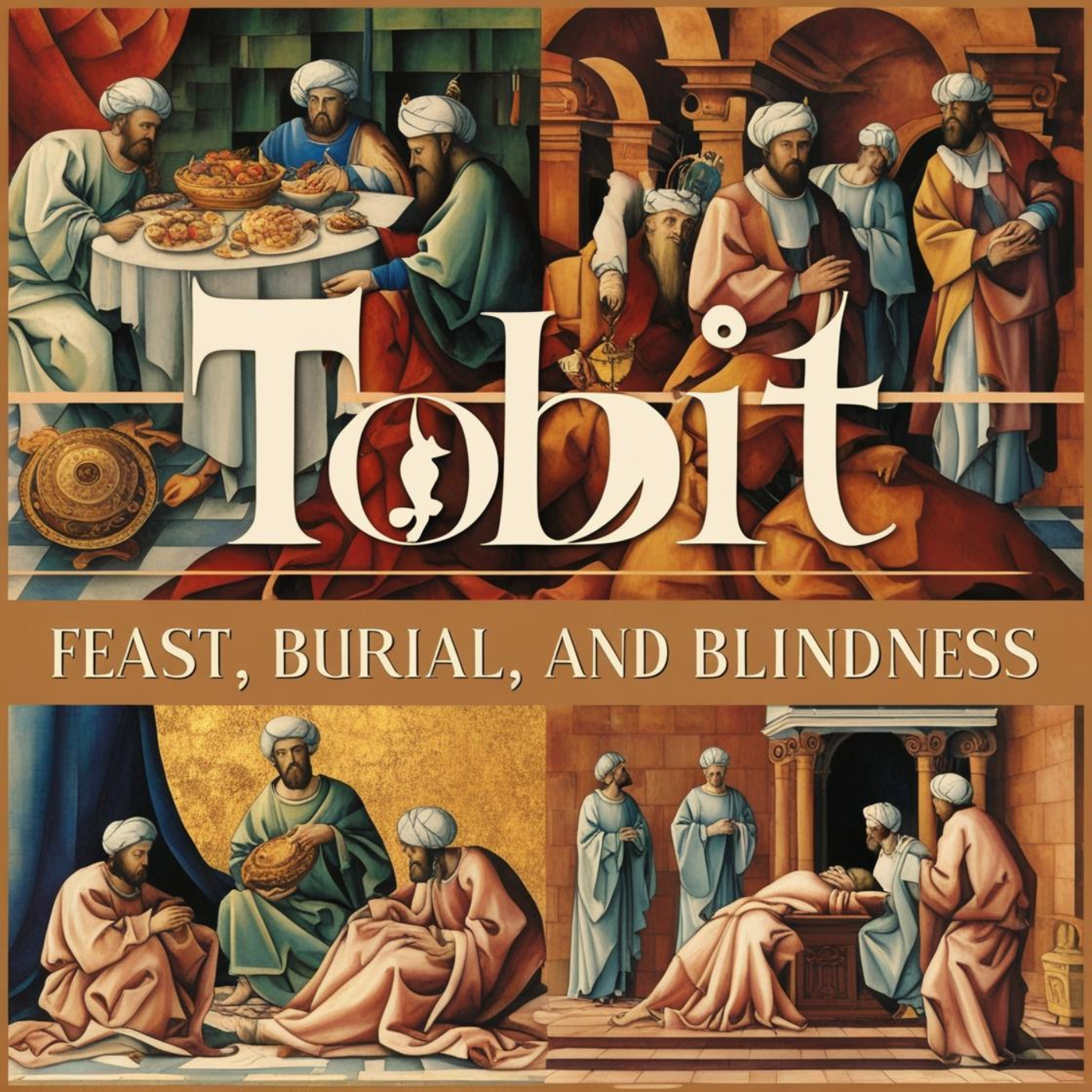
Ep 3Tobit_ Feast, Burial, and Blindness
This passage from Tobit begins with the protagonist, Tobit, returning home and preparing for a significant feast during Pentecost, demonstrating his desire to share his good fortune with a poor member of his exiled community in Nineveh. His intended act of hospitality is interrupted when his son discovers a murdered countryman, prompting Tobit to immediately prioritize burying the deceased, even though it means abandoning his meal and risking the authorities' disfavor due to his past experiences. His deep commitment to this act of burial, despite facing mockery from his neighbors, highlights his unwavering piety. The narrative then shifts to the tragic event of Tobit's sudden blindness, caused by bird droppings, rendering him unable to see for four years and bringing distress to his family. This section concludes with a tense domestic exchange where Tobit's suspicion over his wife's earnings and a bonus goat leads to a bitter argument, revealing the strain his misfortunes have placed on their relationship and prompting her to challenge his perceived righteousness in light of his suffering.
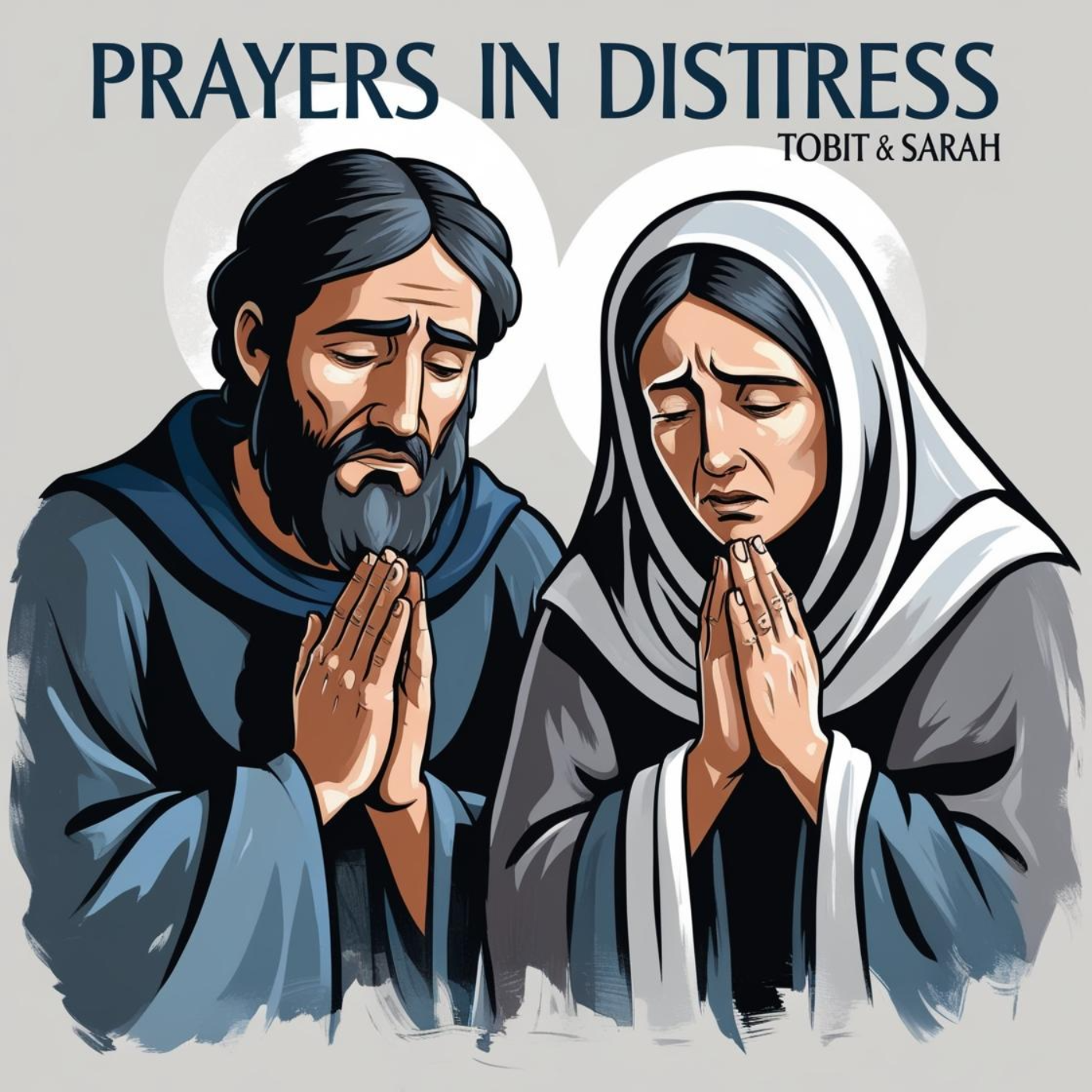
Ep 2Tobit and Sarah_ Prayers in Distress
This passage presents two individuals, Tobit and Sarah, both deeply distressed and praying for death due to their immense suffering and the reproaches they endure. Tobit, acknowledging God's justice, laments past and present sins and the consequences of exile, feeling it is better to die than live with such grief and undeserved shame. Simultaneously, Sarah is cruelly taunted by a maid because her seven previous husbands were killed before their marriage could be consummated, leading her to contemplate suicide before deciding to pray for death to escape the reproaches she faces. Ultimately, the passage concludes with the prayer of both being heard, leading to the sending of the angel Raphael to heal Tobit's blindness and free Sarah from the demon, setting the stage for their eventual connection.
Ep 1The Book Of Tobit
SummaryThis text introduces the biblical figure Tobit, a devout Israelite from the tribe of Naphtali who maintained his faith and practiced righteous deeds, like charity and following the Law, even while exiled in Assyria. Unlike many of his kinsmen who adopted pagan practices, Tobit remained faithful to God and the customs of his ancestors, including making pilgrimages to Jerusalem. He was known for his courageous act of burying deceased Israelites against the king's decree, which ultimately led to his property being confiscated and him going into hiding before eventually being able to return to Nineveh.