
South Central
99 episodes — Page 2 of 2
S1 Ep 47Why Dashwanth Was Acquitted | RSS Marches, Lathis and Secular Space
In this episode of South Central, hosts Dhanya Rajendran and Anisha Sheth first discuss the Supreme Court’s acquittal of Dashwanth, convicted and sentenced to death for the rape and murder of a minor girl in Tamil Nadu. They are joined by Azeefa Fathima, TNM’s head of Breaking News. In the second part of the session, the hosts discuss the RSS’s centenary year and the outfit’s presence in the southern states. They are joined by historian and author V Geetha, and TNM’s Executive Editor Sudipto Mondal.Celebrate Deepavali with us with this special offer: https://pages.razorpay.com/deepavali25 Once a month, we will invite one TNM subscriber to the show. Write to us on what you would like to speak about to [email protected] Send your thoughts, suggestions and criticism as well.You can also let us know what you think by filling out our quick feedback form. Your suggestions help shape future episodes of South Central. Audio Timecodes 00:00:00- Introduction 00:01:35: Diwali Offer00:02:48 - Headlines 00:12:18 - Dashwanth Case 00:43:38- RSS in south India01:24:05- Recommendations Check out the recommendations and references from this episode.Become a subscriber - Click here.Contribute to our reporting fund. Click here. To check out our other shows, Click here To not miss any updates, join TNM's WhatsApp Channel! Click hereProduced by Bhuvan Malik, edited by Jaseem Ali and written by Sukanya Shaji. Hosted on Acast. See acast.com/privacy for more information.

Trailer: South Central
Putting south India at the centre Hosted on Acast. See acast.com/privacy for more information.
S1 Ep 46Right-wing attack against CJI Gavai | The power of cults in Indian politics
In this episode of South Central, hosts Dhanya Rajendran and Pooja Prasanna first discuss whether the attack on the Chief Justice of India, BR Gavai, is more than what just meets the eye. Justice Gavai is the second Dalit CJI of India. The hosts are joined by Ajoy Ashirwad, Political Affairs Editor, The Wire, and veteran journalist K Venkataramanan. In the second part of the session, the hosts and guests discuss the power of cults in politics and the power of fans when stars become politicians. Once a month, we will invite one TNM subscriber to the show. Write to us on what you would like to speak about to [email protected] Send your thoughts, suggestions and criticism as well.You can also let us know what you think by filling out our quick feedback form. Your suggestions help shape future episodes of South Central.Audio Timecodes 00:00:00- Introduction 00:02:42 - Headlines 00:13:56 - CJI Gavai Attack 00:43:02- Power of Cults in Politics01:09:21 - Recommendations Check out the recommendations and references from this episode.Become a subscriber - Click here.Contribute to our reporting fund. Click here. To check out our other shows, Click here To not miss any updates, join TNM's WhatsApp Channel! Click hereProduced by Bhuvan Malik, edited by Jaseem Ali and written by Sukanya Shaji. Hosted on Acast. See acast.com/privacy for more information.

Hafta x South Central feat. Josy Joseph: A crossover episode on the future of media
This week, The News Minute's Dhanya Rajendran and Sudipto Mondal, and Newslaundry’s Abhinandan Sekhri and Manisha Pande áre joined by senior journalist Josy Joseph for a special and South Central and Hafta crossover episode on the future of media.Josy begins the discussion by arguing that the decline of newspapers and television is accelerating, not only due to technology, but also because of a compromised business model. He points out that while balance sheets are “artificially protected” through government and corporate advertising, the reality is stark.Dhanya shares hard lessons on what audiences pay for. While issues like climate change receive constant calls for coverage, they draw little financial support. “Everybody’s always asking why you guys are not reporting on the environment… but that is one fund people hardly pay,” she says. Manisha adds that the future role of journalism lies in helping audiences think critically in an “age of reels and feels.” “While others can trigger emotions, journalists can provide context, history, and perspective,” she says. On the replacement for legacy media, Josy says, “What you people are doing at The News Minute and Newslaundry, to me, is a great laboratory of experiment. You are actually bringing journalism back as the intellectual property for which people should pay,” he says. Timecodes00:00:00 – Introductions and announcements00:12:26 – Headlines 00:37:42 - Discussion on the future of media 01:28:17 - RecommendationsOnce a month, we will invite one TNM subscriber to the show. Write to us on what you would like to speak about to [email protected] Send your thoughts, suggestions and criticism as well.You can also let us know what you think by filling out our quick feedback form. Your suggestions help shape future episodes of South Central. Check out the recommendations and references from this episode.Become a subscriber - Click here.Contribute to our reporting fund. Click here. To check out our other shows, Click here To not miss any updates, join TNM's WhatsApp Channel! Click hereProduced by Priyali Dhingra (Newslaundry), Bhuvan Malik (TNM), with production assistance by Ajay. Hosted on Acast. See acast.com/privacy for more information.
S1 Ep 45Karnataka Socio-Educational Survey Explained | Producers, Access and the Movie Ticket Cap Debate | South Central 45
In this episode of South Central, hosts Dhanya Rajendran and Pooja Prasanna first discuss the controversy in Karnataka over the socio-educational survey, wrongly called the caste census. The hosts are joined by guests Anisha Sheth, TNM’s Karnataka Bureau Chief, and Shivasundar, writer and activist. In the second part of the session, the hosts discuss whether the price of movie tickets should be capped to make them affordable for common people. They are joined by film producer, writer, and director G Dhananjayan.Reporting Fund: The Shady Business of Stolen FootageOnce a month, we will invite one TNM subscriber to the show. Write to us on what you would like to speak about to [email protected] Send your thoughts, suggestions and criticism as well.You can also let us know what you think by filling out our quick feedback form. Your suggestions help shape future episodes of South Central.Audio Timecodes 00:00:00- Introduction 00:01:24 - Reporting Fund 00:03:30 - Headlines 00:17:26 - Socio-Education Survey 00:44:29- Cap on Movie tickets01:04:31 - RecommendationsCheck out the recommendations and references from this episode.Become a subscriber - Click here.Contribute to our reporting fund. Click here. To check out our other shows, Click here To not miss any updates, join TNM's WhatsApp Channel! Click hereProduced by Bhuvan Malik, edited by Jaseem Ali and written by Sukanya Shaji. Hosted on Acast. See acast.com/privacy for more information.

S1 Ep 44Anti-Immigrant Protests: Are Indians Safe Abroad? | Press Freedom & Court Orders | South Central 44
In this episode of South Central, hosts Dhanya Rajendran and Pooja Prasanna first discuss the safety of Indians abroad in the context of a surge in anti-immigration sentiments across Ireland, US, UK and more. Joining them are guests Joyojeet Pal and Bharathy Singaravel. The second part of the discussion is on two court orders– one, on Reliance Vantara, which says no further complaints will be entertained against the Ambanis’ enterprise. The second is an ex parte injunction in favour of the Adani group, allowing them to add any number of URLs to be taken down–YouTube, Instagram, and others, including an episode of South Central. Investigative journalist Saurav Das joins the hosts. Reporting Fund: India's Hidden Digital ExploitationOnce a month, we will invite one TNM subscriber to the show. Write to us on what you would like to speak about to [email protected] Send your thoughts, suggestions and criticism as well.You can also let us know what you think by filling out our quick feedback form. Your suggestions help shape future episodes of South Central. Audio Timecodes00:00:00 - Introduction 00:00:43 - Support TNM 00:03:36 - Headlines 00:09:05 - Are Indians safe abroad? 00:50:45 - Freedom of press at stake? 1:14:36 - RecommendationsCheck out the recommendations and references from this episode.Become a subscriber - Click here.Contribute to our reporting fund. Click here. To check out our other shows, Click here To not miss any updates, join TNM's WhatsApp Channel! Click hereProduced by Bhuvan Malik, edited by Jaseem Ali and written by Sukanya Shaji. Hosted on Acast. See acast.com/privacy for more information.
S1 Ep 43Umar Khalid’s UAPA Bail Rejection & Southern Leaders' Secularism Dilemma | South Central 43
In this episode of South Central, hosts Dhanya Rajendran and Pooja Prasanna first discuss the long legal process endured by Umar Khalid, Sharjeel Imam, and others who have been in prison without trial. The hosts are joined by lawyer and activist Shahrukh Alam and Poorna Ravishankar, lawyer and researcher whose focus area of study has been the Indian Constitution. In the second part of the discussion, the hosts discuss how political leaders in the South are navigating the thin line between secularism and faith. They are joined by Dr Meera Velayudhan, a writer, policy analyst, activist, feminist scholar, and former president of IAWS. She is the daughter of Dakshayani Velayudhan, the youngest and only Dalit member of the Constituent Assembly.Audio Timecodes 00:00:00- Introductions00:03:03 - Media Rumble00:04:47- Headlines00:09:58 - UAPA: Umar Khalid and Sharjeel 00:46:50- Southern CMs and Secularism 1:20:43 - Recommendations Once a month, we will invite one TNM subscriber to the show. Write to us on what you would like to speak about to [email protected] Send your thoughts, suggestions and criticism as well.You can also let us know what you think by filling out our quick feedback form. Your suggestions help shape future episodes of South Central.Check out the recommendations and references from this episode.Become a subscriber - Click here.Contribute to our reporting fund. Click here. To check out our other shows, Click here To not miss any updates, join TNM's WhatsApp Channel! Click hereProduced by Bhuvan Malik, edited by Jaseem Ali and written by Sukanya Shaji. Hosted on Acast. See acast.com/privacy for more information.
S1 Ep 42Kavitha’s Exit from BRS: Patriarchy in Politics? States Push Back on GST | South Central 42
In this week’s South Central, hosts Dhanya Rajendran and Pooja Prasanna first discuss K Kavitha’s resignation from the BRS and what it reveals about power, patriarchy, and BC mobilisation in Telangana, set against the Kaleshwaram probe and the CBI-consent twist. They are joined by Tara Krishnaswamy, Political and Policy Consultant, and C Vanaja, Senior Journalist & Founder, Mahua Media, to unpack the family dynamics, the party calculus, and what Kavitha does next.In the second part, the panel turns to the new GST regime, where federalism is at the heart of the debate. While consumers see gains from simplified taxation and lower rates, many states flag mounting revenue losses and shrinking fiscal space. Audio Timecodes 00:00:00- Announcement00:01:28 - Gauri Lankesh 00:04:41- Headlines00:10:13 - Kavitha’s BRS Exit 00:45:40- New GST Regime 01:05:47 - Letters 1:07:25 - Recommendations Remembering Gauri Lankesh: Impunity in journalist killings in India Once a month, we will invite one TNM subscriber to the show. Write to us on what you would like to speak about to [email protected] Send your thoughts, suggestions and criticism as well.You can also let us know what you think by filling out our quick feedback form. Your suggestions help shape future episodes of South Central.Check out the recommendations and references from this episode.Become a subscriber - Click here.Contribute to our reporting fund. Click here. To check out our other shows, Click here To not miss any updates, join TNM's WhatsApp Channel! Click hereProduced by Bhuvan Malik, edited by Jaseem Ali. Hosted on Acast. See acast.com/privacy for more information.
S1 Ep 41Questions over Ambani’s Vantara & the farce of Rahul Mamkootathil as MLA
In this week’s South Central, hosts Dhanya Rajendran and Pooja Prasanna first discuss Anant Ambani’s Vantara project and how, under the guise of animal rescue, it may be hiding something far more sinister. They are joined by investigative journalist M Rajshekhar, who has looked into Vantara’s formation, investigating deep into the problems in law, compliance, and more. In the second part of the discussion, the panel weighs in on the allegations of sexual misconduct against Palakkad MLA Rahul Mamkootathil. The hosts are joined by journalists KK Shahina and Sukanya Shaji.Audio Timecodes 00:00:00- Introductions00:01:27 - Support TNM 00:02:52 - Headlines 00:08:05 - Dharmasthala Case00:13:25 - Vantara 00:41:53- Rahul Mamkootathil allegations01:11:25 - Recommendations Read Nidhi Suresh's Story: Against God’s men: A nun, a bishop, and the trial of India’s Catholic Church Once a month, we will invite one TNM subscriber to the show. Write to us on what you would like to speak about to [email protected] Send your thoughts, suggestions and criticism as well.You can also let us know what you think by filling out our quick feedback form. Your suggestions help shape future episodes of South Central.Check out the recommendations and references from this episode.Become a subscriber - Click here.Contribute to our reporting fund. Click here. To check out our other shows, Click here To not miss any updates, join TNM's WhatsApp Channel! Click hereProduced by Bhuvan Malik, edited by Jaseem Ali, written by Sukanya Shaji. Hosted on Acast. See acast.com/privacy for more information.

S1 Ep 40South Central 40 | Election Commission's Credibility Crisis & The Nun Who Took Bishop Franco to Court
In this episode of South Central, hosts Dhanya Rajendran, Pooja Prasanna, and Leena Reghunath first discuss the ‘vote chori’ press conference by the Chief Election Commissioner Gyanesh Kumar, issuing a seven-day ultimatum to Rahul Gandhi and anyone else casting doubts on the election process. Senior investigative journalist and Executive Editor of The Scroll, Supriya Sharma, joins them.In the second part of the discussion, the hosts discuss the criminal trial of Bishop Franco Mulakkal, a powerful priest of the Catholic church. Franco was tried for rape, based on a complaint by a nun–the first ever such case in the country. They are joined by Nidhi Suresh, who spoke to the survivor nun, to trace her side of the story.Audio Timecodes 00:00:00- Introductions00:03:54 - Headlines 00:13:35 - Election Commission 00:51:27 - Nun who took Bishop Franco to court 01:08:50- Letters 01:20:32 - Recommendations Read Nidhi Suresh's Story: Against God’s men: A nun, a bishop, and the trial of India’s Catholic Church Once a month, we will invite one TNM subscriber to the show. Write to us on what you would like to speak about to [email protected] Send your thoughts, suggestions and criticism as well.You can also let us know what you think by filling out our quick feedback form. Your suggestions help shape future episodes of South Central.Check out the recommendations and references from this episode.Become a subscriber - Click here.Contribute to our reporting fund. Click here. To check out our other shows, Click here To not miss any updates, join TNM's WhatsApp Channel! Click hereProduced by Bhuvan Malik, edited by Jaseem Ali, written by Sukanya Shaji. Hosted on Acast. See acast.com/privacy for more information.

South Central 39 | How Prajwal Revanna Was Convicted, National award row
In this episode of South Central, hosts Dhanya Rajendran, Pooja Prasanna, and Leena Reghunath first discuss the conviction of former Janata Dal (Secular) leader Prajwal Revanna in the first of four cases of rape against him. The panel, joined by TNM Karnataka bureau chief Anisha Sheth, weighs in on why the judgement is a milestone for survivors of sexual assault. In the second part of the discussion, the panel discusses the controversy surrounding the 71st National Film Awards and whether the awards are being excessively politicised to suit a Hindu majoritarian agenda. Former journalist and film producer Miriam Joseph joins the hosts to weigh in on whether the Awards have lost their credibility.Audio Timecodes 00:00:00- Introductions00:01:46: Support TNM 00:06:35 - Headlines 00:13:44 - Prajwal Revanna Conviction00:35:15 - National Awards01:10:43 - Recommendations Once a month, we will invite one TNM subscriber to the show. Write to us on what you would like to speak about to [email protected] Send your thoughts, suggestions and criticism as well.You can also let us know what you think by filling out our quick feedback form. Your suggestions help shape future episodes of South Central.Check out the recommendations and references from this episode.Become a subscriber - Click here.Contribute to our reporting fund. Click here. To check out our other shows, Click here To not miss any updates, join TNM's WhatsApp Channel! Click hereProduced by Bhuvan Malik, edited by Jaseem Ali, written by Sukanya Shaji. Hosted on Acast. See acast.com/privacy for more information.

S1 Ep 38Kerala Nuns Arrest In Chhattisgarh, TCS IT Layoffs | South Central 38 |
In this episode of South Central, hosts Dhanya Rajendran, Pooja Prasanna, and Leena Reghunath first discuss the Bajrang Dal attack and consequential arrest of two nuns in Chhattisgarh-- Sister Preethi Mary and Sister Vandana Francis--both part of the Sister Assisi Mary Immaculate Convent. They are joined by senior advocate and founder of the Human Rights Law Network, Colin Gonsalves, who speaks about the trend of right-wing attacks on Christians in the country. In the second part of the discussion, the panel looks at the TCS’s decision to lay off staff and whether big companies can force employees to leave. The panel also weighs in on whether AI plays a part in this, pointing towards an impending employment crisis. The hosts are joined by guests Sriram Rajagopal and A Welkin. Audio Timecodes 00:00:00- Introductions00:01:54: Support TNM 00:02:40 - Headlines 00:10:28 - Attacks on Christians 00:50:53 - TCS layoffs 01:24:21 - Recommendations Once a month, we will invite one TNM subscriber to the show. Write to us on what you would like to speak about to [email protected] Send your thoughts, suggestions and criticism as well.You can also let us know what you think by filling out our quick feedback form. Your suggestions help shape future episodes of South Central.Check out the recommendations and references from this episode.Become a subscriber - Click here.Contribute to our reporting fund. Click here. To check out our other shows, Click here To not miss any updates, join TNM's WhatsApp Channel! Click hereProduced by Bhuvan Malik, edited by Jaseem Ali, written by Sukanya Shaji. Hosted on Acast. See acast.com/privacy for more information.
S1 Ep 37VS Achuthanandan’s Legacy and Gag Orders in the Dharmasthala Case
In this week's episode of South Central, Dhanya Rajendran, Pooja Prasanna, and Leena Reghunath discuss the life and legacy of V.S. Achuthanandan with environmentalist Sridhar Radhakrishnan and senior journalist Sreejan Balakrishnan.Then, they look at the recent gag orders related to reporting on Dharmasthala, and revisit older allegations and data on deaths in the temple town, with TNM’s Karnataka Bureau Chief Anisha Sheth.Audio Timecodes 00: 00:00- Introduction00:01:20- Headlines 00:08:09- Support TNM00:09:50 - VS Achuthanandan's Legacy 01:10:02- Dharmasthala Case & Gag Orders 1:31:12- Recommendations Once a month, we will invite one TNM subscriber to the show. Write to us on what you would like to speak about to [email protected] Send your thoughts, suggestions and criticism as well.You can also let us know what you think by filling out our quick feedback form. Your suggestions help shape future episodes of South Central.Check out the recommendations and references from this episode.Become a subscriber - Click here.Contribute to our reporting fund. Click here. To check out our other shows, Click here To not miss any updates, join TNM's WhatsApp Channel! Click hereProduced by Bhuvan Malik, edited by Jaseem Ali Hosted on Acast. See acast.com/privacy for more information.

S1 Ep 36South Central 36 | Vijay in TN politics, pilots question Air India crash cockpit report
In this episode of South Central, hosts Dhanya Rajendran and Leena Raghunath first discuss actor Vijay’s entry into Tamil Nadu politics. They are joined by senior journalist Kavitha Muralidharan and TNM’s Tamil Nadu bureau chief Shabbir Ahamed, who speak at length about whether Vijay will impact the state’s politics and if his party’s followers, who are predominantly fans of his films, are politicised enough to give him an election win. In the second part of the episode, the hosts are joined by Captain Amit Singh and Captain Sam Thomas, who weigh in on the Air India Ahmedabad plane crash and the controversy surrounding what may have happened in the cockpit in the final moments.Audio Timecodes 00:00:00- Announcement00:03:08- Introduction00:03:35- Headlines00:11:23 - Vijay in TN Politics00:41:39- Air India Crash Report 1:22:26 - Recommendations Watch or Listen to Let Me Explain| Bodies, Bones, and Silence: The Questions Haunting Dharmasthala Once a month, we will invite one TNM subscriber to the show. Write to us on what you would like to speak about to [email protected] Send your thoughts, suggestions and criticism as well.You can also let us know what you think by filling out our quick feedback form. Your suggestions help shape future episodes of South Central.Check out the recommendations and references from this episode.Become a subscriber - Click here.Contribute to our reporting fund. Click here. To check out our other shows, Click here To not miss any updates, join TNM's WhatsApp Channel! Click hereProduced by Bhuvan Malik, edited by Jaseem Ali, written by Sukanya Shaji Hosted on Acast. See acast.com/privacy for more information.
S1 Ep 35Vijay Mallya’s Half-truths & Kingfisher’s Fall ft. Sucheta Dalal| Saffronising Bharat Matha in Kerala?
In this episode of South Central, hosts Dhanya Rajendran, Pooja Prasanna, and Leena Reghunath discuss the Vijay Mallya podcast and why political patronage for big businessmen is detrimental. Joining them is senior business journalist Sucheta Dalal. In the second discussion, the hosts delve into the Bharat Mata image controversy in Kerala and the impact of university VCs and Governors endorsing such symbols.Audio Timecodes 00:00:00- Introduction00:01:05- Announcements 00:05:40- Headlines00:11:05 - Vijay Mallya’s Half-Truths01:00:32- Saffornisation of Bharat Mata1:16:47 - Recommendations Once a month, we will invite one TNM subscriber to the show. Write to us on what you would like to speak about to [email protected] Send your thoughts, suggestions and criticism as well.You can also let us know what you think by filling out our quick feedback form. Your suggestions help shape future episodes of South Central.Check out the recommendations and references from this episode.Become a subscriber - Click here.Contribute to our reporting fund. Click here. To check out our other shows, Click here To not miss any updates, join TNM's WhatsApp Channel! Click hereProduced by Bhuvan Malik, edited by Jaseem Ali, written by Sukanya Shaji Hosted on Acast. See acast.com/privacy for more information.
S1 Ep 34South Central 34 I Karnataka’s DKS-Siddaramaiah tussle and RSS hypocrisy on Preamble
In this episode of South Central, hosts Dhanya Rajendran, Pooja Prasanna, and Leena Reghunath discuss the tussle between DK Shivakumar and Siddaramaiah over the state’s Chief Minister-ship. Professor Chandan Gowda joins them to unpack what this will mean for the state’s politics. In the second half, activist Shivasundar joins the hosts for a discussion on the hypocrisy of the RSS with respect to comments on the Preamble of the Constitution.Audio Timecodes 00:00:00- Introduction00:01:46- Announcements 00:03:31- Headlines00:14:26 - Karnataka State Leadership00:35:31- Preamble 01:13:08 - Letters1:17:47 - Recommendations Once a month, we will invite one TNM subscriber to the show. Write to us on what you would like to speak about to [email protected] Send your thoughts, suggestions and criticism as well.You can also let us know what you think by filling out our quick feedback form. Your suggestions help shape future episodes of South Central.Check out the recommendations and references from this episode.Become a subscriber - Click here.Contribute to our reporting fund. Click here. To check out our other shows, Click here To not miss any updates, join TNM's WhatsApp Channel! Click hereProduced by Bhuvan Malik, edited by Vignesh Manickam Hosted on Acast. See acast.com/privacy for more information.
S1 Ep 33South Central 33 I The CBFC’s absurd demand of 127 cuts for Punjab 95, director Honey Trehan speaks
In this episode of South Central hosts Dhanya Rajendran and Leena Reghunath discuss the censorship on director Honey Trehan’s film ‘Punjab95’, based on human rights activist Jaswant Singh Khalra and what the UDF’s win in the Nilambur polls in Kerala means for the state’s politics. Guests Honey Trehan, Amandeep Sandhu, and MG Radhakrishnan weigh in.All this and more—tune in.Audio Timecodes 00:00:00- Introduction00:02:13- Announcements 00:03:20- Headlines00:08:00 - Punjab 95 & Censorship 01:02:25- Nilambur Election1:25:12 - Recommendations Once a month, we will invite one TNM subscriber to the show. Write to us on what you would like to speak about to [email protected] Send your thoughts, suggestions and criticism as well.You can also let us know what you think by filling out our quick feedback form. Your suggestions help shape future episodes of South Central.Check out the recommendations and references from this episode.Become a subscriber - Click here.Contribute to our reporting fund. Click here. To check out our other shows, Click here To not miss any updates, join TNM's WhatsApp Channel! Click hereProduced by Bhuvan Malik, edited by Jaseem Ali Hosted on Acast. See acast.com/privacy for more information.
S1 Ep 32Why BJP fears Keezhadi and the angle ignored in Sonam Raghuvanshi case| South Central 32
In Episode 32 of South Central, Dhanya Rajendran and Pooja Prasanna speak with journalist Sivapriyan ETB about why the Keezhadi excavation challenges the Union government’s narrative and how the DMK is politicising it ahead of 2026.In the second half, lawyer Rohin Bhatt and journalist Leena Reghunath join to discuss the Sonam Raghuvanshi murder case in Meghalaya and what it reveals about caste, patriarchy, and forced marriages.All this and more—tune in.Once a month, we will invite one TNM subscriber to the show. Write to us on what you would like to speak about to [email protected] Send your thoughts, suggestions and criticism as well.You can also let us know what you think by filling out our quick feedback form. Your suggestions help shape future episodes of South Central.Check out the recommendations and references from this episode.Become a subscriber - Click here.Contribute to our reporting fund. Click here. To check out our other shows, Click here To not miss any updates, join TNM's WhatsApp Channel! Click hereProduced by Bhuvan Malik, edited by Jaseem Ali. Hosted on Acast. See acast.com/privacy for more information.

South Central 31 | Chinmayi Sripaada’s Thug Life performance & Bengaluru’s stampede follow-up
In Episode 31 of South Central, singer Chinmayi Sripaada joins hosts Dhanya Rajendran, Pooja Prasanna, and Leena Reghunath to talk about her years of isolation after speaking out against sexual harassment in the Tamil film industry. From being unofficially banned despite hit songs to the emotional impact of her recent Thug Life performance, Chinmayi reflects on what it means to be remembered again for her music.In the first half of the episode, the hosts also speak with senior journalist Nandini Chandrasekhar about the Chinnaswamy stampede in Bengaluru. As the Karnataka government distances itself from responsibility and the police are scapegoated, who is really accountable for the chaos that followed RCB’s IPL win?All this and more—tune in.Audio timecodes00:01:52- Introduction00:03.32 - Headlines00:09:14 - RCB Chinnaswamy Stampede00:19:43 - Chinmayi Sripaada001:08:49 - Letters 01:21:12- RecommendationsOnce a month, we will invite one TNM subscriber to the show. Write to us on what you would like to speak about to [email protected] Send your thoughts, suggestions and criticism as well.You can also let us know what you think by filling out our quick feedback form. Your suggestions help shape future episodes of South Central.Check out the recommendations and references from this episode.Become a subscriber - Click here.Contribute to our reporting fund. Click here. To check out our other shows, Click here To not miss any updates, join TNM's WhatsApp Channel! Click hereProduced by Bhuvan Malik, edited by Jaseem Ali. Hosted on Acast. See acast.com/privacy for more information.
South Central 30 | RCB’s disheartening post win tragedy & Kamal Haasan’s Kannada origin row
In this episode of South Central hosts Dhanya Rajendran, Pooja Prasanna, and Leena Reghunath discuss the tragic stampede that occurred in Bengaluru during RCB’s post-win celebrations, and Kamal Haasan’s comment on Kannada’s origin. They are joined by journalists Venkat Ananth, Anisha Sheth and Professor Purushothama Bilemale. Audio timecodes00:00:00- Introduction00:03.43 - Headlines00.5.47 - RCB’s post-win tragedy00.40.53 - Kamal Hassan vs Kannada01.17.15 - RecommendationsOnce a month, we will invite one TNM subscriber to the show. Write to us on what you would like to speak about to [email protected] Send your thoughts, suggestions and criticism as well.You can also let us know what you think by filling out our quick feedback form. Your suggestions help shape future episodes of South Central.Check out the recommendations and references from this episode.Become a subscriber - Click here.Contribute to our reporting fund. Click here. To check out our other shows, Click here To not miss any updates, join TNM's WhatsApp Channel! Click hereProduced by Bhuvan Malik, edited by Jaseem Ali. Hosted on Acast. See acast.com/privacy for more information.
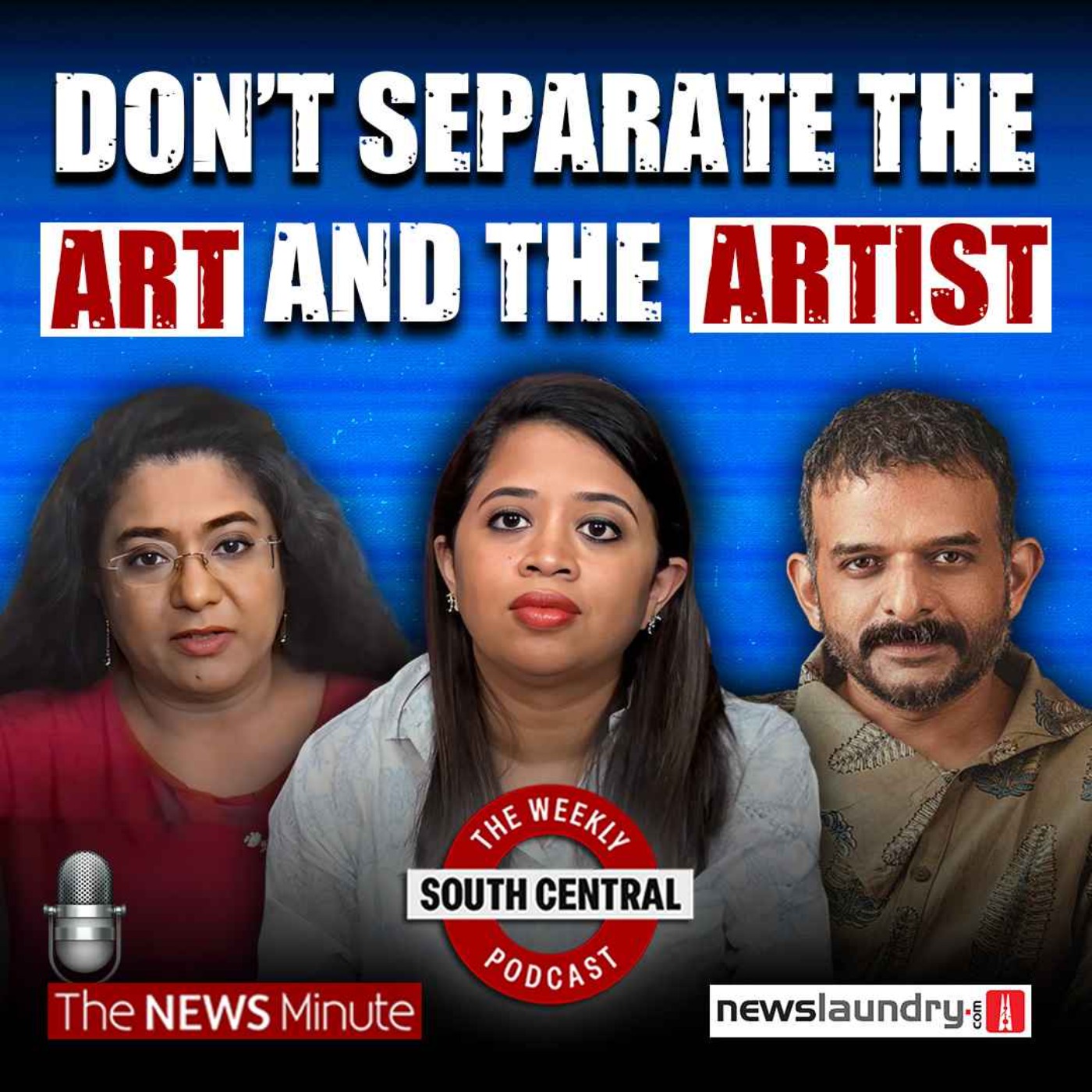
S1 Ep 29South Central 29 | BJP’s Muslim messaging & can you really separate art from the artist?
In Episode 29 of South Central, hosts Dhanya Rajendran, Pooja Prasanna, and Leena Reghunath discuss the dichotomy of the BJP’s Muslim-messaging within India and abroad. In the second section, they also talk about whether art can be truly separated from the artist. Joining the discussion are The Wire’s editor Seema Chishti, Musician TM Krishna, and senior journalist Anna MM Vetticad. Once a month, we will invite one TNM subscriber to the show. Write to us on what you would like to speak about to [email protected] Send your thoughts, suggestions and criticism as well.You can also let us know what you think by filling out our quick feedback form. Your suggestions help shape future episodes of South Central.Check out the recommendations and references from this episode.Become a subscriber - Click here.Contribute to our reporting fund. Click here. To check out our other shows, Click here To not miss any updates, join TNM's WhatsApp Channel! Click here Produced by Bhuvan Malik, edited by Jaseem Ali. Hosted on Acast. See acast.com/privacy for more information.
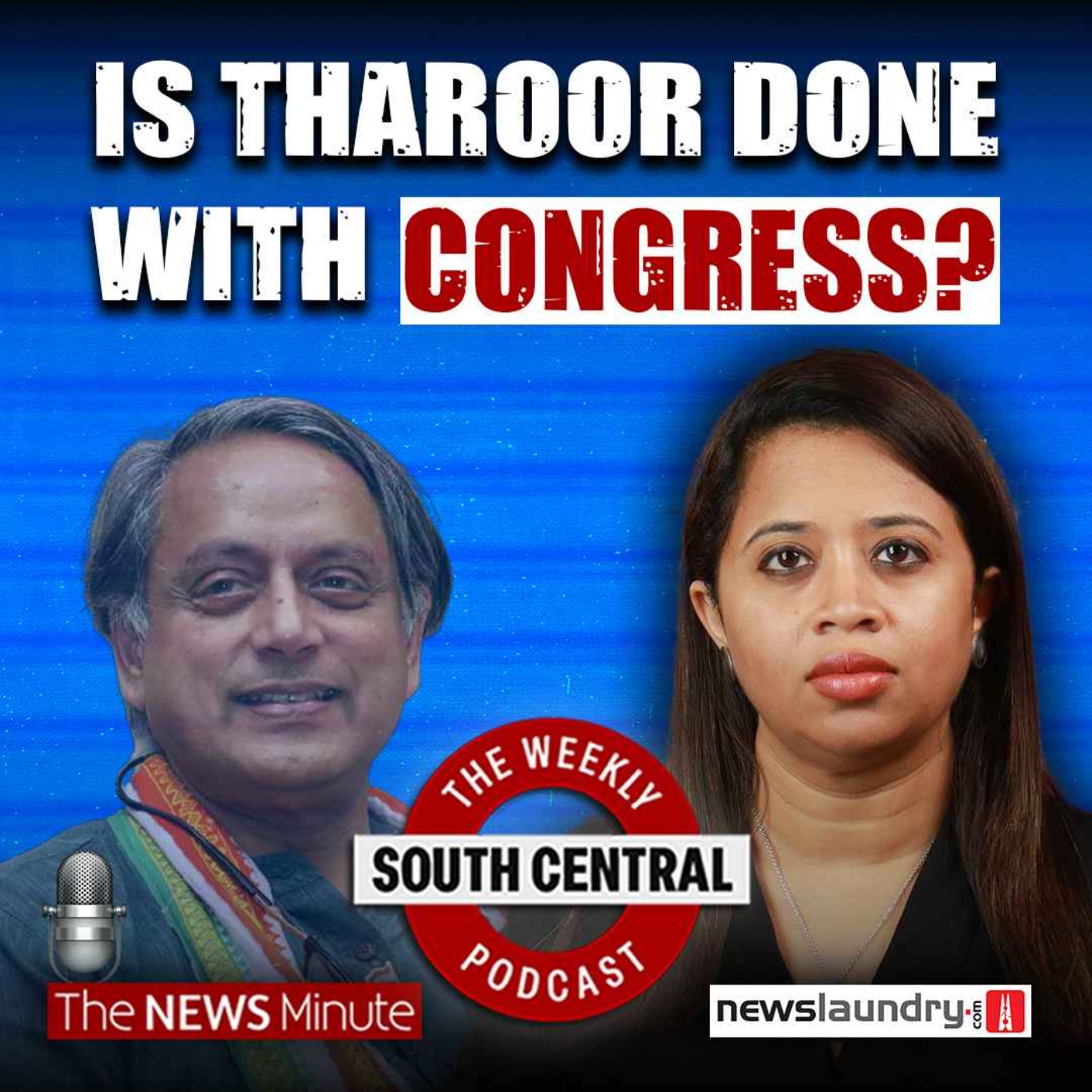
S1 Ep 28South Central 28 | Will Shashi Tharoor leave Congress? And how India’s police get away with violence
In Episode 28 of South Central, hosts Dhanya Rajendran, Pooja Prasanna, and Sudipto Mondal discuss if Shashi Tharoor is at a breaking point with the Congress party, and TNM-Newslaundry series on police excesses and impunity across India. Joining the discussion are lawyer and activist Vinay Srinivasa and TNM’s Chennai Bureau Chief Shabbir Ahmed. Once a month, we will invite one TNM subscriber to the show. Write to us on what you would like to speak about to [email protected] Send your thoughts, suggestions and criticism as well.You can also let us know what you think by filling out our quick feedback form. Your suggestions help shape future episodes of South Central.Audio Timecodes 00:00:00- Introduction00:02:04- Announcements 00:03:29- Headlines00:19:12 - Shashi Tharoor and Congress00:39:33- Police Excesses and Impunity1:17:50 - Letters1:20:42 - Recommendations 1:24:50 - Support TNM Check out the recommendations and references from this episode.Become a subscriber - Click here.Contribute to our reporting fund. Click here. To check out our other shows, Click here To not miss any updates, join TNM's WhatsApp Channel! Click hereProduced by Bhuvan Malik, edited by Jaseem Ali. Hosted on Acast. See acast.com/privacy for more information.

S1 Ep 27South Central 27 | India-Pakistan tensions, and the theatre of TV news
In Episode 27 of South Central, Dhanya Rajendran, Pooja Prasanna, and Leena Reghunath discuss the India–Pakistan ceasefire following Operation Sindoor and examine the role of the media during military escalation. They speak with defence expert Sushant Singh and senior journalist Prem Panicker.Once a month, we will invite one TNM subscriber to the show. Write to us on what you would like to speak about to [email protected] Send your thoughts, suggestions and criticism as well. Audio Timecodes 00:00:00- Introduction00:01:58 - Announcements 00:02:38- Headlines00:12:50 - India-Pakistan00:41:25- Role of Media1:12:34 - Letters1:18:08 - Recommendations 1:24:18 - Support TNM Check out the recommendations and references from this episode.Become a subscriber - Click here.Contribute to our reporting fund. Click here. To check out our other shows, Click here To not miss any updates, join TNM's WhatsApp Channel! Click hereProduced by Bhuvan Malik, edited by Jaseem Ali. Hosted on Acast. See acast.com/privacy for more information.
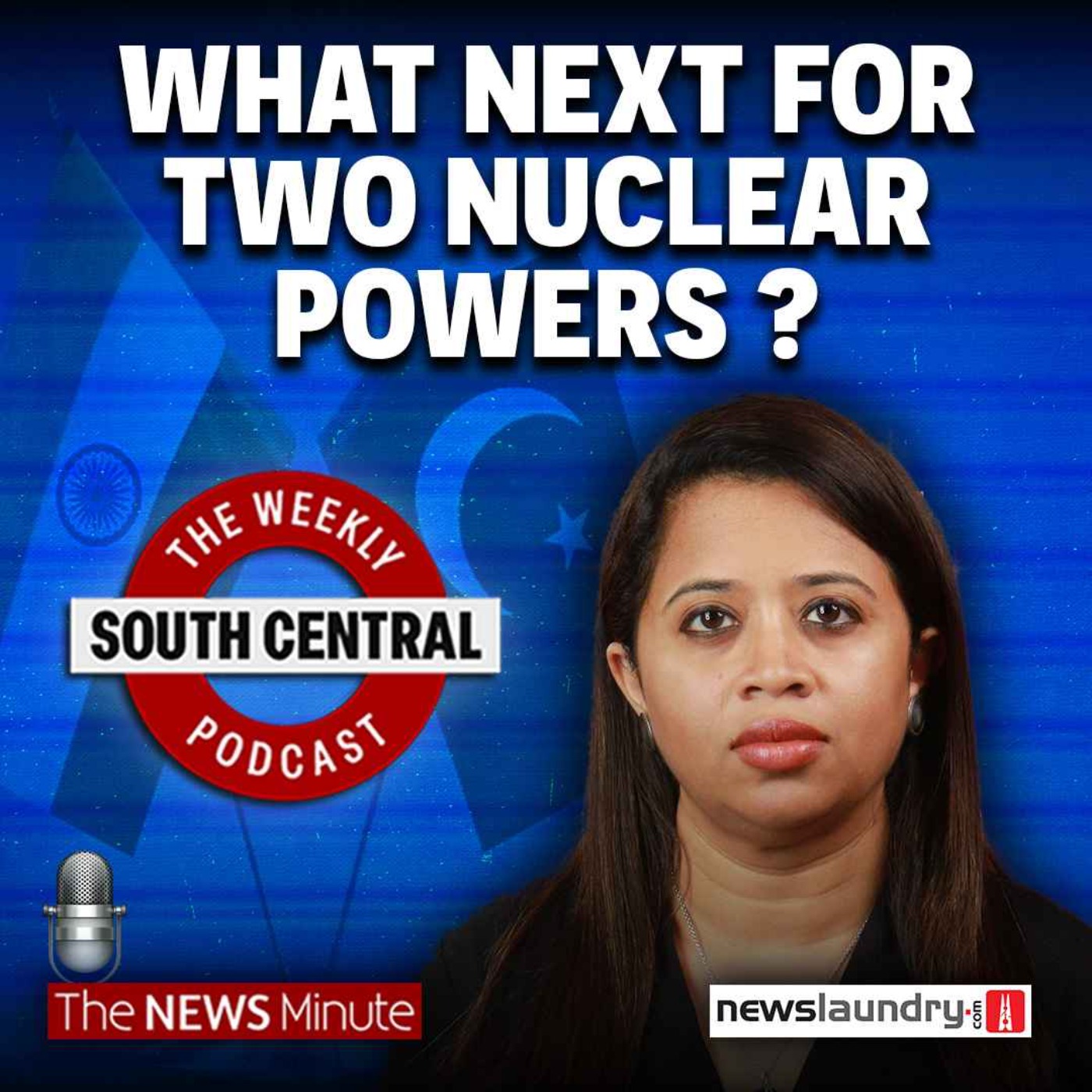
S1 Ep 26South Central 26 | Operation Sindoor: Strategy, Risk, and Regional Fallout
In Episode 26 of South Central, hosts Dhanya Rajendran, Pooja Prasanna, and Leena Reghunath discuss India’s Operation Sindoor, evolving military posture, diplomacy, and the challenges of reporting during heightened conflict. In the discussion are foreign affairs reporter Smita Sharma and Takshashila Institution co-founder Nitin pai. On India’s airstrikes, Nitin Pai says, “The three points Uri, Balakot, and Sindoor form a straight line — one that is the new normal, which says that India will respond with military force to a terrorist attack above a certain threshold.”Smita explains the strategic importance of the terrorist camps India targeted on May 7: “Bahawalpur was a breeding ground for Jaish-e-Mohammad. For India, it’s a big boost that Masood Azhar confirmed these strikes, saying 10 of his family members were killed.”On Pakistan’s retaliatory shelling and its “tit for tat” strategy, Nitin says, “There are no terrorists in India. There's no equivalent of a militant group in India that is connected to the Indian army or Indian armed forces that Pakistan can attack in retaliation. If they have to respond, they will attack the Indian army or security force’s relatively small installations. And that becomes an escalation.”Smita warns about the risks of domestic militarism in Pakistan, “They have been crying for attention. US president Donald Trump, in his last presidency, had cut off financial aid meant for Pakistan. So for them, why have they been talking today for the DGI SPR, the Pakistan Army spokesperson, to do a press conference and admit that Indians managed to injure four Pakistani soldiers in Lahore? It's because they want to present a case to the world that they have so far only acted in defense.”The panel also critiques India’s own preparedness and political narrative. Dhanya and Pooja question why civilians in areas like Poonch weren’t evacuated in time, and why Indian media isn’t pressing harder for accountability.The speakers also discussed many more issues like the threat of a nuclear war, the cost of war, and the complexity of reporting on military action in an age of misinformation. All this and more—tune in.Follow Smita Sharma's YouTube channel: https://www.youtube.com/@smitasharmajournalistOnce a month, we will invite one TNM subscriber to the show. Write to us on what you would like to speak about to [email protected] Send your thoughts, suggestions and criticism as well.Audio Timecodes 00:00:00- Introduction00:02:21- Headlines00:09:55 -Operation Sindoor1:04:19 - Support TNMBecome a subscriber - Click here.Contribute to our reporting fund. Click here. To check out our other shows, Click here To not miss any updates, join TNM's WhatsApp Channel! Click hereProduced by Bhuvan Malik, edited by Jaseem Ali. Hosted on Acast. See acast.com/privacy for more information.
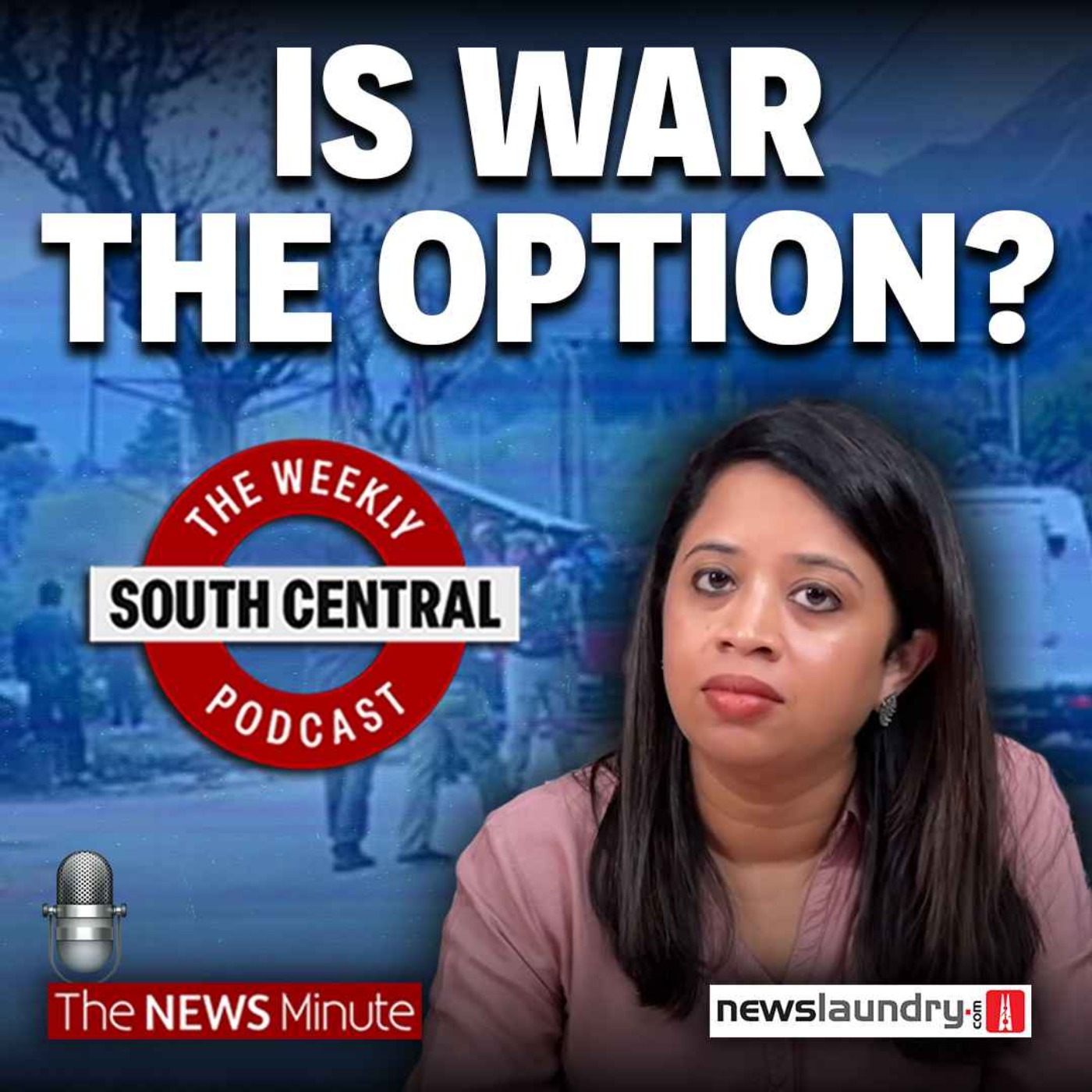
S1 Ep 25South Central 25 | Pahalgam attack: How will India strike at Pakistan? and World Press Freedom Index
In the aftermath of the tragic killing of 26 civilians in Pahalgam, how should India respond — and what signals do recent government measures really send? Meanwhile, India has moved up in the World Press Freedom Index. But does this reflect actual change on the ground, or just a shifting global baseline?On South Central Episode 25, Dhanya Rajendran, Pooja Prasanna, and Leena Reghunath speak with international relations expert Professor Amitabh Mattoo and senior journalist Nirupama Subramaniam.Once a month, we will invite one TNM subscriber to the show. Write to us on what you would like to speak about to [email protected] Send your thoughts, suggestions and criticism as well. Audio Timecodes 00:00:00- Introduction00:01:57- Support TNM 00:05:30 -Headlines 00:10:23 -Pahalgam Attack00:57:47- Press Freedom Index01:19:55 - RecommendationsCheck out the recommendations and references from this episode.Become a subscriber - Click here.Contribute to our reporting fund. Click here. To check out our other shows, Click here To not miss any updates, join TNM's WhatsApp Channel! Click hereProduced by Bhuvan Malik, edited by Jaseem Ali. Hosted on Acast. See acast.com/privacy for more information.
S1 Ep 24South Central 24 | Bengaluru's 'Us vs You' Row and BJP’s allegations of overreach by SC
In Episode 24 of South Central, hosts Dhanya Rajendran, Pooja Prasanna, and Leena Reghunath discuss Bengaluru’s migrants vs Kannadigas issue and Vice President Jagdeep Dhankar’s criticism aimed at the Supreme Court’s powers. Also part of the discussion are comedian and writer Nithin Kamath, lawyer Suhrith Parthasarathy, and TNM’s Anisha Sheth. On the Bengaluru debate, Dhanya says, “For many Kannadigas, this isn’t just about language. It’s really about erasure. There is a fear among locals that their city, culture, and identity is being sidelined.”Anisha adds, “It’s become an argument over a fight for economic resources — land, water, all of these things. And that’s acquired a kind of belligerence on all sides.”Nithin observes, “On social media, anything related to Kannada, Karnataka, or Bengaluru has become a keyword of sorts. People lace Kannada sentiments into any issue, like with the Shiladitya Bose road rage incident. By the time the facts come out, the damage is already done.”As the conversation shifts to Vice President Jagdeep Dhankar’s remarks on the Supreme Court, Suhrith Parthasarathy says, “Our constitutional design is such that the judiciary, which comprises an unelected body of members and judges, will act as a check on not just executive excesses but also legislative excesses.”On the Supreme Court’s verdict on the role of governors, Leena points out, “What the court has done is just take the vision of the constitution-makers and say, do your job for what you were appointed. Be a constitutional head, a sagacious counselor, pour oil over troubled waters. That is not what is playing out now.”All this and more—tune in.Once a month, we will invite one TNM subscriber to the show. Write to us on what you would like to speak about to [email protected] Send your thoughts, suggestions and criticism as well.Audio Timecodes 00:00:36- Support TNM00:01:01- Introduction00:02:16 -Pahalgam Terror Attack00:11:43 -Bengaluru Debate00:51:05- VP vs. Supreme Court 01:15:21 - Letters01:21:58 - RecommendationsCheck out the recommendations and references from this episode.Become a subscriber - Click here.Contribute to our reporting fund. Click here. To check out our other shows, Click here To not miss any updates, join TNM's WhatsApp Channel! Click hereProduced by Bhuvan Malik, edited by Jaseem Ali. Hosted on Acast. See acast.com/privacy for more information.
S1 Ep 23South Central 23 | Piyush Goyal Criticises Startups, SC Slams Governors | Dhanya Rajendran
In Episode 23 of South Central, hosts Dhanya Rajendran and Pooja Prasanna discuss Union Minister Piyush Goyal’s dig at Indian startups and the Supreme Court verdict on Tamil Nadu Governor that revived the debate on federalism. Joining them are chairman of Aarin Capital Mohandas Pai, political and policy consultant Tara Krishnaswamy, and TNM’s senior news editor Shabbir Ahmed. On the startup debate, Pai says, “Delivery-based startups should not be demeaned, they are also a part of the innovation cycle. India has spent just USD 160 billion on startups since 2014. Compare that to China’s USD 845 billion. The problem isn’t delivery apps, it’s the lack of domestic capital and investment in research and development.”Tara adds, “Amazon started as a delivery platform. To build a deep-tech ecosystem, we need to invest in education, research, and infrastructure. India doesn't lack talent, it lacks systems that support it.”Pooja points out how only 8% of Indian startups make it beyond 10 years. “We talk about being a 1.4 billion market—but only a small fraction can actually afford these services,” she says.As the conversation shifts to the State-Governor tussle, Shabbir says, “The recent Supreme Court verdict is a win for the Dravida Munnetra Kazhagam (DMK) and other opposition-ruled states. Governor RN Ravi sitting on bills was a clear abuse of power.”Tara highlights, ““Only 25% of governors have completed their terms. Most are either political appointees or retired judges. This is not sustainable.”Dhanya points out, “In Kerala, the last governor sat on a bill for 23 months. The Constitution makers did not probably think that we are going to have governors who will sit on bills for months and not act on them.”On whether the post of Governor serves a purpose, the panel agrees that reforms are overdue. Tara proposes, “Let’s have governors elected through an electoral college, like the President. Another option would be to abolish the post entirely.”All this and more—tune in.Once a month, we will invite one TNM subscriber to the show. Write to us on what you would like to speak about to [email protected] Send your thoughts, suggestions and criticism as well.Audio Timecodes 00:00:00 - Intro00:01:24 - Announcements00:02:19 - Headlines 00:20:24 -Startups00:49:41- Governors 01:21:58 - RecommendationsCheck out the recommendations and references from this episode.Become a subscriber- Click here.Contribute to our reporting fund. Click here. To not miss any updates, join TNM's WhatsApp Channel! Click hereProduced by Bhuvan Malik, edited by Jaseem Ali Hosted on Acast. See acast.com/privacy for more information.
S1 Ep 22South Central 22 | US Deportations, Waqf Amendment Act
In Episode 22 of South Central, hosts Dhanya Rajendran, Pooja Prasanna, and Leena Reghunath discuss the US crackdown on Indian students through self-deportation notices and detentions and the implications of the Waqf Amendment Act 2025 with Suhasini Haidar, Diplomatic Affairs Editor at The Hindu, and Senior Counsel Zafarullah Khan.On the scale of the US crackdown, Suhasini says, “What we have seen in the last two months is... governments making it very clear they don't care if due process is followed or not. The idea that the US government now is essentially saying we don't care what's right and wrong… that's never happened before.”Dhanya says, “There definitely is panic amongst the student community… especially that anything they post on social media, anything they do on their campuses, can come back to bite them.”On the Indian government’s muted response, Pooja says, “Isn’t there such a mismatch between what we see — the kind of personality we see of Mr Modi in speeches in Parliament, this bravado — but the minute it comes to implementation of that foreign policy… Rest of it has been extremely meek, hasn’t it?”As the conversation shifts to the Waqf Amendment Act 2025, Zafarullah says, “The present amendments do not address the shortcomings in the administration of the Waqf and its properties. The focus is on how to deprive the Waqf of their landed properties. On the BJP’s claim of protecting the Muslim community’s interests, Dhanya says, “This is a party which did not give a seat to a Muslim. It stood and watched when Muslims’ homes were demolished; when there were hate speeches made against Muslims. And you want the community to suddenly believe that you want to protect their lands, you want transparency in the system, and that is why you have brought the Waqf Act? That is hypocritical. Nobody’s going to buy that argument.”Zafarullah adds, “It is an economic deprivation of the community. That is the agenda. To deprive the community of its resources and thereby make them dependent and second-class citizens.”All this and more—tune in!Write to us on what you would like to speak about to [email protected] Timecodes 00:00:00 - Intro00:01:23 - Announcements00:03:03 - Headlines 00:13:39 - US Deportations00:44:51 - Waqf Amendment Act01:09:13 - Letters01:14:23 - RecommendationsCheck out the recommendations and references from this episode.Become a subscriber- Click here.Contribute to our reporting fund. Click here. To not miss any updates, join TNM's WhatsApp Channel! Click hereProduced by Bhuvan Malik, edited by Jaseem Ali Hosted on Acast. See acast.com/privacy for more information.

S1 Ep 21South Central 21 | Empuraan Row, Bulldozers at Hyderabad Central University
In Episode 21 of South Central, hosts Pooja Prasanna and Leena Reghunath discuss the Empuraan controversy and the Telangana government’s use of bulldozers and police force to clear ecologically rich land near Hyderabad Central University, alongside TNM’s Nandini Chandrashekar, lawyer Nikhil Narendran, and environmental journalist Bahar Dutt.On the outrage over Empuraan, Nikhil says, “What is the problem? If you make a movie using the name of a known convict – Babu Bajrangi – why should the Hindu sentiment be hurt?”On Mohanlal expressing regret over the film’s contents , Pooja remarks, “If anybody could withstand pressure, it's a star like Mohanlal. There was no call for ban, not even from the BJP. So what was the need to buckle?”Leena adds, “People like that – soft Hindutva insiders – you don’t need to threaten them with violence. Even a letter saying his honorary position as Lt Colonel will be removed is enough to shake them.”As the conversation moves to the Hyderabad University land row and the student protests against it, Bahar Dutt says, “We are the land of Chipko. Here we have students who have decided they want to save the forest and the biodiversity in their backyard. Yet we are not celebrating it. Instead, we are lathi-charging and arresting them.”Nandini, who is also an alumna of HCU, observes, “There is no reason [for the government to take this land.] It is not befitting the Chief Minister to call students cunning jackals.” All this and more—tune in.Listen & follow on AppleListen & follow on SpotifyOnce a month, we will invite one TNM subscriber to the show. Write to us on what you would like to speak about to [email protected] Send your thoughts, suggestions and criticism as well.Audio Timecodes 00:00:00 - Intro00:01:49 - Announcements00:03:03 - Headlines 00:12:29 - Empuraan 00:41:34 - HCU Land Row01:09:10 - RecommendationsCheck out the recommendations and references from this episode.Become a subscriber- Click here.Contribute to our reporting fund. Click here. To not miss any updates, join TNM's WhatsApp Channel! Click hereProduced by Bhuvan Malik, edited by Jaseem Ali Hosted on Acast. See acast.com/privacy for more information.
S1 Ep 20South Central 20 | Kunal Kamra Row, Justice Varma Issue, Kiran Bedi Tapes
In Episode 20 of South Central, hosts Dhanya Rajendran, Pooja Prasanna, and Leena Reghunath discuss the absurdity of targeting Kunal Kamra, why the contempt of court law needs to go, and what the Kiran Bedi tapes reveal, alongside Alok Prasanna Kumar, Co-Founder and Lead, Vidhi Karnataka, and independent journalist Nikita Saxena.All this and more—tune in!Write to us on what you would like to speak about to [email protected] us what you think about our podcast and give us your feedback by filling this form.Audio Timecodes 00:00:00 - Intro00:39:00 - Kiran Bedi Tapes 00:02:11 - Headlines 00:13:05 - Kunal Kamra Row 00:33:38 - Judicial Accountability 00:54:25 - Kiran Bedi Tapes01:12:57 - Recommendations Check out the recommendations and references from this episode.Become a subscriber- Click here.Contribute to our reporting fund. Click here. To not miss any updates, join TNM's WhatsApp Channel! Click hereProduced by Bhuvan Malik, edited by Jaseem Ali Hosted on Acast. See acast.com/privacy for more information.
S1 Ep 19South Central 19 | Telangana Arrests Journalists | India’s ASHA Workers Ignored?
Are the arrests of journalists in Telangana a sign that the Revanth Reddy government is misusing power? Dhanya Rajendran, Pooja Prasanna, Leena Reghunath, and Sudipto Mondal speak with Amar Devulapalli, Editor of Mana Telangana, about what these arrests signal for press freedom in the state.They also speak with independent public health researcher Malu Mohan about why ASHA workers—hailed as heroes during the pandemic—are still denied basic labour rights. From lack of pay to being treated as volunteers despite full-time work, the discussion exposes the deep structural neglect of women in India's public health system.All this and more—tune in!Write to us on what you would like to speak about to [email protected] Timecodes00:00:00 - Intro00:34:00 - Support TNM 00:02:34 - Headlines 00:06:28 - Telangana Arrests Journalists 00:37:08 - Plight of ASHA workers 01:07:15 - Letters 01:12:57 - Recommendations Check out the recommendations and references from this episode.Become a subscriber- Click here.Contribute to our reporting fund. Click here. To not miss any updates, join TNM's WhatsApp Channel! Click hereProduced by Bhuvan Malik, edited by Jaseem Ali Hosted on Acast. See acast.com/privacy for more information.
S1 Ep 18South Central 18 | Electoral Integrity & Bengaluru's Governance Dilemma
The 18th episode of South Central, a weekly podcast hosted by TNM’s editor-in-chief Dhanya Rajendran and editorial head for reporting Pooja Prasanna, discussed concerns of electoral roll manipulation and Bengaluru’s governance challenges. Joining them were senior editor Nandini Chandrashekar, Nitin Sethi, the founding editor of Reporters' Collective, and activist Tara Krishnaswamy.Nitin Sethi highlighted serious concerns regarding electoral rolls. He said, "Voter list manipulation has been part of the game for a fairly long while. If you look at election records, you’ll ghost voters up to two, three lakhs in a population of twenty lakhs. Now, technology allows rigorous manipulation at a greater scale. If any party, with a considerably large number of workers try to do this, they can affect it at scale. At this moment, we do not have adequate safeguards to ensure the credibility of the electoral process."Nandini Chandrashekar raised concerns about voter disenfranchisement, pointing out systemic issues within the electoral process. She highlighted, "Faulty voter rolls and procedural errors deny citizens their right to vote effectively. These errors severely hinder democratic participation."Tara Krishnaswamy focused on Bengaluru's governance issues, particularly criticising the Greater Bengaluru Governance Bill. She argued, "This Bill centralises administrative control instead of empowering local bodies, undermining local governance and accountability. It moves us further away from decentralisation."The episode delves into both the electoral concerns of the country in general, and Bengaluru’s governance conundrum. All this and more—tune in!Write to us on what you would like to speak about to [email protected] Timecodes 00:00:00 - Intro 00:03:17 - Reporter's Collective 00:01:40- Announcements 00:10:20 - Headlines 00:13:09 - Flaws in Electoral Process00:44:59 - Greater Bengaluru Bill 01:07:15- Recommendations Check out the recommendations and references from this episode.Become a subscriber- Click here.Contribute to our reporting fund. Click here. To not miss any updates, join TNM's WhatsApp Channel! Click hereProduced by Bhuvan Malik, edited by Jaseem Ali Hosted on Acast. See acast.com/privacy for more information.
S1 Ep 17South Central 17 | Indian Cricket, BCCI’s Power & Cinema’s Role in Kerala’s Crime
This week’s episode of South Central, hosted by journalist Dhanya Rajendran and co-hosted by Pooja Prasanna and Leena Reghunath, explored two pressing topics—youth violence in Kerala and the growing influence of hyper-nationalism in Indian cricket. The episode featured filmmaker Don Palathara, senior sports journalist Sharda Ugra, and social media influencer Aysha Mahmood.With Kerala witnessing violent crimes, the state is debating whether movies, drugs, or the internet were fueling these incidents. Don Palathara argued against blaming any single medium, including cinema. He emphasized that cinema does not dictate behavior but is a reflection of the larger society.Aysha Mahmood, however, highlighted the impact of technology on behavior, particularly among children. “Our brain has been rewired to have instant justice, instant dopamine hits, instant gratification,” she said.The conversation then shifted to Indian cricket, examining the power of the BCCI and the rising wave of hyper-nationalism. Sharda Ugra pointed out how nationalism in cricket is being deliberately amplified. “This kind of jingoism has been amplified by the government at the centre, and by the broadcasters,” she said. She likened BCCI’s dominance in cricket to the U.S.’s global influence, saying, “BCCI is like the United States of cricket.”All this and more—tune in!Write to us on what you would like to speak about to [email protected] Timecodes 00:00:00 – Introduction00:02:05 – Subscribe & Support TNM 00:02:52 – Headlines00:06:44 - TNM turns 1100:08:03– Cinema & Violence00:42:23 - Indian Cricket and Hyper-nationalism01:05:51 - Letters01:08:41 – RecommendationsCheck out the recommendations and references from this episode.Become a subscriber- Click here.Contribute to our reporting fund. Click here. To not miss any updates, join TNM's WhatsApp Channel! Click hereProduced by Bhuvan Malik, edited by Jaseem Ali Hosted on Acast. See acast.com/privacy for more information.
S1 Ep 16South Central Ep 16 | Delimitation: Will South Lose Political Power? | Karnataka’s ‘Naxal-Free’ Claim
In this episode of South Central, hosts Dhanya Rajendran, Pooja Prasanna, and Leena Reghunath are joined by activist and journalist Shivasundar and retired IAS officer PV Ramesh to discuss the looming delimitation and Karnataka’s Naxal journey.With delimitation set for 2026, will south India’s political representation shrink if more seats go to northern states? What does this mean for governance, federalism, and the country’s power balance?On delimitation, PV Ramesh says, “It does not really matter how many citizens one MP represents—certainly, the lesser, the better—but any revision must be pro-rata across the country. If seats must increase, it should be across the board by 10–20% without reference to population, ensuring fair representation for union territories and smaller states. In a country as diverse as India, a one-size-fits-all rule simply won’t work.”Shivasundar argues, “There should be a numerical increase, but it should come with devolution of power. Why should the Lok Sabha have so much power? Devolve the power to the regional states. Bengaluru is developing as Delhi, and Raichur is developing as another Bihar. So when you say South, South is not uniform in that sense. This is a consequence of the mode of development we are pursuing. Unless we attend to that, these superficial solutions will not go to the roots.”Dhanya points out the lack of transparency from the Union government, saying, “The BJP is very calculative. They aren’t revealing how many seats will be added or which states will gain. That itself shows there’s a political strategy behind it.”As the conversation turns to Karnataka’s recent declaration that it is Naxal-free, the panel examines whether the movement is truly gone or if it has only changed form.On the state’s anti-Naxal operations, Shivasundar challenges the official narrative, saying, “The idea that Naxalism has been ‘eliminated’ is misleading. The state has used repression, but it has not addressed the conditions that gave rise to the movement.”Shivasundar challenges the claim that Karnataka is “Naxal Free,” arguing that Naxalism is more than an armed movement—it’s an ideology born from deep inequalities. “The armed rebellion may have ended, but as long as the conditions that created it exist, the ideology isn’t going anywhere.All this and more—tune in!Write to us on what you would like to speak about to [email protected] Timecodes 00:00:00 – Introduction00:02:05 – Subscribe & Support TNM 00:03:00 – Headlines00:08:54 – Delimitation 00:39:57 - Karnataka’s Naxal Journey 01:07:44 - Letters01:11:30 – RecommendationsCheck out the recommendations and references from this episode.Become a subscriber- Click here.Contribute to our reporting fund. Click here. To not miss any updates, join TNM's WhatsApp Channel! Click hereProduced by Bhuvan Malik, edited by Jaseem Ali Hosted on Acast. See acast.com/privacy for more information.
S1 Ep 15South Central Ep 15 | Union govt threatens TN over language policy, Vikatan and media censorship
The Union government is withholding education funds from Tamil Nadu over its refusal to implement the three-language policy. Is this really about language, or is it about control over states? Vikatan’s website was abruptly blocked days after BJP leaders attacked its cartoon on Modi. With independent media under pressure, is digital censorship the next frontier?Hosts Dhanya Rajendran, Pooja Prasanna, and Leena Reghunath are joined by TNM’s executive editor Sudipto Mondal and senior journalist K Venkataramanan to break it all down.All this and more—tune in!Once a month, we will invite one TNM subscriber to the show. Write to us on what you would like to speak about to [email protected] your thoughts, suggestions and criticism as well.Audio Timecodes 00:00:00 – Introduction00:01:27 – TNM’s 11th Birthday00:04:34 – Headlines00:09:07 – Union Govt vs TN00:38:23 - Rohith Act 00:44:21 - Vikatan, BeerBiceps & Digital Censorship01:04:30 – RecommendationsCheck out the recommendations and references from this episode.Become a subscriber- Click here.Contribute to our reporting fund. Click here. To check out our other shows, Click here To not miss any updates, join TNM's WhatsApp Channel! Click hereProduced by Bhuvan Malik, edited by Jaseem Ali Hosted on Acast. See acast.com/privacy for more information.

S1 Ep 14South Central Ep 14 | Infosys Layoffs, IT Unions & Modi Era Film Censorship
Did Infosys rig performance tests to push employees out? As mass layoffs spark outrage, why do IT workers resist unionizing, and what deeper issues plague corporate India? India’s film industry is censoring itself—before the government even steps in. From CBFC delays to streaming platforms playing it safe, who really controls what we watch? Hosts Dhanya Rajendran, Leena Reghunath, and Sudipto Mondal are joined by political and public policy consultant Tara Krishnaswamy and journalist and author Anna MM Vetticad to break it all down.TNM’s 11th b’day- Gift a subscription: https://rzp.io/rzp/tnm-11thOnce a month, we will invite one TNM subscriber to the show. Write to us on what you would like to speak about to [email protected] your thoughts, suggestions and criticism as well.Audio Timecodes 00:00:00 – Introduction00:01:24– TNM’s 11th Birthday 00:04:34 – Headlines00:09:38: Summons to BeerBiceps00:15:57 – Infosys Layoffs & IT Unions00:35:20 – Film Censorship01:04:59– RecommendationsCheck out the recommendations and references from this episode.Become a subscriber- Click here.Contribute to our reporting fund. Click here. To check out our other shows, Click here To not miss any updates, join TNM's WhatsApp Channel! Click hereProduced by Bhuvan Malik, edited by Jaseem Ali Hosted on Acast. See acast.com/privacy for more information.
S1 Ep 13South Central Ep 13 | Kumbh Mela Cover-Up, Chennai Police vs. Journalists & Telangana’s Caste Survey
In this episode of South Central, hosts Dhanya Rajendran, Pooja Prasanna, and Leena Reghunath are joined by NewsLaundry’s Manisha Pande, along with TNM’s Sudipto Mondal and Jahnavi. On the Kumbh Mela Stampede, Manisha Pande discusses NewsLaundry’s ground report, highlighting how the official death toll is significantly lower than the actual numbers. “We accessed hospital records that show at least 79 bodies were brought in from the Kumbh stampede, while the government’s count remains much lower,” Manisha says.Dhanya questions the lack of mainstream media coverage: “But why have more people not demanded these numbers? That is what really puzzles me.Pooja adds, “Governments want to set world records for attendance at these events, but basic crowd control measures are missing.”The conversation moves to the alarming case of the Chennai Police summoning journalists and seizing their phones over their coverage of the Anna University sexual assault case. “Downloading an FIR in itself is not a crime. Justice Madan Lokur, who wrote the Supreme Court guidelines on how to report on rape has said if the police have uploaded the FIR on the website and reporters have downloaded it, that itself is not a crime. It becomes a crime if a reporter gave away the detail of the rape victim.Leena highlights the broader legal implications: “Courts have given mixed rulings on the seizure of journalists’ phones, but this raises serious concerns about press freedom and police overreach.”On the Telangana caste survey, Jahnavi breaks down the findings of Telangana’s recently conducted caste survey. “The government claims they’ve enumerated 97% of the population, but the numbers don’t match Aadhaar or voter ID records,” she points out.Sudipto critiques the lack of transparency: “A caste survey is supposed to reveal the socio-economic status of different groups, but this government has only released broad percentages. Without real data, how can policies be made?”All this and more—tune in!Once a month, we will invite one TNM subscriber to the show. Write to us on what you would like to speak about to [email protected] your thoughts, suggestions and criticism as well.Audio Timecodes 00:00:00 - Announcements00:01:45 - Introduction00:03:21- Headlines00:07:11- Kumbh Mela Stampede: Cover-up?00:22:56 - Delhi Elections: AAP’s Toughest Battle?00:33:20 - Chennai Police vs. Journalists00:46:59 - Telangana Caste Census: What’s Missing? 01:02:37 - Letters01:07:36 - RecommendationsCheck out the recommendations and references from this episode.Become a subscriber- Click here.Contribute to our reporting fund. Click here. To check out our other shows, Click here To not miss any updates, join TNM's WhatsApp Channel! Click hereProduced by Bhuvan Malik, edited by Jaseem Ali Hosted on Acast. See acast.com/privacy for more information.
S1 Ep 12South Central Ep 12 | Tamil Nadu’s Iron Age Discovery & AI Copyright Battle
In this episode, hosts Dhanya Rajendran and Leena Reghunath are joined by Newslaundry’s Abhinandan Sekhri and independent journalist Sowmiya Ashok. On the AI copyright battle between Indian news organizations and OpenAI, Dhanya points, “This is not the first time. We are seeing a lot of litigation like this across the world. The New York Times and others have gone to court over this. Leena adds, “New York Times and its newsroom have diligently and painstakingly put content together with significant monetary investment. But AI is saying that this is all fair use.” Abhinandan highlights the OpenAI and large learning models crawl the web for content. “The catch-22 situation is when American AI companies accuse the Chinese, saying that your model has copied our model. Then the question is, how did you become what you became?”As the conversation shifts to Tamil Nadu’s latest archaeological discovery that challenges the world’s Iron Age timeline, Sowmiya says, “This iron was found in the Harappan areas, and then we find it in southern India as well. So, were these two settlements communicating, or was there some movement between the two? it just seems very exciting that in this part of the region of India, there seems to have been some incredible technology at one point.”Abhinandan adds, “There is so much other scientific research that needs to be done, which doesn't get any money. 60 percent funding has been allocated for cow dung and urine startups. The question is: What does the government choose to fund? Is it giving it to collect cow piss and sell it in bottles, or are they investing in excavations which have scientific robustness the world over? I think that is where politics enters— what is a priority, and the boast.All this and more—tune in!Once a month, we will invite one TNM subscriber to the show. Write to us on what you would like to speak about to [email protected] your thoughts, suggestions and criticism as well.Audio Timecodes 00:00:00:00 - Annoucements00:01:24:00 - Introduction00:02:44:00 - Headlines00:14:13:00 - Indian Media Sues OpenAI00:41:01:00 - TN Iron Age Discovery01:01:02:00 - Letters01:08:29:00 - RecommendationsCheck out the recommendations and references from this episode.Become a subscriber- Click here.Contribute to our reporting fund. Click here. To check out our other shows, Click here To not miss any updates, join TNM's WhatsApp Channel! Click hereProduced by Bhuvan Malik, edited by Vignesh Manickam Hosted on Acast. See acast.com/privacy for more information.
S1 Ep 11South Central Ep 11 | RG Kar and Greeshma-Sharon Raj case: Reading the judgements
In episode 11 of South Central, hosts Dhanya Rajendran and Leena Reghunath are joined by TNM’s senior journalist Nandini Chandrashekar, investigative journalist Poonam Agarwal and lawyer Anup Surendranath. The first topic they discuss is the differing judgments in two legal cases, one from West Bengal and one from Kerala. Why did a judge give Sanjay Roy life imprisonment in the RG Kar case and why did another judge give Greeshma the death penalty in the Sharon Raj murder? Anup argues that the RG Kar judgment is a better interpretation of the law. He says that the judge in this case is aware of what the Supreme Court has said about when to choose life imprisonment and when to choose the death penalty. Anup says that this was not done in the Greeshma case. He believes that the judge had a "shocking ignorance" of what the Supreme Court requires, and that the judge "cherry picked" the judgments that he liked. Leena says that the public are trigger happy and many times judgements are a reflection of this.On PM Cares, Poonam questions why financial statements have not been made public. “Why do we need to know these details? Because donations were made by us as well. As a citizen, many people donated during COVID.” All this and more—tune in!Once a month, we will invite one TNM subscriber to the show. Write to us on what you would like to speak about to [email protected] your thoughts, suggestions and criticism as well.Audio Timecodes 00:00:00:00 - Introductions00:00:43:00 - Announcements00:02:40:00- Headlines00:07:15:00 - RG Kar and Greeshma case00:48:28:00 - PM Cares secrecy01:14:14:00 - RecommendationsCheck out the recommendations and references from this episode.Become a subscriber- Click here.Contribute to our reporting fund. Click here. To check out our other shows, Click here To not miss any updates, join TNM's WhatsApp Channel! Click hereProduced by Megha Mukundan, edited by Jaseem Ali Hosted on Acast. See acast.com/privacy for more information.
S1 Ep 10South Central Ep 10 | Southern states getting raw deal and a shocking crime in Kerala
In episode ten of South Central, hosts Dhanya Rajendran, Pooja Prasanna, and Leena Reghunath are joined by public policy professionals Tara Krishnaswamy and Tushar Chakrabarthy, along with advocate Sandhya Raju who practises in the Kerala High Court.In this episode, first we discuss whether the union government is messing the finances of comparatively richer southern states? Or are states responsible for their fiscal woes? The discussion later is on the sexual assault of a Dalit teen in Kerala that has shook the country. The teen has accused 58 men of raping her.Tune in for an in-depth discussion. Once a month, we will invite one TNM subscriber to the show. Write to us on what you would like to speak about to [email protected] your thoughts, suggestions and criticism as well.Audio Timecodes 00:00:00:00 - Introductions 00:00:48:00 - Announcements00:02:24:00 - Headlines00:06:39:00 - States vs Union00:41:07:00 - Pattanamthitta crime01:11:03:00 - RecommendationsCheck out the recommendations and references from this episode.Produced by Bhuvan Malik, edited by Jaseem Ali. Hosted on Acast. See acast.com/privacy for more information.
South Central Ep 9 | Communal Violence Trend in Coastal & North Karnataka, Revanth vs KTR
In episode nine, hosts Dhanya Rajendran, Pooja Prasanna, and Leena Reghunath are joined by TNM’s senior journalist Anisha Sheth and journalist Yunus Lasania. This week, we discuss why communal violence went down in coastal Karnataka in 2024. On the changing trends of communal violence in Karnataka, Pooja highlights, “These incidents don’t happen in isolation. They happen for a reason, and that reason is to convert the region first to think in a certain way and then get electoral benefits out of it. They are part of a long-term strategy to polarize communities, first culturally and then politically, as seen in the coastal belt.” Anisha explains how violence has declined in coastal Karnataka but risen in northern districts, “Ideologically, nobody has had a change of heart. But they're no longer participating in violence. There is also the realization that communities like the Billawas have always been sidelined and considered unimportant, never given important positions in leadership. This transformation of primary identities into a broader Hindutva identity is its biggest achievement.” In Telangana, it’s Congress CM Revanth Reddy vs BRS’ KTR. Yunus says, “Revanth Reddy, being a first-time chief minister, has to assert himself and show that he’s sticking to his promises. His focus on KTR is strategic, aiming to keep the BRS tied up in controversies while asserting his leadership.” Leena adds, “There’s always cases and images being tarnished of your political opponent once they are out of power. It’s not tough for governments to bring out such cases, drag them into the mud, and permanently harm their reputation, ensuring their political mileage is lost.”Tune in for sharp insights, riveting debates, and a delicious twist—Yunus shares his top biryani picks!Once a month, we will invite one TNM subscriber to the show. Write to us on what you would like to speak about to [email protected] your thoughts, suggestions and criticism as well.Become a subscriber- Click here.Contribute to our reporting fund. Click here. To check out our other shows, Click here To not miss any updates, join TNM's WhatsApp Channel! Click hereAudio Timecodes 00:00:00:00 - Introductions00:02:08:00 - Announcements00:03:14:00 - Headlines00:14:28:00 - Karnataka Communal Violence Trends00:52:41:00 - Formula E Case Against KTR01:09:29:00 - RecommendationsCheck out the recommendations and references form this episode.Produced by Bhuvan Malik, edited by Jaseem Ali. Hosted on Acast. See acast.com/privacy for more information.

South Central Ep 8 | Anna University Student Assault and Nimisha Priya Case
In episode eight, hosts Dhanya Rajendran, Pooja Prasanna and Leena Reghunath are joined by senior journalist Ramya Kannan and Save Nimisha Priya Action Council member Babu John. On the Anna University student sexual assault case, Ramya highlights the critical issue of safety and institutional responsibility, “No administration can hide behind the fact that this happened in a remote location within the campus.”Leena calls out the language used in the FIR, “While the narrative of the victim should be accurately recorded in FIR, if the language is victim-blaming, I think it is not the language of the survivor but it’s the police’s language.”Ramya adds, “This will become an index case, setting the tone for how such incidents are reported and handled in the future.” On Indian nurse Nimisha Priya’s death sentence in Yemen, Babu John says, “Everything is with the Indian government now. If they intervene immediately, we can save Nimisha Priya.” Ramya points out, “Is it a case of being a poor immigrant left to your own resources that will make the govts drag their feet on this? I think these are the questions we have to ask. Tune in for an in-depth discussion. Once a month, we will invite one TNM subscriber to the show. Write to us on what you would like to speak about to [email protected] your thoughts, suggestions and criticism as well.Become a subscriber- Click here.Contribute to our reporting fund. Click here. To check out our other shows, Click here To not miss any updates, join TNM's WhatsApp Channel! Click hereAudio Timecodes 00:00:00:00 - Introductions 00:00:48:00 - Announcements00:03:16:00- Headlines00:06:09:00 - Anna Uni Student Sexual Assault 00:39:18:00 - Nimisha Priya Case 01:13:55:00 - RecommendationsCheck out the recommendations and references form this episode.Produced by Bhuvan Malik, edited by Jaseem Ali. Hosted on Acast. See acast.com/privacy for more information.
South Central Ep 7 | Allu Arjun Controversy and why spaces like Cubbon park are regulated
In episode seven, hosts Dhanya Rajendran and Pooja Prasanna are joined by author Sowmya Rajendran, lawyer and activist Vinay Srinivasa, and journalist Rajeshwari Kalyanam.On the controversy surrounding Allu Arjun and the tragic stampede, Rajeshwari reflects on the shift in public sentiment: "Initially, there was a lot of sympathy for Allu Arjun, but that died down after the whole spectacle once he came out on bail.” Sowmya adds, “If he goes to a theatre, he knew very well what would happen. He knew that there would be a tsunami of people.”Sowmya also highlights the obsession with first-week box office collections: “Producers bank on strong word-of-mouth during this period. The desperation to draw crowds is evident in the aggressive marketing and sky-high ticket prices.”Pooja notes that Revanth Reddy has made a political choice to project himself as a tough man who takes on even the most popular faces. As the conversation shifts to Bengaluru’s public spaces and how they are regulated, Vinay points to the overregulation of parks: “Parks are commons. There should be no entry barriers, but there’s too much state control.” Dhanya adds, “We have very few public spaces that people can access. And when they can access them, there are all kinds of bizarre ad hoc rules.”This and more. Dive into South Central for an engaging and insightful discussion—you won’t want to miss it!Once a month, we will invite one TNM subscriber to the show. Write to us on what you would like to speak about to [email protected] your thoughts, suggestions and criticism as well.Become a subscriber- Click here.Contribute to our reporting fund. Click here. To check out our other shows, Click here To not miss any updates, join TNM's WhatsApp Channel! Click hereAudio Timecodes 00:00:00:00 - Introductions 00:02:48:00 - Announcements00:03:40:00- Headlines00:10:00:00 - Allu Arjun Controversy 00:40:09:00 -Public Spaces 01:04:47:02 - RecommendationsCheck out the recommendations and references form this episode.Produced by Bhuvan Malik, edited by Jaseem Ali. Hosted on Acast. See acast.com/privacy for more information.
S1 Ep 6South Central Ep 6 | Atul Subhash’s Suicide: Systemic failures and troubling narratives
In episode six, hosts Dhanya Rajendran and Pooja Prasanna are joined by journalist Geeta Seshu, independent activist-writer Madhu Bhushan, and public health expert Dr. Swathi SB. Dhanya highlights the troubling narratives emerging from Atul Subhash’s case, “deliberately a confusion is being created that men are dying by suicide because of marriage related issues, fake dowry harassment cases or the 498 A law.”Geeta says, “the misuse of laws exists, but dismantling them is not the answer. These laws were designed to protect against misogyny, and systemic misuse should be the focus.”On the misuse of laws like 498A and the challenges women face when seeking justice, Madhu says, “Society is still not willing to accept that violence against women continues despite the existence of all these laws.” She adds, “If Atul had reached out to an organization, I’m glad that he reached out to an organization. The question is, how does that organization then support him?”The conversation delves into the media’s sensationalistic portrayal of the case, with Dhanya pointing out how channels circulated Atul’s video without context, violating ethical guidelines. “This kind of coverage is irresponsible and could lead to more harm, including copycat suicides,” says Pooja.This and more. Dive into South Central for an engaging and insightful discussion—you won’t want to miss it!Once a month, we will invite one TNM subscriber to the show. Write to us on what you would like to speak about to [email protected] your thoughts, suggestions and criticism as well.Become a subscriber- Click here.Contribute to our reporting fund. Click here. To check out our other shows, Click here To not miss any updates, join TNM's WhatsApp Channel! Click hereAudio Timecodes 00:00:00:00 - Introductions 00:01:24:00 - Announcements00:02:20:00- Headlines00:06:34:00 - Atul Subhash Case00:52:30:00 -Karnataka Maternal Deaths 01:08:03:02 - RecommendationsCheck out the recommendations and references form this episode.Produced by Bhuvan Malik, edited by Jaseem Ali. Hosted on Acast. See acast.com/privacy for more information.

South Central Ep 5: Kerala Actor Assault Case, Rahul Gandhi’s Leadership, and Vijay-VCK-DMK row
In this episode, hosts Dhanya Rajendran, Pooja Prasanna, and Leena Reghunath are joined by author and activist Meena Kandasamy and TNM's senior editor Ragamalika Karthikeyan. Leena delves into Kerala’s actor assault case, highlighting judicial delays and systemic issues. Dhanya discusses how the visuals of the sexual assault were illegally accessed by court employees and no criminal proceedings are being done on them.The survivor has meanwhile written to the President for help. Raga says, “I think it's process as punishment for the survivor. Everything that is happening, whether it is the courts, how the judges are reacting, how the people are reacting, all of this is patriarchy in action. It should shock us that this is a person who does have access to more resources. And yet, this is what she's facing.”Pooja adds, “At the end of the day, they’re fighting multiple battles to ensure they aren’t further traumatized or shamed, while still living with the stigma that comes with it.”As the conversation shifts to Rahul Gandhi’s role in the India Bloc, with Meena emphasizing the need for Congress to fully commit to its progressive stance. She says, “Hindutva-lite won’t defeat Hindutva Agmark. Rahul Gandhi’s stance against crony capitalism and support for the caste census show he’s taking bold steps, but the Congress must reinvent itself.”The discussion then turns to Tamil Nadu politics, where a book launch featuring Vijay and VCK’s Aadhav Arjuna has become a flashpoint for speculation about political alignments. Meena comments, “If Vijay makes statements against the DMK while sitting next to an ally, it’s immediately perceived as agreement, even without public contradiction.”Dive into South Central for an engaging and insightful discussion—you won’t want to miss it!Once a month, we will invite one TNM subscriber to the show. Write to us on what you would like to speak about to [email protected] your thoughts, suggestions and criticism as well.Become a subscriber- Click here.Contribute to our reporting fund. Click here. To check out our other shows, Click here To not miss any updates, join TNM's WhatsApp Channel! Click hereAudio Timecodes 00:00:00:00 - Introductions 00:01:42:00 - Announcements00:03:00:00- Headlines00:13:32:00 - Kerala Actor Assault Case 00:37:32:00 -INDIA Bloc: Rahul or Mamata?01:03:02:05 - TN Political Flashpoint01:17:38:02 - RecommendationsCheck out the recommendations and references form this episode.Produced by Bhuvan Malik, edited by Jaseem Ali. Hosted on Acast. See acast.com/privacy for more information.
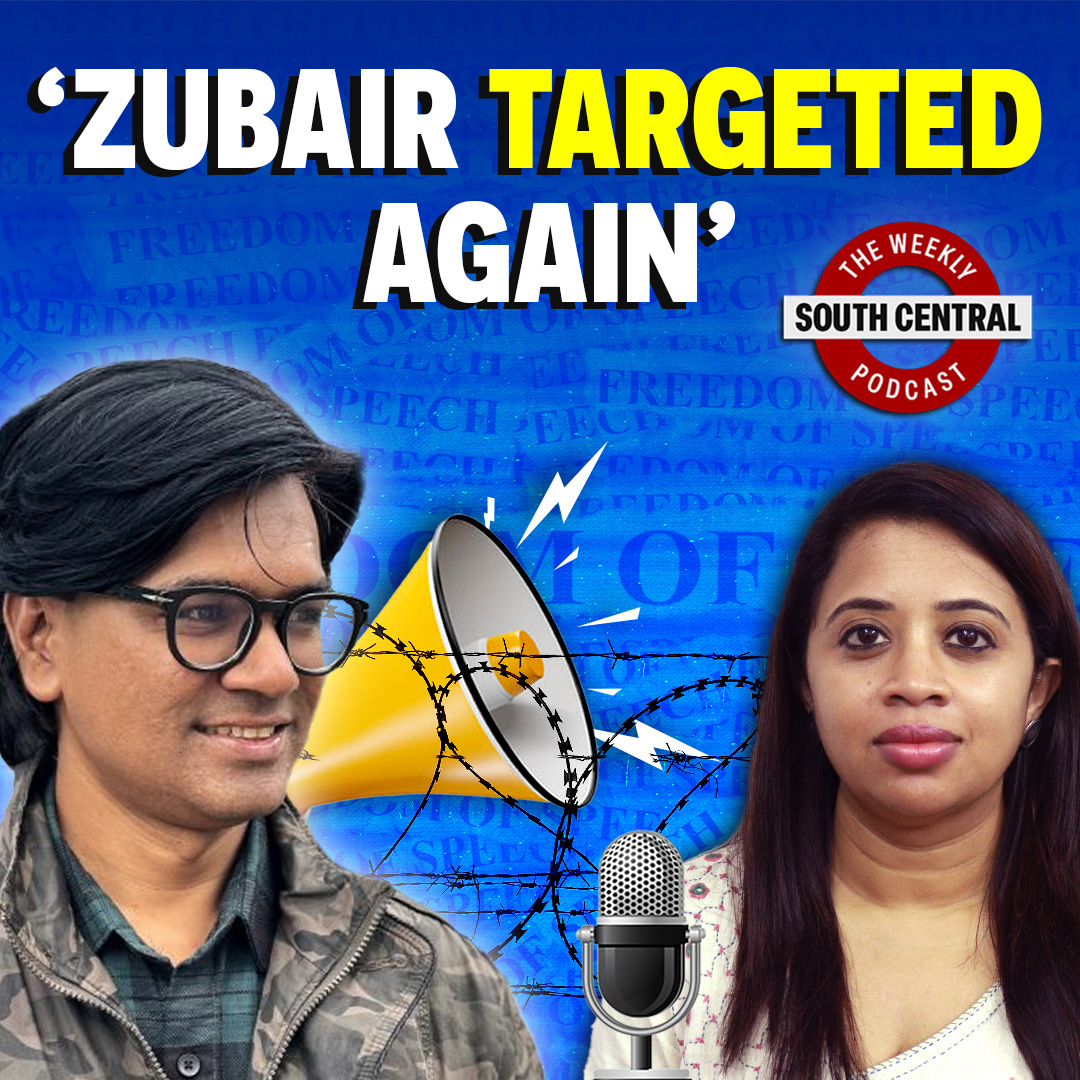
S1 Ep 4South Central Episode 4: Cyclone Fengal, Zubair and Pawan Kalyan's Politics
In this episode, hosts Dhanya Rajendran, Pooja Prasanna, and Leena Reghunath are joined by weather blogger Srikanth (@ChennaiRains) and political consultant Tara Krishnaswamy.Srikanth highlights the gaps in India’s weather prediction infrastructure, “We should aim for radar coverage within 200 kilometers everywhere in the country, but large parts of Tamil Nadu, Karnataka, and the Western Ghats still don’t have enough coverage. Critical areas like Bengaluru, for instance, lack a dedicated radar system, which affects timely warnings.”The conversation shifts to the legal challenges faced by fact-checker Mohammed Zubair. Dhanya remarks, “Personally, people can like Zubair, dislike him, agree with some of his tweets, or think he is a political stooge of some party or the other. But a state's power is being used against an individual.”Pooja notes, “But the fact that a fact-checker is booked again and again shows how those in power are so averse to anybody correcting their misinformation.”Leena observes, “Having a Muslim name in this country means that whatever you do can turn into an offense. With a Hindu name, life becomes a bit easier. And that’s the unfortunate truth of our times.”Tara adds, “It is not just, ‘If you have a Muslim name, we’re going to come after you.’ It is, ‘We will make an example of you because we need to instill fear in others.’ It goes against their narrative to allow anyone to rise up against them.”Finally, the discussion moves to Pawan Kalyan’s evolving political identity. Pooja notes, “Pawan Kalyan’s ability to adapt and stay relevant is undeniable, but his shift from federalist rhetoric to aligning with hardline narratives raises important questions about his endgame.”Once a month, we will invite one TNM subscriber to the show. Write to us on what you would like to speak about to [email protected] your thoughts, suggestions and criticism as well.Become a subscriber- Click here.Contribute to our reporting fund. Click here. To check out our other shows, Click here To not miss any updates, join TNM's WhatsApp Channel! Click hereAudio Timecodes 00:00:00:00 - Introductions 00:02:52:00 - Announcements00:04:08:00- Headlines00:14:50:00 - Cyclone Fengal 00:40:05:00 -Zubair case00:58:45:02 - Pawan Kalyan’s politics01:25:30:00 - RecommendationsCheck out the recommendations and references form this episode.Produced by Bhuvan Malik, edited by Jaseem Ali. Hosted on Acast. See acast.com/privacy for more information.

S1 Ep 3South Central Episode 3: Adani Bribery Case, Hema Committee, and Fear of Movie Reviews
Welcome to South Central, a brand-new TNM podcast that delves into the stories shaping southern India.In the third episode, hosts Dhanya Rajendran, Pooja Prasanna, and Leena Raghunath are joined by journalist M. Rajshekhar and writer Nadika Nadja.On Adani’s alleged bribery case, Rajshekhar explains, “This is the first time we’ve seen evidence of money flowing back to politicians in exchange for favors.” Dhanya questions, “Why does every political party avoid confronting Adani?”The conversation then moves to actor Siddique’s controversial bail in a sexual assault case. Pooja remarks, "There’s so much focus on the victim, how they spoke to the alleged perpetrator or whether they were smiling, that the real issue gets overlooked." Leena reflects on how this judgment impacts women in the film industry, questioning the challenges they face in coming forward with complaints.Finally, Nadika and the hosts discuss the movie industry’s push to delay reviews. Nadika observes, “Cinema is art, but it’s also a consumer product. If you want audiences to watch, you have to allow them the space to critique it.”All this and more—tune in to South Central for an insightful conversation!Once a month, we will invite one TNM subscriber to the show. Write to us on what you would like to speak about to [email protected] your thoughts, suggestions and criticism as well.Become a subscriber- Click here.Contribute to our reporting fund. Click here. To check out our other shows, Click here To not miss any updates, join TNM's WhatsApp Channel! Click hereAudio Timecodes 00:00:00:00 - Introductions 00:01:50:00 - Announcements00:03:00:01- Headlines00:12:34:02 - Adani Indictment 00:35:22:04 -Actor Siddique bail 00:53:45:08 - Pushback against movie reviews 01:12:47:01 - RecommendationsCheck out the recommendations and references form this episode.Produced by Bhuvan Malik, edited by Jaseem Ali. Hosted on Acast. See acast.com/privacy for more information.

S1 Ep 2South Central Episode 2: Nayanthara vs Dhanush, Sandeep Varier, and Kasthuri’s Arrest
In the second episode, hosts Dhanya Rajendran, Pooja Prasanna, and Leena Reghunath are joined by Frontline’s Senior Associate Editor RK Radhakrishnan and lawyer Nikhil Narendran.On actor Nayanthara’s stand against Dhanush, Dhanya observes, “I think it’s very uncharacteristic for a female actor to take on someone like Dhanush, who is so embedded in the system.”Adding to the discussion, Nikhil notes, “It seems unnecessary to create a controversy, or perhaps Dhanush acted unfairly towards Nayanthara. I don’t think she’ll face much trouble because the footage was shot on a mobile phone, and courts often view such cases favorably under the doctrine of de minimis.” Nikhil, an expert on IP law explains why Dhanush is on a weak wicket. Highlighting male dominance in the film industry, RK remarks, “Despite the spirited struggle in Kerala, it remains confined to the state and hasn’t influenced other regions. Exploitation, catcalling, and even passing off lewd acts as humor on sets or at audio release functions continue unchecked.”The discussion then shifts to former BJP leader Sandeep Varier’s surprising move to the Congress. Leena comments, “In Kerala, politics was once so ideology-driven… but that seems to be fading now.”All this and more—tune in to South Central for an insightful conversation!Once a month, we will invite one TNM subscriber to the show. Write to us on what you would like to speak about to [email protected] your thoughts, suggestions and criticism as well.Become a subscriber- Click here.Contribute to our reporting fund. Click here. To check out our other shows, Click here To not miss any updates, join TNM's WhatsApp Channel! Click hereAudio timecodes00:00:00:00 - Introductions 00:00:43:00 - Announcements00:02:29:10 - Headlines00:24:59:02 - Nayanthara vs Dhanush00:41:35:04 -Sandeep Varier joins Congress00:57:40:08 - Kasthuri Shankar arrest01:06:03:01 - RecommendationsCheck out the recommendations and references form this episode.Produced by Bhuvan Malik, edited by Jaseem Ali. Hosted on Acast. See acast.com/privacy for more information.

S1 Ep 1South Central Episode 1: Chandrachud’s Legacy, Vijay’s Political Rise, & Communalism in Bureaucracy
Welcome to South Central, a brand-new TNM podcast that delves into the stories shaping southern India.In the first episode, hosts Dhanya Rajendran, Pooja Prasanna, and Leena Reghunath are joined by Prof. of Law Anup Surendranath and Newslaundry’s Abhinandan Sekhri.Discussing former Chief Justice of India DY Chandrachud’s comment that he turned to god during the Ayodhya case, Abhinandan says, “Religiosity is something that progressives or liberals mock at their own peril because not everybody who is religious or invokes religion is a bad person.”Anup was critical of the ‘Chandrachud project’, as he called it, “He was, in a very strange sense, prostrate – very reluctant to hold the state accountable on the sharpest questions.”As the conversation shifts to Tamil actor Vijay’s entry into politics, Dhanya remarks, “He has actually come in when he’s at his peak, and he’s clearly made that a talking point.” Pooja adds, “There is no structure to the party. There’s one superstar on top, and after that, what happens?” Leena comments, “Other than Vijay, who do we know in the party?”All this and more—tune in!Once a month, we will invite one TNM subscriber to the show. Write to us on what you would like to speak about to [email protected] your thoughts, suggestions and criticism as well.Become a subscriber- Click here.To not miss any updates, join TNM's WhatsApp Channel! Click hereAudio timecodes00:00:00:00 - Introductions 00:02:42:00 - Announcements00:03:07:01 - Headlines00:29:44:02 - Communal Officers00:40:37:03 - CJI Chandrachud 01:02:54:01 - Vijay's TVK 01:16:06:02 - RecommendationsCheck out the recommendations and references form this episode.Produced by Bhuvan Malik, edited by Jaseem Ali. Hosted on Acast. See acast.com/privacy for more information.