Soul of Islam Radio
102 episodes — Page 3 of 3
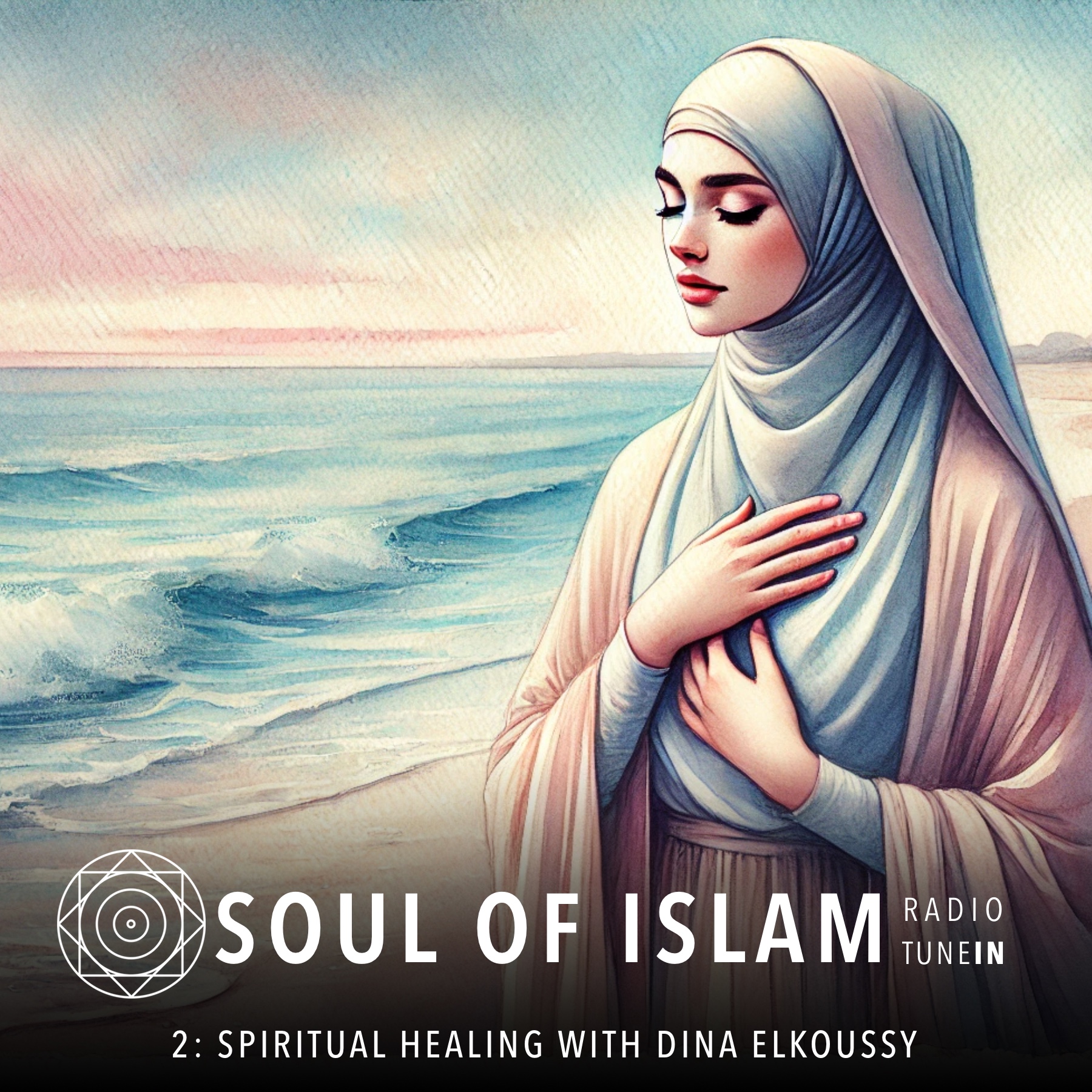
S1 Ep 22 | Spiritual Healing with Dina Elkoussy
Healing childhood trauma is a journey of self-awareness and spiritual growth. In this episode, Dina Elkoussy explores how emotional wounds form in childhood and shape our subconscious beliefs, affecting our relationships, careers, and overall well-being. She explains that trauma often stems not just from painful events but from the misconceptions we develop in response to them. A neglected child, for instance, may internalize the belief that they are unworthy of love, carrying this into adulthood in ways they may not even realize. Dina emphasizes that healing is not just about revisiting past wounds but about transforming our relationship with them. While modern psychology offers valuable tools, she believes spiritual healing—especially within the Islamic tradition—provides a deeper, more lasting path to emotional wholeness. She highlights the role of dhikr (remembrance of Allah), surrender, and vulnerability in bringing about true healing, rather than merely managing symptoms. A key part of healing is identifying the inner voices shaped by childhood trauma. Many people unconsciously carry harmful self-beliefs, such as “I’m not good enough” or “I don’t deserve happiness.” These internalized messages influence behavior, often leading to self-sabotage or difficulty forming healthy relationships. Dina explains that spiritual healing involves recognizing these voices, bringing them to light, and replacing them with divine truth. Rather than dwelling on the past, she advocates for focusing on the present moment and allowing Allah to guide the healing process. Dina also touches on the role of conscious parenting in minimizing childhood trauma. While parents cannot protect children from all pain, they can equip them with emotional tools to navigate challenges in a healthy way. Suppressing emotions only leads to deeper wounds, which may manifest later in life as emotional breakdowns or even physical illness. Instead, she encourages parents and individuals alike to develop emotional awareness—starting with simply acknowledging feelings without judgment. The first step toward healing, Dina suggests, is learning to be present with emotions as they arise. Feelings, like visitors, come and go. The more we allow them to be seen and felt, the less they control us. Through spiritual practice and self-awareness, healing is not only possible but transformative. Tune in to this episode to explore practical tools for emotional and spiritual healing, and learn how to reconnect with your inner wholeness.
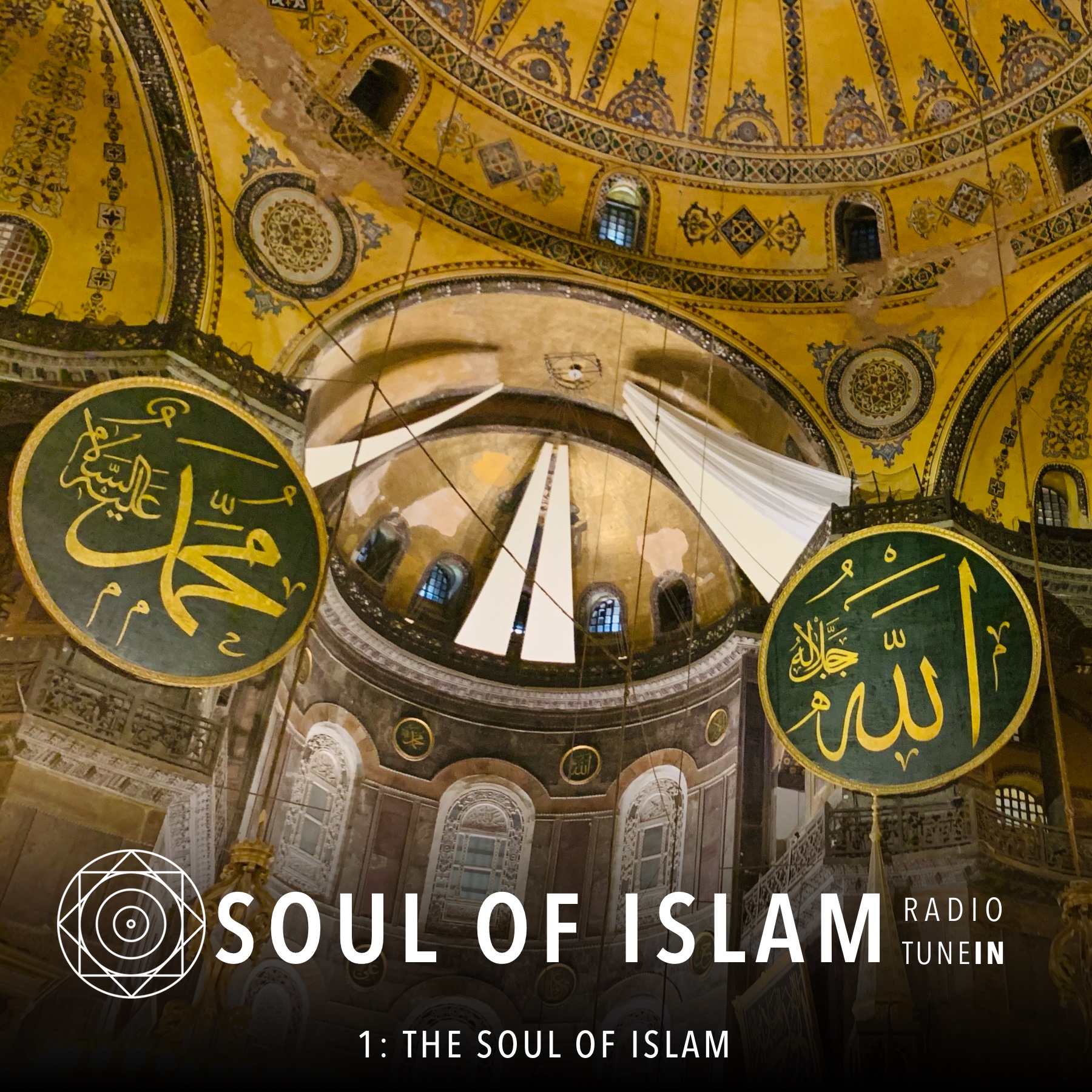
S1 Ep 11 | The Soul of Islam
In this first episode of Soul of Islam Radio, hosts Ahmad Sakaamini and Emil Ihsan Alexander Torabi explore the deeper dimensions of Islam, emphasizing the importance of spirituality alongside religious practice. Ihsan explains that Islam consists of both an external form—rituals, laws, and practices—and an inner essence, which is spirituality and connection with God. Without its soul, religion becomes rigid, leading to distortions such as extremism. True Islam is rooted in love, peace, and divine awareness. Drawing from the Hadith of Jibril, Ihsan outlines three stages of spiritual development. The first is Islam (Maqam al-Islam), which includes the foundational Five Pillars. The second is Iman (Maqam al-Iman), a deeper level of faith and belief. The third and highest stage is Ihsan (Maqam al-Ihsan), where one worships as if seeing God. The goal is to move beyond surface-level practice and cultivate a deep, conscious relationship with the Divine. The hosts emphasize that true spirituality is heart-centered. As children, we live naturally in this state, but as we grow, we become dominated by the mind and ego. Practices like prayer (salah) symbolically and spiritually realign the heart above the mind, guiding believers back to divine awareness. A meaningful spiritual practice requires this shift from intellectual understanding to a heart-based experience. Ihsan offers three practical steps to reignite spirituality. First, he encourages seeking beneficial knowledge to support spiritual growth. Second, he advises living with presence, approaching daily actions with mindfulness and intention. Third, he recommends dedicating time to meditation, allowing stillness to cultivate a deeper connection with the Divine. Through these steps, spirituality becomes integrated into daily life rather than being confined to ritual practice. Islam’s golden age thrived when spirituality fueled knowledge and progress. Ihsan stresses the need to return to this balance, aligning science, technology, and daily life with spiritual purpose. By reconnecting with Islam’s soul, individuals and communities can transform their lives and contribute meaningfully to the world.