SOAS Radio
500 episodes — Page 8 of 10
CISD: Setsuko Thurlow: Interview with a Hiroshima survivor
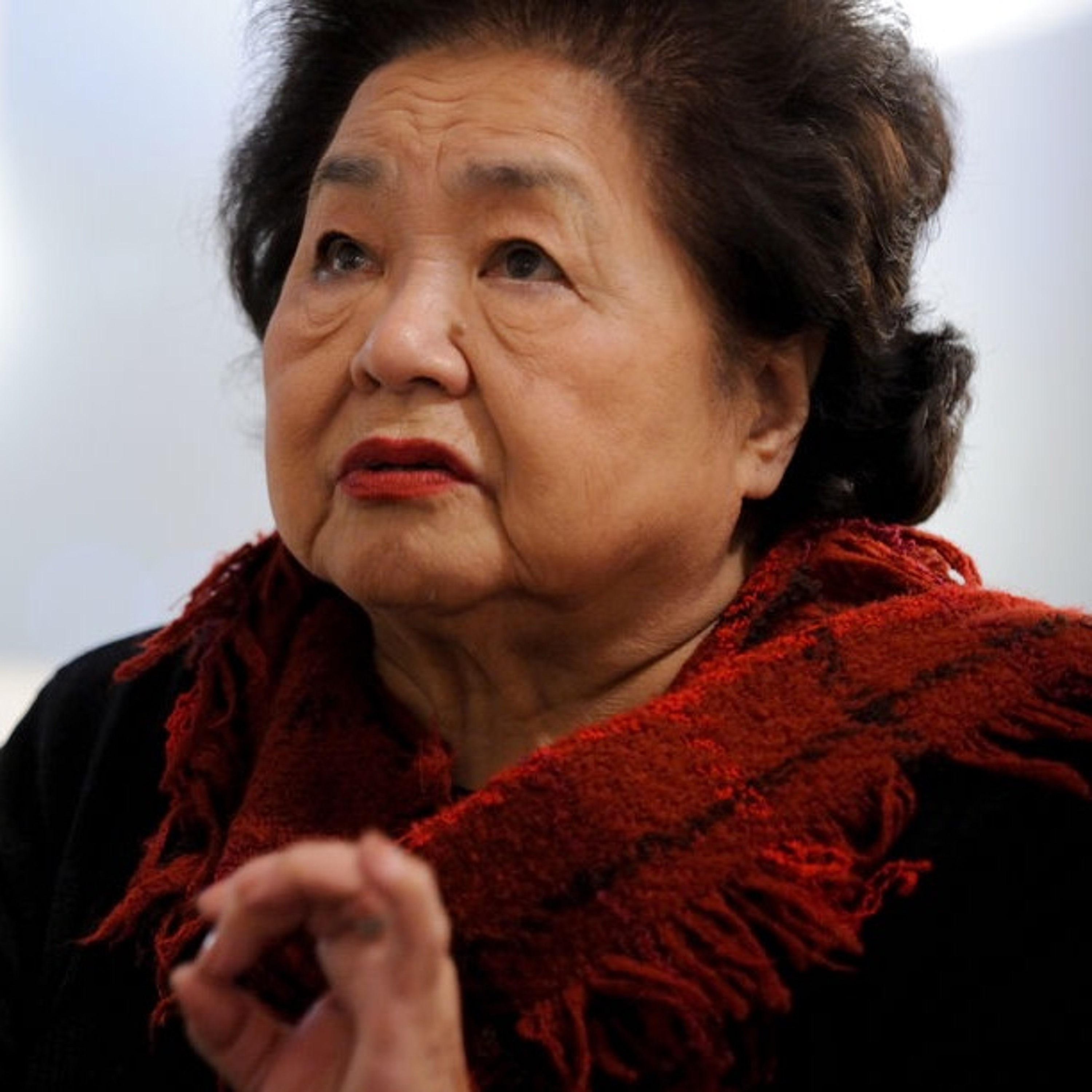
As a 13-year old schoolgirl, Setsuko Thurlow found herself in close proximity to the hypocenter of the atomic blast that hit Hiroshima on the 6th August 1945. A survivor of one of the most pivotal events in modern history, she has dedicated much of her life to breaking the silence surrounding nuclear issues and has recounted her experiences thousands of times across the globe. Now aged 83 Setsko, who resides in Canada with her husband, remains a prominent anti-nuclear activist and last year received the Nuclear Age Peace Foundation’s Distinguished Peace Leadership Award for her work. Here she speaks on her life after Hiroshima, her experiences moving to the US, and her views on the legacy of the 1945 tragedy both for modern Japan and the future of world politics. Further information on the Anti-Nuclear Movement: Over the last 9 years – worn out by the political and diplomatic deadlock over nuclear disarmament and non-proliferation negotiations, and off the back of an announcement by the International Committee of the Red Cross that said that they would be unable to provide any form of humanitarian relief to survivors of a nuclear attack – a group of activists, diplomats, governments and politicians started to campaign to reframe nuclear weapons not as a security issue but as a humanitarian issue. The resulting organisation became known as the International Campaign Against Nuclear Weapons, or ICAN, and in December 2015, the United Nations General Assembly adopted its first ever Humanitarian Pledge for the prohibition and elimination of nuclear weapons. For more information about ICAN’s ongoing work and the Humanitarian Pledge, go to www.icanw.org

Governance without Hierarchy? Interview with Prof. Tanja Börzel and Prof. Thomas Risse
Dr. Leslie Vinjamuri of SOAS University interviews Professors Tanja Börzel and Thomas Risse of the Otto-Suhr-Institute for Political Science, Freie Universität Berlin on "Governance Without Hierarchy? Effective and Legitimate in Areas of Limited Statehood". Tanja Börzel is professor of political science and holds the Chair for European Integration at the Otto-Suhr-Institute for Political Science, Freie Universität Berlin. She is coordinator of the Research College "The Transformative Power of Europe", together with Thomas Risse, as well as the FP7-Collaborative Project “Maximizing the Enlargement Capacity of the European Union” and the H2020 Collaborative Project “The EU and Eastern Partnership Countries: An Inside-Out Analysis and Strategic Assessment”. She also directs the Jean Monnet Center of Excellence “Europe and its Citizens”. Her recent publications include “From Europeanization to Diffusion”, Business and Governance in South Africa. Racing to the Top?, Governance Transfer by Regional Organizations and The Oxford Handbook of Comparative Regionalism. Thomas Risse is professor of international relations at the Otto Suhr Institute of Political Science at the Freie Universität Berlin. He is co-ordinator of the Research Center 700 'Governance of Areas of Limited Statehood' and co-director of the Research College 'Transformative Power of Europe', both funded by the German Research Foundation (DFG). His latest publications include the Oxford Handbook of Comparative Regionalism, European Public Spheres. Politics is Back, “External Actors, State-Building, and Service Provision in Areas of Limited Statehood”.
Human Dignity: Interview with Prof. Anthony Arend
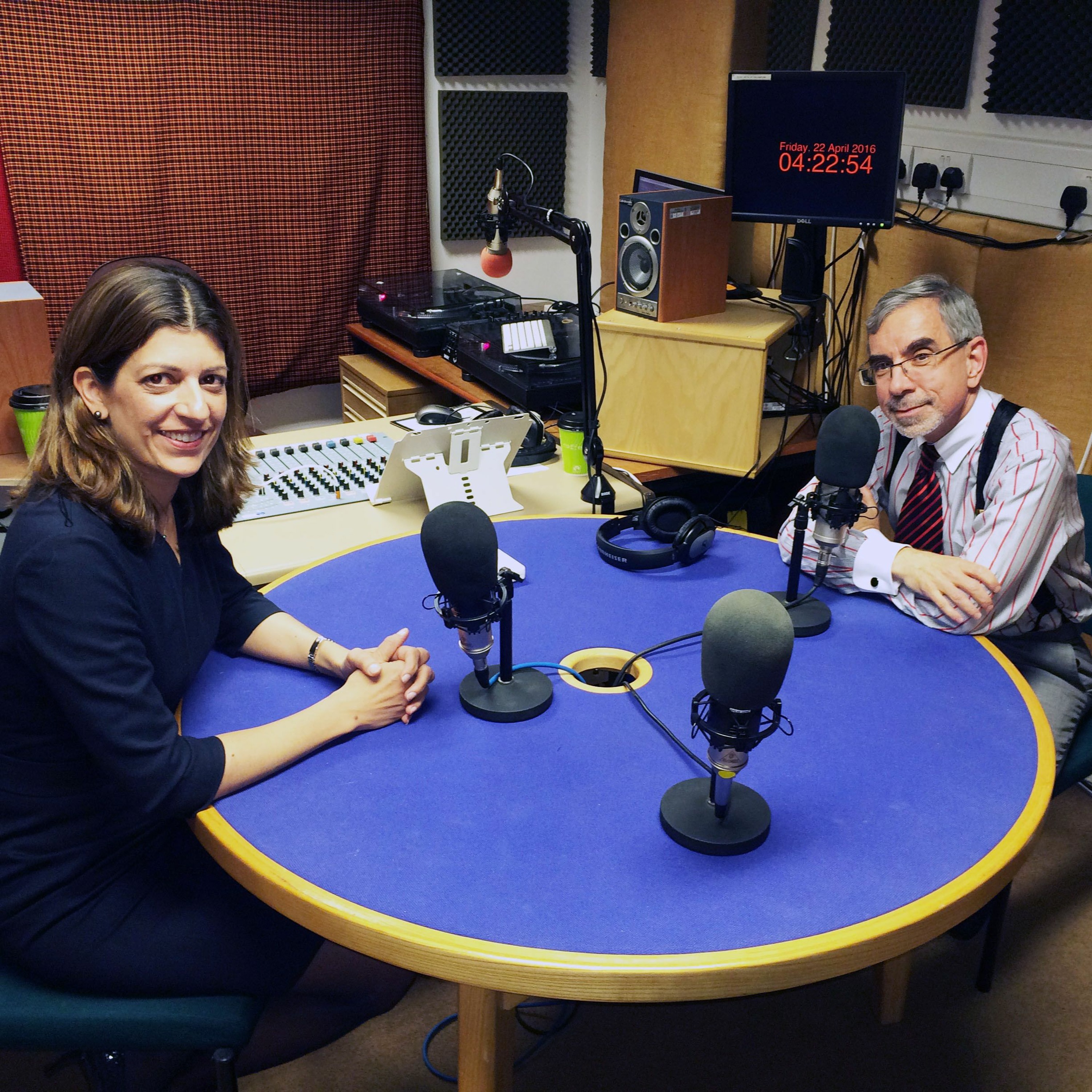
Dr. Leslie Vinjamuri of SOAS University interviews Professor Anthony Arend on his new book Human Dignity: The Future of Global Institutions. About the book: What does human dignity mean and what role should it play in guiding the mission of international institutions? In recent decades, global institutions have proliferated—from intergovernmental organizations to hybrid partnerships. The specific missions of these institutions are varied, but is there a common animating principle to inform their goals? Presented as an integrated, thematic analysis that transcends individual contributions, Human Dignity and the Future of Global Institutions argues that the concept of human dignity can serve as this principle. See more at: http://press.georgetown.edu/book/georgetown/human-dignity-and-future-global-institutions#sthash.dfngYYo0.dpuf About the author: Anthony Clark Arend is Professor and Senior Associate Dean for Graduate and Faculty Affairs in the Walsh School of Foreign Service. Dr. Arend specializes in the areas of international law, national security law, international relations theory and human rights. He has published numerous articles and seven books, including Legal Rules and International Society and Human Dignity and the Future of Global Institutions (co-edited with Mark P. Lagon). He has also written or co-written opinion pieces for various publications, including The Washington Post, The Los Angeles Times and The Christian Science Monitor. He is a member of the Council on Foreign Relations. Dr. Arend received a Ph.D. and an M.A. in Foreign Affairs from the Woodrow Wilson Department of Government and Foreign Affairs of the University of Virginia. He received a B.S.F.S., magna cum laude, from the Edmund A. Walsh School of Foreign Service at Georgetown University.
CISD: UN Series UNHCR Luc Brandt interview
Interview with Dr Luc Brandt, a consultant with the United Nations High Commissioner for Refugees, about his experience of working in the UN
CISD: UN Series OHCHR Mutoy Mubiala Interview
Interview with Mr Mutoy Mubiala, an official at the Office of the United Nations High Commissioner for Human Rights on his experiences at the U.N.
CISD: UN Series IOM Daniel Szabo Interview
Interview with Daniel Szabo, Communications Officer at the International Organisation for Migration on his experiences at the U.N
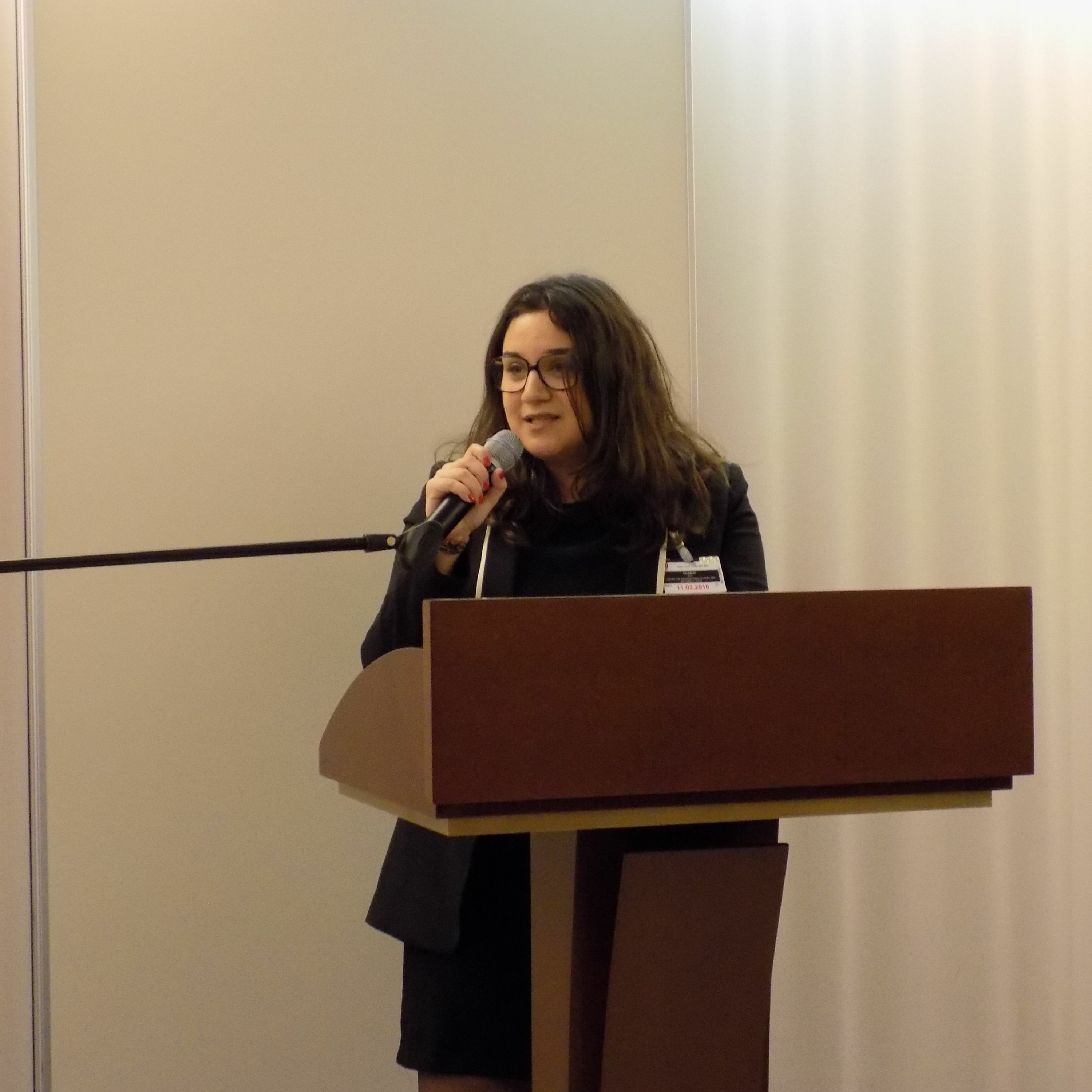
CISD: UN Series: Nour's Speech
CISD Student Nour Shawaf gives the opening speech at the UN reception on the first day of the study tour.
CISD: Constancy and Change in U.S. Foreign Policy from Truman to Obama
Dr Seyom Brown, author of Faces of Power: Constancy and Change in United States Foreign Policy from Truman to Obama, will show how Barack Obama’s tenure in the Oval Office has transformed him more than he sought to transform the world. Chaired by Dr Dan Plesch.
CISD: International Humanitarian Diplomacy & The Role Of NGOs
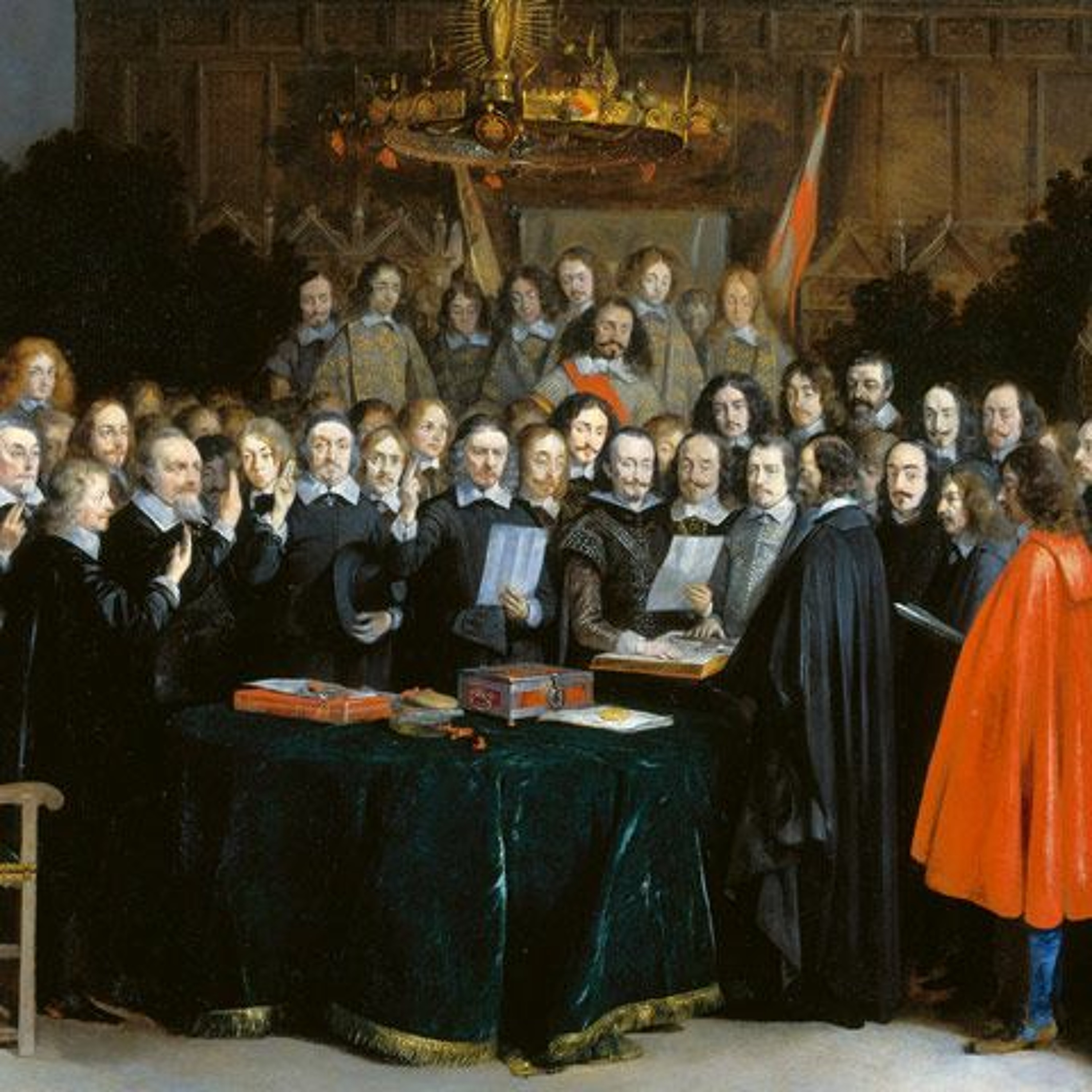
Humanitarian Diplomacy aims to mobilize public and governmental support and resources for humanitarian operations, and it is a field with many players, including governments, international organizations, NGOs and the private sector. The issue of Humanitarian Diplomacy has acquired a particular relevance and urgency in the last decades, with the eruption of inner conflicts, civil wars and consequent humanitarian crises in a wide geography extending from Palestine, Somalia and Mali to Afghanistan, Myanmar and Syria. Speakers: Mr Omar Salha Mr Izzet Sahin Mr Huseyin Oruc
Interview with Theatre for Peace Director Ali Mahdi Nouri
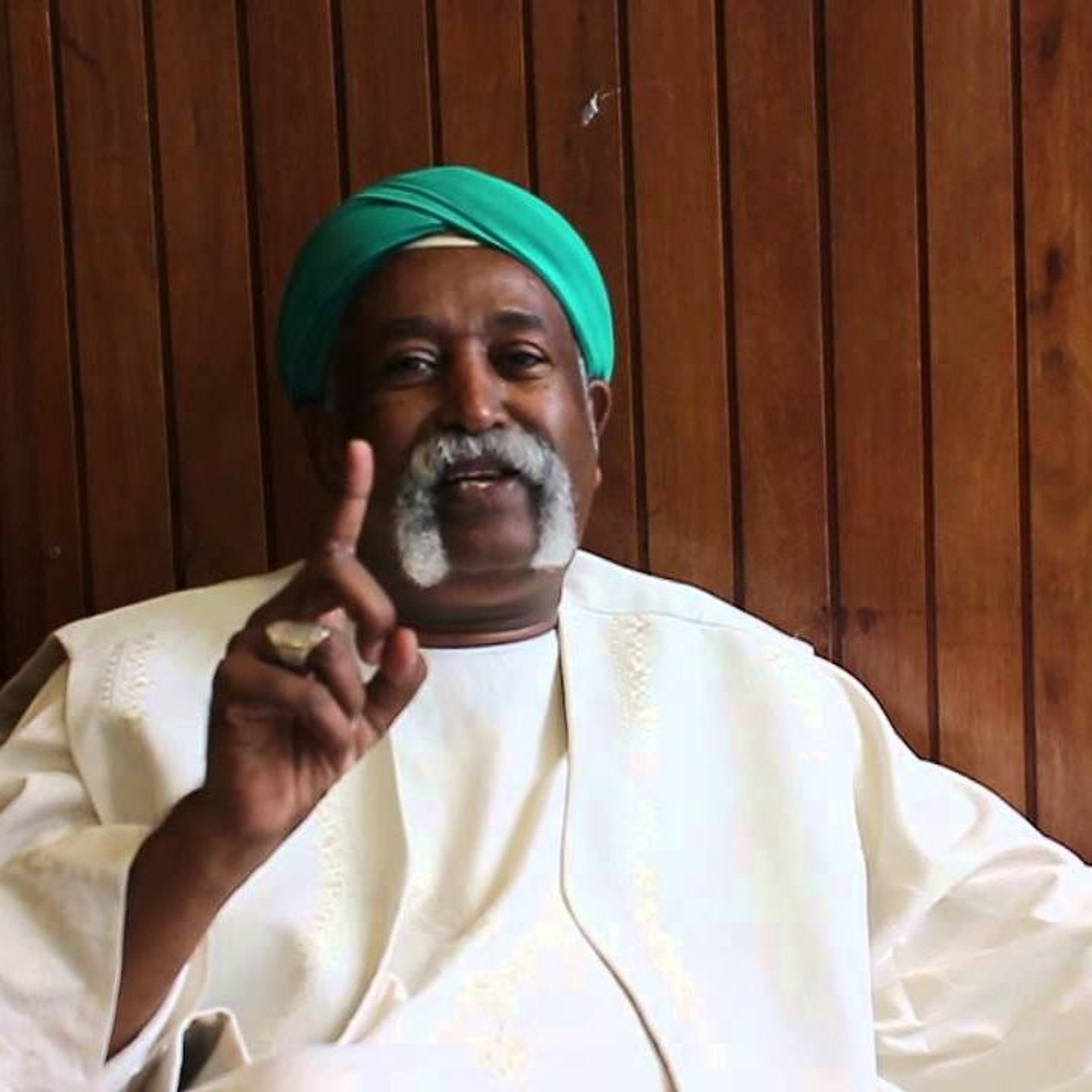
Interview with Ali Mahdi Nouri about his work as an actor & theatre director working with ex-child soldiers and refugees in Sudan. Ali Mahdi Nouri is the Director of the Al-Bugaa Theatre in Khartoum, the National Director of SOS Children, and the Director of the Centre for Theatre in Conflict Zones in Darfur. He has been awarded the UNESCO-Sharjah Prize for his work with child soldiers and refugees in Sudan, and the UNESCO Arab Culture Prize for the promotion of dialogue between Arabic culture and cultures of the world. In 2012 he was officially designated a UNESCO Artist for Peace.
WHIRLDFUZZZ #8
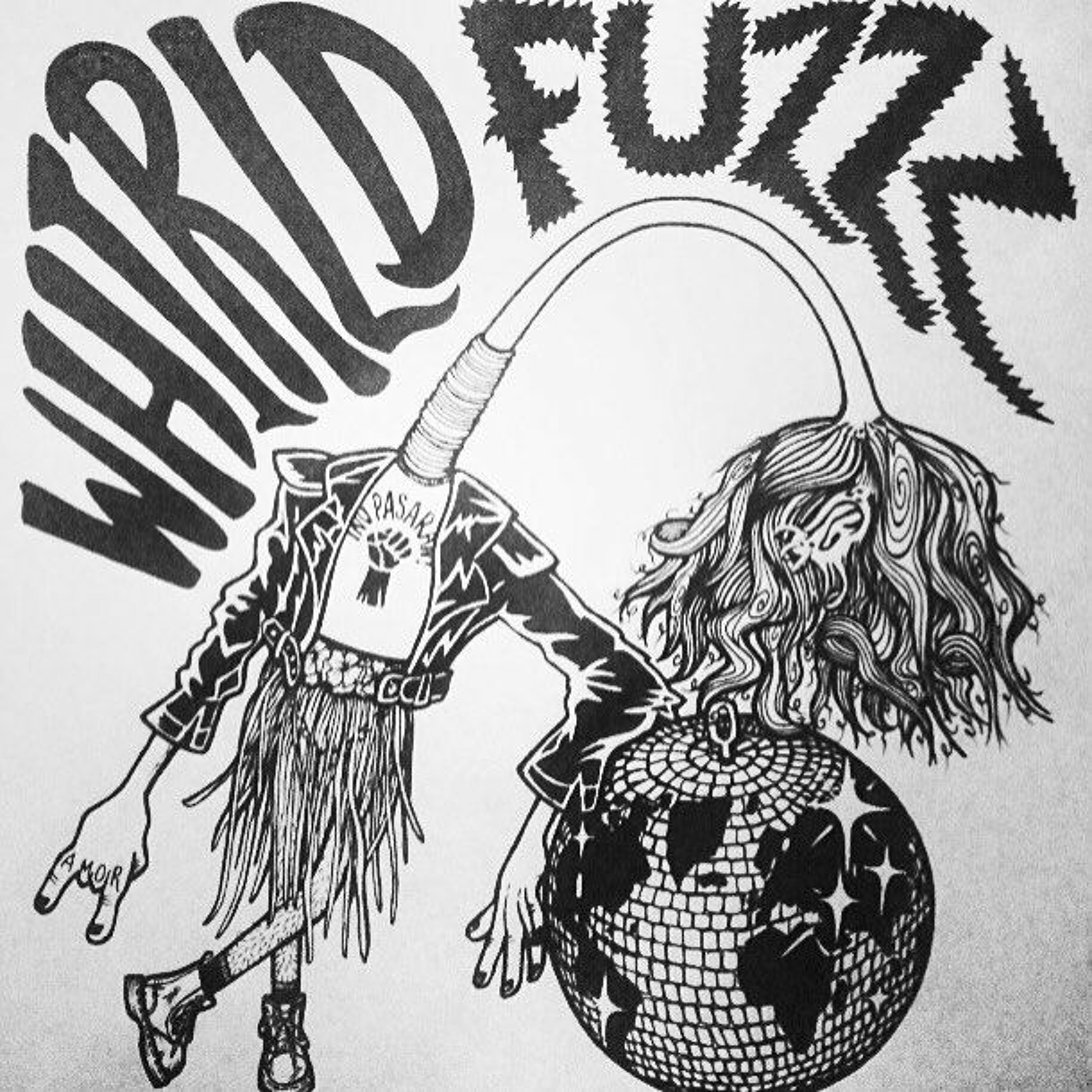
Divine & Magoo returns! Whirldfuzzz DJs Sheila Divine and Tallulah Magoo return from the wilderness back into the studio with another eclectic mix of fuzzalicious rock'n'roll, specially selected to satisfy the earholes of the most discerning punkheads around the globe! DIG IT!
BYOB Brass Band mix
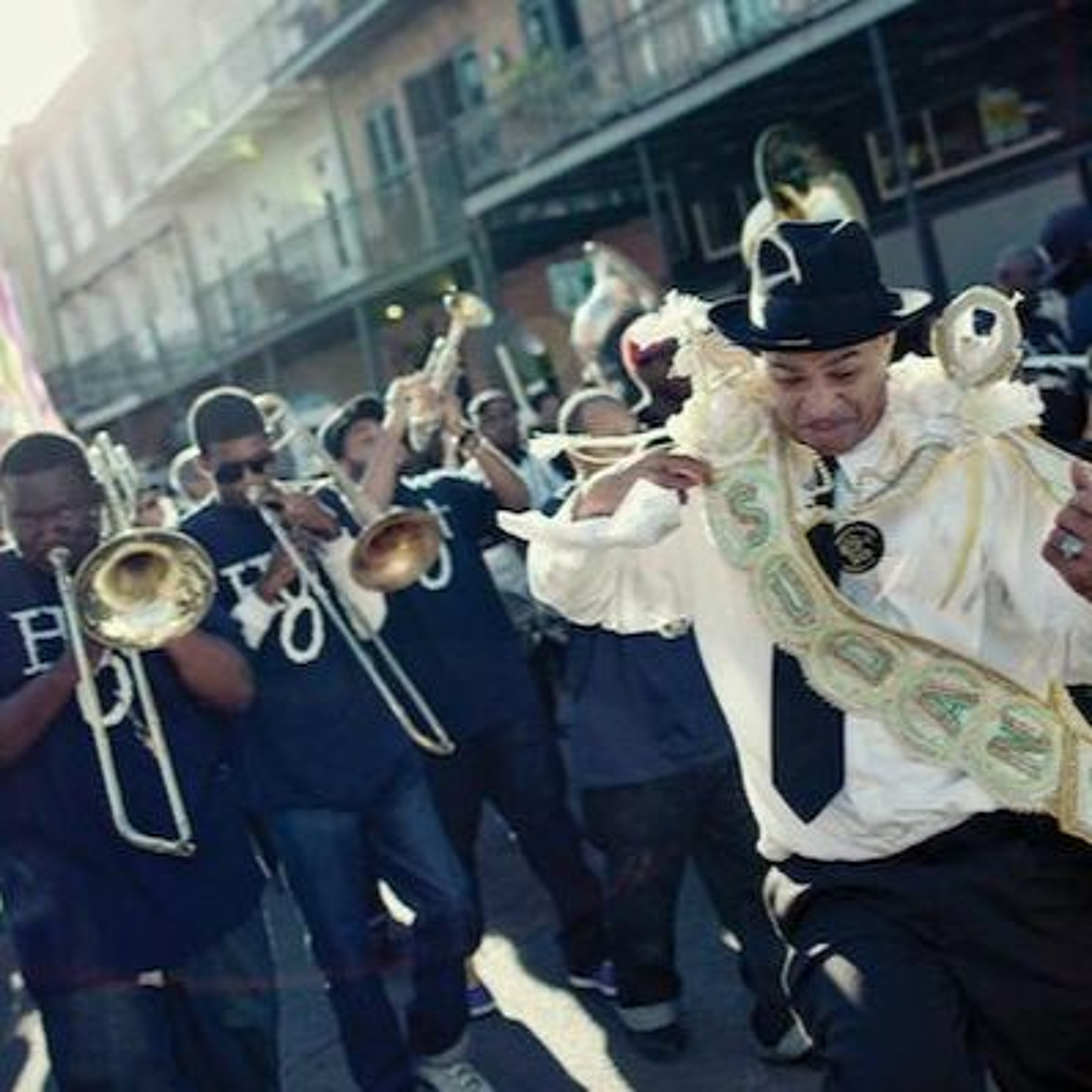
Will Roper, Austin Cooper and Max RG from BYOB, recently sprung a two-hour mix of brass band from around the world. Originally aired as part of their first 6hour installment on Resonance Extra, this mix gives a taster of some of the global styles their residency will feature. Tracklist: Rebirth Brass Band - Do Watcha Wanna Fanfare Ciocarlia - Golden Days Red Baraat - Chaal Baby Anthony Holborne - Renaissance Suite Grimethorpe Colliery Band - Concerto D’Aranjuez Gangbe Brass Band - Les Vrais Amis Hypnotic Brass Ensemble - Balicky Bon Riot Jazz - Paradox Spok Frevo Orquestra - Frevo Vassourinhas Kocani Orquestar - Papigo Aisakawa Brass Band - Kplango Song Ghana The Unthanks with Brighouse and Rastrick Band - The King of Rome Hackney Colliery Band - GTFA Hot 8 Brass Band - What’s My Name? The Williams Fairey Brass Band - Acid Brass Banda La Arroladora Brass Peru - Huayno Amorcito Youngblood Brass Band - Brooklyn
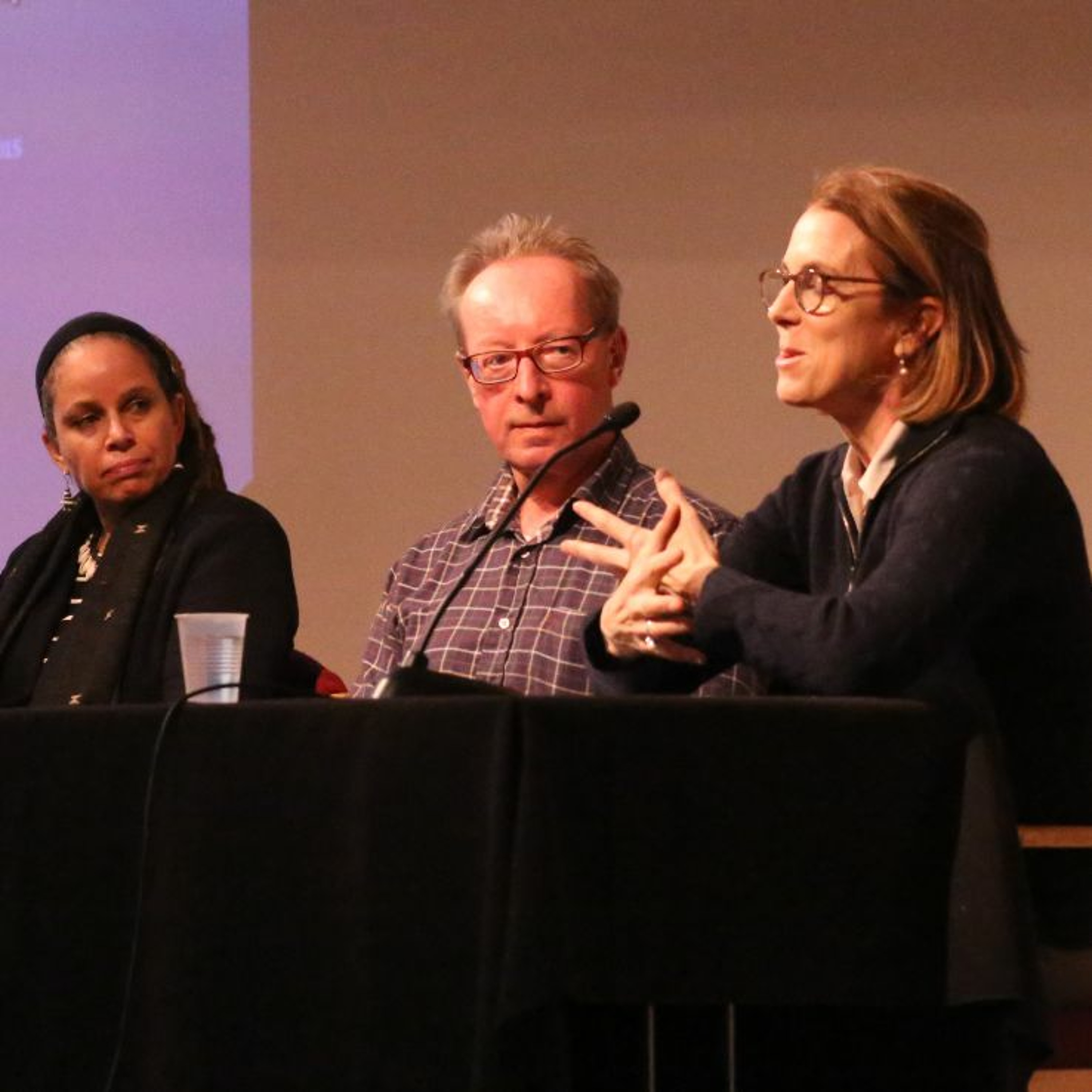
World Radio Day 2016 - Radio and Peacebuilding panel
Panel Discussion on Radio for Peacebuilding from the SOAS Radio & C4D World Radio Day 2016 event in the Brunei Gallery Lecture Theatre. The Panel: Anne Bennett (Hirondelle Foundation) Francis Rolt (Radio For Peacebuilding/ Search For Common Ground) Kerida McDonald (UNICEF) Introduction by Miia Laine (SOAS Radio), chaired by Jackie (C4D)
SOAS SU Lecture Series: Decolonising the University
Introductory statements were made by Neelam Chhara, Co-founder of Decolonising Our Minds and final year politics student. Discussions around legacies of colonialism have been highlighted nationwide through campaigns such as Why Is My Curriculum White and the Rhodes Must Fall Oxford movement which have underlined the colonial violence embedded in universities. What does it mean for an institution to be “white?” How does coloniality affect the higher education institutions we are part of? How do we confront the white institution and what can be done to decolonise the academy? Historically, we can see that universities have the potential to be sites of radical thought, however what they have struggled to embrace and accommodate is non-Western thought, ways of knowing and worldviews. In light of SOAS’s centenary, it is particularly important that we examine SOAS’s founding and history with a critical gaze. How does a university like SOAS which has a particular regional focus on Africa and Asia, remain coloured by Whiteness? Panelists are: Dr. Meera Sabaratnam - Meera Sabaratnam is Lecturer in International Relations at SOAS. Prior to this, she was a Temporary Lecturer in Politics and International Studies at the University of Cambridge and LSE Fellow in the Department of International Relations at LSE. She co-edited Volume 37 of Millennium: Journal of International Studies from 2007-8 and served as Reviews Editor for the Journal of Intervention and Statebuilding from 2010-13. She currently co-convenes the Colonial, Postcolonial and Decolonial Working Group of the British International Studies Association Dr. Rahul Rao - Rahul Rao has research interests in international relations theory, the international relations of South Asia, comparative political thought, and gender and sexuality. He is currently working on a book on queer postcolonial temporality. His first book Third World Protest: Between Home and the World (Oxford University Press, 2010) explored the relationship between cosmopolitanism and nationalism in postcolonial protest. Adam Elliot-Cooper - Adam has a BA in Politics from the University of Nottingham, an MSc in Globalisation & Development at the London School of Oriental & African Studies and is currently undertaking a PhD at University of Oxford's School of Geography and the Environment. Dr. Kerem Nisancioglu - Kerem Nisancioglu is a Lecturer in International Studies at SOAS. Kerem’s research focuses on Eurocentrism in international relations, and how this Eurocentrism can be subverted in both theory and history. In particular, his research has explored the ways in which non-European societies have been constitutive of European social relations in the early modern period.
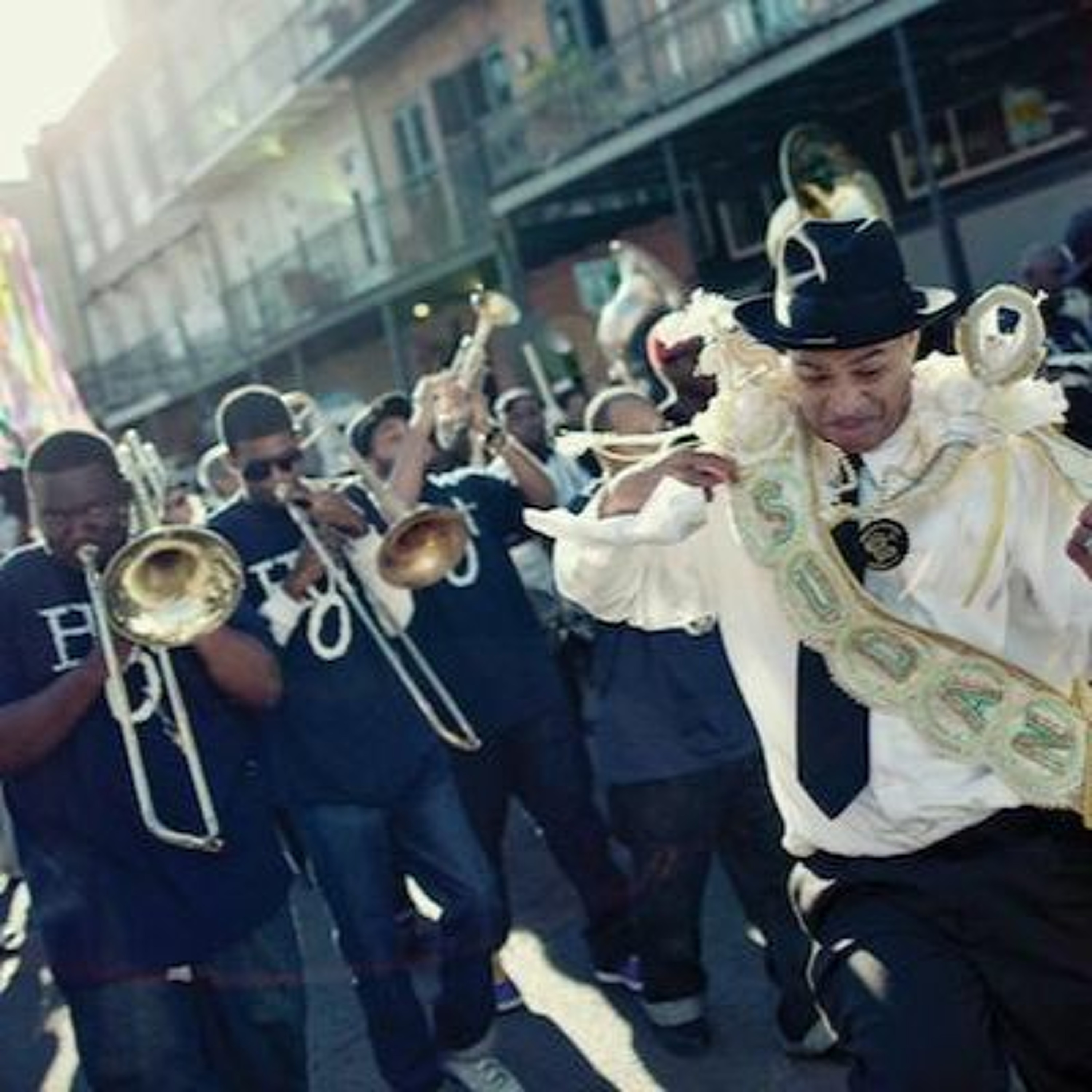
Brass Bands of New Orleans
Will Roper takes a listen to the evolution of the Brass Band sound of New Orleans. In an interview with expert Matt Sakakeeny, we hear how the tradition has changed from its early roots from slavery, through to its importance mingling with the sounds of jazz and later R&B, funk and hip-hop. We hear songs and stories of the key bands, and how the music highlights topics such as race relations in the US, police brutality, community spirit, gender roles and musics role in post-Katrina New Orleans. Matt Sakakeeny is a Professor at Tulane University, researcher and author of 'Roll With It: Brass Bands in the Streets of New Orleans' http://mattsakakeeny.com/ Originally broadcast as part of BYOB's Brass Band Takeover on Resonance Extra with SOAS Radio on 18th Feb.2016 Playlist Stooges Brass Band -Where Ya From? Bunk Johnson & Bunk's Brass Band - Bye & Bye Jelly Roll Morton - Funeral Marches The Young Tuxedo Brass Band - Free As A Bird/Near My God To Thee Leroy Jones - Just A Little While To Stay Here Dirty Dozen Brass Band - My Feet Can't Fail Me Now Eureka Brass Band - Lady Be Good Dirty Dozen Brass Band - Cissy Strut Rebirth Brass Band - Feel Like Funkin' It Up Deff Generation - Running With The Second Line Soul Rebels Brass Band - Let Your Mind Be Free Rebirth Brass Band ft Soulja Slim - You Don't Wanna Go To War Hot 8 Brass Band - RastaFunk Hot 8 - Ray Nagin (You Bang We Bang Bang) The Stooges Brass Band - Why They Have To Kill Him? Free Agents Brass Band - We Made It Through That Water TBC Brass Band - Encore New Breed Brass Band ft. 5h Ward Weebie - Whatcha Werkin It Fa The Pinettes - Get A Life Rebirth Brass Band - Here To Stay
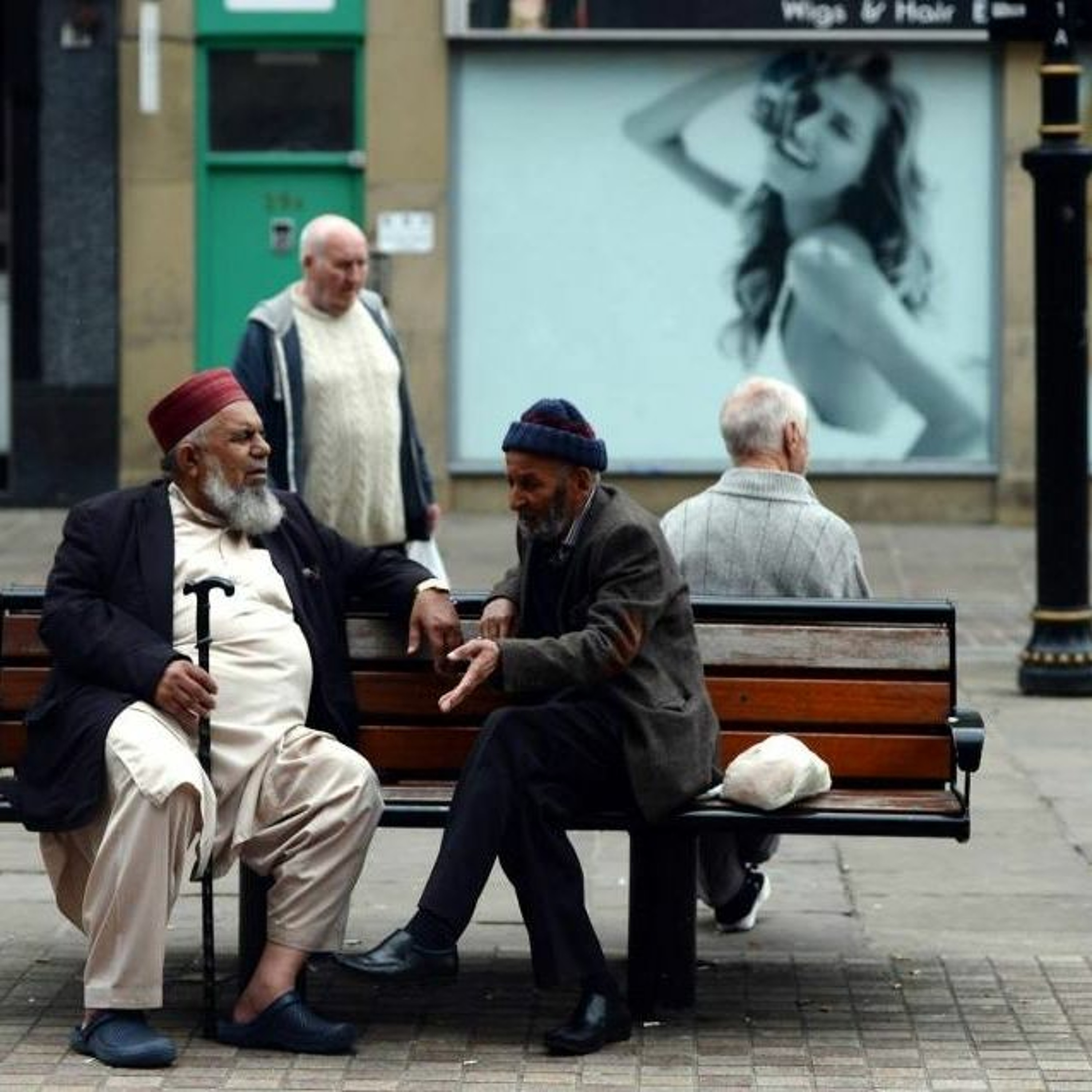
SOAS SU Lecture Series: Paki And The Changing Face Of Racism In South Asian
The term "Paki" rose to prominence in the 1960s, white britons threatened by the arrival of south asian migrants to the UK used the term as a violent slur. Physical violence would often occur throughout the 60s,70s, 80s and 90s and these attacks would often be termed as "Paki bashing." Despite this being a significant part of the experience of many from south asia when first arriving to Britain, its cultural legacy has never been fully captured or grasped by mainstream media, film or the arts in general. Any reference to "Paki bashing" is resigned to a footnote as seen in the film "This is England" told from a young white skinheads perspective. Today, the term is still used widely as Islamaphobic rhetoric reinforces the idea of an "extremist," child grooming Muslim being someone brown skinned and bearded. The purpose of the panel is to chart the terms historical origins and its usage today and examine the ways in which it has changed. After the panel we hope to have a session of questions, comments & discussion. The panel was as follows: Coco Khan (Culture Editor at Complex UK) Suresh Grover (Director of The Monitoring Group) Amit Singh (Co-Founder of Consented) Ash Sarkar (Novara Media)
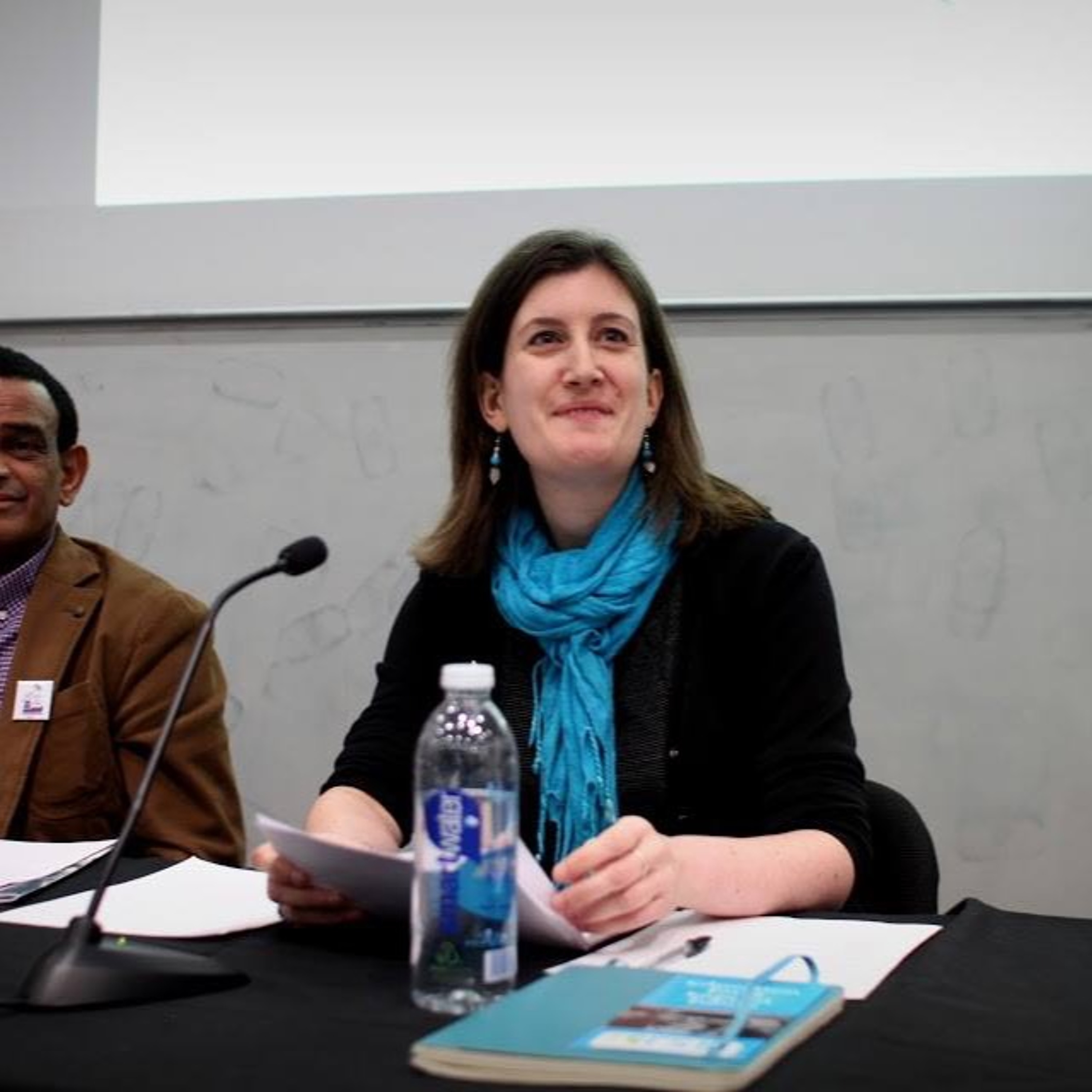
CISD: Emily Bowerman Interview
In relation to the event Education Beyond borders, Emily Bowerman is Programmes Manager at Refugee Support Network. Emily runs the Higher Education programme, helping young refugees and asylum seekers to access university, and also Youth on the Move, supporting Afghan former unaccompanied asylum seeking children at risk of being forcibly removed from the UK.
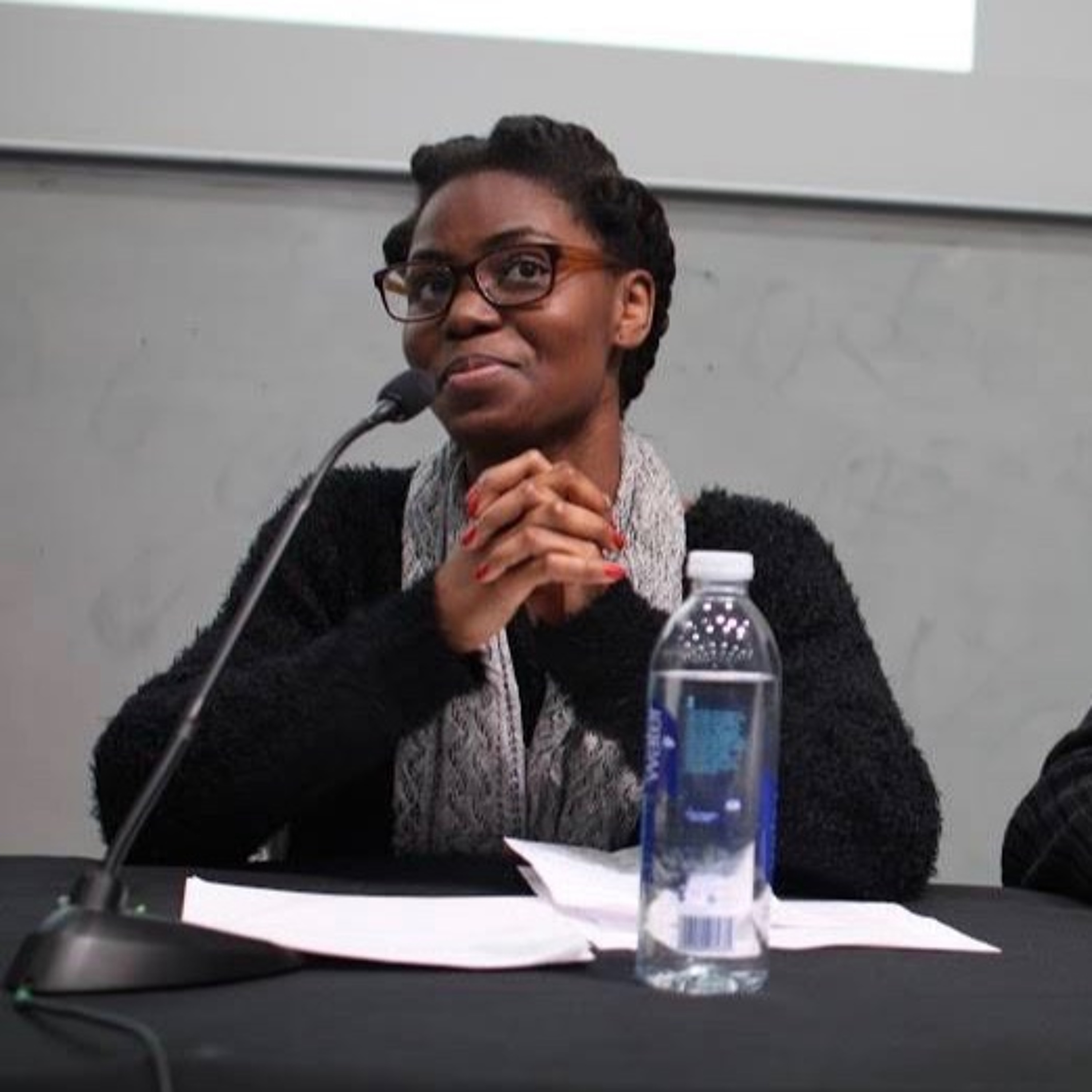
CISD: Dami Makinde Interview
In relation to the event Education Beyond Borders, Dami Makinde is a Project Co-ordinate at Let Us Learn, a youth-led movement for access to higher education for young people who were brought to the UK as children but who are denied student finance and ‘home fee status’ for university. Let Us Learn develops young leaders to campaign for change and to raise awareness of immigration status and issues around access to higher education.
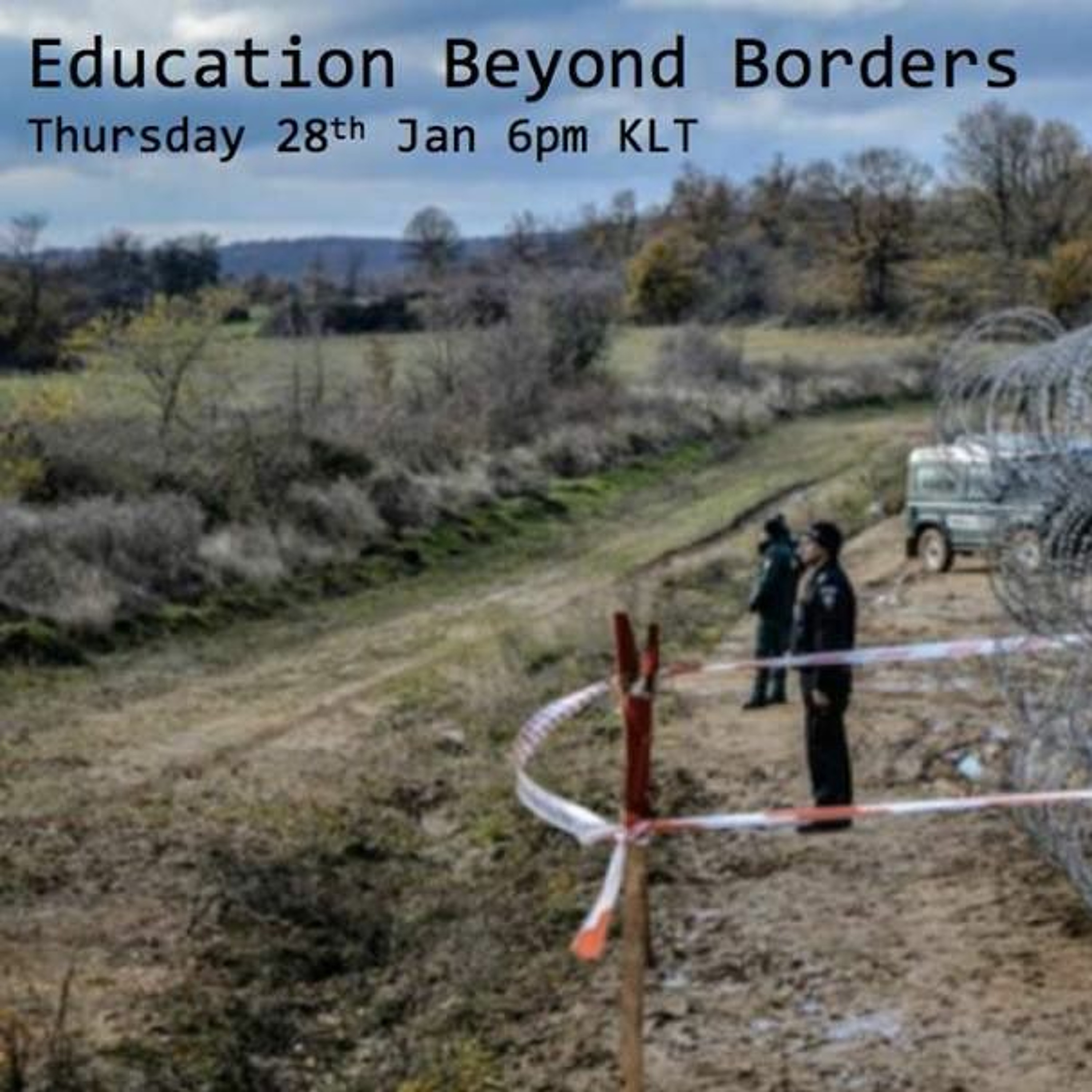
CISD: Education Beyond Borders
We hope that SOAS create their 'Refugee Scholarships' in a way that is inclusive and provides meaningful access and support for people affected by displacement. This event is to raise awareness about the structural difficulties refugees, asylum seekers, and people with temporary protection face when seeking higher education. The panel is made up of support networks, experts by experience and campaigners that fight for the right to an education. Speakers: Emily Bowerman Theodros Abraham Dami Makinde Abdi-aziz Suleiman
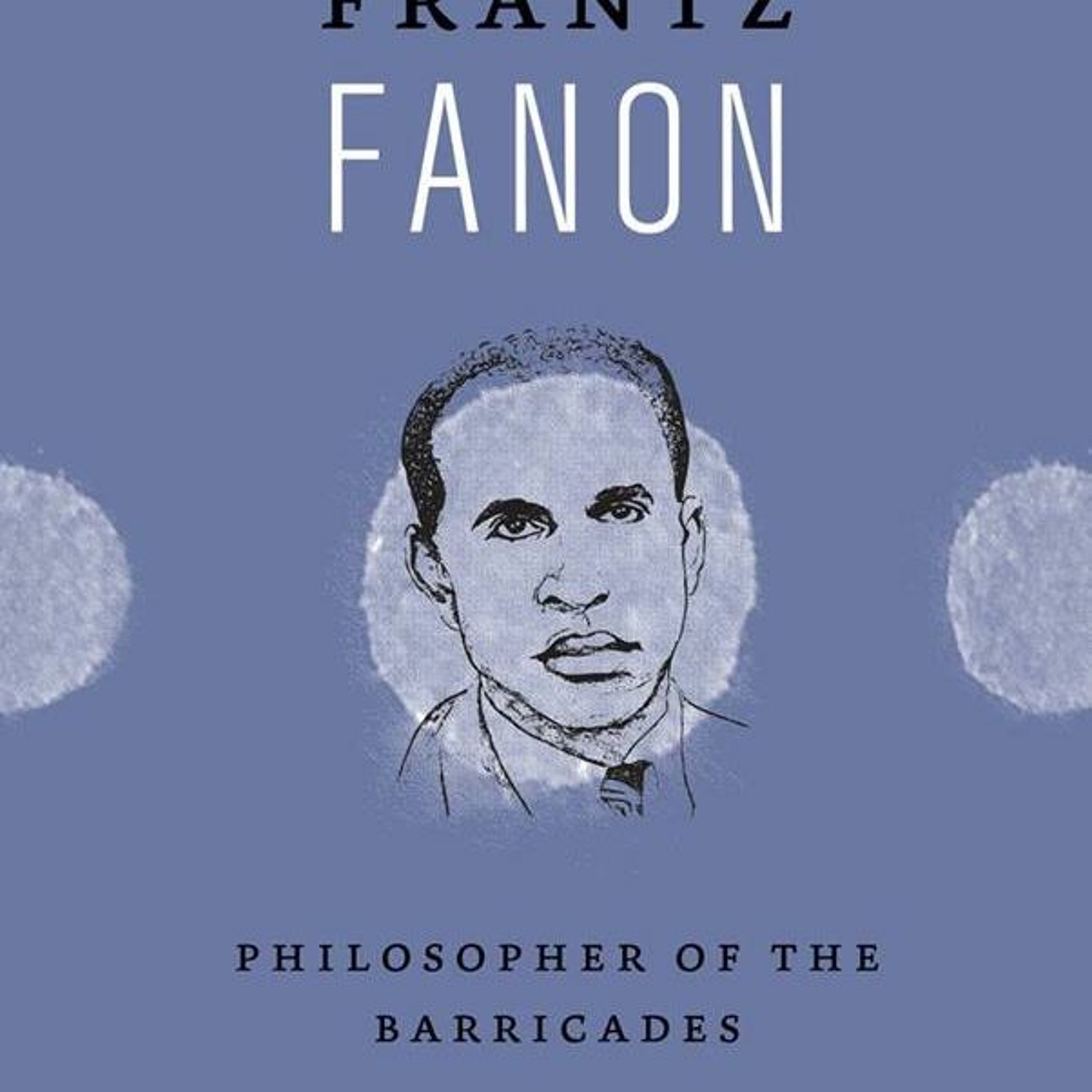
The Student Union Lecture Series 5 - Frantz Fanon: Philosopher of the Barricades
Decolonising Our Minds and Pluto Press are delighted to welcome Peter Hudis, Selim Nadi and Tithi Bhattacharya for a discussion on Professor Hudis's crucial new book on Frantz Fanon's philosophical and psychological thought, and political activism - "Frantz Fanon: Philosopher of the Barricades". Scholarship on Fanon is vast, and he is regarded as a singular figure in postcolonialism, critical theory and revolutionary political thought. His works have inspired movements in Palestine, South Africa, Sri Lanka, the US and many other contexts, and in addition to the practical force of his philosophies, his writings have been the subject of intense intellectual study for decades. "Frantz Fanon: Philosopher of the Barricades" is a critical biography of Fanon's extraordinary life. Peter Hudis draws on the expanse of his life and work - from his upbringing in Martinique and early intellectual influences to his efforts to fuse psychoanalysis and philosophy and contributions to the anti-colonial struggle in Algeria - to counter the common assumption that Fanon's contribution to modern thought is defined by the advocacy of violence. In Hudis' biography, Fanon emerges as neither armchair intellectual nor intransigent militant. He was a political activist who brought his interests in psychology and philosophy directly to bear on such issues as mutual recognition, democratic participation and political sovereignty. The book gives new force to Fanon's ideas, his life, and his example for people engaged in radical political theory, and speaks to all those engaged in the ongoing search for alternatives to oppressive social relations in the 21st century. Join us for a conversation on Professor Hudis's book and the crucial themes it raises in regards to Fanon's life and works, and their significance for political thought and contemporary social justice struggles. Copies of the book will be sold on the day. Peter Hudis is author of "Marx's Concept of the Alternative to Capitalism" (Brill, 2012). He edited "The Rosa Luxemburg Reader" (MRP, 2004) and "The Letters of Rosa Luxemburg" (Verso, 2013). He is Professor of Philosophy and Humanities at Oakton Community College in Illinois, United States. Tithi Bhattacharya is a professor of South Asian History at Purdue University in Indiana. She is the author of "The Sentinels of Culture: Class, Education, and the Colonial Intellectual in Bengal" (Oxford University Press, 2005) and a long-time activist for Palestinian justice. She writes extensively on Marxist theory, gender, and the politics of Islamophobia. Her work has been published in the Journal of Asian Studies, South Asia Research, Electronic Intifada, Jacobin, Salon and the New Left Review. She is on the editorial board of the International Socialist Review. Selim Nadi is a PhD student at the Centre for History at Sciences Po (Paris). He is also part of the French Marxist theoretical journal Période (http://revueperiode.net/) and a regular contributor at ContreTemps (http://contretemps.eu/). Selim is also a member of the Parti des Indigènes de la République (P.I.R.), a French decolonial party.
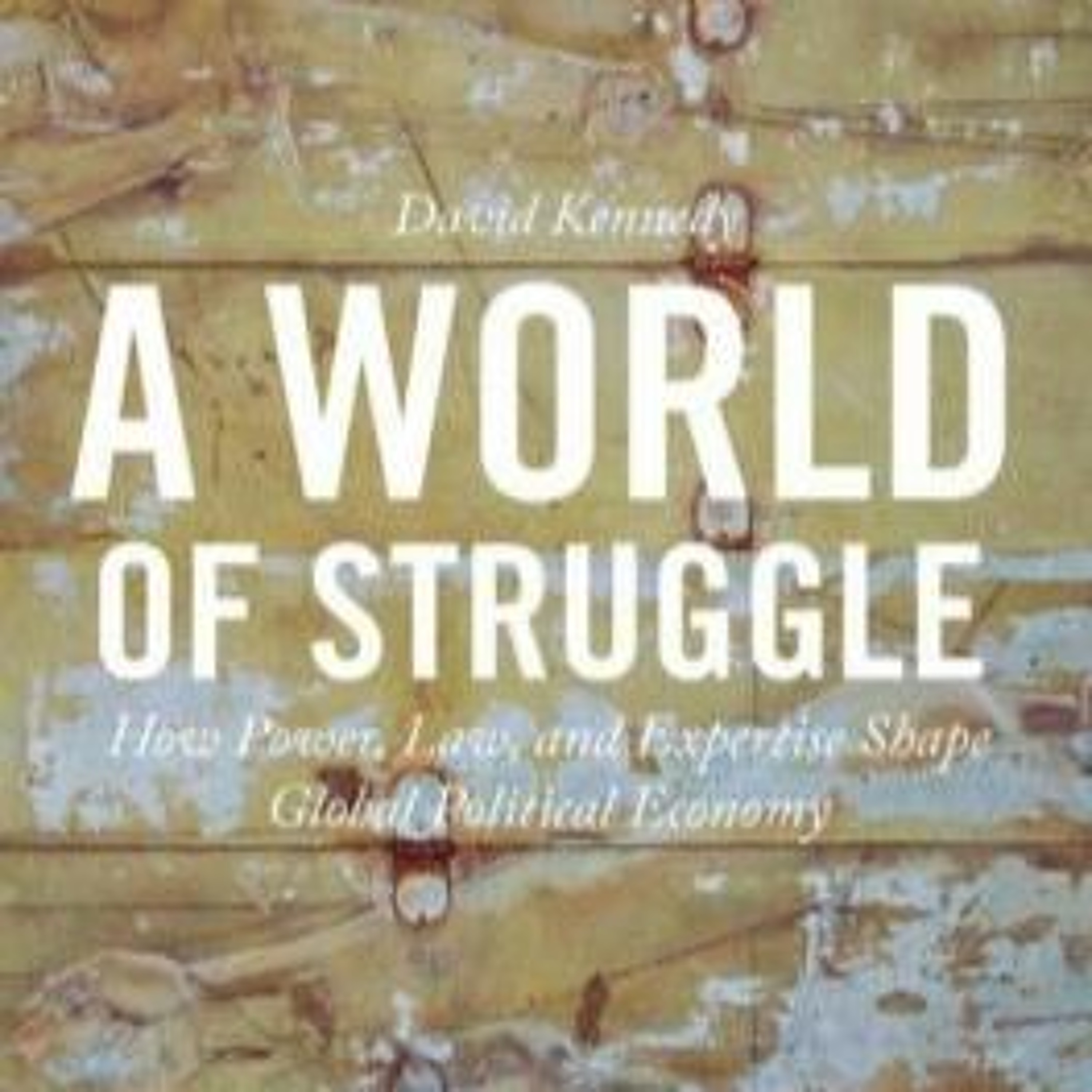
CISD: David Kennedy, "A World of Struggle"
David Kennedy, Ben Fine, Gina Heathcote, Stephen Hopgood and Gerry Simpson discuss David Kennedy’s new book "A World of Struggle: How Power, Law, and Expertise Shape Global Political Economy". "A World of Struggle reveals the role of expert knowledge in our political and economic life. As politicians, citizens, and experts engage one another on a technocratic terrain of irresolvable argument and uncertain knowledge, a world of astonishing inequality and injustice is born.
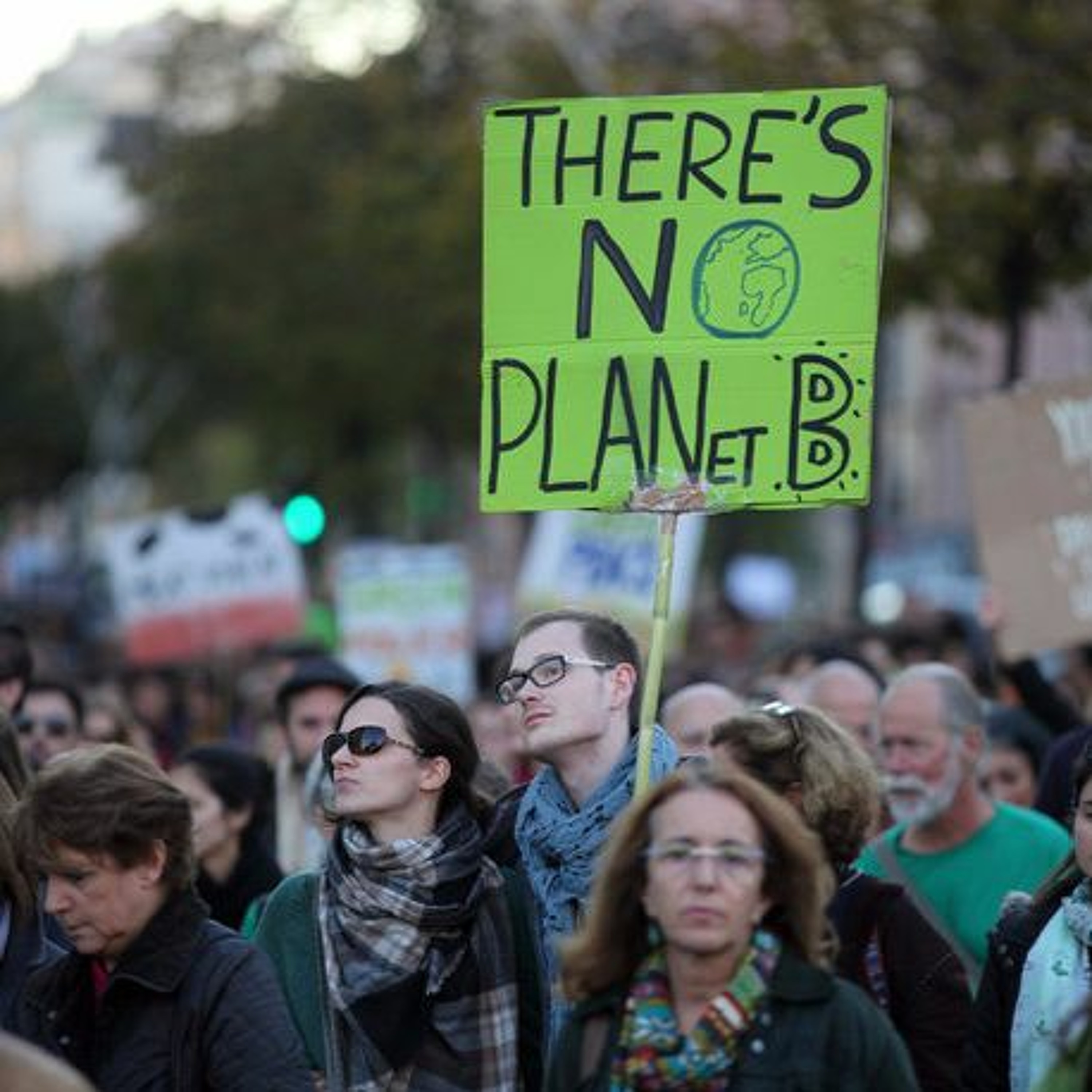
CISD: The Paris Agreement On Climate Change
The panel for this event will evaluate the content of Paris Agreement. They will cover mitigation, adaptation, loss and damage as well as finance and technology transfer. They will also outline what needs to happen to implement the Paris Agreement effectively to actually mitigate dangerous anthropogenic climate change. Each panel member has worked on climate change both within and beyond the United Nations Framework Convention on Climate Change. They will provide insights into the negotiation process itself, commenting how it has (or has not) changed since 1992, reflecting experiences at COP 21 in Paris 2015. Speakers: James Cameron, MJ Mace, Linda Siegele, Professor David Fisk. Chaired by Dr Feja Lesniewska
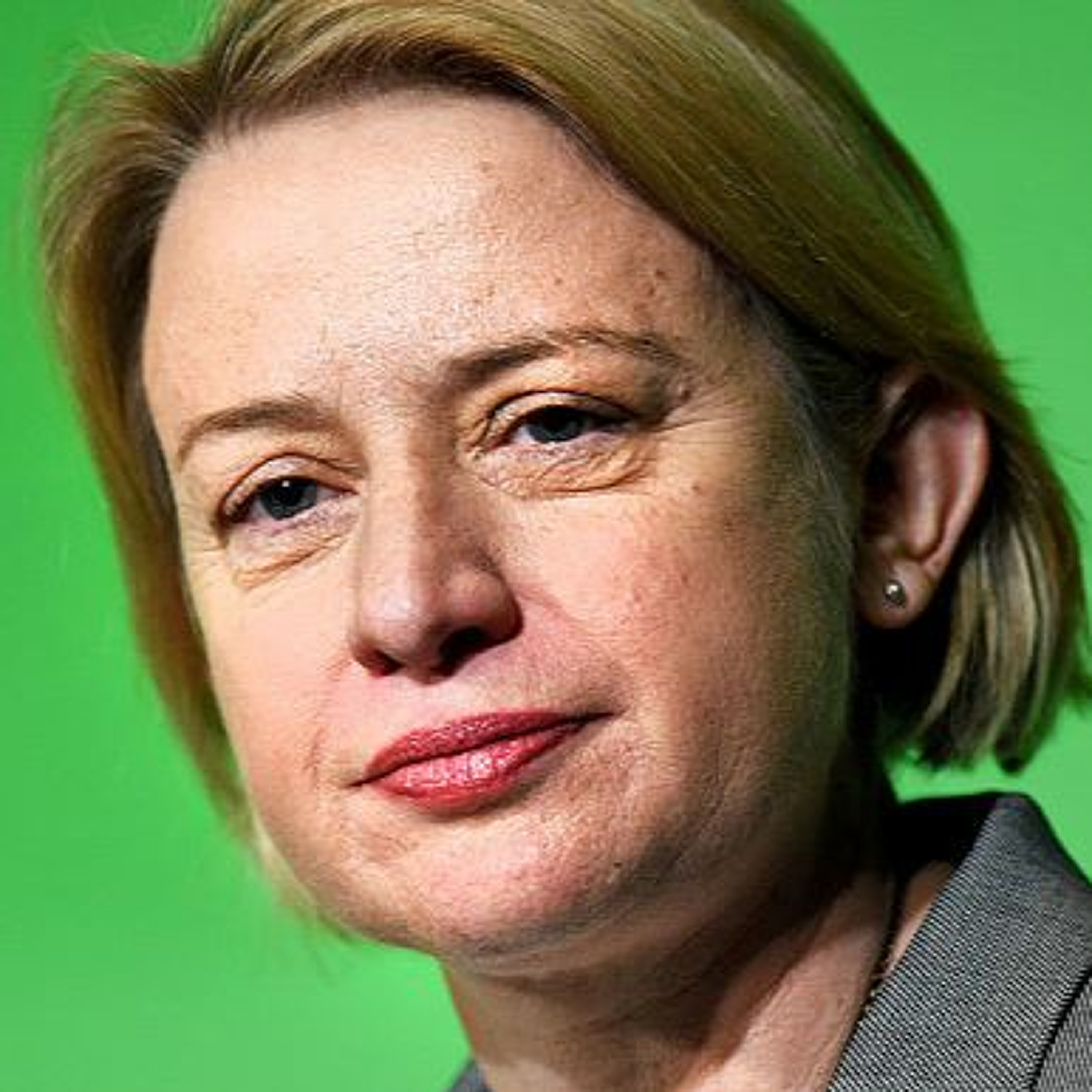
CISD: Interview Natalie Bennett On The Refugee Crisis
Following up on the event 'Refugee Crisis: Perceptions, Realities & Solutions', Natalie Bennett, leader of the Green Party, holds an in-depth discussion with SOAS radio concerning her views on the refugee 'crisis' and the actions that Britain should be taking.
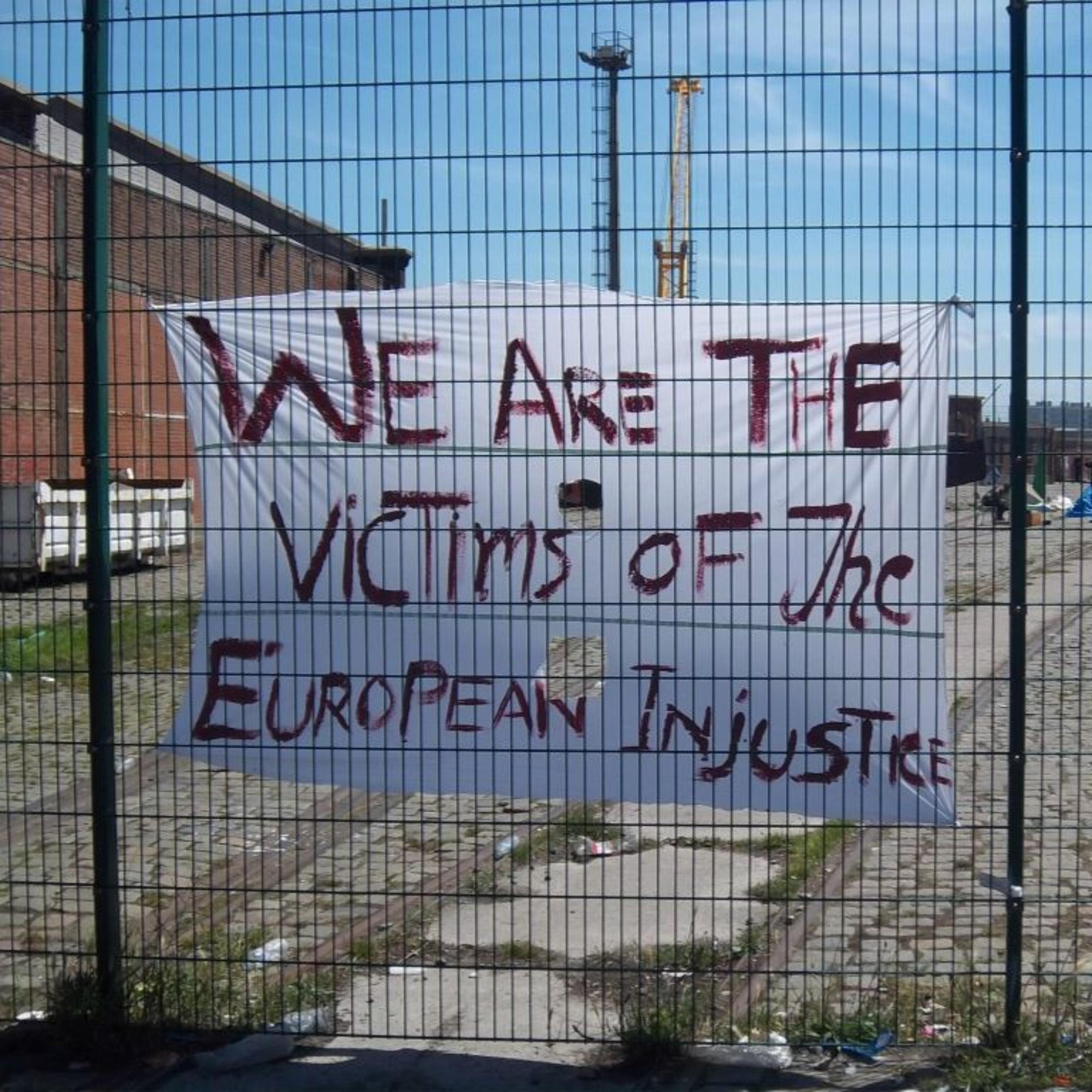
CISD: Refugee Crisis: Perceptions, Realities & Solutions
The crisis facing refugees is entering its worst phase yet. Hundreds of thousands of people have left their homes in search of a better life for them and their families. The SOAS Students Union, MENA and Ahlulbayt Islamic Societies bring to you this exclusive insight dissecting the perceptions, realities and solutions on the issue with talks by academics, organisations and volunteers including, Benjamin Ward - Deputy Director of Human Rights Watch's Europe and Central Asia Division Natalie Bennet - Leader of the Green Party Josephine Liebl - Oxfam UK policy and advocacy advisor on humanitarian crisis and conflicts in Africa Dr. Tahir Zaman - Visiting research fellow at the centre for research on migration, refugees & belonging (CMRB) at the University of East London and a Senior Teaching Fellow at SOAS Abdi-aziz Suleiman - Ex- President of Sheffield students union and NUS NEC, currently campaigning for Universities to do more for refugees. Hiba Al-Hijazi - SOAS Alumni and helped set up 'Move For Humanity' and is a Alaraby TV creative coordinator Mehdi Al-Katib - SOAS Alumni and who recenty travelled to Kos in Greece to volunteer at the Refugee camps Kareem Dennis - Volunteer with London2Calais This event is supported by SOAS Yemen, Kurdish, Afghan, Armenian, Albanian, Iraqi, Kashmir Solidarity Movement, Filmmakers, Decolonising Our Minds, Charitable Causes, Syrian, Pakistani, Oppressed Peoples in Solidarity, Iranian, Turkish, Somali, Palestinan, East African Network, Christian Union, MSA, Christian-Muslim Dialogue and South Asian Diaspora Societies
CISD: Women Of The Global South Were Instrumental In Placing Gender Equality On The UN Charter
Panelists Dr Dan Plesch and students discuss whether this southern agency changes the sense of ownership of the Charter and UN Women? Should SOAS honour these "Women of San Francisco?". Chaired by Dr Gina Heathcote
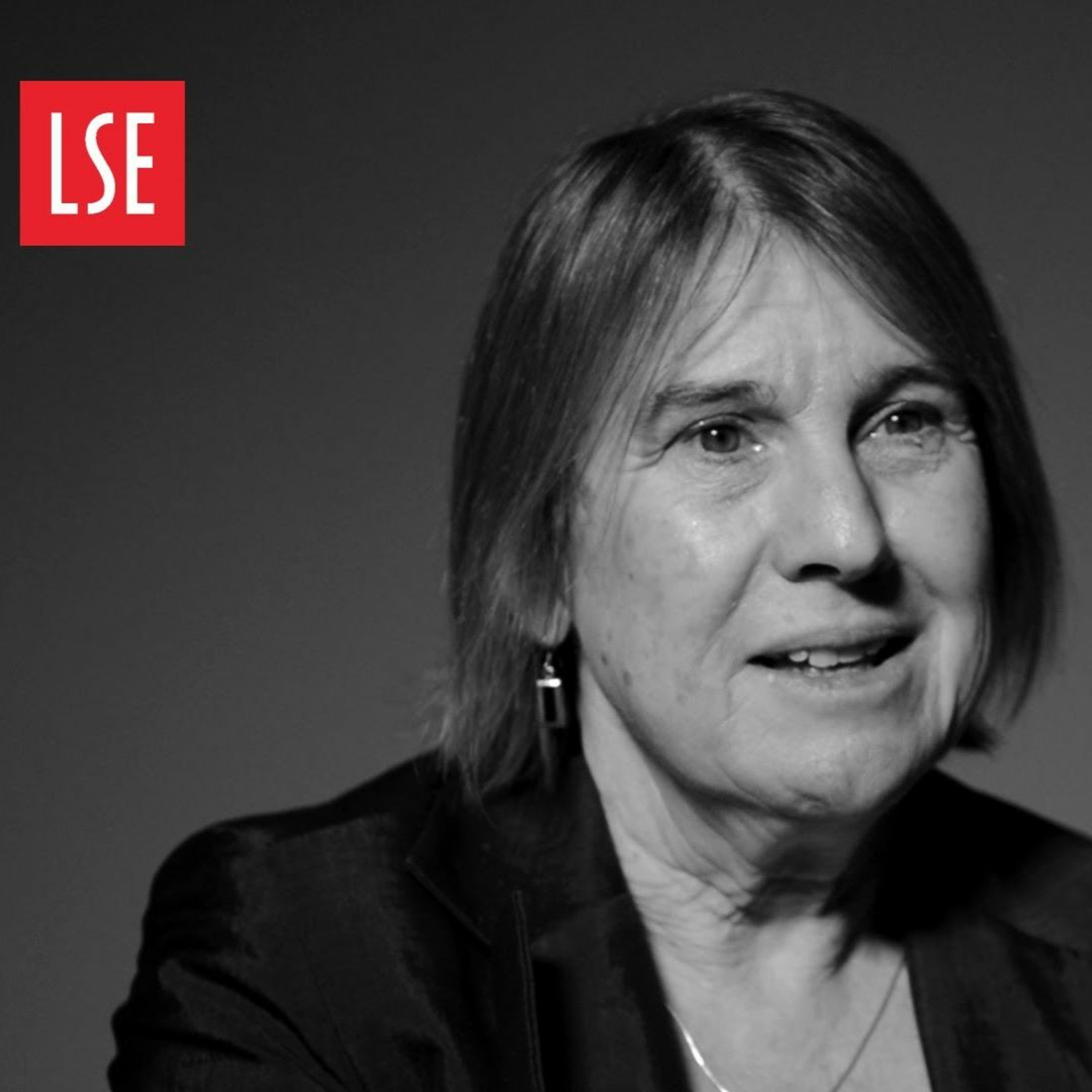
CISD: Prosecuting Rape As A War Crime
Panelists Professor Christine Chinkin, Dr Dan Plesh and Ewan Lawson discuss the work of the new LSE Centre on Women, Peace and Security and its nexus to cutting edge gender research at the SOAS Centre for Gender Studies and the Centre for International Studies and Diplomacy. Chaired by Dr Gina Heathcote.
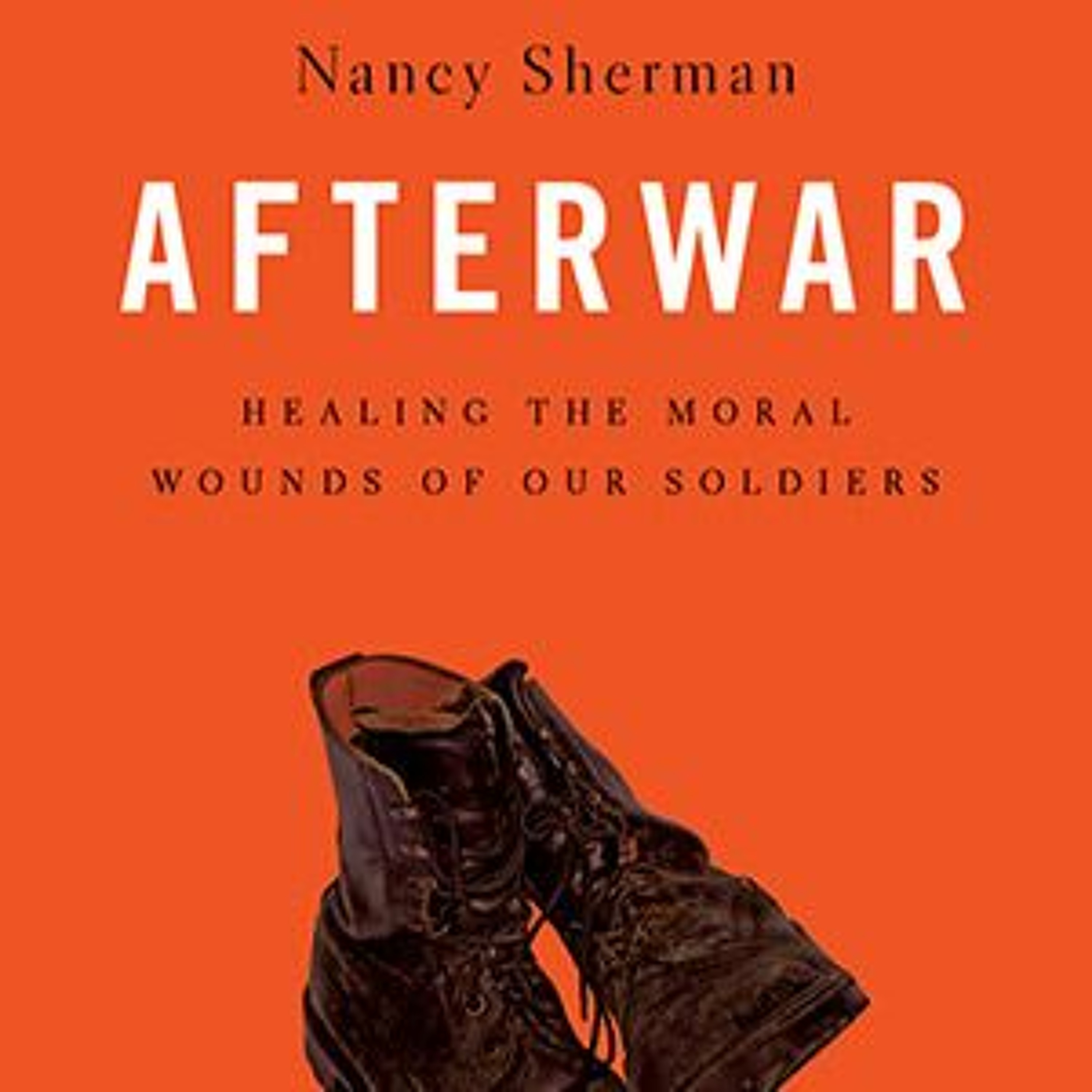
Afterwar: Healing the Moral Wounds of our Soldiers - Interview with Professor Nancy Sherman
Dr. Leslie Vinjamuri of SOAS University interviews Professor Nancy Sherman of Georgetown University on her new book "Afterwar: Healing the Moral Wounds of our Soldiers". About the book: Movies like American Sniper and The Hurt Locker hint at the inner scars our soldiers incur during service in a war zone. The moral dimensions of their psychological injuries -- guilt, shame, feeling responsible for doing wrong or being wronged -- elude conventional treatment. Georgetown philosophy professor Nancy Sherman turns her focus to these moral injuries in AFTERWAR. She argues that psychology and medicine alone are inadequate to help with many of the most painful questions veterans are bringing home from war. Trained in both ancient ethics and psychoanalysis, and with twenty years of experience working with the military, Sherman draws on in-depth interviews with servicemen and women to paint a richly textured and compassionate picture of the moral and psychological aftermath of America’s longest wars. She explores how veterans can go about reawakening their feelings without becoming re-traumatized; how they can replace resentment with trust; and the changes that need to be made in order for this to happen -- by military courts, VA hospitals, and the civilians who have been shielded from the heaviest burdens of war. 2.6 million soldiers are currently returning home from war, the greatest number since Vietnam. Facing an increase in suicides and post-traumatic stress, the military has embraced measures such as resilience training and positive psychology to heal mind as well as body. Sherman argues that some psychological wounds of war need a kind of healing through moral understanding that is the special province of philosophical engagement and listening. With philosophical insight and leading by example, Sherman shows us how we each can play a role in that recovery.
Whirldfuzzz #7
Divine & Magoo return with Whirldfuzzz#7 with special guest Veronica Bianqui from LA, spinning one of her own tracks and her festive favourites. Expect our usual feature "Slab of Filth", mixed in with some minced pies and some silly Winter numbers. Listen all the way to the end to hear our new wonderful feature the "Slice of Heaven", which is truly heavenly. Death - Politicians In My Eyes - Detroit, US (1975/2009) Becky Lee and Drunkfoot - Waterfall, US (2013) Tom Waits - Christmas Card From a Hooker In Minneapolis, US (1978) Zulu - Candela - Peru, (1973) Orchestre Bawobab- Ma Penda, Senegal (re-released 2015) Lightning Bolt - Dead Cowboy, US (2005) James Brown - Santa Claus goes straight to the Ghetto, US (1968) Veronica Bianqui - If Love’s a gun, I’m better off dead, US (2015) Mystic Braves - Great Company, US (2015) Shannon and the Clams - Point of Being Right, US (2015) Los Monjes - Batman, Mexico (1966) Skaldowie - Z Kopyta Kulig Rwie, Poland (1969) La fille de pere-Noel - France (1971) The Kinks - Father Christmas, UK (1978) Cate Le Bon - Are you with me now? UK (2013) The Dø - Slippery Slope, France/Finland (2011) Dionysis Savvopoulos - Ballos, Greece (1971) Erkin Koray - Kraller - Turkey (1974) Rikki Ililonga - Love is The Only Way - Zambia (1976) RD Burman - Dance Music From Hare Rama Hare Krishna, India (??) Secondhand - Death May Be Your Santa Claus - UK (1971) The Beach Boys - Fall Breaks And Back To Winter - US (1967) Paul Semama - Mon Petit Garcon, France (1971) Księżyc - Wiatrowa, Poland (2000)
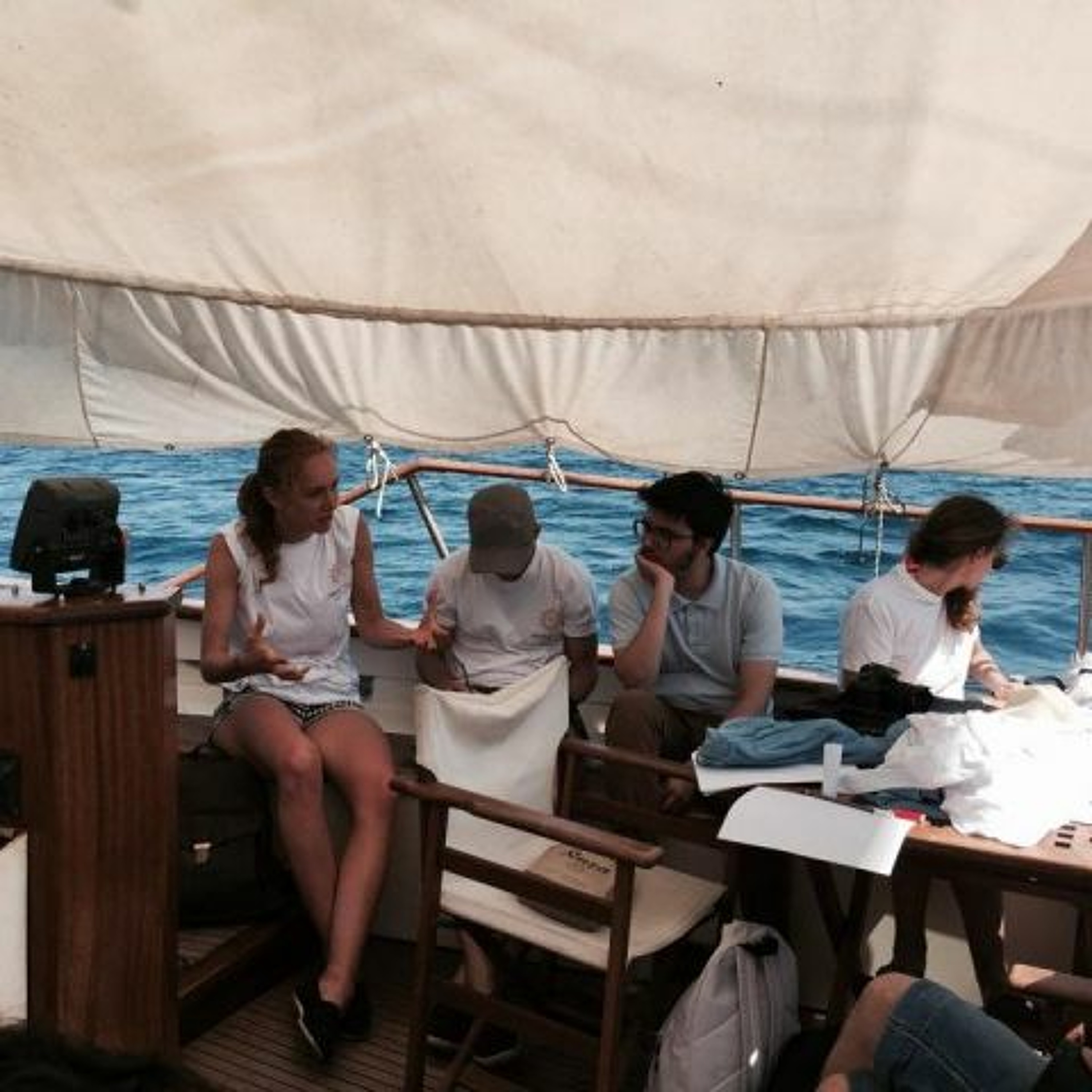
Interview with Startupboat-founder Paula Schwarz
Founded in August 2015, Startupboat is an initiative that develops tech and innovative solutions to respond to the migration crisis. Paula Schwartz, the founder of the initiative came to SOAS Radio to talk about her team's work at the frontlines of the refugee crisis in Greece, why start ups can be more efficient than NGOs and some of the projects that have come out of startupboat, such as Marha Cars and Donatio. More on www.startupboat.eu Support their crowdfunding project www.indiegogo.com/projects/lesbos-fund or get involved by e-mailing [email protected].
Book Talk: 'The Politics of African Industrial Policy' (5 Oct 2015)
Lindsay Whitfield discussed her new book published by Cambridge University Press. This book engages in the debate on growth versus economic transformation and the importance of industrial policy, presenting a comprehensive framework for explaining the politics of industrial policy. Using comparative research to theorize about the politics of industrial policy in countries in the early stages of capitalist transformation that also experience the pressures of elections due to democratization, this book provides four in-depth African country studies that illustrate the challenges to economic transformation and the politics of implementing industrial policies.

The Political Economy of HIV: Review of African Political Economy Special Issue Launch (12 Oct 2015)
The special issue on the political economy of HIV has been co-edited by Kevin Deane (University of Northampton), Deborah Johnston (SOAS) and Matteo Rizzo (SOAS, RoAPE Editorial Board). The issue contains conceptual, original research and review articles that will be of interest to those working in political economy, public health, international development, economics and epidemiology.
The Cinema and its Publics in Africa (19 Oct 2015)
Litheko Modisane is a Senior Lecturer (Television Studies) in the Centre for Film and Media Studies, University of Cape Town. Modisane discusses how films are catalysts for public reflections on social and political issues germane to anti-apartheid politics and fledgling democracies. Chair: Dr. Lindiwe Dovey Discussant: Dr Carli Coetzee

Why So Much Interest In China Africa Links? (23 Oct 2015)
The interest in China's engagement with Africa has grown fast in the past 10 years. This reflects both real trends in trade, investment and labour flows, but also a clash of perceptions about their potential impact on the development prospects of African economies and societies. This seminar tackled the basis for these different views and how empirically-grounded work often challenges well-established perceptions about China-Africa relations. Speaker: Dr. Carlos Oya Moderator: Raffaello Pantucci
Mercy Mercy Screening Panel Discussion (3 Nov 2015)
Among many other activities, the Centre of African Studies organises seminars, meetings, workshops and conferences promoting Africanist research and understanding, aiming at linking the academia, government, and business, as well as the wider public. Here you can find a collection of the recordings of some of our past event. Enjoy!
Book Discussion: "Administration and Taxation in Former Portuguese Africa, 1900-1945" (9 Nov 2015)
Among many other activities, the Centre of African Studies organises seminars, meetings, workshops and conferences promoting Africanist research and understanding, aiming at linking the academia, government, and business, as well as the wider public. Here you can find a collection of the recordings of some of our past event. Enjoy!
The English-everywhere agenda in education in a multilingual Cameroon (23 Nov 2015)
The English-everywhere agenda in education in a highly multilingual Cameroon: Towards a recipe for disaster? Cameroon is one of the most multilingual countries in the world. But the history of languages-in-education in Cameroon is marked by the very absence of Cameroonian languages from the mainstream education system. During this seminar Dr. Seraphin Kamdem(SOAS) discussed the recent developments of the English-everywhere agenda in the school education system and critically presented some of the pedagogic and operational challenges faced by this contentious agenda. Chair: Dr Carli Coetzee
Female ‘Renegade’ Artistes: A Critical Study of Sexuality and Social Positioning (30 Nov 2015)
Among many other activities, the Centre of African Studies organises seminars, meetings, workshops and conferences promoting Africanist research and understanding, aiming at linking the academia, government, and business, as well as the wider public. Here you can find a collection of the recordings of some of our past event. Enjoy!
Translanguaging as a multilingual pedagogical strategy for South African universities(26 Nov 2015)
Translanguaging as an alternative pedagogical strategy for implementing multilingual education in South African universities Recently,translanguaging has been proposed by various scholars as a pedagogic strategy for implementing multilingual education in multilingual contexts. Dr. Mbulungeni Madiba(UCT) discussed this strategy and its implementation in South African universities, with special reference to the University of Cape Town. Chair: Friederike Luepke
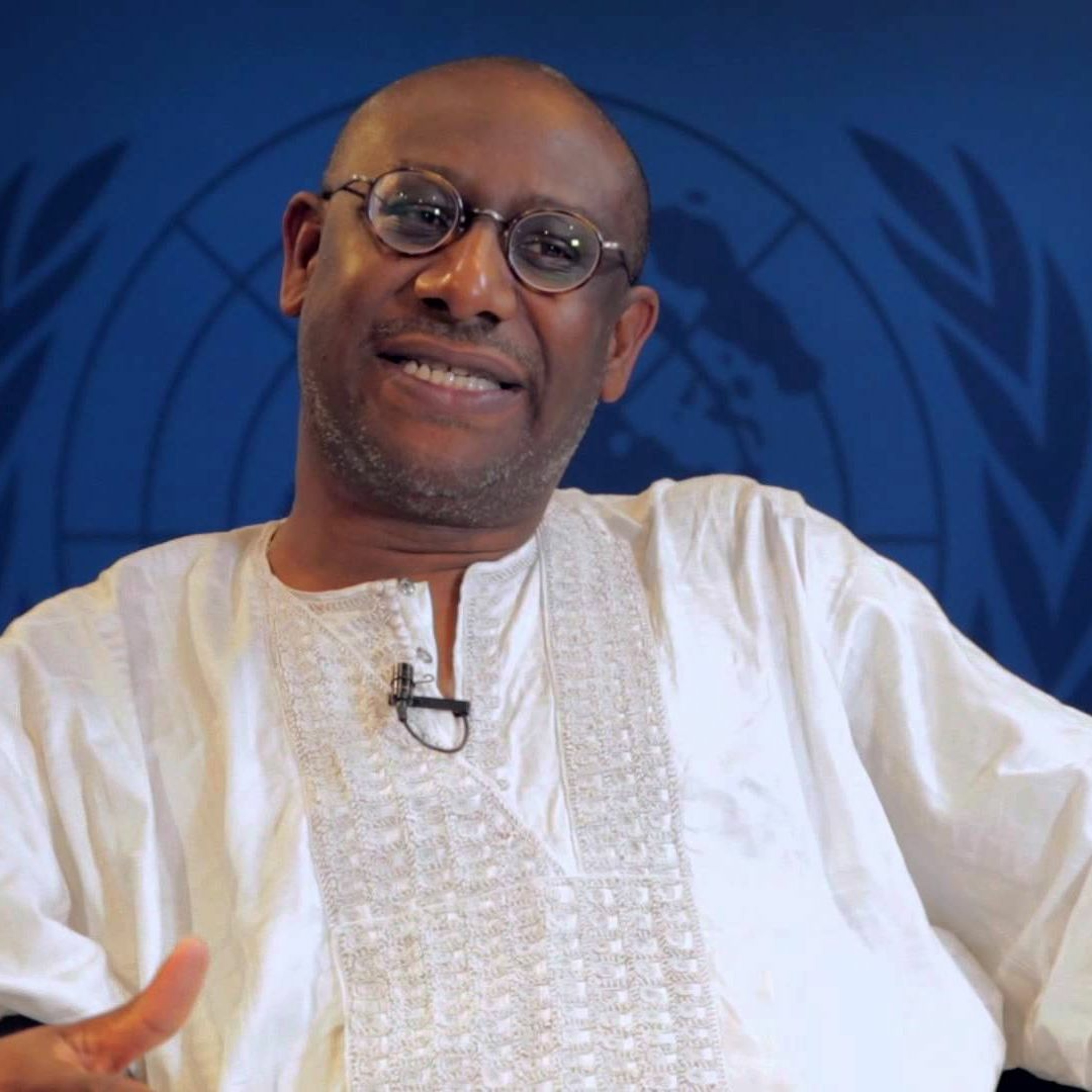
CISD: Interview with Adekeye Adebajo, UN @ 70
Adekeye Adebado, Director of the Center for Conflict Resolution in Cape Town, discusses the challenges at the UN at 70 and its relationship to the Global South.
CISD: Lecture, UN @ 70
Our panel discussion commemorates a momentous occasion, the 70th anniversary of the United Nations on Friday, 23rd October, the eve of “UN Day” that marks the entry into force of the Charter. Does multilateralism, the bedrock of the world organisation, matter in today’s increasing fragmenting world? Why did it matter in 1942-45? Was the post-World War Two global order truly multilateral? In particular, what presence did the global ‘South’ have in crafting it? Our panellists are Valerie Amos, Director of SOAS and long associated with the UN and international development, Winnie Byanyima, Executive Director of Oxfam International, and Thomas Weiss, one of the most eminent scholars of international relations and the politics of the UN. They will discuss and debate the UN’s role in providing the global ‘South’ an adequate platform for creating a multilateral world order in which their collective voice has been recognised—both in 1945 and in 2015. The event will be introduced by Dan Plesch, Director of CISD, and Natalie Samarasinghe, Executive Director of United Nations Association UK, and chaired by the former senior UK diplomat Sir Jeremy Greenstock, best known for his chairmanship of the UN Association in the UK and extensive experience in international politics.
Workshop UN @ 70 Podcast1 Final
In a global order that seems more volatile and uncertain than ever, multilateralism is often considered as mere fancy. That multilateralism matters, however, is not an argument that needs to be made, but too often its existence and even the need for it tends to get subsumed in more mainstream discourses of Realpolitik. Our workshop follows the panel discussion on Saturday, 24th October, and is based on the extensive new research of our participants. Despite concerns of ‘Southern’ hostility towards the West, aspirations for liberal multilateralism existed in 1945 and exist even in the fractured contemporary global order. In other words, multilateralism does indeed matter. The revised papers from the workshop will appear as a special issue of the Third World Quarterly in 2016.
Workshop UN @ 70 Podcast2 Final
In a global order that seems more volatile and uncertain than ever, multilateralism is often considered as mere fancy. That multilateralism matters, however, is not an argument that needs to be made, but too often its existence and even the need for it tends to get subsumed in more mainstream discourses of Realpolitik. Our workshop follows the panel discussion on Saturday, 24th October, and is based on the extensive new research of our participants. Despite concerns of ‘Southern’ hostility towards the West, aspirations for liberal multilateralism existed in 1945 and exist even in the fractured contemporary global order. In other words, multilateralism does indeed matter. The revised papers from the workshop will appear as a special issue of the Third World Quarterly in 2016.
Behind the Music with Reem Kelani
Reem Kelani joins Alexa from Behind the Music at SOAS Radio, in advance of her upcoming performance at the London Jazz Festival this weekend. She brings a wonderful array of music, and takes us on a journey, from Beirut through to the US, even bringing us a special track of her own that will be released on her new album next year. Come join us!
Whirldfuzzz #6
Sheila Divine and Tallulah Magoo are back with their favourite fuzzzy tracks. Music from Peru, Burkina Faso, Nepal, Japan and much moreeeee. The Slab of Filth returns alongside new features: Felix Montpelier's ten minute power hour and our slice of heaven. ENJOY FUZZZLINGS x
The Student Union Lecture Series 3: The Legacies of Slavery in Britain
The history of British slavery, although superficially acknowledged from time to time, has been largely concealed. Indeed, few acts of political and historical forgetting could be described as thorough or as effective as the erasure of slavery from the "British story". The compensation of Britain’s 46,000 slave-owners was the largest bailout in British history until the bailout of the banks in 2009. Not only did the enslaved receive nothing, but they effectively paid part of the bill for their own manumission. "Legacies of British Slave-ownership" is the umbrella for two unprecedented projects based at University College London (UCL) tracing the impact of slave-ownership on the formation of modern Britain. At the same time, questions are raised surrounding the enslaved themselves, their stories, and their legacies. As the project notes, the role played by the British crown, state, families and individuals in the slave trade, slave-ownership and the wider slavery business has been largely written out of British history. Rather, British involvement in slavery is most commonly viewed through the lens of the abolitions of the slave trade (1807) and slavery (1834). Thus the wealth, social standing and political clout gained by involvement in the slavery business has been greatly underestimated. This research is part of the wider work being done by many others to rebalance the British national narrative, by reinserting slavery and its legacies into it. Kristy Warren, a research associate at the project, will deliver a talk on the process of the project itself and its significance, its continuation into the next phase, its engagement with young people through outreach work in Hackney, and the political and historical significance of British colonial slavery, uncovering a scale and depth which has not been fully appreciated until now.
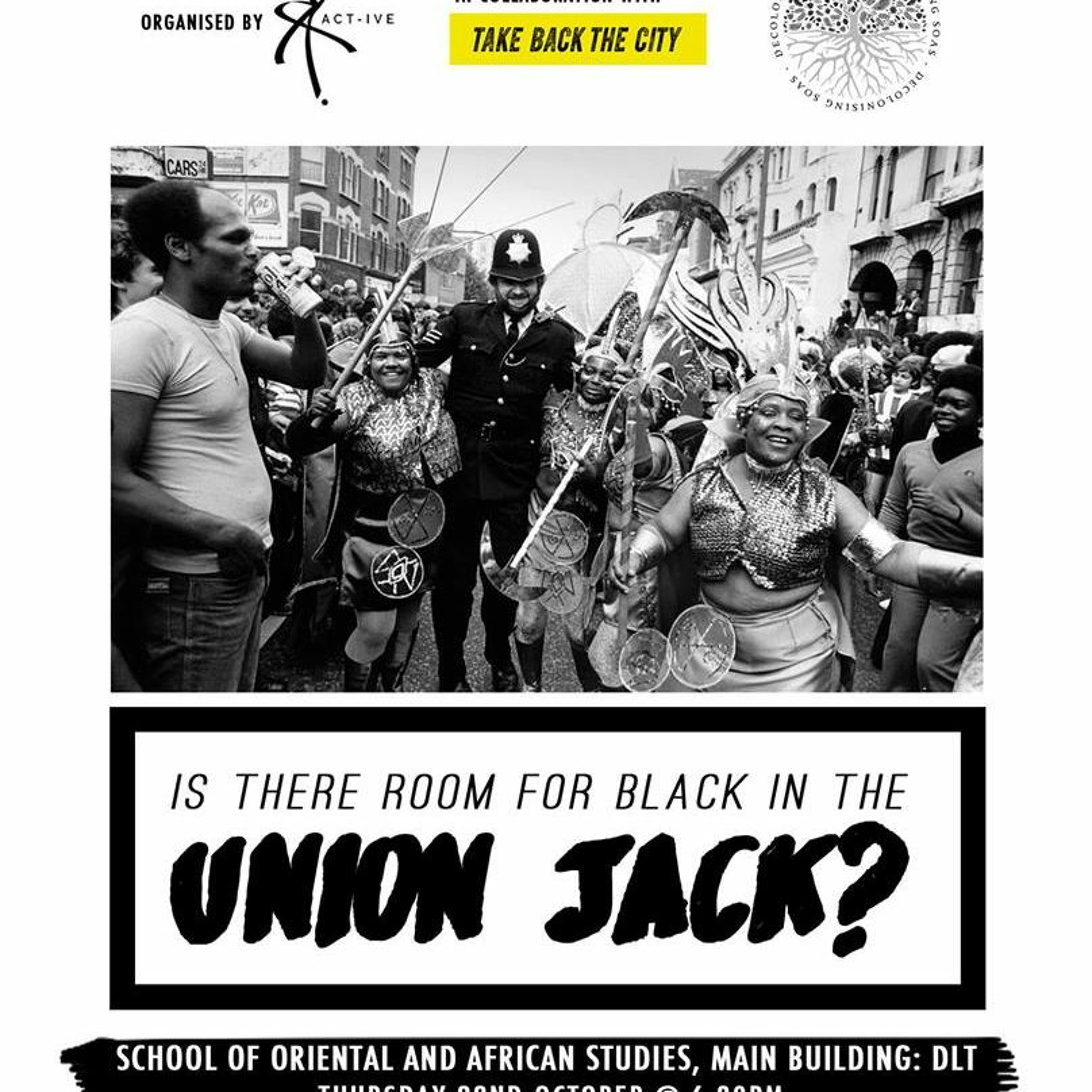
The Student Union Lecture Series 4: Is There Room for Black On Union Jack?
The Student Union Lecture Series 4: Is There Room for Black in the Union Jack? Britain has seen a complicated relationship with race. The Industrial Revolution saw Britain’s industries and economy grow exponentially, almost totally a direct result from its colonial and imperial (mis)dealings. It had taken part in both World Wars, recruiting thousands from the colonies to fight in the armed forces. Britain has therefore been a truly 'global' nation with cities like London built almost entirely out of the colonial moment. In the 1970s and 80s, post-colonial migrants from across the empire then began to define as ‘black’ as a term of solidarity to confront racism in the UK. However, ‘political blackness’ has become contentious, as solidarities have arguably broken down. So what does black mean now? London – the heart of the empire – looks very different today. It has redefined itself as the ‘post-race’ and ‘superdiverse’ melting pot, despite black communities being quickly gentrified and displaced. With all this in mind, we ask what/who is black and Is There Room for Black in the Union Jack? Panellists: Joshua Virasami is a musician, writer, waiter and member of Black Dissidents. Black Dissidents are a UK based group of militant black and brown activists, organising for liberation by any and all means necessary. Fatuma Khaireh is a poet and playwright, she is part of OOMK Zine a biannual publication centring activism, art and faith of non-white women and muslim women. Kevin Bismark Cobham is a criminal defence lawyer who also defines himself as a movement lawyer, pan-Africanist and community activist and is from London. He also is a member of London Campaign Against Police and State Violence, a family-led campaign against all forms of police and state brutality against communities in South London and beyond. Activist and blogger Zahra Dalilah is a South London native and a long time nomad. Her experiences of the African diaspora are shaped by her both her studies and her travels and has recently been proactively in exploring ideas on race and racism and why these issues are so reluctantly explored in mainstream discourse. She is currently an active member of Take Back The City.
Interview with South African film director Mpumelelo Mcata
Mpumelelo Mcata and Anna Teeman, director and producer of Black President, a documentary feature on exiled Zimbabwean artist Kudzanai Chiurai's work and philosophy, join Helen Reid in the studio to discuss the film, politics and art in South Africa and the #FeesMustFall movement. Featuring music from Mpumi's experimental rock band BLK JKS. Watch Black President, part of Film Africa festival, this Wednesday 04/11/15 at Hackney Picturehouse. Mpumi will do a Q&A after the screening.

Behind the Music - Interview with Dom La Nena
In this Behind the Music special, Lizzie talks to Brazilian-French singer-songwriter Dom La Nena, about her newly released album 'SOYO' and her musical influences.
The Future of International Criminal Justice: Leslie Vinjamuri interviews Ambassador Stephen Rapp
Stephen Rapp, Ambassador-at-Large for War Crimes Issues in the Office of Global Criminal Justice at the U.S. Department of State 2009-2015 talks with Dr. Leslie Vinjamuri, Co-Director, Centre for the International Politics of Conflict, Rights and Justice at SOAS about international justice in Sierra Leone, peace vs. justice in Syria, the US relationship with the International Criminal Court, and the Future of International Criminal Justice.
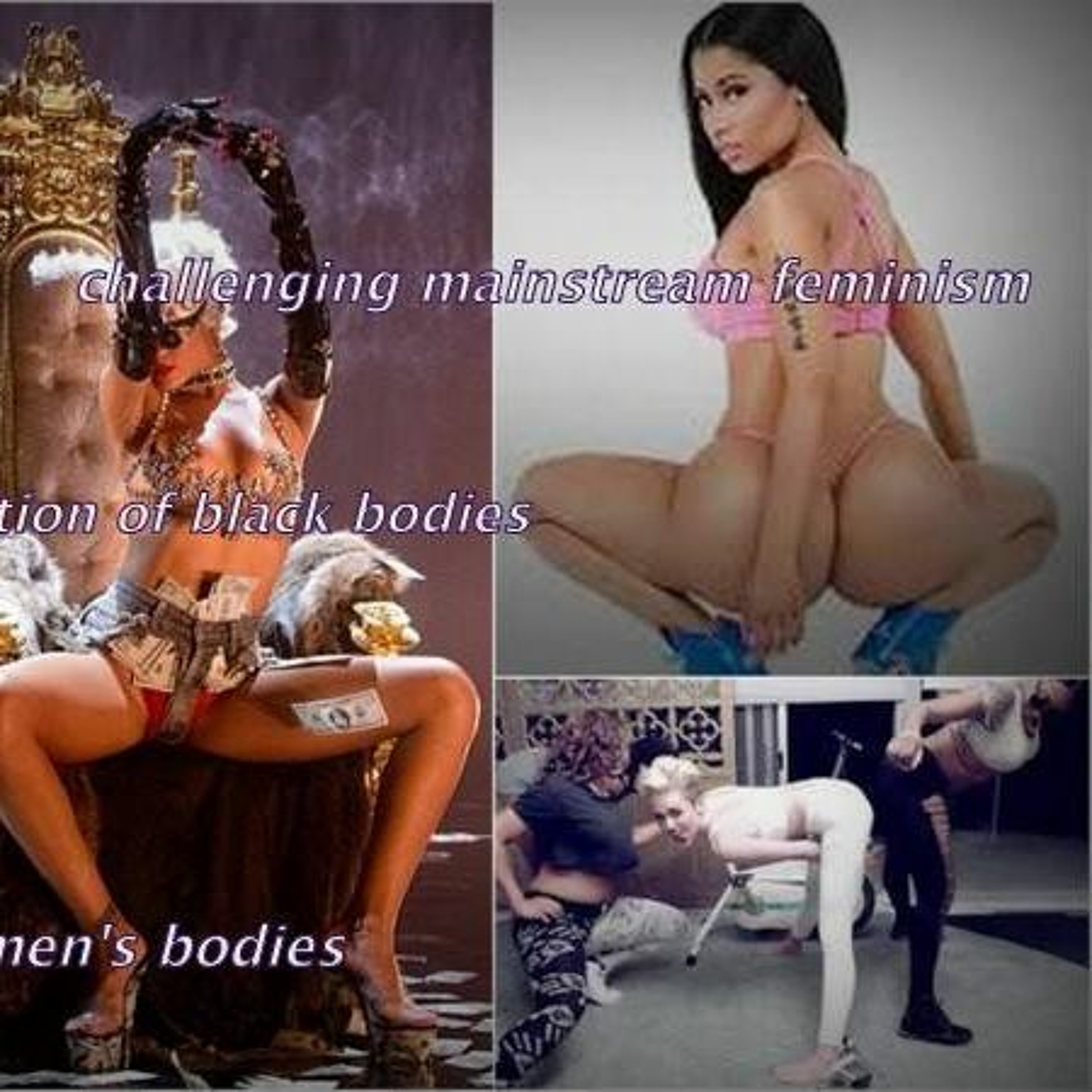
The Student Union Lecture Series 2: Twerking as an act of resistance
During Black History Month 2015, SOAS Women’s network and SOAS BME network hosted a talk on twerking. Apart from discussing twerking as an act of resistance, other themes were discussed critically such as cultural appropriation, occupation of black bodies, black femininity in relation to white femininity, autonomy, white supremacy, spaces, body positivity, self-love, twerking as a space to stop resisting, twerking as an act of defiance against the sexualisation of aspects of African culture, twerking as a low-art , twerking as reclamation and empowerment etc. The featured panelists in the order of speaking: Sarah Nwafor: the current NUS Mature and Part-Time Students' representative and a member of NUS Black Sabbs Executive Committee Kelechi aka ‘Cocoa: a Personal Trainer, Twerk instructor and Pole Dance instructor Siana Bangura: a poet and the editor of Black Feminist platform No Fly on the WALL Prisca Vungbo: Events Coordinator, Ain't I a woman collective Ama Josephine Budge: Writer/Curator/Artist, HYSTERIA Collective