Sinocism Podcast
27 episodes
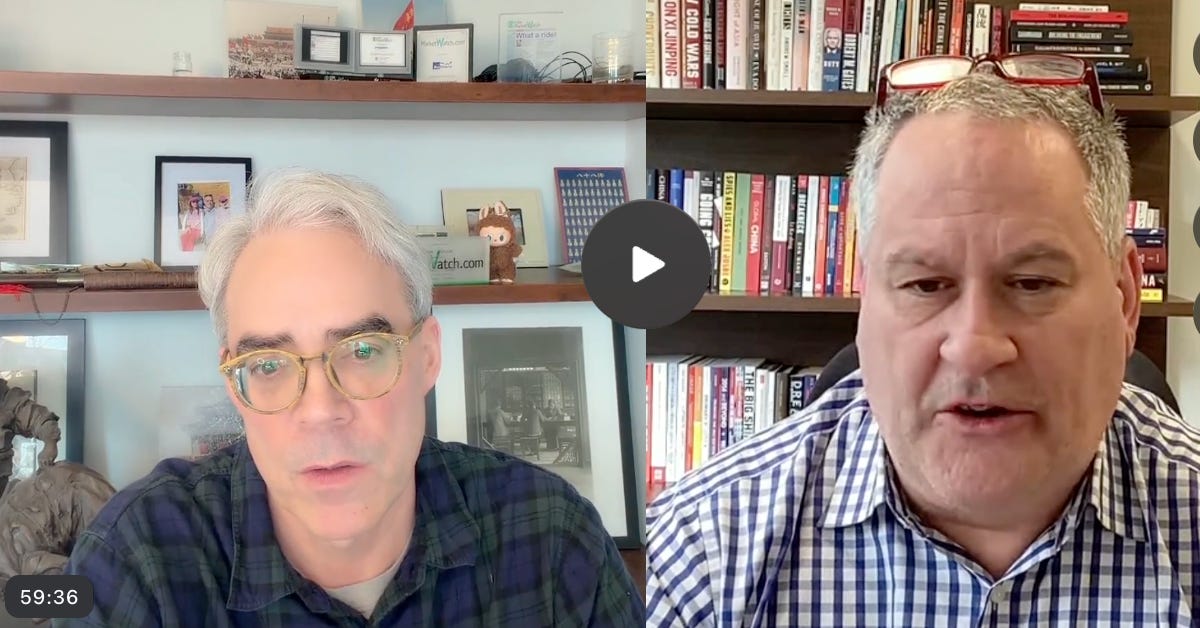
Sinocism live on US-China relations with the FT’s Demetri Sevastopulo
This a recording of a March 17 live conversation I had with Demetri Sevastopulo, US-China correspondent for the Financial Times. You can read all his recent FT stories here, and subscribe to him on Substack @ Demetri SevastopuloWe had a fascinating conversation about US-China relations, now and in Trump’s first term, when he was Washington Bureau Chief, for the FT, Trump’s delayed China trip and why it may be delayed longer than 5-6 weeks, Taiwan, and the visit later this week to Washington by Japanese Prime Minister Takaichi.Thank you to Demetri and everyone who tuned in live, and apologies for the brief technical glitch at the start. This is a public episode. If you'd like to discuss this with other subscribers or get access to bonus episodes, visit sinocism.com/subscribe
LIVE with Bill Bishop: The world order is shifting — and China is moving fast to shape it.
Thank you Inês Carrières, LeftieProf, scott murphy, Andrew Polk, Dan Houghton, and many others for tuning into my live video with Tara Palmeri! This is a public episode. If you'd like to discuss this with other subscribers or get access to bonus episodes, visit sinocism.com/subscribe
The Zhang Youxia case - Sinocism Live with Bill Bishop and Drew Thompson
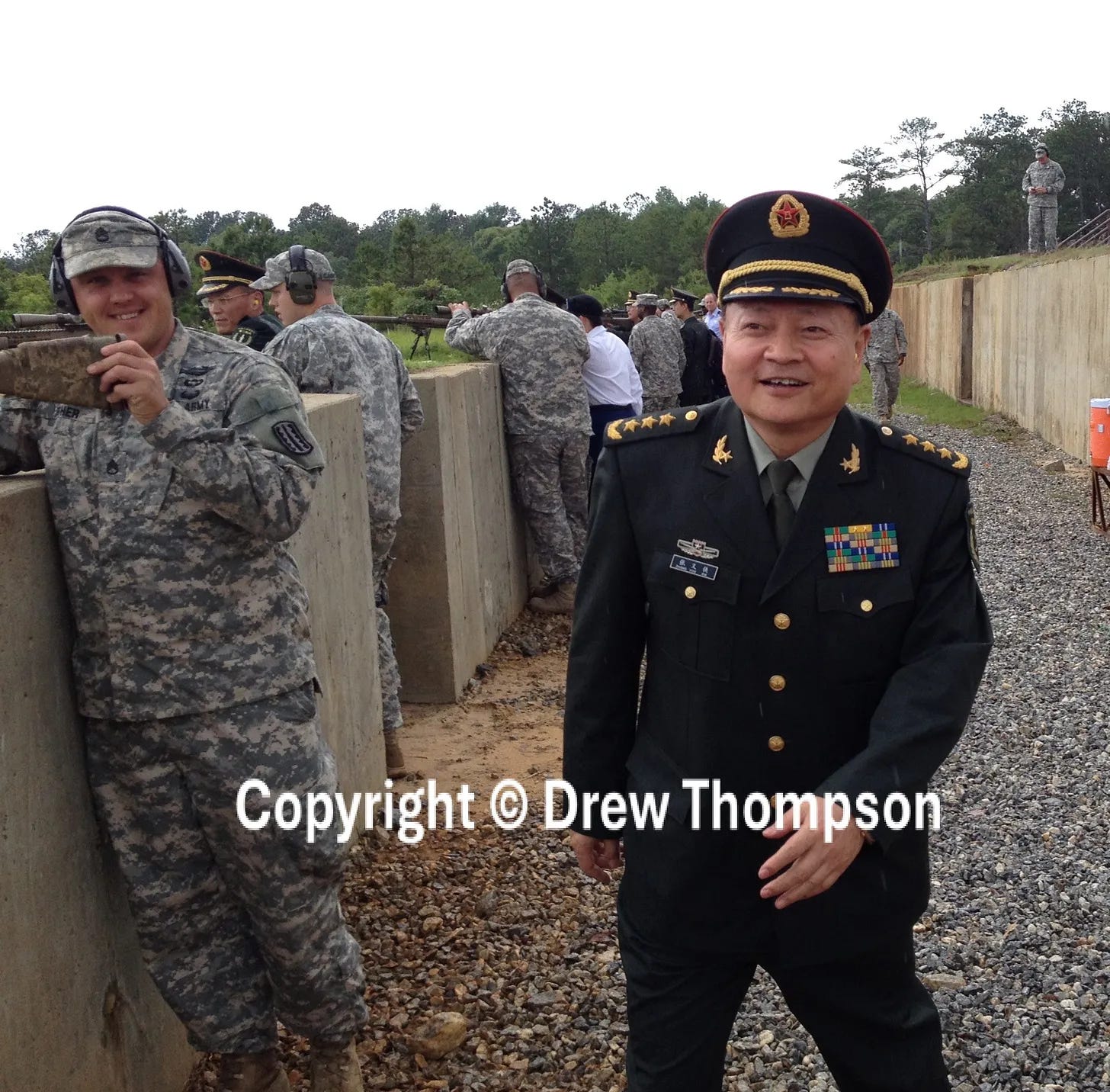
Thanks everyone who tuned into my live video with Drew Thompson. Drew is now based in Singapore as a Senior Fellow at the S. Rajaratnam School of International Studies (RSIS) at Nanyang Technological University.From 2011-2018 he was the Director for China, Taiwan and Mongolia in the Office of the Secretary of Defense. In 2012 he planned and organized a visit to the US of a delegation led by then-Defense Minister General Liang Guanglie. Zhang Youxia was part of the delegation.We had a great discussion about his personal experience shepherding Zhang Youxia around the US many years ago, his work on US-China military-to-military relations, and the disappearance in 2023 of South China Morning Post reporter Minnie Chan.Drew wrote about his experience with Zhang in the excellent The demise of Zhang Youxia hits different. You can and should subscribe to him @ Drew ThompsonThanks. This is a public episode. If you'd like to discuss this with other subscribers or get access to bonus episodes, visit sinocism.com/subscribe
Sinocism Live: Beijing’s strategy to remake global security
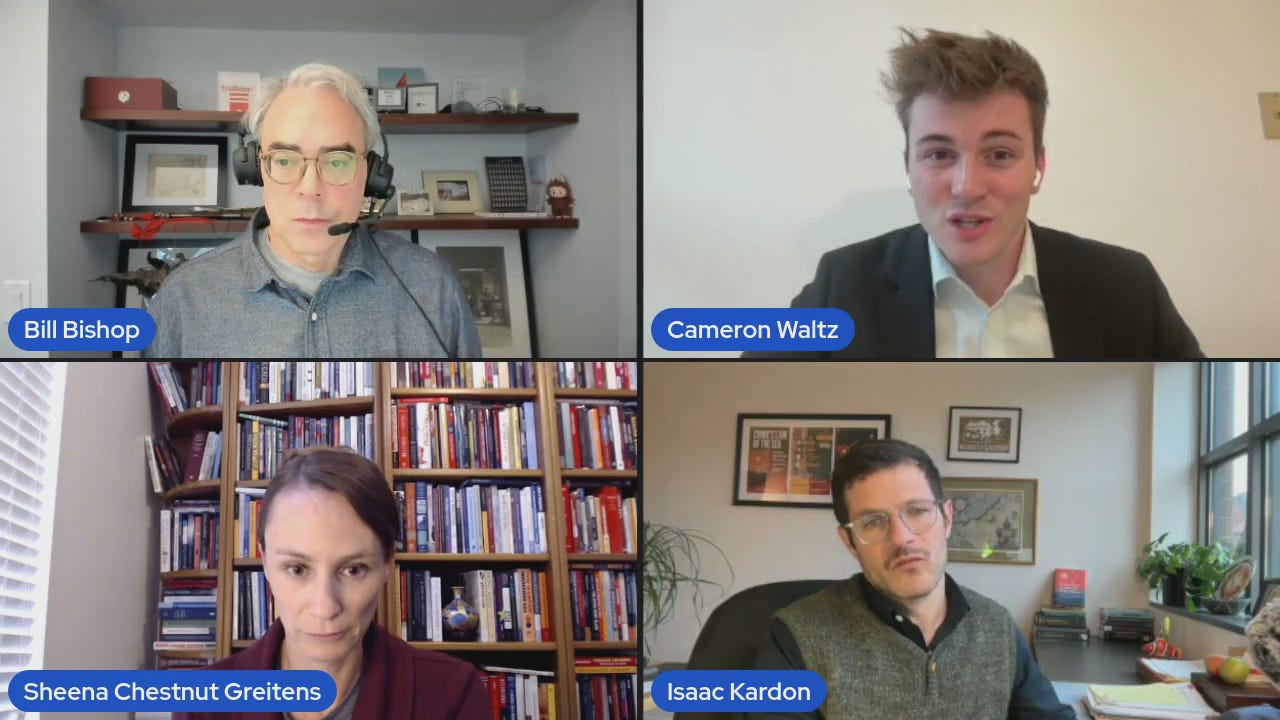
This is a recording of my November 20, 2025 discussion with Sheena Chestnut Greitens ( Sheena Chestnut Greitens), Isaac B. Kardon (CHINA: Threat or Menace on Substack), and Cameron Waltz about their excellent and important new paper China’s Foreign Police Training: A Global Footprint - Carnegie Endowment for International Peace.I learned a lot from the paper and the conversation, and we had a good discussion at the end about whether or not China is using this security cooperation and training to export its governance model.From the summary of the paper:Global outreach by China’s internal security agencies is expanding. As China’s Global Security Initiative externalizes a concept of security focused on domestic stability and regime protection, the People’s Republic of China (PRC) has increased its efforts to train and build capacity among foreign law enforcement and internal security forces around the world, including across Asia, Africa, and Latin America. Foreign police training is one of the most concrete and measurable outcomes associated with the Global Security Initiative, as President Xi Jinping and other Chinese leaders have publicly committed to training thousands of foreign security officers in multiple high-profile appearances.This paper examines China’s foreign police, security, and paramilitary training from 2000 to 2025. It draws on an original new dataset of nearly 900 trainings provided to at least 138 countries and places these trainings in the wider context of Chinese soft power, foreign policy objectives and projects such as the Global Security Initiative, broader patterns of Chinese security engagement, and Beijing’s narratives about China’s role as a global security provider.You can read the whole paper here.Earlier this year they published A New World Cop on the Beat? China’s Internal Security Outreach Under the Global Security Initiative.If you prefer to consume the Sinocism Live episodes as a podcast, please add this URL to the podcast player of your choice:https://api.substack.com/feed/podcast/2/s/7556.rssYou can also listen to it in the app:Thanks for watching/listening. This is a public episode. If you'd like to discuss this with other subscribers or get access to bonus episodes, visit sinocism.com/subscribe
Sinocism Live: Understanding China's Exam-centric Education System
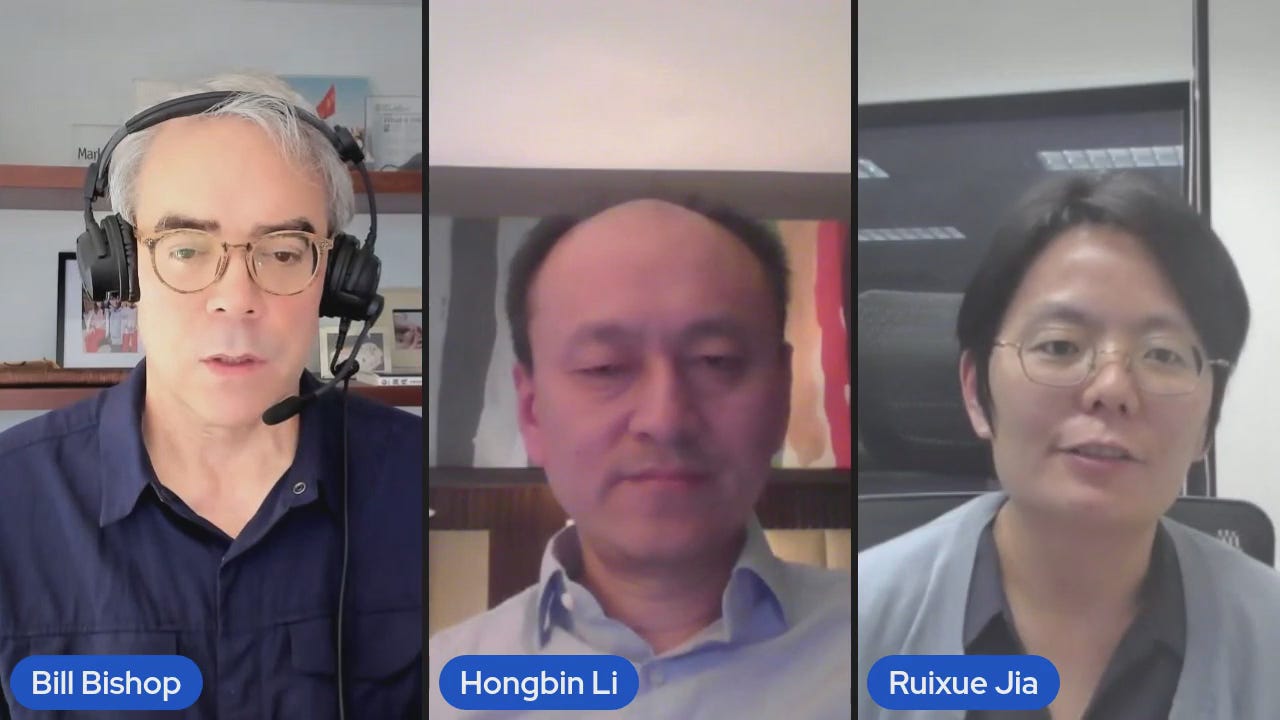
This is a recording of my October 31, 2025 discussion with Ruixue Jia and Hongbin Li about their excellent and important new book The Highest Exam - How the Gaokao Shapes China.From a synopsis of the book:In The Highest Exam, authors Ruixue Jia, Hongbin Li, and Claire Cousineau present a sweeping, data-rich account of China’s exam-centered education system — a “centralized, hierarchical tournament” culminating in the Gaokao, a grueling three-day college entrance exam. Drawing on decades of empirical research and lived experience, Jia and Li — both leading economists who took the Gaokao and later taught at top universities in Beijing, Hong Kong, and the U.S. — reveal how this state-managed system shapes education, labor markets, political legitimacy, and social values.You can buy the book here: The Highest Exam - How the Gaokao Shapes China. It is well-written and priced like a normal book, not an academic one. You can not understand China without understanding the Gaokao system, so this is an important and very useful book.If you prefer to consume the Sinocism Live episodes as a podcast, please add this URL to the podcast player of your choice:https://api.substack.com/feed/podcast/2/s/7556.rssYou can also listen to it in the app:Thanks for watching/listening. This is a public episode. If you'd like to discuss this with other subscribers or get access to bonus episodes, visit sinocism.com/subscribe
Sinocism Live: Rush Doshi on the Trump-Xi meeting and US-China Relations
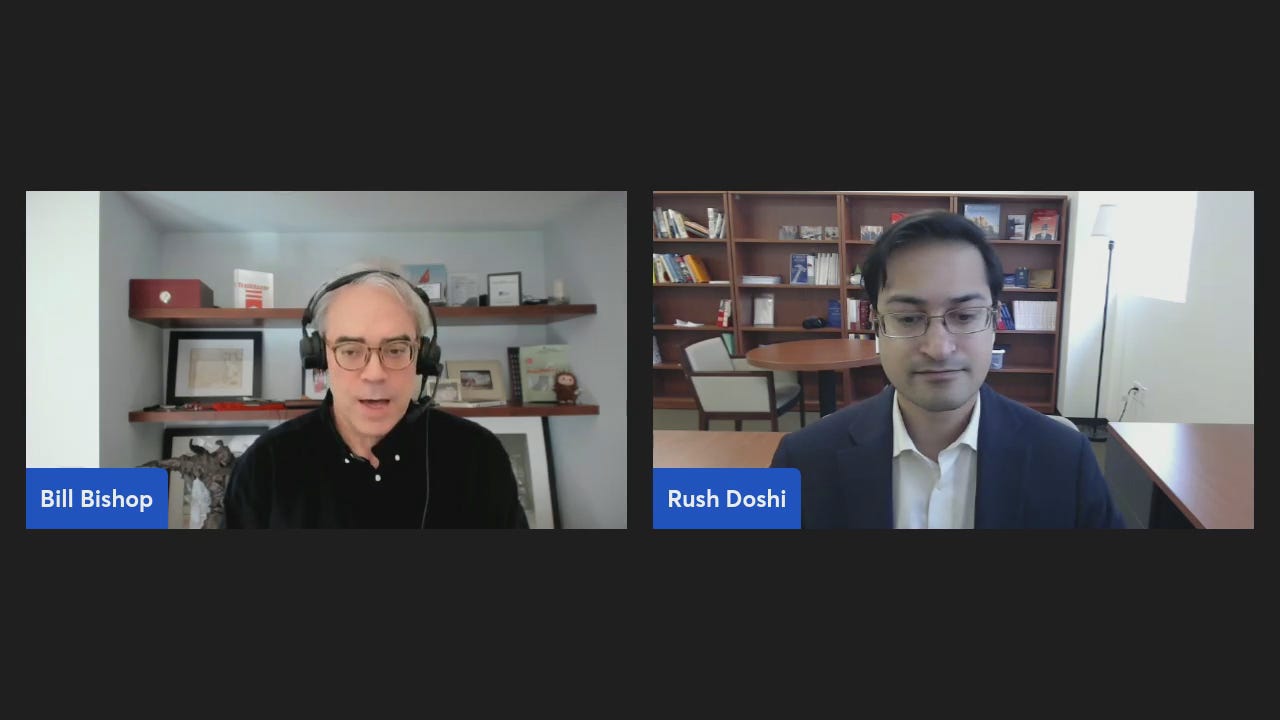
This is a recording of my October 30, 2025 conversation with Rush Doshi, the C.V. Starr senior fellow for Asia studies and director of the China Strategy Initiative at the Council on Foreign Relations (CFR) and an assistant professor in Georgetown’s School of Foreign Service.Rush Doshi was deputy senior director for China and Taiwan on President Joe Biden’s National Security Council (NSC), where he served from 2021 to 2024 and helped manage the NSC’s first China directorate.During his time in the Biden Administration he worked on multiple Biden-Xi engagements, so I thought he would be a great guest to help us parse through the Trump-Xi meeting in South Korea and what it means for US-China relations. He did not disappoint.Rush is about to launch a new Substack called “The Great Changes 大变局. You can and should subscribe to it here.You can catch up with many of Rush’s recent writings and podcast appearances here on his CFR page.Thanks for watching/listening. This is a public episode. If you'd like to discuss this with other subscribers or get access to bonus episodes, visit sinocism.com/subscribe
Sinocism Live: The Fourth Plenum and US-China relations with Chris Johnson
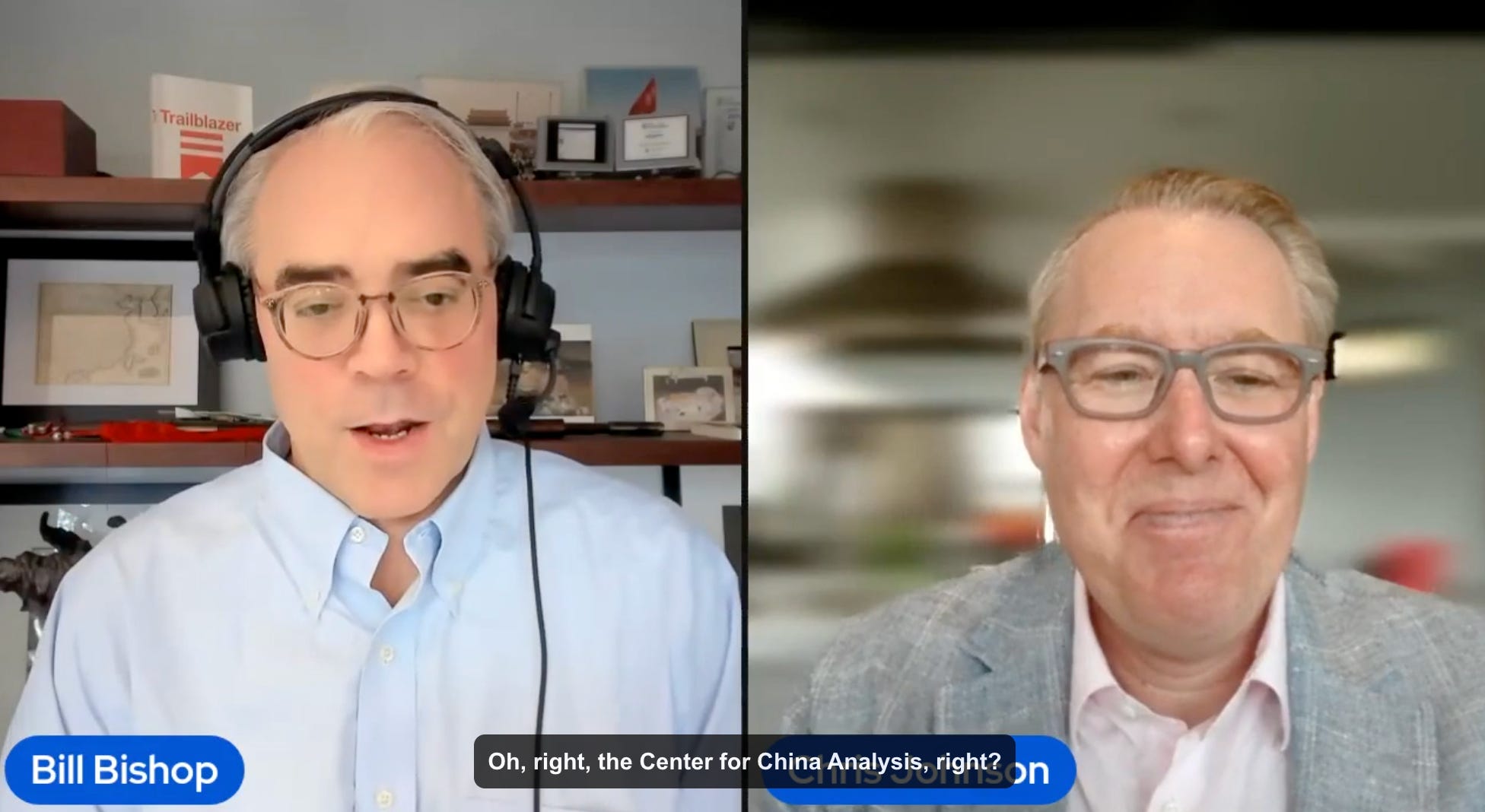
This is a recording of my October 24, 2025 conversation with Chris Johnson, CEO of China Strategies Group and a former top China analyst at the CIA, about the recently concluded Fourth Plenum, and specifically the ongoing purges in the PLA, and US-China relations ahead of next week’s Trump-Xi meeting in South Korea.Chris wrote a guest piece for Sinocism earlier this week on Xi and succession - Forever Xi Jinping? Perhaps Not.If you prefer to consume the Sinocism Live episodes as a podcast, please add this URL to the podcast player of your choice:https://api.substack.com/feed/podcast/2/s/7556.rssYou can also listen to it in the app:Thanks for watching/listening. This is a public episode. If you'd like to discuss this with other subscribers or get access to bonus episodes, visit sinocism.com/subscribe
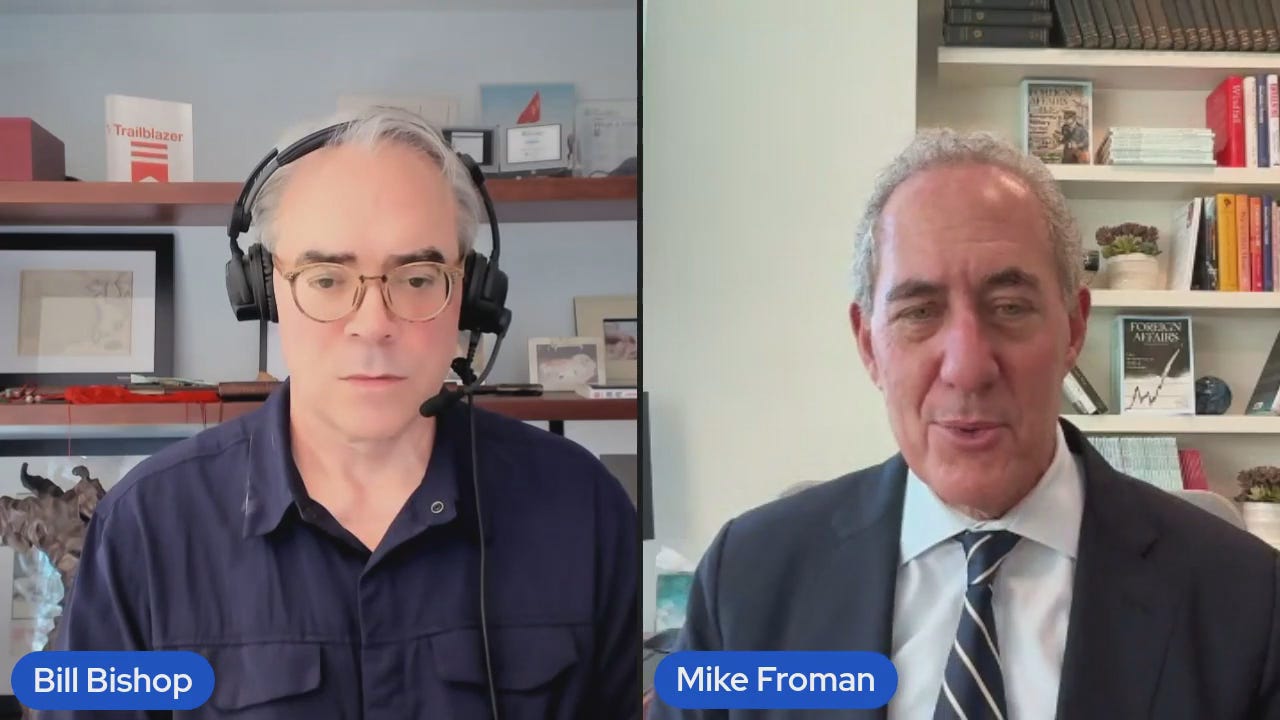
Sinocism Live: Council on Foreign Relations President Michael Froman on the US-China trade war
This is a recording of my October 16, 2025 conversation with Ambassador Mike Froman Mike Froman about recent developments in the US-China trade war and US-China relations in general. I learned a lot from this conversation and I think you will as well.Ambassador Froman is president of the Council on Foreign Relations (CFR), and has had a distinguished career in the private sector and in public service, including as the head of USTR from June 2013 to January 2017. He now writes a weekly newsletter called The World This Week, to which I encourage everyone to subscribe. We also discussed some of his recent writings, including:After the Trade War: Remaking Rules From the Ruins of the Rules-Based System - Foreign AffairsChina Has Already Remade the International System - Foreign AffairsChina, the United States, and the AI Race | Council on Foreign RelationsThanks to everyone who watched our chat live. This is a public episode. If you'd like to discuss this with other subscribers or get access to bonus episodes, visit sinocism.com/subscribe
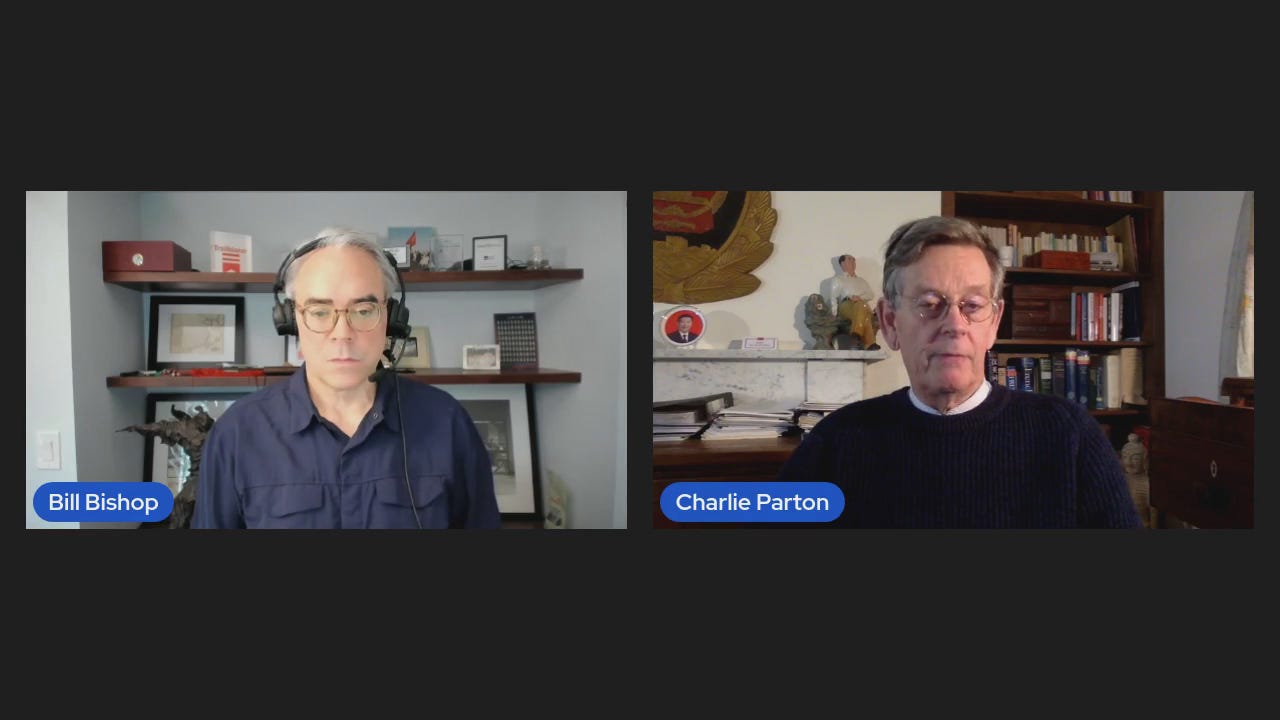
Sinocism Live: The UK-China spy scandal and UK-China relations with Charles Parton
This is a recording of my October 14, 2025 conversation with Charles Parton about the recent UK-China spy case and UK-China relations in general. Charles Parton OBE is the Chief Advisor to the China Observatory at the Council on Geostrategy. He spent 22 years of his 37 year diplomatic career working in or on China, Hong Kong and Taiwan. In his final posting he was seconded to the EU Delegation in Beijing, where, as First Counsellor until late 2016, he focussed on Chinese politics and internal developments, and advised the EU and Member States on how China’s politics might affect their interests.You can follow Charlie on Substack @ Charles Parton.Thanks to everyone who watched our chat live. This is a public episode. If you'd like to discuss this with other subscribers or get access to bonus episodes, visit sinocism.com/subscribe
Sinocism Live: Dispatches from China with Afra Wang and Jasmine Sun
Thanks everyone for tuning into my live video with afra Wang and Jasmine Sun. We had a great conversation about their recent trip to China, the differing views of AI in the US and China, and the ongoing narrative/vibe shift about China. I highly recommend their newsletters, and specifically the two essays that prompted this discussion:Afra Wang - Topology of "China AI"Jasmine Sun - America Against China Against America This is a public episode. If you'd like to discuss this with other subscribers or get access to bonus episodes, visit sinocism.com/subscribe
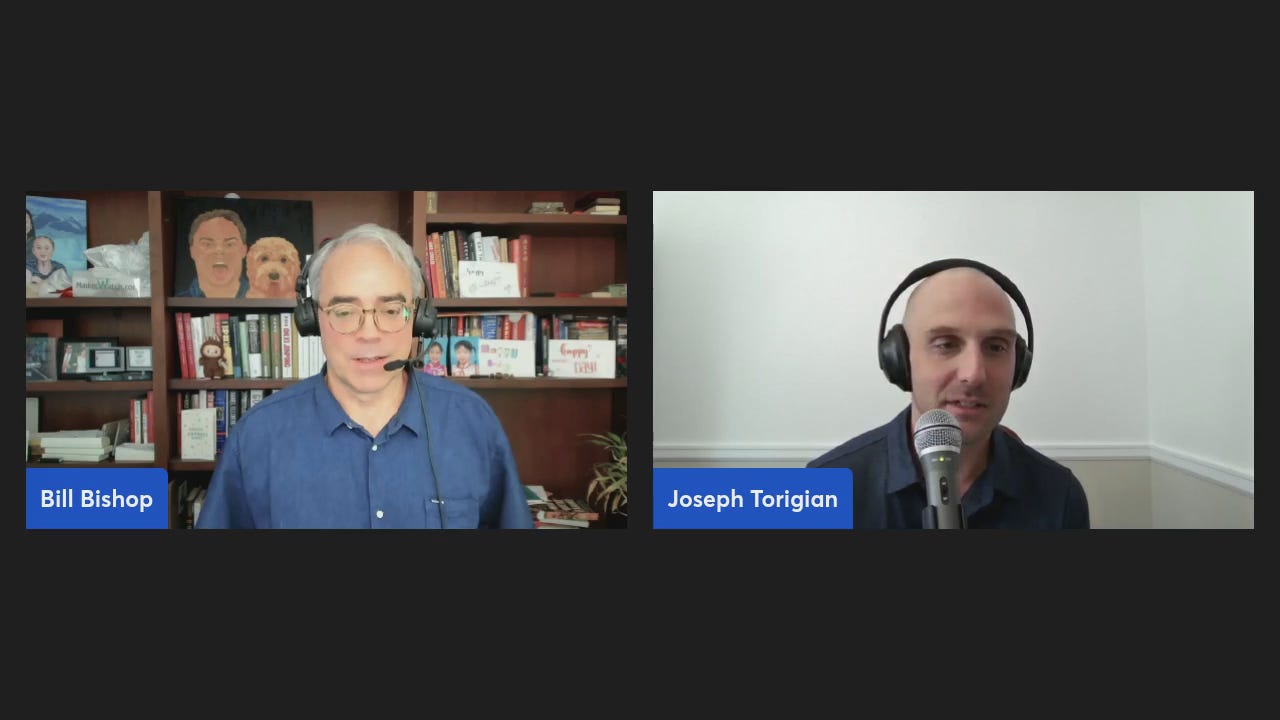
Joseph Torigian on Xi Zhongxun, Xi Jinping, Party History, and the 9.3 Parade
This is a recording from the September 4th live conversation I had with Professor Joseph Torigian about his excellent book on Xi Jinping’s father - The Party's Interests Come First - The Life of Xi Zhongxun, the importance of history to the Party, and to Xi Jinping, and how we might view the recent commemoration of the 80th anniversary of the “Victory in the Chinese People’s War of Resistance Against Japanese Aggression and the World Anti-Fascist War”. This is a public episode. If you'd like to discuss this with other subscribers or get access to bonus episodes, visit sinocism.com/subscribe
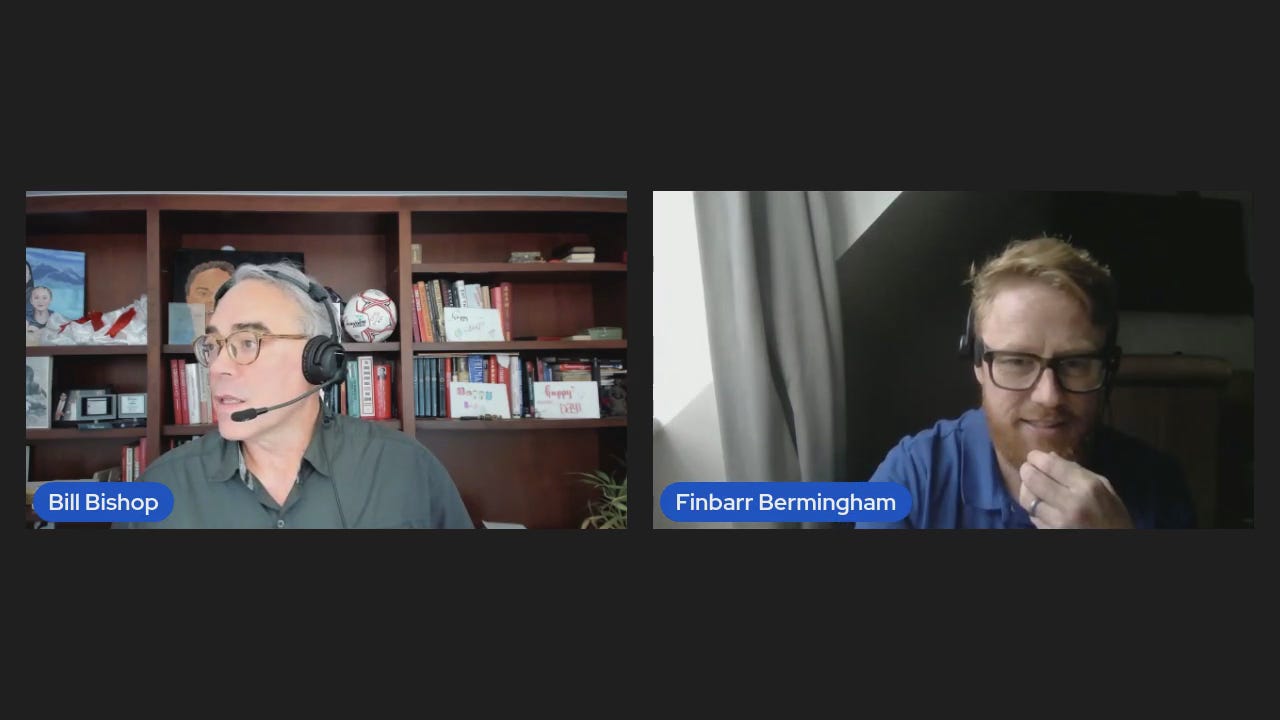
Sinocism Live: Previewing the EU-China Summit with Finbarr Bermingham
On July 22nd I spoke with Finbarr Bermingham, Brussels-based senior correspondent for the South China Morning Post whose beat includes EU-China relations. He has in a roll with scoops about EU-China relations, including China tells EU it does not want to see Russia lose its war in Ukraine earlier this month.He explains what to expect from the EU-China summit that convenes July 24th, and how EU-China relations have deteriorated over the last several months. Apologies, we had some technical difficulties at the start and briefly a few minutes in.He is active on Substack Notes Finbarr Bermingham This is a public episode. If you'd like to discuss this with other subscribers or get access to bonus episodes, visit sinocism.com/subscribe
All about the RMB with Robin Brooks
On Wednesday, July 3rd I hosted Robin J Brooks for a discussion about the RMB. Robin is a Senior Fellow at the Brookings Institution, and formerly Chief Economist at the IIF and Chief FX Strategist at Goldman Sachs. He writes an excellent and free Substack which I highly recommend.Some of Robin’s views may be controversial to some, especially his argument that the PRC has more leverage over the US in the trade war because it was the very slight devaluation of the RMB against the USD just after the April 2nd tariff “Liberation Day” that was the proximate cause of the US bond market going “yippy”, which ultimately forced President Trump to back down. We had a good back and forth on that topic.I learned a lot from the whole conversation and I think you will too. And if you enjoyed it please “like” it and restack it on Substack, and send to your friends and contacts. Thanks for watching. This is a public episode. If you'd like to discuss this with other subscribers or get access to bonus episodes, visit sinocism.com/subscribe

The China video game market with Niko Partners
On Wednesday June 25th I hosted a discussion with Lisa Hanson and Daniel Ahmad of Niko Partners about the China video game market and how Chinese game firms are going global This is a public episode. If you'd like to discuss this with other subscribers or get access to bonus episodes, visit sinocism.com/subscribe
Live with Bill Bishop and Tu Le on China EVs
Thanks to everyone who joined the live discussion today.This is a recording of a June 9th, 2025 Sinocism Live conversation with Tu Le, Founder and Managing Director of Sino Auto Insights.We had a wide-ranging conversation about the state of the EV market in China, the recent BYD price cuts,Tesla’s China prospects, autonomous driving and the prospects for legacy car makers globally.If you are interested in EVs, China and globally, you should sign up for the free weekly Sino Auto Insights newsletter.Thanks. This is a public episode. If you'd like to discuss this with other subscribers or get access to bonus episodes, visit sinocism.com/subscribe
WTF2.0: Bill Bishop
I joined Jonathan V. Last on his show at The Bulwark to chat about China and the Trump Administration. This is a public episode. If you'd like to discuss this with other subscribers or get access to bonus episodes, visit sinocism.com/subscribe
Sinocism Live: A chat with Jon Czin about US-China, Xi Jinping & some other fun topics
Thanks to everyone who joined the live discussion tonight.This is a recording of a March 20th, 2025 Sinocism Live conversation with Jonathan Czin, now the Michael H. Armacost Chair in Foreign Policy Studies at the Brookings Institution, and before that was for many years at the CIA as one of the US intelligence community’s top China experts. He was director for China at the National Security Council from 2021 to 2023, where he staffed all of President Biden’s interactions with President Xi.I learned a lot from Jonathan Czin in this conversation and I think you will too. His recent work:What Beijing wants from a US-China trade war - BrookingsBurying Deng: Xi Jinping and the Abnormalization of Chinese Politics - China Leadership MonitorThoughts on the political demise of Miao Hua - BrookingsAbetting competition, restraining Beijing: Recommendations for diplomacy toward China - BrookingsAnd his bio:Jonathan A. Czin is joining the Brookings Institution as the Michael H. Armacost Chair in Foreign Policy Studies and a fellow in the John L. Thornton China Center. He is a former member of the Senior Analytic Service at CIA, where he was one of the intelligence community’s top China experts.Czin led the intelligence community’s analysis of Chinese politics and policymaking, playing a central role in assessing and briefing senior policymakers on President Xi Jinping, his rise to power, and decisionmaking on an array of key issues and crises. From 2021 till 2023, he was director for China at the National Security Council, where he advised on, staffed, and coordinated White House and inter-agency diplomacy with the People’s Republic of China, including all of President Biden’s interactions with President Xi, and played a leading role in addressing a wide range of global China issues.He also served as advisor for Asia-Pacific security affairs in the Office of the Secretary of Defense, and overseas at a CIA field station in Southeast Asia. Czin holds a master’s in international relations from Yale University, graduated magna cum laude from Haverford College, and studied at Oxford University. He is proficient in Mandarin Chinese. This is a public episode. If you'd like to discuss this with other subscribers or get access to bonus episodes, visit sinocism.com/subscribe

Chris and Bill talk TikTok ban and US-China under Trump
I had a good conversation this afternoon with Chris Cillizza about what may happen in the next few hours with TikTok Us, and how President-elect may try to undo the ban. we also chatted a bit about what US-China relations may look like in the Trump 2.0 Era.Join me for my next live video in the app. This is a public episode. If you'd like to discuss this with other subscribers or get access to bonus episodes, visit sinocism.com/subscribe
Substack Election Dialogues: China and the US election
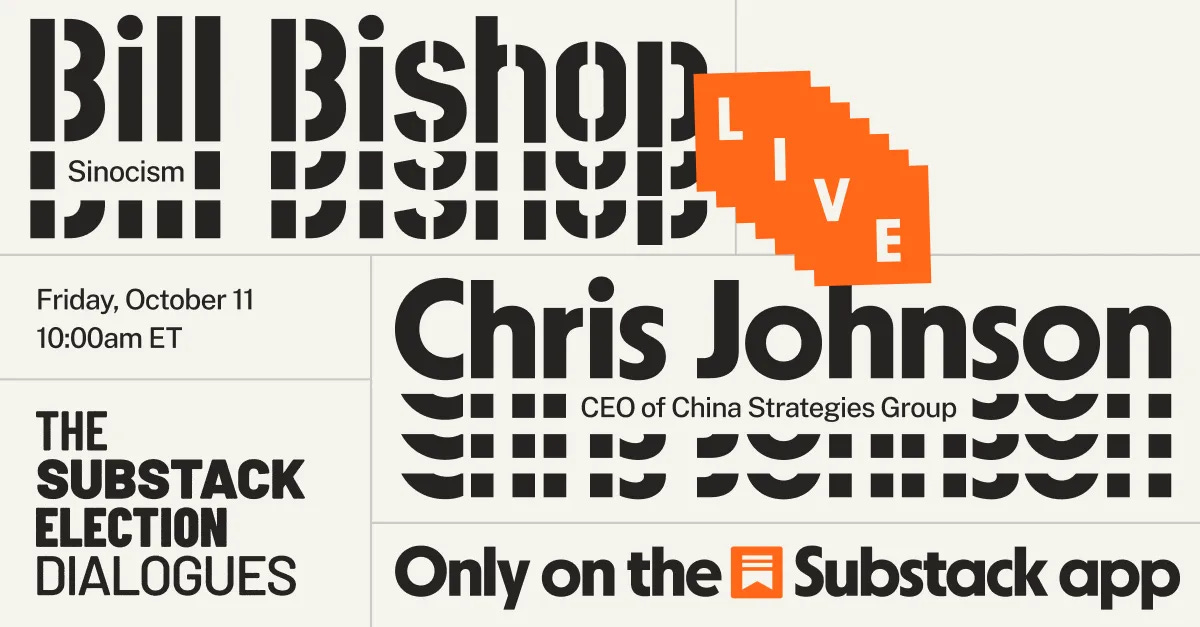
Thanks to everyone who tuned in live to my Friday discussion with Christopher Johnson on China and the US election. Our talk was part of the ongoing Substack Election Dialogues. Chris is President and CEO of China Strategies Group. He served for nearly two decades in the United States Government’s intelligence and foreign affairs communities. In addition to his work advising multinational corporations on their business and commercial strategies in China and greater East Asia, his insights on the Chinese leadership and on Beijing’s economic, commercial, foreign and security policies are regularly sought by senior Administration, Congressional, military, and foreign government officials. Chris also serves as a Senior Fellow on Chinese Politics at the Asia Society Policy Institute's Center for China Analysis.The live videos are first available in the Substack app, and that is also where you can find me most days on Notes and in the Sinocism chat:I hope you enjoy this discussion, let me know if you think I should do more.Thanks This is a public episode. If you'd like to discuss this with other subscribers or get access to bonus episodes, visit sinocism.com/subscribe

Sinocism Podcast: Tu Le of Sino Auto Insights on the rise of the China vehicle industry
In this episode of the Sinocism Podcast Bill speaks with Tu Le, Founder and Managing Director of Sino Auto Insights. Tu recently attended the Shanghai Auto Show. We discuss the rise of China EVs both inside China and increasingly in other countries, and especially of BYD, why the legacy foreign auto manufacturers are struggling and will continue to struggle in China, and how “China EV Inc” will win share in many overseas markets. We also discuss Tesla’s positioning in the PRC and some if its challenges ahead, especially from BYD, both inside the PRC and in other markets around the world.Links:Sino Auto InsightsSino Auto Insights newsletterDoug DeMuro reviews the BYD Han:The BYD Song L:Transcript:[00:00:00] Bill: Welcome back to the Sinocism podcast. Today we're very lucky to have Tu Le to talk about the PRC auto industry. Tu is the founder and managing director of Sino Auto Insights. Tu recently relocated to Detroit after many years in Beijing. Tu and his team at Sino Auto Insights do advisory and market research work for companies and investors who want to understand the PRC auto industry and especially the rise of Made in China EVs. He also writes an excellent weekly newsletter and does a podcast and occasional or weekly, I think, , Twitter spaces. I will put links to those in the show notes. Tu, welcome and thanks for joining the podcast. Great to see you again.[00:00:36] Tu Le: Bill first. , thanks for having me. Last time we saw each other, I think we were at Central Park having a coffee at Jamaica Blue. That quite a few years ago.[00:00:47] Bill: Tu and I are old friends from, from Beijing. , so, and, and it's, it's good to see you and, , nice to have you, , back in the US and Detroit. , Detroit is home, right. But it's also a great place to be if you're working on the auto industry.[00:00:59] Tu Le: Yeah. It's kind of ground zero for what's happening in the EV and mobility space. So, so it's, it's a great time to be back.[00:01:05] Bill: I've been really wanting to get you on the podcast for a while and I got finally motivated to do so after reading, what you were talking about from the Shanghai Auto Show, which you were, you, you just came back from China, I think, like a week ago, right? You're there for Tu or three weeks, , and nice to be able to travel again, right?[00:01:21] Tu Le: Oh, man. It was, , it was kind of, , surreal because the last time I traveled internationally from China, we were just, we had bags packed and everything, so a little bit different.[00:01:35] Bill: Yeah, no, much, much better. , and I think, you know, the Shanghai Auto Show clearly rocked a lot of people's worlds, and so Tu is going help us understand what's going on, and that's why, you know. So I wanna start though, first with, if you could just tell us a little bit about yourself and how you ended up in China, working in the audio industry and, and what your firm does.[00:01:54] Tu Le: Okay, sure. So, as you'd mentioned, I grew up in Detroit, actually in Pontiac, Michigan.. In my entire family, all eight of us have worked. In the automotive space, along with our significant others. And, my first job, actually out of undergrad at Michigan State University was working at GM where the recently canceled Bolt is manufactured.[00:02:16] Tu Le: After grad school I moved to Silicon Valley, worked there for about six, seven years., and I met a girl and chased her over to Beijing actually. So I quit my Silicon Valley job and what I thought was going be a three or four year commitment ended up being 13 years. I had moved to Shanghai, took a job with Ford in Lujiazui actually for about a year, and then moved back to Beijing due to some family stuff going on.[00:02:46] Tu Le: And, then I started freelance consulting and worked at a couple of Chinese e e e-commerce startups in Beijing. And then I got pulled over to do some freelance consulting because one of my, friends. Had found out that I had some automotive background and, you know, Mercedes, BMW and Audi, they're all located, and VW group are located in Beijing.[00:03:09] Tu Le: And so I started Sino Auto Insights because, you know, right around 2014, 2015, where, you know, at ParkView Green, Tesla had opened the first retail store for China. And so I really started seeing, a shift in what was going on in the space and, a lot of articles and a lot of bad takes. So I started the newsletter, started the consultancy, because of my experience in Detroit, Silicon Valley and China with startups.[00:03:37] Tu Le: It's been quite an adventure and we, what we do is we, , , , we're a management consultant consultancy that helps mobility companies enter markets, develop products, raise capital and build their brand and work with them to find customers. And so we were focused primarily in the China market, but now we've kind of expanded because China, EV Inc.[00:04:05] Tu Le: Has expanded. And with the Inflation Reduction Act, we've recently opened a Detroit office and are, are startin
An excerpt from Tania Branigan's Red Memory: The Afterlives of China's Cultural Revolution
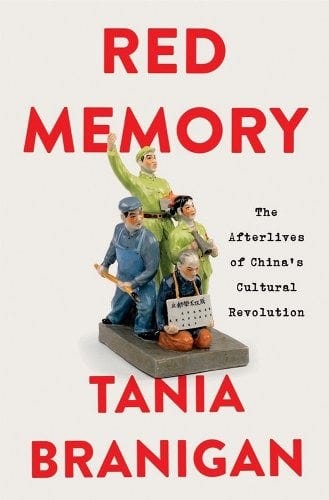
It is my pleasure to be able to run an excerpt from Tania Branigan’s excellent new book “Red Memory: The Afterlives of China's Cultural Revolution”. Tania has also kindly recorded herself reading this chapter, so you can listen to it if you prefer. Tania writes editorials for the Guardian and spent seven years as its China correspondent, reporting on politics, the economy, and social changes. we overlapped in Beijing and became friends. We also recorded a podcast about the book which you can listen to here. You can purchase the book on bookshop.org or on Amazon. The audio edition will be available from Tantor starting 7/11/23 wherever audiobooks are sold.Begin excerpt:Chapter 5Chongqing saw some of the era’s fiercest fighting, with the rift between Red Guards descending into warfare. The Kuomintang had made it their capital while battling the Japanese occupation, and it was home to multiple munitions plants; when armed struggles broke out in 1967, the military backed one side and helped its fighters seize what they needed. The factions battled with grenades, machine guns, napalm, tanks and ships upon the river – everything except planes, a resident recalled.They executed in cold blood too: even the injured, even the pregnant. Tens of thousands fled the city and at least twelve hundred people died, though the true toll was probably much higher. Some were caught in the violence by chance, like the eight-year-old killed by a ricocheting bullet as he played on the street. The others were not so much older, and you could blame chance there too, even if they saw themselves as soldiers. They never thought it would be so serious, that people would die, that so many would die. By the time they saw their friends fall they’d been battling for hours. They were numb; none of it seemed possible. Had it really happened at all?Shapingba Park held the proof. More than five hundred of the victims, mostly teenagers, were buried here, at a Red Guard cemetery hidden on one edge of the site, behind a grove of trees. It was the only Cultural Revolution site in the country to be recognised as a national heritage spot. But a mossy wall surrounded the plot and the public were not allowed in any more. I had come before, and stared through the chained gates. Though the cemetery was only half a century old, it reminded me of the Civil War graveyards I had seen in the American South, crumbling and overgrown. Luxuriant greenery crawled over marble monuments, immense and once stark white but now lichened and grey. Stone torches topped great pillars and obelisks, carved with red stars and Maoist slogans and the number 815. It was the rebel faction the dead had belonged to, named for a critical date in its inception in 1966.‘People began to die on 1 July 1967. On the tenth, I was put in charge of the bodies,’ Zheng Zhisheng recalled. He ran a chemicals business in the city, but back then he had been a student, and they had called him the Corpse Master. He was peering through thick tortoiseshell glasses that still bore the maker’s sticker. Two more dusty pairs lay on his desk, jumbled with books, newspapers, a giant magnifying glass and two lidded porcelain cups. He delved for a photograph. ‘This is October 1967. Twenty-seven people – twenty-seven corpses.’ Most of the faces were turned away from the camera. One mouth gaped so wide it could swallow the viewer.‘I had seen dead bodies when I was young. But I’d never had to handle them. I was a model student, and the faction leader thought I was a helpful person and not afraid of hard work. And also,’ he added, after a moment’s thought, ‘I’d opposed him at the beginning. So he thought of me and put me in charge. I was forced to do it. I put make-up, and an armband, and a Mao badge, on each one. At the start I was afraid of the dirty work. I had to wash the dead bodies and I used soap to wash my hands all the time. Afterwards I didn’t mind about that. The second thing was the smell. The dead bodies stank and I wanted to throw up. The third thing was ghosts – I thought ghosts were terrifying. Although I was an atheist, China had these traditional ideas, and so I was afraid.’He foraged for another handful of photographs and showed me a bobbed, full-cheeked young girl. ‘She was the first I dealt with. We used formaldehyde. She went to help the injured on the battlefield and when she stood up she was shot dead. She was sixteen.’ He reached for another. ‘This one is from the university – people were buried there too, but the monument was destroyed later. Now it’s all flower beds.’ He replaced the pictures amid the clutter.‘I felt they were martyrs and it was a waste for them to die so young. After people in our faction died we treated the others as enemies and hated them. So when we captured them, some of them were stoned until they were unconscious. Then they were sent to hospital. Afterwards we moved them to another hospital – but that was just an excuse. On the way we beat them to death; that’s wh
Sinocism Podcast: Tania Branigan on her book Red Memory: The Afterlives of China's Cultural Revolution
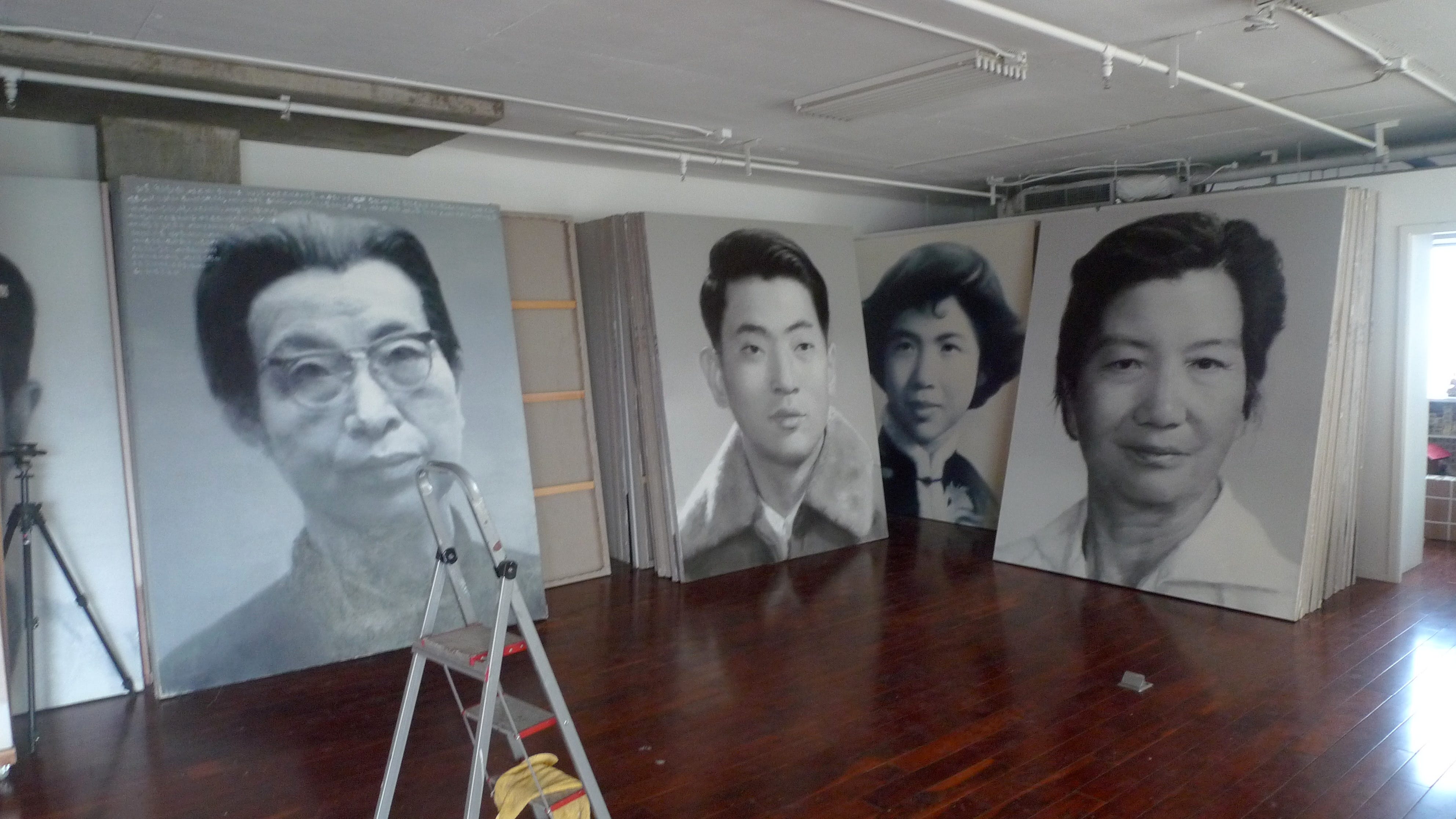
Episode Notes: Tania Branigan and I discuss her excellent new book “Red Memory: The Afterlives of China's Cultural Revolution”. Tania writes editorials for the Guardian and spent seven years as its China correspondent, reporting on politics, the economy, and social changes. We overlapped in Beijing and became friends. I have also published an excerpt from the book here. You can purchase the book on bookshop.org or on Amazon. The audio edition will be available from Tantor starting 7/11/23 wherever audiobooks are sold.Links:China's Cultural Revolution remembered by artist Xu Weixin - video | The Guardian2012 - China's Cultural Revolution: portraits of accuser and accused | The GuardianXilin Wang: Music by a Survivor | Hamburg International Music Festival - YouTubeWang Xilin ( 王西麟 ): Yunnan Tone Poem (1963) - YouTubeTranscript:[00:00:00] Bill: Welcome back to the occasional Sinocism podcast. I know I've been absent for a while, and now that I do the Weekly Sharp China podcast, I've realized I like podcasting. So we'll be recording more Sinocism episodes with guests I think are really interesting.[00:00:11] Bill: Today. We are very lucky to have Tania Branigan to talk about her excellent new book Red Memory: The After Lives of China's Cultural Revolution. As Tania writes, it is impossible to understand China today without understanding the Cultural Revolution. That is something I agree with wholeheartedly. So much so that I even wrote my grad school thesis on Mao badges.[00:00:30] Bill: I will also be running an excerpt from her book in the coming days, which is released in the UK already and will come out on May 9th in the United States. Tania writes editorials for the Guardian and spent seven years as its China correspondent reporting on politics, the economy, and social changes.[00:00:45] Bill: She lives in London. Welcome Tania, and congratulations on this great book. [00:00:50] Tania: Thank you so much for having me on.[00:00:51] Bill: Oh, it's my pleasure. It's great to see you. It's been it's been a few years and I appreciate it. I got an advance read of the book last year and it [00:01:00] really is it really is, I think, an important book and an important contribution.[00:01:03] Bill: So can you, just for the listeners, can you just talk a bit about your background? So when you first started working in China and what you did when you were there. [00:01:12] Tania: So I came out to China in 2008 just ahead of the Olympics, right at the start of what turned out to be an incredibly news packed year, as you may recall, right?[00:01:22] Tania: And I had never particularly wanted to be a foreign correspondent per se, but I just felt that China was the story of our time, really. Which is only proof to be truer perhaps as time has gone on. And because it's a pretty small bureau there were never more than two of us, max. And quite often there was one of me, I was covering absolutely everything.[00:01:44] Tania: So from natural disasters through to politics, through to culture, business even very occasionally when I couldn't help hit sport. But I became particularly fascinated by this topic and by [00:02:00] China's more recent history, [00:02:02] Bill: one question on your time there. When you arrived, was it already past the Wenchuan earthquake?[00:02:07] Tania: No. And in fact that was one of the sort of formative moments, for me reporting on, yeah, [00:02:15] Bill: it's 15 years next in two weeks. It's crazy. [00:02:18] Tania: It's hard to believe it's gone past so fast. I still think about those parents who lost kids. [00:02:24] Bill: And that, no, it's terrible. Terrible [00:02:29] Bill: So what led you to this book?[00:02:33] Tania: You did actually, as I say in, as I say in the book, I probably wouldn't have written it without you. So I was obviously aware of the Cultural Revolution. I knew something about it. I'd read a little around it. But then it was just when I had that lunch with you and then over coffee, you started telling me about your father-in-law and about going to try to find his body, which I feel is probably a story actually [00:03:00] at this point, that you should.[00:03:00] Tania: Tell rather than me. [00:03:02] Bill: And just for listeners the, I actually tried to have my wife be a special guest but she didn't want to do it, but Tania has interviewed her. I'll put a link in, into the story. I think we you did that great story about the artist Xu Weixin 徐唯辛, which maybe we can talk about too.[00:03:20] Bill: But no, sadly, my. Like many Chinese families people had horrible experiences in the Cultural Revolution. My father-in-law killed himself in 1967 1968 when my wife was like a year old, a year and a half old. And it, it just, it was a, he did it in Miyun outside of Beijing and involved a train.[00:03:47] Bill: And so we went. We had a family member a brother of his who was dying, who came back to say goodbye, and the family went out to this train embankment with this idea that maybe
Sinocism Podcast #5: 20th Party Congress and US-China Relations with Chris Johnson
Episode Notes:A discussion of the recently concluded 20th Party Congress and what to expect ahead in US China relations. I'm pleased to welcome back Chris Johnson, CEO of Consultancy China Strategies Group, Senior Fellow at the Asia Society Policy Institute Center for China Analysis and former Senior China analyst at the Central Intelligence Agency. This is the 7th Party Congress that Chris has analyzed professionally.Links:John Culver: How We Would Know When China Is Preparing to Invade Taiwan - Carnegie Endowment for International PeaceTranscript:Bill: Welcome back to the very occasional Sinocism podcast. Today we are going to talk about the recently concluded 20th Party Congress and what to expect ahead in US China relations. I'm pleased to welcome back Chris Johnson, CEO of Consultancy China Strategies Group, Senior Fellow at the Asia Society Policy Institute Center for China Analysis and former Senior China analyst at the Central Intelligence Agency. This is the 7th Party Congress that Chris has analyzed professionally. So we have a lot of experience here to help us understand what just happened. Chris, welcome back and thanks for taking the time.Chris: My pleasure. Always fun to be with you, Bill.Bill: Great. Well, why don't we jump right in. I'd like to talk about what you see as the most important outcomes from the Congress starting with personnel. What do you make of the leadership team from the central committee to the Politburo to the Standing Committee and what does that say about.Chris: Yeah, well, I, think clearly Xi Jinping had a massive win, you know, with personnel. I think we see this particularly in the Politburo Standing Committee, right, where on the key portfolios that really matter to him in terms of controlling the key levers of power inside the system. So we're talking propaganda, obviously, Uh, we're talking party bureaucracy, military less so, but security services, you know, these, these sort of areas all up and down the ballot he did very well.So that's obviously very important. And I think obviously then the dropping of the so-called Communist Youth League faction oriented people in Li Keqiang and Wang Yang and, and Hu Chunhua being kind of unceremoniously kicked off the Politburo, that tells us that. He's not in the mood to compromise with any other interest group.I prefer to call them rather than factions. Um, so that sort of suggests to us that, you know, models that rely on that kind of an analysis are dead. It has been kind of interesting in my mind to see how quickly though that, you know, analysts who tend to follow that framework already talking about the, uh, factional elements within Xi's faction, right?So, you know, it's gonna be the Shanghai people versus the Zhijiang Army versus the Fujian people. On Wang HuningBill: people say there's a Tsinghua factionChris: Right. The, the infamous, non infamous Tsinghua clique and, and and so on. But I think as we look more closely, I mean this is all kidding aside, if we look more closely at the individuals, what we see is obviously these people, you know, loyalty to Xi is, is sort of like necessary, but not necessarily sufficient in explaining who these people are. Also, I just always find it interesting, you know, somehow over. Wang Huning has become a Xi Jinping loyalist. I mean, obviously he plays an interesting role for Xj Jinping, but I don't think we should kid ourselves in noting that he's been kind of shunted aside Right by being pushed into the fourth position on the standing committee, which probably tells us that he will be going to oversee the Chinese People's Consultative Congress, which is, you know, kind of a do nothing body, you know, for the most part. And, um, you know, my sense has long been, One of Xi Jinping’s, I think a couple factors there with Wang Huning.Sinocism is a reader-supported publication. To receive new posts and support my work, consider becoming a free or paid subscriber.One is, you know, yes, he is very talented at sort of taking their very, uh, expansive, um, theoretical ideas and coming up with snappy, um, snappy sort of catchphrases, right? This is clearly his, um, his sort of claim to fame. But, you know, we had that article last year from the magazine, Palladium that kind of painted him as some sort of an éminence grise or a Rasputin like figure, you know, in terms of his role.Uh, you know, my sense has always been, uh, as one contact, put it to me one time. You know, the issue is that such analyses tend to confuse the musician with the conductor. In other words, Xi Jinping. is pretty good at ideology, right? And party history and the other things that I think the others had relied on.I think the second thing with Wang Huning is, um, in a way XI can't look at him I don't think, without sort of seeing here's a guy who's changed flags, as they would say, right? He served three very different leaders, Jiang Zemin, Hu Jintao, and now Xi , um, and, and continued on and I think at some leve
Sinocism Podcast #4: The Economist's David Rennie on online nationalism, discourse power, reporting from China, US-China relations
Episode Notes:This episode's guest is David Rennie, the Beijing bureau chief for The Economist and author of the weekly Chaguan column. Our topic is online discourse, nationalism, the intensifying contest for global discourse power and US-China relations.Excerpts:I spoke to some very serious NGO people who've been in China a long time, Chinese and foreigners who said that this was the worst time for NGOs since 1989, and the kind of mentions of espionage and national security was a very serious thing. So then I had to make a decision, was I going to try and speak to someone like Sai Lei. Clearly he is an extremely aggressive nationalist, some would call him a troll and there are risks involved in talking to someone like him. But I felt, I'm one of the few English language media still in China, if I'm going to add value, I need to speak to these people.I had a very interesting conversation with a CGTN commentator…He said, I can't tell you how many Western diplomats, or Western journalists they whine. And they moan. And they say, how aggressive China is now and how upset all this Wolf warrior stuff is and how China is doing itself damage. And he goes, we're not, it's working. You in the Western media, used to routinely say that the national people's Congress was a rubber stamp parliament. And because we went after you again and again, you see news organizations no longer as quick to use that. Because we went after you calling us a dictatorship, you're now slower to use that term because we went after you about human rights and how it has different meanings in different countries. We think it's having an effect…One of the things I think is a value of being here is you have these conversations where the fact that we in the West think that China is inevitably making a mistake by being much more aggressive. I don't think that's how a big part of the machine here sees it. I think they think it worked….To simplify and exaggerate a bit, I think that China, and this is not just a guess, this is based on off the record conversations with some pretty senior Chinese figures, they believe that the Western world, but in particular, the United States is too ignorant and unimaginative and Western centric, and probably too racist to understand that China is going to succeed, that China is winning and that the West is in really decadent decline…I think that what they believe they are doing is delivering an educational dose of pain and I'm quoting a Chinese official with the word pain. And it is to shock us because we are too mule headed and thick to understand that China is winning and we are losing. And so they're going to keep delivering educational doses of pain until we get it…The fundamental message and I'm quoting a smart friend of mine in Beijing here is China's rise is inevitable. Resistance is futile…And if you accommodate us, we'll make it worth your while. It's the key message. And they think that some people are proving dimmer and slower and more reluctant to pick that message up and above all Americans and Anglo-Saxons.On US-China relations:The general trend of U.S. China relations. to be of optimistic about the trend of U.S. China relations I'd have to be more optimistic than I currently am about the state of U.S. Politics. And there's a kind of general observation, which is that I think that American democracy is in very bad shape right now. And I wish that some of the China hawks in Congress, particularly on the Republican side, who are also willing to imply, for example, that the 2020 election was stolen, that there was massive fraud every time they say that stuff, they're making an in-kind contribution to the budget of the Chinese propaganda department…You cannot be a patriotic American political leader and tell lies about the state of American democracy. And then say that you are concerned about China's rise…..their message about Joe Biden is that he is weak and old and lacks control of Congress. And that he is, this is from scholars rather than officials, I should say, but their view is, why would China spend political capital on the guy who's going to lose the next election?…The one thing that I will say about the U.S. China relationship, and I'm very, very pessimistic about the fact that the two sides, they don't share a vision of how this ends well.Links:China’s online nationalists turn paranoia into clickbait | The Economist 赛雷:我接受了英国《经济学人》采访,切身体验了深深的恶意 David Rennie on Twitter @DSORennieTranscript:You may notice a couple of choppy spots. We had some Beijing-VPN issues and so had to restart the discussion three times. Bill:Hi, everyone. Welcome back to the `Sinocism podcast. It's been a bit of a break, but we are back and we will continue going forward on a fairly regular schedule today. For the fourth episode, I'm really happy to be able to chat with David Rennie, the Beijing bureau chief for The Economist and author of the weekly Chaguan column. Our topic today is online discourse, nationalism, and the
Sinocism Podcast #3: Chen Long on China's economy, Evergrande, Common Prosperity and the 6th Plenum
Episode Notes:Today's guest is Chen Long, co-founder and partner of Plenum, a research firm covering Chinese economy and politics. Prior to that, he was a China economist at Gavekal Dragonomics. Chen Long is a Beijinger, and graduated from Peking University. Welcome to the podcast. It's great to have you.2:20 - I think the economy is a little bit like ice and fire, for now. There are certain areas certainly doing pretty poorly. Of course, everyone always talking about the property market, Evergrande, and basically every couple weeks we see a property developer default… 6:00 on the power generation problems - usually December is a peak of Chinese electricity consumption. I'm not sure the current supply of coal is not ... I mean, it's better than a month ago, but they probably have to do a little bit more. So I think it's still too early to say that we have totally overcome the end of the shortage.13:07 on whether this time is different with the real estate market - a year after Beijing and many local governments introduced restrictive policies, finally, we had three months in a row of property sales volume falling by double digits, on a year on year basis. But this is just three months, right? If you look at the previous cycles, especially 2015, 16, we could have the down cycle for 15 months. But this is just three, right? So Beijing has not blinked yet, because it's only three months.16:30 on Evergrande - I think there was a little bit of overreaction, especially when you see headlines linking Evergrande to Lehman Brothers, and this sort of thing. And I have to say that this is at least the third time I hear a Chinese Lehman moment in the last ten years.35:50 on the 6th Plenum and likely historical resolution - The previous ones were all about resolutions on certain questions of the party's history. Right? And this one is not uncertain questions. There is no question. It is resolution on the party's accomplishments over the last 100 years, and the lessons. So I guess it's a big, big summary about what he has done. And, of course, this one I think will cement him as the core, right? And we have to follow whatever he thinks we should do soLinks: The Plenum website. Transcript:Bill:Hi everyone. Today's guest is Chen Long, co-founder and partner of Plenum, a research firm covering Chinese economy and politics. Prior to that, he was a China economist at Gavekal Dragonomics. Chen Long is a Beijinger, and graduated from Peking University. Welcome to the podcast. It's great to have you.Chen:Thank you, Bill. It's my honor to be your third guest.Bill:Oh, well, third time is the charm, I hope. And I hope things are well. And I hope things are well in Beijing. I have to say, I very much miss this time of year in Beijing. There is something really special about autumn in Beijing.Bill:So, to kick off, today, I think we want to talk about the state of economy, and various themes related to that, including common prosperity, and real estate, the sixth plenum that's coming up. But, to start out, could you just give a brief intro about yourself, and more specifically what Plenum does?Bill:Just for listeners, it's a high end research service. The website is at Plenum.ai. And it's really terrific. It's one of my top most favorite research services on China now. They're really sharp on economy and politics.Chen:Yeah. Thank you, Bill. I think, Bill, you have done basically all the marketing I need to do. So we are a pretty young firm. I mean, we were founded two years ago, almost exactly two years ago. And that's when we first started to publish reports. And we write on Chinese economy, policies, politics, geopolitics, other stuff. And we serve institutional clients. Some are financial institutions, some are non-financial corporations.Chen:And I think where we are a little bit different from others, is the team is basically entirely Chinese nationals. But, of course, we'll come from different backgrounds. A lot of people work in the US for many years. And, right now, I'm based in Beijing. Yeah.Bill:And I first came across your work, I think, because you were working with Arthur Kroger, over at Gavekal DragonomicsChen:Yes. I was at Gavekal for almost six years. Yeah.Bill:Right. And I think that's where I first started reading your work. So, anyway, it's great to have you. I've always been a big fan. So-Chen:Yeah. Thank you, Bill.Bill:From a top level, could you just give us your view on what's going on in the economy in China, and where things are?Chen:Yeah. I think the economy is a little bit like ice and fire, for now. There are certain areas certainly doing pretty poorly. Of course, everyone always talking about the property market, Evergrande, and basically every couple weeks we see a property developer default.Chen:But, on the other hand, you also see this energy crunch, which actually was because energy demand was really strong, right? And industrial demand was strong. And then the grid and then the power plants could not m
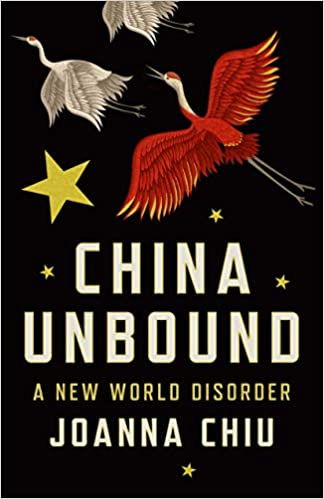
Sinocism Podcast #2: Joanna Chiu on her new book China Unbound
Episode Notes:Today's guest is Joanna Chiu, a long-time journalist covering China from both inside and outside the country, co-founder and chair of the editorial collective 'NüVoices 女性之音', and the author of the new book "China Unbound." She now covers Canada-China issues for the Toronto Star. Joanna, welcome to the podcast.4:20 on Huawei, Meng Wanzhou and the two Michaels - when the whole Huawei, Meng Wanzhou saga was unfolding, I got so many questions from not just Canadian journalists, but media around the world about what was going on. I think it's surprising to us because we've been in the China-watching bubble, but more broadly, what happened was very shocking for a lot of people all over the world23:20 people like me and my family aren't fully accepted as Canadians or as Australians or as Americans, it's always like a hyphen, like Chinese-Canadian, Chinese-American. That just plays into what Beijing wants. When people of Chinese descent are taken as political prisoners or get calls from Chinese police saying, "Stop supporting Hong Kong on social media or stop doing this," these people get less attention. They're not taken seriously when they try to report what's happening because unfortunately a lot of people in the West have accepted the CCP's myth that we're still essentially Chinese36:20 on Canada-China relations - in Canada, the mood after the Michaels returned and the Meng case was resolved is that they really want to go back to business as usual. To not have any kind of plan in place on how to prevent Canadian hostages from being taken in the future. The Prime Ministers office really steering this even though other parts of government was like, "We need some sort of plan, we need some sort of update to foreign policy in general." There's very little political will.Links: China Unbound on Amazon. Joanna Chiu’s websiteNüVoices 女性之音Transcript:Bill:Hi everyone, today's guest is Joanna Chiu, a long-time journalist covering China from both inside and outside the country, co-founder and chair of the editorial collective 'NüVoices', and the author of the new book "China Unbound." She now covers Canada-China issues for the Toronto Star. Joanna, welcome to the podcast.Joanna:Thank you Bill, thanks for having me on your new podcast, very exciting.Bill:Thanks, yeah you are the second guest, and so I'm really happy to have this opportunity to speak with you. Before we dig into your book, could you tell us a little bit about yourself and how you ended up where you are and doing what you do?Joanna:Okay. I guess my bio is that my family is one of the many who left Hong Kong after the 1989 Tiananmen Square protests because my parents were worried about what would happen going forward. So growing up in Canada, I felt that China was actually part of my whole family story because what happened led to my family uprooting themselves. So I was always really interested in China and studied Chinese history and wanted to return to be a reporter to chronicle what was happening in the country, which I was so fascinated by.Joanna:So I started reporting on the ground in Hong Kong in 2012, covering all the things that happened there including the Occupy to pro-democracy movement in Hong Kong. I moved to Beijing in 2014 and that's where I started covering basically everything in the whole country for European media outlets, including German, Deutsche Presse-Agentur, and AFP (Agence France-Presse). And I guess my career was a bit unique in that I also free-lanced for several stints. So I got to kind of get a sense of what many different jurisdictions and countries wanted to know about China in my time there writing for all sorts of outlets.Bill:Interesting and so I was there until 2015 and I think we overlapped for just about a year. When did you actually leave China to go back to Canada?Joanna:Yeah, I left China in late 2018. I wanted to stay for longer because even seven years on the ground I felt I barely got to scratch the surface of all the things that I could write about in China. Especially because I had such a broad remit where I was a front-line reporter for all of these major events but also could do basically any feature story I wanted. So it was just totally open and I could have stayed there for decades, but I had to go back to Canada. I got asthma from the smog and I think my Canadian lungs just couldn't handle air. I was just like really allergic to Beijing as soon as I landed and I stuck it out for four years. But back in Canada, I felt I would have to move on from my passion and interest in China, but a couple of months after I returned, Meng Wanzhou, a Huawei executive was detained in the Vancouver International Airport. And just over a week later, two Michaels were detained. So definitely I think that was the biggest China story at the time, and it continued to be very impactful around the world.Joanna:So I started covering that and it just led to basically being a reporter for the Toronto Star, focusing on
Sinocism Podcast #1: Chris Johnson on US-China relations, Xi Jinping and the 6th Plenum
Episode Notes:Today, we're going to talk about US-China relations, the upcoming Sixth Plenum , Xi Jinping, and what we might expect for the next year heading into the 2022 20th Party Congress among other topics. I'm really pleased that our first guest for the Sinocism Podcast is Chris Johnson, CEO of Consultancy China strategies Group, senior fellow at the Center for Strategic International Studies and former senior China analyst at the Central Intelligence Agency. 4:45 on US-China relations - I think their assessment is that it's working. In other words, by maintaining that sort of very strict line, they've gotten Madam Meng of Huawei fame home. They've gotten the trade discussions going again. They've got the US saying, "Well, we might lengthen the timeline for you to implement phase one." In other words, it's working from their perspective.13:30 on the 6th Plenum - The first I think is that, it would represent, I think the net evolution in what I call Xi Jinping's further development of his leadership supremacy. And, I use those terms very deliberately because often times, the shorthand we see in describing this as references to Xi's consolidation of power. Well, in my mind that took place very early on in his tenure. 30:00 on the economy and heading towards the 2022 20th Party Congress - Equally important in my mind is how little the leadership and the economic technocrats seem to be rattled by that fact. In other words, we're not seeing the stimulus wave. We're not seeing monetary policy adjustments in a significant way. There's a lot of study as she goes. And, that could change. We've got the central economic work conference, obviously in December, which will give us a sense of how they're thinking about next year. But like so many other things, I think we as watchers and the investment community and others, we're slow to sometimes break with old narratives. One of which is you must welcome a party Congress with very high growth. And every signal coming out of the leadership is that, they're not playing that game anymore. I think that's fairly strong.37:00 On US-China relations - I think if you're a senior US policymaker, your working assumption has to be that China's more likely to get it right than to get it wrong, even if they only get it 30% right or 40%, something like that…Chris Johnson:Xi is here and will be here for the foreseeable future. And therefore there won't be any change in the policies largely that he's articulated.Links: More about Chris Johnson and his China Strategies Group here.Transcript:Bill Bishop:Today, we're going to talk about US-China relations, the upcoming Sixth Plenum , Xi Jinping, and what we might expect for the next year heading into the 2022 20th Party Congress among other topics. I'm really pleased that our first guest for the Sinocism Podcast is Chris Johnson, CEO of Consultancy, China strategies Group, senior fellow at the center for strategic international studies and former senior China analyst at the Central Intelligence Agency. Welcome, Chris.Chris Johnson:Great to be here, Bill.Bill Bishop:Chris, welcome. I think today, what I really like to start out with is just an overview where you see the state of US-China relations and how the new administration, I mean it's 10 months now or thereabouts, but how the new administration is doing and how the Xi Jinping administration is reacting.Chris Johnson:Great. Yeah. Well, it's obviously a unique time in US-China relations. I guess, if I had to characterize it in a phrase, I would say, things are a bit of a mess. I think, if we start, it's useful to start at a sort of high order level and then work our way down in terms of thinking about the relationship. So I think at the highest order, one of the things that strikes me is that arguably for the first time, since normalization of relations, really, we're in this strange position where I think both countries, both leaders and perhaps increasingly, even both peoples, aren't overly keen to engage with one another.Chris Johnson:I think, we've had times in the past during the last several decades where maybe one side or the other was feeling that way, but not both. And the sense that I get in terms of the leader to leader view is, both Xi Jinping and President Biden are kind of looking at each other and saying, "I've got a lot going on at home. I'm very focused on what's happening domestically. I know the other guys out there and I need to pay attention to what he's doing, and right now it's all just his. But, if I can kind of keep him at arm's length, that's okay with me." And I think we're kind of seeing that really on both sides of the fence.Chris Johnson:I think for Xi Jinping, it's a little more intense in that it's hard to see where the good outcomes are for him and trying to lean in toward the relationship and so on, because he's kind of getting what he wants to some degree without doing. So, as to your question about how the administration is doing, I think to be f