The SFFaudio Podcast #311 - AUDIOBOOK/READALONG: Ethan Brand by Nathaniel Hawthorne
The future never sounded so good.
Audio is streamed directly from the publisher (sffaudio.com) as published in their RSS feed. Play Podcasts does not host this file. Rights-holders can request removal through the copyright & takedown page.
Show Notes

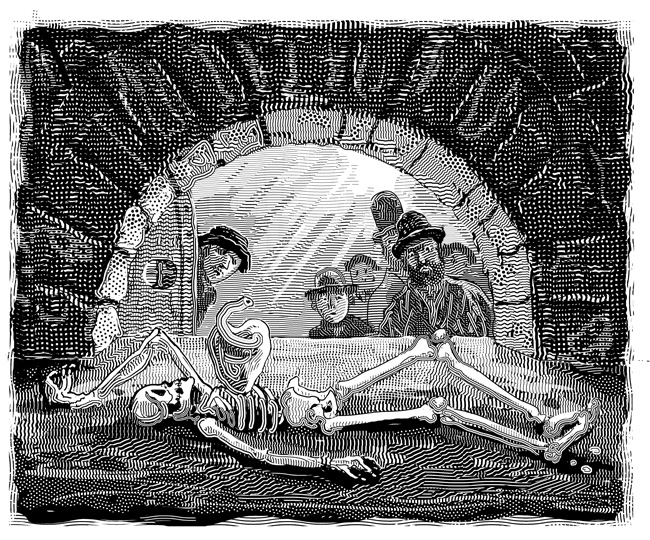
The SFFaudio Podcast #311 – Ethan Brand by Nathaniel Hawthorne; read by Fred Heimbaugh. This is an unabridged recording of the story (44 minutes) followed by a discussion of it. Participants in the discussion include Jesse, Julie, Seth, and Rose.
Talked about on today’s show:
The story as a “culminate chapter” to an unfinished novel; H.P. Lovecraft’s description of the story in his essay on supernatural fiction (see our Podcast of the Seven Gables); Ethan Brand as Byronic (anti)hero; Nyarlathotep by H.P. Lovecraft; the uncanny nature of laughter; Hawthorne’s Biblical allegory; “Puritans and sin, they go hand in hand”; Ethan Brand and Adam’s search for forbidden knowledge; the almost-total absence of women in the story; the vices of the townspeople in the story; Hawthorne’s regret of the Salem witch trials; parallels to House of the Seven Gables; Hawthorne’s sense of humor; similarities to Goethe’s Faust; the Jew and his picture box; how the Holocaust ruined our reading of literature; what exactly does Ethan Brand see in the picture box?; the biblical story of Job; the intersection of sin and evil; the sin of suicide–can it be absolved?; the ambiguity of the final laughter; morality vs. intellect; the multifaceted symbolism of the story’s final image; association with Cain and Abel; double meaning of the name Brand; the internal nature of Brand’s sin; the image of girls running off to join the circus is apparently timeless; The Heart of Ethan Brand 1944 radio drama by Weird Circle; is redemption possible?; relics, iconoclasm, and capitalism; fruitlessness of pursuing knowledge; the story’s roots in Hawthorne’s experience; staring into fire; the audio drama’s departure from evil; “Jesse does not eat babies–or even veal.”; using people as a means to an end; degrees of evil; the sin of pride; Paradise Lost; Rappaccini’s Daughter; the story’s measured tone; Sinners in the Hands of an Angry God; Dombey and Son; the dog chasing its tail; unconditional love; the alternate pronunciation of “kiln”; parallels in Oscar Wilde’s The Picture of Dorian Gray; contradictions in story’s final image; white as image of purity in Oscar Wilde’s The Happy Prince and other fairy tales; phantom limbs; more on The Happy Prince, The Selfish Giant, The Centerville Ghost by Oscar Wilde; the power of audiobooks; “hair-raising image of corruption”; Ethan Brand as a novel.
Posted by Jesse Willis