
Severn's All You Can Eat Buffet
313 episodes — Page 2 of 7
Talk: Who do you say I am? - Joanna Ashby
What difference can it make to be told who we are? Joanna Ashby looks at a conversation between Jesus and one of his followers, Simon, who knew the identity and historic role of Jesus as the Messiah or Christ. Jesus gave Simon a new name, Peter, which gave him the identity of a rock that Jesus could build his church on. What has God said to us about who we are and what he can do with us? How can we put that into practice?
Talk: A civilisation without violence - Owen Lynch
How much can God’s love change the world? Owen Lynch looks at Jesus’ first followers who were discovering that they were not just encouraged and empowered to have better loving relationships, but they were also equipped to challenge the systems of violence in human civilisation. From the most ancient times to the Roman Empire of Jesus’ day, and still evident today, people have suffered through personal anger and cycles of vengeance which also feed into systems that brutally oppress enemies of the state. Many early church leaders were legally executed. But Christians recognised that Jesus’ self-sacrificial love was God’s answer to this. It came with power and hope that the worst oppression could be overcome. How can we experience this and share it today?At the end of the talk, we reflect on a journey taken by fruit grown on a vine, and share the Lord’s supper together. See the video mentioned at https://youtu.be/VRUX6YR6z7A
Talk: Trinity - overflowing love - Claire Lynch
From the series ‘What is God like?’What do we mean by calling God a “trinity”? Claire Lynch looks at the essence of one God as loving relationship, and explores how people have tried to express or explain this. Jesus talked about it in terms of his Father and his Spirit. If we can relate to God through knowing and trusting Jesus, can we do the same? What difference can it make to our lives to know that we are part of God’s loving relationship with creation?Find pictures and resources for this talk at https://www.severnvineyard.org/sunday-talks-bloglist/2025/3/1/trinity-overflowing-love-by-claire-lynch-2-march-2025

Talk: What is love? - Kyle Henderson-Begg
What do we mean by love, and how do we get better at loving? Kyle Henderson-Begg looks at different kinds of love and what we expect from them, and the kind of self-giving love most talked and written about by Jesus and Paul in the New Testament. This turns out to be something which God grows in us - but how?

Talk: Remain in my love - David Jennings
How do we grow in God’s love, and what does it mean to remain? David Jennings looks at Jesus’ teaching that his followers are branches in him, a vine, made for fruitfulness under God’s gardening care. This fruit isn’t work we do, it’s the character of love, joy and peace that grows as we accept Jesus’ love and become defined by him and his character. Is it challenging to allow this to happen, sometimes needing to give up what we’d been aiming for ourselves? If so, can we find assurance in Jesus’ promise that, by remaining in him, we will be incredibly fruitful?The video and music mentioned at the end can be found at https://youtu.be/0hWnc8Lb2Go - use this to pray and contemplate as you would like to.

Talk: How the revolution spreads - Owen Lynch
What does God's coming kingdom look like in you? Owen Lynch looks at how Jesus compared this to a little bit of yeast that transforms a whole batch of dough - but what does that actually mean for us? Could the apparent weakness of self-sacrifice and small expressions of love, joy, peace, patience and kindness really be all that significant, especially when we love big, spectacular experiences? We might imagine the church's first leaders to have been amazing speakers, full of charisma, but this wasn't how Paul described himself. What else was God doing then that he might be doing with us now?
Talk and meditation: What unites us? - Owen and Claire Lynch
When people in churches disagree, is there anything we know that should unite us? Owen Lynch looks at how Paul addressed believers who were becoming divided over personalities, leadership, ideas and practical issues. The believers and leaders were diverse, surprisingly inclusive to many. Was the answer to change that? Or was the cross of Christ uniquely powerful and necessary to unite people?Claire Lynch brings a “Lectio Divina” meditation on these words, taken from Paul’s letter to the Colossians:The Son is the image of the invisible God, the firstborn over all creation.For in him all things were created: things in heaven and on earth, visible and invisible.He is before all things, and in him all things hold together. For God was pleased to have all his fullness dwell in him, and through him to reconcile to himself all things, whether things on earth or things in heaven, by making peace through his blood, shed on the cross.Here there is no Gentile or Jew, circumcised or uncircumcised, barbarian, Scythian, slave or free, but Christ is all, and is in all.
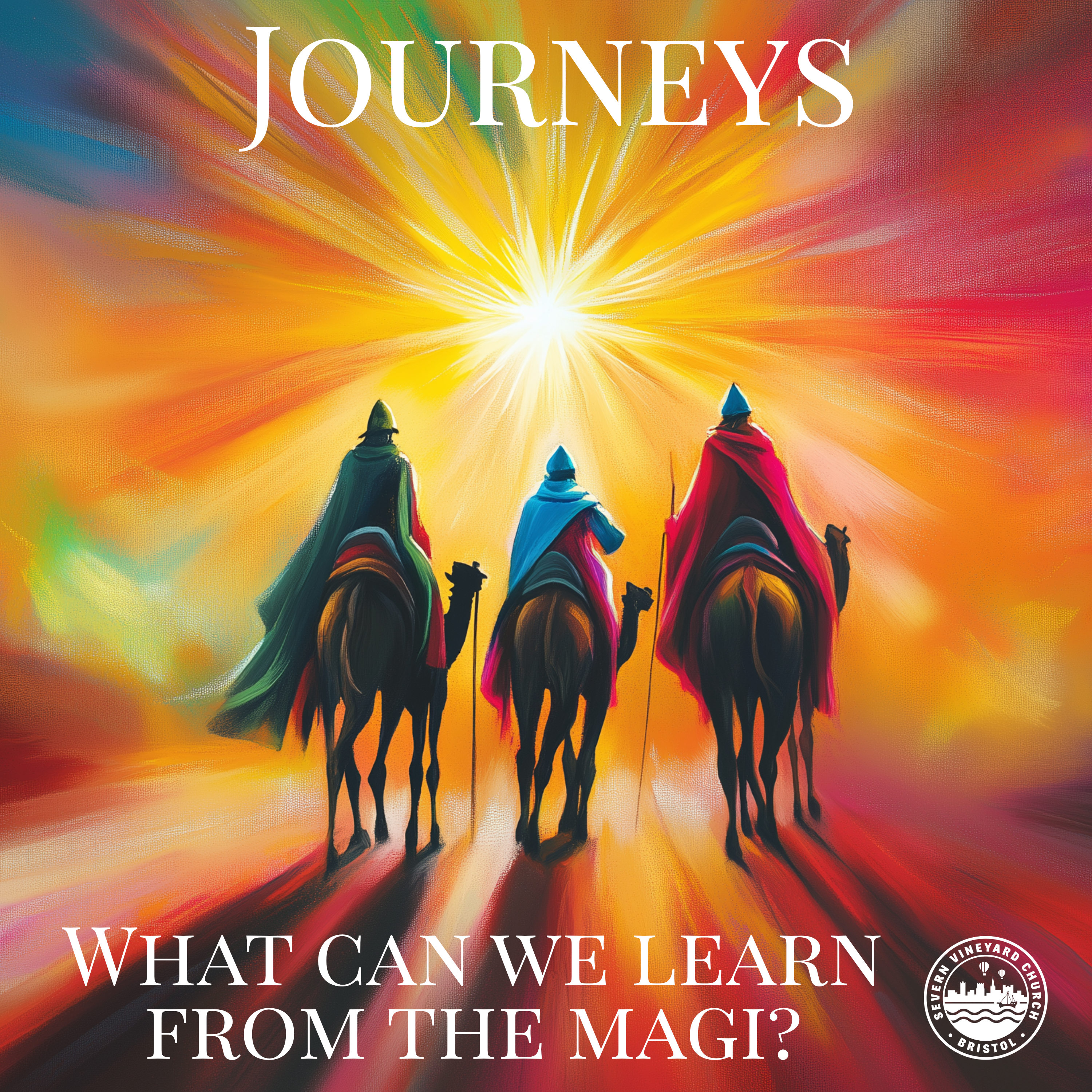
Talk: Journeys - what can we learn from the Magi?
Are you a journey or destination person? This talk looks at what it means to leave the familiar and head towards a deeper spiritual home. How can we tell which way to go? The Magi in the Christmas story had a star to follow, which pointed them to Jesus - can we fix our eyes on him?Audio is included from a sermon by Dr. S.M. Lockridge given in 1976, with video made by Grace Community Church shared under Creative Commons Attribution 3.0 Unported licence. Music added by Bern Leckie, sharable under same licence. Video: https://youtu.be/-xHDoGM2Bvc
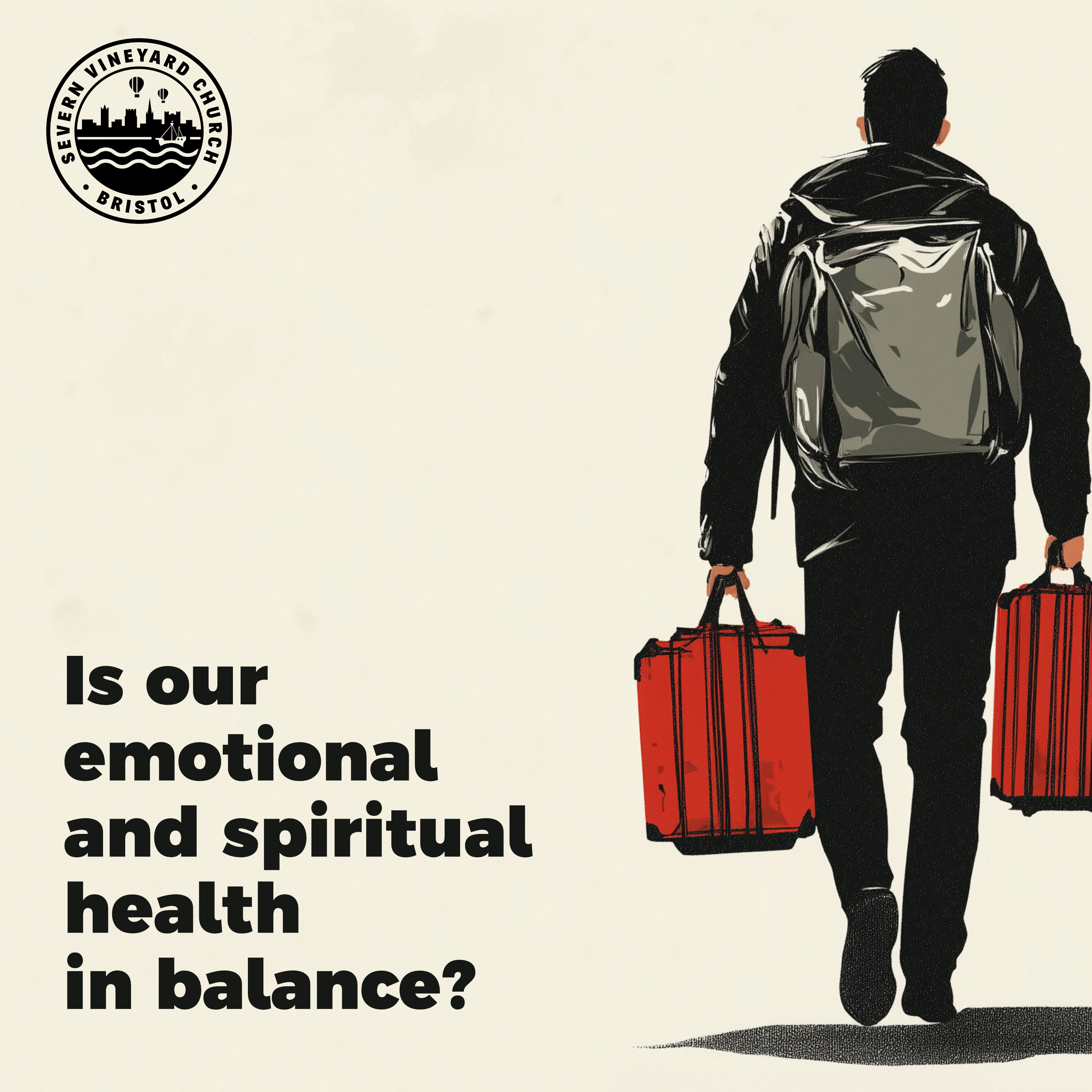
Talk: Is our emotional and spiritual health in balance? - Owen Lynch
Does this new year feel light and joyful, or have we loaded ourselves up with burdens? Owen Lynch looks at how spiritual and emotional health are important to us and need to be kept in balance. Jesus criticised religious leaders who brought loads of expectation which they could not carry themselves, and offered a better way of life. Have we taken up Jesus’ offer? Maybe we can tell by asking if our faith life is making us weary, judgmental, unapproachable and inauthentic, when it could be lightening our hearts, making us more open minded, hospitable and authentic instead.
Week 53 - Revelation - Boxset Binge the Bible
bonusBern Leckie and Owen Lynch share thoughts and feelings about the book of Revelation.Is this the most intriguing book of the Bible? There is a huge variety of views about what this book means and, even if we can understand it, what we should do with that understanding today.Bern and Owen start by looking at the culture it was written into, the challenges Christians were facing towards the end of the first century, and how words from Jesus and visions of future battles, judgements and resolutions would have been received.Jesus had notes for every regional church, and the theme of “repent” - changing of mind - was consistent. Could our understanding of this today be too small? Did Jesus want to “come in and eat” only with new converts to faith, or with every believer throughout life?John’s prophetic visions were dramatic and packed with meaningful symbols from stories across the whole of the Bible. But was this a code people needed to crack, or more of an encouragement to suffering people that they were richly connected to the God who had always promised to rescue and deliver them? The world as they knew it was coming to an end - as the world sometimes looks to us too - but they could look forward to a better future. God and his love wins.Thanks for listening! You can review the whole of our Bible listening plan and hear every episode of this podcast at severnvineyard.org/bible.
Week 52 - the last minor prophets and Psalms - Boxset Binge the Bible
bonusBern Leckie and Owen Lynch share thoughts and feelings about the books of Habakkuk, Zephaniah, Haggai, Zechariah and Malachi, as well as Psalms 132 to 150.Covering a broad stretch of history from before, during and after the exile of God’s people, the last minor prophets in the Old Testament are sharing words from God in different situations, looking from a broad range of viewpoints. The different angles of their approaches might even mean that the work they saw God doing looked surprisingly different to them.Bern refers to a physical picture of this - a sculpture with a complex shape that looks like a pair of giraffes from one angle but like an elephant from a different angle a short walk away. (This is hard to imagine, so have a look here: https://youtu.be/S2iq8fYVNt4) Some people in history have seemed to dig in and defend particular viewpoints, giving them certainty that God’s kingdom was all about how it looked from their angle - for example, the Sadducees saw it about life centred on a physical temple, while the Pharisees saw it more about what God was doing to bring temple-like life into every home. We can think of modern examples where we’ve heard conflicting groups argue about what church should be focusing on today.God’s people had to move and change their perspective during the time of these prophets, and God seemed to deepen the understanding of people who would listen. A picture of where God was taking people and what his promised Messiah would be like were emerging. But would anyone really understand until they met him?In the next and final part of our boxset, we finish the Bible by listening to the book of Revelation. Listen along at your own pace at severnvineyard.org/bible.
Week 51 - Ezra, Nehemiah and some Psalms - Boxset Binge the Bible
bonusBern Leckie and Owen Lynch share thoughts and feelings about the books of Ezra and Nehemiah, as well as Psalms 120 to 131.The story of how Jerusalem and the temple began to rebuilt was a major cause for celebration for God’s exiled people. Much in this story - formerly a single book - points people to God and the benefits of gathering together, faithfully observing his law and making the best possible effort to avoid the mistakes of the past.But is there more to this story? Had people really taken onboard the fresh perspectives given by God through the prophets about what he really wanted from them, and what he was promising to do next?Looking at how people were proceeding by their own best efforts, doubling down on some traditional ideas but skewing the law in the process, could this really be more of a warning against certain kinds of leadership instead of an encouragement to emulate the leaders described here? And can we see parallels which should give us caution and encouragement today?The “Psalms of ascent” also give encouragement and cause for reflection to people gathering for festivals and worship. When gathering people put their hope in God, was this only to expect good life in the gatherings, or was God going to do something to transform life afterwards too? What are our hopes about this?In the next part of our boxset, we finish the Old Testament by listening to the minor prophets Habakkuk, Zephaniah, Haggai, Zechariah and Malachi, as well the rest of the Psalms, 132 to 150. Listen along at your own pace at severnvineyard.org/bible.
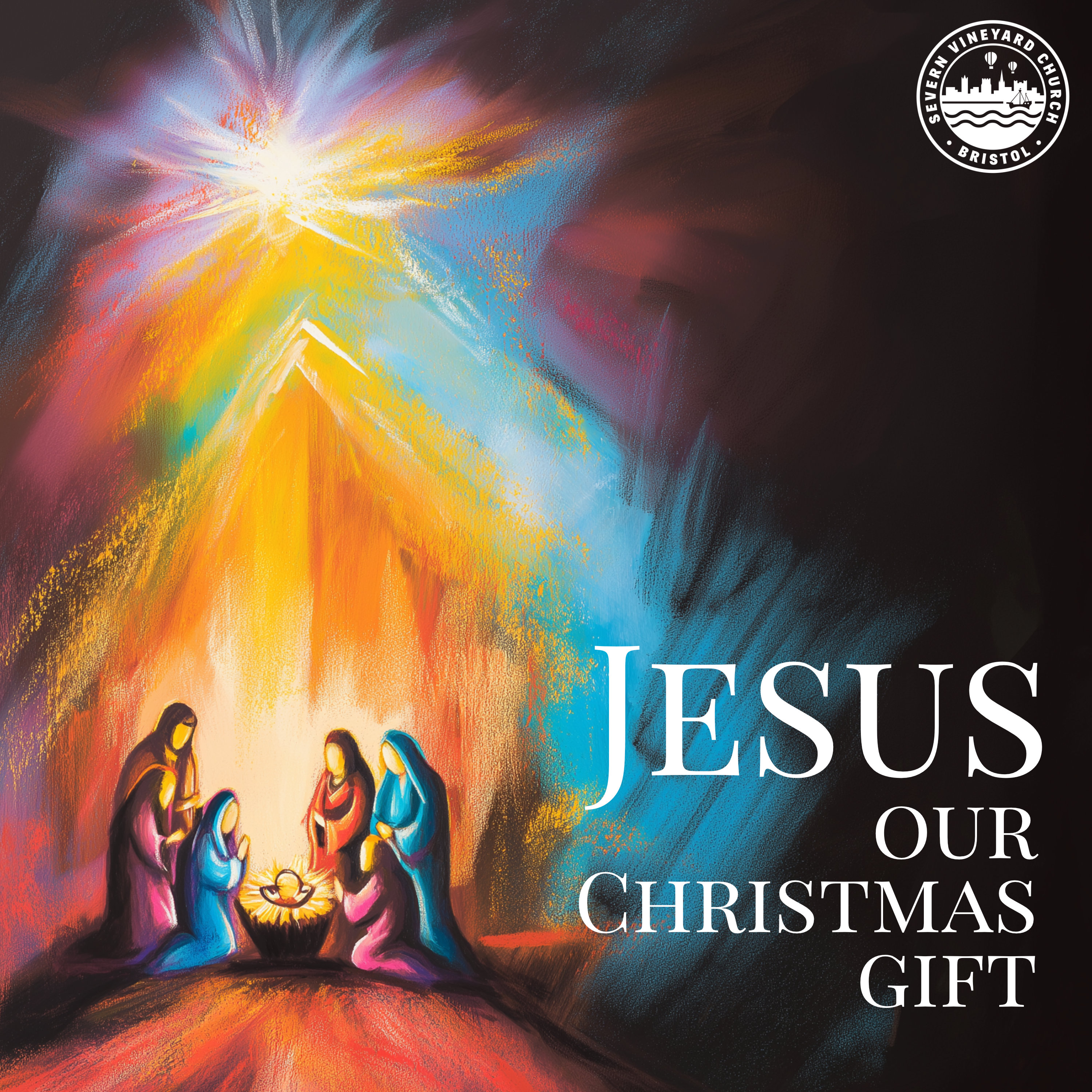
Talk and reflection: Jesus, our Christmas gift - Liz Nixon
What makes a great gift? Liz Nixon looks at the value of thoughtful, meaningful gifts and how they can build relationships when we grow love in return. The talk concludes with ten minutes of ‘examen’ prayer, which can also be practised with the Pray As You Go app at https://pray-as-you-go.org
Week 50 - Lamentations and Daniel - Boxset Binge the Bible
bonusBern Leckie and Owen Lynch share thoughts and feelings about the books of Lamentations and Daniel.Both were written for and about God’s people around the time of their exile to Babylon and the loss of their temple and centre of social order.Lamentations expresses huge depths of pain and suffering, though in the Hebrew it’s ordered around the alphabet in a similar way to Psalm 119. There is devastation throughout, but also a strong central column of hope which might still feel relevant and needed for us today. Could this book be a good way for us to engage with suffering and find God’s presence?Daniel’s story is memorable to Bern and Owen from childhood, and it seems to have become even richer in meaning since then. Trusting God in the most difficult times is a central theme, and the way God works through people who trust him can be astonishing. Daniel looks a lot like Joseph and might even look a lot like Jesus. What can we learn about God and his kingdom by following Daniel as he seeks to gain understanding and humble himself before God at the same time?In the next part of our boxset, we continue the story of God’s exiled people as they start to return in the books of Ezra and Nehemiah, and look at Psalms 120 to 131. Listen along at your own pace at severnvineyard.org/bible.
Week 49 - end of John’s gospel + Romans - Boxset Binge the Bible
bonusBern Leckie and Owen Lynch share thoughts and feelings about chapters 18 to 21 of John’s gospel and Paul’s letter to the Romans.Was it too ambitious to try and take in these texts in a week? Any of these chapters could be studied for a lifetime, and scholars still debate the details, but Bern and Owen still found massive value in getting an overview from them and reflecting on God’s intentions for his kingdom.Since the middle ages, the western church has often focused on a message of personal salvation which can be pieced together from these passages - a “ticket to heaven” necessary to avoid eternal suffering.But an escape from earth to heaven does not seem as important for Jesus or Paul to teach as much as God’s plan to pour heavenly resources through believers to renew the earth, through relationships and societal change as well as personal development.Jesus’ nature as a suffering servant, along with his willingness to accept a death caused by everyone else’s brokenness, show the power of heaven to overturn the worst of what can happen on earth. God’s kingdom is a social order which can look “upside down” to us and can turn injustice on its head.Paul’s description to the Romans of how God moves to fix brokenness is a challenging one, perhaps requiring us to admit to being more broken than we would like to.Bern and Owen discuss question of whether the fix is our faith in Christ, or the faithfulness of Christ - two alternative readings of the text. With the original culture in mind, some scholars are emerging with a view that this is a both/and rather than an either/or situation; what we call God’s “grace” would likely have been understood at the time as his offer of sponsorship or patronage, providing all the resources people needed to work and expecting a faithful response from people using them. This relationship seems irrelevant in terms of obtaining a “ticket to heaven”, but extremely relevant to a plan to renew the earth with heavenly resources. Paul leads from this towards the idea that we can know how to deal with our inner and interpersonal conflicts, and know God’s mind in general. What Jesus has done has made a way for us to approach God directly, as priests offering ourselves as sacrifices. What does this mean? For one thing, it means God considers us good and acceptable. For another, it means that we can expect to have to lay down some of the things we think are essential to us - perhaps stuff, perhaps opinions - in exchange for a renewal of our minds. This is a lifelong process within faithful relationship with God.In the next part of our boxset, we turn back to the Old Testament and listen through Lamentations and the book of Daniel. Listen along at your own pace at severnvineyard.org/bible.
Talk: A story of trust - Owen Lynch
What does the story of Jesus' birth tell us about God? Owen Lynch looks at this and shares his own reasons for having faith in Jesus. Do we want the stories which define us to be God's stories about us, our value, and how much we are loved and filled with his love, joy and peace to share this year?
Week 48 - beginning of John’s gospel - Boxset Binge the Bible
bonusBern Leckie and Owen Lynch share thoughts and feelings about chapters 1 to 17 of John’s gospel.Following the story of Israel from the time of exile and God’s promised of a renewed kingdom, it’s clear that people wanted their anointed leader, the Messiah or Christ. But their expectations of how to recognise God delivering this differed among various groups. John told the story of how Jesus was this leader, and how people could know, but also of how many kinds of senior leaders rejected Jesus’ authority. There may have been lots of reasons for this, ranging from having firm ideas which were hard to displace, to perhaps not wanting to lose some of the status and stability they thought they had. But John’s account also shows how many people, especially the marginalised and people hungry for change, accepted Jesus’ authority and started to follow him.There are questions for us about what Jesus was really asking from people and promising in return. His call could be seen as “radical”, which is not always a welcome word in discussions of faith today. Jesus’ ability to connect with people and transform from the roots, changing the inside out with living water, might make us question whether we should be satisfied with anything less than radical change.In the next part of our boxset, we finish John’s gospel and listen to Paul’s great summary of Jesus’ role in God’s plans through history in his letter to the Romans. Listen along at your own pace at severnvineyard.org/bible. We’ve produced a special audio version of John’s gospel with soundscapes, music and time for immersion and reflection built in. Search for “Time, Space, Jesus” on Spotify or find out more at severnvineyard.org/time-space-jesus
Week 47 - end of Ezekiel and some Psalms - Boxset Binge the Bible
bonusBern Leckie and Owen Lynch share thoughts and feelings about chapters 40 to 48 of the book of Ezekiel and Psalms 107 to 119.After some harsh and harrowing images, Ezekiel’s visions turn to glorious pictures of God’s designs for Israel’s future, including restoration and fulfilment of purposes God always had in mind for his people.An amazing temple is described, bigger and better than people have ever known, and this serves as an image of God living and working with people, redeeming and transforming where needed.This temple is also remarkable for what it produces - life-bringing fresh water that starts to look like a river, getting wider and deeper the further it gets from the temple. It’s a picture of transformational holiness, bringing life to the Dead Sea and to incredibly fruitful trees along its banks.Bern and Owen discuss what these images meant to Israel then and to us now. Can we learn more about holiness and what it’s for, and could that release us from “holy huddles” into places where God wants to work through us? How important is spiritual fruit in our lives, and what is it for? Linking the river imagery with the Psalms, is our worship sometimes too shallow? What would happen if we became more immersed in the depths of emotions expressed in Psalms, and where can we find places and times to soak in a really comprehensive piece like Psalm 119?In the next part of our boxset, we get back to the story of Jesus as told through John’s gospel. Listen along at your own pace at severnvineyard.org/bible. We’ve also produced a special audio version of John’s gospel with soundscapes, music and time for immersion and reflection built in. Search for “Time, Space, Jesus” on Spotify or find out more at severnvineyard.org/time-space-jesus

Talk: Am I willing for Jesus to change my mind? - Owen Lynch
What does it mean to follow Jesus and end up changing our minds about something important? Owen Lynch looks at Paul’s movements in Acts of the Apostles, which were not just physical across Europe, but changes in his long-held beliefs about what the long hoped-for Jewish messiah - their anointed leader - would look like. Many were quoting “clobber” passages from scripture to prove that Jesus could not take this role, but Paul’s experience forced him to rethink. How much has Jesus changed our minds since we first encountered him? Do we expect Jesus to change our perspectives from time to time when we read the Bible? What deeply held views, beliefs or doctrines might Jesus be inviting us to reconsider?
Week 46 - middle of Ezekiel - Boxset Binge the Bible
bonusBern Leckie and Owen Lynch share thoughts and feelings about chapters 22 to 39 of the book of Ezekiel.His visions and actions have been difficult listening, with harsh judgements and consequences for God’s people as well as loss which Ezekiel felt personally and was not allowed to grieve in the normal way. However, God was not remote from suffering, but walking through it with them.God’s heart for people and their ultimate restoration was also revealed not to be restricted to Israel. Ezekiel was given words to share with all the surrounding nations, people with no access to Jewish worship rites but remarkably included in God’s promises for renewal.The kind of leadership God promised for a restored situation was also remarkable - good shepherding, concerned for the whole flock, more humble and service-based than strident and dictatorial. How much did that fit anyone expectations then, or ours in similar political situations now?Ezekiel’s vision of God’s ability to bring life from dead, dry bones might be the most remarkable so far. Did this meet people’s expectations of God’s power, or exceed them? How much difference would it make to us truly to believe in God’s ability to do this today, not just in terms of afterlife but in renewed relationships, trust, hopes and love where these seem to be lost to us?In the next part of our boxset, we complete Ezekiel, looking at his visions for future hope, and also listen to Psalms 107 to 119. Listen along at your own pace at severnvineyard.org/bible.

Talk: Has the gospel made us more inclusive, progressive and hopeful? - Owen Lynch
What effect has the gospel of Jesus had on the way we see the world? Owen Lynch looks at the way this gospel spread across Europe in the time of Jesus’ first followers. It met with opposition from ruling powers and traditional institutions, but was received and spread in an inclusive, progressive and hopeful way. What could make anyone think it should be about exclusivity, regression and fear? Why does the church look like that to many today? How does Jesus want to move us forwards with him?
Week 45 - beginning of Ezekiel - Boxset Binge the Bible
bonusBern Leckie and Owen Lynch share thoughts and feelings about the first 21 chapters of the book of Ezekiel.The vivid visions in this book are other-worldly and dreamlike, and as Ezekiel had been in Babylon, in exile from his home country for a few years, it might not be surprising to see visions of heavenly power which looked similar to the way his captors saw this.But God seems to have added surprising twists, including his authority and radiant presence over all of the dark powers feared by people. Israel’s God was not defeated in the way people may have expected from his people’s fate, but had a purpose and plan which was yet to be seen and understood.It’s easy to read these passages in isolation and form a dim, dark view of God, especially as the suffering described through Ezekiel’s words, pictures and actions would be brutal and shocking.As with other prophets, there is hope to come later, but in the early parts of Ezekiel, there are also signs of what God wants the most and looks to restore - relationships in which people can share God’s vision and values, put love into practice, and work for justice and against everything which devalues life.There are also signs that life in relationship with God may involve ongoing movement and developing understanding. Ezekiel’s words include fresh insight into some scripture people may have regarded differently, including “the sin of Sodom”, and we can also spot pictures which get developed later by Jesus, like the usefulness of a vine. Jesus moved people’s understanding along - should we expect to experience this too?God’s presence was also on the move, tragically out of the temple of Jerusalem, but thankfully close to people wherever they were in exile. In the next part of our boxset, we continue through Ezekiel and find God’s power doing some incredible things. Listen along at your own pace at severnvineyard.org/bible.

Talk: The woman who washed Jesus’ feet - Dan Green
How do we feel about breaking the rules and crossing boundaries? Dan Green has lived across multiple cultures and trains people in what can help to build good relationships across cultural divides. In this talk, he looks at the story of a woman whose approach to Jesus looked completely wrong to many, but showed love and honesty which Jesus recognised and praised. Could the way we feel when we see others reveal ways that God's love needs to transform our hearts?
Week 44 - end of Jeremiah and some Psalms - Boxset Binge the Bible
bonusBern Leckie and Owen Lynch share thoughts and feelings about chapter 44 to the end of Jeremiah and “Book 4” of the Psalms, 90 to 106.It’s worth considering where the main point, or climax, is the book of Jeremiah. Hollywood stories have this near the end to keep our attention, but ancient stories often cover the main point nearer the middle. If the point of this book is at the end, it’s destruction and judgment. But there are reasons to think that God’s heart for restoration is the real heart of the story of Jeremiah.One reason is that events towards the end are not told in chronological order - the order has been chosen for other reasons. Promoted and put closer to the centre than earlier events was God’s command to abandon slavery among Hebrews. Judah’s last king agreed but did not put this into practice. Could this have been featured as part of the book’s core message, that God was going to act to restore and empower people to live a new way of life, with his word and values on their hearts?The central nature of this message, as well as the way it’s also followed up by Jesus, seems to elevate its importance, both to Jeremiah’s original listeners and to us.Psalms 90 to 106 also give us insight into how people were inspired to connect with God and express pain and suffering, as well as praise and hope, during their exile from Jerusalem. At the heart of this collection, the encouragement to “sing a new song” and expect joy to be shouted from “all the earth” also suggests a hope for a future of restoration, not just of Israel but of everyone and everything.In the next part of our boxset, we turn to the prophet Ezekiel whose prophecy was around the same time as Jeremiah, but whose style was very different. Listen along at your own pace at severnvineyard.org/bible.

Talk and meditation: Is God male? - Claire Lynch
From the series ‘What is God like?’When we form pictures in our minds, does God have a gender? Claire Lynch looks at the history of people forming views on this, and considers the range of Bible references to God which might seem more male or female in different places. The talk concludes with time for meditation for you to notice what comes to mind in response to the Bible’s descriptions of God. Could fresh images of God help you relate to God better?
Week 43 - middle of Jeremiah - Boxset Binge the Bible
bonusBern Leckie and Owen Lynch share thoughts and feelings about chapters 23 to 43 of the biggest book in the Bible, Jeremiah.What started as relentless sounding doom and gloom turns a corner here as hope is revealed, albeit at a traumatic time for God’s people.One of the most popular prophecies for sharing and encouraging today comes from this part of the book of Jeremiah - God does know the plans he has to bring people hope and a future. But we need to understand what these were for the original listeners before we can grasp the power of this encouragement. The warned destruction and forced exile came true, and while one false prophet offered encouragement that it would be very short, Jeremiah delivered a different word - that it would last beyond the listeners’ lifetimes, but they could find new life and look forward to their descendants finding more.God’s plans were not to deliver instant relief, but to love, strengthen, reconnect and restore people over time, sometimes in new and surprising ways. God’s ultimate aim is revealed here, for people to have his ways in their own hearts and minds, not just laws to follow but shared desires to love, strengthen, reconnect and restore where we are. This is easy to like as an idea, but hard to live in practice. Can we do it in our own strength, or do we need to let God work this out through us?In the next part of our boxset, we complete Jeremiah and also listen to Psalms 90 to 106. Listen along at your own pace at severnvineyard.org/bible.
Week 42 - beginning of Jeremiah - Boxset Binge the Bible
bonusBern Leckie and Owen Lynch share thoughts and feelings about chapters 1 to 22 of the biggest book in the Bible, Jeremiah.It starts at a time of change and uncertainty for God’s remaining people in the southern kingdom of Judah. The Assyrian empire to the north lost their last great leader, and with recent religious reforms under King Josiah, the Jews may have had good reasons to feel comfortable, justified and protected by God.Jeremiah’s messages about how unhappy God was with their unfaithfulness to him and their covenant might then have come as a surprise, or just sounded wrong. But the words God gave to Jeremiah included lots of examples of how their worship, life and society had become corrupt and toxic.Nobody wanted to hear, let alone agree with or follow, Jeremiah’s call to repentance. The ruin of Jerusalem had been warned about, but people were unwilling to believe it or reconnect with God to deal with it.We can know and agree that God wants relationship more than religion for us, but repentance, ongoing learning and change are still hard. Bern and Owen reflect on examples from their lives, and discuss how we can know the directions God wants us to take.In the next part of our boxset, we continue with Jeremiah and find, in the middle of tragedy for Judah, that God still has good plans and offers life-changing hope for the future. Listen along at your own pace at severnvineyard.org/bible.
Week 41 - letters by James, Peter, John and Jude - Boxset Binge the Bible
bonusBern Leckie and Owen Lynch share thoughts and feelings about a selection of letters in the New Testament from early church leaders.The first followers of Jesus were suffering as they spread the news of God’s coming kingdom. They were not being equipped for armed struggle but to develop and mature in Christ-like character while overflowing with his Spirit and love.From a distance, this sounds like something which can be calmly analysed to figure out how it works. But from the first Christians’ perspective, they were constantly learning from experience and having to work out what was happening, what was effective and helpful in their lives, and what to expect from God next.The way they were learning, as well as the change they wanted to see in the world, might explain why these writers emphasised putting faith into practice.Trying to turn their encouragements into laws, doctrines and rules might be harder to achieve than we think, however - some of the most prominent reforming theologians like Martin Luther and John Calvin made strenuous efforts, but were all their conclusions faithful to these writers’ intentions? If not, how can we know any better? And when we disagree among ourselves about things like this, is there any chance we can do this helpfully and lovingly?In the next part of our boxset, we begin hearing from Jeremiah, one of the major prophets who brought word of how unfaithful God’s people had been, but also hope for a better future. Listen along at your own pace at severnvineyard.org/bible.
Talk: Revelationship - Phil Joiner
What does God really want from us? Phil Joiner from Breathe Ministries looks at his forty-year journey of coming to terms with an idea he thought he knew, that God wants relationship. We can get a different idea from the efforts people put in to find correct answers to hard questions, including how to make sense of theology. Occasionally, revelations might occur to us and we might wonder if their point is to set us right, but what if ongoing revelation and relationship are always going to be God’s desire for us? Could he have made us for “revelationship”?
Week 40 - end of Chronicles - Boxset Binge the Bible
bonusBern Leckie and Owen Lynch share thoughts and feelings about the second book of Chronicles from chapter 17 to the end.The big theme seems to be what makes a good leader for God’s people. The best ones seemed to make a point of seeking God and doing what he commanded, and they also tended to support or help restore the temple in Jerusalem so that all people could find it possible to find God when they sought him.But what does it really mean to seek God? While a religious system is at the heart of the social order being described, the stories in Chronicles might also point to a difference between following religious people or rules and finding the God we are seeking. There is the amazing story of one king who heard from 400 prophets, but still had a sense that he had to keep seeking the truth from God. There is also a story of how religious rules broke down when another king called people to celebrate together. This prompts the question: is it God’s purpose for people to seek him to obey religious rules, or is the more the purpose of the rules to encourage people to seek God? If there is ever a clash, which does God prefer?Owen and Bern share their experiences of seeking God and sometimes needing to change direction, or learn a new way of doing things, as a result. They also discuss what Chronicles shows about faith and faithfulness, topics which will come up again next week as we look at letters by James, Peter, John and Jude. Listen along at your own pace at severnvineyard.org/bible.

Talk: Experiencing the love of God - David Jennings
Do we view God as distant, or close and loving? David Jennings shares his experience of encountering God for himself and in the lives of people he has worked with. Descriptions in the Bible about the movement and power of the Holy Spirit can tell us what believers can expect from God and why. Do we need to do anything special to be loved by God? How do we get to meet with God, feel and know what his love for us is like?
Week 39 - middle of Chronicles - Boxset Binge the Bible
bonusBern Leckie and Owen Lynch share thoughts and feelings about Chronicles from book 1 chapter 22 to book 2 chapter 16.It’s become very noticeable that this account of Israel’s history has a different perspective and purpose from other versions of the same stories in the Bible. Some people like David and Solomon look like better versions of themselves, but why?Other books were probably written to warn Israel of the dangers of separating from God, but Chronicles seems written to encourage Israel about the benefits of getting back together. In particular, after the exile of God’s people, some felt the opportunity to regroup and rebuild in Jerusalem would bring about the restoration of the kingdom of God.So this account remembers past glory. Who wouldn’t want to regain it? Hadn’t God promised that if his people turn and seek him, he will heal their land? (Bern has views on how we pray this prayer today, though…)In the next part of our boxset, we finish Chronicles and look at what it says about some of the best and worst leaders. Listen along at your own pace at severnvineyard.org/bible.
Week 38 - beginning of Chronicles (and quite a few bonus thoughts about stuff God is doing today) - Boxset Binge the Bible
bonusBern Leckie and Owen Lynch share thoughts and feelings about the opening chapters 1 to 21 of the first book of Chronicles.A bit like Deuteronomy, this book is a retelling of familiar stories from a different perspective, and this time the special purpose of the book might make it look like the Bible has contradictions within itself.What if it does? Bern shares discomfort about this idea, coming from being told as a young adult about how to deal with people who said “the Bible is full of contradictions” and didn’t want to put faith in God.Chronicles seems to show, however, that the people who agreed what should count as scripture were happy to bring together partisan and conflicting views which show how God moved different people at different times.What does this mean for us? Do we need to rethink how we engage with the Bible and take lessons from it or quote fragments in our prayers and worship? Can we also grasp what it means for us to be part of God’s movement of people through history, and be ready to keep moving?WARNING: inspired by ideas sparked in Chronicles, Owen and Bern’s discussion moves into other topics about how God engages with us, how we sometimes miss the point and try to adopt snapshots of someone else’s history as our own, and how we can experience God moving us into new life with a new perspective.In the next part of our boxset, we continue Chronicles with a look at how Israel was inspired to remember the goodness of worshiping God together. Listen along at your own pace at severnvineyard.org/bible.
Talk: A God who blesses - Claire Lynch
Are we born broken or blessed? Claire Lynch looks at how teaching about “original sin” developed, and how the Bible tells a different story about God, the nature of life and the original goodness and blessing God gave to his creation, overflowing from his own goodness. Could we have misunderstood this because we’ve been brought up to seek rewards for things we have done well, and ended up believing we need to work our way towards perfection? What difference could it make for us to believe that God already loves, blesses and sticks with us, no matter what?
Week 37 - ends of Deuteronomy and Proverbs - Boxset Binge the Bible
bonusBern Leckie and Owen Lynch share thoughts and feelings about the final chapters of the books of Deuteronomy (20 to 34) and Proverbs (27 to 31).In lots of ways, we might not appreciate the revision sections of old laws. There are lots of questions about how they were conceived, what they meant to people, and what - if anything - they might mean to us today. What can we gain from understanding them better?Being outside the Jewish family and the covenant described in Deuteronomy, we don’t have a duty to follow its rules, but we can appreciate something about what God was doing. The social order created by this covenant helped to define people and create a sense that they could live and grow in relationships and trust. We can still wonder how much of what this society practised would benefit us today, but it might be more helpful to see its formation as a signpost towards even better life in the future. Was “an eye for an eye” ever intended to encourage vengeance, or to limit it? And was it meant to be the final state of the life God wanted for people, or more of a step towards the ability to forgive and love enemies, as Jesus expected?The ending of Proverbs might also create more questions than answers. The writer realises that they have not, in the end, learned wisdom. There is still much for them to learn. How important is it to recognise the depths of what we still don’t know, especially in relationships? Can seeing ourselves on a continuing journey help us gain from Proverbs’ final picture of ideal life as a source of hope and encouragement instead of an unrealistic burden?In the next part of our boxset, we begin the book of Chronicles, another re-telling of familiar material from a different viewpoint which can help us understand God’s people and their history in more depth. Listen along at your own pace at severnvineyard.org/bible.
Talk: I lift my eyes to the mountains
How do we get help from God? Is it only when we ask, or does God get involved and help us all the time?This talk looks at times in life when we need help, and not just comfort, and the hope that believers through history have found in Psalm 121, which starts, "I lift up my eyes to the mountains— where does my help come from? My help comes from the Lord, the Maker of heaven and earth."The Bible also contains story examples of the help God gives - restoration to Noah, power to Elijah, wisdom and guidance to Moses, intervention for Abraham and Isaac, provision through the feeding of the 5000, and ultimately redemption through Jesus.How might we need to wait and grow our intimacy and reliance on God's help? Can we grow our faith and build our trust on his promises to us?
Week 36 - beginning of Deuteronomy - Boxset Binge the Bible
bonusBern Leckie and Owen Lynch share thoughts and feelings about the first 19 chapters of the book of Deuteronomy.This name means that it’s a repeat of the law described in the first few books of the Bible. Why is it there? The perspective isn’t quite the same as the first time this law was described, and seeing something from more than angle can make a huge difference to how we understand what it is, how it works and how it fits into people’s lives.The Jewish law is part of a bigger social order which helps set people’s expectations of how to deal with each other and progress through life. Rules can be interpreted in different ways, so understanding how a society works turns out to be essential to know what a rule means to people - Bern has a good example from his recent holiday!To understand Deuteronomy, it’s also useful to consider when, how and why it was written. Scholars’ views range from traditional - that it’s all from Moses exactly as presented - to more common current views that it was, at least partly, written or refined much later to help reform God’s people in a time of crisis. Can allowing for fresh interpretation like this strengthen our connection with God?In next part of our boxset, we finish Deuteronomy and the final five chapters of Proverbs. Listen along at your own pace at severnvineyard.org/bible.

Talk: What shapes our sense of identity? - Owen Lynch
From the series ‘A community of hope’ on the book Acts of the Apostles.How does life with Jesus shape us? Owen Lynch looks at the range of people described in Acts of the Apostles who became and grew as believers together. Between them, there were many roots of identity. Were they forced to abandon their sense of who they were, or was God deepening their relationships in their communities?
Week 35 - Hebrews, Thessalonians, Titus and Philemon - Boxset Binge the Bible
bonusBern Leckie and Owen Lynch share thoughts and feelings about the New Testament letters to the Hebrews, the Thessalonians, Titus and Philemon.What does faith look like for Jewish believers in Jesus as their promised anointed saviour? Hebrews is the name we give to a letter written to the first such believers, and it connects their inherited identity, stories and hopes with the new life they discovered in Christ.It turned out that they now had the best possible prophet, priest and leader, who was not new but had been working since the creation of everything. Could it be true that their familiar religious structures were only shadows of what God was always wanting for them? If so, what would change for Jewish believers in Jesus? For example, what would it mean that Jesus replaced imperfect, temporary sacrifices with a perfect, eternal one? And what could everyone learn from the examples of faith that the writer drew from Jewish history to set high expectations for life following Christ?Elsewhere, Paul’s instructions to churches and leaders reflected his understanding that Jesus was returning, perhaps very soon. But even if we knew this would happen tomorrow, how should we live today? Paul encouraged hope in Jesus’ return, but also investment in the life and communities people had. Could his understanding and application of this have changed over time, perhaps as his experience grew and his viewpoint changed? How can we best learn from his teaching, and what are the dangers of taking some of it out of context?In next part of our boxset, we look back at some very familiar stories, re-told in a revised way and maybe showing some viewpoints we’ve not yet seen, through the book of Deuteronomy. Listen along at your own pace at severnvineyard.org/bible.
Week 34 - end of Isaiah and some Psalms - Boxset Binge the Bible
bonusBern Leckie and Owen Lynch share thoughts and feelings about the final chapters of the book of Isaiah and Psalms 79 to 89, some of which reflect how people shared difficult experiences with God.What does it mean to rely on God, and why is this important? Israel suffered through much of its history. While maintaining religious and legal systems which made it look and feel like they relied on God, the prophet Isaiah said they had really been relying on themselves, or on alliances with others, or on wealth or strength instead.God would show them a different way of life through a suffering servant, someone totally reliant on God and, as we believe with hindsight, was also God in the flesh.What sort of life would become possible because of this? Isaiah’s words held a mysterious hope for people who hadn’t yet encountered Jesus, and would also be a source of blessing and joy for people who believed God’s promise was fulfilled in him. In next part of our boxset, we look at how some of the first Jewish believers in Jesus were encouraged to develop their faith in the letter to the Hebrews, as well as other letters written to the Thessalonians, Titus and Philemon. Listen along at your own pace at severnvineyard.org/bible.
Week 33 - middle of Isaiah - Boxset Binge the Bible
bonusBern Leckie and Owen Lynch share thoughts and feelings about the chapters 28 to 49 of the book of Isaiah.When was the last time you thought about how amazing it is that people - including us - can hear from God? How can we know we hear from the real God, and don’t just replay our own ideas about life?Isaiah gives lots of guidance on this to people who desperately needed to know the reality of God’s presence with them, love for them and hope for their future.One way to measure this would be justice - life following things other than God ended up denying people’s access to this, but social justice would be achievable when people followed a way of life that God promised to reveal.While people might have expected this way of life to be about recognisable strength, riches and powerful allies, Isaiah surprisingly prophesied that it would be more about service. Israel would learn how this works through a remarkable servant that God would raise up among them. In exile, Israel might have considered Daniel to be a leader like this, but did God have even greater plans, involving an even greater servant - God himself, revealed in Christ Jesus?In next part of our boxset, we complete what Isaiah and his disciples shared with Israel about Israel’s future and God would change the world with them, and listen to Psalms 79 to 89. Listen along at your own pace at severnvineyard.org/bible.
Week 32 - beginning of Isaiah - Boxset Binge the Bible
bonusBern Leckie and Owen Lynch share thoughts and feelings about the first 27 chapters of the book of Isaiah.Can we imagine the horror and trauma of national exile? How would we feel and what would we do to try and feel better about ourselves and our future if it happened to us?From a distance, we could look at Isaiah’s words of God’s judgement and correction to Israel as a history lesson we can easily grasp, but if that’s all we do, could we miss the point? And could we put ourselves in danger of repeating their mistakes?According to Isaiah, God’s main desire was for social justice, and religious rules and practices were becoming part of the problem, not the solution. When we think and pray about how the world could or should be better, do we share God’s values as revealed here?The vision God gave Isaiah for the better future he would bring about was promised to be surprising and new. Could listening and letting it reshape our vision also surprise us today, even if we’ve heard it before?In next part of our boxset, we continue with Isaiah’s developing message as a new way of life is promised to emerge where life looked impossible chapters 28 to 49. Listen along at your own pace at severnvineyard.org/bible.
Week 31 - 2 Corinthians, Philippians and Colossians - Boxset Binge the Bible
bonusBern Leckie and Owen Lynch share thoughts and feelings about Paul’s guidance to the church in his letters 2 Corinthians, Philippians and Colossians.Paul’s first letter to the Corinthians had been harsh, strict and apparently hurtful to some in that church in some ways, and in this follow-up, we get to see more of Paul’s heart - what did he really want for them? It looked like people had been arguing about who should have authority, and it might seem to us that Paul joined in this tussle for power, setting clear directives which might sound like instructions for us today too.But was Paul really pushing for his own authority or trying to point everyone in the direction of a more certain foundation for life - Christ? If so, what did this look like for him, and what can we expect if we recognise and build on Christ as a foundation today? If we believe Paul that Christ is in everyone, should that change the way we treat other people, especially people who don’t yet believe in God?There seems to be a mixture of messages about this in Paul’s letters. It can be hard to know how to put his teaching into practice. His views, assumptions, expectations and practices may have been works in progress. But could Paul’s direction to work things out together, with God-given love and a growing faith in Jesus, be any clearer?In next part of our boxset, we go back to the story of Israel in the Old Testament and listen to what had corrupted society, its leadership and religion, why God’s people were suffering, but also what hope they could expect for the future from God’s viewpoint, shared through the prophet Isaiah, chapters 1 to 27. Listen along at your own pace at severnvineyard.org/bible.
Week 30 - end of Kings and some Psalms - Boxset Binge the Bible
bonusBern Leckie and Owen Lynch share thoughts and feelings about the end of the story in the books of Kings, along with Psalms 73 to 78.The big, tragic message of this part of the story is that God’s people ended up exiled from their promised land, and the main reason given for this was their turning away from God.Looking at how this happened, there are some intriguing details which might give us insight into how these people reflected on their circumstances, their identity and what they thought they would need to do differently to regain healthy and sustainable life in God’s kingdom.In a couple of instances, leaders who seemed like they were seeking God to a great extent made mistakes which led to downfall, either for them or their descendants. Is it easy to draw messages from this, like not to be as proud as Hezekiah or as half-hearted as Joash? Or is it reasonable to think that the original audience for these stories might have wondered how these leaders could have known what to do to be fully correct?Bern and Owen consider the possibility that not knowing, and having to seek God and listen better as a result, might have been an important part of the message, and one that applies to us too.In next part of our boxset, we’ll return to Paul’s letters in the New Testament to see how he guided the church in 2 Corinthians, Philippians and Colossians. Listen along at your own pace at severnvineyard.org/bible.
Week 29 - middle of Kings - Boxset Binge the Bible
bonusBern Leckie and Owen Lynch share thoughts and feelings about the middle of the story in the books of Kings.History is often told in terms of leaders, what they did and how their power influenced the world, but in this part of a story of corrupt leadership, the focus moves to prophets Elijah and Elisha. They were given power from God to help ordinary, suffering people, and to demonstrate the importance of God’s power over all others powers.A dramatic showdown between Elijah and the prophets of Baal, a foreign god, is commemorated in opera but would also be an incredible way to settle political differences if we could watch it today.Elisha asked for double Elijah’s blessing, and the stories of his work among people sound practically Christlike to us. In fact, the people who saw Jesus would probably have reflected that he was a continuation, even a fulfilment, of what God was doing through Elisha.The Holy Spirit flowed through him to heal and bless people outside of the Jewish family and faith community. What could that same Spirit, if we believe it flows through us, do to heal and bless our neighbours too?In next part of our boxset, we’ll finish the story of Kings and look at the fall of God’s people into exile, as well as listening to how they shared their experiences with God in Psalms 73 to 78. Listen along at your own pace at severnvineyard.org/bible.

Talk: Peter - wanting more of Jesus - Dan Green
What it is like to follow Jesus? Dan Green looks at Simon Peter, whose story and character show several relatable sides to this.Peter’s choice to follow and believe in Jesus was remarkable, given his life experience, but maybe not as much as Jesus’ choice to call and believe in Peter first. Peter’s response to Jesus involved much practical learning, faith risks, new experiences and changes of mind. His life became an emotional rollercoaster at times, but even though his low points included denying being a follower, Jesus restored him to the heights of trust and leadership responsibility because of the love he saw in Peter.Dan asks four questions for reflection:What is Jesus inviting you into at the moment?How strong is your desire to say yes and to follow?Where are we asking ‘Lord if it’s you, please speak’?Where do we need God’s acceptance and affirmation?
Week 28 - beginning of Kings - Boxset Binge the Bible
bonusBern Leckie and Owen Lynch share thoughts and feelings about the first part of the book of Kings.It can be hard to know what to make of these stories of life after King David. Characters like Solomon are awesome and sometimes live in ways we would love to have part of, but they are also complex and flawed. Drawing moral conclusions from what they say and do, and what happens to them, is usually tempting but often baffling and always needing to be done in the context of the larger stories being told.One story with a recognisable pattern is Solomon’s fall, linked with the fall of Israel as a united kingdom, and eventually the fall of divided kingdoms into exile. Can we identify what caused the falls, and so grasp the message intended by the author?Turning away from God is labelled as the main mistake, and while that might not sound surprising, the ways in which this was shown to happen, and the consequences for people who did this in different ways, might be shocking. This makes the book of Kings a dizzying listen, often hard to process, but also highly engaging and revealing of a need to seek God and not just people or things that look blessed.In next part of our boxset, we’ll continue the story of Kings and see what prophets have to say and do as part of God’s intervention, not just with corrupt leadership, but with suffering people directly. Listen along at your own pace at severnvineyard.org/bible.
Week 27 - 1 Corinthians and 1 & 2 Timothy - Boxset Binge the Bible
bonusBern Leckie and Owen Lynch share thoughts and feelings about Paul’s first letter to the Corinthians and both of his letters to a young leader, Timothy.After stressing to believers in Christ the importance of freedom from the law, why does Paul seem to be setting a lot of rules for the church in Corinth? Positioned at the intersection of lands and cultures, there were competing voices of authority in this early church, along with practices which failed to show the love Paul expected to see from growth and maturity they should have been developing in Christ.We can learn a lot from what Paul writes, but it can be difficult for us to decide which of Paul’s teachings to adopt and which to leave as a result of the early church and their society being different from ours.Could we have adopted our own unhealthy ways of looking at this, and is the “conservative vs liberal” paradigm an example of something we need to change? If so, what can we swap it for? What, if anything, could be a way of seeing the world and making judgements like this which brings us closer to Christ?As many instructions as it contains, could the main focus of 1 Corinthians really be the expression of Christ’s work in and love for us? Paul’s famous passage about love, often quoted at weddings, is found here in the middle of his teaching about spiritual gifts and the power God provides to build people up. As our understanding grows, about God, his power and his world, should fixing rules be as important to us as learning how to adapt to others’ needs, change our plans and increase in love?In next part of our boxset, we’ll return to the Old Testament story of Israel and see what happened after David in the first part of the book of Kings. Listen along at your own pace at severnvineyard.org/bible.

Talk: How to join the revolution? - Owen Lynch
What do we expect from people joining a journey of faith? Owen Lynch looks at the disputes which arose in the early church around following the Jewish law, why this was important to many people, and why the opening of God’s kingdom to all was a challenging, counter-intuitive idea to them. Two key leaders, Peter and Paul, found themselves in dispute, but the story of Acts, and their letters which are also in the New Testament, show how God changed their understanding and revealed Christ as their foundation. How should this set our expectations and maybe change the way we treat others who are looking to follow Jesus?
Week 26 - Amos, Obadiah, Jonah, Micah, Nahum and some Psalms - Boxset Binge the Bible
bonusBern Leckie and Owen Lynch share thoughts and feelings about several “minor” prophets with major messages in the Old Testament, as well as Psalms 66 to 72.We often think of the word “righteous” as quite religious or worthy in a traditional way, but when God’s prophets called people to righteousness, it looks like the major concern was how people were suffering because of a lack of social justice and people’s concern for each other. It turns out that God values people more than we do, and that without closeness to God, we find it hard to share God’s values and live with them as our own.The prophet Jonah especially struggled with being asked to take a message from God to his enemies, not because he was afraid for his life, but because he didn’t want them to respond in a way that would bring them forgiveness. We might see this as a picture of how we or anyone might hear Jesus’ challenge, “Love your enemies.” This is hard, maybe impossible for us without God’s help.So can we ever know what to do without constant direction from God? The prophet Micah brought assurance that we should already know the basic idea - “act justly, love mercy and walk humbly with your God”. This is harder to live in practice than to remember as a Bible verse, but can it give us a framework for a full, balanced life where we want to keep learning and growing in practical love?In next part of our boxset, we’ll return to the New Testament and look at Paul’s first letter to the Corinthians and both of his letters to a young leader, Timothy. Listen along at your own pace at severnvineyard.org/bible.