
See See by Ceci
61 episodes — Page 1 of 2
NDE: Mind Unbound with Eben Alexander
Minding Global Mental Health: Empowering the (Extra)Ordinary with Vikram Patel
Intelligence, Immortality and AI with Stephen J. Cave
The Tapestry of Consciousness and the Self: Winning Over Alzheimer’s with Rudolph E. Tanzi
The Posthuman Mind Uncoupled: From Bacteria to AI with N. Katherine Hayles
Intelligence Without Brains with Toby Kiers
Beautiful Wild Minds with Carl Safina
Mind’s Ancestral Gatekeepers with Terri Lyne Carrington
Digital Body: Mind, Tension, and Perception with Alexander Whitley
S4 Ep 4Mind is Matter: Function and Emotion with Paul Thagard
In this episode of See See by Ceci, Paul Thagard, one of the most influential thinkers at the crossroads of philosophy, psychology, and artificial intelligence, takes us on a journey through the architecture of thought, emotion, and coherence that defines the human mind. A distinguished professor emeritus at the University of Waterloo, Fellow of the Royal Society of Canada, recipient of the Killam and Molson Prizes, and author of eighteen books, Thagard has spent decades asking the hardest questions about intelligence: what it is, where it comes from, and whether machines will ever truly share it with us. His pioneering theory of explanatory coherence reimagines the brain not as a logic machine but as a coherence engine, a system that makes sense of the world by satisfying countless constraints simultaneously, weaving perception, reasoning, and emotion into a single fabric. In this wide-ranging conversation, Thagard reflects on the difference between intelligence and consciousness; on the devastating role of social media in the spread of misinformation; on the power of analogy as a tool of creativity, from Darwin's theory of natural selection to the everyday act of reading a stranger's gesture. And on why computers, despite their cognitive capacities, remain fundamentally psychopathic. "They are highly intelligent," he says, "but they lack empathy and are therefore incapable of caring." That incapacity sits at the heart of the episode's most urgent theme: the alarming rise of human-AI relationships, and what we risk losing when we mistake imitation for intimacy. Drawing on his recent book Dreams, Jokes, and Songs: How Brains Build Consciousness and the forthcoming AI Boom or Doom?, Thagard offers a remarkably clear-eyed view of minds both human and artificial, one that is at once scientifically rigorous and deeply humane. This is an episode about the mind as a coherence engine: hot and cold, rational and emotional, individual and social. About how neurons firing together can produce something as extraordinary as humor, as mysterious as dreams, and as dangerous as political delusion. And about the light, and the peril, that lies ahead as human and artificial intelligence continue to converge.
S4 Ep 3Timeless Mind Space with Domingo Milella
What happens when a photographer trades the vast clarity of Mediterranean ruins for the darkness of a prehistoric cave? In this episode of See See by Ceci, visionary Italian artist Domingo Milella takes us on a journey that spans forty thousand years and the full depth of the human spirit. Milella first made his name with luminous large-format photographs of ancient landscapes, the coast of Puglia, the ruins of Petra, the pyramids of Egypt, images of extraordinary stillness that invited the viewer to slow down and breathe. Yet beneath the surface of that early success, a quiet crisis was gathering. In the summer of 2014, at the age of thirty-three, his carefully constructed world collapsed. He retreated to a forgotten village on the Ionian Sea, carrying only two things: his large-format camera and a copy of Moby Dick. Both remained untouched, the camera locked in a cupboard, the book unopened on the nightstand. What followed was a passage through despair and into transformation. Through therapy and the slow archaeology of the self, Milella found his way to the prehistoric caves. There, in total darkness, surrounded by ochre symbols and handprints inscribed tens of thousands of years ago, something shifted. The camera obscura he carried into those narrow tunnels became a mirror of the cave itself: both dark chambers in which images are born from minerals, water and light. In this rich and deeply personal conversation, Milella reflects on darkness as a space of safety and revelation rather than fear; on the intimate connection between memory, the body and the imagination; on the silent pressure of the digital age and its relentless flood of images; and on the nameless, collective authorship that links a teenager’s graffiti in a city alleyway to a Paleolithic painter working by torchlight four hours from the sun. What emerges is a meditation on time that refuses to move in one direction, where a feverish child navigating the folds of a bedsheet, an artist kneeling with a mammoth-format camera in a narrow tunnel, and an unknown hand pressing ochre against stone forty thousand years ago are all part of the same gesture. This is an episode about caves: geological, photographic and interior. About the courage it takes to descend into one’s own depths. And about the treasure that waits there: not answers, but the oldest and most enduring questions of what it means to be human.
S4 Ep 2Embodied Cognition: The Music Within with Vijay Iyer
Let yourself be drawn into the world of one of the most prolific, shape- shifting presences in 21st century music. Vijay Iyer is a Grammy-nominated composer, pianist, bandleader, and the Franklin D. and Florence Rosenblatt Professor of the Arts at Harvard University. He is a MacArthur Fellow, described by The New York Times as “a social conscience, multimedia collaborator, system builder, rhapsodist, historical thinker and multicultural gateway.” In a profound conversation, Vijay Iyer takes us on a journey of discovery, into what embodied cognition truly means and where music begins. He invites us to explore the extraordinary phenomenon of synchrony: how musicians lock into pulse together, and how an entire audience can exhale as one at the close of a performance. Iyer speaks of live music as a form of ritual, a collective agreement to step out of everyday life and into something else, together. He also reflects with great warmth on his collaborations with artists such as the drummer Tyshawn Sorey and the legendary trumpeter Wadada Leo Smith, describing the deep listening, humility, and compassion that make their music possible. He opens our eyes to think deeply about jazz, “not as style of music but an act of freedom.” Music, he insists, should truly be listened to as a human action, asking ourselves who made it, where they were, and how they found each other. This episode is a powerful and loving reminder that music is, first and foremost, a live, shared, visceral, mutually embodied experience, and that within it lies the recognition of a deep longing we carry always: to come back to the experience of that timeless space where two souls meet in the act of listening.
S4 Ep 1The First Leap to Consciousness with Paul Bahn & Elle Clifford
In this episode of See See by Ceci, we journey hundreds of thousands of years into the past, to the flickering firelight and painted depths of Ice Age caves. What did it mean to live embedded in the landscape, wearing it “like a big cape”? How did the mastery of fire reshape not only our bodies but our minds? And what can we learn from the haunting images left deep within caves—some meant to be seen, others engraved in darkness, never intended for any eye but the spirit world? From the earliest trace of aesthetic awareness, a pebble that looked like a face, carried home, to dots, stencils, animals, geometric forms and so much more, we explore how symbolic culture emerged not from necessity but from play, imagination, and the suspension of ordinary reality. We consider how caves themselves became spaces of meditation and transformation, how music and birdsong may have shaped early consciousness, and what these first leaps into abstraction reveal about the origins of art, religion, and the human mind itself. In conversation with Paul Bahn one of the world’s leading authorities on prehistoric rock art, Fellow of the Society of Antiquaries, and author of over one hundred publications including the award-winning Images of the Ice Age, and Elle Clifford, psychologist and researcher specializing in Ice Age life whose work on cave art and mythological worlds illuminates the social and psychological dimensions of our earliest ancestors. Co-hosted by acclaimed Italian landscape photographer Domingo Milella, this episode invites us to stand face to face with those who came before, and to see ourselves reflected in the first marks they left behind.
S4 Ep 1Trailer Season 4 (Mind)
trailerWhat is the mind? Where does it begin, and where does it end? Season IV of See See by Ceci takes you on a 16-episode journey through the mysteries of consciousness: from the first spark of awareness in prehistoric caves to the frontiers of AI and the future of human identity. Featuring Harvard neuroscientist Rudolph Tanzi on Alzheimer’s and the self, psychiatrist Iain McGilchrist on the divided brain, Pulitzer finalist Andrew Solomon on the shadows of the mind, global mental health pioneer Vikram Patel, and trauma specialist Richard Mollica on invisible wounds and healing. We explore intelligence beyond the human: Toby Kiers reveals the hidden networks of fungal intelligence, Carl Safina takes us into the beautiful wild minds of animals. Jazz visionary Vijay Iyer shows us the music within embodied cognition, while four-time Grammy winning drummer, producer and conceptualist Terri Lyne Carrington explores rhythm as the mind’s ancestral gatekeeper. Philosopher Katherine Hayles traces the posthuman mind from bacteria to AI, Stephen Cave examines intelligence and immortality, and neurosurgeon Eben Alexander shares what lies beyond, when the mind becomes unbound. From choreographer Alexander Whitley on digital bodies to photographer Domingo Milella on caves as timeless mind spaces, and archaeologists Paul Bahn and Elle Clifford on humanity’s first leap to consciousness. At a moment when technology is reshaping who we are, when mental health has become a global reckoning, and when the boundaries between human and artificial intelligence blur, we ask: what awaits our species? And what kind of mind will carry us forward?
S3 Ep 19Beyond Matter: Science, Awareness and Real Magic with Dean Radin
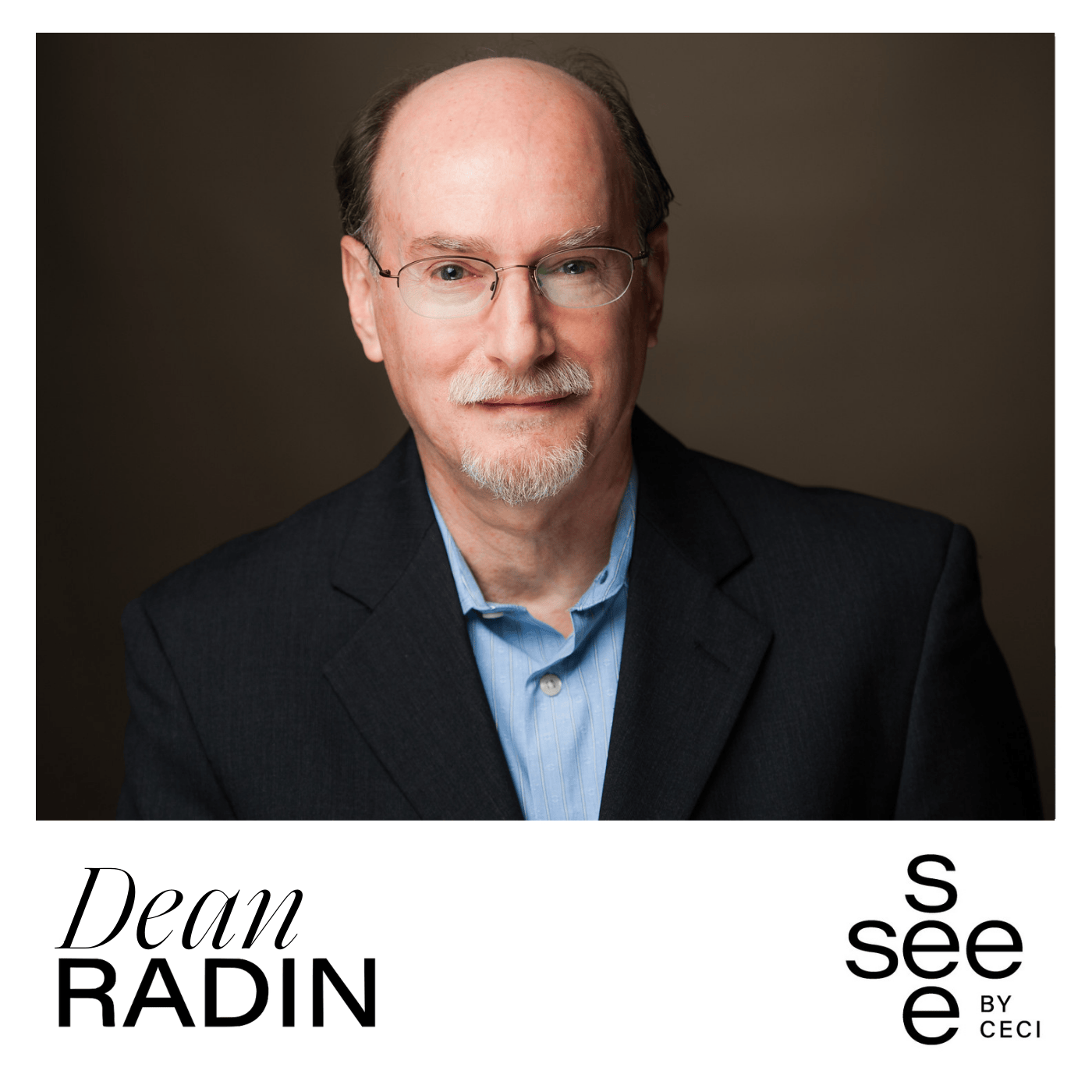
In this final episode of our third season GUTS, we dive deep into the mysterious world of parapsychology with one of the field’s foremost experts, Dean Radin, Chief Scientist at the Institute of Noetic Sciences (IONS) and Associated Distinguished Professor of Integral and Transpersonal Psychology at the California Institute of Integral Studies. Known for his pioneering work on real magic and mind-matter interactions, Dr. Radin explains what real magic truly is and why psi phenomena—like telepathy, clairvoyance, and precognition—continue to occur in our everyday lives, yet remain taboo subjects in modern science. He shares how his fascination with these phenomena developed and how he’s approached them through rigorous scientific study. Also in this episode, Dr. Dean brilliantly explains the idea of a multi-dimensional reality within the framework of quantum mechanics, shedding light on how parapsychological phenomena fit into a new understanding of the universe. Dr. Radin also gives us an inside look into the StarGate Program—a classified program by the U.S. Defense Intelligence Agency that took place during and after the Cold War- while letting us glance an eye into the exploration of real psychic abilities and the delving into the issue of whether psi skills are inherited or can be cultivated through training. During a fascinating conversation, Dr. Radin also discusses his lab’s groundbreaking experiments, like the intriguing gut feelings experiment dubbed “Telly-Belly”, or those exploring psi genetic characteristics, including those performed through CRISPR and RNA technology for gene editing. Join us in this fantastic closing episode in a mind-expanding conversation with Dean Radin through which he helps us uncover the science behind the seemingly impossible and challenge our understanding of reality and ourselves. *Dr Dean Radin is a leading expert in the field of parapsychology. His research has included studies of individual and collective mind-matter interactions, precognition, clairvoyance, distant healing, and telepathy. He served five times as President of the Parapsychological Association, an elected affiliate of the American Association for the Advancement of Science (AAAS) and was co-editor-in-chief for the Elsevier journal Explore, from 2009 to 2022.
S3 Ep 18Music Played from the Core with Andrei Ioniță
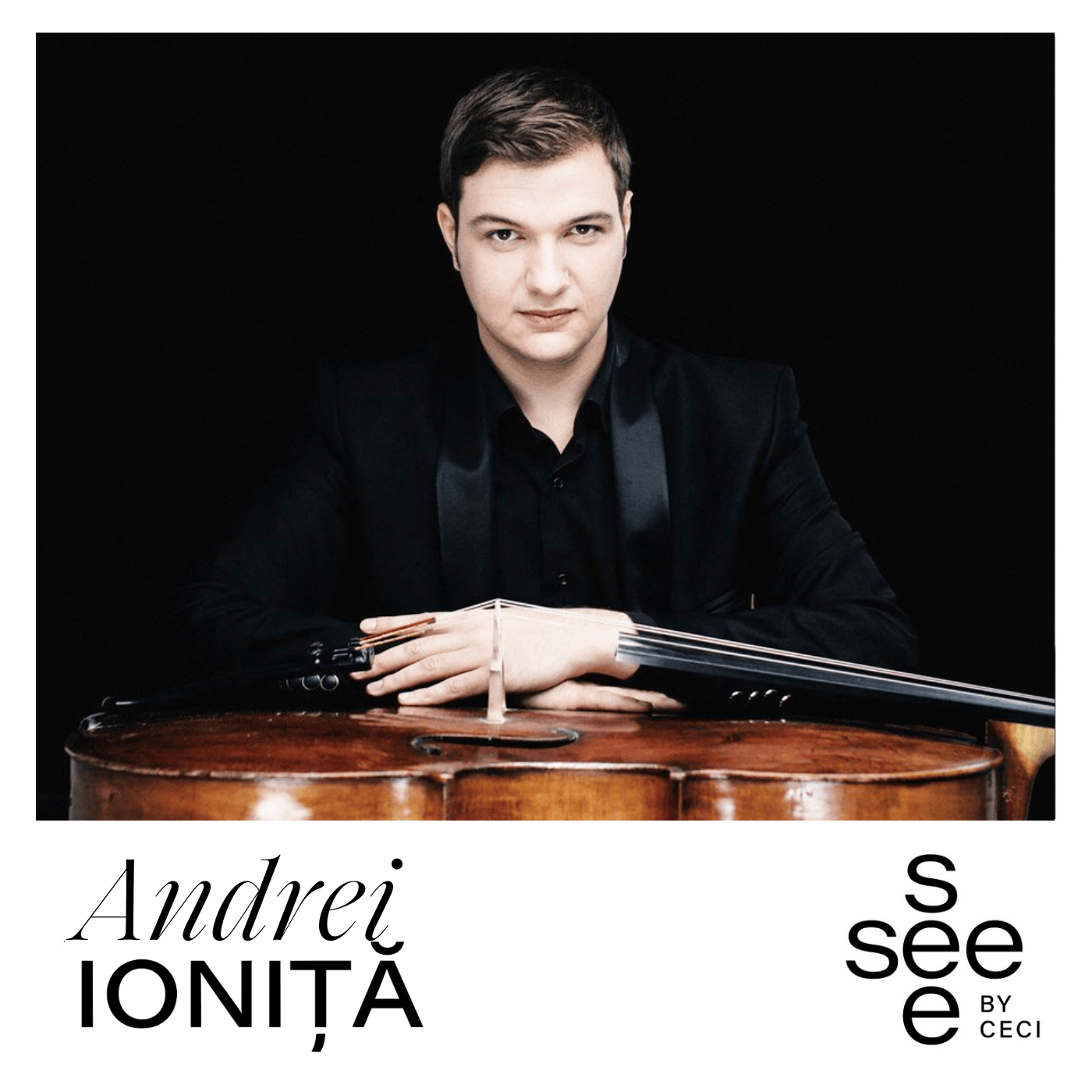
In this episode, we have an in-depth conversation with Andrei Ioniță, the prodigious Romanian cellist and winner of the 2015 International Tchaikovsky Competition. We explore the emotional profundities and rich spectrum of colors that the cello can evoke, and how it reflects the subtleties of human emotion. Andrei shares his thoughts on playing Bach, discussing the personal connection he has with his instrument and his journey as a musician. He also reflects on the nuances of gut strings, the importance of good posture for a cellist, the physical sensation of the cello resting against his body, and how this intimate embrace influences emotional expression and depth of sound, particularly in the intense, low register passages. In this episode dedicated to music, Andrei also discusses his Romanian heritage and how the voice of Romania speaks through his bow, offering a personal insight into his cultural identity. In this episode, he takes us inside his experience during the 15th Tchaikovsky Competition and talks about his most difficult decisions as a musician. Most powerfully, Andrei opens up about how he conveys his whole soul through his music, sharing the courage it takes to be vulnerable and break through at the highest emotional peaks, only to let go and invite the listener into a shared human experience through his playing. This episode is a real treat for the ears and the heart! Andrei Ioniță's carrier it's a journey of emotional reflection and artistic courage – You’ll understand what it is meant to “play from the gut”.
S3 Ep 17Sweet Revolution with René Frank
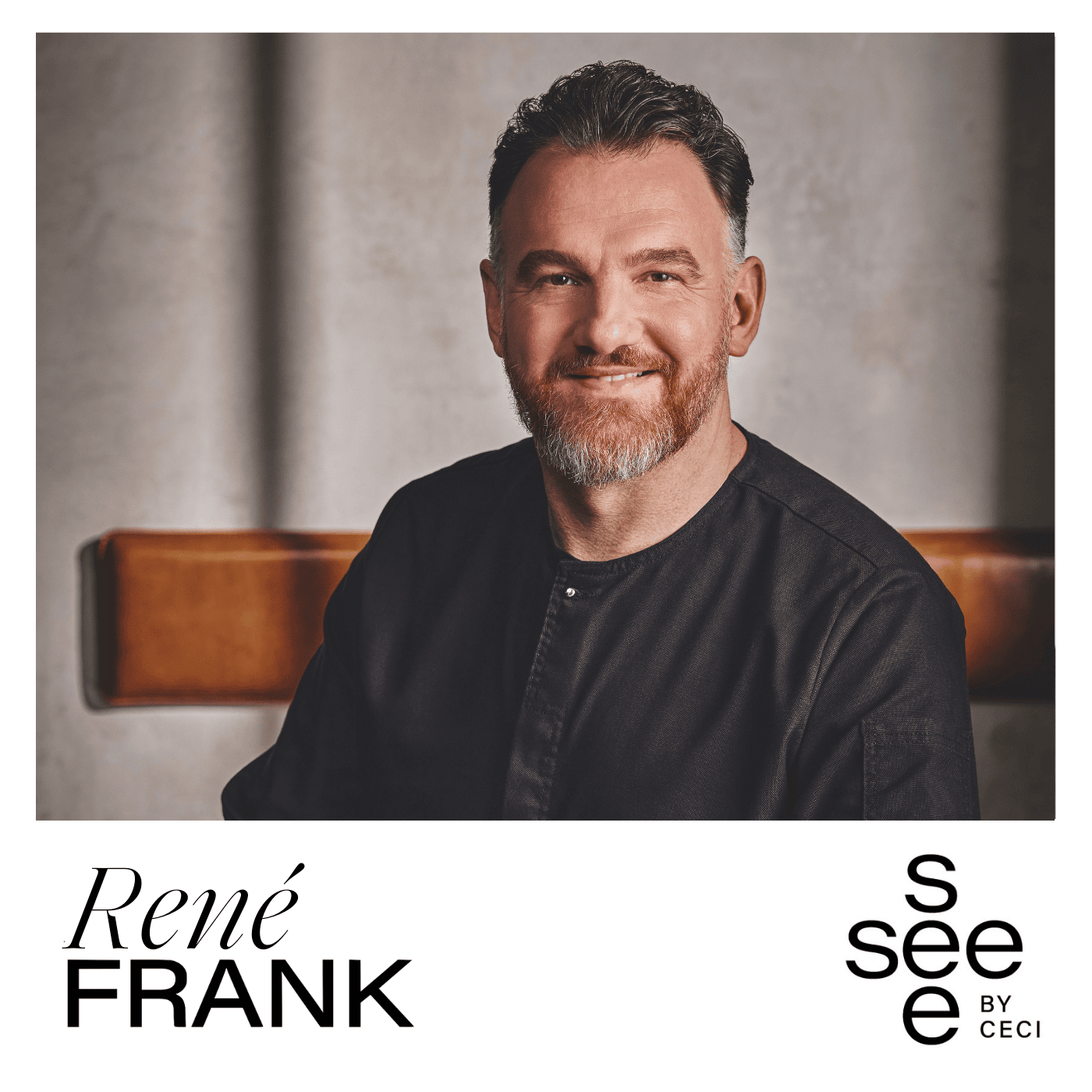
Join us for a cool, bold and inspiring episode for food lovers, where fine dining meets fearless creativity. Our guest, Chef René Frank, takes us back to the heart of his childhood kitchen, where aromas, flavors and memories first ignited his passion for food. Amid the clatter of pots and the warmth of home-cooked meals, his journey is one that would take courage, vision, and relentless curiosity to transform him into one of the world's most groundbreaking pastry chefs. Named Pastry Chef of the Year four times by Gault & Millau and Rolling Pin, René shares the moments that shaped him and his kitchen at CODA, his two Michelin-starred restaurant in Berlin, a cutting-edge food laboratory where indulgence is redefined, and dessert takes center stage. CODA is not just a place to cook and eat, but a place to nourish, where the World's Best Pastry Chef of 2022 creates dishes that defy convention. In a city known for its freedom, creativity, and rule-breaking spirit, René is rewriting the language of desserts, eliminating refined sugar, butter, and flour to create something entirely new. This episode is about more than food-it's about having the courage to challenge convention, believing in wild ideas, and following through even when the world might call those ideas crazy!
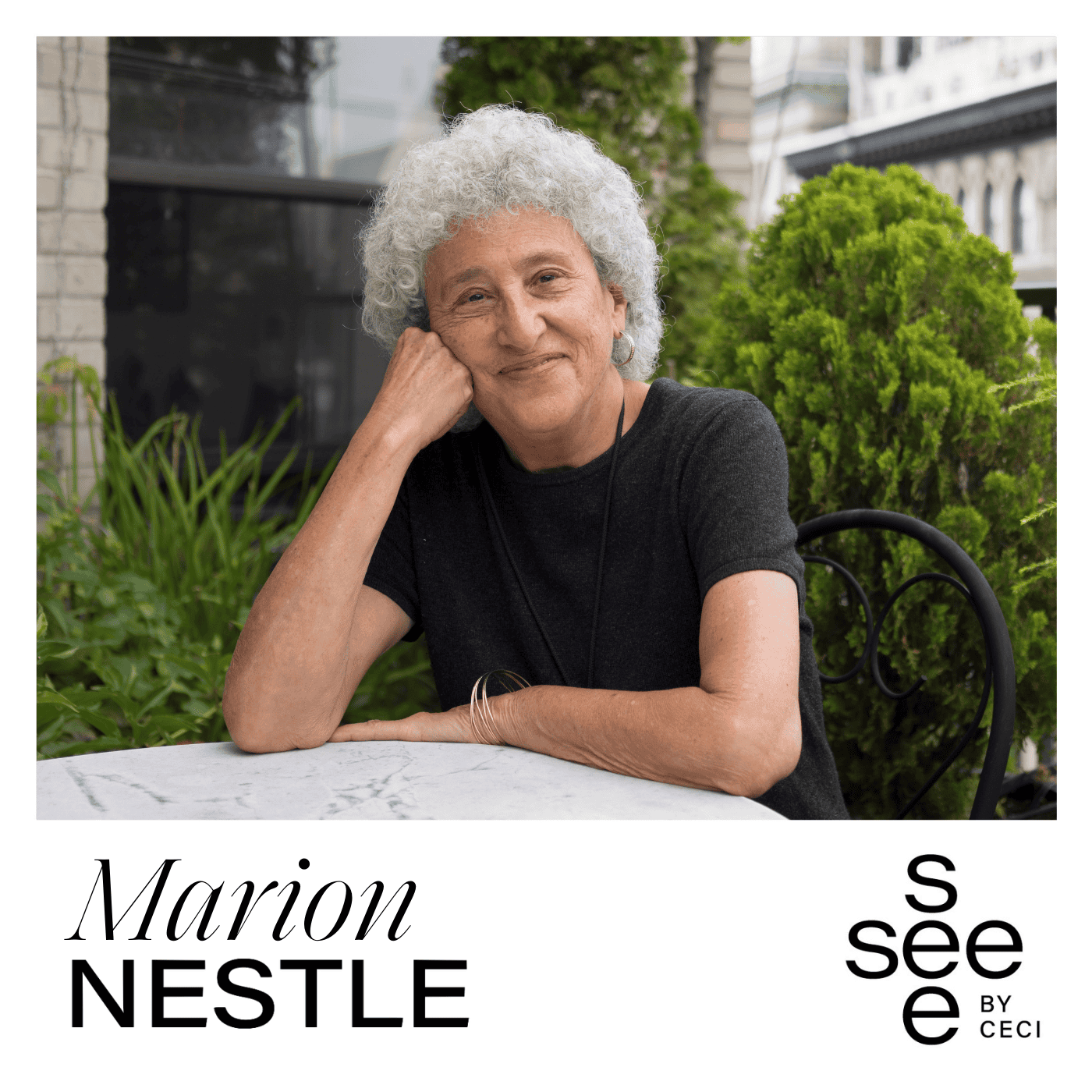
S3 Ep 16Food Politics & Social Justice with Marion Nestle
Why is the fight for better food, at its heart, a fight for social justice? This episode will challenge the way you think about food, from what's on your plate to the powerful forces behind it. Before you take your next bite, listen to this eye-opening conversation with one of the world's most influential voices on food and health policy, Marion Nestle, renowned nutritionist, scientist, activist and award-winning author. Marion Nestle is the Paulette Goddard Professor Emerita of Nutrition, Food Studies and Public Health at New York University and a visiting professor of nutritional sciences at Cornell University. Her groundbreaking work has changed public health policy worldwide and opened our eyes to how food industry marketing uses manipulative and subtle tactics to influence our dietary choices long before we ever set foot in a supermarket. It also exposes the dangers of ultra-processed foods and the major public health problems they cause, such as obesity and diabetes - diseases fuelled not just by what we eat, but how much we eat. In this episode, the bestselling author of Food Politics: How the Food Industry Influences Nutrition and Health" and "What to Eat", shares her personal journey into food policy advocacy and the social justice victories she has fought for, leading to public awareness and healthier food systems through public policy not only in the US but around the globe. *Marion Nestle is also author of other bestsellers such as Safe Food: The Politics of Food Safety (2003); Soda Politics: Taking on Big Soda (and Winning) (2015); and her latest book Slow Cooked: An Unexpected Life in Food Politics (October 2022)
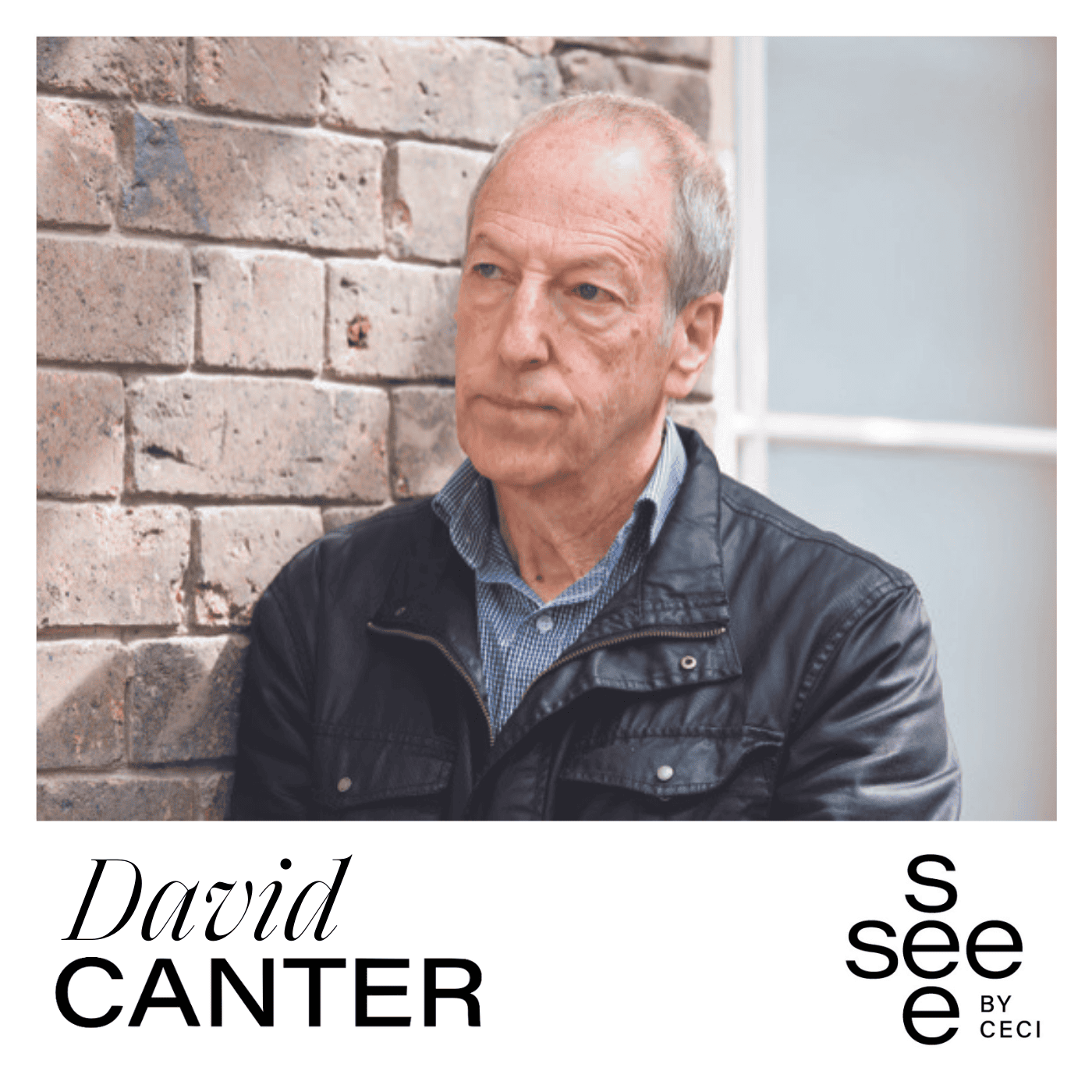
S3 Ep 15Into the Guts of Criminal Behavior with David Canter
Have you ever pondered the potential of psychology to facilitate the apprehension of serial killers and rapists? Or the manner in which behavioral patterns exhibited by criminals can serve as crucial evidence that leads investigators to the perpetrator's doorstep? In today's episode, we are delighted to have the privilege of hosting Professor David Canter, a globally renowned applied social psychologist and the pioneering figure behind the field of investigative psychology. This episode promises a deep dive into the mind of a criminal, the psychology behind some of the world's most notorious cases. So, grab a pen, your notebook and follow Professor David Canter through the dark alleys of the minds of serial offenders as he sheds light on how their behavior is mapped and tracked. We'll go back in time to the streets of London as we examine famous cases such as Jack the Ripper, and travel back to the 1980s to learn about Operation Hart, the Metropolitan Police's investigation into the infamous 'Railway Rapist', which Professor Canter played a key role in solving. We will delve into the heart of criminal behavior as we learn about Quantico and the FBI's Behavioral Science Unit, and the truth about criminal profiling. We'll also talk about his revolutionary development of geographical profiling, the study of criminal behavior patterns across locations, the importance of information classification and investigative methods that lead to an arrest, and how these pieces of the puzzle led to the creation of his software, DRAGNETK. But that's not all - Prof Canter will also share his thoughts on why the United States has such a high incidence of brutal shootings and serial killings compared to other nations, and what happens when crime goes unpunished. A pioneer and creator of investigative psychology, Professor Canter is Emeritus Professor at the University of Liverpool and a visiting professor at Liverpool Hope University and Bucks New University. He's also the man responsible for introducing environmental psychology to the UK and Europe in the 1960s, studying how spaces such as offices, schools and hospitals affect our behavior. Professor Canter recently completed a PhD in Music composition.
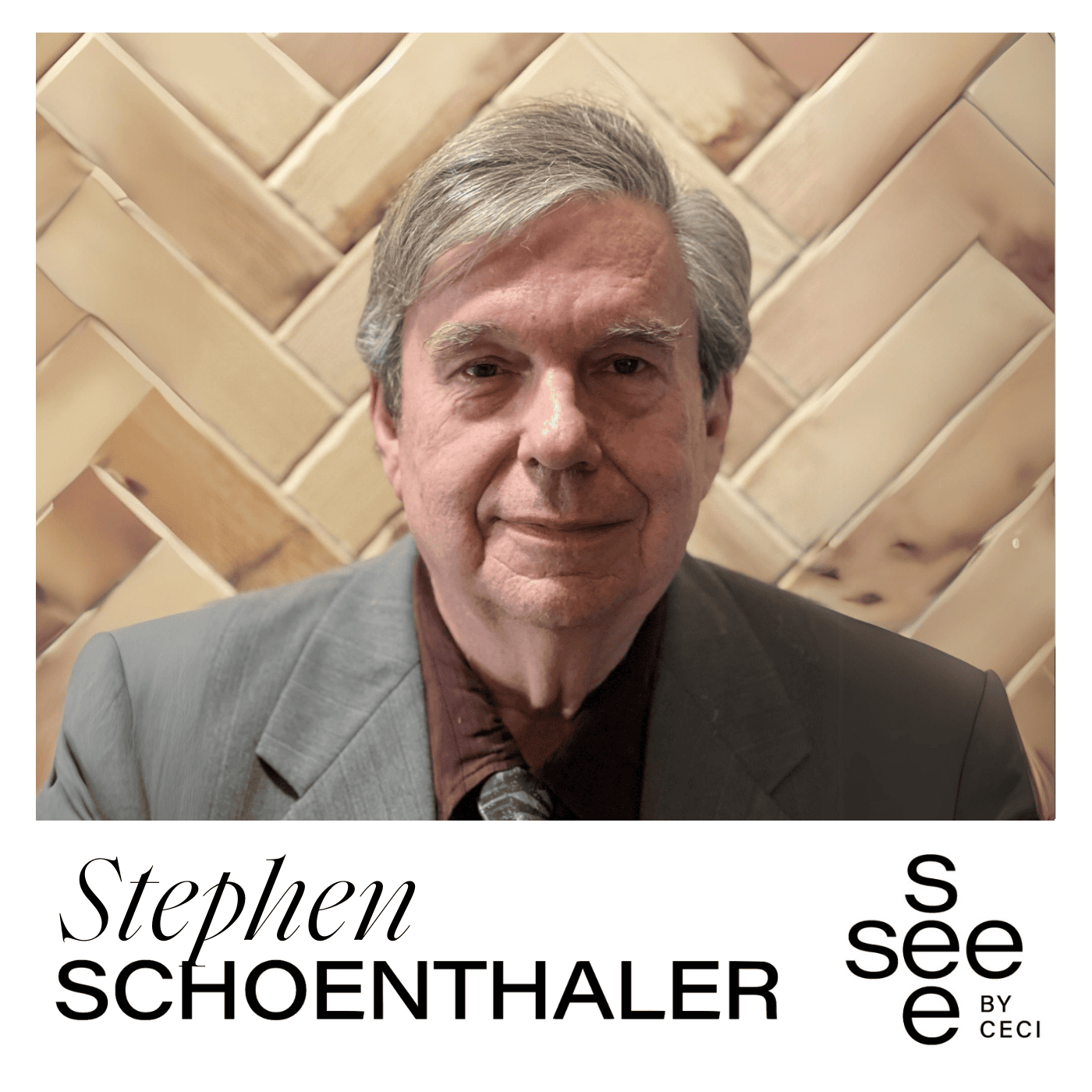
S3 Ep 14Criminal Appetite: The Dark Side of Poor Nutrition with Stephen J. Schoenthaler
Have you ever wondered if there’s a link between what we eat and how we behave? Could the food we consume influence mental health issues—or even contribute to criminal behavior? Today, we’re exploring these questions with a true pioneer in this field—Stephen Schoenthaler, Distinguished Professor Emeritus of Sociology and Criminal Justice at California State University, Stanislaus. With over 50 years of groundbreaking research, Schoenthaler has been at the forefront of discovering how our diet impacts not only our mental health but also behaviors associated with criminality and aggression. In this episode, we’ll hear about his extraordinary experiences teaching at Attica Correctional Facility, where his interactions with inmates made a huge impact on his life at a professional and personal level. You will also discover how diet affects social behavior, how food insecurity plays a role in juvenile delinquency, and why junk food and sugar can lead to behavioral disturbances. Professor Schoenthaler will also shed light on how nutrition influences cognitive skills, anxiety, and antisocial behaviors in children and young adults. We’ll talk about the essential benefits of avoiding ultra-processed foods and examine the holistic role nutrition plays in children’s and young adults’ overall well-being, including mental health. Get ready for a compelling conversation that will challenge the way you think about food, behavior, and the deeper factors shaping the world’s criminal justice system —and how conscious nourishment can help us create a more empathetic and connected world.
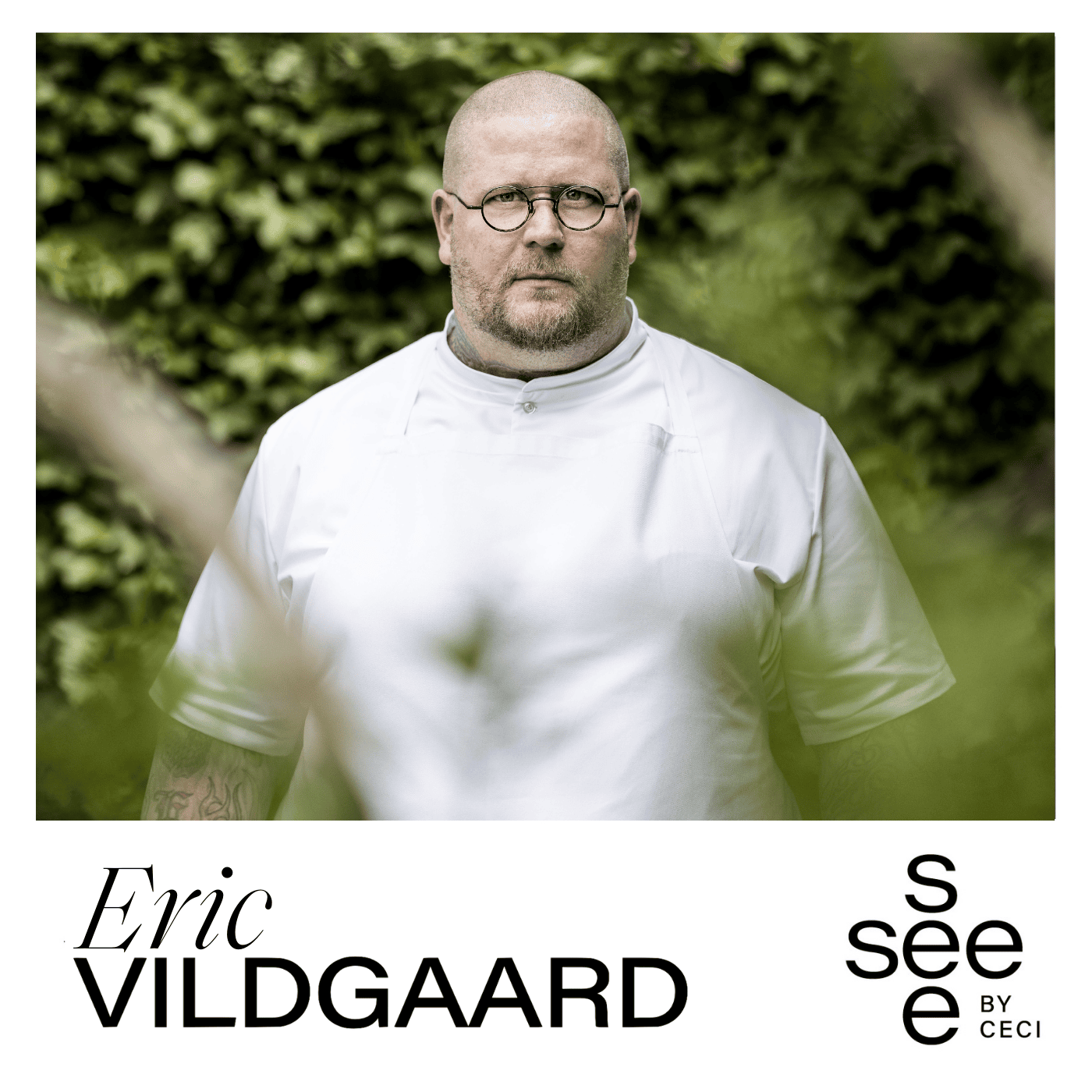
S3 Ep 13From the Gut: Love, Food and Redemption with Eric Vildgaard
Three-Michelin-starred Danish chef Eric Vildgaard is a remarkable character whose journey from a life of crime to culinary greatness is an inspiring story of true courage. Once trapped in a world of poverty and gang violence, Eric found himself lost in a turbulent, dark alley of drugs and chaos. But in the depths of his struggles, he discovered cooking as a refuge - a safe haven where he could channel his emotions and creativity. Yet it was not this realization that set him on a transformative path to redemption, but love, the simplest and, he says, the best decision he ever made. In this episode, we invite you into the kitchen of the world's third-best chef, ranked by The Best Chef Awards (2024), as he lights the fire and talks about using his senses, instinct and the sound of burning pans, the true meaning of cooking, his holistic approach and the many ways his relentless drive and passion for cooking have rewarded him in life. Listen as he shares his insights on letting the ingredients shine while keeping his ego in check, and how he has turned his kitchen into a school of life, a place that fosters joy and connection, where he mentors younger generations and helps them find their way. A man of true courage, Chef Vildgaard has chosen not to deny his past, as it has helped him to gain a healthy self-awareness and a better understanding of who he is, while keeping his feet on the ground: a conviction embodied in the Danish word Jordnær, the name of his three Michelin star restaurant. Eric is a titan and living proof that it takes guts, love and fire to create and turn your life around and be able to transform yourself and those around you.
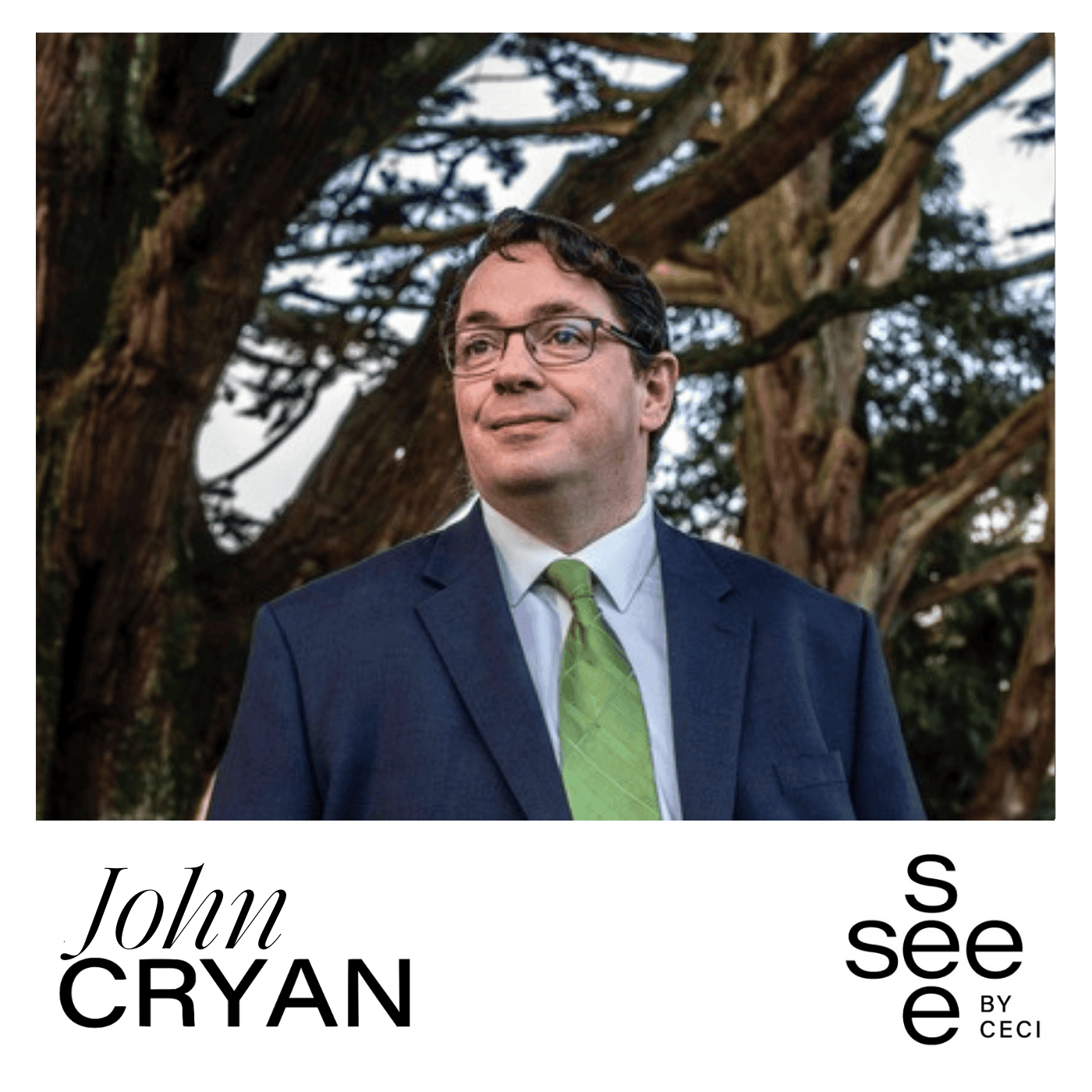
S3 Ep 12Gut Microbiome: Unraveling the Gut-Brain-Axis with John Cryan
In this episode, we embark on a fascinating journey to explore one of the most groundbreaking areas of science - the gut-brain axis! Leading the way is none other than world-renowned neuroscientist Professor John Cryan of University College Cork, whose pioneering work has helped uncovered the powerful link between the gut microbiome and mental health and behaviour. Co-hosted by one of Europe's leading neurosurgeons, Peter Vajkoczy, this is one episode you won't want to miss. So, sit back and buckle up as we navigate the neural pathways that connect our gut to our brain, and discover how this connection plays a critical role in a wide range of conditions, from mental disorders to degenerative diseases. We'll delve into Professor Cryan's cutting-edge research, exploring the diseases his team in Cork are targeting and the innovative delivery systems they're developing to make genetic changes in the brain. You'll also hear about the forces that shape our microbiota throughout our lives, from the importance of vaginal birth and breast milk to the relationship between stress, dementia and depression, and the impact of diet on social behaviour, cognitive decline and aging, and mental health. We'll also explore the exciting new field of psychobiotics, which Cryan covers in his bestselling book, “The Psychobiotic Revolution: Mood, Food and the New Science of the Gut-Brain Connection”. Prepare to be amazed by the potential future treatments for neurological and mental health conditions through the lens of microbiota and neuroscience. Join us for an unforgettable episode as microbes and neurons bring us closer to understanding a shared universe of the gut and the brain! *Professor John F. Cryan is Vice-President for Research and Innovation at University College Cork (UCC), Professor in the Department of Anatomy and Neuroscience, and Principal Investigator at the APC Microbiome Ireland Institute. His pioneering research concentrates on the gut-brain axis and the impact of gut microbes on stress, psychiatric and immune disorders, as well as their influence on mental health. He is a leading figure in this field, with numerous influential publications and significant contributions to scientific research and public understanding of the microbiome. He has published over 600 peer-reviewed articles and has served as co-editor for several books. Additionally, he currently serves as Editor-in-Chief of Neuropharmacology and Neurobiology of Stress, and is a member of the editorial boards of 15 other scientific journals. **This episode is cohosted by Prof. Peter Vajcokzy. He has been Head of Neurosurgery at Charité-Universitätsmedizin in Berlin since 2007. He leads 5,000 brain surgeries a year, 800 of which he performs. He is a full professor at Charité and an associate professor at Heidelberg. He treats cerebrovascular disorders, brain tumours, skull base tumours and performs minimally invasive spine and peripheral surgery. He also performs functional neurosurgery and pain management procedures. His research focuses on brain cancer and the mechanisms of brain tumours. He also studies the monitoring of neocortically ill patients after vessel occlusion.
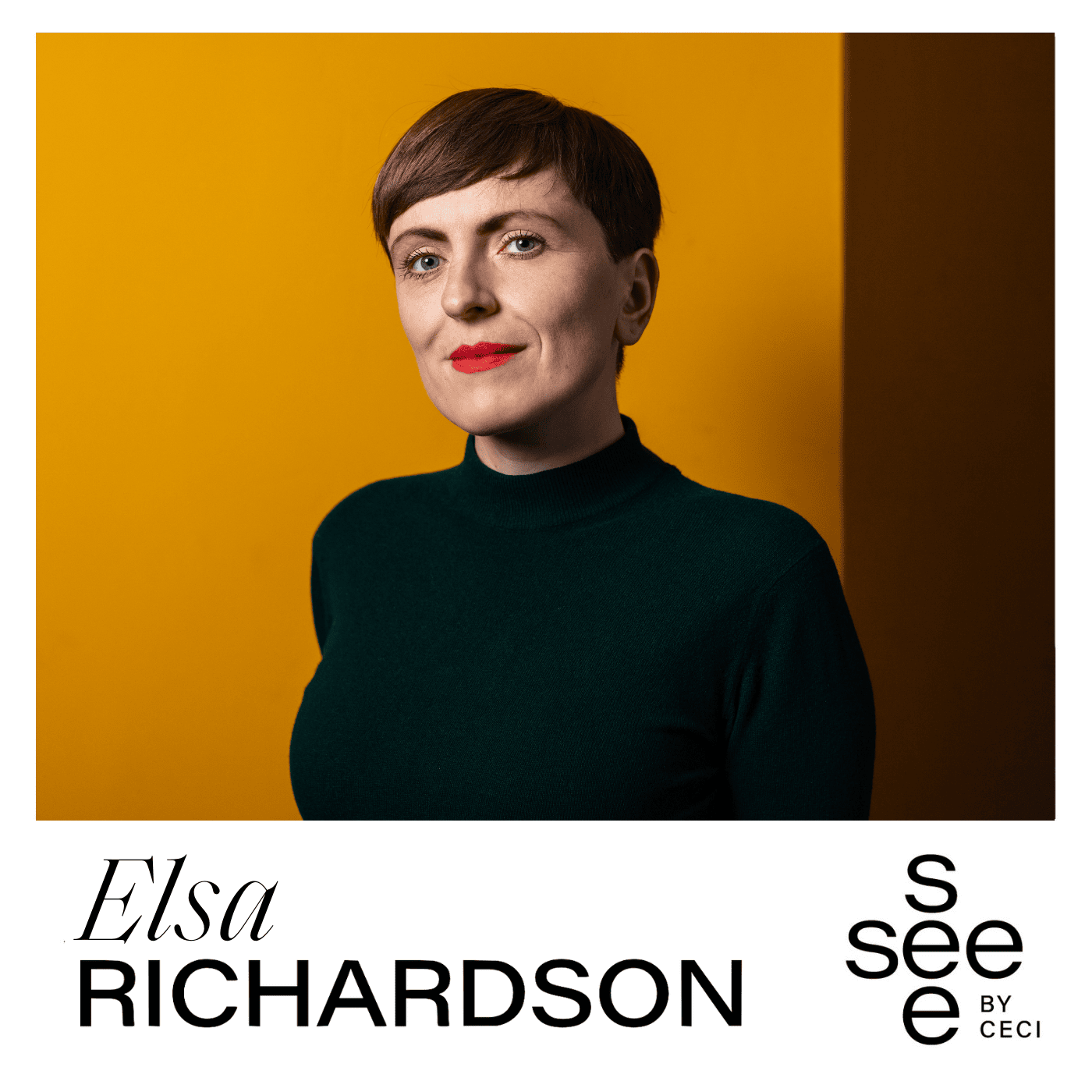
S3 Ep 11The Gut, A Peculiar, Emotional, Storyteller with Dr. Elsa Richardson (Part 2)
Submerge in the fascinating history of the human gut. Distinguished historian, academic and acclaimed author of Rumbles, Elsa Richardson invites us to a thought-provoking exploration of the cultural and historical significance of digestion in Western society. From ancient beliefs about the power of the stomach to modern-day obsessions with gut health, she helps us uncover the ways in which our digestive systems have shaped not only our understanding of health but also our emotions, identities, and societies. Profit from her analytical lens and brilliant humor, as she incites us to jump into the gut’s metaphors of noise and sensations and delve into how the digestive system has been understood, feared, and medicalized over time. A fantastic storyteller herself, she weaves together elements of science, philosophy, and social history, examining how gut health has influenced ideas about the self, emotion, good manners and even morality. Use this opportunity to glance at the gut’s role in shaping human identity and health and let yourself be challenged to rethink about what lies beneath the surface of everyday bodily functions. Dr. Richardson holds a Chancellor's Fellowship in the History of Health and Wellbeing at the Centre for the Social History of Health and Healthcare at the University of Strathclyde Glasgow. She specializes in the intersection of medical and cultural history, examining the relationship of heterodox practices, beliefs and movements to mainstream society and culture, with a particular focus on the interaction between medicine and the imagination, science and the supernatural, psychology and the occult. Her current research explores the history of diet, vegetarianism, other alternative food cultures, mental stress and stomach disorders in late nineteenth and early twentieth century Britain.
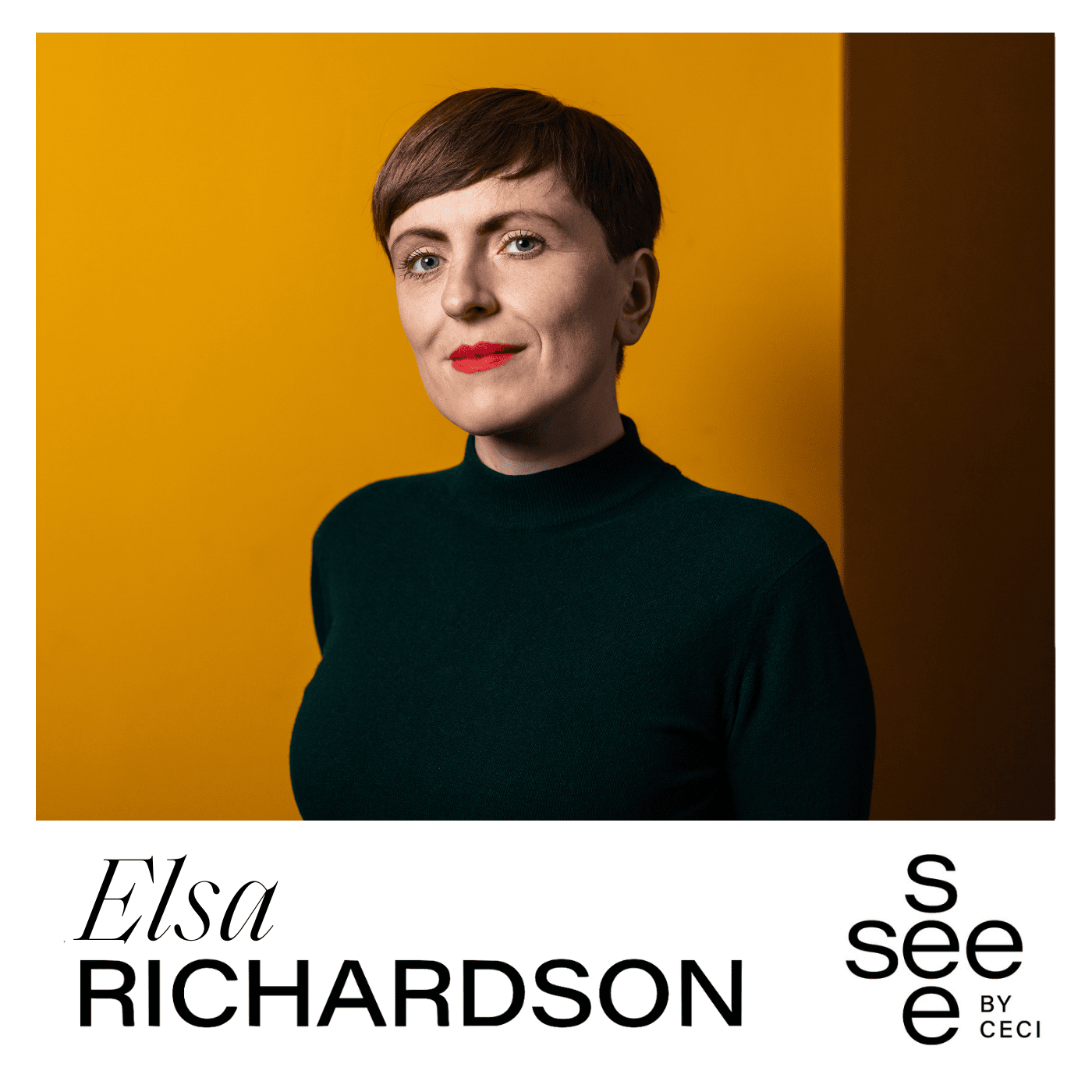
S3 Ep 10The Gut, A Peculiar, Emotional, Storyteller with Dr. Elsa Richardson (Part 1)
Submerge in the fascinating history of the human gut. Distinguished historian, academic and acclaimed author of Rumbles, Elsa Richardson invites us to a thought-provoking exploration of the cultural and historical significance of digestion in Western society. From ancient beliefs about the power of the stomach to modern-day obsessions with gut health, she helps us uncover the ways in which our digestive systems have shaped not only our understanding of health but also our emotions, identities, and societies. Profit from her analytical lens and brilliant humor, as she incites us to jump into the gut’s metaphors of noise and sensations and delve into how the digestive system has been understood, feared, and medicalized over time. A fantastic storyteller herself, she weaves together elements of science, philosophy, and social history, examining how gut health has influenced ideas about the self, emotion, good manners and even morality. Use this opportunity to glance at the gut’s role in shaping human identity and health and let yourself be challenged to rethink about what lies beneath the surface of everyday bodily functions. Dr. Richardson holds a Chancellor's Fellowship in the History of Health and Wellbeing at the Centre for the Social History of Health and Healthcare at the University of Strathclyde Glasgow. She specializes in the intersection of medical and cultural history, examining the relationship of heterodox practices, beliefs and movements to mainstream society and culture, with a particular focus on the interaction between medicine and the imagination, science and the supernatural, psychology and the occult. Her current research explores the history of diet, vegetarianism, other alternative food cultures, mental stress and stomach disorders in late nineteenth and early twentieth century Britain.
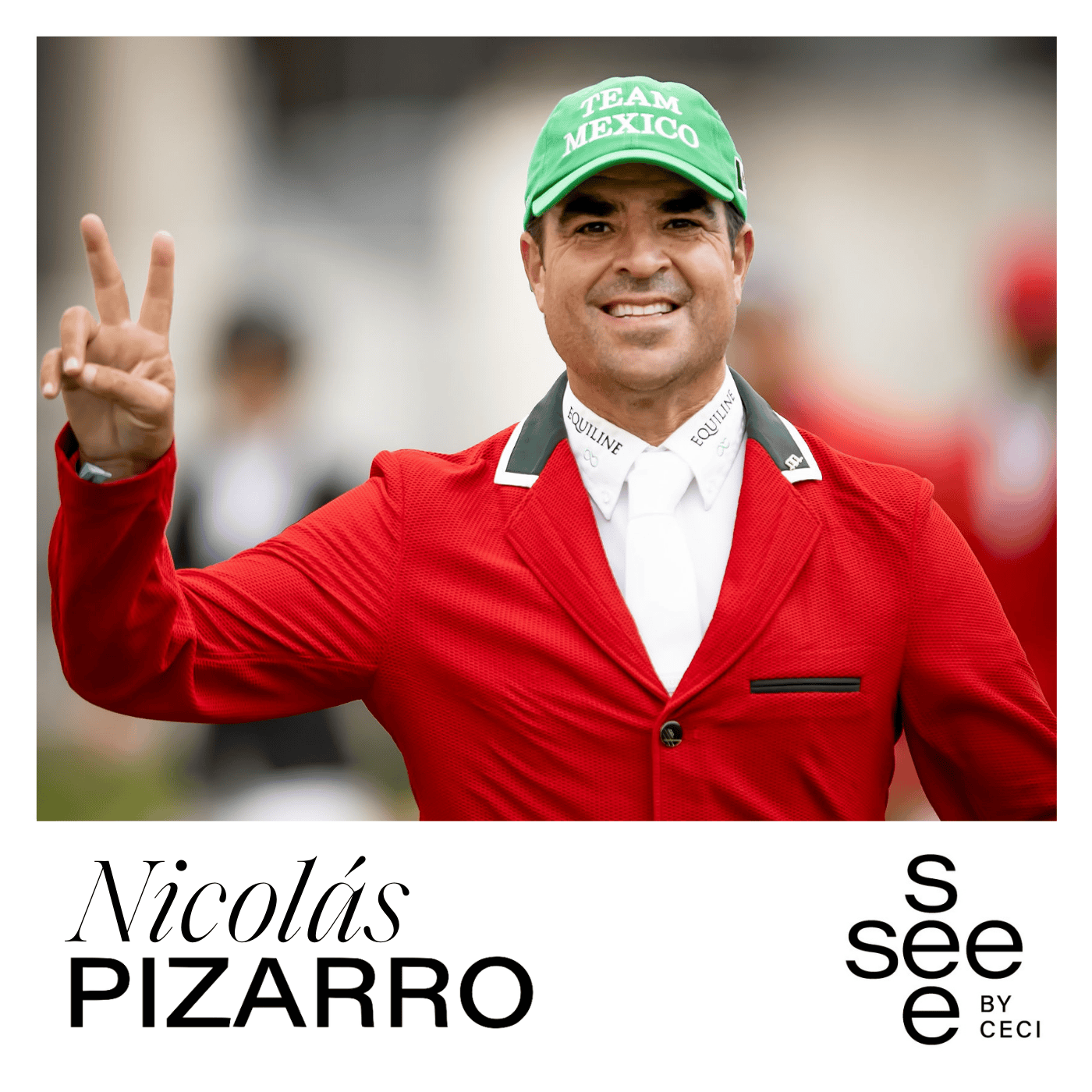
S3 Ep 9Riders and Horses, Instincts and Gut Feelings with Nicolás Pizarro Suarez
Jumping fences, performing precise maneuvers and galloping at high speeds require a fearless attitude and willingness to take risks. The willingness to rely on each other's instincts and abilities is crucial to success in avoiding fatal accidents. It takes "guts" for both rider and horse to trust each other implicitly, especially when faced with daunting obstacles or demanding routines. But how does your instinct work when a complication arises out of the blue? In this episode, take the opportunity to get in the saddle and ride with Latin America's top showjumper, Nicolás Pizarro Suarez, to learn about the importance of discipline, intuition and instinct in showjumping. We'll enter his stables and talk about gut feeling and how both rider and horse must show courage and daring when navigating challenging courses. We'll also hear about the horses' own personalities, the thrill of the showjumping arena and how friendship with an animal and a strong emotional bond between rider and horse can make the minds and hearts of both horse and rider tune up in a fraction of a second when problems arise in completing a course. Nicolás Pizarro is an Olympic showjumping rider highly regarded figure in the equestrian community, admired for his personal qualities as well as his expertise in training and mentoring. He is recognized as one of the world's top riders and has a proven track record in developing talented and dedicated riders into international champions.
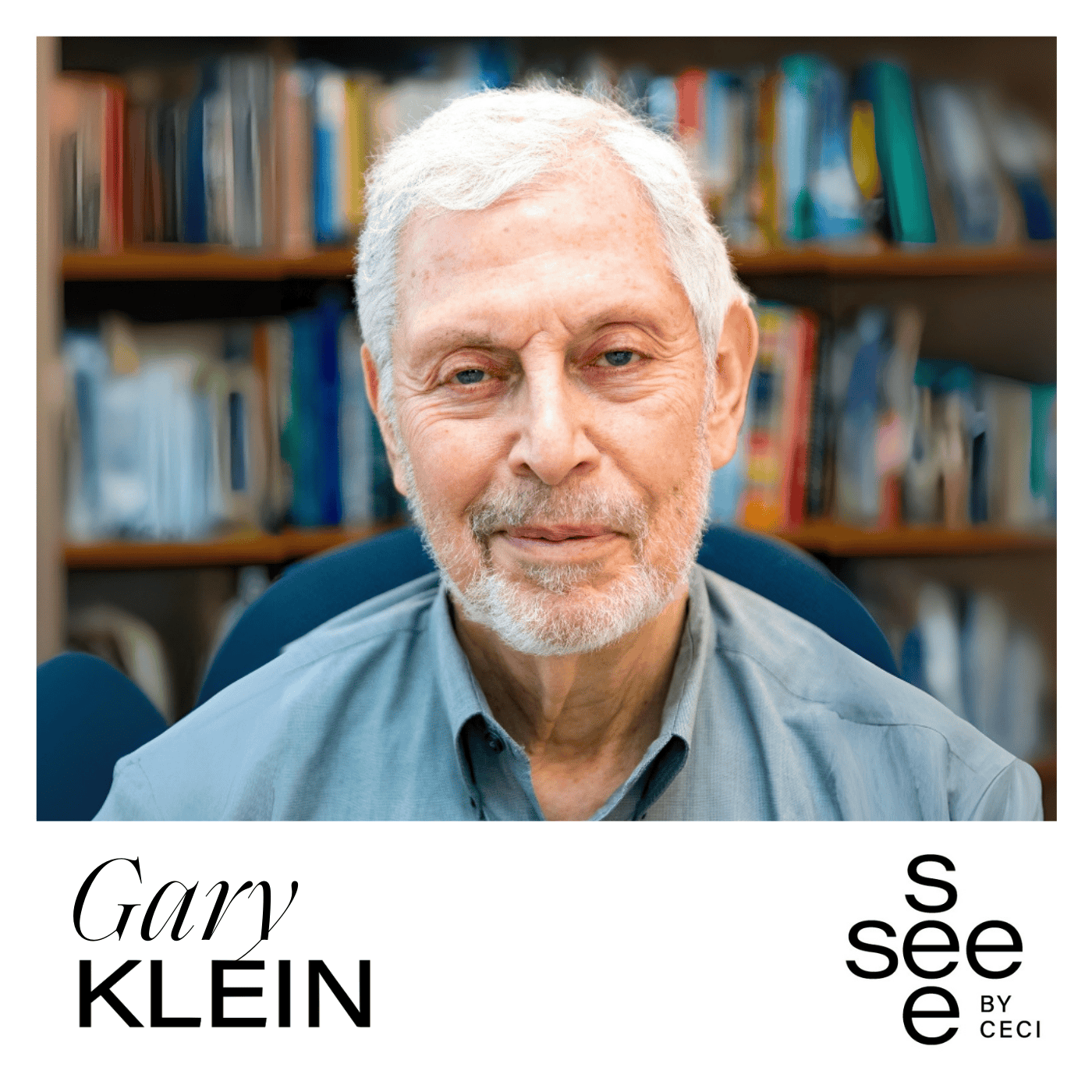
S3 Ep 8Intuition: Decoding Decision-Making with Dr. Gary A. Klein (Part 2)
We invite you to join us as we embark on an exploration of the art of decision-making with Dr. Gary Klein, a leading figure in the field of psychology and a pioneer in the domain of Naturalistic Decision Making (NDM). Over the course of his career, Dr. Klein has conducted extensive research, which has significantly impacted our understanding of decision-making under pressure. His work draws upon the experiences of military commanders, firefighters, doctors, and pilots who have demonstrated the ability to remain calm and make critical choices under stress. This episode is essential listening for anyone seeking to enhance their decision-making abilities and leverage the potential of expert thinking. It offers an opportunity for listeners to gain insight into how Dr. Klein's innovative methods facilitate the development of expertise amongst professionals, encourage the transformation of human error into valuable insights, and cultivate an environment of openness and transparency within organizational structures. Don´t miss the opportunity to learn from one of the most esteemed figures in psychology, praised by the late Nobel laureate Daniel Kahneman, who wrote "There should be more psychologists like him" and see for yourself why Malcolm Gladwell, author of Outliers and Blink, makes perfect sense when he says: "I know of no one who combines theory and observation – intellectual rigor and painstaking observation of the real world – so brilliantly and gracefully as Gary Klein". *Dr. Gary A. Klein is a distinguished researcher and thought leader in the field of decision-making. He currently holds the position of Senior Scientist at MacroCognition LLC and is the Founder and Chief Scientist at Shadow Box LLC.
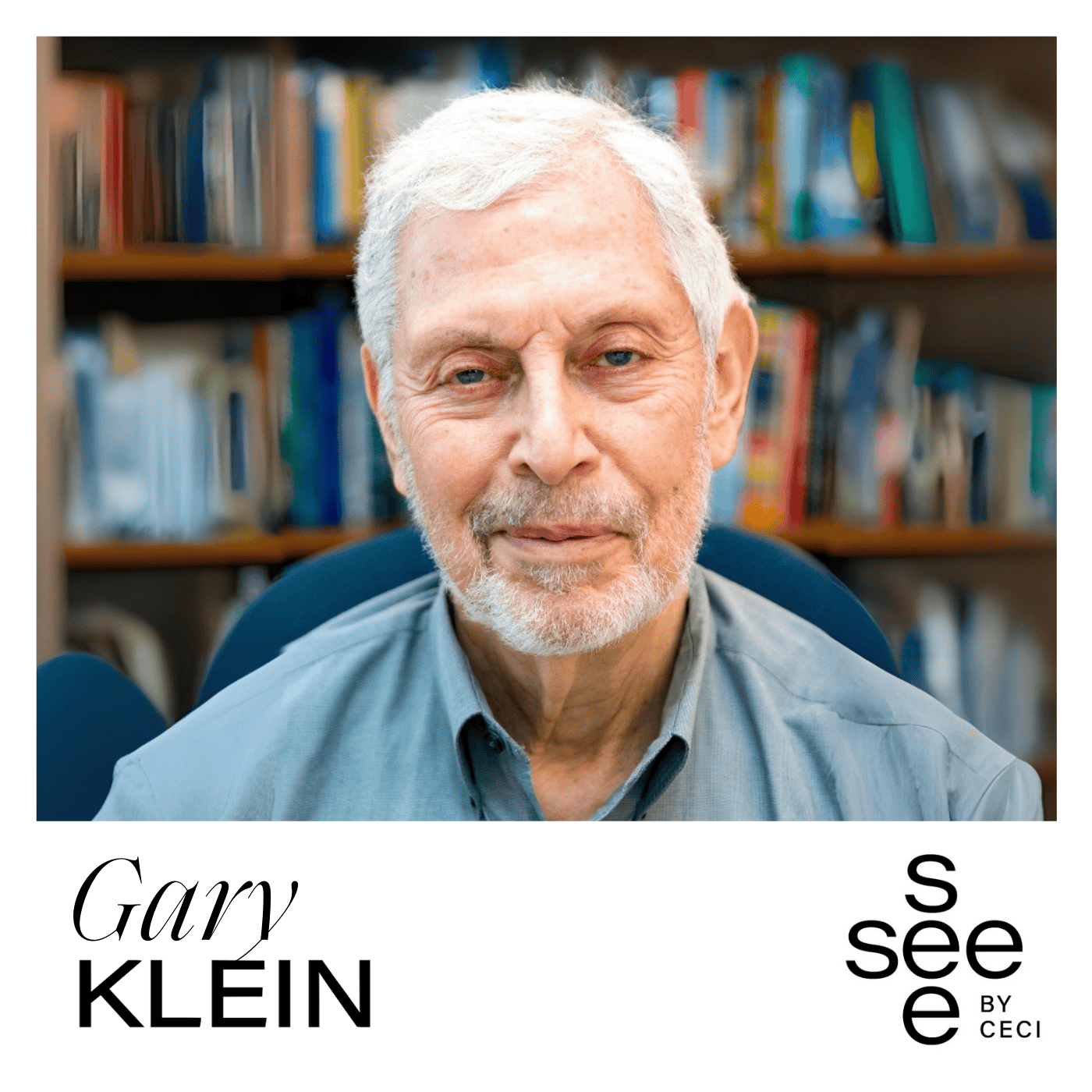
S3 Ep 7Intuition: Decoding Decision-Making with Dr. Gary A. Klein (Part 1)
We invite you to join us as we embark on an exploration of the art of decision-making with Dr. Gary Klein, a leading figure in the field of psychology and a pioneer in the domain of Naturalistic Decision Making (NDM). Over the course of his career, Dr. Klein has conducted extensive research, which has significantly impacted our understanding of decision-making under pressure. His work draws upon the experiences of military commanders, firefighters, doctors, and pilots who have demonstrated the ability to remain calm and make critical choices under stress. This episode is essential listening for anyone seeking to enhance their decision-making abilities and leverage the potential of expert thinking. It offers an opportunity for listeners to gain insight into how Dr. Klein's innovative methods facilitate the development of expertise amongst professionals, encourage the transformation of human error into valuable insights, and cultivate an environment of openness and transparency within organizational structures. Don´t miss the opportunity to learn from one of the most esteemed figures in psychology, praised by the late Nobel laureate Daniel Kahneman, who wrote "There should be more psychologists like him" and see for yourself why Malcolm Gladwell, author of Outliers and Blink, makes perfect sense when he says: "I know of no one who combines theory and observation – intellectual rigor and painstaking observation of the real world – so brilliantly and gracefully as Gary Klein". *Dr. Gary A. Klein is a distinguished researcher and thought leader in the field of decision-making. He currently holds the position of Senior Scientist at MacroCognition LLC and is the Founder and Chief Scientist at Shadow Box LLC.
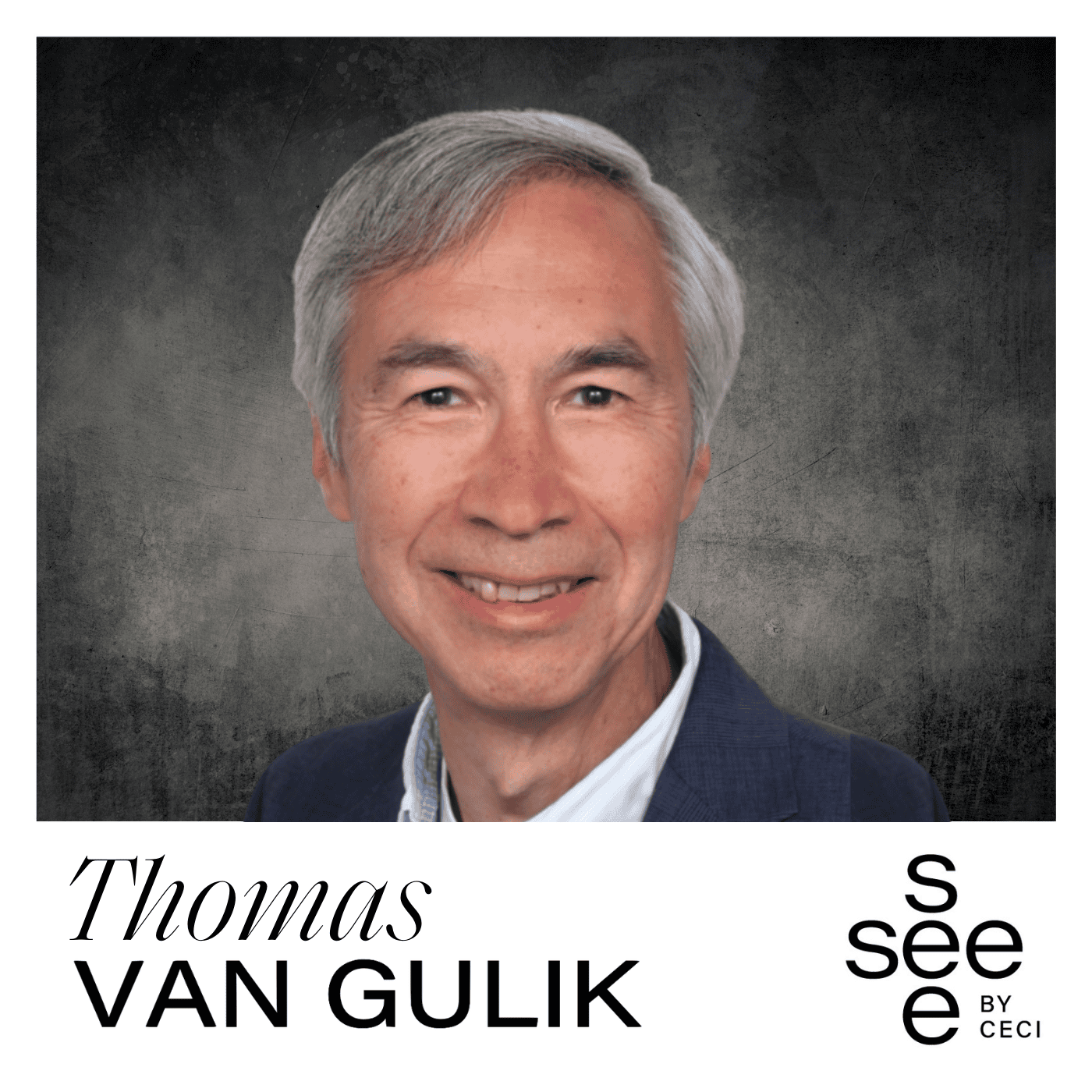
S3 Ep 6Mysteries of the Liver in Art and Medicine with Prof. Thomas M. van Gulik
The Talmud teaches us that neither man nor beast can survive without a liver. In his lamentations, Jeremiah laments, "My eyes are tired of weeping, my intestines are burning, my liver has been spilled over the earth." In Greek mythology, the liver was considered to be the seat of life for both gods and humans. It is said that Prometheus, who was punished by Zeus for giving mankind the Olympic fire, had his liver eaten daily by an eagle. However, it is also said that his liver grew back every night. It would seem that the Greeks did not fully comprehend the regenerative properties of the liver, yet they were able to encapsulate its essence symbolically. Similarly, it is thought that Etruscan oracles could 'read' the future in a sheep's liver. In art, the suffering of Christ is often depicted with a wound on the right side, which is where the liver is located. This symbolism is thought to represent the duality of salvation, associated with the qualities of good and evil. "Indeed, it would appear that the right side was chosen in order to fulfil the prophecy of the Old Testament." All of this is documented in the book "Prometheus and the Liver through Art and Medicine", a fascinating multidisciplinary publication co-authored by Thomas M. van Gulik, a highly esteemed hepatobiliary surgeon and researcher globally, who is currently Professor Emeritus of Surgery at the Amsterdam University Medical Center in the Netherlands. We are honored to have him as our guest for this remarkable episode. You are warmly invited to join us for an enlightening session with Professor van Gulik. We will have the privilege of learning from him about liver resection and regeneration, as well as exploring other wonders of the human liver and the latest advances produced by science. From ancient times, the myth of Prometheus has held a special place in the collective imagination. From the humours of Hippocrates to Vesalius, the story has continued to resonate, inspiring scientists and artists alike. As Professor van Gulik notes, the tale reminds us of the regenerative power of the liver and the enduring significance of Prometheus' fate in motivating us to advance, create and serve humanity.
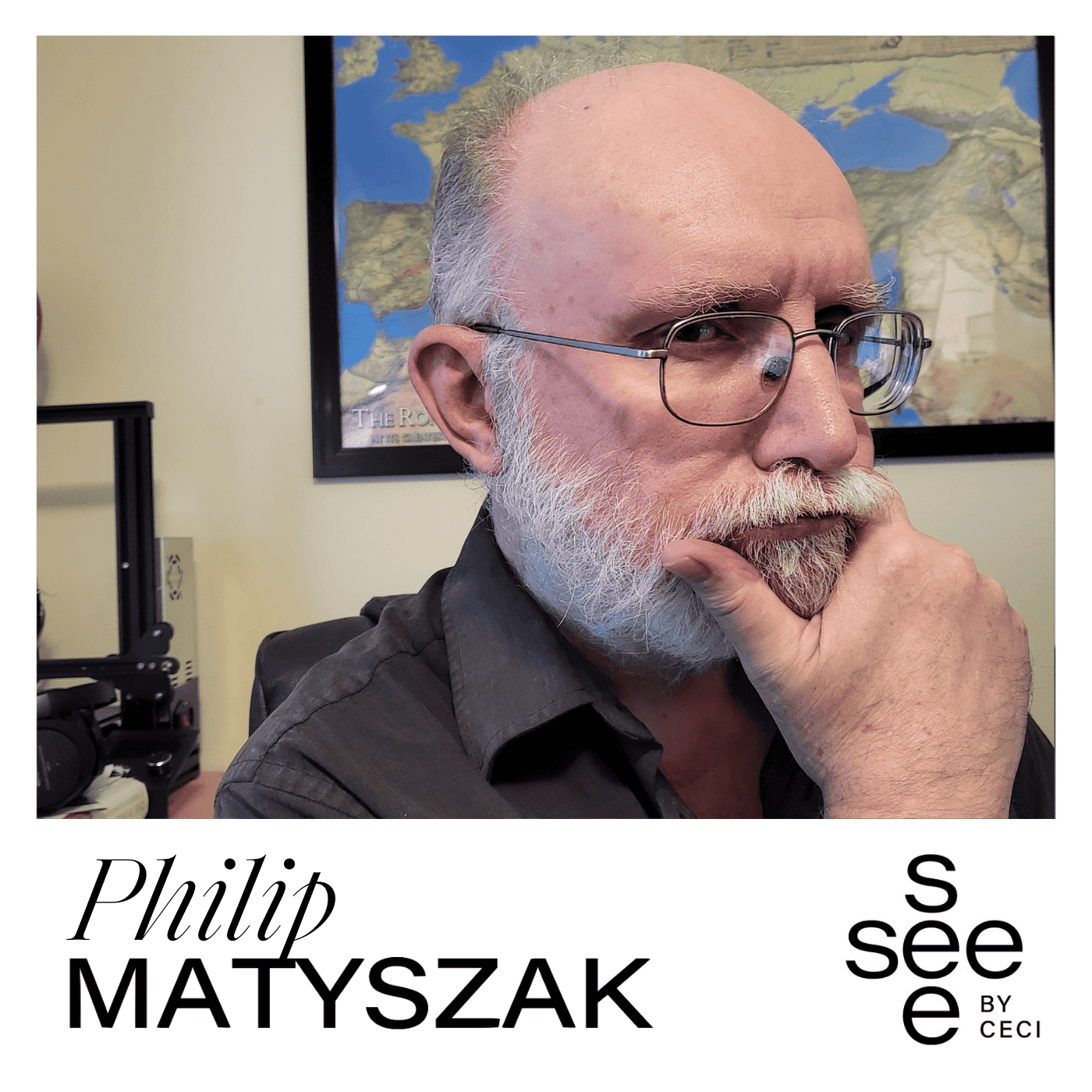
S3 Ep 5Rise and Eclipse: Courage in Ancient Rome with Dr. Philip Matyszak (Part 2)
In this episode we go on a journey to ancient Rome with none other than the acclaimed British historian and non-fiction author, Dr Philip Matyszak. We will discuss courage in ancient Rome, its soldiers, its legions, legends, gladiators and much more. An engaging storyteller, Dr Matyszak, also known as "Dr Maty", will give us a glimpse into the mind of the warrior and illuminate our understanding of what courage and glory meant then in relation to how we understand them today. We'll hear him talk about the light and dark sides of the Roman mindset as he takes us back to the battlefields and the Colosseum. We'll talk about Julius Caesar and Marc Anthony, and even cross paths with Shakespeare. We'll delve into the art of divination from animal entrails and how the world of ancient heroes revolved around myth and magic. Dr Maty's dynamic style and humor will enhance your experience, transforming what you thought were dusty historical facts into compelling tales of adventure, intrigue and discovery. Some of Dr. Maty’s most celebrated books, include “24 Hours in Ancient Greece”; “Ancient Rome on Five Denarii a Day”, “The Enemies of Rome: From Hannibal to Attila the Hun”; “Sparta: Rise of a Warrior Nation”, “Ancient Magic in Greece and Rome”, “Lost Cities in the Ancient World” and his most recent publication “A Walk Through Ancient Rome: A Tour of the Historical Sites That Shaped the City”.
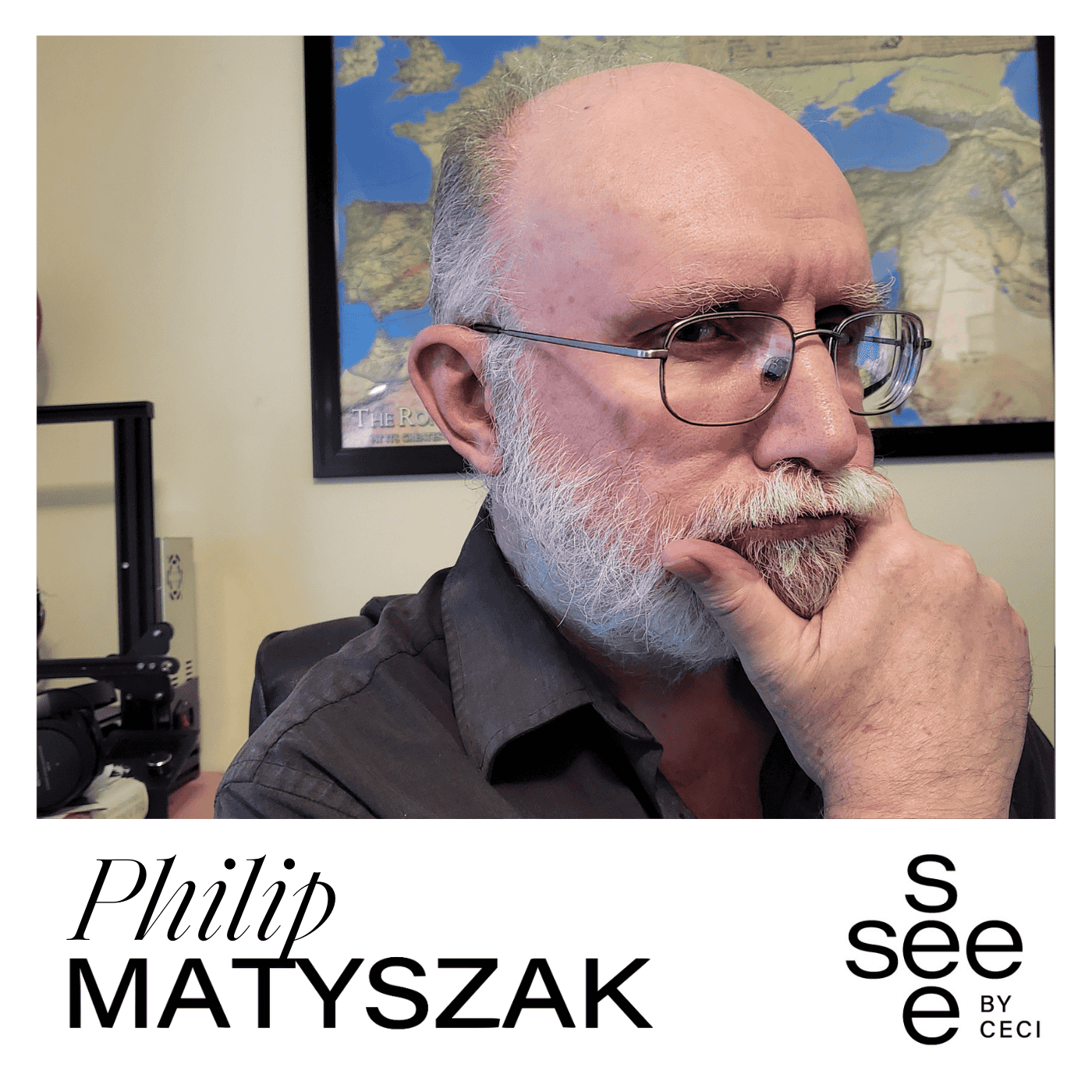
S3 Ep 4Rise and Eclipse: Courage in Ancient Rome with Dr. Philip Matyszak (Part 1)
In this episode we go on a journey to ancient Rome with none other than the acclaimed British historian and non-fiction author, Dr Philip Matyszak. We will discuss courage in ancient Rome, its soldiers, its legions, legends, gladiators and much more. An engaging storyteller, Dr Matyszak, also known as "Dr Maty", will give us a glimpse into the mind of the warrior and illuminate our understanding of what courage and glory meant then in relation to how we understand them today. We'll hear him talk about the light and dark sides of the Roman mindset as he takes us back to the battlefields and the Colosseum. We'll talk about Julius Caesar and Marc Anthony, and even cross paths with Shakespeare. We'll delve into the art of divination from animal entrails and how the world of ancient heroes revolved around myth and magic. Dr Maty's dynamic style and humor will enhance your experience, transforming what you thought were dusty historical facts into compelling tales of adventure, intrigue and discovery. Some of Dr. Maty’s most celebrated books, include “24 Hours in Ancient Greece”; “Ancient Rome on Five Denarii a Day”, “The Enemies of Rome: From Hannibal to Attila the Hun”; “Sparta: Rise of a Warrior Nation”, “Ancient Magic in Greece and Rome”, “Lost Cities in the Ancient World” and his most recent publication “A Walk Through Ancient Rome: A Tour of the Historical Sites That Shaped the City”.
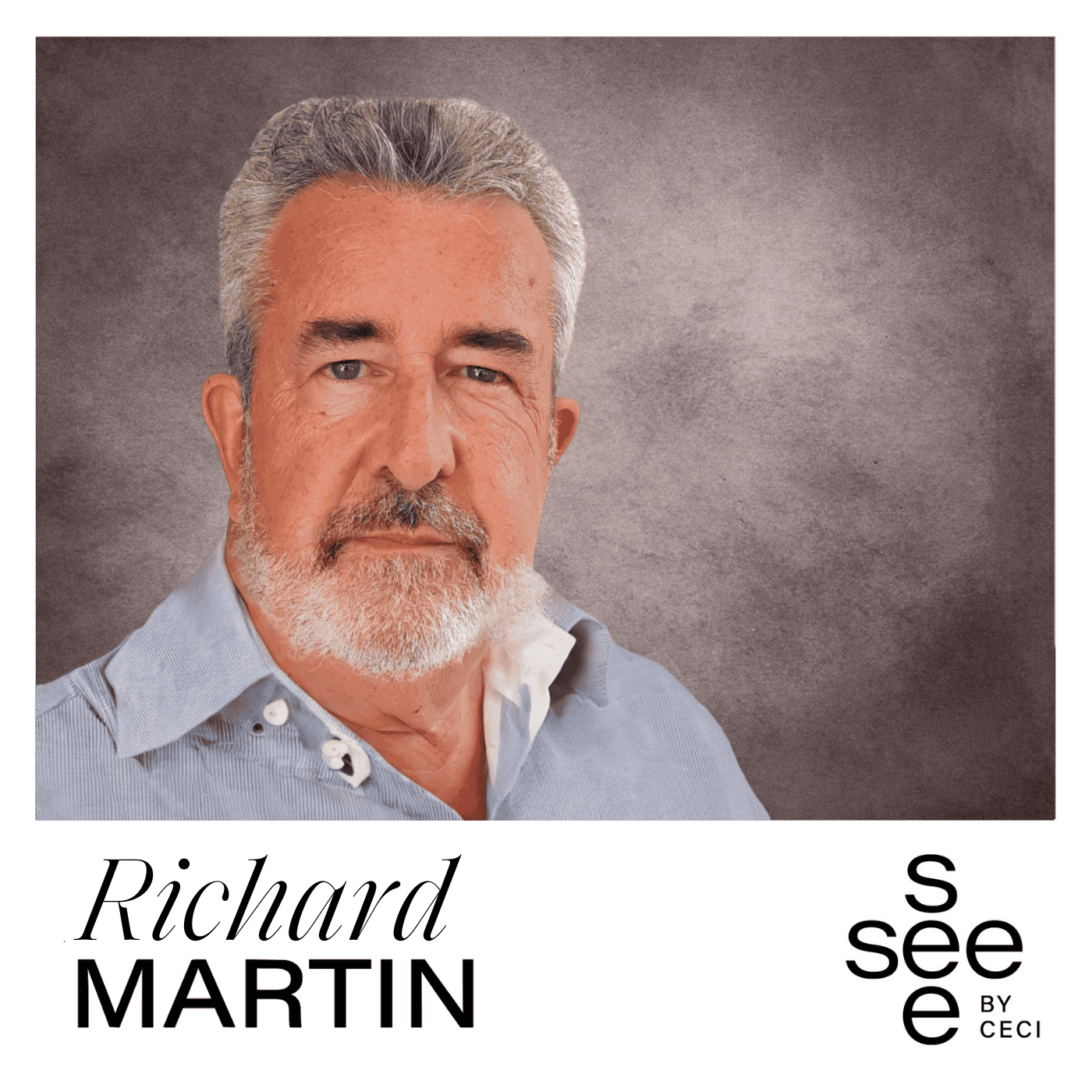
S3 Ep 3Prometheus’ Fire; Somehow Humanly Divine with Prof. Richard P. Martin (Part 2)
What is a myth? What do we get out of them? Do myths die? Do gods die? In this episode dedicated to Greek mythology, Richard P. Martin, Antony and Isabelle Raubitschek Professor of Classics at Stanford, will guide us through the story of Prometheus, the legendary rebel who defied the gods by stealing fire from Mount Olympus to give to mankind. Through his storytelling we will learn about Prometheus' own mythic torment and explore the symbolism of his eternal punishment and sacrifice and its relationship to the mysteries of divination and Zeus' scorn at Prometheus' ability to tell the future. Get ready to let your imagination run wild as we picture ourselves in the incredible theatre of Dionysus in Athens! And listen to Professor Martin on how in Athens the people refused to bow to a tyrant. You'll also get to learn what Aeschylus' Prometheus Bound has to do with tyranny and democracy! We'll delve into the fascinating implications of the new Pandora, as represented by AI, for humanity. And will be discussing the muses, creativity and the role of the human heart! Professor Richard Martin’s major publications include Healing, Sacrifice and Battle. Amechania and Related Concepts in Early Greek Poetry; The Language of Heroes: Speech and Performance in the Iliad (Myth and Poetics); and Mythologizing Performance, published in 2020. In addition to several articles on Greek, Latin and Irish literature, he's the author of publications for general audiences, such as Classical Mythology, the Basics; Bulfinch’s Mythology: The Age of the Fable, The Age of Chivalry, Legends of Charlemagne (The most complete compendium of mythology ever published); and Myths of the Ancient Greeks, published in 2023. An authority on Greek poetry and myth, Prof. Richard Martin has produced an internet version of Homer's Odyssey with a team at Stanford.
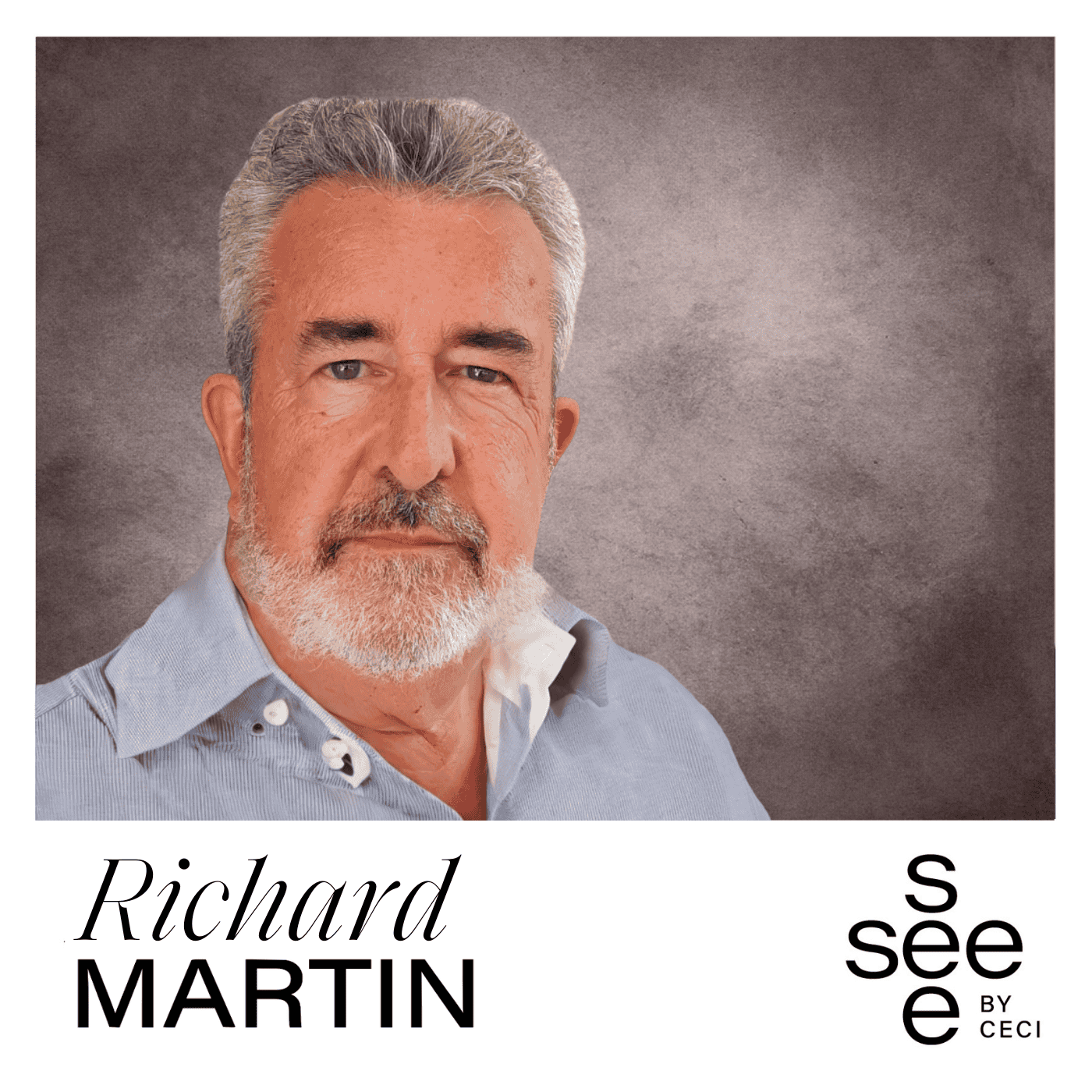
S3 Ep 2Prometheus’ Fire; Somehow Humanly Divine with Prof. Richard P. Martin (Part 1)
What is a myth? What do we get out of them? Do myths die? Do gods die? In this episode dedicated to Greek mythology, Richard P. Martin, Antony and Isabelle Raubitschek Professor of Classics at Stanford, will guide us through the story of Prometheus, the legendary rebel who defied the gods by stealing fire from Mount Olympus to give to mankind. Through his storytelling we will learn about Prometheus' own mythic torment and explore the symbolism of his eternal punishment and sacrifice and its relationship to the mysteries of divination and Zeus' scorn at Prometheus' ability to tell the future. Get ready to let your imagination run wild as we picture ourselves in the incredible theatre of Dionysus in Athens! And listen to Professor Martin on how in Athens the people refused to bow to a tyrant. You'll also get to learn what Aeschylus' Prometheus Bound has to do with tyranny and democracy! We'll delve into the fascinating implications of the new Pandora, as represented by AI, for humanity. And will be discussing the muses, creativity and the role of the human heart! Professor Richard Martin’s major publications include Healing, Sacrifice and Battle. Amechania and Related Concepts in Early Greek Poetry; The Language of Heroes: Speech and Performance in the Iliad (Myth and Poetics); and Mythologizing Performance, published in 2020. In addition to several articles on Greek, Latin and Irish literature, he's the author of publications for general audiences, such as Classical Mythology, the Basics; Bulfinch’s Mythology: The Age of the Fable, The Age of Chivalry, Legends of Charlemagne (The most complete compendium of mythology ever published); and Myths of the Ancient Greeks, published in 2023.
S3 Ep 1Trailer Season 3 (Guts)
trailerWe are delighted to announce that See See by Ceci is back with Season 3, "GUTS", a journey not to be missed! This season, we will pay tribute to the legendary Prometheus and celebrate the transformative spirit that has endured from ancient times to the present day. Our journey will honor the human spirit of creativity and sacrifice, mirroring the courage and resilience exemplified by this enduring titan. From ancient myths to modern realities, we will explore the link between rebellion and progress, we will travel to Ancient Rome examining what courage meant then and how it shapes our world today. We will question human intelligence and learn the profound bond between man and horse. We will discuss the role of instinct and intuition in life-or-death decisions and explore into the liver’s remarkable regenerative abilities, uncovering its wonders in both medical science and artistic representation. From there, we will dive deep into the fascinating world of the gut microbiome, exploring the intricate connections of the gut-brain axis and its impact on mental health. The peculiar history of the gut will unfold as we talk about the ways food, nutrition, and even additives like sugar affect not just our bodies, but also social and criminal behavior. As we explore these rich layers of the human experience—touching on everything from politics to the full spectrum of human emotions and parapsychological phenomena—we will also indulge in the pastries of a new era. Together, we will talk about love stories, bold choices, and the path to redemption through the art of cooking. Accompanied by music from the core, we will confirm that it takes true courage to live authentically, to face life’s challenges, to push boundaries and to ignite the fire of transformation of the outer world and our inner world. This season consists of fourteen episodes, each of which is a magnificent production featuring: Antony and Isabelle Raubitschek Professor of Classics at Stanford, Richard Martin; British non-fiction author Dr Philip Matyszak; Latin America's top show jumper, Nicolás Pizarro; Professor of HPB Surgery at Amsterdam University Medical Centre, Thomas M. van Gulik; one of the world's greatest three-star Michelin chefs, Eric Vildgaard; cognitive psychologist, senior scientist at MacroCognition LLC, author and pioneer in the field of naturalistic decision making, Gary Klein; professor of applied psychology at the University of Liverpool, David Canter; historian and acclaimed author, Elsa Richardson; professor at California State University Stanislaus, criminologist and nutritionist, Stephen Shoenthaler; Paulette Goddard Professor of Nutrition, Food Studies and Public Health, Emerita, at New York University, Marion Nestle; multiple world pastry chef of the year, René Frank; renowned virtuoso cellist and captivating soloist, Andrei Ioniță; and Chief Scientist at the Institute of Noetic Science and former professional violinist, Dr. Dean Radin. CREDITS: Writer: Cecilia Ponce Rivera Direction: Cecilia Ponce Rivera Sound Production: Michael Viol Voice: Paul HG
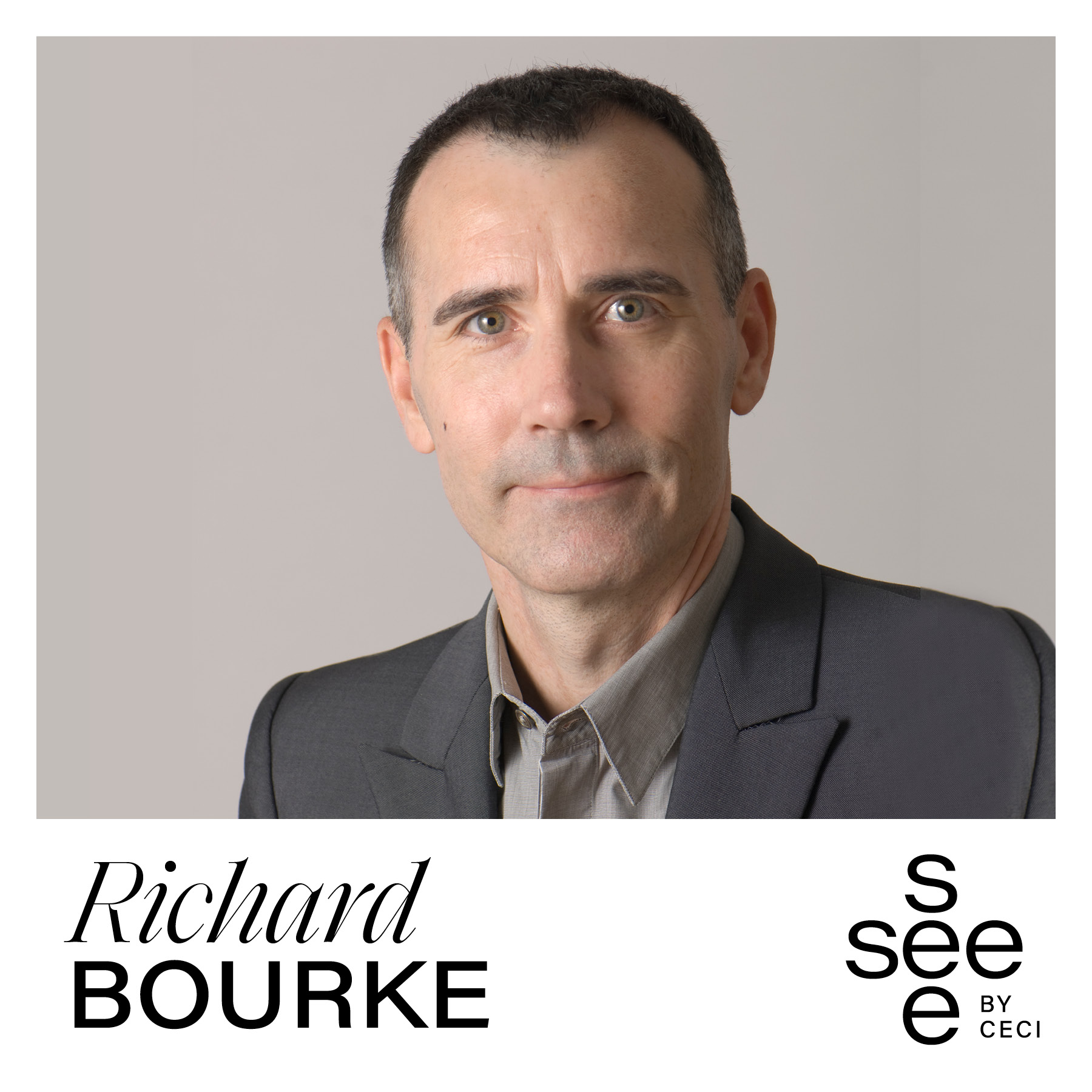
S2 Ep 14Social Movements and the History of Thought; an interview with Prof. Richard Bourke.
A superb closing episode for the series Movement that revolves on social movements and its analysis from a social as well as a historic perspective, cohosted by Prof. Swen Hutter, Lichtenberg Professor for Sociology at the Freie Universität and the WZB Social Science Center in Berlin. What is Democracy today, and why the French Revolution such a pivotal point in History? How did religious movements evolve into social movements; Why are we witnessing strong polarization in the world of politics nowadays, and the revival of models of thought in the form of populist nationalism, that we thought to be terminally ill? Our guest, Prof. Bourke, Professor of the History of Political Thought at the University of Cambridge, and a Fellow of King´s College of Cambridge, whose work focuses on the history of political thought, particularly on the political ideas of the enlightenment and its aftermath, helps us understand these and other inquires, while he brilliantly exposes parallels and differences of today’s social movements and events back in history. In addition, the also Co-Director of the Cambridge Centre for Political Thought, expert on ancient philosophy and political theory in the 19th and 20th centuries, introduces us to Edmund Burke and his vision on the French Revolution, Kant’s revolutionizing ideas in regards of the making of identity and self-consciousness as well as Hegel’s vision on History and its relevance regarding our contemporary society. Violence, poverty, inequality, the Climate Movement, and its difficulties to achieve its goals, the idea of the self and its exploration, as well as personal identity and individual agency back in the 18th and 19th Centuries vs. the concept of the self in today’s political struggles, all of these and more awaits you in this season’s remarkable an exciting final episode of See See by Ceci’s second season "Movement”! *Prof. Richard Bourke is also A Fellow of the British Academy and of the Royal Historical Society. Honored with awards such as the István Hont Memorial Book Prize in Intellectual History, Prof. Bourke’s publications range from nationalism and conservatism to political judgement and popular sovereignty, including Irish modern history, the philosophy of history since Kant and the history of democracy. These publications comprise numerous articles and books such as “Peace in Ireland: the war of ideas”; “The Princeton History of Modern Ireland”; “Empire and revolution: the political thought of Edmund Burke”; and his most recent work “Hegel’s World Revolutions”.
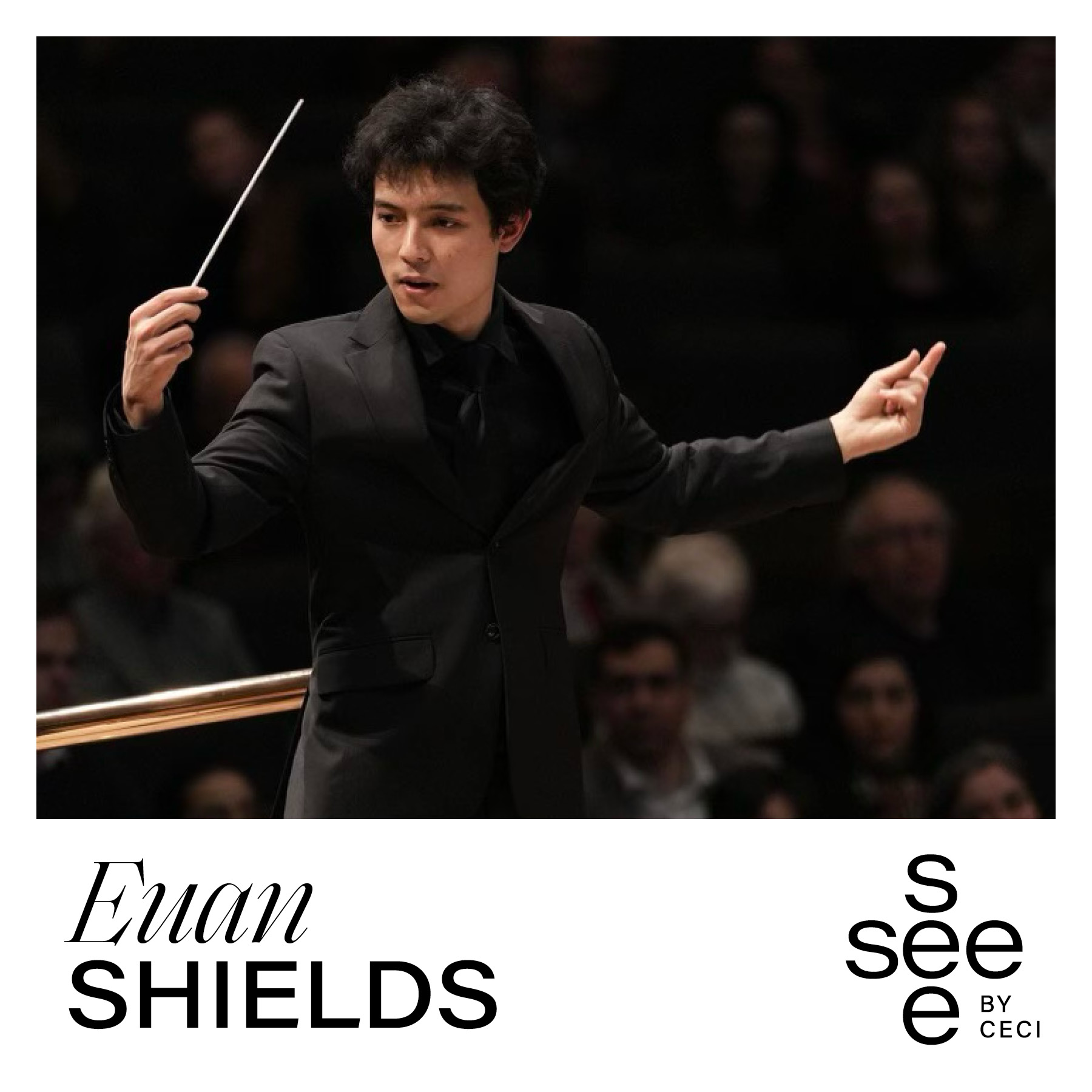
S2 Ep 13Movement on the Podium: Diversity and Inclusion, an interview with Euan Shields.
If you´ve ever wondered how the silence prior to start the Opening Movement is energized and about the experience of the brief but extreme moving moment between the end of the Final Movement and the first clap of the audience’s applause in a performance, you won’t dare to miss this episode. Euan Shields is a 25-year-old Japan-born American orchestral conductor and cellist, known for his emotionally charged performances and delightful technical skills. In this episode, the Assistant Conductor under Sir Mark Elder for the Hallé Orchestra and Music Director of the Hallé Youth Orchestra, talks about all the imaginary happening while standing on the podium and about the different experiences resulted from playing cello in an orchestra vs. conducting one. Listen this superb cellist and promising orchestral conductor talk about mentorship and the benefits of being brutally honest, why he exchanged words for feelings when marking his scores, how he prepares a performance as an assistance conductor and how he puts his conviction of music’s transformational power to society in motion.
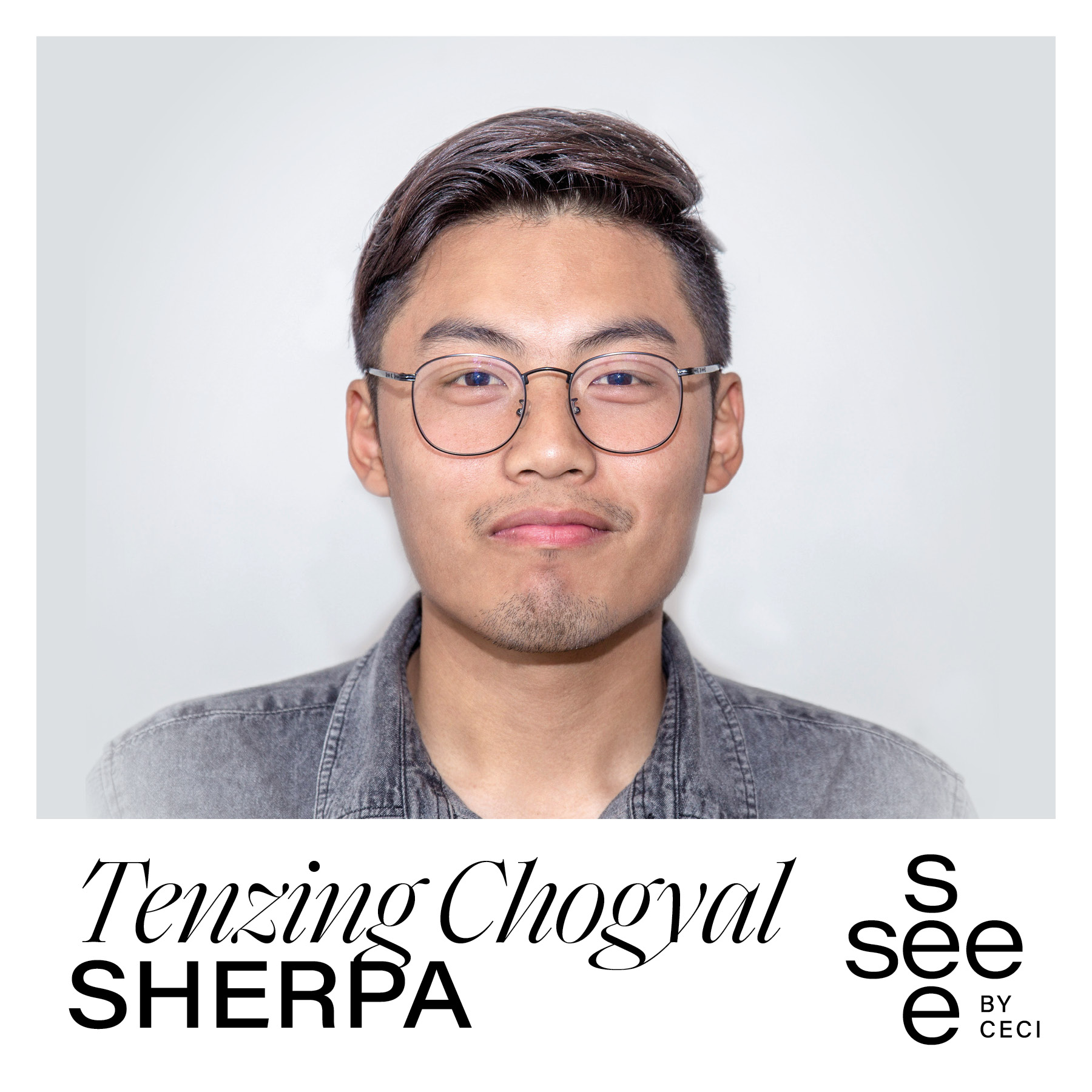
S2 Ep 12Giants that Move Our Planet, an interview with Himalayan Glaciologist Tenzing Chogyal Sherpa.
Meet Tenzing Chogyal Sherpa, grandson of Kanchha Sherpa’s the last surviving member of Hillary and Tenzing’s 1953 Everest expedition, the first men to stand at the peak of Mount Everest! Listen to Tenzing Chogyal Sherpa as he talks about the strong bonds built in the mountain for survival and the difficulties experienced by Sherpa Mountaineers having to linger between the worlds of the sanctity of the Mountains and the mountain ascensions to make a living to support their families and why along his grandfather, he has become a restless advocate for education. Tenzing Chogyal is one of the key researchers from the glaciology team in the National Geographic and Rolex Everest Expedition, which installed one of the highest Automatic Weather Stations in the world. Unlike his grandfather, he is not a mountaineer, but a scientist, namely, a glaciologist at ICIMOD, with extensive experience conducting glaciohydrological expeditions and geophysical surveys across Nepal, whose research concentrates mostly in understanding the dynamics of glaciers in the Hindu Kush Himalayan Region as well as their evolution with the changing climate and how these changes could impact people living in mountain regions, specifically in the context of glacial hazards. Learn about how glaciers and glacial lakes move in the Himalayas Region and how through movement they sculpt our landscape and act as indicators of climate change and global warming. In this episode, Tenzing warns us about the seriousness of ice melting in the Himalayas and shares how he bounds science and the sense of spiritual connection of the Sherpa Community to prevent and adapt to the challenges exposed by powerful potential environmental catastrophes.
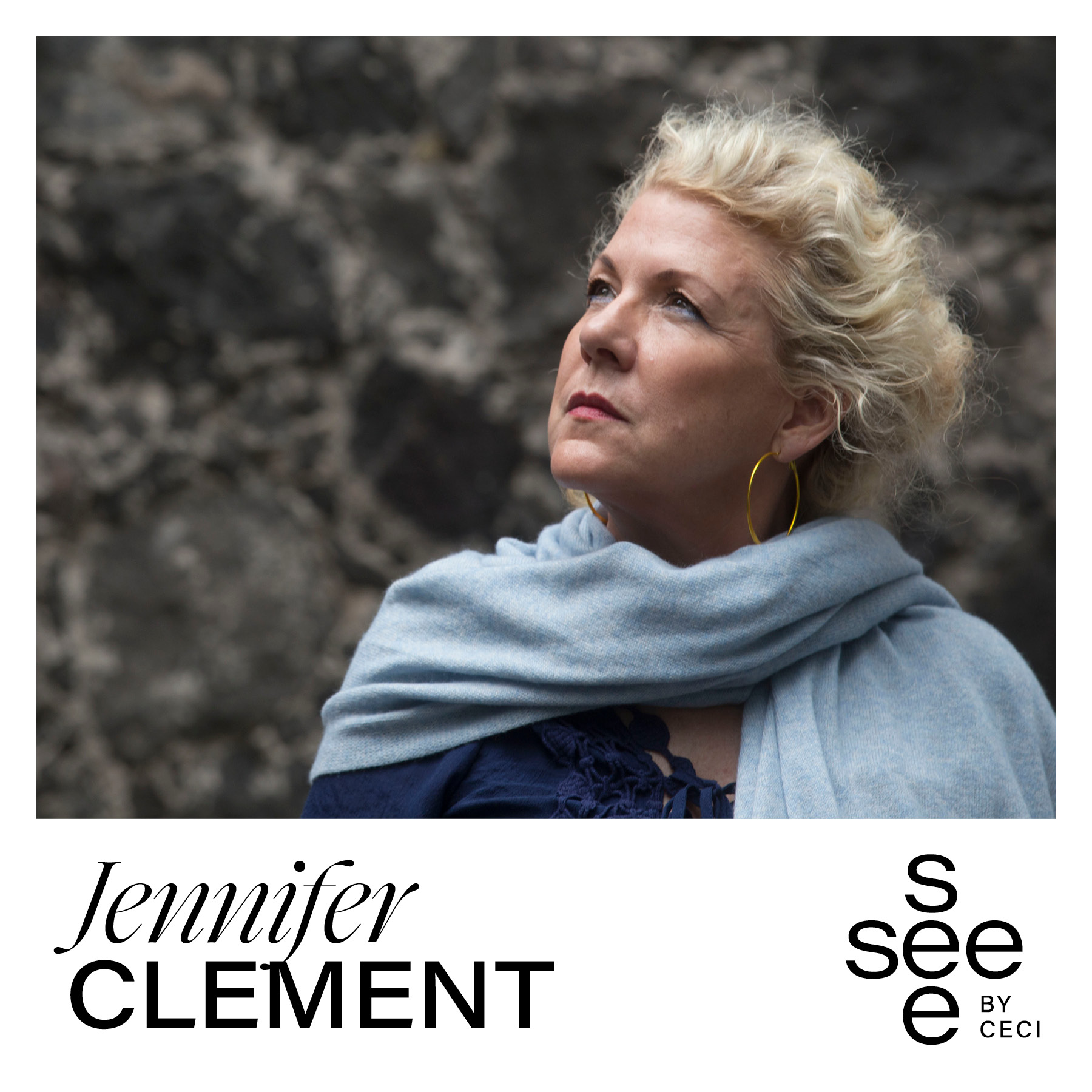
S2 Ep 11Poetry, Freedom of Speech, and Imagination’s Moving Force, an Interview with Jennifer Clement.
Join the author of “The Promise Party: Kahlo, Basquiat & Me”, the read at the top of the charts in the UK for 2024. Move into the writing world of Clement’s poetic prose and lingering metaphors, a universe of layers and dimensions in pure motion. Listen to her talk about how the act of writing and someone reading at the other end can become a mystical experience and how her famous novels “Gun Love”, a New York Times Editor’s Choice book, and “Prayers for the Stolen” became the turning point of her calling to become an activist for the sake of Freedom of Speech. World acclaimed poet Jennifer Clement, the only woman to be elected President Emerita of PEN International, since this celebrated international writer’s organization was founded in London back in 1921, is a fascinating author whose books have been translated into 35 languages. Hers is an intensive universe, a connective point between the brutal, the beautiful and the infinite.
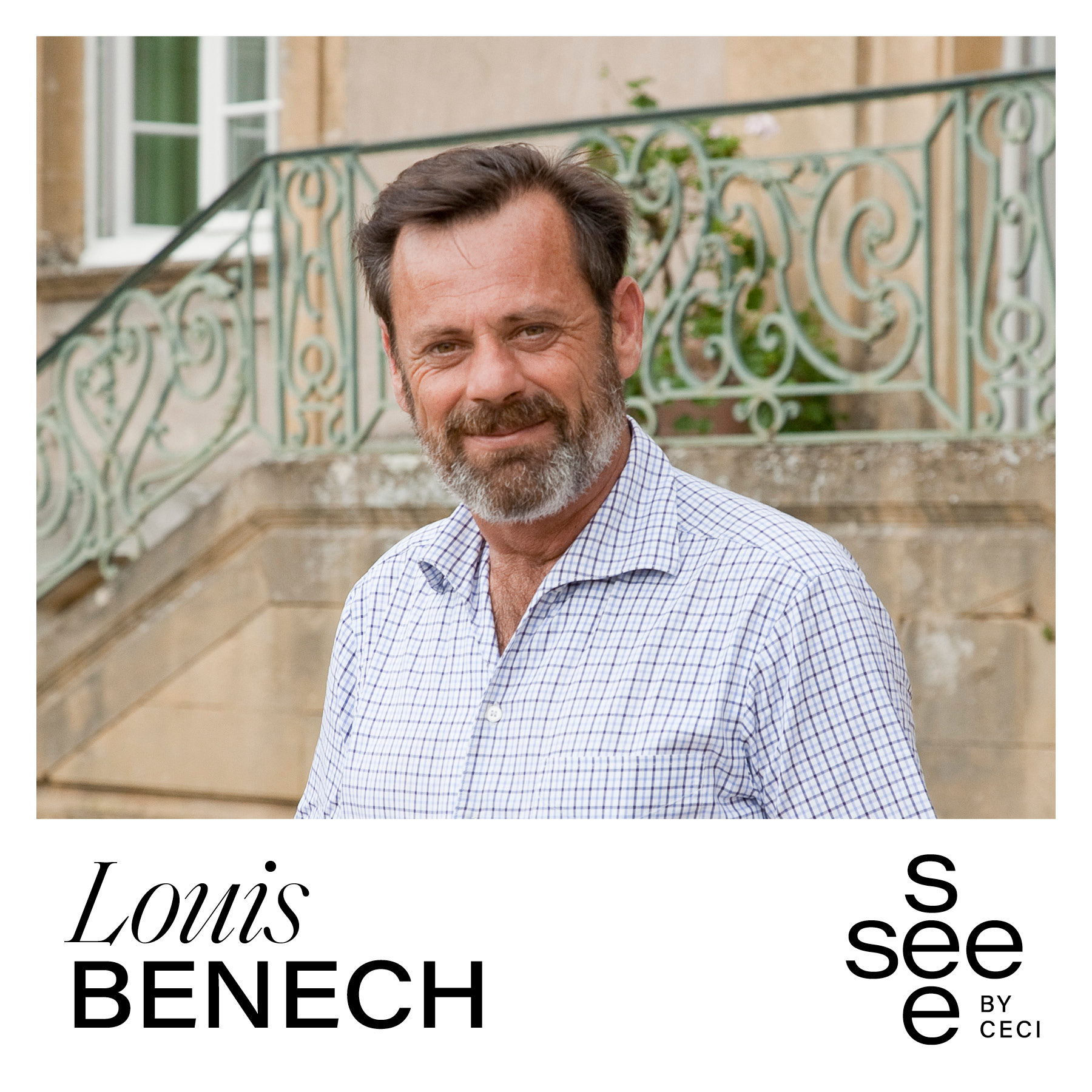
S2 Ep 10Gardens: All that Movement! an interview with Louis Benech.
Gardens are all about movement, and in this episode, Louis Benech, France’s greatest living landscape designer, tells us why. Known for creating long-lasting and aesthetically pleasing gardens, where contemporary architectural settings, historic sites, and natural environments merge, Louis Benech has created together with his team, over 400 garden and park projects, both private and public, stretching from Korea to Panama, Peru, Canada, the United States, Portugal, Greece, and Morocco. His long list of clients includes the late Yves Saint Laurent and most recently Diane von Furstenberg among many international organizations such as Hermès, Axa and Suez. What have gardens taught this man of artistry and strong spirit about life and death? We invite you to a fascinating conversation about light, symmetry, balance, and the people he sees in his imaginary before creating one. Sit for an hour with a man of depth, to talk about his love for trees, plants, dancing sculptures in Versailles and why gardens shall not be considering a luxury, but rather a necessity in terms of well- being. Also, in this episode, world recognized author Andrea Wulf, accompanies us with her voice on a trip back in time to George Washington’s Garden, Mount Vernon, as she reads some excerpts of her book the “Founding Gardeners”, a book where the lives of Washington, Jefferson, Madison, and Adams are viewed from their perspective as gardeners, farmers, and plantsmen, and how their believe in greatness helped them project the land of liberty they imagined.
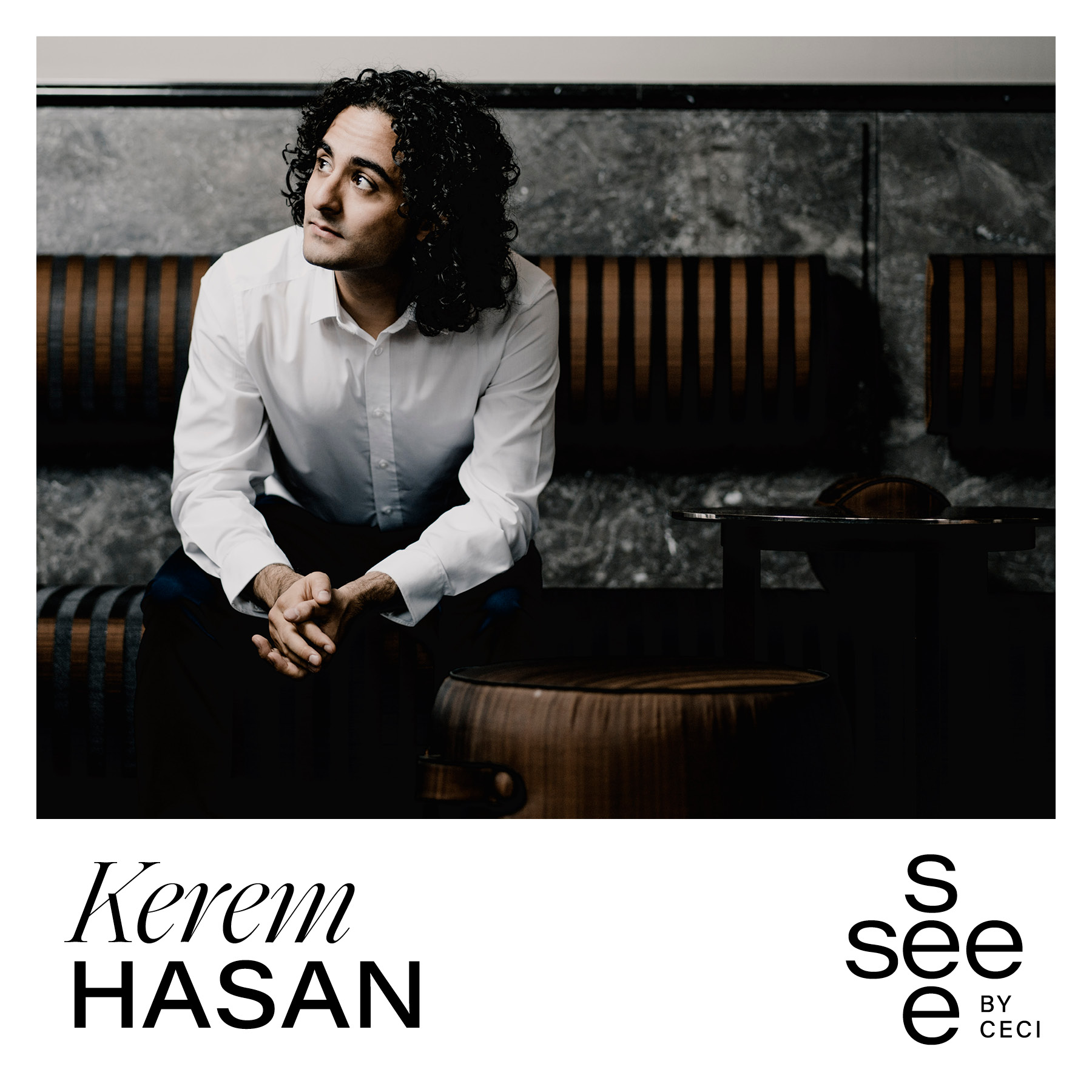
S2 Ep 9Music’s Motion and Emotions, its Narrative and its Interpretation, an interview with Kerem Hasan.
His understanding of Classical music is genuine and vigorously mesmerizing. Immerse yourself in the musical world of the orchestral director of the Tiroler Symphonieorchester Innsbruck, Maestro Kerem Hasan, one of today’s most exciting young British conductors. Bestowed with fine intellect, magnificent talent, and passionate sensitivity he will guide you with the elegancy and precision of his baton on how movement and imaginary can elevate an orchestra to higher levels. He’ll talk about the German-Austrian tradition, Opera, Crossovers, and the drive, and authenticity needed to conduct masterfully equipped musicians of grand orchestras. Experience Brahms, Gustav Mahler, the grand pianist Maurizio Pollini, and Dutch Conductor Bernard Haitink through his eyes and join him on the Podium to talk about classical music’s narrative, its decoding, and the role of mystery, persuasion, chemistry, gestures, and silence when interpreting and transmitting the composer’s message.
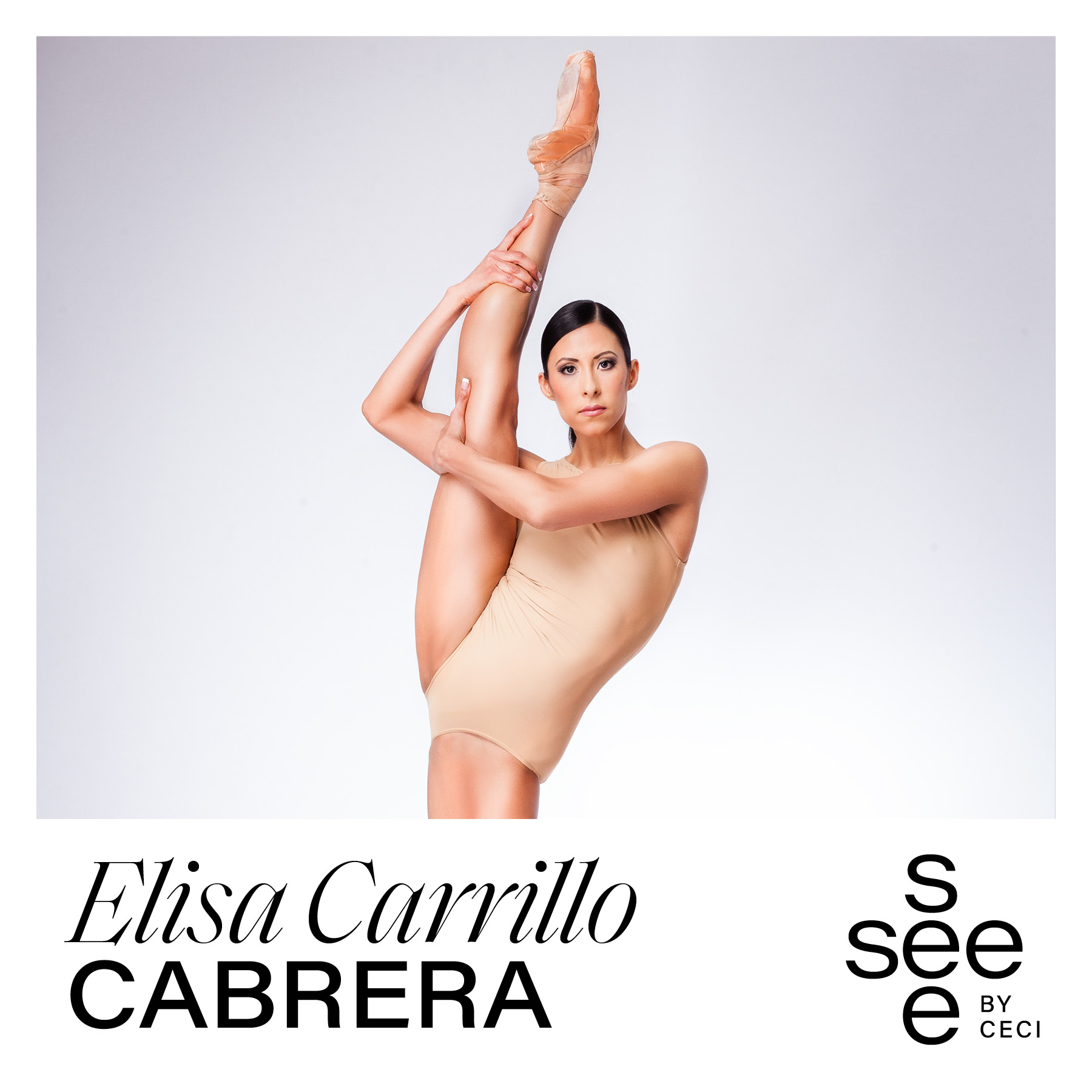
S2 Ep 8Moving on Center Stage, an interview with Elisa Carrillo Cabrera.
We imagine the life of a ballerina to be a romantic scene, a swan made human traversed from the backstage lights. In the distance the clapping, followed by an elegant bow and a full smile. Accompany us backstage and meet Prima Ballerina Elisa Carrillo Cabrera, first dancer of the Staatballet Berlin and listen her talk about the evolution of classical ballet and the magic brought by the connection of the body with the music, her experience on learning diverse technics from people from different cultural backgrounds and how embracing her Mexican heritage has given her a proud sense of identity. Join her on stage, jumping and pirouetting as she lets you experience the flow in which she immerses herself when she dances. Hold on to her hand and fly along with as you dream about ballet and what you thought before to be impossible.
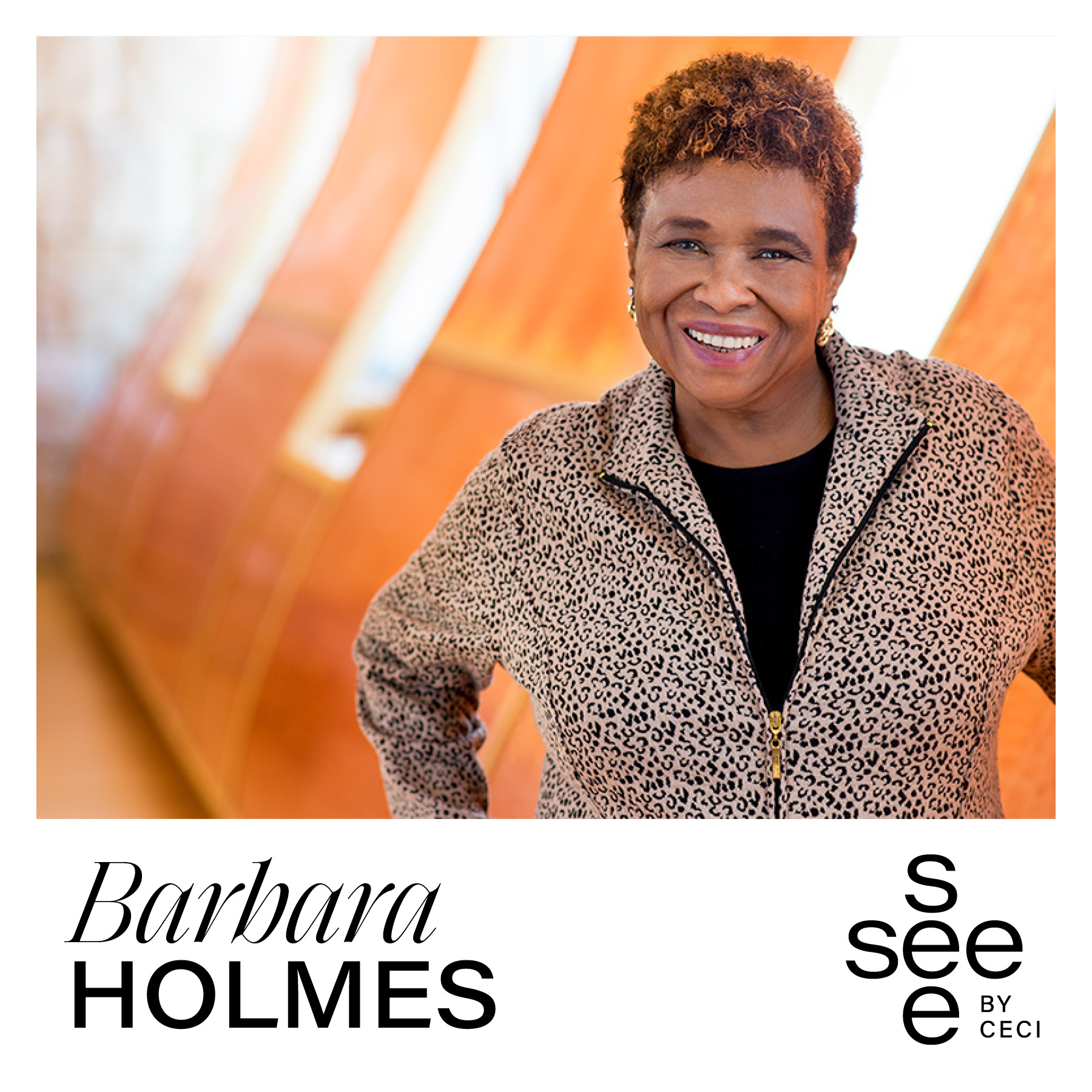
S2 Ep 7Cosmic Motion in the Public Square, an interview with Rev. Bárbara Holmes
Whether from a religious, theological, philosophical, cultural, or a scientific perspective, the view of unity based on the commonality of the divine nature within and shared by all human beings is echoing a universal awareness. In this episode Rev. Barbara A. Holmes, addresses Western cultural complexities of “race” and ethnicity through the lenses of physics and cosmology and the barriers constructed by modern culture that prevent us from understanding and speaking a language of unity. She reminds us how movement is not antithetical of contemplation but rather an evoking force of motion. In this episode you will learn about public theology, the despair sang of the Blues, the significance of the improvisational and spontaneous character of jazz, and its secular insubordination. We invite you to listen her talk about the importance of elderly wisdom and the relevance of storytelling on individual and collective identity, as well as the role of Africanism in today’s life cultural and artistic expressions and how dance bounds us all with the cosmic. Barbara A. Holmes is a spiritual teacher, activist, and scholar focused on African American spirituality, mysticism, cosmology, and culture. She is President Emerita of United Theological Seminary of the Twin Cities, served as Vice President of Academic Affairs and Dean of Memphis Theological Seminary and was ordained in the Latter Rain Apostolic Holiness Church in Dallas, Texas as well as by the Disciples of Christ Christian Church.
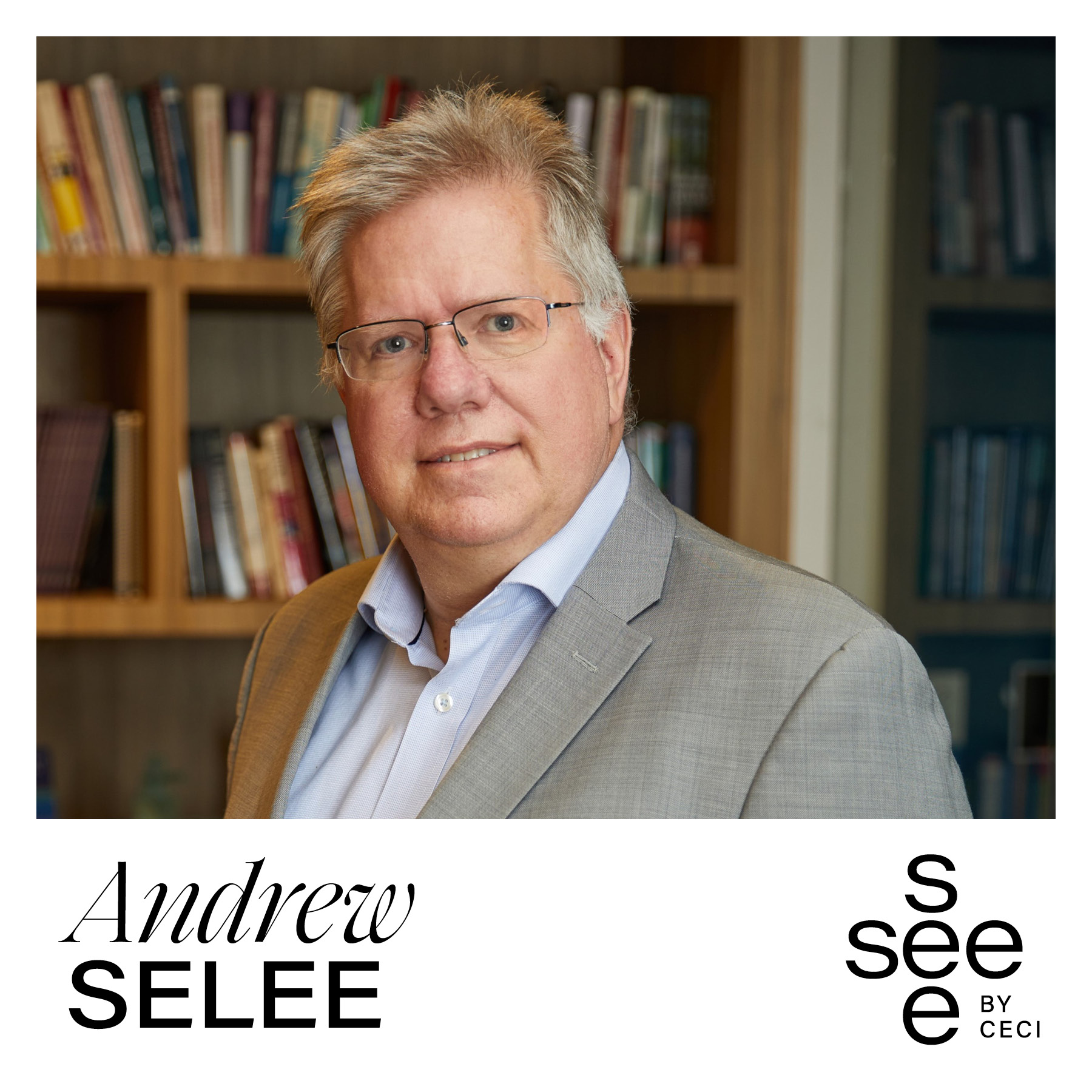
S2 Ep 6Migration: Facts and Challenges of Human Movement, an interview with Andrew Selee.
Andrew Selee President of the Migration Policy Institute (MPI), gives us great insight understanding the major challenges for Governments on creating adequate migration policies, due to its dynamics, and today’s more than ever changing and unpredictable nature. Learn about the US-Mexican border, one of the world’s most intensive borders, culturally, economically, and socially speaking and the relation between these two countries in terms of human movement. In this episode, Dr. Selee also talks about how the slowing down of human mobility caused by the 2020 pandemic impacted life standards and how the creation of legal channels may be the key against problems generated by migration disruption.
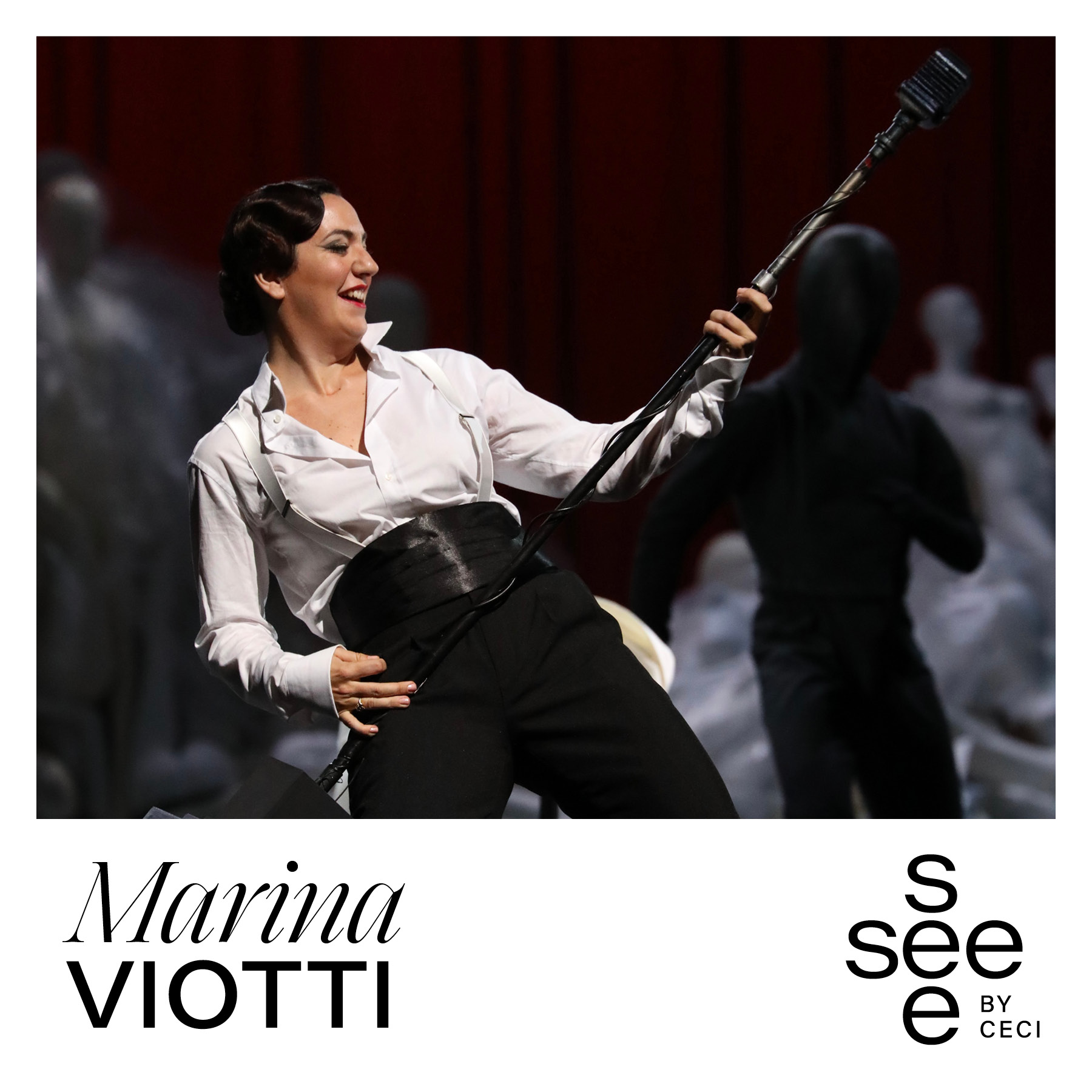
S2 Ep 5Opera’s Moving Voices, an interview with Mezzosoprano Marina Viotti.
Clear, angelical, and powerful. That is the sound of Marina Viotti’s voice. A woman of remarkable presence in stage, seductive and captivating, owner of an inherent talent which she combines with discipline and excellent technique. Jump with us into a fantastic voyage from the dramatic to the lyrical, while we listen to her talk about the energy that draws her closer to her audience, how she builds repertoires, her sense of humor and her love for her family. Like that of a siren, her chant will lure you to explore into deeper levels. Meet mezzosoprano Marina Viotti, recognized in 2019 as “Best Young Singer of the year” at the prestigious International Opera Awards in London and navigate with her through the waters of her colorful and versatile vocal range as we chat about kings, gods, goddess, cyclopes, and vagabonds, the world of Opera, her tribute to Pauline Viardot, the romanticism of the guitar, jazz’s improvisation, and about performance, classical music, metal and crossover.
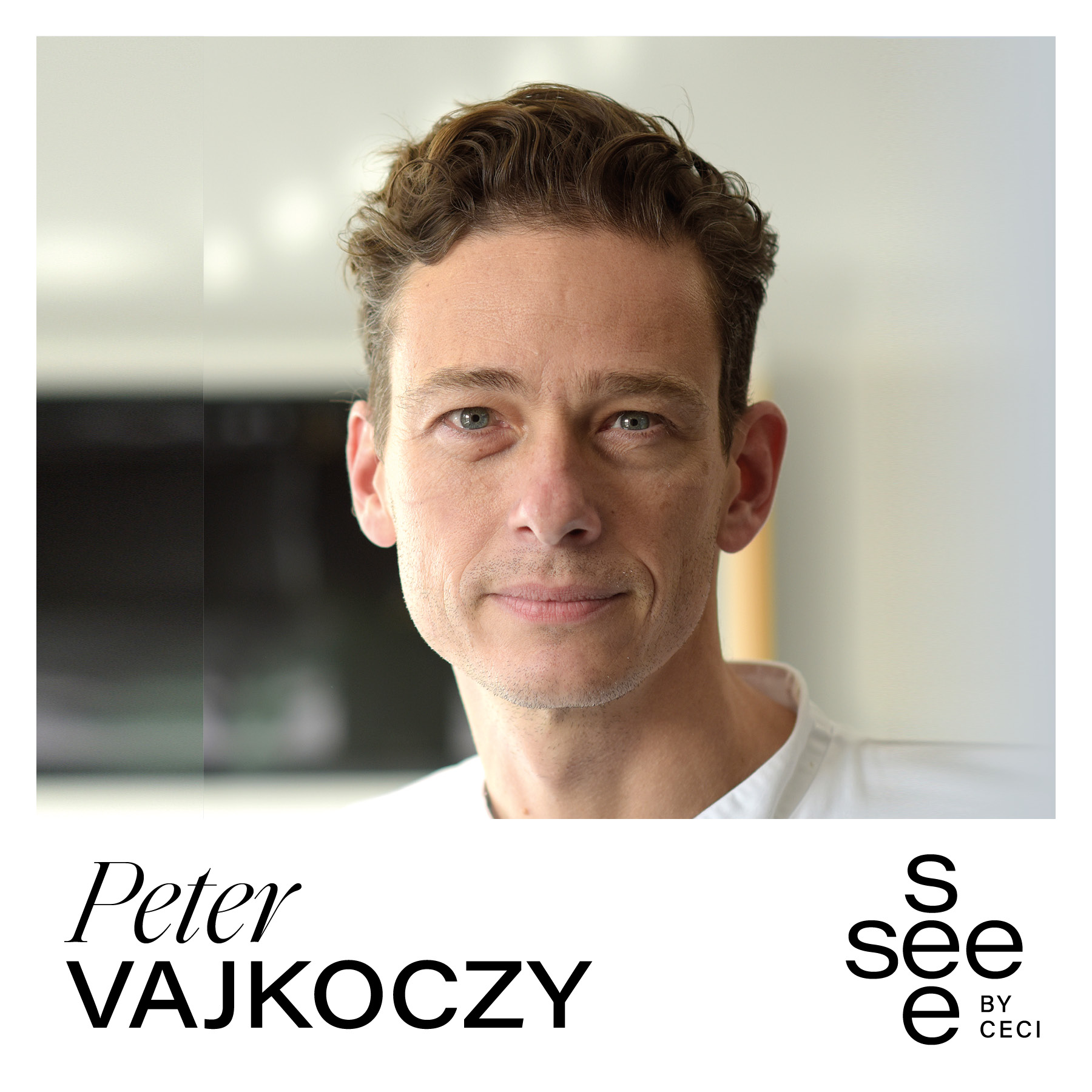
S2 Ep 4Brain Movement, an interview with Prof. Peter Vajkoczy.
World-renowned neurosurgeon, Prof. Vajkoczy performs 800 Brain surgeries per year. Each of these brains a universe of its own that moves along its individual thoughts, dreams, and recollections. Walk inside the operating room by the hand of one of the most respected neurosurgeons in the world and learn about the wondrous dance that takes place in his imaginary even before commencing a surgery. Learn about the precision, the concentration, and the humbleness he operates with as you hear him talk about teamwork, research, homing, and the relationship between the gut microbiomes. Venture into the future guided by Prof. Vajkockzy while he masterly explains where neuroscience is moving towards regarding advancements on spinal cord injuries, computer assistance, artificial intelligence, and robotics. A fascinating road trip into the human brain, through which you will begin to understand about its uniqueness, and feel moved by its miraculous individual print.
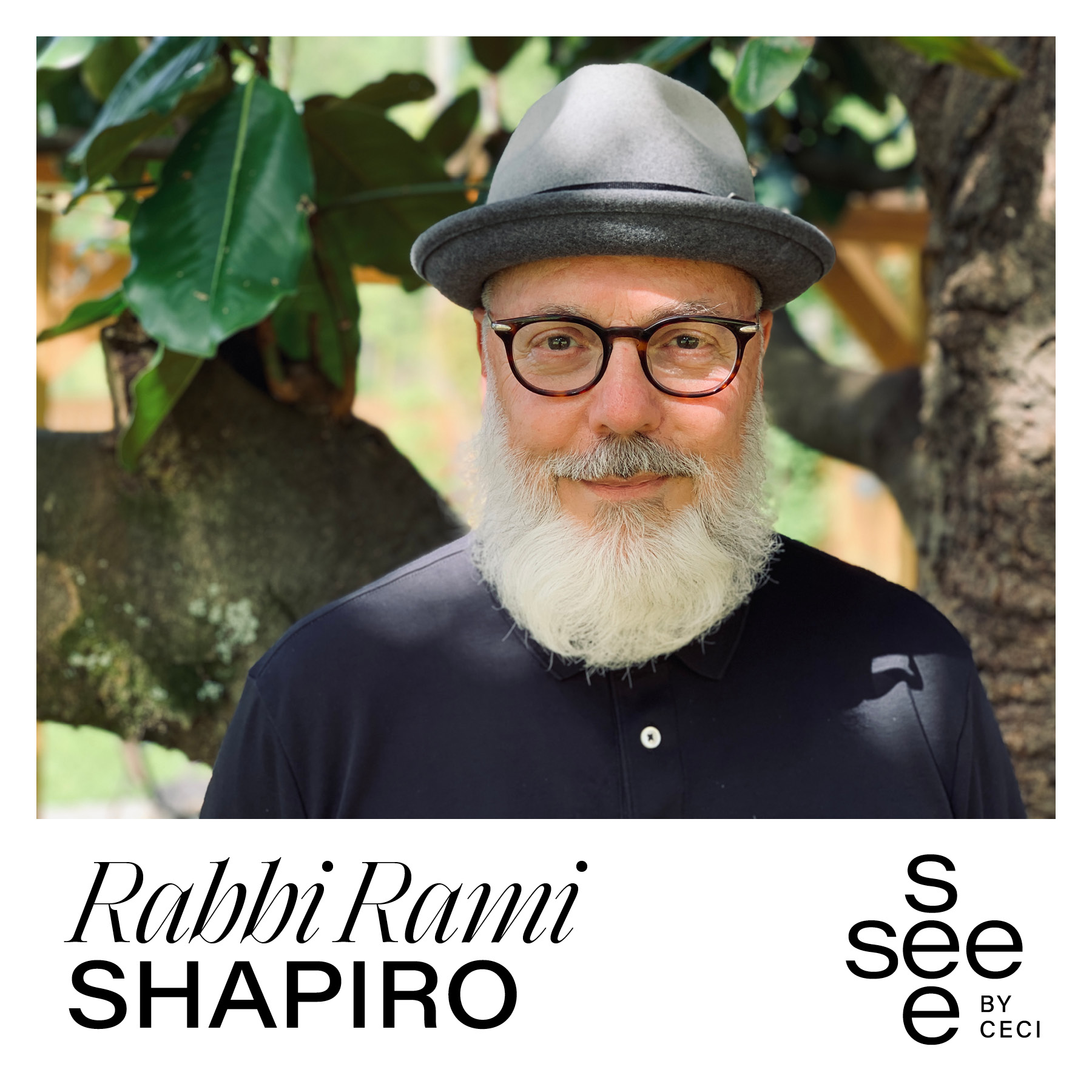
S2 Ep 3Moving in Sync with the Universe, an interview with Rabbi Rami Shapiro.
Rabbi Rami Shapiro received rabbinical ordination from the Hebrew Union College-Jewish Institute of Religion. He is author of more than thirty-six books on religion and spirituality and currently co-directs the One River Foundation. He was the founding rabbi of Temple Beth Or in Miami, Florida and senior rabbi of Metivta, a center for contemplative Judaism in Los Angeles, CA. An award-winning poet, Rabbi Rami is also a liturgist, and essayist, whose prayers are included in worship services across the denominational spectrum of American congregations and a recipient of the Huston Smith Award for Interfaith Education and Service from the Board of Directors of the Order of Universal Interfaith. In a deep and wise conversation, Rabbi Rami talks about different moving exchanges with mystics of different religions, the meaning of friendship, the Divine Mother, and the beauty of silence. Blessed with the gift of the gab, Rabbi Rami enchantingly and brightly speaks about the meaning of swaying during prayer, the meditative-like state produced by whirling and how when we move, we vibrate with the universe. Join the author of “Judaism without tribalism”, widely known as Rabbi Rami in a powerful conversation on breaking free and awakening into aliveness.
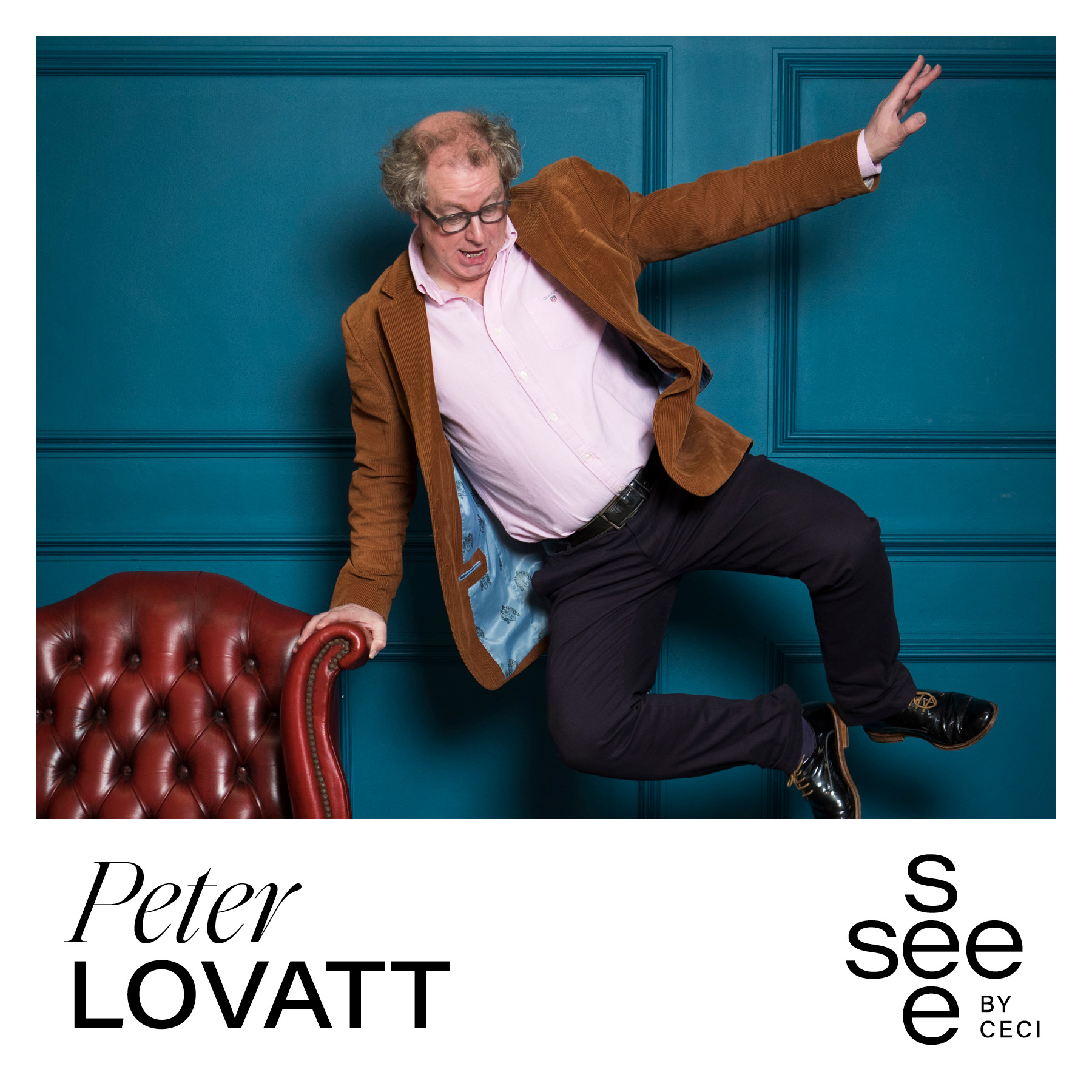
S2 Ep 2Move and Find your Groove! an interview with Dr. Peter Lovatt.
Dancing and finding your groove can become a transformative life experience. And in this episode, cognitive psychologist, and former professional dancer himself Dr. Peter Lovatt tells us why. Widely known as Dr. Dance, Peter Lovatt is also a teacher at the Royal Ballet School of London and the best-selling author of “The Dance Cure”, and “Dance Psychology: The Science of Dance and Dancers.” In this insightful and moving interview you will not only learn how dancing can help you get into shape and keep you in shape, but also, it will help you understand dancing as an intrinsic part of who we are, how dancing works as a biological means of communication and where does the fear of dancing come from. Having spent most of his life dancing, teaching, writing, and researching about movement and dance, Dr. Lovatt brilliantly explains the relationship between dance and movement and its effect on memory, thinking processes, mood, language learning, social bonding, problem solving, and Parkinson’s disease.
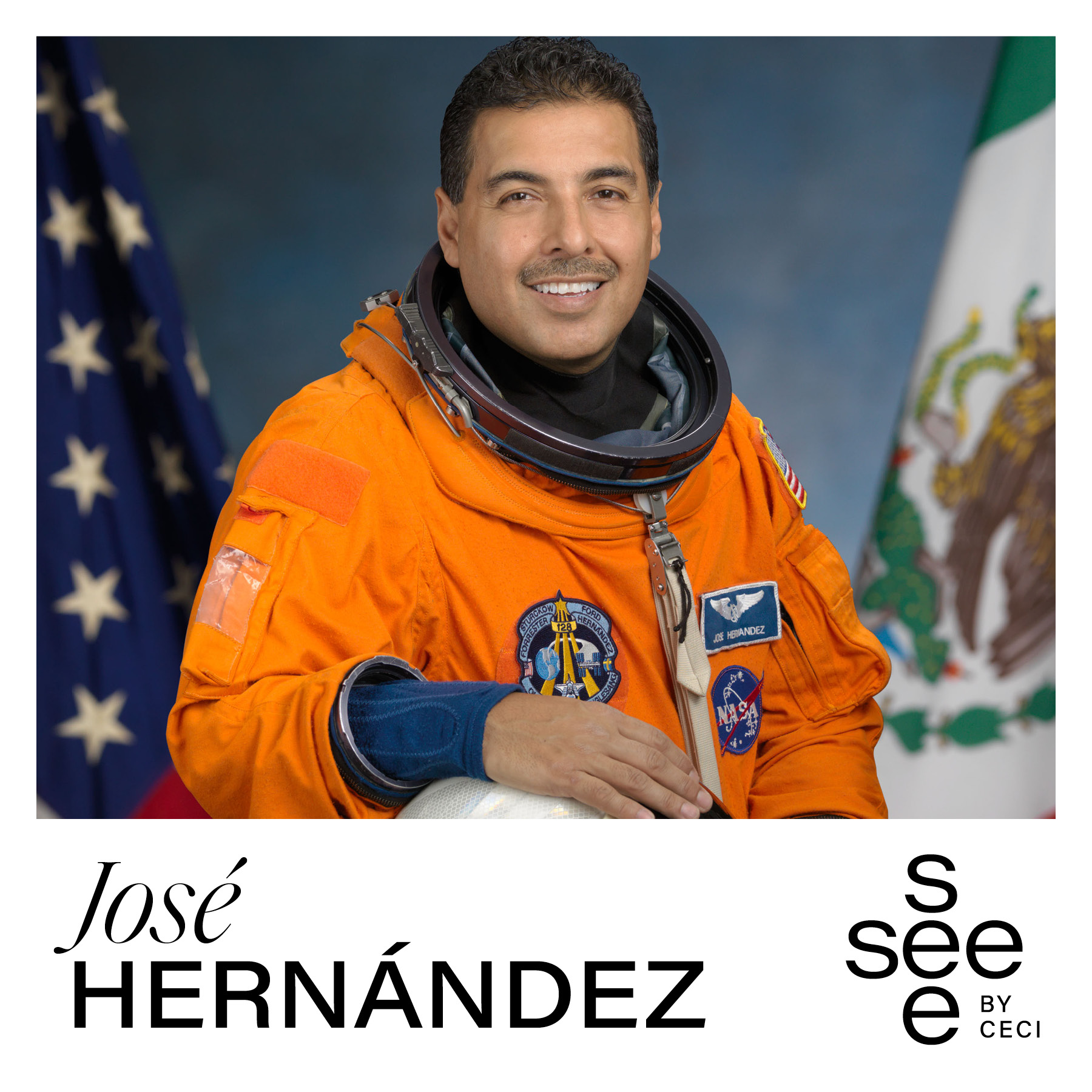
S2 Ep 1A Journey to Outer Space, an interview with former NASA Astronaut, José M. Hernández.
The inspiring story of a boy, born into a family of migrant farmworkers who achieved the impossible. Learn how former NASA Astronaut José Hernandez put his dream into motion, how he learned English, graduated from college, became an engineer, a pilot, and an astronaut. Move along with us into hearing a story of resilience and courage, of hard work and spiritual drive, while we walk through his vineyards and talk about movement in space, through the harvesting seasons, through life and his journey to reaching the stars.
S2 Ep 1Trailer Season 2 (Movement)
trailerWe migrate, we sing, we listen to music, we dream, we move, nature moves. Everything moves. Movement is everything and everywhere. Based on their professional and personal experiences each of our fourteen fascinating guests offers you the opportunity to meet and engage in a road of discovery and self- reflection. Be it through history, in outer space, in a garden, on the podium, or inside the brain, and whether on a physical, an intellectual and/or a spiritual level, each of the interviews in this season make up for a fantastic constellation of perspectives intertwined by nature and communalities that bound us by the same common thread: movement. Dare to move, dare to be moved, perhaps even to tears. Join us on the search for a multidisciplinary multidimensional answer, that will invite you to relearn and rethink your own perspective. THIS SEASON’S GUESTS: President of the Migration Policy Center, Andrew Selee; World recognized neurosurgeon, Prof. Peter Vajkoczy; Best seller author and Professor of Religious Studies, Rabbi Rami Shapiro; Acclaimed poet and author Jennifer Clement, President Em. PEN International; Prima Ballerina Staatsballet Berlin, Elisa Carrillo Cabrera; Cognitive Psychologist Dr. Peter Lovatt, better known as Doctor Dance; former NASA Astronaut, José M. Hernández; Theologian, cosmologist and author, Rev. Bárbara A. Holmes; Rising Star, Mezzo Soprano, Marina Viotti; Orchestral Director of the Tiroler Symphonieorchesters Innsbruck, Kerem Hasan; France’s most revered landscaper Louis Benech with reading intervention of Historian and Author Andrea Wulff; Professor of the History of Political Thought at Cambridge University, Prof. Richard Bourke with cohosting and interventions by Prof. Swen Hutter- Lichtenberg Professor in Political Sociology at the Freie University Berlin and Director of the Center of Civil Society Research; Cellist and Assistant Conductor to Sir Mark Elder for the Halle Orchestra in Manchester and Music Director for the Hallé Youth Orchestra, Euan Shields; Glaciologist at ICIMOD and researcher from the glaciology team in the National Geographic and Rolex Everest Expedition Tenzing Tenzing Chogyal Sherpa. CREDITS: Writer: Cecilia Ponce Rivera Direction: Cecilia Ponce Rivera Podcast Production: Michael Viol Voices: Paul HG; Melissa Holroyd; Voice Talents Berlin
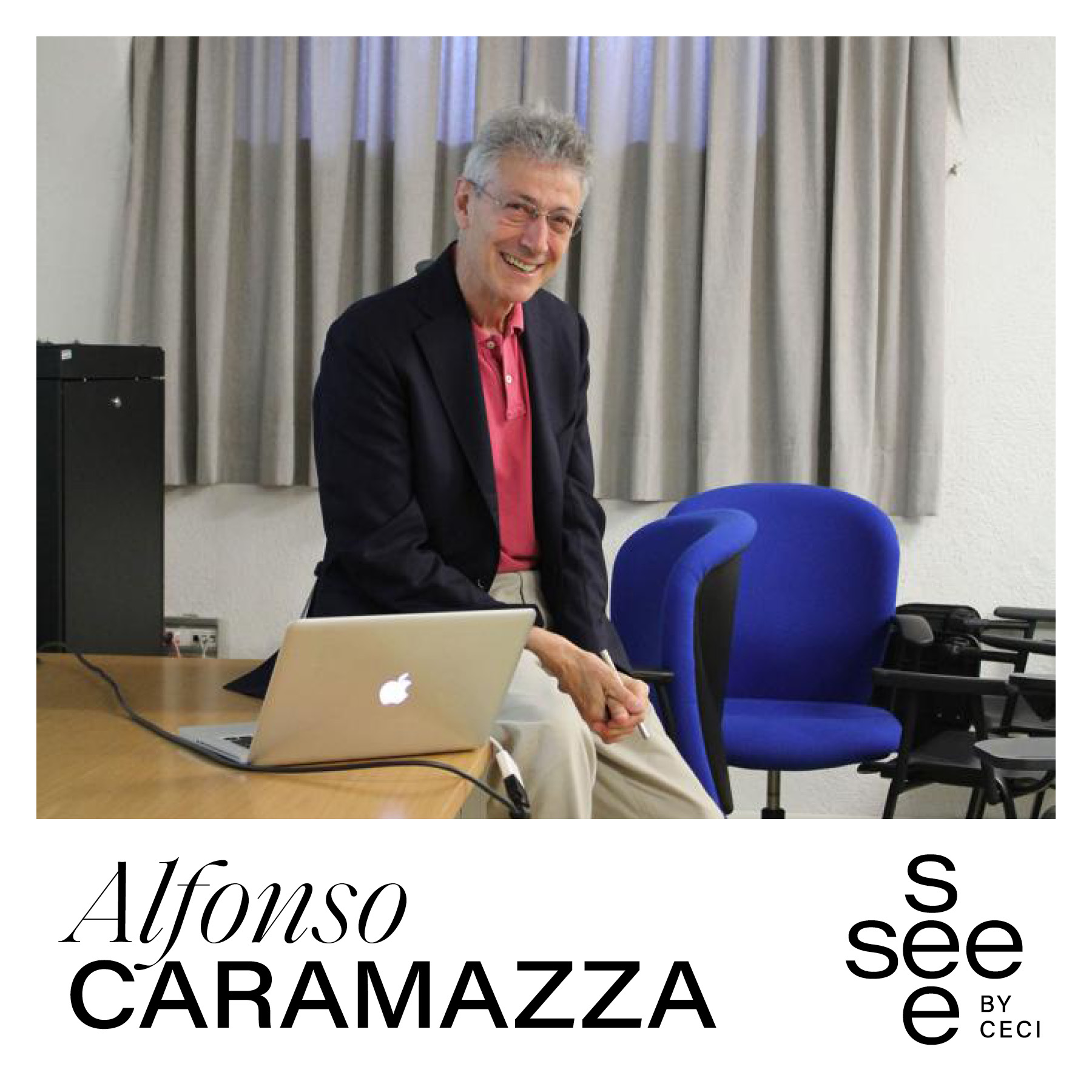
S1 Ep 12Color is Blind: An interview with Prof Alfonso Caramazza, Harvard´s Daniel and Amy Starch Professor of Psychology
Formed by trillions of photons produced by fractions of seconds by the sun, light travels through the atmosphere destined either for collision or if lucky, an encounter with the retina. There, millions of red, green, and blue sensing -cones will dress her in colors while they open the doors to the human brain. But what about freedom or love? concepts whose silhouette cannot be discerned by the sense of sight? And what happens when we are given reference by what our eyes can see but nevertheless color concepts keep unfolding in infinite layers, each with a meaning of its own? How is it possible for born blind people to “see” color? What is Cognitive Neuropsychology? And what is it for? Meet our closing episode’s star scientist, Alfonso Caramazza, Daniel and Amy Starch Professor of Psychology and Director of the Cognitive Neuropsychology Lab at Harvard University’s Department of Psychology. Dare to jump in a fascinating journey inside the human brain. Prof. Caramazza will guide us as a soft light- lantern through a universe of flexible living pathways of hills and valleys connected by nudges of sensorial and intellectual experiences. Echoing its way with vibrant impulse, hiding blindfolded between labyrinthine walls, Color awaits to be discovered.
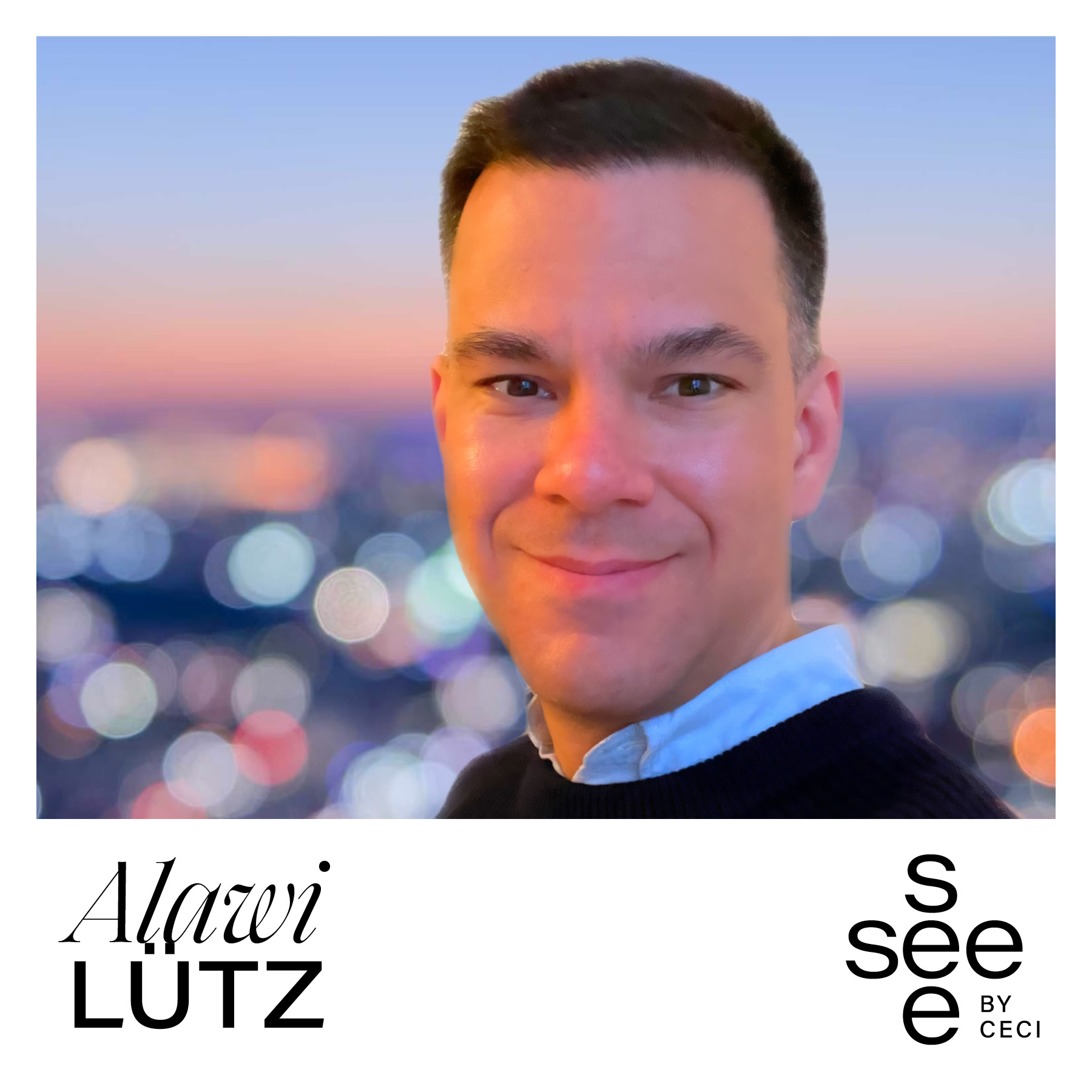
S1 Ep 11The Healing Power of Color, an interview with Prof. Alawi Lütz
An undergoing revolution is taking place at the CC7 Intensive Care Unit of Charité University Hospital, one of the best ranked hospitals in the world and one of the largest anesthesiologic and intensive care (ICU) centers in Europe with over 65,000 anesthesiologic procedures performed per year and over 120 intensive care beds. Learn from Alawi Lütz, German Professor for Anesthesiology and Intensive Care Medicine as well as Professor of Health Management, how by joining interdisciplinary forces with medical professionals, tech, and healthcare management experts, the Parametric Spatial Design concept is improving the recovery of intensive care patients. A fascinating interview in which the healing power of light and color will leave you in awe as you find out about how a new human-centered perspective on Intensive Care Medicine is already giving astonishing positive results. * Circadian Rhythm of ICU Patients is the cycle of physical, mental, and behavior changes that the body goes through in a 24-hour cycle.