
Science Weekly
209 episodes — Page 3 of 5
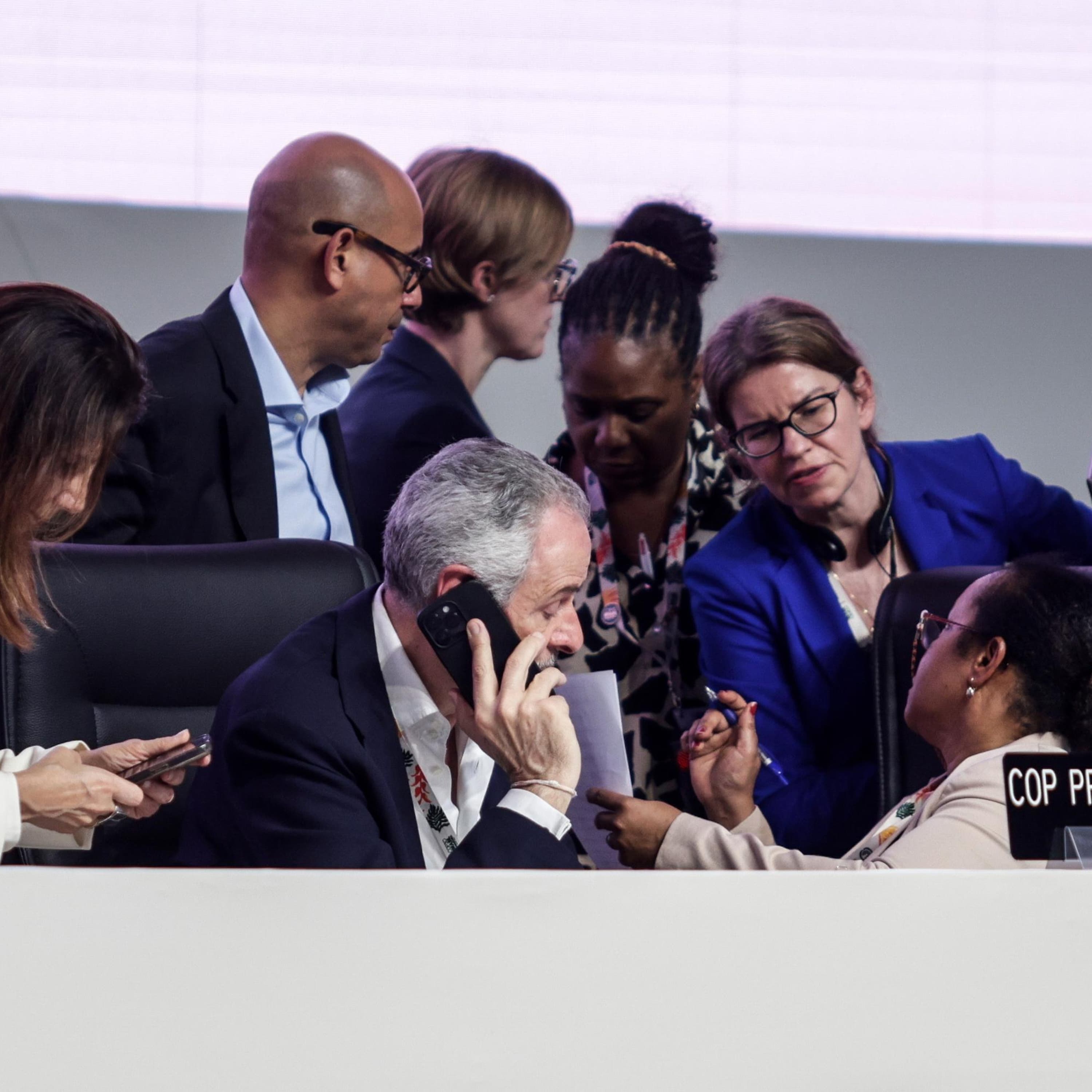
Bitter rows and overnight talks: how a fragile Cop30 deal was agreed
After bitter arguments, threatened walkouts and heated all-night negotiations, delegates eventually reached a deal this weekend at the Cop30 climate summit in Brazil. To unpick what was achieved and what was left out, Madeleine Finlay hears from the Guardian’s environment editor, Fiona Harvey, who has been following every twist and turn. Help support our independent journalism at theguardian.com/sciencepod
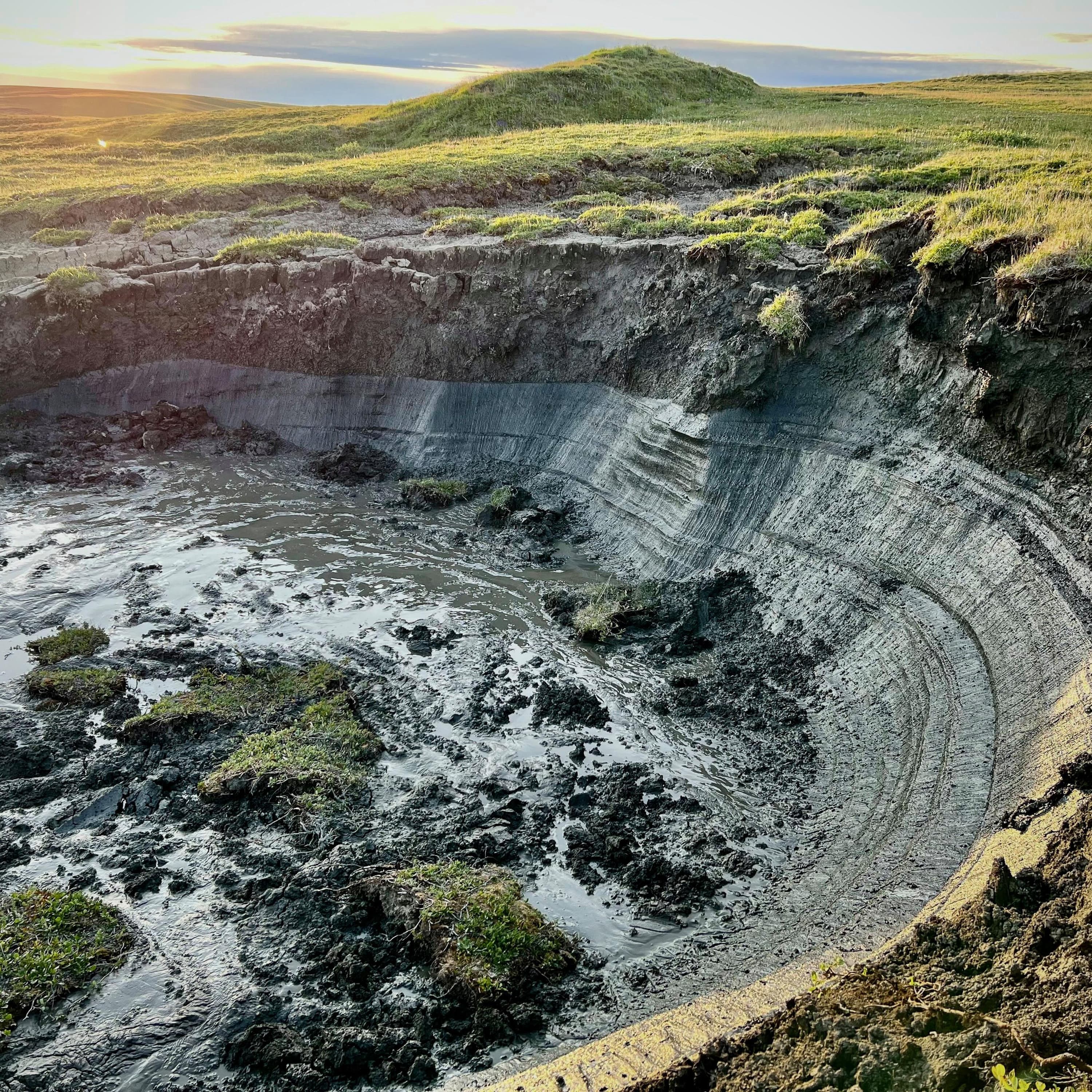
‘Chunks of earth just disappear’: life on a collapsing island
As the Cop30 climate talks continue in Brazil, Madeleine Finlay hears about a landscape at the opposite end of the planet facing the direct impacts of the climate crisis. The Guardian reporter Leyland Cecco recounts a recent trip to Qikiqtaruk (also known as Herschel Island) off the coast of Canada’s Yukon territory, where he saw first hand how indigenous groups and scientists are reckoning with an ecosystem collapsing into the sea. He tells Madeleine about efforts to preserve the history of the island and how scientists are racing to understand what it means for the fate of other arctic communities.. Help support our independent journalism at theguardian.com/sciencepod
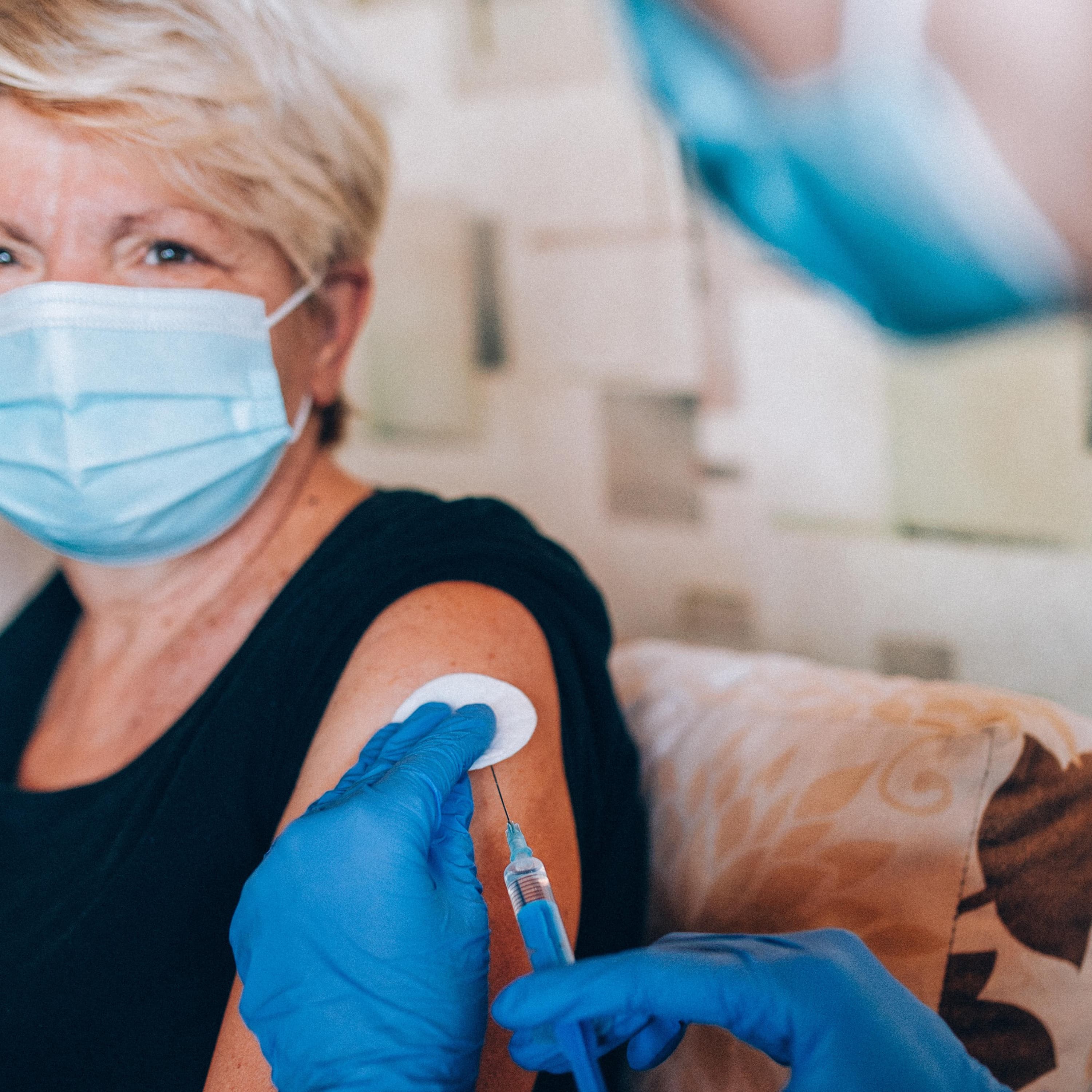
Should the UK brace for a brutal flu season?
This year’s flu season has begun more than a month earlier than usual, with a mutated strain spreading widely among younger people and expected to drive a wave of hospital admissions as it reaches the elderly. Science editor Ian Sample speaks to Madeleine Finlay about what we know so far and Prof Ed Hutchinson of the University of Glasgow explains how people can best protect themselves and each other. Help support our independent journalism at theguardian.com/sciencepod

Kim Kardashian and the comet, a lupus breakthrough, James Watson’s legacy – podcast
Ian Sample joins Madeleine Finlay to discuss some of the most intriguing science stories from the week. They discuss the complicated legacy of James Watson, who won the Nobel Prize for the discovery of the structure of DNA; a new breakthrough in the quest to understand the autoimmune disease lupus; and why everyone from Joe Rogan to Kim Kardashian is talking about comet 3I/Atlas.. Help support our independent journalism at theguardian.com/sciencepod
Never forget a face? You could be a super recogniser
Do you have an uncanny recall for faces? Have you ever recognised the same extra in TV shows that are decades apart? If so you could be part of the small number of super recognisers. Research from the University of New South Wales indicates they naturally pick out the most useful parts of a given face to help commit it to memory. So what else have scientists uncovered about this elite cohort? Dr David Robertson, a senior lecturer in psychology at the University of Strathclyde, talks to Ian Sample about what life is like for super recognisers, and how their powers could be put to use for the public good. Help support our independent journalism at theguardian.com/sciencepod
Revisited: How to save the Amazon episode three: ask the people that know
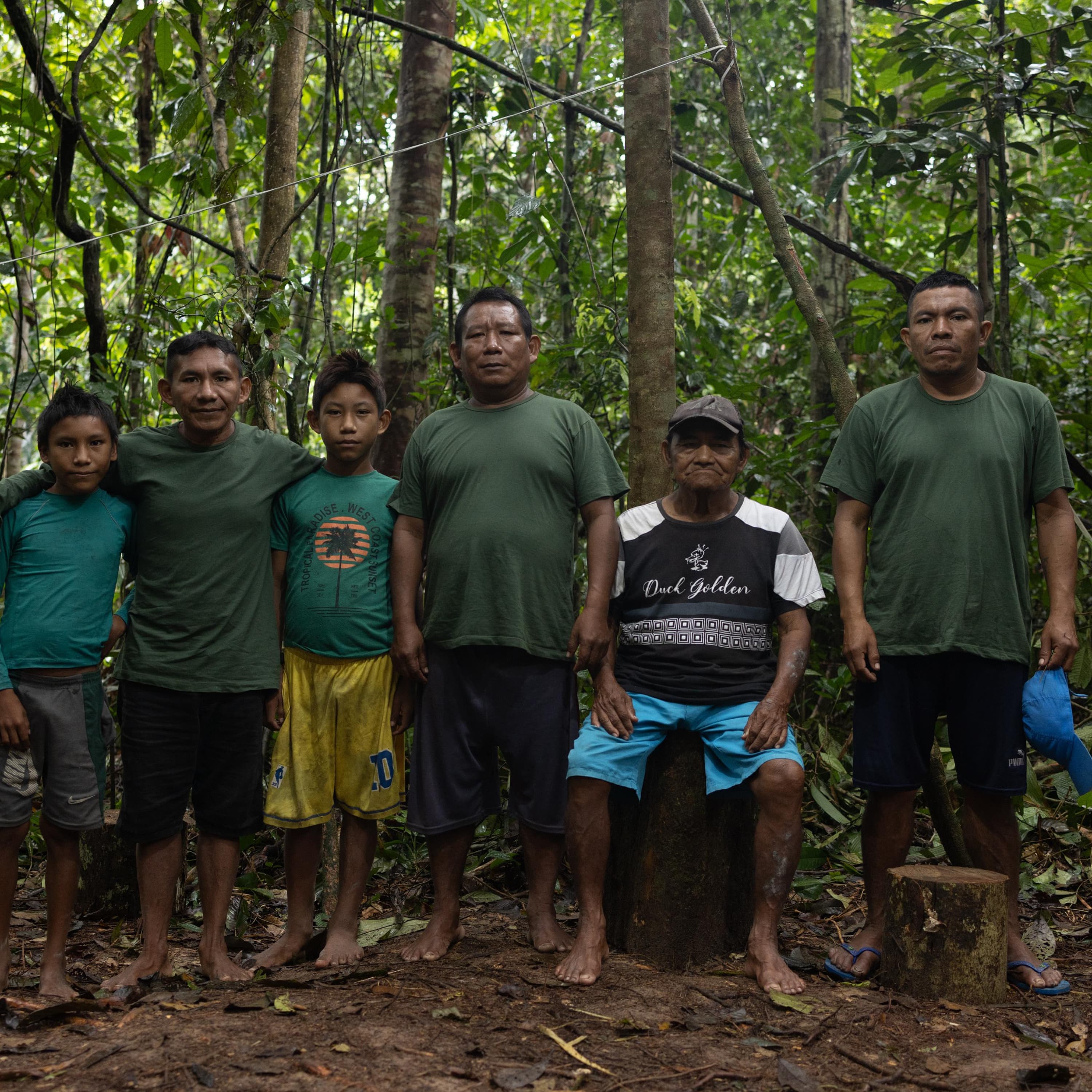
Global environment editor Jon Watts goes in search of answers to the question the journalist Dom Phillips was investigating when he was murdered: how to save the Amazon? In the final episode of this three-part series from June 2025, Jon encounters a radical new view of the Amazon’s history being uncovered by archaeologists. Far from an uninhabited wilderness, the rainforest has been shaped by indigenous peoples for thousands of years. Jon finds out how their expert knowledge could be harnessed to secure the Amazon’s future. Help support our independent journalism at theguardian.com/sciencepod
Revisited: How to save the Amazon episode two: the magic and mystery
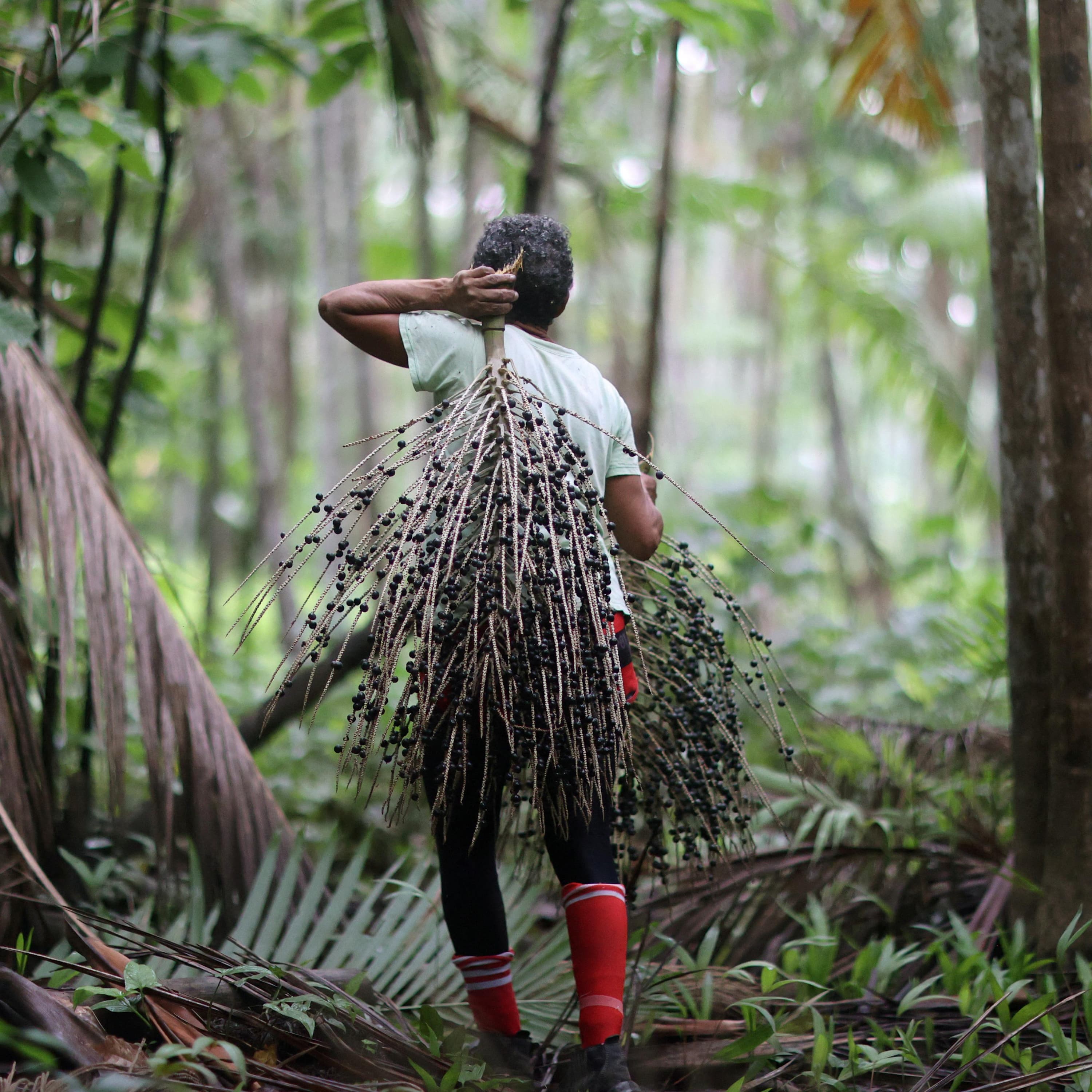
Jon Watts, the Guardian’s global environment editor, goes in search of answers to the question the journalist Dom Phillips was investigating when he was murdered: how to save the Amazon? In episode two of this miniseries from June 2025, Jon meets the people trying to make sure the rainforest is worth more standing than cut down – from a government minister attempting to establish Brazil’s ‘bioeconomy’ to a startup founder creating superfood supplements and a scientist organising night-time tours hunting for bioluminescent fungi. Jon explores new ways of finding value in the forest and asks whether they will be enough to secure its survival. Help support our independent journalism at theguardian.com/sciencepod
Revisited: How to save the Amazon episode one: the stakes
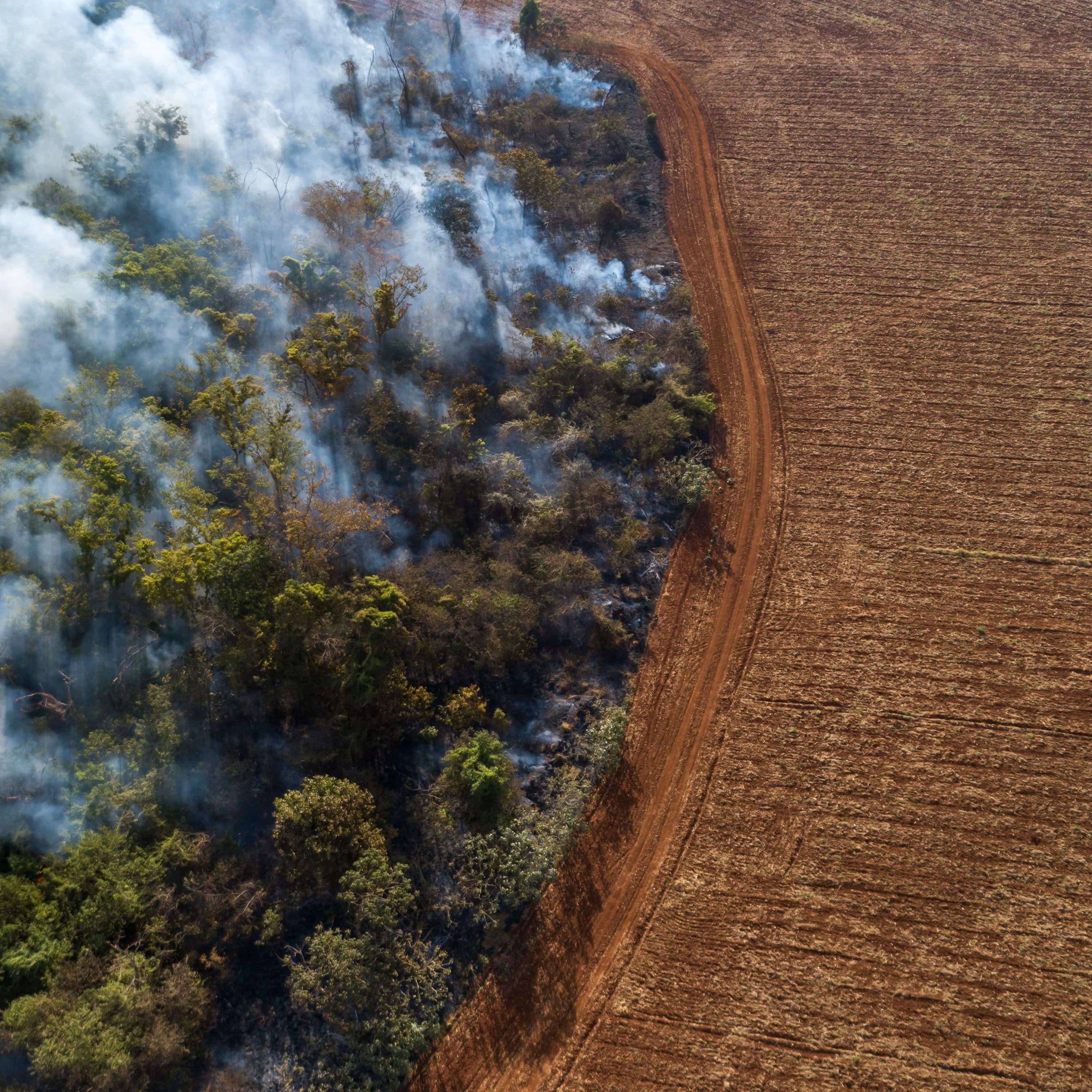
Global environment editor Jon Watts goes in search of answers to the question the journalist Dom Phillips was investigating when he was murdered: how to save the Amazon? In episode one of this miniseries from June 2025, Jon explores what’s at stake if we fail to act in time. He hears about the crucial role of the rainforest for South America and the global climate, and asks how cattle ranching came to dominate and destroy huge swathes of the rainforest – pushing it to a dangerous tipping point today. Help support our independent journalism at theguardian.com/sciencepod
‘We must change course’: a stark climate warning from the UN chief
As global leaders and environmental activists descend on Brazil for next week’s Cop30 climate summit, Madeleine Finlay speaks to the Guardian’s global environment editor, Jon Watts, who recently sat down for an exclusive interview with the UN secretary general, António Guterres. As he approaches his final summit as the UN chief, Guterres reflected on humanity’s progress in attempting to limit global warming to 1.5C above pre-industrial levels, why Indigenous voices must be listened to and how he remains positive in the face of the climate crisis. Help support our independent journalism at theguardian.com/sciencepod
A Scottish tea mystery: a bag for life – episode three
Science correspondent Nicola Davis investigates the strange story of Tam O’Braan and his attempts to grow tea in Scotland. In episode three, all of Tam’s lies come to a head and Stuart uncovers exactly where Tam was sourcing tea to supply to hotels and shops. At trial, Tam takes the stand and Richard and the Scottish growers finally get some answers. But what remains today of the nascent Scottish tea industry that Tam instigated?. Help support our independent journalism at theguardian.com/sciencepod
A Scottish tea mystery: the list – episode two
Science correspondent Nicola Davis investigates the strange story of Tam O’Braan and his attempts to grow tea in Scotland. In episode two, Nicola hears how Tam’s network of Scottish tea growers began to have suspicions about exactly what he was selling and where it came from, and how cutting edge science helped provide some answers. Help support our independent journalism at theguardian.com/sciencepod
A Scottish tea mystery: green shoots – episode one
Science correspondent Nicola Davis investigates the strange story of Tam O’Braan and his attempts to grow tea in Scotland. In episode one, Nicola looks back on her first meeting with Tam while working on a feature about tea plantations in the UK. He was selling his award-winning Scottish-grown tea to some of the UK’s finest hotels, but something didn’t quite add up. And Nicola wasn’t the only person taking an interest in his story. Help support our independent journalism at theguardian.com/sciencepod
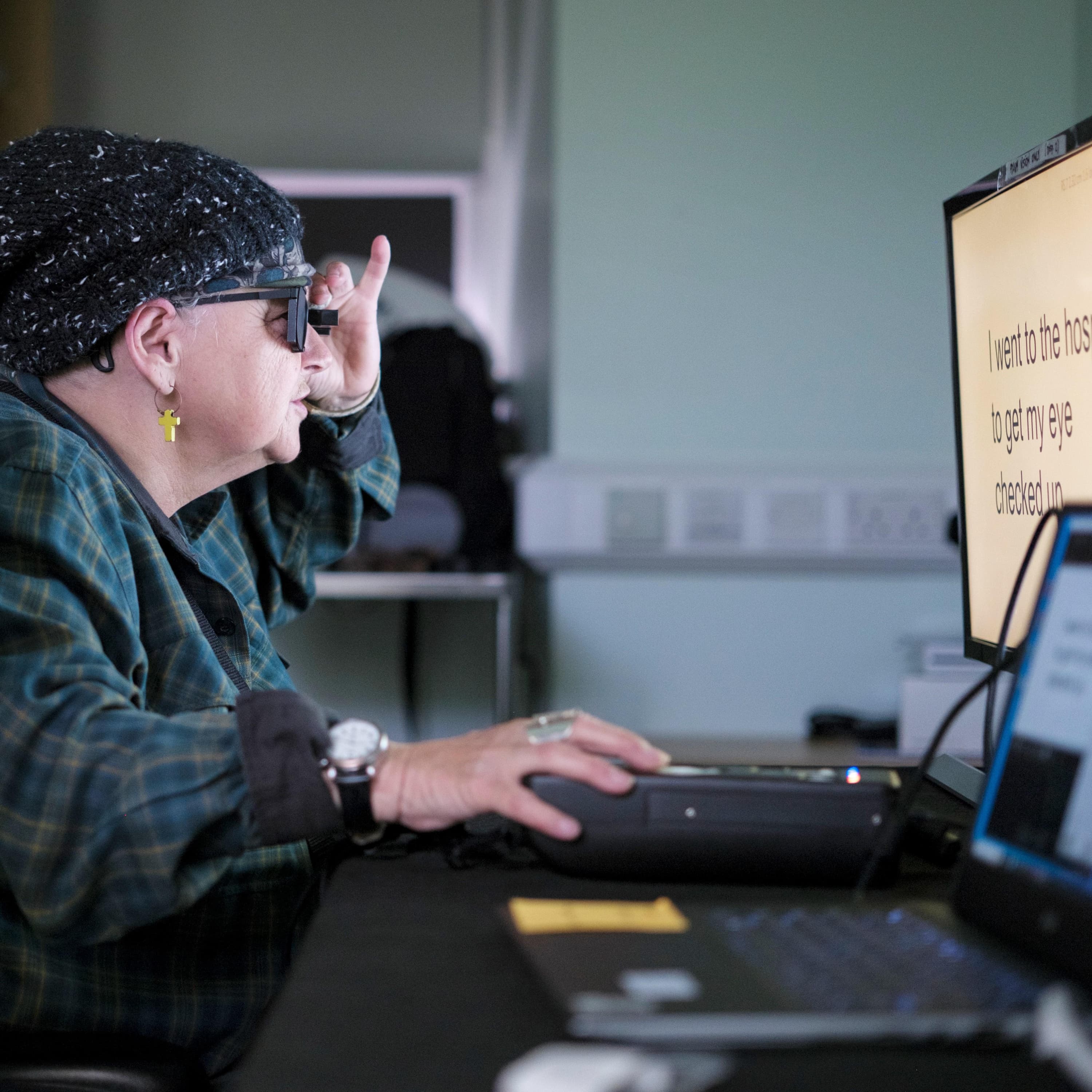
The ‘remarkable’ implant that can restore sight
An electronic eye implant half the thickness of a human hair has helped people with incurable sight loss to see again, opening up a potential ‘new era’ in tackling blindness. Madeleine Finlay hears from Mahi Muqit, a surgeon from Moorfields eye hospital in London, about what this implant has meant for his patients and what the future could hold for vision-loss therapies. Help support our independent journalism at theguardian.com/sciencepod
The seed bank storing the planet’s future
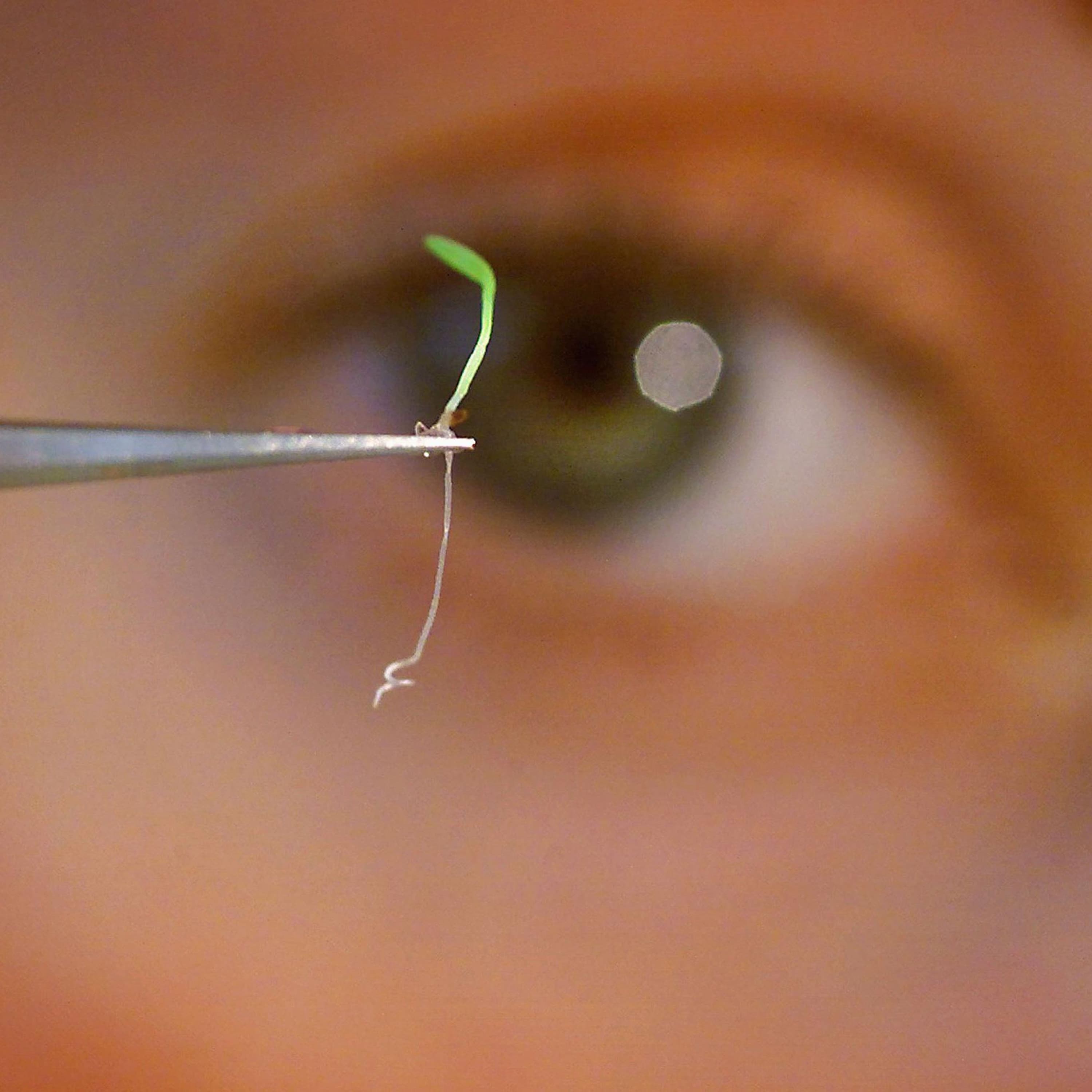
As biodiversity declines, locating and conserving the planet’s plant life is becoming more important. The Millennium seed bank in Wakehurst, West Sussex, has been doing just that for 25 years, collecting and storing seeds and keeping them in trust for countries all over the world should they ever be needed. To mark the anniversary, Patrick Greenfield took a tour of the site. He tells Madeleine Finlay about the journey a seed takes from arrival to cold storage, and how some are already helping to return endangered plant species to the wild. Help support our independent journalism at theguardian.com/sciencepod
Why is ‘chronic’ lyme disease so controversial?
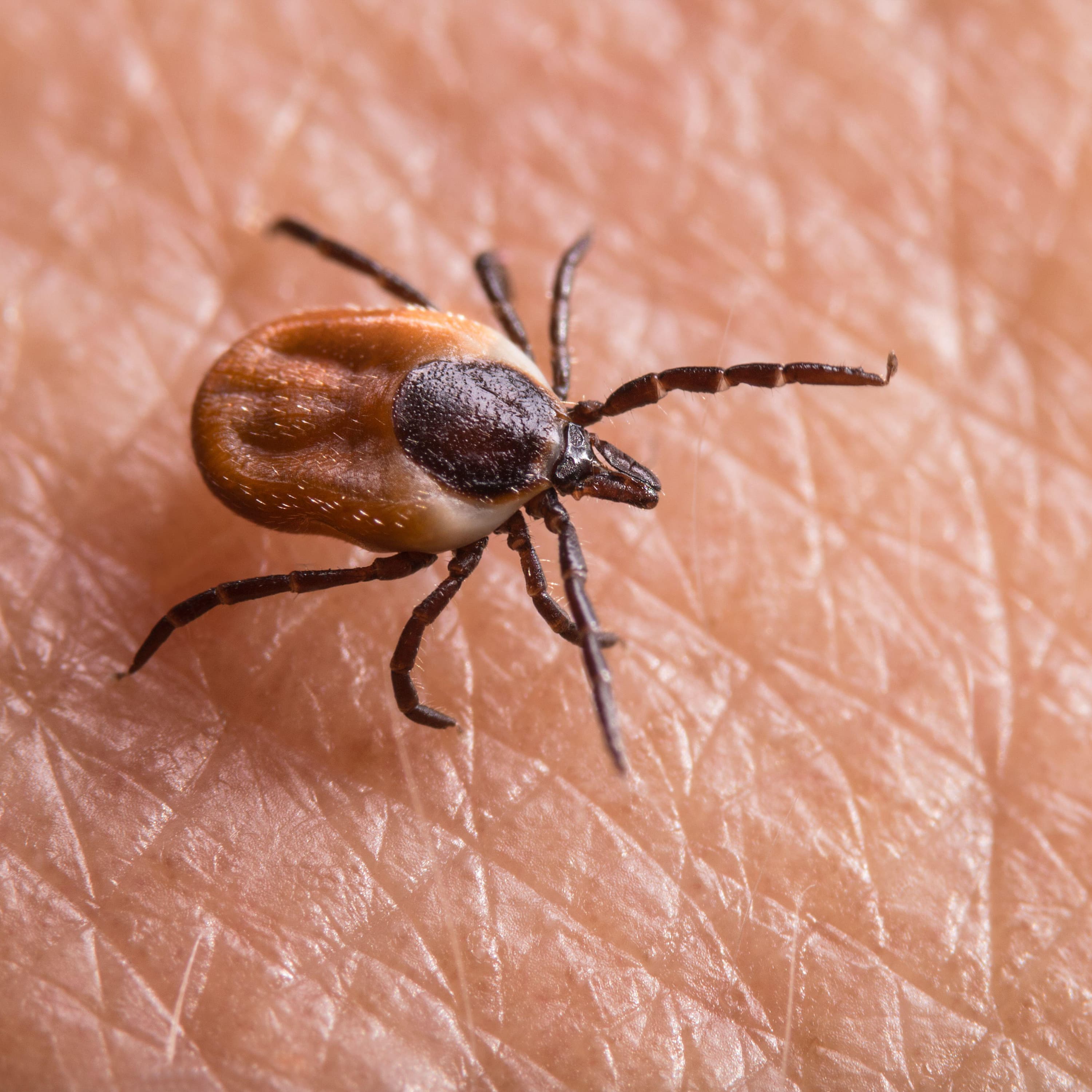
Celebrities including Bella Hadid, Justin Bieber and Miranda Hart have talked about their years-long struggles with the effects of Lyme disease, but despite rising rates and better awareness, the illness remains poorly understood. To understand more about how the illness can impact people over the long term, Madeleine Finlay hears from the Guardian’s Patrick Barkham about his daughter Milly’s experience, and from Prof John Aucott, director of the Johns Hopkins Lyme Disease Research Center, and associate professor of medicine at Johns Hopkins University. Help support our independent journalism at theguardian.com/sciencepod

Traitor or faithful: how to spot a liar
The Traitors has returned to UK screens with its biggest viewing figures ever as 19 celebrities compete to be crowned the winner. The game depends on being able to accurately spot a liar, but are any deception detection methods actually backed up by science? Madeleine Finlay speaks to Timothy Luke, a senior lecturer in the department of applied psychology at the University of Gothenburg, to find out whether sweating, nervous ticks and reduced eye contact really can alert us to deception, and if not, what can?. Help support our independent journalism at theguardian.com/sciencepod
All the news and science from the 2025 Nobel prizes
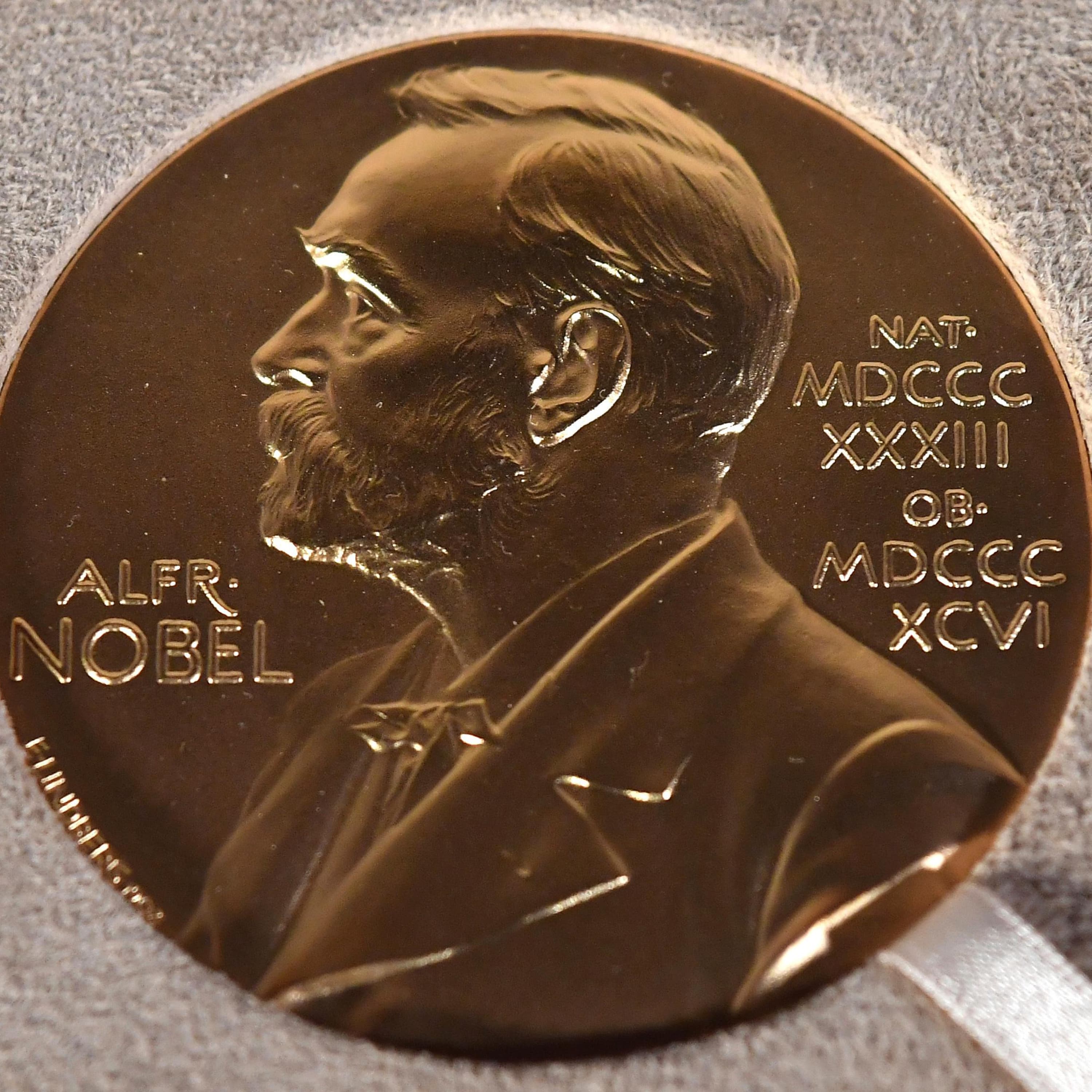
This year’s Nobel prizes in chemistry, physics and physiology or medicine have celebrated work that paves the way for the next generation of quantum technology, the creation of porous materials that have been compared to Hermione Granger’s handbag and the discovery of the hidden army inside us that helps to keep our immune system in check. To find out more, Madeleine Finlay talks to our science editor, Ian Sample, and correspondents Nicola Davis and Hannah Devlin. Help support our independent journalism at theguardian.com/sciencepod
The real science of weight loss with the US’s leading nutritional scientist
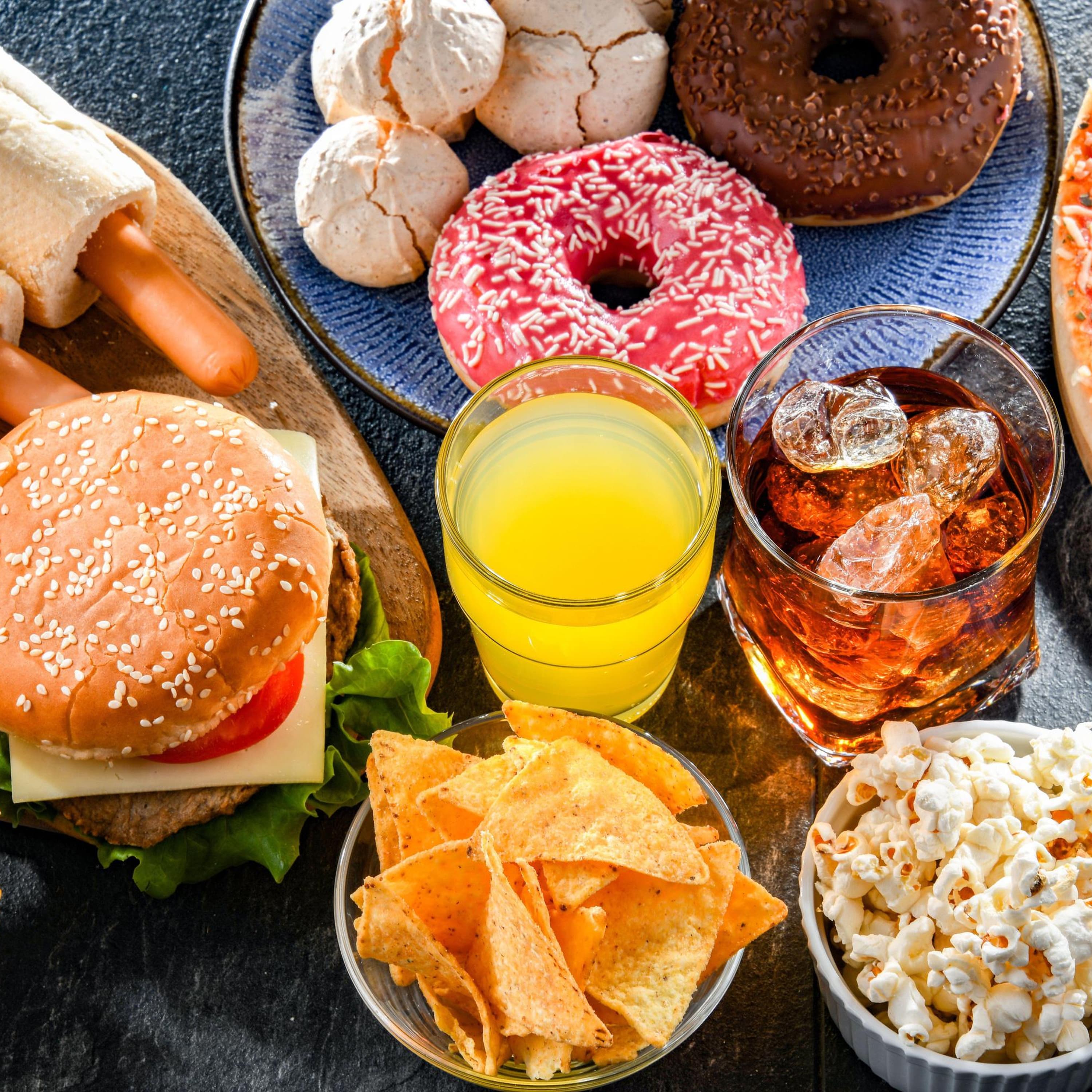
Kevin Hall spent 21 years at the US National Institutes of Health and became known globally for his pioneering work on ultra-processed foods. In April he unexpectedly took early retirement, citing censorship under the Trump administration. Now he has co-authored a book with the journalist Julia Belluz that aims to bust myths and challenge wellness orthodoxy on everything from weight loss and metabolism to supplements and wearables. Hall tells Ian Sample what he wants us all to understand about diet, exercise and weight loss, and what led to his departure from the job he loved. Help support our independent journalism at theguardian.com/sciencepod
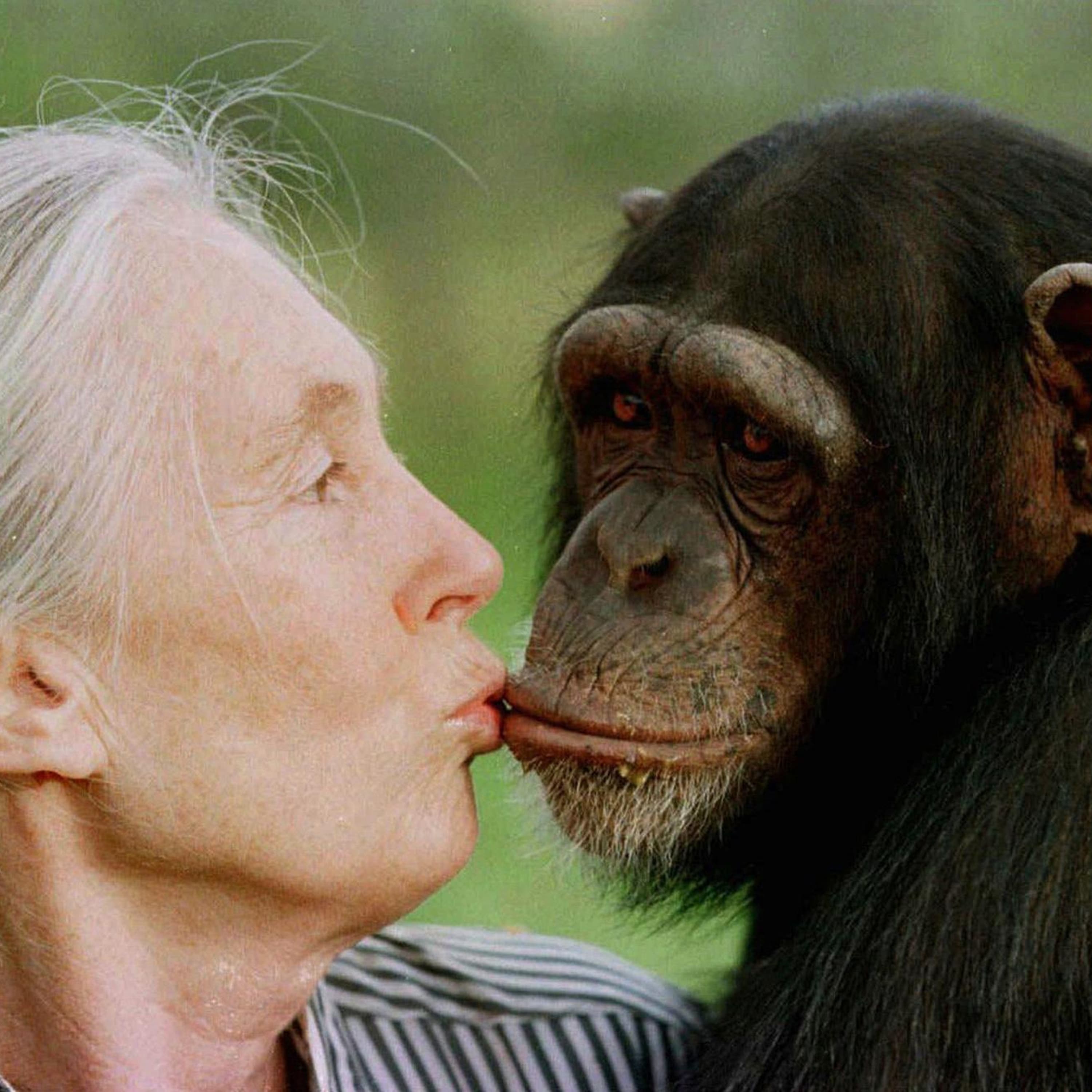
Remembering primatologist Jane Goodall
The renowned primatologist Jane Goodall has died aged 91. She will be remembered for her observations that revolutionised our understanding of chimpanzees, as well as her tireless environmental advocacy. Ian Sample talks to the Guardian’s global environment editor Jon Watts, who met Goodall many times, to find out what her scientific legacy will be. Help support our independent journalism at theguardian.com/sciencepod
Fraud, AI slop and huge profits: is science publishing broken?
Scientists are warning that academic publishing needs urgent reform in order to retain trust in the research system. Ian Sample tells Madeleine Finlay what has gone so wrong, and Dr Mark Hanson of the University of Exeter proposes some potential solutions. Help support our independent journalism at theguardian.com/sciencepod
Does a bit of booze really make us better at languages?
The Ig Nobel prizes were awarded recently – for science that makes you laugh and then think – and the peace prize was given to a cheeky study testing the link between alcohol and language proficiency. Does a drink really help us to converse more convincingly in another tongue, or does it just give us inflated confidence? To find out, Madeleine Finlay speaks to a member of the winning team, Dr Fritz Renner, a researcher in clinical psychology and psychotherapy at the University of Freiburg in Germany. Help support our independent journalism at theguardian.com/sciencepod
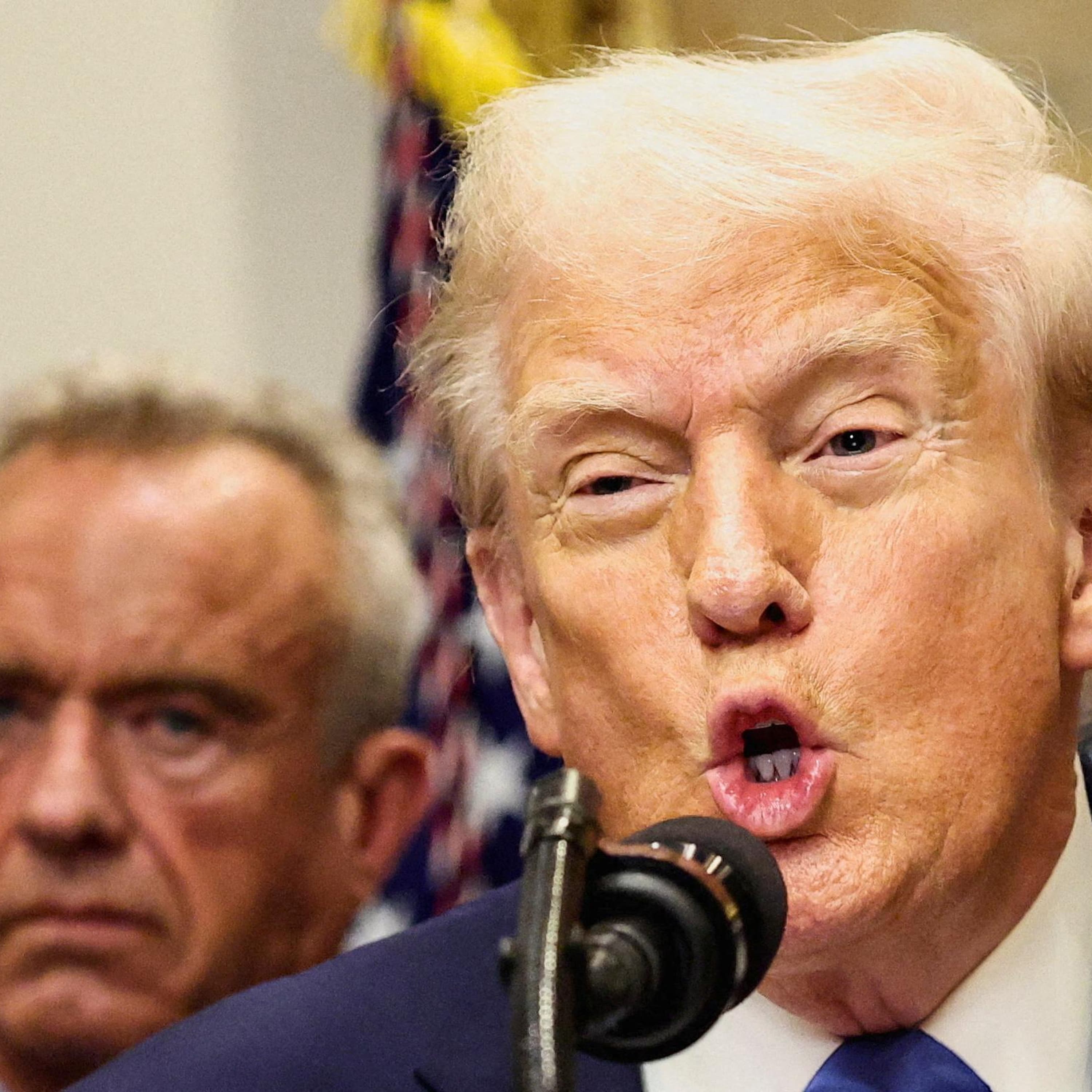
Factchecking Trump’s autism announcement
In a televised press conference on Monday, Donald Trump and health secretary Robert F Kennedy Jr made a series of unproven claims about autism and its links to paracetamol use in pregnant women, and about childhood vaccinations. The comments were immediately refuted by scientists and health agencies around the world, but many expressed concern about the impact of this misinformation being repeated at the highest levels of government. So what does the science really say? Madeleine Finlay speaks to Guardian science editor Ian Sample to factcheck the claims made in the announcement, and find out what decades of scientific research into autism tells us about its causes and why diagnoses are on the rise. Help support our independent journalism at theguardian.com/sciencepod
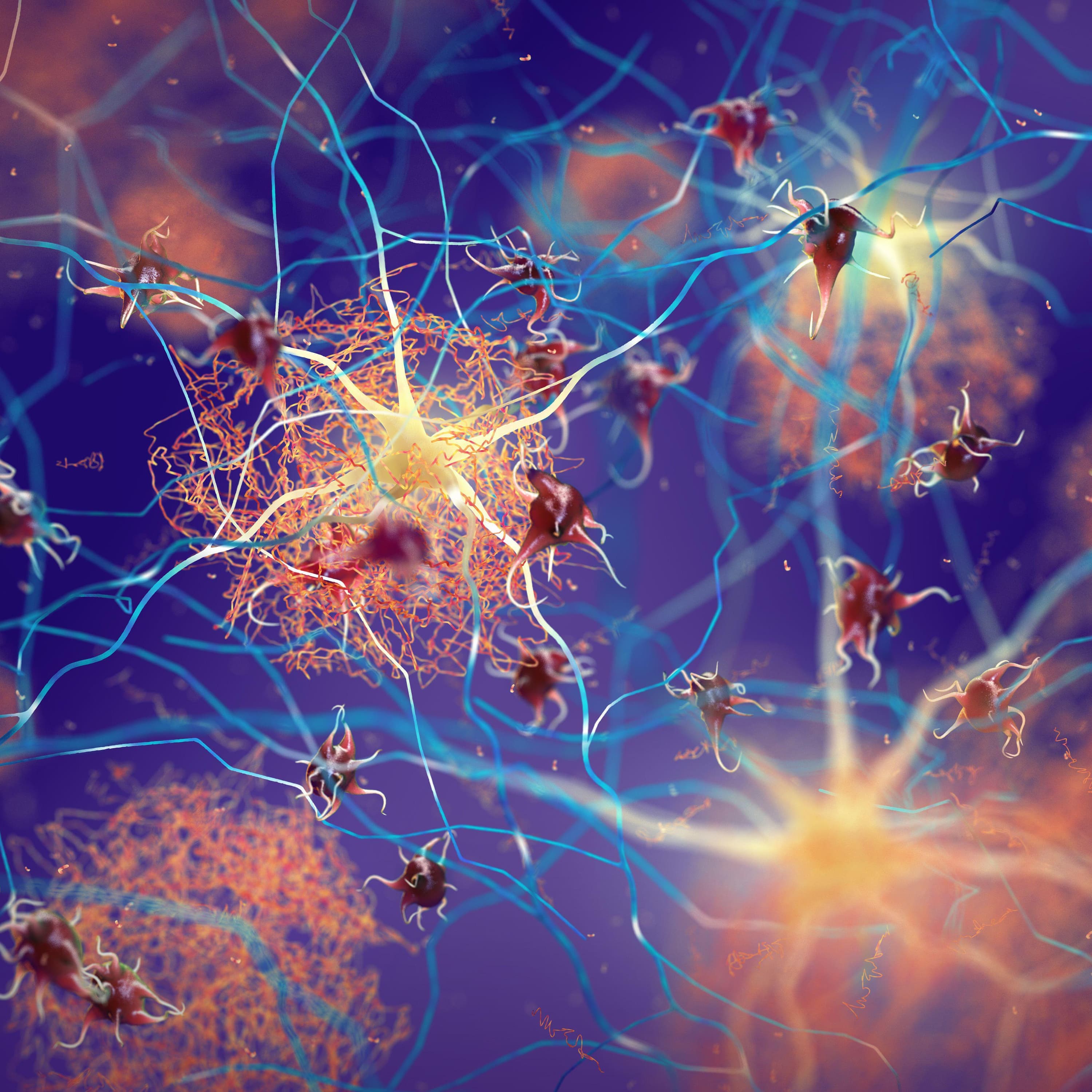
Is there hope on the horizon for patients with Alzheimer’s?
A trial is under way to find out if a £100 blood test could transform the way that the NHS diagnoses Alzheimer’s disease. Alzheimer’s is the leading cause of dementia and diagnosis is currently costly and time-consuming. To find out how this blood test could benefit patients, Ian Sample talks to Prof Jonathan Schott, who is co-leading the trial. He explains what the test involves and why it could pave the way for exciting new treatments for the devastating disease. Help support our independent journalism at theguardian.com/sciencepod

Is the US on the brink of a new era of political violence?
The murder of political activist Charlie Kirk has prompted fears about rising levels of political violence in the US after a number of high-profile assassinations and attempted assassinations of political figures in recent years. But how connected are these events and do they signal a rise in public support for this kind of violence? To find out Ian Sample speaks to Sean Westwood, an associate professor in political science at Dartmouth College and director of the Polarization Research Lab. He explains how political violence has evolved and why overestimating the support for such acts can be dangerous. Help support our independent journalism at theguardian.com/sciencepod
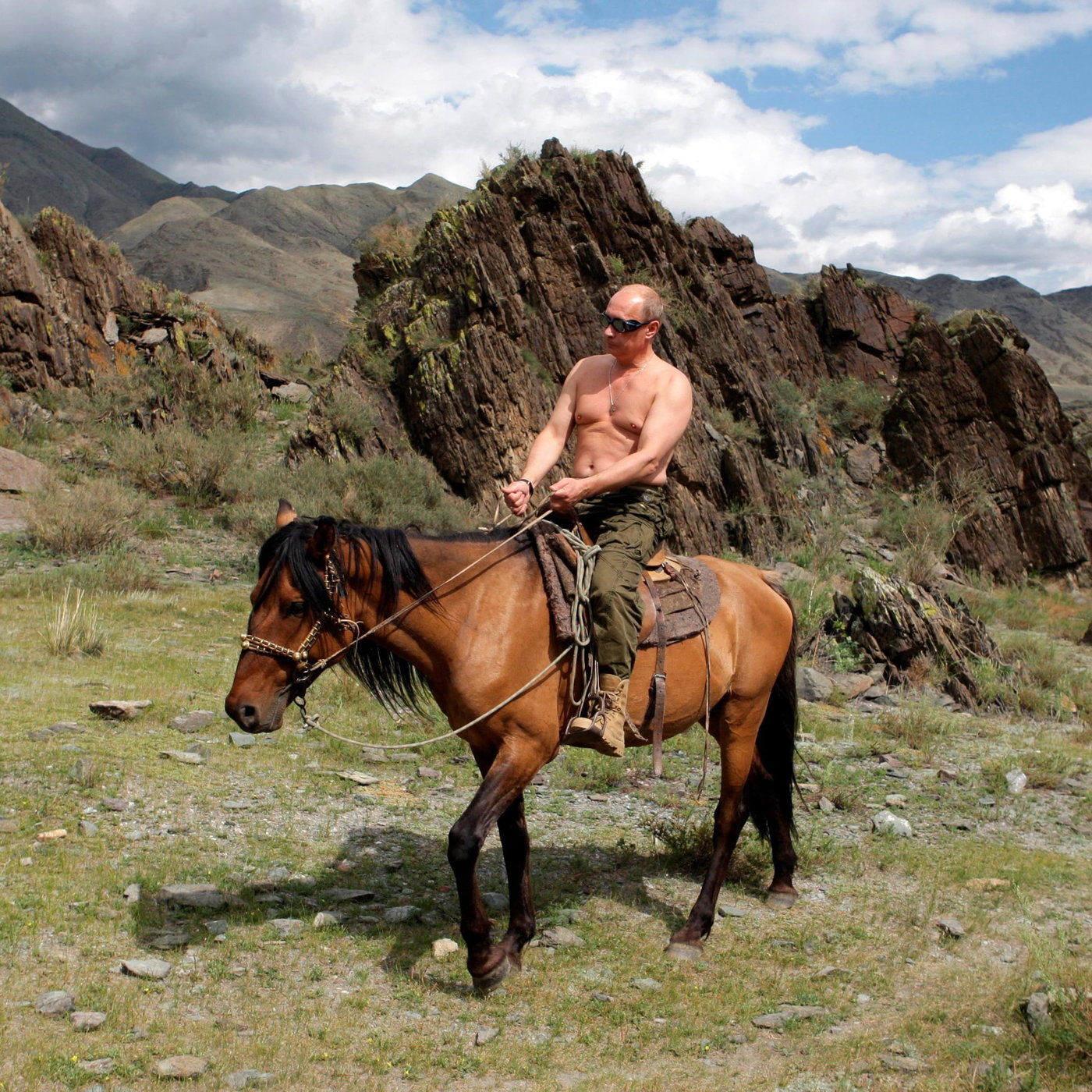
Putin’s quest for longevity
At a recent ceremony for world leaders in Beijing, a hot mic picked up a surprising exchange between Vladimir Putin and Xi Jinping about the possibility of living to 150. Putin suggested the secret might lie in repeated organ transplants. But is this the new frontier of anti-ageing research or a fringe and unproven theory? To find out, science editor Ian Sample speaks to Russian affairs reporter Pjotr Sauer and to John S Tregoning, professor of vaccine immunology at Imperial College London and author of Live Forever: A Curious Scientist’s Guide to Wellness, Ageing and Death. Help support our independent journalism at theguardian.com/sciencepod

Shrinking states: a positive future with fewer people?
The fertility rate in England and Wales has fallen for the third year in a row – a trend mirrored across the world, with two-thirds of the global population now living in countries with below-replacement-level fertility. In the second episode of a two-part series, Madeleine Finlay speaks to Dean Spears, assistant professor of economics at the University of Texas at Austin, and Dr Jennifer Sciubba, chief executive of the Population Reference Bureau, to ask whether declining birth rates are really something to worry about – and how societies can adapt to a future with fewer children. Watch the new Guardian documentary Between Moon Tides. Help support our independent journalism at theguardian.com/sciencepod

Shrinking states: are we on a path to depopulation?
The fertility rate in England and Wales has fallen for the third year in a row. It is a story that is being repeated all over the world, with two thirds of the global population now living in countries with below replacement level fertility. Low fertility rates have become a talking point on the political right, with Elon Musk claiming that population decline is an existential threat to the future of humanity. But for others, the timescales involved are too vast to start worrying about now. So how should we be thinking about population decline? In episode one of a two-part series, Madeleine Finlay speaks to Dean Spears, assistant professor of economics at the University of Texas at Austin, and to Dr Jennifer Sciubba, president and CEO of the Population Reference Bureau, to find out what has happened to global birth rates, and how governments are trying to tackle the fall. Help support our independent journalism at theguardian.com/sciencepod
Is curiosity the key to ageing well?
Psychologists have traditionally believed we become less curious as we age, but recent research has shown that curiosity actually becomes more targeted and specific in our later years. To find out why this happens, and how maintaining broad curiosity into older age can help keep our brains young, Madeleine Finlay hears from Dr Mary Whatley, an assistant professor of psychology at Western Carolina University, and Dr Matthias Gruber, of Cardiff University’s Brain Imaging Centre. Help support our independent journalism at theguardian.com/sciencepod
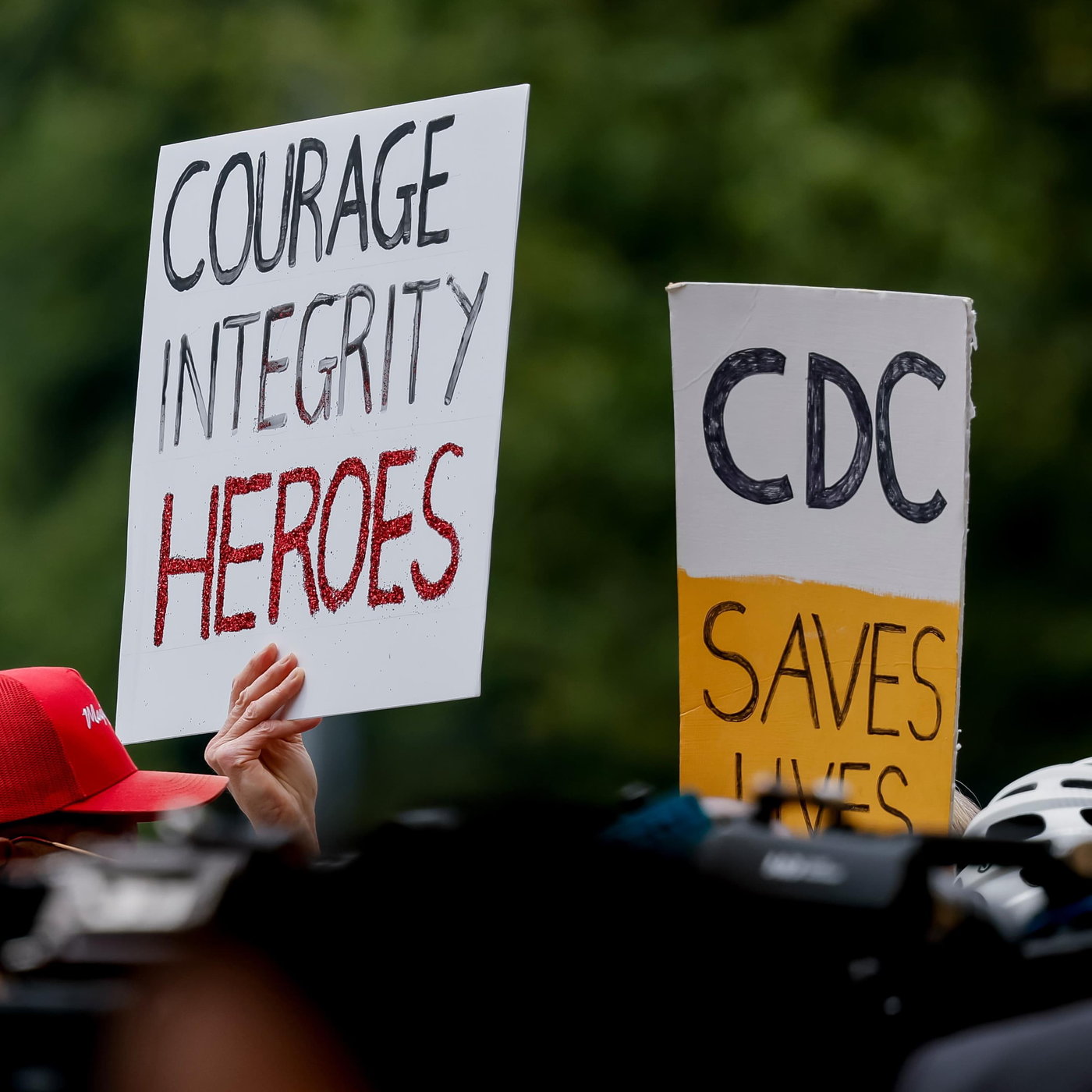
RFK Jr and the chaos at the CDC
It’s been a dramatic week at the US Centres for Disease Control and Prevention (CDC). In the space of seven days, the agency’s head was sacked and replaced by an interim head, four senior staff members resigned, and existing staff took to the streets to express support for their ousted leaders. To understand how everything unfolded and what it could mean for the health of Americans, science editor Ian Sample hears from health reporter Melody Schreiber and former CDC director Mandy Cohen. Help support our independent journalism at theguardian.com/sciencepod
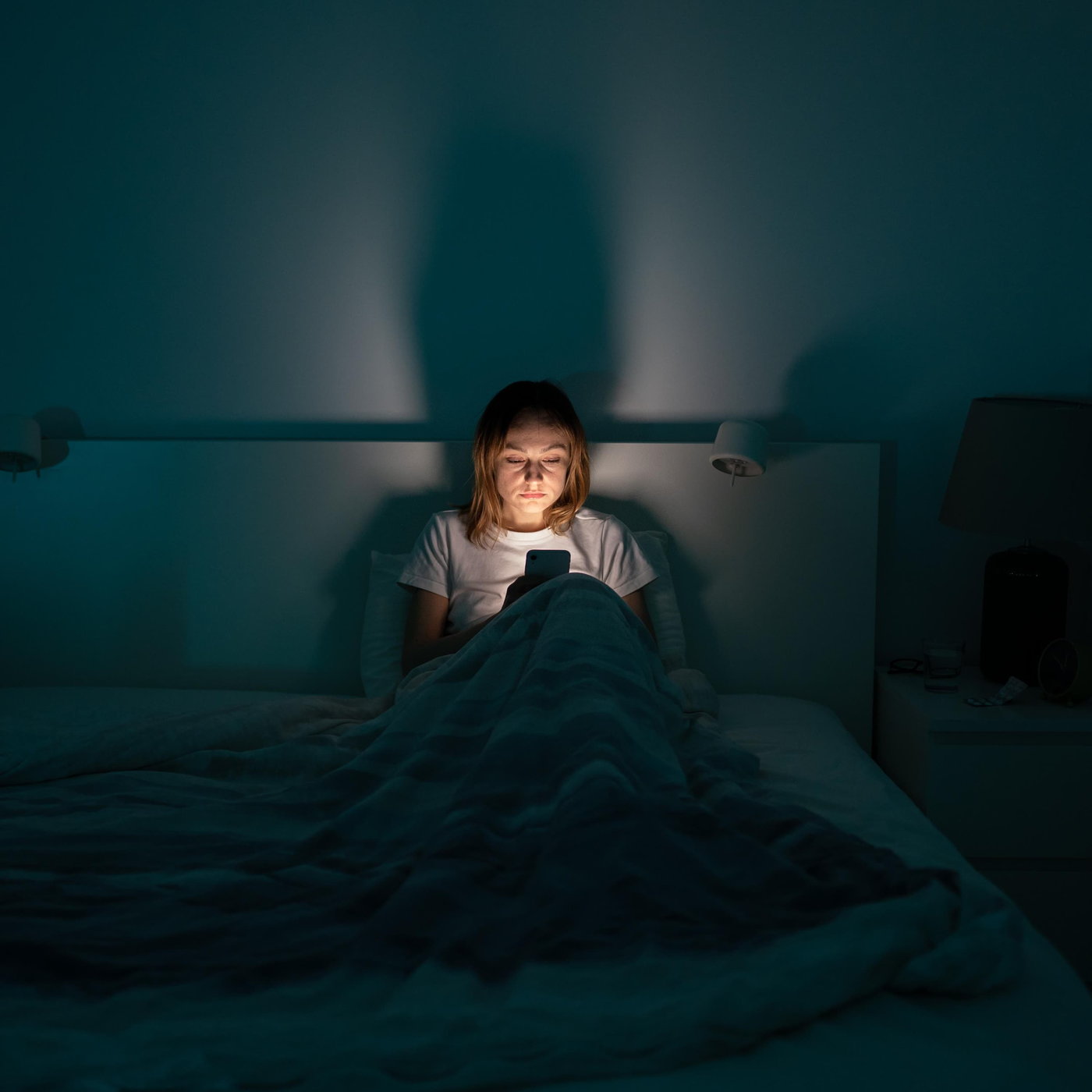
‘AI psychosis’: could chatbots fuel delusional thinking?
There are increasing reports of people experiencing delusions after intensive use of AI chatbots. The phenomenon, dubbed ‘AI psychosis’, has raised concerns that features built into large language models may contribute to some users losing touch with reality. Madeleine Finlay speaks to Dr Hamilton Morrin, a psychiatrist and researcher at King’s College London, about his recent preprint exploring who is at risk and how models could be made safer. Help support our independent journalism at theguardian.com/sciencepod
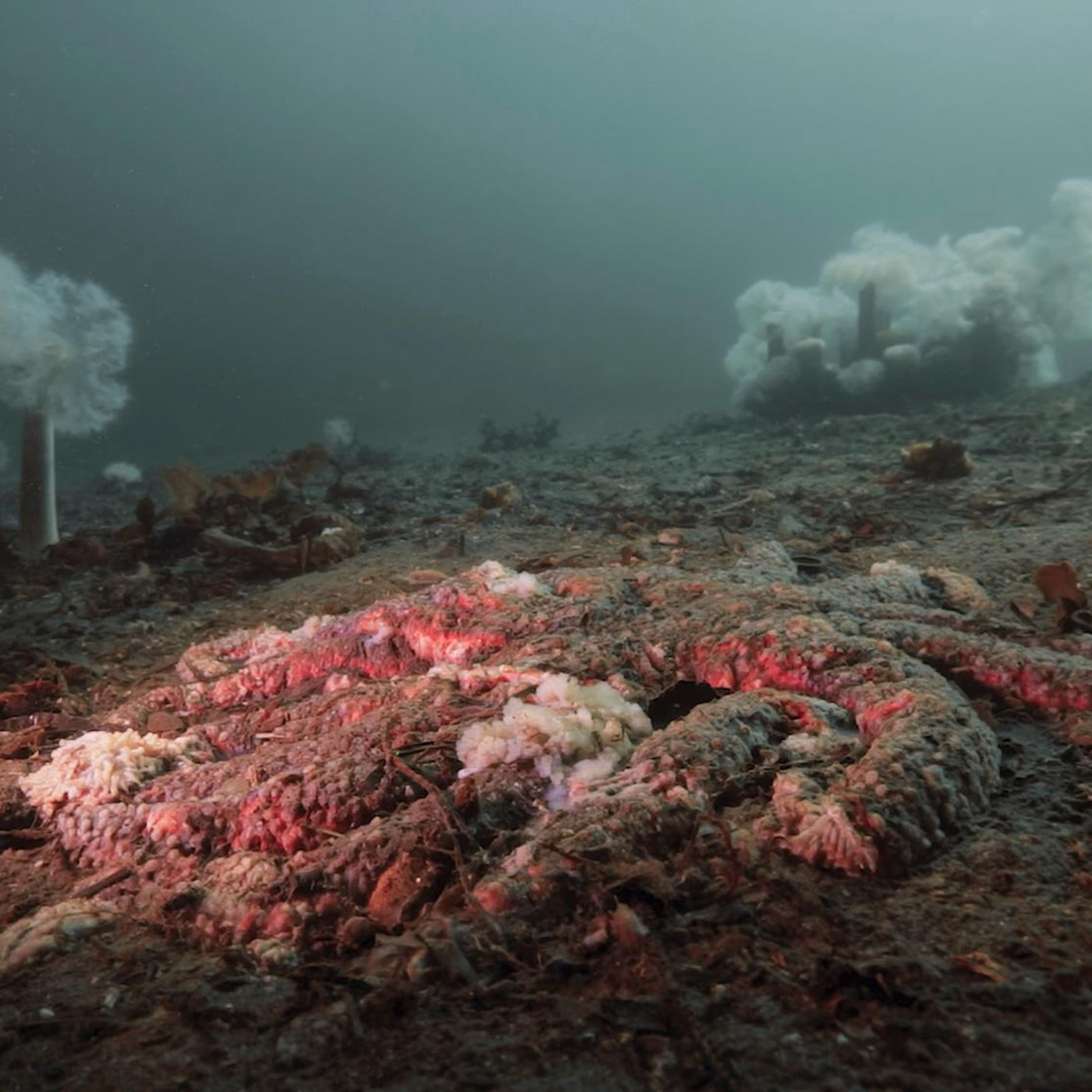
A decade long mystery - why were billions of starfish turned to goo?
For more than a decade, scientists have been puzzling over what was causing billions of starfish to dissolve into piles of white goo. Sea star wasting disease has ravaged starfish populations, wiping out 90% of the once common sunflower sea star. Now, researchers have finally identified the culprit. Madeleine Finlay speaks to Dr Melanie Prentice, one of the team to crack the case. She explains the impact the disease has had on the marine environment, how they found the pathogen responsible, and what it means for sea stars’ recovery. Help support our independent journalism at theguardian.com/sciencepod

Can science crack the mystery of ME?
Scientists have found the first robust evidence that people’s genes affect their chances of developing myalgic encephalomyelitis or chronic fatigue syndrome (ME/CFS), a mysterious and debilitating illness that has been neglected and dismissed for decades by many in the medical community. To find out more, Madeleine Finlay speaks to science editor Ian Sample and to Nicky Proctor, who has ME and took part in the research. She also hears from Beth Pollack, a research scientist at the Massachusetts Institute of Technology who studies ME/CFS and related conditions, about how scientific understanding of the illness has improved and how scientists are transforming this knowledge into ideas about future treatments. Help support our independent journalism at theguardian.com/sciencepod
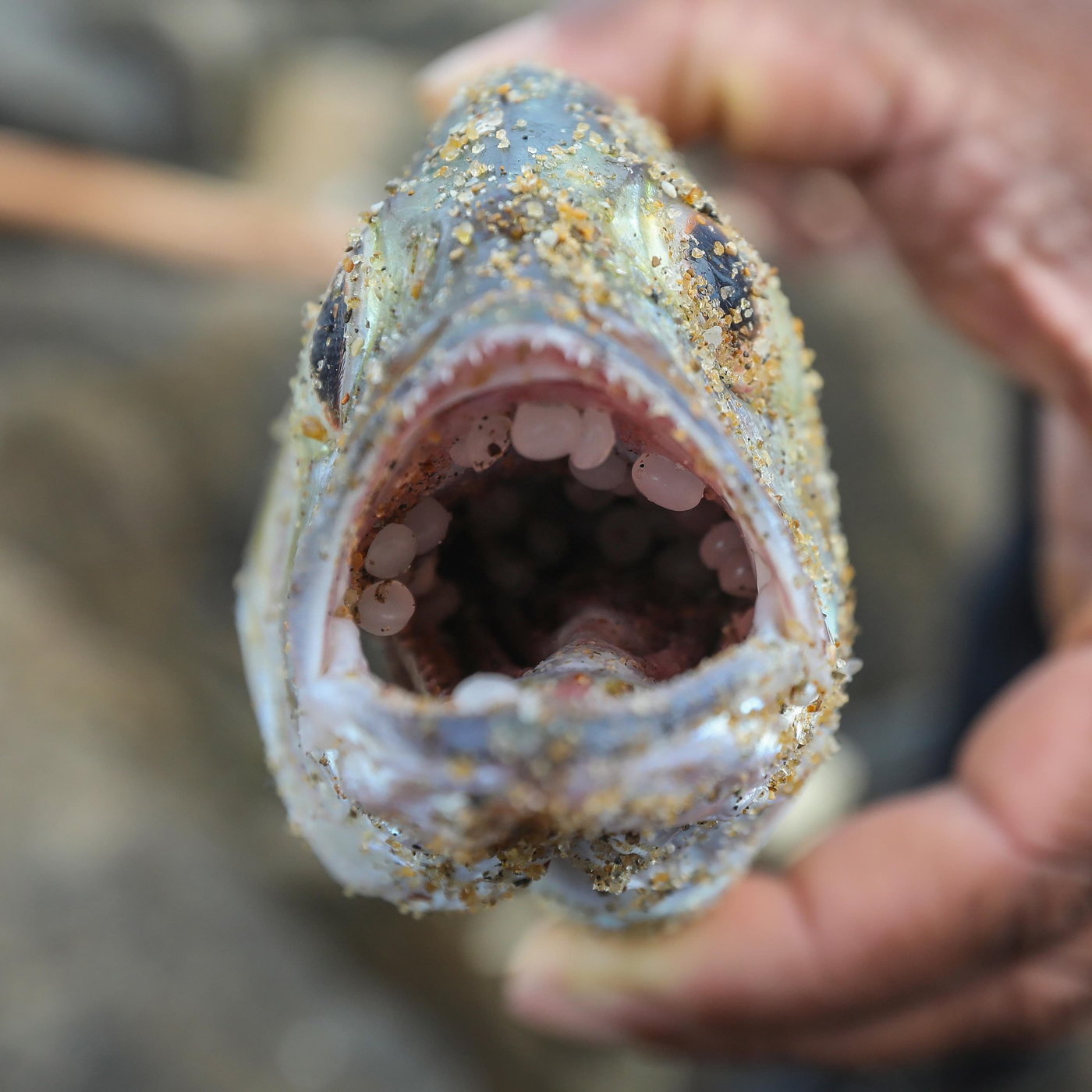
Why can’t the world get its act together on plastics?
After three years of negotiating, talks over a global plastics treaty came to an end in Geneva last week with no agreement in place. So why has it been so difficult to get countries to agree to cut plastic production? Madeleine Finlay hears from Karen McVeigh, a senior reporter for Guardian Seascapes, about a particularly damaging form of plastic pollution causing devastation off the coast of Kerala, and where we go now that countries have failed to reach a deal. Help support our independent journalism at theguardian.com/sciencepod
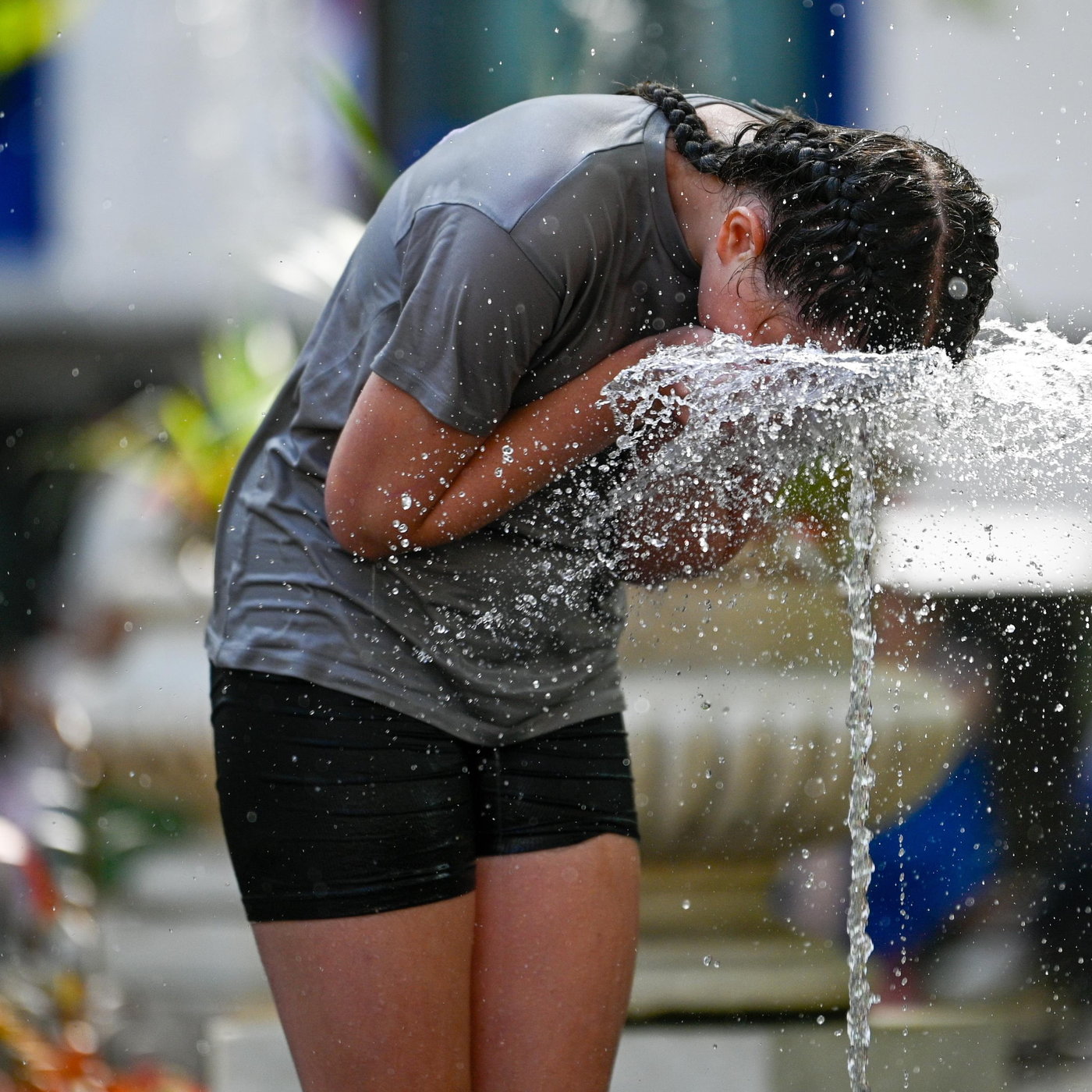
Staying cool in Europe’s record-breaking heat
Europe is suffering from another heatwave as deadly temperatures of up to 44C hit the continent and wildfires blazed across the Mediterranean. To find out why Europe is heating faster than anywhere else, Madeleine Finlay speaks to the Guardian’s Europe environment correspondent, Ajit Niranjan, and to Adam Taylor, professor of anatomy at Lancaster University, to find out how we can try to stay cool as the temperature rises. Help support our independent journalism at theguardian.com/sciencepod

Is sunscreen really toxic?
For many of us, slathering on sunscreen to protect our skin in the summer months is a no-brainer. But recently social media has been awash with influencers airing their concerns about the potential dangers of this seemingly innocuous product. So is there anything to the claims that sunscreen is toxic? To find out, Madeleine Finlay is joined by the Guardian’s science editor, Ian Sample. He explains where the science stands on the safety of sunscreen and what we can do to protect our skin all year round. Help support our independent journalism at theguardian.com/sciencepod
Summer picks: Where do our early childhood memories go?
It’s a mystery that has long puzzled researchers. Freud called the phenomenon infantile amnesia, and for many years scientists have wondered whether it’s a result of failure to create memories or just a failure to retrieve them. In this episode from March 2025, Ian Sample speaks to Nick Turk-Browne, a professor of psychology at Yale University, whose research appears to point to an answer. Help support our independent journalism at theguardian.com/sciencepod
Summer picks: what is ‘mirror life’ and why are scientists sounding the alarm?
Recently, a group of world-leading scientists called for a halt on research to create ‘mirror life’ microbes amid concerns that the synthetic organisms would present an ‘unprecedented risk’ to life on Earth. Ian Sample tells Madeleine Finlay about why this work initially seemed exciting for scientists and what the risks of it continuing could be. Kate Adamala, assistant professor of genetics, cell biology and development at the University of Minnesota, describes what made her change her mind about pursuing her own research on mirror cells. Help support our independent journalism at theguardian.com/sciencepod
Summer picks: The science of racism, and how to fight it
In this episode from January 2025, Ian Sample speaks to Keon West, a professor of social psychology at the University of London, whose new book explores what science can reveal about racism, the inventive methods scientists have used to study it and the scientifically proven ways of tackling racism and discrimination. Help support our independent journalism at theguardian.com/sciencepod
Summer picks: Where did our attention spans go, and can we get them back?
In 2024, the Oxford English Dictionary announced its word of the year was ‘brain rot’. The term relates to the supposedly negative effects of consuming social media content, but it struck a chord more widely with many who feel they don’t have the mental capacity they once had. Gloria Mark, a professor of informatics at the University of California, Irvine, has been studying our waning attention spans for 20 years. In this episode from January 2025, she tells Madeleine Finlay why she believes our powers of concentration are not beyond rescue, and reveals her top tips for finding focus. Help support our independent journalism at theguardian.com/sciencepod
Why do we age in dramatic bursts, and what can we do about it?
Scientists are beginning to understand that ageing is not a simply linear process. Instead, recent research appears to show that we age in three accelerated bursts; at about 40, 60 and 80 years old. To find out what might be going on, Ian Sample hears from professor Michael Snyder, director of the Center for Genomics and Personalised Medicine at Stanford University School of Medicine. Michael explains what the drivers of these bursts of ageing could be, and how they might be counteracted.. Help support our independent journalism at theguardian.com/sciencepod
The babies born with DNA from three parents
Doctors in the UK have announced the birth of eight healthy babies after performing a groundbreaking procedure that creates IVF embryos with DNA from three people. Ian Sample tells Madeleine Finlay about the life-threatening genetic disorders that the technique appears to prevent, and Prof Sir Doug Turnbull describes the 25-year journey to achieving the breakthrough. Help support our independent journalism at theguardian.com/sciencepod
Two black holes collide, lab-grown organs, world’s first climate visa
Madeleine Finlay is joined by Ian Sample to discuss three intriguing science and environment stories. From a breakthrough in the quest to create organs in the lab to a world-first climate visa that will see citizens relocate from the island of Tuvalu to Australia, plus what happens when two massive black holes collide. Help support our independent journalism at theguardian.com/sciencepod
Why are parents using melatonin to help their kids sleep?
Guardian feature writer Rhiannon Lucy Cosslett recently wrote about the growing cohort of parents whose children are on the waiting list for an autism or ADHD diagnosis, and are turning to the internet to buy melatonin to help them sleep. She tells Madeleine Finlay about their experiences and what is driving them to the hidden market. Paul Gringras, a consultant in paediatric sleep medicine and neurodisability, and lead of sleep medicine at King’s College London, also explains why melatonin can be helpful for neurodivergent children and why he is concerned about the increasing number of parents looking for it online. Help support our independent journalism at theguardian.com/sciencepod
Texas floods and forecasting cuts: a sign of things to come?
In the days since the deadly floods in the Texas Hill Country, speculation has grown about whether cuts to US weather agencies may have contributed to the the number of casualties. Ian Sample talks to the meteorologist and climate journalist Eric Holthaus to find out whether this narrative stacks up and what the consequences could be for extreme weather prediction in the future. Help support our independent journalism at theguardian.com/sciencepod
Why did Orlando Bloom get his blood cleaned?
The actor recently posted a photo of himself undergoing a £10,000 procedure at a London clinic that claims to remove microplastics, forever chemicals and herbicides from the blood. But how settled is the science around the health risks of microplastics? To find out, Ian Sample speaks to Dr Stephanie Wright, associate professor of environmental toxicology at Imperial College London’s school of public health. She explains what we know so far about the effects of microplastics in the body, why the science is still evolving, and what we can do to reduce our exposure. Help support our independent journalism at theguardian.com/sciencepod
Why British women are freezing their eggs abroad
The number of women choosing to freeze their eggs has increased sharply, according to figures from the UK’s Human Fertilisation and Embryology Authority (HFEA). The number deciding to embark on the process abroad also appears to be rising. Madeleine Finlay speaks to the Guardian journalist Lucy Hough, who recently travelled to Brussels to freeze her eggs. She explains what prompted her decision and how she feels now that the procedure is over. Madeleine also hears from Joyce Harper, a professor of reproductive science at University College London, about what the freezing of eggs involves and why the small odds of success could be driving women to travel to do it. Help support our independent journalism at theguardian.com/sciencepod
What does it take to make a nuclear weapon?
In an interview last weekend, Iran’s ambassador to the UN said his country’s nuclear enrichment ‘will never stop’ because it is permitted for ‘peaceful energy’ purposes. It is the latest development in an escalation of tensions over Iran’s nuclear programme, which erupted when Israel targeted the country’s nuclear facilities in June. To understand why enrichment is so important, Madeleine Finlay talks to Robin Grimes, professor of materials physics at Imperial College London. He explains what goes into creating a nuclear weapon, and why getting to the stage of weaponisation is so difficult. Help support our independent journalism at theguardian.com/sciencepod
‘Huge advances in cancer and rare diseases’: 25 years of the human genome
It has been 25 years since Bill Clinton announced one of humanity’s most important scientific achievements: the first draft of the human genome. At the time, there was a great deal of excitement about the benefits that this new knowledge would bring, with predictions about curing genetic diseases and even cancer. To find out which of them came to pass, and what could be in store over the next two-and-a-half decades, Madeleine Finlay is joined by science editor Ian Sample, and hears from Prof Matthew Hurles, director of the Wellcome Sanger Institute. Help support our independent journalism at theguardian.com/sciencepod
Can a revolutionary new telescope solve the mystery of planet nine?
Ever since Pluto was demoted from planet to dwarf planet in 2006, astronomers have been wondering whether Neptune really is the most distant planet from the sun. Now, a new telescope could uncover what lies in the farthest reaches of the solar system. The Vera C Rubin Observatory released its first images this week, and soon the world’s most powerful digital camera will be pointing across the whole of the night sky. Scientists are hopeful that if planet nine exists, the telescope will find it within its first year of operation. Ian Sample is joined by Dr Scott Sheppard, an astronomer at the Carnegie Institution for Science, to find out how Pluto lost its planetary status, why scientists think there could be another super-Earth, and why planet nine has been so hard to find. Help support our independent journalism at theguardian.com/sciencepod
Do medicinal mushroom products actually work?
More of us are turning to products containing mushroom extracts, with the medicinal fungi market now worth billions of pounds. Promises of benefits to mental and physical health have seen its popularity spill over from wellness influencers to the shelves of Marks & Spencer – but is there any scientific evidence behind these claims? Ian Sample chats to Madeleine Finlay about the appeal of mushroom drinks and supplements, and hears from the mycologist Prof Nik Money on what we really know about how fungi can affect our minds and bodies. Help support our independent journalism at theguardian.com/sciencepod