Science Friction
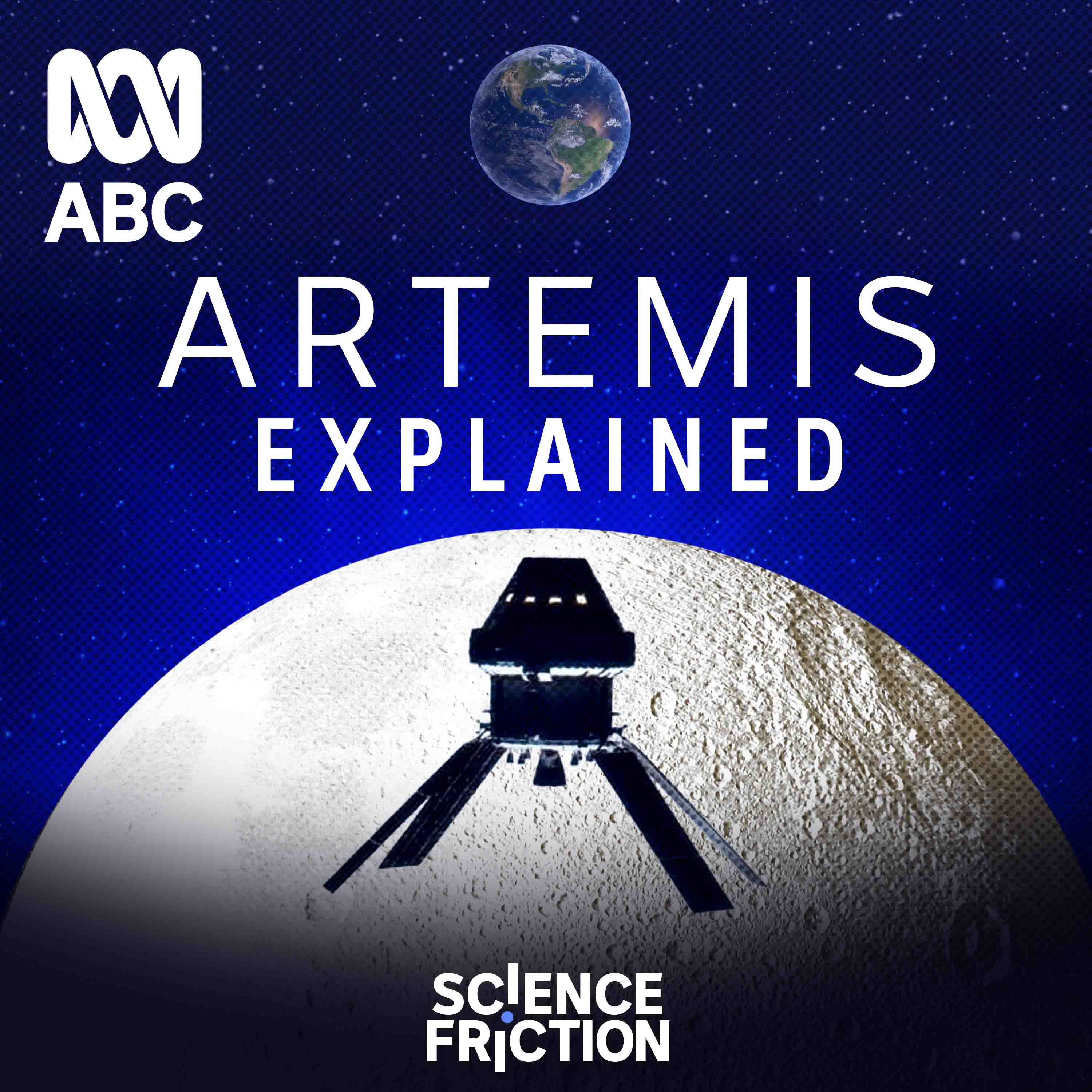
In humanity's next giant leap, astronauts are heading back to the Moon for the first time in more than 50 years. We'll bring you daily Artemis II mission updates, from lift-off to splashdown, and answer your questions about life as an astronaut, the science of spaceflight, and plans to venture beyond the Moon. The Challenger Legacy (Season 5) In January 1986, the Challenger space shuttle disintegrated 73 seconds after lift-off. This is the story of how the tragedy unfolded, the engineers who tried to stop it — and the enduring consequences for humanity's exploration of space. Artificial Evolution (Season 4): Three decades ago, Dolly the Sheep became the first ever cloned mammal. Nearly 30 years later, genetic technology has reshaped the world around us. Environment reporter Peter de Kruijff explores what's changed, where we are headed, and whether we're okay with it. Brain Rot (Season 3): How does being chronically online affect our brains? Technology reporter Ange Lavoipierre explores the wildest ways people are using tech — from falling in love with AI companions to data-dumping a life into a language model — and the big questions about our own screen use. Cooked (Season 2): Why do some studies show ice cream is good for you? Why do some people say they feel good going carnivore, and do we really need as many electrolytes as the internet tells us? Food and nutrition scientist Dr Emma Beckett cuts through these confusing findings to explain how nutrition science works. AI Overlords (Season 1): AI didn't come from nowhere, and its development hasn't been a smooth, straight line — it's been rife with drama, conflict and disagreement. Technology reporter James Purtill looks at where AI came from, who controls it and where it's heading.
ABC Australia · Australian Broadcasting Corporation
Show overview
Science Friction has been publishing since 2019, and across the 7 years since has built a catalogue of 265 episodes. That works out to roughly 120 hours of audio in total. Releases follow a fortnightly cadence.
Episodes typically run twenty to thirty-five minutes — most land between 26 min and 31 min — and the run-time is fairly consistent across the catalogue. None of the episodes are flagged explicit by the publisher. It is catalogued as a EN-language Science show.
The show is actively publishing — the most recent episode landed 3 days ago, with 26 episodes already out so far this year. The busiest year was 2020, with 55 episodes published. Published by Australian Broadcasting Corporation.
From the publisher
In humanity's next giant leap, astronauts are heading back to the Moon for the first time in more than 50 years. We'll bring you daily Artemis II mission updates, from lift-off to splashdown, and answer your questions about life as an astronaut, the science of spaceflight, and plans to venture beyond the Moon. The Challenger Legacy (Season 5) In January 1986, the Challenger space shuttle disintegrated 73 seconds after lift-off. This is the story of how the tragedy unfolded, the engineers who tried to stop it — and the enduring consequences for humanity's exploration of space. Artificial Evolution (Season 4): Three decades ago, Dolly the Sheep became the first ever cloned mammal. Nearly 30 years later, genetic technology has reshaped the world around us. Environment reporter Peter de Kruijff explores what's changed, where we are headed, and whether we're okay with it. Brain Rot (Season 3): How does being chronically online affect our brains? Technology reporter Ange Lavoipierre explores the wildest ways people are using tech — from falling in love with AI companions to data-dumping a life into a language model — and the big questions about our own screen use. Cooked (Season 2): Why do some studies show ice cream is good for you? Why do some people say they feel good going carnivore, and do we really need as many electrolytes as the internet tells us? Food and nutrition scientist Dr Emma Beckett cuts through these confusing findings to explain how nutrition science works. AI Overlords (Season 1): AI didn't come from nowhere, and its development hasn't been a smooth, straight line — it's been rife with drama, conflict and disagreement. Technology reporter James Purtill looks at where AI came from, who controls it and where it's heading.