Ri Science Podcast
121 episodes — Page 2 of 3
How did patriarchy develop across the world? – with Angela Saini and Julia Gillard
How did societies develop across the globe and how did gender become so enmeshed in them? In this episode we join award-winning science journalist, Angela Saini, in conversation with former Australian prime-minister, Julia Gillard, as they go in search of the roots of gendered oppression. By looking at cultures throughout human history and in the modern day, they overturn simplistic universal theories to show that what patriarchy is and how far back it goes really depends on where you live.Get Angela Saini's book: The Patriarchs: How Men Came to RuleThis talk was recorded from our theatre at the Royal Institution on 2 March 2023.Ri Science Podcast episodes are released on the last Wednesday of every month, and our new ‘From the Theatre’ episodes are released on the second Wednesday of the month. Subscribe to be notified as soon as the next episode is released! Book tickets to upcoming talks on our website Subscribe to our YouTube channel Follow us: @ri_science on Instagram and TikTok Produced by: Sarah DickMusic by: Joseph Sandy Hosted on Acast. See acast.com/privacy for more information.
Can science explain emotions? – with Dean Burnett
Did you know that there is no widely agreed upon definition of what emotions actually are? After losing his dad to Covid-19 in the early days of the pandemic lockdown, neuroscientist Dean Burnett found himself wondering what life would be like without emotions. In today’s episode, Dean combines his personal story with expert analysis, humour and powerful insights into the grieving process, to uncover how emotions make us who we are.Get Dean's book: 'Emotional Ignorance: Lost and Found in the Science of Emotion'Subscribe to Dean's podcast: 'Why does this thing exist?'Follow Dean on Twitter: twitter.com/garwboyThis talk was recorded from our theatre at the Royal Institution on 30 January 2023.Ri Science Podcast episodes are released on the last Wednesday of every month, and our new ‘From the Theatre’ episodes are released on the second Wednesday of the month. Subscribe to be notified as soon as the next episode is released! Book tickets to upcoming talks on our website Subscribe to our YouTube channel Follow us: @ri_science on Instagram and TikTok Produced by: Sarah DickMusic by: Joseph Sandy Hosted on Acast. See acast.com/privacy for more information.
Tackling climate change with innovation – with Alyssa Gilbert and Katherine Mathieson
bonusHow could we use shower wastewater to clean our clothes? To celebrate Earth Day and its specific focus on investing in the planet, we wanted to introduce you to ‘Undaunted’ - our partnership with Imperial College London that supports climate-positive startups tackling the climate crisis head on. We hear from Alyssa Gilbert, Director of Undaunted, and Katherine Mathieson, Director of the Ri, about the exciting work Undaunted is doing, alongside a sneak peek into some of the innovations.Please leave this episode a rating and a review to let us know what you think, and to help more people discover the podcast. Contact Katherine: [email protected] Contact Alyssa: [email protected] Learn more about Undaunted: imperial.ac.uk/climate-change-innovation/about-us/Learn more about Greenhouse startup accelerator: climateinnovators.uk/startup-accelerator/Ri Science Podcast episodes are released on the last Wednesday of every month, and our new ‘From the Theatre’ episodes are released on the second Wednesday of the month. Subscribe to be notified as soon as the next episode is released! Book tickets to upcoming talks on our website Subscribe to our YouTube channel Follow us: @ri_science on Instagram and TikTok Produced by: Lia Hale Music by: Joseph Sandy Hosted on Acast. See acast.com/privacy for more information.
Existential physics: Exploring life's big questions – with Sabine Hossenfelder
Are particles conscious? Can information be destroyed? Do we live in a computer simulation? Are we part of a multiverse? In this episode, theoretical physicist Sabine Hossenfelder draws on research in quantum mechanics, black holes and particle physics to explore what modern physics can tell us about life's big, existential questions.Watch the video version of this episode: youtu.be/fl9oDJzfg58Sabine's book "Existential Physics: A Scientists Guide to Life's Biggest Questions", is available to purchase now: https://geni.us/oBMXZvSubscribe to Sabine's YouTube channel: youtube.com/SabineHossenfelderThis talk was recorded from our theatre at the Royal Institution on 19 August 2022. Please leave this episode a rating and a review to let us know what you think, and to help more people discover the podcast.Ri Science Podcast episodes are released on the last Wednesday of every month, and our new ‘From the Theatre’ episodes are released on the second Wednesday of the month. Subscribe to be notified as soon as the next episode is released! Book tickets to upcoming talks on our website Subscribe to our YouTube channel Follow us: @ri_science on Instagram and TikTok Produced by: Charlotte CollingwoodMusic by: Joseph Sandy Hosted on Acast. See acast.com/privacy for more information.
Bad statistics: How not to be misled – with Jennifer Rogers
You might have heard that vending machines are more likely to kill you than a shark, but they aren’t the only deadly object out there. You’re also more likely to be killed by falling coconuts, lightning strikes, bathtubs and your own bed. Swimming in shark-infested waters might actually be safer than hiding in your own house.In this episode, statistician Jennifer Rogers delves into the numbers to show you how statistics can help you to make better decisions about risky activities.Ri Science Podcast episodes are released on the last Wednesday of every month, and our new ‘From the Theatre’ episodes are released on the second Wednesday of the month. Subscribe to be notified as soon as the next episode is released! Book tickets to upcoming talks on our website Subscribe to our YouTube channel Follow us: @ri_science on Instagram and TikTok This talk was recorded from our theatre at the Royal Institution on 11 March 2019.Produced by: Charlotte CollingwoodMusic by: Joseph SandyThumbnail image credit: Javaistan via Pixabay Hosted on Acast. See acast.com/privacy for more information.
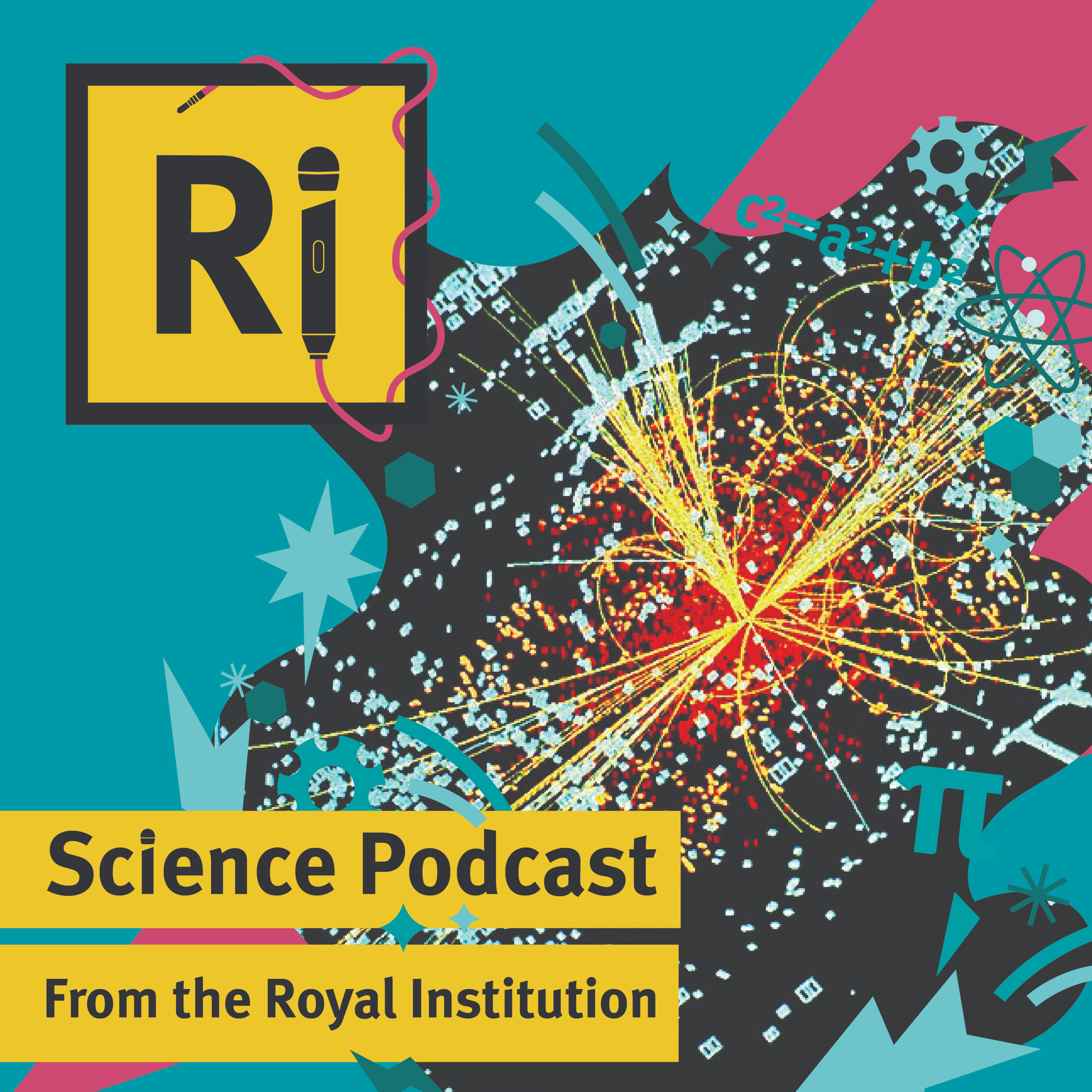
How Peter Higgs proposed the Higgs boson – with Frank Close
On 4 July 2012, one of the longest-running mysteries in physics was finally clarified. The ATLAS and CMS collaborations at CERN’s Large Hadron Collider announced that they had produced and observed the elusive Higgs boson. This unstable elementary particle was theorised back in 1964 by 6 scientists – one of them was the particle’s namesake, Peter Higgs.In this episode, physicist and former Ri Christmas Lecturer, Frank Close, explores the life of Peter Higgs, a Nobel prize-winning scientist and the only person in history to have an existing single particle named after them.Get Frank Close's book 'Elusive: How Peter Higgs Solved the Mystery of Mass': https://geni.us/KI6As1CWatch Frank Close's CHRISTMAS LECTURES: rigb.org/explore-science/explore/video/cosmic-onion-atoms-1993This talk was recorded from our theatre at the Royal Institution on 7 July 2022.Please leave this episode a rating and a review to let us know what you think, and to help more people discover the podcast.Ri Science Podcast episodes are released on the last Wednesday of every month, and our new ‘From the Theatre’ episodes are released on the second Wednesday of the month. Subscribe to be notified as soon as the next episode is released! Book tickets to upcoming talks on our website Subscribe to our YouTube channel Follow us: @ri_science on Instagram and TikTok Produced by: Sarah DickMusic by: Joseph SandyThumbnail image credit: Garik Barseghyan via Pixabay Hosted on Acast. See acast.com/privacy for more information.
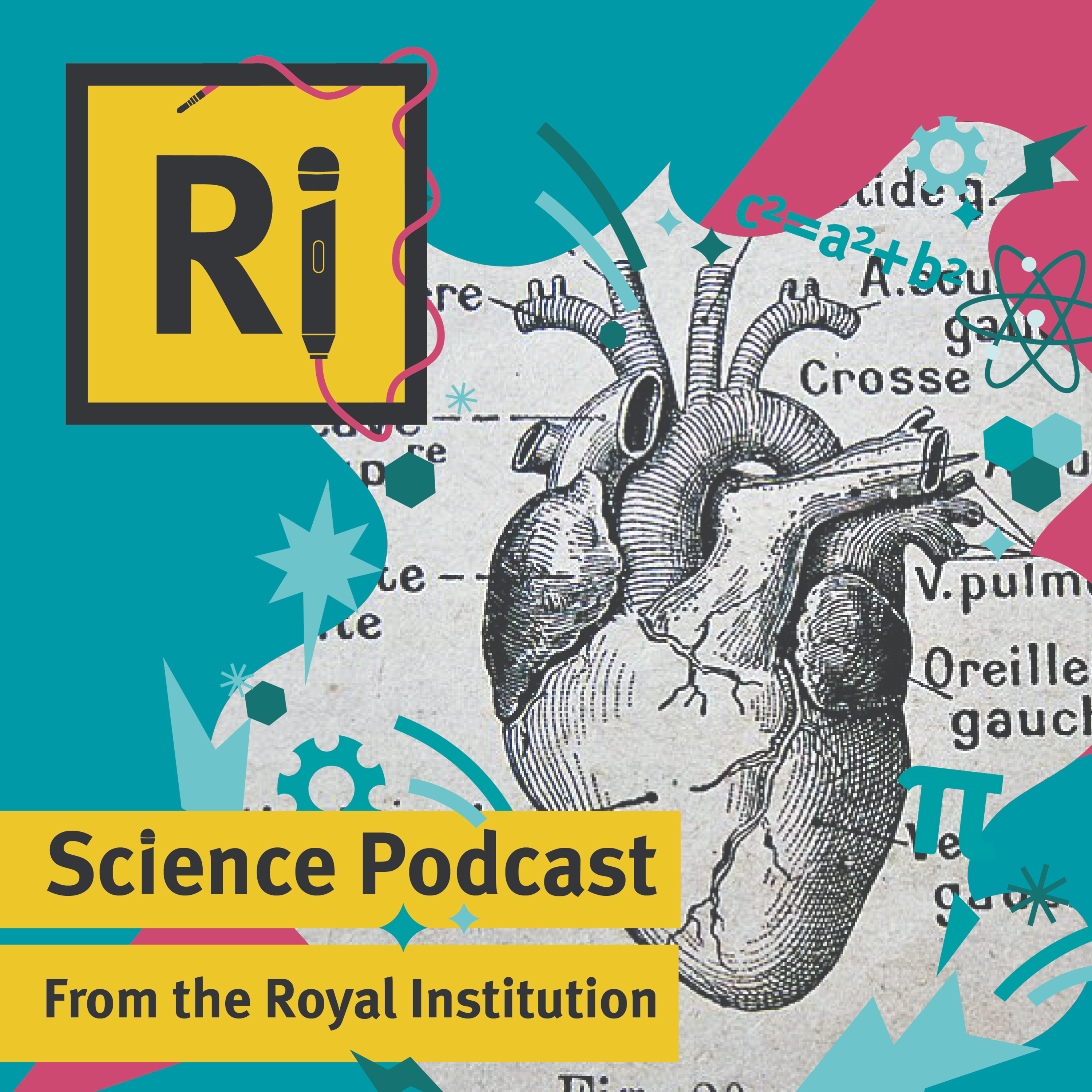
How to handle heart disease – with Samer Nashef
EDo Diet Coke and salt cause heart disease? How do you transport a heart to be transplanted? How can you learn to live with angina? In this month's talk, we hear from world-renowned cardiac surgeon Samer Nashef. Samer discusses his book, ‘The Angina Monologues: Stories of Surgery for Broken Hearts’, with journalist Sathnam Sanghera.Together they explore a collection of Samer’s stories that are sure to get your heart racing – from driving a donor heart up the motorway to Samer's personal experience with angina.This talk was recorded from our theatre at the Royal Institution on 8 May 2019.Please leave this episode a rating and a review to let us know what you think, and to help more people discover the podcast.Ri Science Podcast episodes are released on the last Wednesday of every month, and our new ‘From the Theatre’ episodes are released on the second Wednesday of the month. Subscribe to be notified as soon as the next episode is released! Book tickets to upcoming talks on our website Subscribe to our YouTube channel Follow us: @ri_science on Instagram and TikTok Produced by: Lia HaleMusic by: Joseph SandyThumbnail image credit: Fran Malley via Scribe Publications Hosted on Acast. See acast.com/privacy for more information.
CHRISTMAS LECTURES special: Inside forensic science – with Dame Sue Black & Katherine Mathieson
bonusIn this Christmas-special we go behind-the-scenes of our 2022 CHRISTMAS LECTURES, presented by Professor Dame Sue Black. Katherine Mathieson, Director of the Ri, managed to steal Sue away from rehearsals for a quick chat about her CHRISTMAS LECTURES memories, science communication and what we can expect to learn about forensic science.Ri Science Podcast episodes are released on the last Wednesday of every month, and our new ‘From the Theatre’ episodes are released on the second Wednesday of the month. Subscribe to be notified as soon as the next episode is released! Book tickets to upcoming talks on our website Subscribe to our YouTube channel Follow us: @ri_science on Instagram and TikTok Produced by: Sarah DickMusic by: Joseph SandyThumbnail image credit: Paul Wilkinson Photography Hosted on Acast. See acast.com/privacy for more information.
How does proton beam therapy treat cancer? – with Simon Jolly
An advanced form of radiotherapy, proton beam therapy enables tumours to be targeted with greater precision, reducing the collateral damage to surrounding healthy tissue. Physicist Simon Jolly sheds light on this leading-edge technique and the technology needed to deliver it.This talk was recorded from our theatre at the Royal Institution on 12 October 2018. Watch the video version on YouTube: https://youtu.be/8YnQkUWTS64Please leave this episode a rating and a review to let us know what you think, and to help more people discover the podcast.Ri Science Podcast episodes are released on the last Wednesday of every month, and our new ‘From the Theatre’ episodes are released on the second Wednesday of the month. Subscribe to be notified as soon as the next episode is released! Book tickets to upcoming talks on our website Subscribe to our YouTube channel Follow us: @ri_science on Instagram and TikTok Hosted on Acast. See acast.com/privacy for more information.
How did females evolve? – with Lucy Cooke
Did you know that zoologists have only found 5 species of mammals that go through the menopause? That's 4 species of toothed whale, plus us humans. The animal kingdom reveals a lot about female evolution and this month, Lucy Cooke explores evolutionary biology through an array of animal examples and research stemming from Darwin's time.Get Lucy Cooke's book 'Bitch: A Revolutionary Guide to Sex, Evolution and the Female Animal': www.penguin.co.uk/books/111/111196…80857524133.htmlThis talk was recorded from our theatre at the Royal Institution on 8 March 2022. Please leave this episode a rating and a review to let us know what you think, and to help more people discover the podcast.Ri Science Podcast episodes are released on the last Wednesday of every month, and our new ‘From the Theatre’ episodes are released on the second Wednesday of the month. Subscribe to be notified as soon as the next episode is released! Book tickets to upcoming talks on our website Subscribe to our YouTube channel Follow us: @ri_science on Instagram and TikTok Hosted on Acast. See acast.com/privacy for more information.
Is the multiverse possible? – with Sean M Carroll
If you're a fan of multiverse movies, this episode is for you. The many-worlds interpretation of quantum mechanics says that an infinite number of universes exist in parallel to eachother, each having branched off in a moment of divergence before following its own unique timeline.Theoretical physicist Sean M Carroll guides us through the strange and sometimes daunting topic of quantum mechanics – from Einstein and Bohr to Schrödinger's cat and the many-worlds interpretation.This talk was recorded from our theatre at the Royal Institution on 22 January 2020.Ri Science Podcast episodes are released on the last Wednesday of every month, and our new ‘From the Theatre’ episodes are released on the second Wednesday of the month. Subscribe to be notified as soon as the next episode is released! Book tickets to upcoming talks on our website Subscribe to our YouTube channel Follow us: @ri_science on Instagram and TikTok Hosted on Acast. See acast.com/privacy for more information.
How we got to the climate crisis – with Alice Bell
Our exploration of the Earth’s fluctuating environment is an extraordinary story of human perception and scientific endeavour, which began much earlier than you might think.This month we hear from Alice Bell as she explores climate change science’s earliest steps in the 18th and 19th centuries, through the point when concern started to rise in the 1950s, right up to the modern day. You can learn more in Alice’s latest book 'Our Biggest Experiment: A History of the Climate Crisis’.This talk was recorded from our theatre at the Royal Institution on 22 July 2021.Ri Science Podcast episodes are released on the last Wednesday of every month, and our new ‘From the Theatre’ episodes are released on the second Wednesday of the month. Subscribe to be notified as soon as the next episode is released! Book tickets to upcoming talks on our website Subscribe to our YouTube channel Follow us: @ri_science on Instagram and TikTok Hosted on Acast. See acast.com/privacy for more information.
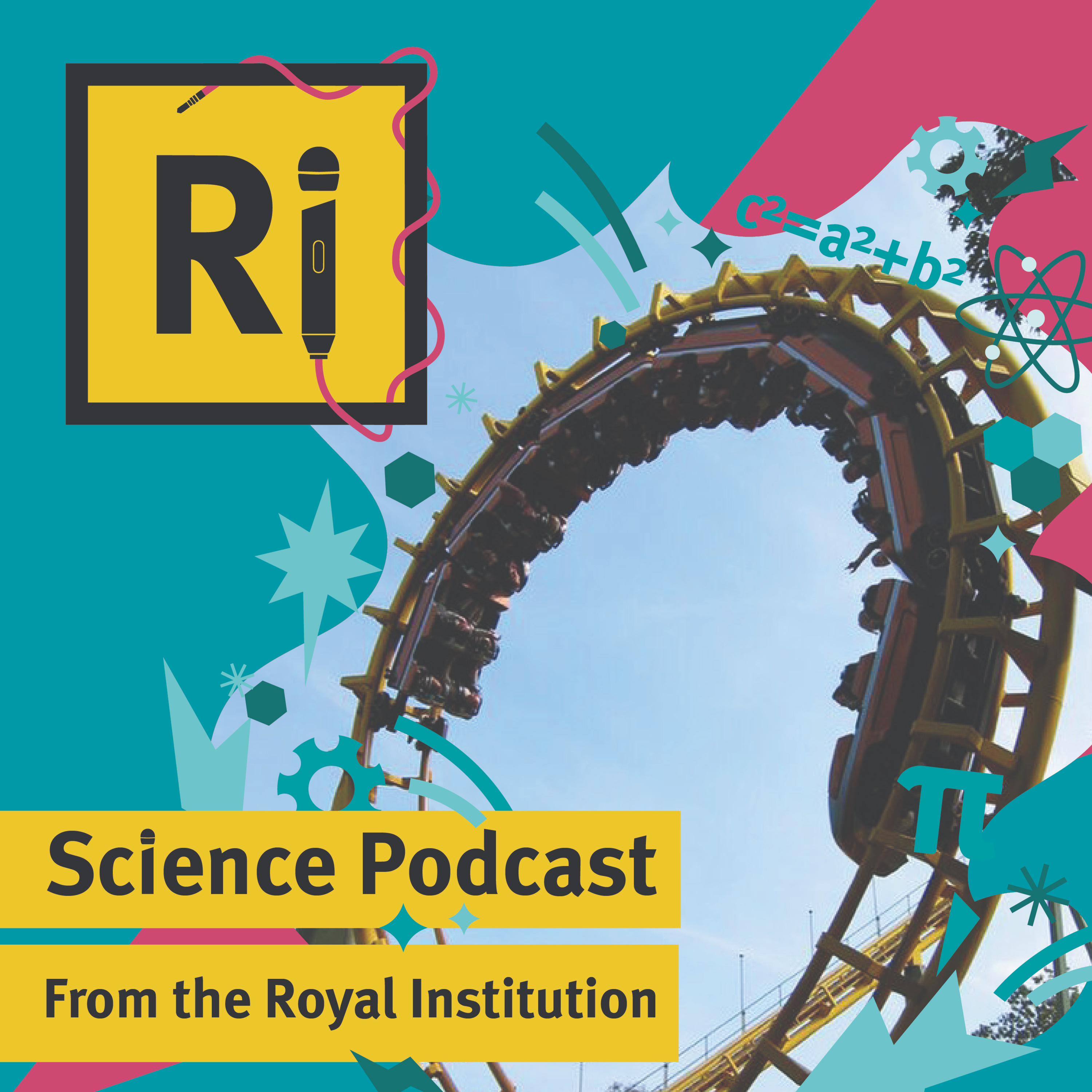
How to design a rollercoaster – with Brendan Walker
Do you consider yourself a ‘thrill-seeker’? If so, you may have a variation in the DRD4 dopamine receptor gene which makes you less able to process dopamine, a neurotransmitter that's responsible for how we feel pleasure.This month we hear from thrill-engineer Brendan Walker as he explains how he designs rollercoasters to induce thrill, priming our bodies’ innate responses through sounds, visual cues, virtual reality and much more.This talk was recorded from our theatre at the Royal Institution on 28 February, 2020. Watch the video version on YouTube: https://youtu.be/edT9bUbKId4Get tickets for upcoming talks: www.rigb.orgTwitter: twitter.com/Ri_ScienceYouTube: youtube.com/TheRoyalInstitutionPatreon: patreon.com/TheRoyalInstitutionThumbnail image credit: Jonny Gios via Unsplash | unsplash.com/photos/ljN0zTXf7tQ Hosted on Acast. See acast.com/privacy for more information.
What is love? – with Laura Mucha & Kate Devlin
Does love at first sight exist? How does your attachment style influence how you love? This month we hear from lawyer-turned-poet and author, Laura Mucha, and artificial intelligence expert, Kate Devlin, about love and relationships. They share real love stories, explore what companies learn about you through online dating and discover what the future holds for sexual companion robots.This talk was recorded from our theatre at the Royal Institution on 14 February 2019.Ri Science Podcast episodes are released on the last Wednesday of every month, and our new ‘From the Theatre’ episodes are released on the second Wednesday of the month. Subscribe to be notified as soon as the next episode is released! Book tickets to upcoming talks on our website Subscribe to our YouTube channel Follow us: @ri_science on Instagram and TikTok Hosted on Acast. See acast.com/privacy for more information.
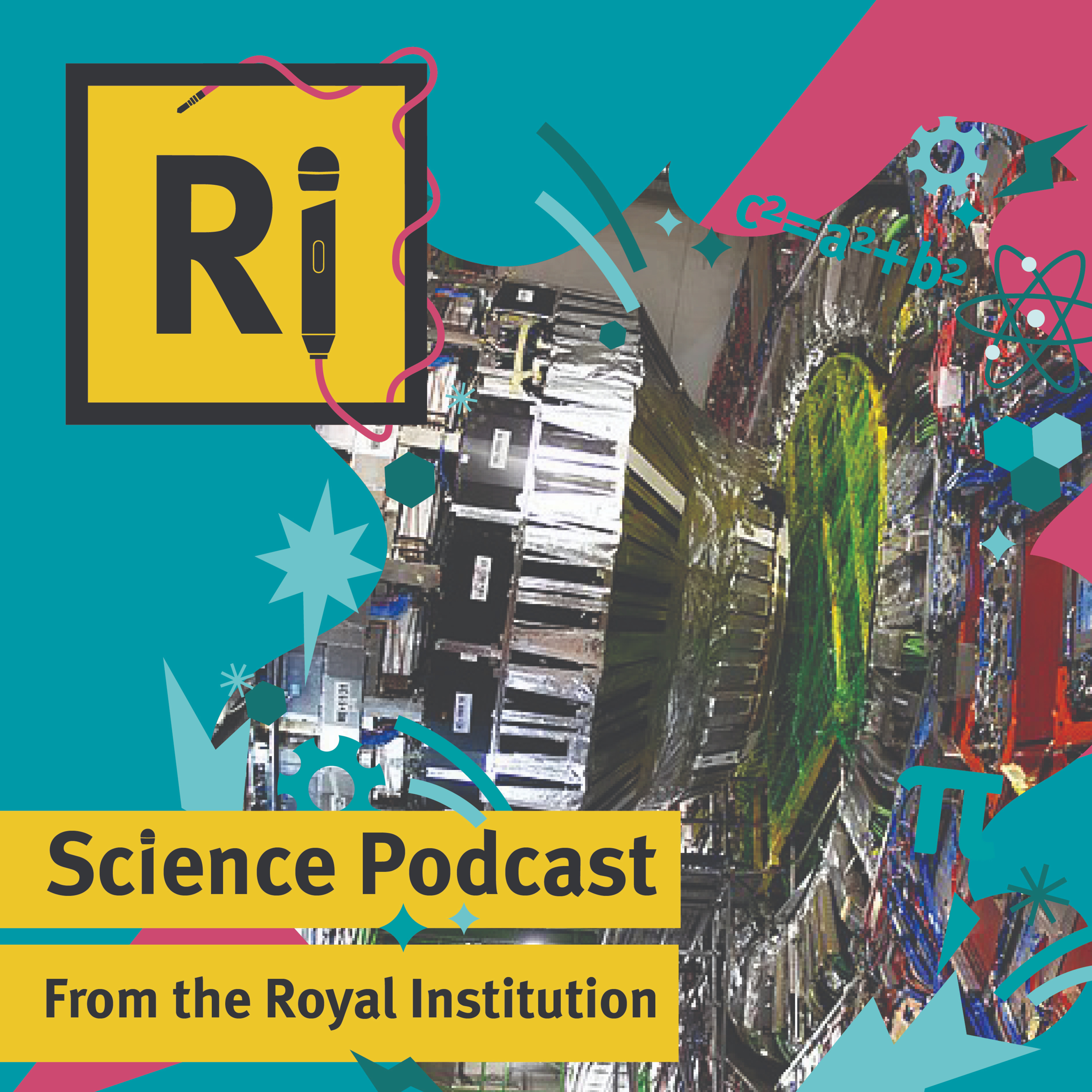
How to make a universe – with Harry Cliff
Physicist Harry Cliff explains how the Universe is made, drawing on experimental data from the Large Hadron Collider and labs around the world. We hear how the basic building blocks of matter and four fundamental forces of nature make up The Standard Model of particle physics.This talk was recorded from our theatre at the Royal Institution on the 10 August 2021. Watch the video version on YouTube: youtu.be/bzV4O85n2y8Learn more in Harry Cliff’s book, ‘How to Make an Apple Pie from Scratch’: geni.us/harrycliffWebsite: www.rigb.orgTwitter: twitter.com/Ri_ScienceYouTube: youtube.com/TheRoyalInstitutionPatreon: patreon.com/TheRoyalInstitutionThumbnail image credit: Lucas Taylor/CERN via Wikimedia Commons | cdsweb.cern.ch/record/628469 Hosted on Acast. See acast.com/privacy for more information.
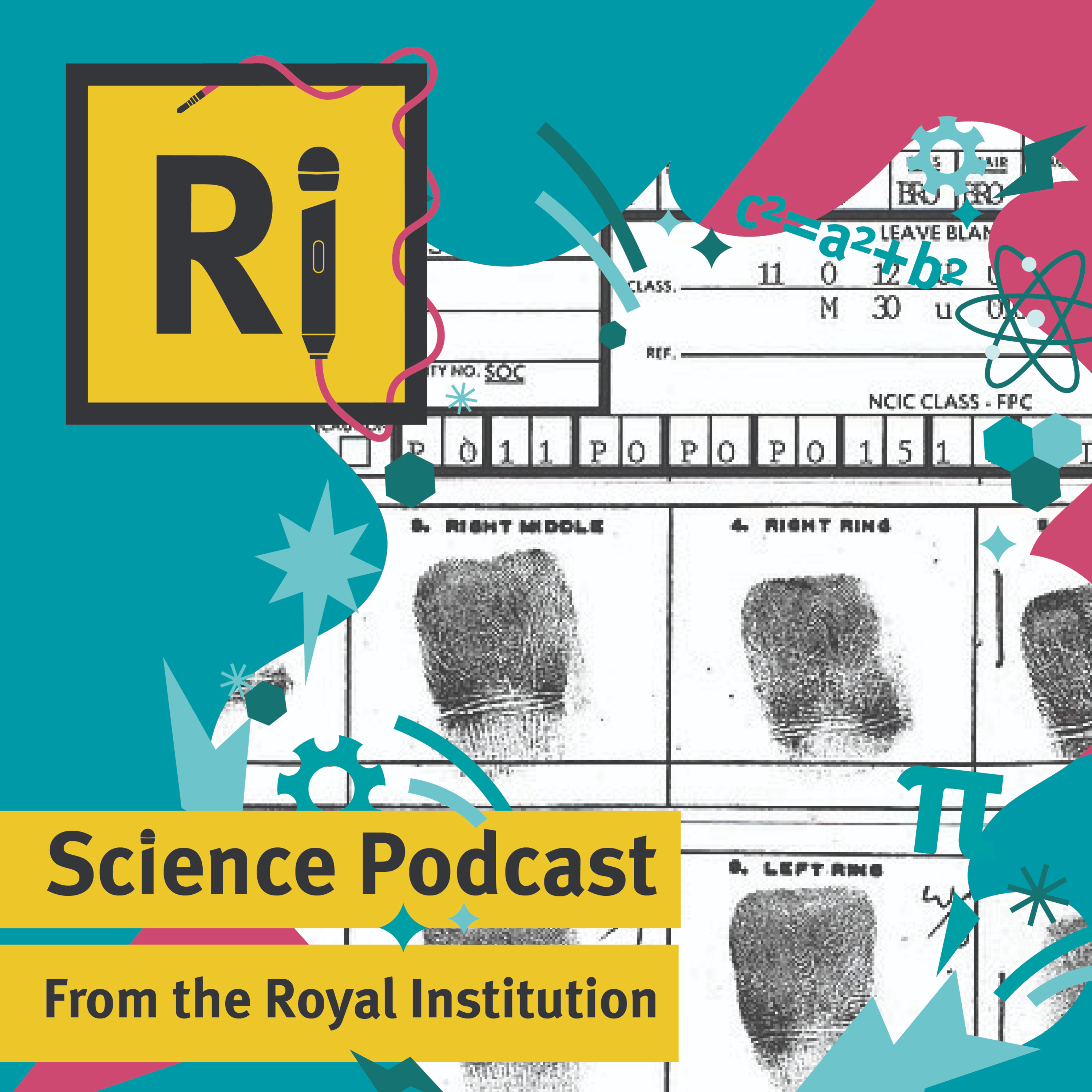
Solving crimes with forensic anthropology – with Sue Black
This episode is about forensic anthropology. Please be aware that due to the nature of the topic, this talk includes discussions of violence, child sexual abuse, death by suicide and mass-fatality events, which some listeners may find disturbing.This month, we hear from Sue Black, a forensic anthropologist who has led teams across the world to identify the victims and perpetrators of various conflicts and cases. Sue shares examples of her breakthrough work on real-life events, and examines how our life’s history is written into our anatomy.The talk was recorded from our theatre at the Royal Institution on 22 February, 2019. Watch the video version on YouTube: https://youtu.be/9Jrd5kJ-vTURi Science Podcast episodes are released on the last Wednesday of every month, and our new ‘From the Theatre’ episodes are released on the second Wednesday of the month. Subscribe to be notified as soon as the next episode is released! Book tickets to upcoming talks on our website Subscribe to our YouTube channel Follow us: @ri_science on Instagram and TikTok Hosted on Acast. See acast.com/privacy for more information.
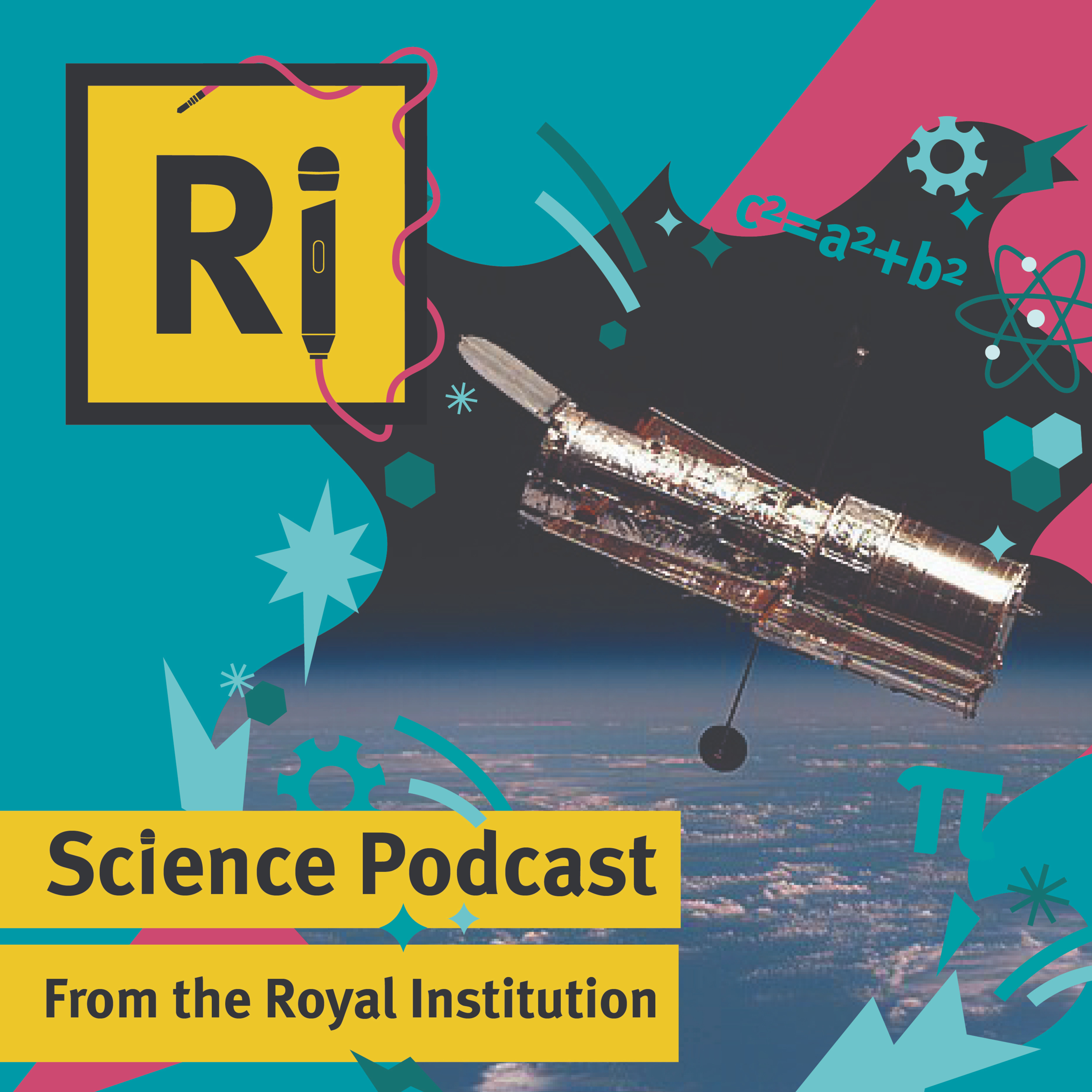
Handprints on Hubble – with Kathryn D Sullivan
The Hubble Telescope has revolutionised our understanding of the Universe. It has, among many other achievements, revealed thousands of galaxies in what seemed to be empty patches of sky and measured precisely how fast the universe is expanding.In this talk, the first American woman to walk in space, Kathryn D Sullivan, recounts how the team of astronauts, engineers and flight controllers helped launch, rescue and maintain Hubble, the most productive observatory ever built. Her book, 'Handprints on Hubble: An Astronaut's Story of Invention' is available now.This talk was recorded from our theatre at the Royal Institution on the 6th of March, 2020.Ri Science Podcast episodes are released on the last Wednesday of every month, and our new ‘From the Theatre’ episodes are released on the second Wednesday of the month. Subscribe to be notified as soon as the next episode is released! Book tickets to upcoming talks on our website Subscribe to our YouTube channel Follow us: @ri_science on Instagram and TikTok Hosted on Acast. See acast.com/privacy for more information.
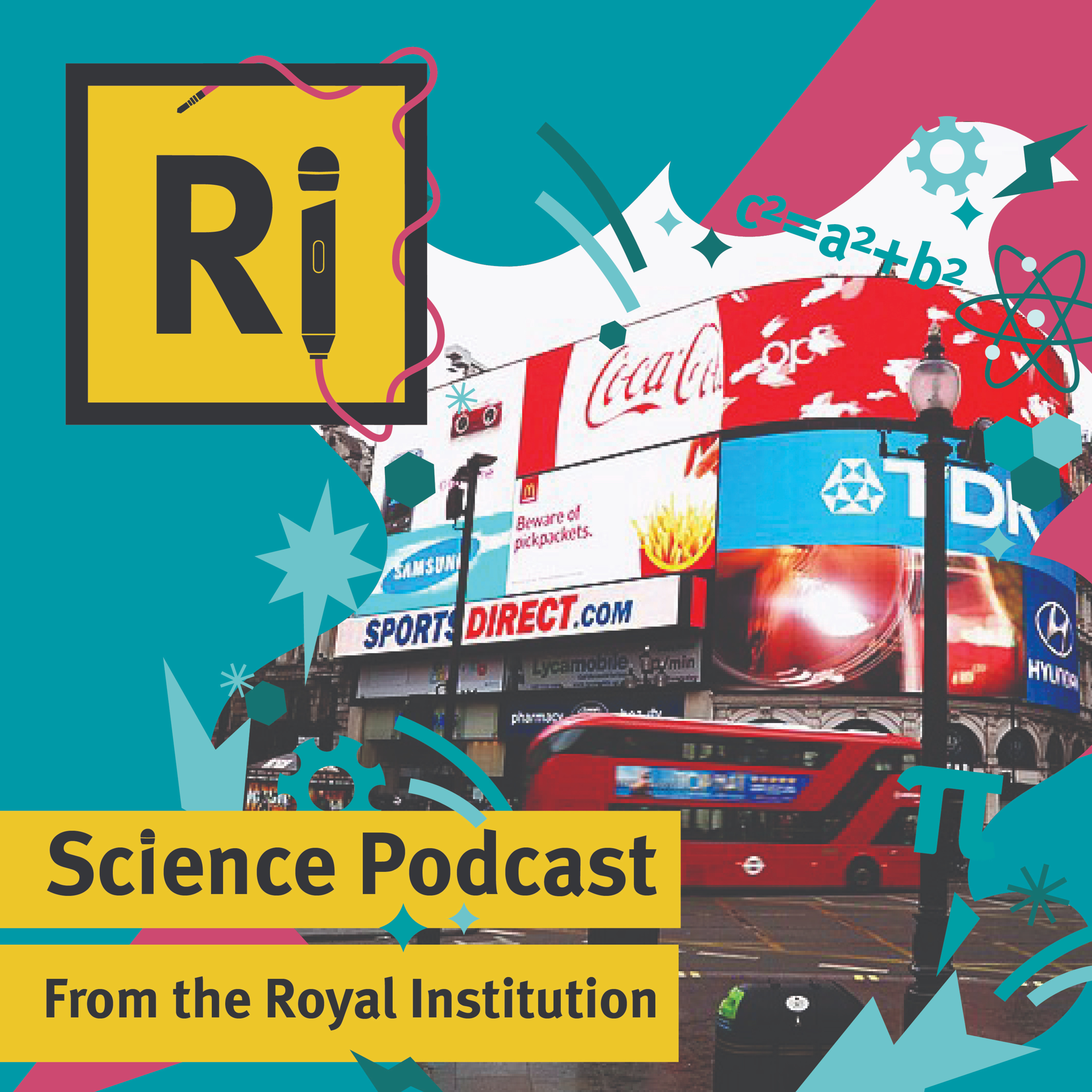
How advertising works – with Rory Sutherland
How does advertising influence us? This month, we hear from advertiser and behaviour expert Rory Sutherland, as he uses case studies from the world’s biggest brands to show how advertising makes us act against reason.This talk was recorded from our theatre at the Royal Institution on 10 May 2019.Ri Science Podcast episodes are released on the last Wednesday of every month, and our new ‘From the Theatre’ episodes are released on the second Wednesday of the month. Subscribe to be notified as soon as the next episode is released! Book tickets to upcoming talks on our website Subscribe to our YouTube channel Follow us: @ri_science on Instagram and TikTok Hosted on Acast. See acast.com/privacy for more information.
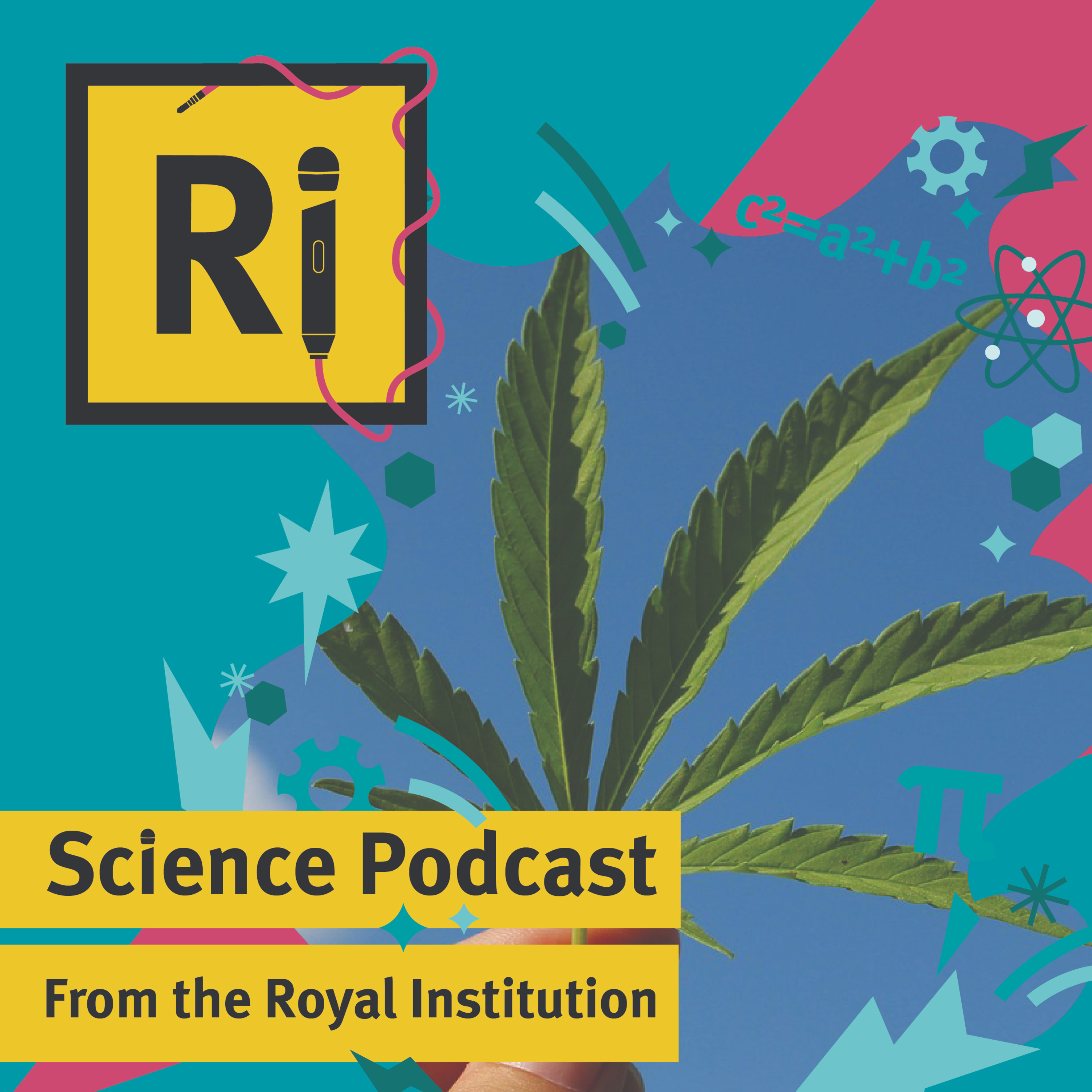
Medical cannabis – with Mike Barnes, Hannah Deacon, Peter Carroll and Susie Mesure
What makes up a cannabis medicinal product? How do the active ingredients work in our bodies? What conditions can it treat, and how can doctors prescribe it? We’re joined by neurologist and medical cannabis expert Mike Barnes, and ‘End our Pain’ campaigners, Peter Carroll and Hannah Deacon. Hannah fought to obtain cannabis oil to treat her son Alfie’s epileptic seizures, and the campaign succeeded in changing UK law – as of November 2018, NHS doctors can legally prescribe cannabis. So why is it still hard for doctors to do so? Mike, Peter and Hannah discuss these issues with journalist, Susie Mesure.This talk was recorded from our theatre at the Royal Institution on 21 January 2019Ri Science Podcast episodes are released on the last Wednesday of every month, and our new ‘From the Theatre’ episodes are released on the second Wednesday of the month. Subscribe to be notified as soon as the next episode is released! Book tickets to upcoming talks on our website Subscribe to our YouTube channel Follow us: @ri_science on Instagram and TikTok Hosted on Acast. See acast.com/privacy for more information.
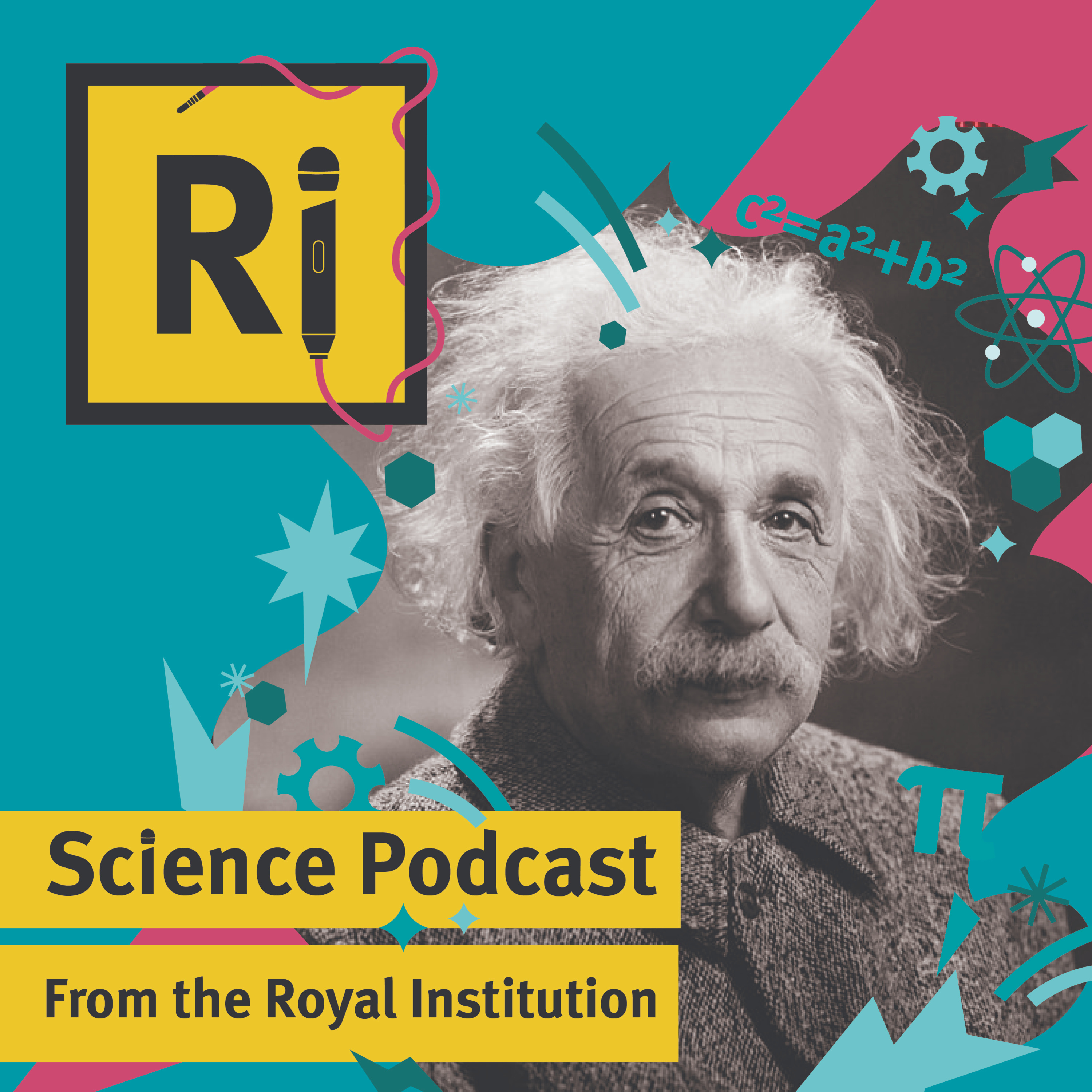
Einstein on the run – with Andrew Robinson
In autumn 1933, Albert Einstein found himself living alone in an isolated holiday hut in rural England. There, he toiled peacefully at mathematics while occasionally stepping out to chat with the locals and play his violin. But how had Einstein come to abandon his Berlin home and go ‘"on the run"?Andrew Robinson tells the story of how Britain became the a refuge for Einstein from rumoured assassination by Nazi agents.This talk was recorded from our theatre at the Royal Institution, on 29 October 2019. If you want to hear more like this, head over to rigb.org to sign up for our upcoming talks.Ri Science Podcast episodes are released on the last Wednesday of every month, and our new ‘From the Theatre’ episodes are released on the second Wednesday of the month. Subscribe to be notified as soon as the next episode is released! Book tickets to upcoming talks on our website Subscribe to our YouTube channel Follow us: @ri_science on Instagram and TikTok Hosted on Acast. See acast.com/privacy for more information.
Conspiracy theories – with Miriam Frankel, Türkay Salim Nefes, Aleksandra Cichocka and Harry T Dyer
This month a panel of psychologists and sociologists discuss why conspiracy theories arise, how they can affect people’s political beliefs, and how we might better communicate with the people who believe in conspiracies. Conspiracy theories have been around for a long time, but in recent years they appear more frequently in public discourse. From increasing attention to anti-vaccine misinformation, to growing communities of conspiracy theorists, like the ‘flat earth’ community, who held their first large scale UK convention in 2018.Join Miriam Frankel, science editor at The Conversation, alongside Türkay Salim Nefes, Aleksandra Cichocka and Harry T Dyer.We held this event at the Ri on 24 October 2018, in partnership with independent news website, The Conversation.Ri Science Podcast episodes are released on the last Wednesday of every month, and our new ‘From the Theatre’ episodes are released on the second Wednesday of the month. Subscribe to be notified as soon as the next episode is released! Book tickets to upcoming talks on our website Subscribe to our YouTube channel Follow us: @ri_science on Instagram and TikTok Hosted on Acast. See acast.com/privacy for more information.
Can we trust maths? – with Kit Yates
If you see a newspaper headline with a big, bold statistic, how do you know that you can trust it? How often do false positive and false negative test results occur in medical screenings? And how do you safely bet whether or not 2 people in any room will share a birthday?This month we hear from Kit Yates about the maths of medicine, crime and the media, exploring real-world data from his book, ‘The Maths of Life and Death’.This talk was recorded from our theatre at the Royal Institution, on 21 January 2020. If you want to hear more like this, head over to our website to sign up for our upcoming livestreams.Ri Science Podcast episodes are released on the last Wednesday of every month, and our new ‘From the Theatre’ episodes are released on the second Wednesday of the month. Subscribe to be notified as soon as the next episode is released! Book tickets to upcoming talks on our website Subscribe to our YouTube channel Follow us: @ri_science on Instagram and TikTok Hosted on Acast. See acast.com/privacy for more information.
Life in a mars simulation – with Kate Greene
This month, writer and former laser-physicist Kate Greenesat down for a chat with our Public Programme Producer, Lisa Derry. They talk about Kate’s experience living as second-in-command on NASA’s first simulated Mars mission, ‘HI-SEAS’. Living in an isolated geodesic dome for 4 months with her crew-mates,Kate gained incredible insight into human behaviour in tight quarters. Lisa and Kate cover food taste experiments, how human bodies cope in space, how NASA and SpaceX work together, and how the isolation that astronauts experience relates to the isolation we’ve all felt during Covid lockdowns.This conversation was recorded over Zoom on 18 February 2021.Ri Science Podcast episodes are released on the last Wednesday of every month, and our new ‘From the Theatre’ episodes are released on the second Wednesday of the month. Subscribe to be notified as soon as the next episode is released! Book tickets to upcoming talks on our website Subscribe to our YouTube channel Follow us: @ri_science on Instagram and TikTok Hosted on Acast. See acast.com/privacy for more information.
The art of rest – with Claudia Hammond
What is the difference between sleep and rest? What activities to people actually find restful? Why is rest important?Award-winning broadcaster, author and psychology lecturer, Claudia Hammond, joins us to talk about her book 'The Art of Rest'. Drawing on results from 'The Rest Test' – the largest global study ever undertaken on the subject – Claudia explores how we can all learn to lead a more restful and balanced life.Ri Science Podcast episodes are released on the last Wednesday of every month, and our new ‘From the Theatre’ episodes are released on the second Wednesday of the month. Subscribe to be notified as soon as the next episode is released! Book tickets to upcoming talks on our website Subscribe to our YouTube channel Follow us: @ri_science on Instagram and TikTok Hosted on Acast. See acast.com/privacy for more information.
Recipe for a Skyscraper – with Roma Agrawal
How high can we build? What are the new technologies that might see our skyscrapers go beyond anything we ever imagined? What creativity and drive is needed to push engineering forward? Structural engineer Roma Agrawal delves into the history of the materials that enable immense construction and the developments that have made our structures what they are today. All while noting the accomplishments of key visionary engineers of the past. Ri Science Podcast episodes are released on the last Wednesday of every month, and our new ‘From the Theatre’ episodes are released on the second Wednesday of the month. Subscribe to be notified as soon as the next episode is released! Book tickets to upcoming talks on our website Subscribe to our YouTube channel Follow us: @ri_science on Instagram and TikTok Hosted on Acast. See acast.com/privacy for more information.
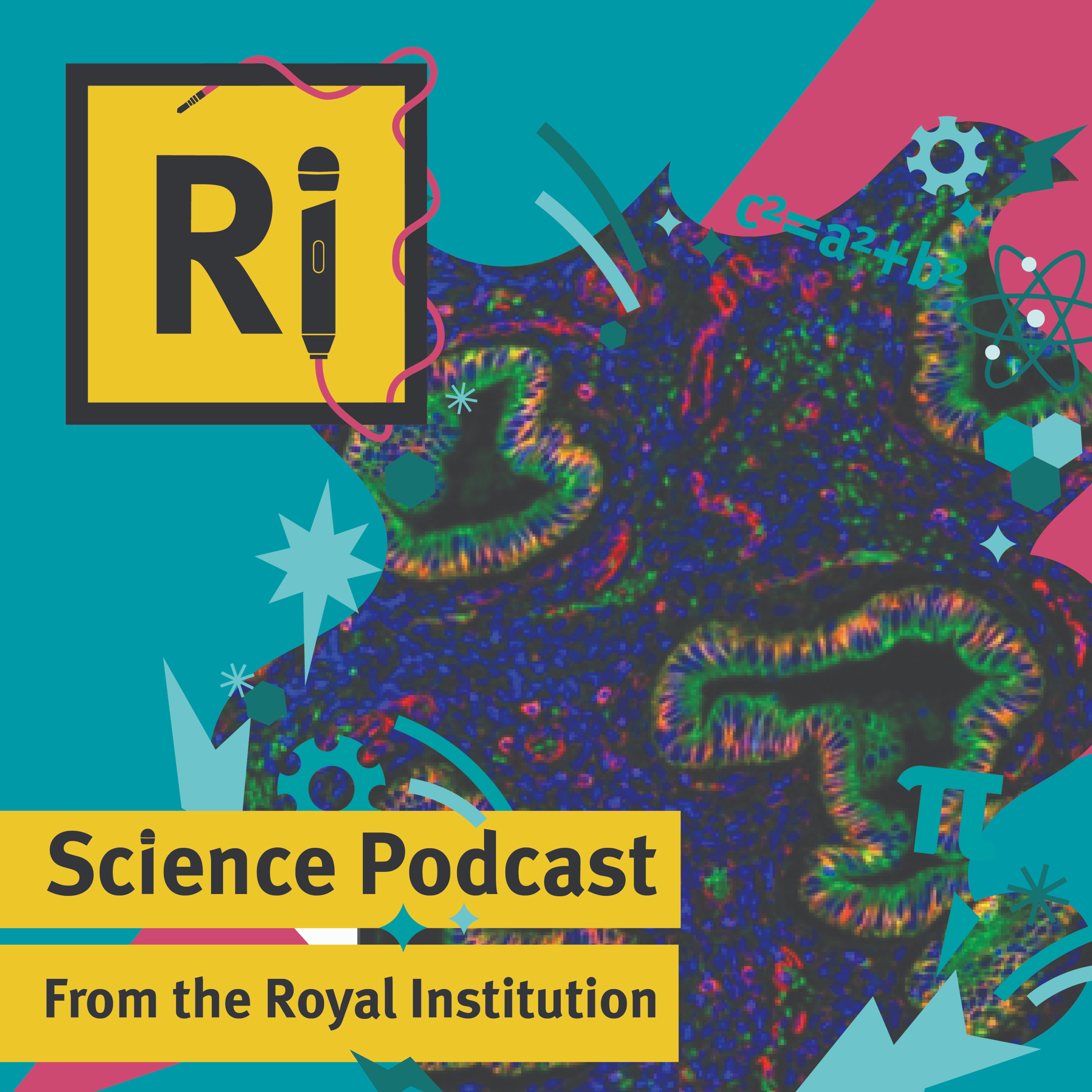
Endometriosis: Myths, Symptoms and Future Treatments - with PhD researcher Magda Mareckova, Dr Krina Zondervan and Dr Christian Becker
bonusEndometriosis is as common as diabetes, yet the disease is poorly understood and not many people have heard about it before. It affects around 10% of women in their reproductive years, and can cause great pain.In this special extra podcast, Ri Digital Intern and PhD student, Madga Mareckova, sits down with her PhD supervisors, Krina Zondervan & Christian Becker.They dispel myths and discuss the symptoms, potential causes and treatments of endometriosis, whilst sharing insights into their unique collaboration as researchers and clinicians at the University of Oxford's Endometriosis Care and Research (CaRe) Centre.The thumbnail image is a fluorescently labelled cross-section of the human endometrium, photographed by Magda Mareckova.Ri Science Podcast episodes are released on the last Wednesday of every month, and our new ‘From the Theatre’ episodes are released on the second Wednesday of the month. Subscribe to be notified as soon as the next episode is released! Book tickets to upcoming talks on our website Subscribe to our YouTube channel Follow us: @ri_science on Instagram and TikTok Hosted on Acast. See acast.com/privacy for more information.
A Generalist AI - with Expert Panel
How far are we from creating Artificial General Intelligence? Can we build a machine to perform all of the intellectual tasks that a human being can?Reports of the ever-increasing power of AI systems have never been far from the headlines, from AlphaGo to self-driving cars. However, these are examples of ‘weak’ or ‘narrow’ AI; that is, systems that excel at one particular task, be it playing a game or understanding speech. But how far are we from creating Artificial General Intelligence? Join a panel of experts for a glimpse into the future of intelligence, in association with The Conversation.Ri Science Podcast episodes are released on the last Wednesday of every month, and our new ‘From the Theatre’ episodes are released on the second Wednesday of the month. Subscribe to be notified as soon as the next episode is released! Book tickets to upcoming talks on our website Subscribe to our YouTube channel Follow us: @ri_science on Instagram and TikTok Hosted on Acast. See acast.com/privacy for more information.
The Evolution of Truth - with Richard Byrne, Evan Davis and comedian Rachel Wheeley
Why do people lie? Why has 'fake news' become such a global phenomenon in modern public discourse? Bringing together the fields of human evolution and current affairs, Richard Byrne and Evan Davis, together with comedian Rachel Wheeley, discuss whether the ability to communicate evolved to pass on facts or to deceive, why deception is so widespread in the era of 'post-truth' politics, and what we can do about it.Ri Science Podcast episodes are released on the last Wednesday of every month, and our new ‘From the Theatre’ episodes are released on the second Wednesday of the month. Subscribe to be notified as soon as the next episode is released! Book tickets to upcoming talks on our website Subscribe to our YouTube channel Follow us: @ri_science on Instagram and TikTok Hosted on Acast. See acast.com/privacy for more information.
Make, Think, Imagine: Engineering a Brighter Future - with Lord Browne and Vivienne Parry
Why has engineering always been the backbone of civilisation? And why do we enjoy making things? This month, Lord Browne in conversation with Vivienne Parry, explains what engineering is, what it has done for us and how it can deliver a brighter future. Robots, our health, security, climate change as well as autonomous vehicles are discussed. Ri Science Podcast episodes are released on the last Wednesday of every month, and our new ‘From the Theatre’ episodes are released on the second Wednesday of the month. Subscribe to be notified as soon as the next episode is released! Book tickets to upcoming talks on our website Subscribe to our YouTube channel Follow us: @ri_science on Instagram and TikTok Hosted on Acast. See acast.com/privacy for more information.
The Gene Machine - with Venki Ramakrishnan
The ribosome is the mother of all molecules without which nothing lives. This month, the Nobel Prize winner Venki Ramakrishnan in conversation with Vivienne Parry, tells the story of the race to uncover the structure of the ribosome - a fundamental discovery that resolves an ancient mystery of life itself and could lead to the development of better antibiotics to fight the most deadly diseases.Ri Science Podcast episodes are released on the last Wednesday of every month, and our new ‘From the Theatre’ episodes are released on the second Wednesday of the month. Subscribe to be notified as soon as the next episode is released! Book tickets to upcoming talks on our website Subscribe to our YouTube channel Follow us: @ri_science on Instagram and TikTok Hosted on Acast. See acast.com/privacy for more information.
The Science of Stress – with Joe Herbert, Julie Turner Cobb, and Shane O’Mara
Stress is our natural reaction to physical or emotional pressure, encompassing everything from too much work to being tortured. But what goes on in our bodies and minds to cause stress? And how does stress affect our memory, mood and thinking?This month, Vincent Walsh hosts an expert panel of Joe Herbert, Julie Turner Cobb, and Shane O’Mara, to explore the science of stress.Ri Science Podcast episodes are released on the last Wednesday of every month, and our new ‘From the Theatre’ episodes are released on the second Wednesday of the month. Subscribe to be notified as soon as the next episode is released! Book tickets to upcoming talks on our website Subscribe to our YouTube channel Follow us: @ri_science on Instagram and TikTok Hosted on Acast. See acast.com/privacy for more information.
How Does Science Actually Work? – with Jeremy Baumberg
We take the advance of science as given - but how does science really work? This month, Jeremy Baumberg sheds light on a cutthroat and tightly tensioned enterprise that even scientists themselves often don’t fully understand.Jeremy Baumberg is a leader in nanoscience and nanotechnology, working for much of his career at the interface between academia and industry. He has led interdisciplinary nano-centres at the Universities of Cambridge and Southampton, and developed novel devices within Hitachi, IBM, his spin-offs Mesophotonics and Base4.Ri Science Podcast episodes are released on the last Wednesday of every month, and our new ‘From the Theatre’ episodes are released on the second Wednesday of the month. Subscribe to be notified as soon as the next episode is released! Book tickets to upcoming talks on our website Subscribe to our YouTube channel Follow us: @ri_science on Instagram and TikTok Hosted on Acast. See acast.com/privacy for more information.
Whats Next? Predictions About Our Future - with Expert Panel
What does the future have in store? Medicine, robotics, artificial intelligence, energy production and genetic engineering are all fields that will change our world - but how? This month, Jim Al-Khalili and a panel of experts debate the topic and predict the answers.Jim Al-Khalili OBE is a theoretical physicist, author and broadcaster. He is the host of the Life Scientific on BBC Four and was awarded the inaugural Stephen Hawking medal for science communication. Find out from science writer Phil Ball about the demographics of the future. Learn about how the climate will continue to change from former Chief Scientist of the Met Office, Julia Slingo. Hear more about where genomics and genome engineering is going from biologist and broadcaster Aarathi Prasad and discover smart materials with materials scientist Anna Ploszajski.Ri Science Podcast episodes are released on the last Wednesday of every month, and our new ‘From the Theatre’ episodes are released on the second Wednesday of the month. Subscribe to be notified as soon as the next episode is released! Book tickets to upcoming talks on our website Subscribe to our YouTube channel Follow us: @ri_science on Instagram and TikTok Hosted on Acast. See acast.com/privacy for more information.
The Story of Life – with Matthew Cobb and Nick Lane
How was the code of DNA cracked? How did it confirm the theory of evolution? And why did life evolve the way it did? This month, Matthew Cobb and Nick Lane unravel the tangled story of DNA, and why life began in the first place.Nick Lane is an evolutionary biochemist in the Department of Genetics, Evolution and Environment, University College London. His work focuses on the origin of life, and the origin and evolution of eukaryotes. He is also author of prize-winning popular science books, including 'Life ascending'.Matthew Cobb is Professor of Zoology and a senior lecturer in animal behaviour at the University of Manchester. After spending some time researching humans at the institute of psychiatry, a lot of his work now investigates insect behaviour and its evolutionary and genetic basis, particularly smell. Ri Science Podcast episodes are released on the last Wednesday of every month, and our new ‘From the Theatre’ episodes are released on the second Wednesday of the month. Subscribe to be notified as soon as the next episode is released! Book tickets to upcoming talks on our website Subscribe to our YouTube channel Follow us: @ri_science on Instagram and TikTok Hosted on Acast. See acast.com/privacy for more information.
Moon, Mars and Beyond - with Astronaut Al Worden and Experts Chris Welch and Stuart Eves
Where should humans inhabit next? The Moon? Mars? Or further beyond? This month, Apollo Astronaut Al Worden and space experts Chris Welch and Stuart Eves will will argue their case for each. Who will win your vote?Al Worden is an American astronaut and engineer who was the Command Module Pilot for the fourth lunar landing mission in 1971, Apollo 15. After his time in space, he was Senior Aerospace Scientist at the NASA Ames Research Center, and then the chief of the Systems Study Division at Ames. Chris Welch is Professor of Space Engineering at the International Space University in Strasbourg, France. Chris is a Vice-President of the International Astronautical Federation, a Fellow of the British Interplanetary Society (BIS), the Royal Aeronautical Society, the Royal Astronomical Society. Chris has written what he believes to be the first ever paper on the design of extraterrestrial gardens and a poem that he hopes to send to space soon.Stuart Eves is currently a technical consultant for Vaeros Ltd. He began his career working for the MOD on a variety of satellites, and from 2004 he was Lead Mission Concepts Engineer at Surrey Satellite Technology Limited. Stuart is a Fellow of the Royal Astronomical Society, a Council Member of the British Interplanetary Society, and he currently chairs the government/industry Space Information Exchange forum. Ri Science Podcast episodes are released on the last Wednesday of every month, and our new ‘From the Theatre’ episodes are released on the second Wednesday of the month. Subscribe to be notified as soon as the next episode is released! Book tickets to upcoming talks on our website Subscribe to our YouTube channel Follow us: @ri_science on Instagram and TikTok Hosted on Acast. See acast.com/privacy for more information.
The Science of Success (and Failure) – with Matthew Syed
How can you turn failure into success? This month, journalist and table-tennis champion Matthew Syed will explain the science of success using real life stories and practical takeaways. Matthew Syed is a British journalist, broadcaster and author. He has won numerous prizes for his writing including Feature Writer of the Year at the SJA Awards and Sports Journalist of the Year at the British Press Awards. He is also a three-time Commonwealth table tennis champion and a two-time Olympian.Ri Science Podcast episodes are released on the last Wednesday of every month, and our new ‘From the Theatre’ episodes are released on the second Wednesday of the month. Subscribe to be notified as soon as the next episode is released! Book tickets to upcoming talks on our website Subscribe to our YouTube channel Follow us: @ri_science on Instagram and TikTok Hosted on Acast. See acast.com/privacy for more information.
Monsters, Science and Society - with Expert Panel
Frankenstein’s creature is a classic example of a monster in popular culture. But what can fictional beings tell us about the hopes and fears of the society in which they were created?This month, Phil Ball chairs a panel of experts discussing how monsters survive in our culture, how they reflect gender and power dynamics, and what happens in our brains when we see monsters on screen.Liz Gloyn is a lecturer in Classics at Royal Holloway. Her research focuses on the intersections between Latin literature, ancient philosophy and gender studies.Evan Hayles Gledhill is currently doing a PhD at the University of Reading. Their PhD thesis examines the liminal figures of the monster and the child in the Gothic imagination, and the 'deviant subjectivities' these representations make space for in otherwise seemingly conventional genre texts. Jeremy Skipper is Director of the Language, Action, and Brain Lab (LAB Lab) at University College London. He studies the neurobiology of natural language use and oversees the Neurocinematics database.Ri Science Podcast episodes are released on the last Wednesday of every month, and our new ‘From the Theatre’ episodes are released on the second Wednesday of the month. Subscribe to be notified as soon as the next episode is released! Book tickets to upcoming talks on our website Subscribe to our YouTube channel Follow us: @ri_science on Instagram and TikTok Hosted on Acast. See acast.com/privacy for more information.
Anatomy of a Conversation - with Elizabeth Stokoe
First dates, police interviews, doctor-patient communication and commercial sales – they are all driven by talk. And an understanding of how talk works is crucial for success. This month, Elizabeth Stokoe explains how conversation analysis can produce a scientific understanding of talk. Rather than being messy and disorderly, talk is in fact organised systematically, and small changes in words or phrases can have a big impact on the outcome.Elizabeth Stokoe is Professor of Social Interaction at Loughborough University, analysing the science of interaction in settings including police interrogations, sales calls, and initial inquiries to services including mediation and doctors’ surgeries. Ri Science Podcast episodes are released on the last Wednesday of every month, and our new ‘From the Theatre’ episodes are released on the second Wednesday of the month. Subscribe to be notified as soon as the next episode is released! Book tickets to upcoming talks on our website Subscribe to our YouTube channel Follow us: @ri_science on Instagram and TikTok Hosted on Acast. See acast.com/privacy for more information.
The Order Of Time - with Carlo Rovelli
We intuitively feel that we know what we are talking about when we talk about time, but from the perspective of physics, time is far from straightforward. This month, Carlo Rovelli takes us on a journey through the philosophy, the science and the emotional experience of time.Carlo Rovelli is a theoretical physicist who has made significant contributions to the physics of space and time. He has worked in Italy and the US, and is currently directing the quantum gravity research group of the Centre de physique théorique in Marseille, France. His books 'Seven Brief Lessons on Physics' and 'Reality Is Not What It Seems' are international bestsellers translated into forty-one languages. https://twitter.com/carlorovelli?lang=enRi Science Podcast episodes are released on the last Wednesday of every month, and our new ‘From the Theatre’ episodes are released on the second Wednesday of the month. Subscribe to be notified as soon as the next episode is released! Book tickets to upcoming talks on our website Subscribe to our YouTube channel Follow us: @ri_science on Instagram and TikTok Hosted on Acast. See acast.com/privacy for more information.
Homo Deus: a Brief History of Tomorrow - with Yuval Noah Harari
Throughout history there have been revolutions in technology, in economics, in society, in politics. Now for the first time Yuval Noah Harari argues that humanity itself is likely to undergo a radical revolution as a result of new technologies such as genetic engineering, nanotechnology and brain-computer interfaces.Dr Yuval Noah Harari has a PhD in History from the University of Oxford and now lectures at the Department of History, the Hebrew University of Jerusalem, specialising in World History. 'Sapiens: A Brief History of Humankind', published in 2014, was on the Sunday Times bestseller list for over six months in paperback, was a New York Times top ten bestseller and has been published in nearly 40 languages worldwide. http://www.ynharari.com/ https://twitter.com/harari_yuvalRi Science Podcast episodes are released on the last Wednesday of every month, and our new ‘From the Theatre’ episodes are released on the second Wednesday of the month. Subscribe to be notified as soon as the next episode is released! Book tickets to upcoming talks on our website Subscribe to our YouTube channel Follow us: @ri_science on Instagram and TikTok Hosted on Acast. See acast.com/privacy for more information.
Half Life: The disappearance of Bruno Pontecorvo – with Frank Close
In 1950, Bruno Pontecorvo, one of Britain's brightest atomic physicists, disappeared without trace. He re-surfaced six years later: in the USSR. In this talk, based on unprecedented access to archives, letters, surviving family members and scientists, Frank Close exposes the truth of Pontecorvo’s life behind the Iron Curtain, and reveals why he went so suddenly.Frank Close is a particle physicist, and author. He is Professor of Physics at the University of Oxford, and has previously been Head of the Theoretical Physics Division at the Rutherford Appleton Laboratory and Head of Communications and Public Education at CERN.He has written several books, including Antimatter, Neutrino and The very short introduction to particle physics. Ri Science Podcast episodes are released on the last Wednesday of every month, and our new ‘From the Theatre’ episodes are released on the second Wednesday of the month. Subscribe to be notified as soon as the next episode is released! Book tickets to upcoming talks on our website Subscribe to our YouTube channel Follow us: @ri_science on Instagram and TikTok Hosted on Acast. See acast.com/privacy for more information.
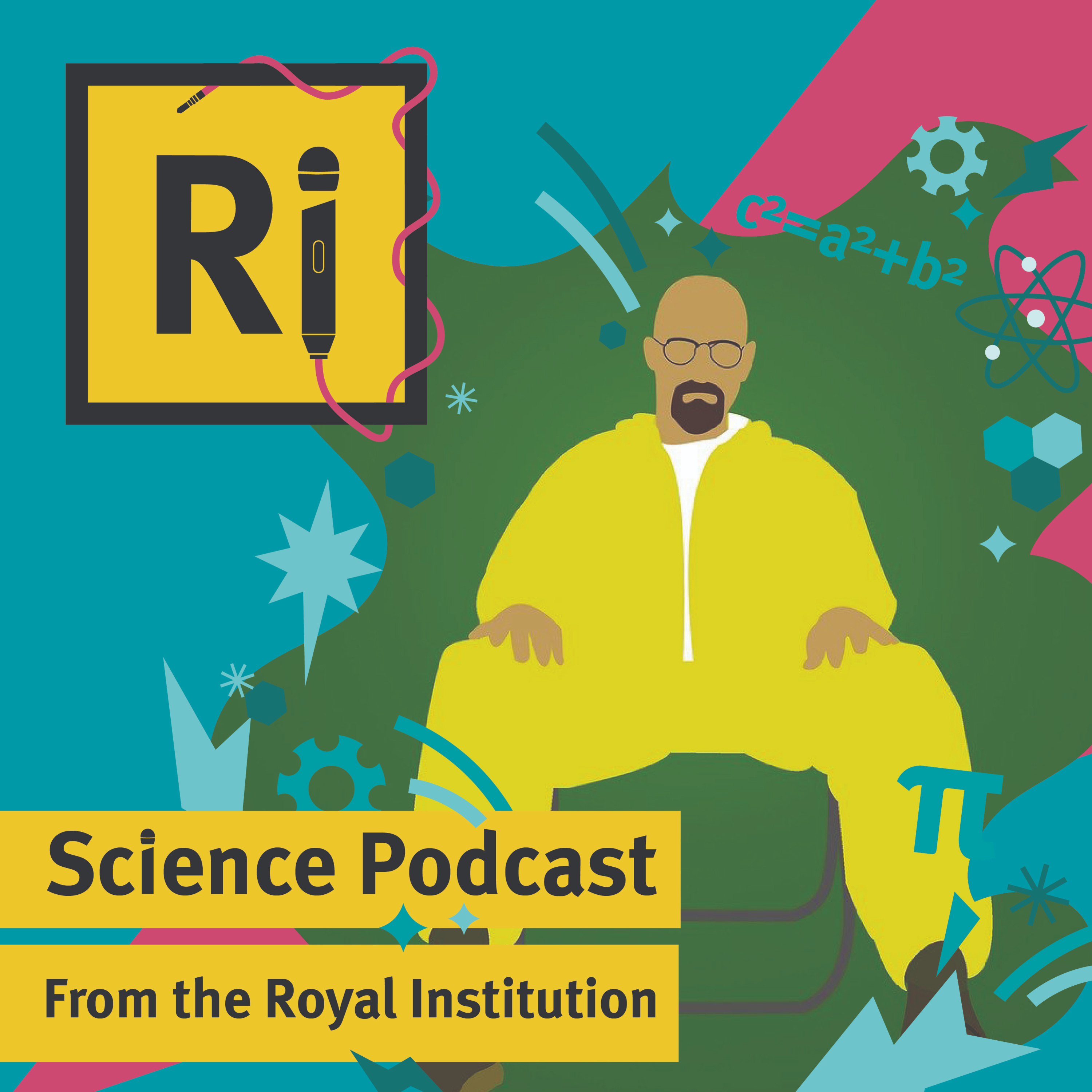
The Science Behind Breaking Bad - with Chemist Dave Smith, Psychologist Julian Boon and Screenwriter Paul Viragh
'Breaking Bad' was a TV show with science at its core. With a genius chemist as its main protagonist, it explored complex themes of morality and what can cause a person to change.Chemist Dave Smith and psychologist Julian Boon delve into the science behind the show, while screenwriter Paul Viragh discusses the challenge of representing science on screen. The discussion is chaired by author, presenter and 'Breaking Bad' fan Claudia Hammond.Ri Science Podcast episodes are released on the last Wednesday of every month, and our new ‘From the Theatre’ episodes are released on the second Wednesday of the month. Subscribe to be notified as soon as the next episode is released! Book tickets to upcoming talks on our website Subscribe to our YouTube channel Follow us: @ri_science on Instagram and TikTok Hosted on Acast. See acast.com/privacy for more information.
Quantum Biology - with Nigel Scrutton, Alexandra Olaya-Castro and Jenny Brookes
This month, three researchers explain how quantum theory is being applied to their own work in this cutting-edge field of scientific discovery.Nigel Scrutton explores proton tunnelling in enzymes, Alexandra Olaya-Castro discusses her latest research in photosynthesis and Jenny Brookes explains her work on a quantum model of olfaction.Nigel Scrutton is Professor of Molecular Enzymology at the University of Manchester and Director of the Manchester Institute of Biotechnology. His research focusses on the mechanisms, structures and exploitation of enzyme catalysts and light-activated proteins. Alexandra Olaya-Castro leads a research group on the quantum mechanics of biomolecular processes in the Department of Physics and Astronomy, University College London. They explore the possible roles that quantum phenomena may play in biomolecular functions. Jennifer Brookes is a researcher at London Centre for Nanotechnology, UCL, and carries out computer simulations on the quantum physics at work in biological processes.Ri Science Podcast episodes are released on the last Wednesday of every month, and our new ‘From the Theatre’ episodes are released on the second Wednesday of the month. Subscribe to be notified as soon as the next episode is released! Book tickets to upcoming talks on our website Subscribe to our YouTube channel Follow us: @ri_science on Instagram and TikTok Hosted on Acast. See acast.com/privacy for more information.
Sense of Style: How to Communicate Effectively - with Experimental Psychologist Steven Pinker
Style guides set out strict rules for writing well, but how much of that grammar policing is just dogma, and how much is helpful for communication? Drawing on the latest research in linguistics and cognitive science, Steven Pinker uses reason and evidence to tell us how to communicate effectively in this talk hosted by Melvyn Bragg.Steven Pinker is an experimental psychologist and one of the world’s foremost writers on language, mind, and human nature. He is Professor in the Department of Psychology at Harvard University and conducts research on language and cognition but also writes for publications such as the New York Times, Time, and is the author of many books, including The Language Instinct and How the Mind Works. stevenpinker.com/Melvyn Bragg is a broadcaster, writer and novelist. He was made a Life Peer (Lord Bragg of Wigton) in 1998. Since then he has hosted over 660 episodes of In Our Time on subjects ranging from Quantum Gravity to Truth. He was presenter of the BBC radio series The Routes of English, a history of the English language. He is currently Chancellor of the University of LeedsRi Science Podcast episodes are released on the last Wednesday of every month, and our new ‘From the Theatre’ episodes are released on the second Wednesday of the month. Subscribe to be notified as soon as the next episode is released! Book tickets to upcoming talks on our website Subscribe to our YouTube channel Follow us: @ri_science on Instagram and TikTok Hosted on Acast. See acast.com/privacy for more information.
Future Pharma - With Expert Panel
For centuries we’ve been using chemicals to improve health, but technology is set to transform the way medicine works. This month, five scientists on the cutting-edge of pharmaceutical research talk about the latest in gene therapy, cancer treatment and more.Ijeoma Uchegbu is a professor of Pharmaceutical Nanoscience at UCL. Her research focuses on designing drugs that can cross the blood-brain barrier. She won the Royal Pharmaceutical Society's Pharmaceutical Scientist of the Year Award in 2012. Catherine Tuleu is a professor of Paediatric Pharmaceutics at UCL. The main focus of her research concerns drug delivery systems for neonates, infants and children.Sejal Ranmal is Director of Formulation at Intract Pharma, a science-driven licensing and product development company specialising in gastrointestinal models and state-of-the-art formulation technologies for development of advanced therapeutics. Stephen Hart is a professor in Molecular Genetics at UCL. His research focuses on developing gene therapies for cardiovascular and respiratory disease, as well as cancer. Wafa Al-Jamal is a reader in the School of Pharmacy at Queen's University Belfast. Currently, her research focuses on developing smart vectors for delivering a broad range of therapeutic agents, and to fabricate multifunctional nanoparticles to target cancer and other diseases. Ri Science Podcast episodes are released on the last Wednesday of every month, and our new ‘From the Theatre’ episodes are released on the second Wednesday of the month. Subscribe to be notified as soon as the next episode is released! Book tickets to upcoming talks on our website Subscribe to our YouTube channel Follow us: @ri_science on Instagram and TikTok Hosted on Acast. See acast.com/privacy for more information.
Interview with a Spaceman – with Astronaut Mike Massimino
Have you ever wondered what it would be like to find yourself strapped to a giant rocket? Or to look back on the earth from outer space? Or to repair the Hubble Space Telescope? Join chair Helen Keen for an evening with astronaut Mike Massimino as he looks back on his remarkable 18-year career as a NASA astronaut.Mike Massimino spent 18 years as a NASA astronaut and flew on two shuttle missions. On both occasions he performed spacewalks outside the shuttle to repair the Hubble Space Telescope. Since returning to Earth and retiring from NASA, he now works as a professor of mechanical engineering at Columbia University in New York.Ri Science Podcast episodes are released on the last Wednesday of every month, and our new ‘From the Theatre’ episodes are released on the second Wednesday of the month. Subscribe to be notified as soon as the next episode is released! Book tickets to upcoming talks on our website Subscribe to our YouTube channel Follow us: @ri_science on Instagram and TikTok Hosted on Acast. See acast.com/privacy for more information.
Unruly Memory – with Memory Experts: Vin Walsh, Julia Shaw and Jennifer Wild
Memories give us a sense of who we are. But how can we be sure that what we remember is what really happened? And why is it that some unwanted memories just won’t go away?Vin Walsh is a Professor of Human Brain Research at the Institute of Cognitive Neuroscience, UCL. Julia Shaw is a memory hacker and psychological scientist at UCL. She is best known for her work in the area of false memories: memories of things that never actually happened. Jennifer Wild is an Associate Professor of Experimental Psychology at the University of Oxford. Her research focuses on why people over-remember what they most wish to forget. She has a special interest in how traumatic memories are formed and how they drive symptoms of post-traumatic stress disorder. Ri Science Podcast episodes are released on the last Wednesday of every month, and our new ‘From the Theatre’ episodes are released on the second Wednesday of the month. Subscribe to be notified as soon as the next episode is released! Book tickets to upcoming talks on our website Subscribe to our YouTube channel Follow us: @ri_science on Instagram and TikTok Hosted on Acast. See acast.com/privacy for more information.
Using Tech to Track Endangered Wildlife – with Kate Jones
This month Kate Jones tells us about the amazing technology being used to monitor wildlife worldwide and how it is helping us to learn about the fascinating world of bats.Kate Jones is Professor of Ecology and Biodiversity in the Research Department of Genetics, Evolution and Environment (GEE) at University College London. Ri Science Podcast episodes are released on the last Wednesday of every month, and our new ‘From the Theatre’ episodes are released on the second Wednesday of the month. Subscribe to be notified as soon as the next episode is released! Book tickets to upcoming talks on our website Subscribe to our YouTube channel Follow us: @ri_science on Instagram and TikTok Hosted on Acast. See acast.com/privacy for more information.
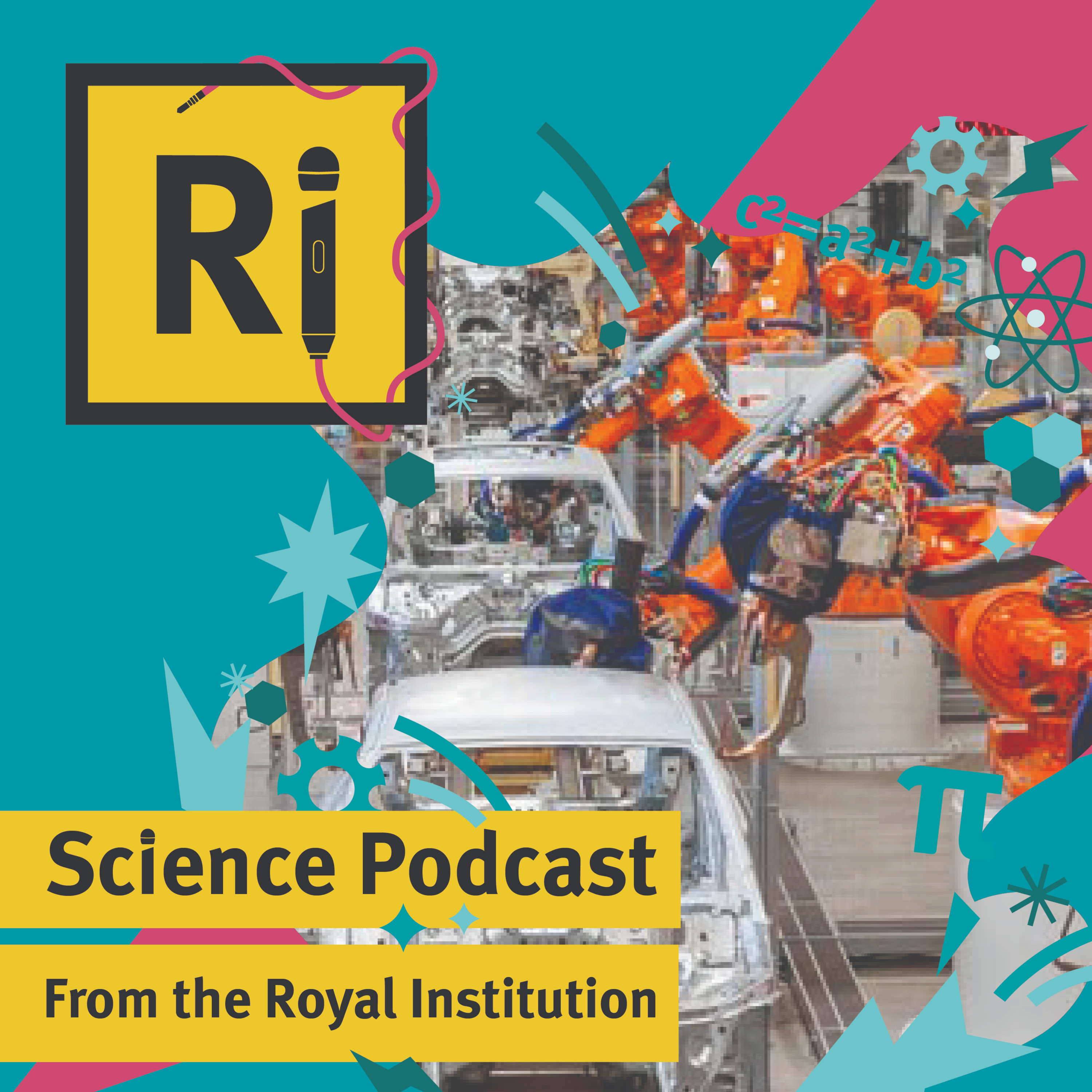
Technologies That Will Improve and/or Ruin Everything – With Kelly and Zach Weinersmith
What will the world of tomorrow be like? Kelly and Zach Weinersmith give us a snapshot of the transformative technologies that are coming soon(ish), from space elevators to origami robots, and explain how they will change our world in astonishing ways — maybe for the better, maybe for the worse.Kelly Weinersmith is a Huxley Fellow at Rice University in the BioSciences Department. She studies how host behaviour influences risk of infection with parasites and cohosts Science... Sort Of, one of the top 20 natural science podcasts.Zach Weinersmith is the cartoonist behind the popular geek webcomic Saturday Morning Breakfast Cereal.Ri Science Podcast episodes are released on the last Wednesday of every month, and our new ‘From the Theatre’ episodes are released on the second Wednesday of the month. Subscribe to be notified as soon as the next episode is released! Book tickets to upcoming talks on our website Subscribe to our YouTube channel Follow us: @ri_science on Instagram and TikTok Hosted on Acast. See acast.com/privacy for more information.
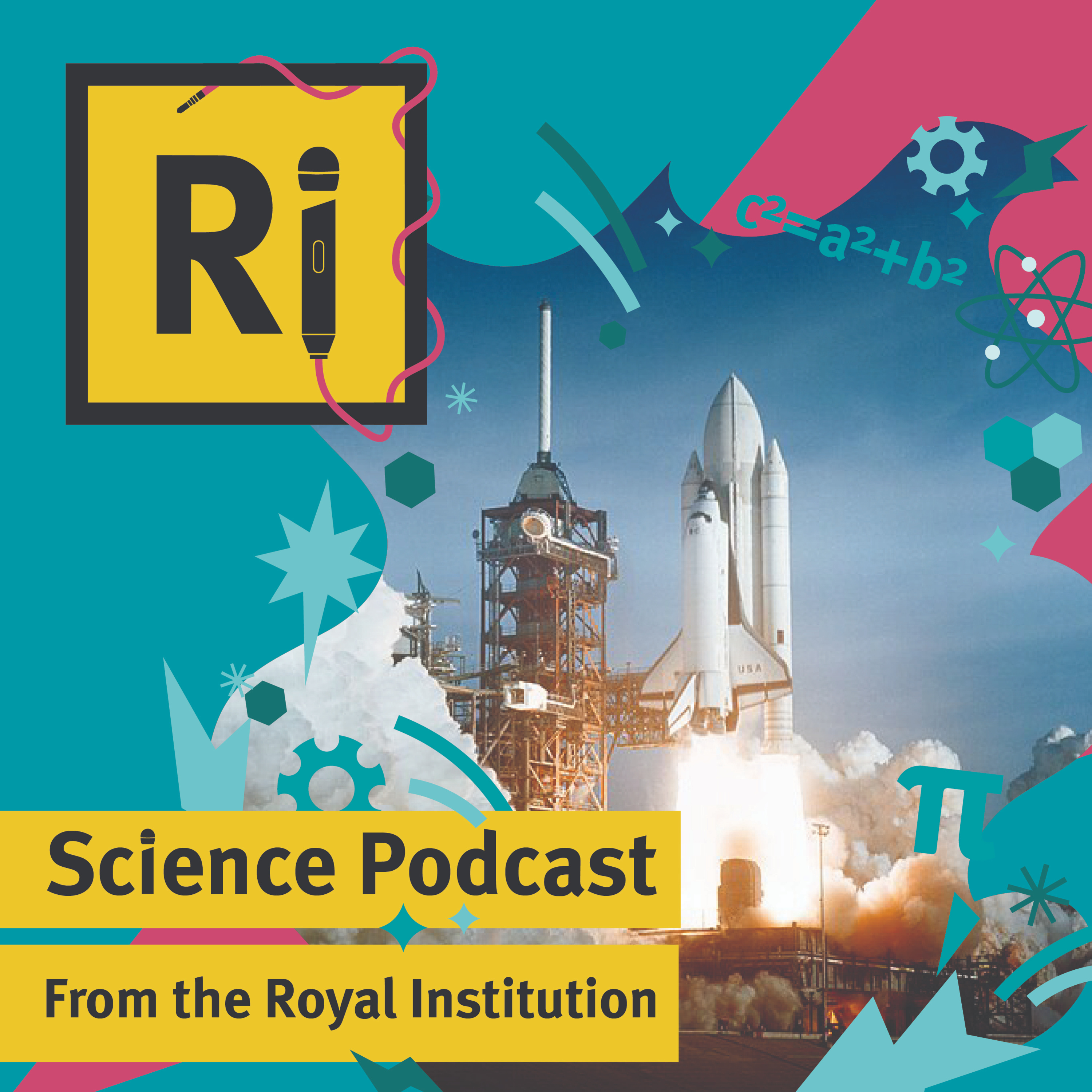
How To Leave The Planet – Dallas Campbell and Kevin Fong
For millennia, humans have been firmly rooted to the Earth, but haven't you ever fancied a change of scenery?This month, science writer and broadcaster Dallas Campbell talks to former Christmas Lecturer and fellow space nerd Kevin Fong about all things space travel, and Dallas’ new book: Ad astra: An illustrated guide to leaving the planet.Dallas Campbell is an actor, author and TV presenter, and has always been fascinated by space. He was also an understudy for the 2014 CHRISTMAS LECTURES: How to hack your home, and appeared via hologram in the final show.Kevin Fong is an anaesthesiologist and space medicine expert. He presented the 2015 CHRISTMAS LECTURES: How to Survive in Space and regularly presents documentaries for Horizon and the BBC World Service.Ri Science Podcast episodes are released on the last Wednesday of every month, and our new ‘From the Theatre’ episodes are released on the second Wednesday of the month. Subscribe to be notified as soon as the next episode is released! Book tickets to upcoming talks on our website Subscribe to our YouTube channel Follow us: @ri_science on Instagram and TikTok Hosted on Acast. See acast.com/privacy for more information.