
Resúmenes de lectura rápida
451 episodes — Page 7 of 10

Ep 108108: Chris Anderson: Embracing the Power of Technology and Innovation
Quotes of TED Talks book 1. "The only way that we can live, is if we grow. The only way that we can grow is if we change. The only way that we can change is if we learn. The only way we can learn is if we are exposed. And the only way that we can become exposed is if we throw ourselves out into the open." - C. JoyBell C. 2. "Your body language shapes who you are." - Amy Cuddy 3. "The greatest danger to our future is apathy." - Jane Goodall 4. "The best way to predict the future is to create it." - Peter Drucker 5. "We must be the change we wish to see in the world." - Mahatma Gandhi 6. "The world as we have created it is a process of our thinking. It cannot be changed without changing our thinking." - Albert Einstein 7. "Your dream job does not exist. You must create it." - Mel Robbins 8. "The power of vulnerability is the birthplace of innovation, creativity, and change." - Brené Brown 9. "Success is not final, failure is not fatal: It is the courage to continue that counts." - Winston Churchill 10. "Life is not about making the right decision, it's about making a decision and making it right." - Earvin "Magic" Johnson Please note that these quotes are not from a specific book, but rather from various TED Talks. What can we learn from TED Talks book? 1. The Power of Ideas: TED Talks emphasize the power of ideas in shaping our world. The book explores how ideas can spread, inspire, and create significant impact. 2. Effective Public Speaking: TED Talks are renowned for their speakers' exceptional communication skills. The book provides insights into effective public speaking techniques, including storytelling, building emotional connections, and delivering powerful messages. 3. Storytelling: TED speakers often use storytelling to engage and captivate their audience. The book delves into the art of storytelling, highlighting how to craft compelling narratives that resonate with people. 4. Personal Growth: Many TED speakers share personal anecdotes and experiences that provide valuable lessons for personal growth and self-improvement. The book presents a range of perspectives on social issues, personal challenges, and ways to enhance one's life. 5. Innovations and Scientific Breakthroughs: TED Talks showcase cutting-edge ideas, discoveries, and technological advancements. The book highlights significant innovations, scientific breakthroughs, and their potential impact on society. 6. Global Perspectives: TED Talks feature speakers from diverse cultural backgrounds, offering unique insights into global issues. The book presents an array of perspectives on topics such as social justice, environmental sustainability, and cross-cultural understanding. 7. Inspiration and Motivation: TED Talks are known for their ability to inspire and motivate listeners to take action. The book shares powerful stories and ideas that can spark creativity, ignite passion, and drive individuals to make a difference in their lives and communities. Overall, the TED Talks book provides a wealth of knowledge, inspiration, and practical advice that can be applied in various areas of life, including personal growth, professional development, and societal impact. TED Talks book summary 1. Format: TED Talks typically follow a standard format of a single speaker delivering a talk for around 18 minutes. The talks are usually filmed in front of a live audience and are available for free online. 2. Ideas Worth Spreading: The main goal of TED Talks is to share "ideas worth spreading." The talks cover a diverse range of topics, including technology, science, art, education, psychology, business, and personal development. 3. Inspiring and Thought-Provoking: TED Talks aim to inspire and provoke thought in the viewers. The speakers often share personal stories, research findings, or innovative ideas to engage and captivate the audience. 4. Impactful Stories: Many TED Talks feature speakers who have overcome significant challenges or achieved remarkable success in their fields. These stories often serve as sources of motivation and empowerment for viewers. 5. Cutting-Edge Research: TED Talks frequently showcase groundbreaking research and ideas from fields like science, technology, and medicine. These talks highlight the latest advancements and explore the potential impact on our society and the world. 6. Social and Environmental Issues: TED Talks often address pressing global issues such as climate change, inequality, human rights, and justice. Speakers aim to raise awareness and promote action to address these challenges. 7. Diversity of Speakers: TED Talks feature speakers from diverse backgrounds, including scientists, entrepreneurs, artists, activists, and educators. This diversity adds to the richness of ideas and perspectives presented in the talks. In summary, TED Talks offer a broad range of captivating and insightful talks that cover various topics, featuring inspiring stories, cutting-edge research, and ideas aimed at shedding light on import

Ep 107107: Unleashing Grit: The Power of Passion and Perseverance with Angela Duckworth
What are the five characteristics of Grit? 1. Perseverance: Gritty individuals exhibit a strong work ethic and are willing to put in sustained effort towards achieving their long-term goals. They persist in the face of obstacles and setbacks, and do not easily give up. 2. Passion: Gritty individuals are driven by a deep interest or sense of purpose in what they are pursuing. They have a clear sense of direction and are motivated to work towards their goals with enthusiasm and dedication. 3. Resilience: Gritty individuals are able to bounce back from adversity and stay focused on their goals even when faced with challenges or failures. They view setbacks as opportunities to learn and grow, rather than as reasons to quit. 4. Self-control: Gritty individuals have the ability to delay gratification and make choices that align with their long-term goals. They can resist temptations and distractions that could hinder their progress, and they consistently make decisions that support their overall aspirations. 5. Growth mindset: Gritty individuals believe that their abilities and talents can be developed through effort, perseverance, and learning. They embrace challenges, see failure as a learning experience, and remain optimistic and motivated to improve themselves. What is the criticism of the book Grit? 1. Lack of nuance: One criticism is that the book oversimplifies the concept of grit and success. Critics argue that success is influenced by various factors, such as socioeconomic background, access to resources, and systemic inequalities, which are not adequately addressed in the book. 2. Overemphasis on individual effort: Some argue that Grit places too much emphasis on individual effort and resilience, downplaying the role of external factors and luck in success. Critics argue that while hard work is important, it is not the sole determinant of success, and factors like privilege and opportunity also play a significant role. 3. Lack of evidence: Some researchers have questioned the scientific validity of Duckworth's grit scale and the supporting research presented in the book. They argue that the scale may be limited in its ability to accurately measure grit and that the correlations between grit and success may not be as strong as claimed. 4. Potential for harmful outcomes: Critics argue that promoting a singular focus on grit could lead to burnout, particularly in vulnerable populations such as low-income students. They argue that the message of "just work hard and you'll succeed" may oversimplify the complexities of individual circumstances and reinforce existing inequalities. 5. Ignoring the importance of passion: Some argue that Grit neglects the role of passion and interest in achieving long-term goals. Critics argue that grit alone is not enough, and individuals should also pursue goals that align with their passions and intrinsic motivations for sustained success and fulfillment. Why is Grit a good book? 1. Inspirational and motivational: The book explores the power of perseverance, resilience, and determination, which can motivate and inspire readers to overcome challenges and make significant achievements in their personal and professional lives. 2. Research-backed: The author, Angela Duckworth, is a renowned psychologist who has dedicated her career to studying grit and its impact on success. The book incorporates research findings and scientific evidence to support its claims, providing a solid foundation for its concepts. 3. Practical advice: Grit offers practical strategies and tools that readers can use to cultivate and develop their own levels of grit. These actionable tips can help individuals enhance their ability to stick with their goals and navigate through setbacks and obstacles. 4. Real-life stories: The book uses real-life stories of successful individuals from various fields, such as sports, business, and education. These anecdotes help to illustrate the principles of grit and how it has played a crucial role in the achievements of these individuals. 5. Engaging writing style: Angela Duckworth's writing style is engaging and accessible to a wide range of readers. The book presents complex concepts in a clear and concise manner, making it easy to comprehend and apply the principles of grit in everyday life. Overall, Grit stands out as a good book because it combines inspirational storytelling, science-backed insights, and actionable advice to help readers develop the grit necessary to achieve their goals.

Ep 107107: Exploring the Human Condition: The Works of John Steinbeck
What is the irony in Of Mice and Men?1) The title itself is ironic as it is taken from a line in Robert Burns' poem "To a Mouse" which says, "The best-laid plans of mice and men often go awry." This foreshadows the tragic events that occur in the story, despite the characters' hopes and dreams.2) Candy's dog, which is old and sickly, is killed out of mercy by Carlson. This is ironic because Candy's dog represents Candy himself, who is also old and disabled. The dog's death foreshadows later events in the story, suggesting that those who are deemed weak or incapable may eventually face a similar fate.3) Lennie's strength is ironic as it causes him to unintentionally harm others. Although he possesses immense physical strength, his mental limitations prevent him from understanding the consequences of his actions. This results in him accidentally killing small animals and, ultimately, causing the death of Curley's wife.4) Curley's wife's dreams of becoming an actress and living a glamorous life are ironic because her marriage to Curley confines her to a life on a ranch and prevents her from pursuing her aspirations. She becomes isolated and lonely, ultimately leading to her tragic demise.These examples of irony in Of Mice and Men serve to highlight the harsh realities of the characters' lives and further enhance the themes of dreams, isolation, and the cruelty of the world they inhabit.What do the mice symbolize in Of Mice and Men?In John Steinbeck's novella Of Mice and Men, mice symbolize vulnerability, fragility, and the inability to control one's own fate. The recurring presence of mice throughout the story serves as a metaphor for the marginalized characters in the book who are also vulnerable and lack control over their own lives.Lennie Small, one of the main characters, has a fascination with petting soft things, including mice. However, due to his immense physical strength and inability to control his own actions, he often ends up unintentionally killing the mice. This represents Lennie's own lack of control and his unintentional harm towards those he cares about.The mice can also be interpreted as a metaphor for the American Dream. Lennie and his friend George have a dream of owning a piece of land and living independently. However, this dream proves to be elusive and unattainable, just like the mice that slip through Lennie's fingers.Moreover, the mice symbolize the fragility of the dreams and aspirations of the other characters in the story. Characters like Curley's wife, Candy, and Crooks, who are all ostracized and marginalized, have their own dreams and desires. However, societal barriers and circumstances prevent them from realizing those dreams, contributing to their vulnerability and powerlessness.Overall, the mice in Of Mice and Men symbolize vulnerability, fragility, and the inability to control one's own fate. They serve as a metaphor for the marginalized characters in the book and highlight the larger themes of powerlessness, dreams, and the harsh realities of the American Dream.How is mice of men an allegory?Of Mice and Men, written by John Steinbeck, can be analyzed as an allegory in several ways. An allegory is a narrative that uses characters, events, and settings symbolically to represent abstract ideas or moral qualities. In this case, Steinbeck's novella serves as a social allegory that critiques the American Dream and explores themes of loneliness, powerlessness, and the corruption of innocence.1. The American Dream: One of the prominent themes in Of Mice and Men is the pursuit of the American Dream. The characters George and Lennie dream of owning their own piece of land, living self-sufficiently, and being in control of their own lives. Their dream symbolizes the aspirations and desires of migrant workers during the Great Depression. The tragic outcome of their pursuit serves as a critique of the unattainability of such dreams during that time period.2. Loneliness: The characters in the novella are all lonely in some way, highlighting the isolation and disconnection experienced by individuals in the 1930s. Candy, Crooks, and Curley's wife, for example, are marginalized and excluded from the camaraderie shared by George and Lennie. Their loneliness serves as a representation of the general isolation and discrimination faced by various social groups during that era.3. Powerlessness: Steinbeck also explores the theme of powerlessness through the characters' struggles. The workers are constantly at the mercy of those in authority, exemplified by their dependence on the ranch owner or the boss. This power imbalance reflects the societal inequalities present during the Depression, where the working class had limited agency and control over their own lives.4. Corruption of innocence: Lennie Small, with his childlike innocence and physical strength, acts as a symbol for the vulnerability of innocence in a harsh world. The tragedy that befalls him and the consequences of his actions underl

Ep 105105: Becoming Madame Curie: The Remarkable Life of Ève Curie
Why is Madame Curie book worth reading? 1. Inspiring story: The book provides a glimpse into the life and achievements of one of the most remarkable scientists in history. Marie Curie's dedication, perseverance, and groundbreaking discoveries serve as an inspiration to readers, especially aspiring scientists or anyone striving to overcome obstacles in life. 2. Pioneering contributions: Marie Curie's groundbreaking research on radioactivity led to the discovery of two new elements, polonium and radium. Her work revolutionized the field of chemistry and physics, and her discoveries continue to have profound applications in many scientific and medical disciplines. Reading her book allows readers to understand the importance of her contributions and appreciate the impact of her research on society. 3. Personal struggles: Madame Curie's book also delves into her personal life and the challenges she faced as a woman in a male-dominated scientific field. Readers can gain insight into the obstacles she overcame, such as dealing with discrimination, balancing family responsibilities, and coping with the loss of her husband. Her resilience and determination in the face of adversity make for a compelling and inspiring read. 4. Historical context: Marie Curie's story is set in a time marked by significant scientific advancements and societal changes. Reading her book provides a look into the early 20th century scientific community, the emerging field of nuclear physics, and the social dynamics of the time. It offers a valuable perspective on the historical context in which she made her groundbreaking discoveries. 5. Humanizing a scientific icon: Madame Curie's book allows readers to see beyond the scientific achievements and view her as a multidimensional person. It reveals her passions, motivations, fears, and hopes. By humanizing a scientific icon like Marie Curie, the book helps readers relate to her and develop a deeper appreciation for her contributions to science. Overall, Madame Curie's book is worth reading for its inspirational story, groundbreaking contributions, personal struggles, historical context, and for providing a more intimate understanding of a scientific legend. What are two things Marie Curie was the first woman ever to do? 1. First Woman to Win a Nobel Prize: In 1903, Marie Curie became the first woman to win a Nobel Prize. Alongside her husband Pierre Curie and Henri Becquerel, she was awarded the Nobel Prize in Physics for their research on radioactivity. This groundbreaking discovery revolutionized the field of physics. 2. First Woman to Win Multiple Nobel Prizes: In 1911, Marie Curie achieved another remarkable feat by becoming the first person, and to this day, the only woman, to win Nobel Prizes in two different scientific fields. Curie won the Nobel Prize in Chemistry for her discovery of the elements polonium and radium and her subsequent research on radioactivity. This second Nobel Prize further solidified her place in history as one of the greatest scientists in the world. Marie Curie's groundbreaking contributions to science and her remarkable achievements as a female scientist continue to inspire and pave the way for women in scientific fields. What is the book Madame Curie about? Madame Curie is a biography written by the esteemed American author and journalist, Eve Curie. It details the remarkable life and achievements of the renowned scientist, Marie Curie. Published in 1937, the book provides a comprehensive account of Marie Curie's personal and professional journey, from her early years in Poland to becoming the first woman to win a Nobel Prize and the only person to win Nobel Prizes in two different scientific fields. The biography explores Marie Curie's groundbreaking work in the field of radioactivity, her collaboration with her husband Pierre Curie, and the development of her most significant scientific discoveries, including the isolation and identification of the elements polonium and radium. Moreover, the book delves into the challenges and obstacles Marie Curie faced as a female scientist in a male-dominated field at the turn of the 20th century. In addition to documenting Marie Curie's scientific achievements, Eve Curie also delves into her personal life, including her childhood, her relationship with her husband, and her role as a mother to their two daughters, Irène and Ève. The book also touches on the tragic events that unfolded in Marie Curie's later life, such as the deaths of Pierre Curie and her daughter Irène, as well as the controversies and public scrutiny she faced. Overall, Eve Curie's Madame Curie offers a captivating and in-depth exploration of the life of one of history's most influential female scientists, shedding light on Marie Curie's groundbreaking discoveries, her indomitable spirit, and her enduring legacy in the scientific community.

Ep 104104: Evolutionary Psychology: Unveiling the Intricacies of Human Nature - Insights from David M. Buss
What debate is common in evolutionary psychology?One common debate in evolutionary psychology is the extent to which genetic factors versus environmental factors influence human behavior and psychological traits. This is often referred to as the nature versus nurture debate. Some researchers argue that evolutionary factors, such as natural selection, have shaped many aspects of human behavior, cognition, and emotional responses. On the other hand, critics argue that cultural and societal influences play a larger role in shaping human behavior. This debate often involves discussions about the relative contributions of genetics, culture, and individual experiences to various psychological traits and behaviors.Evolutionary Psychology book summaryEvolutionary Psychology is a field of study that seeks to understand human behavior and cognition through the lens of evolutionary principles. In their book, researchers explain the fundamental concepts and theories of Evolutionary Psychology and how they can be applied to various aspects of human life.The book starts by introducing the reader to the basic principles of evolutionary theory, such as natural selection, adaptation, and gene-culture co-evolution. It explains how these principles have shaped our physical and cognitive traits over time and how they continue to influence our behavior today.The authors then delve into different domains of human behavior and cognition, providing evolutionary explanations for phenomena such as mating and sexual selection, parenting and childcare, cooperation and competition, aggression and violence, culture and language, and social cognition.Throughout the book, the authors present evidence from various disciplines, including psychology, anthropology, ethology, and genetics, to support their evolutionary explanations. They also discuss alternative theories and address criticisms and limitations of evolutionary psychology.The book emphasizes that evolutionary psychology does not seek to reduce human behavior to genetic determinism but rather aims to identify the evolutionary pressures that have shaped our behavioral tendencies. It argues that understanding these evolutionary roots can help explain why humans are predisposed to behave in certain ways and why certain psychological processes and behaviors are common across cultures.Evolutionary Psychology also raises ethical and moral questions, exploring the implications of evolutionary explanations for human behavior. It discusses whether our knowledge of evolutionary psychology should be used to justify certain behaviors or if it should lead us to try to modify our behavior in light of these insights.The book concludes by highlighting the potential applications of evolutionary psychology in various fields, such as education, clinical psychology, and public policy. It argues that understanding the evolutionary basis of human behavior can lead to more effective interventions and strategies for promoting well-being and understanding human nature.Overall, the book provides a comprehensive overview of the field of evolutionary psychology, presenting the key theories, concepts, and evidence in an accessible and engaging manner. It offers a valuable resource for readers interested in understanding the evolutionary roots of human behavior and cognition.What did David Buss contribution to psychology?David Buss is a prominent evolutionary psychologist who has made several contributions to the field of psychology. He is best known for his work on evolutionary psychology and his research on human mating strategies.One of his significant contributions is the development of the theory of sexual strategies, which posits that men and women have evolved different mating strategies due to different reproductive challenges they have faced throughout human evolutionary history. Buss's research has provided evidence for these sex differences in mate preferences and behaviors, examining factors such as physical attractiveness, resources, and commitment.Another major contribution of Buss is his research on emotions and their evolutionary origins. He has investigated different emotions like jealousy, anger, and fear, exploring their adaptive functions and how they have evolved to serve certain purposes in human interactions.Additionally, Buss has conducted extensive cross-cultural research, analyzing mate preferences and behaviors across different societies. His work highlights the importance of cultural and societal factors in shaping human behavior and challenges the notion that there is a one-size-fits-all approach to understanding human nature.Overall, David Buss's contributions to psychology have provided valuable insights into human behavior, particularly in the realm of evolutionary psychology, giving us a deeper understanding of how evolution has shaped our mating strategies, emotions, and social interactions.
Ep 105105: Ève Curie: A Journey of Discovery and Legacy
What happened to Marie Curie when she was a child?Marie Curie (born Maria Skłodowska) had a difficult childhood. She was born on November 7, 1867, in Warsaw, which was part of the Russian Empire at the time. Her parents were poor, and her father, Władysław, was a math and physics teacher who had lost all his savings through bad investment. Tragedy struck Marie's family when she was just 10 years old. Her mother, Bronisława, died of tuberculosis, leaving her father to care for Marie and her three siblings. Despite their financial hardships, both parents valued education. Marie's mother was a headmistress at a boarding school, and her father strongly believed in the importance of learning and taught his children at home.Due to the political climate in Russian-controlled Poland, Polish education was suppressed. Marie and her sister, Bronisława, who was also academically inclined, were unable to attend university. However, they pursued their education by attending the Floating University, an underground institution that operated in secret, providing education to Polish students.Marie Curie's early life was marked by perseverance and dedication to her studies despite the challenges she faced. Her aptitude and passion for science eventually led her to become one of the most extraordinary scientists of her time and the first woman to win a Nobel Prize.Why did Curie change her name?Marie Curie, born Maria Skłodowska in Poland in 1867, changed her name for several reasons. One significant reason was the patriarchy prevalent during that time, which made it challenging for women to gain recognition and respect in the scientific field. Curie wanted to distance herself from the negative stereotypes associated with being a woman in science. By adopting a French-sounding name, she aimed to integrate more seamlessly into the academic and scientific circles dominated by men.Additionally, Curie's decision to change her name may have been motivated by her desire to honor her native Poland while embracing her new home in France. When she moved to France in 1891, she became a French citizen and studied at the University of Paris. Changing her name allowed her to acknowledge her Polish heritage while adapting to her French identity.Lastly, using a new name also served as a strategy to differentiate herself from her sister, Bronisława, who was also pursuing higher education in France. By changing her name to Marie Curie, she established her individuality and avoided being overshadowed by her sister's achievements.Ultimately, Marie Curie's decision to change her name was driven by a combination of societal expectations, national pride, and personal ambitions. It allowed her to navigate the challenges of being a woman in science, carve her own path, and eventually become one of the most renowned scientists in history.Why is Madame Curie a good book?1. Historical significance: "Madame Curie" provides a detailed account of the life of Marie Curie, a pioneering scientist who made significant contributions to the field of radioactivity. It helps readers understand the challenges and achievements of one of the most important figures in the history of science.2. Personal insight: The book is written by Eve Curie, Marie Curie's daughter, which provides a unique perspective on Marie Curie's life. It offers personal anecdotes and intimate details that create a more comprehensive understanding of her character and accomplishments.3. Inspirational story: Marie Curie's life story is filled with determination, perseverance, and a passion for knowledge. The book beautifully captures her journey from a young Polish student to becoming the first woman to win a Nobel Prize and the only person to win Nobel Prizes in two different scientific fields.4. Accessibility: Despite being a biography, "Madame Curie" is written in a way that is accessible to readers with different levels of scientific knowledge. Even those unfamiliar with scientific concepts can easily engage with the story and appreciate Marie Curie's achievements.5. Timeless themes: This book addresses themes such as gender discrimination, scientific discovery, intellectual curiosity, and the pursuit of knowledge. These themes resonate with readers across generations, making "Madame Curie" a book that remains relevant and impactful.Overall, "Madame Curie" is a good book because it offers an enlightening, inspiring, and well-rounded portrayal of a remarkable woman and her scientific contributions, making it a compelling read for a wide range of audiences.
Ep 104104: Exploring the Evolutionary Psychology of Human Behavior: The Fascinating Insights of David M. Buss
The author of Evolutionary Psychology bookThe author of the book "Evolutionary Psychology" is considered to be a field expert who delves into the understanding of human behavior and cognition from an evolutionary perspective. This field of study seeks to explain how our brain and behavior have evolved over time in response to natural selection pressures.Without a specific author mentioned in the prompt, it is difficult to provide additional information about the author's background or specific contributions to the field. However, some renowned authors who have written extensively on evolutionary psychology include David Buss, Steven Pinker, Leda Cosmides, John Tooby, and Martin Daly, among others.Each author brings their unique perspectives and research expertise to the field, exploring topics such as mate selection, parental investment, aggression, cooperation, sexuality, and cognitive processes, all through the lens of evolutionary psychology. Additionally, they often conduct interdisciplinary research, drawing insights from evolutionary biology, cognitive science, anthropology, and other related disciplines.It is worth noting that "Evolutionary Psychology" is also the name of a textbook written by David Buss, which is widely used in academic settings to introduce students to the principles, theories, and empirical findings of the field. However, without further information, it remains difficult to determine the specific author in question.Why is Evolutionary Psychology book worth reading?1. Comprehensive understanding: The book provides a comprehensive exploration of the field of evolutionary psychology, offering insights into human behavior, emotions, cognition, and other psychological aspects. It covers a wide range of topics, including mating strategies, aggression, cooperation, parenting, and decision-making, providing readers with a holistic understanding of human nature.2. Scientific basis: As an interdisciplinary field that combines principles from biology, psychology, anthropology, and other sciences, evolutionary psychology emphasizes empirical evidence and scientific methods. The book presents research findings and studies conducted in this field, allowing readers to grasp the strong scientific foundation that underpins evolutionary psychology.3. Universal applicability: Evolutionary psychology explores human psychology from an evolutionary perspective, aiming to uncover universal patterns and mechanisms that have shaped our behavior as a species. This perspective enables readers to understand human nature across different cultures and centuries, recognizing commonalities in motives, emotions, and cognitive processes.4. Practical implications: Understanding evolutionary psychology can have practical applications in various domains of life, such as relationships, education, marketing, and public policies. By shedding light on why humans behave in certain ways, the book helps readers make informed decisions, improve communication and relationships, and design interventions that align with human nature.5. Provocative debates: The field of evolutionary psychology has sparked significant debates and discussions within the scientific community and beyond. The book delves into these debates, presenting different perspectives and encouraging critical thinking. By engaging with these controversies, readers can deepen their understanding, challenge their assumptions, and form their own opinions.Overall, the Evolutionary Psychology book is worth reading due to its comprehensive coverage, scientific foundation, universal applicability, practical implications, and thought-provoking nature. It offers readers a unique perspective on human behavior and psychology, leaving them with a more nuanced understanding of themselves and others.What is the Evolutionary Psychology book about?"Evolutionary Psychology" is a field of study that explores how evolutionary principles have shaped the human mind and behavior. The book titled "Evolutionary Psychology" is likely to cover various topics related to this field, such as the evolutionary origins of human emotions, cognition, social behavior, and mental processes. It may delve into the adaptive functions of these psychological characteristics and how they have contributed to human survival and reproduction throughout evolutionary history. The book may also discuss the impact of evolutionary psychology on different domains, including relationships, parenting, cooperation, aggression, decision-making, and mating strategies. Overall, the book may provide a comprehensive overview of the interdisciplinary field of evolutionary psychology and its implications for understanding human nature.

Ep 106106: The Literary Odyssey of Mark Kurlansky: Exploring History, Culture, and Science through the Written Word
Salt book summary"Salt: A World History" is a book by Mark Kurlansky that explores the history and significance of salt in various cultures from ancient times to the present day. The book delves into the ways salt has shaped societies, economies, wars, diets, and more throughout history.The book begins by highlighting how vital salt has been to human existence. It discusses the role of salt in preserving food, as well as its use in religious rituals and medicinal practices. Kurlansky examines the early methods of salt production, including evaporating seawater and mining rock salt, and the ways it was traded and distributed globally.Throughout the book, Kurlansky explores the impact of salt on different civilizations. He delves into the significance of salt in ancient Egypt, China, Rome, and India, as well as its role in the rise and fall of empires. The book also sheds light on the great salt marches of India, where Gandhi led a nonviolent resistance against British salt taxes.Kurlansky discusses the economic importance of salt, detailing its role in the development of merchant networks and trade routes. He explores the influence of salt on the establishment of cities and governments, often leading to conflicts and wars over control of salt mines or trade routes.Furthermore, the book delves into the relationship between salt and the American Revolution, the Civil War, and the French Revolution. It examines various salt-related uprisings, including the Texas salt war and the Russian salt riot of 1648.The latter part of the book delves into the modern salt industry, discussing the rise of industrial salt production and its impact on health and nutrition. Kurlansky also highlights the environmental consequences of modern salt mining and consumption.Overall, “Salt: A World History” offers a comprehensive overview of the historical and cultural significance of salt. It reveals how a seemingly simple mineral has shaped human civilization in countless ways, making it an intriguing read for history enthusiasts or anyone interested in understanding the impact of seemingly ordinary items on our world.Quotes of Salt book"I am not interested in picking up crumbs of compassion thrown from the table of someone who considers himself my master. I want the full menu of rights." - Shirley Chisholm"There is no solitude in the world like that of the big city." - Katharine Salt"We are all wired together and ignorant of it. We have knowledge of everything, but the problem of too much information and not enough empathy." - Mark Kurlansky"So much of the cooking of the human past, before we complicated our lives with too much information, was based on the salt-cure." - Mark Kurlansky"Food is good to think, good to eat, and good to use to put our wheat to the best and most universal use for our kind." - Mark Kurlansky"They argue about a lot of things in America, but the one thing they do not argue about is salt." - Mark Kurlansky "The history of tomorrow will be a race between education and catastrophe." - H.G. WellsWhat does salt represent in the book of salt?1. Basic Necessity: Salt is depicted as an essential element for human survival and a basic necessity. It was used to preserve food, enhance flavors, and provide sustenance in ancient times. Its scarcity or abundance played a significant role in the rise and fall of civilizations.2. Power and Wealth: Salt was historically a valuable commodity, often used as a form of currency or a medium of exchange. The control over salt production and trade influenced the power dynamics among nations and empires. It symbolizes the pursuit of wealth, greed, and exploitation.3. Cultural Significance: Salt has immense cultural significance in various civilizations and carries symbolic meanings. It is linked to religious rituals, ceremonial practices, and myths. The book explores the cultural impact of salt, including its role in traditions, festivals, and social customs.4. Social and Political Influence: Salt has been a catalyst for social and political movements throughout history. The book highlights instances like the Salt March in India, where Mahatma Gandhi led a nonviolent protest against the British Salt Acts, showcasing salt as a symbol of resistance, freedom, and political agency.Overall, salt represents the intertwined aspects of survival, power, culture, and history. It serves as a metaphor for the vital elements of human existence and the impact of something seemingly ordinary on the course of civilization.

Ep 106106: Orwellian Dystopia: Unveiling the Dark Vision of George Orwell
What is the irony in the Animal Farm? Animal Farm is a classic novel written by George Orwell, which uses animals on a farm to represent the overthrow of the Russian Tsar and the Communist Revolution that followed. The novel is filled with various instances of irony, some of which include: 1) The animals overthrow Mr. Jones, the oppressive human owner, in the hope of achieving equality and freedom. However, as the story progresses, the pigs, led by Napoleon, gradually assume power and become as oppressive as Mr. Jones, ultimately becoming the new ruling class. 2) The principle of "all animals are equal" proclaimed by the pigs is consistently altered throughout the novel. The pigs begin to take special privileges that were explicitly forbidden at the start, such as living in the farmhouse and sleeping in beds. 3) The animals work diligently to construct a windmill that is promised to reduce their labor and improve their lives. However, once the windmill is destroyed, the pigs convince the other animals that it was sabotaged by their enemy, Snowball, even though it was actually destroyed due to the pigs' mismanagement. 4) Another instance of irony occurs when the pigs change the original commandments of Animalism (the principles the farm was founded upon), thus betraying the ideals the animals fought for. For example, the commandment "No animal shall kill any other animal" is modified to "No animal shall kill any other animal without cause." This change allows the pigs to justify murdering their fellow animals. These examples illustrate the irony present in Animal Farm, showcasing how the animals' original aspirations for equality and freedom are ultimately betrayed by those in power, resulting in a society that is no different from the one they rebelled against. Animal Farm book summary Animal Farm is a satirical allegorical novella written by George Orwell. The book tells the story of a group of animals who overthrow their human farmer in an attempt to establish an egalitarian society. The animals create a set of commandments known as "Animalism" and take control of the farm. Initially, life on the farm seems fair and just. The pigs, Snowball and Napoleon, emerge as leaders and begin to exert their authority over the other animals. They establish themselves as the ruling class and exploit their power for their own benefit. The pigs gradually change the commandments to suit their needs, ultimately betraying the principles of the revolution. As time passes, the animals realize that the pigs have become just like the humans they overthrew. A hierarchical society emerges, where the pigs live luxuriously while other animals struggle. Napoleon, the main antagonist, becomes a totalitarian dictator, symbolizing the corruption of power. The plot intensifies as Napoleon eliminates his rival, Snowball, and starts to oppress the animals even more. He employs propaganda, manipulation, and violence to maintain control and suppress any dissent. The animals are forced to work harder and receive fewer benefits. The story culminates with the animals discovering that the commandments have been completely rewritten by the pigs, revealing their hypocrisy and betrayal. They realize that the pigs' oppression mirrors the former human masters' behavior. The book ends with the animals watching, powerless, as the pigs become indistinguishable from humans. The once-revolutionary principles of justice and equality are forgotten, and the animals' hopes for a better future are shattered. Animal Farm serves as an allegory for the Soviet Union and the Stalinist era, highlighting the dangers of power and the potential for corruption in any political system. It reflects Orwell's criticism of the abuse of power and the erosion of democratic values. Quotes of Animal Farm book 1. "All animals are equal, but some animals are more equal than others." - George Orwell 2. "Man is the only creature that consumes without producing. He does not give milk, he does not lay eggs, he is too weak to pull the plough, he cannot run fast enough to catch rabbits. Yet he is lord of all the animals." - George Orwell 3. "Four legs good, two legs bad." - George Orwell 4. "The only good human being is a dead one." - George Orwell 5. "No animal shall kill any other animal without cause." - George Orwell 6. "Man serves the interests of no creature except himself." - George Orwell 7. "The creatures outside looked from pig to man, and from man to pig, and from pig to man again; but already it was impossible to say which was which." - George Orwell 8. "Never forget that tyranny thrives on apathy and complacency." - George Orwell 9. "The essence of tyranny is not in its brutality but in its falsity." - George Orwell 10. "The creatures of Animal Farm are free and equal in every way... except for the pigs." - George Orwell
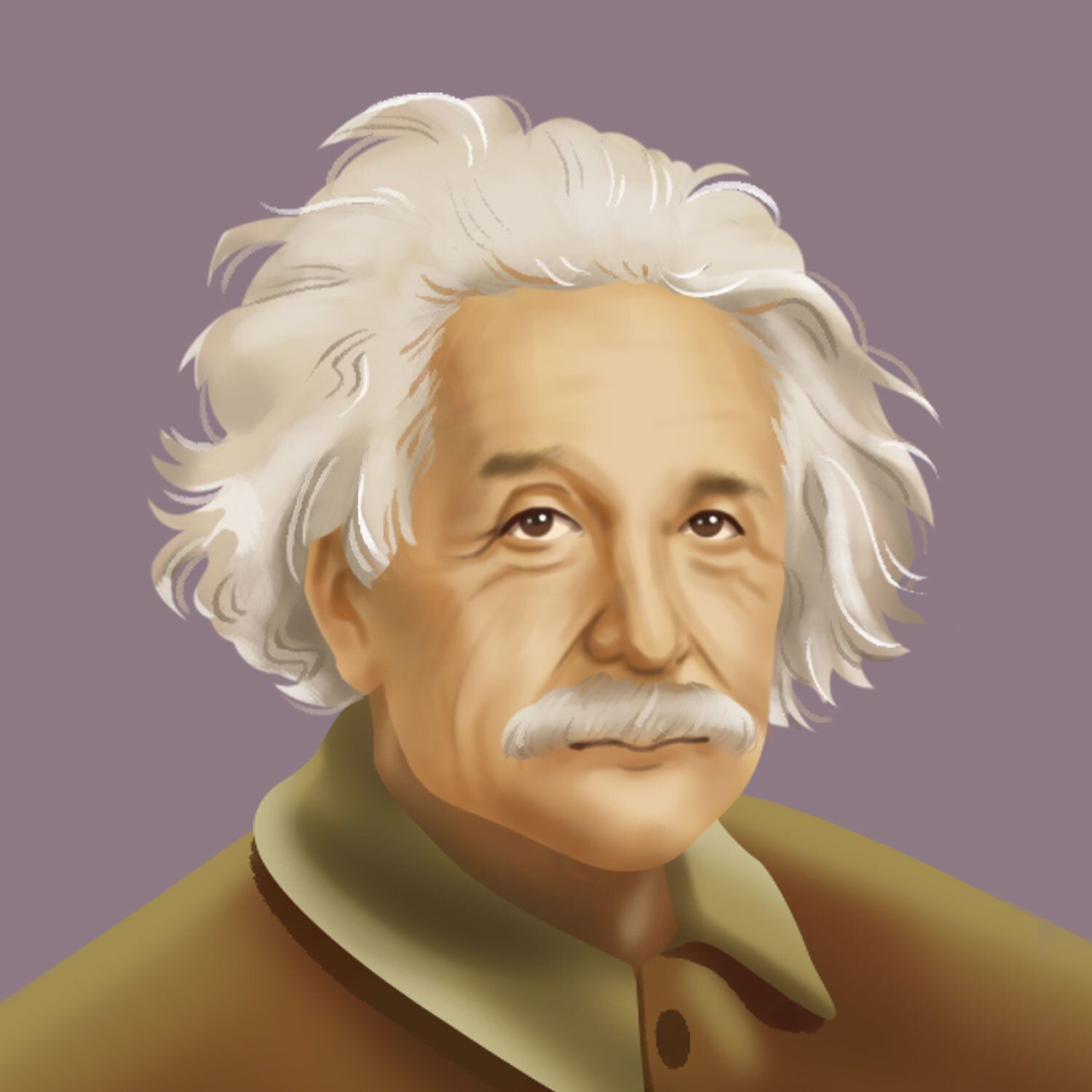
Ep 106106: Portrait of Genius: Exploring the Mind of Walter Isaacson
The author of Einstein bookWalter Isaacson is an American journalist and writer who has authored several famous biographies, including the book "Einstein: His Life and Universe," which was published in 2007. Isaacson was born on May 20, 1952, in New Orleans, Louisiana.He is a highly acclaimed biographer known for his in-depth research and storytelling skills. Isaacson has written biographies of many prominent figures, such as Leonardo da Vinci, Steve Jobs, Benjamin Franklin, and Albert Einstein. His biographies are known for their accessibility, allowing readers to understand the complex lives and ideas of these influential individuals.Isaacson's book on Einstein explores the life and work of one of the greatest scientists in history. It delves into Einstein's childhood, his struggles, his achievements, and the impact of his theories on the world of physics. The book examines not only the scientific aspects but also Einstein's personal life, relationships, and the political and social context in which he lived.Walter Isaacson has received numerous accolades for his work, including being named Time magazine's managing editor and CEO of the Aspen Institute. He has also served as the chairman of CNN and editor of Time magazine.In addition to his biographies, Isaacson has written extensively on various topics related to history, culture, and science. He is known for his compelling narratives and his ability to make complex ideas accessible to a wide range of readers.Isaacson's approach to biographies is rooted in thorough research, extensive interviews, and providing readers with a comprehensive understanding of his subjects. His books are highly regarded for their insightful analysis, attention to detail, and engaging storytelling.Overall, Walter Isaacson is a highly respected author whose book "Einstein: His Life and Universe" offers valuable insights into the life and mind of Albert Einstein, making it a popular choice for those interested in the life and contributions of one of the greatest scientists in history.Why is Einstein book worth reading?1. Thorough research: Walter Isaacson is a renowned biographer known for his extensive research and attention to detail. He delves deep into Albert Einstein's life, covering his personal relationships, scientific achievements, and the historical context in which he lived. This ensures a comprehensive and accurate portrayal of the iconic figure.2. Engaging storytelling: Isaacson has a talent for making complex topics accessible and compelling to a wide range of readers. He combines scientific explanations with captivating anecdotes and narratives, making the book enjoyable and easy to follow, even for those without a strong background in science.3. Insight into Einstein's mind: The book goes beyond a simple retelling of Einstein's life events and delves into his thought process and mindset. Isaacson explores Einstein's creative thinking, his struggles, and his unique worldview, which greatly influenced his scientific breakthroughs.4. Historical and philosophical context: Isaacson also explores the wider historical and philosophical themes surrounding Einstein's life and work. He discusses the impact of World War I, the rise of anti-Semitism, and the development of quantum mechanics, among other topics. This adds depth and richness to the narrative, allowing readers to understand the significance of Einstein's contributions within their historical and intellectual context.5. Inspiration and life lessons: Through Einstein's life story, Isaacson offers valuable insights into creativity, curiosity, and perseverance. He highlights the importance of independent thinking, openness to new ideas, and the pursuit of knowledge, making the book not just a biography but also a source of motivation and inspiration for readers.Overall, the Einstein book by Walter Isaacson is worth reading for its meticulous research, engaging storytelling, insightful analysis, and the inspiration it provides through the life and work of one of history's greatest scientific minds.What is Einstein book about?The book "Einstein: His Life and Universe" by Walter Isaacson is a comprehensive biography of Albert Einstein, the renowned physicist. Isaacson delves into Einstein's personal life, his scientific achievements, and the historical and cultural context in which he lived.The biography provides insight into Einstein's early years, his rebellious nature in school, and his struggles to find academic positions. It explores his groundbreaking scientific theories, including the theory of relativity, which revolutionized our understanding of space, time, and gravity.Isaacson also delves into Einstein's personal relationships, including his marriages and extramarital affairs, as well as his commitment to social and political causes such as pacifism and Zionism. The book aims to provide a well-rounded portrait of Einstein as both a brilliant scientist and a complex human being.Overall, "Einstein: His Life a

Ep 106106: Atomic Habits: The Guide to Transforming Your Life and Achieving Lasting Success
Atomic Habits book summary Atomic Habits is a self-help book written by James Clear. The book provides guidance on how to create and maintain good habits while breaking bad ones. The author argues that making small, incremental changes in our habits can have a significant impact on our overall growth and well-being. Clear introduces the concept of "atomic habits," which are tiny actions that are easy to do but can compound over time. He emphasizes the importance of focusing on these small habits rather than setting ambitious, overwhelming goals. He suggests that by making these tiny changes consistently, one can create a system that supports positive long-term behavior change. The book is divided into four parts: The Fundamentals of Atomic Habits, Make It Obvious, Make It Attractive, Make It Easy, and Make It Satisfying. In each part, Clear provides practical strategies and examples to help readers understand and implement the principles of habit formation. He emphasizes the role of the environment in shaping our habits and recommends making small changes to our surroundings to foster positive habits. Additionally, he advises readers to focus on identity-based habits, where one aligns their behaviors with the type of person they want to become. By shifting their beliefs and self-perception, individuals can make it easier to adopt and maintain new habits. Clear also addresses the idea of habit stacking, which involves linking a new habit to an existing one to increase the chances of execution. He provides a framework for habit stacking and encourages readers to design their own unique habit systems that suit their lifestyle. Furthermore, the author discusses the important role of habit tracking and the power of small wins in reinforcing positive behaviors. He provides tools and techniques to help readers monitor their progress and stay motivated. Overall, Atomic Habits is a practical and insightful book that offers a step-by-step approach to creating and sticking with effective habits. Clear's blend of scientific research, real-life examples, and actionable advice makes this book a valuable resource for anyone looking to make positive changes in their life. Quotes of Atomic Habits book 1. "Every action you take is a vote for the type of person you wish to become." 2. "Habits are the compound interest of self-improvement." 3. "The most effective way to change your habits is to focus not on what you want to achieve, but on who you wish to become." 4. "You don't rise to the level of your goals, you fall to the level of your systems." 5. "Small changes often appear to make no difference until you cross a critical threshold. The most powerful outcomes of any compounding process are delayed." 6. "The more pride you have in a particular aspect of your identity, the more motivated you will be to maintain the habits associated with it." 7. "True behavior change is identity change." 8. "Every habit is initiated by a cue." 9. "Without a positive reason to do the new behavior, we default to the old behavior." 10. "The secret to getting results that last is to never stop making improvements." 11. "Success is the product of daily habits, not once-in-a-lifetime transformations." 12. "The difference between winners and losers is not that winners never fail, but that winners never quit." 13. "Habits are not a finish line to be crossed, they are a lifestyle to be lived." 14. "The most effective habits are those that become automatic, which is why they are referred to as 'atomic habits'." 15. "When you make small improvements consistently, it eventually leads to extraordinary results." What is the main lesson of Atomic Habits? The main lesson of "Atomic Habits" by James Clear is that small, incremental changes or improvements in our daily habits can lead to significant long-term transformations. Clear emphasizes the idea of "Atomic Habits," which are small, consistent actions that compound over time and have a powerful impact on our lives. He highlights the importance of focusing on the process and systems rather than solely setting goals, as he believes that habits are the ultimate driver of success. Clear also provides practical strategies and techniques for creating and breaking habits, making it easier to develop positive routines and eliminate negative behaviors. Ultimately, the key takeaway is that by making tiny changes and embracing the power of habits, individuals can achieve remarkable results in their personal and professional lives.

Ep 106106: The Enigmatic World of Simon Sebag Montefiore: Unveiling the Extraordinary Tales from History
What is Jerusalem Simon Sebag Montefiore about?"Jerusalem: The Biography" by Simon Sebag Montefiore is a comprehensive historical account of the city of Jerusalem. The book covers over 3,000 years of Jerusalem's history, from its ancient beginnings to the modern time. Montefiore delves into the religious, political, and cultural significance of Jerusalem, exploring the conflicts and struggles that have shaped the city. The book also examines the various civilizations, empires, and religious groups that have made Jerusalem their own. It is a rich portrayal of Jerusalem's complex and enduring role in world history.Why is Jerusalem:The Biography important?1. Historical significance: The book provides a comprehensive account of the history of Jerusalem, one of the world's oldest and most contested cities. It traces the city's origins from its early days as a Jebusite stronghold, through its establishment as the capital of the Israelite kingdom, its conquest by various empires, and its role as a holy city for Judaism, Christianity, and Islam. Understanding the historical significance of Jerusalem is crucial for comprehending the complex dynamics and conflicts related to the city in the present day.2. Cultural understanding: Jerusalem is a melting pot of different cultures, religions, and ethnicities. The book delves into the rich cultural tapestry of Jerusalem, exploring the various communities that have called the city home throughout history. By providing insights into the lives and struggles of different groups, Montefiore helps readers gain a deeper understanding of the cultural complexities that define Jerusalem and its inhabitants.3. Impact on world affairs: Jerusalem has consistently been at the center of geopolitical tensions and conflicts. Understanding the city's history, its religious and political significance, and the various powers that have sought control over it helps shed light on the current challenges and conflicts surrounding Jerusalem. The book highlights the role Jerusalem has played in shaping world affairs, making it essential reading for anyone interested in international relations and conflicts related to religious and territorial disputes.4. Human stories: Montefiore intertwines personal stories, biographies, and anecdotes throughout the book to bring Jerusalem's history to life. By highlighting the lives and experiences of individuals who have shaped the city, he humanizes the historical narrative and provides a more relatable and engaging account of Jerusalem's past. This approach makes the book accessible to a wider audience and helps readers connect with the larger themes and lessons from Jerusalem's history.Overall, Jerusalem: The Biography is important because it provides a comprehensive, well-researched, and engaging account of Jerusalem's history, culture, and significance. It serves as a valuable resource for scholars, historians, and anyone seeking a deeper understanding of this unique and influential city.What can we learn from Jerusalem:The Biography book?1. Historical significance: The book emphasizes the immense historical significance of Jerusalem, which is considered holy by Judaism, Christianity, and Islam. It delves into the numerous conflicts, conquests, and religious rivalries that have shaped the city's history.2. Multicultural past: Jerusalem has a rich multicultural past, with different cultures, religions, and empires ruling over the city at different times. The book explores the interactions and coexistence (as well as conflicts) between the diverse peoples who have called Jerusalem home throughout its history.3. Power struggles: Jerusalem has been a focal point for power struggles between different groups, including Jews, Romans, Christians, Muslims, Crusaders, Mamluks, and Ottomans. The book highlights the geopolitical complexities and struggles for control over the city, providing insights into the motives and actions of various conquerors.4. The intertwining of religious and political history: Jerusalem has always been a center for religious devotion and has had a profound impact on religious beliefs and practices. The book explores how religious ideologies often intersected with political aspirations, leading to conflicts and alliances throughout history.5. Influence on world history: The book demonstrates how events in Jerusalem have influenced world history, such as the impact of the Crusades, the rise of Zionism, the establishment of the State of Israel, and the ongoing Israeli-Palestinian conflict.6. Continuity and change: Despite the numerous upheavals, Jerusalem has managed to retain its significance and maintain its allure as a holy city. The book reflects on the enduring nature of the city, exploring how it has adapted to changing circumstances while still staying rooted in its ancient heritage.Overall, "Jerusalem: The Biography" provides a comprehensive understanding of the complexities, conflicts, and religious significance of Jerusalem throughou

Ep 100100: The Enlightened Path: Exploring Life's Journey with M. Scott Peck
What is the main point of The Road Less Traveled? The main point of the book "The Road Less Traveled" by M. Scott Peck is that personal growth and spiritual development require individuals to confront and work through challenges and difficulties. Peck argues that the path to lasting fulfillment and happiness is not found in avoiding or escaping problems, but in facing them head-on and actively choosing to take responsibility for one's own life. The book emphasizes the importance of discipline, self-awareness, and self-love in order to develop healthier relationships, overcome negative patterns of behavior, and find greater meaning and purpose in life. Peck contends that true personal growth is achieved through extensive self-exploration, rigorous self-reflection, and the willingness to make difficult choices and sacrifices. Additionally, a central idea in "The Road Less Traveled" is the importance of love and its role in personal growth. Peck argues that love is not just a feeling or an emotion but an action and a commitment. He distinguishes between genuine love, which is characterized by conscious effort, patience, and understanding, and "pseudo-love," which is often based on dependency or selfish desires. Overall, "The Road Less Traveled" seeks to guide readers towards a more fulfilling and satisfying life by encouraging them to embrace personal responsibility, confront life's difficulties, practice discipline, and cultivate love in their relationships. Why is The Road Less Traveled a good book? 1. Insightful exploration of human nature: The book offers a deep examination of human behavior, emotional struggles, and the complexities of personal relationships. It delves into the fundamental psychological and emotional aspects of human existence. 2. Practical guidance for personal growth: Peck presents practical tools and techniques to help individuals navigate life's challenges and develop emotional and spiritual maturity. He discusses the importance of discipline, self-awareness, and taking responsibility for one's choices and actions. 3. Unconventional approach: The book challenges conventional wisdom and societal norms, encouraging readers to think critically, question their beliefs, and explore unconventional paths to personal fulfillment and happiness. 4. Engaging and accessible writing style: Peck's writing style is straightforward and accessible, making complex psychological concepts understandable for a wide range of readers. The book's relatable anecdotes and personal stories help to engage readers and make the content more relatable. 5. Timeless relevance: Although first published in 1978, The Road Less Traveled remains relevant and continues to resonate with readers across generations. Its timeless wisdom and insights into human nature make it a thought-provoking and impactful read. Overall, The Road Less Traveled is regarded as a good book due to its ability to offer profound insights, practical guidance, and enduring relevance for personal growth and self-improvement. What does it mean that the author took the road less traveled by? The phrase "the road less traveled by" comes from a poem titled "The Road Not Taken" by Robert Frost. In this poem, the author describes coming across a fork in the road and having to make a choice. He notes that both paths are equally worn and leave one with no indication as to which one might be the better option. Ultimately, he decides to take the road less traveled by, which, he claims, "has made all the difference." The phrase has since become a popular metaphor for making unconventional or independent choices. By taking the road less traveled, the author is often seen as someone who chooses a path less commonly taken, deviating from societal norms, expectations, or popular choices. It suggests a willingness to explore uncharted terrains, embrace one's individuality, and take risks, even if it means facing uncertainty or adversity along the way. In a broader sense, it signifies a willingness to carve out one's own path in life, rather than simply following the crowd or conforming to societal expectations. It is about being true to oneself and not being afraid to deviate from the norm in order to live a more authentic and fulfilling life.

Ep 100100: The Antifragile: Unveiling the Wisdom of Nassim Nicholas Taleb
Why is Antifragile book worth reading?1. Unique Perspective: The book offers a fresh and unique perspective on resilience and adaptability. It introduces the concept of antifragility, which refers to systems or individuals that actually benefit from shocks and uncertainty in their environment.2. Practical Insights: Taleb explores how to apply antifragility principles in various aspects of life, ranging from personal decision-making to business strategies. He provides practical insights and strategies to help individuals and organizations navigate unpredictable situations successfully.3. Critique of Modern Systems: The book critiques modern systems, such as bureaucracies, financial institutions, and healthcare, highlighting their fragility and vulnerability to disruptions. Taleb's analysis encourages readers to question and re-evaluate these systems, offering insights on how to make them more antifragile.4. Engaging Writing Style: Taleb writes in an engaging and thought-provoking manner, using anecdotes, stories, and real-life examples to illustrate his concepts. This makes the book enjoyable to read, even for non-experts in the fields of economics or risk management.5. Timeless Wisdom: "Antifragile" presents timeless wisdom that remains relevant in a rapidly changing world. The ideas and principles outlined in the book can help readers understand and navigate uncertainty, making it a valuable resource in both personal and professional contexts.Overall, "Antifragile" challenges conventional wisdom and offers a refreshing perspective on how to thrive in a world filled with uncertainty and volatility. It provides practical wisdom and tools to help individuals and organizations become more resilient, making it worth reading for anyone interested in personal growth, risk management, or improving their decision-making skills.The author of Antifragile bookThe author of the book "Antifragile: Things That Gain from Disorder" is Nassim Nicholas Taleb. Taleb is a Lebanese-American scholar, statistician, and former trader who has written extensively on randomness, risk, and uncertainty in finance, economics, and philosophy. He is known for his unconventional ideas and his critique of the limitations of traditional economic theories and models.Taleb has also written other influential books such as "The Black Swan: The Impact of the Highly Improbable" and "Fooled by Randomness: The Hidden Role of Chance in Life and in the Markets." His work focuses on the concept of "black swan events" - unpredictable, high-impact events that have profound consequences - and the need to embrace uncertainty and randomness to better navigate an unpredictable world.In "Antifragile," Taleb explores the idea of how systems and individuals can not only survive but thrive in the face of uncertainty, volatility, and shocks. He argues that some things in life are not simply resilient or robust to stressors, but actually benefit from them, becoming stronger and more adaptable. Taleb introduces the term "antifragile" to describe these entities and offers insights into how individuals and societies can become more antifragile in various domains, including health, politics, finance, and technology.In addition to his writing, Taleb has worked as a derivatives trader and has held academic positions at various universities, including New York University's Courant Institute of Mathematical Sciences. He is also a Distinguished Professor of Risk Engineering at NYU's Tandon School of Engineering. Taleb's work has garnered both praise and criticism for its provocative nature and unique perspectives on risk and uncertainty.What is the book Antifragile about?"Antifragile: Things That Gain from Disorder" is a book written by Nassim Nicholas Taleb. It explores the concept of antifragility, which refers to a system or entity that not only withstands shocks and uncertainty but also benefits from them. Taleb argues that while fragile things break under stress, and robust things remain unchanged, antifragile systems thrive and become stronger. He discusses various fields including finance, medicine, politics, and philosophy to explain how embracing randomness and uncertainty can lead to resilience, adaptability, and long-term success in a complex and unpredictable world.
Ep 100100: The Path Less Traveled: Exploring Human Nature and Spiritual Growth with M. Scott Peck
Why is The Road Less Traveled important?"The Road Less Traveled" is a philosophical book written by M. Scott Peck, published in 1978. It explores various aspects of human psychology and spirituality, providing insights on personal growth, self-discipline, love, and spirituality.1. Self-reflection and personal growth: The book encourages readers to introspect and reflect on their own lives, their choices, and their emotional well-being. It offers tools and techniques for personal growth, emphasizing the importance of self-discipline, responsibility, and self-awareness.2. Psychological insights: Peck draws from his experience as a psychiatrist to shed light on various psychological issues, including trauma, depression, and the ways in which individuals often resist change and personal growth. He introduces concepts such as delayed gratification, the importance of self-esteem, and the significance of the unconscious mind.3. Open dialogue about spirituality: Peck delves into the realm of spirituality, discussing the interconnectedness between psychology and religion. He offers a spiritual perspective on human behavior, suggesting that spiritual growth plays a vital role in personal transformation and mental well-being.4. Relationship dynamics: The book delves into the complexities of human relationships, including familial, romantic, and social interactions. Peck explores the concept of love, addressing its challenges, its various forms, and the importance of communication, honesty, and commitment in nurturing healthy relationships.5. Confronting challenges and adversity: "The Road Less Traveled" emphasizes the value of confronting life's difficulties rather than avoiding them. Peck suggests that through facing and accepting challenges, individuals can grow stronger and achieve lasting happiness.Overall, "The Road Less Traveled" has been highly regarded for its blend of psychology, spirituality, and philosophy. It has become a popular guidebook for those seeking personal growth, examining the human condition, and finding meaning and fulfillment in their lives.Quotes of The Road Less Traveled book1. "Life is difficult. This is a great truth, one of the greatest truths. It is a great truth because once we truly see this truth, we transcend it."2. "Problems do not go away. They must be worked through or else they remain, forever a barrier to the growth and development of the spirit."3. "The discipline of delayed gratification is a basic concept. It means making a choice in the present that will lead to a desired outcome in the future."4. "Genuine love is volitional rather than emotional."5. "Love is not a feeling. Love is an action, an activity...Genuine love implies commitment and the exercise of wisdom...and requires that the person serving be a fully mature adult."6. "Mental health is an ongoing process of dedication to reality at all costs."7. "When we truly love someone, we love all of them, including the parts that are hard to accept."8. "The willingness to consider possibility requires a tolerance of uncertainty."9. "The value of our lives is not determined by what we do for ourselves, but rather by what we do for others."10. "The truth is that our finest moments are most likely to occur when we are feeling deeply uncomfortable, unhappy, or unfulfilled. For it is only in such moments, propelled by our discomfort, that we are likely to step out of our ruts and start searching for different ways or truer answers."What is the moral of The Road Less Traveled?"The Road Less Traveled" is a book written by M. Scott Peck that explores various aspects of human psychology and spirituality. While it does not have a specific moral, the book aims to impart wisdom and insights for personal growth and development.One key theme in the book is the importance of taking responsibility for one's own life and choices. Peck emphasizes the need for individuals to confront and work through their own emotional and psychological issues rather than avoiding or denying them. He argues that this self-discipline and personal responsibility are essential for achieving true growth and fulfillment.Another moral explored in the book is the value of facing and embracing the inevitable challenges and difficulties of life. Peck argues that avoidance of pain and discomfort, although tempting, ultimately hinders personal growth. He encourages readers to confront and learn from their struggles, as these experiences often provide the greatest opportunities for learning, self-discovery, and spiritual development.Furthermore, Peck discusses the importance of genuine, deep connections with others and the significance of love in our lives. He explores the idea that love is not merely a feeling or sentiment, but rather an action and a commitment to the well-being of others. The book suggests that nurturing loving relationships and practicing kindness and compassion contribute greatly to a meaningful and fulfilling life.Overall, "The Road Less Traveled"
Ep 100100: Antifragile: Uncovering the Mysteries of Uncertainty
What is the symbol of antifragility?The symbol of antifragility is often represented by a Phoenix. This mythical creature symbolizes resilience and the ability to rise from the ashes stronger than ever. It embodies the concept of antifragility, which refers to systems or individuals that thrive and benefit from shocks, uncertainty, and volatility. Just as a Phoenix can regenerate and grow stronger after being burned, antifragile systems are designed to improve and gain from stressors and disruptions.Antifragile book summary"Antifragile: Things That Gain from Disorder" is a book written by Nassim Nicholas Taleb, published in 2012. In this groundbreaking work, Taleb explores the concept of antifragility and how it can apply to various areas of life.The central idea of the book is that many things in our world benefit from disorder, volatility, and randomness. While fragility refers to being vulnerable and easily broken by shocks, antifragility describes the ability to thrive and benefit from these disruptions. Taleb argues that by embracing and harnessing chaos, individuals, institutions, and systems can become more robust and adaptable in an unpredictable world.The book starts by challenging conventional wisdom in various fields, including economics, medicine, and social systems. It criticizes excessive planning and centralization, advocating instead for decentralized and bottom-up approaches that allow for more flexibility and adaptability. Taleb introduces the concept of the "Black Swan," rare and unpredictable events that have a significant impact, highlighting the importance of being prepared for such occurrences.Throughout the book, Taleb emphasizes the importance of embracing uncertainty and randomness. He provides examples of systems that have evolved to be antifragile, such as the human body's immune system, evolution by natural selection, and entrepreneurship. Taleb suggests that people should adopt a mindset that allows them to benefit from volatility, rather than trying to predict and control outcomes.In addition to discussing theory, Taleb provides practical advice on how individuals can apply antifragility principles to their lives. He suggests taking small risks and exposure to stressors to build resilience and avoid fragility. He also advises against overreliance on experts and forecasts, as they often fail to predict Black Swan events accurately.Overall, "Antifragile" presents a thought-provoking outlook on how embracing and harnessing chaos can lead to stronger systems and personal growth. It challenges conventional wisdom and encourages readers to reevaluate their approach to uncertainty, volatility, and unforeseen events.Quotes of Antifragile book1. "What is fragile should break under the smallest blow, while what is robust should withstand the onslaught of all external events. If you see a mountain as robust and a glass as fragile, that is because mountains will survive and glass will break under pressure of external events." 2. "Wind extinguishes a candle and energizes fire." 3. "Some things benefit from shocks; they thrive and grow when exposed to volatility, randomness, disorder, and stressors and love adventure, risk, and uncertainty." 4. "Antifragility is beyond resilience or robustness. The resilient resists shocks and stays the same; the antifragile gets better." 5. "Do not disturb complicated systems that have been functioning well for some time; wait until they break, or rather until they're dead, before you start experimenting with them." 6. "I’d rather be dumb and antifragile than extremely smart and fragile, any time." 7. "Trial and error in the private sector is necessary for progress, and the same holds true for society." 8. "Antifragility is the combination of hardiness and adaptability." 9. "You need randomness, mess, and adventures in order to make your life worth living." 10. "Antifragile structures have some built-in redundancy, providing alternatives in order to prevent catastrophic failure."

Ep 103103: Unveiling the Genius: A Journey into the Mind of Miguel de Cervantes Saavedra
Don Quixote book summaryDon Quixote, written by Miguel de Cervantes, is a novel that follows the adventures of an elderly man named Alonso Quijano who becomes obsessed with chivalry and decides to become a knight under the name Don Quixote. He sets out on a series of adventures with his loyal sidekick, Sancho Panza.Don Quixote's delusion leads him to mistake windmills for giants, taverns for castles, and prostitutes for princesses. Despite the ridicule and danger he faces, Don Quixote maintains his belief in chivalric ideals and constantly seeks to perform virtuous deeds. Along the way, he encounters various characters, who often play along with his delusions or take advantage of his naivety.The novel is constructed as a "metafiction," as it includes a fictional author who claims to have found and translated the original manuscript of Don Quixote's adventures. This self-referential aspect adds another layer to the story, highlighting the line between reality and fiction.As the story progresses, Don Quixote's mental state deteriorates further, leading to both comic and tragic consequences. He is eventually captured by his friends and family and brought back home, where he is treated for his mental illness. In the end, Don Quixote renounces knighthood, realizing the folly of his actions.Don Quixote is a renowned literary work that explores themes such as the power of imagination, the nature of reality, and the influence of literature. It is considered one of the greatest novels in Western literature and has had a significant impact on subsequent literature and art.Quotes of Don Quixote book1. "For neither good nor evil can last for ever; and so it follows that as evil has lasted a long time, good must now be close at hand." 2. "Against the enchantments of poetry, all the powers of evil are of no avail."3. "The freedom to write about one's self is an element of distinction; and it is precisely this distinction that often makes a poet admired by his friends."4. "Delay always breeds danger; and to protract a great design is often to ruin it."5. "Too much sanity may be madness, and maddest of all is to see life as it is and not as it should be." 6. "Finally, from so little sleeping and so much reading, his brain dried up and he went completely out of his mind."7. "Oh, what a frail thing is reason, and how easily faith is swallowed up in jealousy!" 8. "Whether the stone hits the pitcher or the pitcher hits the stone, it’s going to be bad for the pitcher."9. "Each man is the architect of his own destiny."10. "Facts are the enemy of truth."11. "Sleep, those little slices of death — how I loathe them."Why is Don Quixote a masterpiece?1. Innovative Narrative Structure: Written by Miguel de Cervantes in the early 17th century, the novel is credited with being one of the earliest and most influential examples of the modern novel. It introduces a new narrative form by combining multiple genres, such as adventure, romance, social commentary, and metafictional elements.2. Complex Characters: The main character, Don Quixote, is a complex and multifaceted figure. He embodies both the tragic and comedic, allowing readers to sympathize with and laugh at his delusions simultaneously. His portrayal as a dreamer, driven by idealism and chivalric notions in a mundane world, makes him an enduring and relatable character.3. Social Satire and Critique: Don Quixote provides a sharp critique of social conventions, norms, and institutions of Cervantes' time, such as the nobility, religion, and Spanish society. Through the absurd actions and interactions of Don Quixote and his squire Sancho Panza, the novel exposes the limitations and contradictions of the society they inhabit.4. Exploration of Reality vs. Illusion: The novel examines the theme of reality versus illusion, as Don Quixote's fantasies clash with the reality of the world around him. The blurred lines between truth and fiction engage readers in questioning the nature of perception and truth, leading to deeper philosophical contemplations.5. Influential Literary Techniques: Cervantes' use of metafiction, in which the characters are aware that they are part of a fictional work, introduces a self-reflective element that challenges the concept of truth in literature. The author's ability to intertwine multiple narratives, perspectives, and layers of storytelling demonstrates his mastery of the craft.

Ep 103103: Gone with the Wind: Unveiling the Extraordinary Life of Margaret Mitchell
Gone With The Wind book summaryGone With The Wind is a novel written by Margaret Mitchell, first published in 1936. Set in the American South during the Civil War and Reconstruction era, the story follows Scarlett O'Hara, a young, spoiled Southern belle who is forced to face the hardships and challenges brought on by the war.The novel begins in 1861 in Georgia, where Scarlett lives on a plantation called Tara with her wealthy family. Scarlett is infatuated with Ashley Wilkes, a gentleman from a neighboring plantation who is set to marry Melanie Hamilton. Despite her growing feelings for Ashley, Scarlett accepts a proposal from Melanie's brother, Charles, in an attempt to make Ashley jealous.As the Civil War breaks out, Scarlett and her family face countless hardships and witness the destruction of their way of life. Scarlett's husband Charles dies in the war, leaving her a young widow. Determined to save Tara from further devastation, Scarlett starts to take on various business ventures to secure her survival.With the help of Rhett Butler, a charming and enigmatic blockade runner, Scarlett eventually achieves financial success. However, her undying love for Ashley continues to plague her, even as she marries Rhett and starts a family with him. As the war ends and the South rebuilds, Scarlett tries to adapt to the changing society, but her obsession with Ashley and her selfish nature continually cause conflicts in her relationships.Throughout the novel, Scarlett struggles to find love, happiness, and security in a world marked by war and social changes. Ultimately, Gone With The Wind serves as a sweeping portrayal of love, survival, and resilience against the backdrop of one of America's most significant historical events.What are the symbols in Gone with the Wind?1. Tara: Tara represents the idealized plantation life and the old South that Scarlett O'Hara longs for throughout the novel. It symbolizes her strength, resilience, and connection to her heritage.2. The red dress: The red dress that Scarlett wears to Ashley Wilkes' party symbolizes her desire for attention, power, and the ability to manipulate others. It represents her ambition and determination to get what she wants.3. Bonnie Blue Butler: Bonnie, Scarlett's daughter with Rhett Butler, symbolizes the hope for a new future and a chance to break free from the constraints of the past. However, Bonnie's tragic death also symbolizes the destruction of those hopes and the loss of innocence.4. Ashley Wilkes: Ashley symbolizes the old, traditional values of the South. He represents Scarlett's idealized notion of love and her longing for a romanticized past. However, his inability to adapt to change also symbolizes the downfall of the old South.5. Scarlett's green dress: Scarlett's green dress symbolizes her transformation from a helpless Southern belle into a strong, independent woman. It represents her newfound business and financial success and her ability to survive in a changing world.Why is Gone With The Wind a good book?1. Rich character development: The novel introduces complex and multi-dimensional characters like Scarlett O'Hara, Rhett Butler, and Ashley Wilkes. Their personalities and struggles are explored in great depth, making them relatable and memorable to readers.2. Historical backdrop: Set during the American Civil War and Reconstruction era, the book provides a vivid and detailed portrayal of the time period. The meticulous descriptions of the social, economic, and political circumstances add depth and richness to the story.3. Epic storytelling: Gone With The Wind spans over a decade, and the story is told on an expansive scale. The events are grand and sweeping, drawing readers into the emotional turmoil and romantic entanglements of the characters.4. Examination of societal changes: Margaret Mitchell explores the shifting dynamics of society, particularly in relation to race and gender roles. The book delves into the complexities and contradictions prevalent at the time, provoking thought and discussion about these issues.5. Prose and imagery: Mitchell's writing style is praised for its vivid imagery, evoking the atmosphere of the Southern states and capturing the essence of the settings. The author's descriptive prowess enhances the reading experience.6. Themes of resilience and survival: The central character, Scarlett O'Hara, is admired for her tenacity and determination to overcome challenges. The book delves into themes of resilience, survival, and the human will to persevere, resonating with readers on an emotional level.

Ep 103103: Emotional Intelligence: Unlocking the Power Within by Daniel Goleman
Quotes of Emotional Intelligence book1. "Self-awareness is the cornerstone of emotional intelligence."2. "The rules for work are changing. We're being judged by a new yardstick: not just by how smart we are, or by our training and expertise, but also by how well we handle ourselves and each other."3. "Emotional intelligence is the ability to sense, understand, and effectively apply the power and acumen of emotions as a source of human energy, information, connection, and influence."4. "An emotionally intelligent person is one who is skilled in the five components of emotional intelligence – self-awareness, self-regulation, motivation, empathy, and social skills."5. "The emotionally intelligent person not only handles relationships well but also has a good understanding and control over their own emotions."6. "The highest form of emotional intelligence lies in the ability to handle conflicts and difficult situations with grace and maturity."7. "Success in any endeavor – whether it's in our personal or professional lives – heavily depends on our emotional intelligence."8. "The true essence of emotional intelligence is not just about being 'nice' or 'kind'; it's about being authentic and genuine in our interactions with others."9. "Emotionally intelligent individuals possess the ability to recognize and manage their emotions, as well as understand and positively influence the emotions of others."10. "Emotional intelligence is a crucial skill to cultivate because it enables us to navigate the complexities of human relationships and effectively manage our own emotional responses."Emotional Intelligence book summaryChapter 1: The Emotional Brain - Goleman explains the workings of our brain and how emotions are processed. He introduces the concept of emotional intelligence and distinguishes it from cognitive intelligence.Chapter 2: The Nature of Emotional Intelligence - This chapter dives deeper into the five key components of emotional intelligence: self-awareness, self-regulation, motivation, empathy, and social skills. Goleman highlights the importance of each component and how they interact with one another.Chapter 3: Emotional Intelligence Applied - The author provides examples of how emotional intelligence can be applied in various contexts, such as parenting, marriage, and work. Goleman emphasizes the significance of emotional intelligence in achieving success and happiness in these areas.Chapter 4: The Roots of Empathy - Goleman explores the origins of empathy and its role in emotional intelligence. He discusses the connection between empathy and compassion, and how nurturing these qualities can help enhance our relationships and understanding of others.Chapter 5: Emotional Intelligence and Mental Health - In this chapter, Goleman explores the impact of emotional intelligence on mental health. He discusses how emotional intelligence can help prevent mental health issues and enhance psychological well-being.Chapter 6: The Emotional Brain at Work - The author delves into how emotional intelligence is vital in the workplace. Goleman explains how emotional intelligence can lead to better communication, teamwork, leadership, and decision making.Chapter 7: Education's New Agenda - Goleman argues for incorporating emotional intelligence into education systems. He provides examples of schools that have successfully integrated emotional intelligence programs and the positive impact it has on students' academic performance and overall well-being.Chapter 8: The Hidden Passions of Character - This chapter explores the connection between emotional intelligence and character development. Goleman discusses how emotional intelligence can help individuals navigate ethical dilemmas and make morally sound decisions.Chapter 9: Intimate Enemies - Goleman discusses the complexities of relationships, particularly the interplay of emotional intelligence. He explains how emotional intelligence helps in resolving conflicts, enhancing intimacy, and maintaining healthy relationships.Chapter 10: Managing with Heart - In the final chapter, Goleman explores the role of emotional intelligence in leadership. He emphasizes the importance of leaders' emotional intelligence in inspiring and motivating their teams, fostering a positive organizational culture, and driving success.Overall, Emotional Intelligence presents a compelling argument for the significance of emotional intelligence in various aspects of our lives. The book provides practical insights and strategies to develop and enhance emotional intelligence, ultimately leading to improved personal relationships, professional success, and overall well-being.What are the 7 signs of emotional intelligence?1. Self-awareness: The ability to recognize and understand your emotions, strengths, and weaknesses.2. Self-regulation: The ability to effectively manage and control your emotions and impulses.3. Motivation: The drive to set and achieve goals, as well as the ability to stay positive and

Ep 103103: The Camus Chronicles: Exploring the Existential Essence of Albert Camus
What is the paradox in The Stranger?The paradox in The Stranger, a novel written by Albert Camus, revolves around the protagonist, Meursault, and his existential dilemma. One of the central paradoxes highlighted in the novel is Meursault's indifference and detachment towards societal expectations and values. Meursault is portrayed as an outsider, an individual who does not conform to the norms imposed by society. He does not mourn or show remorse after his mother's death, he does not express emotions, and he does not conform to social conventions. However, despite his indifference and apparent lack of empathy, Meursault remains a relatable and sympathetic character.Another paradox is Meursault's quest for meaning and purpose in life. Although he appears to live a meaningless and indifferent existence, he is also searching for significance. Meursault's actions and thoughts are often driven by a desire to find meaning in his monotonous and mundane existence. This paradox highlights the conflict between existentialism and society's expectations, as Meursault struggles to find his own purpose amidst the absurdity of life.Additionally, the novel presents a paradox in the justice system. Meursault's trial becomes a theatrical spectacle, focusing more on his moral character rather than the actual crime he committed. The paradox lies in the fact that society, which expects individuals to conform, punishes Meursault for not conforming to its ideals. The trial itself serves as a criticism of the justice system's tendency to prioritize social expectations and moral judgment over true justice.These paradoxes in The Stranger challenge readers to question societal norms, the search for meaning, and the true nature of justice, ultimately highlighting the absurdities of human existence.What happens at the end of The Stranger Albert Camus?At the end of Albert Camus' novel The Stranger, the protagonist Meursault is sentenced to death for the murder of an Arab man on the beach. Throughout the trial, Meursault's detached and indifferent attitude towards life is heavily emphasized, and this is ultimately what leads to his conviction. Meursault's lack of remorse and refusal to conform to society's expectations are seen as highly problematic by the court and the prosecutor.In the final moments of the novel, Meursault reflects on his life and the meaning of his impending death. He comes to the realization that he has been happy and content with his existence, despite the societal norms and expectations that he has rejected. Meursault finds solace in the fact that, regardless of the outcome, his death will be met with indifference from the world, just as he himself has lived with indifference.The novel ends with Meursault accepting his fate and finding an inner peace within himself, acknowledging that the world's condemnation of him is ultimately meaningless. He embraces the absurdity of life and death, accepting that the universe is indifferent to human existence. The closing lines convey a sense of acceptance and resignation: "I had only to wish that there be a large crowd of spectators the day of my execution and that they greet me with cries of hate."Overall, The Stranger explores themes of existentialism, the absurdity of life, and the individual's confrontation with death. Meursault's acceptance of his impending death is both a reflection of his philosophical outlook and a rejection of societal norms and expectations.What crime did Meursault commit in the stranger?In Albert Camus' novel "The Stranger" ("L'Étranger" in French), the protagonist Meursault commits several crimes. The central crime for which he is convicted and sentenced to death is the murder of an Arab man on the beach. Meursault shoots and kills the Arab without any clear motive or emotion, seemingly driven solely by an intense heat-induced state of disorientation and detachment.However, it is important to note that the novel raises questions about the nature of Meursault's crime and his subsequent trial. It portrays a society that focuses more on punishing Meursault for his perceived lack of conformity and emotional indifference rather than for the act of murder itself. The trial becomes a examination of Meursault's character and his refusal to conform to societal expectations, which contributes to his ultimate condemnation.Besides the murder, Meursault also commits another crime throughout the novel—perjury. During the trial, he lies about his emotions and intentions, as well as his feelings towards his mother, in order to conform to what he believes society expects from him, though it ultimately leads to his own demise."The Stranger" explores themes such as existentialism, absurdity, and the search for meaning in life, and Meursault's crimes serve as a vehicle for examining these philosophical ideas within societal norms and expectations.

Ep 103103: The Moneyball Mastermind: Uncovering the Wall Street Wizardry of Michael Lewis
What is Moneyball theory?Moneyball theory is a concept developed by Billy Beane, the general manager of the Oakland Athletics baseball team, and popularized by author Michael Lewis in his book "Moneyball: The Art of Winning an Unfair Game." The theory challenges traditional baseball scouting methods and emphasizes the use of modern statistical analysis (sabermetrics) to evaluate players' productivity and value.The Moneyball theory argues that many teams rely heavily on subjective and outdated scouting practices, leading to undervalued players in the market. By focusing on specific performance metrics like on-base percentage and slugging percentage rather than more traditional stats like batting average or stolen bases, teams can identify players who are statistically undervalued and acquire them at a lower cost.The theory emphasizes finding players who consistently contribute to winning games rather than relying on high-priced stars. This approach aims to maximize team efficiency while working within a smaller budget, as teams with fewer financial resources can compete with wealthier franchises. Moneyball theory has since been applied to various other sports and industries, beyond just baseball.What lesson does Moneyball teach?1. Challenging traditional beliefs: Moneyball challenges the conventional methods of evaluating and selecting players in baseball. It highlights the importance of statistical analysis and objective decision-making over subjective scouting and traditional measures like batting average. The lesson here is to question and challenge long-held beliefs and be open to innovative approaches.2. Embracing data-driven decision-making: Moneyball emphasizes the power of data and analytics in making informed decisions. The film showcases how carefully analyzing and understanding data can lead to better outcomes and success. The lesson is to value data and use it as a means to gain a competitive advantage.3. Adapting to change: The movie portrays how the protagonist, Billy Beane, had to adapt and innovate to overcome the limitations of a limited budget and a conventional baseball system. It emphasizes the need for adaptability and willingness to embrace change in order to achieve success.4. Rethinking the concept of value: Moneyball challenges the traditional notion of value in sports. Rather than focusing on traditional metrics like home runs and batting average, it suggests looking for undervalued traits and players who can contribute to the team's success in unconventional ways. The lesson is to think outside the box and redefine what is considered valuable.5. Persistence and perseverance: Throughout the film, Billy Beane faces resistance, skepticism, and setbacks. However, he perseveres and remains steadfast in his determination to implement his innovative strategies. The lesson here is to stay committed to your vision and not give up, even when faced with challenges or opposition.Overall, Moneyball teaches the importance of embracing change, using data to make informed decisions, challenging traditional beliefs, and persevering in the face of obstacles.What is the metaphor at the end of Moneyball?In the film Moneyball, the metaphor at the end symbolizes the triumph of the statistical, analytical approach to baseball over traditional, gut-based decision-making. The metaphor is captured through the depiction of the Oakland Athletics team and their revolutionary use of sabermetrics to evaluate and assemble their roster.The film concludes with the Boston Red Sox offering Oakland Athletics' general manager Billy Beane a lucrative job offer to join their organization. This offer serves as a metaphor for the acceptance and recognition of the data-driven methodology Beane employed. It signifies that the traditionalists, represented by the Red Sox, have finally embraced the value and effectiveness of sabermetrics in evaluating players' abilities and constructing a winning team.Furthermore, the metaphor conveys that the revolution spearheaded by Beane and his team has forever changed the game of baseball. It emphasizes the idea that change comes slowly but can eventually lead to recognition and acceptance, even in a conservative and tradition-bound industry like professional sports.

Ep 102102: The Wolf of Wall Street: The Rise and Fall of Jordan Belfort
Quotes of The Wolf of Wall Street book 1. "I'm talking about liquid. Rich enough to have your own jet. Rich enough not to waste time. Fifty, a hundred million dollars, buddy. A player. Or nothing." - Jordan Belfort 2. "The only thing standing between you and your goal is the story you keep telling yourself as to why you can't achieve it." - Jordan Belfort 3. "The easiest way to make money is - create something of such value that everybody wants and go out and give and create value, the money comes automatically." - Jordan Belfort 4. "Successful people are 100% convinced that they are masters of their own destiny, they're not creatures of circumstance, they create circumstances, if the circumstances around them suck they change them." - Jordan Belfort 5. "The only thing that's keeping you from getting what you want is the story you keep telling yourself." - Jordan Belfort 6. "The only thing standing between you and your goal is the bulls**t story you keep telling yourself as to why you can't achieve it." - Jordan Belfort 7. "Act as if! Act as if you're a wealthy man, rich already, and then you'll surely become rich. Act as if you have unmatched confidence and then people will surely have confidence in you. Act as if you have unmatched experience and then people will follow your advice. And act as if you were already a tremendous success, and as sure as I stand here today - you will become successful." - Jordan Belfort 8. "There's no nobility in poverty." - Jordan Belfort 9. "The only thing I fear more than change is standing still." - Jordan Belfort 10. "The only thing worse than being blind is having sight but no vision." - Jordan Belfort What is Wolf of Wall Street really saying? The film "Wolf of Wall Street" is a black comedy that offers a scathing critique of the excesses and corruption prevalent in the world of finance. It tells the true story of Jordan Belfort, a stockbroker who rose to extreme wealth and indulgence through unscrupulous practices. The central message of the movie is a condemnation of greed, materialism, and the pursuit of wealth at any cost. It reveals the rampant corruption in the financial industry and the lengths to which individuals will go to accumulate money and power. Belfort and his associates engage in illegal activities, including securities fraud and money laundering, all driven by an insatiable desire for more. Furthermore, the movie explores the moral decay and moral relativism inherent in this world, where individuals like Belfort manipulate and exploit others without remorse. It highlights the consequences of unchecked capitalism and the harmful effects it can have on society. By presenting the story in a darkly comedic style, the film also satirizes the glamorization and glorification of wealthy individuals in modern society. It exposes the allure of the high life and the dangers of succumbing to the temptations that come with immense wealth. In summary, "Wolf of Wall Street" is a critique of the corrupting influence of money, greed, and the morally bankrupt practices within the financial industry, ultimately urging viewers to question the values and priorities that drive their own lives. What happened at the end of The Wolf of Wall Street? At the end of the film "The Wolf of Wall Street," based on the real-life story of Jordan Belfort, the protagonist faces the consequences of his actions and lifestyle. Jordan Belfort is eventually arrested for his fraudulent activities as a stockbroker. He is convicted for securities fraud and money laundering, among other crimes. In an attempt to lessen his sentence, he cooperates with the FBI, assisting them in taking down corrupt individuals in the financial world. Belfort ultimately serves only 22 months in prison due to his cooperation, and after his release, he starts a new career as a motivational speaker. He renames his company "Stratton Oakmont," alluding to his previous firm, and uses his experiences to teach others about the dangers of unethical practices. The film concludes with a shot of Belfort addressing an audience during a motivational seminar before cutting to him leaving the stage, leaving his future uncertain.

Ep 102102: Unveiling the Art of Darkness: The Life and Works of Mary Shelley
What is the book Frankenstein about?"Frankenstein" is a novel written by Mary Shelley and first published in 1818. It tells the story of Victor Frankenstein, a young scientist who creates a grotesque and sentient creature in his laboratory. The story unfolds through a series of letters, diary entries, and narratives. The central themes of the novel include the ethics of creation and scientific progress, the power of human nature, and the consequences of isolation and rejection. The creature, despite its initial intentions of seeking companionship and understanding, is rejected by its creator and society, leading it to seek revenge against Victor Frankenstein. The novel explores the moral implications of playing God, fear of the unknown, and the responsibility of individuals towards their creations."Frankenstein" has been considered one of the earliest and most influential works of science fiction, as it delves into the moral and philosophical implications of scientific advancements. It also raises questions about the nature of humanity and the role of society in shaping individuals.The enduring popularity of "Frankenstein" lies in its exploration of universal human struggles such as loneliness, ambition, responsibility, and the consequences of unchecked scientific ambition. The book has inspired numerous adaptations in various forms of media such as plays, films, and television shows, and it continues to be relevant today due to its examination of ethics and the human condition.Why is Frankenstein such an important book?1. Pioneering work of science fiction: Frankenstein is widely regarded as one of the first science fiction novels ever written. It introduced the concept of creating life in a laboratory through scientific means, a concept that has since become a popular theme in science fiction literature and movies.2. Exploration of ethical and moral dilemmas: The novel raises important ethical questions about the boundaries of scientific exploration and the responsibility of creators towards their creations. It delves into the consequences of playing God and the potential dangers of unchecked ambition and hubris.3. Critical examination of humanity and society: Frankenstein provides a deeper understanding of human nature and the complexities of society. Through the character of the Creature, the book explores themes of loneliness, prejudice, and the search for identity, prompting readers to question their own compassion and empathy towards others.4. Exploration of the natural world: Shelley's descriptions of nature in the novel highlight the beauty and power of the natural world, juxtaposed with the destructive capabilities of human knowledge. This serves as a commentary on the relationship between mankind and the environment, a topic that remains relevant in today's discussions on climate change and ecological responsibility.5. Enduring cultural impact: Frankenstein has had a lasting impact on popular culture, inspiring numerous adaptations in film, theater, and other forms of media. The image of the creature, often depicted as a monstrous figure with green skin and bolts in his neck, has become iconic and recognizable worldwide.Overall, Frankenstein's importance lies in its thought-provoking exploration of themes such as scientific responsibility, ethical dilemmas, societal norms, and the human condition, making it a timeless and influential literary work.The author of Frankenstein bookThe author of the book Frankenstein is Mary Shelley. She was born on August 30, 1797, in London, England. Mary Shelley was the daughter of the philosopher and political writer William Godwin and the feminist author Mary Wollstonecraft.Frankenstein, or The Modern Prometheus, was first published anonymously in 1818 when Mary Shelley was 20 years old. The novel tells the story of Victor Frankenstein, a young scientist who creates a grotesque creature in his laboratory through a series of experiments. Overwhelmed by the horror of his creation, Frankenstein abandons the creature, but it seeks revenge on its creator.The idea for Frankenstein came to Mary Shelley during a summer stay in Switzerland with her husband, poet Percy Bysshe Shelley, and their friends, Lord Byron and John Polidori. Inspired by a discussion about the nature of life and the possibility of reanimating the dead, Mary Shelley began writing the novel.Frankenstein is considered one of the first science fiction novels and has been widely influential in literature and popular culture. Mary Shelley wrote other novels as well, but Frankenstein remains her most famous work. She passed away on February 1, 1851, in London, at the age of 53.

Ep 102102: The Undeniable Genius of Michael Lewis: Unveiling the Mastermind Behind Game-Changing Nonfiction
What is The Big Short based on?The Big Short is a 2015 film directed by Adam McKay and is based on a non-fiction book by Michael Lewis with the same name. The book was published in 2010 and explores the 2008 financial crisis and the housing bubble that led to it.The film adaptation depicts the events described in the book, following a group of investors who predicted the collapse of the subprime mortgage market and the financial crisis that followed. It delves into the complexity of the financial industry, featuring characters such as hedge fund manager Michael Burry (played by Christian Bale) and various other Wall Street figures.The Big Short provides a critical analysis of the financial system and highlights the actions of predatory lending, the flaws within the mortgage-backed securities market, and the failure of regulatory bodies to prevent the crisis. The film aims to educate viewers about the events and factors that contributed to the economic downturn in an engaging and accessible manner.Overall, The Big Short is based on real events and serves as a dramatized account of the individuals who recognized the impending collapse of the housing market and profited from it, while also raising important questions about the systemic issues that led to the financial crisis.Why is The Big Short a good book?1. Informative and Educational: The book provides a detailed and comprehensive account of the 2008 financial crisis. It explains complex financial concepts in a clear and accessible manner, making it easier for readers to understand the events that led to the crisis.2. Engaging Narrative: Michael Lewis, the author, is known for his ability to transform dry and complex topics into gripping narratives. The Big Short follows the stories of individuals who foresaw the housing market collapse and made a fortune by betting against it, adding a human element to the financial crisis.3. Well-researched and Accurate: Lewis extensively researched the subject matter and conducted numerous interviews with key players involved in the events leading up to the crisis. This level of detail and accuracy adds credibility to the book and makes it a trustworthy source of information.4. Thought-provoking Analysis: The Big Short offers an insightful analysis of the flaws in the financial system and sheds light on the dangerous practices that contributed to the crisis. It challenges readers to question the ethics and accountability of Wall Street and raises important discussions about the role of government and regulation in the financial industry.5. Impactful and Timely: Released just a few years after the financial crisis, The Big Short resonated with readers as it provided a closer look at a significant event that had far-reaching consequences. Its timing allowed the book to capture the public's interest and serve as a catalyst for further discussions and investigations into the crisis.Overall, The Big Short stands out as a good book due to its combination of informative content, engaging storytelling, accurate research, thought-provoking analysis, and its relevance to a significant historical event.Quotes of The Big Short book1. "The truth is like poetry. And most people fucking hate poetry." - Michael Lewis, The Big Short2. "It's just a fucking bond. The only reason anyone who trades bonds needs a Ph.D. in math is that they're too fucking stupid to learn it themselves." - Michael Lewis, The Big Short3. "People hate to think about bad things happening, so they always underestimate their likelihood." - Michael Lewis, The Big Short4. "If you're not paranoid, you're not paying attention." - Michael Lewis, The Big Short5. "You might be right about things happening. But you'll be broke if you're wrong." - Michael Lewis, The Big Short6. "The stock market is filled with individuals who know the price of everything, but the value of nothing." - Michael Lewis, The Big Short7. "In business and in finance, what matters is the quality of your ideas, not your rank or position." - Michael Lewis, The Big Short8. "Truth was like the proverbial horse: once it's out of the barn, you can't catch it." - Michael Lewis, The Big Short9. "People love to tell lies on their balance sheets." - Michael Lewis, The Big Short10. "When the tide goes out, you see who has been swimming naked." - Michael Lewis, The Big Short

Ep 101101: The Great Gatsby: The Glittering Chronicle of Francis Scott Fitzgerald
What are Gatsby's weaknesses?In F. Scott Fitzgerald's novel "The Great Gatsby," the protagonist Jay Gatsby has several weaknesses that ultimately lead to his downfall.1. Inability to Let Go of the Past: Gatsby is consumed by his desire to relive the past and recreate his relationship with Daisy Buchanan. He clings to the fantasy of their previous romance and becomes obsessed with the idea of winning her back, even though she has moved on and is married to Tom Buchanan.2. Naïveté and Idealism: Gatsby is incredibly idealistic and believes that money and success alone can win Daisy back. He fails to understand the superficiality and the corrupt nature of the society he is trying to fit into. His innocence and trust in people prove to be his downfall as he is easily manipulated by others, such as Tom and Daisy.3. Lack of Authenticity: Gatsby's entire persona is built upon a façade. He reinvents himself from James Gatz, a poor young man, into Jay Gatsby, a wealthy socialite. His extravagant parties, luxurious lifestyle, and elaborate stories about his past are all part of his attempt to impress others and win Daisy's love. However, he fails to establish a genuine connection with anyone, as he is not being true to himself.4. Failure to Let People into His Life: Despite his extravagant parties and social connections, Gatsby remains isolated and lonely. He keeps his true self hidden from others and does not allow anyone to truly know him. This inability to form authentic relationships intensifies his longing for Daisy and contributes to his overall sense of unfulfillment.5. Illegitimate Means to Achieve Wealth: Gatsby amasses his wealth through illegal activities, including bootlegging and organized crime. Although he becomes incredibly rich, his questionable sources of income make him vulnerable to criminals and bring him under suspicion.6. Lack of Emotional Maturity: Gatsby is emotionally immature and fails to understand the complexities of human relationships. He places Daisy on a pedestal, idealizing her and ignoring her flaws. His inability to accept reality and recognize Daisy's limitations leads to disappointment and tragedy.Overall, Gatsby's weaknesses revolve around his inability to move on from the past, his naivete, lack of authenticity, isolation, reliance on illegal means, and his emotional immaturity. These weaknesses ultimately contribute to his tragic downfall in the novel.What is the most important symbol in The Great Gatsby?The most important symbol in The Great Gatsby is arguably the green light. Located at the end of Daisy Buchanan's dock, the green light represents Gatsby's hopes and dreams for the future. It is often interpreted as a symbol of the American Dream, representing the possibility of achieving success and happiness. Gatsby associates the green light with his longing for Daisy, believing that if he can just reach it, he can be with her and recreate the past. The green light also represents the illusory nature of the American Dream. It is always just out of reach, symbolizing the elusive nature of wealth, love, and happiness. Gatsby constantly strives to capture the green light, but ultimately realizes that it is unattainable and can never bring him the fulfillment he seeks.Furthermore, the green light highlights the theme of the passage of time and the inability to relive the past. Describing the green light, F. Scott Fitzgerald writes, "Possibly it had occurred to him that the colossal significance of that light had now vanished forever. Compared to the great distance that had separated him from Daisy it had seemed very near to her, almost touching her. It had seemed as close as a star to the moon. Now it was again a green light on a dock." This passage suggests that Gatsby's dream of being with Daisy will always remain an unattainable fantasy.Overall, the green light symbolizes both the corrupting power of the American Dream and the impossibility of reliving the past, serving as a poignant symbol in The Great Gatsby.What are the three main ideas of The Great Gatsby?1) The American Dream: The novel examines the concept of the American Dream and its disillusionment. It portrays how individuals pursue wealth, love, and success in pursuit of happiness and social status, but how these aspirations may ultimately be hollow and unfulfilling.2) The corruption of the American Dream: The Great Gatsby delves into the idea that the pursuit of the American Dream often leads to materialism, superficiality, and moral decay. The characters in the novel are consumed by their desire for wealth and social status, leading to a world of deception, disillusionment, and moral bankruptcy.3) The elusive nature of love and happiness: Another key theme explored is the elusive nature of love, happiness, and fulfillment. The characters in the novel constantly search for love and happiness in their lives, but their pursuits are often misguided or built upon false appearances. The novel suggests that true love an

Ep 101101: Savoring Austen: Exploring the Enchanting World of Jane Austen
Quotes of Pride and Prejudice book1. "It is a truth universally acknowledged, that a single man in possession of a good fortune, must be in want of a wife." - Jane Austen2. "A lady's imagination is very rapid; it jumps from admiration to love, from love to matrimony in a moment." - Jane Austen3. "I cannot fix on the hour, or the spot, or the look or the words, which laid the foundation. It is too long ago. I was in the middle before I knew that I had begun." - Mr. Darcy4. "Vanity and pride are different things, though the words are often used synonymously. A person may be proud without being vain. Pride relates more to our opinion of ourselves, vanity to what we would have others think of us." - Mary Bennet5. "To be fond of dancing was a certain step towards falling in love." - Jane Austen6. "I could easily forgive his pride if he had not mortified mine." - Elizabeth Bennet7. "There is, I believe, in every disposition a tendency to some particular evil, a natural defect, which not even the best education can overcome." - Mr. Darcy8. "I was in the middle before I knew that I had begun." - Mr. Darcy9. "I am determined that only the deepest love will induce me into matrimony." - Elizabeth Bennet10. "I have been a selfish being all my life, in practice, though not in principle." - Mr. DarcyWhy does Darcy represent pride?Darcy represents pride because he initially comes across as arrogant, aloof, and full of himself. He believes that he is generally superior to others, including the Bennet family, and looks down on them due to their lower social status. Darcy's pride is evident in his refusal to dance with anyone below his social standing at the Netherfield ball and in his criticisms of Elizabeth Bennet, whom he initially finds intellectually and socially inferior.However, as the novel progresses, Darcy's pride is challenged and eventually softened through his interactions with Elizabeth. He begins to realize the errors of his judgment and the importance of humility, leading to his eventual transformation. Darcy's pride serves as a central theme in the novel, highlighting the negative consequences of excessive pride and the need for personal growth and self-reflection.Pride and Prejudice book summaryPride and Prejudice, written by Jane Austen, is a classic novel published in 1813. Set in rural England during the early 19th century, it tells the story of the Bennet family, particularly focusing on the protagonist, Elizabeth Bennet.The plot revolves around the quest for marriage and social status, a common theme during that time. Mrs. Bennet, a rather frivolous and anxious woman, is determined to find wealthy husbands for her five daughters to secure their futures. The story begins when a wealthy bachelor, Charles Bingley, moves to the neighborhood and attends a ball hosted by the Bennets.Bingley is immediately intrigued by Jane, the eldest Bennet daughter, and they quickly form a connection. Bingley's close friend, Mr. Fitzwilliam Darcy, who is initially seen as arrogant and prideful, also becomes a prominent character. His pride and Elizabeth's prejudice towards him form a major conflict throughout the story.As the plot progresses, Elizabeth's younger sister, Lydia, gets involved with the unscrupulous George Wickham, causing a scandal that threatens the family's reputation. Additionally, Elizabeth's close friendship with Mr. Darcy's sister, Georgiana, further complicates their relationship.Amidst various misunderstandings and personal growth, Elizabeth and Mr. Darcy's dislike gradually transforms into love. However, societal norms, class differences, and miscommunication continue to keep them apart. Eventually, Darcy is able to overcome his pride and Elizabeth's prejudices are challenged, leading them to confess their feelings and decide to marry.Pride and Prejudice is not only a love story but also a social commentary on the constraints of class, gender roles, and societal expectations in 19th-century England. It explores themes of love, marriage, reputation, and the impact of individual choices on personal happiness.The novel ends with Elizabeth's marriage to Mr. Darcy, symbolizing the triumph of true love over societal norms and prejudices.

Ep 9999: The Illuminating Journey of Jared Diamond: Exploring Human Societies and Unveiling the Tapestry of History
What happens in Upheaval book?Upheaval: Turning Points for Nations in Crisis is a book written by Jared Diamond. It examines the factors that lead to national crises and how several different countries have dealt with and recovered from those crises. Diamond analyzes various case studies from history, including Finland, Japan, Chile, Indonesia, Germany, and Australia, among others. In the book, Diamond explores common themes and patterns that are present in these countries' experiences of upheaval. He discusses the different factors that can lead to national crises, such as economic decline, political instability, conflicts, and natural disasters. Diamond also explores how nations respond to these crises, examining the different strategies and responses that have been employed. He explores topics such as national identity, political decision-making, and the roles of leaders and institutions in navigating and recovering from crises. Overall, Upheaval provides a comprehensive analysis of how nations can overcome crises, offering insights and lessons that can potentially be applied to current and future challenges.Books like Upheaval book1. Guns, Germs, and Steel: The Fates of Human Societies by Jared Diamond - Like Upheaval, this book examines the factors that shape societies and their ability to survive and thrive, but from a historical and geographical perspective.2. Sapiens: A Brief History of Humankind by Yuval Noah Harari - This book provides a sweeping overview of the history of Homo sapiens, exploring the ways in which our species has shaped and been shaped by various social, political, and cultural upheavals.3. The Origins of Political Order: From Prehuman Times to the French Revolution by Francis Fukuyama - Similar to Upheaval, this book examines the origins and development of political systems, exploring the various challenges and conflicts that have shaped societies throughout history.4. The Collapse of Complex Societies by Joseph Tainter - Tainter explores the collapse of various past civilizations and presents a theory of societal collapse, examining the factors that contribute to such events and what potential lessons can be learned.5. The Better Angels of Our Nature: Why Violence Has Declined by Steven Pinker - This book explores the decline of violence and the factors that have contributed to this positive trend, examining societal changes and conflict resolution methods.6. The Transformation of the World: A Global History of the Nineteenth Century by Jurgen Osterhammel - This book examines the transformative events and changes that occurred in the 19th century, from technological advancements to political revolutions, offering insights into the dynamics of historical upheaval.7. The Great Transformation: The Political and Economic Origins of Our Time by Karl Polanyi - Polanyi explores the major social and economic changes that occurred during the 19th and 20th centuries and how they have shaped the modern world, highlighting the impacts of capitalism and globalization.8. The Road to Unfreedom: Russia, Europe, America by Timothy Snyder - Snyder explores the recent political upheavals in Russia, Europe, and the United States, examining the rise of authoritarianism and the erosion of liberal democracy.9. The Fate of Rome: Climate, Disease, and the End of an Empire by Kyle Harper - This book explores the factors that contributed to the fall of the Roman Empire, including climate change, disease outbreaks, and societal disruptions, highlighting the parallels with contemporary challenges.10. The Upswing: How America Came Together a Century Ago and How We Can Do It Again by Robert D. Putnam and Shaylyn Romney Garrett - This book examines the rise, decline, and potential for renewal of social connections and trust in American society, offering insights into how societal divisions can be addressed and overcome.What are the three major elements according to Jared Diamond?Jared Diamond, a renowned author and professor of geography and physiology, proposed three major elements that have influenced the development of human societies in his book "Guns, Germs, and Steel: The Fates of Human Societies." These elements are:1. Geography: Diamond argues that geographic factors such as climate, topography, and the availability of natural resources have significant impacts on the development and success of societies. For example, regions with fertile soil and a variety of domesticable plant and animal species provide the necessary conditions for the rise of agriculture, leading to surplus food production, population growth, and ultimately complex societies. In contrast, regions with limited resources or challenging terrain may constrain societal development.2. Biological factors: Diamond emphasizes the role of biological differences among human populations in shaping the course of history. He argues that not all populations had equal access to the same range of domesticable animals and plants, which greatly influe

Ep 9999: The Enigmatic World of Raymond Chandler: Exploring the Noir Legacy
How does The Long Goodbye book end?The Long Goodbye is a detective novel written by Raymond Chandler and published in 1953. The book ends with the main character, private detective Philip Marlowe, discovering the truth behind a series of murders and the disappearance of a woman named Terry Lennox. Throughout the story, Marlowe becomes entangled in a web of deceit and corruption, as he tries to unravel the mystery.In the final chapters, Marlowe confronts the real culprits and learns that Terry Lennox, his friend, had faked his own death and framed Marlowe for his murder. Marlowe discovers that Lennox is still alive and hiding in Mexico, living under an assumed identity. However, Marlowe chooses not to expose him and instead helps him to escape the country.In the end, Marlowe returns to Los Angeles and reflects on the corruption and darkness that permeate society. He expresses a sense of disillusionment and a desire to distance himself from the world he inhabits. The novel's conclusion leaves Marlowe as a solitary figure, navigating the treacherous landscape of crime and corruption, but still upholding his own moral code.Books like The Long Goodbye book1. "The Big Sleep" by Raymond Chandler - This is another classic detective novel featuring Raymond Chandler's iconic character, Philip Marlowe.2. "The Maltese Falcon" by Dashiell Hammett - This novel is considered a masterpiece of detective fiction and features the hard-boiled detective Sam Spade.3. "The Girl with the Dragon Tattoo" by Stieg Larsson - This book is a gripping crime thriller that follows journalist Mikael Blomkvist and hacker Lisbeth Salander as they investigate a decades-old disappearance.4. "Gone Girl" by Gillian Flynn - This suspenseful novel delves into the mysteries of a troubled marriage and a missing wife, with unexpected twists and turns.5. "The Secret History" by Donna Tartt - This psychological thriller follows a group of eccentric college students who become involved in a murder investigation.6. "The Girl on the Train" by Paula Hawkins - This psychological thriller explores the unreliable narrator trope as it follows a woman who becomes entangled in a missing person's case.7. "In the Woods" by Tana French - In this atmospheric mystery novel, a detective is haunted by his own childhood tragedy as he investigates the murder of a young girl.8. "Dark Places" by Gillian Flynn - This novel delves into the dark past of a woman whose family was brutally murdered when she was a child, as she tries to uncover the truth.9. "The No. 1 Ladies' Detective Agency" by Alexander McCall Smith - This series follows the investigations of a Botswana woman who starts her own detective agency.10. "Mystic River" by Dennis Lehane - This gritty crime novel explores the lives of three childhood friends as they deal with the aftermath of a tragic event that forces them together once again.What is The Long Goodbye book about?The Long Goodbye is a crime novel written by Raymond Chandler. Published in 1953, it follows the adventures of private detective Philip Marlowe. The book begins with Marlowe's acquaintance, Terry Lennox, seeking his help and ultimately getting involved in a complex and dangerous case. Lennox becomes the prime suspect in his wife's murder and eventually disappears. Marlowe sets out to clear his name and unravel the truth behind the crime, encountering various colorful characters and uncovering a web of deceit, corruption, and betrayal along the way. The novel explores themes of loyalty, friendship, and the moral ambiguity of the society in which Marlowe operates.
Ep 9999: The Brilliant Insights of Jared Diamond: Unveiling the Mechanisms Behind Human History and Environmental Challenges
Why is Upheaval book worth reading? 1. Insightful analysis: Upheaval, written by Jared Diamond, provides a comprehensive analysis of how nations and individuals deal with crises and moments of profound change. Diamond draws upon his extensive research and expertise in multiple fields to offer thought-provoking insights and explanations. 2. Societal relevance: The book explores the patterns and possibilities of societal upheaval, making it highly relevant to the current global landscape. It delves into historical case studies and applies them to contemporary challenges, enabling readers to gain a deeper understanding of the world we live in. 3. Engaging storytelling: Diamond is known for his ability to transform complex ideas into accessible and engaging narratives. Upheaval follows this pattern, offering a captivating blend of personal stories, historical anecdotes, and scientific research that keeps readers captivated and makes the book an enjoyable read. 4. Practical lessons: The book not only highlights recurrent patterns of upheaval but also presents practical lessons for individuals and nations facing challenges. It offers valuable insights on how to navigate crises, build resilience, and foster successful adaptation during times of change. 5. Interdisciplinary approach: Diamond brings together knowledge from fields such as history, psychology, anthropology, and sociology to provide a holistic perspective on upheaval. This interdisciplinary approach enhances the depth and richness of the analysis, making the book intellectually stimulating. Overall, Upheaval offers a unique perspective on the dynamics of change and provides valuable frameworks for understanding and managing upheaval both in societies and personal lives. Its relevance, engaging storytelling, and practical lessons make it a worthwhile read for anyone interested in history, psychology, or societal development. Upheaval book summary "Upheaval" is a book written by Jared Diamond, a Pulitzer Prize-winning author known for his works on societal collapse and the impact of geography on history. Published in 2019, the book explores how nations deal with crises and moments of national crisis. In "Upheaval," Diamond takes a comparative approach by analyzing various case studies of societies that have faced and successfully managed crises, such as Finland, Japan, Chile, Indonesia, Germany, and Australia. The author argues that understanding these societies' responses to upheavals can provide valuable lessons for individuals and nations as they navigate tumultuous times. The book introduces a framework with twelve factors that Diamond believes are crucial for successfully navigating crises, such as a national identity, acknowledging a dark past, having a shared sense of responsibility, and having a flexible national narrative. Diamond discusses how these factors played out in the case studies, drawing on historical events and personal stories. Diamond emphasizes that each society is unique and that there is no one-size-fits-all approach to dealing with upheaval. However, by studying these case studies, he hopes to provide readers with a broader understanding of the challenges nations face during crises and to inspire them to actively participate in finding solutions. Overall, "Upheaval" offers a comprehensive analysis of how societies cope with crises and provides insights into the complex dynamics that shape the outcomes of these challenges. By examining historical events and drawing parallels with present-day issues, Jared Diamond encourages readers to reflect on their own societies and contemplate how they can navigate future upheavals. Quotes of Upheaval book 1. "In times of crisis, people are willing to consider drastic changes, including changes in their values, beliefs, and norms." 2. "National crises can be galvanizing, leading to a greater sense of unity and purpose among citizens." 3. "Upheaval can reveal deep-seated societal problems that have long been ignored or overlooked." 4. "Resilience during times of upheaval requires adaptability and the willingness to learn from past mistakes." 5. "It is during times of upheaval that leaders truly emerge and prove their worth." 6. "Comfort and stability can often hinder progress and innovation, while upheaval forces societies to confront their limitations and find new ways forward." 7. "The experience of upheaval can be both terrifying and transformative, ultimately shaping the trajectory of nations and individuals alike." 8. "In times of crisis, individuals often reveal their true character and values, which may be quite different from what they had previously professed." 9. "The response to upheaval can vary greatly depending on the cultural, historical, and political context in which it occurs." 10. "While upheaval can be chaotic and destructive, it also presents opportunities for growth, innovation, and positive change."
Ep 9999: The Enigmatic World of Raymond Chandler: Diving into the Noir Depths of Detective Fiction
Quotes of The Long Goodbye book1. "There's no trap so deadly as the trap you set for yourself."2. "The French have a phrase for it. The bastards have a phrase for everything and they are always right. To say goodbye is to die a little."3. "The law isn't justice. It's a very imperfect mechanism. If you press exactly the right buttons and are also lucky, justice may show up in the answer. A mechanism is all the law was ever intended to be."4. "I needed a drink, I needed a lot of life insurance, I needed a vacation, I needed a home in the country. What I had was a coat, a hat, and a gun."5. "I was a nice guy, minding my own business, just waiting for payday, and somebody has to come along and run me in for drunk and disorderly and the Small Casinos Act and some drunk tried to hit on me so I had to wash the street with him."6. "There ain't no clean way to make a hundred million bucks... Anyway, a gimlet-eyed quitter would have had his tail between his legs and his suitcase packed. He would have gone back to the other smelly little towns he knew and he would have settled down comfortably and waited for the royal commission to hand him a license to collect taxes. But I'm not a gimlet-eyed quitter."7. "It was a dark, rainy afternoon and I felt like a drink. I sat at a small table in a dark and gloomy bar in a dark and gloomy part of town."8. "There is no trap so deadly as the trap you set for yourself. It is common knowledge that your journey to escape from you is much further and much more dangerous than any journey that takes you to you."The Long Goodbye book summary"The Long Goodbye" is a crime fiction novel written by Raymond Chandler and published in 1953. The story follows Philip Marlowe, a private detective who becomes involved in a complex and convoluted investigation.The book begins when Marlowe is contacted by a wealthy man named Terry Lennox, who asks for a ride to Tijuana, Mexico. Marlowe agrees and develops a casual friendship with Lennox. However, their relationship takes a sinister turn when Lennox is accused of murdering his wealthy wife.Marlowe is called as a witness in Lennox's trial, but he refuses to provide an alibi for him, which ultimately leads to Lennox's suicide in a jail cell. The detective becomes haunted by his decision and feels a strong sense of guilt.Months later, Marlowe learns that Lennox's wife is alive and well, which leaves him with even more questions about the case. He embarks on a quest to unravel the truth and find out the real identity of Lennox's mysterious wife. Along the way, Marlowe encounters a series of eccentric and corrupt characters, including a famous author, a drunk writer, and a gangster.Throughout the investigation, Marlowe is forced to confront his own moral code and navigate the seedy underbelly of Los Angeles. He delves deeper into the web of lies and deceit, risking his own life and encountering danger at every turn.As the story progresses, Marlowe uncovers a conspiracy that involves blackmail, betrayal, and multiple murders. The detective perseveres, determined to bring justice to those responsible and find closure for himself."The Long Goodbye" is a classic noir novel that explores themes of loyalty, corruption, and the dark side of human nature. It showcases Chandler's mastery of atmospheric prose and his ability to create complex characters and intricate plots. The book remains a staple of crime fiction and is considered one of Chandler's finest works.The meaning of The Long Goodbye bookThe Long Goodbye is a crime fiction novel written by Raymond Chandler and published in 1953. It follows the story of private detective Philip Marlowe as he becomes involved in a complex series of events surrounding the death of his friend Terry Lennox. The novel delves into themes of corruption, betrayal, identity, and the blurred lines between good and evil.The title, "The Long Goodbye," is symbolic of the ever-present feeling of loss and detachment that permeates the story. It explores the concept of saying goodbye to one's past and old ideals, as well as bidding farewell to the illusions and facades that people create for themselves.Throughout the book, Marlowe is constantly navigating a treacherous world of deceit, where characters are not always who they appear to be. As he investigates Lennox's death, Marlowe uncovers a web of lies, cover-ups, and moral ambiguity that challenges his own values and belief systems.The novel also delves into the societal issues of post-World War II America, with Chandler offering a scathing critique of the corrupt and superficial nature of the affluent society. It explores themes of social decay, disillusionment, and the erosion of morality.Overall, The Long Goodbye is a complex and introspective work that goes beyond the typical crime fiction genre. It uses the detective story as a vehicle to explore deeper themes and portray a gritty and morally complex world.

Ep 9898: Out of the Fog: Uncovering Hidden Risks and Finding Clarity in Complex Systems
Why is Meltdown a good book?1. Unique and Captivating Storyline: Meltdown offers a unique and captivating storyline that keeps the readers engaged throughout the book. It is filled with unexpected twists and turns, making it a page-turner from start to finish.2. Well-developed Characters: The book features well-developed and relatable characters that readers can easily connect with. Their multi-dimensional personalities and complex backstories add depth and authenticity to the narrative.3. Thought-provoking Themes: Meltdown explores thought-provoking themes such as personal growth, resilience, and the impact of societal pressure. It delves into the struggles faced by the characters and sheds light on universal experiences that readers can relate to.4. Skillful Writing Style: The author employs a skillful writing style that is engaging and easy to follow. The book is filled with vivid descriptions, evocative language, and powerful imagery, enhancing the overall reading experience.5. Relevant Social Commentary: Meltdown incorporates relevant social commentary, addressing contemporary issues that readers can identify with. It tackles topics such as mental health, relationships, and societal expectations, prompting readers to reflect upon their own lives and perspectives.6. Emotional Depth: The book evokes a wide range of emotions in readers, as it delves into the characters' inner struggles and personal growth. It explores themes of love, loss, and redemption, creating a deeply emotional connection with the readers.Overall, Meltdown is a good book due to its compelling storyline, well-developed characters, thought-provoking themes, skillful writing style, relevant social commentary, and emotional depth. These factors combine to make it an enjoyable and impactful reading experience.Author of the Meltdown bookThe book "Meltdown: Why Our Systems Fail and What We Can Do About It" is written by Chris Clearfield and András Tilcsik.Chris Clearfield is an expert in applying insights from cognitive science and decision-making to the volatile and uncertain world of high-stakes decision-making. He is a former derivatives trader and licensed commercial pilot and holds a degree in economics from Harvard University.András Tilcsik is a professor of strategic management at the Rotman School of Management at the University of Toronto. He is widely recognized for his research on organizational failures and has a Ph.D. in Organizational Behavior from Harvard Business School.Together, Clearfield and Tilcsik explore how complex systems, from financial markets to air travel, can fail unexpectedly and lead to catastrophic consequences. They provide insights on how organizations can better manage risk and prevent systemic failures.The book has been widely acclaimed for its in-depth analysis and practical advice on preventing failures. It offers a unique perspective on understanding and mitigating risks in complex systems.Meltdown book summary"Meltdown" is a non-fiction book written by Chris Clearfield and András Tilcsik. The book explores the causes and consequences of major failures in complex, interconnected systems, such as the financial system, healthcare system, and aviation industry.The authors analyze various case studies, including the 2008 global financial crisis, the Deepwater Horizon oil spill, and the 2014 Ebola outbreak. They explain how these events were not just isolated accidents, but rather the result of systemic vulnerabilities and interconnected failures."Meltdown" argues that complex systems are prone to failure due to three main factors: tight coupling, complexity, and feedback loops. Tight coupling refers to the high interdependence of different components in a system, making it vulnerable to the failure of one part. Complexity arises from the sheer number of interactions and variables involved in these systems, making it difficult to predict and manage risks. Feedback loops can amplify and worsen failures, as one mistake or problem can snowball into a catastrophic event.The book also highlights the role of human factors, such as cognitive biases, in contributing to these failures. The authors emphasize the importance of learning from these incidents and applying systemic thinking to prevent future meltdowns.Overall, "Meltdown" serves as a cautionary tale about the risks and challenges inherent in complex systems and provides insights into how organizations and individuals can better anticipate and mitigate these risks.

Ep 9797: The Investing Wizard: Unlocking the Secrets of Roger Lowenstein's Success
Why is the Buffett worth reading?1. Investment insights: Warren Buffett's investment strategies and principles have consistently delivered exceptional returns over several decades. Learning about his approach, which emphasizes long-term thinking, investing in quality businesses, and focusing on value, can provide valuable insights for individuals seeking to improve their own investment skills.2. Business acumen: Buffett's expertise extends beyond investing. He has successfully built Berkshire Hathaway into a conglomerate with diverse subsidiaries. His business acumen and ability to identify profitable opportunities can teach valuable lessons to aspiring entrepreneurs and business leaders.3. Financial wisdom: Buffett's philosophy goes beyond investing and business. He shares valuable insights on financial literacy, frugality, and the importance of living within your means. Reading about Buffett can help individuals develop a better understanding of personal finance and make more informed decisions with their money.4. Contrarian thinking: Buffett is known for his contrarian investing approach, which involves going against the crowd and investing in undervalued assets when others are fearful. Learning about this mindset can help investors develop resilience, patience, and the ability to think independently.5. Philanthropy and ethics: Warren Buffett's commitment to philanthropy and ethical business practices has made him a role model for many. Understanding his principles and philanthropic efforts can inspire individuals to pursue success with an emphasis on social responsibility and ethical behavior.Overall, reading about Warren Buffett and his strategies can provide valuable insights and inspiration for individuals interested in finance, investing, business, and personal development. His wisdom and success in these areas have cemented his status as one of the most respected and influential figures in the financial world.What is Buffet making of a capitalist?Warren Buffett is widely regarded as one of the most successful investors of all time. He is the chairman and CEO of Berkshire Hathaway, a multinational conglomerate holding company. Buffett's investment philosophy is often described as value investing, where he looks for undervalued companies with strong fundamentals and long-term potential.Buffett's success and wealth have made him an embodiment of capitalist principles. Capitalism is an economic system that emphasizes private ownership, competition, and the pursuit of profit. Buffett's investment activities have allowed him to accumulate significant wealth and exert considerable influence in the market.However, it is also worth noting that Buffett has been critical of certain aspects of capitalism, particularly the growing income inequality and the unequal distribution of wealth. He has advocated for higher taxes on the wealthy, stating that the current system disproportionately benefits the rich. Buffett is known for his philanthropy and has pledged to give away the majority of his wealth to charitable causes, further displaying his conscience and concern for societal issues.Overall, Warren Buffett's success in the investment realm has solidified his status as a capitalist, while his philanthropy and critiques of the system demonstrate a nuanced perspective on the potential flaws of capitalism.What can we learn from Warren Buffett?1. Long-term perspective: Buffett emphasizes the importance of taking a long-term approach to investing. He believes in holding stocks for extended periods, focusing on the underlying value of the business rather than short-term market fluctuations.2. Value investing: Buffett is known for his value investing strategy, which involves buying stocks at a discount to their intrinsic value. He looks for companies with strong fundamentals, sustainable competitive advantages, and market presence.3. Patience and discipline: Buffett advocates for patience and discipline in investing. He advises against trying to time the market or making impulsive decisions, instead promoting a buy-and-hold strategy and allowing time for investments to grow.4. Focus on fundamentals: Buffett often highlights the significance of analyzing the fundamental aspects of a company, such as its financial health, management team, and competitive advantage. He believes that understanding the company's intrinsic value is crucial before making an investment.5. Diversification: Although Buffett believes in focusing on a few great investments, he also emphasizes the importance of diversification to mitigate risk. He suggests spreading investments across different sectors and avoiding overconcentration in one area.6. Mindset and personal character: Buffett places importance on personal character traits like integrity, humility, and ethical behavior. He encourages aspiring investors to maintain a strong moral compass and make decisions based on sound values.7. Continuous learning: Buffett is known for his voracious re
Ep 9898: Meltdown: How Complexity Can Lead to Catastrophes and What We Can Learn from Them
What are the chapters of Meltdown book?1. Introduction: Failure and Complexity2. Myth 1: Failure Is Always Unexpected3. Myth 2: Failure Is Always Rooted in Technical or Human Error4. Complex Systems and How They Fail: A Tour5. The Meltdown at Three Mile Island: Complexity, Communication, and the Power of Small Mistakes6. The Financial Crisis: Interconnectedness, Tightly Coupled Systems, and Cascading Failures7. The Deepwater Horizon Disaster: Trade-offs, Incentives, and Goals8. The Fukushima Nuclear Disaster: Hidden Connections, Systems Thinking, and the Downside of Expertise9. Cockpits, Control Rooms, and Emergency Rooms: What We Can Learn from High-Stakes Professions10. Addressing Failure: Where We Go from HereThese chapters explore different case studies and examples to understand the underlying causes and patterns of failure in complex systems, and how to mitigate and prevent such failure.What is the main point of Meltdown book?The main point of the book "Meltdown" is to examine and analyze the causes and consequences of the 2008 financial crisis. The author, Thomas E. Woods Jr., argues that government intervention in the economy, particularly through policies such as easy money and housing subsidies, played a significant role in creating the conditions for the crisis. Additionally, the book delves into the response of both government officials and central bankers to the crisis, critiquing their actions and advocating for a free-market approach as a solution to prevent future crises.How to build better teams to prevent meltdowns?1. Clear and open communication: Encourage open dialogue among team members, ensuring that everyone feels comfortable expressing their opinions and concerns. Create an environment where constructive feedback is welcomed and conflicts can be resolved through open discussion.2. Foster trust and psychological safety: Establish trust within the team by encouraging honest and transparent communication. Create a safe space for team members to share their vulnerabilities, ask for help, and admit mistakes without fear of judgment or retribution.3. Define roles and responsibilities: Clearly define each team member's roles and responsibilities, ensuring that there is no ambiguity or overlap. This helps to minimize confusion and prevent unnecessary conflicts or breakdowns in coordination.4. Encourage collaboration and diversity: Cultivate a culture of collaboration and inclusion, valuing diverse perspectives and ideas. Encourage teamwork and foster an environment where everyone feels valued and respected, regardless of their background or experience.5. Set clear goals and expectations: Establish clear and measurable goals for the team and individual members. Clearly communicate these goals, along with the expectations and deadlines associated with them. This provides a shared sense of purpose and enables everyone to align their efforts towards common objectives.6. Provide necessary resources and support: Ensure that team members have access to the necessary resources, tools, and support to perform their roles effectively. Address any skill gaps through training or mentorship programs, and remove any barriers that hinder productivity or collaboration.7. Foster a positive team culture: Promote a positive team culture that emphasizes appreciation, recognition, and celebration of achievements. Encourage a healthy work-life balance and provide opportunities for social interaction and team-building activities.8. Regular team check-ins and feedback: Conduct regular team check-ins to assess progress, identify any challenges, and provide feedback. This helps to proactively address issues before they escalate into meltdowns and create an environment where continuous improvement is valued.9. Address conflicts promptly: Actively address conflicts or disagreements within the team, providing a platform for open discussions and facilitating resolution. Encourage empathy and understanding among team members, promoting a culture of compromise and collaboration.10. Develop leadership and emotional intelligence: Invest in leadership development programs that promote emotional intelligence, self-awareness, and effective communication skills. Strong leadership can help to detect and address potential meltdowns before they occur, as well as guide the team through challenging situations.By implementing these strategies, organizations can foster a positive and high-performing team environment, reducing the likelihood of meltdowns and enhancing overall team effectiveness.
Ep 9797: Roger Lowenstein: Master of Financial Insight
What is the Buffett book about? The book "Buffett: The Making of an American Capitalist" by Roger Lowenstein is a biography that delves into the life and investing strategies of Warren Buffett. It provides an in-depth look at Buffett's background, his early years as an investor, and his journey to becoming one of the most successful and respected investors in the world. The book explores his investment philosophy, focusing on long-term value investing, as well as his personal life and philanthropic activities. Overall, it offers valuable insights into the life and principles of Warren Buffett and the strategies that have made him renowned in the investment world. Author of the Buffett book Roger Lowenstein is an American financial journalist and author who is well-known for his acclaimed book "Buffett: The Making of an American Capitalist." This biography on Warren Buffett, one of the most successful investors of all time, provides a comprehensive and in-depth look at Buffett's life, investment strategies, and the philosophy that has guided him to immense wealth. Lowenstein has also written other notable finance and business-related books, such as "When Genius Failed: The Rise and Fall of Long-Term Capital Management" and "The End of Wall Street." His works are highly regarded for their clear and engaging writing style, as well as their ability to provide valuable insights and analysis into the world of finance. In addition to his writing career, Lowenstein has also worked as a financial journalist and columnist, contributing to various publications such as The Wall Street Journal and The New York Times. He has received numerous accolades for his work, including the Gerald Loeb Award for Distinguished Business and Financial Journalism. Overall, Roger Lowenstein is a respected author and financial expert who has made significant contributions to the understanding of finance and investment through his compelling books and insightful journalism. What are Warren Buffett's 7 principles to investing? Warren Buffett, one of the most successful investors of all time, has emphasized several principles to guide his investment approach. Here are seven of Warren Buffett's principles to investing: 1. Long-term Focus: Buffett believes in having a long-term perspective when it comes to investing. He advises investors to approach the stock market with a buy-and-hold mindset, rather than trying to time the market. 2. Value Investing: Buffett's investment strategy is rooted in value investing, which involves buying companies whose intrinsic value is higher than their market price. He looks for companies with strong fundamentals and competitive advantages. 3. Margin of Safety: Buffett emphasizes the importance of having a margin of safety in investing. This means buying stocks at a significant discount to their intrinsic value, providing a cushion against any potential downside risks. 4. Business Understanding: Buffett advises investing in businesses that can be easily understood. He prefers to invest in companies with transparent and straightforward business models, where he can assess the long-term prospects and competitive strengths of the company. 5. Moats and Competitive Advantage: Buffett focuses on companies with durable competitive advantages or "moats." These moats can be in the form of strong brands, patents, economies of scale, or any other factors that allow the company to maintain a competitive edge over its rivals. 6. Patience: Buffett emphasizes the importance of patience and discipline in investing. He advises against making impulsive investment decisions based on short-term market fluctuations. 7. Rationality and Emotional Control: Buffett emphasizes the need to stay rational and control emotions while investing. He recommends avoiding herd mentality and making well-informed investment decisions based on thorough analysis and research. These principles have guided Warren Buffett's investment philosophy and contributed to his long-term success. However, it is important for individual investors to conduct their own research and seek professional advice before making investment decisions.

Ep 9696: The Power of Will: Exploring the Science of Self-Control with Roy F. Baumeister and John Tierney
Author of the Willpower bookThe author of the book "Willpower: Rediscovering the Greatest Human Strength" is Roy F. Baumeister, a renowned psychologist and researcher in the field of self-control and willpower. Baumeister has published numerous articles and books on the topic and is considered one of the leading experts in understanding the psychology behind self-regulation and the ability to resist impulses. In "Willpower," Baumeister co-authored the book with journalist John Tierney to explore the science behind willpower and how it can be nurtured and improved.How do you train your brain to be willpower?1. Set clear goals: Start by setting specific, realistic goals that align with your values and priorities. Having a clear vision of what you want to achieve will help you stay motivated and focused.2. Break tasks into manageable steps: Large, overwhelming tasks can be demotivating, so break them down into smaller, achievable steps. This creates a sense of progress and prevents you from feeling overwhelmed, making it easier to maintain willpower.3. Practice self-discipline: Train yourself to resist short-term temptations by regularly practicing self-discipline. Start with small, daily actions that require self-control, such as waking up earlier, exercising consistently, or limiting screen time. Gradually increase the difficulty as your willpower strengthens.4. Develop a routine: Establishing a consistent routine helps build discipline and reduces decision fatigue. By automating certain behaviors, such as waking up and going to bed at the same time each day, you conserve mental energy for more important decisions, strengthening your overall willpower.5. Mindfulness and meditation: Practicing mindfulness and meditation techniques can improve your ability to focus, regulate emotions, and strengthen willpower. Set aside time each day to engage in these practices, allowing you to better resist distractions and stay committed to your goals.6. Surround yourself with support: Build a network of supportive individuals who share your goals and values. Their encouragement, accountability, and inspiration can significantly enhance your willpower and help you stay on track.7. Celebrate progress: Acknowledge and celebrate your small victories along the way. Recognizing your achievements, even the ones that seem minor, reinforces positive behaviors, boosts self-confidence, and encourages continued willpower.What is the Willpower book about?The Willpower book, written by Roy F. Baumeister and John Tierney, delves into the science behind self-control and willpower. It explores the concept of willpower, how it works, and why it is so essential for achieving personal goals and success. The book presents various scientific studies and experiments conducted to understand the nature of willpower and provides practical strategies to enhance self-control in different aspects of life, including relationships, work, and health. Additionally, the authors discuss the connection between willpower and other psychological factors such as motivation, habits, and decision making. Ultimately, the book serves as a guide to harnessing and strengthening one's willpower, leading to improved self-discipline and achieving long-term goals.

Ep 9696: Essentialism: The Art of Doing Less and Achieving More with Greg McKeown
Author of Essentialism bookThe author of the book "Essentialism: The Disciplined Pursuit of Less" is Greg McKeown. Greg McKeown is an author, public speaker, and leadership consultant. He has dedicated his career to teaching and promoting the concept of essentialism, which focuses on finding and prioritizing the essential tasks and activities that bring the most value and meaning to our lives, while eliminating or reducing non-essential ones.Greg McKeown's book "Essentialism" was first published in 2014 and has gained popularity for providing practical strategies and insights on how to simplify and declutter our lives. The book has been critically acclaimed and has resonated with readers looking for guidance on how to live a more meaningful and focused life.Apart from his book, Greg McKeown regularly speaks at conferences and corporate events, sharing his ideas on essentialism and providing guidance on leadership and productivity. He has worked with clients including Apple, Google, and Facebook, among others.Overall, Greg McKeown's book "Essentialism" has become a significant resource for individuals seeking to prioritize their time, energy, and efforts to create a more fulfilling and purposeful life.What are the three basic principles of essentialism?1. Back to basics: The first principle of essentialism emphasizes the importance of focusing on essential knowledge and skills. Essentialists believe that there are core subjects and concepts that all students should learn in order to have a well-rounded education. This principle advocates for a back-to-basics approach, focusing on traditional subjects such as mathematics, science, literature, and history.2. Rigorous academic curriculum: Essentialism promotes a rigorous and structured curriculum. The second principle emphasizes the importance of setting high academic standards and expectations for students. Essentialist educators believe in imparting a rigorous academic curriculum to ensure that students acquire essential knowledge and skills.3. Teacher-centered instruction: Essentialism places a strong emphasis on the role of the teacher as the central authority figure in the classroom. The third principle highlights the importance of direct instruction and teacher-centered approaches. Essentialists believe that teachers should have complete control over the learning environment and be responsible for transmitting knowledge to students through lectures, demonstrations, and guided practice.What is Essentialism book about?Essentialism: The Disciplined Pursuit of Less is a book written by Greg McKeown. It is a self-help book that aims to help individuals break free from the overwhelming demands and distractions of modern life by adopting a mindset and approach called essentialism. The book encourages readers to focus on what truly matters and eliminate the non-essential activities, tasks, and commitments that hinder their progress and fulfillment. By making deliberate choices and prioritizing activities that align with their values and goals, readers can lead more purposeful and meaningful lives.
Ep 9696: The Power of Will: Exploring Human Self-Control with Roy F. Baumeister and John Tierney
What is a real life example of willpower?One example of willpower in real life is weight loss. Let's say someone wants to lose weight and improve their health. They will need to resist the temptation of unhealthy foods and consistently commit to a proper diet and exercise routine. This requires strong willpower to stay motivated and make the necessary lifestyle changes. It involves making conscious decisions and consistently sticking to them, even when faced with various challenges and temptations along the way.What is the philosophy of willpower?The philosophy of willpower, often referred to as the philosophy of self-control, revolves around the human capacity to exert control over their thoughts, emotions, and actions in order to pursue goals and resist temptations. It explores the concept of willpower as a fundamental aspect of human agency and the role it plays in shaping an individual's character, choices, and ability to achieve desired outcomes.The philosophy of willpower encompasses various perspectives and theories. It addresses questions such as the nature of willpower, its limitations and strengths, and the factors that influence its activation or depletion. It also delves into the ethical dimensions of willpower, considering issues related to self-mastery, personal responsibility, and the role of willpower in promoting virtue and moral behavior.Some philosophical traditions, such as Stoicism, emphasize willpower as an essential virtue for attaining inner tranquility and living a virtuous life. Others, like existentialism, view willpower as integral to individual freedom and the creation of personal meaning and identity. Additionally, contemporary discussions in philosophy of mind and cognitive science explore the intersection between willpower and consciousness, attempting to uncover the mechanisms and neural processes that underlie our ability to exert self-control.Overall, the philosophy of willpower seeks to provide insight into the nature and significance of this human capacity, ultimately contributing to our understanding of human agency, self-discipline, and the pursuit of personal and moral excellence.What are the key values of Willpower?1. Discipline: Willpower is grounded in discipline, the ability to control and regulate one's thoughts, emotions, and actions in order to achieve long-term goals.2. Commitment: Willpower requires a strong sense of commitment or dedication to a goal or outcome. It involves being fully invested in what you are trying to accomplish.3. Perseverance: Willpower involves the ability to persist and endure in the face of challenges, setbacks, and temptations. It requires staying focused and determined even when things get difficult.4. Self-control: Willpower is closely tied to self-control, the ability to resist immediate gratification or impulses in order to pursue long-term goals. It involves managing desires, cravings, and urges in a controlled manner.5. Resilience: Willpower is about bouncing back from failures or setbacks. It requires resilience, the ability to recover, learn from mistakes, and keep moving forward despite obstacles.6. Delayed gratification: Willpower often involves delaying immediate pleasures or rewards for the sake of achieving greater benefits in the future. It requires sacrificing short-term satisfaction for long-term success.7. Focus: Willpower relies on maintaining focused attention and concentration on the desired goal. It involves avoiding distractions and staying on track despite external influences.8. Self-motivation: Willpower is driven by intrinsic motivation, the internal desire and passion to succeed. It involves cultivating self-motivation to stay dedicated to one's goals without relying solely on external factors.9. Confidence: Willpower thrives on self-confidence, the belief in one's own abilities to overcome challenges and achieve desired outcomes. It involves having faith in oneself and a positive mindset.10. Integrity: Willpower includes acting with integrity, aligning one's actions with their values and moral principles. It requires making choices and decisions that are in line with one's overall goals and aspirations.
Ep 9696: Essentialism: Embracing the Disciplined Pursuit of Less
Essentialism book summary"Essentialism: The Disciplined Pursuit of Less" is a self-help book written by Greg McKeown. It explores the concept of essentialism, which is the practice of focusing on what truly matters and removing distractions in order to live a more purposeful and meaningful life.The book begins by highlighting the problem of modern society's "non-essentialism," where individuals often spread themselves too thin by taking on too many commitments and saying yes to everything. McKeown argues that this approach leads to exhaustion, burnout, and a lack of fulfillment.McKeown then introduces the principles of essentialism, which involve discerning what is truly important and focusing on those things, saying no to non-essential activities, and making deliberate choices about how to spend time and energy. He explains that it is crucial to identify one's core values and prioritize activities that align with them.The book provides practical advice on how to become an essentialist, including learning to say no without feeling guilty, setting clear boundaries, and reevaluating commitments and projects regularly. It emphasizes the importance of creating space for essential activities by eliminating non-essential ones and delegating tasks whenever possible.McKeown also delves into the mindset of essentialism, highlighting the need for focus, clarity, and mindfulness. He recommends creating a routine for priorities, developing habits that support essentialism, and adopting a minimalist approach to material possessions.Throughout the book, McKeown provides real-life examples and case studies to illustrate the benefits of essentialism. He emphasizes that by eliminating distractions and focusing on the essential, individuals can enhance their productivity, achieve better results, and experience a greater sense of purpose and fulfillment.In summary, "Essentialism" is a book that presents a philosophy and practical strategies for living a more meaningful life by focusing on what truly matters.Quotes of the Essentialism book1. "The way of the Essentialist is the relentless pursuit of less but better." 2. "Essentialism is not about how to get more things done; it's about how to get the right things done."3. "The Essentialist understands that choices have consequences and takes full responsibility for them."4. "The Essentialist spends as much time as possible exploring, listening, debating, questioning, and experiencing to get to the essence of life."5. "An Essentialist produces more— brings forth more— by removing more instead of doing more."6. "Essentialism is not about crossing things off your to-do list; it's about doing the right things and focusing on your highest point of contribution."7. "The Essentialist embraces the reality that we can't have it all or do it all, but we can make a significant impact by focusing on what truly matters."8. "Essentialism is not about cutting out everything except work; it's about making deliberate choices to improve all areas of life."9. "The Essentialist makes time for play, relaxation, and creative thinking, recognizing their importance in maintaining a balanced and fulfilling life."10. "Essentialism is not about being rigid or inflexible; it's about being flexible in determining what truly matters and staying committed to those priorities."What is a real life example of essentialism?One real-life example of essentialism is the idea of gender roles and expectations in society. In many cultures, there is a traditional belief that men and women have certain inherent qualities or characteristics that make them suited for specific roles or professions.For instance, historically, men have been associated with characteristics such as strength, leadership, and aggression, while women have been associated with nurturing, caregiving, and domestic tasks. This essentialistic belief has led to the assignment of particular roles and expectations based on gender, such as men being seen as breadwinners and women as homemakers.While societies have evolved and become more progressive in challenging these gender stereotypes, essentialist thinking in this context is still prevalent to some extent in various cultures, influencing social norms, expectations, and even career choices for individuals.

Ep 9595: Just Do It: The Phil Knight Story
What happened in Shoe Dog?"Shoe Dog" is a memoir written by Nike co-founder Phil Knight. The book primarily focuses on his journey of building Nike from a small startup to one of the most influential and successful sports brands in the world. It encompasses the early days of the company, the challenges faced, the risks taken, and the perseverance required in the face of adversity. Knight discusses his experiences of working with athletes, negotiating contracts, dealing with financial crises, and the sacrifices made along the way. The book provides insight into the passion, dedication, and determination that drove Knight and his team to create an iconic global brand.What is the main idea of Shoe Dog?The main idea of "Shoe Dog" is the story of Nike's founding and the personal journey of its co-founder, Phil Knight. It explores the challenges and obstacles faced by Knight in building the company from its humble beginnings as Blue Ribbon Sports to becoming a global sports brand. The book also highlights the determination, resilience, and entrepreneurial spirit required to overcome hardships and ultimately achieve success.Why is the book called Shoe Dog?The book is called "Shoe Dog" because it is a memoir written by Phil Knight, the co-founder of Nike, one of the world's largest and most recognizable athletic shoe and apparel companies. The book details the journey of Knight and his company from its humble beginnings as Blue Ribbon Sports to its evolution into Nike. The term "Shoe Dog" is a term often used in the industry to describe people who are deeply passionate about shoes. It symbolizes Knight's intense passion and dedication towards his company and the industry as a whole. Additionally, the title can be seen as a metaphor for the challenges and obstacles Knight faced while building his company, representing his unwavering determination and resilience.

Ep 9595: Nudge: Improving Decision Making in the Modern World
What is the main point of the Nudge book?The main point of the book "Nudge: Improving Decisions about Health, Wealth, and Happiness" by Richard H. Thaler and Cass R. Sunstein is to explore how small, seemingly insignificant "nudges" can be used to influence people's behavior and encourage better decision-making in various aspects of their lives. The authors argue that by understanding human biases and leveraging these nudges, policymakers and individuals can design choice architecture and environments that lead to improved outcomes in health, financial decision-making, and overall well-being.Quotes of the Nudge book1. "A nudge, as we will use the term, is any aspect of the choice architecture that alters people's behavior in a predictable way without forbidding any options or significantly changing their economic incentives."2. "The idea that we can know better than the people themselves how to order their lives is ancient and pervasive."3. "People do not make choices in a vacuum. They make them in an environment where options are presented to them in a certain way."4. "We humans are all members of a very select club, the species that cooks."5. "Humans are prone to all sorts of thinking traps that lead to a wide range of mistakes."6. "Defaults are a powerful nudge because they harness the power of inertia - most people simply go with the flow and accept the default option."7. "Choice architects can guide decisions by designing the environment in which people make choices."8. "The choice architecture can greatly affect the outcome of a decision by influencing the way options are presented."9. "Nudges are not mandates; nobody is forced to do anything."10. "The basic lesson is simple: make it easy."What are the biases in the book Nudge?In the book "Nudge: Improving Decisions About Health, Wealth, and Happiness" by Richard H. Thaler and Cass R. Sunstein, the authors discuss various biases that affect human decision-making. Here are some of the biases covered in the book:1. Status Quo Bias: People tend to prefer the current state of affairs over change, even if the change would bring greater benefits. This bias can hinder individuals from making decisions that lead to improvements in their lives.2. Anchoring Bias: People rely heavily on the initial information presented to them when making decisions. The authors highlight how setting a reference point or anchor can influence subsequent judgments, which may not always be rational.3. Confirmation Bias: Individuals have a tendency to seek out or interpret information in a way that confirms their preexisting beliefs. This bias can lead to a distorted view of reality and hinder critical thinking.4. Overconfidence Bias: People often overestimate their own abilities and underestimate the likelihood of negative outcomes. This bias can lead to poor decision-making and a lack of consideration for risks and uncertainties.5. Availability Bias: The tendency to rely on readily available information when making judgments, rather than seeking out comprehensive and accurate data. This bias can lead to errors as people might base decisions on salient but irrelevant information.6. Herd Mentality Bias: People are influenced by the actions and decisions of others, often following the crowd rather than independently evaluating options. This bias can lead to conformity and a reluctance to deviate from group behavior, even if it may not be in their best interest.It is important to note that while these biases exist, the authors argue that they can be mitigated or addressed through the concept of "nudging" - gently guiding people towards making better choices without restricting their freedom of choice.
Ep 9595: Shoe Dog: The Untold Journey of Nike's Phil Knight
What is the message of Shoe Dog? The message of "Shoe Dog" is one of perseverance, determination, and the power of the human spirit. It emphasizes the importance of following one's passion, taking risks, and never giving up on one's dreams, despite the numerous obstacles and setbacks that may arise. The book also highlights the value of teamwork, innovation, and constantly adapting to changing circumstances in order to achieve success. Quotes of the Shoe Dog book 1. "Sometimes you have to shoe like crazy, and sometimes you have to give up trying" - Phil Knight 2. "The cowards never started and the weak died along the way. That leaves us, ladies and gentlemen. Us" - Phil Knight 3. "You are remembered for the rules you break" - Phil Knight 4. "The secret of happiness, I’d always believed, was in knowing that certain grim realities were better than false comforts" - Phil Knight 5. "You measure yourself by the people who measure themselves by you" - Phil Knight 6. "When you see only problems, you’re not seeing clearly" - Phil Knight 7. "I wanted Nike to be the world's best sports shoe and I took it up as a personal challenge" - Phil Knight 8. "Success is not a destination, but the road that you're on" - Phil Knight 9. "The art of competing, I’d learned from track, was the art of forgetting, and I now reminded myself of that fact" - Phil Knight 10. "If you want to win something, run 100 meters. If you want to experience something, run a marathon" - Phil Knight Shoe Dog Book Summary "Shoe Dog" is a memoir written by Phil Knight, the co-founder and former CEO of Nike, Inc. The book provides a detailed account of the early years of Nike, from its humble beginnings as Blue Ribbon Sports to its transformation into one of the world's most recognized sports brands. The book starts with Knight's college years at Stanford, where he first develops his passion for running and sports. After graduating, he travels to Japan and becomes aware of the high-quality yet affordable running shoes produced there. Inspired by these shoes, Knight decides to import and sell them in the United States. Knight, along with his former track coach Bill Bowerman, starts Blue Ribbon Sports, a small shoe distribution company. The two face numerous challenges and setbacks, including financial struggles and intense competition. However, they persevered and successfully built a network of retailers across the country. As the business grows, the company faces various obstacles, such as legal issues with suppliers and manufacturers, as well as conflicts with existing shoe brands. The book illustrates how Knight navigates these challenges and makes difficult decisions to keep the company afloat. Throughout the book, Knight candidly shares his personal struggles and doubts about the company's success. He discusses his relationships with his co-founders, employees, and family, highlighting the sacrifices and hard work necessary to build a global brand. The memoir also offers insights into the company's marketing strategies and the creation of iconic Nike campaigns. It explores the importance of athletes and their endorsements in Nike's success, as well as Knight's personal relationships with notable athletes such as Michael Jordan and Tiger Woods. In summary, "Shoe Dog" is a captivating memoir that provides readers with an inside look into the journey of Nike's founding and highlights the determination and resilience required to build a global brand. The book is not only a story about business but also a tale of entrepreneurship, friendship, and personal growth.
Ep 9595: Nudge: Improving Choices and Behavior for Better Decision-Making
Why is Nudge worth reading?Nudge: Improving Decisions About Health, Wealth, and Happiness by Richard Thaler and Cass Sunstein is worth reading for several reasons.First, the book introduces the concept of "nudging," which is a subtle and indirect way to influence people's behavior towards making better choices. By understanding how people's decisions are influenced, the book offers valuable insights for policymakers, marketers, and individuals in general who seek to improve decision-making and promote positive behavior change.Secondly, Nudge provides numerous real-world examples and case studies that demonstrate how nudging has been successfully applied in various domains, such as healthcare, finance, and environmental conservation. By illustrating the practical applications of nudges, the book offers tangible evidence of their effectiveness and provides inspiration for readers to apply these principles in their own lives.Additionally, Nudge highlights the importance of choice architecture, explaining how the way choices are presented can significantly impact decisions. The authors argue that by designing environments in a way that takes human behavior and biases into account, individuals can be guided towards making choices that better align with their long-term goals and well-being.Furthermore, the book addresses the ethical concerns surrounding nudging and emphasizes the importance of transparency, freedom of choice, and respecting individual autonomy. It encourages responsible use of nudges and caution against manipulative practices, making it a valuable resource for anyone interested in the ethics of behavioral interventions.Overall, Nudge offers a compelling and thought-provoking exploration of human decision-making and provides practical strategies for improving choices and promoting beneficial behaviors. Whether you are interested in psychology, economics, policy-making, or simply want to make better decisions in your own life, this book offers valuable insights and guidance.Author of Nudge bookThe book "Nudge: Improving Decisions About Health, Wealth, and Happiness" was written by Richard H. Thaler and Cass R. Sunstein. Richard H. Thaler is an economist and professor at the University of Chicago Booth School of Business, known for his work in behavioral economics and finance. Cass R. Sunstein is a legal scholar and professor at Harvard Law School, who has also served as an administrator in the Obama administration. Together, they explore the concept of "nudging" in their book, which refers to designing choices in a way that influences people's behavior without limiting their freedom of choice.What is the book Nudge about?"Nudge: Improving Decisions About Health, Wealth, and Happiness" is a book written by Richard H. Thaler and Cass R. Sunstein. It explores the concept of "nudge" and how it can be applied to influence people's behavioral patterns towards making better choices. The book argues that individuals can be guided towards making decisions that are in their best interests by providing small interventions or "nudges." These nudges can be used in various domains, including personal finance, healthcare, education, and public policy. The book highlights real-life examples and research to illustrate the effectiveness of nudges in shaping positive behavior, ultimately aiming for improved outcomes and overall well-being.

Ep 9494: Enlightening Journeys: A Biography of Walter Isaacson
Benjamin Franklin book summaryBenjamin Franklin was an American polymath and one of the Founding Fathers of the United States. He was also a writer and his most well-known work is his autobiography, which provides insight into Franklin's early life, his accomplishments, and his philosophy.In his autobiography, Franklin begins by describing his humble beginnings, growing up in Boston as the 15th of 17 children. He recounts his early education, including his apprenticeship to his older brother as a printer. Franklin later moves to Philadelphia, where he establishes himself as a successful newspaper publisher and printer.Throughout the book, Franklin reflects on his various accomplishments and endeavors. He recounts his invention of the lightning rod, his experiments with electricity, and his establishment of the first public library in America. He also discusses his involvement in politics, including his role in drafting the Declaration of Independence and signing the United States Constitution.In addition to his professional accomplishments, Franklin also emphasizes the importance of personal virtue and self-improvement. He discusses his efforts to practice moral virtues such as frugality, industry, and humility. He also emphasizes the importance of education and lifelong learning.Overall, Benjamin Franklin's autobiography is a candid and insightful account of his life and his contributions to American society. It provides readers with a glimpse into the mind of one of America's most influential figures and serves as an inspiration for personal and professional growth.Why is Benjamin Franklin a hero?1. Founding Father: Franklin was one of the Founding Fathers of the United States and played a significant role in drafting important documents like the Declaration of Independence and the U.S. Constitution. His contributions were instrumental in establishing the foundation of the nation.2. Inventor and Scientist: Franklin is renowned for his numerous inventions and scientific contributions. He invented the lightning rod, bifocals, and the Franklin stove, among others. His experiments with electricity, including the famous kite experiment, helped advance our understanding of the subject.3. Diplomat and Statesman: Franklin was also a skilled diplomat and served as America's ambassador to France during the American Revolutionary War. He successfully negotiated important treaties, securing crucial support from the French, which helped the United States achieve victory in the war.4. Writer and Publisher: Franklin was a prolific writer and publisher, known for his wit and wisdom. His famous publication, Poor Richard's Almanack, contained aphorisms and practical advice that became popular and imparted valuable lessons to readers.5. Advocate for Human Progress: Throughout his life, Franklin advocated for various causes, such as education, public libraries, and fire safety. He was passionate about fostering societal progress, and his efforts to improve and promote these areas greatly impacted society.Overall, Benjamin Franklin is considered a hero for his significant contributions to the founding of the United States, his scientific advancements, diplomatic efforts, literary prowess, and his dedication to the betterment of society.Quotes of the Benjamin Franklin1. "Tell me and I forget. Teach me and I remember. Involve me and I learn."2. "Do not anticipate trouble or worry about what may never happen. Keep in the sunlight."3. "An investment in knowledge pays the best interest."4. "Early to bed and early to rise makes a man healthy, wealthy, and wise."5. "Tell me a lie once and I’ll question everything you say. Tell me a lie twice and I’ll never believe a word you say."6. "Guests, like fish, begin to smell after three days."7. "In this world, nothing can be said to be certain, except death and taxes."8. "Energy and persistence conquer all things."9. "A penny saved is a penny earned."10. "Do not fear mistakes. You will know failure. Continue to reach out."
Ep 9494: Genius Biographer: The Illuminating Works of Walter Isaacson
What are 3 important facts about Benjamin Franklin?1. Benjamin Franklin was one of the Founding Fathers of the United States. He played a significant role in drafting the United States Constitution and the Declaration of Independence. 2. Franklin was a polymath and had numerous talents and accomplishments. He was a renowned scientist, inventor, and author. He conducted experiments on electricity and made important discoveries, such as the concept of positive and negative charges.3. Franklin was an avid writer and journalist. He founded and published the famous Pennsylvania Gazette newspaper, which played a vital role in disseminating revolutionary ideas and promoting American independence. Additionally, Franklin published Poor Richard's Almanack, a highly popular annual publication that included various proverbs and practical advice that became widely known and followed.What is a short summary of Benjamin Franklin?Benjamin Franklin was a polymath who lived from 1706 to 1790. He was one of the Founding Fathers of the United States and played a crucial role in its early development. Franklin was a renowned polymath, known for his contributions in various fields including science, writing, printing, and politics. He conducted experiments in electricity and invented the lightning rod, as well as many other practical items. Franklin was also an accomplished writer, diplomat, and statesman, serving as a representative for the American colonies in England and later as an ambassador to France. His numerous achievements and his role in shaping American society have made him one of the most revered figures in American history.What are the chapters of Benjamin Franklin book?Benjamin Franklin wrote and published many books throughout his life. Some of his most notable works include "Autobiography of Benjamin Franklin," "Poor Richard's Almanack," and "The Way to Wealth." The Autobiography of Benjamin Franklin is divided into several parts or chapters, including:1. Introduction2. Franklin's family background and early years3. His interest in writing, science, and philosophy4. His adolescent years and work as an apprentice printer5. Starting his own printing business and publishing the Pennsylvania Gazette6. Establishing the Junto, a club for mutual improvement7. His experiments with electricity and the invention of the lightning rod8. His involvement in public affairs and formation of the Library Company of Philadelphia9. His role in founding the University of Pennsylvania10. His diplomatic missions in London and Paris during the American Revolution11. Reflections on his life and principles for success"Poor Richard's Almanack" is a collection of Franklin's writings and sayings. It doesn't have distinct chapters but is organized by months and includes various topics such as weather predictions, agricultural advice, proverbs, and moral lessons."The Way to Wealth" is a compilation of Franklin's writings from "Poor Richard's Almanack" and is structured as a series of proverbs and aphorisms. It doesn't have chapters in the traditional sense.

Ep 9494: Freakonomics: Uncovering the Hidden Forces Driving our World
Why is Freakonomics book worth reading?1. Unique perspective: The book offers a fresh and unique approach to analyzing and understanding various aspects of everyday life. It applies economic principles to unconventional topics, providing readers with a new way of looking at the world around them.2. Engaging storytelling: The authors, Steven Levitt and Stephen Dubner, use storytelling techniques to explain complex economic concepts in a fascinating and accessible manner. This makes the book enjoyable to read, even for those without a background in economics.3. Thought-provoking insights: Freakonomics challenges conventional wisdom and encourages readers to question common beliefs. It delves into topics like crime rates, parenting, cheating, and incentives, often revealing surprising and counterintuitive findings that provoke critical thinking and reconsideration of long-held ideas.4. Practical applications: The book offers real-world applications of economic principles that can be applied in various domains of life. It showcases how the understanding of incentives and data analysis can lead to better decision-making, both on an individual and societal level.5. Eye-opening research: Levitt and Dubner present a range of intriguing research studies and experiments, some of which they conducted themselves. These studies reveal interesting insights into human behavior, illustrating how economic thinking can provide valuable insights into human motivations and actions.Overall, Freakonomics is a compelling and thought-provoking read that challenges readers' conventional thinking and introduces them to a unique economic perspective on everyday phenomena. It offers captivating storytelling, practical applications, and eye-opening research, making it a worthwhile book for anyone interested in expanding their understanding of the world.What is the Freakonomics book about?"Freakonomics: A Rogue Economist Explores the Hidden Side of Everything" is a book written by economist Steven D. Levitt and journalist Stephen J. Dubner. The book looks at the world through the lens of economics and applies economic theories and research to various everyday subjects.The book is divided into several chapters, each examining different unconventional topics. It explores the hidden factors and incentives that drive behavior, challenges conventional wisdom, and uncovers the unexpected connections between seemingly unrelated phenomena. Some of the topics covered in the book include:1. Inner workings of the drug dealing economy: Levitt examines the economics of drug dealers and explores their incentives, risks, and organizational structures.2. Impact of legalized abortion on crime rates: The authors analyze the hypothesis that the legalization of abortion in the 1970s led to a significant decrease in crime rates in the 1990s by studying the correlation between the two events.3. Ku Klux Klan and real estate agents: Levitt investigates the actions of Ku Klux Klan members who later became real estate agents, and their impact on racial segregation in housing markets.4. Parenting and its impact on children's success: The book challenges common assumptions about the factors that influence a child's success, examining how parenting styles and socioeconomic factors play a role.5. Cheating in Sumo wrestling: Levitt explores instances of cheating in the Sumo wrestling world and the incentives that lead to such behavior.Through these and other examples, the book offers an intriguing and unconventional approach to analyzing various aspects of life, highlighting the hidden influences and motivations that underlie human behavior.Author of Freakonomics bookThe author of Freakonomics is Steven D. Levitt, an economist, and Stephen J. Dubner, a journalist. The book was published in 2005 and became an instant bestseller, exploring the hidden side of various economic and societal issues through the lens of economics. Levitt is known for his unconventional and counterintuitive approach to economics, often challenging traditional assumptions. He has been a professor of economics at the University of Chicago since 1997 and is also a co-founder of The Greatest Good, a company that helps organizations with social impact measurement. Dubner, on the other hand, is a journalist and author who has written for The New York Times, The New Yorker, and other publications. Together, Levitt and Dubner have collaborated on several subsequent books, building on the success of Freakonomics.
Ep 9494: Freakonomics: Uncovering the Hidden Side of Economics and Human Behavior
What is the main point of Freakonomics?The main point of Freakonomics is to explore the hidden side of everyday life and shed light on the unexpected and often counterintuitive ways that economics affects various aspects of society. It challenges conventional wisdom and provides a fresh perspective on a wide range of topics, such as crime rates, parenting, education, and incentives, by applying economic principles to analyze and understand human behavior and social phenomena.The meaning of Freakonomics bookFreakonomics is a book written by Steven D. Levitt and Stephen J. Dubner, which explores the intersections of economics and various social phenomena. The book uses economic theory and data analysis to uncover surprising and unconventional explanations for different societal issues. It challenges conventional wisdom by examining topics such as cheating in school, the ethics of baby names, crime rates, drug dealing, and the impact of legalized abortion on crime reduction. The book's main message is that an economic approach can be applied to a wide range of subjects, revealing hidden incentives and motivations driving human behavior. It encourages readers to think differently and look beyond the obvious, showing that economics can provide unique insights into everyday situations. Freakonomics aims to make complex economic concepts accessible to a broader audience and encourages critical thinking and a deeper understanding of the hidden forces that shape our lives.What does Freakonomics book teach us?1. Economics is not just about money: The book explores unexpected aspects of human behavior by using economic principles and data analysis to uncover hidden incentives and motivations.2. Incentives matter: The authors emphasize that individuals and organizations respond to incentives, often in unpredictable ways. Understanding these incentives can help explain various social phenomena.3. Unconventional thinking can lead to new insights: The book encourages readers to think outside the box and question conventional wisdom. It illustrates how combining different fields of study, such as economics and criminology, can uncover creative and often counterintuitive explanations for social issues.4. Correlation vs. causation: Freakonomics teaches us to be cautious when interpreting statistical data and not to jump to conclusions based solely on correlations. Understanding the underlying causes behind observed patterns is crucial.5. The importance of data analysis: The authors emphasize the power of data in understanding complex social problems. They provide examples of how data can unearth hidden patterns and help inform policy decisions.6. The power of incentives in education: The book explores the impact of incentives on education systems, showing how financial incentives for teachers and students can influence academic outcomes.Overall, Freakonomics encourages readers to question commonly held beliefs, think critically, and apply economic principles to various aspects of life to uncover surprising insights.

Ep 9393: The Moneyball Mindset: Unraveling the Financial World with Michael Lewis
What is the story of Liar's Poker? "Liar's Poker" is a non-fiction book written by Michael Lewis, published in 1989. The book portrays Lewis's own experience working as a bond salesman for Salomon Brothers, a prominent Wall Street investment bank, during the 1980s. The story follows Lewis as he starts his career in the competitive and high-stakes world of bond trading. He provides an insider's account of the culture, practices, and excesses prevalent in the financial industry at that time. Lewis introduces readers to the colorful personalities he encountered, including his colleagues, managers, and traders. The central theme of the book revolves around the game of Liar's Poker, a gambling game played with dollar bills that Lewis and his colleagues engage in during downtime. The game serves as a metaphor for the Wall Street trading environment, where bluffing, manipulation, and risk-taking are common practices. Throughout the narrative, Lewis sheds light on the excessive risk-taking, arrogance, and unethical behavior that shaped the culture of Salomon Brothers and Wall Street as a whole. He discusses the firm's involvement in the mortgage-backed securities market and its role in the financial market volatility of the 1980s. Overall, "Liar's Poker" provides a critical examination of the financial industry, highlighting the excesses and questionable practices that contributed to the financial crisis of that era. The book not only captures the spirit of the financial world but also raises questions about the moral implications of the industry's behavior. Books similar to Liar's Poker 1. "The Big Short" by Michael Lewis: Like "Liar's Poker," this book explores the world of Wall Street and delves into the financial crisis of 2008. It offers an insider's perspective and uncovers the shady practices and excessive risk-taking that led to the collapse. 2. "The Wolf of Wall Street" by Jordan Belfort: This memoir details the rise and fall of Jordan Belfort, a notorious stockbroker who used illegal and manipulative tactics to amass wealth. It offers a raw and unfiltered account of the excessive greed and debauchery that permeated Wall Street in the late 1980s and early 1990s. 3. "When Genius Failed: The Rise and Fall of Long-Term Capital Management" by Roger Lowenstein: This book chronicles the story of Long-Term Capital Management, a hedge fund that relied heavily on mathematical models to make risky bets, ultimately leading to its collapse and the subsequent bailout by major financial institutions. It provides an in-depth analysis of the dangers of complex financial derivatives and the interconnectedness of the global financial system. 4. "Barbarians at the Gate: The Fall of RJR Nabisco" by Bryan Burrough and John Helyar: Although not directly related to Wall Street, this book provides a captivating account of the leveraged buyout (LBO) of RJR Nabisco in the late 1980s. It offers a glimpse into the world of corporate takeovers, highlighting the greed, ego battles, and ruthless tactics employed by the key players. 5. "The Quants: How a New Breed of Math Whizzes Conquered Wall Street and Nearly Destroyed It" by Scott Patterson: This book delves into the rise of quantitative trading and the role of mathematicians and computer programmers in reshaping the financial markets. It exposes the risks associated with complex algorithms and the dangers of relying solely on mathematical models to make investment decisions. 6. "Black Edge: Inside Information, Dirty Money, and the Quest to Bring Down the Most Wanted Man on Wall Street" by Sheelah Kolhatkar: This book tells the true story of the downfall of billionaire hedge fund manager Steve Cohen and his firm SAC Capital, which was embroiled in an insider trading scandal. It explores the dark underbelly of Wall Street, where illegal activities often go unpunished. 7. "The Buy Side: A Wall Street Trader's Tale of Spectacular Excess" by Turney Duff: This memoir offers a personal account of a former Wall Street trader's journey from modest beginnings to the heights of success and eventual downfall. It provides an insider's perspective on the excessive lifestyle, drug use, and the high-stakes world of hedge funds and proprietary trading. Author of Liar's Poker The author of "Liar's Poker" is Michael Lewis. He is an American author and financial journalist, known for his works on finance and economics. Apart from "Liar's Poker," which was published in 1989, some of his other notable books include "The Big Short," "Moneyball," and "Flash Boys." Lewis has received several awards for his work, and his books have been highly influential in shaping public opinion and understanding of the financial industry.
Ep 9393: The Moneyball Maverick: The Untold Story of Michael Lewis
Liar's Poker summary "Liar's Poker: Rising Through the Wreckage on Wall Street" is a memoir written by Michael Lewis, published in 1989. The book provides an insider's perspective on the cutthroat and chaotic world of bond trading on Wall Street during the 1980s. Lewis begins by recounting his own journey from a relatively humble background to working as a bond trader at Salomon Brothers, one of the top investment banks at the time. He paints a vivid picture of the high-stakes, ego-driven, and often outrageous culture that defined the world of bond trading. The title "Liar's Poker" refers to a popular game played among traders, where they would bluff and gamble with various financial instruments. It serves as a metaphor for the deceptive practices and the speculative nature of the bond market during that era. Through a series of anecdotes, Lewis highlights the greed, excess, and flawed incentives that plagued the financial industry. He describes the rise of mortgage-backed securities and the disastrous consequences of traders' reckless behavior, culminating in the bond market crash of 1987. Alongside the colorful characters and over-the-top antics, Lewis also delves into the flawed system and exposes the underbelly of Wall Street. He sheds light on the financial jargon, convoluted deals, and the manipulative tactics used by traders and investment bankers to make quick profits. As the book progresses, Lewis becomes disillusioned with the industry's practices and eventually decides to leave Wall Street. He leaves readers with a sense of skepticism about the morality and efficiency of the financial system and poses questions about the nature of capitalism and the role of government oversight. In summary, "Liar's Poker" is a gripping and revealing memoir that offers an inside look into the world of bond trading on Wall Street during the 1980s. Through personal experiences and anecdotes, Lewis exposes the wild greed and questionable practices that defined the industry, raising important questions about the morality and sustainability of the financial system. Is Liar's Poker a good book? Liar's Poker by Michael Lewis is considered a good book for several reasons: 1. Insightful depiction of Wall Street: The book provides a fascinating and often humorous insider's look into the cut-throat world of Wall Street and the culture of investment banking in the 1980s. It sheds light on the high-stakes, erratic nature of the industry and the excessive risk-taking. 2. Engaging storytelling: Lewis, a skilled writer and former Wall Street trader himself, weaves a compelling narrative that keeps readers engaged from start to finish. The book is filled with entertaining anecdotes, larger-than-life characters, and suspenseful moments, making it a page-turner. 3. Lucid explanations of complex financial concepts: Despite being primarily a memoir, Liar's Poker offers clear explanations of intricate financial concepts, making it accessible to readers without a background in finance. Lewis breaks down complex subjects like bond trading and mortgage-backed securities, aiding readers in understanding the intricacies of the industry. 4. Critique of Wall Street culture: Liar's Poker serves as a critique of the excessive greed and lack of ethics prevalent on Wall Street. It exposes the flaws of an industry driven by profit motives, showcasing the negative consequences that arise when unchecked ambition and self-interest reign supreme. 5. Historical relevance: The book provides a historical account of Wall Street in the 1980s and the events leading up to the infamous financial crash of 1987. It offers valuable insights into the financial practices and mindset that laid the groundwork for subsequent crises, making it relevant even today. Overall, Liar's Poker is lauded as a good book for its engaging storytelling, intriguing insider perspective, educational value, and its ability to entertain while shedding light on the darker aspects of the finance industry. What are the chapters of Liar's Poker? "Liar's Poker" is a book written by Michael Lewis, published in 1989. It is a semi-autobiographical account of Lewis' experiences working as a bond trader at Salomon Brothers in the 1980s. The book is divided into several parts, with each part encompassing several chapters. Here is an overview of the chapters in "Liar's Poker": Part One: "Scipio" - Chapter 1: Begins with Lewis describing his first encounter with Salomon Brothers and his infatuation with the firm's culture and wealth. - Chapter 2: Lewis gets hired at Salomon Brothers and starts his training program. - Chapter 3: Describes the culture and dynamics within the firm, including "the Big Swinging Dick" and the firm's intense rivalry with other Wall Street firms. Part Two: "The Fat Men and Their Marvelous Money Machine" - Chapter 4: Lewis learns about mortgage bond trading and the complex system used by the firm to trade bonds. - Chapter 5: Introduces Lewis to the hierarchy and personaliti

Ep 9393: The Philosophical Journey: Exploring Life and Existence in Jostein Gaarder's Works
Sophie's World quotes1. "The only thing we require to be good philosophers is the faculty of wonder." - Jostein Gaarder, Sophie's World2. "A philosopher is someone who dares to ask questions about everything." - Jostein Gaarder, Sophie's World3. "We cannot really tell the difference between dreams and reality, unless we wake up from the dream." - Jostein Gaarder, Sophie's World4. "Life is both sad and solemn. We are led into a wonderful world, we meet one another here, greet each other - and wander together for a brief moment. Then we lose each other and disappear as suddenly and unreasonably as we arrived." - Jostein Gaarder, Sophie's World5. "The truth – the quest of truth, the love of truth – constitutes everything that is worth developing in us. Without the truth, it is impossible to have proper communication with any of the wonders of the world or of being." - Jostein Gaarder, Sophie's World6. "Why did I have to come into the world? I went to a party. I dreamed. And suddenly this strange person was there. Then things started to happen." - Jostein Gaarder, Sophie's World7. "An unexamined life is not worth living for a human being." - Jostein Gaarder, Sophie's World8. "The universe was without beginning and will not ever end." - Jostein Gaarder, Sophie's World9. "Even though all the world's books were burned down, they wouldn't lose their knowledge of the world. Because man carries it inside himself." - Jostein Gaarder, Sophie's World10. "To wonder is to begin to understand." - Jostein Gaarder, Sophie's WorldSophie's World-Book ReviewSophie's World is a bestselling novel written by Norwegian author Jostein Gaarder. The book was first published in 1991 and has since become a popular read, particularly among young adults.The story follows Sophie Amundsen, a teenage girl who begins receiving mysterious letters from a stranger named Alberto Knox. Through these letters, Sophie is introduced to the world of philosophy and embarks on a journey of self-discovery and intellectual exploration.One of the remarkable aspects of Sophie's World is its ability to condense complex philosophical ideas into an accessible narrative. Gaarder achieves this by combining a fictional plot with the explanation of various philosophical concepts. As Sophie learns about the history of Western philosophy, the reader is taken along on a compelling intellectual adventure.Another strength of the novel is its seamless blend of storytelling and philosophy. The fictional plot serves as a vehicle for Gaarder to introduce and discuss influential philosophers and their ideas. From Socrates to Kant, from Descartes to Nietzsche, Sophie encounters a diverse range of philosophical perspectives, making it a comprehensive introduction to the subject.Moreover, Sophie's World raises thought-provoking questions about the nature of reality, existence, and our place in the universe. Gaarder masterfully weaves these deeper philosophical inquiries into the narrative, encouraging readers to consider their own beliefs and explore the world of ideas.The characters in the book are well-developed, with Sophie serving as a relatable and curious protagonist. Alberto Knox, her philosophical mentor, is an intriguing figure who guides Sophie on her philosophical journey. The dialogue between Sophie and Alberto is engaging and provides a captivating insight into the world of philosophy.However, some critics argue that the novel can feel overwhelming at times, especially for readers who are not familiar with the history of philosophy. The extensive coverage of philosophical ideas might make it difficult for some readers to fully grasp and appreciate the content. Additionally, the heavy reliance on dialogue can sometimes make the book feel didactic.Overall, Sophie's World is a captivating and illuminating read that introduces readers to the fascinating realms of philosophy. Gaarder's ability to blend fiction with philosophy makes for an engaging and thought-provoking exploration of life's big questions. While it may not be a comprehensive guide to philosophy, it serves as an excellent starting point for anyone interested in the subject.What does Sophie's World teach us?Sophie's World teaches us several philosophical concepts and ideas through its narrative. These include:1. The History of Philosophy: The book takes readers on a journey through the history of philosophy, introducing various philosophers and their ideas. It provides a comprehensive overview of Western philosophical thought.2. The Importance of Questioning: Sophie's World emphasizes the importance of questioning and critically examining the world around us. It encourages readers to think deeply and not simply accept everything they are told.3. The Search for Truth and Meaning: The book raises questions about the nature of reality, the existence of God, the purpose of life, and other philosophical inquiries. It encourages readers to contemplate these questions and explore their own answers.4. Awareness of
Ep 9292: The Philosophical Journey of Jostein Gaarder: Exploring Life, Existence, and Meaning
What is the book Sophie's World about?"Sophie's World" is a novel written by Jostein Gaarder, first published in 1991. It tells the story of a young girl named Sophie, who lives in Norway and discovers a mysterious envelope in her mailbox. The envelope contains a letter addressed to her, posing existential questions about life and philosophy.As Sophie begins to explore these philosophical inquiries, she becomes acquainted with a middle-aged philosopher named Alberto Knox. Through their conversations, Sophie is introduced to the history of philosophy from ancient times to the present day.The book offers a comprehensive overview of various philosophical ideas and thinkers, covering subjects such as metaphysics, ethics, epistemology, and existentialism. While Sophie learns about these philosophical concepts, she also unravels a larger mystery surrounding her own existence.As the story unfolds, Sophie's understanding of the world and herself deepens, and she begins to question the nature of reality, the existence of God, and the meaning of life. The narrative combines elements of philosophical dialogue with a coming-of-age tale, as Sophie navigates both the realms of philosophy and her personal journey of self-discovery.Overall, "Sophie's World" explores complex philosophical concepts in an accessible and engaging manner, making it a popular and widely-read book for readers interested in philosophy or those who enjoy thought-provoking novels.What are the chapters of Sophie's world?Sophie's World is divided into multiple chapters that explore different philosophical concepts and ideas. The specific number and arrangement of chapters can vary depending on the edition of the book. However, here is a generalized breakdown of the chapters:1. The Garden of Eden: Introduces the main character, Sophie Amundsen, and her fascination with philosophy.2. The Top Hat: Sophie receives her first philosophy lesson from Alberto Knox, who introduces her to the topic of philosophy.3. The Myths: Sophie learns about ancient Greek philosophers and their ideas, including myths and other stories about the creation of the world.4. The Natural Philosophers: Sophie delves into the ideas of the Pre-Socratic philosophers, who focused on the nature of the world and existence.5. Democritus: Sophie learns about Democritus' atomic theory and his views on reality.6. Fate: Alberto introduces Sophie to the concept of determinism and the role of fate in human existence.7. Athens: Sophie explores the Golden Age of Athens and famous philosophers like Socrates, Plato, and Aristotle.8. The Major's Cabin: Sophie receives mysterious letters addressed to Hilde Møller Knag and begins to question her own existence.9. Marx: Sophie studies Karl Marx's theories on capitalism, class struggle, and the potential for revolution.10. The French Revolution: Sophie learns about the Enlightenment period, the French Revolution, and the philosopher Jean-Jacques Rousseau.11. Kant: Sophie delves into the philosophical ideas of Immanuel Kant, including the nature of reality and the distinction between the phenomenal and noumenal world.12. The Philosophy of Hegel: Sophie studies Georg Wilhelm Friedrich Hegel's ideas on the dialectic, historical progress, and freedom.13. Darwin: Sophie explores the theory of evolution proposed by Charles Darwin and its impact on traditional philosophical and religious views.14. Hume and Berkeley: Sophie learns about the British philosophers David Hume and George Berkeley and their views on the nature of perception and knowledge.15. Romanticism: Sophie delves into the Romantic period and explores the concepts of individual freedom and the artist's role in society.16. Schopenhauer: Sophie studies the pessimistic views of Arthur Schopenhauer, including his ideas on the nature of suffering and the will to live.17. Nietzsche: Sophie delves into the ideas of Friedrich Nietzsche, who challenged traditional morality and the concept of God.18. Freud: Sophie learns about Sigmund Freud's theories on the unconscious mind and the importance of dreams.19. Existentialism: Sophie explores the philosophical movement of existentialism, which focuses on individual existence, freedom, and responsibility.20. The UN: Sophie discovers that Alberto is an imaginary character created by her father, and the two of them decide to leave their story world.21. Sophie's World: Sophie and Alberto travel to the real world and meet Hilde, the intended recipient of the mysterious letters.22. The Death of Socrates: Sophie, Alberto, and Hilde reflect on the execution of Socrates and the impact of philosophy on their lives.It is important to note that this breakdown may not include every chapter, and the chapter titles may differ slightly depending on the edition of the book.Author of Sophie's WorldThe author of "Sophie's World" is Jostein Gaarder. Jostein Gaarder is a Norwegian author born on August 8, 1952, in Oslo, Norway. He is best known for his novel "Sophie's World," which