PLAY PODCASTS
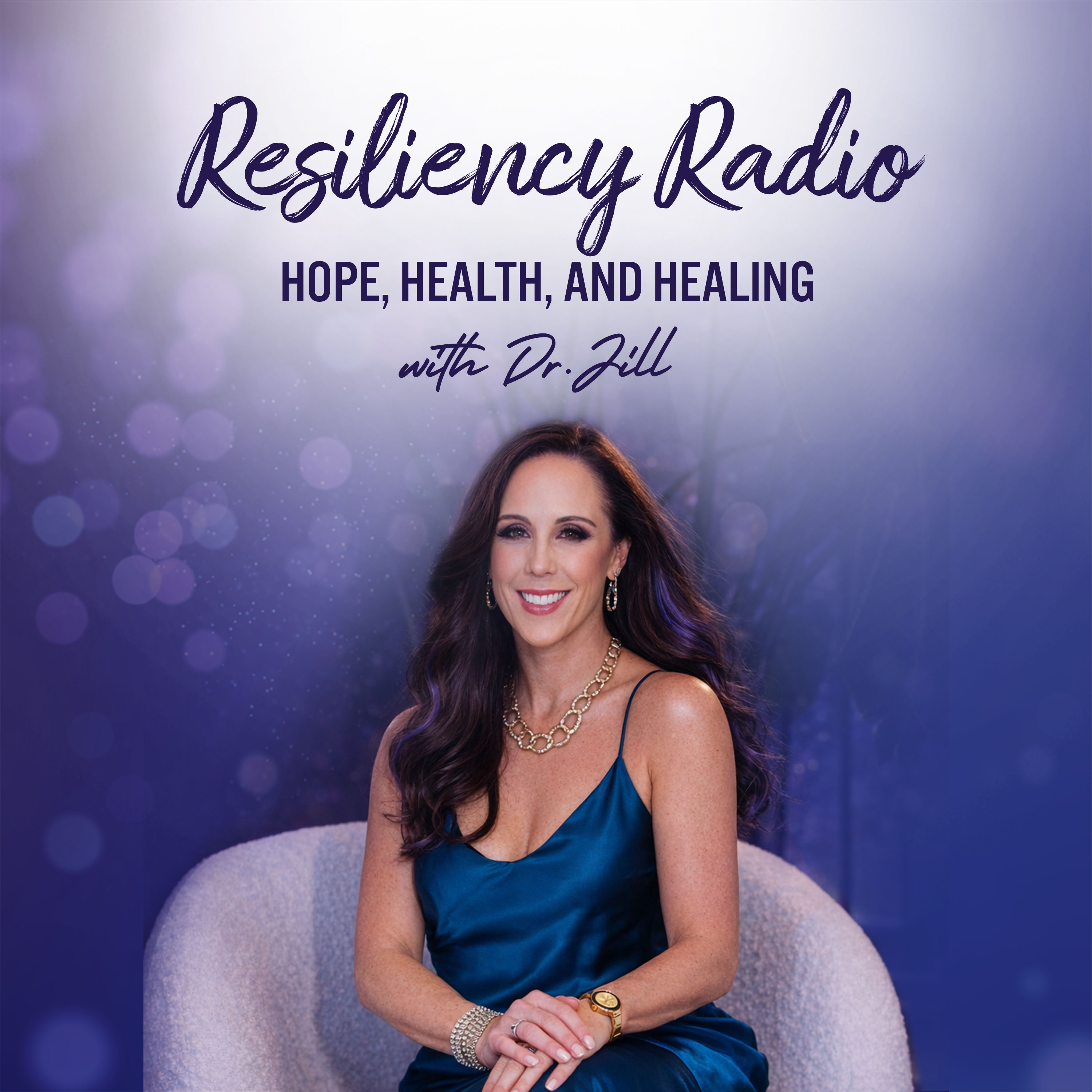
Resiliency Radio with Dr. Jill Carnahan, MD

Resiliency Radio with Dr. Jill Carnahan, MD

Dr. Jill Carnahan · Dr. Jill Carnahan, MD

305 episodesEN

Show overview

Resiliency Radio with Dr. Jill Carnahan, MD has been publishing since 2020, and across the 6 years since has built a catalogue of 305 episodes. That works out to roughly 240 hours of audio in total. Releases follow a weekly cadence, with the show now in its 7th season.

Episodes typically run thirty-five to sixty minutes — most land between 40 min and 52 min — and the run-time is fairly consistent across the catalogue. None of the episodes are flagged explicit by the publisher. It is catalogued as a EN-language Health & Fitness show.

The show is actively publishing — the most recent episode landed 2 days ago, with 20 episodes already out so far this year. Published by Dr. Jill Carnahan, MD.

Episodes
305
Running
2020–2026 · 6y
Median length
46 min
Cadence
Weekly

From the publisher

Dr. Jill Carnahan, MD, ABIHM, ABoIM, IFMCP is a globally recognized leader in functional and integrative medicine, specializing in complex chronic illness, environmental toxicity, immune dysfunction, and resilience-based healing. She is dually board-certified and the founder and Medical Director of Flatiron Functional Medicine in Colorado, where she practices personalized precision medicine using advanced diagnostics and systems-based, root-cause care. A survivor of breast cancer, Crohn's disease, and severe mold-related illness, Dr. Jill brings both scientific expertise and lived experience to her work—bridging cutting-edge medical research with compassionate, patient-centered care. Her clinical approach focuses on restoring physiological resilience, optimizing immune and metabolic function, and supporting long-term health through individualized, evidence-informed protocols. Dr. Jill is the best-selling author of Unexpected: Finding Resilience Through Functional Medicine, Science, and Faith and the executive producer and featured physician in the award-winning documentary Doctor/Patient, which explores the future of medicine through the lens of healing, personalization, and human connection. As host of Resiliency Radio, Dr. Jill engages leading experts in functional medicine, longevity science, neuroscience, nutrition, environmental health, spirituality, and human performance. Each episode translates complex research into practical insights to help listeners build resilience, improve healthspan, and thrive in the face of modern health challenges. A sought-after international speaker, educator, and mentor, Dr. Jill is known for making advanced medical science accessible, hopeful, and actionable—delivered with clarity, compassion, and authenticity. Follow @drjillcarnahan for podcasts, research-backed education, articles, and resources. Disclaimer: This podcast is for educational purposes only and does not provide individual medical advice. Please consult your healthcare provider for personal medical care.

Latest Episodes

View all 305 episodes

314: Resiliency Radio with Dr. Jill: Rewriting Genetic Destiny – How Mothers Shape Lifelong Health

May 14, 202645 min

313: Resiliency Radio with Dr. Jill: Neuroplasticity and Resilience: Breaking Free from Trauma and Chronic Illness with Ashleigh Di Lello

May 6, 202653 min

312: Resiliency Radio with Dr. Jill: Mold Illness & Complex Chronic Disease with Dr. Kelly McCann

Apr 29, 202646 min

311: Resiliency Radio with Dr. Jill: Endocrine Disrupting Chemicals & Hormone Health

Apr 23, 202638 min

310: Resiliency Radio with Dr. Jill: Getting to The Root Cause of IBS with Dr. Izabella Wentz

Apr 15, 202637 min

S7 Ep 309309: Resiliency Radio with Dr. Jill: Long COVID and The Rise of Autoimmunity with Dr. Aristo Vojdani

In this episode of Resiliency Radio with Dr. Jill, Dr. Jill Carnahan explores the complex and rapidly evolving science behind Long COVID and autoimmune disease with Dr. Aristo Vojdani, a leading expert in immunology and functional medicine. Dr. Vojdani shares decades of groundbreaking research into how the immune system becomes dysregulated, revealing how infections, environmental toxins, and food antigens can trigger autoimmune reactions through mechanisms like molecular mimicry and gut permeability. The conversation dives deep into how SARS-CoV-2, Epstein-Barr Virus (EBV), and HHV6 contribute to Long COVID and neuroautoimmune conditions, as well as how early detection through advanced laboratory testing may help prevent disease progression. This episode offers powerful insights for both clinicians and patients seeking to understand the root causes of autoimmunity and chronic illness in the post-COVID era. 🔑 5 Key Discussions ① 🧬 The Three Pillars of Autoimmunity ⇨ Autoimmune disease is often triggered by a combination of infections, environmental toxins, and food sensitivities. ⇨ These factors interact with genetic predisposition to drive immune dysregulation. ② 🦠 Long COVID and Viral Reactivation ⇨ Viruses such as SARS-CoV-2, EBV, and HHV6 can reactivate and contribute to chronic inflammation and immune dysfunction. ⇨ These infections may act as superantigens, overstimulating the immune system. ③ 🧪 Toxins and the Exposome ⇨ Environmental toxins such as PFAS, nanoplastics, and glyphosate can bind to proteins and create new antigens. ⇨ These exposures play a major role in triggering autoimmune responses. ④ 🦠 Gut Permeability and Immune Activation ⇨ "Leaky gut" allows toxins, food antigens, and microbial byproducts to enter circulation. ⇨ This triggers systemic inflammation and increases autoimmune risk. ⑤ 🔬 Predictive Antibodies and Early Detection ⇨ Autoimmune markers such as ANA and ENA can appear years before disease symptoms. ⇨ Early detection allows for intervention and potential prevention of disease progression. ⭐ Key Takeaways 🔹 Autoimmune diseases are driven by multiple triggers, including infections, toxins, and dietary factors. 🔹 Long COVID is strongly linked to viral reactivation and immune dysregulation. 🔹 Environmental exposures such as nanoplastics and PFAS play a growing role in autoimmunity. 🔹 Gut health is critical in preventing immune activation and chronic inflammation. 🔹 Early detection using predictive antibodies and advanced testing can change disease outcomes. 👨‍⚕️ Guest Biography Aristo Vojdani obtained his MSc and PhD in microbiology and clinical immunology from Bar-Ilan University, Israel, postdoctoral studies in comparative immunology at UCLA and tumor immunology at Charles Drew/UCLA School of Medicine and Science. He is a Clinical Professor at Loma Linda University, California. His ongoing research focuses on the role of environmental triggers in complex diseases, and he developed more than 350 antibody assays for the detection of autoimmune disorders. He is the CEO of Immunosciences Lab, California, the Chief Scientific Officer for Cyrex Labs in Arizona, and sits on the editorial board of 5 scientific journals. His awards include the Herbert J. Rinkel Award (AAEM), the Linus Pauling, PhD Award (ACAM), the Personalized Lifestyle Medicine Institute Lifetime Achievement Award, and the 2023 Linus Pauling Award (IFM).

Apr 8, 20261h 0m

S7 Ep 308308: Resiliency Radio with Dr. Jill: The Inflamed Brain – How Mold and Infections Trigger Chronic Illness

In this episode of Resiliency Radio with Dr. Jill, Dr. Jill Carnahan explores the growing science behind brain inflammation and its connection to chronic illness with Dr. Eboni Cornish. Dr. Cornish, Associate Medical Director at Amen Clinics and Treasurer of the International Lyme and Associated Diseases Society, shares how underlying inflammation in the brain can drive symptoms often labeled as psychiatric, neurological, or behavioral conditions. Together, they discuss how mold toxicity, chronic infections, gut dysfunction, hormone imbalances, and environmental toxins can disrupt brain health and lead to symptoms such as brain fog, anxiety, depression, personality changes, and fatigue. This powerful conversation highlights the importance of identifying root causes of neuroinflammation and offers hope for individuals struggling with complex chronic conditions through advanced diagnostics, functional medicine strategies, and personalized care. 🔑 5 Key Discussions ① 🧠 The Inflamed Brain and Mental Health ⇨ Many conditions labeled as psychiatric—including anxiety, depression, and behavioral disorders—may actually be driven by underlying brain inflammation. ⇨ Neuroinflammation can affect mood, cognition, personality, and overall neurological function. ② 🦠 Infections That Trigger Brain Inflammation ⇨ Tick-borne infections such as Lyme, Babesia, and Bartonella can contribute to chronic inflammation affecting the brain and nervous system. ⇨ Viral, bacterial, and parasitic infections may also disrupt neurological health. ③ 🧫 Mold Toxicity and Environmental Triggers ⇨ Mold exposure and environmental toxins can activate immune responses that lead to chronic neuroinflammation. ⇨ Patients may experience chemical sensitivities, mast cell activation, and neurological symptoms. ④ 🦠 The Gut–Brain Connection ⇨ Gut microbiome imbalances and intestinal permeability ("leaky gut") can significantly influence brain health. ⇨ Nutritional deficiencies and food sensitivities, including gluten sensitivity, may also contribute to brain inflammation. ⑤ 🔬 Advanced Diagnostics for Brain Health ⇨ Tools such as SPECT brain imaging, laboratory testing, and environmental assessments help identify hidden causes of neuroinflammation. ⇨ A comprehensive functional medicine approach allows clinicians to personalize treatment strategies. ⭐ Key Takeaways 🔹 Brain inflammation can contribute to psychiatric, neurological, and behavioral symptoms. 🔹 Chronic infections and environmental toxins are major drivers of neuroinflammation. 🔹 The gut–brain axis plays a significant role in neurological health. 🔹 Advanced diagnostics such as SPECT imaging help identify patterns of brain dysfunction. 🔹 Addressing root causes—including infections, toxins, sleep, hormones, and gut health—is essential for healing. 👩‍⚕️ Guest Biography Dr. Eboni Cornish is the Associate Medical Director at Amen Clinics and Treasurer of the International Lyme and Associated Diseases Society, the world's leading organization focused on Lyme disease and tick-borne illnesses. A nationally recognized expert on neuroinflammation, chronic infections, and environmental toxicity, Dr. Cornish combines advanced brain imaging with precision functional medicine to uncover the hidden drivers of complex illness. She has helped patients from around the world recover from conditions once considered untreatable—including Lyme disease, mold illness, PANS/PANDAS, long COVID, and autoimmune brain disorders—by identifying root causes and tracking healing through SPECT brain imaging and advanced diagnostics. Known for her dynamic speaking style and evidence-based approach, Dr. Cornish educates both clinicians and patients about the science of neuroinflammation and the path toward recovery. 🔗 Website: https://www.drebonicornish.com/ 🔗 Amen Clinics: https://www.amenclinics.com/ 🔗 ILADS: https://www.ilads.org/

Apr 1, 202644 min

S7 Ep 307307: Resiliency Radio with Dr. Jill: Hormones, Peptides and Performance with Dr. Gordon Crozier

In this episode of Resiliency Radio with Dr. Jill, Dr. Jill Carnahan explores the powerful intersection of hormone optimization, peptide therapy, and cellular health with Dr. Crozier. Dr. Crozier shares insights from years of treating complex chronic illnesses and explains how many patients struggle with overlapping root causes such as mold toxicity, infections, immune dysregulation, and environmental toxins. These factors often disrupt hormones, mitochondrial function, and metabolic health. The conversation dives into how therapeutic peptides are emerging as powerful tools for cellular repair, immune balance, and performance optimization. 🔑 5 Key Discussions ① 🧬 Root Causes of Chronic Illness ⇨ Mold exposure, infections, environmental toxins, and immune dysregulation often combine to create complex chronic health conditions. ⇨ Many patients experience layered illnesses that require a personalized, root-cause treatment approach. ② ⚖️ Hormone Optimization as the Foundation ⇨ Adrenal health and the HPA axis are essential for energy, metabolism, and overall resilience. ⇨ Hormone imbalances such as low testosterone, estrogen dominance, and premature hormonal decline are increasingly common due to environmental toxins. ③ 🔬 Peptides for Cellular Repair and Performance ⇨ Peptides like BPC-157, SS31, MOTS-C, and Humanin support mitochondrial repair and tissue regeneration. ⇨ These therapies may help improve metabolism, insulin sensitivity, and cellular resilience. ④ 🛡️ Immune Regulation and Infection Support ⇨ Peptides such as Thymosin Alpha-1 and LL-37 may help regulate immune responses. ⇨ These therapies can support individuals dealing with chronic infections, viral reactivation, and toxin exposure. ⑤ ⚠️ Safety and Physician-Guided Peptide Therapy ⇨ Peptide therapy should always be used under qualified medical supervision. ⇨ Unregulated or black-market peptides may be contaminated and pose significant health risks. ⭐ Key Takeaways 🔹 Chronic illness often involves multiple root causes, including toxins, infections, and immune imbalance. 🔹 Hormone optimization is a foundational step for restoring metabolic health and vitality. 🔹 Therapeutic peptides may support mitochondrial repair, immune balance, and tissue regeneration. 🔹 Environmental toxins such as plastics and mold can significantly disrupt hormonal balance. 🔹 Advanced therapies are most effective when combined with foundational health practices and personalized care. 👨‍⚕️ Guest Biography Dr. Crozier is the owner and medical director of Crozier Clinic, one of America's premier genetic-based clinics specializing in personalized medicine, hormone optimization, IV therapy, peptide therapy, and advanced diagnostic testing. Dr. Crozier's early experience working in neurology, neurosurgery, and ophthalmology provided critical insight into neurological and toxicological conditions that continue to shape his clinical protocols today. He serves as a clinical faculty member at the University of Kentucky, is a lead educator and curriculum developer for A4M (Informa), and is a steering committee member of the International Peptide Society. Dr. Crozier lectures nationally and internationally on Lyme disease, mold illness, peptide science, glutathione therapy, and integrative approaches to chronic disease. 🔗 Website: https://crozierclinic.com/ 🔗 Facebook: https://www.facebook.com/DrCrozier 🔗 YouTube: https://www.youtube.com/@dr.gordoncrozier8325

Mar 25, 202654 min

S7 Ep 306306: Resiliency Radio with Dr. Jill: Connection & Innovation for Resilience w/ Beth Benatti Kennedy

Welcome to Resiliency Radio with Dr. Jill Carnahan, where today's episode explores one of the most essential skills for thriving in today's high-pressure world: resilience. Dr. Jill is joined by resilience expert, author, and burnout prevention strategist Beth Benatti Kennedy to discuss how connection, purpose, and personal innovation can help individuals navigate stress, avoid burnout, and rediscover fulfillment. In this powerful conversation, Dr. Jill Carnahan and Beth explore the hidden stages of burnout and introduce the Benatti Resiliency Model, a practical framework for building resilience through well-being, self-awareness, connection, personal brand, and continuous growth. This episode is especially valuable for professionals, caregivers, and high achievers who feel overwhelmed, exhausted, or disconnected from their sense of purpose—and want practical strategies to restore energy and balance. ✨ Like, subscribe, and share to help more people build resilience and prevent burnout in today's demanding world. 🔑 Key Discussions – What You'll Learn ① Understanding the Burnout Escalator ⇨ The five stages of burnout—from early exhaustion to severe emotional and physical breakdown—and how to recognize warning signs early. ② The Benatti Resiliency Model ⇨ Beth's five pillars of resilience: well-being, self-awareness, personal brand, connection, and innovation. ③ The Role of Relationships in Resilience ⇨ Why supportive partners, friendships, and community connections are critical for preventing burnout and sustaining well-being. ④ Micro-Actions for Sustainable Change ⇨ Small daily habits that build resilience over time, including journaling, time management, and intentional rest. ⑤ Rediscovering Purpose Through Innovation ⇨ How learning new skills, exploring creativity, and using personal strengths can reignite passion and prevent stagnation. ⭐ Key Takeaways ⇨ Burnout develops gradually and can be reversed when recognized early ⇨ Resilience requires both personal habits and supportive relationships ⇨ Small daily "micro-actions" create powerful long-term change ⇨ Purpose, creativity, and growth are essential for sustained well-being ⇨ Connection and validation play a crucial role in emotional resilience 👩‍💼 Beth Benatti Kennedy Beth Benatti Kennedy has more than twenty-five years of experience as a leadership coach, resiliency-training expert, and speaker. As a leadership coach, Beth guides leaders to develop resilience habits to support peak performance, maximize their professional and personal impact, positively influence the people they work with, and build their brand. Her training programs focus on giving employees the tools to stay resilient, make sense of organization changes, and manage transition while continuing to be productive and engaged. As a motivator and speaker at conferences, seminars, and symposiums, Ms. Kennedy has presented her Benatti Resiliency Model® across the globe, including at TEDxNortheasternU. In addition, because of her expertise in resilience and burnout, she has been quoted in articles, interviewed on podcasts, and contributed to various publications. Beth is also the author of Career ReCharge: Five Strategies to Boost Resilience and Beat Burnout and co-author of ReThink Resilience: 99 Ways to ReCharge Your Career and Life. 🔗 Website: https://www.bethkennedy.com 🔗 LinkedIn: Connect with Beth Benatti Kennedy: https://www.linkedin.com/in/bethbenattikennedy/ 🔗 Her Book: https://www.amazon.com/dp/1632998416

Mar 18, 202641 min

S7 Ep 305305: Resiliency Radio with Dr. Jill – Toxic Mold Revisited: Mold & the Highly Sensitive Patient with Dr. Neil Nathan

Welcome to Resiliency Radio with Dr. Jill Carnahan, where today's episode revisits one of the most complex and misunderstood areas in integrative medicine: toxic mold illness and the highly sensitive patient. Dr. Jill is joined by renowned functional medicine pioneer Dr. Neil Nathan, author of Toxic: Heal Your Body and The Sensitive Patient's Healing Guide, for a powerful and deeply insightful conversation on environmental toxins, limbic dysfunction, mast cell activation, and healing chronic inflammatory illness. In this episode, Dr. Jill Carnahan and Dr. Nathan explore why many highly sensitive individuals struggle with conventional detox protocols—and how healing requires safety, precision, and a stepwise approach. This discussion offers both clinicians and patients a roadmap for navigating mold illness, nervous system overload, and sensitivity syndromes with greater clarity and compassion. ✨ Like, subscribe, and share to help more sensitive patients find safe and effective pathways to recovery. 🔑 Key Discussions – What You'll Learn ① The Highly Sensitive Patient (HSP) ⇨ Why sensitivity is both a gift and a liability—and how to manage emotional and environmental overwhelm. ② Limbic, Vagal & Mast Cell Interconnection ⇨ How these three systems drive chronic inflammation, anxiety, POTS, gut dysfunction, and chemical sensitivity. ③ Why Mold Treatment Must Be Stepwise ⇨ The importance of stabilizing the nervous system before binders or antifungals—especially in sensitive patients. ④ Environmental Toxic Load & Modern Stressors ⇨ How chemicals, mold, EMFs, and post-pandemic stress overload detox pathways. ⑤ Healing Beyond Protocols ⇨ The role of clinician presence, precise language, love, spirituality, and nature in long-term recovery. ⭐ Key Takeaways ⇨ Highly sensitive patients require gentler, staged detox strategies ⇨ Limbic and vagal retraining are foundational before aggressive mold treatment ⇨ Mast cell activation often overlaps with mold and Lyme illness ⇨ Starting low and slow with binders prevents setbacks ⇨ Love, connection, and safety are essential biological regulators 👨‍⚕️ Guest Biography Dr. Neil Nathan, MD, has practiced medicine for over 50 years and is considered a pioneer in functional medicine. He specializes in mold toxicity, Lyme disease, mast cell activation, and complex chronic inflammatory illness. Dr. Nathan is the author of Toxic: Heal Your Body, The Sensitive Patient's Healing Guide, and Energetic Diagnosis. His work focuses on helping highly sensitive individuals recover safely through stepwise detoxification, nervous system stabilization, and holistic healing strategies. 🔗 Website: http://www.neilnathanmd.com/

Mar 11, 202656 min

S7 Ep 304304: Resiliency Radio with Dr. Jill – Restless Legs Syndrome Breakthroughs: Nerve Compression and New Treatments

Welcome to Resiliency Radio with Dr. Jill Carnahan, where today's episode challenges decades of conventional thinking about Restless Legs Syndrome (RLS). Dr. Jill is joined by Dr. James C. Anderson, whose groundbreaking research suggests that RLS may not be primarily a dopamine disorder—but instead, a problem of mechanical nerve compression in the lower leg. In this fascinating and science-driven discussion, Dr. Jill Carnahan and Dr. Anderson explore how decompression of the common fibular, superficial fibular, and tibial nerves may significantly reduce symptoms like burning, tingling, cramping, creeping sensations, and sleep disruption. This episode offers hope to patients who have failed dopaminergic medications and provides clinicians with deeper mechanistic insight into the root causes of RLS and peripheral neuropathy. ✨ Like, subscribe, and share to help more people discover innovative, root-cause solutions for chronic restless legs and sleep disruption. 🔑 Key Discussions – What You'll Learn ① Rethinking RLS Pathophysiology ⇨ Why RLS may stem from peripheral nerve compression rather than solely dopamine imbalance. ② The Science Behind Nerve Decompression ⇨ Clinical outcomes from Dr. Anderson's 2017 and 2026 studies showing symptom reduction after surgical decompression. ③ Peripheral vs. Central RLS ⇨ How axonal hyperexcitability and ischemia may drive symptoms like tingling, burning, and nighttime discomfort. ④ Why Dopaminergic Medications Fail ⇨ Understanding medication augmentation and what it reveals about misdiagnosis or incomplete treatment models. ⑤ Who Should Be Evaluated for Nerve Compression ⇨ Identifying patients with diabetic neuropathy, venous insufficiency, or unexplained lower-leg pain who may benefit from structural evaluation. ⭐ Key Takeaways ⇨Restless Legs Syndrome may have a structural, peripheral nerve component ⇨Nerve decompression surgery has shown measurable symptom improvement ⇨Medication failure may signal an underlying mechanical issue ⇨Peripheral neuropathy and vascular issues often overlap with RLS ⇨Root-cause evaluation expands treatment possibilities beyond symptom control 👨‍⚕️ Guest Biography Dr. James C. Anderson, DPM, is a peripheral nerve surgeon and founder of Anderson Podiatry Center in Colorado. His work focuses on restoring nerve function by addressing structural compression in the lower extremities, particularly for patients with Restless Legs Syndrome and diabetic neuropathy. Dr. Anderson has authored peer-reviewed publications on surgical reversal of RLS symptoms and objective improvements in nerve function using intraoperative monitoring. His research has earned the prestigious Jules Tinel Award for contributions to peripheral nerve science. He is also the author of A Perfect Night's Sleep, exploring the connection between mechanical nerve compression and chronic restless legs symptoms. 🔗 Website: https://andersonpodiatrycenter.com/ 🔗 Book: https://amzn.to/4aNkk1d

Mar 4, 202642 min

S7 Ep 303303: Resiliency Radio with Dr. Jill: The Missing Piece in Toxic Mold Recovery: Therapeutic Plasma Exchange (TPE) with Dr. Paul Savage

Welcome to Resiliency Radio with Dr. Jill Carnahan, where today's episode explores one of the most debated and rapidly evolving topics in environmental medicine: Therapeutic Plasma Exchange (TPE) for toxic mold illness and chronic inflammatory syndromes. Dr. Jill is joined by Dr. Paul Savage, founder of MDLifespan, to break down the science, safety, and real-world application of TPE and the patent-pending PlasmaXchange™ protocol. For many patients struggling with persistent mold toxicity, autoimmune flares, chronic inflammation, and toxic burden, traditional detox strategies—binders, sauna, fasting, chelation—may not be enough. This episode provides an evidence-informed, transparent Q&A exploring whether Therapeutic Plasma Exchange could be a missing link in complex recovery cases. Together, they examine what TPE actually removes from the bloodstream, who may benefit most, potential risks and contraindications, and how clinicians measure outcomes before and after treatment. ✨ Like, subscribe, and share to help more patients and practitioners understand advanced options for toxic mold and environmental illness recovery. 🔑 Key Discussions – What You'll Learn ① What Is Therapeutic Plasma Exchange (TPE)? ⇨ What is physically removed during the procedure—free toxins, protein-bound toxins, inflammatory cytokines, immune complexes—and what is returned. ② How TPE Reduces Toxic Burden Mechanistically ⇨ The difference between removing circulating toxins versus mobilizing stored toxins—and why this distinction matters. ③ Who May Benefit Most from TPE ⇨ Mold illness, persistent inflammatory syndromes, autoimmune flares, complex toxic load, and medication-resistant cases. ④ Safety, Contraindications & Risk Mitigation ⇨ Who is not an ideal candidate, potential side effects, rare risks, and the importance of proper screening. ⑤ Is TPE a Reset or Long-Term Strategy? ⇨ How many sessions are typically needed, what "removing up to 90% of circulating toxins" actually means, and whether TPE should be viewed as a bridge or foundational intervention. ⭐ Key Takeaways ⇨ TPE removes circulating inflammatory mediators and toxin-bound plasma components ⇨ It may benefit patients with severe or persistent toxic mold illness ⇨ Proper patient selection and medical supervision are critical ⇨ Objective biomarkers help track effectiveness ⇨ TPE may function as a reset within a broader long-term recovery plan 👨‍⚕️ Guest Biography Dr. Paul Savage, M.D., FACEP, FAARM, is a physician, innovator, and founder of MDLifespan, where he serves as Chief Medical Officer and leads development of the patent-pending PlasmaXchange™ protocols focused on reducing environmental toxins and enhancing long-term vitality. With more than 35 years of clinical experience, Dr. Savage transitioned from emergency medicine into integrative, personalized longevity care after transforming his own health through lifestyle medicine, hormone optimization, and regenerative therapies. He is also the founder of the national hormone therapy network BodyLogicMD and is a recognized leader in precision longevity and biomarker-driven medicine. 🔗 Learn more: http://www.mdlifespan.com/drjill

Mar 2, 202656 min

S7 Ep 302302: Resiliency Radio with Dr. Jill – Midlife Reset: Hormones, Identity, and the Courage to Become Who You Are

Welcome to Resiliency Radio with Dr. Jill Carnahan, where today's episode explores the powerful and transformative season of midlife—a time of hormonal shifts, identity changes, and profound personal reinvention. Dr. Jill is joined by Dr. Trevor Cates, bestselling author and pioneer in women's health, for an inspiring conversation about navigating perimenopause, purpose, and the courage to evolve. In this episode, Dr. Jill Carnahan and Dr. Cates discuss why midlife isn't a crisis—it's a reset. From hormonal fluctuations and metabolic changes to deeper emotional awakenings, this phase often acts as a "stress test," revealing what's no longer aligned in our health, work, and relationships. This conversation is for women who feel called to something more—more energy, more authenticity, more purpose—and want practical, holistic strategies to support both physical and emotional transformation. ✨ Like, subscribe, and share to help more women embrace midlife as a powerful new beginning. 🔑 Key Discussions – What You'll Learn ① Midlife as a Stress Test ⇨ Why perimenopause often surfaces unresolved health, emotional, and identity issues—and how this creates opportunity for growth. ② Hormones, Gut Health & Metabolism ⇨ How shifting estrogen and progesterone levels impact inflammation, sleep, mood, and metabolic resilience. ③ Identity Shifts & Limiting Beliefs ⇨ Why many women struggle with "Who am I now?" and how awareness dissolves self-doubt and fear of reinvention. ④ Daily Habits that Anchor Transformation ⇨ The power of sleep, mindful mornings, nourishing food, movement, and time in nature. ⑤ The Role of Human Connection & Courage ⇨ Why authentic relationships, surrender, and inspired action are essential for midlife fulfillment. ⭐ Key Takeaways ⇨ Midlife is not decline—it's a powerful invitation to reset and redefine ⇨ Hormonal changes amplify underlying health and emotional patterns ⇨ Awareness of limiting beliefs is the first step toward reinvention ⇨ Small daily habits create massive long-term resilience ⇨ Connection, purpose, and rest are as vital as productivity 👩‍⚕️ Guest Biography Dr. Trevor Cates is a USA Today and Amazon bestselling author of Clean Skin From Within and Natural Beauty Reset. She was the first woman licensed as a naturopathic doctor in California and brings over 25 years of experience in women's health, functional medicine, and integrative dermatology. Dr. Cates founded and later sold a successful natural skincare and supplement company rooted in her clinical work helping women achieve vibrant health from the inside out. Today, she focuses on patient care and mentoring health and wellness entrepreneurs, empowering women to navigate midlife with clarity, resilience, and confidence. 🔗 Website: https://drtrevorcates.com/

Feb 25, 202639 min

S7 Ep 301301: Resiliency Radio with Dr. Jill: Meta-Inflammation & Women's Health with the Foodie Farmacist Dr. Lara Zakaria

Welcome to Resiliency Radio with Dr. Jill Carnahan, where today's episode uncovers a critical and often overlooked driver of chronic symptoms in women: meta-inflammation. Dr. Jill is joined by Dr. Lara Zakaria, widely known as The Foodie Farmacist, for a practical, empowering conversation on how inflammation, metabolism, stress, and lifestyle intersect in women's health. In this episode, Dr. Jill Carnahan and Dr. Lara Zakaria explore why so many women feel exhausted, inflamed, and burned out—despite doing "all the right things." Drawing from Dr. Zakaria's journey from retail pharmacy to functional and personalized nutrition, this conversation reveals why addressing root causes—not just symptoms—is essential for long-term resilience. This episode is for women who want clarity, sustainable strategies, and permission to stop striving for perfection while still supporting deep healing. ✨ Like, subscribe, and share to help more women reclaim energy, balance, and metabolic health. 🔑 Key Discussions – What You'll Learn ① What Meta-Inflammation Really Is ⇨ How chronic, low-grade inflammation quietly disrupts metabolism, hormones, and energy in women. ② Metabolic Inflexibility & Energy Crashes ⇨ Why "hangry," afternoon fatigue, cravings, and reliance on caffeine are signs of poor fuel switching. ③ The Stress–Cortisol–Burnout Loop ⇨ How chronic stress alters cortisol rhythms, drives weight gain, and worsens inflammation. ④ Food, Circadian Rhythm & Movement as Medicine ⇨ Why real food, protein-forward breakfasts, sunlight exposure, and "movement snacks" matter more than perfection. ⑤ Rewriting the Productivity Script ⇨ How boundaries, self-compassion, and redefining "productive" activities protect long-term health. ⭐ Key Takeaways ⇨ Meta-inflammation is a major, underrecognized driver of women's fatigue, weight changes, and hormonal imbalance ⇨ Metabolic flexibility—not restriction—is key to stable energy and mood ⇨ Chronic stress silently fuels inflammation and burnout ⇨ Small, consistent habits outperform extreme protocols ⇨ Self-compassion and boundaries are essential for sustainable healing 👩‍⚕️ Dr. Lara Zakaria Dr. Lara Zakaria is an integrative pharmacist, nutritionist, and professor specializing in Functional Medicine and Personalized Nutrition. Known as The Foodie Farmacist, she helps translate complex science—nutrition, diagnostics, natural products, and health technology—into clear, clinically relevant strategies. Her work bridges education and implementation, empowering women and clinicians to understand inflammation, metabolism, and personalized nutrition without overwhelm. Dr. Zakaria is passionate about helping women nourish their bodies, regulate stress, and restore metabolic resilience through practical, real-life solutions. 🔗 Website: https://larazakaria.com/ 🔗 Instagram: https://www.instagram.com/foodiefarmacist/ 🔗 YouTube: https://www.youtube.com/@foodiefarmacist 🔗 Substack: https://substack.com/@foodiefarmacist

Feb 18, 202653 min

S7 Ep 300300: Resiliency Radio with Dr. Jill - Microplastics: Invisible Exposure Changing Human Biology w/ Lyn Patrick

Welcome to Resiliency Radio with Dr. Jill Carnahan, where today's episode uncovers one of the most urgent and invisible threats to human health: microplastics. Dr. Jill is joined by internationally respected environmental medicine expert Dr. Lynn Patrick for a deep, science-based discussion on how microplastics are quietly changing human biology—from the gut to the brain to the cardiovascular system. In this eye-opening conversation, Dr. Jill Carnahan and Dr. Patrick explore why microplastics may pose an even greater long-term risk than PFAS and other "forever chemicals." You'll learn how **nanoplastics—now responsible for up to 90% of exposure—**are small enough to cross the gut lining, lungs, blood-brain barrier, and even the placenta, accumulating in tissues with no effective exit pathway. Key topics include: ① Why microplastics act as "Trojan horses" for pesticides, heavy metals, and endocrine-disrupting chemicals ② Research linking microplastics to heart disease, dementia, IBD, and colorectal cancer ③ The alarming rise of plastic particles found in human brain tissue ④ How everyday items—bottled water, food packaging, and tea bags—drive exposure ⑤ Why microplastics overwhelm detox pathways and resist normal elimination ⑥ Emerging strategies for exposure reduction, including water filtration, avoidance, and the evolving role of plasmapheresis ⇨ Dr. Patrick also shares decades of clinical insight into environmental toxicology and explains why awareness—not fear—is the first step toward protection in a plastic-saturated world. ❤️ If you care about long-term brain health, cardiovascular health, gut integrity, and environmental medicine, this episode offers critical knowledge and practical strategies to reduce risk and protect resilience. ✨ Like, subscribe, and share to help others understand the hidden exposures shaping modern health. 👨‍⚕️ Dr. Lynn Patrick Lyn Patrick, ND, is a naturopathic physician with nearly 40 years of clinical experience. She is a published author in peer-reviewed medical journals, a former Contributing Editor for Alternative Medicine Review, and a contributor to Clinical Environmental Medicine (Elsevier, 2019) and The Sensitive Patient's Healing Guide by Neil Nathan, MD. Dr. Patrick speaks internationally on environmental medicine and currently serves as faculty for the Metabolic Medicine Institute Fellowship in collaboration with The George Washington University School of Medicine and Health Sciences. She is a past President of the National Association of Environmental Medicine and serves on the boards of NAEM and the American Association of Environmental Medicine. 🌐 https://emeiglobal.com/about/

Feb 11, 202649 min

S7 Ep 299299: Resiliency Radio with Dr. Jill: Behind the Scenes, Lessons from Ketamine Therapy w/ Dr. Jennifer Ellice, MD

Welcome to Resiliency Radio with Dr. Jill Carnahan, where today's episode takes you behind the scenes of ketamine therapy—one of the most promising and misunderstood breakthroughs in modern mental health care. Dr. Jill is joined by Dr. Jennifer Ellice, a board-certified emergency medicine physician and founder of Golden Afternoon Clinic. In this candid and eye-opening conversation, Dr. Ellice shares her unconventional journey from emergency medicine burnout during COVID to specializing in trauma-informed ketamine therapy for treatment-resistant depression, anxiety, PTSD, chronic pain, and suicidal ideation. 🔑 KEY DISCUSSIONS: Together, Dr. Jill Carnahan and Dr. Ellice explore: ① Why traditional psychiatry models often fall short ② The limitations of SSRIs and the outdated "serotonin deficiency" narrative ③ How ketamine works at a neuroplasticity level to rewire the brain ④ Why ketamine can feel like a mental and emotional "reset" ⑤ Who ketamine therapy is right for—and who should avoid it ⑥ The importance of medical supervision, safety, and proper screening ⇨ How "set and setting" influence outcomes ⇨ Powerful patient stories showing long-term healing and transformation 🔑 KEY TAKEAWAYS Dr. Ellice explains how ketamine temporarily quiets the brain's default mode network—often called the "inner critic"—allowing new neural connections to form and helping patients break free from deeply ingrained patterns of despair, fear, and self-judgment. If you or someone you love is struggling with persistent mental health challenges and hasn't found relief through conventional approaches, this episode offers science-backed insight, realistic expectations, and renewed hope. ✨ Like, subscribe, and share to help others learn about safe, evidence-based options for healing trauma and depression. ❤️ About Golden Afternoon Clinic: Golden Afternoon Clinic, located in Santa Monica, California, offers ketamine infusions and treatments. Patients can learn more by visiting their website or contacting the clinic. 👨‍⚕️ Dr. Jennifer Ellice, MD Dr. Jennifer Ellice, MD, is a board-certified emergency physician who founded Golden Afternoon (https://goldenafternoon.clinic), a trauma-informed ketamine therapy clinic in Los Angeles. After burnout during COVID, she saw the evidence supporting the efficacy of ketamine therapy, she shifted focus to help patients manage treatment-resistant depression, anxiety, pain, and trauma. Three years later she has helped hundreds of patients. 🌐 Dr. Jennifer Ellice's Website: https://goldenafternoon.clinic 🌐 Dr. Jennifer Ellice's LinkedIn: https://www.linkedin.com/in/jenniferellice/

Feb 4, 202643 min

S7 Ep 298298: Resiliency Radio with Dr. Jill: Why We Get Stuck and How to Break Free with Michael Cupps

This episode features Michael, author of "Time Bandit," who shares his profound insights on time management, habit formation, and living a more intentional life. Drawing from his diverse background as a farm boy, a 30-year veteran of the high-tech industry, and a cancer survivor, Michael offers practical strategies to navigate the demands of modern life and cultivate greater well-being. 🔑 KEY DISCUSSIONS: ① The Modern Urgency Trap: The conversation begins by acknowledging the increasing pace of life and constant connectivity, which often leads to nervous system stress and a feeling of being overwhelmed. ② Prioritization and the Eisenhower Matrix: Michael introduces the Eisenhower Matrix as a crucial tool for distinguishing between urgent and important tasks, helping individuals focus their energy on what truly matters. ③ The Power of Values: Understanding personal values is presented as a guiding force for decision-making, ensuring that actions align with what is genuinely important and not just reactive to external demands. ④ From Productivity to Well-being: The discussion shifts to valuing "inputs" like play, rest, and connection, rather than solely focusing on "outputs" or traditional productivity metrics. This includes recognizing the importance of activities that bring joy and creativity. ⑤ Habit Formation Strategies: The concept of building systems and integrating habits into one's identity (e.g., "I am a non-smoker" vs. "I don't want a cigarette") is explored as a more sustainable approach than relying on willpower alone. ⑥ International Perspectives: Observations are shared on cultural differences in work-life balance, the pace of life, and approaches to food and health, highlighting lessons America can learn from other nations. 🔑 KEY TAKEAWAYS: ⇨ Embrace the Pause: Before reacting, take a moment to breathe and consider if your response aligns with your values. ⇨ Categorize Your Tasks: Use frameworks like the Eisenhower Matrix (Urgent vs. Important) to determine what needs immediate action, scheduling, delegation, or elimination. ⇨ Define Your Values: Identify what truly matters to you and actively schedule time and actions that reflect these values. ⇨ Integrate Habits into Identity: Shift from trying not to do something to embracing an identity that naturally avoids it. ⇨ Build Systems, Not Just Motivation: Create routines and environments that support desired behaviors, reducing reliance on fluctuating motivation. ⇨ Prioritize Connection: Foster genuine relationships and community, both personally and professionally, as it enhances well-being and resilience. ⇨ Health is Wealth: Invest time and effort in physical activity, nutrition, and self-care, as health is fundamental to enjoying all other aspects of life. ⇨ Value All Inputs: Recognize that activities like play, rest, and connecting with loved ones are not unproductive but are crucial for overall well-being and long-term success. ⇨ Make Time for "Awesomeness": In teams and personal life, create space for sharing positive personal moments, which builds stronger bonds and a more supportive environment. 📌 Michael's book, "Time Bandit," and his work offer practical guidance for anyone looking to regain control of their time, cultivate meaningful habits, and live a more fulfilling life. 👨‍⚕️ Michael Cupps Michael Cupps is a seasoned tech leader, productivity expert, author, and business coach with more than three decades of experience in technology, sales, and operational leadership. He is the founder of Time Bandit — a best-selling book and productivity system designed to help professionals and teams prioritize what matters most, build lasting habits, and reclaim their time for balance and impact. Michael also hosts The Habit Architect podcast and leads the development of the Time Bandit mobile app, extending his framework into practical digital tools that guide habit building and priority management. Known for translating complex ideas into simple, actionable methods, he draws on lessons from his upbringing and his personal journey as a cancer survivor to empower others to unlock their potential and thrive in all areas of life Michael Cupps Links 🌐 https://www.linkedin.com/in/michaelcupps/ 🌐 https://www.amazon.com/stores/author/B0CHQWX9SN/about 🌐 https://www.timebandit.io/

Jan 28, 202639 min

S7 Ep 297297: Resiliency Radio w/ Dr. Jill - Demystifying LPS: Why It's More than Your Gut w/ Dr. Tom O'Bryan

In this deep-dive episode, Dr. Jill Carnahan and Dr. O'Bryan explore why LPS is far more than a gut issue—and how it silently fuels systemic inflammation for decades before symptoms like Alzheimer's, dementia, Parkinson's, or autoimmune disease appear. 🔑 KEY DISCUSSIONS: ① The Path to Functional Medicine Personal Motivation: The guest shares how their journey into functional medicine began in 1979 while facing personal challenges with fertility. This led them to seek advice from holistic doctors. ② Introduction to LPS ⇨ Addressing Core Fears: The conversation shifts to the prevalent fear of cognitive decline and brain diseases. ⇨ Defining LPS: The episode sets out to explain what LPS is and why it is a critical topic in understanding health, particularly concerning the brain. The guest prepared slides to visually illustrate these points. ③ The Fear of Dementia and the Hidden Inflammation ⇨ Dementia is identified as a leading disease that terrifies people, with significant implications for healthcare systems like Medicare. ⇨ A government commission report from 2017 highlighted the financial strain caused by Alzheimer's disease. ⇨ Crucially, research indicates a "prodromal period" of over 20-30 years before symptoms appear, during which inflammation silently damages brain cells. This early inflammation is often undetected until significant damage has occurred. ④ LPS: The Potent Inflammatory Trigger ⇨ What is LPS? Lipopolysaccharides (LPS) are a primary component of the outer membrane of gram-negative bacteria. They are described as a "vest" that protects bacteria from being broken down by mammalian immune systems. ⇨ Potent Immune Stimulant: LPS is ranked among nature's most potent stimulants of the immune system, triggering significant inflammation. ⇨ Sources of Exposure: LPS can enter the body through various environmental factors, including air pollution, nanoparticles from fuels, and residues from forest fires. The episode also strongly links mold exposure and environmental toxins to LPS issues. ⑤ The Gut-Brain Connection and Leaky Gut ⇨ Gut Permeability: Modern diets and lifestyle choices contribute to "leaky gut" (intestinal permeability), where the gut lining becomes compromised. ⇨ Internal LPS Source: A leaky gut allows LPS from gut bacteria to enter the bloodstream, leading to systemic inflammation. ⇨ Foundation of Disease: As emphasized by expert Alessio Fasano, "all disease begins in the leaky gut." This systemic inflammation can manifest in various organs, depending on individual genetic vulnerabilities (the "weakest link" in the chain). ⑥ Surprising Research Findings ⇨ Early Onset of Brain Disease: Autopsy studies, including one from the University of Kentucky, revealed significant levels of brain deterioration associated with Alzheimer's and Parkinson's in individuals across all age groups, including children and young adults. ⇨ The Impact of Air Pollution: Research suggests that air pollution, which contains LPS, contributes to this widespread inflammation. ⇨ Blue Cross Blue Shield Data: A report showed a dramatic increase in Alzheimer's diagnoses over a four-year period, particularly a 407% rise in the 30-44 age group. 🔑 Comprehensive Strategies: ⇨ Healing the Gut: Prioritizing gut health is paramount. ⇨ Environmental Control: Ensuring clean air (using HEPA filters) and water is essential, as these are major exposure routes. ⇨ Dietary Choices: Avoiding "garbage" food and focusing on clean, whole foods is key. ⇨ Binders: Using binders like charcoal can help bind LPS and mold toxins, supporting detoxification. 🔑 KEY TAKEAWAYS: ⇨ Inflammation, driven by factors like LPS and environmental toxins, is a silent precursor to many chronic diseases, including neurodegenerative conditions. ⇨ Leaky gut is a central pathway for systemic inflammation, linking gut health directly to overall health. ⇨ Amyloid beta should be viewed as a protective agent, not the primary culprit in Alzheimer's. ⇨ Data and testing are essential for identifying individual triggers and guiding treatment protocols. ⇨ Basic lifestyle factors like clean air, clean water, and a healthy gut are foundational for preventing and managing inflammation. 👨‍⚕️ Dr. Tom O'Bryan DC, CCN, DACBN, CIFM Dr. Tom O'Bryan DC, CCN, DACBN, CIFM ,When it comes to getting healthy, Dr. Tom O'Bryan's goal for you is 'Making It Easy To Do the Right Thing'. As an ,internationally recognized, admired and compassionate ,speaker focusing on food sensitivities, environmental toxins, and the development of autoimmune diseases, Dr. Tom's ,audiences discover that it is through a clear understanding of how you got to where you are, that you and your Dr. can figure out what it will take to get you well. 🌐 Dr. Tom's Shop Website: https://shop.thedr.com/ 🌐 Dr. Tom's Website: https://thedr.com/

Jan 21, 202650 min

S7 Ep 296296: Resiliency Radio with Dr. Jill: Heal From Within: Gut Hormones & Peptides with Dr. Daniel Chille

Welcome to Resiliency Radio with Dr. Jill Carnahan, where today's episode explores how to heal from within by optimizing gut hormones, peptides, and recovery biology. Dr. Jill is joined by Dr. Daniel Chille, integrative and functional medicine expert and founder of TBD Fit, to break down the science of recovery, performance, and long-term health—from elite athletes to everyday high performers. 🔑 KEY DISCUSSIONS: ① Importance of Recovery: ⇨ The conversation highlights the significance of recovery in athletic performance, particularly focusing on sleep as a foundational element. The gold standard for Olympians is 8.6 hours of sleep, with an emphasis on understanding sleep cycles and their impact on recovery. ② Recovery Interventions: ⇨ The hosts discuss various recovery interventions, including the use of peptides and natural anti-inflammatories like SPMs (Specialized Pro-Resolving Mediators) and PRMs (Pro-Resolving Mediators) as alternatives to NSAIDs, which can be damaging to the gut. ③ Training and Recovery Balance: ⇨ The episode explores the balance between training intensity and recovery, noting that athletes need to recover twice as hard as they train. The discussion includes the use of blood flow restriction training and altitude simulation to enhance performance. ④ Gut Health and Nutrition: ⇨ A significant portion of the episode is dedicated to gut health, with insights into the importance of magnesium, fish oil, and glutamine for maintaining a healthy gut lining and overall health. ⑤ Personalized Medicine: ⇨ The hosts discuss the role of personalized medicine in optimizing health outcomes, using advanced blood chemistry and nutrigenomic tests to tailor interventions to individual needs. ⑥ Philosophy of Less is More: ⇨ The philosophy that sometimes "less is best" is emphasized, particularly in the context of recovery and avoiding overtraining. 🔑 KEY TAKEAWAYS: ⇨ Recovery is as crucial as training for athletes, with sleep being a fundamental component. ⇨ Natural interventions like peptides and SPMs offer effective alternatives to traditional anti-inflammatories. ⇨ Personalized medicine and a focus on gut health can significantly enhance performance and recovery. ⇨ Balancing training intensity with adequate recovery is essential for optimal performance. 🔑 CONCLUSION: The episode wraps up with a reminder of the importance of basic health principles over expensive gadgets, emphasizing relationships, sleep, and nutrition as core elements of health. 👨‍⚕️Dr. Daniel Chille Dr. Daniel Chille is a distinguished healthcare professional specializing in Integrative and Functional Medicine, with a mission to reverse chronic disease and optimize human health through a root-cause approach. He is the founder of TBD Fitness, a holistic wellness clinic based in Elk Grove Village, Illinois, serving patients both locally and across the country. Dr. Chille began his academic career at Northwestern University, where he earned his degree while also playing NCAA Division I soccer. After college, he pursued a professional soccer career in Europe, an experience that deeply influenced his holistic philosophy on performance, longevity, and wellness. Through TBD Fitness and his broader clinical practice, Dr. Chille leads a team of wellness professionals who integrate functional medicine, nutrigenomics, cellular and microbial medicine, peptide therapy, and advanced lab diagnostics to deliver highly personalized care. Diagnostic services include in-depth testing such as blood, hormone, genetic, gut microbiome, micronutrient, and neurolymphatic assessments. Dr. Chille's work centers around empowering individuals to take control of their health through education, customized protocols, and a commitment to long-term wellness. His practice continues to grow through trusted referrals, community workshops, and a values-driven mission to improve lives one patient at a time. 🌐 Dr. Daniel Chille's Website https://www.tbdfit.com/ 🌐 YouTube: https://www.youtube.com/@TotalBodyDiagnostics 🌐 Facebook: https://www.facebook.com/TotalBodyDiagnostics 🌐 Instagram: https://www.instagram.com/tbdfit/

Jan 14, 202640 min

S7 Ep 295295: Resiliency Radio with Dr. Jill: Microbiome Medicine: The Hidden Blueprint for Healing (and the surprising link to your thyroid)

In this episode, we delve into the complexities of the human microbiome and its crucial role in health and disease. Our guest, Dr. Kelman, shares insights from his extensive experience in functional medicine, emphasizing the importance of understanding the body's inner workings and the power of the microbiome. This deep and inspiring conversation goes far beyond traditional functional medicine. Dr. Kellman shares his unique perspective on the interconnectedness of nature, the body, and the microbiome, revealing how understanding these inner ecosystems can transform the way we treat chronic illness. 🔑 KEY DISCUSSIONS: ① The Philosophy of Science and Medicine: ⇨ Dr. Kelman discusses the interconnectedness of nature and the human body, highlighting how understanding ecosystems can inform medical practices. ⇨ The conversation touches on the philosophical aspects of health, emphasizing the need for a holistic approach. ② Beyond Functional Medicine: ⇨ The episode explores the limitations of traditional medicine and the potential of functional medicine to address underlying health issues. ⇨ Dr. Kelman explains how understanding the forces beneath the surface can lead to more effective treatments. ③ The Role of the Microbiome: ⇨ A significant portion of the discussion is dedicated to the microbiome's impact on health, including its role in conditions like IBS and autoimmune disorders. ⇨ Practical advice is given on how to assess and improve the microbiome, including the use of blood tests over stool tests for more accurate results. ④ Intuition and Science: ⇨ The importance of combining scientific knowledge with intuitive understanding is emphasized, suggesting that gut feelings can sometimes be more accurate than textbook knowledge. ⇨ Dr. Kelman shares personal anecdotes and experiences that illustrate the power of intuition in medical practice. ⑤ Endogenous Healing: ⇨ The concept of endogenous healing is introduced, where the body is encouraged to heal itself using its natural capabilities. ⇨ The discussion includes strategies for activating the microbiome to support this process. 🔑 KEY TAKEAWAYS: ⇨ Understanding the microbiome is crucial for addressing many modern health issues. ⇨ A holistic approach that combines science and intuition can lead to more effective health outcomes. ⇨ Functional medicine offers a promising alternative to traditional medical practices by focusing on the root causes of disease. 🔑 CONCLUSION: This episode provides a comprehensive look at how the microbiome and functional medicine can transform health care. Dr. Kelman's insights offer valuable guidance for both practitioners and patients seeking to improve their health through a deeper understanding of the body's natural systems. 👨‍⚕️ Dr. Raphael Kellman Dr. Raphael Kellman, founder of Microbiome Medicine, identifies how bacteria can help regulate thyroid and overall endocrine function. Dr. Kellman explains the complex, integral relationship between the microbiome and thyroid disease and hormone balance. By following his very simple steps, you can significantly heal your microbiome, and finally be free of the disabling effects of a dysfunctional thyroid and overall endocrine system. Through Dr. Kellman's proven Microbiome Protocol you can begin to heal at the deepest level, and regain your health, well-being and zest for life. 🌐 https://www.kellmanmd.com/

Jan 7, 202641 min
All rights reserved