
Researchers Under the Scope
102 episodes — Page 2 of 3
S1 Ep 51Hot-boxing Rats and Brain Neuroscience, with Dr. Robert Laprairie
Researchers in Robert Laprairie's laboratory are hard to miss, wearing tie-dyed lab coats as they oversee mice and lab rats in iPad-sized chambers filled with cannabis smoke. An associate professor in the College of Pharmacy and Nutrition, Dr. Laprairie and his team are trying to unravel the mysteries of human neurotransmitters and cannabinoid receptors, and their role in neurodegenerative disease. "Cannabis is challenging. There's a lot of bureaucracy, there's a lot of stuff that gets in the way. So there was a knowledge gap," said Laprairie. Still, Laprairie never thought of himself as a career scientist, and initially enrolled as an Education student. Midway through his studies, he took on a part-time job tending canola seedlings for Agriculture Canada — a job that made him re-think his plans, as he learned more about treating disease in plants. After switching majors and completing his honours degree in biochemistry, Laprairie arrived at Dalhousie to complete his graduate studies, studying how to 'turn up the volume' on damaged cannabinoid receptors in patients with Huntington's disease, and certain forms of epilepsy. "I wanted to focus more on the pharmacology. How does the CB1 [cannabinoid receptor type 1] as a receptor work?" said Laprairie. Patients with Huntington's disease often lose up to half of their functioning cannabinoid receptors without ever knowing it. It's not easy to see that slow degradation happening, Laprairie said. "In animal studies we've seen the animals tend to be more anxious when the [CB1] receptors stopped. They tend to be somewhat spastic and their movements," said Laprairie. "Their movements can be a little bit less coordinated and they seem to exhibit some of the symptoms of depression." Today, Laprairie holds a Canadian Institutes of Health Research chair in Drug Discovery and Development. He and his team are trying to create positive alasteric modulators (PAMs) — drugs that boost, or turn up the volume on a patient's remaining CB1 receptors — without the intoxicating effects associated with marjuana. In this episode, we also hear why communication -- and finding the right mentor -- is crucial for biomedical researchers and scientists with young families. Laprairie jokes that he fathered one child as he completed each degree -- and with three young children, his early career became hectic. "There's just a lot of strain that puts on a family. Communication and scheduling became essential for survival," he said. Crediting Dr. Eileen Denovan-Wright, an 'amazing' supervisor with helping him through his master's and doctoral work, Laprairie describes biomedical research as 'a team sport' "Her support of me and her acknowledgement and understanding made all the difference in the world. I would not have been successful without that support," Laprairie said. In 2016, Laprairie was the top pick in the CIHR's fellowship program, and he accepted a post-doctoral fellowship at The Scripps Research Institute in Florida. Upon his return to Saskatoon, Laprairie went on to work with Dr. Richard Huntsman using cannabidiol, which appeared to reduce the frequency of childhood epileptic seizures when administered orally. "Patients that were tested here at the University of Saskatchewan saw about a 50% drop in seizure activity," said Laprairie. "For someone who is experiencing a lot of seizures that are otherwise untreatable, that's huge." Laprairie says the pharmacology of hallucinogenic drugs including psilocybin mushrooms and LSD are an area he plans to explore in the future. He believes some hallucinogens could serve as potential anti-depressants, among other therapeutic uses. "There are a lot of unanswered questions there," Laprairie said.
S1 Ep 50Dr. Ivar Mendez: The Robot Will See You Now
Dr. Ivar Mendez is one of the world's leading experts in neuroscience and robotics, neuromodulation, and remote medicine. But nine years ago, the award-winning neuroscientist who founded Dalhousie's Brain Repair Centre faced a career dilemma. Would he accept a senior clinician's position at Harvard University, or would he move to Saskatchewan, to oversee surgery for an entire province? Today, Dr. Ivar Mendez says he's glad he chose Saskatoon. "It's been a privilege for me to work with remote communities in Saskatchewan," said Dr. Mendez, provincial head of surgery and a clinical neurosurgeon with the University of Saskatchewan and the Saskatchewan Health Authority. This spring, he published Sariri, a book of essays about his travels to remote communities in Bolivia. He said there are 'commonalities' between Indigenous people in both Bolivia and northern Saskatchewan, in terms of their relationship with the earth and its teachings. "They have a lot of knowledge and healing that we in Western medicine are not using, but it's very valuable," Mendez said. Mendez has made it his mission to bring 'remote presence' robots into nursing stations in 17 fly-in and remote communities across northern Saskatchewan. In this episode, hear why being able to practice virtual medicine paid off during the Covid-19 pandemic, as lockdowns isolated Saskatchewan's poorest, most remote citizens. In 2021, midway through the pandemic, Dr. Mendez took unpaid leave and returned to Bolivia where the coronavirus was ripping through hospitals, killing hundreds of health care workers and thousands of Bolivian citizens. "There were no ICU beds, no beds at all," said Mendez. "Hundreds of thousands of people were dying." After he arrived, Dr. Mendez sent countless families personal protective equipment, Bluetooth-equipped medical devices, and he set up real-time consultations with phsyicians so they could monitor sick patients at home. "They were able to save many lives," said Mendez, noting a 'significantly lower' mortality rate for patients whose family members cared for them at home, compared to those admitted to hospital. In this episode, Dr. Mendez also describes a recent trip to Ethiopia, where prenatal care for rural women was nearly non-existent, until teams from Saskatchewan tried giving midwives portable ultrasound kits. With supervision from obstetricians in urban centres, 17 Ethiopian midwives became 'expert sonographers' offering free pre-natal scans on market Saturdays. Some women walked for more than ten hours, for their first chance to see their baby. "When I went back to Ethiopia a couple of weeks ago, they'd done 3,800 ultrasounds -- more than ten times what we ever thought," said Mendez. "They wanted to know if their babies were healthy." In this episode, hear more about Mendez' initial fascination with the human brain, his push to bring stem cell transplants to patients with brain injuries and disease, and why he cares deeply about bringing health care to impoverished communities. Using 'doc in a box' virtual medicine, clinicians can 'see' patients in 17 remote communities in northern Saskatchewan including La Loche, Pelican Narrows, and Stony Rapids. "We have built the most comprehensive remote presence robotic program in Canada, and one of the most advanced in the world," he said. " Mendez predicts virtual care, robotics and artificial intelligence will 'revolutionize' health care. "It will disrupt the way we practice medicine and I think we will be better, for the way we're using them," he said.

S1 Ep 49Breakthoughs in Cystic Fibrosis, with Dr. Julian Tam & Juan Ianowski
From insects and birds, to the underwater world, Juan Ianowski's fascination with the natural world began early. As a biologist, he was drawn to physiological processes, later scrutinizing the kidneys of insects, whose epithelial cells behave in similar ways to those in human lungs. By 2015, Ianowski's research was focused on the pathophysiology of lung cells, and the nerve channels controlling them. He and his collaborators were working with the Canadian Light Source, to get a more accurate picture of the tiny cells involved. But Ianowski had a nagging feeling he was missing the bigger picture. "I had a very large gap in my life," said Ianowski. "I had never seen a patient." That summer, he fired off an e-mail to Dr. Julian Tam, who'd just moved into a new position as the director of Saskatchewan's adult Cystic Fibrosis clinic. They agreed to go for coffee. Tam already knew Saskatoon, after spending his residency in internal medicine here, followed by a fellowship in Respirology. "I liked that I could reason out, based on various principles, how things worked in our lungs," said Tam. "There were a few patients that I looked after with CF fairly early on in my training, and I think they really left a mark on me." When they met, Tam found Ianowski's work interesting, but saw 'a bit of a disconnect' between the research and his day-to-day practice. Within months, the respirologist asked Ianowski to shadow him during patient visits. Most CF patients take dozens of pills each day, as well inhaling nebulized saline solutions designed to loosen mucous, and reduce infections. "It can be very time-consuming and we would love for their treatments to be as efficacious as possible," said Tam. To figure out how, and why the saline solution worked — and what could make it more potent, Tam and Ianowski became collaborators on numerous projects supported by the Canadian Institutes of Health Information, the Saskatchewan Health Research Foundation, and Cystic Fibrosis Canada. With the help of colleagues at the Canadian Light Source and the Canadian Centre for Health and Safety in Agriculture, they started finding answers by doing mass spectrometry in real time, in a herd of pigs genetically modified to carry the gene for Cystic Fibrosis. "This is pretty hard because the amount of fluid that we are looking for is very small. So it's about the width of a human hair," said Ianowski. That work led to numerous publications, and to the University of Saskatchewan's application for a patent for a better inhaled treatment to treat CF lung disease. Now, Tam and Ianowski also looking at gastrointestinal disease in CF patients, and TRIKAFTA — an innovative class of drugs that's effective for most — but not all — people with the disease. Today, they're testing those drugs in the lab to gain a detailed understanding of the effects they produce. A recent CIHR grant will help them better understand the basic epithelia of the lungs. They're also looking for ways to better treat CF patients who cannot tolerate TRIKAFTA treatments. "Our hope is that some of our work gives us a better understanding of the disease process," said Tam, as he and Ianowski aim for better treatments, by figuring out which lung cells to target, and where.

S1 Ep 48Game Changer: Dr. Deborah Anderson on Triple Negative Breast Cancer
Dr. Deborah Anderson has spent her career as a biochemist and cancer cell biologist pinning down elusive targets. Now she's made a breakthrough in one of the world's most swift-moving and aggressive cancers: triple negative breast cancer. This form of the disease affects 15 to 20 per cent of women diagnosed with breast cancer. It's , and is often more prevalent in young women, with a disproportionate number of Black and Latina women. Unlike other forms of breast cancer, it's not fuelled by the hormones estrogen and progesterone, or by the HER2 protein — and so does not respond to typical hormonal therapies For Anderson, Director of Research at the Saskatchewan Cancer Agency, unraveling biochemical mysteries has always been a passion. During her third year as a pre-med student at the University of Manitoba, she switched to an honours biochemistry program. "I got to learn more about things like the fundamental processes going on in cells, controlling cell functions, cell behaviour, and this just reinforced my interest and love of science and I was hooked," said Anderson. After completing her doctoral studies, she went on to work in laboratory of the late Tony Pawson — a scientist Nature magazine calls 'one of the most extraordinarily gifted and celebrated molecular and cellular biologists of our time.' "We were just starting to learn how to make controlled, known mutations, to sort of probe what those different mutations would do to the protein that they were in," said Anderson. "Now you can sequence the whole genome — 20,000 genes and more in a day for a thousand dollars. So the technology has definitely changed what we can do and how fast we can do it." Over the past decade, Anderson and her research team have looked at CREB3L1, a protein that sits on a person's DNA and helps decide whether or not to switch on the genes that stop cancer from spreading. CREB3L1 is missing inside metastatic cancer cells, leading Anderson to question which proteins are active there instead. "This is a common thing in cancer where things that put on the brakes are often missing," Anderson said. She and a team of six researchers have now identified a protein that promotes metastasis — one that's often observed in triple negative breast cancer. It has no natural inhibitors, and its three-dimensional folded structure is already mapped out. In this episode, she explains the way that's led to therapeutic breakthroughs, and new compounds which could be 'game-changers'. "Patients often ask themselves, is this really worth it to go through all this for the time that it buys me? And if we could offer patients something that was less cytotoxic, that's still providing them with improved survival and benefit in terms of disease control — that would be huge." Dr. Anderson and her team are also looking at existing pharmaceuticals approved by the U.S. Food and Drug Administration — and whether any of them are effective against triple negative breast cancer cells. To date, she said four drugs appear promising, particularly in combination with existing chemotherapy drugs. They're already FDA-approved, making it a far less onerous process to get them to oncologists and their patients.

S1 Ep 47Triple Negative Breast Cancer: Chandra Dattani's Story
Chandra Dattani's smile lit up the room, and her laughter was contagious. But when the beloved Saskatoon businesswoman and volunteer was diagnosed with triple negative breast cancer, even her husband, a physician, found very little information about therapies or drugs that could heal her. "There was very scant literature on triple negative, and I was asking them, why?" said Dr. Dan Dattani. Typically, oncology teams target estrogen and progesterone receptors to stop breast cancer tumours from growing and spreading. Unfortunately, those targets don't work for the 15 to 20 per cent of breast cancer patients with triple negative breast cancer, a swift-moving and aggressive form of the disease. Still, Chandra Dattani and her family decided to fight back. They established the Chandra Dattani Memorial Fund in 2010. It's currently endowed with a balance of over 120 thousand dollars, and continues to support critical cancer research on an annual basis. "She was so dedicated to making sure we'd never gave up on ourselves and was really our biggest cheerleader every step of the way," said Seema Jain, Dattani's eldest daugher. In this episode, Jain joins her siblings and her father in unraveling her mother's story, and pushing for more research and therapies dedicated to women with a triple negative diagnosis. "Our biggest hope is hopefully women won't have to suffer the way our mom did," said Dr. Sheev Dattani. "Hopefully there will be better treatments coming down the road."

S1 Ep 46'I'm Going To Do This': with Dr. Veronica McKinney
When Veronica McKinney was little, she made trip after trip to the Saskatoon Public Library, to keep borrowing a Time-Life book about the human body. "I loved that book and I would read it. I would copy the cover. I can picture it even to this day, all the different little cells," said McKinney, now an assistant professor at the College of Medicine. "I was just fascinated by how our body works and how it's just so amazing," she said, as she recalled borrowing the book over and over, and tracing the pictures on its cover. McKinney also considers herself lucky to have learned traditional ways of maintaining health from her mother. While McKinney's great-grandmother was Cree, the matriarch lost her status when she married a Metis man from northern Alberta. The family built a house on a road allowance near Midnight Lake in Saskatchewan's boreal forest, where McKinney's mother spent her childhood with her hokum learning healing techniques, how to gather medicine from the bush and how to deliver babies. She passed that knowledge to her daughter Veronica during summers in the north, as they'd visit extended family to fish, and gather berries. "I still to this day use some of it," said McKinney. "A lot of this is more about how you live your life every day, how we connect to the land." By the time she was a teenager, McKinney soon saw disparities in the way people treated her Indigenous cousins, mother and family. "I often thought, like, why are people acting so angry? I couldn't understand that," she said."It was hard to get jobs, even as a teenager, because people wouldn't look at you." McKinney persevered, enroling first in Arts and Science courses at the University of Saskatchewan, then transferring to train as a laboratory technologist, a career that took her west. She remembered patients from diverse backgrounds asking her for help, when the Peter Lougheed Centre first opened in north-east Calgary. "I'd go to poke them in the morning to get their blood, and they'd often kind of grab onto me and look to me to help them," said McKinney, who said most patients just wanted to understand better what was happening to them. "It really touched me," she said. After several years in Alberta and British Columbia, McKinney returned to Saskatoon to train as a nurse, while she worked up the courage to apply to medical school. "That was sort of my mantra, whether it was nursing or lab tech or medicine, that I'm not taking myself out of this mix. I'm going to keep on trying," McKinney said. "I decided I'd better apply or I'd never get this out of my system," she said. "And they took me!" McKinney is now a family physician with patients at Saskatoon's West Side Community Clinic. She's also the Director of Northern Medical Services at the College of Medicine, a role she loves for the practical benefits she can bring to remote communities and northern people. "I like the research that ultimately leads to someting concrete in the communities," she said. In this episode, she explains remote presence technology, and the way it's lightened the load for caregivers, emergency workers, and families who no longer have to leave their home communities as often to consult with specialists and therapists. Using video conferencing and remote diagnostic tools including ultrasound equipment, patients and their families learn how to observe warning signs, and how to head off bigger health problems. McKinney says that means fewer air ambulance trips, easier recoveries with friends and family nearby, along with improved outcomes for hundreds northern patients, including children and expectant mothers. "There are huge benefits from some of these things," she said. "That also helps with the recruitment and retention of physicians and nurses and various providers, knowing that you can have that backup, that you can connect right away." McKinney's warm and engaging approach to medicine is centred around connecting patients and care providers, and exploring her curiosity. She sees medicine as 'a meaningful way' to give back to her community. "I've fallen many times, no two ways about it," she laughed. "I'm learning all the time."

S1 Ep 45Physician in the field: Niels Koehncke on the 'flip side' of medicine
Most patients at a hospital or a clinic walk in sick. Doctors do their best to treat their ailments. Dr. Neils Koehncke's patients aren't necessarily sick. In fact, most are reasonably healthy and still on the job. But their duties at work often lead to a plethora of risky situations and occupational hazards. "It's the flip side of healthy, or at least people healthy enough to work suddenly being exposed to these environments that are really unusual," said Koehncke, the director of the Canadian Centre for Health and Safety in Agriculture (CCHSA). "It's very intriguing," Koehncke said. As an associate professor, Koehncke teaches occupational medicine at the University of Saskatchewan's College of Medicine, and he sees outpatients in a clinical setting regularly. In Saskatchewan, occupational medicine specialists see a higher proportion of farmers, ranchers and agricultural workers in their case load, along with miners and oilpatch workers. As such, Koehncke wears a number of hats (including a real hardhat), as he collaborates with respirologists, veterinarians, pathologists, neurologists and population health specialists to better understand and mitigate on-the-job hazards. "The team here [at CCHSA] is so remarkable," he said. "If you're practicing occupational medicine in Saskatchewan, agriculture is going to be a big industry that you come across." Koehncke spent nearly two decades as Saskatchewan's chief occupational medical officer, and became heavily involved in fatality and injury surveillance on farms. Through his career, Koehncke also gained practical experience assessing industrial sites through tours and hands-on work at mines, oilfield installations, and foundries. "The safety is sometimes very obvious, you know, you don't want to get run over by that forklift coming towards you," said Koehncke. "But the health stuff is less obvious and is sometimes more insidious. And it was just really fascinating." In this episode, Koehncke speaks about why he became "an occ doc", and about the challenges of compiling and analyzing data from wildly different sources inside workplaces. From noise, vibration, radiation, heat, cold, ergnomic problems. chemicals, dust, fibres, to psychological and biological hazards that can do long-term damage to frontline workers, Koehncke said there's a role for input from workers, followed by careful analysis and data collection. That goes hand-in-hand with outreach work, to convey improvements and strategies keeping workers safer on the job. "Work doesn't have to be a place that actually is harmful to our health over time," Koehncke said. "We come up with better ways of addressing the risks that actually result in a reduction of mortality and a reduction of illness in the workforce."
S1 Ep 44Community-driven: graduate researchers make a diifference
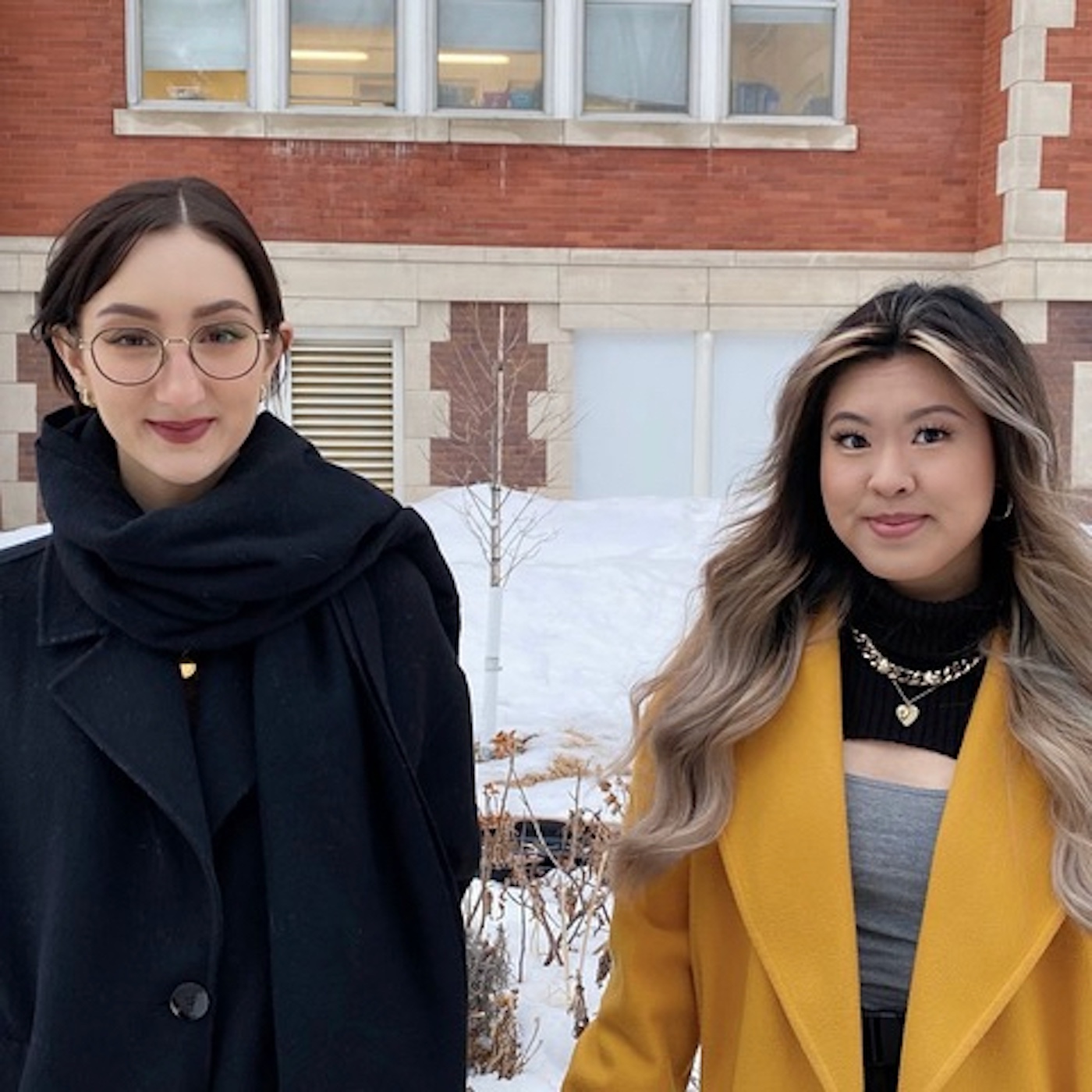
To spread hope and cheer in our city, the Office of the Vice-Dean of Research typically runs a charitable donation campaign at the end of each year, during the Christmas break. Again, distancing, masks and video conferencing dominated the College of Medicine's second pandemic holiday season. That prompted graduate students Stefany Cornea and Nayoung Kim to issue a departmental challenge. Help an elementary school. Cornea and Kim reached out to some of the schools hardest-hit during Saskatoon's Covid-19 pandemic, and asked what their wish lists included. In this episode, hear why Cornea and Kim chose King George School -- and what the donation will change for its 106 students. We hear from both graduate students, along with King George's vice-principal, Anne-Marie Rollo. She said the donation is 'life-changing' for the elementary school. "For many of our young children being socially isolated really disconnected them from their family, their land, their culture," said Rollo. "We are incredibly excited for this opportunity," In December, Kim and Cornea stopped by King George to drop off the $1,300 donated by biomedical researchers. They hoped it would be enough to send the school's Grade 7 and 8 students on an end-of-year field trip in June. But that wasn't where the fundraiser ended. Cornea, who is doing masters' work characterizing the BRK protein prevalent in both breast cancer and gastric cancer, recalls returning to campus in January. In the mailbox, she came across an envelope addressed to Dr. Marek Radomski, the Vice-Dean of Research at the College of Medicine. After she dropped the envelope at his house, Radomski opened it. Inside he found a cheque for $2,000. The money was raised by Dr. Mary Kinloch, alumni of the University of Saskatchewan College of Medicine, and members of the Saskatchewan Regional Medical Association. Cornea said Radomski was stunned. "He couldn't believe the number on the cheque. He couldn't believe the generosity," Cornea said. She said in a typical year, the OVDR would raise roughly third of that total. "It kind of sheds a different light on what not just biomedical researchers can do, but what the College and the physicians, what we all can do when we put our minds to it," said Nayoung Kim, a doctoral candidate in the Department of Biochemistry. Kim and Cornea said they plan to keep the OVDR in touch with students and staff at King George School. With a total donation of $3,305, the entire school can now visit Brightwater, a nature reserve just south of Saskatoon. Parents and family members will also be part of the field trip, which is set for June, according to Rollo. Kim and Cornea say the idea is a tangible way of investing in Saskatoon's future. "They're raising people who are going to be providing medical care in our community, maybe raising future students or staff at the College of Medicine," said Cornea. "It's so cool to see that cycle of support."

S1 Ep 43'Be Like Bruce': Chris Gordon gives momentum to Saskatoon cancer researchers
From his time as captain of the Saskatoon Blades, to a career with the Saskatoon Police Service and the law -- Bruce Gordon was the kind of father, athlete and coach who inspired everyone around him. After he was diagnosed with Stage 4 pancreatic cancer in 2017, his wife Chris joined family and friends to start a wave of 'Be Like Bruce' fundraisers. "We were stunned and to be given a diagnosis of absolutely zero hope was devastating," said Chris Gordon. In his last months, Bruce spoke openly about his cancer, and how unfair it felt as he went through chemotherapy and tried to make the most of his last weeks on earth. He and his wife Chris both said the sense of love and community support they felt in that time was 'overwhelming'. But Chris Gordon also witnessed the pain her husband endured. "It was excruciating for him," she said. "The treatments, the management for pancreatic cancer. Nobody should have to go through what he had to go through." After he died, Chris Gordon knew donations in Bruce's name truly had to uphold her husband's motto -- "Community Above All Else". "I wanted it to have an impact on the community," she said. "I was able to reach out to the university and that's where I discovered the Cancer Research Centre." Through the College of Medicine at the University of Saskatchewan, Chris Gordon set up the Be Like Bruce Memorial Pancreatic Research Fund, with every dollar staying in her city at Saskatoon's Cancer Research Cluster. Over the past four years, private donations to the the #BelikeBruce Memorial Pancreatic Research fund have raised nearly $50,000. In this episode, we hear her story, and from both Dr. Andrew Freywald and Dr. Franco Vizeacoumar, who explain why donations like Gordon's are 'absolutely crucial' when equipment malfunctions, or needs to be replaced. "That definitely helped us to move forward fast and more effectively," said Dr. Freywald. "It helped us also to accelerate pancreatic cancer related work, as well as investigations and other types of cancer." Over time, Freywald and Vizeacoumar and their teams used their findings in targeting pancreatic cancer tumours to leverage more than $1.3M in grants. Those, in turn, led to advances in treating breast cancer, ovarian cancer, and prostate cancer. "Getting that laboratory-based discovery into the clinics and that's really the ultimate goal of any cancer researcher. And that's what me and Andrew are striving for," said Dr. Vizeacoumar. For Vizeacoumar, Freywald and Chris Gordon, the work won't stop anytime soon. They're all motivated to build a better future for anyone diagnosed with cancer. "I don't wish this upon anybody, that any family go through what our family has gone through," Gordon said. "My hope is to bring awareness and insight to people that our donations do make a difference." The University of Saskatchewan continues to be a leader in cancer research. Each dollar donated stays in Saskatoon, and has a vital impact on what researchers like Dr. Freywald and Dr. Vizeacoumar are trying to achieve. To find out how you can 'Be Like Bruce' and make a difference, visit the College of Medicine's donation page.
S1 Ep 42Dr. Alex Wong on Sask's rush to drop Covid rules
As Saskatchewan drops its proof-of-vaccine requirements and masking orders, doctors and nurses are angry and frustrated, as they care for record numbers of Covid patients. "There's this tension of how to manage all of this going forward so that we don't have surge after surge and wave after wave continue to basically crush our healthcare system," said Dr. Alex Wong. The infectious disease specialist based at Regina General Hospital said Saskatchewan politicians ignore medical advice in their rush to drop Covid restrictions. Some, Wong said, have spread half-truths misinformation about the Omicron variant, and the efficacy of the vaccine. Roughly half of adults in Saskatchewan have received a third Covid booster, something Wong said makes a 'colossal' difference with Omicron. "If I could pick one thing to leave in place. It would be the proof of vaccine program," said Wong. Without it, "there's not going to necessarily be that sense of urgency and motivation," Wong said. The associate professor of infectious diseases at the College of Medicine said variants will keep emerging, as the virus circulates through unvaccinated populations in other parts of the world. Wong said public health messaging on masks and vaccines must be clear and it must be driven by scientific principles, not political fear. "It's not really right to let society just forget about people who are on the fringes, who are marginalized, who are medically frail or immunocompromised or vulnerable or kids under five," said Wong. "That's just not okay. That's not what a caring, functional society does." Wong said Saskatchewan's public health message must be clear: get vaccinated. "That is the one most sustainable way out of all of this towards some normalcy."
S1 Ep 41Phantom Power: Audrey Zucker-Levin on Artificial Limbs
Audrey Zucker-Levin estimates it's been more than 30 years since she first poked her head into a researcher's office at New York City's Hospital for Special Surgery. Back then, the clinical therapist spent her days treating hospital patients, stopping by the laboratory after her shifts. "I was very intrigued by the prosthesis, by the mechanical and the physiologic connection," said Zucker-Levin. "I kept basically showing up any time I had spare time," she said. "They just put me to work." After long hours spent studying patients in early video work, Zucker-Levin recalled studying muscle movement and function through patients' knees, hips and lower-leg placement. She learned more about missing feet, and became curious about the neurological connections producing phantom sensations -- messages trying to connect and control the places where limbs once grew. Zucker-Levin went on to study prosthesis innovations, and welcomes today's gait lab advancements. "We were very dependent upon the technology of the prosthesis, as well as the ability of the person, and we were trying to match them," she said. "It was fascinating work." Zucker-Levin enroled in a part-time doctoral program at NYU, but didn't complete it right away. She followed her husband to Bethesda and a fellowship at the National Institutes of Health. After a few years, Zucker-Levin, her husband and two young sons relocated to the University of Tennessee in Memphis. She took on a faculty position there, determined to complete her PhD. "We had a babe in arms and a toddler," she said. "And I flew back and forth to New York every other week with the two little ones." Today, she empathisizes with parents who are students. She admits it was not easy finding balance as a full-time faculty member, as a part-time doctoral student, and as a full-time mother. "But I had lots of support," Zucker-Levin said. "I really enjoyed the research. I really enjoyed that ability to try and figure out how to help people function easier, or better." After she and her husband moved to Saskatoon in 2017, Zucker-Levin was hired as a professor at the University of Saskatchewan's School of Rehabilitation Science. The move north gave her research a different direction as she pivoted from helping high-functioning athletes and dancers, to helping more sedentary patients after amputations. With support from the Saskatchewan Centre for Patient-Oriented Research, and the Saskatchewan Health Research Foundation, her team now focuses on improving function in people affected by lower-leg amputations. Zucker-Levin started by assessing rates of amputation in Saskatchewan compared to other countries. From there, her team went on to use MRI scans to assess phantom sensation, watching the neurological connections the brain uses to keep or regain function; they're also experimenting with exercise programs aimed at using phantom sensations to help patients heal, along with studying a host of other factors affecting post-operative care. She's the principal investigator in "Wheeling to Healing"; research aimed at healing and preventing diabetic foot ulcerations, and she currently has four publications set for review.

S1 Ep 40The Kids Are Not All Right, with Ayisha Kurji
Dr. Ayisha Kurji first noticed the uptick in children and teens admitted to hospital in the spring of 2020. Some had cardiovascular damage. Some had gastrointestinal issues. But it wasn't because of Covid-19. Instead, she kept seeing children and adolescents hospitalized with eating disorders. "They were so sick, so medically unwell," said Kurji. "We started to track it." As familiar routines evaporated and face-to-face interactions vanished after school cancelations, Kurji said across Canada, outpatient referrals for eating disorders shot up 60 per cent, largely driven by an increase in anorexia nervosa. Kurji is one of the only paediatricians in Saskatchewan who specializes in treating children and teens with eating disorders. During the pandemic, she said inpatient hospitalizations for eating disorders tripled. The phenomenon is not isolated, with doctors in Canada and internationally observing the same spike, Kurji said. "In the pandemic where we've seen school closures and things like that, we've also seen more kids with depression, more kids with anxiety, and this eating disorder trend is huge," she said. Kurji shared red flags for eating disorders, and emphasized the need for parents to keep an eye on children and teens who develop new habits around food and exercise. "As a pediatrician, as a mom, we need to be putting our kids first," said Kurji. In this episode, she talks about her path to pediatrics, one that included a bachelor's degree in psychology before she entered medical school at the University of Calgary. Kurji completed her residency in Saskatchewan, and is now an assistant professor of pediatrics at the University of Saskatchewan's College of Medicine. Almost two years into the pandemic, she's now compiling her observations on the spike in eating disorders into an article for peer review. As Omicron infects a growing number of people, she said it's important to learn from the early days of the pandemic. "I think we need to be really careful how we approach things like school closures and delays," she said. "Sometimes they might be needed, but we need to keep in mind that that's going to have an effect on our kids and we need to be prepared." Kurji also said popular culture and social media sites also tend bombard young people with questionable messages about food, body image, and beauty. "When you're watching together, or if you see something like that, it's a good idea that you say 'let's pause this and let's talk about it," Kurji said. She said parents need to actively reframe discussions around outward appearances, in favour of talking about active living, and what a person's body can do. "Eating disorders really speak to me as my special thing where I feel like I can make a difference," she said. Left untreated, she said patients who suffer from anorexia and purging often go on to struggle with food as adults, increasing their risk of death by five per cent each decade. "Catching things early makes a huge difference," said Kurji Further resources are available at The National Eating Disorder Information Centre (NEDIC) and at the Kelty Mental Health resource centre.
S1 Ep 39BRK, Biochemistry and Breast Cancer: Erique Lukong
Dr. Erique Lukong grins, pointing to two bracelets on his wrist. One inscribed with the word 'focus'; the other 'believe'. "I'm passionate about what I do,' he said, describing his journey through medicine as a series of 'lucky breaks'. In his home country of Cameroon, Lukong was identified early as a promising scholar. Upon graduating from high school, he won an eight-year government scholarship to master both biochemistry and French linguistics. "They were looking for technical and medical translators to come back to the country," said Lukong, who enroled at Keele University in the United Kingdom, earning double bachelor's degrees. Lukong then moved to the University of Montreal for his masters-level work. But his career path changed, after Cameroon's economic and political crisis during the early 1990s. With a young family to support, Lukong opted to stay in North America. "I had nobody to guide me," said Lukong. "I didn't have somebody who looked like me anywhere." Undeterred, his work on lysosomes and identifying mutations brought him to McGill, Harvard, and finally the University of Saskatchewan. Today his lab focuses on the biochemistry of breast cancer. "From the very first person that I saw, I was already welcome," said Lukong, who vividly remembers the contrast between his job interview in Saskatoon and Quebec. "Everybody was welcoming." Lukong is a biochemistry professor and a member of the University of Saskatchewan's Cancer Research Cluster. His lab aims to pinpoint what BReast tumor Kinase (BRK), non-receptor tyrosine kinase is doing in these patients' bodies. Lukong is also investigating whether its presence is what's leading them to become drug-resistant. "The big problem we have right now is drug resistance," said Lukong. He said nearly a third of breast cancer patients taking Tamoxifen will develop some resistance to it. It's even tougher with Fulvestrant, a secondary treatment, one whose effect wears off in almost all patients over time. "That's the new direction my lab is taking now," said Lukong. Lukong also makes time to mentor his researchers, and to find out what their goals are. For him, one of the most difficult aspects of pursuing a career in biomedical science was that no one else looked like him. Even today, Lukong said a number of promising Black students often drift away from their studies, or give up on academia. "All they need is that role model" said Lukong. Last year, he became the vice-president of the Canadian Black Scientists Network, which is set to hold its first conference for Black Excellence in Science, Technology, Engineering, Mathematics and Medicine/Health next month. The four-day "BE-STEMM 2022" virtual conference begins January 30, 2022. "That's why I'm here. To tell them, you can do it," said Lukong.
S1 Ep 38Treating diabetes with black bag medicine: Stu Skinner
Without a car, without childcare, without a grocery store, a pharmacy, or a place to get blood work done, how is a person with diabetes in rural Saskatchewan supposed to keep their disease in check? Those are the questions Dr. Stu Skinner and his Wellness Wheel team members face each day, as they treat Cree and Saulteaux patients on the Day Star, George Gordon, Kawacatoose and Muskowekwan First Nations in south-eastern Saskatchewan. "We see a lot of patients with diabetic foot infections," said Skinner, a University of Saskatchewan-trained physician who specializes in infectious diseases and internal medicine. Some of his patients typically walk 5 km or more in a day. Some don't realize their feet are injured until it's too late -- when gangrene appears. In this episode, he describes the complications of uncontrolled diabetes, which can lead to heart attacks, strokes, kidney failure, vision loss, and amputations. Facing tough financial choices, discrimination and long travel times, he said a number of his patients won't seek health care until it's too late. "I always joke that we need to go back to the old doctor model with the black bag where you go to people's houses and you treat them there because that's what works," Skinner said. To build trust and to help patients better control their diabetes, Skinner's team will spend the next year recruiting 'peer champions' in the area who also have diabetes — people who better understand what day-to-day life as a diabetic is like. "People who have that lived experience have a lot to contribute and really are key," said Susanne Nikolai, nurse lead and Wellness Wheel's clinical coordinator. Nikolai said working with Skinner and his team has been "absolutely the best nursing that I've done in my almost 30 years as a registered nurse." Earlier this year, the Saskatchewan Health Research Foundation approved a $7,500 grant for 'Culturally Responsive "Diabetes 101" Training and Knowledge Mobilization Among Indigenous Peers Living with Diabetes in Regina Urban Hub and Indigenous Communities'. Skinner plans to use the money to build trust with his patients, to connect them with diabetic peers in their community, and to find out what's stopping them from getting the care they need. "Many of our patients don't have transportation or they need childcare," said Skinner. "If I, as a physician, mail out a letter for an appointment to someone, but they can only check their mailbox maybe once every three to four months, how are they ever going to know about the appointments, even if they could make it there?" Hear why this matters so deeply to Skinner, Nikolai and the Wellness Wheel team in this episode.
S1 Ep 37Slips, trips and spills: Preventing Falls with Cathy Arnold
For senior citizens, fracturing a hip is more often than not a life-changing injury. One in three of those patients will die within a year. The second will recover and return home. The third often needs to move to a long-term care facility, to cope with reduced mobility. Dr. Cathy Arnold makes it her mission to stop those falls and fractures in the first place. On this episode of the podcast, she joins us to talk about breakthroughs in rehabilitation techniques and research, as Canada marks fall prevention month every November. After practicing physiotherapy for 25 years in hospital settings, in the community, and in private practice, Arnold is now the director of the School of Rehabilitation Science at the University of Saskatchewan's College of Medicine. "What led me to research were those opportunities and interactions that I had with my older clients," said Arnold. She said their questions often led her to uncover conflicting scientific advice about how best to heal after surgery, and how to cope with aging. "I became very interested in what did keep people living longer," said Arnold. "I found working with older adults was really rewarding." Arnold said older adults need to practice balance exercises, and work at increasing their strength, even if they're frail, or if they've been diagnosed with osteoporosis. A stronger, more flexible person can catch themself during a fall, said Arnold. That strength and balance can mean the difference between a life-changing fracture -- and escaping from a fall with bruises. "The next time you fall or you lose your balance, you might be able to catch yourself," said Arnold. "You might be able to put out your leg and your muscles are strong enough to stop you."

S1 Ep 36Unchanged over two decades: Marek Radomski calls for boost to biomedical spending
Dr. Marek Radomski says research pays off, in attracting dollars to post-secondary institutions, in creating healthier citizens, and in lowering health costs. He's the vice-dean of research at the University of Saskatchewan's College of Medicine, a member of Canada's U15 Group of Canadian Research Universities, But in a province that will spend $6.5 billion on health care this year to fight a raging coronavirus pandemic, biomedical research spending is stuck at levels last seen at the turn of the century, For decades, the Saskatchewan Health Research Foundation, the major grant agency, has seen its budget stagnate at around $5M dollars a year. "My suggestion would be to double the SHERF budget," said Radomski. "It's worth investing in research. It's worth investing in very talented people," he said. "It's worth investing in hungry young wolves. It's worth investing in our very gifted and overworked clinicians." Radomski said for each dollar Saskatchewan spends on biomedical research through SHERF, his medical scientists bring three additional dollars back. Most use SHERF grants as seed money to pursue larger grants from highly competitive grant programs through national agencies and organizations. Radomski was born in Poland, and grew into one of the world's top pharmacological scientists, after four decades spent working in academia and in private industry. A quick scan of Google Scholar shows his publications are now cited by more than 28,000 researchers. A gifted mentor, Radomski moved from Trinity College to Saskatoon five years ago, and said Toronto, Montreal and Vancouver needn't be Canada's only high-profile destinations for scientific research. "There's lots of room for us to be the leaders," he said. Radomski pointed to clinician scientists at the College of Medicine leading the way in the treatment of strokes, along with Multiple Sclerosis. Under his watch, he's hired 12 "hungry young wolves" -- outstanding young scientists who have relocated to Saskatoon to push forward new discoveries, techniques and treatments." "We want to compete with Harvard," he said. "Maybe not in everything but there might be some areas where we can make a huge difference." Radomski said even with Covid-19, a breakthrough may be on its way, as scientists at the U of S Vaccine Infectious Disease Organization (VIDO) push a low-cost SARS-CoV2 subprotein unit vaccine toward its final round of human clinical trials. Radomski admits he's made the case for targeted research spending to politicians 'for some time now'. He won't stop until he sees results. "We've heard you need to keep on repeating your story," he said. "We've got amazing champions across the campus. Covid brought us an opportunity to highlight the work of these champions." In this episode, he points to the work of several Saskatchewan physicians and scientists whose efforts are already improving patient health -- and who may ultimately pull Saskatchewan out of the pandemic. "This is our ambition. It's a tough one to accomplish, but worth going for," said Radomski. "We want to be the top."
S1 Ep 35Science with an armchair and a drink: Julia Boughner and Café Scientifique
Julia Boughner knows primates carry a deep-seated instinct to gather together. An associate professor of anatomy with the College of Medicine, Boughner is a biologist who specializes in evolutionary development. On the last Tuesday of the month, she also hosts Café Scientifique Saskatoon. The gathering is essentially a pub night where a scientists talk about their research, mingle with members of the public and answer questions. "I think a lot of speakers enjoyed the fact they could give a podium talk with a beer," she laughed. "Researchers welcome the opportunity to be out there with the public, to share something that they care very deeply about." The pandemic forced Café Scientifique Saskatoon to move online, but Boughner hopes to bring the events back downtown to Winston's Pub. "One of the missions of Cafe Sci is to personalize or humanize researchers," said Boughner. "I really hope that we get to go back into a face-to-face environment." In this episode, Boughner shares insight on the nights that drew the biggest crowds, and how the pandemic highlighted the need to build trust between research scientists and ordinary citizens.
S1 Ep 34Michael Levin and the race to reverse MS neurodegeneration
Dr Michael Levin is a neuroscientist unravelling the mysteries of nerve degeneration in Multiple Sclerosis patients. He's also Saskatchewan's inaugural MS Clinical Research Chair, whose team recently won a New Frontiers in Research Fund award. "In my lifetime, there's been a dramatic change in how we treat MS," said Levin. "There's a lot of hope when people come into the clinic." But after taking steroids for a number of years, many MS patients still relapse. "It's this kind of slow degenerative kind of nickel and diming of people's function that we would really like to nip in the bud," said Levin. His task now is to find a drug that re-shapes a key protein involved with nerve degeneration, sending that protein back into its normal position. In this episode, hear why this could be a game-changer for MS patients across Saskatchewan and the world.
S1 Ep 33What I Did Last Summer: Kyra Ives on neuromuscular disease
One of the trickiest parts of treating patients with neuromuscular diseases such as Parkinson's and Multiple Sclerosis is figuring out how to keep them active and moving. Fourth-year medical student Kyra Ives dove in, spending one summer studying the effect of deep brain stimulators on patients with Parkinson's disease. She and her team watched participants experience major differences in tasks involving gait and balance. Through that work, Ives also uncovered a number of obstacles for people with both Parkinsons and MS. That's something she and the mobility lab team analyzed more closely the next summer, after MS patients sent in photo dispatches of their daily lives.

S1 Ep 32What I Did Last Summer: Christianne Blais on corticosteroid research
Taking a daily puffer with inhaled corticosteroids is a mainstay for millions of people who have eosinophilic asthma. But doctors don't always know what dosage will be most effective for their patients, in preventing inflammation. Up to now, studies of different corticosteroids have been hit and miss, with a patchwork of different approaches to brochoprovocation, subject groupings, and wash-out times. A study may prove a drug is safe, then neglects to accurately measure the dosage a patient needs. Over the past few summers, Christianne Blais looked at what asthma patients need, to breathe easy. "Our ultimate goal was to see the relative potency," said Blais. "How do they measure up?" The trouble is, the existing research was "kind of all over the map." In this episode, the fourth-year University of Saskatchewan medical student weighs in on what works, and what doesn't, in bronchoprovocations studies of corticosteroids in treating patients with eosinophilic asthma.

S1 Ep 31What I Did Last Summer: Cuting C-section infections with Belma Kamencic
Our podcast host, Jen Quesnel, has undergone two Caesarian sections -- lifesaving interventions that deliver babies safely. She's not alone. In Saskatchewan, roughly one quarter of mothers giving birth are doing it via abdominal surgery. More than one in three births in British Columbia are C-sections. After avoiding driving, stairs, and lifting anything heavy for a month or so, most mothers recover smoothly. But some don't. Belma Kamencic spent her past two summers analyzing those with surgical site infections. She then conducted interviews with dozens of mothers with infected incisions, to better understand their experiences. In this episode, we hear what patients told Kamencic, who said there are four specific changes she'd like to see hospitals make, to cut the risk of future C-section infections.

S1 Ep 30What I Did Last Summer: Shivani Tauh and End-of-Life care
One patient Shivani Tauh interviewed had to remove his ventilator tube to speak with her. Another told her it felt 'disingenuous' when able-bodied health care providers looked at his spinal cord injury and assured him 'this will pass'. Shivani Tauh kicks off our undergraduate summer research series in this episode, discussing her work on spinal cord injuries, and how they change a person's outlook, mobility and prognosis. Tauh, who is now entering her fourth year of medical school, has gathered concrete policy suggestions for those whose work deals with medical assistance in dying (MAID). Over two summers, Tauh interviewed both health care workers, and people who had suffered spinal cord injuries, to elicit their opinions and experiences, as Canada overhauls and modernizes its laws around end-of-life care. Tauh's research was done under the supervision of Dr. Lilian Thorpe and Dr. Darren Nickel. Tauh said the field is fraught with ethical questions, and this research has changed the way she views end-of-life care. In this episode, she describes in-person interviews with spinal cord injury patients as "eye-opening", pointing to one patient's account of feeling isolated and alone. "He never felt like his health care providers, specifically his physicians, really understood what he was going through," said Tauh. "It's difficult to have somebody that really has no true insight or understanding into what you're going through say, 'oh it'll be okay'. Taugh said her summer work underscored the need to protect vulnerable people within the health care system while also preserving their autonomy. "I would like to incorporate end-of-life care into my practice, regardless of what specialty I end up going into," said Tauh. "This is an area of medicine I feel very passionate about."

S1 Ep 29Physician, heal thyself: doctors' mental health suffers during pandemic
For doctors in Saskatchewan, depression and anxiety have skyrocketed during the pandemic. We check in with Dr. Camelia Adams, an associate professor of psychiatry, who's been tracking physicians' mental health during the Covid-19 pandemic. Just one of the 118 physicians she surveyed reported asking for help with mental health issues. That's no surprise to Angie Wiebe, one of the psychologists working with the University of Saskatchewan's Employee Assistance Program. Wiebe said almost everyone she's counselling has experienced emotional distress because of the pandemic. In this episode, she shares warning signs to watch for, as mental health becomes "a bit of a pressure cooker".
S1 Ep 28A light touch: Katherine Knox on Multiple Sclerosis research
When Dr. Katherine Knox first arrived in Saskatchewan more than two decades ago, the province covered one prescription drug for patients with Multiple Sclerosis. Beyond that, patients had to pay for drugs out-of-pocket. Today, Knox said the province reimburses MS patients for 14 different drugs. "MS is an expensive disease on many levels," said Knox, noting Saskatchewan's coverage is now the most favourable for MS patients anywhere in Canada. In Saskatchewan, three in 1,000 people have Multiple Sclerosis — one of the highest incidences of Multiple Sclerosis in the world. As treatments improve, the number of people living with this chronic autoimmune disease is rising. "It's probably a combination of genetic and environmental factors that play a role," said Knox, who first learned about the disease as a student volunteer with the MS Society of Canada. "Everyone had such a unique disease experience," Knox said. "So I just became more curious." Her research these days focuses on non-drug approaches which prevent the onset of disability. After 15 years with the disease, it's estimated roughly half of MS patients need a cane or walking aid. "Understandably many people don't want to use a walker for good reason," said Knox. "It's bulky, it's awkward, it certainly lets people know that you have an issue with your walking." To delay that, Knox turned to researchers at the College of Kinesiology's Biomechanics of Balance and Movement Lab, to look at the power of a 'light touch'. The goal is to help people with MS regain — and keep — their balance and mobility. "Patients would tell us you know when I walk the dog and hold the leash, my balance feels better. Or when I lightly touch the back of the chair I can be re-orientated," she said. By teaming up with Dr. Alison Oates, fourth-year resident Najala Orrell, and Pawan Kumar, an engineer and kinesiology research fellow, Knox studies patients' balance and stability, using various haptic inputs. "Even just a light touch on a walker or perhaps a different object can help them regain their balance," said Knox. In this episode, she said keeping her patients moving and avoiding falls is crucial. "We do need innovation and technology to come up with ways that can provide sensory feedback that would be discreet, socially acceptable, and easy to use," said Knox.
S1 Ep 27'In a war zone': Alex Wong looks back at the Covid-19 pandemic
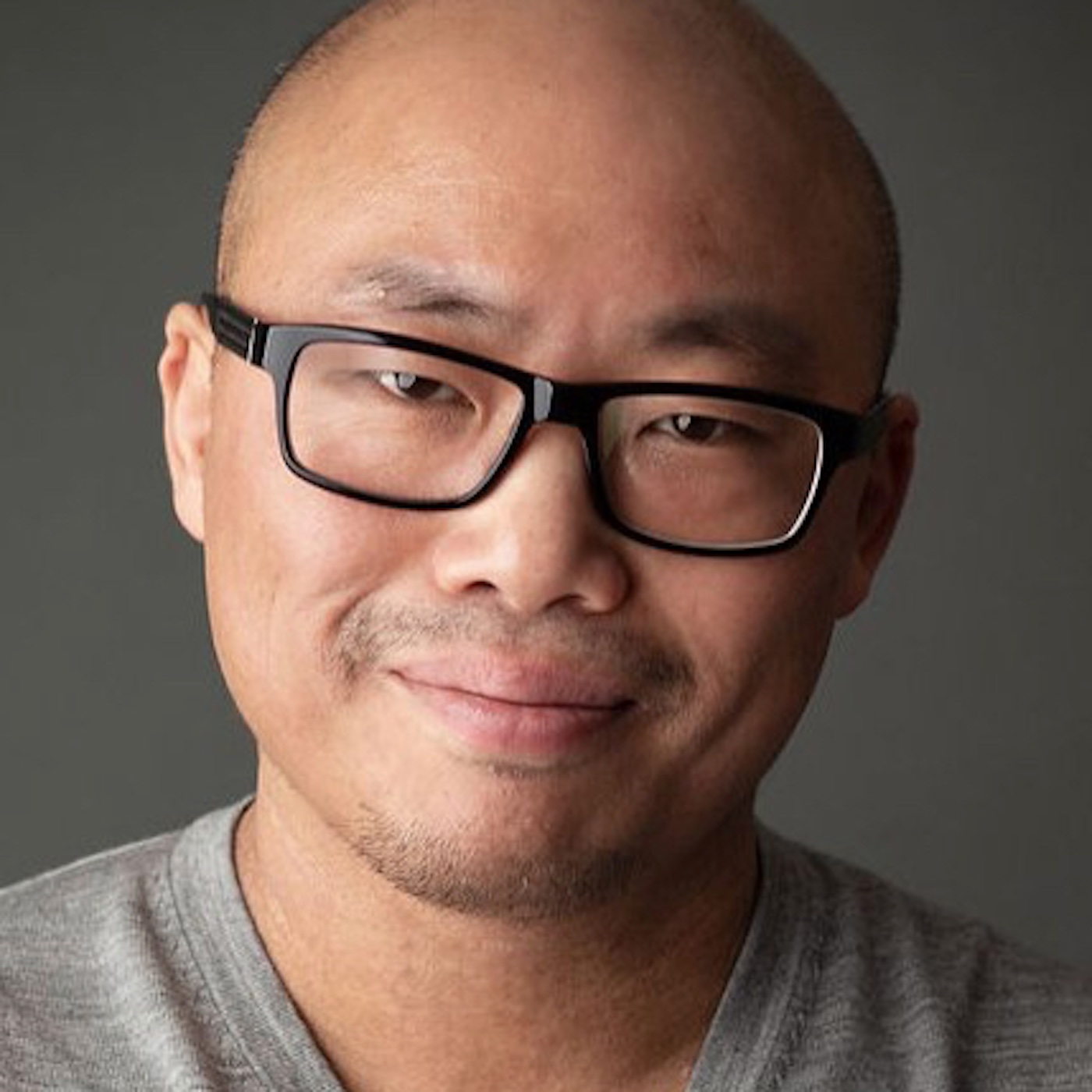
Dr. Alexander Wong remembers forcing himself to hide his fear last year, as he treated his first Covid-19 patients. "It kind of felt like we were staring down the bottom of a big gun barrel," said Wong, an assistant professor in the College of Medicine's Department of Infectious Diseases. The virus has killed 546 people in Saskatchewan. In this episode, Wong looks at public health, at politics, and at 'really complicated' decision-making during the pandemic, as Regina's critical-care teams fought to save severely ill patients.
S1 Ep 26'Good Troublemaker': Manuela Valle-Castro roots out bias in medicine
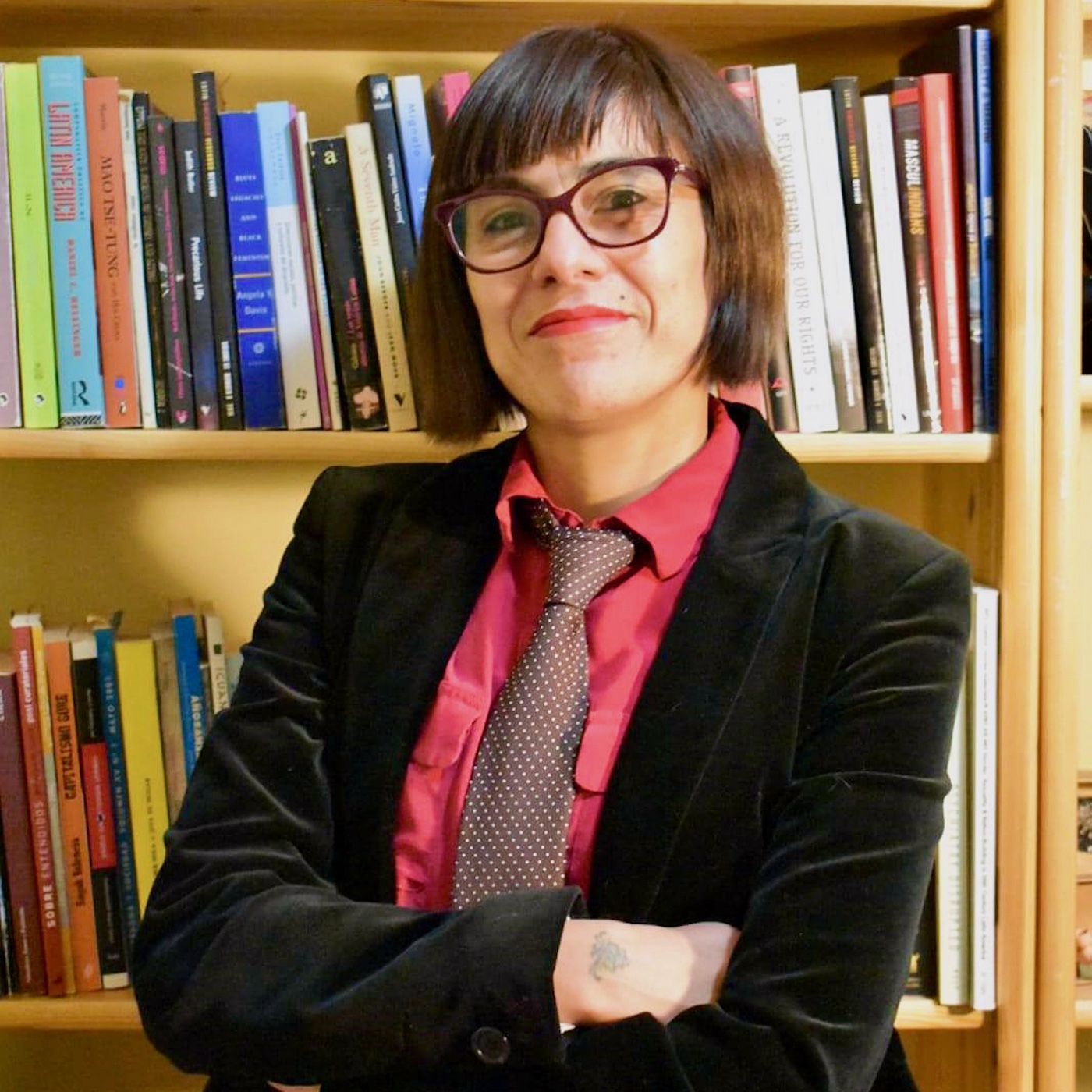
Manuela Valle-Castro remembers growing up in a home where social justice was frequently part of the dinner-table conversation. She spent the first six years of her life in exile, after her family joined thousands of Chileans fleeing Augusto Pinochet's oppressive political regime. Upon her family's return to Chile, she watched her parents and their friends organize and push back, even when dissent could lead to jail time, torture, or death. "It wasn't a very conventional way of growing up," said Valle-Castro, who watched her loved ones document human rights violations, and rally against injustice. "I had a voice I wanted to use for things I felt passionate about," she said. Valle-Castro eventually moved to Canada, where she trained as a community psychologist, completing her PhD in Gender, Race, Sexuality and Social Justice at the University of British Columbia. "I looked up to Canada," said Valle-Castro. "But what I did not know was how much of Canada's identity has been created over a layer of colonialism that is very violent." In 2020, she was hired as the Director of the College of Medicine's Division of Social Accountability. In medical training and biomedical research, Valle-Castro's job is to tackle and dismantle bias and unconscious discrimination. In this episode, she discusses the 'extreme politeness' ingrained in Canadian culture, and why it often tends to oppress and silence marginalized people. "It's not necessarily about racist slurs and impolite words," she said. "[Oppression] can come in a very benevolent and polite shape too." She said the key to health equity is to listen, promote, and act on advice from racialized people, immigrants, those with disabilities and different lived experiences. "Research needs to not be redundant," she said. "How many times do we need to study bad housing or bad water before those issues are addressed?" "I see a need for this shift all over the College of Medicine," she said, noting indigenous academic leaders have already taken the lead in changing Saskatchewan's dominant narrative. Medical trainees, researchers and faculty all need to become more outspoken about their work, Valle-Castro said, pushing governments and decision-makers to take action. "There's no research that happens in a void," she said. "Make those decisions transparent and have people be accountable for those decisions." Valle-Castro said the end goal for the College of Medicine is better health for all people in Saskatchewan, not just the able-bodied white population. "Community engagement and health equity need to be absolutely at the forefront," she said.

S1 Ep 25The inventor: Dr. Ron Geyer harnesses the power of nature
Dr. Ron Geyer is the man behind the Saskatchewan Therapeutic Antibody Resource, the Advanced Diagnostics Research Laboratory, and the Centre for Biologic Imaging Research and Development. But when the biochemist and pathologist began university, he was more interested in improving his downhill race times. "I was very into skiing," Geyer said, recalling his experiments with different waxes and techniques, which set the stage for a lifetime of tinkering. After being sidelined by a knee injury. Geyer turned to molecular biology and organic chemistry, developing a deep fascination with the building blocks of life. "I was interested in understanding how cell processes worked, how pathways in cells were wired and linked together," said Geyer. His post-doctoral work took him to the Molecular Sciences Institute at Berkeley, then to the University of Florida, with a focus on synthetic biology. But building synthetic molecules felt 'fairly slow and tedious' for Geyer. Upon his return to Canada, he founded a now-defunct biotechnology company focused on improving cancer treatments. "I decided to harness the power of nature and work with biological molecules, rather than synthetic derivatives of them," Geyer said. When he arrived at the University of Saskatchewan to accept a faculty position, Geyer's focus turned to developing new therapeutic antibodies, and better techniques for diagnosing mutations and disease. To make it happen, he brought together the Western College of Veterinary Medicine, the Saskatchewan Centre for Cyclotron Sciences, the Saskatchewan Cancer Agency, Royal University Hospital and the College of Medicine, creating an antibody 'pipeline'. Geyer's teams now work inside the Health Sciences building, in a fast-expanding research cluster. "The goal was originally to repatriate all the tests we'd been sending out to other provinces," said Geyer. "More recently, we've developed our own tests." In this episode, he explains why this work has led to faster diagnosis, better monitoring, new treatments, and a sense of hope for thousands of Saskatchewan people with leukemia and lymphoma. "It's really exciting and really state-of-the-art," said Geyer. "Ultimately, it serves to provide better medical care for the people of Saskatchewan, not only in terms of the availability of tests, but also in attracting physicians to the province."

S1 Ep 24"It made all the difference": a patient perspective on research, with Lois Miller
"The medication that I'm taking today would not have happened if we weren't doing this research 30 years ago," said Lois Miller. In this episode, she offers a patient's view of research, and how it can change lives. Miller is 52. Once again she's able to walk, to work, and to live a relatively normal life five years after her diagnosis with multiple sclerosis. But that didn't happen overnight, nor was it easy. Miller initially had 'incredibly painful' side effects with the drugs her neurologist prescribed. From welts and burns, to peeling skin, headaches, and crippling abdominal pain, she was on the verge of applying for long-term disability coverage, when she was referred to University of Saskatchewan MS specialists working at Saskatoon's City Hospital. "I didn't know MS medications are not covered in our health system," said Miller. "The only way we get better medications is through research." Miller said researchers and clinicians at Saskatoon's City Hospital brought new medications and treatment protocols to Saskatchewan, which gave her a new lease on life. "I wouldn't be living with the independence that I have today," said Miller. "It made all the difference."

S1 Ep 23Making the cut: Dr. Adam Baxter-Jones on teen athletes and growth
As a young man finishing his biology degree, Adam Baxter-Jones (PhD) was decidedly more interested in being a punk than a professor. "I was far more interested in things like music and fashion than I ever was in academia," he said. But Baxter-Jones needed a job, and eventually found one testing the lung function of hospital patients. Then, he found himself measuring aerobic fitness for up-and-coming teenage swimmers, gymnasts, soccer players and tennis players. As he earned his PhD in medical sciences, he observed growth variations in teen athletes that led to gaps of up to five years between a child's chronological and maturational age. "In professional sports like hockey and soccer, most players are born between January and May," he said, noting coaches often choose the tallest, most mature children for elite teams. But fast-growing teens often lose that advantage as the rest of their cohort catches up, said Baxter-Jones. In this episode, he explains his formula for predicting a child's adult height, why coaches and parents should think twice before writing off late-bloomers, and why elite sport training for teens leads to "bone in the bank" -- especially for gymnasts. "If you get strong bones during your growing years, those strong bones stay with you as long as you keep active throughout your life," said Baxter-Jones.

S1 Ep 22Wa sati wa nhenha: Women strengthening health
In Mozambique, the Xitswa phrase, "wa sati wa nhenha" means "strong women" or "women's strength". Jessie Forsyth and Nazeem Muhajarine are two of the University of Saskatchewan researchers learning how to build on that strength in rural and remote communities. And they've done so during a pandemic. In this episode, hear why Covid-19 did not stop the Mozambique-Canada Maternal Health project from opening several brand-new rural medical facilities this year. Nurses also managed to keep upgrading their skills with training in reproductive and obstetric services. Alongside the bricks-and-mortar buildings, there's also more predictable income now for families in Inhambane province, thanks to micro-projects led by local women. "Mozambican policy ever since the liberation movement has been about promoting gender equality," said Jessie Forsyth, director of the Mozambique-Canada Maternal Health project. "But it's difficult. Change is difficult," she said. "So much of what we do requires long-term vision."

S1 Ep 21A one-year pandemic checkup, with Preston Smith, Dean of Medicine
One year ago, Dr. Preston Smith remembers watching the coronavirus inch closer and closer to the University of Saskatchewan. "It felt like being in the emergency room and hearing the police and ambulances had been called to an accident. You knew something was coming," he said. By mid-March 2020, nearly every aspect of teaching and research was shutting down at the medical college he oversees. "Experiments were interrupted. There was an enormous loss to our research," said Smith. Crediting 'amazing teamwork' for moving coursework online and getting biomedical researchers back into their laboratories, Smith makes it clear -- science is the only way out of this pandemic. In this episode, he discusses the pandemic, the need for research and dollars to support it, and his recruiting drive to fill 15-20 faculty positions over the coming years, as a cohort of senior researchers in Saskatoon retire. "It is a fabulous time to be trying to recruit doctoral and post-doctoral biomedical scientists," said Smith, who is now in his second term as dean. And he's unequivocal: provinces that spend tax dollars on biomedical research see fewer preventable illnesses and deaths. "Our researchers are incredibly creative," Smith said, noting his faculty punch well above their weight in securing grants. "We need more local funding that will equip our researchers to be competitive nationally."
S1 Ep 20Inside the black box: Dr. Changting Xiao on the role of lipoproteins in chronic disease
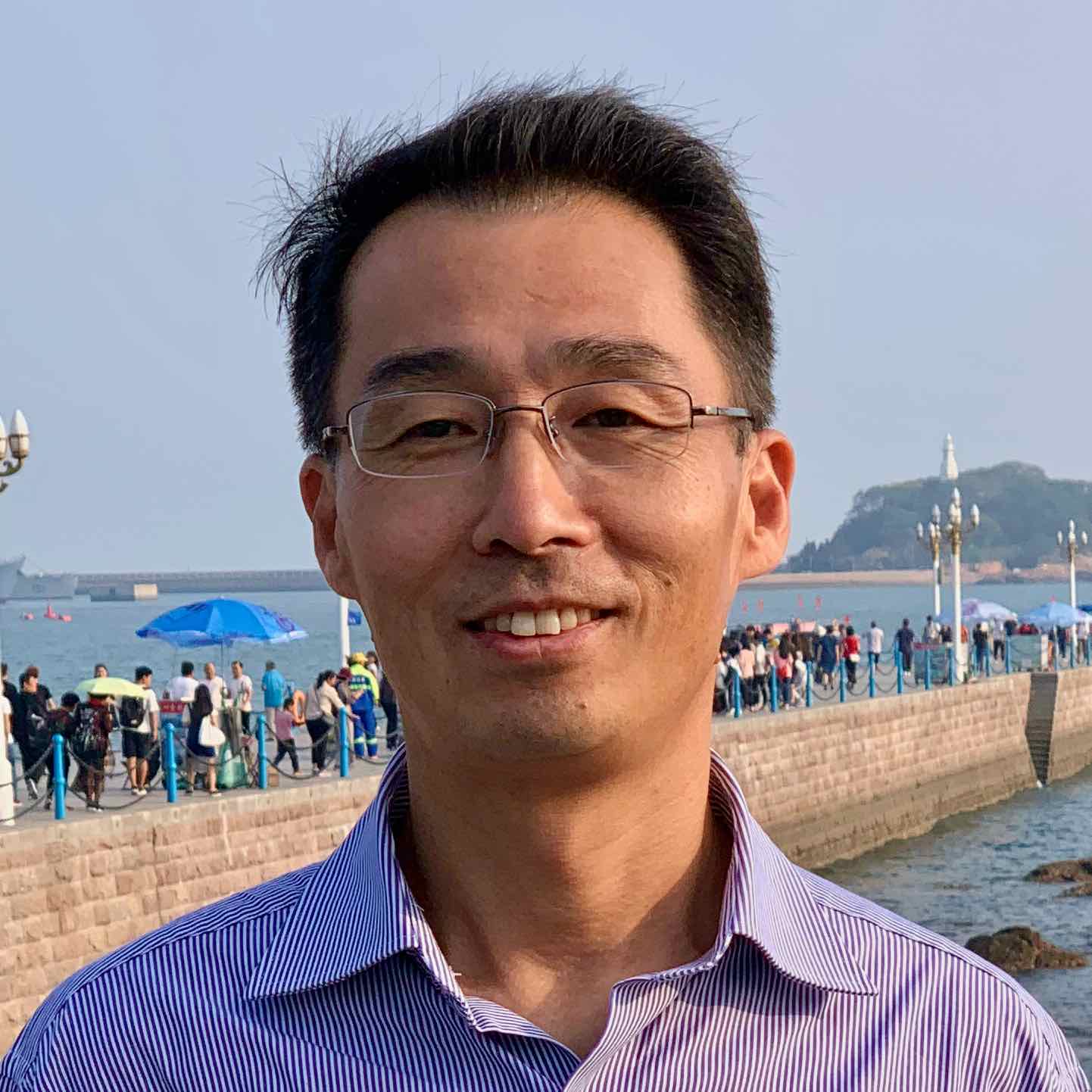
To crack the causes of metabolic disease, Changting Xiao (PhD) is peering into the "black box" of the human gut. As a boy, Xiao frequently ran homemade experiments, trying to figure out how systems work. Over the decades that followed, he observed an 'epidemic' increase in diabetes, obesity, strokes and heart disease. In this episode, the biomedical researcher explains why he recently moved to Saskatchewan, and his fascination with the human gut, and its role in creating 'bad blood fats'. "The gut is often overlooked and often under-studied," Xiao said. "The gut is very smart and complex, and there is much more to be learned."
S1 Ep 19Medical anthropologist Caroline Tait, on transplant medicine
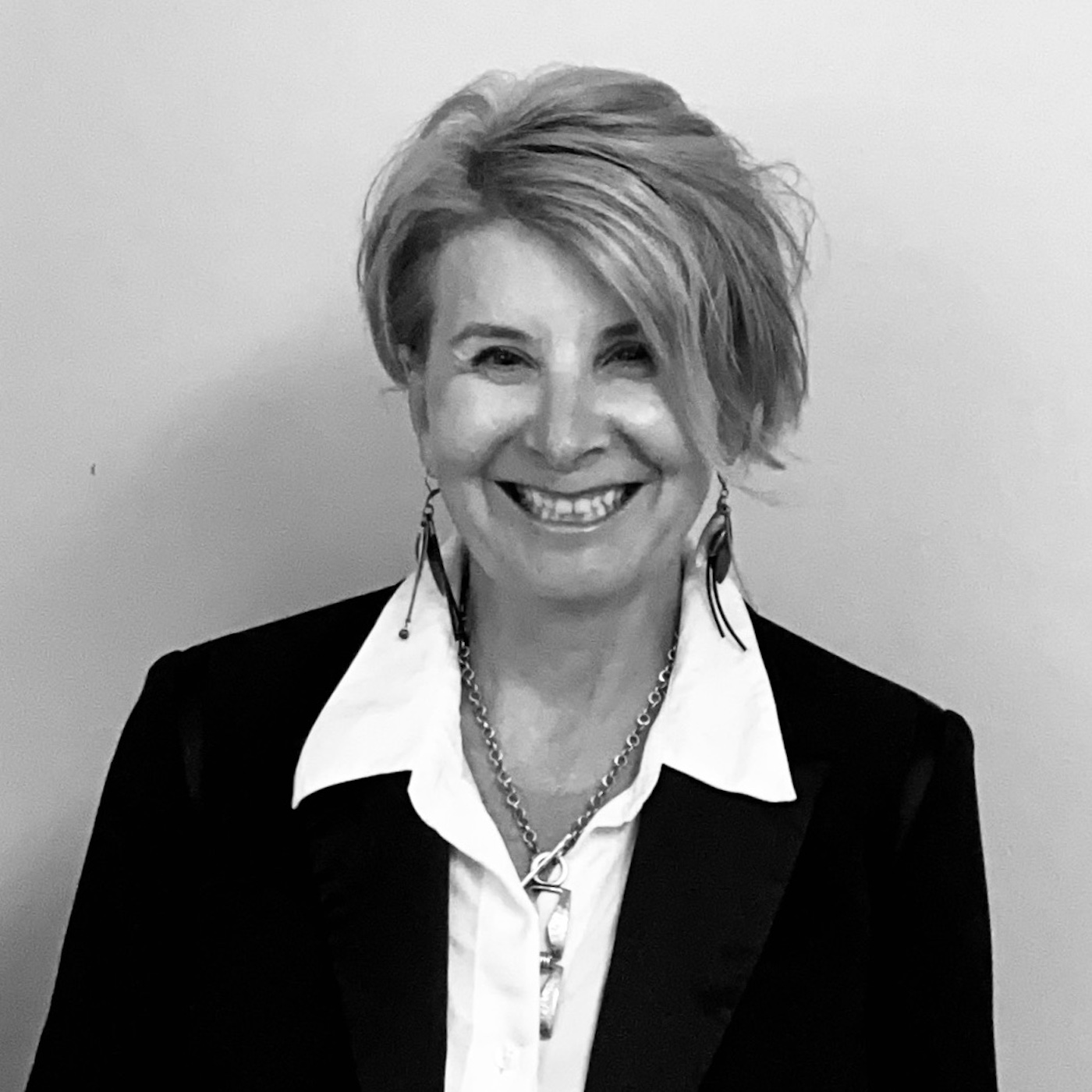
"Western medicine can give you the heart of another person, but no meaningful direction on how to lead a good life with that heart," said Dr. Caroline Tait. That's the dilemma many Indigenous people face, as disproportionately early deaths and chronic disease boost the need for organ transplants. "Our whole public education if you look at it, is all about convincing people to sign their donor cards," said Tait, a medical anthropologist and psychiatry professor at the University of Saskatchewan. "We really don't do any public health education at all around being a recipient." Tait serves as co-lead of Canada's Network Environments for Indigenous Health Research, and research lead for the First Nations and Metis Organ Donation and Transplantation Network. Through an indigenous lens, she and fellow think tank members tackle ethical and philosophical questions around transplant medicine. "Indigenous people are very pragmatic and sometimes people forget that," Tait said. "It's okay for us to change our minds." In this episode, Tait discusses the role of blood memory, why the 'wall' of anonymity between donor families and recipients is problematic, and ethical dilemmas raised by Indigenous elders, surgeons and patients with lived experience. "People are messy," said Tait. "They aren't entirely sure how they feel about it. If they look at it from different vantage points, they may decide to do things differently."

S1 Ep 18The burden of lung disease and lightening it, with Dr. Erika Penz
Respiratory disease now accounts for one in four hospital admissions, with lung cancer killing more patients than any other cancer. As both a respirologist and a health economist, Dr. Erika Penz (MD, PhD) knows Canadians spend a staggering amount of money treating lung diseases and cancer -- conditions that can be prevented. That's why, early on, Penz chose to put respiratory disease in her crosshairs. "That's actually why I get excited," said Penz. "The more we can understand and reduce these risks.... the more we can reduce the burden on both caregivers and the health care system." By cutting smoking, vaping, and exposure to pollutants such as asbestos, Penz says we can release the tremendous pressure lung diseases place on hospitals, patients and their families. In this episode, we hear why she became fluent in the language of both clinicians and bureaucrats; what being a clinician entails during a respiratory pandemic; and why Penz is determined to halt the pain and suffering of preventable lung disease.
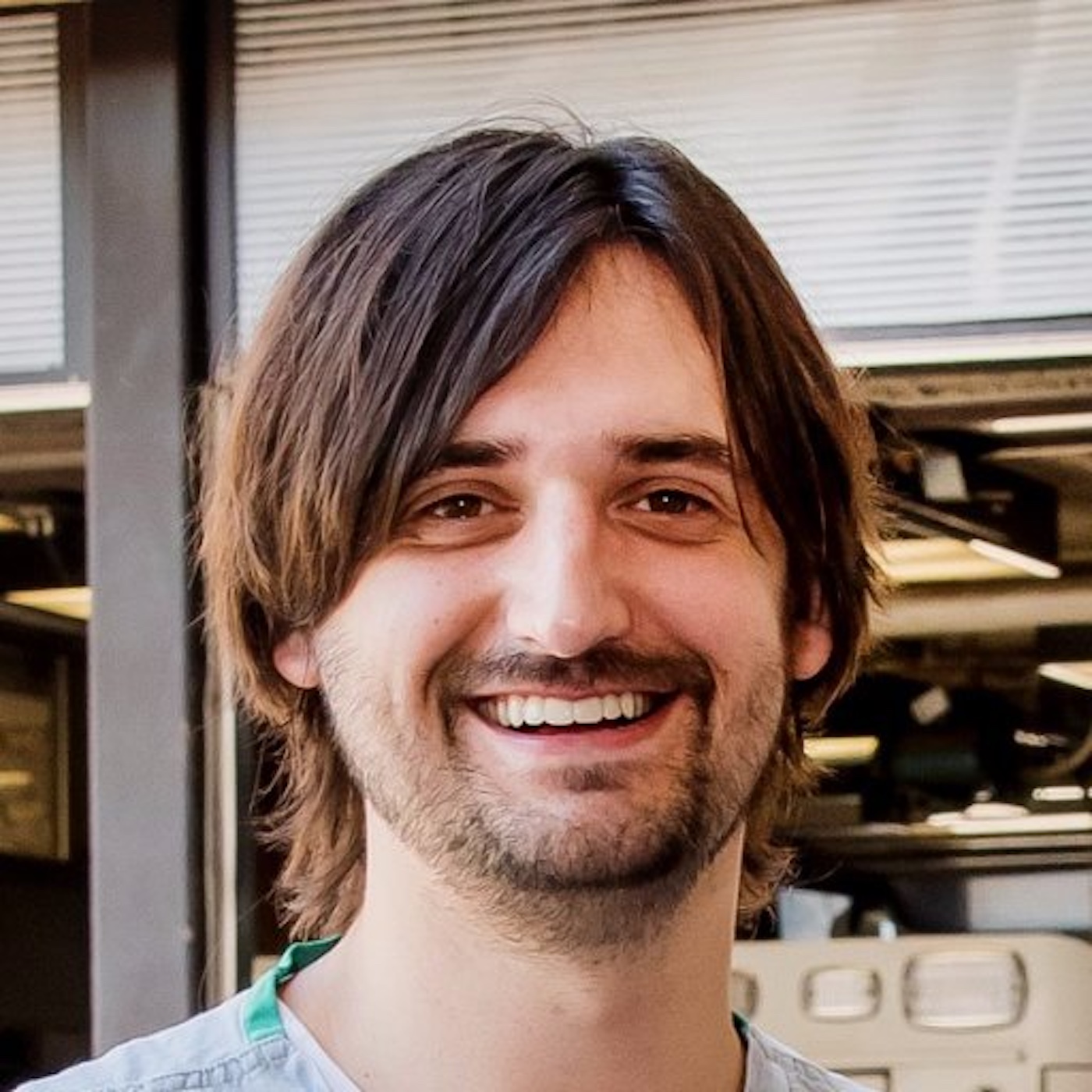
S1 Ep 17Do serious doctors tweet? Brent Thoma on digital scholarship
Whether it's a blog, a podcast, a wiki, a tweet, or an infographic, a growing number of doctors now turn online when they need answers. For the past five years, Dr. Brent Thoma has led research supporting the use of free, open-access, and high-quality resources for medical education. "I think we're really elevating our game in medical education, because these resources are available from such exceptional educators and researchers," said Thoma, who specializes in emergency medicine and trauma. He's also the CEO and founder of CanadiEM.org. In this episode, Thoma lays out the risks and rewards of moving medical education from textbooks to the online world. He also explains how to spot false and misleading information. Thoma said the Covid-19 pandemic gives clinicians and researchers a sense of urgency in debunking the proliferation of false and misleading medical statements on social media. "If we're not at the table and having some of these conversations and sharing high quality resources and work, we're just going to get drowned out," he said.

S1 Ep 16Indigenous wellness through "slow" research, with Alexandra King
Like the "slow food" movement, Dr. Alexandra King promotes "slow research" when it comes to Indigenous people's health and wellness. As a First Nations physician, and the Cameco Chair in Indigenous Health and Wellness at the University of Saskatchewan, King wants Indigenous elders and people with lived experience to lead and shape more health research. "What does knowledge translation look like if it's being done on a very personal level?" asked King. "We're now finding new and interesting ways of going about this." When interviewing people who've experienced chronic conditions, homelessness, addictions, or abuse, she said researchers bear an ethical duty to avoid inflicting pain or harm on the people they're interviewing. "If you bring someone into a dark place, it's really important that you bring them back into light," said King, who said Indigenous spiritual beliefs and ways of knowing carry healing power. "When they're done the interview, they're feeling much better about themselves," she said. In this episode, King challenges the traditional academic approach to health research, along with its outcomes for Indigenous people.
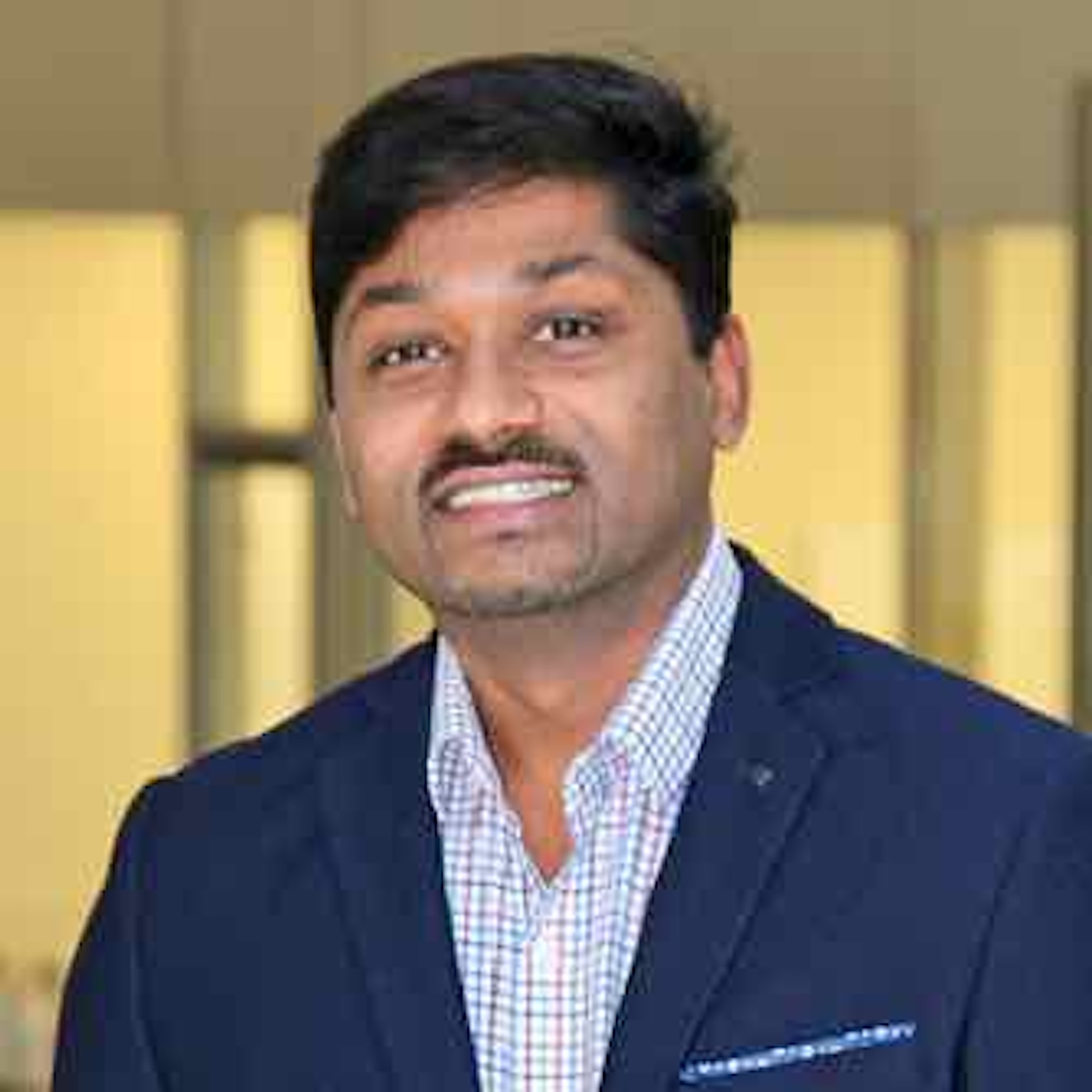
S1 Ep 15Understanding the way nerves talk to tumours: Dr. Anand Krishnan
Ever wonder how tumours spread? For Dr. Anand Krishnan, finding effective anti-cancer therapies means finding a way to decode the language tumours use to communicate with nerves. "What we are trying to do is cut the lines of feeding from the nerves to the tumours," Krishnan said. In this episode, he explains why applying the principles of cancer biology to neuroscience may lead to more targeted anti-cancer therapy, even regenerating damaged nerves.

S1 Ep 14Remodelling Project: Dr. Dave Cooper and the Mysteries Inside our Bones
A self-described computer nerd, Dave Cooper was always fascinated by the way technology could push fundamental science research forward. After bone density scans became commonplace in the 1980s, Cooper watched imaging technology and forensic science begin to advance. Today, his laboratory uses the Canadian Light Source to take detailed snapshots of bones evolving and changing in real time, honing treatments and improving outcomes for patients with osteoporosis. "People are living longer, and part of living longer and healthier lives will be protecting the skeleton," said Cooper, who says unraveling the mysteries inside bones and their evolution over time can have ramifications across health disciplines, even for space travel. "Now, we can watch it as it's happening rather than using a blunter instrument after the fact," he said.
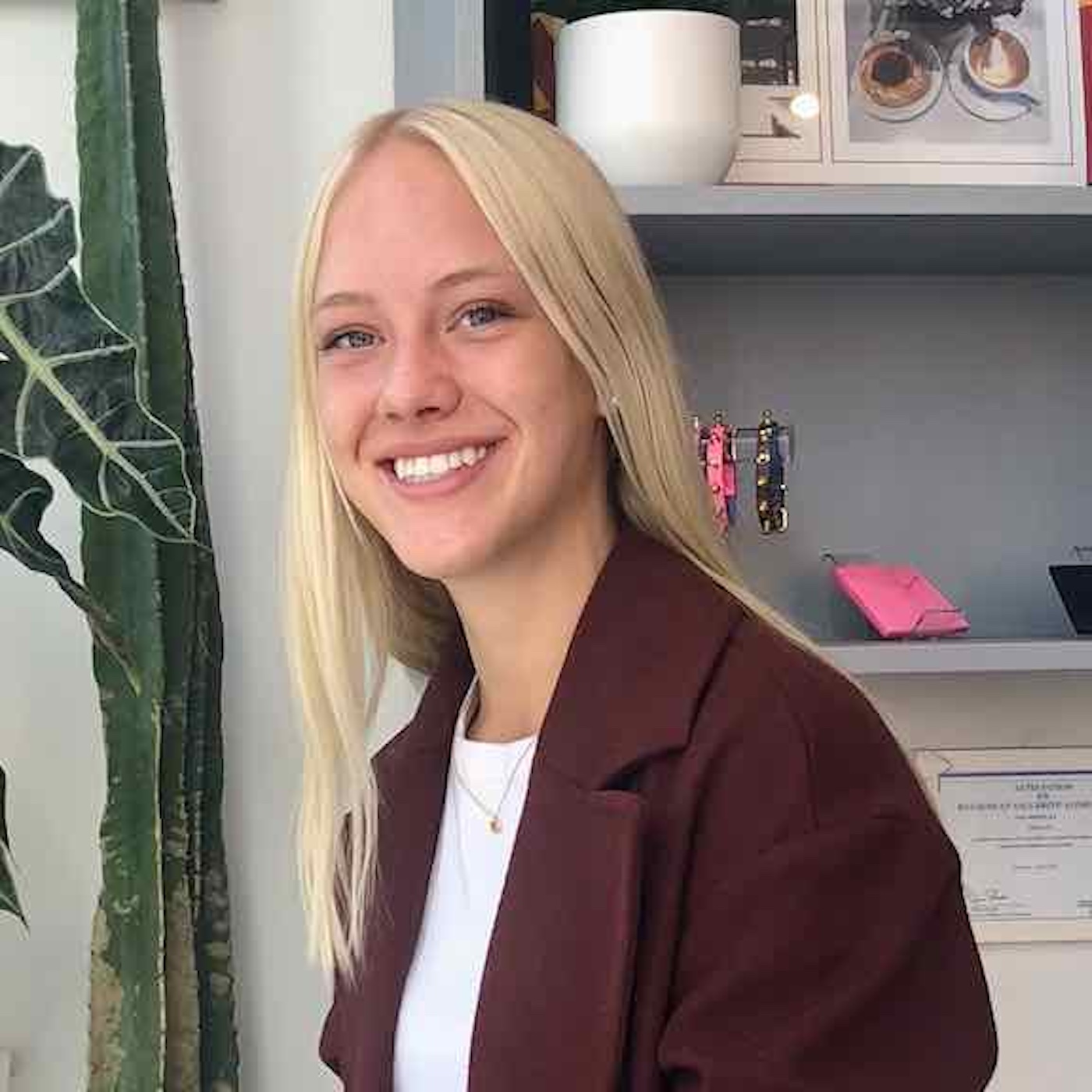
S1 Ep 13"My disease does not define me": Emma Linsley
Emma Linsley managed to power through fatigue and weight loss, but when her joints started to swell, she and her family knew something was wrong. "I thought I would have to quit all my sports, and that I wouldn't be able to do all the things I loved," she said. "This is something that's going to play a role in the rest of my life." In this episode, we look at research from her perspective, as a teenager and young adult navigating the medical system as a patient with a chronic illness. "I never wanted my illness to define me," said Linsley. "I made the best of the situation and took the opportunities that it provided me with so that I could grow and achieve my goals instead of using my illness as a reason to not push myself." That experience shaped her view of medicine, and it's motivated this second-year McGill science undergrad to keep pushing herself in the academic world.
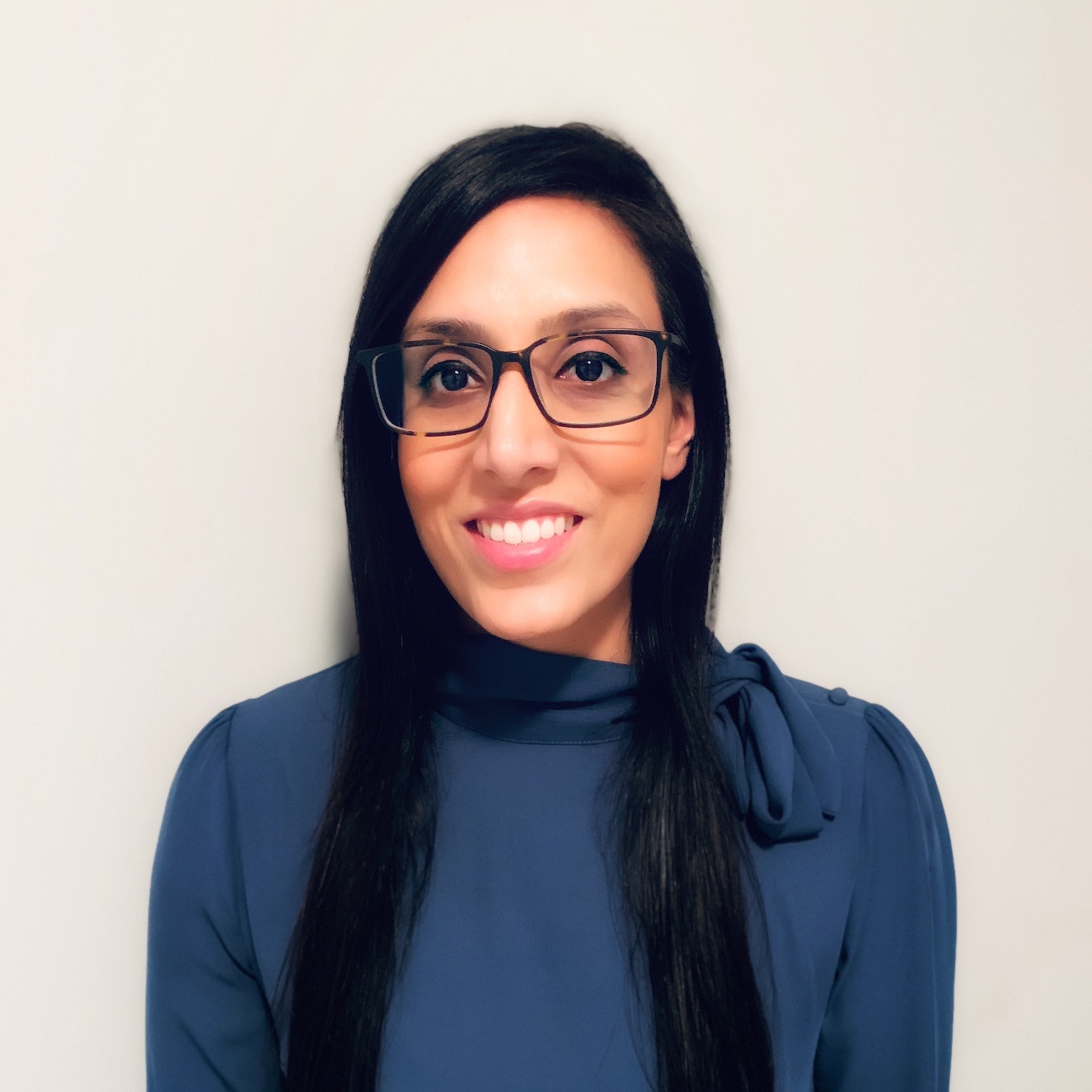
S1 Ep 12Why kids react differently to the coronavirus: Dr Rupeena Purewal
Rupeena Purewal (MD) says when the coronavirus infects children, their bodies react differently than those of adults. She's leading the only Saskatchewan-based clinical trials of human convalescent plasma on children sick enough to be admitted to hospital. So far, there aren't many children with Covid-19 in hospital, but with the cold weather come higher infection rates, and the risk of other serious respiratory infections. And, as she learns more about the coronavirus' asymptomatic spread, Dr. Purewal warns parents they cannot afford to keep skipping routine vaccinations or check-ups for their kids.
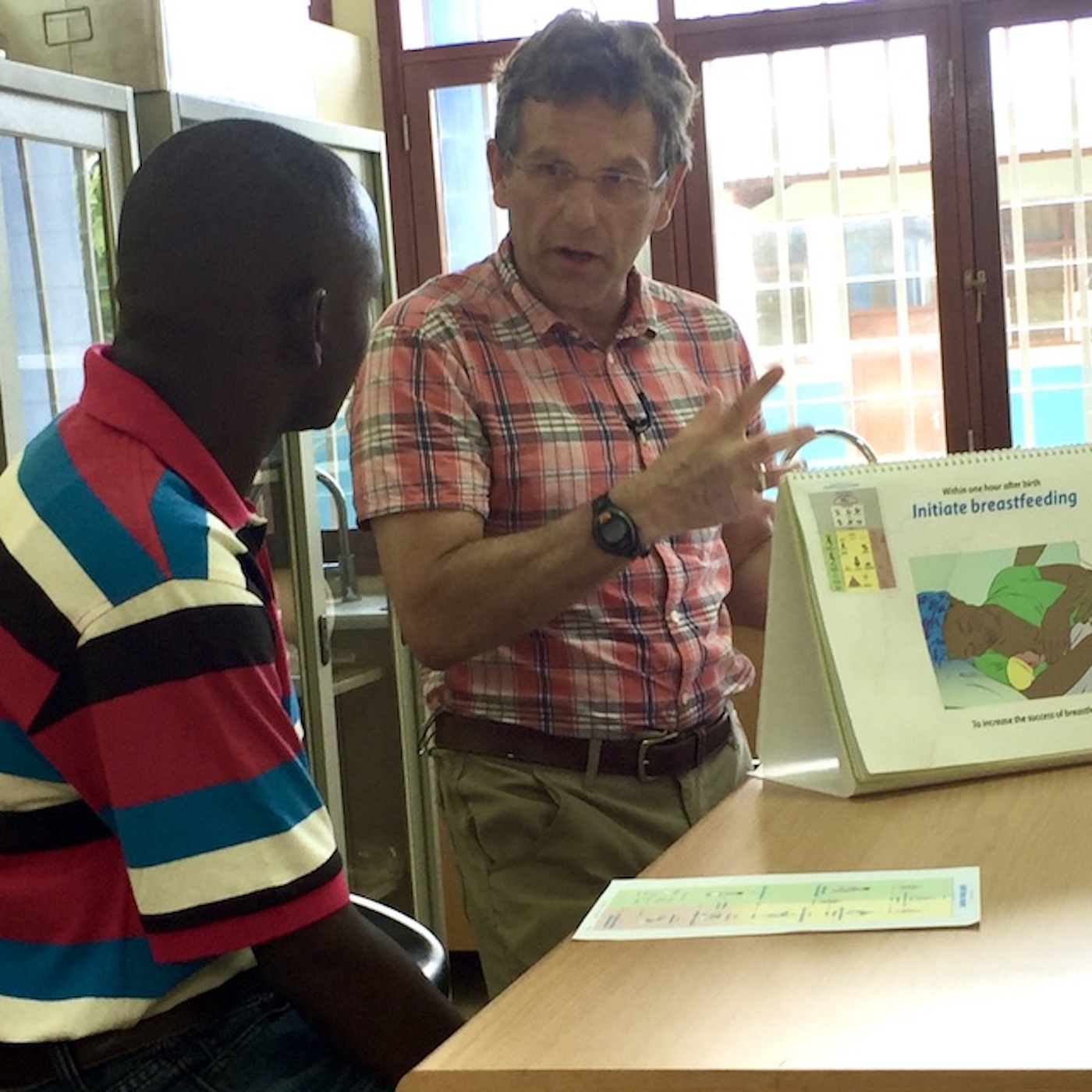
S1 Ep 11Motorcycles for Maternal Care: Dr. Ron Siemens in Northern Mozambique
After raising five children of his own, Ron Siemens (MD) brings an empathetic, pragmatic approach to pediatrics. Whether it's in Saskatoon or in Mozambique, his goal is to make life better for infants, children and their families. "You see all the obstacles parents have," said Siemens. From road-testing motorcycle trailers for expectant mothers in Mozambique to creating self-sustaining chicken farms, Siemens explains what fuels his passion for healthy families and communities.
S1 Ep 10His father's son: Nazeem Muhajarine on Public Health and Human Behaviour
The way people perceive threats in a pandemic affects the spread of Covid-19, according to social epidemiologist Nazeem Muhajarine (PhD). Since he was a boy, he's studied the way government interventions really work, from the perspective of citizens who have to live with them. In this episode, Muhajarine explains why he left medical school for a career in public health research, why politicians' words and actions can change infection rates, and why he strives to treat every person he meets in his research with dignity.

S1 Ep 9Dr. Sarah Donkers: Keeping Brains On During a Pandemic Lockdown
Sarah Donkers is a physiotherapist and specialist in neurology who had to rethink everything when the Covid-19 lockdown slammed doors shut this spring. Donkers couldn't stop thinking about her patients, and the care they were now missing. As she tells host Jen Quesnel, her team went on to design online movement and expert masterclasses for more than 800 Saskatchewan people with MS, with spinal cord injuries, and with Parkinson's disease. "It was two-way learning," Donkers said, as she documented the effect of the advice and emotional connections her patients made with each other during the neurological and physical rehabiliation program. After ten weeks, most patients urged her team to continue the twice-weekly sessions. "It was really rewarding."

S1 Ep 8Pinning down a drug-resistant ESKAPE artist, with Jenny-Lee Thomassin
They're two millionths of a metre, and they can be found outside, as well as on your skin, even inside your nose, throat, and gut. The World Health Organization calls Klebsiella pneumoniae a major concern, because this tiny bacteria can cause deadly infections. Molecular microbiologist Jenny-Lee Thomassin recently arrived at the University of Saskatchewan to study one of the most drug-resistant strains of Klebsiella pneumoniae. "Bacteria are constantly changing," said Thomassin. "What seems to be emerging in some places are crosses between classic and hypervirulent strains, where antibiotic-resistant bacterium can make a healthy person sick." Hear why she likens her work to fixing a car engine blindfolded.

S1 Ep 7"Like water-wings": how Kerry Lavender gave mice human lungs
They look like ordinary black mice with pink whiskers -- and small furry water-wings. To test coronavirus therapies, viral immunologist Kerry Lavender is using a grant of $267,500 to create designer laboratory mice. She's one of the only people in the world who can give each mouse a human immune system, and its own pair of human lungs.

S1 Ep 6Dr. Cory Neudorf looks at what takes priority and what gets cut, during an unprecedented public health crisis
After winning grants of just over $240,000, Dr. Cory Neudorf is sharpening the blurry picture Canadians currently have of public health spending during the Covid-19 pandemic. He calls this an "unprecedented" crisis for both the medical system and politicians, one that lays bare cracks and divisions across Canadian society.
S1 Ep 5Suppressing the Coronavirus: Dr. Joyce Wilson
Joyce Wilson leads the team of virologists and geneticists searching for antiviral drugs we can repurpose to stop COVID-19 infections from spreading. Using a $449,000 grant from the Canadian Institutes of Health Research, Wilson and her team use genomic tools to identify pathways the virus uses as it hijacks cells in the human body. As she tells host Jen Quesnel, from there her team will narrow down antiviral therapeutics that slow or inhibit COVID-19 infections.
S1 Ep 4What happens in the lab that's hunting for a COVID-19 vaccine in Saskatchewan, with Darryl Falzarano
At first, Darryl Falzarano was unenthusiastic about COVID-19. He had hoped it would be contained early on. But... it wasn't. And now Falzarano's work days are dedicated to COVID-19 as he leads a research team at the University of Saskatchewan's Vaccine and Infectious Disease Organization-International Vaccine Centre. Chelsea Laskowski interviews Falzarano about his mental pivot, and what happens in the next few months.
S1 Ep 3Preparing for when the COVID-19 surge hits hospitals, with Gary Groot
While the world has been in what can sometimes feel like chaos, a few people out there are bringing order into our lives. Dr. Gary Groot is bringing order into healthcare, and he's adapting as the COVID-19 pandemic evolves in the prairie province of Saskatchewan. Interviewer Chelsea Laskowski speaks with Groot about measuring what's happening, what needs to happen, and the level of pressure he faces to get it right.
S1 Ep 2Drilling down on how COVID-19 affects vulnerable people with Donna Goodridge
Emergency room visits plummeted in Saskatchewan when COVID-19 hit. Why? That's what Donna Goodridge wants to find out. She is doing a study that is crucial to understanding what's happening to groups of people who we haven't heard much from during the COVID-19 pandemic -- people living in lower income housing. In a physical distancing interview with Chelsea Laskowski, Goodridge shares her insights on long-term care homes, palliative care and what scares her about the residents' experience during COVID-19.