
Redecentralize interviews
Quietly, some geeks are decentralizing the net. Again.
Francis Irving
Show overview
Redecentralize interviews has been publishing since 2013, and across the 4 years since has built a catalogue of 22 episodes. That works out to roughly 9 hours of audio in total. Releases follow a roughly quarterly cadence.
Episodes typically run twenty to thirty-five minutes — most land between 21 min and 29 min — and the run-time is fairly consistent across the catalogue. None of the episodes are flagged explicit by the publisher. It is catalogued as a EN-US-language Technology show.
The catalogue appears to be on hiatus or wound down — the most recent episode landed 9.6 years ago, with no new episodes in over a year. The busiest year was 2014, with 10 episodes published. Published by Francis Irving.
From the publisher
Quietly, some geeks are decentralizing the net. Again. Who are they? Why are they doing it? What new technologies are they using? How will this change the world? Each month, we interview one for 15 minutes.
Latest Episodes
View all 22 episodes
#23: Pablo Ojanguren - SwellRT
Pablo Ojanguren talks about SwellRT, a real-time framework for making decentralized apps. It is based on the Apache Wave protocol.
#22: Juan Benet - IPFS
Juan Benet, founder of Protocol Labs, describes the InterPlanetary File System, a decentralized content distribution protocol. What ways are there to fund protocol development?
#21: Sam Patterson - OpenBazaar
Sam Patterson describes decentralized marketplace OpenBazaar. He's cofounder of OB1, a company made on top of OpenBazaar. How to have competitive middlemen, peer-to-peer dispute resolution and build using IPFS.
#20: Luis Molina - Fermat
Luis Molina, founder of Fermat, a platform for making 'Internet of People' apps. When should we have geographically localised networks? How do we share reputation between applications?
#19: Zooko Wilcox-O'Hearn - Tahoe-LAFS
Zooko Wilcox-O'Hearn, co-founder of Tahoe-LAFS, a distributed cloud storage system. Zooko discusses the long view of a 7 year old project, including changing business models.
#18: Gavin Wood - Ethereum
Gavin Wood, co-founder of Ethereum, a distributed social contract platform. What kind of apps can be built on a block chain? How can this enable financial scrutiny?
#17: Kenton Varda - Sandstorm
Kenton Varda, creator of Protocol Buffers, on his new personal cloud platform Sandstorm. How can we get more open source web apps?
#16: Sally Carson - Pinoccio
Sally Carson talks about Pinoccio, an Internet of Things platform which uses mesh networking. How can it be made easy to use? Can we build a decentralized global sensor network?
#15: David Irvine - MaidSafe
David Irvine, founder of MaidSafe, which lets you pay for decentralizing storage, computation and bandwidth using a cryptocurrency. Why do this, and how will the economics work?

#14: Aral Balkan - Indie Phone
Aral Balkan, founder of Indie Phone, talks both about what motivates him to build a decentralized smartphone, and how starting with a great user experience is key to mass adoption.
#13: Richard Bartlett - Loomio
Richard Bartlett on decentralizing decision making with Loomio. How can user experience help us govern ourselves? Plus crowdfunding.
#12: Michiel de Jong - Unhosted
Michiel de Jong talks about Unhosted, a protocol to separate web applications from where their data is stored. Plus a call for more developers to work on decentralized technologies, and how to get paid.
#11: Benjamin André - Cozy Cloud
After the Personal Computer, is the Personal Cloud next? Benjamin André talks about Cozy Cloud, including thoughts on business models for decentralized services.
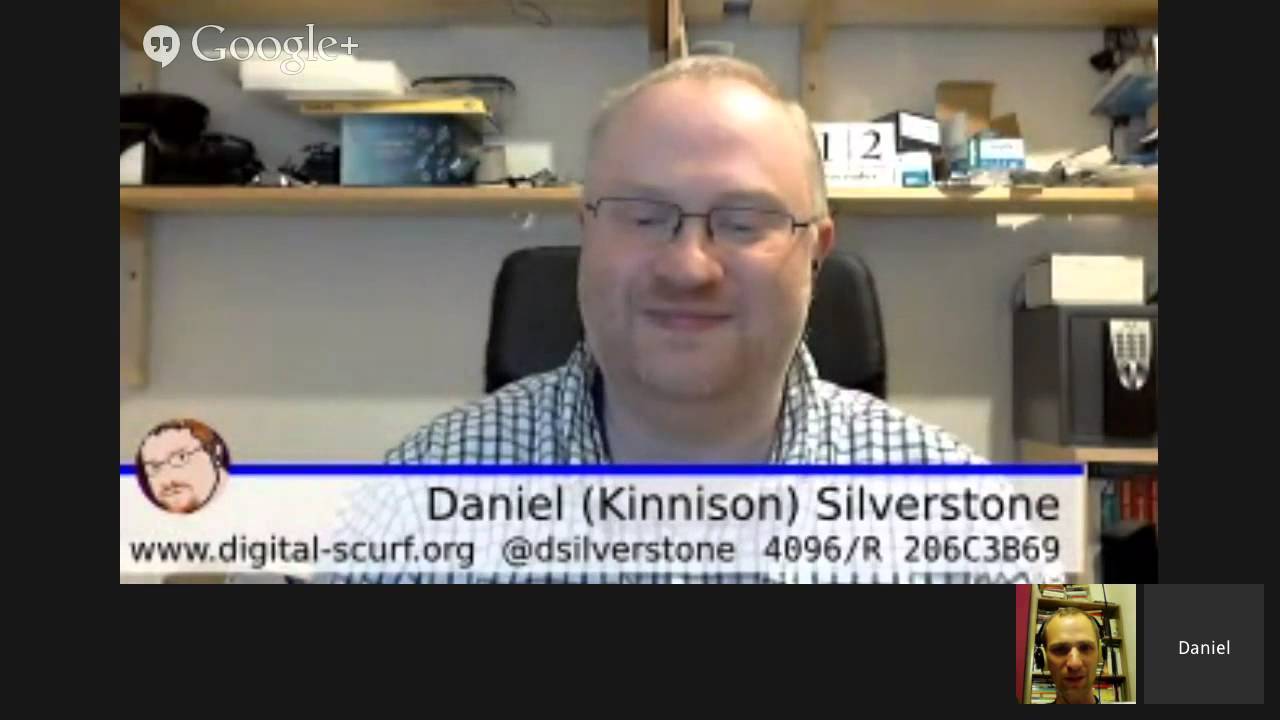
#10: Daniel Silverstone - gfshare
Daniel Silverstone, creator of gfshare, on how we can safely keep our (decentralized!) digital keys and coins. Split them up into pieces, such that, say, any 2 of the 3 pieces can reconstruct the original.
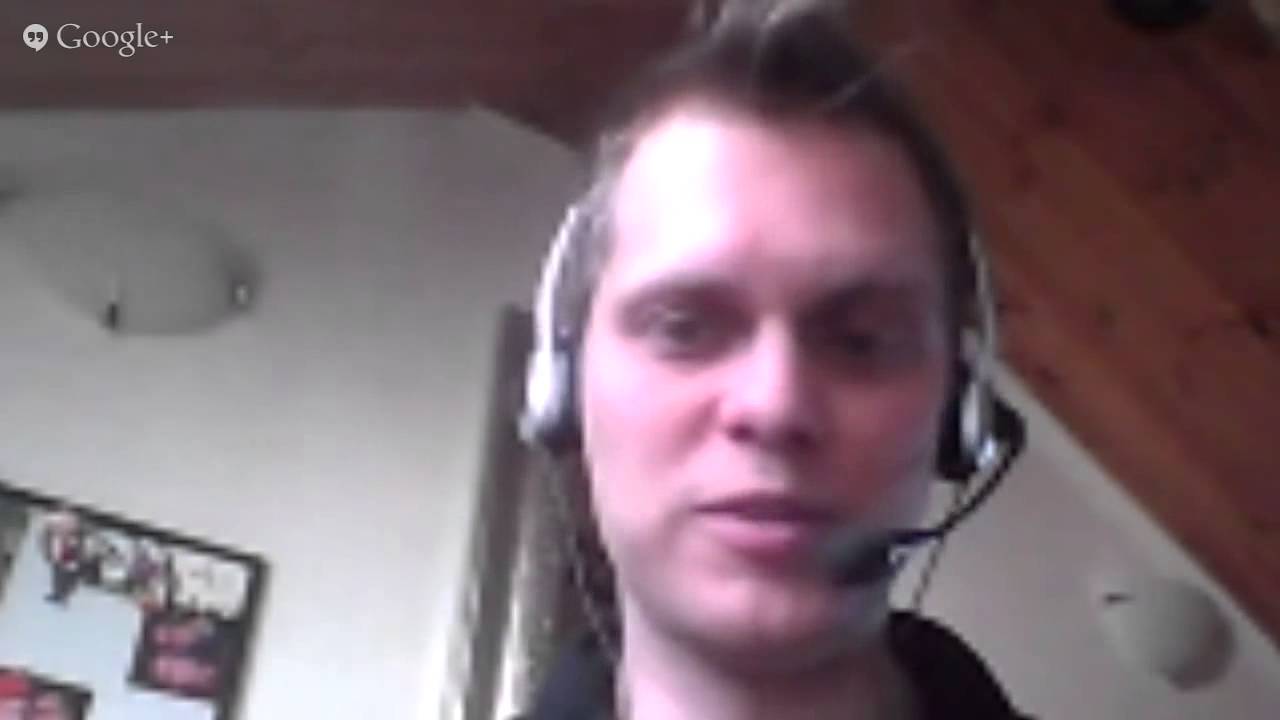
#8: Bjarni Einarsson - Mailpile
Bjarni Rúnar Einarsson talks about Mailpile, a mail client aiming to decentralize email again. Will people ever encrypt email? Can we make it cool to code on email again, and beat the central services?
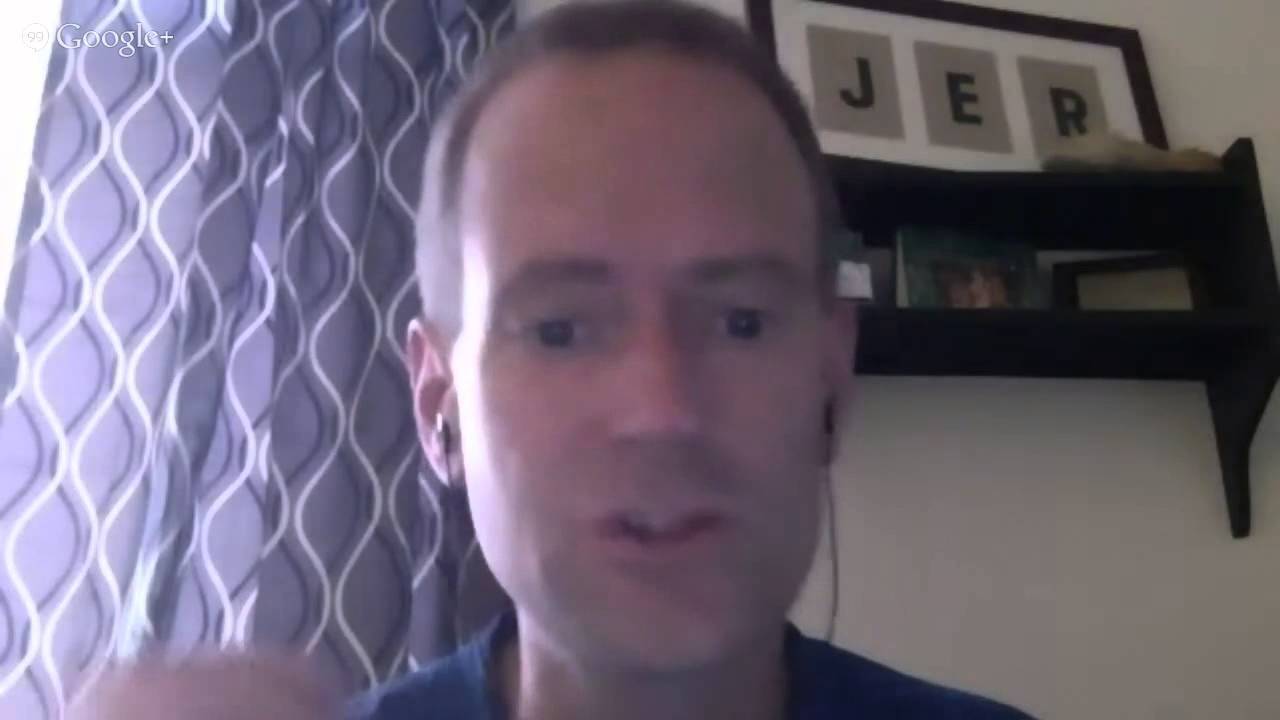
#7: Jeremie Miller - TeleHash
Jeremie Miller, creator of Jabber, talks about his new distributed wire protocol, TeleHash. What lessons has he learnt about how to make a protocol popular? How does Kademlia work?

#6: Christopher Webber - Media Goblin
Christopher Webber talks about Media Goblin, a decentralized media publishing platform. How can we have a federated alternative to services like Flickr, YouTube and SoundCloud?
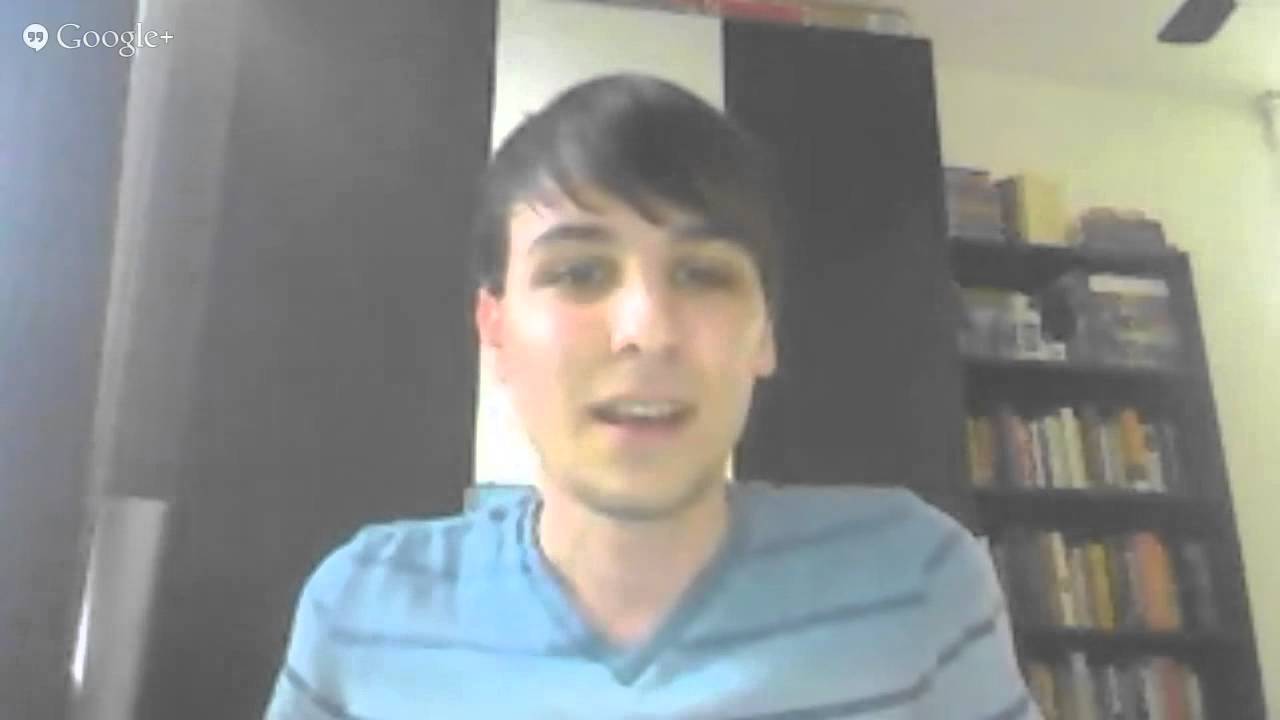
#5: Jacob Cook - arkOS
Jacob Cook talks about arkOS, which makes it easy to securely self-host your websites, email and files. What would the world be like if we all hosted our own services?
#4: Paul Gardner-Stephen - Serval Project
Paul Gardner-Stephen talks about the Serval Project, which lets mobile phones make calls without a cell tower. He gives real examples of it being used in disasters today.
#3: Tony Arcieri - Cryptosphere
Tony Arcieri talks about Cryptosphere, an open source P2P web application platform. In the process he describes how this can give more privacy and governance control to users of all kinds of network applications.