
RCOG
89 episodes — Page 2 of 2
Covid-19 and Pregnancy
This information is for you if you are pregnant or planning a pregnancy and want information about COVID-19 infection. Links to further information are available on the RCOG website: https://www.rcog.org.uk/for-the-public/browse-our-patient-information/covid-19-and-pregnancy/
The O&G Curriculum 2024- Our Journey - Alec McEwan FRCOG
The O&G Curriculum 2024- Our Journey - Alec McEwan FRCOG by Royal College of Obstetricians and Gynaecologists
Redeveloping The O&G Curriculum - Alec McEwan FRCOG
Redeveloping The O&G Curriculum - Alec McEwan FRCOG by Royal College of Obstetricians and Gynaecologists
Changes To Special Interest Training In Curriculum 2024 - Judith Moore FRCOG
Changes To Special Interest Training In Curriculum 2024 - Judith Moore FRCOG by Royal College of Obstetricians and Gynaecologists

Endometriosis
This information is for you if you have been told you may have endometriosis. Links to further information are available on the RCOG website: https://www.rcog.org.uk/for-the-public/browse-our-patient-information/endometriosis/
Healthy eating and vitamin supplements in pregnancy
This information is for you if you want to know more about eating healthily in pregnancy. It also gives you advice about using vitamin supplements before you get pregnant and during pregnancy.
Gestational Diabetes patient information
This information is for you if you wish to know more about diabetes that develops in pregnancy or if you have been offered testing for gestational diabetes. It may also be helpful if you are a partner, relative or friend of someone who is in this situation.
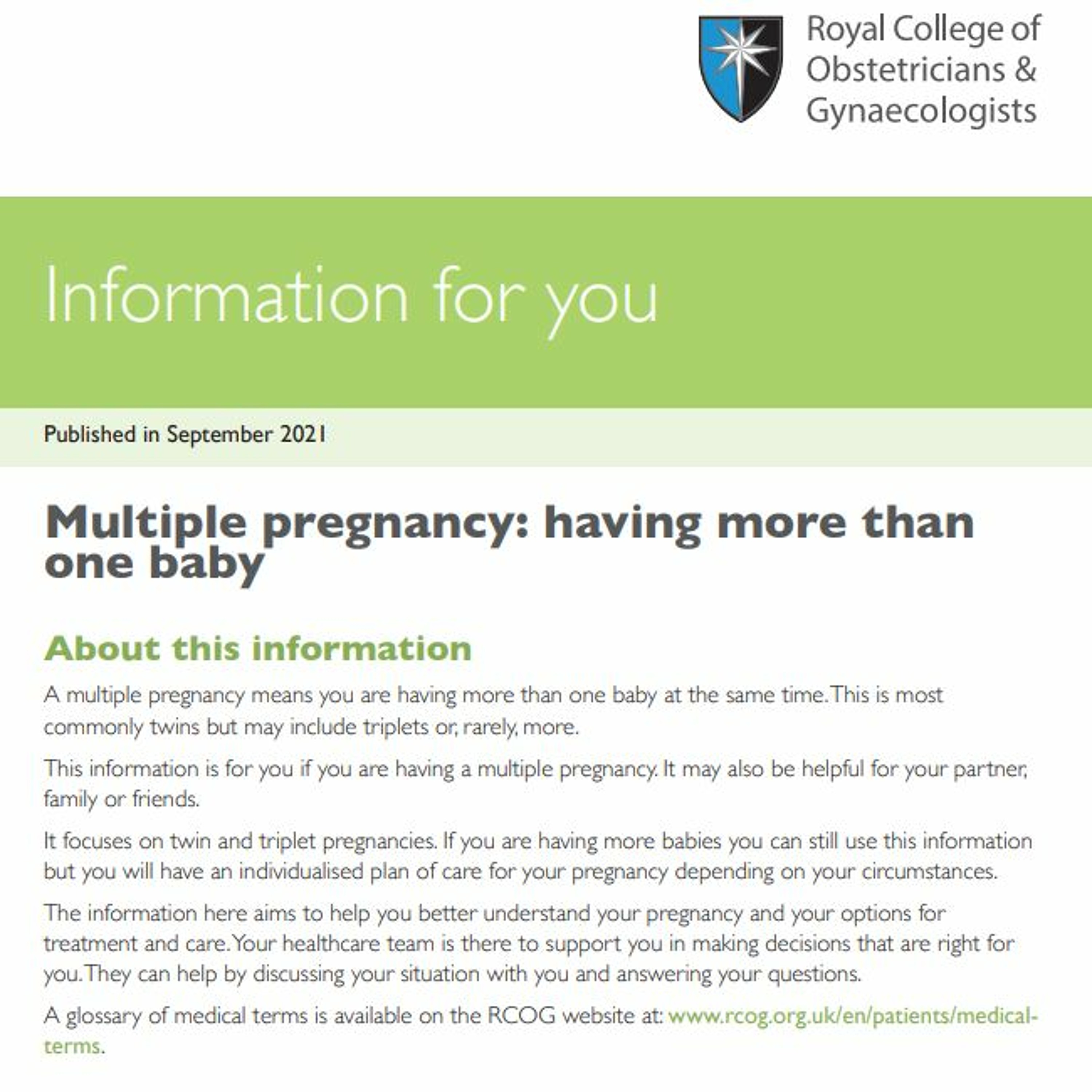
Multiple Pregnancy: having more than one baby
A multiple pregnancy means you are having more than one baby at the same time. This is most commonly twins, but may includes triplets, or, rarely, more. This information is for you if you are having a multiple pregnancy. It may also be helpful for your partner, family or friends.
RCOG Podcast – Episode 1: Fibroids
The RCOG podcast discusses living with fibroids. This condition affects 2 in 3 women, and, for some people they can really impact their lives. Dr Karen Joash discusses diagnosis, treatment and impact with Gochi Nwulu about living with this painful condition
Green-top Guideline No. 75 Cervical Cerclage
MP3 Audio Version of Green-top Guideline No. 75, Cervical Cerclage, published February 2022 The purpose of this guideline is to review the literature and provide evidence-based guidance on the use of cerclage in women at risk of preterm birth and second trimester loss. 1. Key recommendations (0:35) 2. Background and scope (03:03) 3. Identification and assessment of evidence (05:35) 4. Definitions (07:30) 5. History-indicated cerclage (11:14) 6. Ultrasound-indicated cerclage (16:54) 6.1. When should an ultrasound-indicated cerclage be offered? (16:58) 6.1.1 Women with a singleton pregnancy and a history of spontaneous second trimester loss or preterm birth (19:45) 6.2. Who should be offered serial sonographic surveillance with a view to ultrasound-indicated cerclage? (24:19) 7. Can cervical cerclage be recommended in any other groups of women considered at increased risk of preterm birth (29:50) 7.1. Multiple pregnancy (30:00) 7.2. Cervical surgery, trauma and uterine abnormalities (35:57) 7.3. Women with raised BMI (43:43) 8. Transabdominal cerclage (45:09) 8.1. When should a transabdominal cerclage be considered? (45:14) 8.2. Should a transabdominal cerclage be performed laparoscopically? (50:06) 8.3. How should women who experience delayed miscarriage or fetal death be cared for? (53:08) 9. Emergency cerclage (55:19) 9.1. When should a rescue cerclage be discussed and considered? (55.22) 9.2. What are the contraindications to cerclage insertion? (1:00:39) 9.3. What information should be given to women before cerclage insertion? (1:01:28) 10. Pre-operative management (1:08:00) 10.1. What investigations should be performed before insertion of cervical cerclage? (1:08:04) 10.2. Should amniocentesis to detect infection be performed before rescue or ultrasound-indicated cerclage? (1:10:53) 10.2.1. Is amnioreduction before emergency cerclage recommended? (1:14:23) 10.2.2. Should a latency period be observed between presentation and insertion of a rescue or ultrasound-indicated cerclage? (1:15:20) 10.2.3. Should routine genital tract screening for infection be carried out before cerclage insertion? (1:16:17) 11. Operative issues (1:17:35) 11.1. Should perioperative tocolysis be used for insertion of cerclage? (1:17:39) 11.2. Should perioperative antibiotics be given? (1:19:11) 11.3. What method of anaesthesia should be employed for the insertion of cerclage? (1:20:31) 11.4. Can cerclage be performed as a day-case procedure? (1:21:53) 11.5. Which technique and material should be used? (1:22:58) 12. Adjuvant management (1:28:53) 12.1. Bed rest (1:28:56) 12.2. Sexual intercourse (1:30:36) 12.3. Is there a role for post-cerclage serial sonographic surveillance of cervical length? (1:31:15) 12.4. Is fetal fibronectin testing useful following insertion of a cervical cerclage? (1:35:07) 12.5. Should women receive supplement progesterone following cerclage? (1:37:38) 12.6. Should women be offered Arabin pessary or progesterone instead of cerclage? (1:40:44) 13. When should the cerclage be removed? (1:44:39) 13.1. Should the cerclage be removed following PPROM? (1:47:30) 14. Recommendations for future research (1:50:28) 15. Suggested audit topics (1:51:25) Closing statement (1:52:05)
Green-top Guideline no. 74 Antenatal corticosteroids to reduce neonatal morbidity and mortality
The aim of this guideline is to provide evidence-based recommendations on the use of antenatal corticosteroids in women at risk of preterm birth or undergoing caesarean birth at term. 1: Key Recommendations (00:50) 2: Background and Scope (03:46 ) 3: Identification and Assessment of Evidence (06:27) 4: The Benefits of Antenatal Corticosteroids (07:30) 4.1: What are the benefits of corticosteroids in preterm labour and birth (07:35) 4.2 What are the benefits of corticosteroids in planned caesarean birth at term (10:04) Table 1: Risks and benefits of antenatal corticosteroids to be discussed and offered (16:46) 5: At what gestation should antenatal corticosteroids be discussed and offered (27:03) 6: In what particular circumstances would antenatal corticosteroids be discussed with and offered to women? (34:43) 6.1: Multiple pregnancy (34:54) 6.2 Women with diabetes mellitus (39:03) 6.3 Pregnancies complicated by fetal growth restriction, pre-eclampsia or antepartum haemorrhage (43:11) 6.4. Preterm, prelabour rupture of membranes (PPROM) (51:17) 7: What is the optimum dose and route of administration for a course of antenatal corticosteroids? (55:46) Betamethasone (58:44 ) Dexamethasone (1:01:00) 8: How long after administration is a course of antenatal corticosteroids most effective? (1:05:40) 9: What are the risks associated with the administration of antenatal corticosteroids? (1:17:50) 9.1: What are the risks to the woman? (1:19:00) 9.2: What are the risks to the baby? (1:20:53) 10 - What are the contraindications to the use of antenatal corticosteroids? (1:31:44 ) 11 - In what circumstances should an antenatal course of corticosteroids be repeated? (1:33:31) 12. Recommendations for future research (1:37:21) 13. Auditable topics (1:38:37) Closing Statement (1:39:52)
Green-top Guideline No. 8: Amniocentesis and Chorionic Villus Sampling
This guideline sets a series of evidence-based standards to ensure a high level and consistency of practice in the provision and performance of amniocentesis and chorionic villus sampling (CVS). 1. Key recommendations (00:34) 2. Aim (02:17) 3. Background (02:52) 4. Identification and assessment of evidence (05:36) 5. How should care be organised in providing amniocentesis and CVS? (6:38) 6. What are the additional risks associated with invasive testing? (09:44) 6.1 What is the additional risk of miscarriage associated with amniocentesis and CVS? (09:51) 6.2 What are the additional risks associated with invasive testing? (23:19) 7. At what gestation should amniocentesis and CVS be carried out? (24:24) 7.1 At what gestation should amniocentesis be carried out? (24:32) 7.2 When should CVS be carried out? (27:24) 8. What are the considerations when performing amniocentesis or CVS for multiple pregnancy? (29:30) 9. What is the role of third trimester amniocentesis? (37:44) 10. What are the risks of mother to child transmission of infection? (40:33) 11. Recommendations for future research (47:24) 12. Auditable topics (47:44) 13. Useful links and support groups (48:57) Disclosures of interest (50:33) Funding (50:49) References (51:30)
Scientific Impact Paper No. 63 Elective Egg Freezing For Non-Medical Reasons
Scientific Impact Paper No. 63 Elective Egg Freezing For Non-Medical Reasons by Royal College of Obstetricians and Gynaecologists
Green-top Guideline No. 26 Assisted Vaginal Birth
Green-top Guideline No. 26 Assisted Vaginal Birth by Royal College of Obstetricians and Gynaecologists
Green-top Guideline no. 56 Maternal Collapse in Pregnancy and the Puerperium
00:00:28 Executive Summary 00:16:11 1. Purpose and Scope 00:17:02 2. Introduction and background epidemiology 00:21:57 3. Identification and assessment of evidence 00:23:44 4. Clinical issues 00:23:47 4.1. Can women at risk of collapse be identified early? 00:29:15 4.2. What are the causes of maternal collapse? 00:31:13 4.2.1. Haemorrhage 00:32:40 4.4.2. Thromboembolism 00:33:21 4.2.3. Amniotic fluid embolism 00:36:03 4.2.4. Cardiac Disease 00:38:43 4.2.5. Sepsis 00:39:34 4.2.6. Drug toxicity and overdose 00:42:01 4.2.7. Eclampsia 00:42:41 4.2.8. Intracranial haemorrhage 00:43:09 4.2.9. Anaphylaxis 00:46:03 4.2.10. Other causes 00:47:01 4.3. What are the physiological and anatomical changes in pregnancy that affect resuscitation? 00:48:45 4.3.1. Aortocaval compression 00:50:36 4.3.2. Respiratory changes 00:51:54 4.3.3. Intubation 00:52:33 4.3.2. Aspiration 00:53:51 4.3.5. Circulation 00:55:02 4.4. What is the optimal initial management of maternal collapse? 00:55:10 4.4.1. Resuscitation in maternal collapse 01:00:00 4.4.2 Relieving aorto-caval compression 01:03:58 4.4.3 Airway 01:07:11 4.4.4 Breathing 01:08:58 4.4.5 Circulation 01:15:25 4.4.6 Drugs 01:15:47 4.4.7 Other considerations 01:16:59 4.5 When, where and how should perimortem caesarean section (PMCS) be performed? 01:25:27 4.6 What does the ongoing management consist of? 01:26:47 4.6.1 Haemorrhage 01:29:31 4.6.2 Venous thromboembolism 01:30:36 4.6.3 Amniotic fluid embolism 01:34:28 4.6.4 Cardiac disease 01:35:44 4.6.5 Sepsis 01:39:48 4.6.6 Drug overdose and toxicity 01:40:27 4.6.6.1 Magnesium sulphate 01:41:23 4.6.6.2 Local anaesthetic agents 01:46:18 4.6.7 Eclampsia 01:46:58 4.6.8 Intracranial haemorrhage 01:47:54 4.6.9 Anaphylaxis 01:50:29 4.7 What are the outcomes for mother and baby? 01:57:28 4.8 Who should be on the team? 02:00:59 5 Clinical governance 02:01:03 5.1 Documentation 02:02:05 5.2 Incident reporting 02:03:57 5.3 Training 02:07:27 5.4 Debriefing 02:08:26 6 Recommendations for future research 02:09:01 7 Auditable topics 02:10:05 8 Useful links and support groups 02:12:04 Disclosures of interest 02:12:15 Funding 02:13:13 Appendix 1: Explanation of guidelines and evidence levels 02:14:35 Appendix 2: Causes of maternal collapse 02:17:04 Appendix 3: Physiological and physical changes in pregnancy 02:20:52 Appendix 4: Maternal collapse algorithm 02:21:23 Appendix 5: Recommended airway equipment 02:21:57 Appendix 6: Post collapse management 02:22:25 References
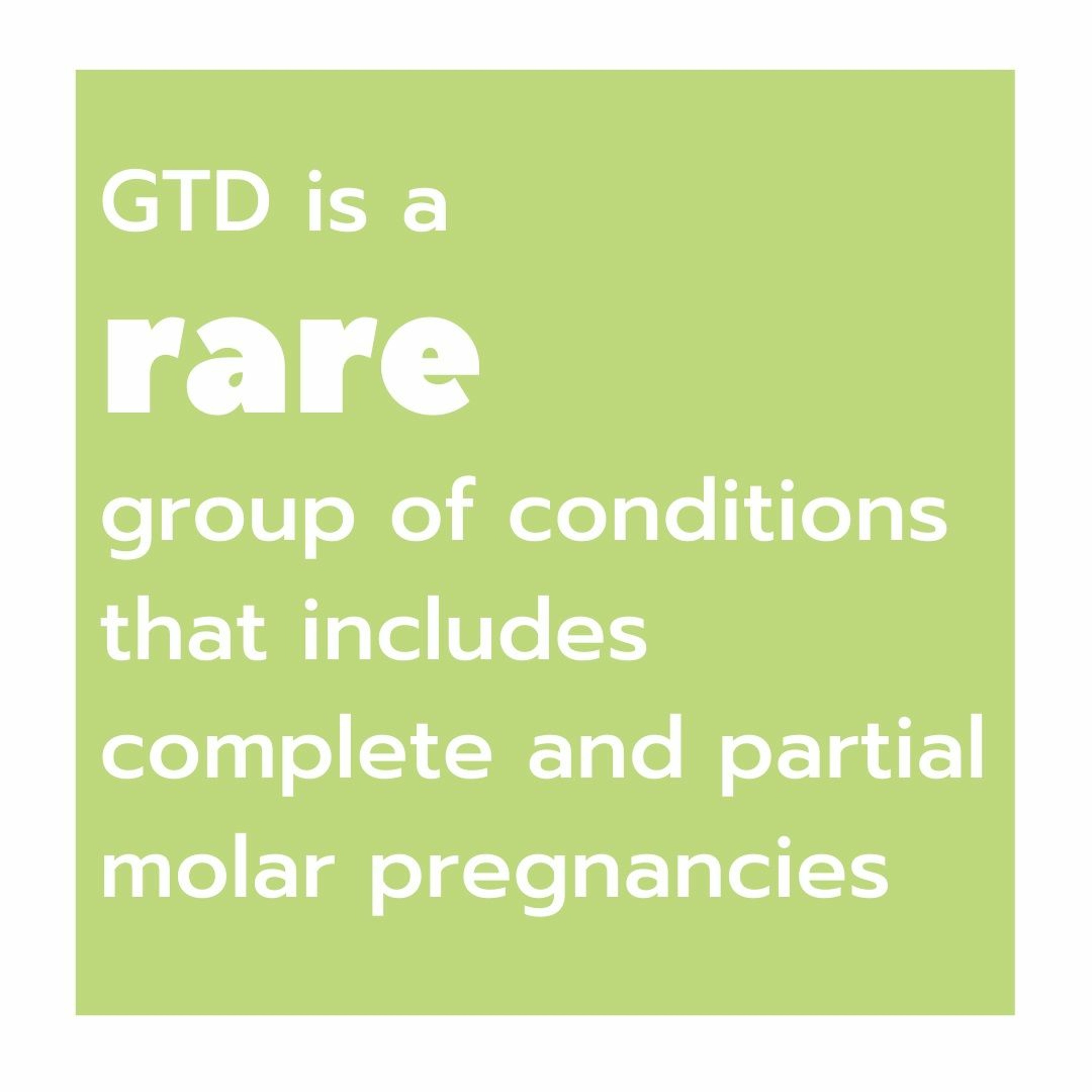
Molar Pregnancy And Gestational Trophoblastic Disease Audio
This information is for you if you have been diagnosed with molar pregnancy or another type of gestational trophoblastic disease (GTD). Molar pregnancy is one of a number of different conditions that are called gestational trophoblastic disease (GTD). These rare conditions happen when a pregnancy does not develop normally from the very beginning. This information may also be helpful if you are a partner, relative or friend of someone in this situation.
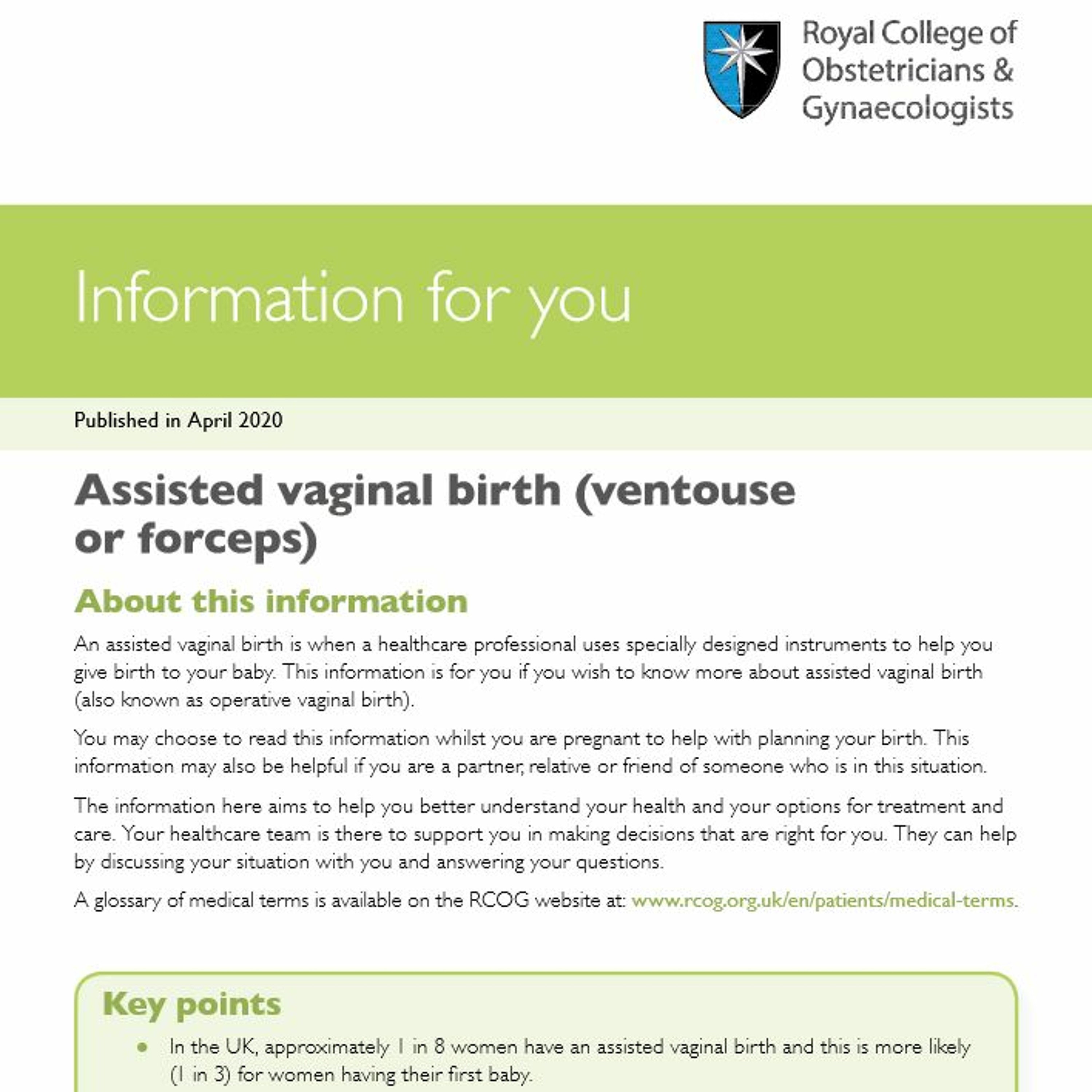
Assisted vaginal birth (ventouse or forceps)
An assisted vaginal birth is when a healthcare professional uses specially designed instruments to help you give birth to your baby. This information is for you if you wish to know more about assisted vaginal birth.
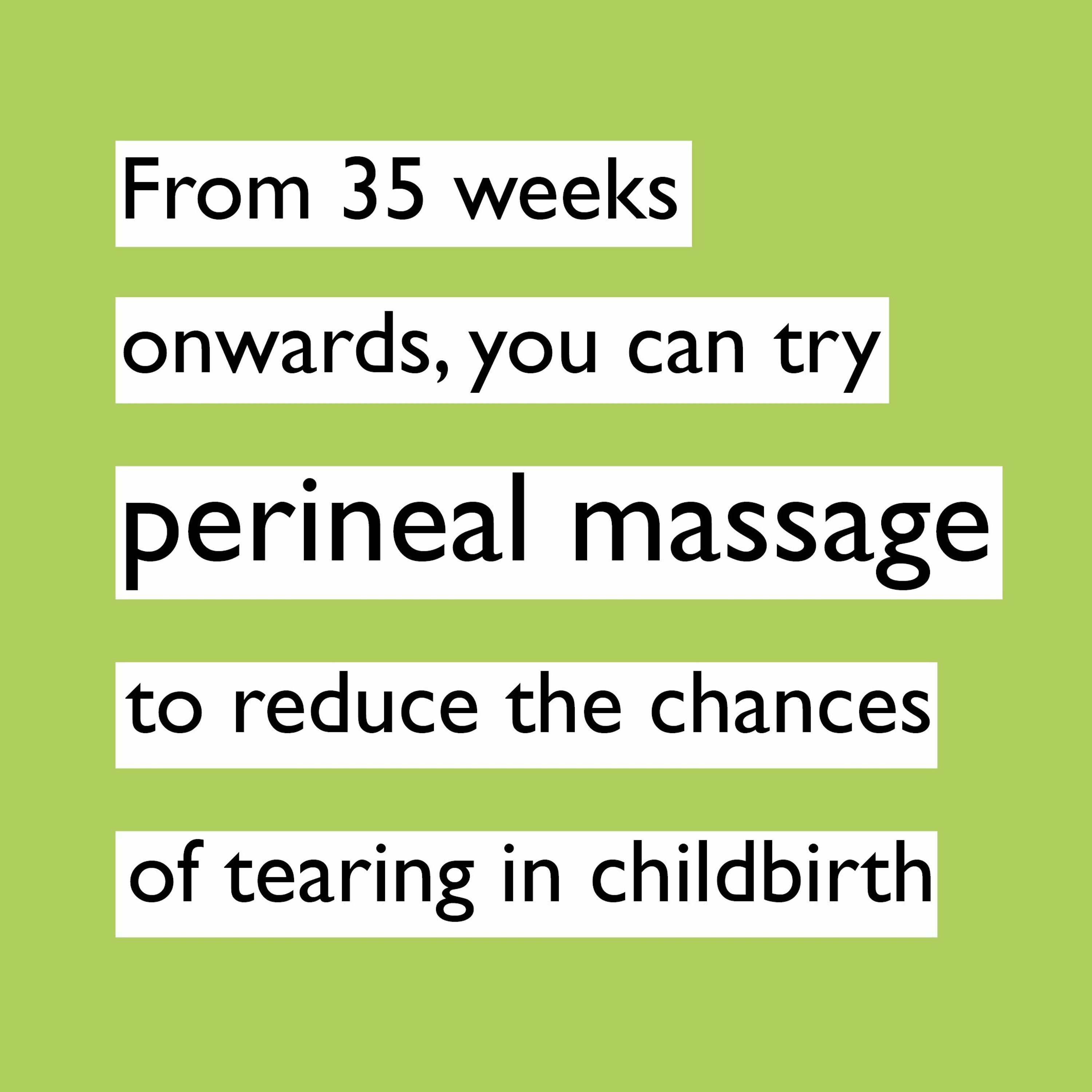
Perineal tears during childbirth - what you need to know during pregnancy
Perineal tears during childbirth - what you need to know during pregnancy by Royal College of Obstetricians and Gynaecologists
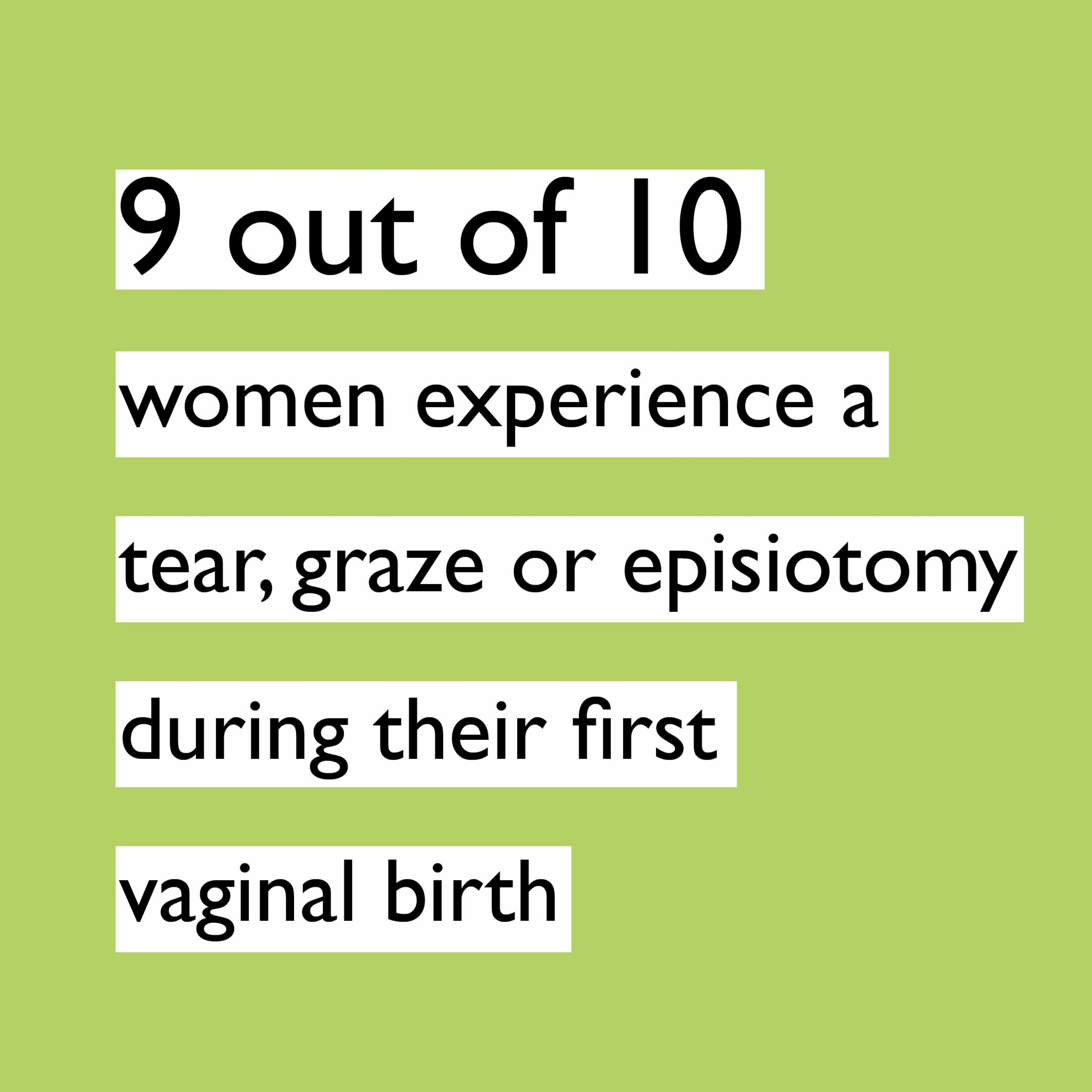
Care of a third- or fourth-degree tear that occurred during childbirth
Care of a third- or fourth-degree tear that occurred during childbirth by Royal College of Obstetricians and Gynaecologists
Morcellation for myomectomy or hysterectomy
This information is for you if you have been offered a myomectomy or hysterectomy using morcellation.
GTG 73: Care of Women Presenting with Suspected PPROM from 24+0 Weeks of Gestation
This guideline comprises recommendations relating to the diagnosis, assessment, care and timing of birth of women presenting with suspected PPROM from 24+0 to 36+6 weeks of gestation. It also addresses care in a subsequent pregnancy. 1. Key recommendations (01:07) 2. Background and scope (03:35) 3. Identification and assessment of evidence (04:45) 4. Diagnosis (05:27) 4.1 How is the diagnosis of PPROM made? (05:30) 5. Assessment (10:54) 5.1 What is required antenatally to identify infection? (10:58) 5.2 Should neonatologists be included in the woman's care? (15:10) 6. Management (16:58) 6.1 Should antibiotics be given? (17:00) 6.2 What is the role of antenatal corticosteroids? (20:09) 6.3 What is the role of magnesium sulfate for neuroprotection of the baby? (25:30) 6.4 Should tocolytic agents be used? (28:17) 6.5 Can women be monitored at home? (30:22) 6.6 Is there a role for amnioinfusion in PPROM? (35:35) 6.7 Should women with PPROM be offered emotional support? (37:34) 7. Birth (39:02) 7.1 When is the appropriate time to deliver the baby? (39:05) 8. Care in a subsequent pregnancy following PPROM (44:26) 8.1 Who should care for a the woman in a subsequent pregnancy? (44:32) 9. Recommendations for future research (46:45) 10. Auditable topics (47:49) Disclosures of interest (49:18) Funding (49:35) Supporting information (50:13) References (51:03)
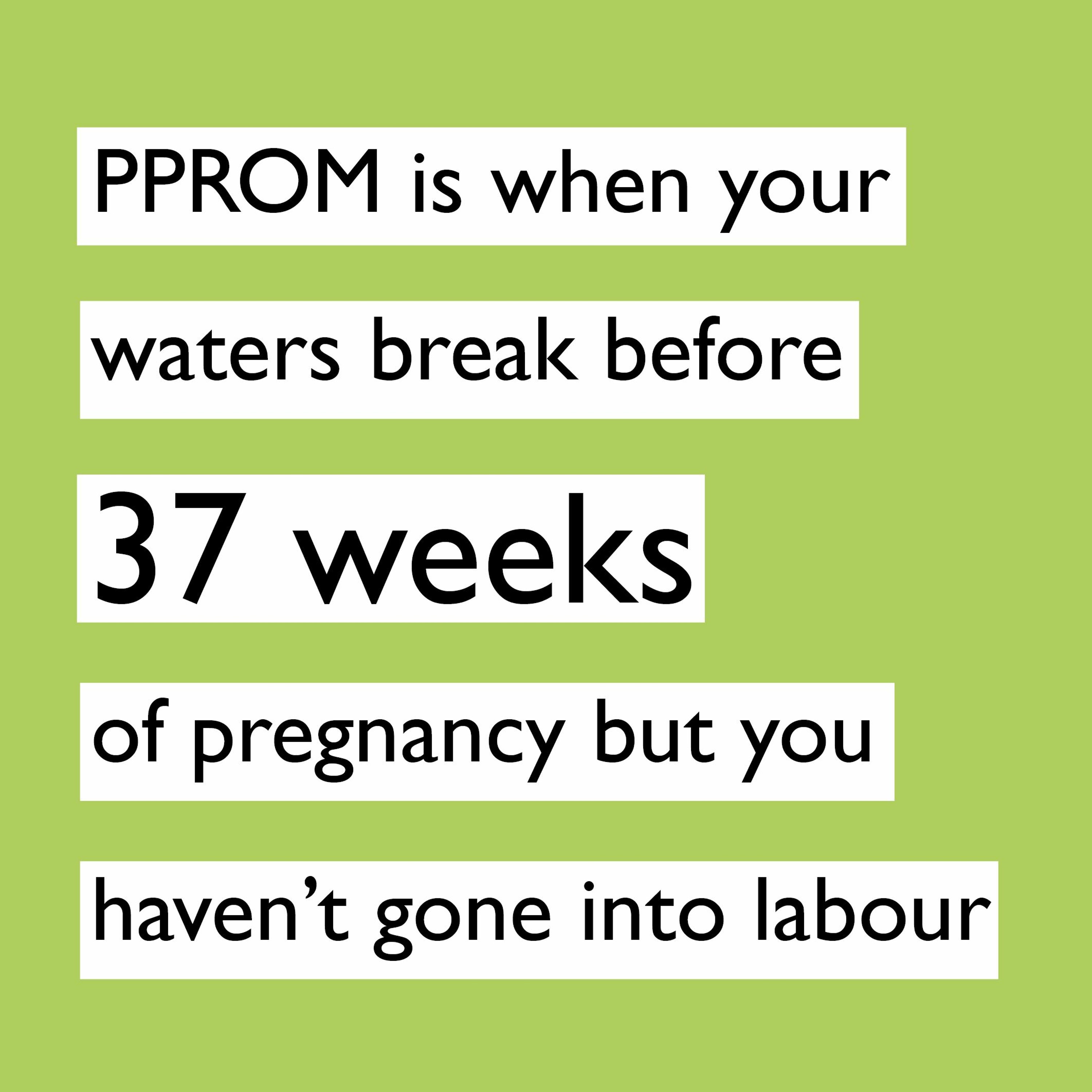
When your waters break prematurely
When your waters break prematurely by Royal College of Obstetricians and Gynaecologists
Outpatient hysteroscopy
Outpatient hysteroscopy by Royal College of Obstetricians and Gynaecologists
Placenta praevia, placenta accreta and vasa praevia
Placenta praevia, placenta accreta and vasa praevia by Royal College of Obstetricians and Gynaecologists
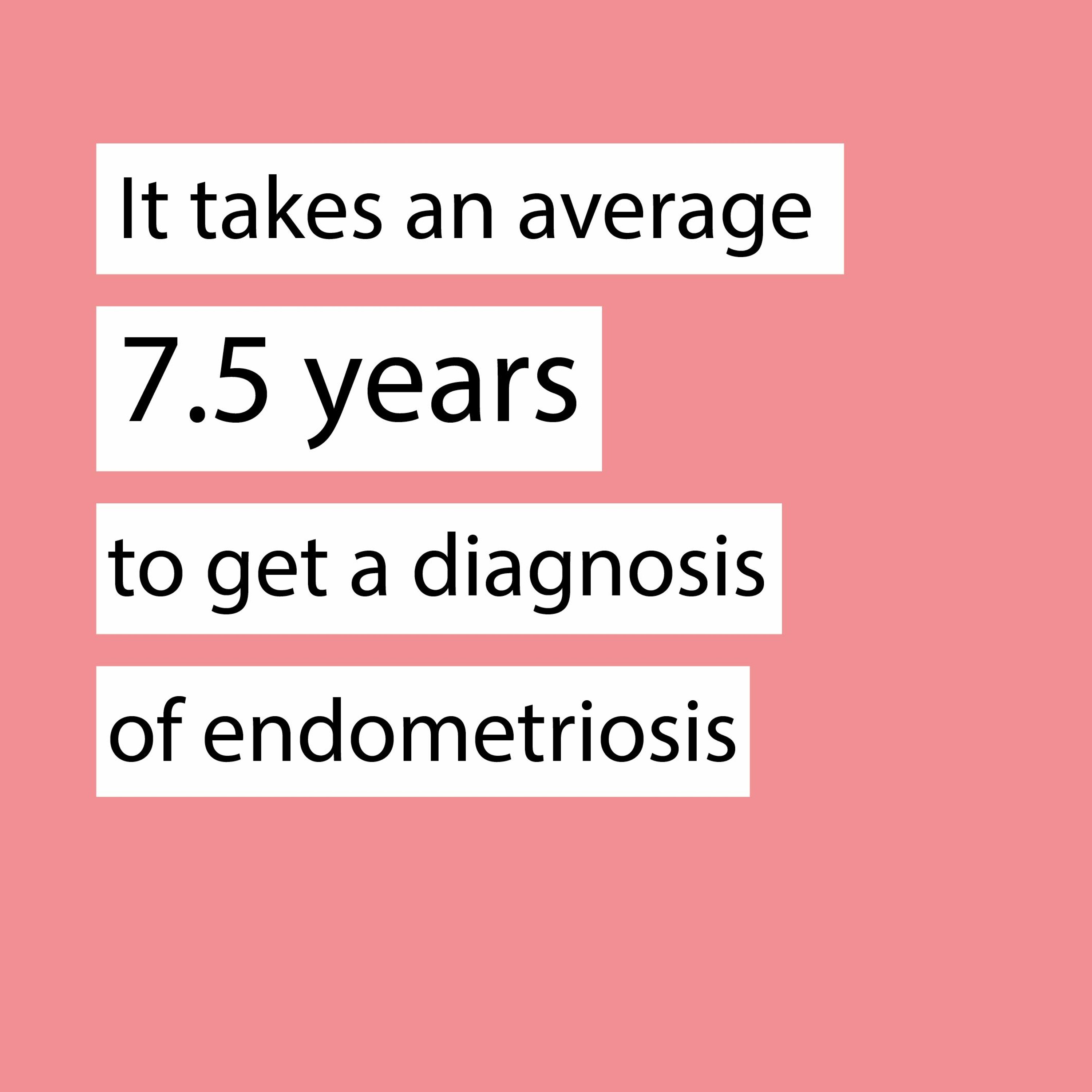
Endometriosis
Endometriosis by Royal College of Obstetricians and Gynaecologists
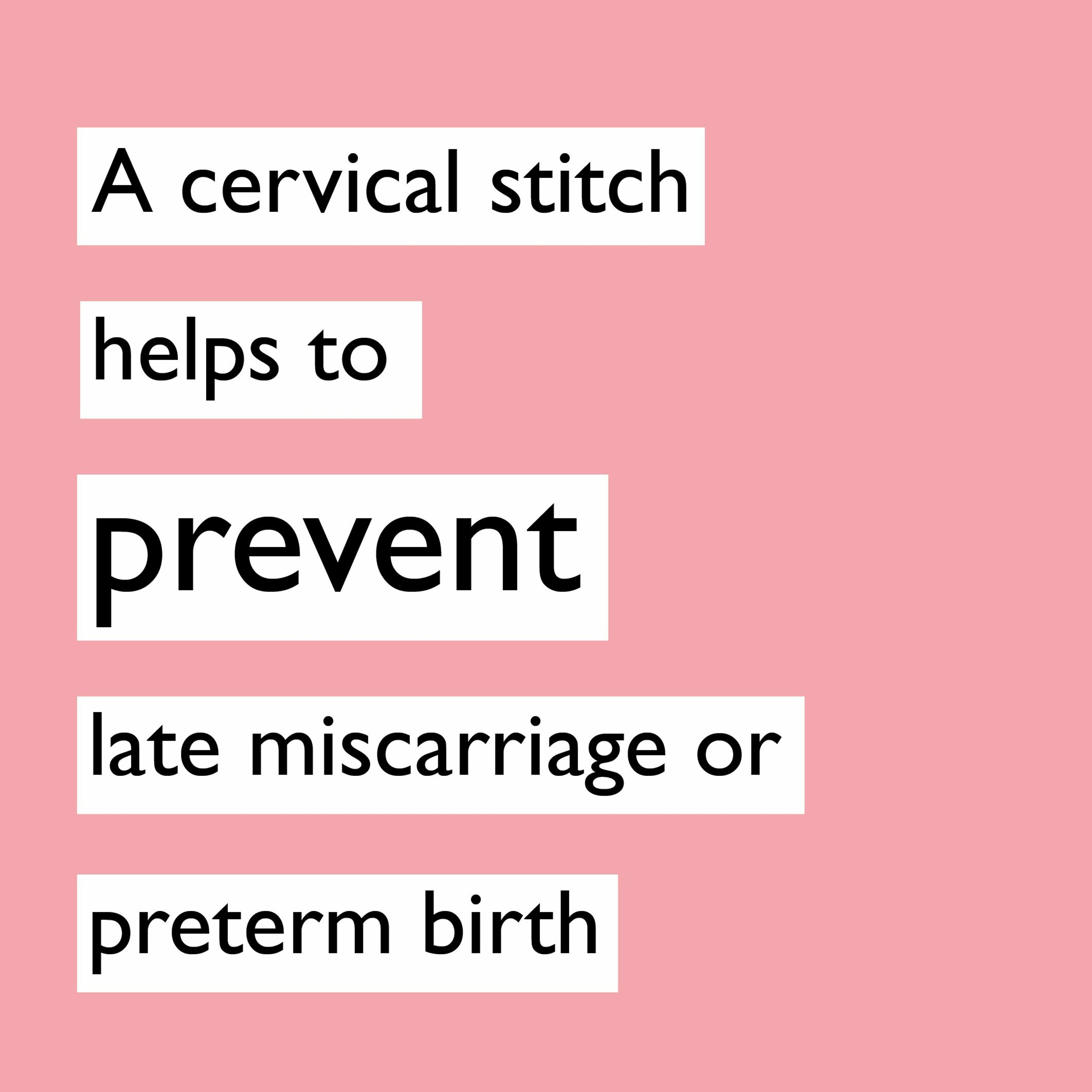
Cervical Stitch
Cervical Stitch by Royal College of Obstetricians and Gynaecologists
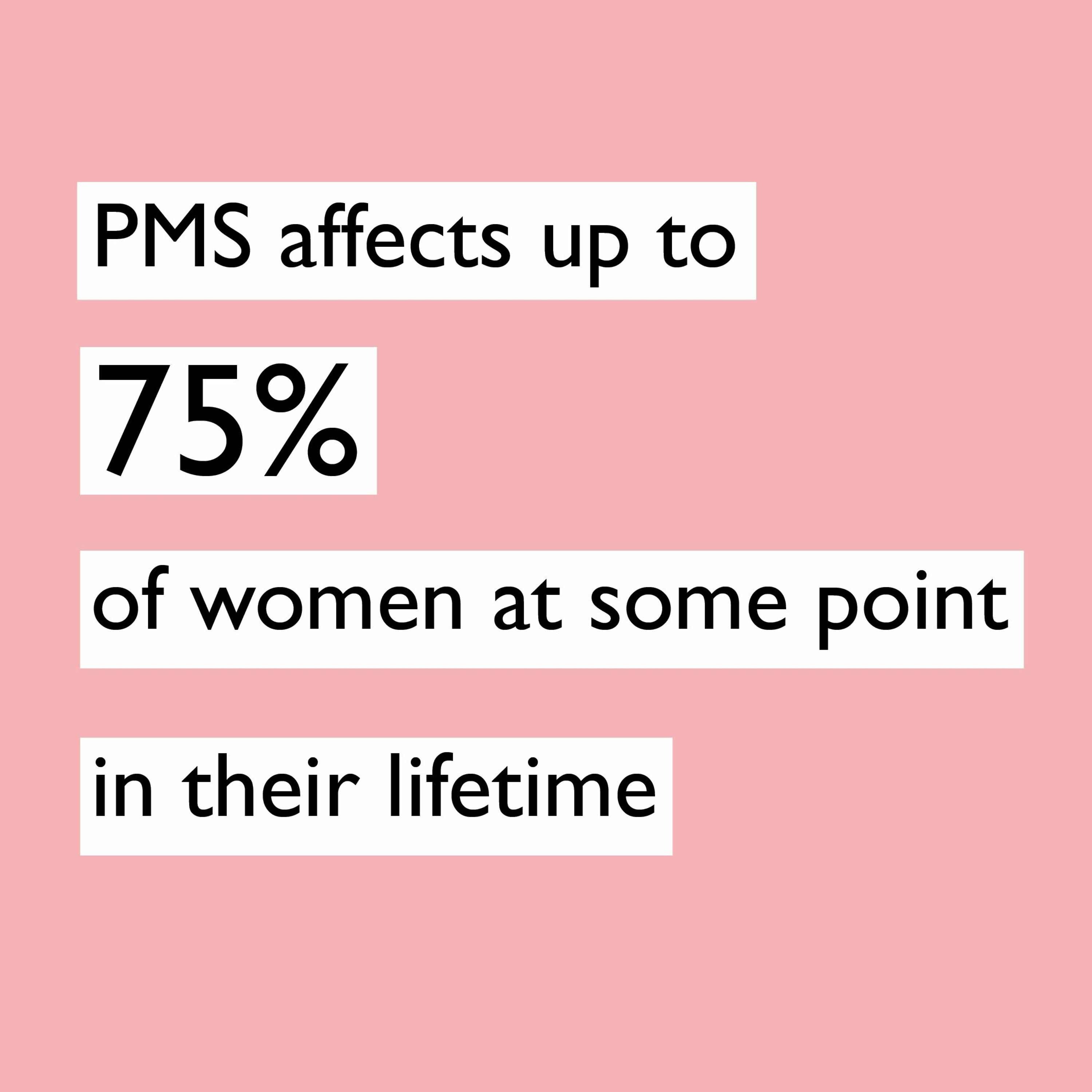
Managing premenstrual syndrome (PMS)
Managing premenstrual syndrome (PMS) by Royal College of Obstetricians and Gynaecologists
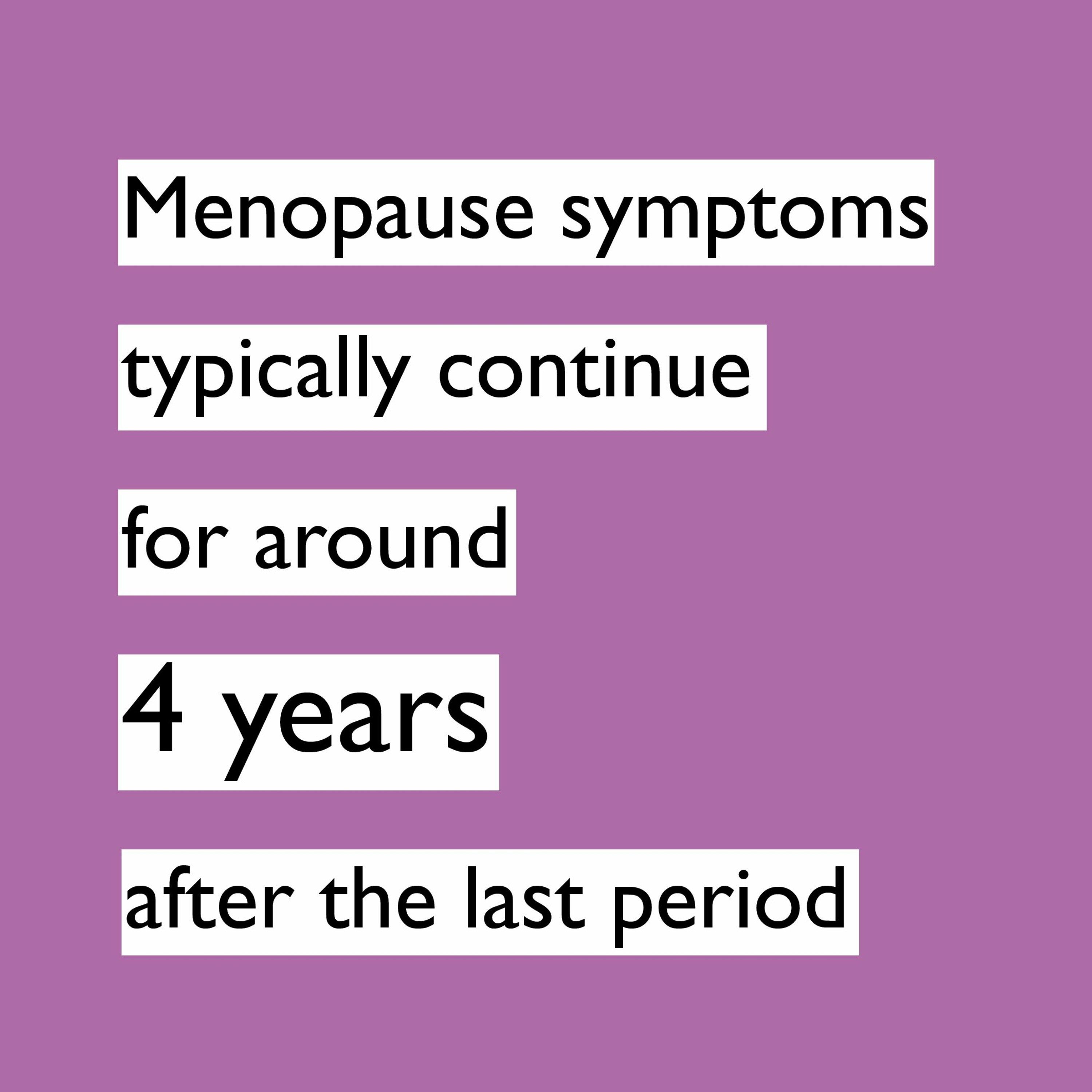
Treatment for symptoms of the menopause
Treatment for symptoms of the menopause by Royal College of Obstetricians and Gynaecologists
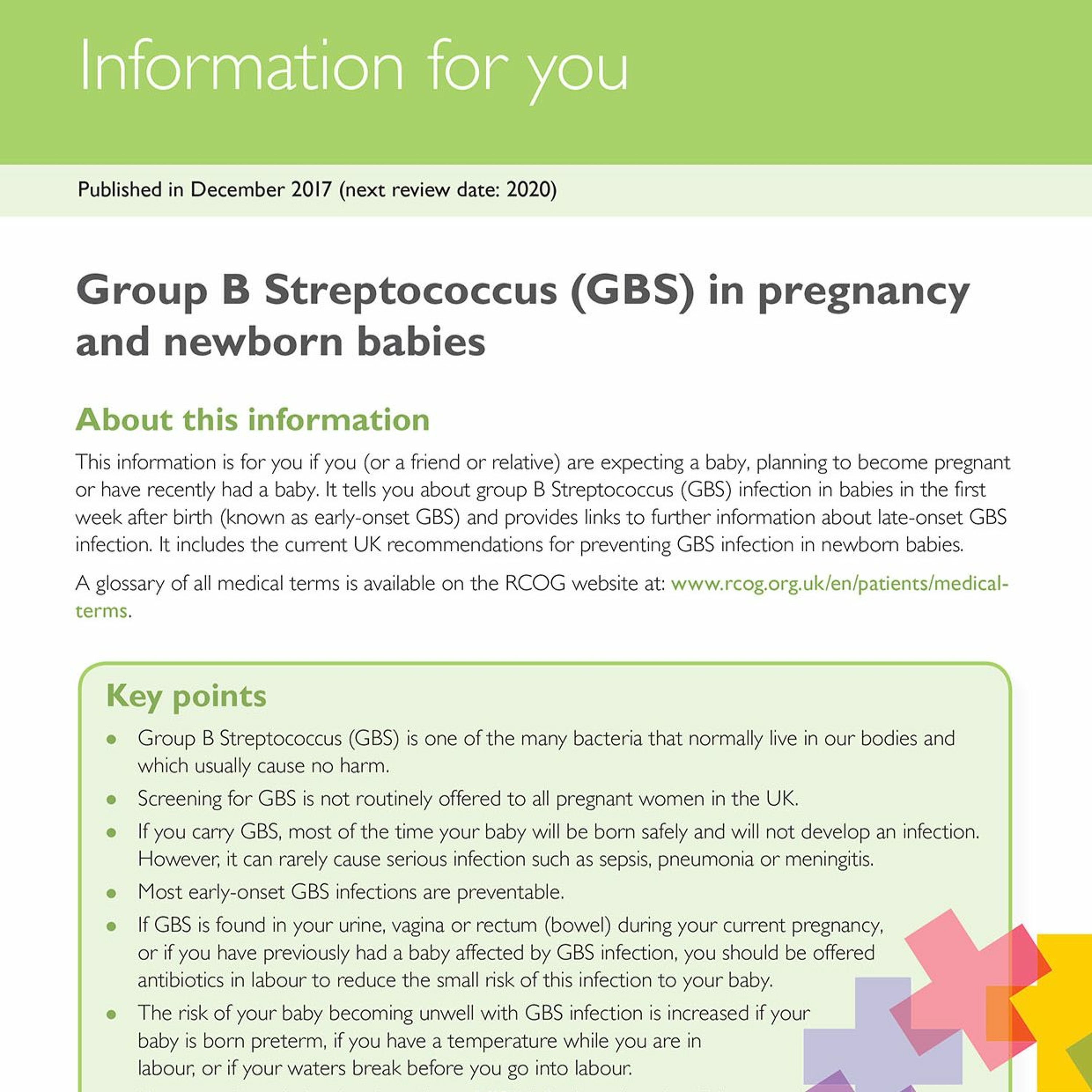
Group B Streptococcus (GBS) in Pregnancy and Newborn Babies
Group B Streptococcus (GBS) in Pregnancy and Newborn Babies by Royal College of Obstetricians and Gynaecologists
Breech baby at the end of pregnancy
Breech baby at the end of pregnancy by Royal College of Obstetricians and Gynaecologists
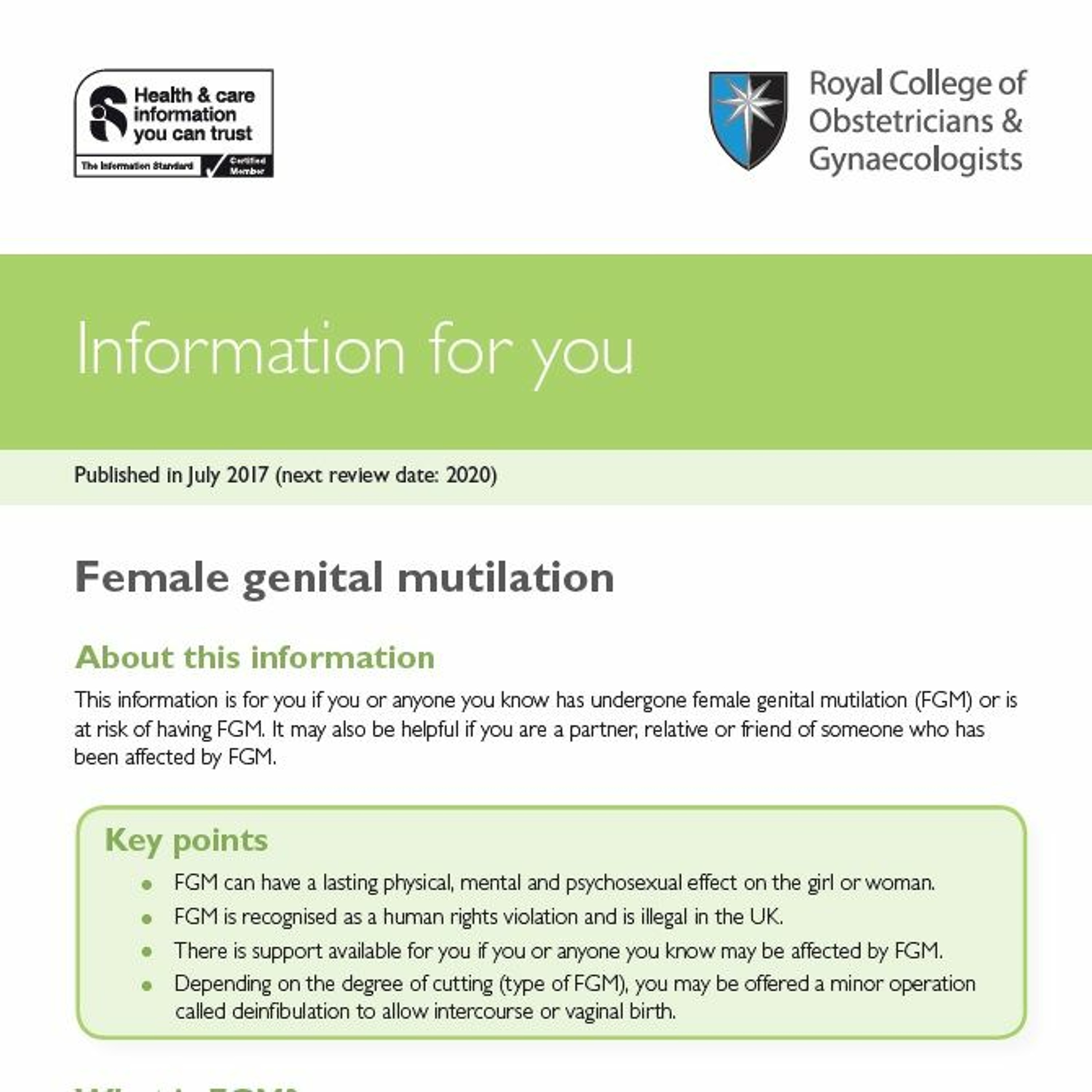
Female genital mutilation
Female genital mutilation by Royal College of Obstetricians and Gynaecologists
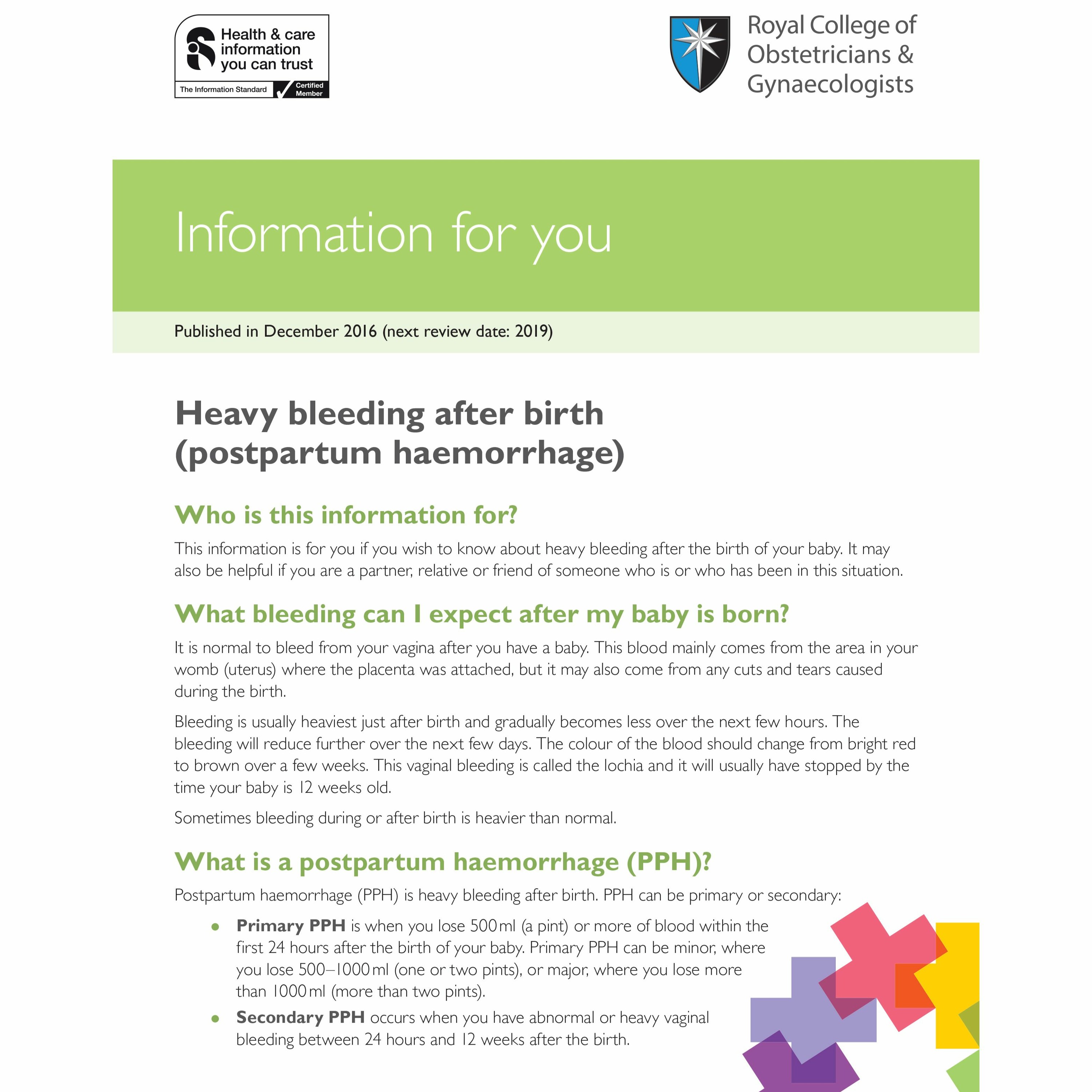
Heavy bleeding after birth (post partum haemorrhage)
Heavy bleeding after birth (post partum haemorrhage) by Royal College of Obstetricians and Gynaecologists
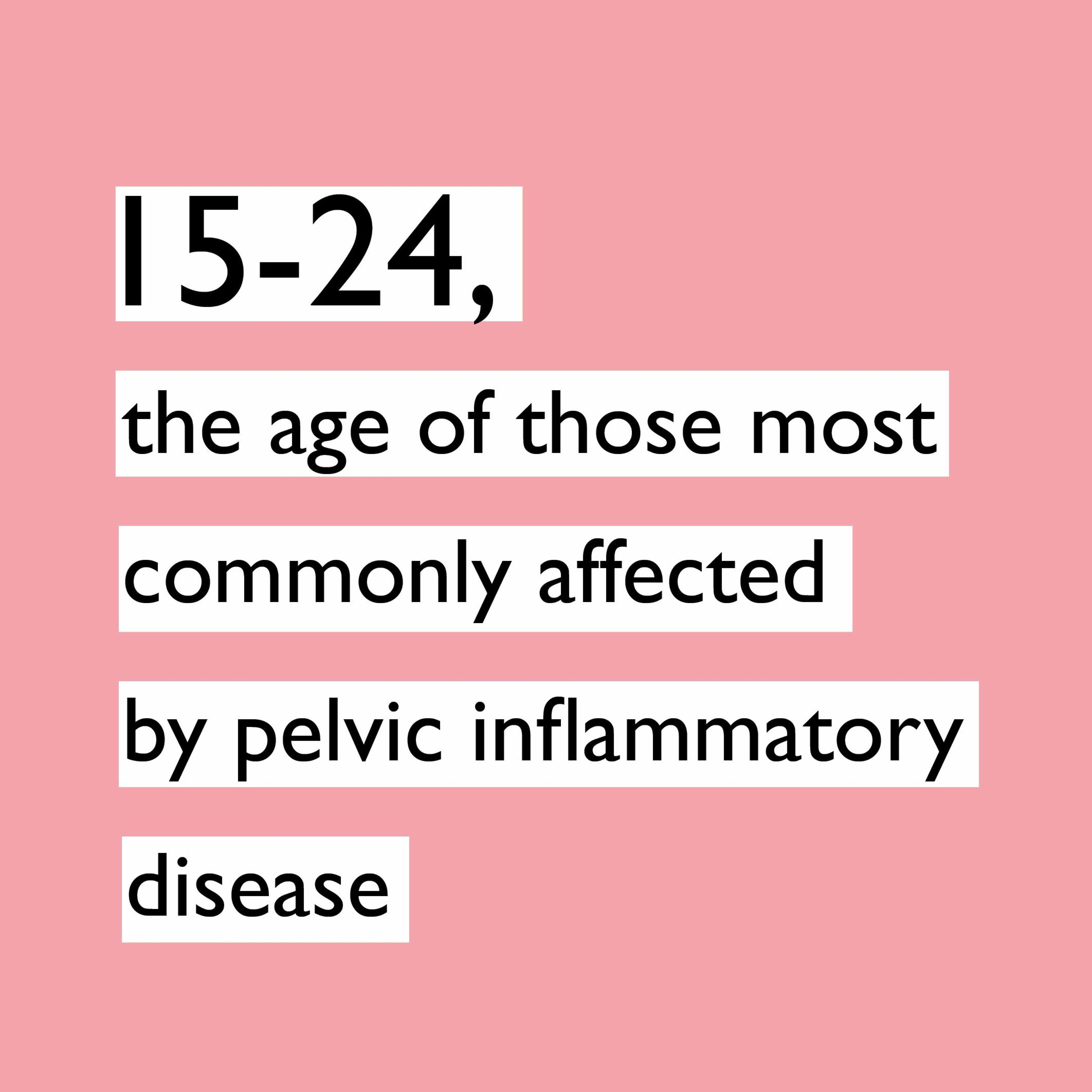
Acute pelvic inflammatory disease
Acute pelvic inflammatory disease by Royal College of Obstetricians and Gynaecologists
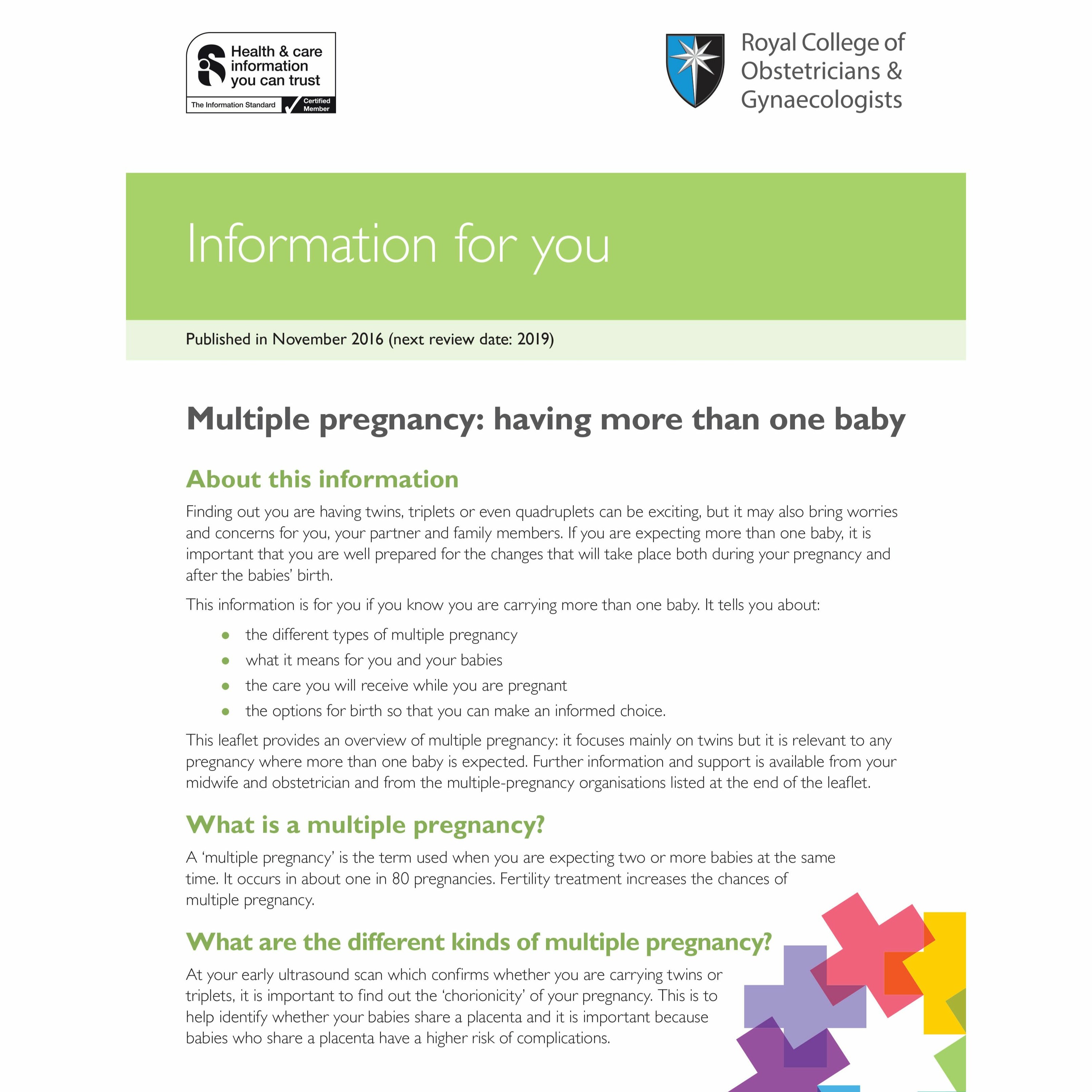
Multiple Pregnancy - having more than one baby
Multiple Pregnancy - having more than one baby by Royal College of Obstetricians and Gynaecologists
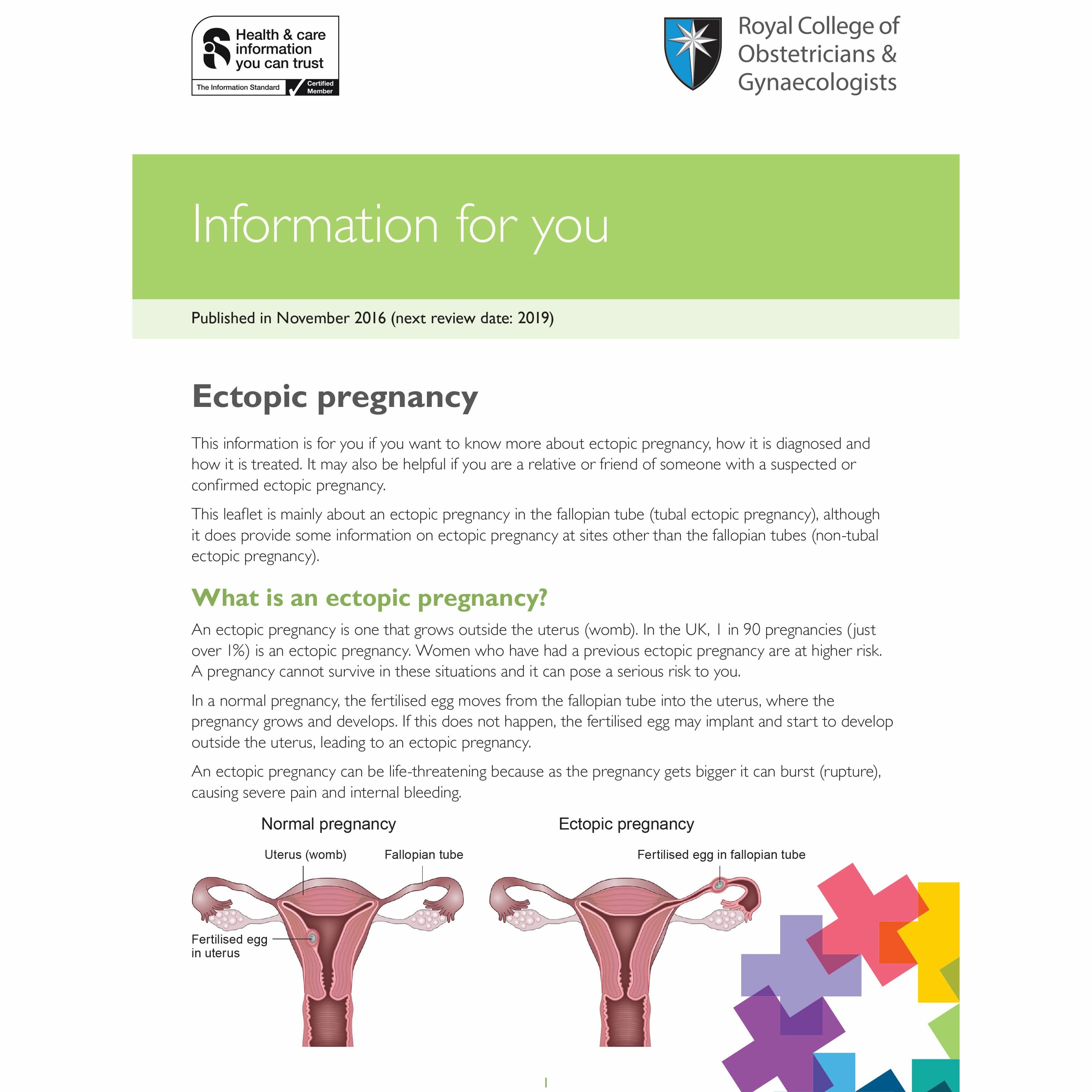
Ectopic pregnancy
Ectopic pregnancy by Royal College of Obstetricians and Gynaecologists
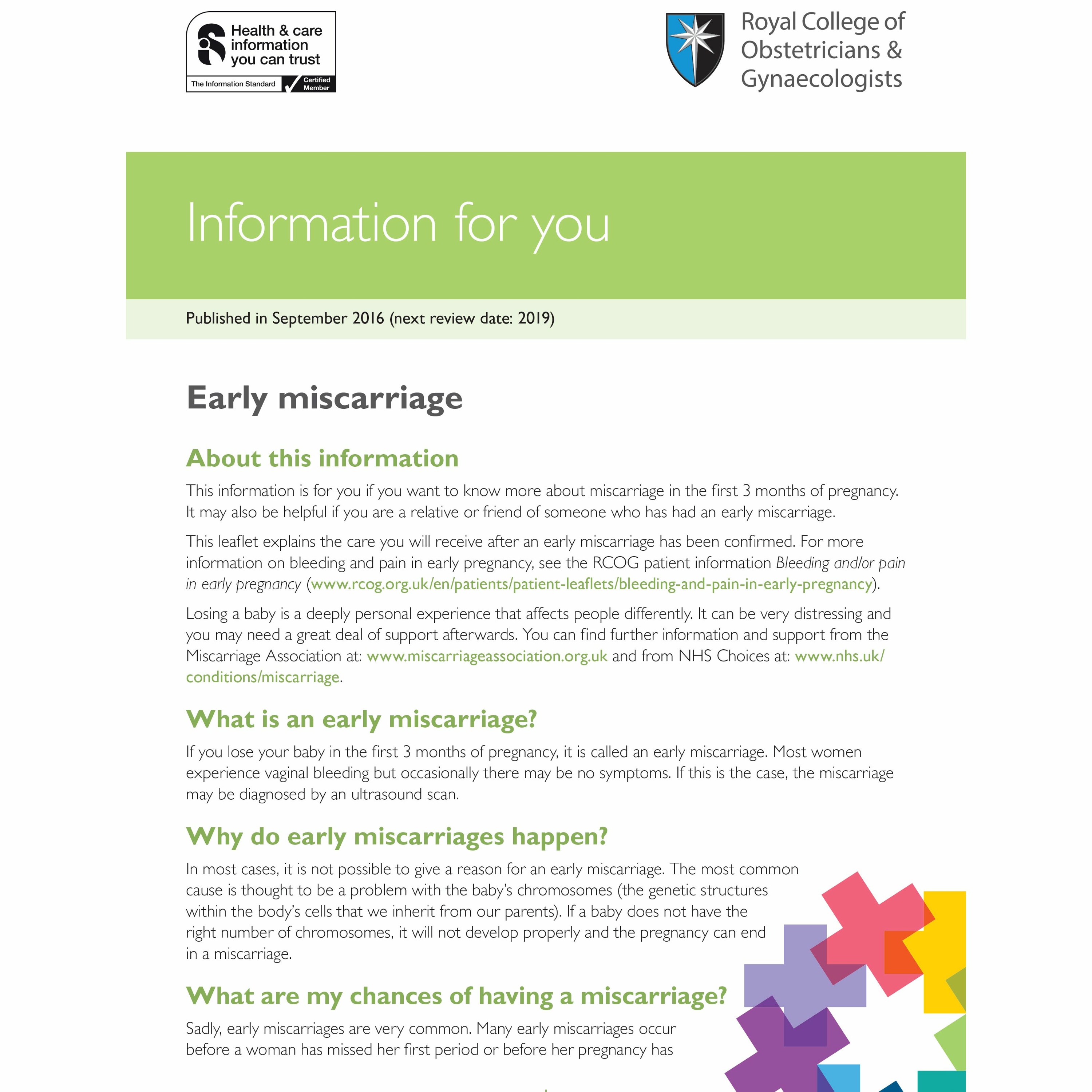
Early Miscarriage
Early Miscarriage by Royal College of Obstetricians and Gynaecologists
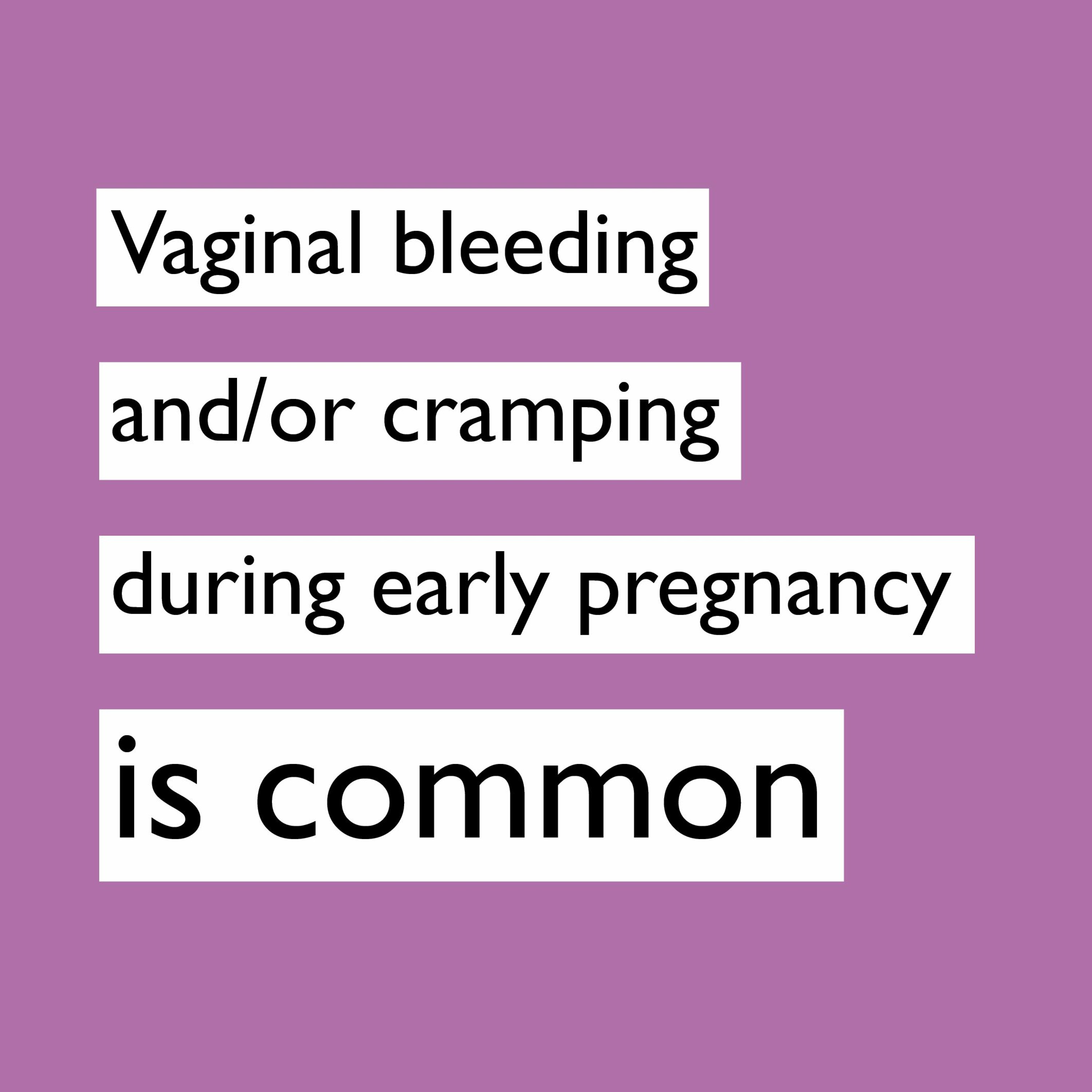
Bleeding and/or pain in early pregnancy
Bleeding and/or pain in early pregnancy by Royal College of Obstetricians and Gynaecologists
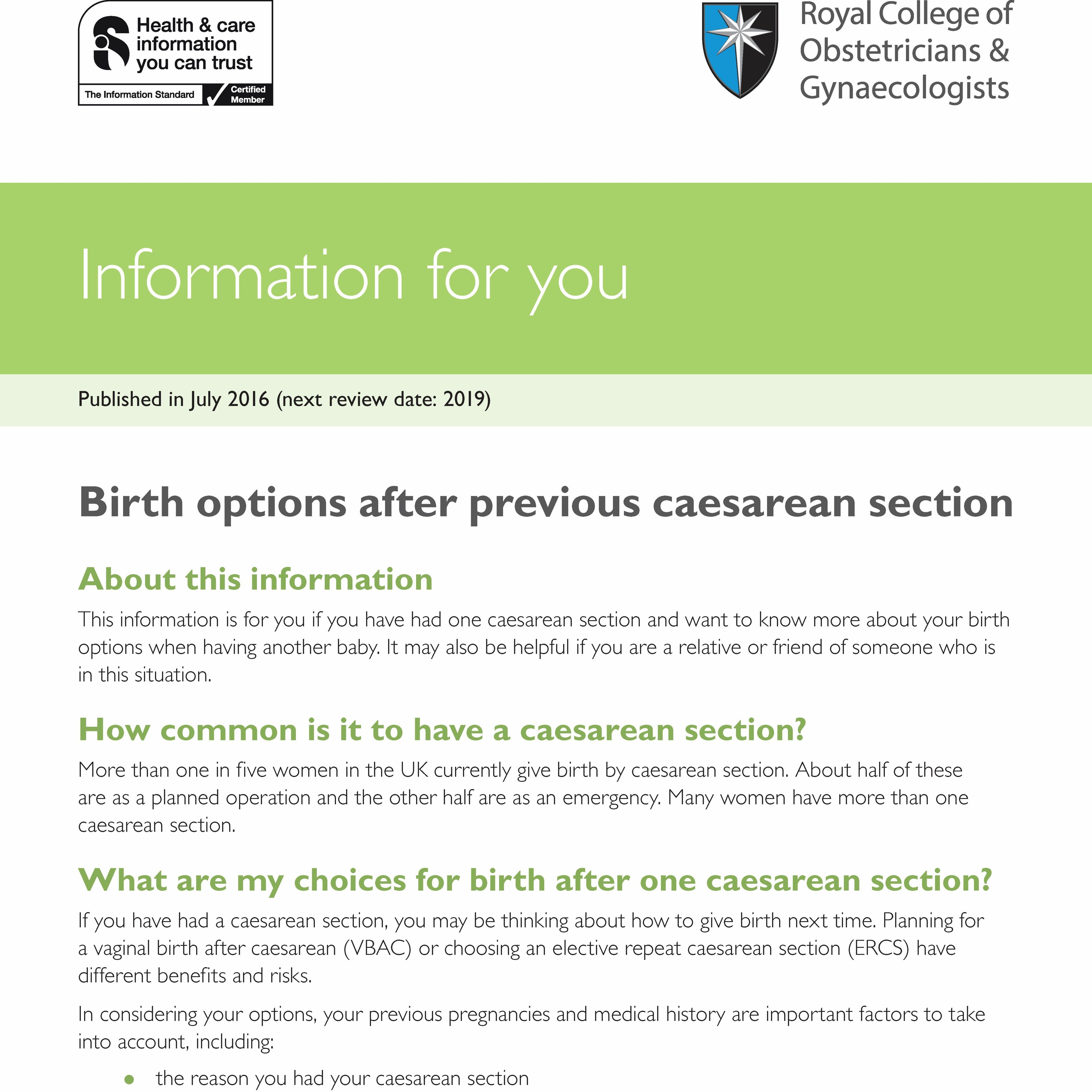
Birth Options After Previous Caesarean Section
Birth Options After Previous Caesarean Section by Royal College of Obstetricians and Gynaecologists
Ovarian Hyperstimulation Syndrome
Ovarian Hyperstimulation Syndrome by Royal College of Obstetricians and Gynaecologists