Raven's Gate Night Whispers
60 episodes — Page 1 of 2
The Voicemail
The Seat
The Recipe Box
The Photographer
The Matchmaker
The Letters
The Garden
The Frequency
The Dance
The Bridge
Letting Go
The Seance
The Return
The Silver Button Inn
The Miracle Child
The Painted Lady
The Girl Who Broke
Blackwater Downs
The Drowning Land
The Renovation
The Haunting of Theo Castillo
The Monarch Hotel
Alexander's Choice
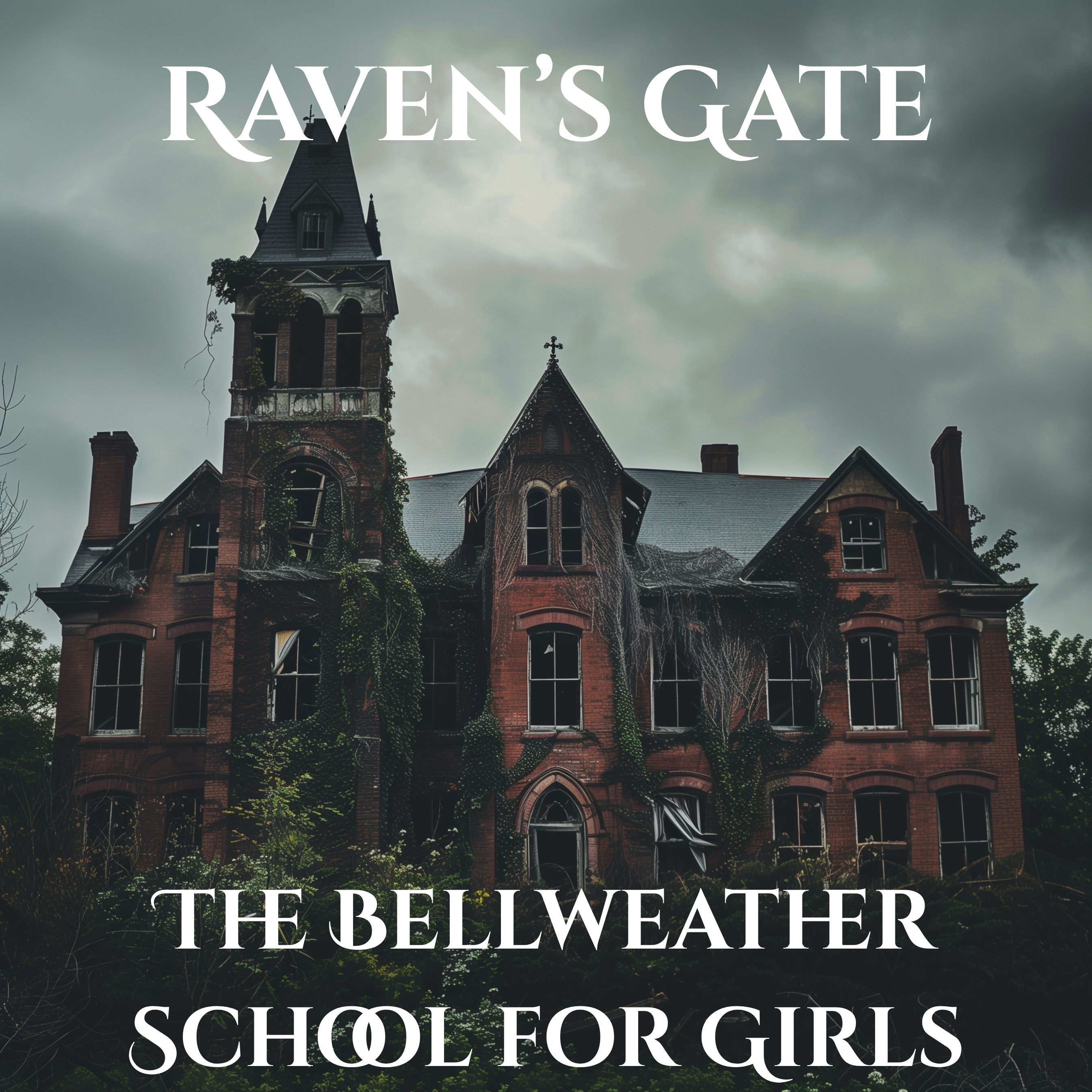
The Bellweather School for Girls
Five girls died in the Bellweather School fire of 1952. The headmistress, Constance Bellweather, died trying to save them. That's what the monument says. "Who Gave Her Life Trying to Save Five Angels Lost to Flame."That's a lie.Juliette Barnes runs a YouTube channel called Forgotten Places. She films abandoned buildings. The Bellweather School, four stories of red brick Gothic Revival on the outskirts of town, has been on her list for years.Inside, the building shifts. Hallways rearrange themselves. Stairwells lead to floors that shouldn't exist. And five girls, frozen at the ages they died, ring the bell tower every time something moves on the fourth floor.Jennifer Holloway, fourteen. Kathy Morrison, thirteen. Susan Marsh, thirteen. Jill Patterson, twelve. Marsha Williams, thirteen.They show Juliette what Constance Bellweather actually was. The ruler across knuckles. The hours kneeling on rice. The locked closets. The starvation for minor infractions. Twenty-four years of cruelty dressed up as discipline.The five girls fought back. They confronted Constance. In the struggle, a match was struck. The fire doors on the fourth floor were locked, as they were every night after curfew. The girls died holding hands in a corner.And the monument that calls Constance a hero is the source of her power. The consecrated lie keeps her spirit strong enough to hunt those five children through the shifting school forever.Juliette has a pry bar. She has the truth. And she has seventy years of rage that doesn't belong to her but burns just the same.
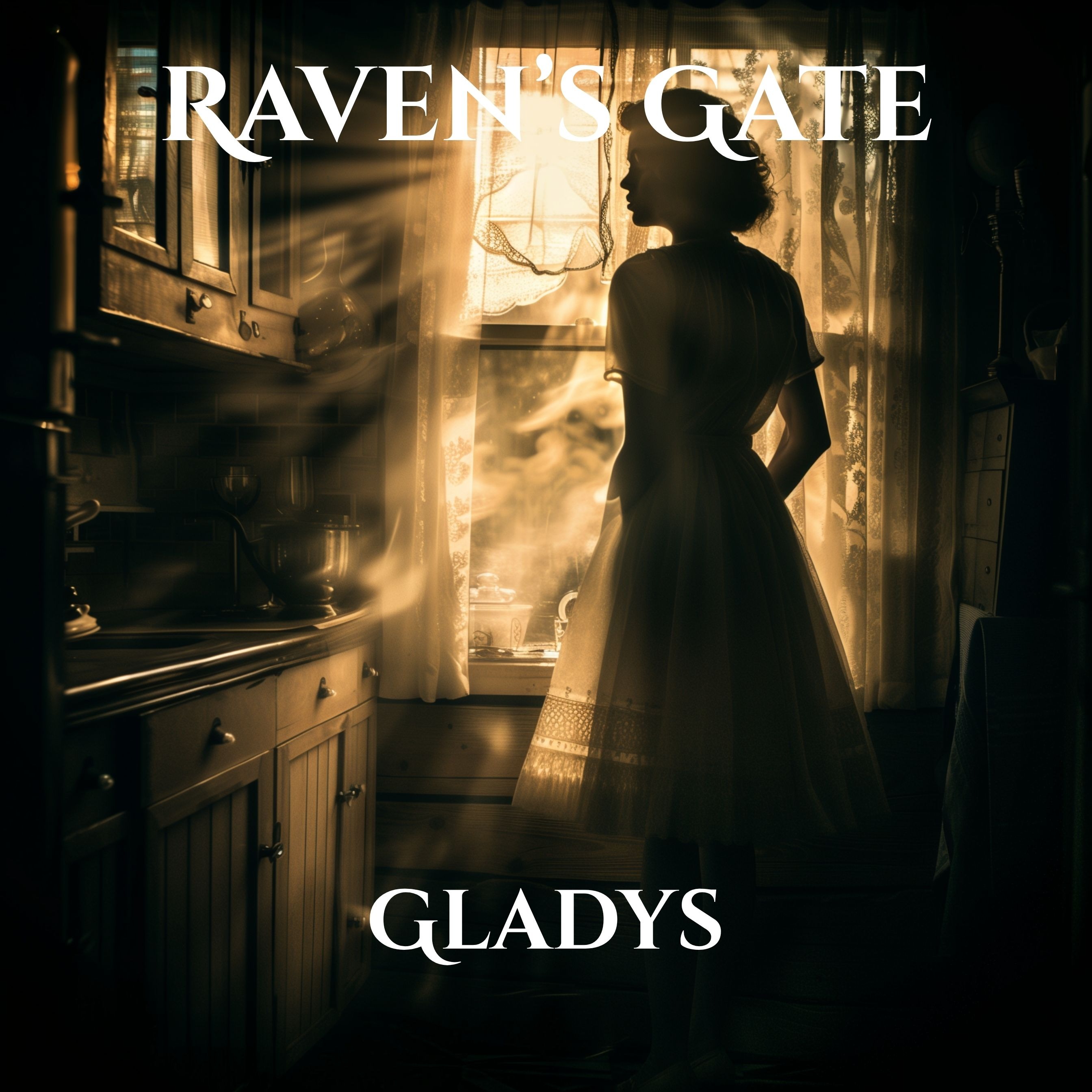
Gladys
Devon's coffee mug keeps moving.Not dramatically. Not flying across the room or shattering against the wall. Just migrating three inches to the left every time he looks away. A software developer who works from home and hasn't left the house for anything meaningful in months, Devon assumes he's losing his mind until he does what any reasonable person would do.He follows a WikiHow article on how to conduct a seance.It works. It works too well. Devon is now a ghost, and Gladys Finch, a widow who died in this house in 1958, is wearing his body like a new coat and weeping with joy over cold pad thai.Sixty-six years without tasting anything. Without touching anything. Without a single conversation. Gladys is not eager to give the body back.Devon has a more immediate problem. His spirit is dissolving. Ghosts need an anchor, and he doesn't have one. He's fading at the edges, losing words, forgetting the color of his own eyes. If Gladys doesn't return his body before the replacement candles arrive, there won't be a Devon to return it to.Then his mother calls. Gladys answers. And the phrase "I'm writing the codes" enters the conversation.Mom is coming over.
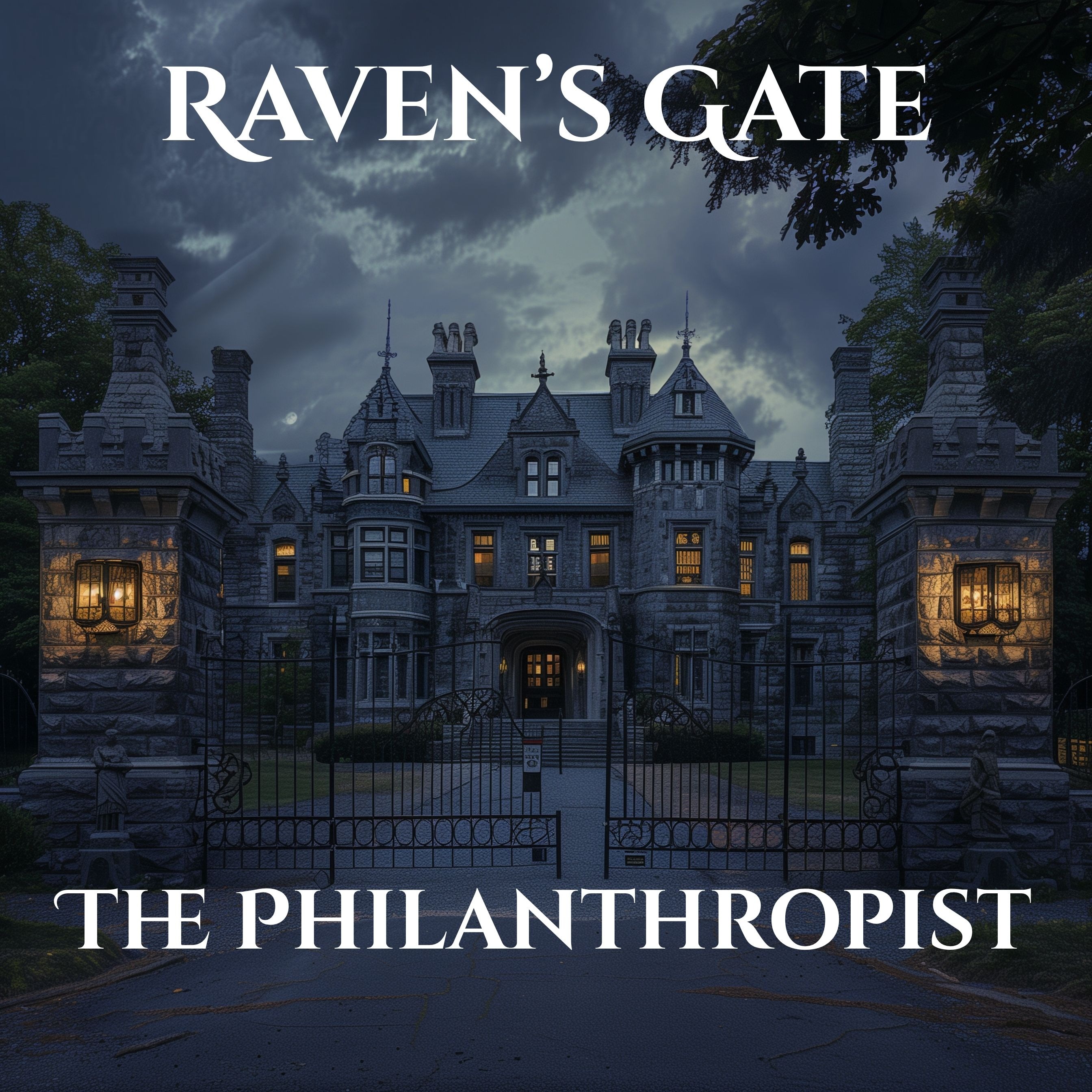
The Philanthropist
The survey should have taken two weeks. Map the rooms, measure the walls, photograph the details. Zechariah Wormwood's 1887 estate was being converted into a luxury hotel, and Jackson Hewitt was hired to document every square foot before the contractors moved in.The Keep was built from imported gray quartz. Railroad money. Wormwood was famous for his philanthropy. Took in destitute women and children. Gave them shelter, food, a second chance.That was the story, anyway.On the third day, Jackson's measurements stop adding up. The interior dimensions don't match the exterior. There are spaces behind the walls that shouldn't exist. Gaps that the original blueprints never showed.His assistant Carla finds the first hidden room behind a panel in the east wing. Restraints bolted to the walls. Scratch marks in the stone. A surgical table with leather straps worn smooth by decades of use.Wormwood's philanthropy was a procurement system. Three hundred and twelve women and children entered The Keep over forty years. None of them left. The quartz walls absorbed their suffering like a battery, storing decades of pain to fuel a ritual older than the building itself.And Wormwood succeeded. His body is gone, but something remains in the walls. Something that has been quiet for a very long time. Something that just noticed it has visitors.
What Stays
Sarah found the cabin through a handwritten flyer tacked to a gas station wall. Four hundred dollars a month. Remote. No questions asked. Directions appeared in her mailbox the next day with no stamp and no return address.She didn't ask questions either. When you're running from a man like Daryl, you take what the universe offers.The cabin sits in a mountain hollow so deep the sun only reaches it four hours a day. Across the creek, a ruined church sags into the earth. The rent checks keep coming back uncashed. The landlord, A. Johnson, doesn't seem to exist.The hauntings start immediately. Cabinets opening. Glasses sliding off counters. A kitchen chair that drags itself across the floor to face the church, like it's keeping watch.Jessica, twelve years old and more perceptive than any child should need to be, figures it out before Sarah does. The ghost isn't trying to scare them.It's standing guard.Because Daryl is coming. Whatever rode his anger for years, whatever fed on his cruelty and grew fat on Sarah's fear, has hollowed him out completely. What pulls into the driveway at two in the morning isn't her husband anymore. Its eyes are black. Its body moves wrong. And it is so, so hungry.The woman who was hanged behind that ruined church three centuries ago knows about hunger. She knows about men who consume. And she has been waiting a very long time for someone worth protecting.
Lady Greyson
Bill Cavanaugh is nearly eighty years old, and he's only telling this story because three kids with cameras and a YouTube channel are about to get themselves killed.He was eight when his father took the groundskeeper job at Greyson Manor. A hollowed-out veteran who couldn't hold a wrench steady. The estate was vast, cold, and ruled by a woman everyone in the village avoided. Lady Greyson. Married at seventeen to a man who treated her like property. Pale. Sharp. Eyes that saw through walls.She was kind to Bill. Biscuits in the kitchen. Permission to explore. A mother figure for a motherless boy. He gave her a smooth river stone from the creek, and she held it like he'd handed her a diamond.Three days after Bill walked in on Mr. Greyson striking her, the man was found hanging from the chandelier.What Lady Greyson became after that took a decade. Bill watched it happen. The shadows that stopped matching her movements. The animals that fled when she walked the grounds. The conversations with things that weren't there.She died in the attic, performing a ritual that bound her to the house forever.Now every man who walks through those doors carrying authority or entitlement doesn't walk back out. Assessors. Lawyers. Journalists. Seventeen documented cases. Bill is the only exception. The river stone, freely given by a child who loved her, is the only protection that exists.The three kids with the cameras aren't going to listen to him. They never do.
Finally Home
Edwin died of a heart attack in 1954, two years after finishing the house he built with his own hands. Every joint mitered. Every board planed smooth. Every nail driven straight. He put two years of his life into that house.Then he woke up still inside it.Forty years of watching families ruin his work. Children with sticky fingers on his crown molding. Couples who let the garden go to seed. Tenants who hung crooked pictures and left dishes in the sink until the whole kitchen smelled wrong. Edwin straightened what he could. Folded towels. Moved misplaced tools back to their proper drawers.They called him a poltergeist. Every family fled.Then Douglas and Ember Wilson walked through the front door, ran their hands along the original hardwood, and said: "Someone loved this house."For the first time in four decades, someone noticed. Someone cared. And when they found their coffee mugs washed and waiting each morning, they didn't call a priest.They left a thank-you note.But Douglas and Ember aren't the only ones paying attention to the house. An old acquaintance with a predator's patience is watching too. And Edwin has spent forty years learning exactly what a ghost can do when someone threatens his home.
Evangeline's Song
Jesse Seaton bought the Miller House knowing it was haunted. A divorced true-crime writer circling the drain of his career, he needed a story worth telling. A colonial Virginia mansion where every male owner for two hundred and fifty years had either killed someone or killed himself? That was a book deal.The history is ugly and well-documented. Bishop Miller built the house in 1772. Six years later, he strangled his wife Evangeline and sealed her body in the cellar. Hanged himself six months after that. The next owner lasted three years before he beat a servant to death. The one after that drowned his business partner. Eight men. Eight acts of violence. All of them reported seeing a woman in white with bruises circling her throat.Jesse doesn't believe in ghosts. He believes in royalty checks.But five weeks into his stay, something changes. Rage builds in him like a tide he can't explain. Violent thoughts intrude at odd hours. He nearly wraps his hands around a stranger's throat at a bar and has to leave before he does something unforgivable.Therapy taught Jesse one useful thing: he knows what his own anger feels like. This isn't his.So instead of running, he does the one thing no owner has done in two and a half centuries. He goes to the cellar. He sits down. And he listens.What Evangeline shows him is worse than murder. She makes him live it from both sides.
The Warning
The first call comes at 7:15 AM. Unknown number. A voice, male, desperate, breathing like he's been running for hours."Don't go home tonight. Whatever you do, don't go home."Easy to dismiss as a prank. A wrong number. Some stranger's breakdown that has nothing to do with you.But the calls don't stop.Different numbers now—127 missed calls by the end of the workday. Voicemails begging, pleading, warning about something in the house. Something waiting. Something that knows.The voice claims to be hiding in your closet. Says it found you. Says by the time you hear this, it's already too late.You drive home anyway. Ignore the warnings. Walk through your front door into rooms that feel normal, safe, exactly as you left them. The pasta cooks fine. The beer tastes cold. Nothing lurking in the shadows, nothing watching from the corners.Until you see it.Something in the mirror that wasn't there before. A shape at the top of the stairs with eyes like burning crimson. And when you run, when you hide, when you dial 911 in the darkness of your closet—you hear your own voice answer. Annoyed. Impatient. Half-asleep."Who is this?"And you finally understand who's been calling all day.

The Piano Listing
The listing appeared at 11:47 PM on a Tuesday. Couch, dining table, four chairs—all free. "Must pick up tonight. Must also take piano."Three glasses of wine into apartment therapy, scrolling through Facebook Marketplace after leaving everything to Marcus in the divorce, the narrator sees exactly what they need: a deep green velvet couch, a solid oak table, the foundations of a home that might finally feel like theirs.The seller's messages are strange. "The door will be unlocked. Let yourself in. Paperwork is on the table. Sign before you take anything."Will they be there?"No. I can't be there anymore."The house is wrong. It rejects streetlight. The buildings on either side lean away from it. Inside, dust and something sweet that smells like flowers that never saw sun. The furniture is there, beautiful as promised. And the piano—massive, dark wood gone almost black with age—dominates the room in ways that transcend physics.The paperwork seems standard. No returns, no claims, all transfers final. The narrator signs without reading the small print.The door won't open anymore.The listing must continue. The listing has always continued.And somewhere in the darkness, a woman who's been listening to this piano for a very long time finally sees the door begin to unlock—because someone new is climbing the porch steps, someone desperate, someone who saw a listing that seemed too good to be true.
The Night Shift
The narrator has worked the graveyard shift at the Starlight Diner for as long as they can remember. That should probably bother them more than it does—the not remembering. But the nights are long, and thinking too hard makes them longer.The regulars make it bearable. Marla, who orders decaf at midnight and stares at headlights that never arrive. Doug the trucker, who nurses a single cup for hours. The teenager in the corner booth, hunched over a phone with no signal, hiding from something she can't outrun.And Mr. Carroll. Every night at exactly 2:15 AM. Coffee and cherry pie. Five-dollar tip on a four-dollar check. A nod like they've shared something important.Then the narrator finds a newspaper someone left on the counter. Mr. Carroll's face smiles from an obituary dated six months ago. Heart attack. Passed peacefully. No surviving family.The newspaper is six months old. But Mr. Carroll walks in at 2:15, same as always, moving to his booth with measured steps, eating pie he doesn't seem to taste, looking through the narrator at something just behind their face.One by one, the narrator searches the regulars. Car accident. Overdose. Missing for two years.Everyone in the diner is dead.Everyone except—The search results load. The photo shows a face that used to be theirs. The obituary is dated eight months ago.
The Man Who Reads to Her
The first drawing came home on a Tuesday. Orange construction paper. Emma's bedroom, rendered in crayon: purple walls, star nightlight, a small figure with yellow hair sleeping peacefully.And in the doorway, a shape.Tall. Dark. No face—just a black scribble where features should be. Proportions wrong in ways that feel intentional, like she's trying to capture something she doesn't have the skill to render."That's the man who reads to me."Emma is five years old. Her mother died eight months ago. The grief counselor says children process loss in strange ways, create imaginary figures to fill the absence.But the drawings keep coming. Every day, the man is closer. First the doorway. Then the foot of the bed. Then beside the pillow, those wrong-long hands almost touching her sleeping form.The camera he sets up gets turned to face the wall. The nights he sleeps outside her door, he hears her talking to someone—question, pause, answer—and when he bursts in, the room is empty but charged with presence."He's not in the house anymore, Daddy. He's in me now."When Emma picks up a crayon and fills an entire page with darkness—a face that somehow looks back even without eyes—her father understands too late. The man has finished reading to his daughter.Now she's going to read to him.
The Man on the Hill
Delphine went missing on a Tuesday in September, and by Friday the whole parish had decided she'd run off looking for something better. But Mama Celeste knows the truth: the girl's money is still under the floorboard. Her mother's locket is still behind the chimney brick. She didn't leave.She was taken.The man on the hill has had many names—Étienne Lemaire in the 1800s, Esteban Lamar later, Stephen Marsh now. The property records show the same descriptions across decades: dark hair, thin build, prominent cheekbones. The same man, seen by different census workers over sixty years, always looking roughly the same age.Every thirty-three years, someone disappears. Someone who won't be missed. And the cycle starts again.When Mama Celeste's grandson Marcus returns from the war, she tells him everything her grandmother's grandmother passed down: the ritual, the body-stealing, the binding that might stop it. Armed with bones carried from Africa through generations of keepers, they go to the house on the hill to end what should have ended long ago.But destroying a monster is only half the battle. What do you do with its knowledge? What do you do with a book that won't burn, pages that won't tear, secrets that whisper immortality to a young Black man in 1920s Louisiana who has already seen too much death?Some curses don't end when the monster dies. Some curses just change hosts.
The Lighthouse Keeper's Daughter
The lighthouse had been dark for three days when Tammi Holloway got the call. Her father, Clinton Brennan, was dead. Heart attack. Found on the rocks at the water's edge with an expression of pure terror on his face—like he'd seen something coming for him. Something he'd been expecting for a long time.Tammi hadn't spoken to her father in fifteen years. She'd left the lighthouse at eighteen, bitter and confused about why he chose a light that ran itself over his own daughter. Every visit ended the same way: mid-sentence, mid-word, his eyes would go distant, and he'd walk toward the tower."I have to tend the light."Now the light is out. And in her father's journals—hundreds of them, filling her old bedroom—Tammi discovers why.The first lighthouses weren't warnings to ships. They were temples. Offerings. Constant flames of worship to keep something in the deep satisfied. Something vast and old that had been swimming through voids before our sun ignited. Something that accepts the light as tribute—or, when the light goes out, expects something else.Tammi's mother didn't drown in an accident. She was taken as an offering when the light flickered out for twenty minutes in 1979.The light has been dark for three days. Something is stirring in the deep, ancient and hungry, expecting tribute. And Tammi is the last of her line—the last keeper of a compact that predates written history.
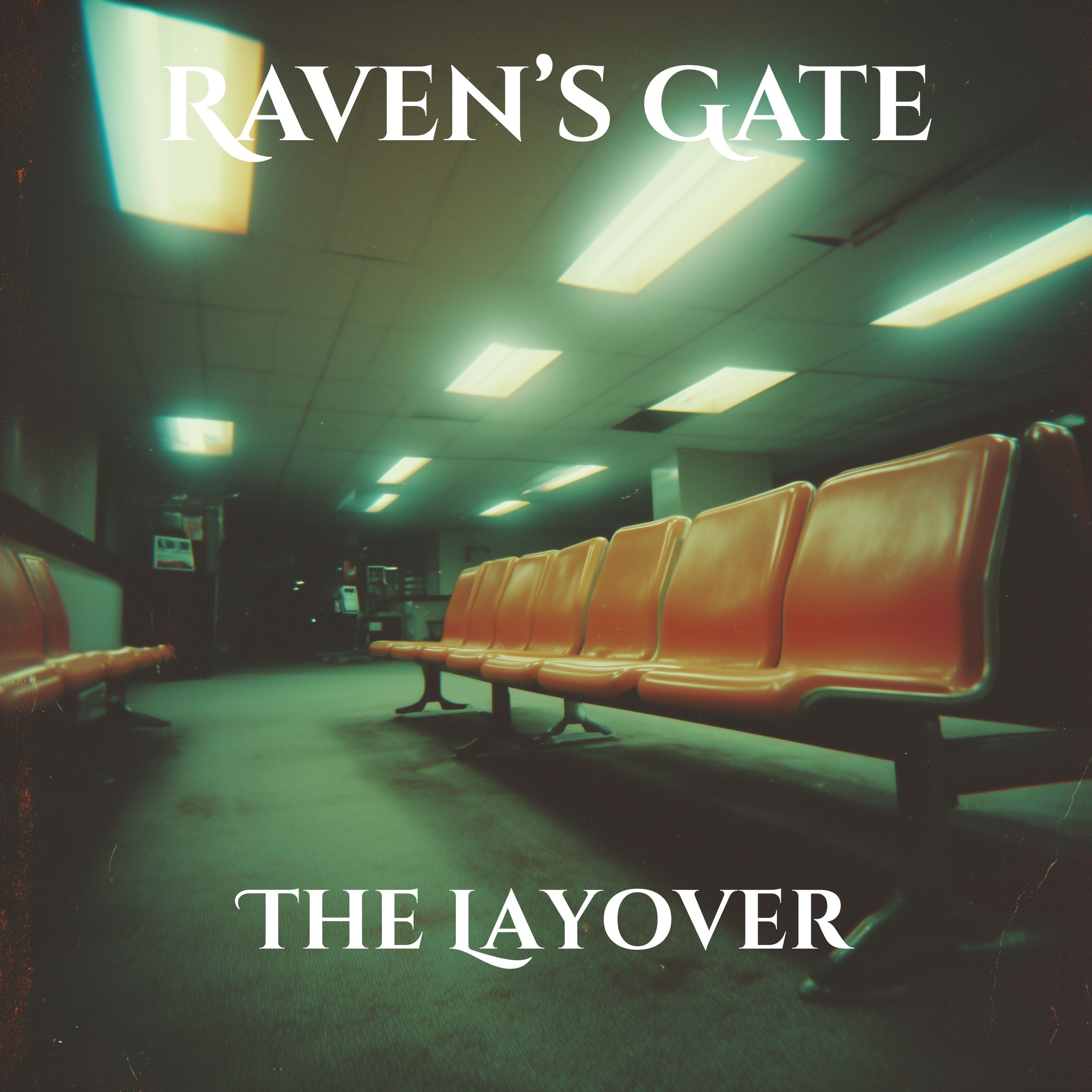
The Layover
The flight was supposed to leave at 6:15. Daniel Hartley missed it by two minutes—two minutes spent stuck behind idiots in the security line, running through a terminal that seemed designed to waste his time.He screamed at the customer service rep. Demanded to see a manager. Made someone's day a little worse because that's what he does, what he's always done, what people like him have always gotten away with.They rebooked him on the redeye. Gate 66. Terminal C.Terminal C isn't on any map. The corridor leads through a door marked AUTHORIZED PERSONNEL ONLY, past flickering fluorescent lights, into a terminal that looks like it was built in the 1970s and never updated. Orange plastic chairs. Brown carpet. A departure board with mechanical letters that flip with a soft clack-clack-clack.FLIGHT 666 — DELAYEDThe other passengers have been waiting for a long time. Richard, the businessman, has been here three days. Linda, the executive, has been here two months. Harold, the insurance man who denied claims to dying patients, has been here since 1987.No one ages. No one sleeps. No one leaves.Time doesn't work right in Terminal C. The windows show only darkness. The phones have no signal. And the announcement that finally comes doesn't promise departure—it calculates the sentence.FLIGHT 666 — BOARDING IN 100 YEARSOne hundred years to think about every person he made cry. Every day he ruined. Every apology he never gave.The loop never ends. The lights never dim. And somewhere, another passenger is being rude to a gate agent, earning their ticket to Gate 66.
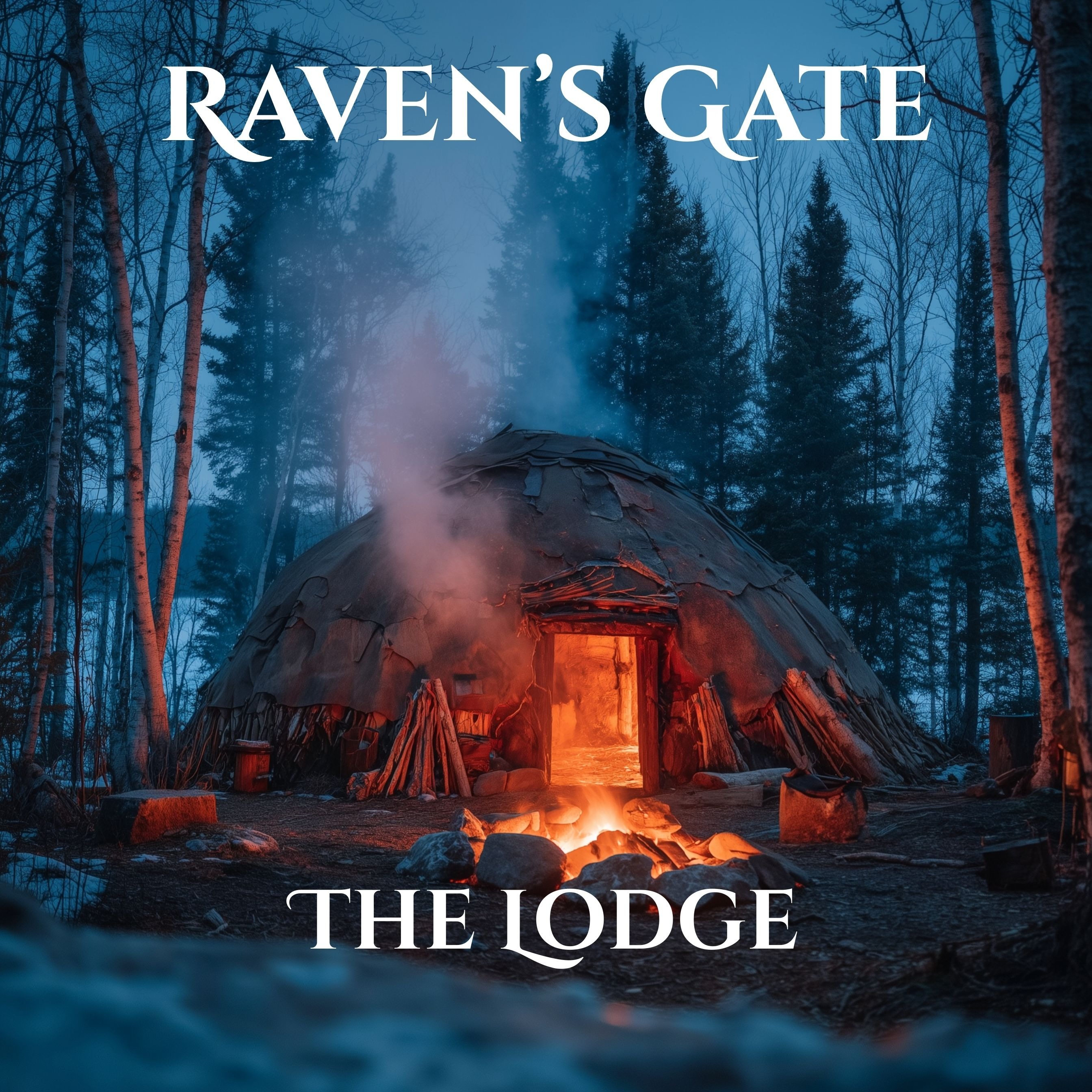
The Lodge
The whisky wasn't helping. James Kincade had brought two bottles to Lake Superior, thinking that would be enough—enough to quiet the voice replaying his wife's last phone call, enough to numb the memory of his daughter screaming, enough to give him courage to slide over the side of the boat and let the cold water do what he couldn't do himself.It's been two years since the home invasion that killed them. Two years of knowing that if he'd just come home from work on time, they might still be alive. Two years of drowning in guilt that no conviction, no justice, no amount of time has been able to touch.Then the fog rolls in.It pulls his boat to an island that doesn't appear on any map, where an old man named Waaseyaa is waiting for him. A man with eyes the color of deep water, who knows James's name without being told, who speaks of sweat lodges and vision quests and doors that must be opened.Inside the madoodiswan, with grandfather stones glowing red in the darkness, James faces what he's been running from. His mother, whose cruelty shaped him. His wife and daughter, who need him to hear what they couldn't say before they died. And himself—the man he could become if he chose to live instead of just survive.Some stories are about monsters. This one is about healing. About choosing to stay when everything in you wants to let go.
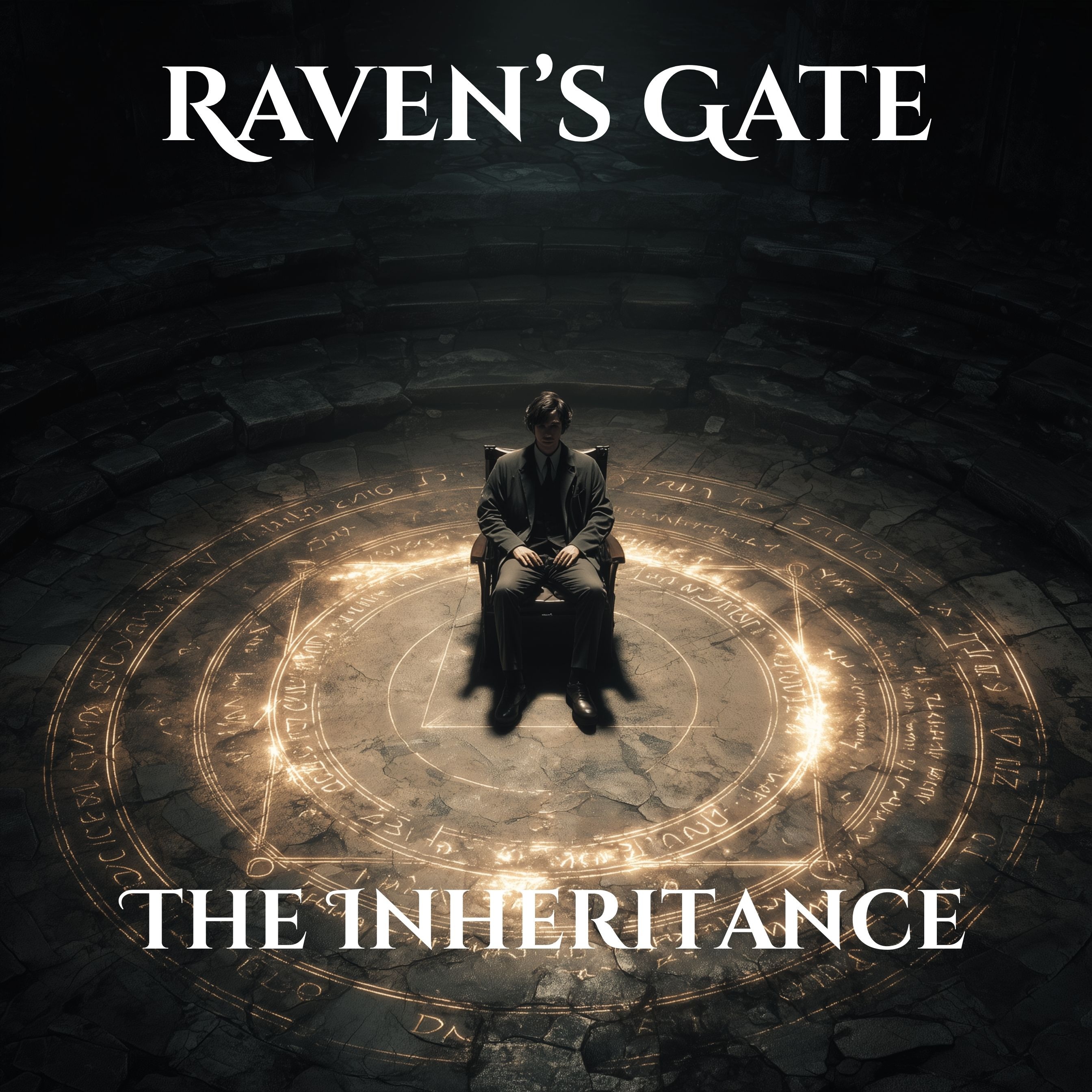
The Inheritance
His mother said his uncle's name only once—on her deathbed, with her last breaths, warning him never to claim the inheritance."Don't go there, Caleb. Promise me."Three weeks later, the letter arrives. Caleb Mercer is the sole beneficiary of an estate in the Appalachian mountains: a cabin on forty acres in a hollow so remote it doesn't appear on most maps. An uncle he never knew existed. Property his family spent generations hiding from him.The cabin should be falling apart after a century of mountain winters. Instead, it's pristine. Smoke rises from the chimney. Someone has been maintaining it. Someone is there now.In the cellar—far larger than the cabin above, carved into the bedrock itself, walls covered in symbols older than any alphabet—Caleb finds a chair. Ancient. Carved from black wood. Waiting at the center of a circle etched into stone.Something speaks to him there. Something vast and old that has been watching his family since before America had a name. It shows him the truth: his ancestors murdered the original keepers of this hollow in 1843 and were cursed with the responsibility of containing what sleeps in the deep. Every generation produces a keeper. Someone who must tend the binding. Someone who must serve.Caleb is the last of his line. Whether he stays or goes, the ending is the same. But staying buys time. A few more decades before the binding breaks and the world transforms into something with no memory of what humanity ever was.
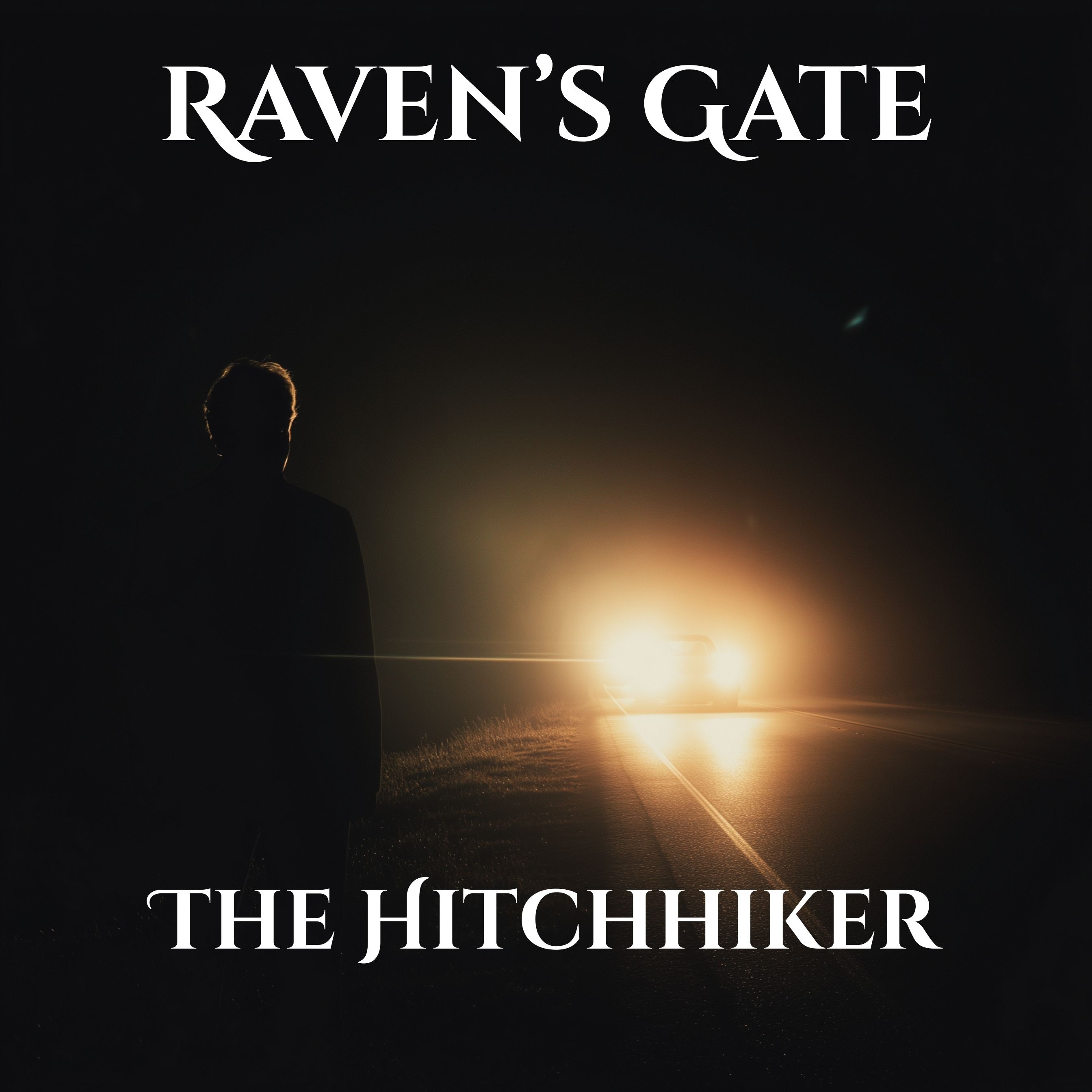
The Hitchhiker
The scar runs down his right cheek—a faded pink line from eye to jaw that most people are too polite to ask about. The truth is uglier than the story he tells: his father's belt buckle caught him at age five, and he's been running ever since.At twenty-three, he finally leaves. Two hundred dollars. A duffel bag. A car barely worth the gas. Nothing but highway stretching ahead and everything he's escaping in the rearview.Then he sees the hitchhiker.Average height. Average build. Standing on the shoulder at midnight, thumb raised. Against his better judgment, he pulls over.It's not until twenty minutes into the drive that he notices the man's eyes. His own eyes, staring back from a stranger's face. And the scar. The exact scar, in the exact position, from the exact belt buckle that caught him at an angle no one else could possibly recreate.The hitchhiker knows everything. The Smiths collection. The coffee preferences. The night after prom when the engine was running and the garage door was closed. And he has a confession to make: tonight, just up the road, he killed a man."I hit him going sixty-five. And I felt nothing. Because you can't outrun what's in your blood. You can't escape who you're going to become."The loop has no beginning. The loop has no end. And violence isn't something you do.It's something you are.
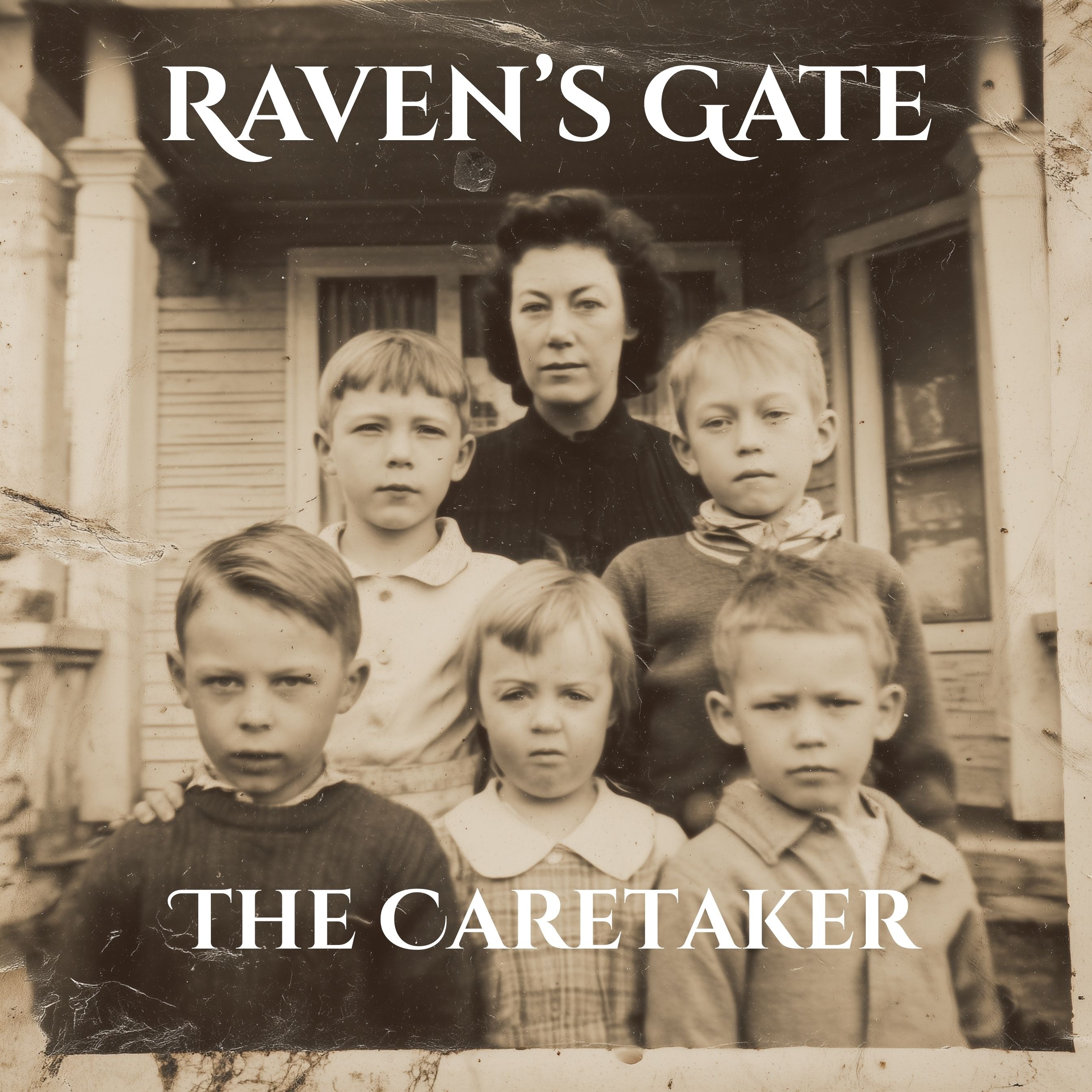
The Caregiver
The job listing is too good to be true. Live-in caretaker for an elderly woman. Private room. Meals included. $800 a week. Light duties. The only catch: three previous caretakers quit within a month.Claire, a nursing student desperate to escape a moldy apartment and a deadbeat roommate, signs the contract without asking too many questions.Mrs. Hartwell is ninety-one, frail, mind wandering. She calls Claire by the wrong names, carries on conversations with people who aren't there, and issues one warning with absolute clarity: Don't go in the basement. Don't open that door. Not for any reason. Not even if you hear them crying.The crying starts on the fifth night.Claire finds books hidden throughout the house. Old books about faeries and changelings. Academic texts about children who aren't quite right, who don't eat human food, who sing songs in languages no human has ever spoken. She finds photographs of the children who passed through Mrs. Hartwell's "foster home" over the decades—and some of them look wrong in ways the camera shouldn't be able to capture.When Mrs. Hartwell dies, Claire finally opens the basement door. The space is larger than the house above it. Iron cages line the walls. And the children inside are hungry.They've been hungry for a very long time.
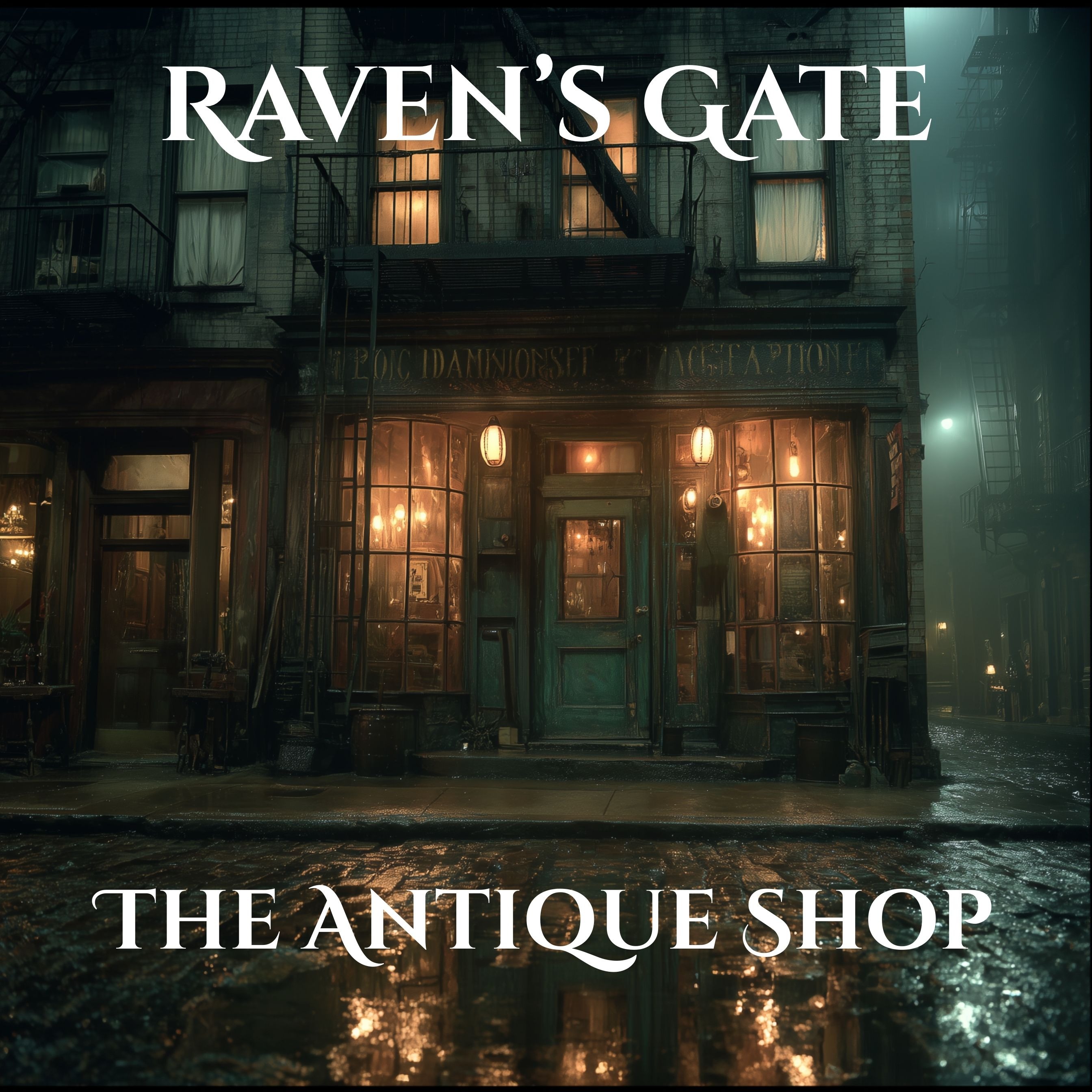
The Antique Shop
New York, 1923. Wilhelm Taube is twelve years old, an orphan running from a workhouse that treats its children like slaves. He ducks into an antique shop that shouldn't exist, hiding in a massive wardrobe while men from the orphanage search the streets.EISENGLASS ANTIQUES AND CONSIGNMENT reads the sign. The shop is dark, silent, filled with treasures from centuries past—a Queen Anne secretaire, medieval armor, meerschaum pipes, jewelry that belonged to queens.And a cornhusk doll. Faceless. Simple. Utterly out of place among the opulence.At midnight, Wilhelm discovers why the doll matters. The shop fills with ghosts—spirits bound to the objects they loved most, reliving their defining moments for eternity. A woman writes love letters that will never arrive. A sailor smokes a pipe, watching horizons only he can see. A child sings in Russian to a baby that isn't there.But one ghost is different. Liesel, a girl who died in the winter of 1848, sees him clearly. She tells him about the shop's secret: an obsidian mirror that grants wishes to those who want them with their whole heart.Wilhelm has nothing in the world but his father's broken pocket watch and a lifetime of running ahead of him. But Liesel offers him something he's never had: a place to belong. A family that will never leave. An eternity among the treasures and the ghosts.All he has to do is wish.
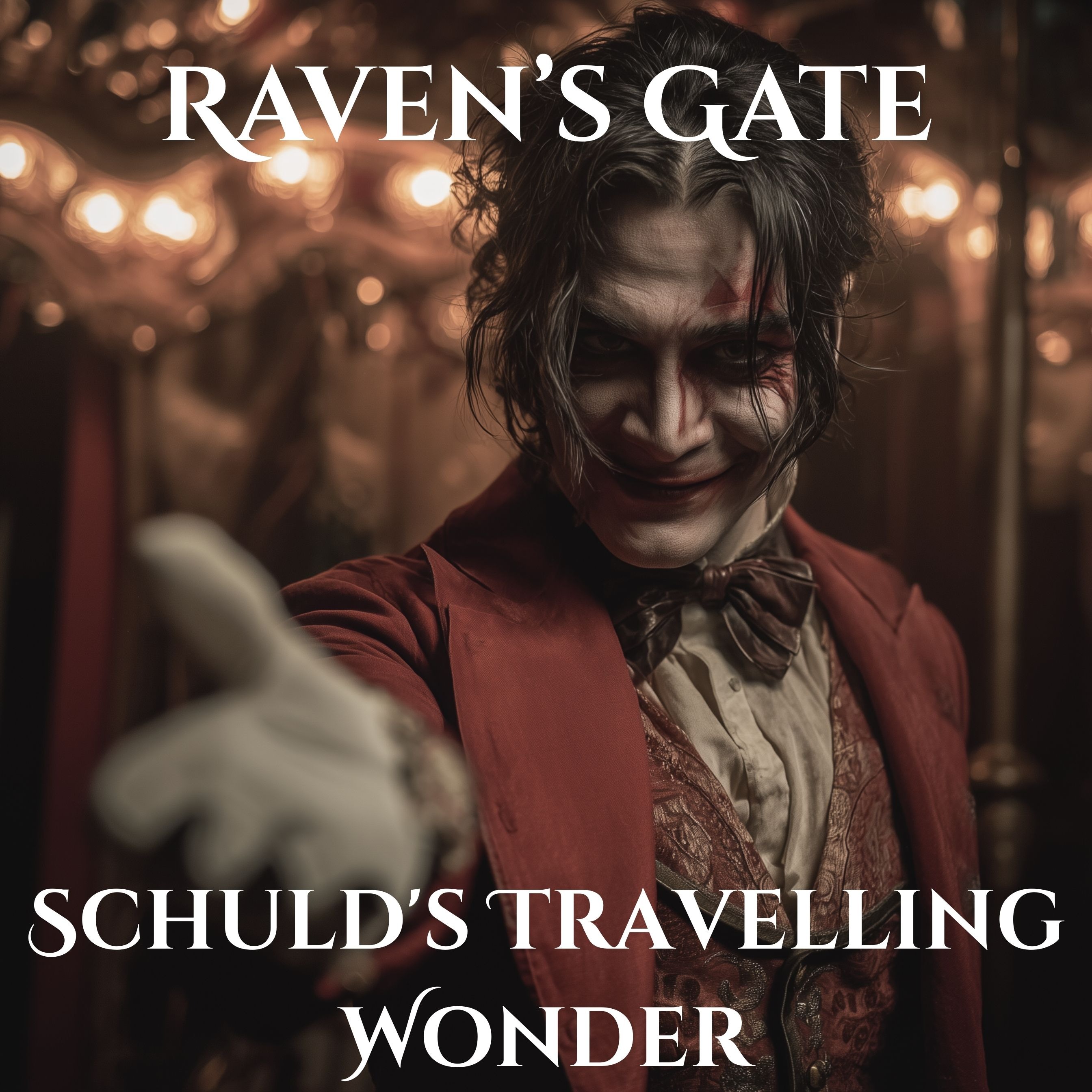
Schuld's Travelling Wonder
The post on The Veil Archives was three years old and had only four comments. But the details matched accounts going back to the 1800s: a carnival that appears deep in the wilderness, never in the same place twice. Lights and music where no lights should be. People who enter and never return. And those who do come back... changed.Ronald Davis has researched paranormal phenomena for six years without ever seeing anything he couldn't explain. When he convinces his ghost-hunting group—Reggie, Jason, Crystal, and the chronically overlooked Lois—to investigate, he hopes to finally find proof.What they find is Schuld's Travelling Wonder.Real. Impossible. Beautiful in ways that make the skin crawl. A ringmaster in crimson welcomes them with a smile that promises everything and costs more than they know.One by one, the group separates. Reggie follows a beautiful woman into the House of Horrors and sees every cruelty he's ever committed played back in scenes that close around him like walls. Jason follows a clown into the Freak Show and meets the twisted reflections of everyone who bent themselves to become something they weren't. Crystal rides the Tunnel of Love and learns what it means to be truly empty.Only Ronald and Lois escape with gifts: footage that will make them famous, and a mirror that shows a beautiful face. But gifts from the carnival always come with a price—and the corruption has already begun.
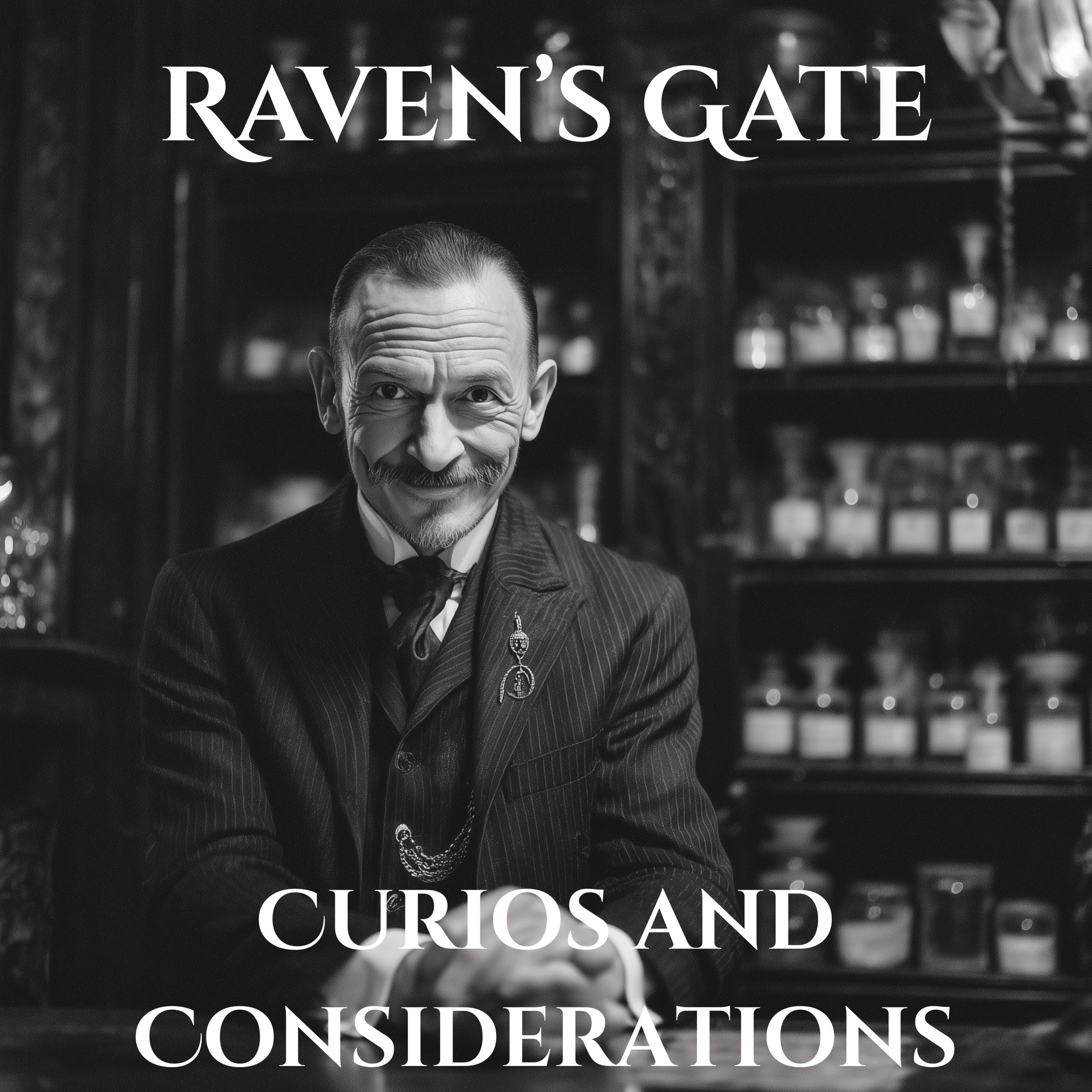
Curios and Considerations
The shop wasn't there on Monday.Between the dry cleaner's and the nail salon, where Karen Singleton has walked every day for three years, a door now stands. CURIOS & CONSIDERATIONS, the sign reads. EST. 1887. Below that: The Perfect Thing for the Perfect Person.Inside, a man named Mr. Considine listens. He doesn't interrupt. Doesn't judge. Doesn't offer platitudes about forgiveness. He just asks one question: Is there someone in your life who's wronged you?Karen thinks about Dr. Goodfellow. The affair. The promises. The promotion she earned on her back that went to someone else who was better at the game. She tells Mr. Considine everything.He offers three gifts to choose from. A ring that poisons its wearer slowly, blackening the skin from finger to heart. A clock that counts down to the moment of death, its ticking inescapable. And an antique surgeon's kit—including a lobotomy set—that compels its recipient to perform the procedure on themselves.The price? A drop of blood. A piece of soul.But Karen isn't the only customer. And the gifts work exactly as promised. And when your enemy dies screaming, someone else might be shopping for a gift... with your name on the tag.

The Trestle
Billy Mason is thirteen years old, and he's always been running.Running from his father, whose belt leaves marks that take weeks to fade. Running from Mr. Hensley at the soda fountain, whose eyes hold something dangerous. Running from the boys at school who smell weakness like dogs smell fear.Now he's running from Winston Hewitt and Chad Duncan, their threats echoing through the hot summer air of 1942 as they chase him toward the abandoned railroad trestle—the one that ends at a gap where the tracks fell away decades ago.Cornered, Billy does the only thing left. He jumps.But he doesn't fall.Instead, he lands in a shadow world—a mirror of his town where no one can see him, where the people he knows stand frozen in their darkest truths, where time moves differently and confession is the only currency that matters. Here, Billy hears what his father really thinks of himself. What Mr. Hensley wrestles with in silence. What Chad fears and Winston embraces.And with each confession he witnesses, Billy ages. Changes. Becomes something between the terrified boy who jumped and the man who will emerge decades later—a protector for the hunted, a predator for the predators, a guardian of the trestle that exists between worlds.
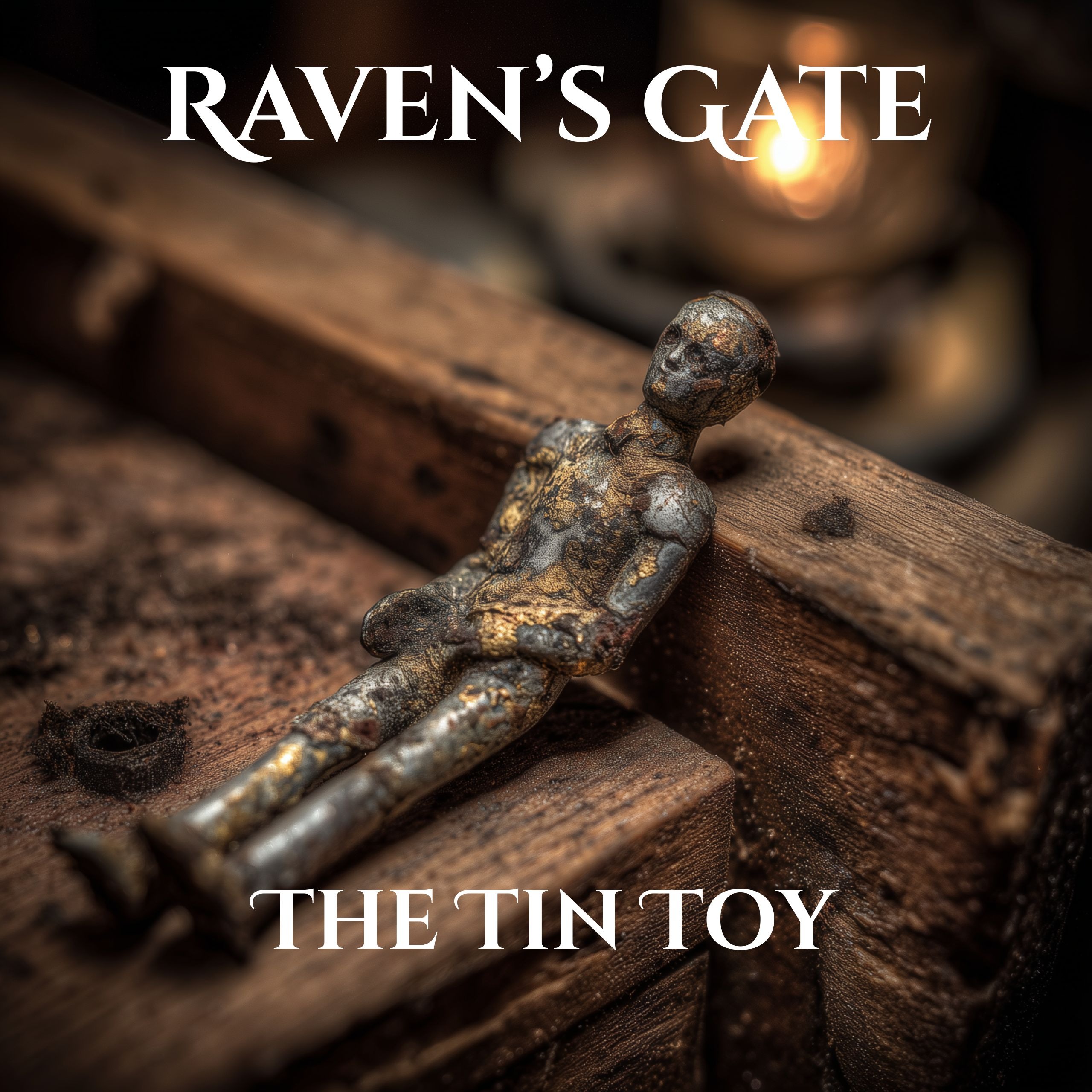
The Tin Toy
Deep in the October woods, two teenage friends discover an abandoned cabin that shouldn't exist. Jake's been hiking these trails since childhood—he knows every path, every creek bed, every fallen tree for miles. But this cabin? This path? He's never seen them before.Inside the rotting structure, among rusted tools and water-damaged newspapers from another century, Jake finds a tin toy soldier. Heavy. Detailed. Clearly old. Worth something, probably. He slips it into his pocket.That night, a figure appears in his bedroom.Small. The size of a child. Moving with a step-and-drag rhythm that sounds wrong in the darkness. Its skin has dried and pulled tight against ancient bones, its clothes tattered wool from another era, its eyes milky white pools that see everything.It points at the tin toy. Then at Jake."Mine."
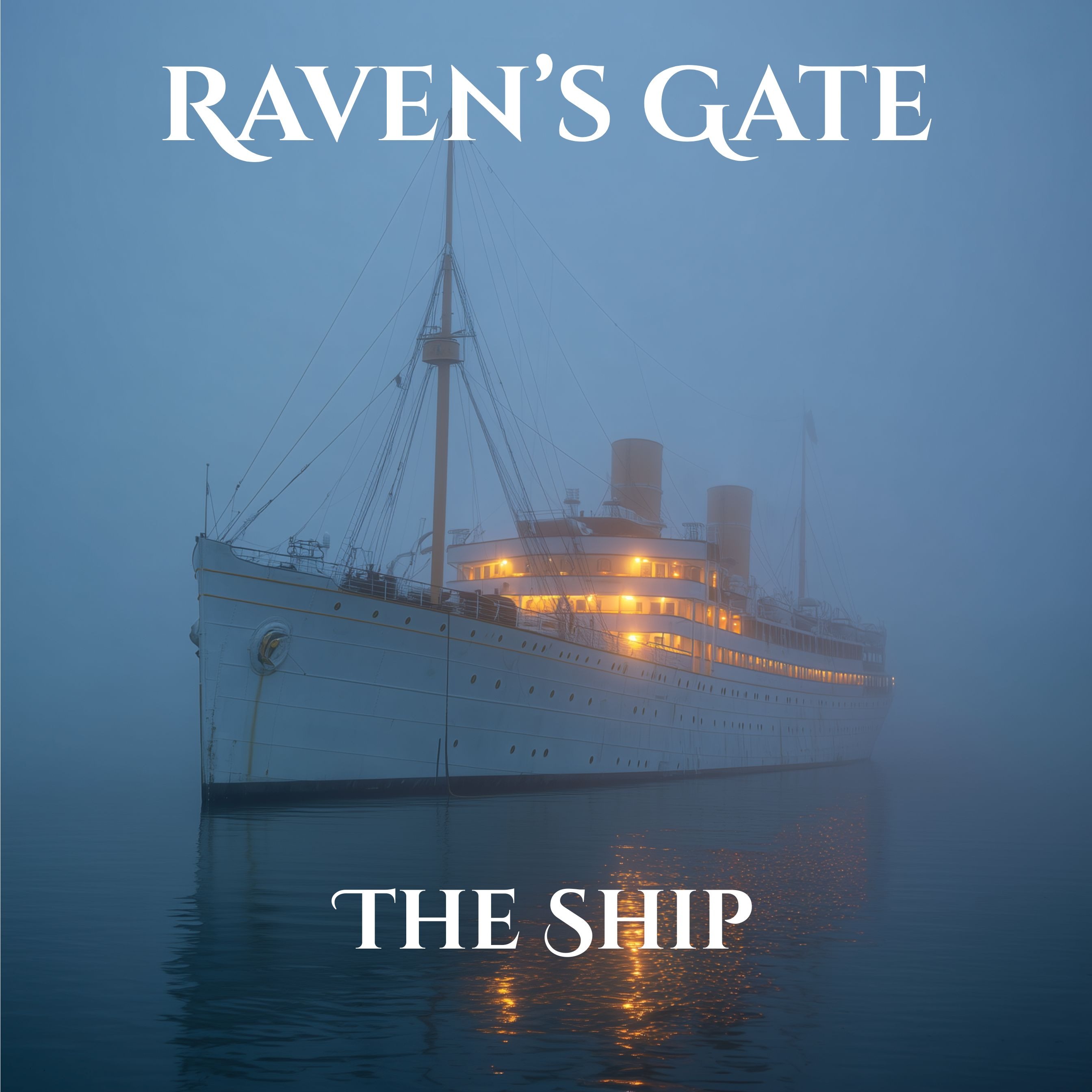
The Ship
The fog came in thick and sudden, rolling across Lake Superior like something alive. A Korean War veteran, alone on his fishing boat in 1962, cuts the engine and waits for it to pass.Then he hears the music.A ship emerges from the mist—not a modern vessel, but something from another era entirely. Three stacks. White hull. Brass railings gleaming. Lights blazing from every window, warm and golden, as a string quartet plays something elegant and old.He should be afraid. This ship doesn't exist. Ships like this haven't existed for decades.Instead, he climbs aboard.What he finds is a party that never ends. Champagne that never runs dry. Passengers in evening dress, dancing and laughing as if the world outside has stopped mattering. They welcome him. Accept him. For the first time since the war, since the horrors of Chosin Reservoir, since coming home to a country that looked through him like he was already dead—he feels like he belongs.But nothing is free. And when a fellow passenger offers him a beautiful pearl-handled gun and a simple invitation, he realizes the true price of admission to this eternal voyage. One bullet. One choice. Forever.
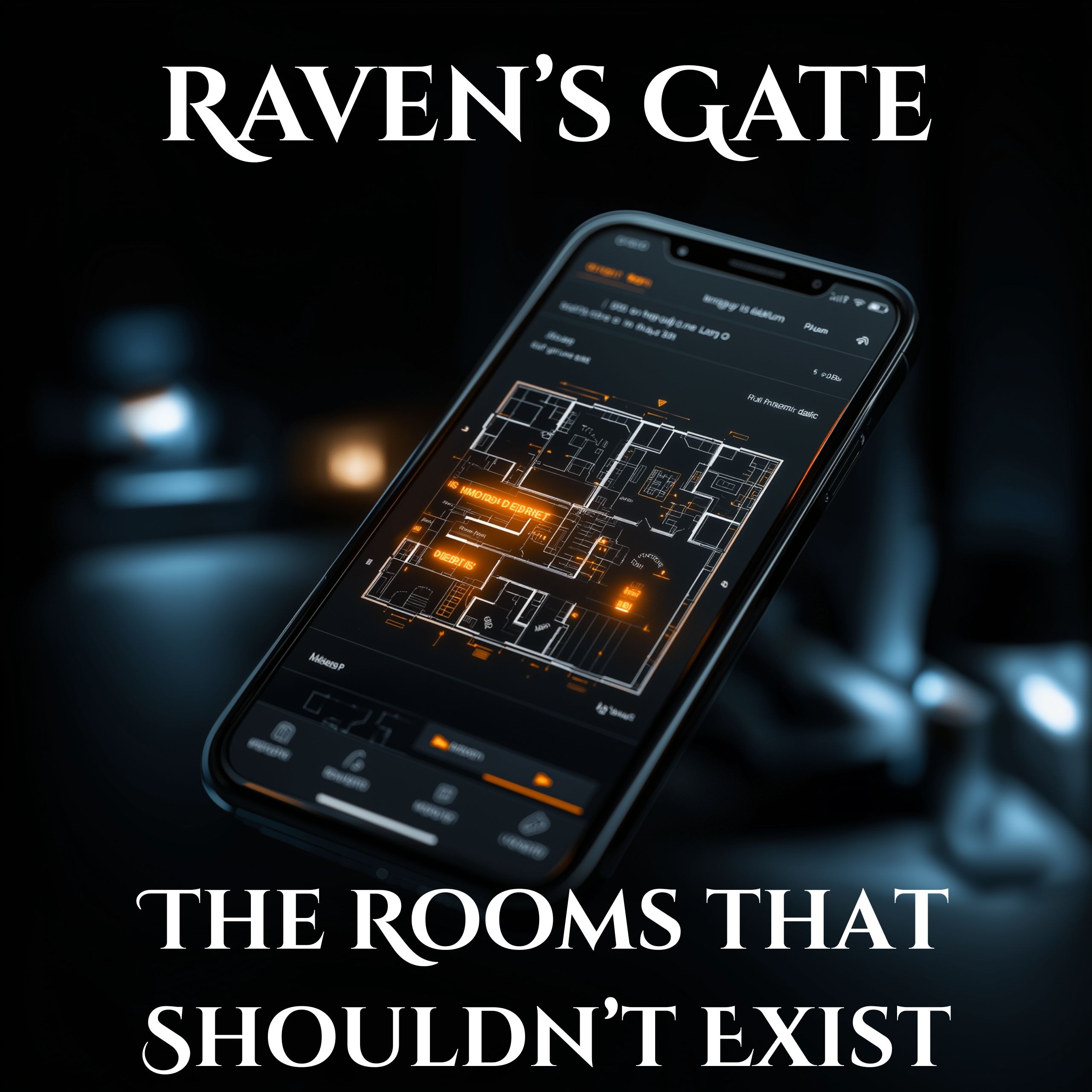
The Rooms that Shouldn't Exist
After his divorce, all Martin wanted was something that was finally his own. A house with good bones. Windows that let in light. A place where he wasn't just a guest in someone else's life.The security system was his first project. He mapped every room, named every zone, watched the app turn green with the satisfaction of a man who finally controlled something.Then the notifications started.Motion detected: Library.He doesn't have a library.Motion detected: Attic.It's a single-story house.Motion detected: The Mourning Chamber. The Room of Old Photographs. The Final Room.Every time he deletes them, they come back. And the dreams are getting harder to ignore—a woman with kind eyes, showing him through rooms that couldn't exist, rooms that know exactly what he needs to feel whole again.She promises him belonging. Peace. A place that's truly his.All he has to do is stay.As the zones multiply and the woman's visits grow more vivid, Martin starts sleeping more. Losing time. Fading. And the security system keeps adding rooms he never named, documenting spaces that shouldn't exist, mapping the architecture of something that isn't a house at all—but a trap disguised as home.
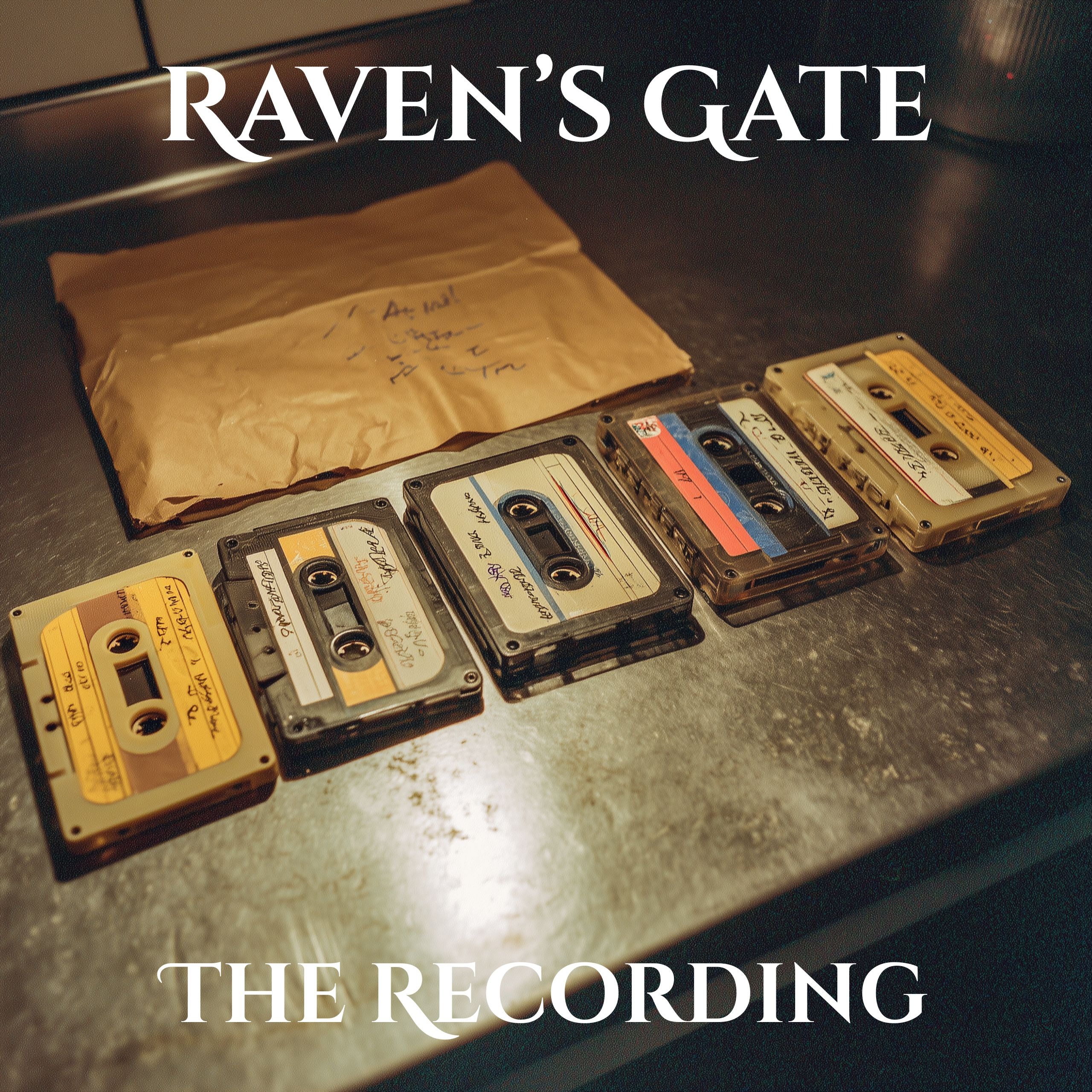
The Recording
A true-crime podcaster receives an unmarked package on his doorstep. Inside: five cassette tapes labeled like episodes—and a note that reads simply, "You're ready."Marcus Cole has spent six years hosting Cold Trail, a podcast dedicated to unsolved cases. What his audience doesn't know is why he's really obsessed with cold cases: his mother was murdered when he was six years old. Stabbed seventeen times in their home. No witnesses. No forensic evidence. The killer was never found.The first tape contains the audio recording of that night.His mother's voice. His six-year-old self being tucked into bed. And then the sounds of someone entering the house—someone she knew, someone she trusted—followed by four minutes he can never unhear.But this isn't just evidence of an old crime. As Marcus listens to the remaining tapes, he discovers that someone has been watching him his entire life. Guiding him. Shaping him. Taking credit for his scholarship. His career. His success. Claiming to have orchestrated everything he's ever achieved.And now this person wants to meet.When Marcus follows the instructions to a quiet family restaurant, he discovers the killer's identity—and realizes that the person he's trusted most in the world has been hiding the most devastating secret imaginable. But the restaurant's other patrons aren't just witnesses. They're something else entirely. And Marcus is about to learn that some families are bound by something far darker than blood.
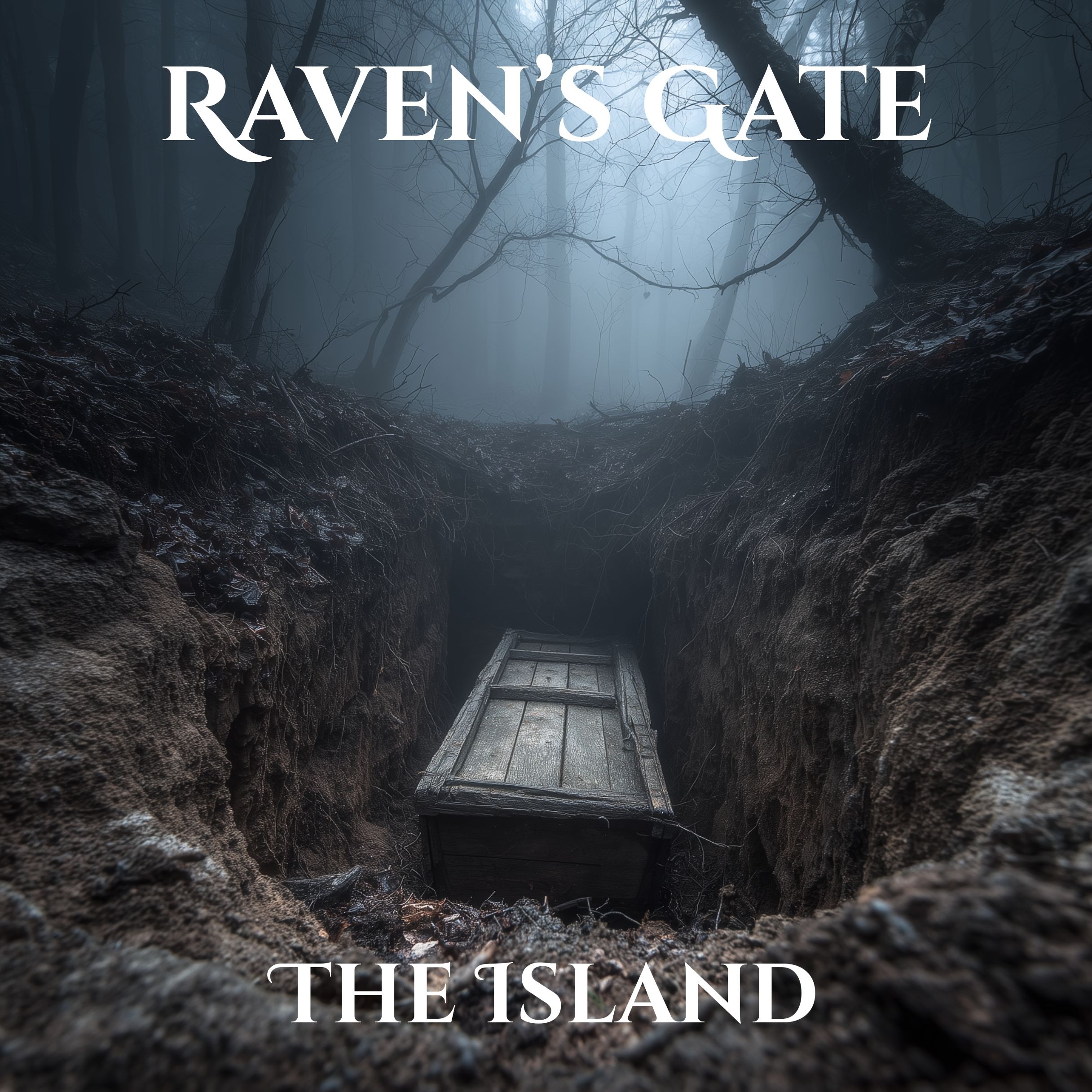
The Island
The bayou has belonged to the Thibodaux family since great-granddaddy Obadiah carved this land from nothing. Ezekiel knows the stories—the parties, the elegance, the hundred and forty-seven souls who worked the plantation before the war. He mourns those glory days the way his grandfather taught him, drinking whisky in his pirogue and dreaming of when the world made sense.Then the fog rolls in.Thick and white, moving like something alive, it swallows everything until Ezekiel can't see ten feet in any direction. His boat drifts until it hits solid ground—an island that shouldn't exist, that has never appeared on any map, covered in old-growth oak and lit by fires where Black men and women have built something impossible: a community that has thrived for over a century, hidden from the world that wanted to destroy them.They recognize his name. Thibodaux. The name his family gave them when they had no names of their own.They remember everything: the ship. The auction block. The whip. The locked bedroom where Obadiah took what he wanted.And now they have questions for Ezekiel. About who he is. What he believes. Whether the legacy he's so proud of deserves to continue—or whether it ends here, on an island where the sins of the fathers are finally answered.