
RANGE
171 episodes — Page 3 of 4

S5 Ep 2And here we have the journalist in their natural habitat.
The Pod stays back, baby! Episode two is out and only a few hours late. We’re still nailing down our format and process, so in the future, you can expect the pod a little earlier than 8 pm whatever time Luke actually gets this uploaded to the website…Join host Luke Baumgarten and some of the RANGE team, Val Osier, Erin Sellers & our intern Holly VanVoorhis. Luke plays nature documentary voiceover artist to narrate a day in the life of a journalist navigating the treacherous waters of ethical audio use, then switches hats to lead a bit of reporter therapy. Unfortunately, it was virtual, so no one really knows what his couch looks like yet. Next, we did a bit of self-plagiarism and stole a segment from our Wide Range newsletter: Luke, Val and Erin each brought in a piece of good news, a piece of bad news and a piece of embarrassing news. We all learned about: Statewide AI oversight Local transportation and traffic calming Some Idaho reproductive health newsand Ellen Degeneres’ visit to Spokane (whether that one is good, bad or embarrassing is a bit subjective, but Val has thoughts.) Finally, Luke sat down for a short interview with our intern Holly, who wrote a story this week about the facts and fiction of fentanyl. She debunked some myths, gave some additional context and answered some burning questions on the top of our minds like, can cops actually get a contact high?We’re just starting to get our wobbly baby deer legs under us, but we’re still taking feedback. We’re the press for the people, and the pod for the people so you tell us: what do you want to hear? Submit a feedback form here! We’re also still taking voicemails at 509-508-1055.And we continue to want to take your questions about civic government, rumors you may have heard that you want us to fact check or inquiries about our reporting (or reporting in general), send them to us at [email protected] with “Mailbox” in the subject line. We may answer your questions or fact check your rumors on upcoming segments of the pod 👀
S5 Ep 1RANGE Reboot: Our findings are honest, convincing, and highly critical
The pod is back for the next time, for the last time. And this time, we are pulling back the curtain! The old format was a lot to pull off each week, so we’re brainstorming ways to make it happen consistently.Join host Luke Baumgarten and the rest of the RANGE crew, Val Osier, Erin Sellers & Aaron Hedge, as they go on a fantastic voyage into the life of the journalistic mind, brainstorming new segment ideas and discussing the unique powers of audio journalism to engage with listeners, inform our community and do atmospheric storytelling — which is to say we talk about podcast stuff we like and how to make it happen with the small, mighty team we have. We also discuss a shift we’re trying to make across everything we do at RANGE to get more reader and listener engagement, and more directly let your questions and concerns shape our reporting. Scroll down for more on that. Next, we tested out one of our segment ideas, The Fact Check, before concluding with a quick interview with Howl Hall on the Mifepristone Supreme Court case and what it’s been like for Hall, a graduating senior at The Community School to team up with RANGE to produce journalism that is important to him and his classmates. This episode is half brainstorm, half experimentation, two-thirds Luke remembers how to edit audio and 3/5ths he learns a new software. We aren’t mathematicians, but that’s like over 2 podcasts for the price (free) of 1.It turned out … better than expected? We’ll let you be the judge.LET US KNOWSeriously: we really want to know what you think of the new ideas and plan. Send us an email (or a voice clip!) at [email protected] Luke a voicemail at 509-508-1055. Fill out our survey in the show notes RIGHT HERE. We cannot stress this enough: We want your ideas for segments. We want you to ask us questions. We will answer them. We might even turn them into stories. We want to know what you want to know. If we know about what you want to know, we'll tell you about it. If we don't know about it, we might report it out!We're a small team, but we care about the things that you care about. And we're going to do it all. We're going to talk about it all because from here on out, Range is living out loud.CHAPTERS00:00 Cold Open 00:09 Intro05:18 Segment 1: How do we want to do this thing?08:17 Belated Introductions36:06 Segment 2: Pride mural good-faith fact check43:43 Segment 3: Mifepristone explainer feat. Howl Hall44:52 Segment 301:06:53 Outro01:07:52 ???
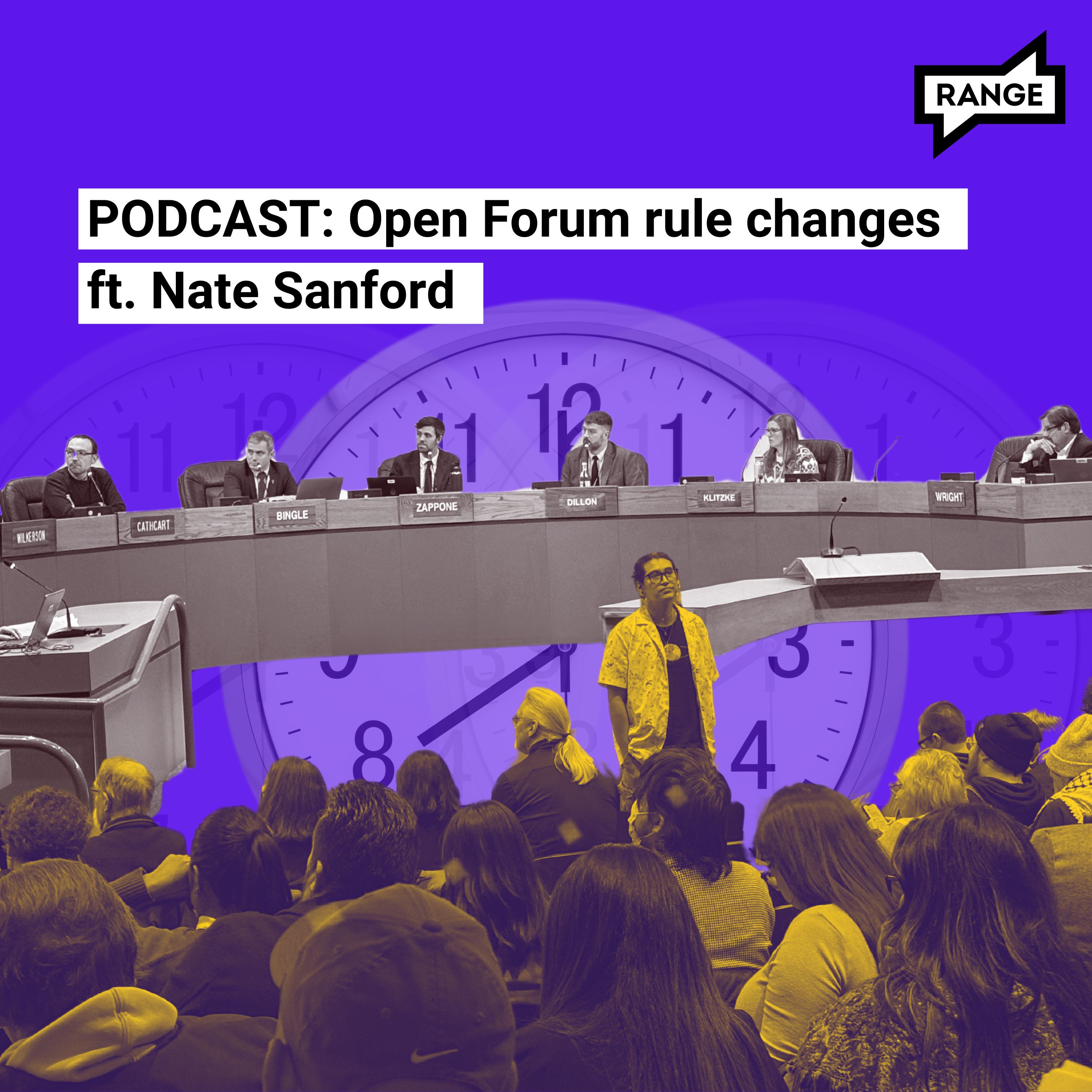
Open Forum rule changes ft. Nate Sanford
Welcome to a place where dead dogs, communion wafers, pipe diameters and fluoride in the water live alongside important ongoing public testimony about the conduct of public officials and the ramifications of legislation passed by Spokane’s City Council.The Open Forum period at Spokane City Council meetings is a land of contrasts, playing host to a number of topics that, at first glance, might seem random or irrelevant. But for some activists and community members, the open forum period exists as a critical method of engagement with the city officials who hold power in Spokane. Last Monday, the council voted through a new set of rules for 2024, which included some sweeping changes to the way open forum is conducted. Council members say the goal of these changes is to prioritize time-sensitive city business and increase civic engagement, but activists fear they will limit free speech. Join host Luke Baumgarten as he interviews two city hall journalists, The Inlander's Nate Sanford and RANGE's own Erin Sellers, about the ins-and-outs of the controversial new rules and their possible implications.
Living with [surviving?] Climate Change feat. Dr. Brian Henning
With temperatures climbing into the 90s in May and wildfire smoke already fouling air quality in some areas of the Northwest, RANGE wanted to learn more about what this unseasonably warm weather means for the rest of summer, the risks of heat-related illness in our community and the role climate change plays in driving extreme weather. So, RANGE out to Dr. Brian G. Henning, the Director of Gonzaga Center for Climate, Society, and the Environment and a professor of Philosophy and Environmental Studies at Gonzaga University.You’ll hear Dr. Henning talk about the importance of a healthy urban canopy — a dense urban canopy — to reduce what scientists call heat islands. Heat islands are hotspots in cities where rather than sunlight being absorbed by trees and used to power photosynthesis, which creates oxygen, and keeps ground temperatures cool, there are fewer or perhaps zero trees. So the heat reaches the ground, is absorbed by the concrete and asphalt, and that heat radiates, creating temperatures that are 14 degrees hotter in say, Hillyard than the tree-lined streets of the South Hill. Trees in Spokane will not fix climate change. Climate change is a global crisis that will require a global solution. But trees can help mitigate the local effects of that global crisis. And we need to do it now, because trees don’t grow to maturity over night. So then the obvious question is: what can we do today to help our neighbors survive and make our neighborhoods more resilient while we wait 20 years for that tree cover to grow? And what other steps can we take?All that and more in this episode.
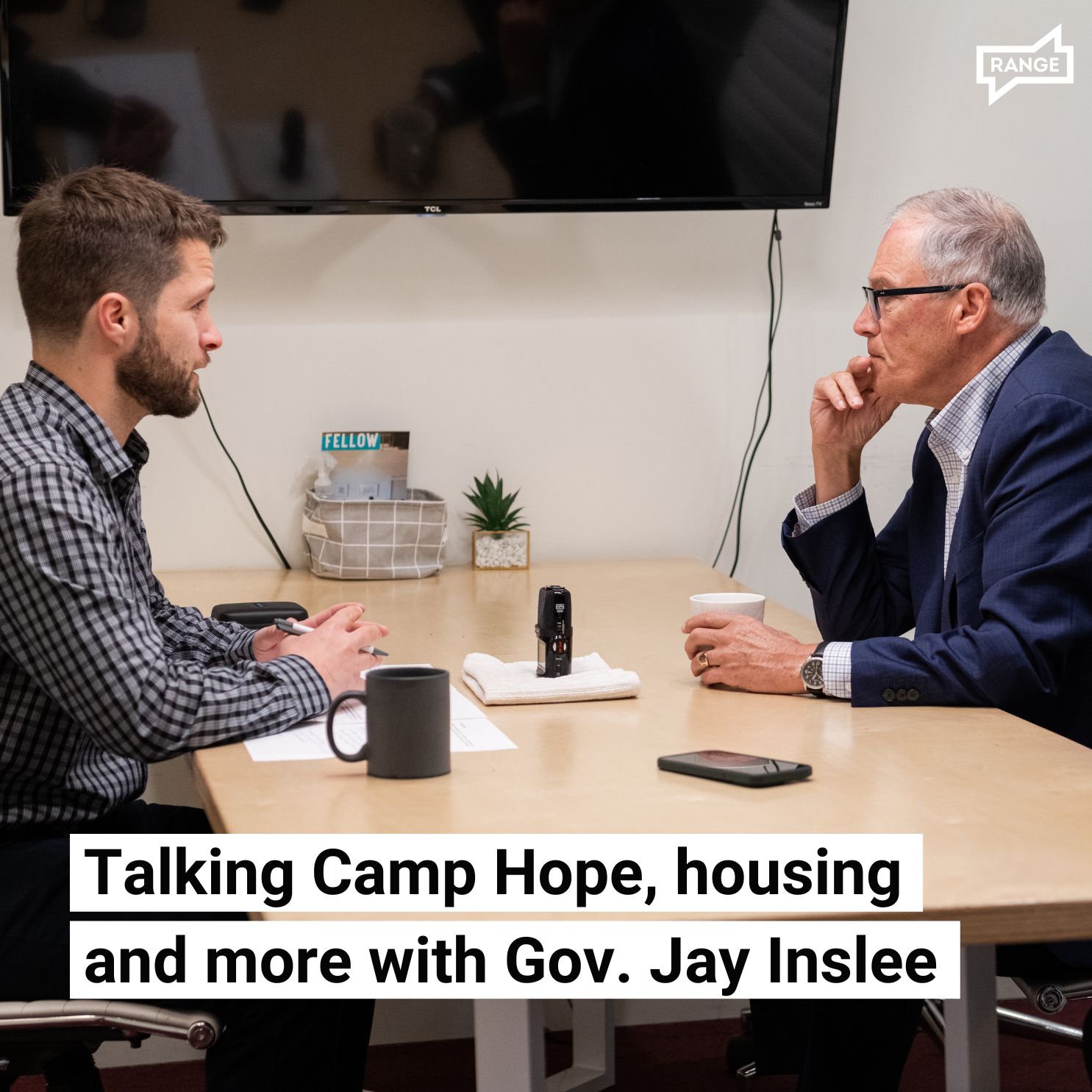
Governor Jay Inslee on Camp Hope, housing, mental health and more
Today, on a brief trip to Spokane to visit Thrive International and the Podium sports complex, Gov. Jay Inslee visited the RANGE office for a half-hour interview. The interview, like much of our coverage, focused on key areas of concern for Spokane: homelessness, affordable housing and behavioral health.Gov. Inslee repeatedly called for increased investment in home building from the state legislature and even direct housing development by the state. He also touted his connections to Eastern Washington, called for additional investments and initiatives to bolster the state’s behavioral health workforce, and called attention to conflict with neighboring Idaho over the state’s support of the women’s right to abortion.
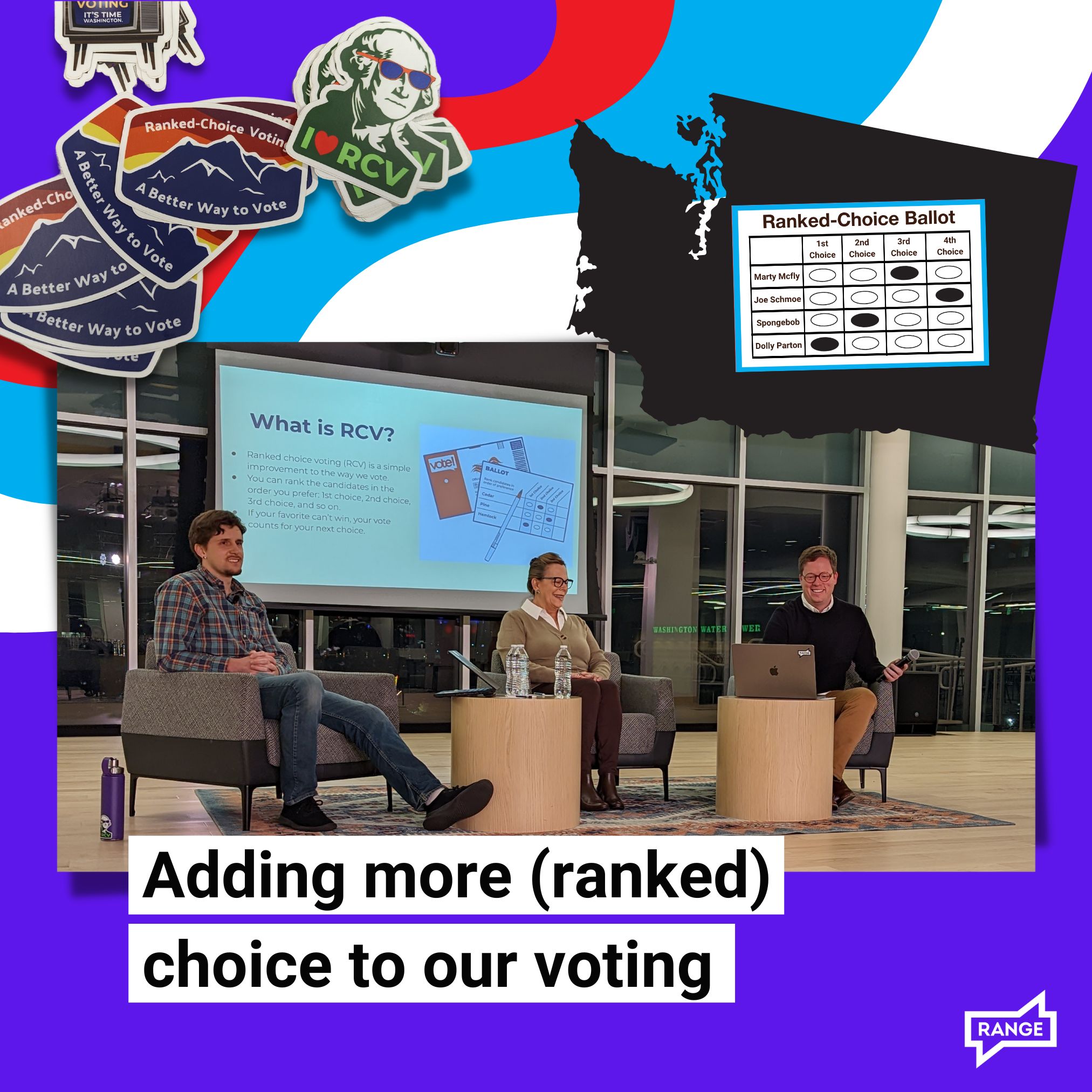
A more perfect voting system
We’re back at you with a whole new podcast episode and it’s only been … five months? We’re still figuring out how to carve a sustainable podcast with all of our reporting work and limited staff, but we’ve missed you — and we know you missed Luke’s buttery podcast voice — so we have a special episode!In November, we hosted our first-ever live podcast recording at the Central Library, where we got a panel together to talk about Ranked Choice Voting, and the attendees got to ask questions. Marilyn Darilek from League of Women Voters Spokane and Trenton Miller from FairVote WA joined Luke on stage to explain the ins and outs of Ranked Choice Voting and share about the process to get it adopted in municipalities all over the state. We even held a mock Ranked Choice Vote election on quality seasonal pies. Given how strongly people feel about pumpkin, apple and pecan, it was remarkably civil!Real quick: what is Ranked Choice Voting?In our current voting system, you get to place one vote for one person in any given election. Your only alternative to voting for one person is to vote for no one. Plenty of political scientists believe this system all but guarantees a two-party dominant system — and that is certainly how it has played out in America. In ranked choice voting, though, as we’ll hear explained in detail, you get to pick several candidates in order from the person you like the most to the person you like the least. And if you loathe someone so much, you can just not rank them at all.If your top choice has a chance of winning, that vote stays. If your top choice gets eliminated, your second choice gets your vote and so on, until one candidate has 50% plus 1 vote. It’s up to each of us to decide if RCV is something we want to fight for, but at the very least we should recognize the shortcomings of our current system. If you hear yourself saying “I like this person, but they can’t win, so I won’t vote for them” — then our system of voting is not working for you. Of course that doesn’t mean your candidate will always win. But shouldn’t we have a system where the best thing you can possibly do as a citizen is say, “I believe this is the best person to lead us, and that’s who I’m going to vote for?”People who study ranked choice voting elsewhere believe that it leads to more pluralistic elections: there’s room for more parties and more political viewpoints when you can rank your favorites rather than voting for just one.And even if the two parties stick around for a while, the immediate benefit of ranked choice voting is that you still get to have a vote be a truer and more nuanced representation of your opinion about a race — and therefore a more nuanced representation of how you think this city, this county, this state, this nation, ought to be run — without feeling like you’re throwing away your vote on a candidate who is too good to be elected. The event went off without a hitch, and we look forward to doing many more.MASSIVE THANKS to our guests Marilyn Darilek from League of Women Voters and Trenton Miller from FairVote WA, and our friends at the Spokane Public Library who made this event possible: Shane Gronholz, Vanessa Strange, Andy Rumsey and Jason Johnson.
Agreeing to Be in Community
We’re back with the third installment in our RANGE of Care miniseries on productive disagreements at an interpersonal level and a societal level through the lens of family therapy and restorative justice.This began as a conversation about how to have productive disagreements and quickly became a discussion about how do we change our criminal legal system, and maybe on our way to that needing to change our entire society and how we relate to each other—a small order, right?Meg and Luke are joined again by Inga Laurent, Professor of Law at Gonzaga who studies, theorizes and helps implement restorative justice practices in court systems and schools.Inga and Meg talk about tools we can use in order to reconcile with one another and keep ourselves mentally safe.

North Idaho is both a place, and an idea w/ Daniel Walters
Today on the pod, we have the second part of our conversation with Daniel Walters. Last week we spent a lot of time breaking down the chronology of how the June 11 anti-Pride event was conceived and initially promoted locally, but how “local” in the case of North Idaho now includes an increasing number of far-right celebrities. This week we discuss how, just as the pot seemed likely to boil over, all sides took a step back — tweaking their plans to de-escalate — and how that might have been the difference between what actually happened and something deadlier. We also discuss the way these things get covered by the media: does the far-right get over-covered? Or do larger outlets only pay attention to the Inland Northwest when people like Matt Shea are involved? Read Daniel’s story here.

A PR Push for Cd’A’s Anti-PRIDE - Pt. 1
Today on the pod, The Inlander’s Daniel Walters joins us to talk about the many groups, YouTube celebrities, and far-right hype people who brought the June 11 counter-demonstration against Coeur d’Alene’s Pride in the Park near to a boiling point. This event led to 31 Patriot Front members getting arrested on suspicion of conspiracy to riot, including at least two men with ties to far-right pastor Matt Shea.There’s A LOT to unpack here, so we’re cutting the discussion up into two parts. We wanted to go through it methodically as an opportunity to document not just the people actively shaping politics in Kootenai County and the broader Inland Northwest, but the people who are promoting the region to hundreds of thousands of people nationwide. So buckle up for part one of a discussion of all the connections, alliances and squabbles of a region that has real importance for many different ideologies and groups across the spectrum: from conservative to libertarian to far-right. Read Daniel’s story here.

Don't Got the Beat
At a lot of media companies, the crime beat is new reporter purgatory. This is probably your first job out of college: listen to scanner traffic and when something newsworthy happens, you run out and report it. In one sense, it’s journalism on easy mode — the stories literally come to you — and in that sense, it’s understandable to put a young reporter on it. But that inexperience creates a real imbalance between the journalist and power, asking the least experienced writers to hold their own against career law enforcement bureaucrats and professional communicators. And because there’s so much to cover, new reporters often only have time to get the police account of things, and rarely get a chance to actually follow up to see if the person arrested actually ends up facing trial.You’re going to hear from two different young reporters, Rebecca White from KPBX and Valerie Osier, on the effects of this, and why, for the health of our communities and the mental health of young reporters, the crime beat has to go.
America, Overturned
The Inland Northwest offers a unique glimpse into the future of the rest of the US in light of the expected overturn of Roe v. Wade & Planned Parenthood v. Casey, two landmark Supreme Court decisions that codified the federal right to an abortion. This is because there already aren’t any abortion clinics in North Idaho, so many abortion-seekers as far away as western Montana need to go over the border to Eastern Washington clinics. For years, over 40% of patients seeking abortions at border clinics run by Planned Parenthood have been from out of state. Recently, that number has jumped to over 50%. We talked to friend of the pod & Inlander reporter Samantha Wohlfeil about her recent cover story, "My Body, State's Choice?" what additional work Washington abortion clinics are preparing for the overturn of Roe v. Wade.Follow Samantha on Twitter.

The Art of Play
Video games obviously don’t just come into being. Like any piece of art, they have creators. And we happen to know one right here in Spokane. A couple weeks ago we talked to Justin Baldwin, Creative Lead & Cofounder at Moonlight Kids. He’s one of the creators of a pretty popular indie game called The Wild at Heart. It’s described as cute and cozy, but it introduces important themes to kids and other users, like working through childhood trauma.TrailerFollow Justin on Twitter: @butttoots Or Instagram: @themoonlightkid Follow Moonlight Kids: @moonlightkids_
Agreeing to Restore
In today’s RANGE of Care, we’re continuing our talk on productive disagreements. Joining us is Inga Laurent, Professor of Law at Gonzaga who studies, theorizes and helps implement restorative justice practices in court systems and outside of judicial settings like schools.So how does the conversation from our last episode on productive disagreements in interpersonal relationships tie into a legal framework like restorative justice? It’s in the name: restorative. The point isn’t to cast a person out of society or community. The point is to encourage a conversation in which the person or people who were harmed can gain closure and those who did harm can make amends. If you want more of Inga’s insight, she’s an occasional columnist at The Inlander.Don’t forget to share this with a friend and if you’re able, become a member of RANGE for $10 per month.
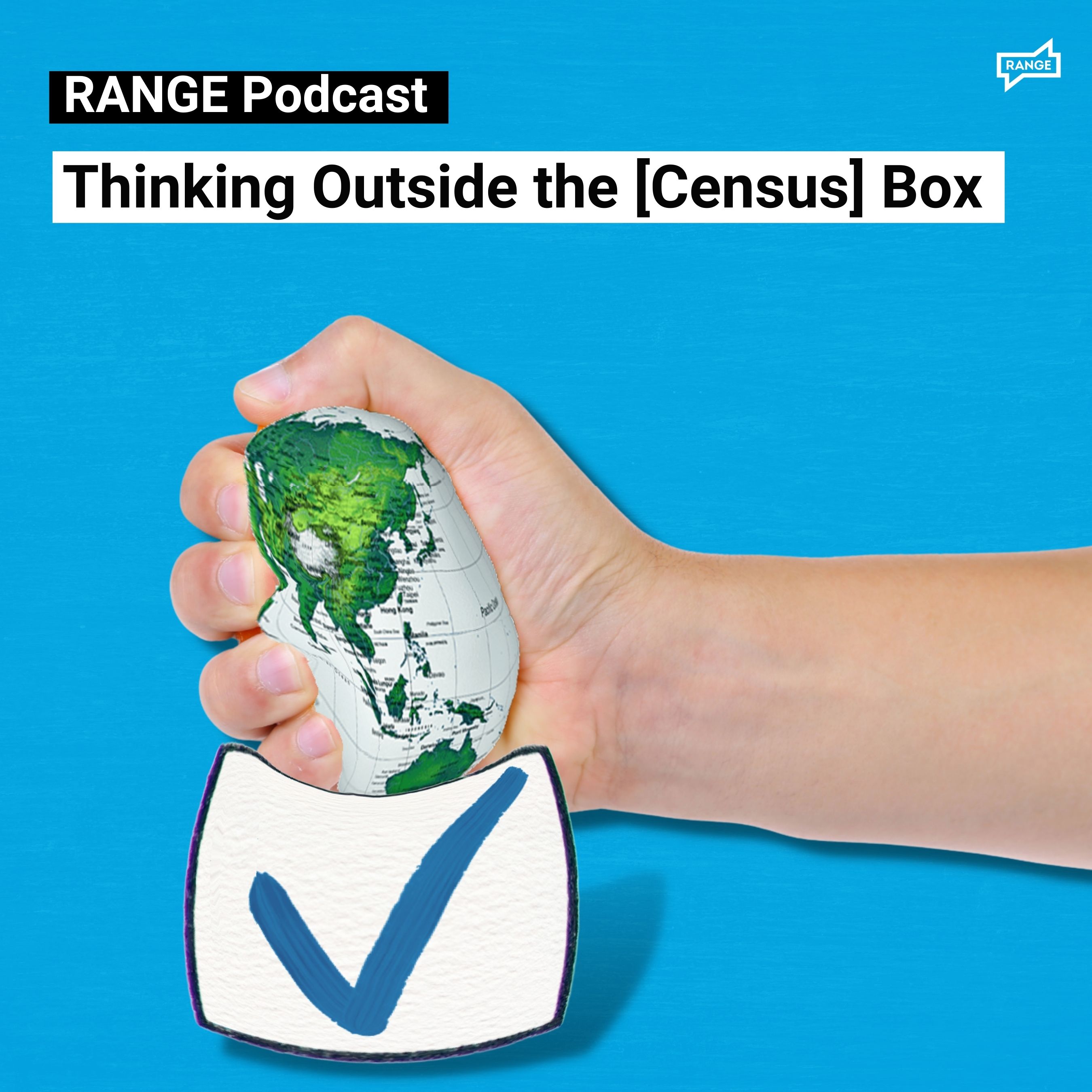
Thinking Outside the [Census] Box
We’re at the end of Asian American and Native Hawaiian/Pacific Islander Heritage Month and hopefully you’ve had a chance to go to one of the many events hosted around town celebrating the rich and almost unfathomably diverse peoples and cultures represented. The majority of those events were put on by a coalition led by two organizations: APIC Spokane, whose mission is advocating for racial, social, and economic justice for Asians & Asian Americans in solidarity with Native Hawaiian, Pacific Islander, and other systematically oppressed communities, and the Pacific Islander Community Association of WA an organization dedicated to establishing a cultural home, centering community power, and furthering the wellness of Native Hawaiian and Pacific Islander communities physically, culturally, socially and spiritually.These two partner organizations rallied around using this month to draw attention to their criticisms of the imposed category “Asian American and Native Hawaiian/Pacific Islander.”The category groups wildly different cultures that span literally 40% of the globe, lumping together the American diaspora of over 60% of the world’s population – everything from Bangladeshi-Americans to Tahitians — in one category. So it’s like, are we really spotlighting this incredible individual and cultural diversity by smashing them all into one month? And beyond that, you’ll hear our guests, Ryann Louie and Sarah Dixit of APIC talk about how statistical aggregation papers over legacies of colonial violence and completely obscures real disparities in health outcomes and death for many Pacific Islander communities. There is a lot of excess death – unnecessary death, preventable death – happening that is not truly understood because of how we lump people together statistically. In this podcast, you’ll hear about their efforts to push for race data disaggregation and why it’s important. You’ll also hear what you can do to help, like not using aggregated terms, asking aggregated organizations if they do have NH/PI representation and simply following APIC and PICA on social media. ALSO, don’t miss the companion art show called “Hidden in Plain Sight” that is only open for three more days, through May 28 at the new Terrain Gallery at 628 N. Monroe.
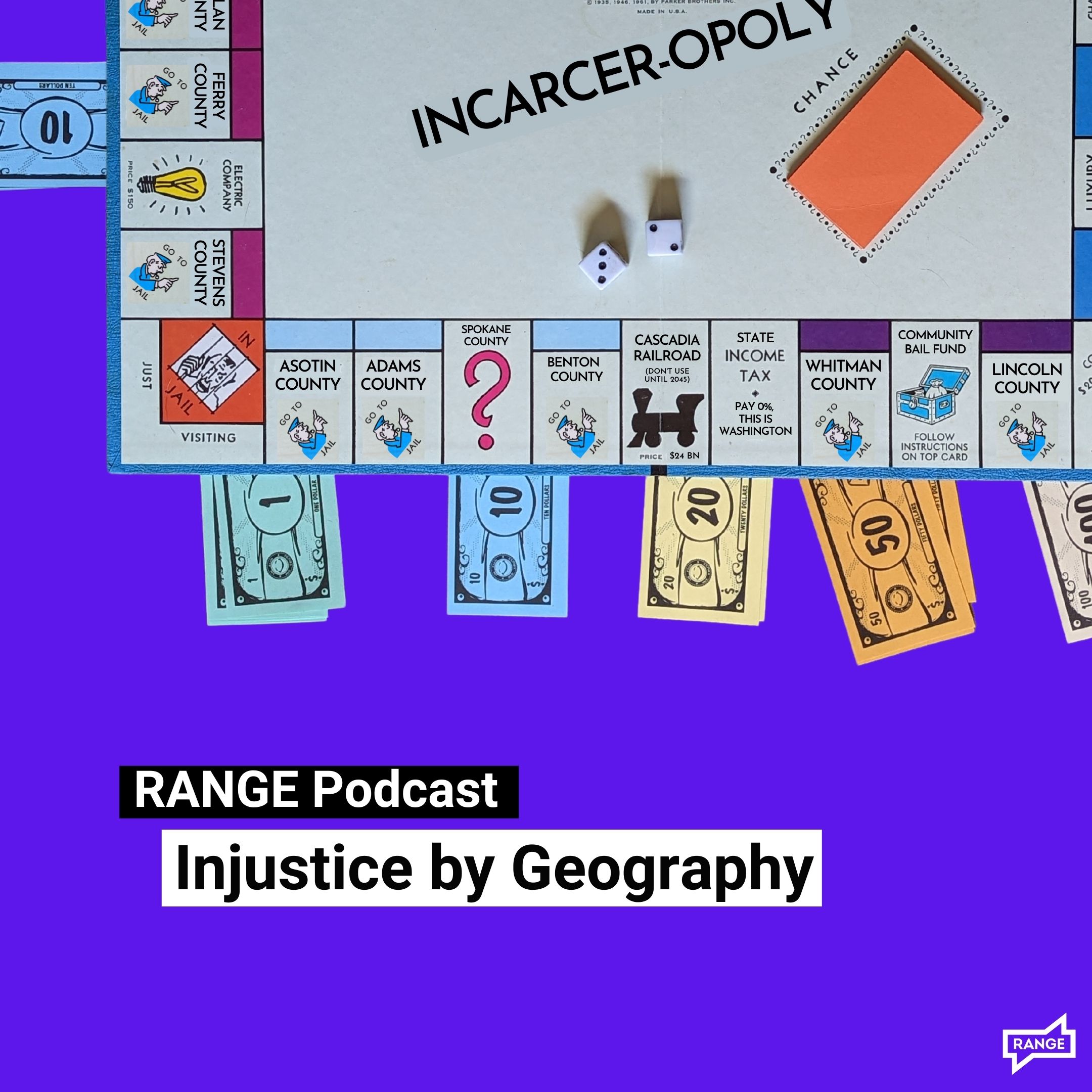
Injustice by Geography
In the US, it’s supposed to be “innocent until proven guilty,” but it’s a routine part of our criminal legal system to imprison people while they await trial, causing them to lose their jobs, housing, access to transportation and more.This is a problem across America, and we’ve covered it extensively on RANGE (see links below), but here’s a new wrinkle, courtesy of our friends at InvestigateWest.Whether or not you get access to pretrial services, which often requires home monitoring, drug testing and other costly programs, largely depends on the jurisdiction you’re in. Some counties have no services at all. In others, the defendant is responsible for the cost of those services — such as ankle monitors, which can run $500 per month — effectively keeping the most destitute people in jail. Even in counties where services are offered, the costs can be drastically different depending on what part of the county you’re arrested in. That’s the situation in Spokane, where getting arrested in the City of Spokane gives defendants free access to many more services than people arrested for the same crime in other parts of the county. We talked to Wilson Criscione, a reporter from InvestigateWest, who covered this issue extensively in the first article for their project called “Justice by Geography.”In it, he told us the story of Amber Letchworth, a Washington woman who was pulled over and arrested after a police officer found a dirty baggy containing meth on her car floor. She couldn’t pay for bail, so while waiting in jail for the next few weeks, she lost her home and access to a car. She pleaded guilty to felony drug possession in an effort to get out of jail sooner. But she still left jail homeless and lost her financial aid for college because of her felony record. Amber had been mourning the death of her grandmother and was not in a good place. On paper, she was a good candidate for pretrial diversion, but no diversion took place, and she spiraled, for a time, to an even darker place.Had she been diverted to mental health or addiction treatment, her arrest may not have started her on a path to drug and alcohol addiction, homelessness, and more arrests. There are two bitter ironies in this case, one personal, one systemic: The drug charge that set this whole chain of events in motion has since been vacated after State v. Blake — a State Supreme Court decision last year that ruled Washington’s simple possession law unconstitutional. But the real kicker is that Asotin County is one of the counties that actually HAS pretrial services — on paper anyway — but the program administrator had retired and the remote, rural county hadn’t been able to find a replacement. This story is crucial as we examine the disproportionate effects of our criminal legal system and what can be done to lift more people out of it.Wilson and Luke talk about the current patchwork system of pretrial services in Washington and how they play out differently in Spokane compared to the rest of Spokane County. Read the full story, republished with permission from InvestigateWest, here.Previous Coverage of Pre-Trial Inequalities:EPISODE 010 | Independence DayEPISODE 011 | Independence Day (cont)EPISODE 025 | No New Jail feat. Jim DawsonAnd Justice for Some feat. Cam Zorrozua & Virla SpencerReferences: Season 3 of Serial, where a reporter sits inside a Cleveland courtroom to highlight the ins and outs of the criminal legal system. (It’s worth a listen, we promise)
Agreeing to Disagree Again
Today we’re talking about productive disagreements: why we need them, what they look like and how to have them. It’s not whether or not we agree or disagree that is the issue, but how we do it and how we teach the next generations how they can disagree productively and empathetically. Meg and Ingrid talk about some of our first experiences with disagreements from a developmental perspective: toddlers who disagree with their parents on eating their peas or going to bed, kids who disagree with their classmates that pink is the best when they really like yellow, and teenagers who disagree with their parents that 9 p.m. is a reasonable curfew.What we learn at a developmental level at those ages– what our parents teach us on how much our voice matters and how to have empathy– shapes how we approach disagreements on much bigger issues when we’re older. It shapes if we feel safe disagreeing with others or if we feel safe going against the grain. Disagreement is a fundamental part of our government and democracy. And our ability to disagree directly correlates with our ability to advocate. To be clear: we’re not ever saying that people’s humanity is up for disagreement. Nor are we saying that people of marginalized communities and identities need to be doing this work or subject themselves to being the object of someone’s anger. It’s those in the dominant culture– white, cisgender folks– who’s responsibility it is to be leading this bigger change.Meg and Ingrid talk about a few ways to do this on a micro level. Here are a few, but be sure to listen to the episode to get the full picture:Teach your children how to disagree safely and hold space for disagreements. Start monitoring your own physical and emotional reactions to things you disagree with.Start small, with people you already feel safe with. Take a pause if you start to recognize deregulation in your body.References: “The Dying Art of Disagreement” by neo-conservative Bret Stevens https://www.nytimes.com/2017/09/24/opinion/dying-art-of-disagreement.htmlBraving the Wilderness by Brene Brown https://brenebrown.com/book/braving-the-wilderness/RANGE of Care is a series of conversations on the intersections between mental health, the biology of human emotion, our bodies response and the social, cultural and political happenings in our communities. It’s hosted by Meg Curtain Rey-Bear, a Spokane psychotherapist, and Ingrid Price, a Spokane child psychotherapist. Luke usually chimes in too because he can’t help himself. You can support RANGE by becoming a member by going to rangemedia.co and clicking the subscribe link.
What Is Happening — 2 Years Later
Happy birthday to us! Is that weird to say? We hope not because we’re excited to still be going strong a whole TWO years after Luke decided to start a podcast in his attic. We asked you, dear readers/listeners, to send us your questions for our very first reader mailbag– and you all delivered! We got questions about wildfires, climate change, county commissioners, the housing market, crime, and a lot more. We did our best to answer as many as we could in the time we had, but some will need their own original reporting.In this episode, we also shared with you what’s been going on with RANGE, formally introduced our Audience and Membership Editor Valerie Osier and what the heck she does, and told you all about our hopes and dreams for this fledgling publication. Additional reading/listening: AgtastropheThe More Climate ChangesFaith Some More feat. Chris Bovey and Bryce NeusseHousing in Crisis feat. Terri AndersonHouse Money feat. Ben Stuckart
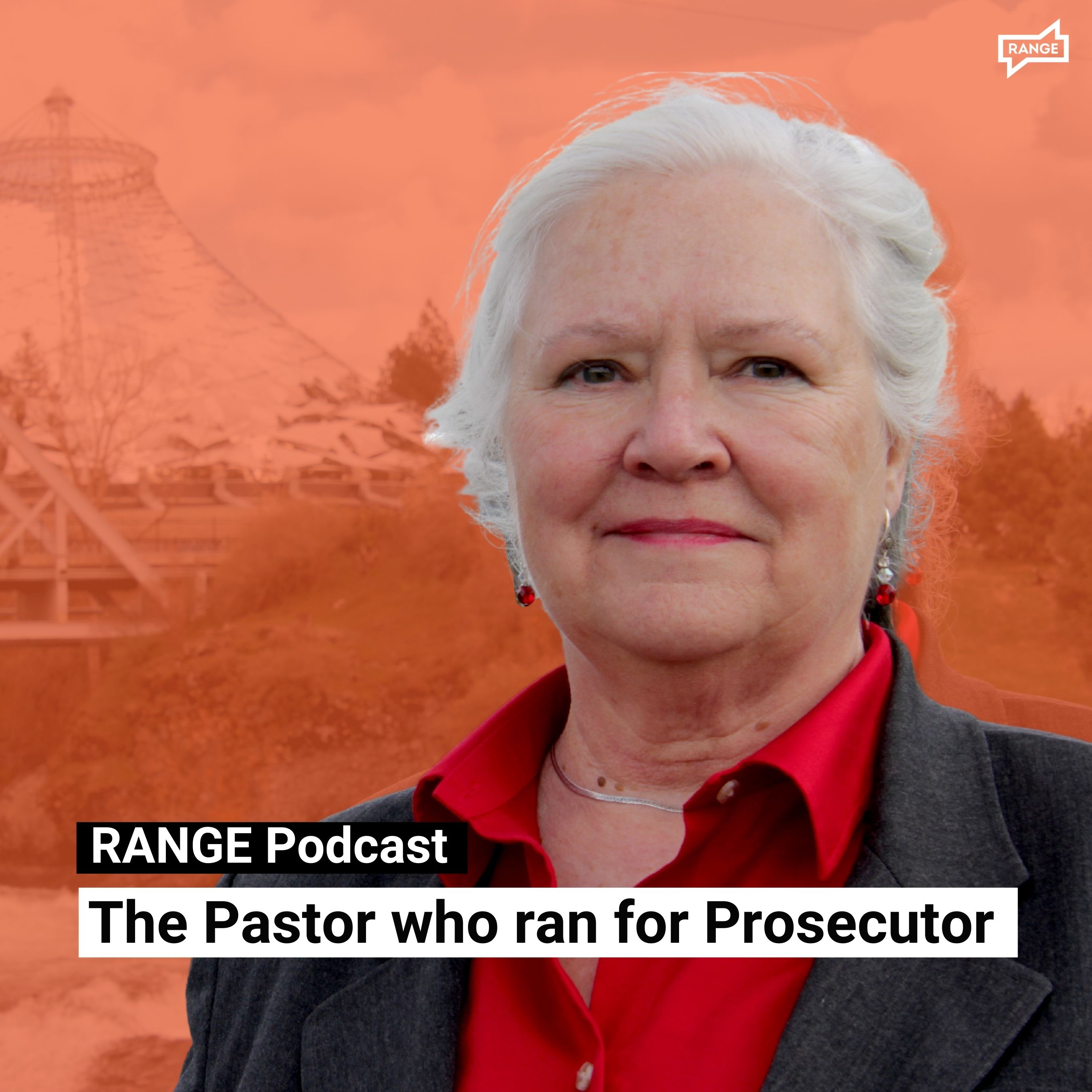
Ep 54The Pastor who ran for Prosecutor
This week on the pod, we talk to Deb Conklin, former Clallam County Prosecutor and current pastor of two churches in Spokane, Liberty Park Methodist in Perry and St. Paul’s United Methodist in West Central. In her almost 25 years as a pastor, Deb has also served rural congregations in Deer Park, Davenport and Rosalia.That’s the sort of resume that Deb had been on our list of people to talk to for RANGE because of her justice work in Spokane, and she got bumped to the front of the queue when she declared her intention late last week to run for Spokane County Prosecutor as a non-partisan candidate.We discussed competing models of justice between retributive and restorative theories of justice, and beyond that, you’ll also hear some pretty big differences between how Deb was trained as a prosecutor – only charging people with crimes you’re certain you can get convictions on – and the way we’re used to we’re used to hearing prosecutorial decisions being made in Spokane. If you think back to our Bail Project episodes and the episode with Cam Zorrozua and Virla Spencer, of the Way to Justice, you’ll remember those advocates talking about prosecutors throwing every charge possible at an accused person as a way of heightening bail and heightening pressure to take a plea.Take a listen and let us know what you think of our first candidate interview.
Ep 53Rethinking ADHD w/ Brooke Matson
Poet, Spark Central Executive Director and general purpose badass Brooke Matson joins Luke and special co-host Elissa Ball to discuss the historic (and current) stigma around ADHD and the steps individuals and (hopefully, some day) society itself can take to reimagine and reframe day-to-day life to help people harness and come to love their unique brains, and the tremendous drive for experimentation and incandescent creativity they're capable of, if given the space to flourish.Brooke's recent TEDxSpokane talk is a great primer for this episode.“ADHD Redefined | Brooke Matson | TEDxSpokane”If you want to support Spark Central, April 15th is “Amplify Us,” Spark Central’s annual salon and benefit show. This year’s gala will be a hybrid online and in-person event held at The Knitting Factory. The evening features an interview with best-selling author Jess Walter and a silent auction, plus live musical performances by T.S. The Solution, Atari Ferrari, and other music acts — including one of Spark’s own Girls Rock Lab bands.

Ep 52Unpacking from a Pandemic
How in the world do we unpack from a pandemic? It's an important question during a profoundly important time as the world contemplates decisions that when made, will once again shift the ground beneath our feet. “We are tired of change. We are pandemic fatigued, we crave predictability, we want connection unfettered by mandates and limitations. We want to be done. But if the question is, how in the world is everyone at the same time unpack from a pandemic? Then the answer is they don't,” says RANGE of Care host and psychotherapist Meg Curtain Rey-Bear. Meg and Ingrid gather again to chat through this endless pandemic, chronic trauma, how to build resiliency, and the journey back: what happens for all of us when the world starts lifting mandates and shifting from pandemic to endemic. They also talk about how adults with kids and teens, who have had crucial developmental moments interrupted for the past two years, might help hold space for processing this pandemic.This is RANGE of Care, a series of conversations exploring the intersections of our mental health, the biology of human emotion, our body's responses, and the social, cultural, political and environmental happenings in our communities. It’s hosted by Meg Curtain Rey-Bear, co-owner of Wellness Therapy Spokane and a longtime mental health advocate. Meg is joined by Ingrid Price, child psychotherapist and owner of the Giving Tree Wellness. Luke occasionally chimes in too.
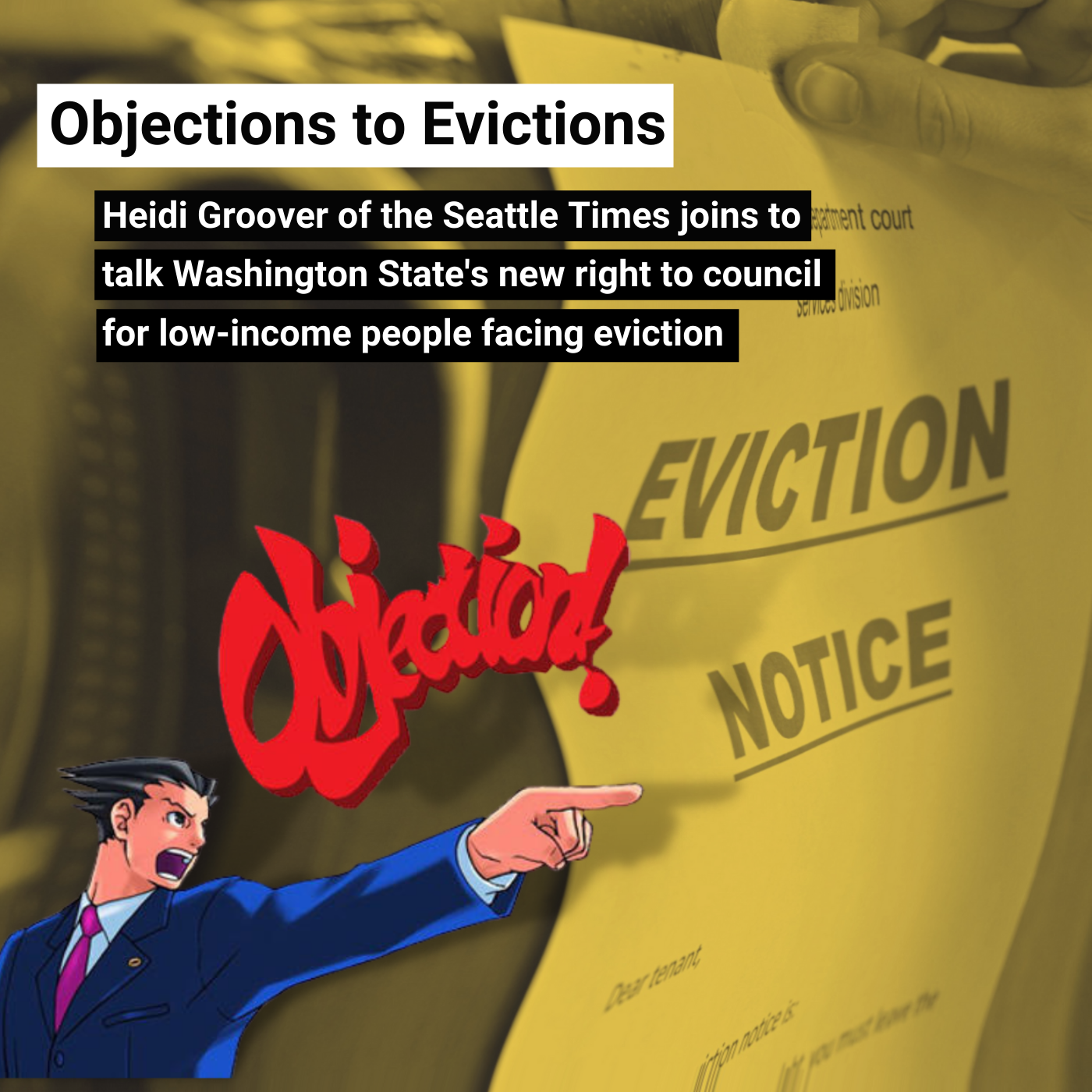
Ep 51Objections to Evictions feat. Heidi Groover
If you’re about to be evicted in Washington state, what rights do you have? Luke talks to Heidi Groover, who is the real estate reporter for the Seattle Times, about a story she wrote last October about tenant protections in Washington state. These protections give low-income people facing eviction the right to an attorney. This is a first of its kind state law anywhere in the United States and Heidi walks us through how these protections are supposed to work. A landlord can’t file an eviction until they have offered a tenant a chance at mediation through an Eviction Resolution Program with a “reasonable repayment plan.” This program can help connect the tenant with rental assistance programs too. If the case makes it to court, the tenant has the right to an attorney even if they can’t afford one. Most importantly, if you are a renter and need If you need help staying in your home, contact the Tenants Union of Washington.

Well-Planned Basement Tapes
Listen now (107 min) | Spokane's new Planning Director, Spencer Gardner, chatted with Luke about his planning philosophy all the way back in 2019. Get full access to RANGE at www.rangemedia.co/subscribe

Mr. Billig Goes to (Olympia) Washington
Starting the year off with a banger: Senate Majority Leader Andy Billig joins us to talk about the legislative year that was, and what to expect from Washington state in 2022 as the legislature tries to pack all its work into a whirlwind 60 day session. Get full access to RANGE at www.rangemedia.co/subscribe

Spokane Regional Health Dysfunction
This week we speak with Inlander reporter Samantha Wohlfeil, who has been filing the best stories anywhere on the continuing — and honestly, worsening — crisis at the Spokane Regional Health District. She wrote the authoritative piece to date on the steady exodus of staff from the district. It’s vital reading. Since we recorded, more heads have rolled. Here, Sam covers the firing of two leaders heavily involved with pandemic response and the subsequent dismay of staff. Read her at the Inlander and follow her on Twitter Get full access to RANGE at www.rangemedia.co/subscribe
When the pandemic becomes endemic
Listen now | RANGE OF CARE | Building resiliency in the face of burnout, uncertainty and flux Get full access to RANGE at www.rangemedia.co/subscribe

Taking Housing Stock
This week on the pod, Gene Brake, Spokane-based Realtor, civil rights activist, and neighborhood leader joins us to talk about:How the local Realtor association is spending heavily in local political races and the un-democratic process they use to decide who gets their support How administrative dysfunction on the one hand and restrictive zoning on the other are affecting our ability to build the housing we need. One neighborhood’s plan to build densely in targeted areas to both provide more homes while still keeping the area affordable for its mostly low-income residents. Get full access to RANGE at www.rangemedia.co/subscribe

Lights, Camera, (Labor) Action!
We won’t call it an “emergency” pod because the news is kinda good. We’d call it Breaking news … but it’s not really that either. WHAT IT IS: a conversation with Rebecca Cook, proud Spokanite and Vice President of IATSE Local 488, which serves film and TV crews in Washington, Oregon, Montana and North Idaho.We discuss: The breadth of entertainment workers in our area How a 12-hour “shoot day” is really a 16-hour work day.How grueling hours lead to unsafe working conditions and potentially deadly commutes.How “new media” like Netflix, Amazon & Disney+ continue to pay people poorly, even as they cross a quarter-trillion dollars of market value, thanks to outdated contracts they are trying desperately to maintain at the expense of workers’ health and safety.The overwhelming majority of workers who are now saying “enough is enough.”BUT ALSO: Some seriously encouraging news about how taking this stand seems to be working.Further ReadingWorking conditions on film shoots: IAStories on Instagram & TwitterSolid background on how we got here.Track this fast-moving story at the industry trades Deadline & VarietyA Smidge of ActionAn exhaustive list of resources and ways to help.It’s one of our more hopeful episodes in a while! Enjoy! Get full access to RANGE at www.rangemedia.co/subscribe
Our Climate, Ourselves
This week we discuss the tremendous challenge of climate change and the impacts of that challenge on mental health — especially the mental health of young people, who will bear a disproportionate trauma and hardship from our collective inaction. Younger generations are suffering deeply from what feels like an overwhelming challenge, and need support. They are also incredibly resilient and are creating a kind of activism that feels completely different than the climate activism of the 90s and 2000s.We also talk — among many other things — about climate denial as an observable psychological response and discuss strategies to bring those folks in.Our PanelVinai Norasakkunkit | a professor at Gonzaga whose research focuses on the intersection of cultural psychology and clinical psychology. He studies the psychology of globalization and youth marginalization, as well the cultural shaping of social anxiety and happiness and the cultural shaping of: attitudes towards climate change.Maggie Gates | a climate justice advocate and educator. She graduated from Gonzaga in 2019 with a degree in Political Science and shortly after co-founded Sunrise Spokane, a youth-led climate activism group. The group’s model is brilliant and will hopefully be transformational for all activism, but feels especially necessary for something as big as climate change.Our host, as always, is Meg Curtin Rey-Bear, psychotherapist and co-owner of Wellness Therapies Spokane. Luke tags along on this one as well. Past EpisodesLet The Sunrise In | A conversation about climate and Sunrise Spokane with Rosie ZhouKids, COVID, and “Deep Loneliness” | The first episode in what has become known as our Range of Care series. Analyze This (Pandemic) | Meg first joined us last November to talk about mental health entering the holidays, and a second year of COVID uncertainty and risk. Get full access to RANGE at www.rangemedia.co/subscribe
Friends with (Public Health) Benefits
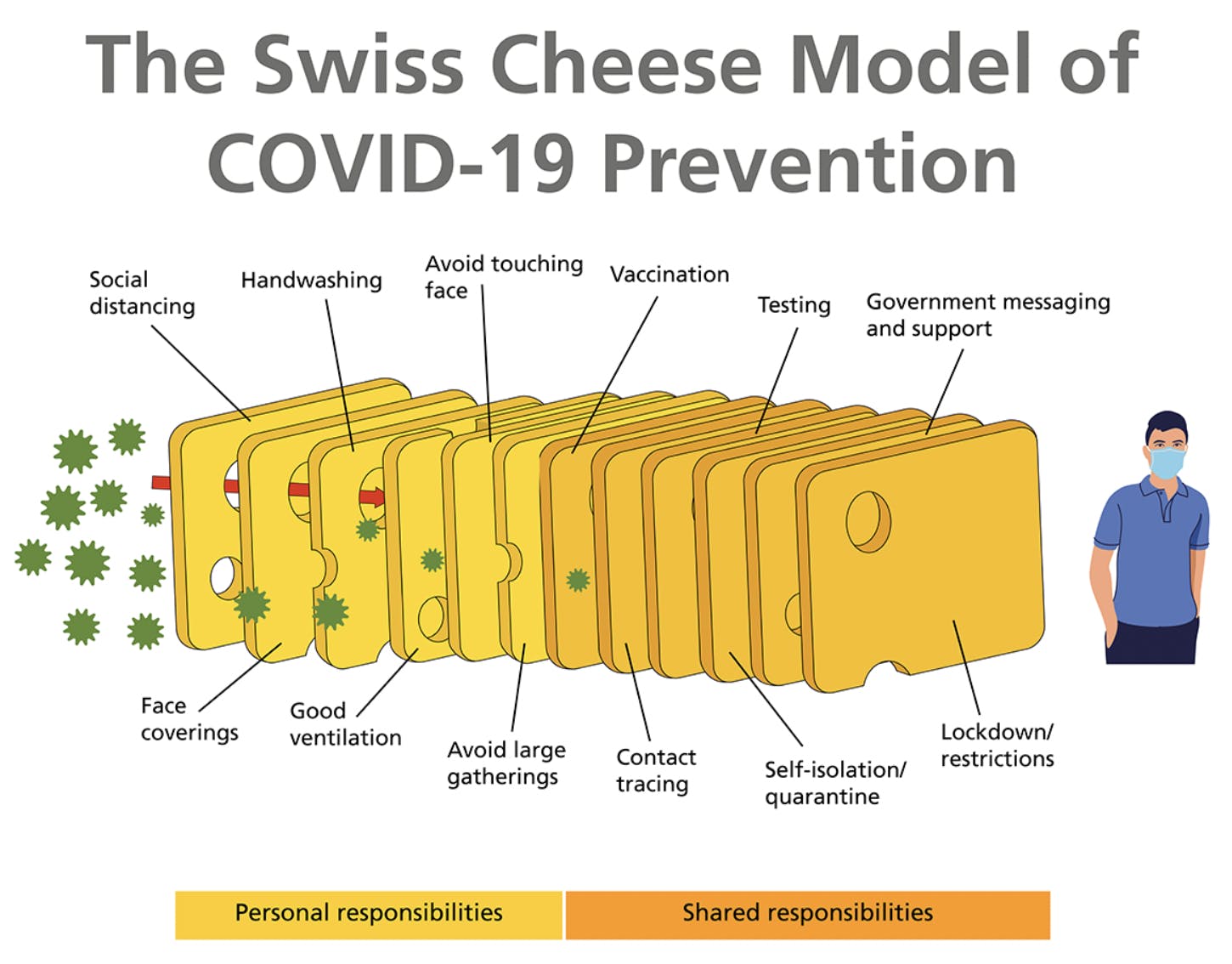
On this week’s episode, we speak with Jeff Ketchel, Executive Director of the Washington State Public Health Association, about the state of public health 18-plus months into a centenary pandemic. It’s slow, painstaking work done by diligent people in the messy environment of human frailty, government funding, society, culture and politics. Not complicated at all!Then you throw covid into the mix and all of those variables suddenly become amplified and even more unpredictable. There’s the bad news we’re mostly aware of, and some good news that’s under-reported. So all-in-all, we think you’l walk away from this episode feeling marginally better about things!And plus it gives us an excuse to showcase the Swiss Cheese Model of disease prevention. Most of those slices are impacted, directly or indirectly, by public health policy. Further readingPandemic and politics drive mass exodus of WA public health leaders (Crosscut)Local Public Health 101 (RANGE)Costa Ricans Live Longer Than Us. What’s the Secret? (New Yorker)How does health spending in the US compare to other countries? (Health System Tracker) Get full access to RANGE at www.rangemedia.co/subscribe
Strangleholds
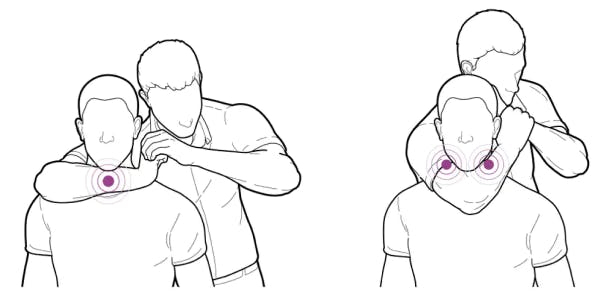
Many of our local law enforcement officials have expressed concerns about a set of new laws (HB 1310, HB 1054) that, among other things, require stricter standards for probable cause when detaining someone, require de-escalation during encounters, ban chokeholds and significantly restrict the use of tear gas. Despite the handwringing, it seems pretty reasonable to us, so we spoke with Enoka Herat of the ACLU Washington about what the laws do and don’t do Further readingA good primer from Crosscut about what police are allowed and not allowed to do under the law.A good primer on carotid and choke holds in the Washington Post, and why 62% of the largest police forces in America banned them unilaterally … you know, rather than being forced to by their state legislature.—Note: early in the episode Luke calls himself lugubrious when he obviously — OBVIOUSLY — meant loquacious. We regret the error. Get full access to RANGE at www.rangemedia.co/subscribe

Kids, COVID and "Deep Loneliness"
Psychotherapist Meg Curtin Rey-Bear guest hosts a roundtable with fellow therapists Maggie Rowe, a clinical social worker and certified child life specialist, and Ingrid Price, a licensed mental health counselor and a child mental health specialist. It’s a tough, wide-ranging, but ultimately hopeful conversation about what kids and parents are going through. Content warning: includes frank discussions about self-harm and suicidal ideation among young people. Previous pandemic mental health contentPODCAST: Analyze This (Pandemic)PRINT: Ten-ish tips for thriving through another tough season Get full access to RANGE at www.rangemedia.co/subscribe
Pushed Out: the working class in Idaho
Normal people can’t afford to live in North Idaho anymore.As of 2019 — the most recent data we have — the median household income in Bonner County was $50,256, almost 25% below the national average of $65,712. That year, median housing sale prices fluctuated between $307,000 and $340,000. Not cheap, but payments would be well under the 30% of income that finance nerds say is ideal for people to pay their bills and survive. Barely two years later, the median sale price is $675,000.Unless wages have doubled — and we know they haven’t! — a normal Bonner County home would need to spend well over 50% of their income for a normal house. This isn’t the first cycle of displacement in North Idaho history. It’s been happening since the first fur trappers arrived, and really took off during the period of the Homestead Act and Indian removal.And while markets change, it’s the same old exploitation. That’s the topic of our third and, for now, final episode on what the hell is happening in Idaho. We speak to Sociologist Ryanne Pilgeram about timber, labor militancy and the switch that flipped 25 years ago, turning North Idaho from reliably pro-labor Democrat to run-of-the-mill Republican and then the slide toward deeper and deeper conservatism that lands us squarely in the present day. If you like the conversation, you’ll love Ryanne’s book Pushed Out, a fascinating sociology of the small former mill town of Dover, Idaho. Get full access to RANGE at www.rangemedia.co/subscribe
Idaho part 2: Taters of our Discontent
The conclusion of our two-part chat with Sandpoint Reader Editor and Co-founder Zach Hagadone. If you haven’t already, listen to the first episode before proceeding. It’s pure gold. This hour we drill deep into Idaho’s 1st Legislative District — a microcosm of many of the larger political dynamics playing out statewide — to understand in miniature many of the dynamics that have led to such unprecedented dysfunction statewide.With that established, we zoom back out and talk about the state races that won’t just define this election cycle, but will probably end up shaping the state of play in Idaho for years. YEARS!Another barn burner. Don’t miss it. Get full access to RANGE at www.rangemedia.co/subscribe
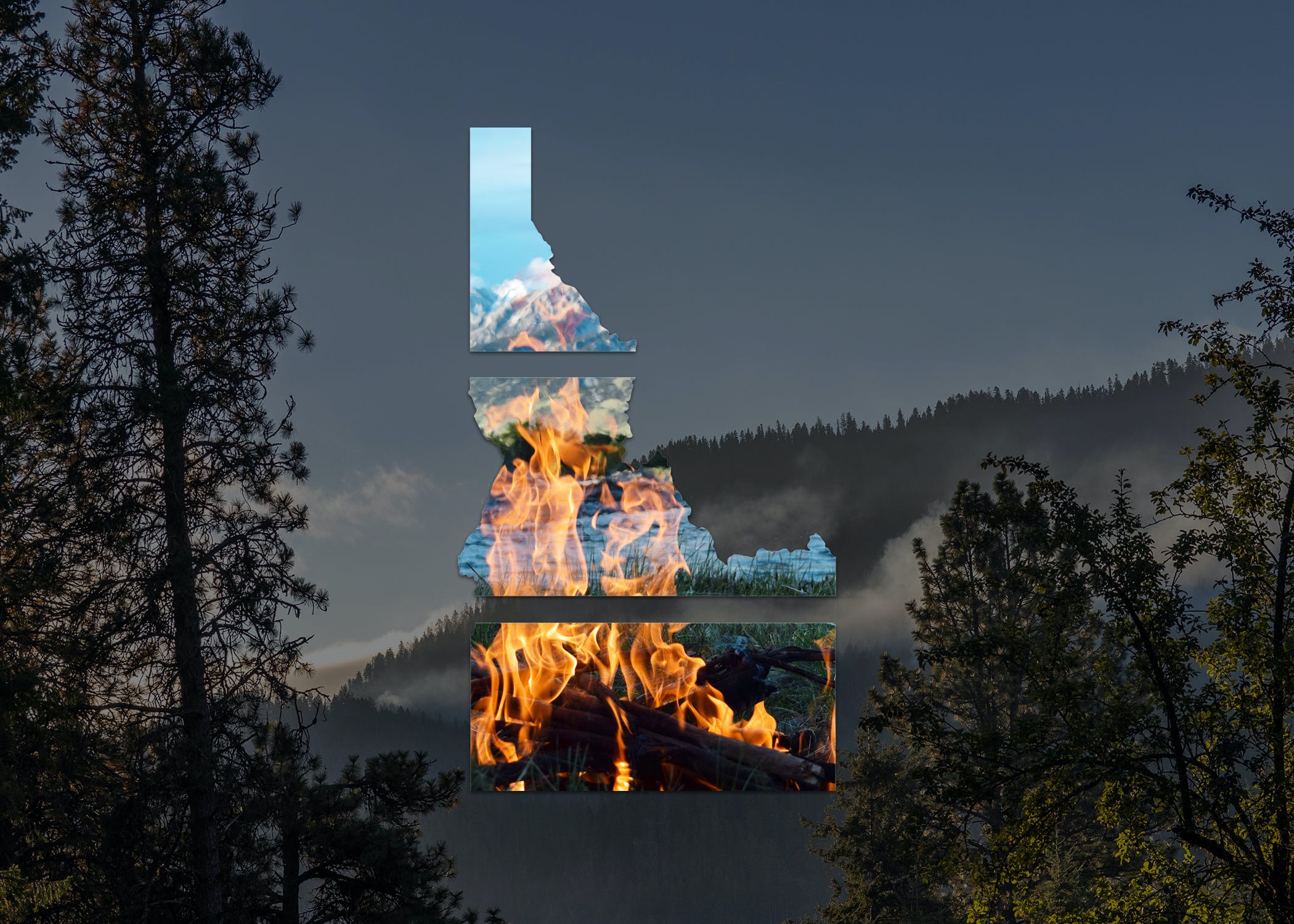
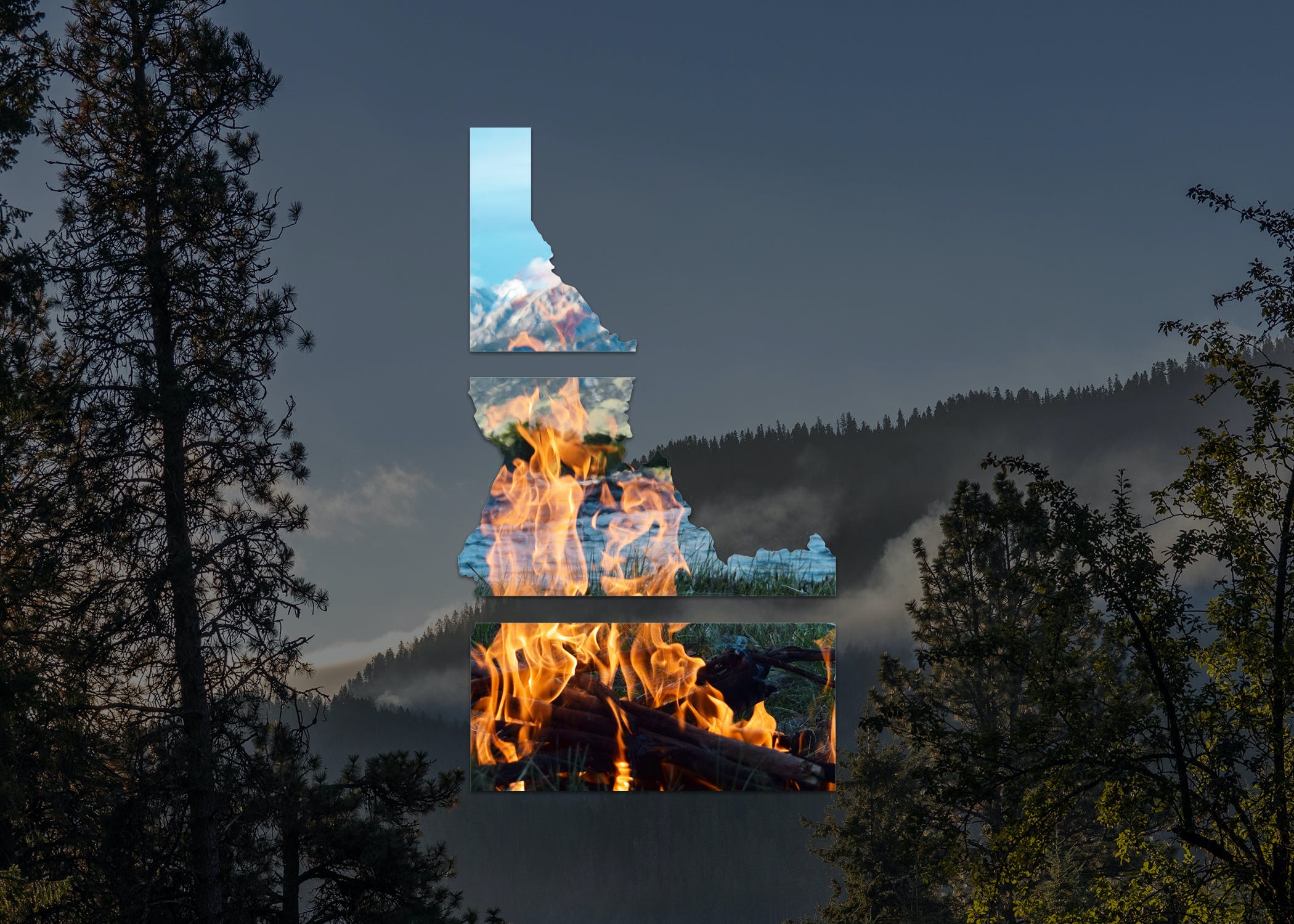
Idaho's Uncivil War
In early April, we brought you the strange story of the blood feud between North Idaho College’s administration and its board of trustees. NIC is a public junior college and its board had always been elected by the people of Kootenai County, but to hear locals talk about it, those races were never partisan. That changed last year and the resulting saga was by turns silly, absurd, chilling and at times, even a little scary. If you would have asked me then, I would have probably said that would be the weirdest local news story of the year. Boy was I wrong.Since then, most of Idaho seems to be caught in one preposterous political news cycle after another. Here’s a taste of the stories that have come since: The Kootenai County library board race ended in veiled accusations of SatanismA state representative repeatedly doxxed a teenage rape victim. (Anti-extremism groups called for her resignation; she responded by announcing a run for Lieutenant Governor)Current Lieutenant Governor Janice McGeachin created an anti-indoctrination taskforce to “to protect our young people from the scourge of critical race theory, socialism, communism, and Marxism."A group of legislators led by McGeachin later held the state budget hostage until the legislature agreed to ban teaching Critical Race Theory in public schools, including colleges — despite failing to define just what Critical Race Theory is. Five rural Oregon counties voted to secede from the Beaver state and join Idaho.Ammon Bundy, the amateur rancher and professional stand-off-haver, announces a run for Governor … despite being banned from the Idaho Statehouse. That’s just scratching the surface, honestly. And while it’s not immediately obvious the through-line connecting these stories, our guest this week, Zach Hagadone of the Sandpoint Reader, argues they’re isolated skirmishes in a multi-way civil war for the soul of the Idaho Republican Party. It’s a big topic, with both regional and national implications — as many as 24 states have followed or are considering following Idaho’s lead on Critical Race Theory as well — so this is going to be another one of our patented two-part deep dives. Buckle up, it’s a wild ride. Get full access to RANGE at www.rangemedia.co/subscribe
Move Fast & Break Things
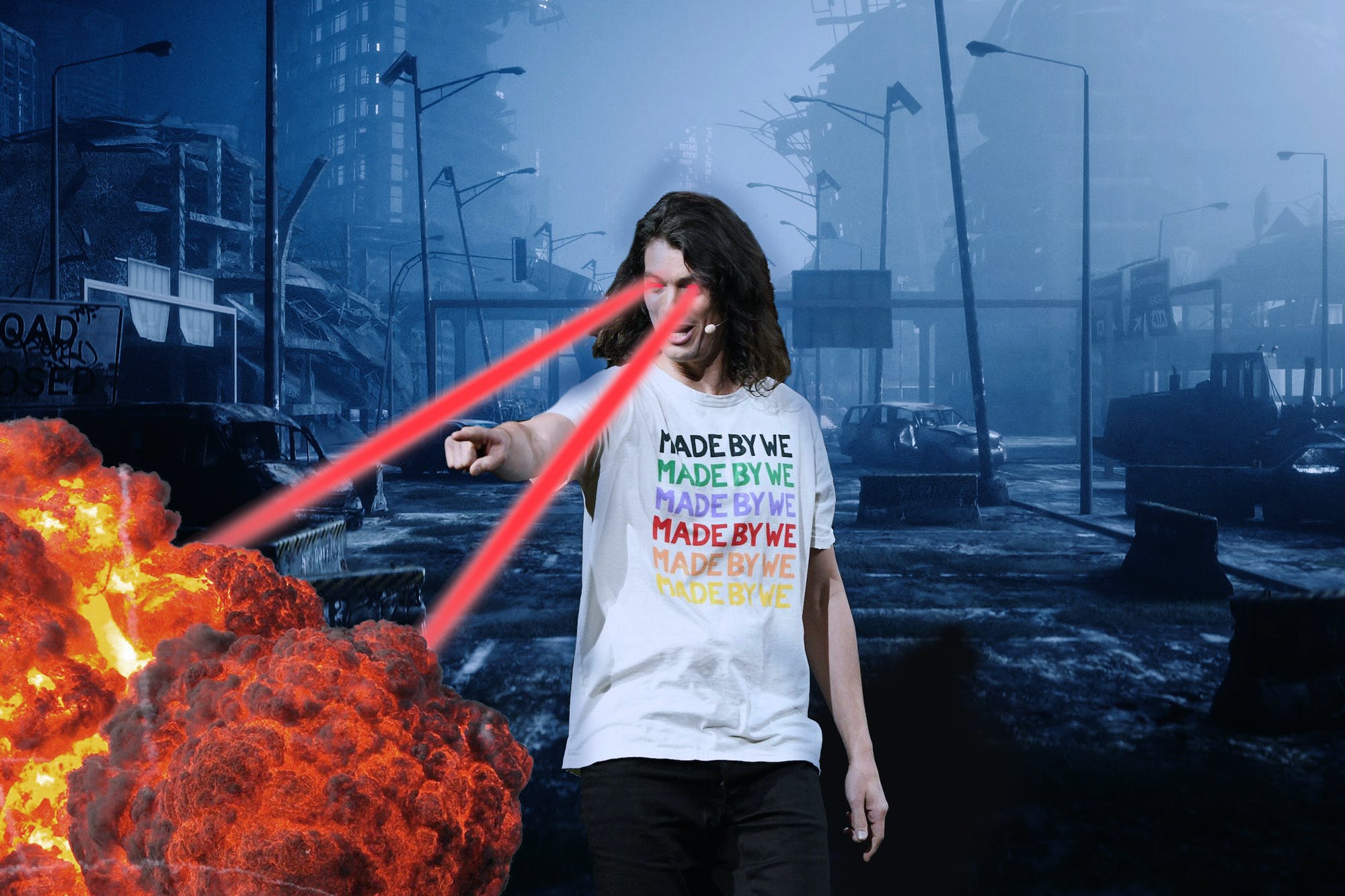
Back for his second turn in the hot seat, filmmaker Benji Wade and I discuss the new documentary WeWork: or The Making and Breaking of a $47 Billion Unicorn (streaming on Hulu).Unlike our last film episode, we actually recommend watching this one — and we use the occasion of a better than average film about one of recent history’s most spectacular failures to ask some pretty important questions, like: Why do so few startups become sustainable? Is the misery left by all that wasted time, energy and money worth the few that go on to become Facebook (and destabilize society in the process)?Does anyone consider the ethics and real-world misery of this modality of business, or does profit justify all?For people who like conversations about non-traditional work, freelancing, independent contracting, the gig economy and burnout. And whether we like it or not, it’s something we need to think about. Independent contracting and telework will become more common as companies cut costs by moving wokers offsite in the post-COVID era.Like last time, Benji threw out some other topically related films to also check out:Fyre: The Greatest Party That Never HappenedRoger and Me (on offshoring)The Big One (on corporate downsizing)Enron: The Smartest Guys in the Room (Business disaster porn)The Century of the Self (Freudian psychology, advertising & control)Power of Nightmares (neo-conservatism)All Watched Over by Machines of Loving Grace (life in the digital age) Get full access to RANGE at www.rangemedia.co/subscribe

Let the Sunrise In
This week on the show we welcome Rosie Zhou, a lead organizer with Sunrise Spokane — a student and young-adult-led organization focused on ensuring we get to 100% carbon independence within the less-than-seven-year window set out in the 2018 special report published by the Intergovernmental Panel on Climate Change.What makes young organizers like Rosie and her friends really special and worth paying attention to isn’t just the fervor and clarity of their demands for decisive action, but the inclusivity, holism and intersectionality of the tactics they’re bringing to the climate fight. Their environmentalism is absolutely still about starving polar bears and rising sea levels. It’s also about a clean industrial revolution that can lift us out of our economic torpor — viewed through a lens that recognizes the disproportionate impacts that inaction will have on the poor, people of color, and basically everyone in the global south. It’s a really powerful, compelling message, and these young people are just getting started. Enjoy. Connectsunrisespokane.orgon Instagramon Twitter on FacebookExploreThe Science of the Climate ClockThe 18th Brumaire of Louis BonaparteGoofsLet the Sunshine In Get full access to RANGE at www.rangemedia.co/subscribe

Housing First
Listen now | Rae-Lynn Barden on VOA's commitment to meeting people where they're at Get full access to RANGE at www.rangemedia.co/subscribe

Missing but not forgotten
If you or a loved one are experiencing domestic or sexual violence and would like help, the StrongHearts Helpline offers assistance from within an indigenous cultural context. This week we speak with Yakama tribal member Jenny Slagle about some brutal, vital topics:The disproportionality with which our indigenous neighbors go missing, experience sexual violence, and end up murderedThe structural poverty, ongoing genocide, and racist disregard that has allowed systemic failures to go unremarked-upon for decades.The deeply personal impacts for families whose loved ones go missing. It’s a heavy topic, but essential.LOCAL ORGS & EVENTSThe Native American Alliance for Policy & Action | Spokane-basedMMIW Day of Action event | Riverfront Park on May 5MMIW Training | Virtual event on May 5National resourcesMMIW ToolkitStrongHearts HelplineNational Indigenous Women’s Resource CenterKEY INFONCAI Violence against American Indian and Alaska Native Women findings (2018)Over 80% of Native women have experienced violence. Nearly 60% have experienced sexual assault. 96% of those sexual assaults come at the hands of a non-Native perpetratorMMIW Resource Guide created by the Lakota People’s Law Project. A great primer on the problem. Get full access to RANGE at www.rangemedia.co/subscribe

Higher Dread
Hey y’all. A couple weeks ago the DC-based Chronicle of Higher Education ran a story from right in our backyard about a coordinated effort by Kootenai County Republicans to run for the ostensibly non-partisan North Idaho College Board of Trustees on explicitly conservative talking points. They leveraged the full power of the local Republican Central Committee, ended up winning a super majority on the board, then quickly came into conflict with the college’s administration, faculty and staff. The report’s author, Emma Pettit, joins us to get the details. It’s a fascinating window on our region and a great conversation, though one important question remains unanswered: whether this is a new tactic in the conservative war on higher education or if it’s just Kootenai County being Kootenai County. As a bit of a coda, this week Emma wrote a quasi-follow up piece about Idaho Freedom Action’s campaign to “Fix Idaho Colleges” by robocalling about Marxism and how students are conditioned to “apologize for being white.”FURTHER READINGA County Turns Against Its College | Emma Pettit | Chronicle of Higher Education“I Don’t Work for You, Greg” | Fallout from Emma’s story | Cd’A PressNIC Pres: ‘These are more than serious distractions’| Spokesman-ReviewPREVIOUS REPORTINGNIC trustee Wood calls for chair to resign | Cd’A PressNIC trustees reject removal of board chair in split vote | Spokesman-ReviewCITEDHere’s What Happens When Republicans Have No One to Fight | BuzzfeedGOOFSIt’s a whole new ballgame on campus Get full access to RANGE at www.rangemedia.co/subscribe

Healthcare and stadiums
This week we talk with State Rep. Marcus Riccelli about all the work our state legislature has been doing this session. Including:Public Health ReformUniversal Health CareCapital Gains TaxThis one isn’t through the house yet and has an opportunity to get better, see below.Just Cause EvictionsAnd last but not least … wait for it … his controversial take on the downtown stadium. What started as a spirited disagreement about our land-use priorities in the core became a interesting discussion of public debate, the civic commons, and clawing back our ability to engage even when we disagree as an antidote to the polarization crippling our world. Not gonna want to miss this one. And while you’re at it:TAKE ACTIONCapital Gains passed the senate without a rule that would make it take effect immediately. This gravely hurts the law’s ability to last beyond the next election cycle. So Email your reps — including Riccelli — and let them know you want the wealthiest people in Washington to start paying their fair share now. Get full access to RANGE at www.rangemedia.co/subscribe

The Fruits of their Labor
This week on the pod we talk with reporter Daisy Zavala, who wrote our heartbreaking farmworker profile “Essential, but Unprotected” (there’s also a Spanish-language version).This is still a hell of an interview regardless of whether you’ve read the story or not — much of the interview is discussing the pitfalls of being a young professional journalist of color — but if you carve out 20 minutes and read the story first, you’ll understand why the conversation is so urgent. First, it’s just vitally important to understand the hardship of farmwork on a good day, and the frequent danger of it.Second, journalism is at an inflection point — simmering for years and brought to a boil by the strife caused by the pandemic and this summer’s unrest — about the voices we have traditionally welcomed and those we have traditionally excluded, or forced to “conform to established standards,” which is a euphemism, in this context, for “always center whiteness.”It’s a great conversation. Pitch InFamilias Unidas por la Justicia | Washington-based independent farmworker union.Washington Immigrant Solidarity Network | Coalition fighting to establish and maintain rights for immigrants and refugees.Washington Covid-19 Immigrant Relief Fund | An immigrant-led relief initiative. Get full access to RANGE at www.rangemedia.co/subscribe
Let's Set Some Boundaries
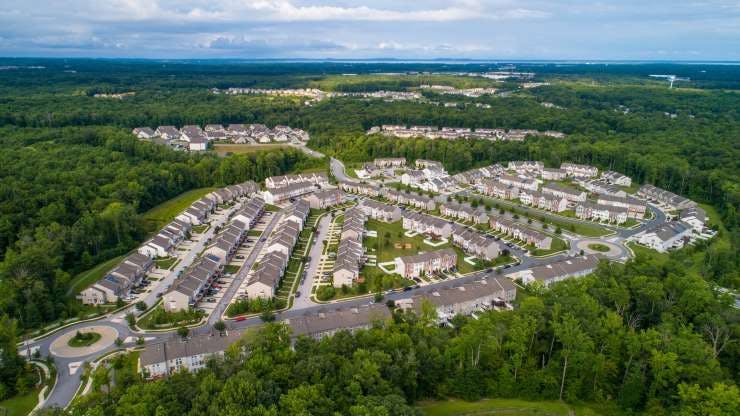
Continuing our housing series with a dash of sprawl containment, farmland preservation, racial equity and environmental impact (not to mention crawdad fishing in Elk!), this week we talk with Kitty Klitzke, Spokane Program Director for Futurewise, an organization that works throughout Washington state to encourage healthy, equitable and opportunity-rich communities, and to protect our most valuable farmlands, forests and water resources through wise land use policies and practices.We talked about the WA Can’t Wait campaign, supporting three new state bills that update the long-in-the-tooth Growth Management Act. The GMA, which was passed in 1990 and has been a core tool for communities statewide to curb sprawl, has concrete loopholes in need of closing and also needs some additional protections for racial equity and environmental impact not included in the original legislation. It’s additive work but essential if we want to put stronger controls on land use to ensure we build dense, vibrant urban clusters while preserving our wild spaces and farmland. Because of the political dynamics of Spokane County, it’s been a historically vital piece of legislation and the bills currently before the legislature in Washington will close a loophole that has been especially destructive to native habitat and generational farmland on places like Five Mile and the Moran Prairie.Plus, Kitty is just fun as hell to talk to. We can almost guarantee it’s the most fun you’ll ever have talking about progressive land use policy. And once you’re moved to act, you can do so here:TAKE ACTIONTell your reps to:Close the vesting loopholeCreate climate targets for greenhouse gas emissions and vehicle miles traveledRequire cities and counties to plan forA diversity of housing types to meet the needs of families at all income levels, especially our extremely low to moderate-income families;Provide emergency shelters, emergency housing, and permanent supportive housingImplement policies and strategies to prevent community displacement from market forcesImplement policies to address the impacts of racially-biased, exclusionary, and discriminatory housing and land-use policies on our BIPOC communities. If you like your RANGE, you can support it:Edited by Connor BaconRecorded at Speak Studios. Check ‘em out. Get full access to RANGE at www.rangemedia.co/subscribe
Film Fest Funbag feat. Neal Schindler
Hey y’all, it’s been a few weeks of pretty relentlessly depressing topics here at RANGE HQ so we thought we’d do something a little lighter. Not like, light light, but still light-er.Doing another film ep, this time talking about the Spokane Jewish Cultural Film Festival — which begins TONIGHT AT 7 PM! — with festival director and head of Spokane Area Jewish Family Services, Neal Schindler. It’s a virtual event, so you can watch some great films and help a worthy local cause all without putting on pants, just the way we like it in 2021.All film trailers, discussion schedules and details for buying tickets and passes can be found at the festival website. Thanks, as always, to Connor Bacon for a tight, timely interview edit and to Simmental for our theme music. Get full access to RANGE at www.rangemedia.co/subscribe
And Justice for Some feat. Cam Zorrozua & Virla Spencer
This week on the pod we talk to Virla Spencer and Camerina Zorrozua of The Way to Justice, a newish non-profit that helps people get their lives back after run ins with the criminal legal system. Cam works primarily in post-conviction relief — helping people who have been locked up — while Virla runs the re-licensing program, helping poor folks who have lost their drivers license due to an inability to pay fines or other reasons to create a path back to just having the basic mobility most of us take for granted. These two are larger than life personalities separately. Together they’re pretty close to a force of nature. If you like what you hear, you can support their work at www.thewaytojustice.comFurther StudyHOW IT STARTED: Blueprint for Reform | Creating an Efficient and Effective Regional Criminal Justice System HOW IT’S GOING: Blueprint Status Report (not great tbh) Spokane County incarceration data - updated frequentlySenate bill that would end suspension of licenses for failure to pay fines. and links to comment/support: Get full access to RANGE at www.rangemedia.co/subscribe

Housing Justice feat. Terri Anderson
The conclusion of our interview with the inimitable Terri Anderson, Spokane Director and Policy Lead for the Tenants Union of Washington this week on the podcast.If you haven’t listened to PART 1, I really recommend you do so before diving in here. You’ll thank me later.Things have not miraculously become perfect in the week since we posted the first episode, so it is still vitally important that you:TAKE ACTIONContact your state senator about:SB 5160 | Offramp from the moratorium that helps tenants stay housedSB 5169 | Prohibits rent increases for six months after the moratorium & limits increases to no more than CPI from six months to one year.Contact your state reps about:HB 1236 | Just cause evictionsHB 1300 | Damage deposit reform.Contact the Tenants UnionCall 509-464-7620Email Terri at [email protected] READING“We’ve got a clock ticking”: Calls for help grow as end to Washington’s eviction moratorium inches closer | Spokesman-ReviewGOOFSIt’s getting hot in hereIf you like your RANGE, you can support it:Edited by Connor BaconRecorded at Speak Studios. Check ‘em out. Get full access to RANGE at www.rangemedia.co/subscribe
Housing in Crisis feat. Terri Anderson
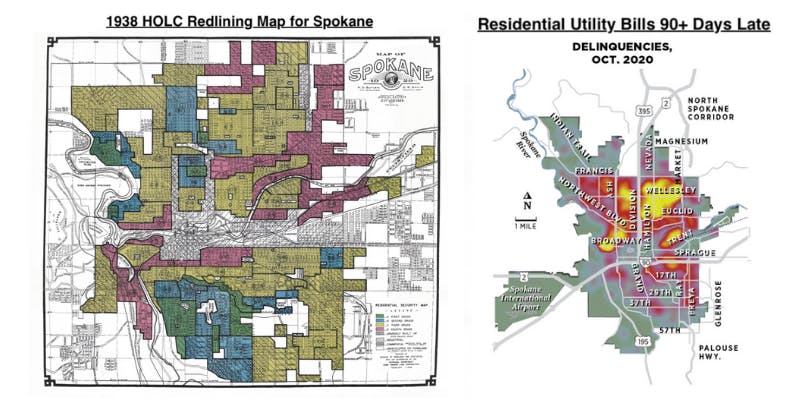
Even after we manage to contain the public health crisis brought on by Covid-19, the danger isn’t over in Spokane. The economic crisis has left thousands of people without steady employment and, as a result, thousands of our neighbors are behind on their utility bills and behind on rent. This almost exclusively affects the poor, and because of our nation’s legacy of white supremacy and Spokane’s history of redlining, that burden disproportionately impacts people of color. It’s not a good scene. Washington state has a temporary eviction moratorium in place but that’s like a finger in the dike. It’s holding back disaster for now, but unless we take serious action, there’s no stopping a flood of evictions. The good news is, there’s a path to mitigating the short term crisis while also creating a fairer and more just legal and support system for renters from here on out. We talk about all of this and more with Terri Anderson, Spokane Director and Policy Lead for the Tenants Union of Washington this week on the podcast. TAKE ACTIONContact your state senator about:SB 5160 | Offramp from the moratorium that helps tenants stay housed SB 5169 | Prohibits rent increases for six months after the moratorium & limits increases to no more than CPI from six months to one year.Contact your state reps about:HB 1236 | Just cause evictions HB 1300 | Damage deposit reform.Contact the Tenants Union Call 509-464-7620 Email Terri at [email protected]. FURTHER LISTENINGEPISODE 20 | House Money feat. Ben StuckartFURTHER READINGThe impending rental tsunami | Spokesman-Review GOOFSIt’s getting hot in hereIf you like your RANGE, you can support it:Recorded at Speak Studios. Check ‘em out. Get full access to RANGE at www.rangemedia.co/subscribe

EPISODE 025 | No New Jail feat Jim Dawson
In this week’s episode we take a brisk 30-minute jaunt through some new polling data that confirms, yep, the rest of Spokane County wants a jail about as badly as we do — which is to say: NOT. AT. ALL.It’s encouraging news for everyone from reformists to prison abolitionists to get this sort of poll result in a Republican-leaning county like Spokane. But the real kicker is when the pollsters asked people if they’d vote to raise their taxes in order to fund addiction treatment and homelessness services. For the answer to that question, you’ll have to listen.Past No Jail ContentSpokane let people out of jail. Crime went down | RANGEEPISODE 010 | Independence Day feat. the Bail Project | RANGEEPISODE 011 | Independence Day (cont) | RANGEFurther Perusing:Spokane County officials revisit plans for a new jail | KREMChange Research | The pollstersFuse Washington | The org that paid for itGoofsFetch!Cool people support RANGE Get full access to RANGE at www.rangemedia.co/subscribe
EPISODE 24 | Staging a Coop feat Joel Williamson
Listen now | Hey y’all! Amazing conversation about cooperatives this week with Joel Williamson, one of the co-founders of LINC Foods and the Grain Shed. We talk about coops as an organizational and business structure that is not just inherently more ethical for the workers who work within that system, it also more effectively traps capital in our communities, building resiliency through the entire system. Get full access to RANGE at www.rangemedia.co/subscribe

EPISODE 23 | Anti-terrorism feat Joan Braune
Listen now | Friend of the pod and Gonzaga professor Joan Braune — noted critical theorist and Nazi disliker — joins to talk about how language shapes the way we view reality and how the blanket usage of words like “terrorism” and “extremism” — even when explicitly describing right wing violence like last week’s attack on the Capitol building — might actually do more harm than good by incorrectly and unfairly lumping the emancipatory struggle of the left with the oppressive projects of the far right. Get full access to RANGE at www.rangemedia.co/subscribe
EPISODE 22 | Hillbilly Smellegy feat. Benji Wade
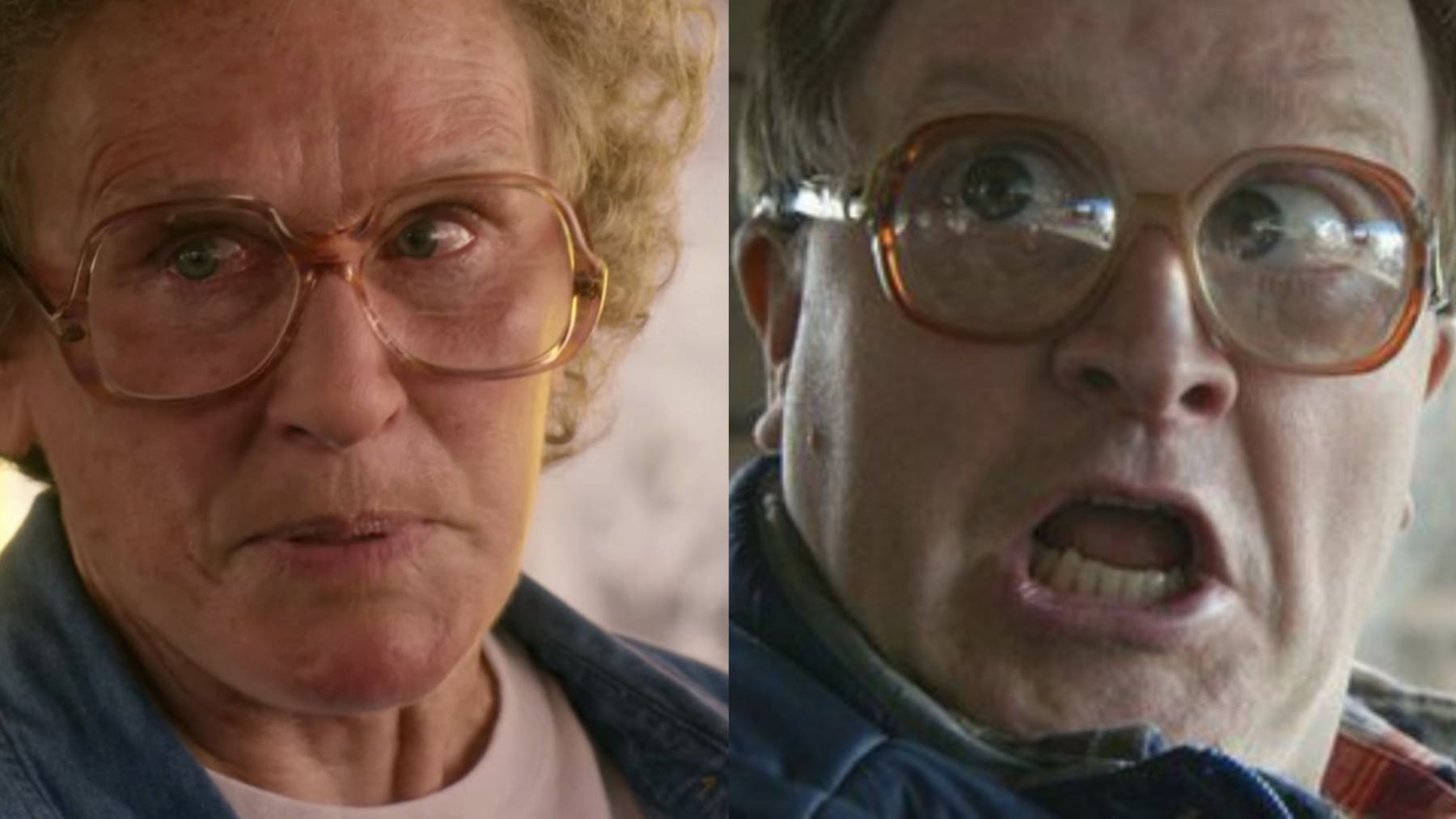
This week on the pod we zig a little into our first film crit episode, and chat with local filmmaker Benji Wade about Hillbilly Elegy, a movie that has been on everyone’s lips since it came out in time for the election.It’s the not-so-riveting story of how a poor white kid from Southeast Ohio overcame generational trauma through nothing but his own pluck and grit (or so the film would have you believe), attended Yale Law School, went to work for Peter Thiel — one of the great monsters of recent American history — and eventually moved back to Cincinnati to start a non-profit that helps, like, train unemployed coal miners and steelworkers how to code, or something.Seems a little far-flung to what we usually talk about on RANGE, but the plight of poor people in extractive economies in Appalachia is pretty similar to the plight of poor people in extractive economies in the Inland Northwest, and this movie is a masterclass in blaming the poor for their plight. So yeah, a topic ripe for RANGE. The movie is bad, but the conversation is good, and Benji and I took the time to cobble together a mountaintop worth of other actually good coal-country (and coal-country-adjacent) content for you to remove into your ear- and eye-holes.That was a coal mining joke. You’re welcome. Referenced in the episodeReview: Ron Howard's Rust Belt Saga Is Yokel HokumReview: Everything about Netflix’s Hillbilly Elegy movie is awfulSlavoj Zizek explains IdeologyWhat is “White Trash”?Better things to watch than Hillbilly ElegyHarland County, USAMatewanCoal Miner’s DaughterJunebugThis Boy’s LifeJustified (prime Timothy Olyphant and Walton Goggins content)Better things to listen to than Hillbilly Elegy“Listen to Dolly Parton Instead”Anything Loretta LynnDeath in the West podcastBetter things to read than Hillbilly ElegyEducated by Tara WestoverThe Enchantments of Mammon by Eugene McCarraherGoofs Bar none the best TV theme song everMe and Julio Down by the Schoolyard Get full access to RANGE at www.rangemedia.co/subscribe