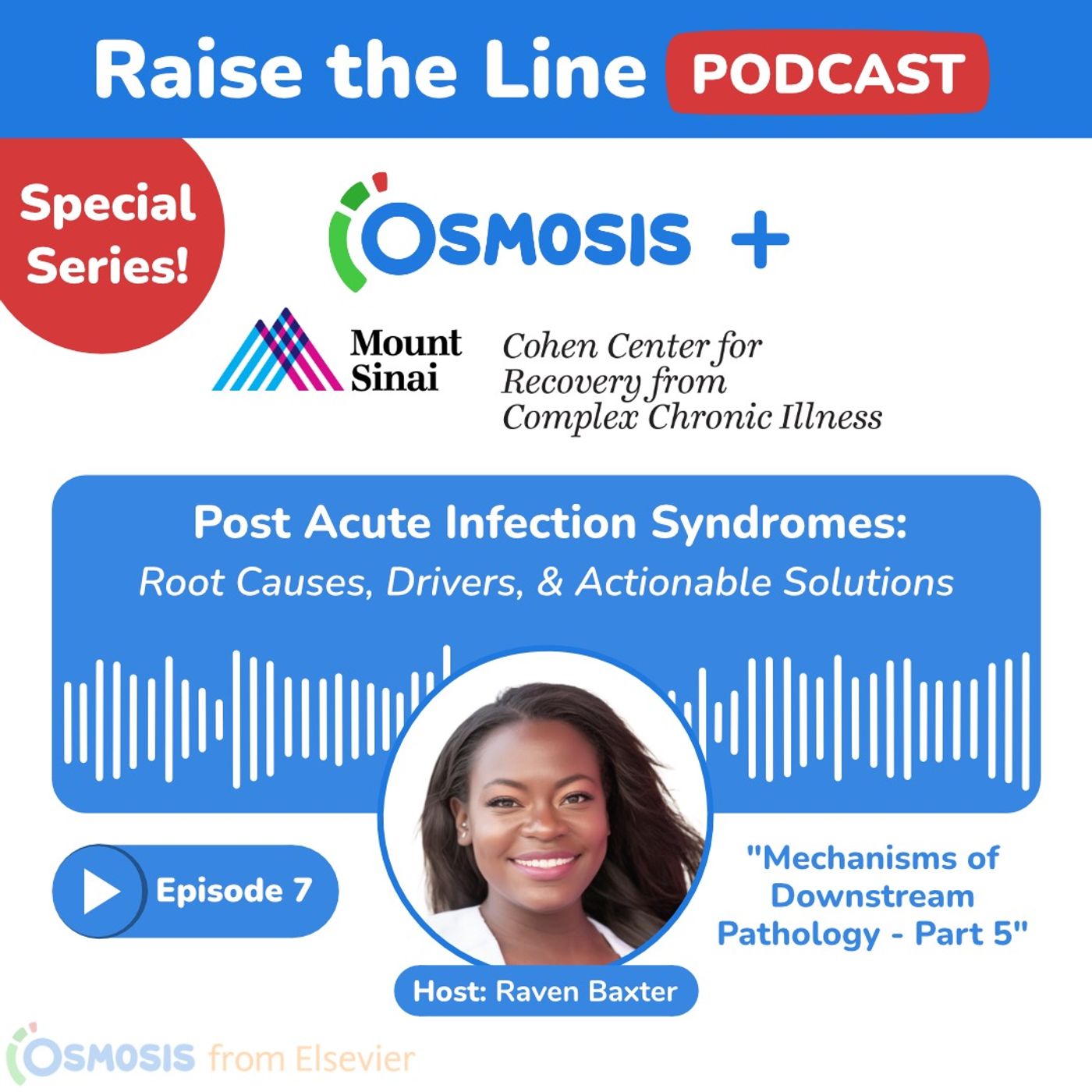
The Role of Physical Therapy in Post Acute Infection Syndromes: Special Series from The Cohen Center for Recovery from Complex Chronic Illnesses at Mount Sinai
One key theme in this episode of Raise the Line is that attention to details matters for both patients with post-acute infection syndromes and the clinicians helping them as they grapple with often debilitating symptoms caused by dysautonomia, cardiac complications and other disorders. For patients, it’s about paying close attention to their bodies and diet, and being intentional about their use of energy. For providers, it’s listening very carefully to patients as they describe their fatigue, pain, lightheadedness and other symptoms and keeping up with the latest research on treatments so there are options to offer if there’s little or no progress being made in physical therapy, which is sometimes the case. “Don't just assume therapy is gonna go smooth. It rarely goes smooth. So, have an answer for the patient who says, ‘I'm not feeling better, what should I try next,’” says Dr. David Putrino, director of the Cohen Center for Recovery from Complex Chronic Illnesses (CoRE) at Mt. Sinai. It’s also important to set expectations for patients who may think a few weeks of PT will resolve their issues, as is often the case with recovery from an injury. “What we're looking to do is reduce the number of flare-ups that happen, reduce the severity of those flare-ups, and ideally reach a point of symptom stability,” says Dr. Jenna Tosto, a leading expert in neurophysiological rehabilitation at Mt. Sinai. To help patients understand the amount of progress happening, if any, host Dr. Raven Baxter, a long COVID patient herself, says keeping a daily journal and using fitness trackers can reveal important details. This expansive conversation includes valuable insights for patients and providers alike on breathwork, emotional regulation and other techniques to try during the search for improvement and recovery in complex chronic illnesses. Mentioned in this episode: Mount Sinai Health System (www.mountsinai.org) Steven & Alexandra Cohen Foundation (www.stevenandalex.org)
Raise the Line · Dr. Jenna Tosto, Dr. David Putrino, Dr. Raven Baxter
Audio is streamed directly from the publisher (cdn.simplecast.com) as published in their RSS feed. Play Podcasts does not host this file. Rights-holders can request removal through the copyright & takedown page.
Show Notes
One key theme in this episode of Raise the Line is that attention to details matters for both patients with post-acute infection syndromes and the clinicians helping them as they grapple with often debilitating symptoms caused by dysautonomia, cardiac complications and other disorders. For patients, it’s about paying close attention to their bodies and diet, and being intentional about their use of energy. For providers, it’s listening very carefully to patients as they describe their fatigue, pain, lightheadedness and other symptoms and keeping up with the latest research on treatments so there are options to offer if there’s little or no progress being made in physical therapy, which is sometimes the case. “Don't just assume therapy is gonna go smooth. It rarely goes smooth. So, have an answer for the patient who says, ‘I'm not feeling better, what should I try next,’” says Dr. David Putrino, director of the Cohen Center for Recovery from Complex Chronic Illnesses (CoRE) at Mount Sinai. It’s also important to set expectations for patients who may think a few weeks of PT will resolve their issues, as is often the case with recovery from an injury. “What we're looking to do is reduce the number of flare-ups that happen, reduce the severity of those flare-ups, and ideally reach a point of symptom stability,” says Dr. Jenna Tosto, a leading expert in neurophysiological rehabilitation at Mount Sinai. To help patients understand the amount of progress happening, if any, host Dr. Raven Baxter, a long COVID patient herself, says keeping a daily journal and using fitness trackers can reveal important details. This expansive conversation includes valuable insights for patients and providers alike on breathwork, emotional regulation and other techniques to try during the search for improvement and recovery in complex chronic illnesses.
Mentioned in this episode:
Steven & Alexandra Cohen Foundation
If you like this podcast, please share it on your social channels. You can also subscribe to the series and check out all of our episodes at www.osmosis.org/podcast