PLAY PODCASTS
Helping Medical Students Manage Information Overload - Dr. Ted O’Connell, Regional Director of Medical Education at Kaiser Permanente, Northern California
Episode 378

Helping Medical Students Manage Information Overload - Dr. Ted O’Connell, Regional Director of Medical Education at Kaiser Permanente, Northern California

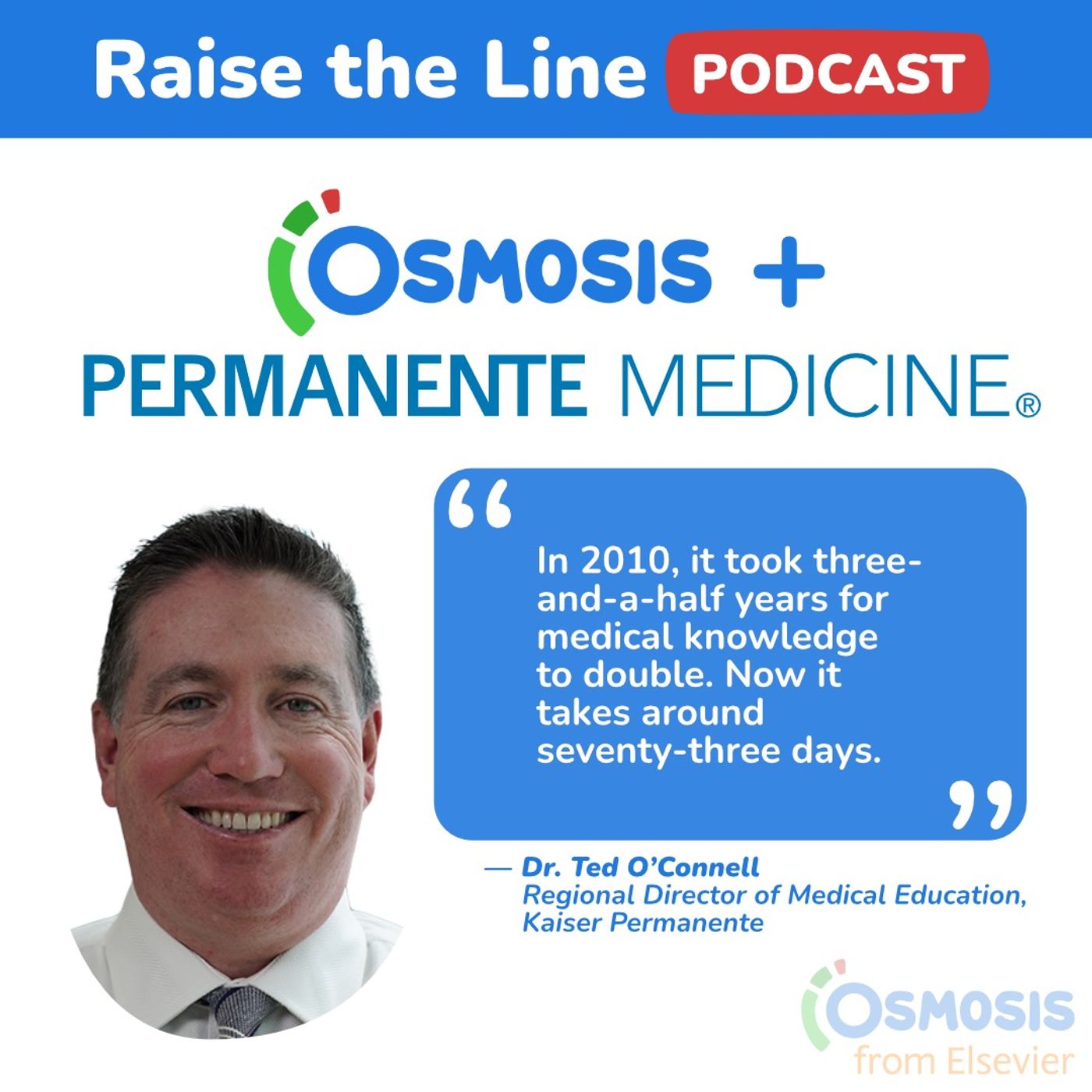
“In 2010, it took three-and-a-half years for medical knowledge to double. Now it takes around seventy-three days,” says Dr. Ted O’Connell, who is among the many medical educators who wrestle with how to help students manage that kind of information load. Artificial intelligence can be a tool for synthesizing vast amounts of data, he says, but it also has the potential to massively increase the amount of information coming at a student. “I think it will be very important for learners to understand what their learning style is so they can harness AI to help them,” he tells host Shiv Gaglani. O’Connell plays an important role in the field, serving as regional director of undergraduate, graduate and continuing medical education at Kaiser Permanente in Northern California and the author of eighteen medical textbooks with Elsevier where he also serves as editor-in-chief of ClinicalKey MedEd. Don’t miss a wisdom drop from this best-selling author, podcast host, speaker, company founder and family physician about the importance of mentorship for medical students, the need for further diversity of images in medical learning materials, and other ways to improve medical education.

Raise the Line · Dr. Ted O'Connell, Shiv Gaglani

May 10, 202334m 58s

Audio is streamed directly from the publisher (cdn.simplecast.com) as published in their RSS feed. Play Podcasts does not host this file. Rights-holders can request removal through the copyright & takedown page.

Show Notes

“In 2010, it took three-and-a-half years for medical knowledge to double. Now it takes around seventy-three days,” says Dr. Ted O’Connell, who is among the many medical educators who wrestle with how to help students manage that kind of information load. Artificial intelligence can be a tool for synthesizing vast amounts of data, he says, but it also has the potential to massively increase the amount of information coming at a student. “I think it will be very important for learners to understand what their learning style is so they can harness AI to help them,” he tells host Shiv Gaglani. O’Connell plays an important role in the field, serving as regional director of undergraduate, graduate and continuing medical education at Kaiser Permanente in Northern California and the author of eighteen medical textbooks with Elsevier where he also serves as editor-in-chief of ClinicalKey MedEd. Don’t miss a wisdom drop from this best-selling author, podcast host, speaker, company founder and family physician about the importance of mentorship for medical students, the need for further diversity of images in medical learning materials, and other ways to improve medical education. If you like this podcast, please share it on your social channels. You can also subscribe to the series and check out all of our episodes at www.osmosis.org/podcast

Topics

drug costspharmacy benefit managersdrug developmentcontinuing educationjohns hopkins universityomicrondoctorsmedical degreesclinicalkey mededcoronavirushome caredigital healthhealth insurancewearablesfrontline providersosmosis from elsevierpfizerfdagovernment policymedicareraise the linevirusmachine learningeducation innovationpharmaceuticalshospital staysinterviewnursing schooldr. ted o'connellflatten the curvemichael carreseelsevieraihealthcare entrepreneursnursing cmenursesprimary carehealthcare capacityhealthcare reformbig pharmaastra zenecacovid-19rare disordershealthcare workforceexpertsspace repetitionmedical educationnursing shortagemedicaidlearning sciencegene editingvalue-based caretechnologyflipped classroommedicare advantagenursing educationnursing educationsolutionsphysician shortageprovider burnoutcdcepidemicosmosisdelta variantremote monitoringhealthcare systemmark cubanosmosis.orgdecision supportrare diseasesvirus outbreakonline educationallied health professionspublic policycovid19edtechkaiser permanenteshiv gaglanimodernaphysician assistant educationvivian leechelsea clintonpodcastsnursing degreehospital systemspublic healthpublic healthdr. ashish jhavaccineseric topolyear of the zebradental educationtestingcenters for disease controlhealth professionspandemicjohnson & johnsontelehealth