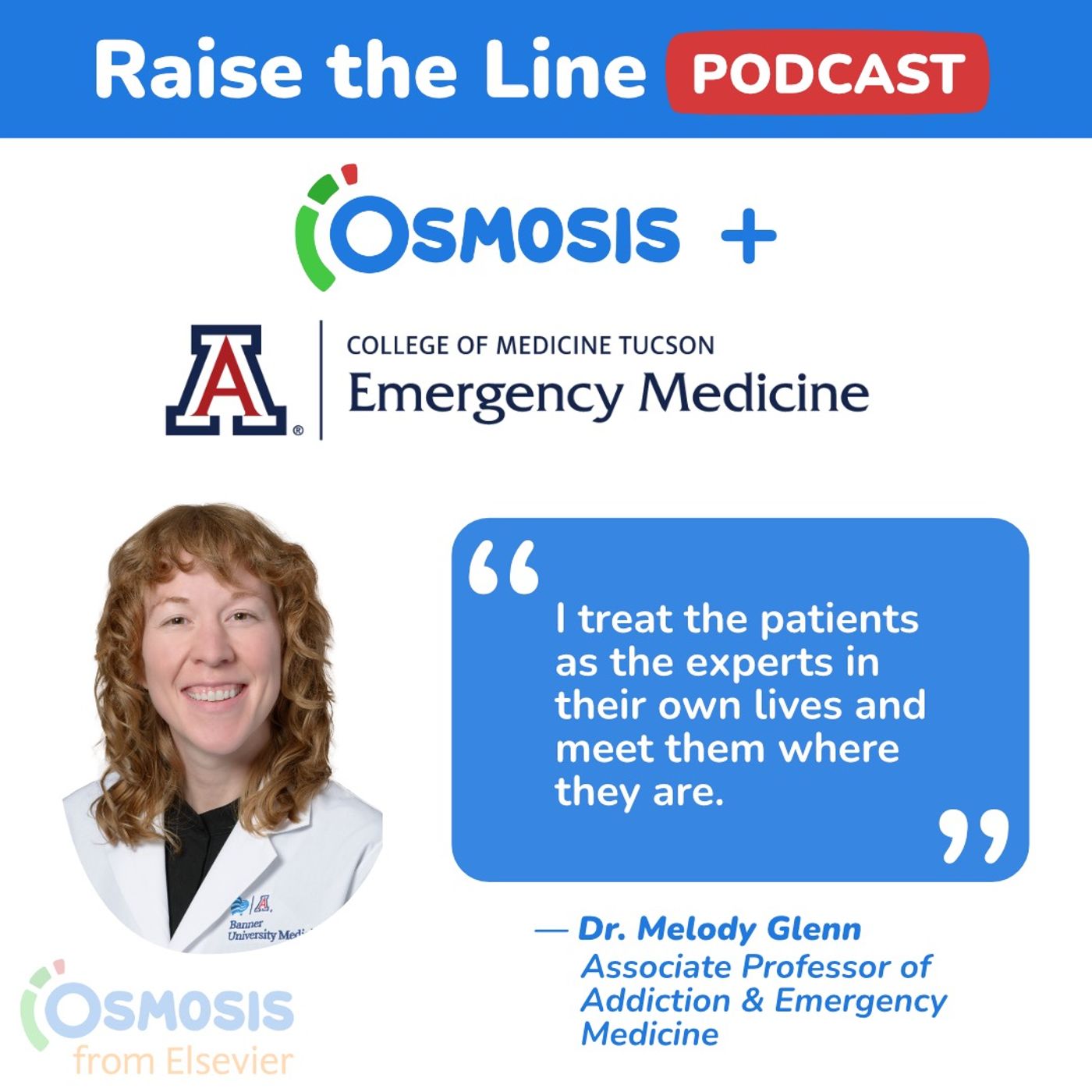
Centering Harm Reduction in Addiction Treatment: Dr. Melody Glenn, Associate Professor of Addiction and Emergency Medicine at University of Arizona College of Medicine-Tucson
Why has America struggled so much to effectively manage the opioid use crisis? You’ll get some fascinating historical context to understand the stigmas that have hindered medical management of this problem -- as well as an on-the-ground look at treating addiction in an emergency room and efforts to shift to a harm reduction approach -- in this important conversation with Dr. Melody Glenn of the University of Arizona College of Medicine-Tucson. She also author of a new book, Mother of Methadone which tells the remarkable story of Dr. Marie Nyswander, an overlooked pioneer in the field who introduced methadone maintenance therapy in the 1960s.
Raise the Line · Dr. Melody Glenn, Caleb Furnas
Audio is streamed directly from the publisher (cdn.simplecast.com) as published in their RSS feed. Play Podcasts does not host this file. Rights-holders can request removal through the copyright & takedown page.
Show Notes
Why has America struggled so much to effectively manage the opioid use crisis? One of the answers, as you’ll learn in this eye-opening episode of Raise the Line, is rooted in laws and attitudes from the early 20th century that removed addiction from the realm of medicine and defined it as a moral failing. “The federal Harrison Act of 1914 forbade any physician from prescribing opioids to people with addiction, so it became more the purview of law enforcement or behavioral health or religion,” says Dr. Melody Glenn, who regularly confronts the consequences of this history during shifts in the emergency department at Banner-University Medical Center in Tucson, Arizona. And as Glenn explains to host Caleb Furnas, the resulting stigma associated with addiction has extended to the treatments for it as well, especially methadone, despite its effectiveness. Drawing on her dual expertise in emergency and addiction medicine, Glenn dispels misconceptions that medication-assisted treatment merely replaces one addiction with another, and emphasizes that harm reduction is critical to saving lives. Her desire to break prevailing stigmas led her to discover the story of Dr. Marie Nyswander, who pioneered methadone maintenance therapy in the 1960s and is featured in Dr. Glenn’s new book, Mother of Methadone: A Doctor’s Quest, a Forgotten History, and a Modern-Day Crisis. You’ll leave this instructive interview understanding the roots of our flawed approach to addiction treatment, meeting an overlooked pioneer in the field, and admiring a devoted and compassionate physician who is following in her footsteps.
Mentioned in this episode:
Banner-University Medical Center
If you like this podcast, please share it on your social channels. You can also subscribe to the series and check out all of our episodes at www.osmosis.org/podcast