PLAY PODCASTS
A Strengths-Based Approach to Medical Education & Patient Care - Dr. Rachel Salas, Professor of Neurology at Johns Hopkins University
Episode 406

A Strengths-Based Approach to Medical Education & Patient Care - Dr. Rachel Salas, Professor of Neurology at Johns Hopkins University

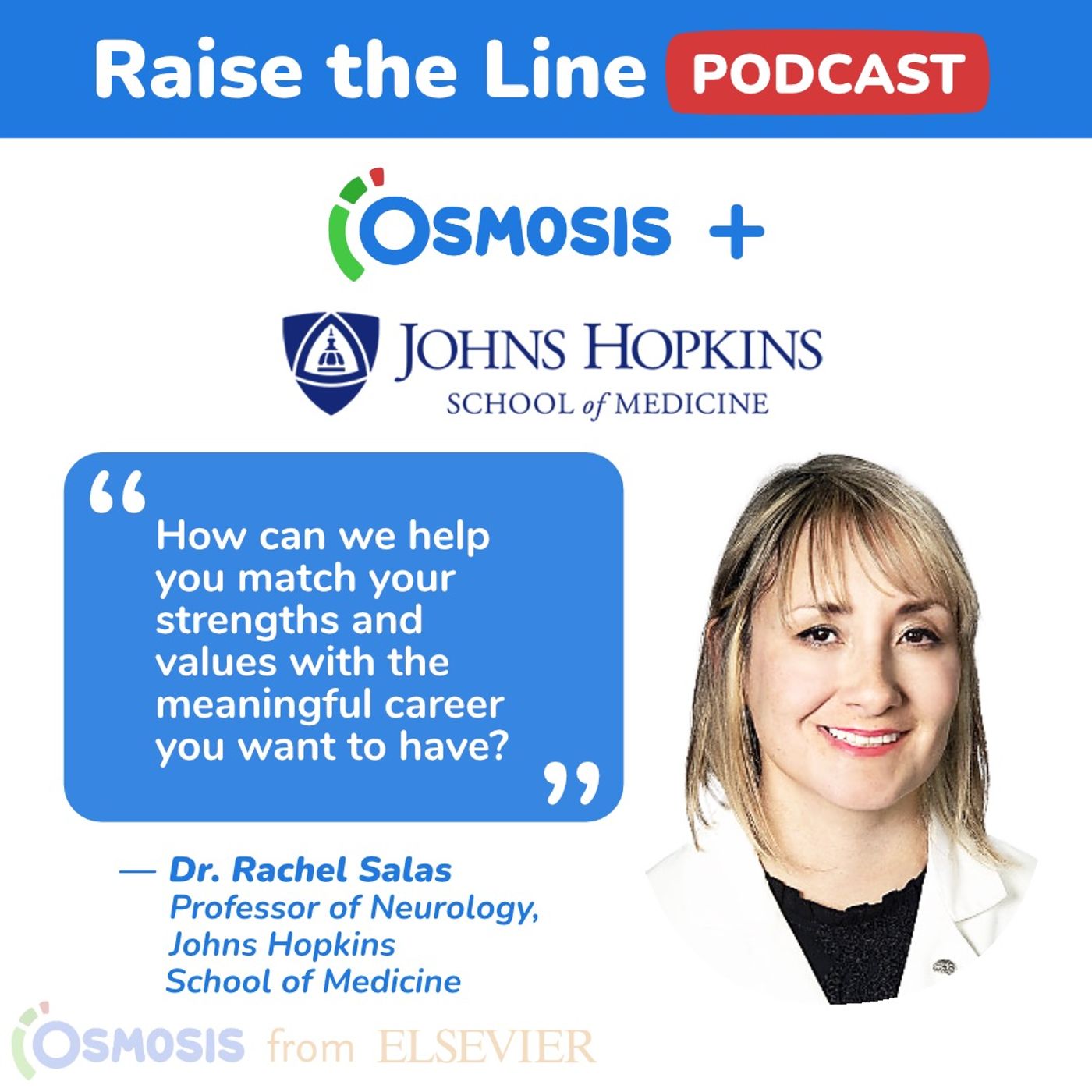
“I have coaching involved in all of my programs. It's just done wonders not only for the work I do, but for me personally,” says Dr. Rachel Salas, a professor of Neurology at Johns Hopkins University and certified strength and life coach. It wasn’t always this way. Salas was well into her career as a sleep specialist and clerkship director before being introduced to a strengths-based approach to personal and professional development. As she tells host Shiv Gaglani on this episode of Raise the Line, focusing on her strengths was a transformative shift and she is committed to sharing this powerful technique with students, colleagues and even patients. “If a patient is a learner, I know they’re going to like some materials to read about their diagnosis. If someone has a strength of being analytical, I'll probably need to spend a little bit more time talking about the different numbers in their sleep study report.” Knowing yourself and your strengths, she says, is also a valuable tool in helping medical students decide what specialty to pursue. “We want people to be their authentic selves. Who are they? Who do they want to be? How can we help you match your strengths with the meaningful career you want to have?” Based on the success she’s seen at Johns Hopkins, Salas is helping to spread the philosophy to other medical schools. Check out this enlightening conversation that also includes insights on applying precision medicine to treat problems with sleep.

Raise the Line · Dr. Rachel Salas, Shiv Gaglani

August 22, 202331m 40s

Audio is streamed directly from the publisher (cdn.simplecast.com) as published in their RSS feed. Play Podcasts does not host this file. Rights-holders can request removal through the copyright & takedown page.

Show Notes

“I have coaching involved in all of my programs. It's just done wonders not only for the work I do, but for me personally,” says Dr. Rachel Salas, a professor of Neurology at Johns Hopkins University and certified strength and life coach. It wasn’t always this way. Salas was well into her career as a sleep specialist and clerkship director before being introduced to a strengths-based approach to personal and professional development. As she tells host Shiv Gaglani on this episode of Raise the Line, focusing on her strengths was a transformative shift and she is committed to sharing this powerful technique with students, colleagues and even patients. “If a patient is a learner, I know they’re going to like some materials to read about their diagnosis. If someone has a strength of being analytical, I'll probably need to spend a little bit more time talking about the different numbers in their sleep study report.” Knowing yourself and your strengths, she says, is also a valuable tool in helping medical students decide what specialty to pursue. “We want people to be their authentic selves. Who are they? Who do they want to be? How can we help you match your strengths with the meaningful career you want to have?” Based on the success she’s seen at Johns Hopkins, Salas is helping to spread the philosophy to other medical schools. Check out this enlightening conversation that also includes insights on applying precision medicine to treat problems with sleep. If you like this podcast, please share it on your social channels. You can also subscribe to the series and check out all of our episodes at www.osmosis.org/podcast

Topics

drug costspharmacy benefit managersdrug developmentcontinuing educationjohns hopkins universityomicrondoctorsmedical degreescoronavirushome caredigital healthhealth insurancedr. rachel salaswearablesclerkshipsfrontline providersosmosis from elsevierstrength coachingpfizerfdagovernment policymedicareraise the linevirusmachine learningeducation innovationpharmaceuticalshospital staysinterviewnursing schoolflatten the curvemichael carreseelsevieraihealthcare entrepreneursnursing cmenursesprimary carehealthcare capacityhealthcare reformbig pharmaastra zenecacovid-19rare disordersneurologyhealthcare workforceexpertsspace repetitionmedical educationlife coachingnursing shortagemedicaidlearning sciencelearning sciencegene editingvalue-based caretechnologyflipped classroommedicare advantagenursing educationsolutionsphysician shortageprovider burnoutcdcepidemicosmosisdelta variantremote monitoringhealthcare systemmark cubanosmosis.orgdecision supportrare diseasesvirus outbreakonline educationallied health professionspublic policycovid19sleep medicineedtechshiv gaglanimodernaphysician assistant educationvivian leechelsea clintonpodcastsnursing degreehospital systemsjohns hopkinspublic healthpublic healthdr. ashish jhavaccineseric topolyear of the zebradental educationtestingcenters for disease controlhealth professionspandemicjohnson & johnsontelehealth