Radio Moments - Clips
500 episodes — Page 10 of 10

Ep 10811081: Last edition of Radio Newsreel in 1988
The programme name ‘Radio Newsreel’ sounds valve-fuelled. It was; borrowing its name from its visual sister, Pathe’s famous cinema newsreel. The very sound of its sig tune, Imperial Echoes, evokes the pride of an Empire. The tune had been innocently written for the piano in 1913, before being adapted as a march and played by the Band of the Royal Air Force. It was this version which, for so many years, opened and closed the programme. From 1940 and 1988, Radio Newsreel brought eye-witness despatches from correspondents around the World to transmitters around the World. Launching on the Overseas Service, a domestic edition edition was to air on the BBC Light Programme and later the Home Service and its successor, Radio 4. 1970 saw the end of this homely edition, with the World Service continuing as its home for a further 18 years until this transmission in 1988.
Ep 10801080: RadioMoments 23rd October 2015
Another fond look back to this week in radio history, for the week ending October 23rd 2015, as heard at the end of the week's RadioTalk podcast from Radio Today

Ep 10791079: Today in Parliament - 70 years on
In the victorious but challenging days after World War II, ‘Today in Parliament’ began on BBC radio. Indeed, its existence was cemented into a Corporation obligation. The programme was laborious in its early days, with a lengthy script being assembled from the acres of Hansard or reports and delivered solemnly by BBC staff announcers. In time, as Parliament eventually agreed with Reith’s original intention that proceedings themselves be broadcast, the programme could liven up as we heard for ourselves those moments of moment, passion and entertainment. Seventy years on, Robert Orchard reflects fondly on ‘TIP’. Order. Order.

Ep 10781078: Radiomoment Review 16th October 2015
Another fond look back to this week in radio history, for the week ending October 16th 2015, as heard at the end of the week's RadioTalk podcast from Radio Today
Ep 10771077: Radio Victory launch - 1975
Those of a certain age can recite the names of the UK's first 19 commercial stations, a little bit like you remember those useful lists one learnt at school. Radio Victory was one of them, bouncing on air on the 14th October, 1975. Like so many of the first tranche, it attracted a healthy audience and much local love, not least for it striking the right chord when so many in its TSA were affected by the Falklands War. It also was a victim of the contagious strife so typical of those perilous early days in the UK's nascent commercial radio sector, not eased by its comparatively small TSA. Its life was short, being one of very few stations sacrificed by the then regulator, the IBA. After its franchise was not renewed, it went off air on 28 June 1986, to be replaced by Ocean Sound, serving a larger area. Ocean has now become Heart.
Ep 10761076: RadioMoments Review 9th October 2015
Another fond look back to this week in radio history, for the week ending October 9th 2015, as heard at the end of the week's RadioTalk podcast from Radio Today
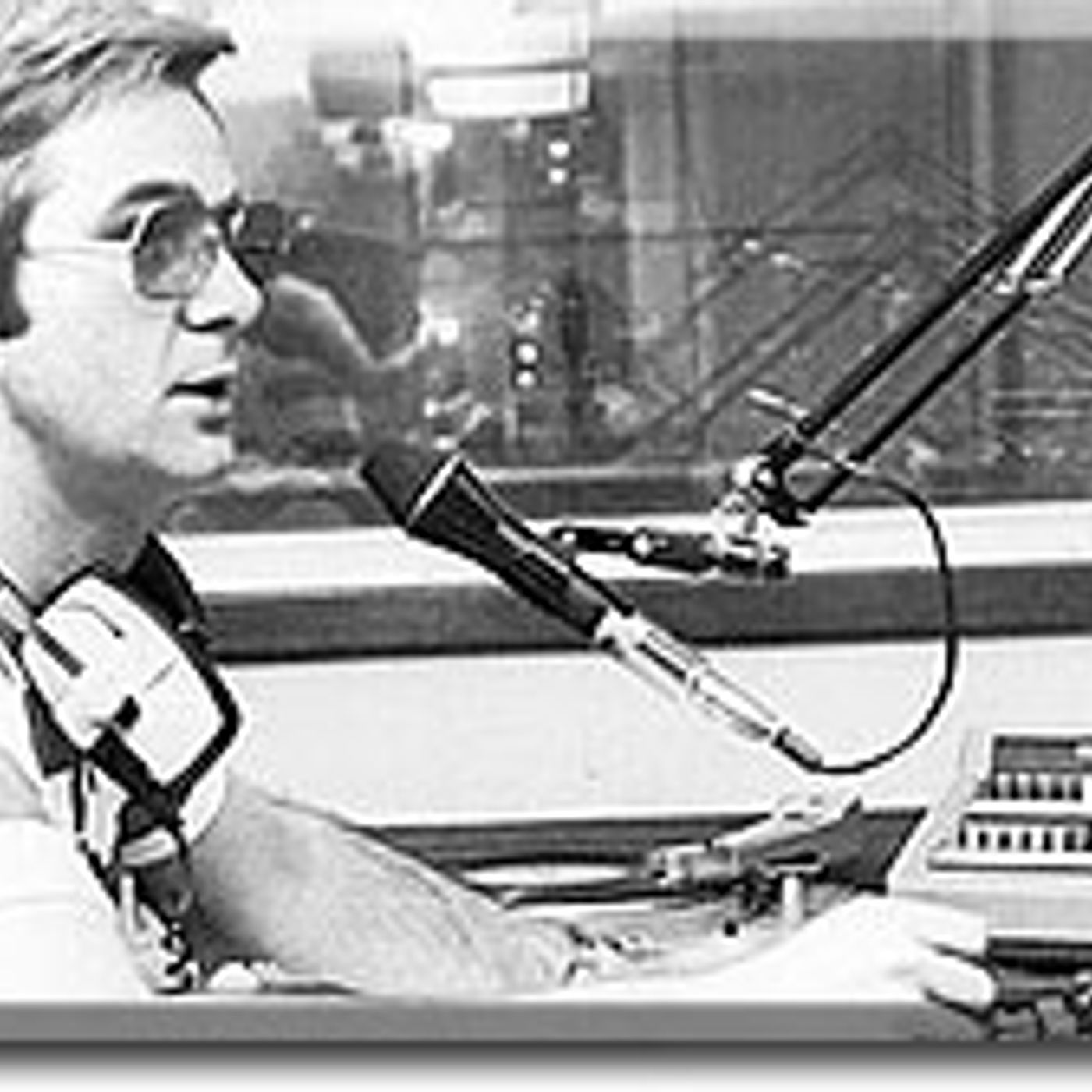
Ep 10751075: Robbie Vincent with Vanessa Feltz in 2015

Ep 10741074: BBC Radio London regains its name
Radio London was not amongst the first tranche of experimental BBC locals, not coming on air until 1970. The BBC local radio journey had been a complex one, not least in the Capital, where after the off-air trials in the early 60s, it was even felt that ‘borough stations’ rather than a London-wide one might be the right answer. That idea was to resurface again later in the station’s challenging life. Running a traditional local station in a big city was always to be hard work, as it proved too in Birmingham and Manchester. Maybe that’s one reason why the station has enjoyed so many different names, becoming variously Radio London, Radio London 206, GLR, LDN, London Live – and – in October 2015, as heard here, it returned to ‘Radio London’.

Ep 10731073: First Chris Moyles show on Radio X
When a presenter rises to the top and stays there, it’s usually a combination of the talent, the station and a time and a place. When the talent moves to a new station, it’s often the case that the audience fails to follow to any significant degree. There are many examples where it has not, and a few where it has. Now, maybe times are changing. There is more flicking, loyalties to stations are lessening, and whilst radio penetration remains high, it’s simply easier now to explore and ever-growing range of stations. Social media too helps to keep the talent brand alive, and its audience informed of its new home. Chris Moyles left Radio 1 after ten years; and was a powerful influence in contemporary British radio, the likes of whom can be counted on a couple of hands. A few more will find their way onto that stage given a few more years and sufficient time at the right station. Enjoy here the first show from Chris after three years’ absence. It was a great performance. The feel of anarchy and freedom; the sort which has immaculate production/self-production at its heart.
Ep 10721072: What's next on Radio 4?
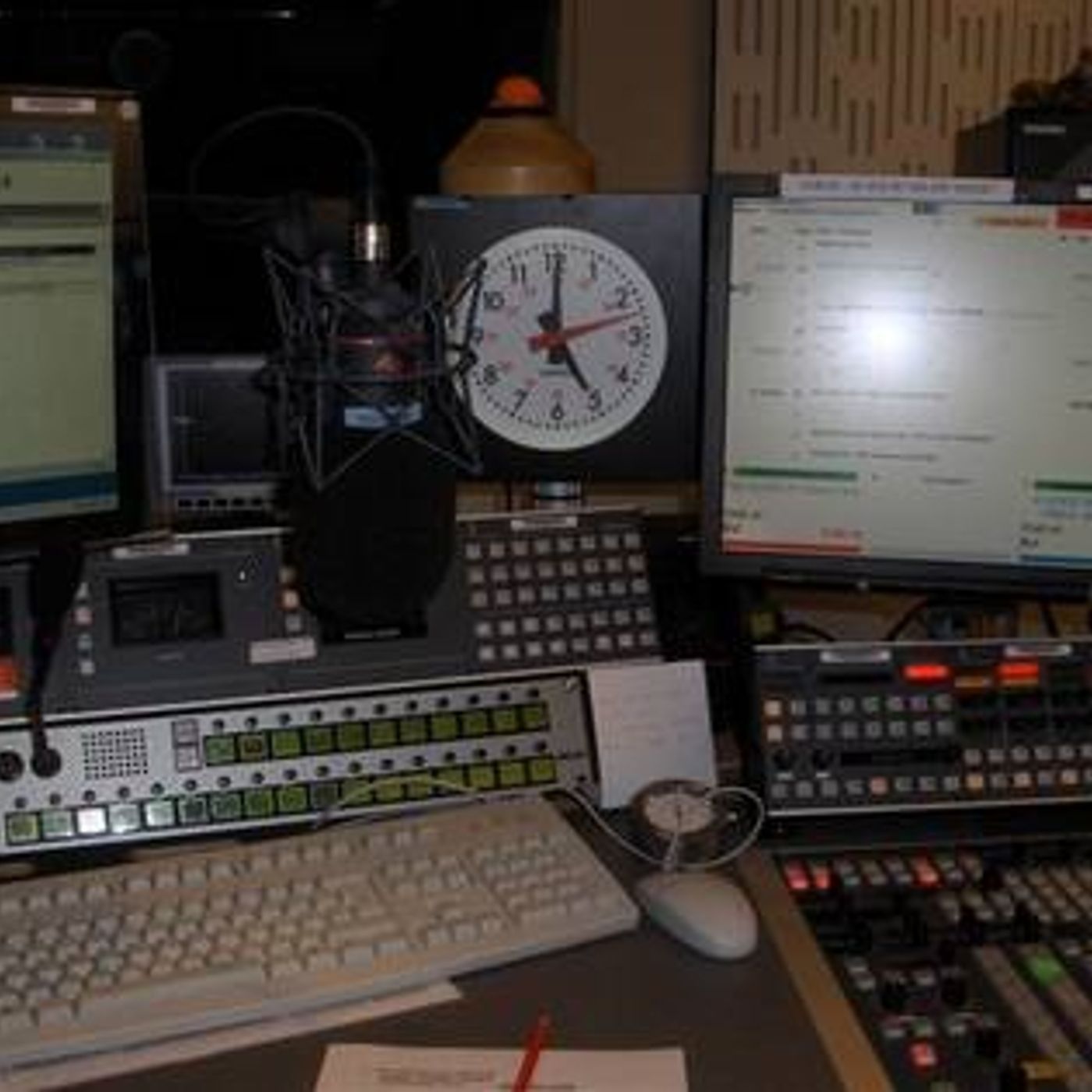
If you wondered what Radio 4 continuity announcers do during the programmes, this gives a clue. (2nd Oct 2015 1630) I love the exasperated cluck too. Beautiful. Lest there be any offence, may I just say I think the cast of continuitors are all simply wonderful, and I would campaign naked down Carnaby Street if any future BBC regulator were to dare to suggest their removal.
Ep 10711071: RadioMoments Review 2nd Oct 2015
Another fond look back to this week in radio history, for the week ending October 2nd 2015, as heard at the end of the week's RadioTalk podcast from Radio Today

Ep 10701070: Lincs FM DAB Switch On - 1st October 2015
The low-key switch on of the seriously overdue Lincolnshire Multiplex.
Ep 10691069: RadioMoments w/e 25th Sept 2015
Another fond look back to this week in radio history, for the week ending September 25th 2015, as heard at the end of the week's RadioTalk podcast from Radio Today
Ep 10681068: Century (North East) launch 1994
The start of the bright yellow Century Radio, from the North East, in the days when it did not envisage ever becoming a brand. The station launched in 1994, backed by Border Television, in the hands of the irrepressible John Myers who carved it out in his own image - big, loud and with a powerful personality. Heavy on speech, with a demanding Radio Authority Format, discharged through blocks of phone ins surrounded by AC and pop music, it attracted huge listening hours and became a force to be reckoned with.
Ep 10671067: RadioMoments Review 18th Sept 2015
Another fond look back to this week in radio history, for the week ending September 18th 2015, as heard at the end of the week's RadioTalk podcast from Radio Today
Ep 10661066: RadioMoments Review 11th September 2015
Another fond look back to this week in radio history, for the week ending September 11th 2015, as heard at the end of the week's RadioTalk podcast from Radio Today
Ep 10651065: Princess Elizabeth's first radio broadcast - 1940
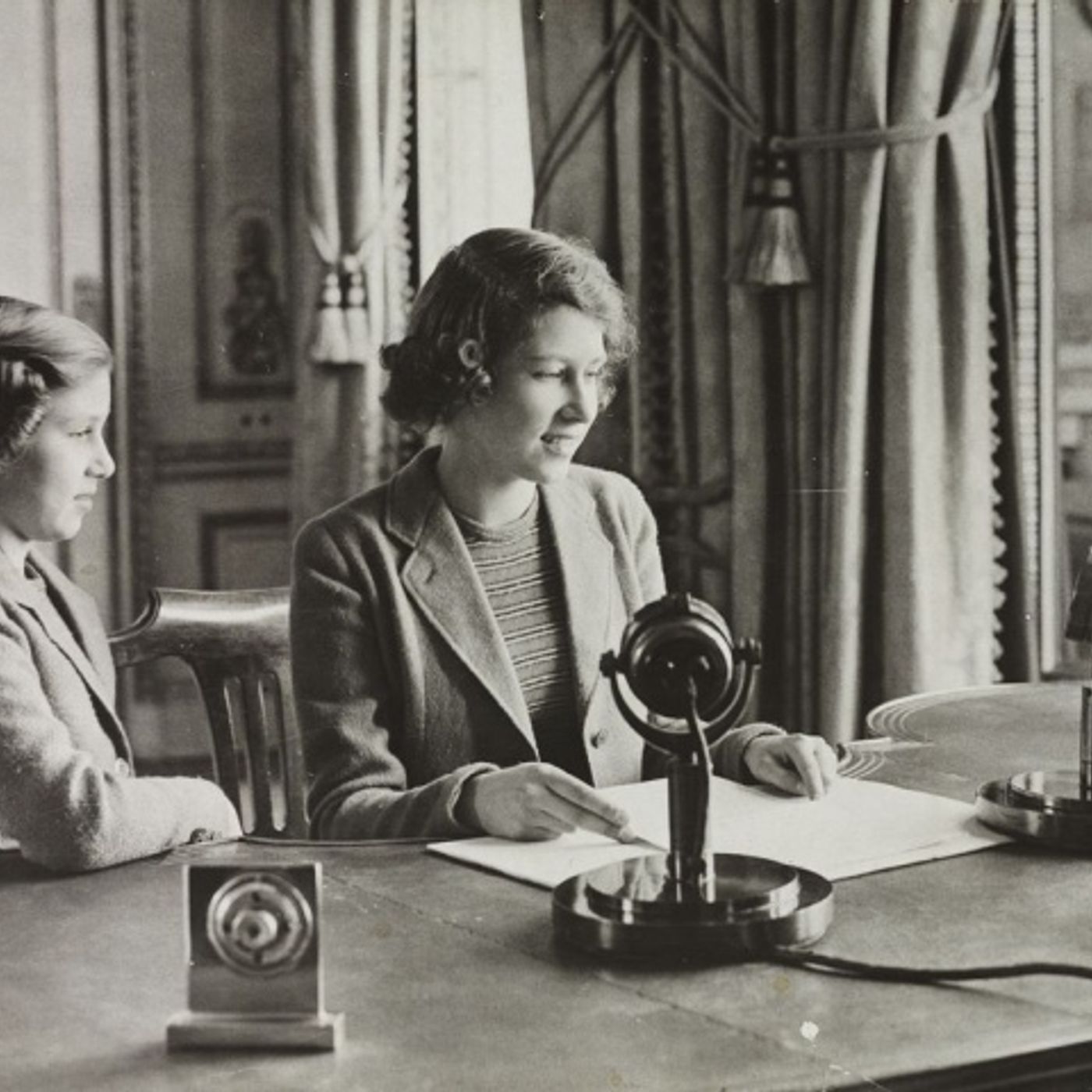
The Queen had a good first show. No accapella name-check jingles, but she surely left an impression. It was an early double act, with Princess Margaret by her side, just chipping in at the end, but not doing the travel news. Enjoy here the immaculate first broadcast from then then Princess Elizabeth, as part of Children’s Hour from the BBC Home Service on 13th October 1940. Anyone who doubts how language and delivery changes over the years, even in the Queen’s case, should listen to this.
Ep 10641064: RadioMoments 4th September 2015
Another fond look back to this week in radio history, for the week ending September 4th 2015, as heard at the end of the week's RadioTalk podcast from Radio Today

Ep 10631063: RadioMoments Review 28th August 2015
Another fond look back to this week in radio history, for the week ending August 28th 2015, as heard at the end of the week's RadioTalk podcast from Radio Today
Ep 10621062: RadioMoments Review 21st August 2015
Another fond look back to this week in radio history, for the week ending August 21st 2015, as heard at the end of the week's RadioTalk podcast from Radio Today
Ep 10611061: RadioMoments 14th August 2015
Another fond look back to this week in radio history, for the week ending August 14th 2015, as heard at the end of the week's RadioTalk podcast from Radio Today
Ep 10601060: End of Capital Gold - 2007

Ep 10591059: Beginning of Gold - 2007
Ep 10581058: RadioMoments 7th August 2015
Another fond look back to this week in radio history, for the week ending August 7th 2015, as heard at the end of the week's RadioTalk podcast from Radio Today

Ep 10571057: Allied Expeditionary Forces Launch - Franklin Engelmann
Radio found its place during World War II in so many ways. From providing reassurance and company to dispensing vital information; from boosting morale to spreading propaganda. The many American Forces personnel stationed in the UK, accustomed to vibrant US radio, were a little perplexed by staid Auntie BBC, even its General Forces Programme, which was doing so much to provide for the needs of our own troops. As the number of Americans grew, it was clear a dedicated service would be required, and if the BBC did not aid its provision in the UK, then the Americans would do it for themselves. The American Forces Network (AFN), went on air on July 4th, 1943, on 50 transmitters in the UK, with BBC co-operation. As squabbles broke out between the varying demands of the audiences, and the various factions of the broadcasters, it was clear a more structured solution was necessary. On June 7th 1944, on 1050 kHz AM, (later 583), the Allied Expeditionary Forces Programme began, broadcasting from Broadcasting House. Famously, the childish yet eerie tune ‘Oranges and Lemons’ was adopted as its call-sign, played on a nova-chord. There was an introductory announcement by Franklin Engelmann, who was later to be the first host of ‘Pick of the Pops’, followed by a prayer and a news bulletin. ’Rise & Shine’ followed, co- hosted by Ronnie Waldman. Drawing on programmes from across the World, this service lasted just 14 months, closing down on July 28th, 1945.
Ep 10561056: Cilla's death - on radio in Liverpool
Ep 10551055: BBC Strike August 1985
Just after Mrs Thatcher declared that terrorists should be starved of the "oxygen of publicity", it transpired a senior Republican paramilitary had been interviewed for a BBC 'Real Lives' documentary: 'At the Edge of the Union'. Home Secretary, Leon Brittan, wrote to the BBC Chairman, Stuart Young, asking the BBC to cancel the broadcast. The Governors called an emergency meeting and ordered that it could not go out. When this was seen as government censorship, BBC and staff in other media went on a day's strike; and the Assistant Director-General suggested the Governors were to the BBC 'what the iceberg was to the Titanic'. The programme was later broadcast with minor amendments included; BBC procedures were tightened; and some months later the DG Alasdair Milne was asked to step down.
Ep 10541054: RadioMoments 31st July 2015
Another fond look back to this week in radio history, for the week ending July 31st 2015, as heard at the end of the week's RadioTalk podcast from Radio Today.
Ep 10531053: RadioMoments review 24th July 2015
Another fond look back to this week in radio history, for the week ending July 24th 2015, as heard at the end of the week's RadioTalk podcast from Radio Today.

Ep 10521052: James Cridland on Today programme on DAB
Pieces about DAB on BBC Radio 4 are always a little challenging. Despite many their listeners being some of the earliest investors in DAB technology and the appreciable proportion of listening on that very platform, interrogation on the issue, whether on You & Yours or on the Today programme, is always a tad sniffy. Luckily, the reluctant hosts are usually outwitted by guests who know their stuff. This piece with James Cridland on 20th July 2015.
Ep 10511051: Matt Deegan on Today prog on DAB
Pieces about DAB on BBC Radio 4 are always a little challenging. Despite many their listeners being some of the earliest investors in DAB technology and the appreciable proportion of listening on that very platform, interrogation on the issue, whether on You & Yours or on the Today programme, is always a tad sniffy. Luckily, the reluctant hosts are usually outwitted by guests who know their stuff. Relish this piece with Mat Deegan from Folder Media on 21st July 2015.
Ep 10501050: RadioMoments Review 17th July 2015
Another fond look back to this week in radio history, for the week ending July 17th 2015, as heard at the end of the week's RadioTalk podcast from Radio Today.
Ep 10491049: Talk Radio Montage
Having run a talk station, I can quite imagine what the presenter offices of the old Talk Radio UK must have been like. You hire the greatest talk talent ‘cos they are larger than life. They can debate, argue, generate heat as well as light and win any argument. Off-air they are much the same. Mix James Whale with a dose of Anna Raeburn, a smattering of Simon Bates, a right wing David Starkey and a know it all blunt lawyer like Gary Jacobs, what do you do when Jeremy Beadle walks in with Dale Winton? I know I am mixing the eras there, but I suspect any one of Talk Radio’s programmers would confirm that their particular gifted menagerie were quite a handful. Talk went through several eras, as it sought to identify a hole in the UK talk market which was not the BBC’s but also not an American shaped. Having launched in 1994, and produced some brilliant programming along the way, alongside some significant challenges, the station lasted for four years before turning into the clearly-defined and successful Talk Sport. This selection of promos, thanks to Drew White, illustrate the TRUK days.

Ep 10481048: Island FM launch - 1992
For us mainlanders working in competitive markets, it is truly wonderful to arrive in a place where every radio is locked on to the same station. In every coffee shop, taxi and shop on lovely Guernsey, you hear Island FM. On visiting, the station's small staff - in its modest out of town location - remind you that you don't need hundreds of folk to make valued radio. They are proud of their station, and so they should be. Island FM launched on October 15th 1992, the great JAM jingles at the actual launch complemented by the official civic ceremony a little later.
Ep 10471047: RadioMoments Review 10th July 2015
Another fond look back to this week in radio history, for the week ending July 10th 2015, as heard at the end of the week's RadioTalk podcast from Radio Today.
Ep 10461046: RadioMoments 3rd July 2015
Another fond look back to this week in radio history, for the week ending July 3rd 2015, as heard at the end of the week's RadioTalk podcast from Radio Today.
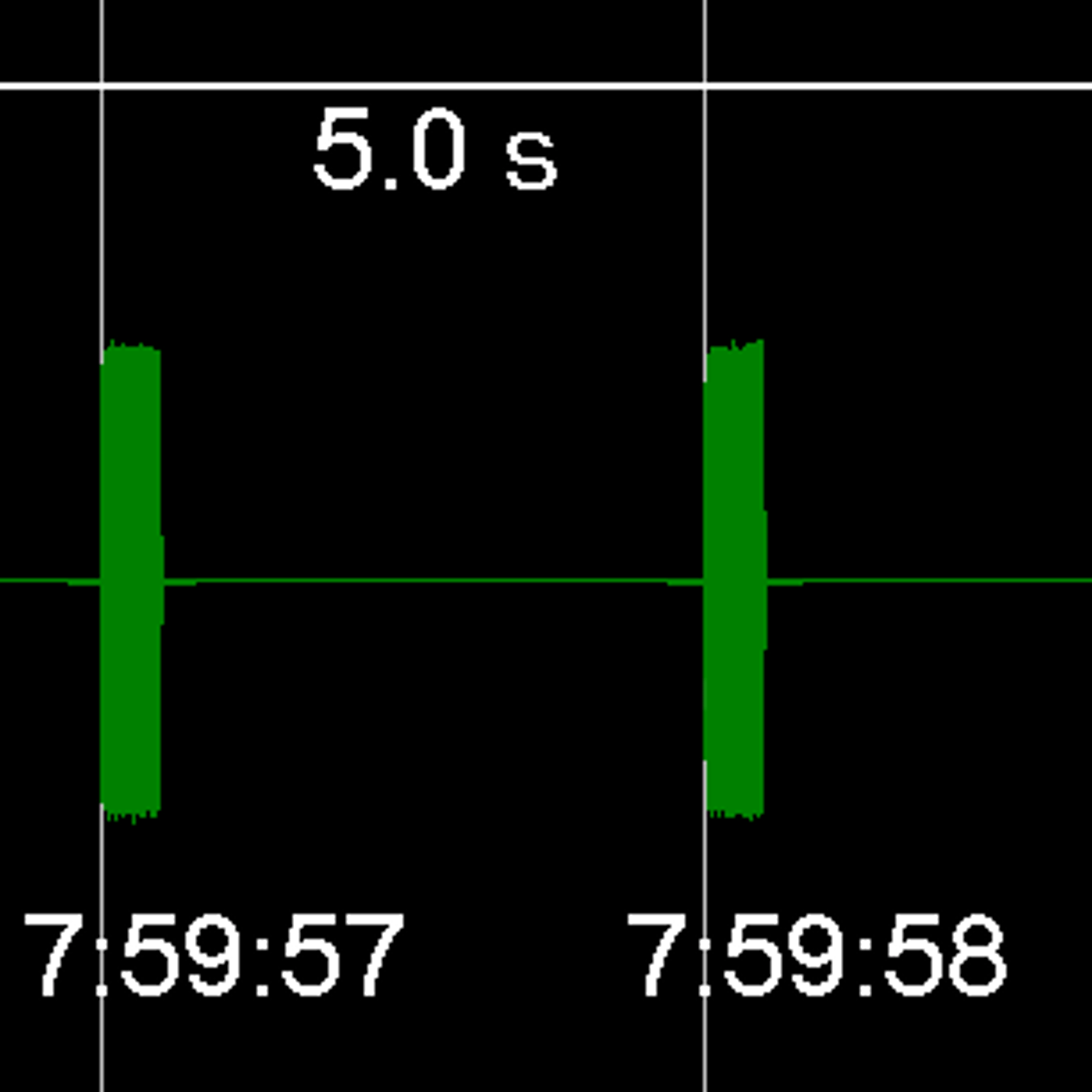
Ep 10451045: Seven Pips - 01.00 BST 1st July 2015
At midnight GMT (0100 BST here in the UK), the planet gained an extra second. The dial on an atomic clock read 23:59:60 before ticking forward to 00.00.00. This last happened in 2012. On-air in the UK, the shift was neatly accommodated by an extra pip in the Greenwich Time Signal. The addition of this “leap second” allows the Earth’s rotation, which is gradually slowing, to catch up with atomic clocks. Some nations argue that the addition of these naughty seconds is posing an ever-growing problem to the many precision devices controlling important things. Another solution may be found – check out the meeting of the International Telcommunications Union this November and they’ll tell us.

Ep 10441044: Final Simon Bates Top 40 links - August 1979
Ep 10431043: RadioMoments 26th June 2015
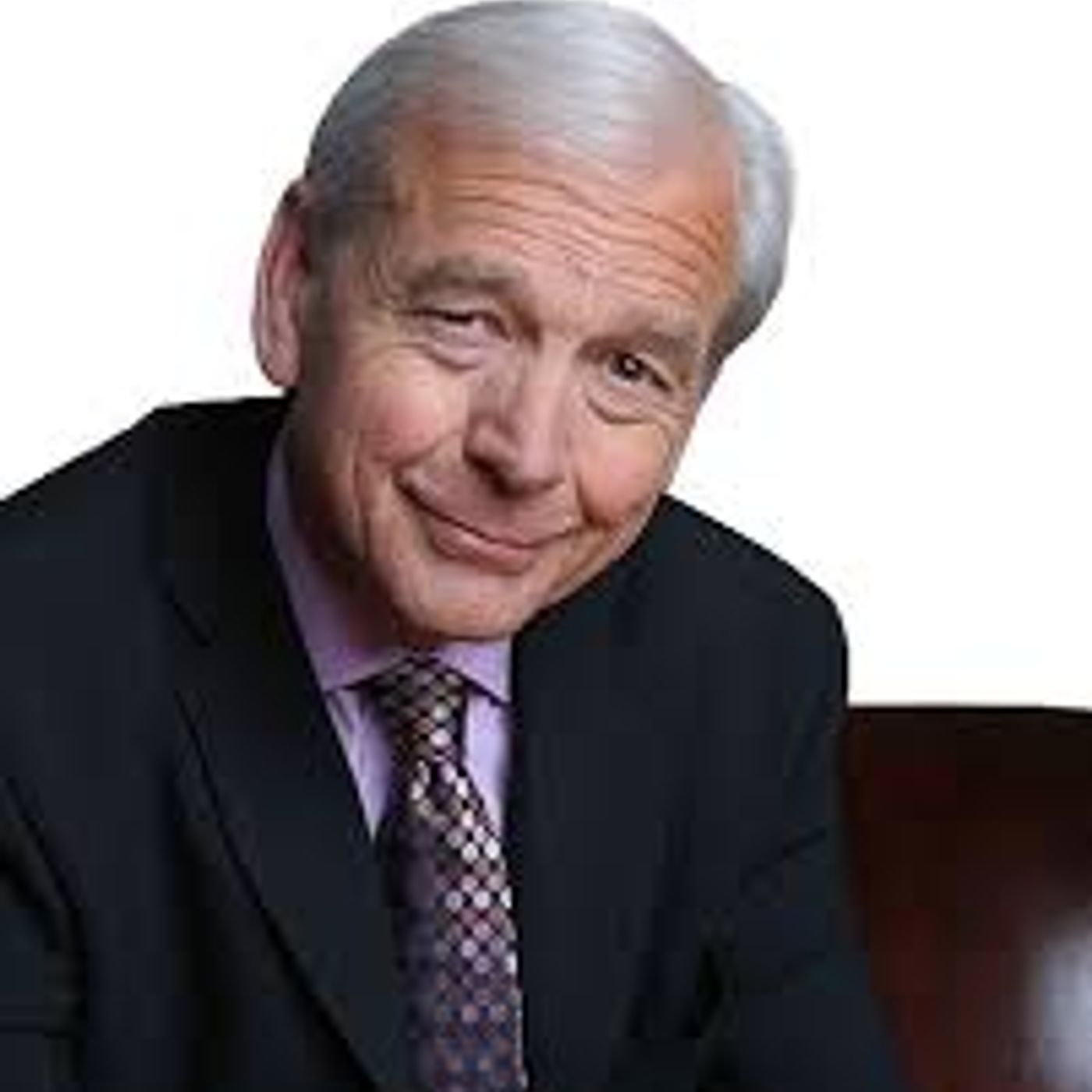
Ep 10421042: John Humphrys - Today newsreaders!
Ep 10411041: RadioMoments Review 19th June 2015
Another fond look back to this week in radio history, for the week ending June 19th 2015, as heard at the end of the week's RadioTalk podcast from Radio Today.
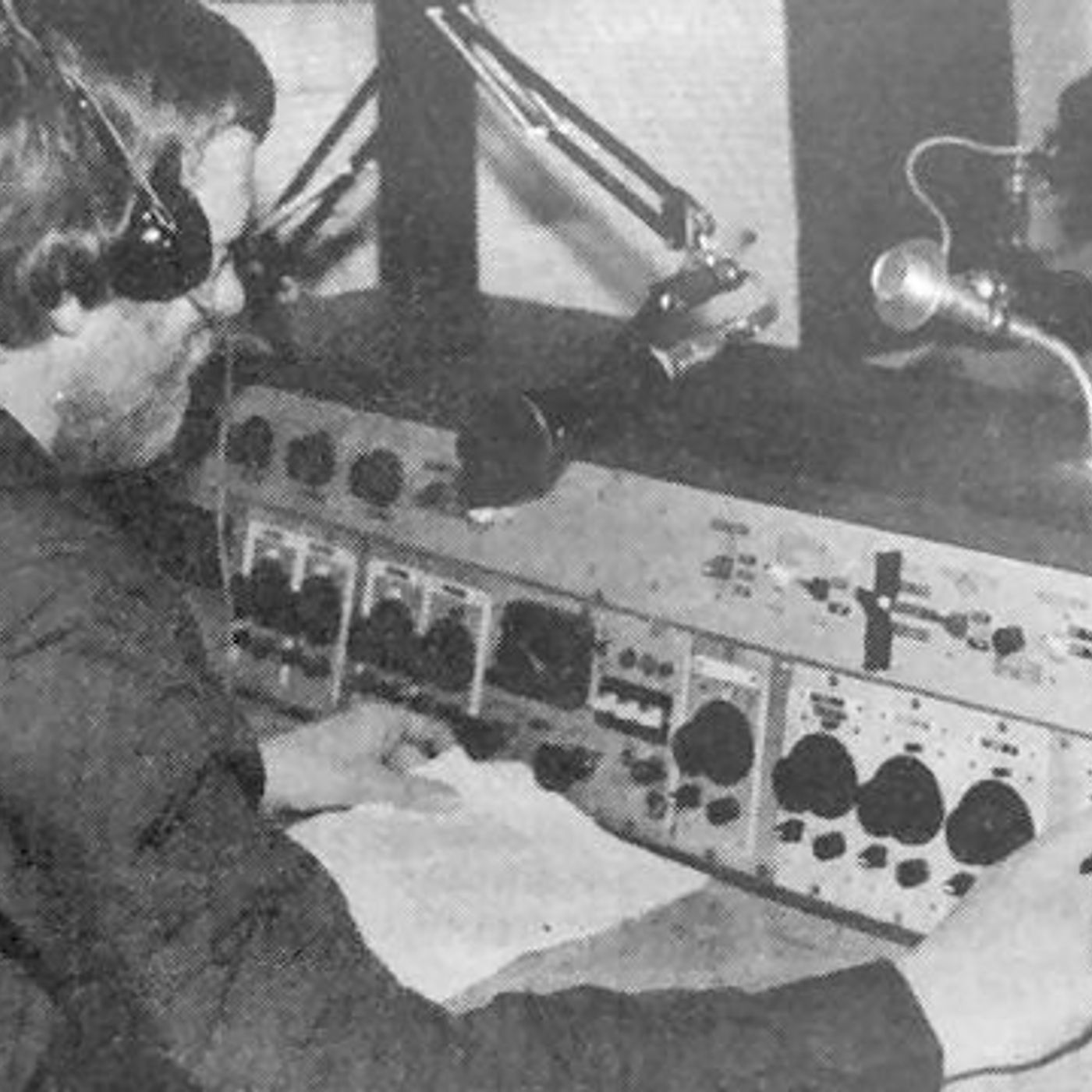
Ep 10401040: BBC Radio Brighton's early on-air debute - 1967
Snow's great news for local radio. Whatever the usual station allegiances, you can bank on the fact that you might attract at least some level of 'curiosity cume' from an audience hungry for information or just seeking to wallow in a great English drama. The timing of such conditions were a little awry for BBC Radio Brighton, coming some weeks before its official launch in February 1968. Little wonder then that the station chose to launch, in a limited way, prematurely. On 8th December 1967, with local residents trapped in offices and schools, the BBC's Frank Gillard asked the Post Office (which controlled transmissions and related matters back then) for an early start. The Light Programme even gave the fledgling service an excited mention and the Pavilion studio went live.
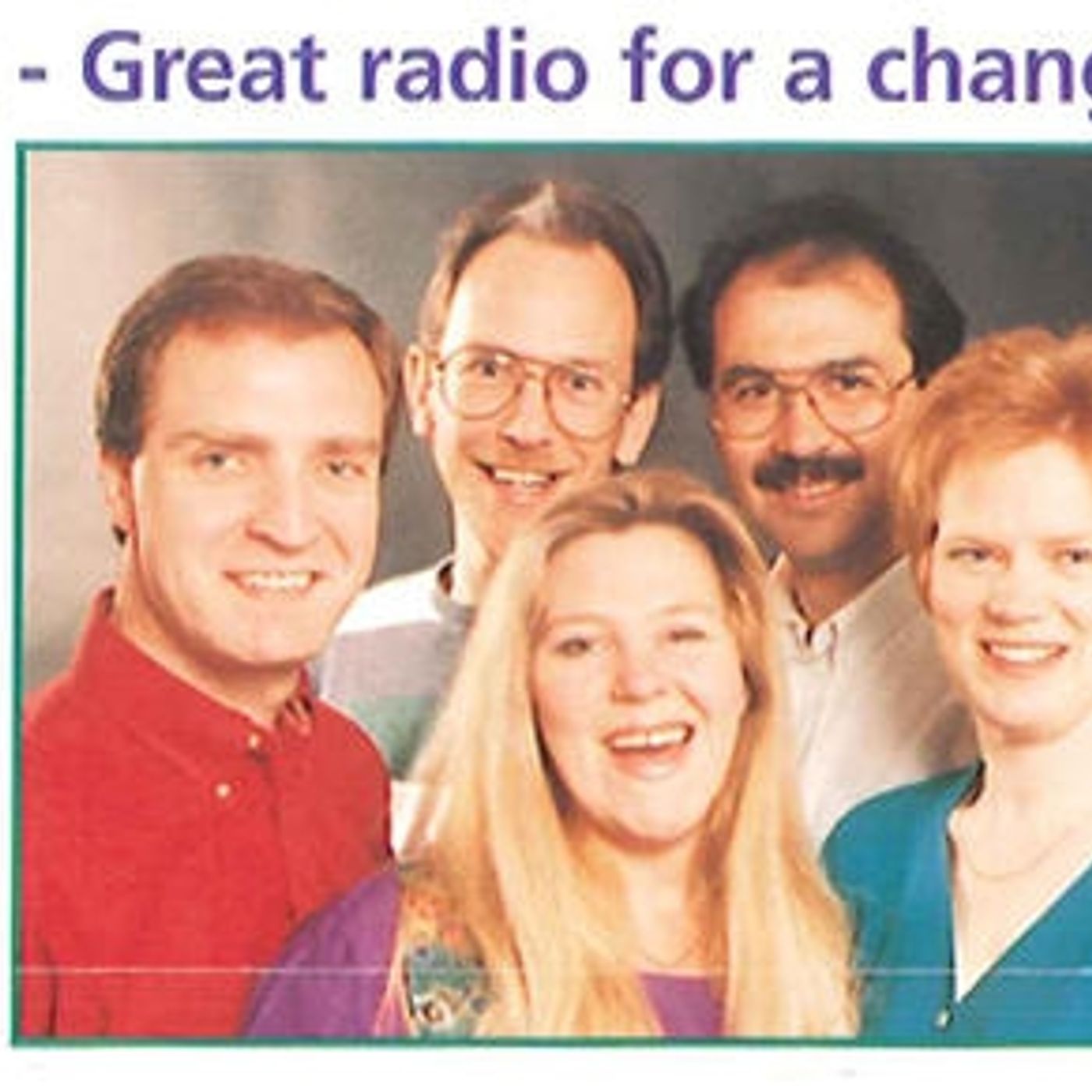
Ep 10391039: Premier Radio - Launch
It seemed to be due to an inadvertent oversight that a Christian radio station could not hold a radio licence, so there was considerable joy for the pioneers when, at last, a station like Premier Radio could launch. Hear here the countdown at Battersea Park in 1995, and then the voice of Peter Meadows , in conversation with the then Programme Controller, Mark Seaman.

Ep 10381038: RNI and the 1970 General Election - Paul Rowley
Surprise election results are nothing new. In 1970, the Conservatives rallied a majority of 30 even though most opinion polls predicted a very different result, and bristling Ted Heath duly replaced the raincoat of Harold Wilson at Number Ten. It was a noteworthy election as the voting age was lowered to 18 for the first time, and spotty youths hurried to the ballot box on the way to the pub. For radio, if was significant too. This new Government was to announce it would introduce commercial radio, as it did with the Sound Broadcasting Act 1972. It was also an election where one radio station was to break the rules - and openly rally support for a party. Having been jammed by the British government, the pirate Radio Northsea International, anchored just off the coast, vented its frustration by urging voters to turn Right. Its impact was compounded by the tactical adoption of the fond 'Radio Caroline' brand, a name which elicited painful memories of the role Harold Wilson had seemingly played in taking away their favourite pirate music stations three years previously. Whether or not the station did play an appreciable role in this political surprise is a matter for debate, as explored brilliantly in this documentary by Paul Rowley.
Ep 10371037: RadioMoments week ending 12th June 2015
Another fond look back to this week in radio history, for the week ending June 12th 2015, as heard at the end of the week's RadioTalk podcast from Radio Today.
Ep 10361036: RadioMoments 5th June 2015
Another fond look back to this week in radio history, for the week ending June 5th 2015, as heard at the end of the week's RadioTalk podcast from Radio Today.
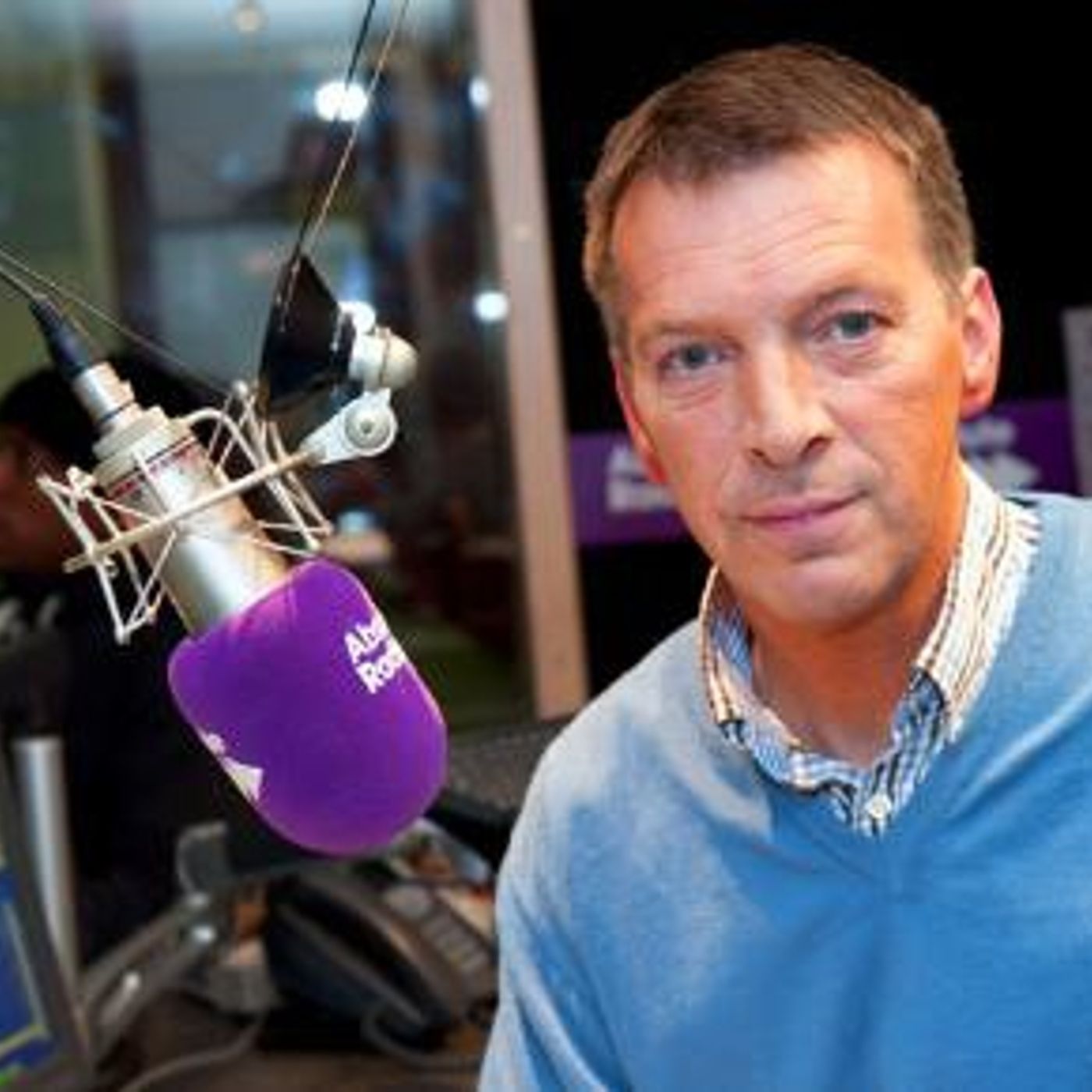
Ep 10351035: Final Russ Williams show on Absolute Radio
Not many presenters last 22 years on-air, least of all on commercial radio where tastes of listeners and management can change quickly. Through a multitude of colourful owners, drama and two brand names, the Russ Williams phenomenon survived at the great Golden Square. After 22 years, on 29th May 25, he said his farewells from the station's daytime schedule.
Ep 10341034: RadioMoments 29th May 2015
Another fond look back to this week in radio history, for the week ending May 29th 2015, as heard at the end of the week's RadioTalk podcast from Radio Today.
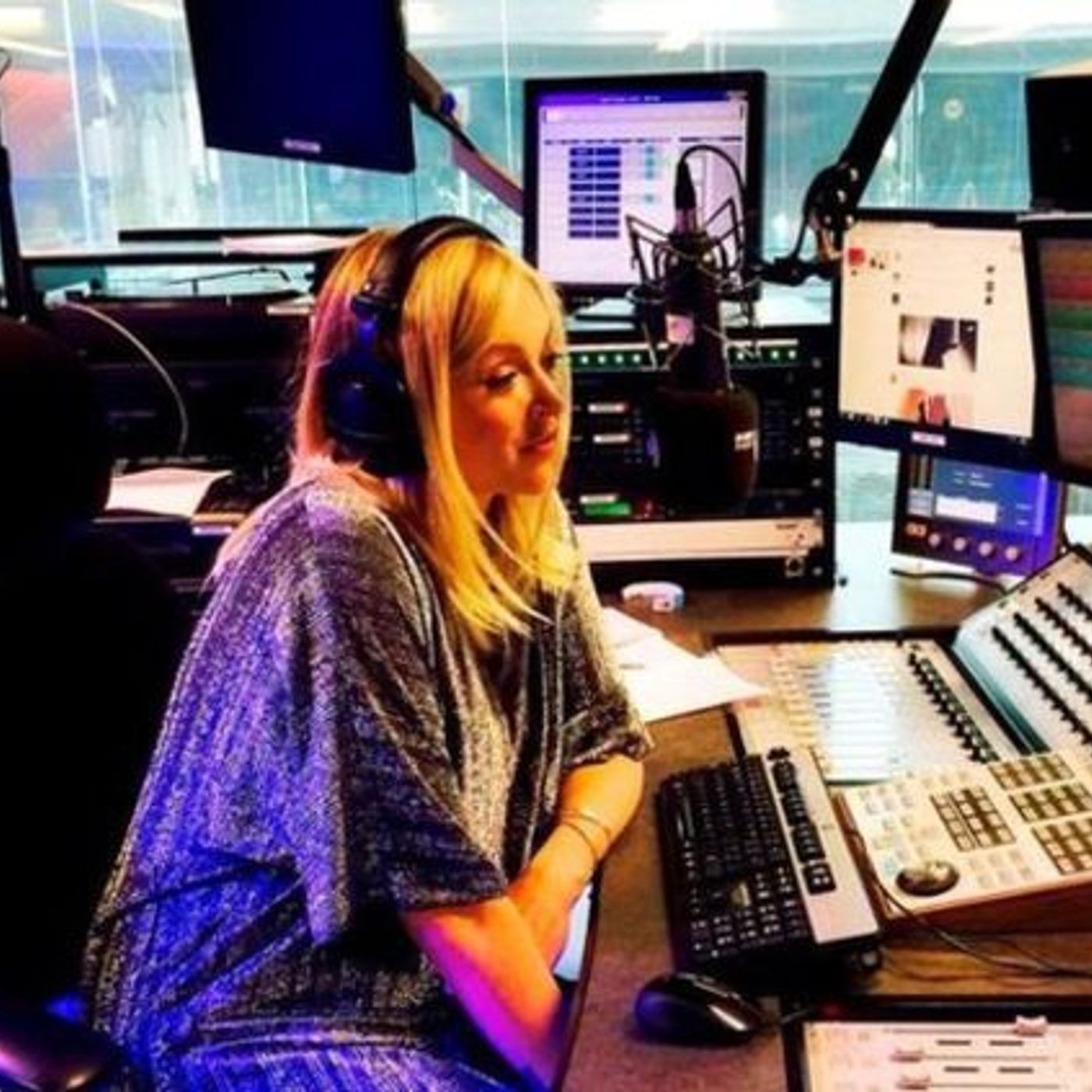
Ep 10331033: Fearne Cotton - Last Radio 1 Show Part 2
Some last shows are low key. A nod to the wise. Some are weighed down with a hidden agenda. Others are purely celebratory; as a presenter says goodbye to colleagues, professional acquaintances and listeners. This one falls in the latter category. As the hashtage #FarewellFearne trended, Fearne Cotton waved farewell to Radio 1 after almost ten years in favour of "family and new adventures" as she prepared for the arrival of her second baby. Fearne and the station easily summoned an enviable roll call of international talent to join in a show which will clearly be remembered with a tear by Fearne. (Part 2 of 2)
Ep 10321032: RadioMoments Review 22nd May 2015
Another fond look back to this week in radio history, for the week ending May 22nd 2015, as heard at the end of the week's RadioTalk podcast from Radio Today.